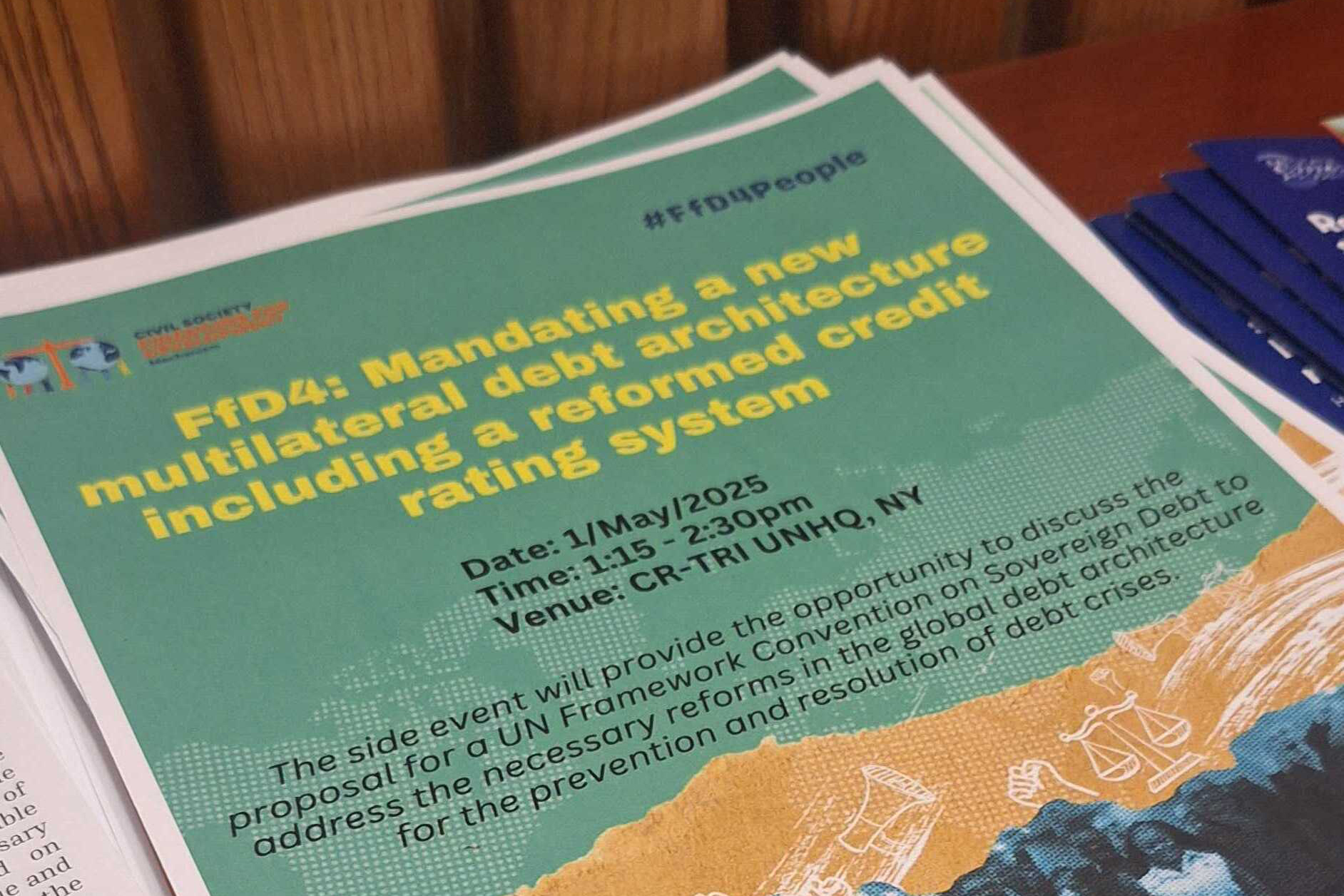
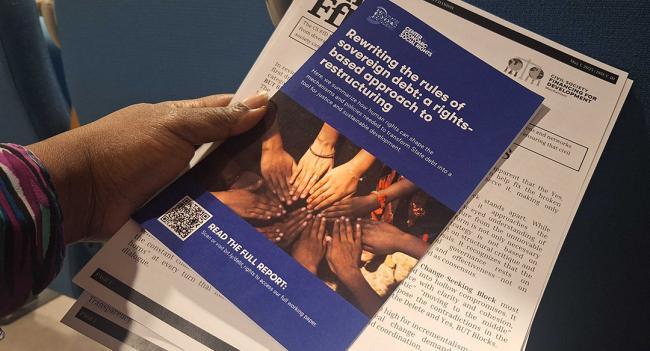
Hot on the heels of news that official development assistance is on track to decline by 50% by the end of 2025, the first session of the fourth meeting of the Preparatory Committee (PrepCom 4.1) for the fourth International Conference on Financing for Development (FfD4) held discussions on aid, trade, taxes, and private finance. In the past two months, at least nine developed countries have announced cuts to their aid allocations in favor of military spending, given the current realignments in geopolitics in North America and Europe.
The interlinkage between these issues, which are all contained in the first draft of the FfD4 outcome document, was not lost on panelists and delegates alike. In an ideal world, effective aid can improve governance outcomes, which in turn can spur both investor confidence (increasing private investment) and trade competitiveness. Combined, these would lead to economic growth, which in turn would broaden the national tax base, all in an endless loop. However, threats to any part of this cycle collapse the loop.
This partly explains the current nested crises on the global economic landscape: the recent imposition of tariffs and shrinking aid budgets are leading to discouraging economic outcomes for developing countries.
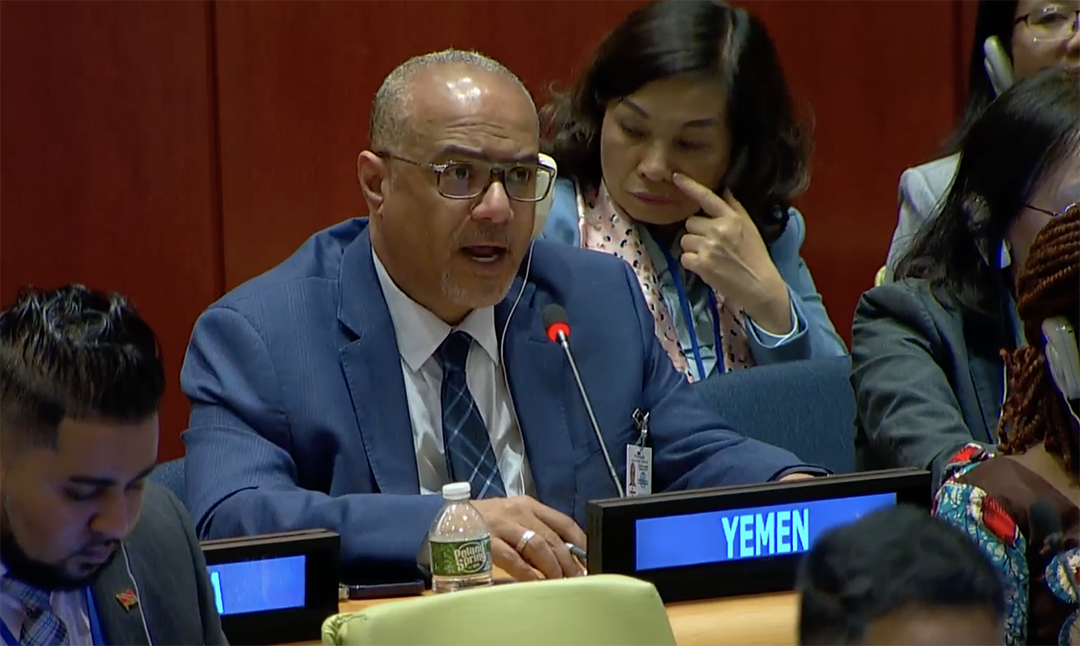
Throughout the day, delegates met in an informal meeting setting to comment on these issues as contained in the first draft. Many developing countries called for assistance in broadening their tax base, calling for actions to address illicit financial flows, restore stolen assets, and address corruption. Delegates also reaffirmed their support for a rules-based multilateral trading system, with many developing countries calling for their full representation in global trade, not only as suppliers of raw materials.
On aid, developing countries outlined the need for developed countries to recommit to contributing 0.7% of gross domestic product (GDP) for official development assistance (ODA). Developed countries, however, called for discussions on a new international development cooperation system that is “beyond ODA,” with some calling to give an opportunity to initiatives like Total Official Support for Sustainable Development (TOSSD).
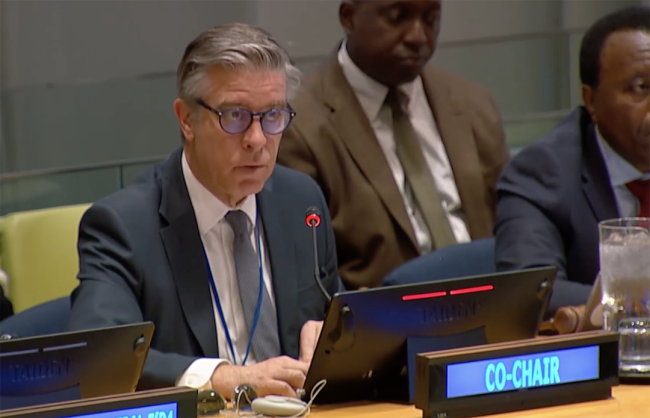
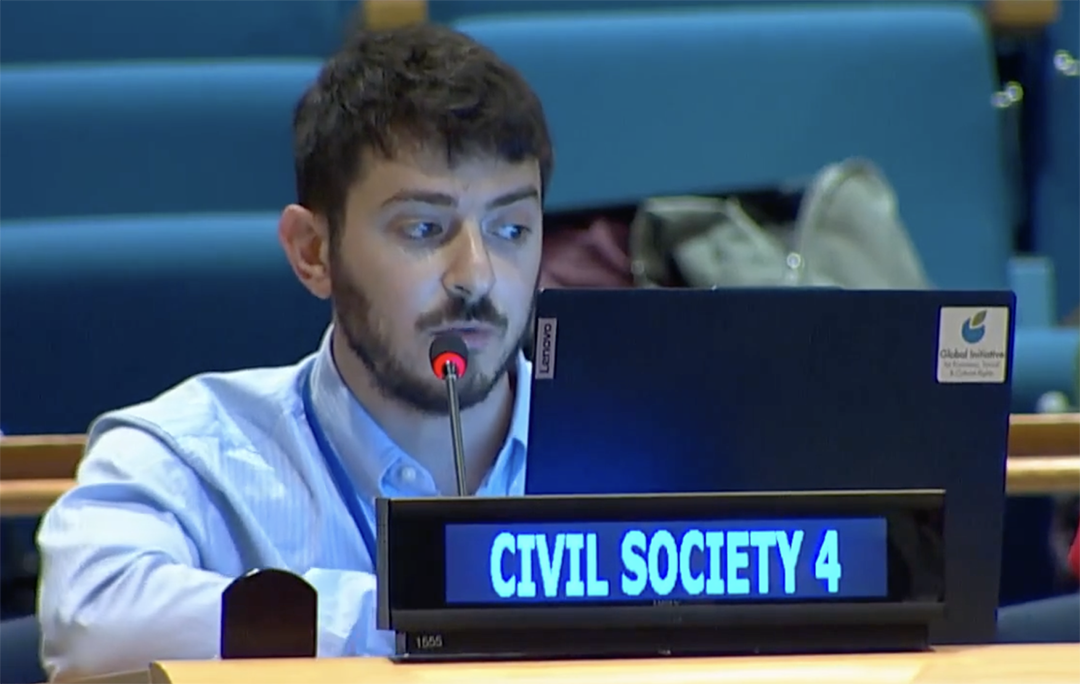
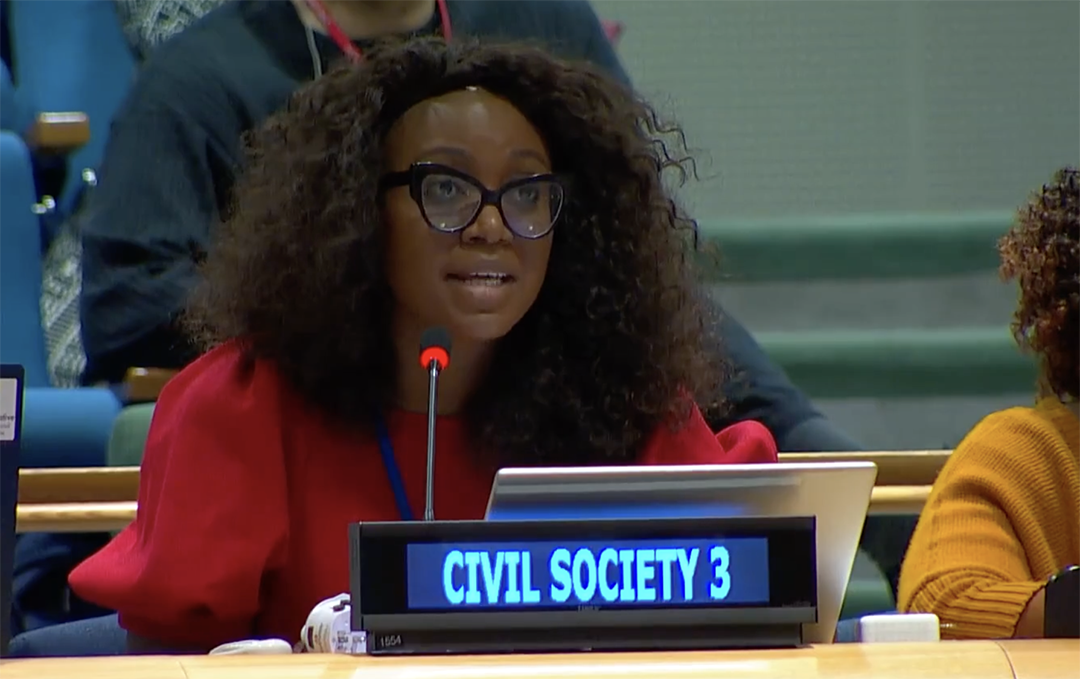
On private finance, many delegations across the developing-developed divide noted the need for creating enabling environments to attract private sector interest. However, some developing countries and observers underlined that this should not come at the expense of ODA. Some observers cautioned against a focus on private finance, with one noting that this type of financing exacerbates inequalities in access to public goods.
In closing, FfD4 Secretary-General Li Junhua, Under-Secretary-General for Economic and Social Affairs, noted that addressing shared challenges will require coordinated, inclusive, multilateral action and called for delegates to find bridging proposals on the challenging parts of the text.
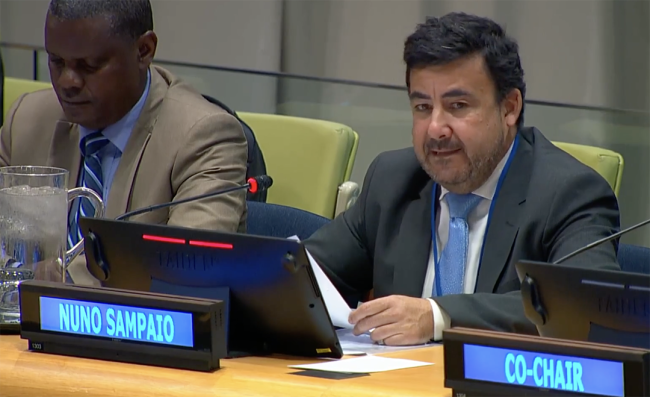
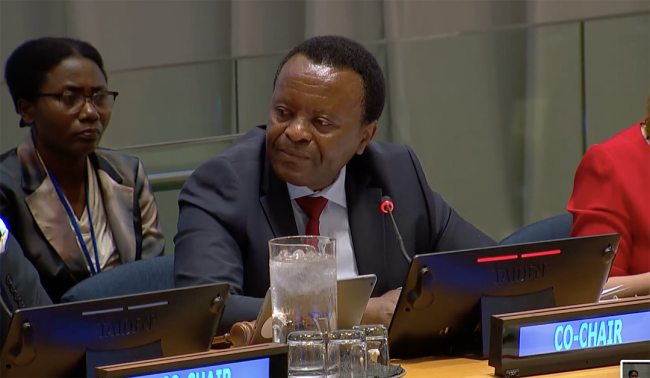
PrepCom Co-Chair Zéphyrin Maniratanga (Burundi) underlined the need for a robust follow-up mechanism to ensure lasting progress. PrepCom Co-Chair Rui Vinhas (Portugal) called to continue to work towards common ground, and underscored that Seville is not the final destination but the springboard. Noting that the dates of PrepCom 4.2 will be announced at a later date, Co-Chair Maniratanga closed the meeting at 5:52 pm.
Selected Images
Around the Venue