

Given the strenuous debt servicing requirements affecting 3.3 billion people worldwide, the role of international financial institutions came into focus on Tuesday. In many of the countries affected by crippling debt repayment policies, investments into education, health, social security, disaster prevention and response and climate resilience are almost impossible to make.
In his comments on this on Monday, UN Secretary-General António Guterres noted that debt which should be a tool to finance development, but lamented that it has become an enemy in developing economies.
Against this background, delegates attending the final day of the Economic and Social Council (ECOSOC) Forum on Financing for Development (FfD) heard from representatives of the World Bank Group (WBG) and the International Monetary Fund (IMF), as well as from the UN Conference on Trade and Development (UNCTAD) and the World Trade Organization (WTO). They considered the role of the two Bretton Woods Institutions (WBG and IMF) in addressing the global debt crisis, with many calls for the institutions to be reformed to better address the needs of developing countries.
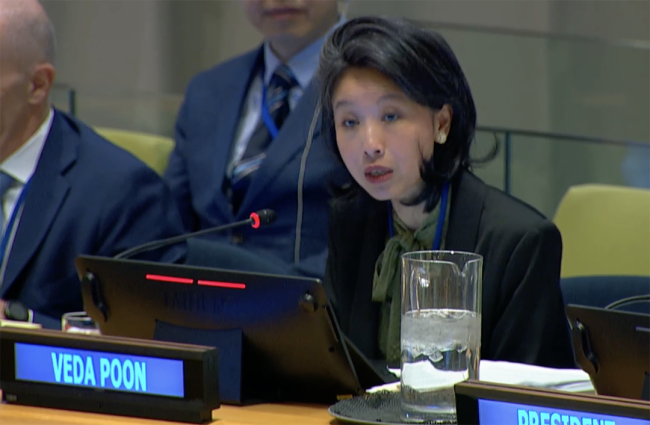
In an interactive discussion, delegates engaged in deep dive on the IMF’s Contribution to the FfD agenda, considering its role in strengthening global macroeconomic and financial stability. Moderated by Veda Poon, IMF Liaison Committee Chair, they heard from Krzysztof Szczerski, Poland and Vice-President of ECOSOC, Al Rashed, Executive Director, IMF-Saudi Arabia, and Kamal Ramburuth, Institute for Economic Justice, representing the civil society.
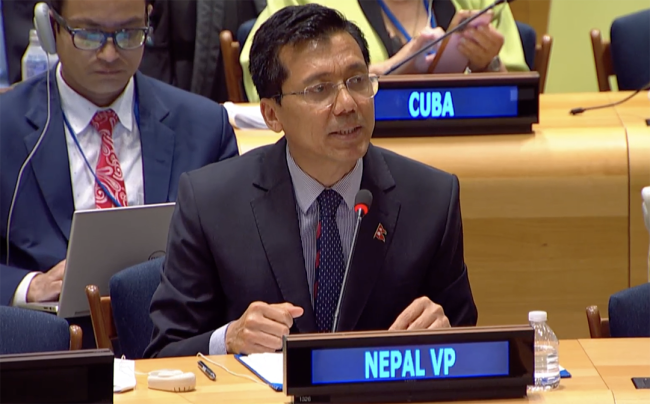
In a second, deep dive, delegates considered the World Bank’s contribution to the FfD agenda, specifically regarding reducing poverty and promoting sustainable development. Moderated by Matteo Bugamelli, Dean, Board of Executive Directors, WBG, they heard from Lok Bahadur Thapa, Nepal and ECOSOC Vice-President, and Rouguiatou Diallo, International Trade Union Confederation, representing the civil society. They also heard from Zarau Wendeline Kibwe, Executive Director for Africa Group 1, WBG.
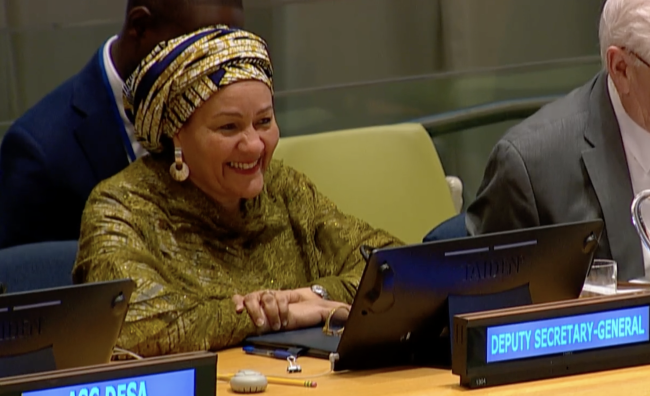
In her closing remarks, Amina Mohammed, UN Deputy Secretary-General, sounded an urgent call for action on the road towards Fourth International Conference on Financing for Development (FfD4), underlining the need to deliver a more responsive financing system. She called for a shift in thinking about financing, emphasized the need to place developing countries at the center, and invited delegates to take part in the Sevilla Platform for Action.
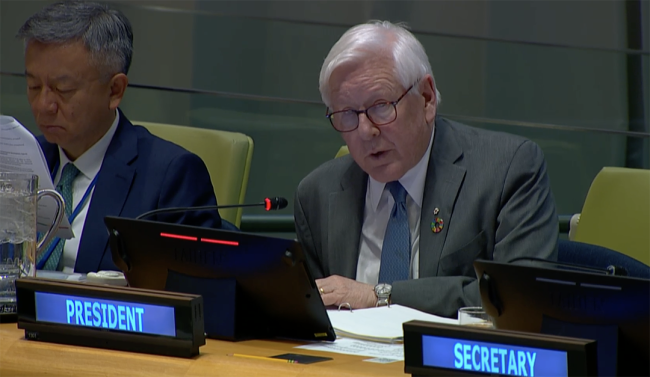
ECOSOC President Bob Rae underlined that exercising sovereign rights should not take place at the expense of anyone else. He urged for a greater number of mutually respectful discussions, both at the UN and under the Bretton Woods Institutions, among the plethora of actors involved in financing for development discussions. He called to broaden horizons to work with others in order to reach agreement in Sevilla and closed the meeting at 1:01 pm.
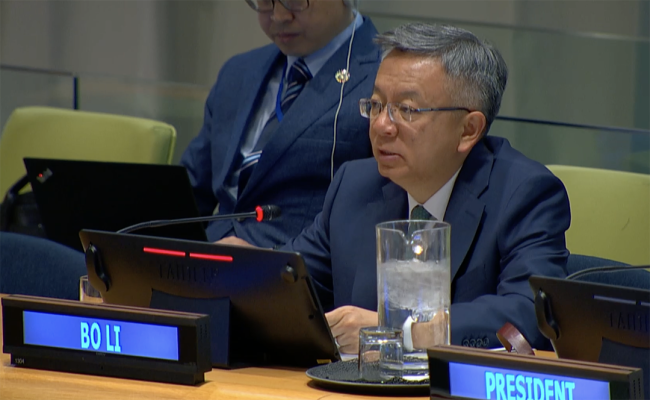
Selected Images
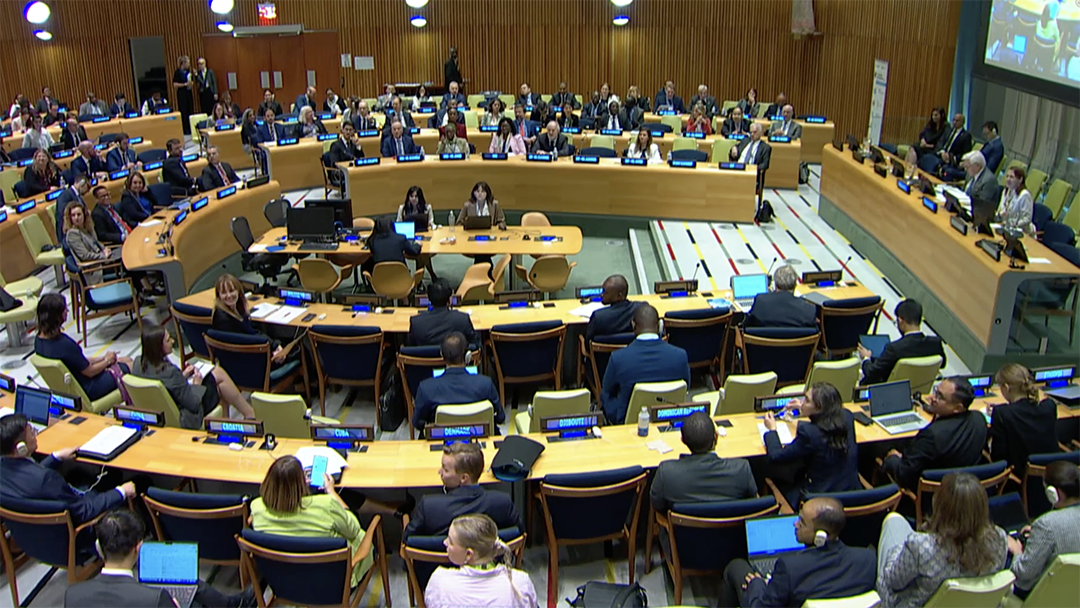
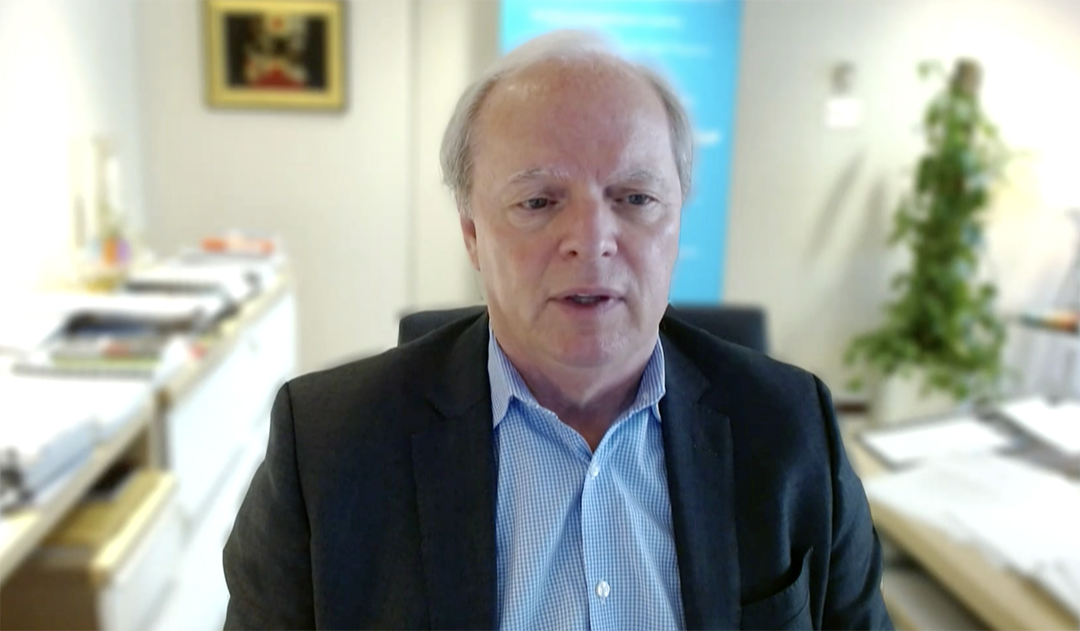
Axel van Trotsenburg, Senior Managing Director, The World Bank Group
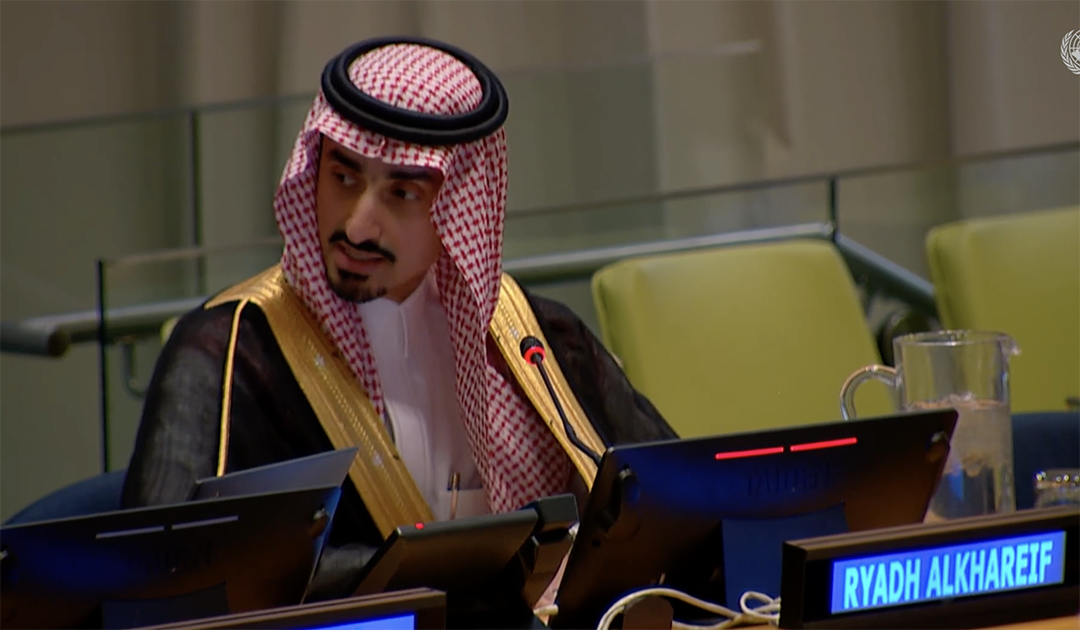
Ryadh Alkhareif, IMF
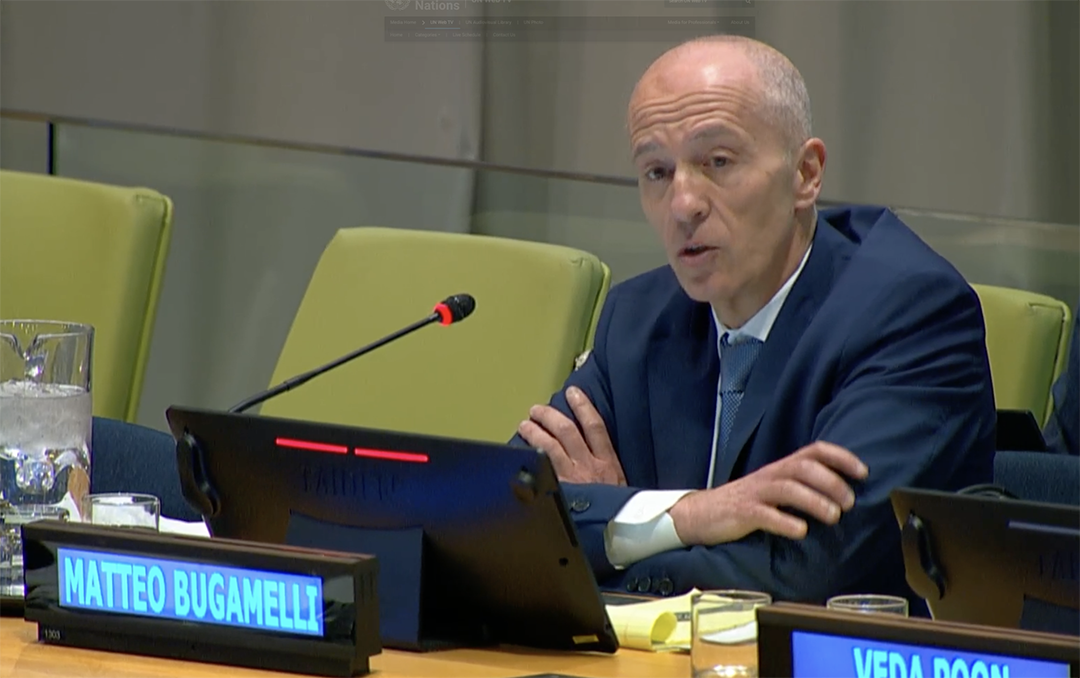
Matteo Bugamelli, Dean, Board of Executive Directors, WBG
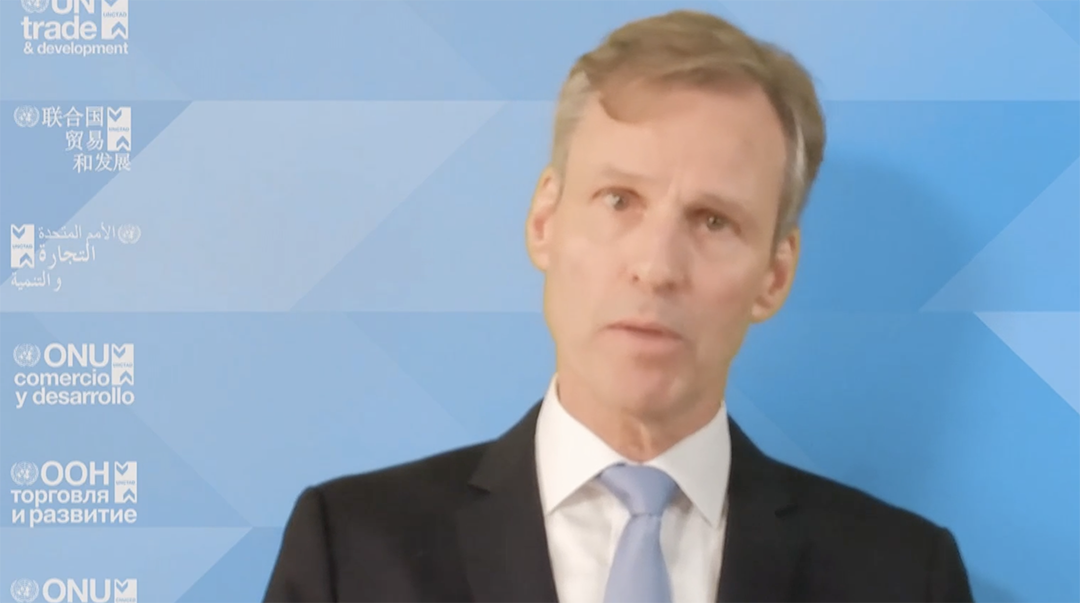
Paul Bekkers, President, Trade and Development Board, UNCTAD