
Although lamentable, it comes as no surprise that the Sustainable Development Goals (SDGs) are severely off track. The world is in the grips of unprecedented uncertainty, with rising geopolitical tensions and widening rifts in inequality. It was in this context that the first session of the fourth meeting of the Preparatory Committee (PrepCom 4.1) for the fourth International Conference on Financing for Development (FfD4) opened at the UN Headquarters in New York.
Immediately following the Economic and Social Council’s (ECOSOC) Forum on FfD, where participants considered how best to tackle the enormous USD 4 trillion financing gap for the SDGs, the PrepCom opened and held broad discussions on the first draft of the FfD4 outcome document.
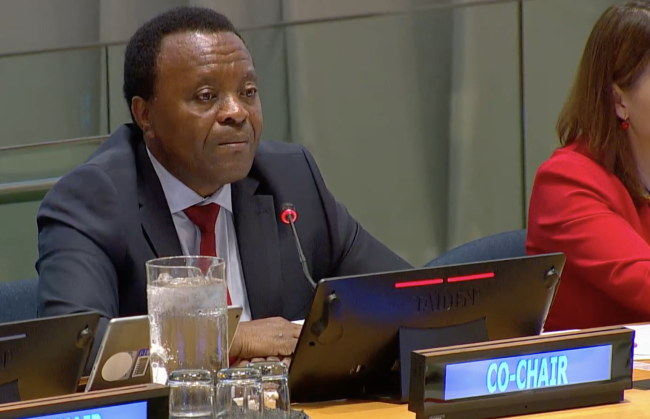
In their opening remarks, PrepCom Co-Chairs Zéphyrin Maniratanga (Burundi) and Rui Vinhas (Portugal) underlined the need to focus on convergence and compromise to make progress on the text, including on the follow-up mechanism. They also welcomed the participation of stakeholders, and called for dialogue, flexibility, and determination to overcome the remaining challenges left in the text.
Li Junhua, Secretary-General of the Conference and Under-Secretary-General for Economic and Social Affairs, welcomed the launch of the Sevilla Platform for Action. For PrepCom4, he called on delegates to build on the momentum from the ECOSOC Forum, noting that FfD4 offers an opportunity to envision a world where development delivers, and one where the financial architecture is in line with development needs.
As host of FfD4, Eva María Granados Galiano, Secretary of State for International Cooperation, Spain, called to build on the steps already taken, reiterated Spain’s commitment to official development assistance (ODA) of 0.7% of GDP, called to mobilize both domestic resources and the private finance, stressed the need for discussions on debt, and underlined the need to move towards budgetary and tax justice.
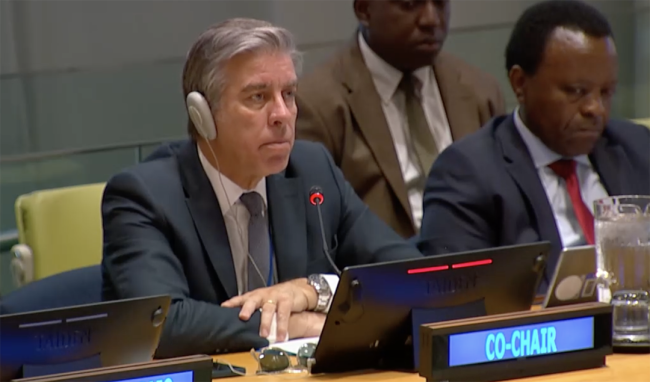
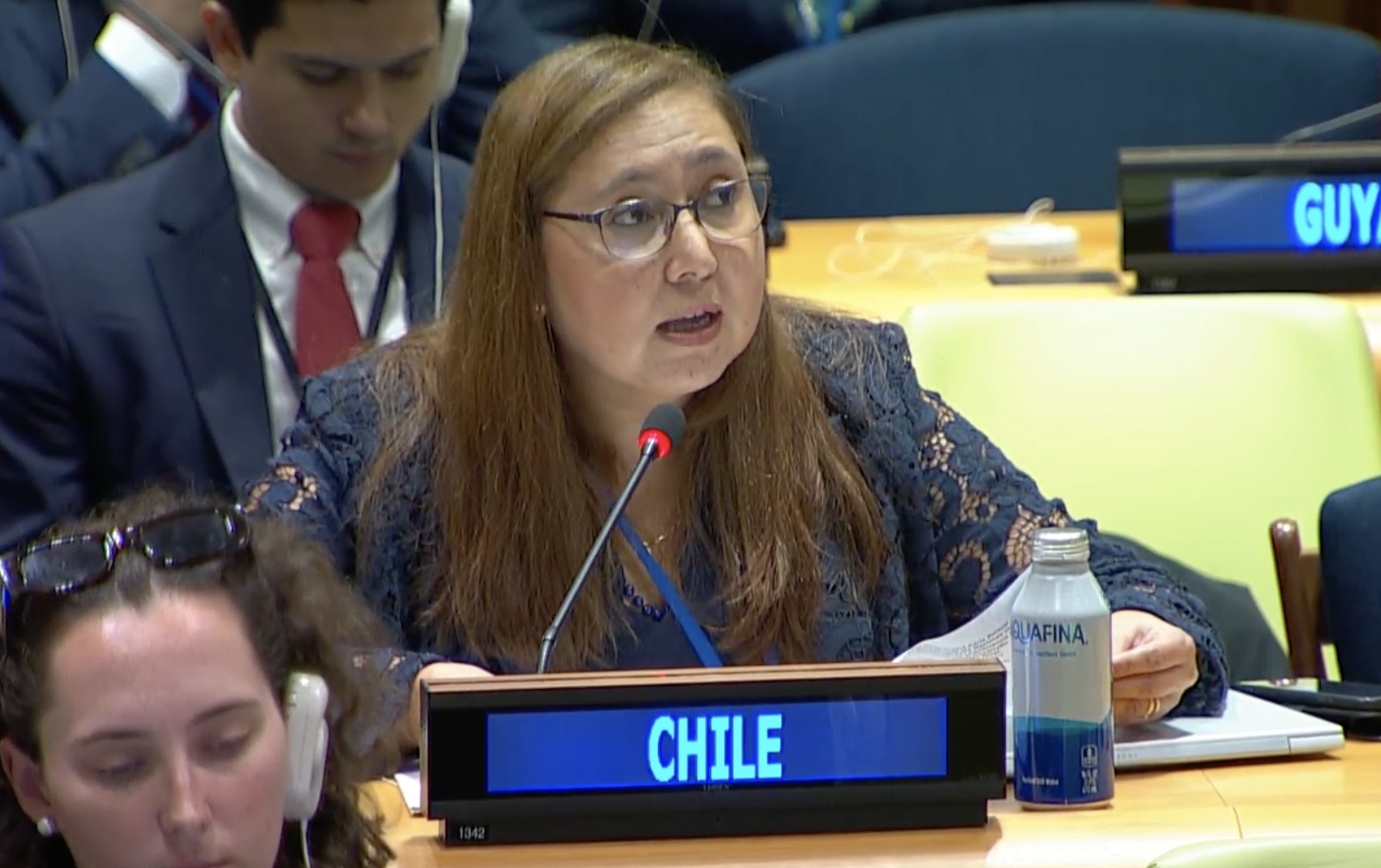
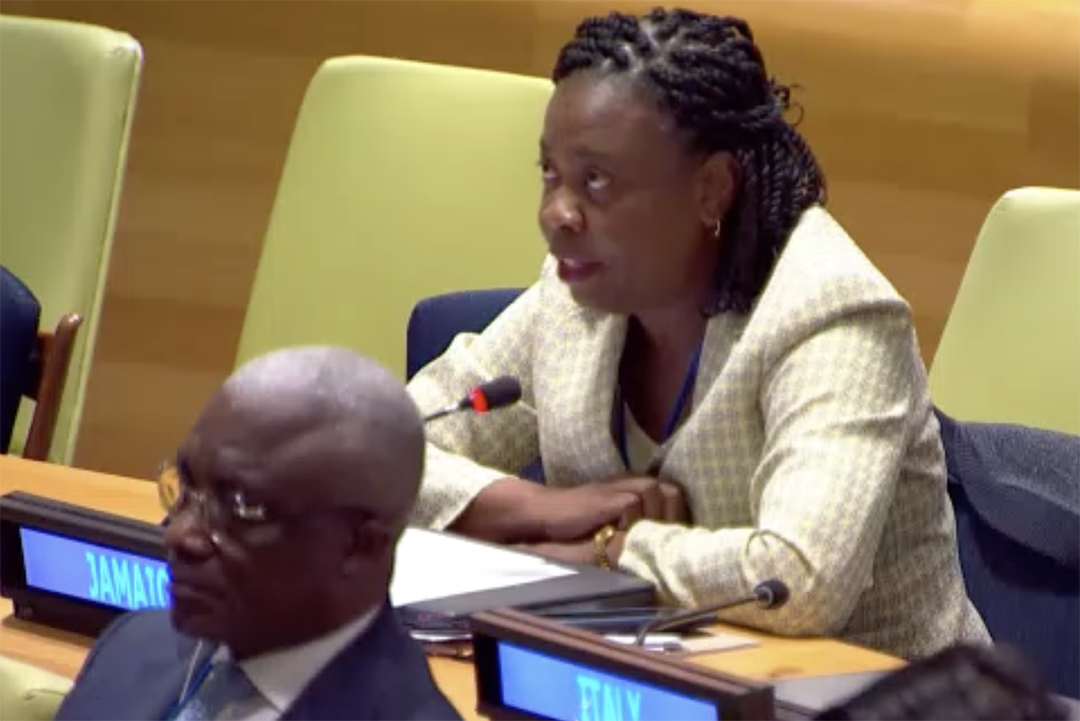
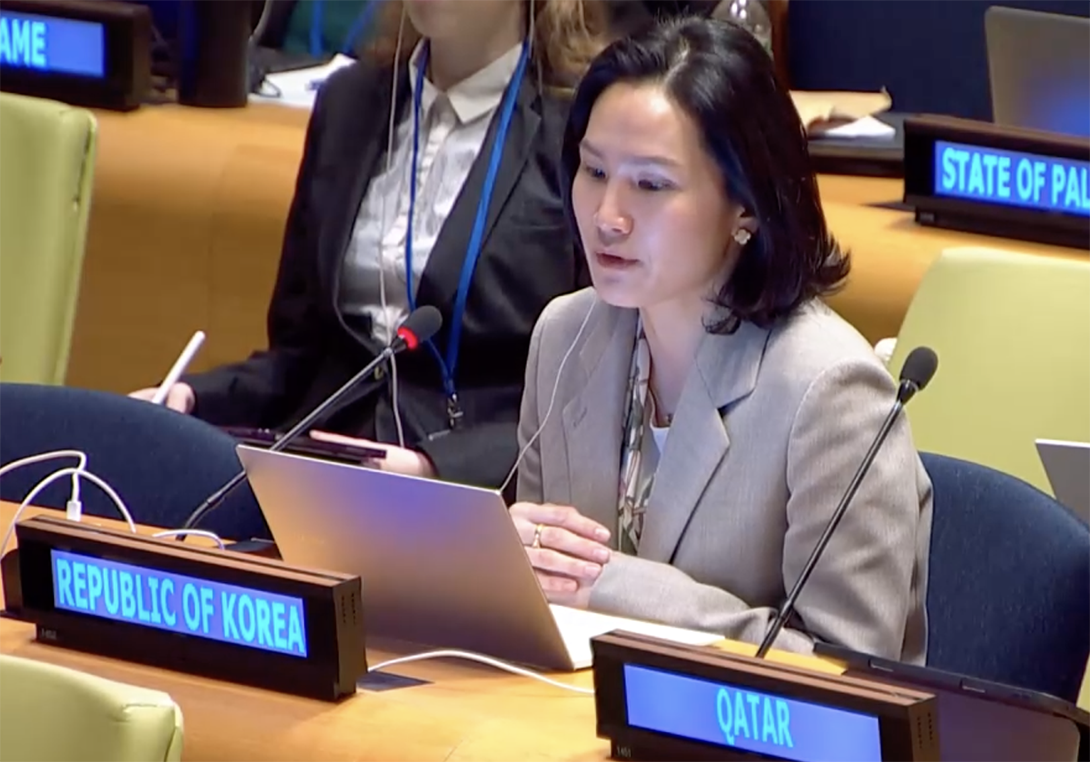
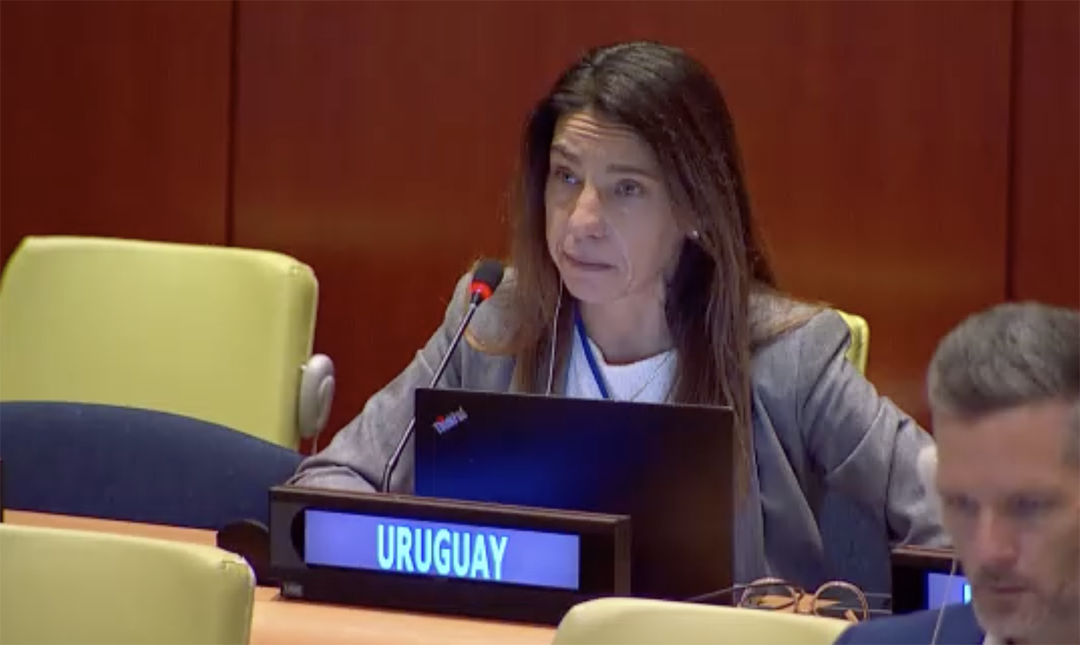
Delegates then engaged in a ministerial segment, exchanging views on the first draft of the outcome document. Most focused their comments on the need to reform the current international financial architecture (IFA), calling for, among other things:
- Reforms to international financial institutions, so as to address the needs of developing countries;
- Reforms to the international debt architecture, to address the needs of the most vulnerable countries stuck in unsustainable debt cycles;
- Commitments to deliver on ODA, which are threatened by some developed countries’ new policies to limit aid; and
- Increases in domestic financing, including through broadening the tax base and enhancing tax cooperation.
The PrepCom also convened in an informal session to engage in panel discussions on actions contained in the first draft of the outcome document. These discussions considered:
- the IFA and systemic issues, where many called for the reform in the governance structures of international financial institutions, like the International Monetary Fund and the World Bank;
- debt and the cost of borrowing, with some calls for a multilateral mechanism under the UN to address debt sovereignty; and
- science, technology, innovation (STI) and capacity building, with many noting the role of multi-stakeholder engagements to further STI.
PrepCom 4.1 will reconvene on Thursday.
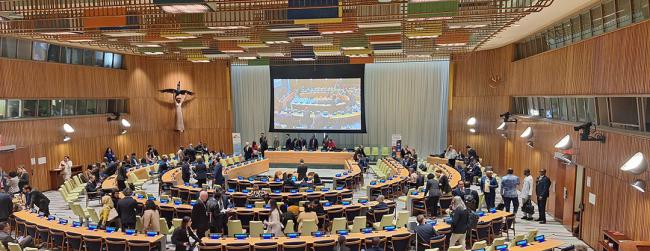
Around the Venue


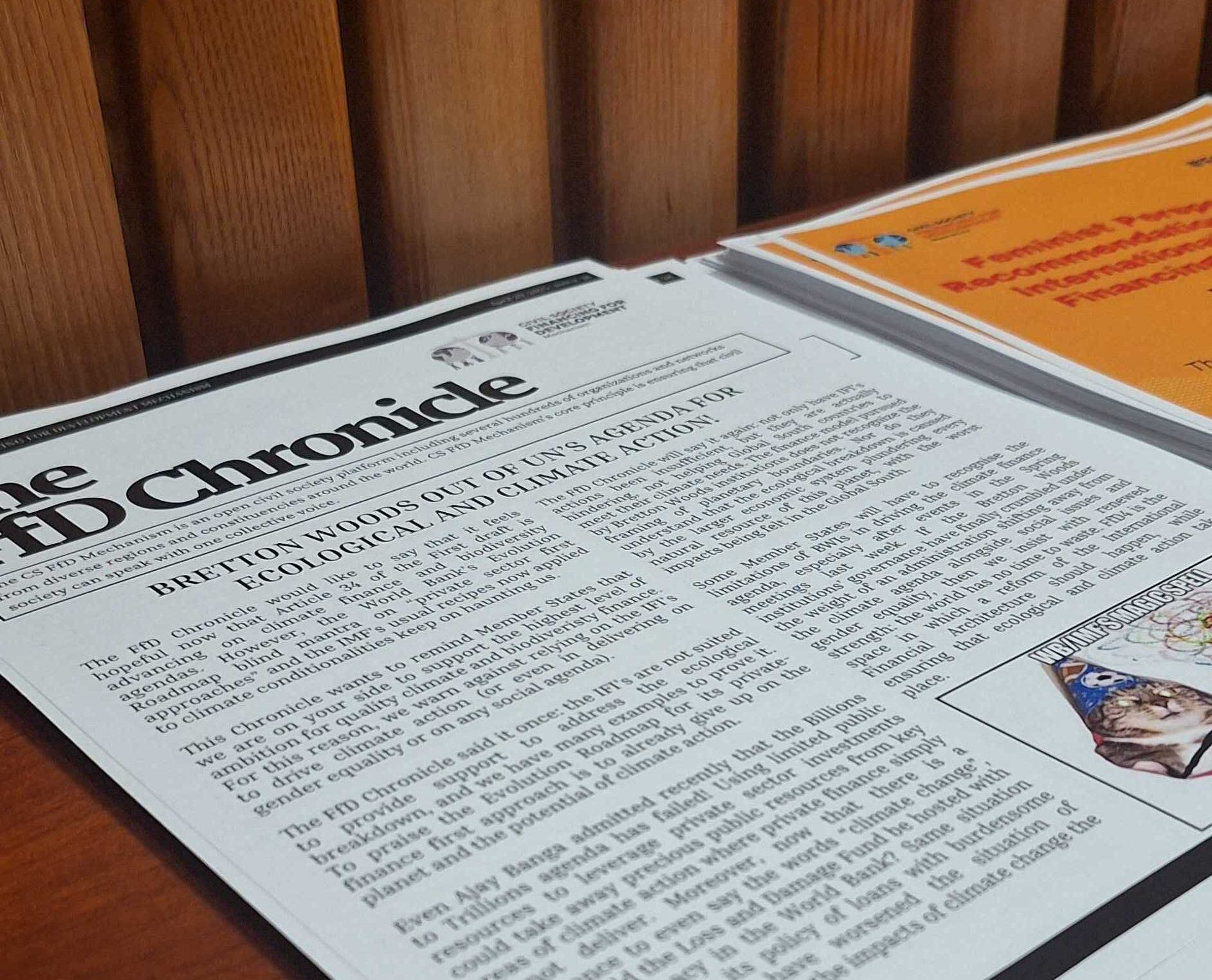
Selected Images