

It is no secret that economic inequalities are on the rise globally. The needs of the most vulnerable are seemingly overshadowed by the interests of the very richest among us. Developing countries are spending more in borrowing costs and servicing debts than investing in socio-economic development, constraining progress in areas like health, education, climate resilience and social protection.
At the same time, official development assistance (ODA) is in sharp decline, with developed countries shuttering agencies responsible for providing essential financial assistance to developing countries. This means that achieving the Sustainable Development Goals (SDGs) by the 2030 deadline seems increasingly out of reach.
To revitalize states’ commitments towards the SDGs and prepare for the upcoming Fourth International Conference on Financing for Development (FfD4), the Economic and Social Council (ECOSOC) Forum on Financing for Development convened at UN Headquarters in New York.
Opening the session, Bob Rae, President of ECOSOC, underlined that trade is not a win-lose proposition, stressing that to think that there is a simple national solution to the problem of international trade is wrong. He underscored the importance of data, emphasizing its role in monitoring development goals.
UN Secretary-General António Guterres highlighted the harsh truths of donors pulling the plug on aid commitments and delivery at historic speed and scale, and of trade barriers being erected at a dizzying pace. To address this, he called on states to honor the commitments made in the 2024 Pact for the Future. He underlined the need for FfD4 to address the debt infrastructure, unlock the full potential of International Finance Institutions, and offer concrete actions to increase all streams of finance for sustainable development.
Philemon Yang, President of the UN General Assembly, underlined that time is of the essence, with only five years to go to meet the deadline to achieve the SDGs. He noted that FfD4 represents an opportunity to meet this goal, but highlighted challenges such as crippling debt servicing requirements that jeopardize development.
In five pithy fireside chats during the day, ministers and high-level delegates addressed:
- debt restructuring, where many called for the reform of the international debt architecture;
- mobilizing private investment for public development projects;
- revitalizing development cooperation, in the face of decreasing ODA and increasing financing needs;
- harnessing trade and technology for sustainable development; and
- investing in data to accelerate development, in light of new technologies like artificial intelligence.
Throughout the day, the issue of protectionist trading policies was on many people’s lips, with several delegations underlining the importance of respecting the open rules-based multilateral trading system. Delegations were also acutely aware of the sharp decline in ODA, with many pointing to nine country announcements, at the recently concluded Spring Meetings of the World Bank and International Monetary Fund (IMF), of decreased ODA contributions. The Forum also converged on the need for disaggregated data relating to gender, climate change and governance.
The Forum is scheduled to conclude on Tuesday, after delegates engage in dialogues with institutional partners associated with financing for development, including the World Bank, IMF, World Trade Organization (WTO) and UN Conference on Trade and Development (UNCTAD).
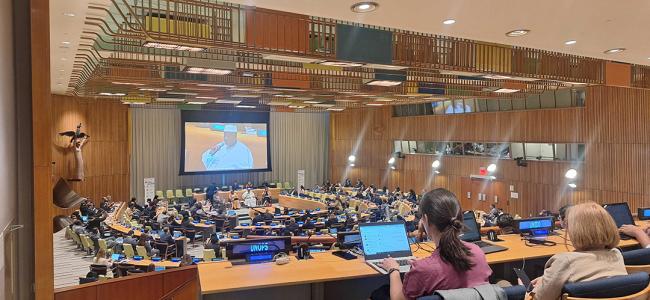

Selected Images
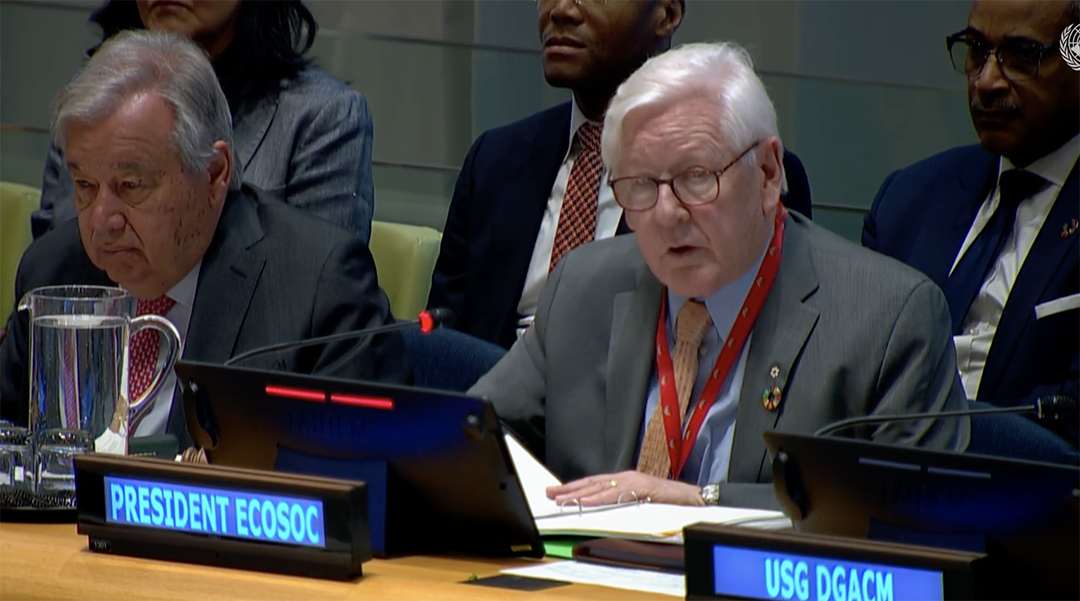
Bob Rae, President of ECOSOC
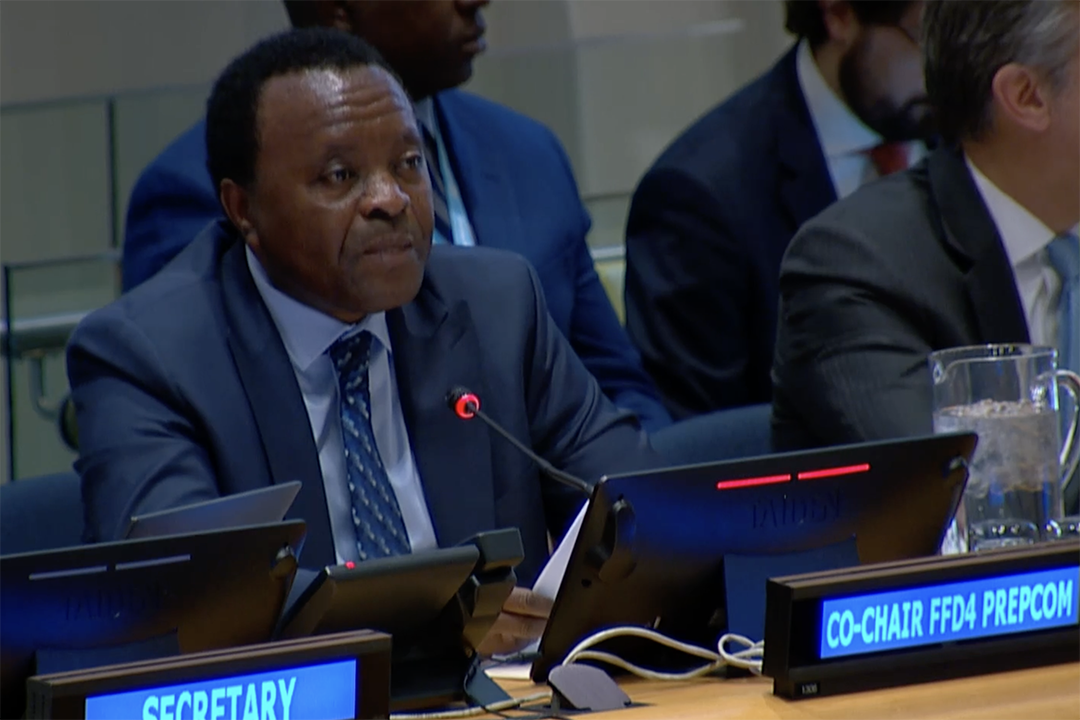
PrepCom 4 for Ffd 4 Co-Chair Zéphyrin Maniratanga, Burundi
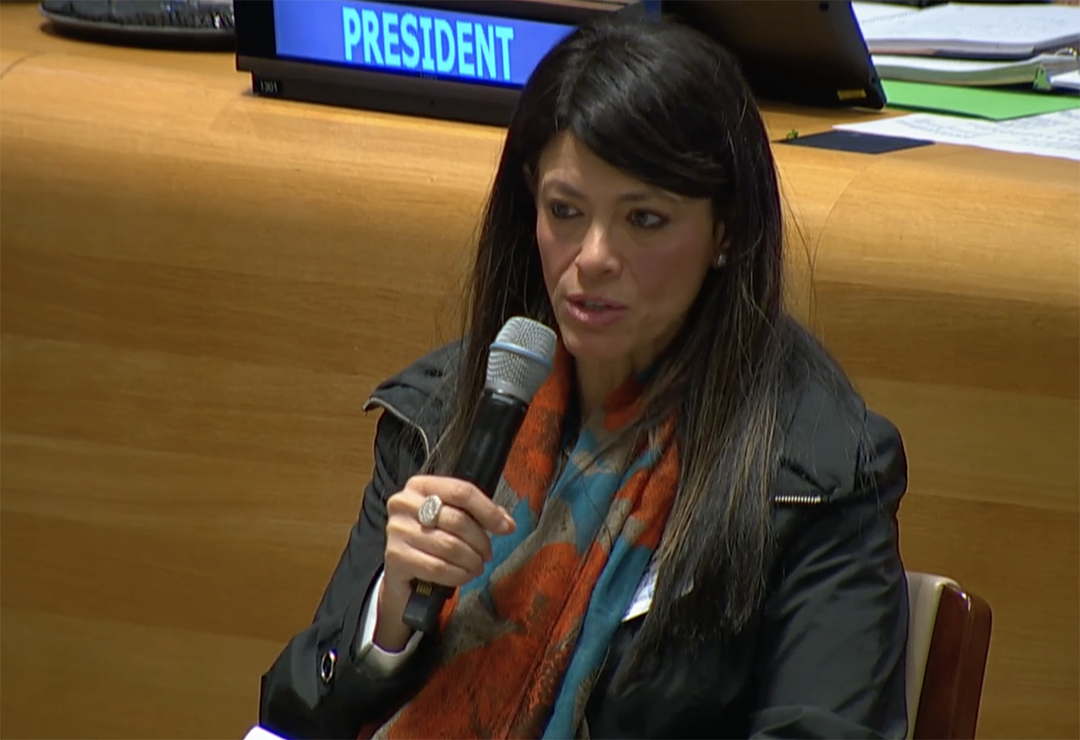
Rania Al-Mashat, Minister of Planning, Economic Development and International Cooperation, Egypt
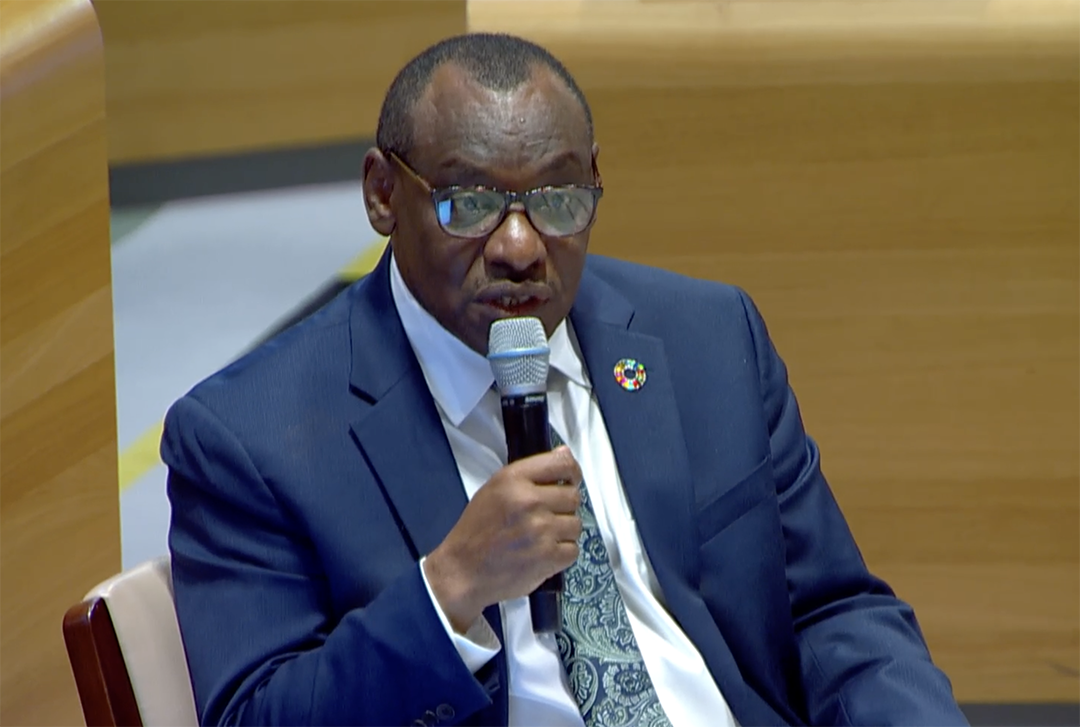
Claver Gatete, Under-Secretary-General and Executive Secretary of the Economic Commission for Africa
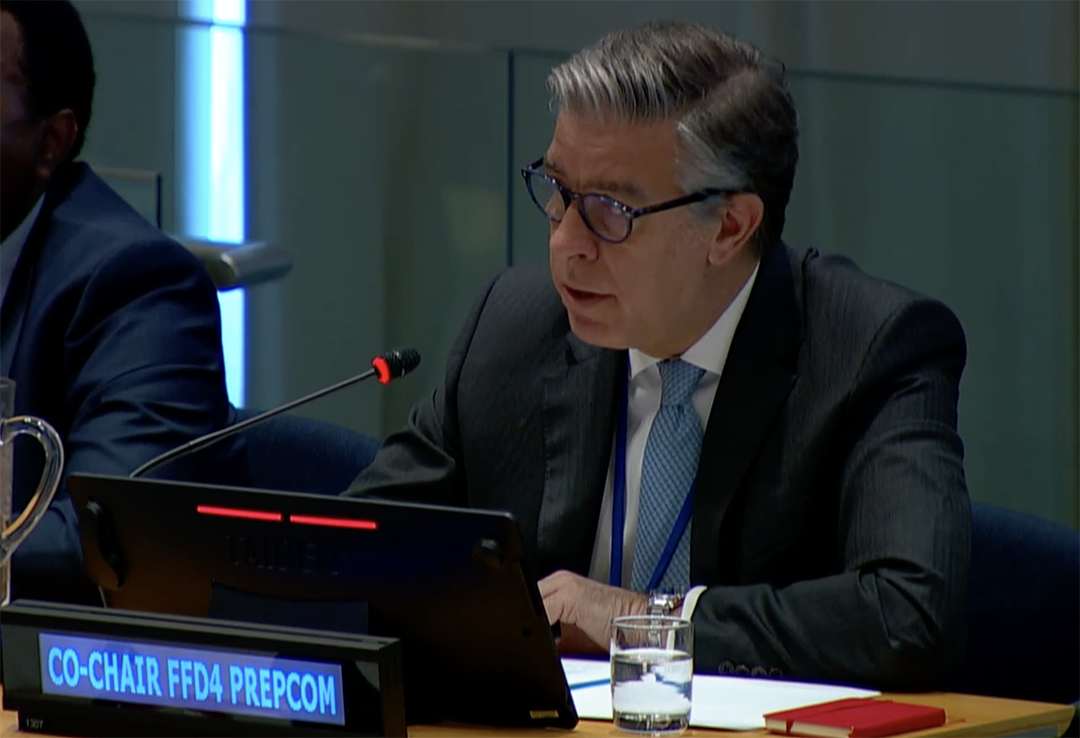
PrepCom 4 for Ffd 4 Co-Chair Rui Vinhas, Portugal