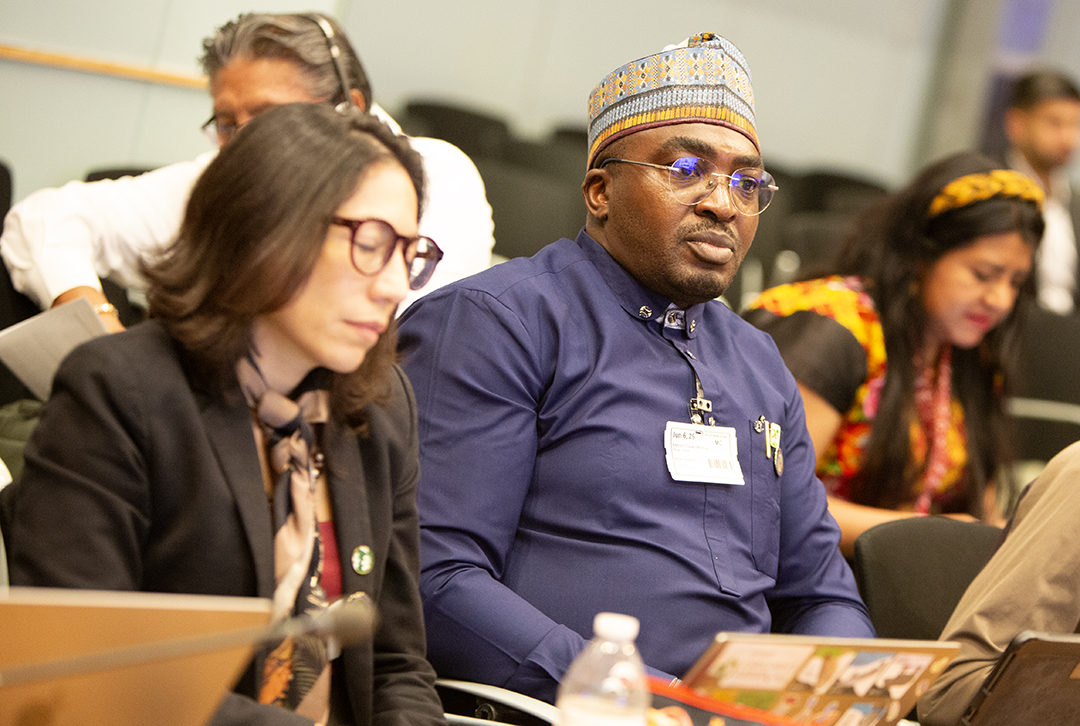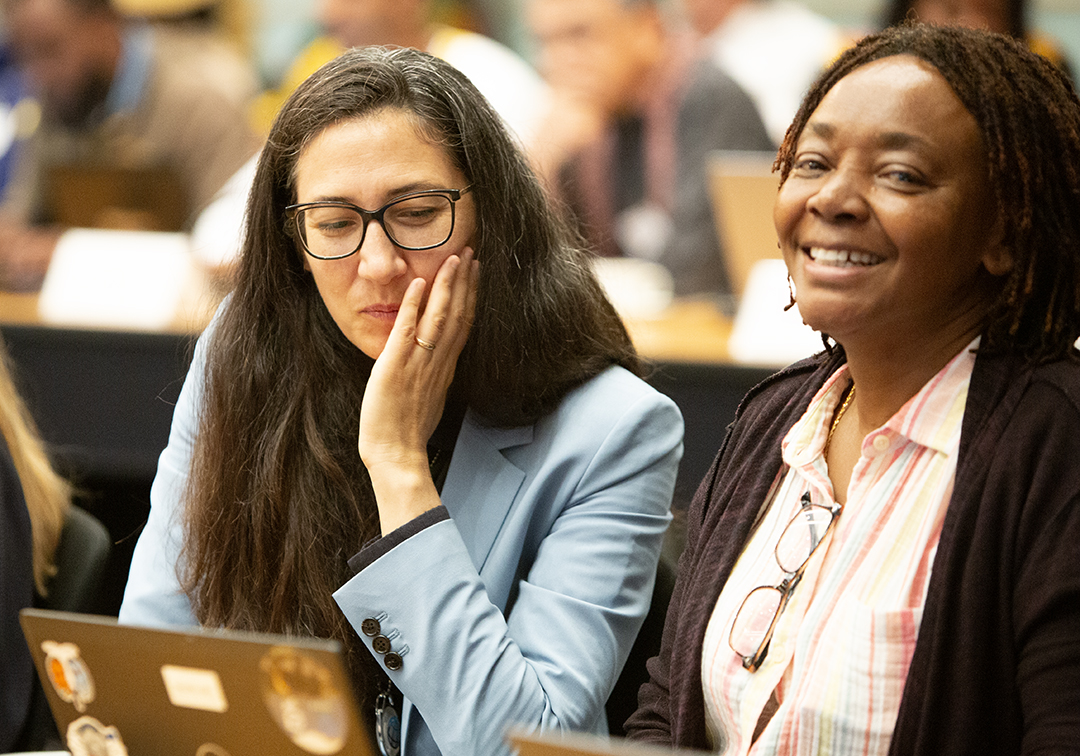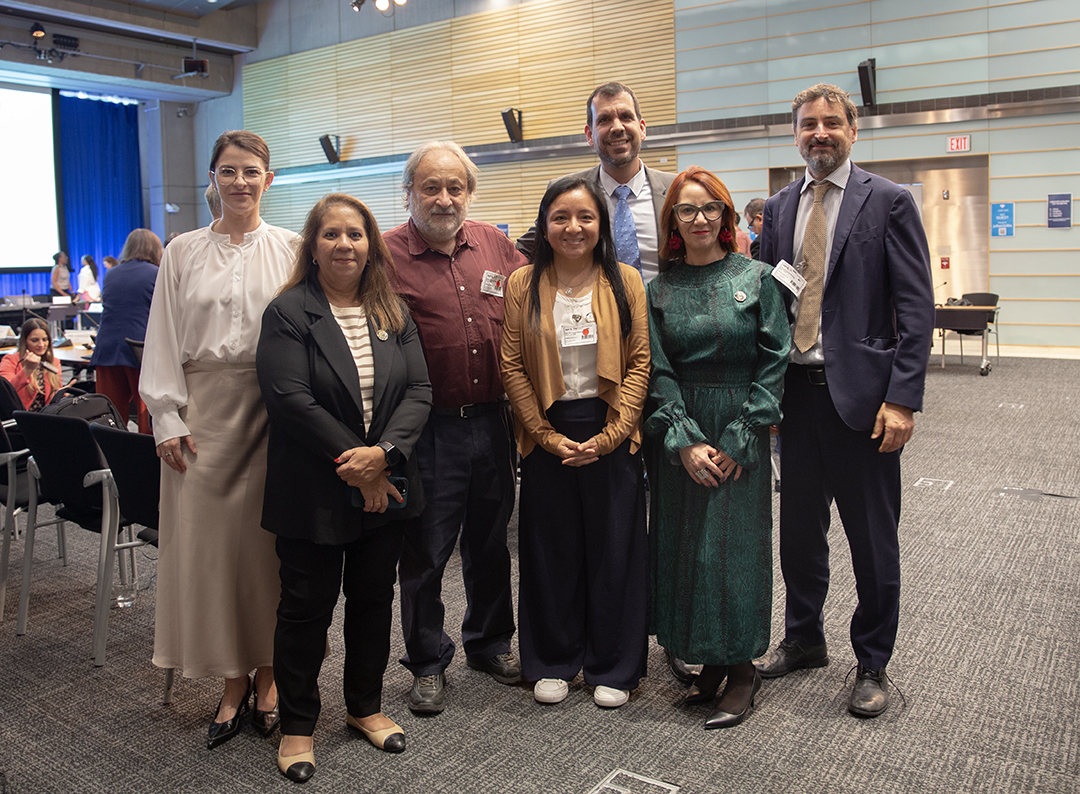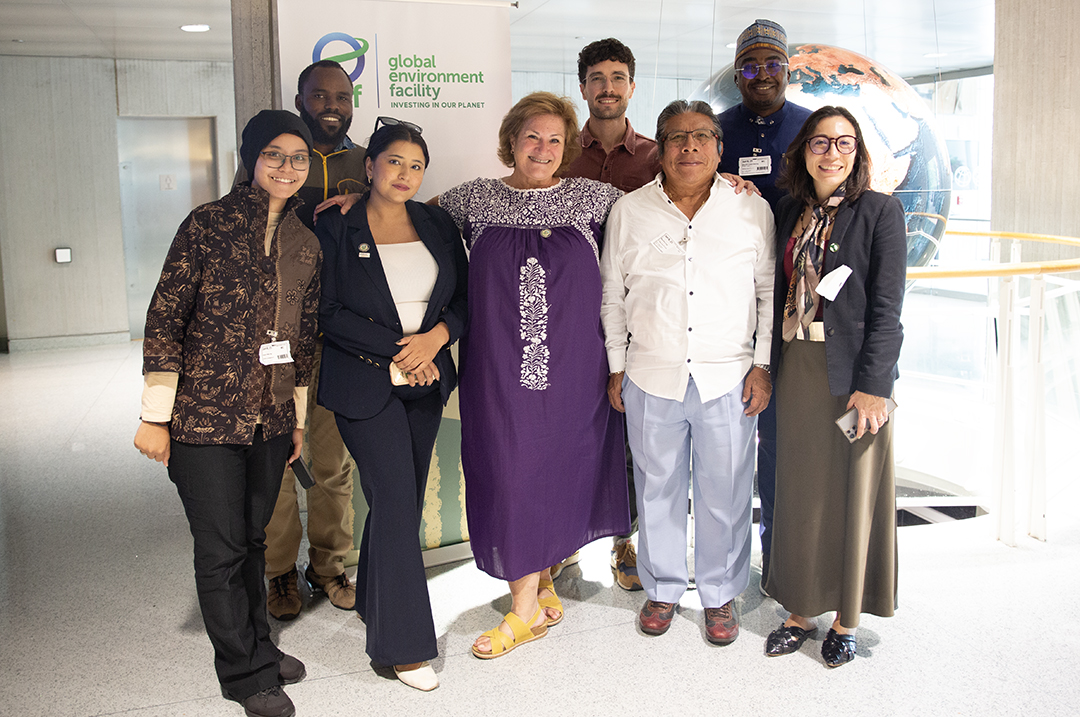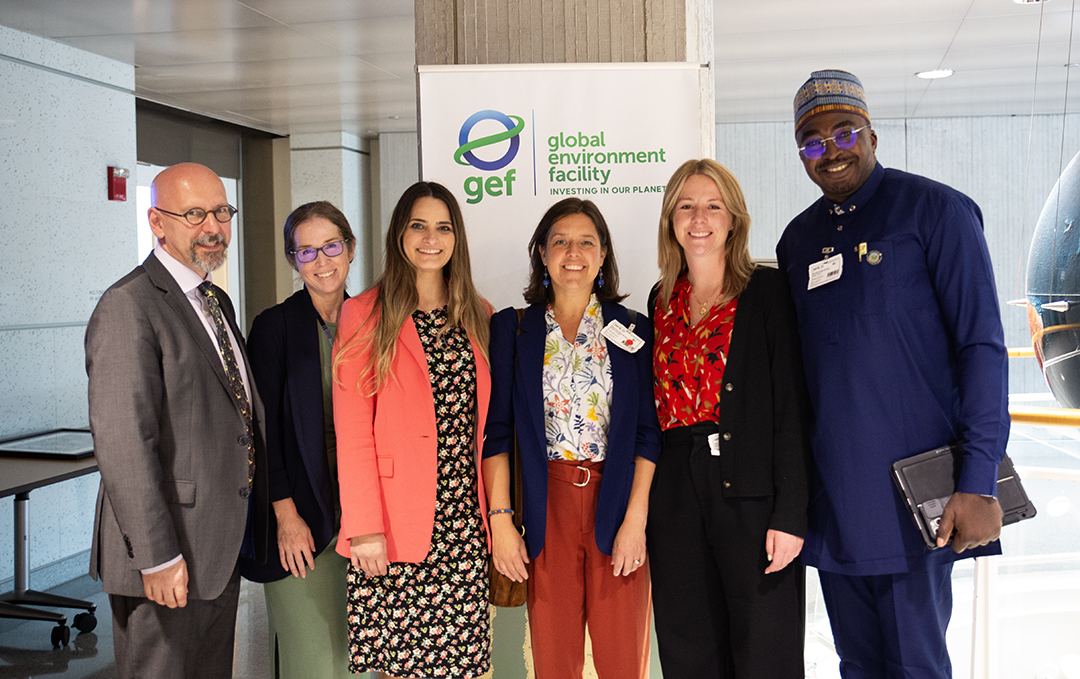
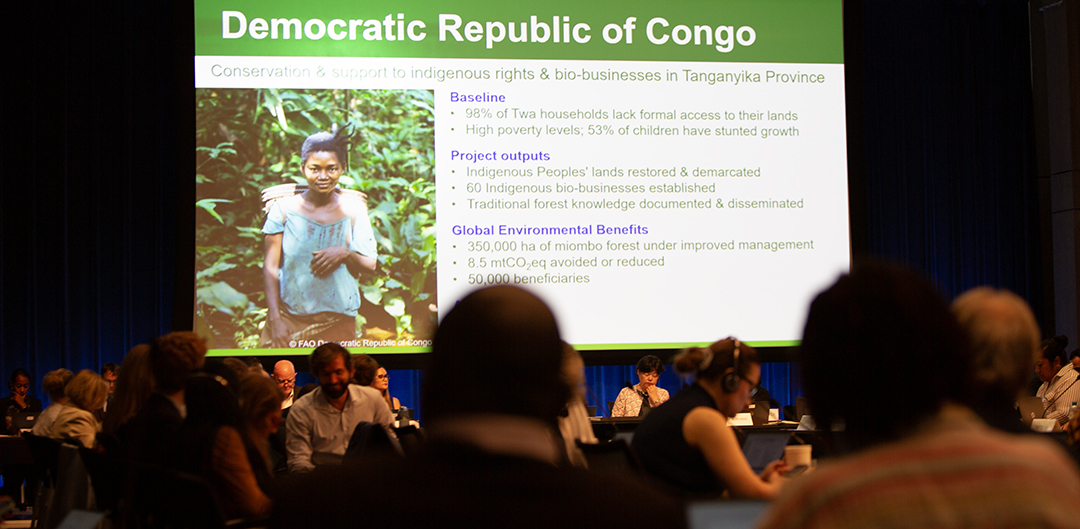
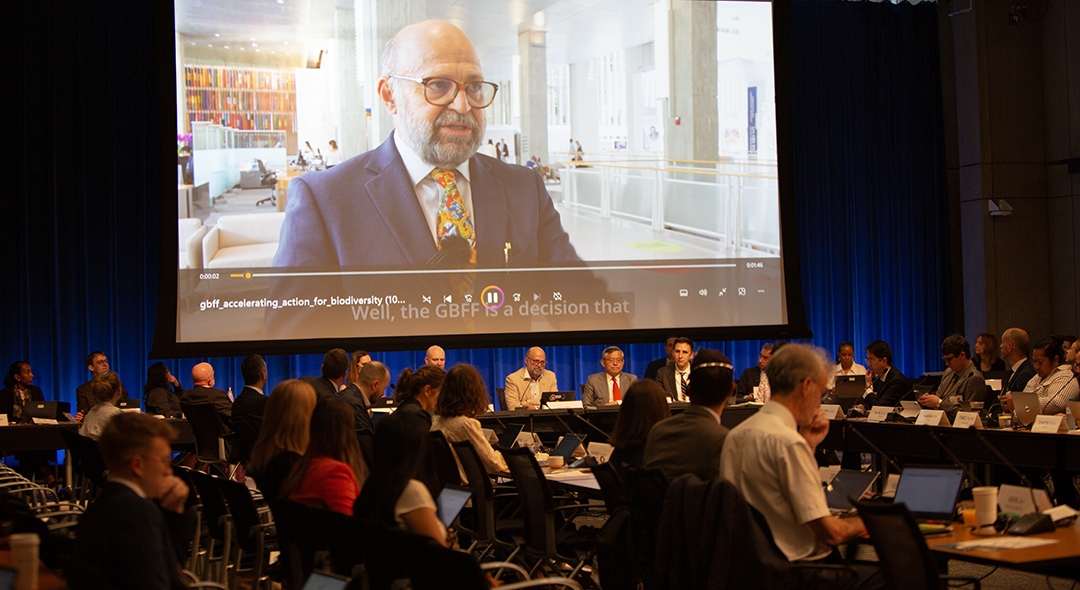
On Friday morning, the Global Biodiversity Framework Fund (GBFF) Council opened its fourth meeting to consider, among other things, the second GBFF Work Program and the Fund’s first evaluation. The Council approved the Work Program, which comprises national projects in the Democratic Republic of the Congo and Peru, and a regional project covering Cameroon, Central African Republic, and the Republic of Congo. The Work Program amounts to USD 25.68 million, with an average of 30% directed to support Indigenous Peoples and local communities (IPLCs). It is expected to mobilize USD 42.53 million in co-financing.

The day’s deliberations also included the first evaluation of the GBFF undertaken by the Independent Evaluation Office (IEO). Presenting the evaluation, Geeta Batra, IEO, noted it is “formative” due to the early development and implementation of the GBFF. Mentioning the GBFF portfolio now comprises 40 projects in 41 different countries and four regions, she highlighted the Fund’s strengths, such as: targeted focus on the Kunming-Montreal Global Biodiversity Framework (KMGBF) objectives; value added through strategic alignment with the Global Environment Facility (GEF); and the inclusive approach with IPLCs, small island developing States (SIDS), and the least developed countries (LDCs). She further presented the IEO’s recommendations to the GBFF, which include clearly defining a coordination strategy with GEF to avoid fragmentation, broadening resource mobilization, and clarifying project selection criteria and performance indicators.

The Council further considered the GBFF Progress Report, which noted the need for an increase in biodiversity-related international financial flows to the GBFF in order to support the KMGBF’s goals. The Progress Report highlighted slow progress in achieving the GBFF’s target of programming 25% of the Fund’s resources through international financing institutions (IFIs), and suggested this merits further Council deliberation. Consequently, the Council requested: the Secretariat to develop a resource mobilization strategy for the GBFF; and the Auxiliary Body to discuss options to facilitate achievement of the 25% IFI target.


In presenting the GBFF Administrative Budget and Business Plan for fiscal year 2026, the Secretariat highlighted key proposed activities, including launching a second GBFF programming tranche, developing IPLC guidelines, updating the GBFF results framework, and presenting a GBFF resource mobilization strategy. She noted the requested budget is 25.5% less than that of fiscal year 2025, reflecting cost-reduction measures adopted by the Secretariat. Council Members and observers welcomed the administrative budget and business plan, but several raised concerns about the impact of the cost reduction on the Secretariat’s workload and implementation of projects. The Secretariat assured the Council that this reduction is a result of, for instance, holding more virtual meetings instead of in-person meetings, and will not affect performance. The Council then approved the budget and business plan.


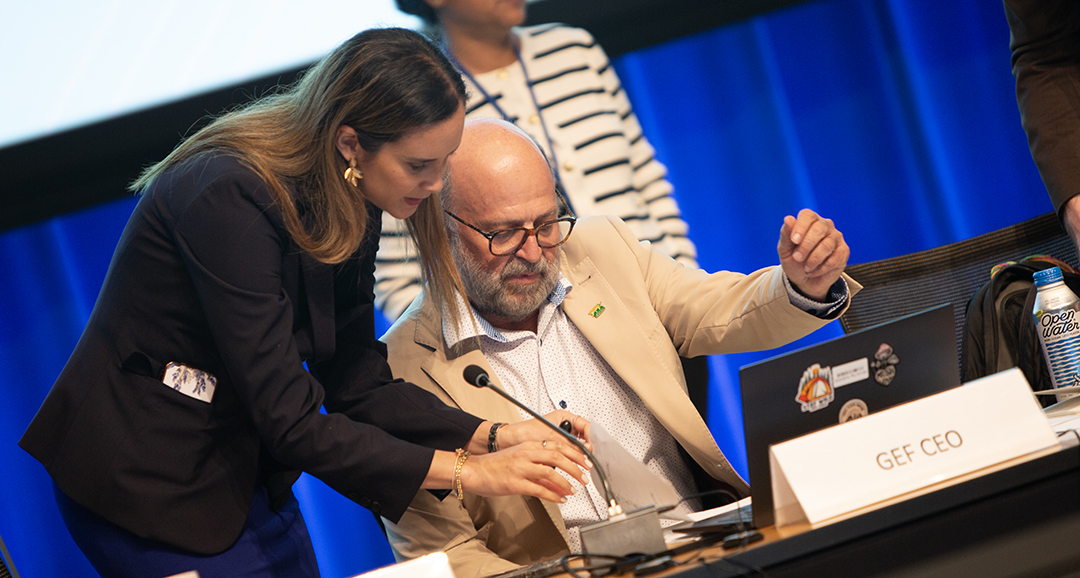
Closing the GBFF Council meeting, GEF CEO, Chairperson, and Council Co-Chair Carlos Manuel Rodríguez thanked Richard Bontjer, GEF Council Co-Chair for 2025, Council Members, observers, and the Secretariat for their hard work. He noted that despite it being a complex year, the Council meetings demonstrated that the global community can reach agreement on complex issues. He looked forward to what lies ahead for the GEF family of funds and closed the GBFF Council meeting at 3:19 pm.


All ENB photos are free to use with attribution. For this event, please use: Photo by IISD/ENB | Angeles Estrada Vigil
To receive free coverage of global environmental events delivered to your inbox, subscribe to the ENB Update newsletter.
4th GBFF Council Meeting
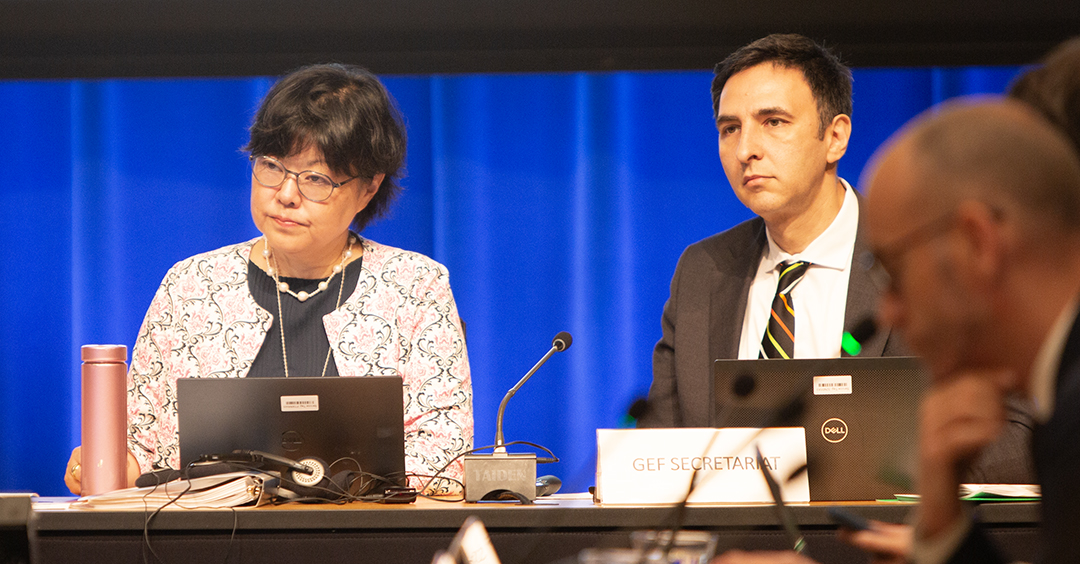
Chizuru Aoki, GEF Secretariat, and Benjamin Singer, GEF Secretariat
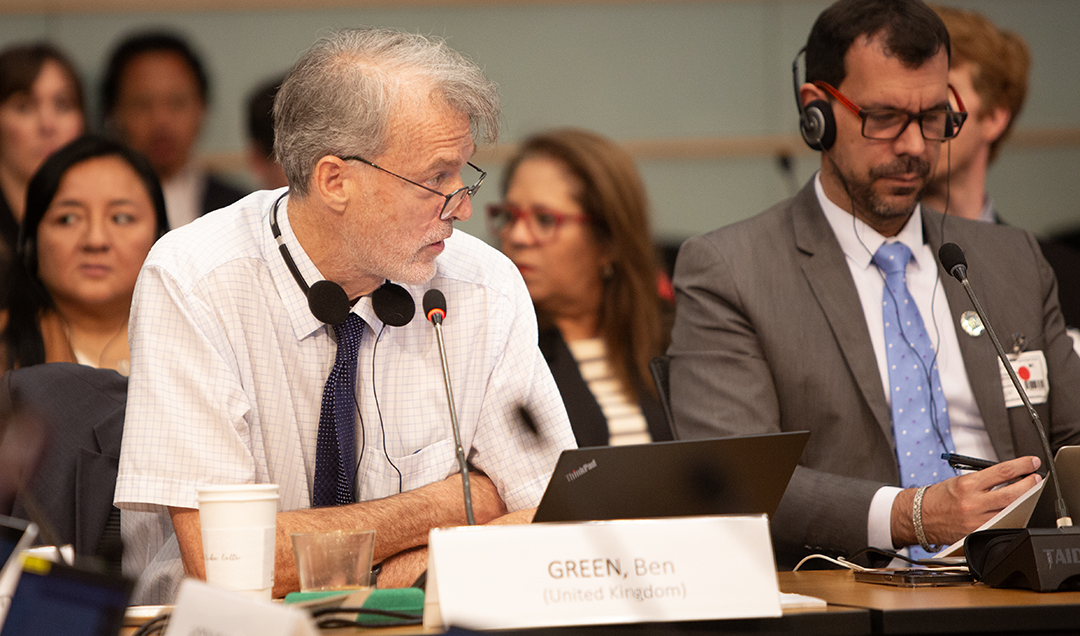
Ben Green, Council Member, UK
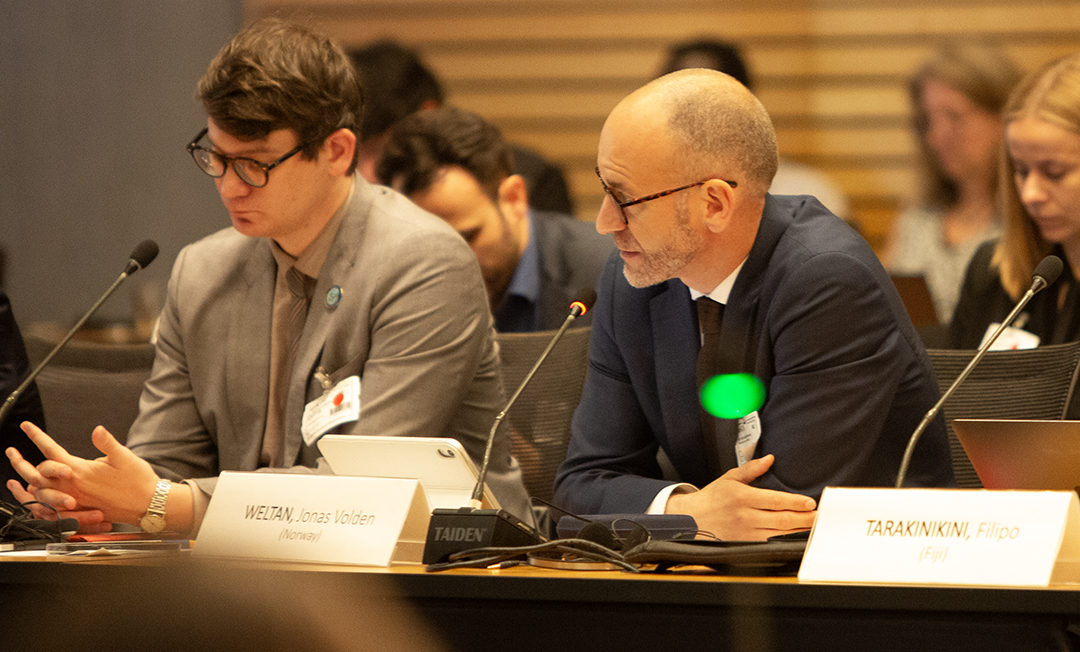
Jonas Volden Weltan, Council Member, Norway
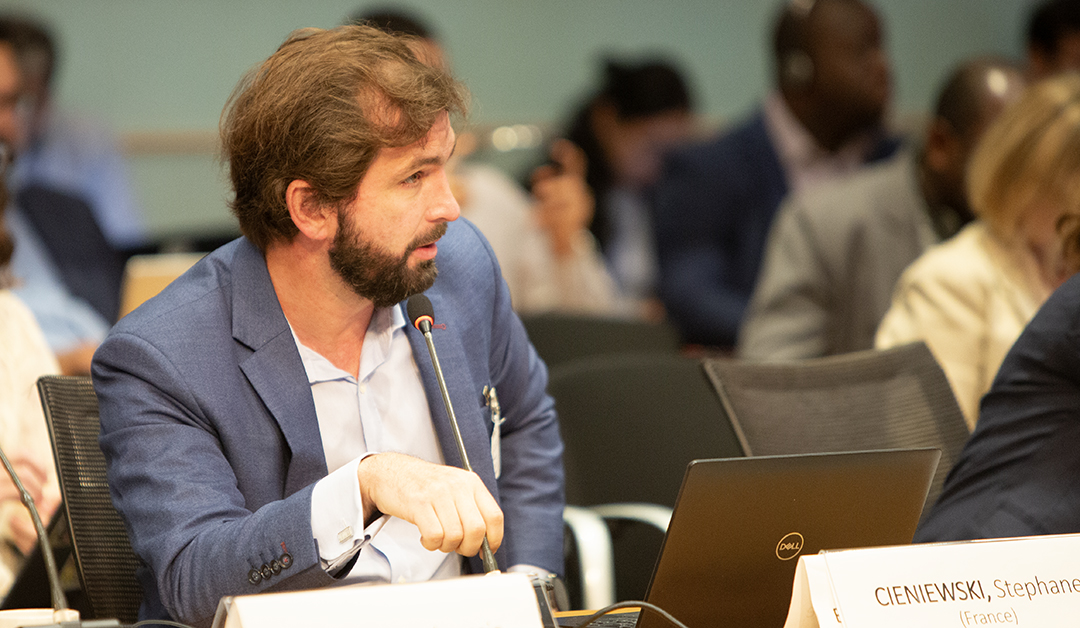
Stephane Cieniewski, Council Member, France
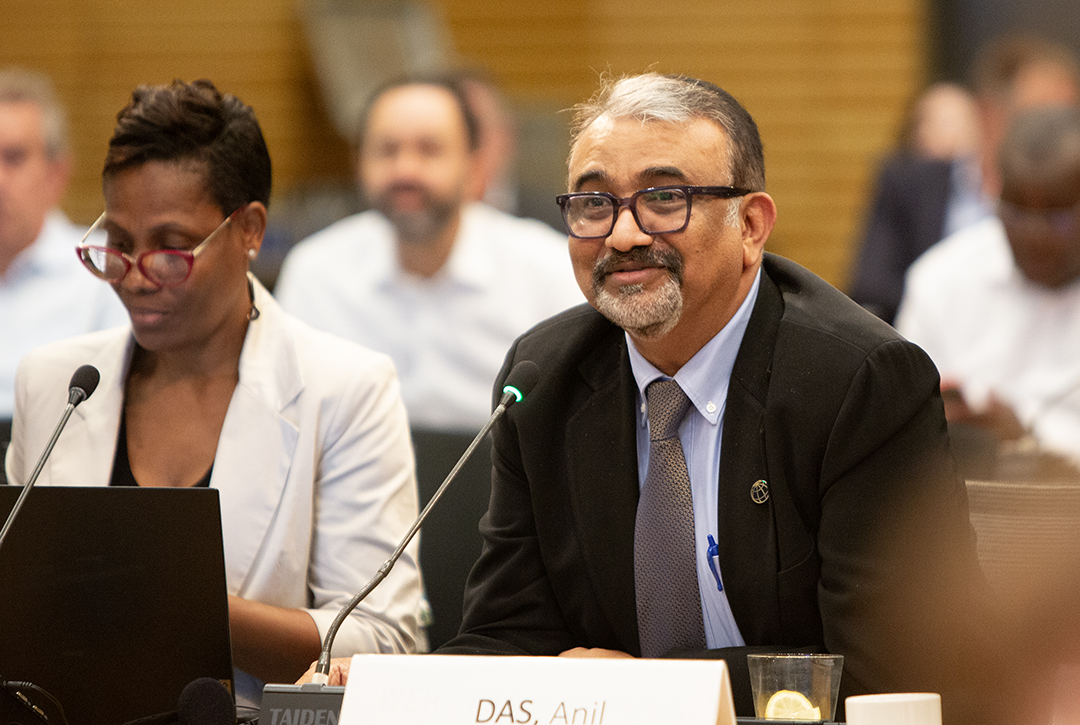
Anil Das, India
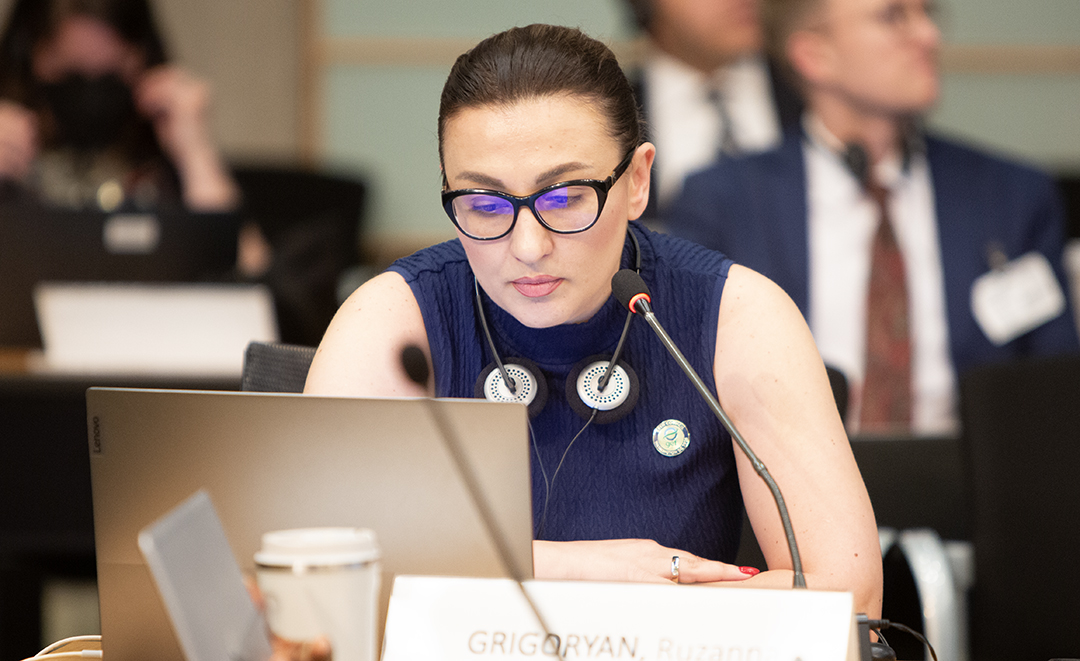
Ruzanna Grigoryan, Council Member, Armenia
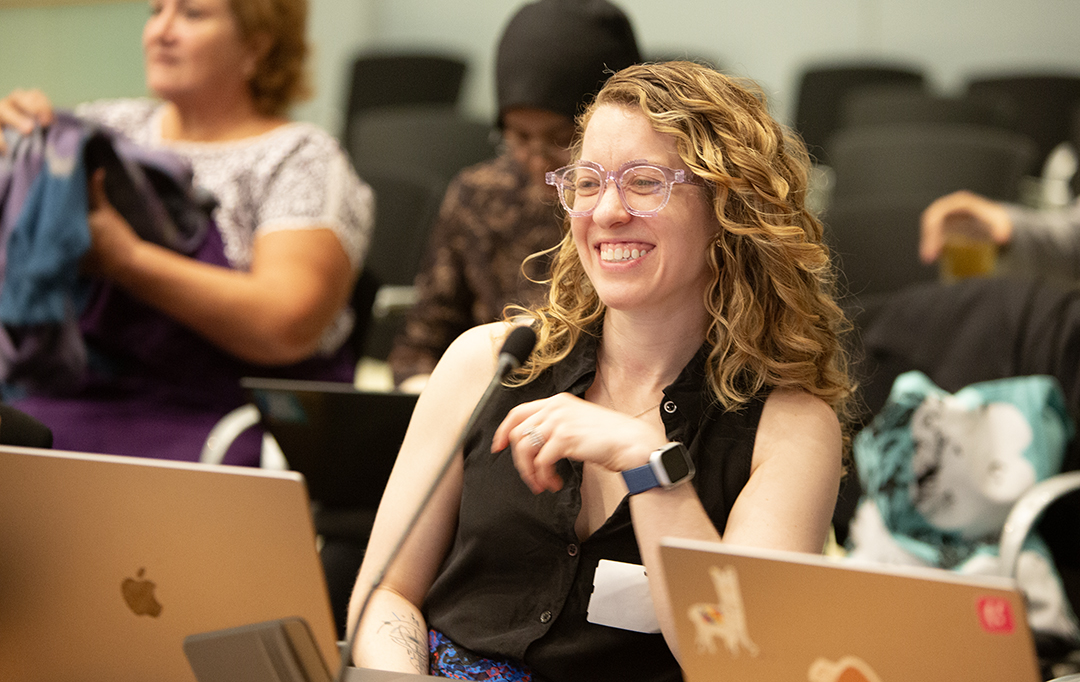
Rosalie Boyle, IISD
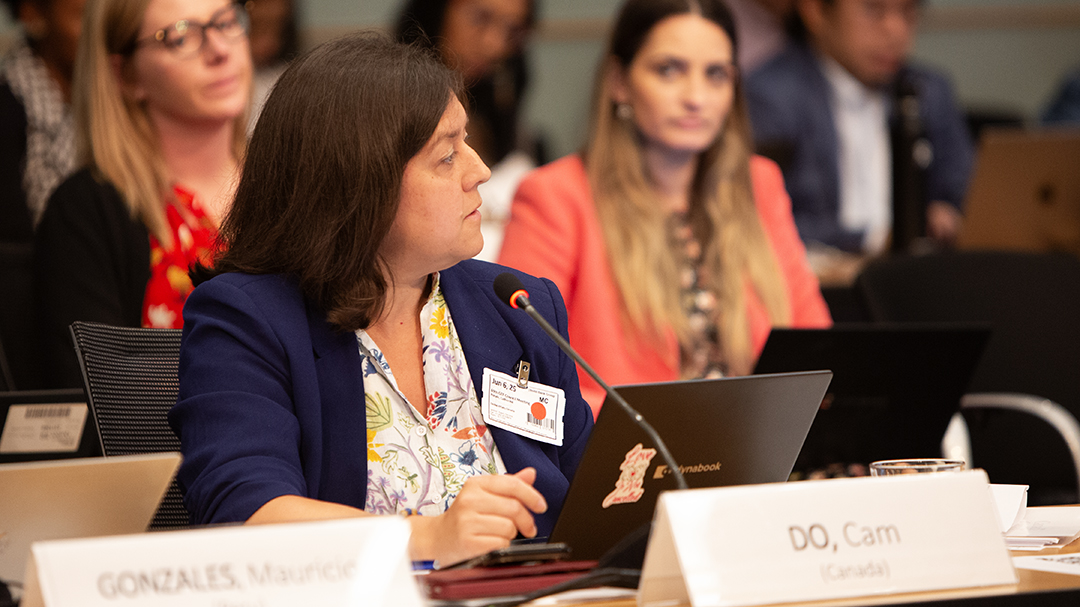
Catherine Potvin, Canada
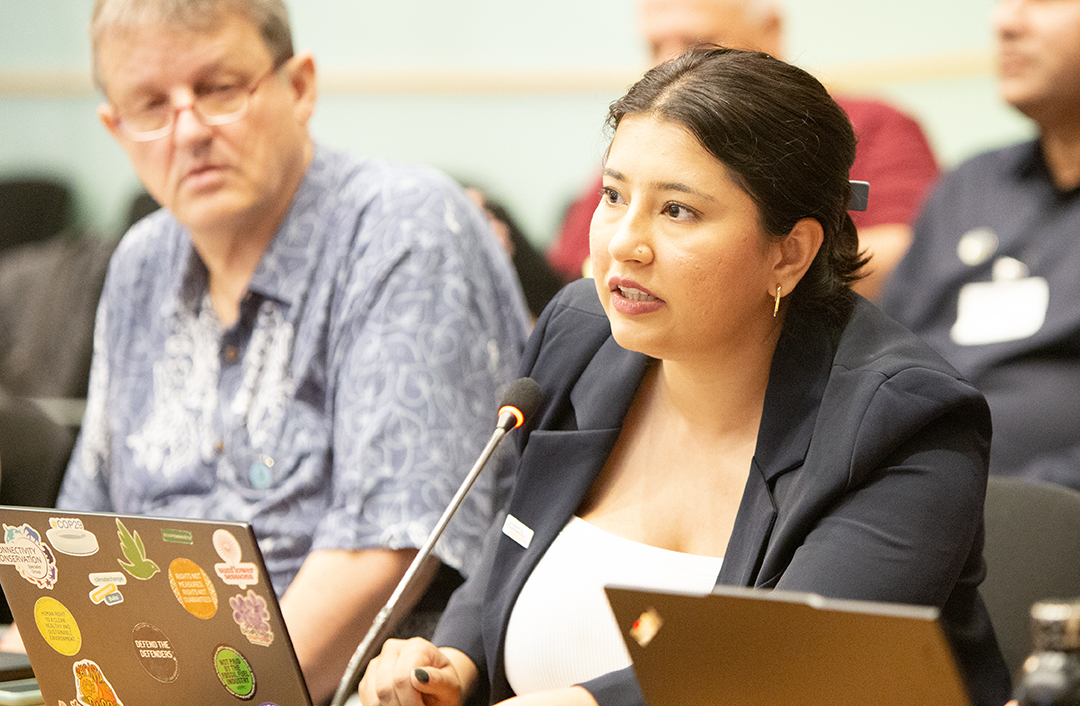
Priyanka Pandey, CBD Women's Caucus

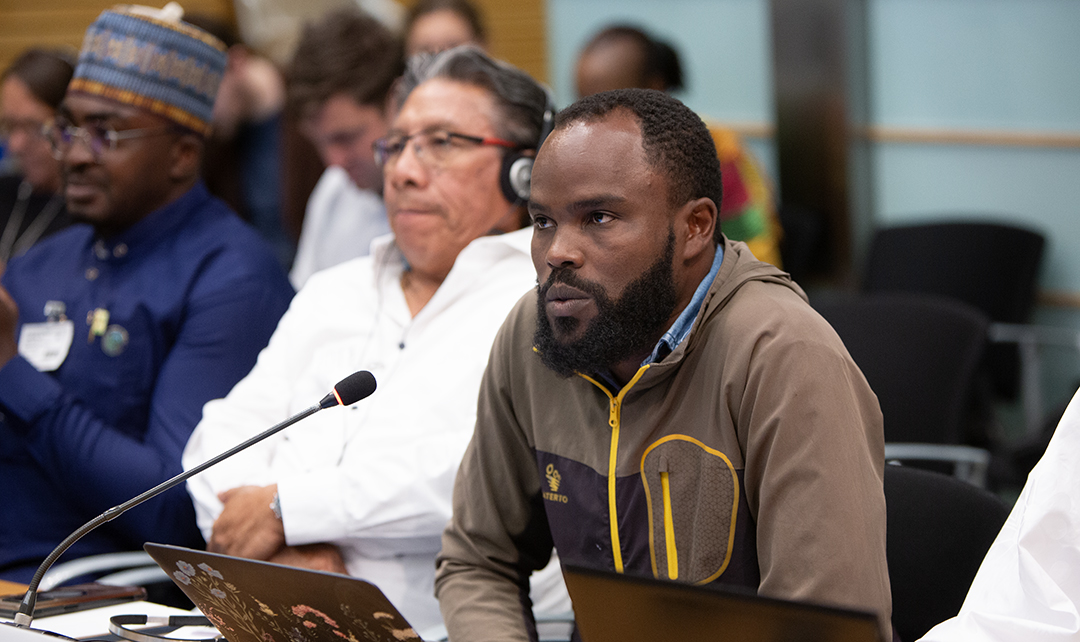
Ramson Karmushu, Indigenous Peoples’ Advisory Group (IPAG)
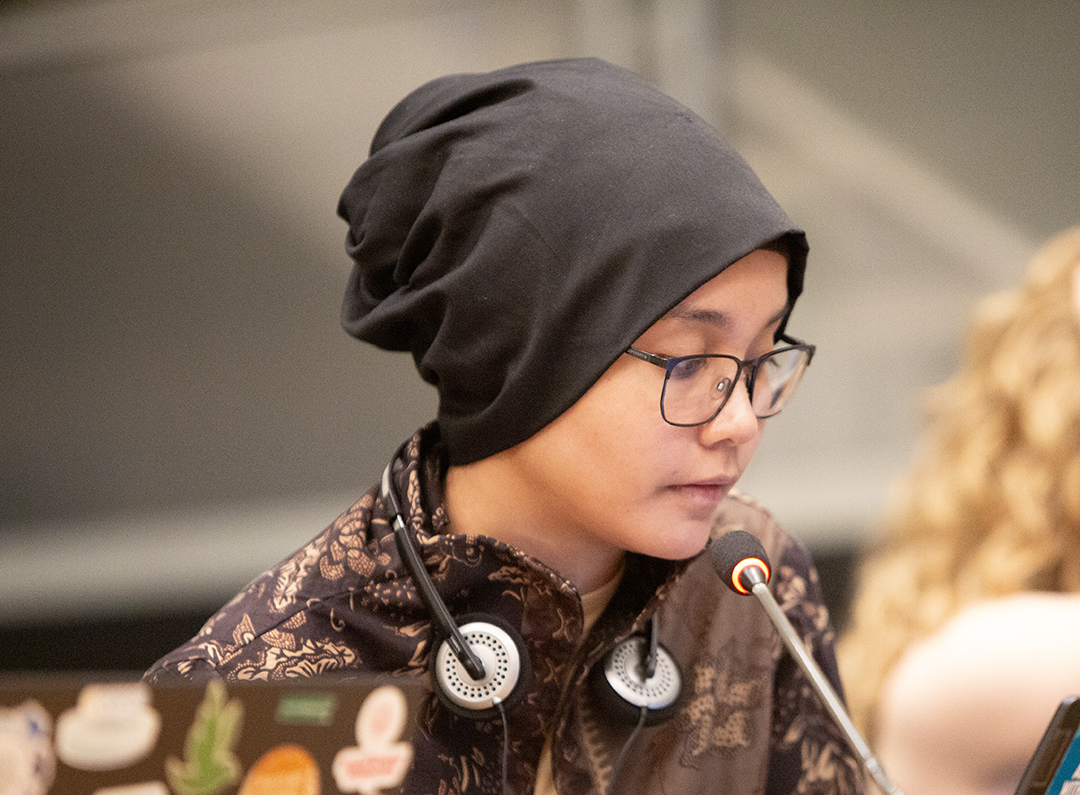
Mega Ayu Lestari, Global Youth Biodiversity Network (GYBN)
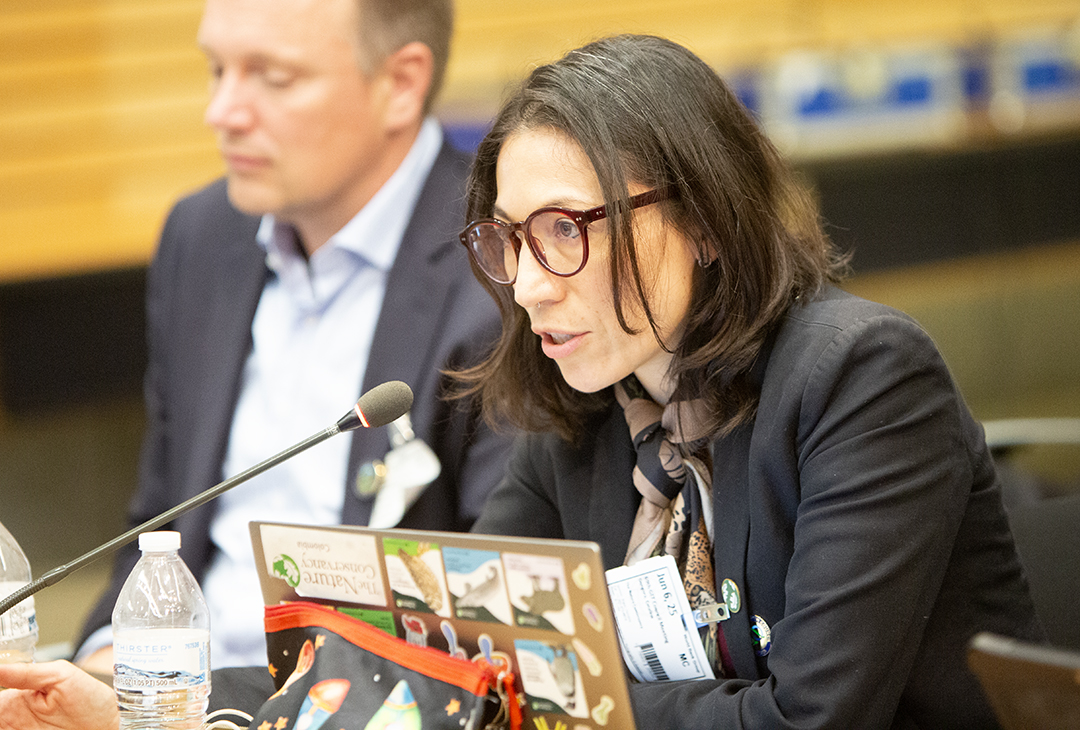
Catalina Góngora Torres, The Nature Conservancy
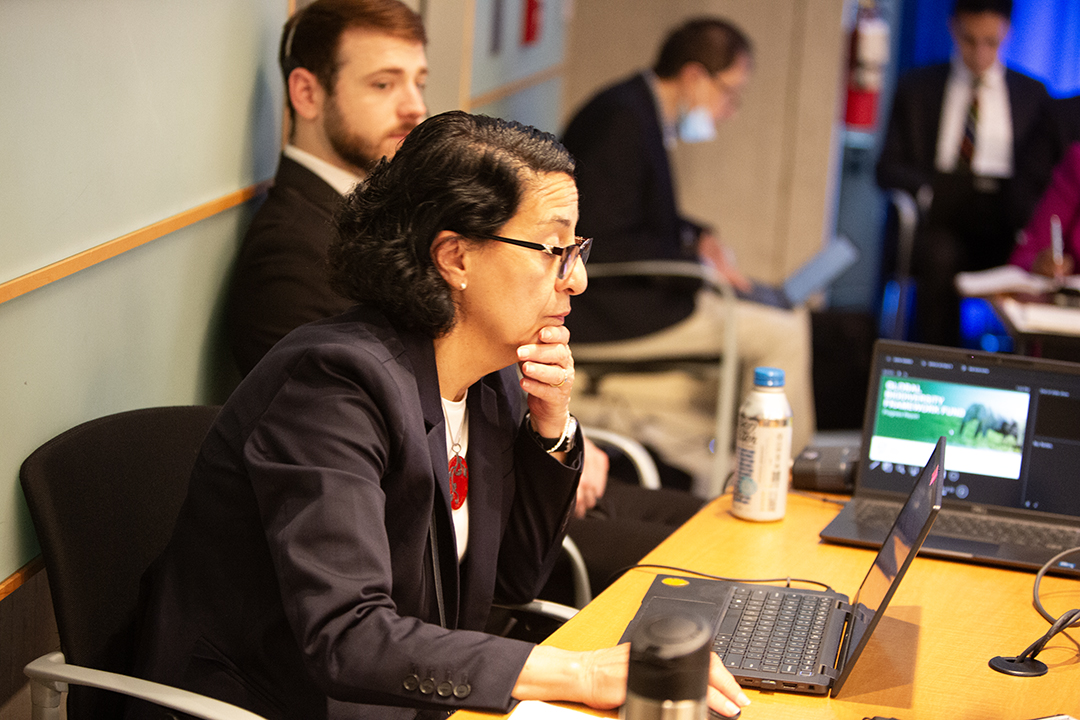
Liliana Graciela Hisas, GEF Secretariat
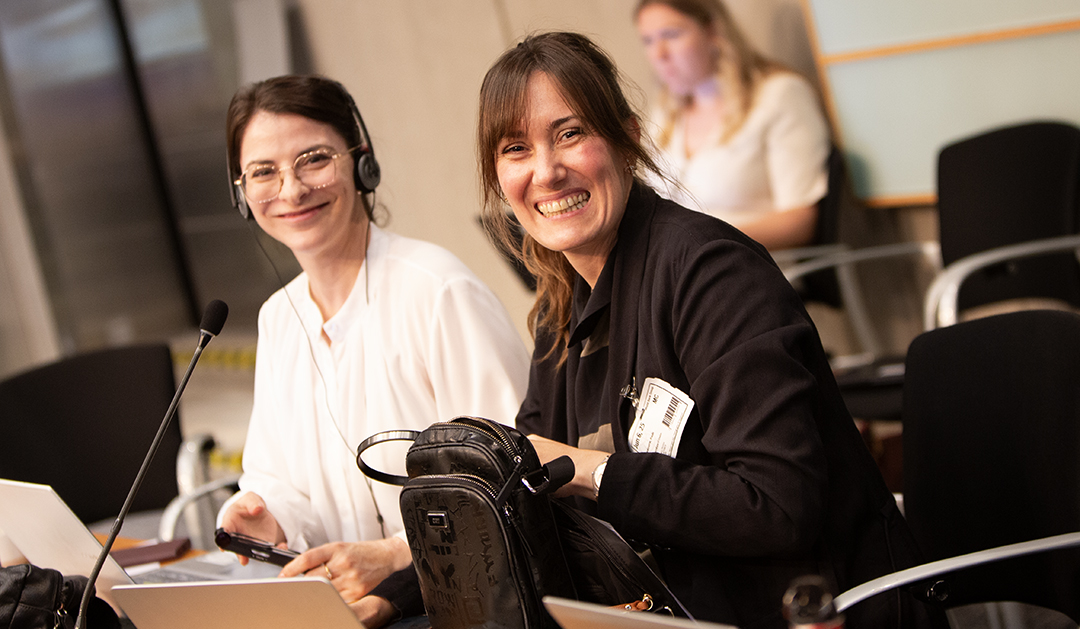
Eliana Saissac, and Paula Monteseri, Argentina
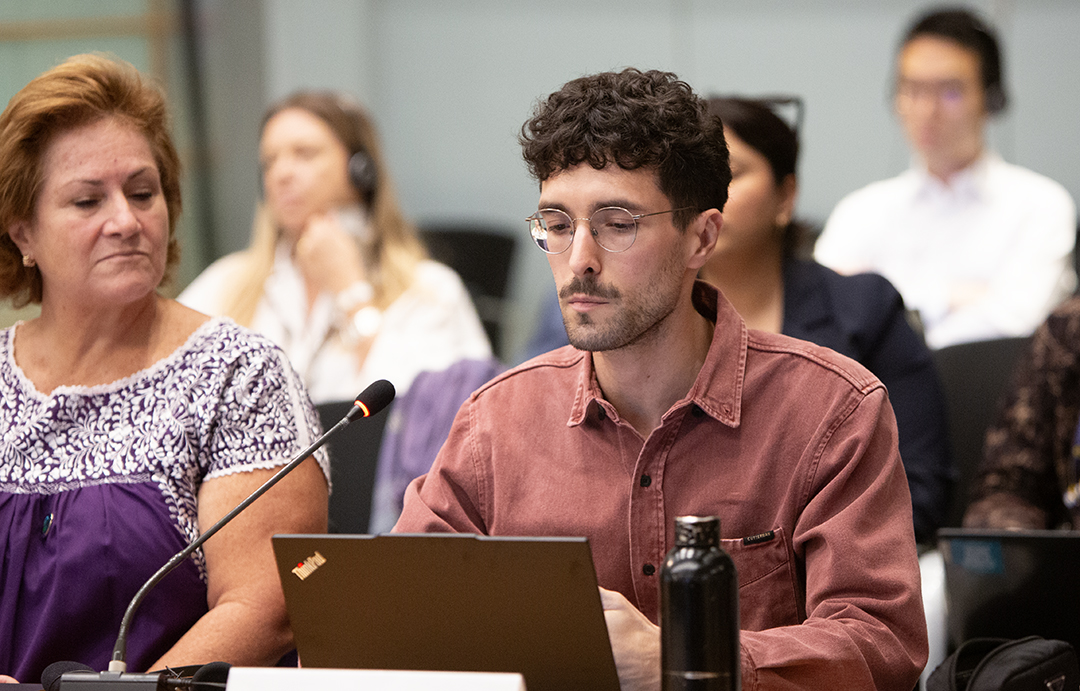
Heitor Dellasta, GYBN
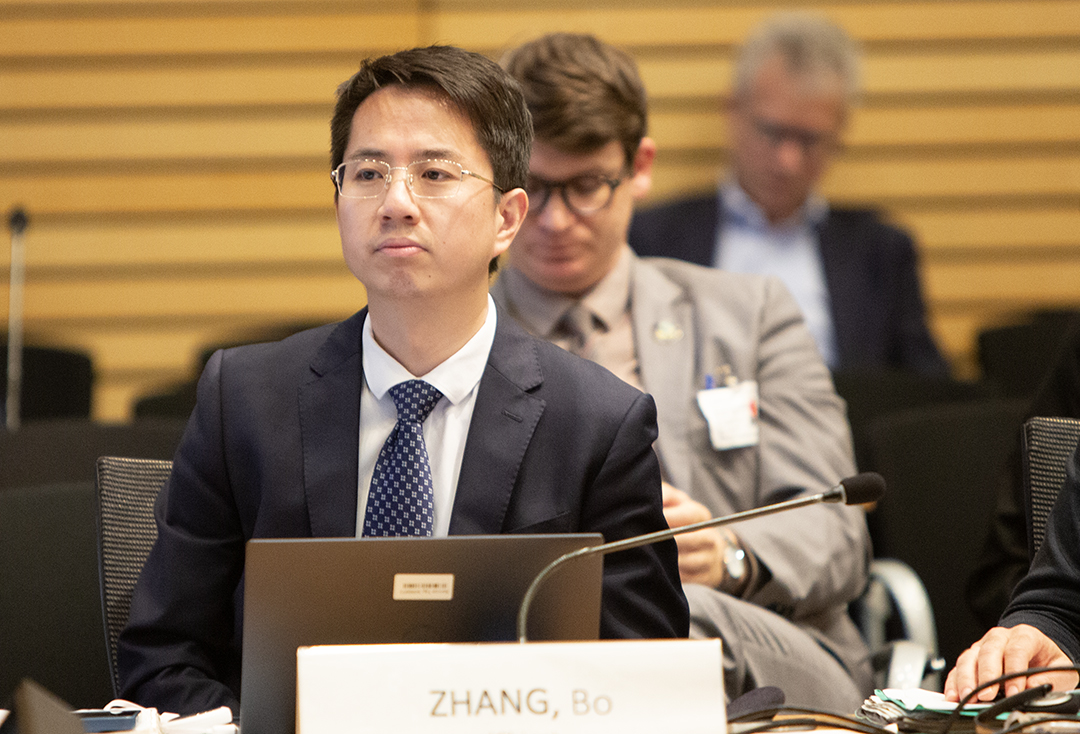
Zhang Bo, Council Member, China
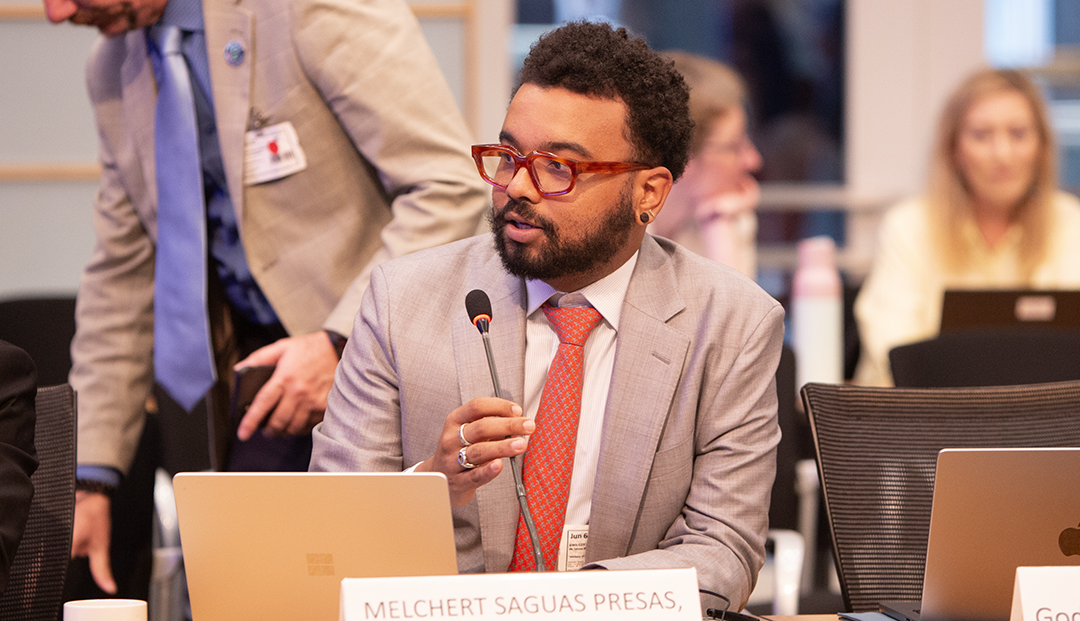
João Paulo de Sousa Vieira, Council Member, Brazil
Around the Venue