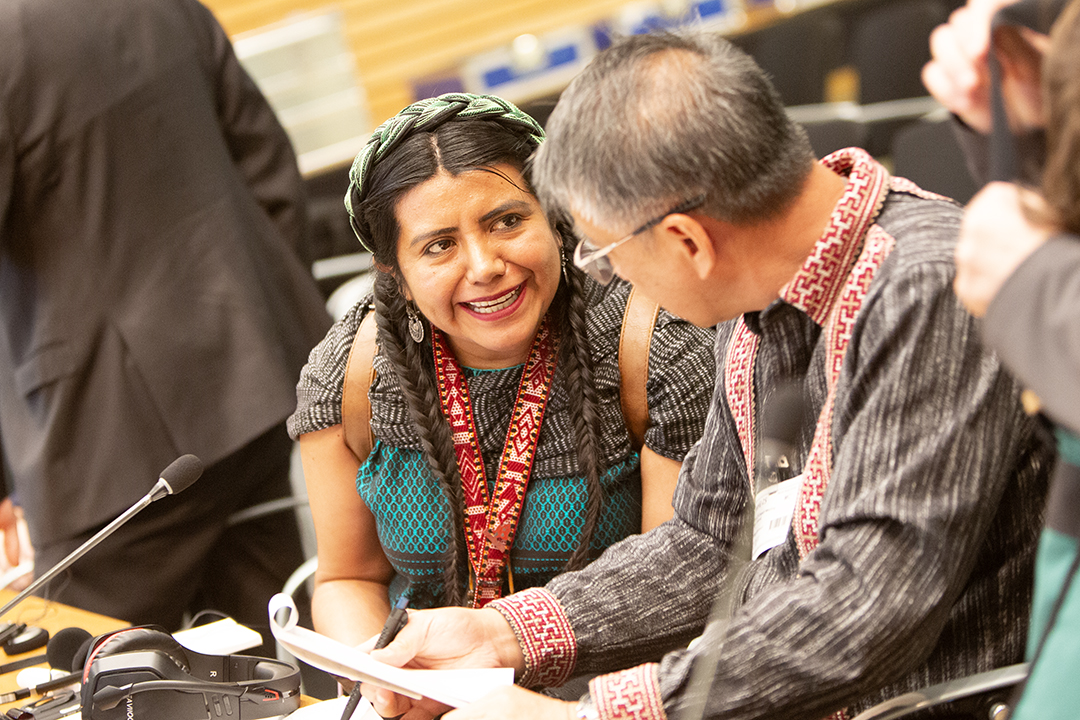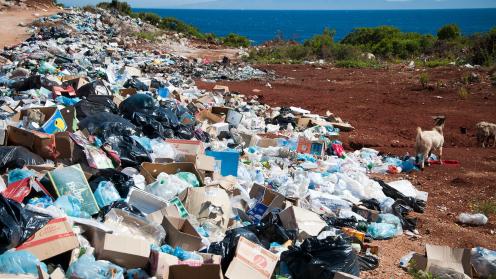
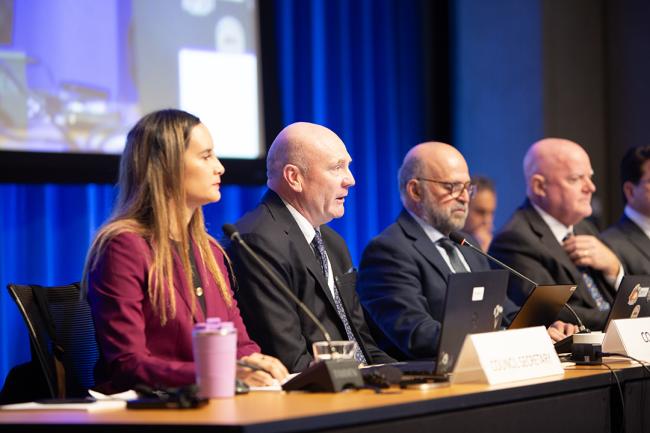
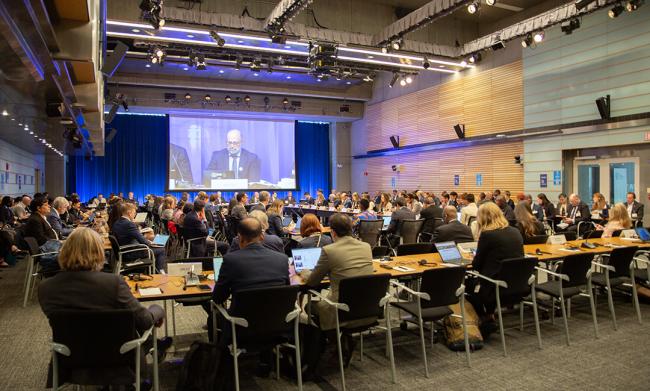
On the first day of the 69th meeting of the Global Environment Facility (GEF) Council, Council Members approved the sixth Work Program under the current replenishment of the GEF Trust Fund (GEF-8). The approved Work Program amounts to USD 190.9 million and is expected to mobilize a further USD 2.6 billion in co-financing. It brings the total programming for the GEF-8 cycle to 75%. The Council also approved the FY26 corporate budget from the GEF Trust Fund of USD 45.306 million.
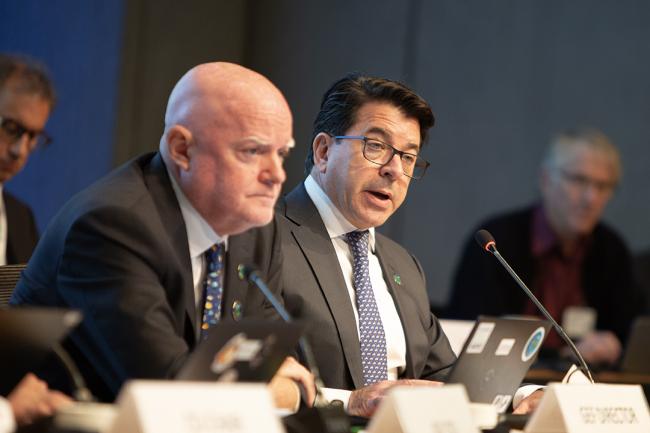
On a progress report on the GEF Visibility Policy, GEF CEO and Chairperson Carlos Manuel Rodríguez said the Secretariat will engage with Council Members for communications within their own countries. Council Members supported the effort to raise the visibility of GEF projects in both donor and recipient countries, among other options.
The day’s considerations ended with Council Members considering a proposal to add up to three additional agencies to the GEF Partnership, with a focus on least developed countries (LDCs) and small island developing States (SIDS). The proposal, presented by the Secretariat, would comprise two pathways:
- a standard process expected to last around 10-16 months, and comprising screening of potential agencies, a targeted invitation for an expression of interest, an independent panel assessment, Council approval, and legal and operational arrangements with the Trustee; and
- a fast-track process expected to last 8-12 months, with an expedited stage for entities that are already accredited by both the Green Climate Fund (GCF) and the Adaptation Fund (AF).
Council Members agreed with the benefits of a fast-track mechanism, with some suggesting that it be faster than 8-12 months. Speakers also called for a gap analysis for consideration by the Council in December 2025. The Council then adopted the draft decision on this item, calling for a gap analysis to assess the feasibility of a fast-track approach, followed by a proposal on procedures for agency expansion for consideration at the 71st Council meeting.
During remarks, Rodríguez reported that GEF-8 is on course to achieve its targets, noting among other achievements that co-financing has exceeded agreed targets. He stressed that progress on the intertwined and urgent challenges that the GEF addresses will be essential for achieving global objectives by 2030, and called attention to current political challenges that are impacting international environmental finance. Rodríguez also underlined the need to drive policy coherence and adopt a whole-of-society approach that cuts across all stakeholder levels.
The Work Program generated a lot of discussion among Council Members. Most Members expressed support for the Program, welcoming the balanced distribution of resources across focal areas and geographic regions, and the Program’s alignment with GEF-8 priority areas. They welcomed initiatives such as the Global Elimination of Mercury in Non-ferrous Metals Initiative (GEMINI) and the Africa regional program to eliminate mercury-added skin lightening products.
Council Members however expressed concern with the concentration of resources in a few agencies, and urged the GEF to continue working to diversify resource allocation among agencies. The GEF CSO Network called on more recipient countries to become donors, while a Council Member questioned why a country that is no longer considered a developing country still receives GEF funding.
Council Members also considered the report of the GEF-8 Midterm Review on Performance of Full Flexibility, which reviews the GEF-8 “full flexibility” modality by which countries can use their GEF-8 System for Transparent Allocation of Resources (STAR) resources across their focal area allocations without restrictions. Presenting the report, the Secretariat said that while the aggregate net flow of full flexibility is minimal, with a net flow of only 3% of STAR allocations, this modality has been instrumental SIDS, LDCs, and countries with smaller STAR allocations, which have the greatest usage and demand for flexibility. They noted its role in improving coherence and integration, and reducing fragmentation in the country portfolio landscape. Most Council Members, therefore, supported retaining full flexibility in GEF-9 and future cycles, while highlighting the need for continued review of the modality’s performance.
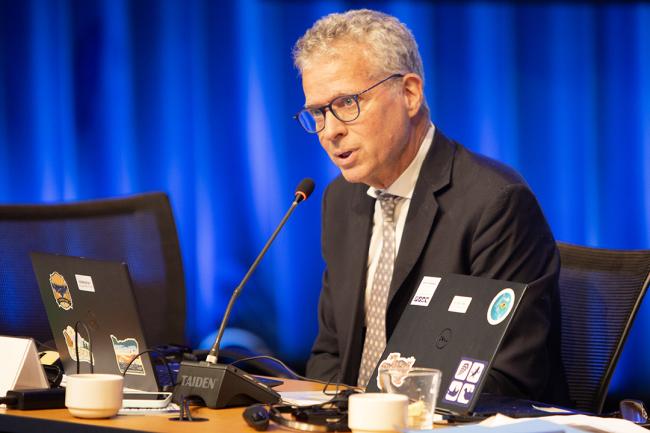
All ENB photos are free to use with attribution. For this event, please use: Photo by IISD/ENB | Angeles Estrada Vigil
To receive free coverage of global environmental events delivered to your inbox, subscribe to the ENB Update newsletter.
Work Program for GEF Trust Fund

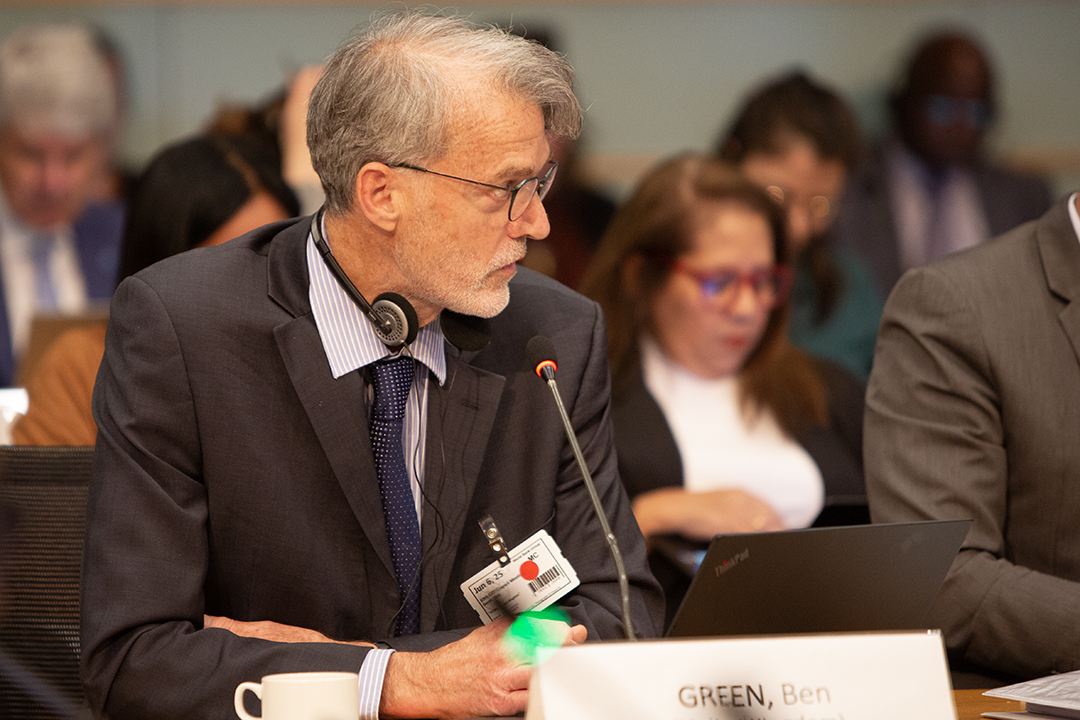
Ben Green, Council Member, UK
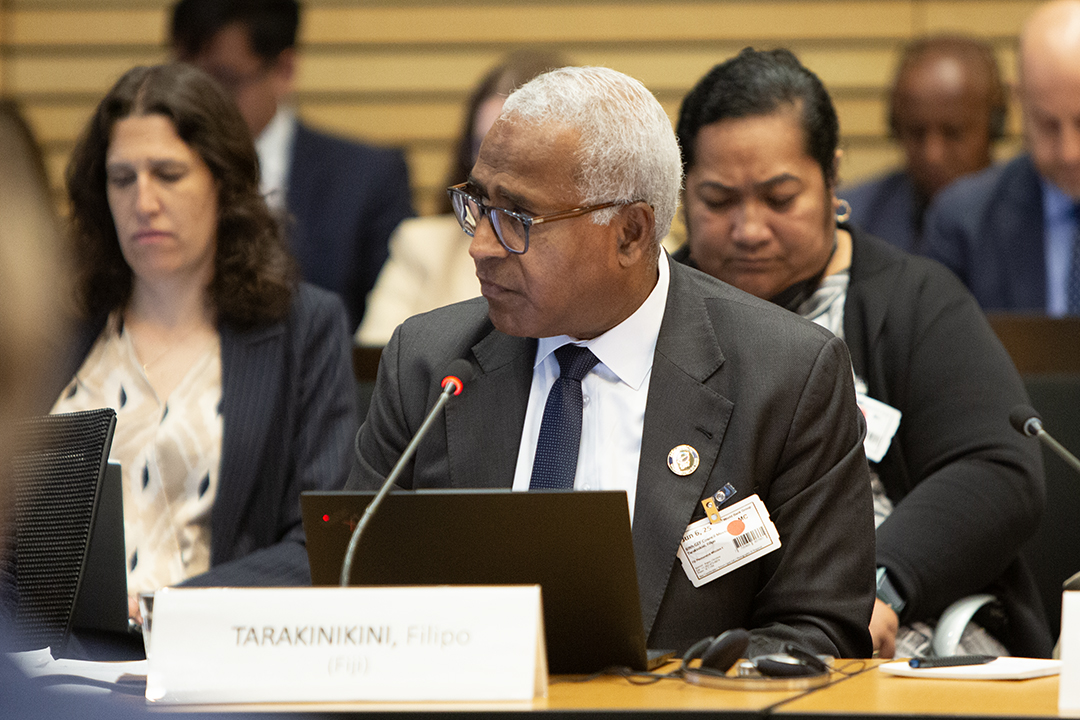
Filipo Tarakinikini, Council Member, Fiji
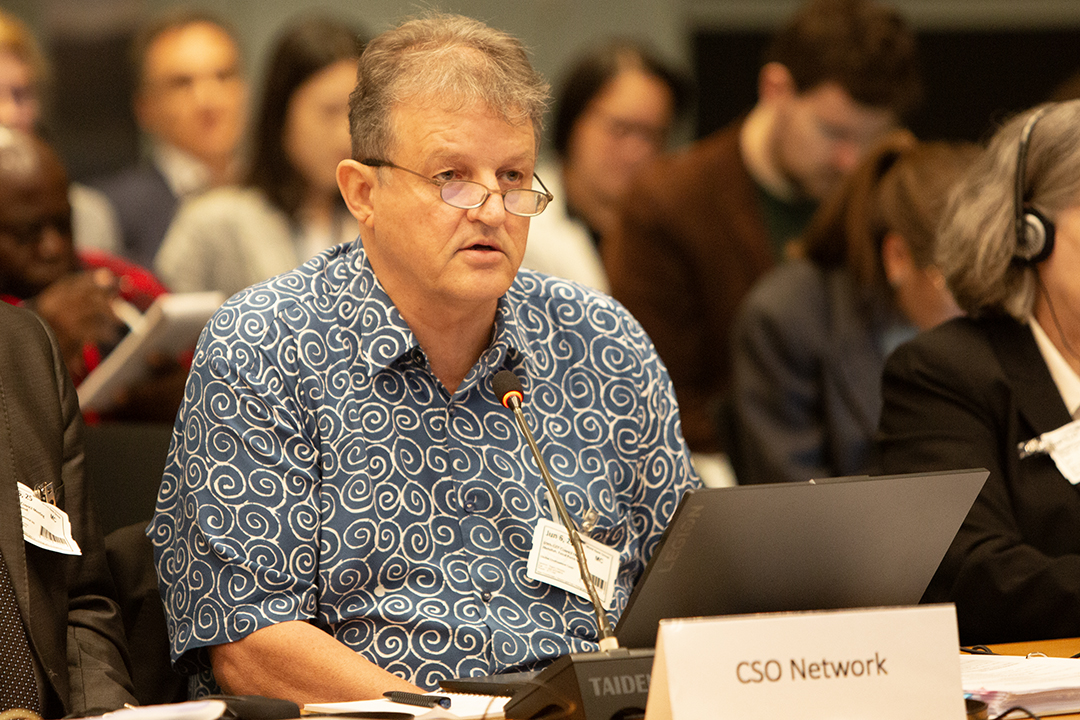
Faizal Parish, Chair, GEF CSO Network
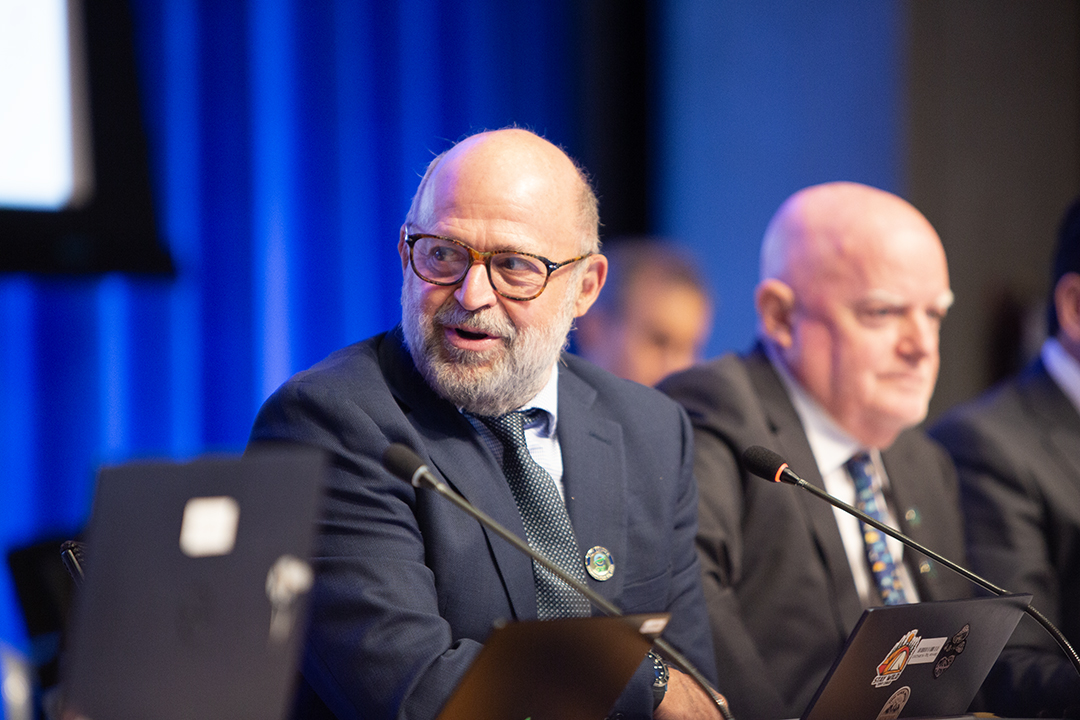
Carlos Manuel Rodriguez, GEF CEO and Chairperson
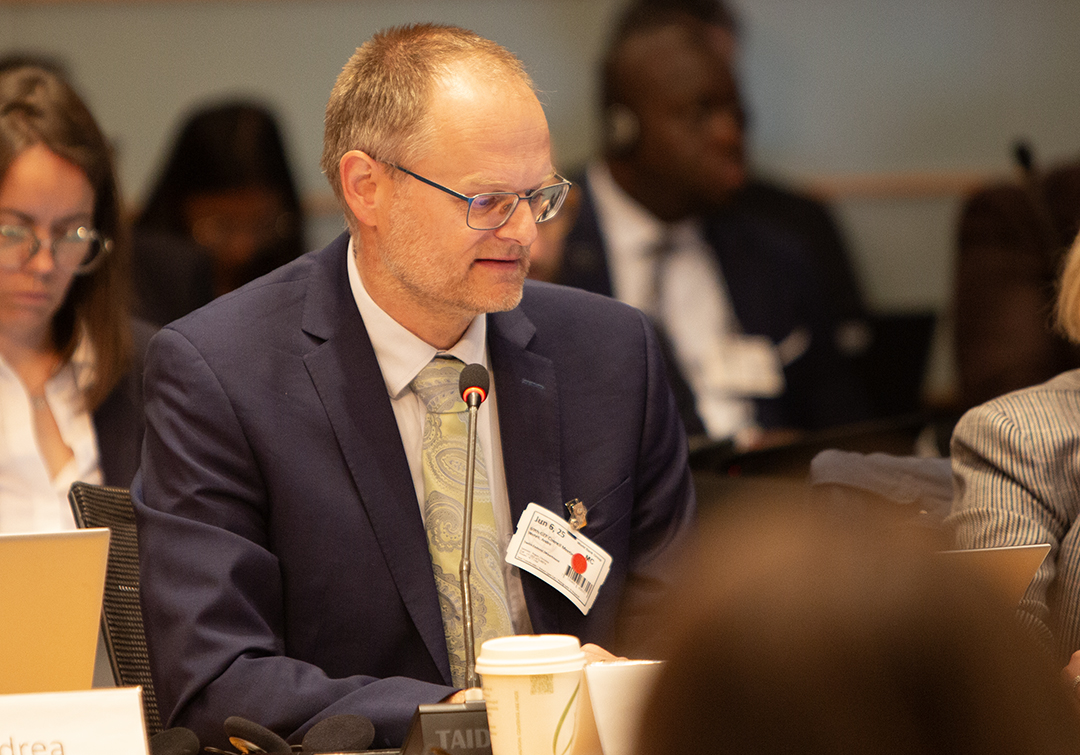
André Wehrli, Alternate Council Member, Switzerland
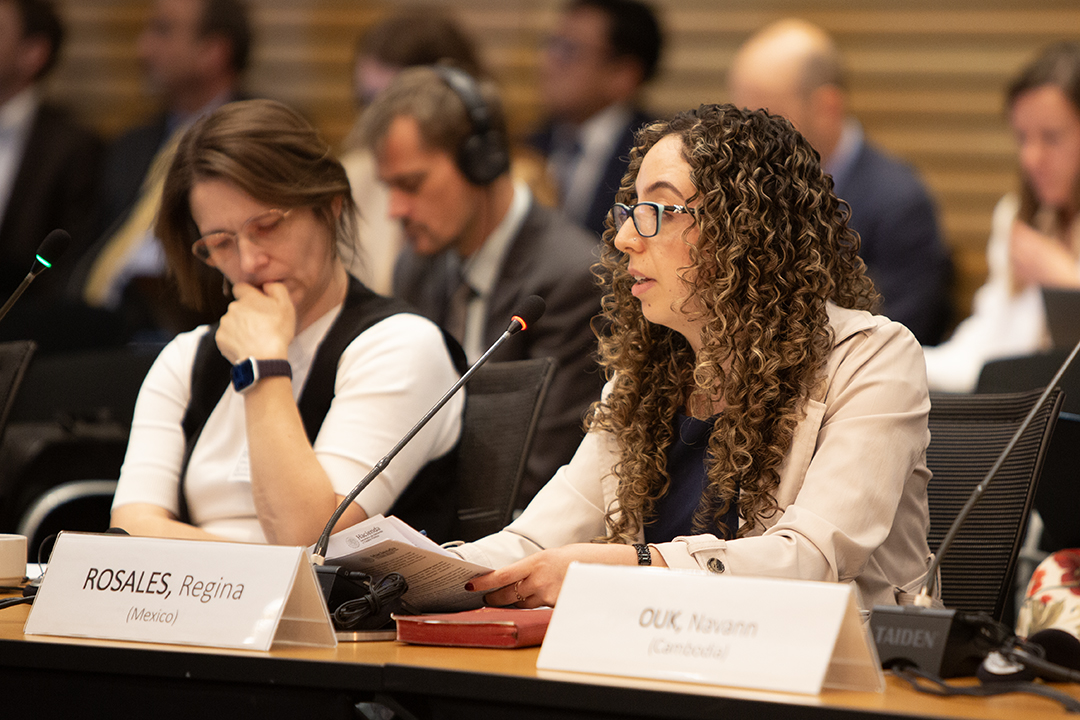
Rosales Regina, Council Member, Mexico
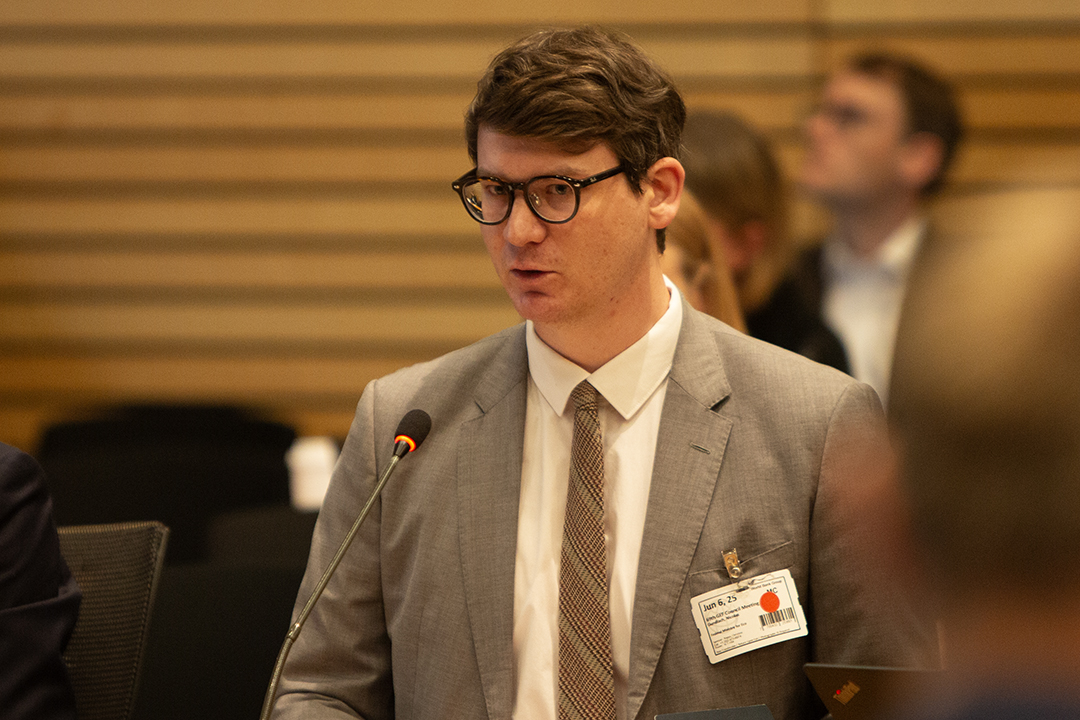
Nicolas Gundlach, Council Member, Germany
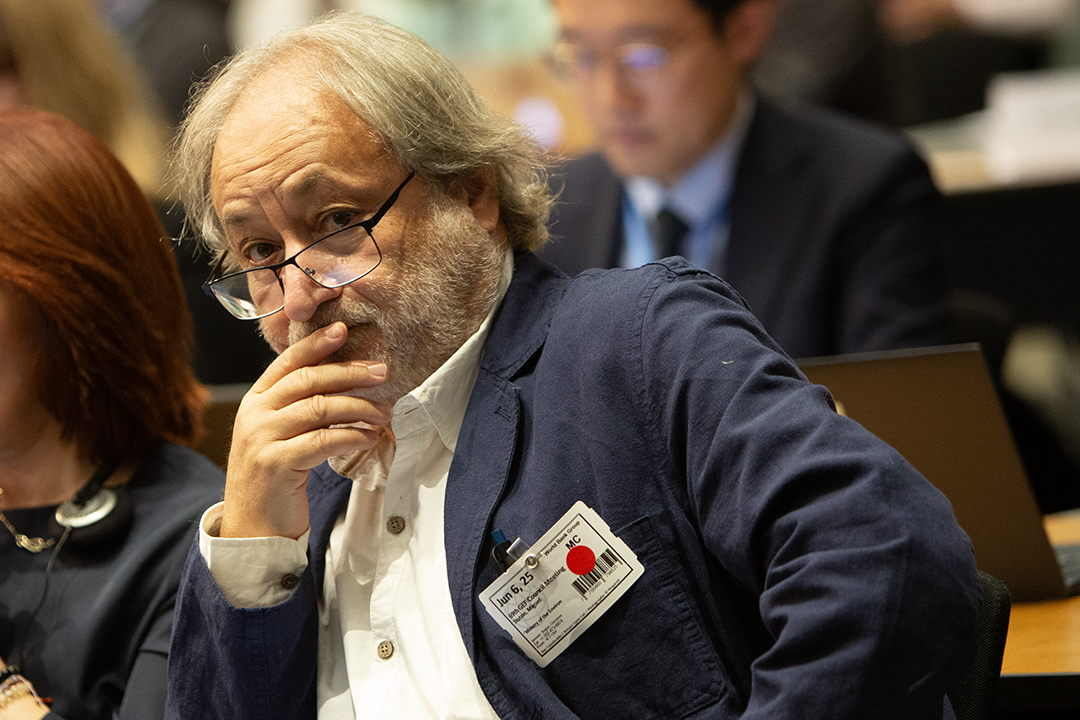
Miguel Stutzin, Chile
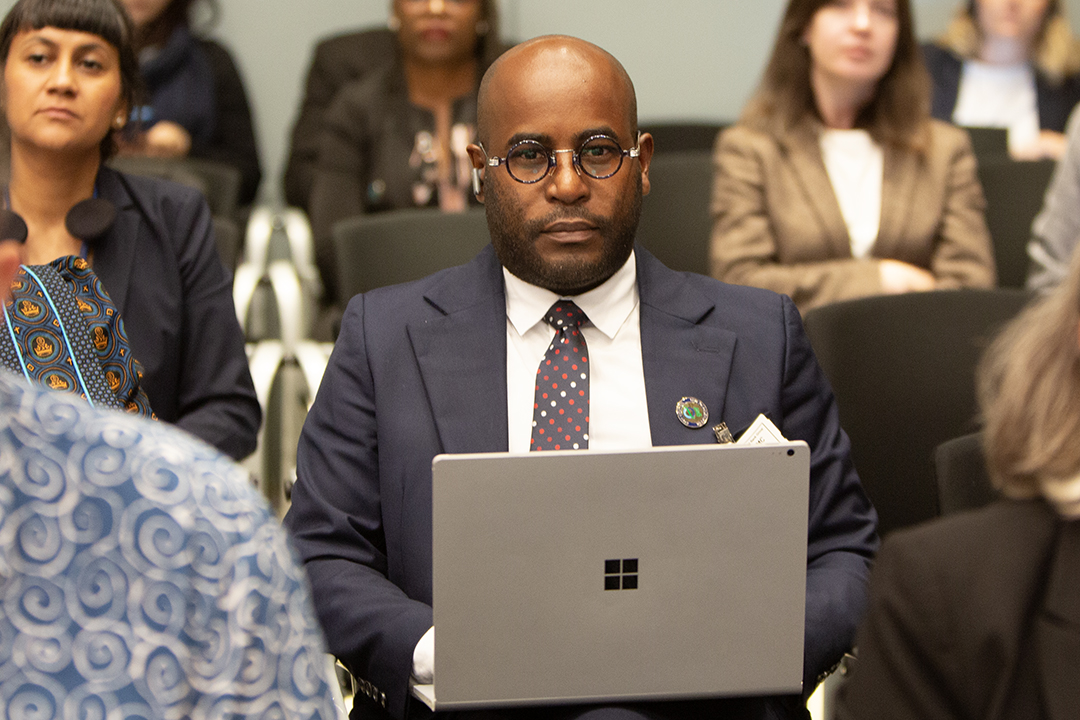
Nuno Cruz, CSO Network
GEF Business Plan and Corporate Budget for FY26

Rosina Bierbaum, STAP
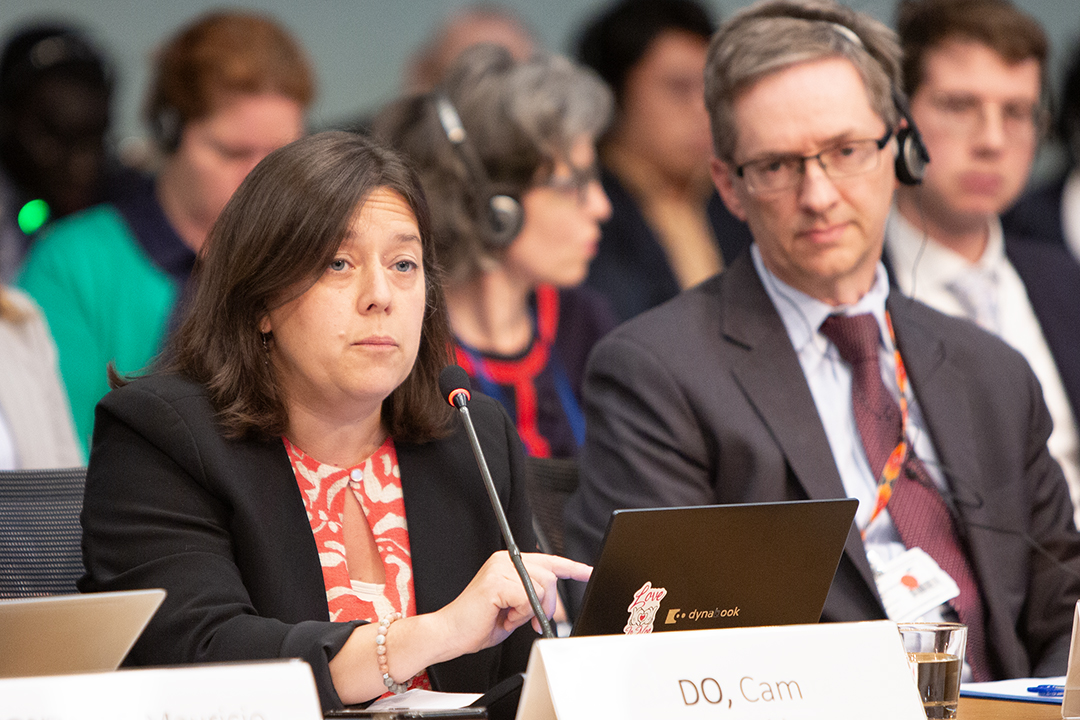
Catherine Potvin, Council Member, Canada

Aliona Rusnac, Council Member, Moldova
Stephanie Bouziges-Eschmann, Alternate Council Member, France
Anil S.V. Das, Council Member, India
GEF-8 Midterm Review on Performance of Full Flexibility
Naiying Peng, GEF Secretariat
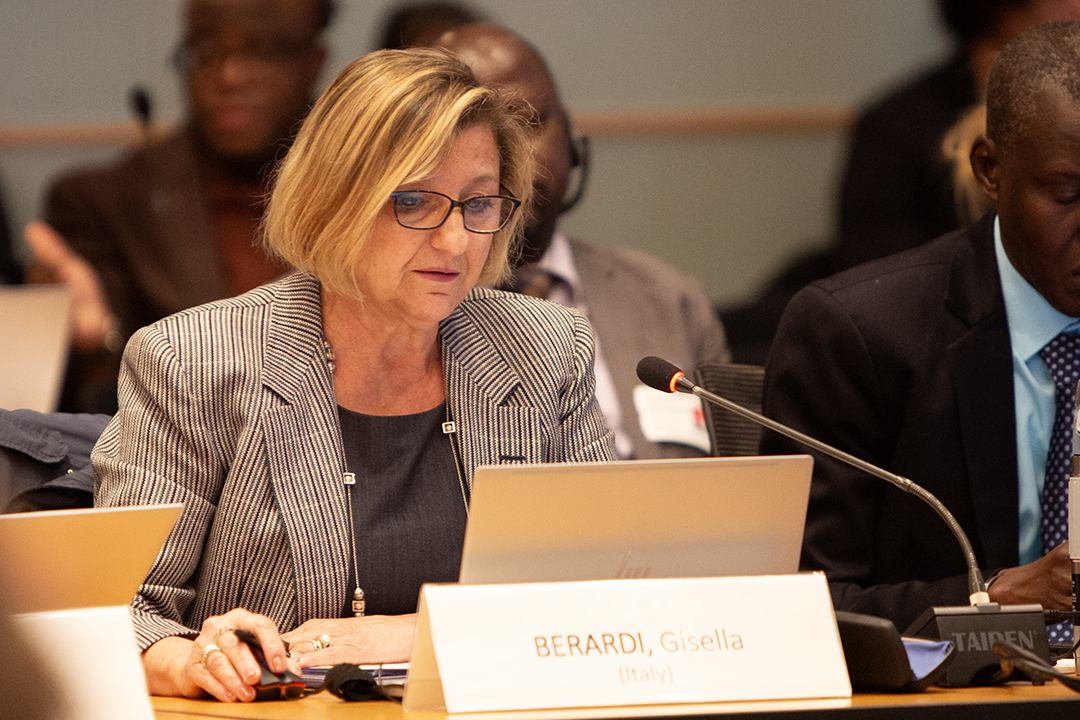
Gisella Berardi, Council Member, Italy
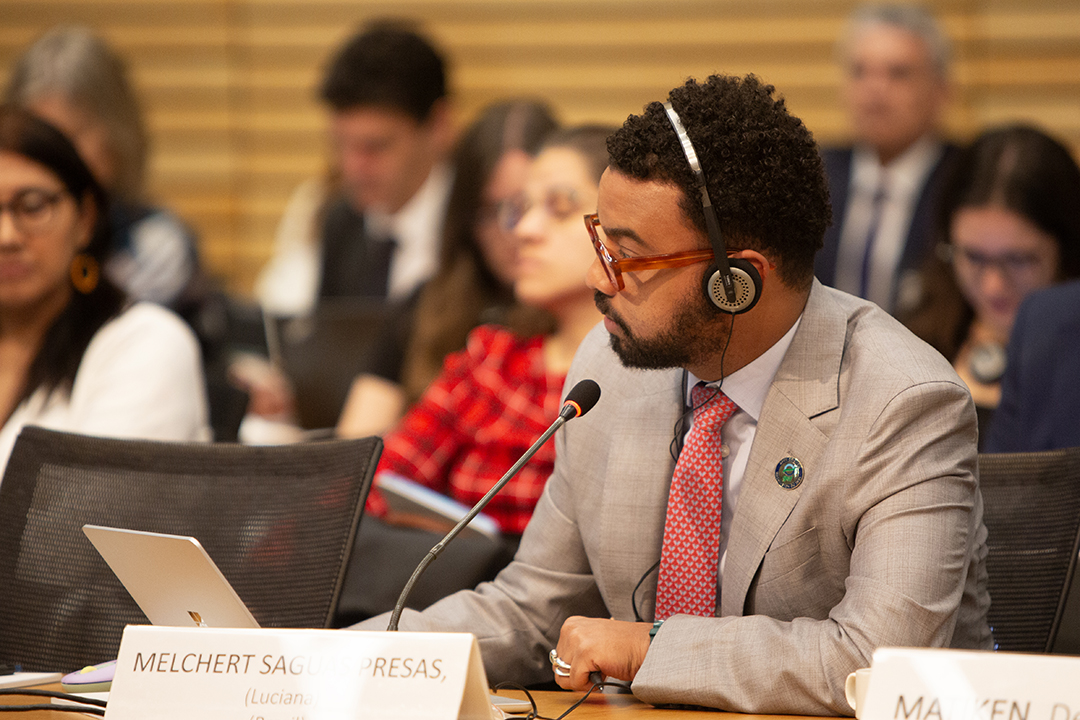
Joao Paulo de Sousa Vieira, Council Member, Brazil
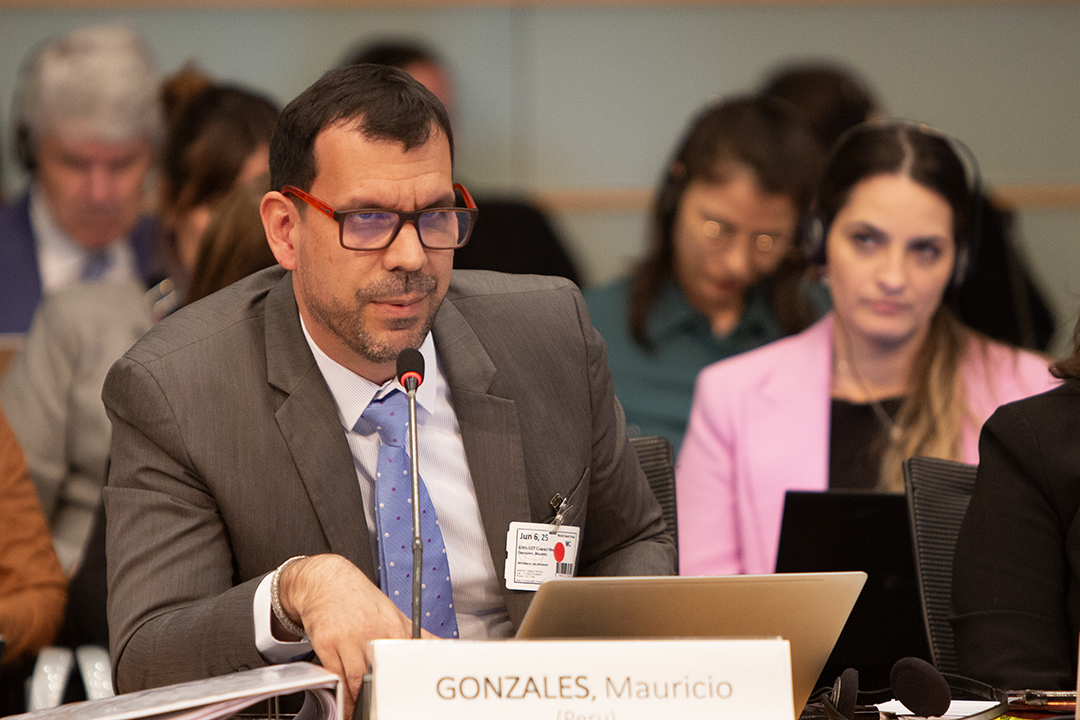
Mauricio Gonzales, Council Member, Peru
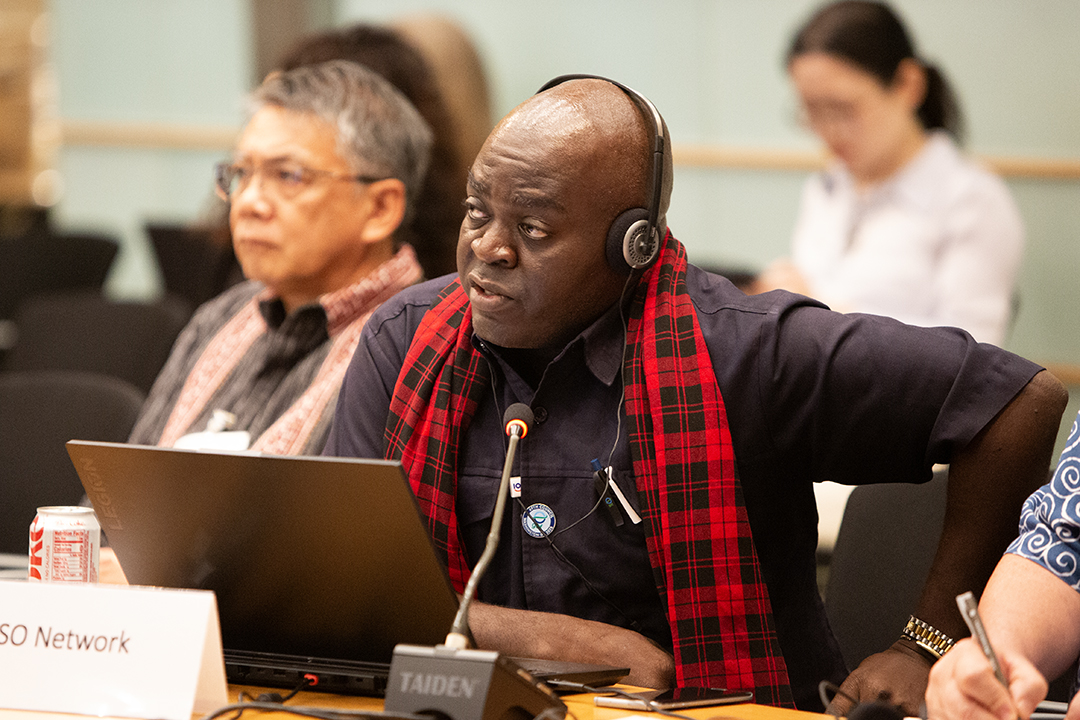
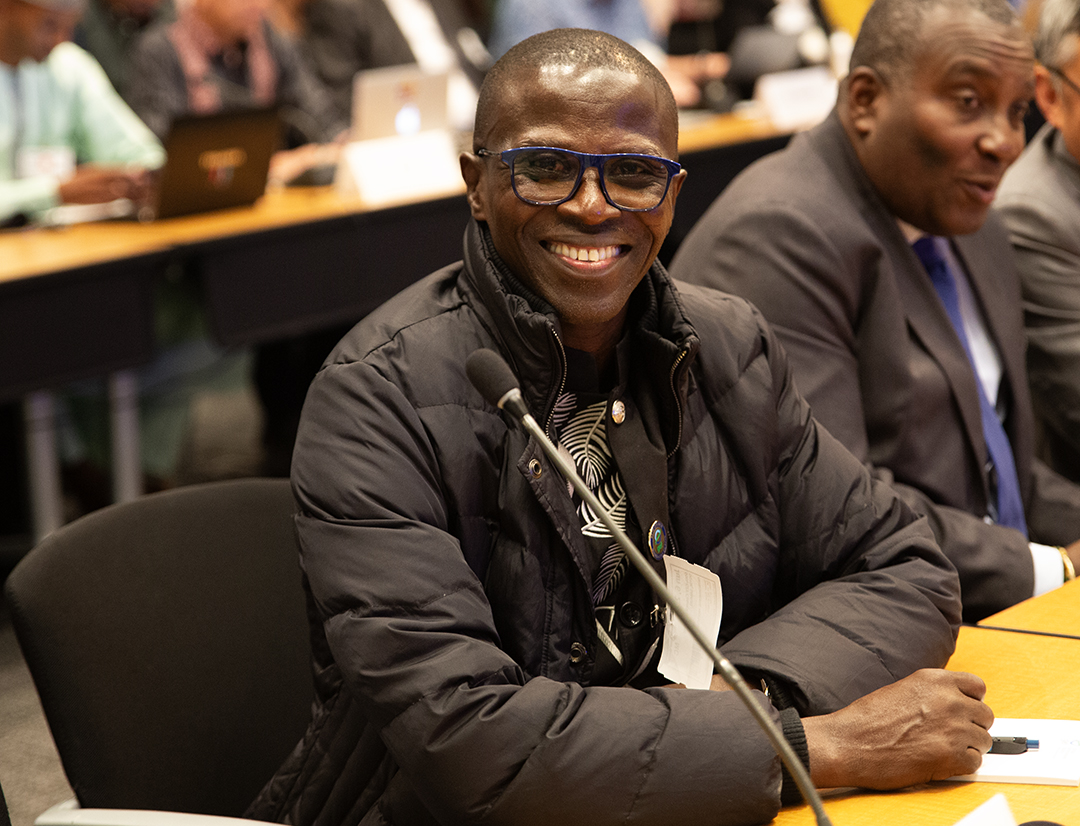
Tumaini Charles Marijani, Vice-Chair, GEF CSO Network
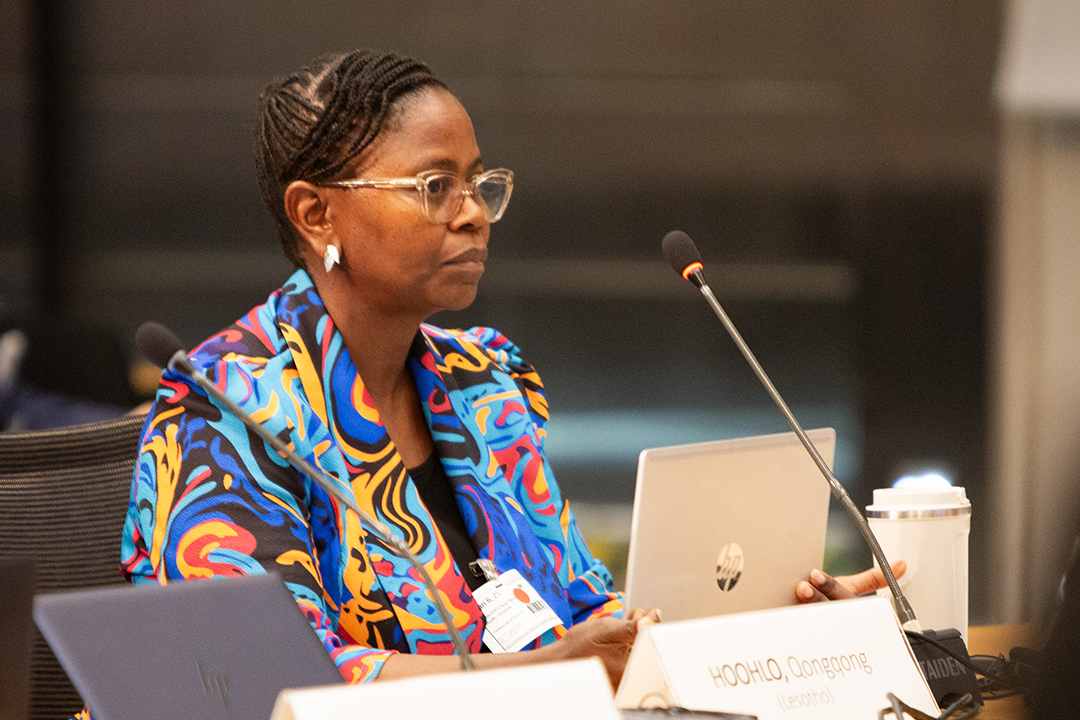
Qongqong Hoohlo, Council Member, Lesotho
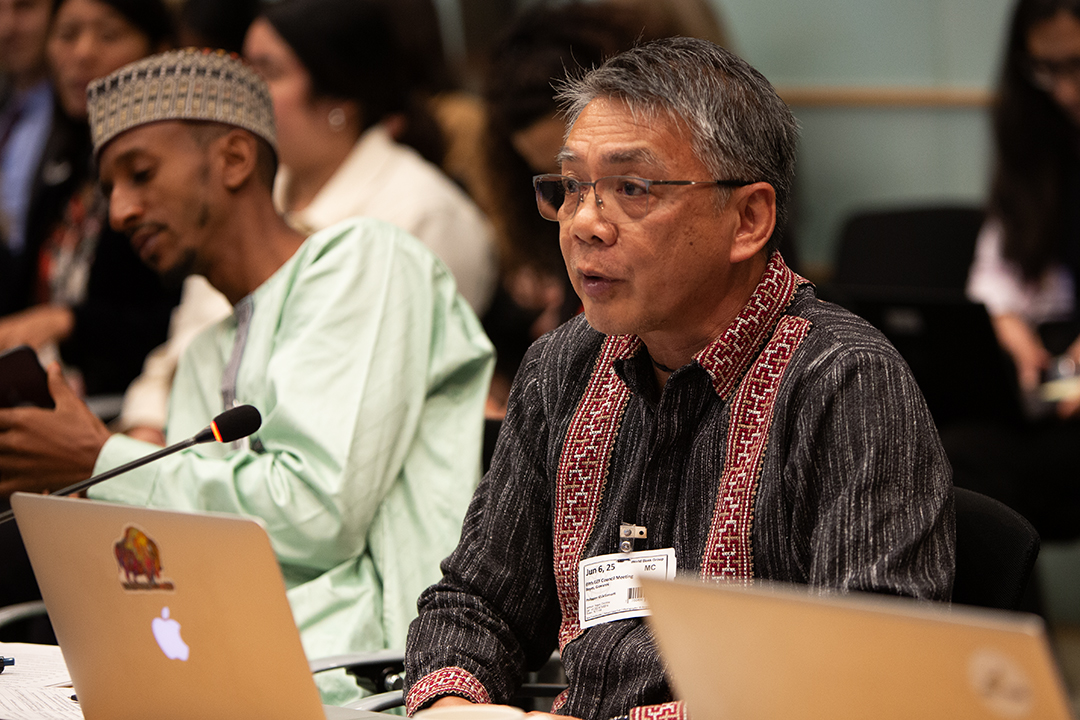
Giovanni Reyes, Indigenous Peoples Advisory Group (IPAG)
Progress Report on the Implementation of the GEF Policy on Communication and Visibility
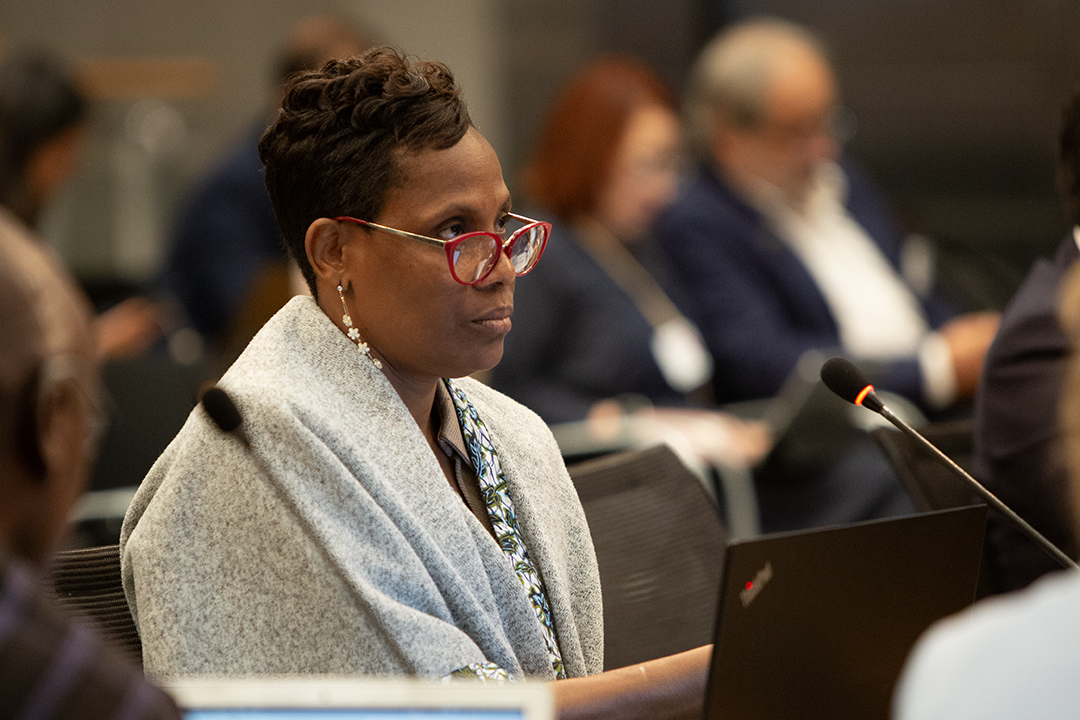
Samanthia Justin, Council Member, Saint Lucia

Malintle Mamolapo Celestina Kheleli, CSO Network
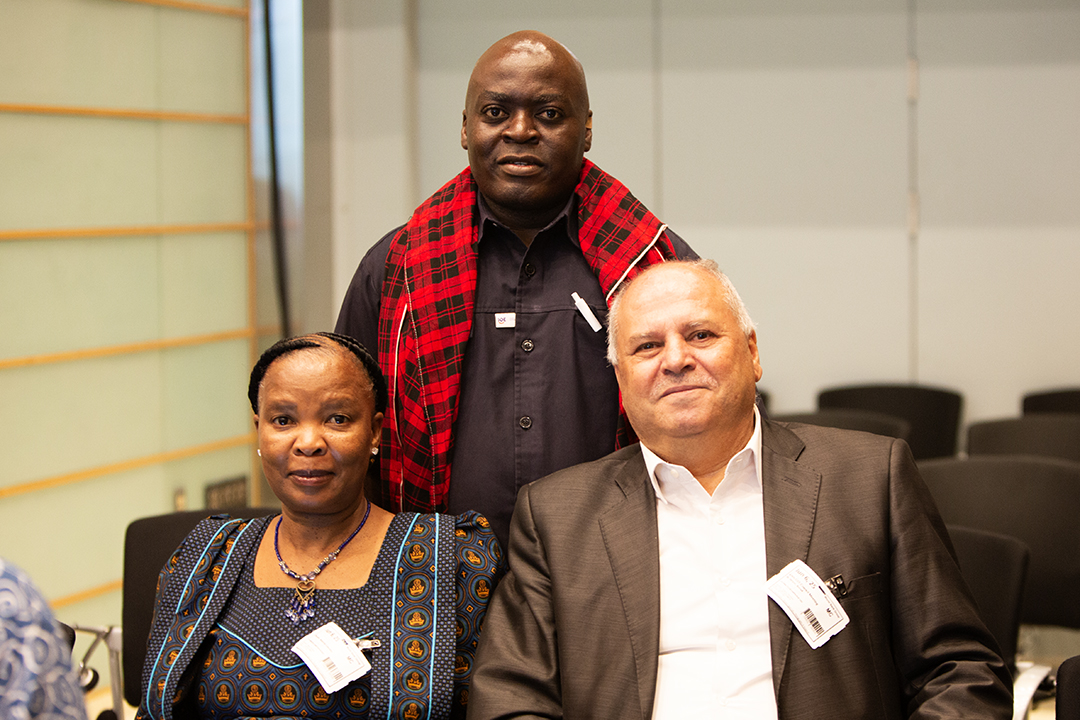
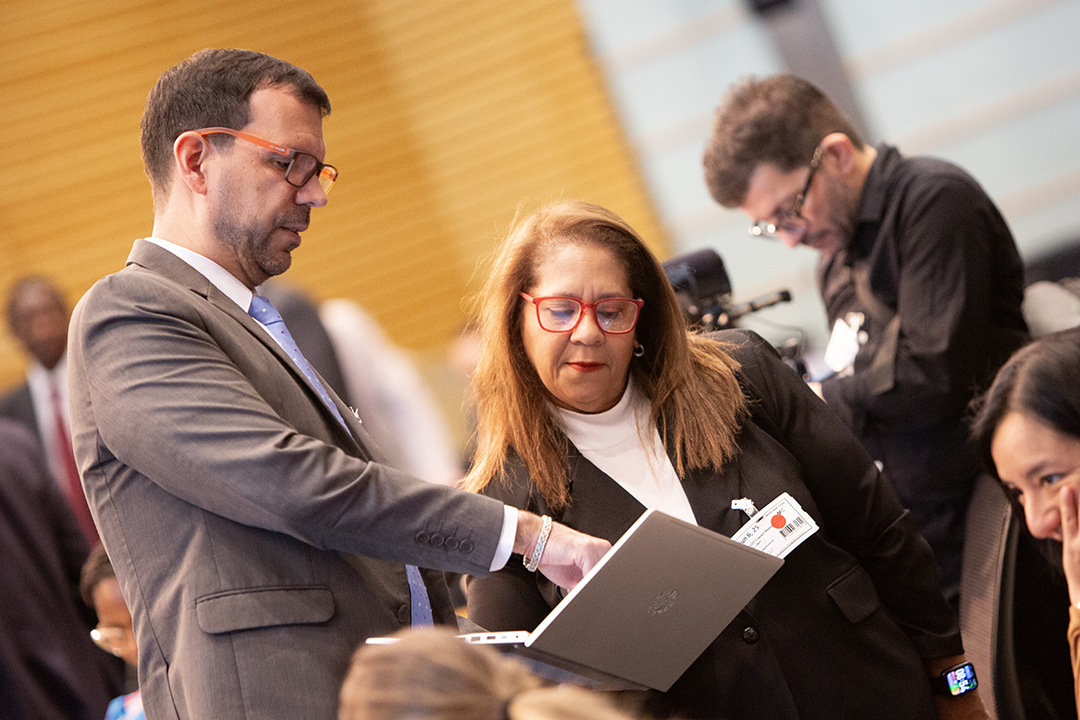
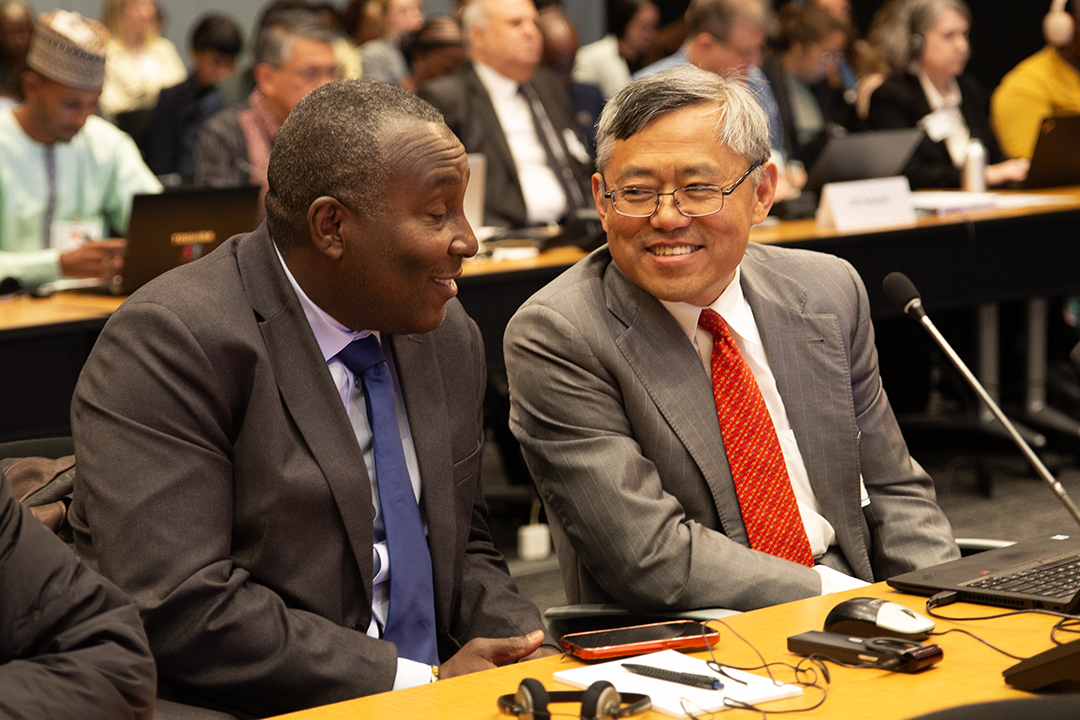
Council Members during the session

Abdullahi Godah Barre, Alternate Council Member, Somalia
Strengthening the GEF Partnership: Options for Agency Expansion


Jonathan Caldicott, GEF Secretariat
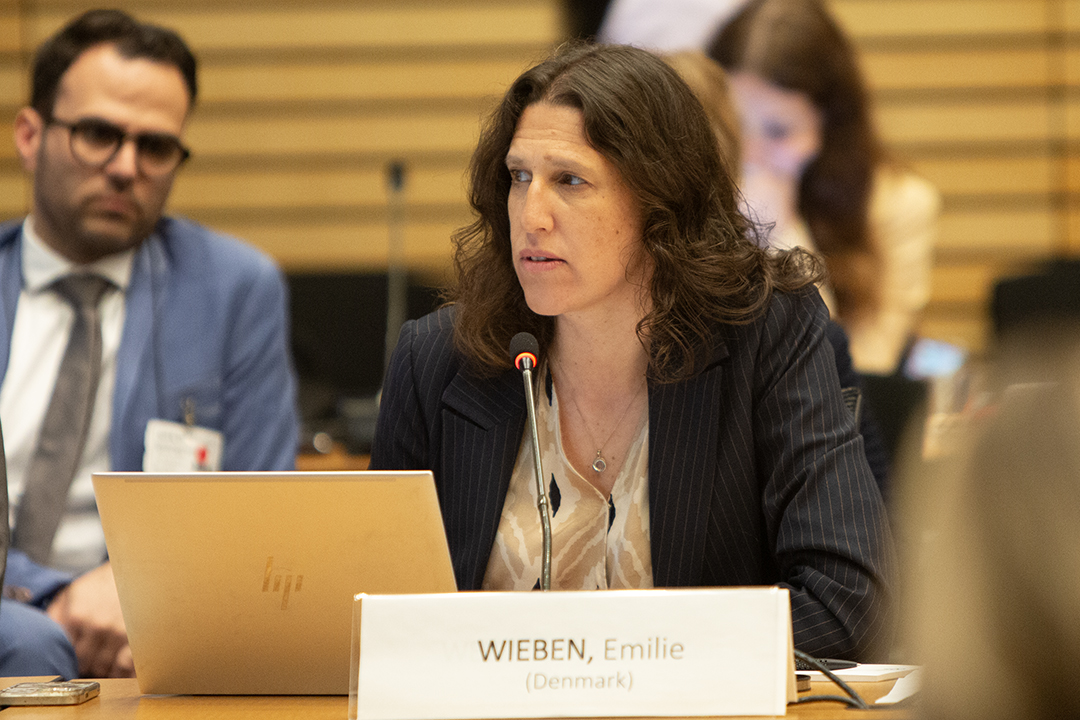
Lauren Naville Gisnås, Council Member, Norway
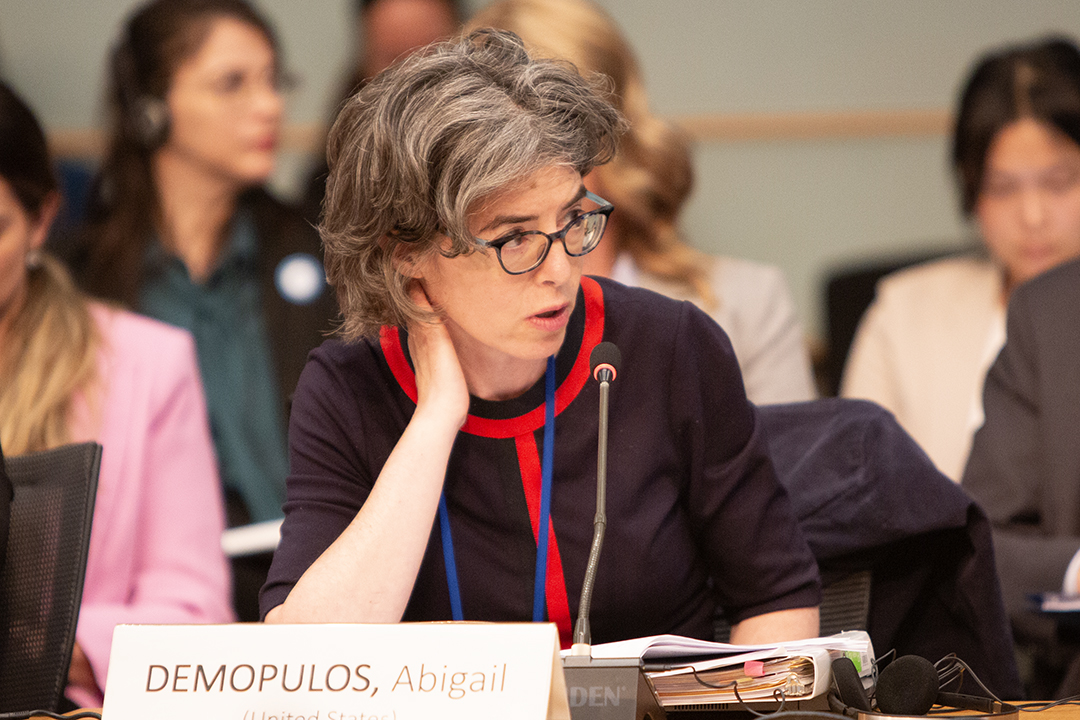
Abigail Demopulos, Council Member, US
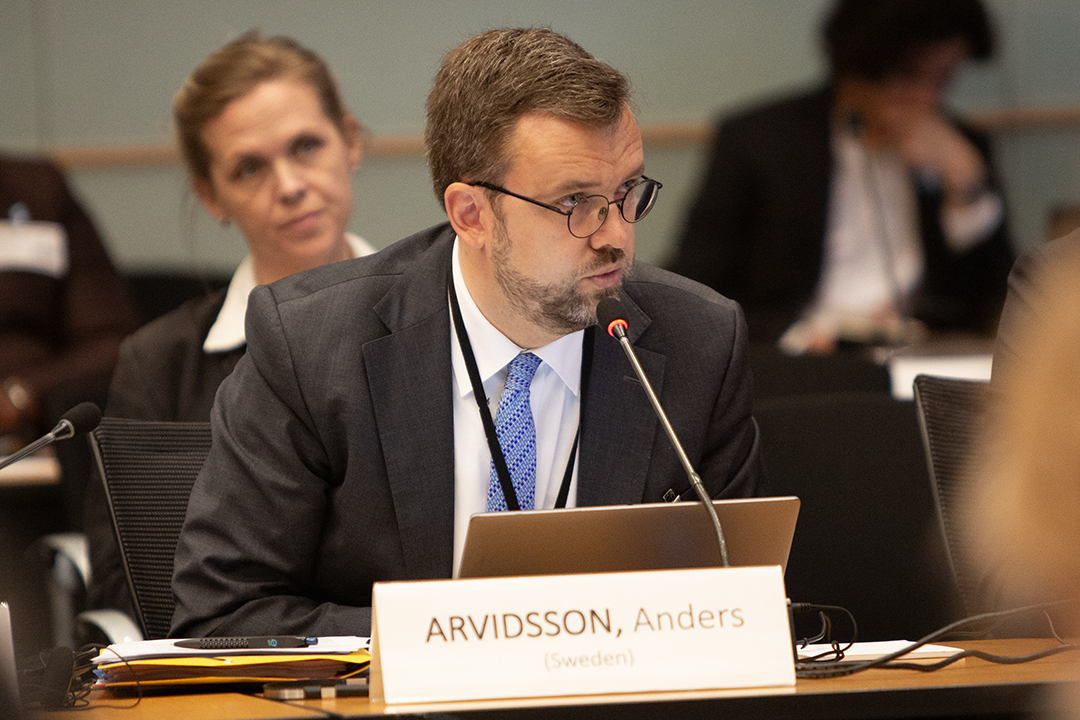
Anders Arvidsson, Council Member, Sweden
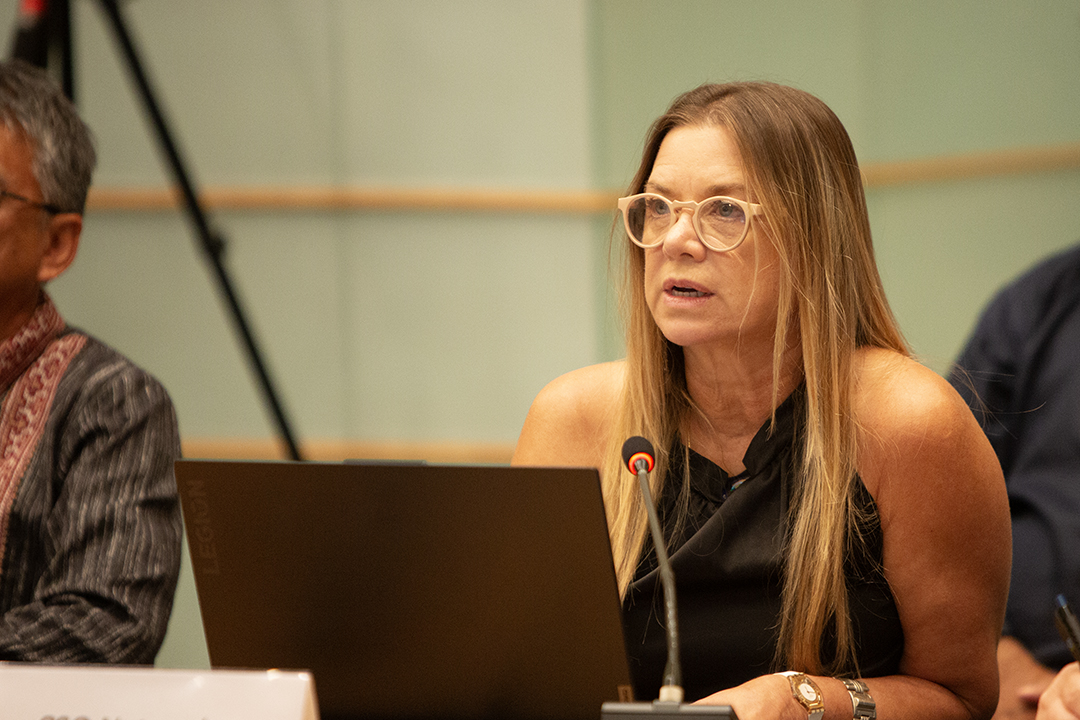
Maria Leichner, CSO Network
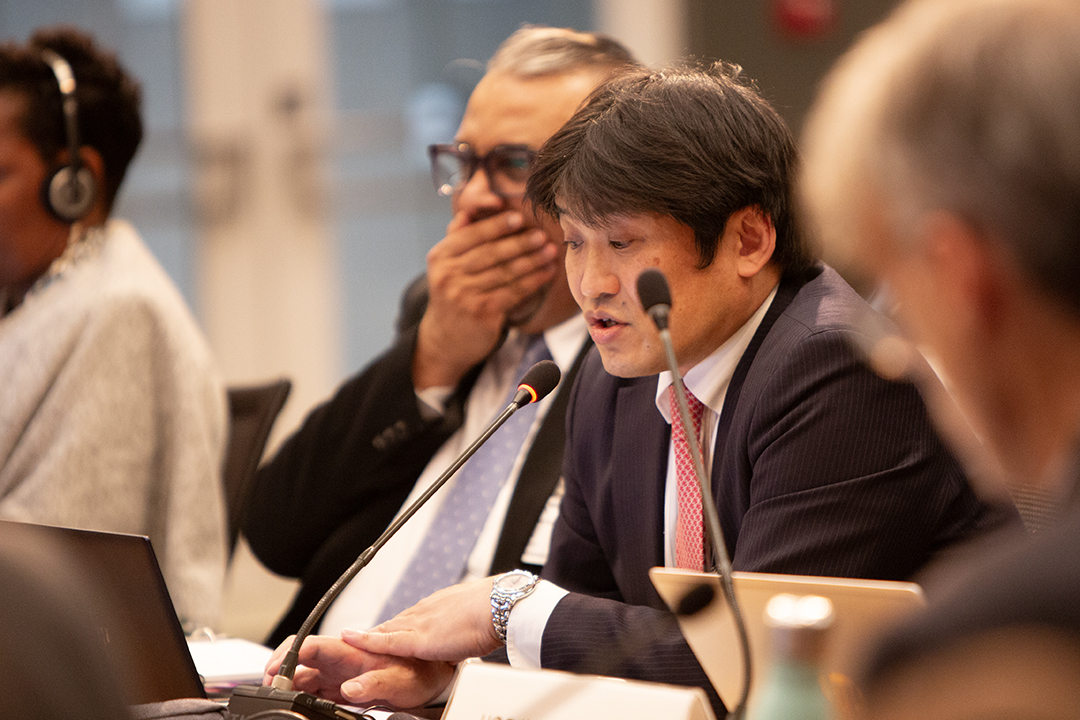
Tsuyoshi Hyokai, Council Member, Japan

Around the Venue