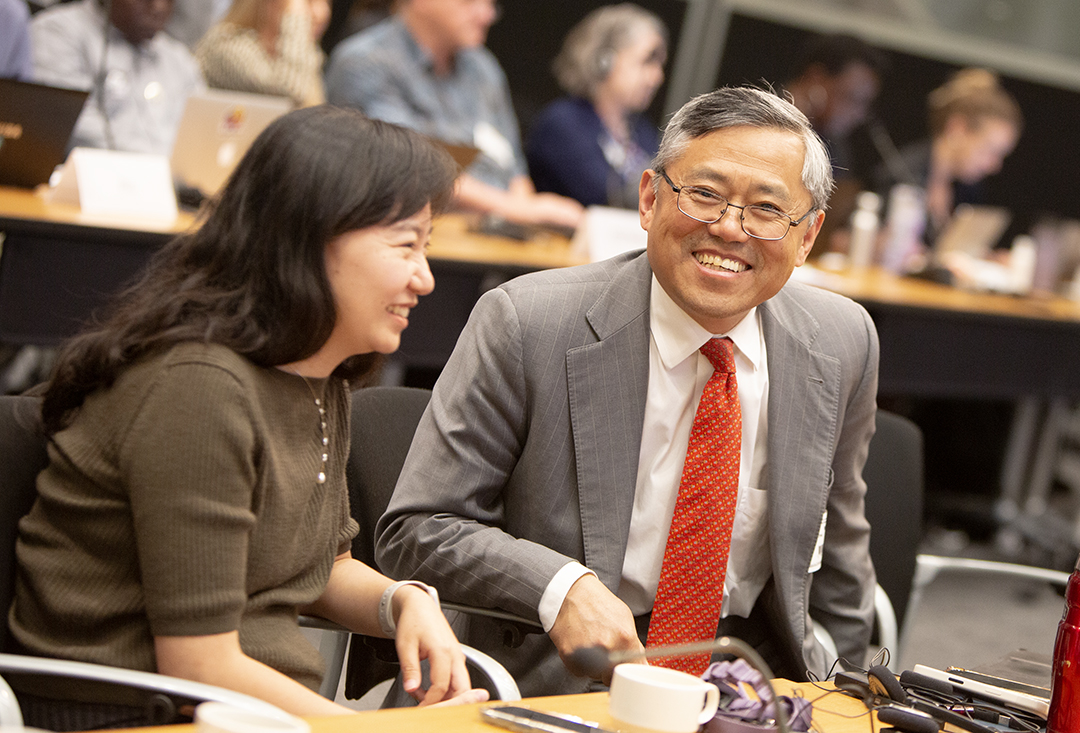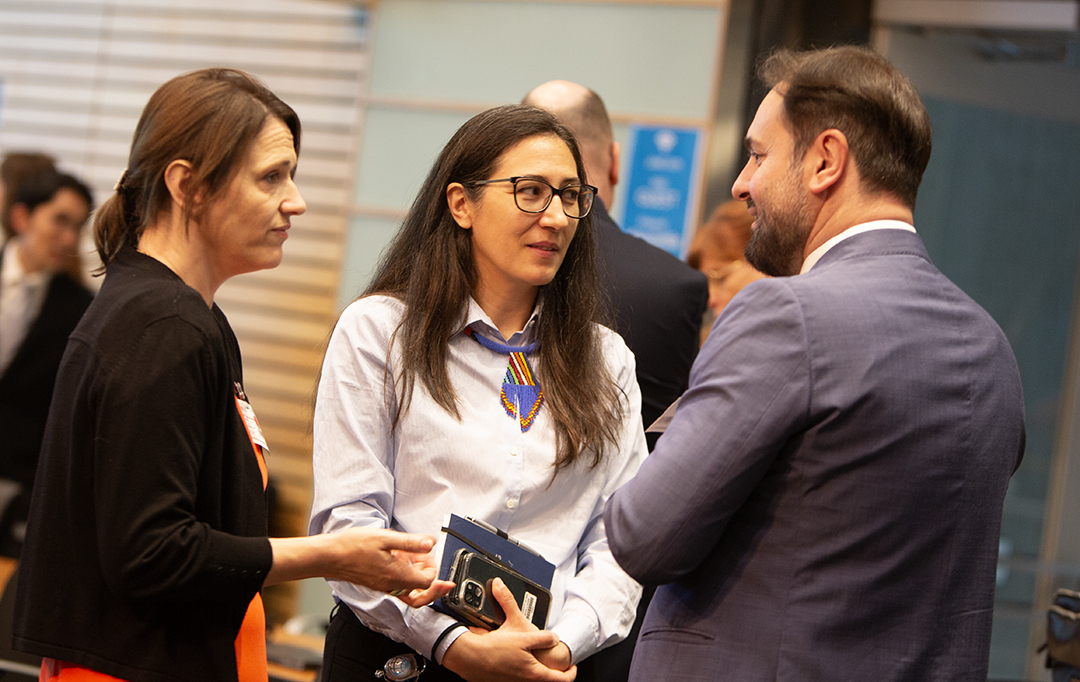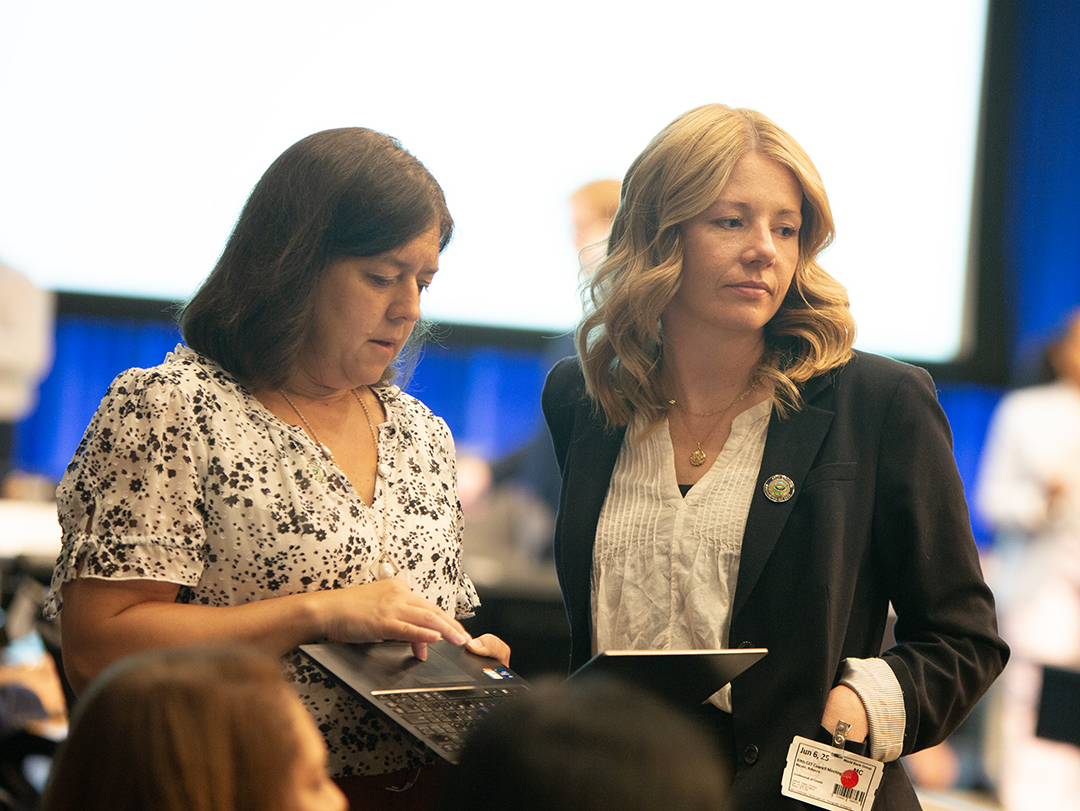
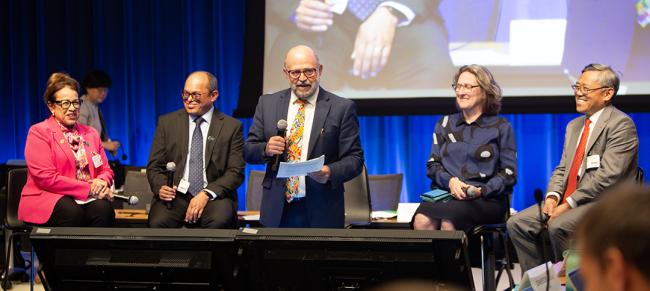
Executive Secretaries and senior representatives of seven multilateral environmental agreement (MEA) Secretariats gathered on Tuesday morning for an interactive dialogue with the 69th meeting of the Global Environment Facility (GEF) Council, where speakers emphasized the need for integrated action and collaboration. Convention representatives identified some of their key priorities both for the rest of the eighth replenishment cycle (GEF-8) and for GEF-9.
Opening the dialogue, GEF CEO, Chairperson, and Council Co-Chair Carlos Manuel Rodríguez welcomed leaders to a talk-show style format he called “Executive Secretaries Series: Season 1.” The Executive Secretaries and representatives then shared outcomes from the latest sessions of their respective conferences of the parties (COPs) of relevance to the GEF-9 discussions.
Executive Secretary of the Basel, Rotterdam, and Stockholm (BRS) Conventions Rolph Payet emphasized that the May BRS COPs demonstrated that multilateralism is strong and active. He noted that Conventions are operating at a global level but have significant impacts for supply chains, small and medium-sized enterprises, and other national-level actors.
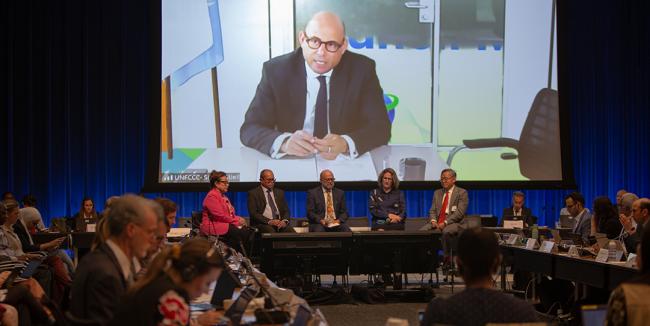
Louise Baker, UN Convention to Combat Desertification (UNCCD) Secretariat, said financing pledges announced during UNCCD COP 16 can be leveraged to address drought. She highlighted that COP 17 in 2026 will focus on rangelands, livestock, and their social and economic benefits, among other topics.
UN Framework Convention on Climate Change (UNFCCC) Executive Secretary Simon Stiell said the Standing Committee on Finance is examining lessons from the achievement of the USD 100 billion climate finance goal to inform efforts to deliver the new collective quantified goal of USD 300 billion and to scale up to USD 1.3 trillion. He noted the value of coordination among funding mechanisms.
Yibin Xiang, Convention on Biological Diversity (CBD) Secretariat, said CBD COP 16 will be remembered as a high-level pledging conference orchestrated by the GEF team for the Global Biodiversity Framework Fund (GBFF). He noted that COP 16.2 delivered a monitoring framework that will be used by both the CBD and GEF.
Minamata Convention Executive Secretary Monika Stankiewicz highlighted that the GEF Secretariat has insight into multiple MEAs, which she said is unique among funding mechanisms. She noted the value of GEF programming and engagement with countries in support of the 2025 phase-out of certain uses of mercury.
Vladimir Jares, Director, UN Division for Ocean Affairs and the Law of the Sea, reported on the status of ratifications for the Agreement on Marine Biological Diversity of Areas beyond National Jurisdiction (BBNJ Agreement). He highlighted that 28 ratifications have been submitted to date, with more expected to be announced during the upcoming UN Ocean Conference, and noted the importance of the Agreement’s first COP in determining its trajectory.

Ivonne Higuero, Secretary-General, Convention on International Trade in Endangered Species of Wild Fauna and Flora (CITES), highlighted that although CITES is not served by the GEF, it still benefits from GEF-funded projects. She cited the GEF Global Wildlife Program, which contains elements relevant to CITES implementation, and called for GEF-9 to focus on integration and projects with co-benefits for multiple multilateral agreements.
Council Members welcomed the GEF’s cooperation with Conventions and other international institutions and urged the GEF to continue reinforcing synergies and coherence. They then engaged in a discussion with the MEA representatives on the impact of GEF-funded projects in achieving MEA implementation.
The case of the Biodiversity Finance Initiative (BIOFIN) was highlighted as one of GEF’s success stories. Onno van den Heuvel, Head of the Biodiversity Finance Portfolio, UN Development Programme, described BIOFIN's work in supporting countries to develop and implement strategies for biodiversity finance. He described the GEF’s support for the design and implementation of biodiversity finance plans in 91 countries to close the “biodiversity finance gap.”
For the rest of the day, Council Members heard presentations from and engaged with the Independent Evaluation Office (IEO) on the reports of their evaluations of: the Annual Performance Report 2025; the International Waters Focal Area; the Socioeconomic Co-Benefits of GEF-Funded Interventions; and GEF Support for Nature-Based Solutions. Council Members also adopted draft amendments to the Memorandum of Understanding between the UNFCCC COP and GEF Council.
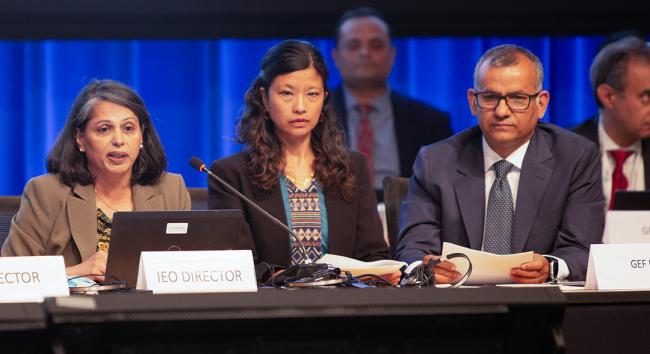
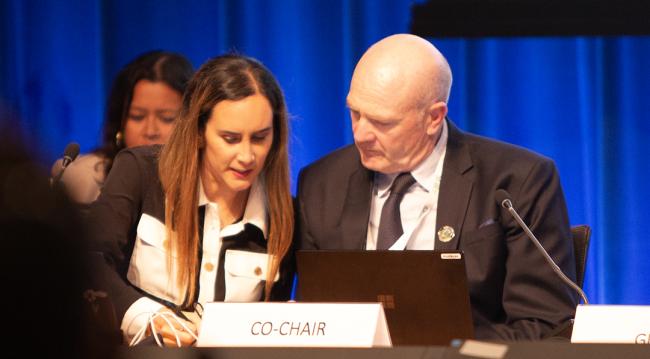
All ENB photos are free to use with attribution. For this event, please use: Photo by IISD/ENB | Angeles Estrada Vigil
To receive free coverage of global environmental events delivered to your inbox, subscribe to the ENB Update newsletter.
Relations with the Conventions and Other International Institutions
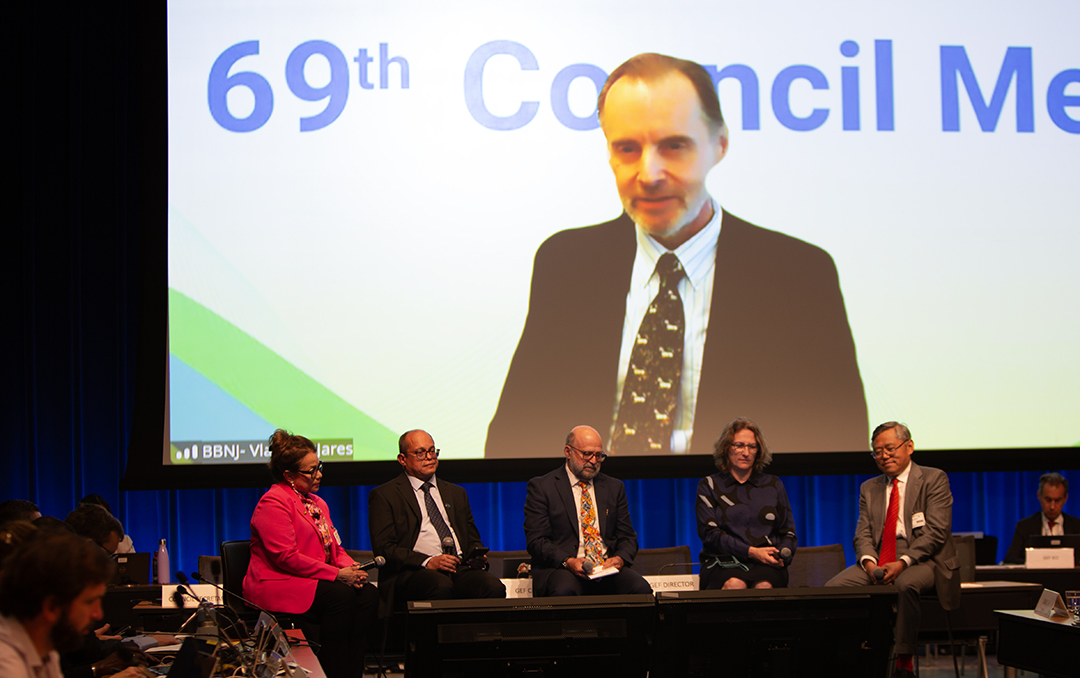
Vladimir Jares, Director, UN Division for Ocean Affairs and the Law of the Sea
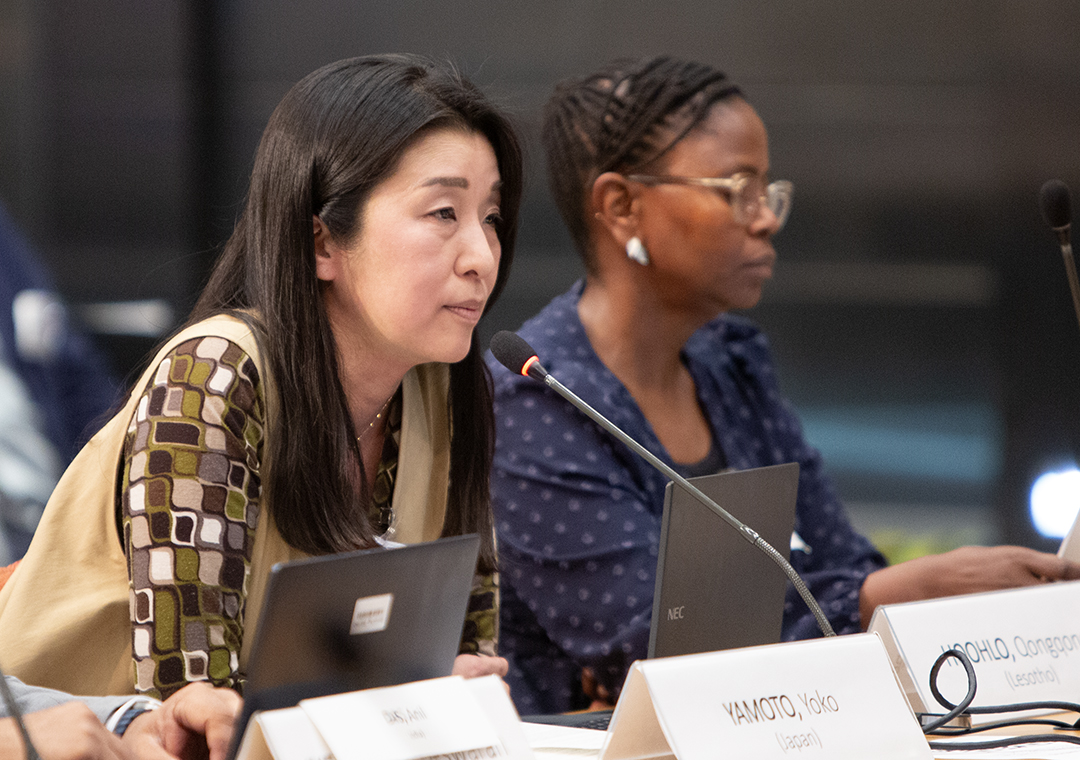
Yoko Yamoto, Council Member, Japan
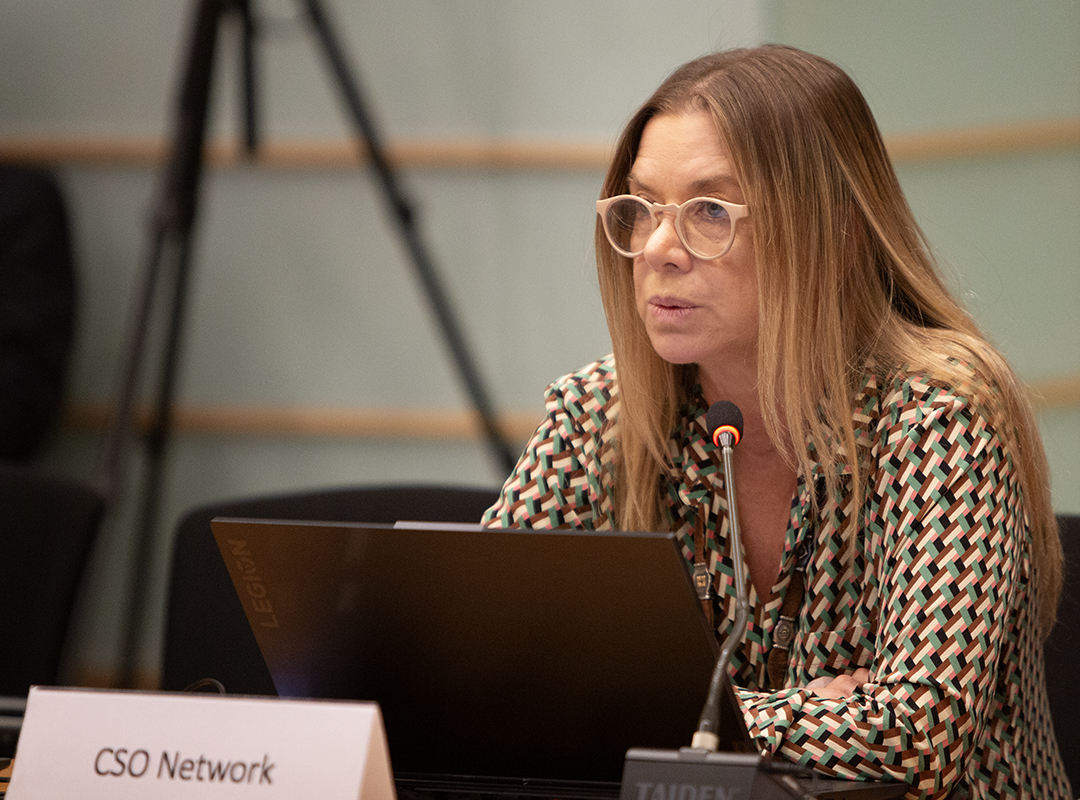
Maria Leichner, CSO Network
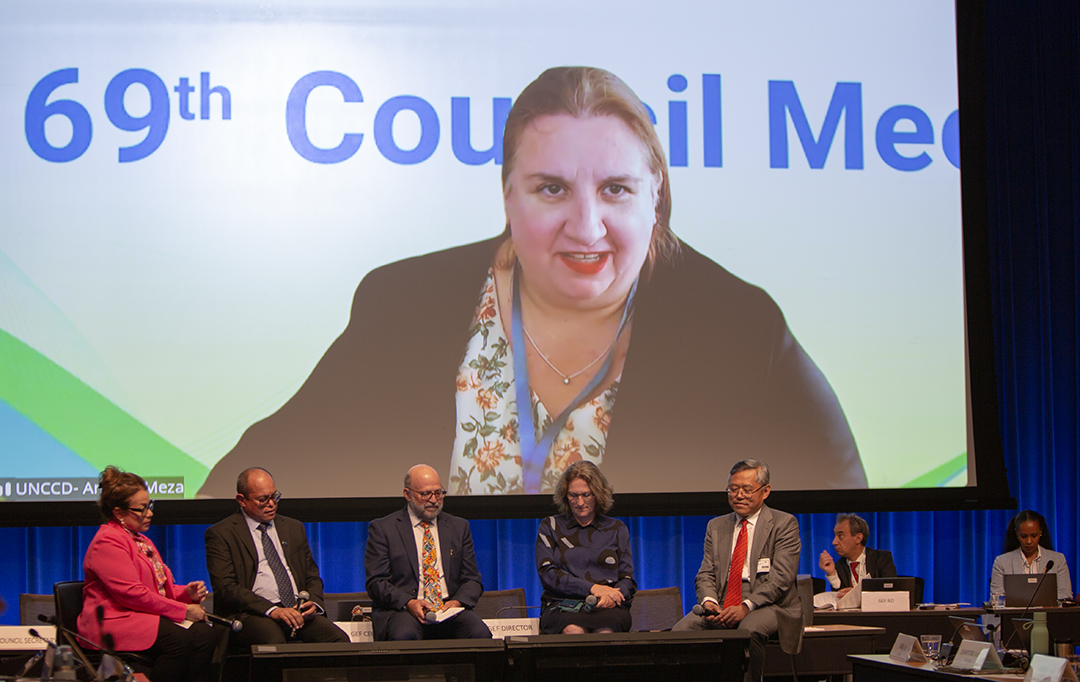
Louise Baker, UNCCD Secretariat
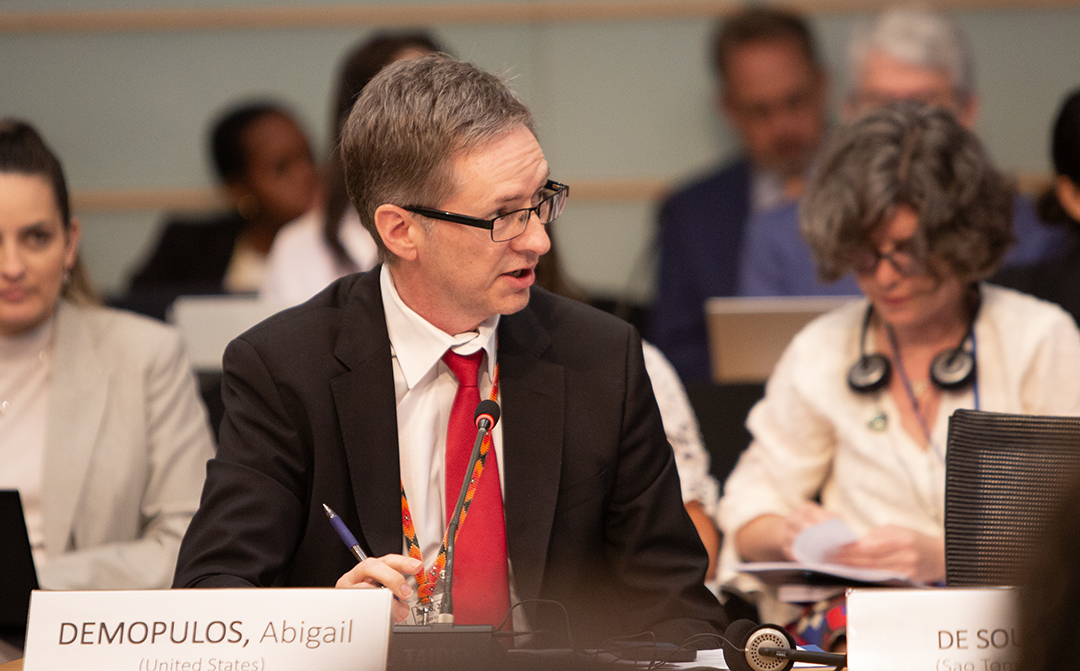
John Thompson, Alternate Council Member, US
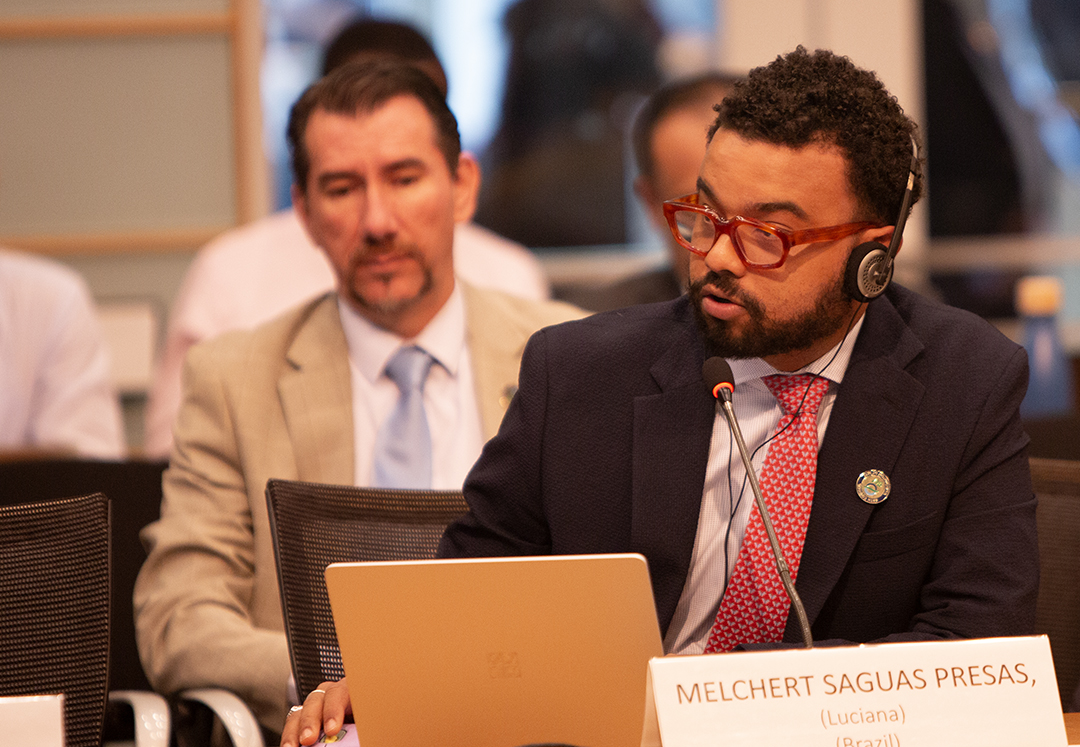
João Paulo de Sousa Vieira, Council Member, Brazil
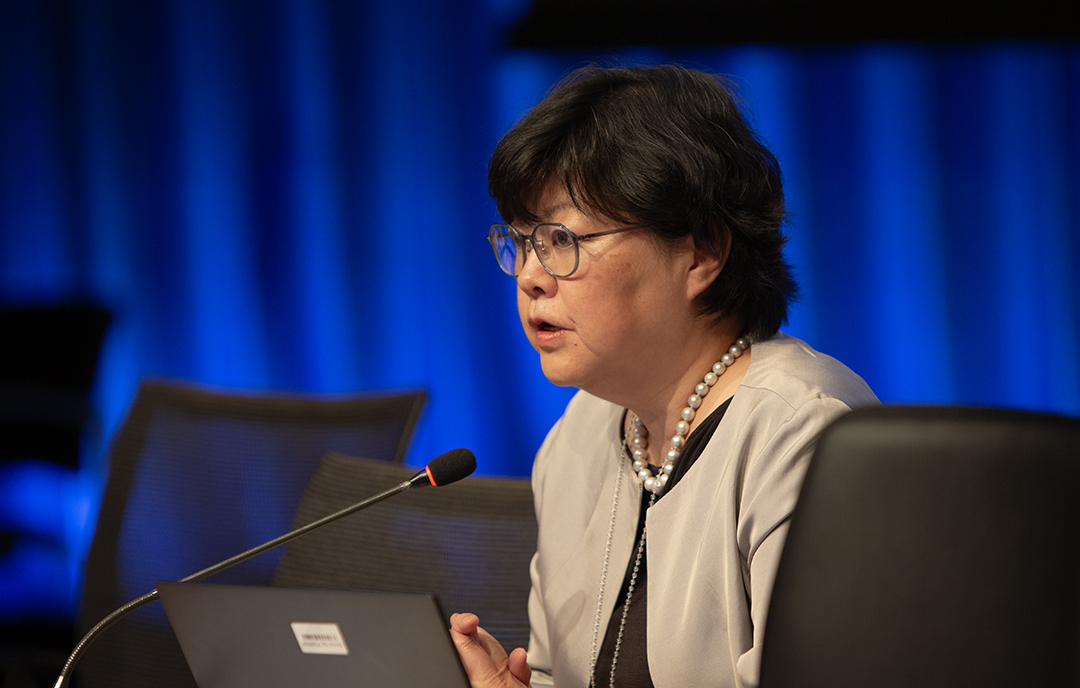
Chizuru Aoki, GEF Secretariat
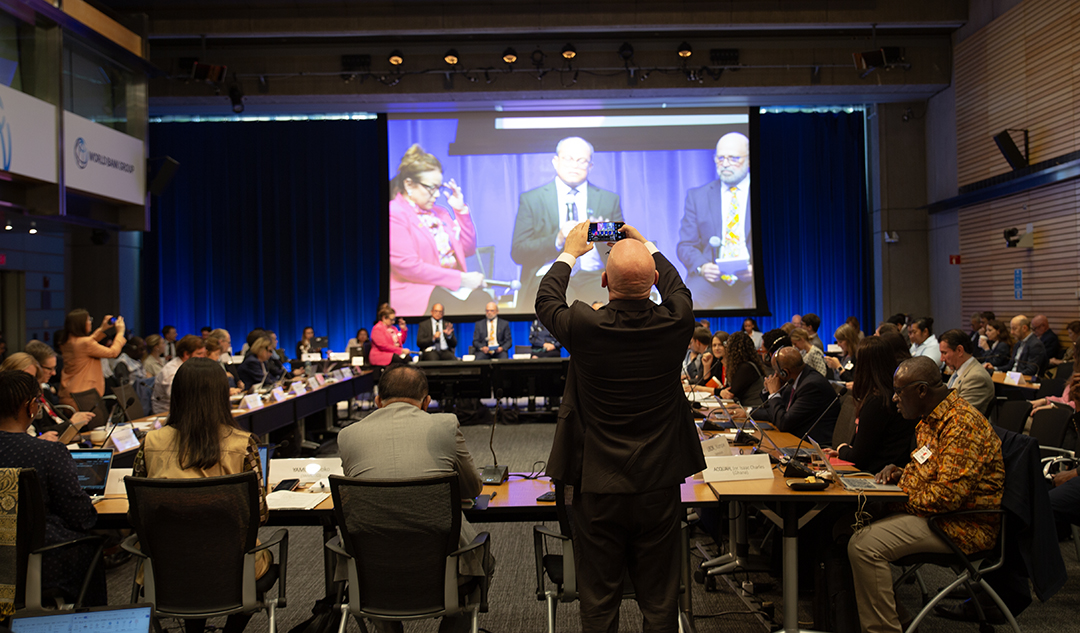
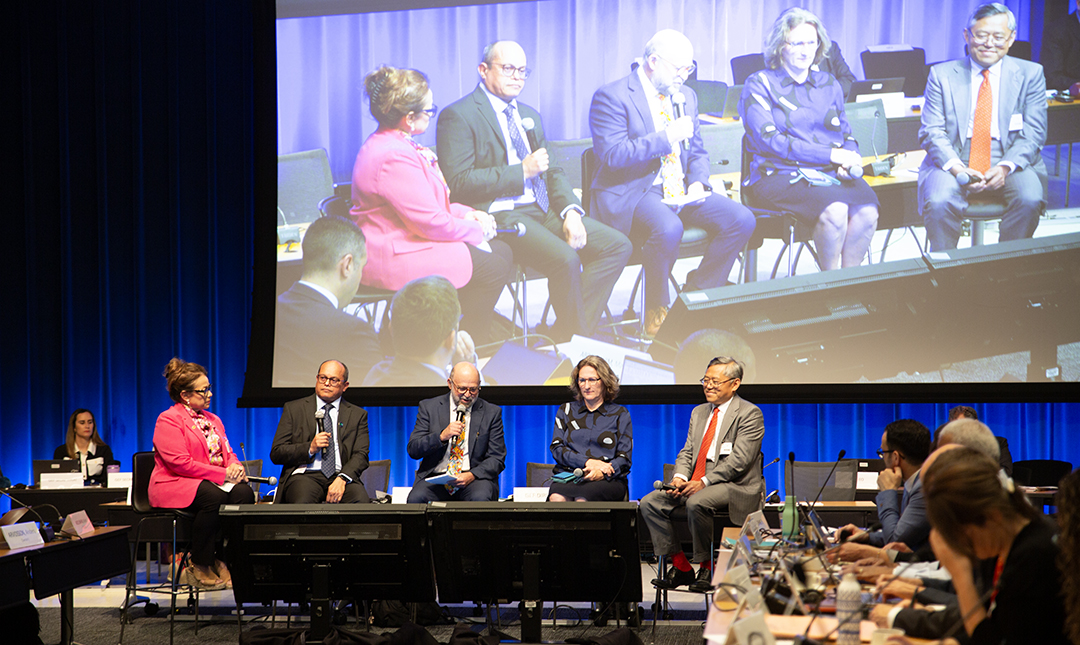
GEF Investments and Resource Mobilization: The case of the Biodiversity Finance Initiative (BIOFIN)
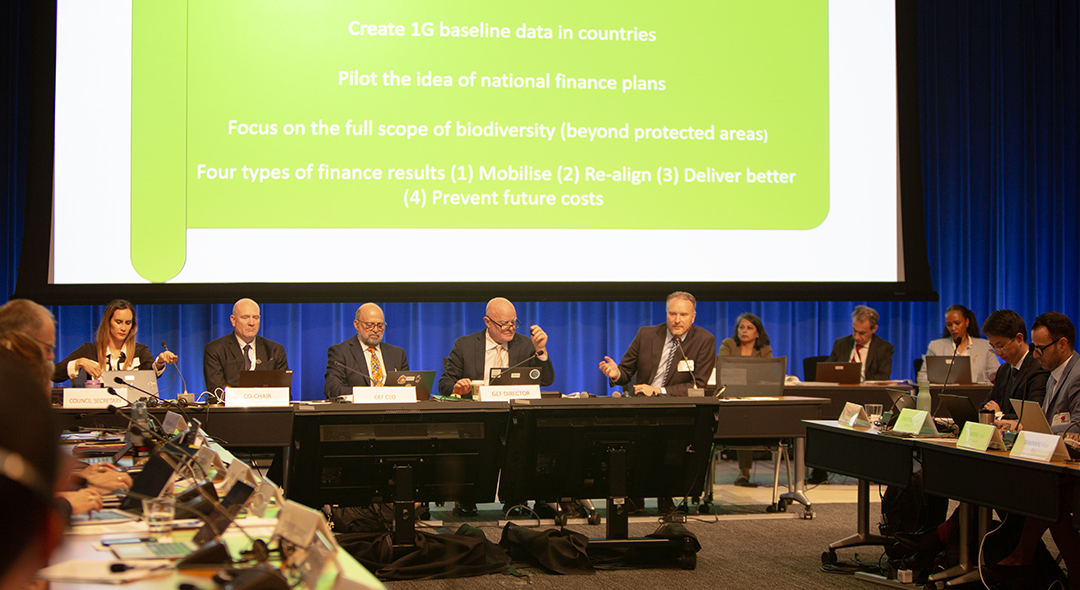
Onno van den Heuvel, Biodiversity Finance Portfolio, during his presentation
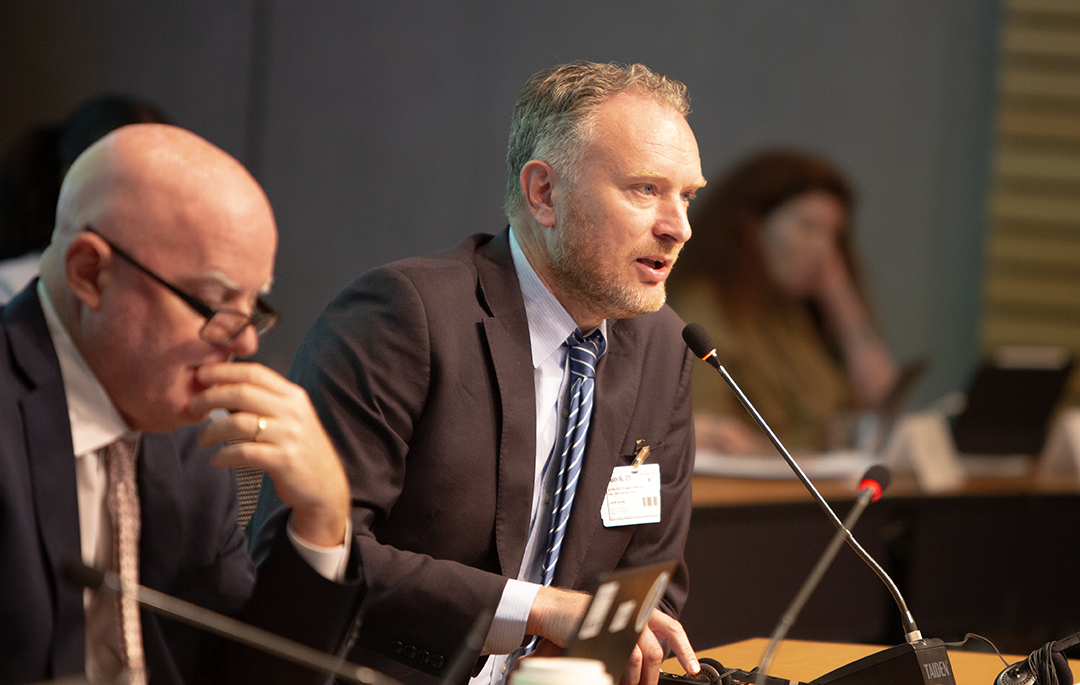
Onno van den Heuvel, Head, Biodiversity Finance Portfolio, UN Development Programme (UNDP)

Corentin Genin, Council Member, Belgium
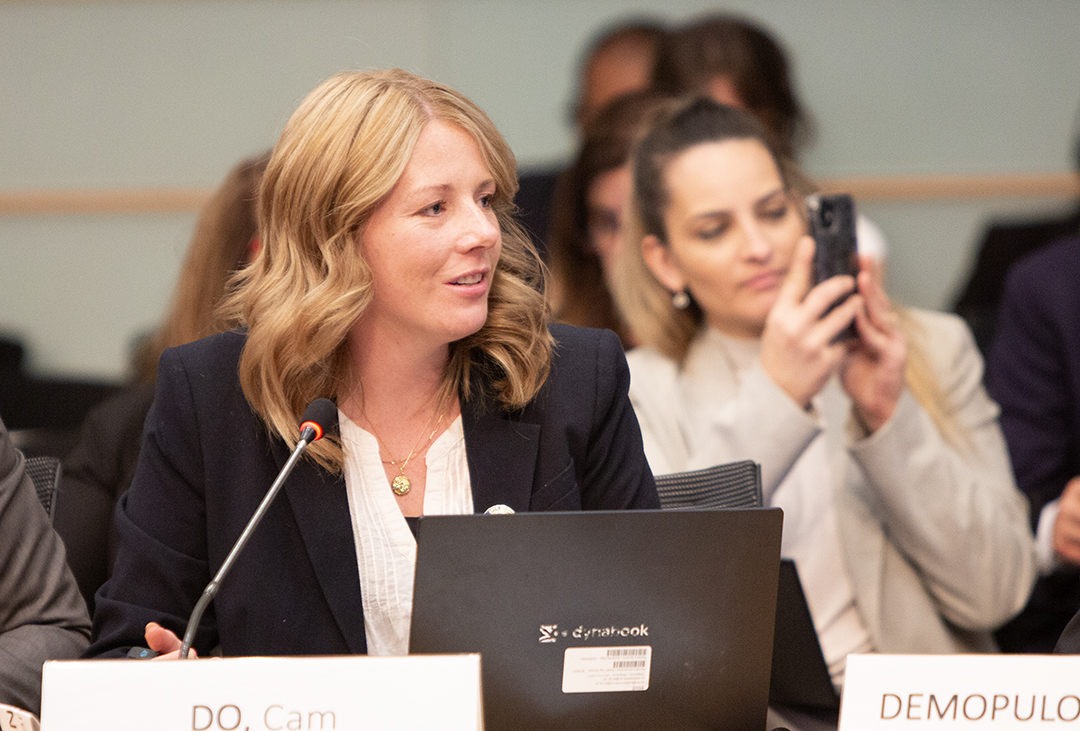
Rebecca Niezen, Canada
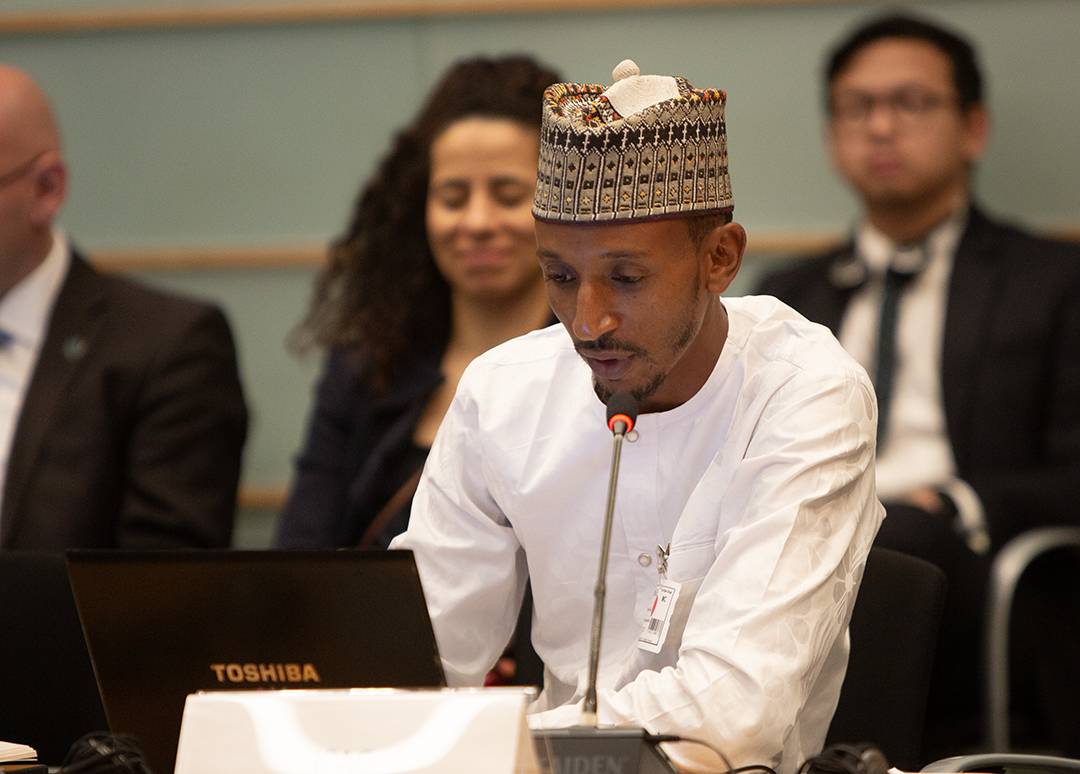
Aliou Mustafa, IPAG

Sonja Sabita Teelucksingh, GEF Secretariat
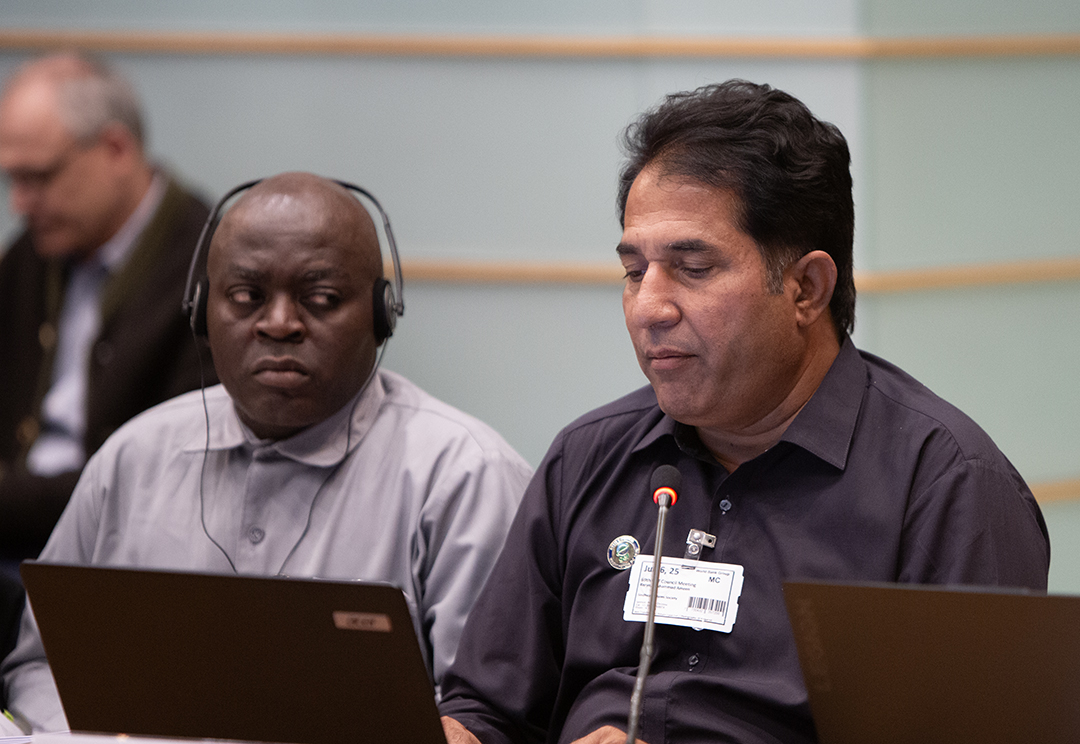
Muhammad Ameen Keryo, CSO Network
GEF IEO’s Annual Performance Report 2025

Geeta Batra, Jeneen Reyes Garcia, and Neeraj Negi, GEF IEO

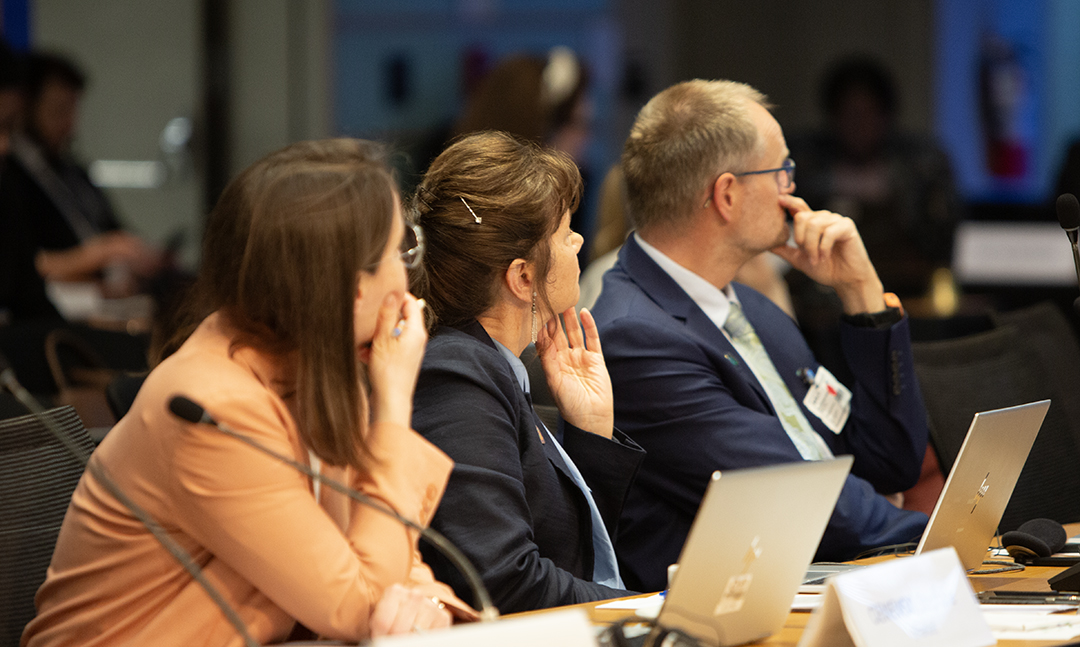
Council Members during the presentation of the report
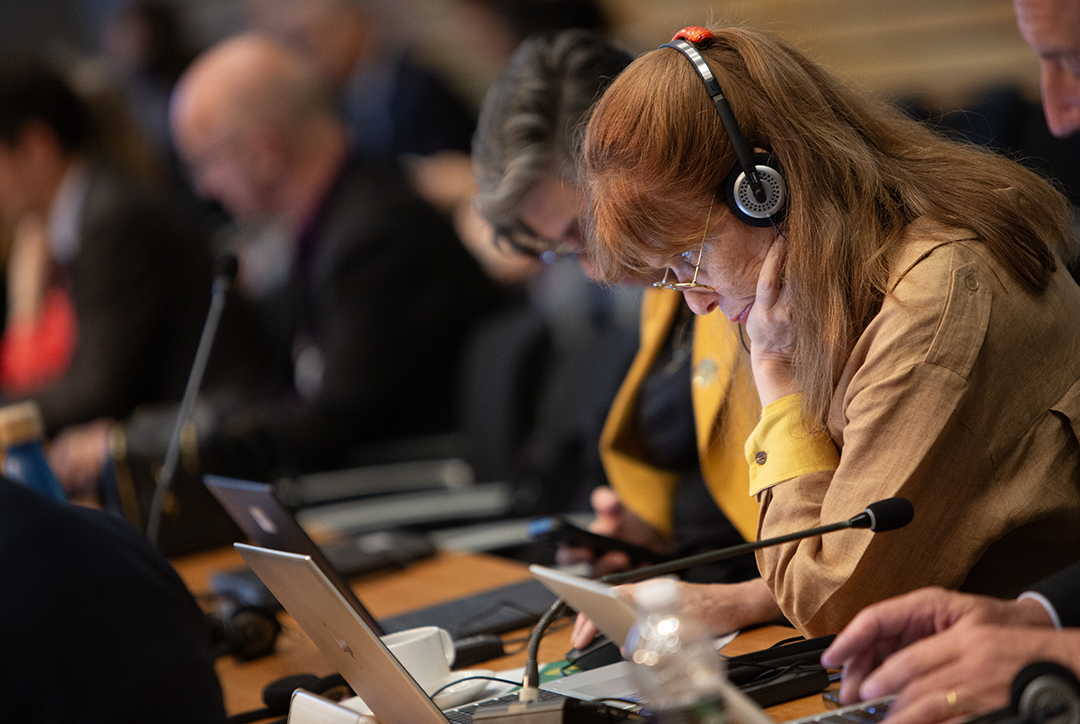
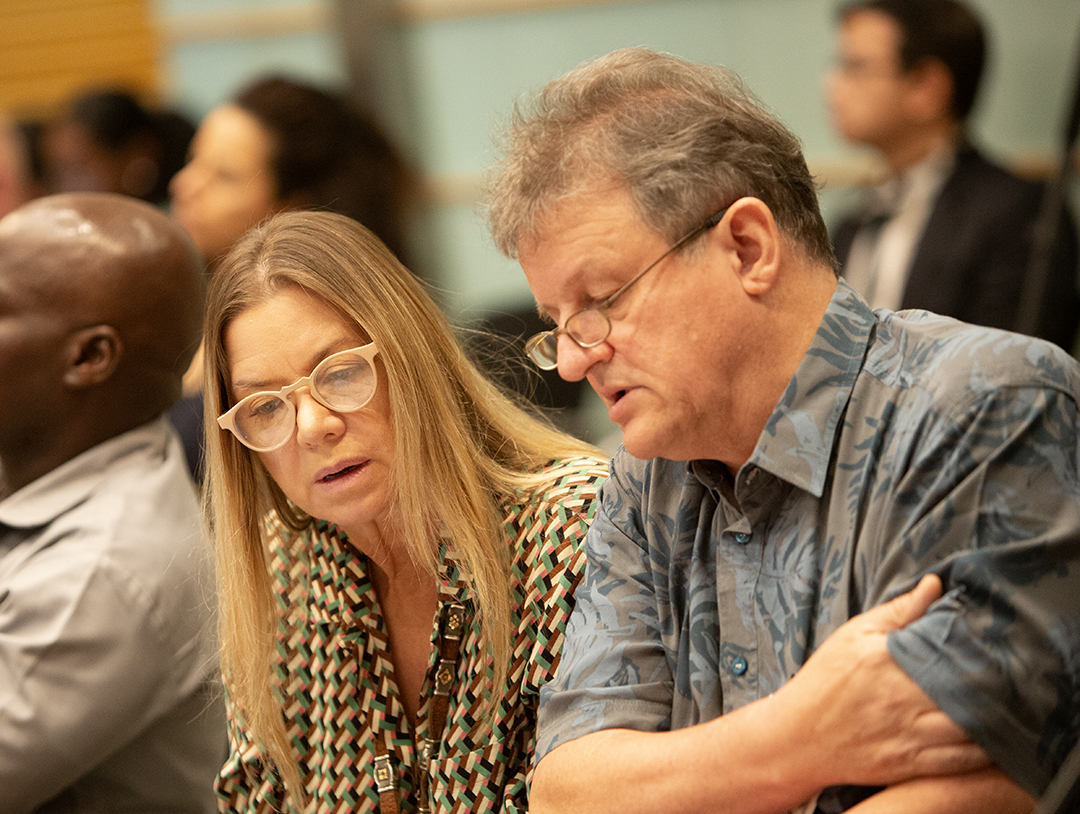
Maria Leichner, GEF CSO Network, and Faizal Parish, Chair, GEF CSO Network
Evaluations of: International Waters Focal Area; Socioeconomic Co-Benefits of GEF-Funded Interventions; and GEF Support for Nature Based Solutions, and Management Responses
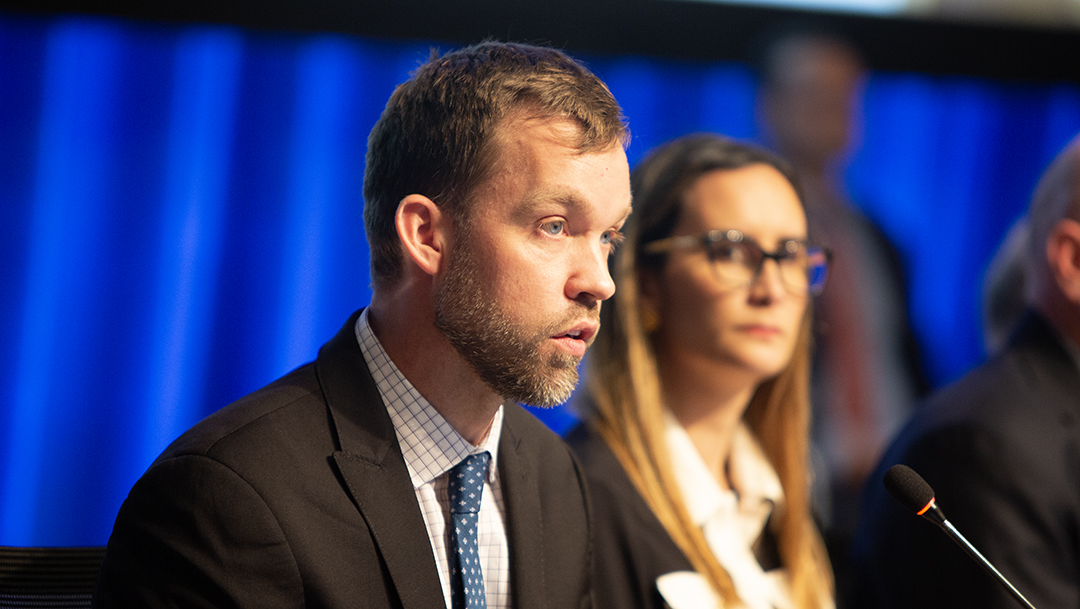
Andrew Hume, GEF Secretariat
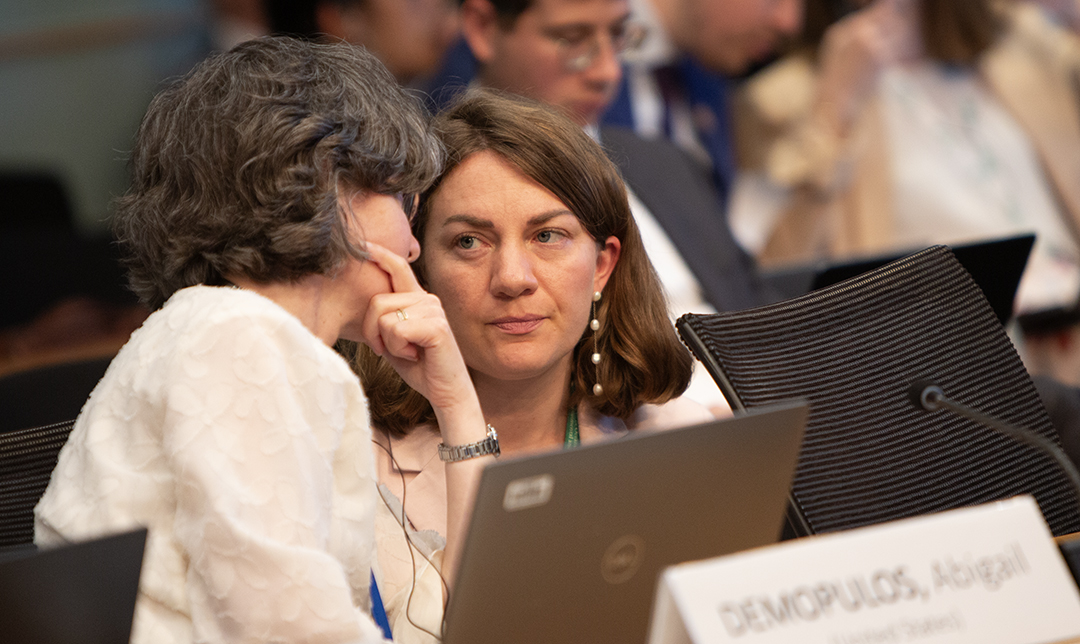
Council Members during consultations
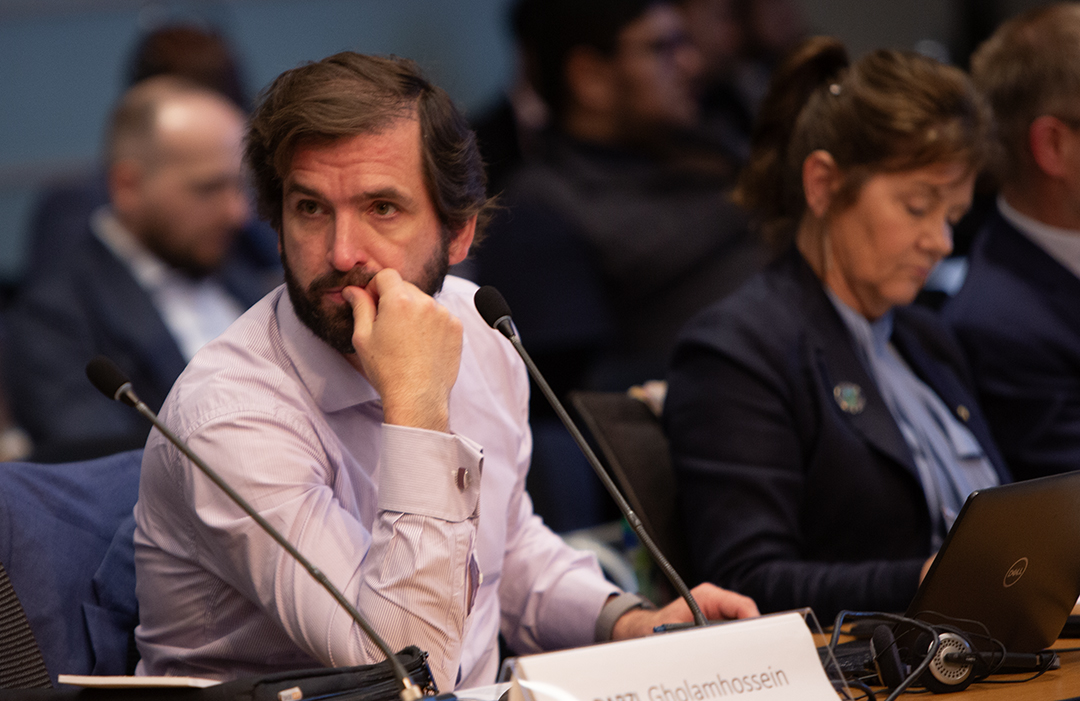
Stephane Cieniewski, Council Member, France

Jonathan Caldicott, GEF Secretariat
Muhammad Ameen Keryo, CSO Network
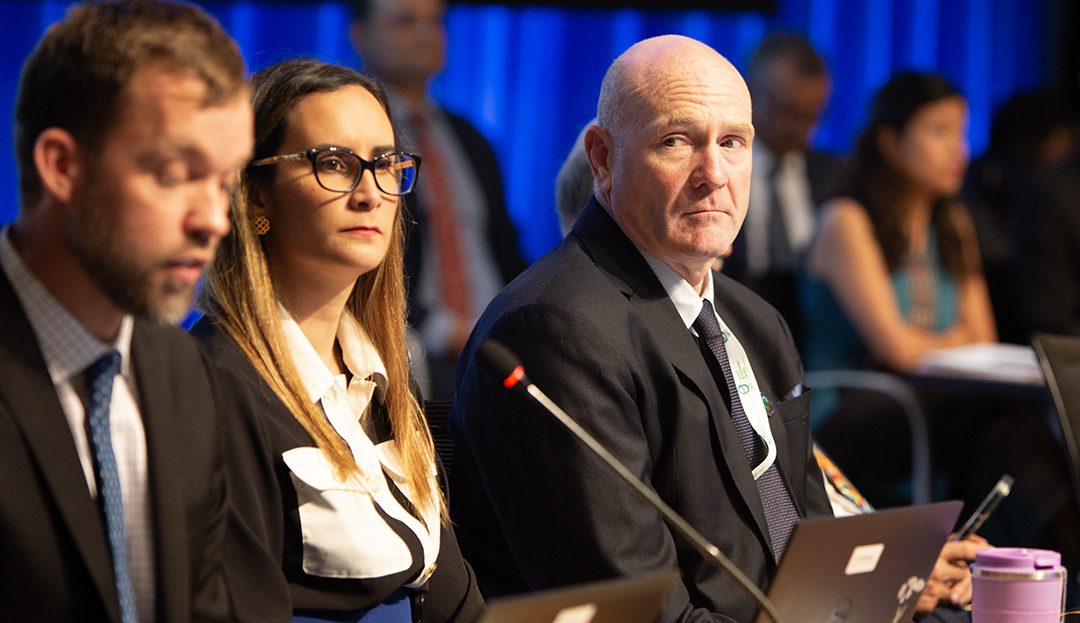
Noemi Hernández Rodríguez Borjas, Council Secretary, GEF Secretariat, and Richard Bontjer (Australia), Co-Chair of the GEF Council for 2025
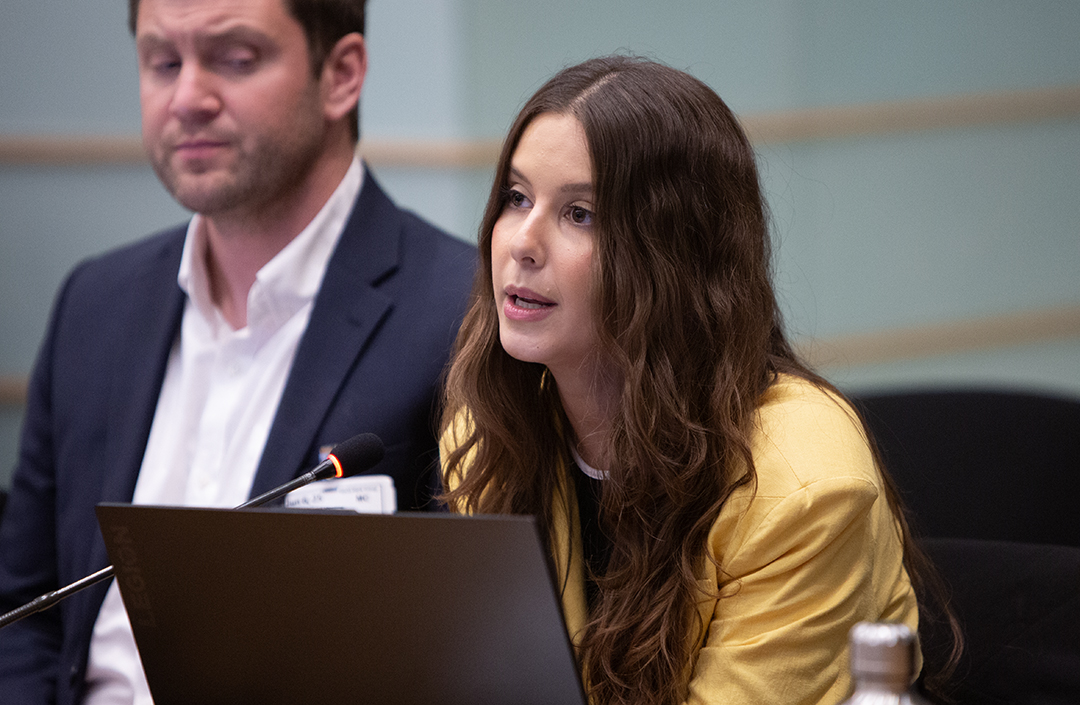
Renata Koch Alvarenga, CSO Network
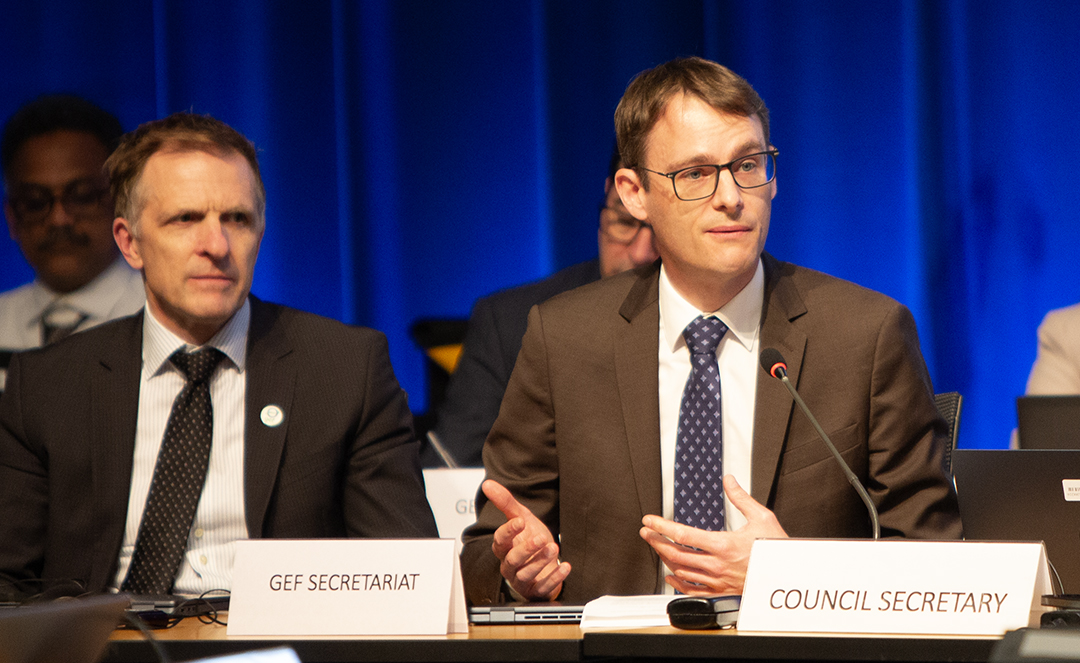
Jurgis Sapijanskas, GEF Secretariat
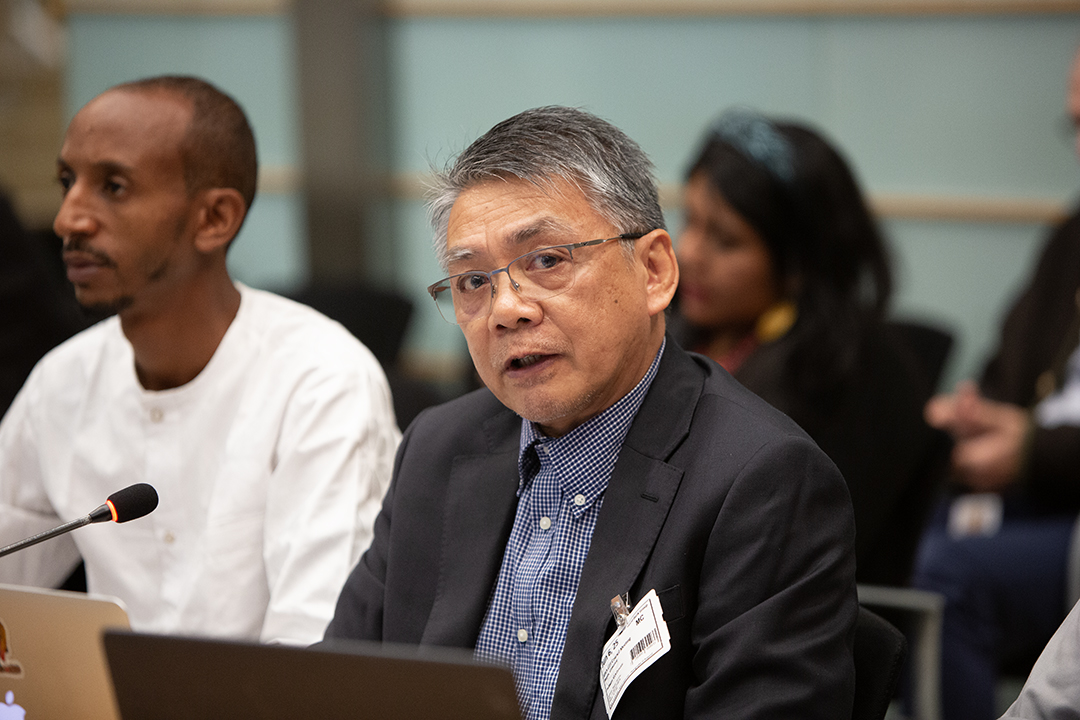
Giovanni Reyes, Indigenous Peoples Advisory Group (IPAG)
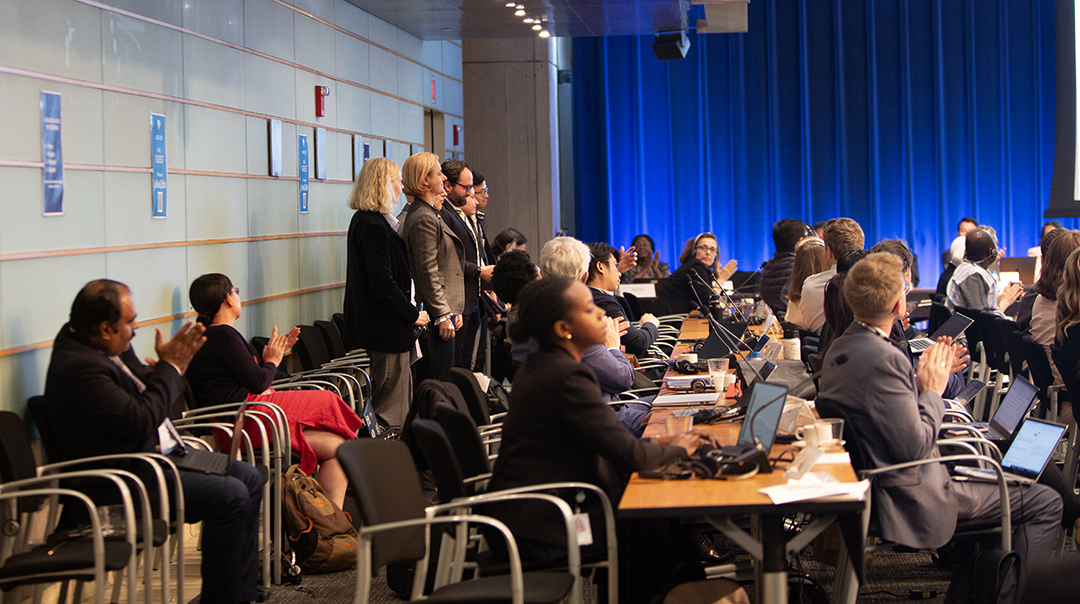
Members of the IEO team stand as Council Members thank them for their work
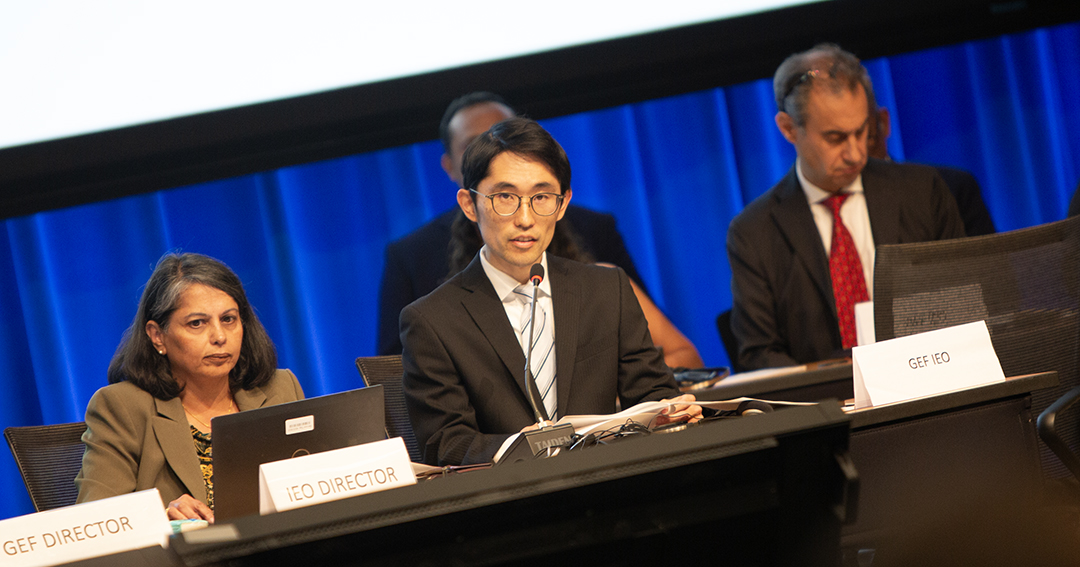
Mitsuaki Hirai, GEF IEO
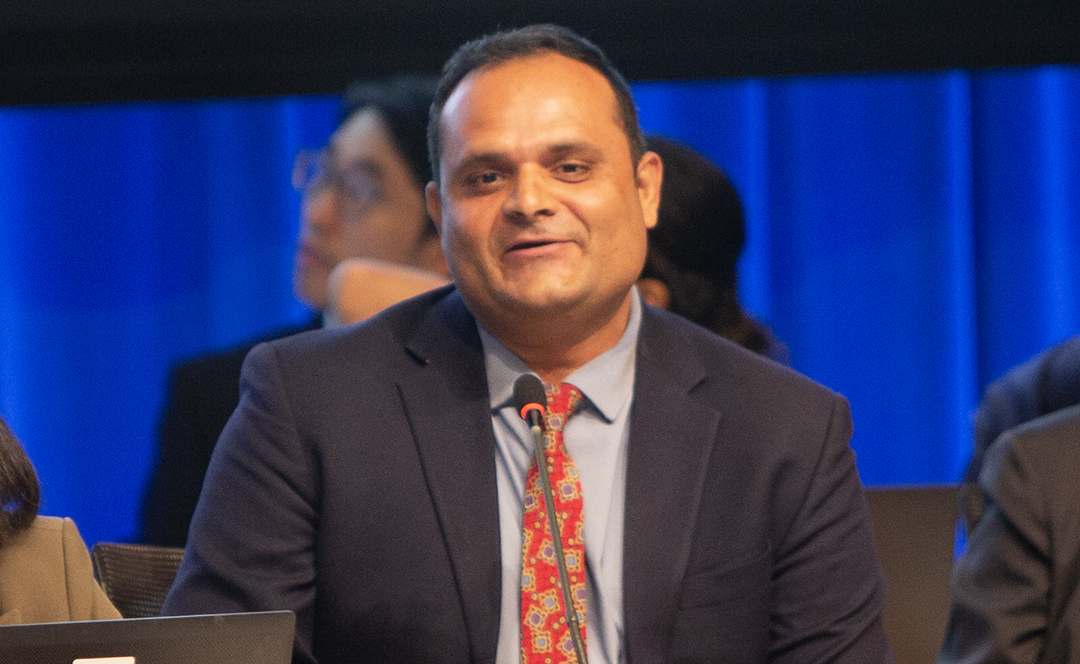
Anupam Anand, GEF IEO
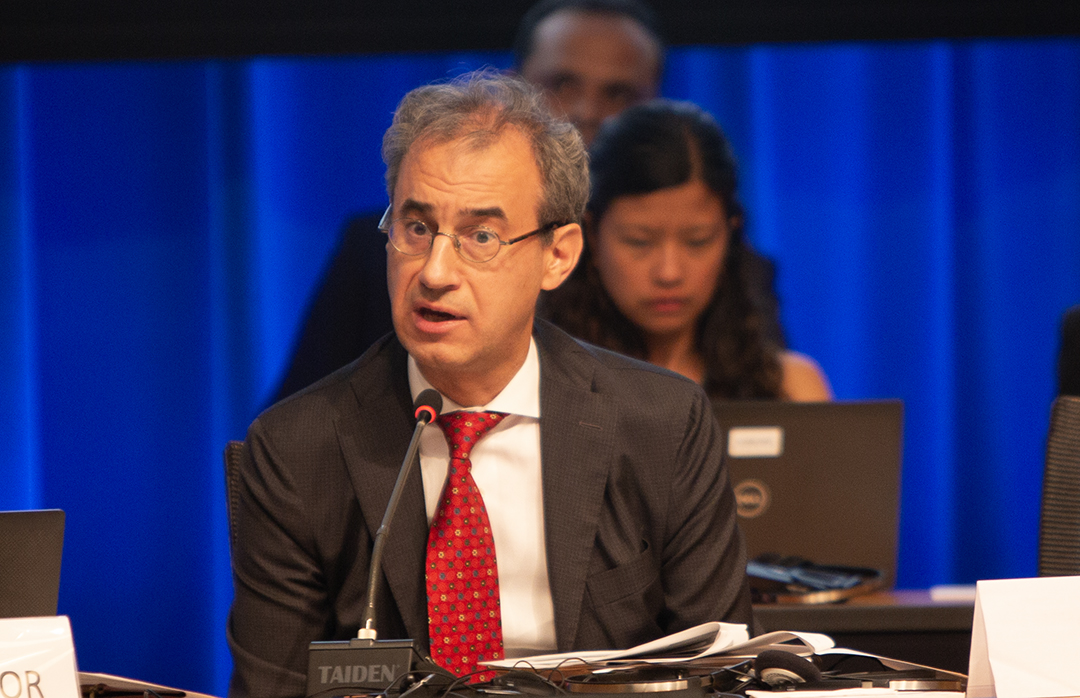
Fabrizio Felloni, GEF IEO
Around the Venue