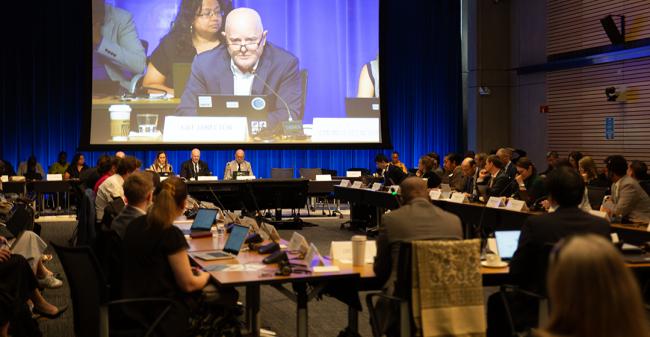
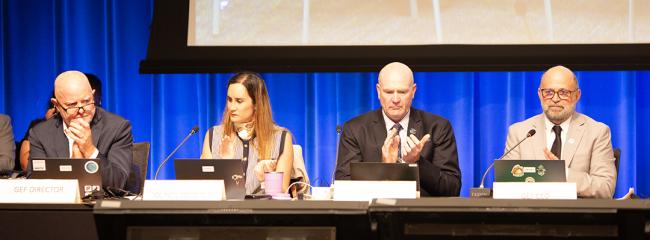
The 69th meeting of the Global Environment Facility (GEF) Council and the 38th meeting of the Least Developed Countries Fund/Special Climate Change Fund (LDCF/SCCF) Council concluded their deliberations on Thursday afternoon. At the closing session for each meeting, Council Members confirmed the Co-Chairs’ Summaries, which compiled the decisions taken over the last four days of meetings.
LDCF/SCCF Council Members focused on evaluating and assessing the Funds’ performance and progress. The Secretariat presented the Annual Monitoring Review of the LDCF and SCCF for the 2024 fiscal year, underscoring that: active SCCF and LDCF portfolios are progressing well; women in the private sector continue to be supported; and the overall risk rating level remained comparable to the previous fiscal year. They shared some key success factors including: strong country ownership and stakeholder engagement; early consultation with meaningful participation of local actors; and livelihood support especially for women.
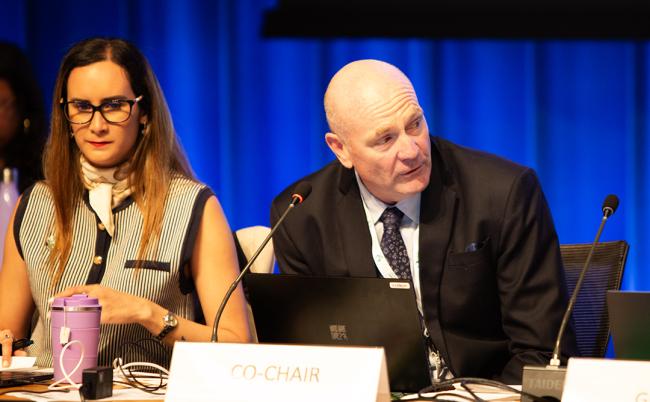
Presenting the Progress Report on the Funds, the GEF Secretariat reported that since the SCCF’s inception, projects have had 9.53 million direct beneficiaries, with 271,688 people trained and 5.3 million hectares of land better managed to withstand the effects of climate change. They also discussed the Challenge Program for Adaptation Innovation, under which 13 project concepts won the third round of funding to test and validate scalable and bankable investment models and technologies. During the discussion of this report, the CSO Network stressed that the voluntary nature of LDCF/SCCF replenishment hinders predictable, adequate, and sustainable financing, affecting both efficiency and transparency in program delivery. The CSO Network called on the LDCF/SCCF Council to:
- institutionalize a 20% minimum direct funding allocation within the portfolio for civil society organizations, women, youth, and Indigenous Peoples and local communities (IPLCs);
- establish dedicated funding windows for climate-smart education initiatives, particularly those led by youth, women, and IPLCs, to build local capacity, raise awareness, and foster long-term resilience; and
- develop new indicators that capture justice, agency, and resilience.
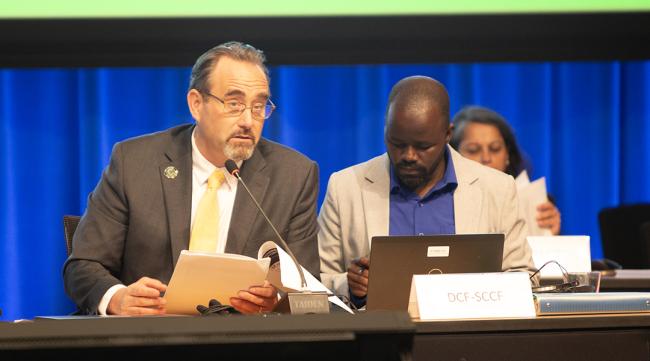
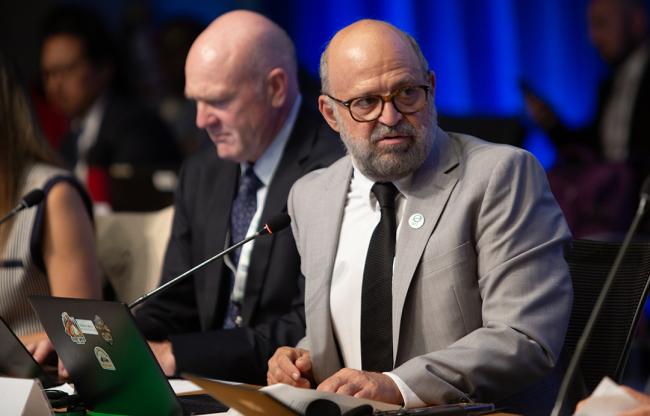
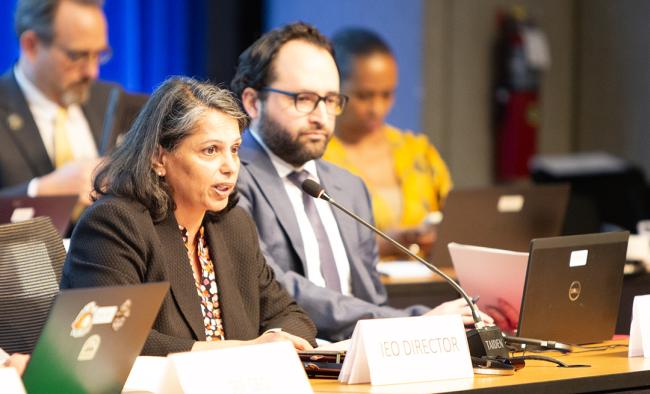
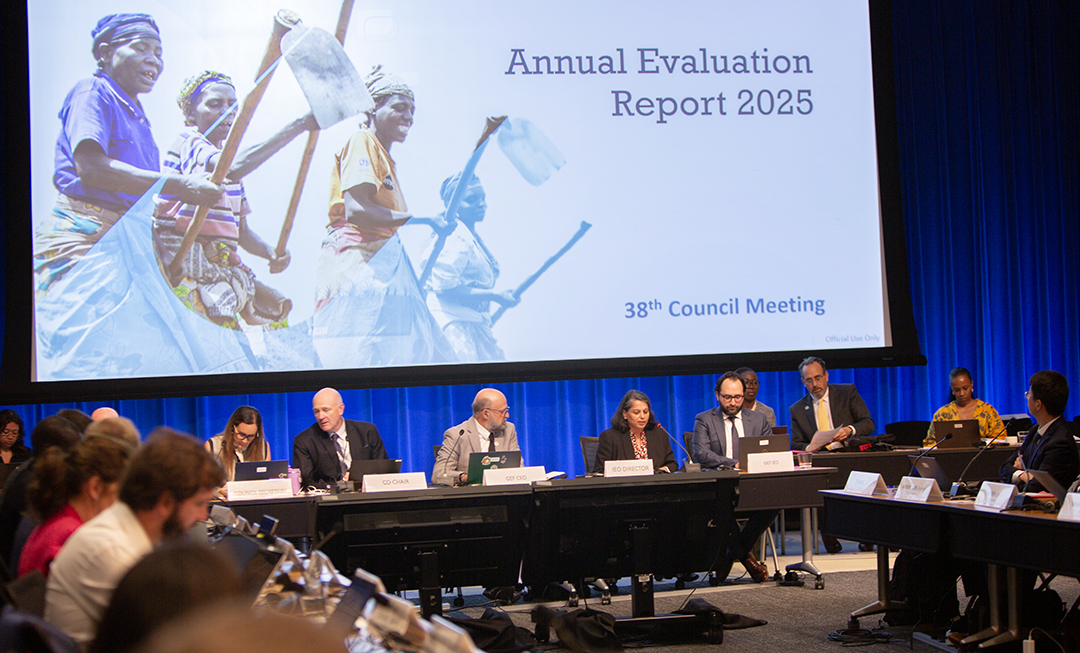
The Independent Evaluation Office (IEO) also presented the Funds’ Annual Evaluation Report, which focused on the 33 LDCF and SCCF projects completed since 2023. They highlighted that while the evaluation revealed strong performance overall, sustainability remains a concern across the project portfolio. The IEO reported 88% of projects achieved outcome ratings within the satisfactory range, with no project receiving unsatisfactory ratings, but also none achieving the highest sustainability ratings. They outlined key success factors including community ownership, alignment with national priorities, gender inclusion, and strong monitoring systems. They also identified barriers, highlighting institutional constraints, funding gaps and, for some projects, political instability.
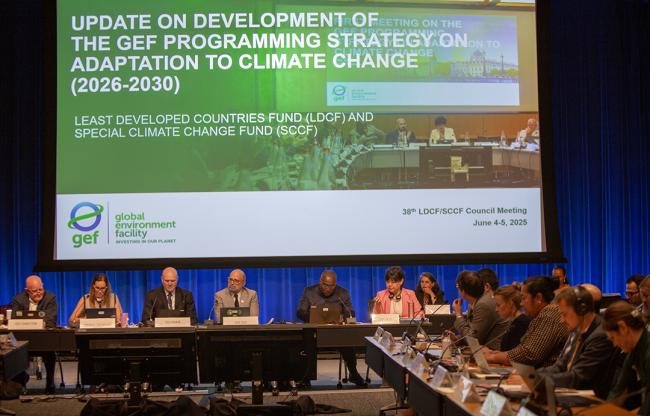
In addition, Council Members received an update on the development of the GEF Programming Strategy on Adaptation to Climate Change for the Funds, and approved the 2026 Work Program and Budget for the IEO under the LDCF and the SCCF.
The day’s deliberations closed with a video showcasing the Fonseca Leadership Program, which was created in honor of the late Gustavo Fonseca, to train young conservationists from developing countries and countries with economies in transition. The video featured testimonies and appreciation from the first Fonseca fellows.
All ENB photos are free to use with attribution. For this event, please use: Photo by IISD/ENB | Angeles Estrada Vigil
To receive free coverage of global environmental events delivered to your inbox, subscribe to the ENB Update newsletter.
38th LDCF/SCCF Council meeting
Catherine Potvin, Canada

Corentin Genin, Belgium
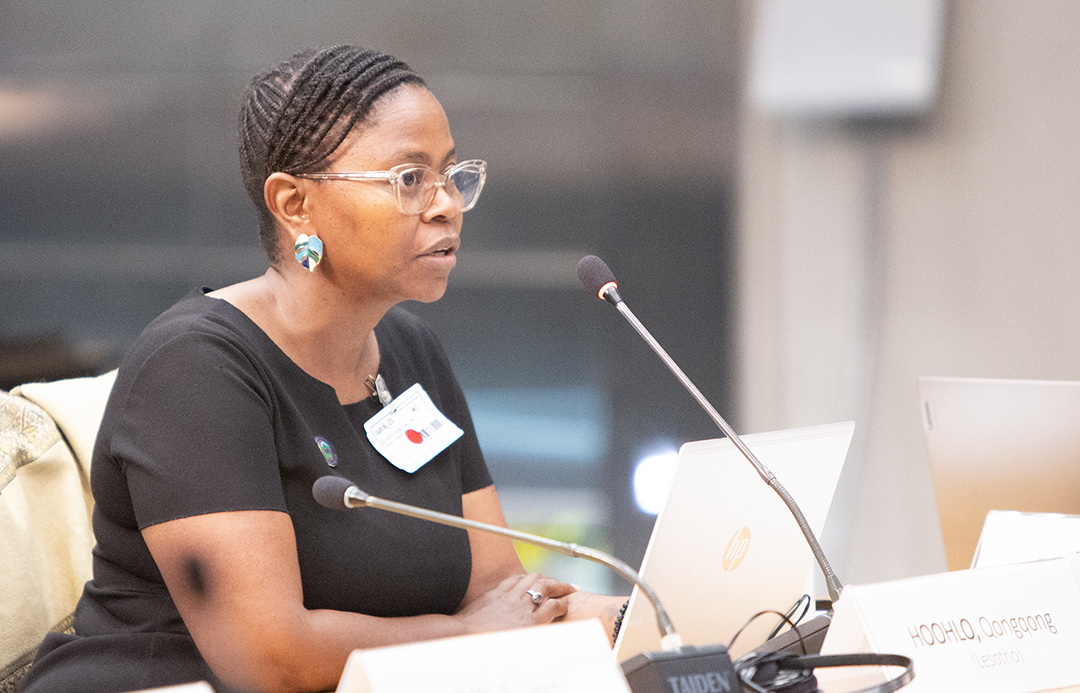
Qongqong Hoohlo, Council Member, Lesotho
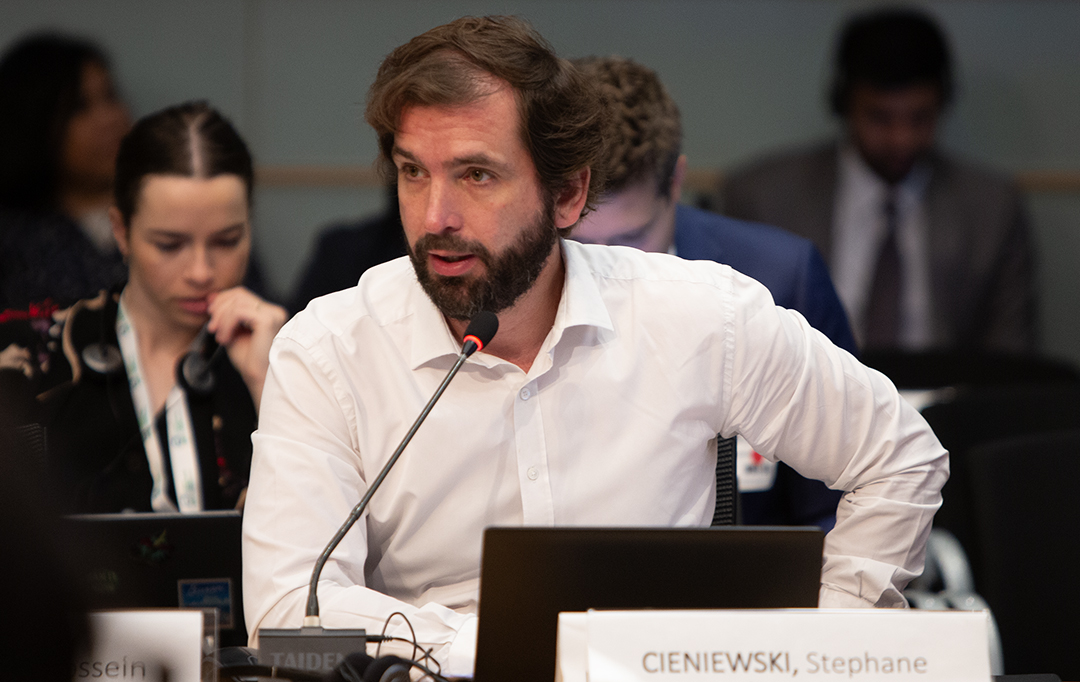
Stephane Cieniewski, Council Member, France
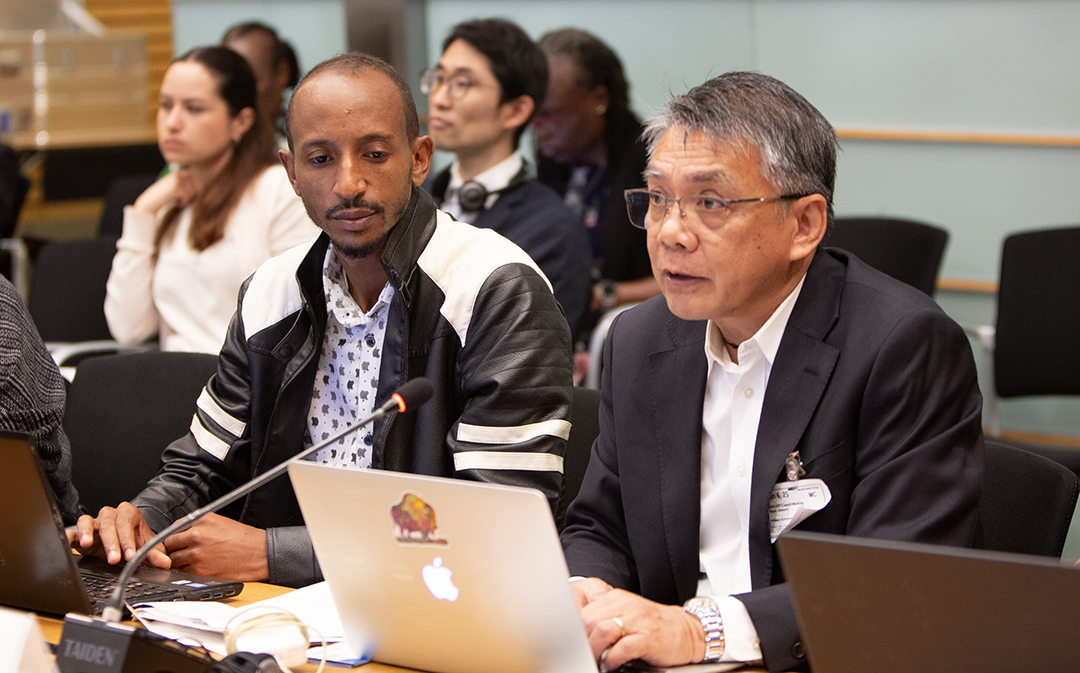
Giovanni Reyes, Indigenous Peoples Advisory Group (IPAG)
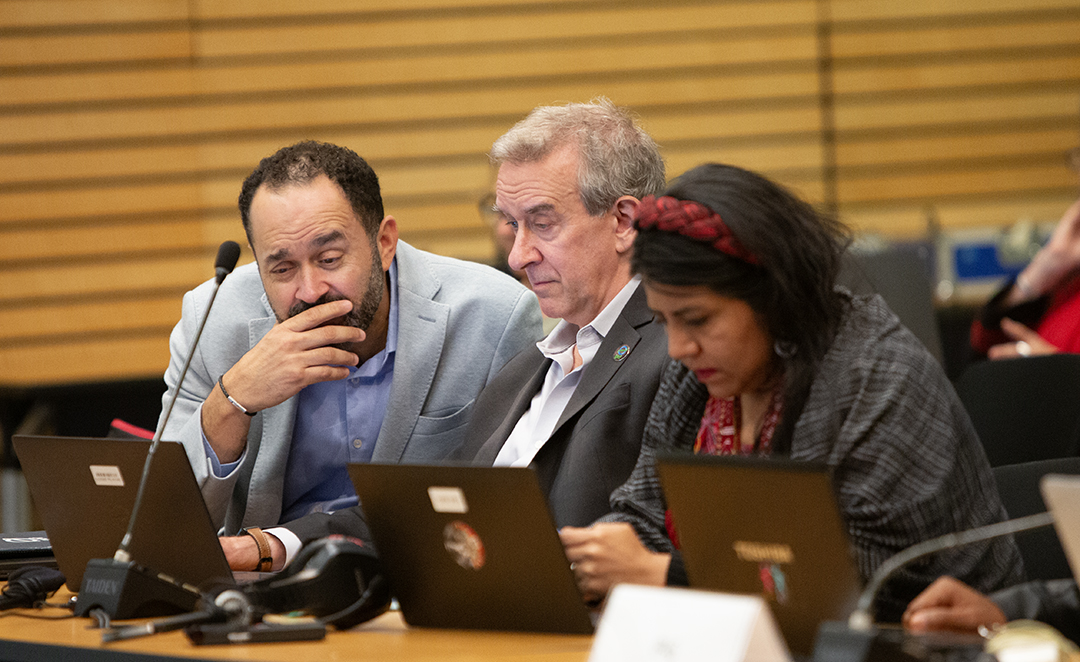
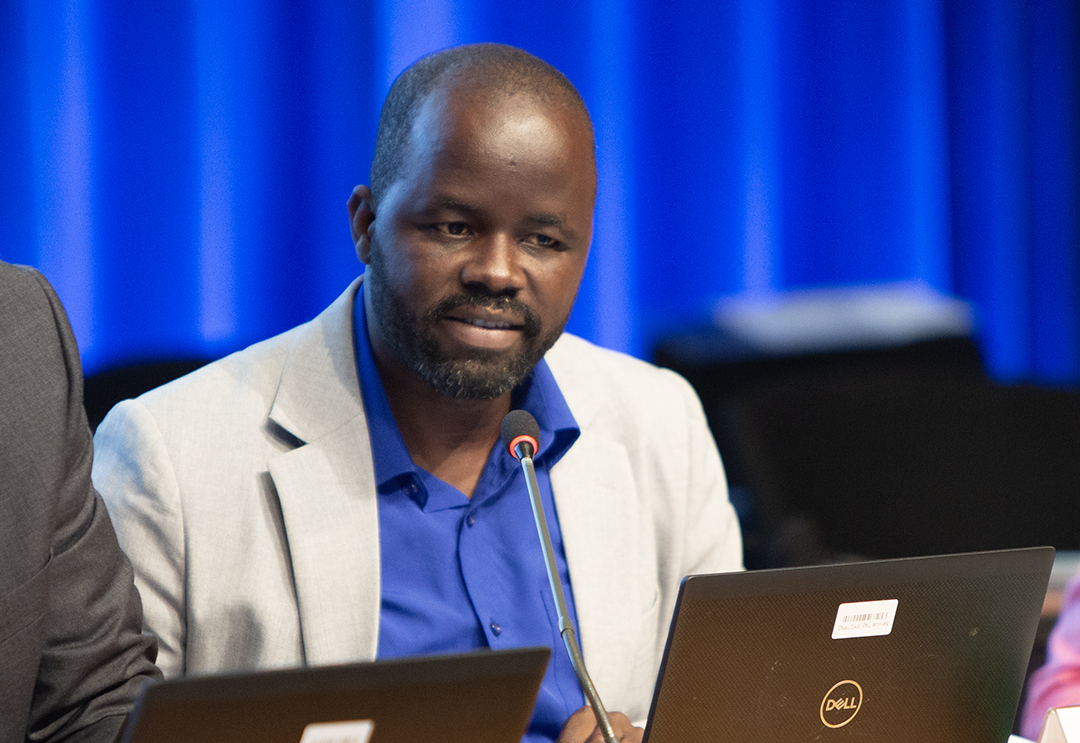
Ladu Lem, GEF Secretariat
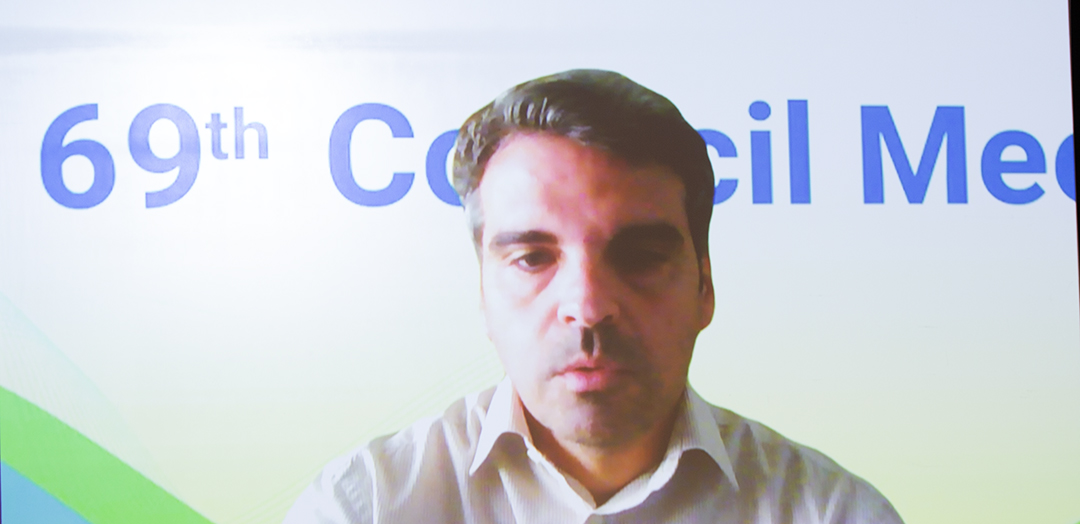
Ramón López Pérez, Spain
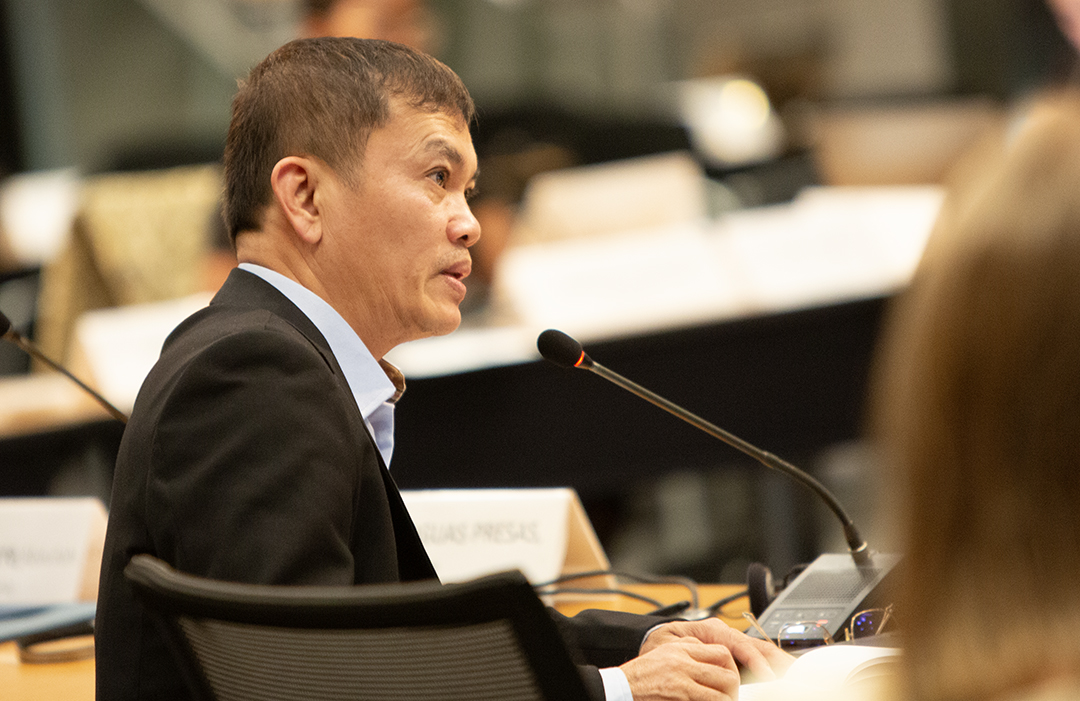
Navann Ouk, Council Member, Cambodia
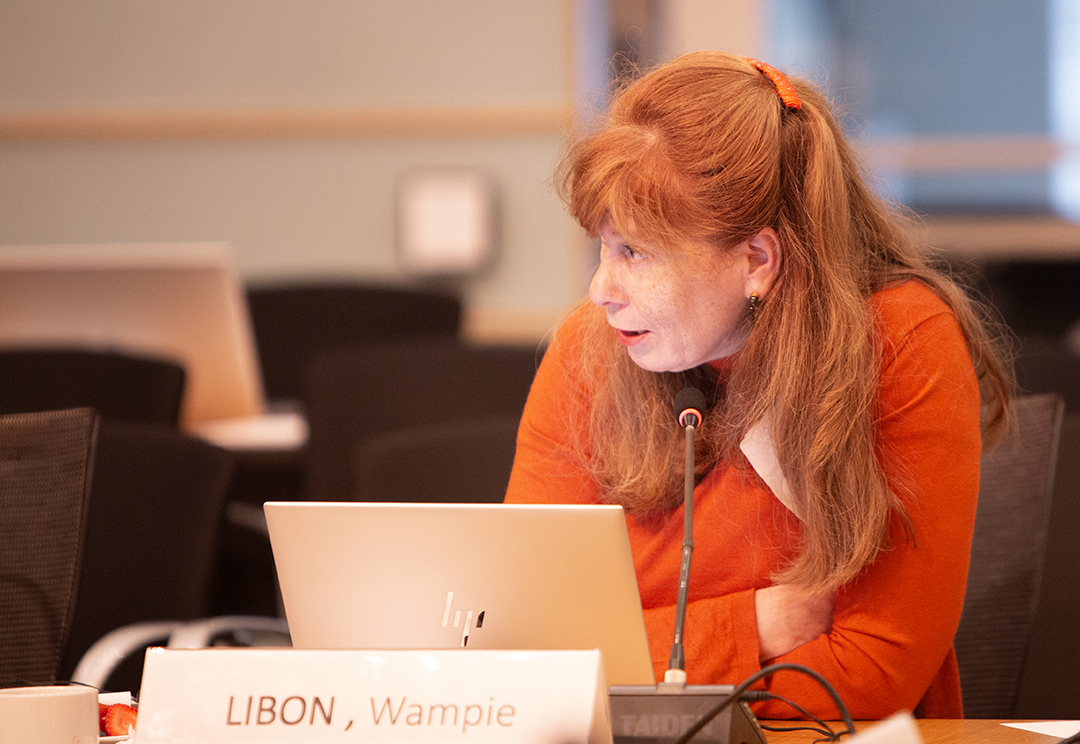
Sandra Louiszoon, the Netherlands
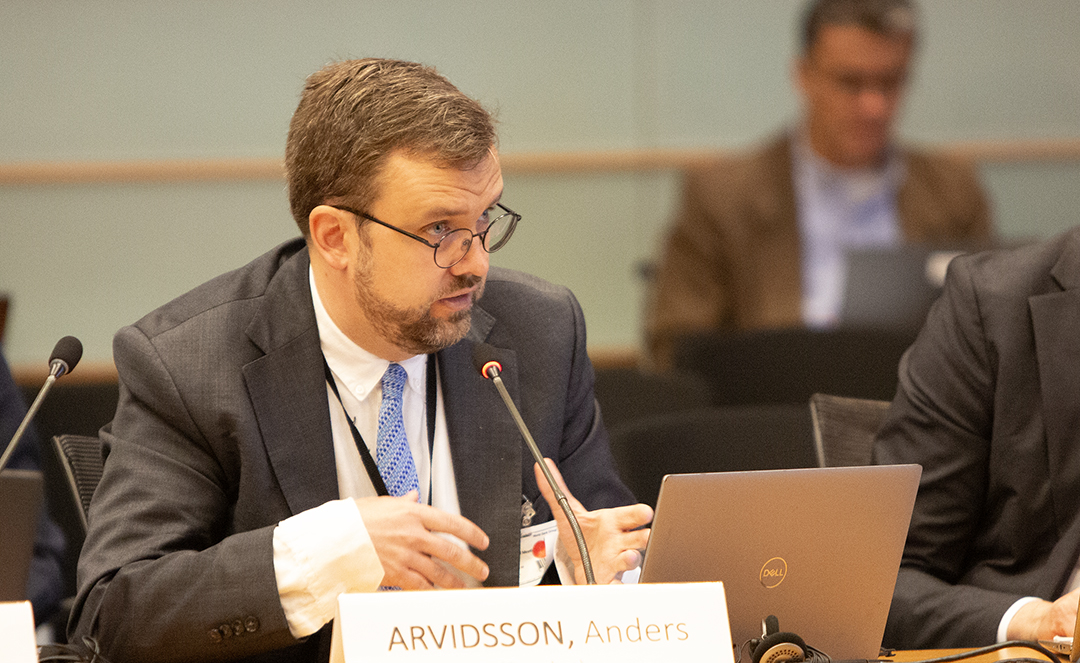
Anders Arvidsson, Council Member, Sweden
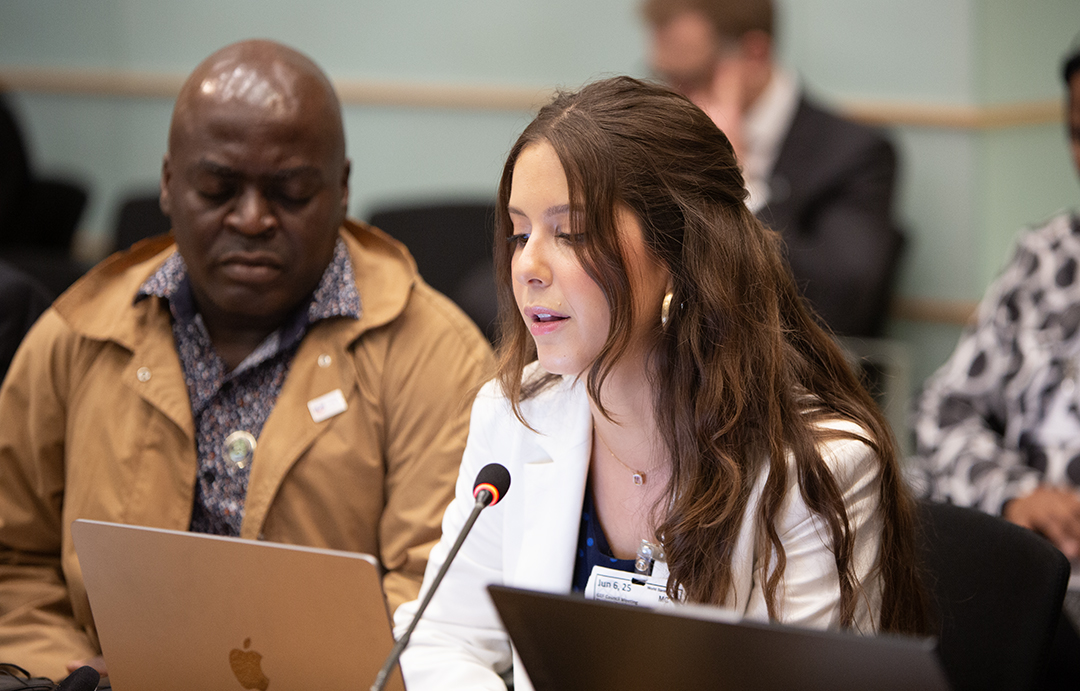
Renata Koch Alvarenga, CSO Network
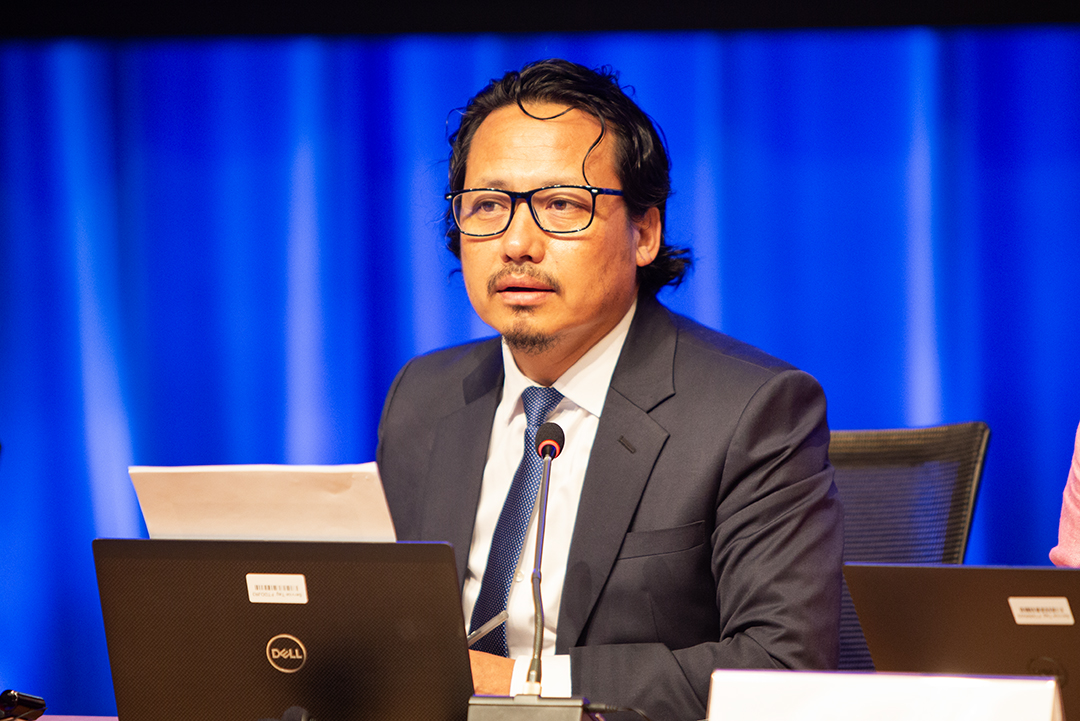
Tshewang Dorji, GEF Secretariat
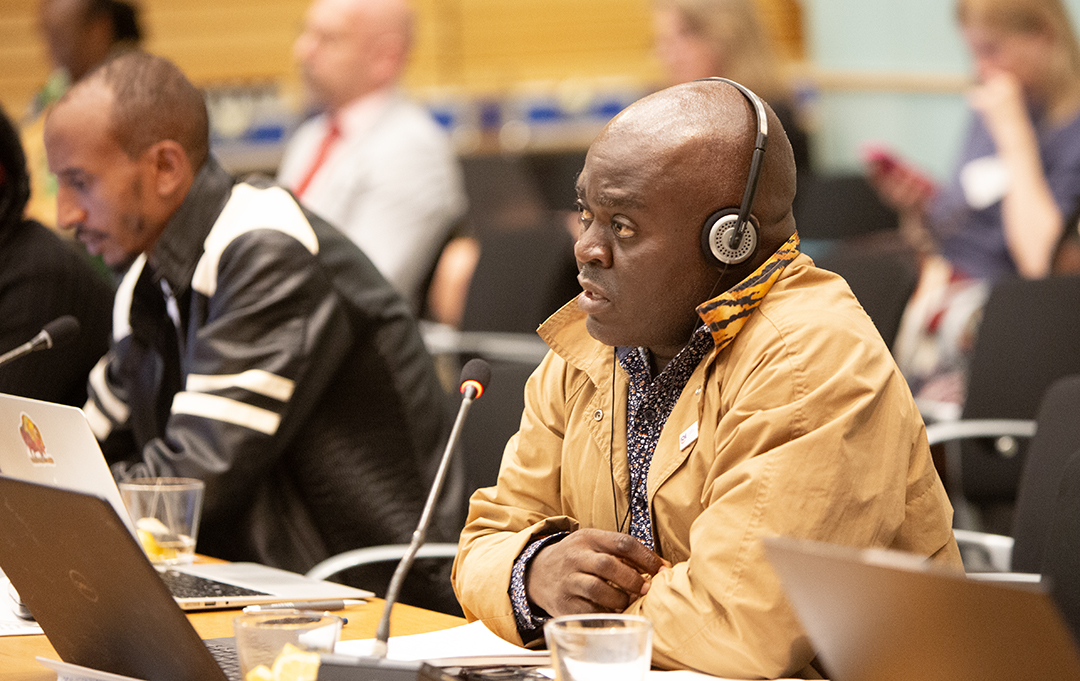
Tumaini Charles Marijani, Vice-Chair, GEF CSO Network
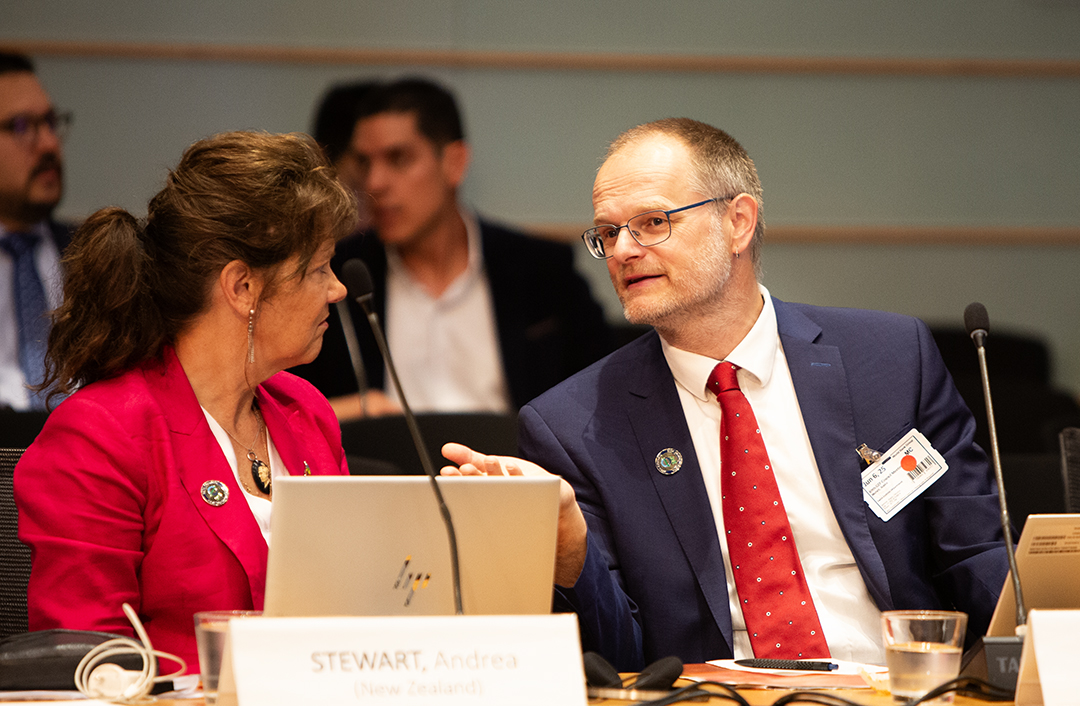
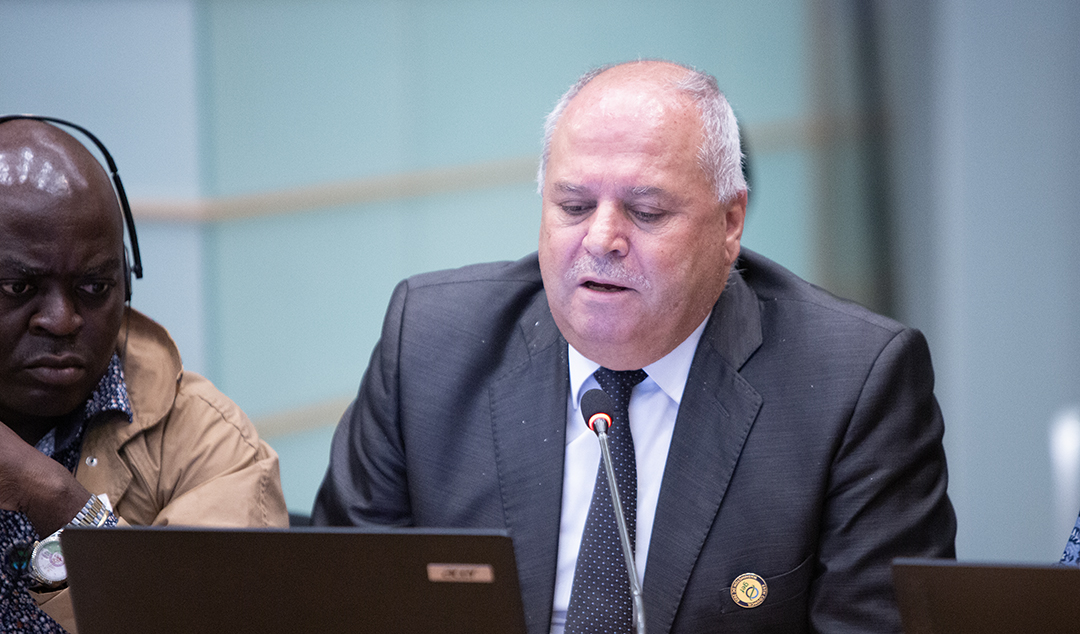
Ismail Al Atiyat, CSO Network
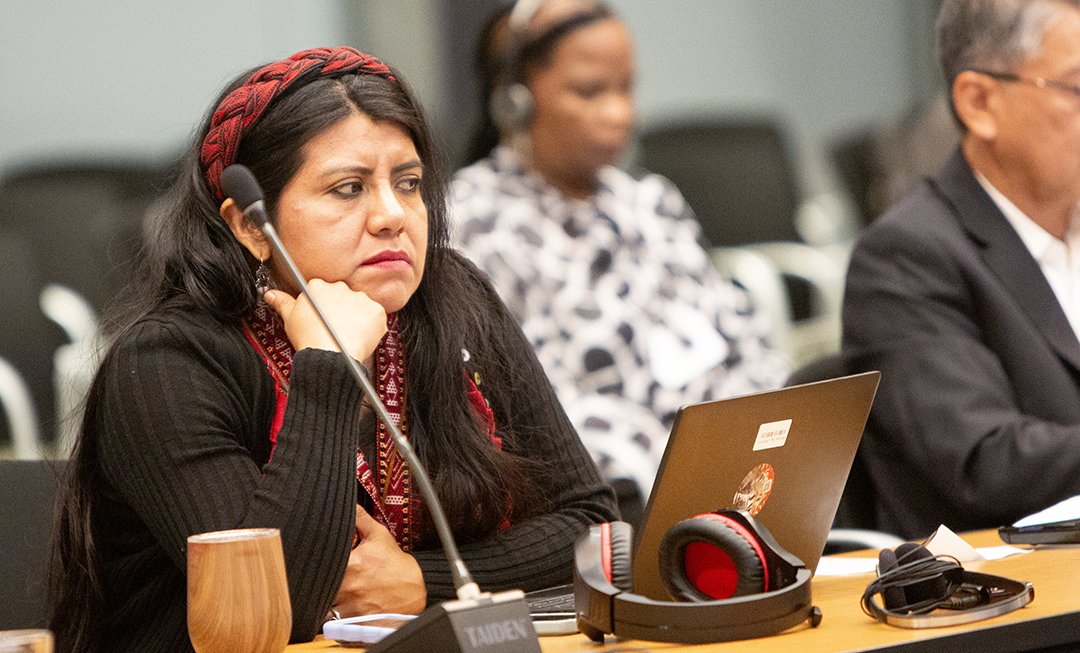
Closing of the 69th GEF Council Meeting
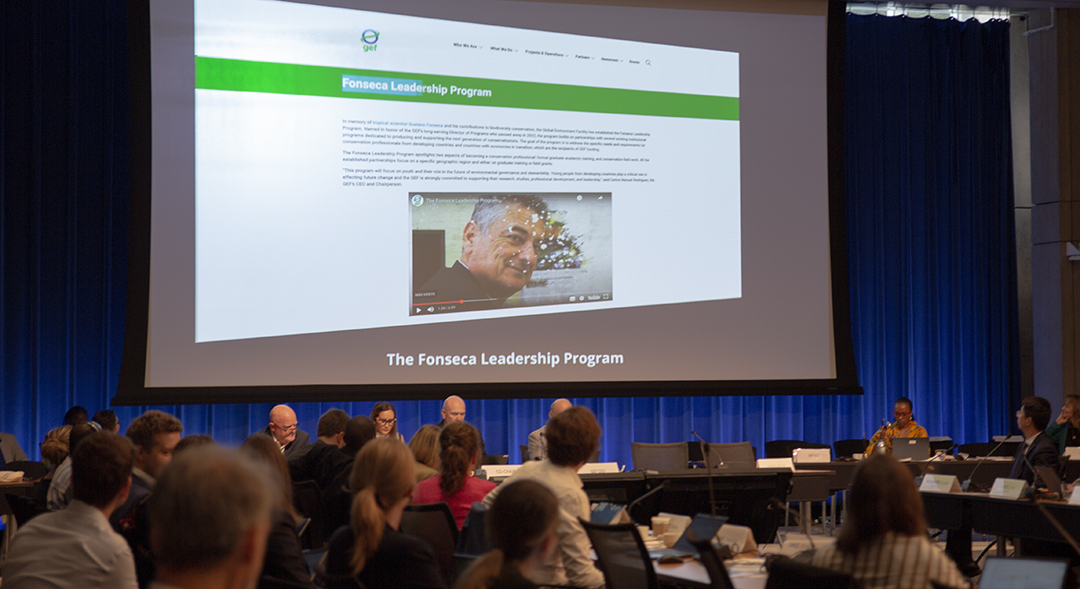
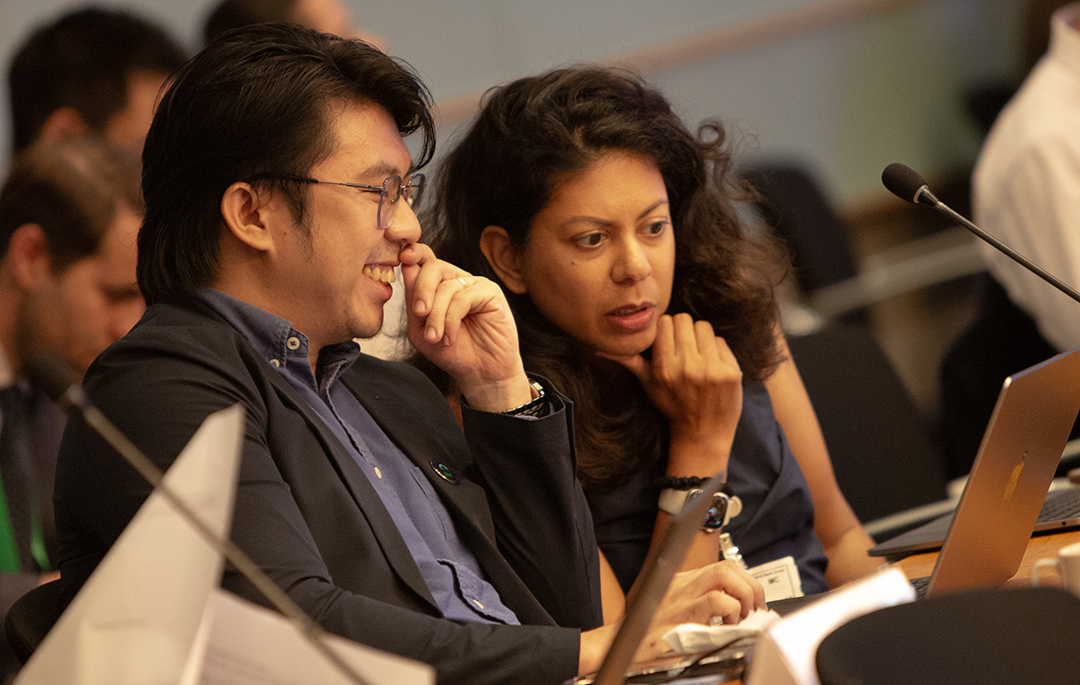


Claude Gascon, GEF Secretariat

Around the Venue
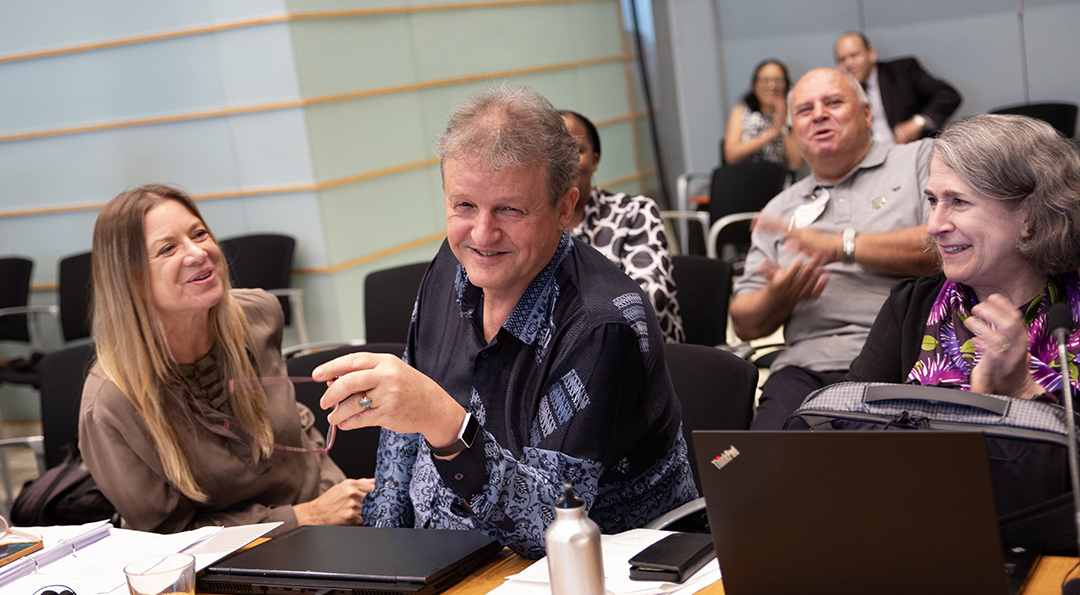
Council participants wished Faizal Parish, Chair, GEF CSO Network, a happy birthday