- Only 26% of 121 countries and areas have comprehensive systems to track resource allocations for gender equality – unchanged since 2021.
- In nearly 80% of countries with data, fewer than half of women have ownership or secure rights to agricultural land.
- Only 29% of countries have established 18 years as the minimum marriage age without exceptions, and just 48% have rape laws based on lack of consent.
- Despite 2024 being an election “super year” that saw a turnover of 12,000 parliamentary seats across 59 countries, the share of women in parliament saw little change.
- No country achieves a perfect score across all four areas measured: legal frameworks and public life, violence against women, employment and economic benefit, and marriage and family.
These were among a long list of stark statistics contained in the 2025 SDG Progress Report that were repeatedly cited and contextualized on the second day of the High-level Political Forum on Sustainable Development (HLPF). Kicking off the morning’s deep dive into Sustainable Development Goal 5 (SDG 5) on gender equality, Chair Bob Rae, President, Economic and Social Council (ECOSOC) invited speakers to critically reflect on why such gaps persist and what more needs to be done to accelerate action.
Want to dig deeper into today's talks? Read the full Earth Negotiations Bulletin daily report.
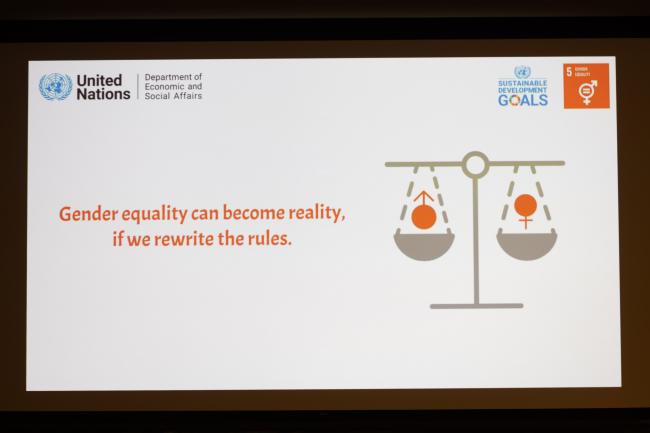
Moderator Jan Beagle, Director General, International Development Law Organization (IDLO) expressed disappointment at slow progress three decades since the adoption of the landmark Beijing Declaration and Platform for Action.
A rare positive trend highlighted in the global report and cited by many speakers was rising gender parity among youth, with male-to-female ratios of 57:43 and 63:37 among members of parliament aged below 30 and 40, respectively.
In the afternoon, the Forum reviewed SDG progress across a broad bloc of African countries, Least Developed Countries (LDCs), Landlocked Developing Countries (LLDCs), and Middle-Income Countries (MICs).
The discussions highlighted the unique challenges faced by African countries, LDCs, and LLDCs, including high debt burdens, vulnerability to external shocks, food insecurity, high inequality, and persistent gender gaps in education, healthcare, and economic participation. Conversely, MICs were characterized as struggling to sustain economic growth in the face of reduced funding opportunities, or the “middle-income trap.”" It was noted that in 2024, MICs represented more than half the world’s countries, 75% of the world’s population, and 57% of global GDP.
Many speakers alluded to corruption and the importance of greater financial accountability in bridging SDG financing gaps. “Africa loses USD 148 billion annually - or 25% of its GDP - due to corruption,” stressed Robert Akoto Amoafo, African regional chapter of the International Lesbian, Gay, Bisexual, Trans and Intersex Association (ILGA), calling for capacity building and financial and anti-discrimination reforms. Responding to calls for concrete solutions to these challenges, several speakers highlighted the role of new digital technologies in overcoming structural barriers and reducing vulnerabilities.
To receive free coverage of global environmental events delivered to your inbox, subscribe to the ENB Update newsletter.
All ENB photos are free to use with attribution. For HLPF 2025 please use: Photo by IISD/ENB - Kiara Worth
SDG 5: Achieve Gender Equality and Empower All Women and Girls
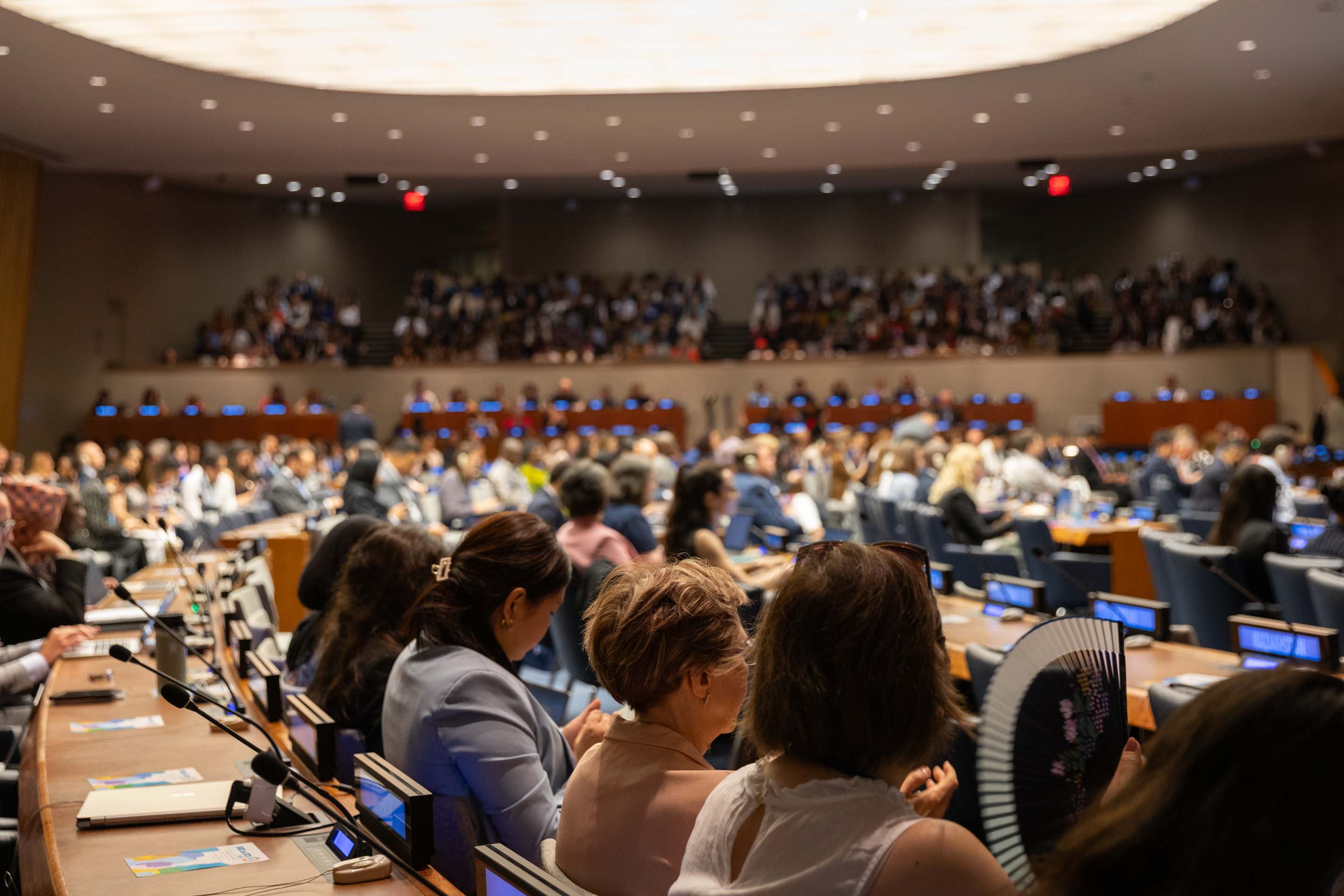
Delegates gather to discuss progress made on achieving SDG 5 - gender equality

Bob Rae, President, ECOSOC
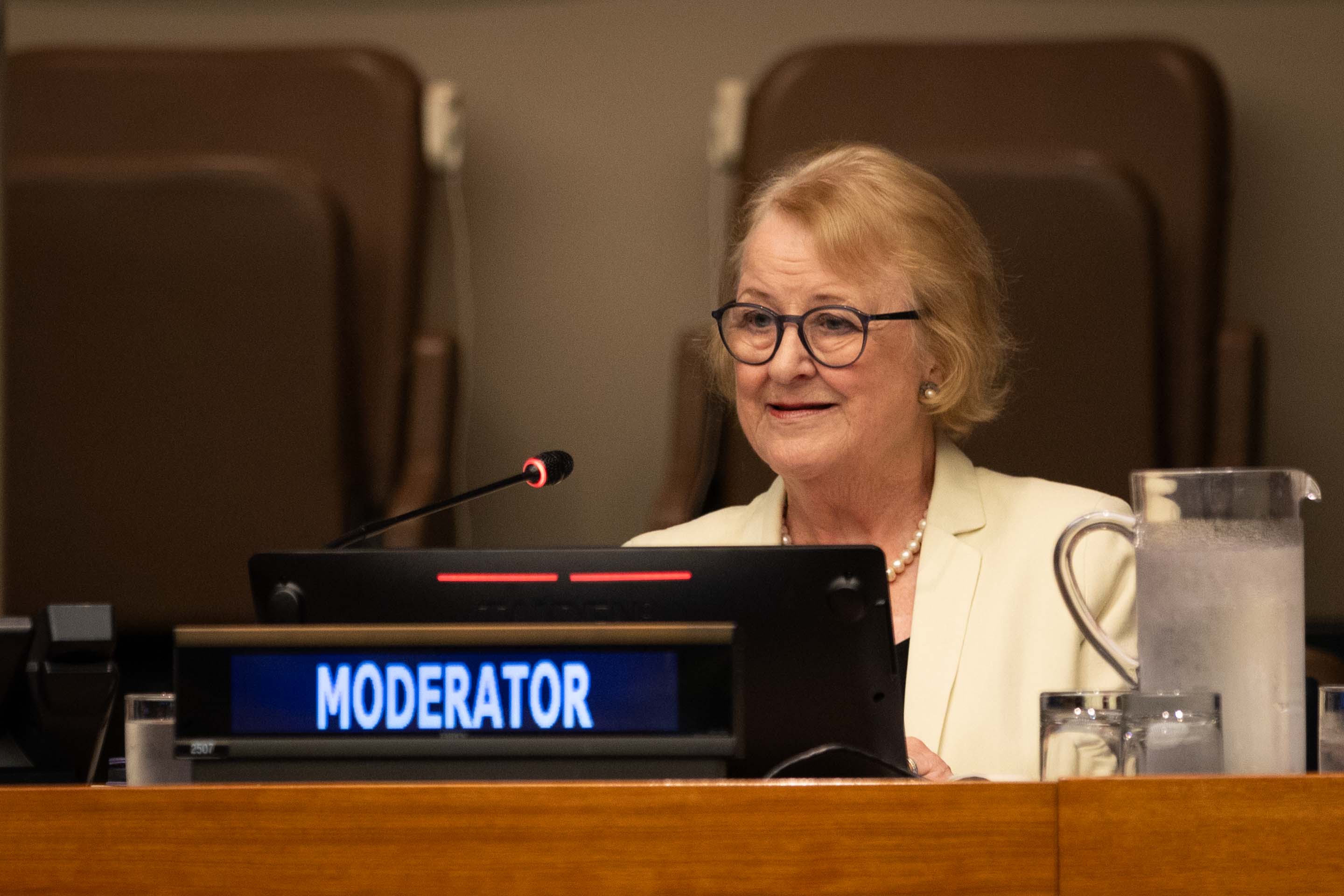
Jan Beagle, Director-General, International Development Law Organization (IDLO)
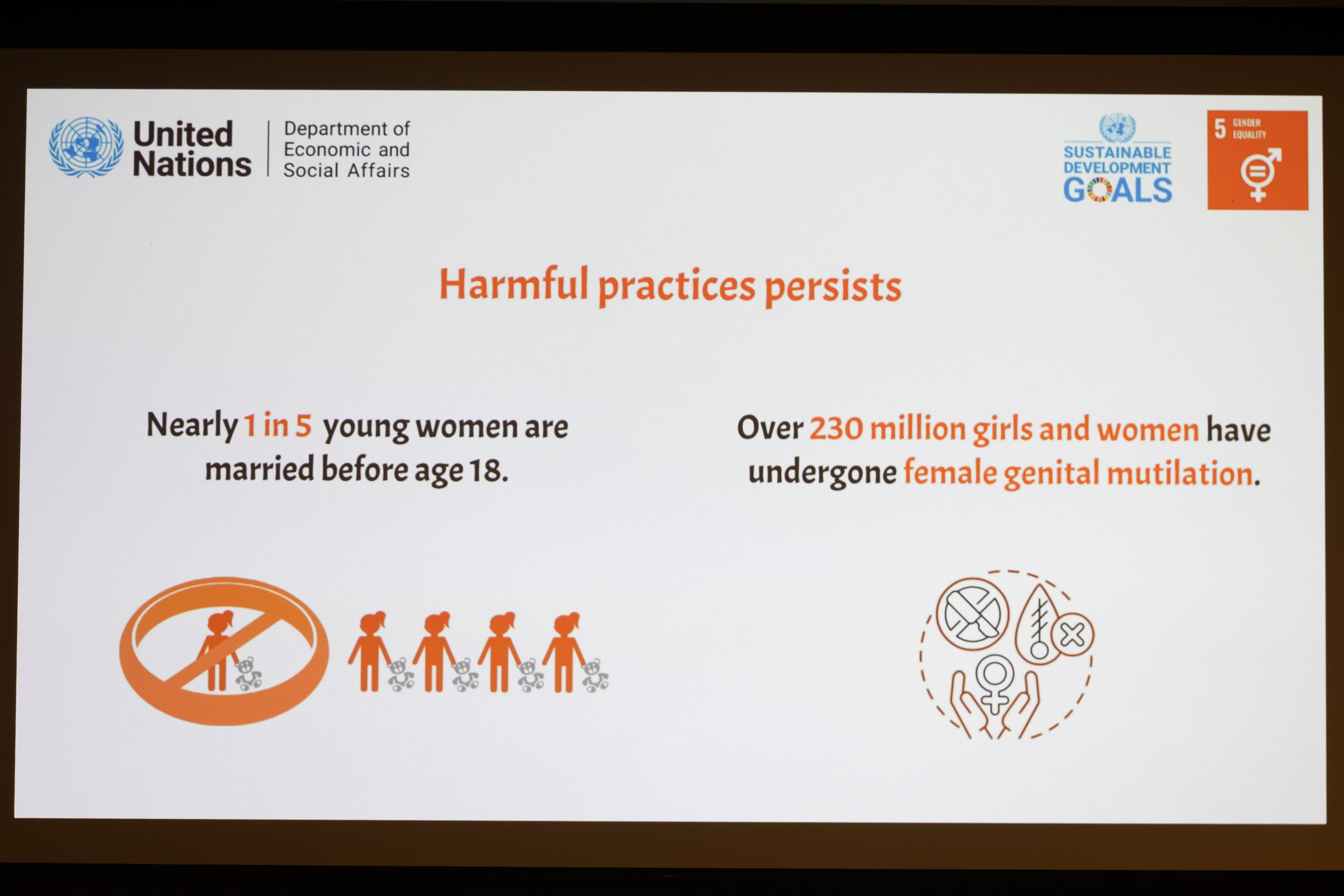
A slide highlights that harmful practices still persist against women and girls
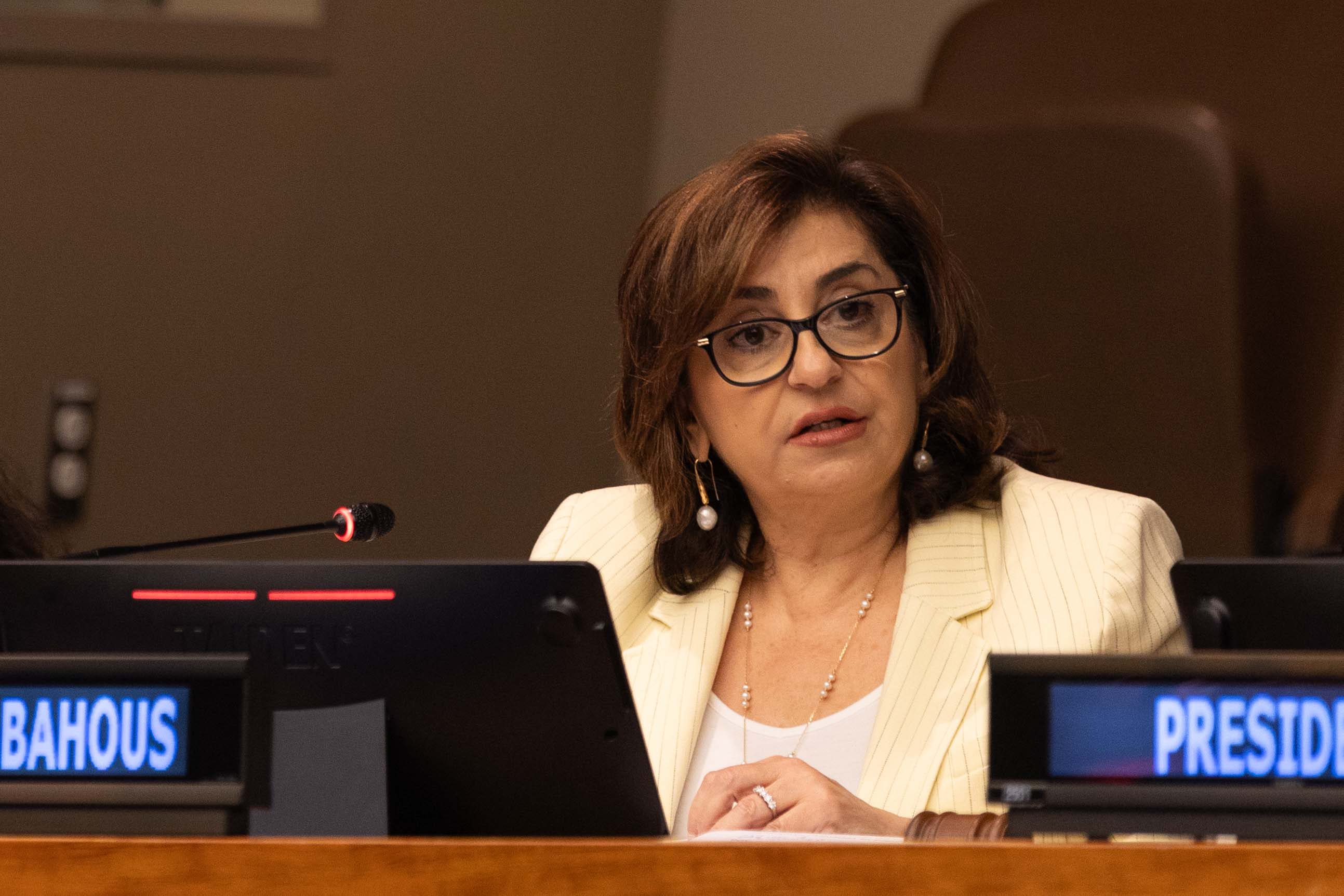
Sima Sami Bahous, Executive Director, UN Women
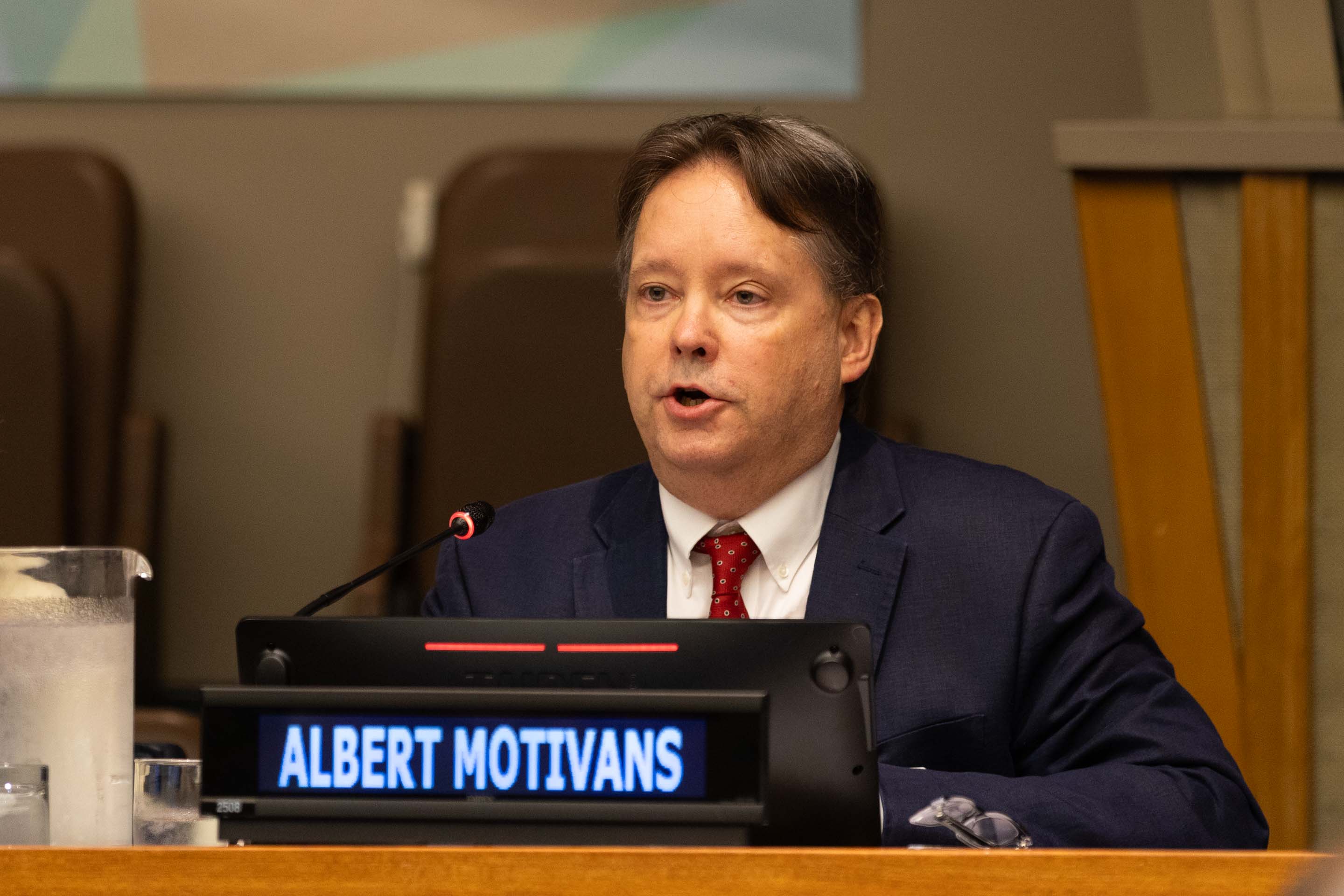
Albert Motivans, Head, Data and Insights, Equal Measures 2030
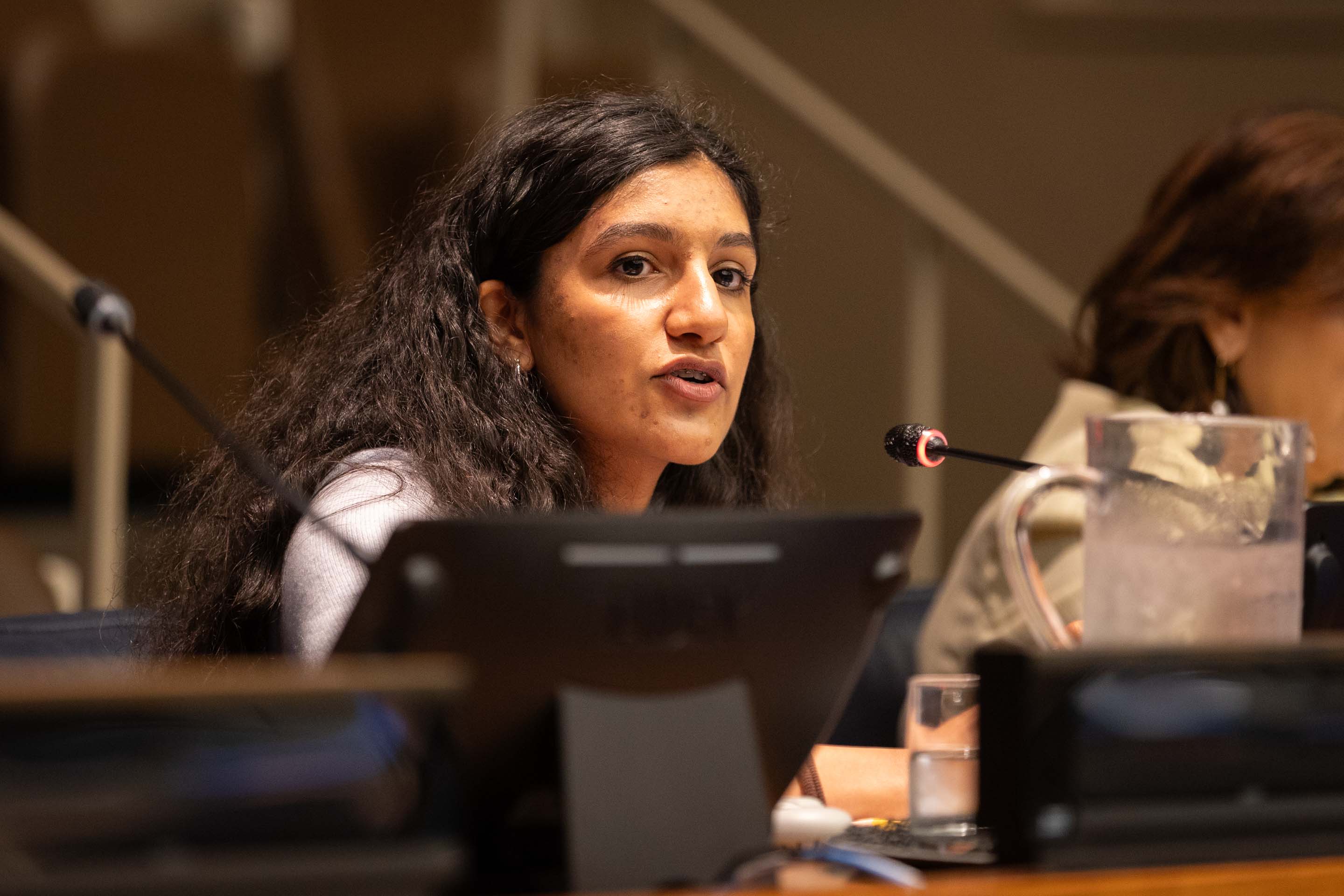
Zara Khanna, Youth Ambassador, She Loves Tech
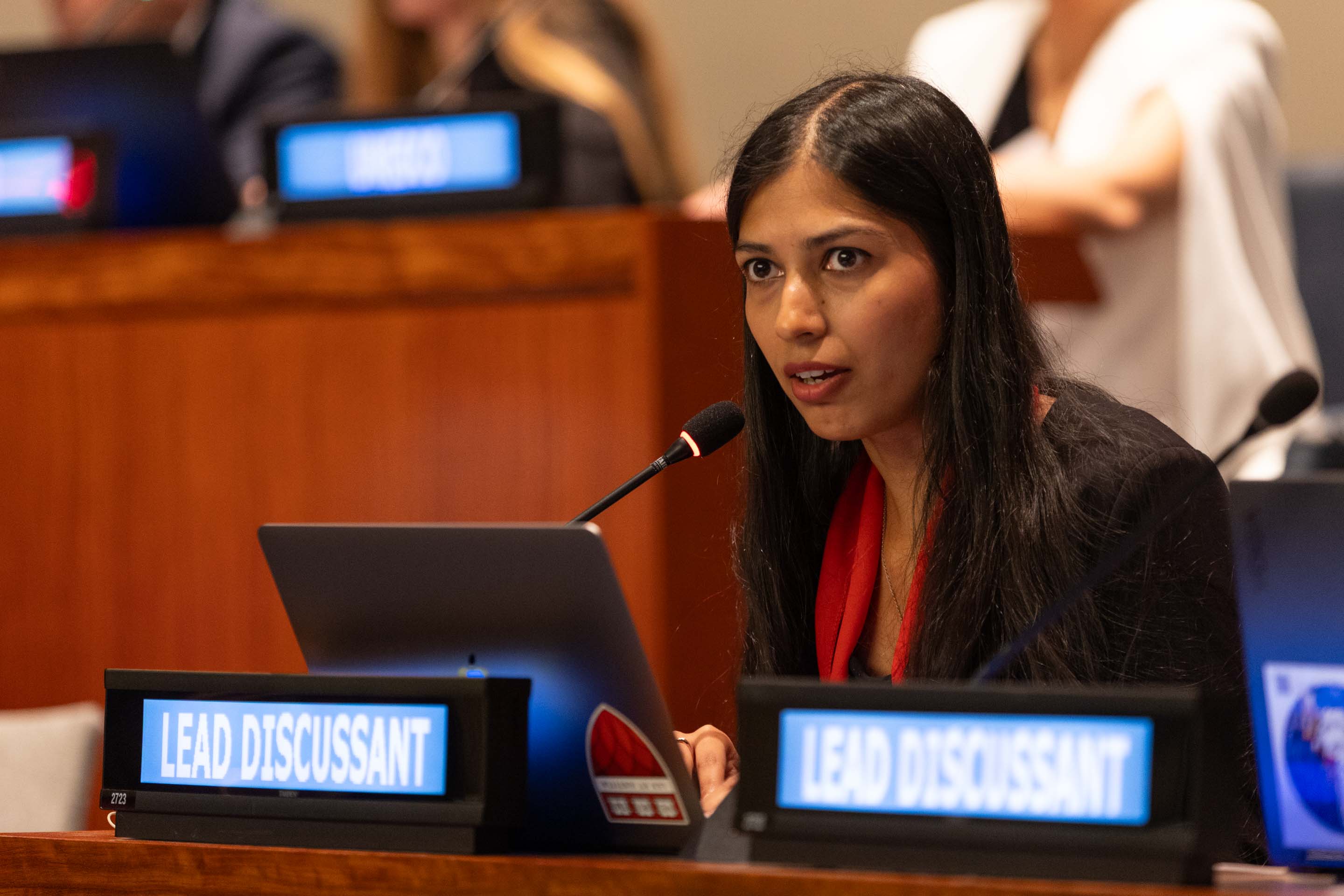
Fer Ghanaa Ansari, Senior Officer, International Advocacy, Musawa

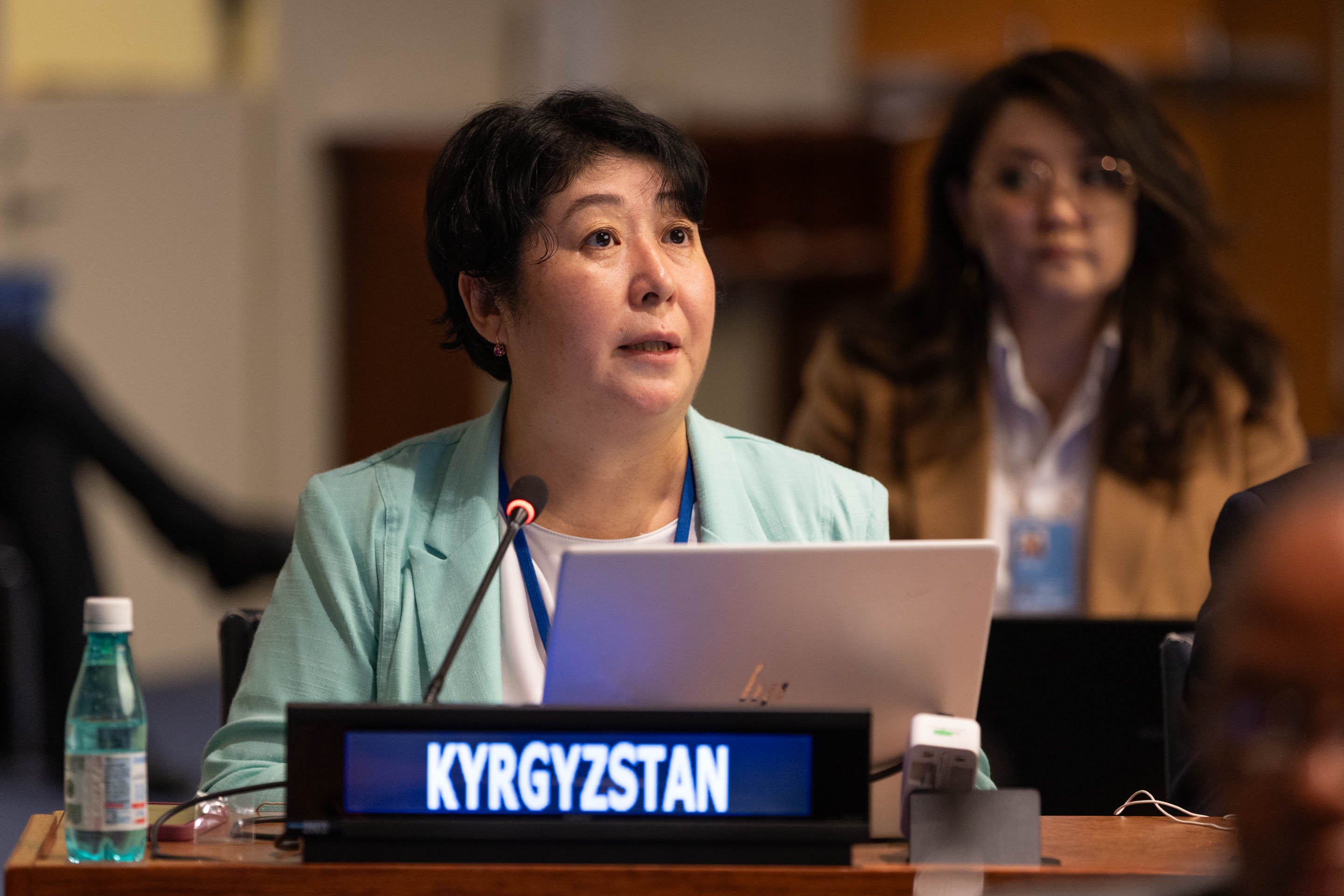
Dinara Kemelova, Special Representative of the President, Kyrgyzstan
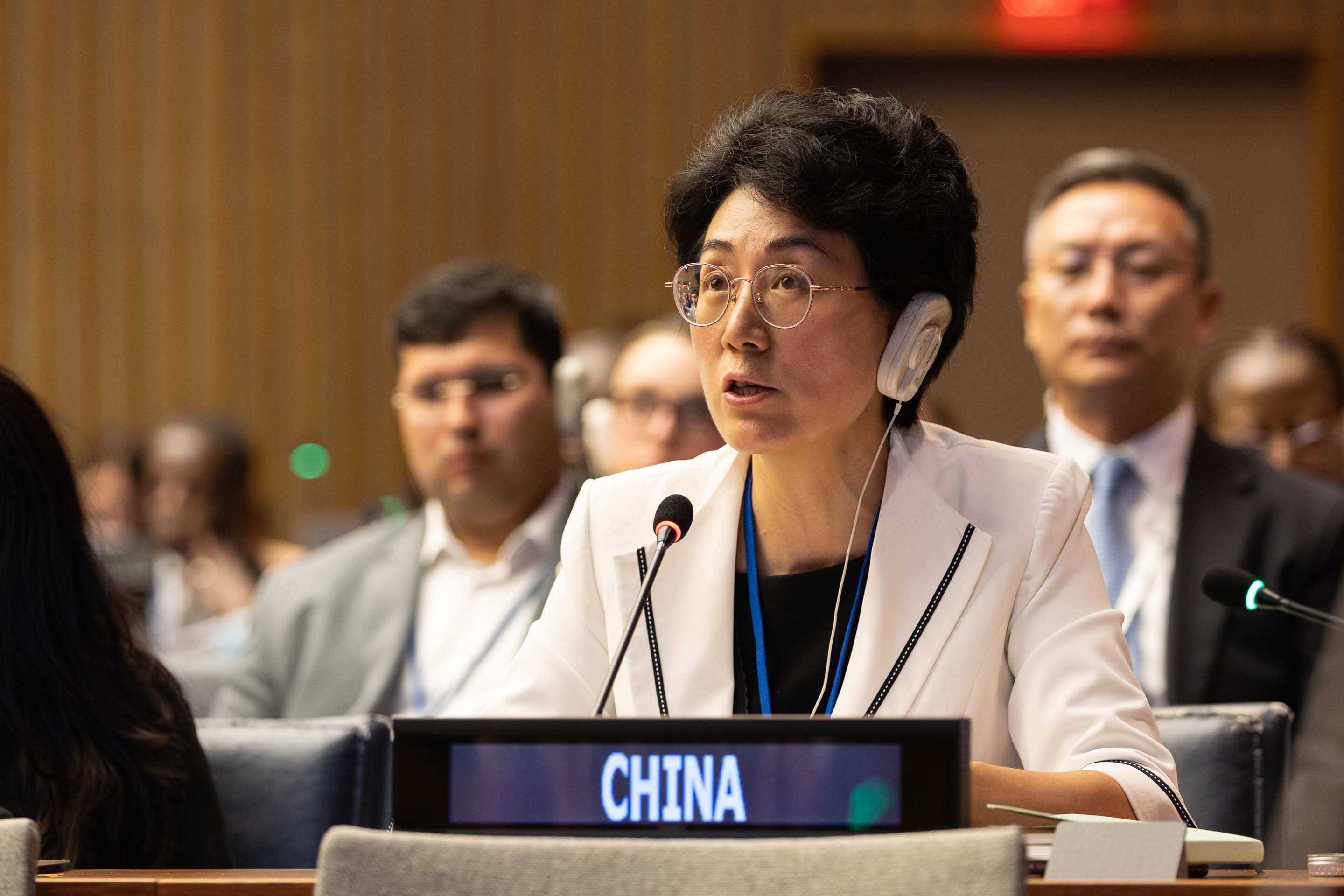
Song Li, Executive Secretary, All-China Women's Federation (ACWF)
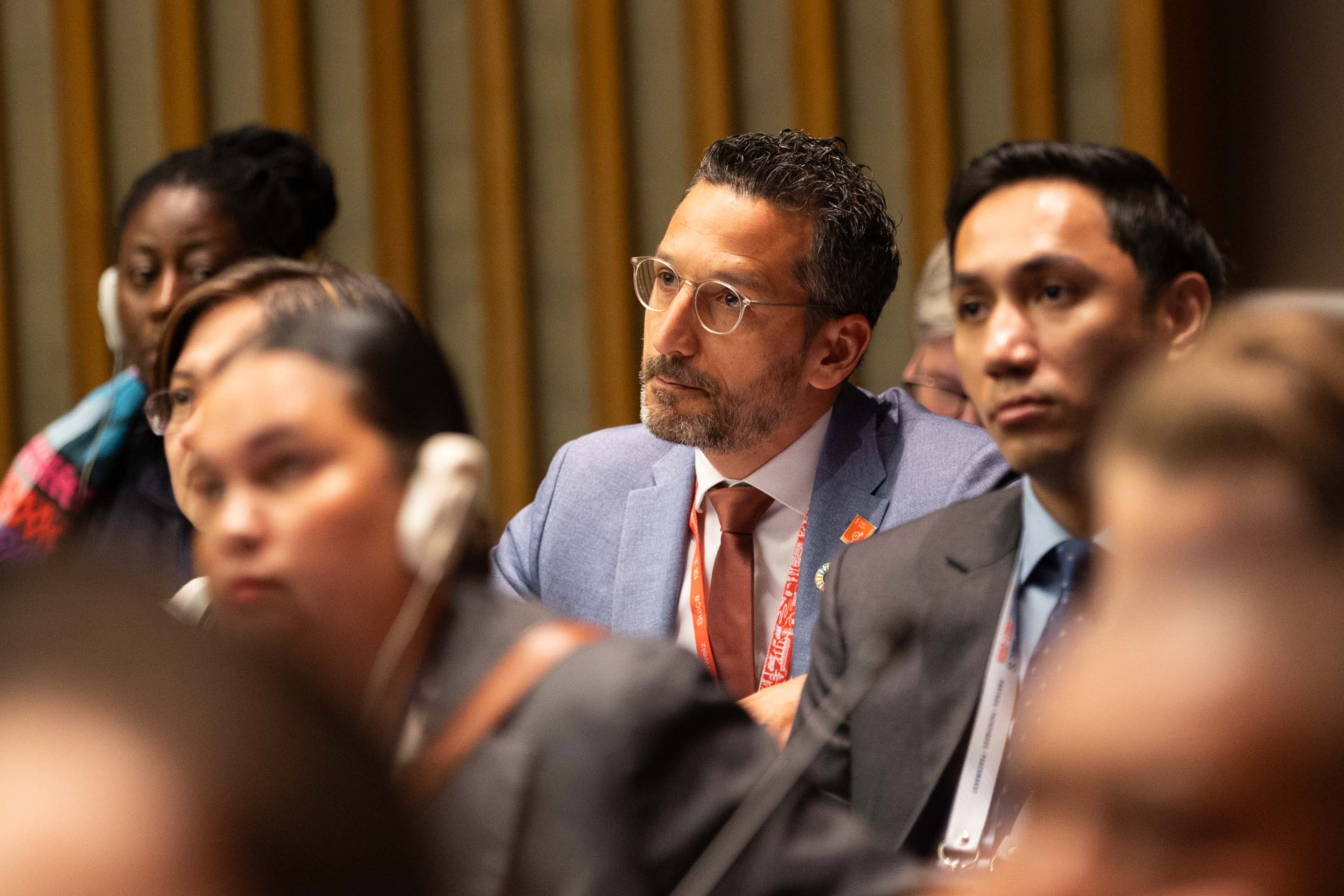
Gian Beeli, Switzerland
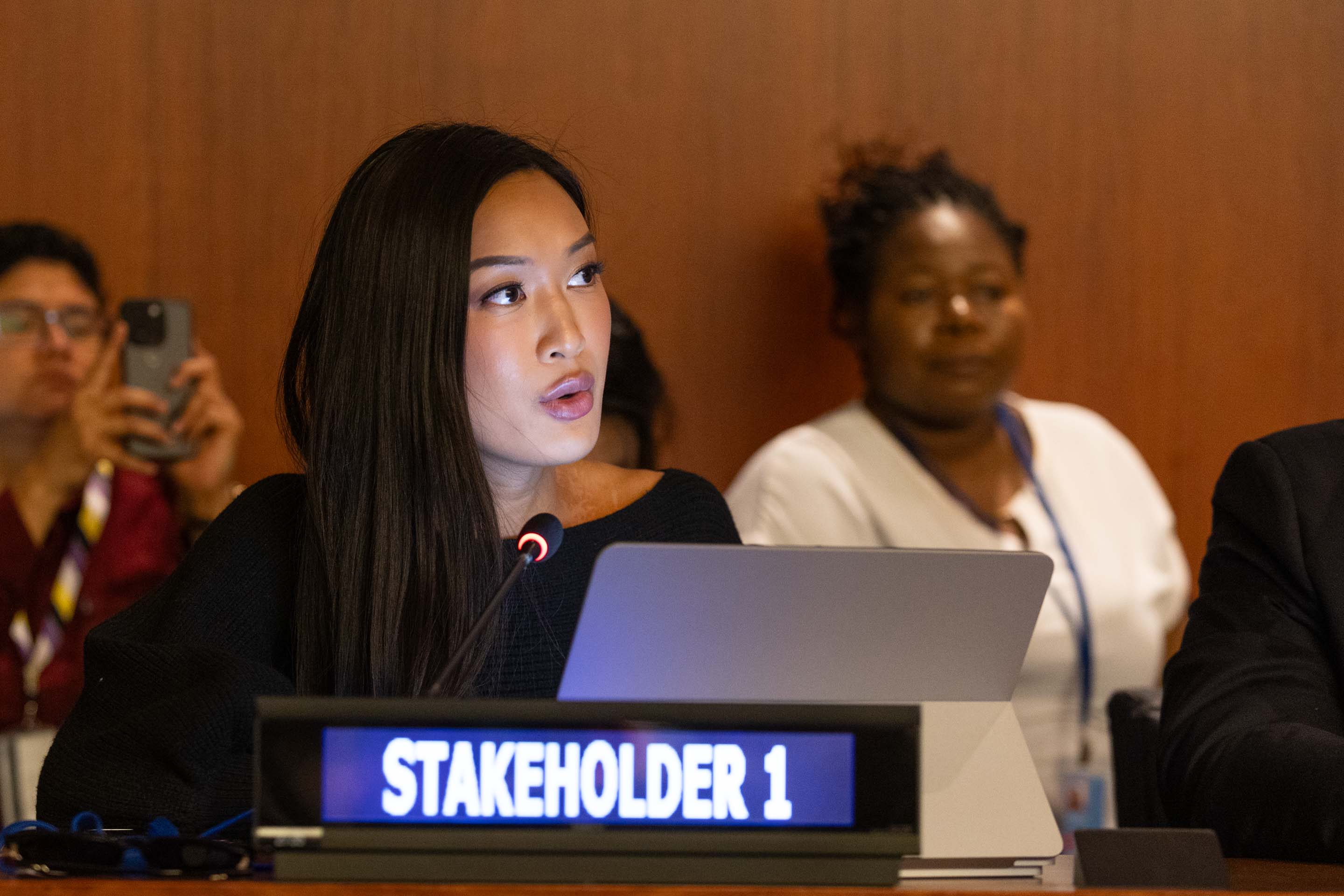
Chitsanupong Nithiwana, LGBTI Stakeholder Group
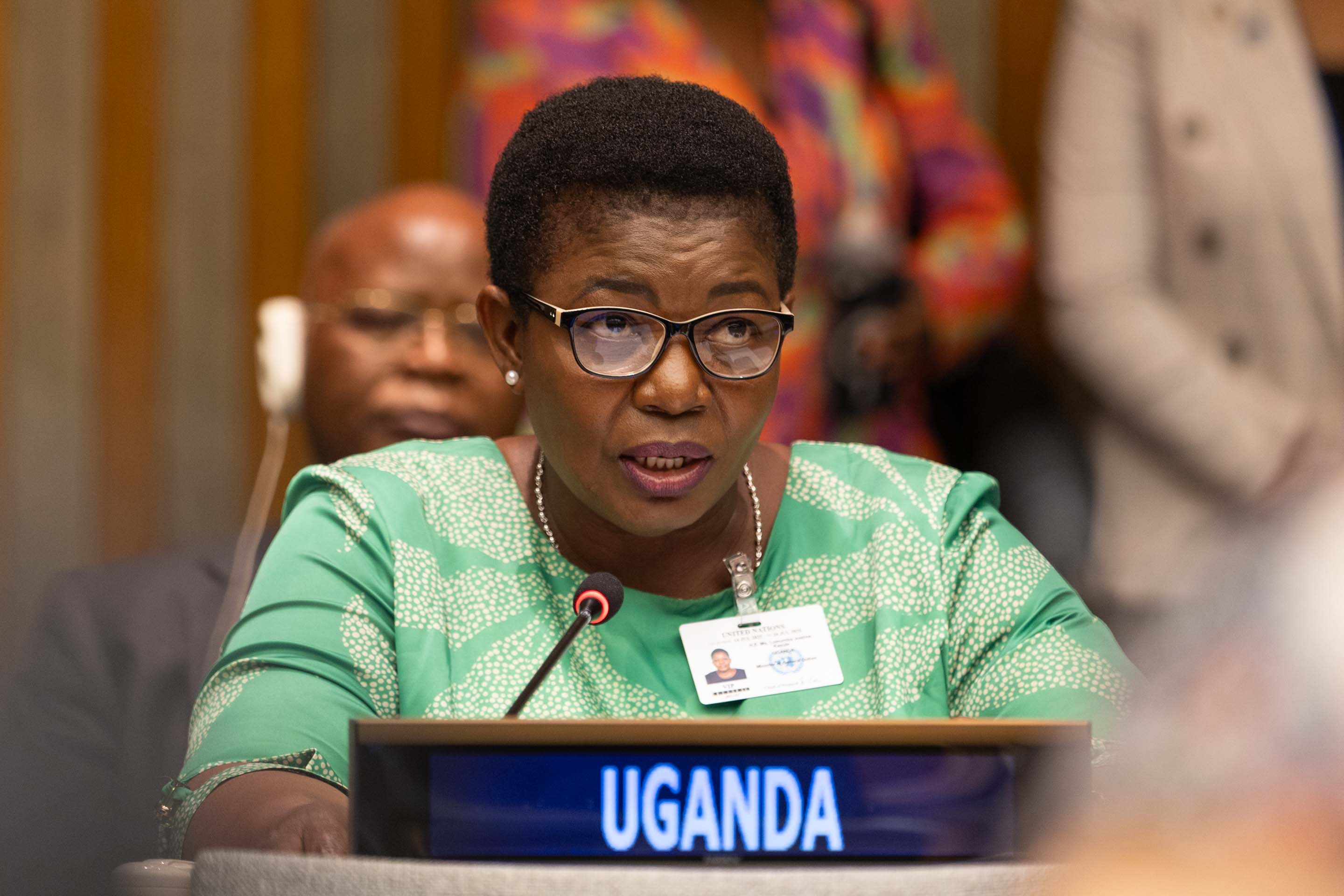
Justina Lumumba Kasule, Minister for General Duties, Uganda
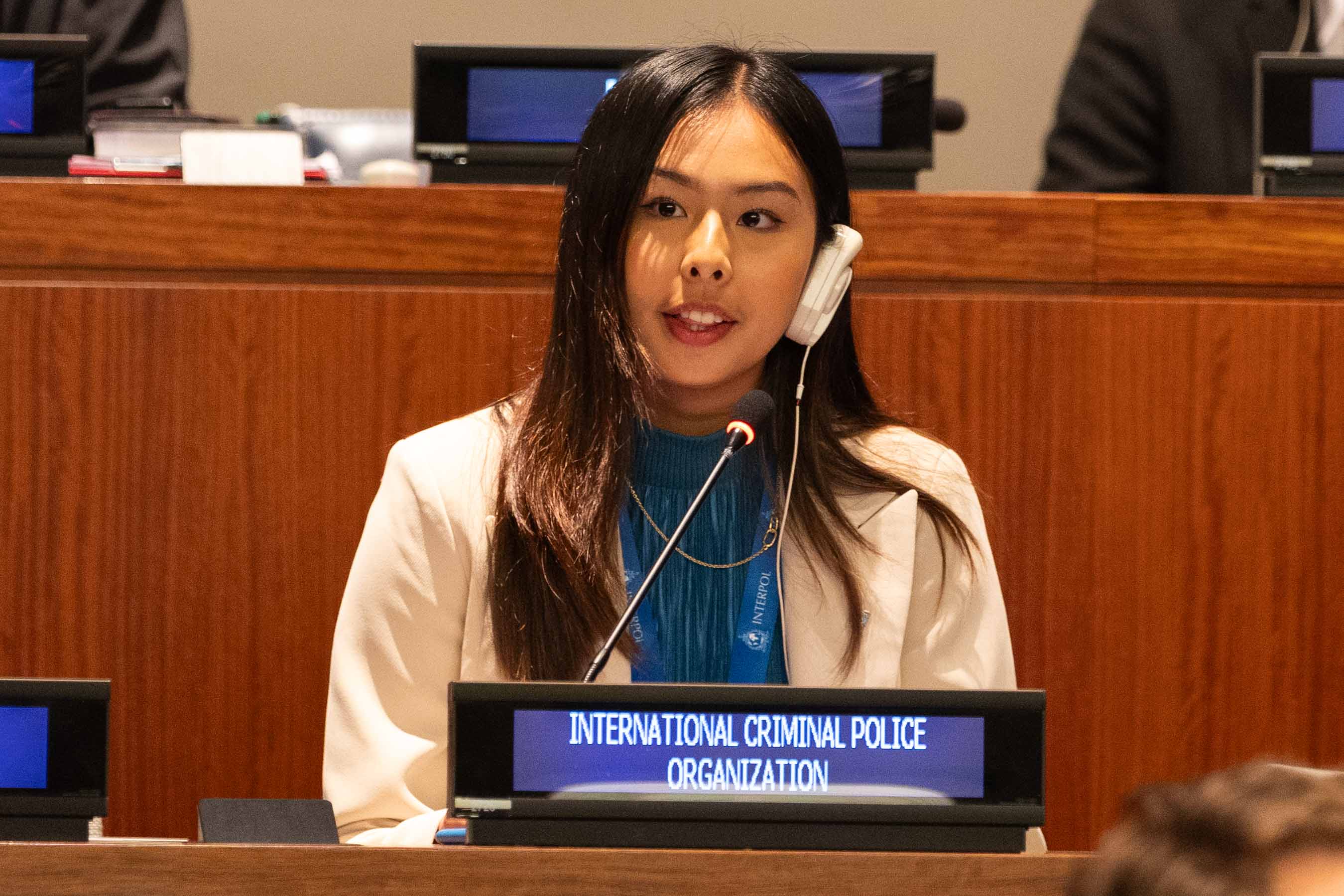
Miri Yin-Toe Aung, International Criminal Police Organization (INTERPOL)
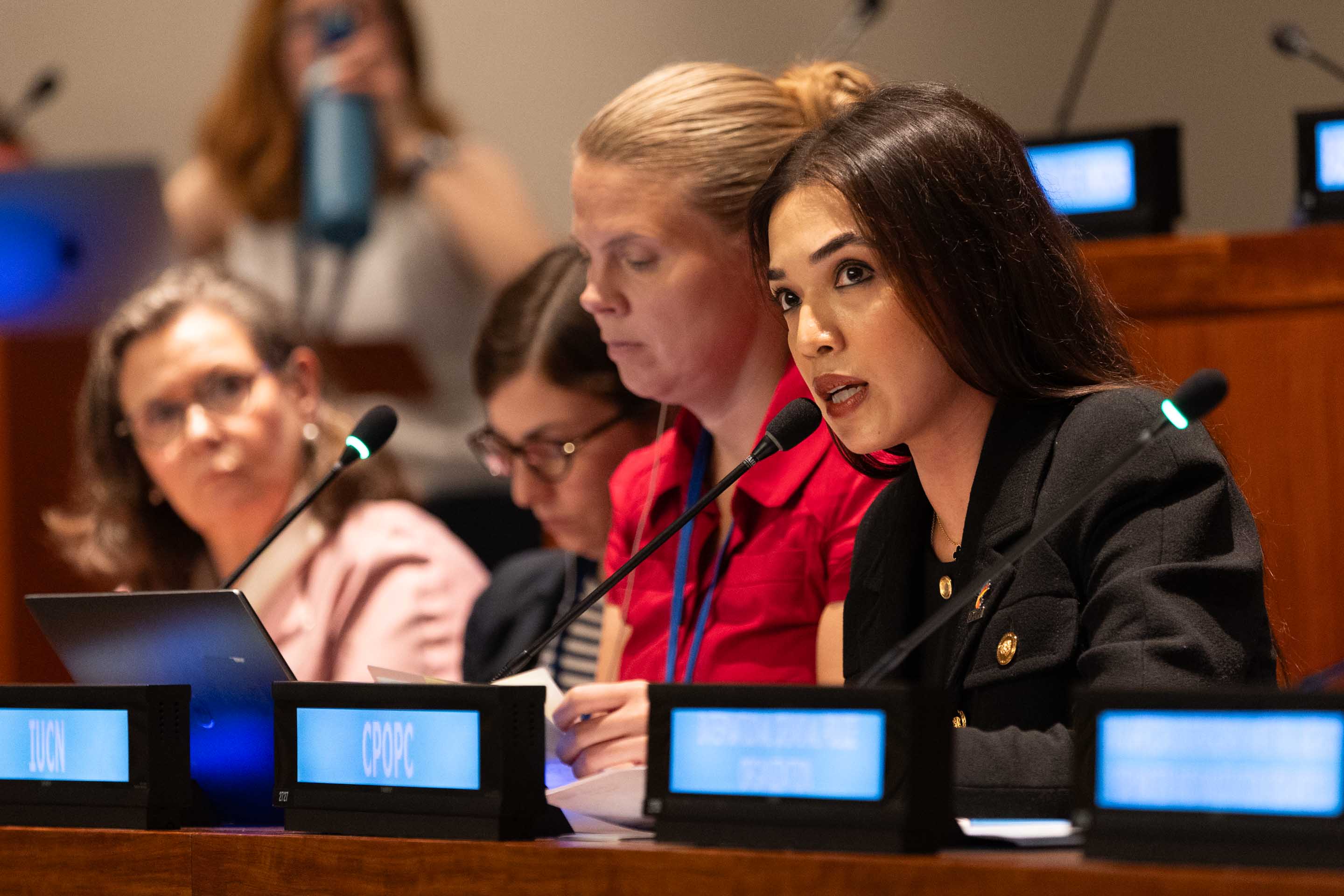
Izzana Salleh, Council of Palm Oil Producing Countries (CPOPC)
Press Conference
A press conference is held to discuss the importance of the HLPF and achieving the SDGs
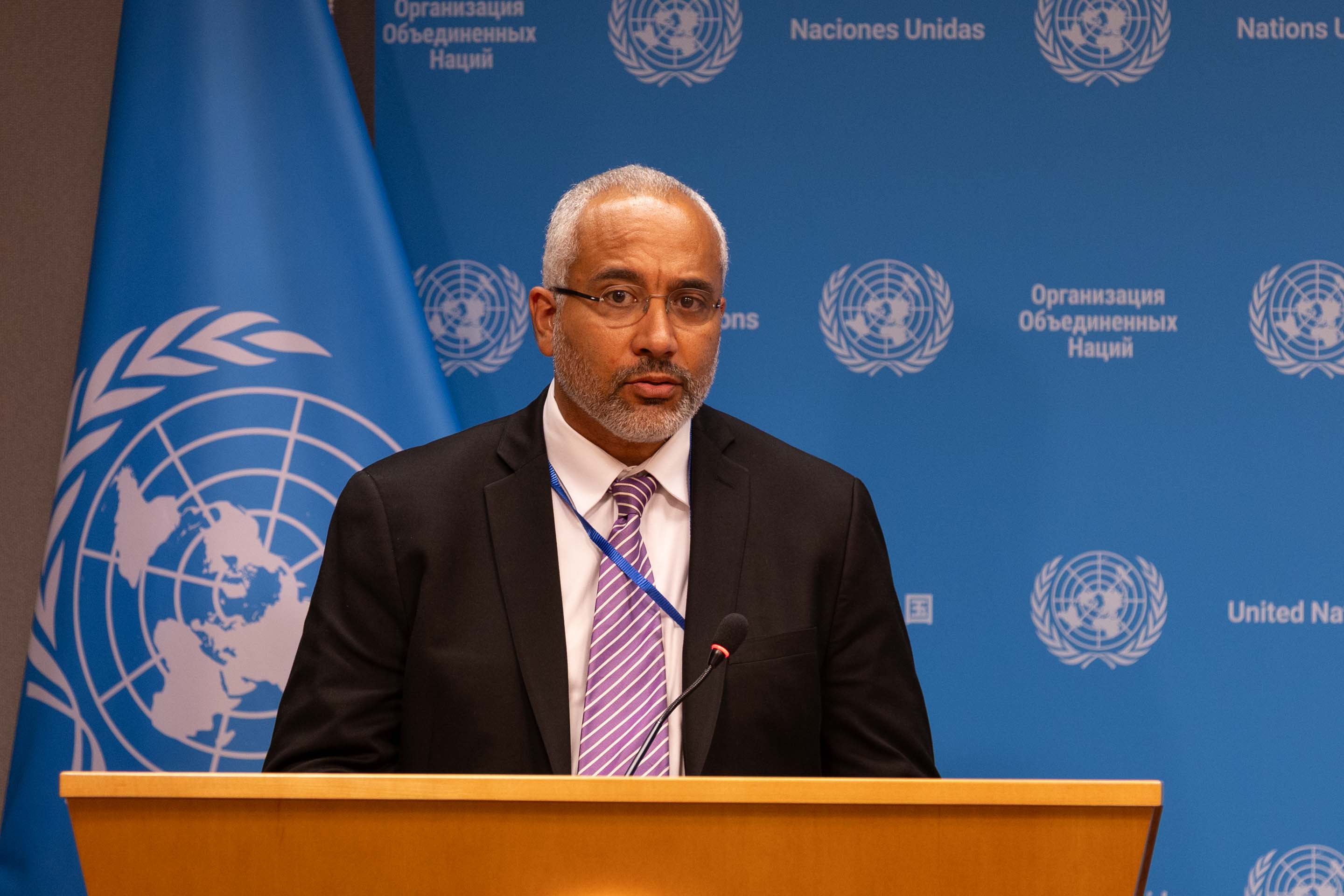
Paul Simon, UN Department of Economic and Social Affairs (DESA)
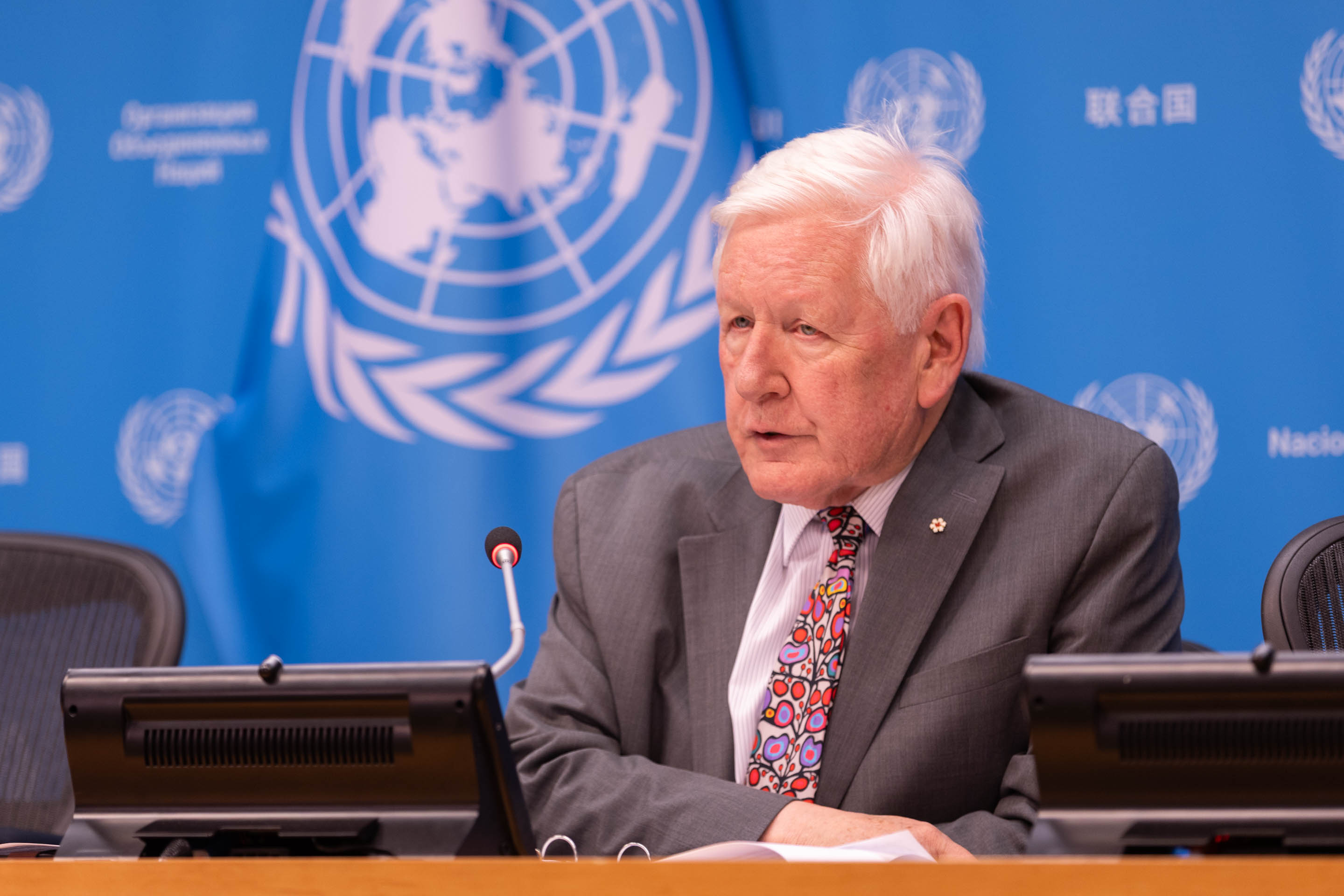
Bob Rae, President, ECOSOC
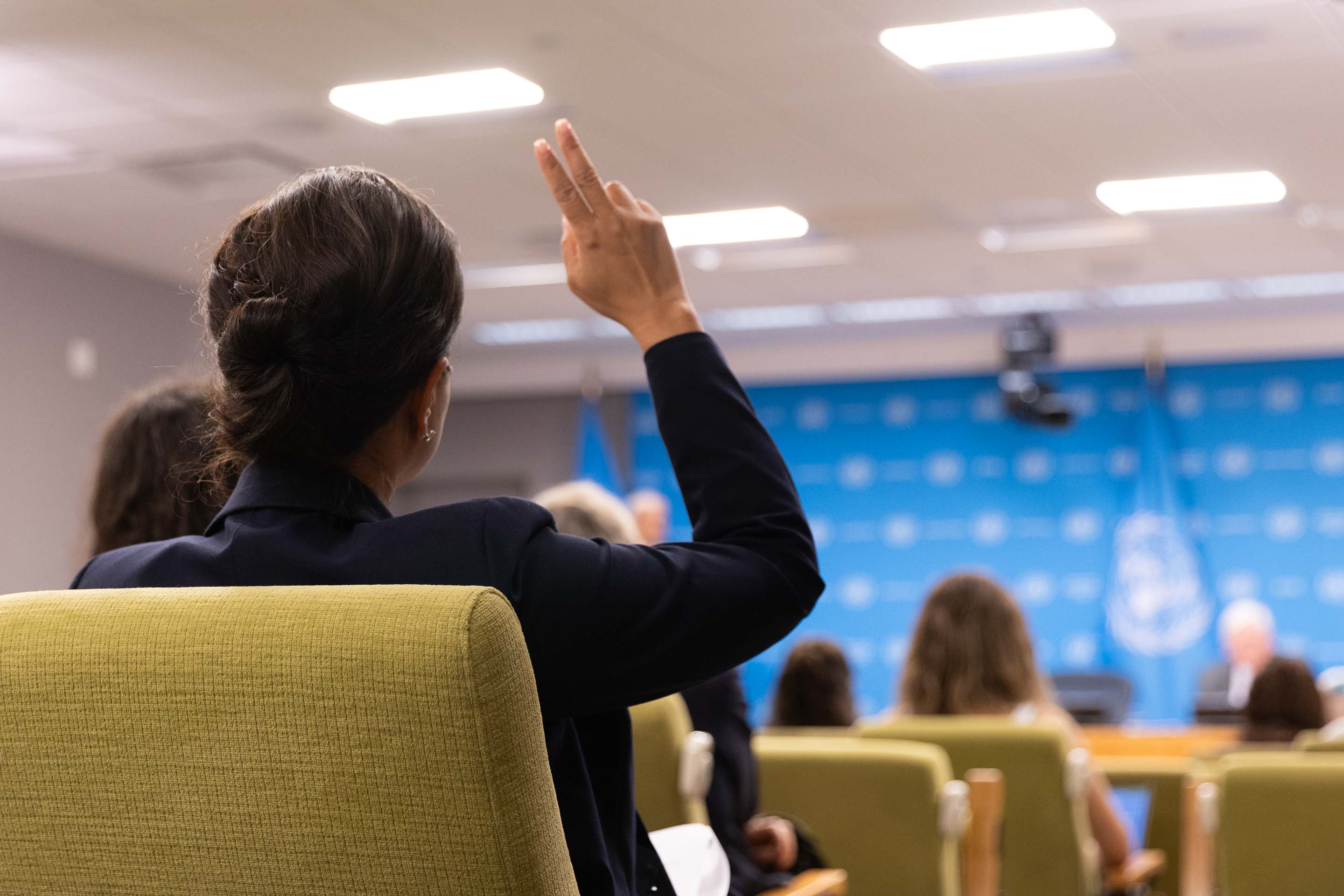
Journalists ask questions from the floor
Accelerating SDG Achievement in African Countries, Least Developed Countries (LDCs), Landlocked Developing Countries (LLDCs), and Middle-Income Countries (MICs)
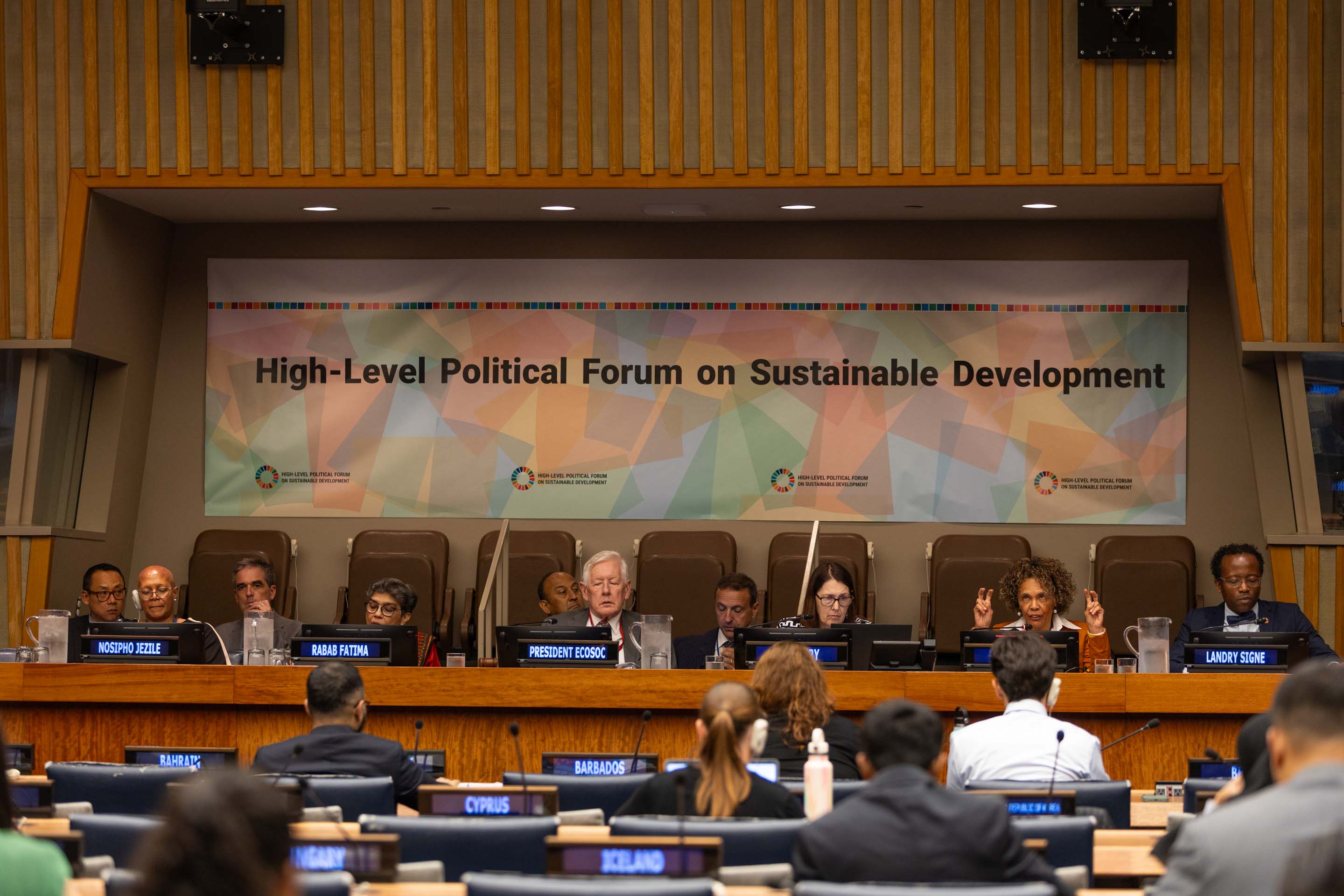
Panel speakers during the session
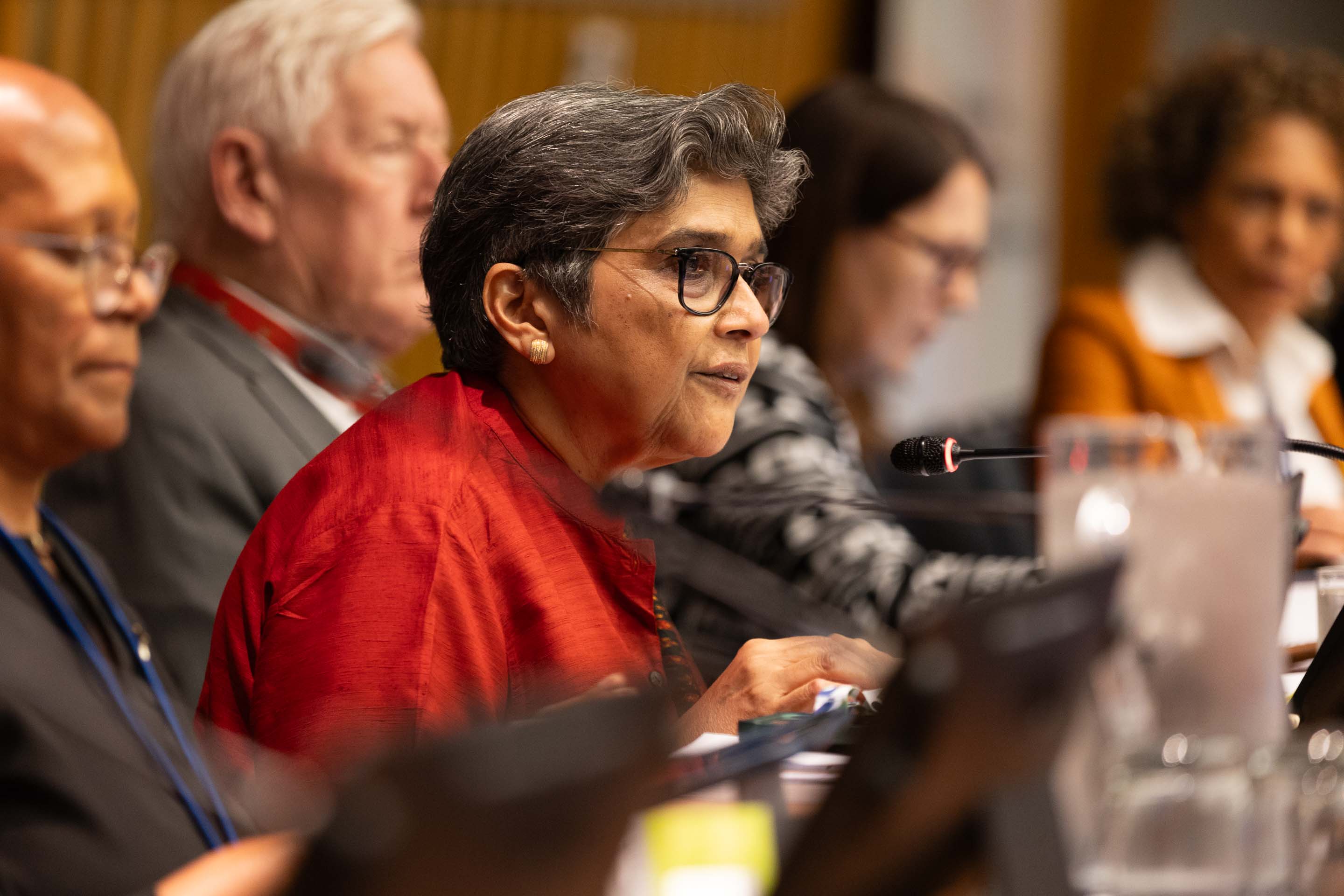
Rabab Fatima, Under-Secretary-General and High Representative for LDCs, LLDCs and SIDS, and Secretary-General of the Third UN Conference on Landlocked Developing Countries (LLDC3)
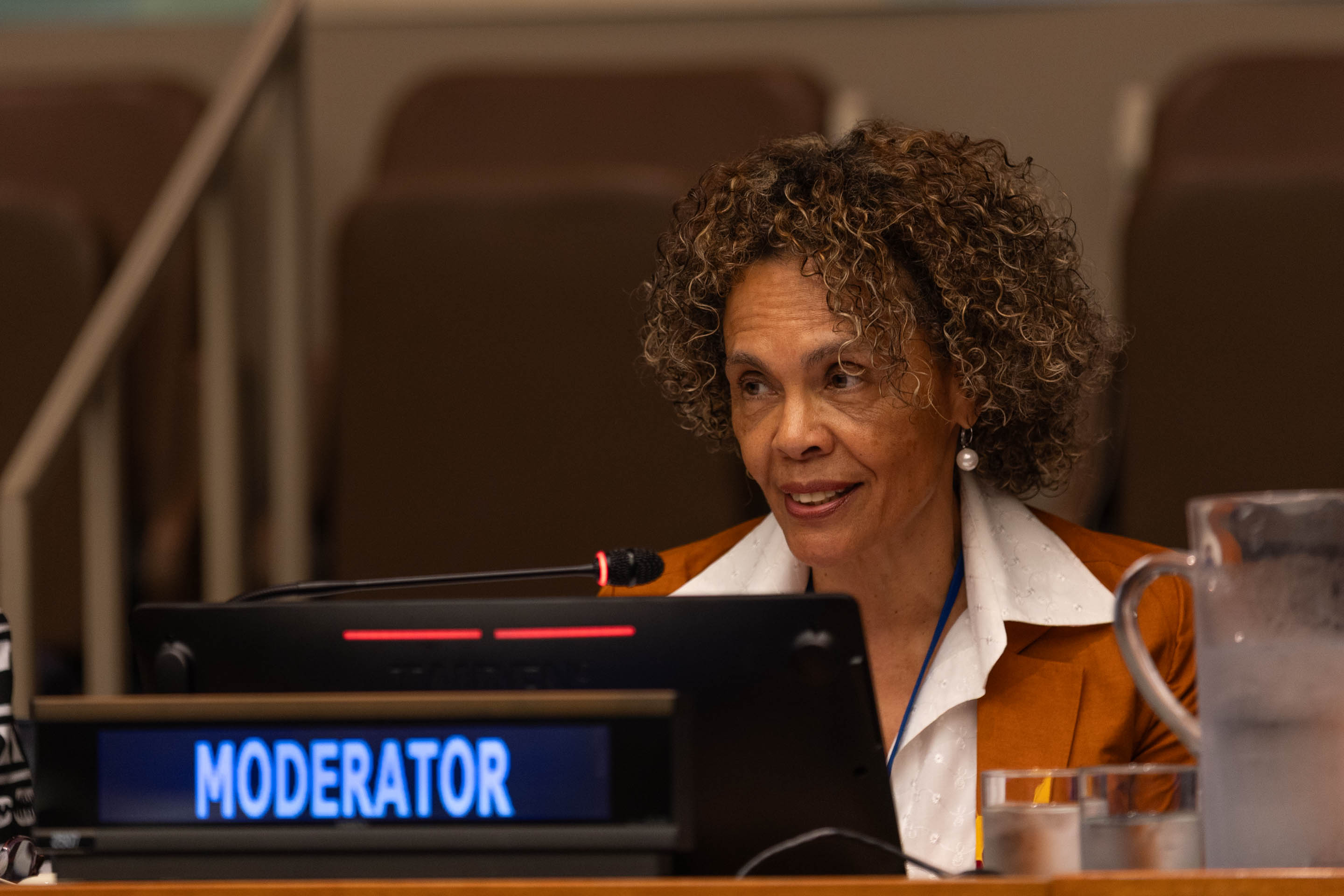
Cristina Duarte, Under-Secretary-General and UN Special Adviser on Africa
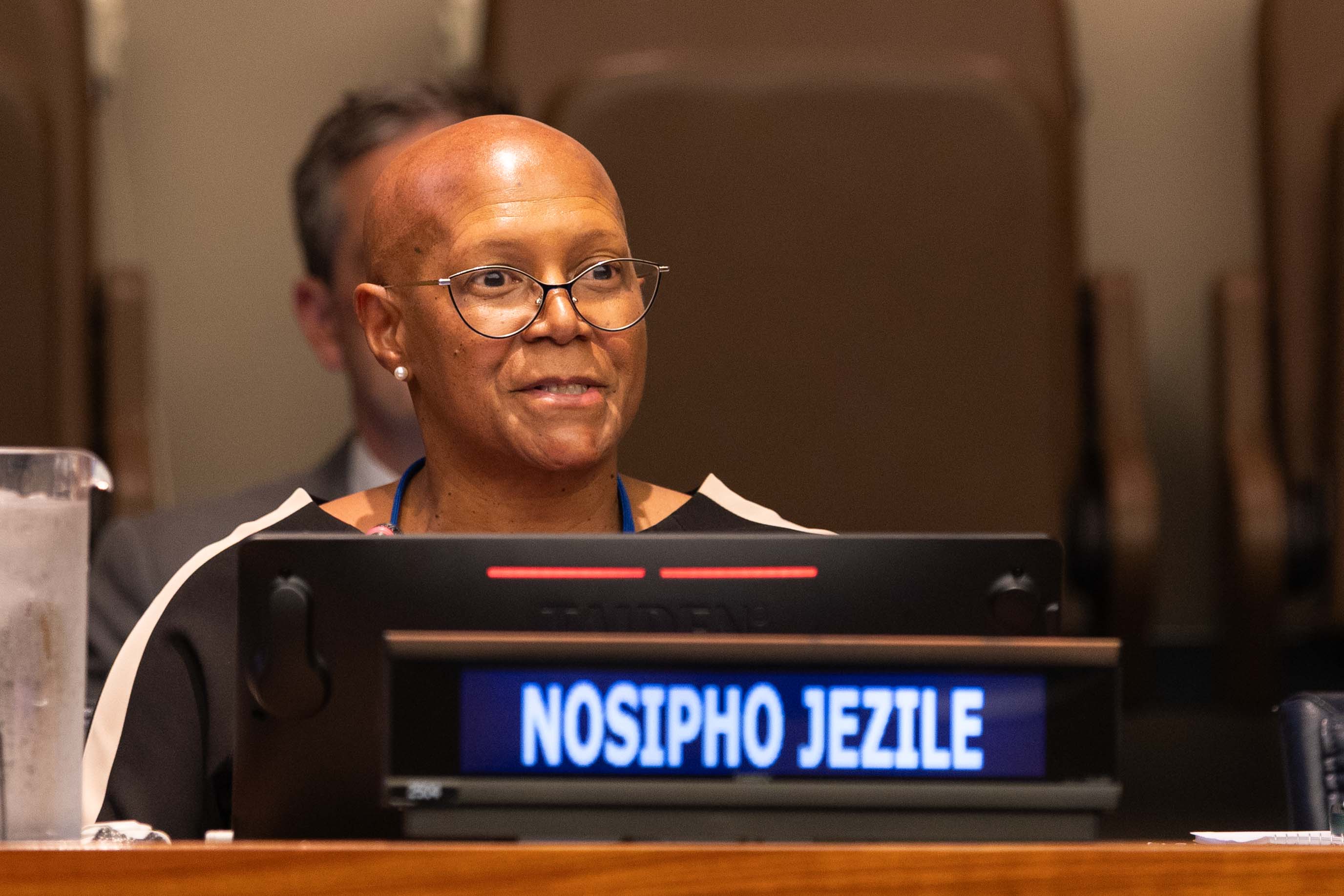
Nosipho Jezile, Chairperson, Committee on World Food Security (CFS)
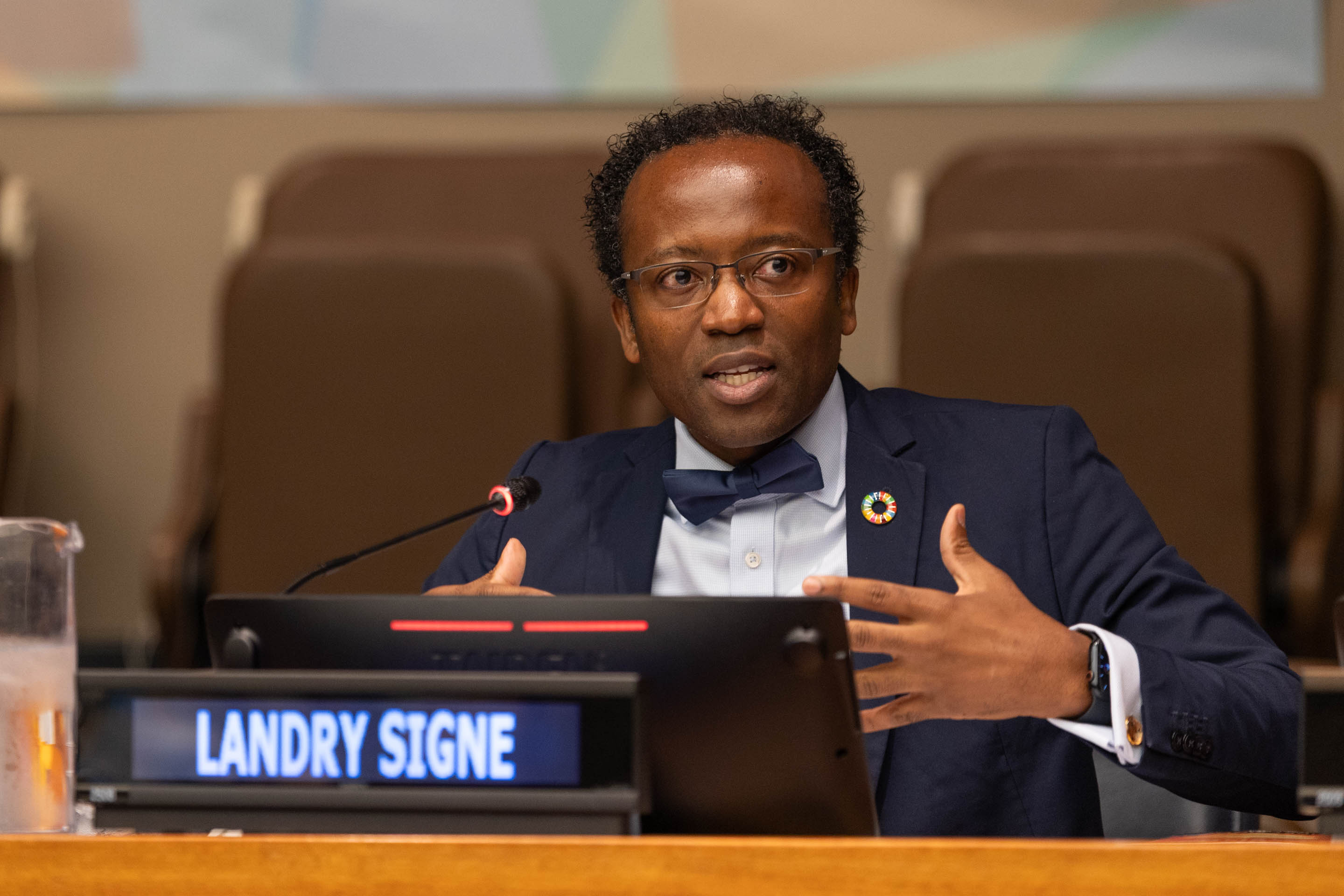
Landry Signé, Brookings Institution
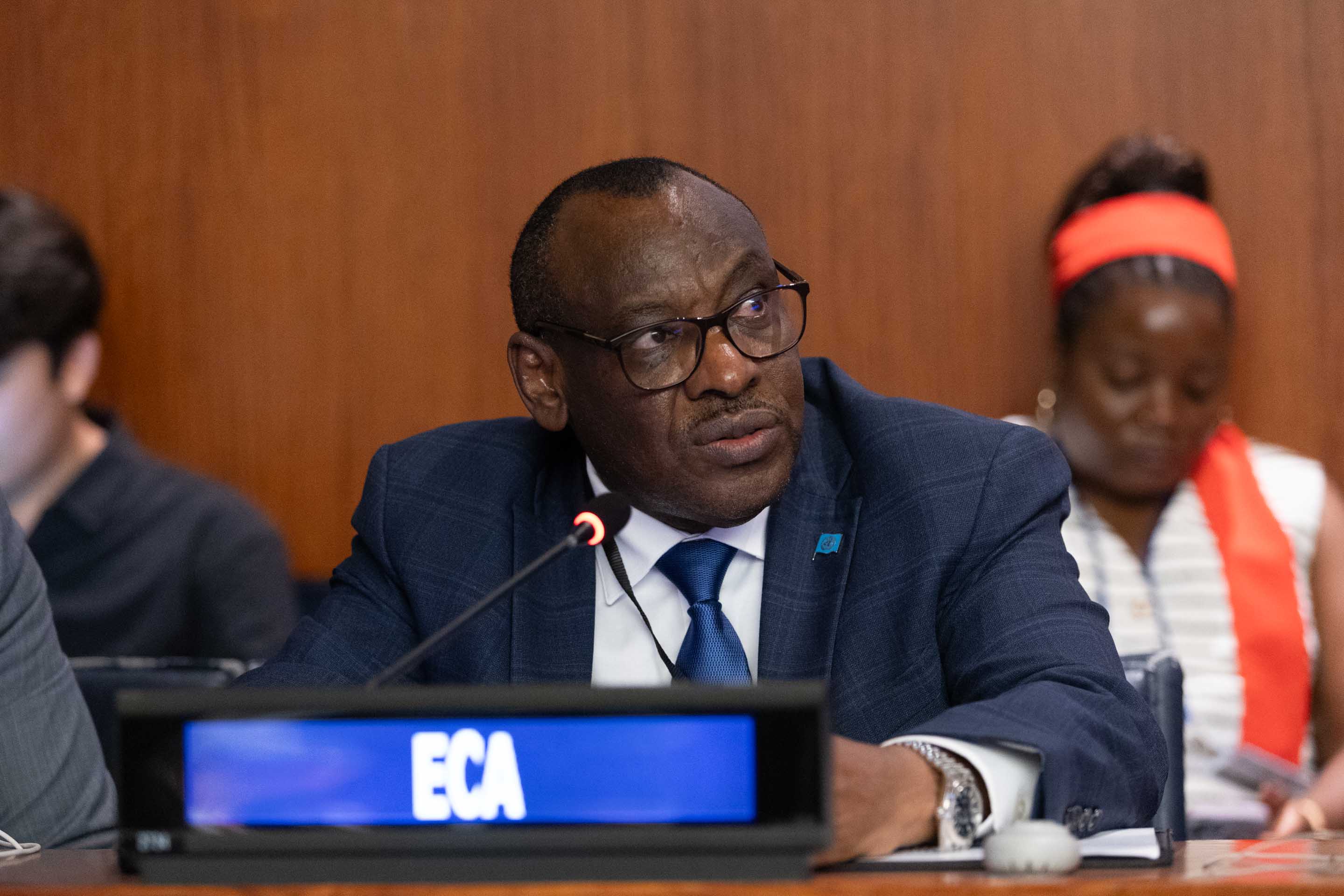
Claver Gatete, Executive Secretary, UN Economic Commission for Africa (ECA)
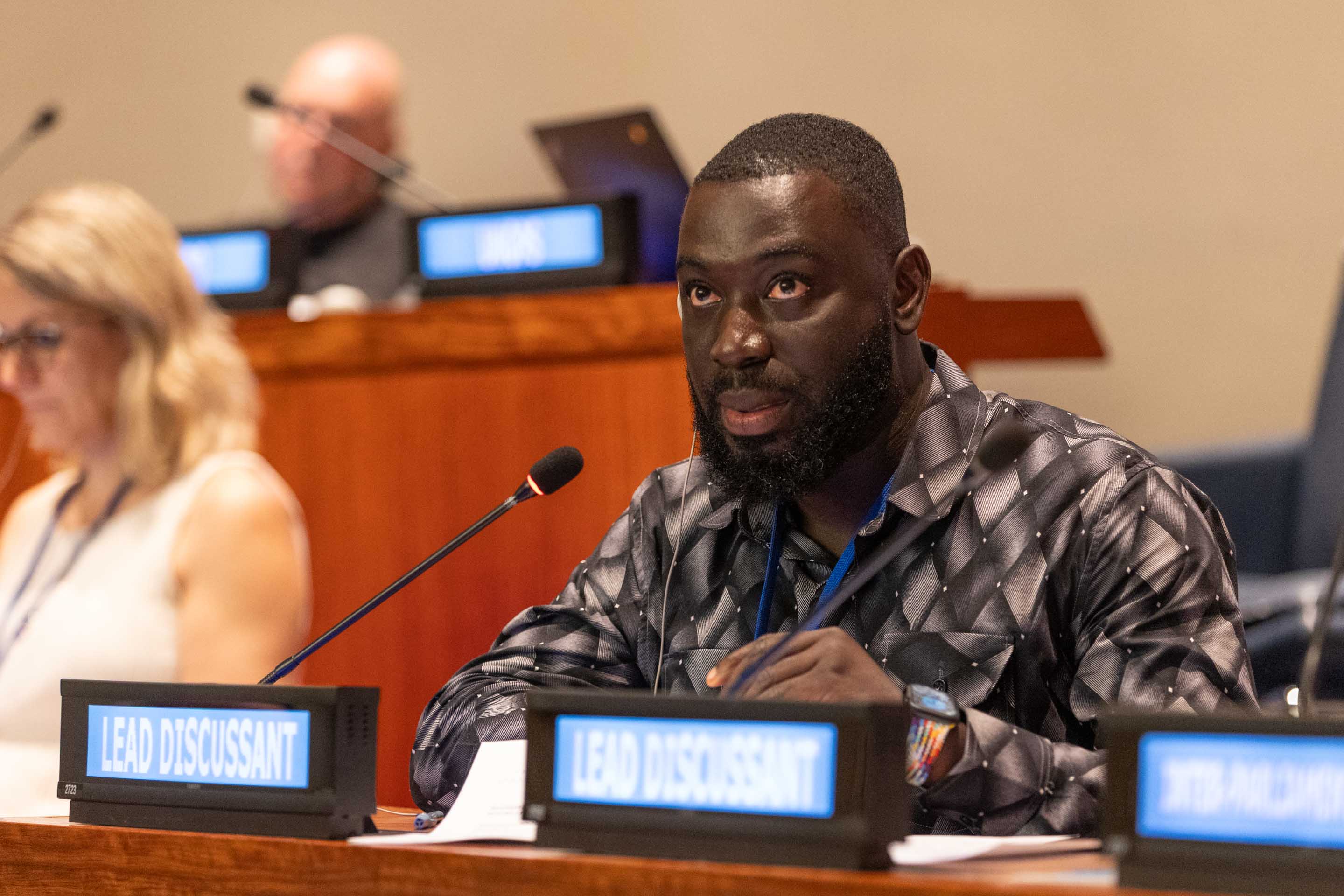
Robert Akoto Amoafo, African regional chapter of the International Lesbian, Gay, Bisexual, Trans, and Intersex Association (ILGA)
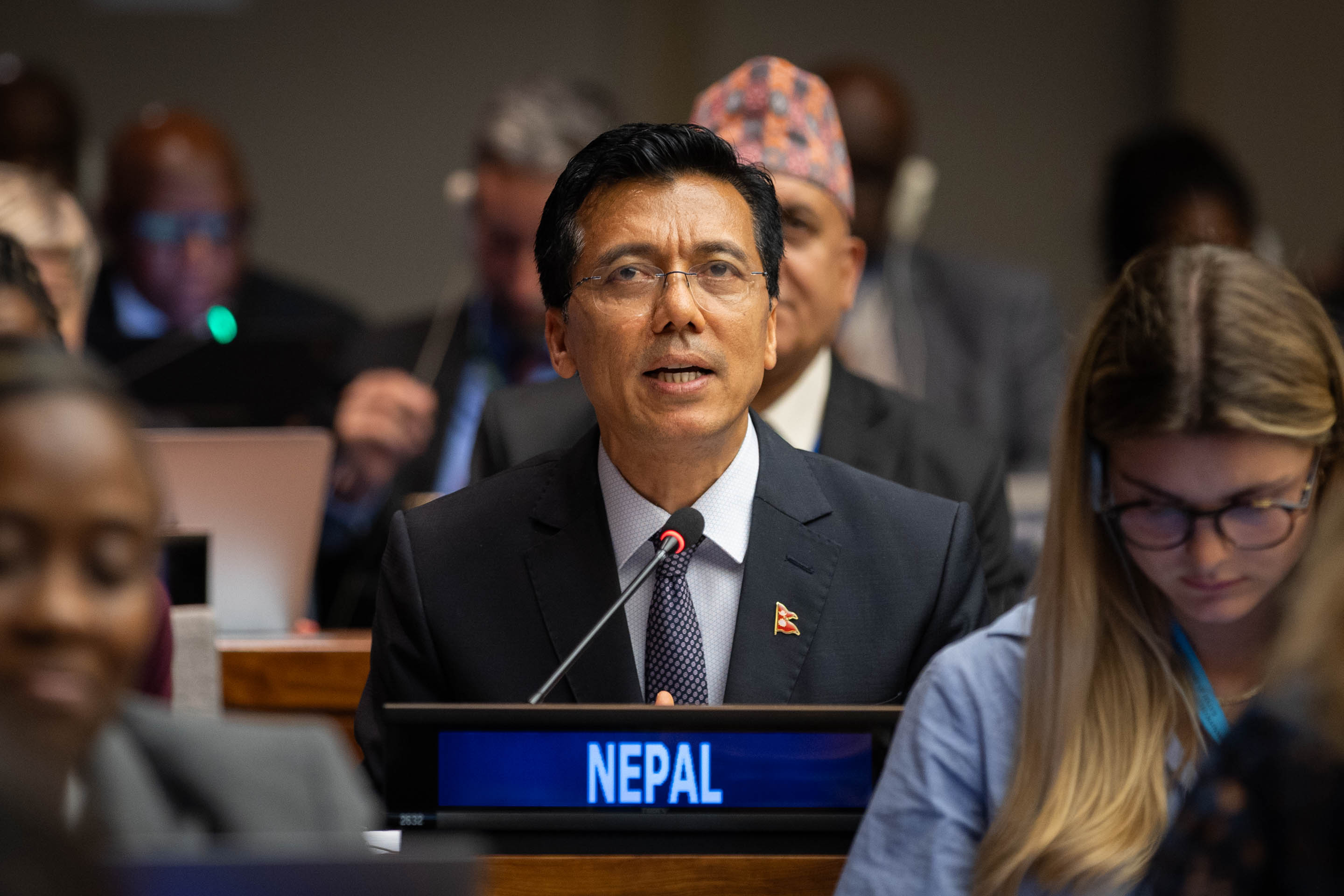
Lok Bahadur Thapa, Nepal, on behalf of LDCs
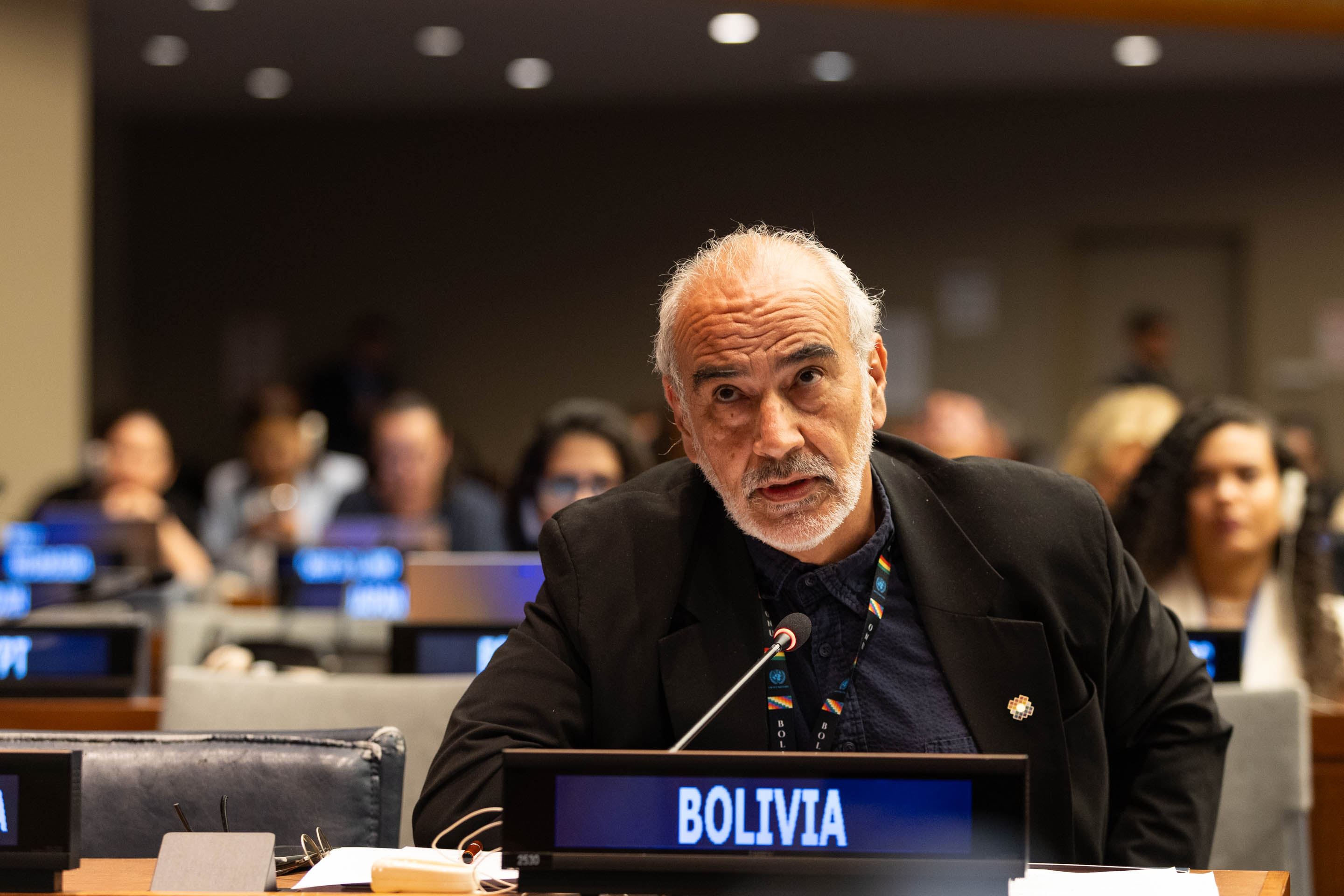
Diego Pacheco, Bolivia, on behalf of LLDCs
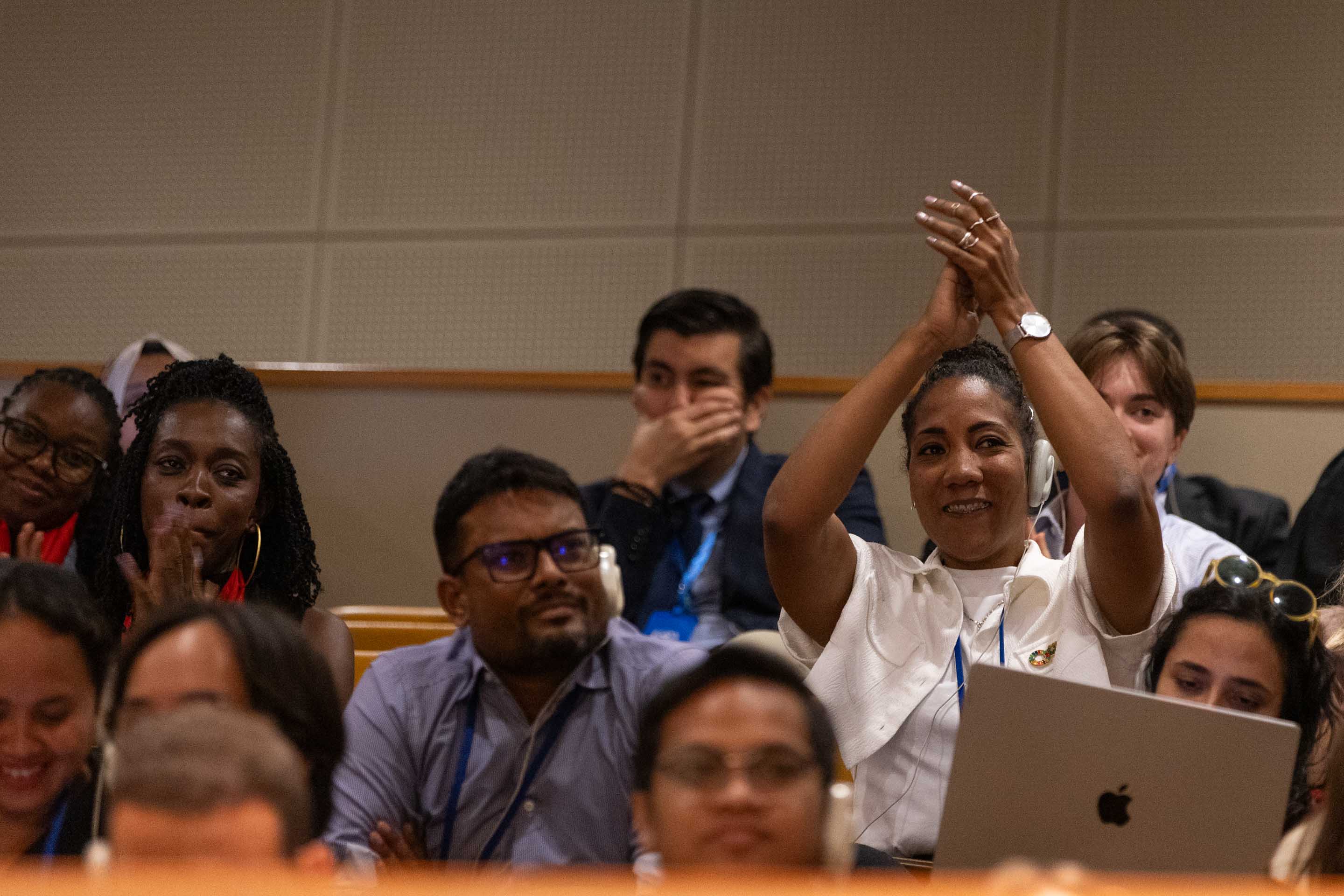
Observers applaud the statement that corruption needs to be addressed and that LGBTQ rights need to be better acknowledged
Middle-Income countries
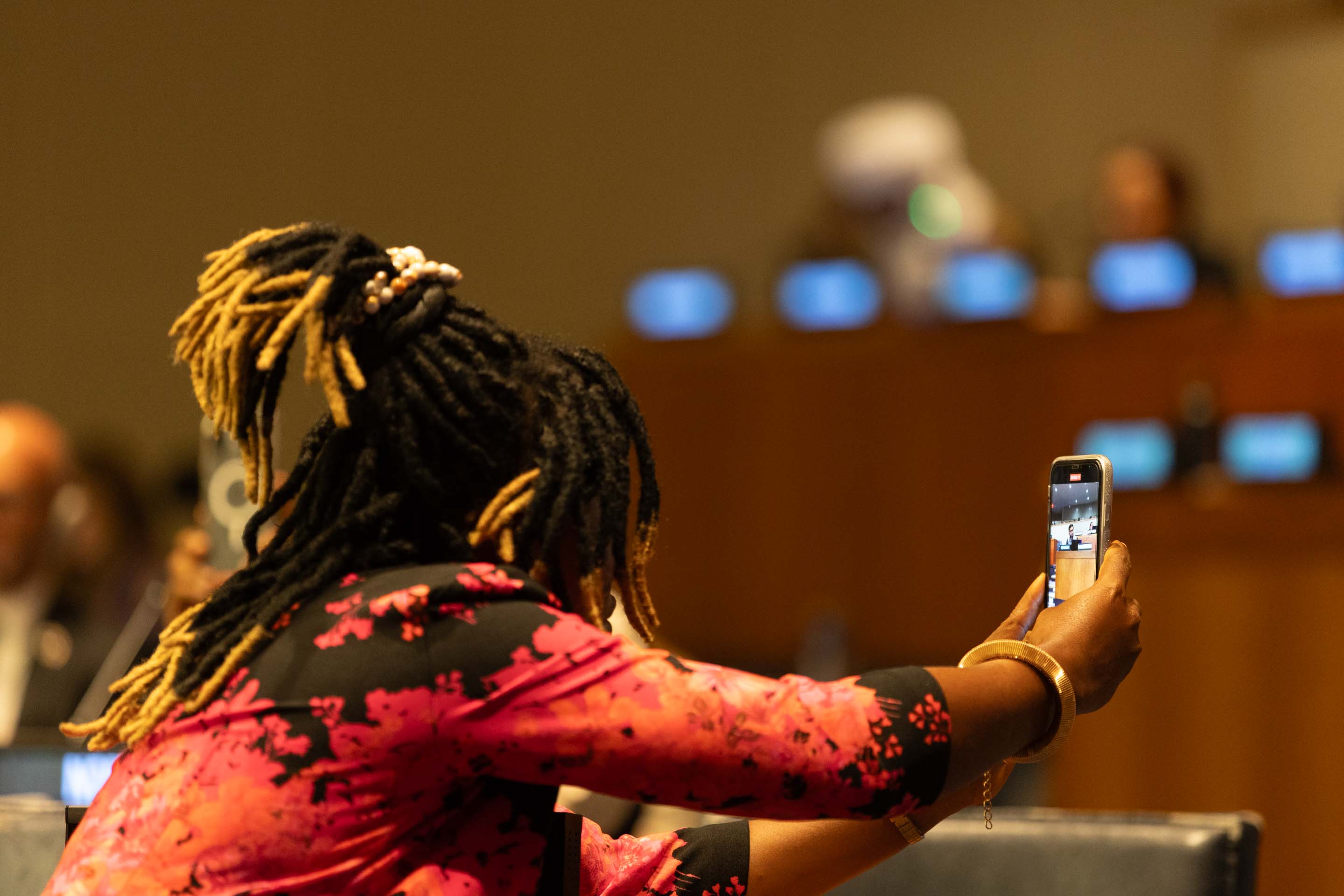
A delegate photographs a speaker as the discussion turns to MICs
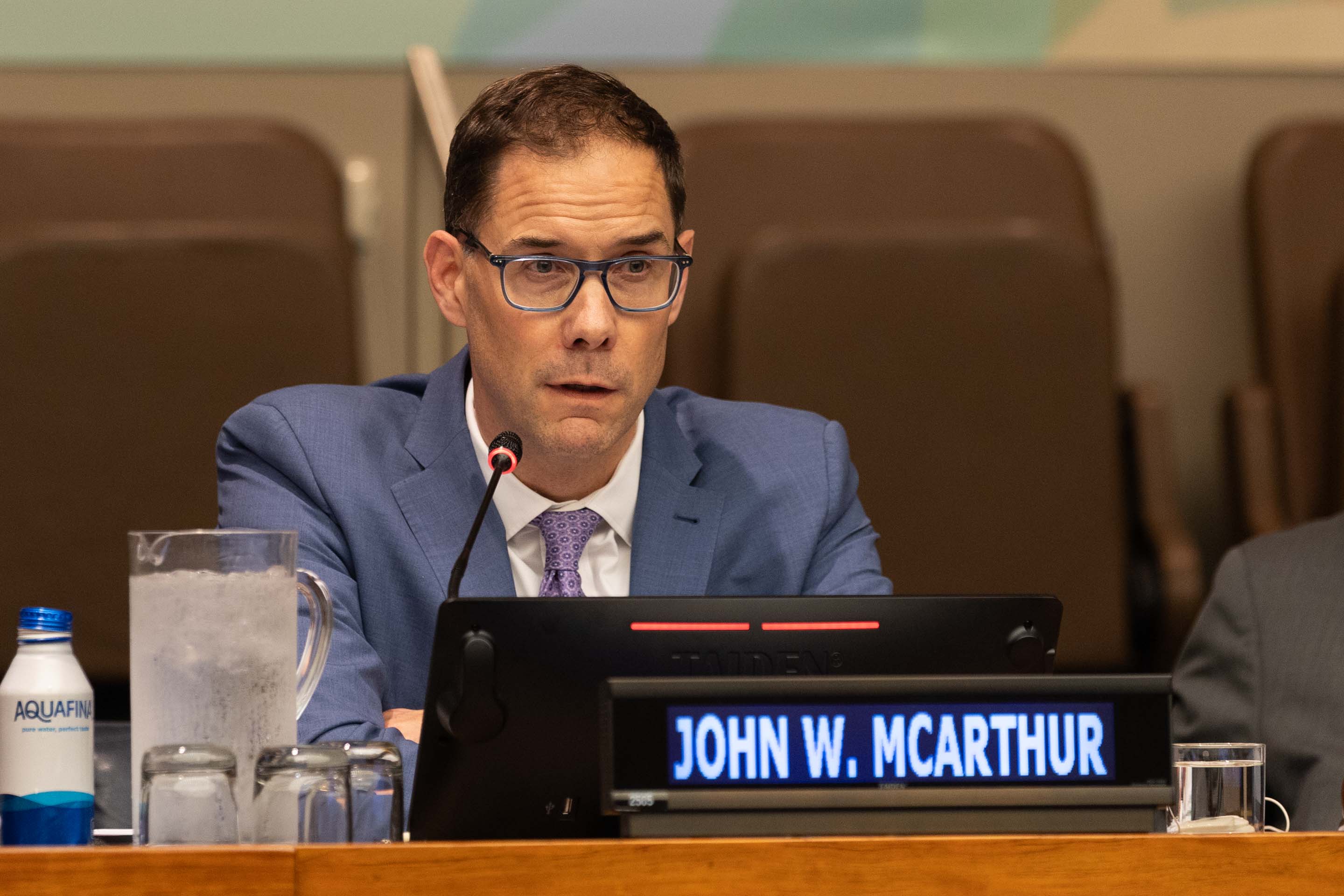
John W. McArthur, Director, Center for Sustainable Development, Brookings Institution
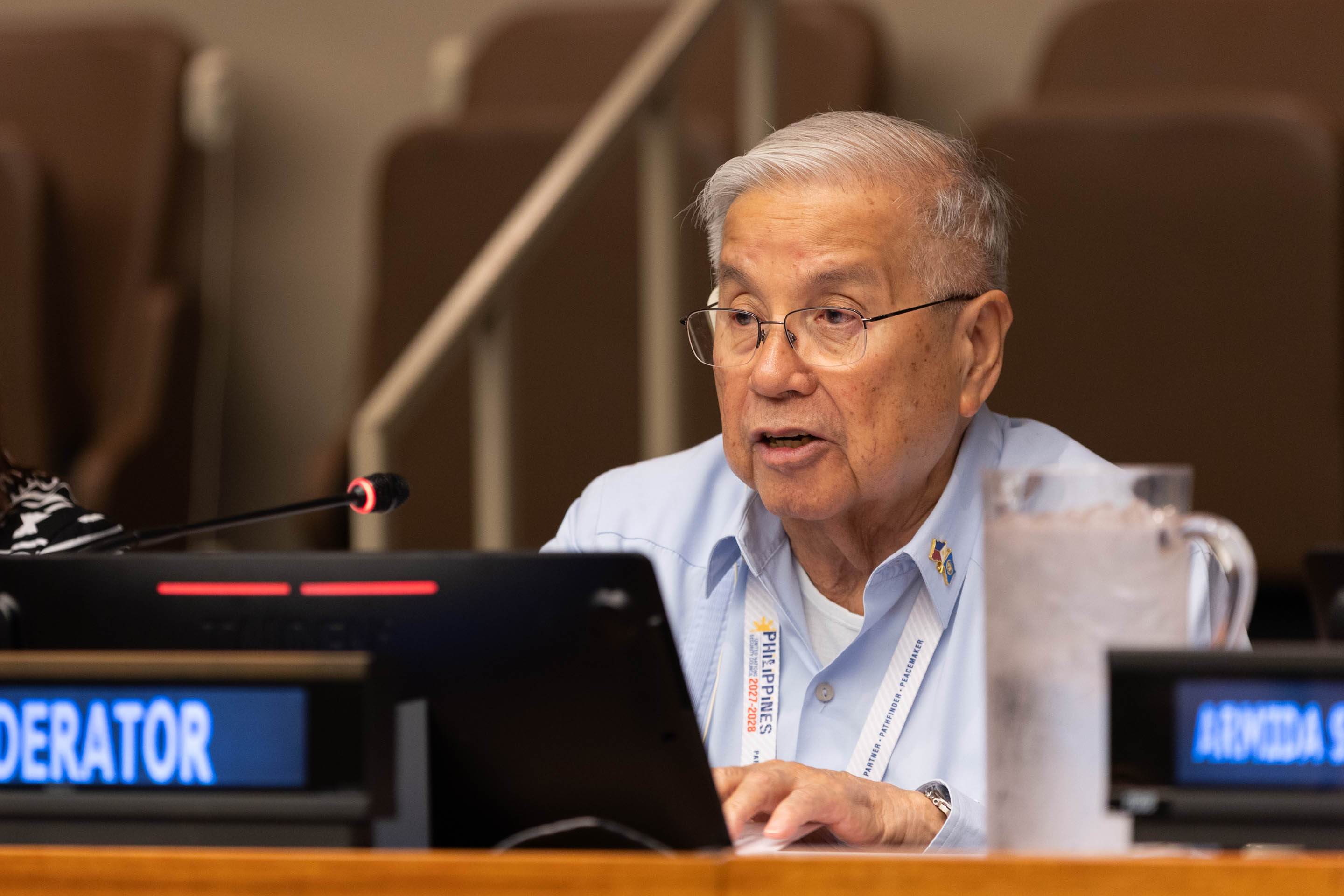
Antonio Manuel R. Lagdameo, Permanent Representative of the Philippines to the UN
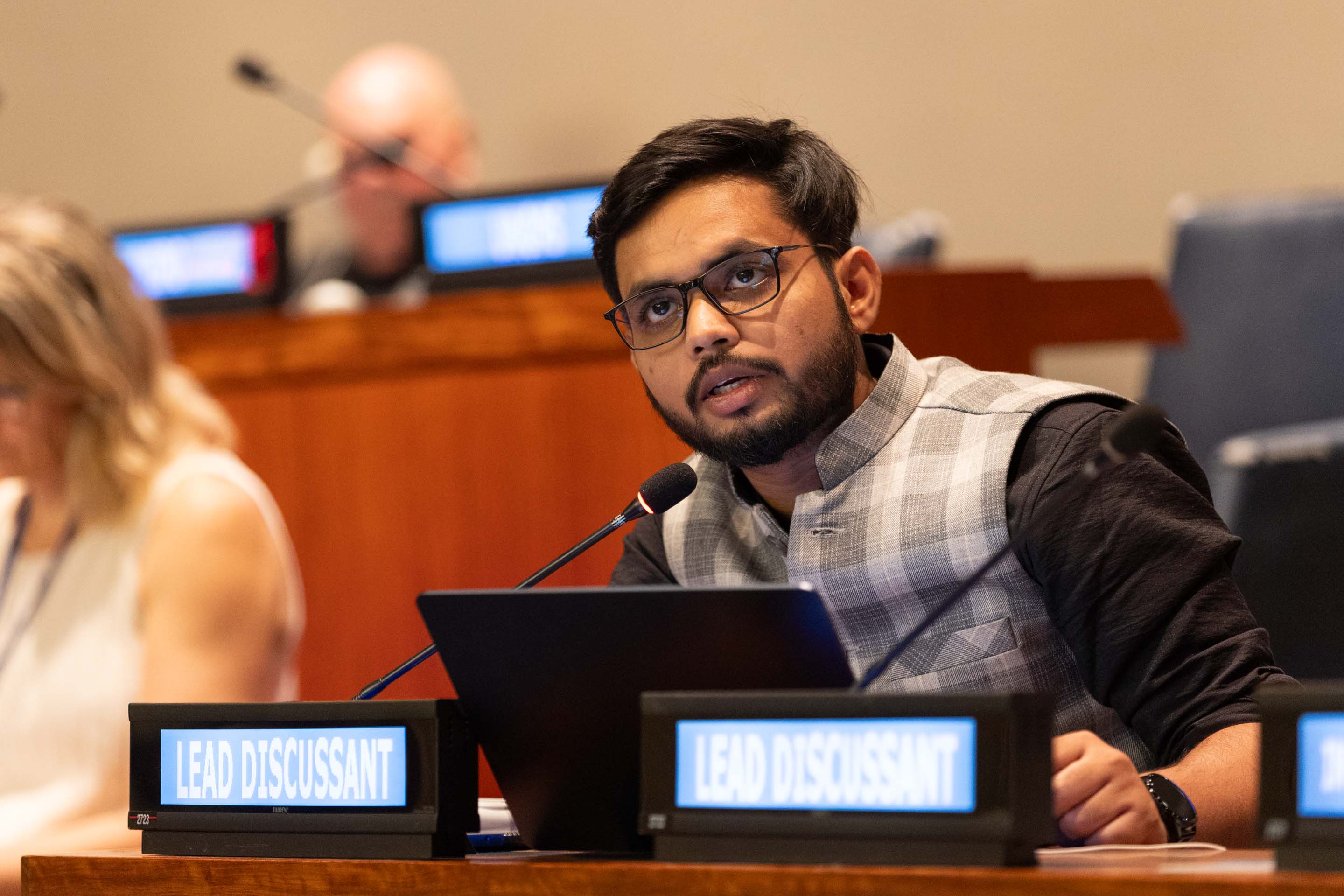
Naveen Gautam, Global Forum of Communities Discriminated on Work and Descent Youth Group
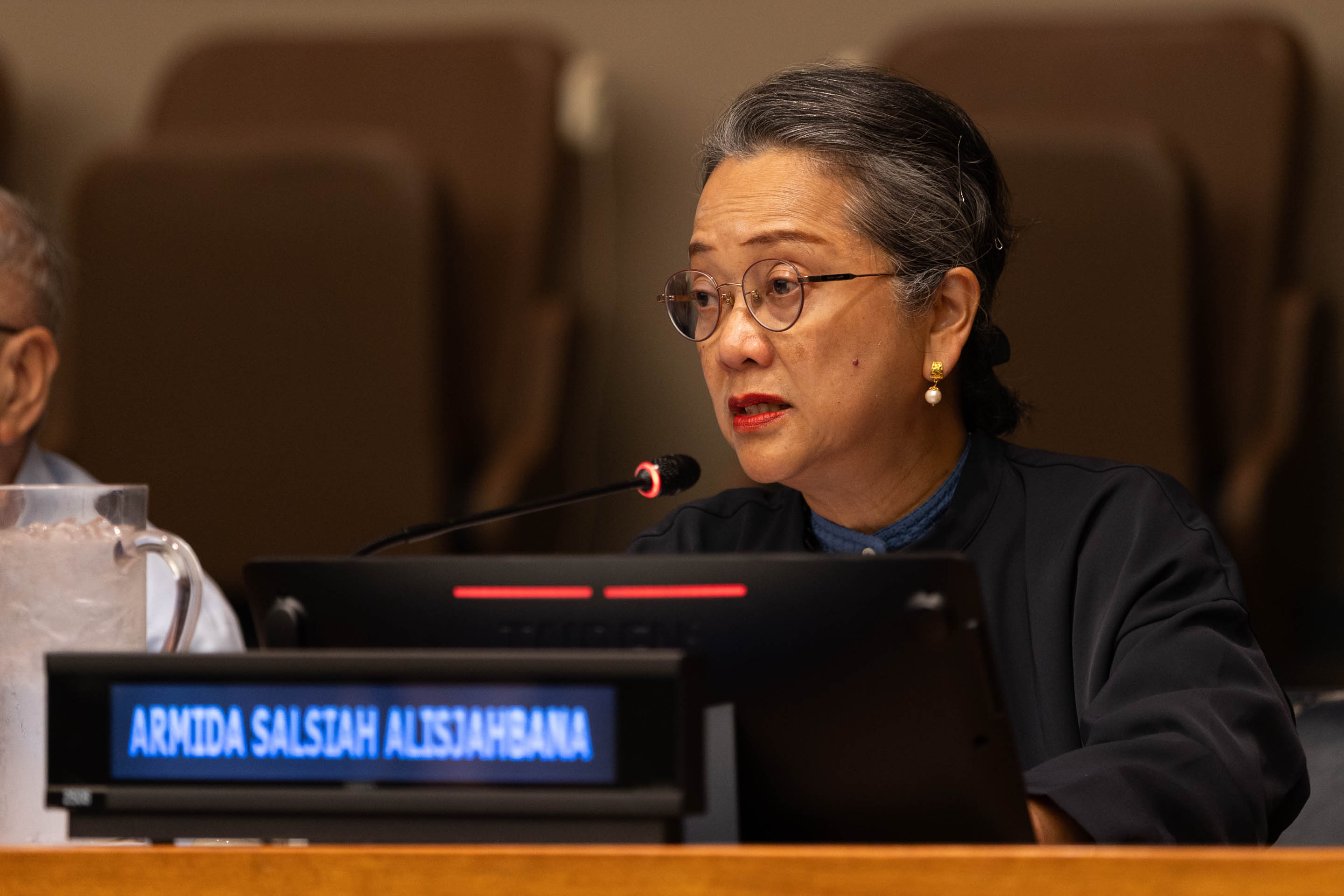
Armida Salsiah Alisjahbana, Executive Secretary, Economic and Social Commission for Asia and the Pacific (ESCAP)
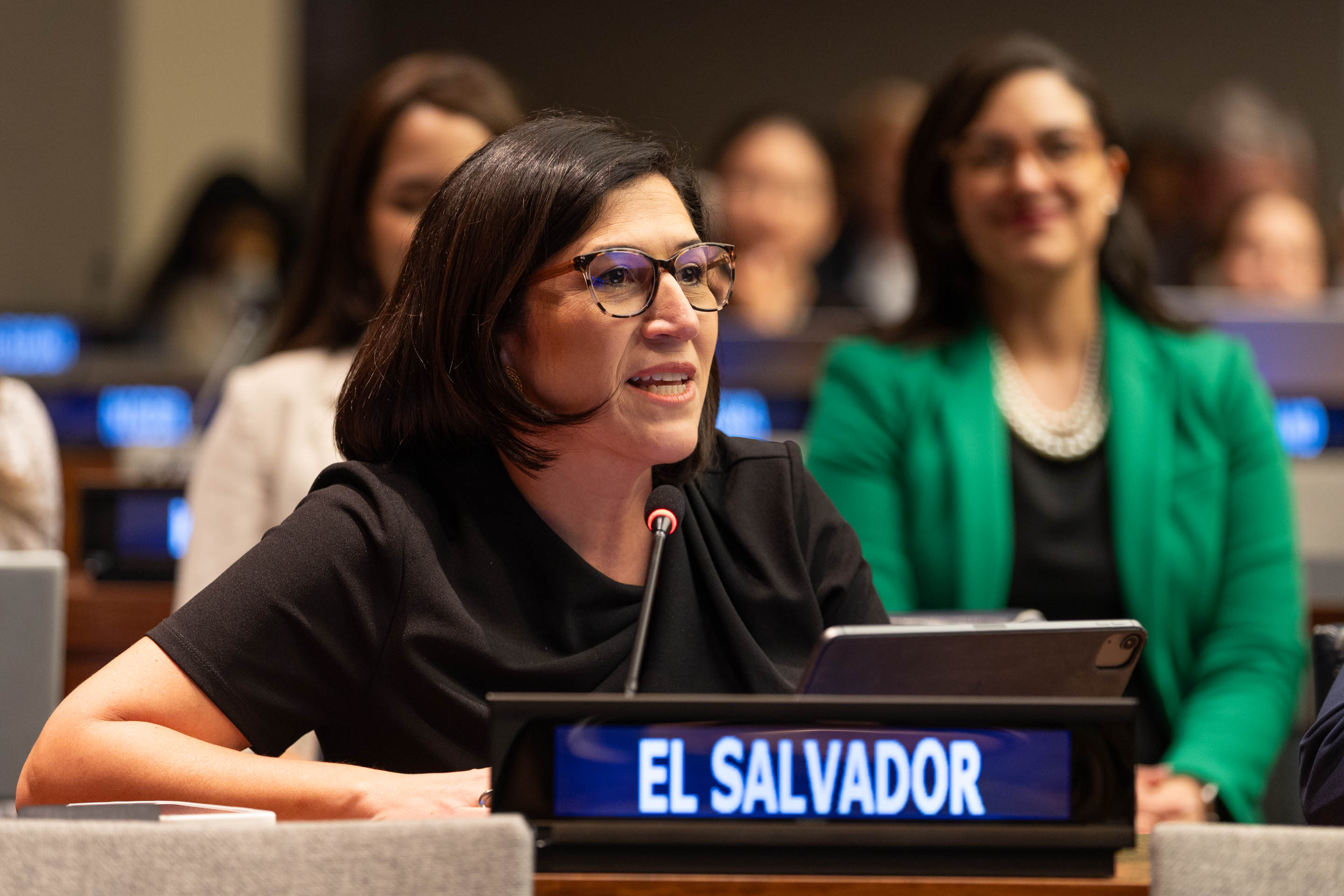
María Luisa Hayem, Minister of Economy, El Salvador
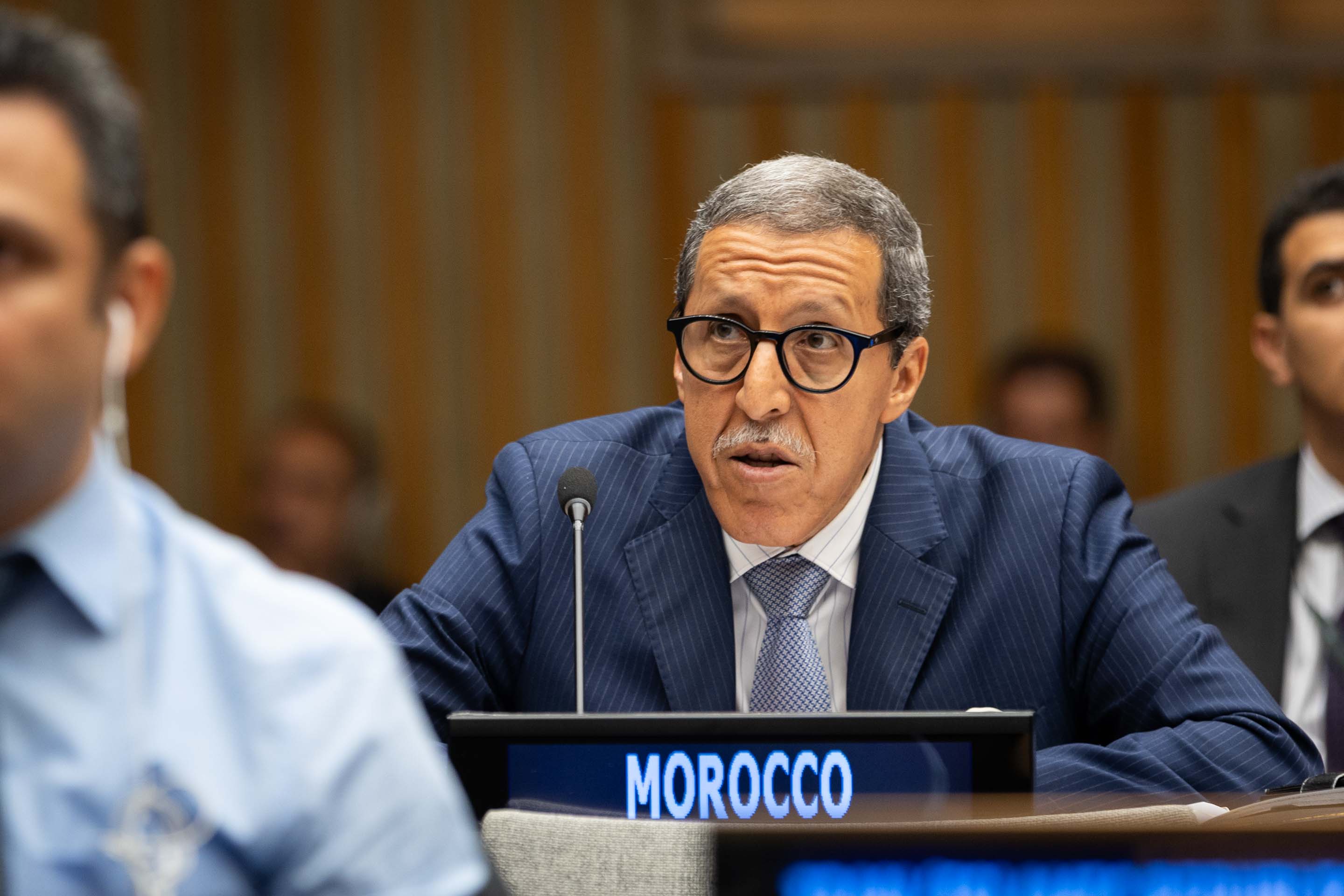
Omar Hilale, Permanent Representative of Morocco to the UN
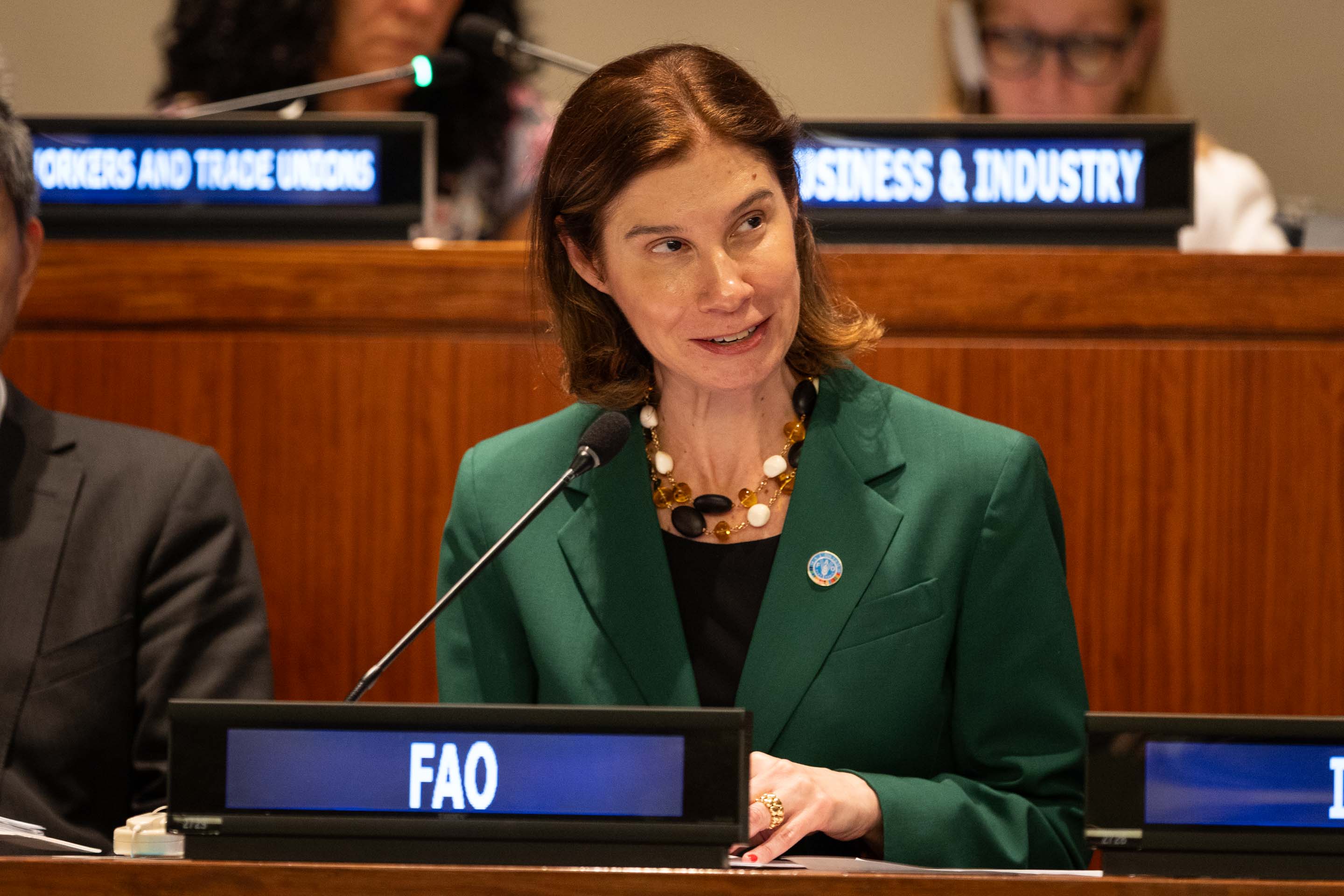
Angélica Jácome, Food and Agricultural Organization of the UN (FAO)
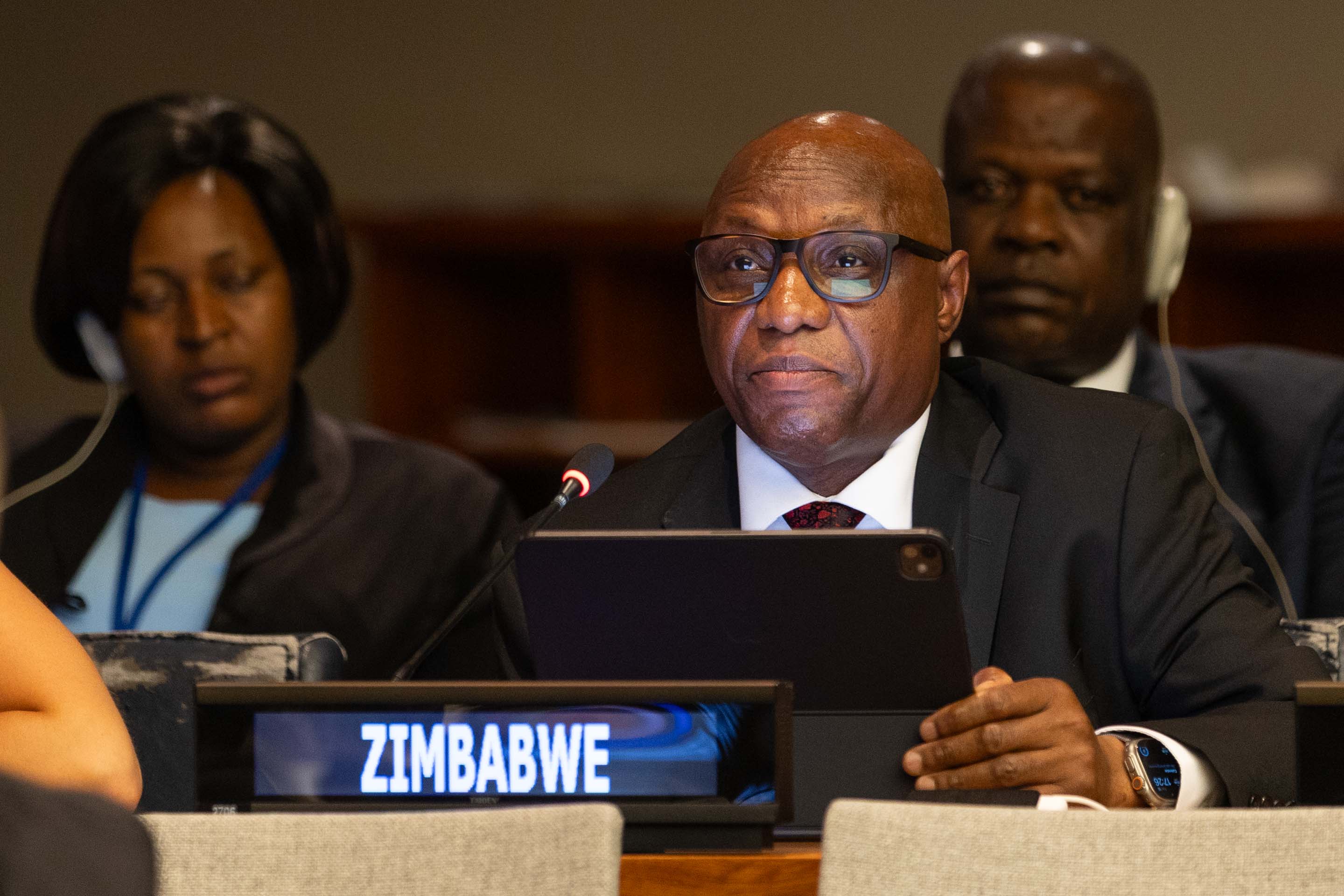
Taonga Mushayavanhu, Permanent Representative of Zimbabwe to the UN
Around the Venue
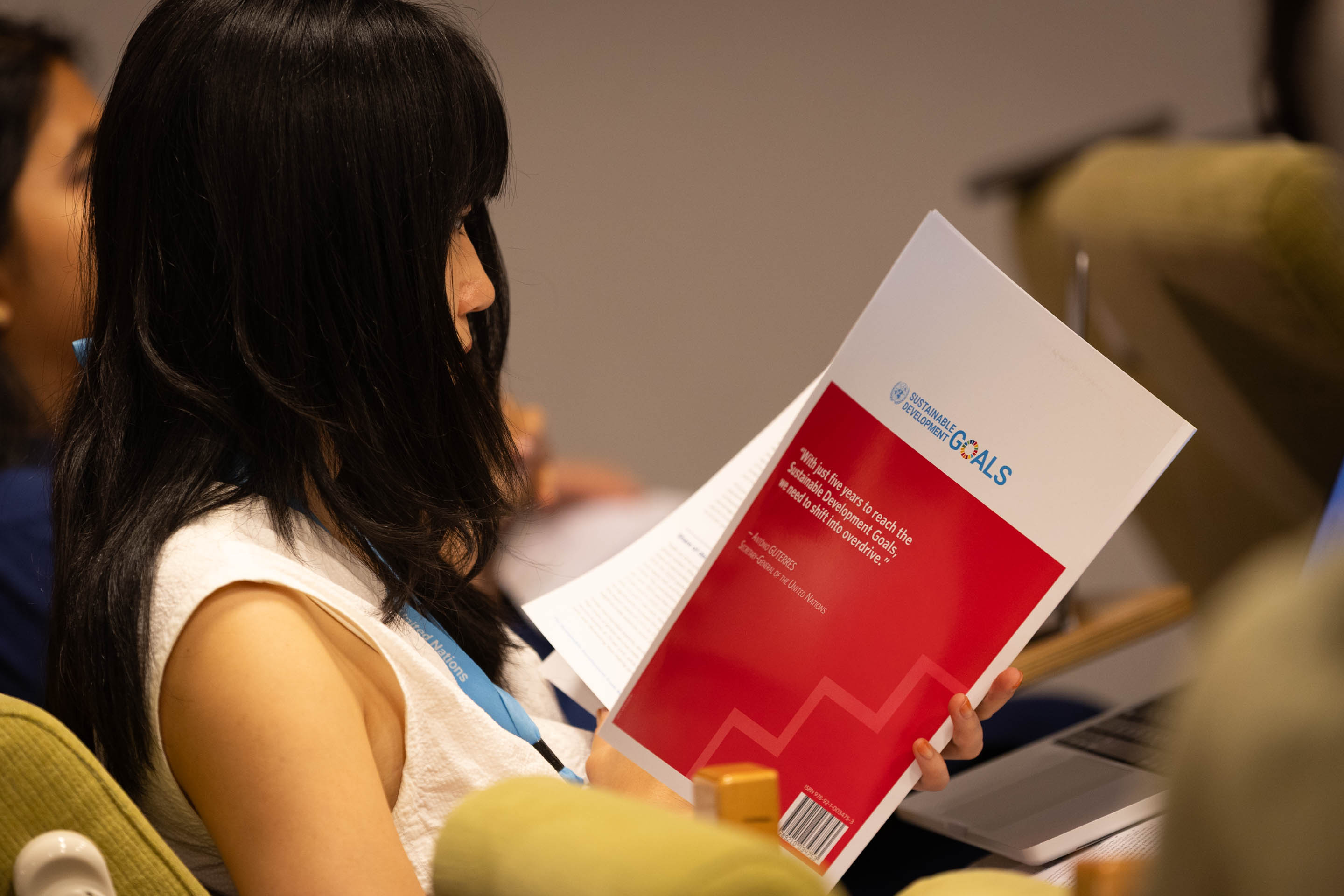
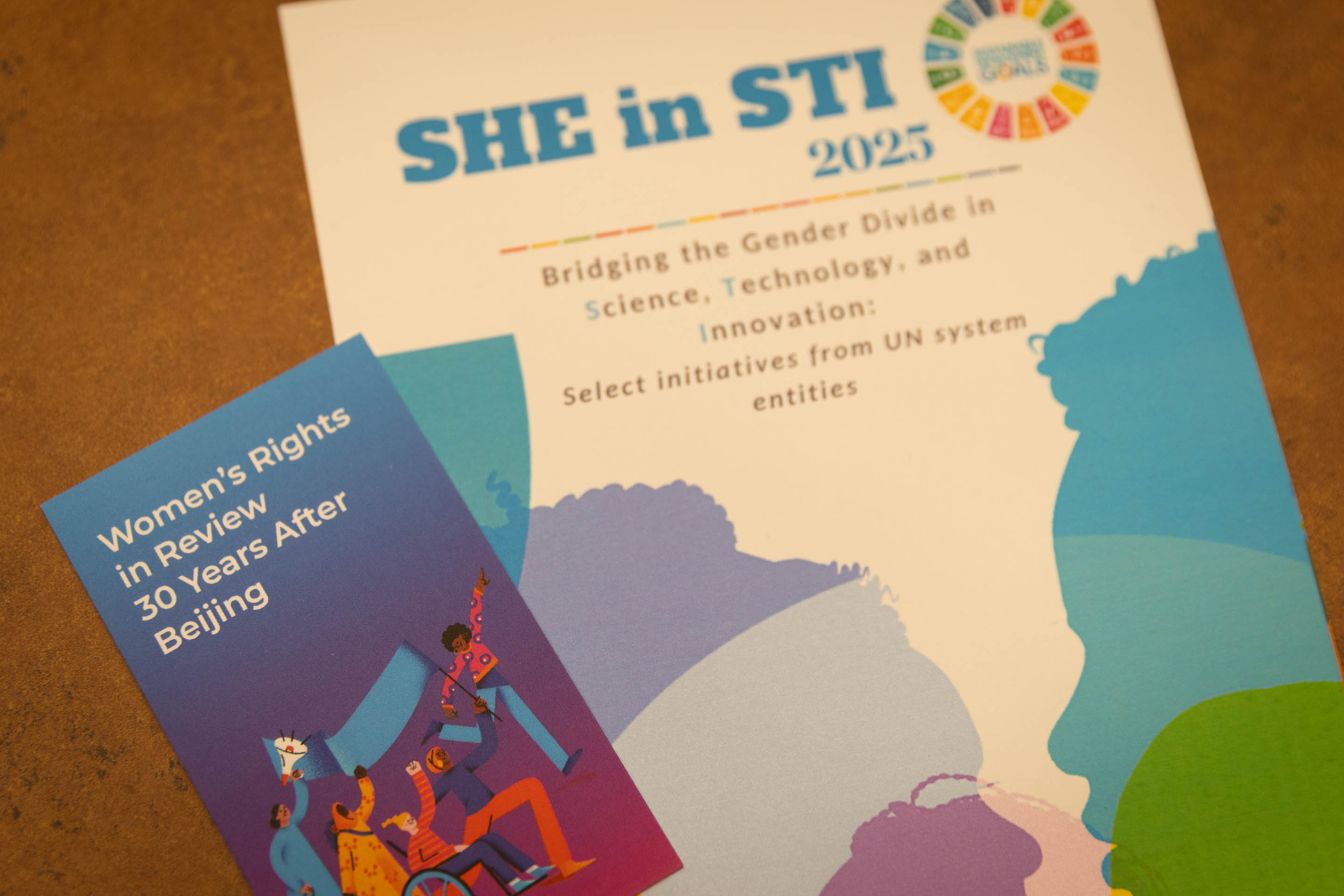
A delegate reads the latest SDG Progress Report
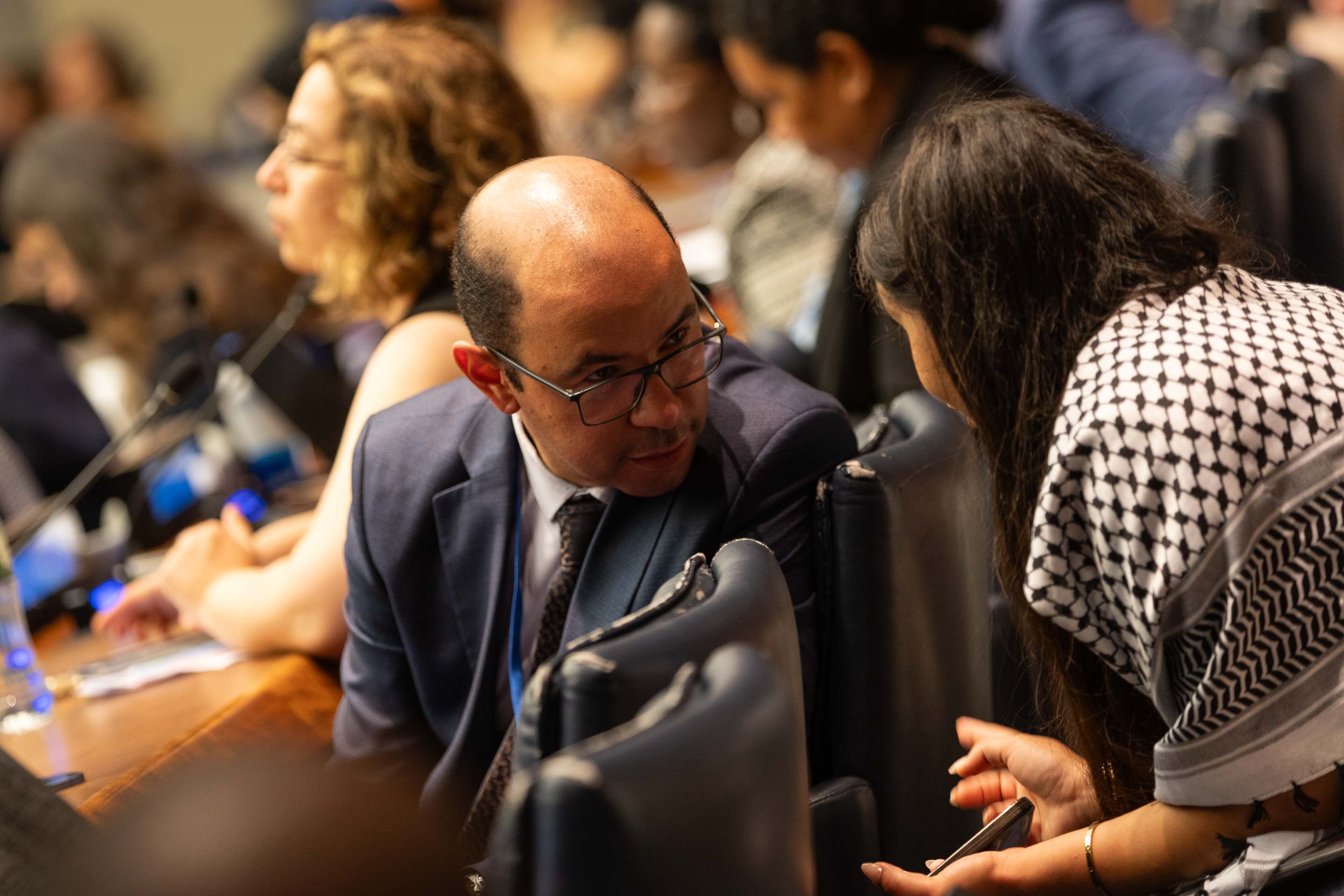
Delegates consult during the session
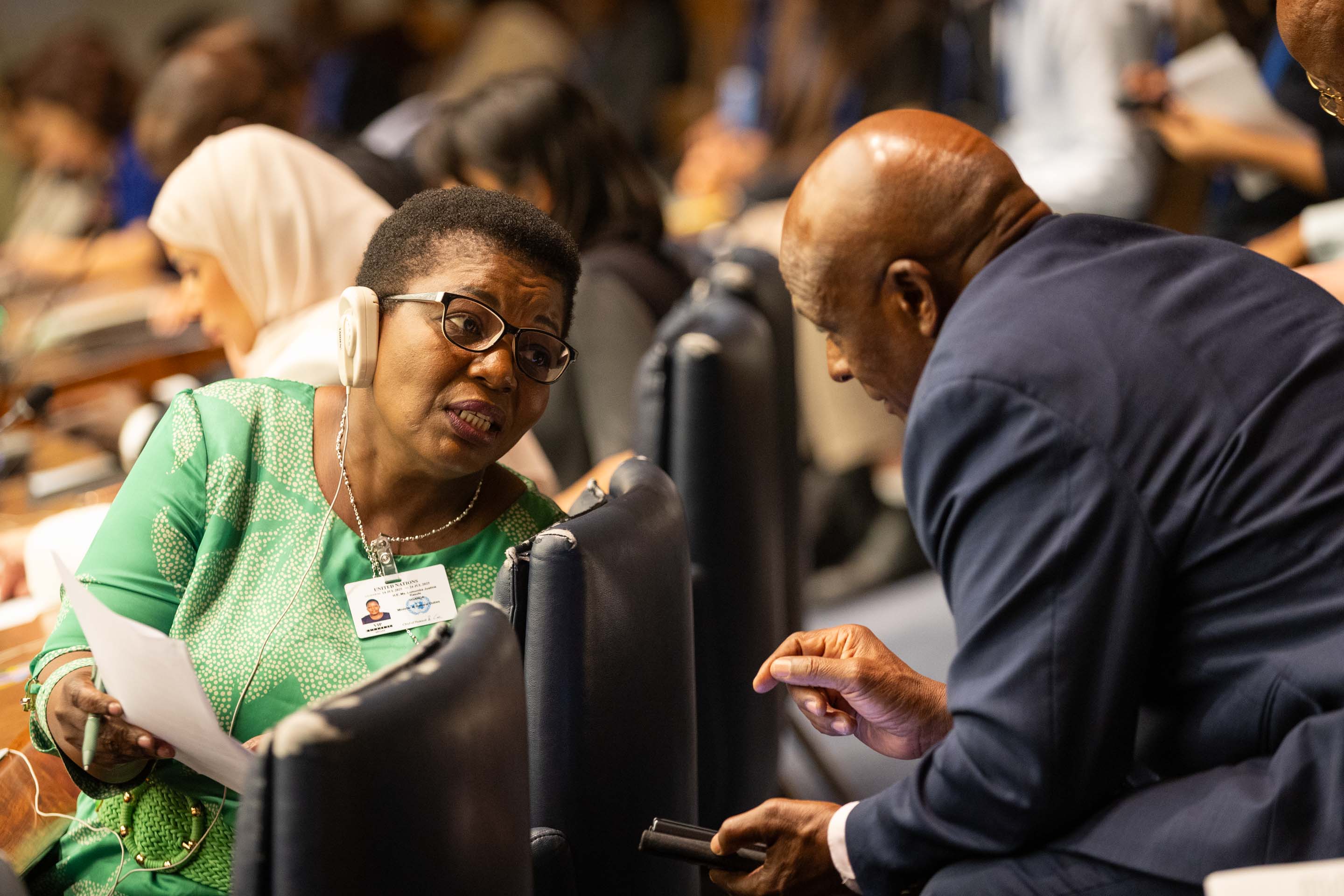
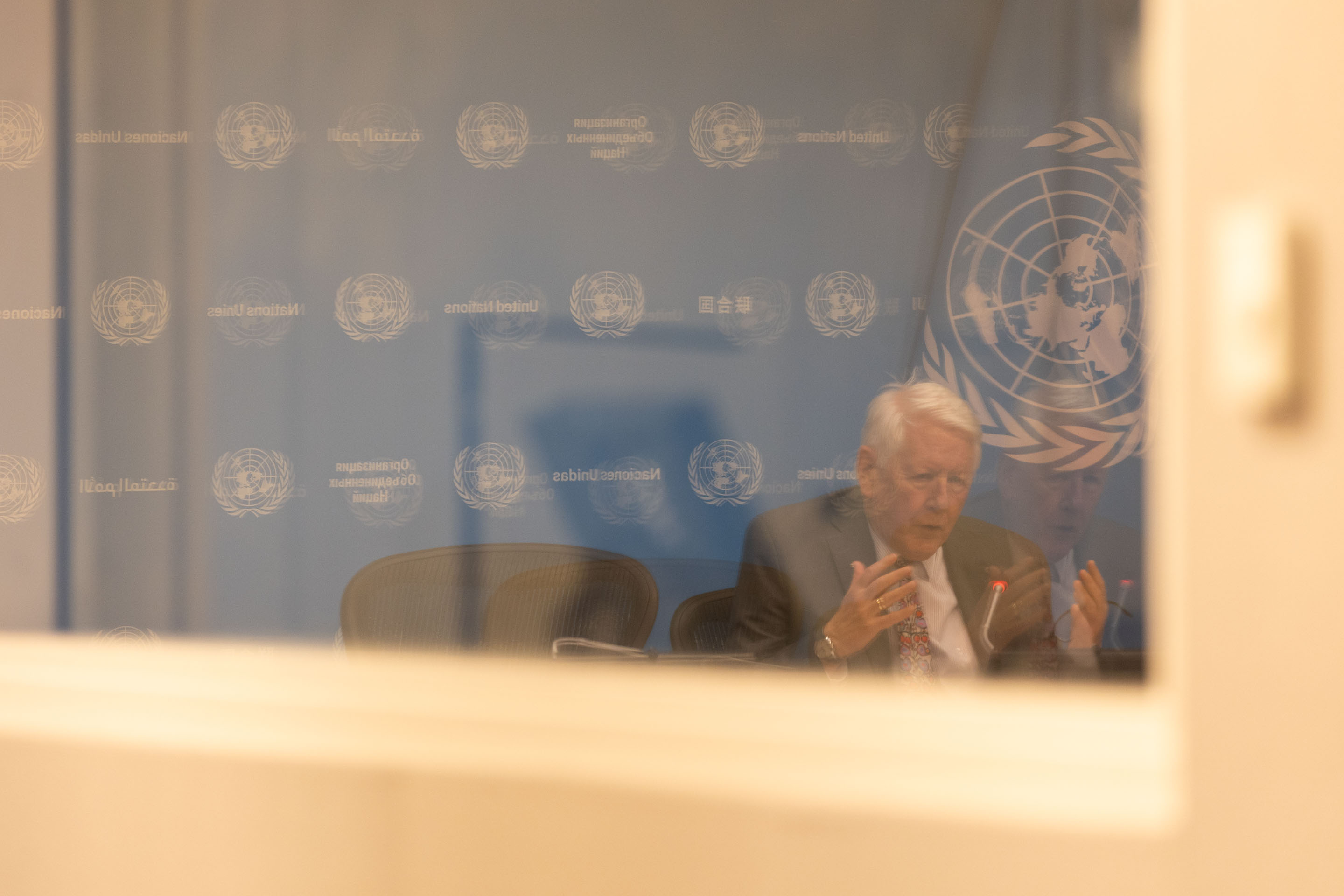
Bob Rae, President, ECOSOC
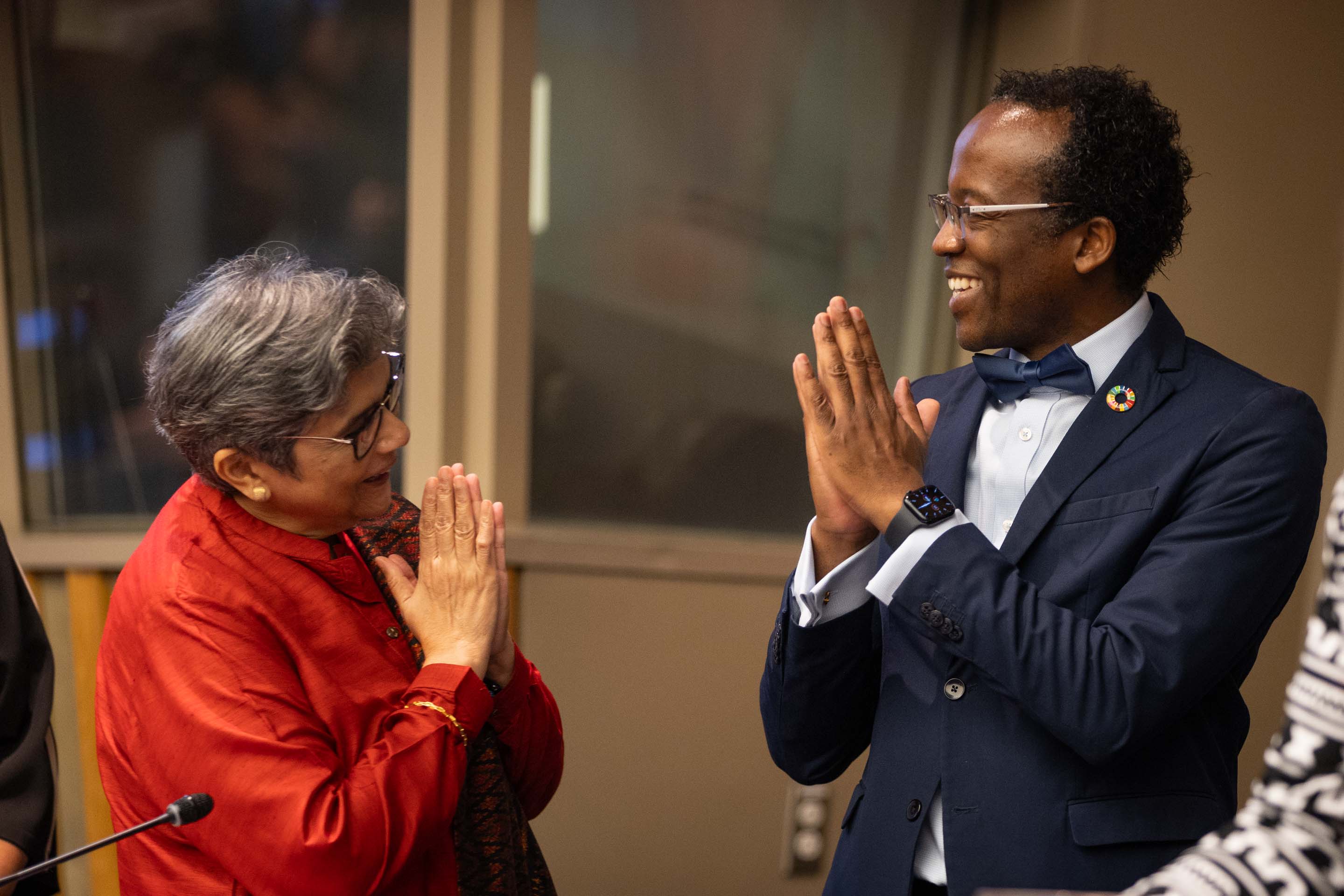
Rabab Fatima, Under-Secretary-General and High Representative for LDCs, LLDCs and SIDS, and Secretary-General of the Third UN Conference on LLDCs (LLDC3), greets Landry Signé, Brookings Institution
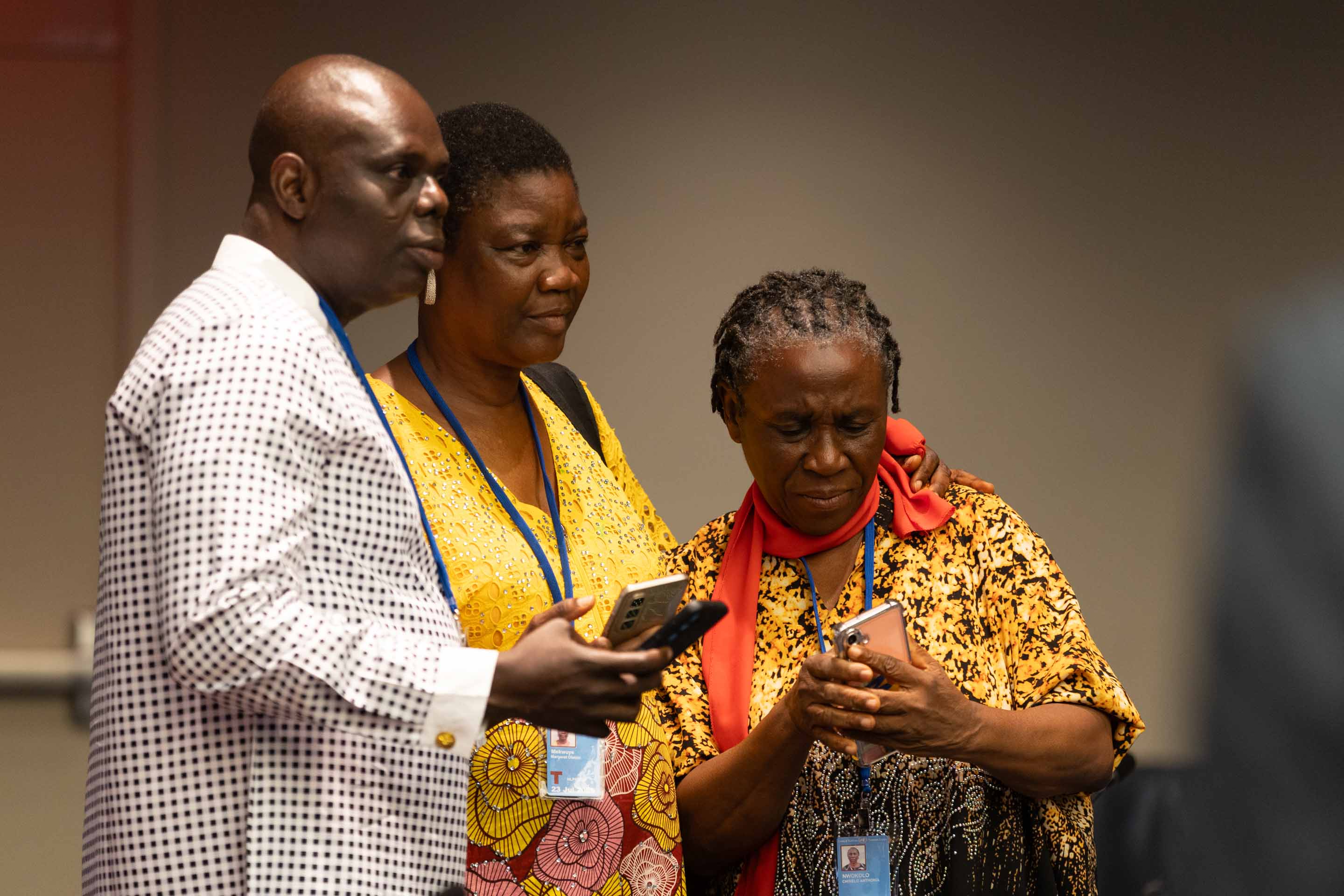
Delegates between sessions
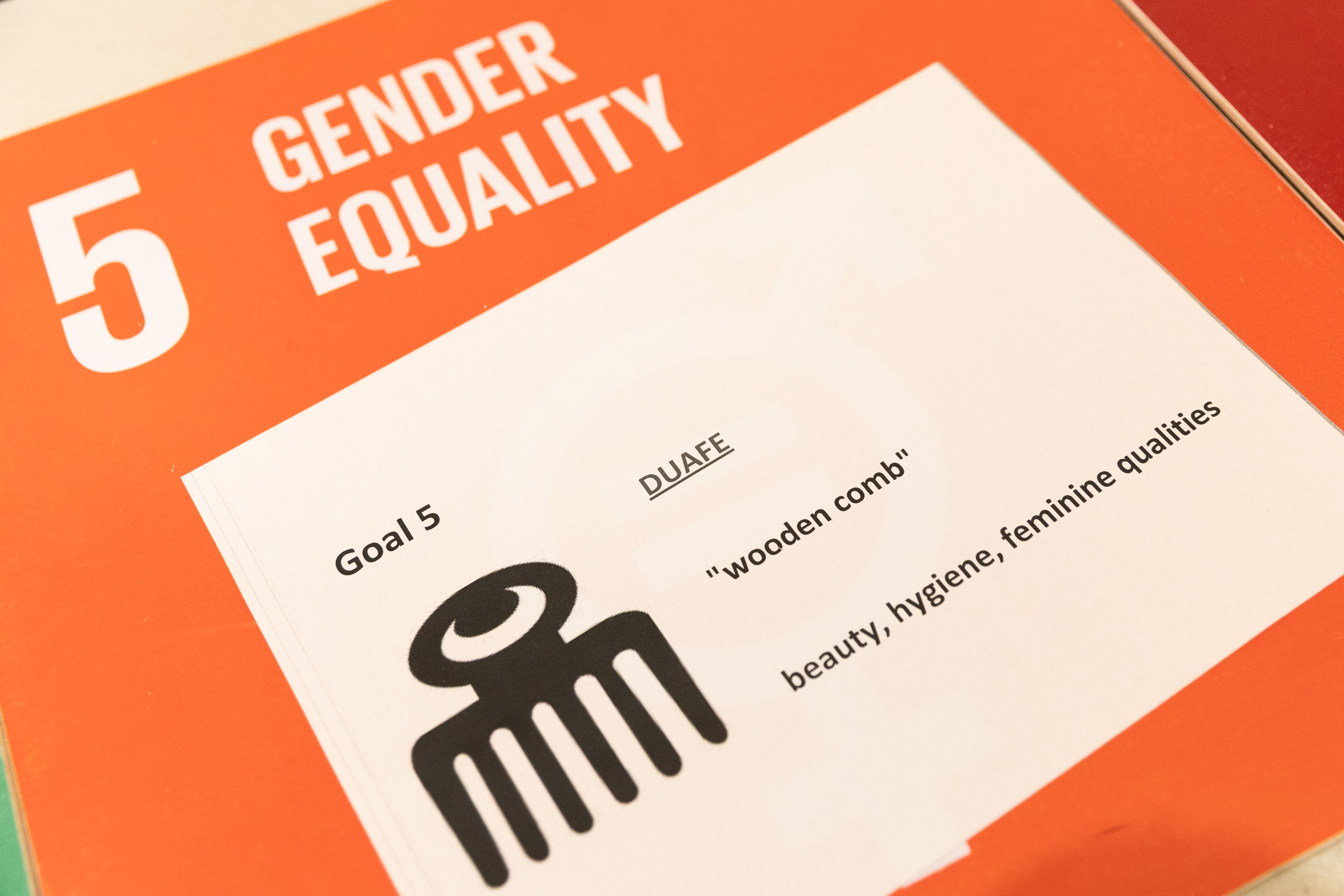
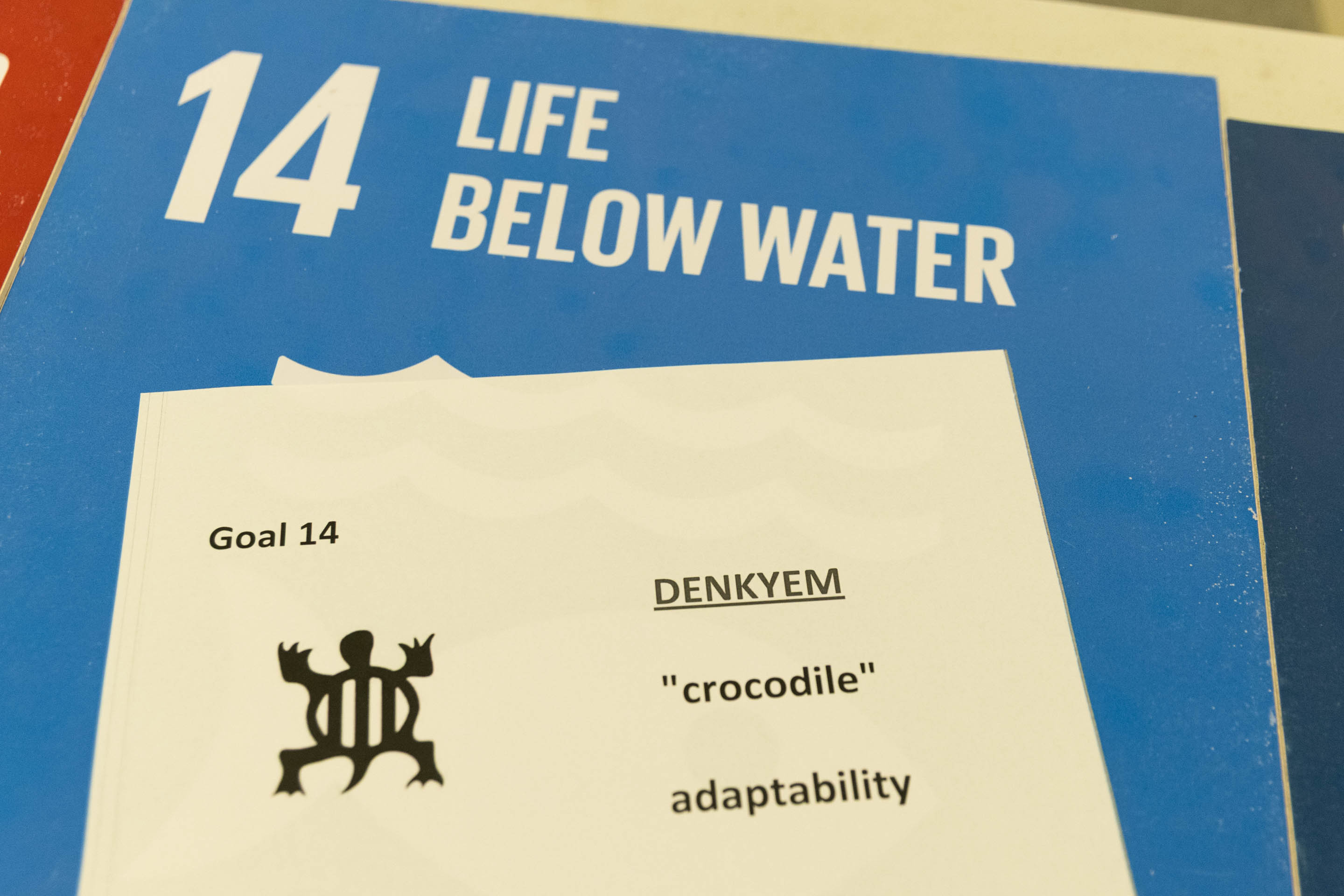
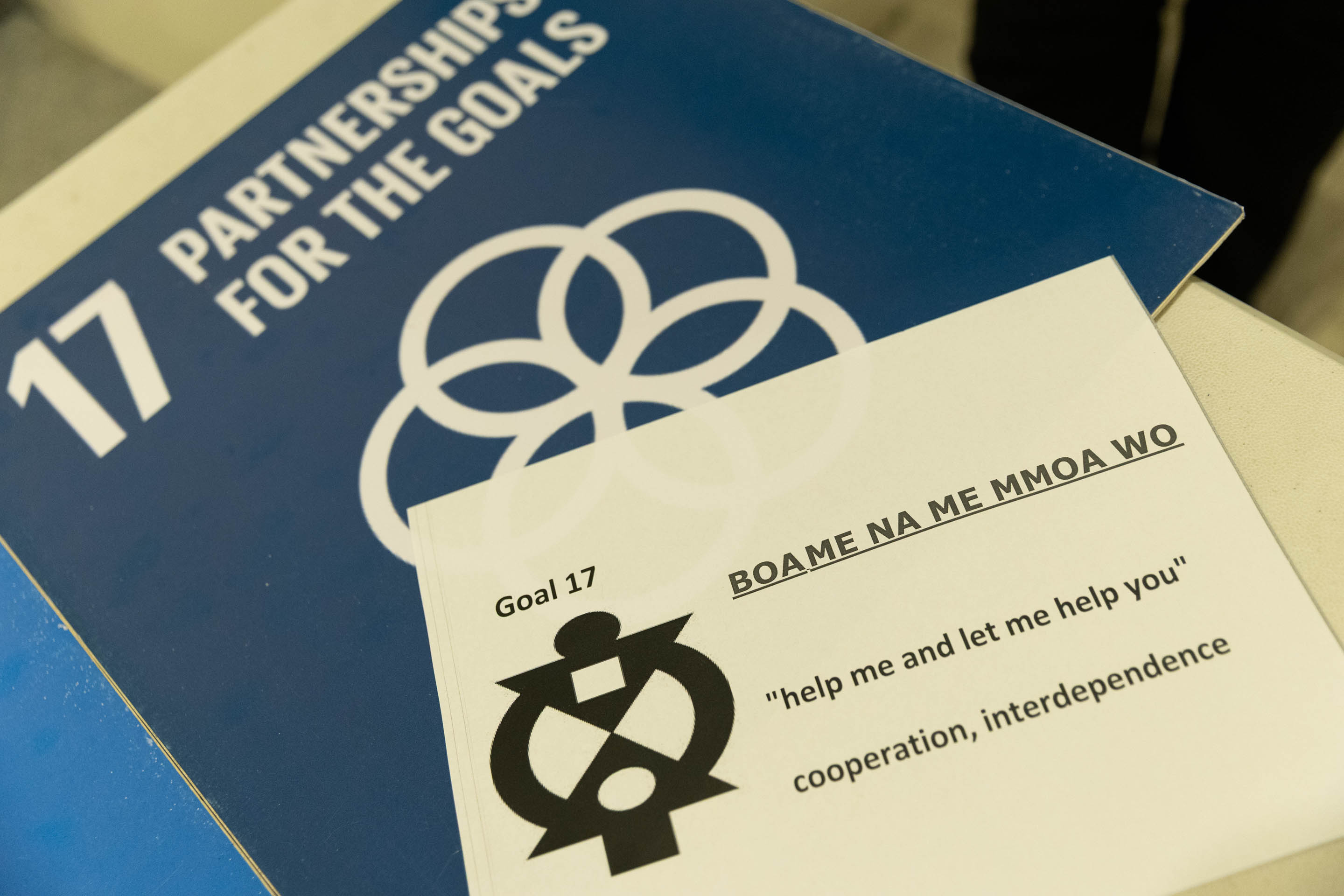
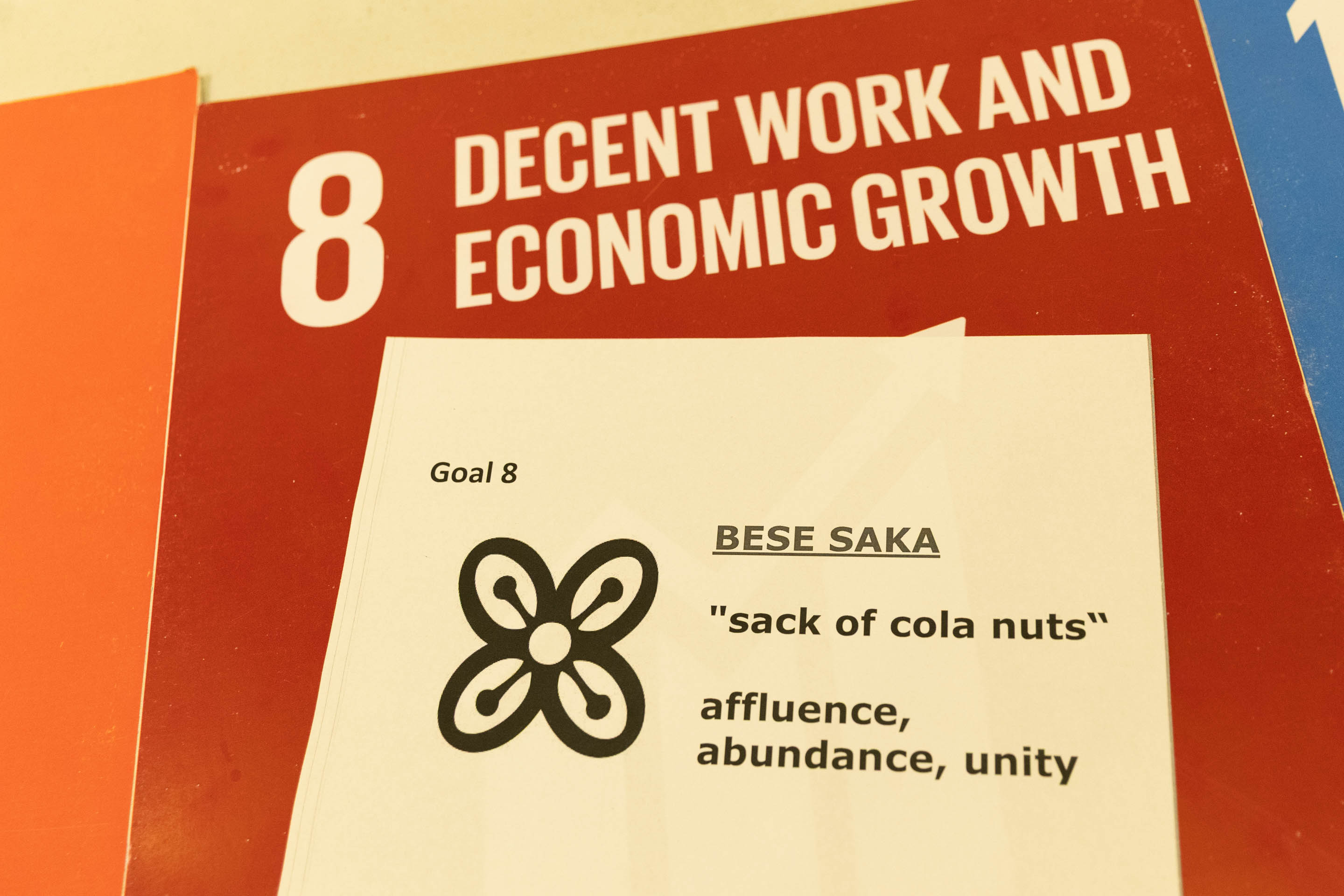
In an effort to localize the SDGs, Ghana has developed new, locally-relevant symbols for each of the SDGs