2025 is a pivotal year for Ocean governance. As delegates turned to a review of Sustainable Development Goal 14 (SDG 14 – life below water), they repeatedly mentioned the recently concluded third UN Ocean Conference (UNOC 3) and the anticipated entry into force of the UN Agreement on the Conservation and Sustainable Use of Marine Biological Diversity of Areas beyond National Jurisdiction (BBNJ). Against this backdrop, many countries took the opportunity to reconfirm their commitment to multilateral Ocean governance.
During the opening panel, Elizabeth McLeod, Global Ocean Director, the Nature Conservancy, highlighted the financing gap, fragmented governance, and failure to empower coastal communities as key obstacles, noting that Ocean funding does not reflect the size of the Blue Economy and rising debt is keeping poor Ocean countries from making important investments.
Want to dig deeper into today's talks? Read the full Earth Negotiations Bulletin daily report.

Editrudith Lukanga, Secretary-General, African Women Fish Processors and Traders Network (AWFISHNET/WFF), urged empowering small-scale fishing communities by embedding the FAO Voluntary Guidelines for Securing Sustainable Small-Scale Fisheries in UNOC 3 follow up. She described SDGs 14, 5 (gender equality), and 8 (economic growth) as three pillars of an interdependent resilience system that must be supported as one.
Charles Tellier, Deputy to the Special Envoy of France for UNOC 3, outlined the need for a science-policy-society interface that can connect Ocean action to the latest data, information, and knowledge and help overcome the fragmentation of Ocean and fisheries governance.
Other issues highlighted in the discussions included the need to expand marine protected areas to meet the "30x30" Target (to protect 30% of the world’s Ocean by 2030), and ramp up action to tackle plastic pollution, heat stress, Ocean acidification, and other challenges.
Closing the session, Moderator Kiliparti Ramakrishna, Woods Hole Oceanographic Institution, asked delegates to capitalize on the momentum generated at UNOC 3 in the lead up to the 2025 UN Climate Change Conference and other key upcoming meetings.

In the afternoon, a special dialogue session with Major Groups and other Stakeholders (MGoS) convened. A broad cross-section of the 22 MGoS affiliated with the HLPF, as well as numerous Member States, engaged in a broad-ranging and vibrant discussion on the role of civil society and other non-state actors in defending human rights, advocating for inclusive development, driving SDG action, and rebuilding trust in multilateralism.
A highlight of the segment was the official launch of a comprehensive guide to supporting the participation of stakeholders in the HLPF and other related processes to advance the 2030 Agenda, co-developed by the UN Economic and Social Council (ECOSOC), UN Department of Economic and Social Affairs (DESA), and MGoS.
A final plenary segment explored progress towards SDG localization, as evidenced by the growing momentum on undertaking local and subnational reviews of the SDGs (VLRs) in parallel to the Voluntary National Reviews (VNRs).

To receive free coverage of global environmental events delivered to your inbox, subscribe to the ENB Update newsletter.
All ENB photos are free to use with attribution. For HLPF 2025 please use: Photo by IISD/ENB - Kiara Worth
SDG 14: Life Below Water
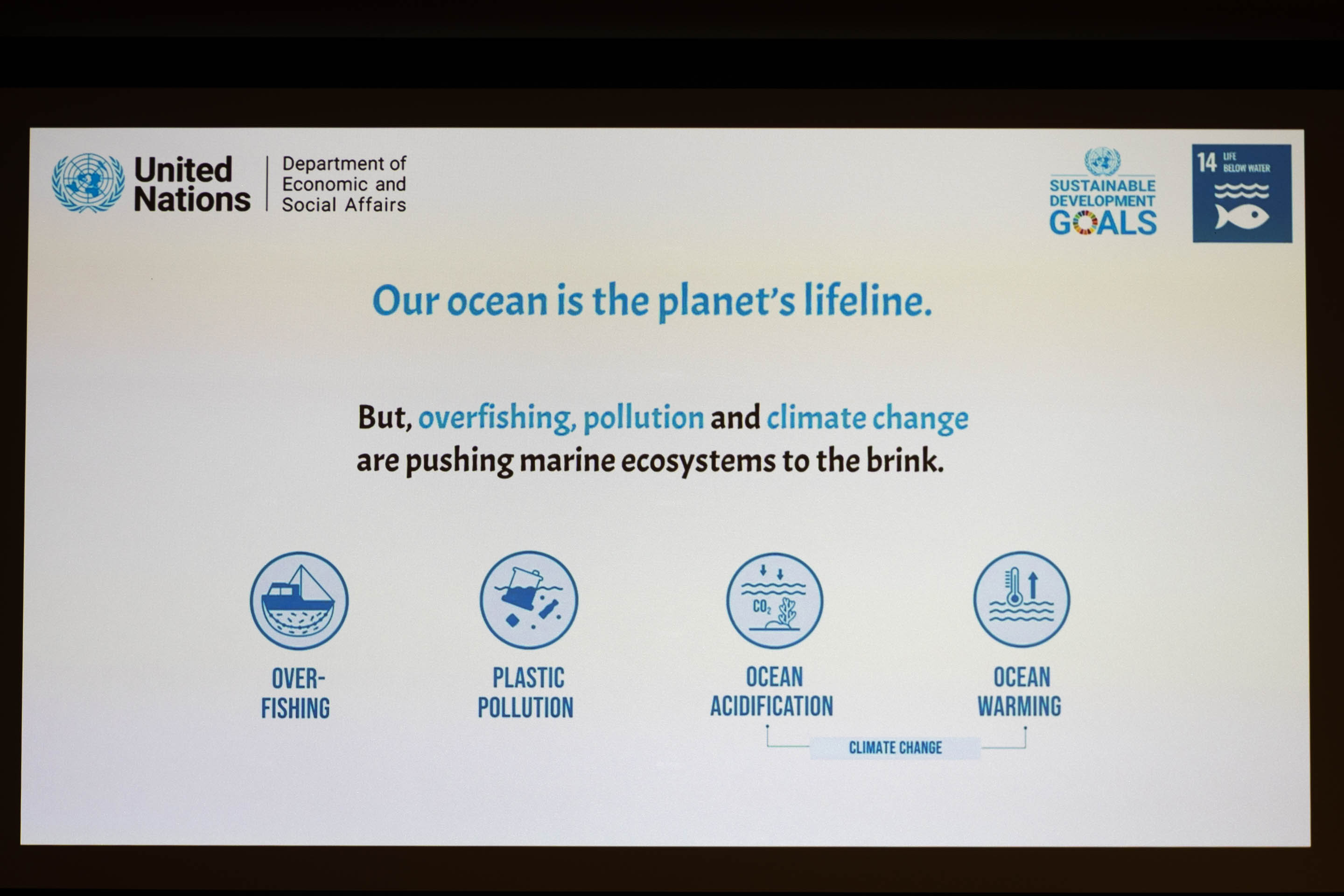
To begin discussions on SDG 14, a slide highlights how vital the Ocean is to humanity's survival
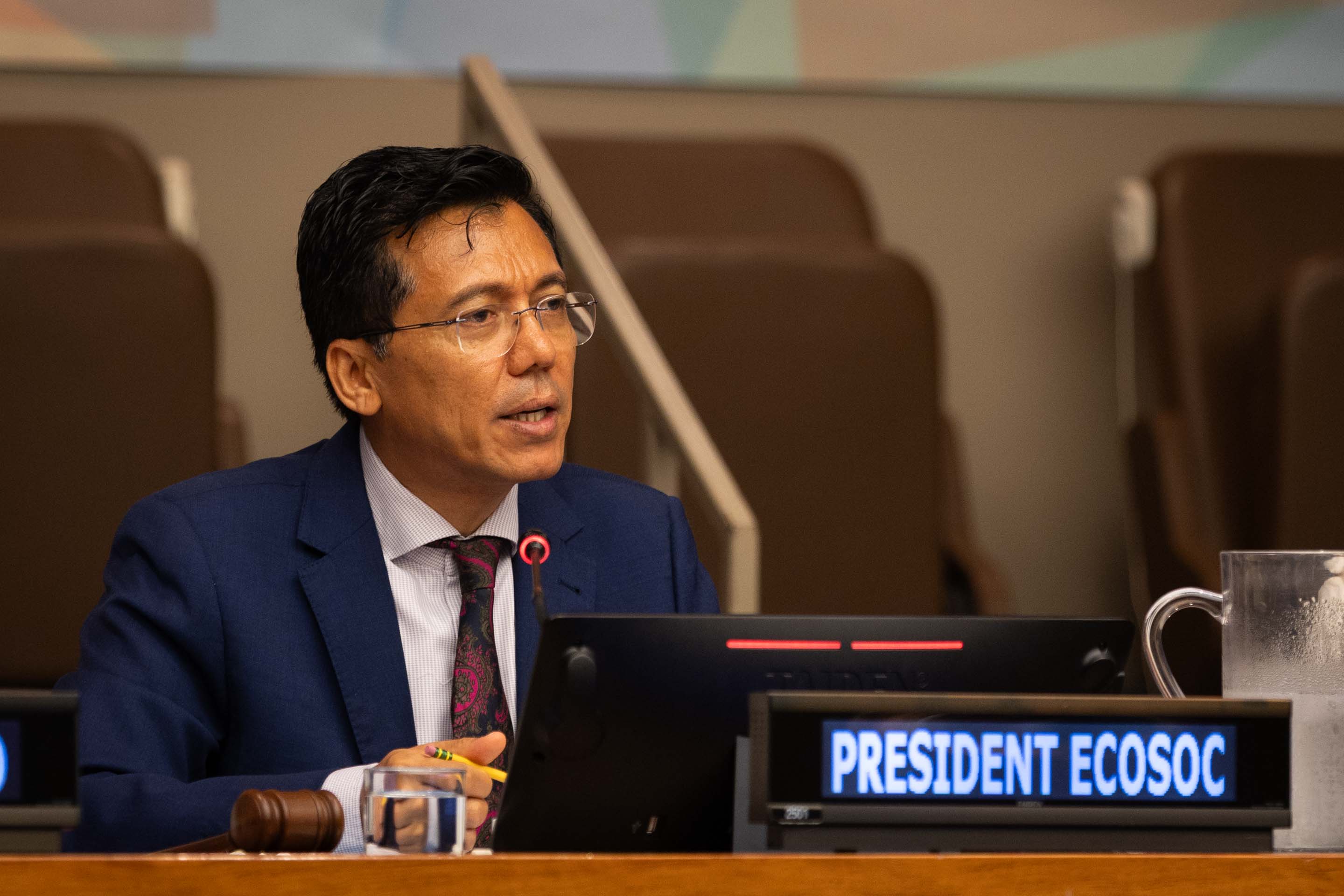
Lok Bahadur Thapa, Vice-President, UN Economic and Social Council (ECOSOC)
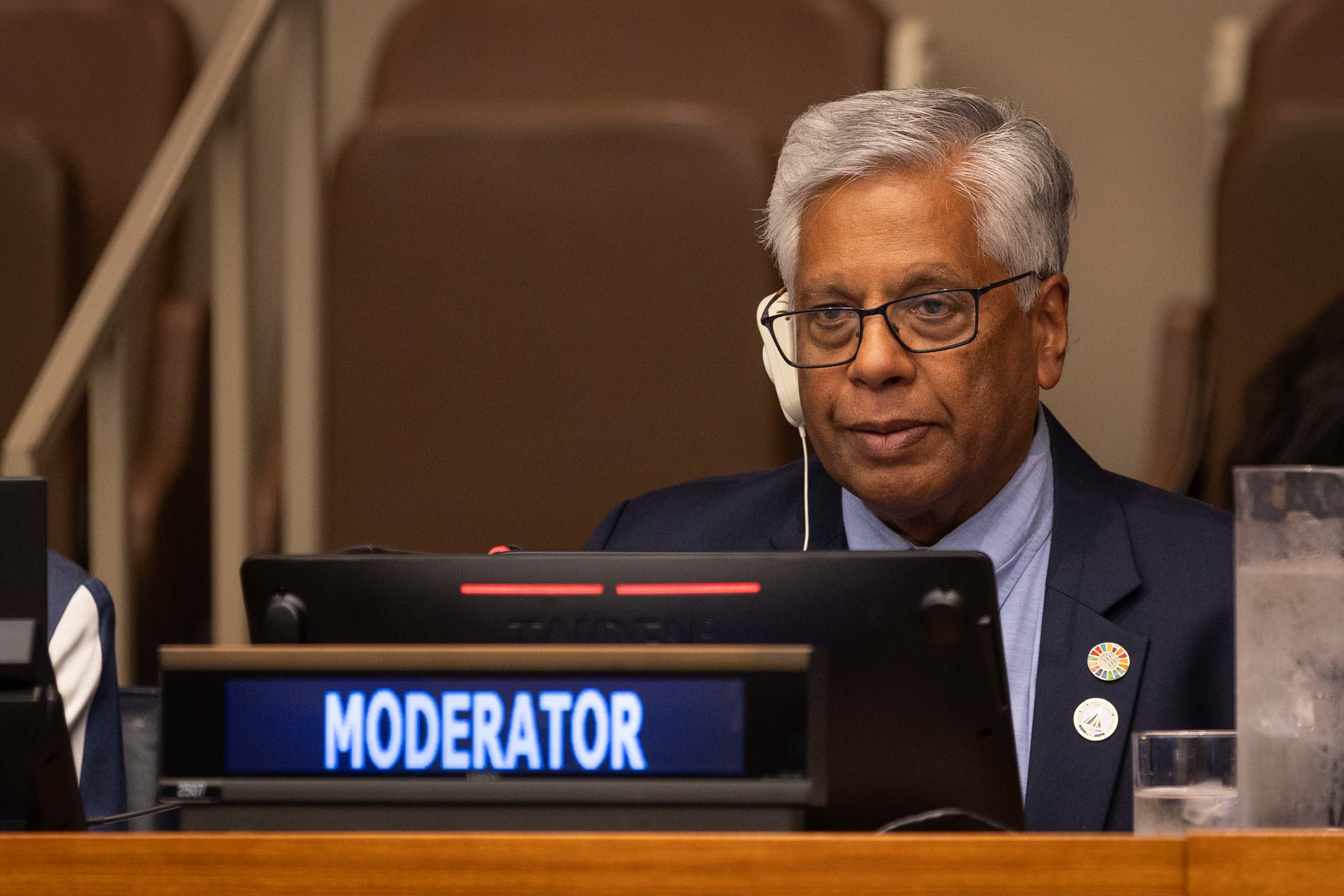
Kiliparti Ramakrishna, Director, Marine Policy Center, Woods Hole Oceanographic Institution
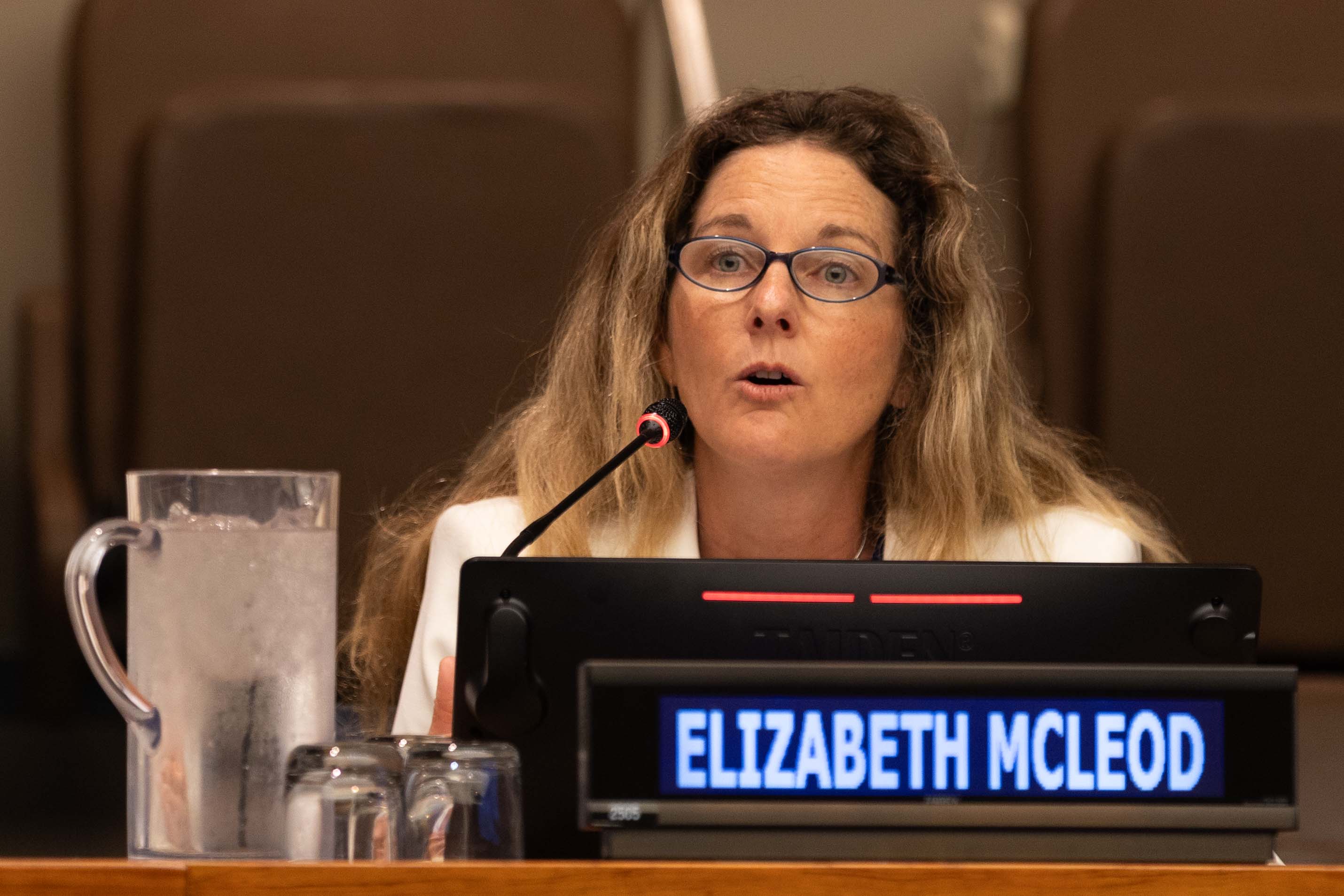
Elizabeth McLeod, Global Ocean Director, The Nature Conservancy
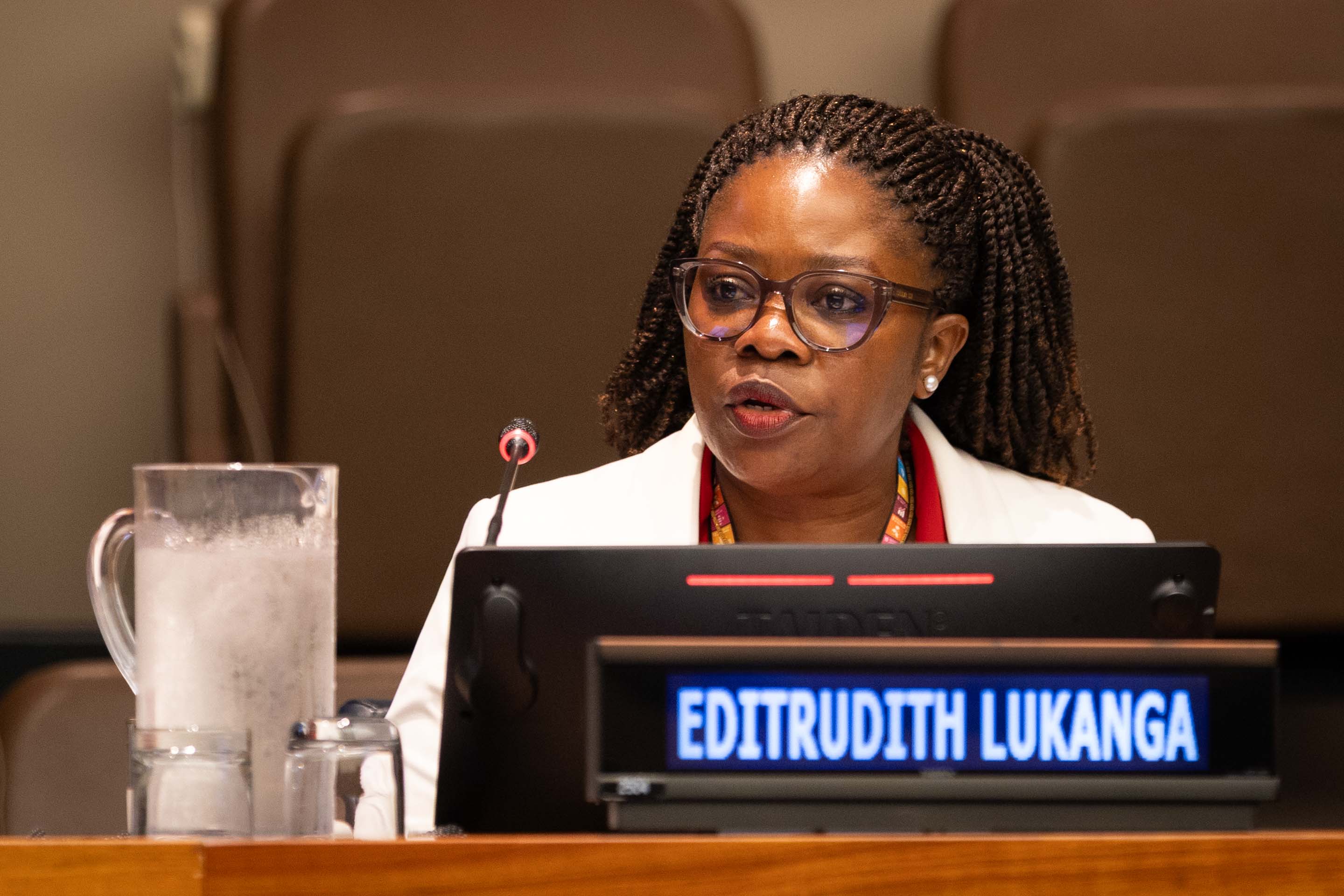
Editrudith Lukanga, Secretary-General, African Women Fish Processors and Traders Network (AWFISHNET/WFF)
A delegate photographs speakers from the gallery
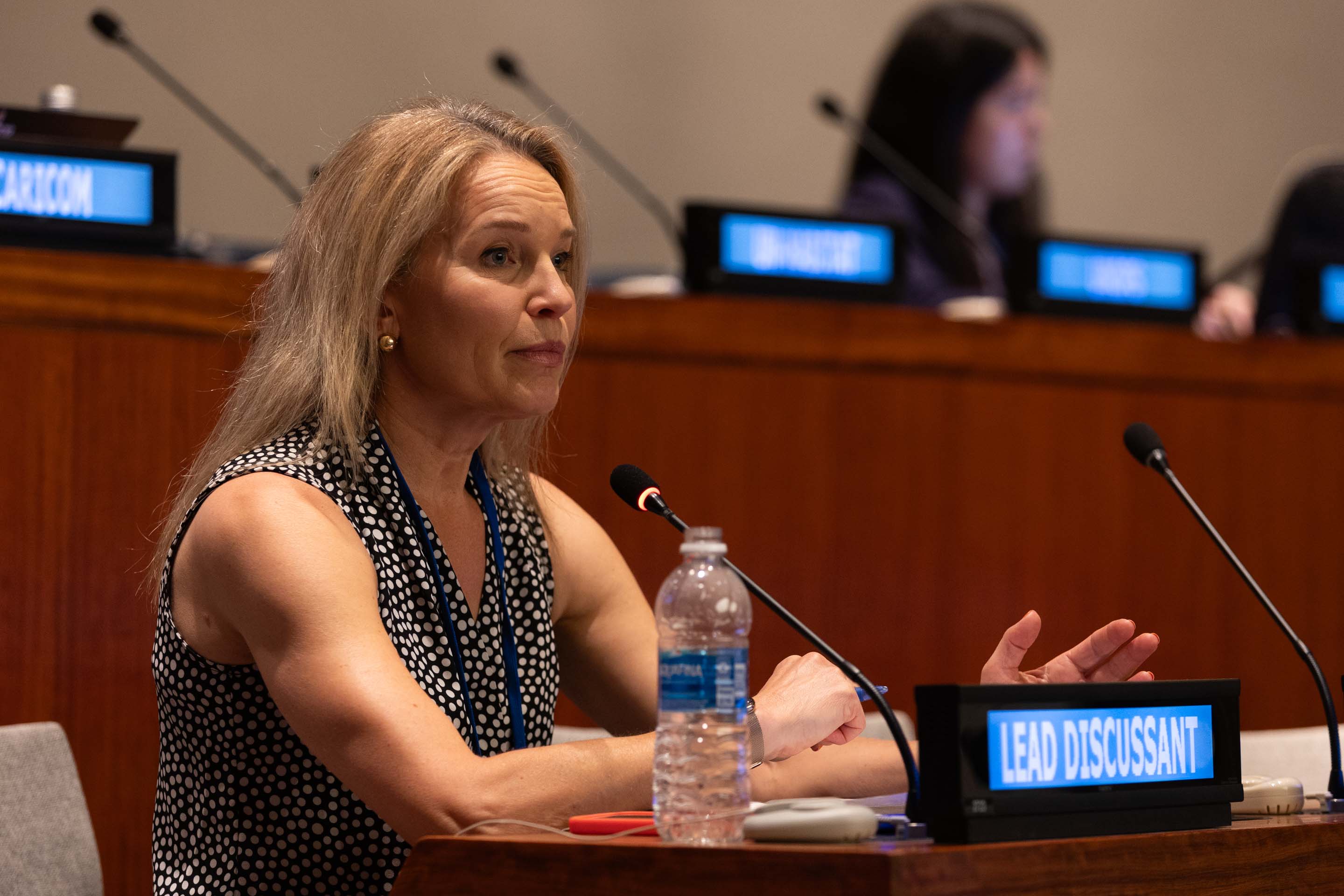
Sophika Kostyniuk, Managing Director, Aquatic Life Institute
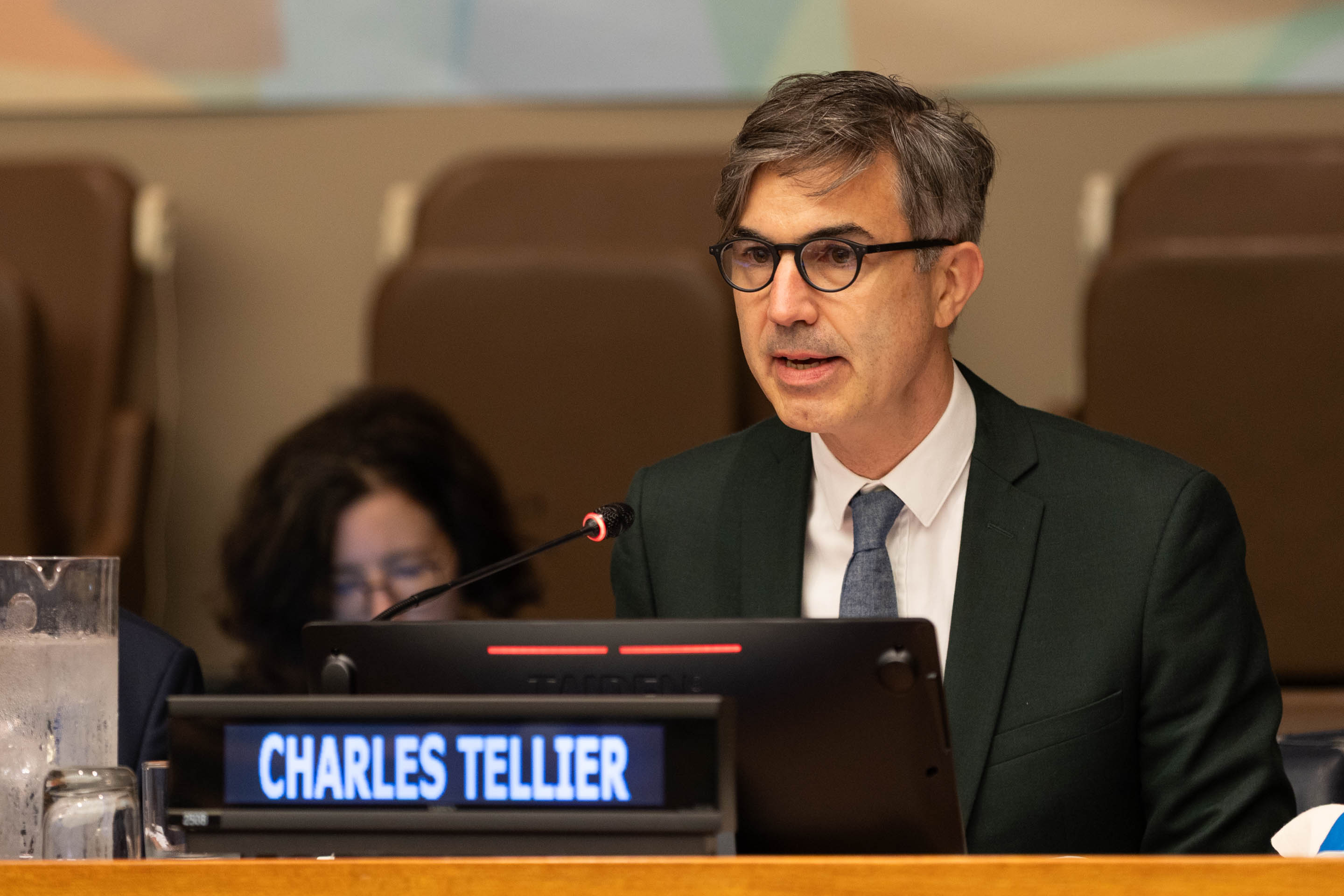
Charles Tellier, Deputy to the Special Envoy of France for UNOC 3
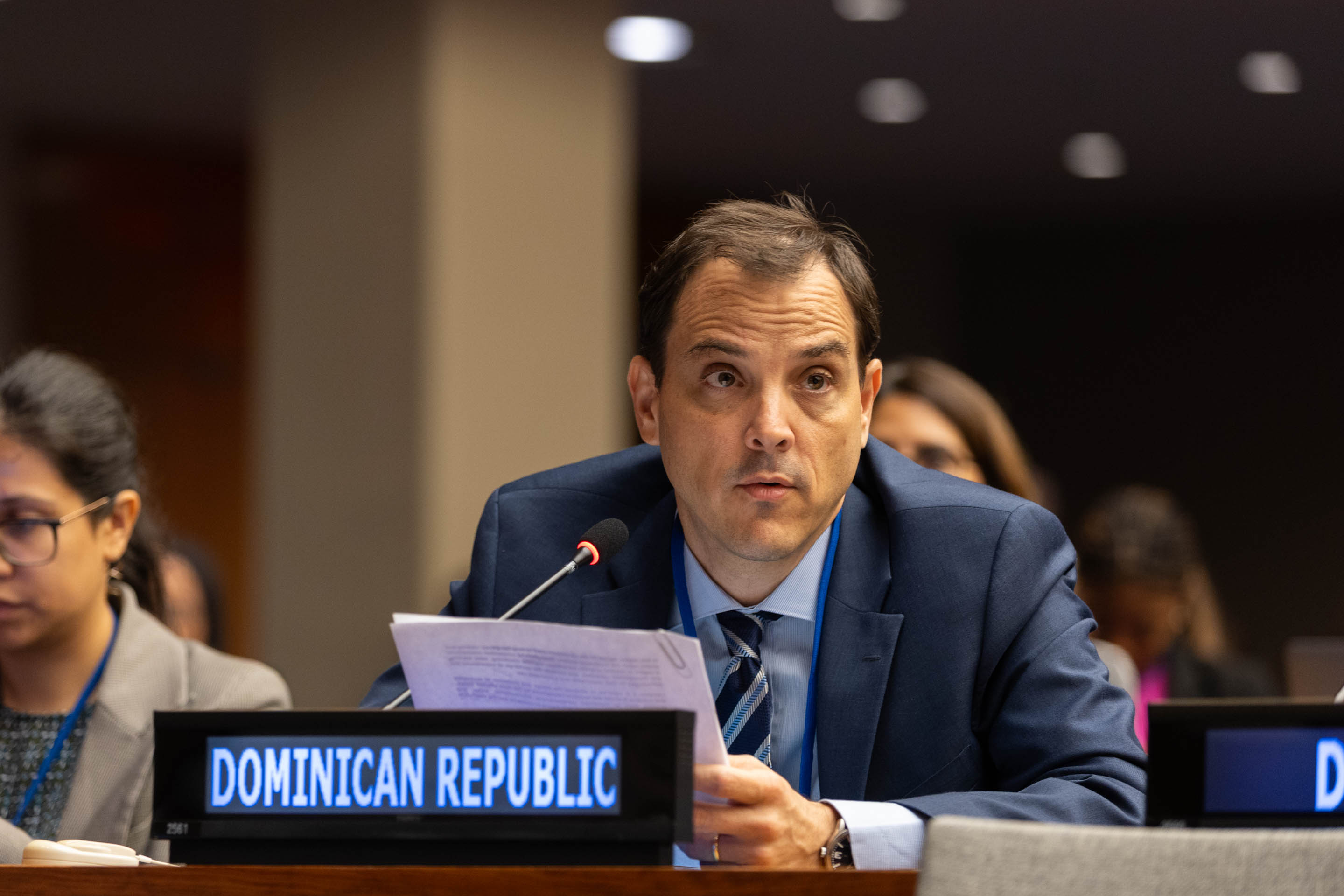
Martín Francos Rodríguez, Vice Minister of Economic Planning, Dominican Republic
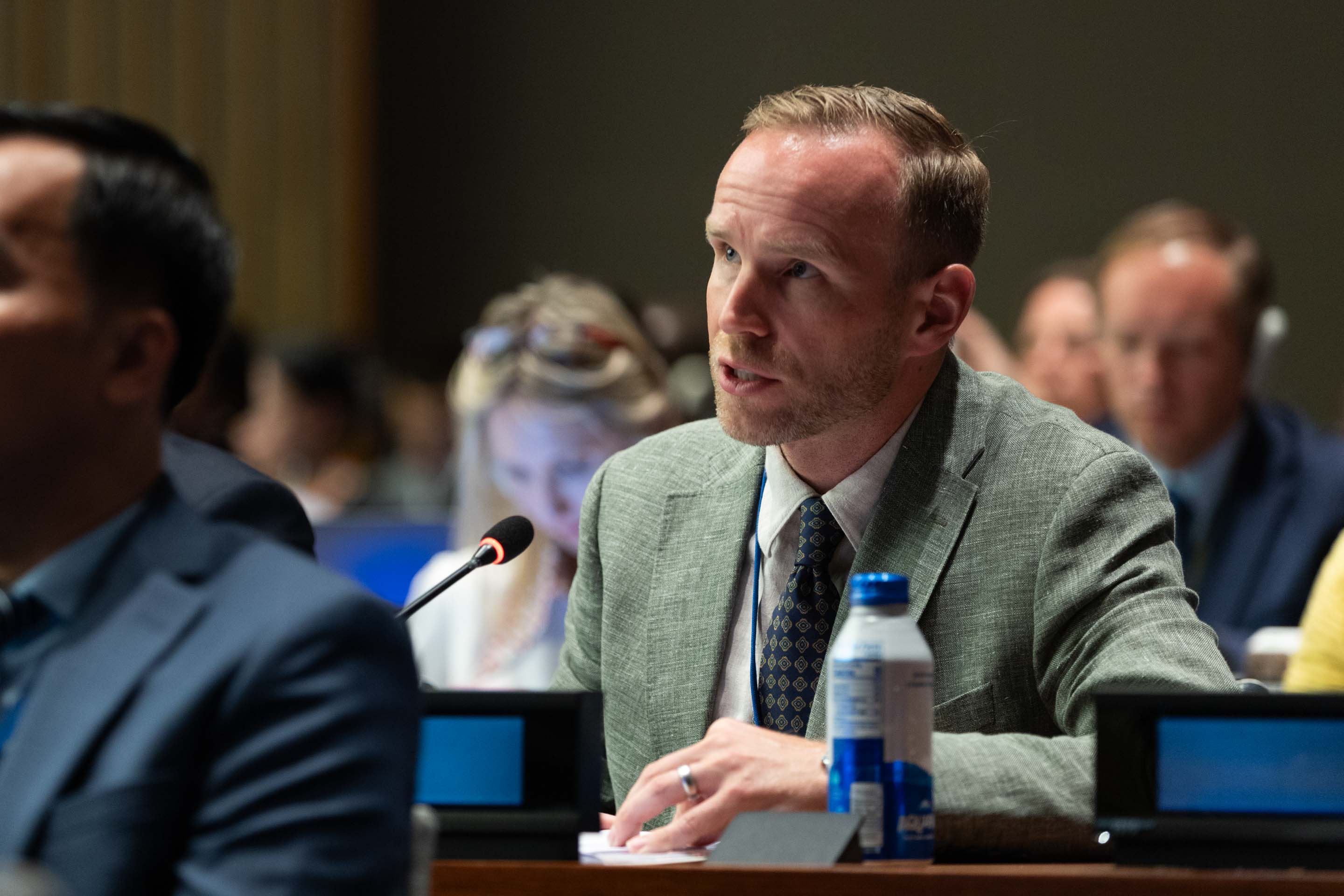
Mika Poutala, Minister of Youth, Sport and Physical Activity, Finland
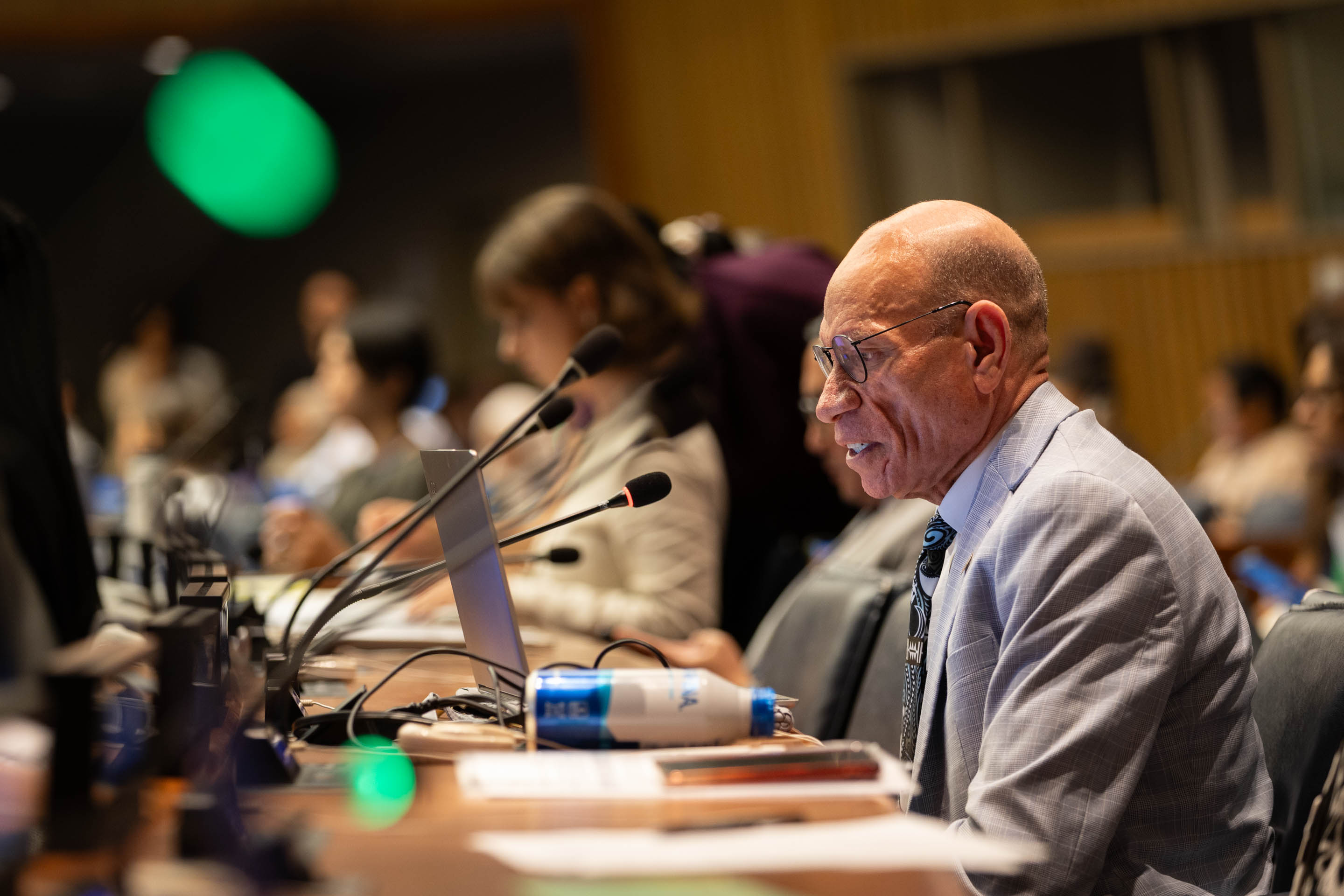
Fred Sarufa, Permanent Representative of Papua New Guinea to the UN
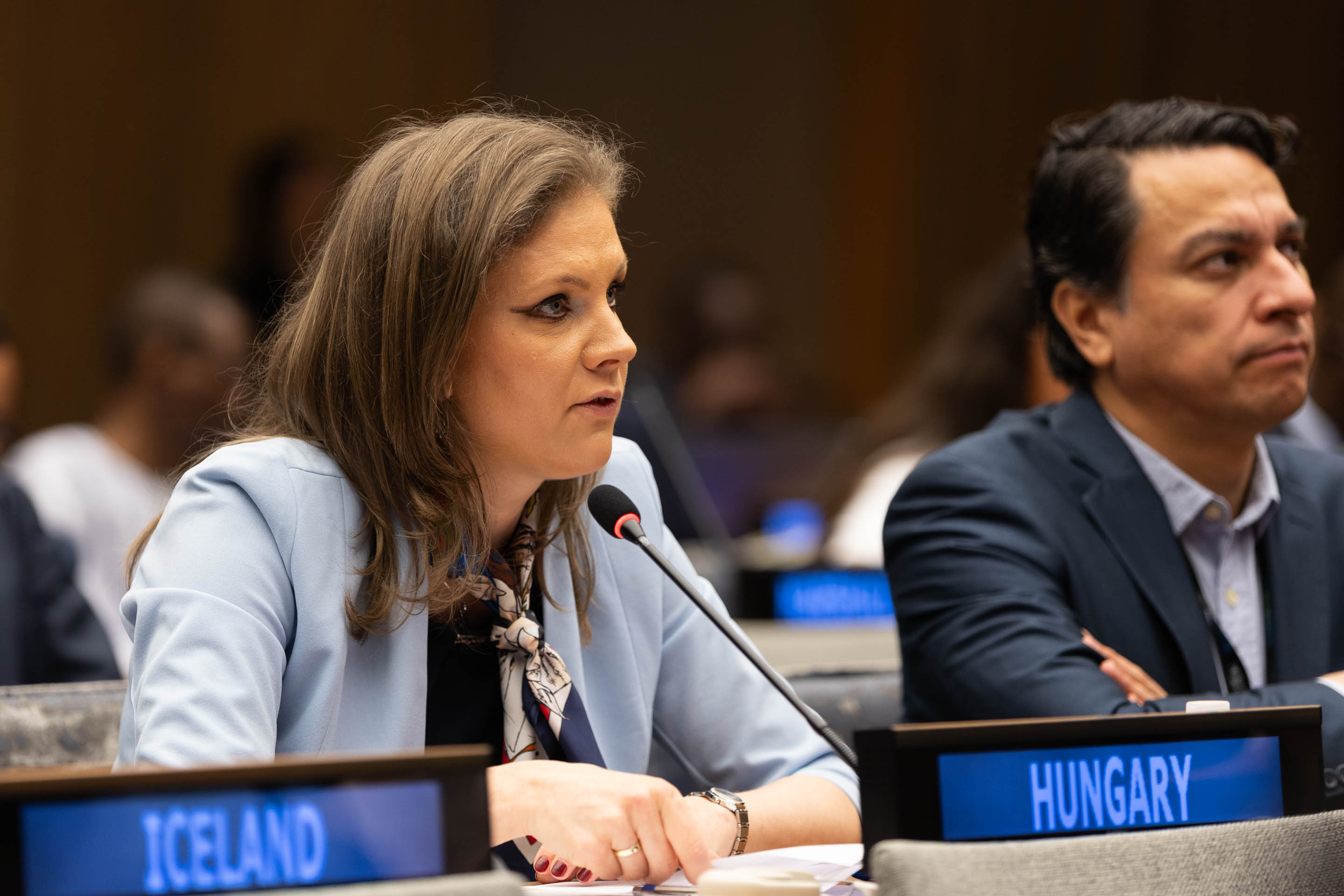
Anikó Raisz, State Secretary for Environmental Affairs and the Circular Economy, Ministry of Energy, Hungary
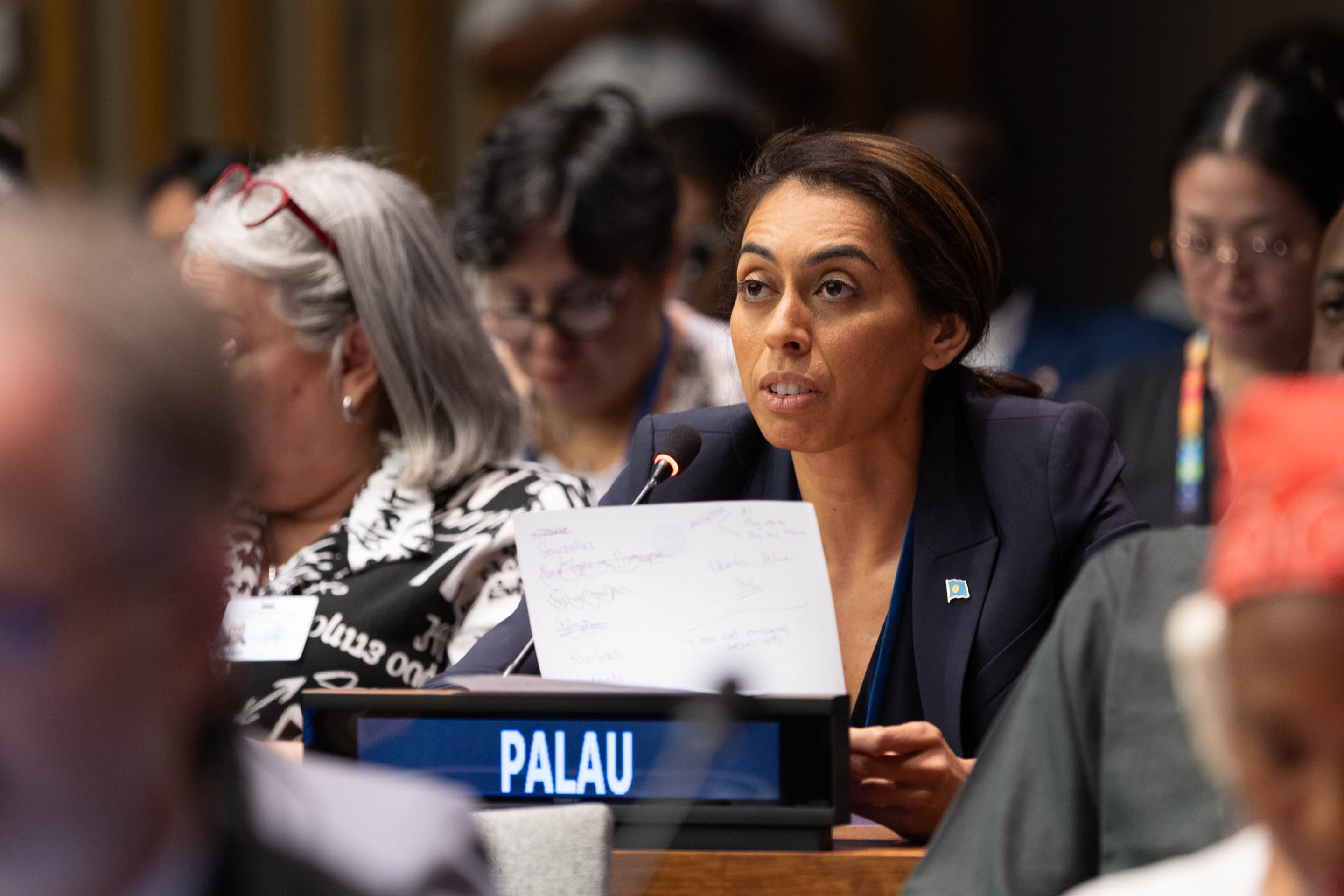
Ilana Seid, Permanent Representative of Palau to the UN, on behalf of the Alliance of Small Island States (AOSIS)
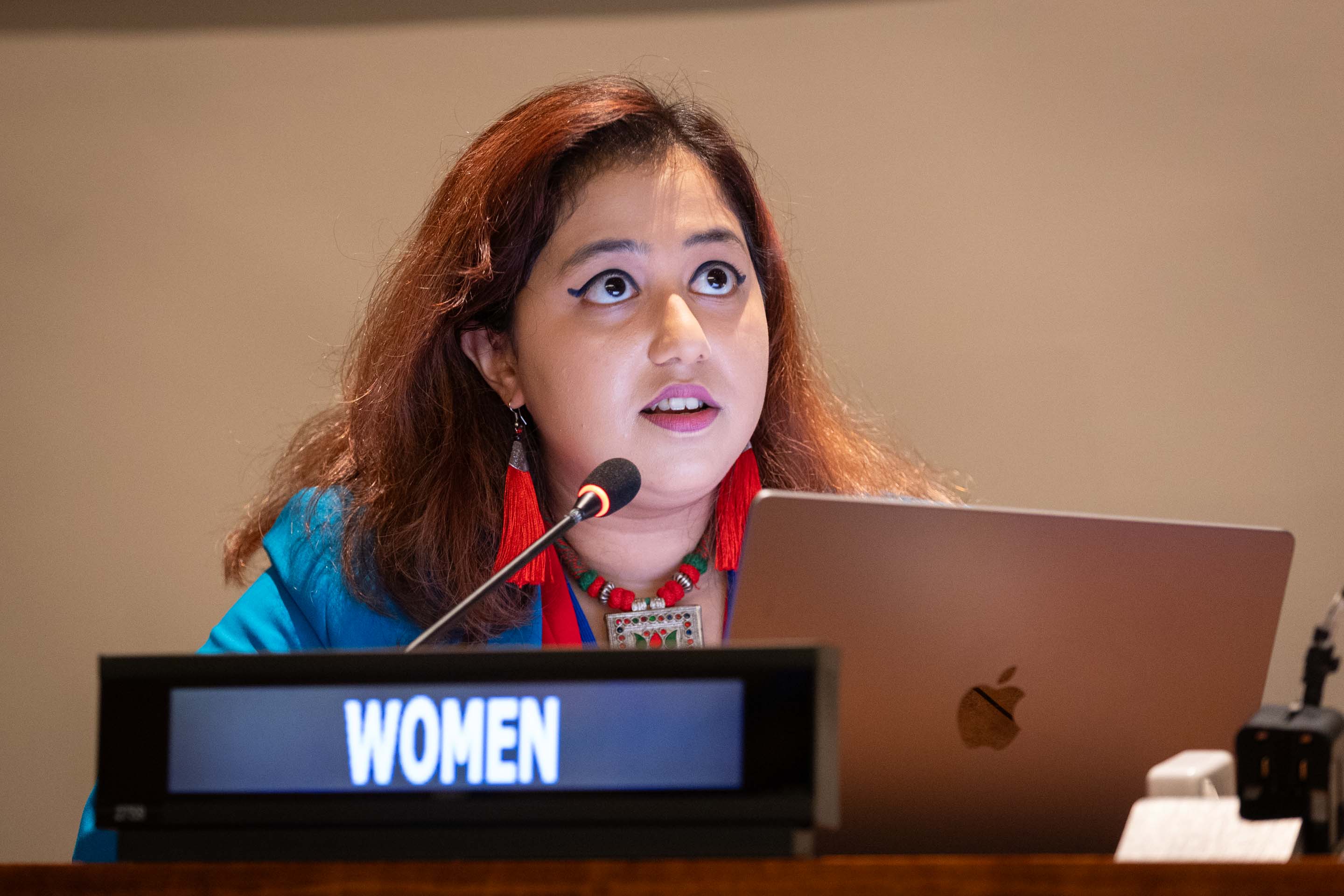
Kehkashan Basu, Women's Major Group
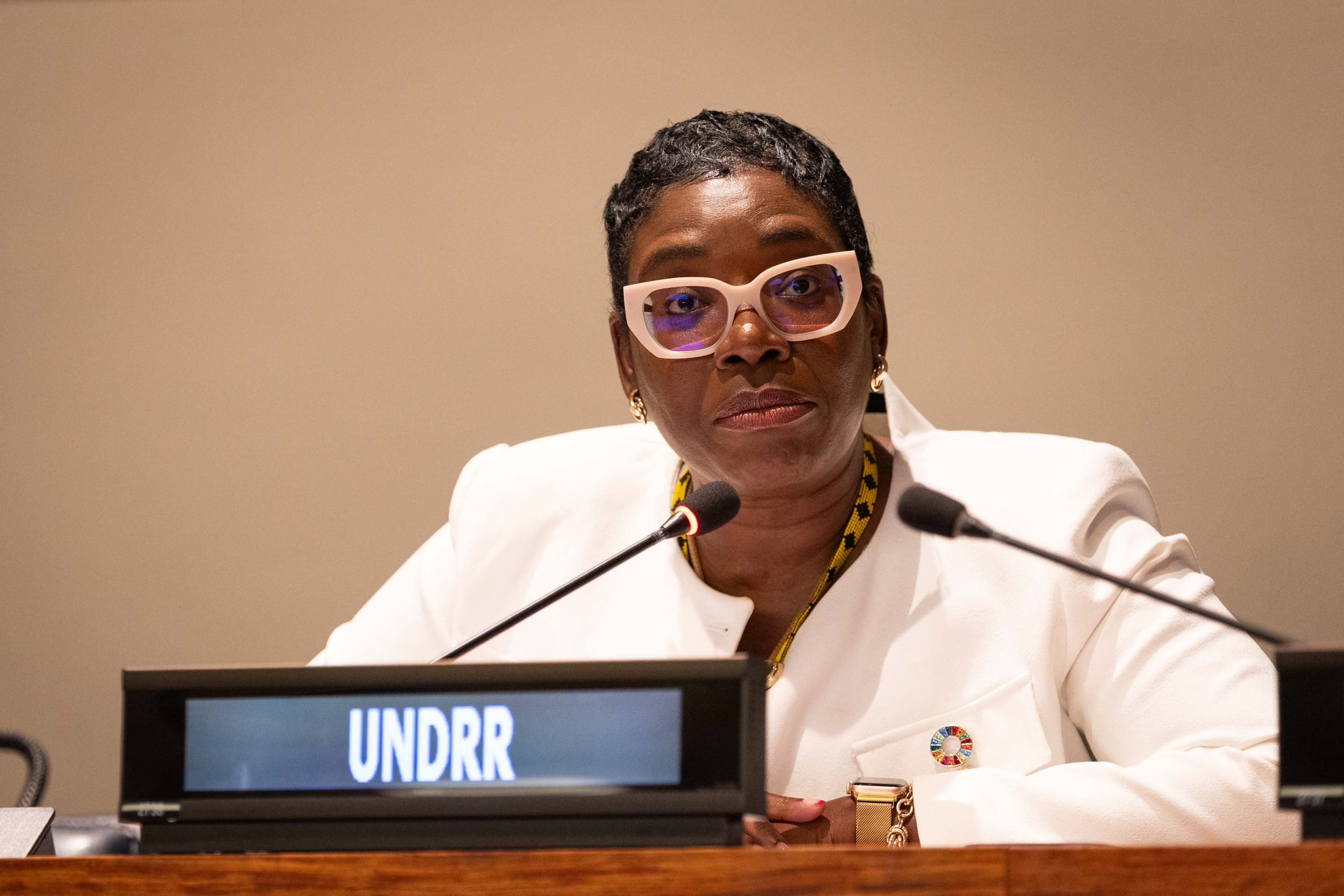
Toni-Shae Freckleton, UN Office for Disaster Risk Reduction (UNDRR)
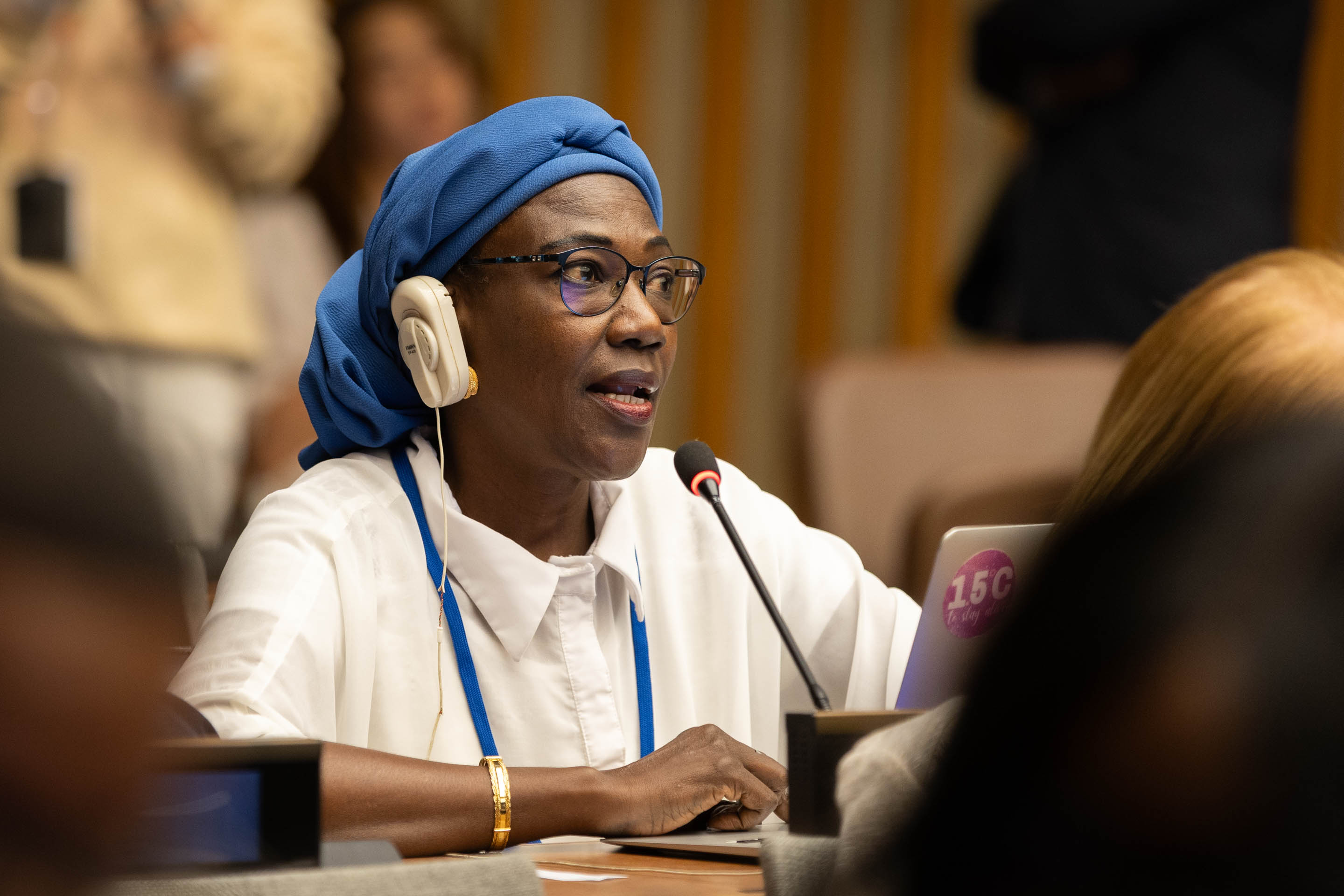
Aissatou Fall Ndoye, Senegal
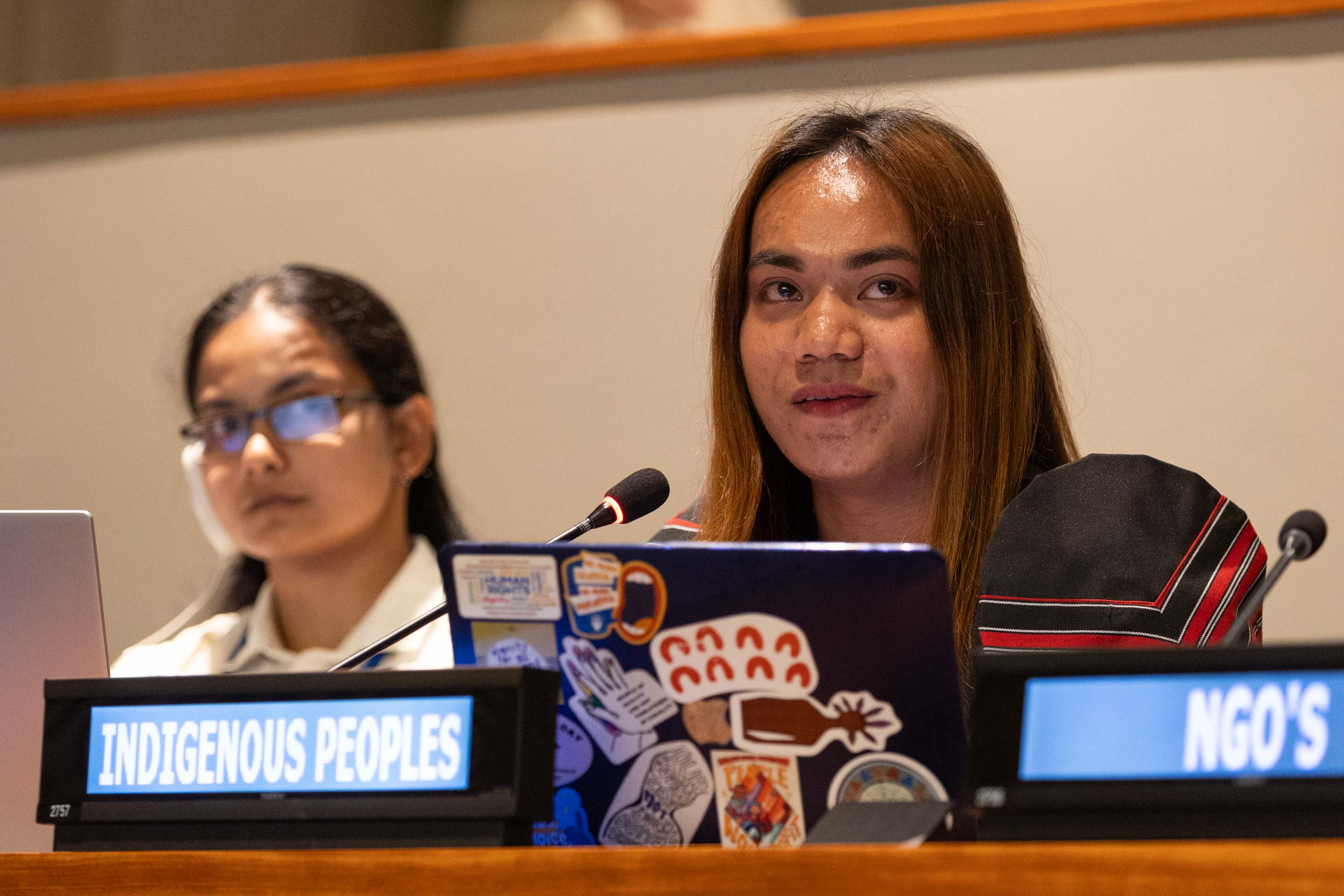
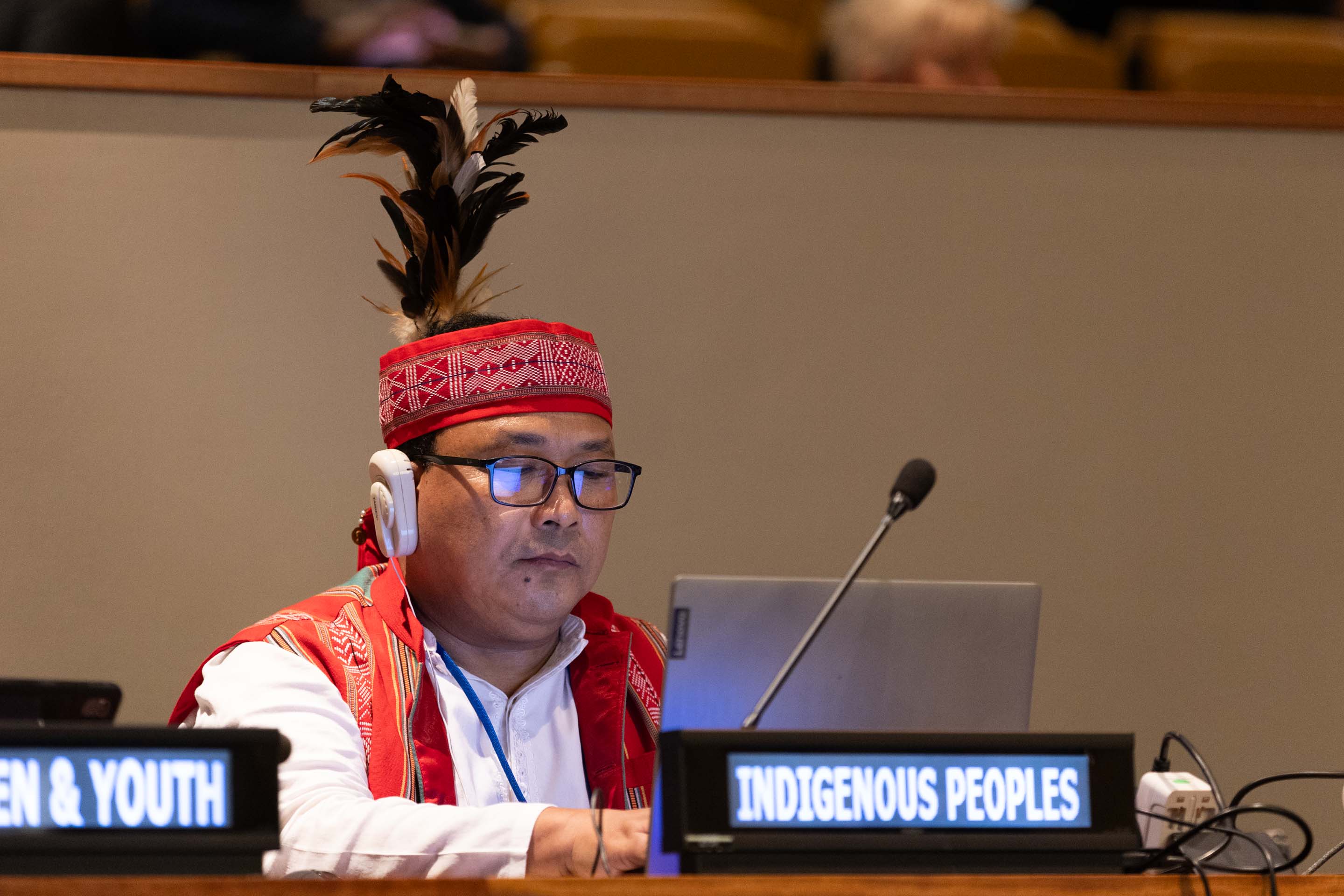
Jimrex Calatan, Indigenous Peoples Major Group
Delivering the 2030 Agenda: Aligning Global Processes through Inclusive Multilateralism
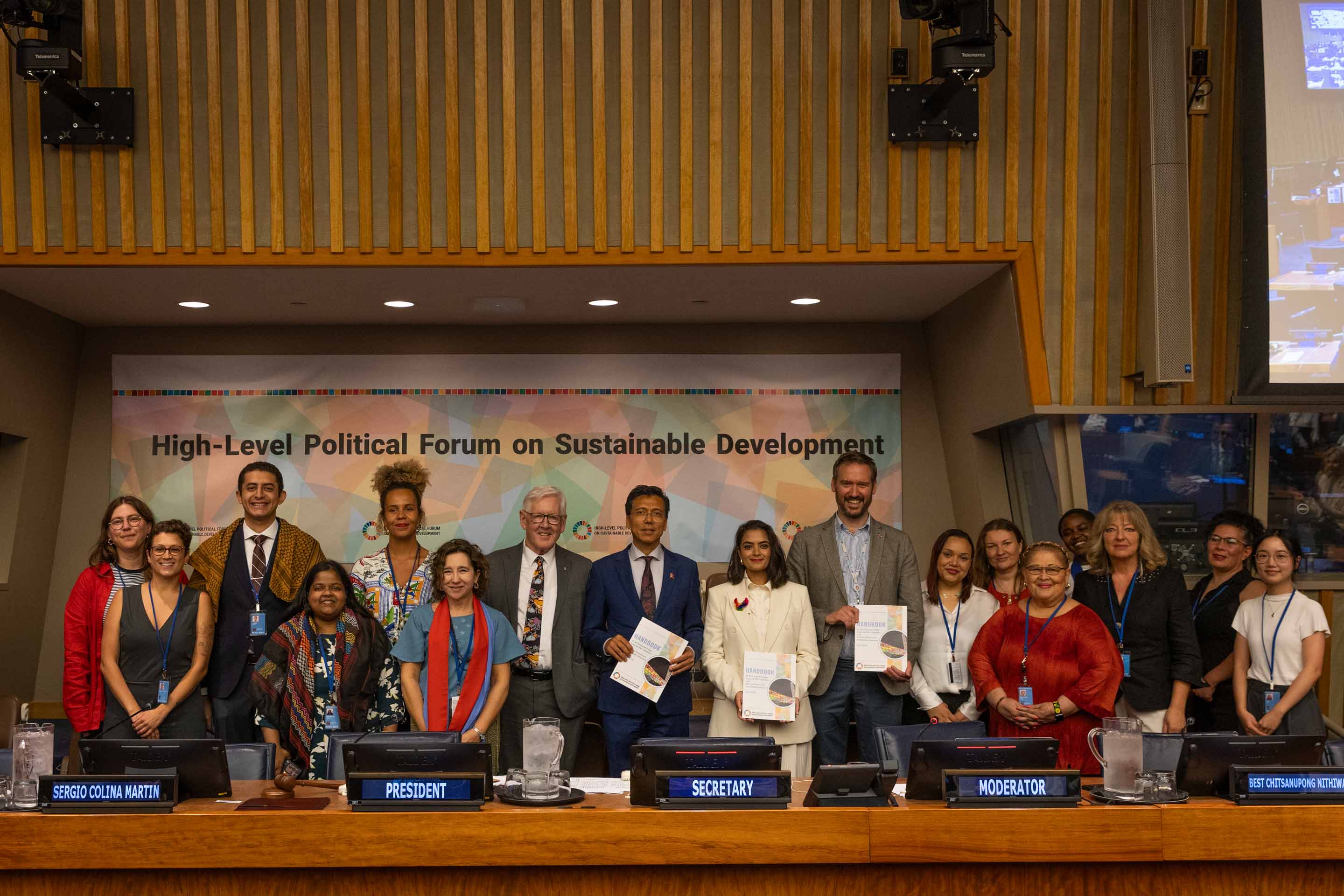
Bob Rae, President, ECOSOC, presents the "Handbook on Major Groups and Other Stakeholders Participation" to Lok Bahadur Thapa, Vice-President, ECOSOC
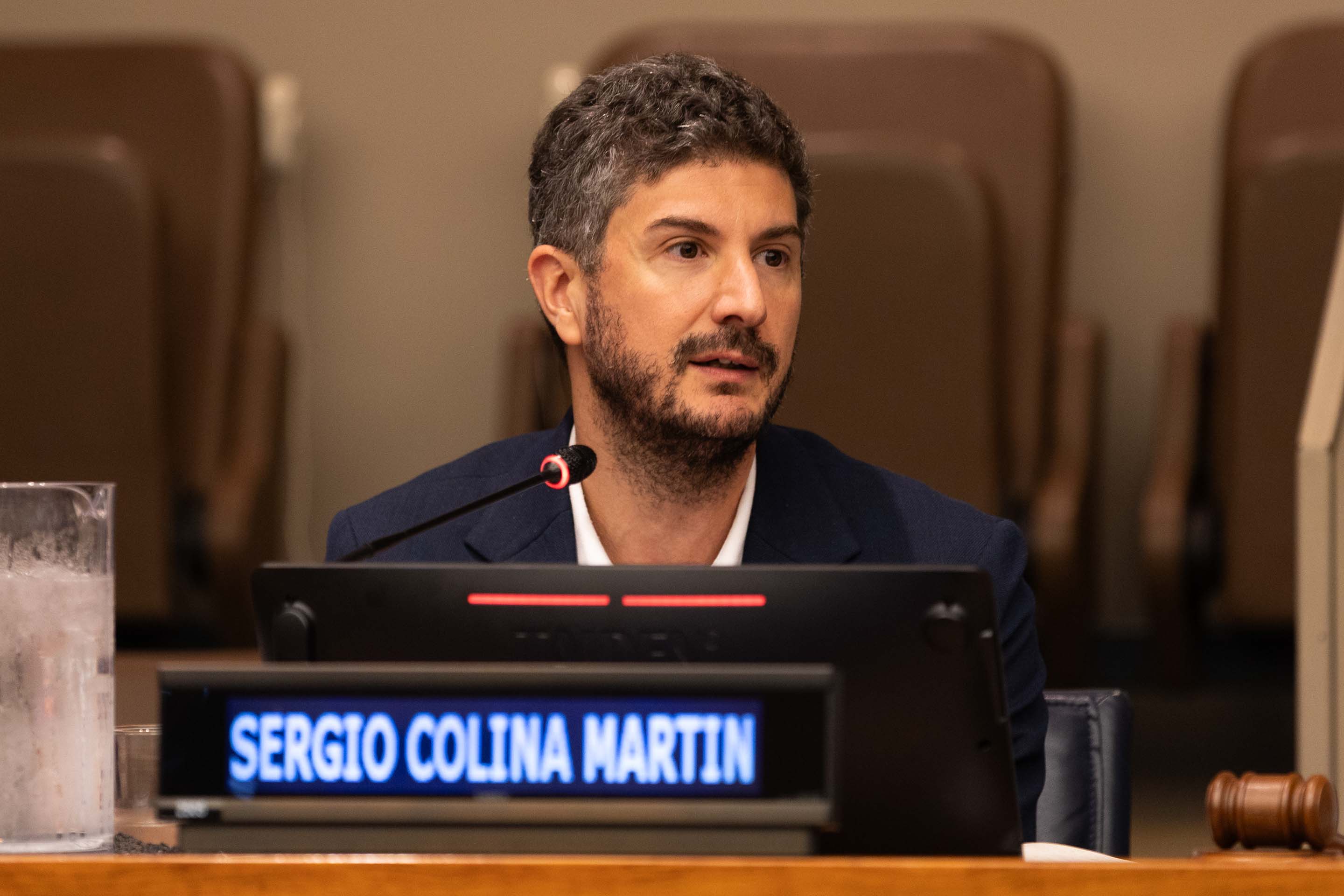
Sergio Colina Martín, Ministry of Foreign Affairs, European Union and Cooperation, Spain
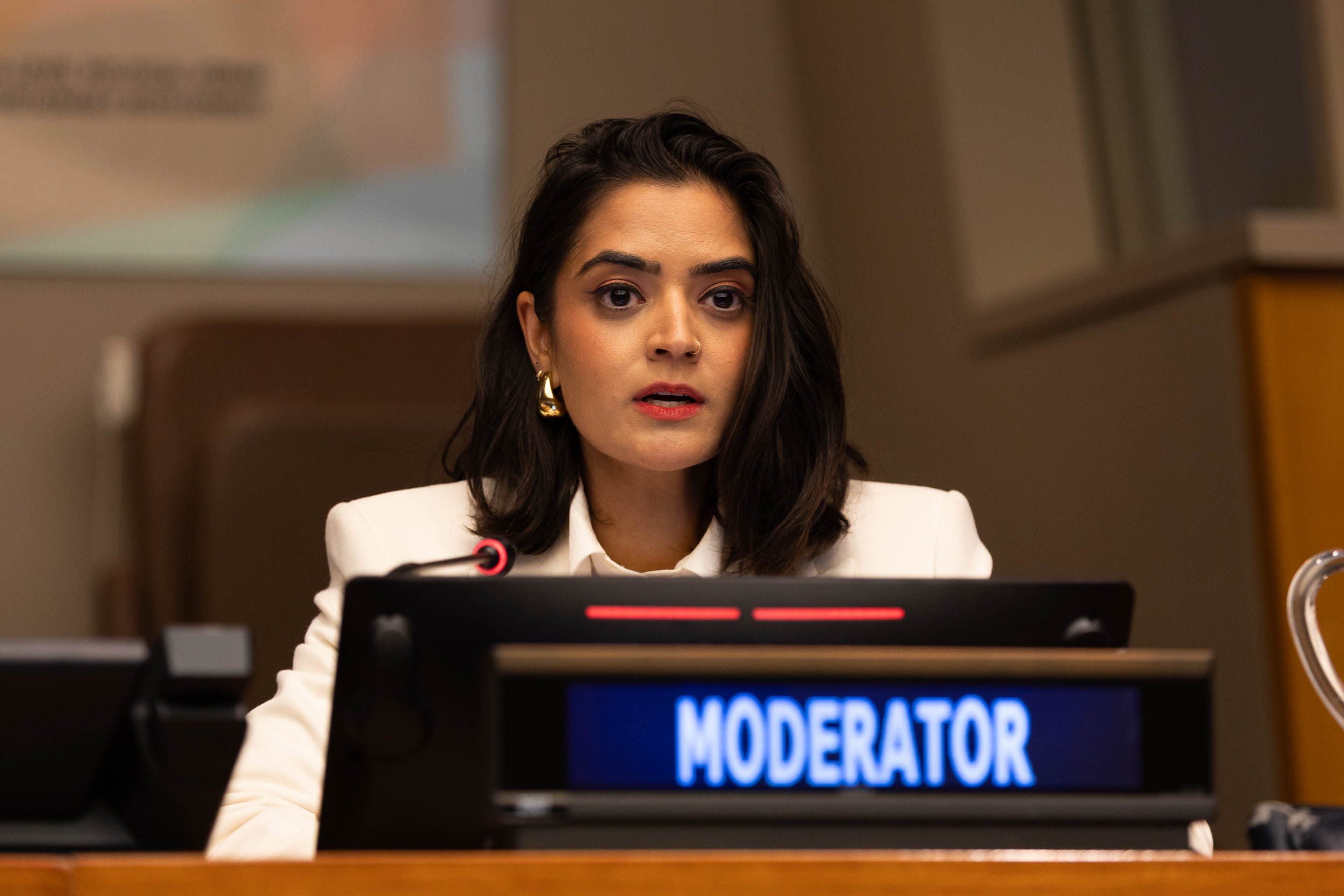
Rashima Kwatra, Co-Chair, Major Group and Other Stakeholders Coordination Mechanism
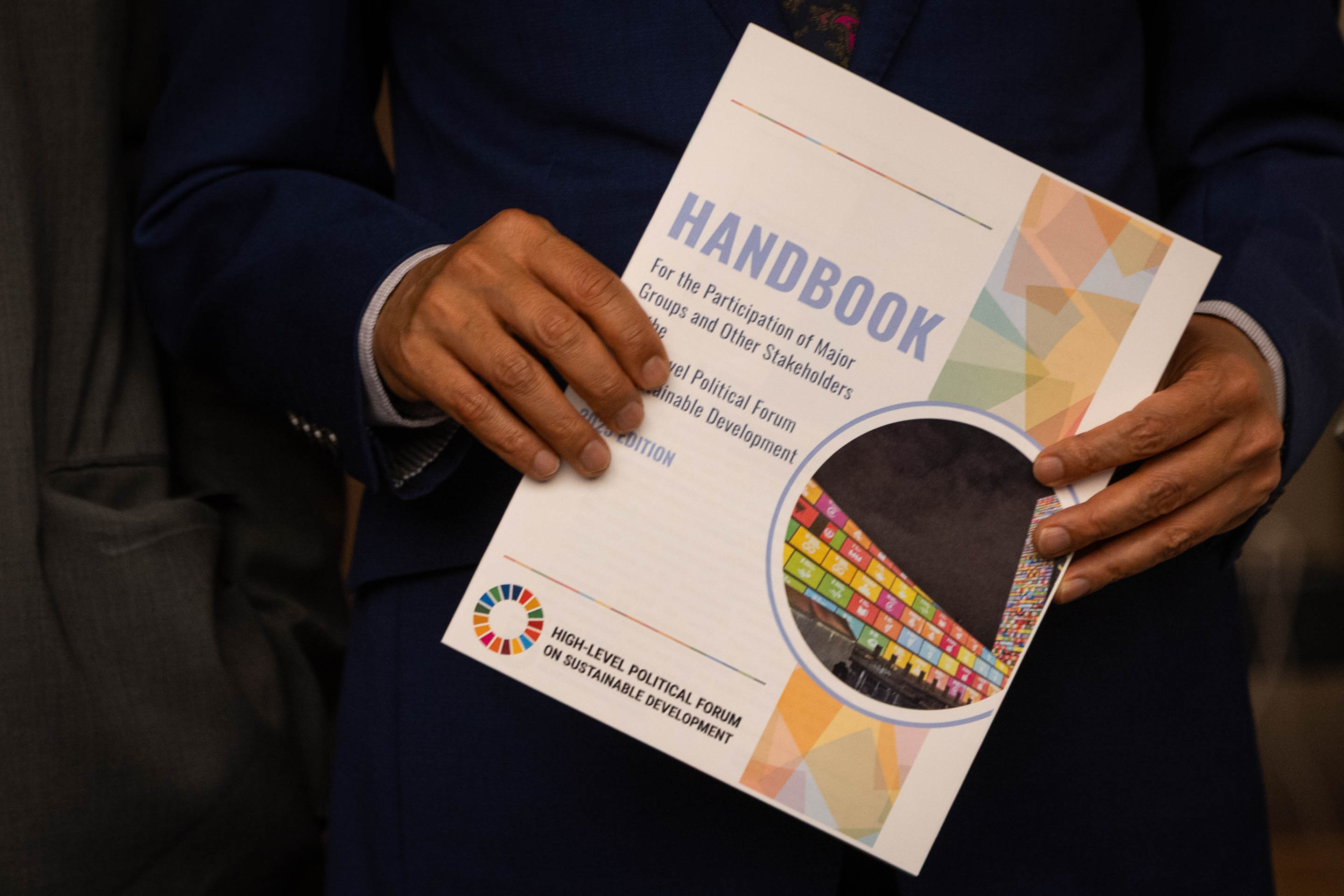
The handbook is a comprehensive guide to supporting the full and active participation of stakeholders in the HLPF and other related processes to advance the 2030 Agenda
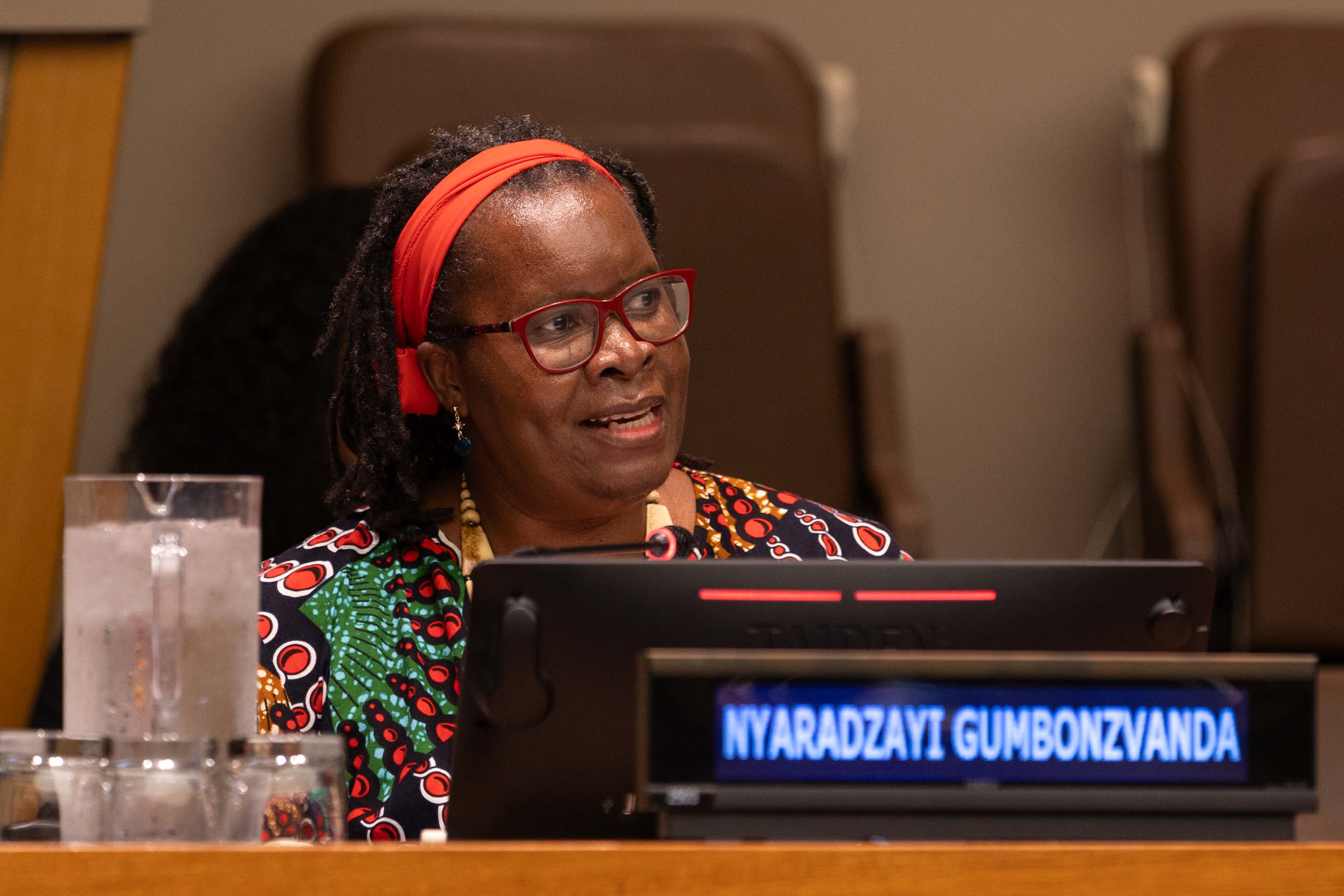
Nyaradzayi Gumbonzvanda, Deputy Executive Director, Normative Support, UN System Coordination, and Programme Results, UN Women
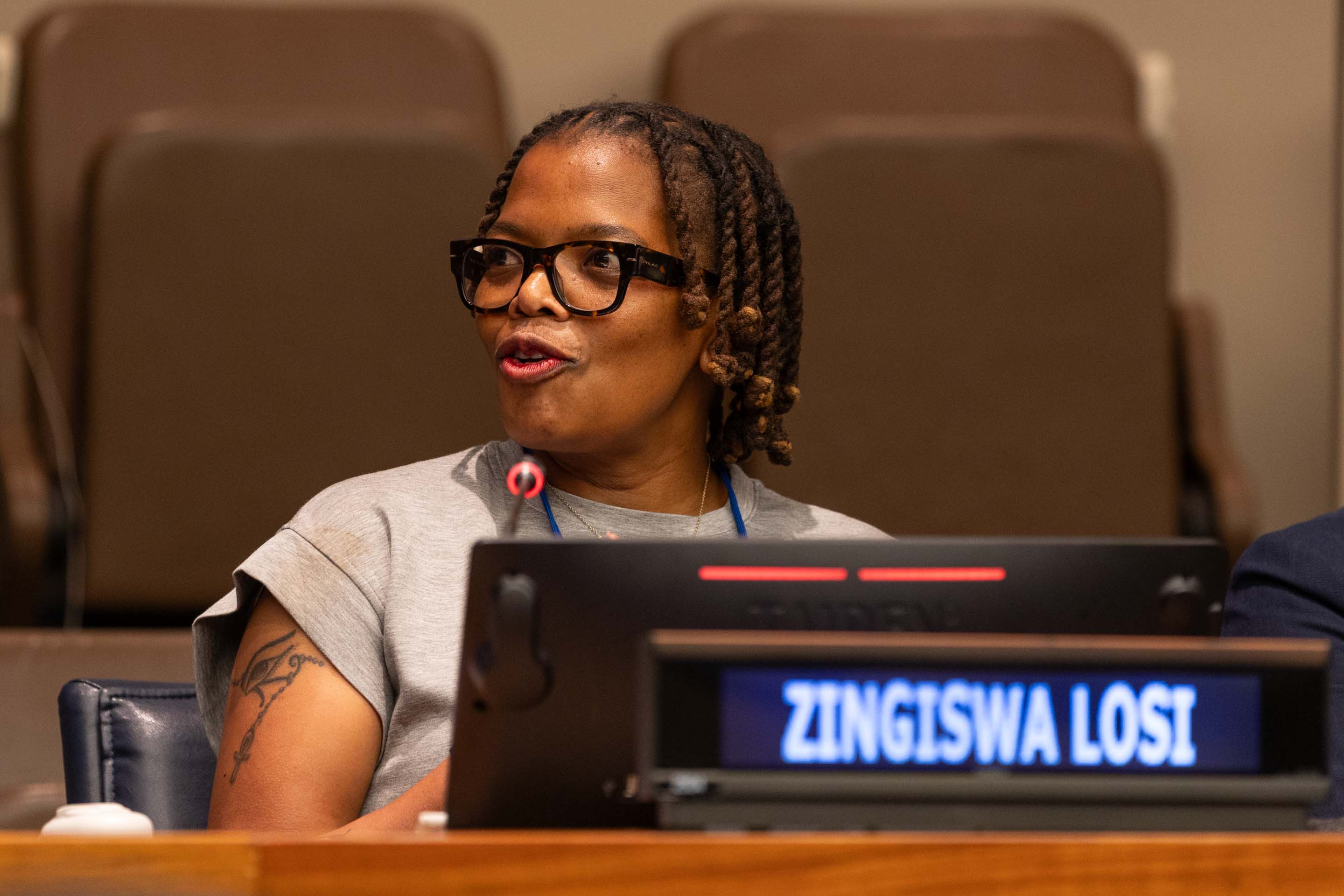
Zingiswa Losi, President, Congress of South African Trade Unions (COSATU)

Dino Corell, International Labour Organization (ILO), and Amanda Rives, Together 2030 Stakeholder Group
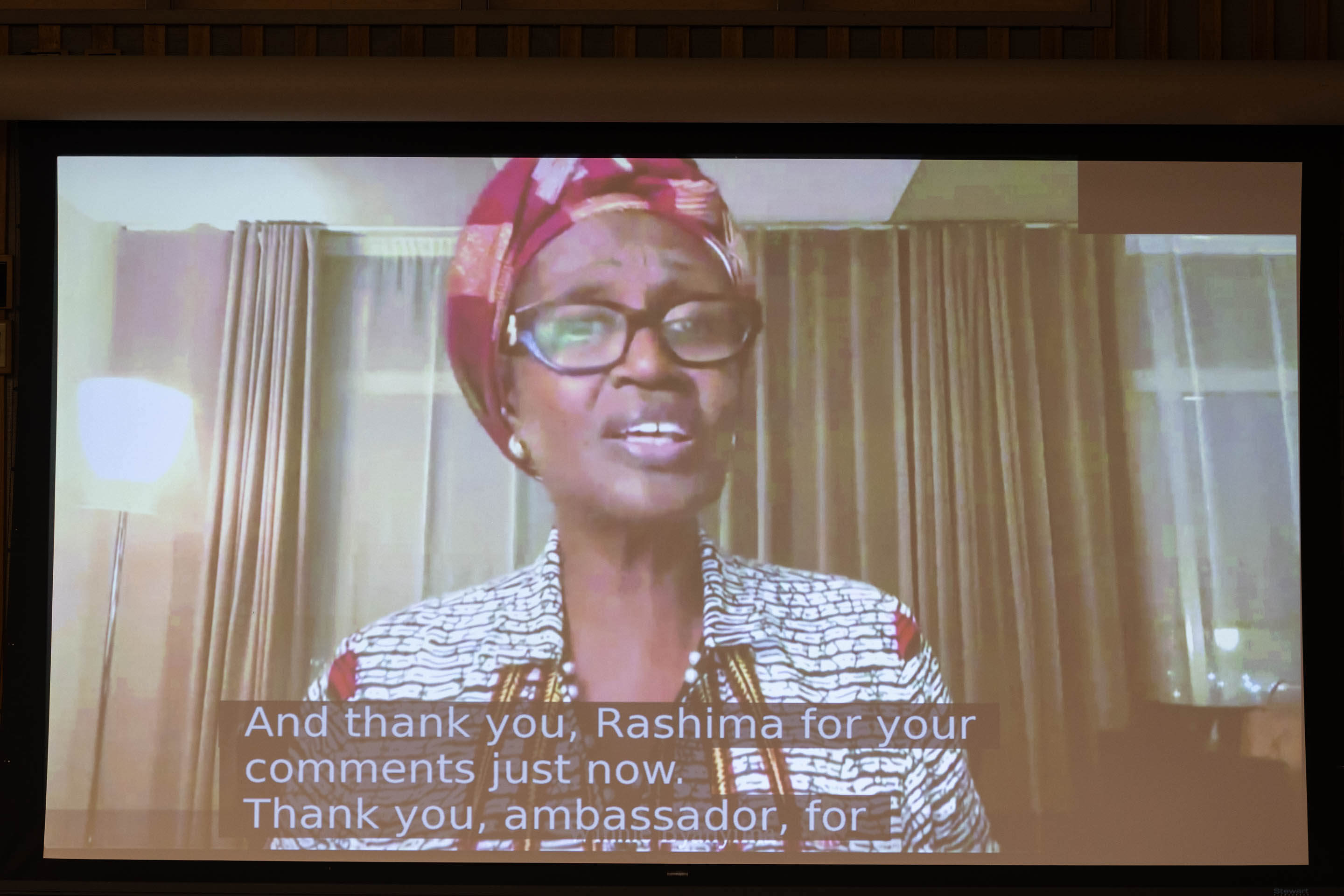
Winnie Byanyima, Executive Director, Joint UN Programme on HIV/AIDS (UNAIDS), via video
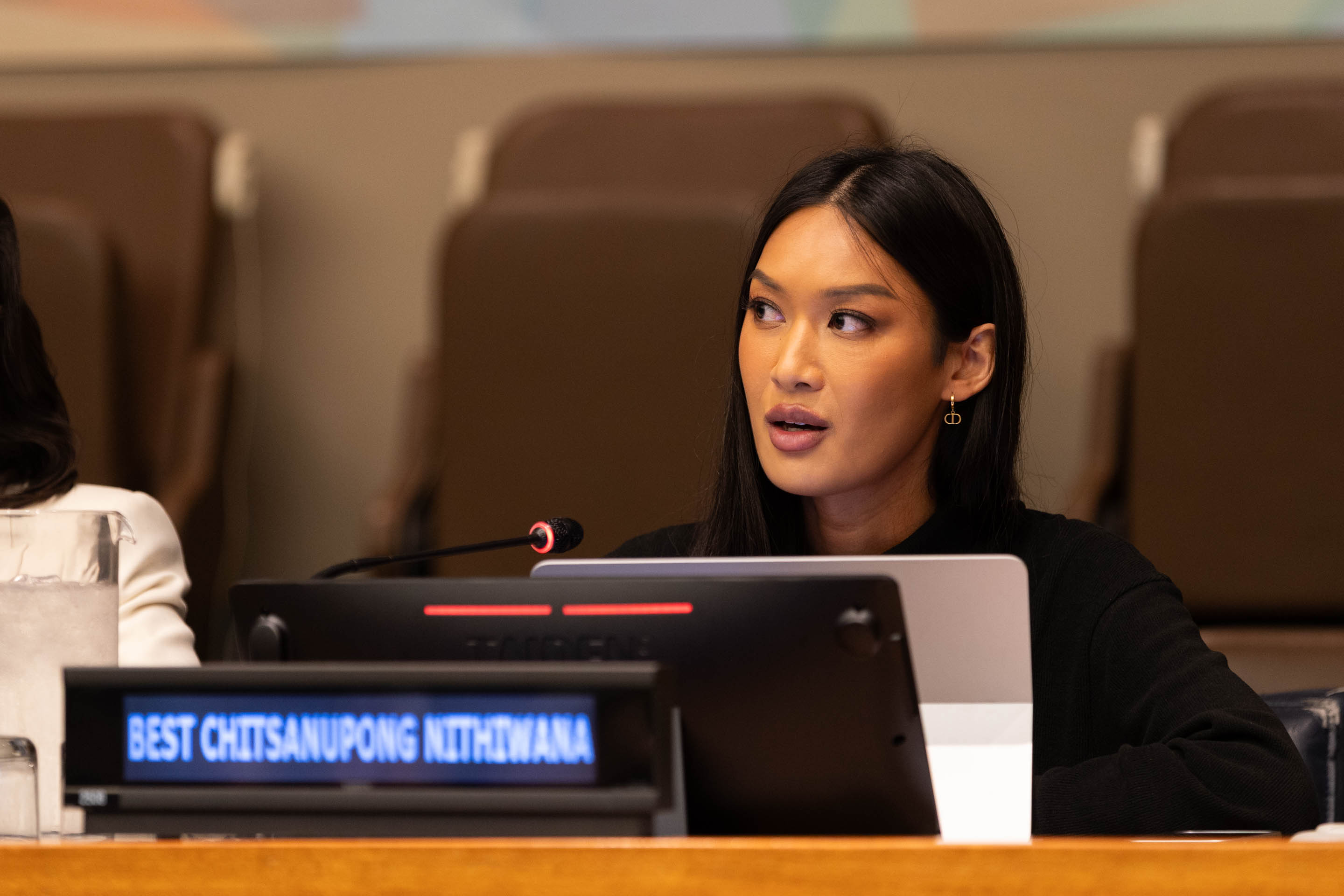
Best Chitsanupong Nithiwana, Human Rights Officer, Global Action for Trans Equality (GATE)
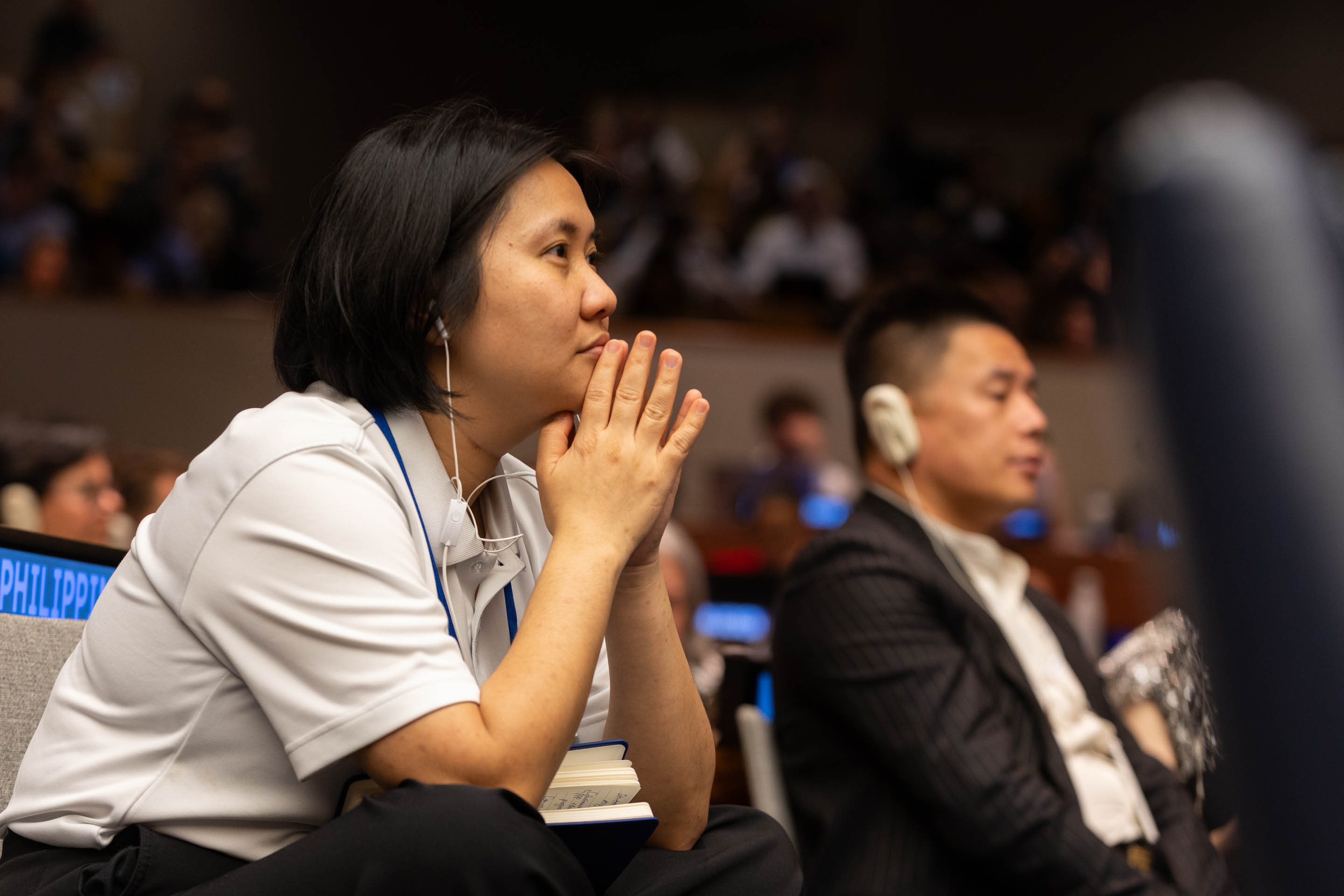
Delegates listen to the discussion on the importance of resourcing civil society
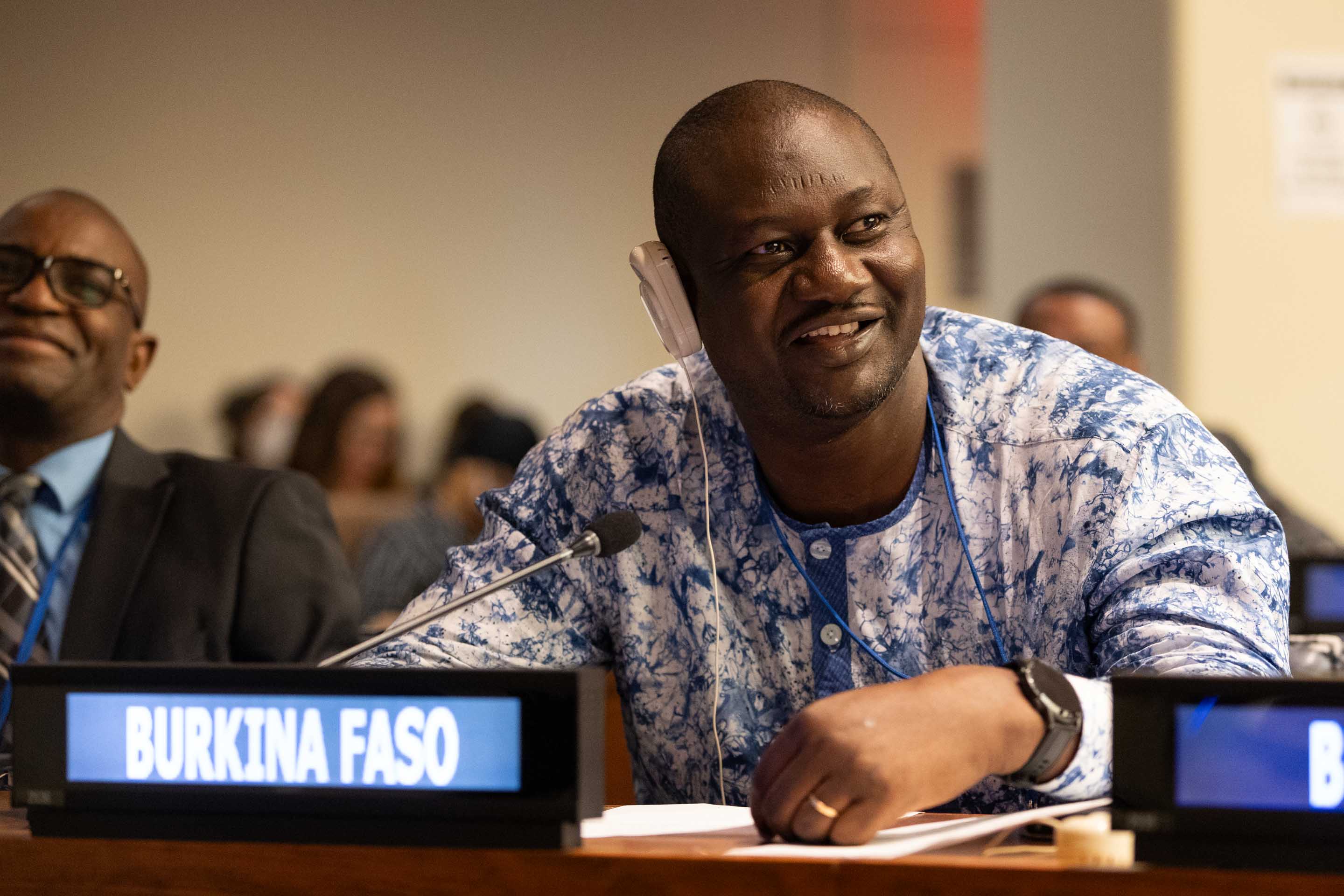
Emmanuel Savadogo, Burkina Faso
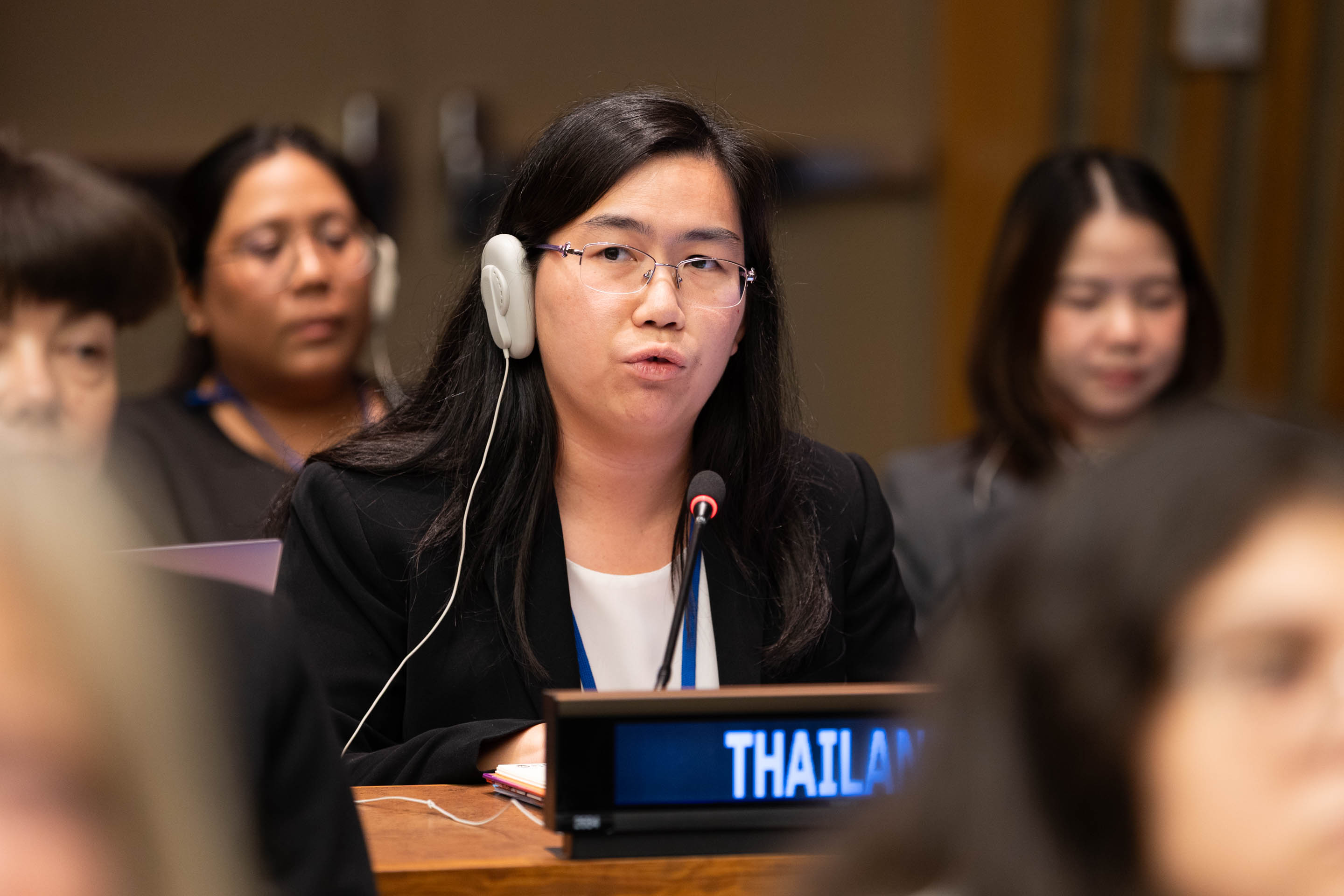
Penpitcha Thammasith Boonloy, Thailand
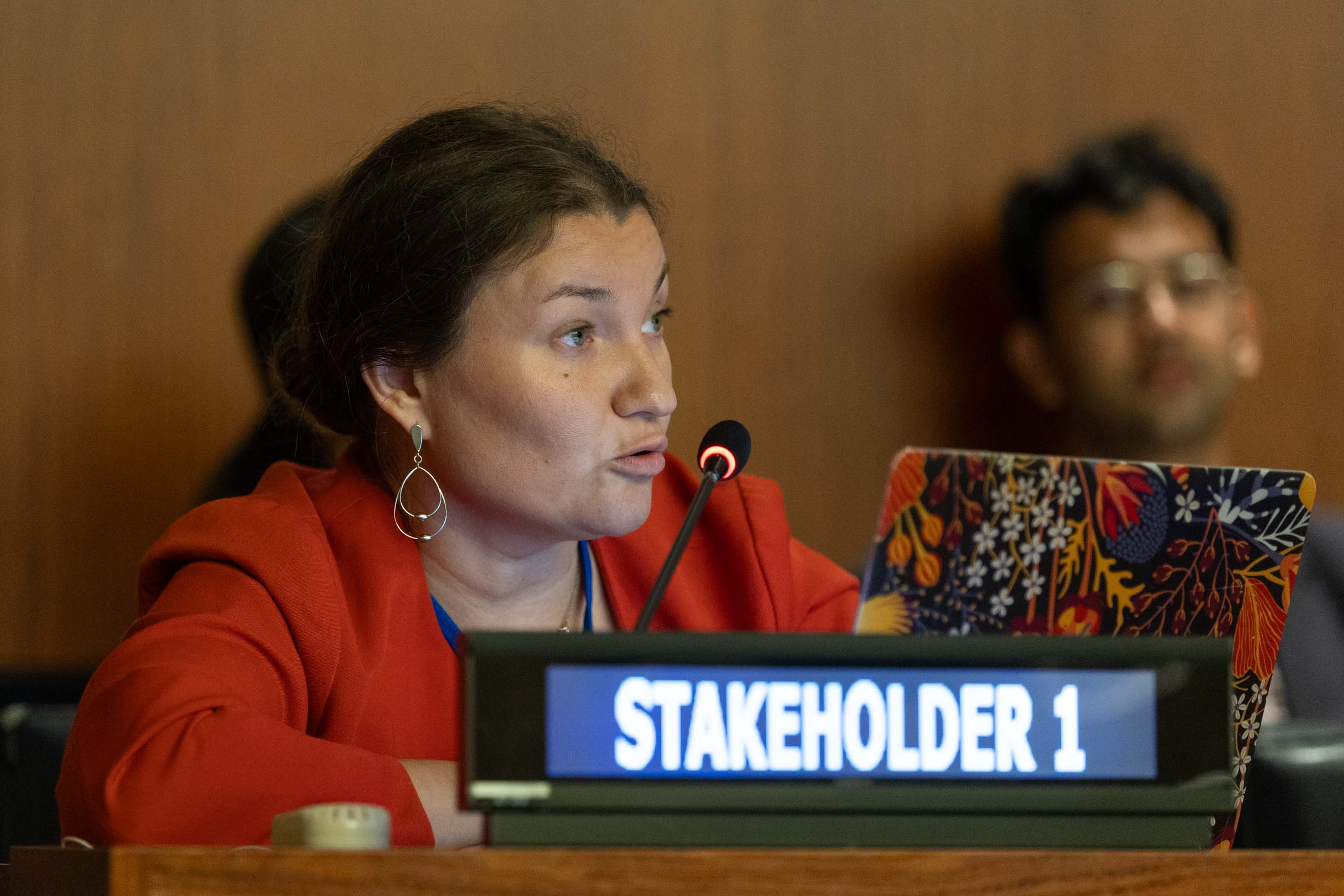
Nelya Rakhimova, Economic Commission for Europe (ECE) Regional Civil Society Engagement Mechanism Stakeholder Group
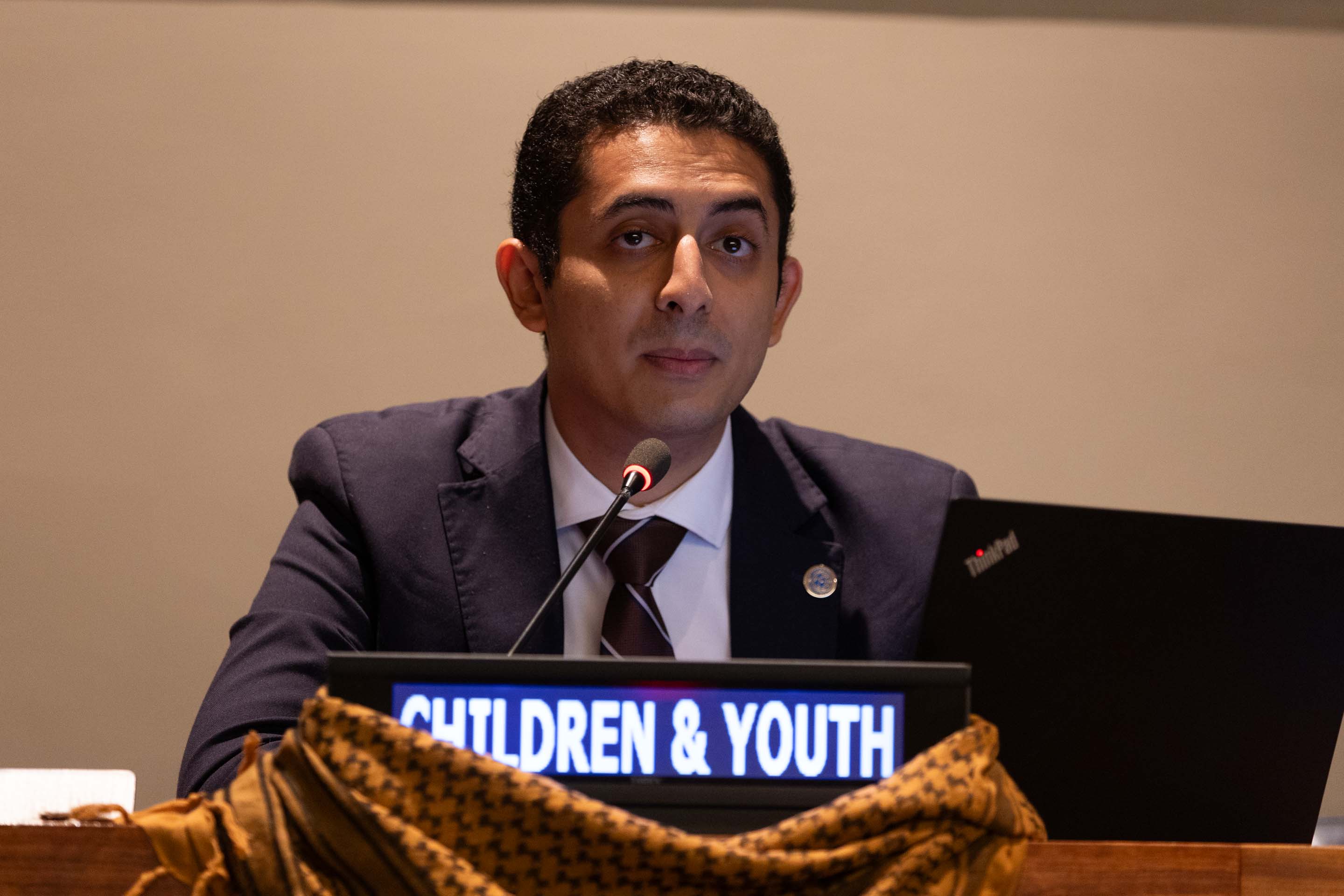
Sameh Kamel, Major Group for Children and Youth (MGCY)
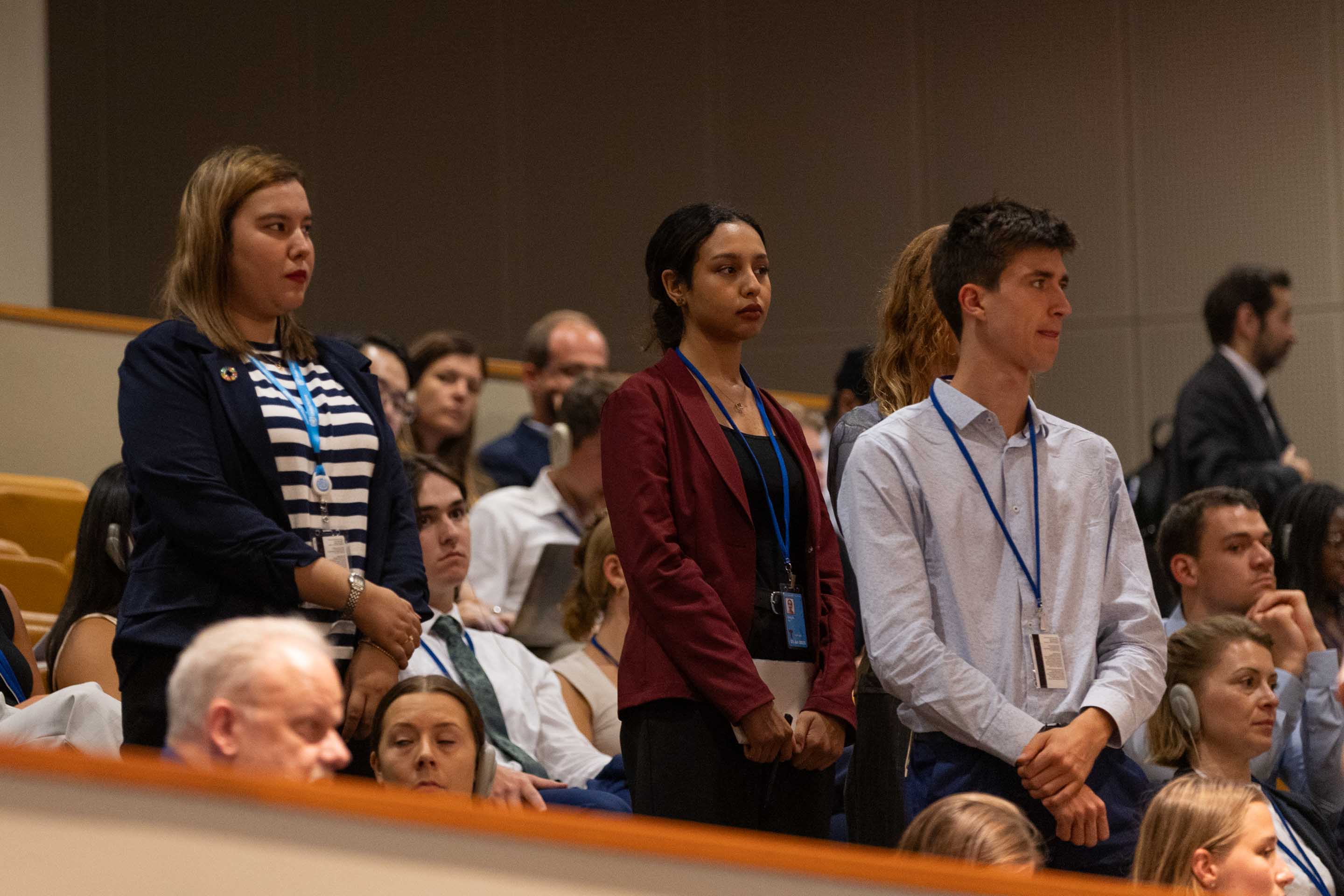
Youth delegates stand during the statement delivered by MGCY
Transformation from the Ground Up: Acting at Local Level
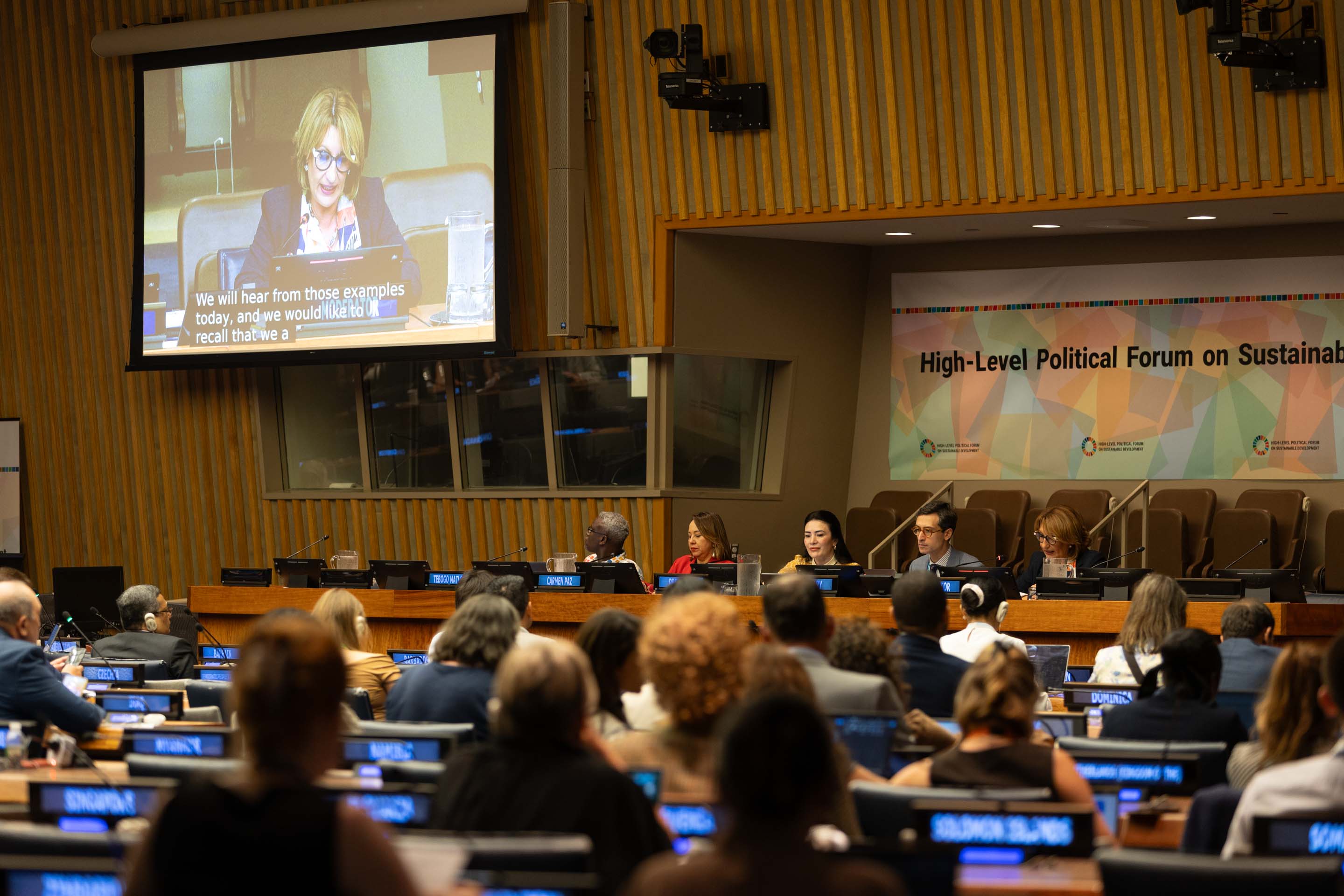
Delegates gather to discuss how to enable transformation from the ground up
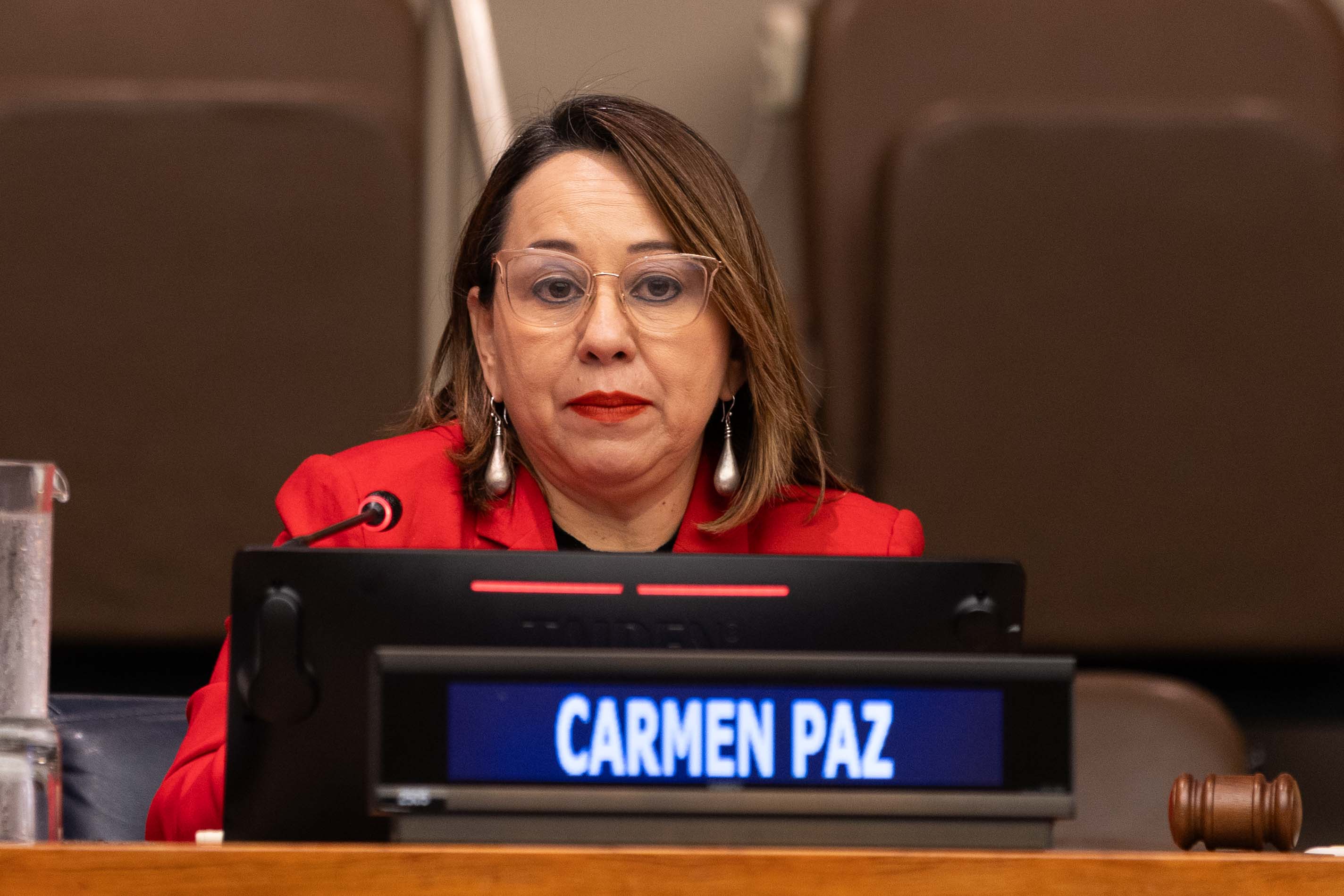
Carmen Paz, Mayor of San Nicolás, Honduras
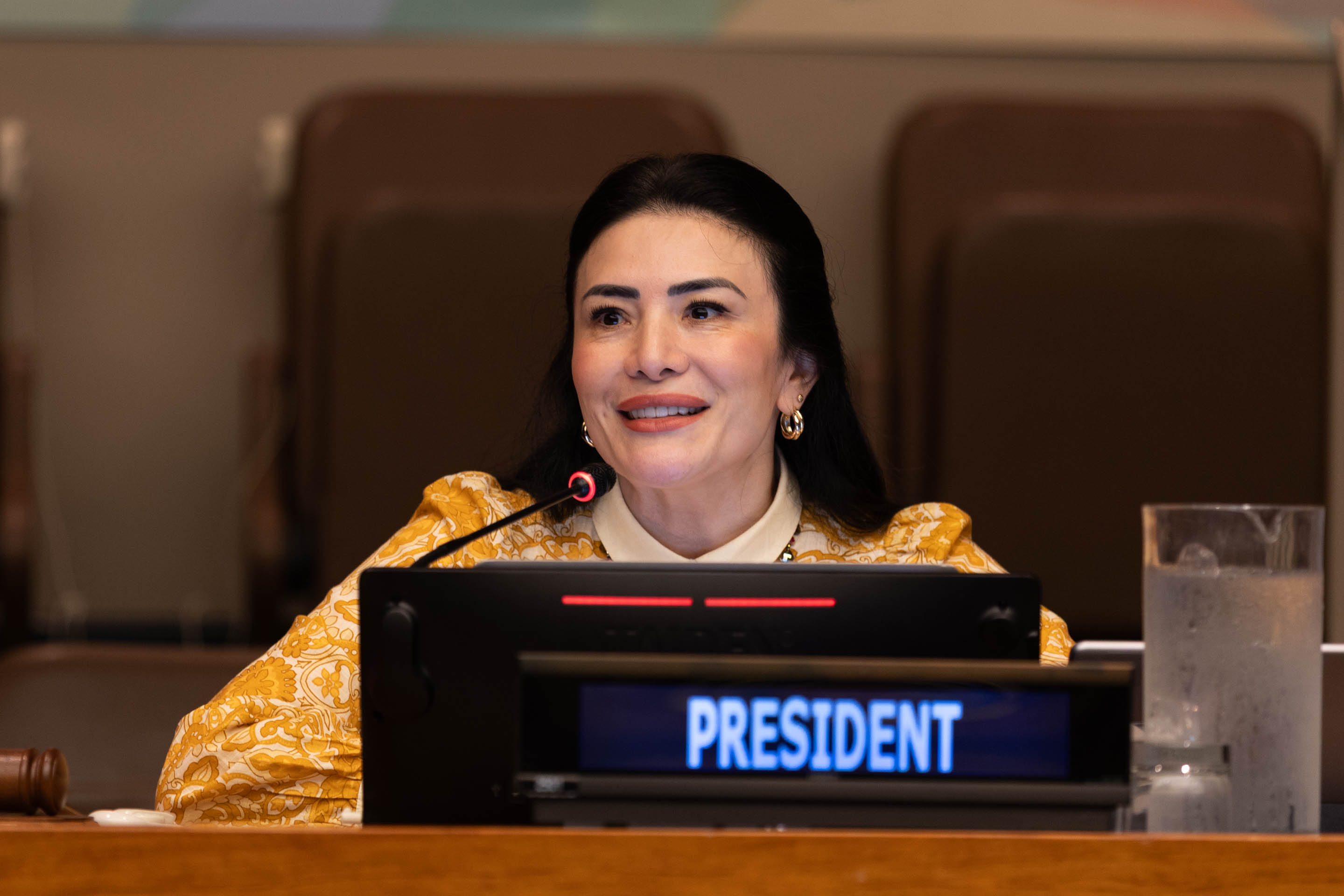
Maritza Chan, Vice-President, ECOSOC
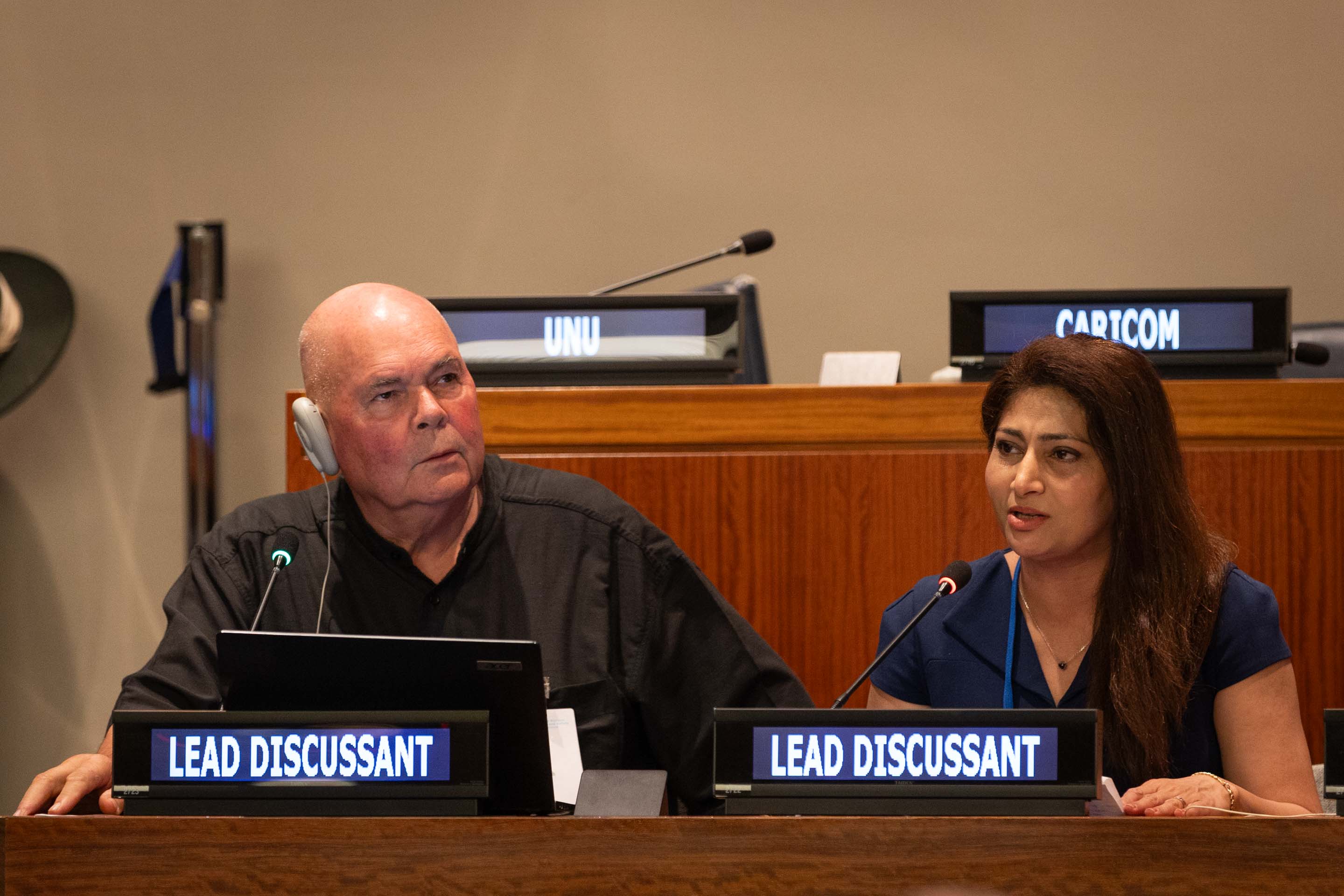
Rudolf Heinrich Bühler, Bäuerliche Erzeugergemeinschaft Schwäbisch Hall, and Nazia Rehman, Congress of Local and Regional Authorities, Council of Europe
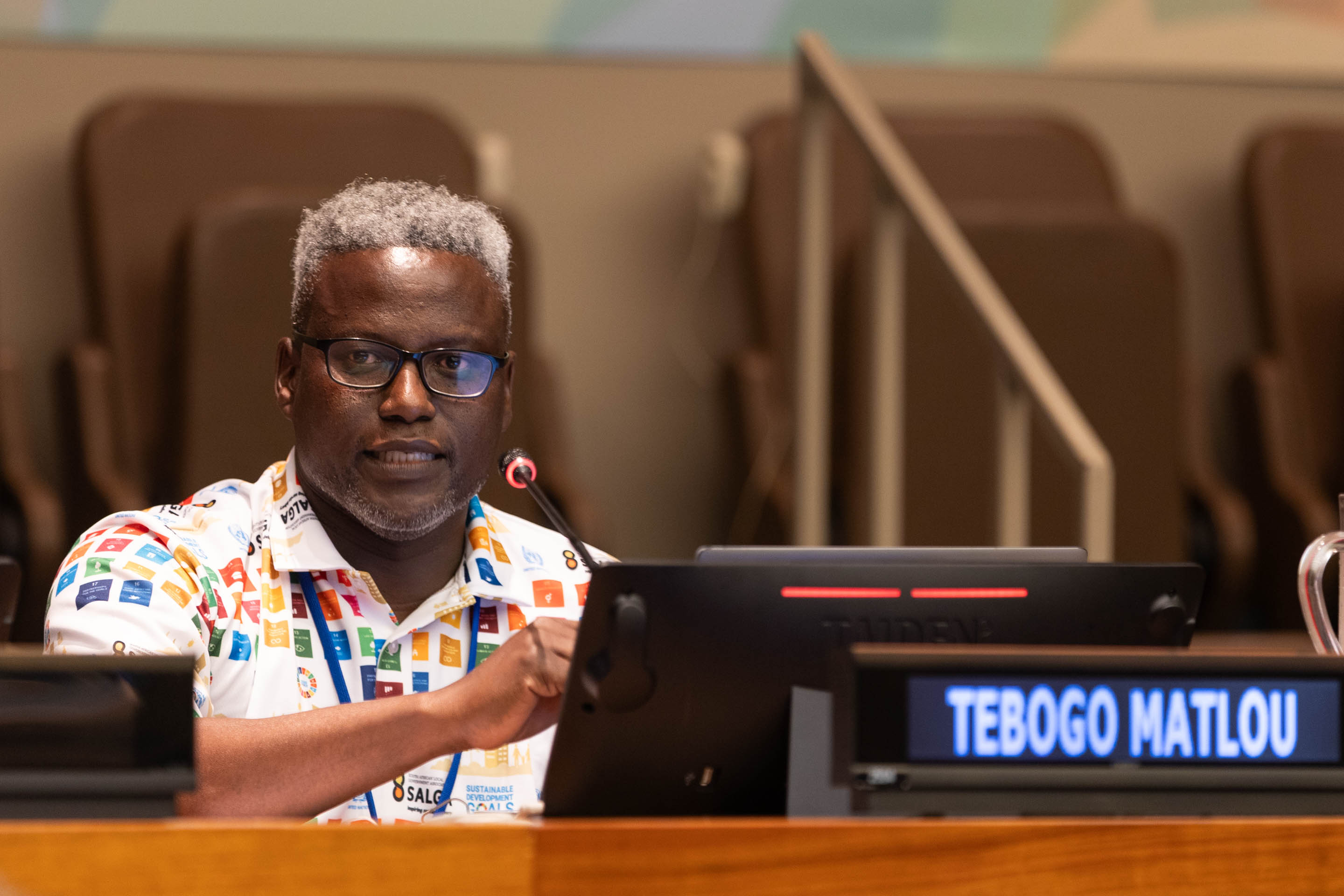
Tebogo Matlou, South Africa Local Government Association (SALGA)
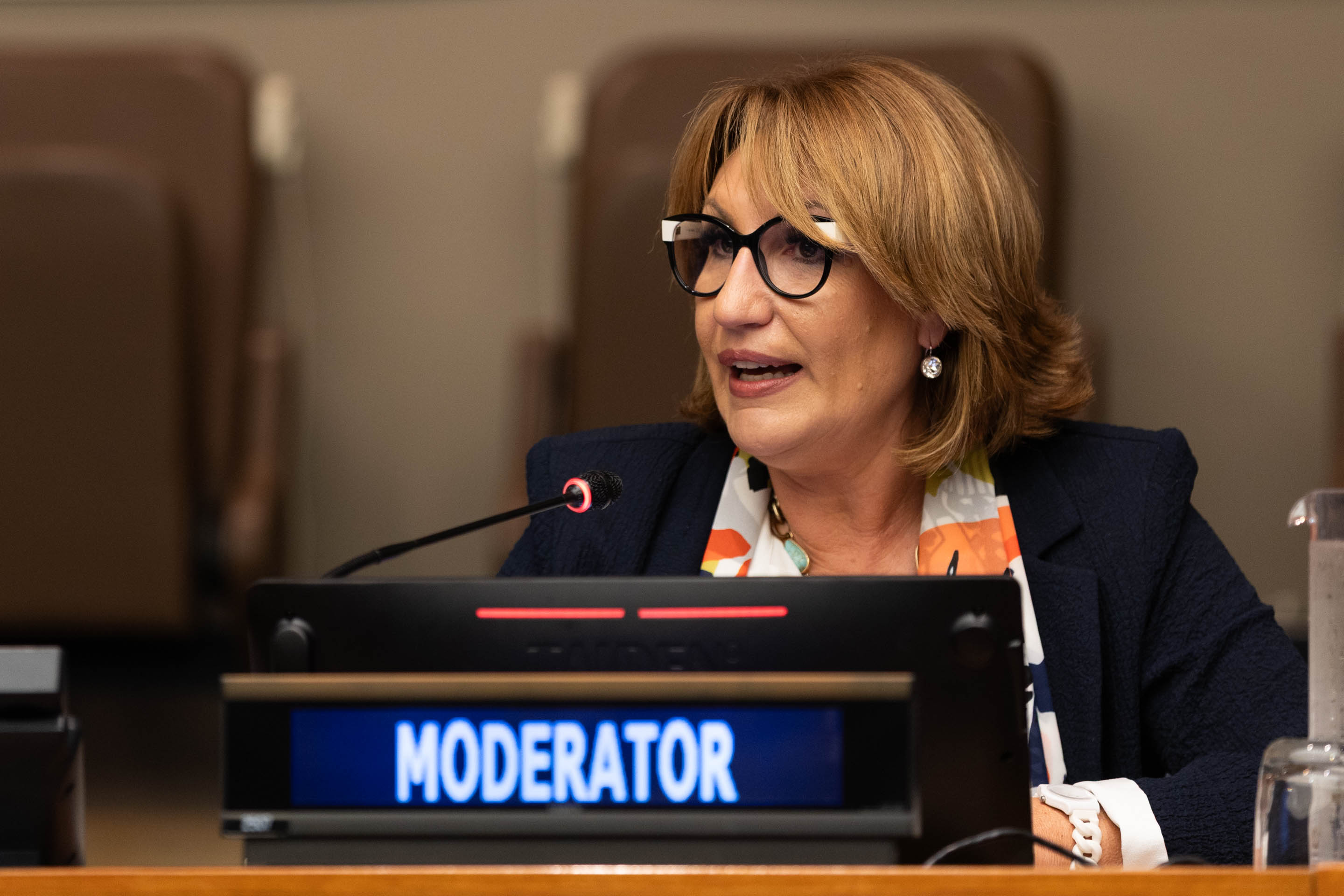
Emilia Saiz, Secretary-General, United Cities and Local Governments
Around the Venue

The fourth day of HLPF 2025 considered SDG 14 - life below water
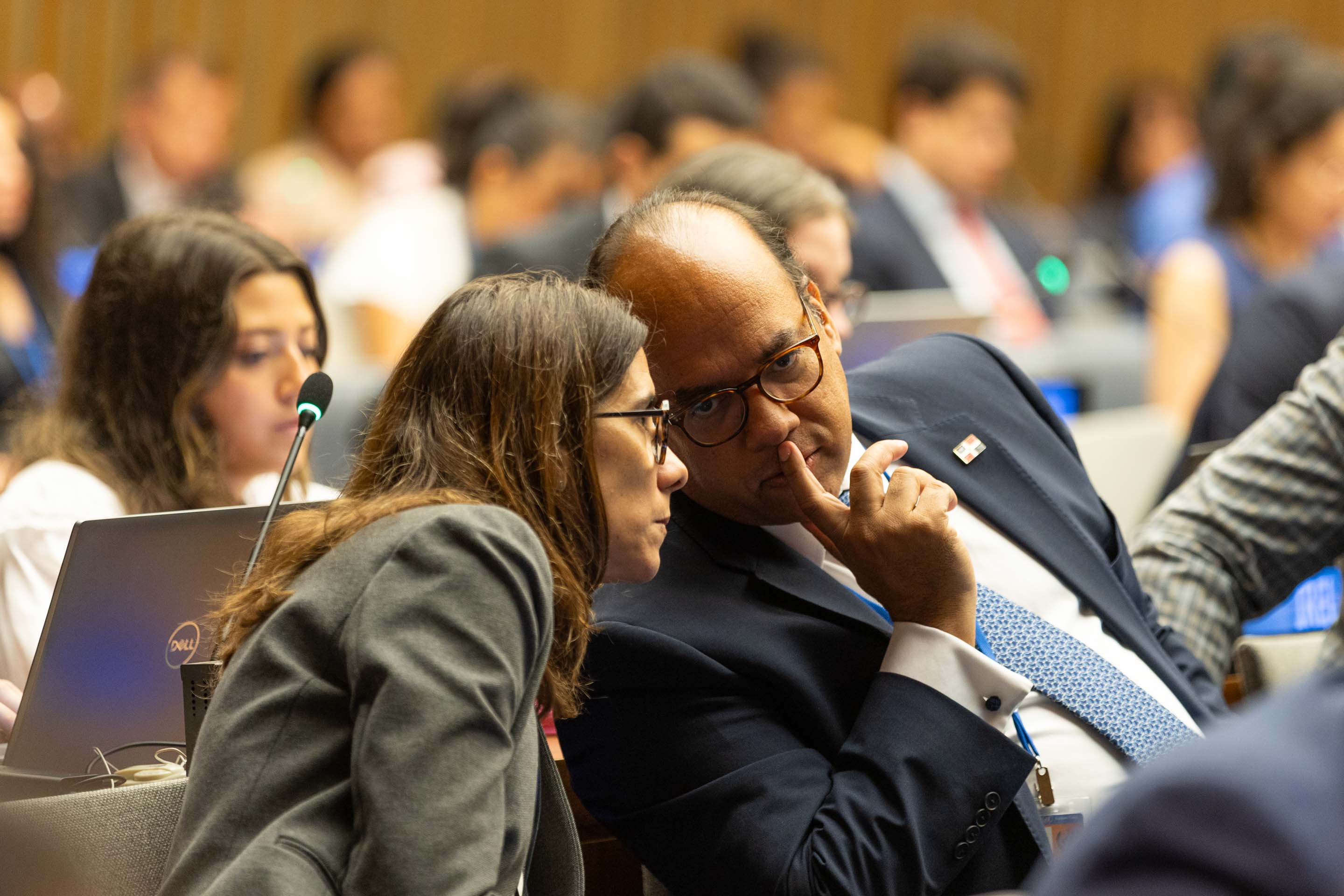
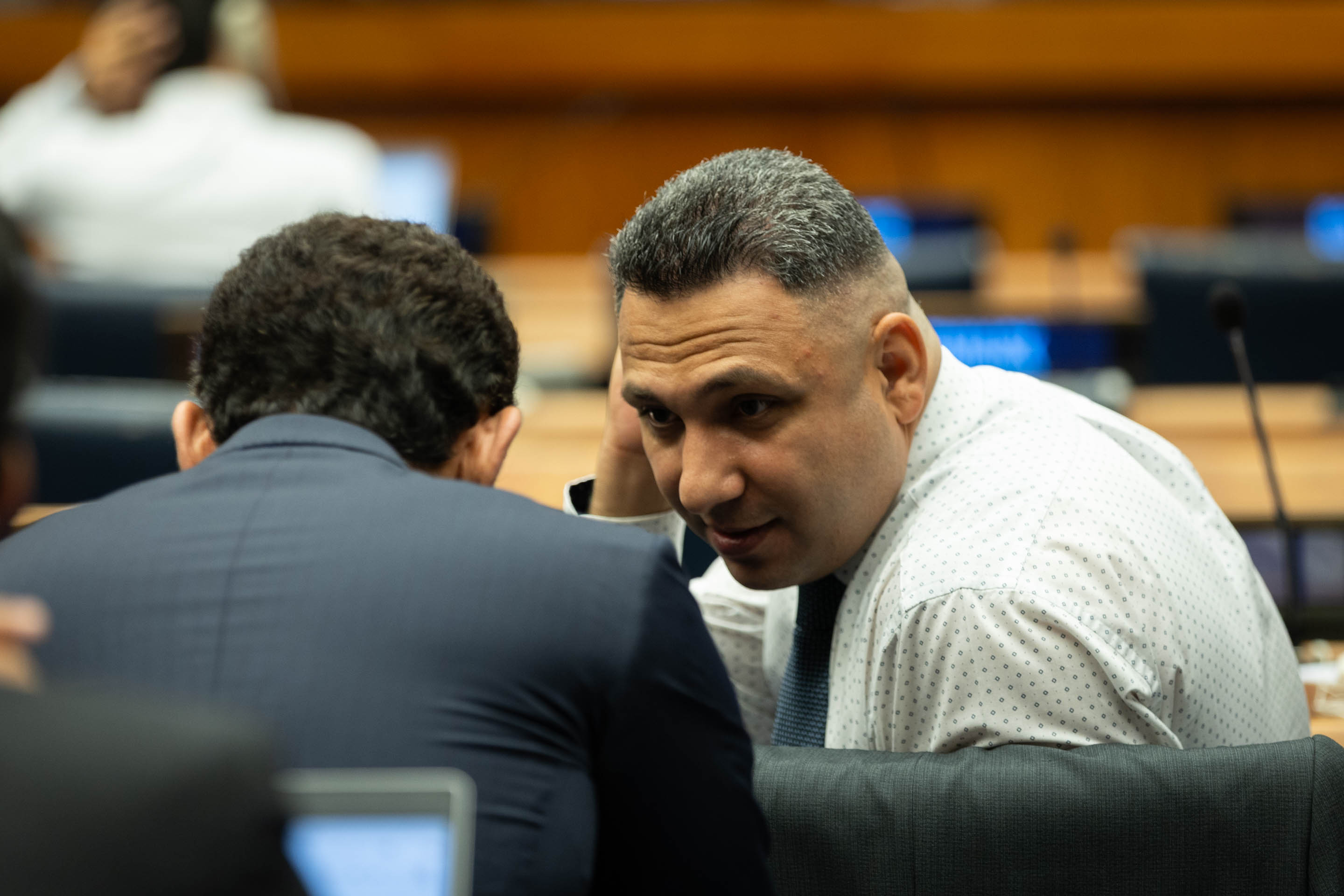
Delegates consult between sessions
UN Security around the venue
Delegates from Estonia
Delegates speak informally