“UN75 gave young people a promise of reinvigorated multilateralism - UN80 must not take away that hope.” This call from a representative of the Children and Youth Major Group concluded a marathon final session of the “General Debate” at the Ministerial segment of the High-level Political Forum on Sustainable Development (HLPF).
The two-minute window allowed for statements by non-state actors added a sense of urgency to the exchange, which addressed the overall theme, ‘UN@80: Catalyzing Change.’ Across many other speeches by high-level representatives of Member States, intergovernmental organizations, UN entities, and civil society representatives, speakers repeatedly called for the multilateral system to do better in upholding justice and the rule of law and ensuring that no person or place is left behind.

These themes were further expressed during presentations of the nine final Voluntary National Reviews (VNRs), which took place in parallel to the Ministerial discussions. The peer exchanges sought to identify lessons learned and examples of best practice on such shared challenges as how to ensure holistic and integrated SDG processes that address the needs and priorities of all segments of the population in order to ensure no one is left behind.

During the closing plenary in the evening, Jakub Kulhánek, Permanent Representative of Czechia to the UN and one of the Co-Facilitators of the HLPF 2025 Ministerial Declaration, introduced the draft document, noting it represents a “carefully calibrated consensus.”
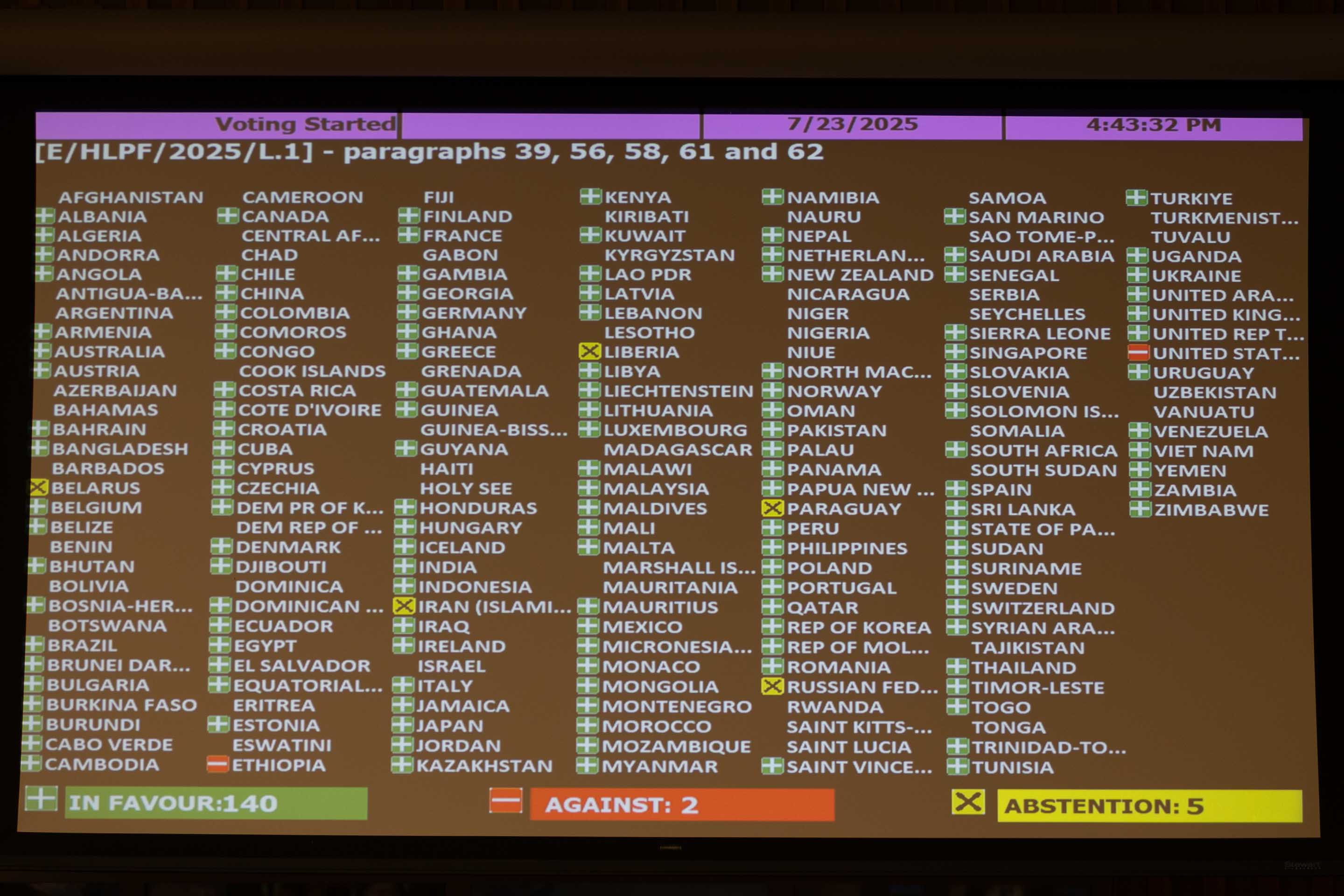
Several delegations expressed their opposition to specific sections of the Declaration, which led to successive votes on specific paragraphs of the text, touching on: access to medicines (SDG 3); gender equality (SDG 5); and decent work for all (SDG 8). Others expressed disappointment at weakening of language referring to the 2030 Agenda, sexual and reproductive health, as well as the lack of reference to the Paris Agreement on climate change, food security, and other topics adopted in other multilateral agreements.

Following a final vote on the Declaration in its entirety, the Forum adopted a 130-paragraph Ministerial Declaration, which is structured around three main sections:
- An opening section titled, "Current trends, challenges and their impacts on accelerating the implementation of the SDGs";
- A section outlining priority actions for advancing sustainable, inclusive, science- and evidence-based solutions for the 2030 Agenda for Sustainable Development, with five sub-sections outlining specific actions under review at HLPF 2025; and
- A final section on the VNRs.

In closing statements, some Member States dissociated themselves from specific paragraphs. Others expressed disappointment that the Forum did not adopt the Ministerial Declaration by consensus.
In his closing remarks, Li Junhua, UN Under-Secretary-General for Economic and Social Affairs, said the HLPF brought together over 6,000 participants, including 100 ministers. He said the 35 VNRs presented provided inspiring examples of policies and actions in advancing the SDGs, and add to a valuable database for joint learning, currently containing than 400 VNR reports. Li commended the dedicated engagement of Major Groups and other Stakeholders and described the final outcome as a “powerful reiteration” of multilateral resolve that reaffirms collective commitment to the 2030 Agenda and its 17 SDGs.
Thanking all participants and organizers, Chair Bob Rae gaveled the meeting to a close at 6.02 pm.
To receive free coverage of global environmental events delivered to your inbox, subscribe to the ENB Update newsletter.
All ENB photos are free to use with attribution. For HLPF 2025 please use: Photo by IISD/ENB - Kiara Worth
VNR Presentations throughout the Day
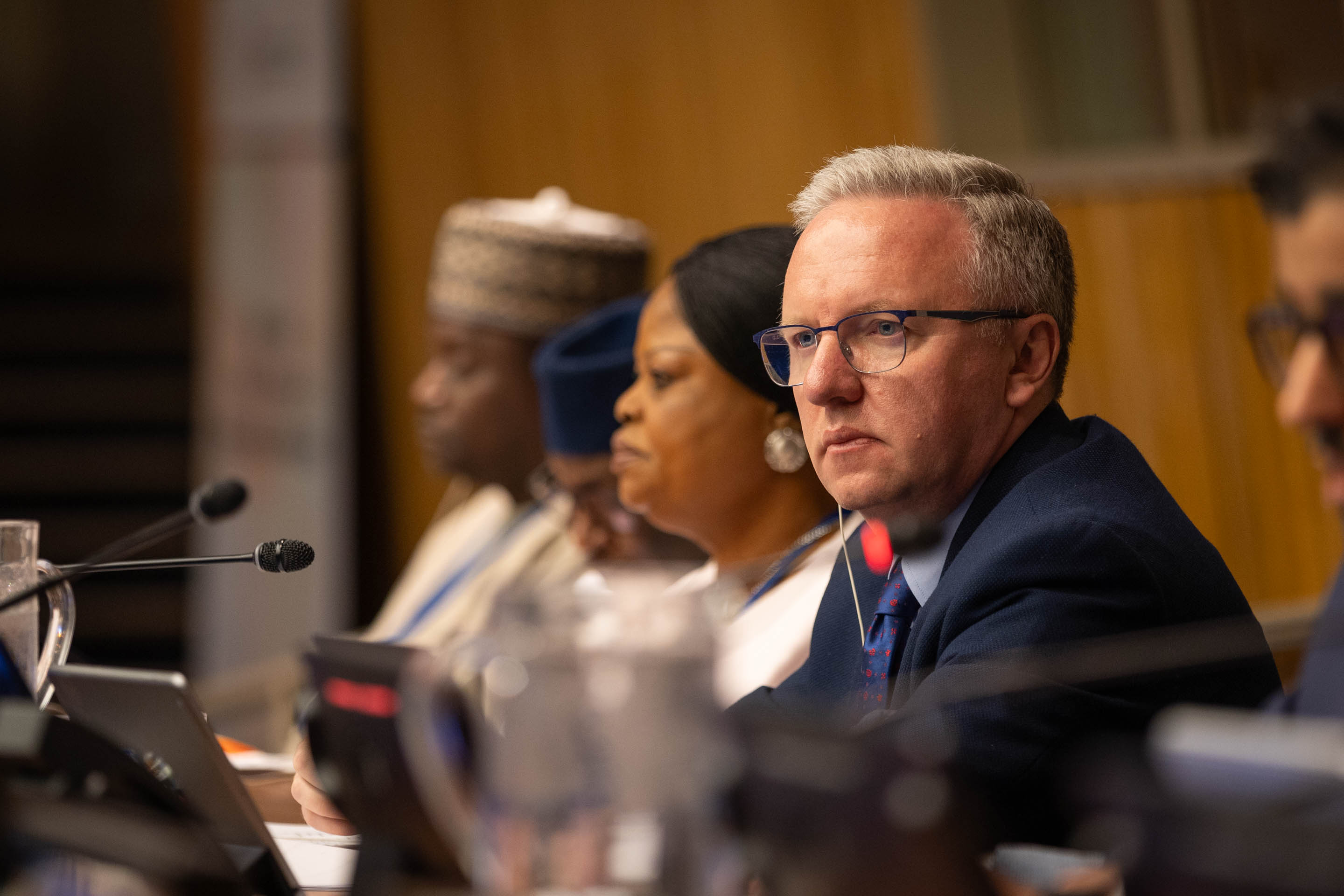
Krzysztof Szczerski, Vice-President, ECOSOC
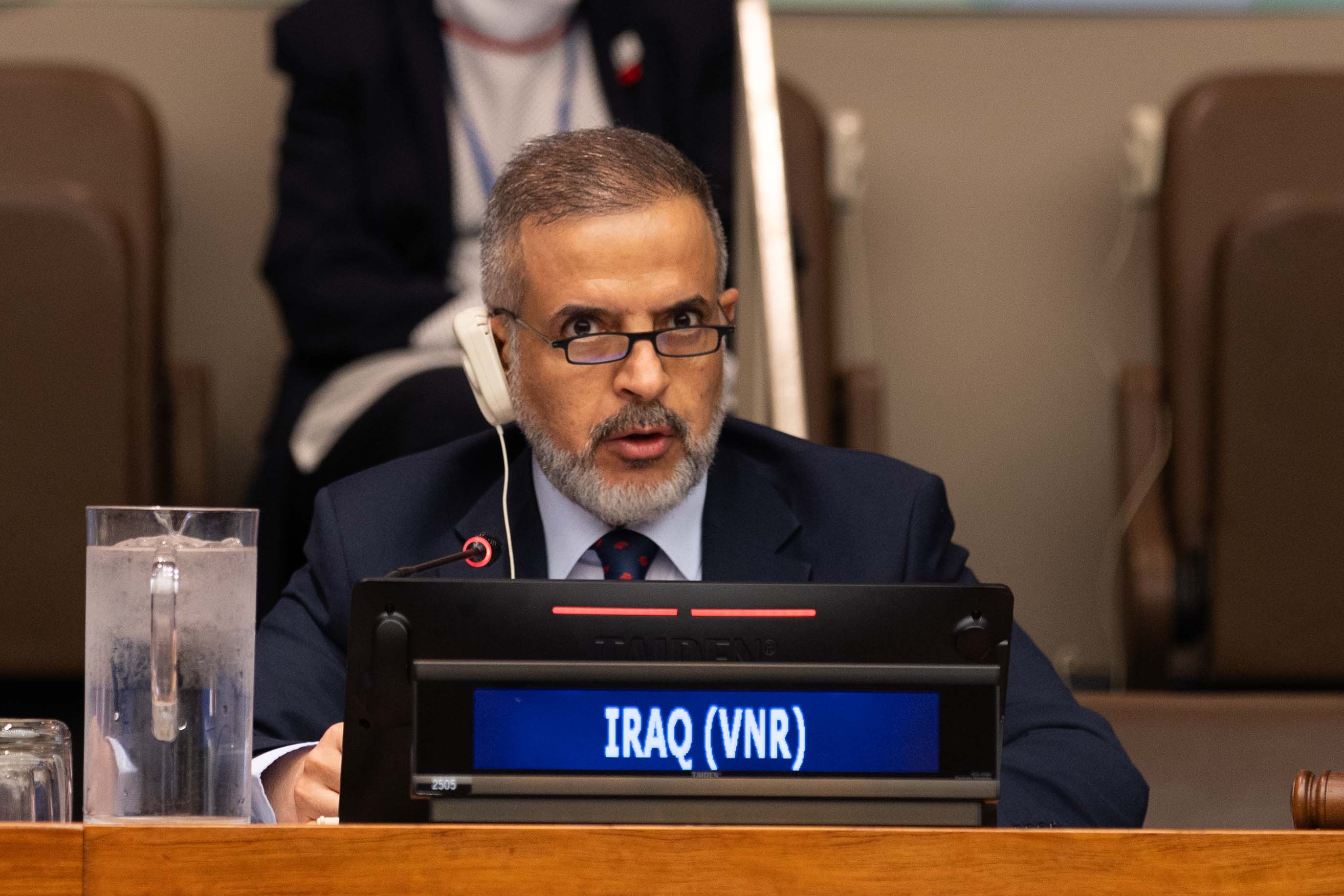
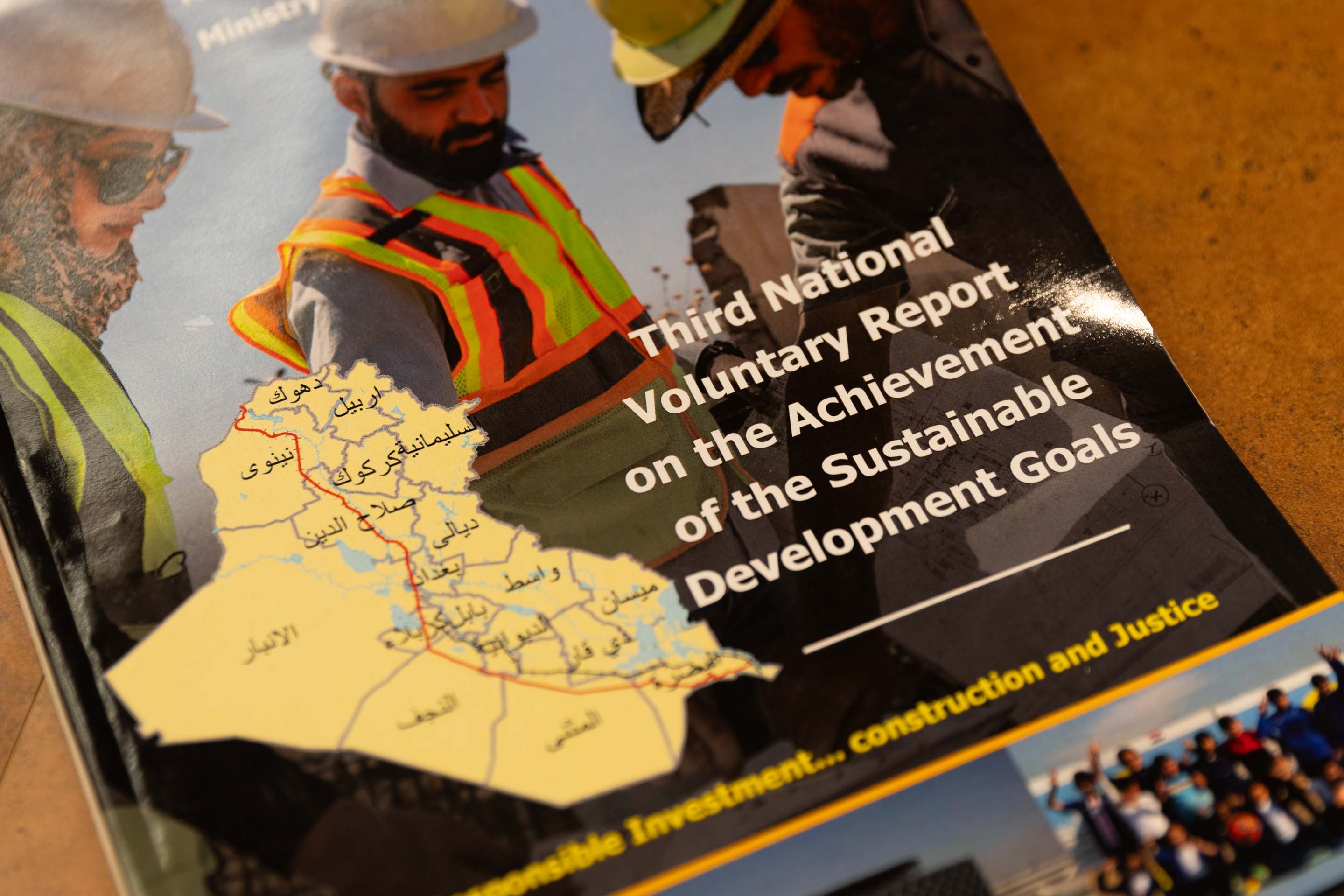
Muhammad Ali Tamim, Deputy Prime Minister and Minister of Planning, Iraq
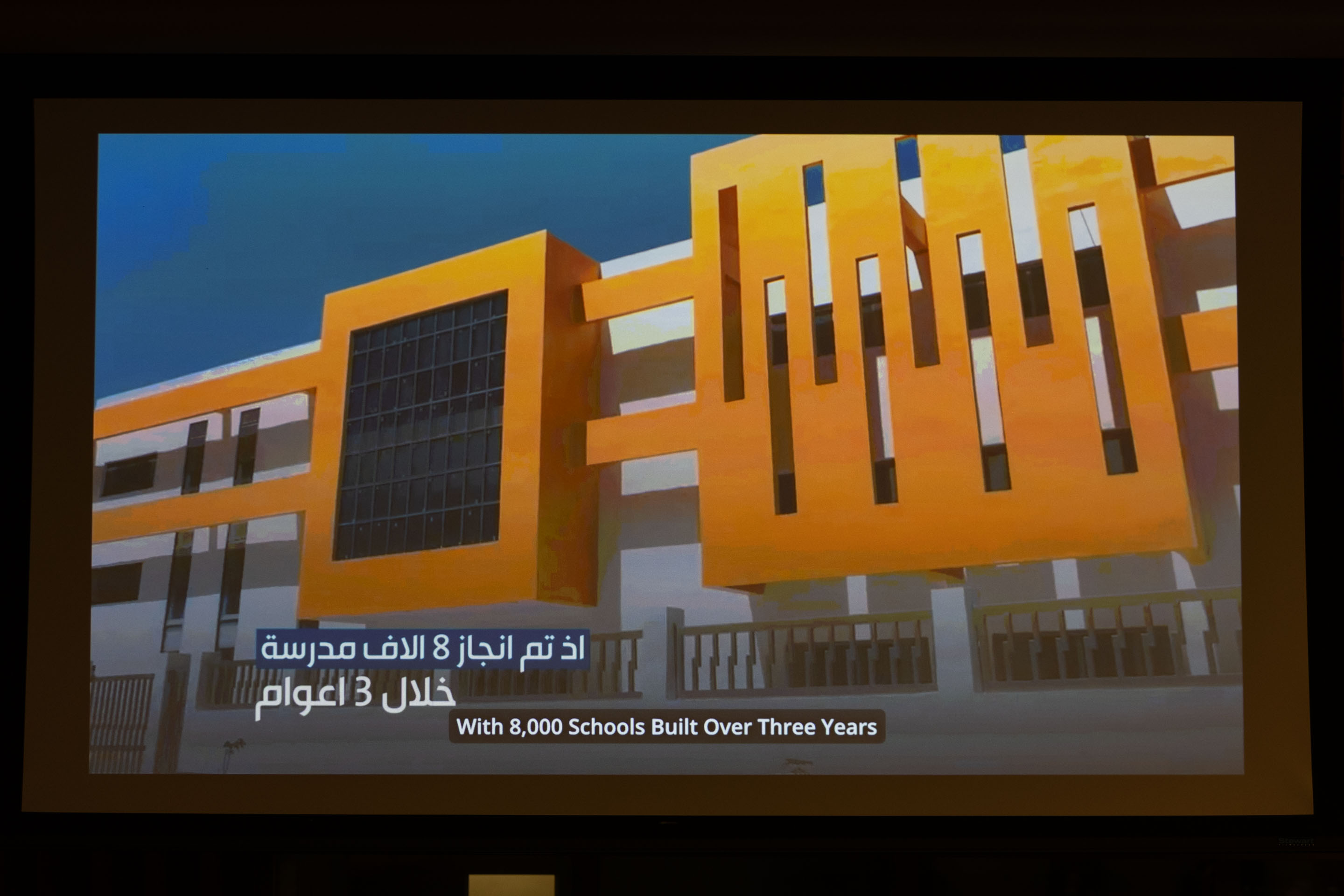
Iraq's VNR highlights their progress in advancing primary education
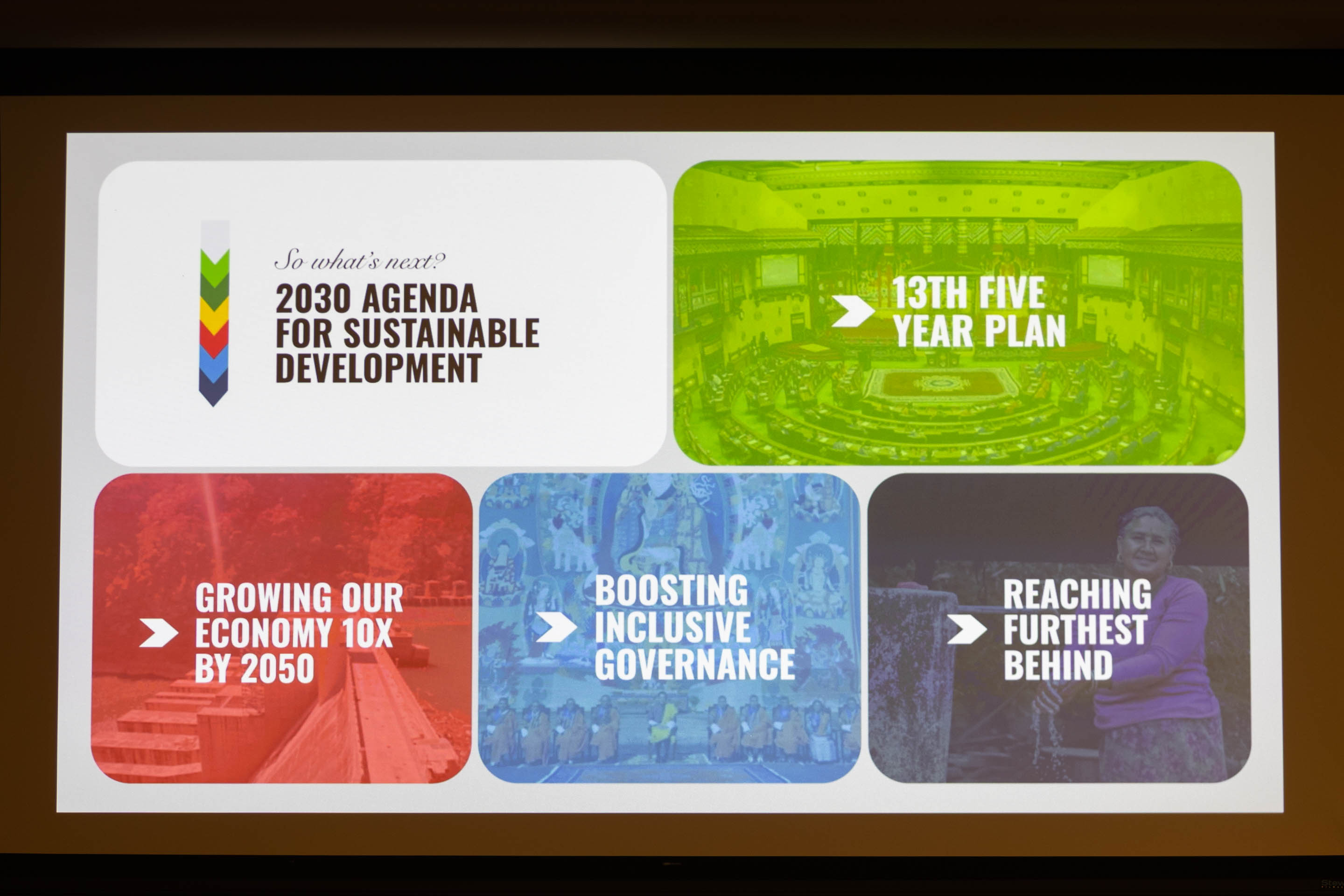
Bhutan's VNR highlights their key areas of development
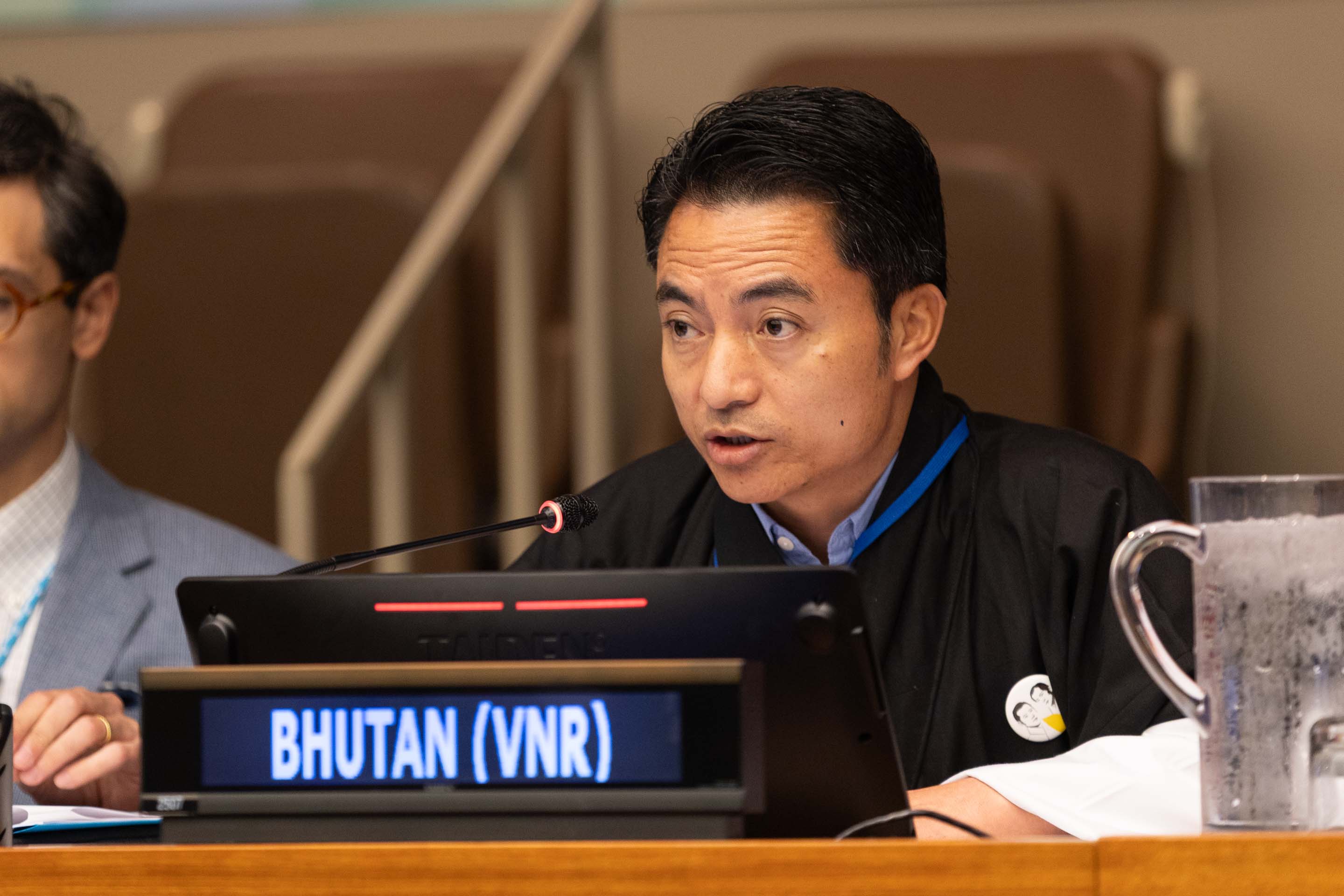
Chencho Chencho, Director, Prime Minister’s Office, Bhutan
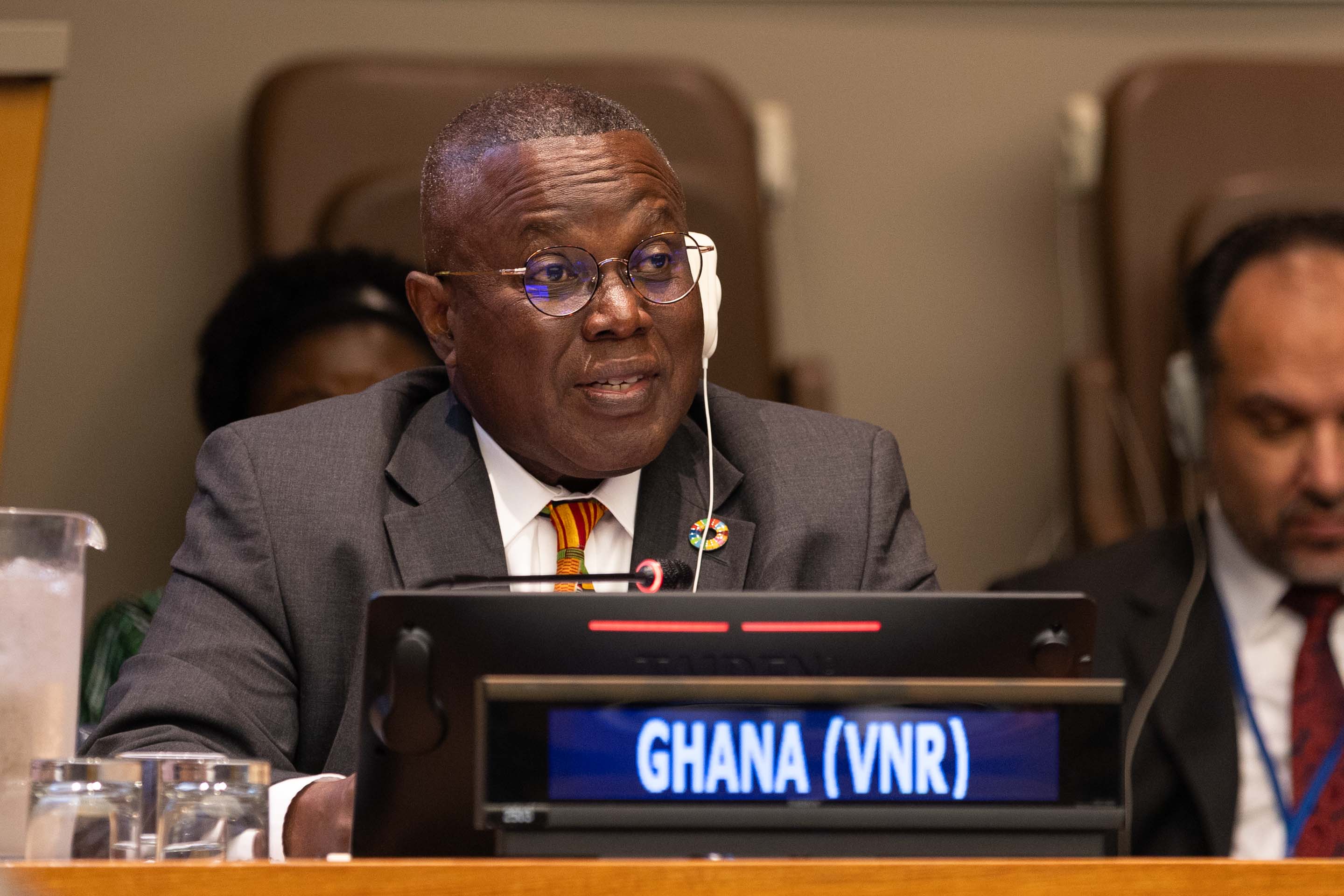
Nii Moi Thompson, Chairman of the National Development Planning Commission, and Senior Advisor to the President, Ghana
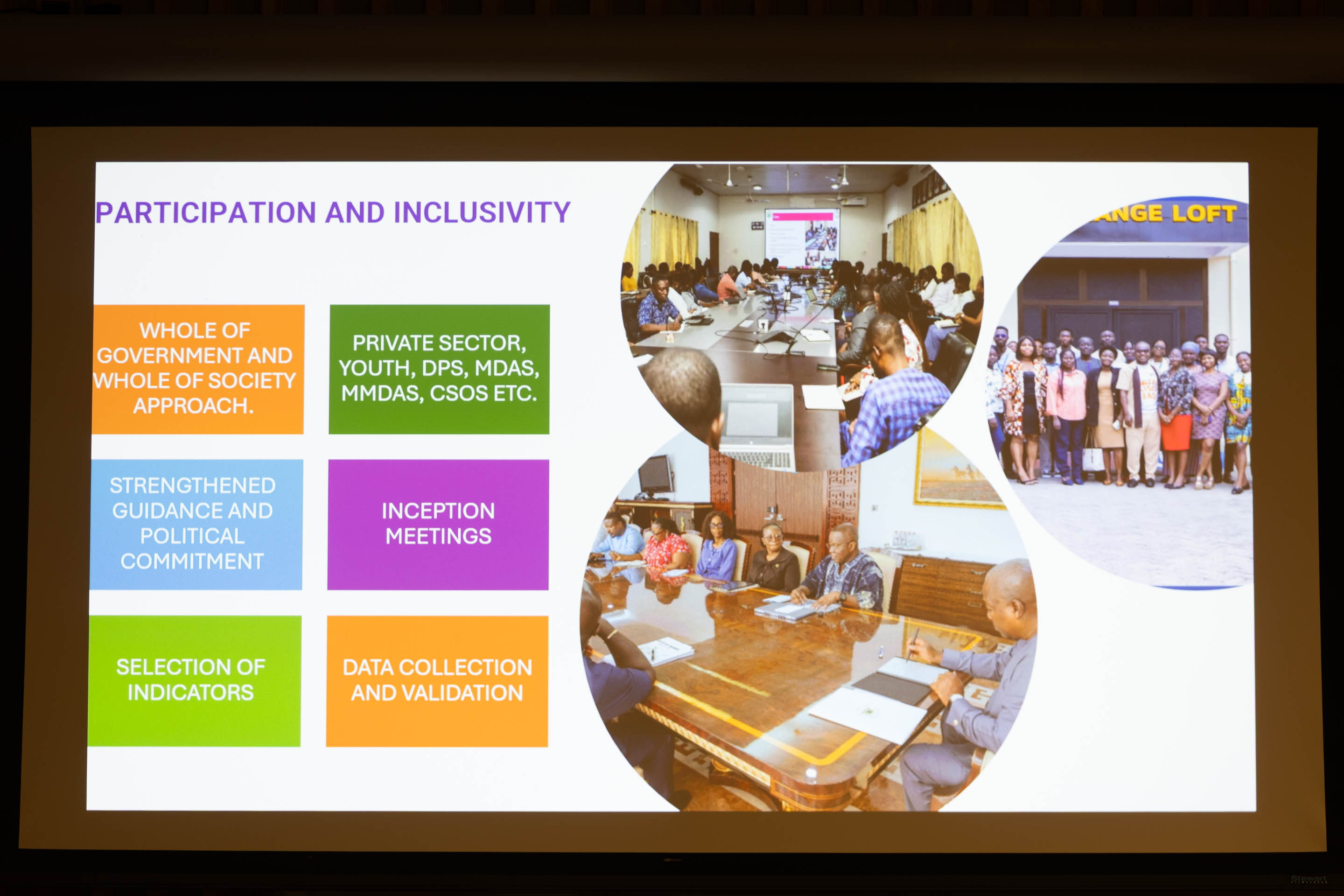
Ghana's VNR highlights their high levels of participation and inclusivity in SDG assessments
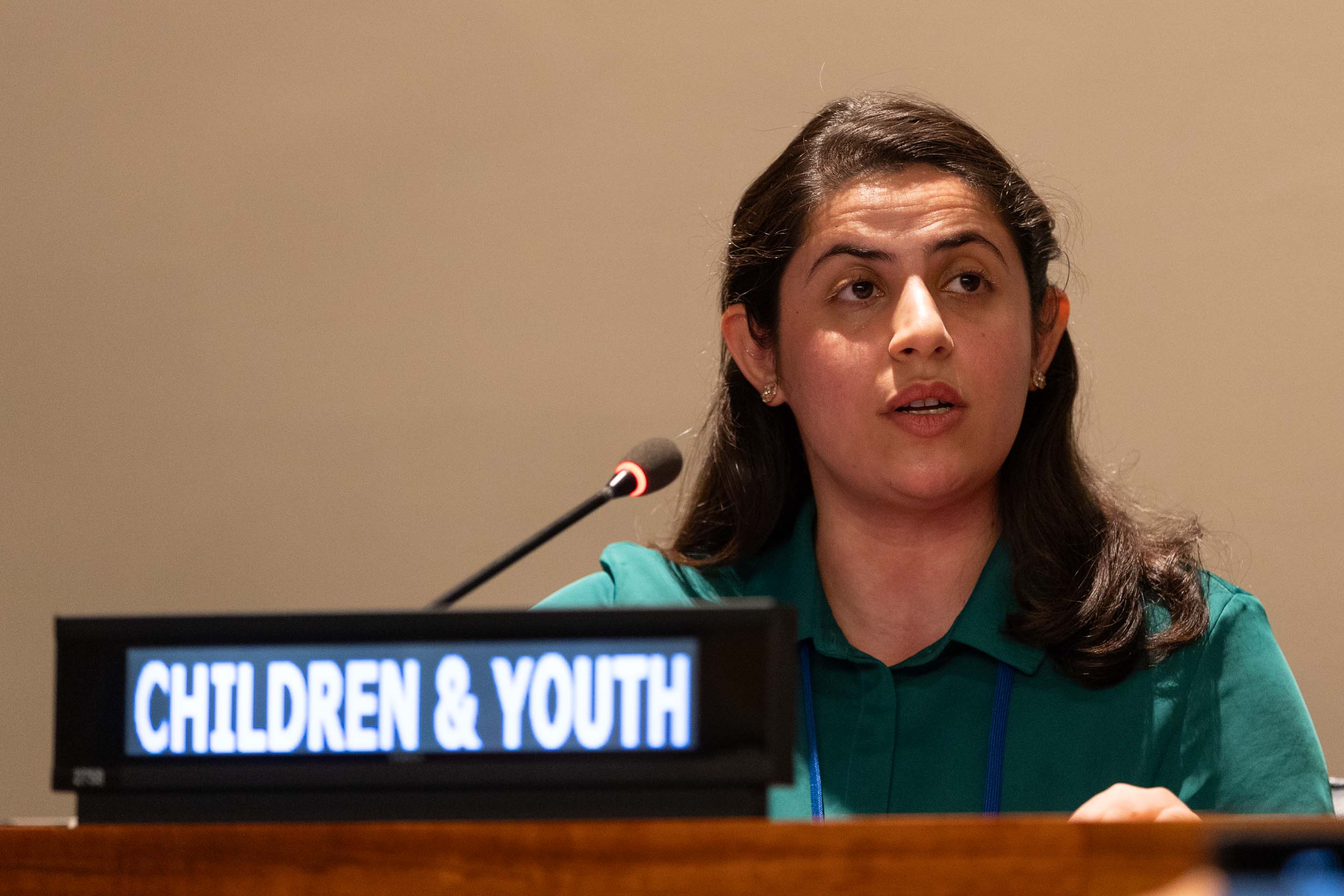
Majeda Shamil Yousif Al Zaydan, Major Group for Children and Youth
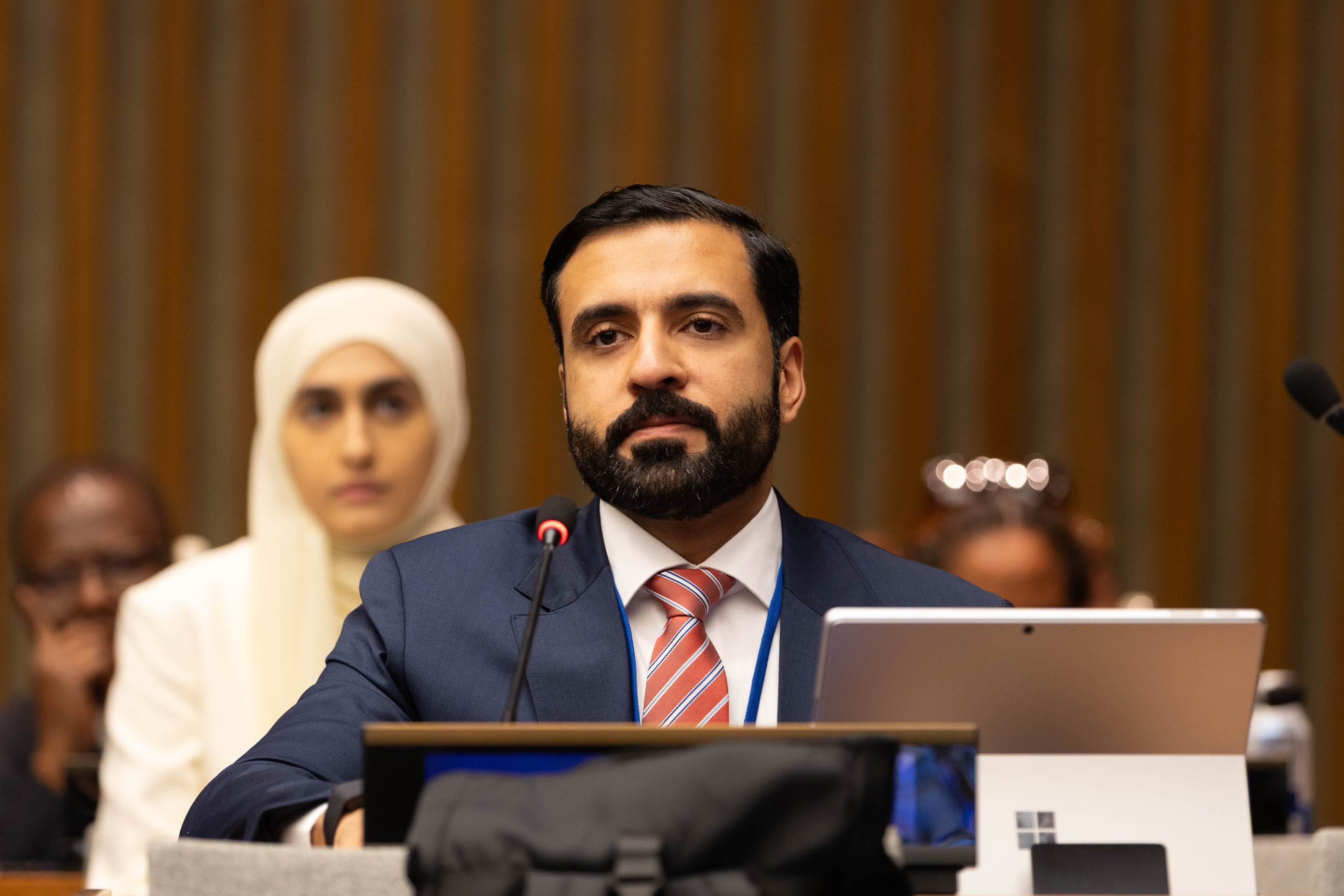
Ahmed Khalid Al Sumaiti, Qatar
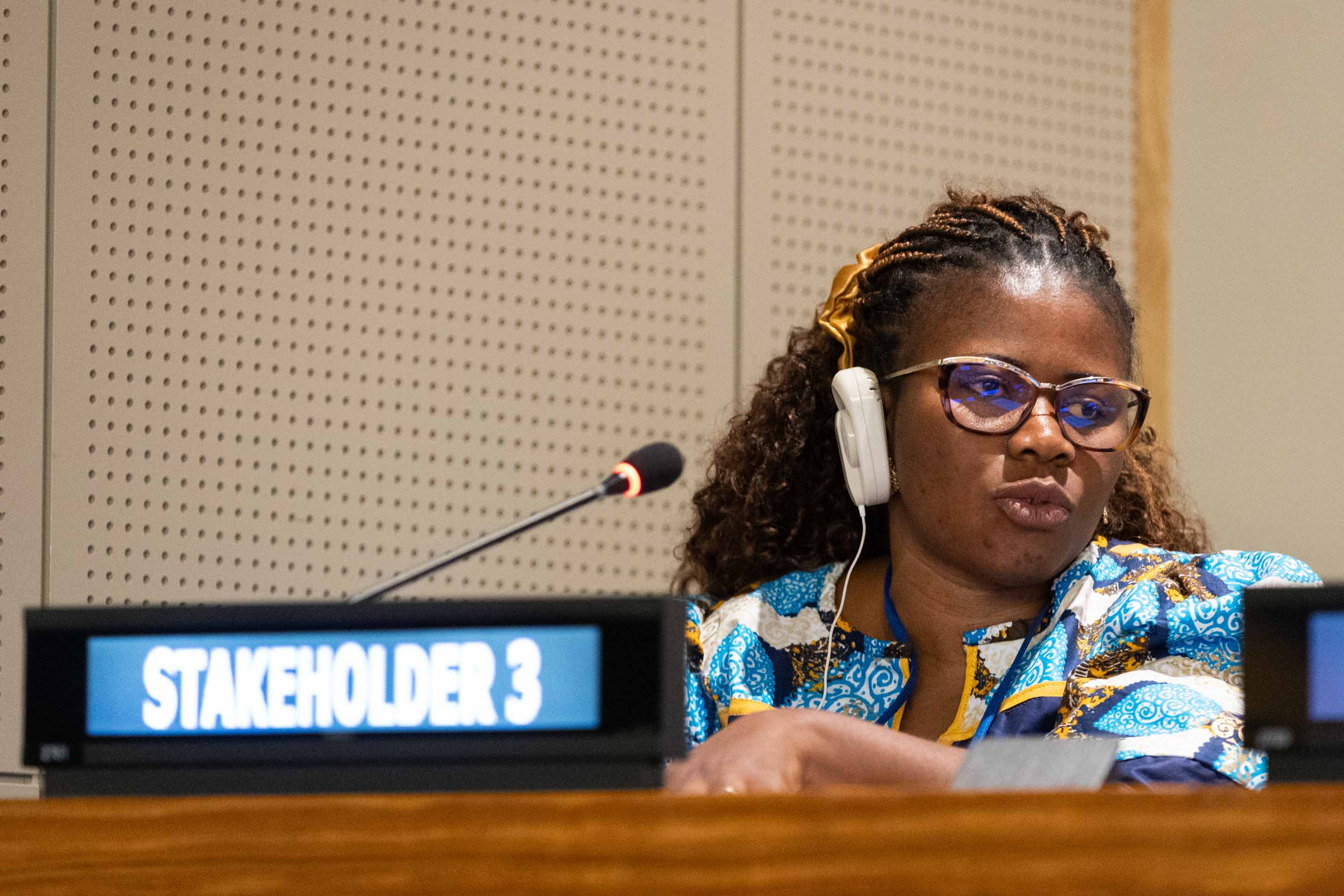
Beatrice Akua Mahmood, African Regional CSO Mechanism
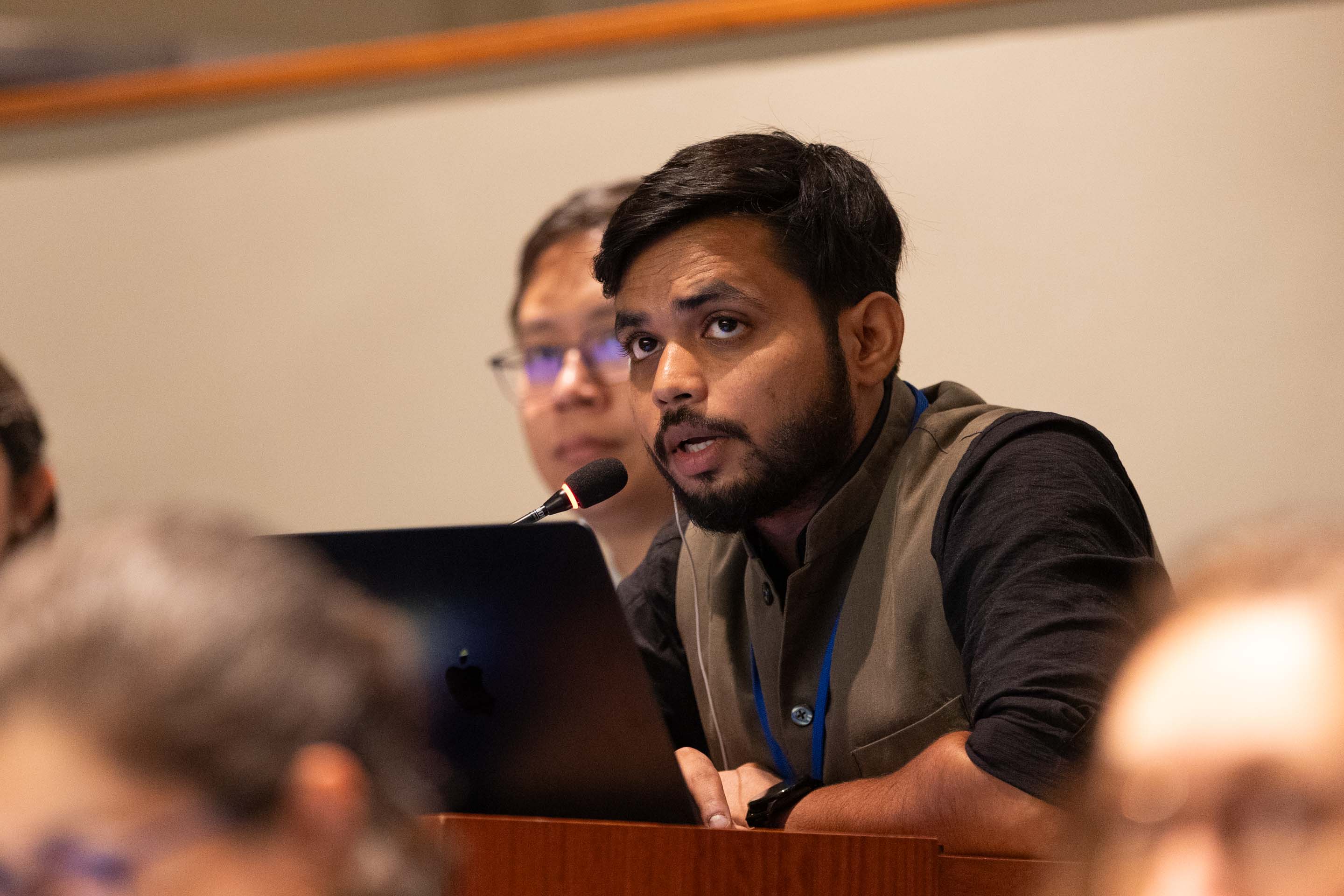
Naveen Gautam, NGO Major Group
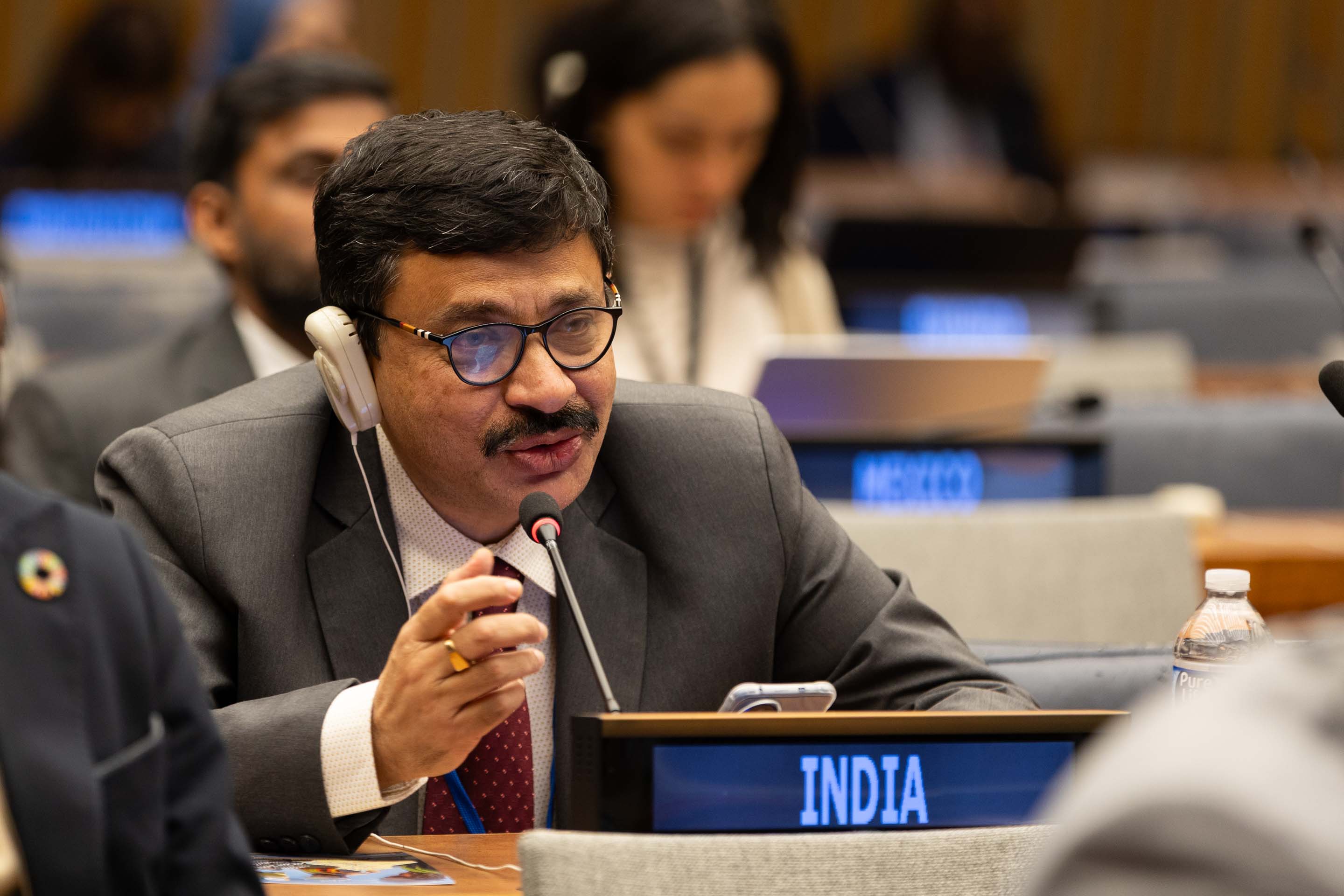
Rajib Kumar Sen, India
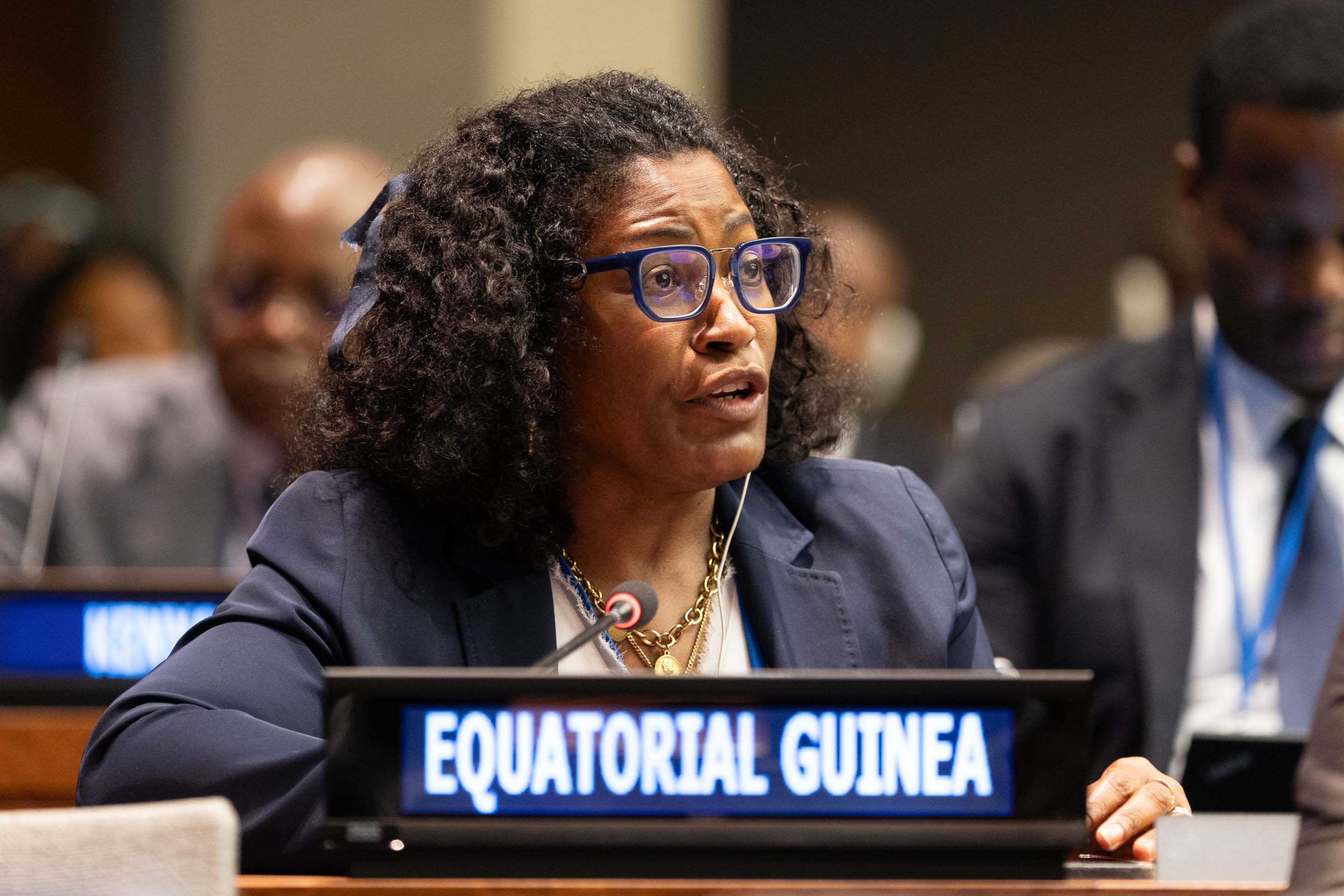
María del Mar Bonkanka Tabares, Equatorial Guinea
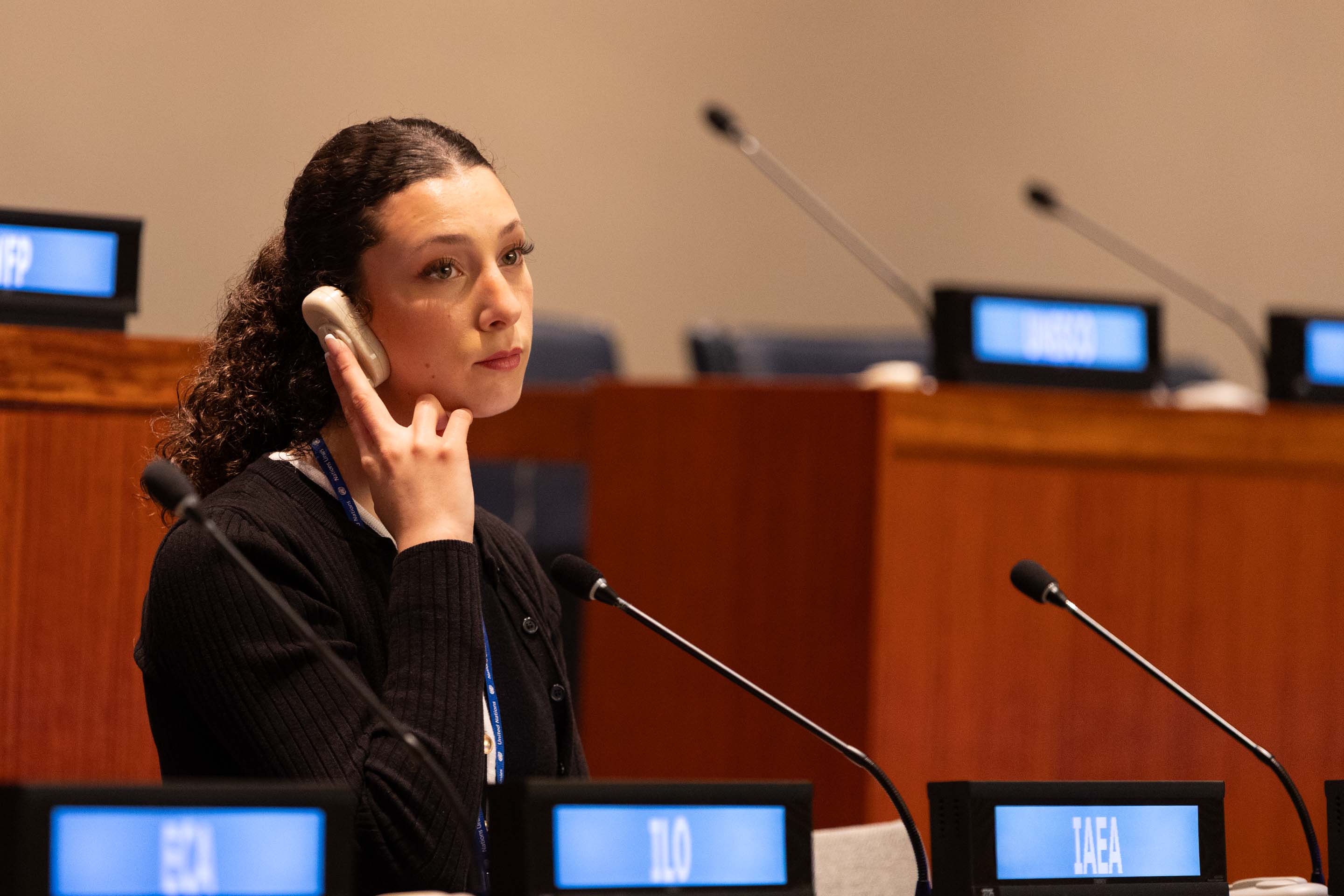
Delegates listen to the interactive discussion
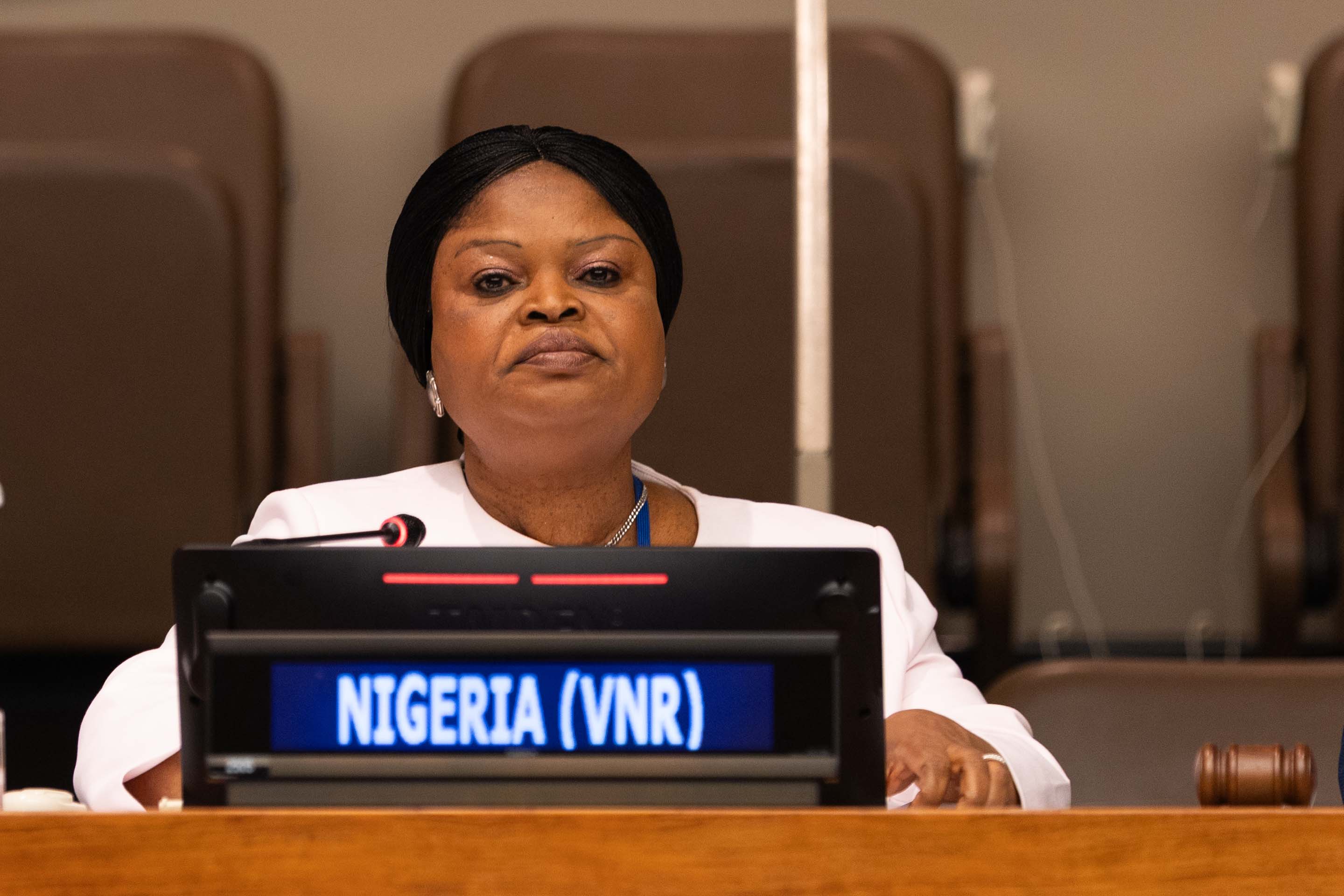
Princess Adejoke Orelope-Adefulire, Senior Special Advisor to the President on SDGs, Nigeria
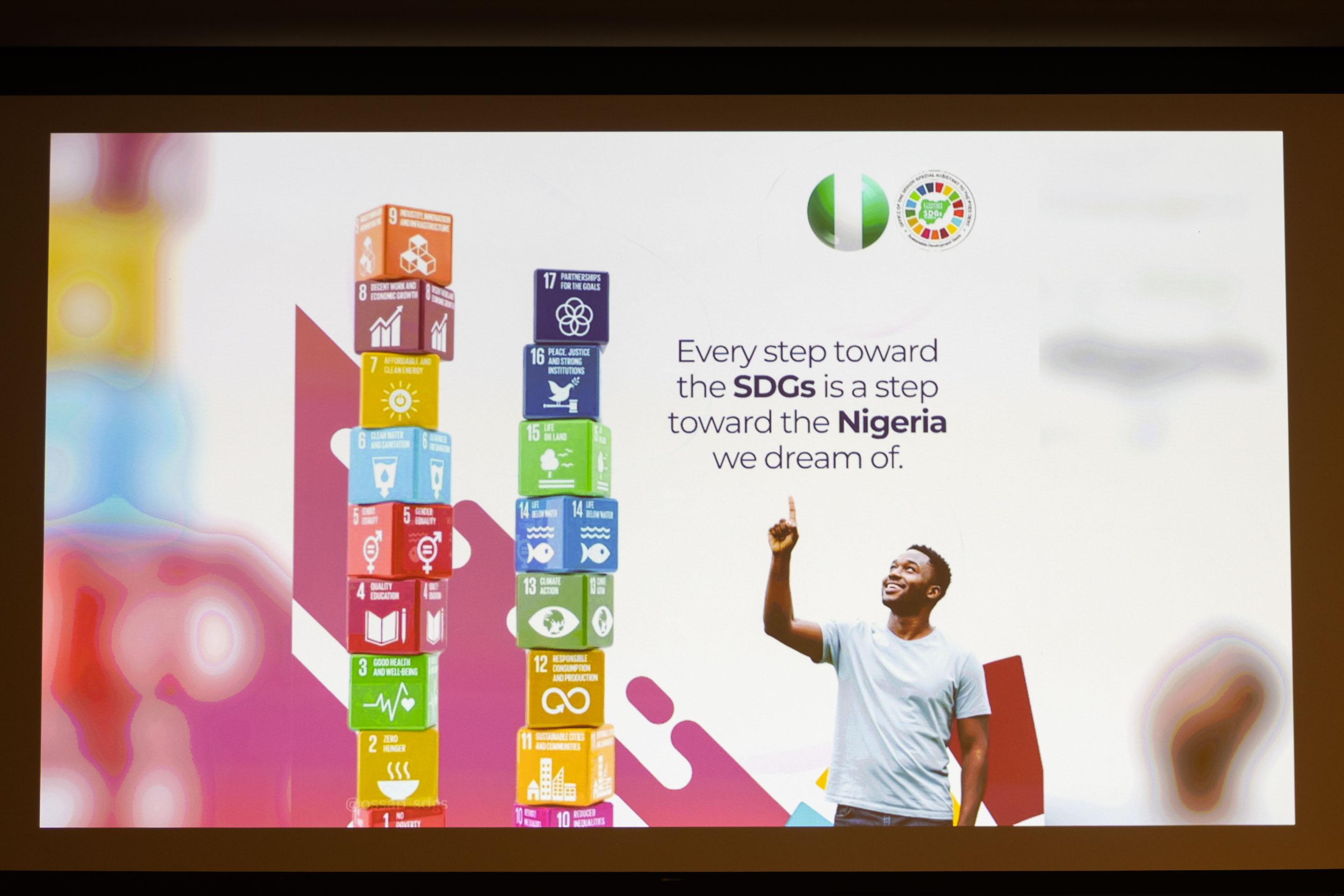
Nigeria's VNR highlights how it is people-centered
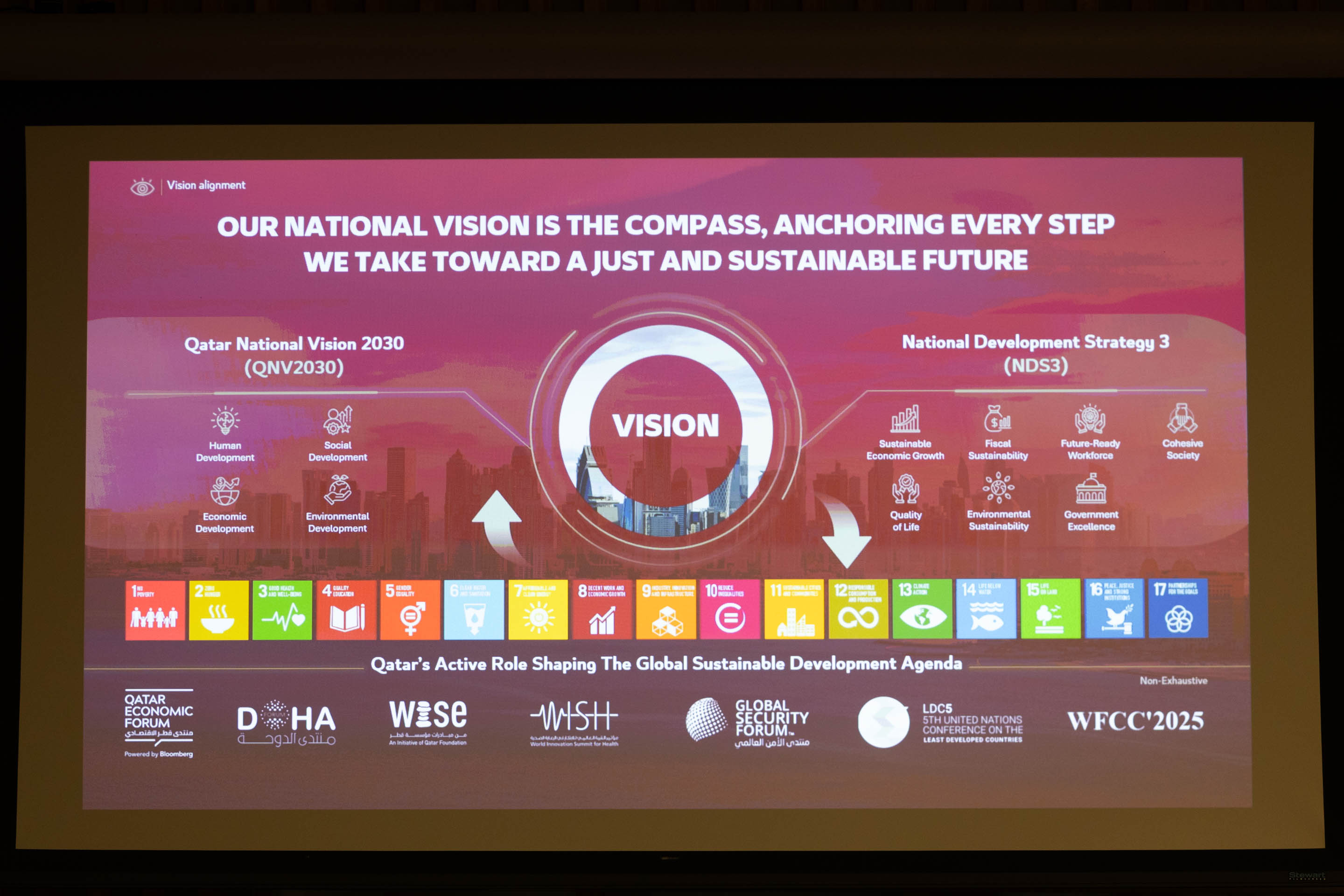
Qatar's VNR highlights their overall vision for the SDGs
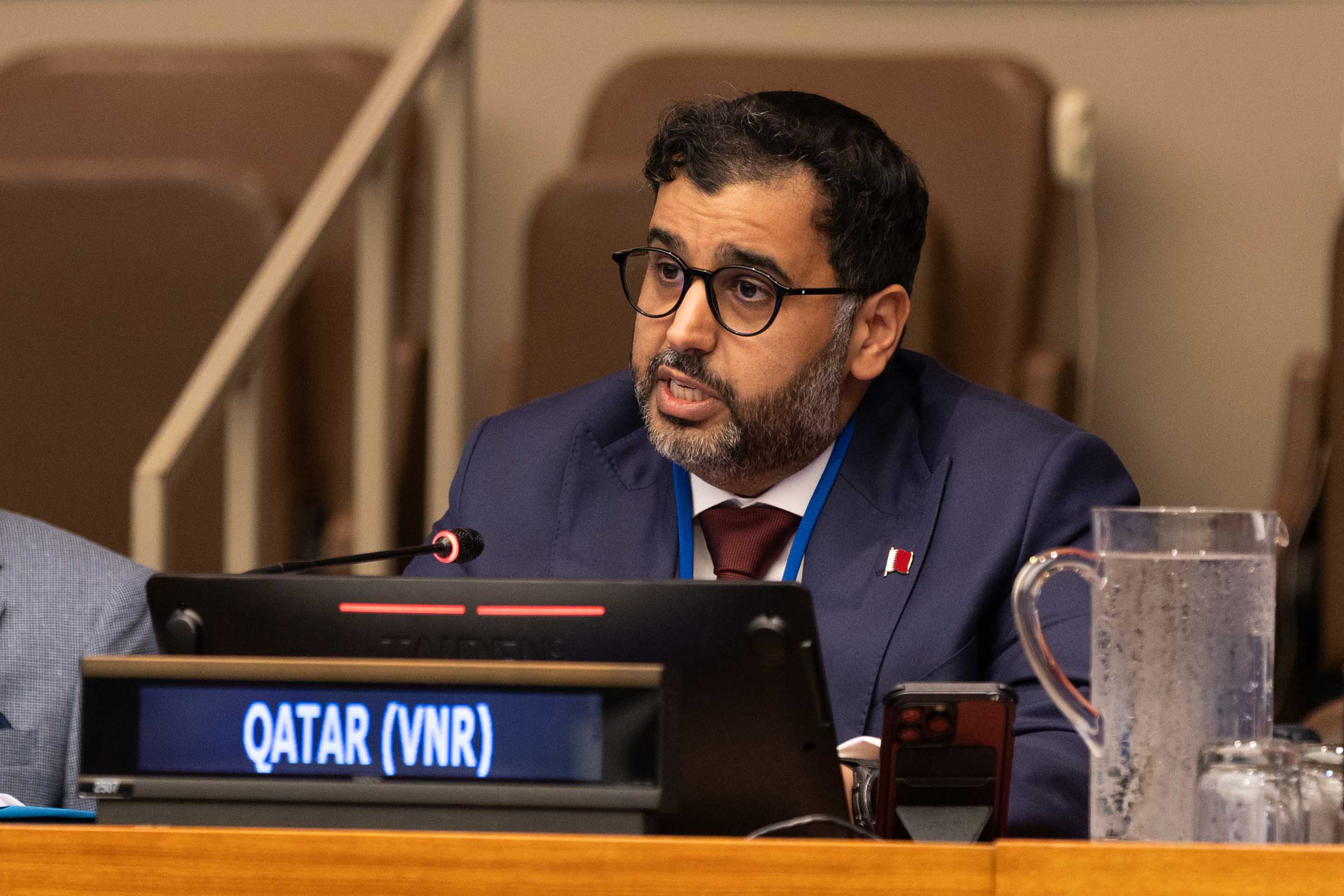
Abdulaziz bin Nasser bin Mubarak Al Khalifa, Secretary General, National Planning Council, Qatar
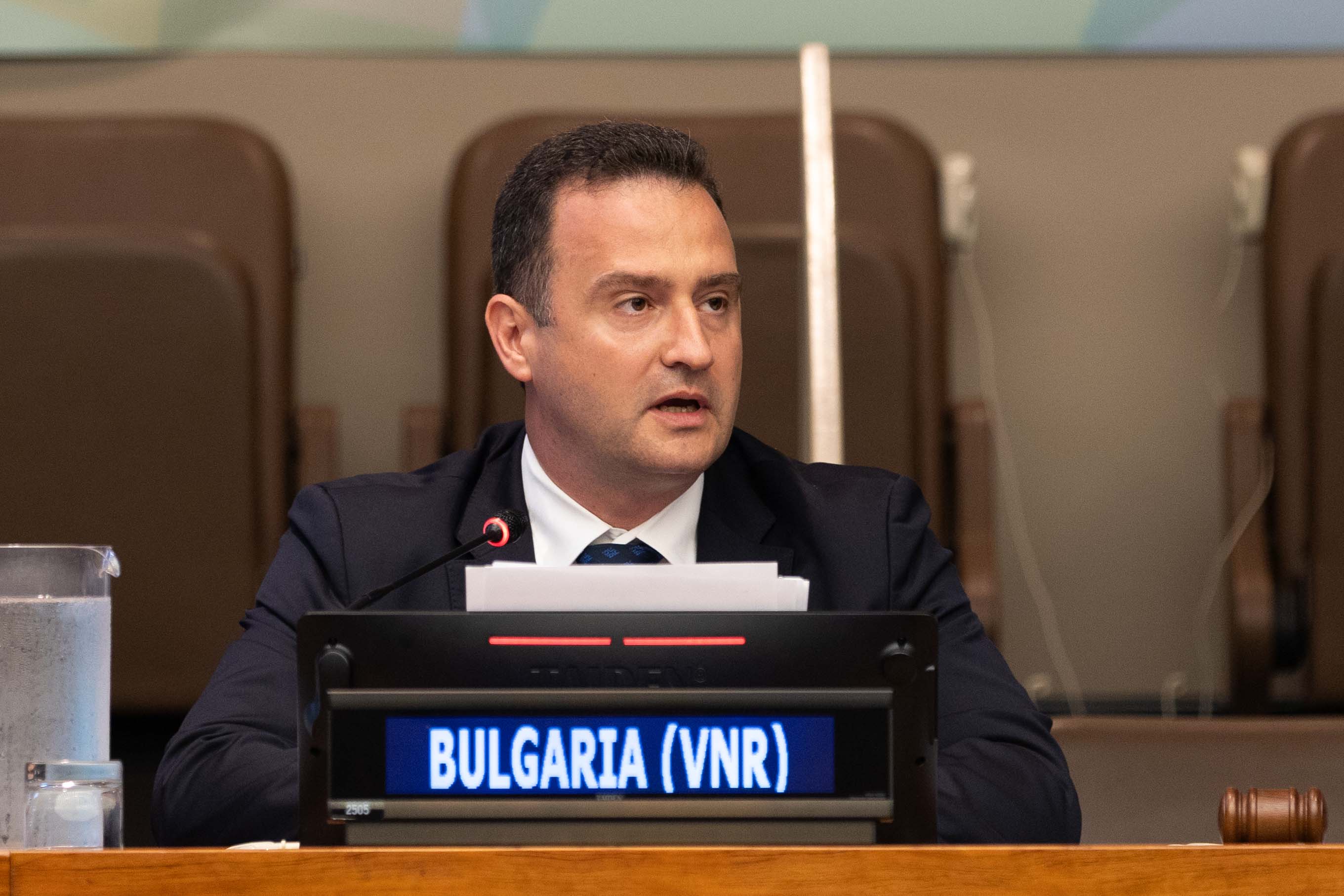
Zhecho Stankov, Minister of Energy, Bulgaria
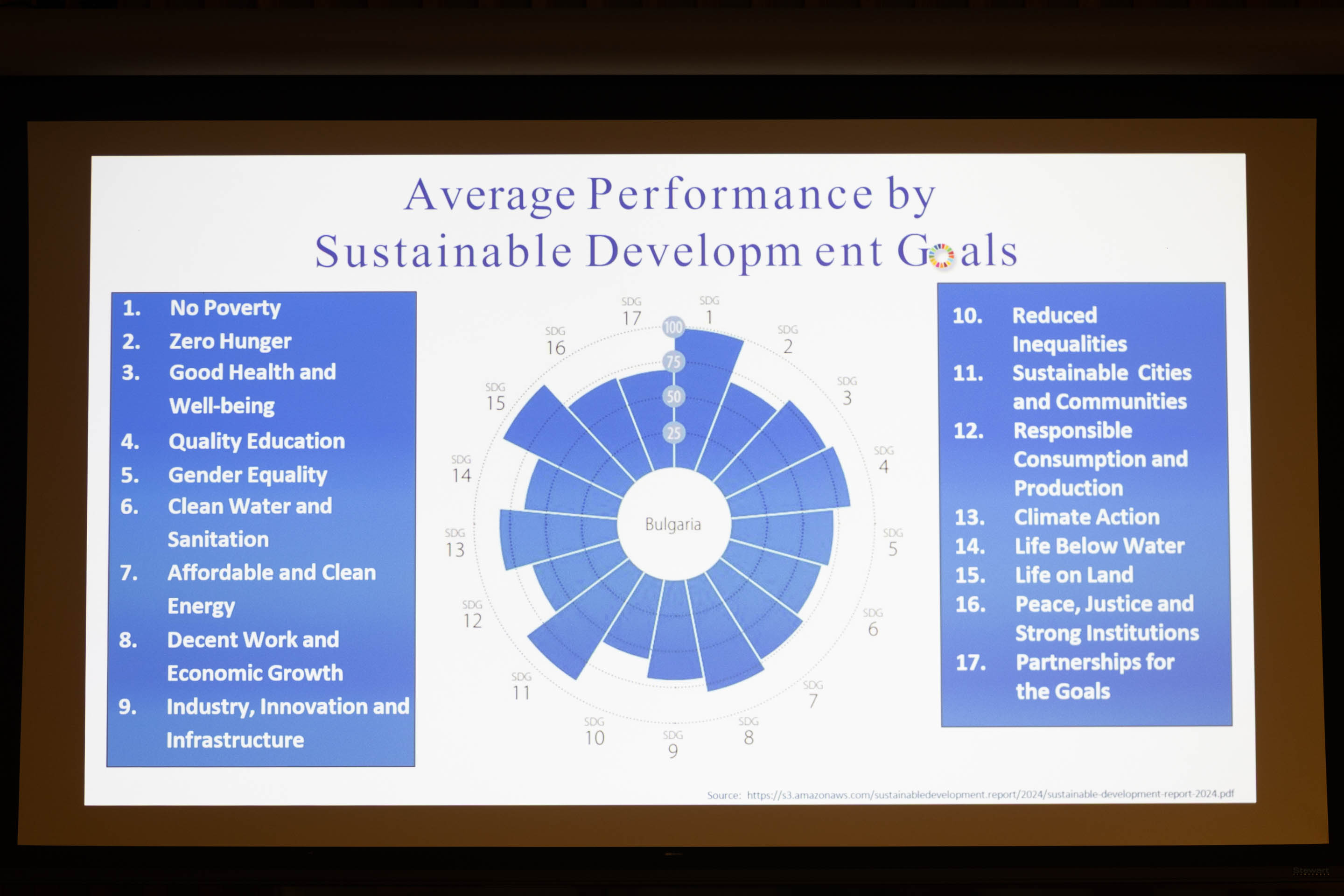
Bulgaria's VNR highlights progress made across all the SDGs
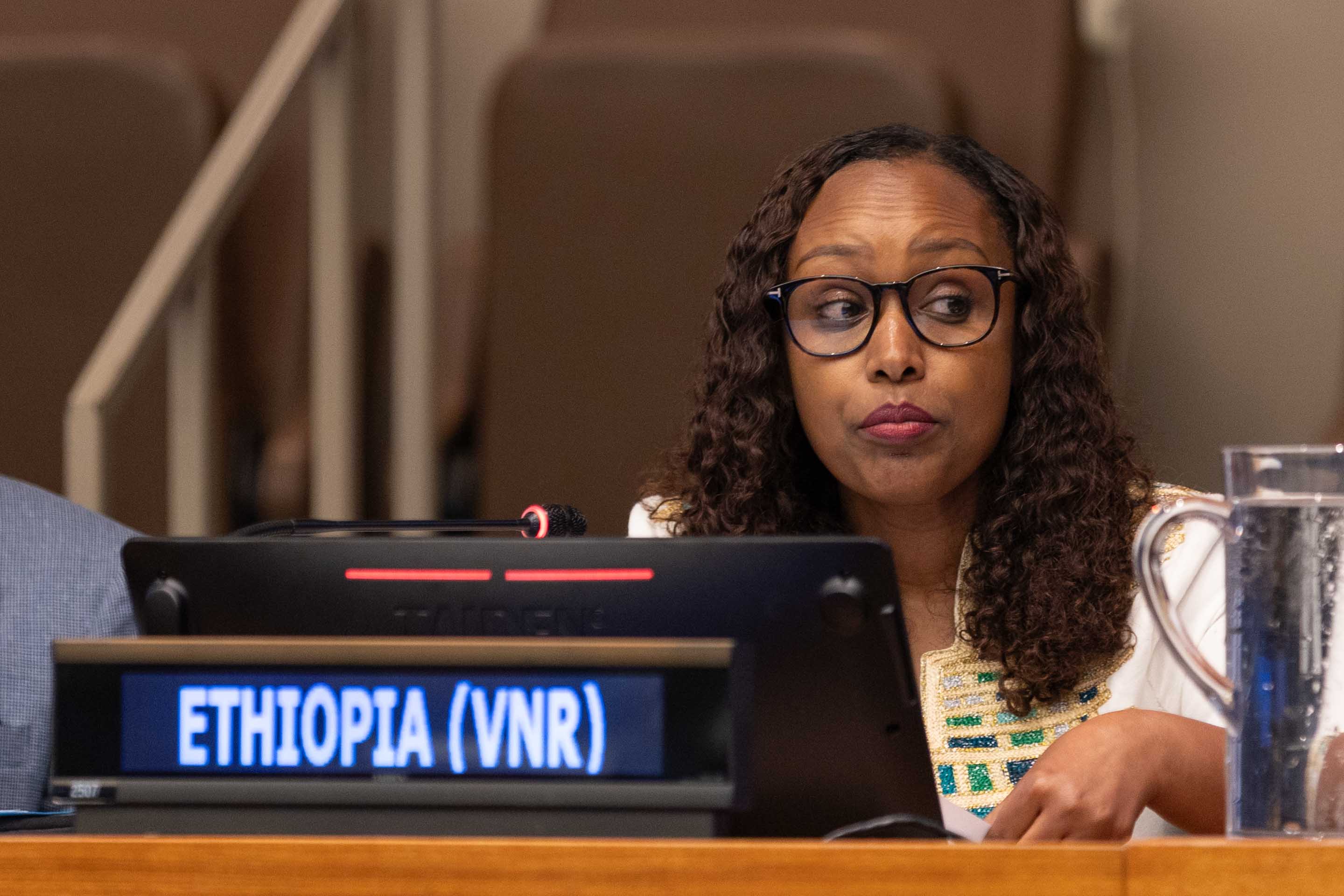
Fitsum Assefa Adela, Minister of Planning and Development, Ethiopia
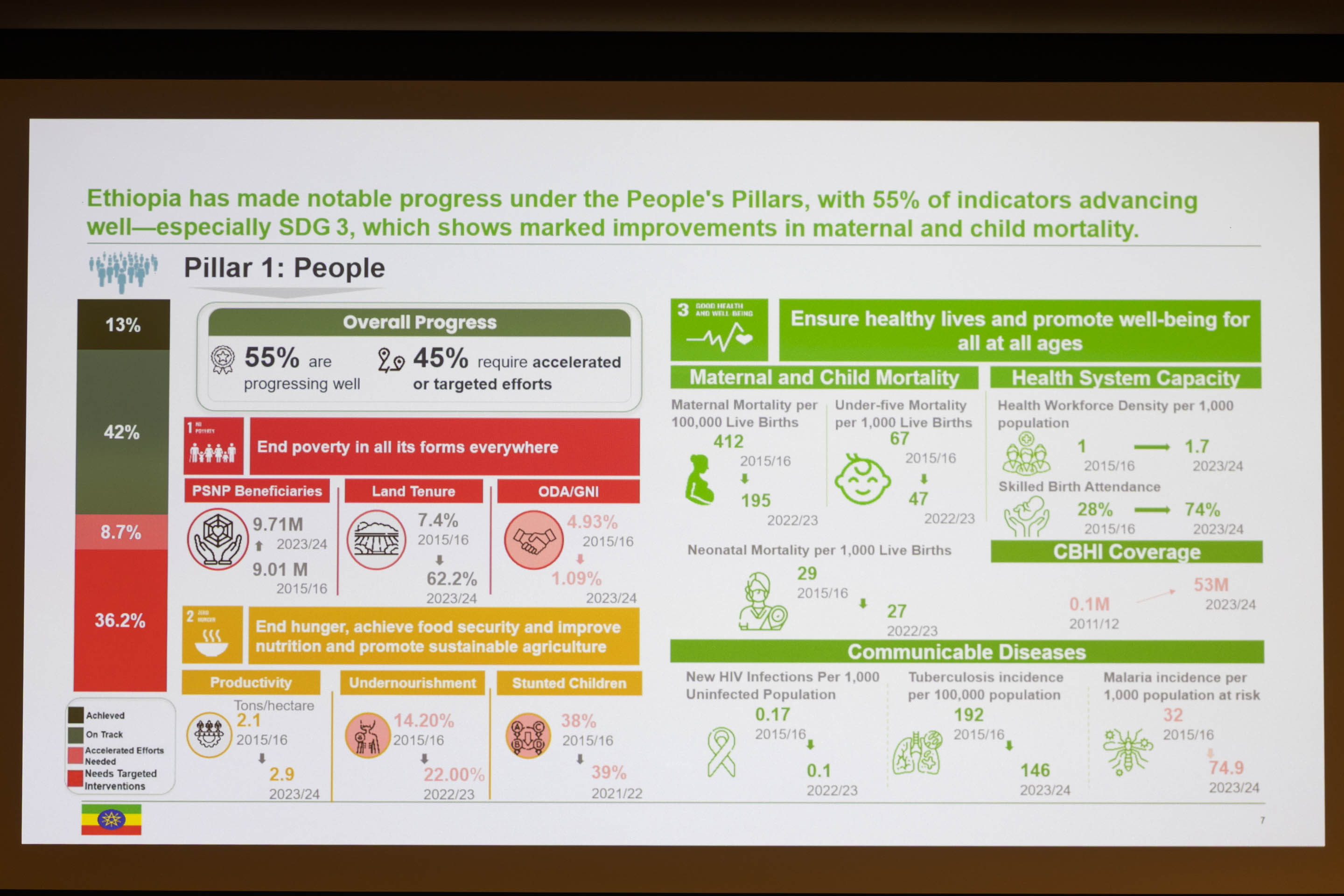
Ethiopia's VNR highlights progress made across several goals
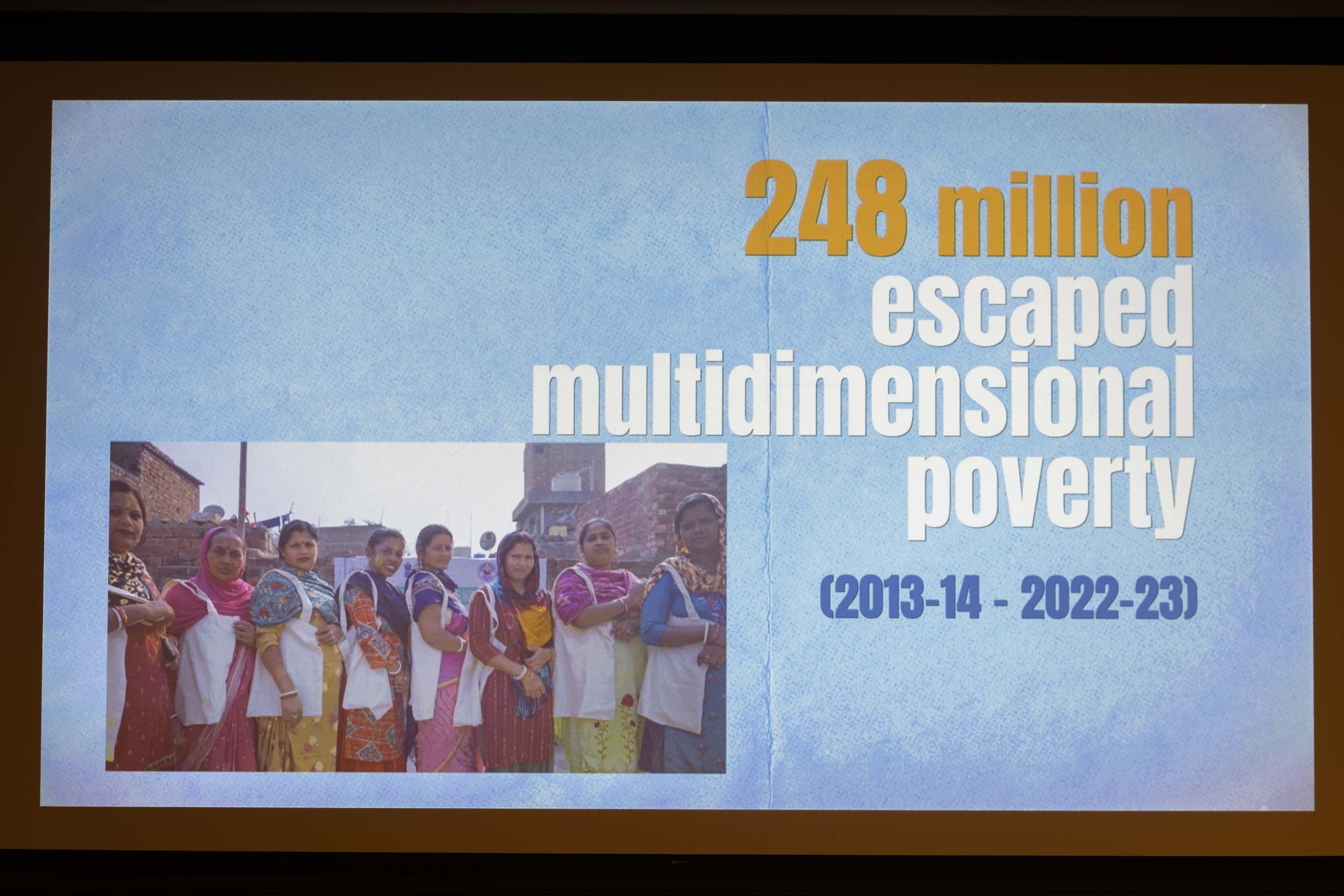
India's VNR highlights their progress in reducing poverty
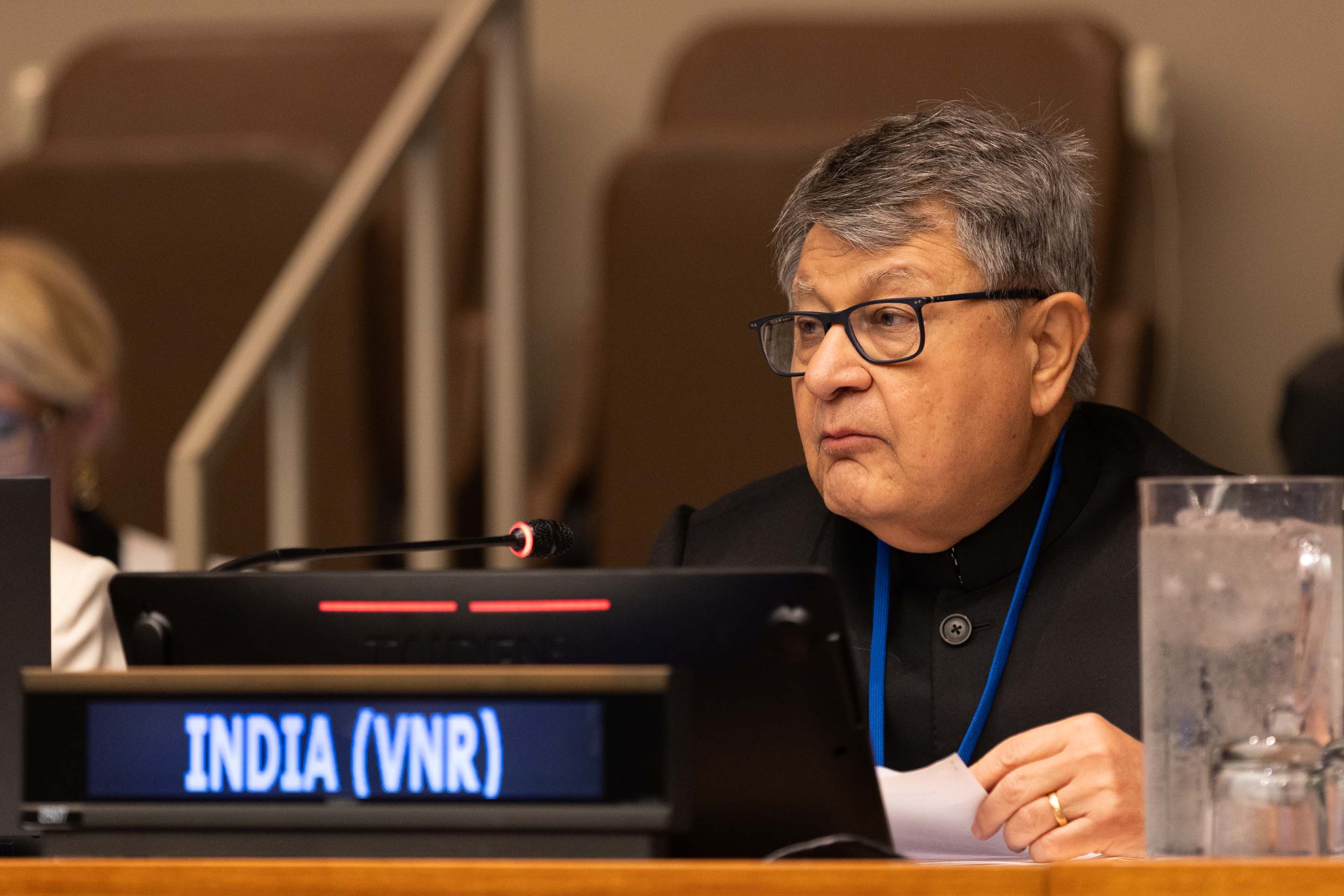
Suman Bery, Vice Chairman, National Institution for Transforming India (NITI)
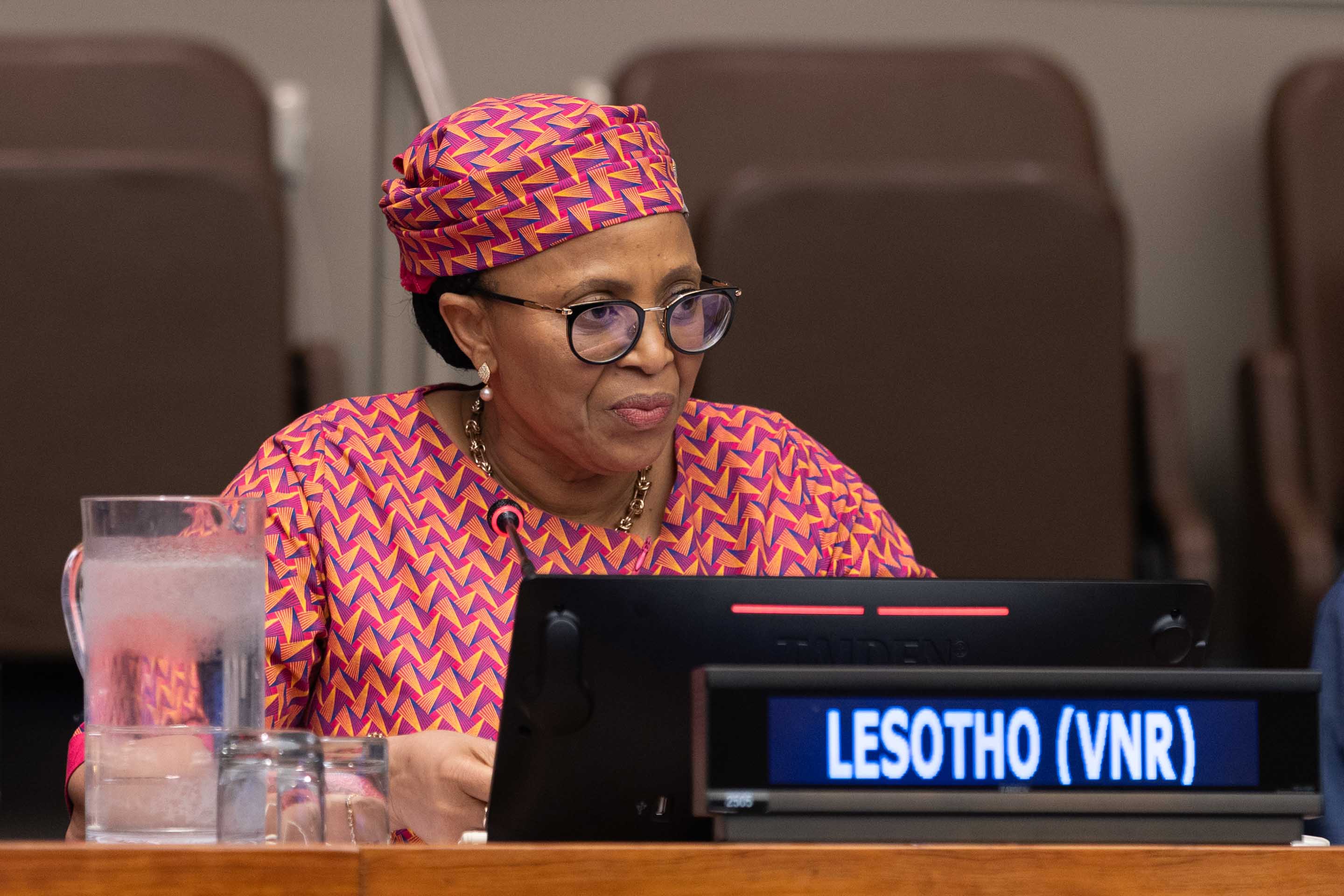
Rets’elisitsoe Matlanyane, Minister of Finance and Development Planning, Lesotho
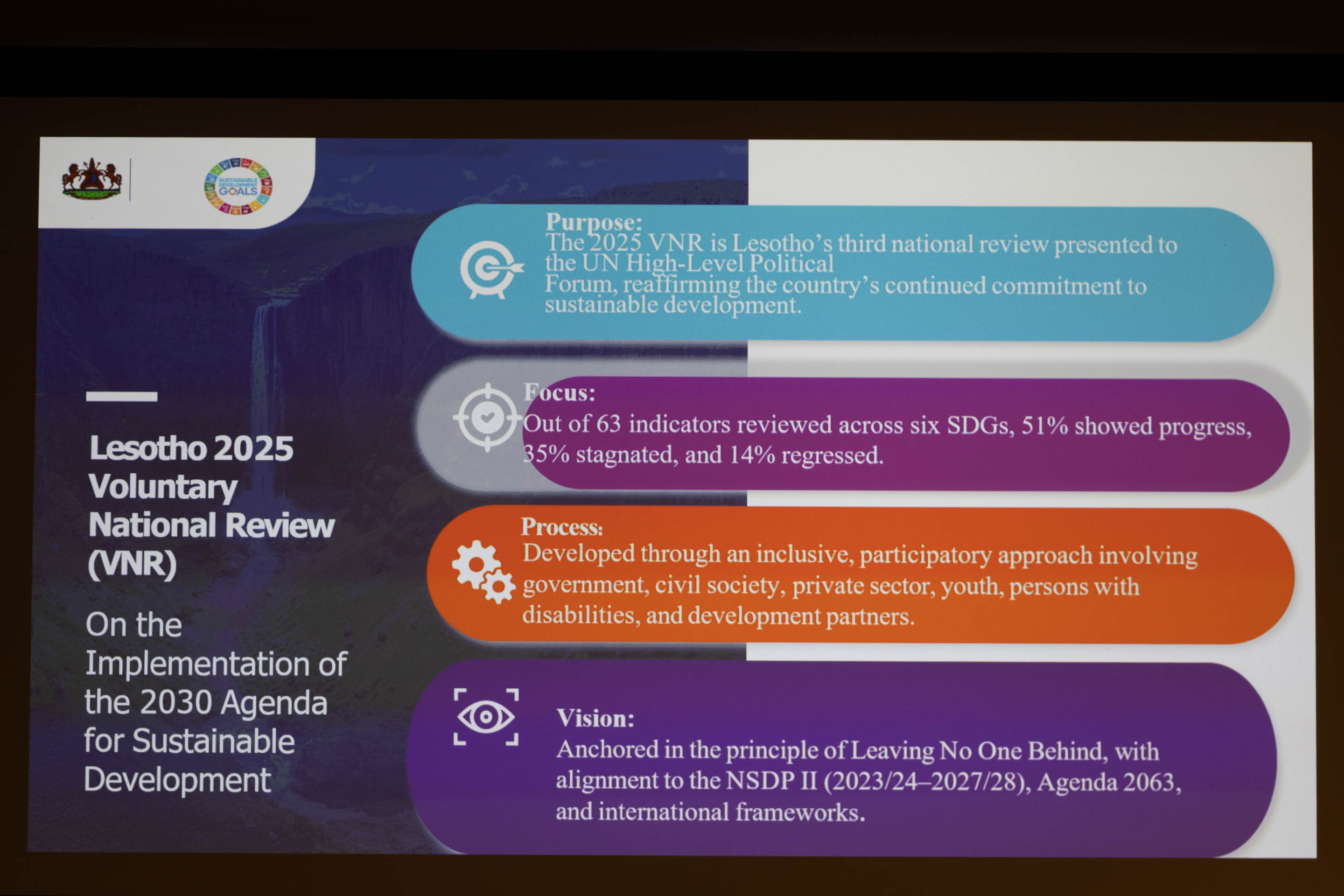
Lesotho's VNR highlights the process they followed to conduct their review
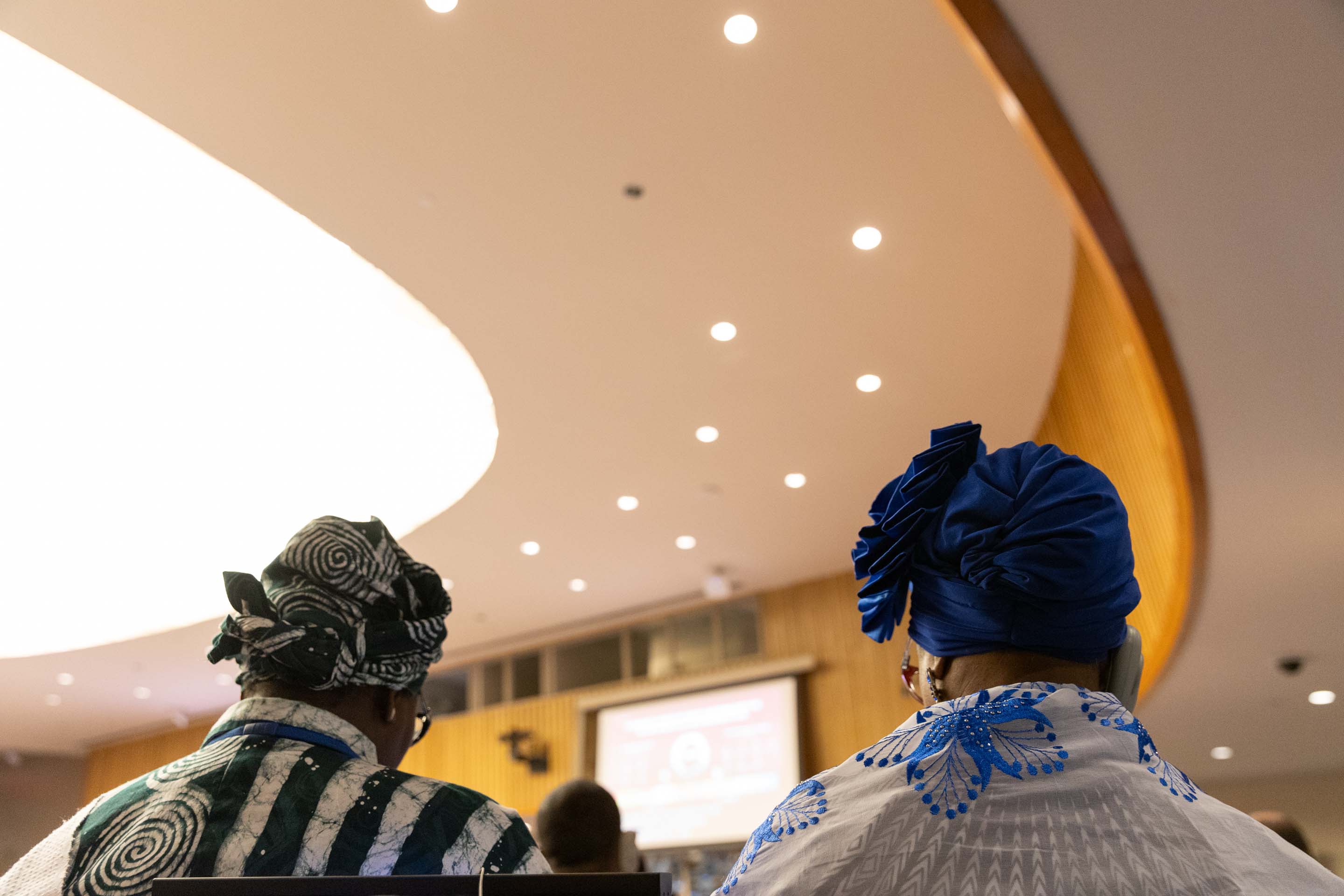
General Debate
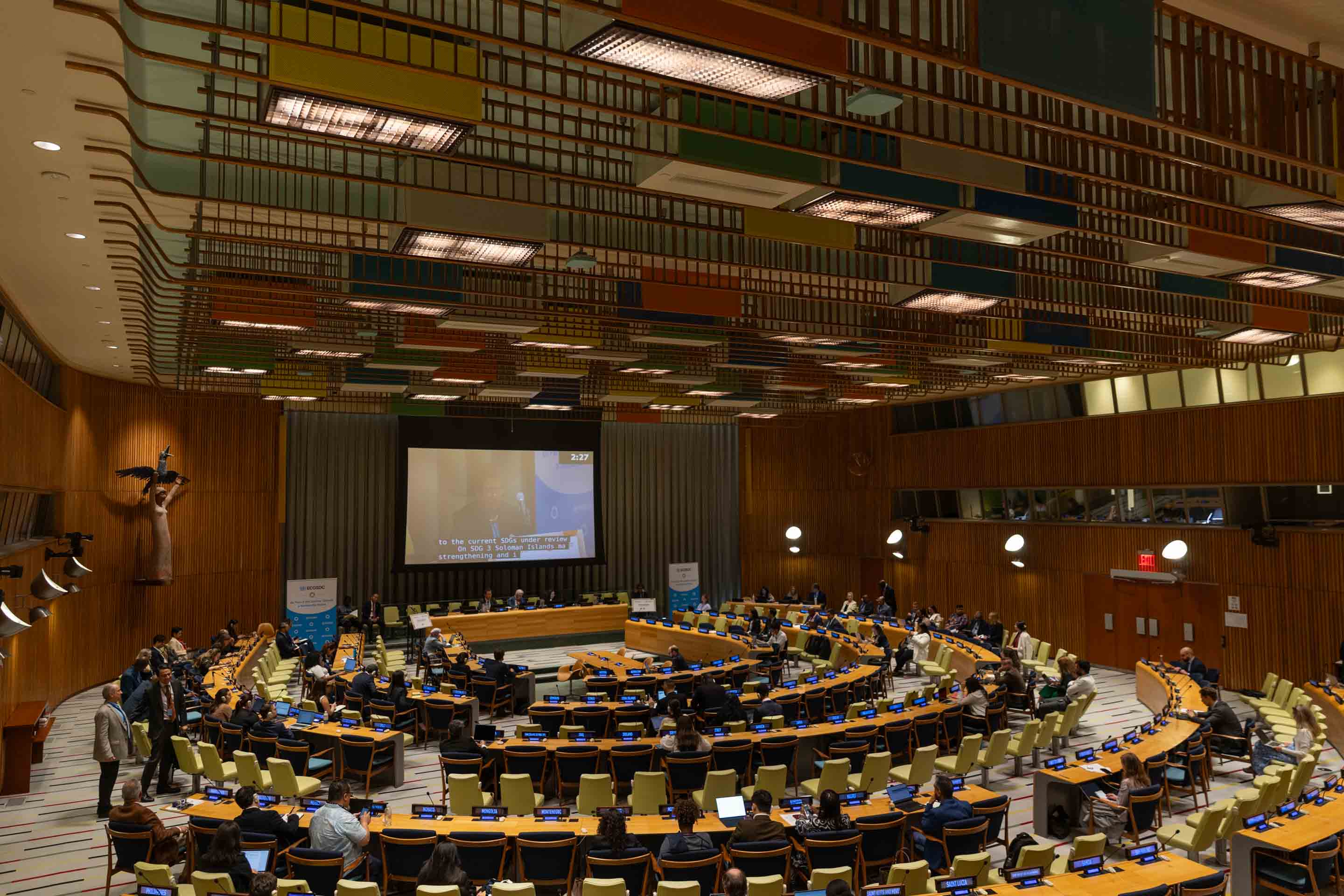
The General Debate continues in the Trusteeship Council
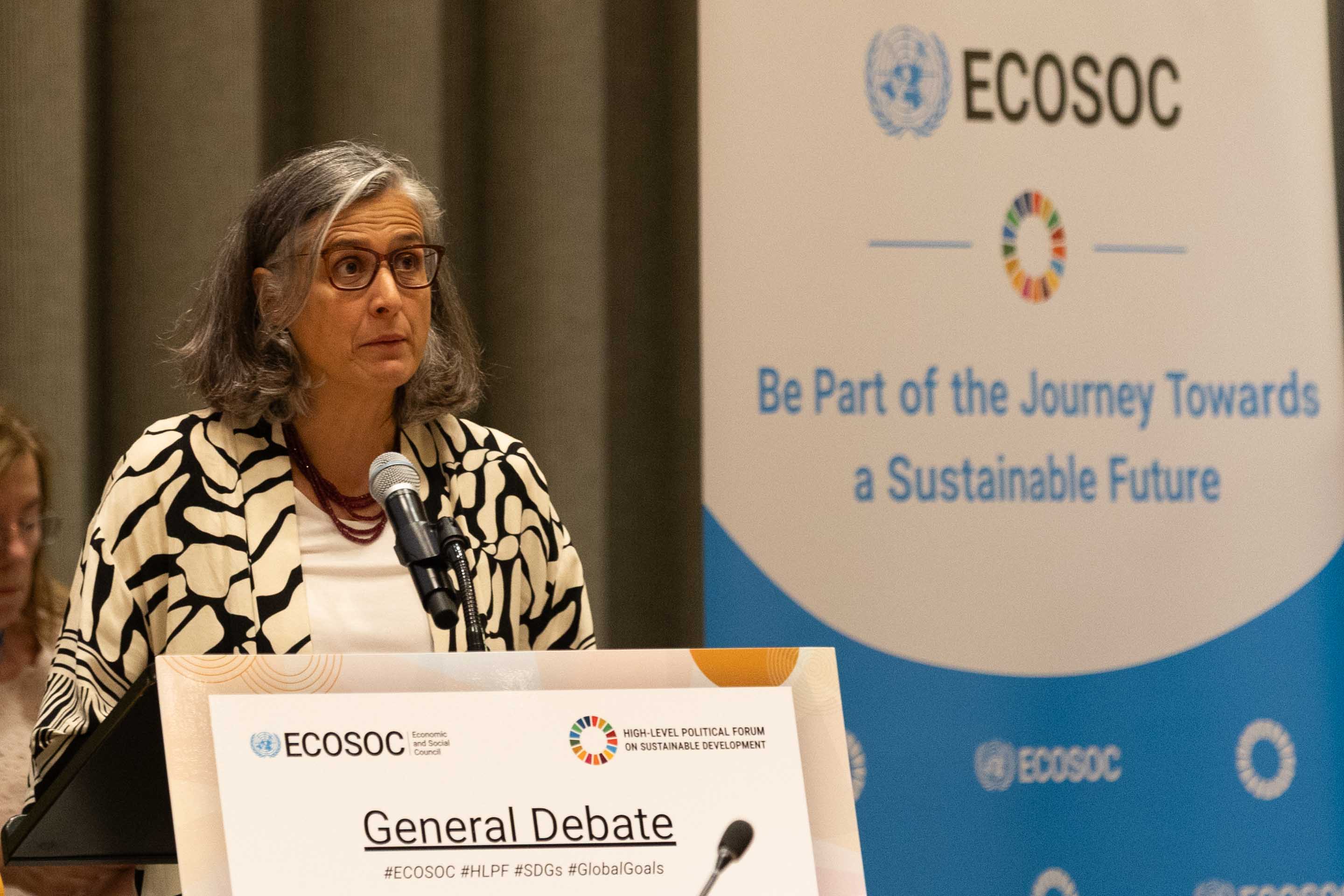
Anacláudia Rossbach, Executive Secretary, UN-HABITAT
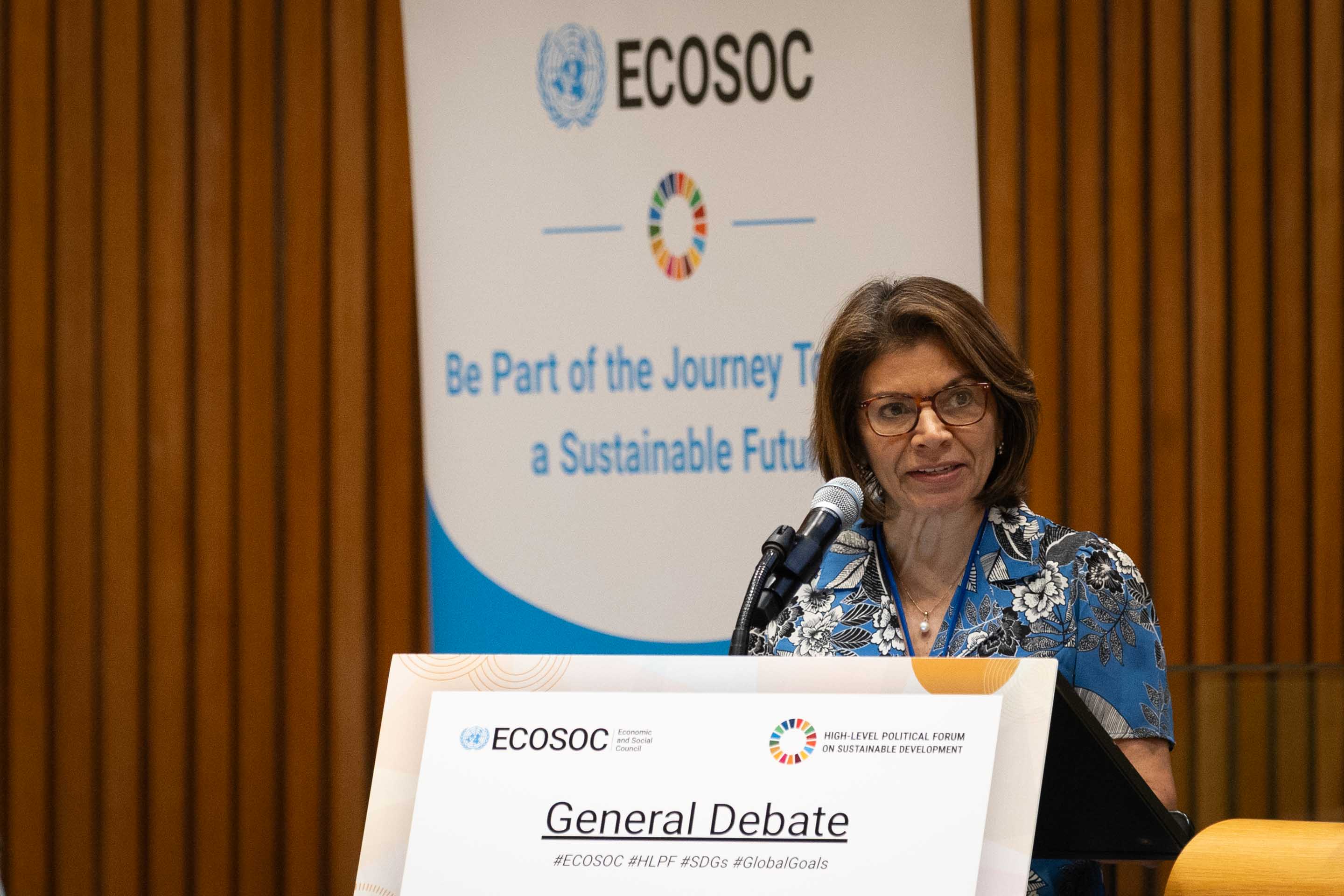
Laura Chinchilla, International Olympic Committee (IOC)
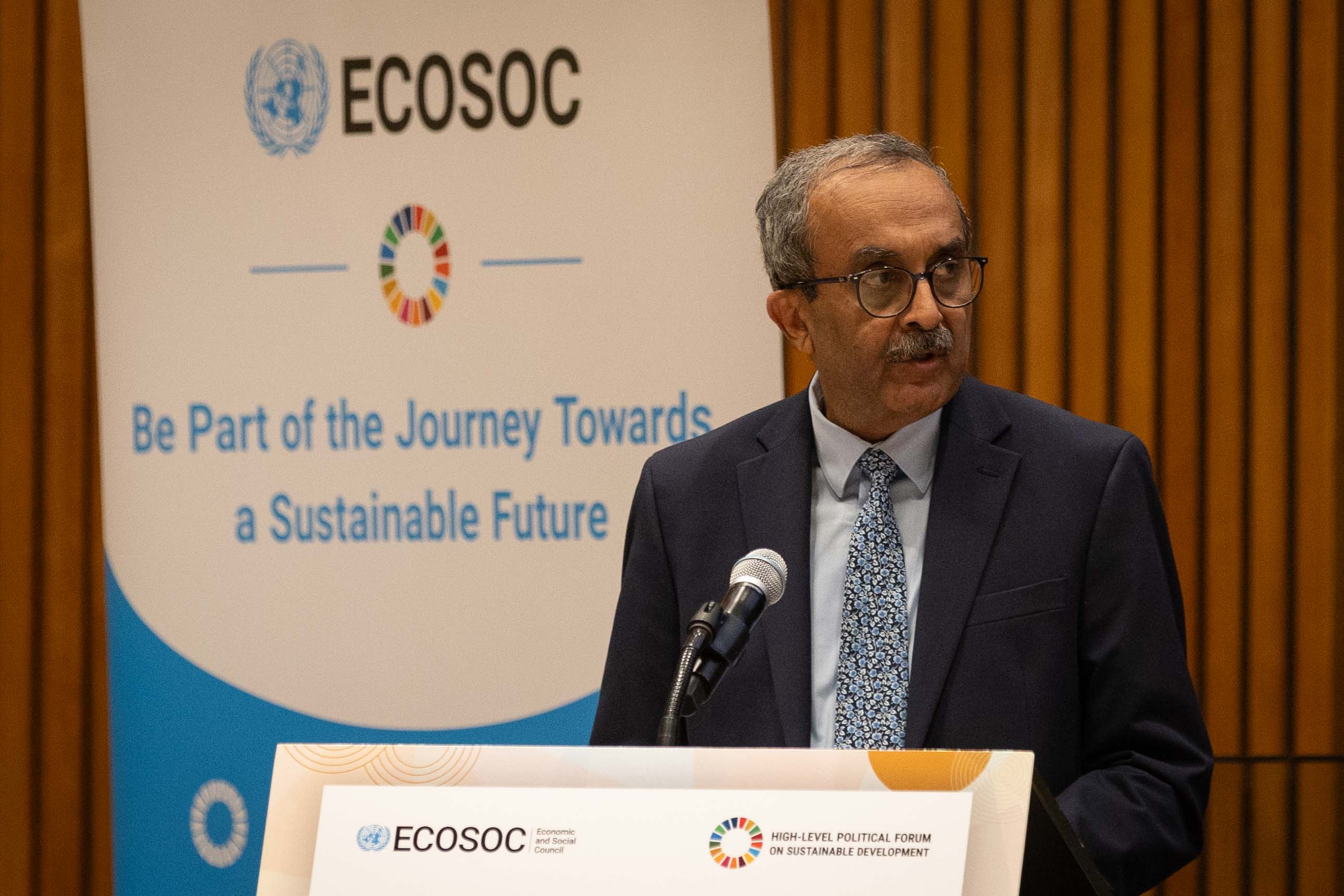
Jamil Ahmad, UN Environment Programme (UNEP)

Closing Plenary
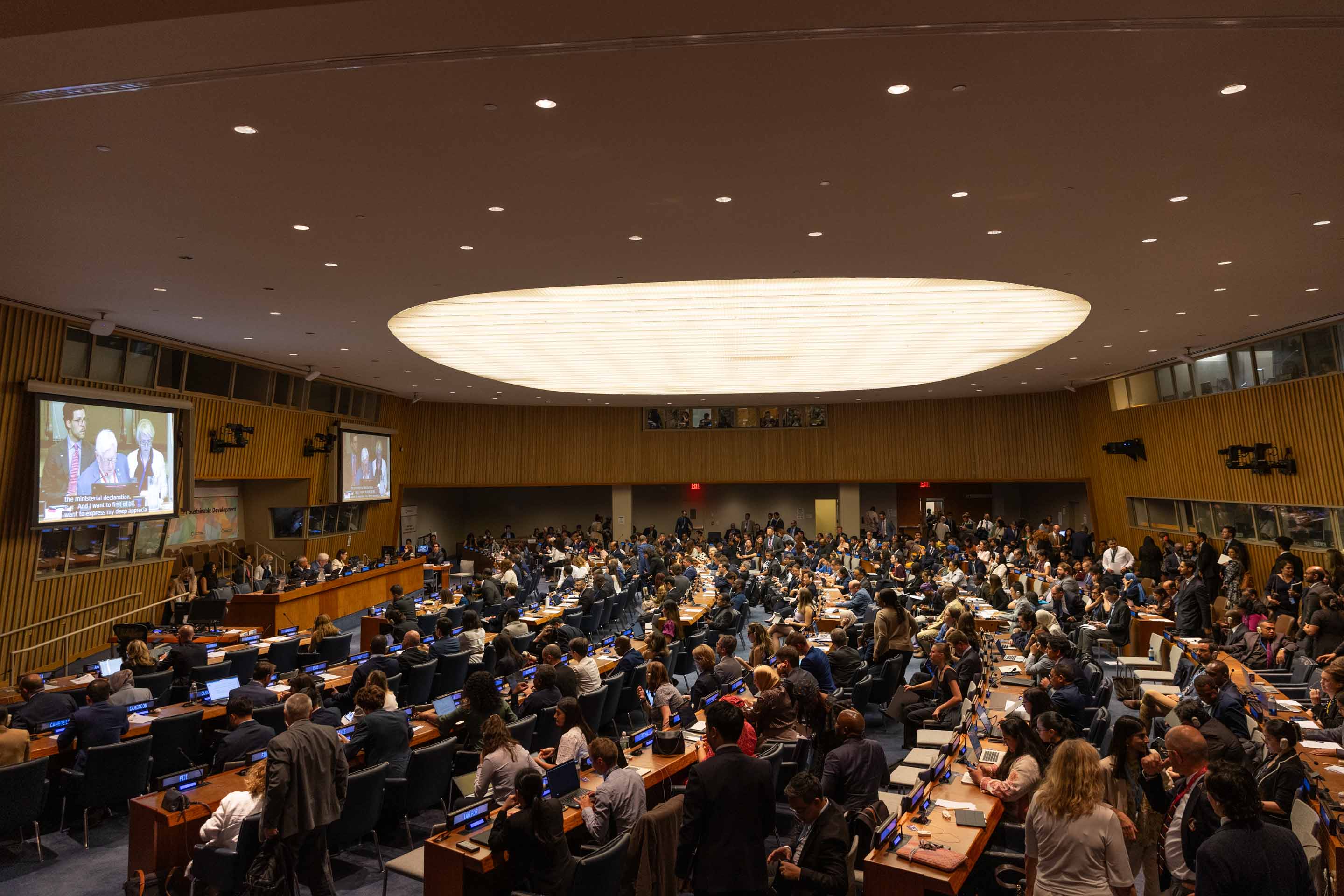
Delegates gather for the closing plenary of HLPF 2025
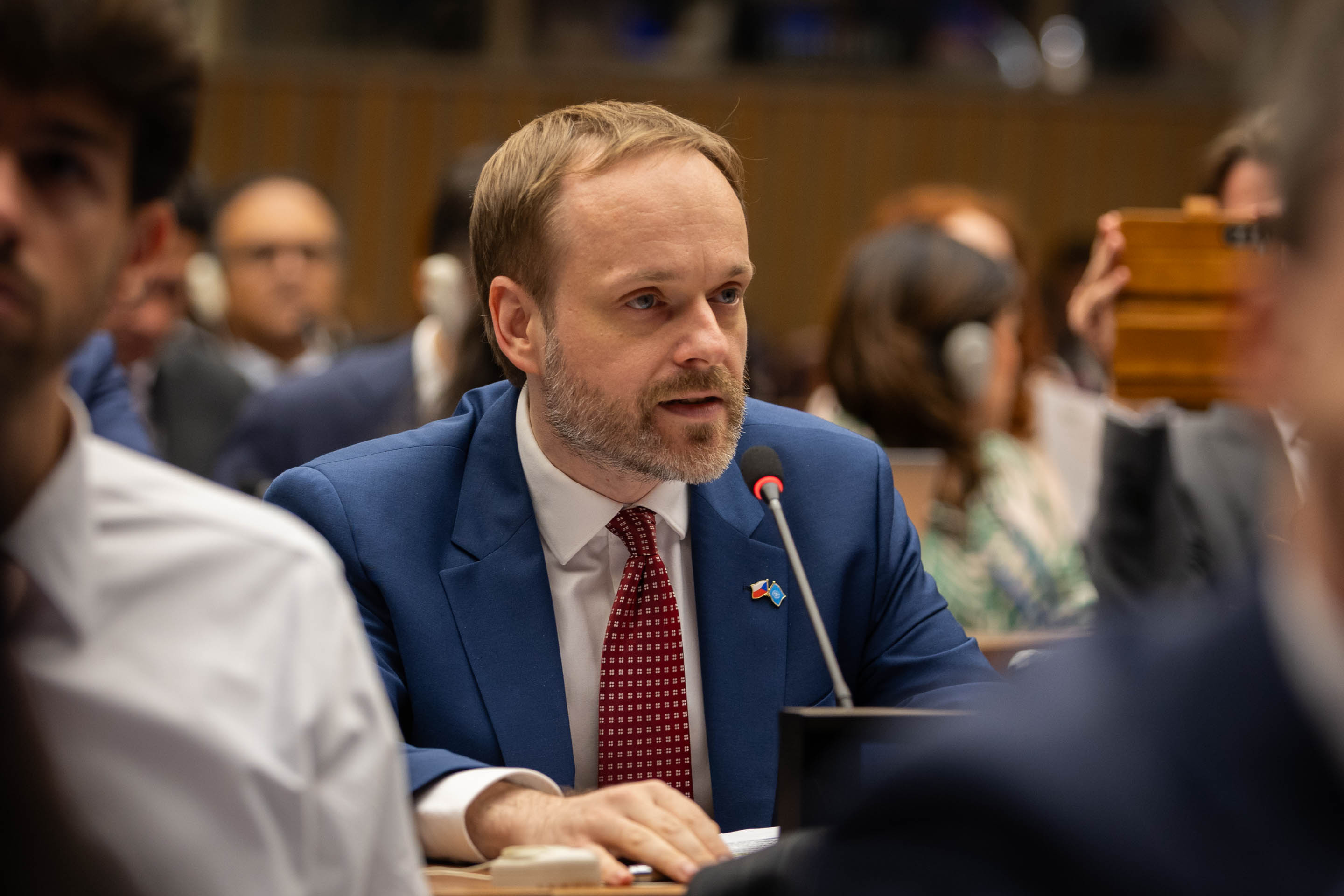
Jakub Kulhánek, Permanent Representative of Czechia to the UN, and Co-Facilitator of the HLPF 2025 Ministerial Declaration
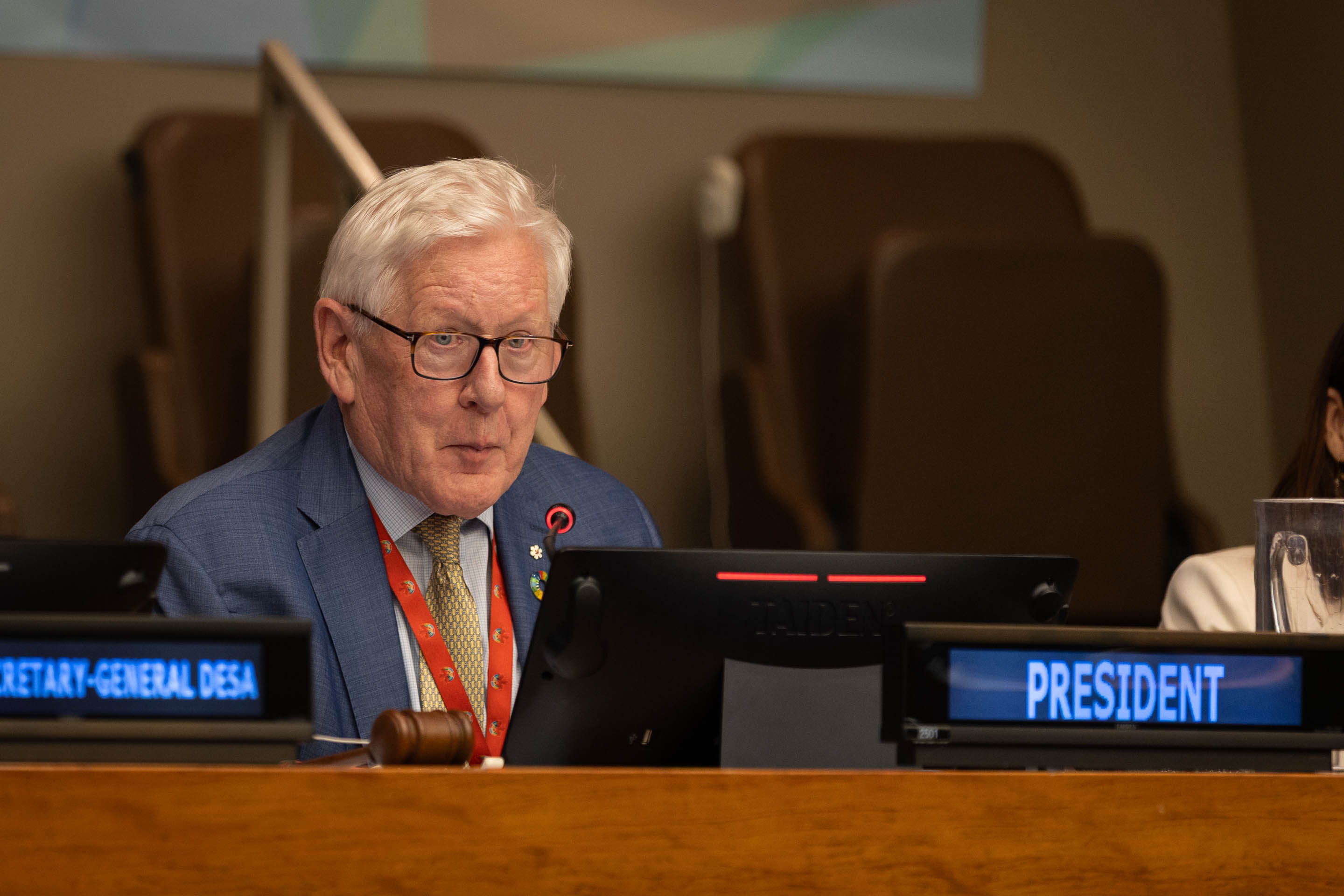
Bob Rae, President, ECOSOC
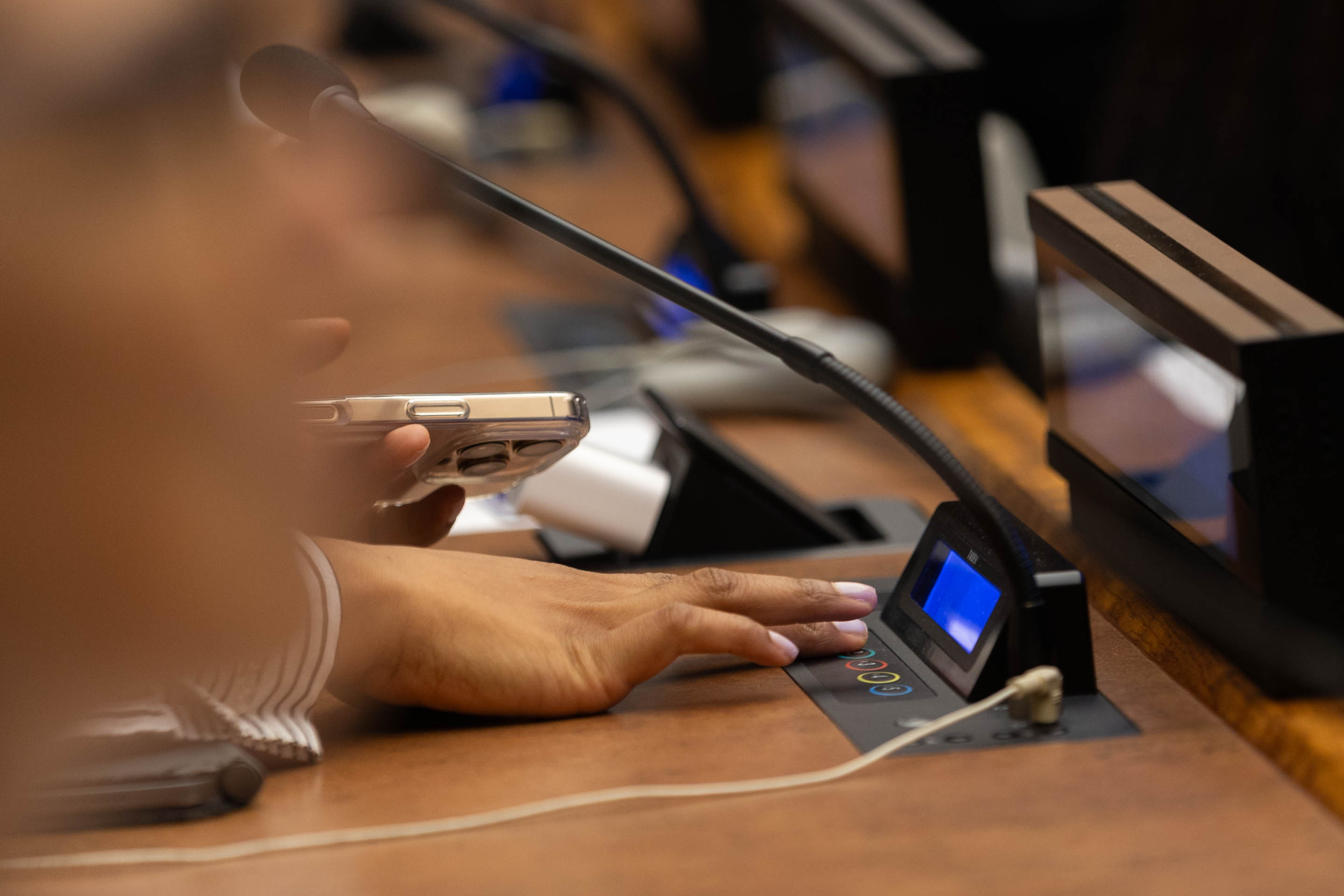
Delegates vote on a number of paragraphs prior to the adoption of the Ministerial Declaration
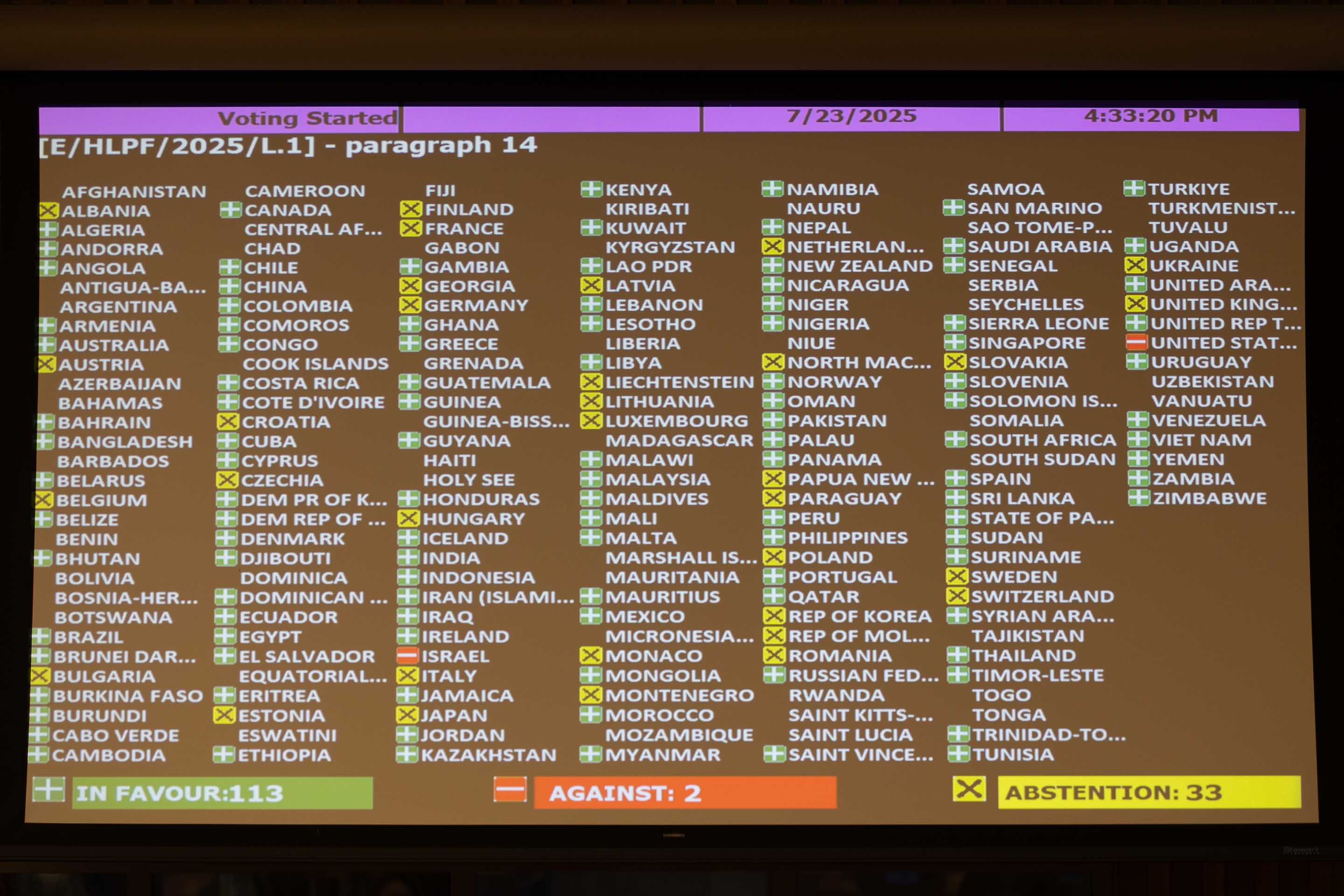
The results of the votes are presented on screen
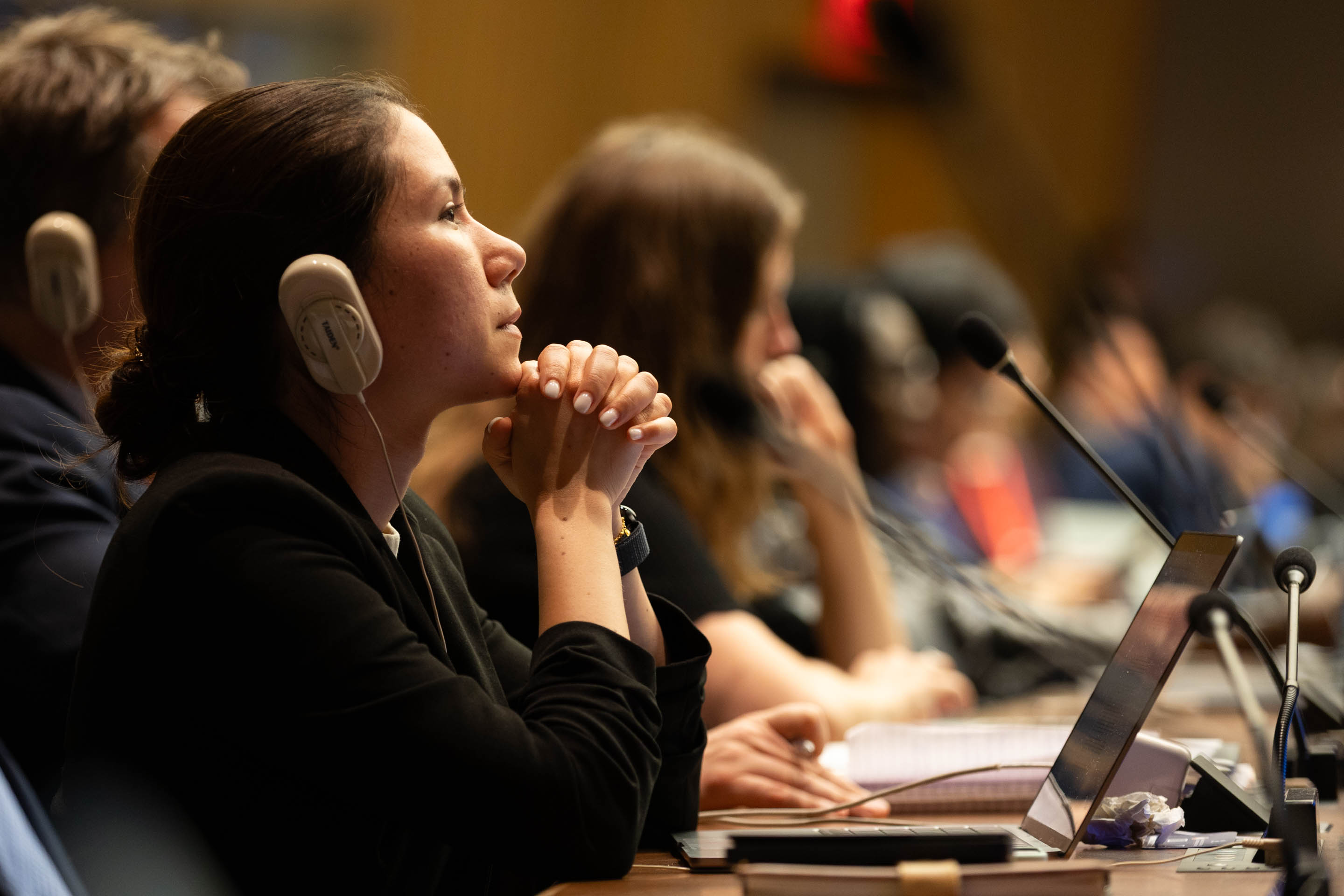
Delegates watch the outcome of the votes

Delegates take photos of the voting results
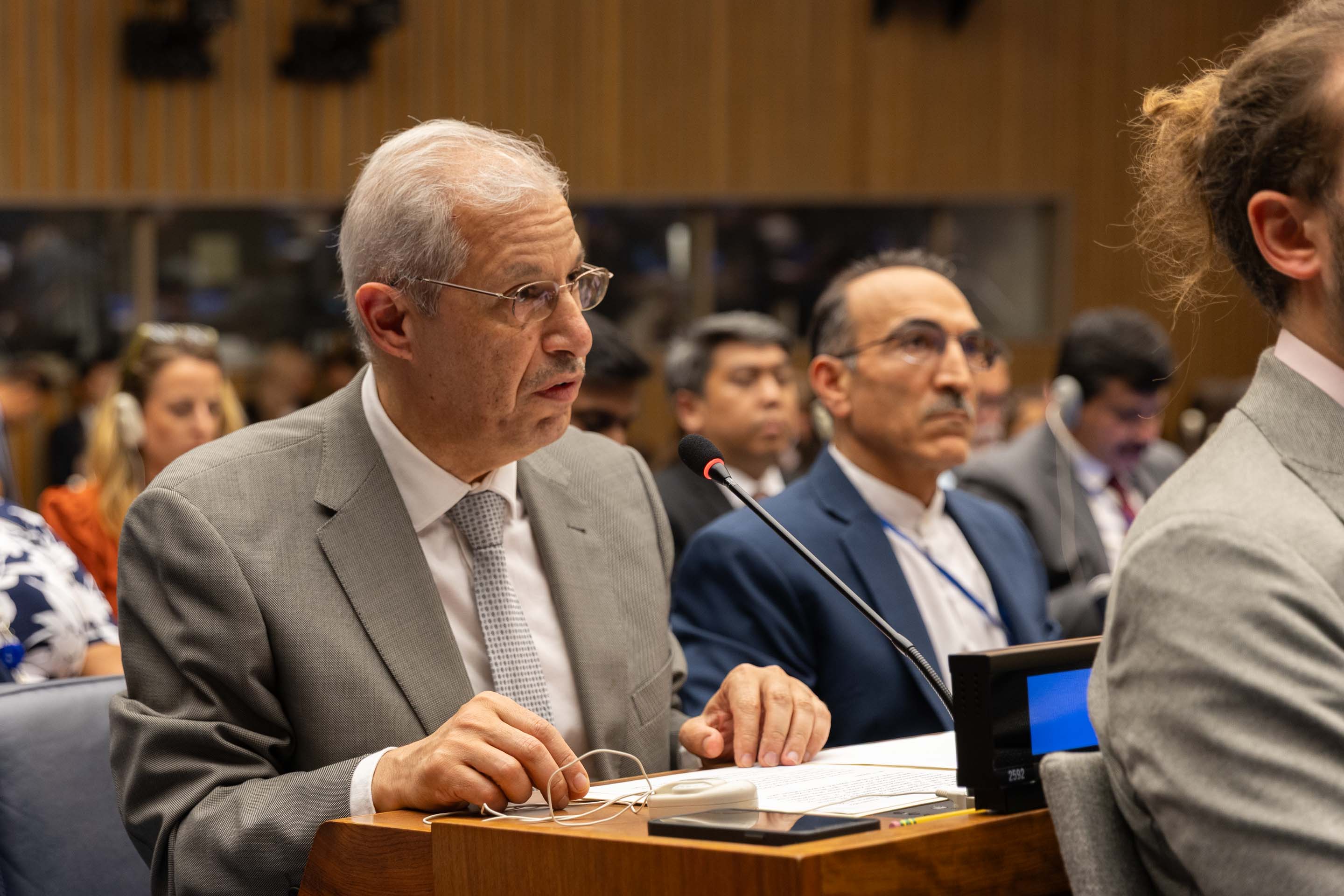
Mohammed Sahib Mejid Marzooq, Iraq, on behalf of the G-77/China
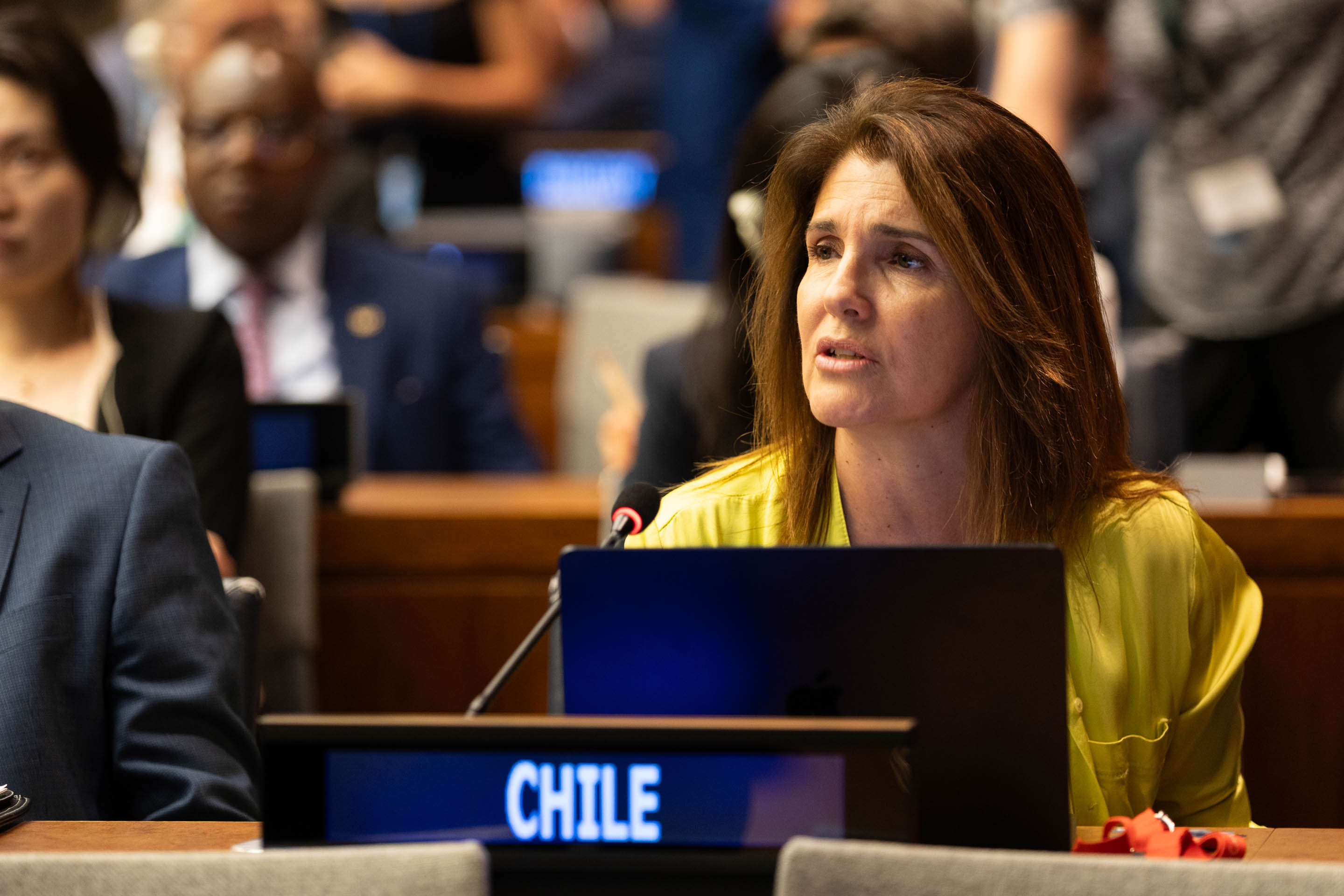
Paula Narváez, Chile
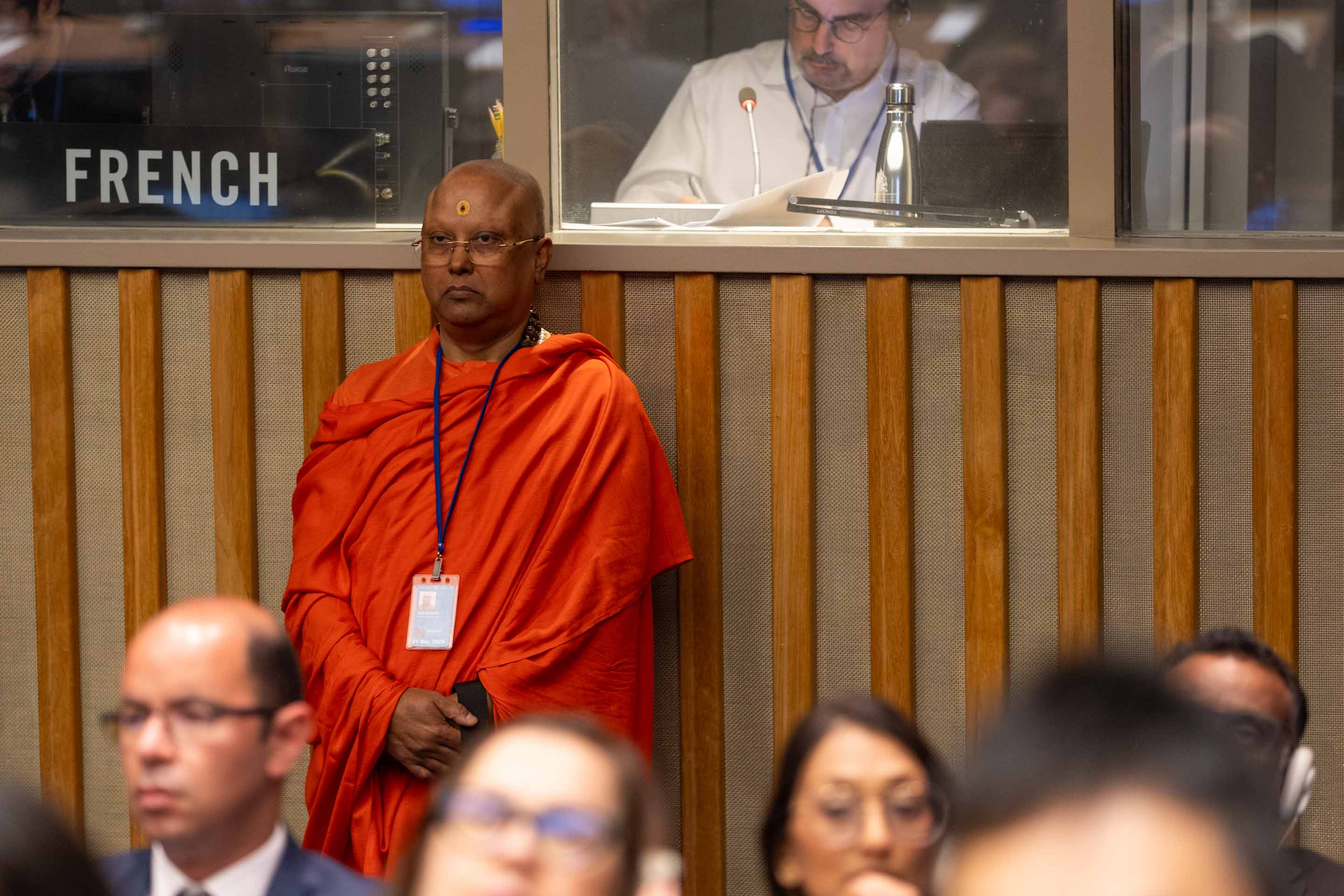
Delegates listen to the interventions
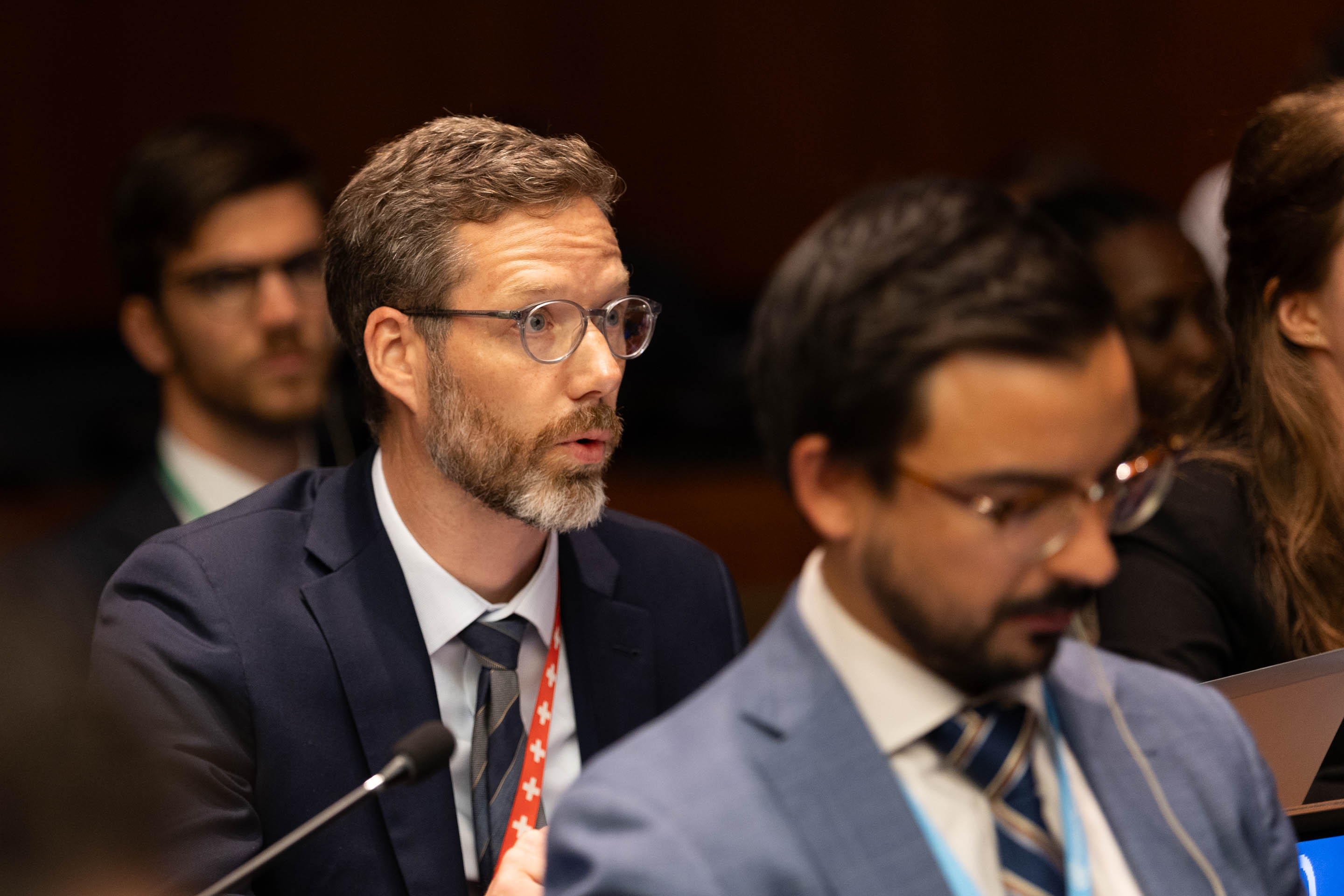
Christian Schlaepfer, Switzerland
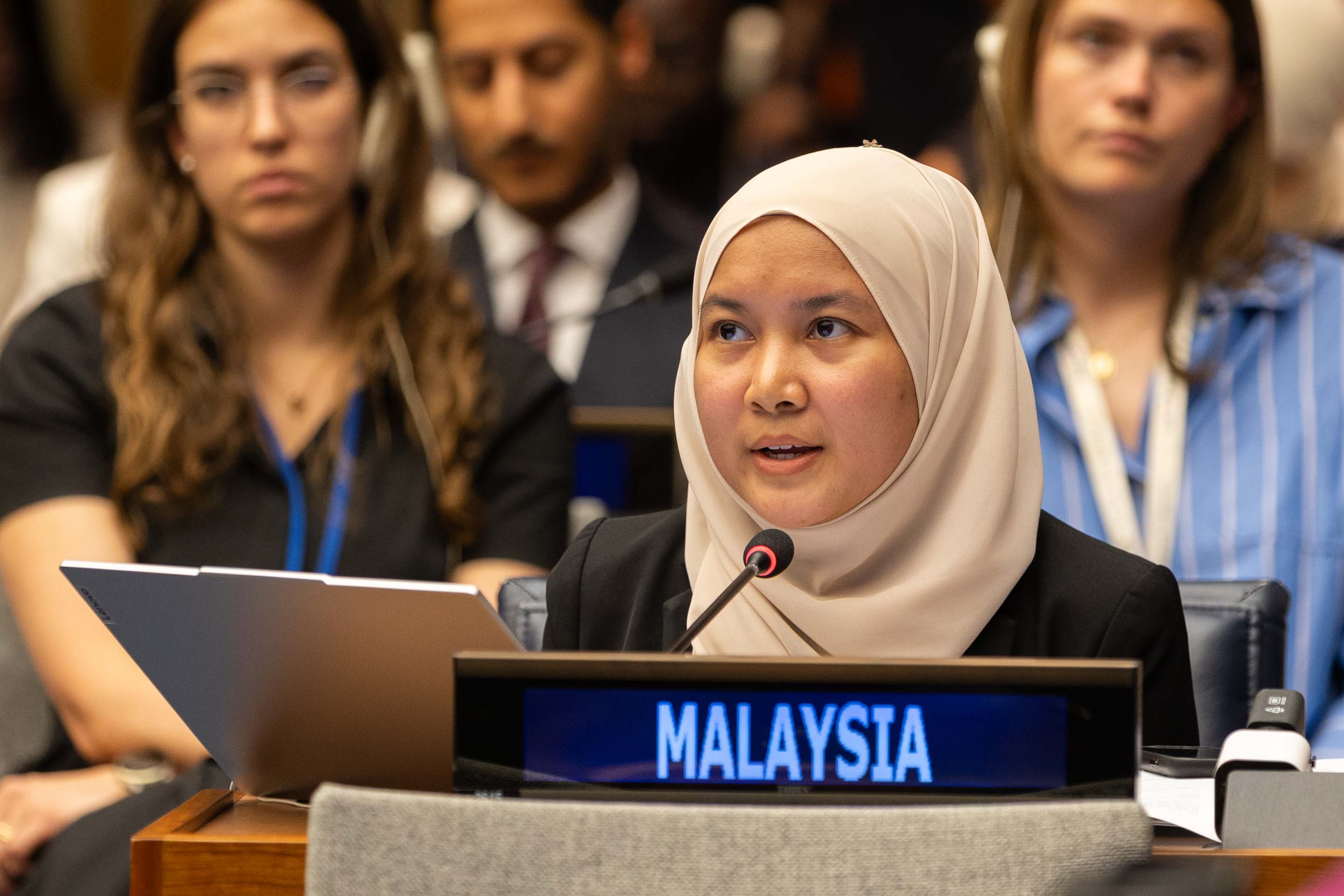
Wan Nur Azhani Syamim Binti Abd Aziz, Malaysia
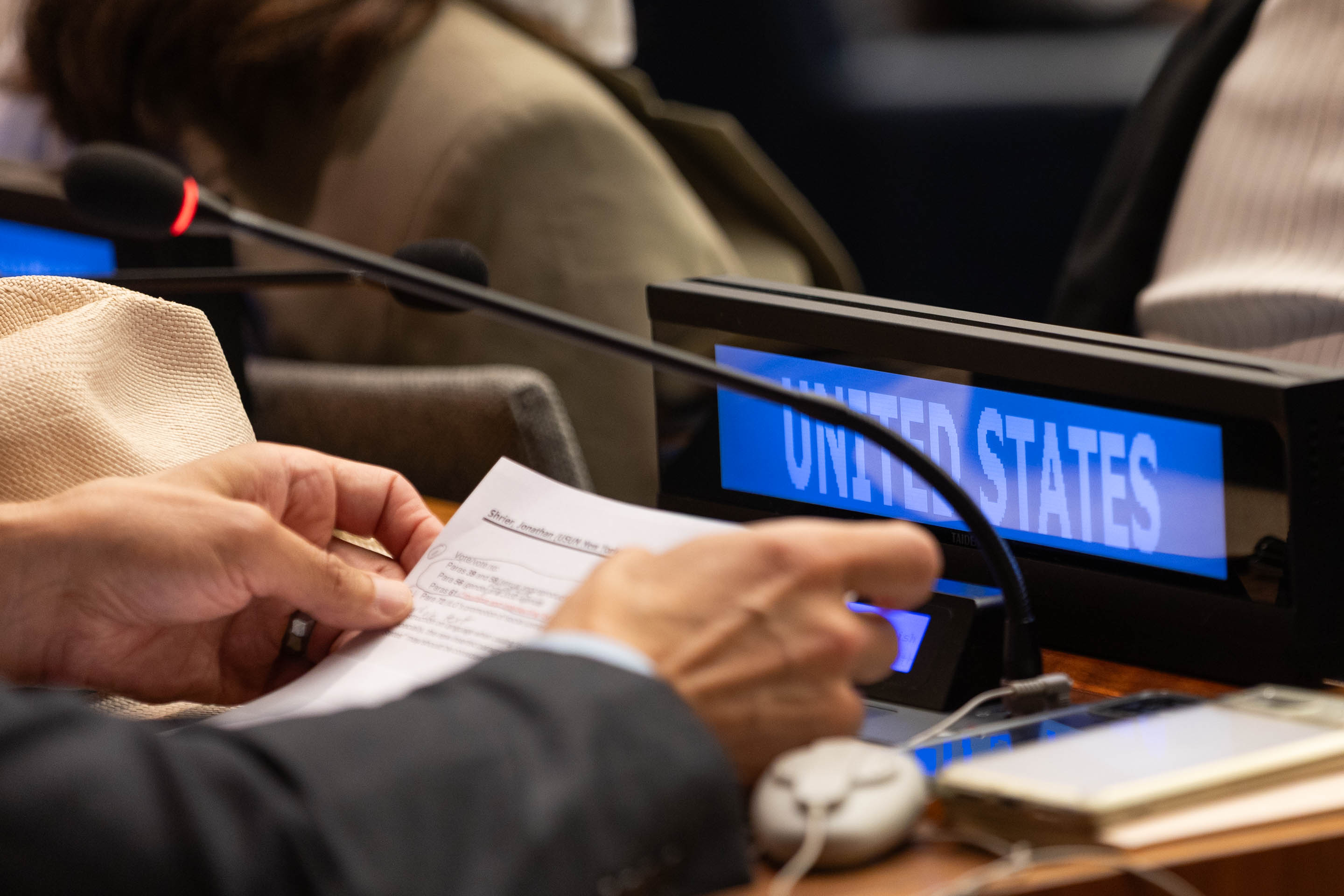
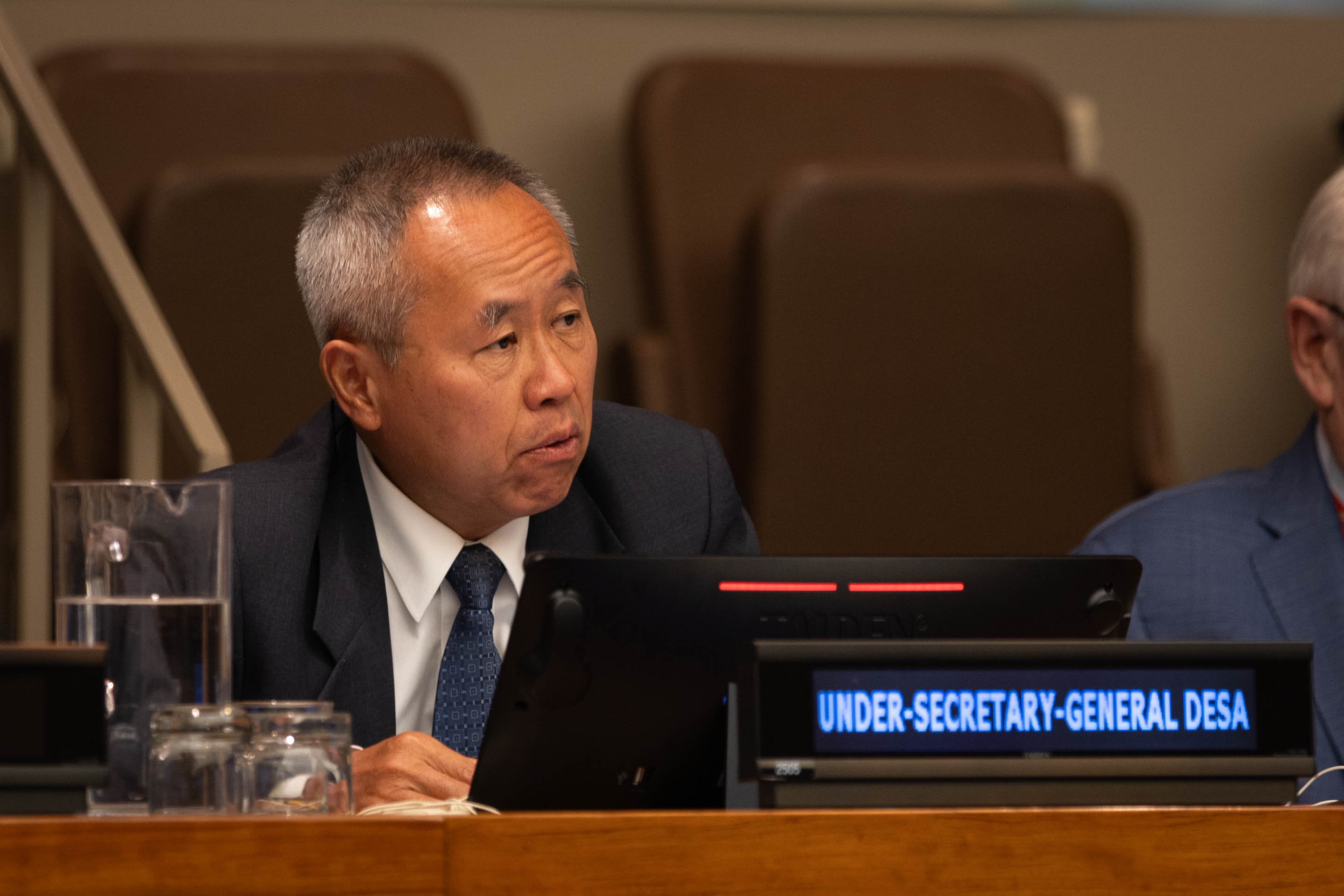
Li Junhua, UN Under-Secretary-General, Economic and Social Affairs
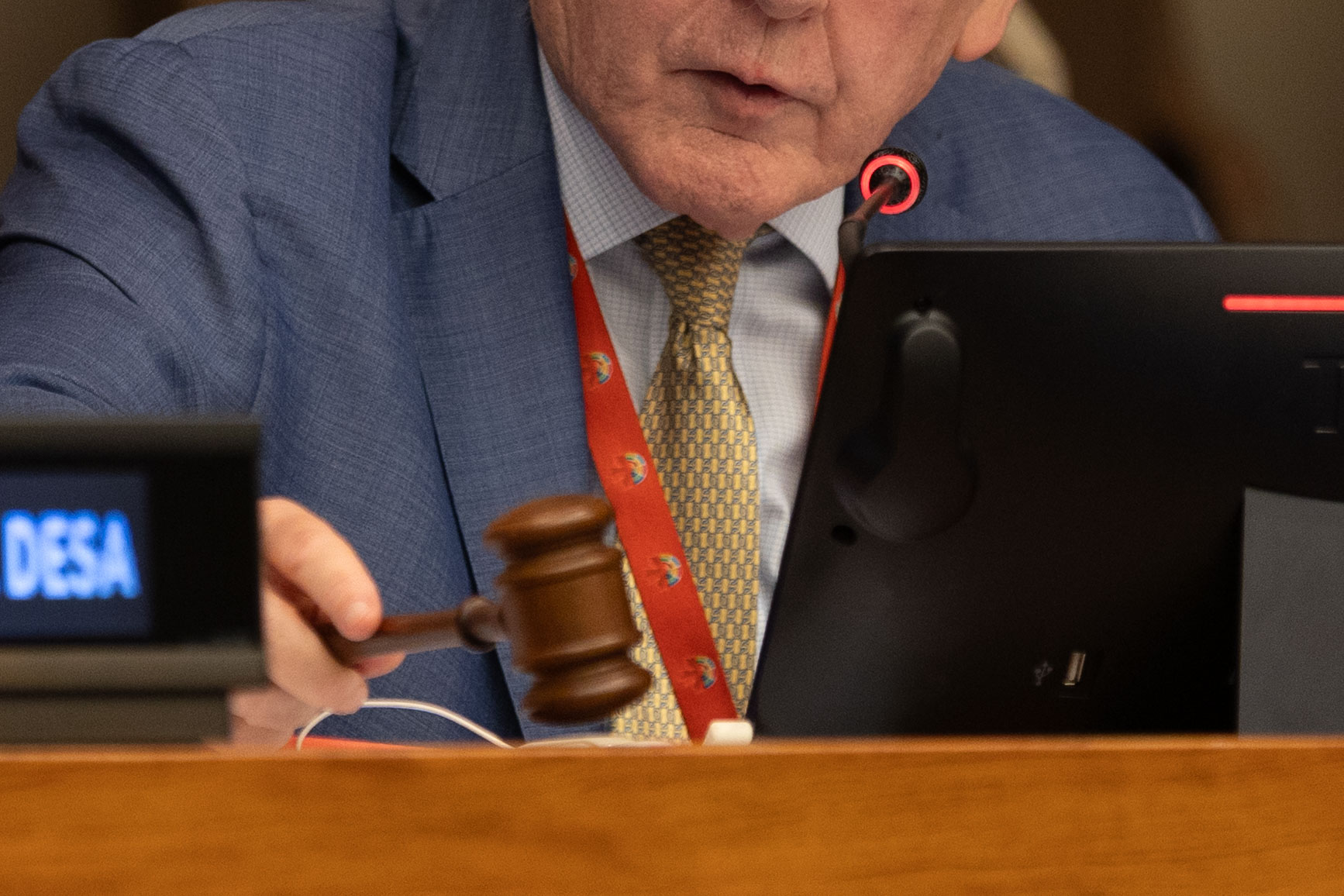
HLPF 2025 is gaveled to a close
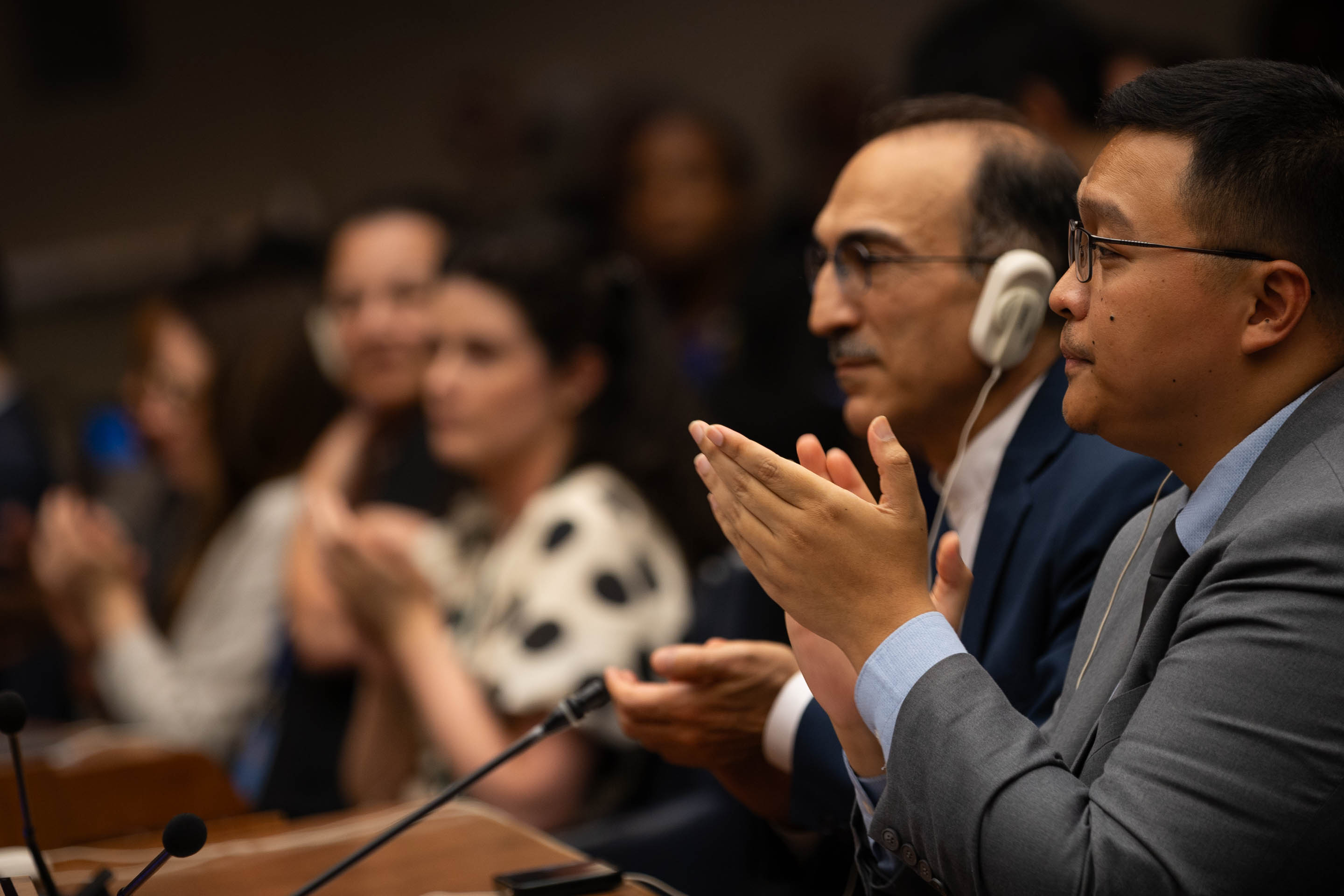
Delegates applaud the work done at the meeting and the chairmanship of Bob Rae, President, ECOSOC
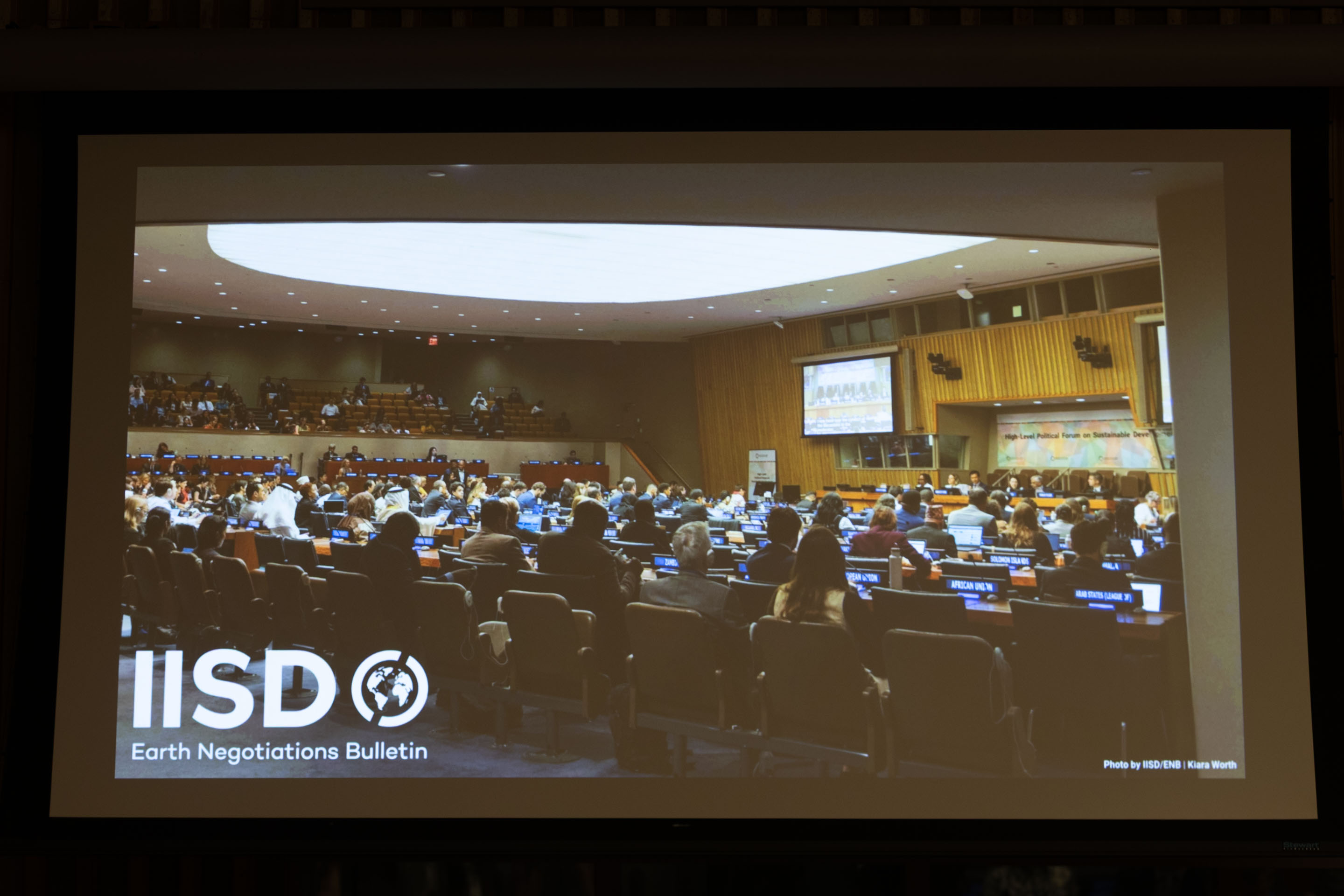
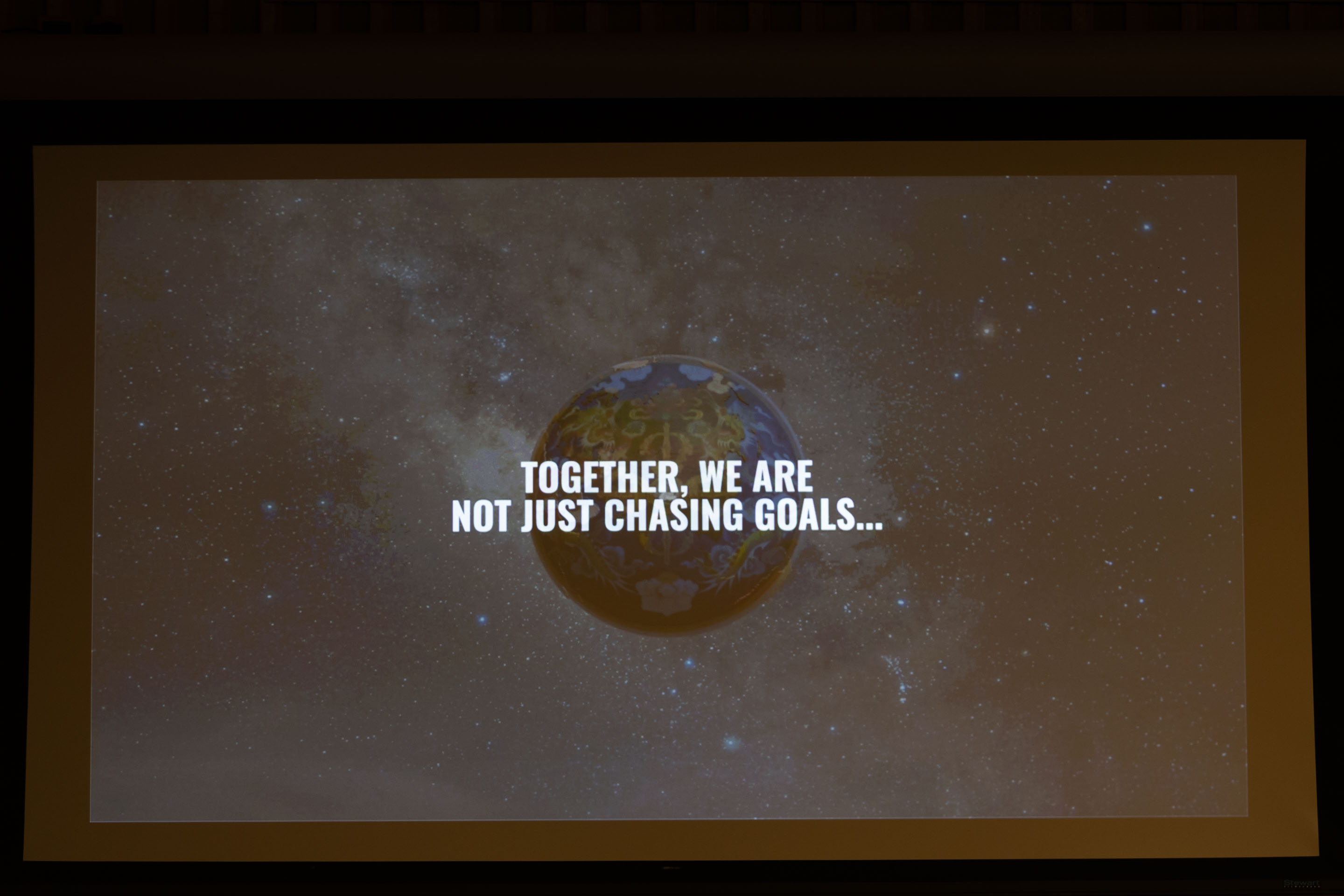
A photographic montage of highlights from the meeting is played to conclude the meeting
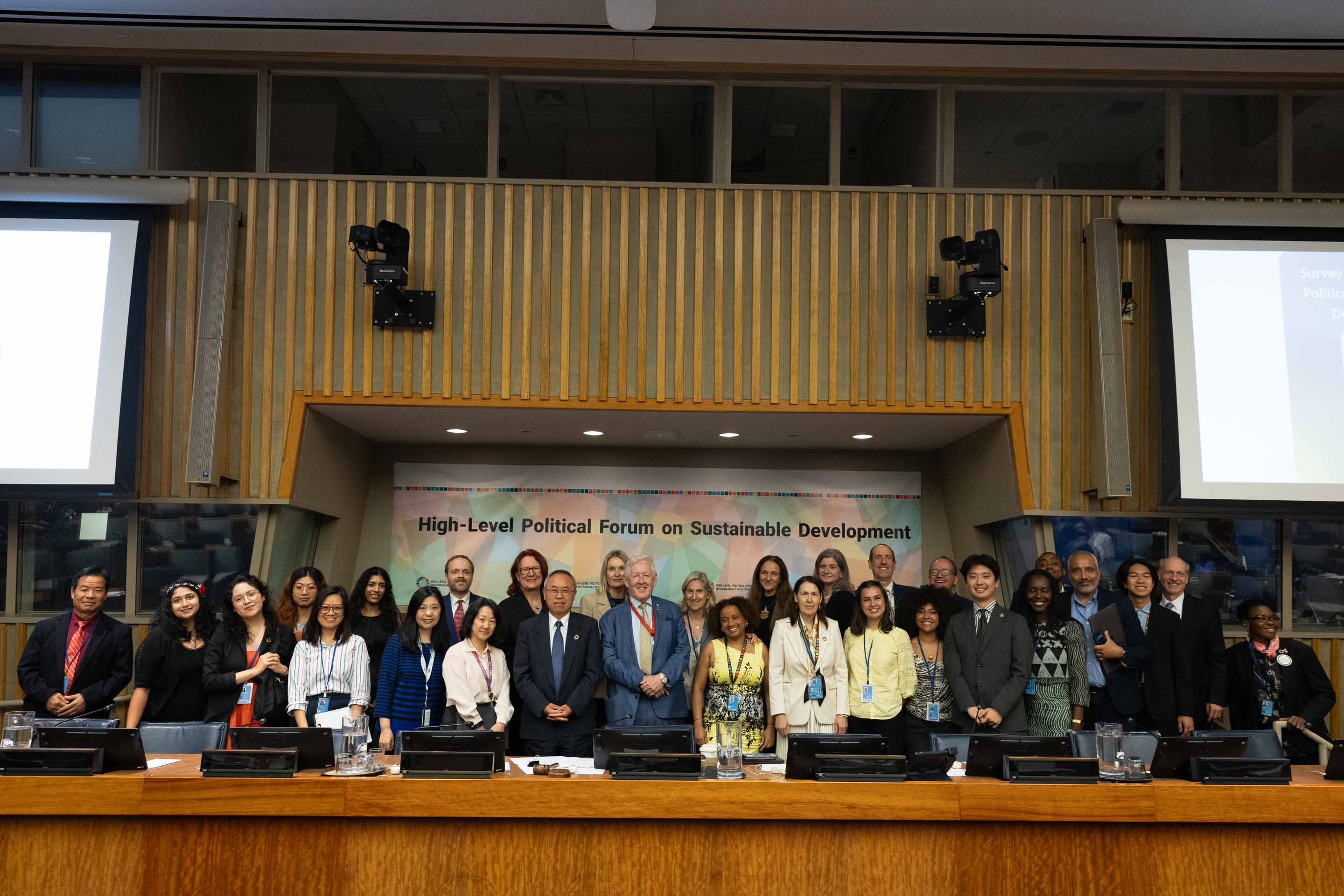
UN DESA family photo
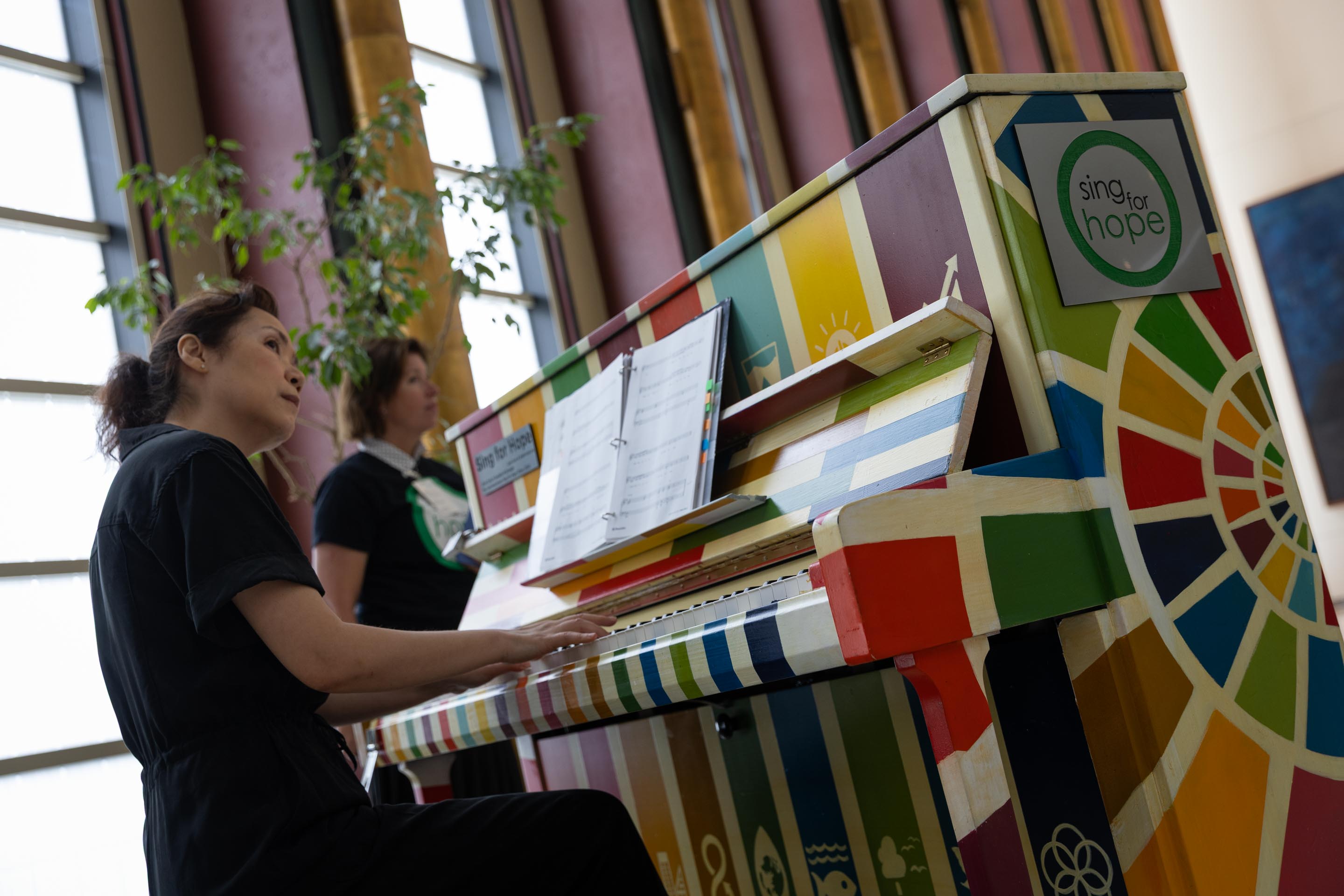
Sing for Hope Performance
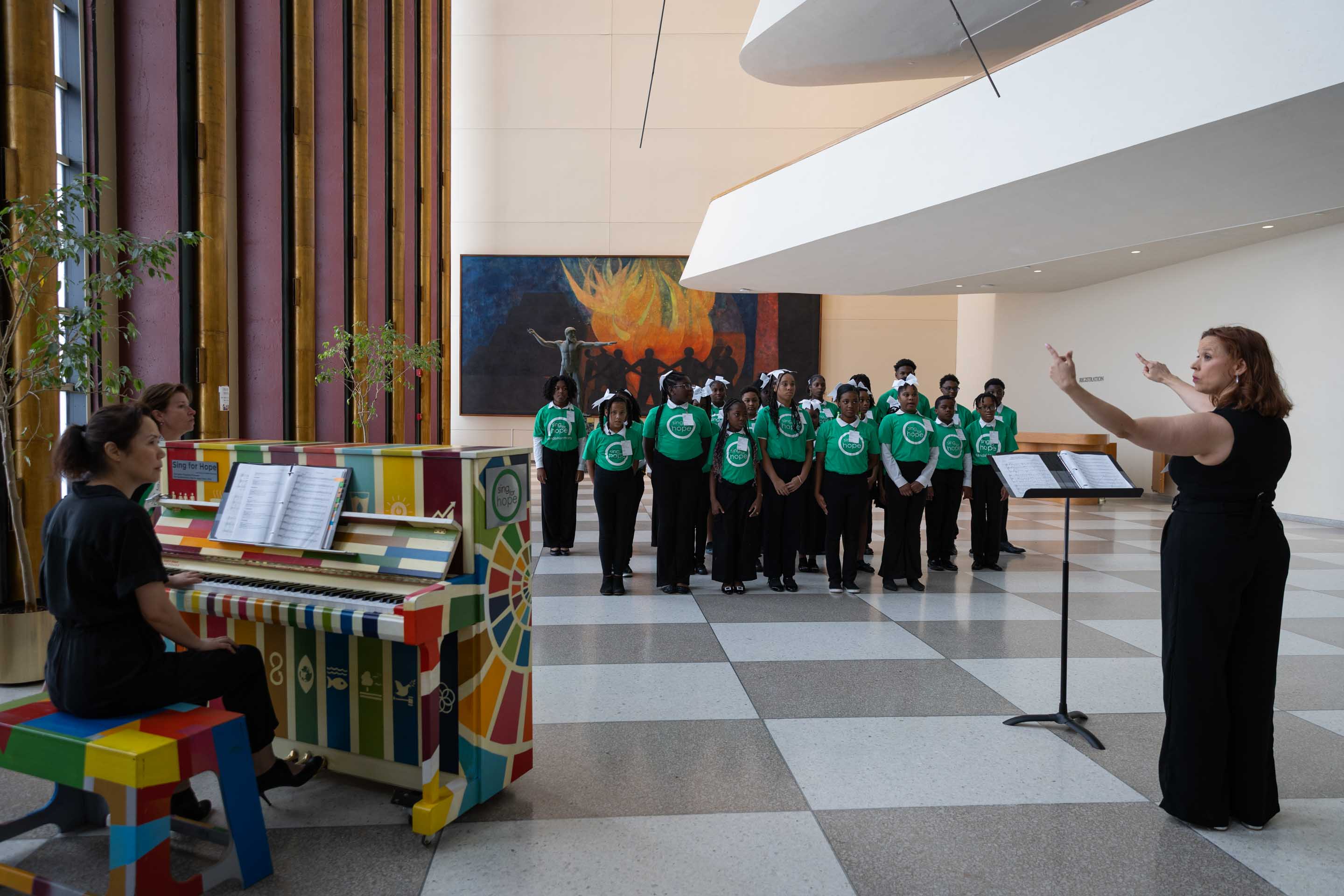
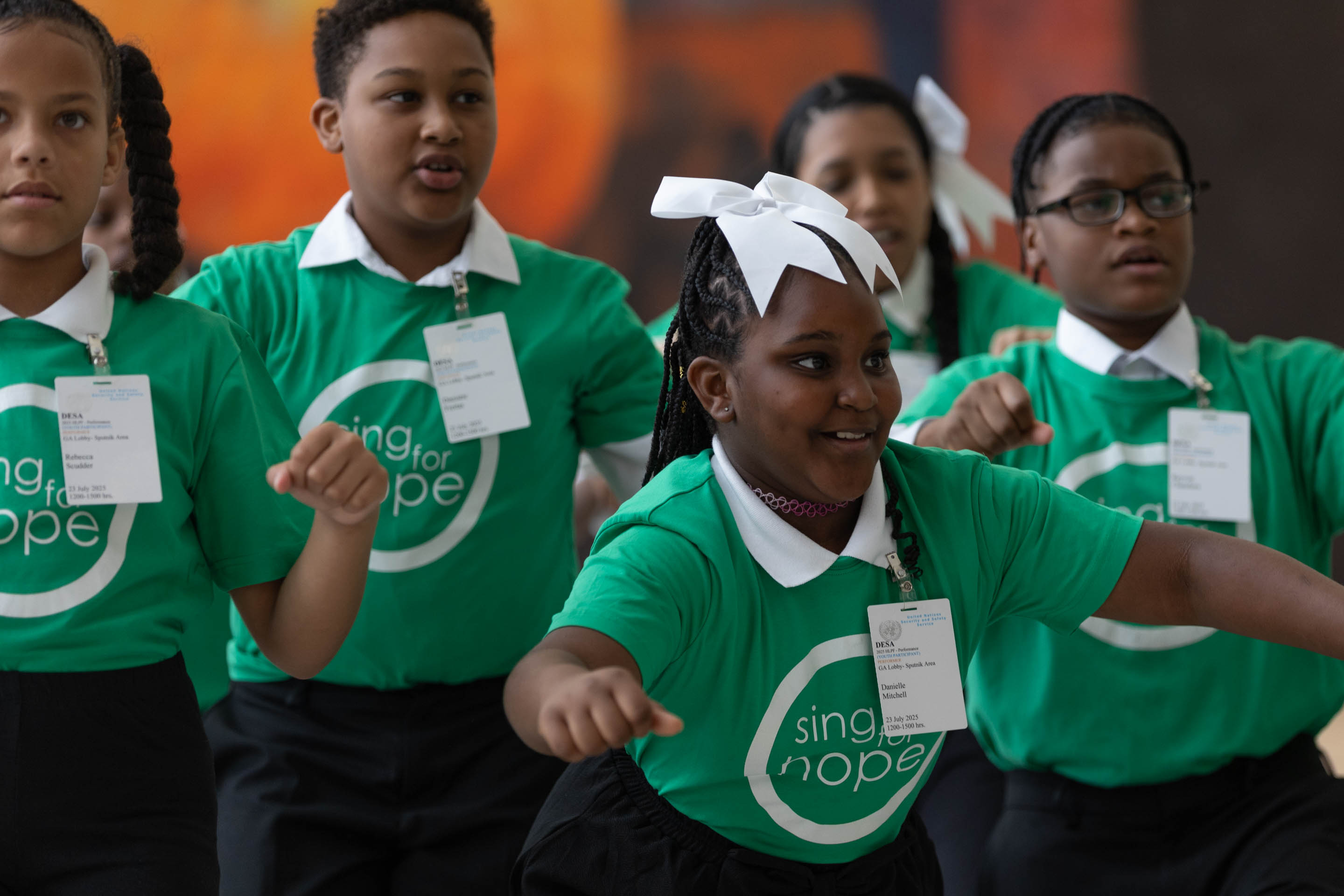
The Sing for Hope youth chorus performs in the foyer of UN Headquarters to remind HLPF delegates of the need to work towards a sustainable future



Around the Venue
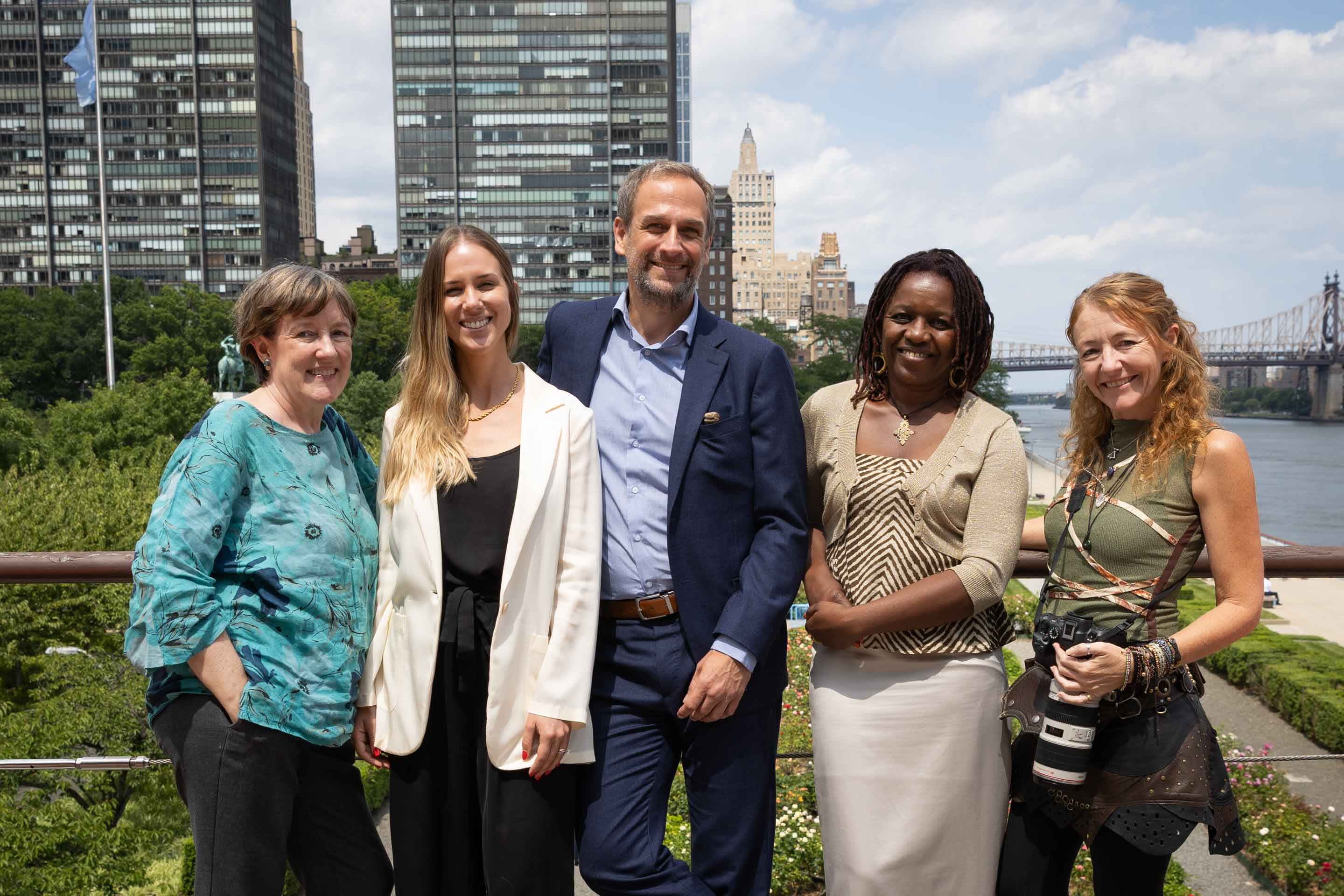
The IISD/ENB team covering HLPF 2025: Deborah Davenport, US; Gabriella Boger Prado, Brazil/France; Stefan Jungcurt, Germany/Canada; Wangu Mwangi, Kenya; and Kiara Worth, South Africa
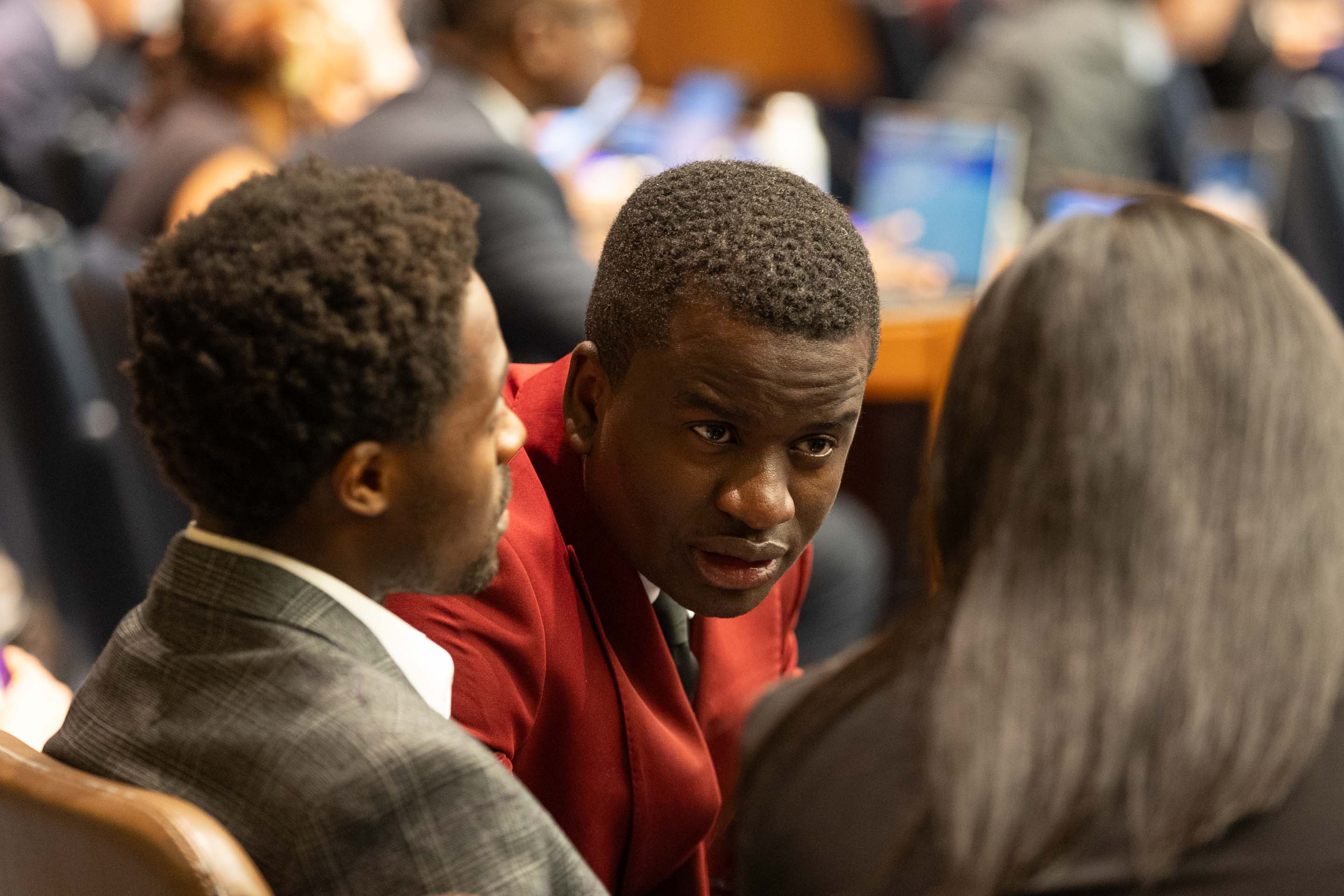
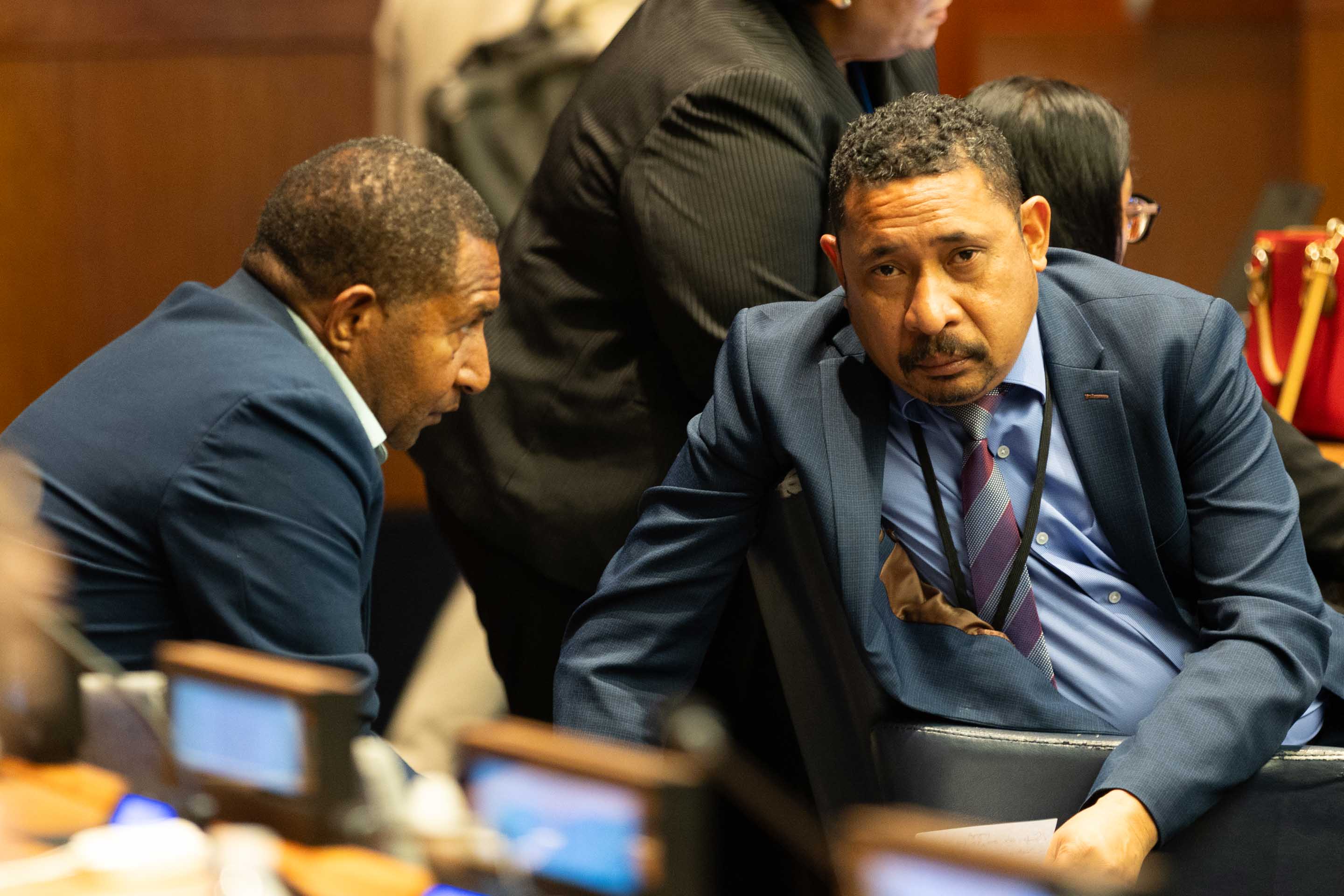
Delegates consult between sessions
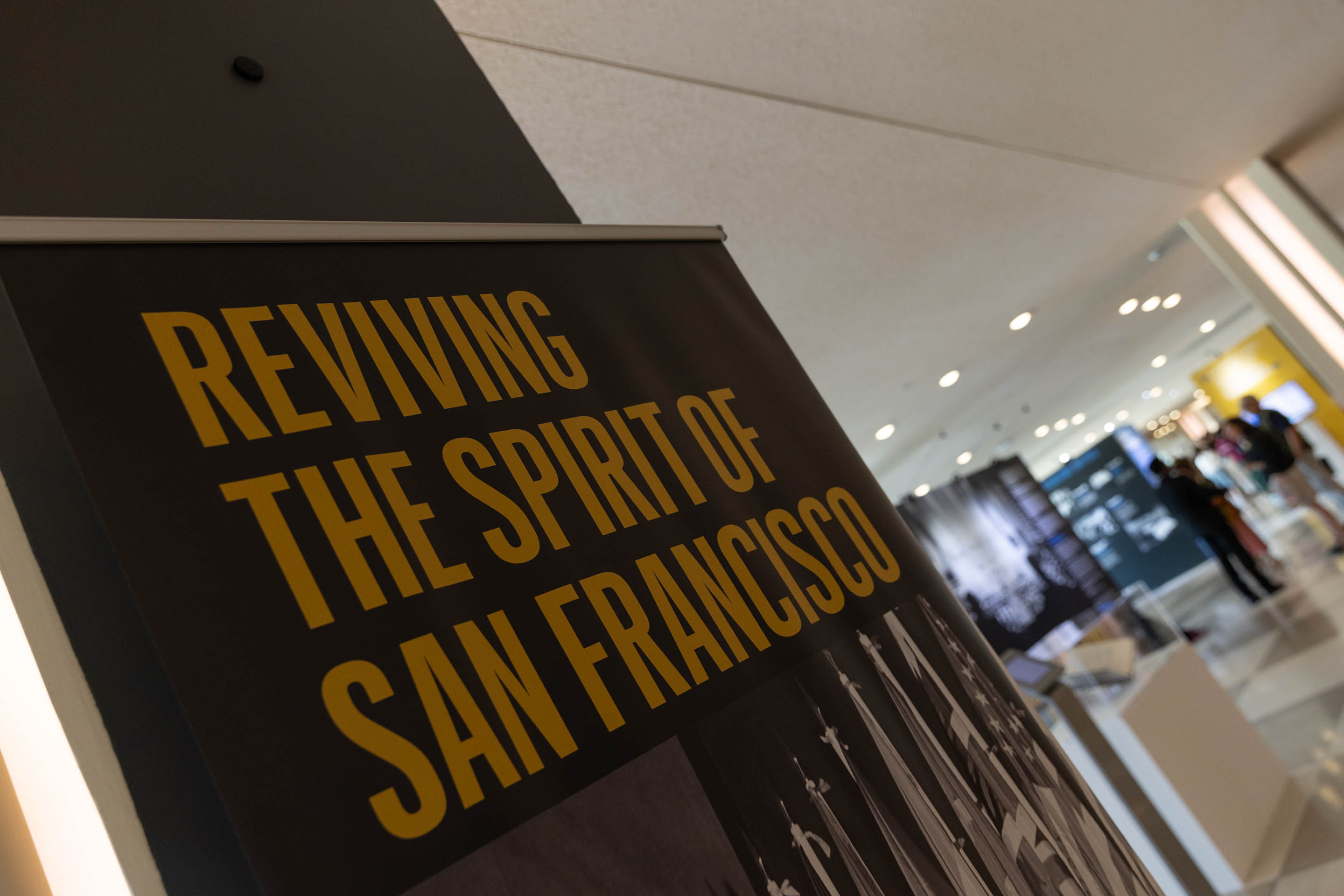
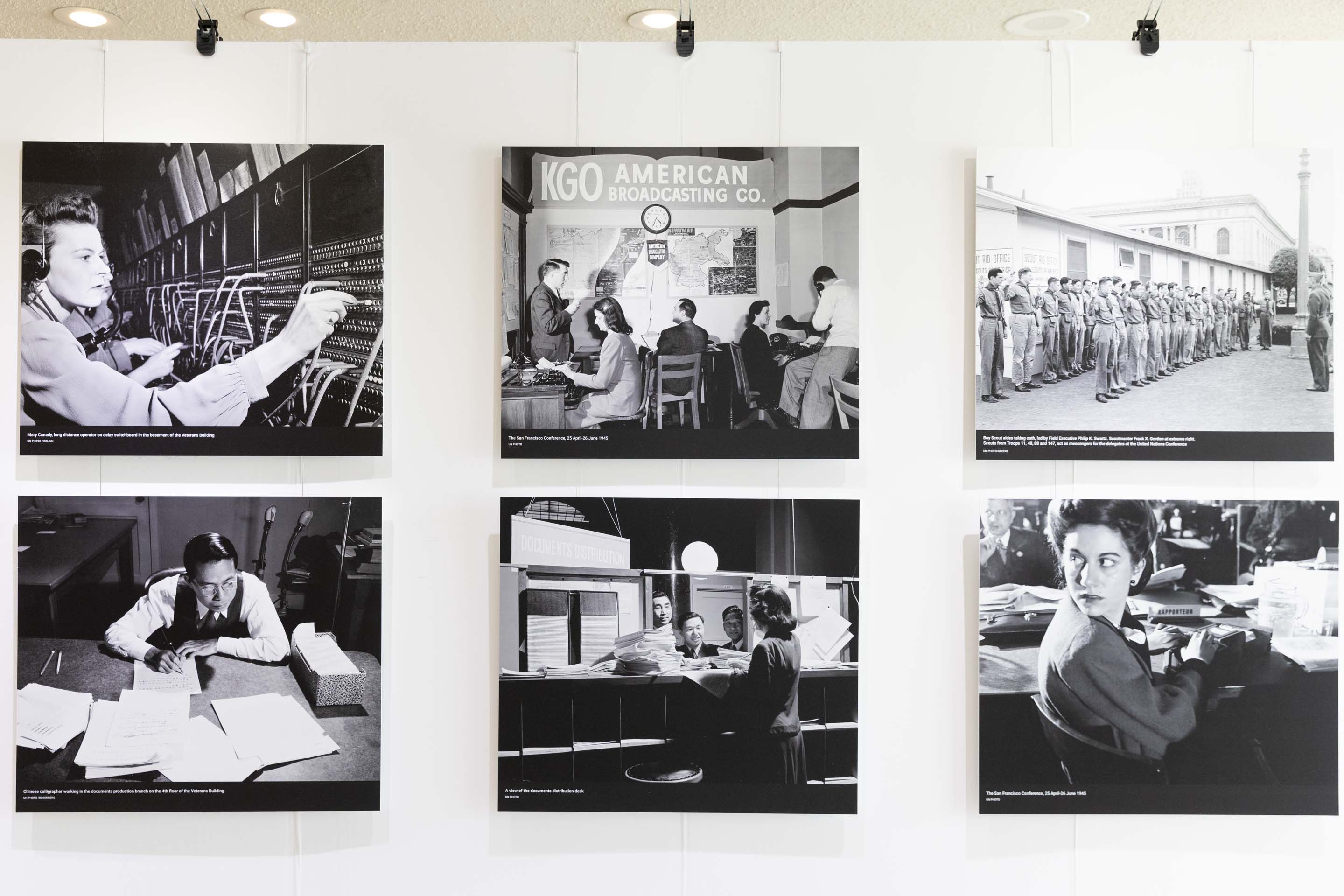
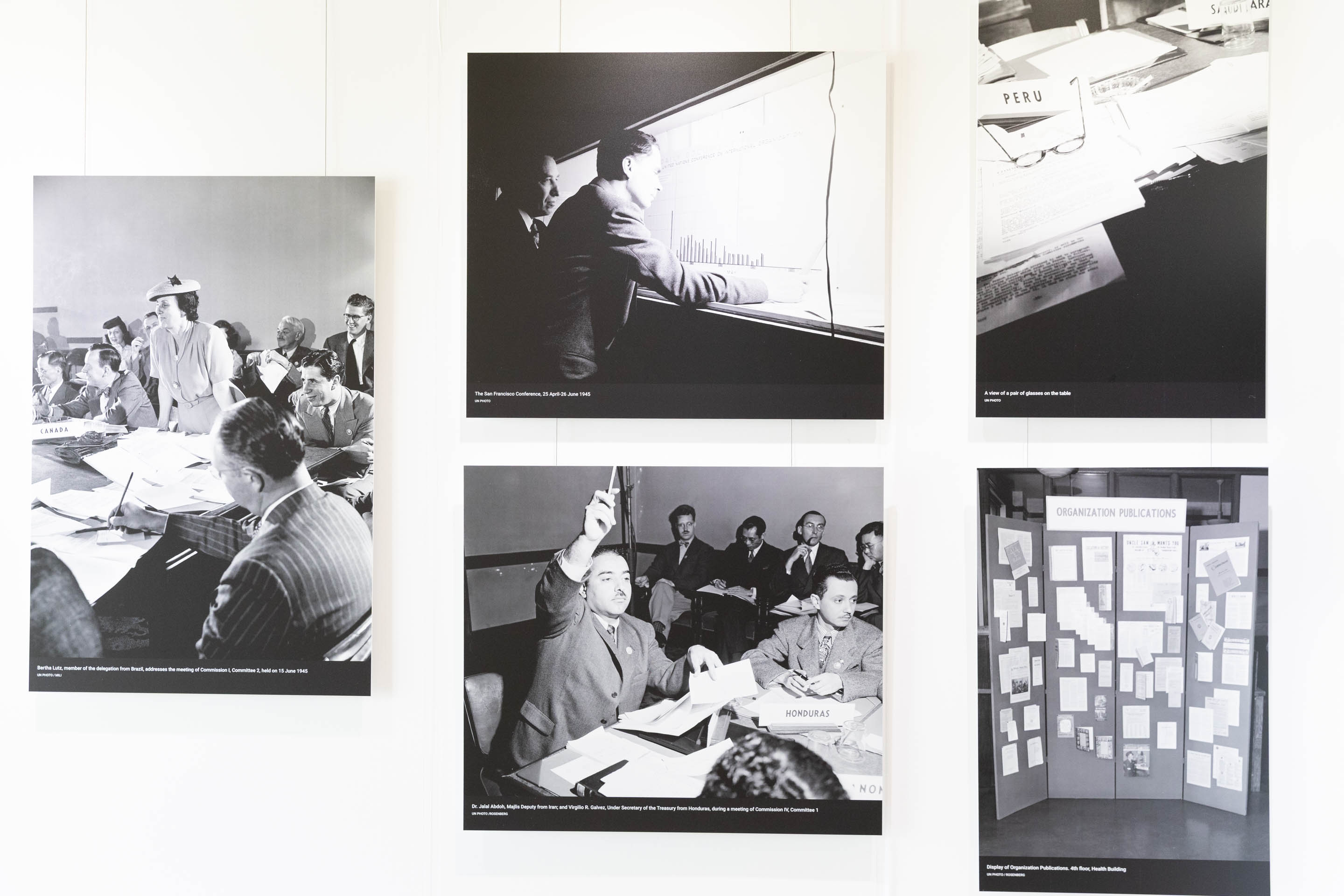
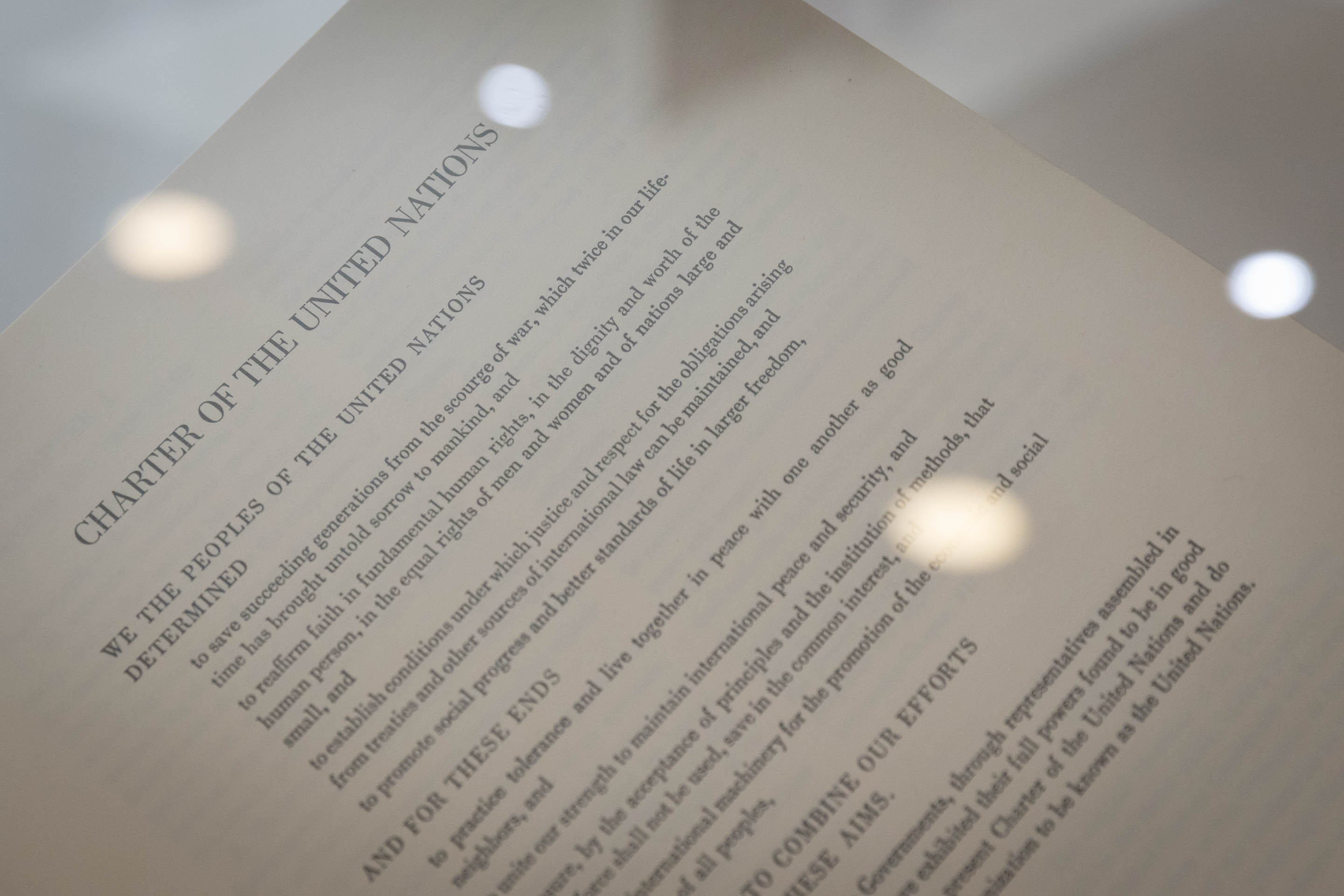
An exhibition in the UN Headquarters foyer reminds visitors of the global spirit that led to the formation of the UN