
Members of the Preparatory Commission (PrepCom) for the Agreement on Biodiversity Beyond National Jurisdiction (BBNJ) have their work cut out for them. As delegates have already exchanged views on most of the issues the Commission was expected to address at this session, they began outlining expectations for intersessional work ahead of the next session in August 2025.
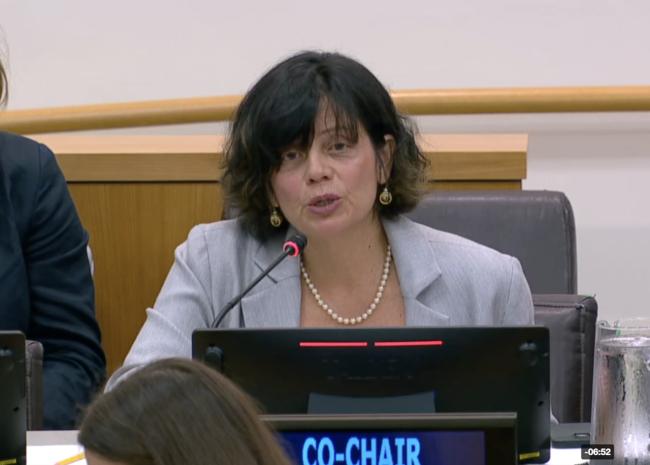
In the morning, the Co-Chairs outlined next steps, including:
- for the Co-Chairs to revise the draft rules of procedure for the Conference of the Parties (COP), with the Pacific small island developing states (SIDS) emphasizing the importance of discussions on additional rules of procedure for each subsidiary body; and
- for the UN Division for Ocean Affairs and the Law of the Sea (DOALOS), as the interim secretariat, to prepare a comparison of the arrangements of other multilateral environmental agreements (MEAs) on the functioning of their secretariats, including with regard to the size and structure of the secretariat, scales of contributions, and relationship with the UN system.
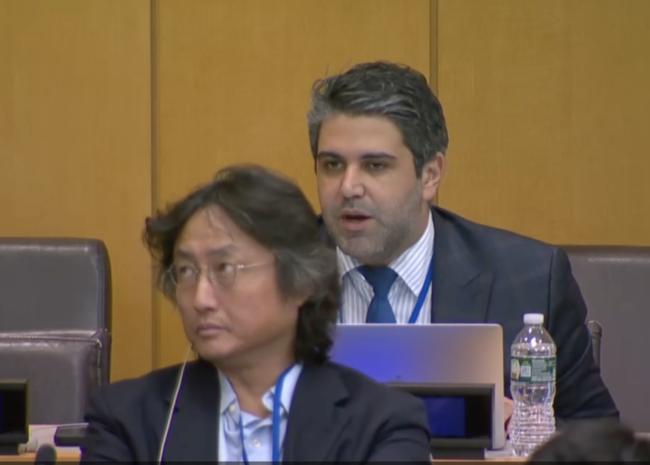
The UN Environment Programme (UNEP) offered to host the secretariat from an institutional perspective, underscoring its experience in hosting the secretariats of 17 biodiversity-related MEAs and its work on fostering synergies among MEAs.
Belgium and Chile reiterated their offers to host the seat of the secretariat in Brussels and Valparaíso, respectively. Delegates debated whether the PrepCom should define selection criteria, but converged on the PrepCom defining a timeline for the formal submission of bids. Pacific-SIDS suggested that candidates specify how fast they could set up the secretariat in their proposed host city.
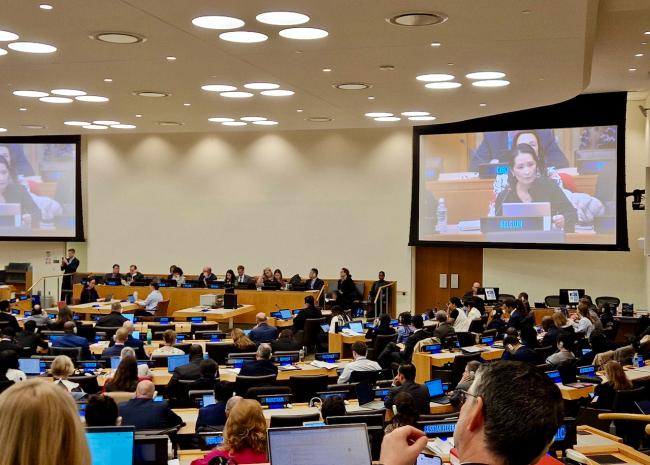
In the afternoon, delegates started reflecting on the operationalization of the Clearing-House Mechanism (CHM), which will act as a repository of information, foster cooperation, and facilitate the matching of capacity-building needs with relevant support. Delegates agreed on the need for the platform to be user-friendly and emphasized the importance of “the human element” behind the platform. They also underscored that the platform should be interoperable with existing databases and supported adopting an incremental approach to setting it up, building on a pilot phase.
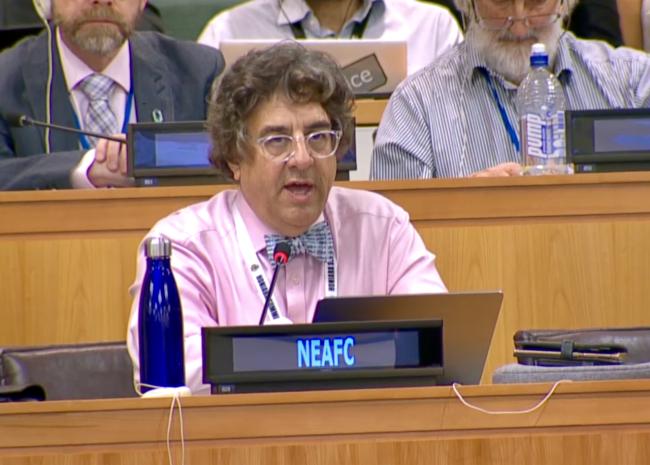
Adding to the expectations for intersessional work, delegates expressed support for establishing an open-ended expert group to support the development of the CHM.
On Wednesday, delegates will continue their discussions on the terms of reference and members of the subsidiary bodies.
To receive free coverage of global environmental events delivered to your inbox, subscribe to the ENB Update newsletter.
All ENB photos are free to use with attribution. For this meeting, please use: Photo by IISD/ENB.