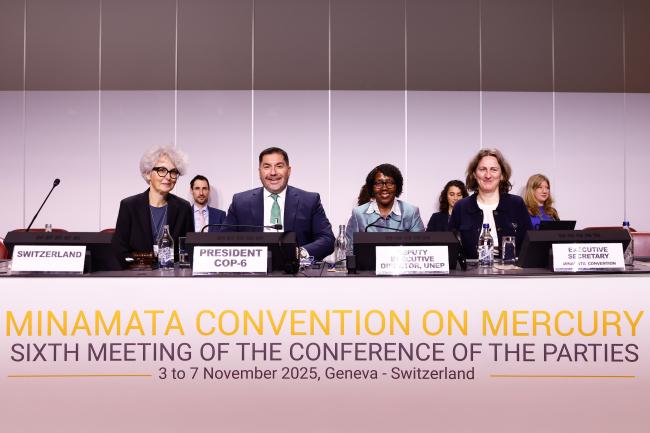
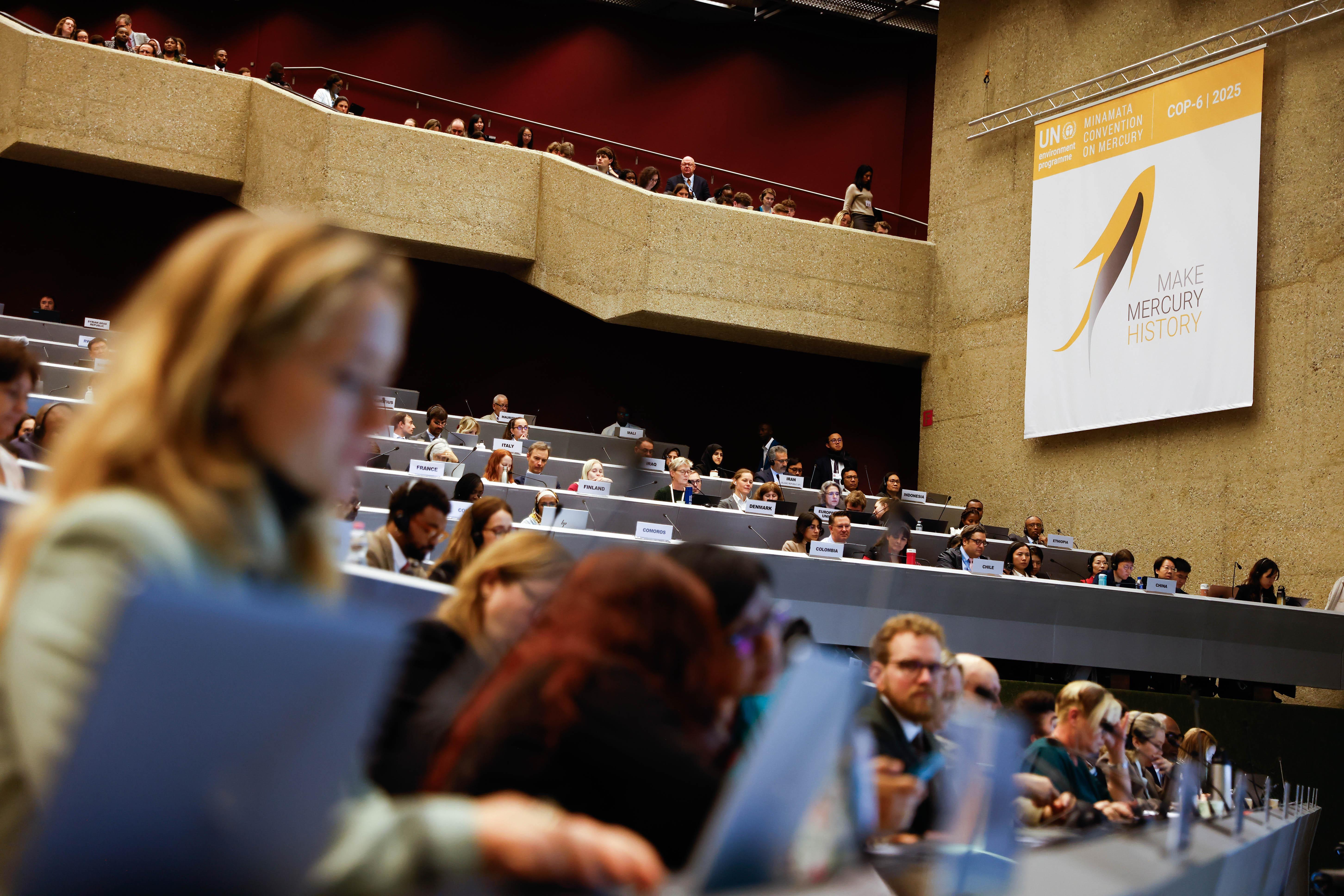
The Minamata Convention is a clear example of what nations can achieve when they work together, guided by science, with a shared vision, a lifecycle approach, and a sense of responsibility, declared Swiss Federal Office for the Environment Director Katrin Schneeberger at the opening of the sixth meeting of the Conference of the Parties (COP-6). With these inspiring words, COP-6 started tackling its heavy workload, addressing the financial mechanism, and then possible amendments to Convention Annex A (mercury-added products) and B (measures on processes using mercury).
Want to dig deeper into today's talks? Read the full Earth Negotiations Bulletin daily report.
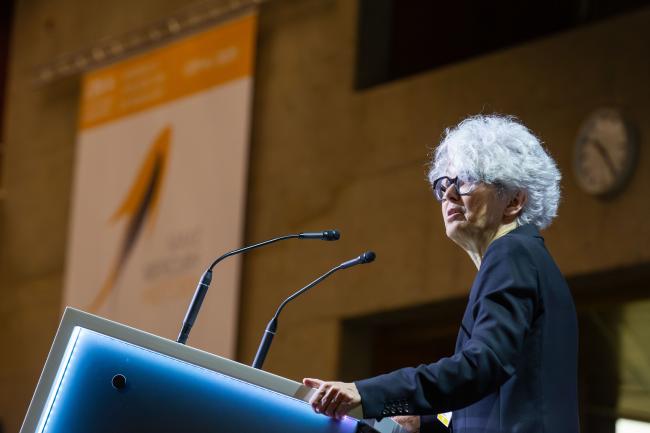
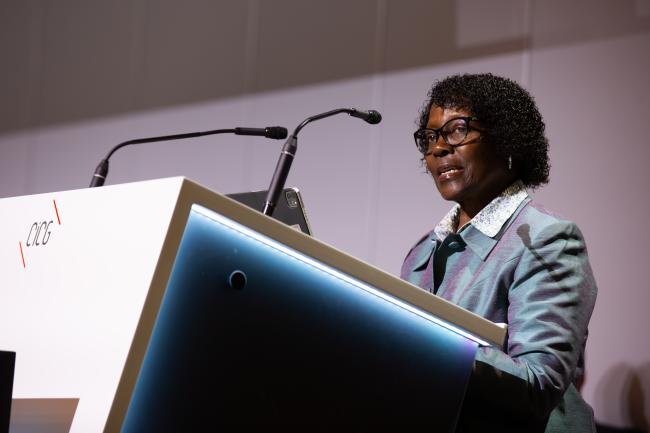
The debate on the financial mechanism reviewed the current state of work to support the Convention by the Global Environment Facility (GEF) and the Specific International Programme to support capacity building and technical assistance (SIP), terms of reference (ToR) for the COP’s third review of the financial mechanism, and a proposed decision on the financial mechanism.
The ToR were approved as proposed. In the general discussion on the financial mechanism, many countries highlighted the importance of the GEF and the SIP, calling for their replenishment and extension. The European Union, Brazil, Switzerland, and Norway presented their jointly proposed amendments to the decision, while others suggested some possible changes. The COP President created a small informal group of interested parties to propose a compromise.
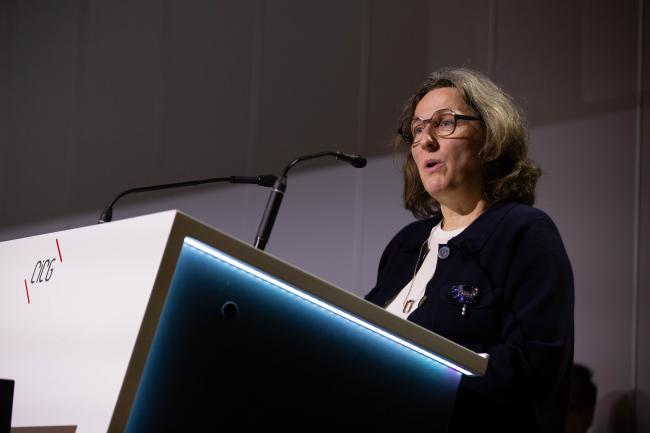
Annex A discussions focused on the African Group’s COP-5 proposal to phase out dental amalgam by 2030 and introduce more phasedown measures in the interim. While many voiced support for the proposal, some expressed reservations. Delegates created a Technical Matters Contact Group, co-chaired by two former COP Presidents, and referred the matter to the Group for further discussion.
Delegates also considered the African Group’s proposals on mercury in cosmetics, most Parties expressing their support and a few voicing reservations. Delegates referred the matter to an informal group of interested parties to discuss possible compromises.
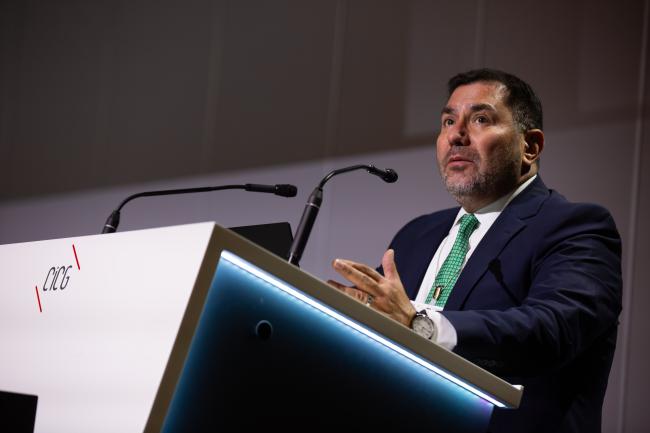
The Annex B discussion focused on whether mercury-free alternatives to producing vinyl chloride monomer (VCM), a key ingredient to polyvinyl chloride (PVC), can be declared technically and economically feasible. The EU, the US, and Norway presented a proposal to that effect. Many Parties expressed support, while China and India voiced reservations. Delegates referred the issue to the Technical Matters Contact Group for further discussion.
After the plenary concluded, the Technical Matters Contact Group met for the first time to consider its mandates on dental amalgam and VCM.
To receive free coverage of global environmental events delivered to your inbox, subscribe to the ENB Update newsletter.
All ENB photos are free to use with attribution. For the 6th Meeting of the Conference of the Parties to the Minamata Convention on Mercury, please use: Photo by IISD/ENB | Natalia Mroz.
Morning Plenary
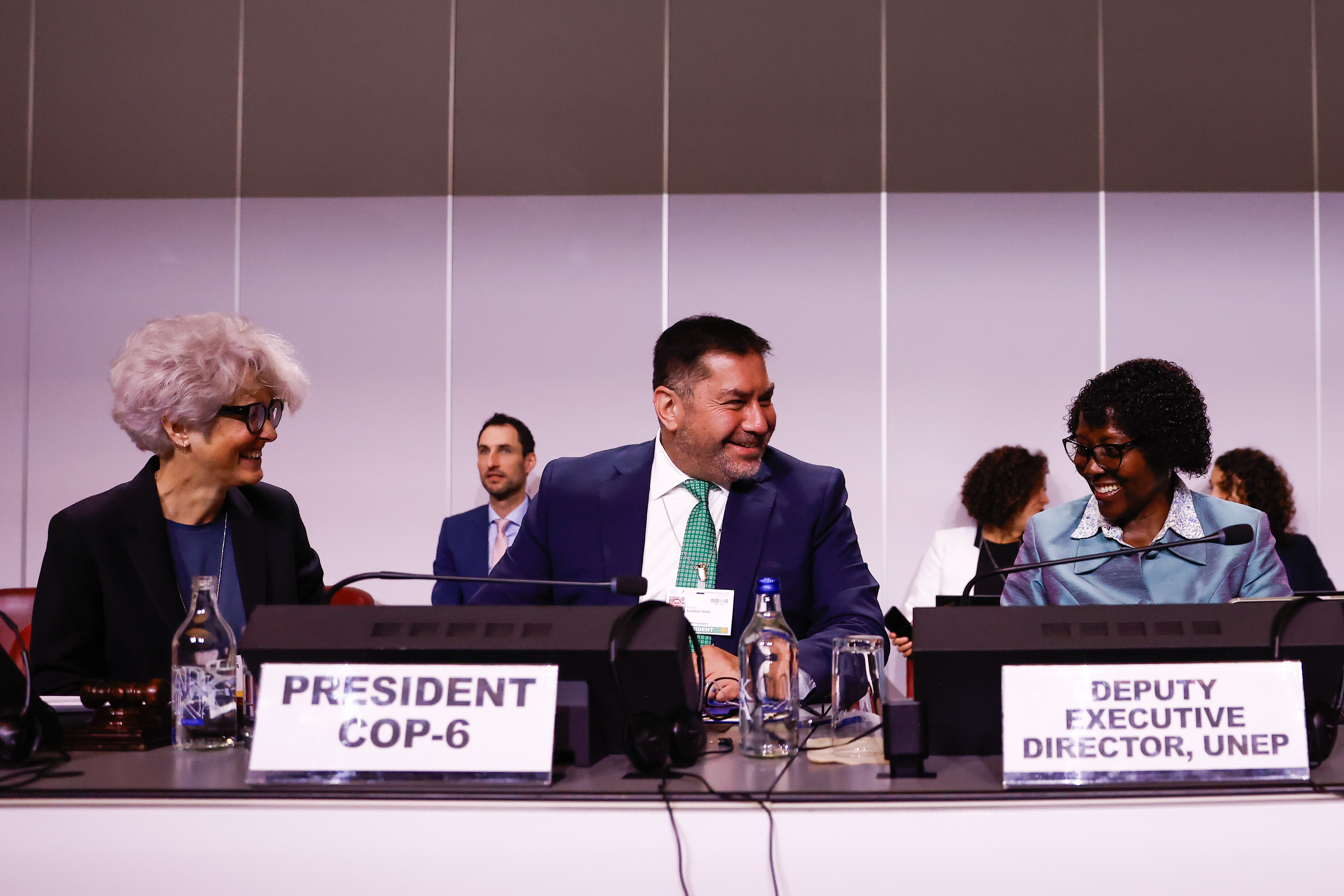
L:R - Katrin Schneeberger, Director of the Federal Office for the Environment, Switzerland, Osvaldo Patricio Álvarez Pérez, Chile, and Elizabeth Maruma Mrema, UNEP
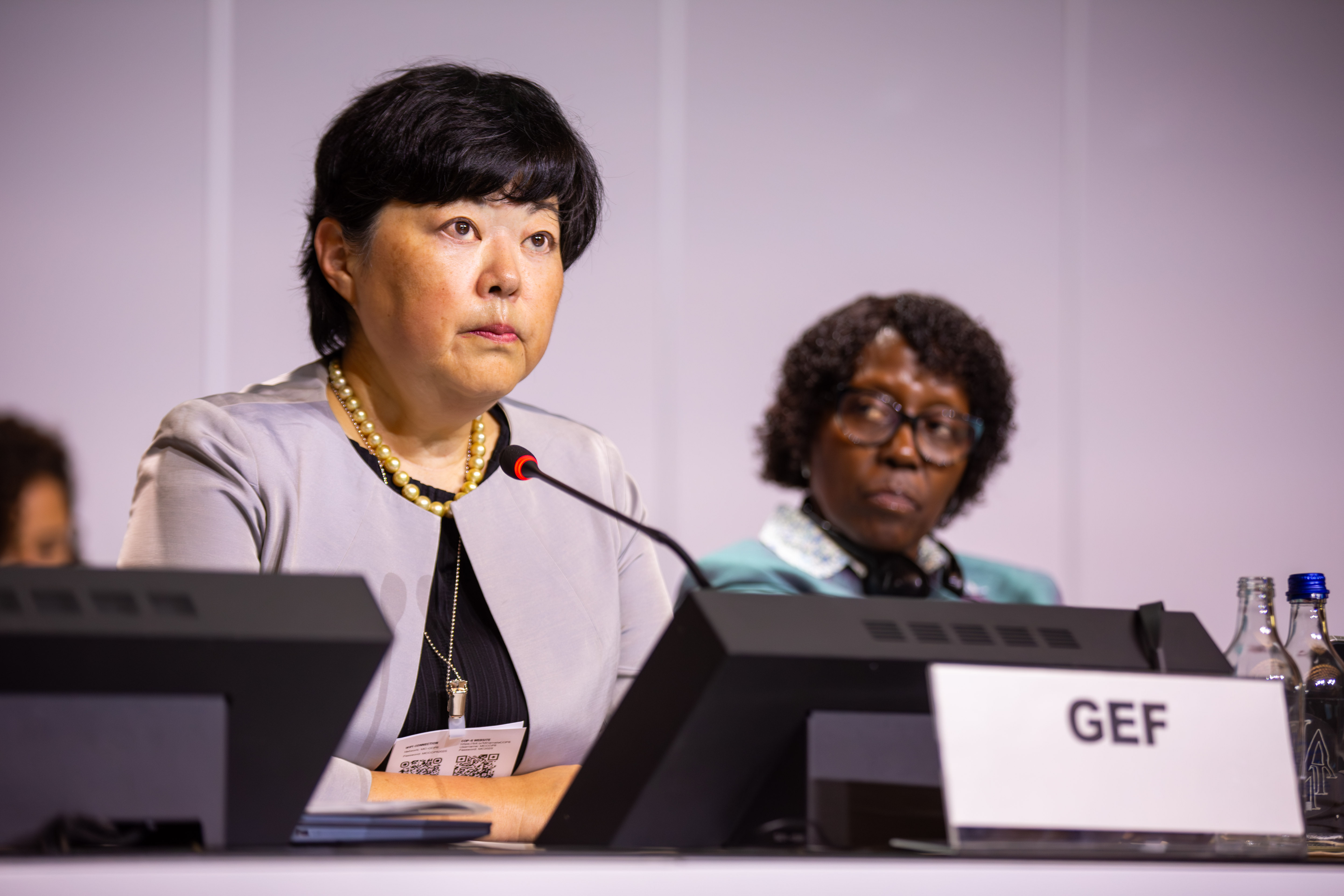
Chizuru Aoki, GEF Secretariat
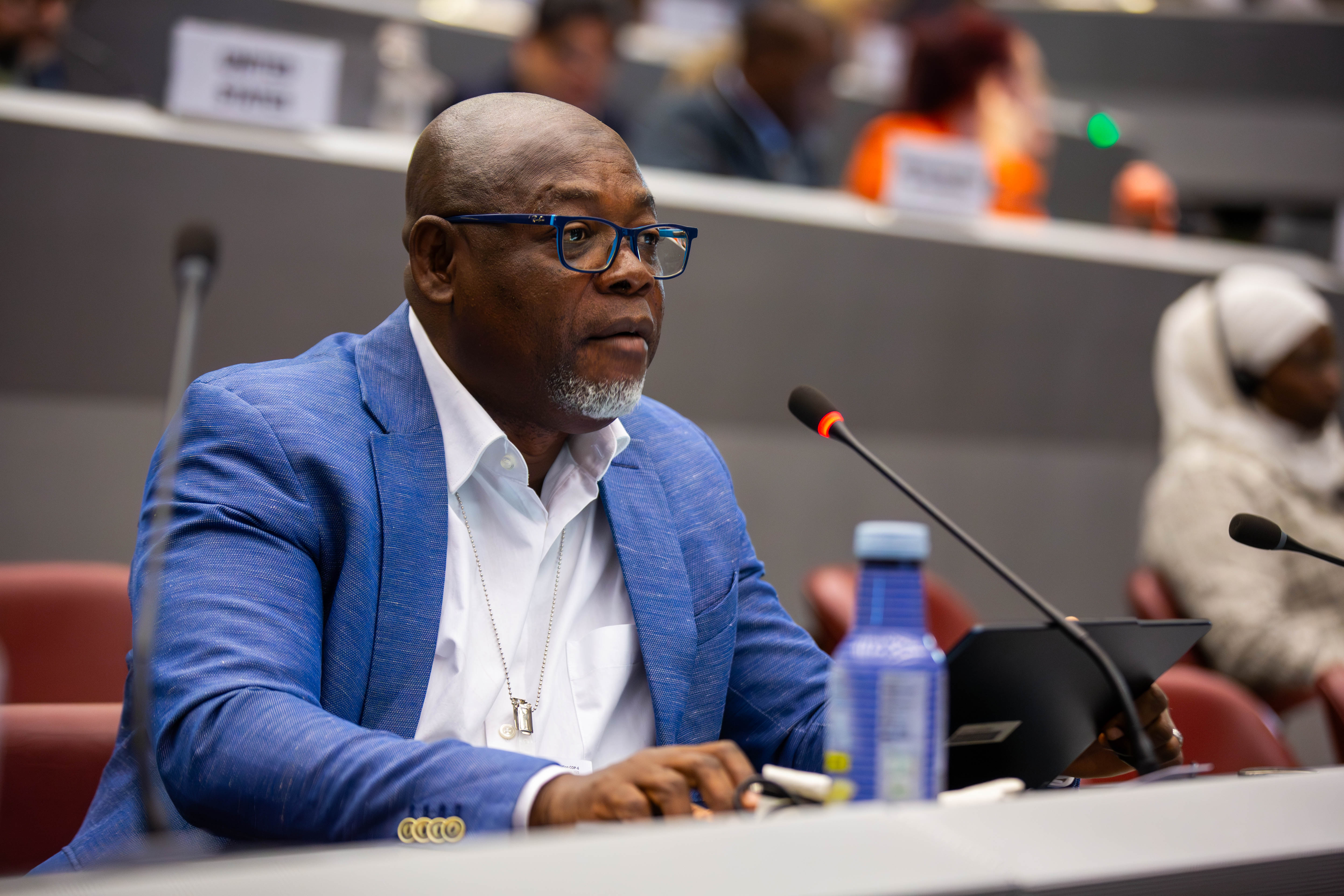
Mohamed Abdulai Kamara, Sierra Leone
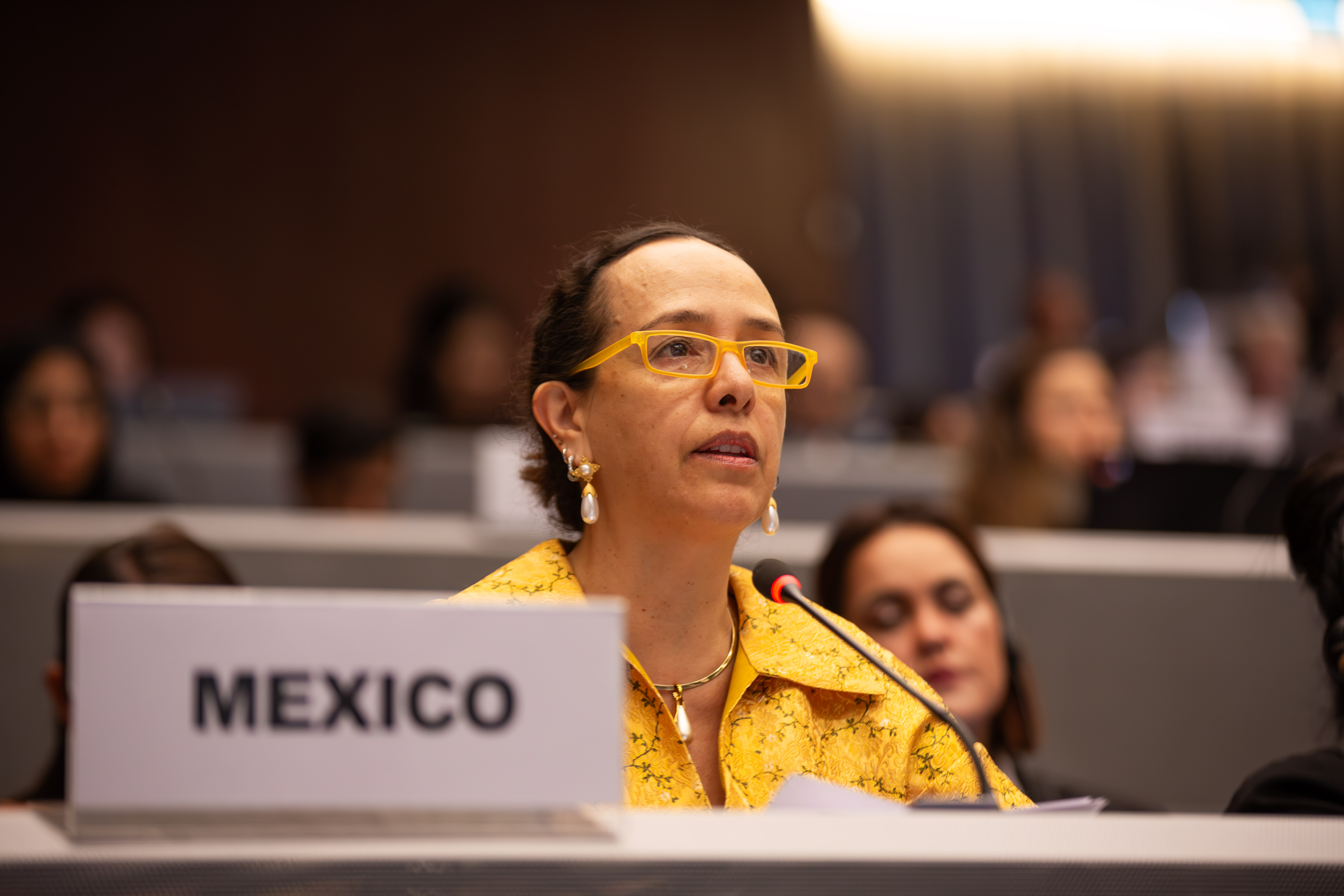
Francisca Méndez Escobar, Mexico
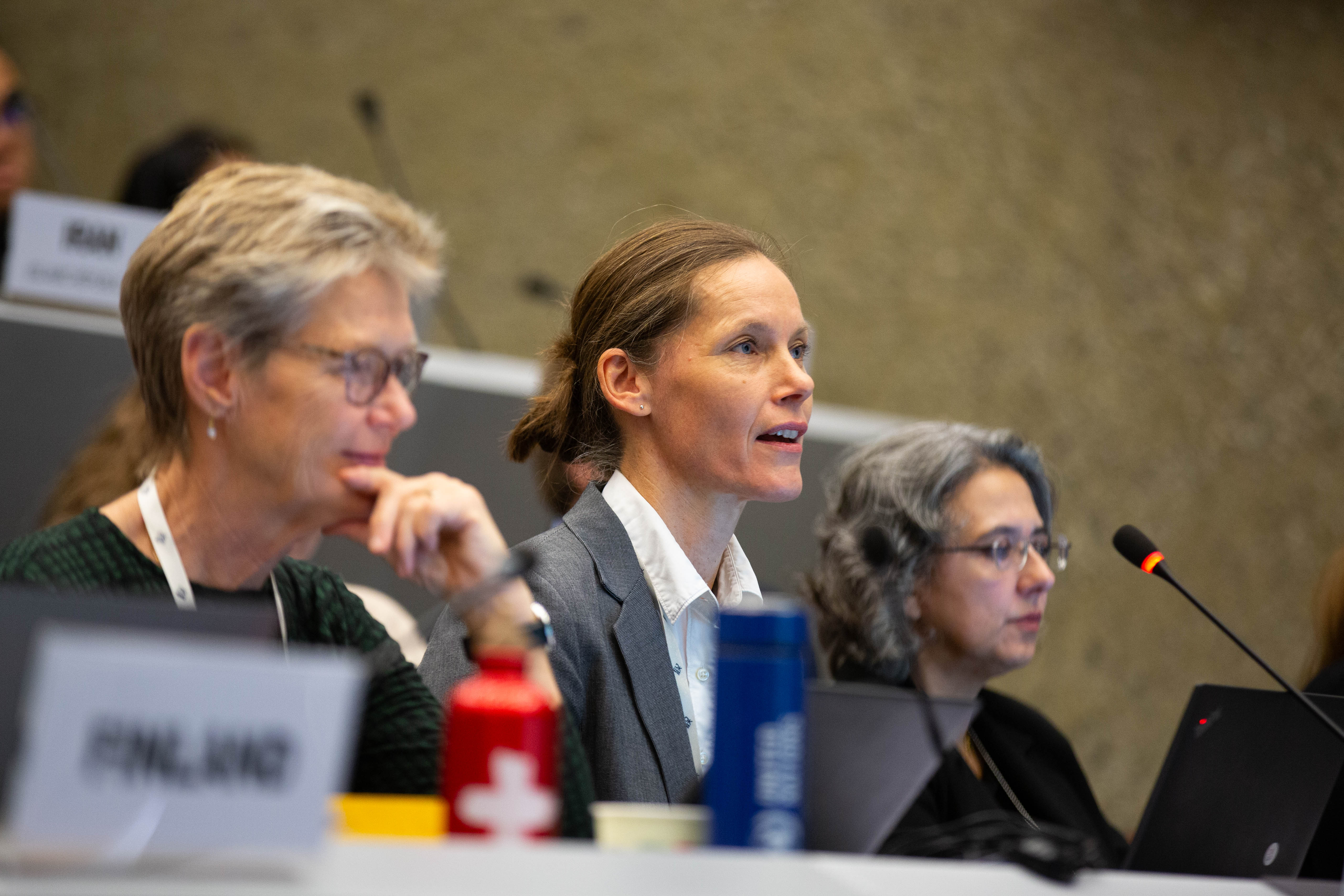
Rikke Donchil Holmberg, Denmark
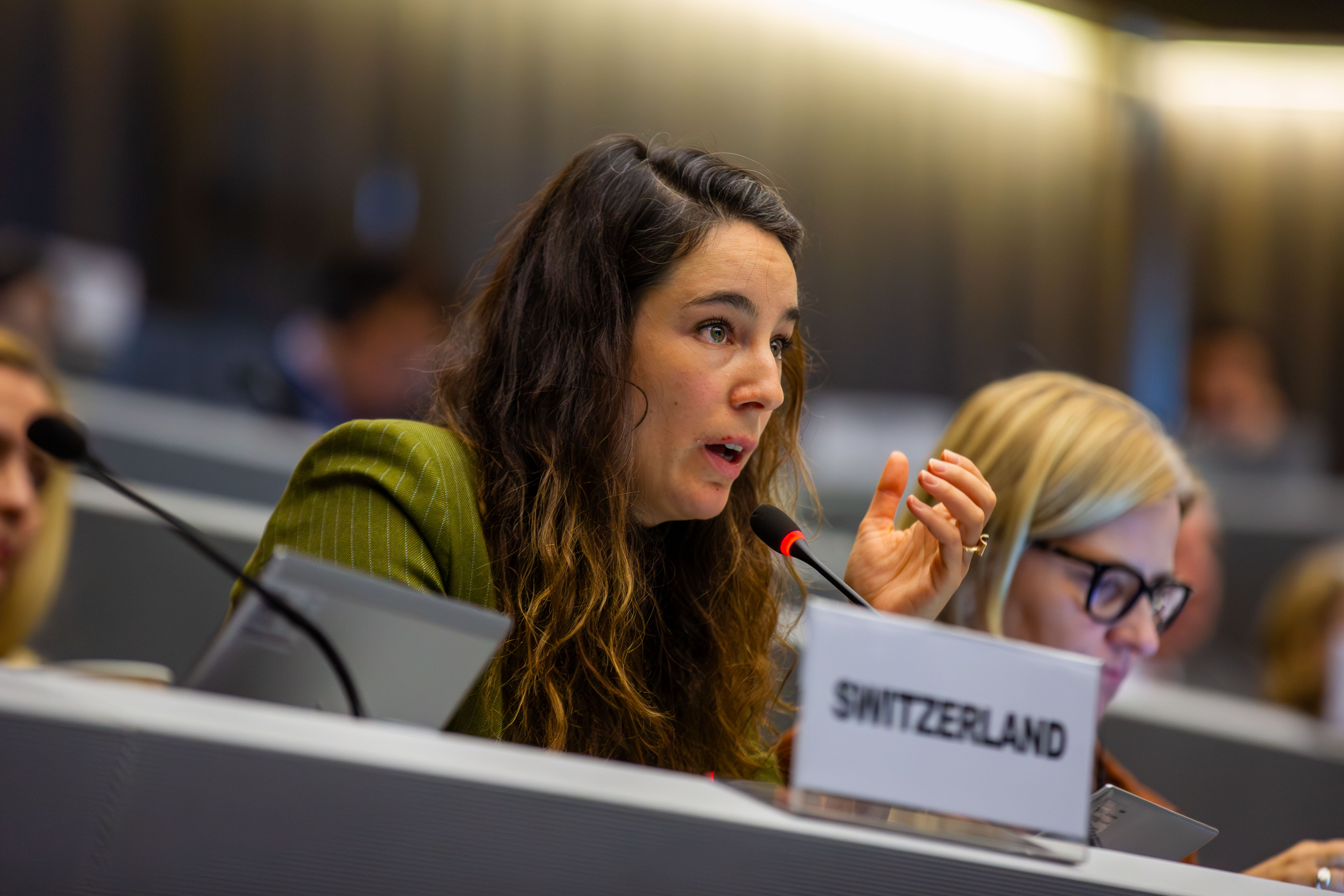
Océane Dayer, Switzerland
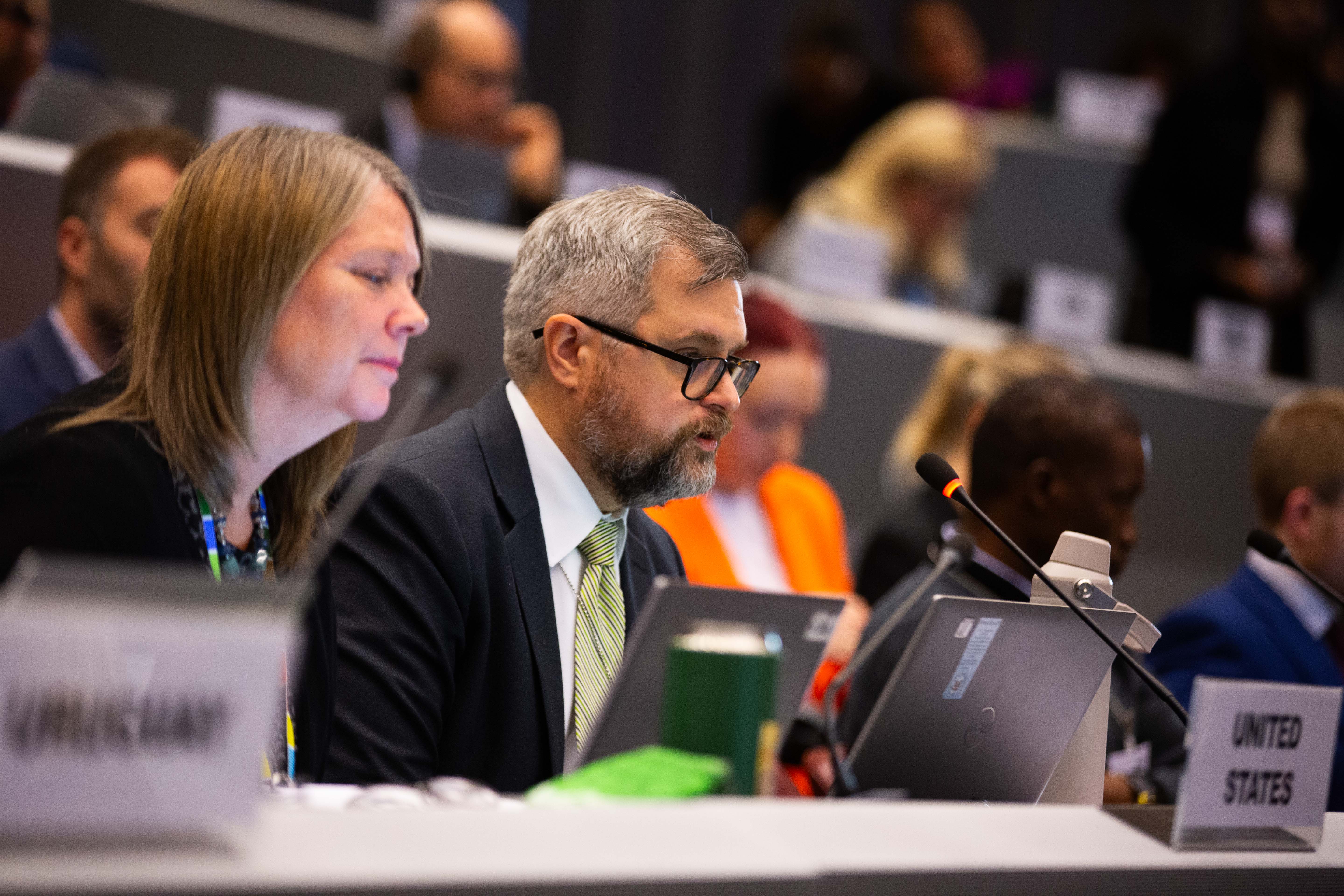
Andrew Clark, US
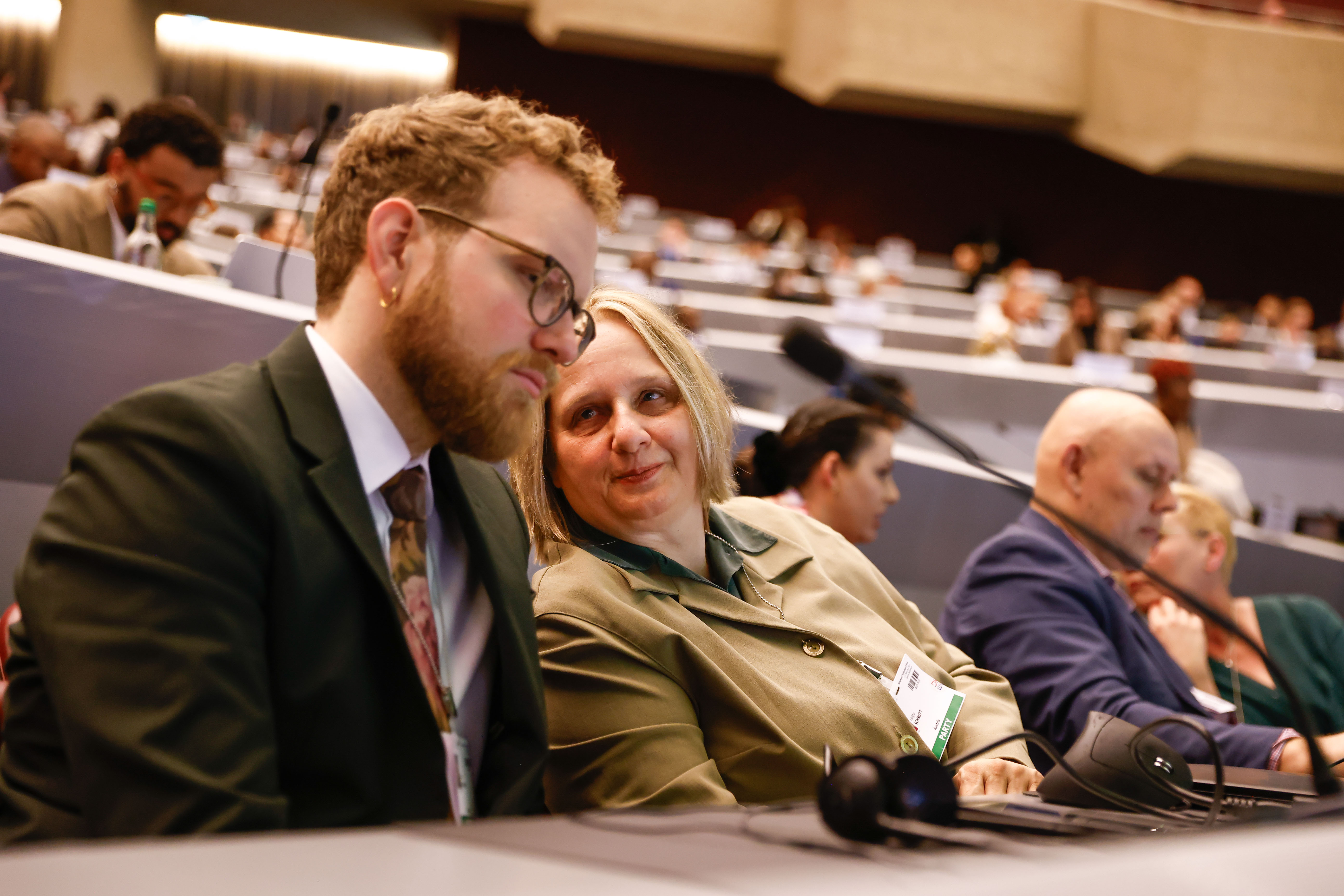
Helga Schrott, Austria
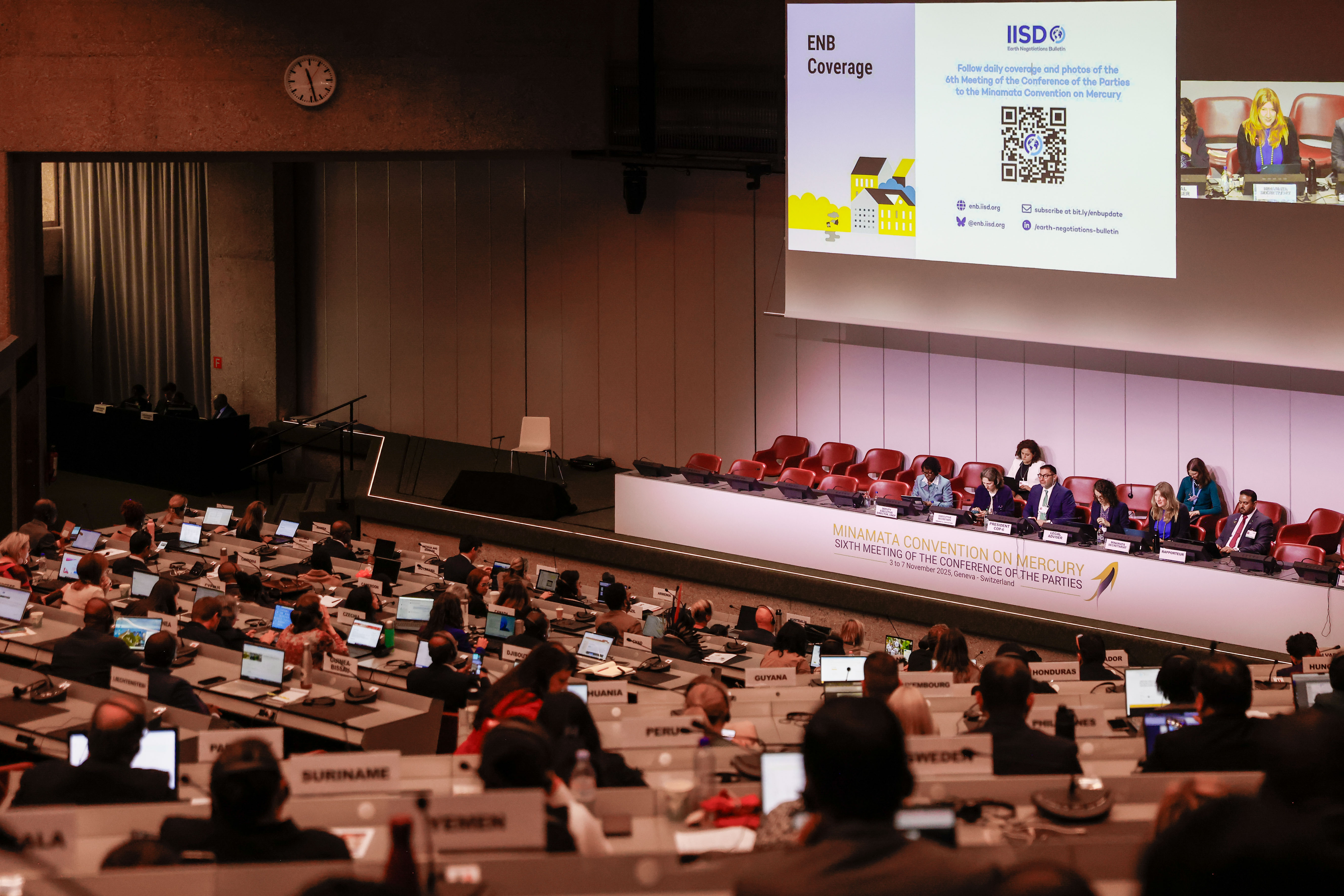
Afternoon Plenary
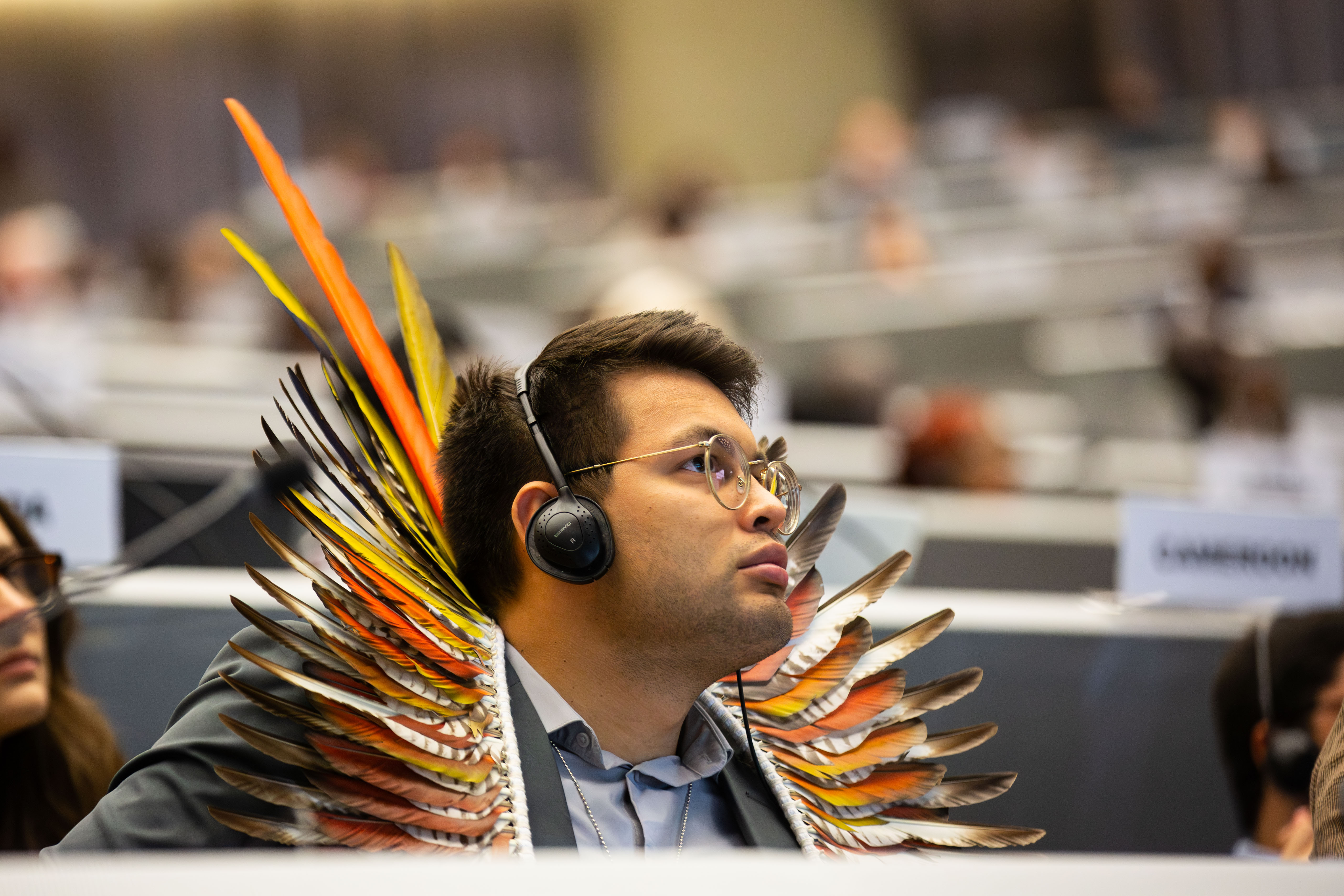
Marcos Vesolosquzki, Brazil
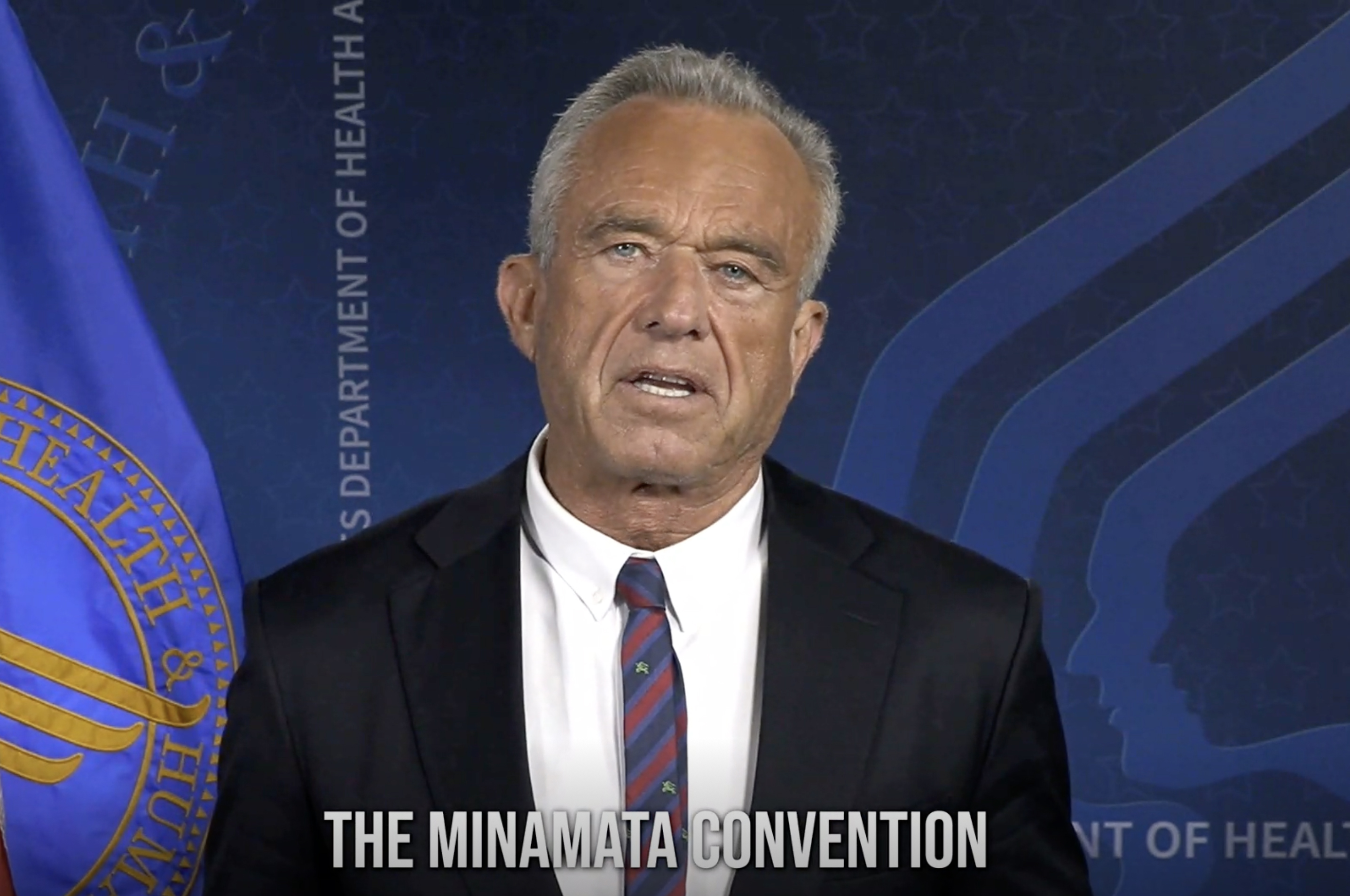
Via video address, US Health Secretary Robert F. Kennedy Jr. calls on the Minamata Convention Parties to phase out the use of thimerosal as a preservative in vaccines.
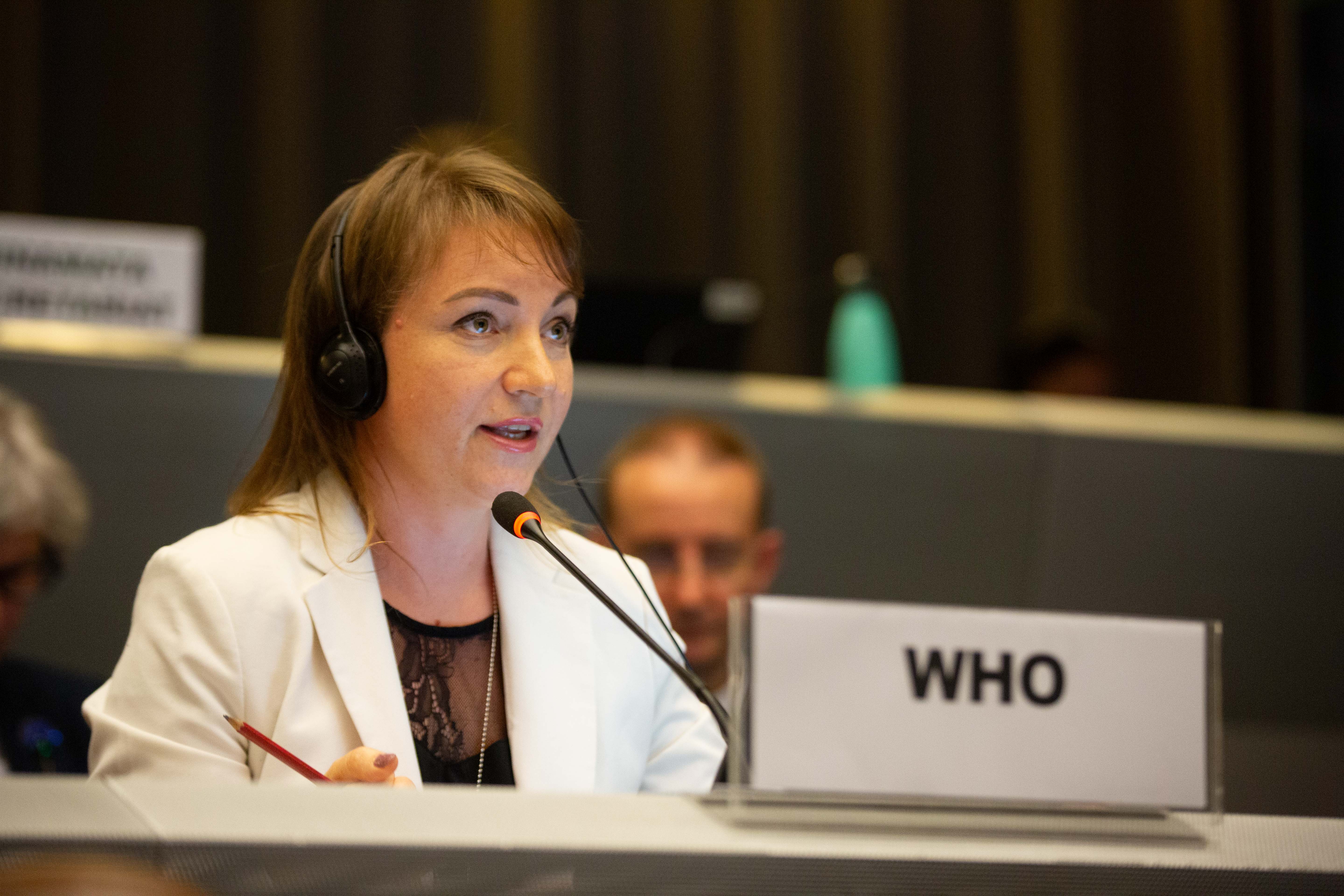
Elena Jardan, World Health Organization
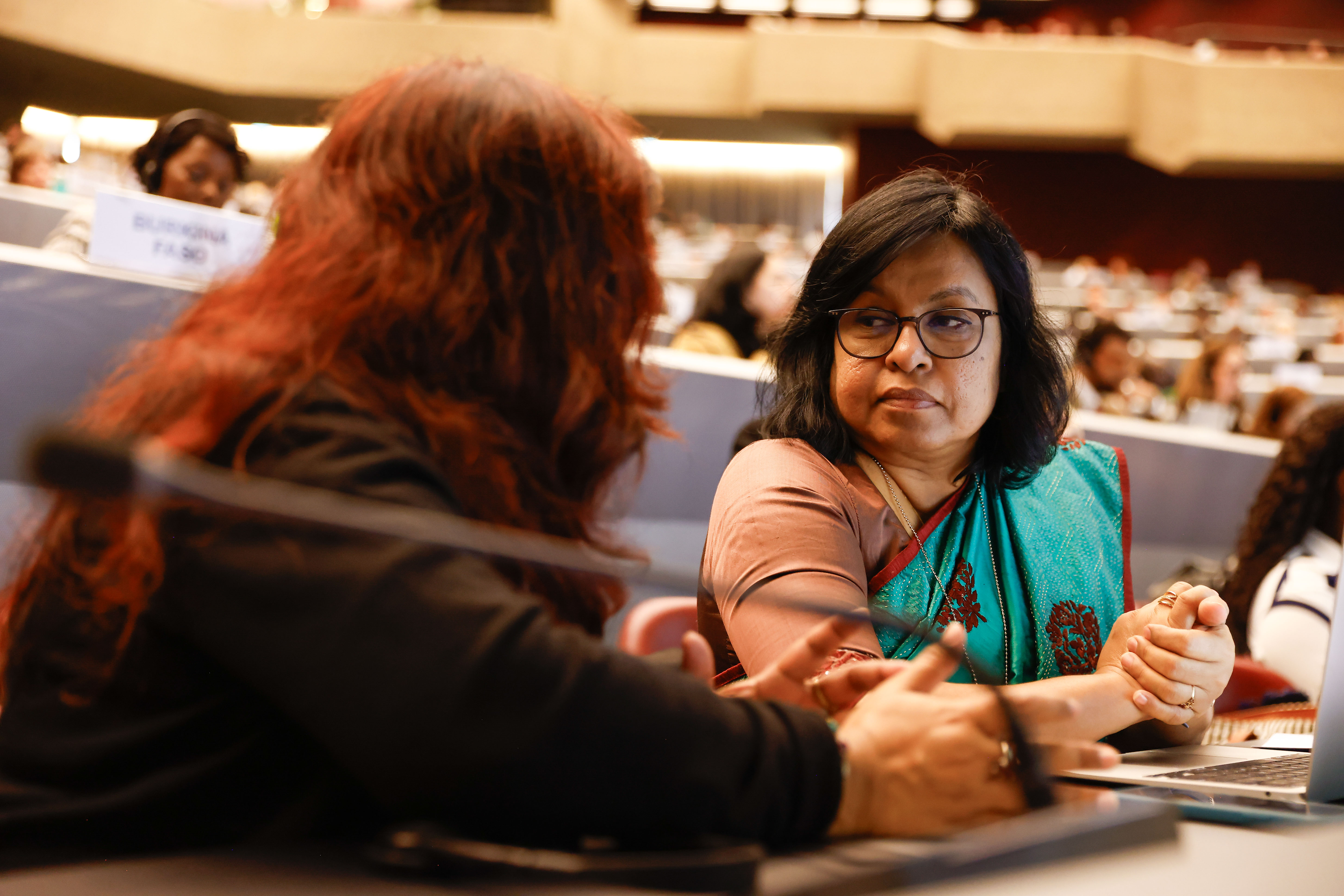
Fahmida Khanom, Bangladesh
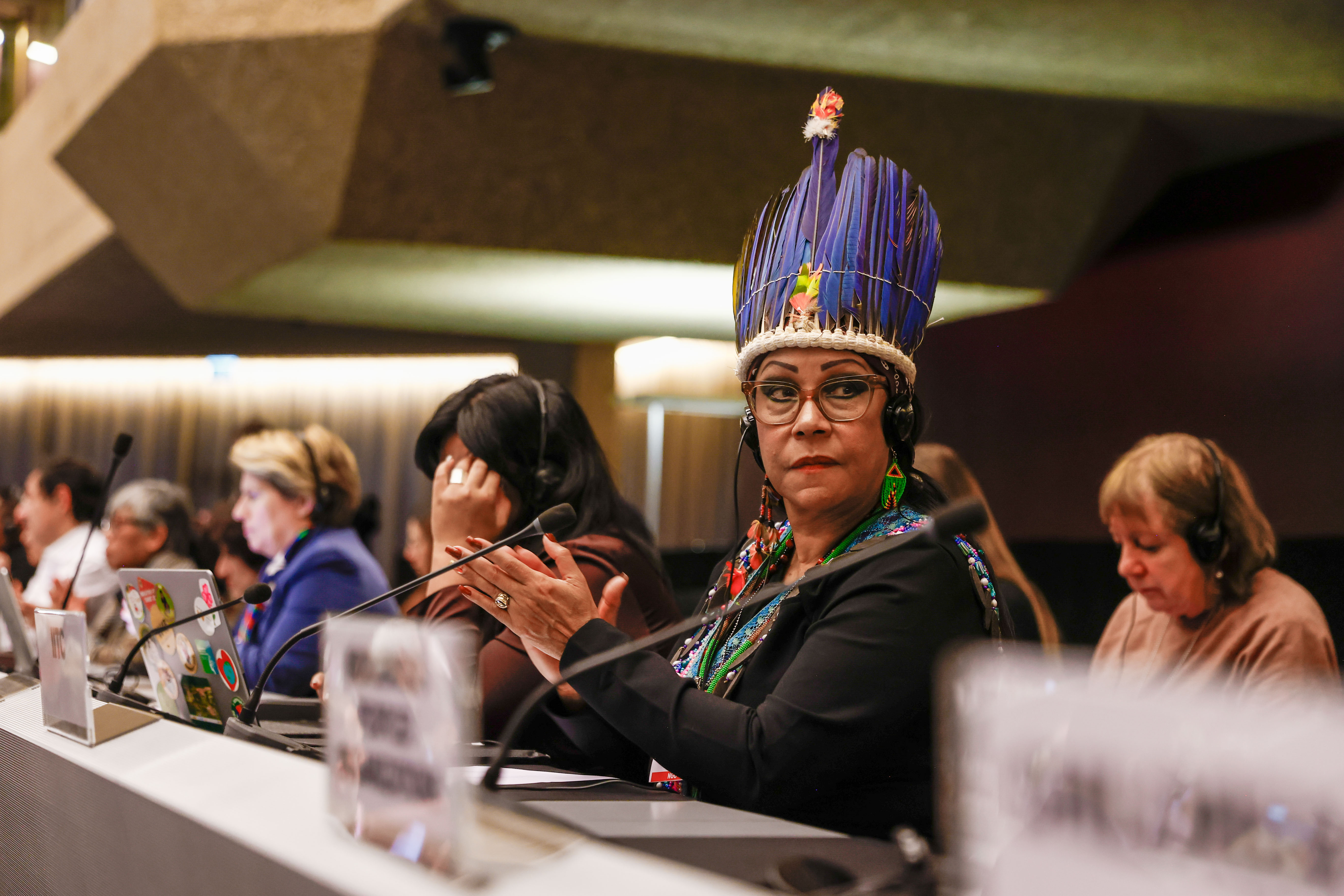
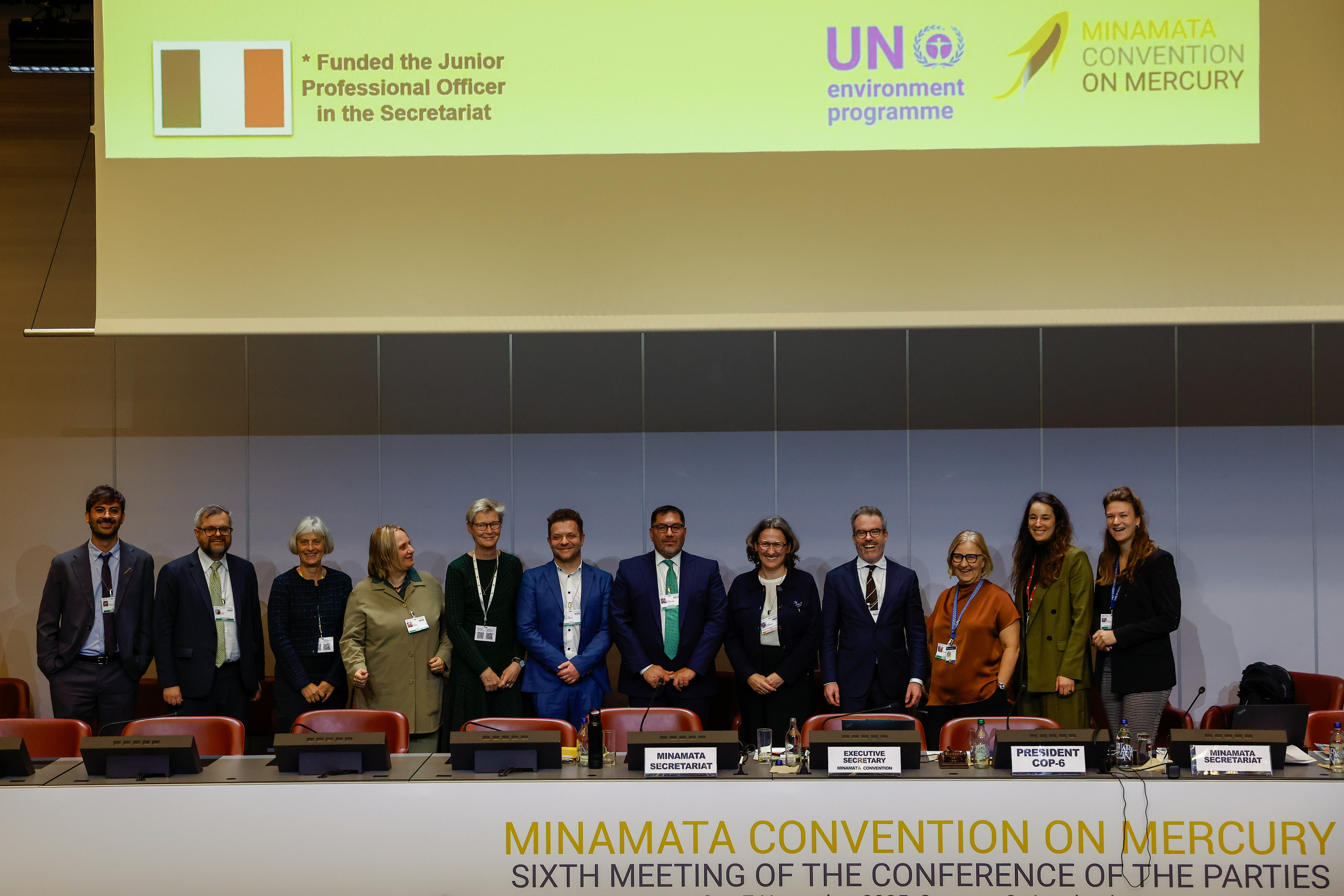
SIP donor country representatives receive a recognition award.
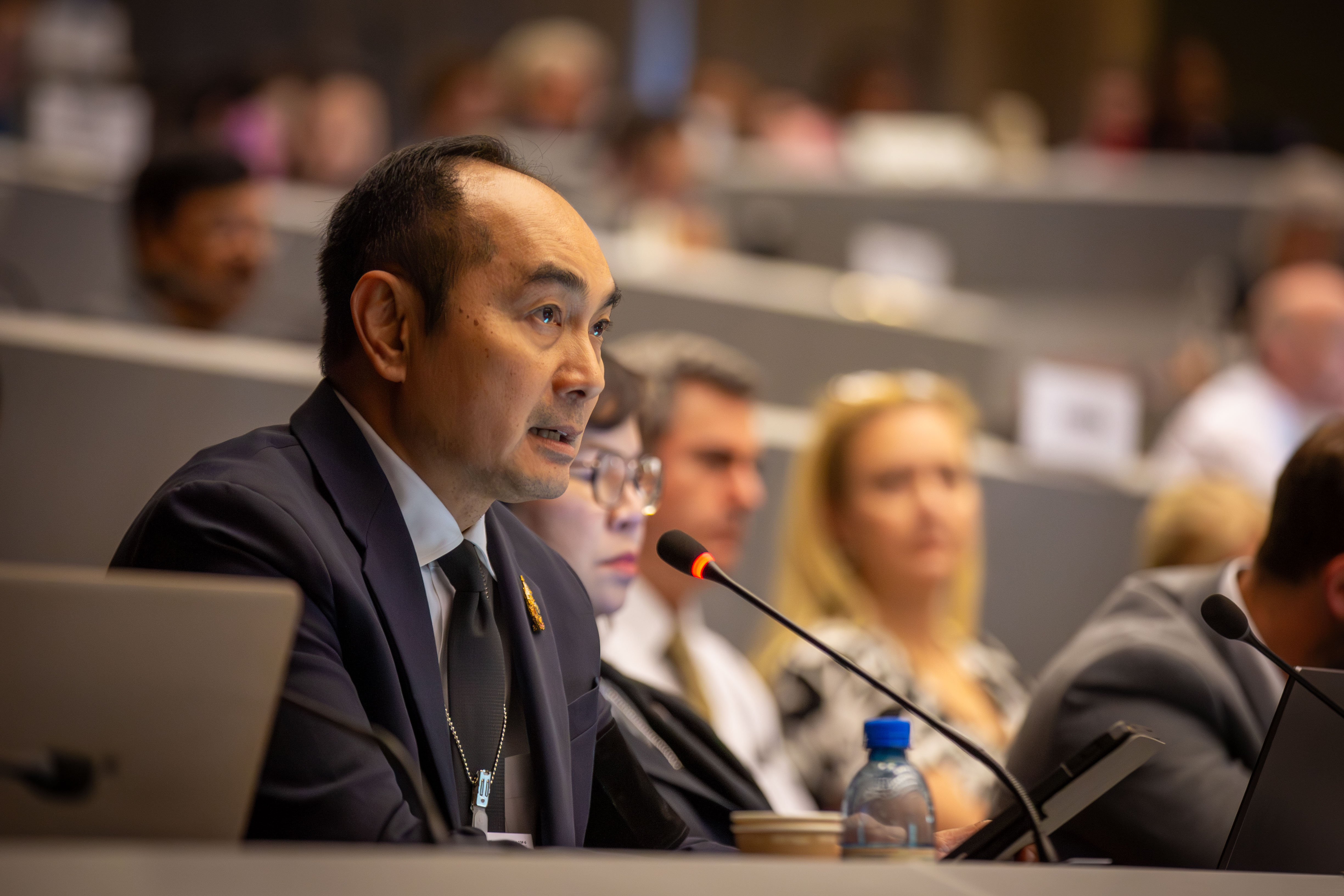
Prasert Sirinapaporn, Thailand
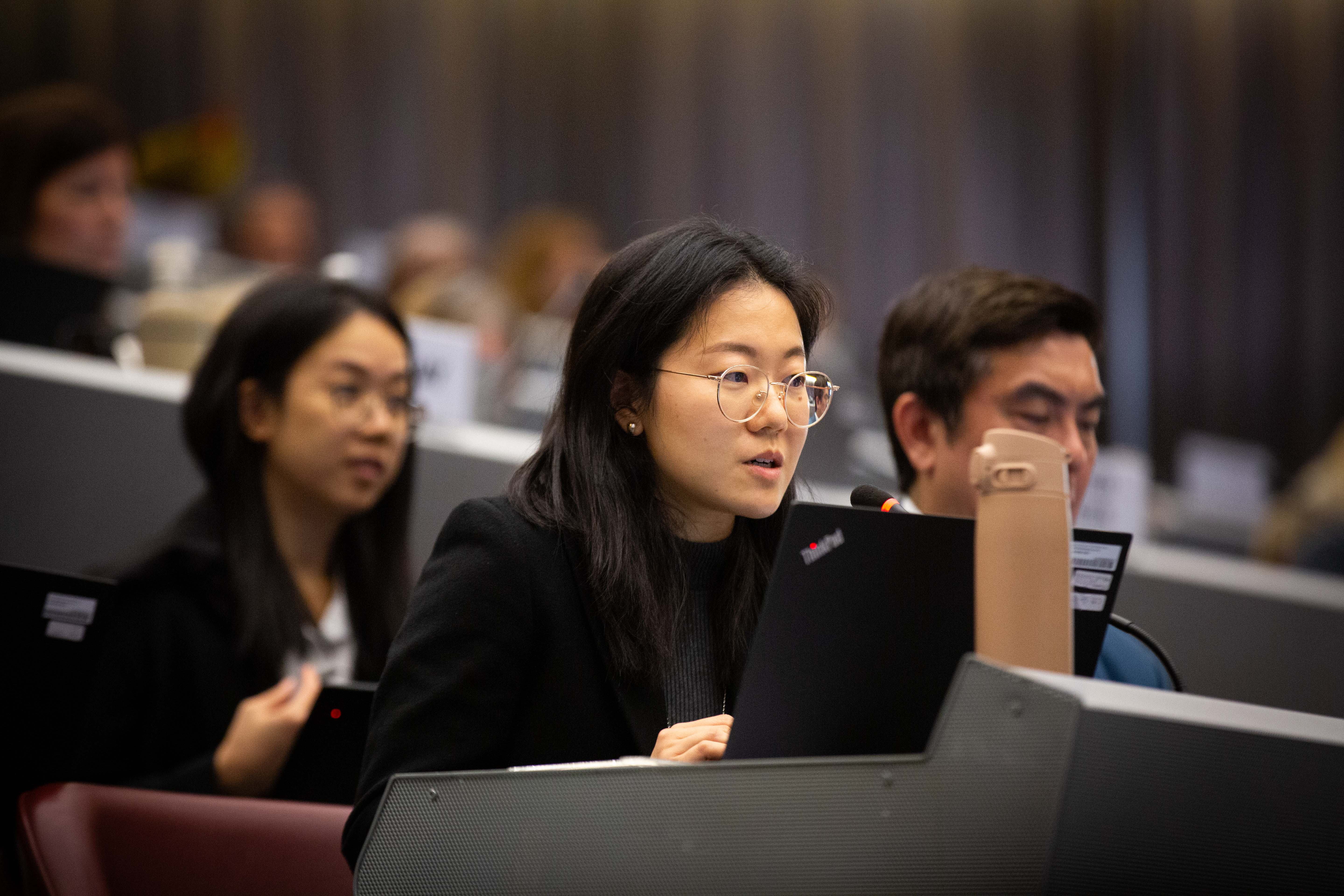
Leny Nguee, Singapore
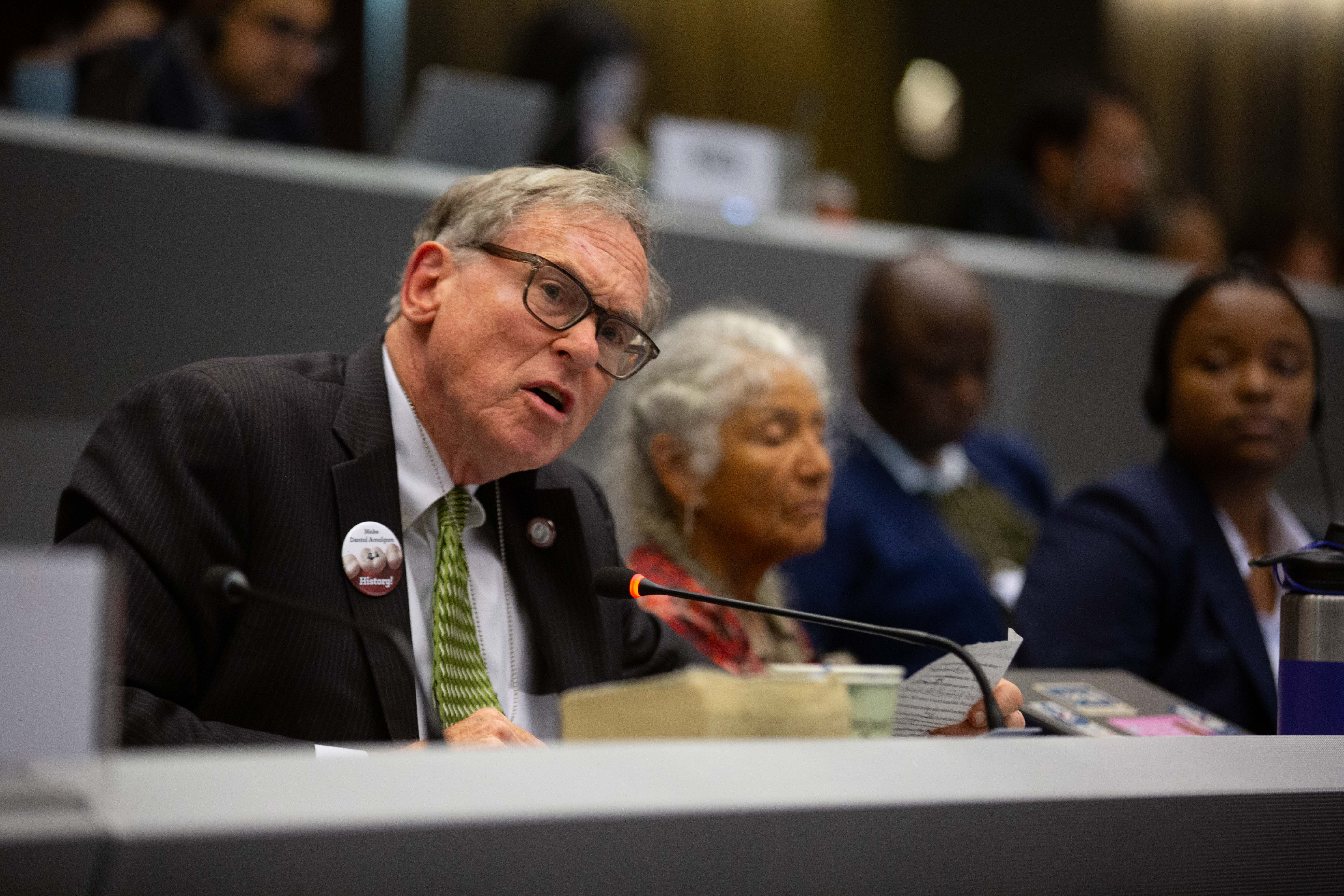
Charlie Brown, World Alliance for Mercury-Free Dentistry
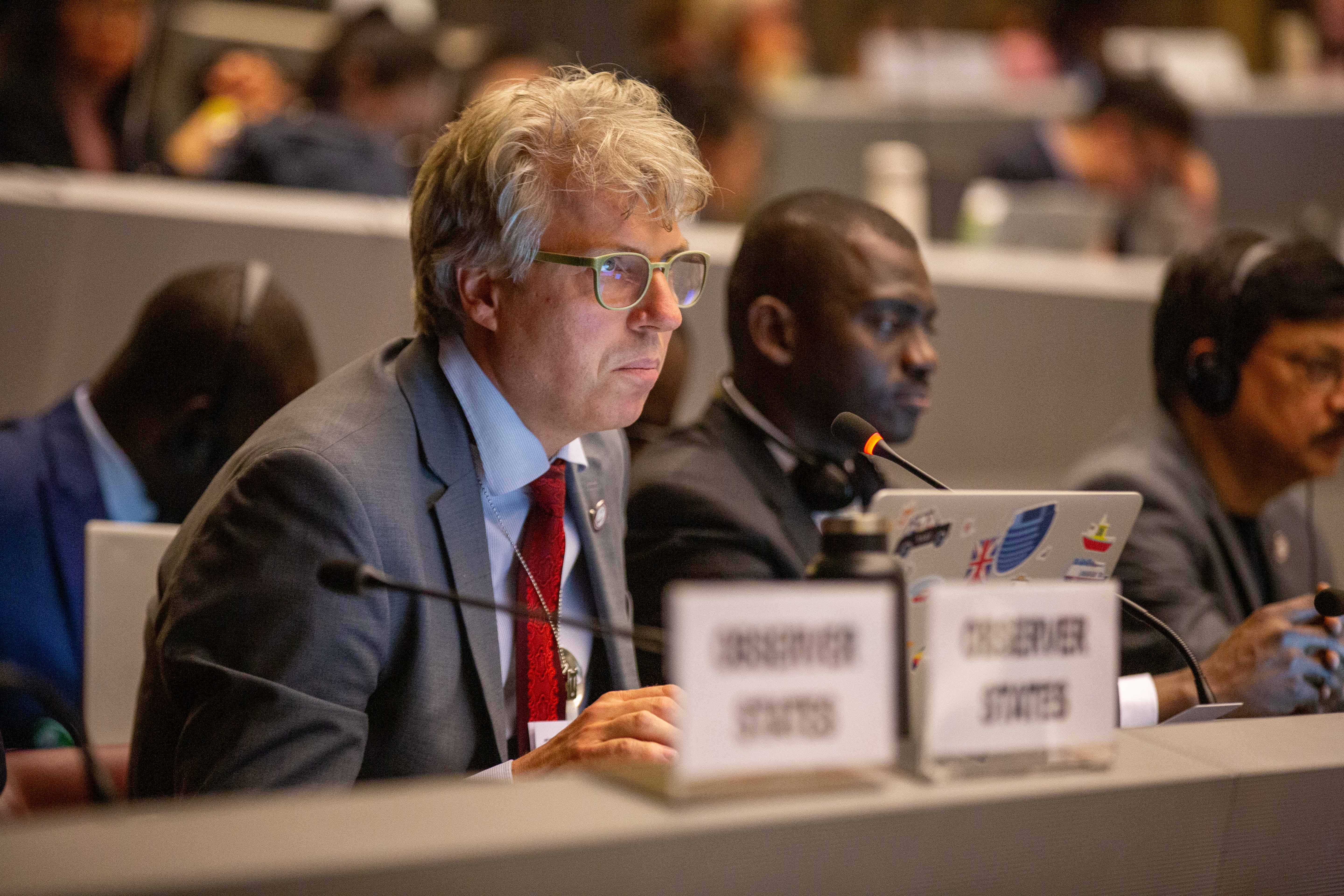
Florian Schulze, Envmed Network
Entertainment



Between Sessions
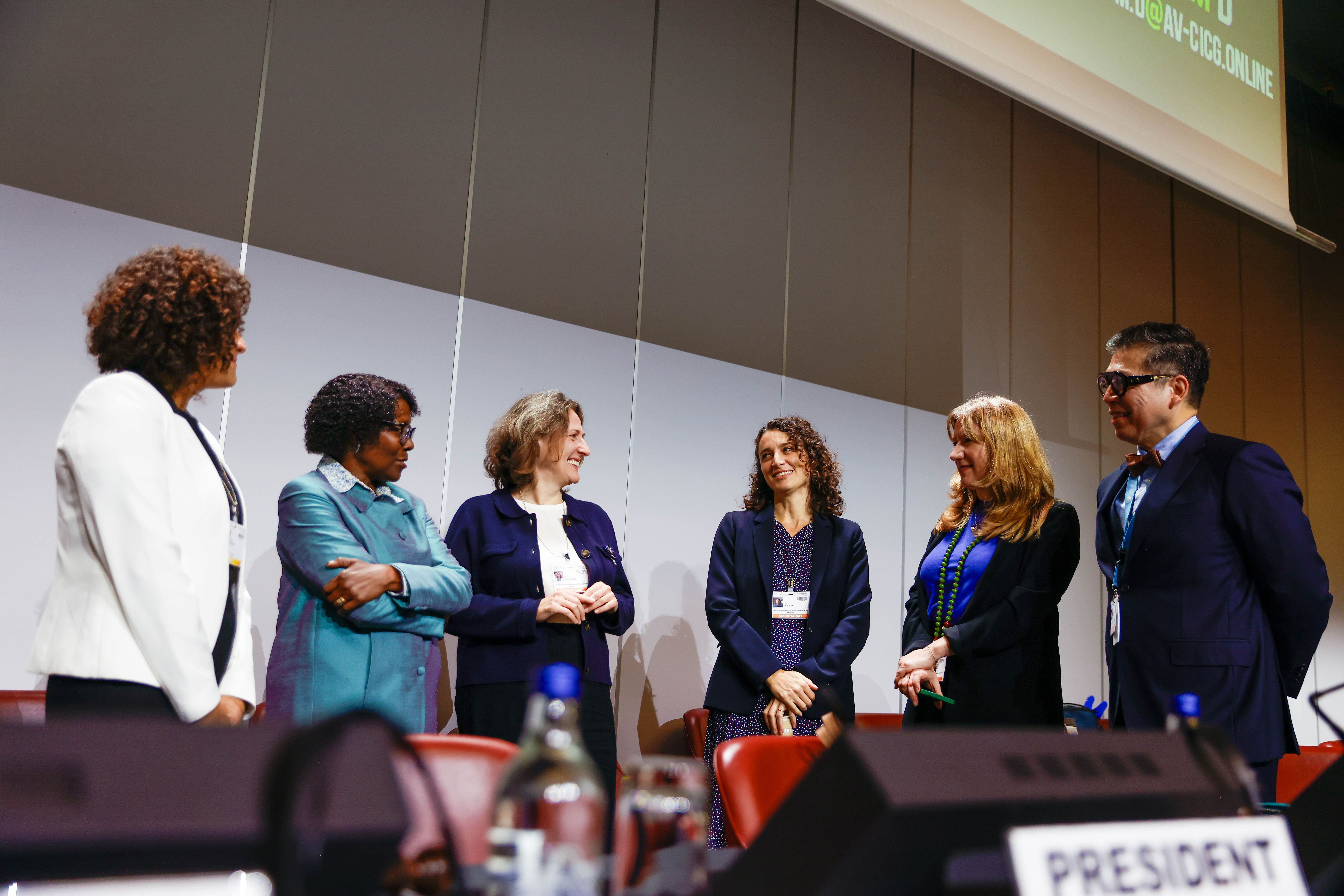
The Secretariat and panelists share a light moment
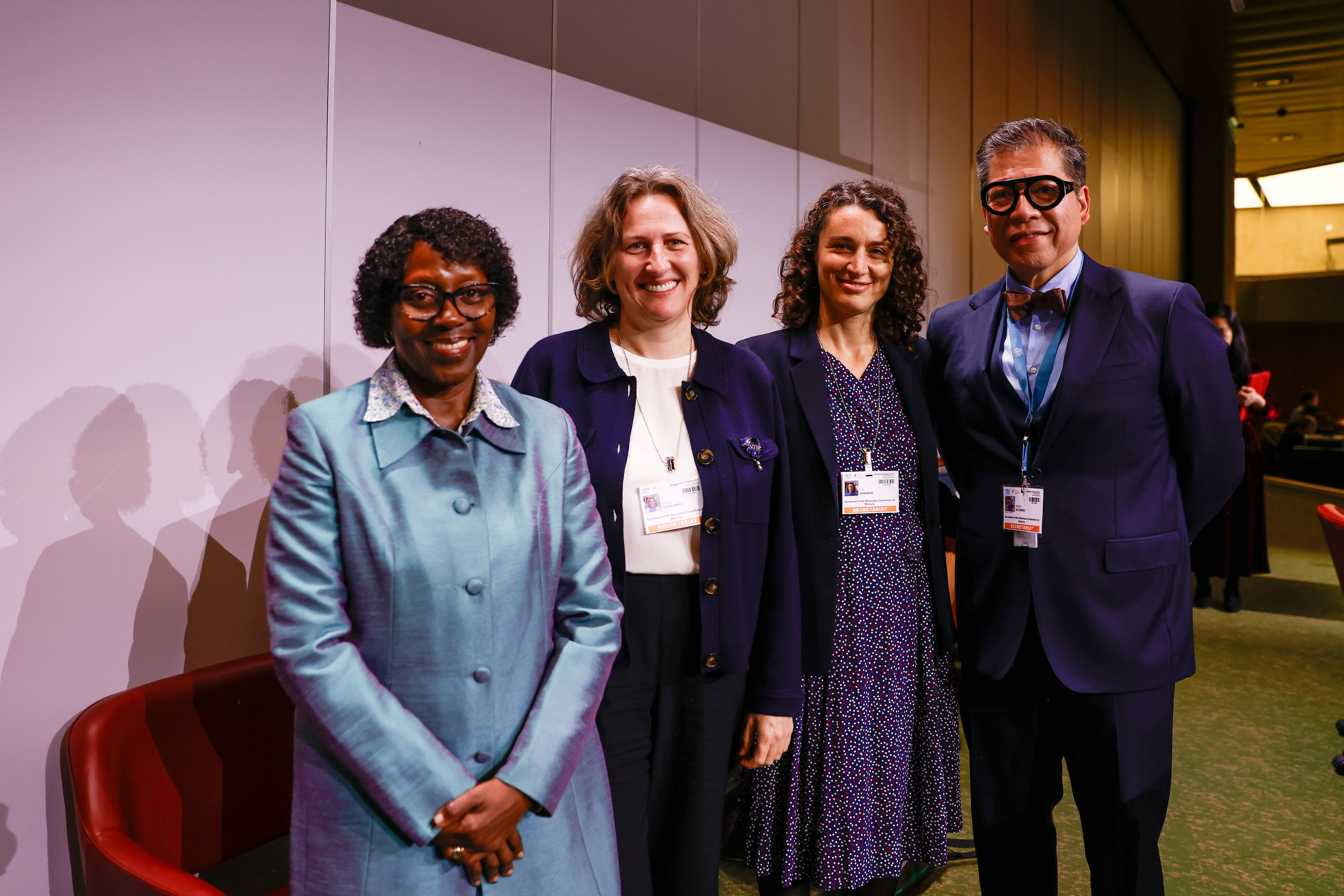
Elizabeth Maruma Mrema, UNEP, and Monika Stankiewicz, Executive Secretary, Minamata Convention, Lara Ognibene, Secretariat, and Richard Gutierrez, Secretariat
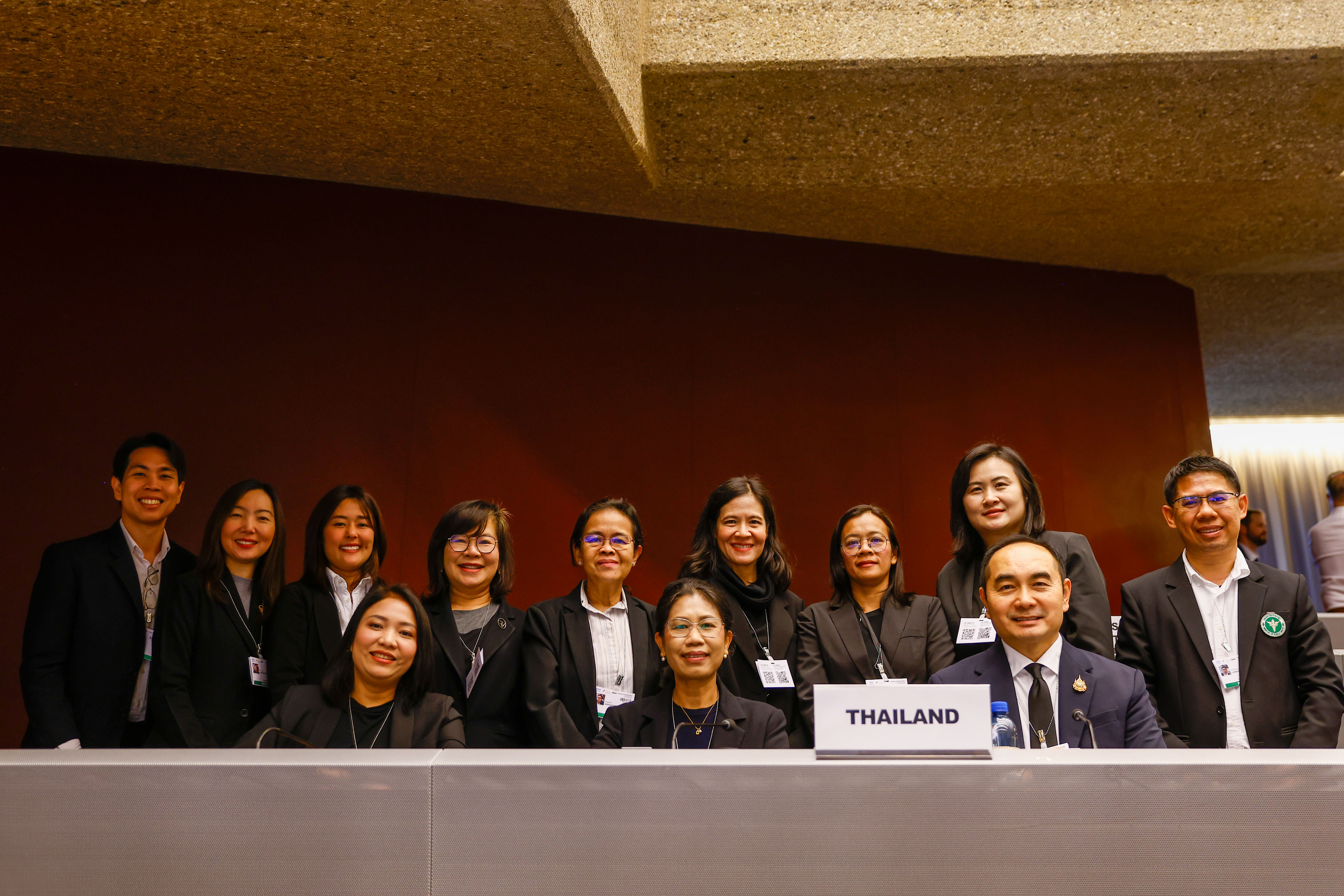
The delegation from Thailand
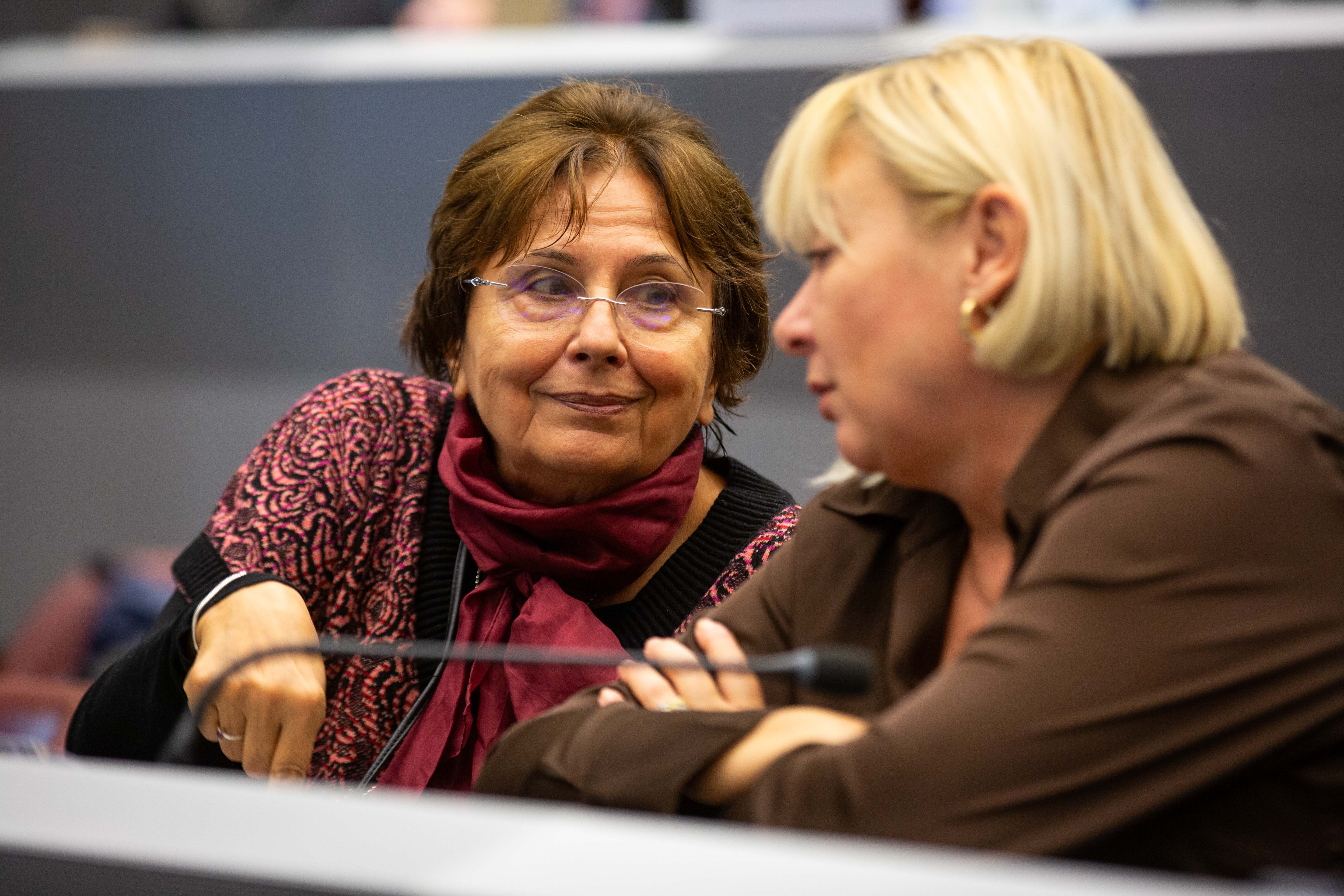
Delegates from Serbia
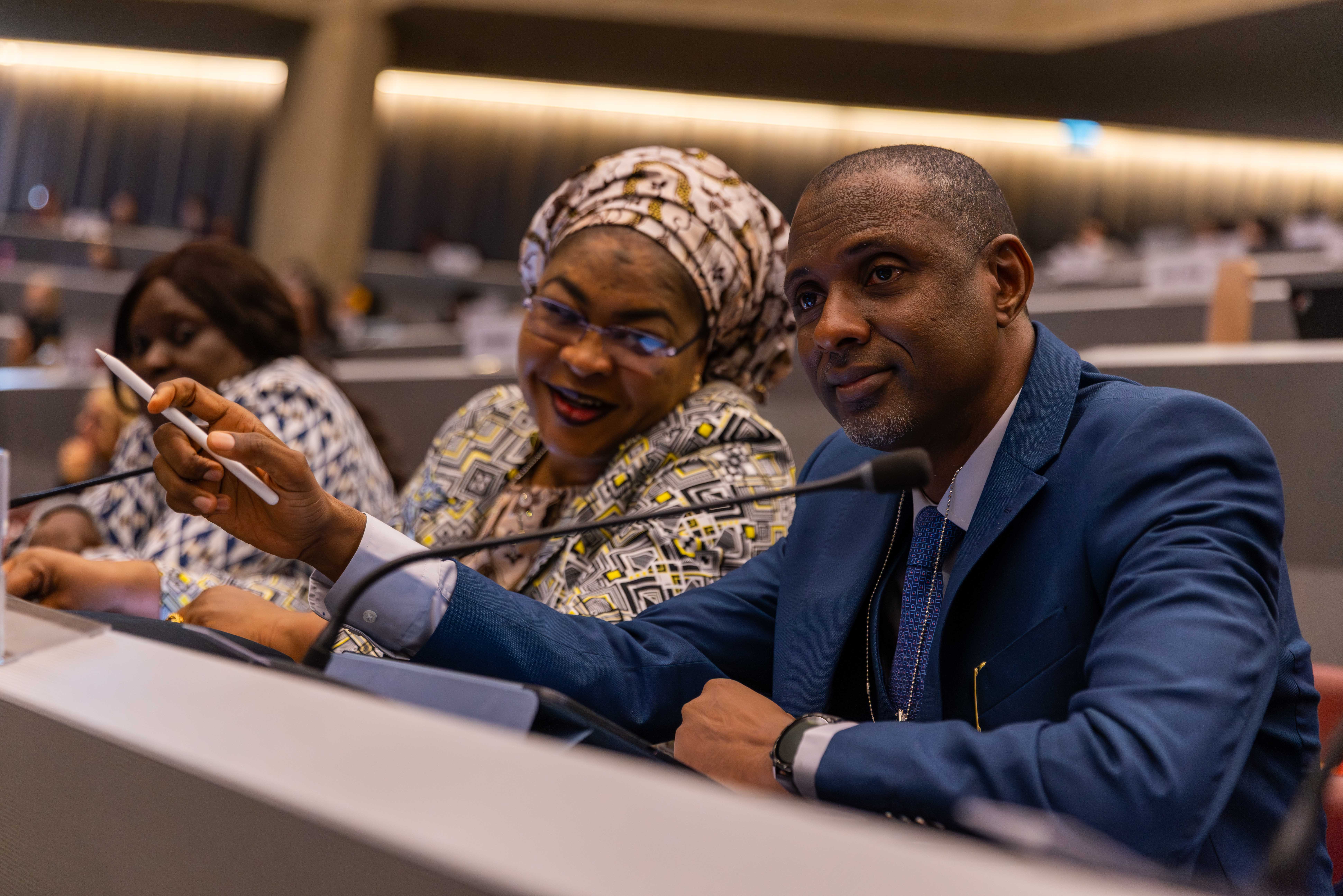
Delegates from Nigeria
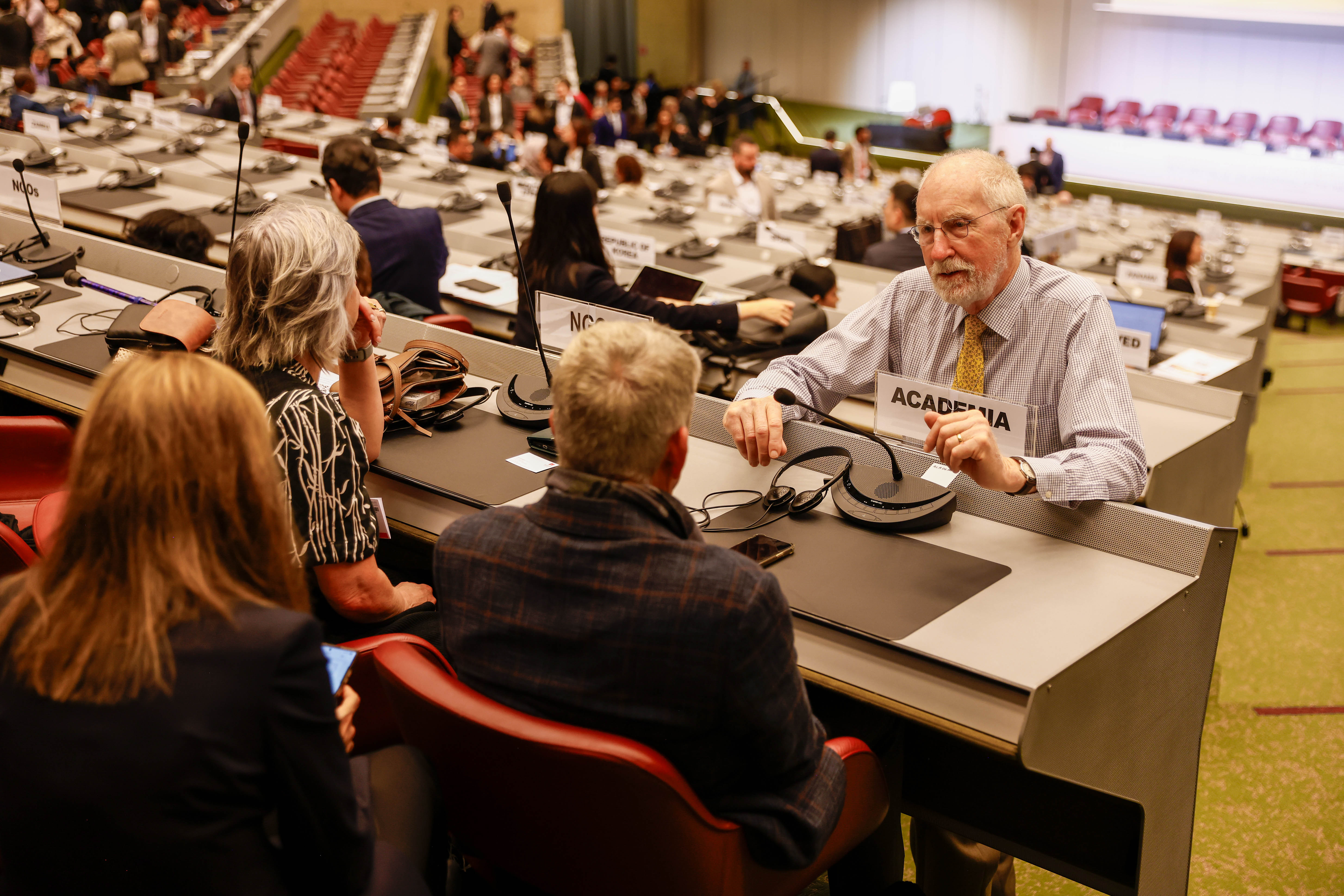

Around the Venue