Delegates to the sixth meeting of the Conference of the Parties (COP-6) to the Minamata Convention experienced their busiest day yet. The plenary worked hard to complete the initial discussion of the many agenda items left, while three contact groups, several sideline consultations, and informal groups tackled other issues introduced earlier in the week. By the end of the day, delegates adopted decisions on:
- the financial mechanism;
- the upcoming effectiveness evaluation;
- knowledge management; and
- cooperation and collaboration with the Basel, Rotterdam, and Stockholm (BRS) Conventions.
Want to dig deeper into today's talks? Read the full Earth Negotiations Bulletin daily report.
At the plenary’s end, it was announced that the draft decision on the global supply, production, trade, and use of mercury compounds is ready for adoption on Thursday.
The decision on the financial mechanism provides additional guidance to the Global Environment Facility (GEF), asks the Secretariat to finalize its analysis of staffing and funding needs of the Specific International Programme to support Capacity-Building and Technical Assistance (SIP), and for COP-7 to consider a SIP extension for an additional period not exceeding seven years.
The decision on knowledge management asks the Secretariat, inter alia, to continue:
- implementation of the Convention’s digital strategy;
- working with the Global Mercury Partnership to advance shared knowledge initiatives concerning mercury-related issues;
- collaborating with the secretariats of other multilateral environmental agreements on knowledge management, digitalization, and information exchange; and
- developing the Minamata Exchange Platform for the purpose of information exchange.
The decision on the effectiveness evaluation underscores the importance of Parties submitting their second full national report for ensuring that the most recent information is available for the evaluation due to be considered by COP-7. The decision on BRS asks the Minamata Secretariat to explore ways of further strengthening cooperation and collaboration.
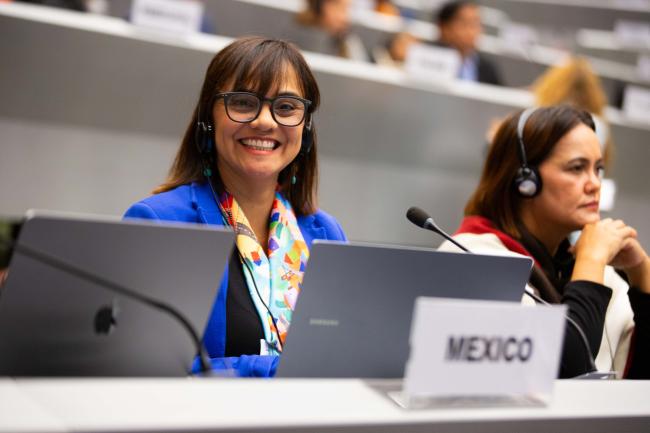
On other matters, delegates welcomed the report of the Implementation and Compliance Committee (ICC) and took note of their recommendations on reporting issues involving primary mercury mining, stocks and sources, trade, and waste.
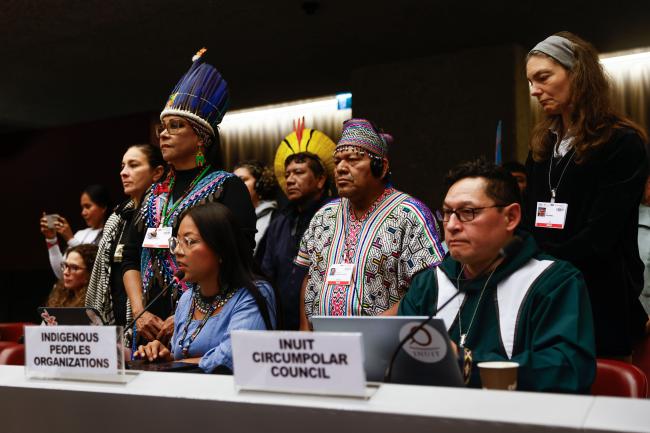
The discussion of the implementation of a COP-5 decision on engagement of Indigenous Peoples as well as local communities under the Convention focused on the Indigenous Peoples group’s dissatisfaction with being grouped with local communities.
During the discussion of the implementation of a COP-5 decision on the Convention’s Gender Action Plan, some Parties questioned why the Secretariat chose to focus in the next biennium on health concerns of women and children instead of the whole Plan. Children and Youth proposed amending the draft decision to call on the Secretariat to draft “a Children and Youth engagement and Action Plan.”
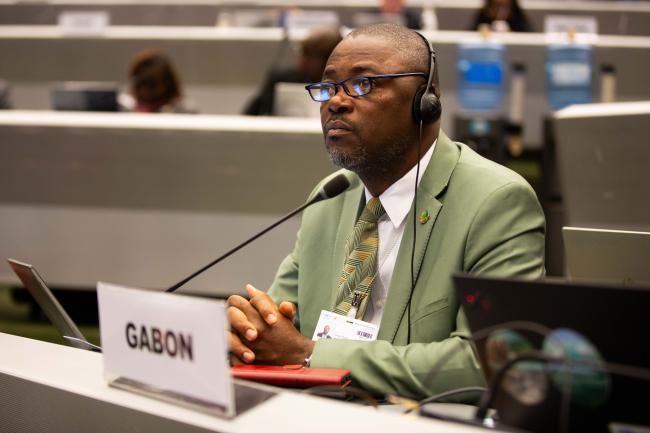
A discussion on the draft road map for enhancing co-benefits from implementation of the Minamata Convention and the Kunming-Montreal Global Biodiversity Framework (GBF) indicated good support for the document and proposed decision, but a few delegates asked for edits to be reflected in the draft decision before it could be adopted.
To receive free coverage of global environmental events delivered to your inbox, subscribe to the ENB Update newsletter.
All ENB photos are free to use with attribution. For the 6th Meeting of the Conference of the Parties to the Minamata Convention on Mercury, please use: Photo by IISD/ENB | Natalia Mroz.
Morning Plenary
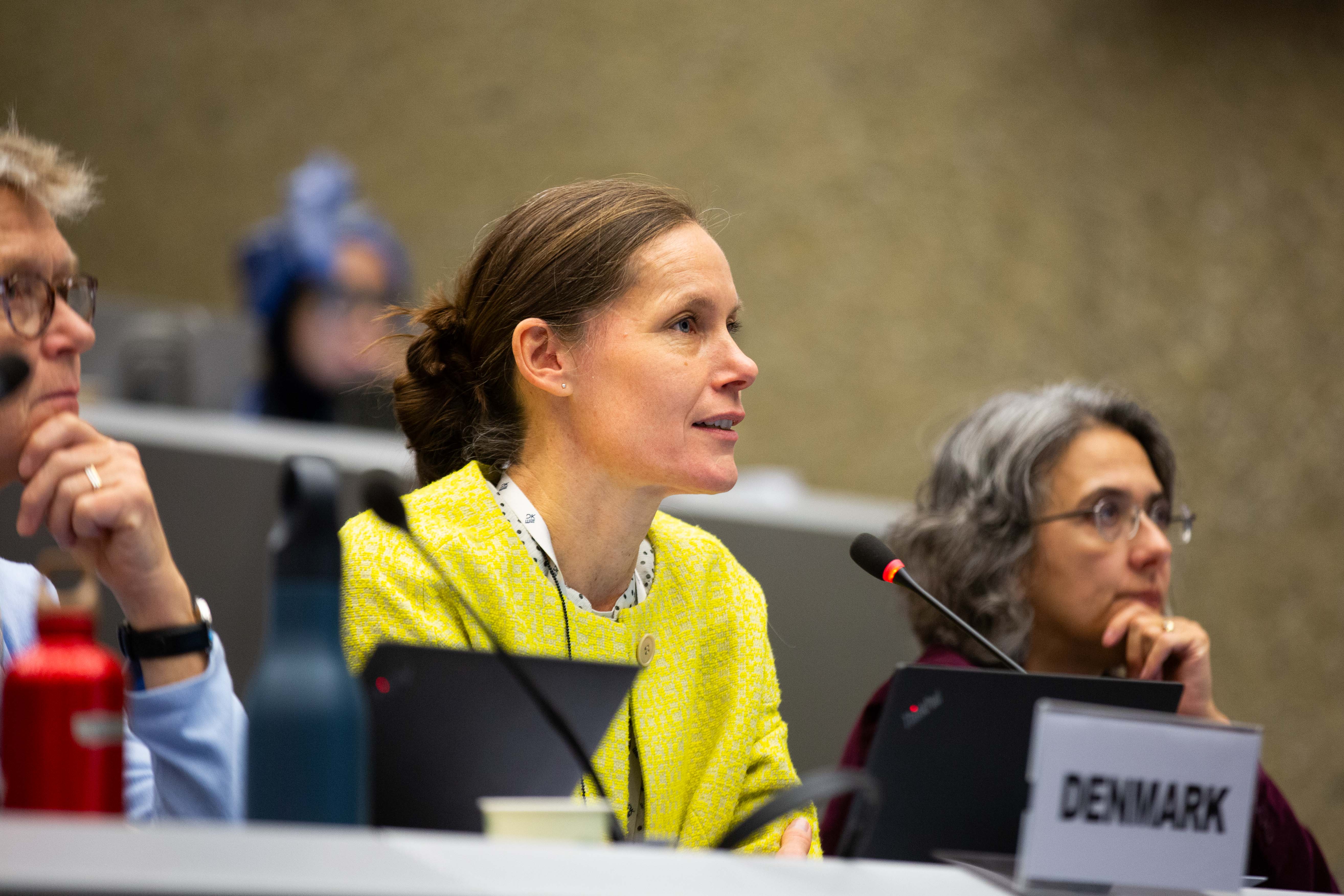
Rikke Donchil Holmberg, Denmark
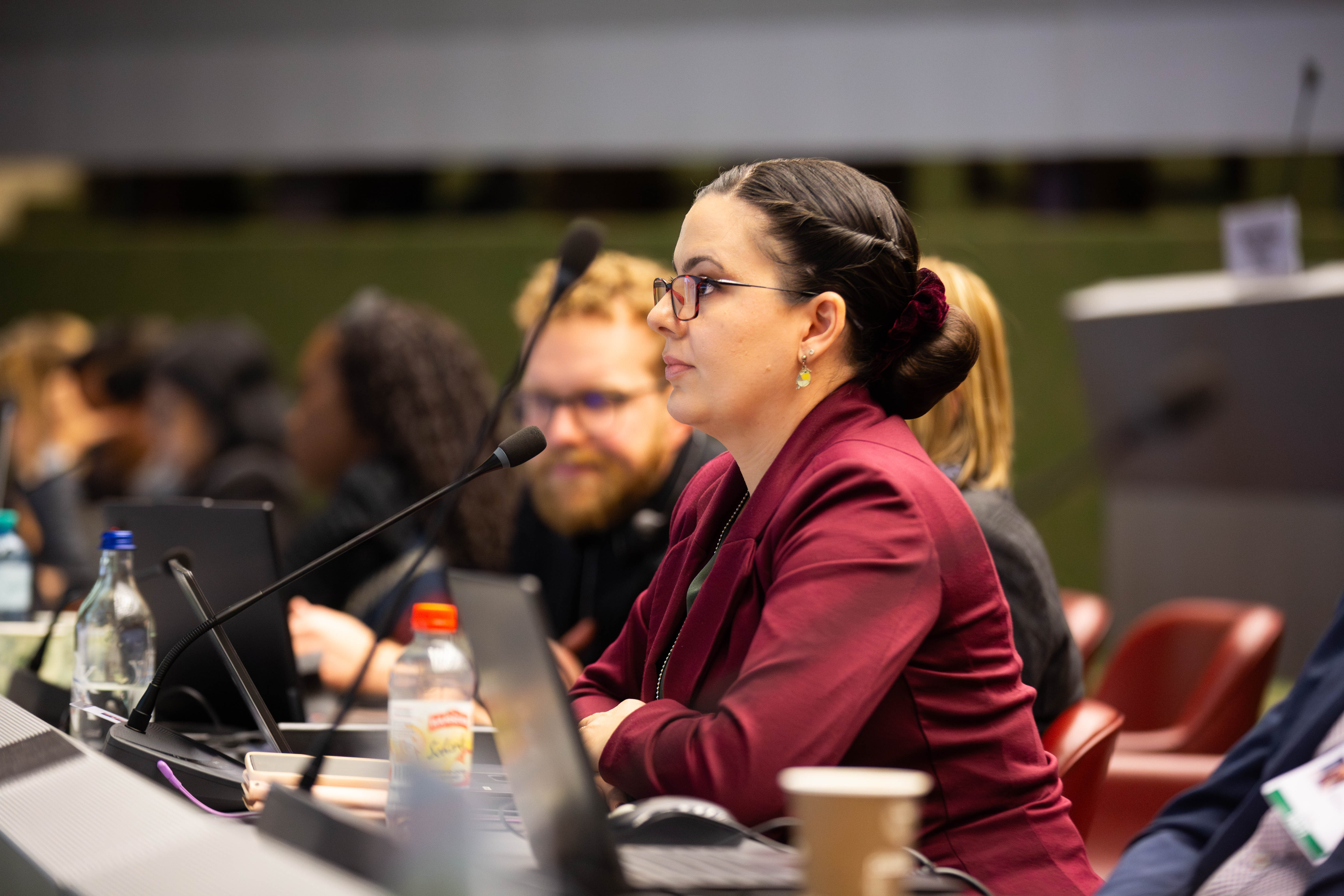
Sarah Douglass, Australia
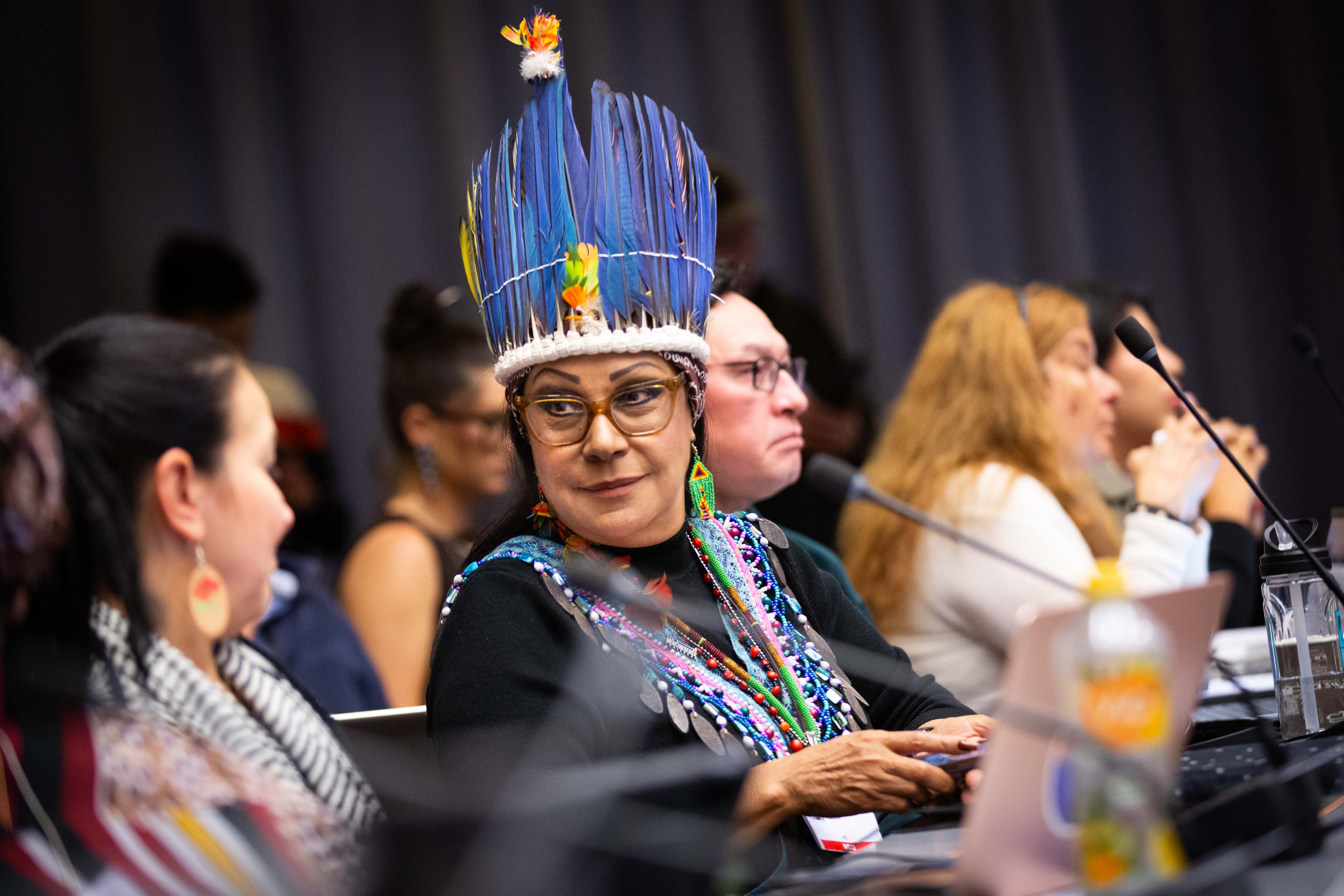
Migdalia Pellicier, International Indian Treaty Council
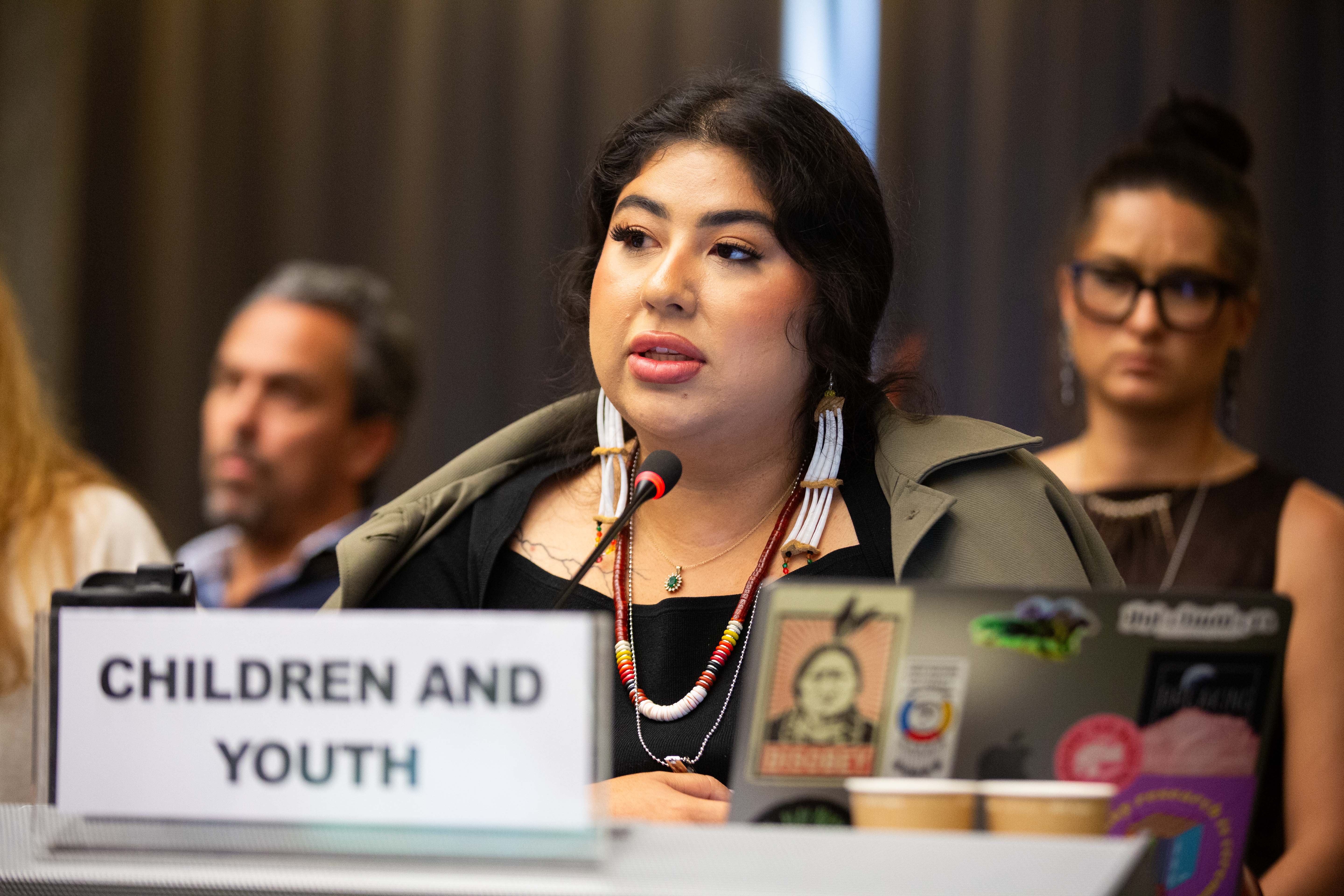
Heather O'Watch, Global Indigenous Youth Caucus
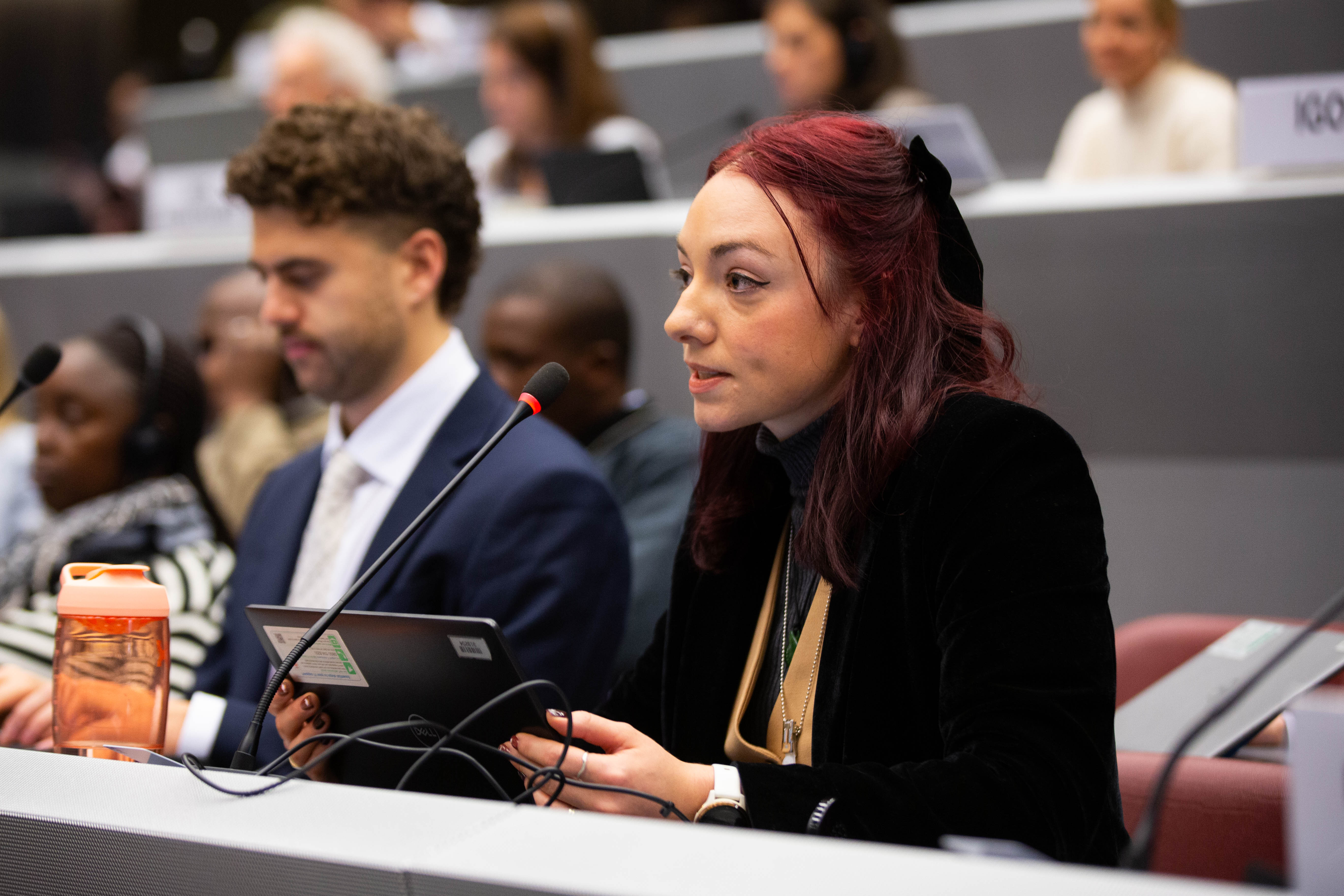
Helena Richards, UK
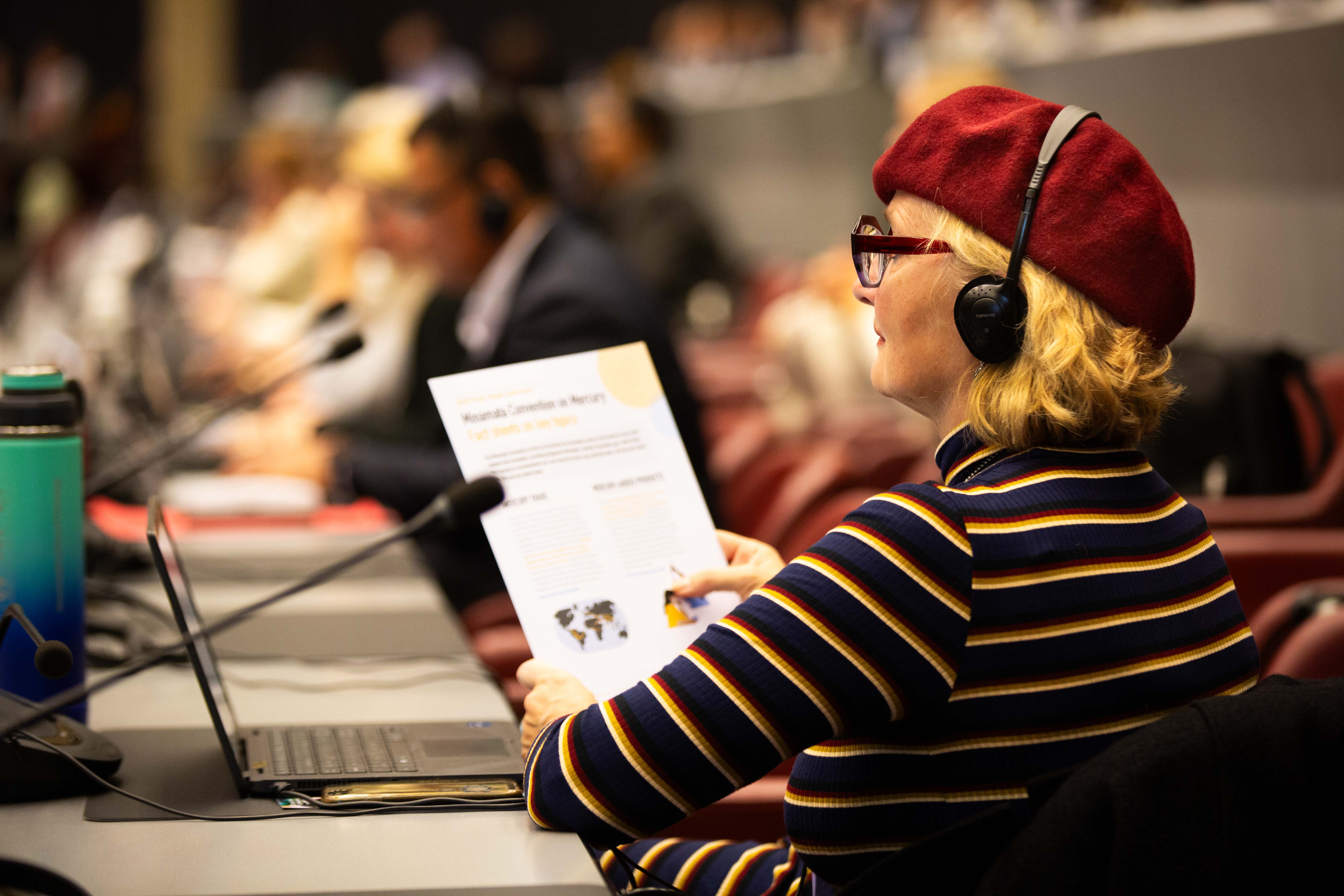
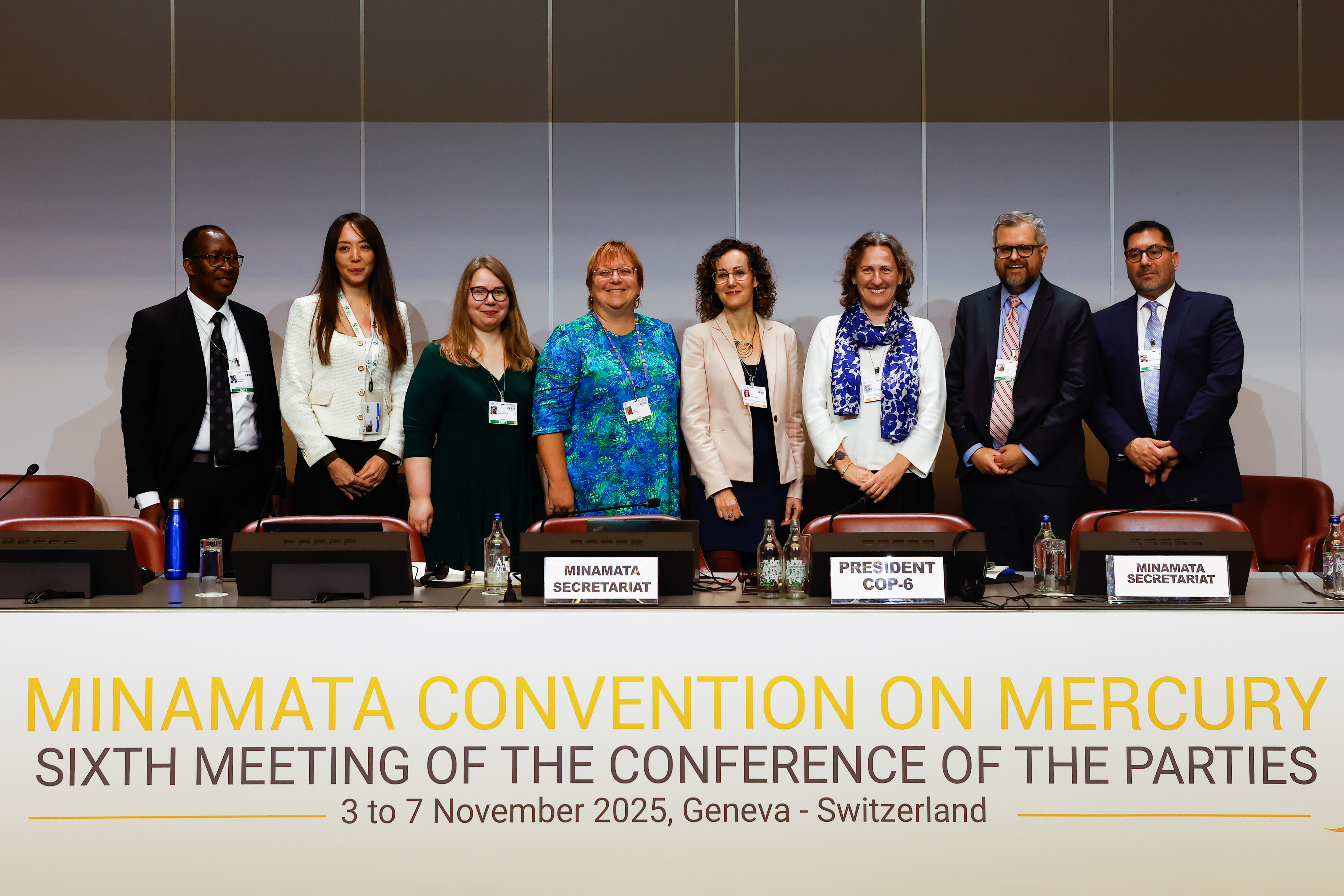
Special Recognition for Parties for submitting their second full national report.
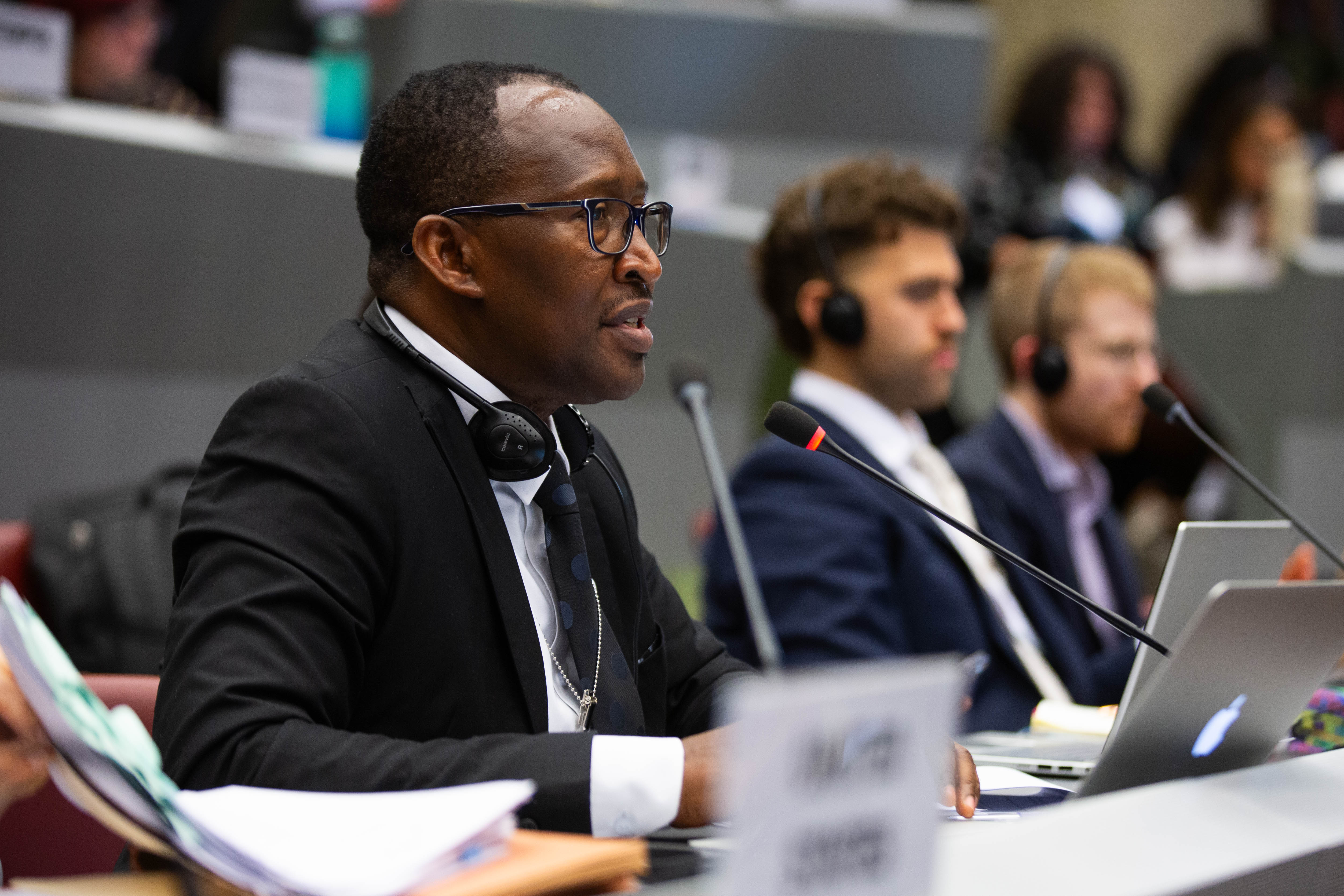
Musa Kuzumila Ngunila, Tanzania
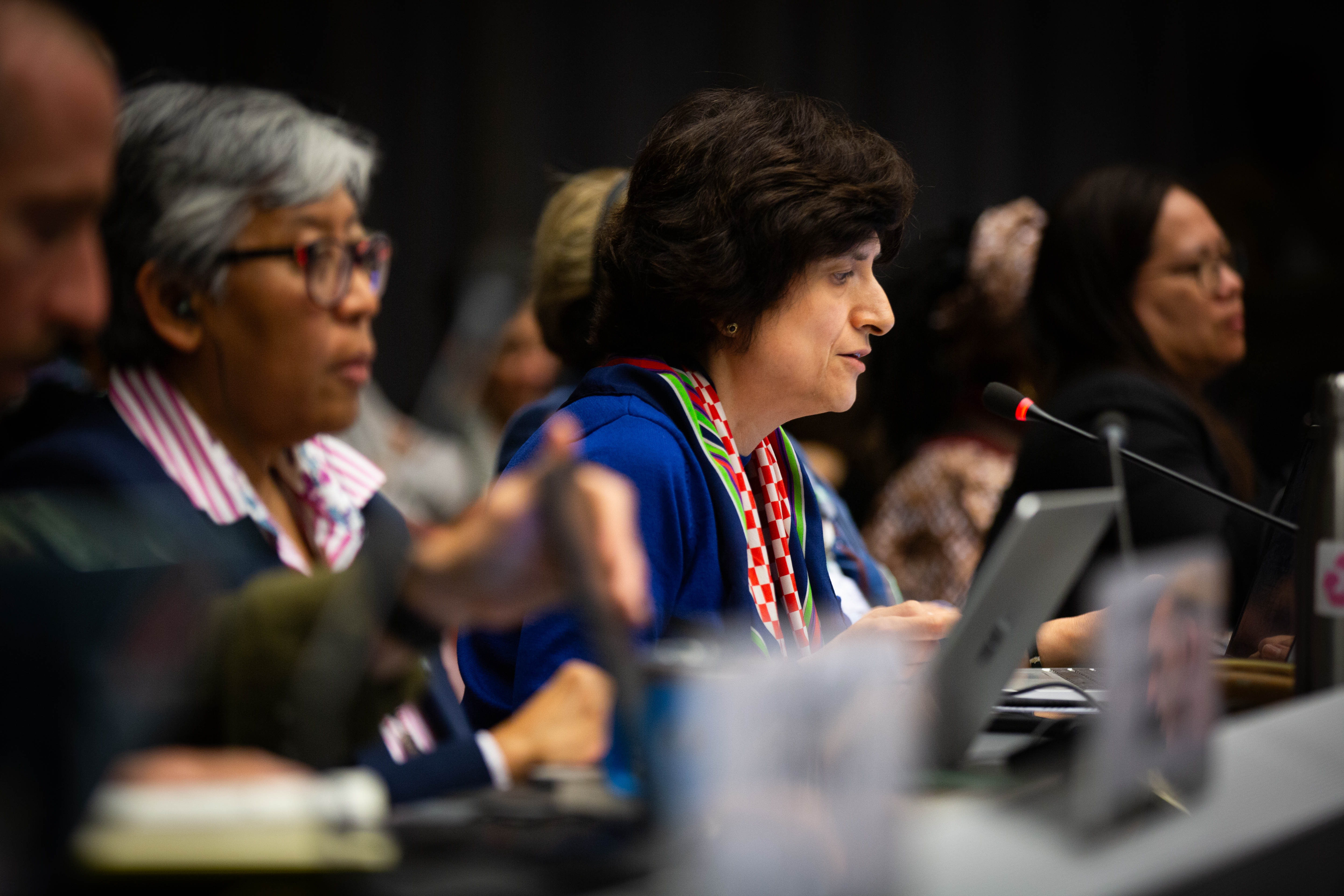
Gohar Khojayan, International Pollutants Elimination Network
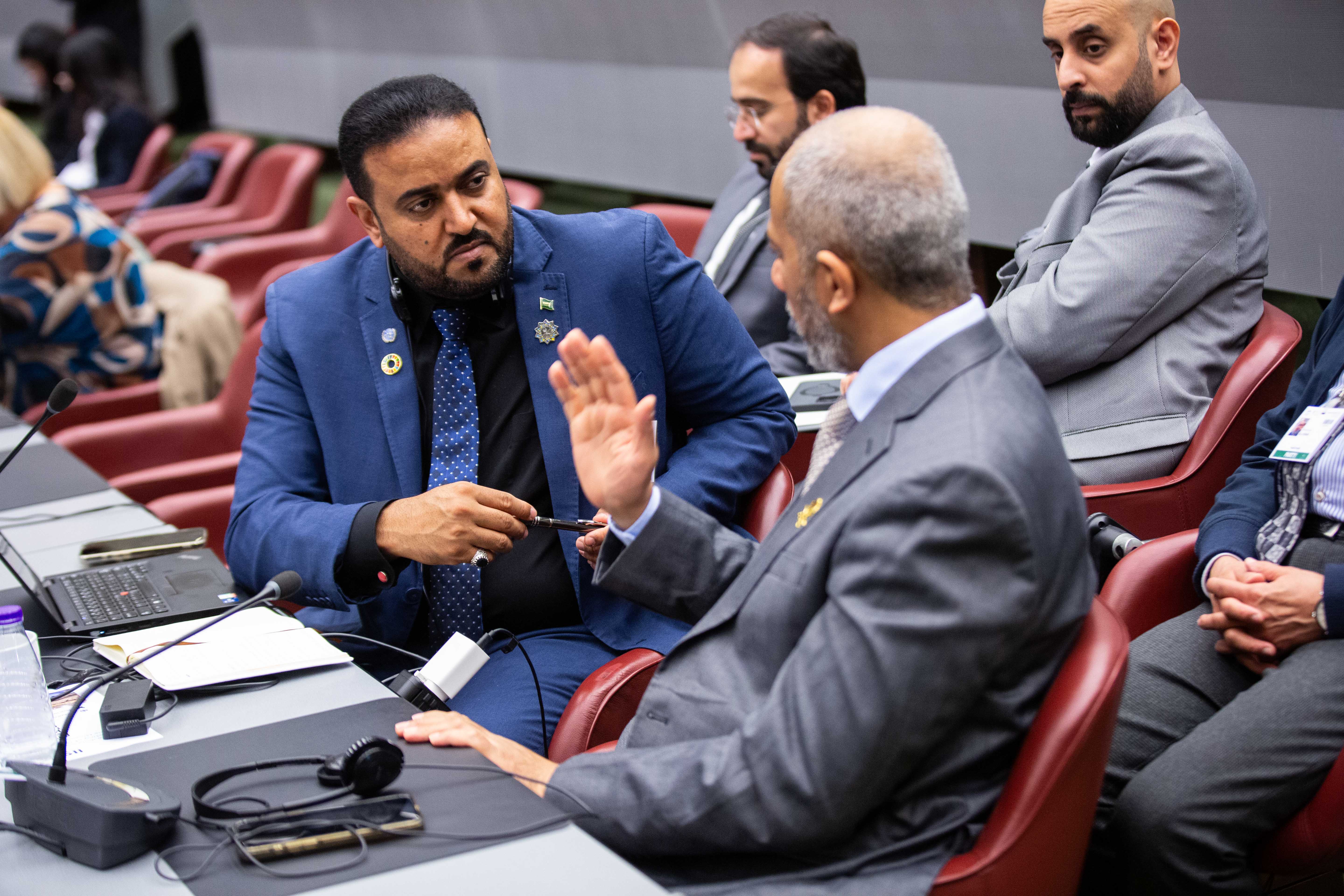
Saeed Al-Zahrani, Saudi Arabia
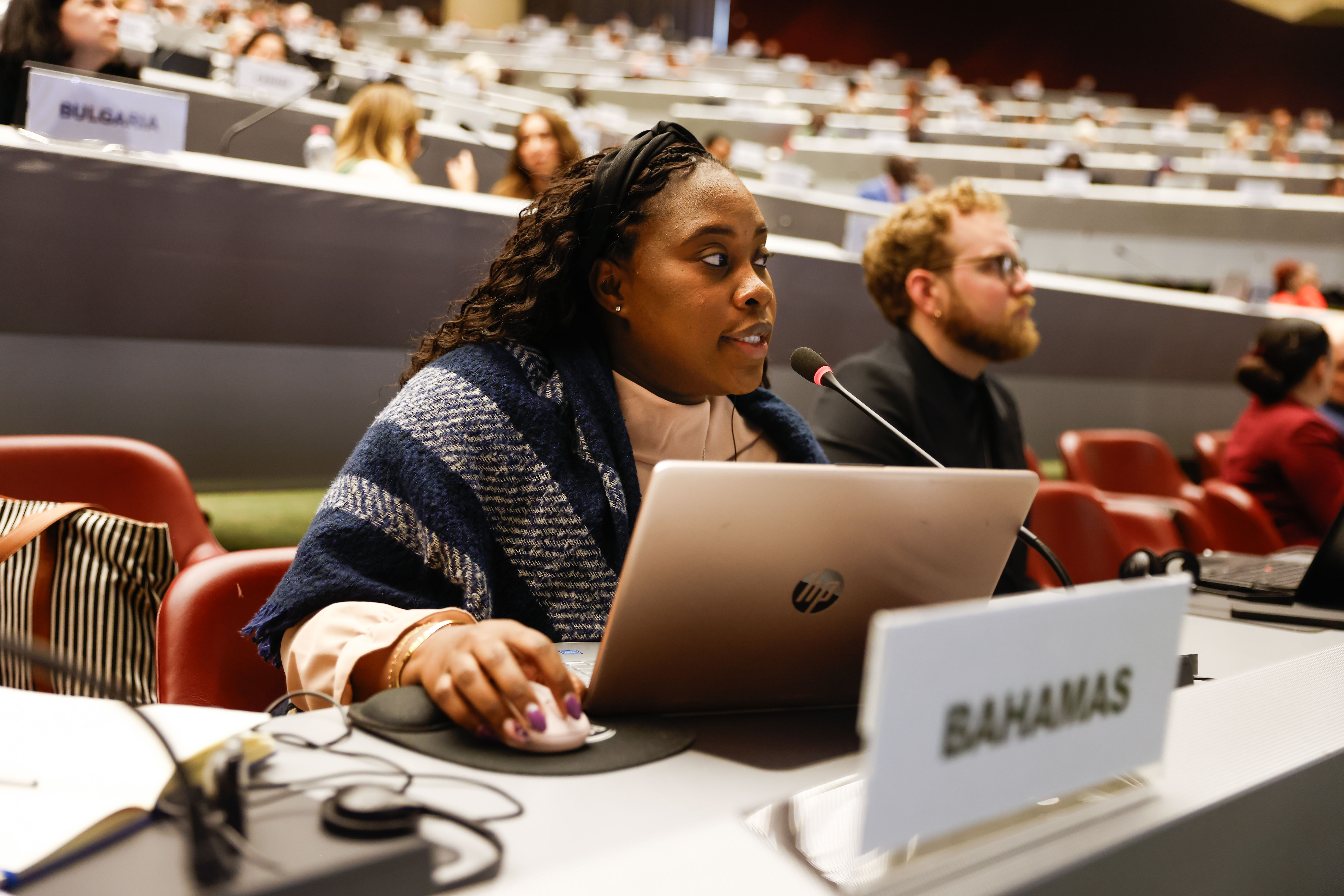
Quetta Gibson, Bahamas
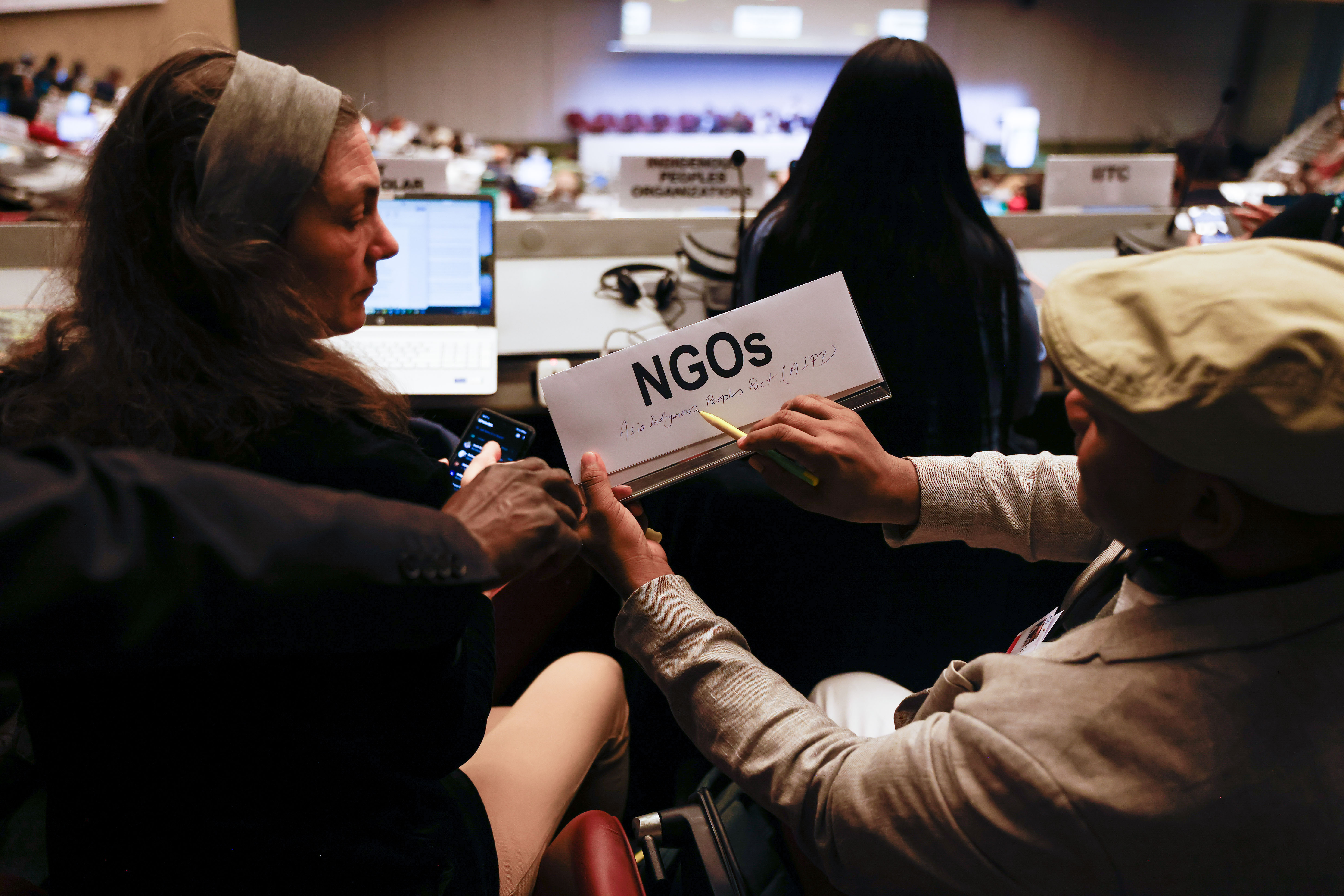
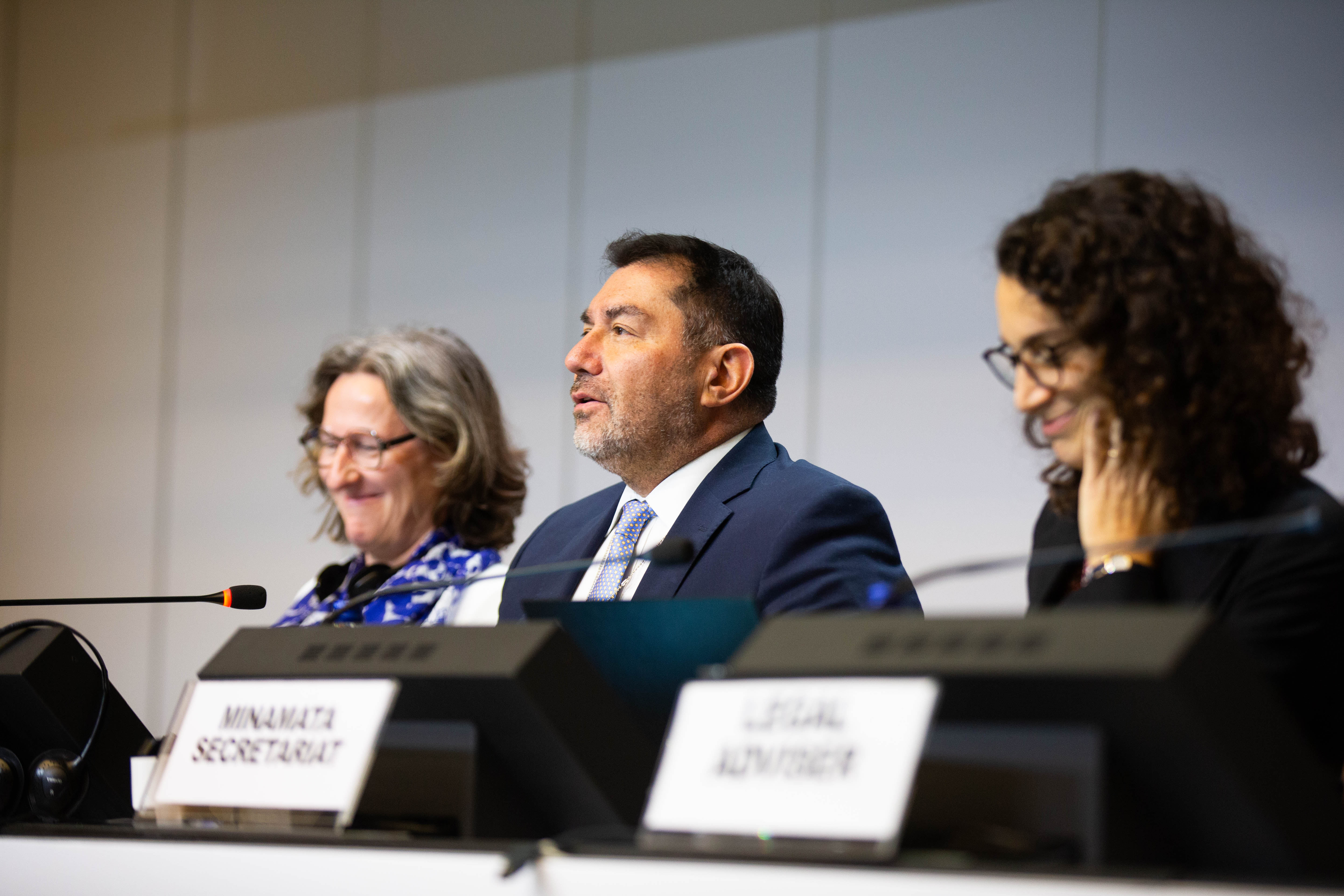
Osvaldo Patricio Álvarez Pérez, Chile
Contact Group on ASGM
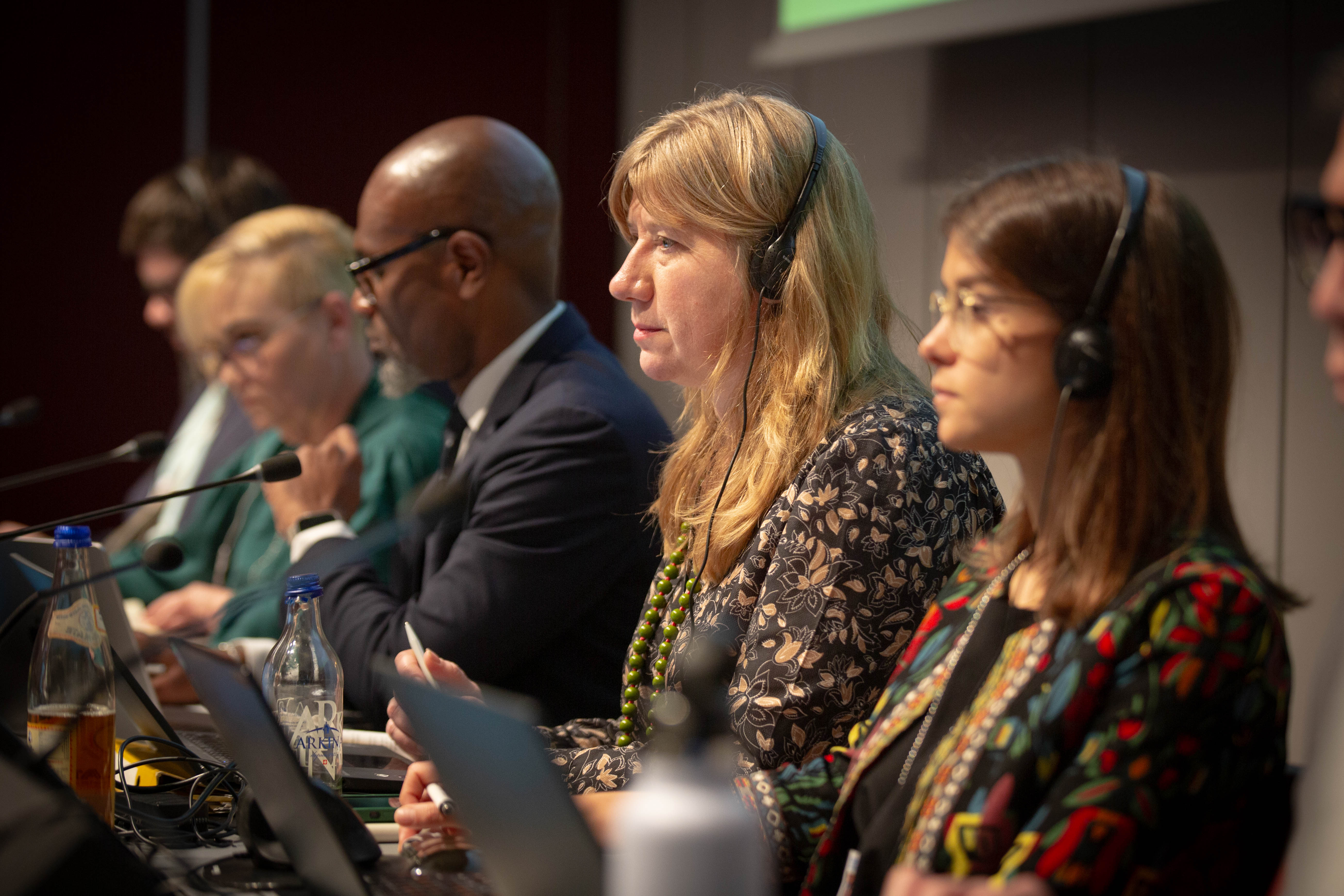
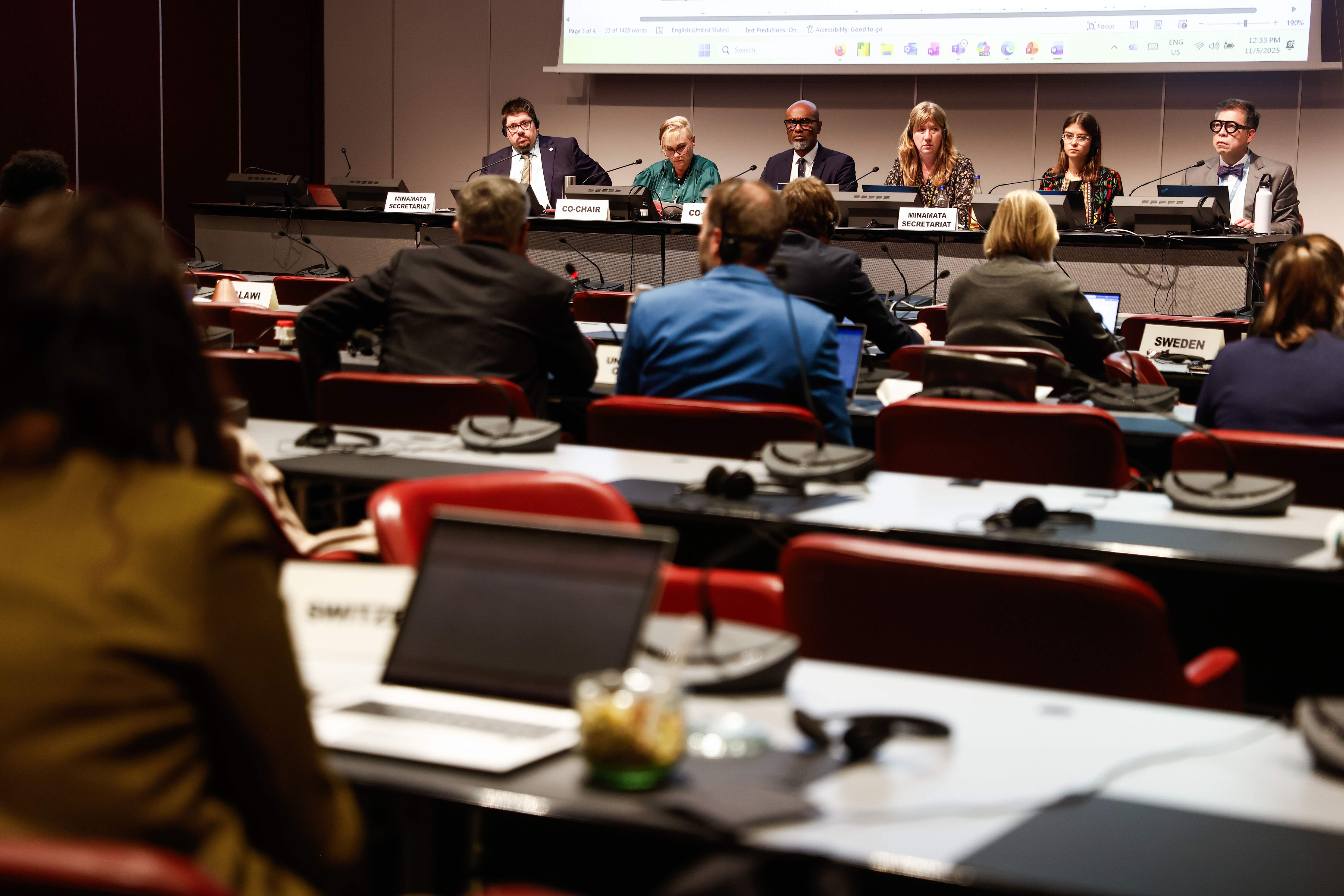
Afternoon Plenary
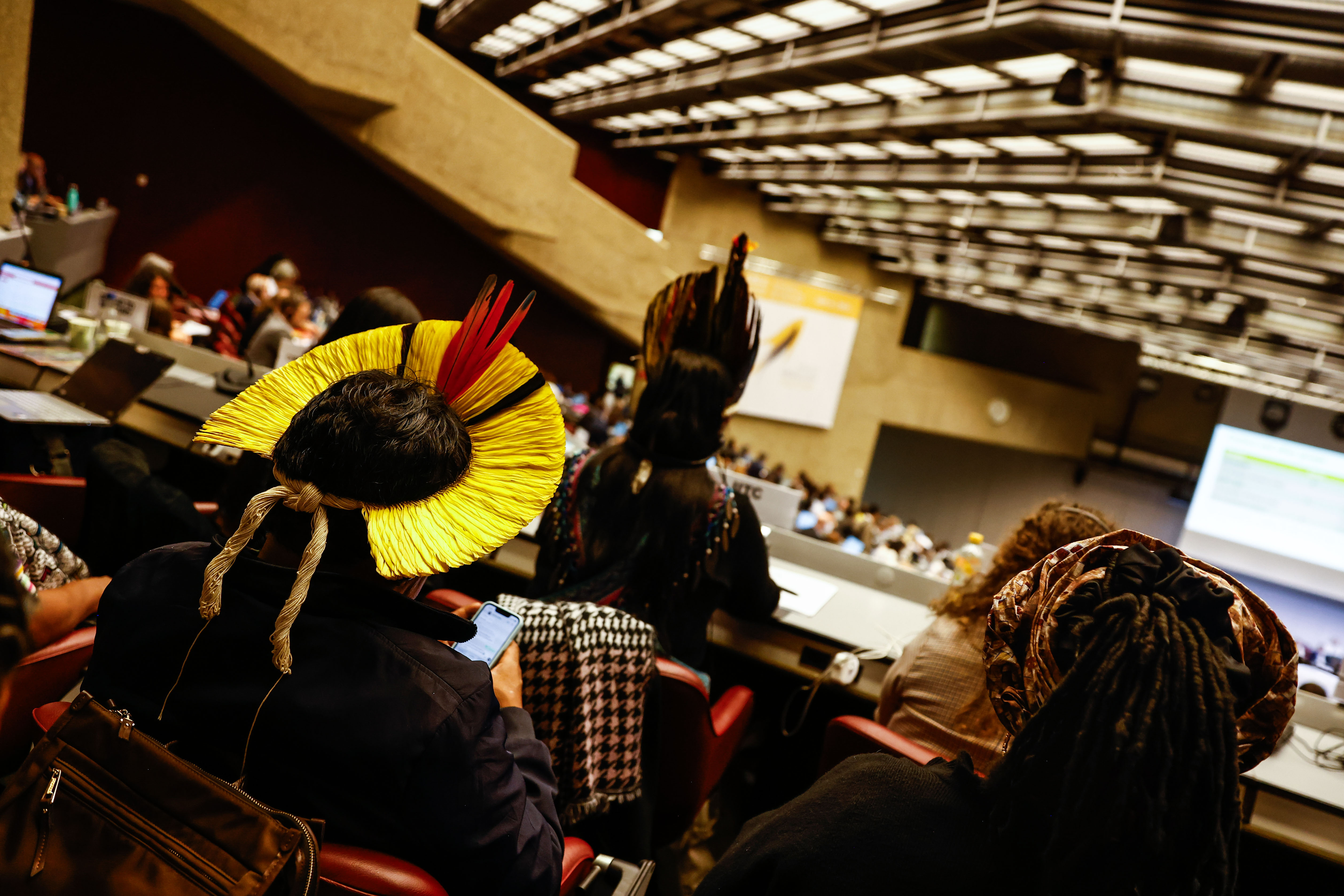
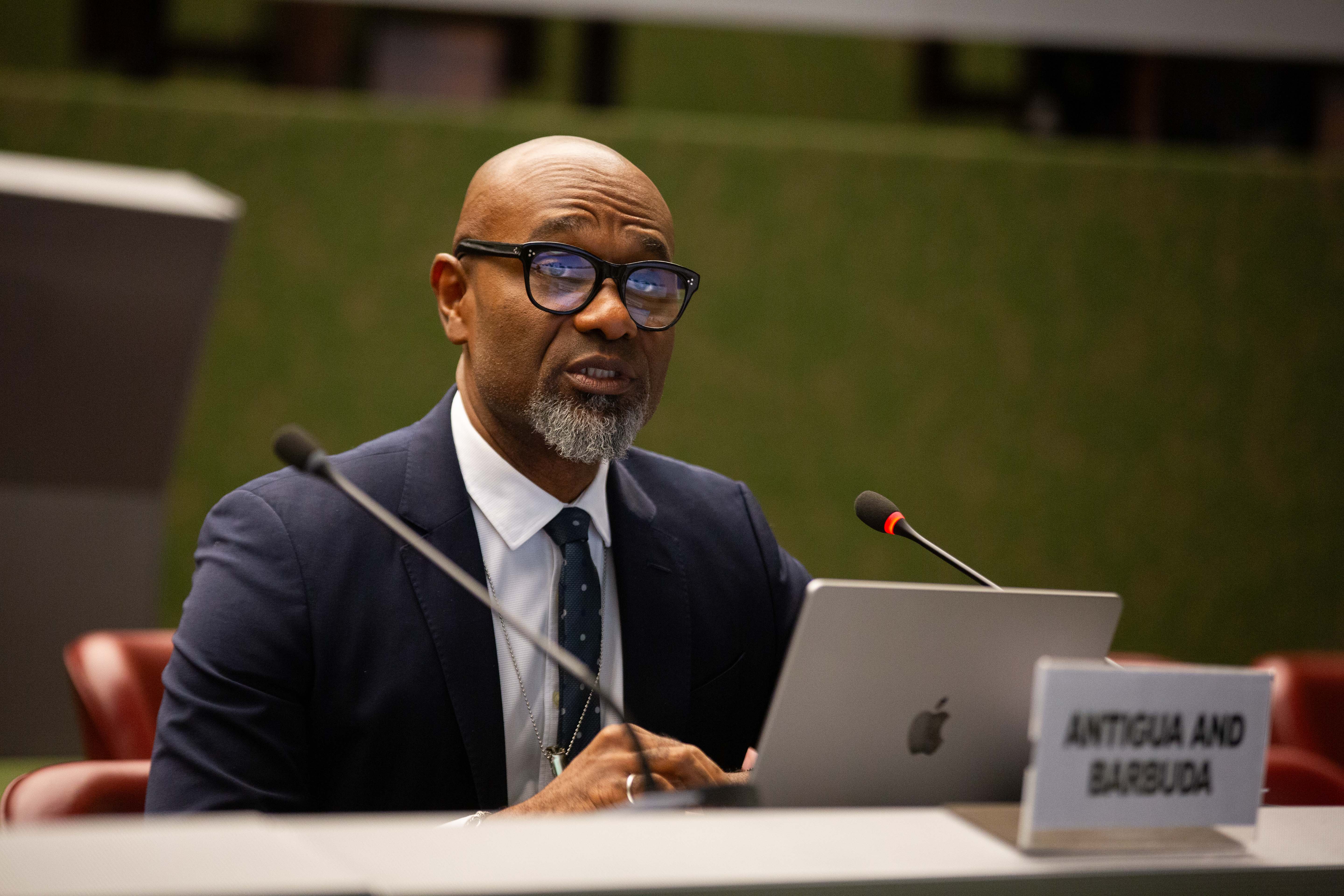
Linroy Christian, Antigua and Barbuda
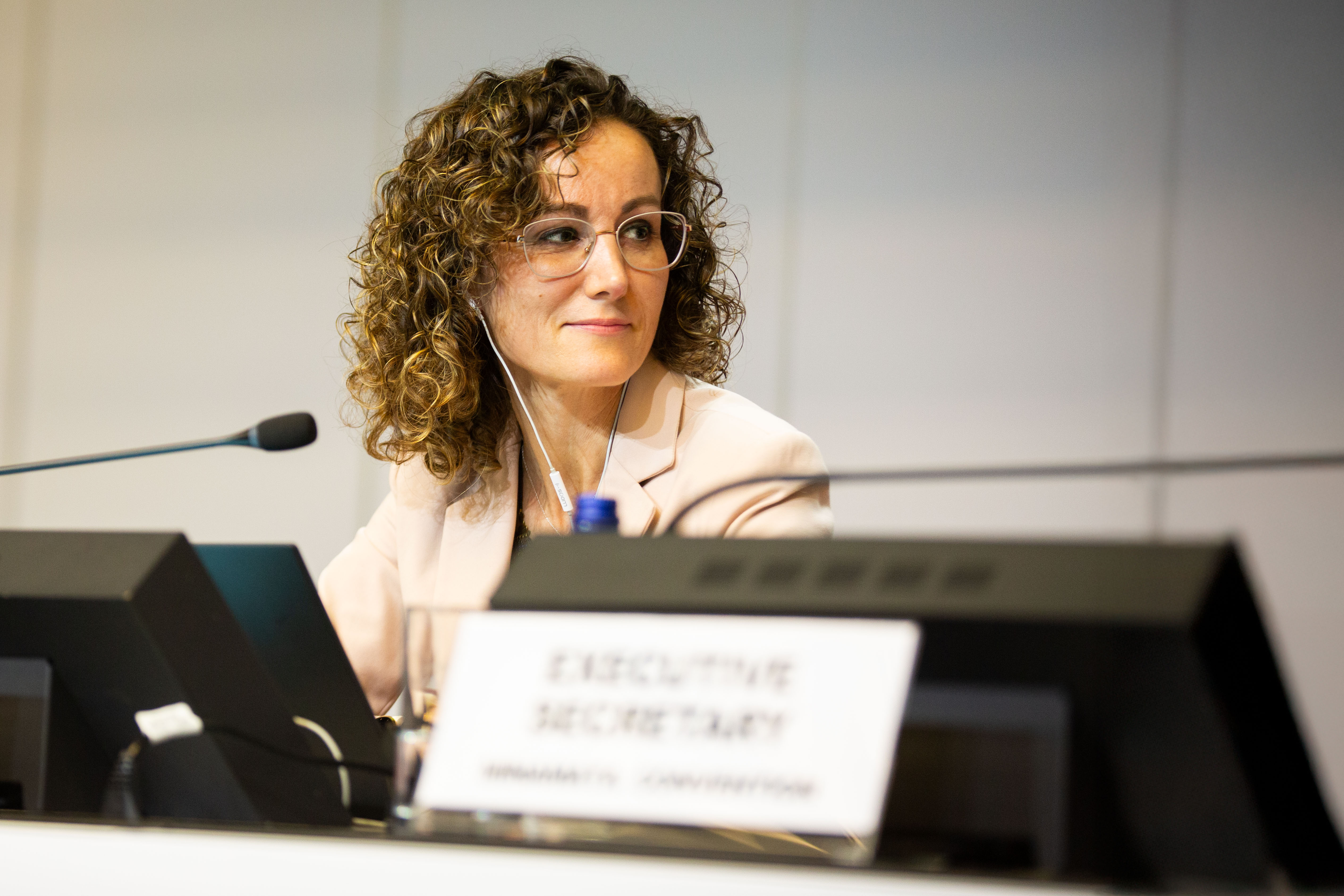
Anna García Sans, Secretariat
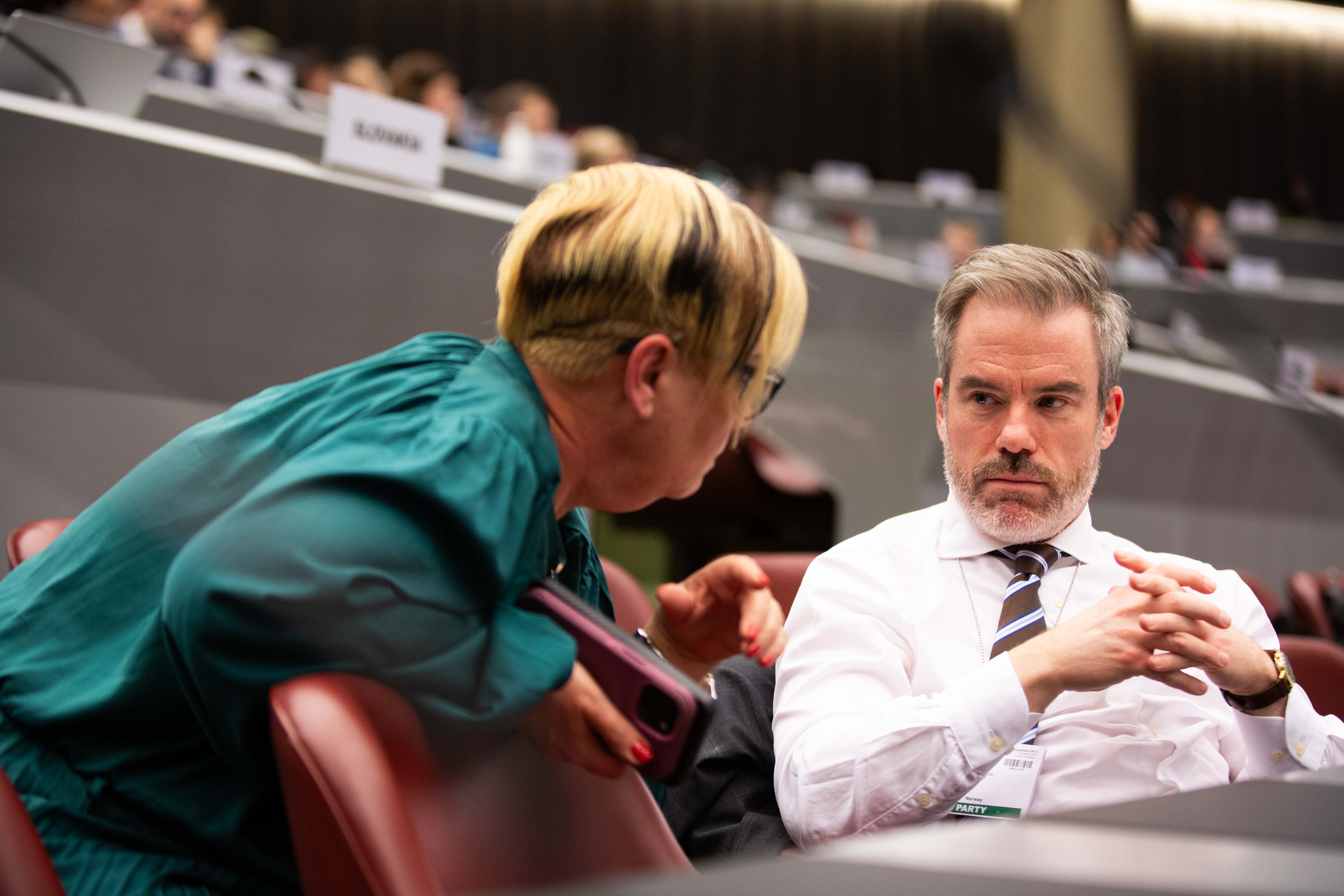
Sverre Thomas Jahre, Norway
Andrew Reighart, US
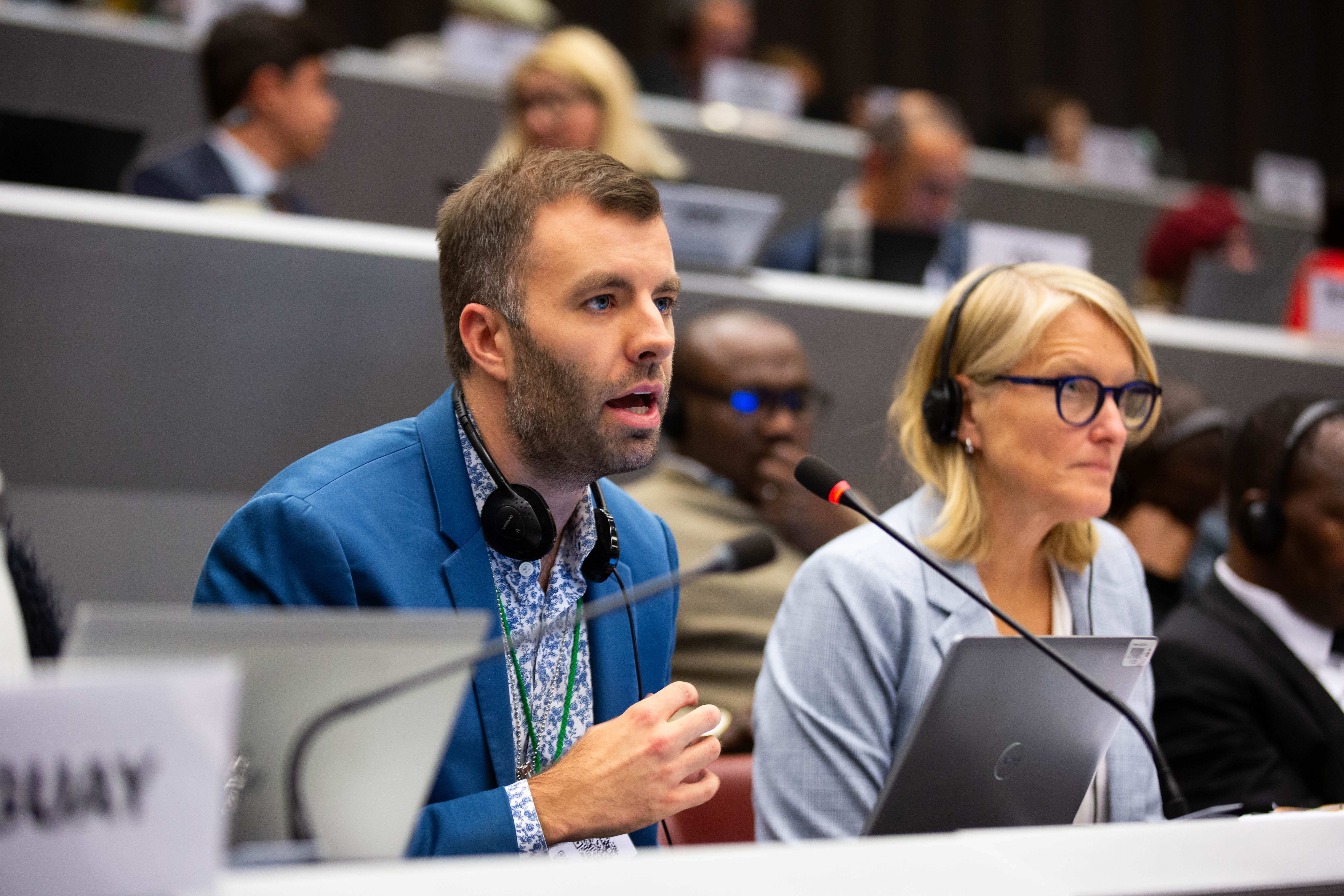
Luciana Melchert Saguas Presas, Brazil
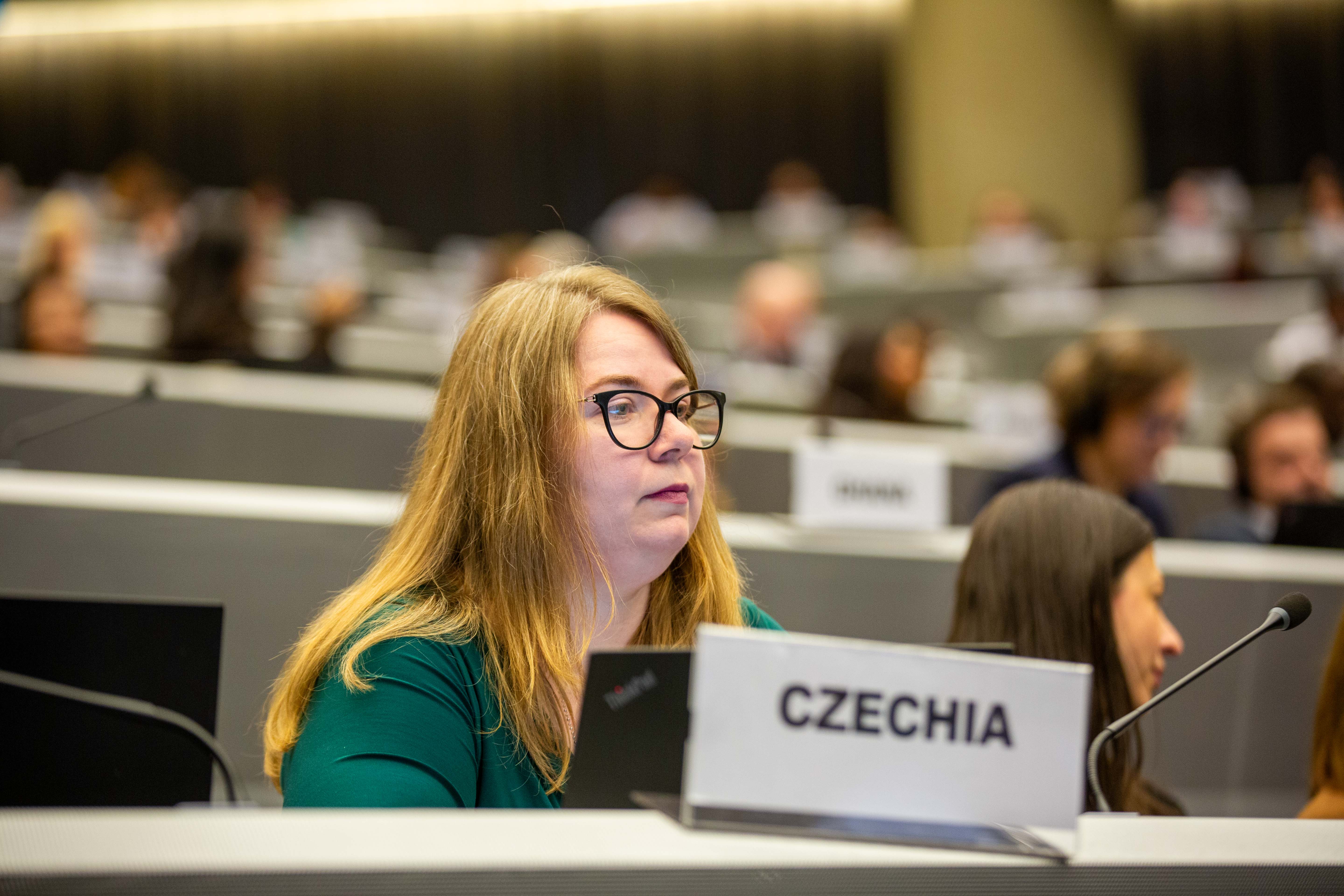
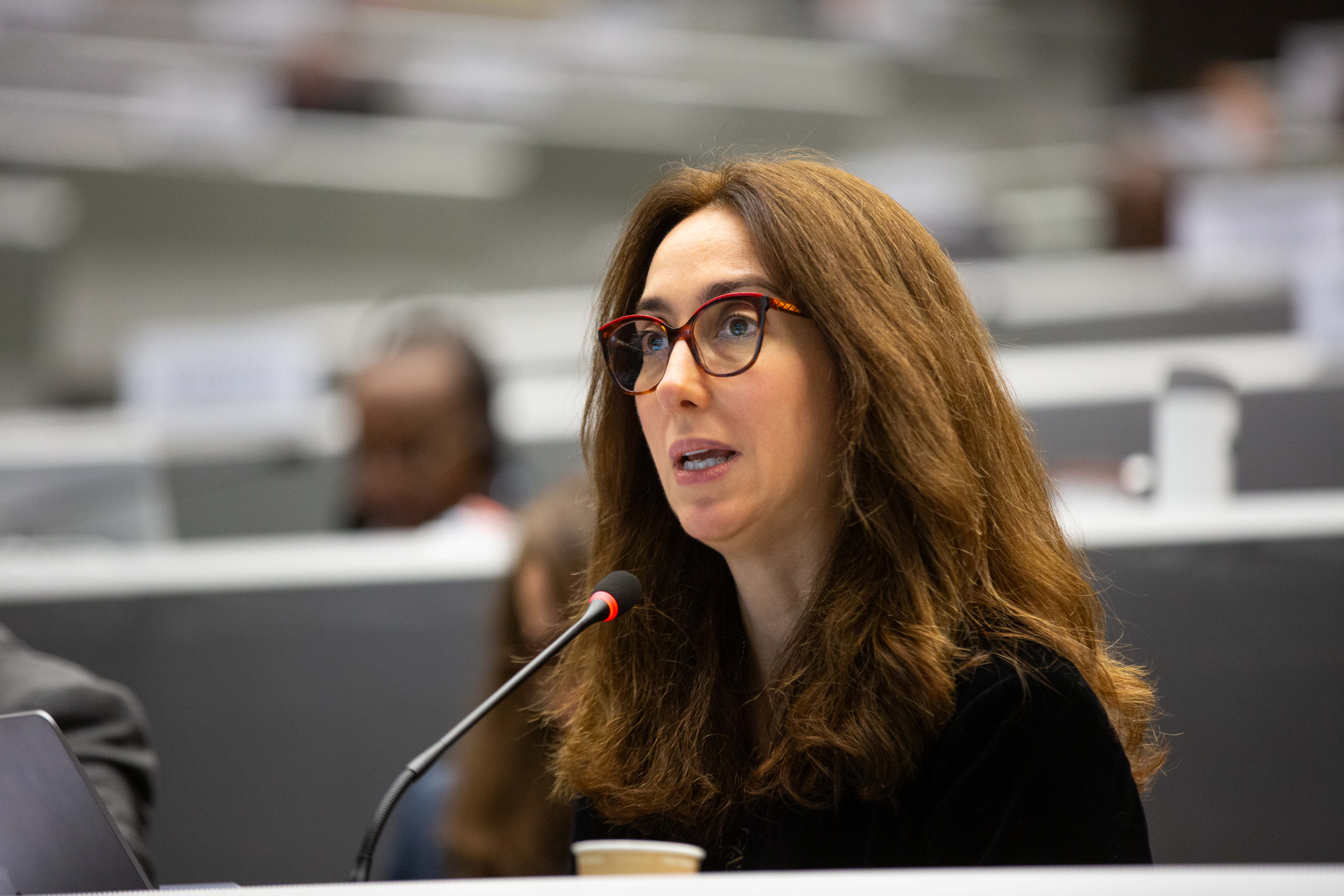
Eva Salplachtova, Czechia
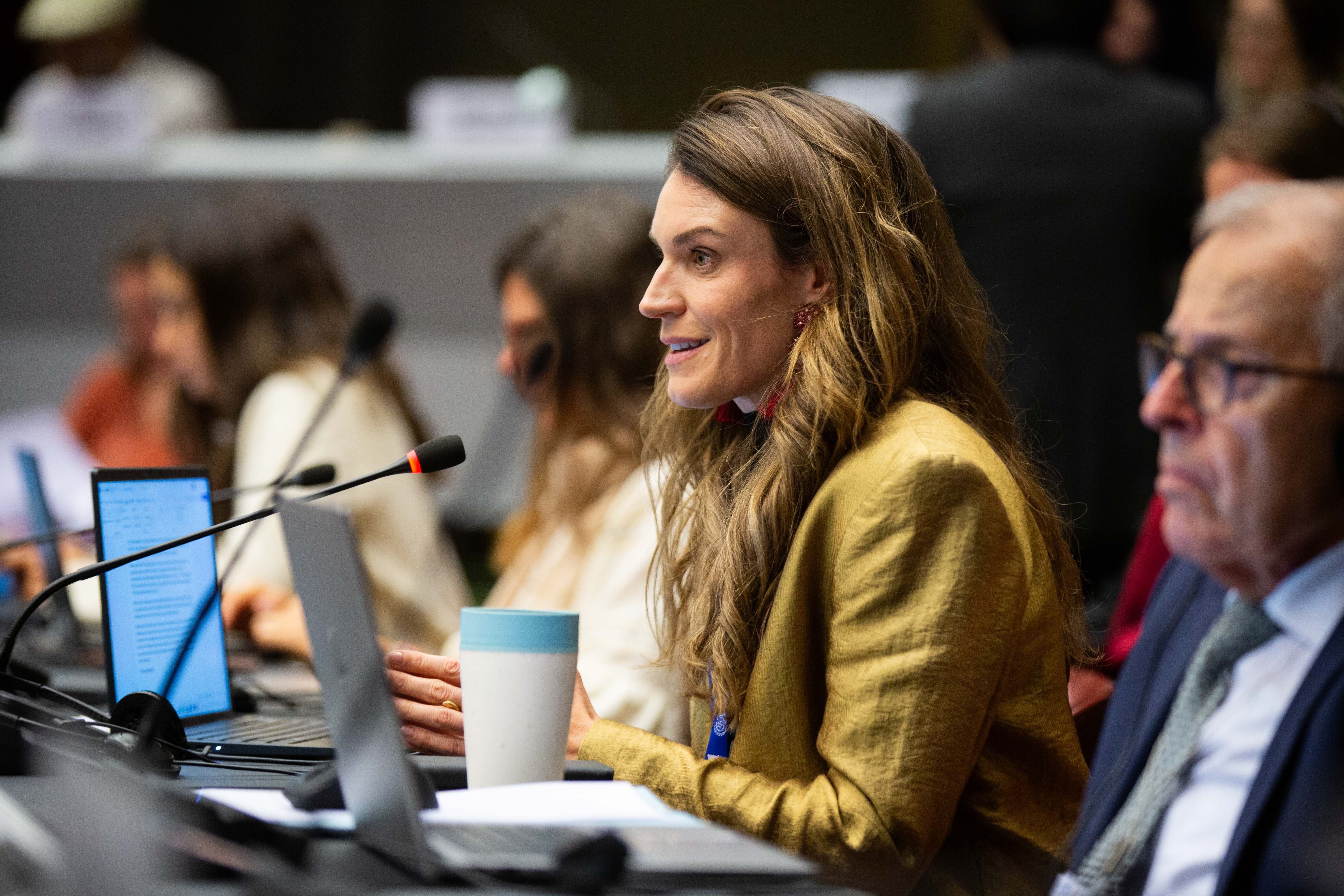
Halshka Graczyk, International Labour Organization
Friends of the President Contact Group
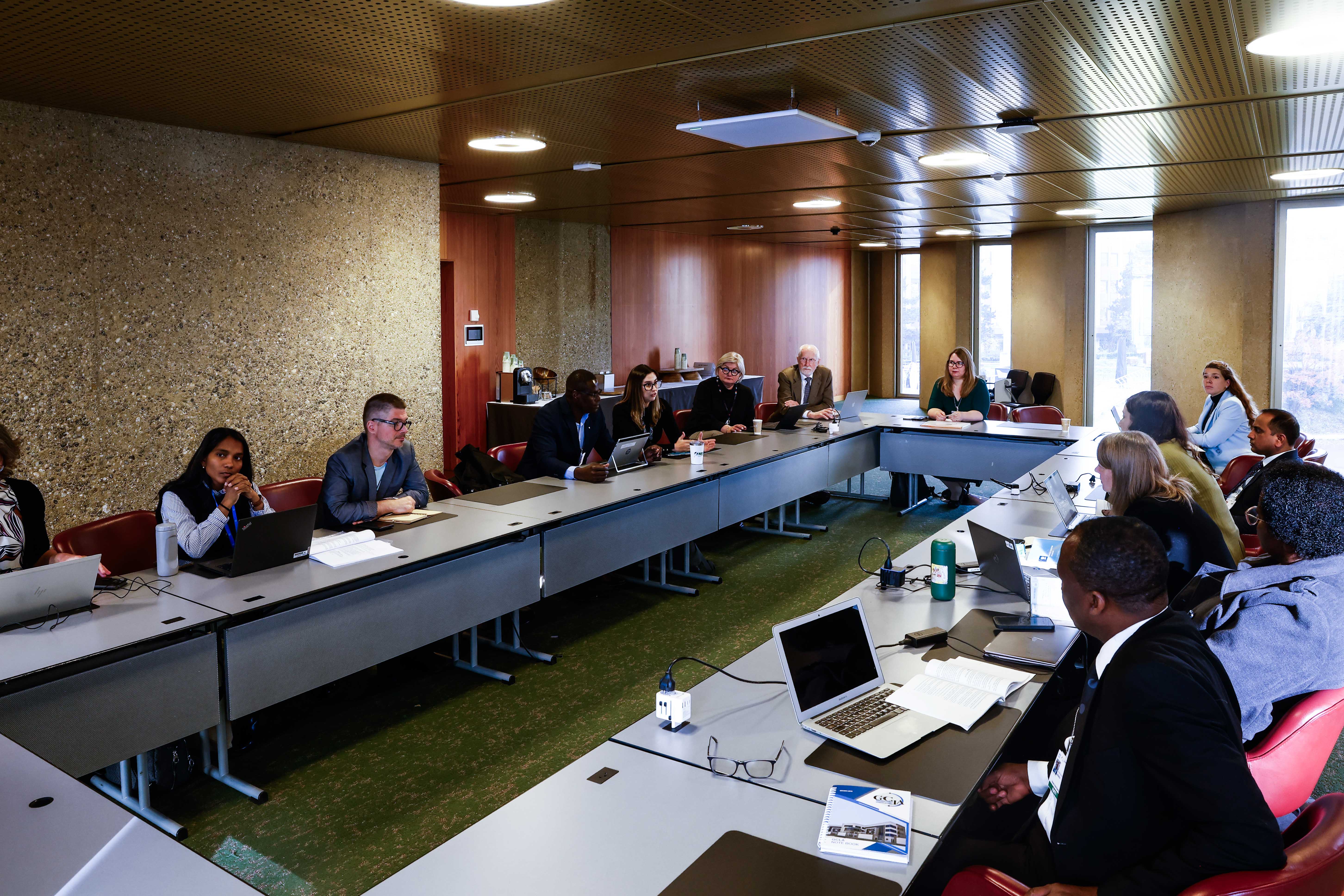
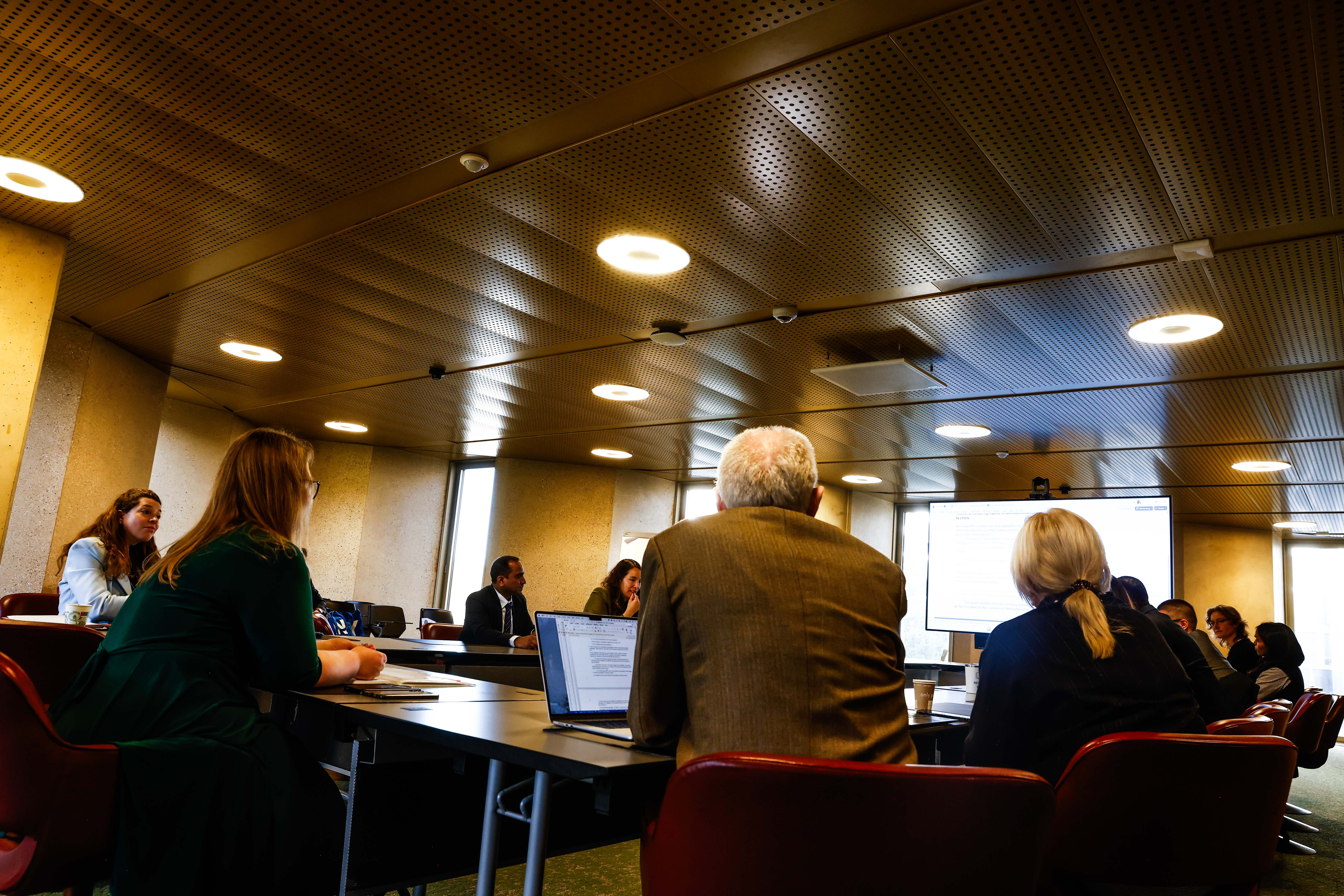
Between Sessions

Maria Irene Rizzo, Secretariat
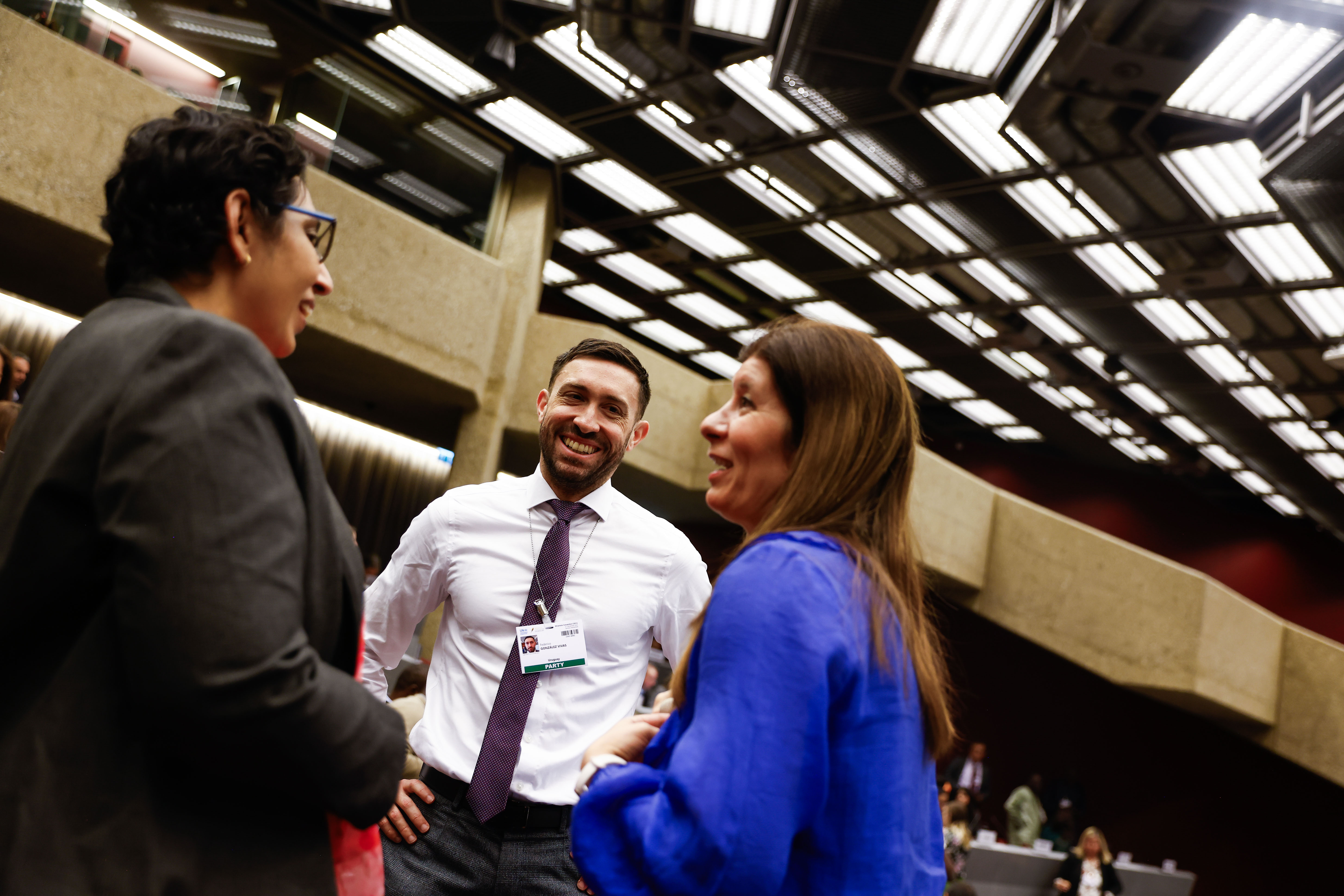
Frederico Gonzalez Vivaz, Uruguay
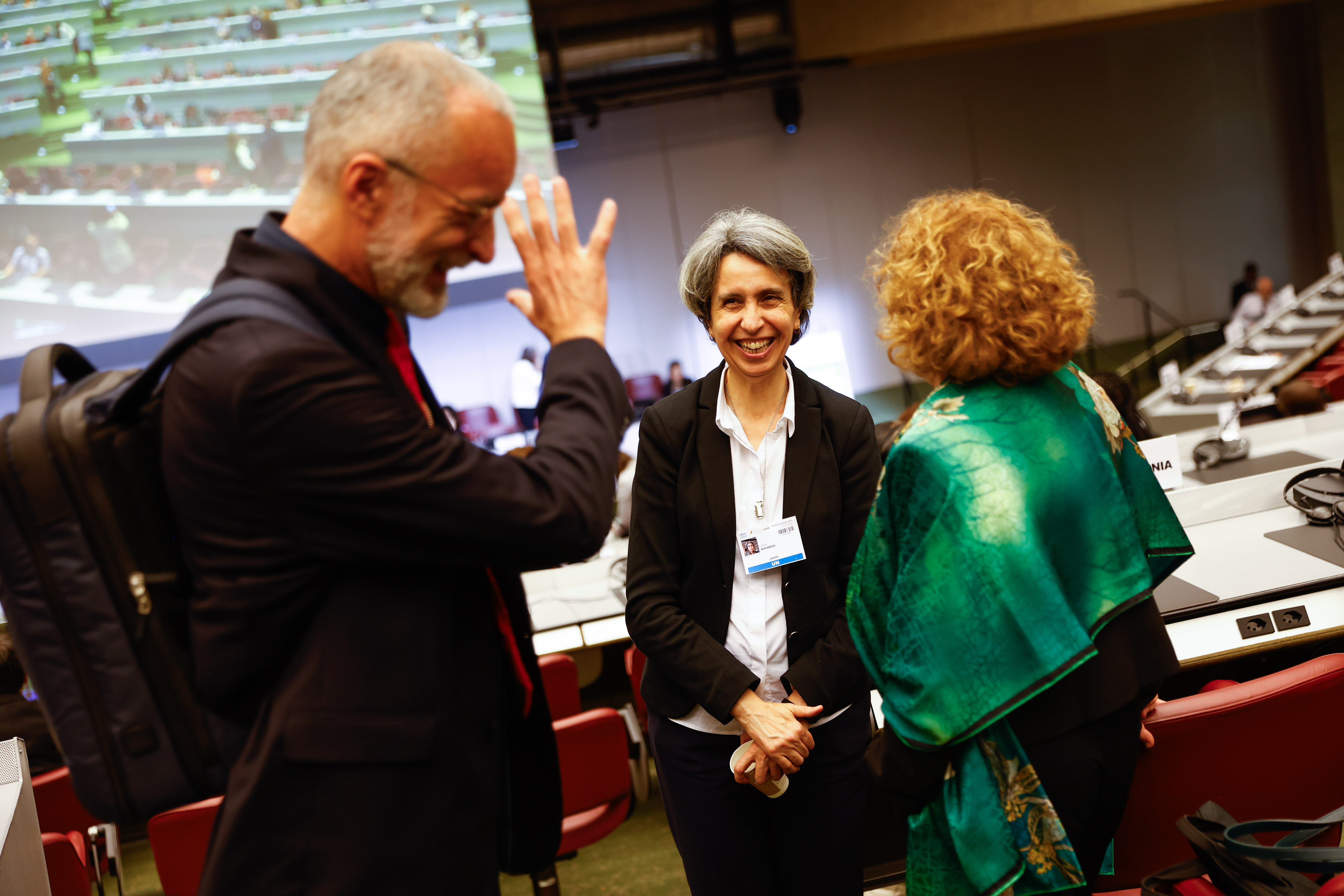
Lamia Benabbas, United Nations Industrial Development Organization
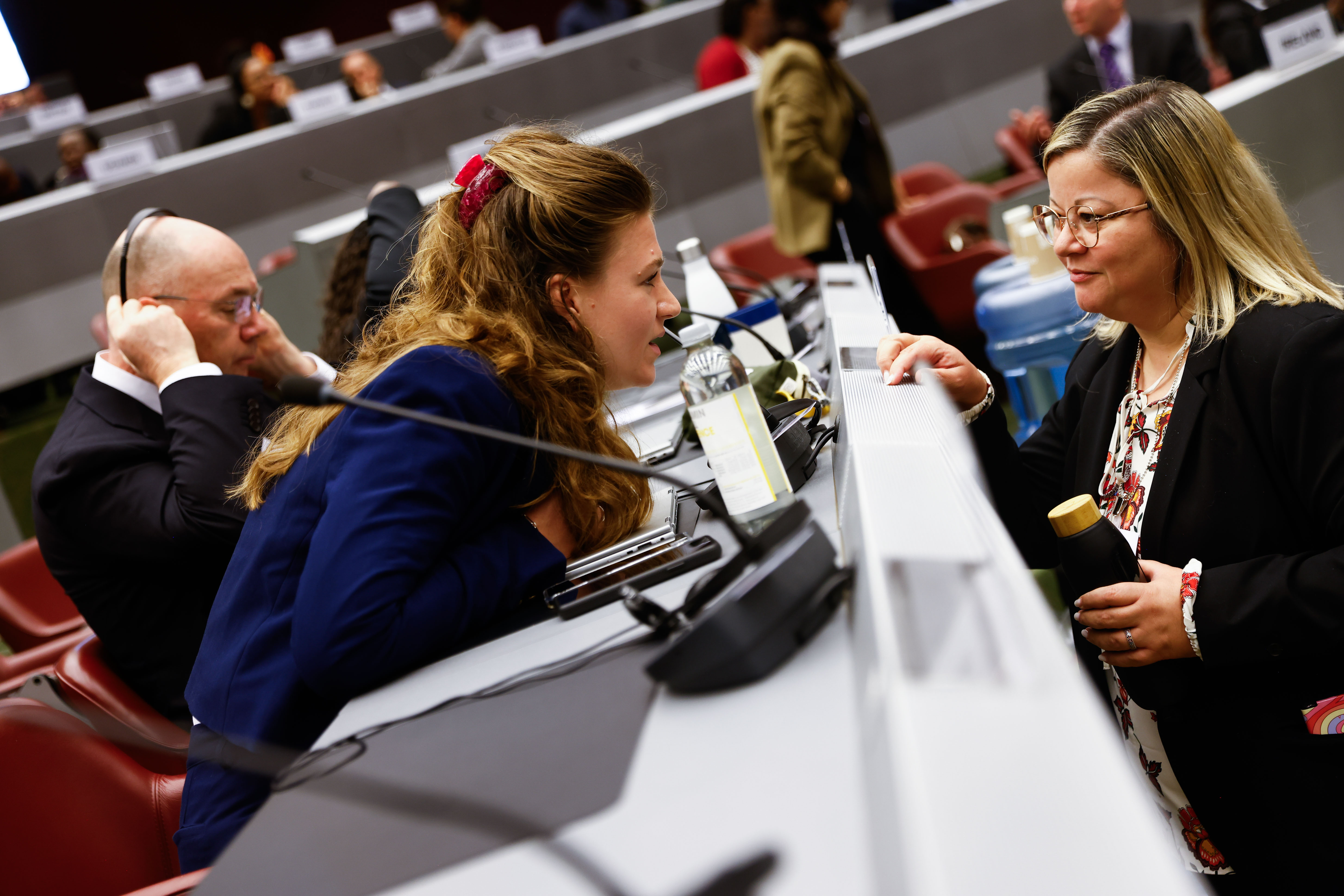
Claudia Dumitru, Romania, chats with delegates from the Netherlands
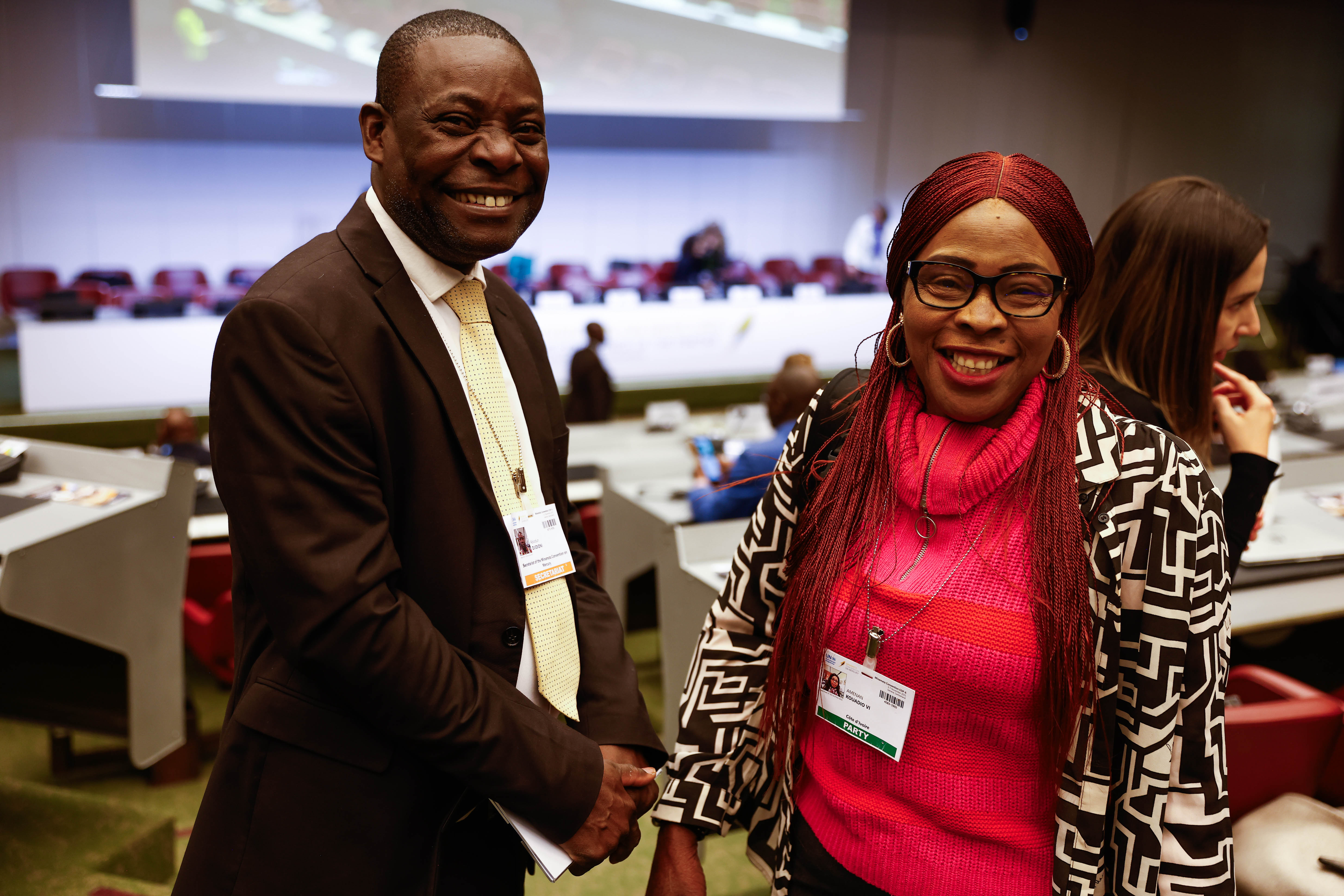
Abiodun Djidioni, Secretariat, and Amenan Kouadio Vi, Côte d'Ivoire
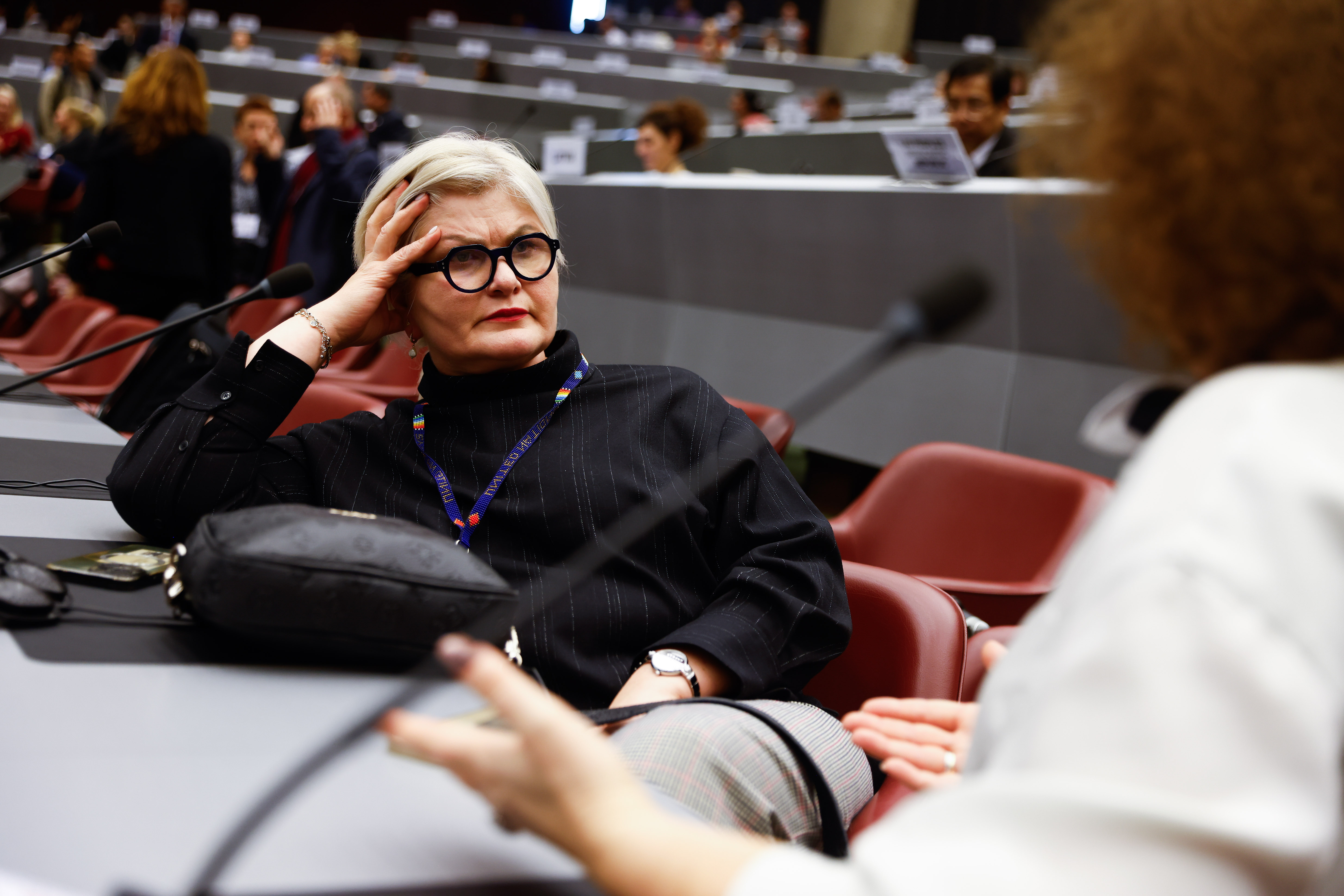
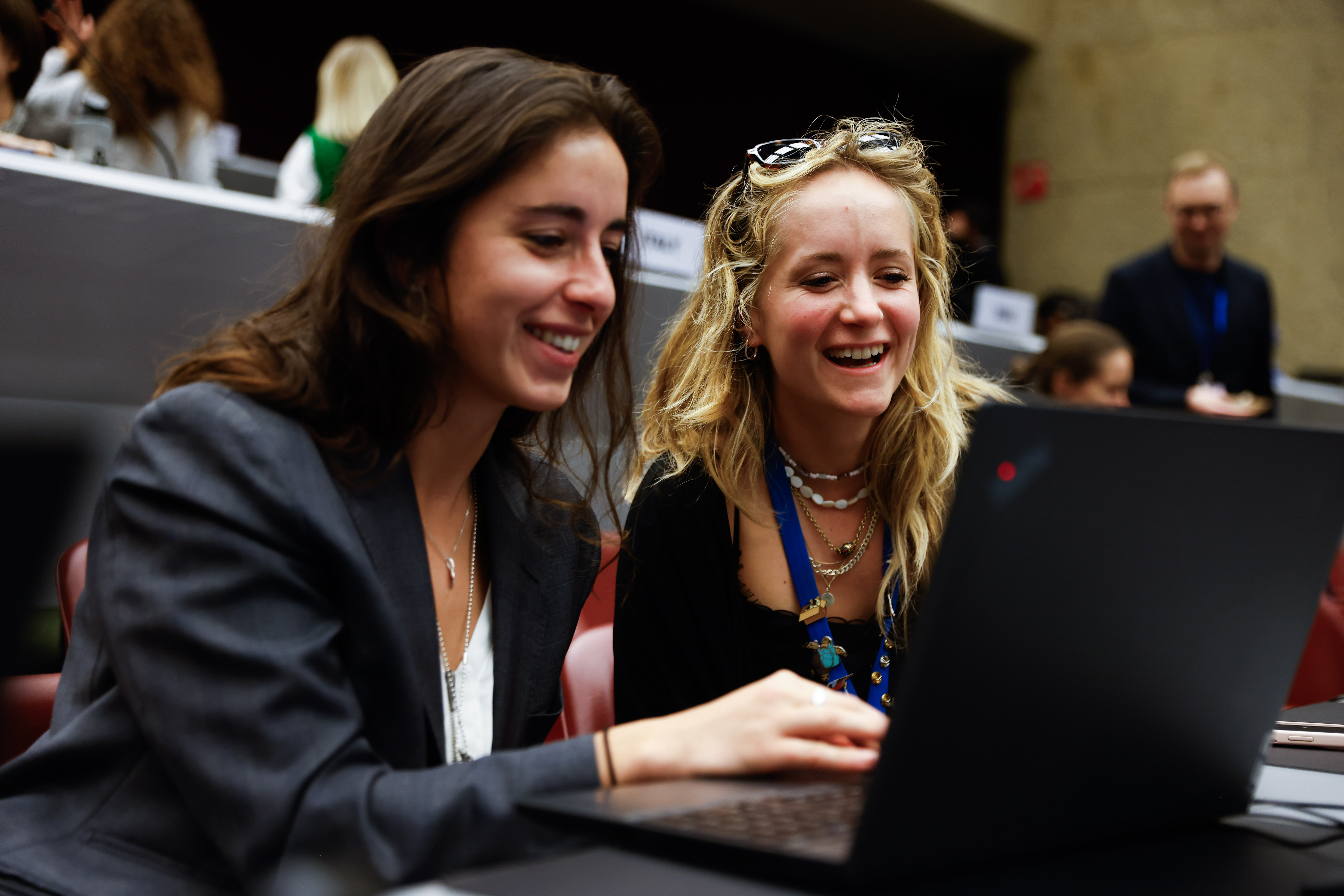
Delegations
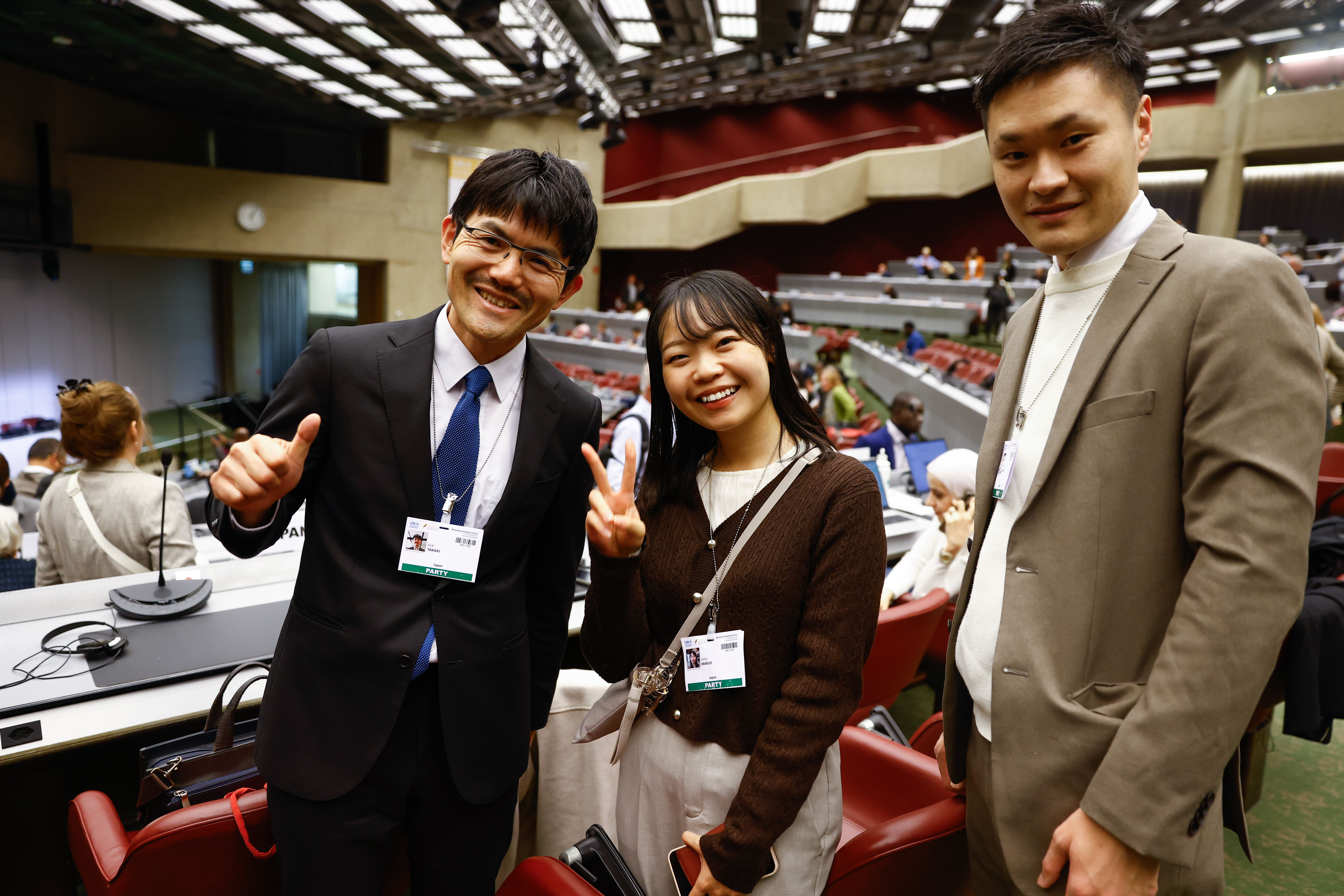
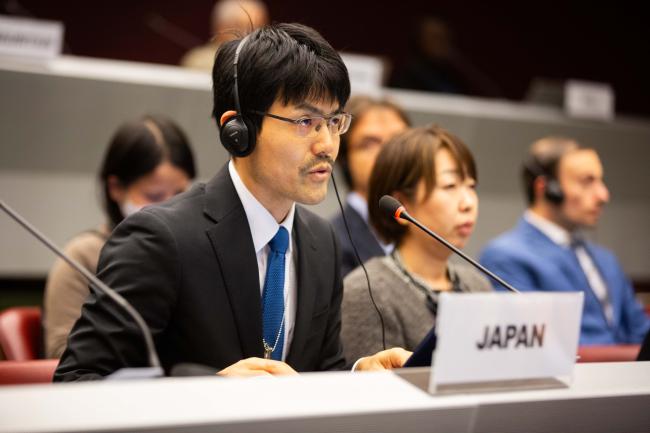
The delegation from Japan
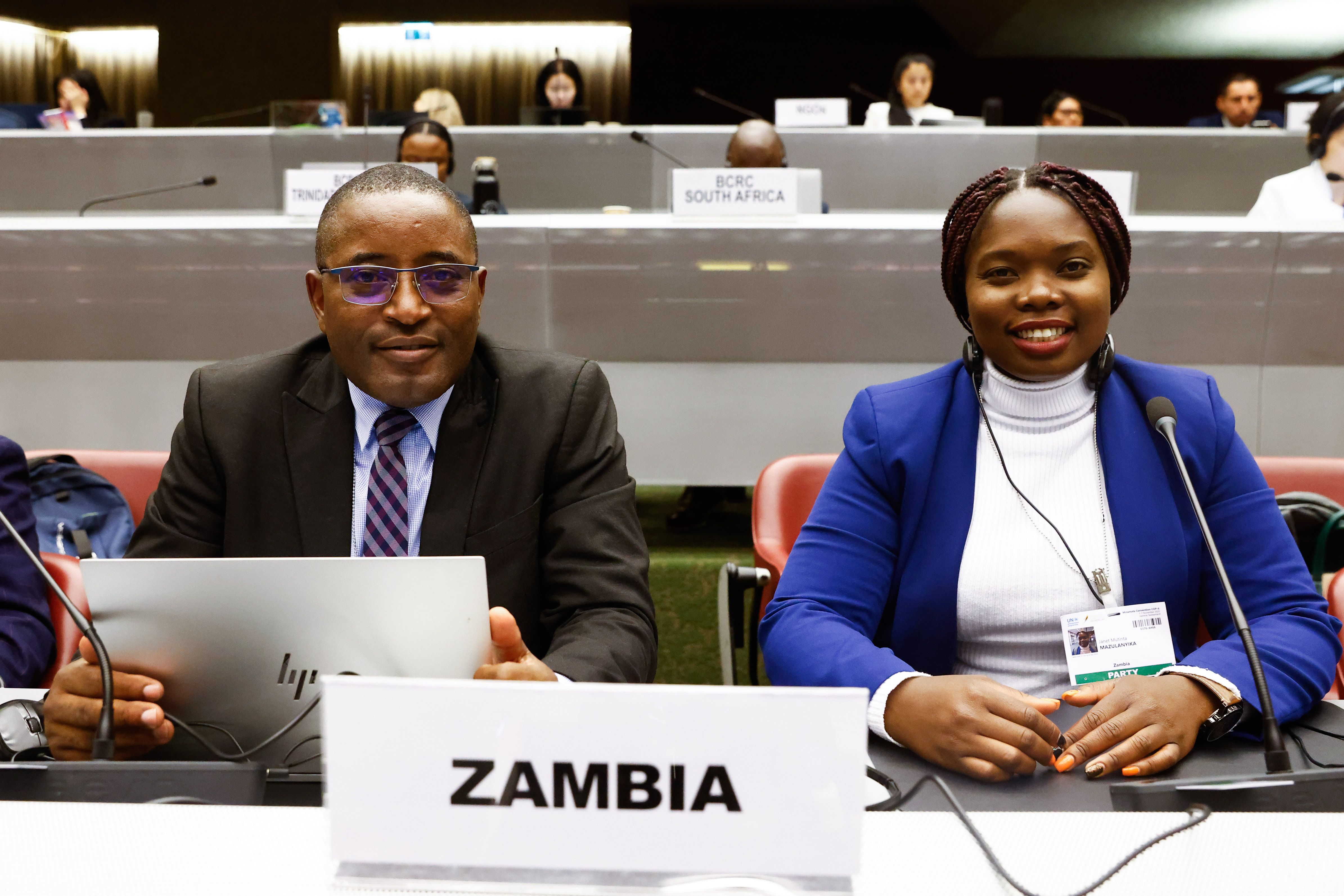
The delegation from Zambia
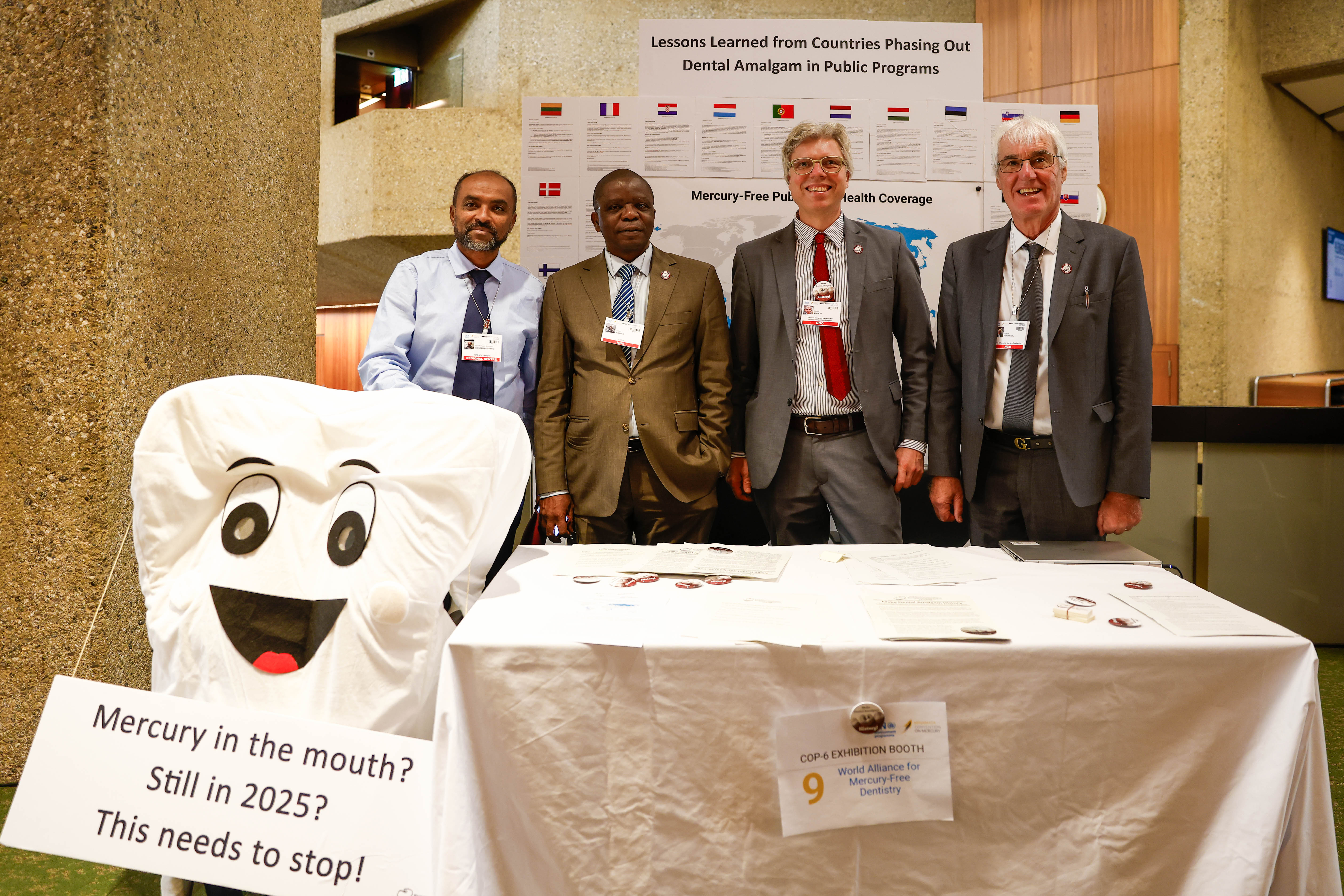
World Alliance for Mercury-Free Dentistry
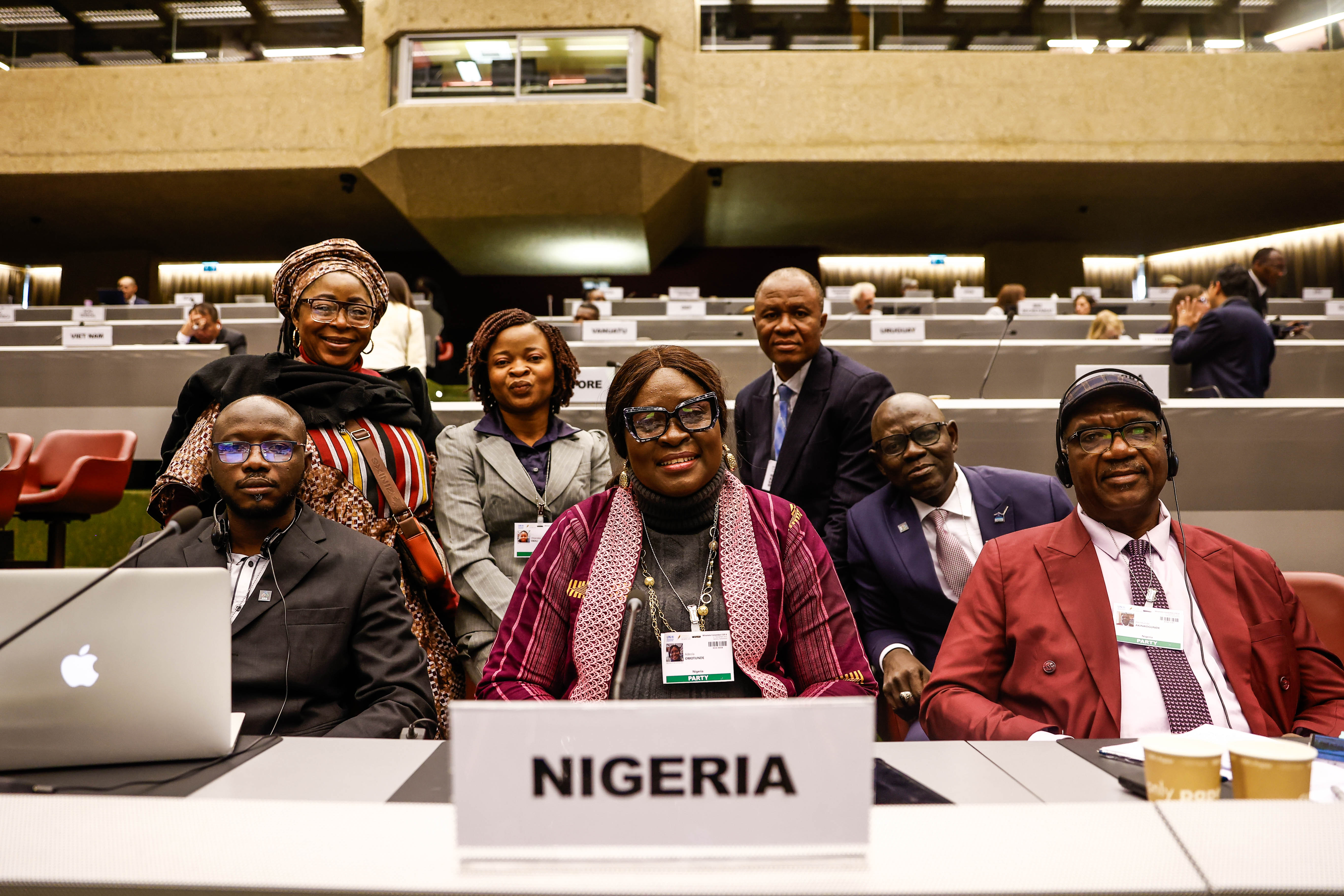
The delegation from Nigeria
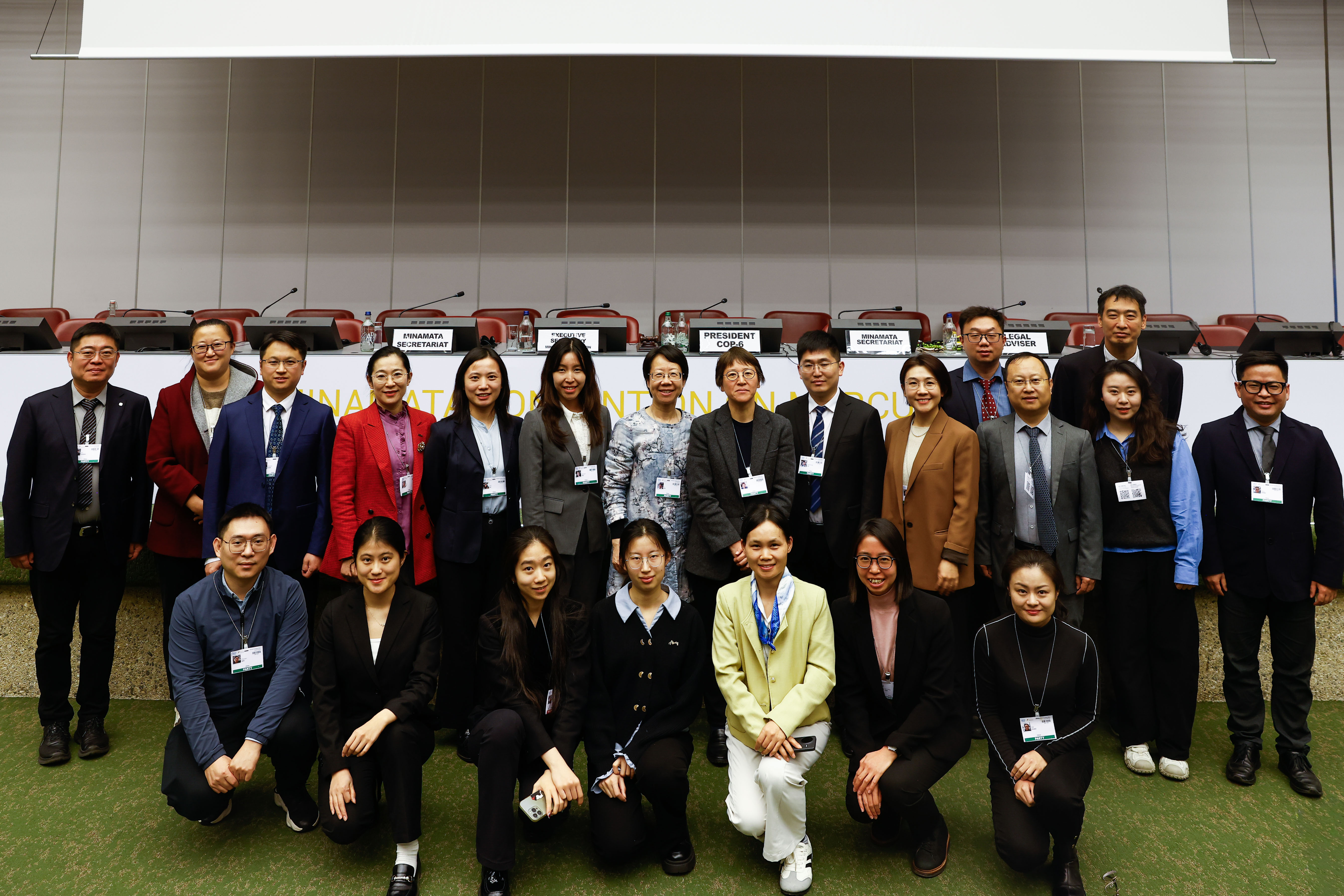
The delegation from China
Around the Venue