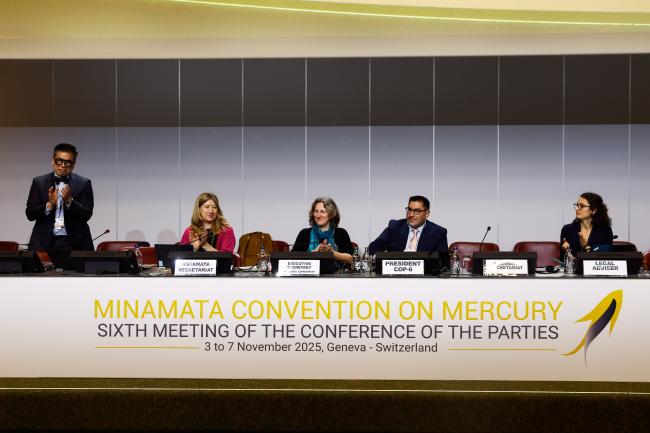
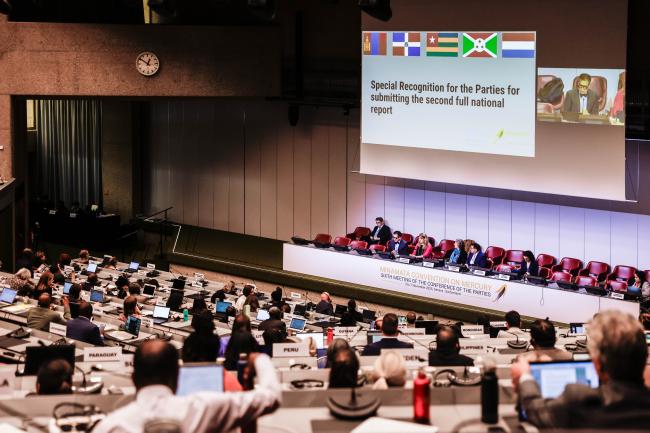
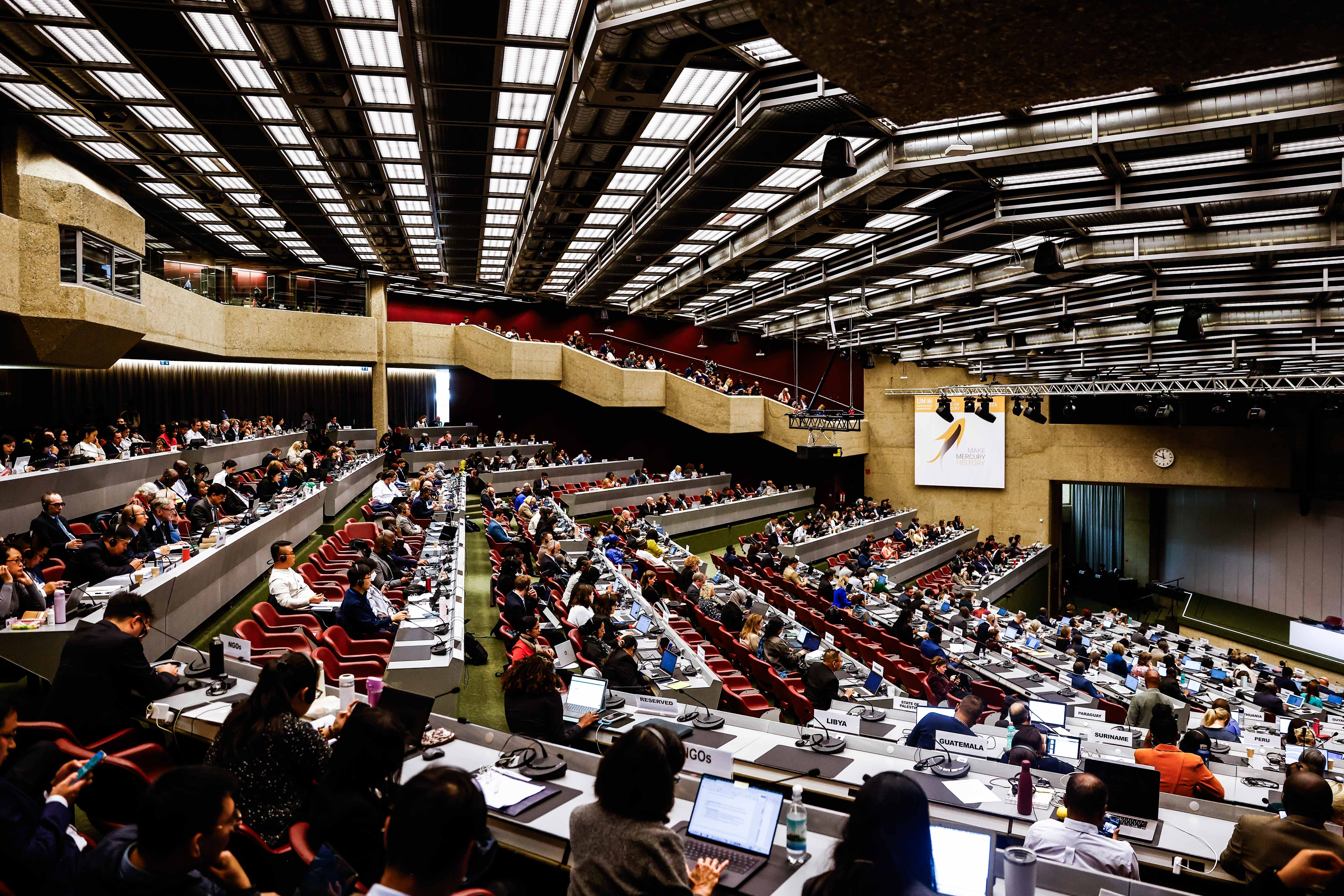
“Are we serious about making mercury history?” This question surfaced several times during the day, as delegates to the sixth meeting of the Conference of the Parties (COP-6) to the Minamata Convention dealt with issues such as trade and supply, extensions of exemptions for phasing out obligations on mercury-added products, and artisanal and small-scale gold mining (ASGM). Delegates succeeded in adopting the COP’s first decision, on capacity-building, technical assistance, and technology transfer.
The debate on extensions heard petitions from Bangladesh, India, and Thailand for a five-year grace period before phaseout for specific mercury-added product categories. Many were skeptical of the requests, and some cautioned it might set a bad precedent and damage the credibility of the Convention. The African Group asked for a COP decision on procedures to follow for any future extension requests. A “Friends of the President” group was tasked with developing decision text on procedures, while the petitioners were asked to consult others on the sidelines to seek a consensus on their specific requests.
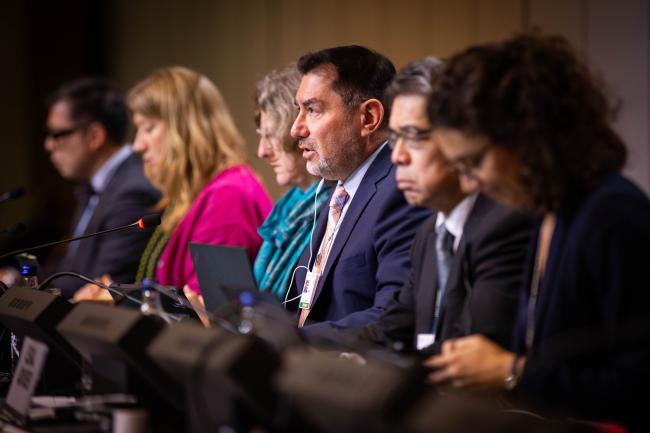
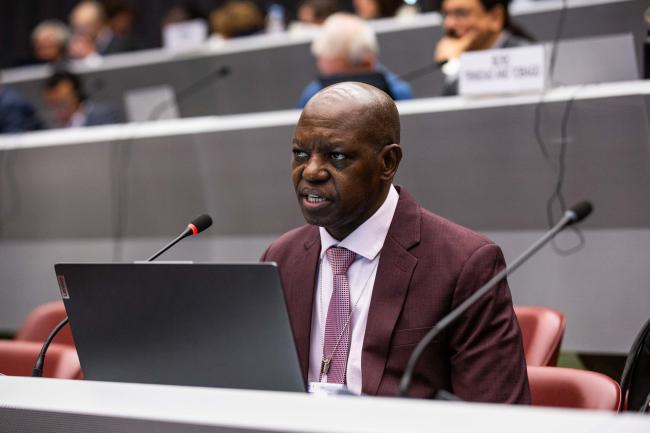
On trade/supply, Canada, Australia, Japan, and Norway presented a proposal to address trade in mercury compounds and close this loophole. They said compounds are produced and traded largely without restriction, while the Convention does restrict elemental mercury supply/trade. The co-sponsors were tasked to consult with others to agree on a compromise text.
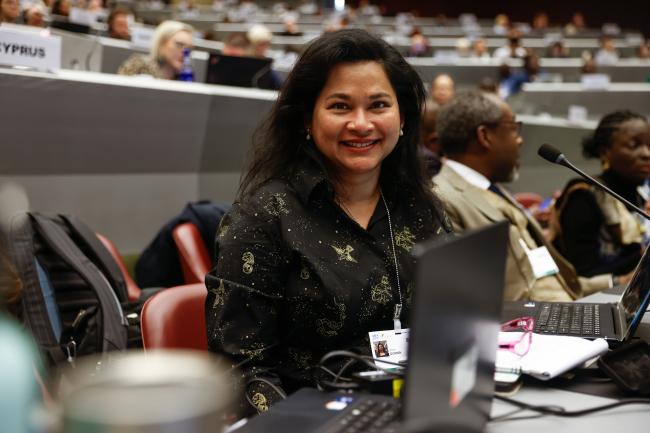
On ASGM, delegates discussed Brazil’s proposal for amending the suggested decision by including measures such as enhancing the traceability of gold and supporting just transitions of families reliant on ASGM. Delegates agreed to form a contact group, with co-chairs to be announced Wednesday morning.
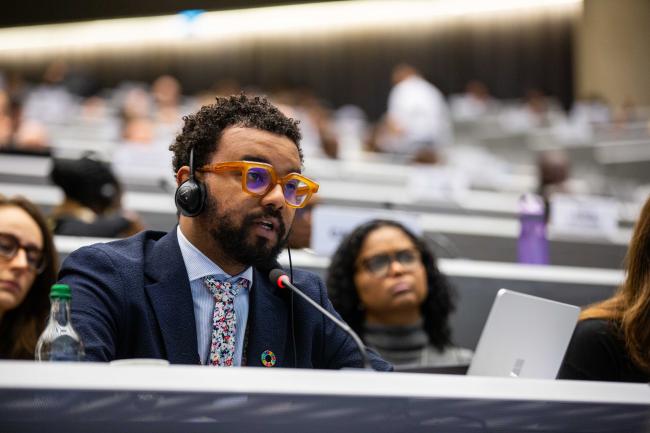
On waste, many supported the proposal by Japan, Australia, and Norway, which invites parties to propose new requirements on the environmentally sound management of mercury waste and requests the Secretariat to prepare a summary analysis on the effectiveness of the 15mg/kg threshold established at COP-5. Some delegates raised the issue of registering which Parties opt for alternative thresholds, as allowed by the COP-5 decision. Delegates requested Japan to consult with interested parties to review the draft decision in the proposal and submit a revised text for consideration by the COP.
The decision on capacity-building, technical assistance, and technology transfer asks that countries include in their second full national report information on needs and challenges vis-à-vis alternative technologies. It also asks the Secretariat, subject to the availability of resources and in collaboration with the Global Mercury Partnership, to produce an analysis of existing initiatives and progress made in relation to alternative technologies.
To receive free coverage of global environmental events delivered to your inbox, subscribe to the ENB Update newsletter.
All ENB photos are free to use with attribution. For the 6th Meeting of the Conference of the Parties to the Minamata Convention on Mercury, please use: Photo by IISD/ENB | Natalia Mroz.
Morning Plenary
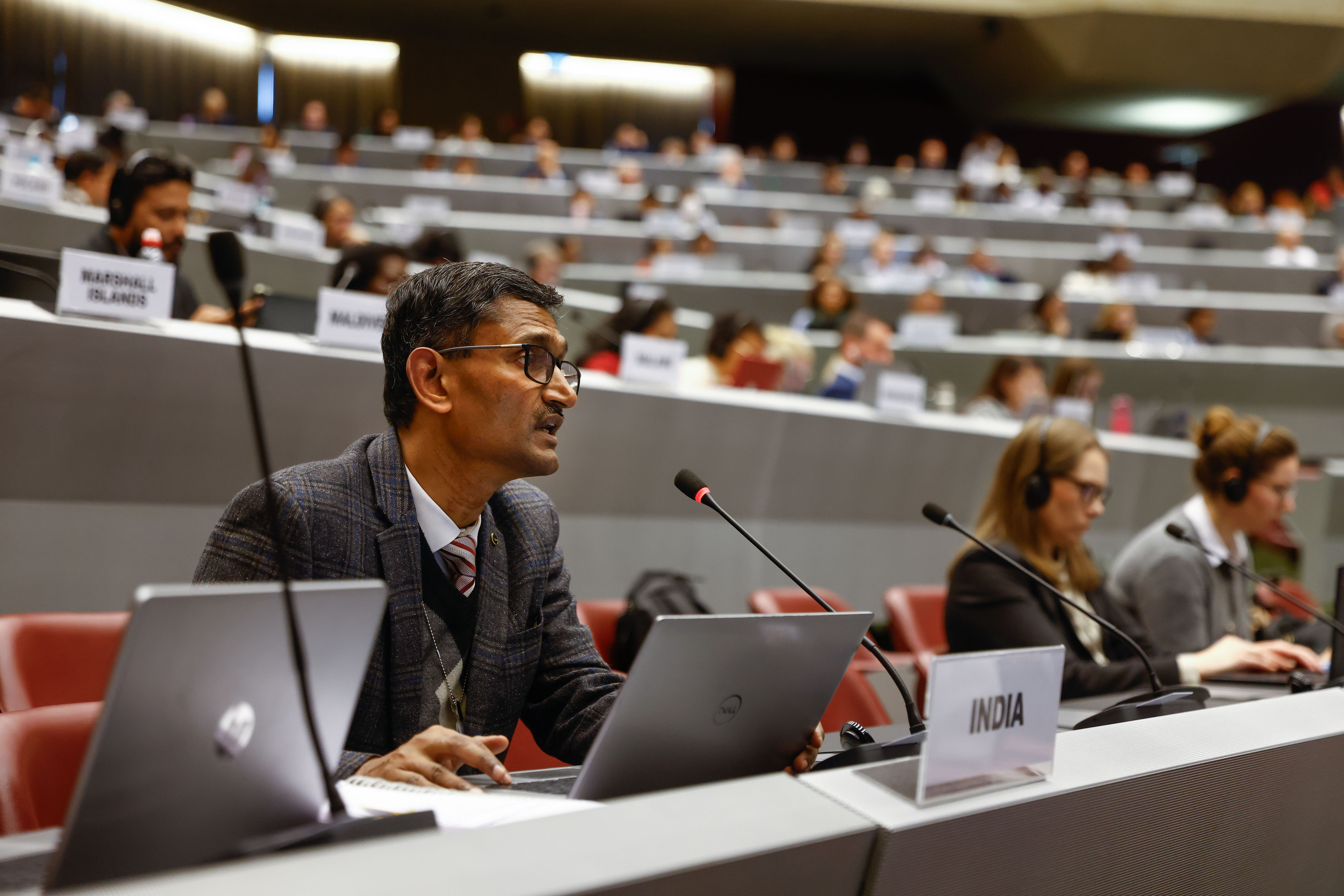
Neelesh Kumar Sah, India
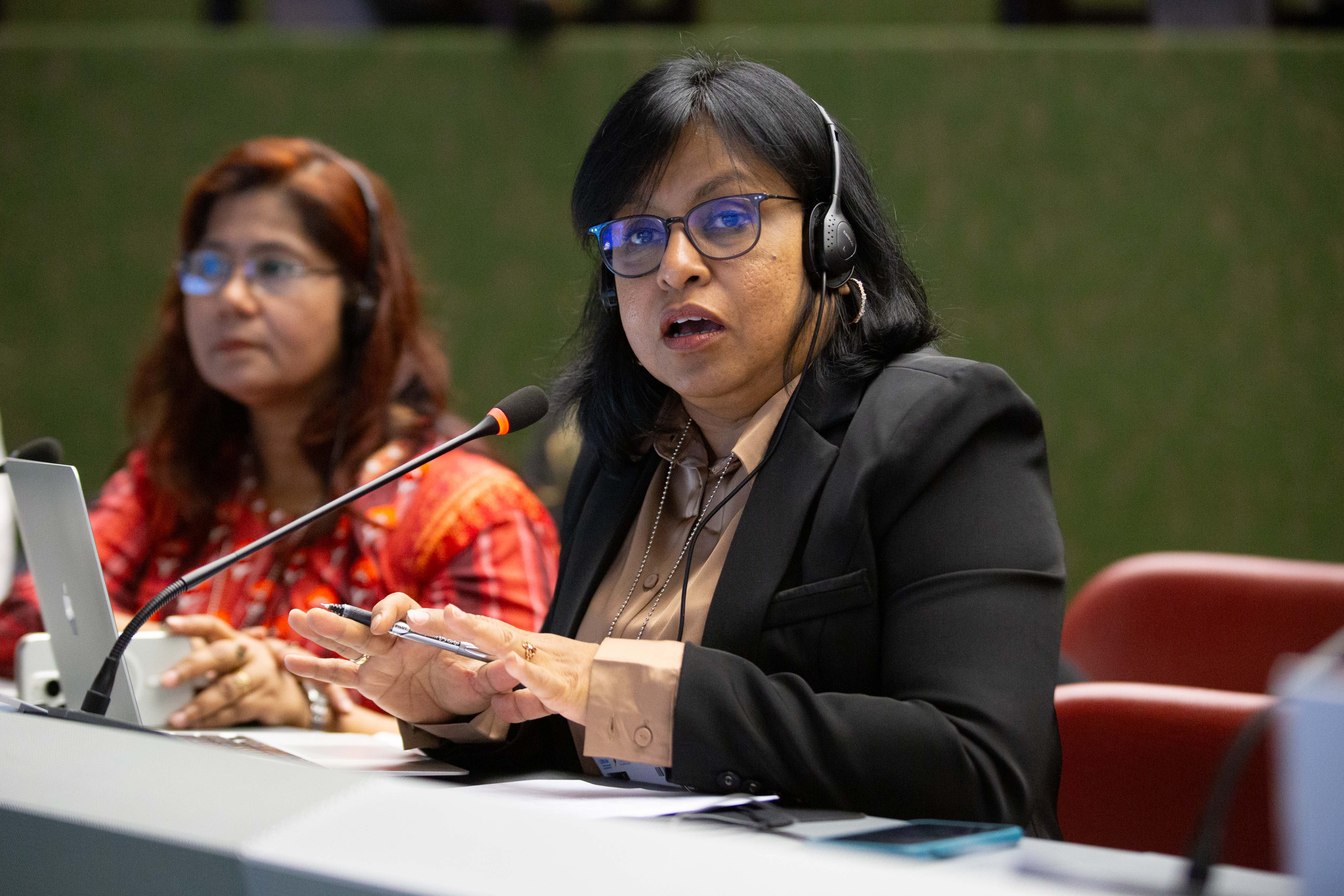
Fahmida Khanom, Bangladesh
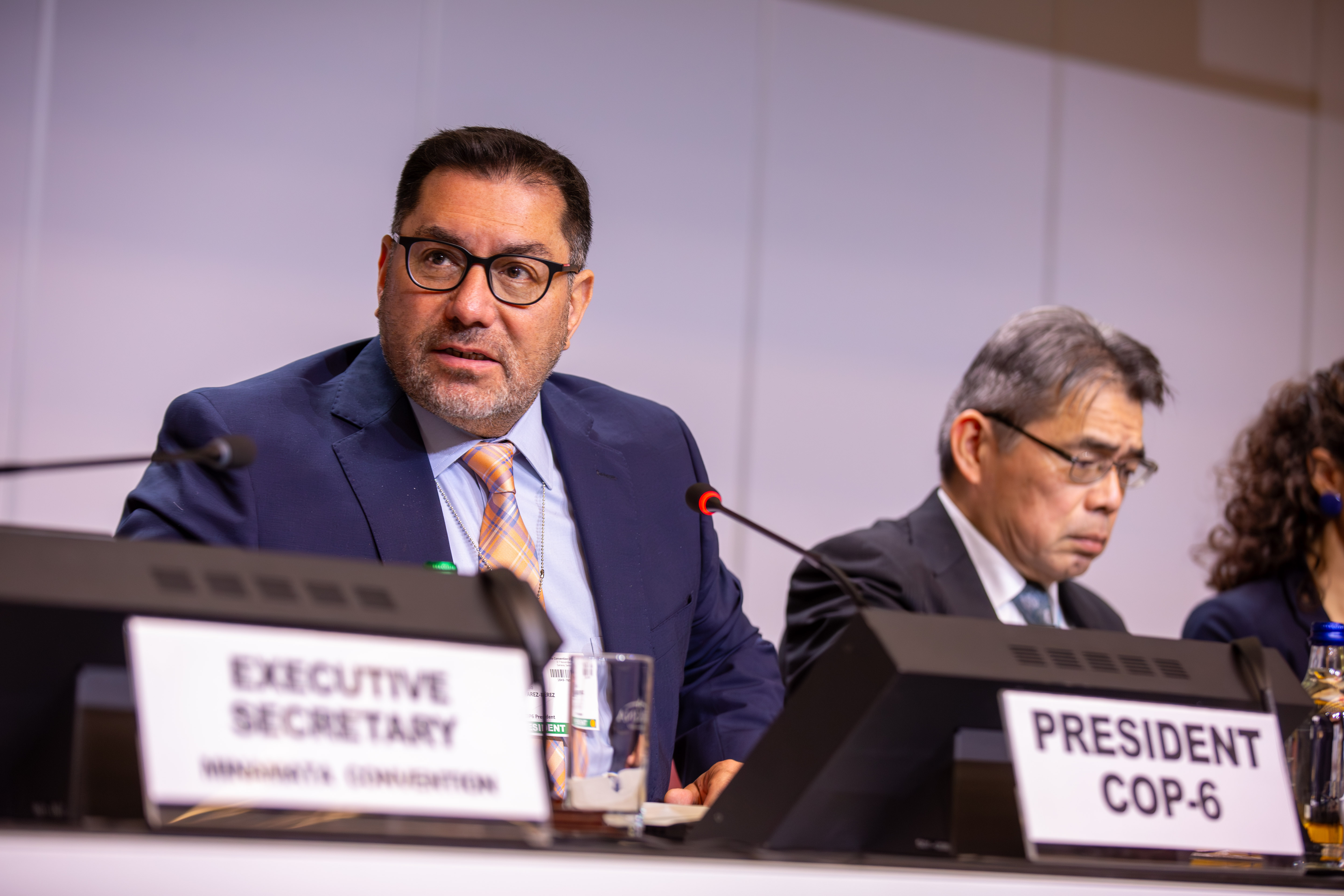
Osvaldo Patricio Álvarez Pérez, Chile
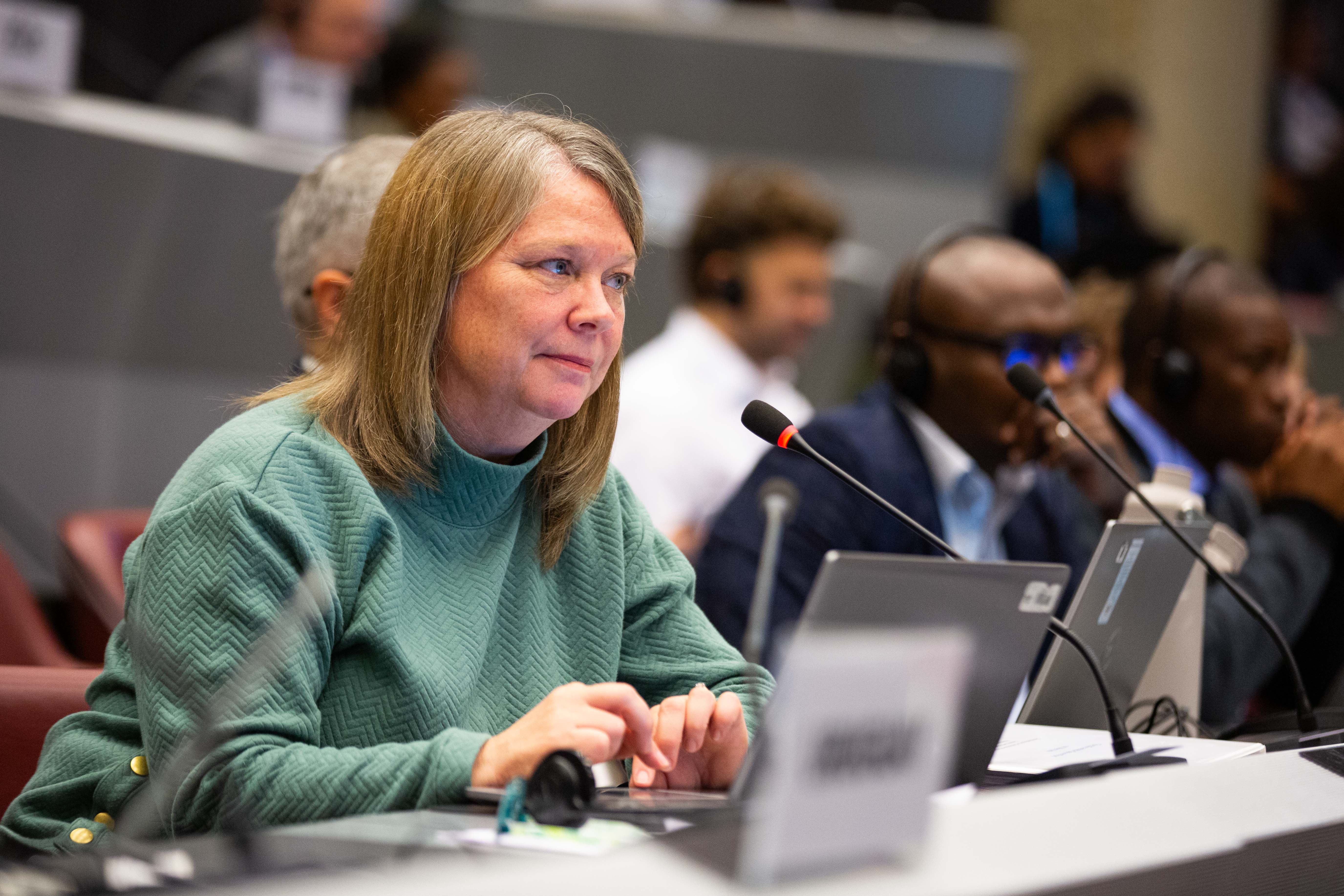
Karissa Kovner, US
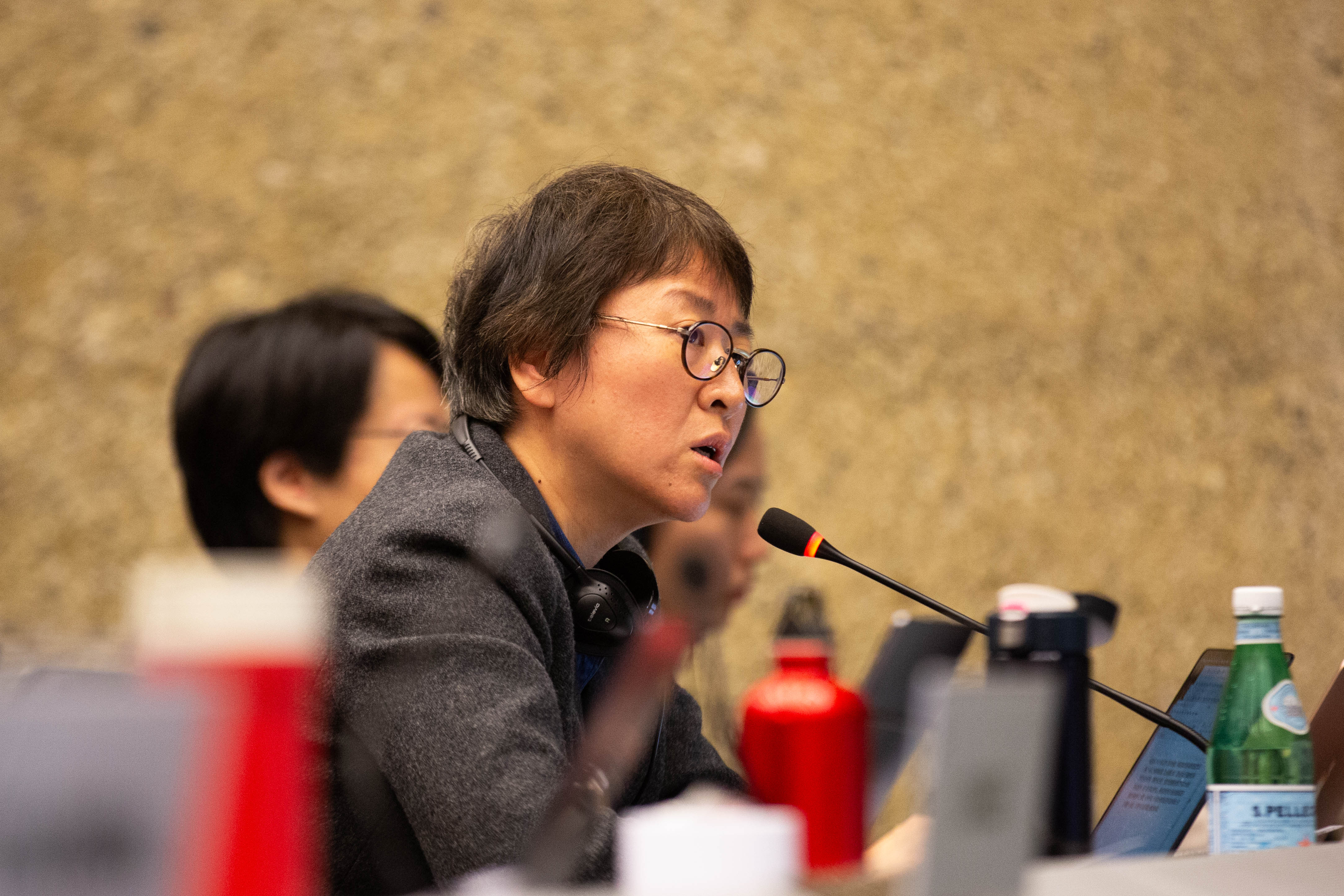
Xia Li, China
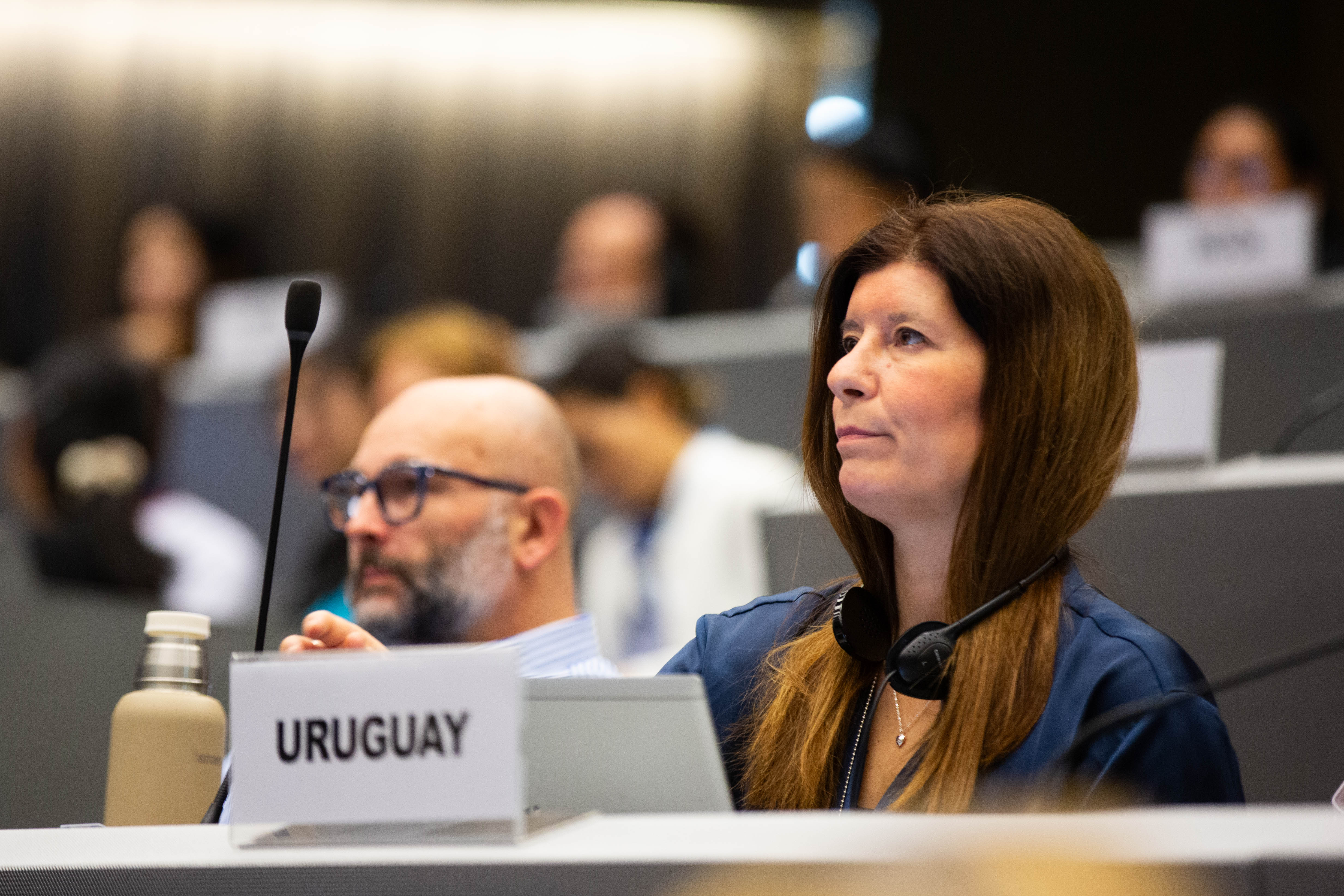
Gabriela Nair Medina Amarante, Uruguay
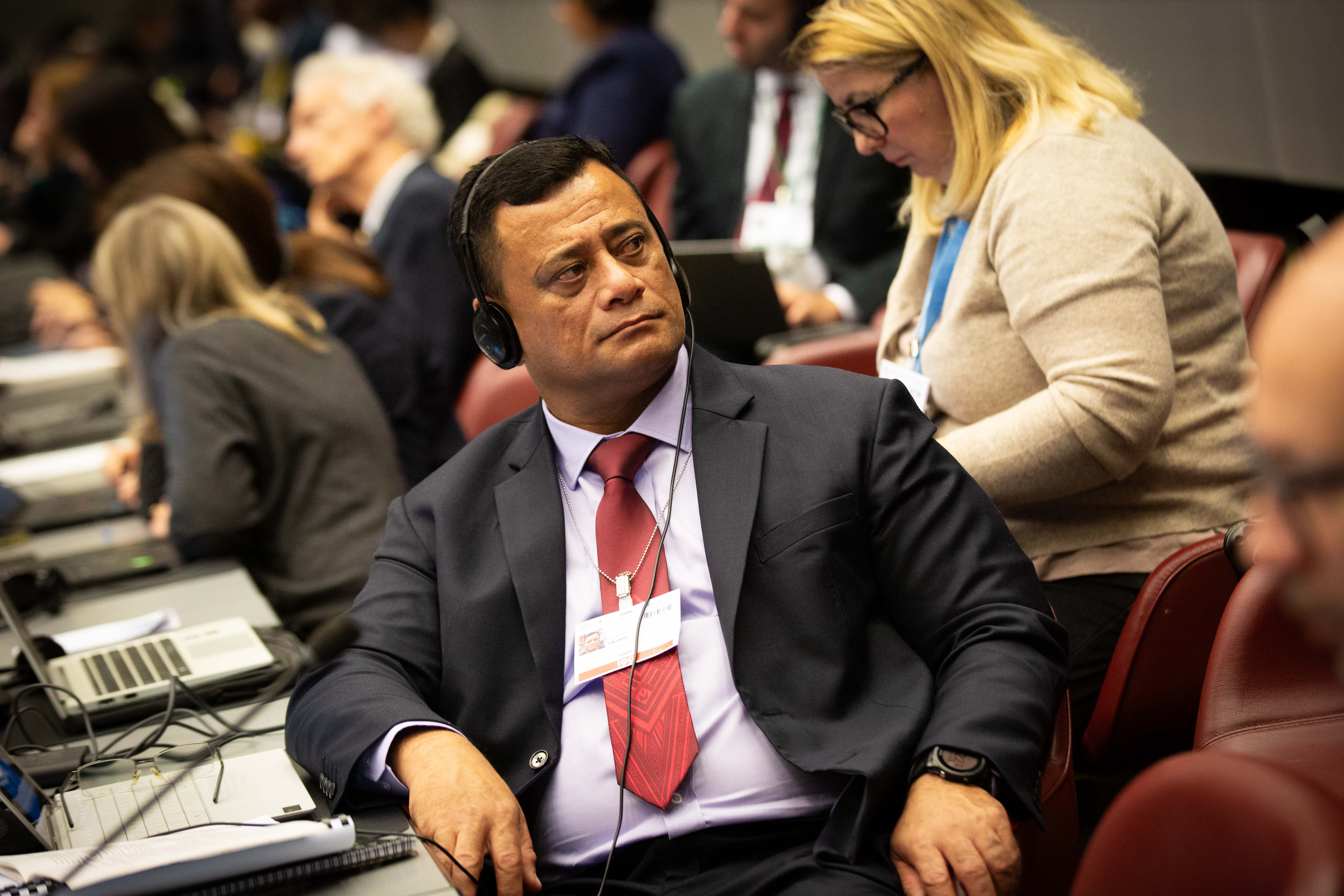
Anthony Talouli, Secretariat of the Pacific Regional Environment Programme
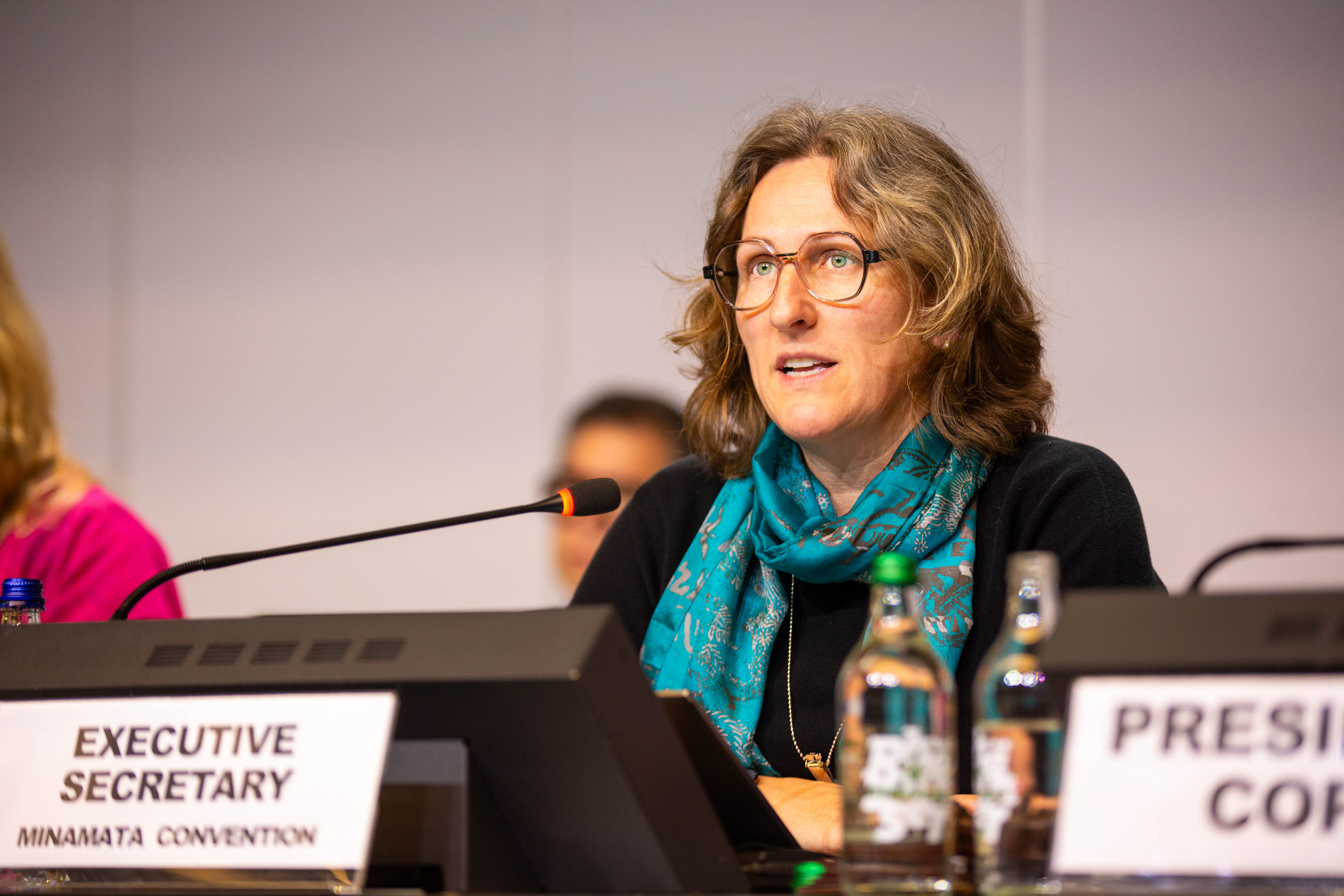
Monika Stankiewicz, Executive Secretary, Minamata Convention
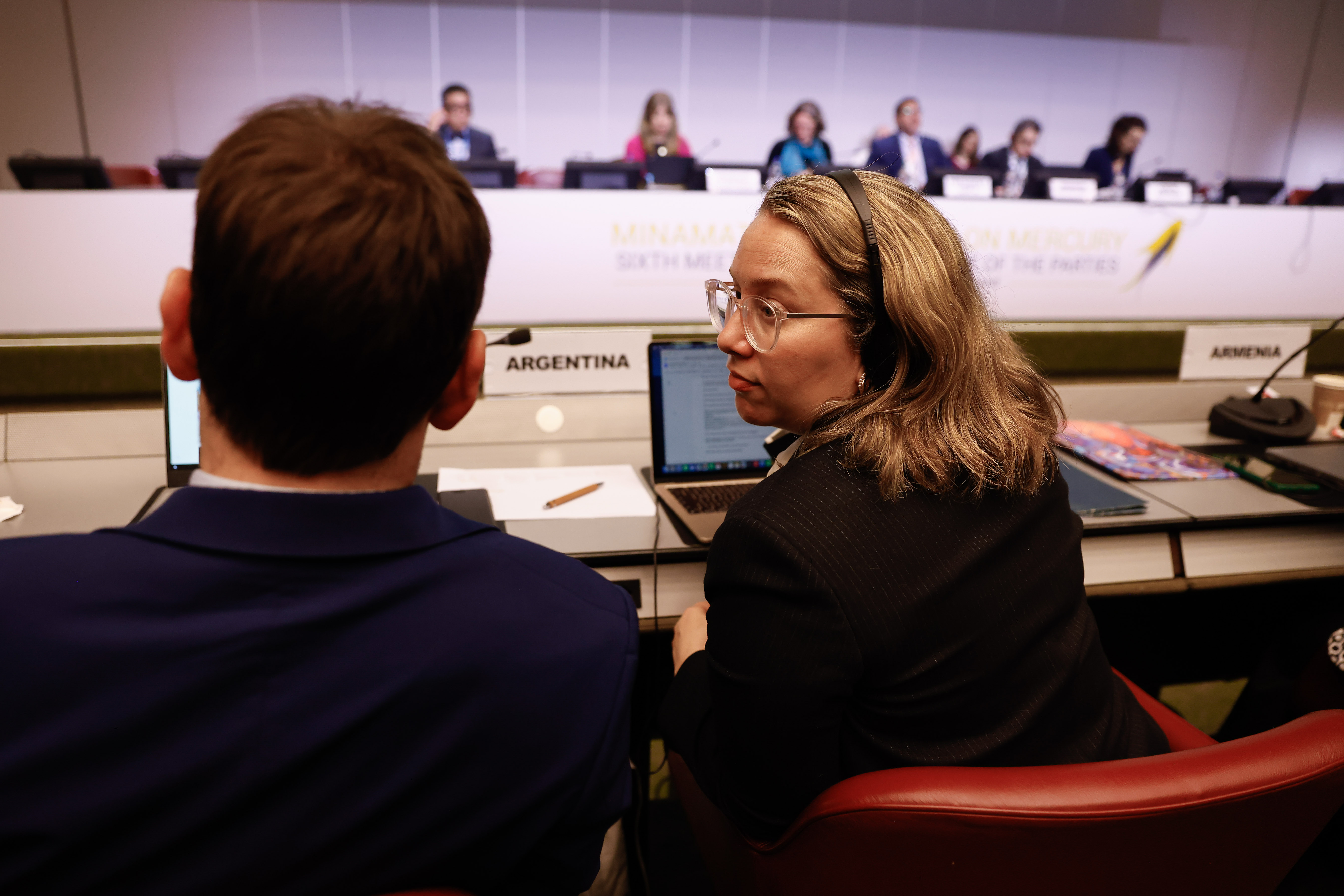
Greta Rubinich, Argentina
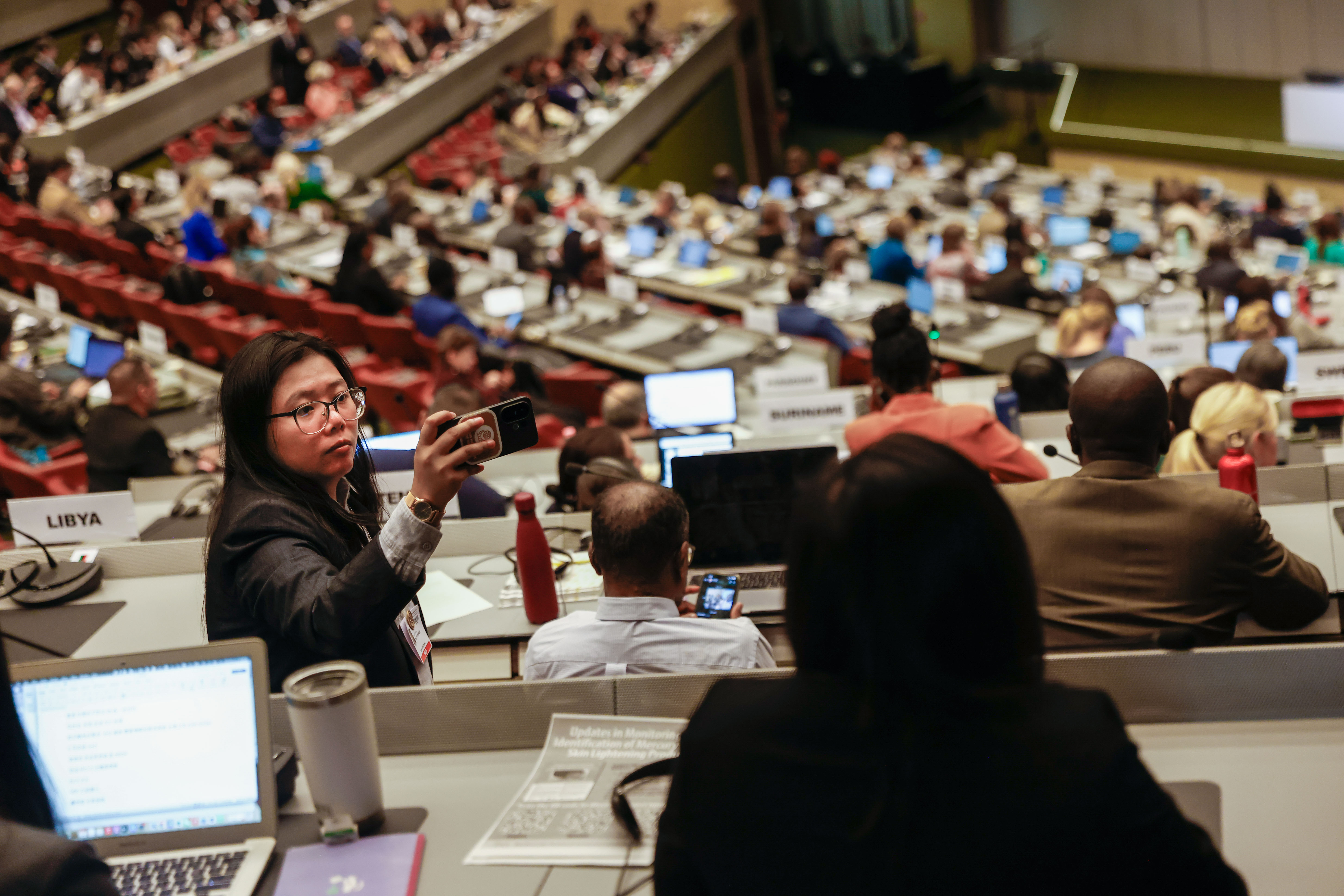
Contact Group on the Programme of Work and Budget
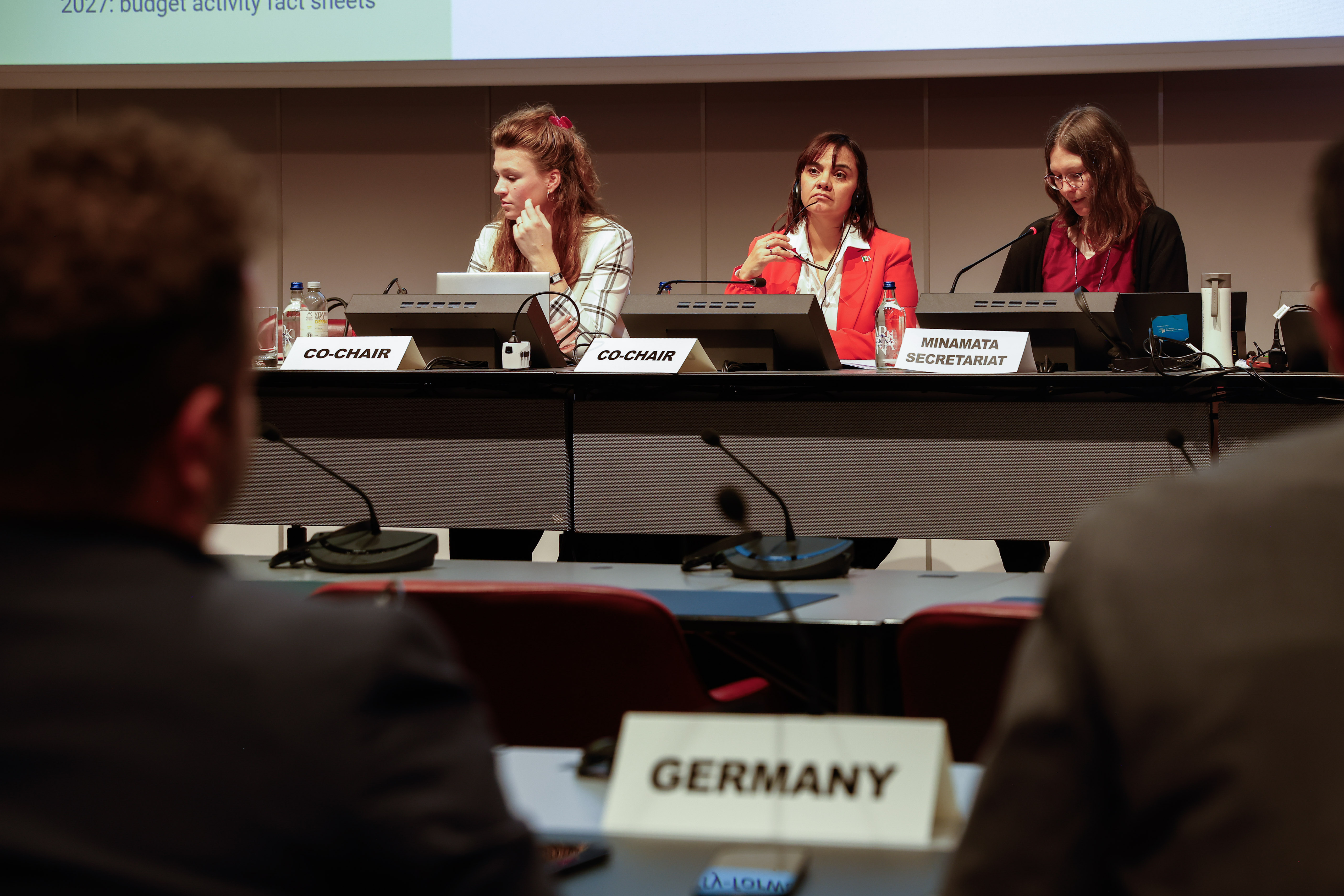
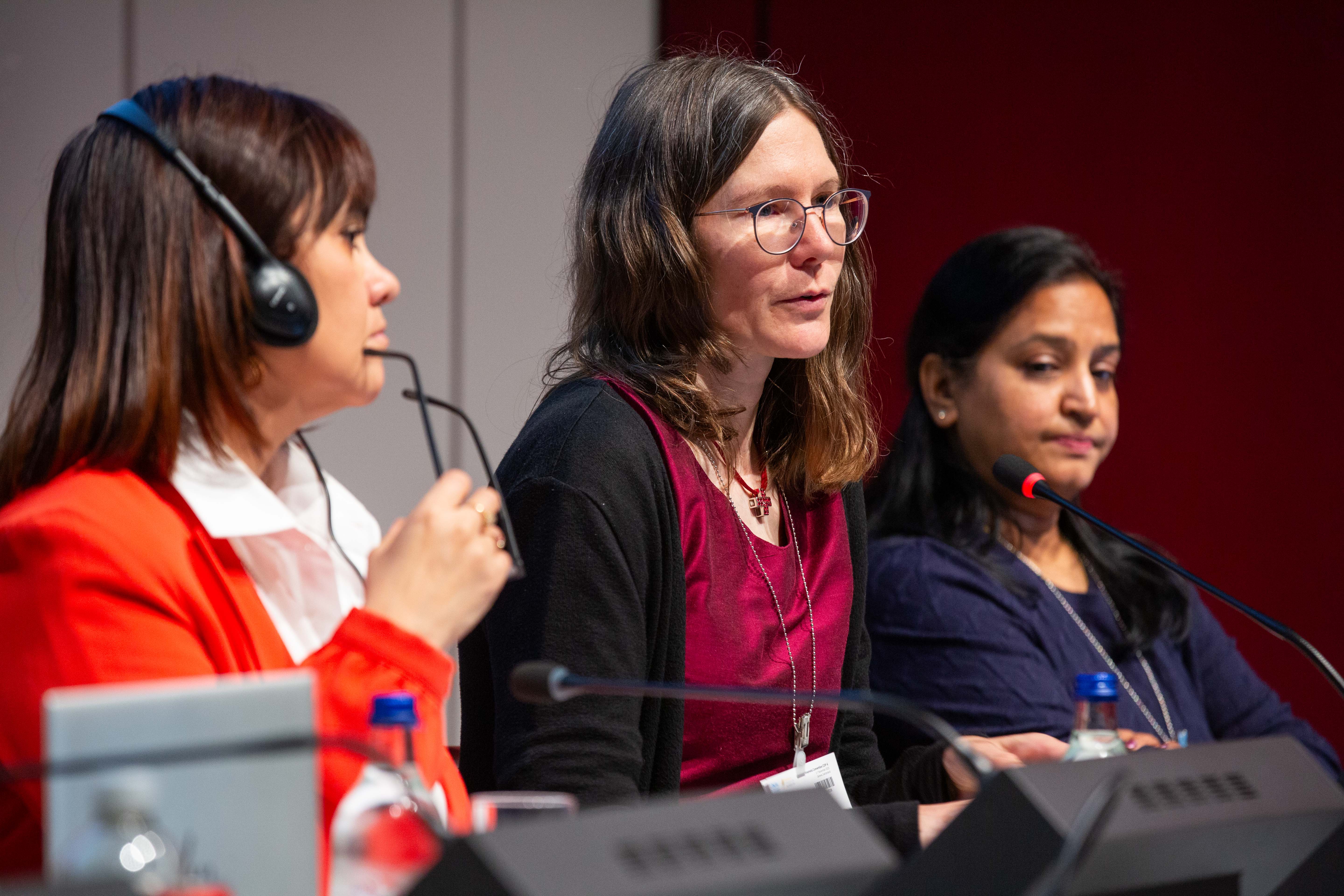
Afternoon Plenary
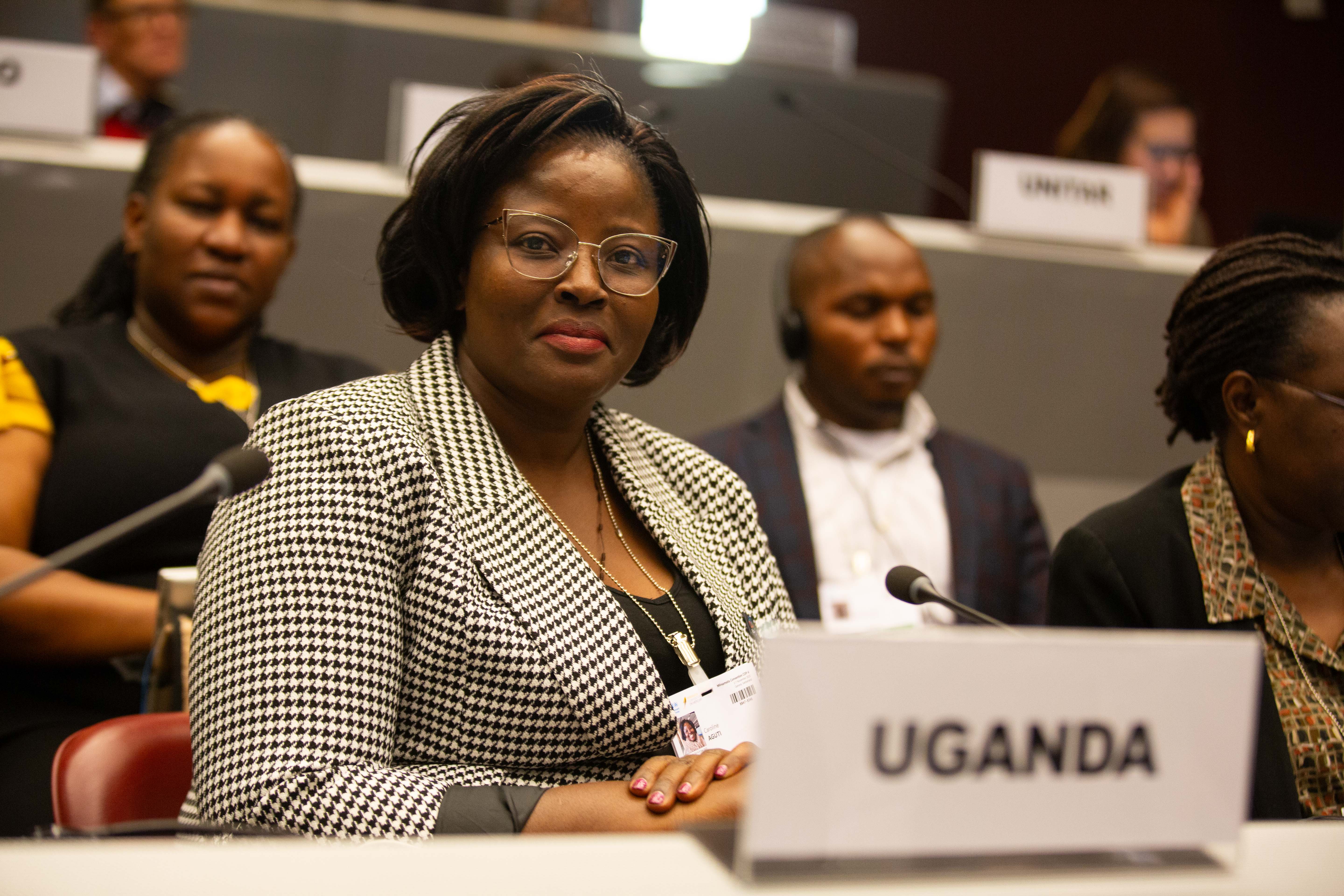
Caroline Aguti, Uganda
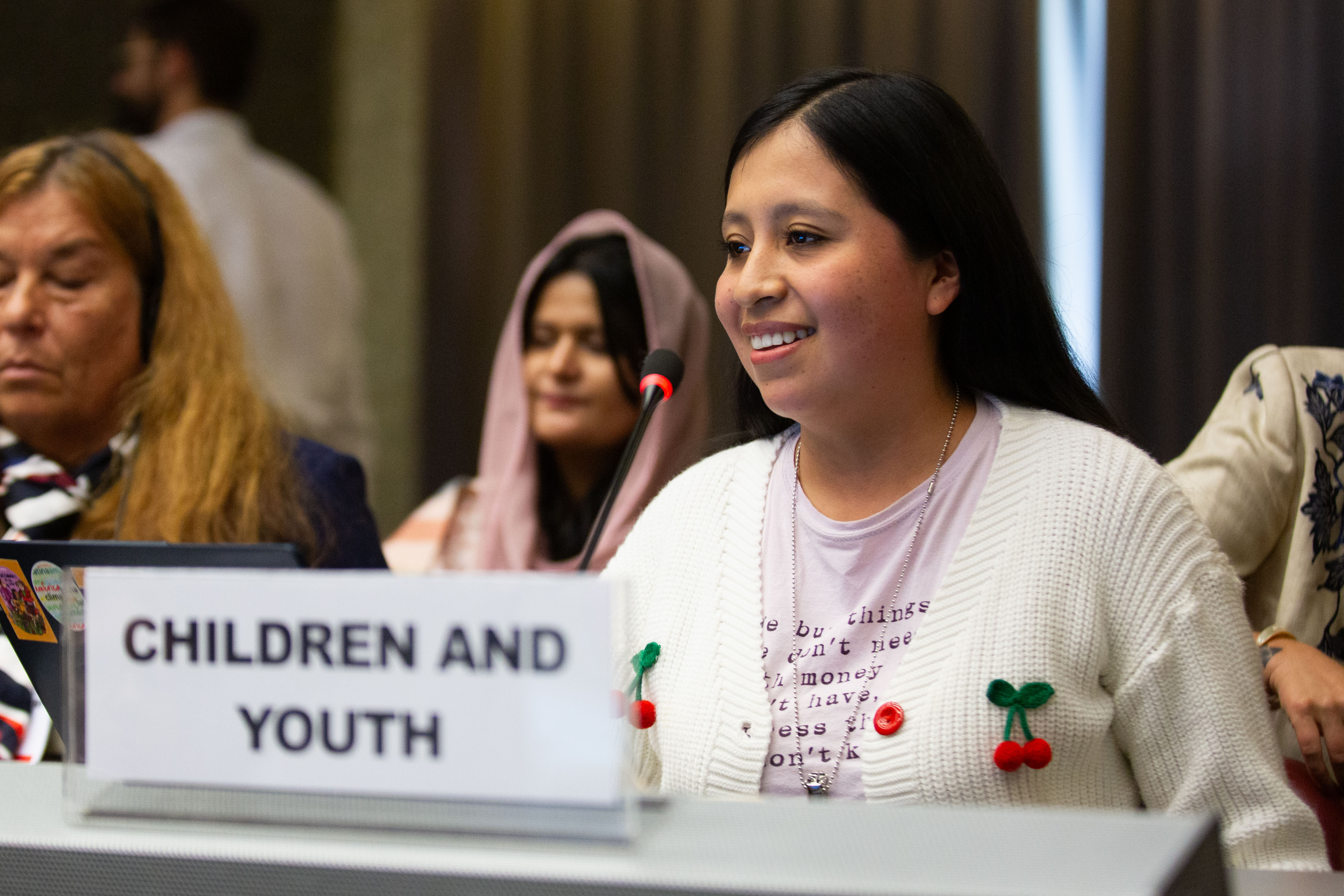
Diana Maria Tapie Cuaical, Children and Youth International
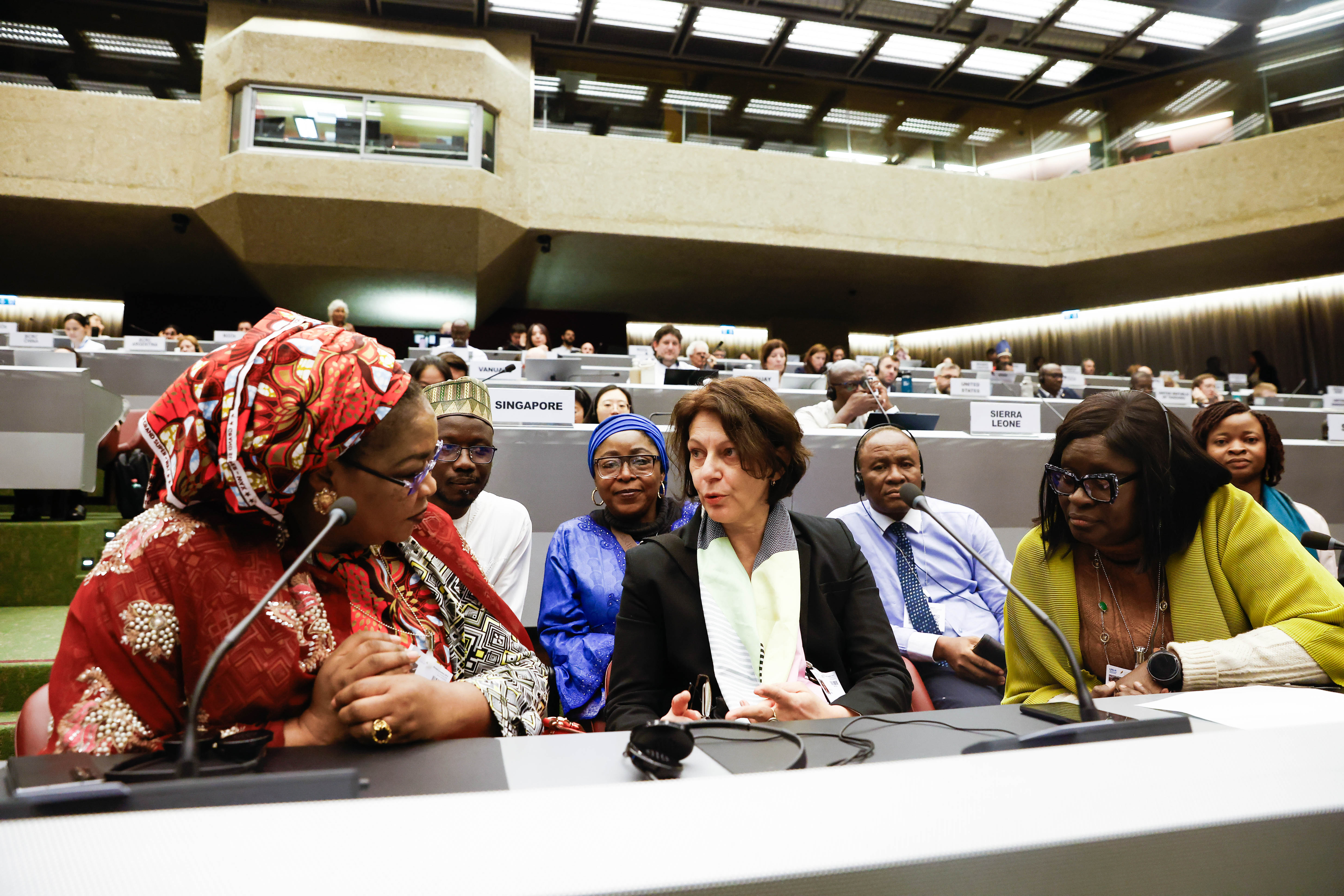
Rodica Ella Ivan, United Nations Industrial Development Organization, in discussion with the Nigerian delegation
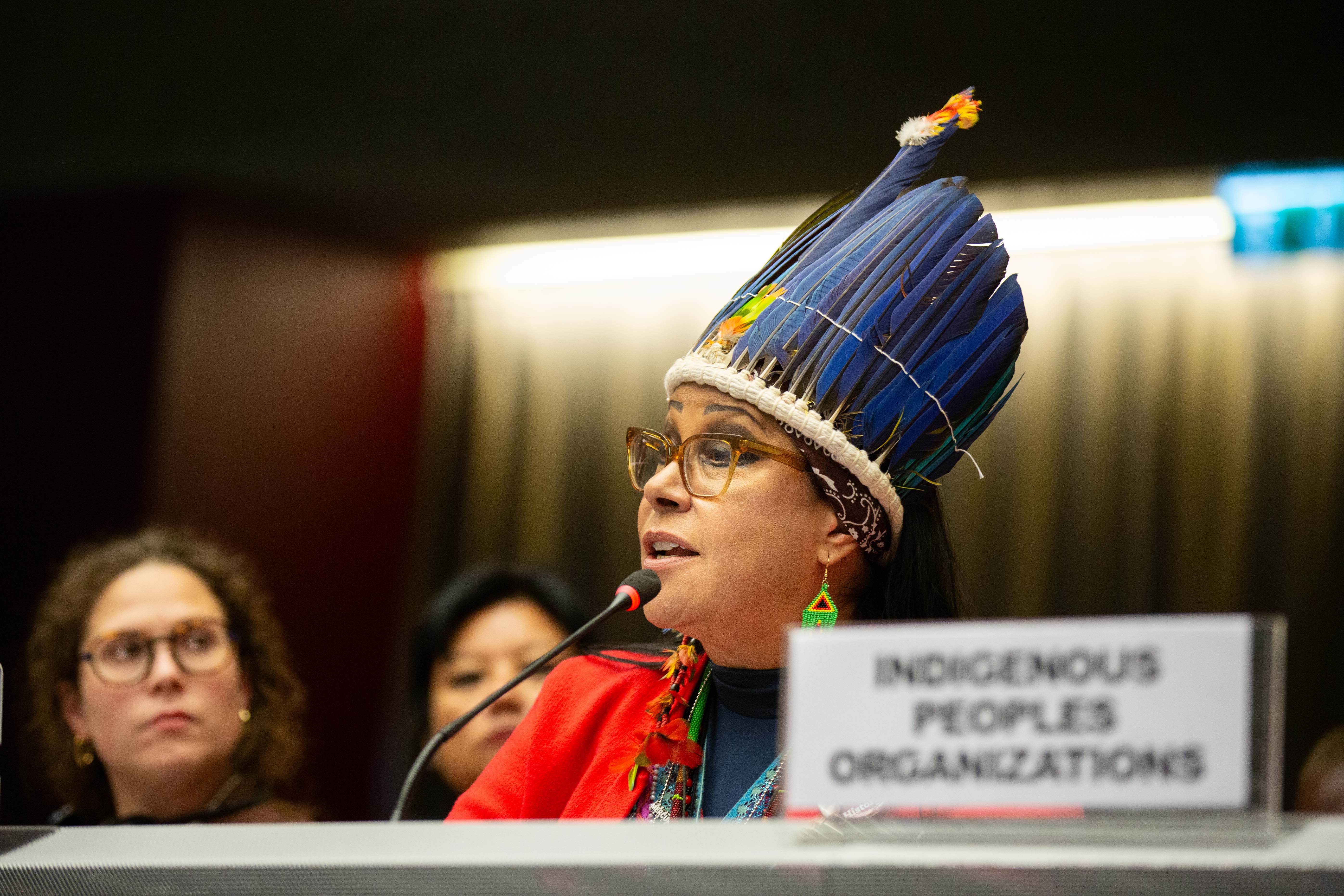
Migdalia Pellicier, International Indian Treaty Council
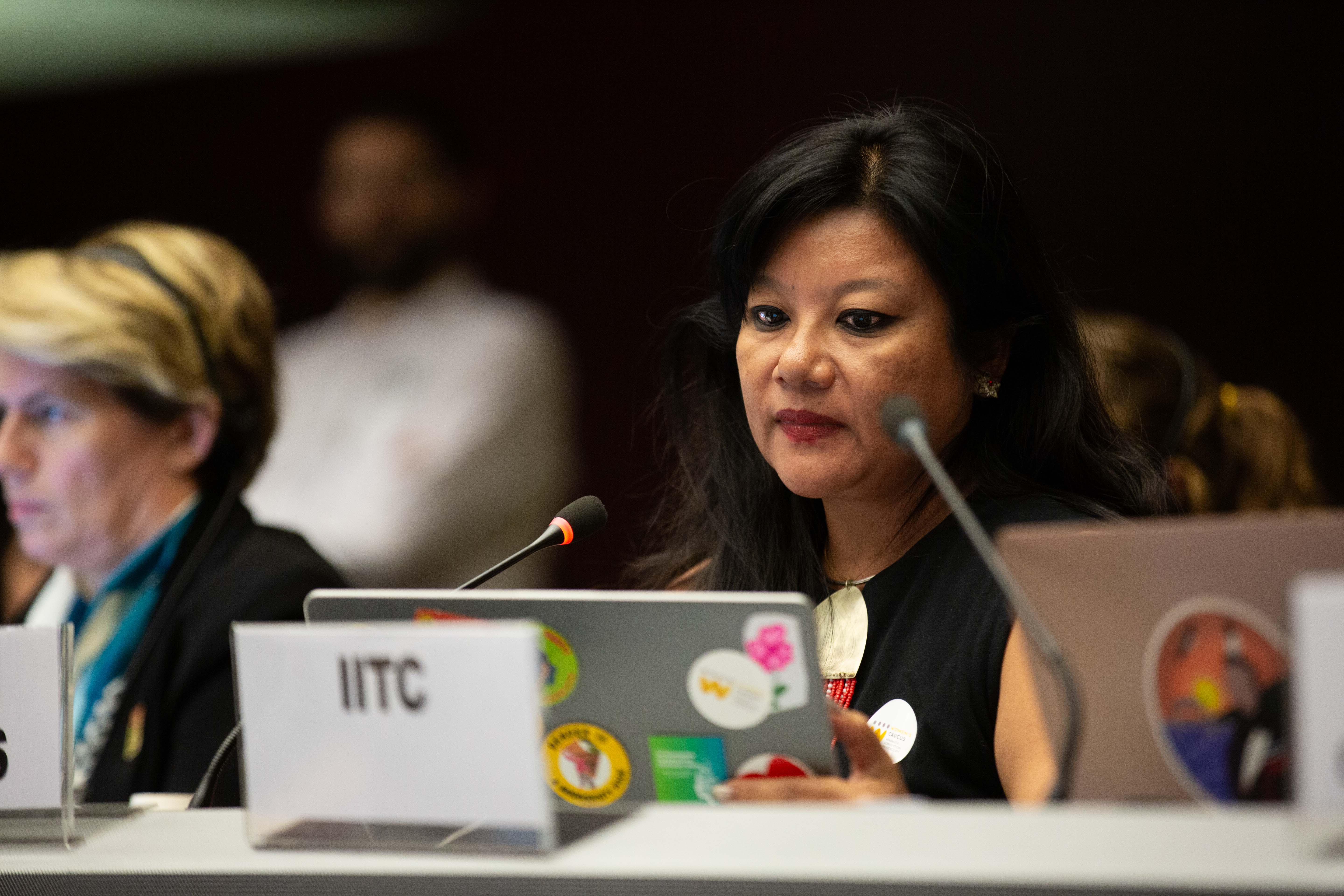
Mrinalini Rai, Women4Biodiversity
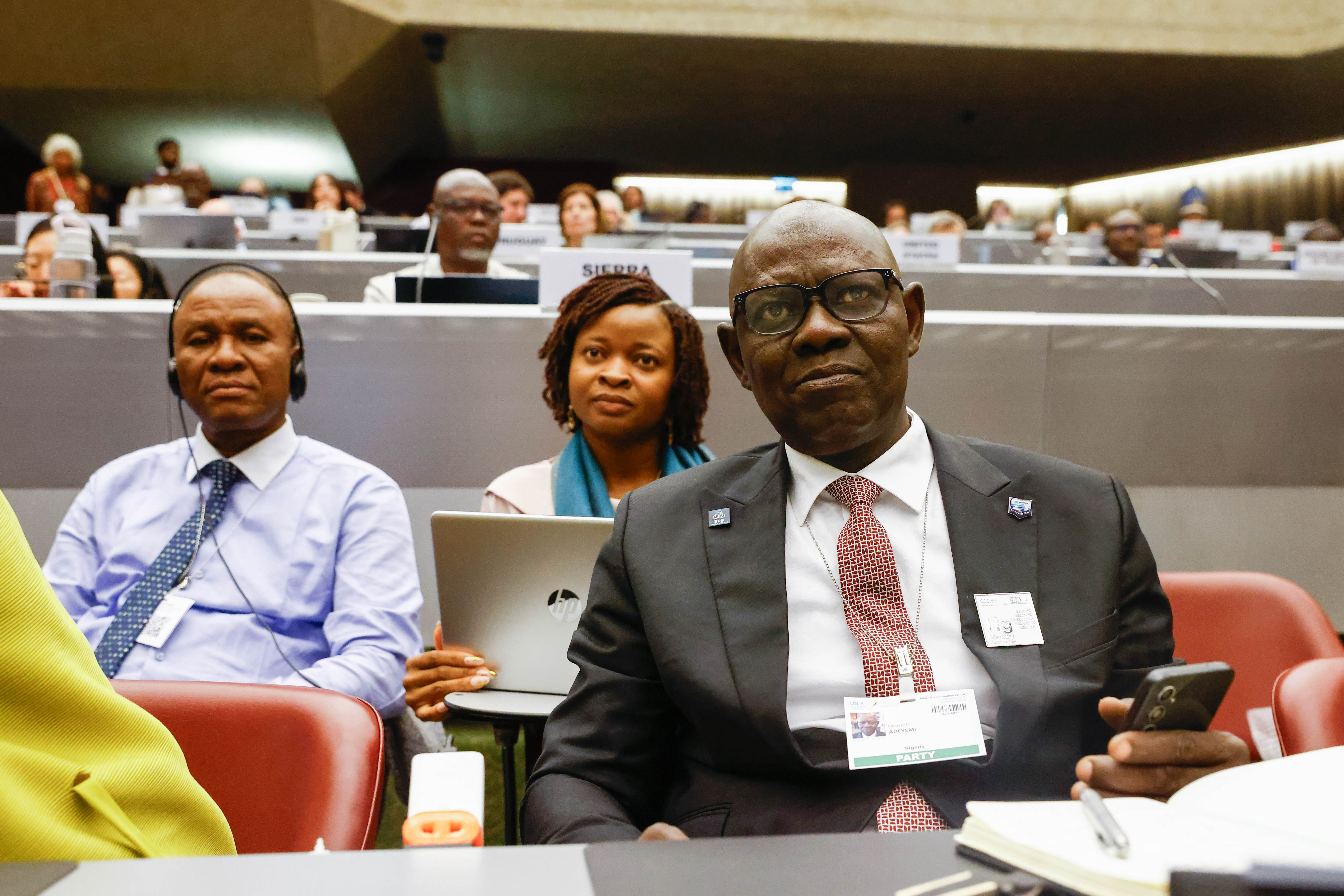
Moroof Adeyemi, Nigeria
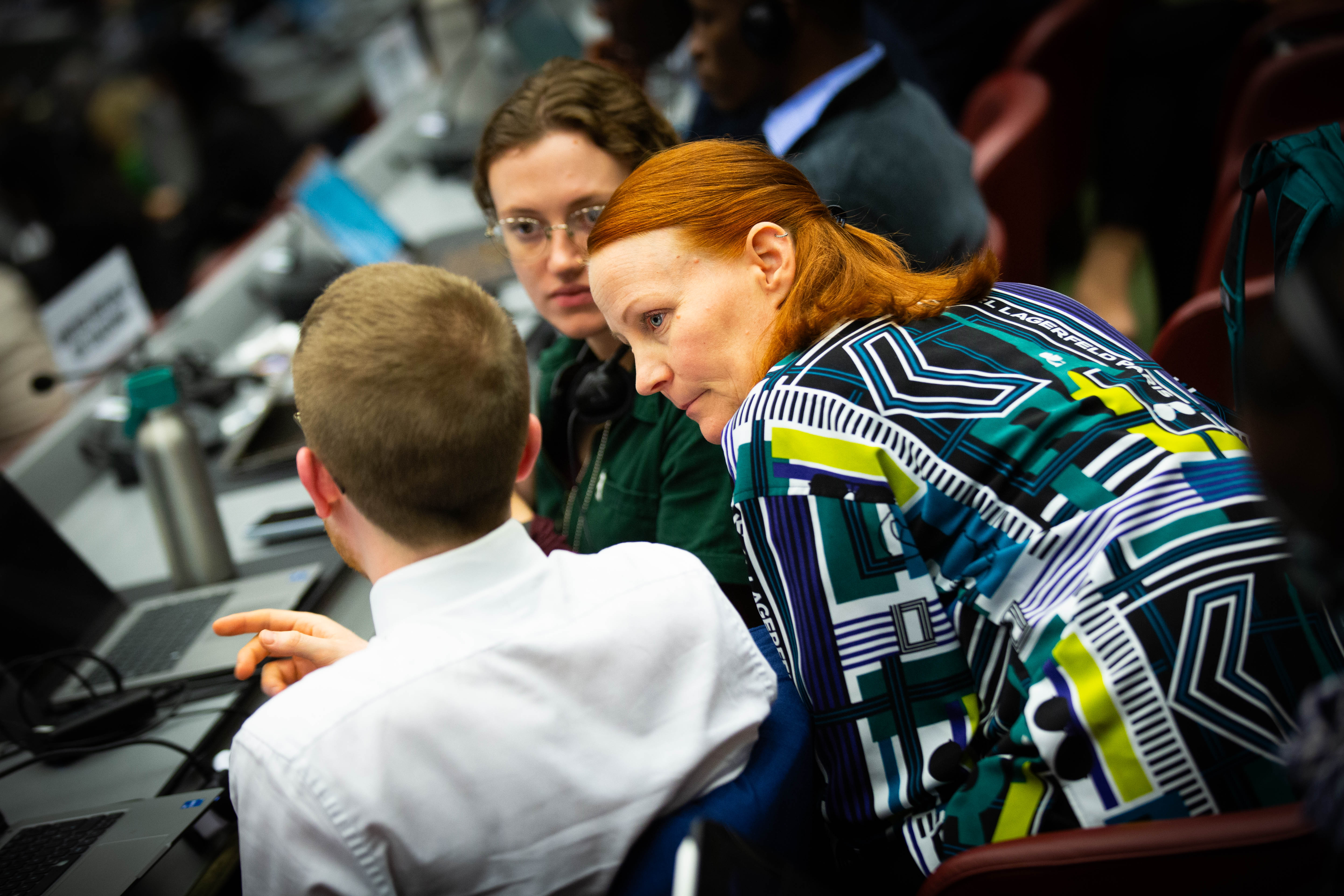
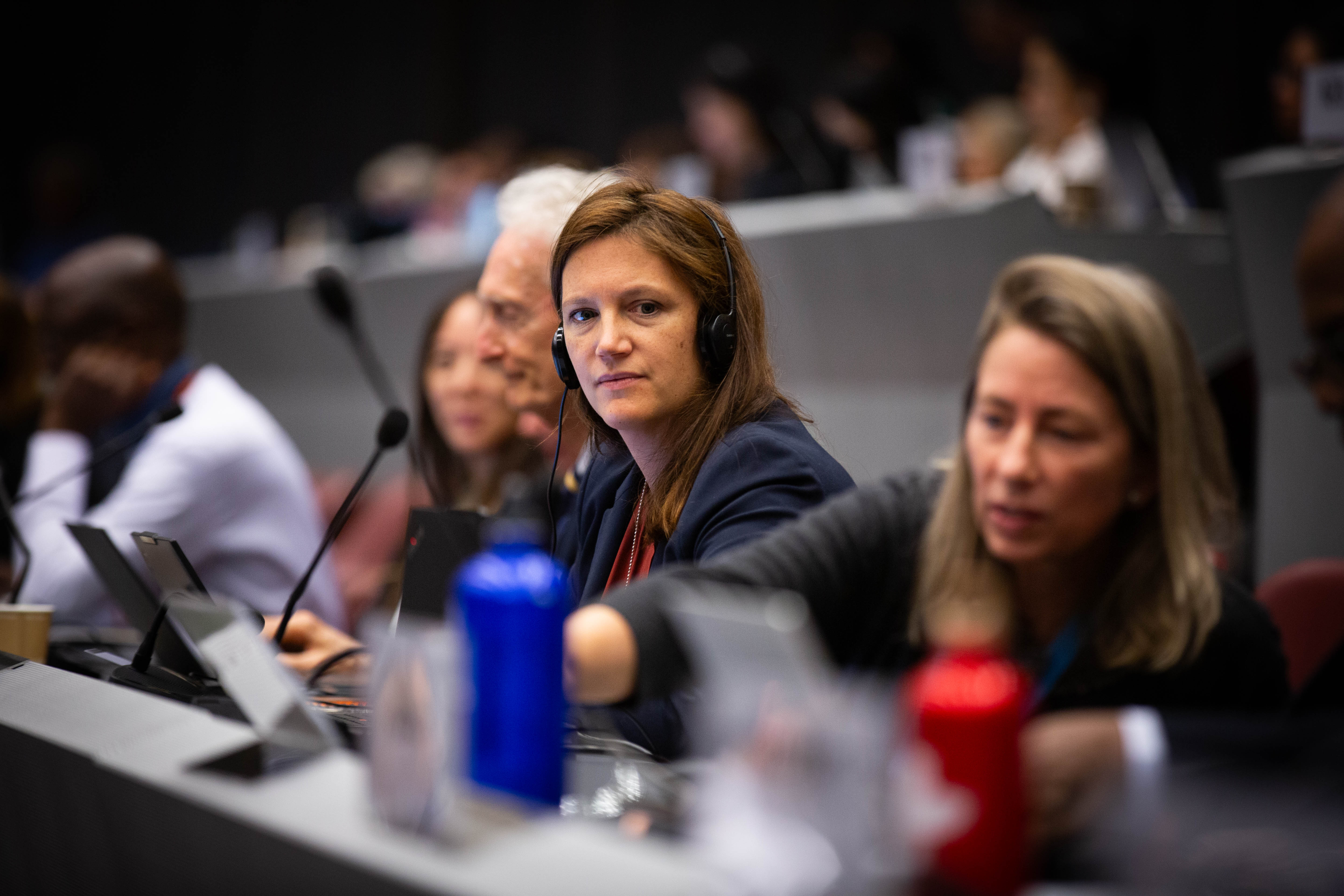
Contact Group on Technical Matters
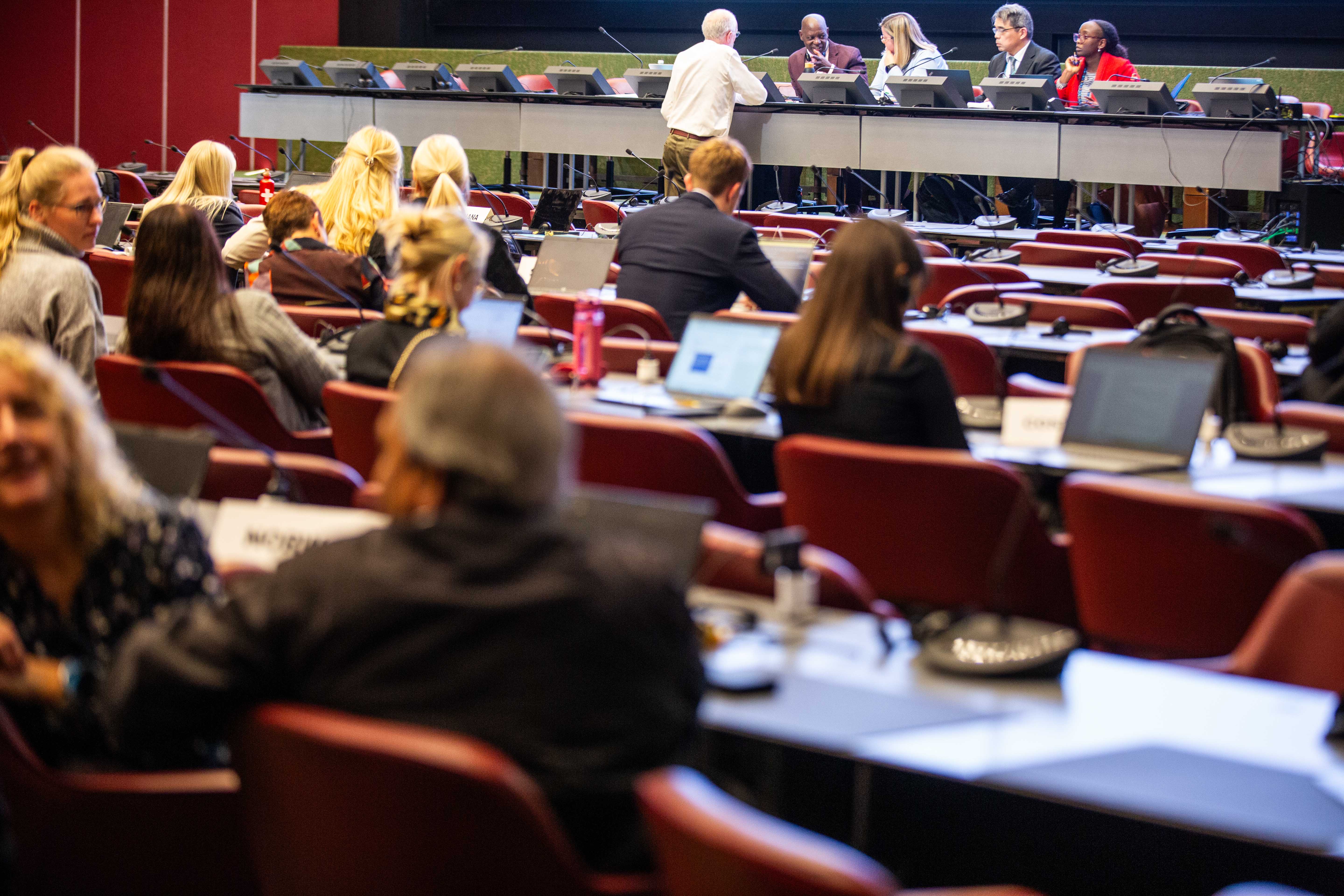
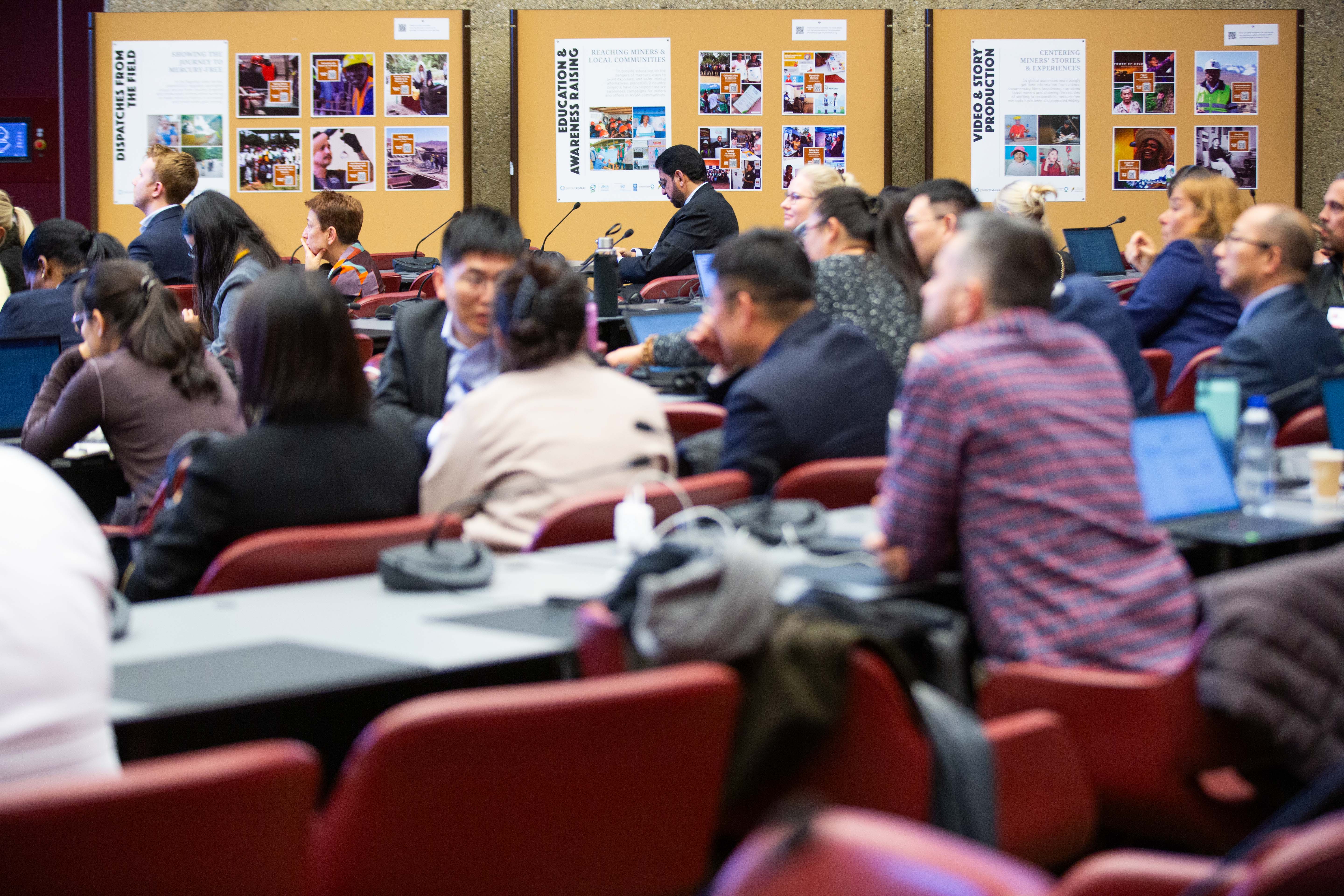
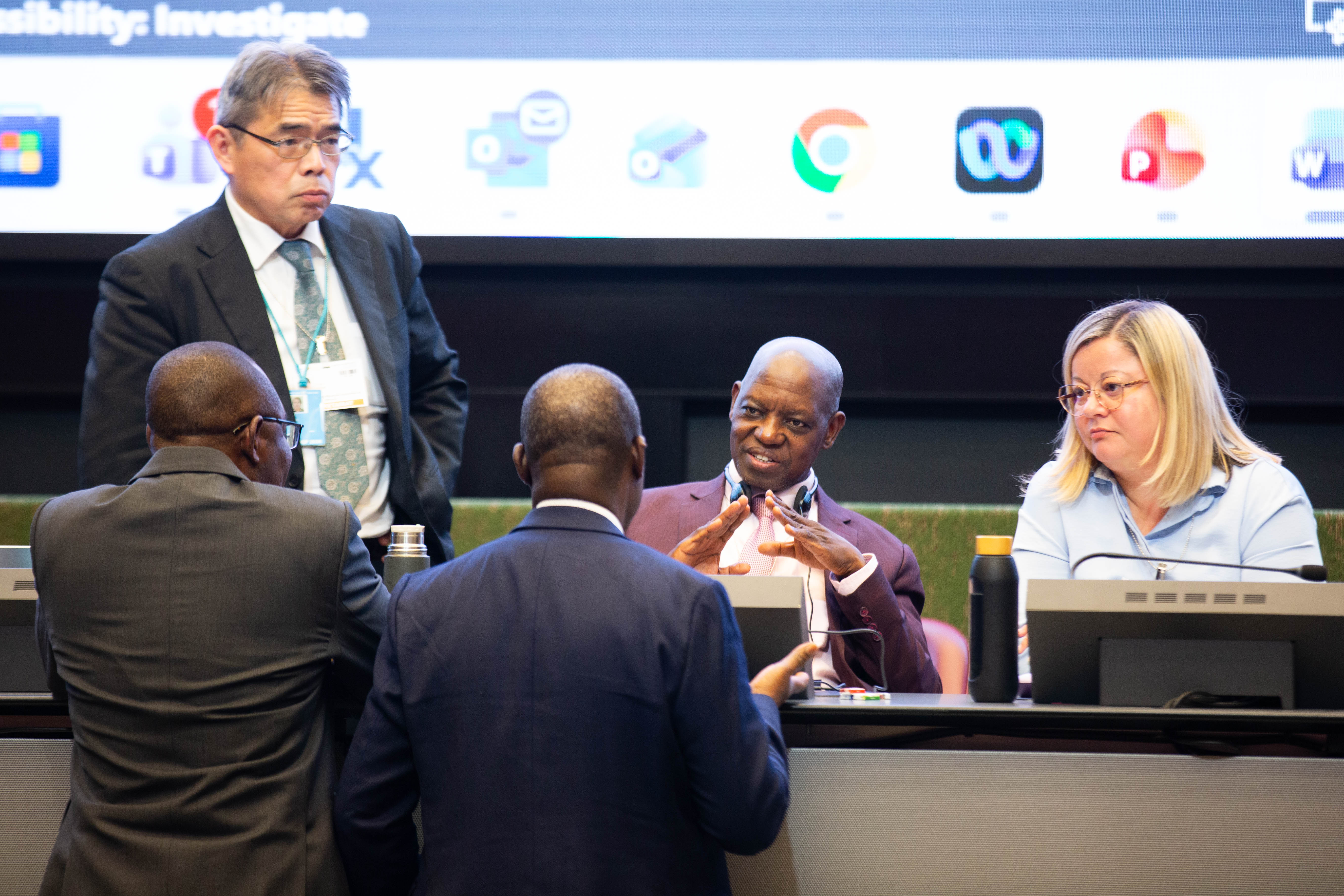
Between Sessions
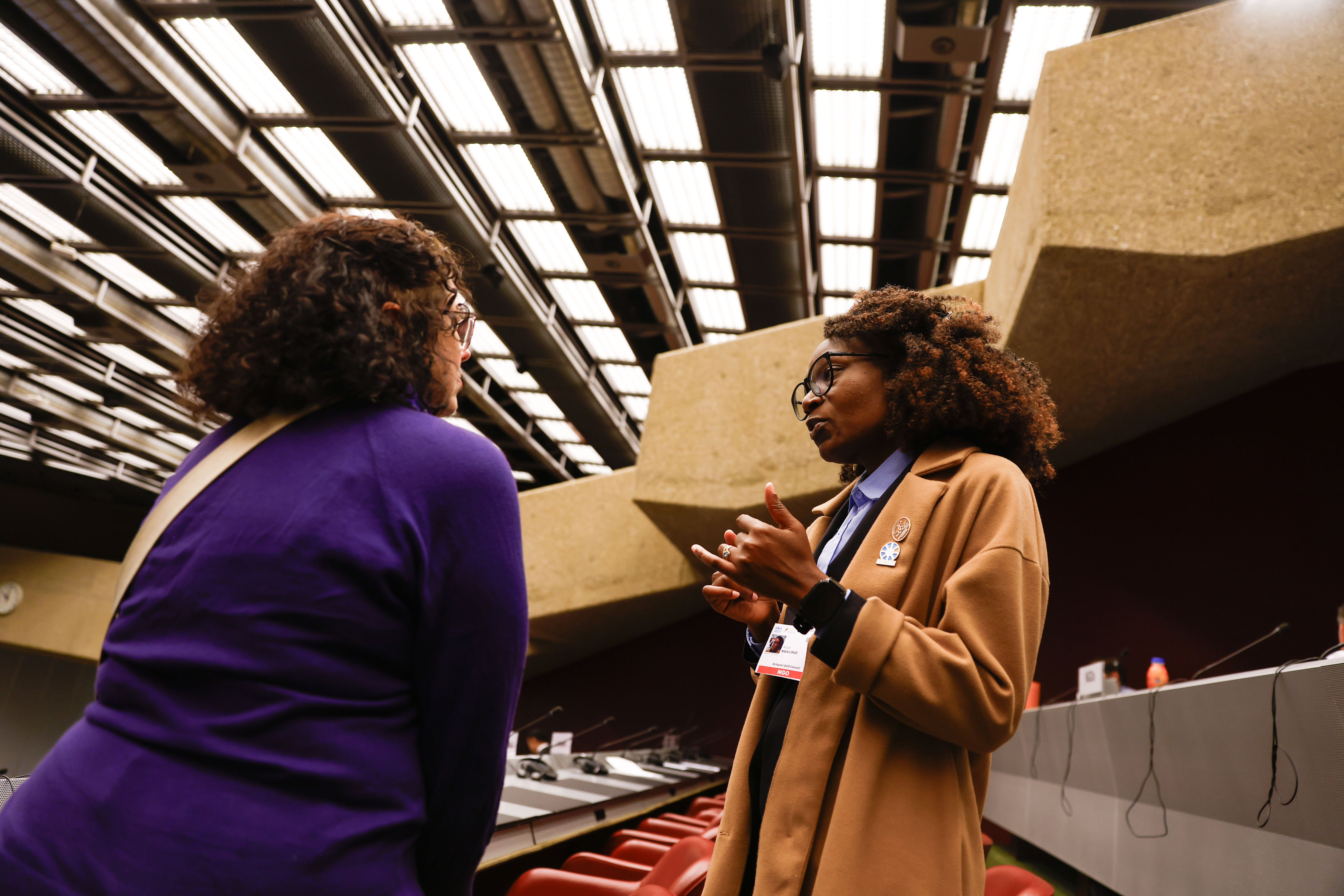
Abigail Mwailenge, Artisanal Gold Council
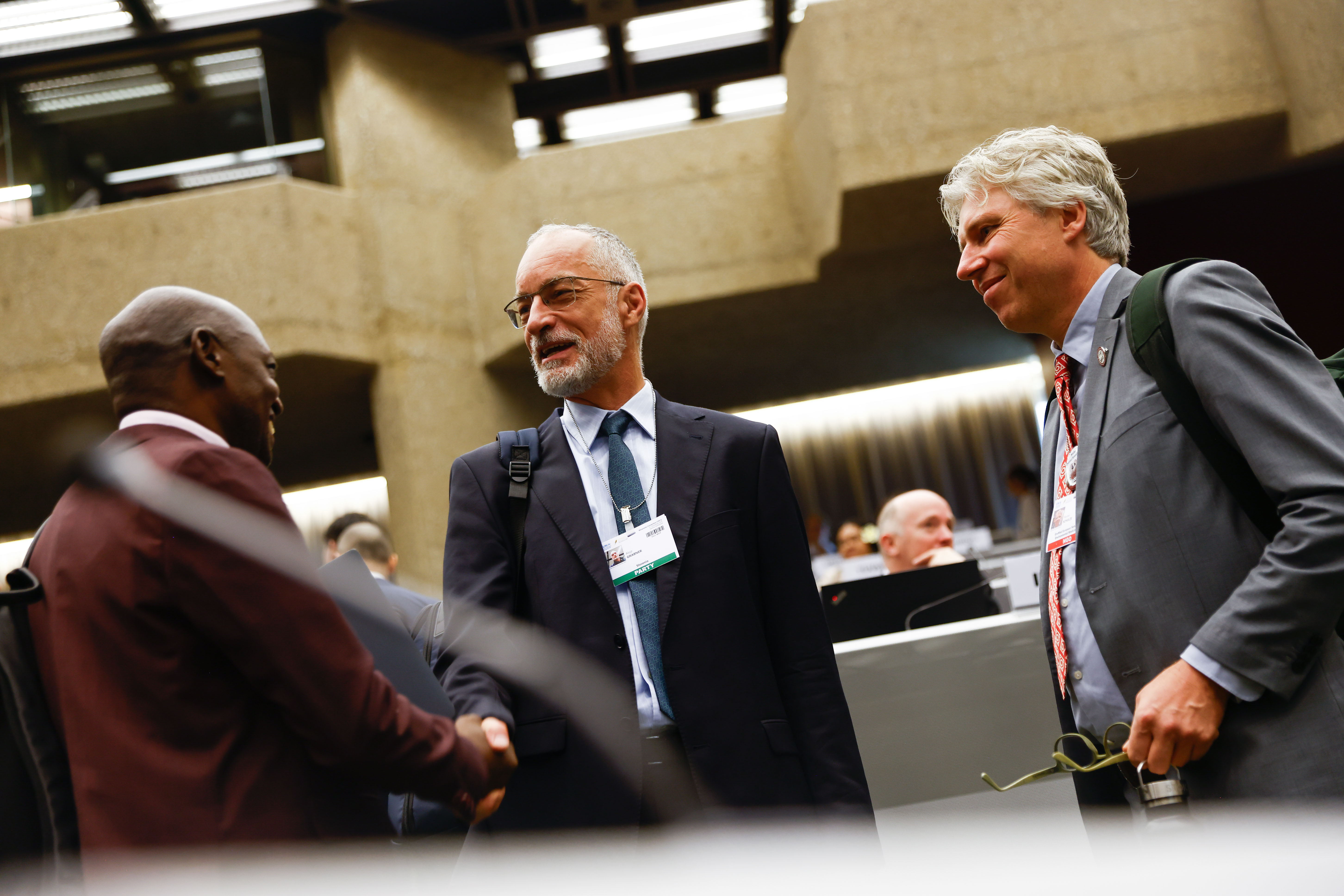
Alojz Grabner, Slovenia and Florian Schulze, EnvMed Network
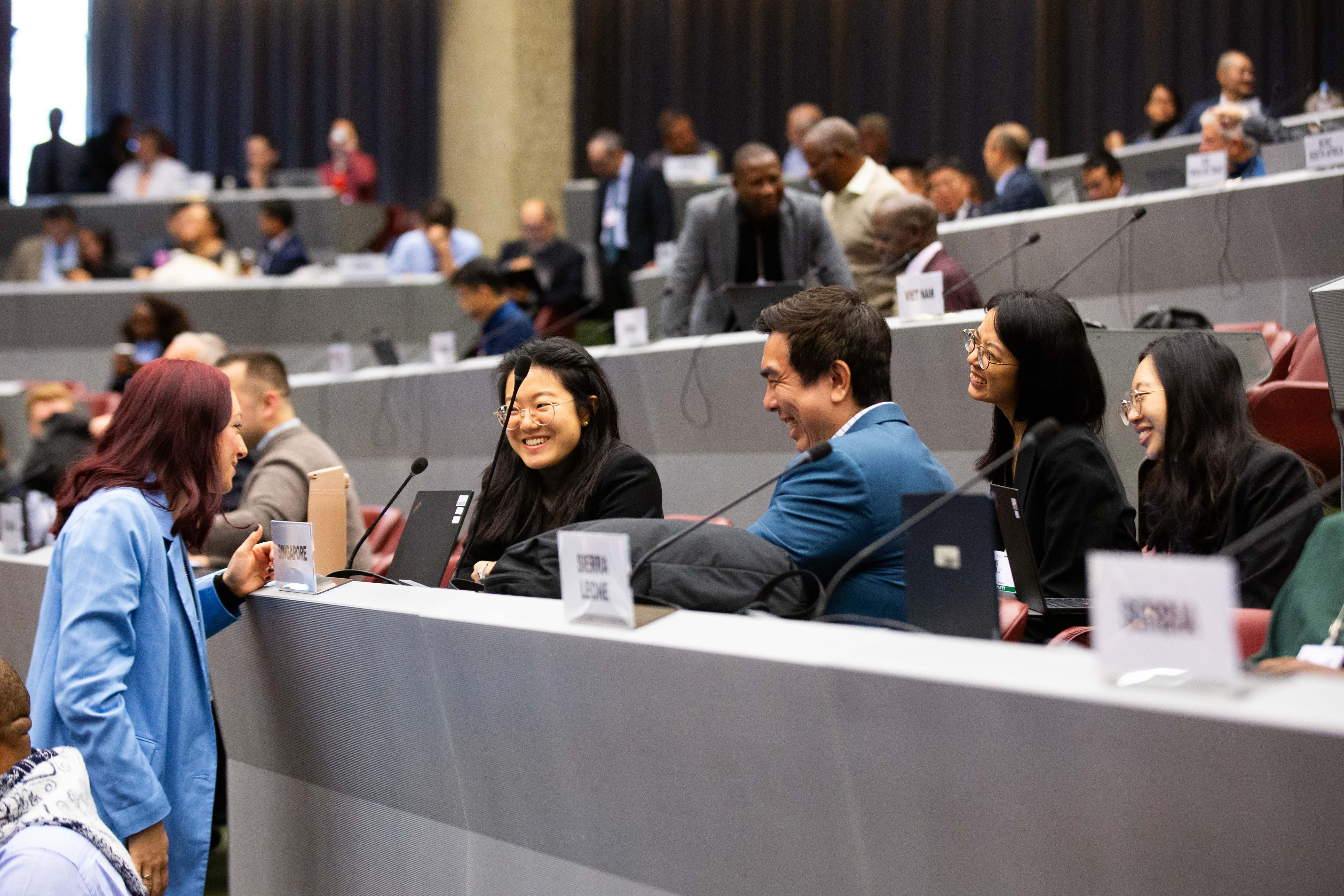
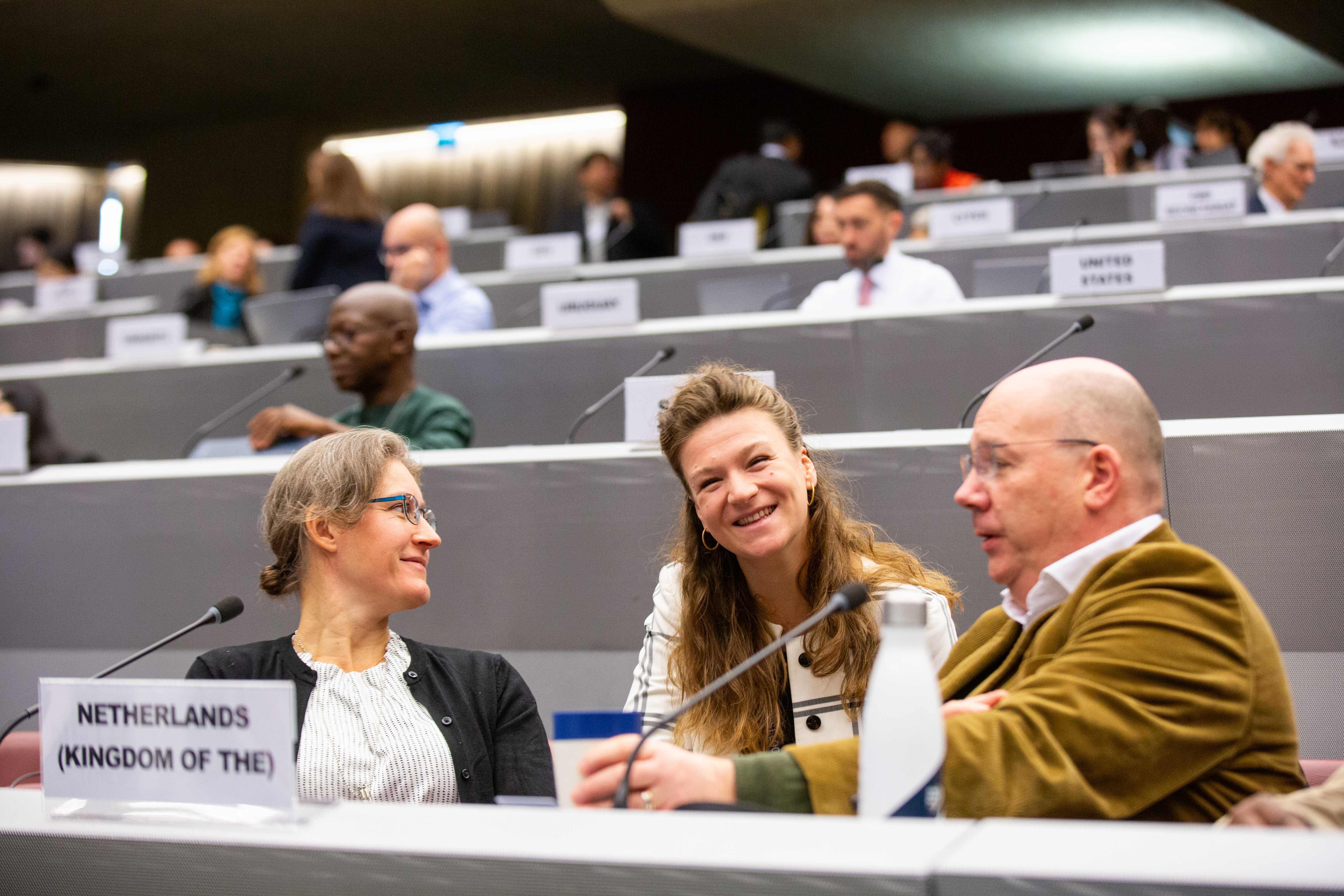
Delegates from the Netherlands
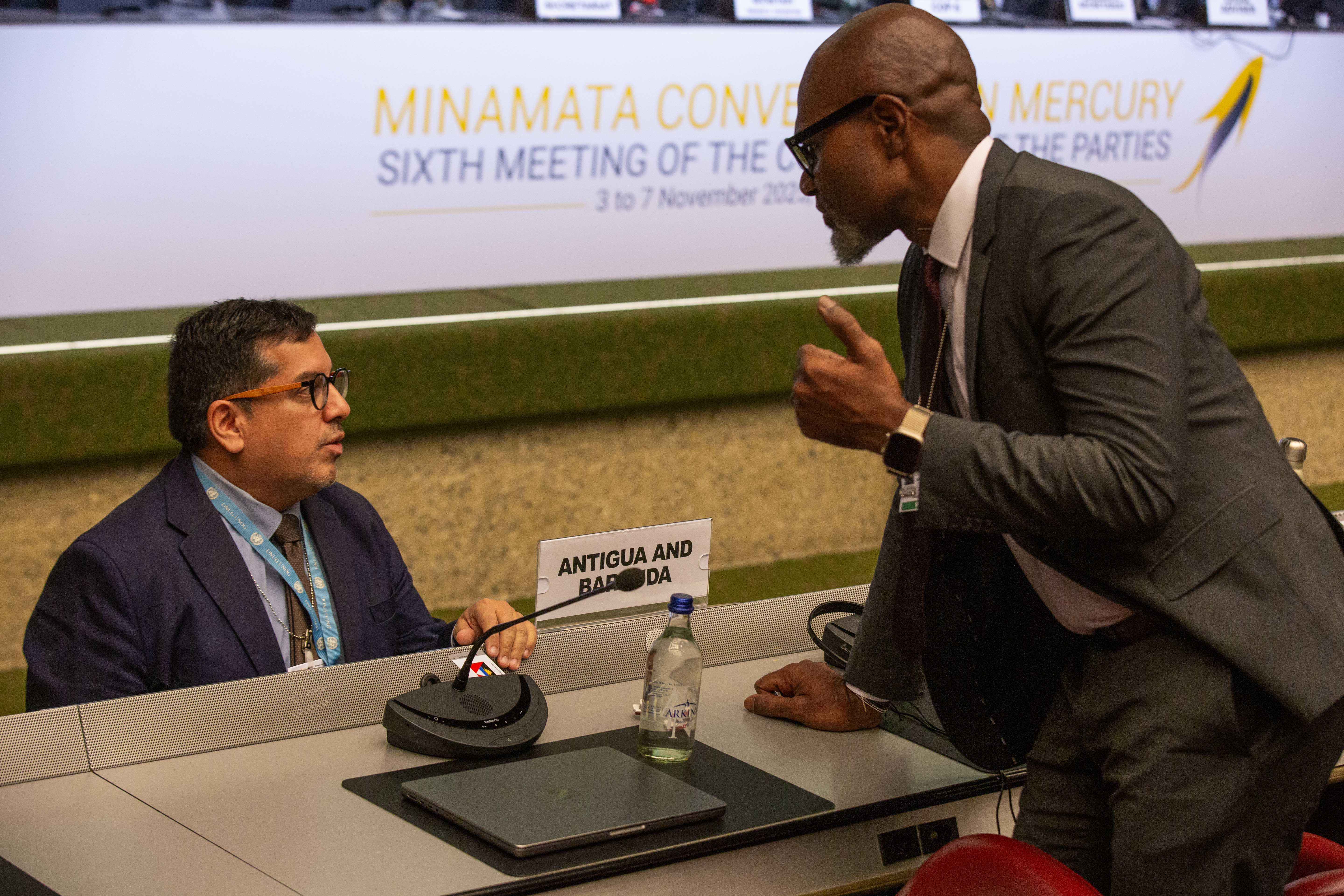
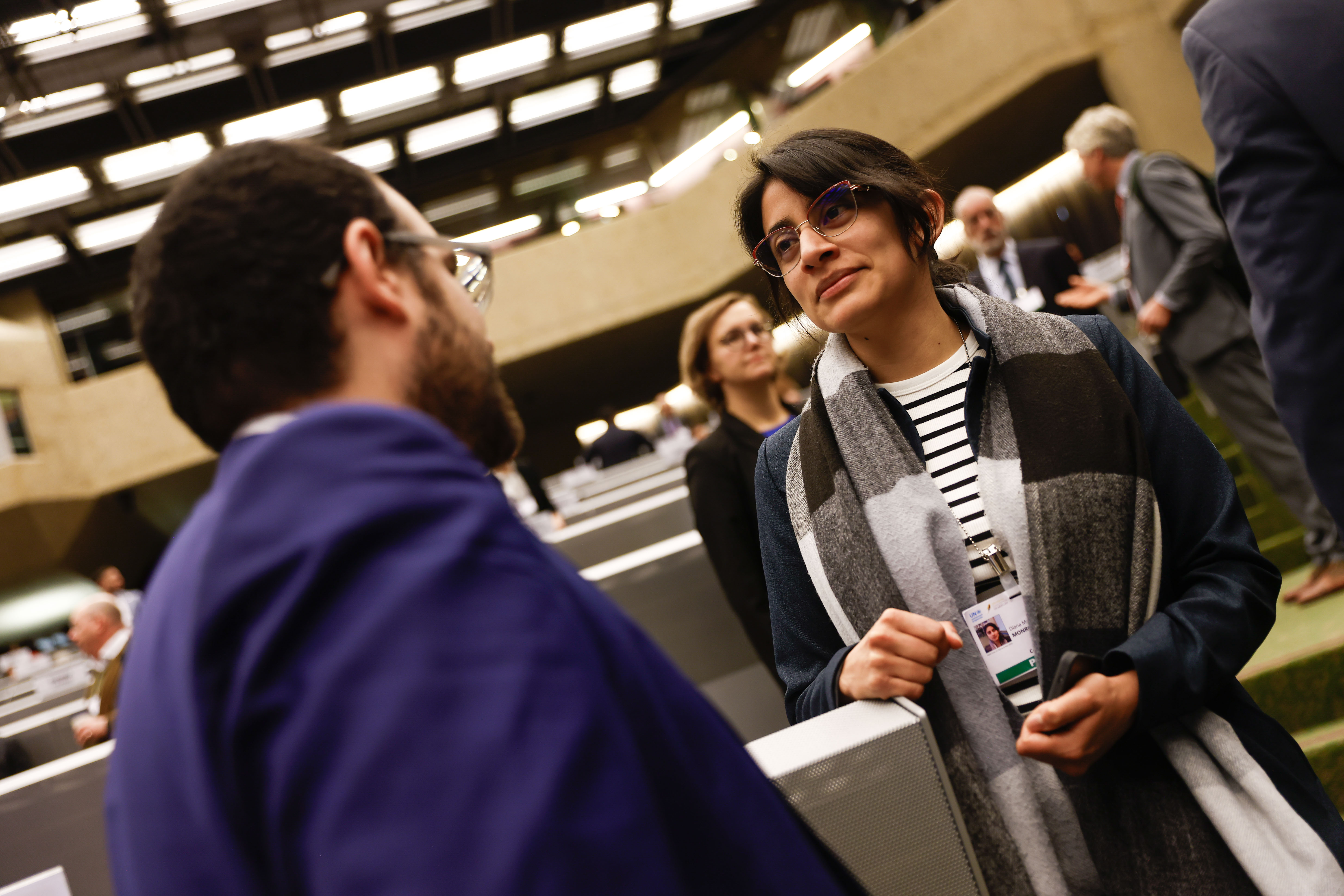

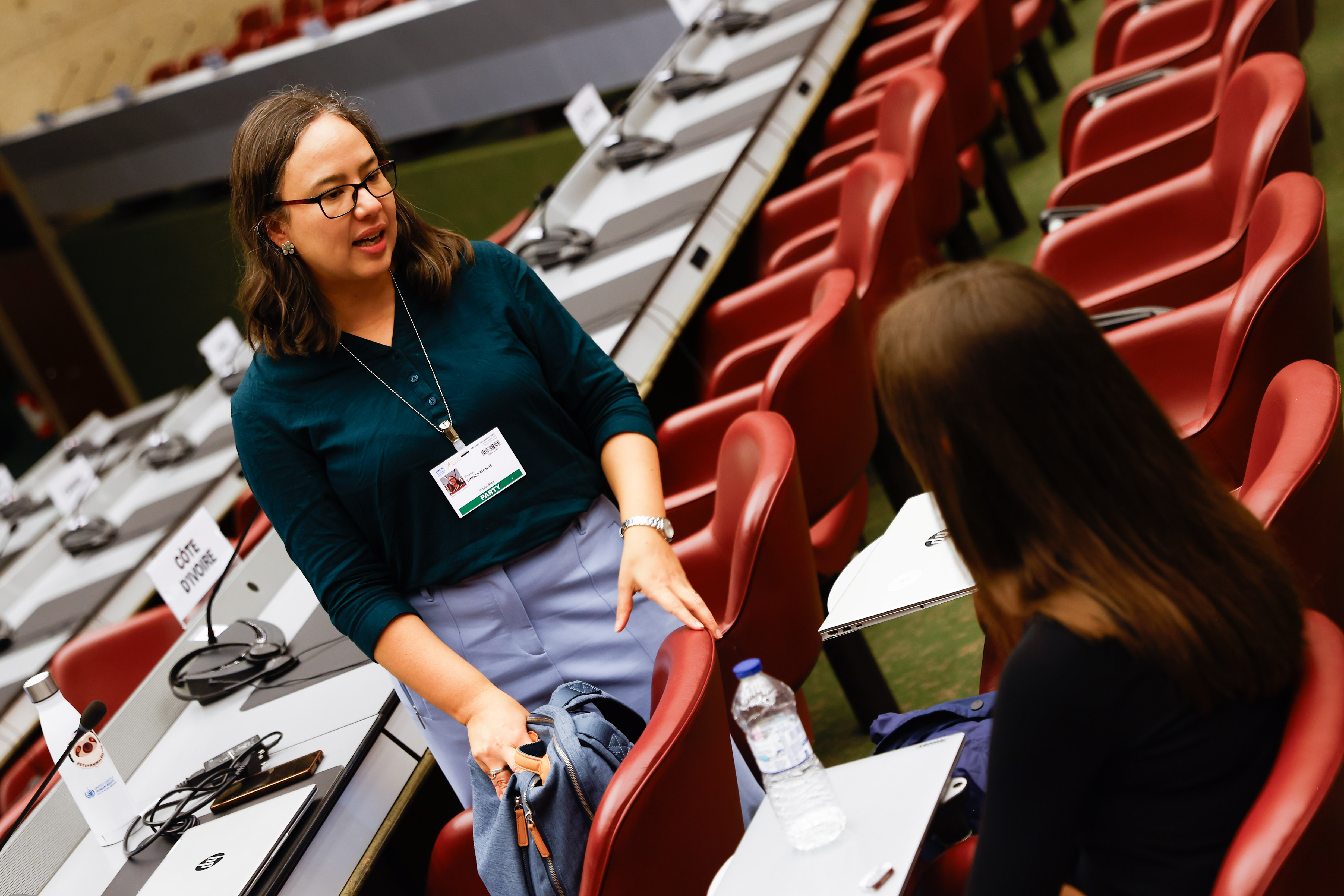
Vivana Tinoco Monge, Costa Rica
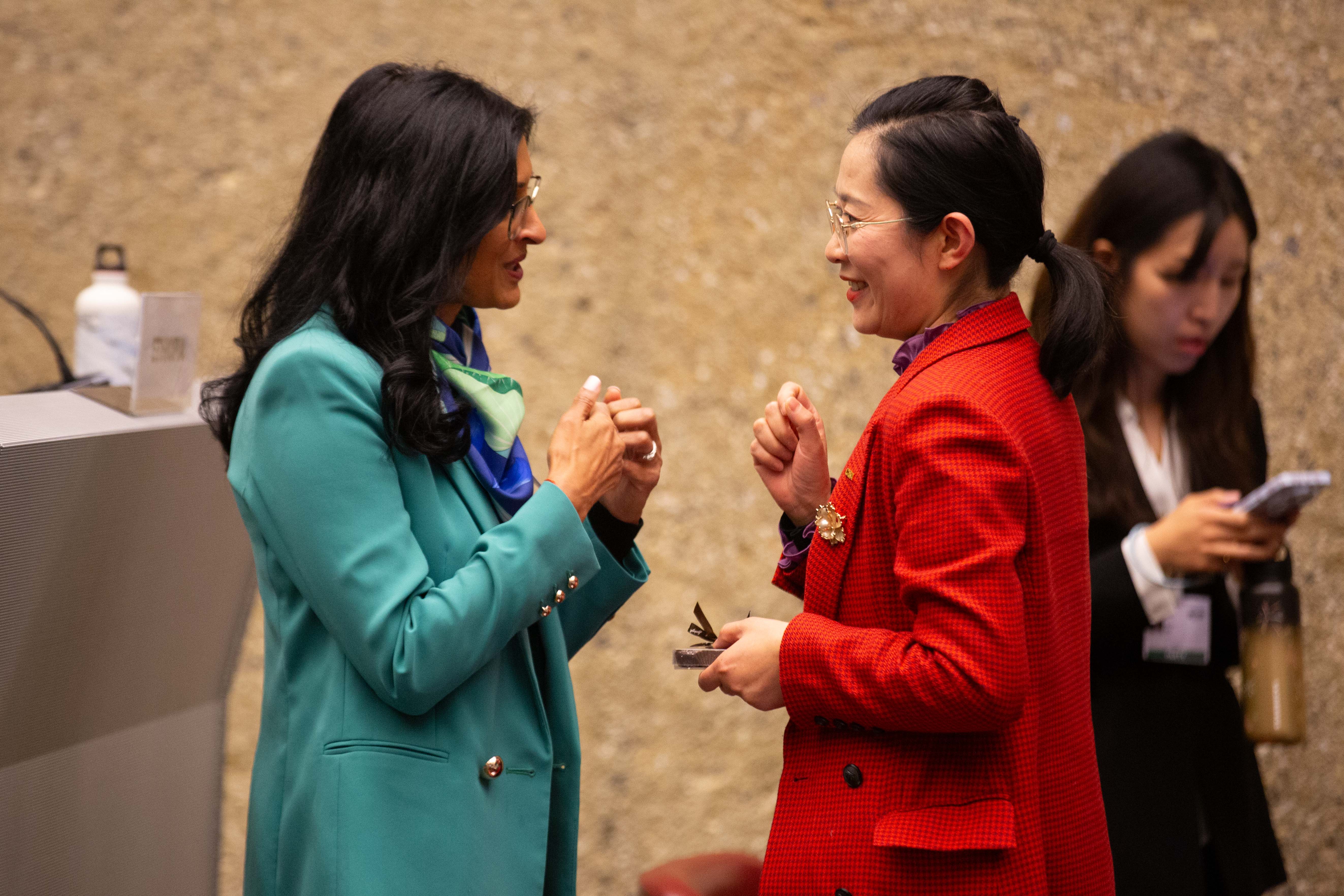
Delegations
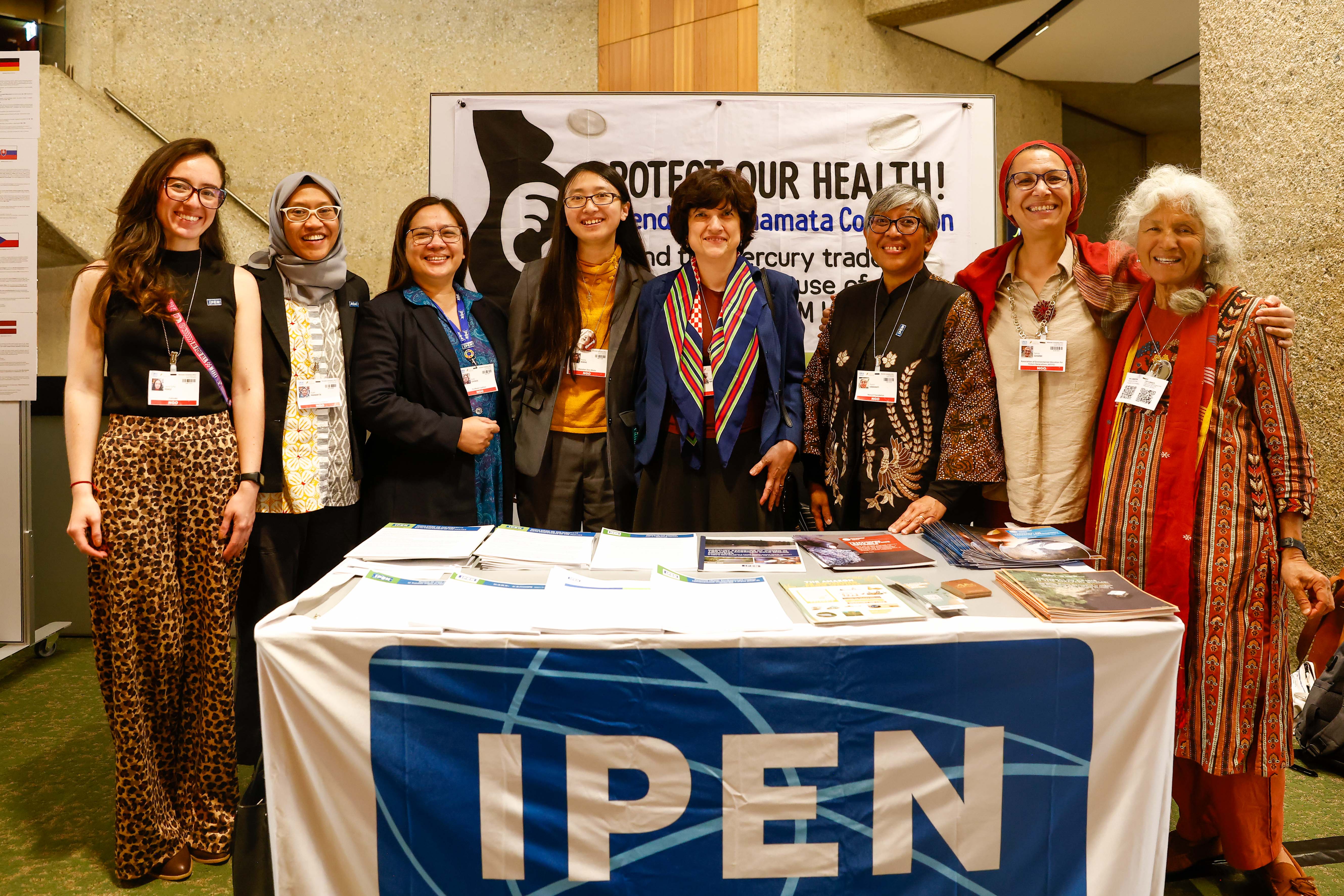
The delegation from the International Pollutants Elimination Network
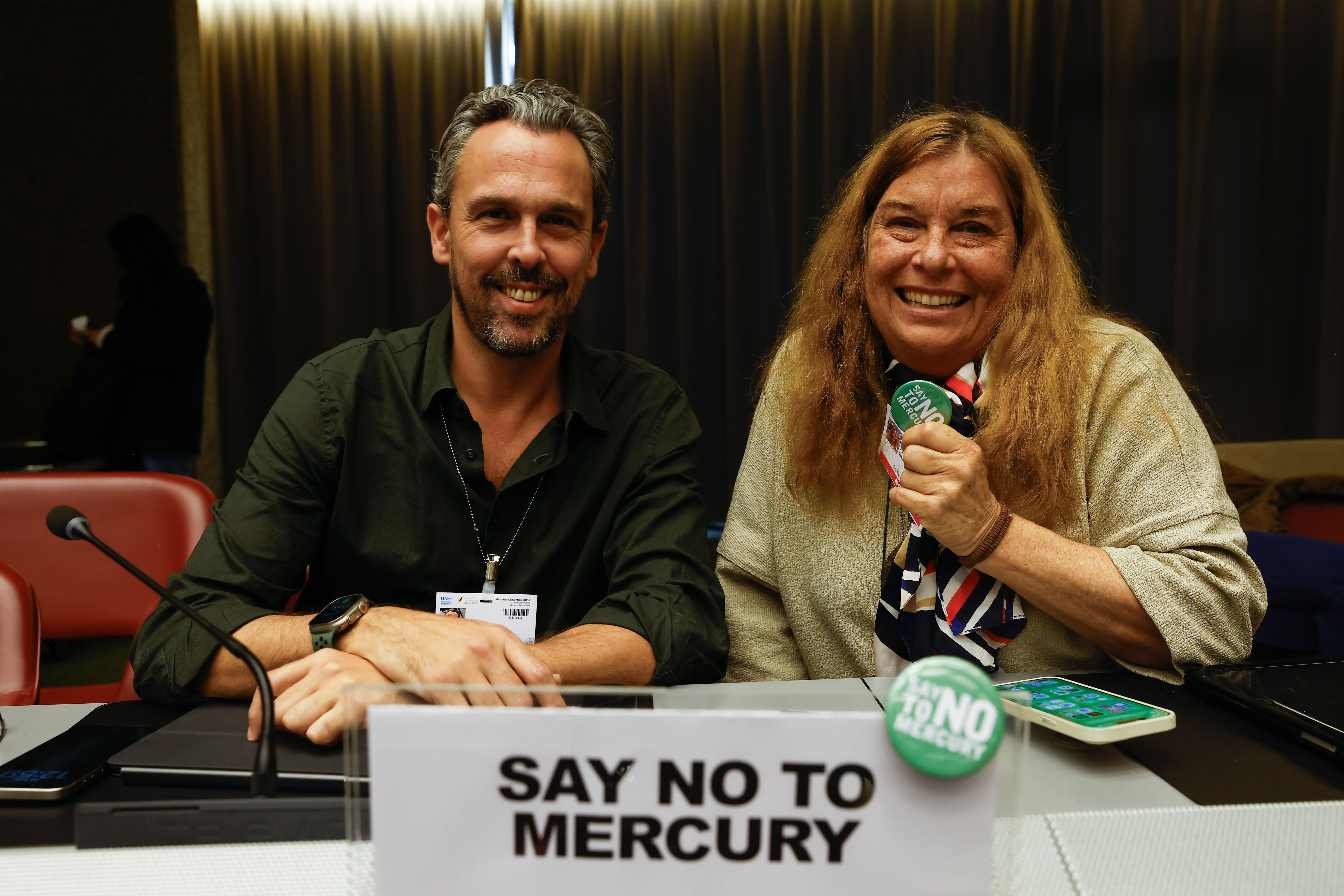
Nicolas Mayaud and Anita Vazquez, Say No To Mercury
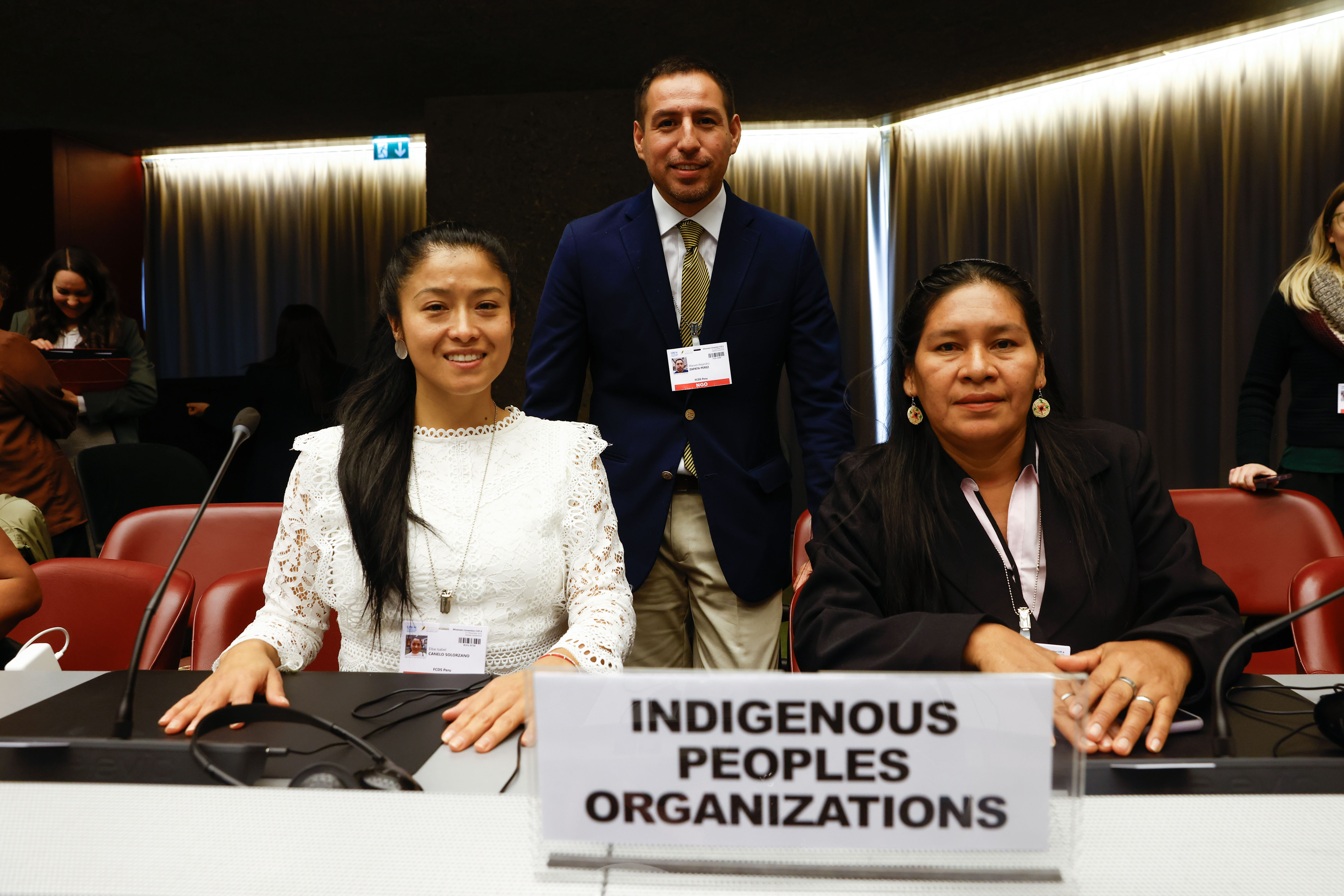
Indigenous Peoples Organizations
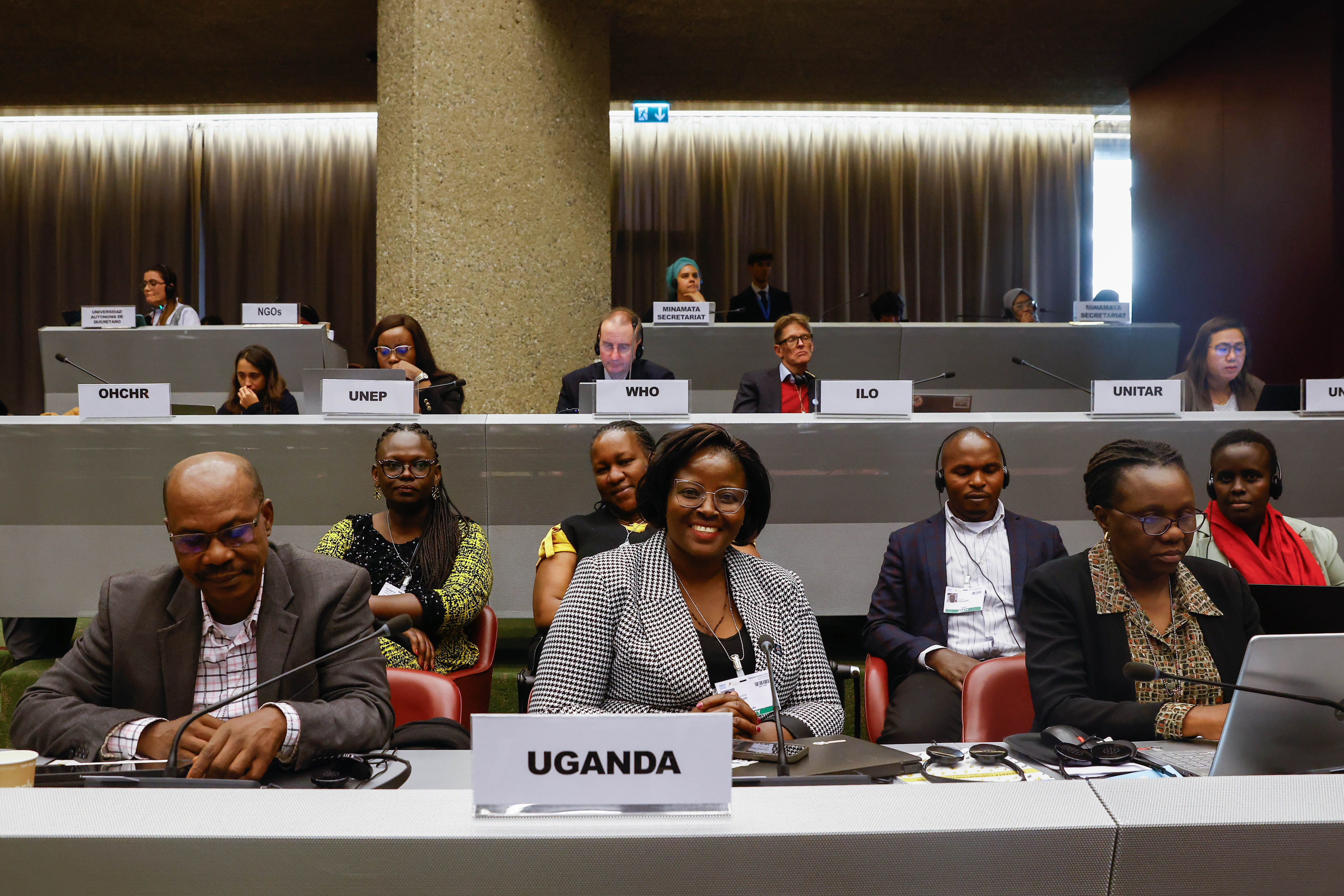
The delegation from Uganda
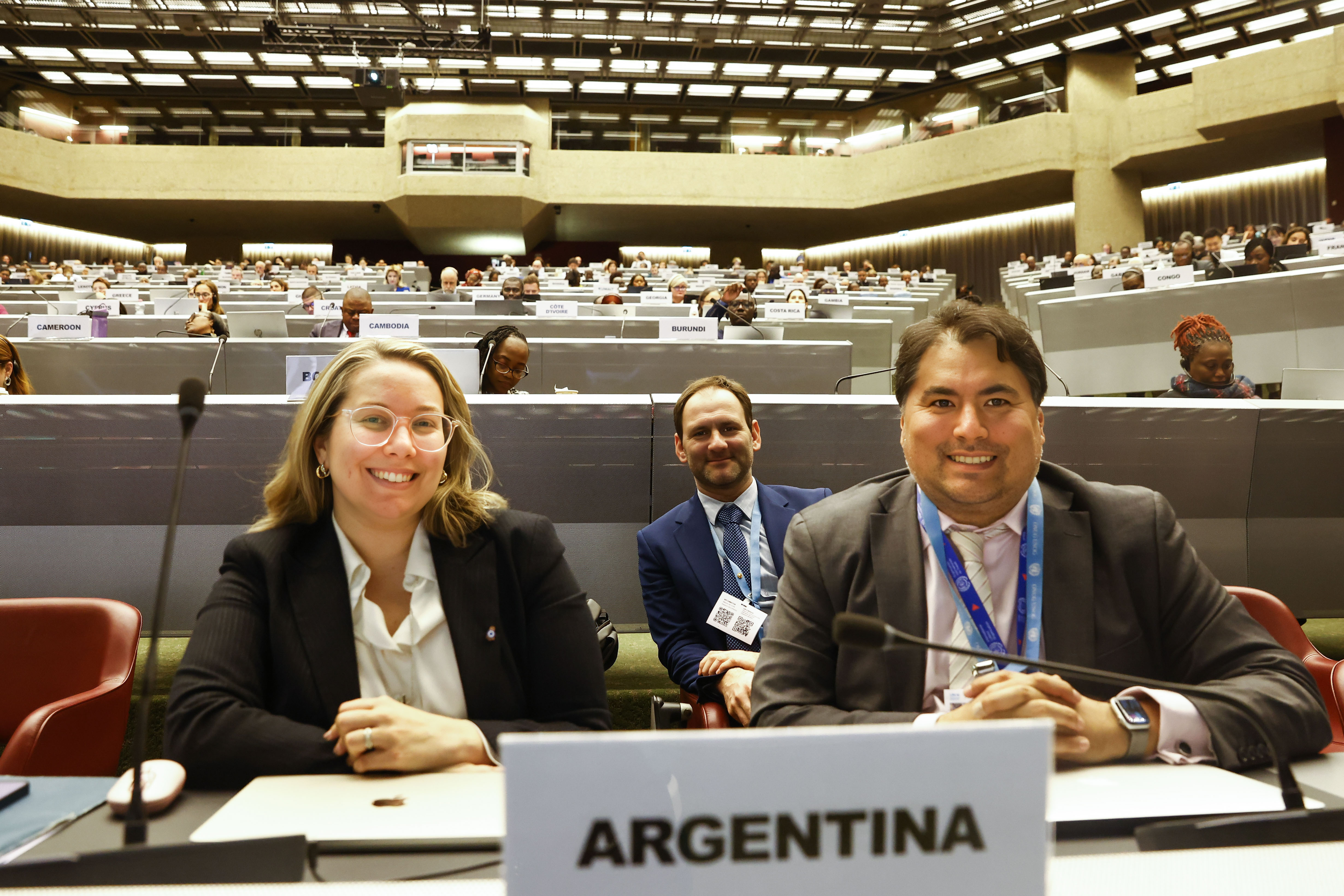
The delegation from Argentina
Around the Venue