
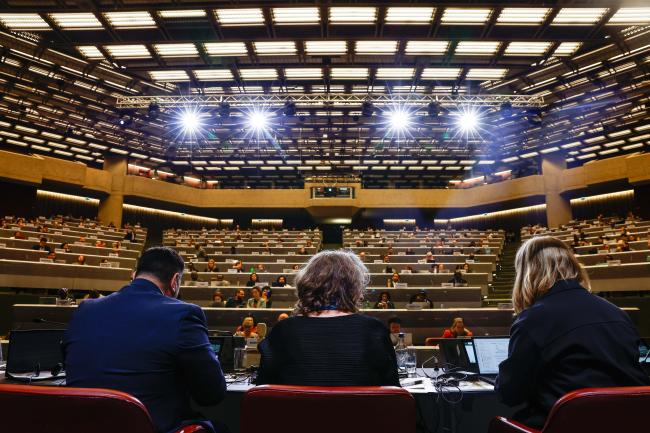
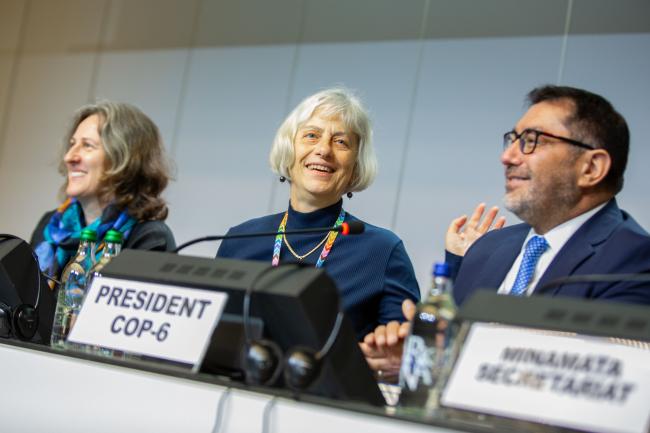
On the final day of the sixth meeting of the Conference of the Parties (COP-6), delegates made arrangements for the work of the Convention leading up to COP-7 in two years time. They elected a new Bureau, chaired by Marie-Claire Lhenry (France), as well as members of the Implementation and Compliance Committee (ICC), and the Governing Board of the Specific International Programme to support Capacity Building and Technical Assistance (SIP).
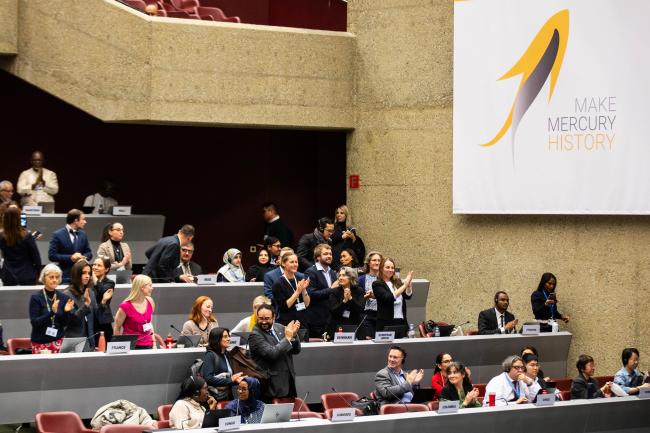
The last day of COP-6 also took a wide range of substantive decisions. The decision to phase out dental amalgam by 2034, and to add several phasedown measures for Parties to adopt in the meantime, received a standing ovation. What to do about dental amalgam has haunted the Convention from its inception, and its phase out has been championed by the African Group since COP-4.
Delegates adopted a decision to address the continued presence of mercury-containing cosmetics in global trade despite a Convention-mandated phaseout. Among other things, it calls for a report on enforcement challenges, work with the International Criminal Police Organization (INTERPOL), the World Customs Organization, and others on combating illicit trade, and help from the World Health Organization in developing an illustrative national, public health system-wide strategy countries can use that focus on reducing use of mercury-added cosmetics.
Faced with requests from Bangladesh, India, and Thailand to extend their temporary exemptions from phaseout obligations for various categories of mercury-added products, the COP adopted two decisions. One addressed the three petitions, granting them. The second dealt with timelines for consideration of future such requests. The former notes that, apart from the three extensions granted by COP-6, all registered exemptions from the 2020 phaseout dates listed in Annexes A and B to the Convention will expire on 31 December 2025 and cannot be requested again.
A decision on waste asks Parties and relevant stakeholders to submit any proposed updates to the lists of wastes covered by paragraph 2 (definition) of Article 11 on waste. It also requests the Secretariat to compile and summarize submissions regarding scientific and regulatory data on the effectiveness of the threshold for wastes contaminated with mercury or mercury compounds, as well as on challenges and experiences related to its use, for consideration by COP-7.
A decision on artisanal and small-scale gold mining (ASGM) covers, inter alia, just transitions, open data, supply chains, and Indigenous Peoples. Among other things, it calls for a report to COP-7 on measures taken to implement ASGM national action plans, and identifying successful strategies and activities, achievements in implementation, and challenges and barriers encountered in reducing and eliminating the use, emissions, and releases of mercury in ASGM.
Opposition by a single Party prevented COP-6 from declaring that mercury-free alternatives for vinyl chloride monomer are technically and economically feasible, so a COP-6 decision forwards this matter to COP-7. The feasibility declaration would set in motion a five-year clock toward phaseout under Annex B.
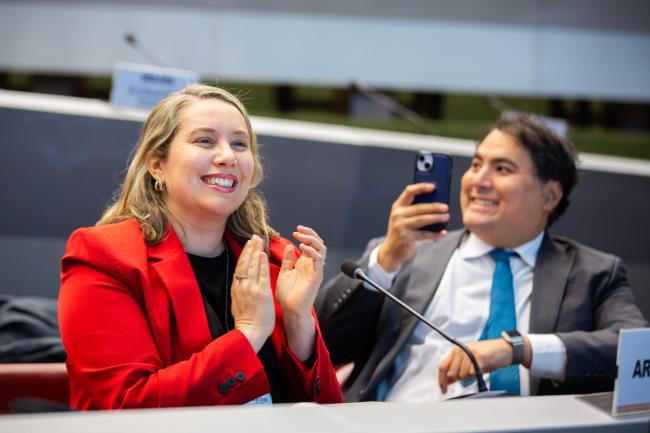
Delegates also adopted a decision urging Parties to provide support for the effective participation of Indigenous Peoples as well as local communities in work and meetings under the Convention.
In the closing hours of COP-6, delegates adopted the budget and programme of work for the 2026–27 biennium.
The meeting closed at 5:38 pm.
To receive free coverage of global environmental events delivered to your inbox, subscribe to the ENB Update newsletter.
All ENB photos are free to use with attribution. For the 6th Meeting of the Conference of the Parties to the Minamata Convention on Mercury, please use: Photo by IISD/ENB | Natalia Mroz.
Morning Plenary
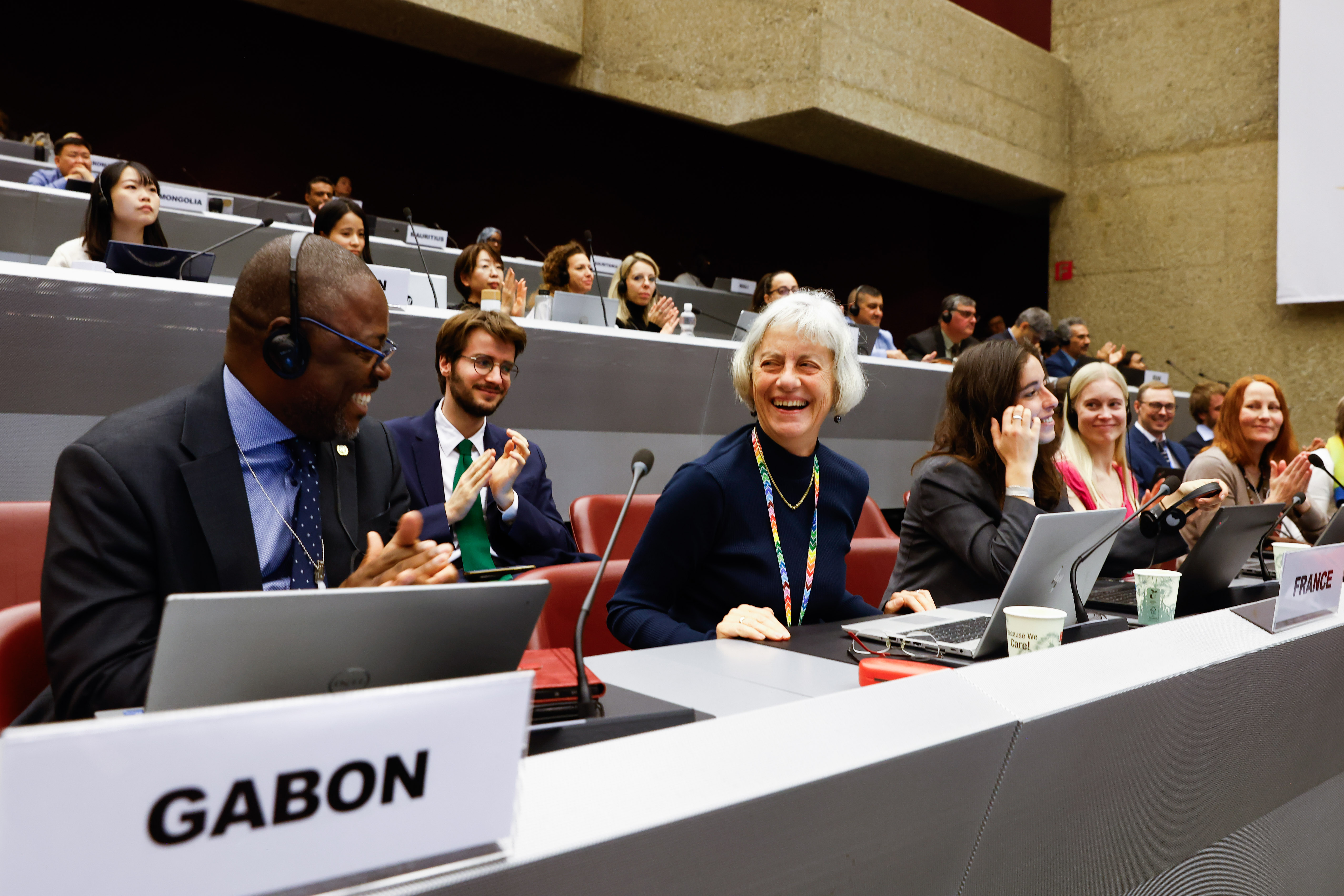
Marie-Claire Lhenry, France
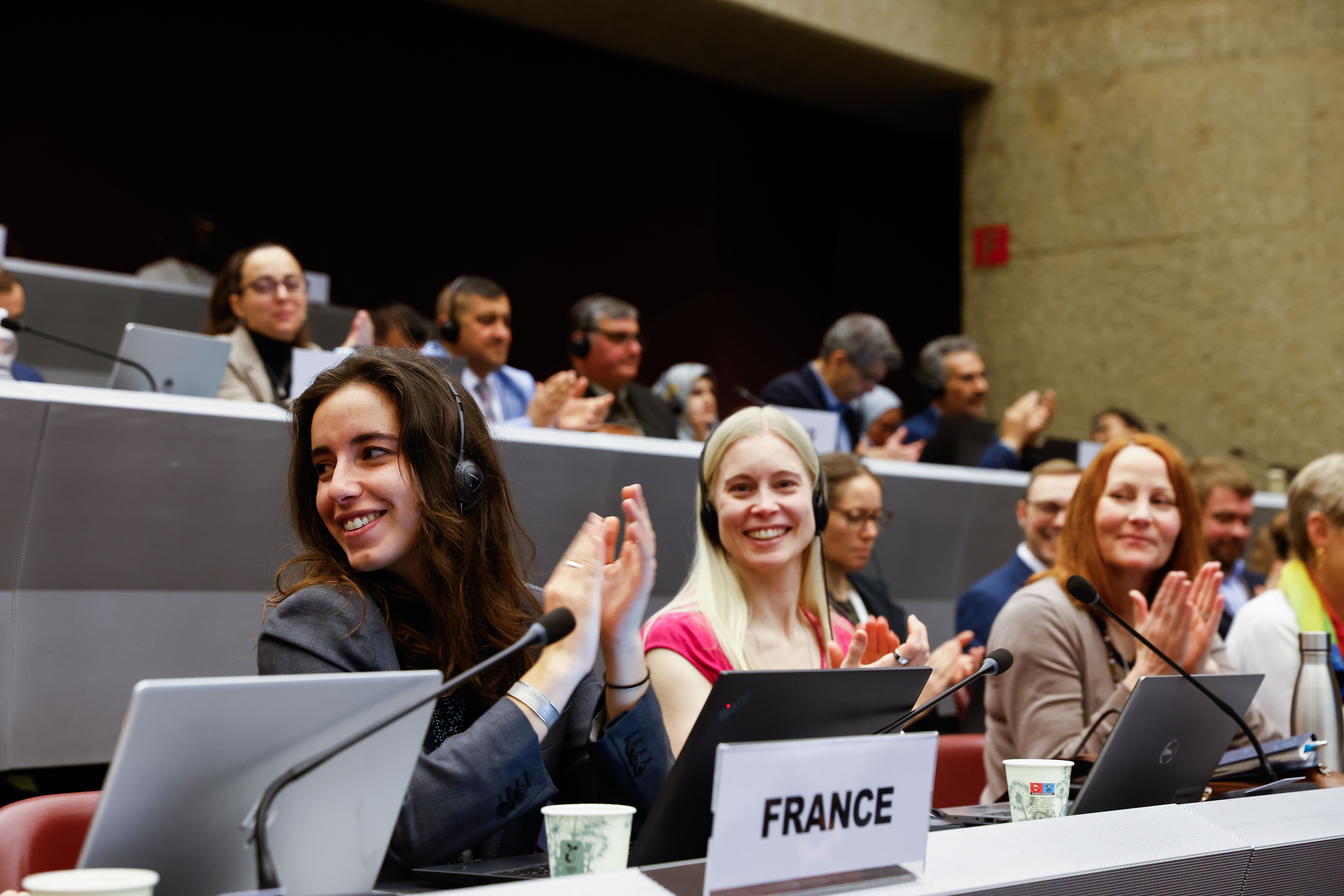
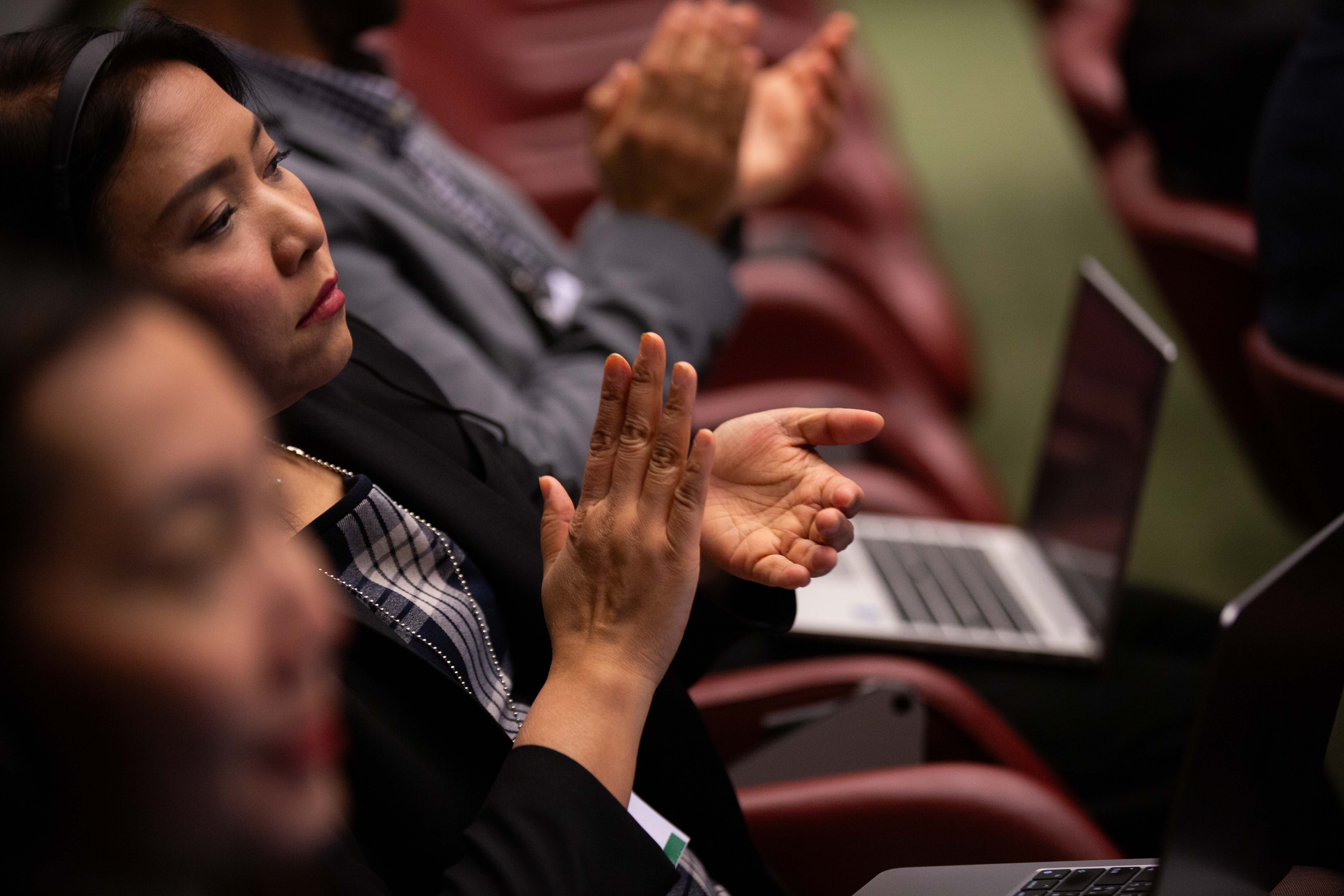
Delegates applaud the election of the COP-7 President.
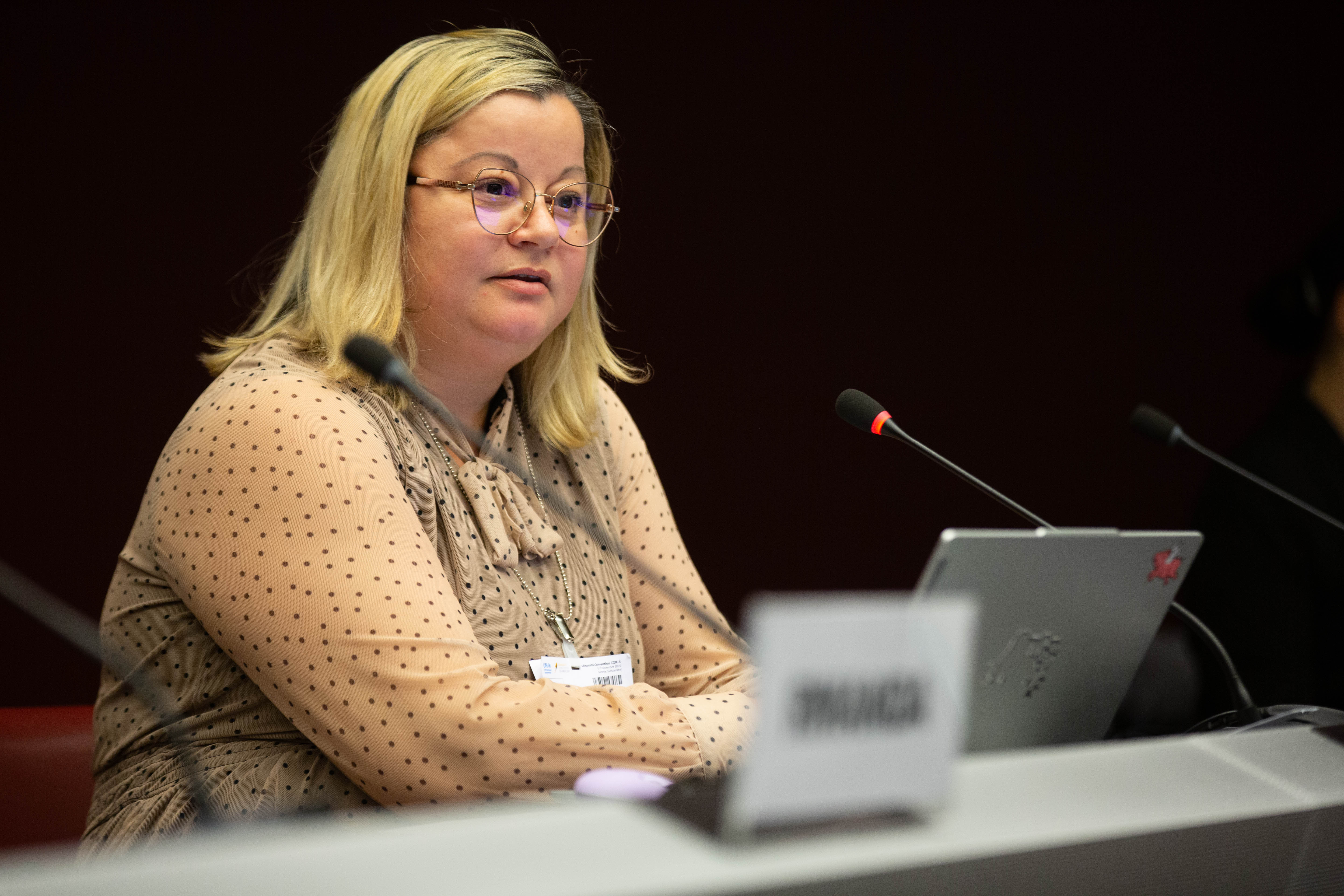
Claudia Dumitru, Romania
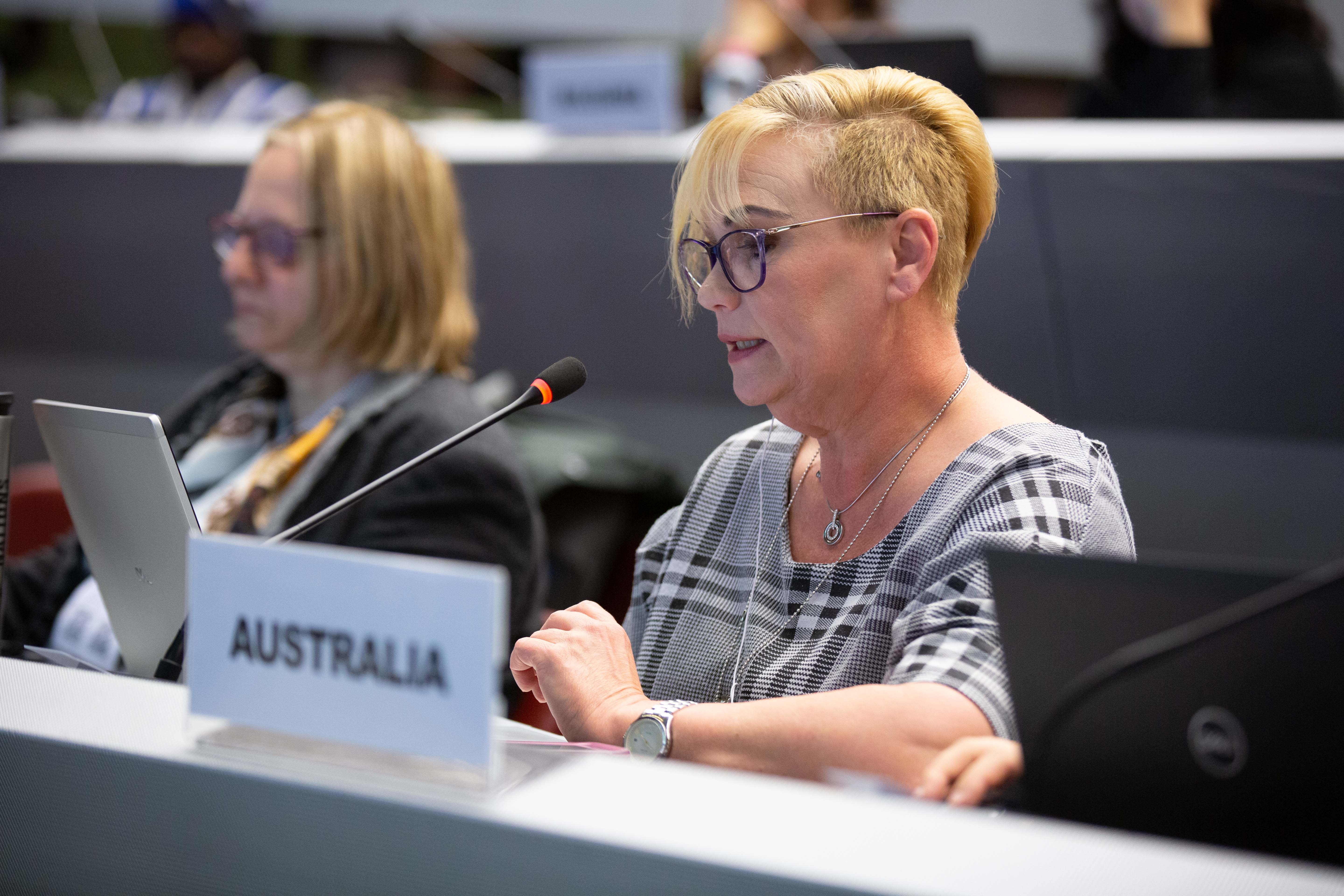
Rachel Burgess, Australia
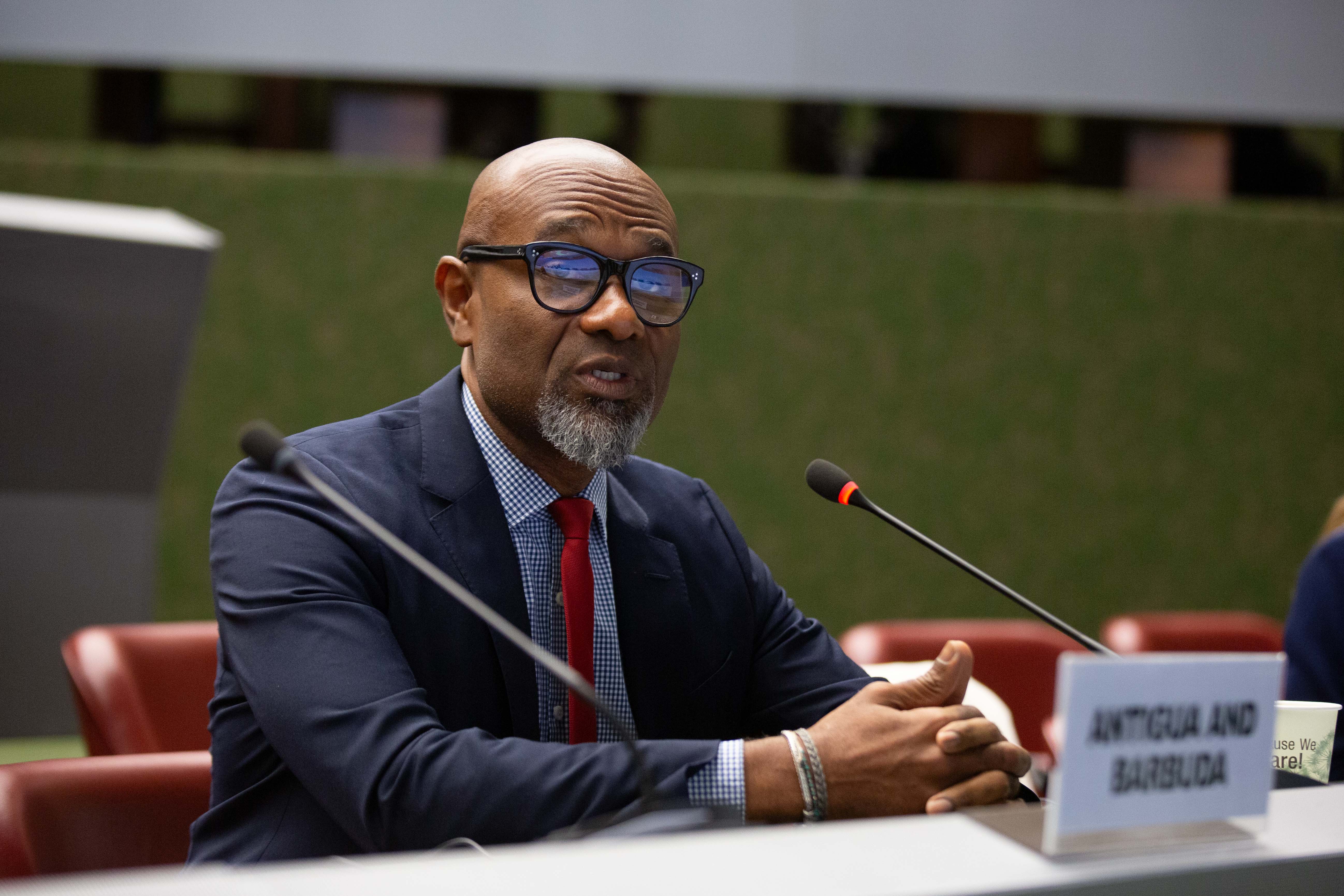
Linroy Christian, Antigua and Barbuda
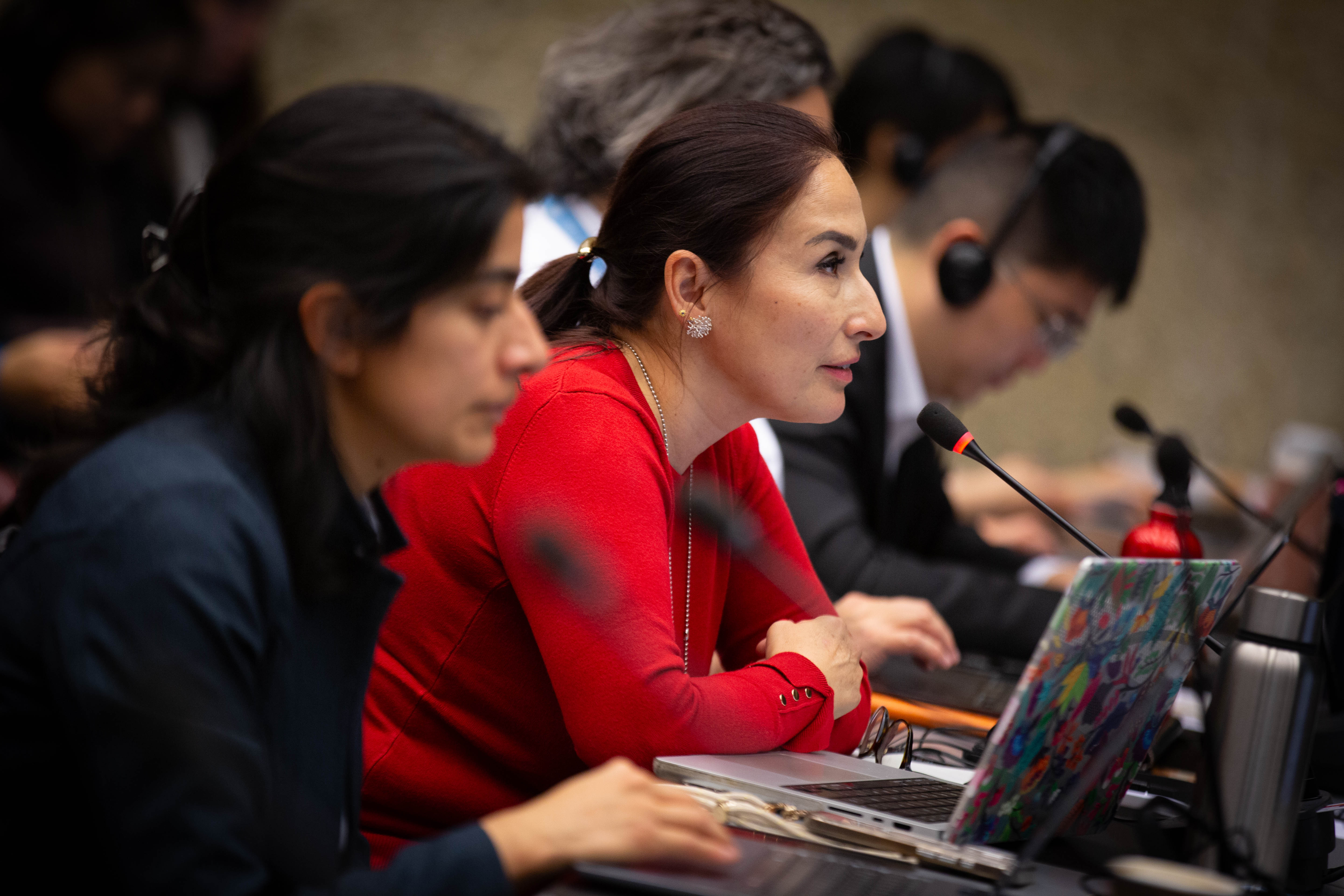
Paulina Riquelme, Chile
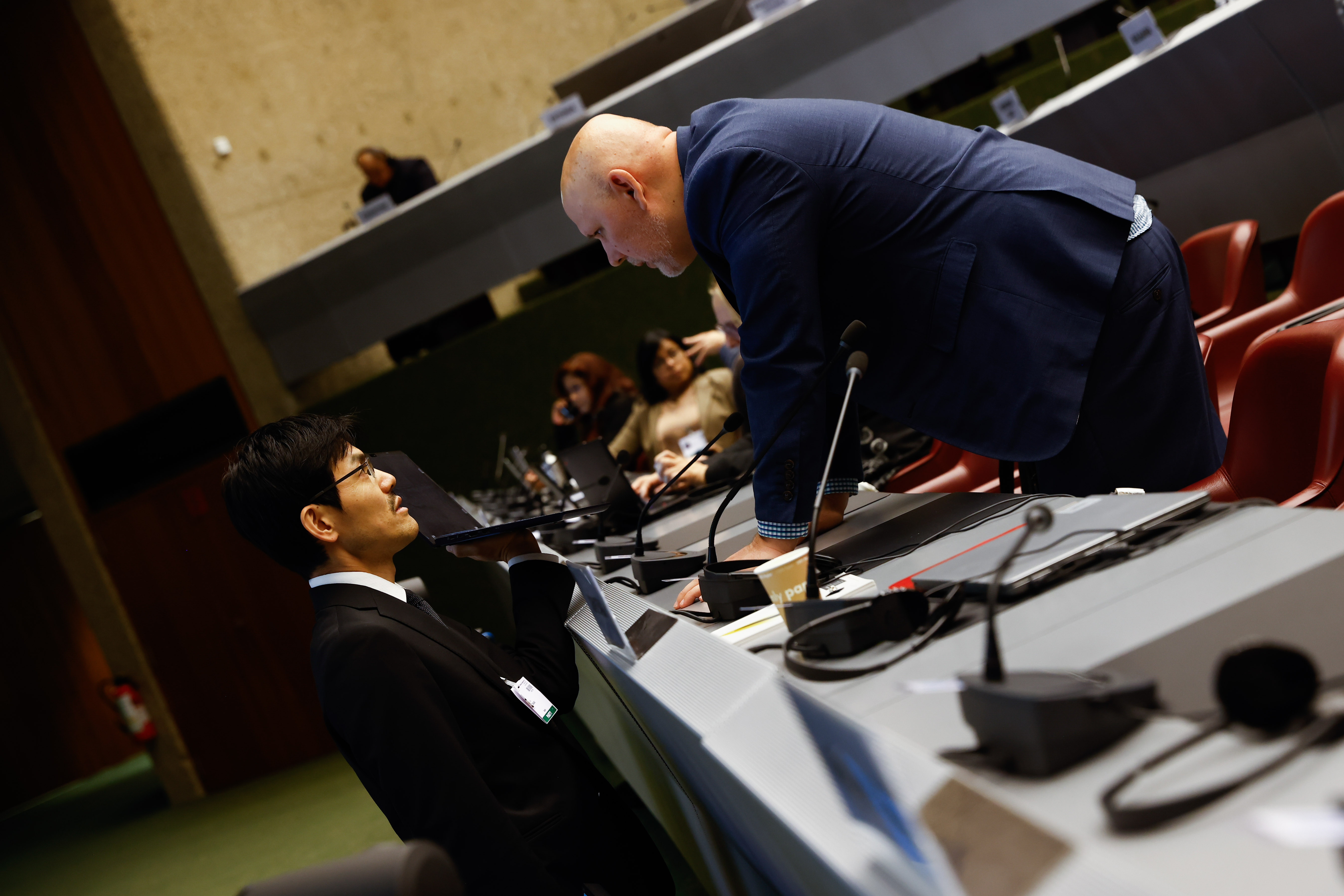
Koki Takaki, Japan, and Antony Robinson, Australia
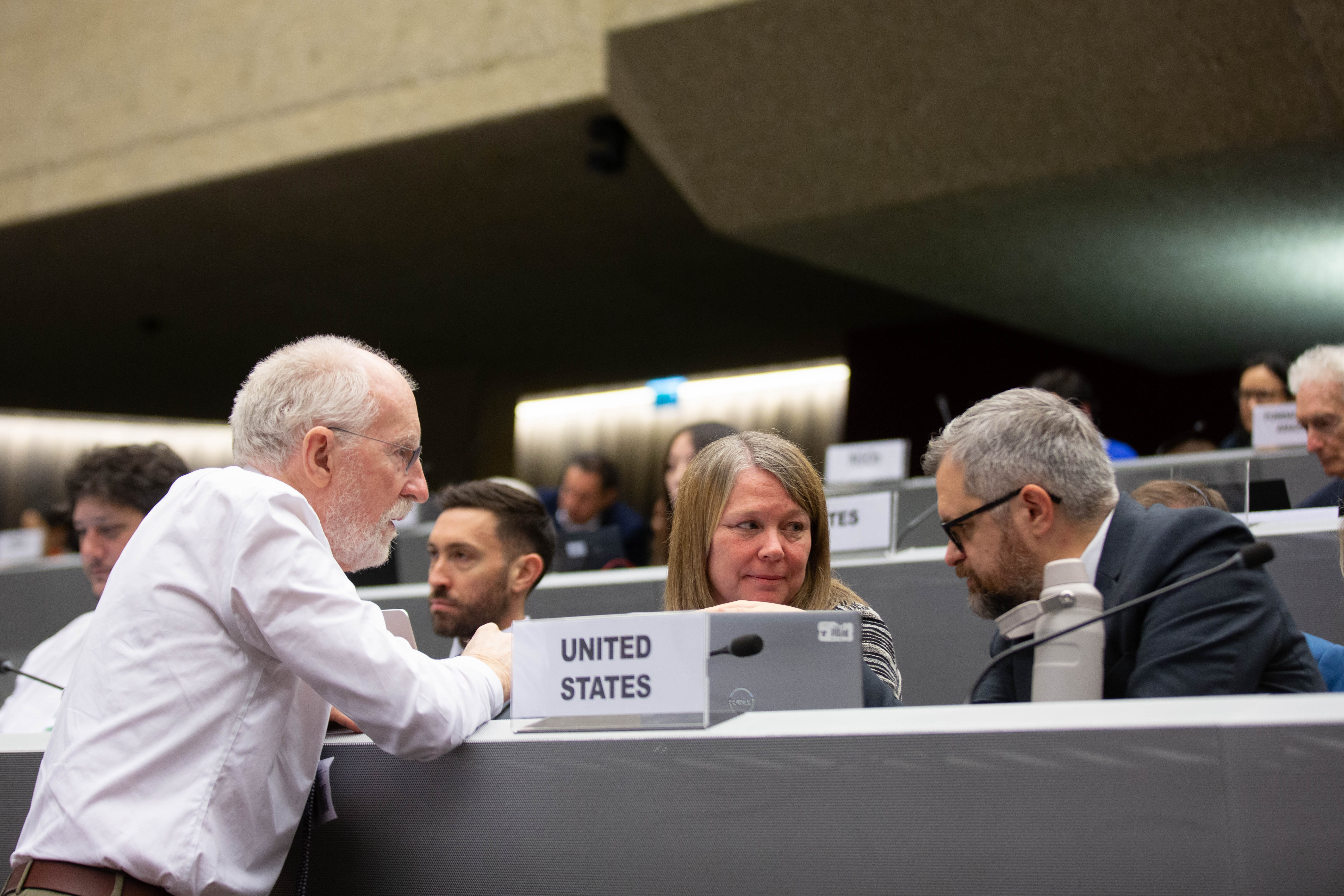
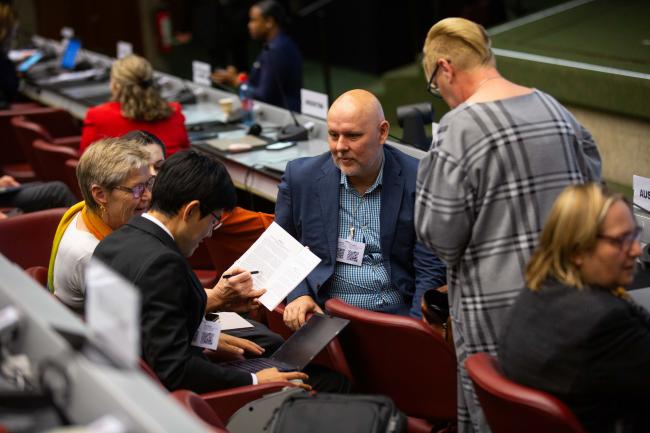
The US delegation and Secretariat in discussion
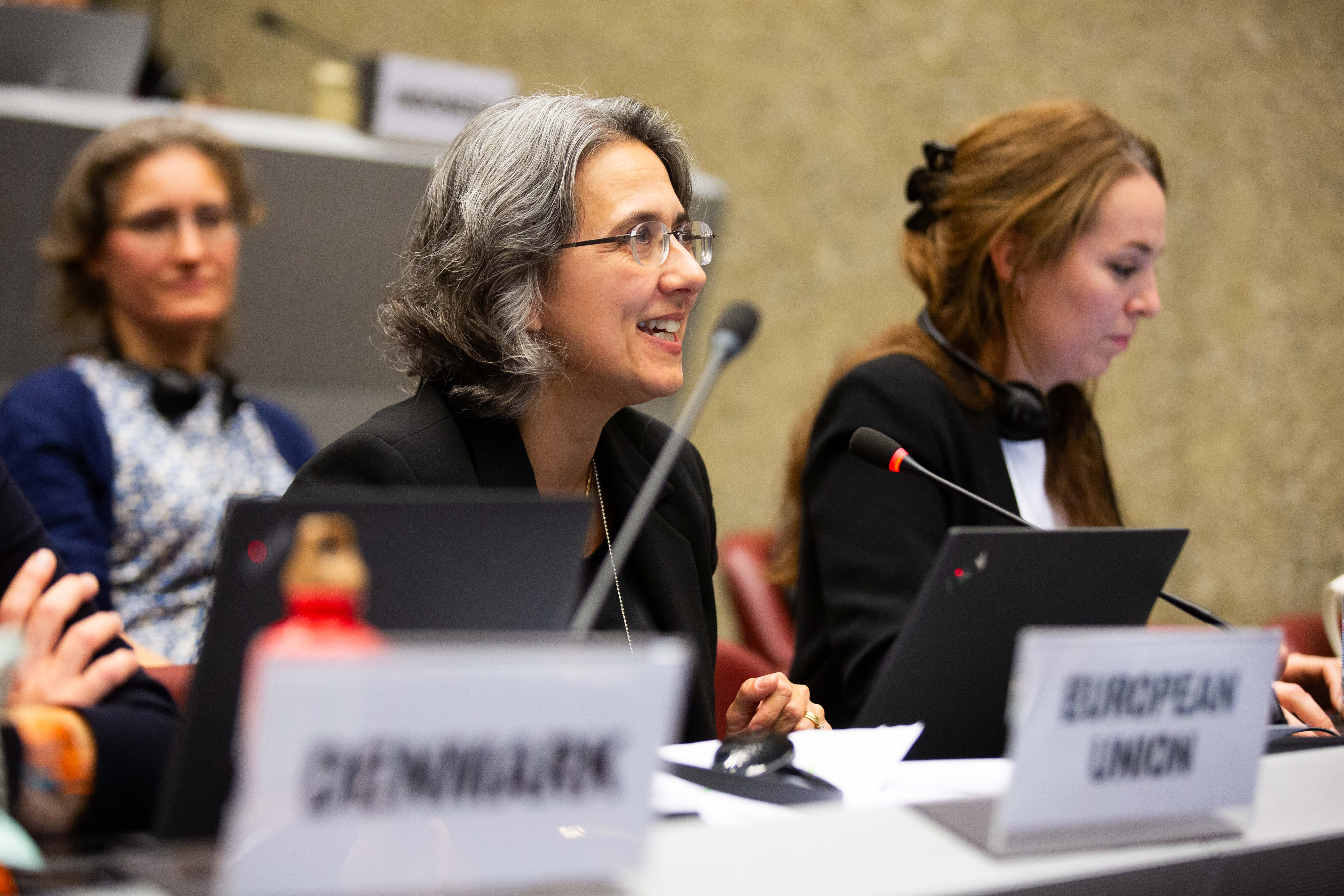
Paula Duarte Gaspar, European Union
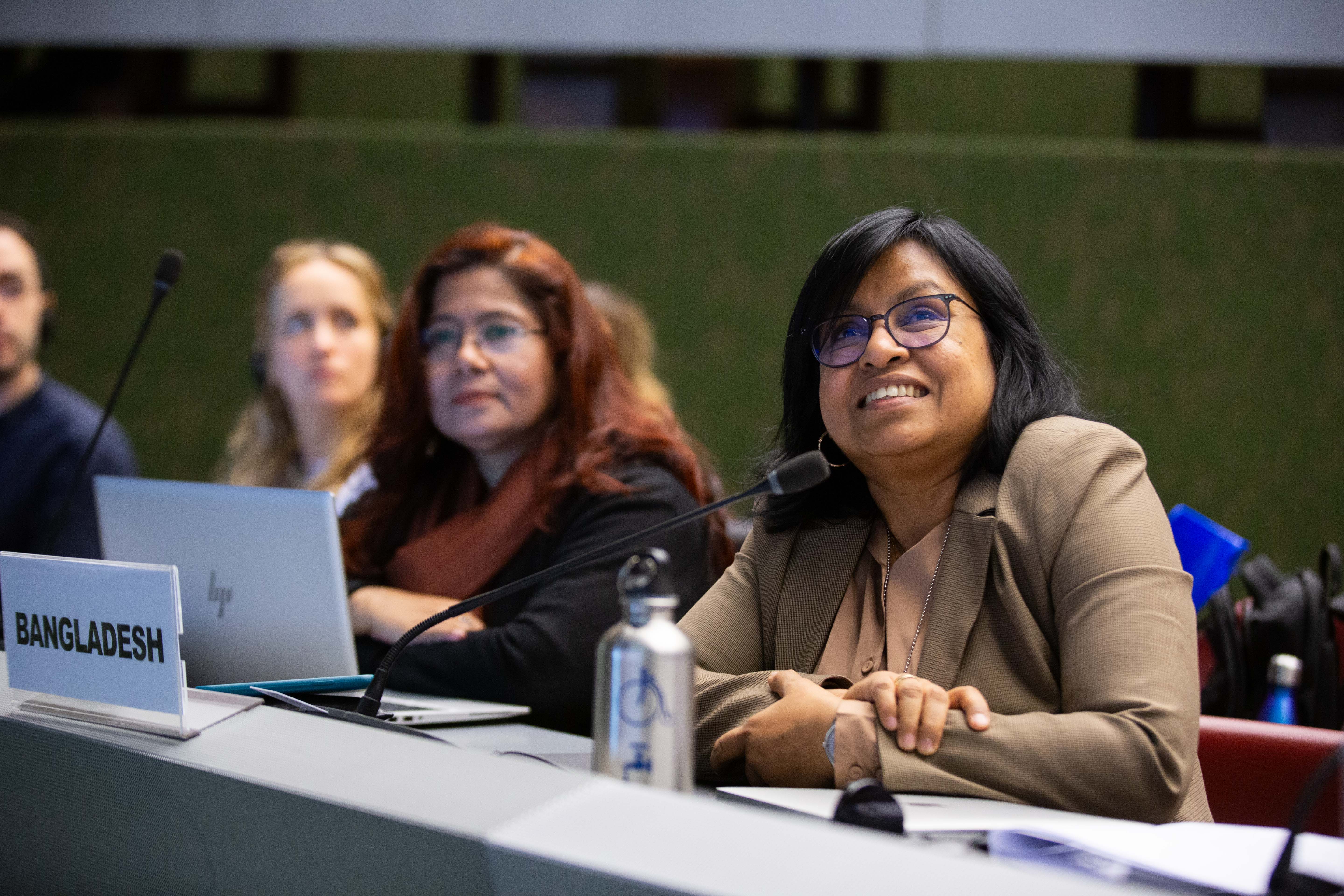
Fahmida Khanom, Bangladesh
Between Sessions
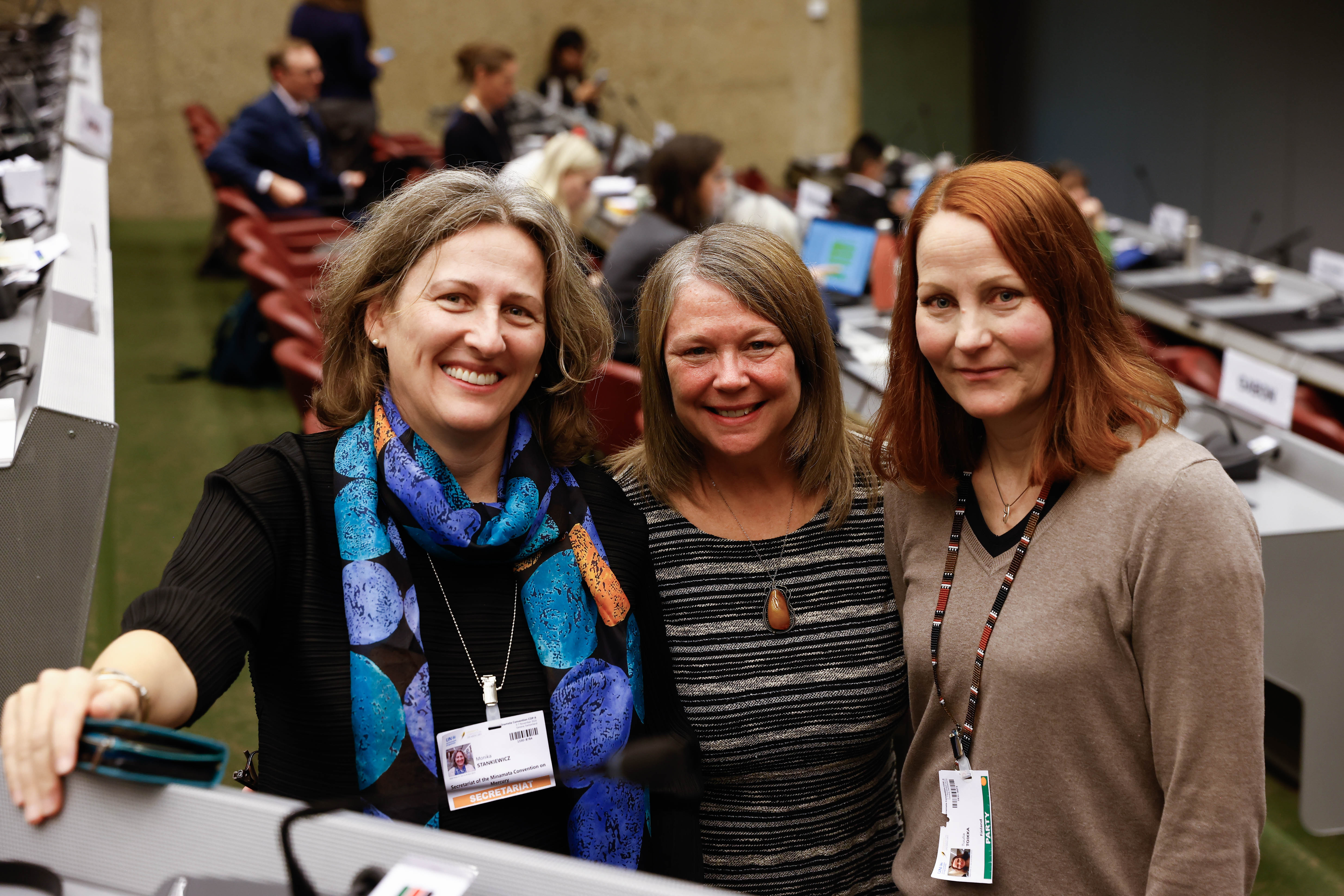
Monika Stankiewicz, Executive Secretary, Minamata Convention, Karissa Kovner, US, and Tuulia Toikka, Finland
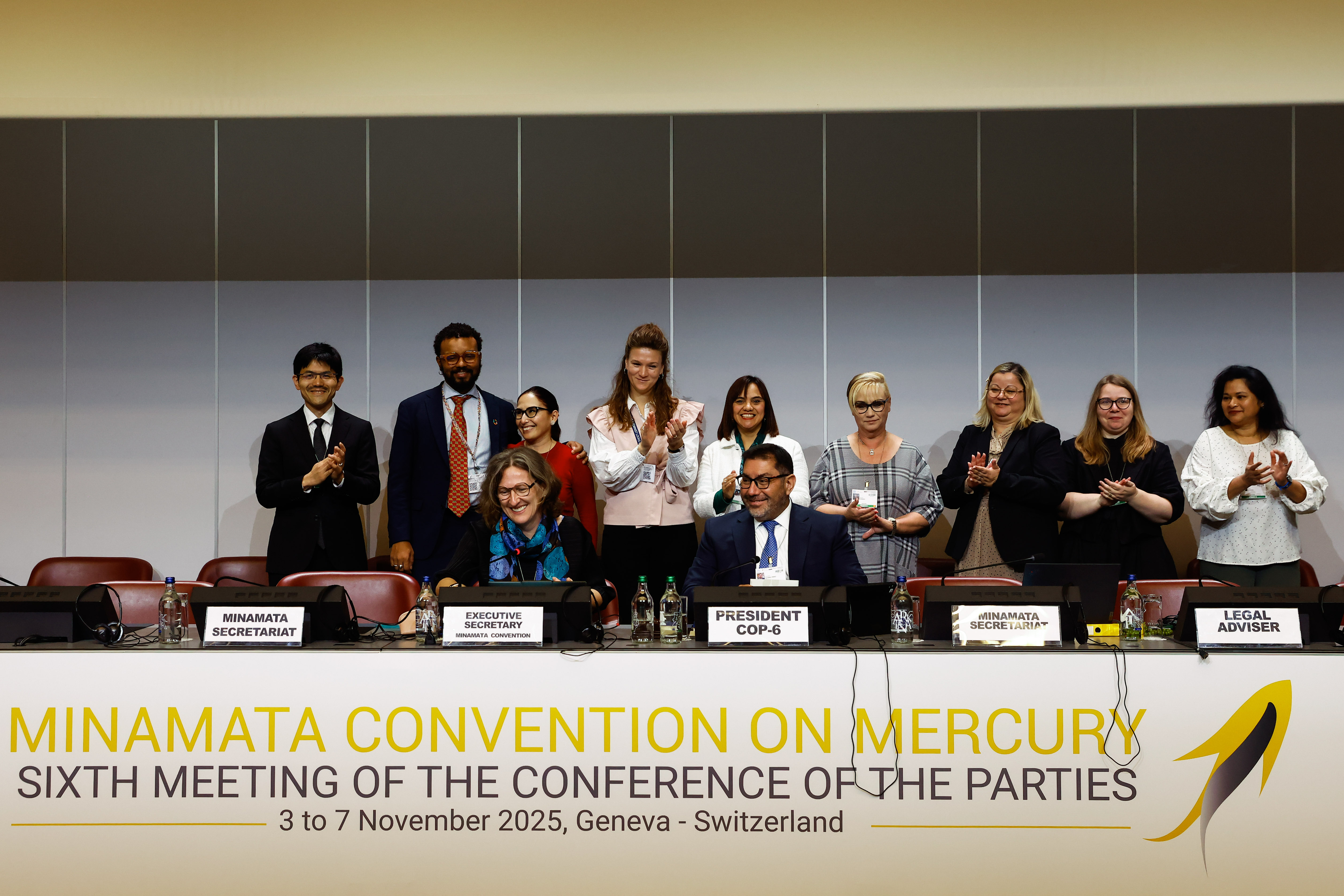
Contact group co-chairs received special recognition.
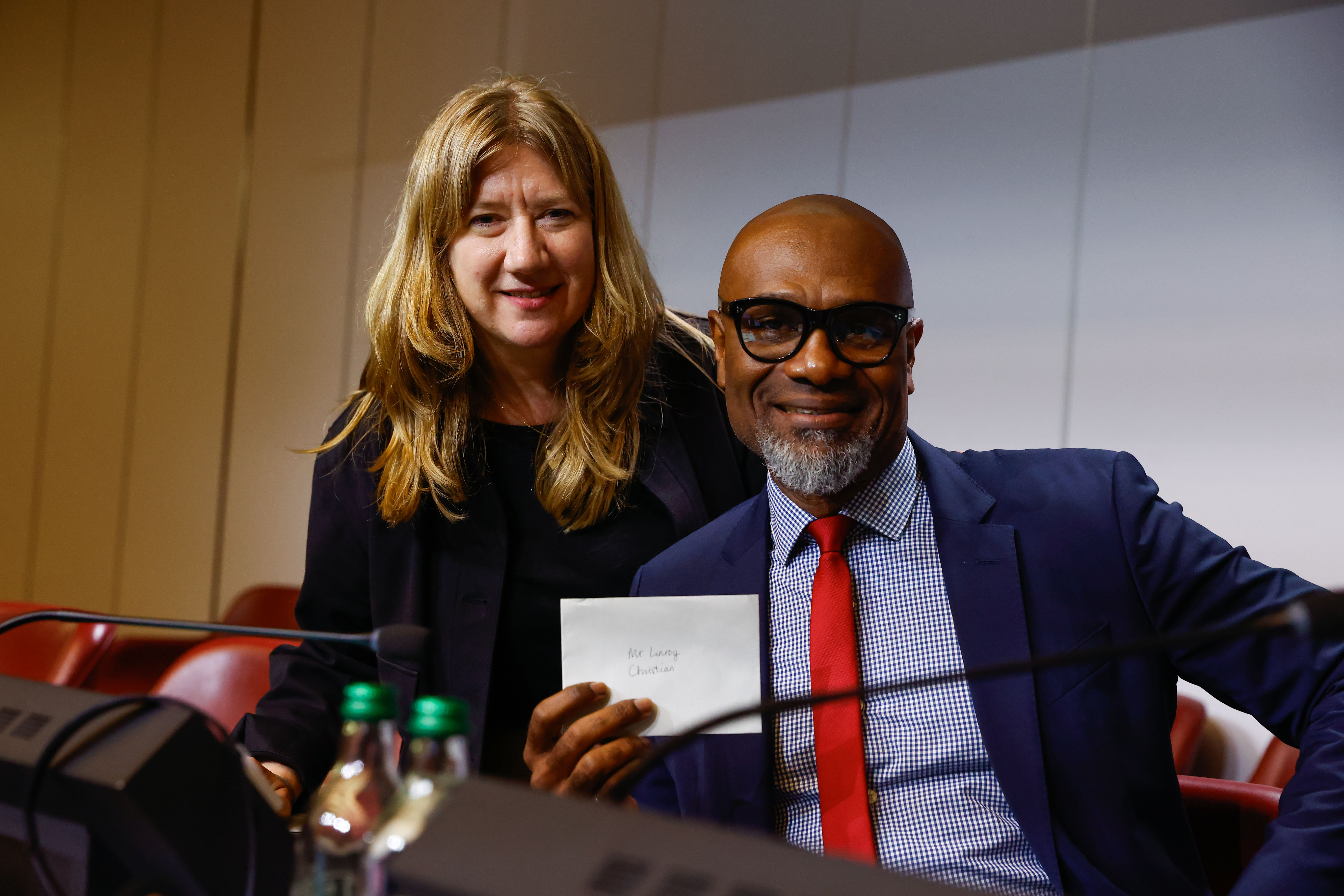
Brenda Koekkoek, Secretariat, and Linroy Christian, Antigua and Barbuda
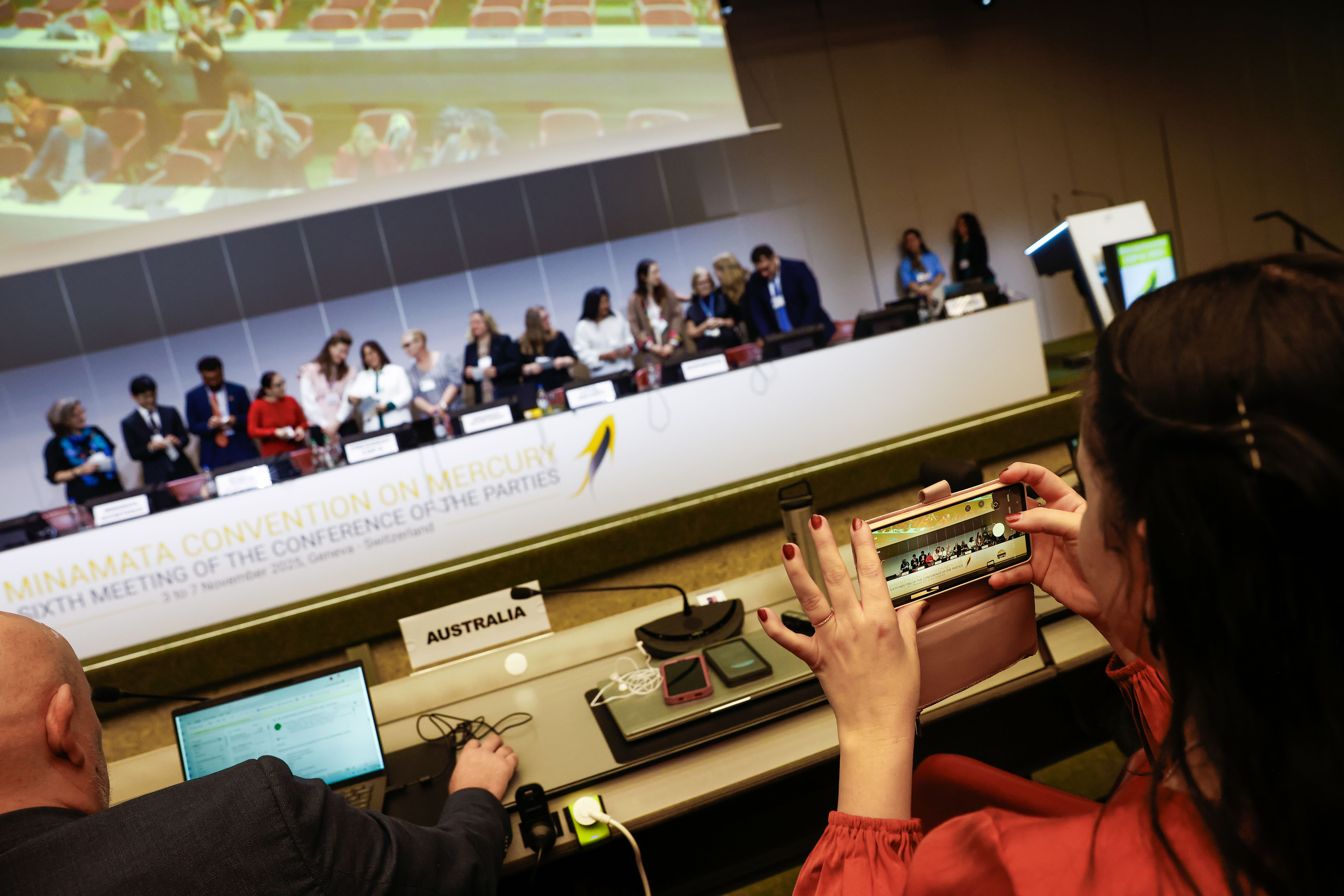
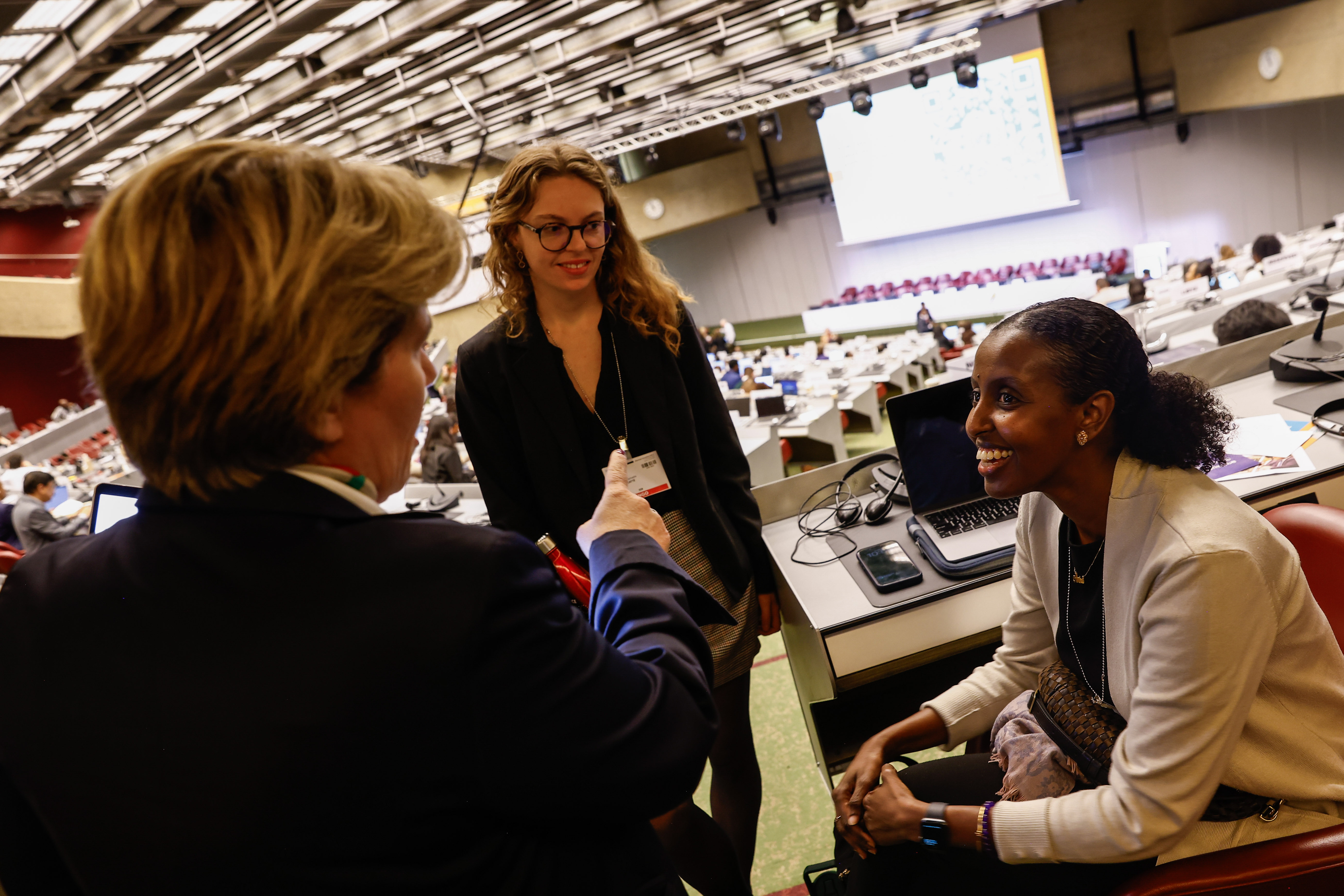
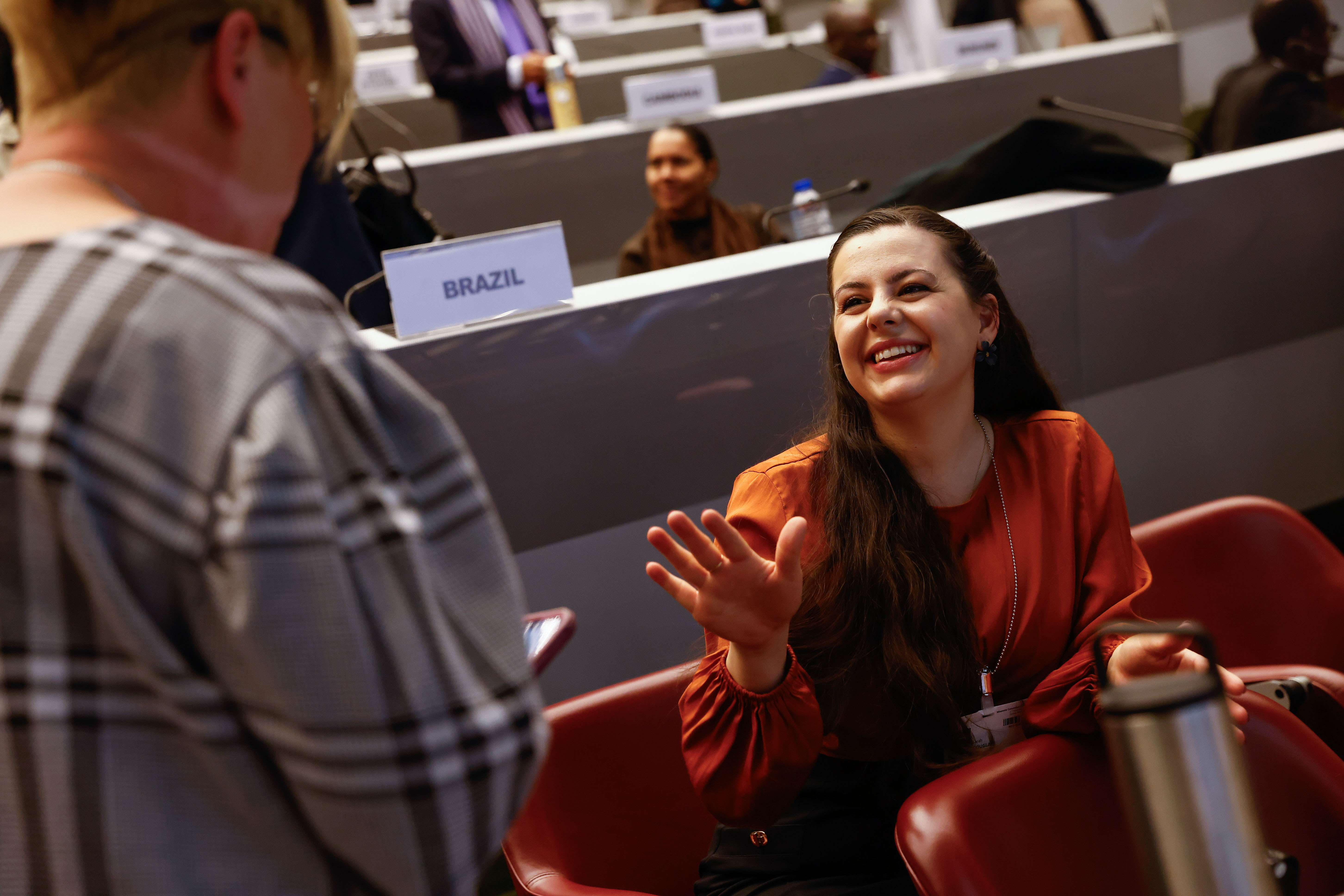
Sarah Douglass, Australia
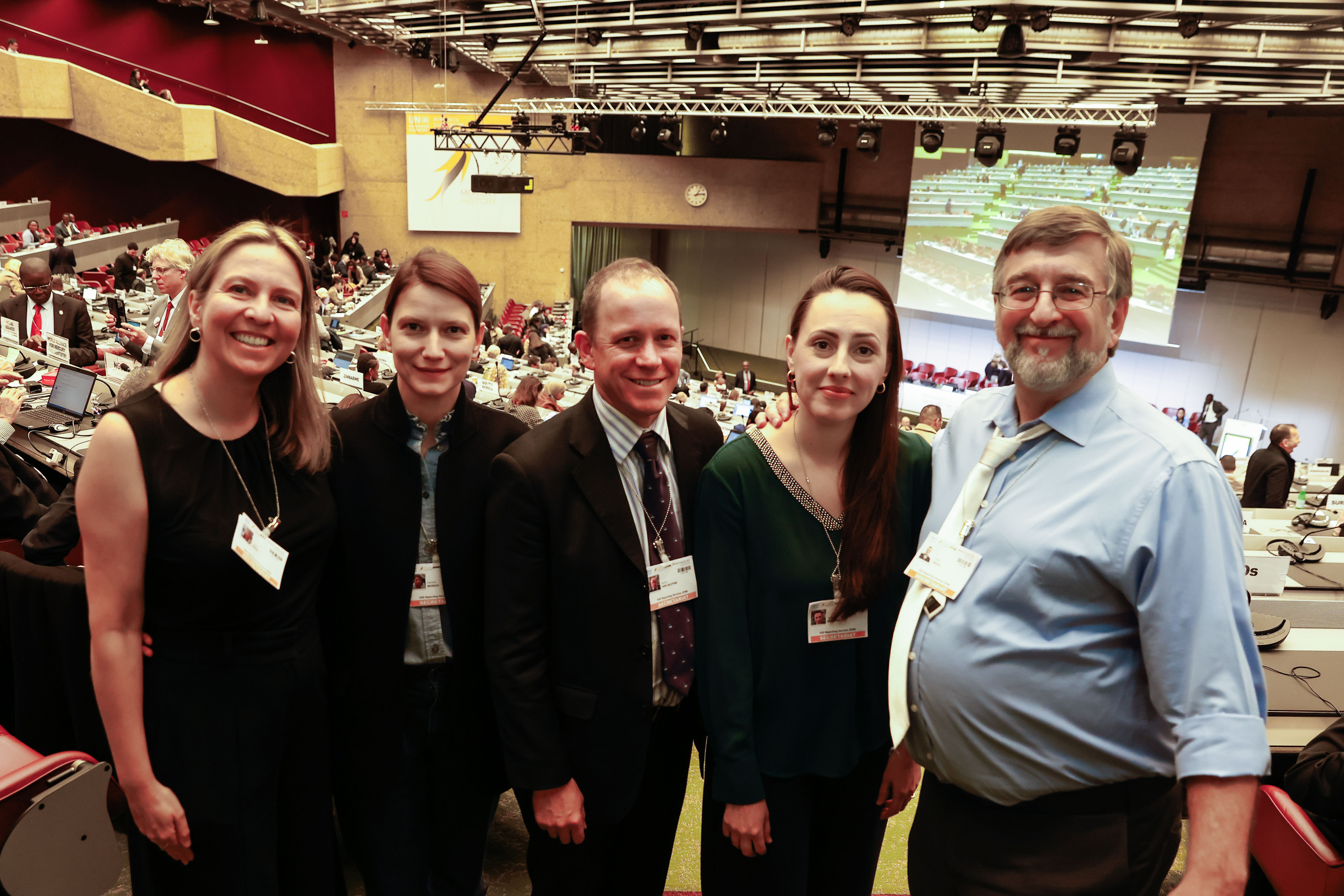
The team from the Earth Negotiations Bulletin
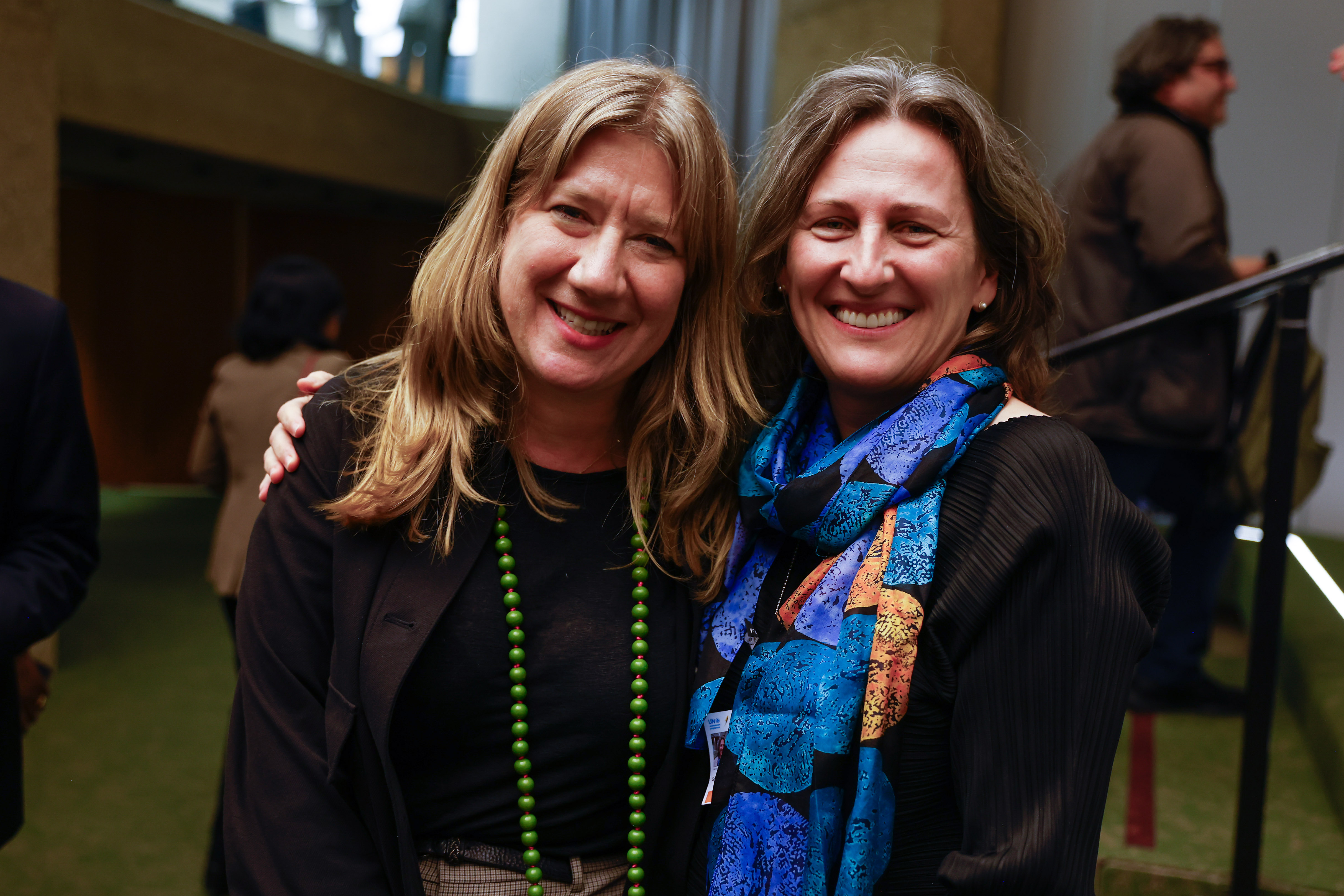
Brenda Koekkoek and Monika Stankiewicz, Secretariat
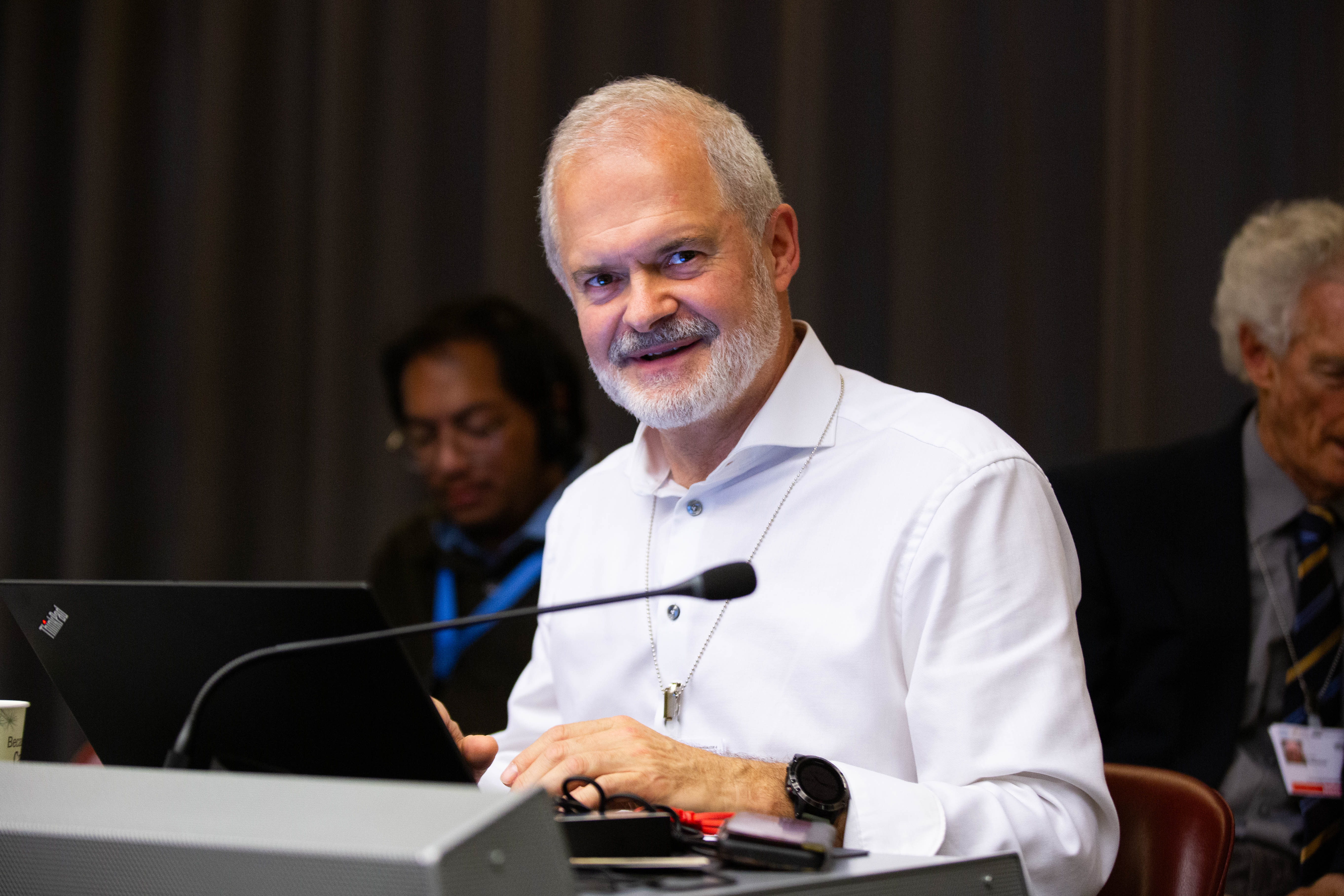
Leonardus Konings, Global Lighting Association

Contact Group on Technical Matters
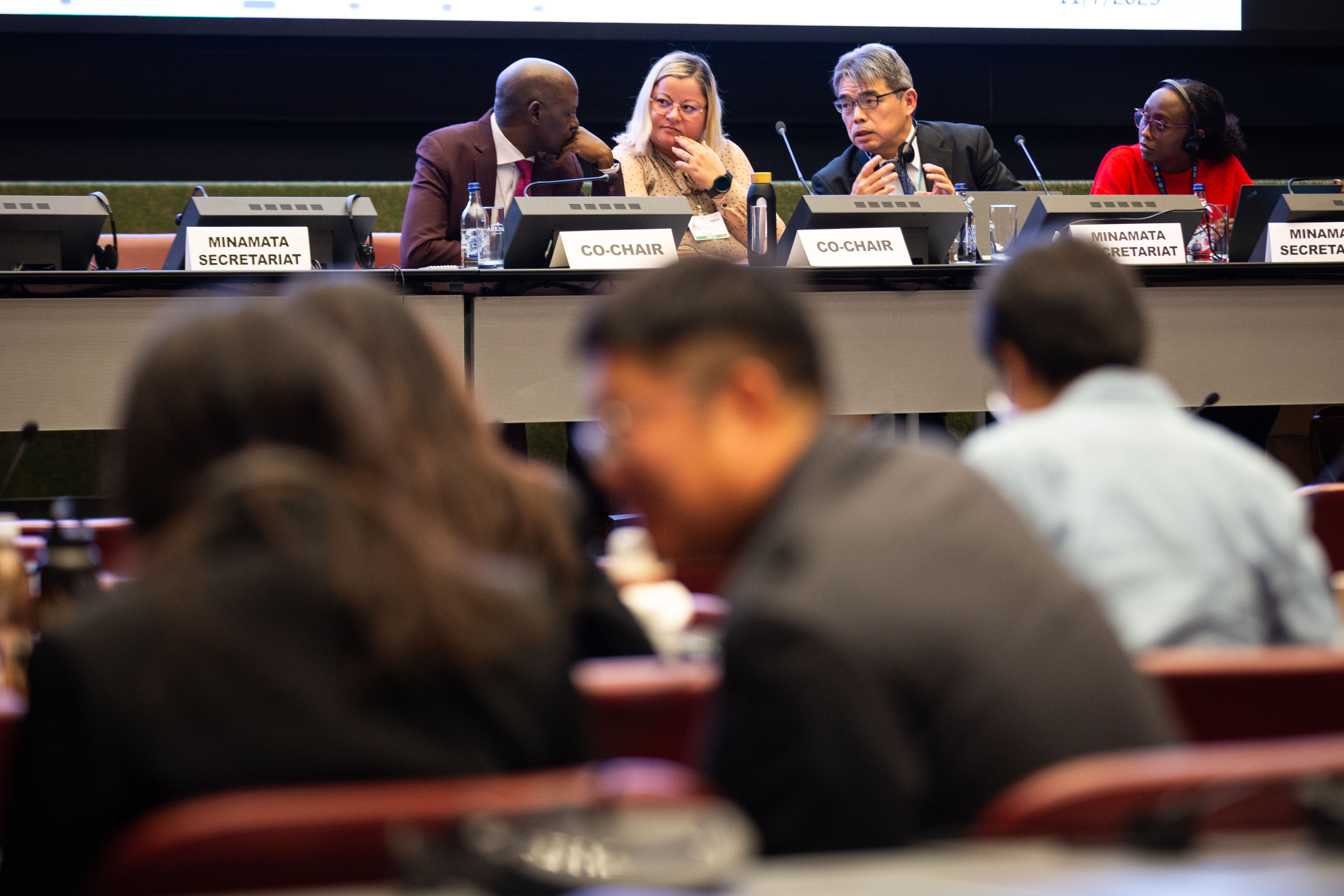
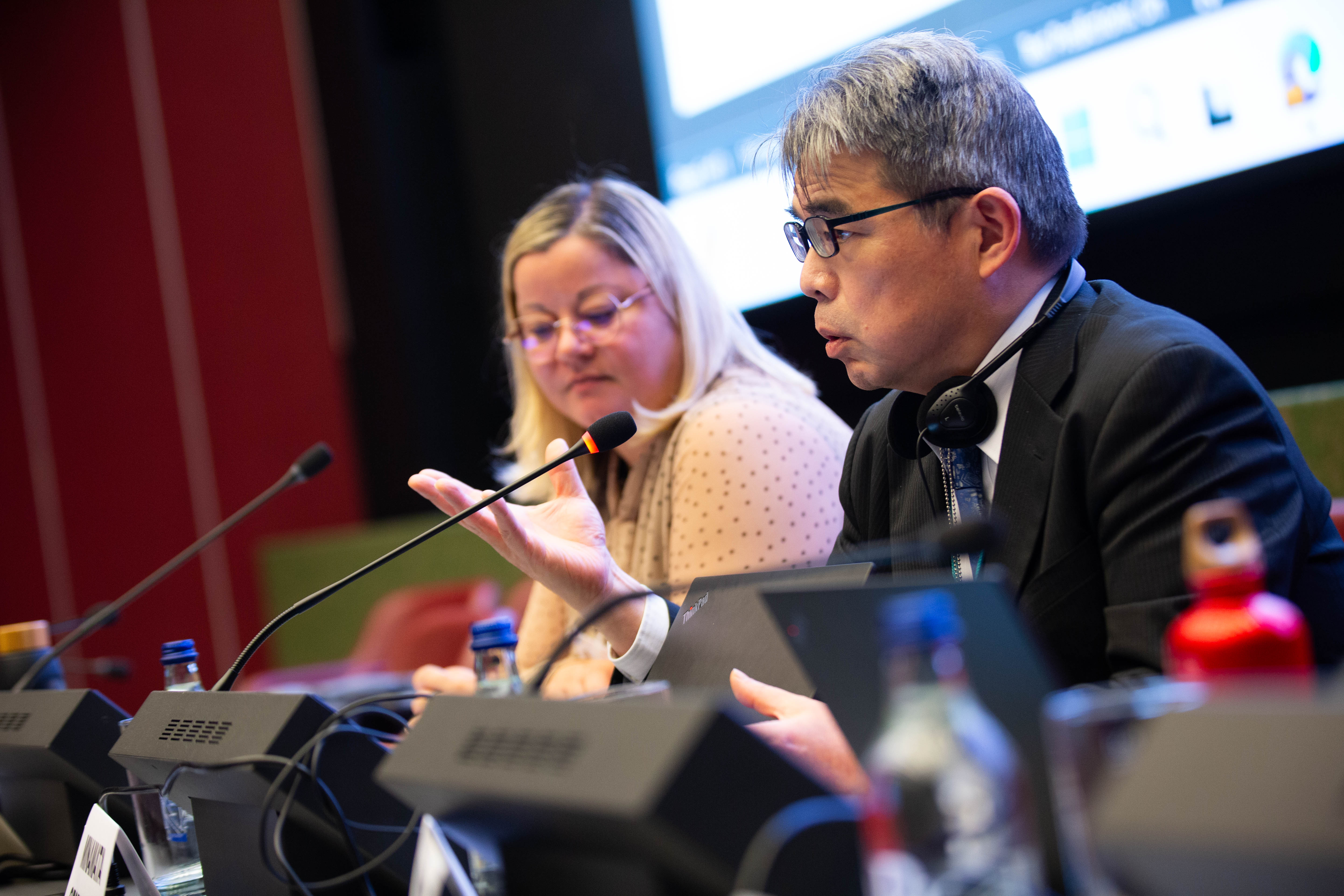
Eisaku Toda, Secretariat
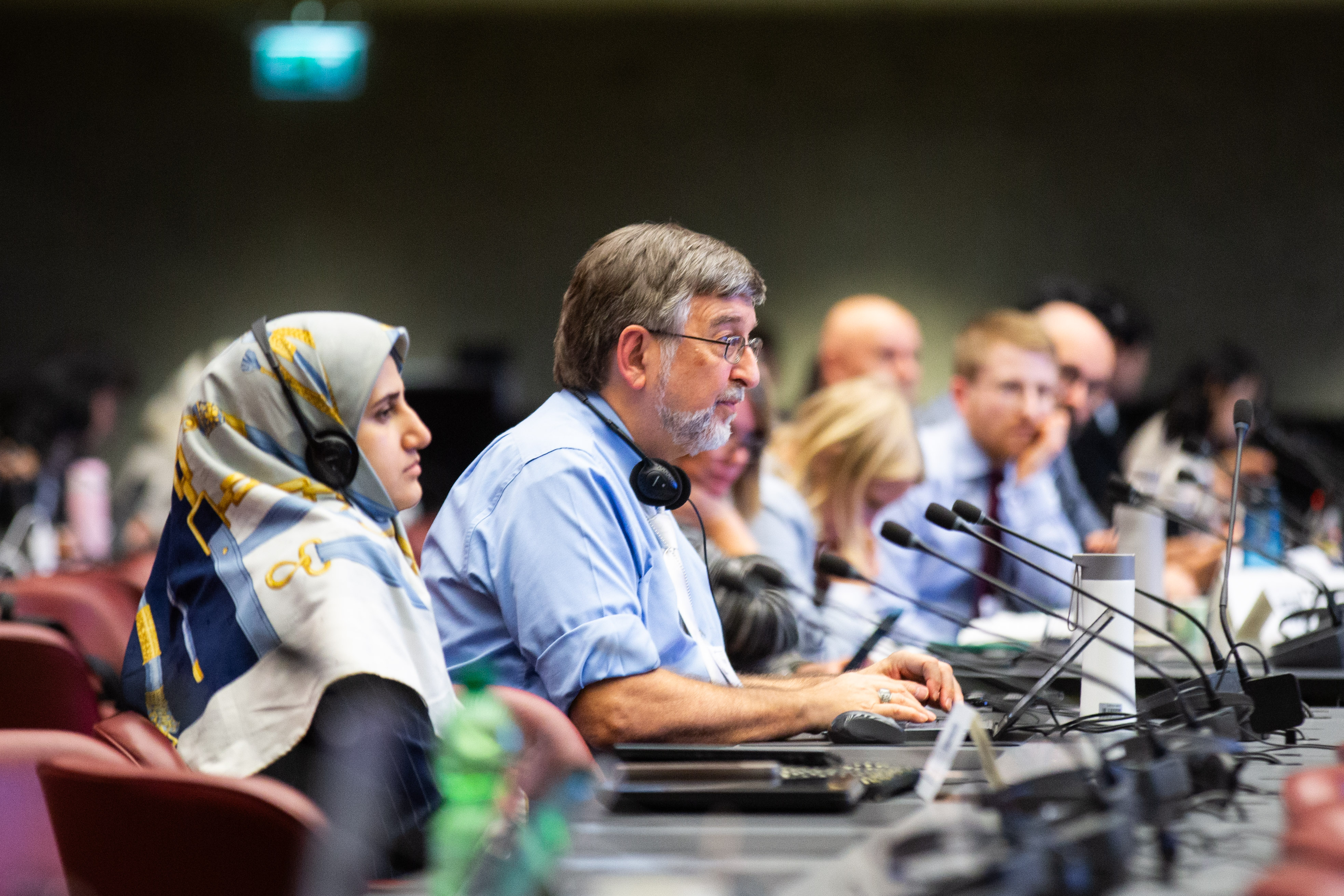
Delegates listen to the discussion on technical matters.
Afternoon Plenary
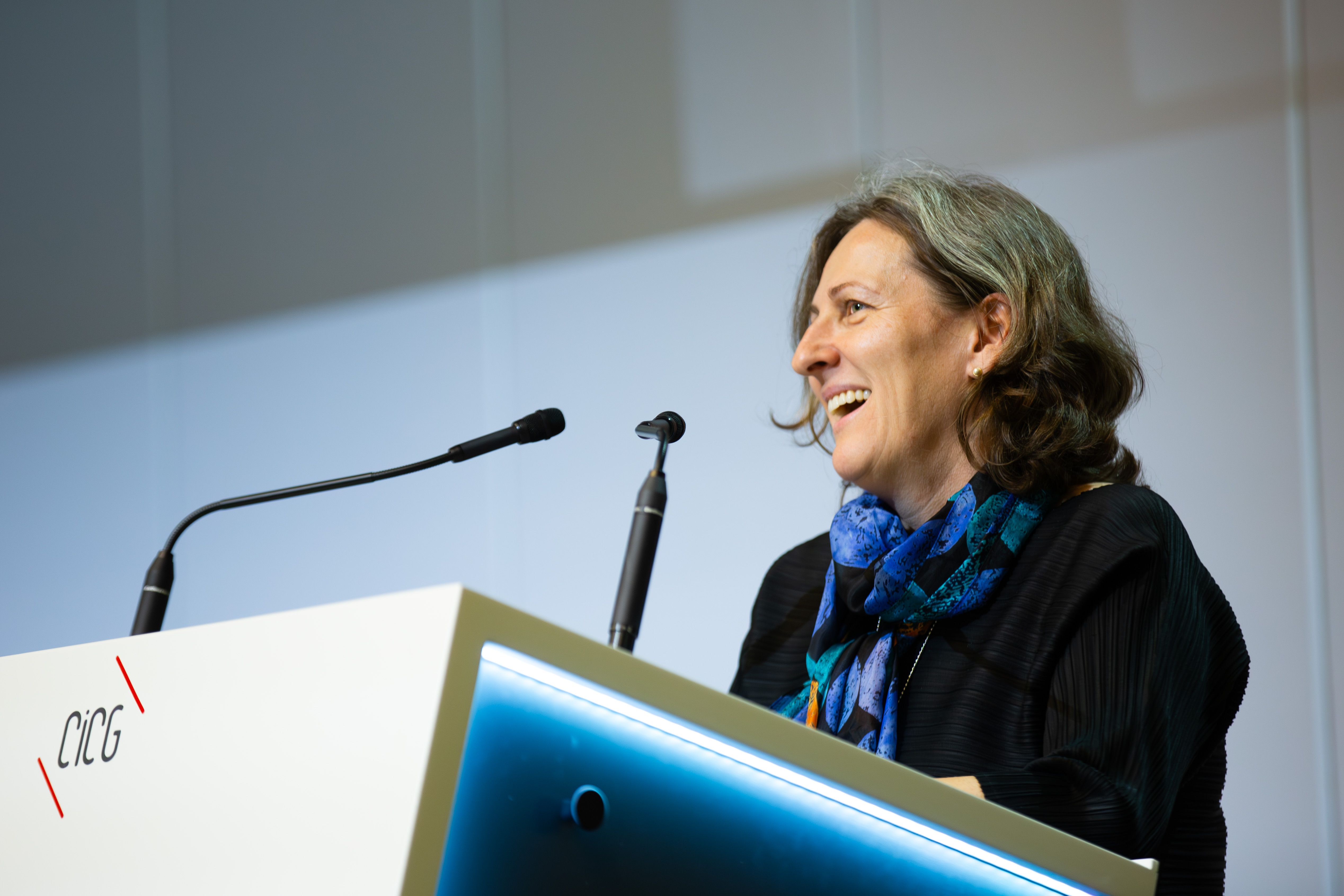
Monika Stankiewicz, Secretariat
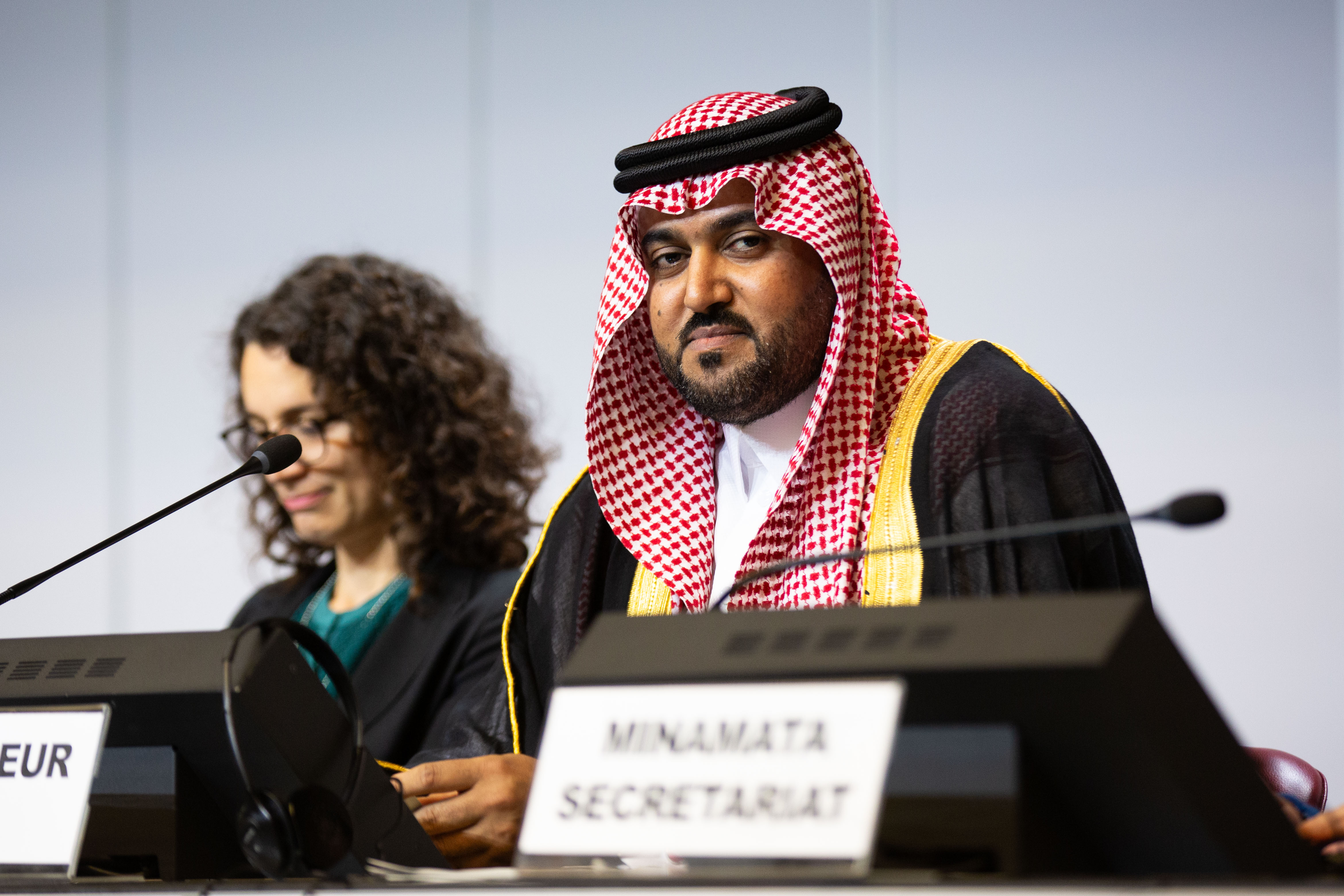
Saeed A. Alzahrani, Saudi Arabia
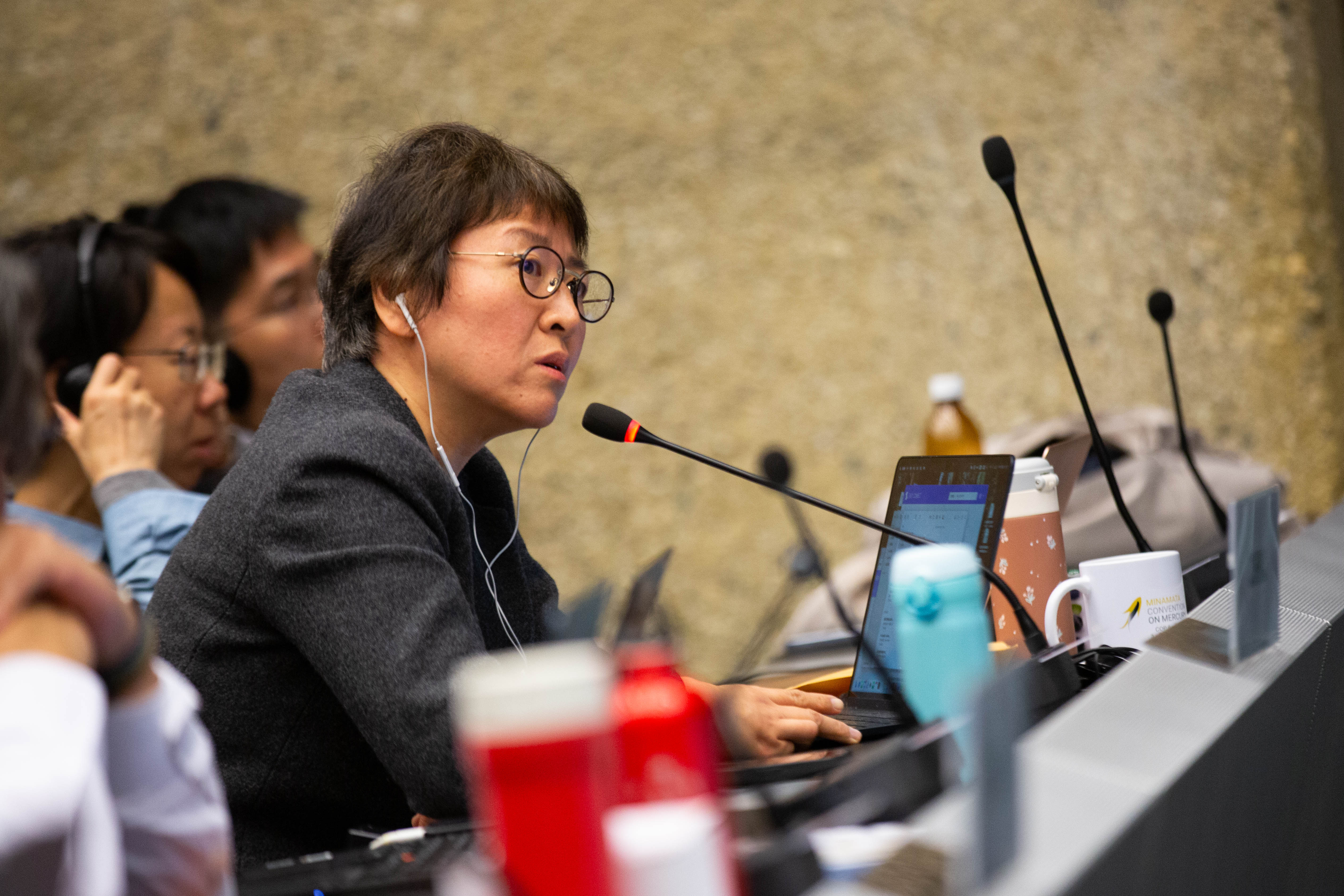
Xia Li, China
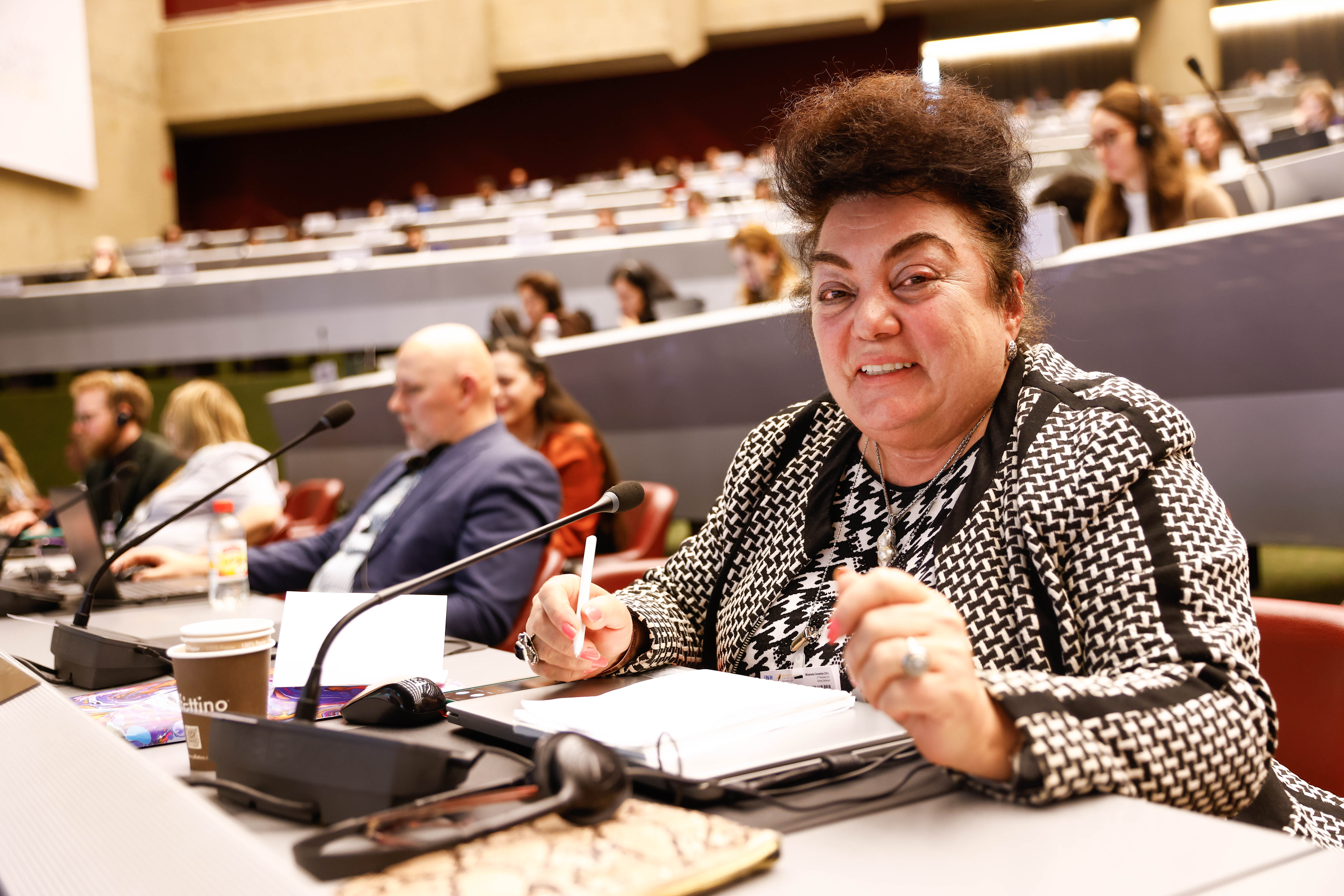
Anahit Aleksandryan, Armenia
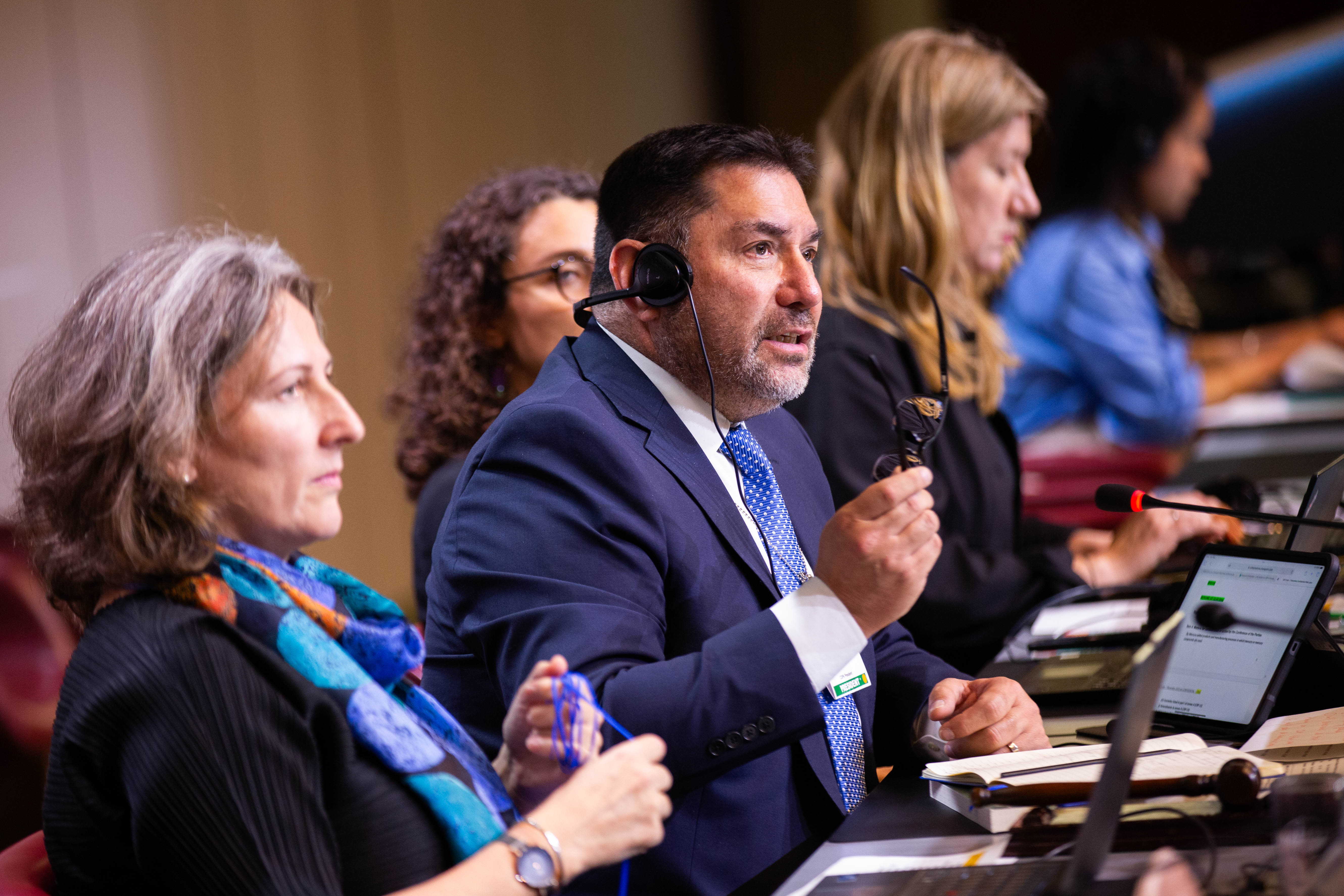
Osvaldo Patricio Álvarez Pérez, Chile
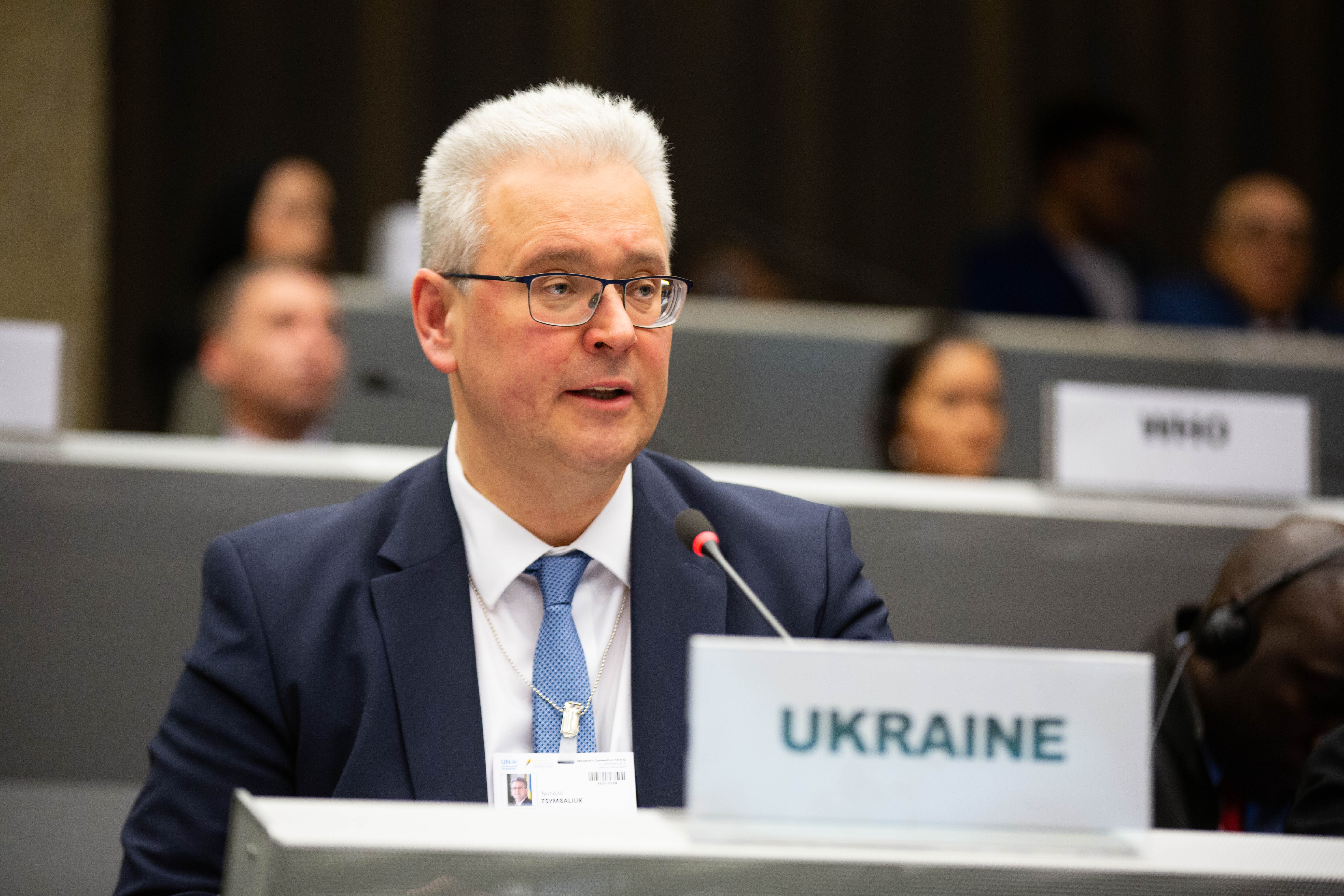
Yevhenii Tsymbaliuk, Ukraine
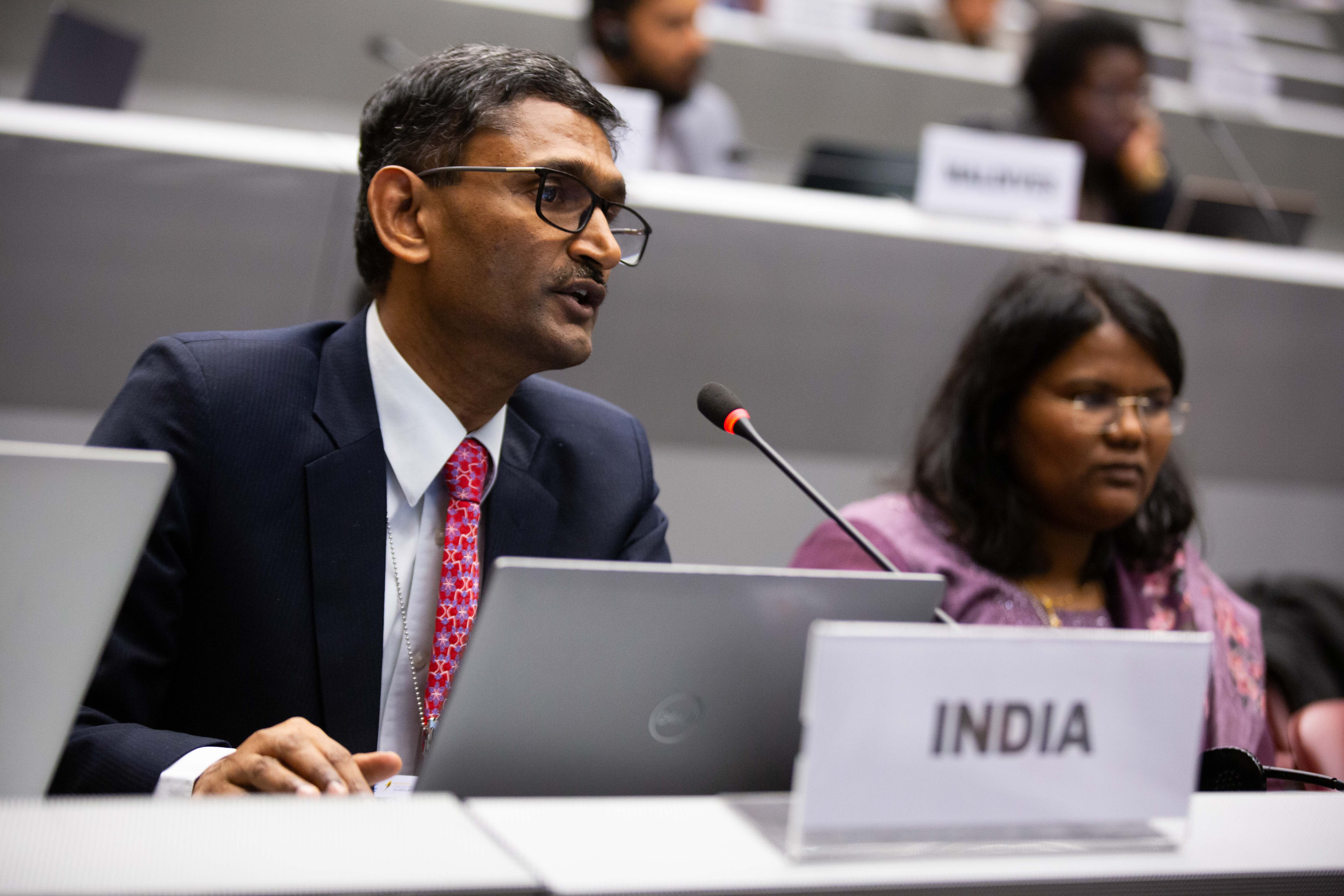
Neelesh Kumar Sah, India
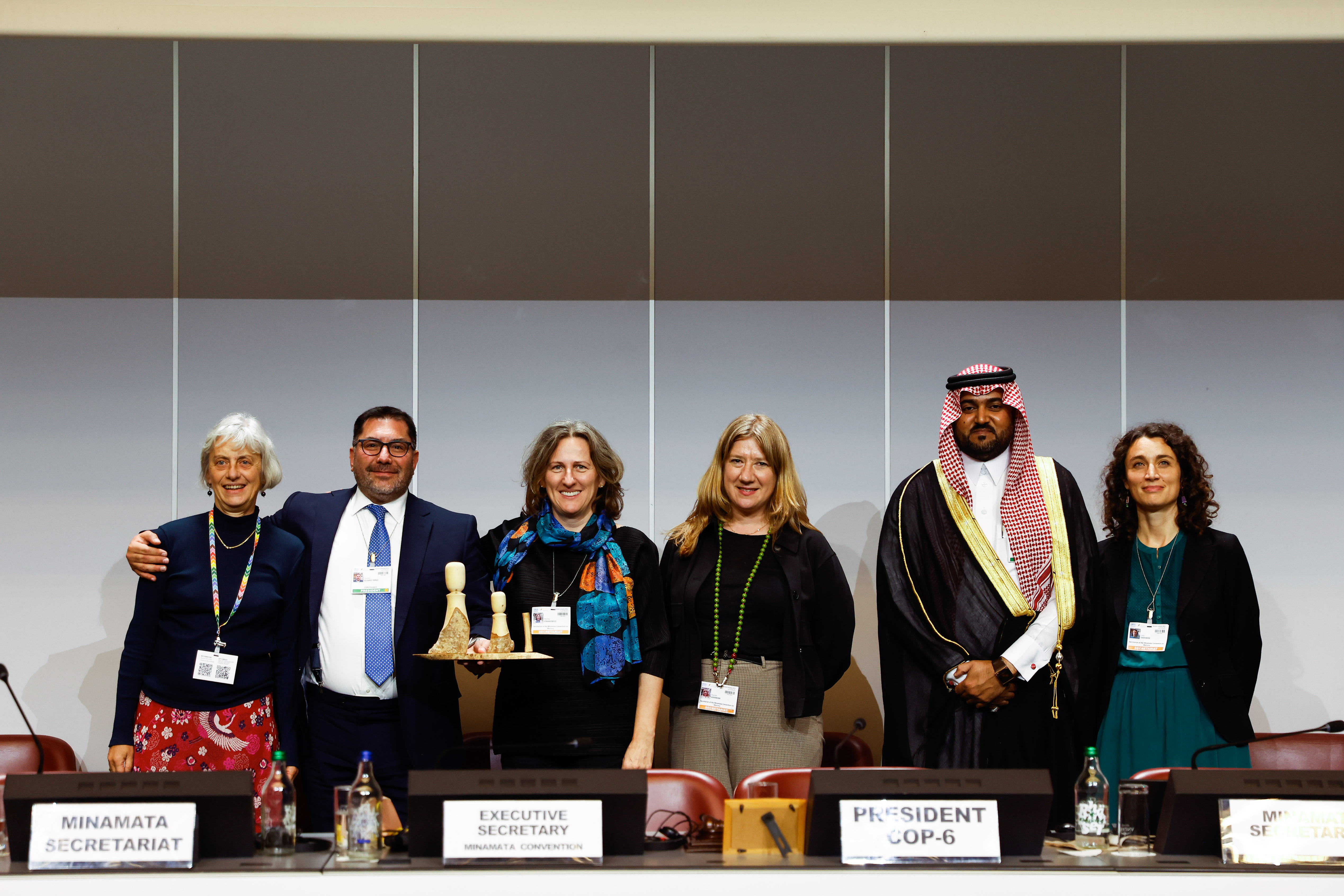
The Secretariat poses for a group photo
Around the Venue
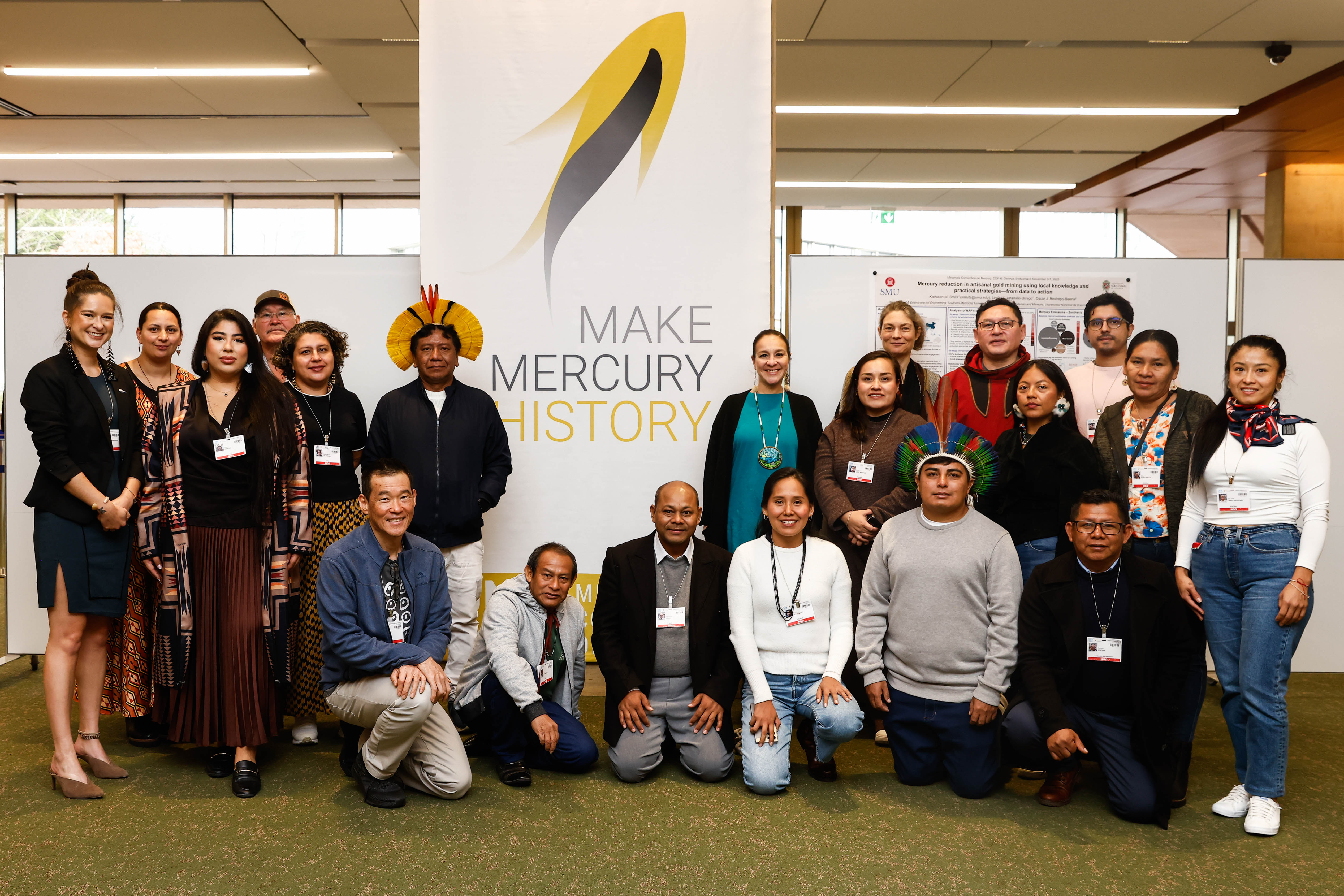
International Indigenous Peoples’ Forum on Mercury
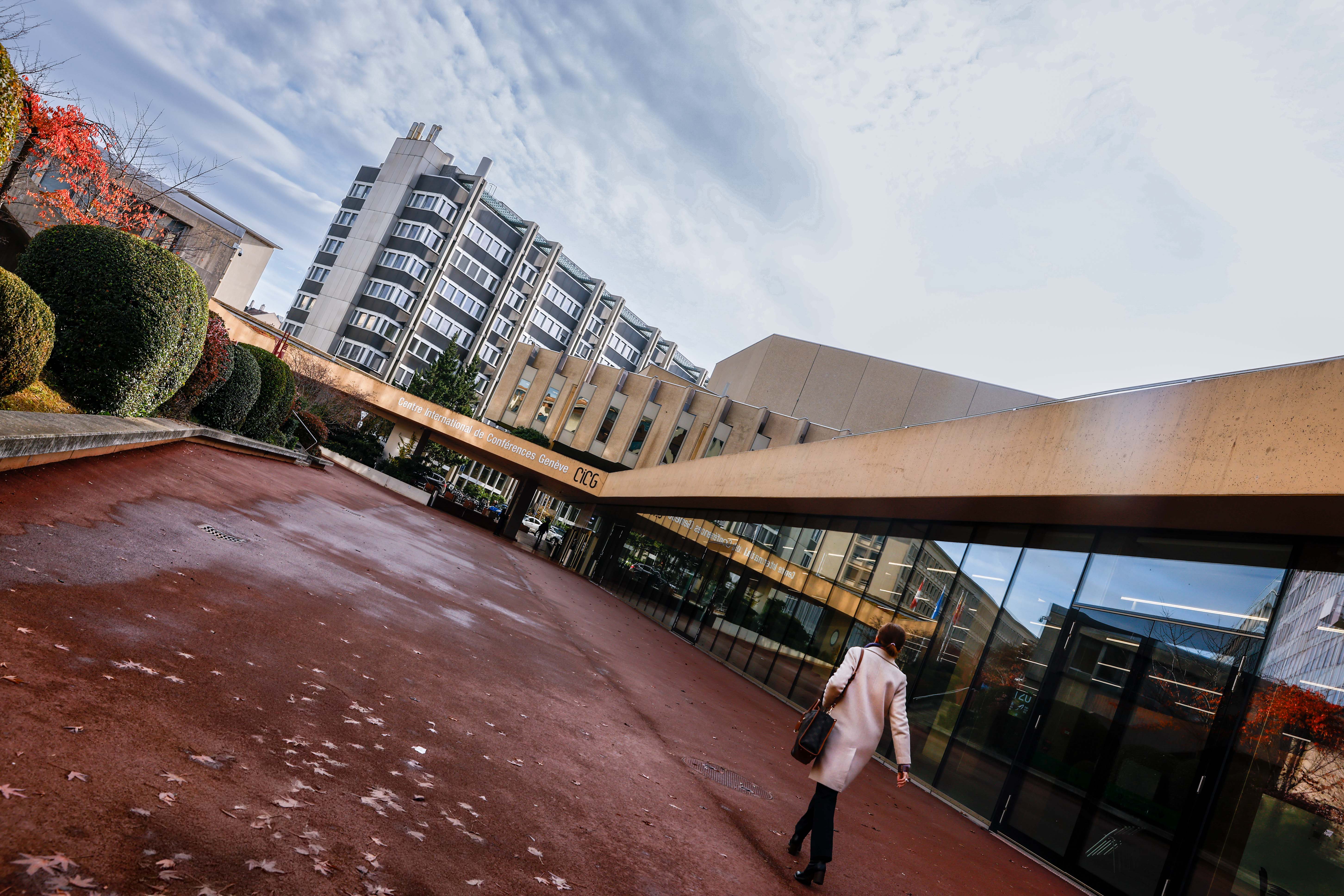
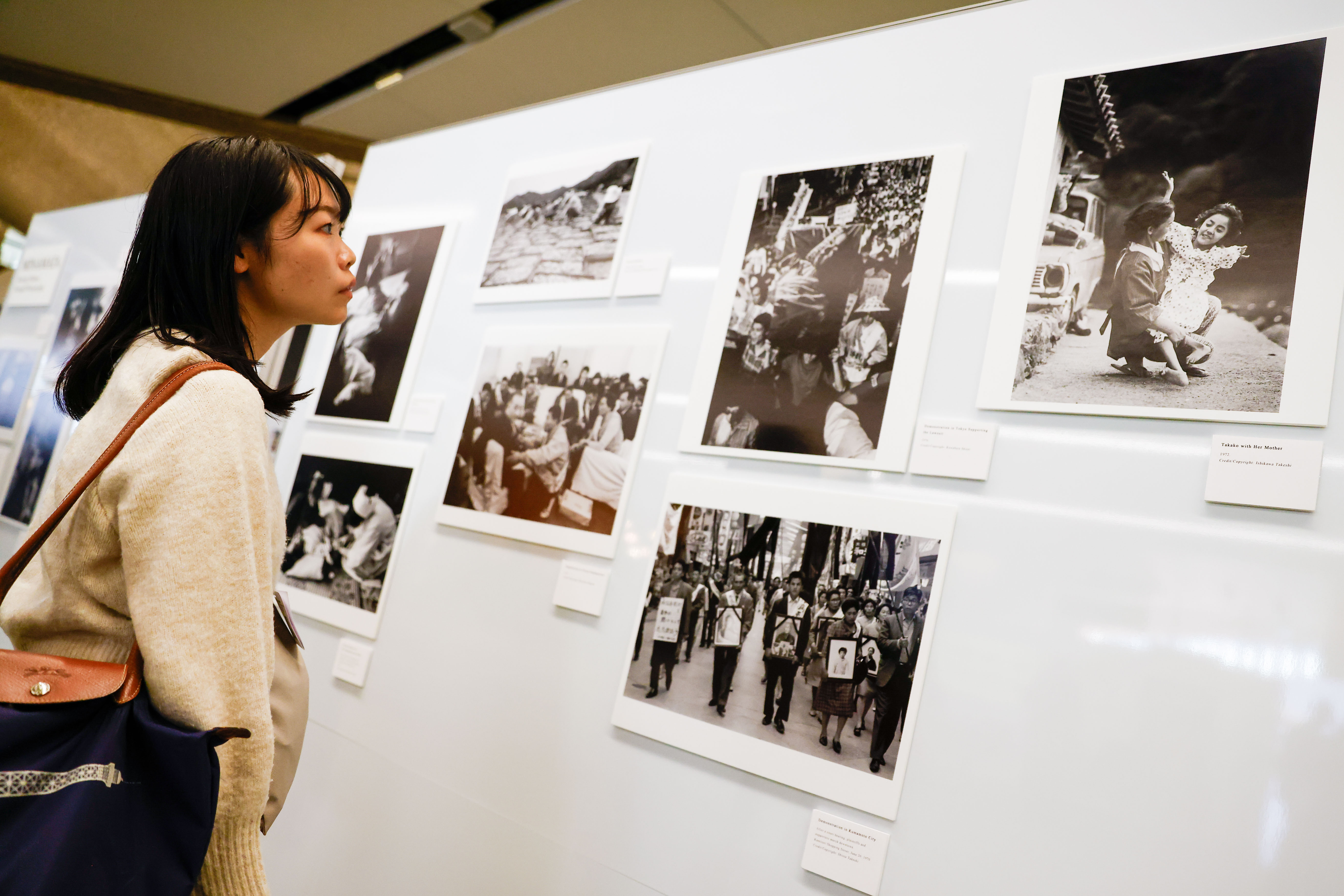


International Indigenous Peoples’ Forum on Mercury in discussion.
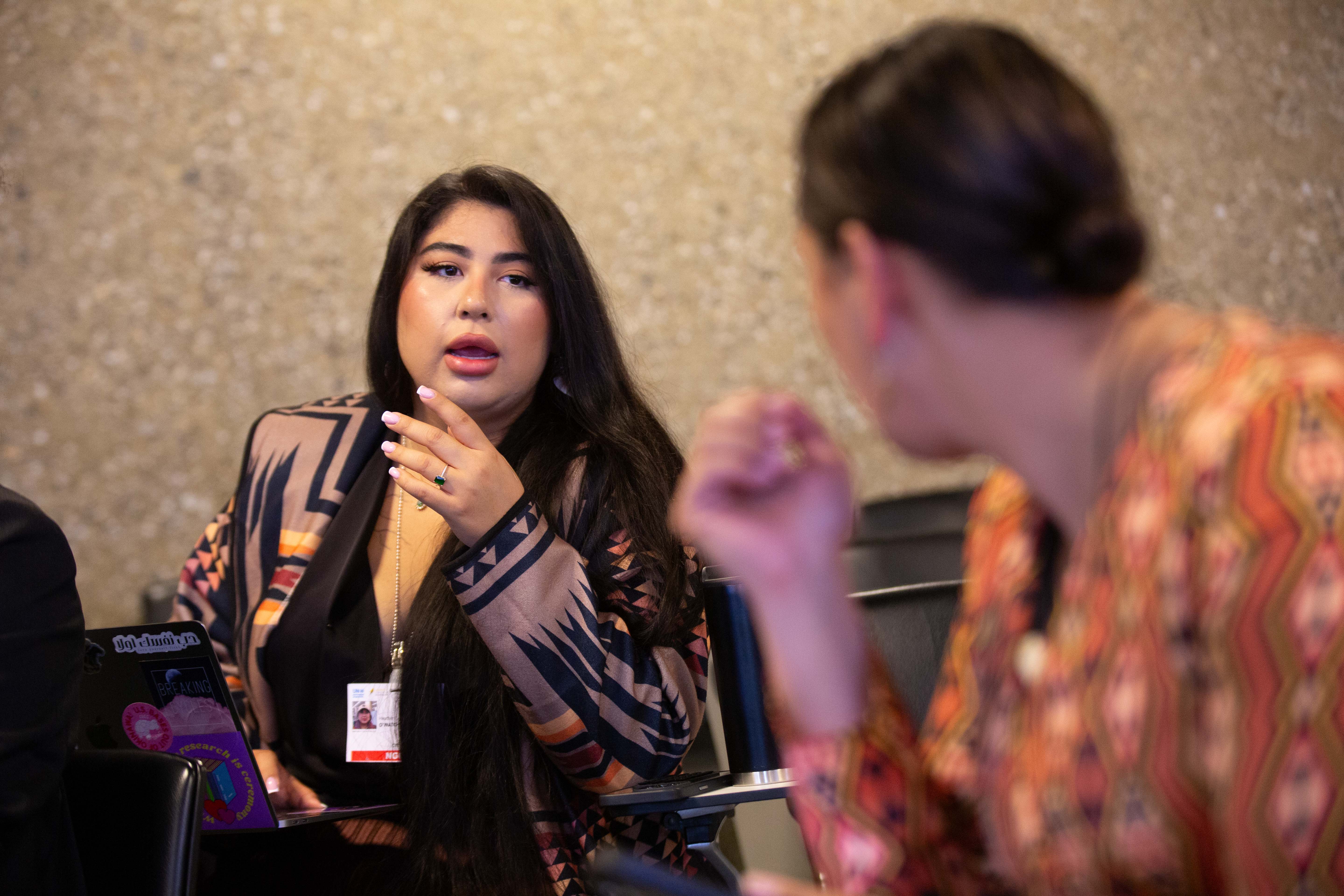
Heather O'Watch, Global Indigenous Youth Caucus
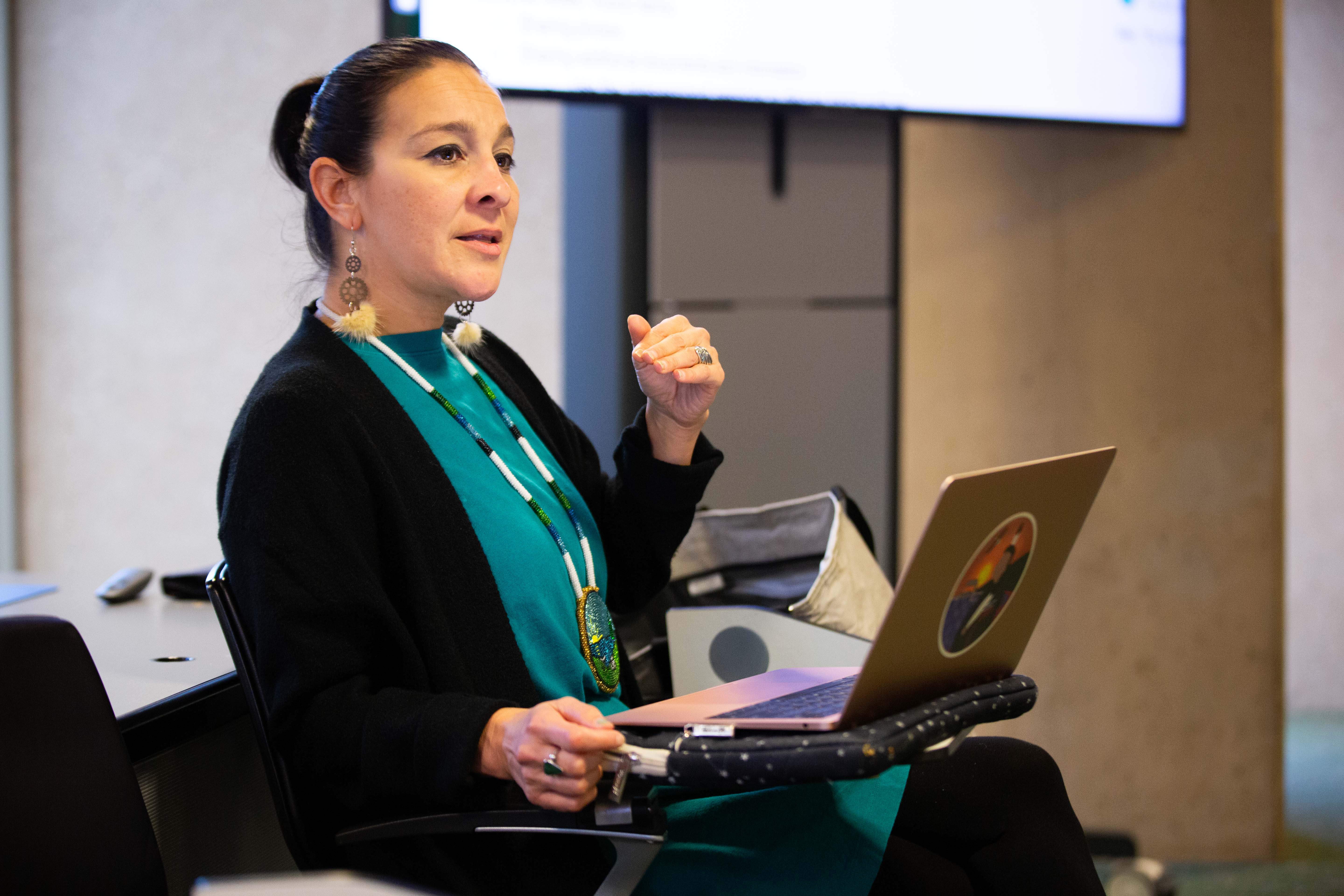
Rochelle Diver, International Indian Treaty Council
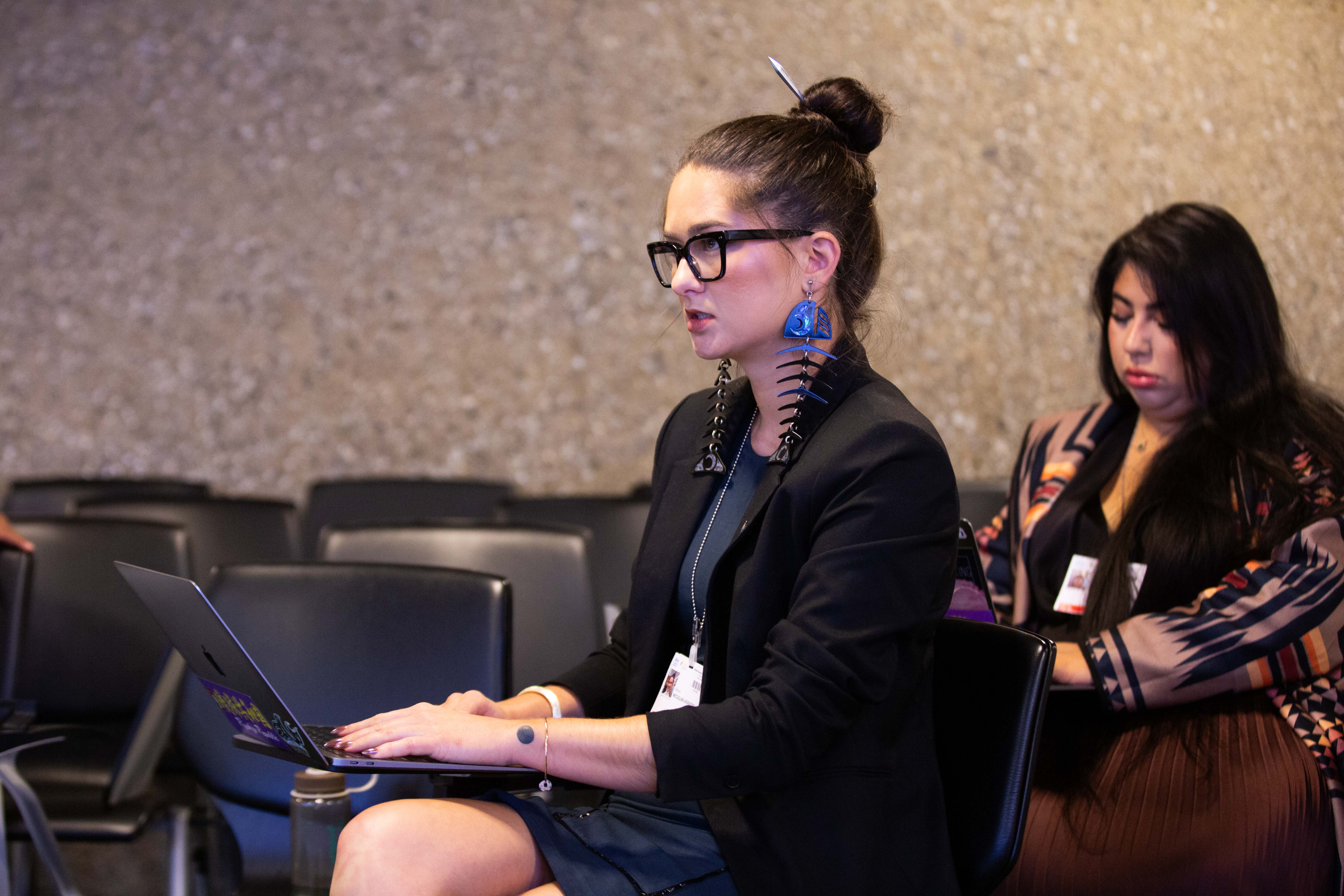
Alexyss McClellan-Ufugusuku, Mercury Youth Task Force