About
Bolstering scientific knowledge on the impact of chemicals and waste pollution on ecosystems and human health is an urgent priority. Governments have now successfully established the Intergovernmental Science-Policy Panel on Chemicals, Waste and Pollution (ISP-CWP) to bridge the gap between science and policy.
Final report
Summary report 15–20 June 2025
All coverage
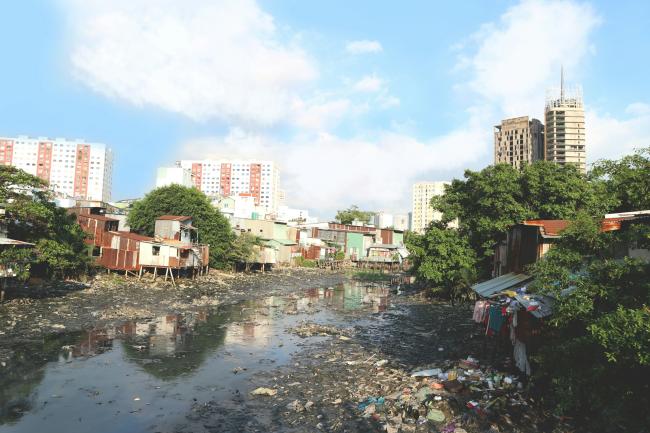
Safely protecting people and the planet from the harms of chemicals and wastes requires sound science. Innovations in chemistry and product design can leave regulators running to catch up to reduce exposure to potential harms. The risks posed by chemicals and wastes are often unclear, including how communities may be disproportionately impacted.
We know more about the risks, impacts, and policy options for climate change and biodiversity because there are global science-policy panels that provide policy-relevant scientific advice. There is no such body for chemical and waste pollution.
The scope of the challenge is potentially enormous. Some estimates show roughly 69,000 chemicals currently in use, but only a fraction have been assessed for their potential hazards. In 2020, the global direct cost of waste management was estimated to be USD 252 billion. Wastes, such as cars, batteries, and electronics, are increasingly complex and might include hazardous chemicals or materials.
Establishing such a global science-policy panel was the goal in Punte del Este. After a year-long pause in the negotiations since the last meeting, the Open-ended Working Group (OEWG) met to finalize the recommendations for the panel’s design. There were many outstanding questions. Who, and how, will decide which assessments to undertake? What types of expertise matter? What will this panel be called? Some of these issues would be deferred to the new panel to decide.
The OEWG was held back-to-back with the Intergovernmental Meeting convened by the Executive Director of the UN Environment Programme for the purpose of considering the establishment of the new science-policy panel to contribute further to the sound management of chemicals and waste and to prevent pollution.
The Earth Negotiations Bulletin (ENB) writers for this meeting were Jennifer Allan, Ph.D.; María Gutiérrez, Ph.D.; Vijay Kolinjivadi, Ph.D.; and Moritz Petersmann. The Digital Editor was Ángeles Estrada. The Editor was Pam Chasek, Ph.D.
View past and future events
Past event
OEWG1: Science-Policy Panel to Contribute Further to the Sound Management of Chemicals and Waste and to Prevent Pollution
Past event
OEWG1-2: Science-Policy Panel to Contribute Further to the Sound Management of Chemicals and Waste and to Prevent Pollution
Past event
2nd Meeting of the Ad Hoc Open-ended Working Group on a Science-Policy Panel to Contribute Further to the Sound Management of Chemicals and Waste and to Prevent Pollution
Past event
3rd Meeting of the Ad Hoc Open-ended Working Group on a Science-Policy Panel to Contribute Further to the Sound Management of Chemicals and Waste and to Prevent Pollution
Past event
Resumed 3rd Meeting of the Ad Hoc Open-ended Working Group on a Science-Policy Panel to Contribute Further to the Sound Management of Chemicals and Waste and to Prevent Pollution and Intergovernmental Meeting
Past event
1st Session of the Plenary of the Intergovernmental Science-Policy Panel on Chemicals, Waste and Pollution (ISP-CWP P1)
To receive free coverage of global environmental events delivered to your inbox, subscribe to the ENB Update newsletter.
