Setting up a global science-policy body is no easy task! Delegates worked through most of the night and well into the afternoon to finalize the foundational document, which is the basis for establishing the science-policy panel on chemicals, waste and pollution prevention. In times of geopolitical tensions, the challenge of finding common ground across conflicting geographic and socioeconomic priorities could not be understated.
Want to dig deeper into today's talks? Read the full Earth Negotiations Bulletin daily report.
To set the new panel in motion, there needs to be clarity on key elements of its work. For instance, the process of decision-making needs to be specified. Will it occur by consensus or by voting? Consensus stands for inclusivity in principle but can and does lead to protracted stalemate and can diminish the effectiveness of the panel.
Then there are more basic concerns about the panel that speak to its core purpose, as specified in the United Nations Environment Assembly Resolution 5/8 calling for its establishment. Some delegations want to specify that the sound management of chemicals and waste and to prevent pollution is for the protection of human health and the environment, while others prefer to keep it simply to a panel on the sound management of chemicals and waste, without reference to pollution prevention.
Some delegations are concerned about the role of observers to the Interdisciplinary Expert Committee tasked with overseeing the scientific outputs of the panel. They worry that observers may influence the impartial work of scientists. Yet, others are concerned that the lack of observers in the expert committee hampers transparency and inclusivity.
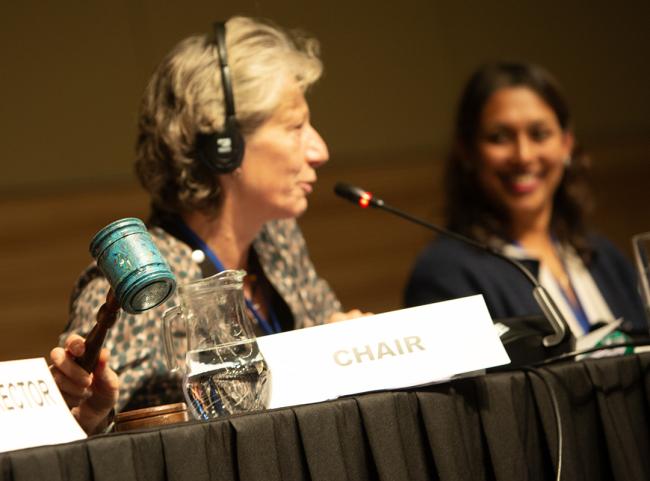
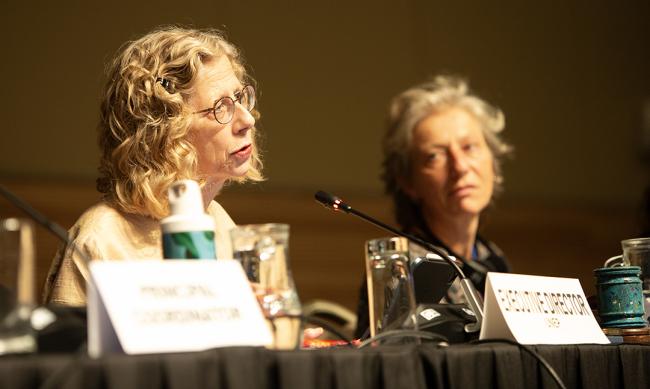
The closing plenary of the Open-Ended Working Group (OEWG) on Thursday marked a significant moment, more than three years after the Group’s mandate began. UN Environment Programme Executive Director Inger Andersen emphasized that “today is the day that the world decided to come together and make the best science available on chemicals, pollution, and waste to the world.”
While delegates welcomed the renewed spirit of multilateralism through commitment to collaboration despite tough negotiations, some observers and delegations raised concerns about how requests to remove gender inclusivity in the panel’s work risked backtracking hard-fought wins that took decades to achieve.
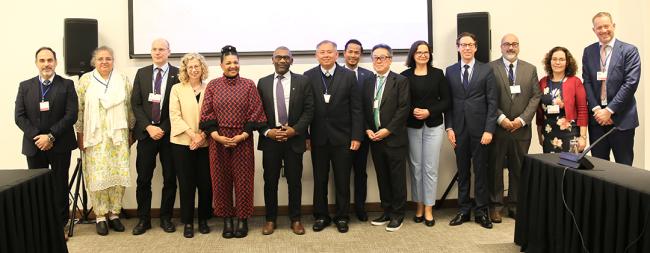
While developing proposals for the establishment of the panel was a significant challenge, it is now up for the Intergovernmental Meeting to formally establish the new body. The real task lies ahead, in ensuring the panel is effective in achieving its objectives and in the uptake of its work.
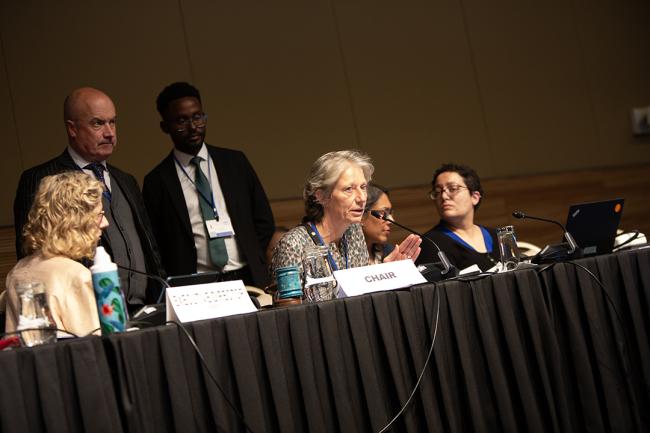
OEWG Chair Gudi Alkemade adjourned the meeting at 7:10 pm.
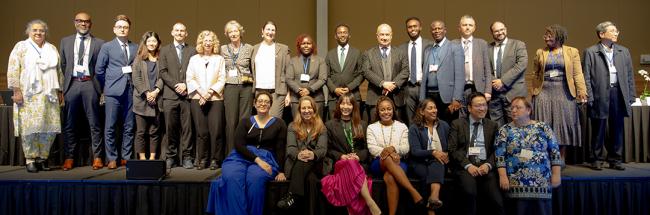
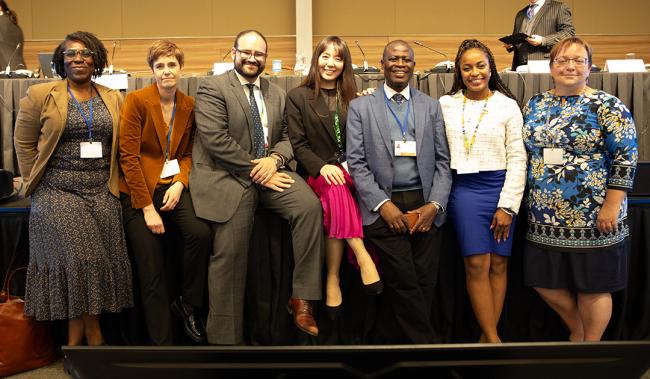
To receive free coverage of global environmental events delivered to your inbox, subscribe to the ENB Update newsletter.
All ENB photos are free to use with attribution. For photos of this side event, please use: Photo by IISD/ENB - Angeles Estrada Vigil
Informal consultations
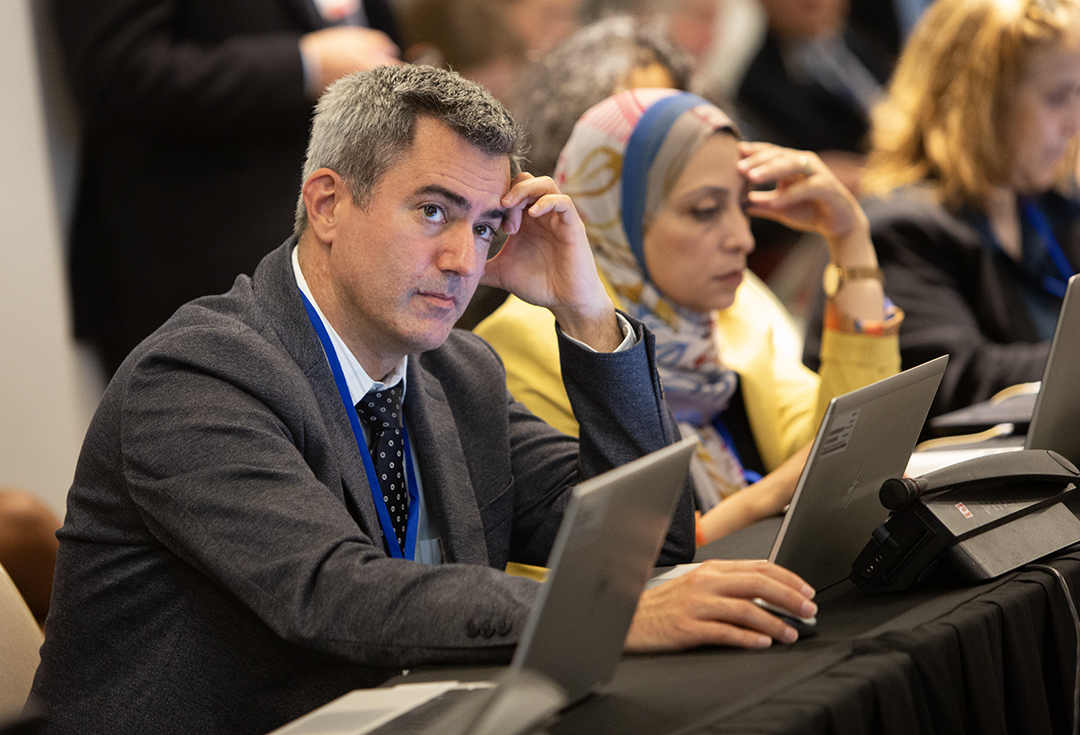
Marco Crugnola, Switzerland
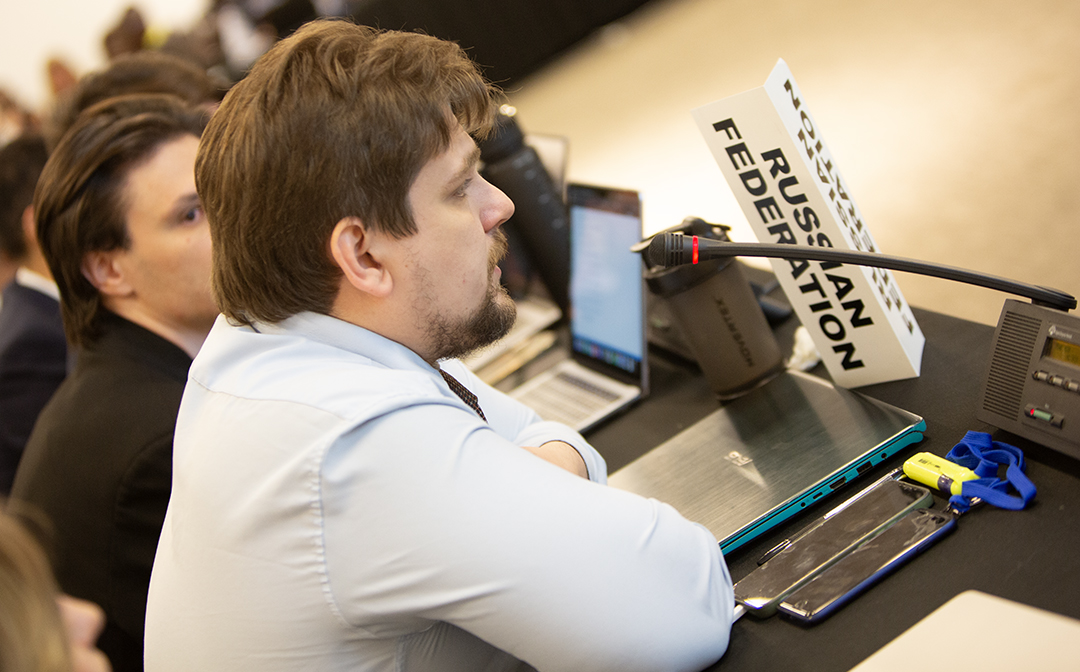
Oleg Senchenko, Russian Federation
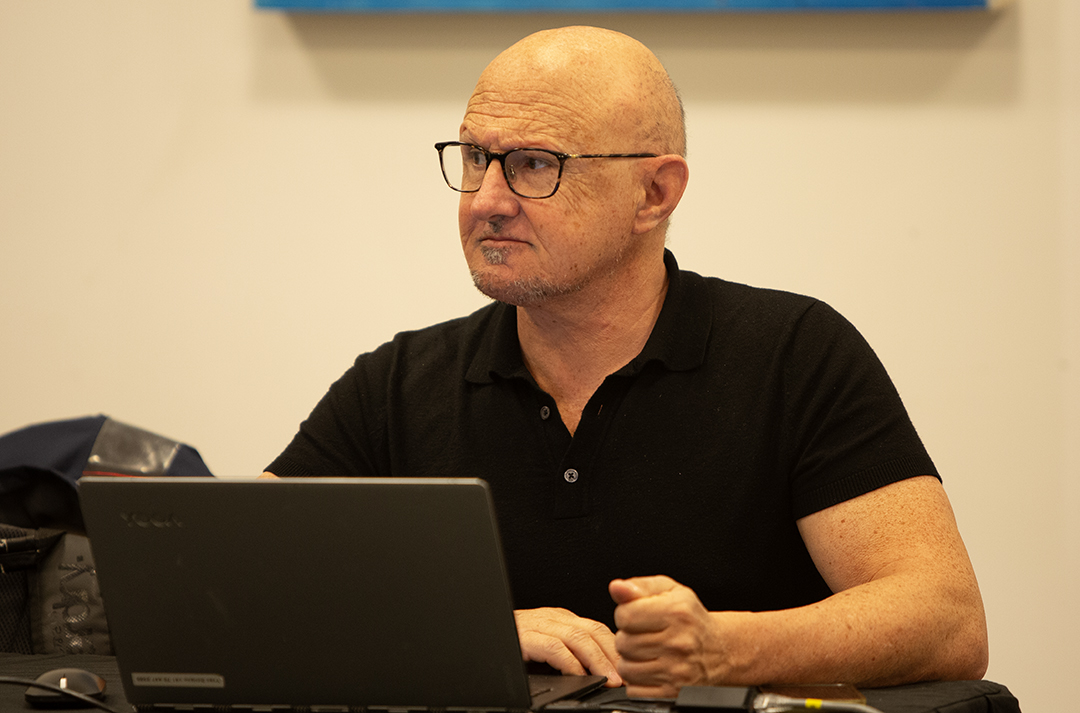
Yves Soriano, Secretariat
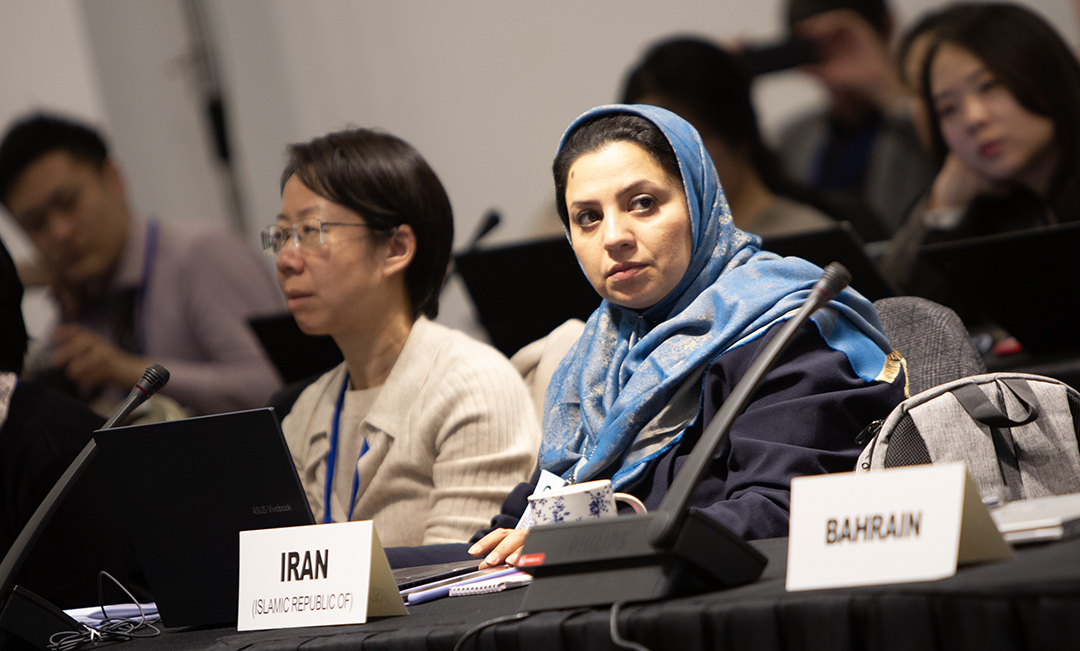
Afsaneh Hassani, Iran
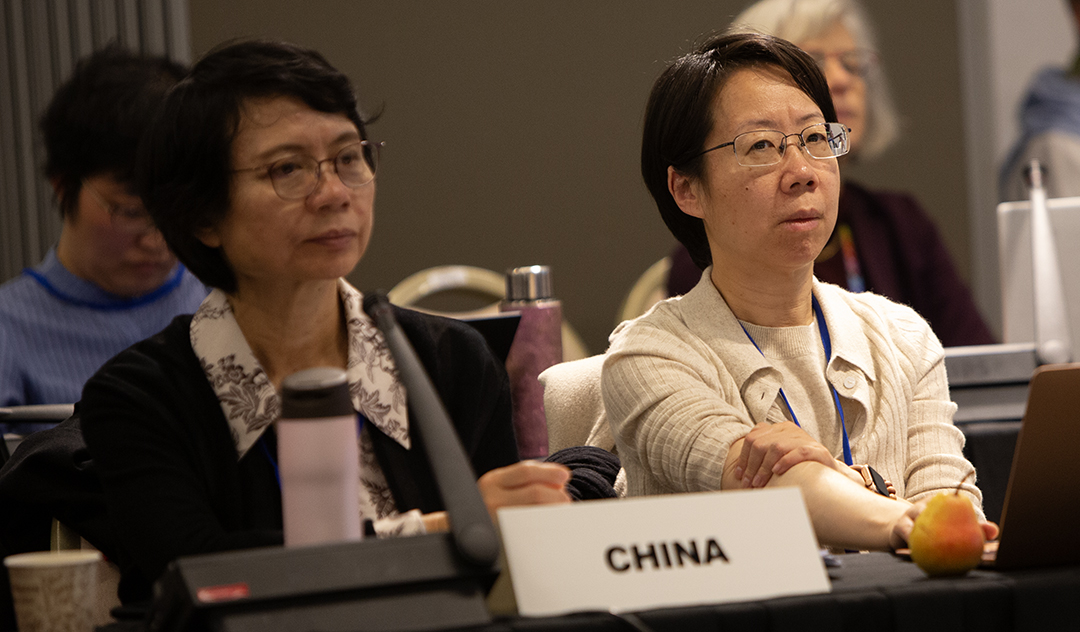
Delegates from China during the informal group consultations
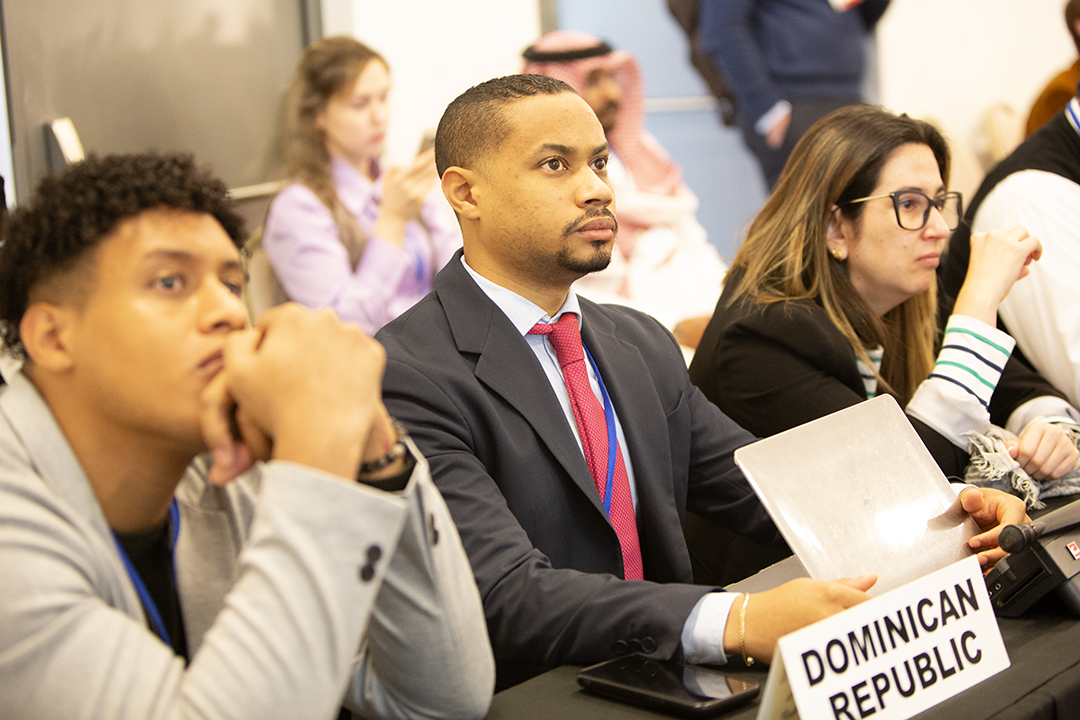
Domingo Melenciano Aquino, Dominican Republic
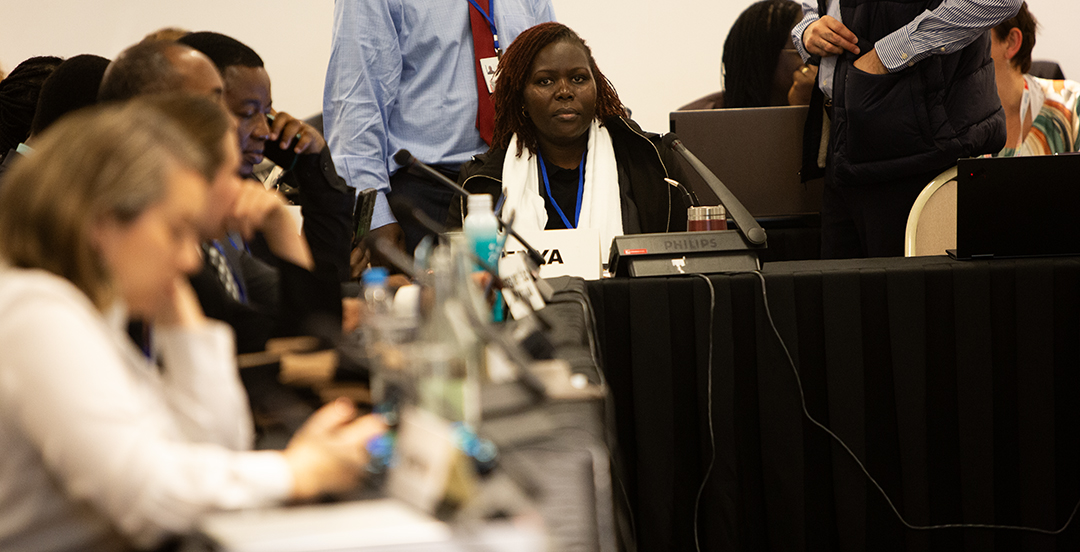
Linda Kosgei, Kenya
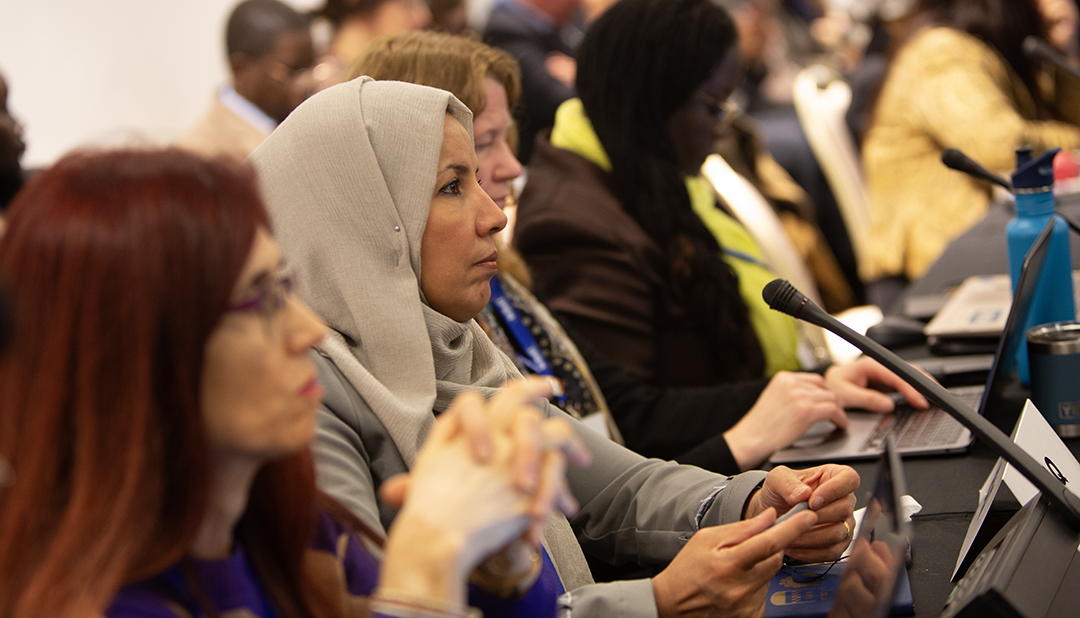
Iman Fadhil Nassar, Iraq
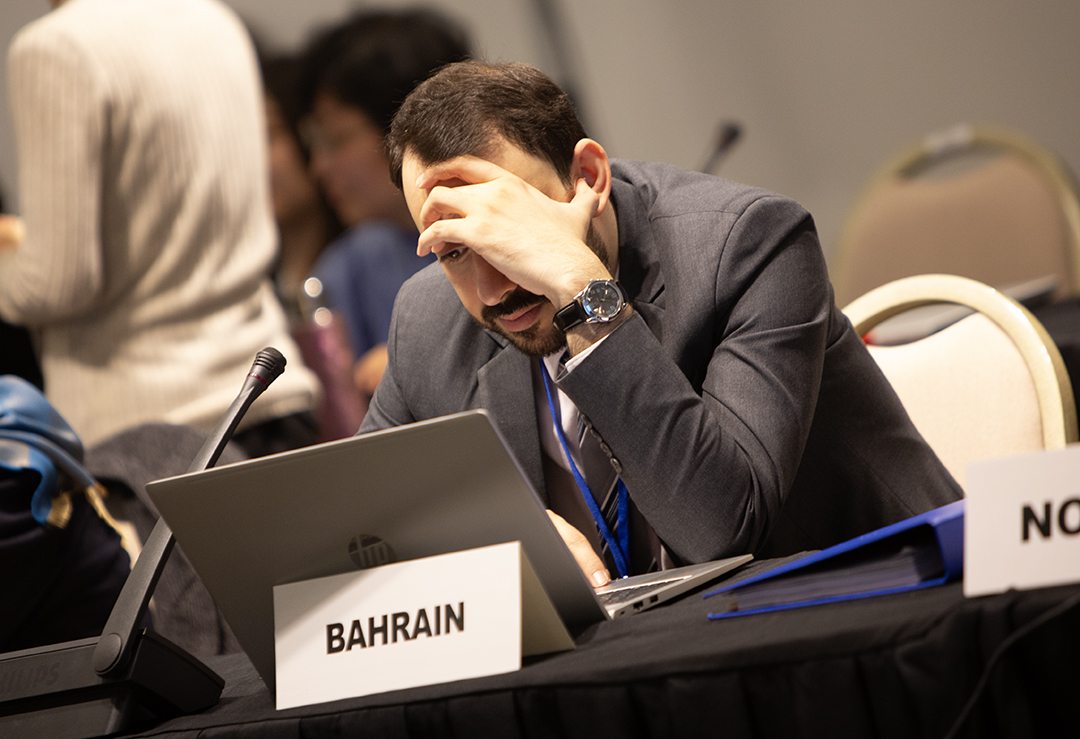
Habib Abdulla, Bahrain
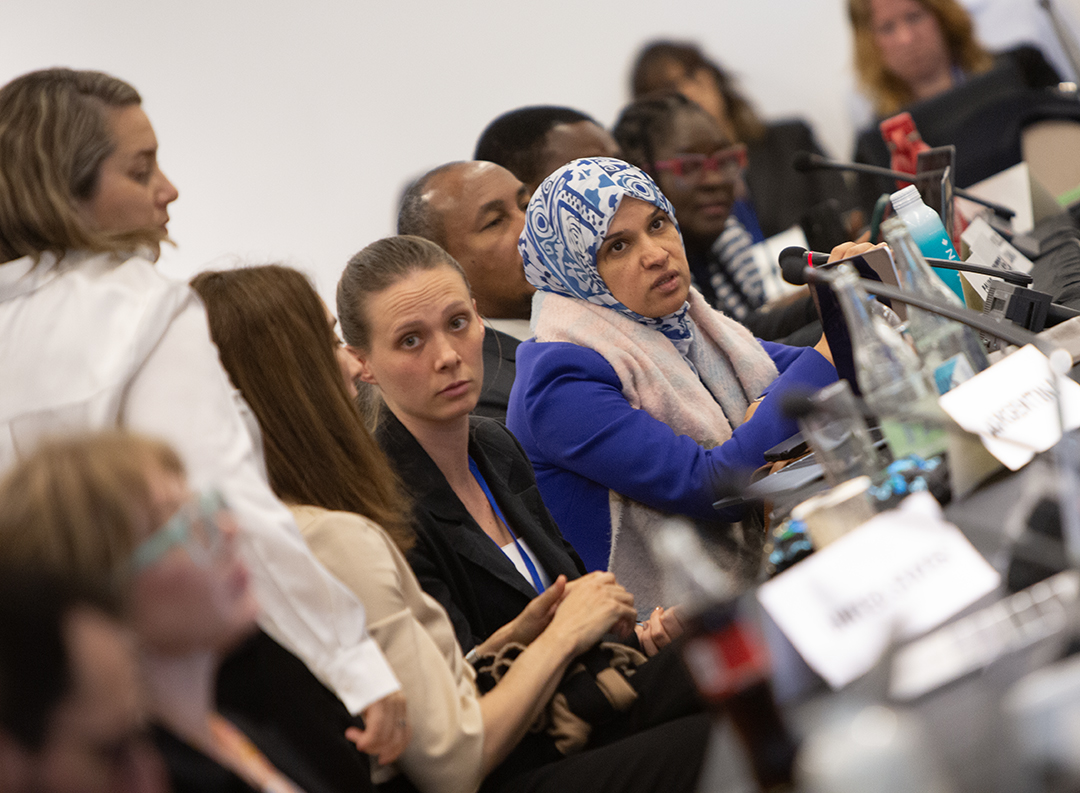
Sara Hassan, Egypt
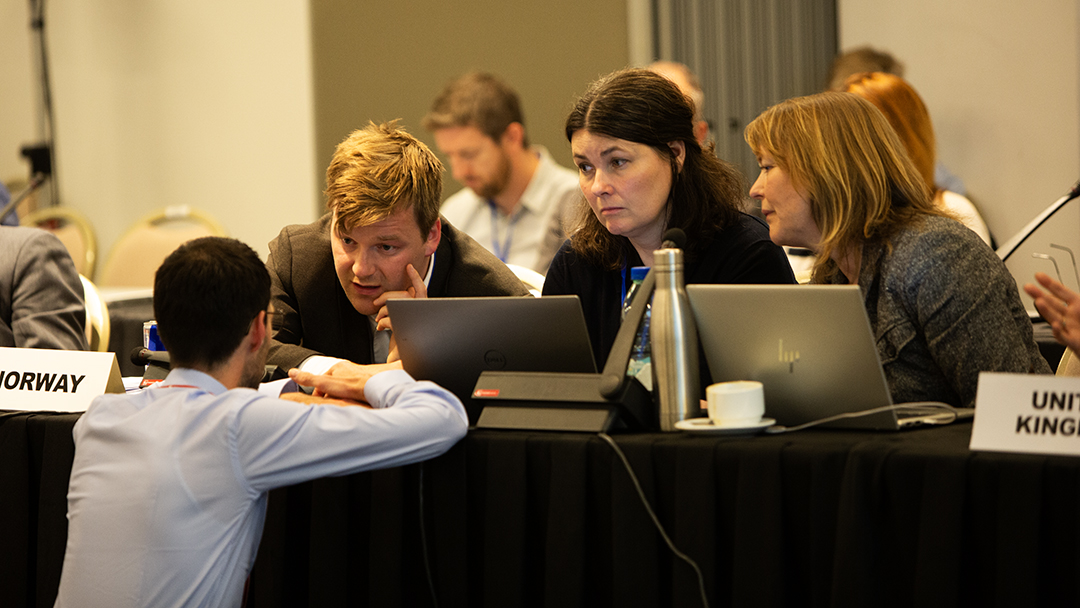
Delegates from Norway in consultation with Switzerland
Plenary
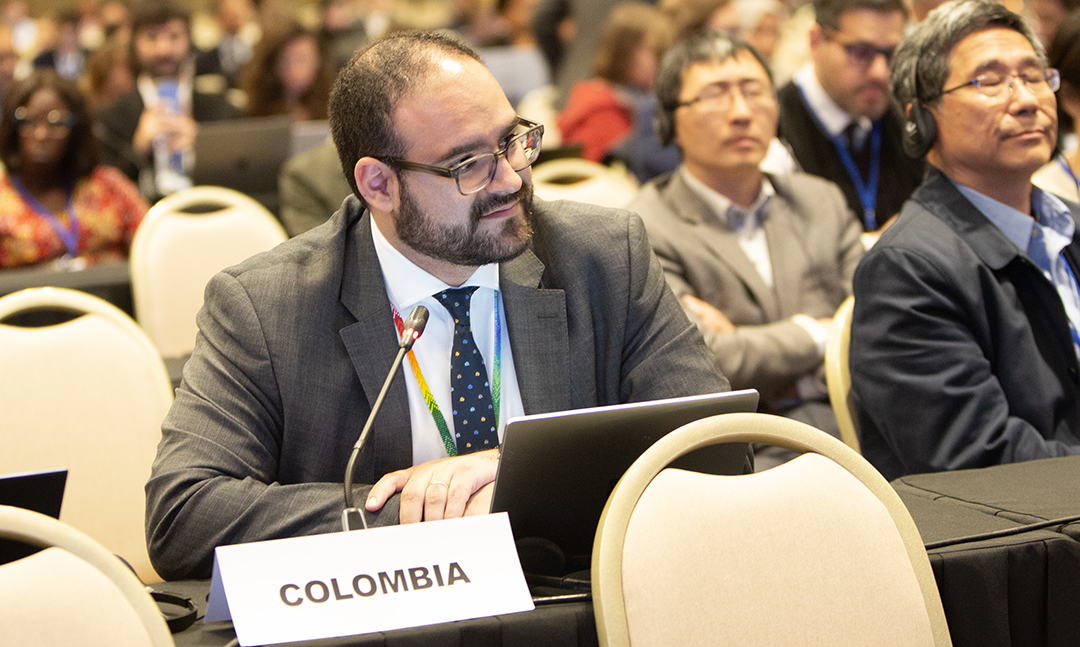
Informal Group Co-Facilitator Miguel Ruiz Botero (Colombia)
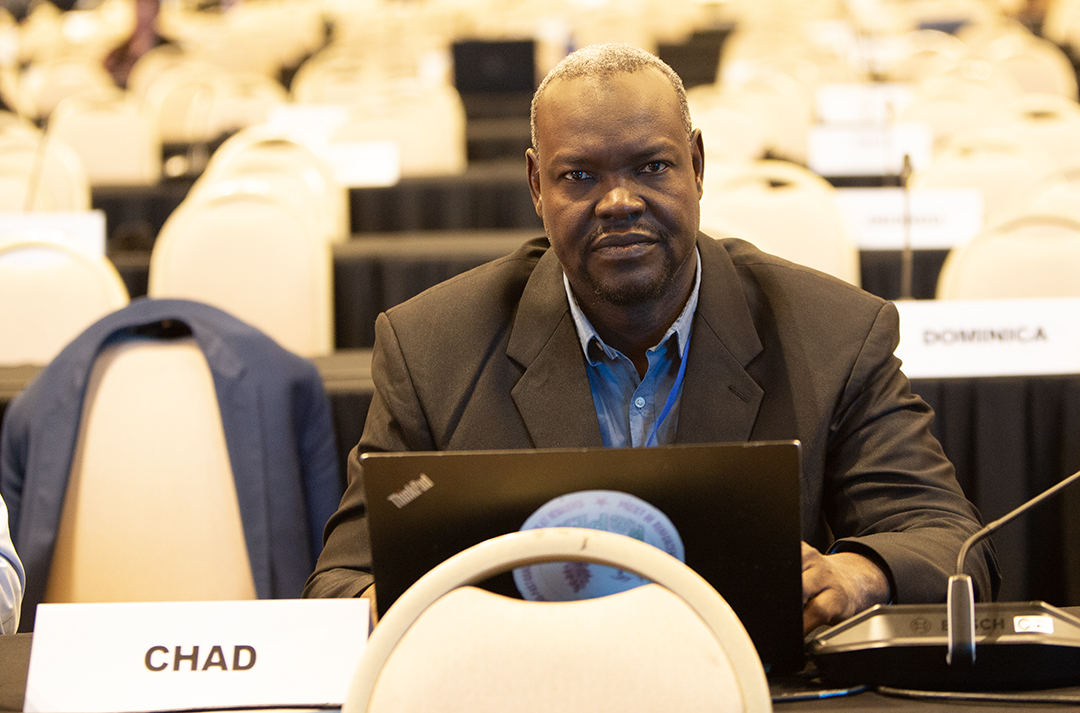
Abdallah Younous Adoum, Chad
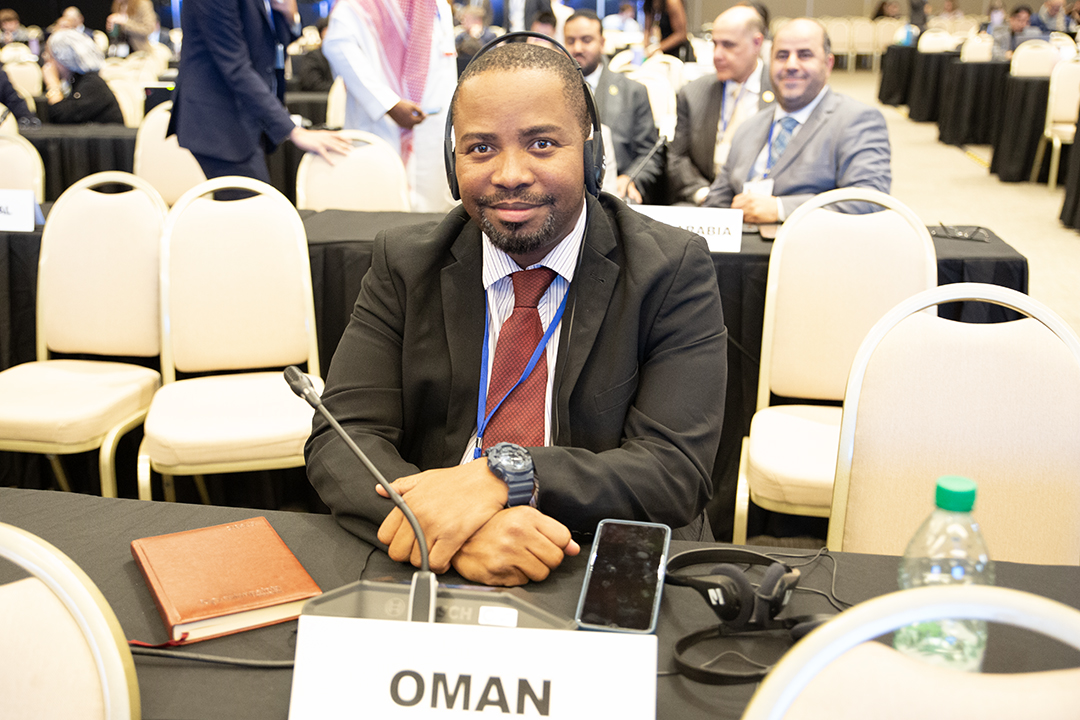
Alsadi Rabia, Oman
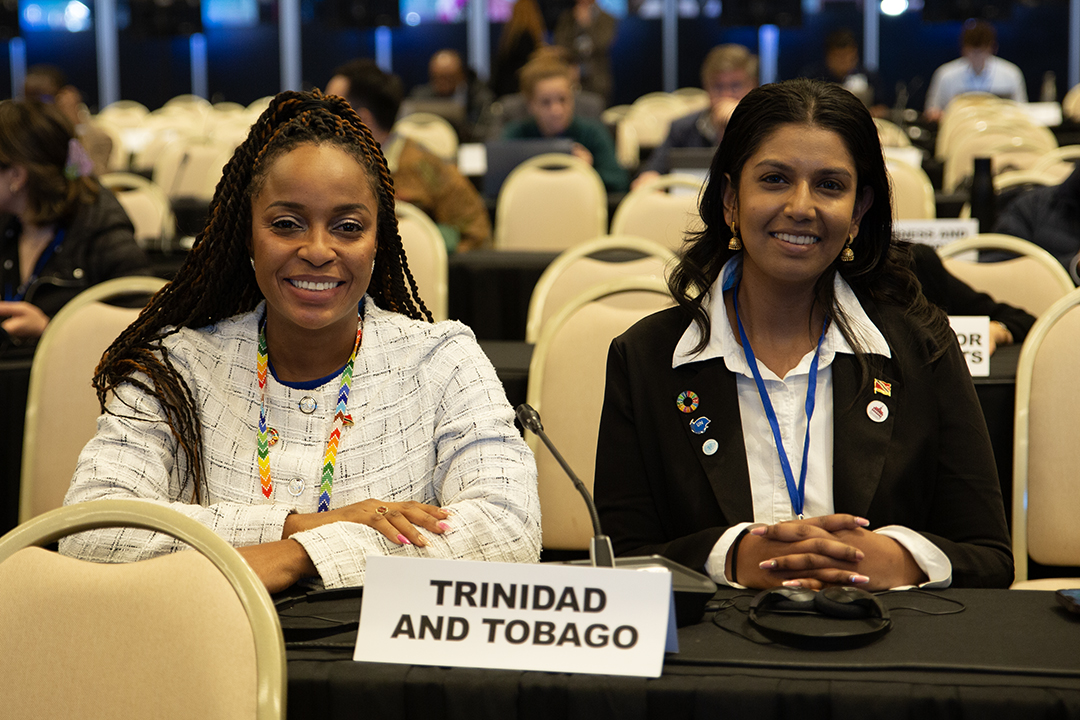
Keima Gardiner (Trinidad and Tobago), and Arianna Beeray, Bring Back Green Foundation
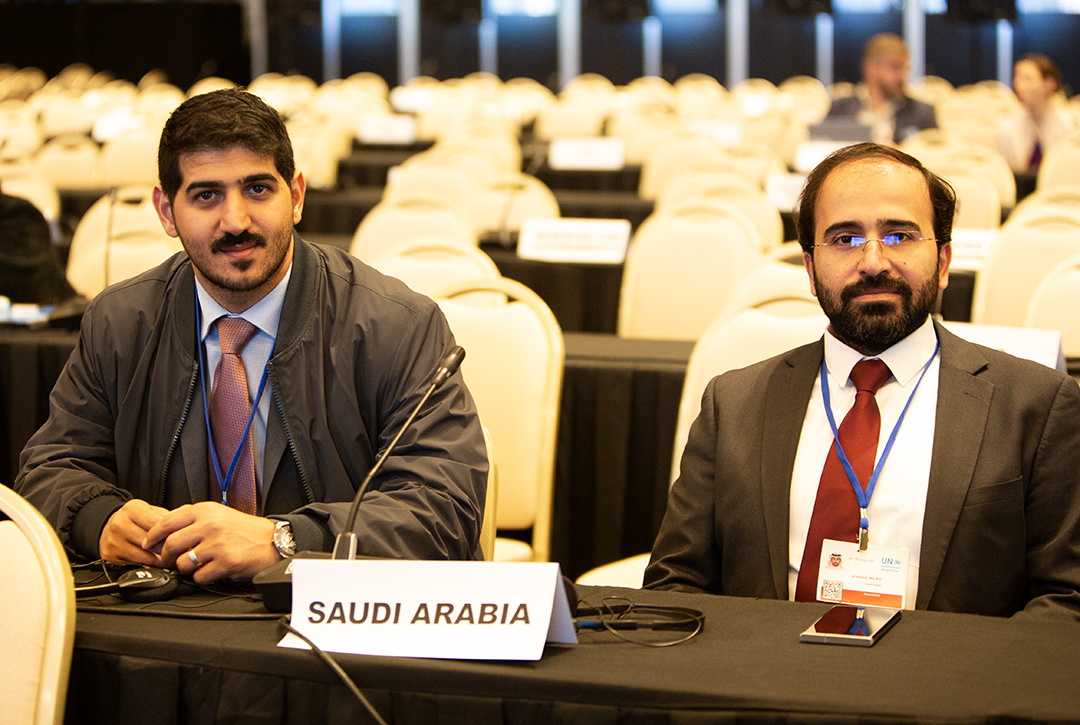
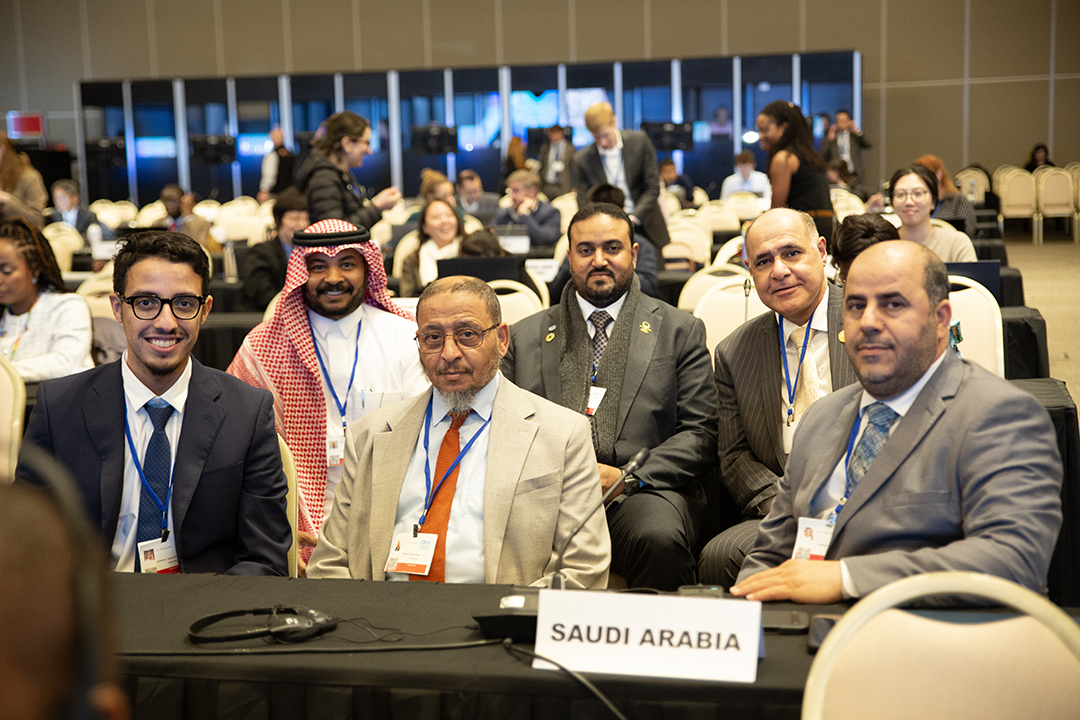
Ali Tumayhi and Alanazi Majed, Saudi Arabia
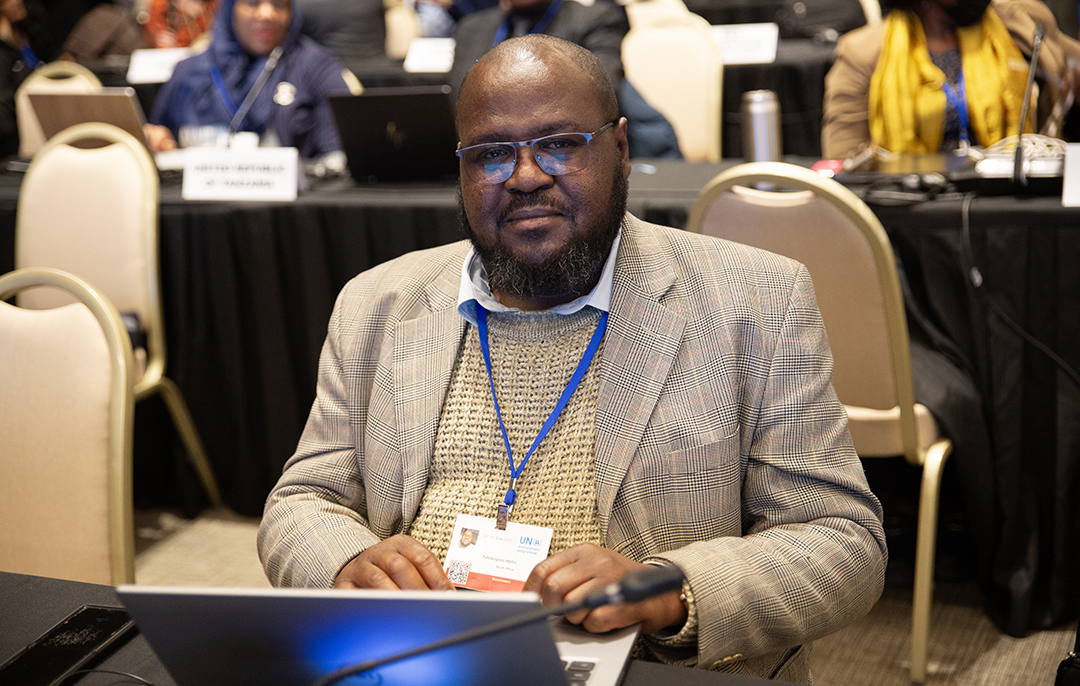
Mpho Tshitangoni, South Africa
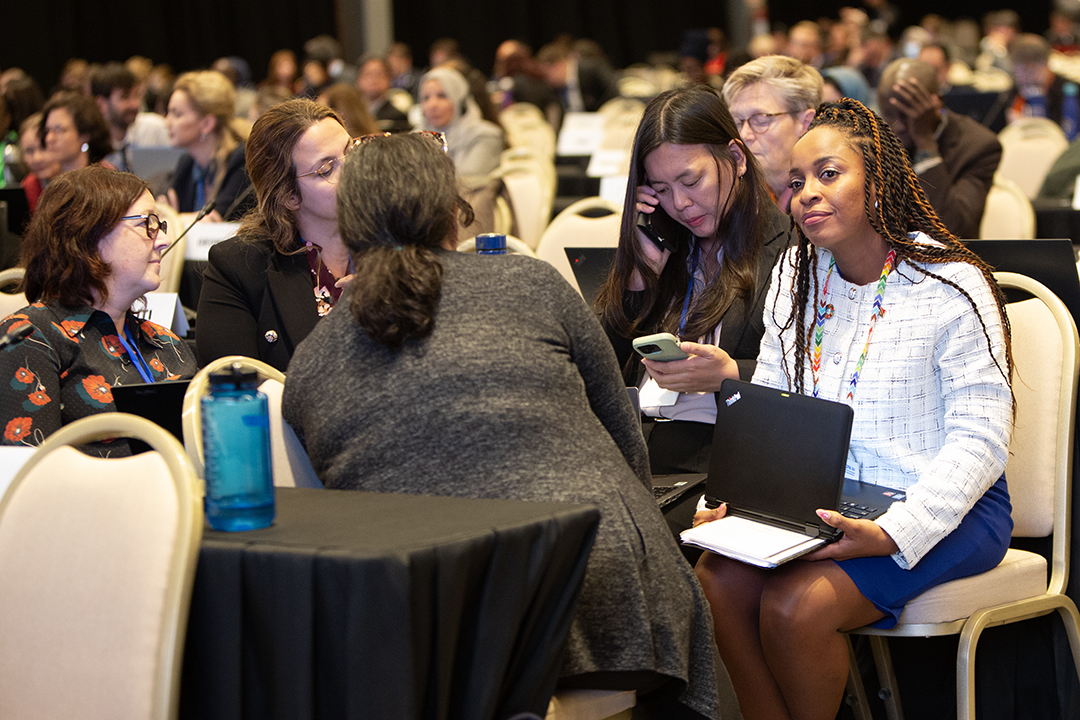
Melissa Yuanita Repi, Indonesia, consulting with delegates from Canada and Latin America and Contact Group 2 Co-Facilitator Keima Gardiner (Trinidad and Tobago)
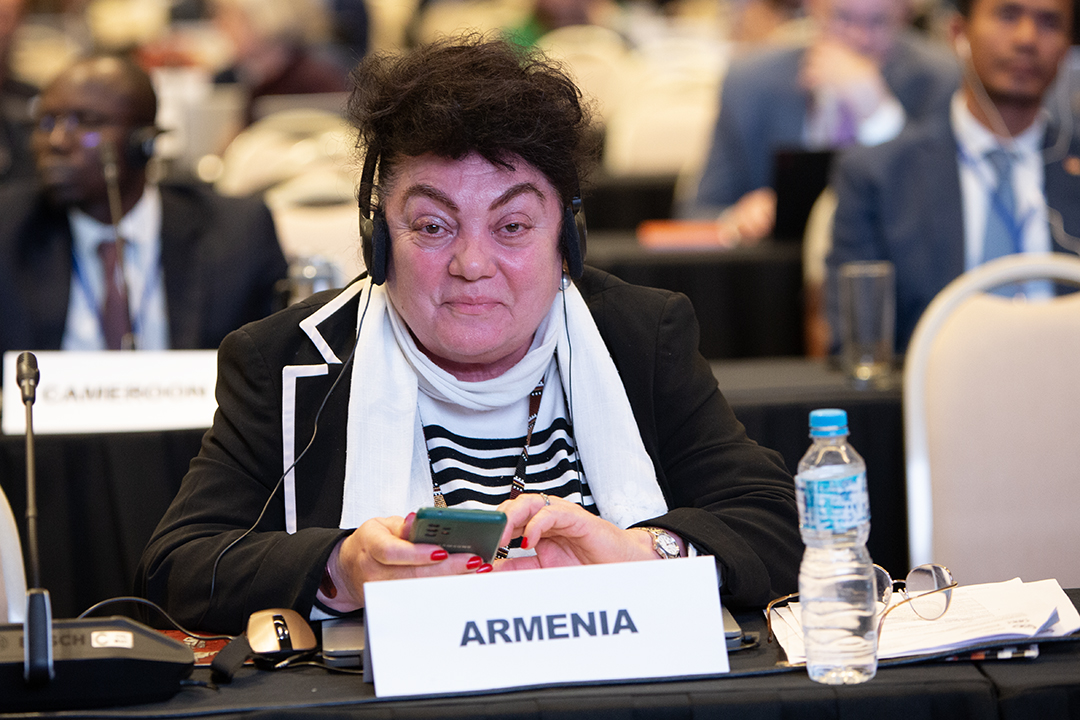
Anahit Aleksandryan, Armenia
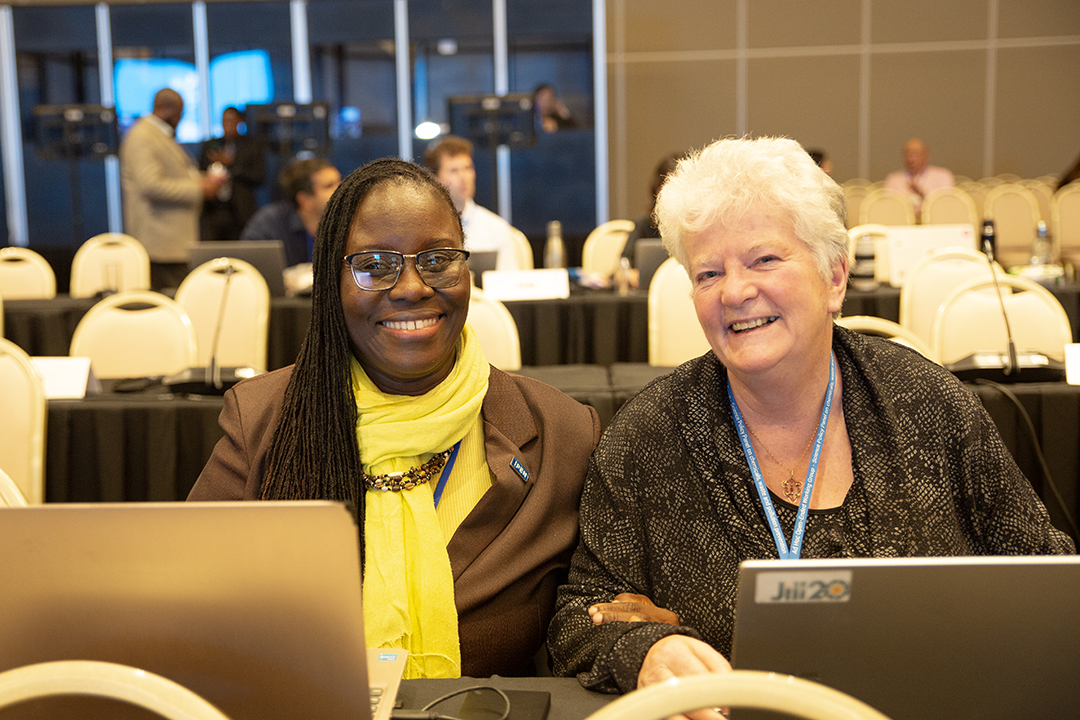
Sherika Whitelocke-Ballingsingh, IPEN, and Jill Hanna, Global Alliance on Health and Pollution
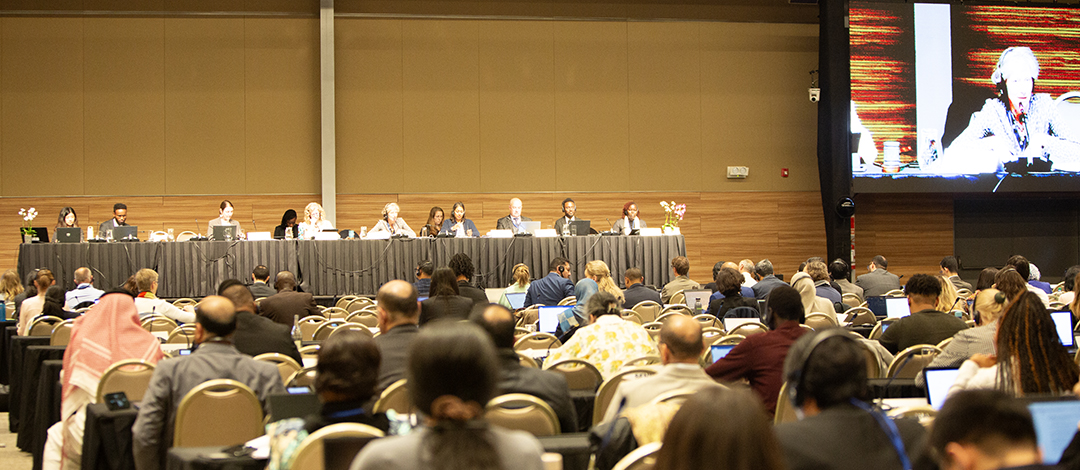
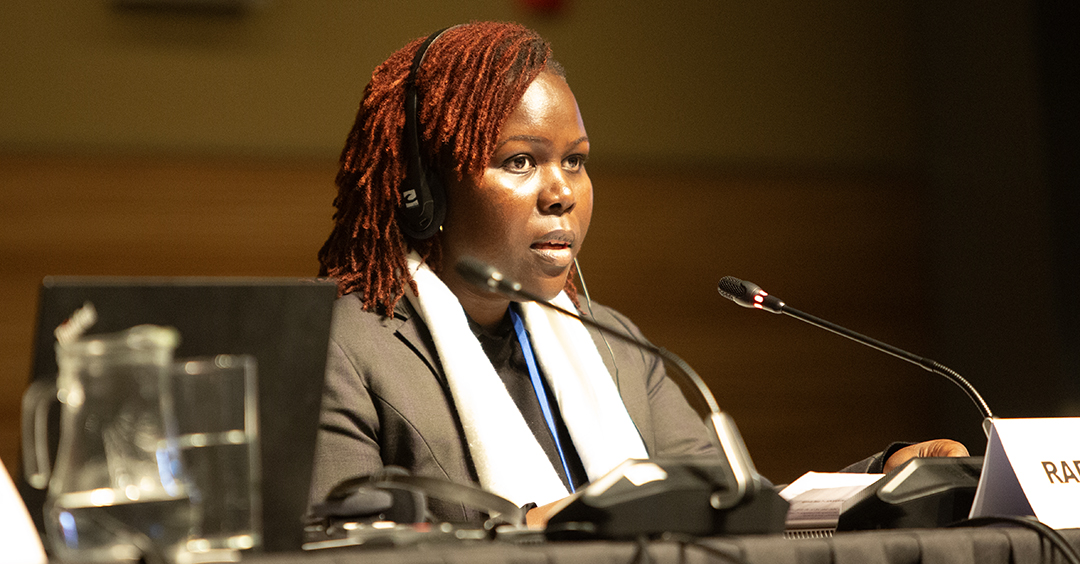
Rapporteur Linda Kosgei, Kenya
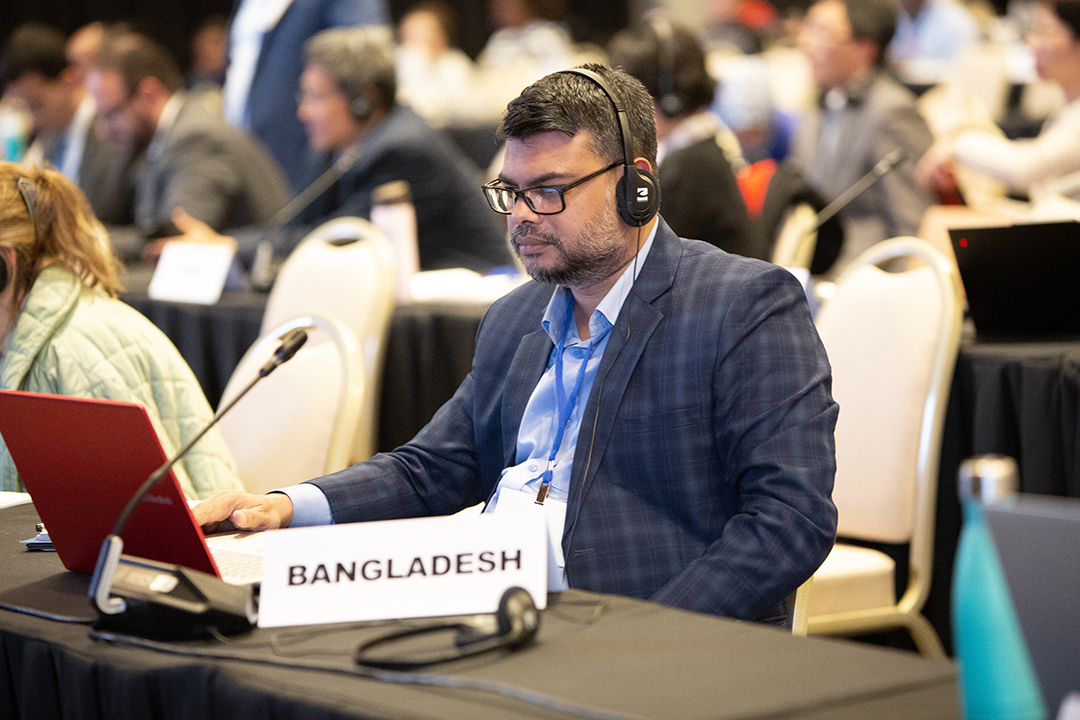
Kamrul Hassan, Bangladesh
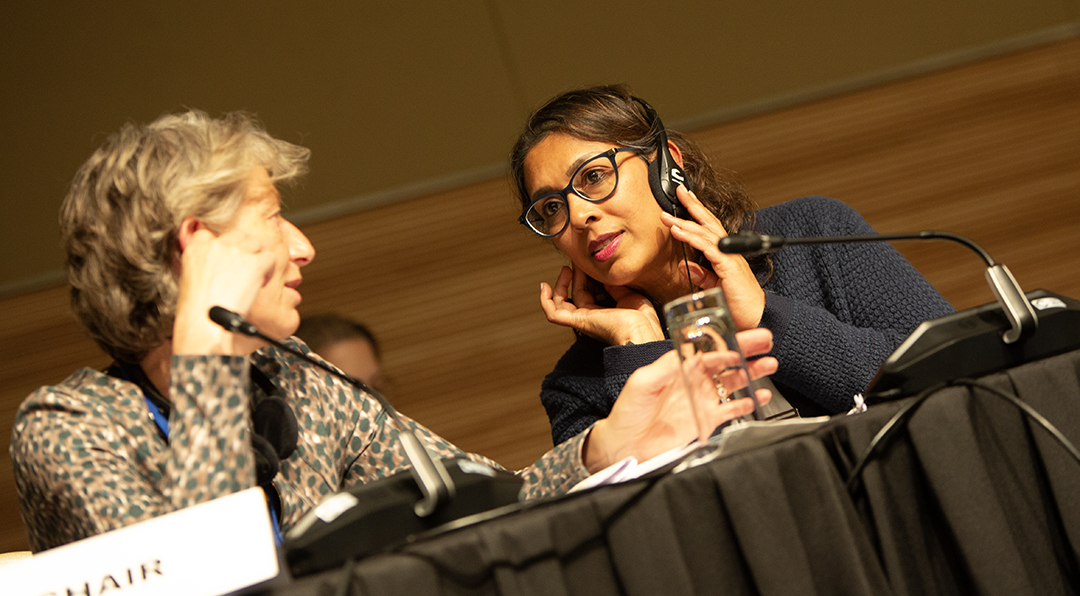
Nalini Sharma, Secretariat
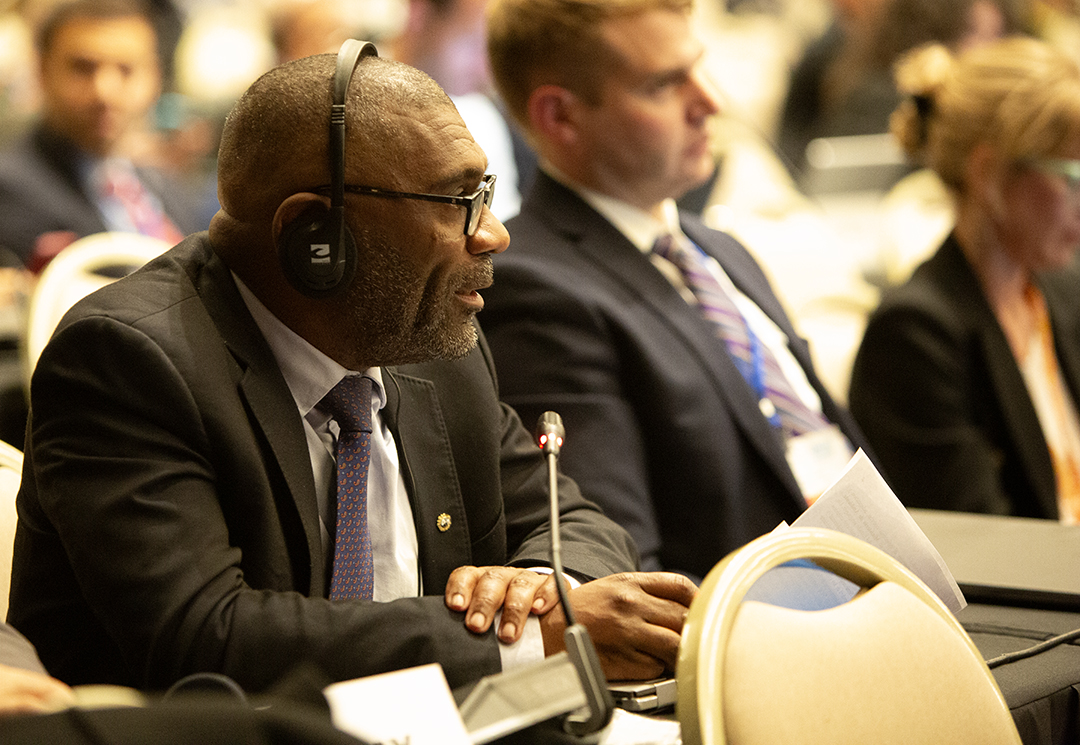
Edgardo Ortuño Silva, Minister of Environment, Uruguay
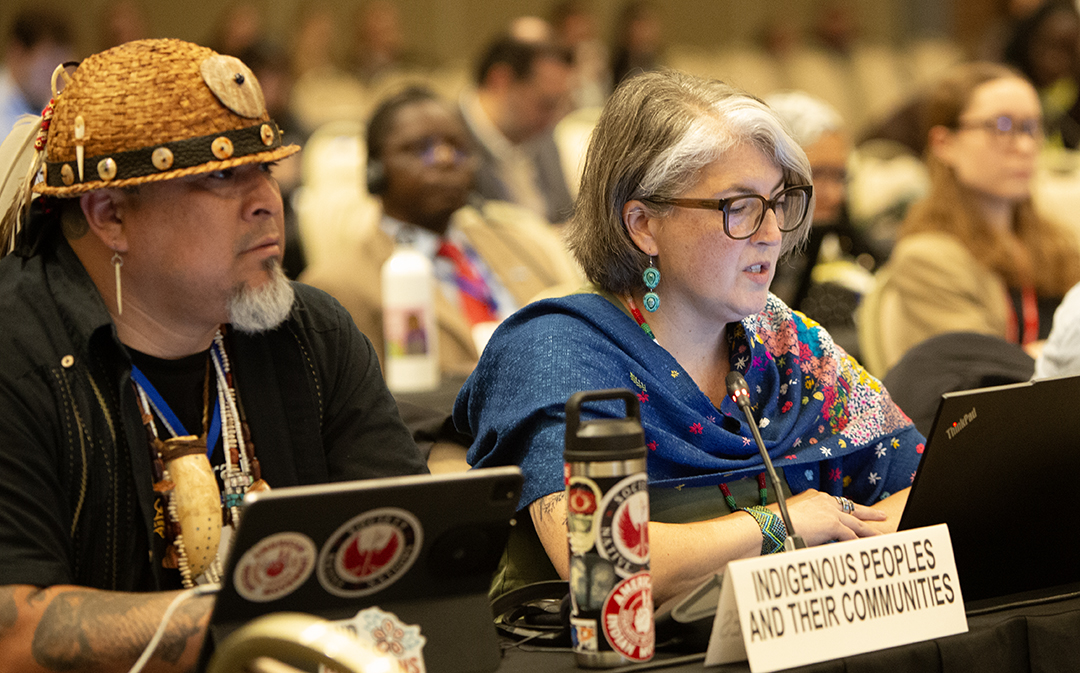
Lynn Jacobs, Indigenous Peoples
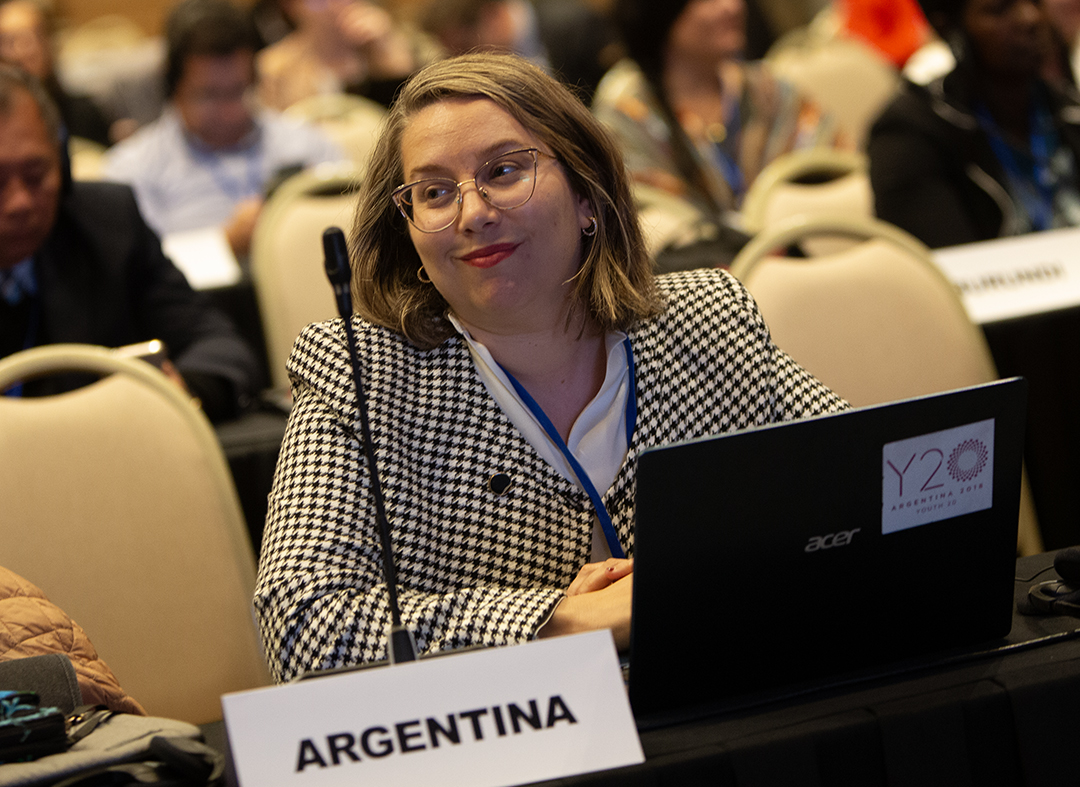
Greta Rubinich, Argentina
Between Sessions
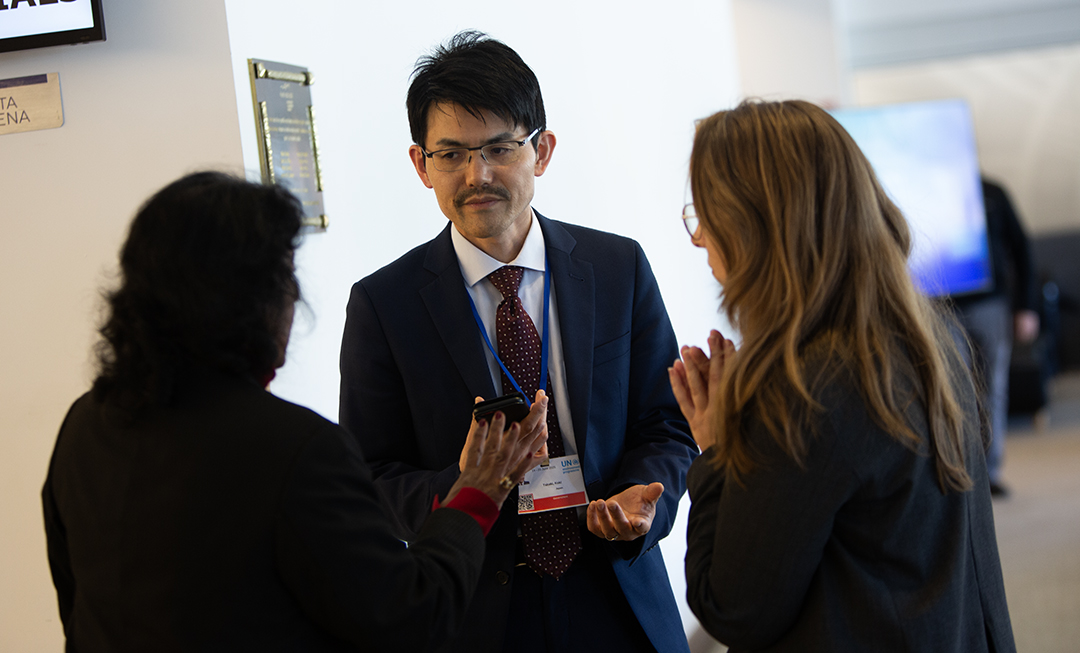
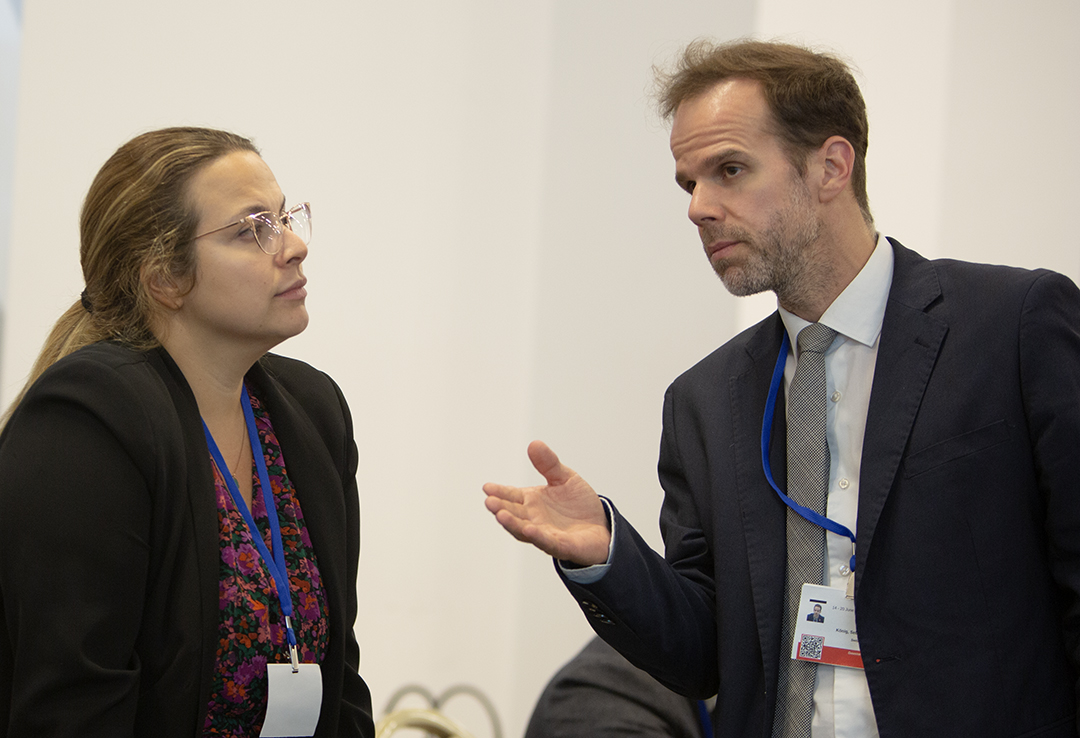
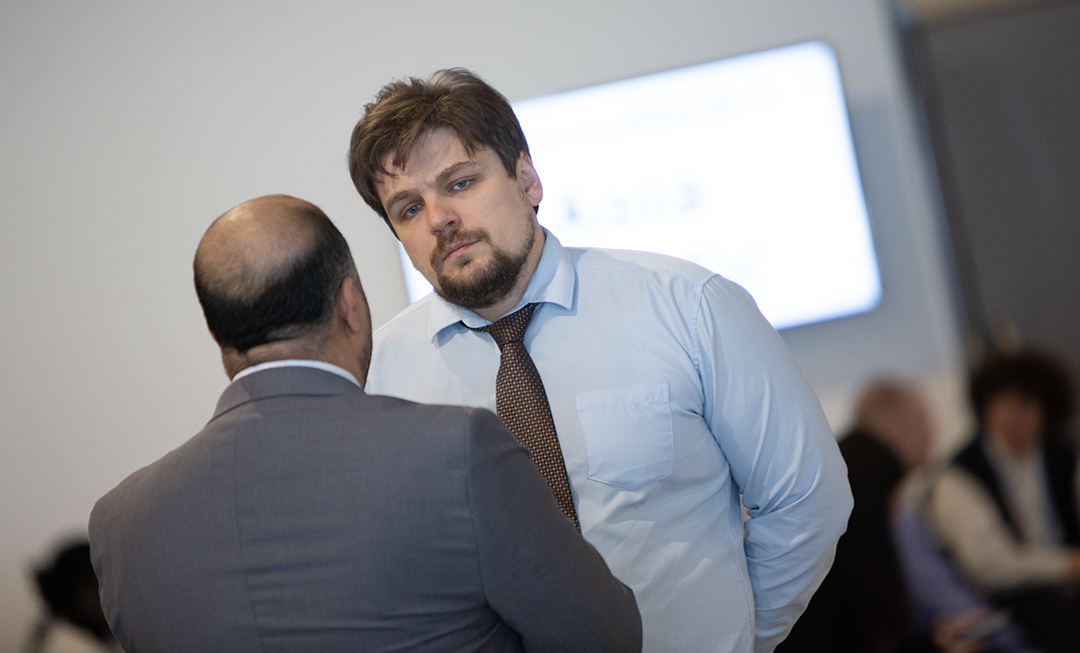
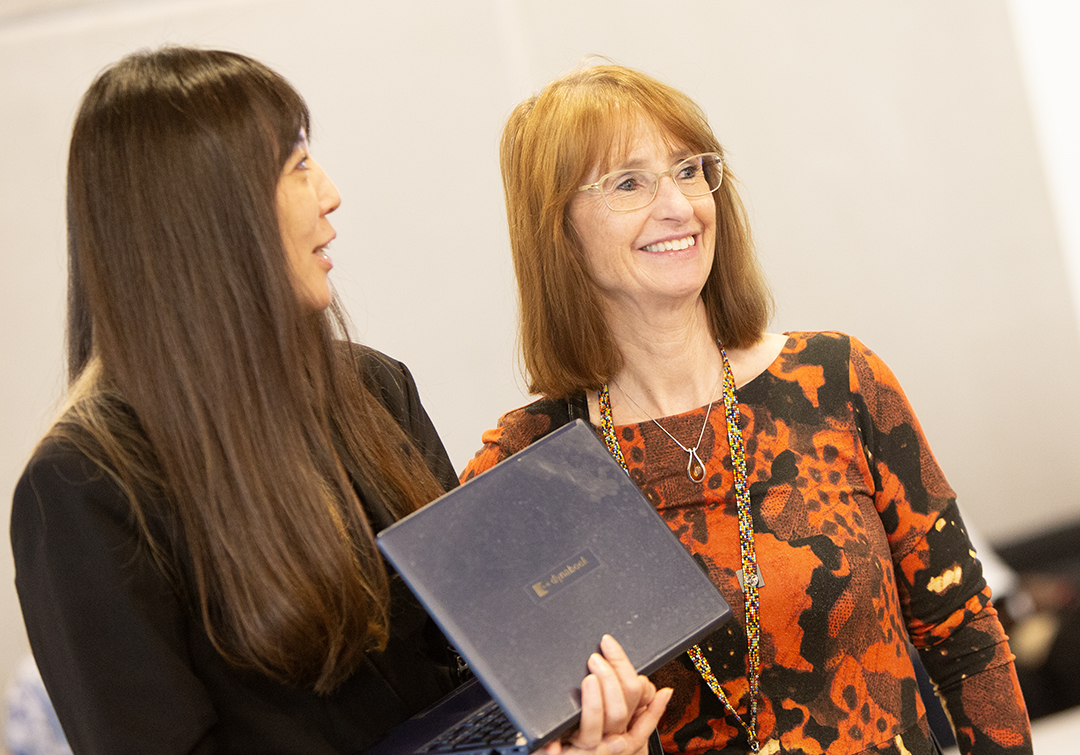
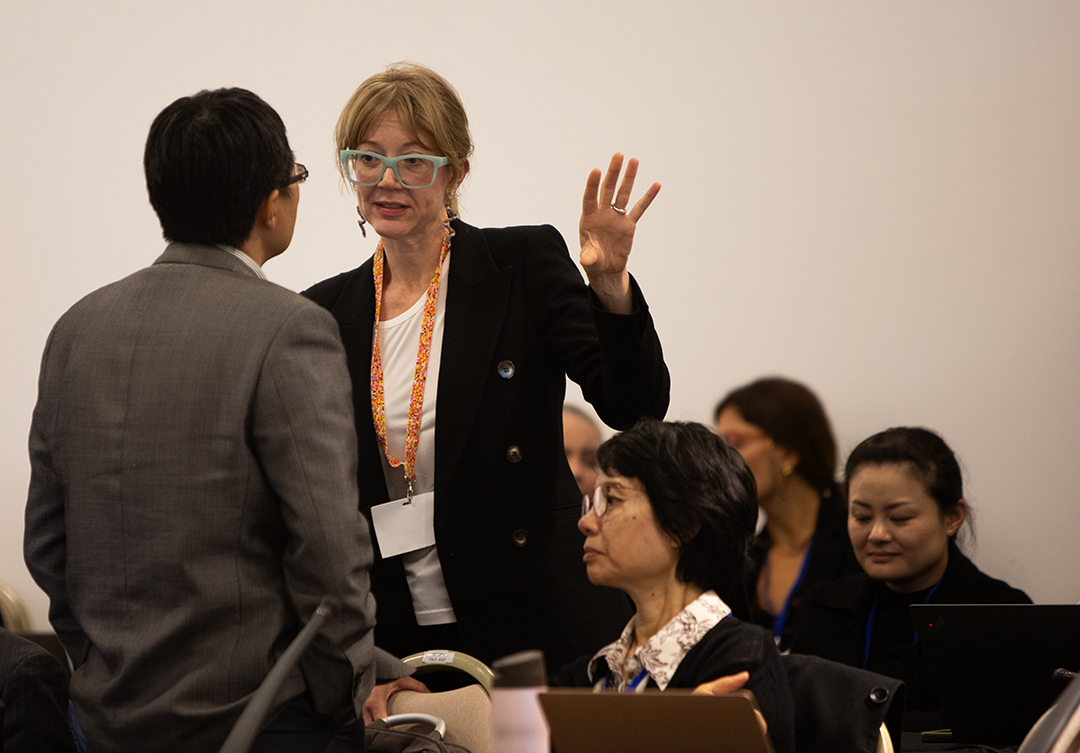
Around Plenary
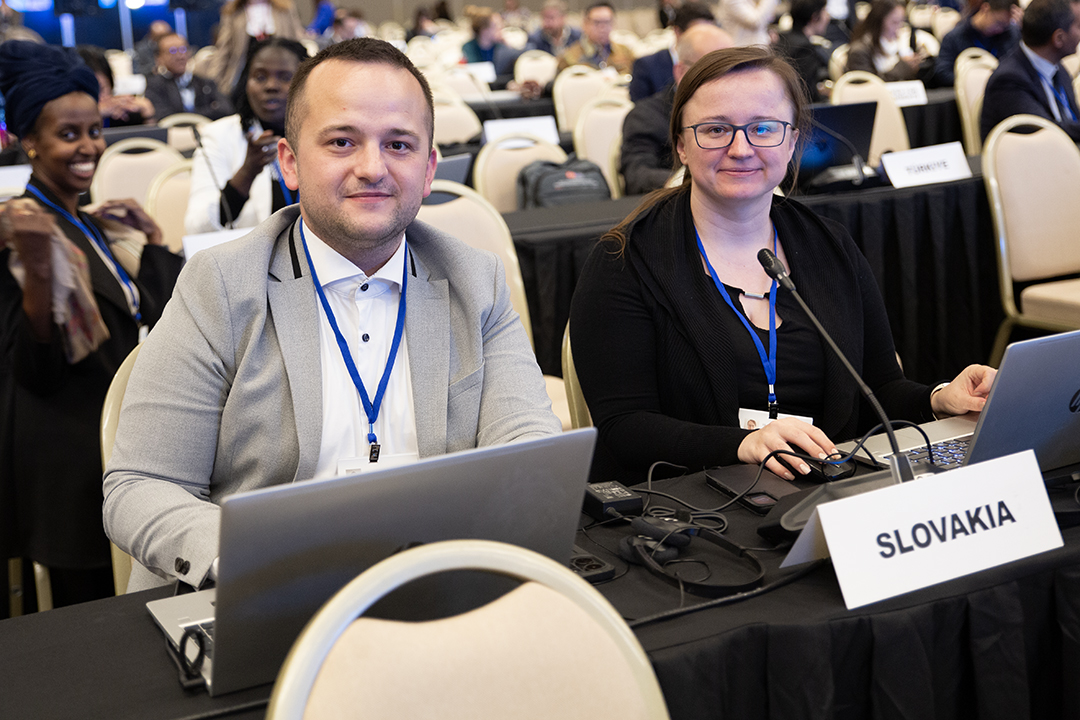
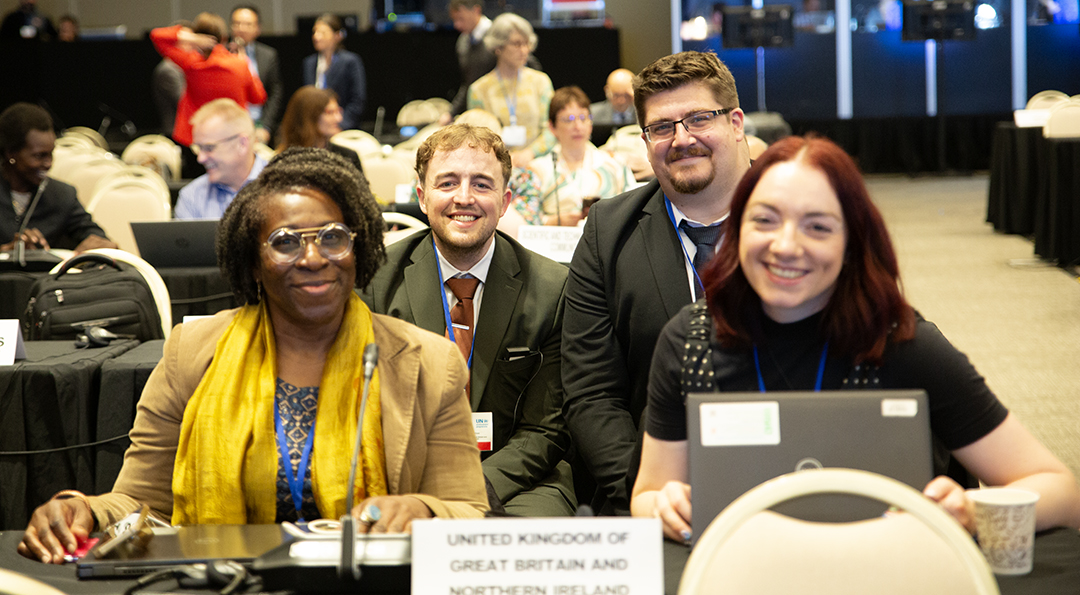
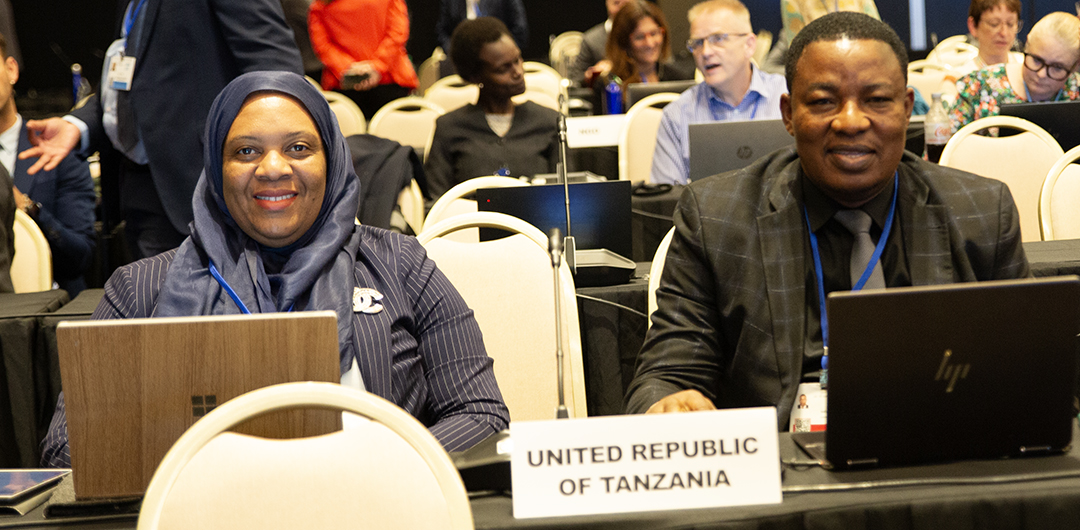
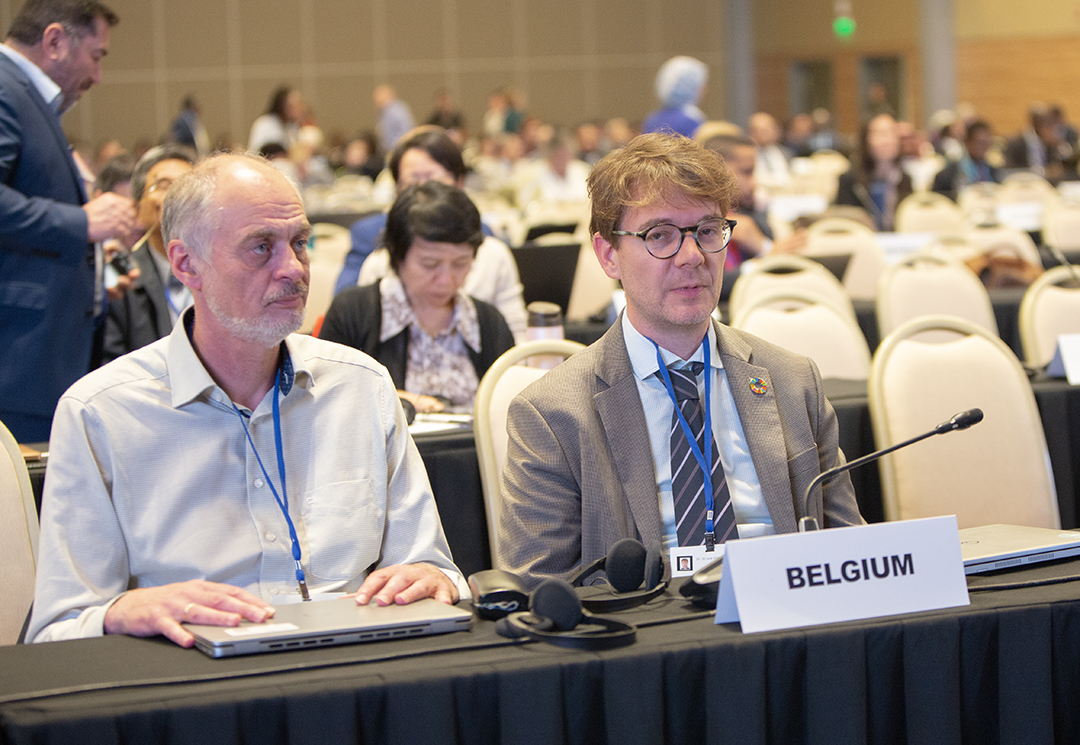
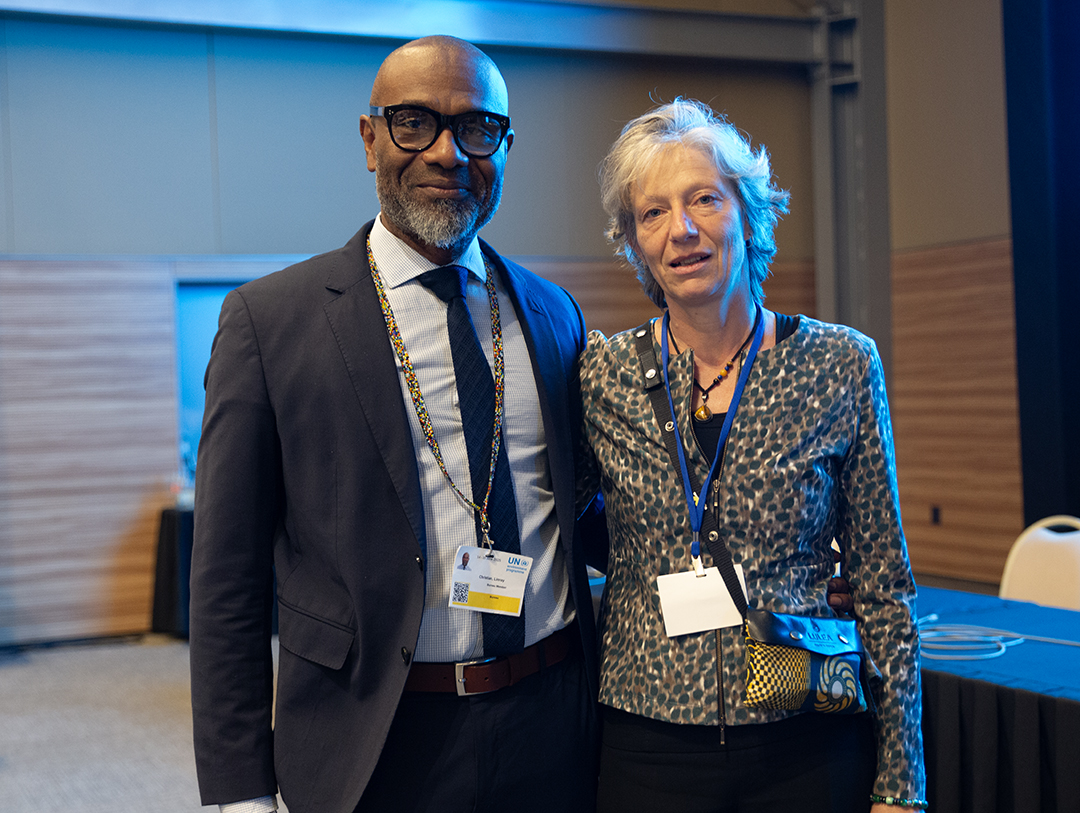
Linroy Christian, Bureau, and OEWG Chair Gudi Alkemade
Around the Venue
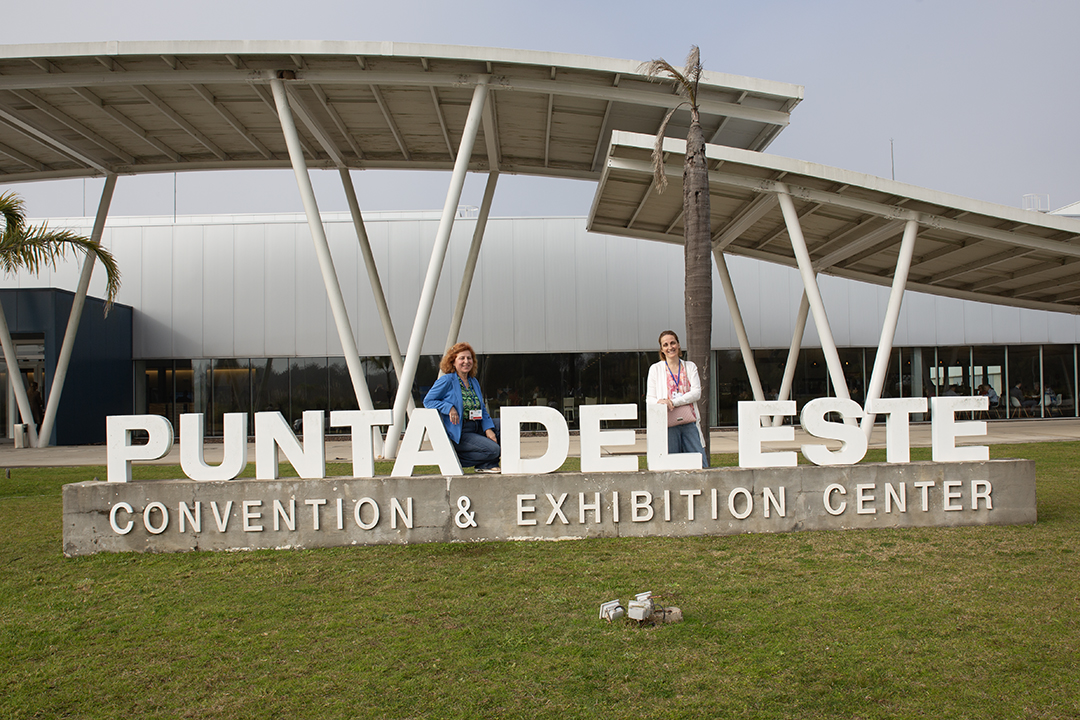
Delegates from Macedonia
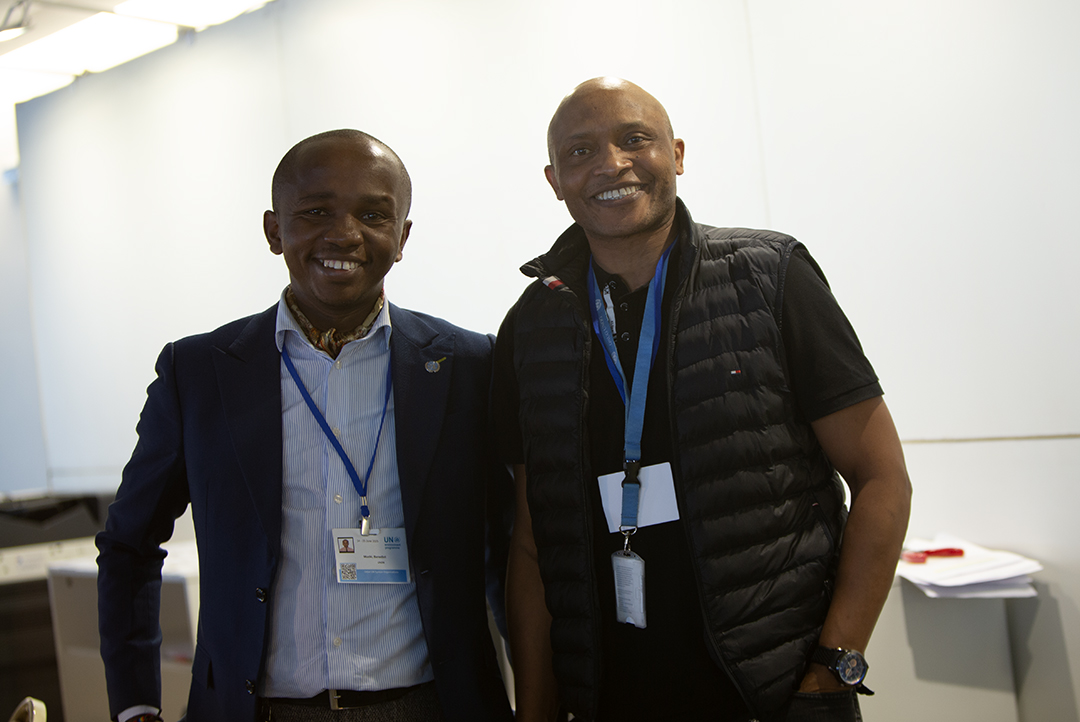
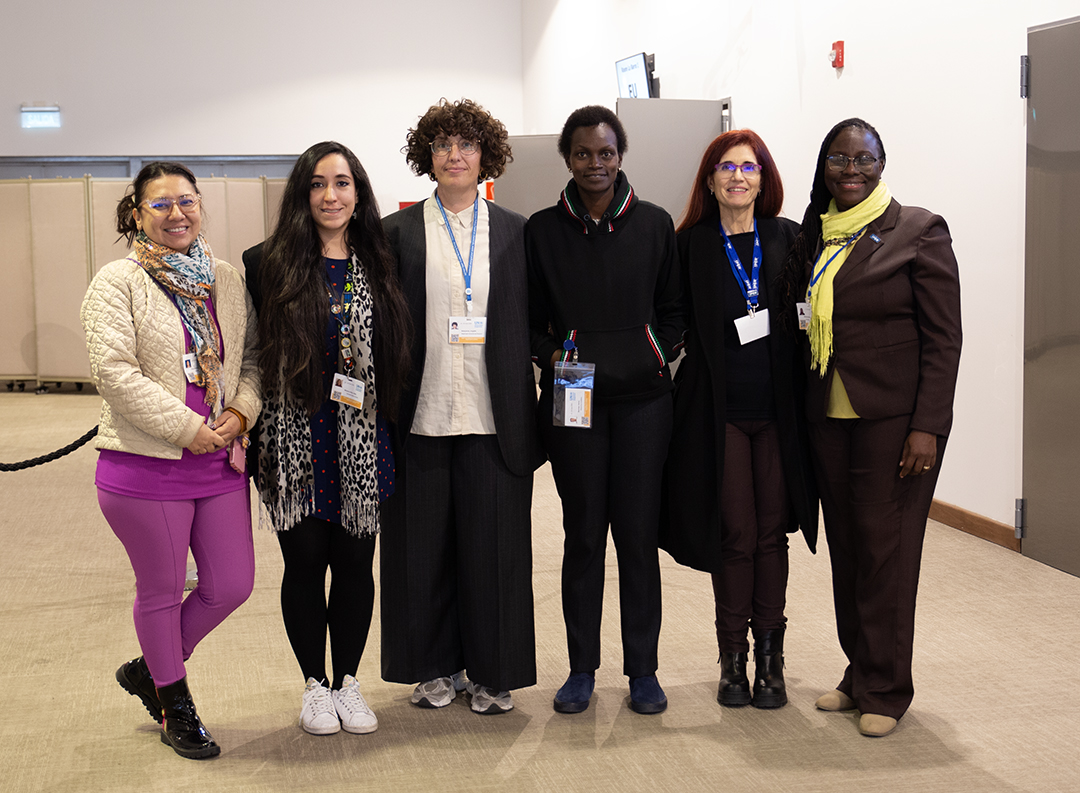
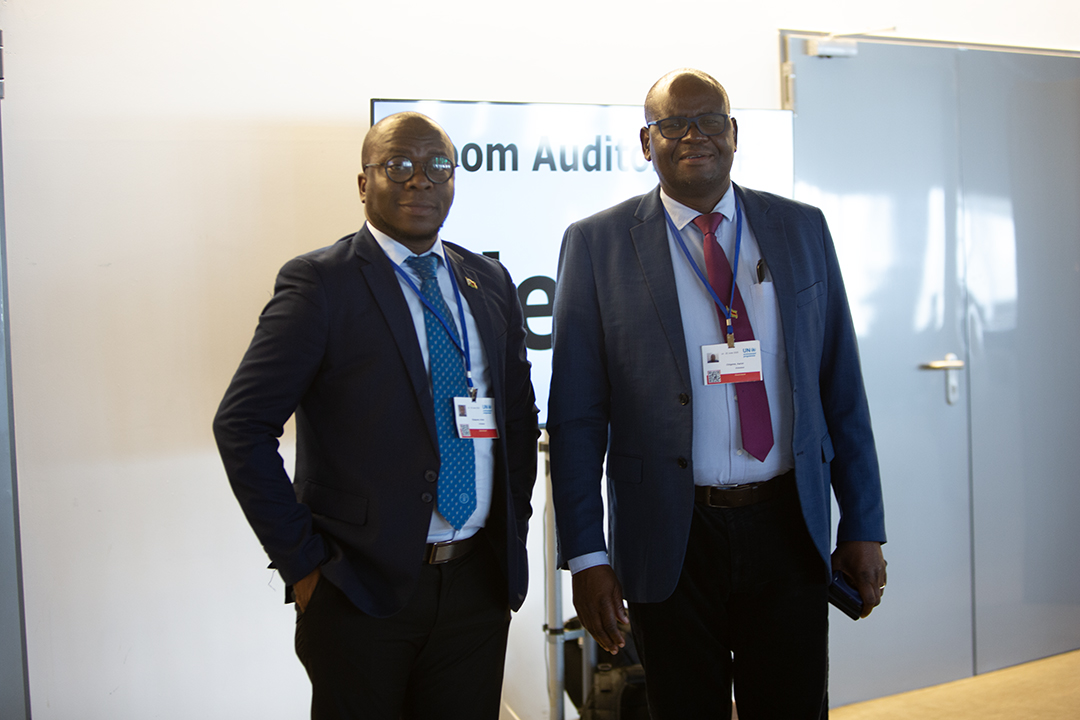
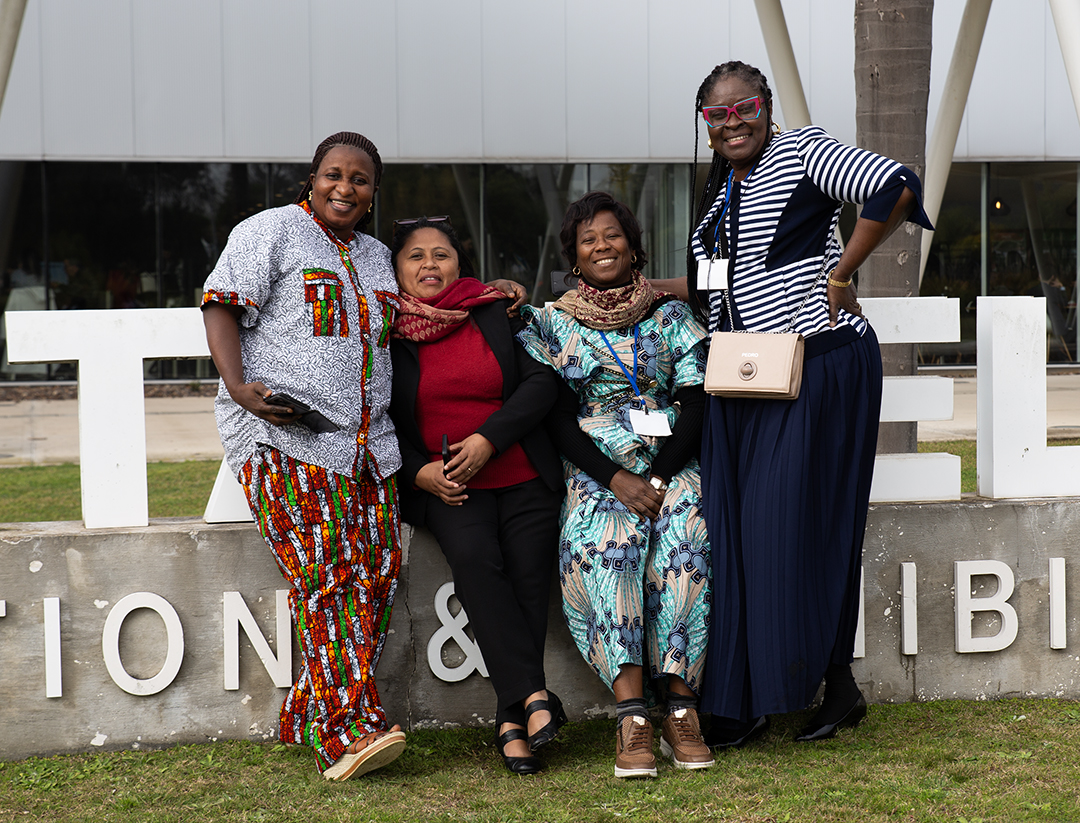
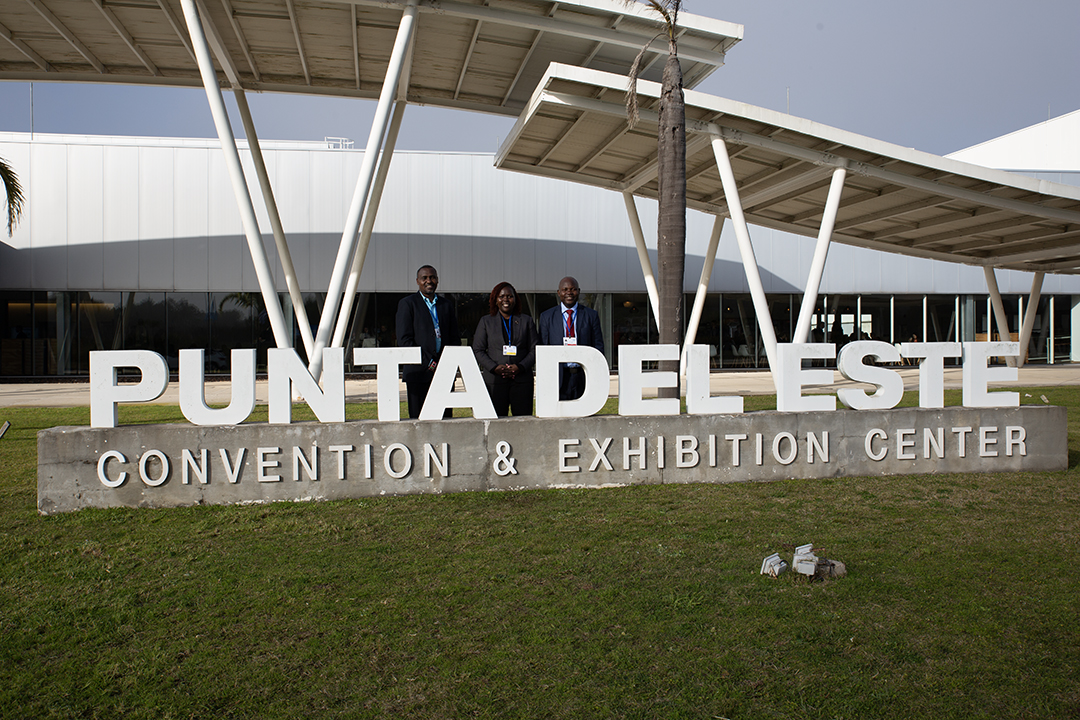
Delegates from Kenya in front of the venue
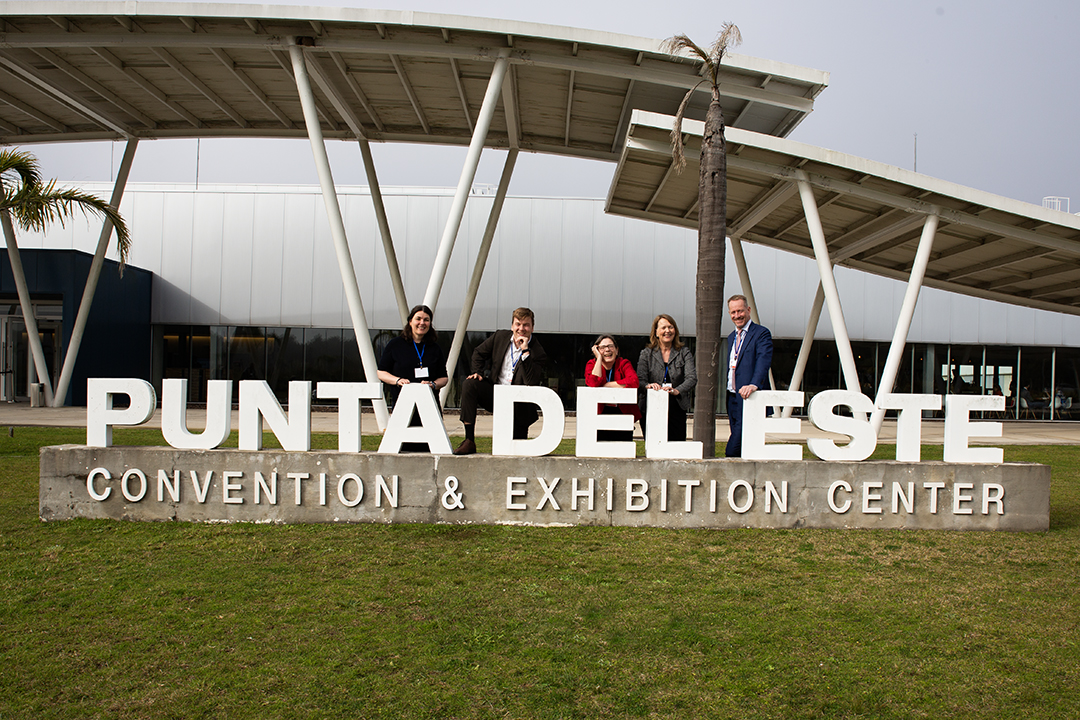
Delegates from Norway posing for a picture in front of the venue