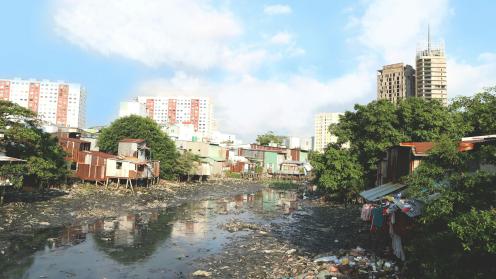
There are many risks for human health and the environment occurring from chemicals, waste and pollution. Current structures for governing these risks at the international level are fragmented and reveal a significant gap, namely the lack of an independent body to provide credible and relevant scientific assessments for the sound management of chemicals and waste and pollution prevention. Based on a resolution adopted by the United Nations Environment Assembly in 2022, Member States have been fleshing out the skeleton for such a science-policy panel, that is expected to build visibility, foster international cooperation, and inform national action around relevant topics of chemicals, waste and pollution governance.
Want to dig deeper into today's talks? Read the full Earth Negotiations Bulletin daily report.
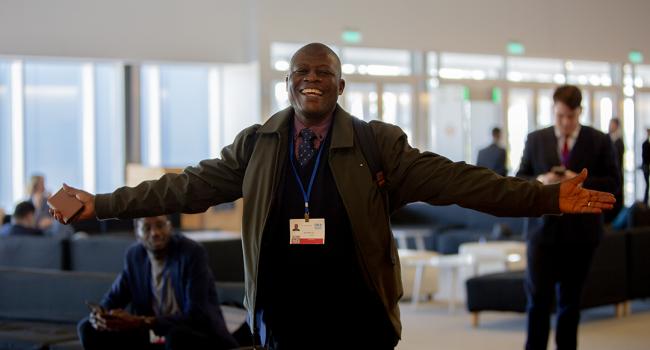
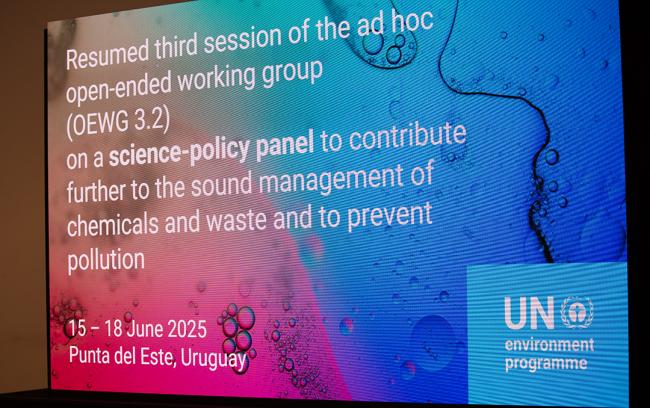
On this last scheduled day for Member States to finalize proposals for the establishment of the new science-policy panel, the tension was palpable. Discussions on the most contentious parts of the foundational document, including those related to decision-making, membership of the panel, and hosting of the secretariat, needed to achieve consensus.
A sensitive topic for multilateral cooperation dominated discussions on how decisions will be taken in the future panel: will it be always by consensus or potentially also through voting? Another question is how lines will be drawn and bridges built between those representing science and those speaking on behalf of their governments. The panel will have a bureau, in which selected government representatives oversee the implementation of the panel’s work, as well as an Interdisciplinary Expert Commitee, where experts from each of the five UN regional groups will guide the scientific work of the panel. There are different perspectives on how to avoid politicization at this scientific centerpiece of the panel. These different views surfaced in protracted discussions about governmental and non-governmental observers in meetings of the Interdisciplinary Expert Committee.
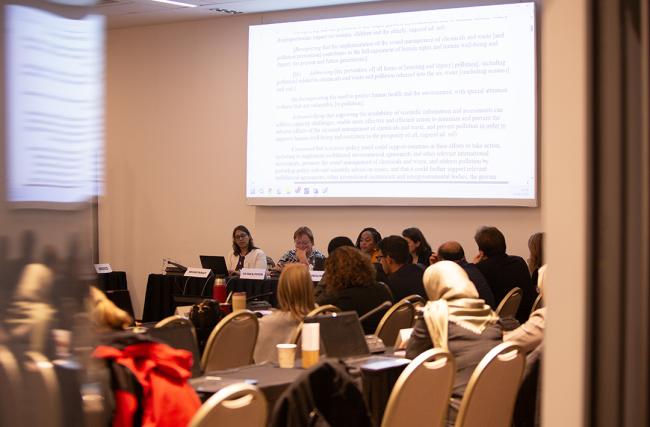
What started to transpire during the day was clear going into the evening plenary: more time is needed to finalize the work on the foundational document. Delegates were asked to roll up their sleeves and “get the job done” by 9:00 am Thursday morning.
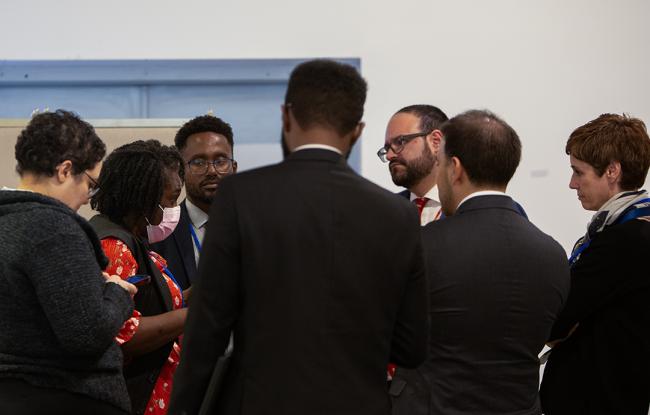
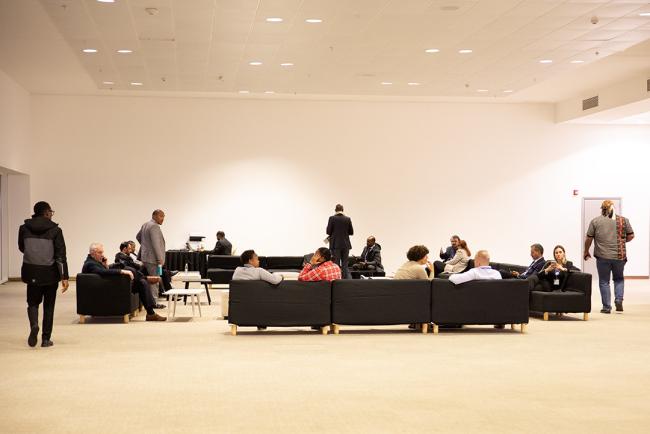
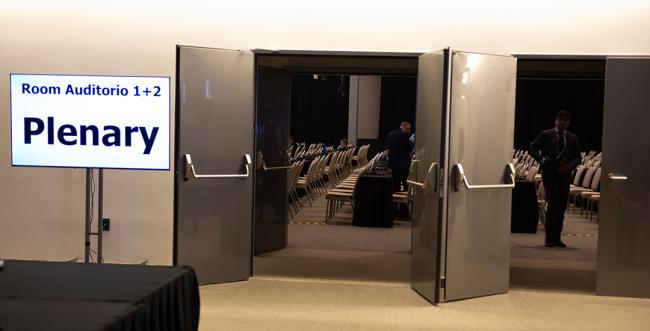
To receive free coverage of global environmental events delivered to your inbox, subscribe to the ENB Update newsletter.
All ENB photos are free to use with attribution. For photos of this side event, please use: Photo by IISD/ENB - Angeles Estrada Vigil
Contact Groups
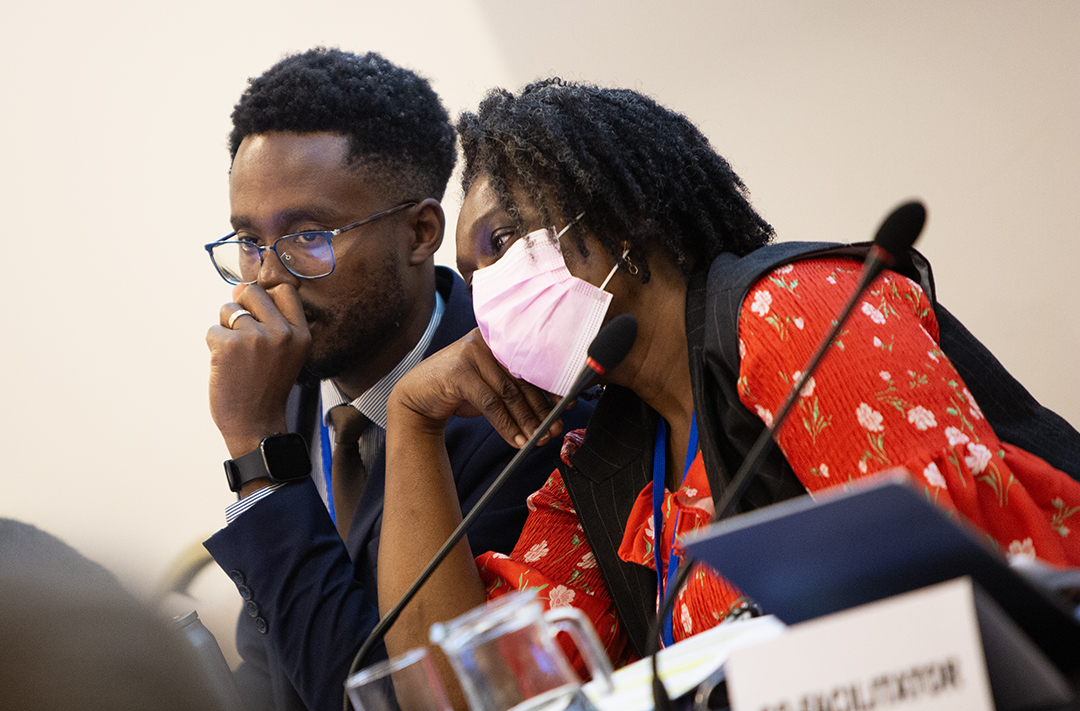
Contact Group 1 Co-Facilitator Toks Akinseye (UK) and Alvin Gachie, Secretariat
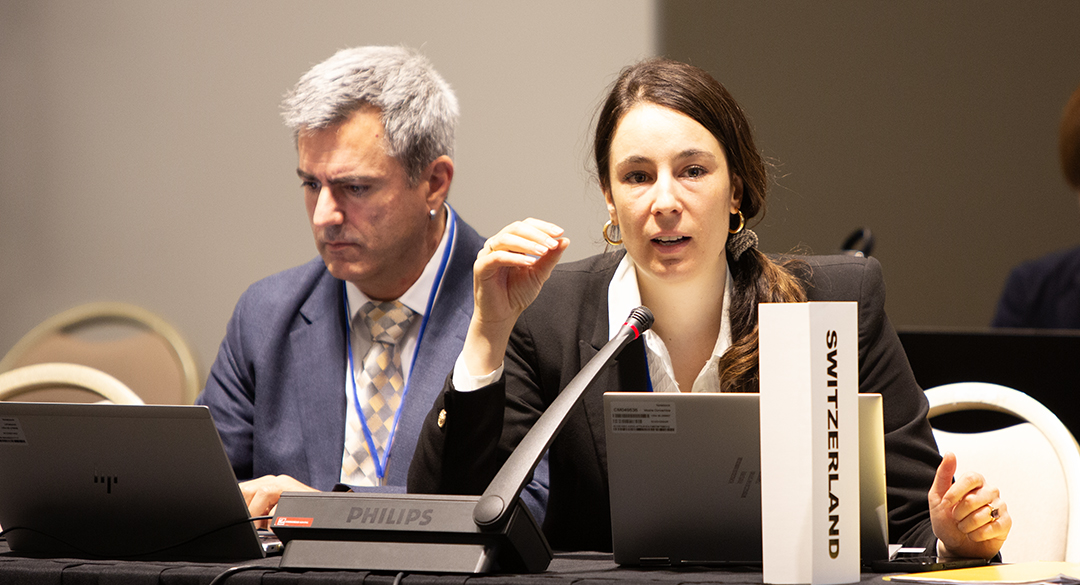
Océane Dayer, Switzerland
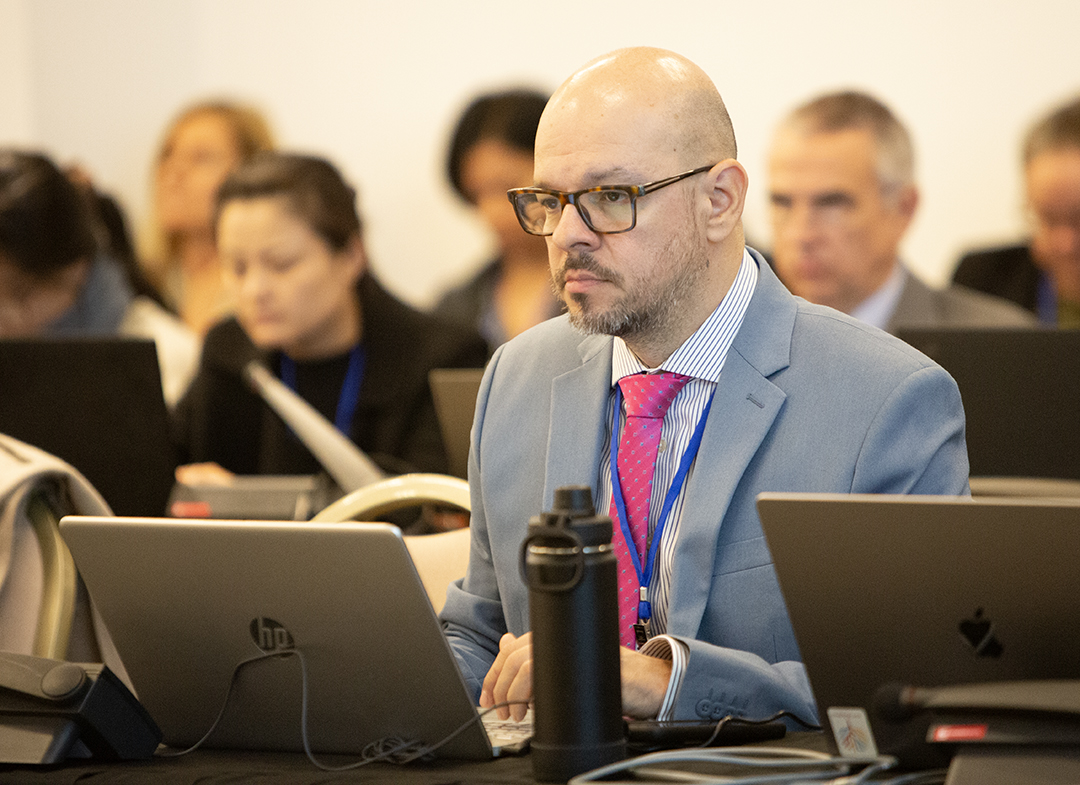
Carlos Goméz del Campo, Secretariat

Kirill Kadygrob, Russian Federation

Nasrudin Abdirashid, Secretariat

Habib Abdulla, Bahrain
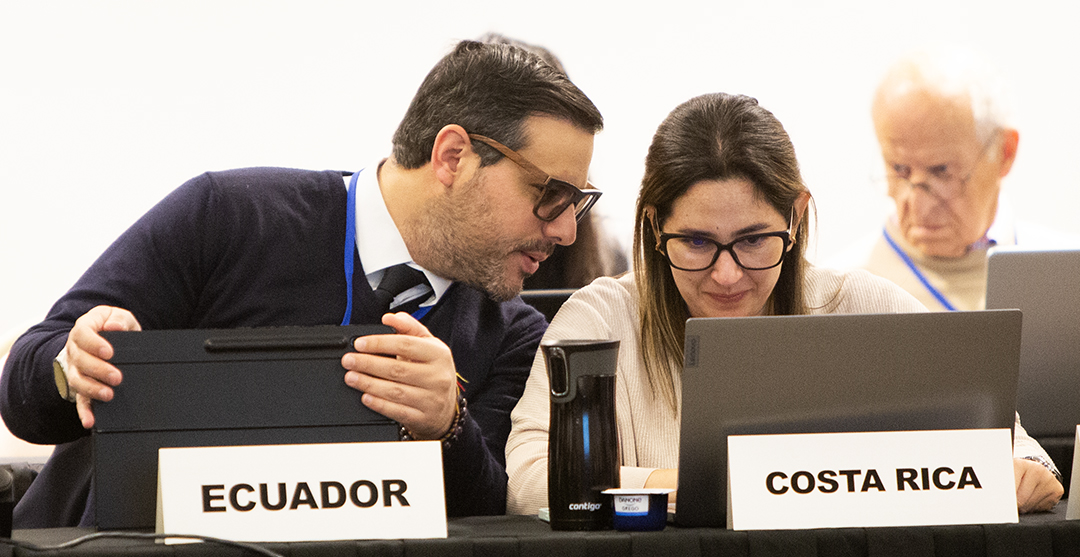
Daniel Vargas Anda, Ecuador, and María del Mar Solano Trejos, Costa Rica
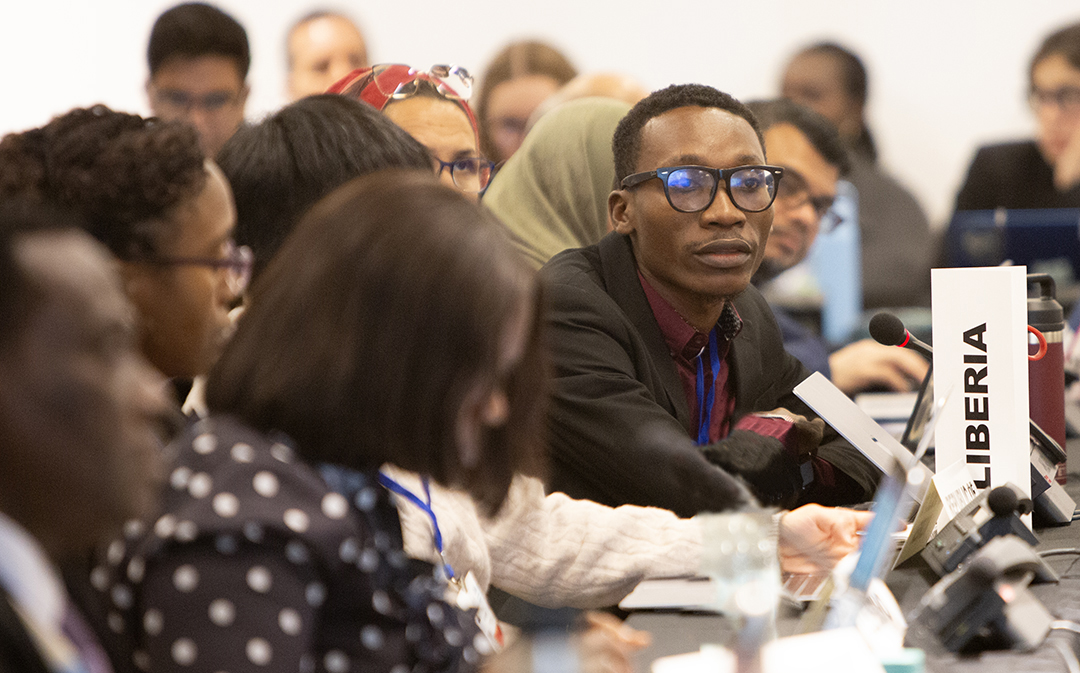
Lenn Gomah, Liberia

Sherika Whitelocke-Ballingsingh, IPEN
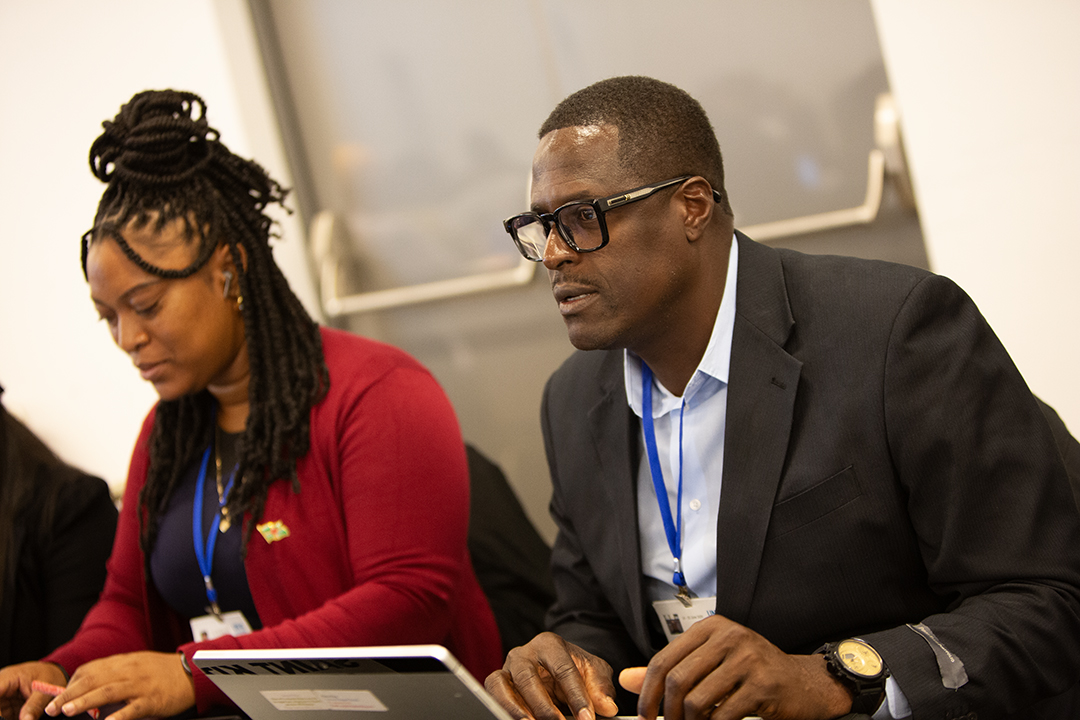
Franklyn Connor, Saint Kitts and Nevis
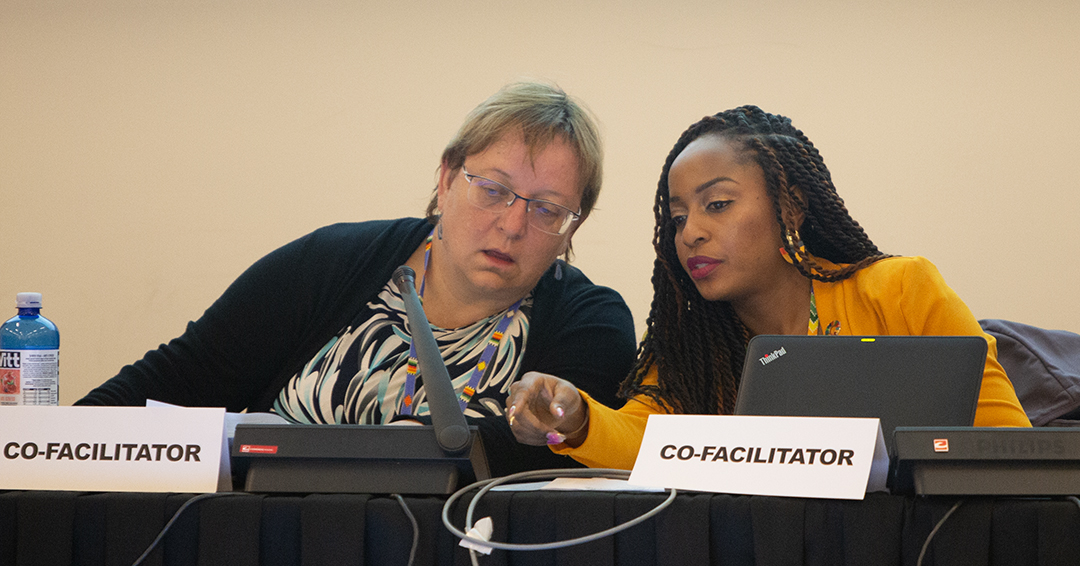
Contact Group 2 Co-Facilitators Kateřina Šebková (Czechia) and Keima Gardiner (Trinidad and Tobago)
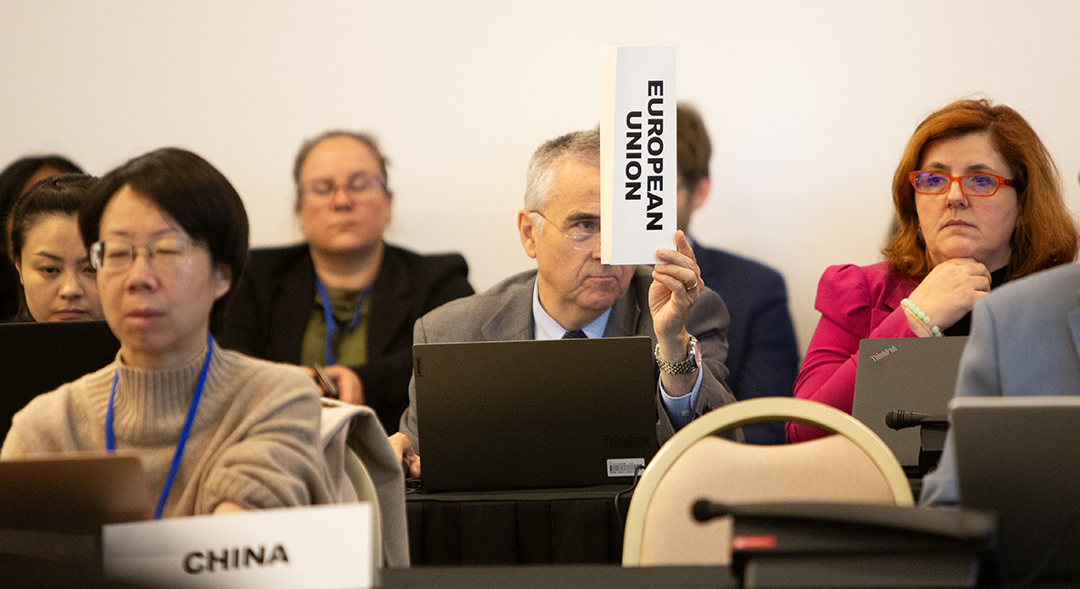
Jürgen Helbig, EU

Chipo Madamombe, Zimbabwe
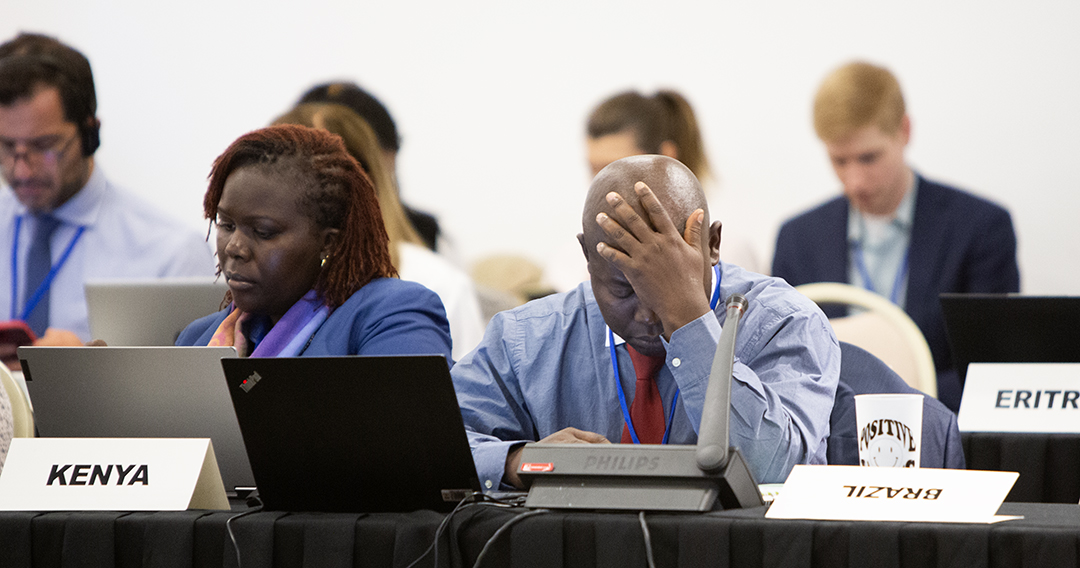
Linda Kosgei and Tobias Ogweno, Kenya
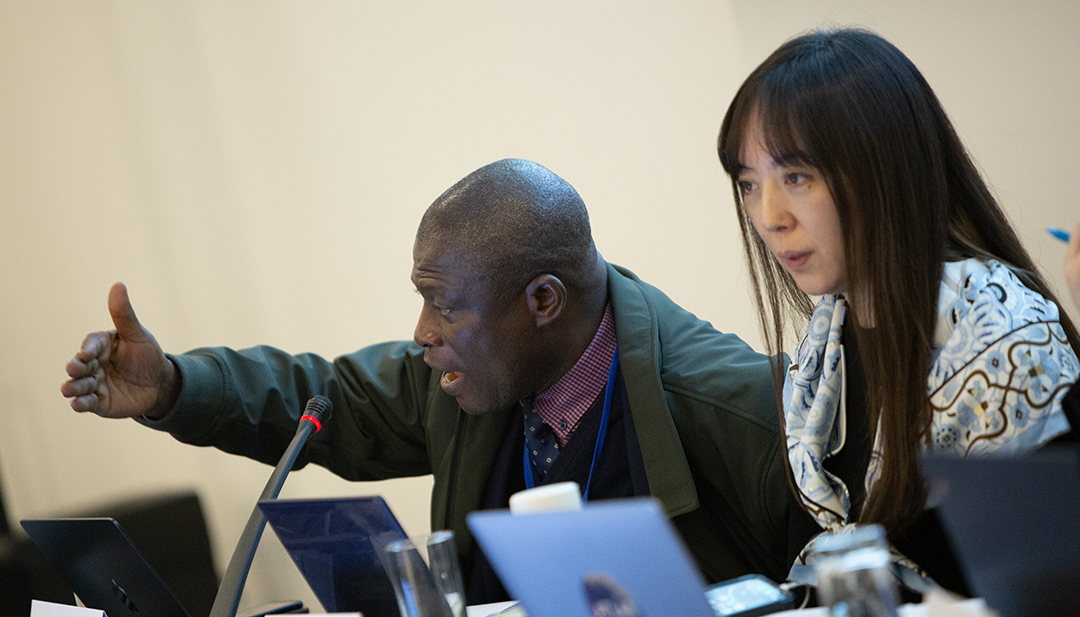
Contact Group 3 Co-Facilitators Sam Adu-Kumi (Ghana) and Itsuki Kuroda (Japan)
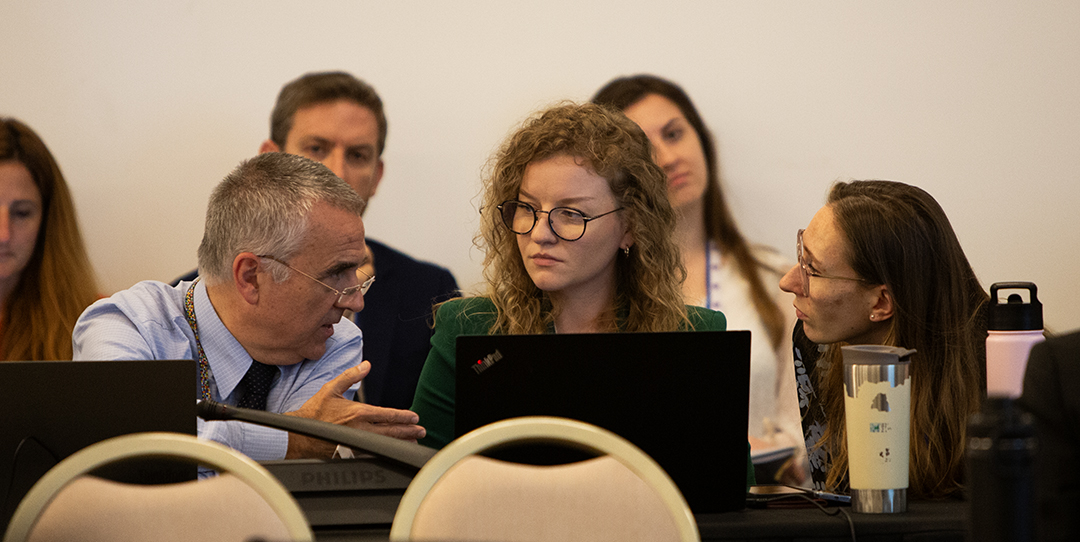
EU delegates conferring during the Contact Group session
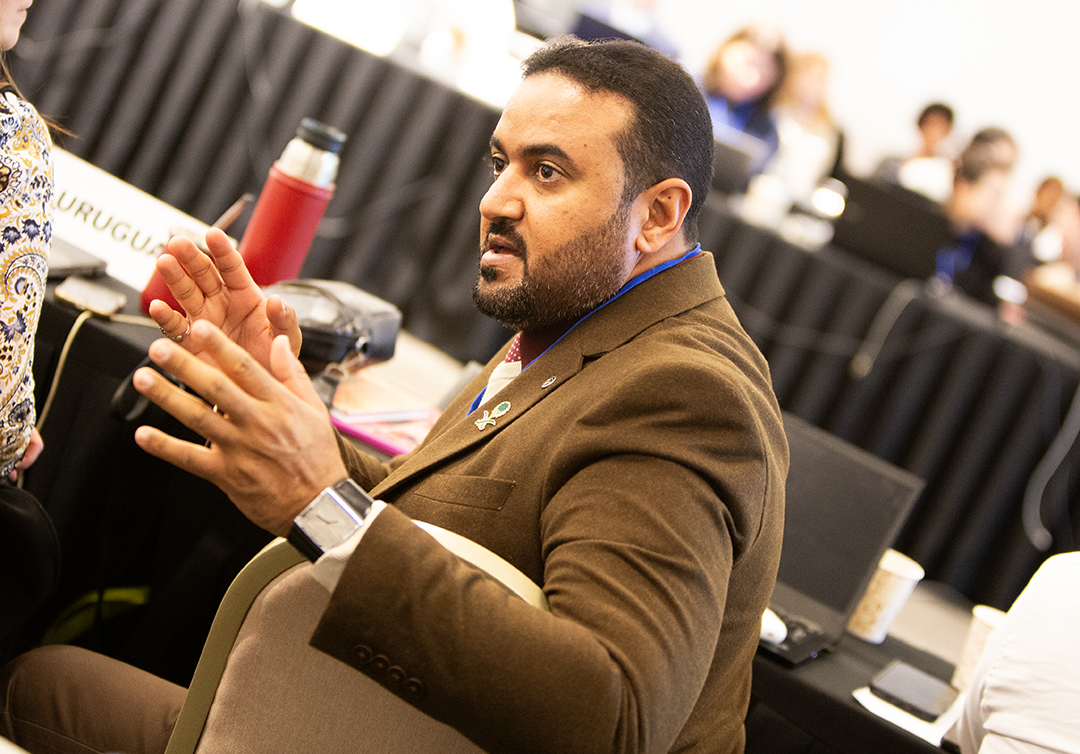
Saeed Ahmed Al-Zahrani, Saudi Arabia
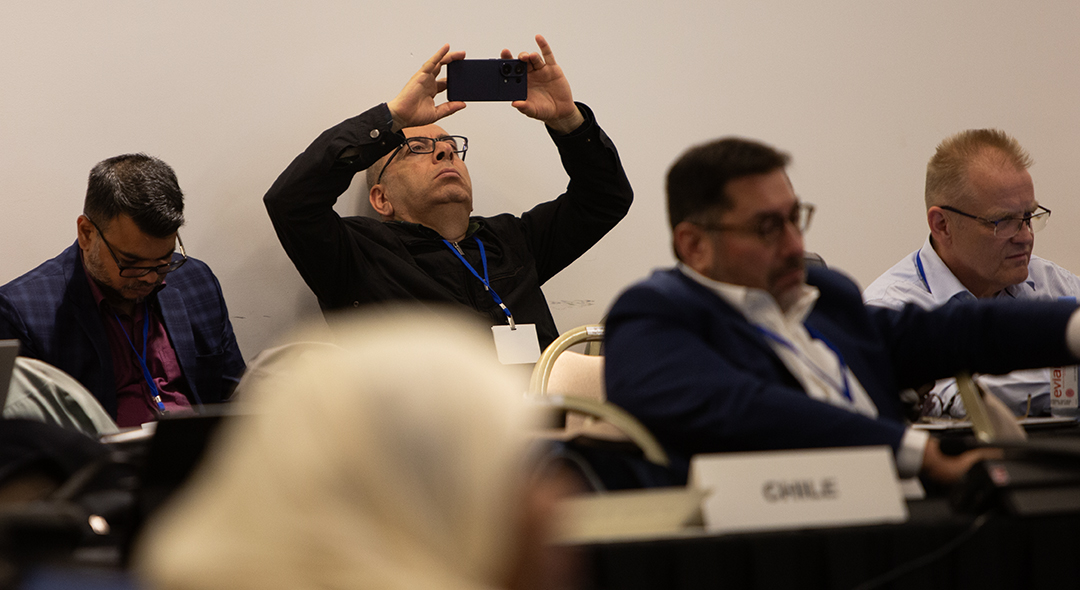
Bektaş Kiliç, Türkiye
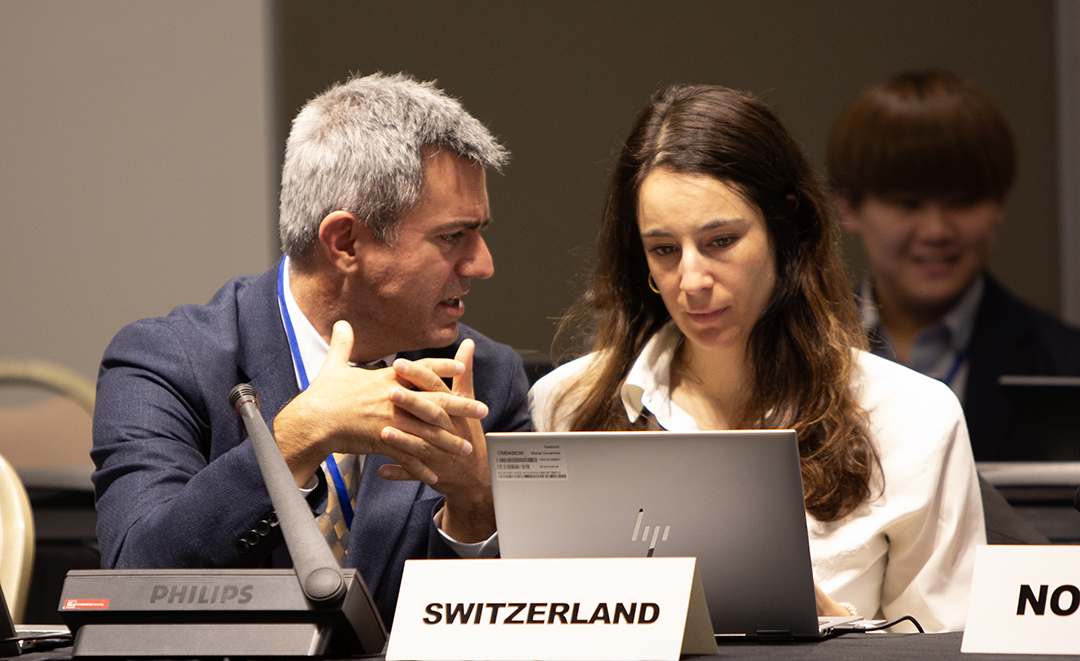
Marco Crugnola and Océane Dayer, Switzerland
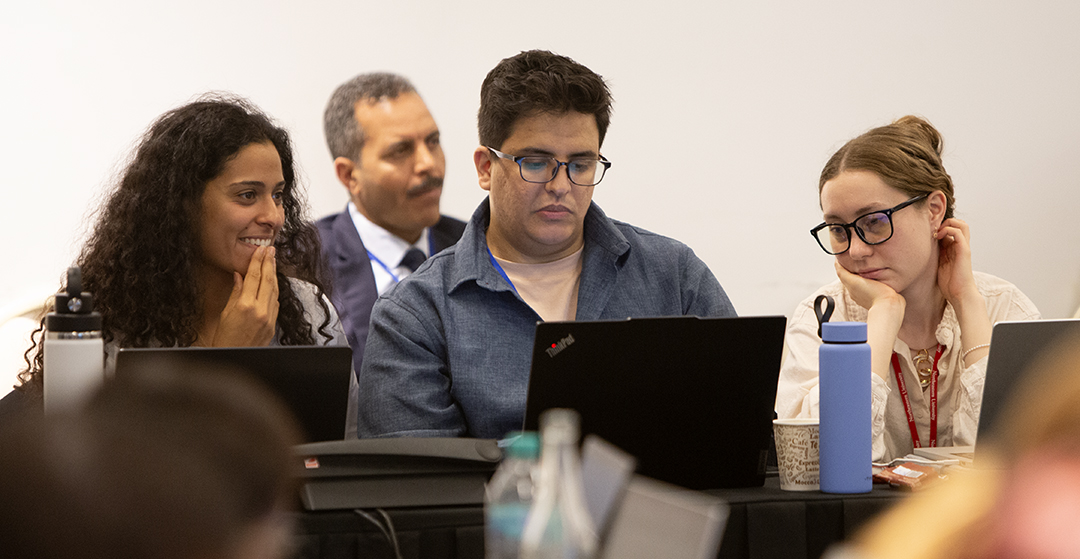
Janna Radi, Aseel Abo-Taleb, and Olga Skaredina, Children and Youth Major Group to UNEP (CYMG)
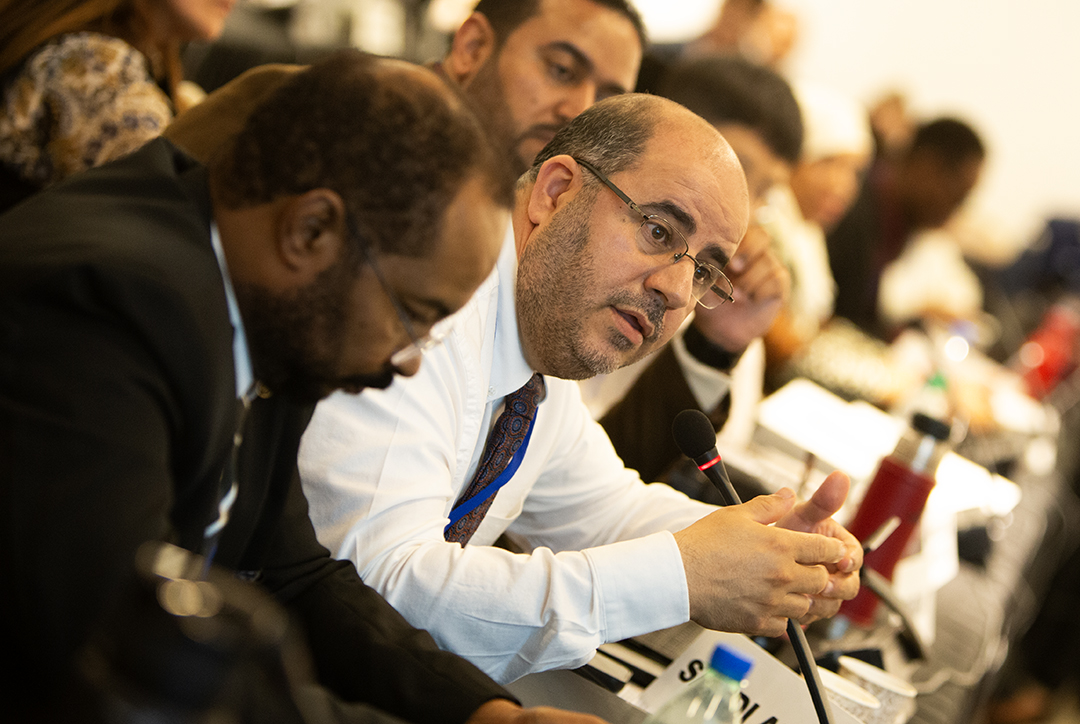
Qasem Alsharari, Saudi Arabia
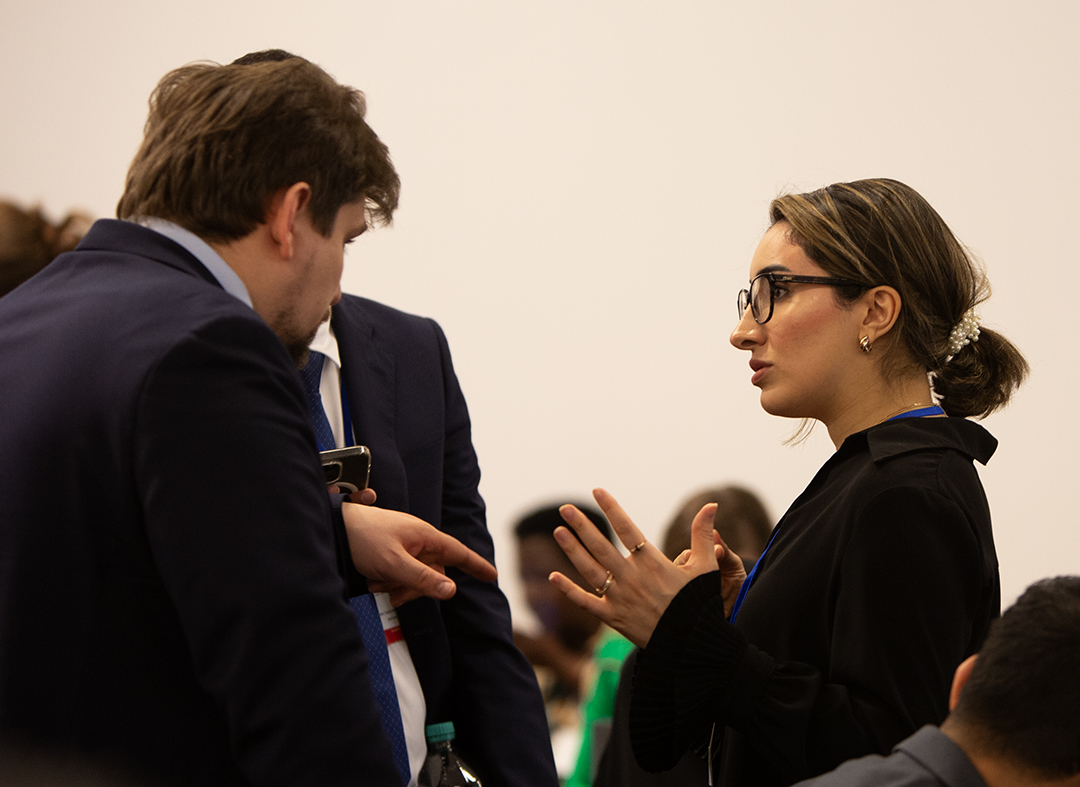
Oleg Senchenko, Russian Federation, and Maria AlJishi, Saudi Arabia
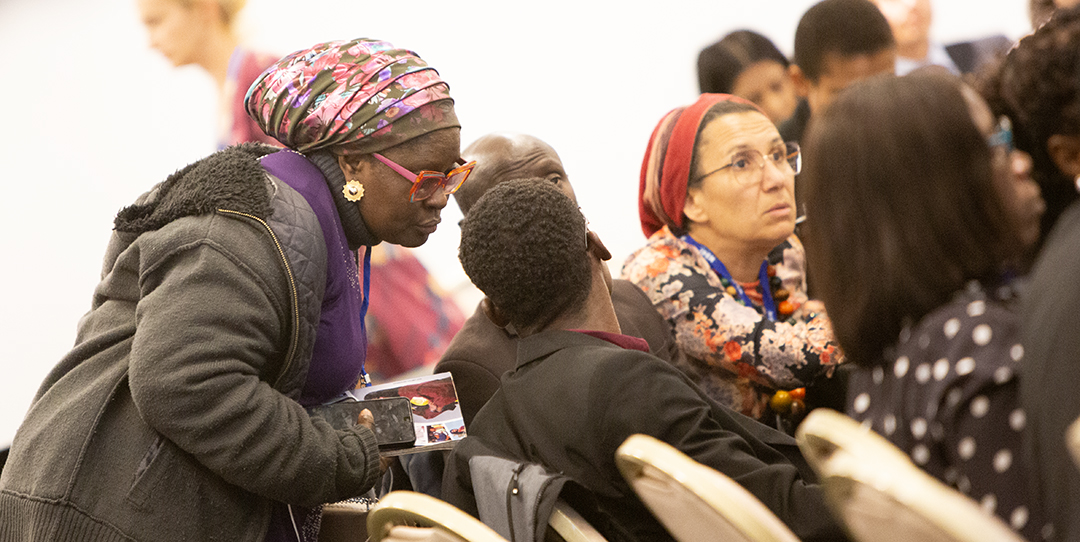
Delegates during informal consultations
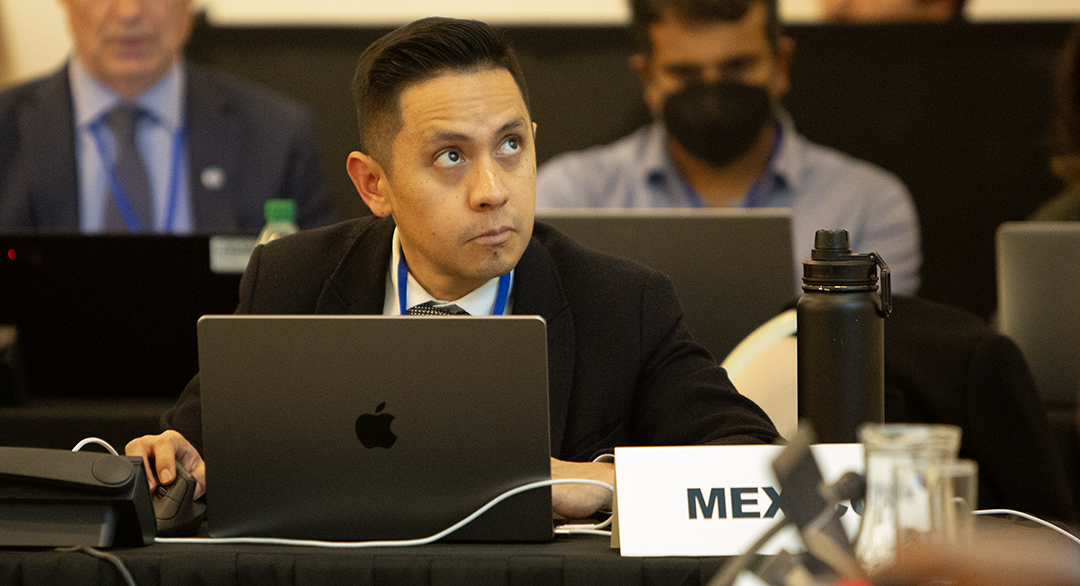
Santiago Ballina García, Mexico
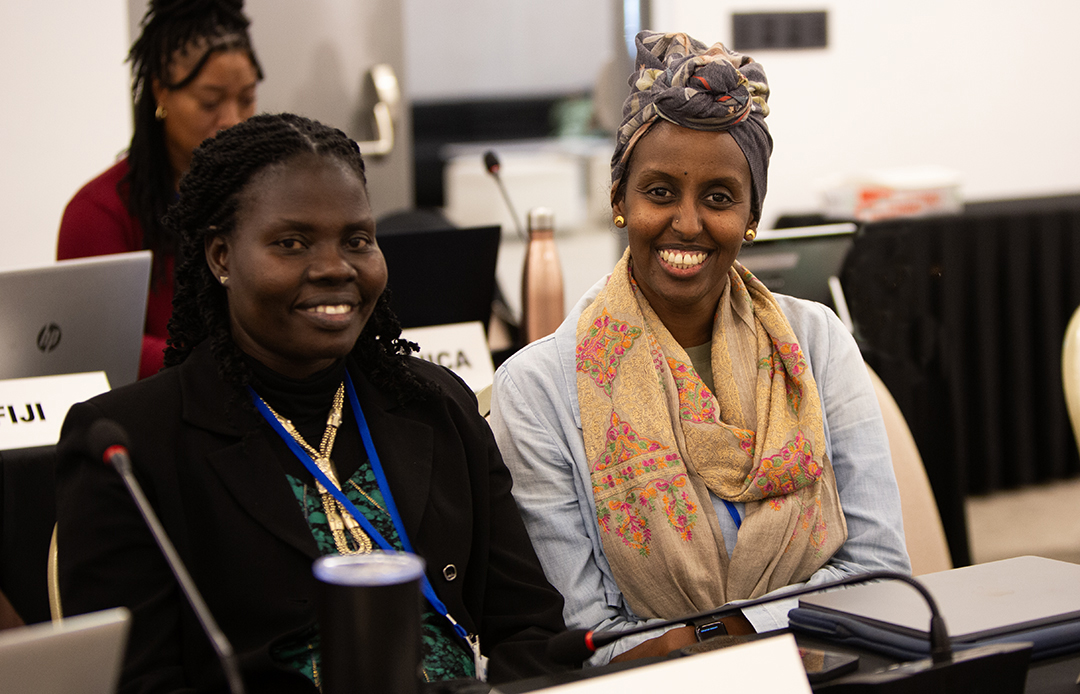
Monica Angom, Uganda, and Amira Adawe, Somalia
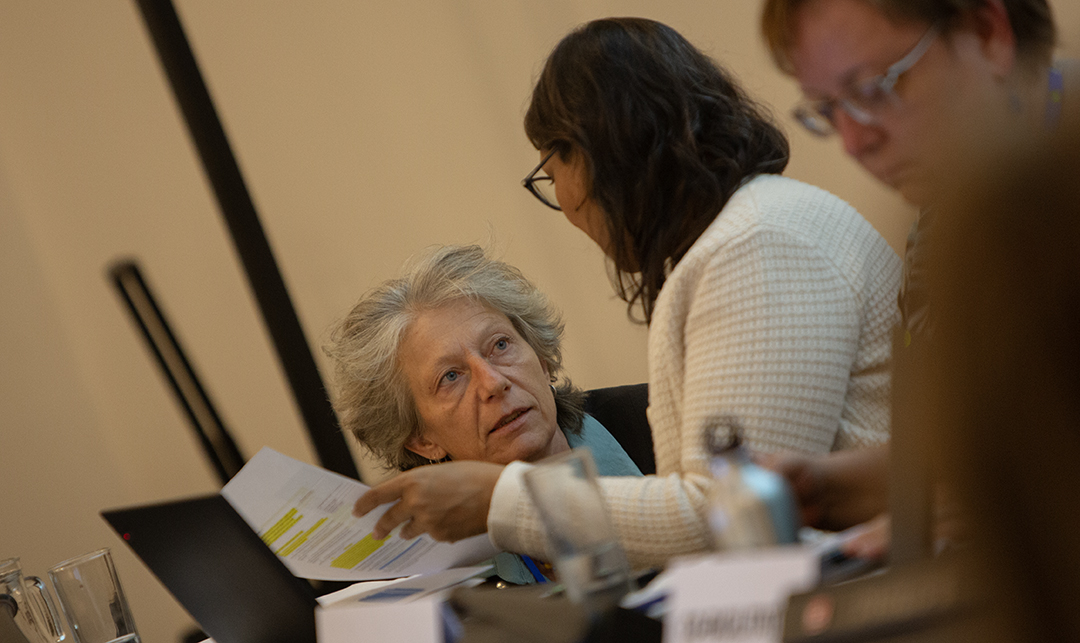
OEWG Chair Gudi Alkemade consulting with the Secretariat
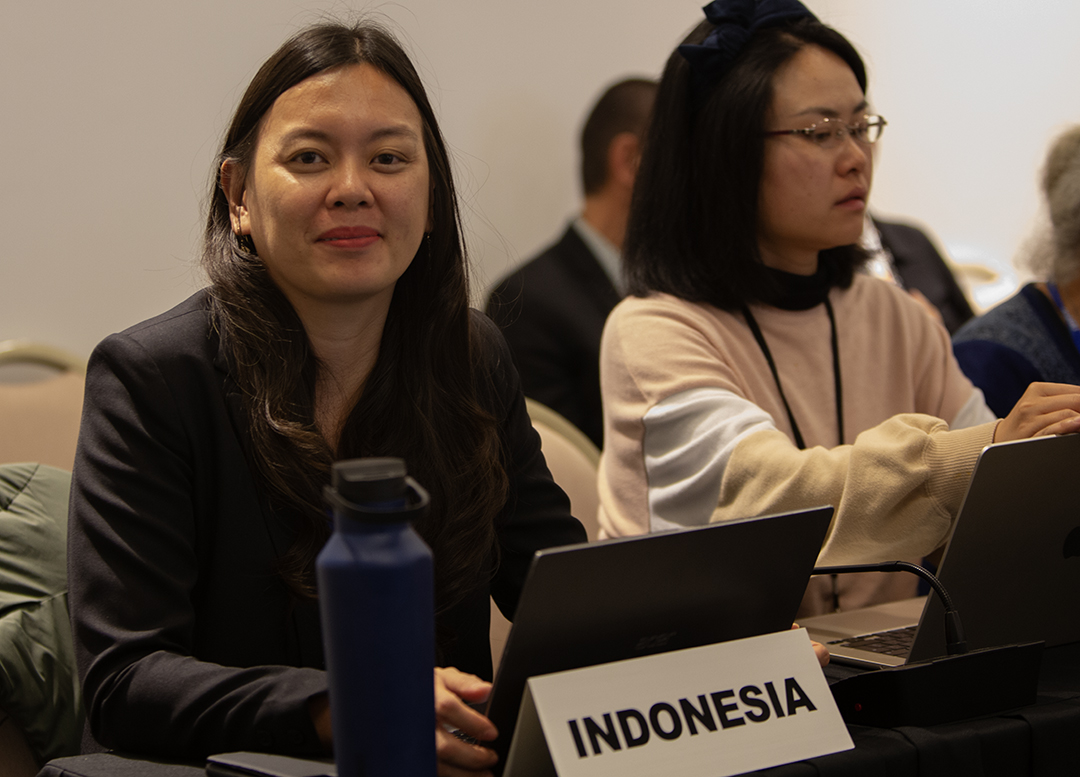
Melissa Yuanita Repi, Indonesia
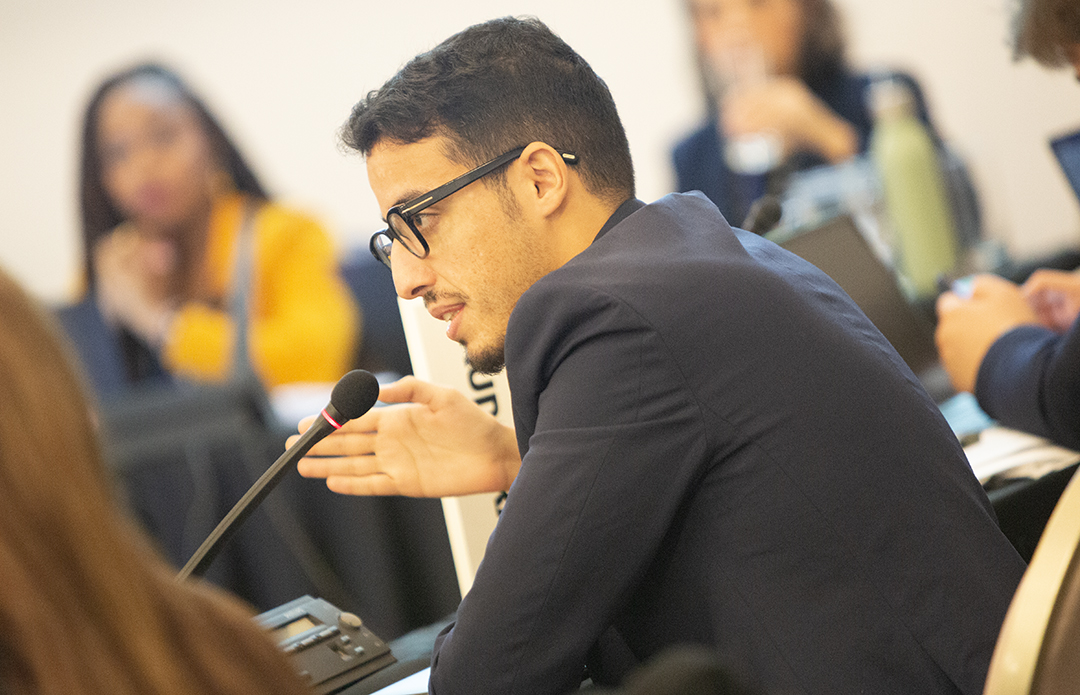
Tamim Alothimin, Saudi Arabia
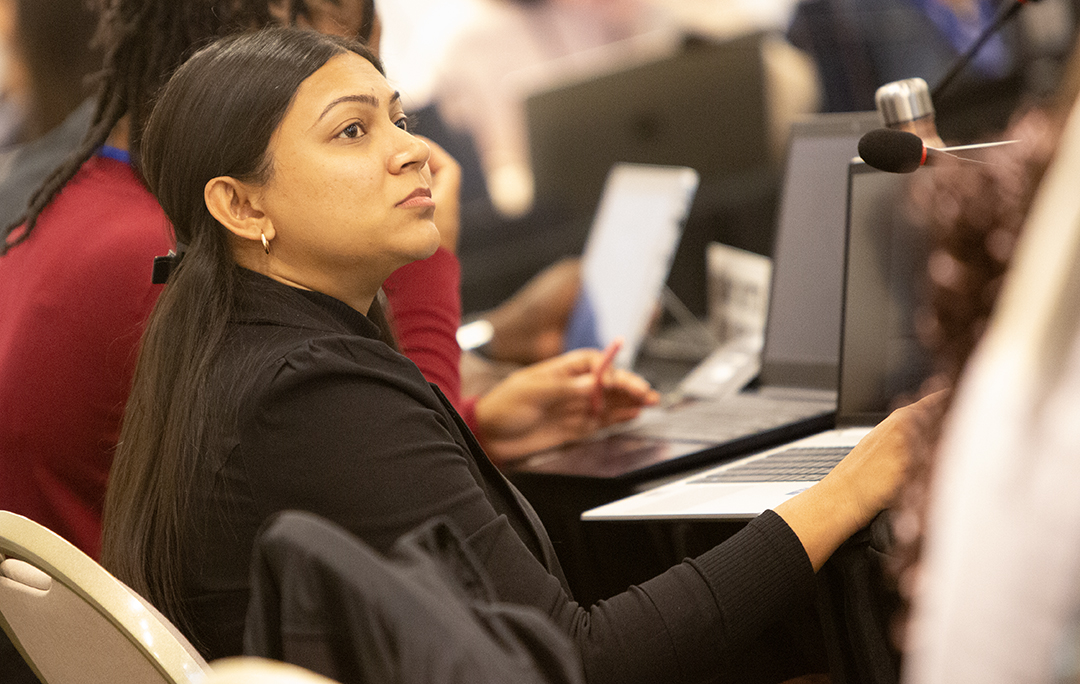
Divya Mala, Fiji
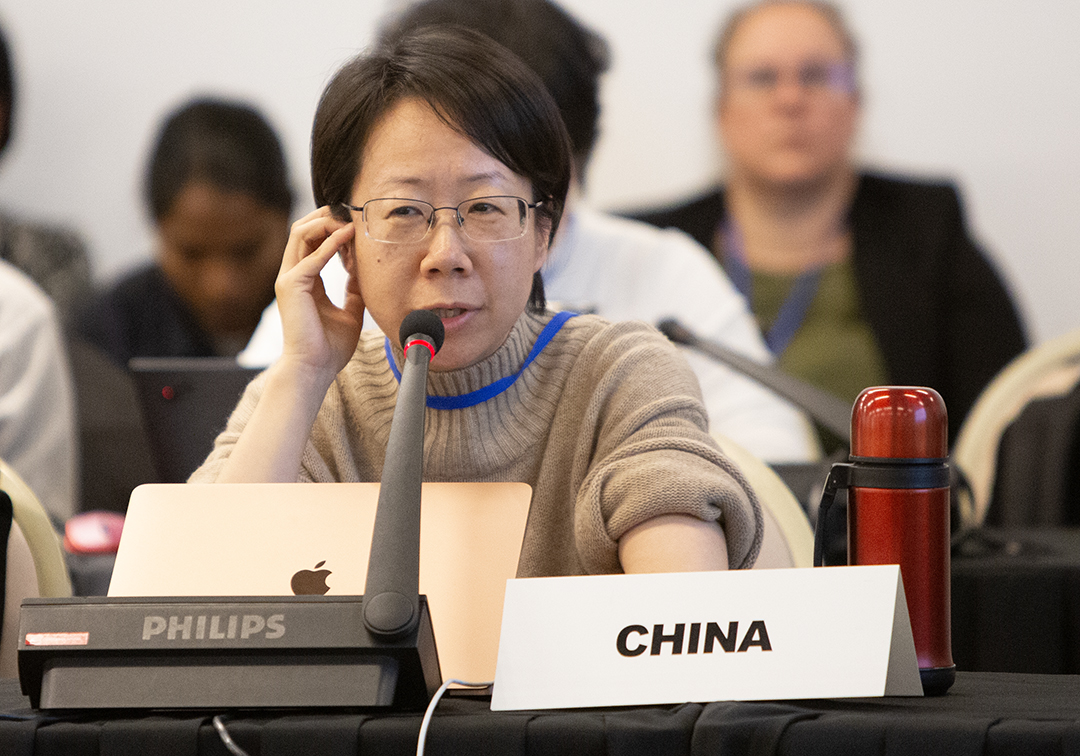
Li Gu, China
Plenary
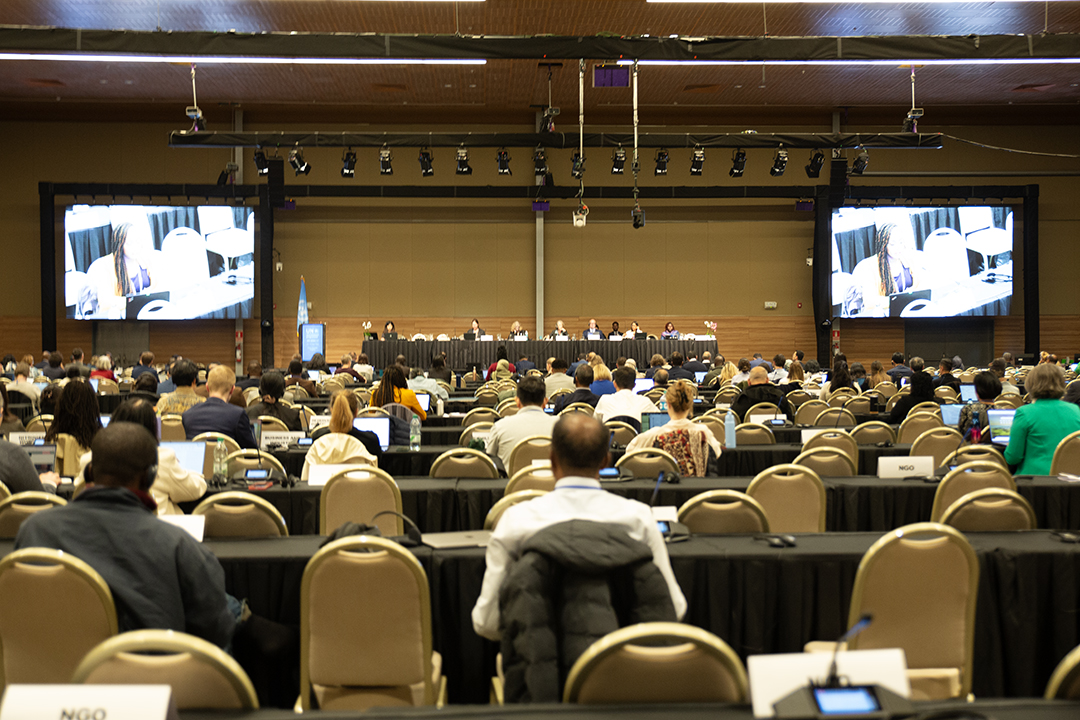
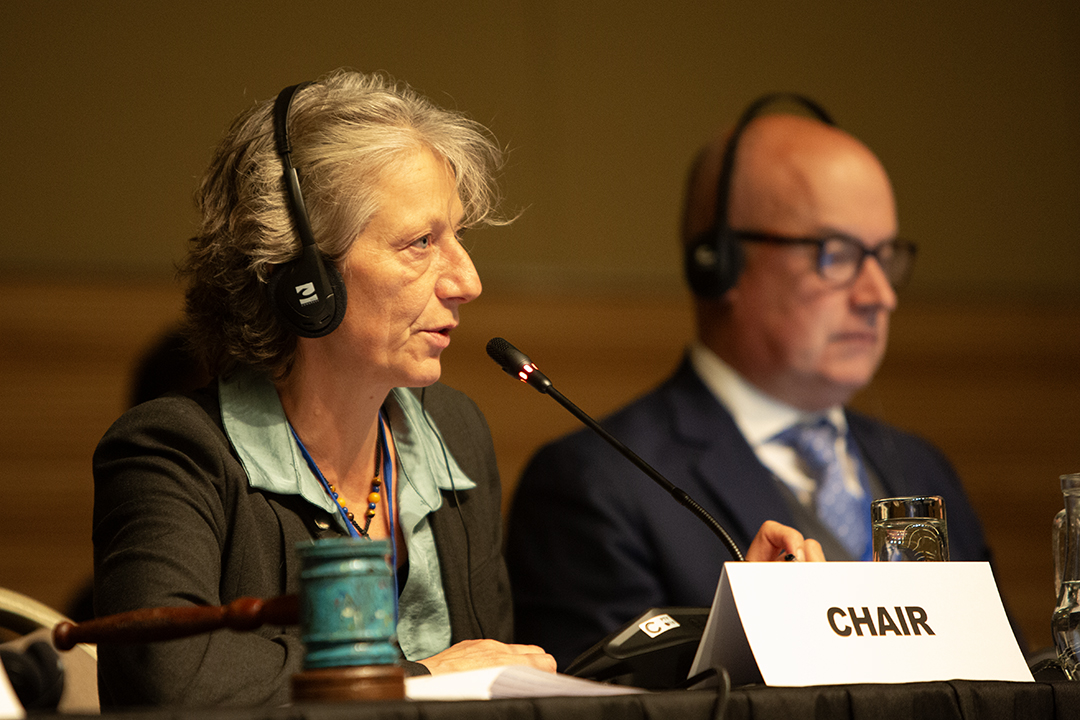
OEWG Chair Gudi Alkemade
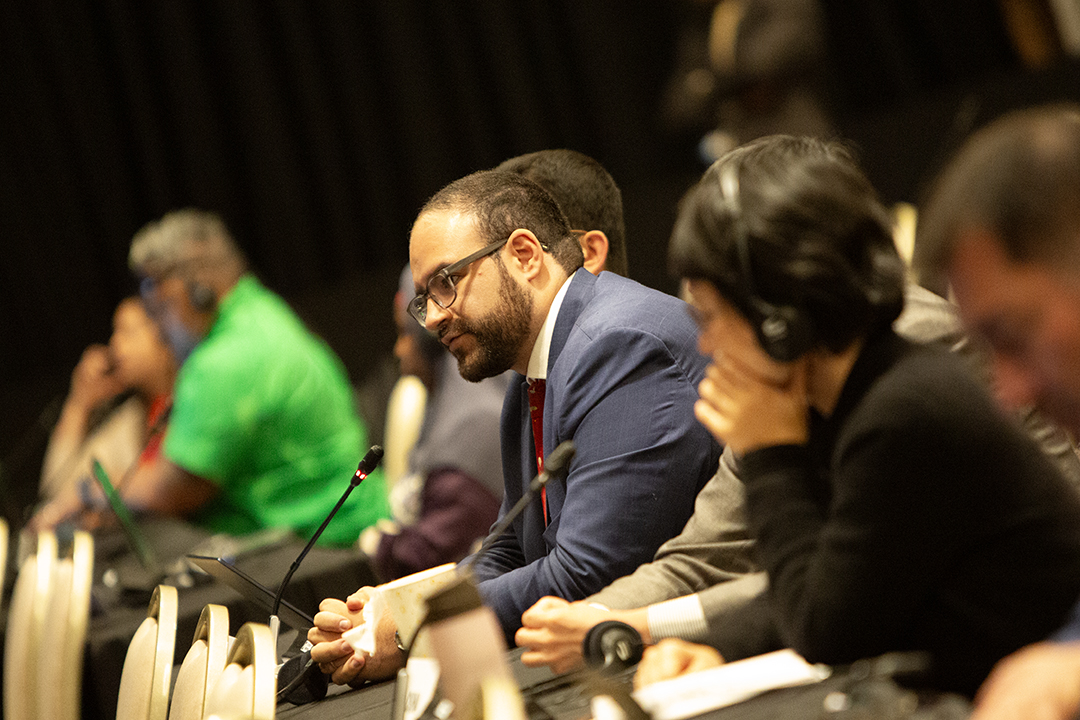
Contact Group 1 Co-Facilitator Miguel Ruiz Botero (Colombia)
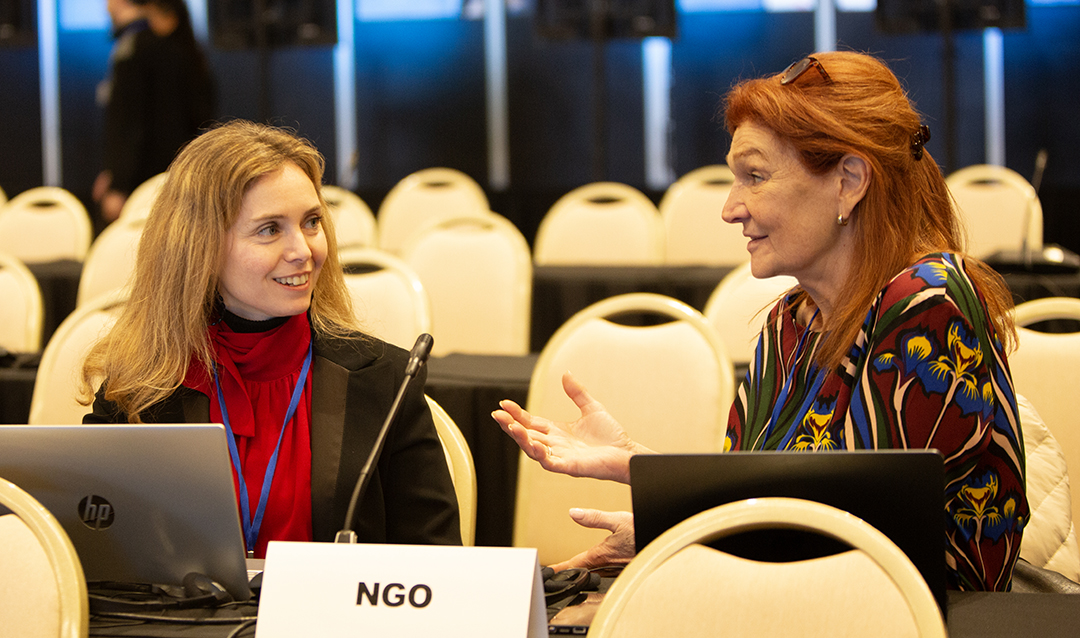
Lia Maria Paola and Lilian Corra, Global Alliance on Health and Pollution
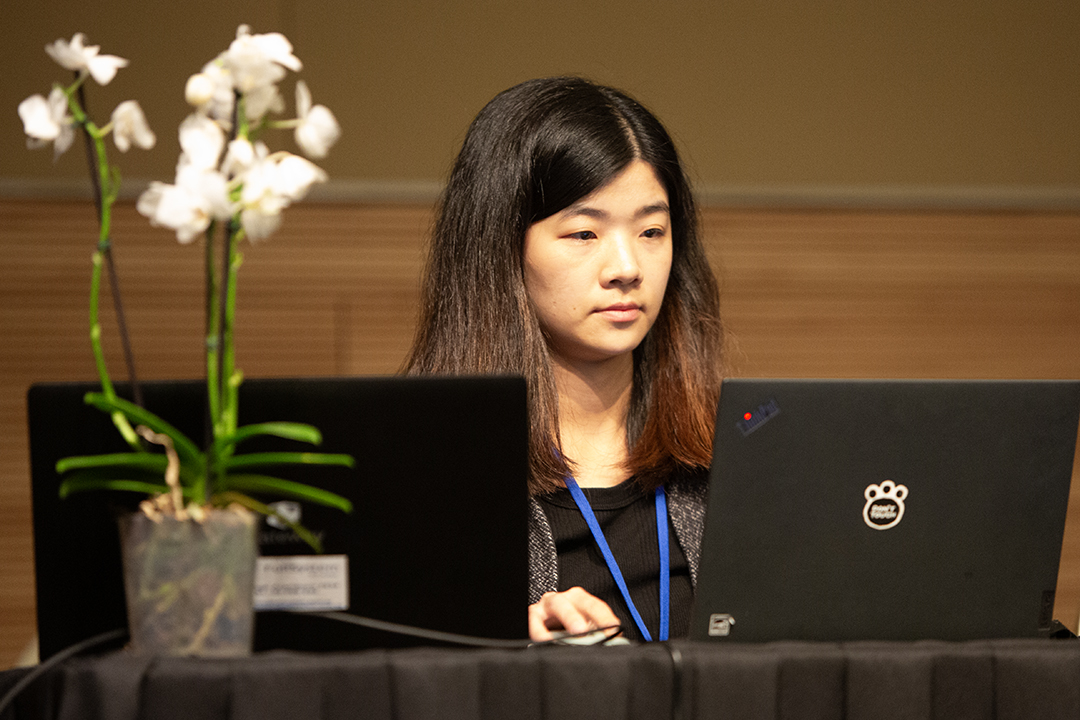
Kaai Tung Chan, Secretariat
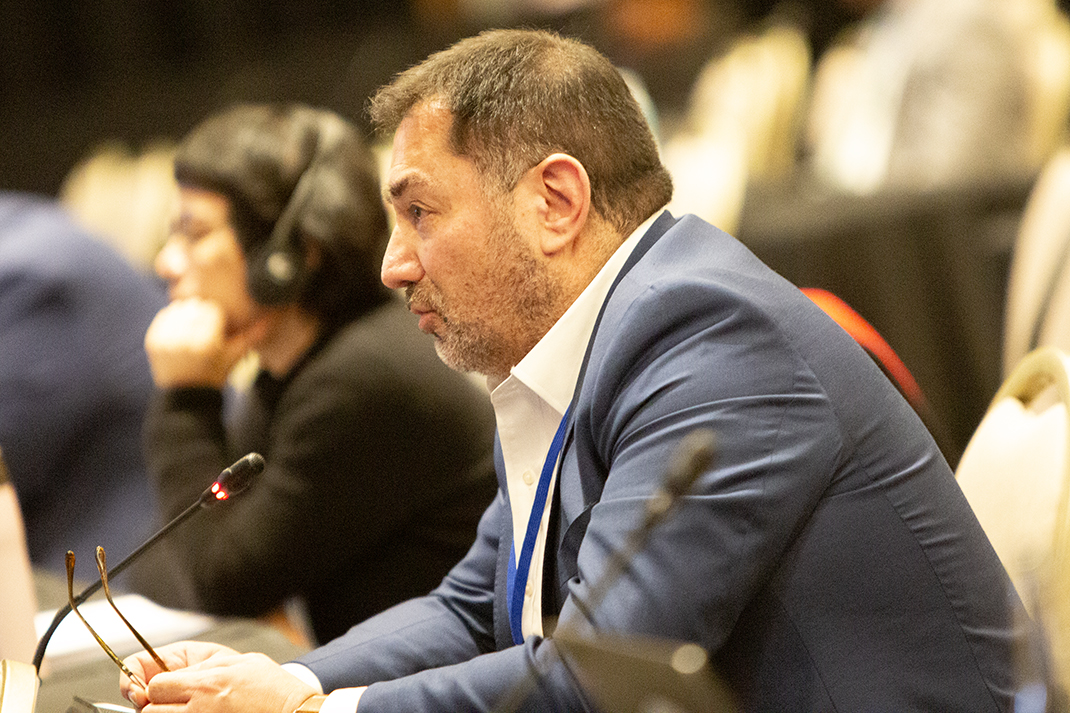
Osvaldo Álvarez-Pérez, Chile
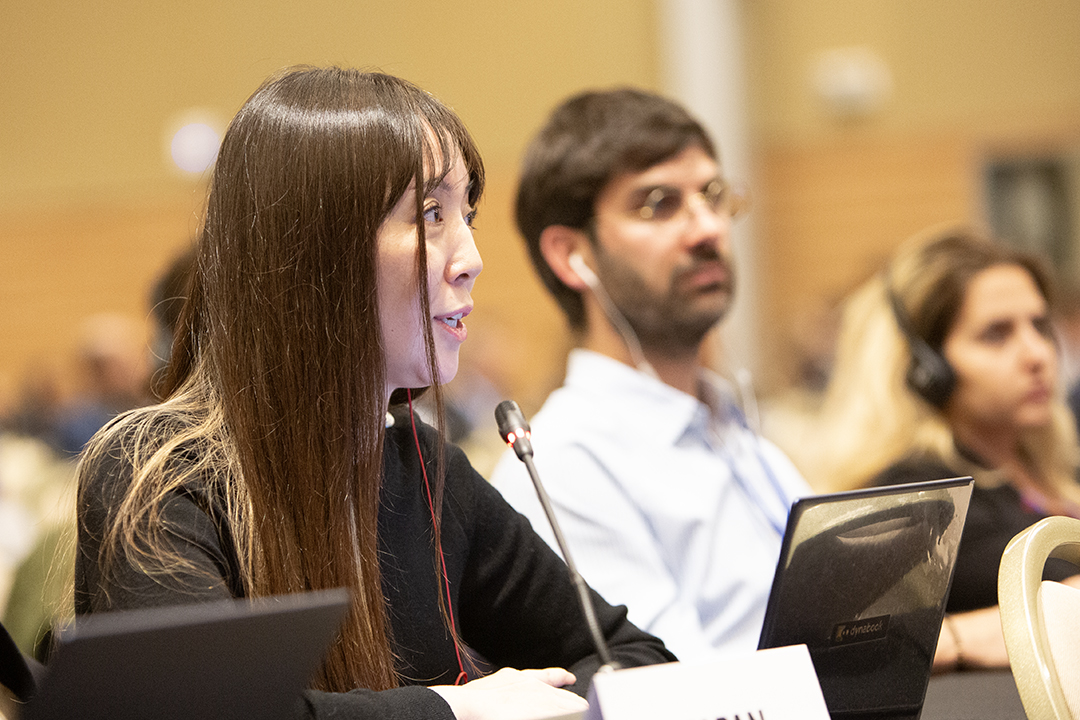
Contact Group 3 Co-Facilitator Itsuki Kuroda (Japan)
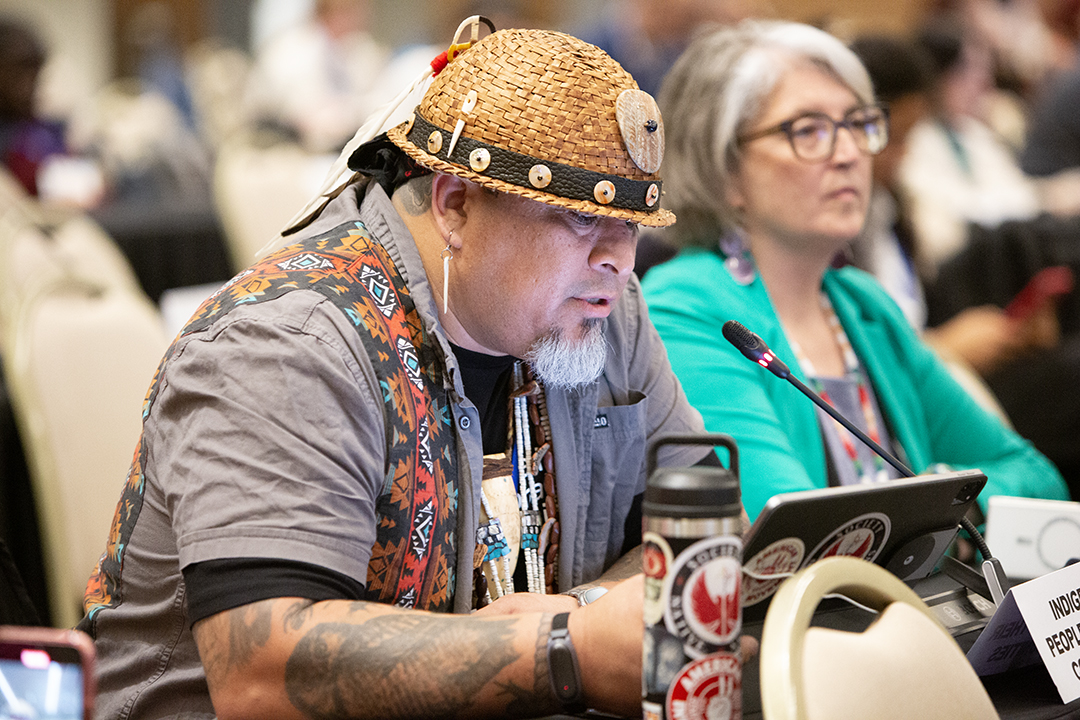
Frankie Orona, Indigenous Peoples
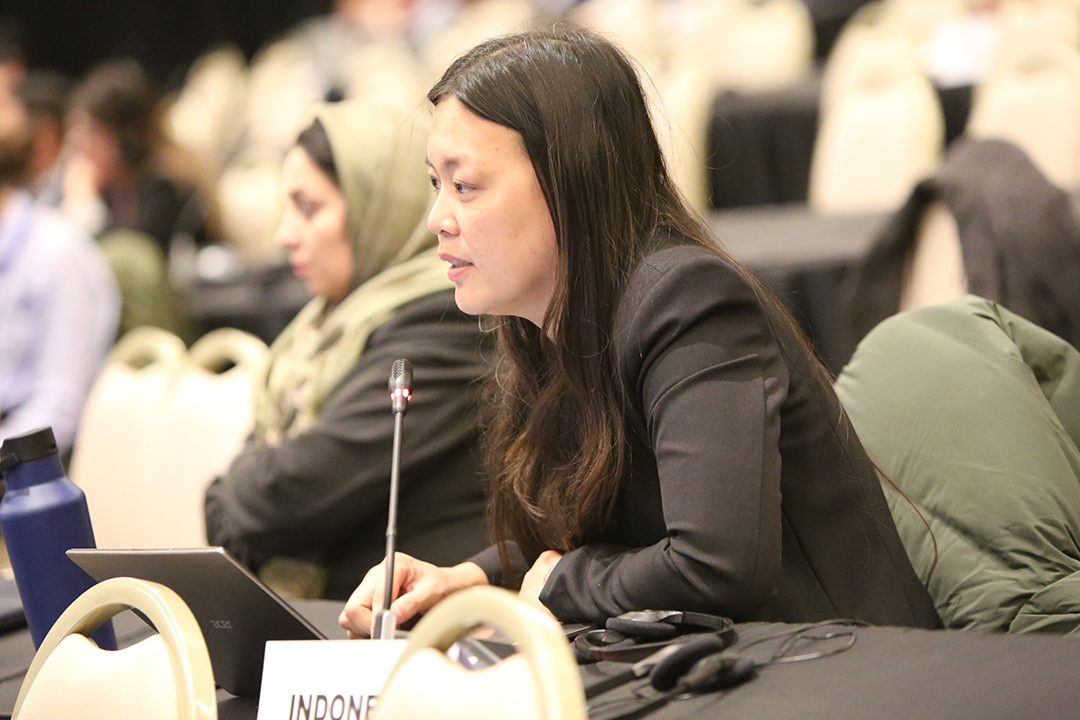
Melissa Yuanita Repi, Indonesia
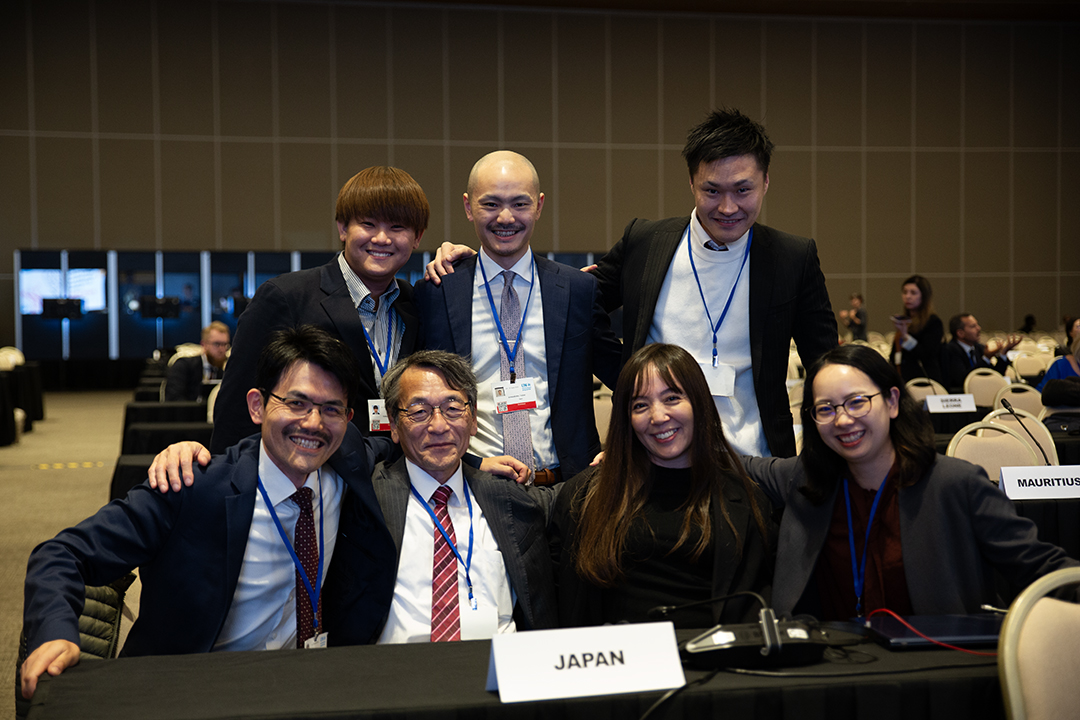
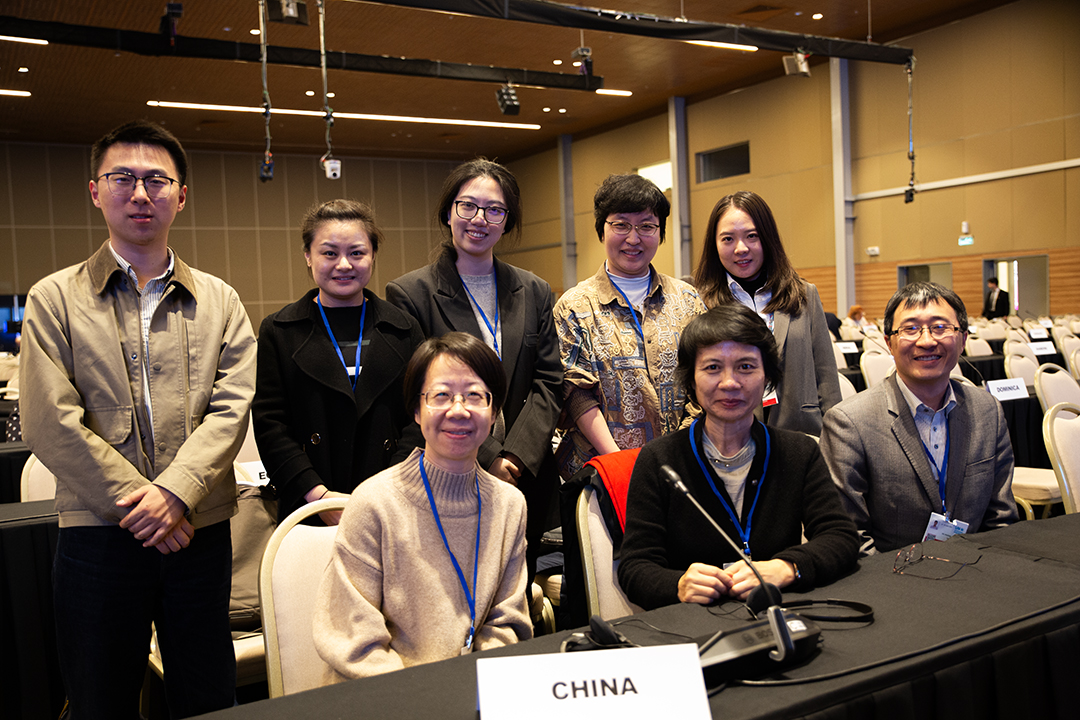
Between Sessions
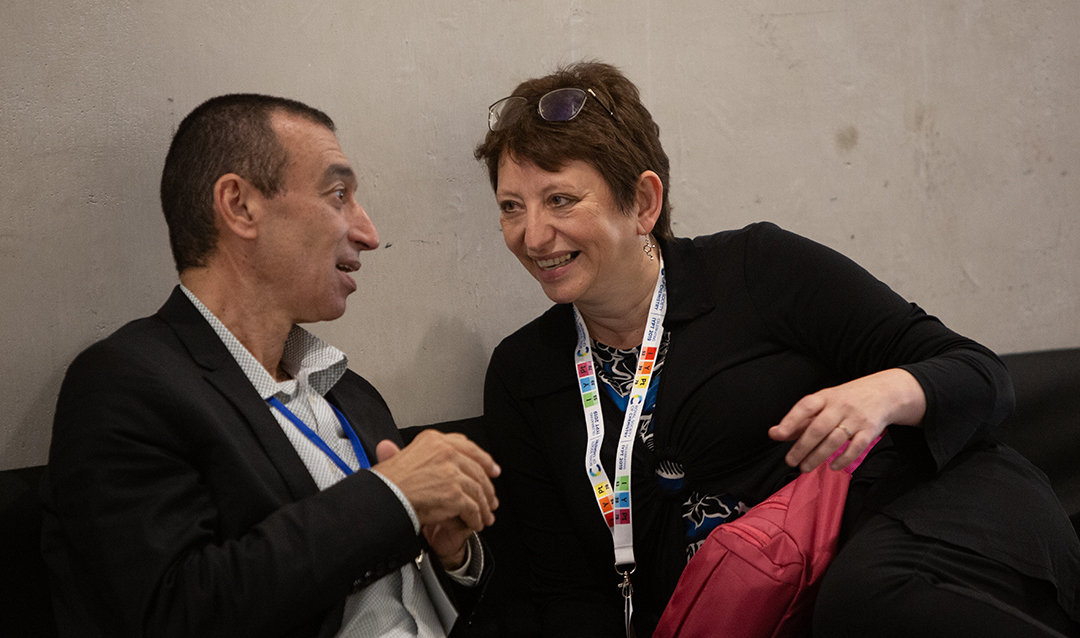
Mohamed Abdelraouf, Co-Chair of UNEP Major Groups and Stakeholders, and Camilla Alexander-White, Co-Facilitator of the Science and Technology Major Group
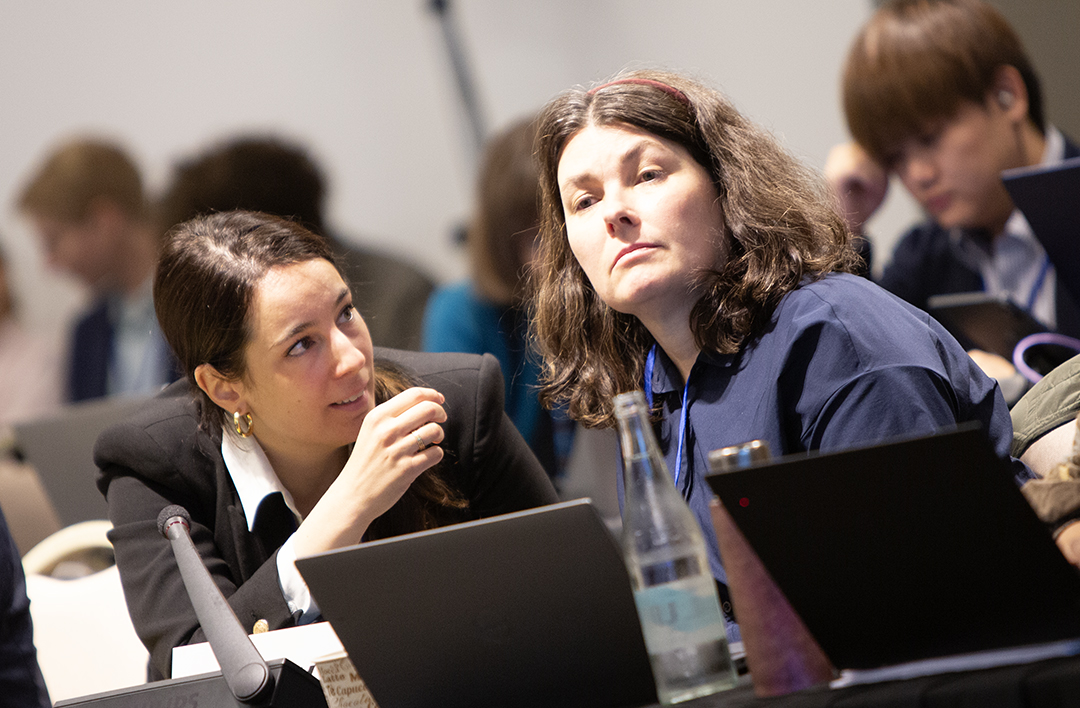
Océane Dayer, Switzerland, and Christina Charlotte Tolfsen, Norway
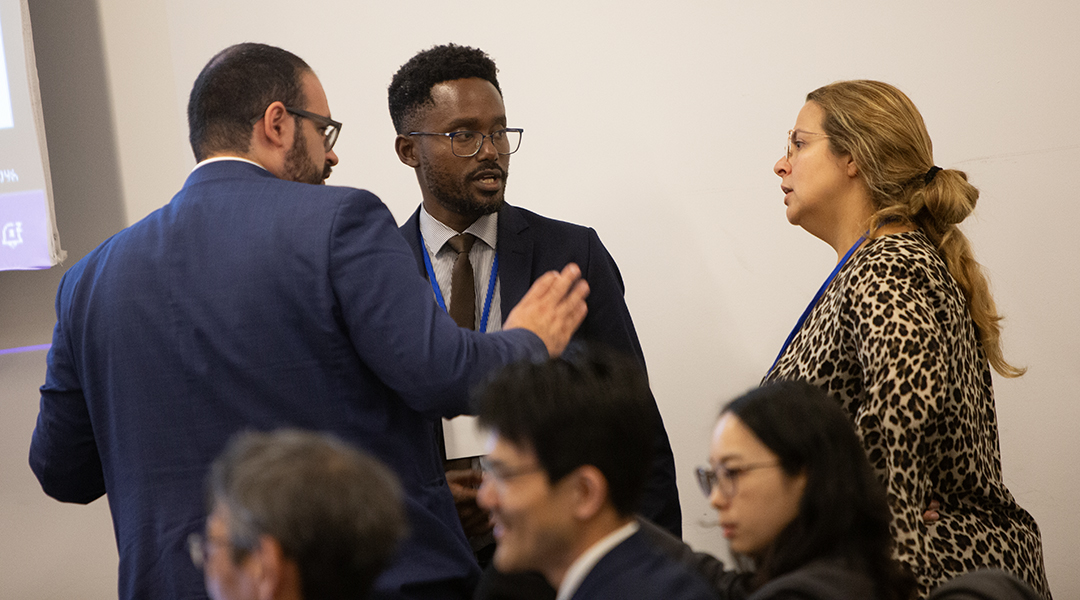
Contact Group 1 Co-Facilitator Miguel Ruiz Botero (Colombia), Alvin Gachie, Secretariat, and Valentina Sierra Dominguez, Uruguay
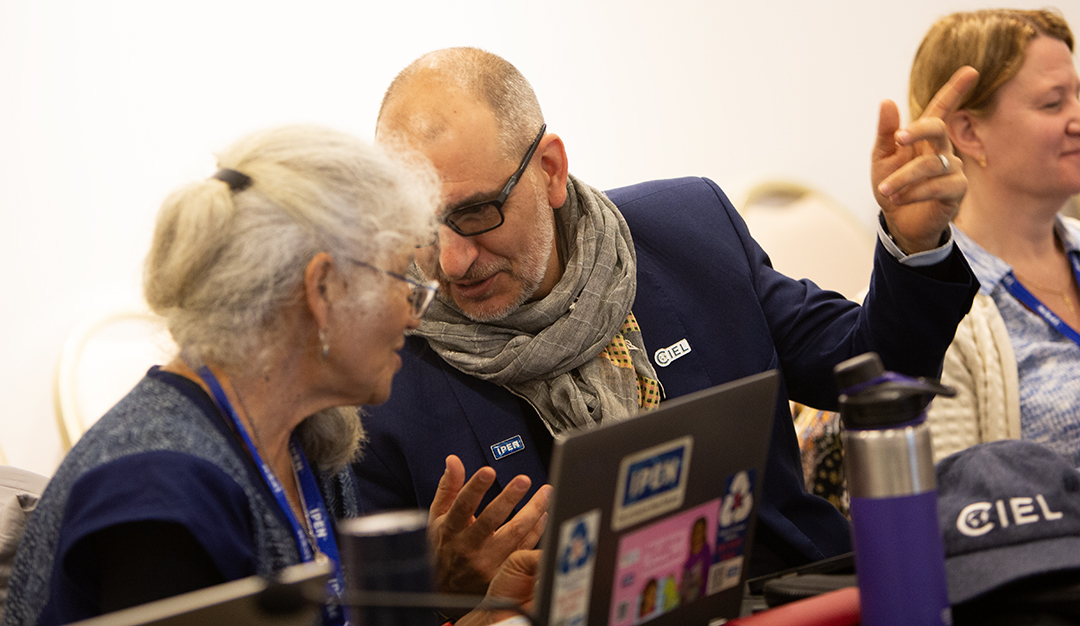
María Cárcamo Pavez, RAPAL Uruguay, and David Azoulay, Center for International Environmental Law
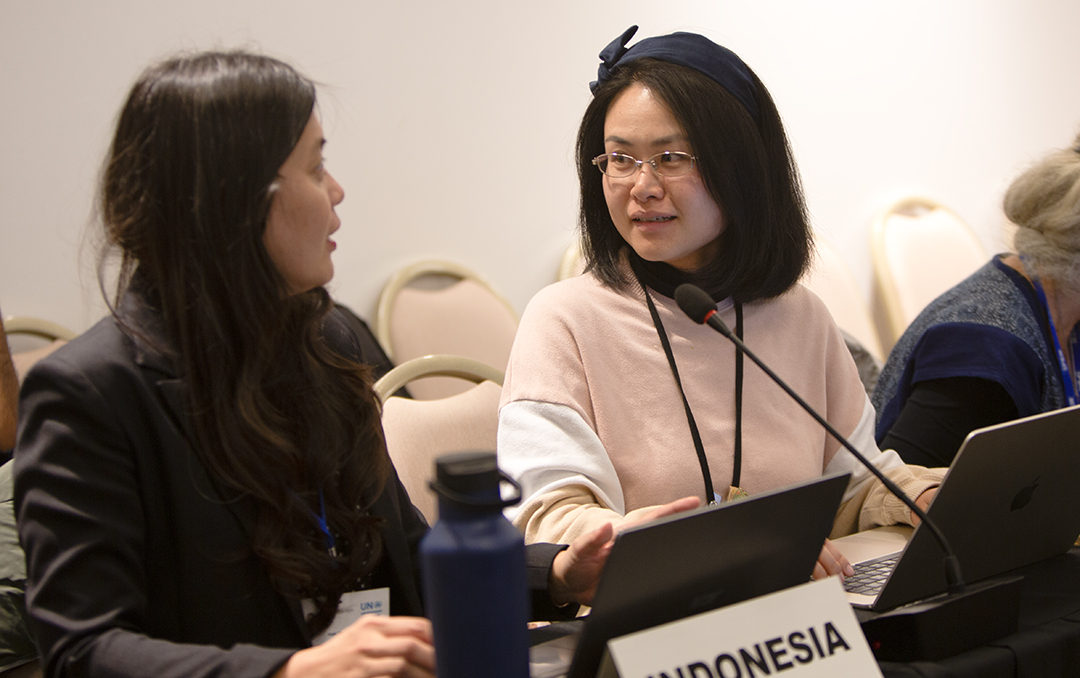
Melissa Wang, Greenpeace International
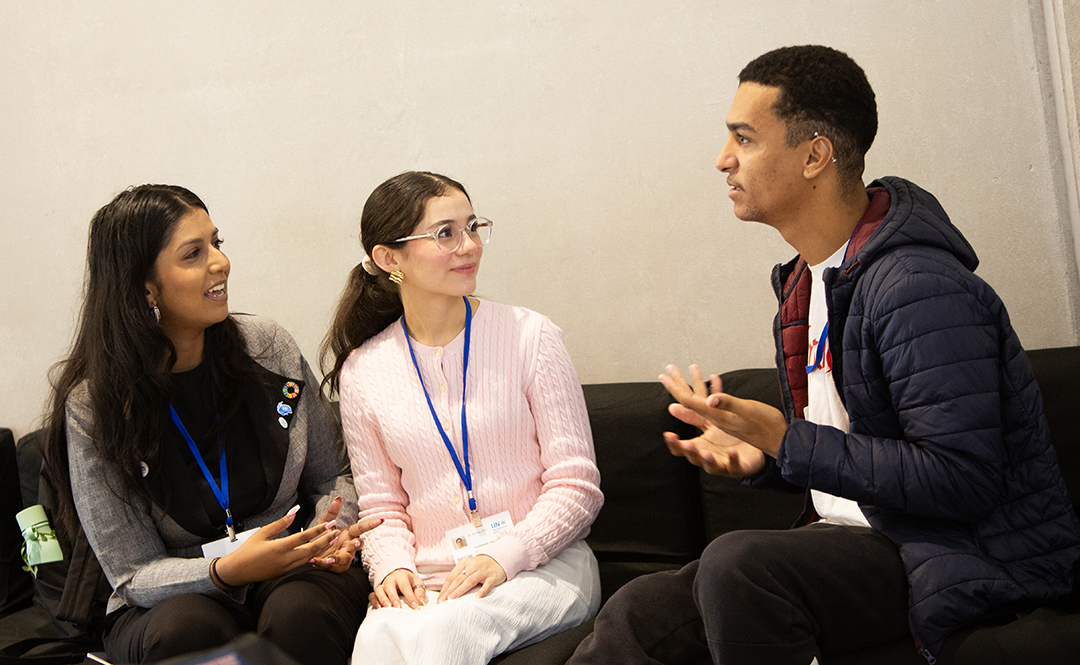
Arianna Beeray, Angela Castañeda, and Ianque da Silva Oliveira, CYMG
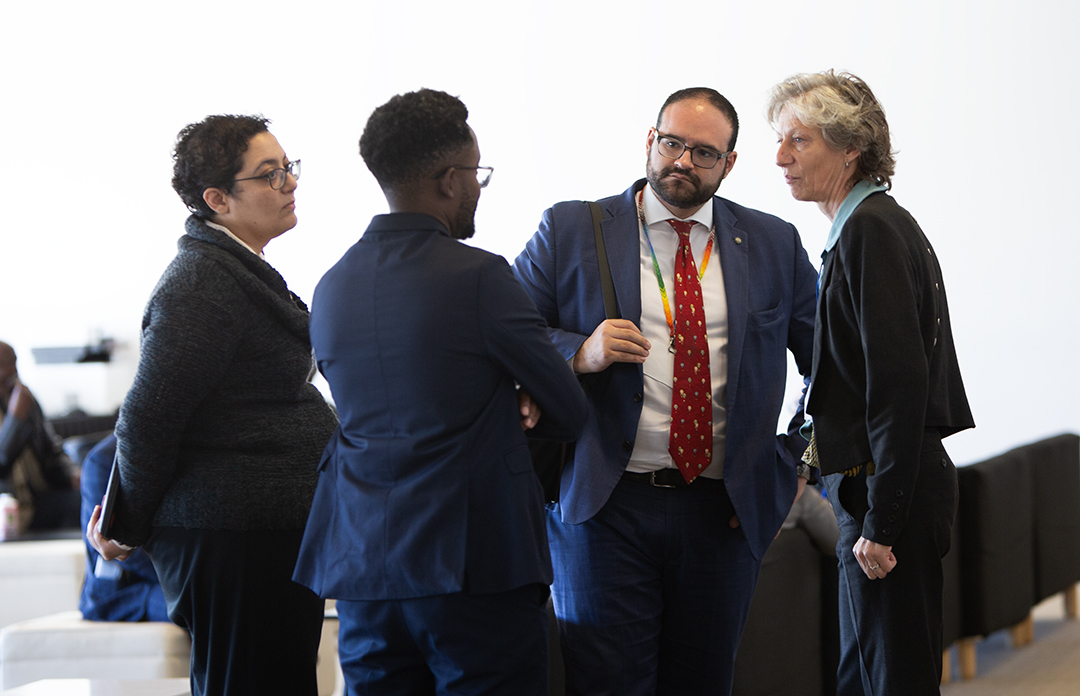
OEWG Chair Gudi Alkemade and Contact Group 1 Co-Facilitator Miguel Ruiz Botero (Colombia) consulting with the Secretariat
Around the Venue