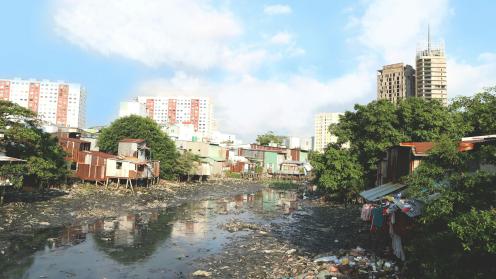
Our present and future well-being depends on a healthy living environment free from toxic chemicals, waste, and pollution. According to the UN Environment Programme (UNEP), there are 6,000 industrial chemicals released, with production levels set to double by 2030 from 2017 levels.
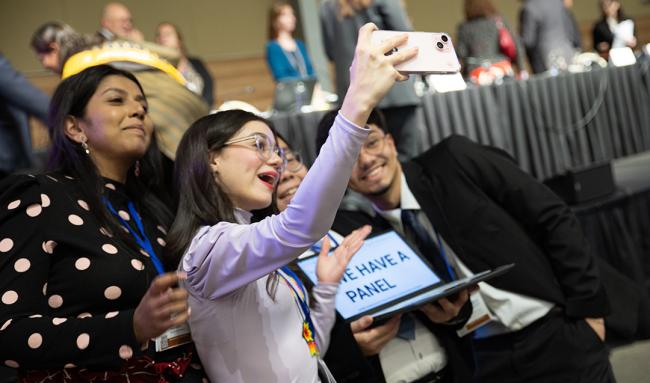
For this reason, the fifth meeting of the UN Environment Assembly (UNEA) in 2022 adopted a resolution to strengthen the science-policy interface for the sound management of chemicals, waste and pollution by establishing a panel that would provide the most advanced scientific advice to governments without being policy prescriptive. The panel would also provide support to multilateral environmental agreements (MEAs) and other relevant international instruments.
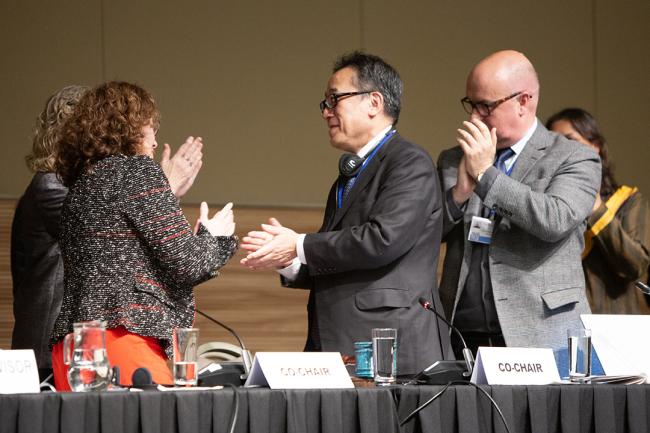
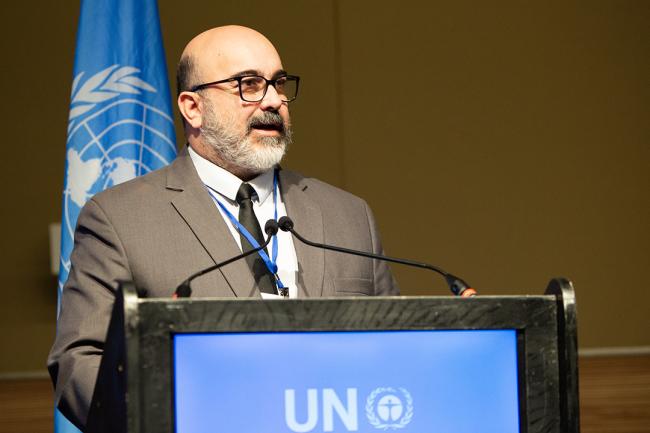
The resolution states principal functions of the panel, including identifying key gaps in scientific research, encouraging and supporting communication between scientists and policymakers, and explaining and disseminating findings for different audiences. It also decided to convene an Open-Ended Working Group (OEWG) to prepare proposals to establish the panel, culminating in an Intergovernmental Meeting to consider the proposals generated by the OEWG.
For more than two years, Member States advanced work to establish the panel, including:
- a foundational document setting out the scope, objectives and functions of the panel, operational principles, institutional arrangements and periodic evaluation of the effectiveness of the panel,
- a draft decision on recommendations for consideration at the new panel’s first plenary session, including on rules of procedure, the work programme, the panel’s deliverables, and
- a draft decision on arrangements for the interim period, including financial arrangements.
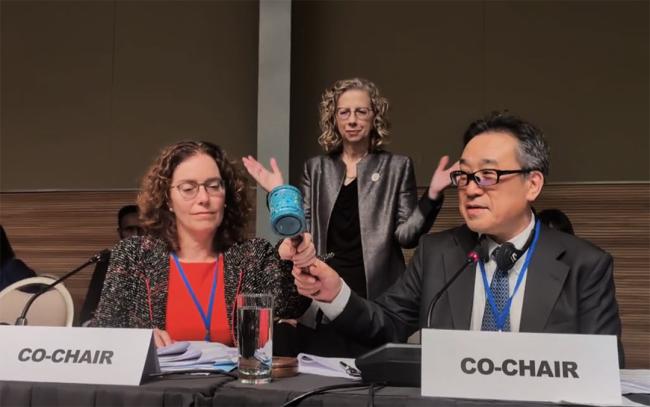
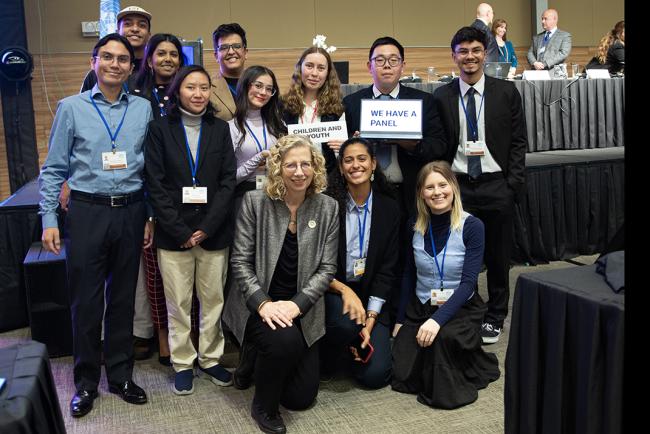
These draft decisions were adopted at the Intergovernmental Meeting, ushering a new era in multilateral science-policy co-production. Together with the Intergovernmental Panel on Climate Change and the Intergovernmental Science-Policy Platform on Biodiversity and Ecosystem Services, the three bodies are meant to respond to the triple planetary crisis of climate change, biodiversity loss, and, as of today, pollution. The panel’s name was approved during the Meeting as the Intergovernmental Science Policy Panel on Chemicals, Waste and Pollution (ISP-CWP).
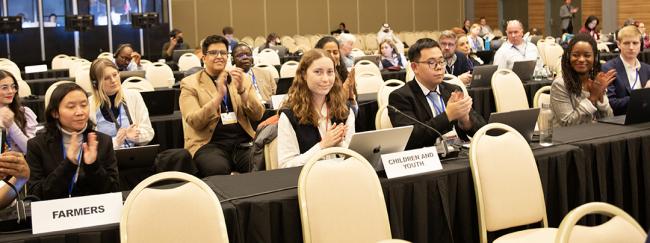
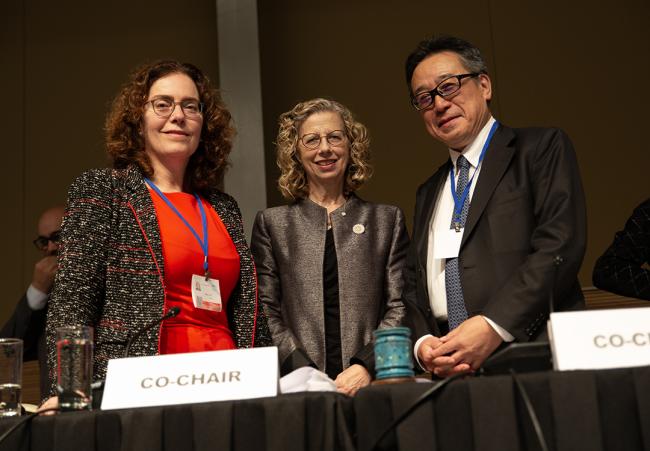
Delegates applauded the hard work and shared commitment to compromise, collaboration, and dedication to policy relevant science on chemicals, waste, and pollution prevention. UNEP Executive Director Inger Andersen lauded multilateralism and recalled that the new panel does not establish policy, it only provides the best prevailing science to guide policymakers working for a healthy environment.
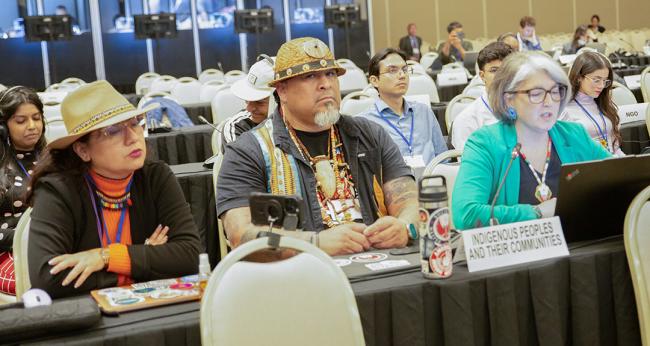
Yet even as delegates rejoiced in finally establishing the panel, they were reminded of the long road ahead in operationalizing it, given continued disagreement on, among others, the panel’s operating principles, scope and rules of procedure. The decisions adopted still contain bracketed text regarding gender, Indigenous Peoples and local communities. To be a legitimate and credible institution, these disagreements need to be overcome.

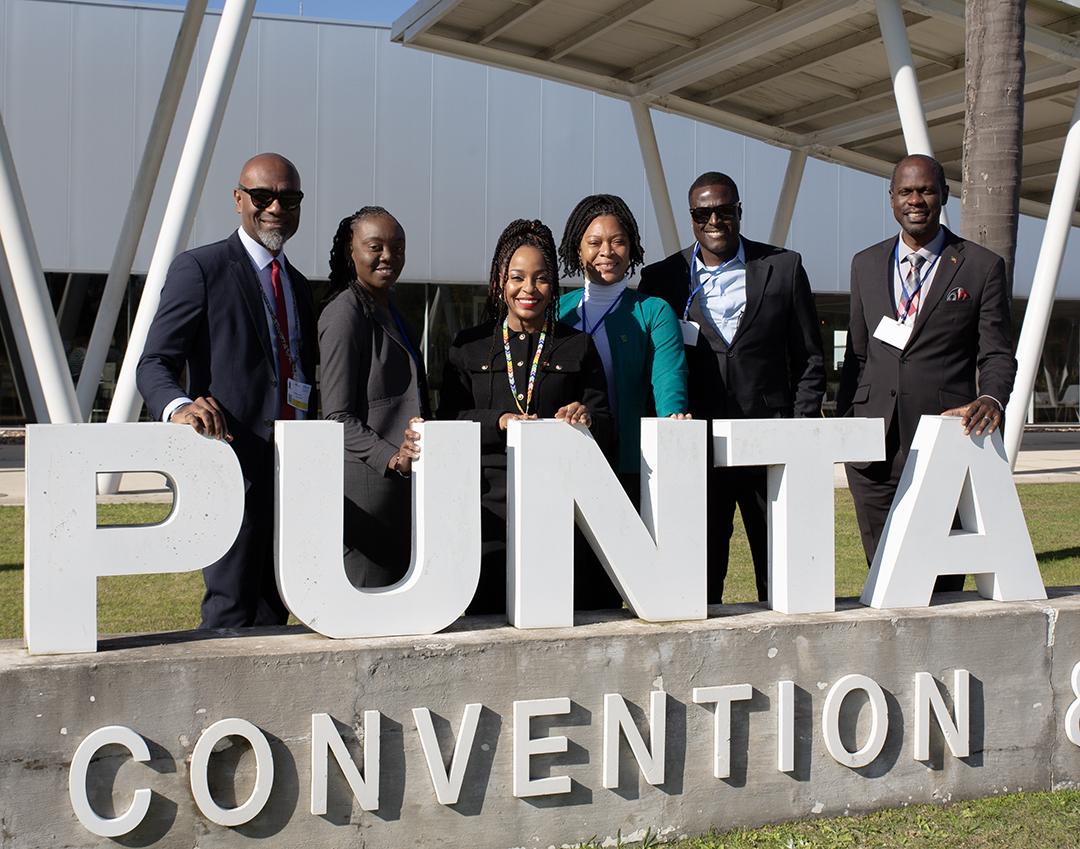
Still, by the end of a historic day in Punta del Este, the hard-won success of establishing the panel was at the forefront of many participants’ minds leaving the venue.
The Intergovernmental Meeting closed at 5:00 pm.
To receive free coverage of global environmental events delivered to your inbox, subscribe to the ENB Update newsletter.
All ENB photos are free to use with attribution. For photos of this side event, please use: Photo by IISD/ENB - Angeles Estrada Vigil
Plenary
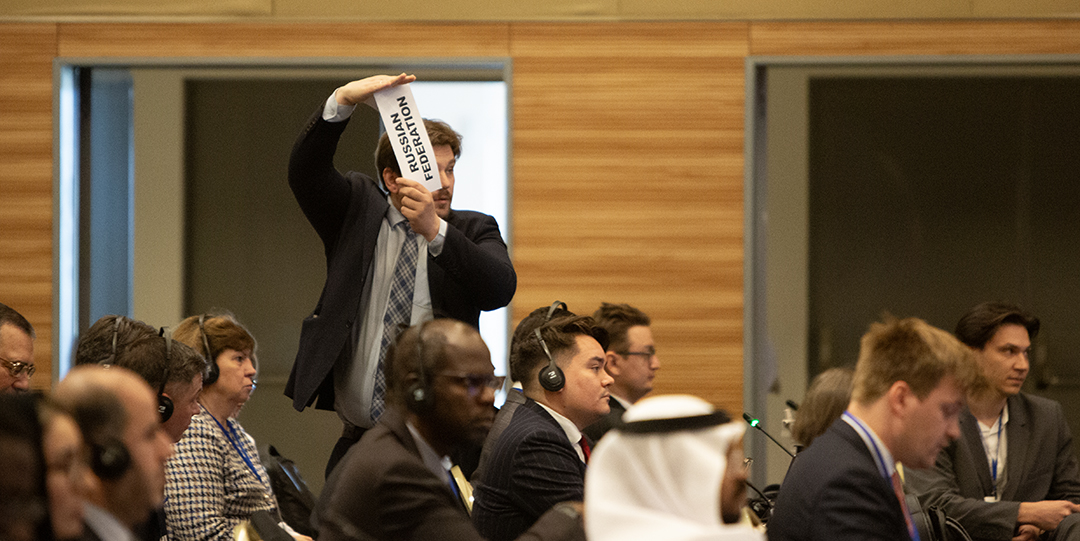
Russian Federation raises a Point of Order
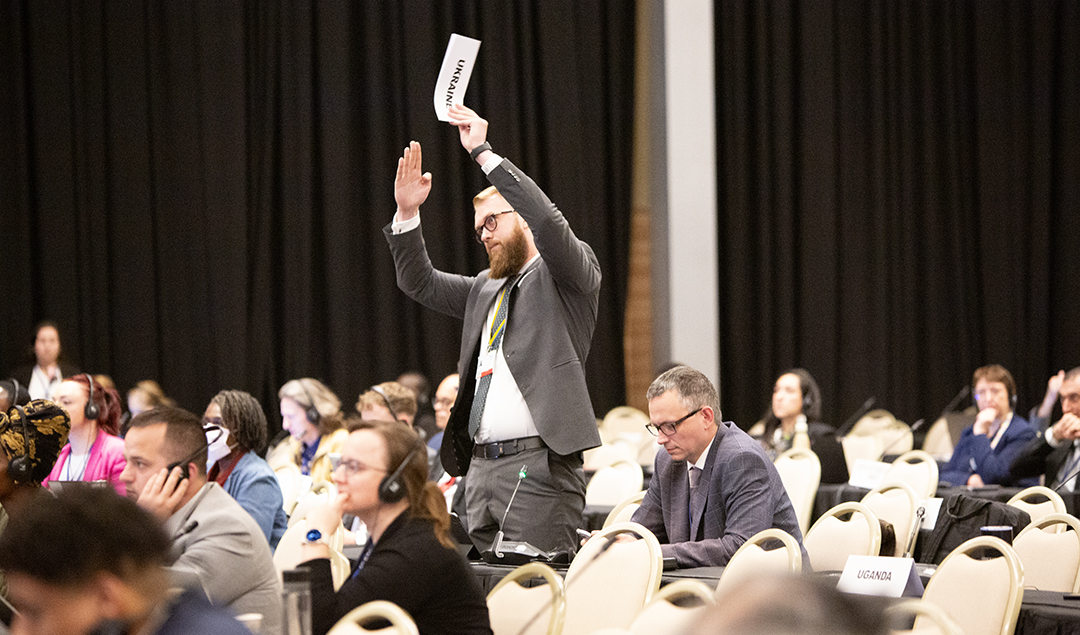
Ukraine raises a Point of Order
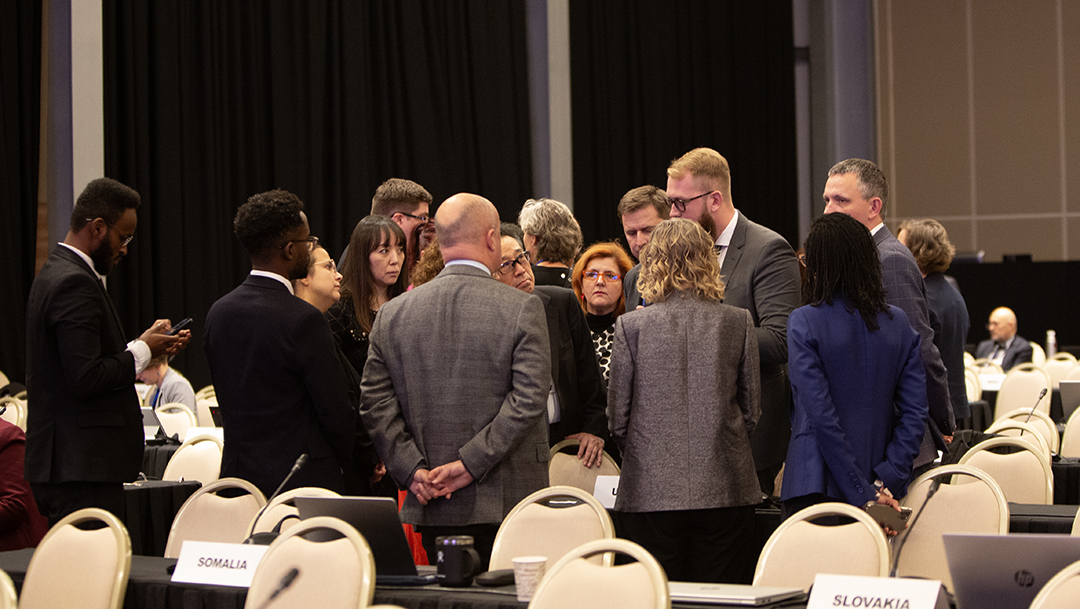
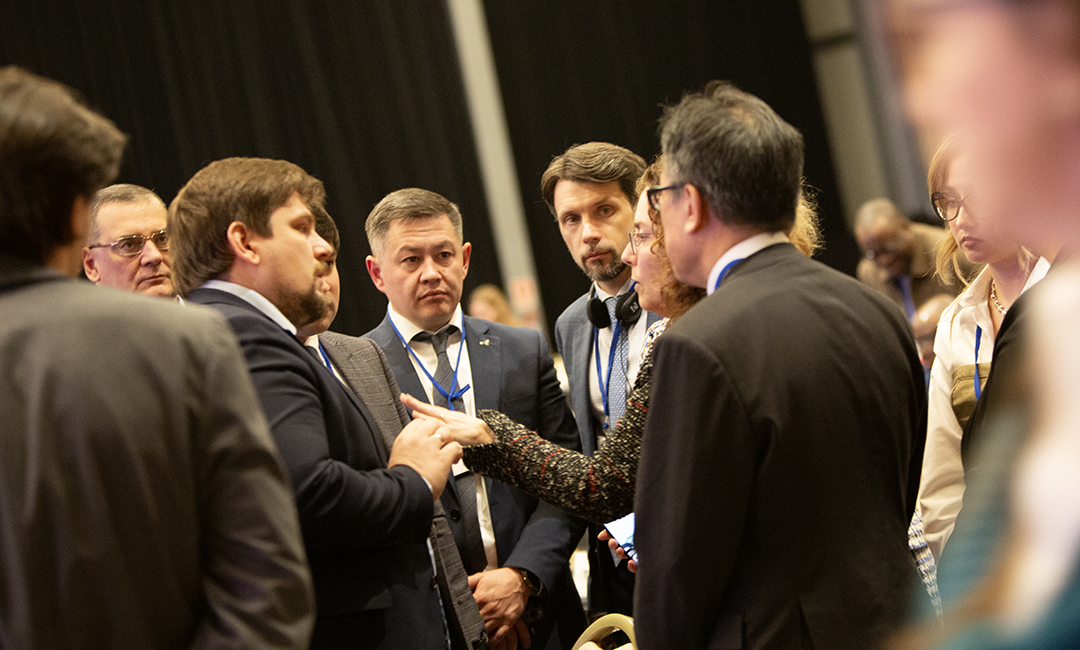
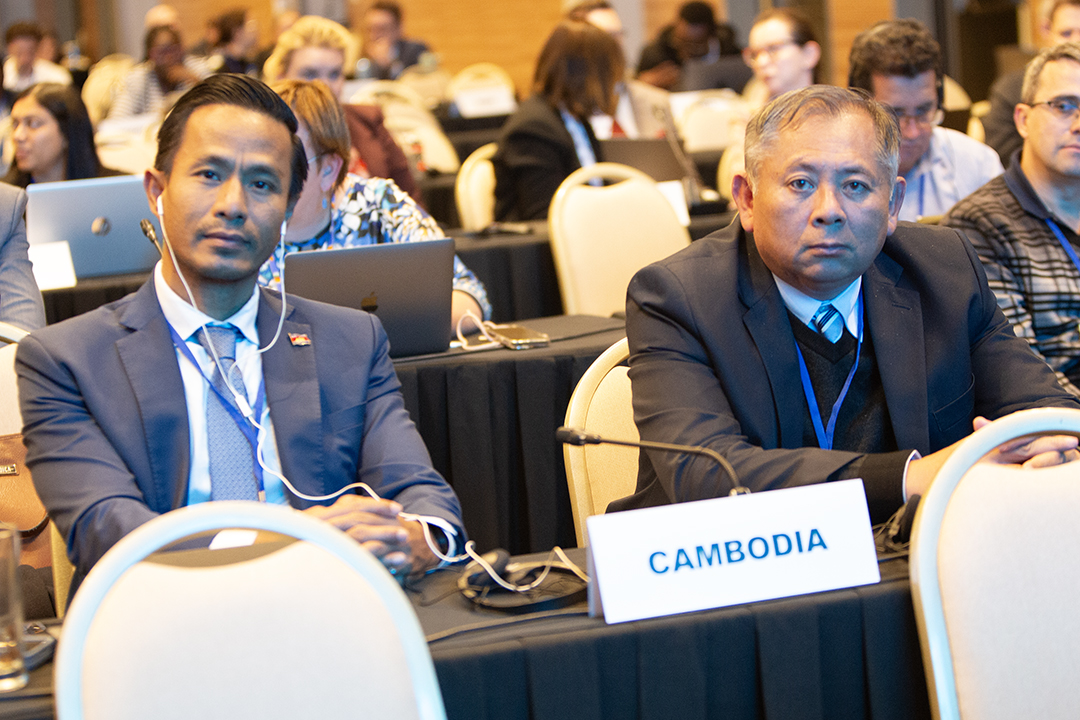
Delegates from Cambodia
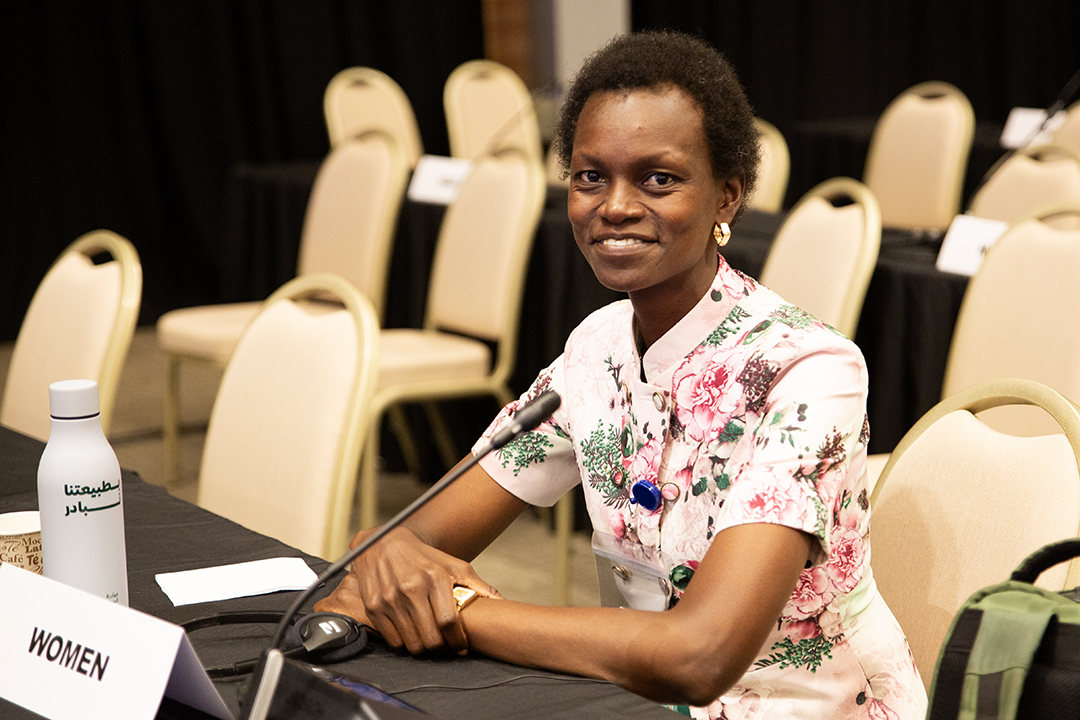
Nancy Marangu, Chemichemi Foundation
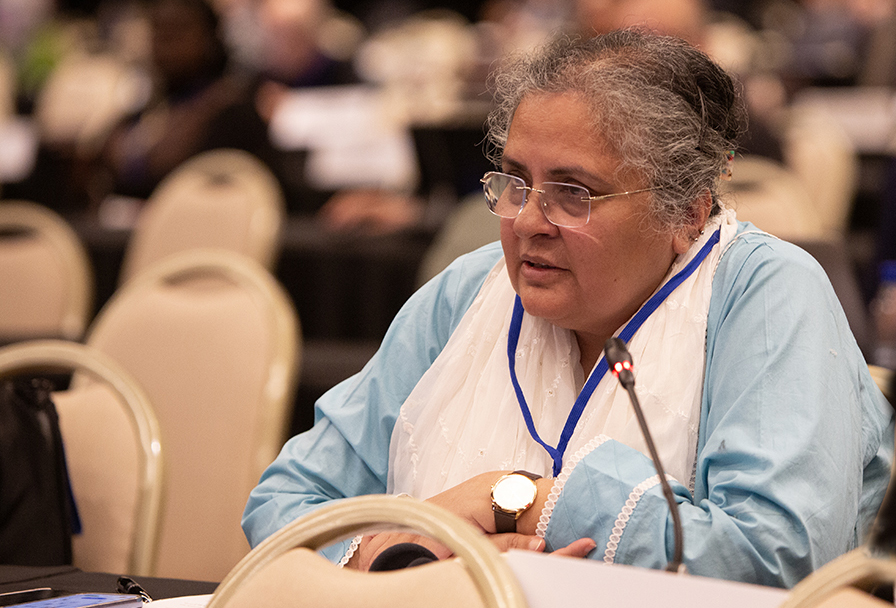
Saqlain Syedah, Pakistan
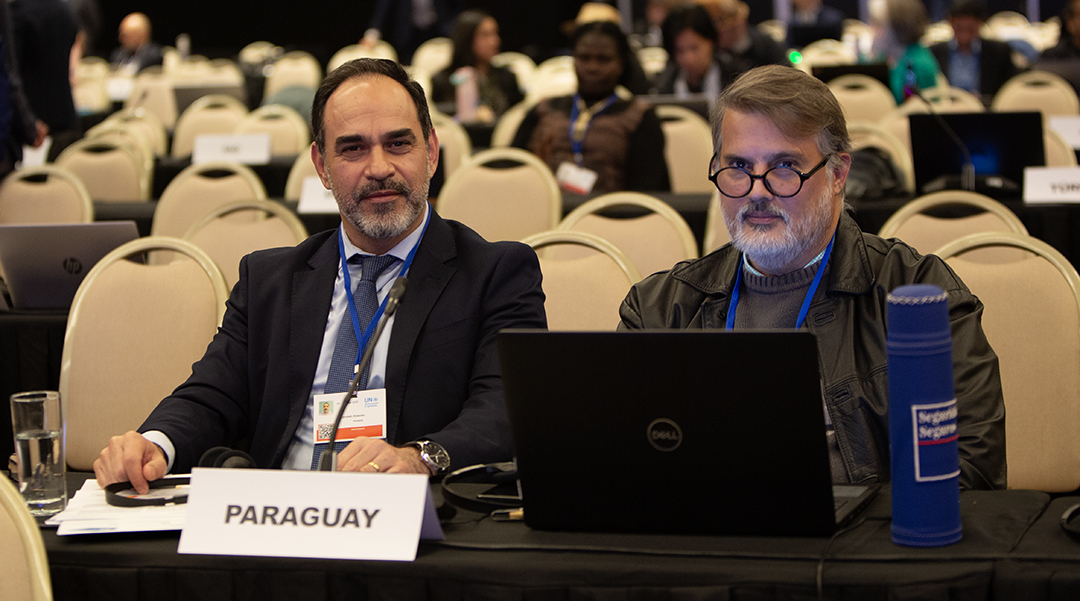
Delegates from Paraguay
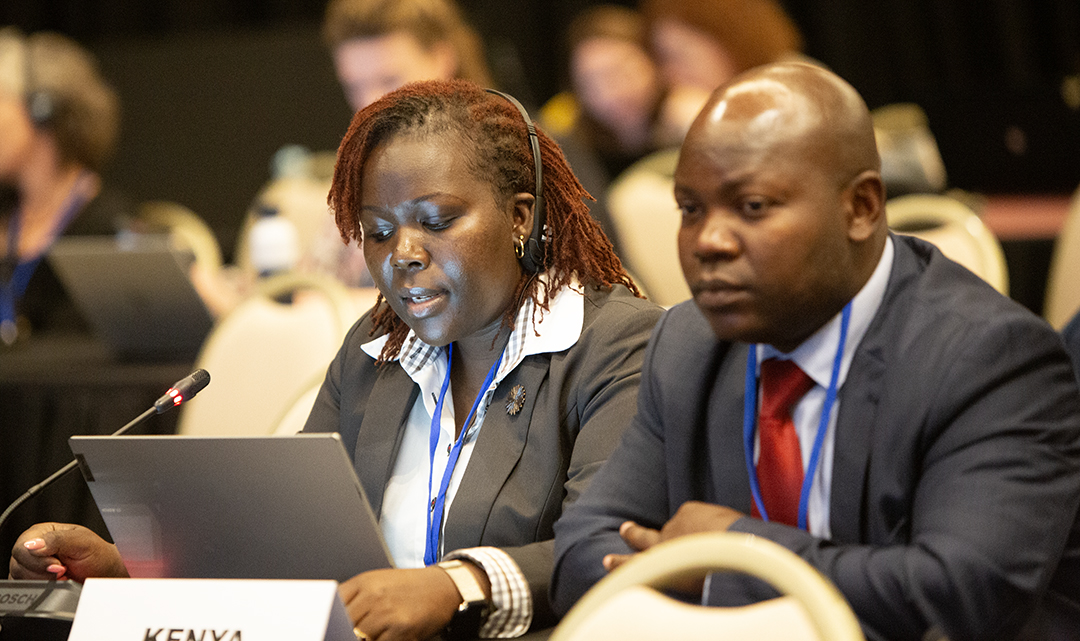
Linda Kosgei and Tobias Ogweno, Kenya
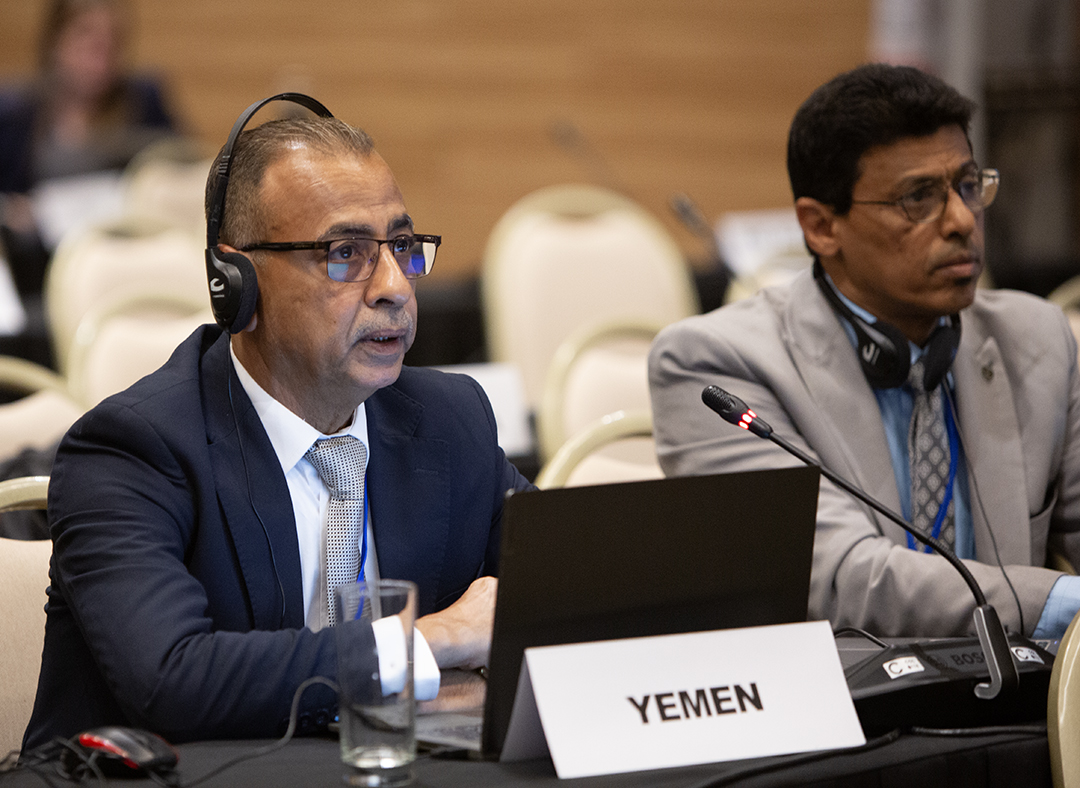
Faisal Saleh and Al-Thalabi, Yemen
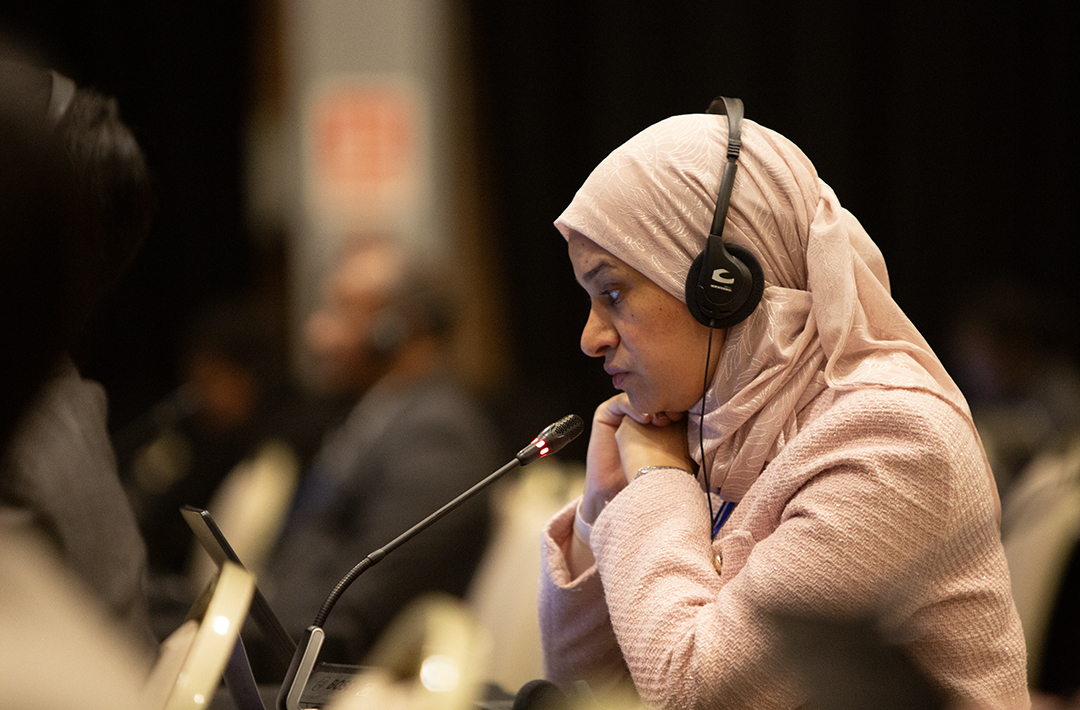
Sara Hassan, Egypt
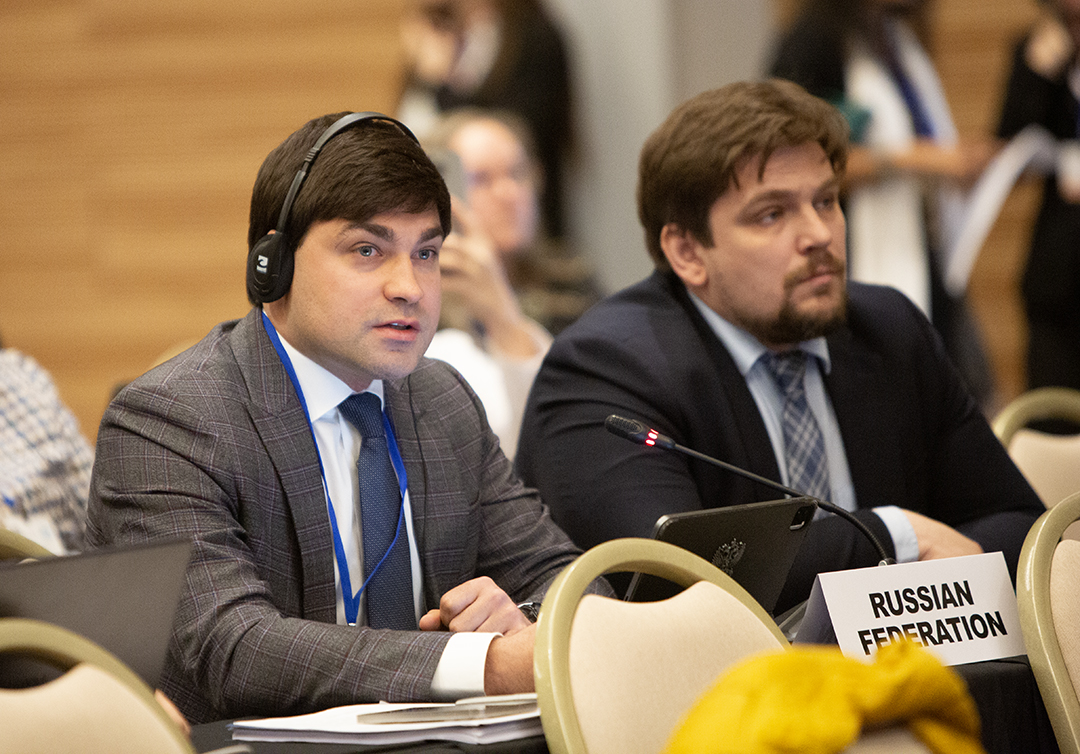
Arthur Smirnov, Russian Federation
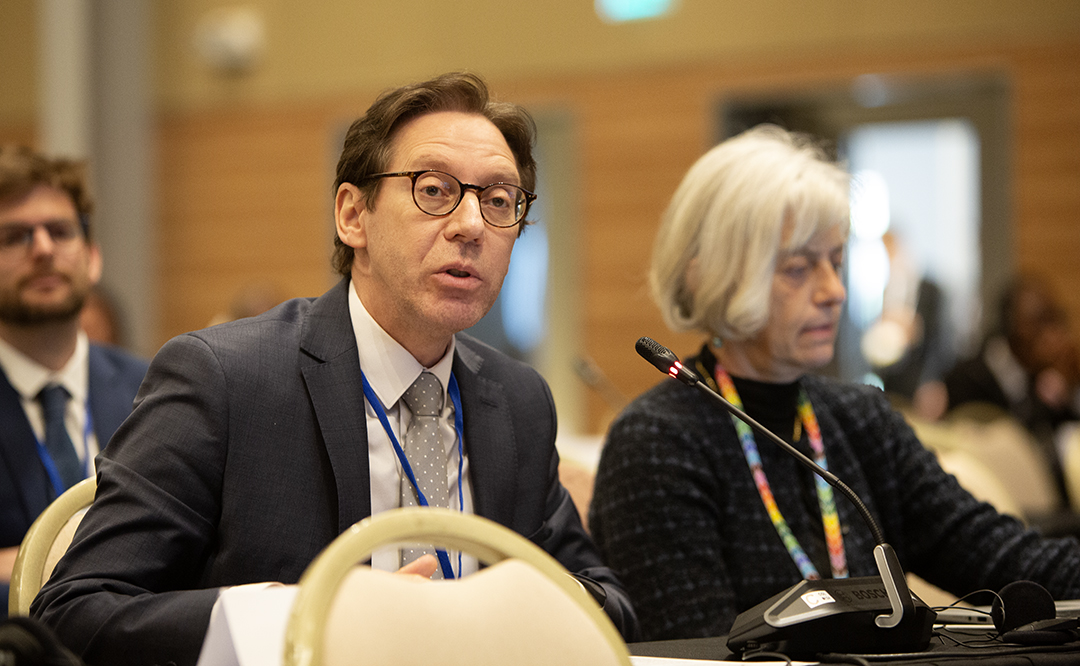
Jean-Paul Seytre, France
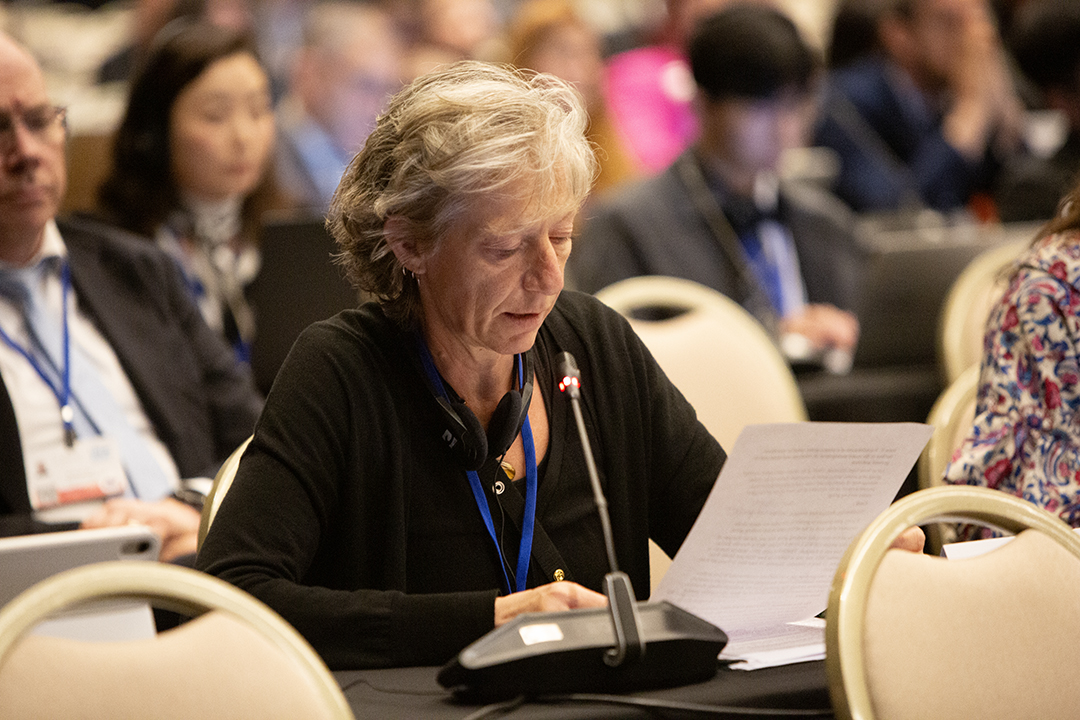
OEWG Chair Gudi Alkemade
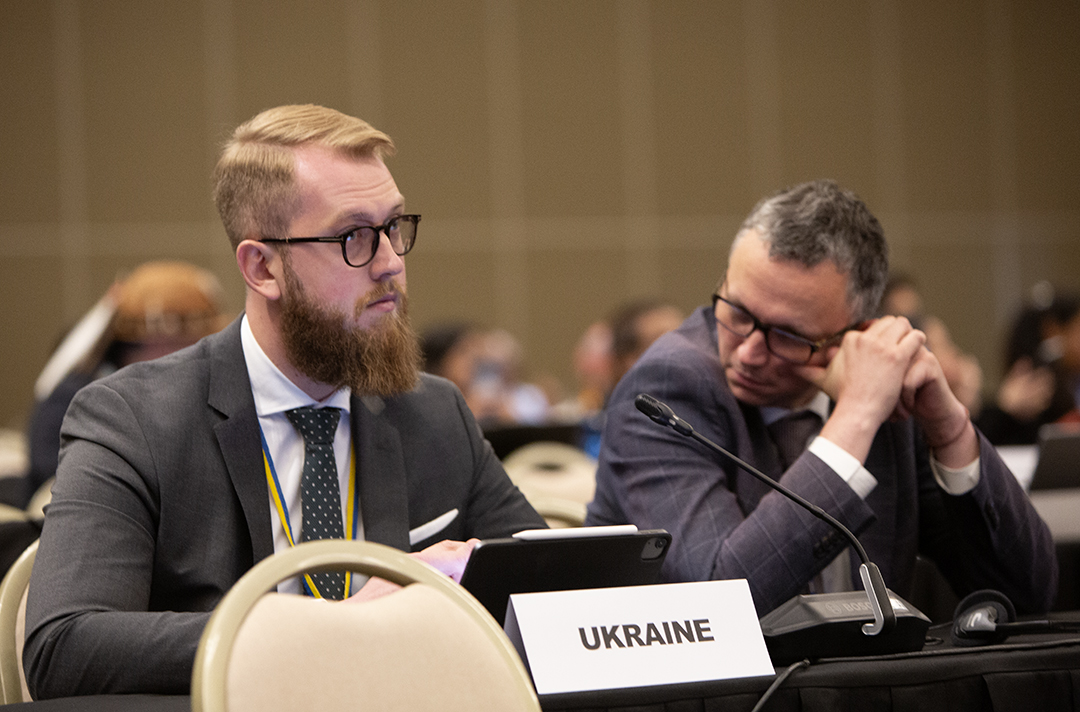
Illia Karandas, Ukraine
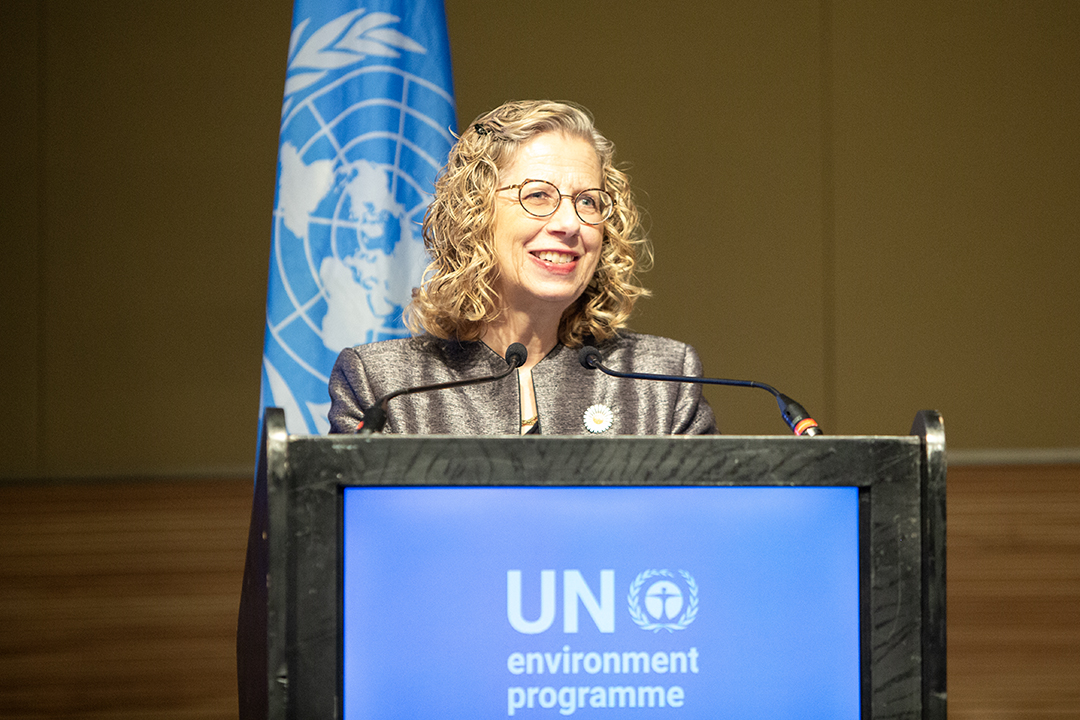
UNEP Executive Director Inger Andersen
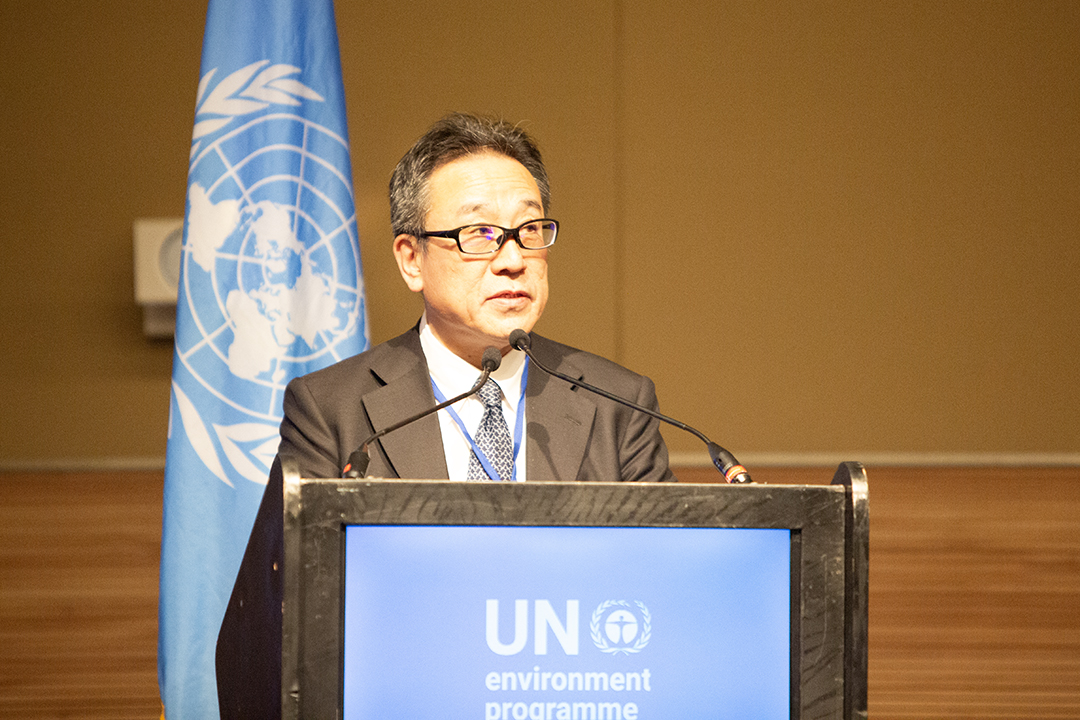
Intergovernmental Meeting Co-Chair Matsuzawa
Dina Abdelhakim, Secretariat
Linroy Christian, Antigua and Barbuda
Premysl Stepanek and Kateřina Šebková, Czechia
Omotunde Adeola, Nigeria
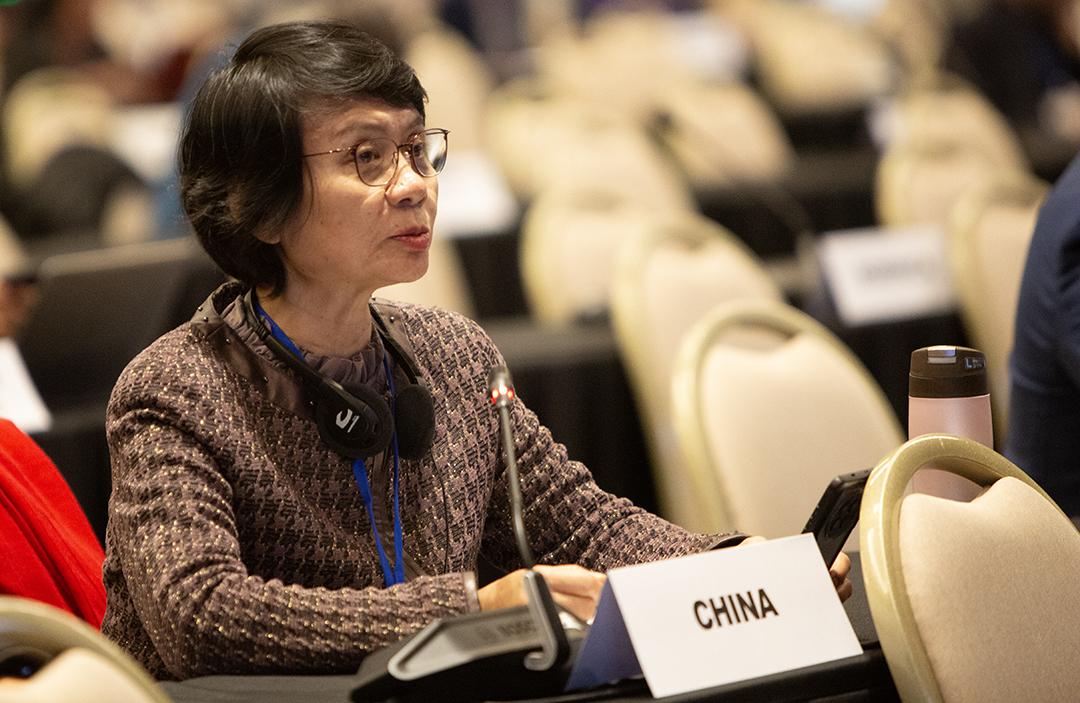
Qiong Ding, China
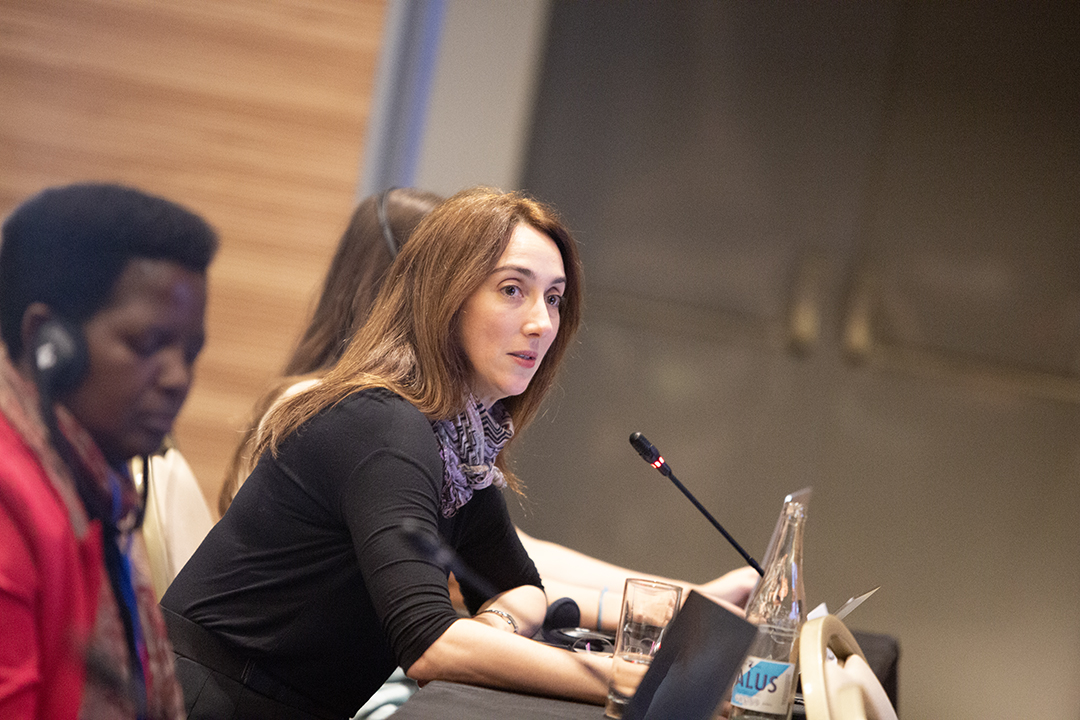
Luciana Melchert, Brazil
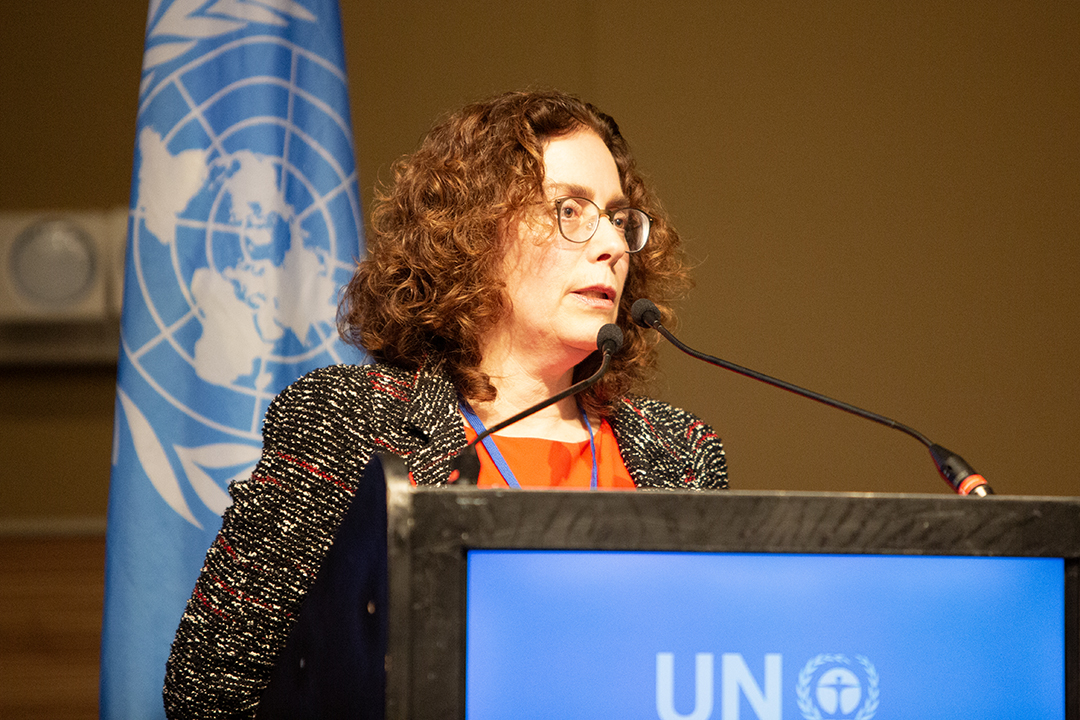
Intergovernmental Meeting Co-Chair Dupuy
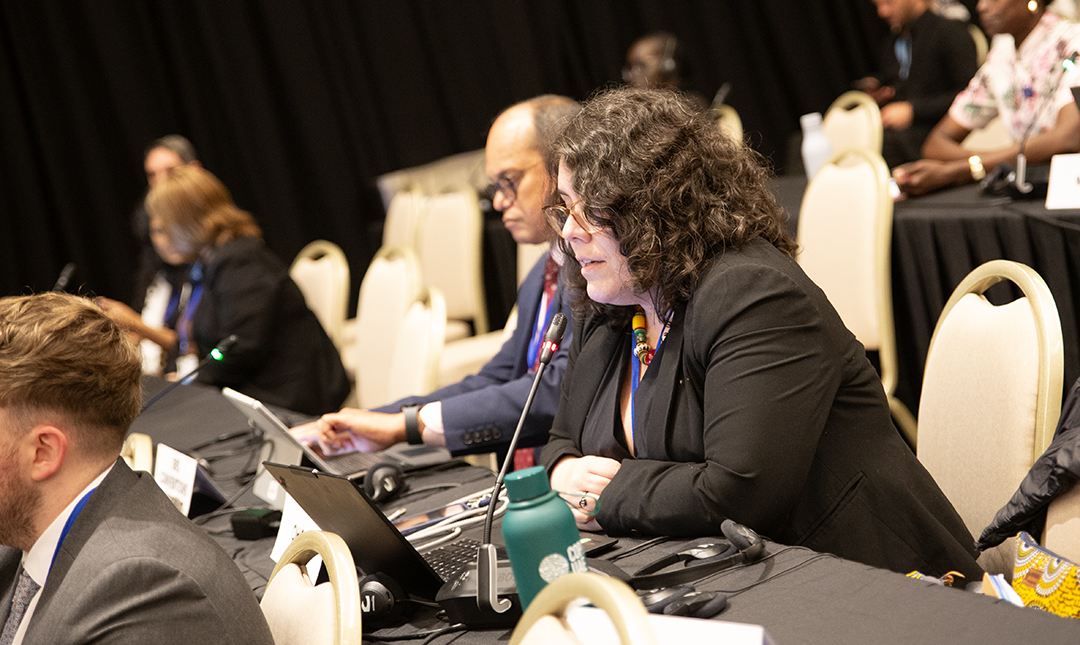
Ana Paula de Souza, Office of the United Nations High Commissioner for Human Rights (OHCHR)
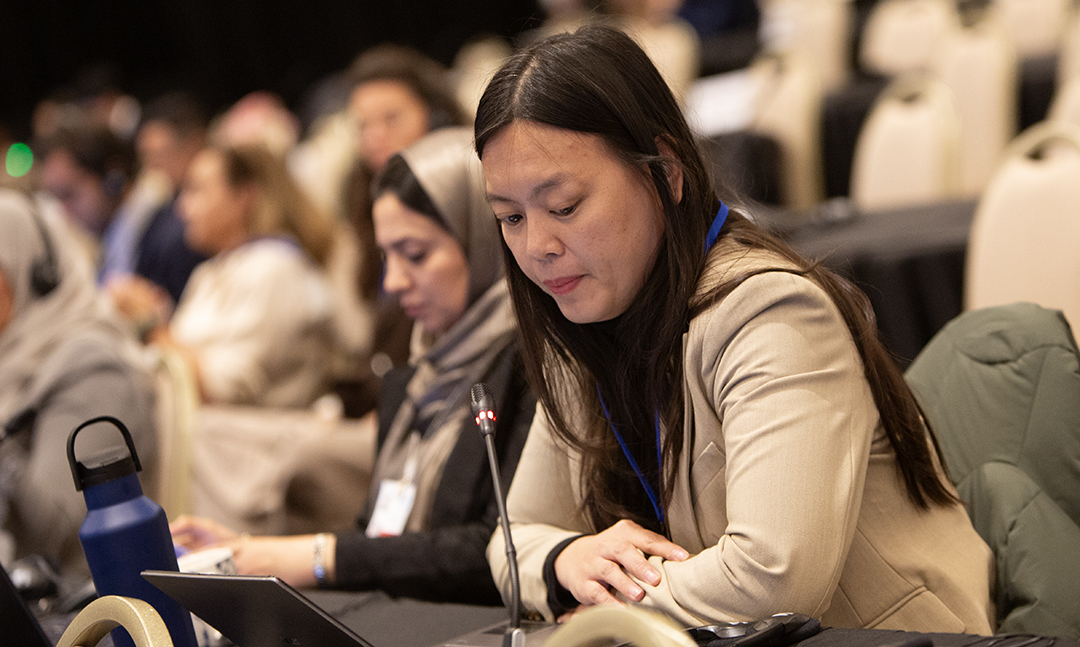
Melissa Yuanita Repi, Indonesia
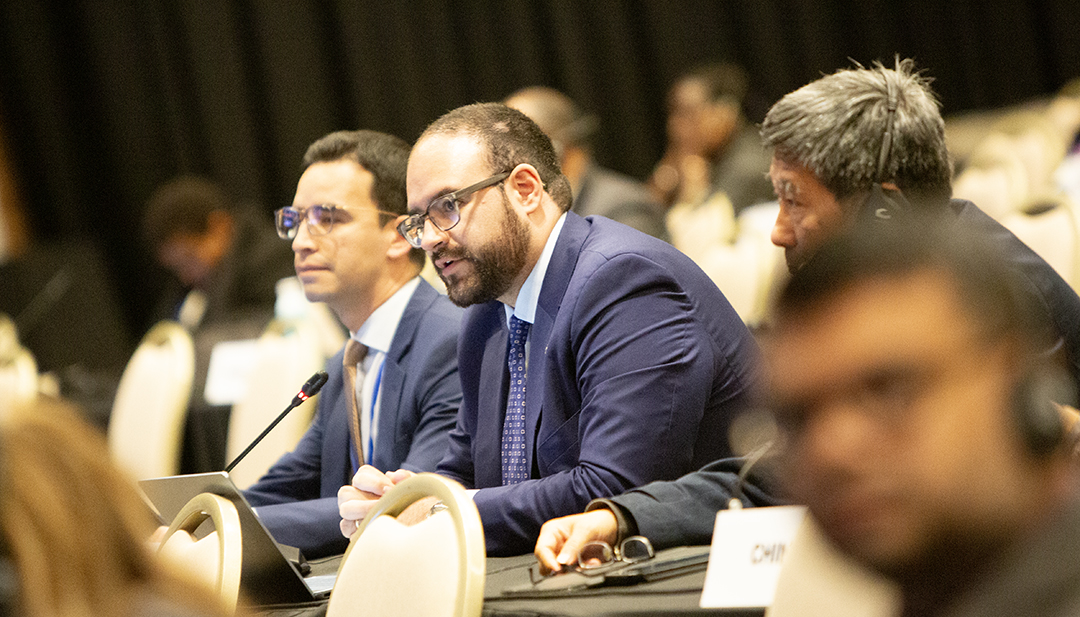
Miguel Ruiz Botero, Colombia
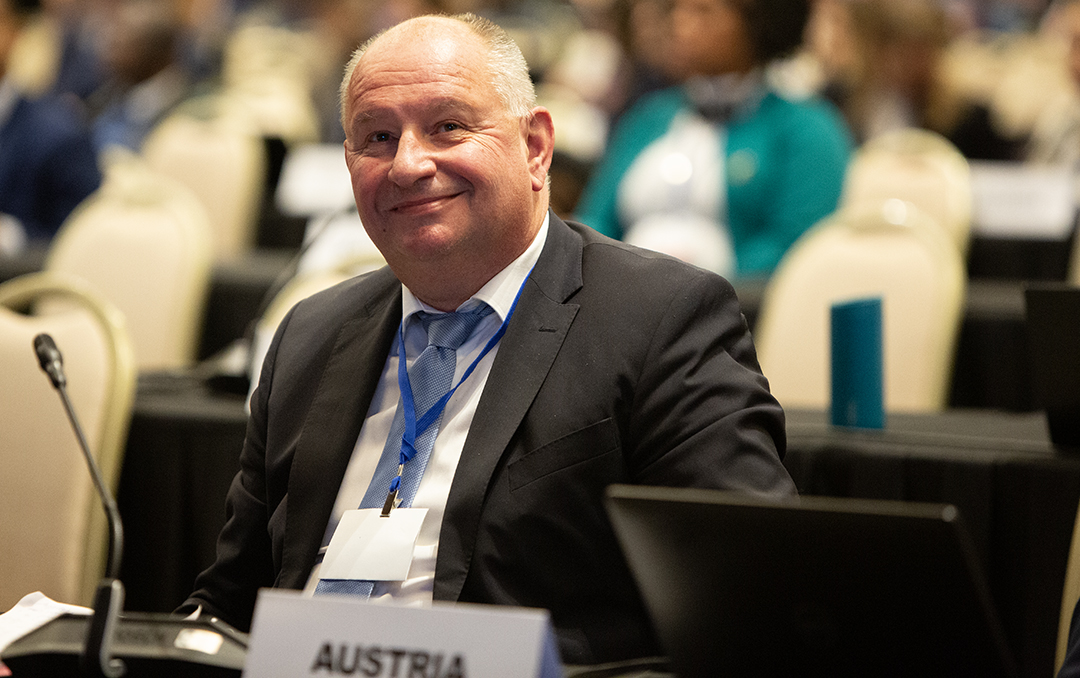
Thomas Jakl, Austria
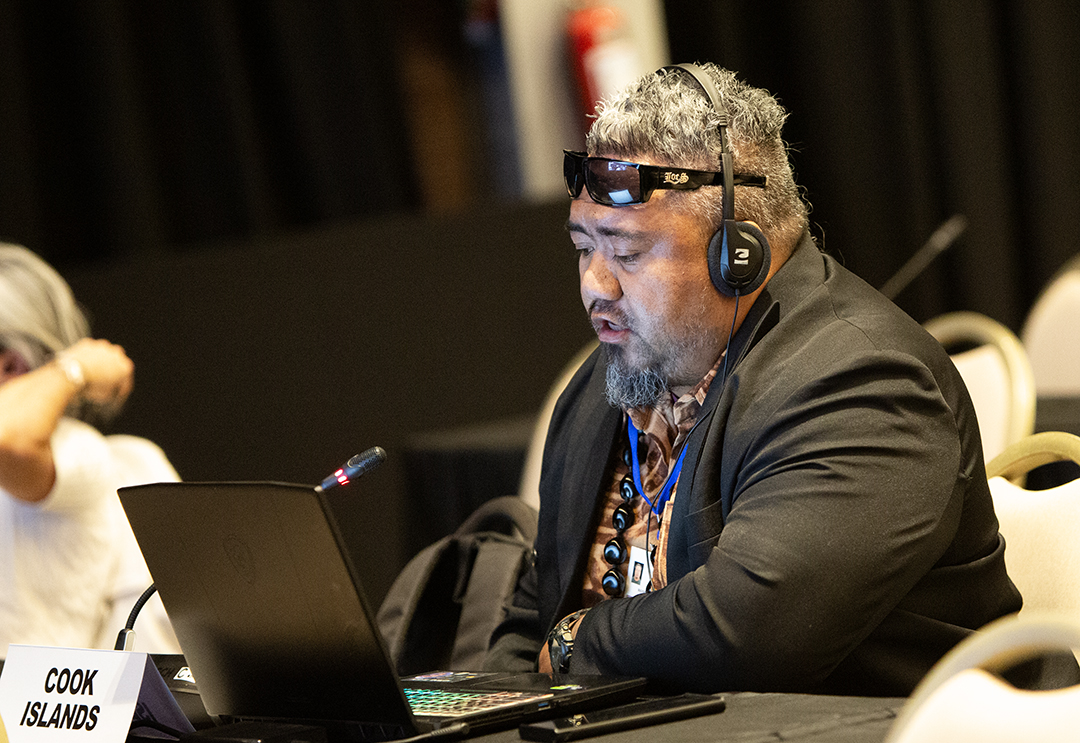
Benjamin Maxwell Arapoiti, Cook Islands
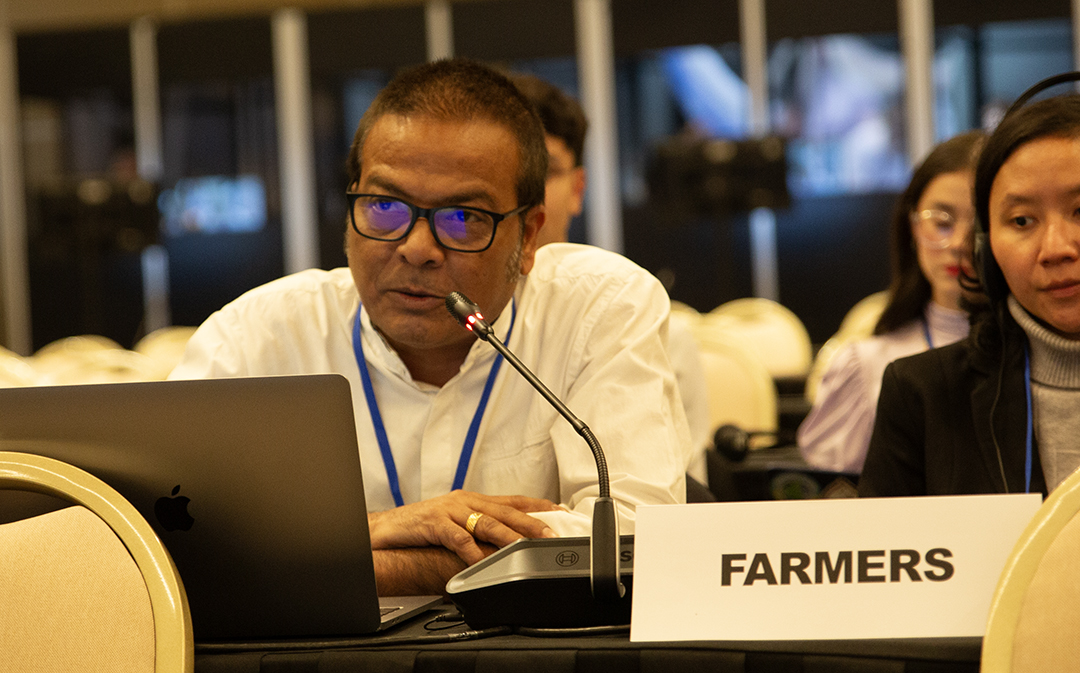
Ajay K Jha, Farmers Major Group
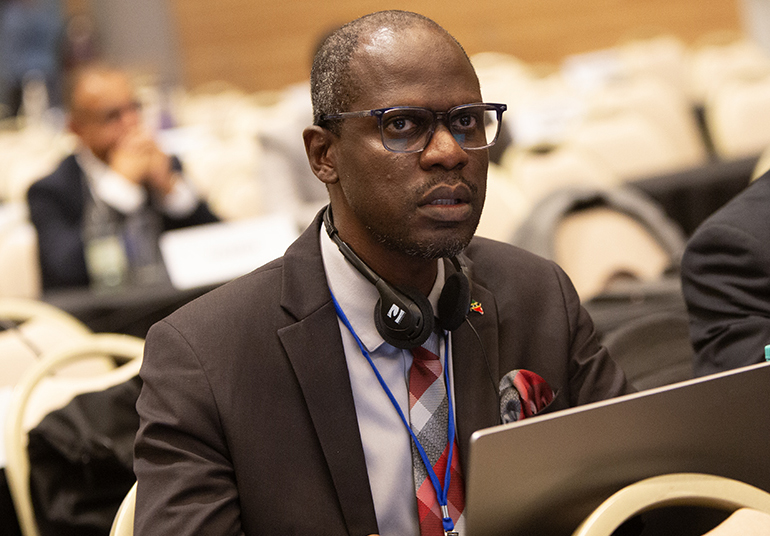
Marcus Natta, Saint Kitts and Nevis
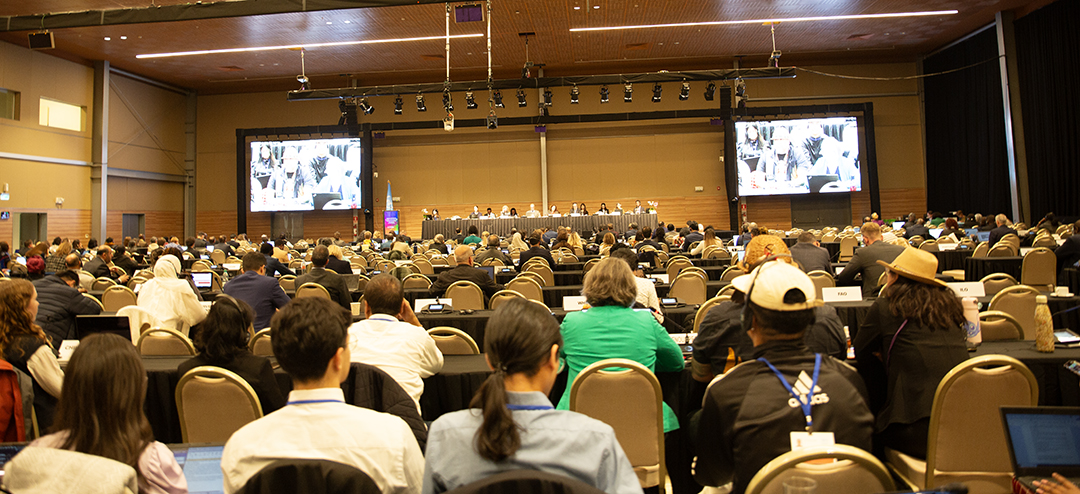
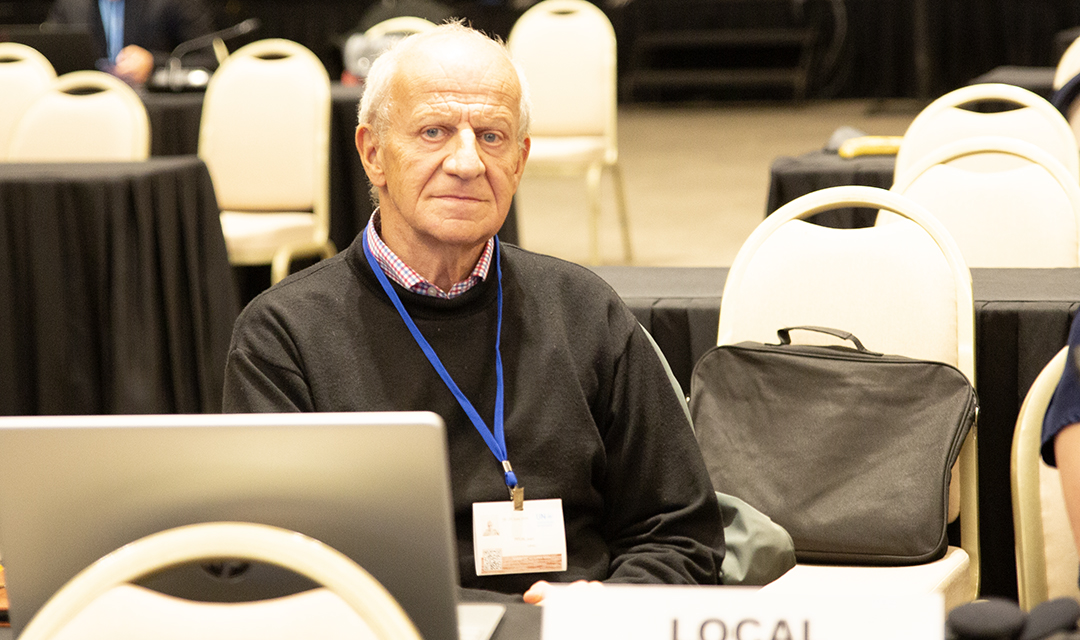
Jean Polin, International Union of Pure and Applied Chemistry
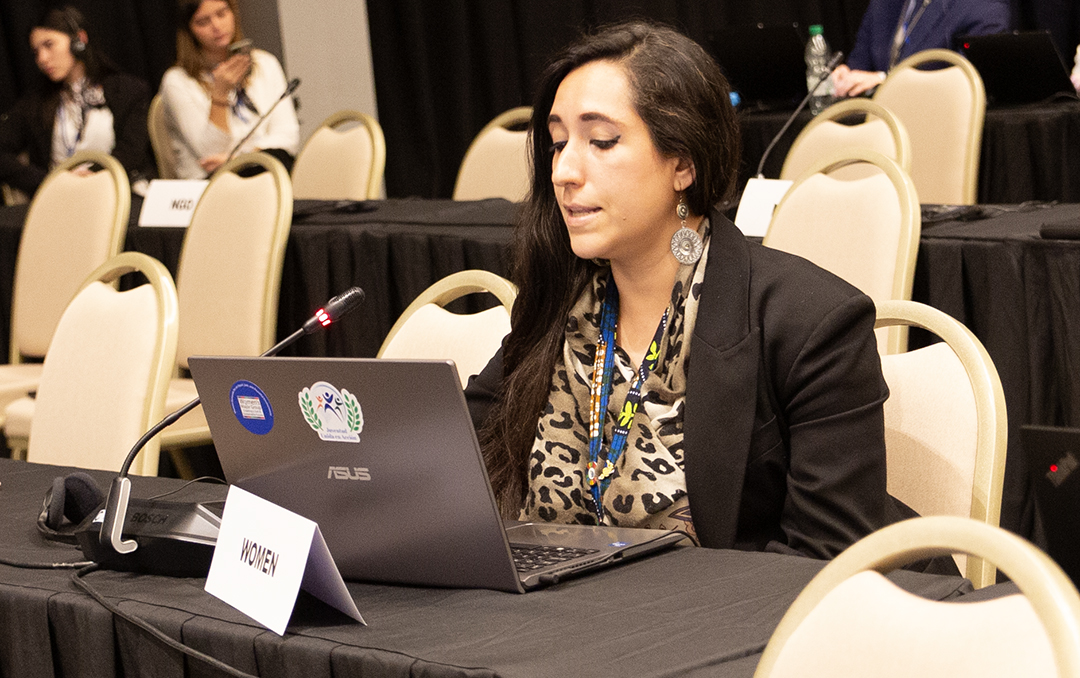
Dalia Marquez, Women's Major Group
Around the Venue
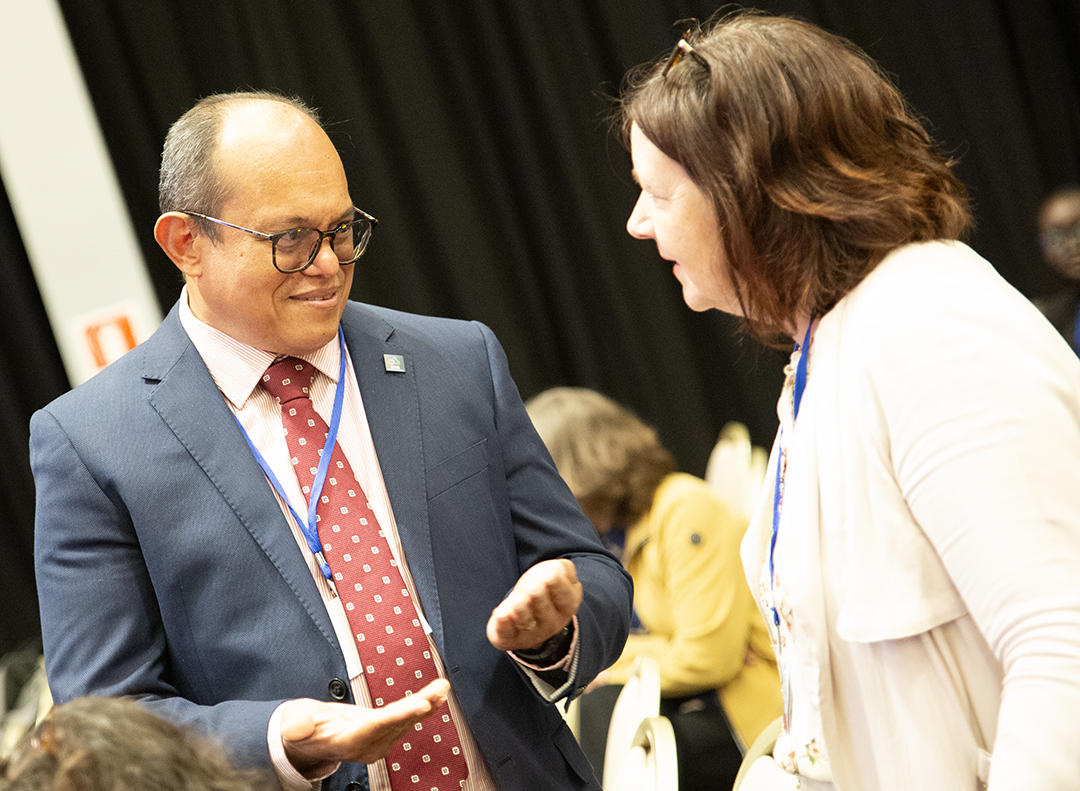
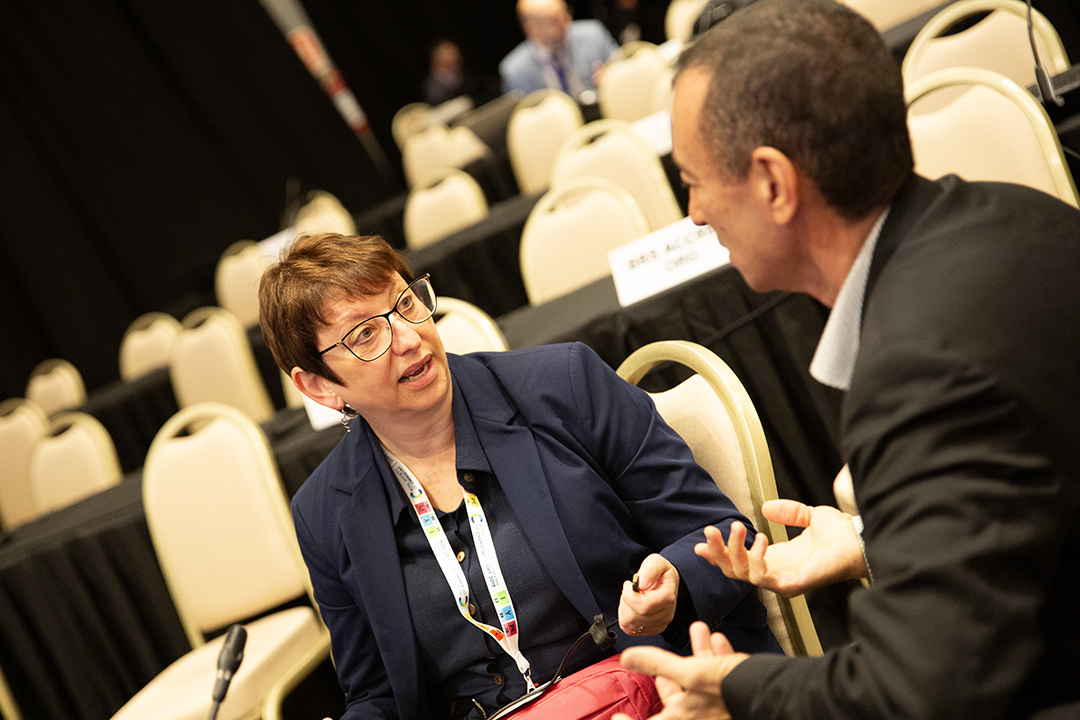
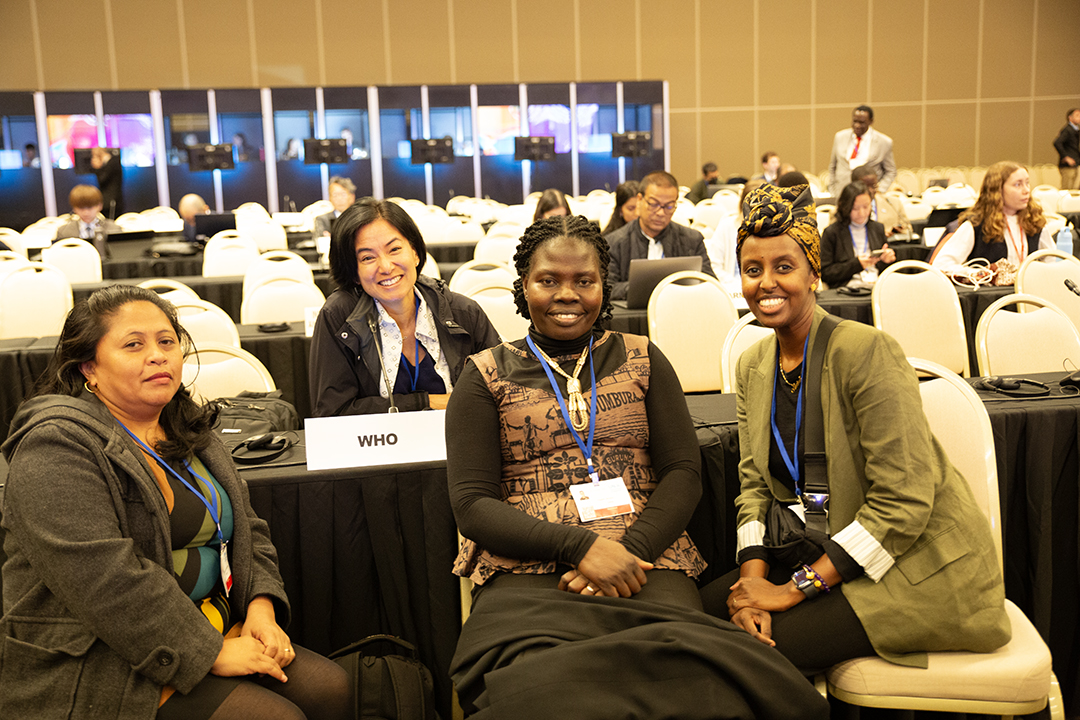
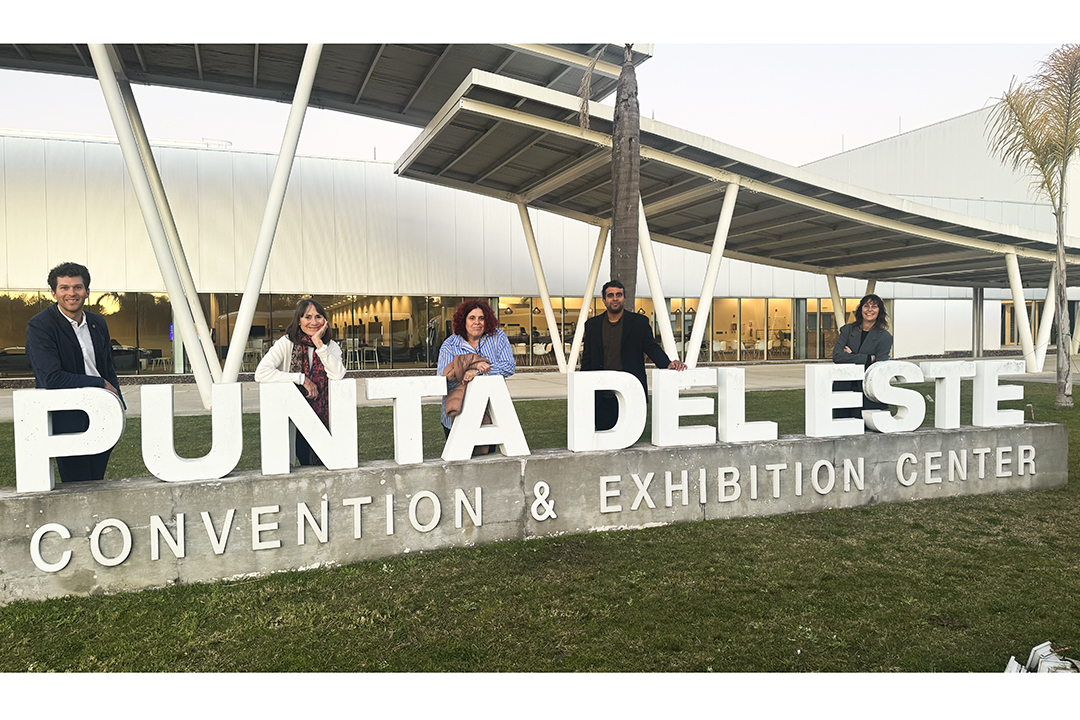
The IISD/ENB team: Moritz Petersmann, Nancy Williams, Ángeles Estrada, Vijay Kolinjivadi, and María Gutiérrez, missing Jennifer Allan.