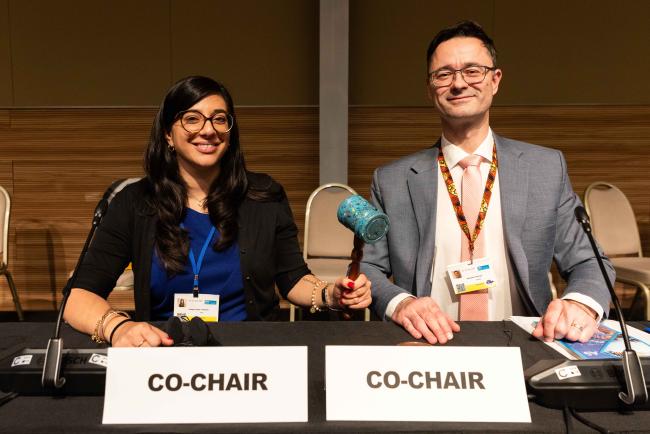
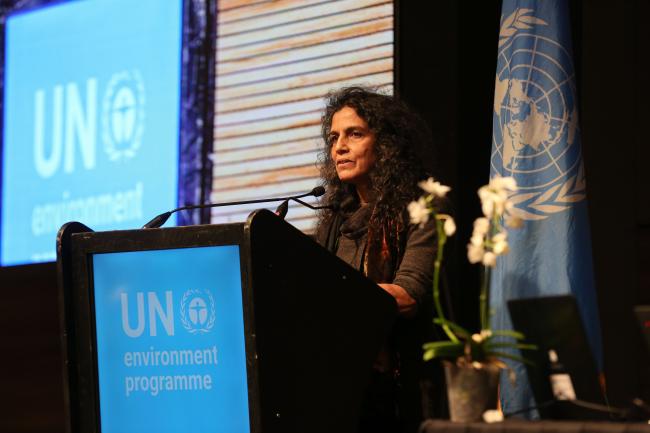
Speakers during the opening of the first meeting of the Open-ended Working Group (OEWG 1) of the Global Framework on Chemicals (GFC) urged focusing on ways to realize the full potential of the Framework. GFC Vice President Santos Virgilio, Angola, called for delegates to "exchange views, build collaboration, be creative, find solutions, and learn about approaches that will help us engage and transform the way chemicals and waste are managed, day in, day out."
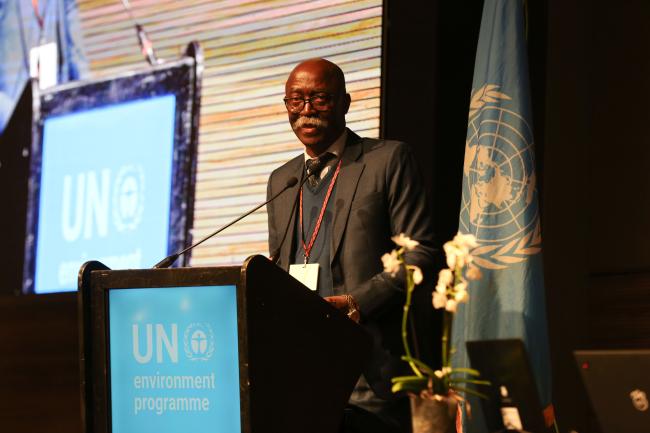
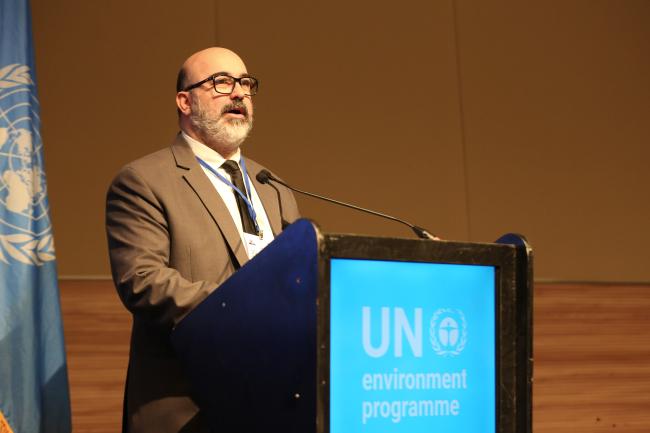
Opening speakers also hailed the recent agreement to create the Intergovernmental Science-Policy Panel on Chemicals, Waste and Pollution as a historic moment in environmental multilateralism that should be built upon by the GFC.
The day’s work focused on matters related to the GFC’s Strategic Objective A, essentially the nuts and bolts of Framework implementation.
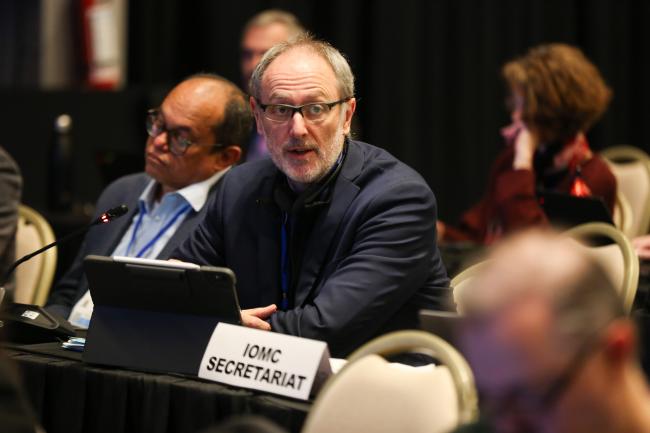
The Inter-Organization Programme for the Sound Management of Chemicals (IOMC) outlined significant work already done under their stewardship to flesh out draft Implementation Programmes for approval by the first GFC International Conference in 2026. These include three programmes on: “Strengthening Legal Frameworks and Institutional Capacities for Chemicals Management”; “Strengthening Economic and Industry Sector Engagement and Action” that will include sector-specific subprogrammes on textiles, electronics and health; and “Linkages with Sustainable Development Decision-making.” The IOMC cautioned, however, that the internal financial and in-kind resources provided by IOMC participating organizations are now exhausted and future work will not be possible unless new and additional resources can be found.
A contact group was created to gather views from all stakeholders to inform further development of proposals for Implementation Programmes for International Conference consideration, including respective mandates, terms of reference, workplans, and other mechanisms.
The Executive Board of the GFC Fund, created in 2023, reported on the current state of contributions and the first round of project proposals. Many delegates expressed disappointment in the contribution levels, the low level of projects approved so far, the lack of transparency in Board decision-making, and the various barriers civil society has faced in submitting proposals. The OEWG created an informal group, facilitated by the Co-Chairs of the Fund Board, to provide more feedback on Fund operations.
On financial considerations, the Secretariat reported on a two-phase study towards ascertaining current financial flows and future financial needs to align sector-specific value chains with GFC strategic objectives and targets. The Secretariat also reported on work to update the 2013 report on the cost of inaction on chemicals and waste management.
BRAZIL requested the Secretariat develop a resource mobilization strategy for consideration by the first GFC International Conference, but the US objected. The UK, with SAUDI ARABIA and the US, questioned language requesting the Secretariat to develop indicative criteria for ensuring that public and private investment decisions are compliant with the GFC, saying this goes beyond the OEWG’s mandate.
The Secretariat reported on the state of preparations for a gender action plan mandated by a GFC Resolution. The draft action plan was widely welcomed, although the US and ARGENTINA objected to the use of the term gender and expressed their preference to replace it with “men and women.”
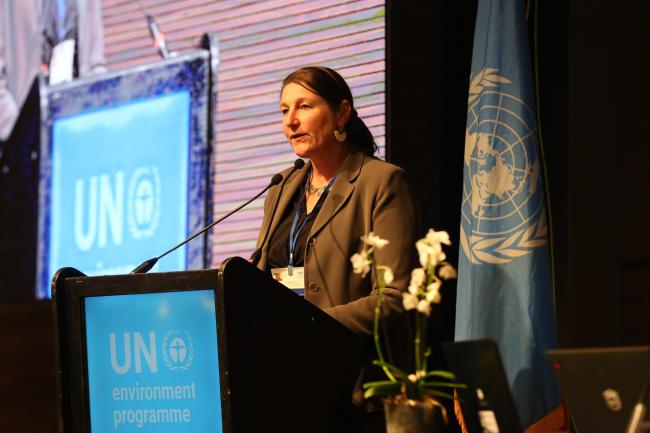
Regarding the GFC programme of work (PoW) and budget, the Secretariat noted limited resources for its work and that the UN Environment Programme (UNEP) has already invested over USD 1 million of its own cash resources to help. She underscored the importance of developing a strategy to ensure the financial sustainability of the Secretariat to meet PoW demands. Delegates agreed to establish a contact group to gather views from all stakeholders to inform a Secretariat proposal on staffing and POW to be submitted to the International Conference.
During the lunch break side events were held on occupational safety and health legal frameworks and on strengthening implementation of the Globally Harmonized System of Classification and Labelling of Chemicals (GHS).
To receive free coverage of global environmental events delivered to your inbox, subscribe to the ENB Update newsletter.
All ENB photos are free to use with attribution. For this event, please use: Photo by IISD/ENB - Natalia Mroz.
Plenary
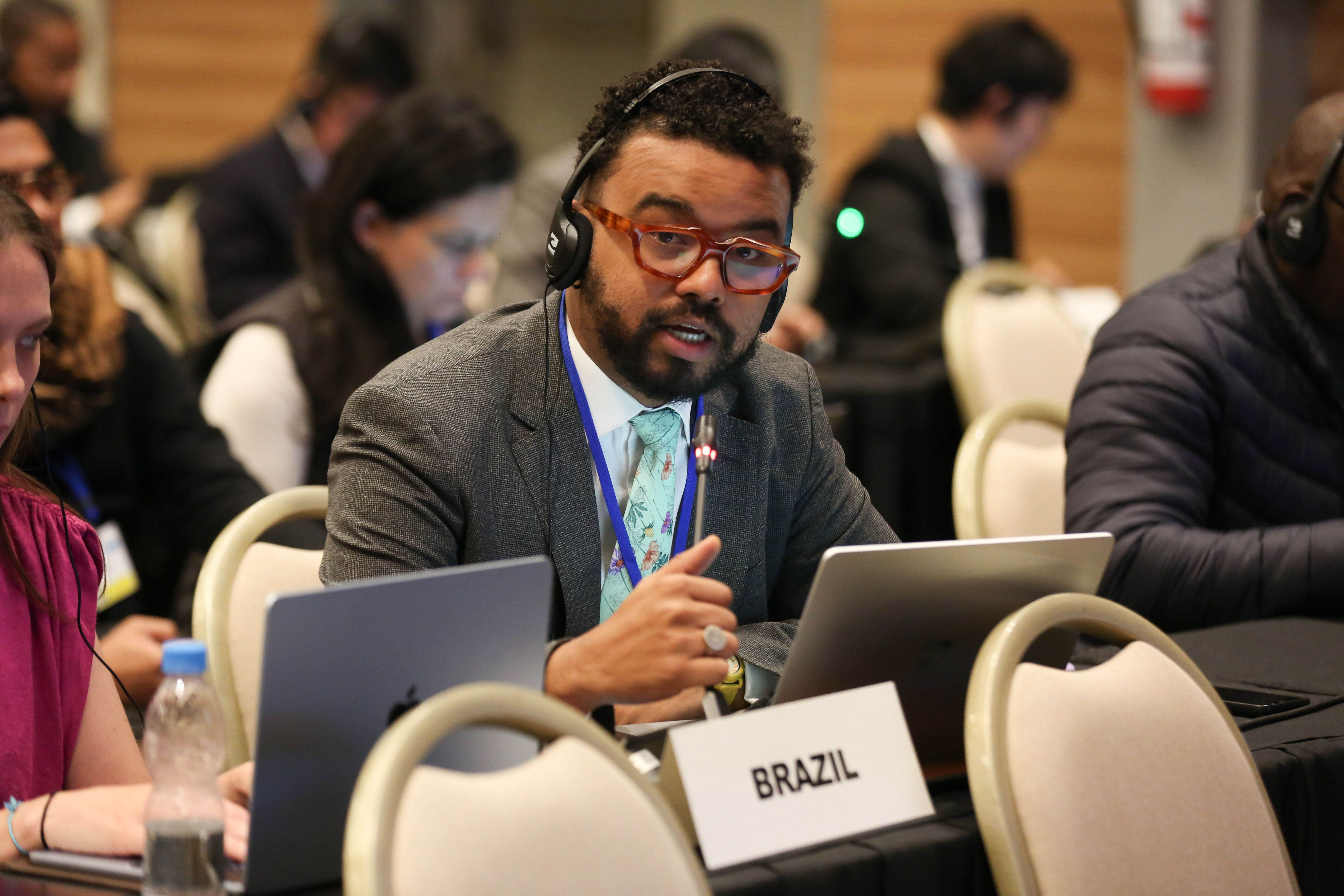
João Paulo de Sousa Vieira, Brazil
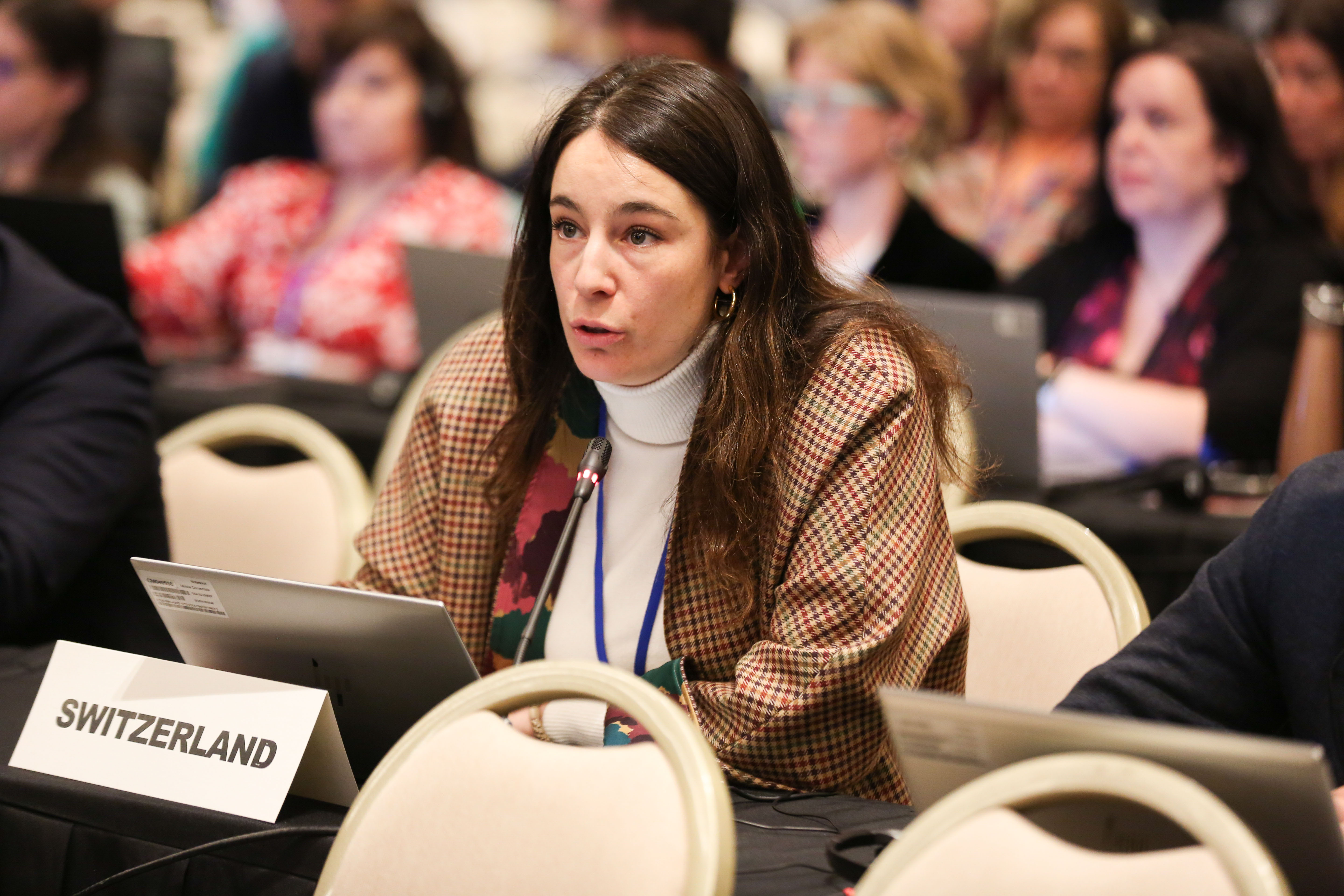
Océane Dayer, Switzerland
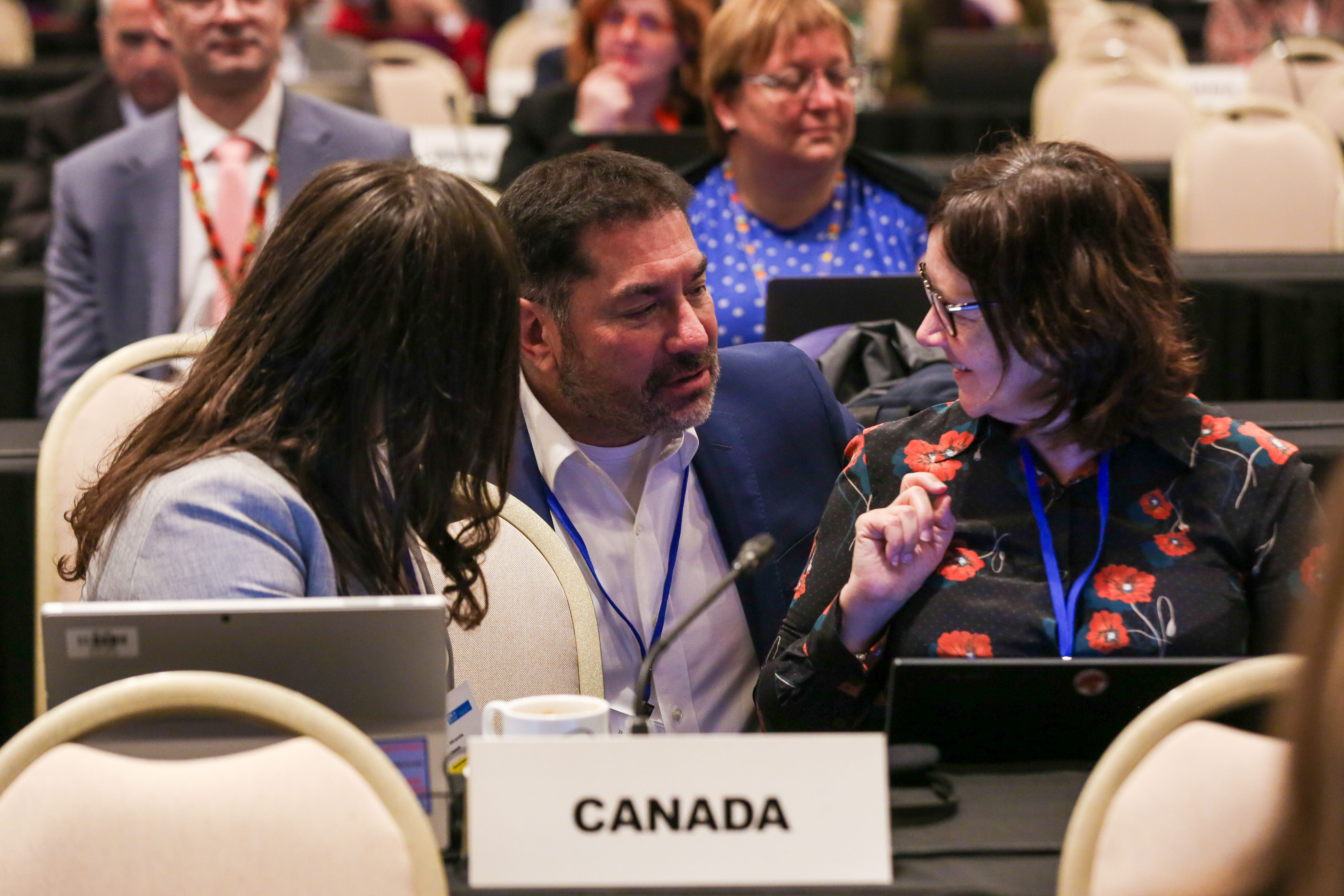
Osvaldo Álvarez-Pérez, Chile, and Isabelle Mayr, Canada
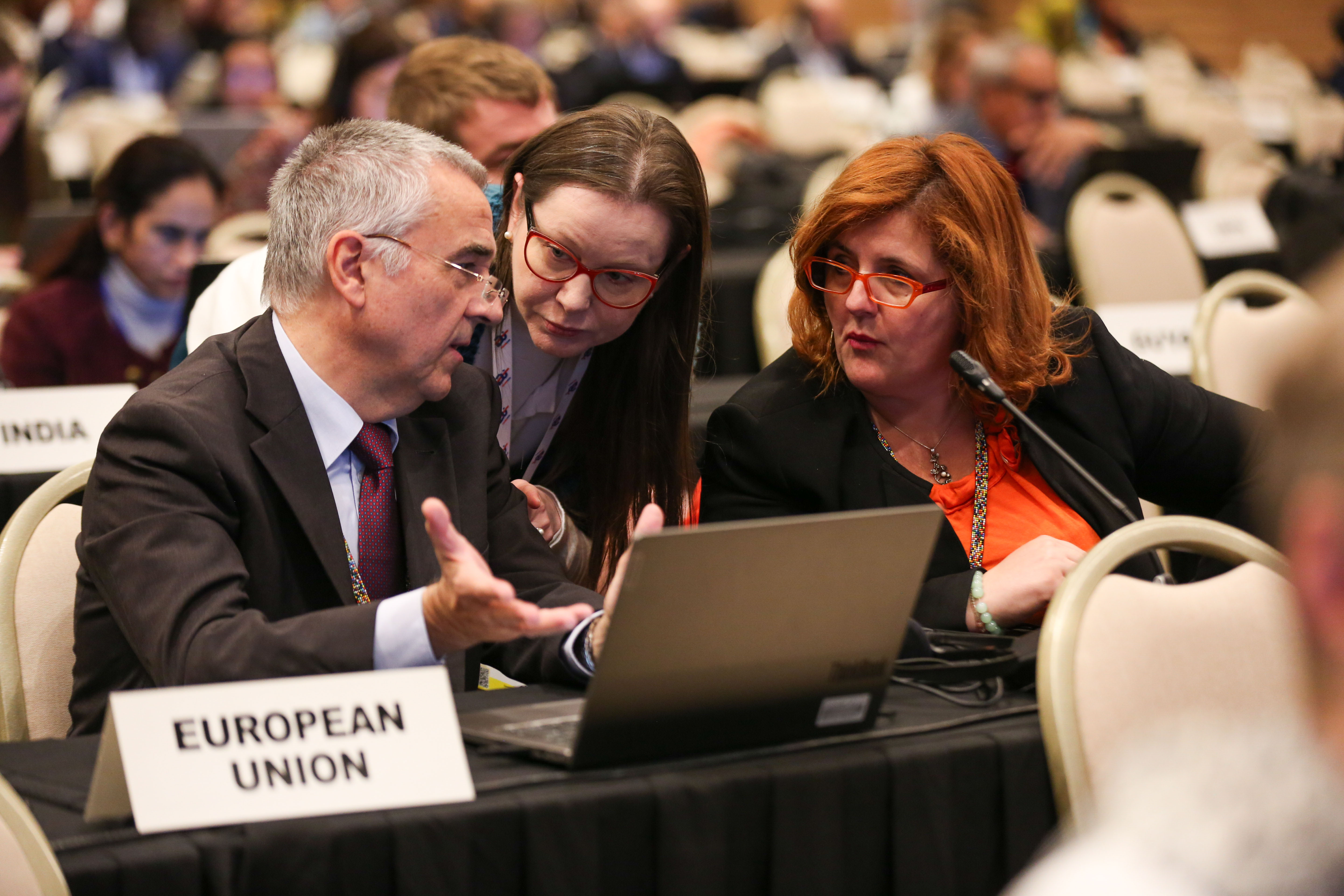
European Union delegates in discussion
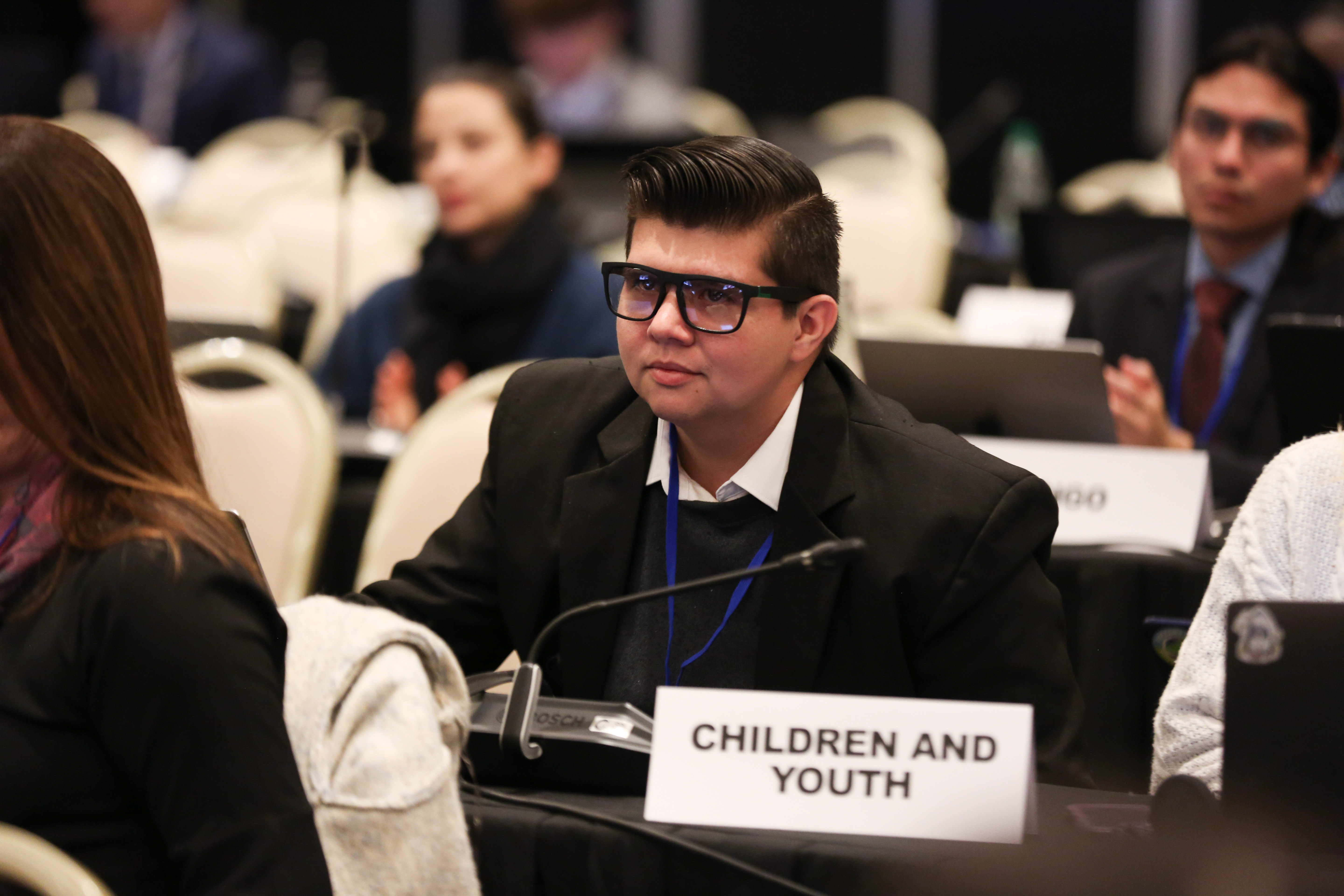
Mario Muñoz Quintero, Chemicals and Waste Youth Platform
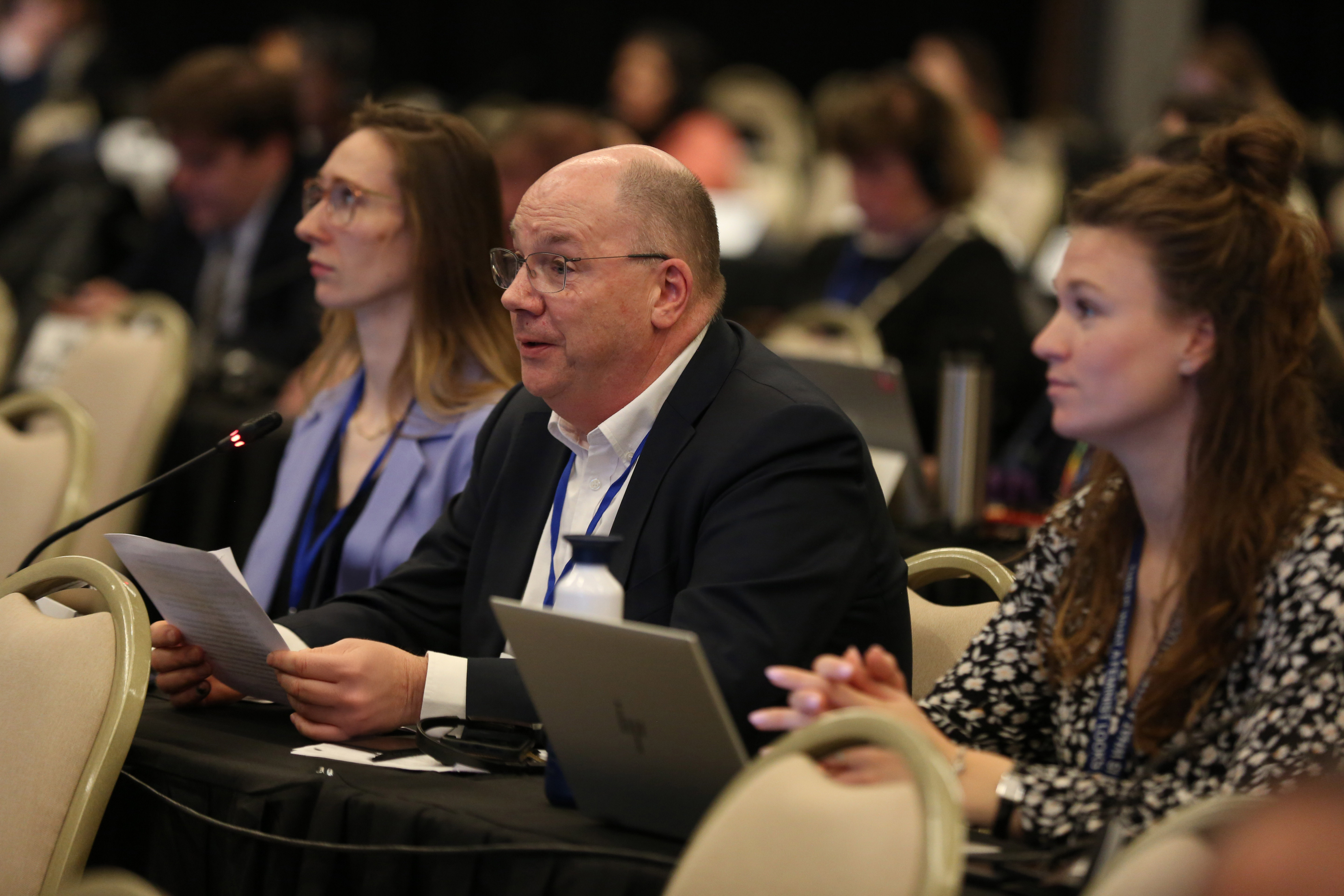
Ivo de Zwaan, the Netherlands, Co-Chair, GFC Fund Executive Board
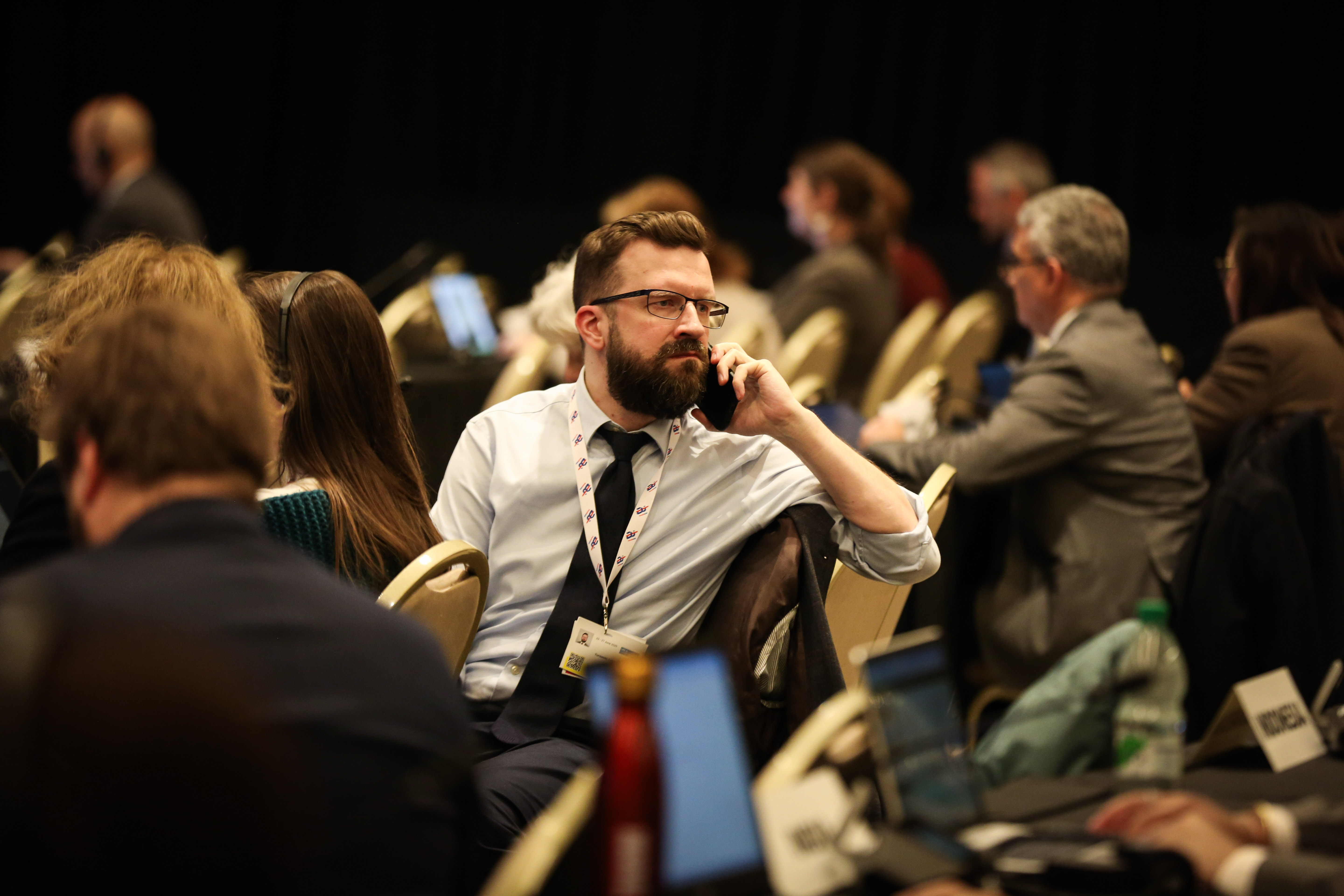
Between Sessions
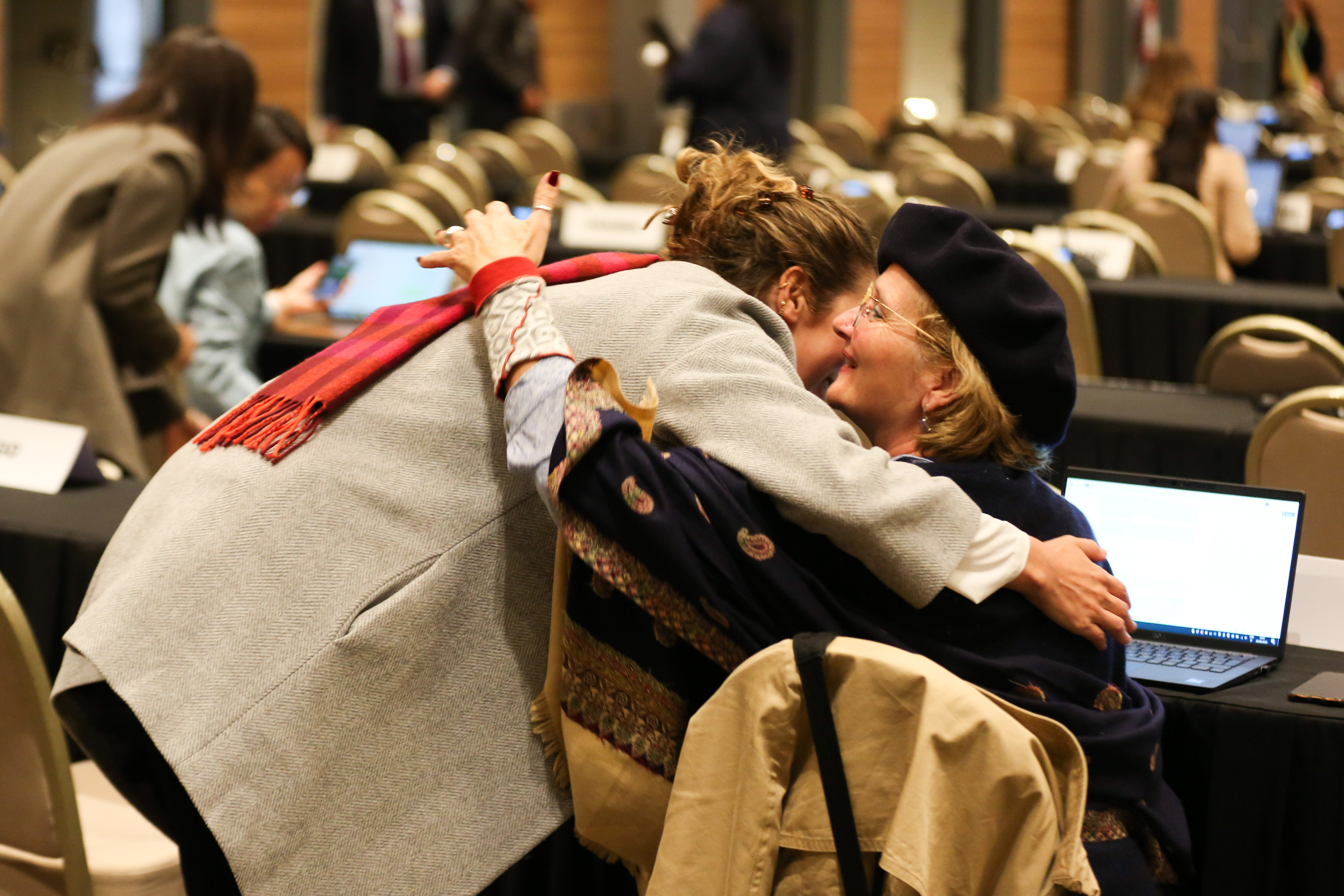
Delegates greet each other.
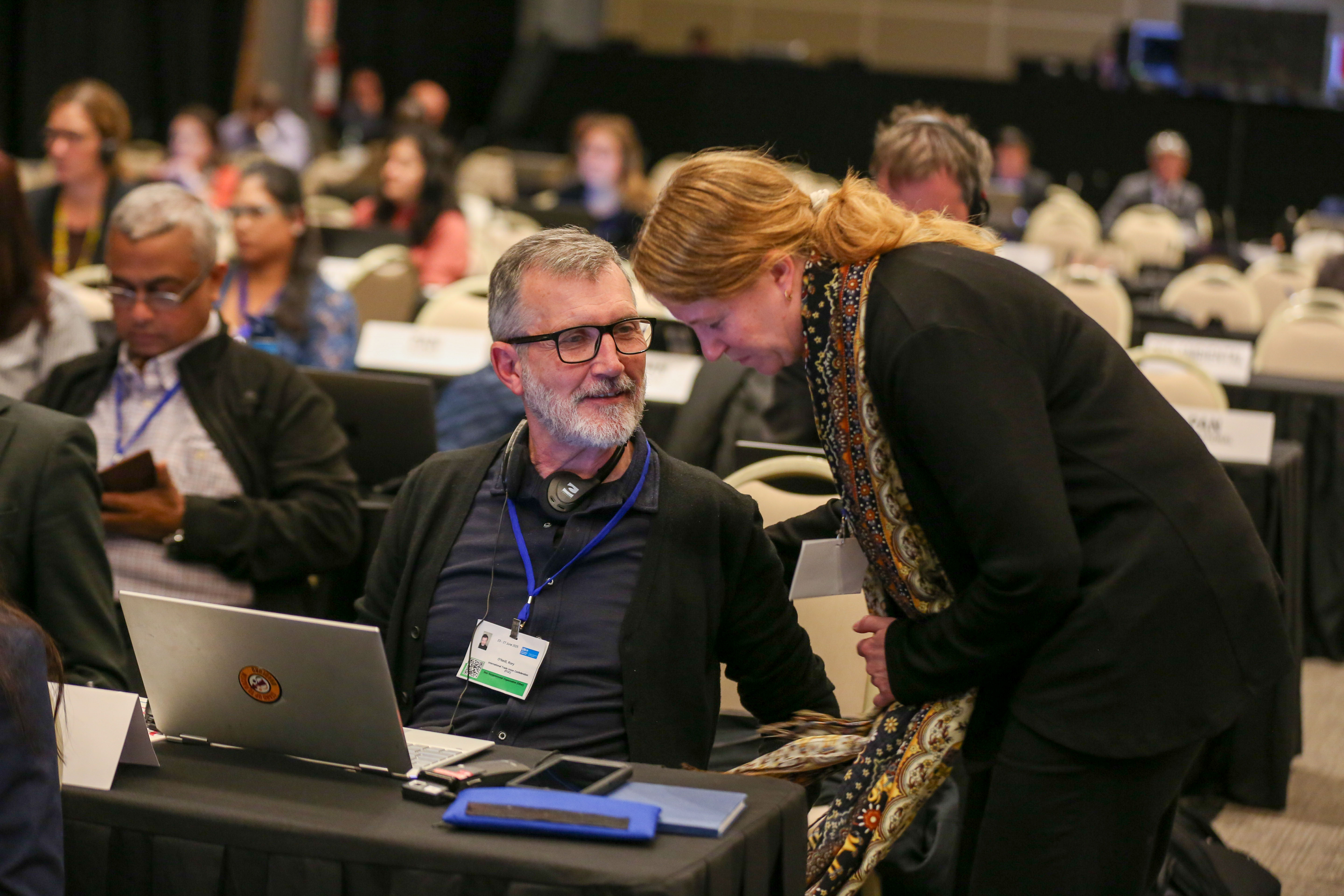
Rory O'Neill, International Trade Union Confederation
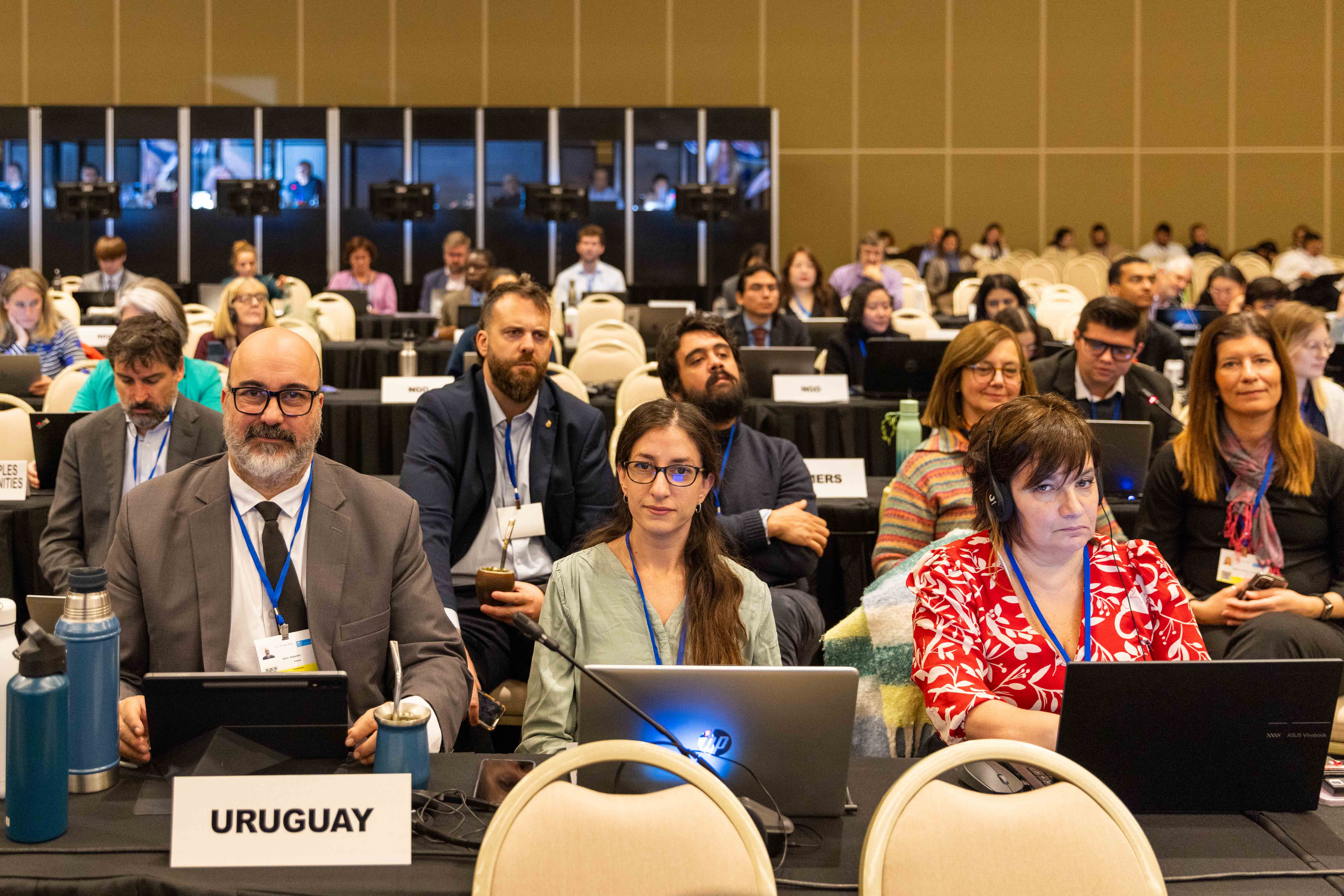
The delegation from host country Uruguay
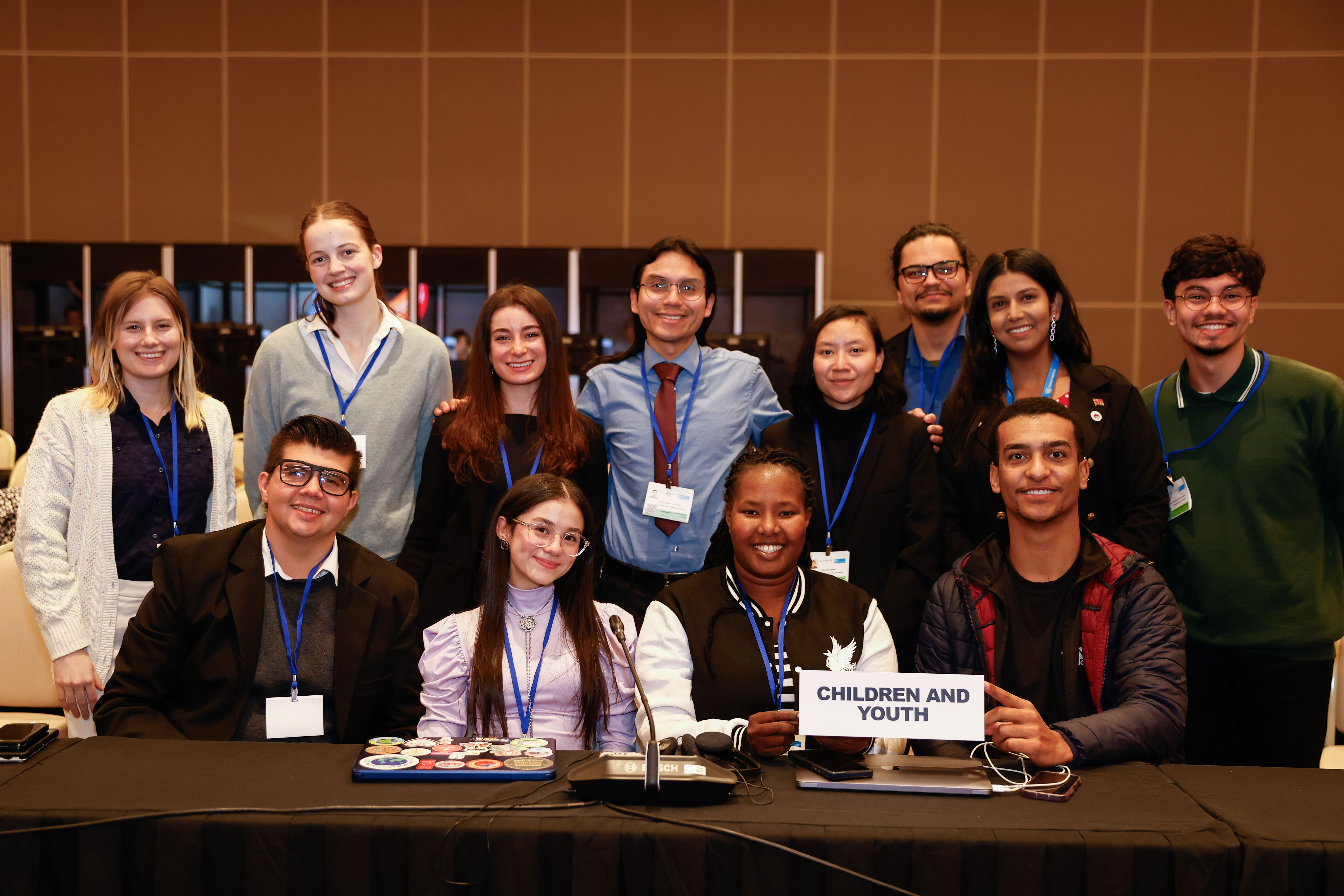
Children and Youth delegates
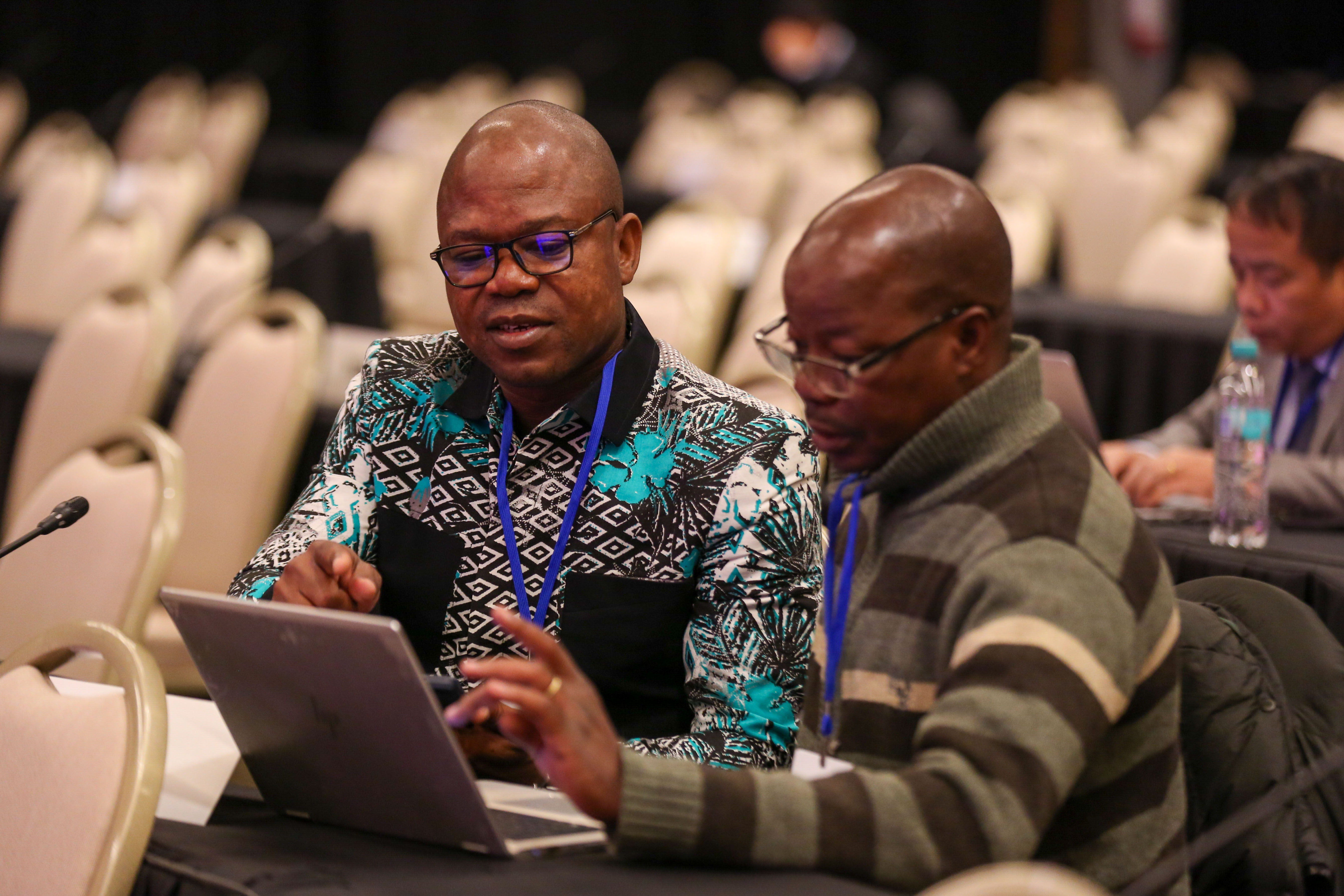
Tissama Yengnanibo N’po, Togo, and Robert Romba, Burkina Faso
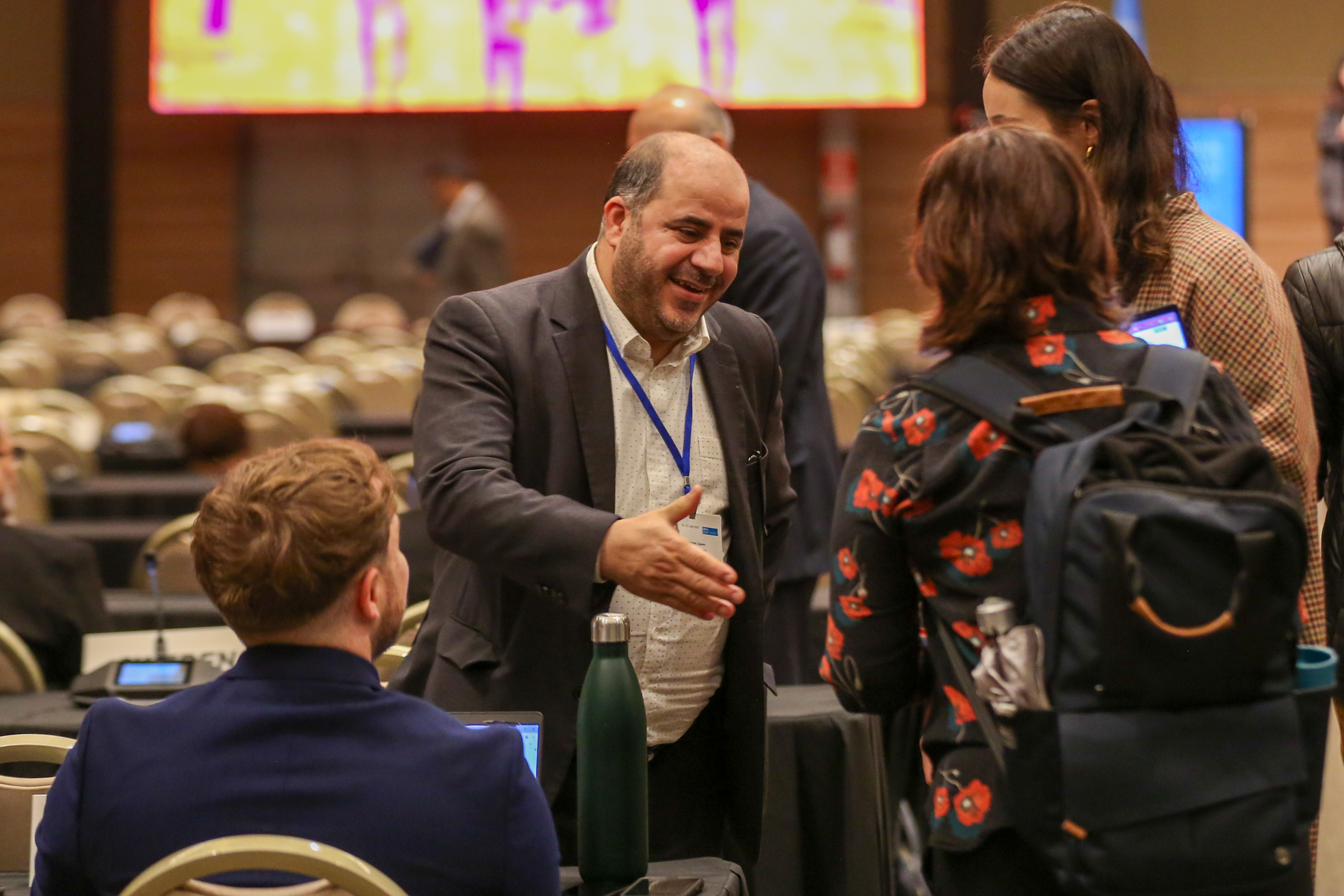
Qasem Alsharari, Saudi Arabia
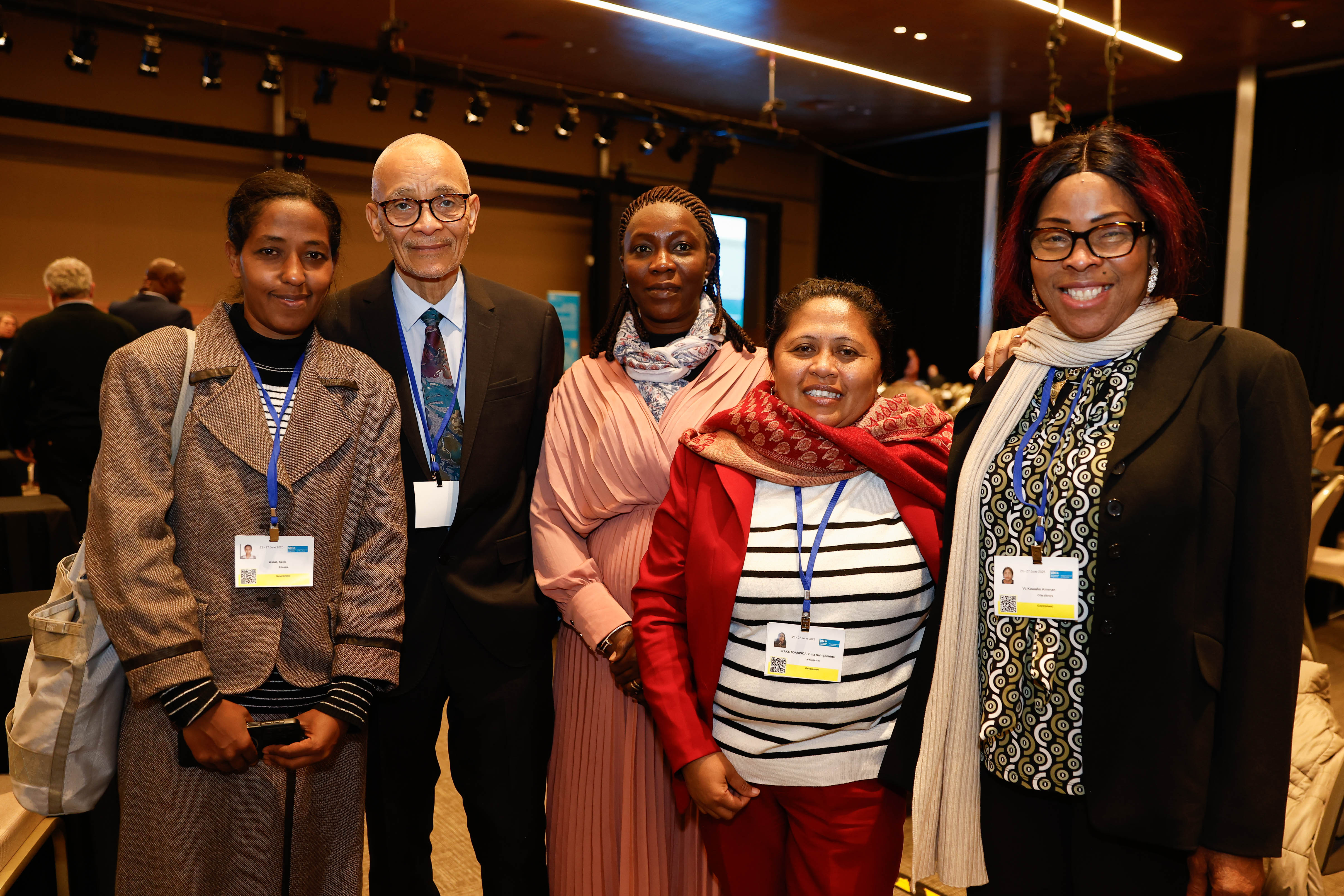
Azeb Asrat, Ethiopia, Said Ali Thaoubane, Comoros, Marie Jeanne Soumah, Guinea, Dina Haingonirina Rakotoarisoa, Madagascar, and Amenan Vi Kouadio, Côte d'Ivoire
Lunch Time Side Events
Contact Groups
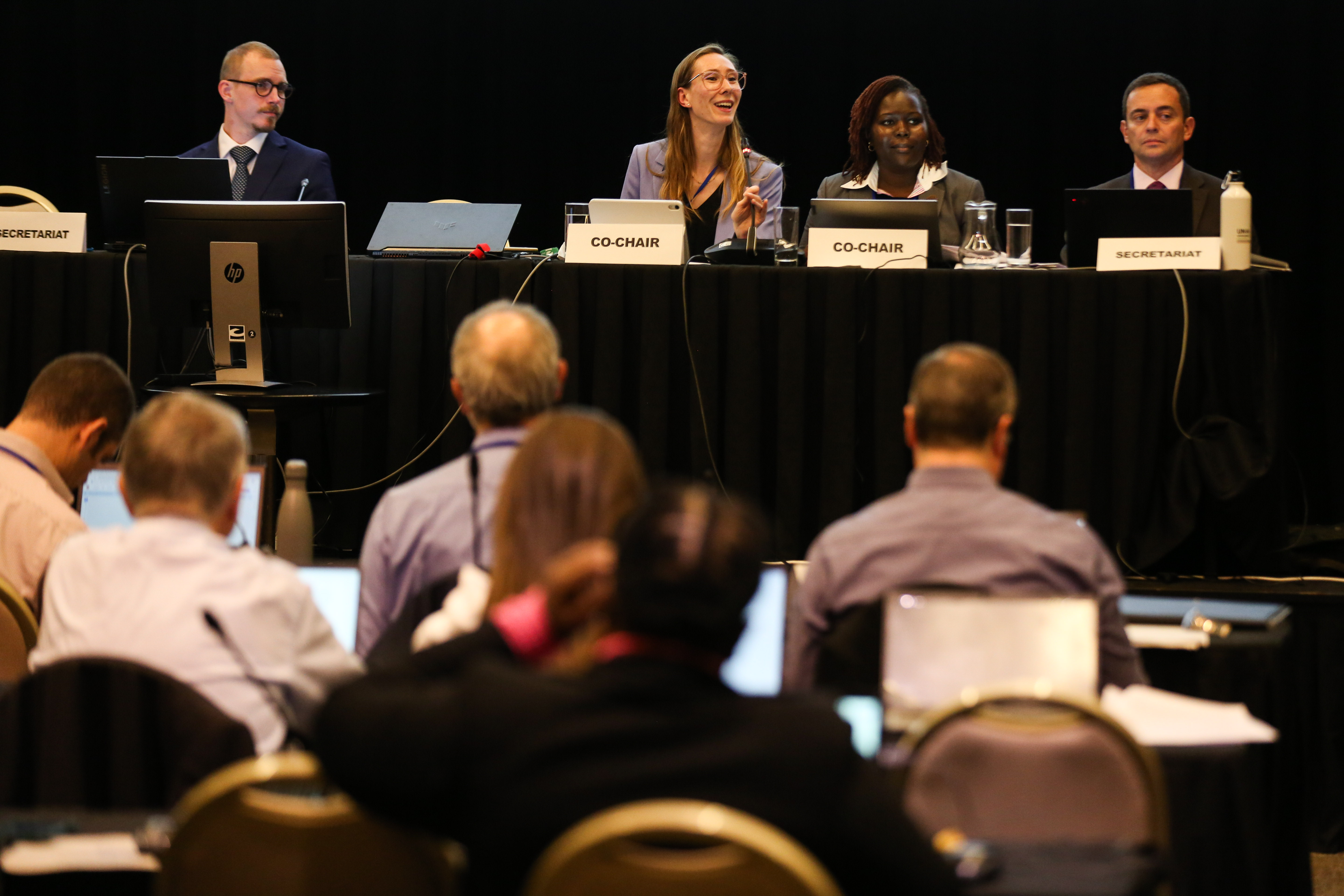
Co-Chairs and Secretariat of the contact group on implementation arrangements
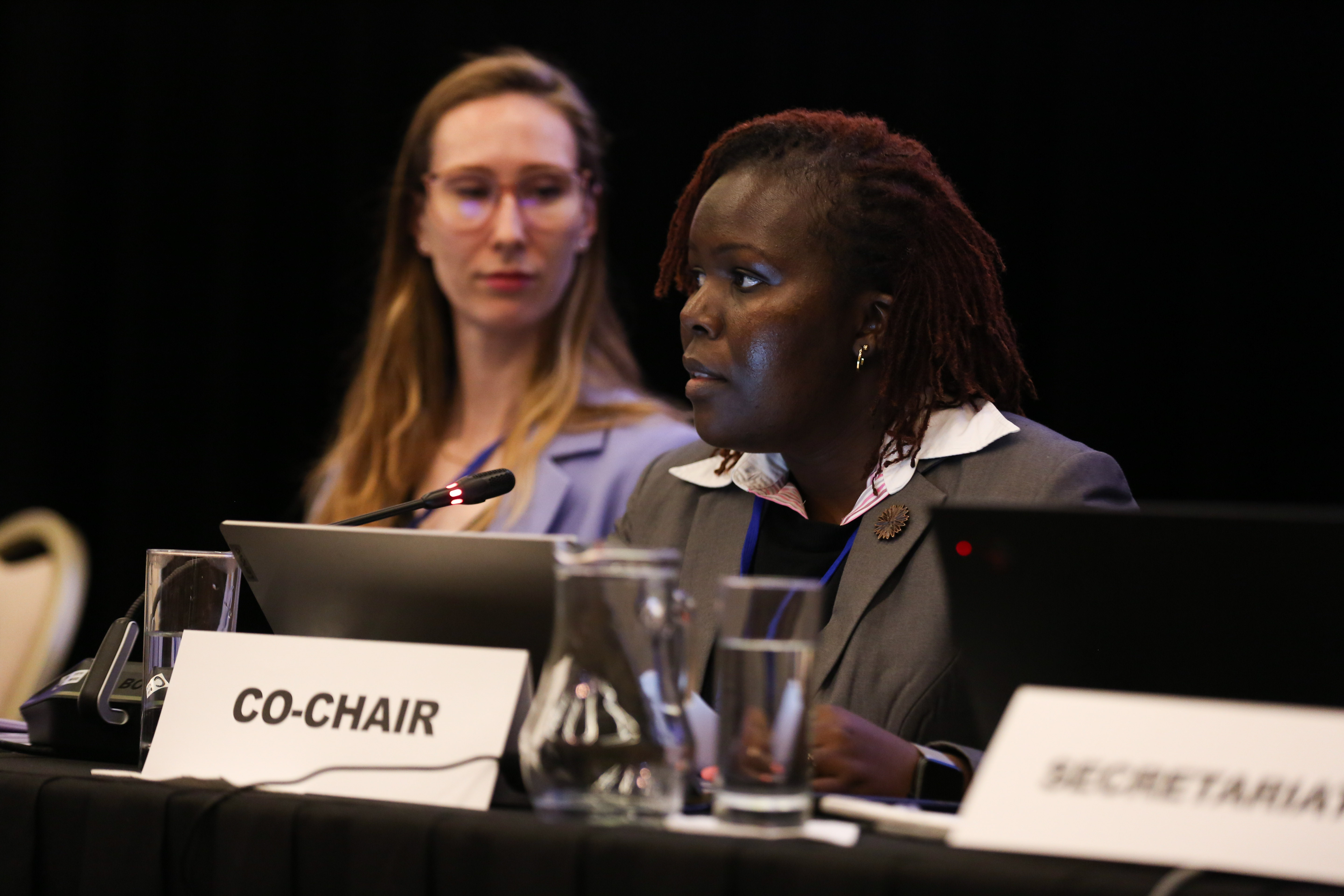
Co-Chair Linda Kosgei, Kenya
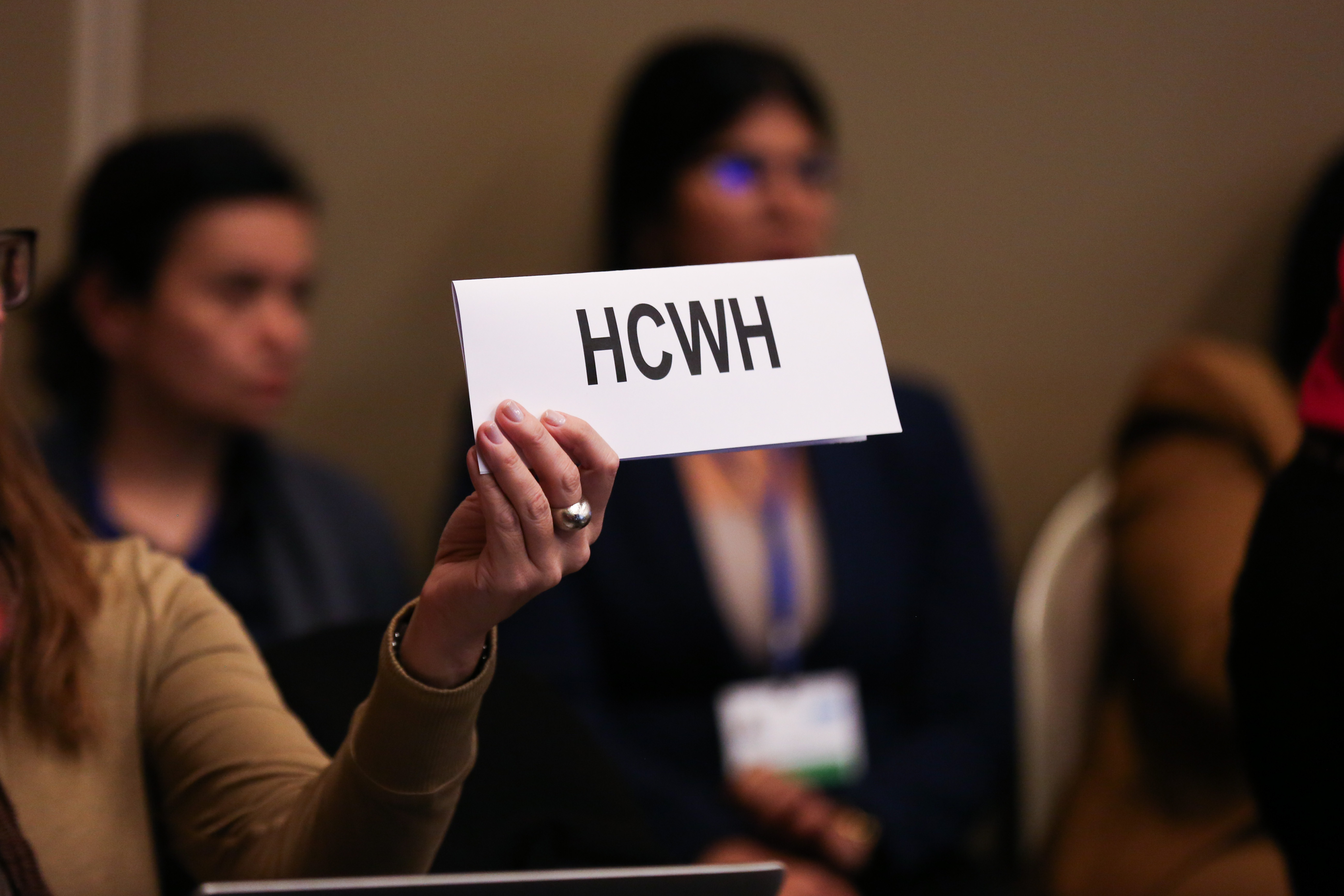
Intervention from the floor
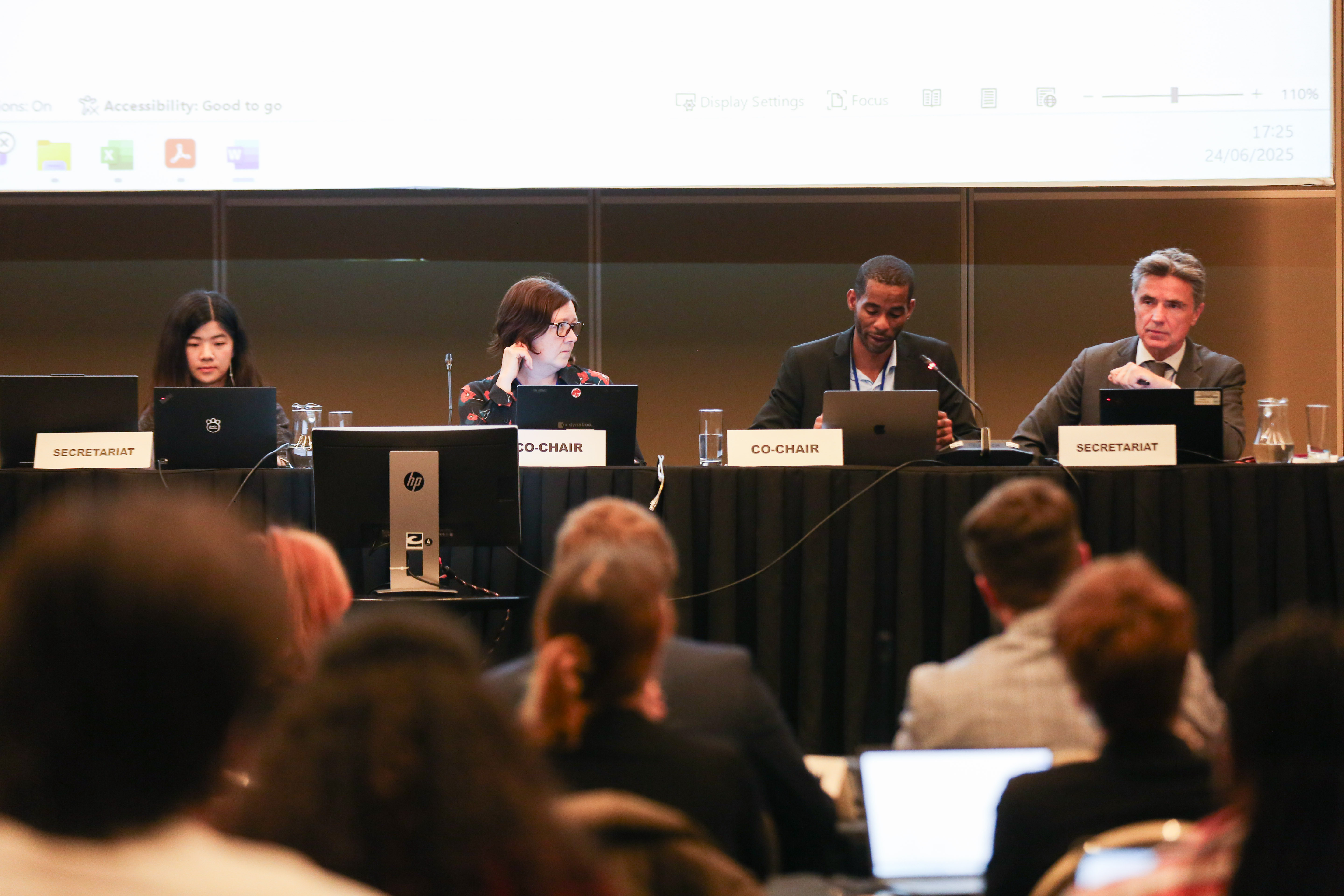
Contact group on the programme of work and budget
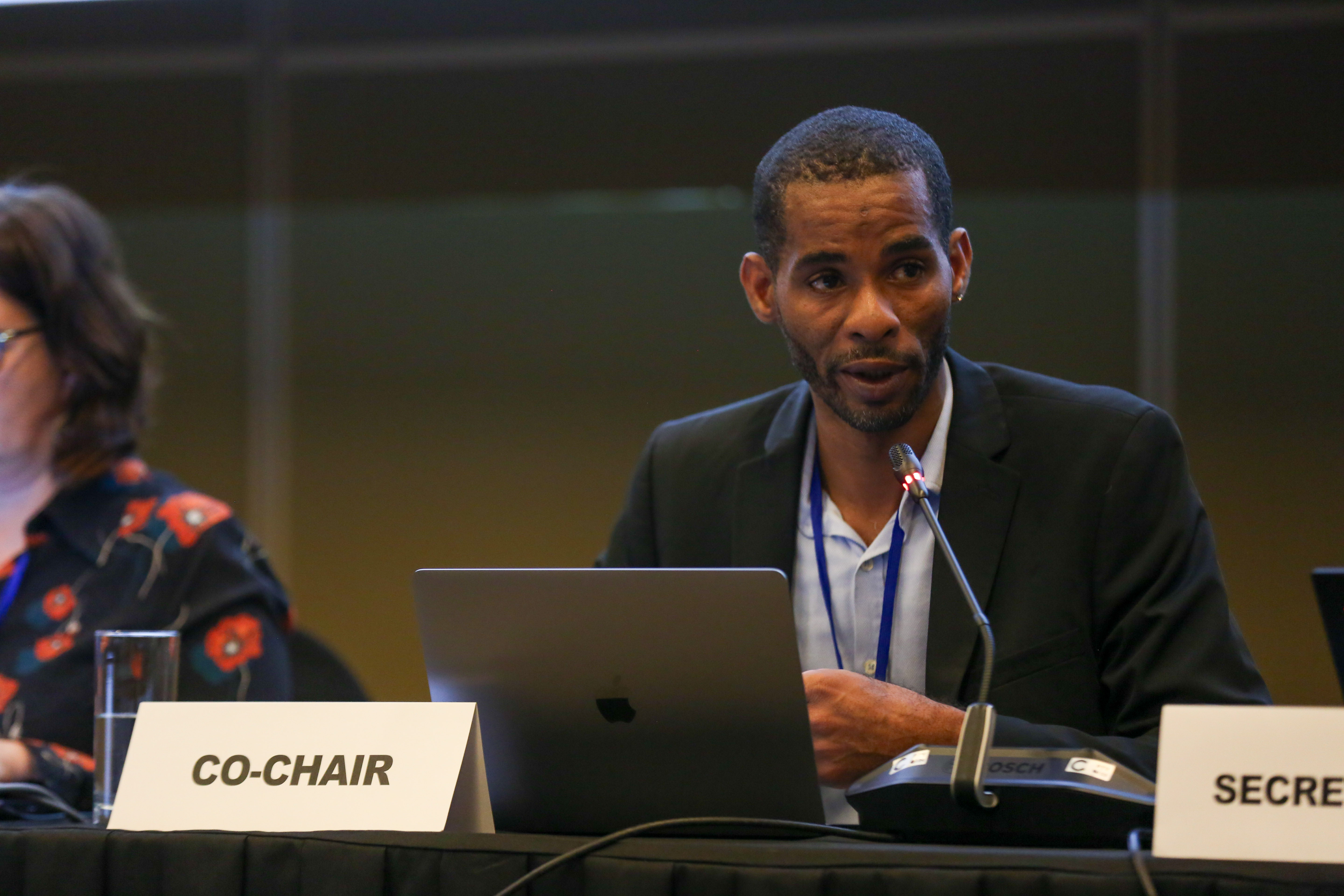
Co-Chair of the contact group on the programme of work and budget, Jonah Ormond, Antigua and Barbuda