
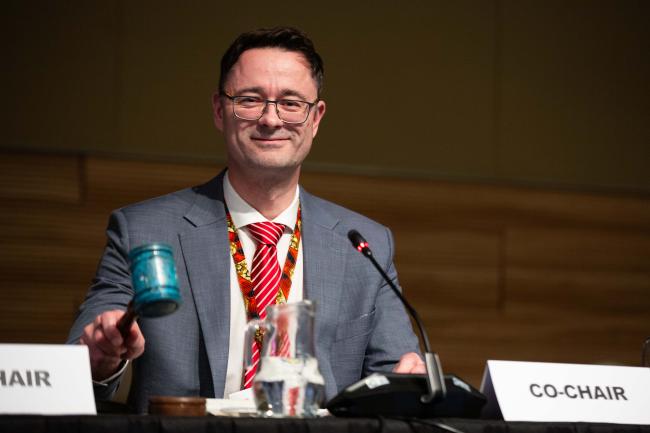
Noting that the Global Framework on Chemicals (GFC) was created because its predecessor failed to deliver on its goals, Children and Youth cautioned the closing plenary of the Open-ended Working Group (OEWG) on the need to ensure that the Framework is “not only meaningful on paper; it’s transformative in practice."


Delegates spent the morning hearing key messages from the Multi-Stakeholder Day and discussing capacity building and preparations for the first GFC International Conference, slated to be held in 2026. Regarding key conclusions from the Multi-Stakeholder Day, Inter-Organization Programme for the Sound Management of Chemicals (IOMC) Chair Bob Diderich summarized proposed follow-up actions on several crosscutting issues, such as:
- knowledge sharing: to improve the interplay between regulatory and voluntary instruments, endeavoring to have lists of priority chemicals of concern work together;
- reporting and disclosure: to advance alignment among existing instruments and actionable metrics; and
- chemical footprinting: to increase harmonization among the methodologies, especially regarding terminology.
Diderich also noted strong willingness expressed to move forward with the plans for sectoral programmes on electronics, textiles, and healthcare, and strong interest in developing one for construction.

Delegates deliberated on the development of a strategy for capacity building and supporting technology transfer on mutually agreed terms, to submit to the GFC International Conference. Numerous delegates stressed that fulfilling the promise of the GFC depends on adequate means for implementation and offered suggestions for ensuring it.
Regarding preparations for the International Conference, no country has offered to host and its possible funding was reported as uncertain. The Secretariat noted that holding the meeting at a UN complex is tentatively an option if no hosting offer is forthcoming. The European Union promised to do what it could to help fund the Conference and urged others to do likewise.


During “other matters,” Brazil, Chile, and Saudi Arabia presented a proposal for a recommendation asking the Secretariat to draft a resolution for Conference consideration clarifying the mandate, work modalities, and expected outcomes of the OEWG. They explained that they felt OEWG-1 demonstrated that delegates are confused about whether OEWG is expected to produce concrete outcomes and recommendations to the Conference, or “simply register views expressed by stakeholders.” Discussions will continue at the Conference.
In their closing statements, many delegates praised the strong engagement and rich dialogue among diverse stakeholders in the OEWG and reiterated their commitment to the multi-stakeholder, multi-sector approach to the sound management of chemicals and waste represented by the Framework.
Co-Chair Přemysl Štěpánek (Czechia) gaveled the meeting to a close at 5:27 pm.

To receive free coverage of global environmental events delivered to your inbox, subscribe to the ENB Update newsletter.
All ENB photos are free to use with attribution. For this event, please use: Photo by IISD/ENB - Natalia Mroz.
Plenary
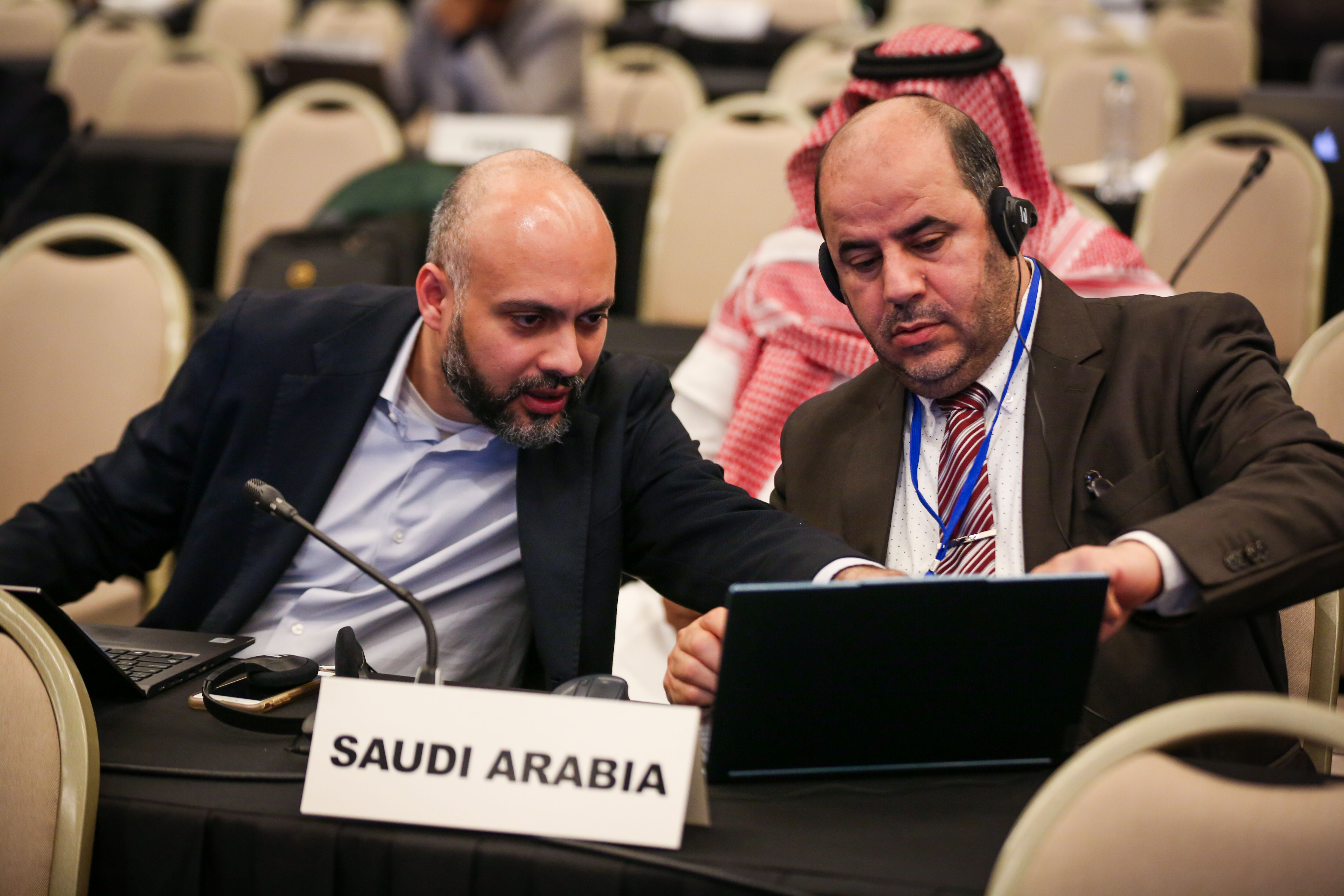
Nawaf Bilasi and Qasem Alsharari, Saudi Arabia
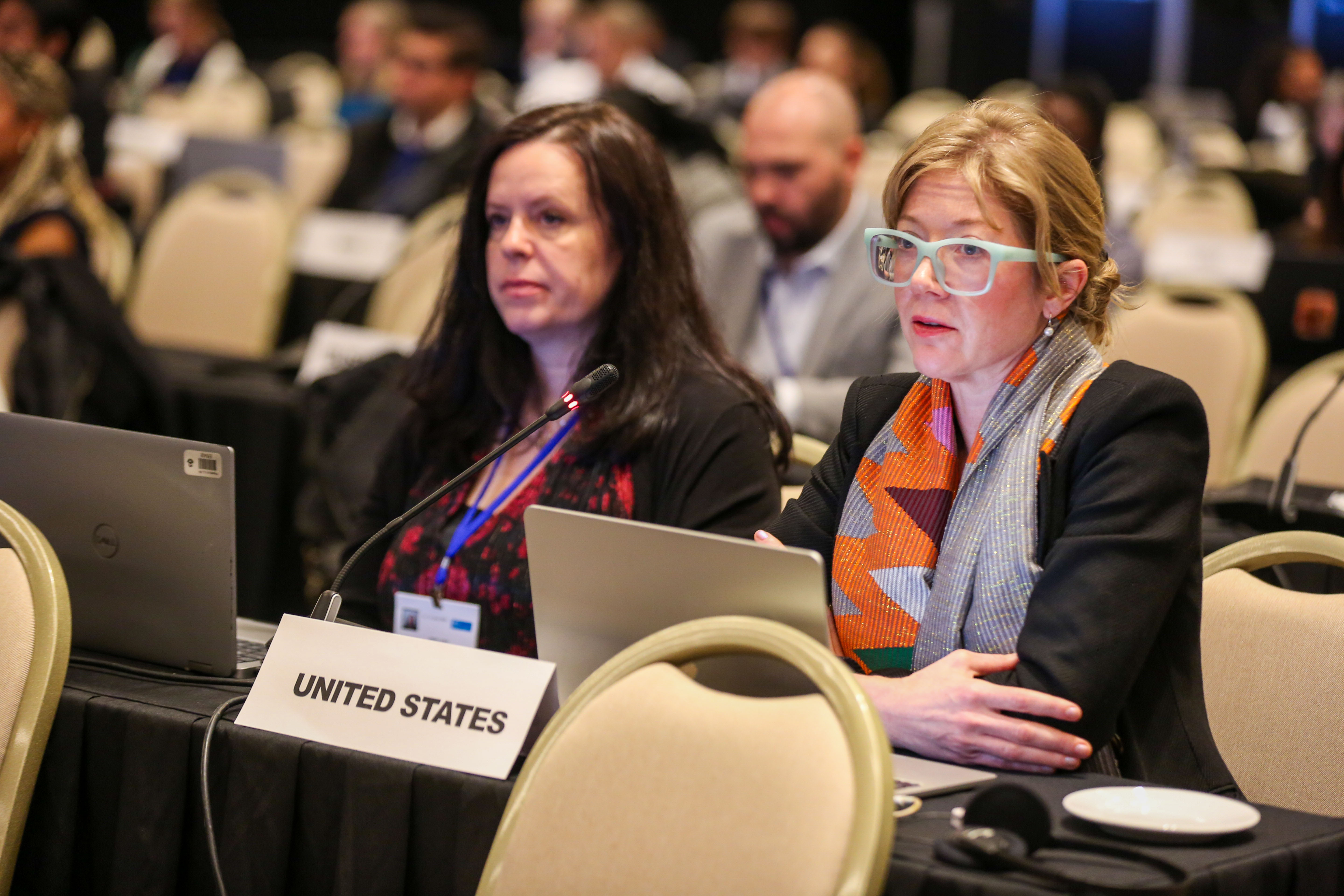
Laura Nazef and Elizabeth Nichols, United States
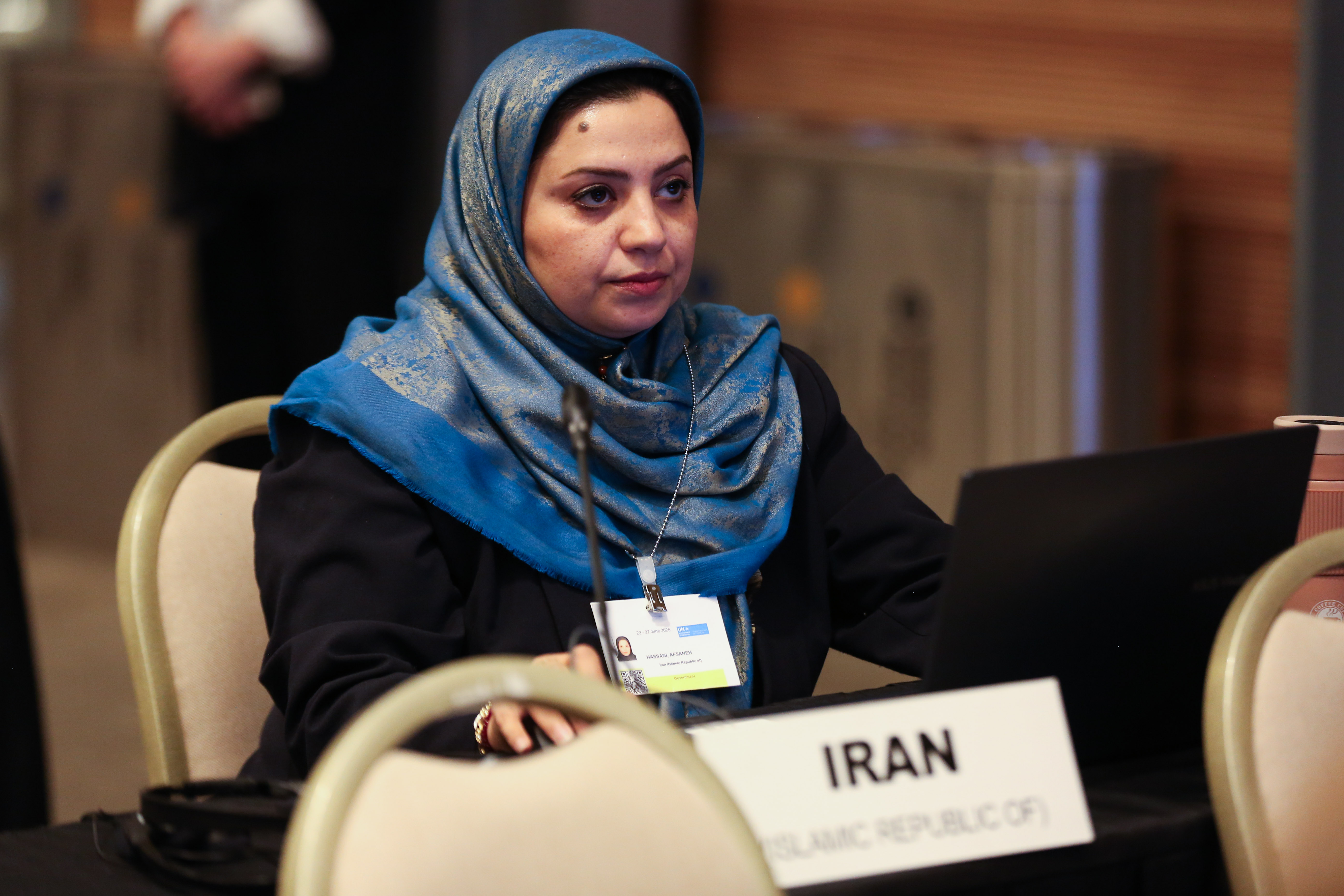
Afsaneh Hassani, Iran
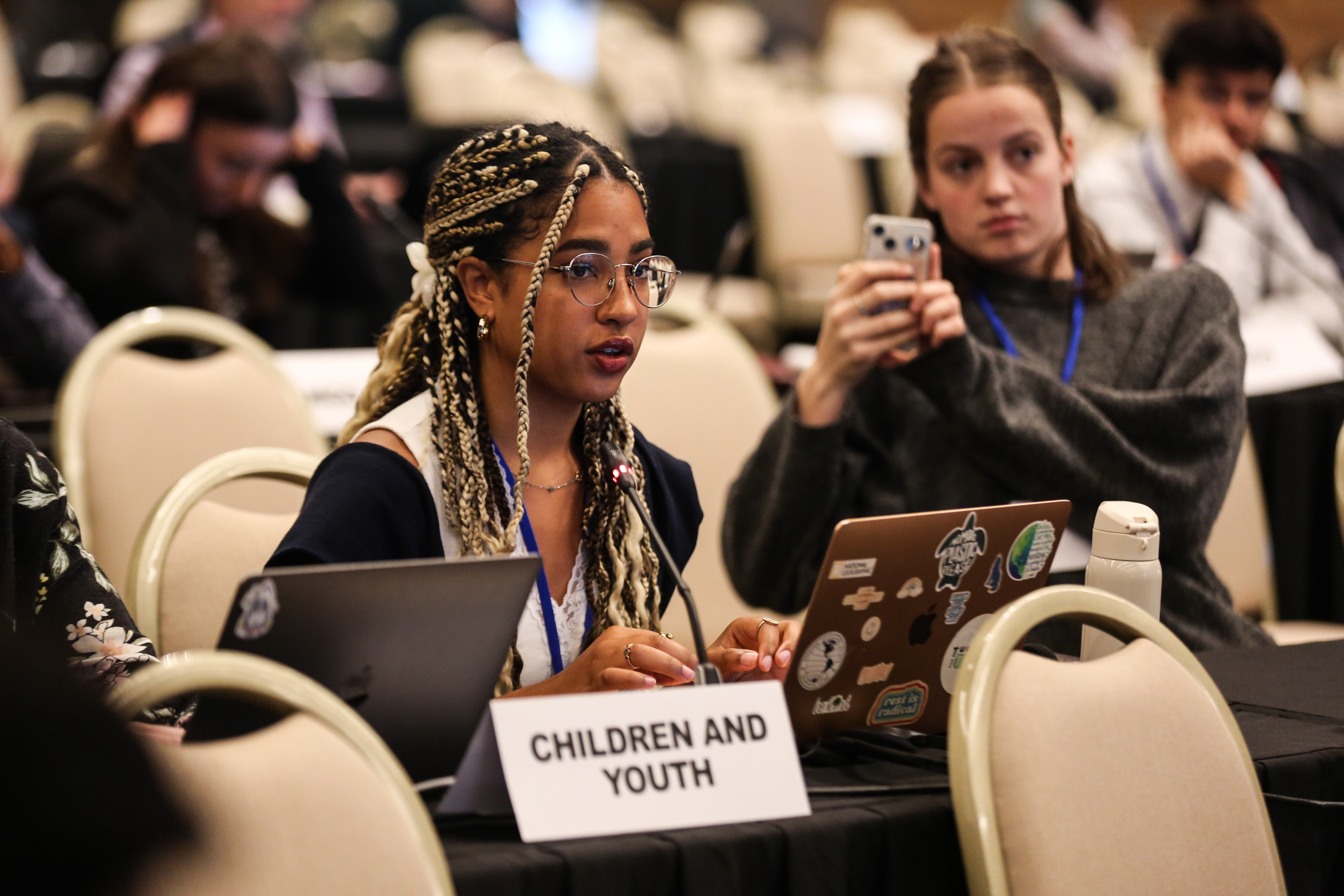
Sharona Shnayder, Children and Youth
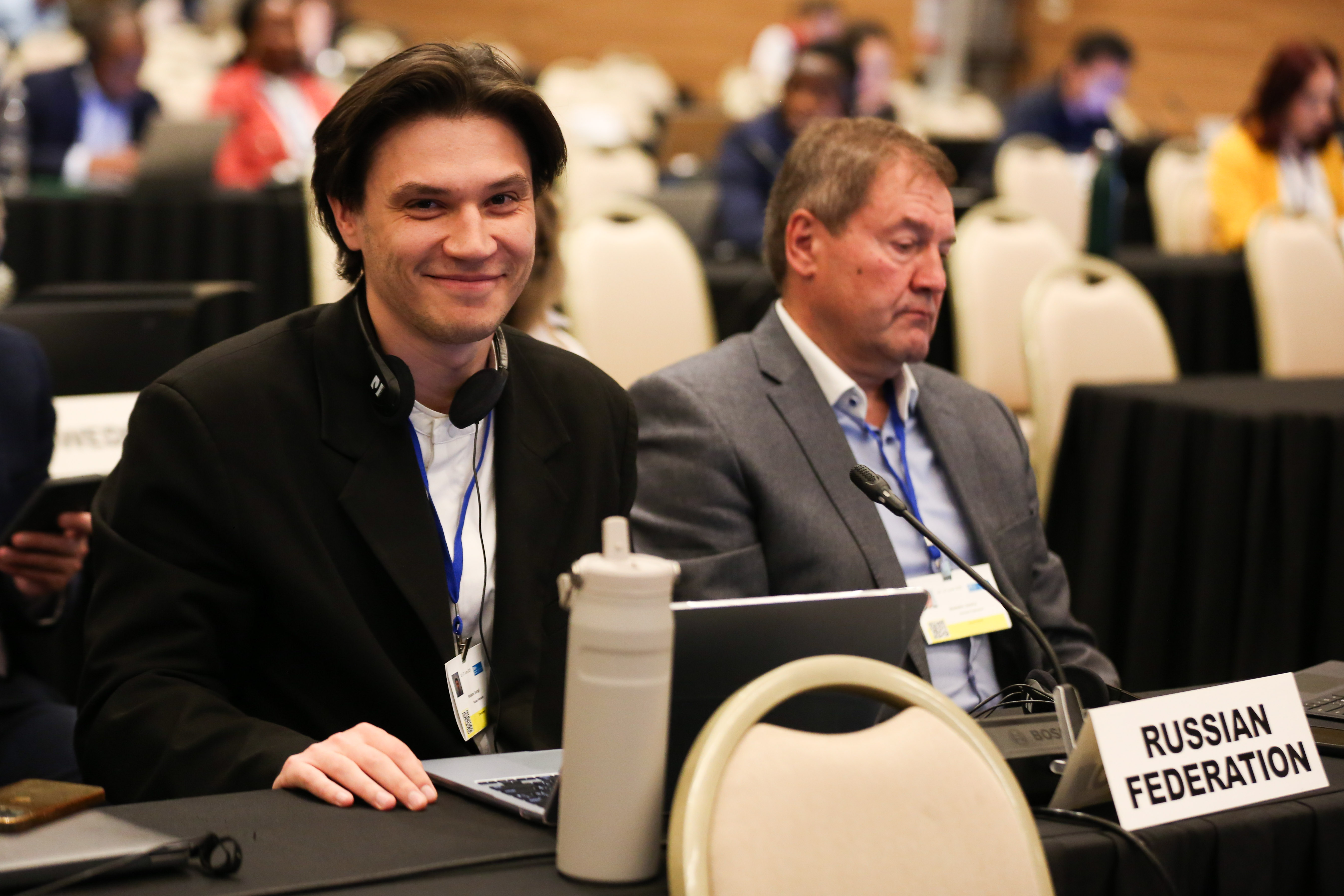
Georgii Balianov, Russian Federation
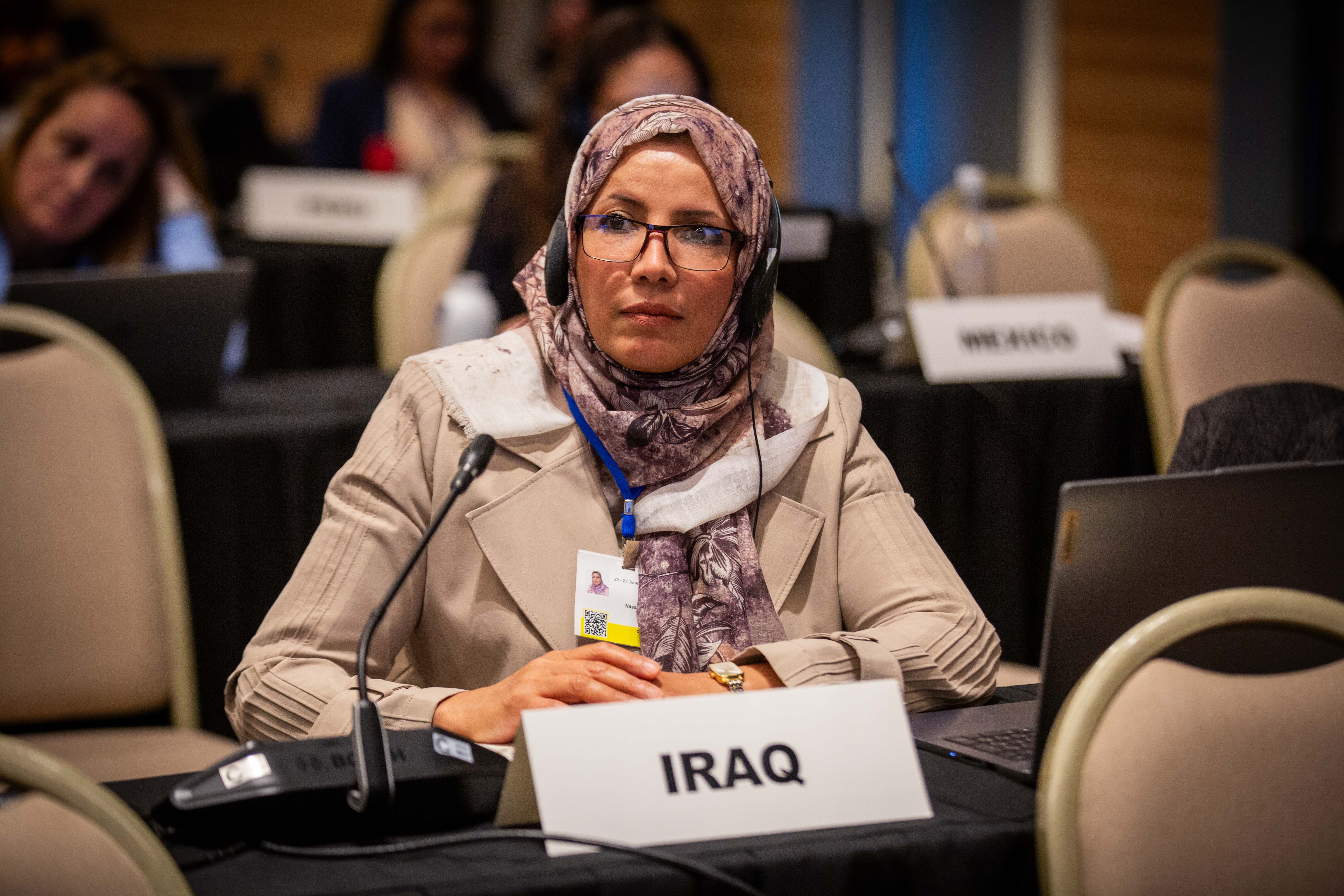
Iman Nassar, Iraq
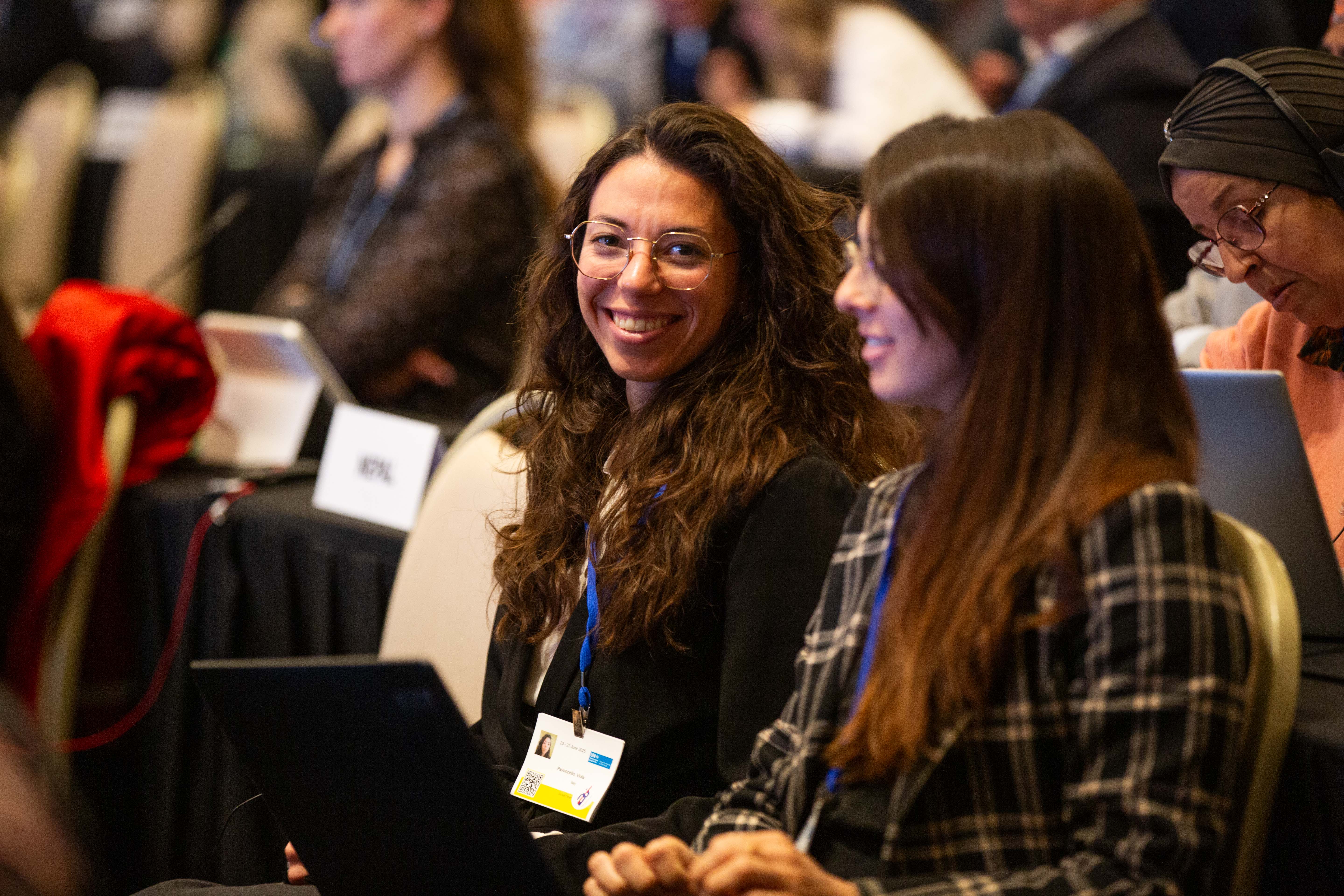
Viola Pavoncello, Italy
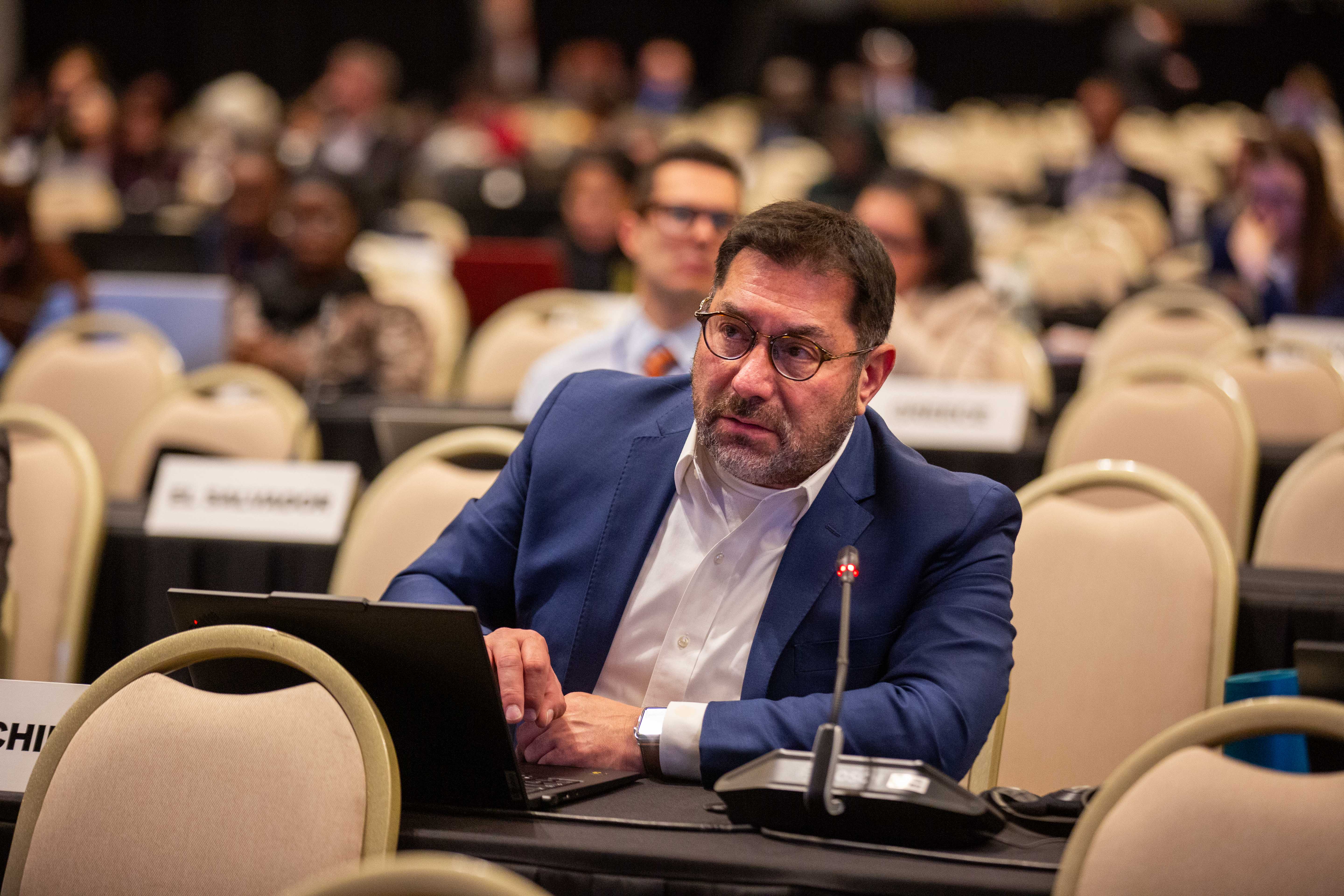
Osvaldo Álvarez-Pérez, Chile
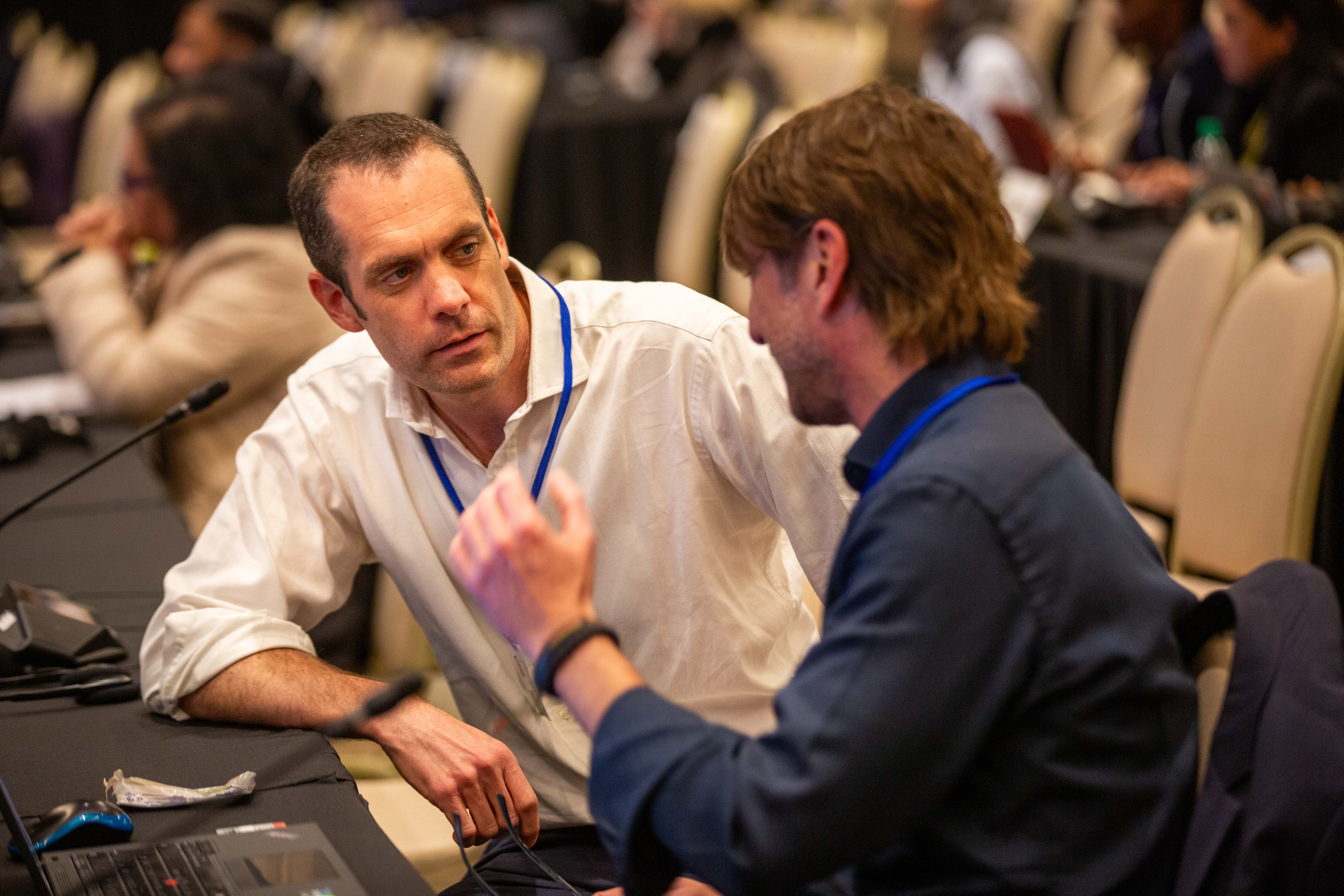
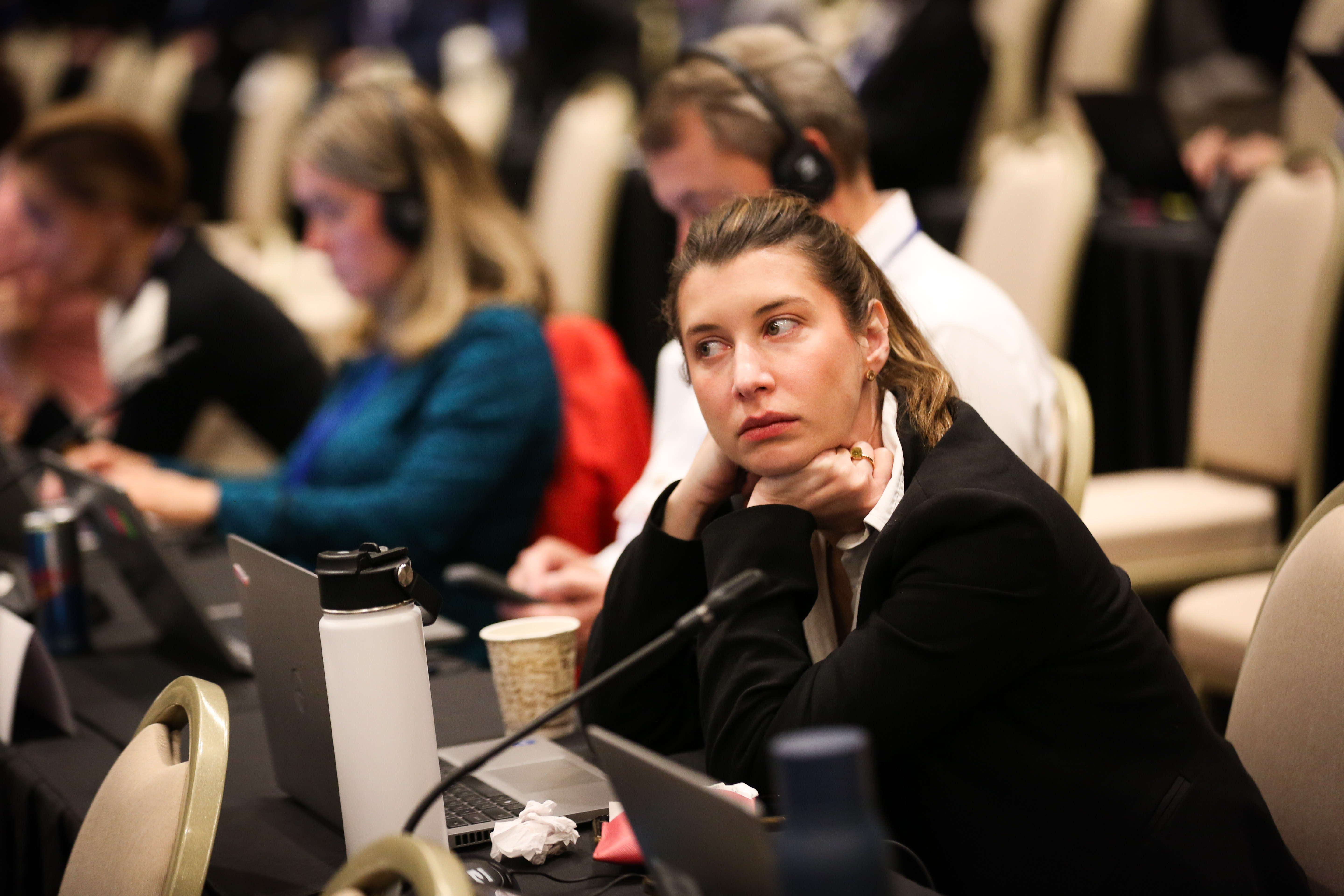
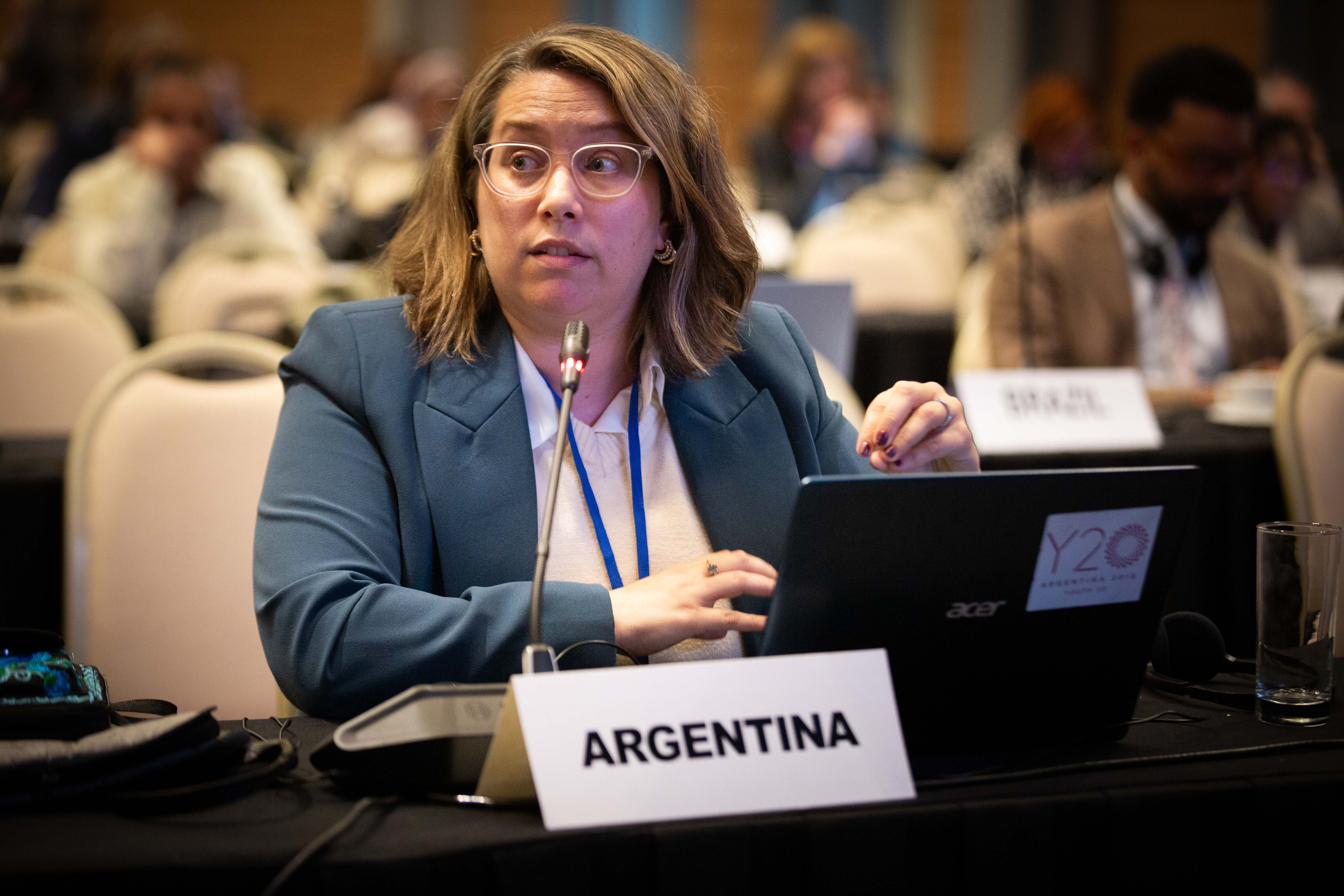
Greta Rubinich, Argentina
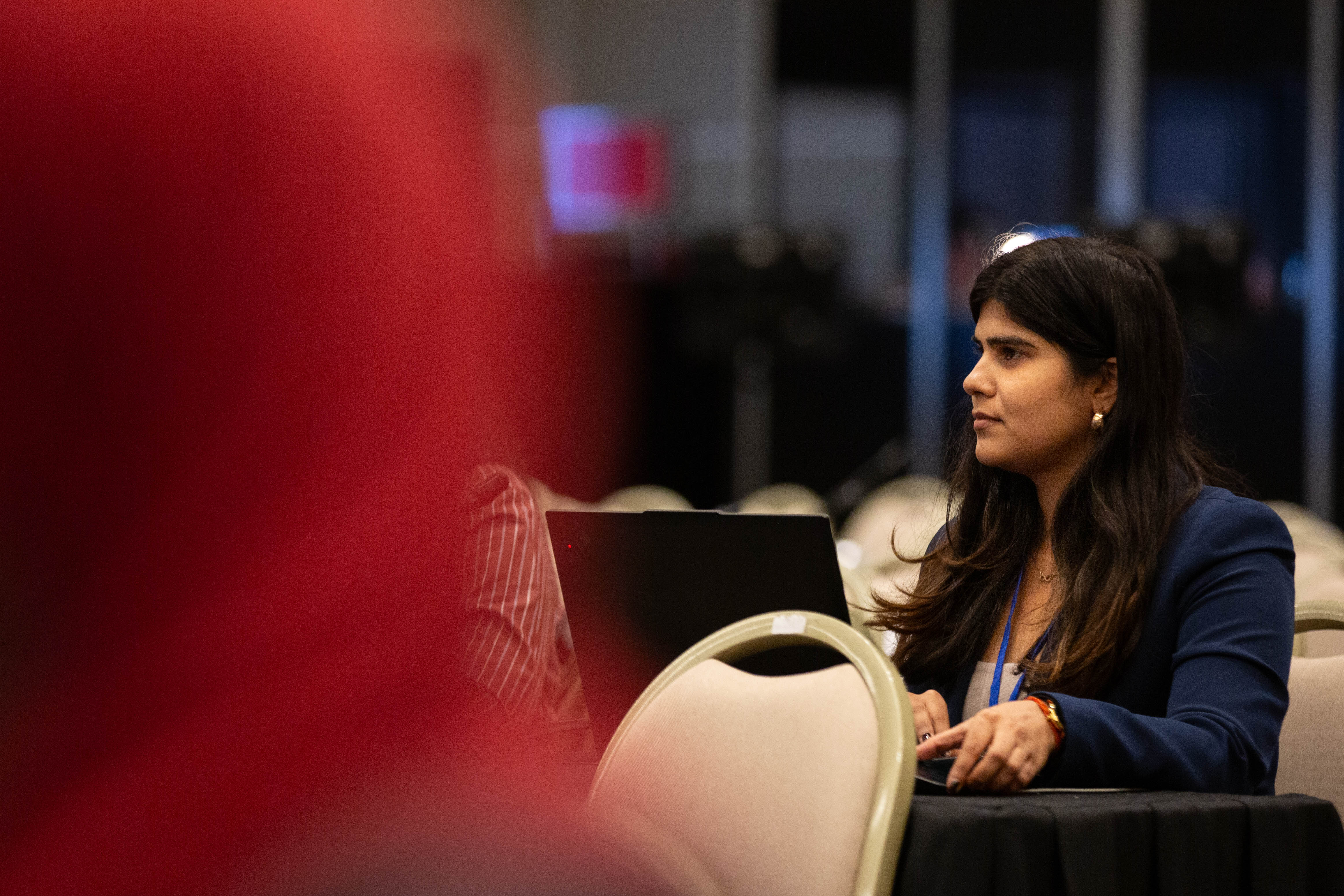
Pooja Dwivedi, Center for the Transformation of Chemistry
Moritz Petersmann, Earth Negotiations Bulletin
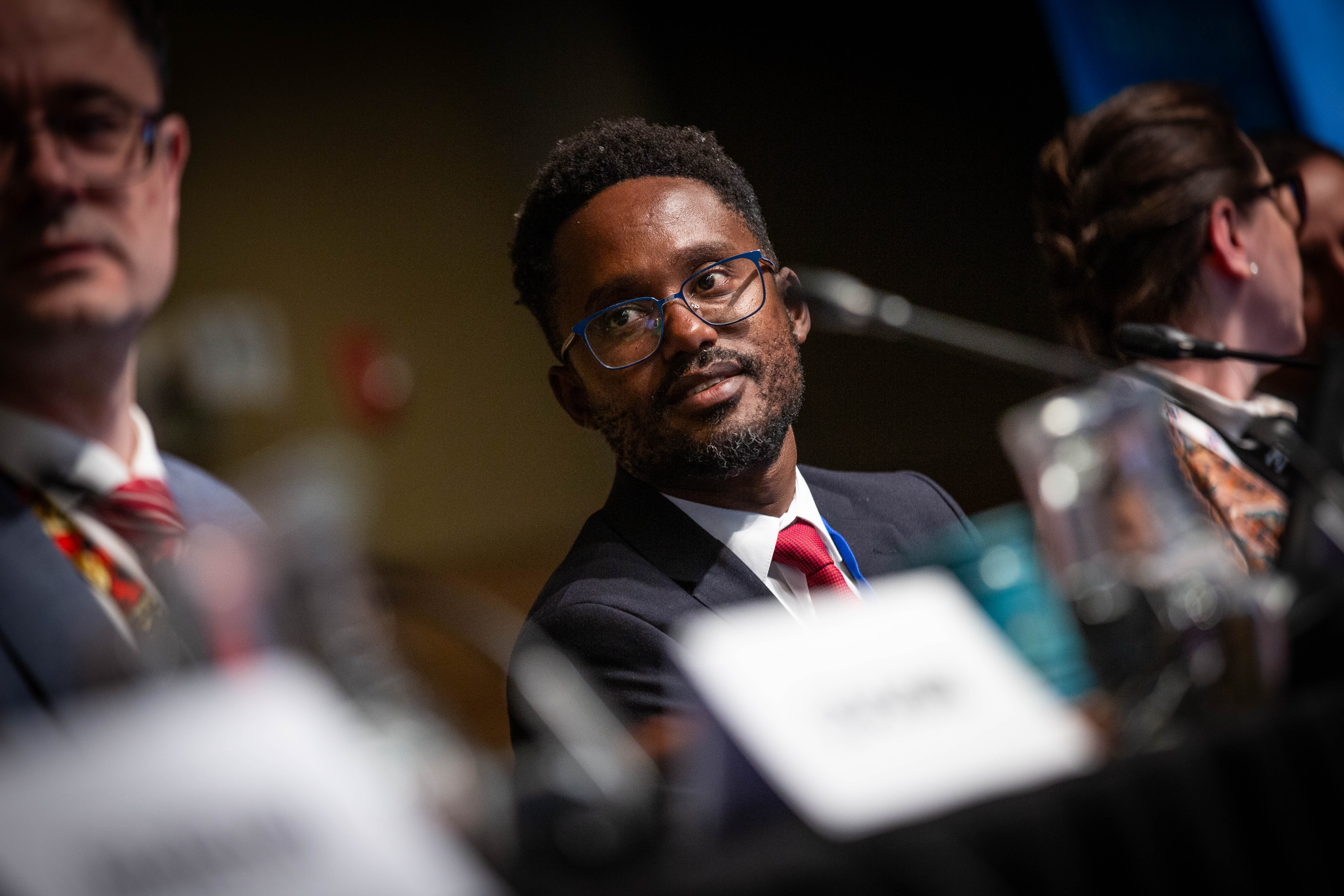
Alvin Gachie, Secretariat
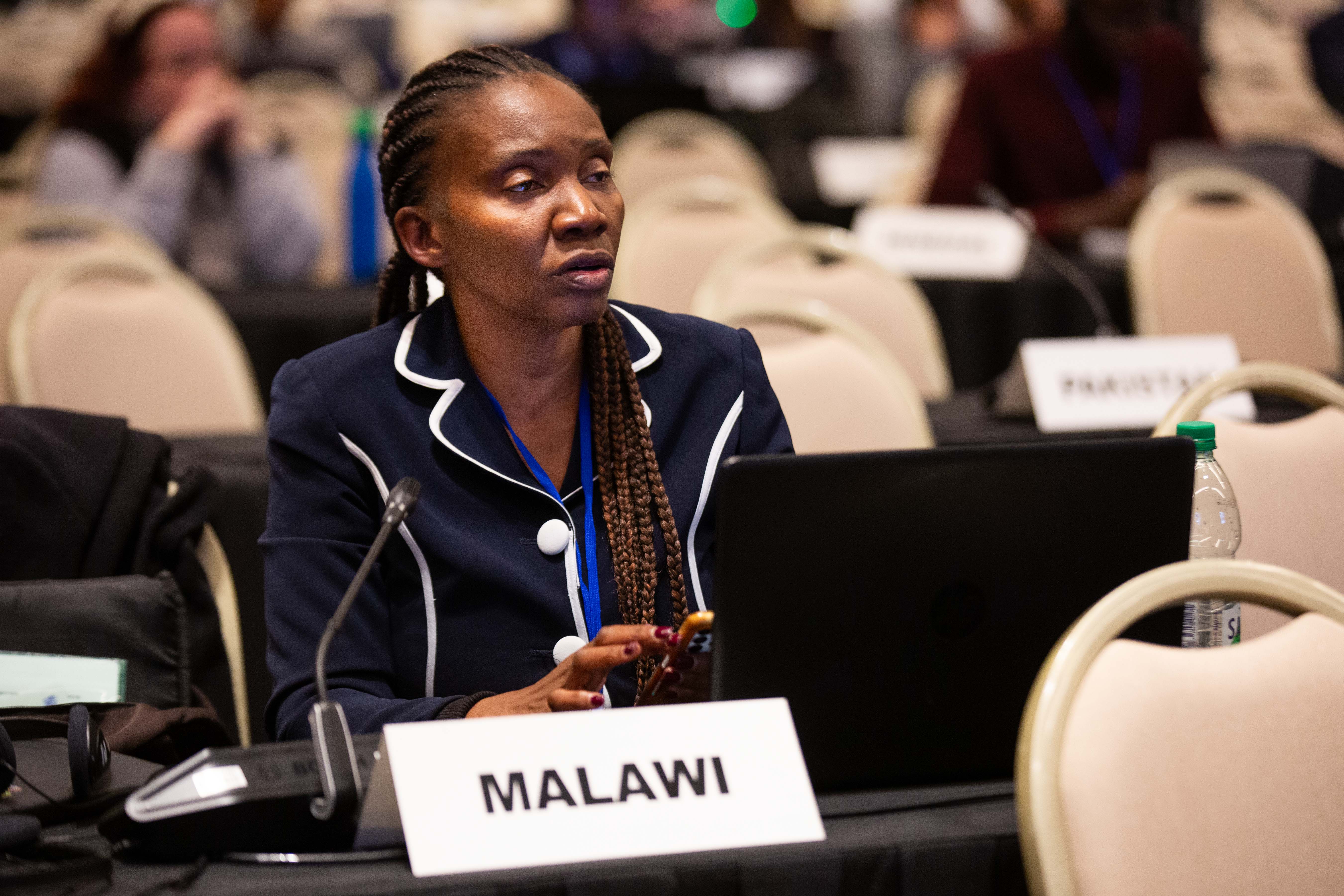
Caroline Theka, Malawi
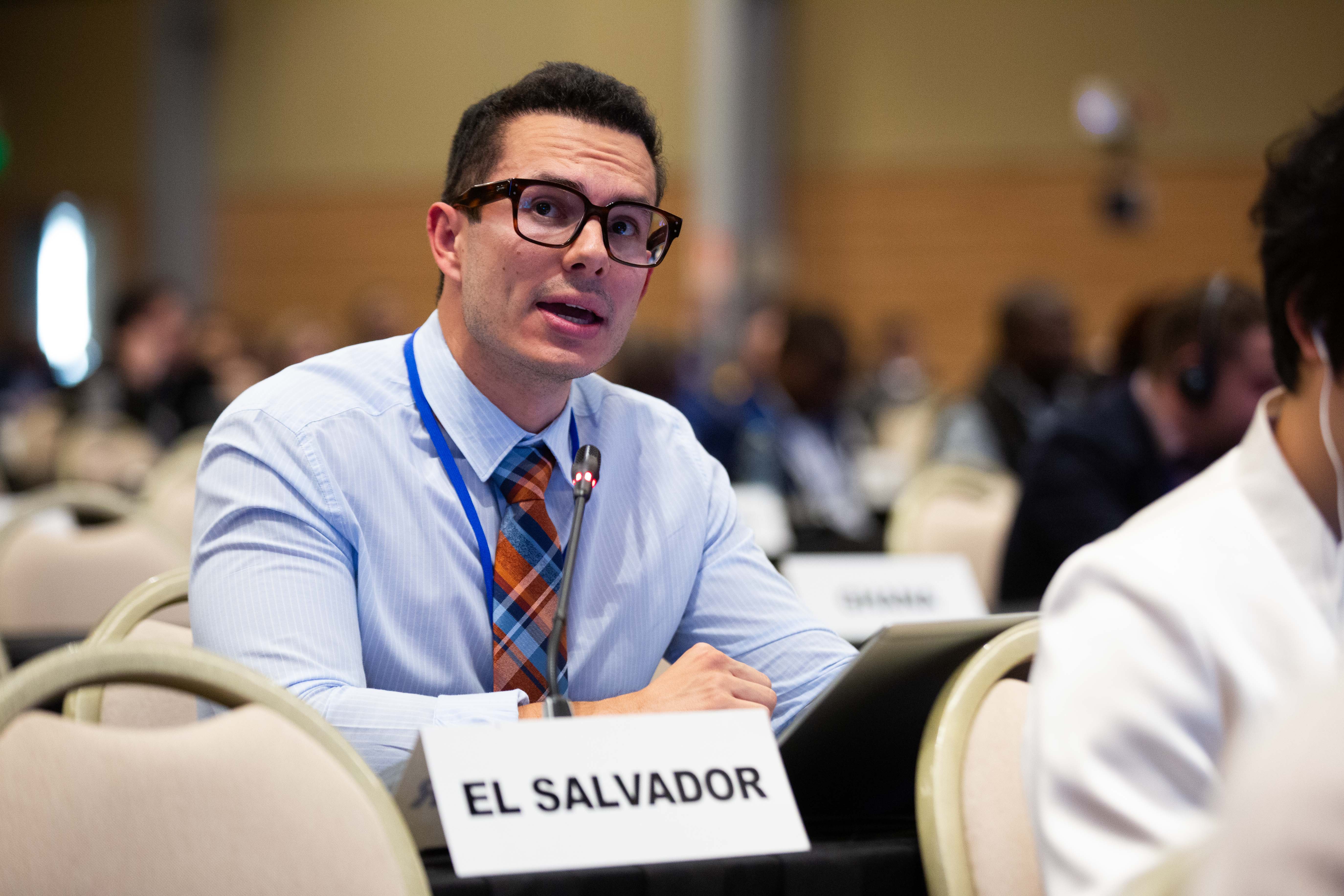
Francisco Napoleón García Ortiz, El Salvador
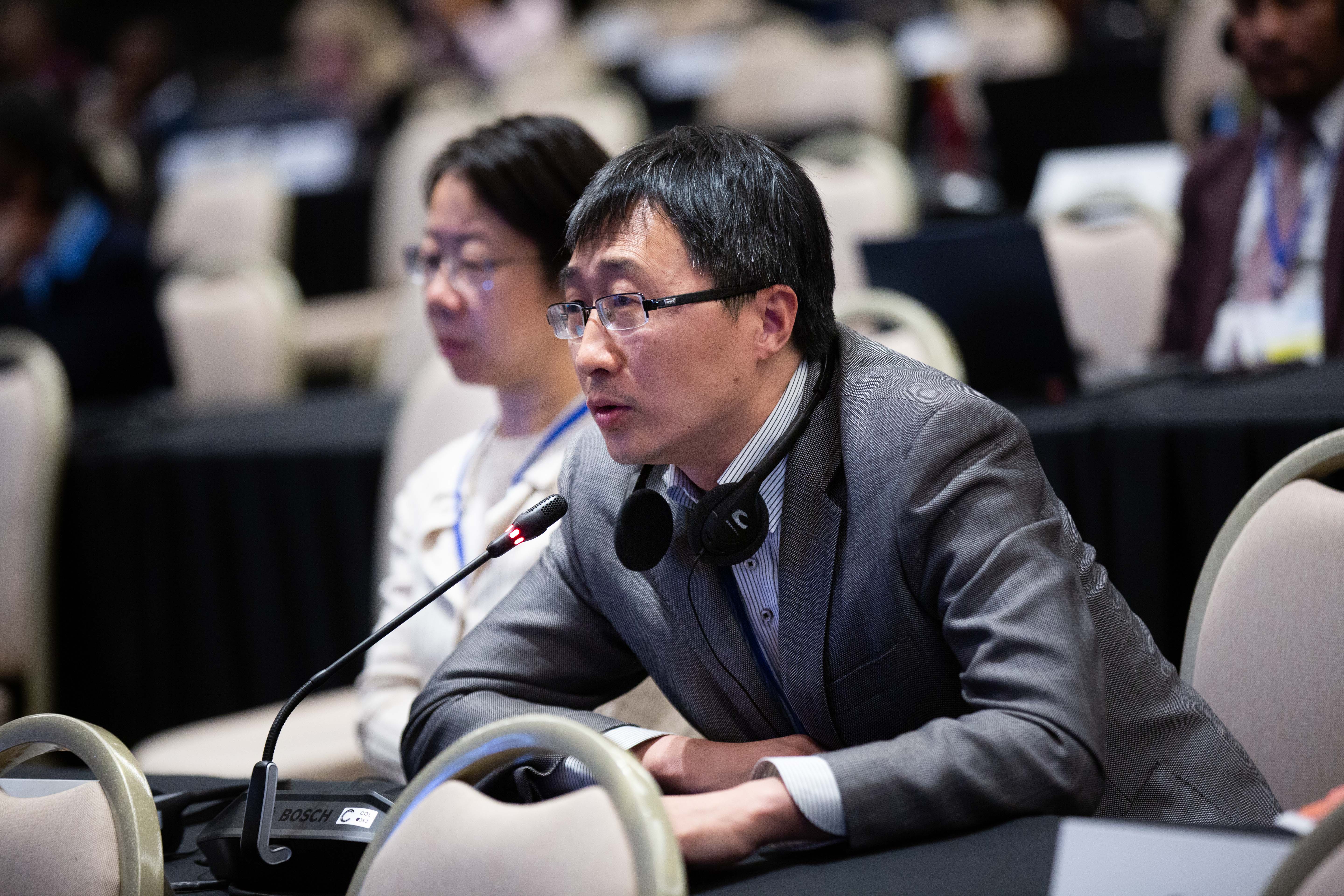
Du Kexiong, China
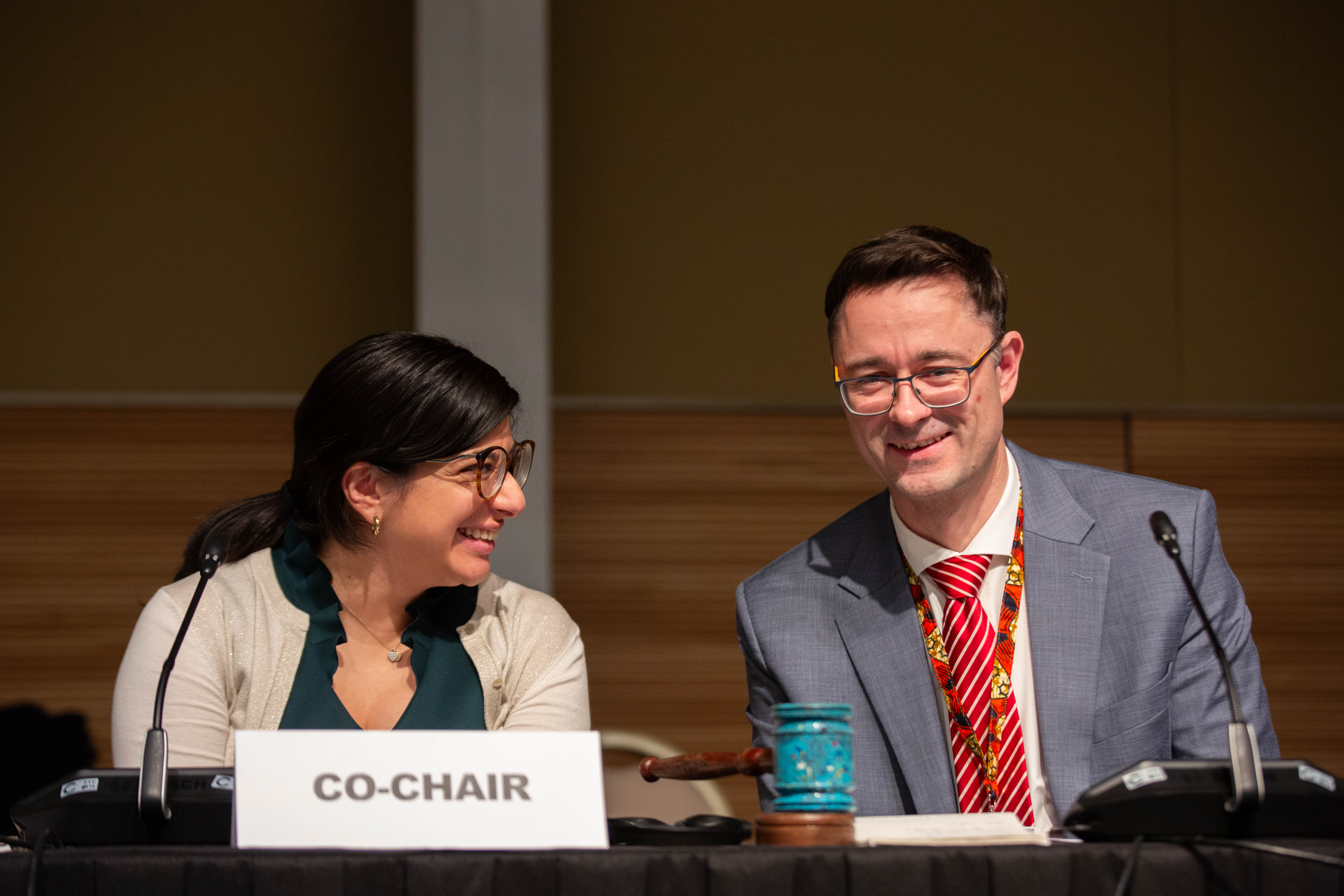
OEWG Co-Chairs María Vanessa Aliaga Araujo (Peru) and Přemysl Štěpánek (Czechia)
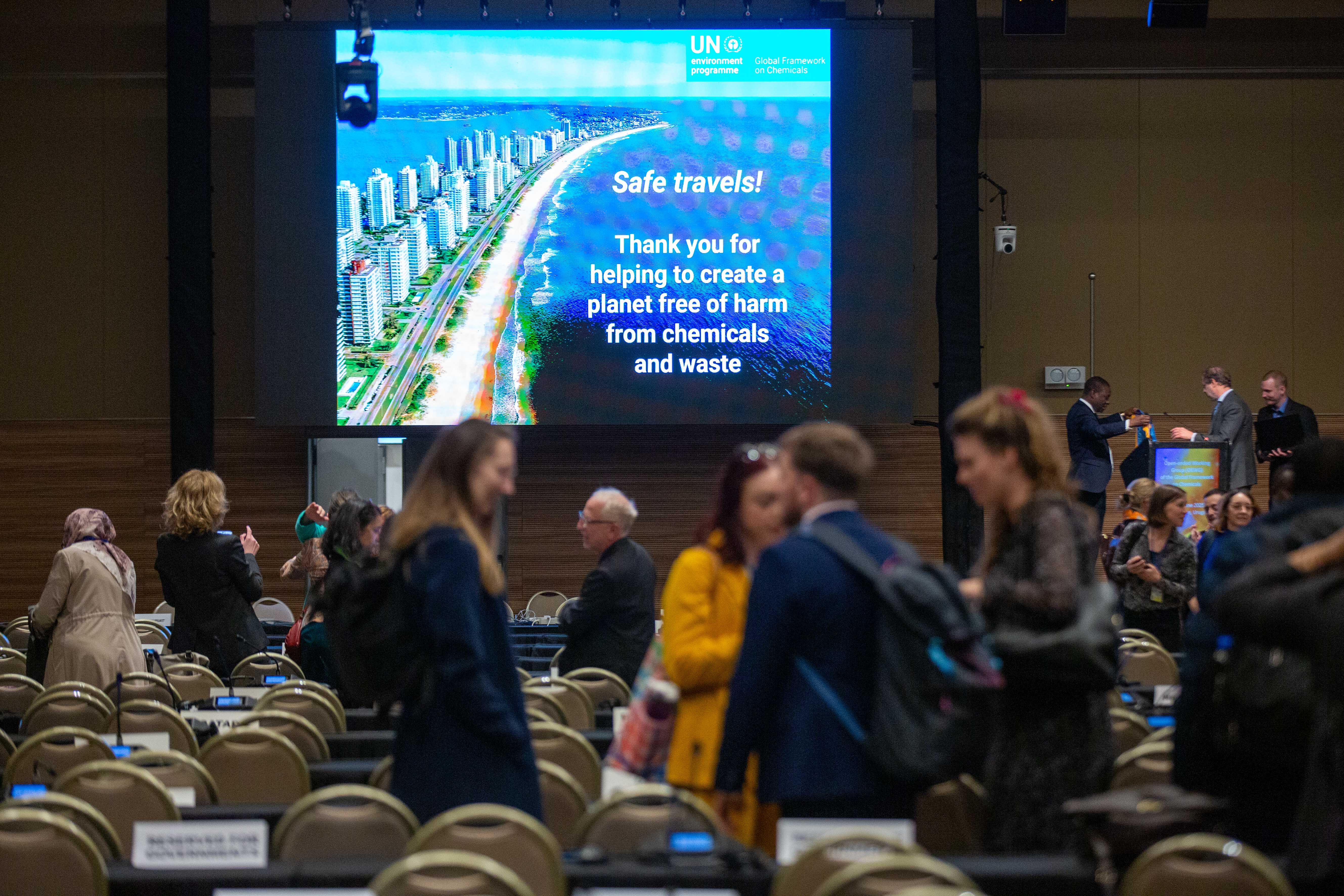
Between Sessions
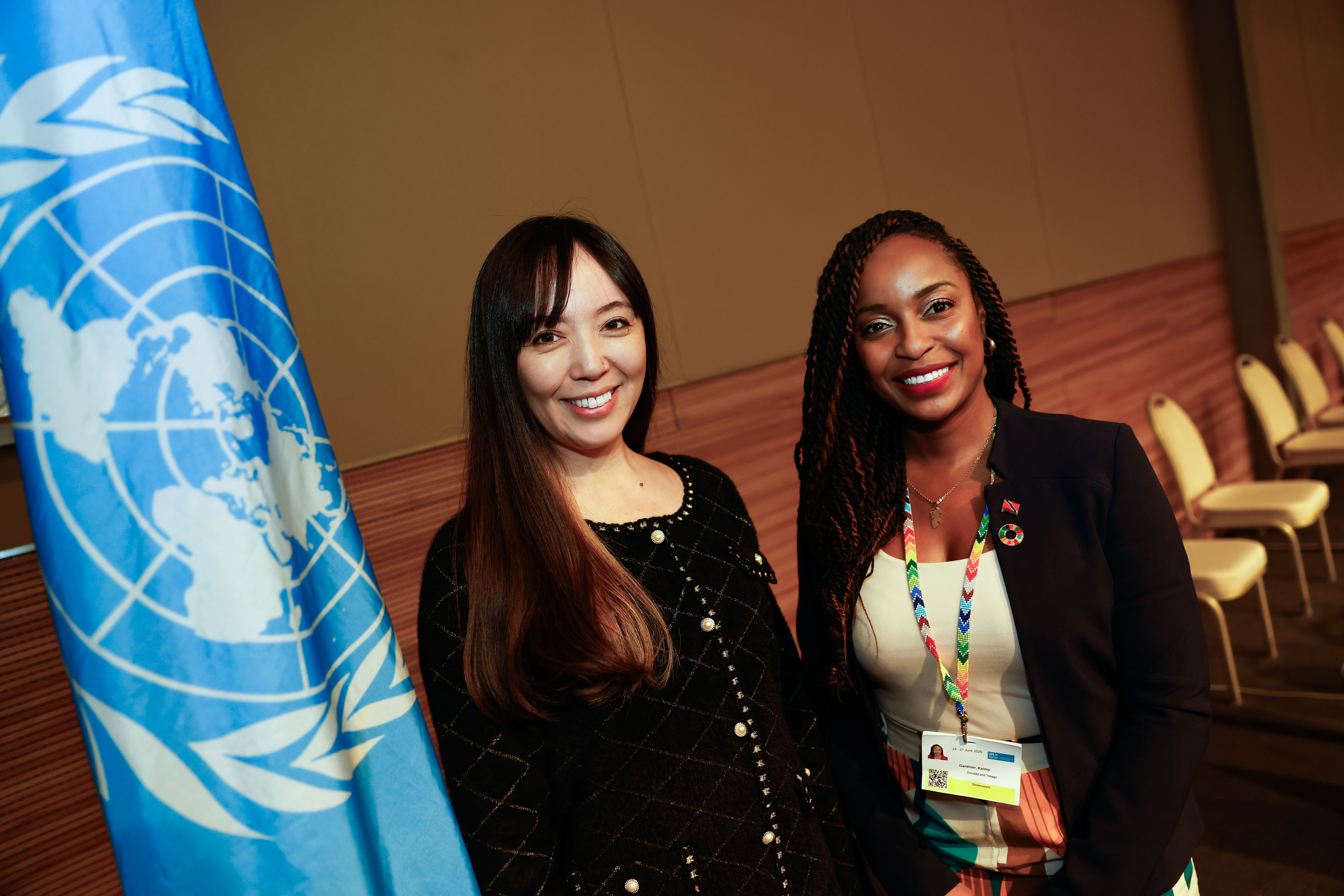
Itsuki Kuroda, Japan, and Keima Gardiner, Trinidad and Tobago, Co-Chairs of the Ad Hoc Group on Measurability and Indicators
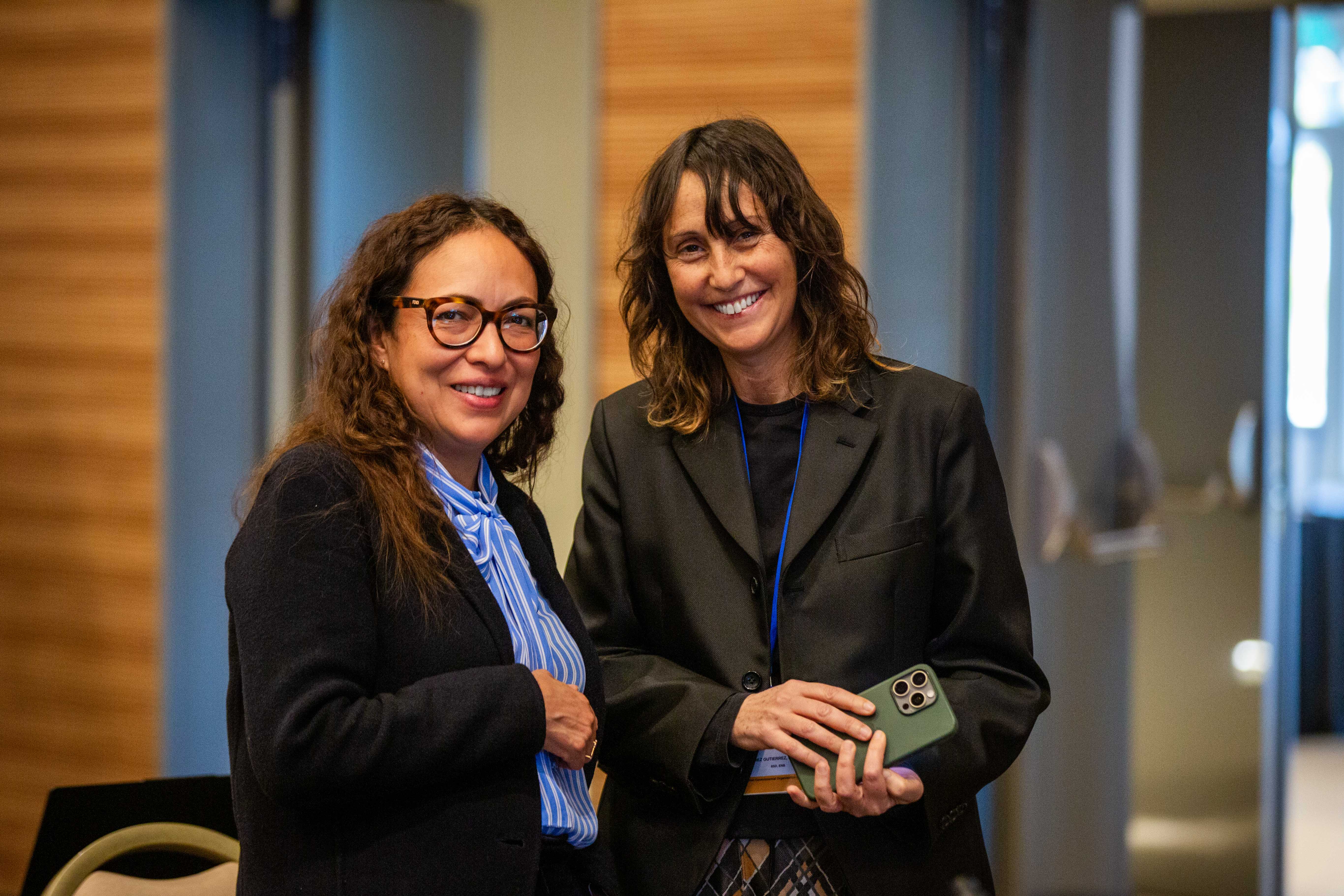
Lorena Alvarado Quezada, Mexico, and María Gutiérrez, Earth Negotiations Bulletin
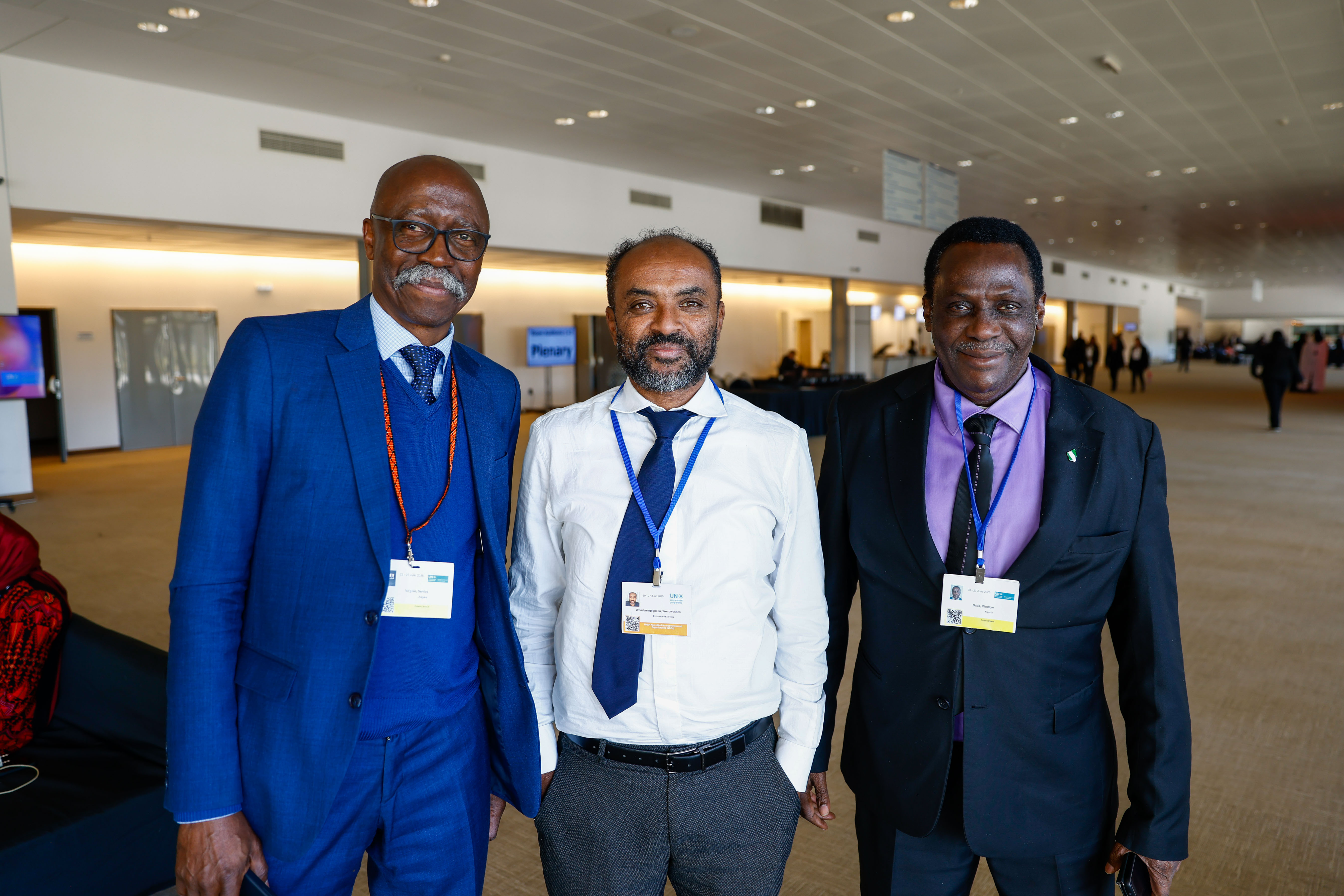
Santos Virgilio, Angola, Wondwossen Wondemagegnehu, Ethiopia, and Oludayo Dada, Nigeria
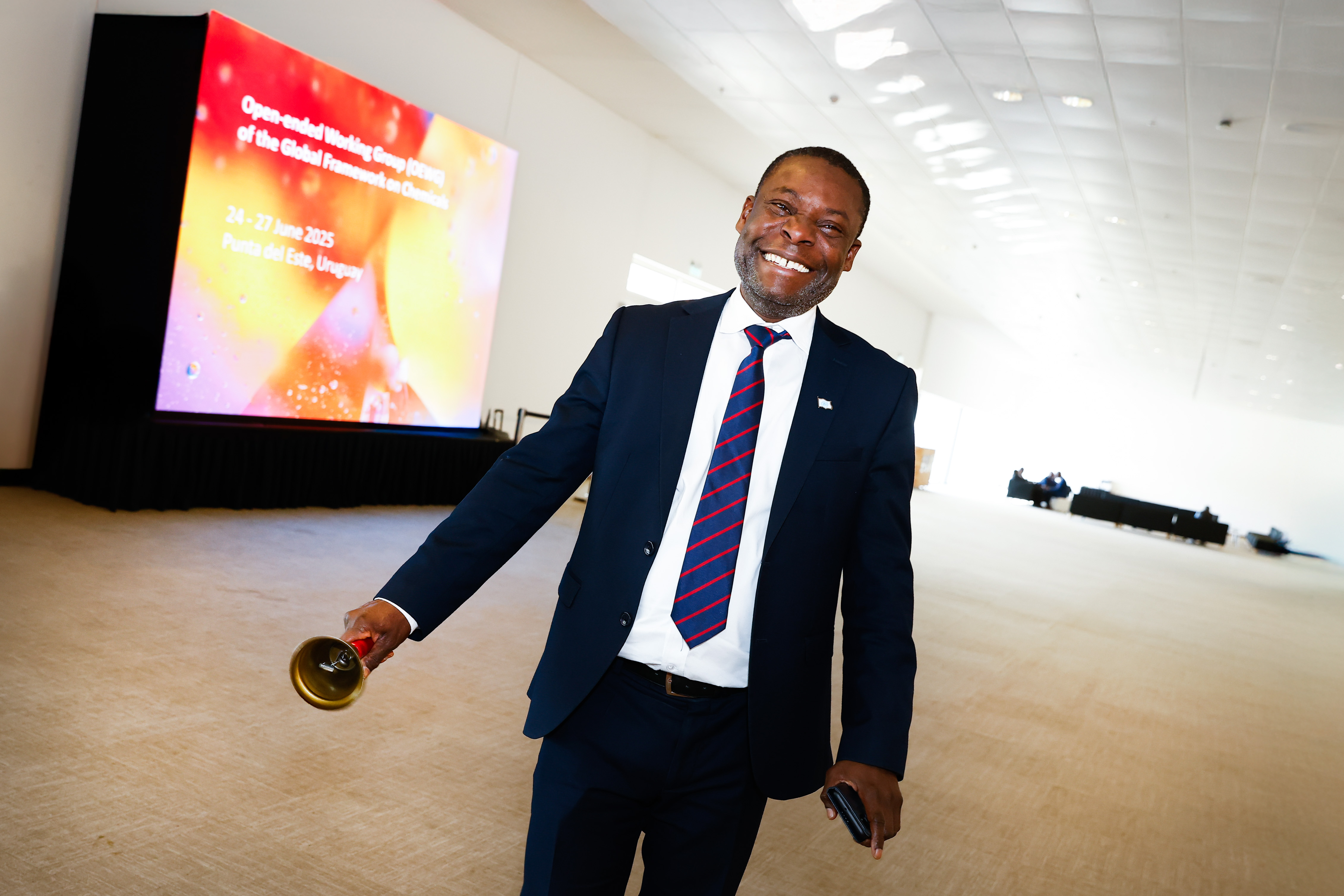
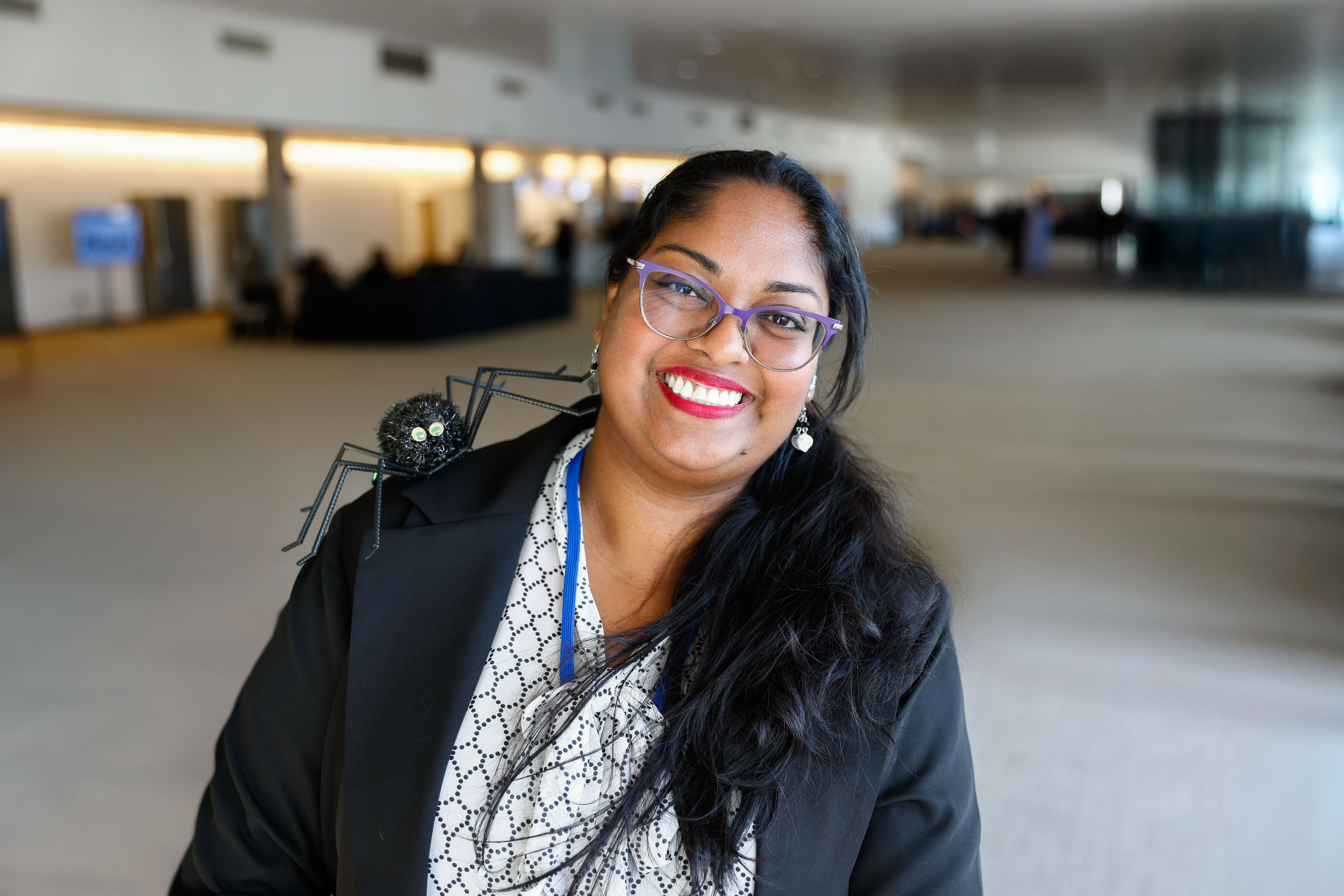
Delena Indar, UN Institute for Training and Research (UNITAR)
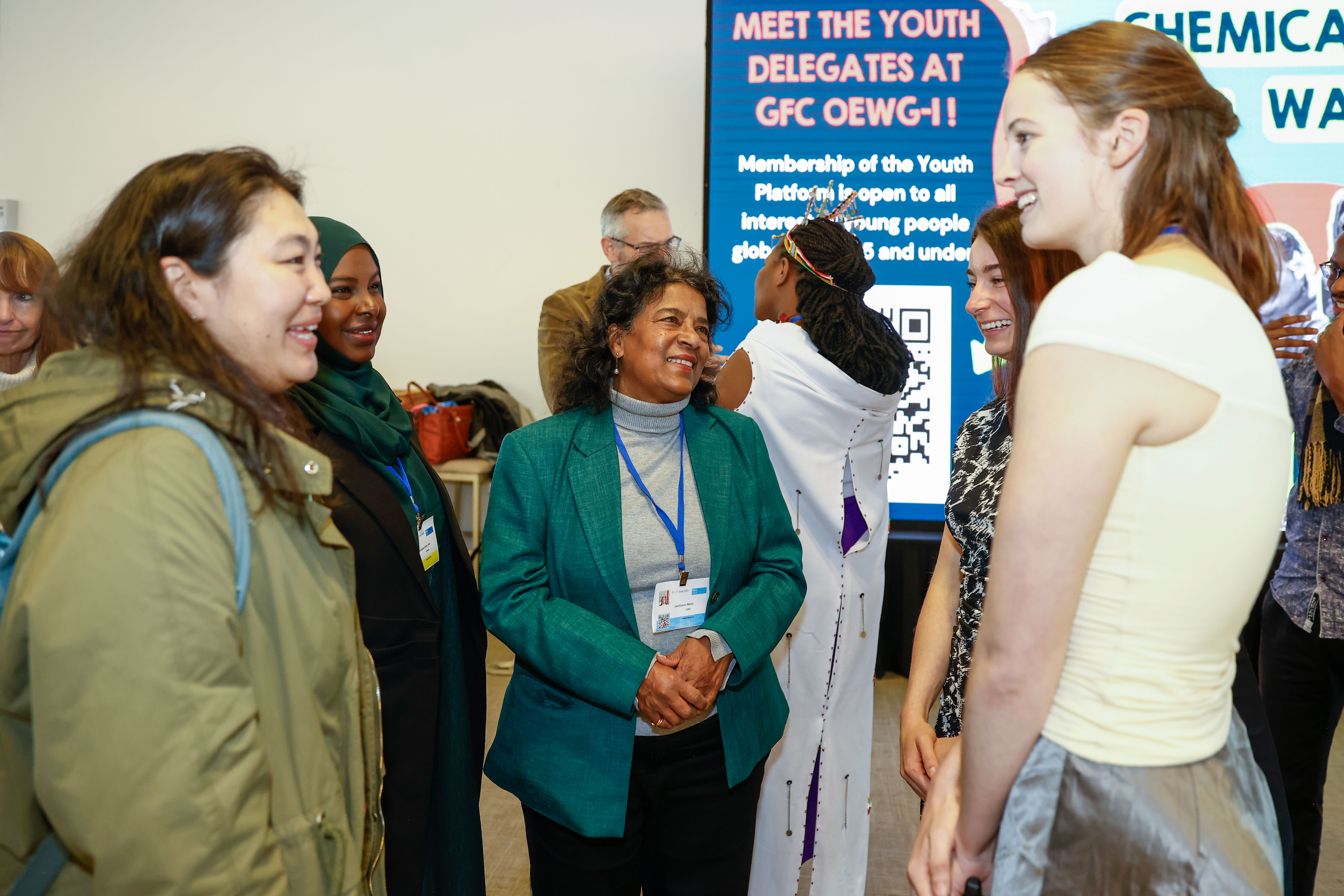
Meera Laurijssen, UNEP, meets Children and Youth delegates
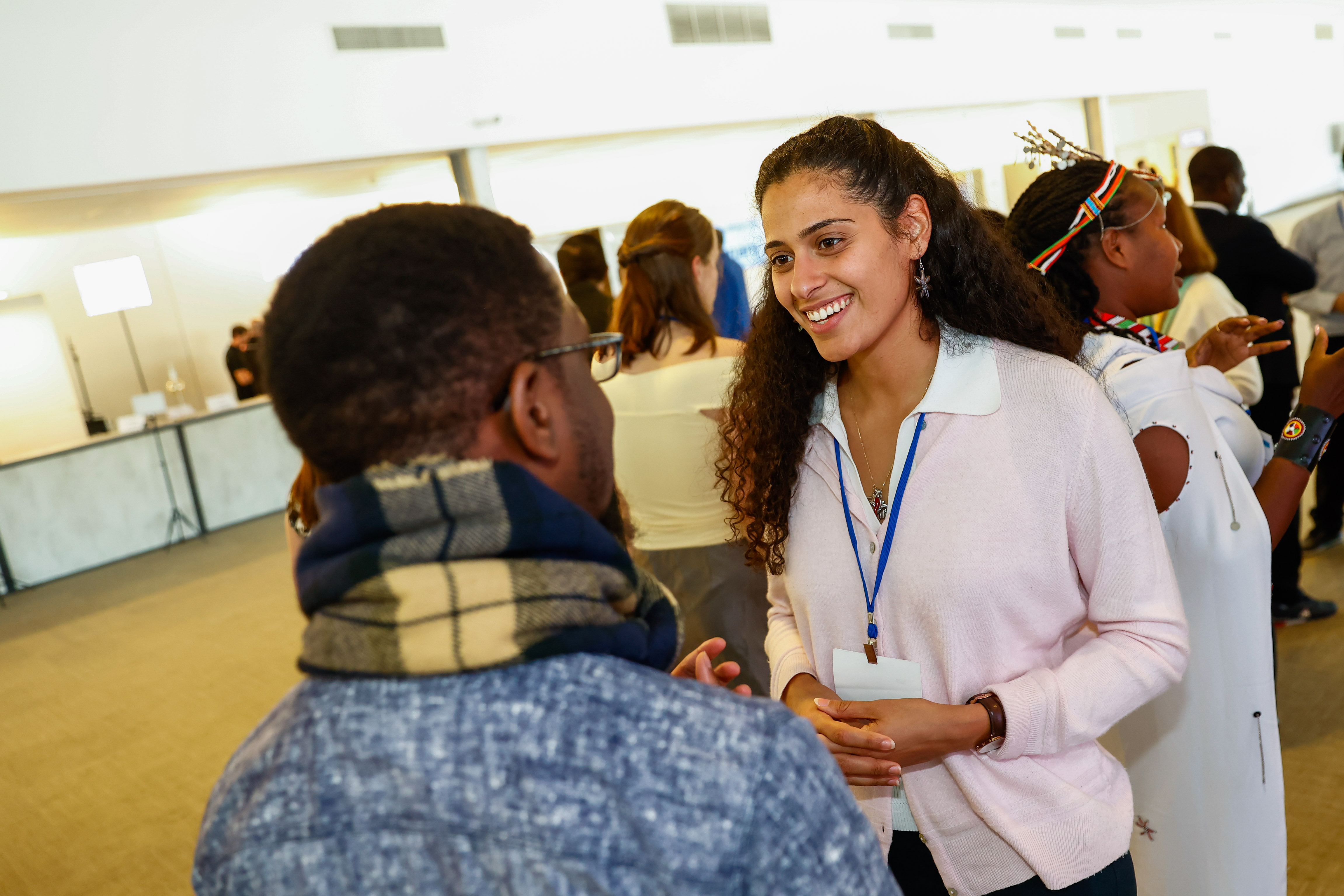
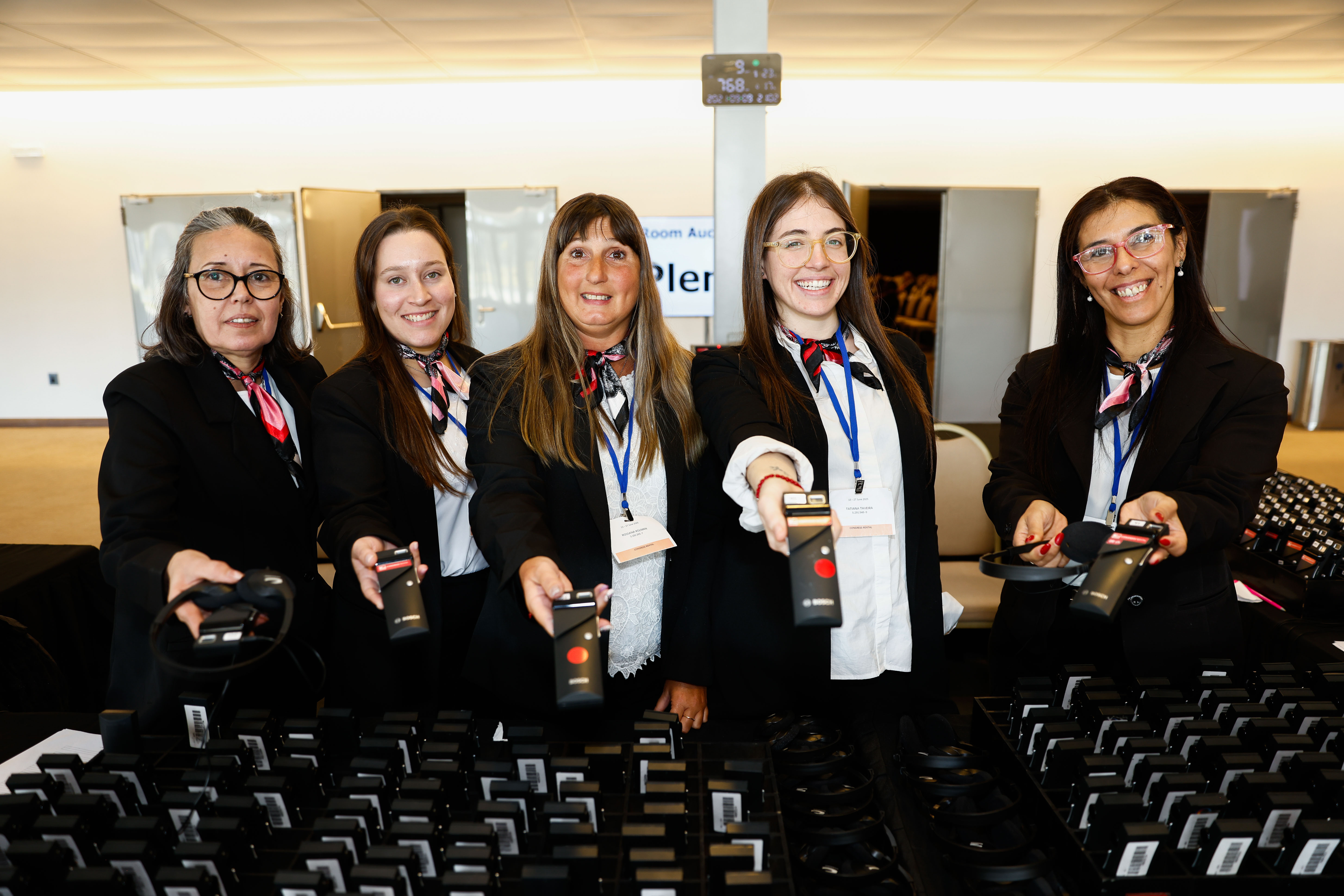
Conference support staff
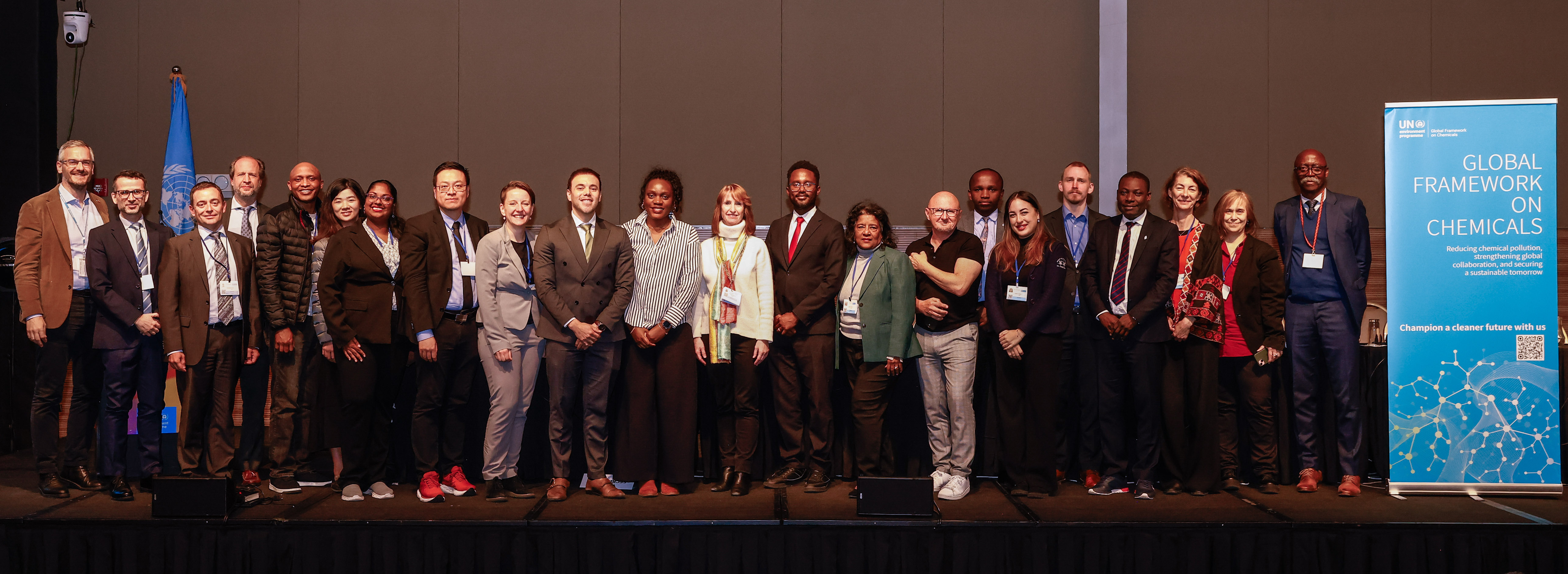
The Secretariat poses for a family photo