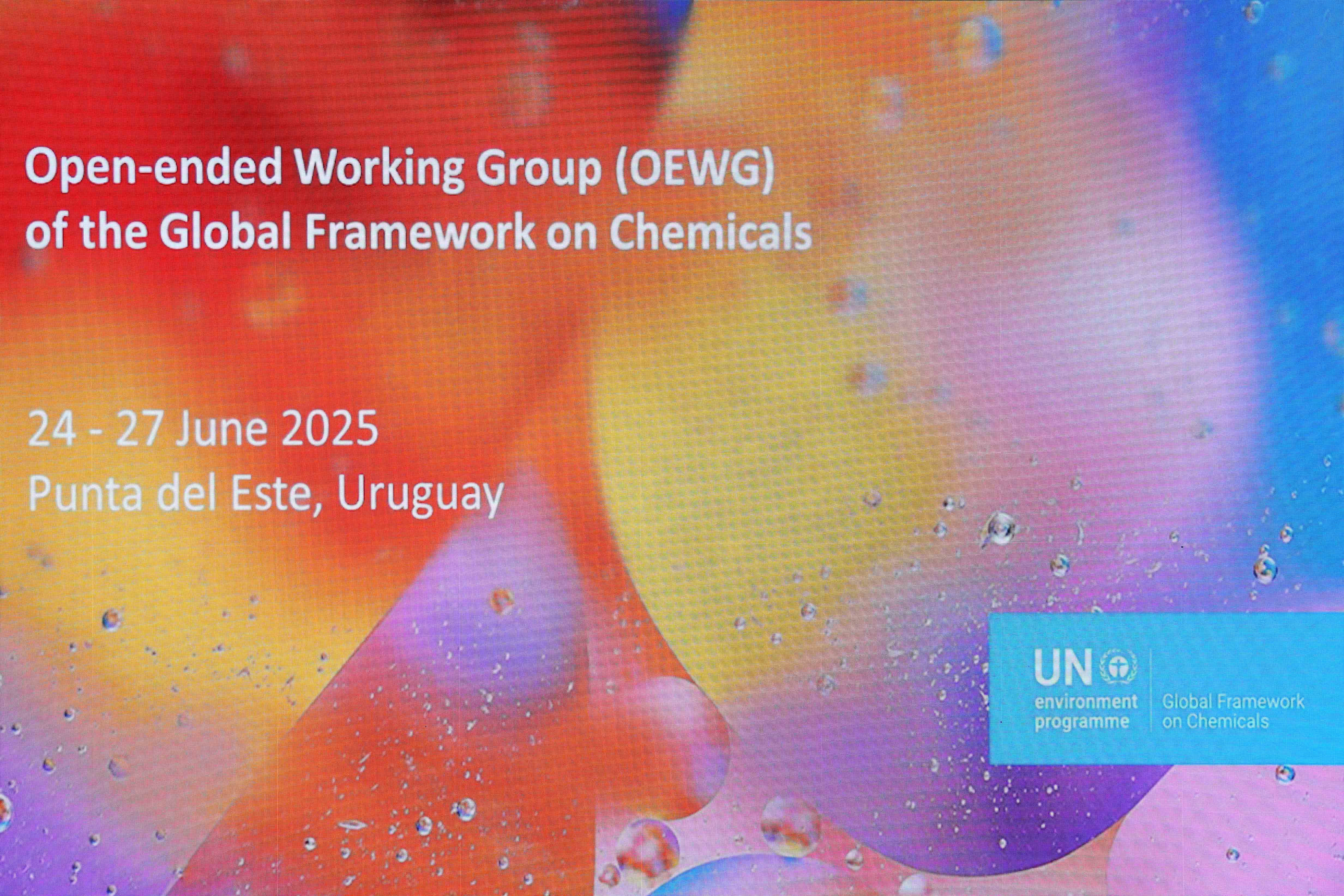
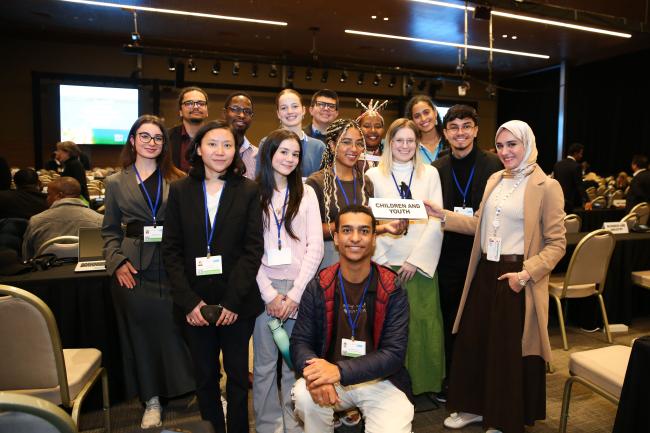
The second day of the first meeting of the Open-ended Working Group (OEWG 1) of the Global Framework on Chemicals (GFC) held lively discussions on issues for collective action by stakeholders. Delegates also debated guidelines for GFC national focal points, measurability structure and indicators, and the Framework’s relationship with health surveillance systems.
Discussions focused on the launch of a new global alliance on highly hazardous pesticides (HHPs) and on which “issues of concern” (IoCs) would be spotlighted under the GFC. On the former, the Food and Agriculture Organization of the UN (FAO) briefed the OEWG on the task force set up to drive forward the process of establishing the alliance. Some countries expressed concern about duplicating the work of other multilateral fora, while others stressed the need to launch it soon to fulfill the mandate of the GFC Resolution on HHPs. Several delegates reiterated calls for phasing out HHPs, and some, for banning their export from countries that have banned them from their domestic markets.
As for IoCs, the OEWG considered recommendations from the Inter-Organization Programme for the Sound Management of Chemicals (IOMC) on which issues held over from the GFC’s predecessor, the Strategic Approach to International Chemicals Management (SAICM), should be kept, expanded, dropped, or eventually integrating the IoCs of: Chemicals in products, Hazardous substances within the life cycle of electrical and electronic products, and Environmentally persistent pharmaceutical pollutants into sectoral Implementation Programmes. The IOMC proposed:
- dropping nanotechnology/nanomaterials;
- expanding lead in paint to all lead exposures;
- keeping HHPs as an IoC until the new global alliance "gains momentum”;
- eventually integrating the IoCs of Chemicals in products, Hazardous substances within the life cycle of electrical and electronic products, and Environmentally persistent pharmaceutical pollutants, into sectoral Implementation Programmes; and
- keeping Handling perfluorinated chemicals and Endocrine-disrupting chemicals much as they were under SAICM.
Switzerland, Brazil, and several civil society organizations opposed dropping nanomaterials as an IoC. Most delegates welcomed the idea of expanding the focus on lead exposure and the IOMC’s proposal to integrate the three IoCs into sectoral Implementation Programmes. Delegates formed a contact group to continue discussions on IoCs outside of plenary. The group met in the late afternoon and discussed each issue in turn.
Regarding measurability and indicators, the co-chairs of an ad hoc group working on this since the adoption of the GFC reported on their current work on:
- streamlining existing indicators;
- developing a high-level indicator on the global environmental burden attributable to chemicals and waste; and
- identification and assessment of thematic and sector-specific indicators.
Delegates created an informal group to help the ad hoc group identify gaps in international reporting schemes.
On proposed guidelines for the GFC’s national focal points (NFPs), some participants urged revision of the guidelines to reflect national realities. Several underscored the need to include representatives from health, environment and labor ministries in NFPs in order to be faithful to the multisectoral spirit of the GFC.
Delegates also addressed health surveillance systems, highlighting the World Health Organization’s updated Chemicals Road Map for an enhanced global response to the adverse health effects of air pollution, which aims to cut deaths attributed to poor air quality by 50% by 2040.
During the lunch break a side event was held to further discussion on HHPs and perfluorinated chemicals. In addition, participating delegates were treated to a “master class” on data transparency and traceability through the value chain.
To receive free coverage of global environmental events delivered to your inbox, subscribe to the ENB Update newsletter.
All ENB photos are free to use with attribution. For this event, please use: Photo by IISD/ENB - Natalia Mroz.
Plenary
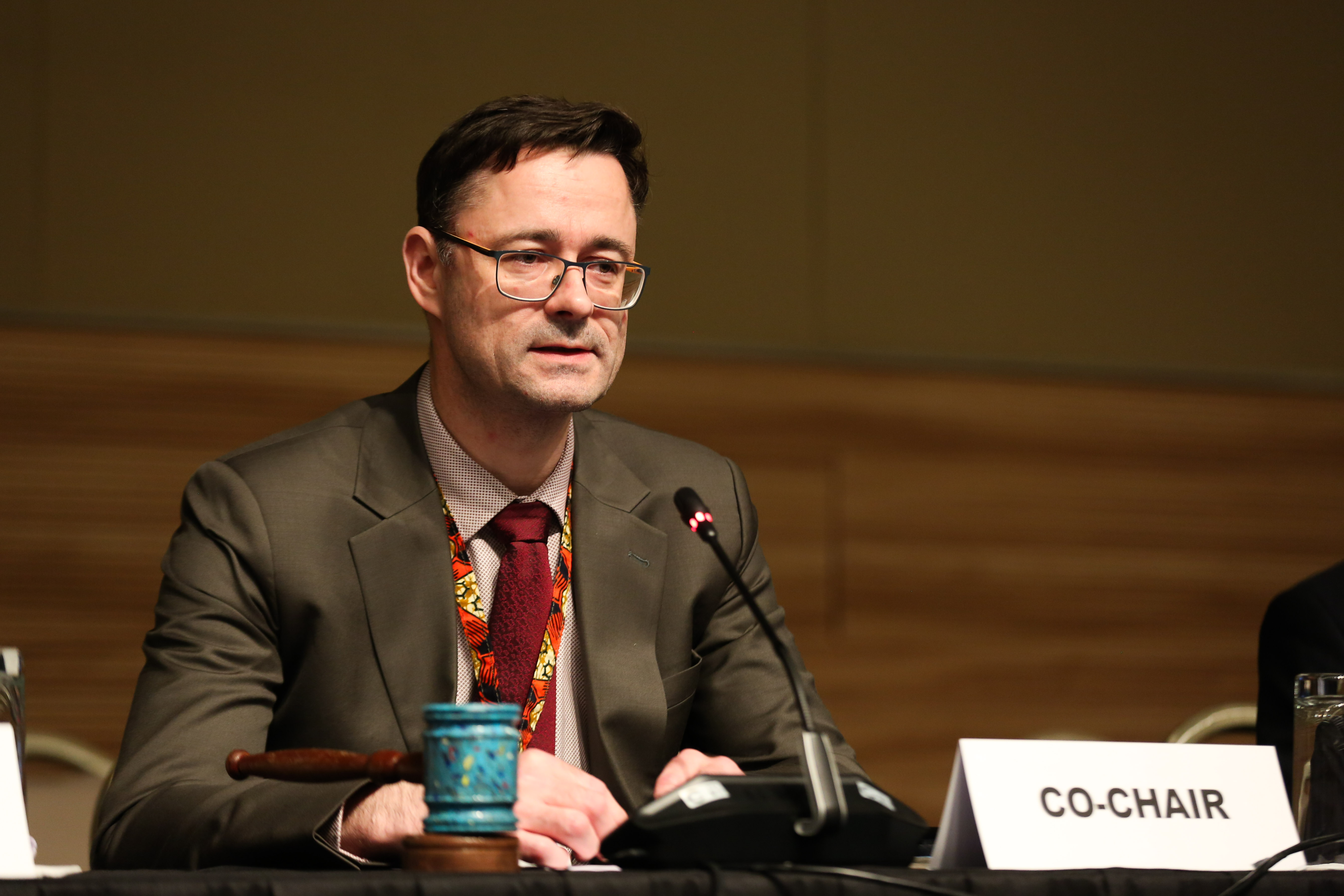
OEWG Co-Chair Přemysl Štěpánek, Czechia
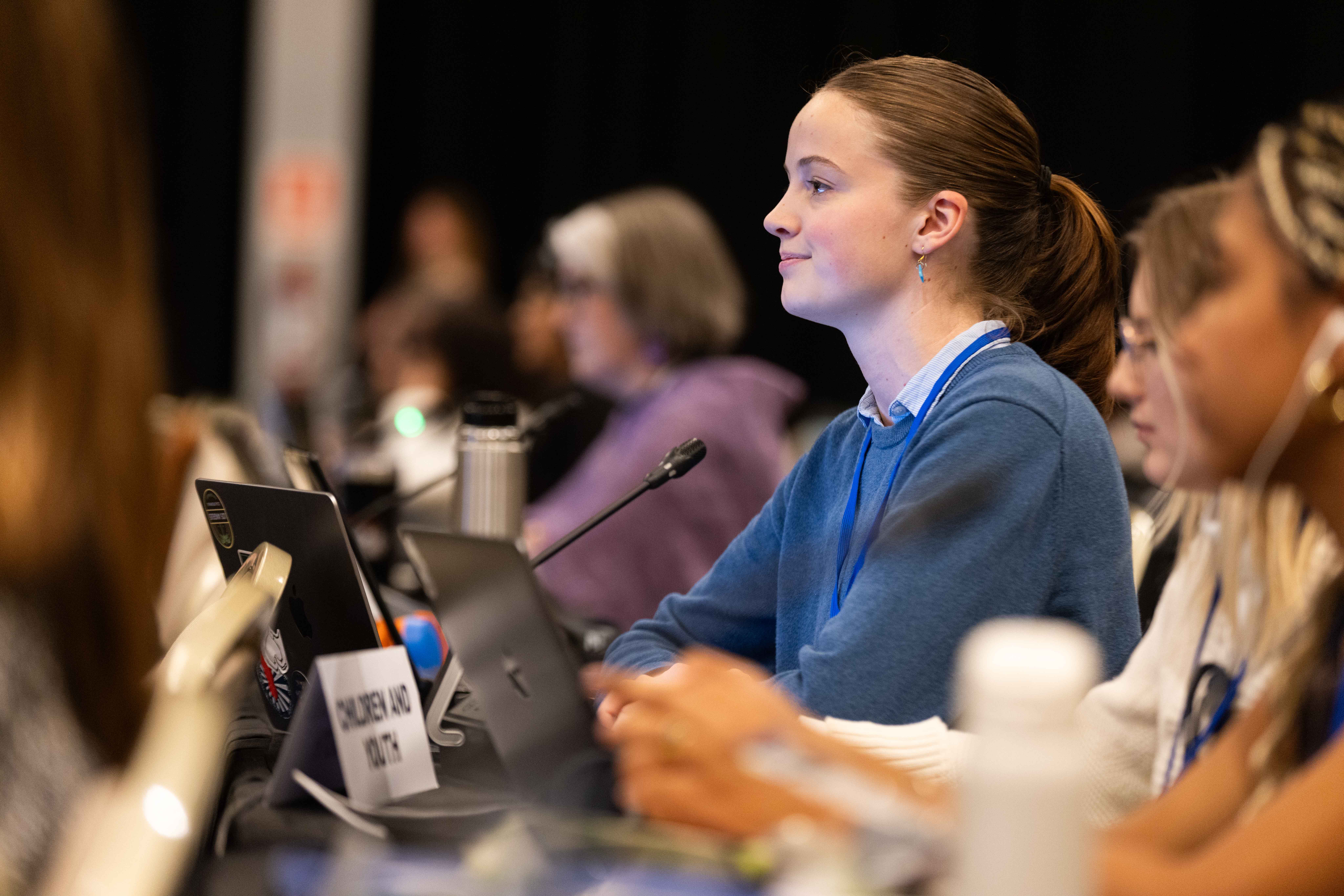
Eloise Stockton-Thomas, Children and Youth
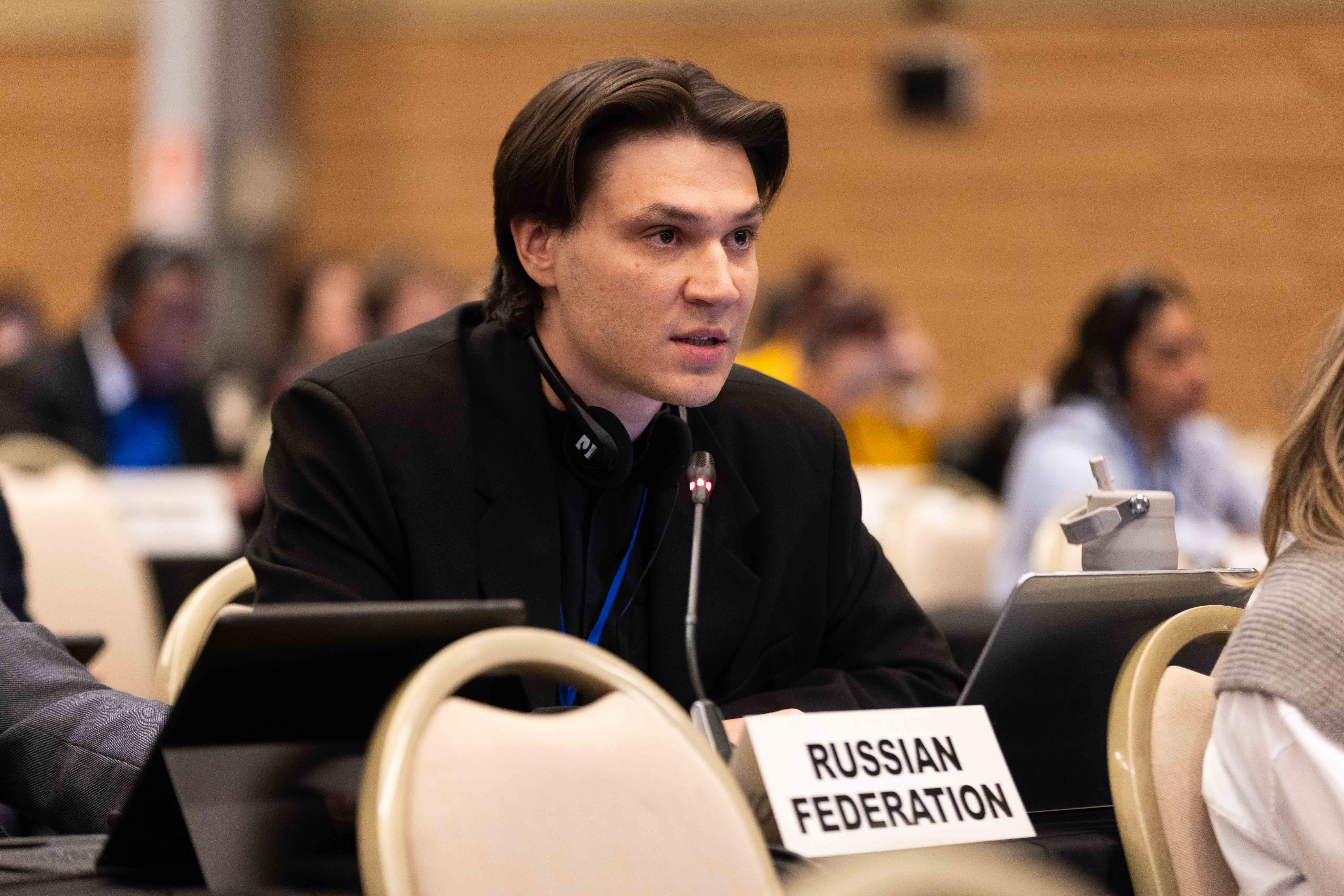
Georgii Balianov, Russian Federation
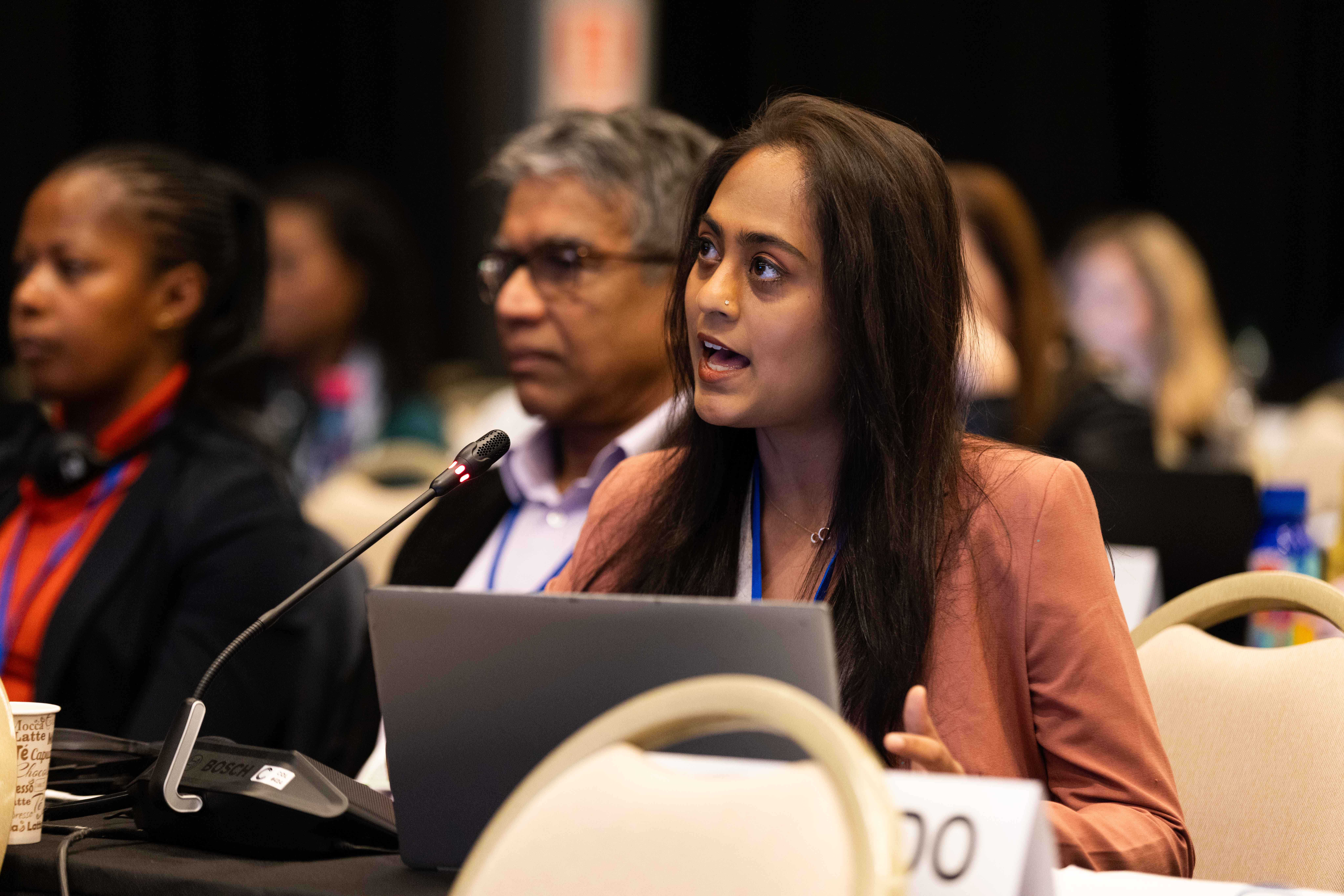
Shweta Dabholkar, Centre for Pesticide Suicide Prevention, University of Edinburgh, UK
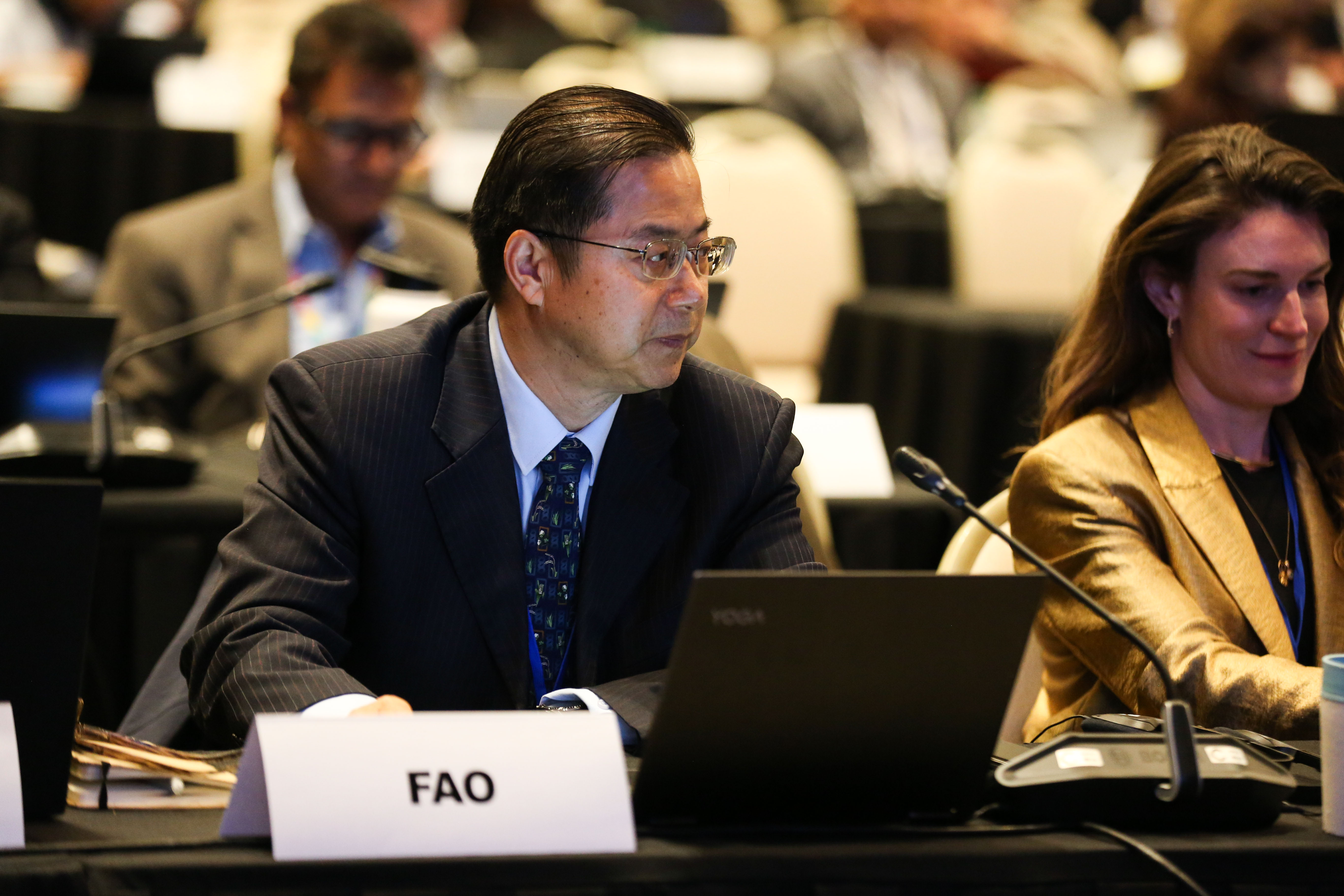
Baogen Gu, FAO
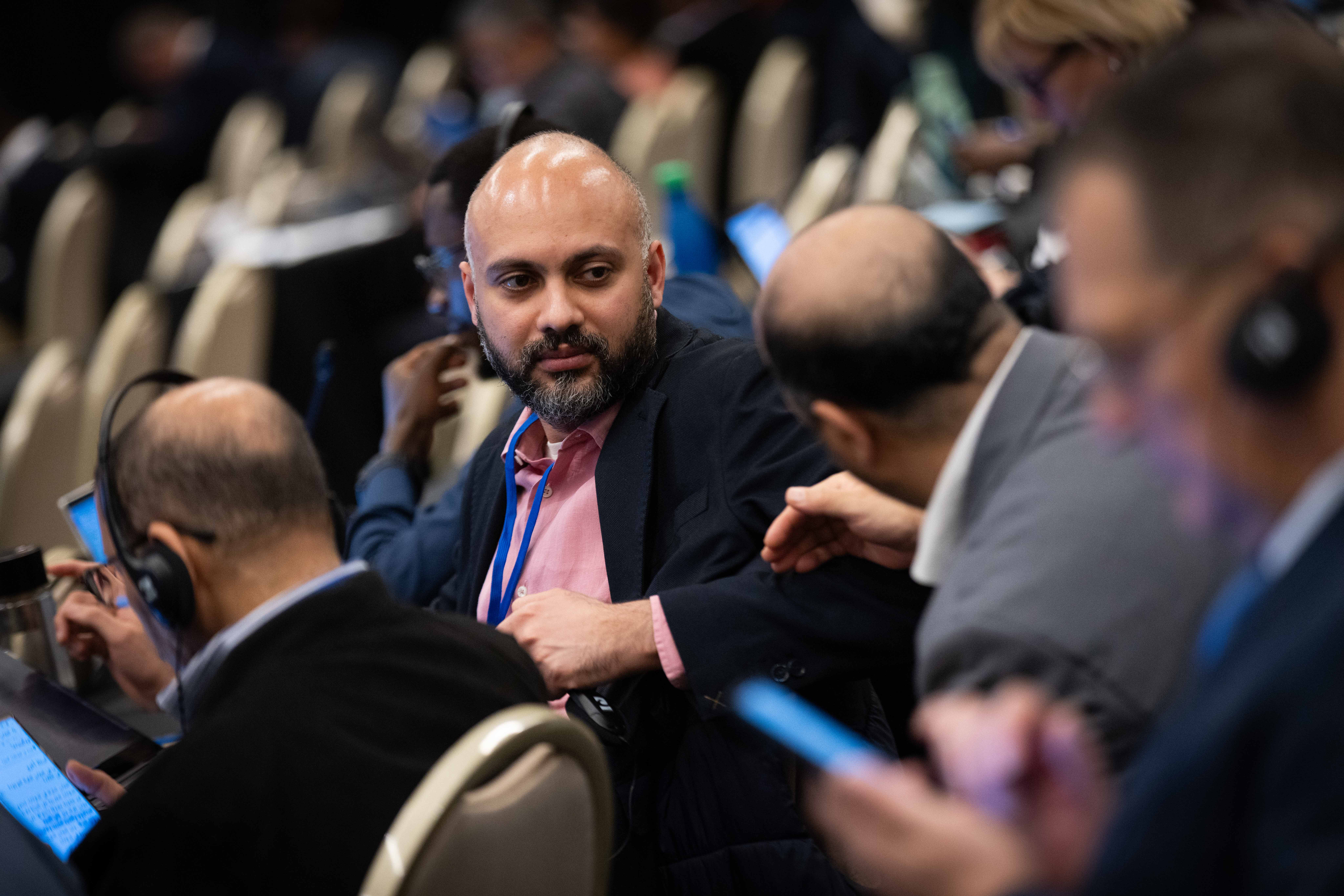
Nawaf Bilasi, Saudi Arabia
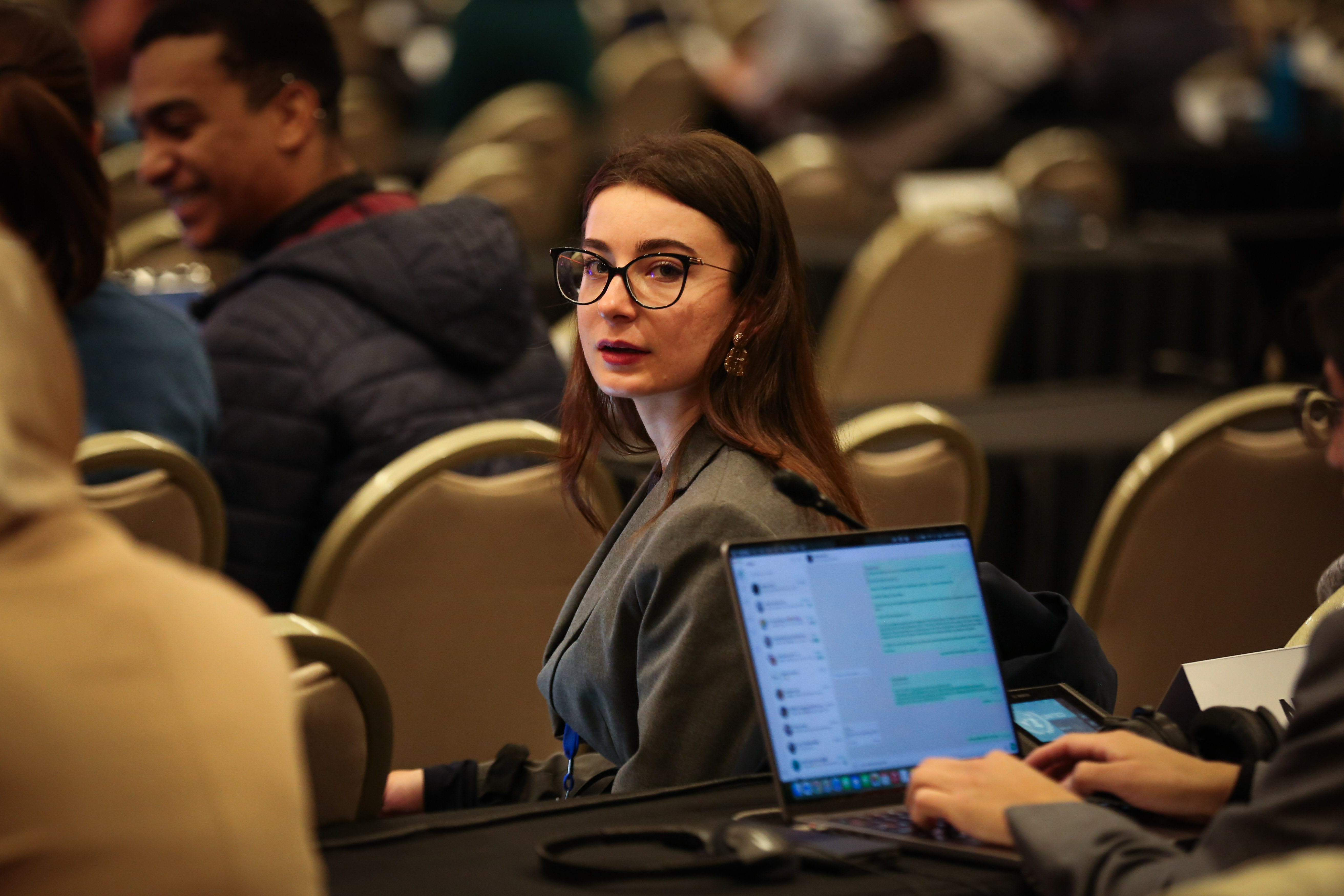
Natálie Šelleová, Chemicals and Waste Youth Platform
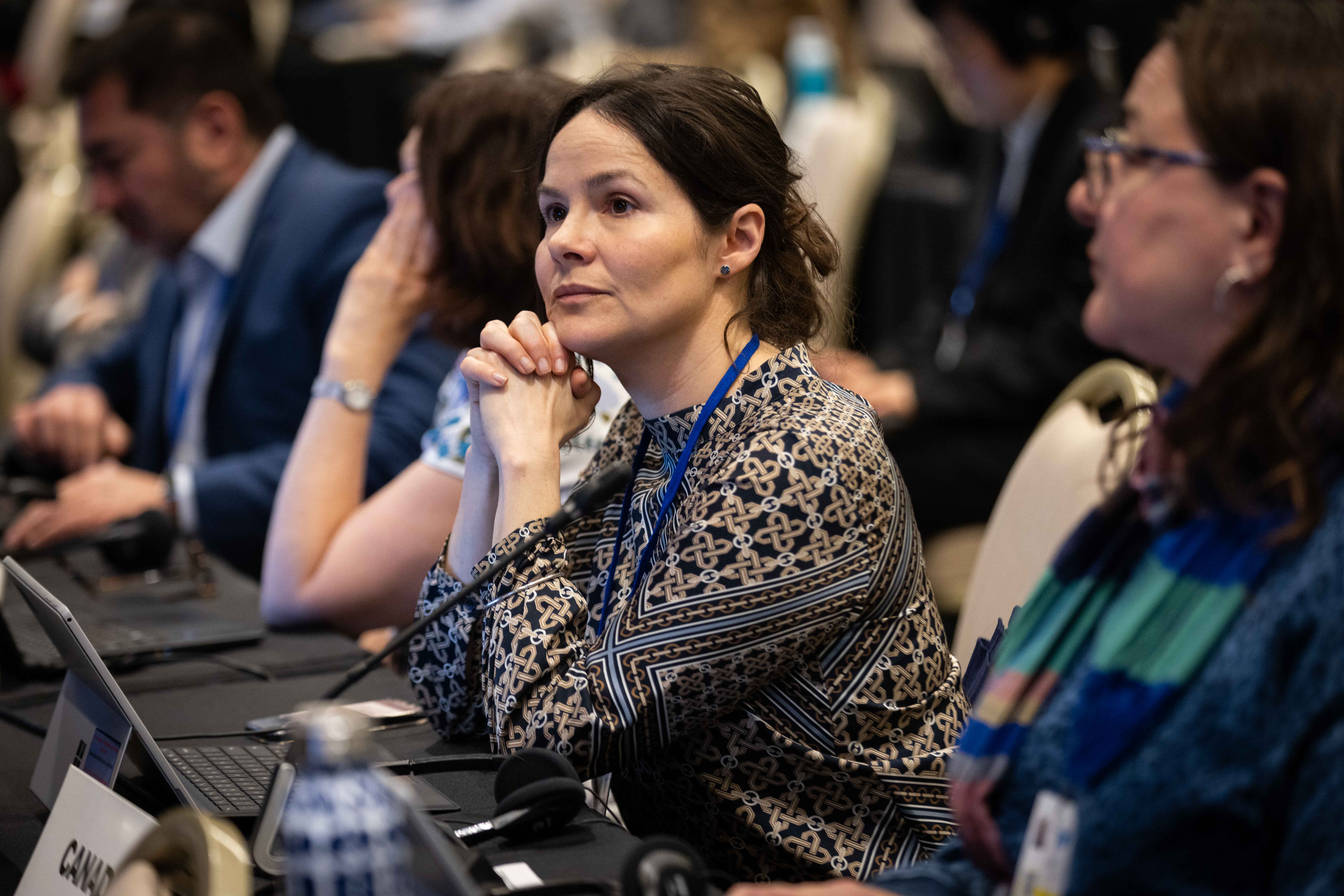
Miranda MacPherson, Canada
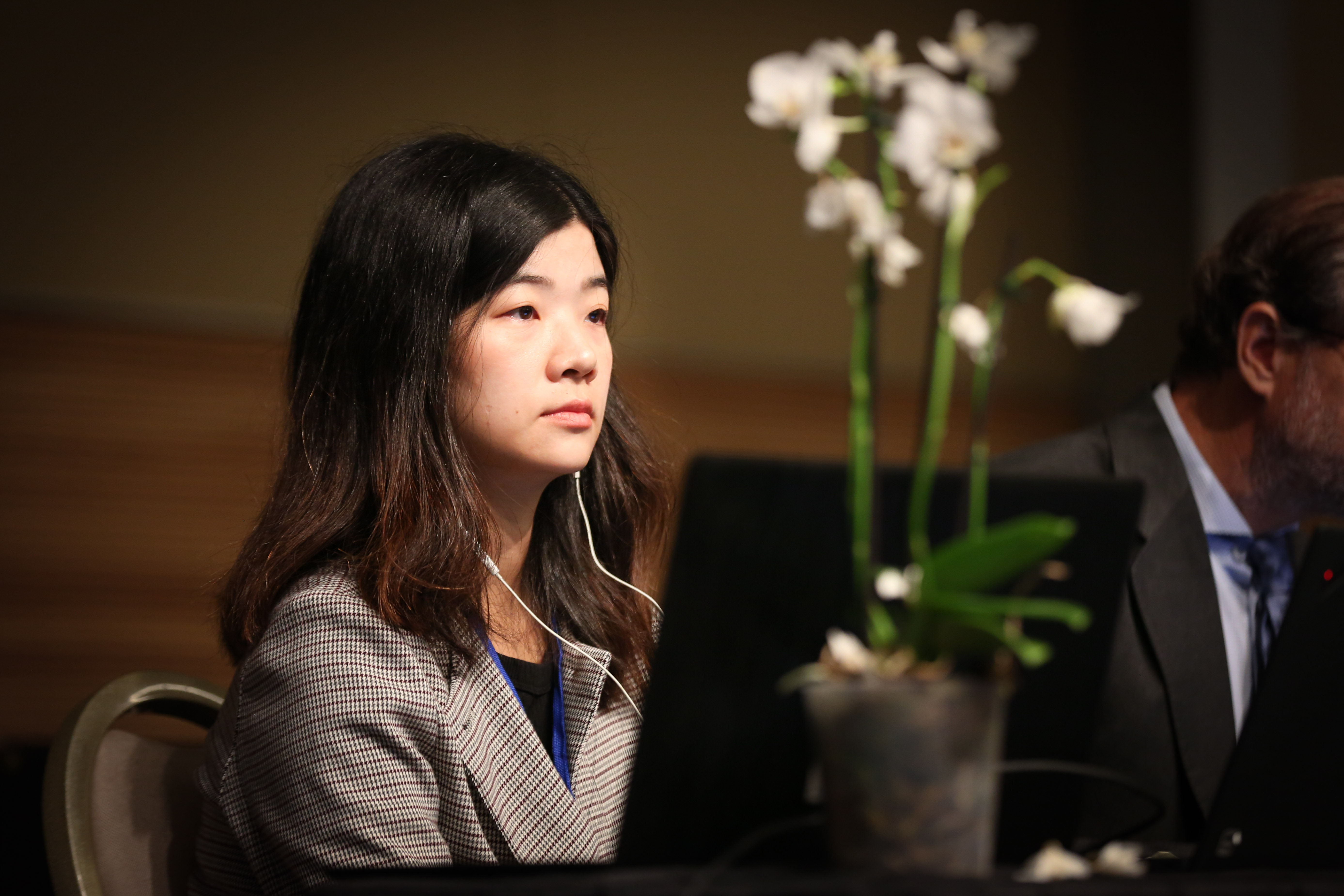
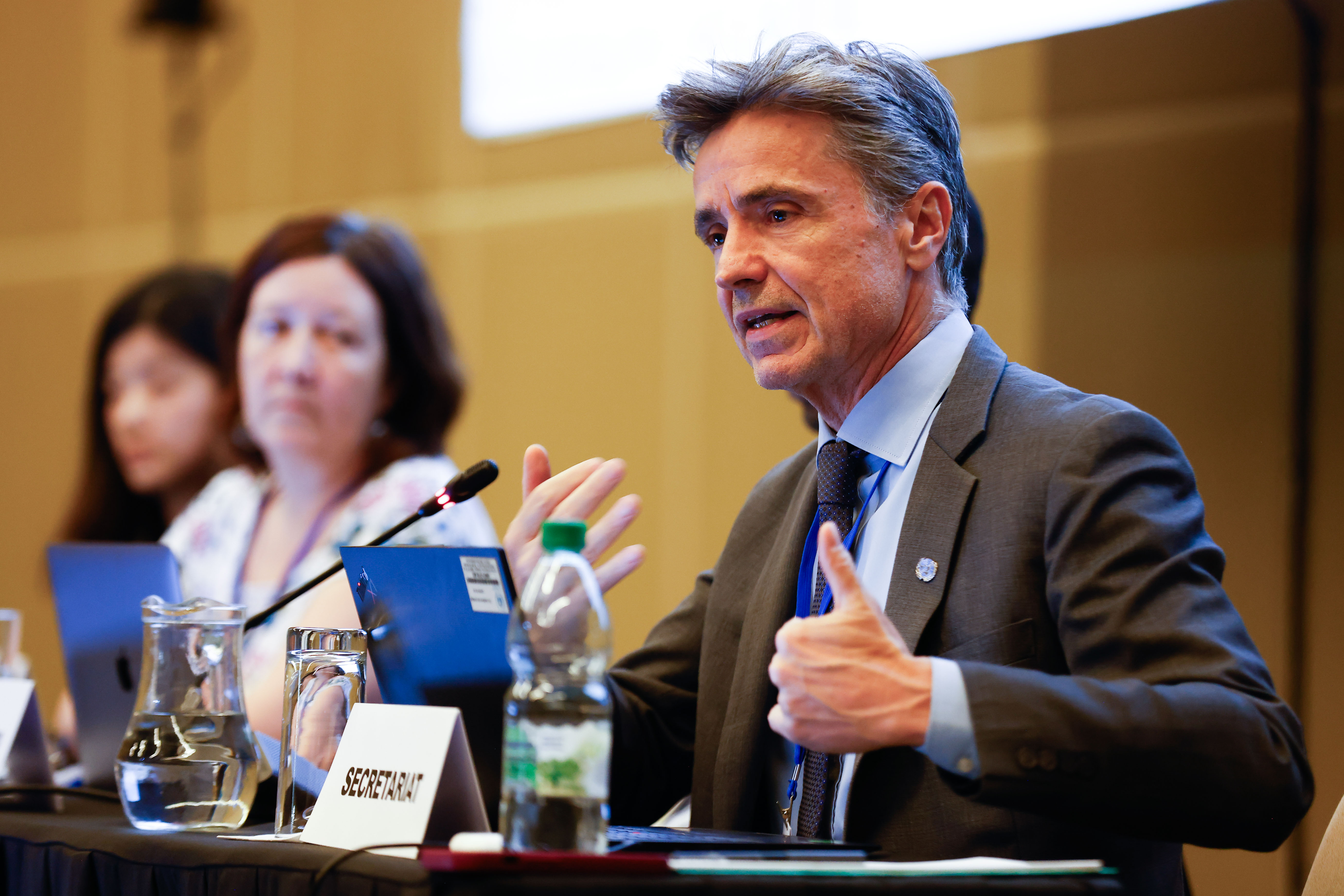
Kaai Tung Chan, Secretariat
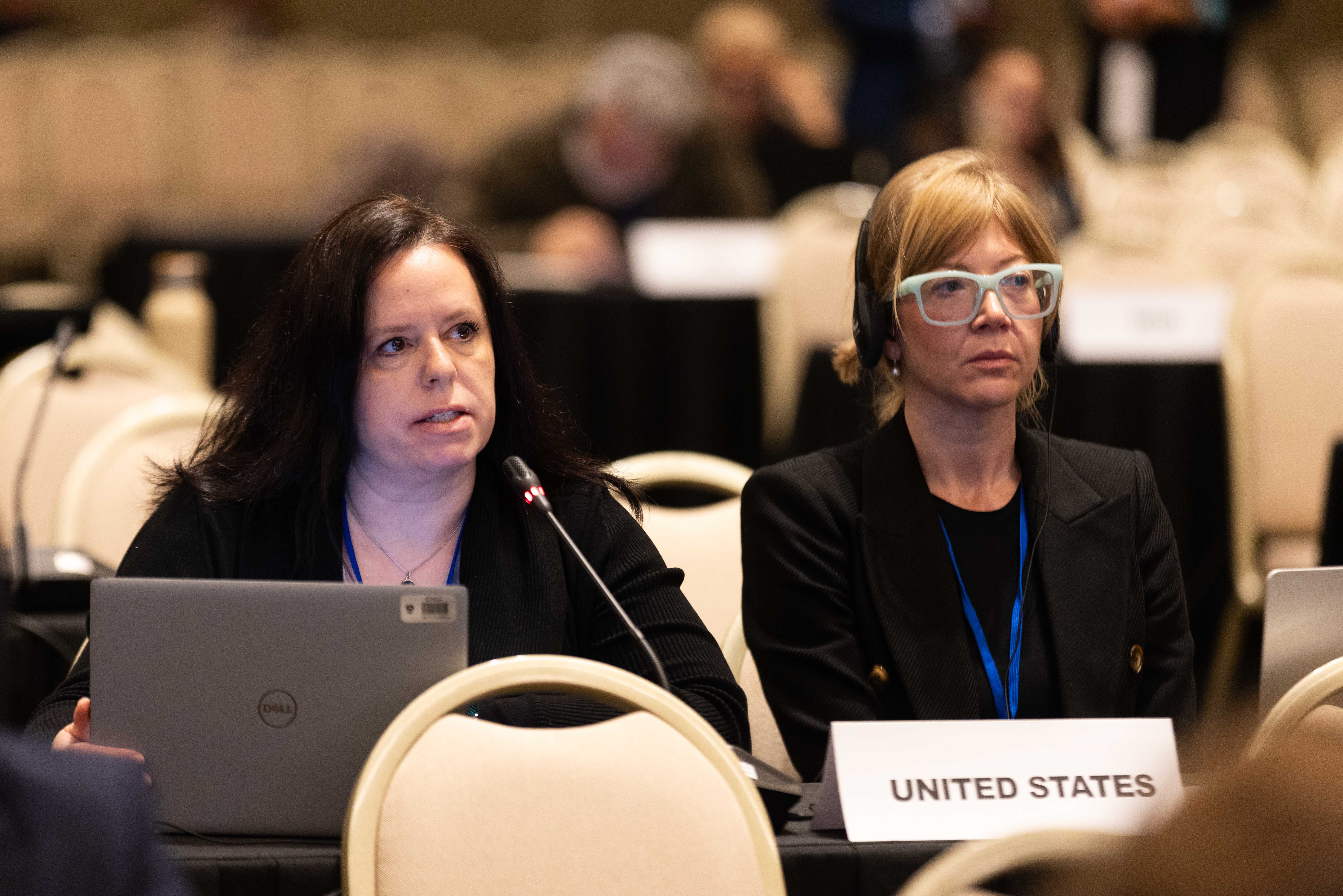
Laura Nazef and Elizabeth Nichols, United States
Mamaboloka Kibiti, Lesotho
Ola Alhaj, Chemicals and Waste Youth Platform
Samia Gharbi, Association d'Education Environmentale
Representative of the German NGO Forum on Environment and Development
Contact Groups
Lamin Jaiteh, the Gambia, Co-Chair of the contact group on Issues of Concern
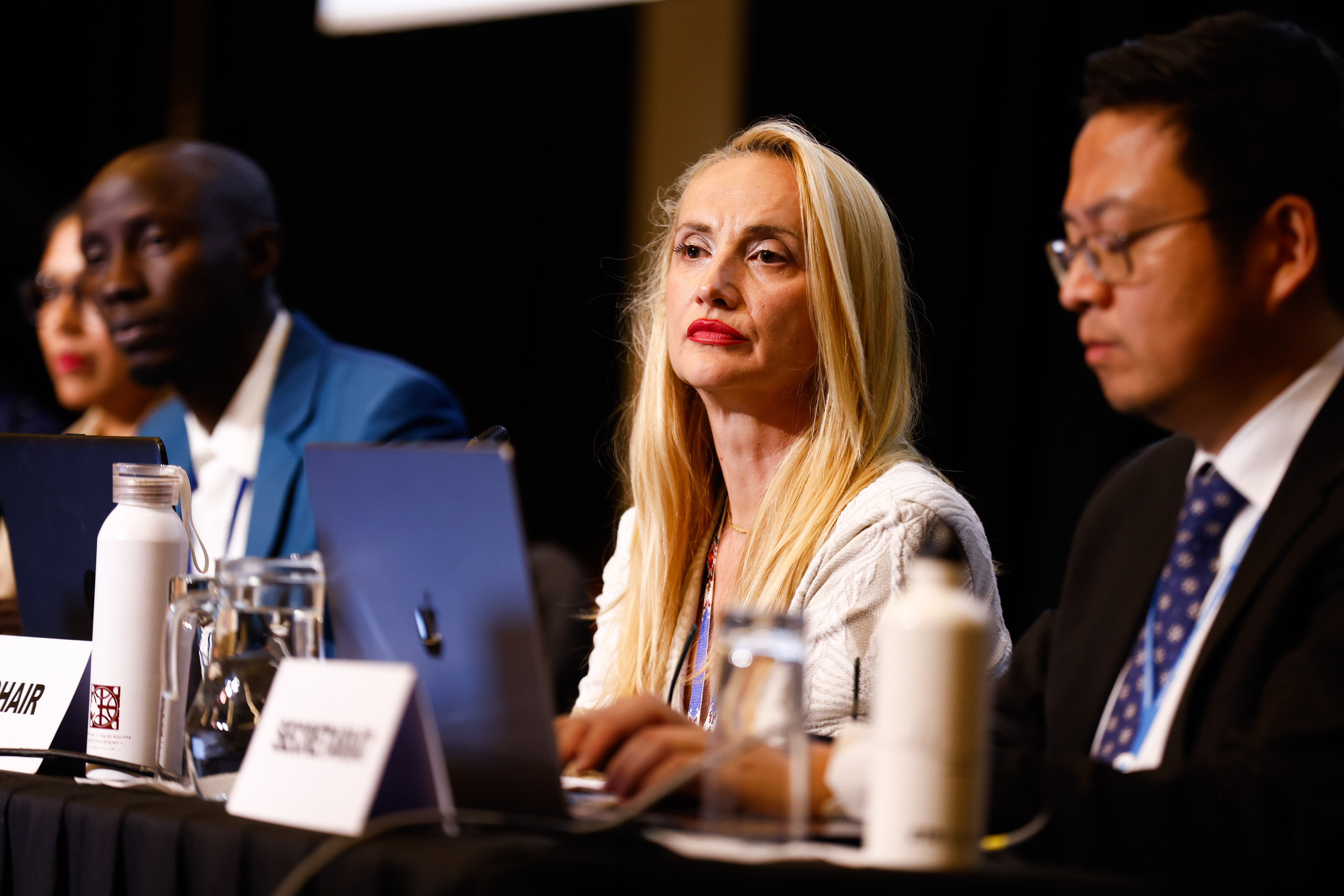
Dzejna Milaković-Ramadani, Bosnia and Herzegovina, Co-Chair of the contact group on Issues of Concern
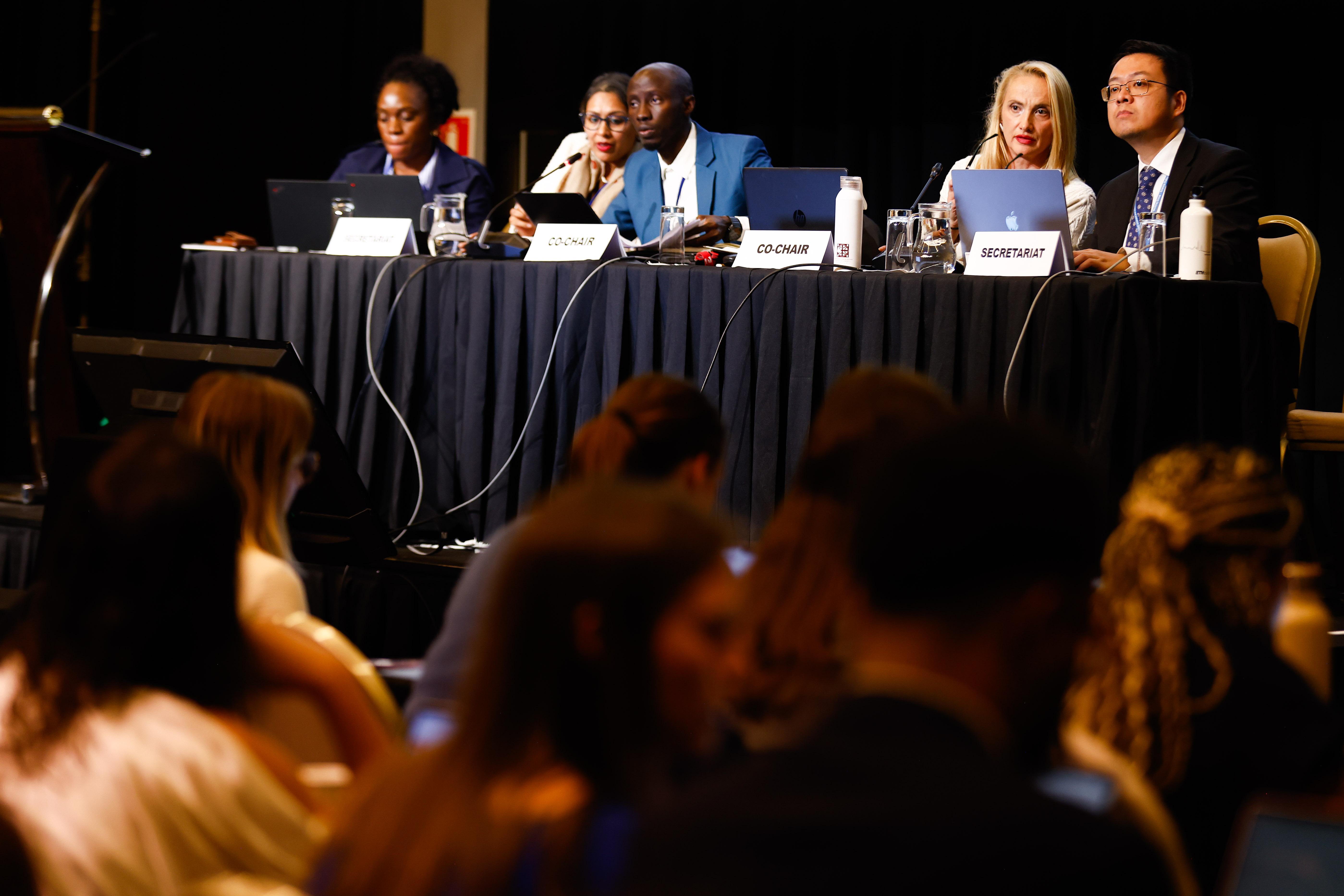
Co-Chairs and Secretariat of the contact group on Issues of Concern
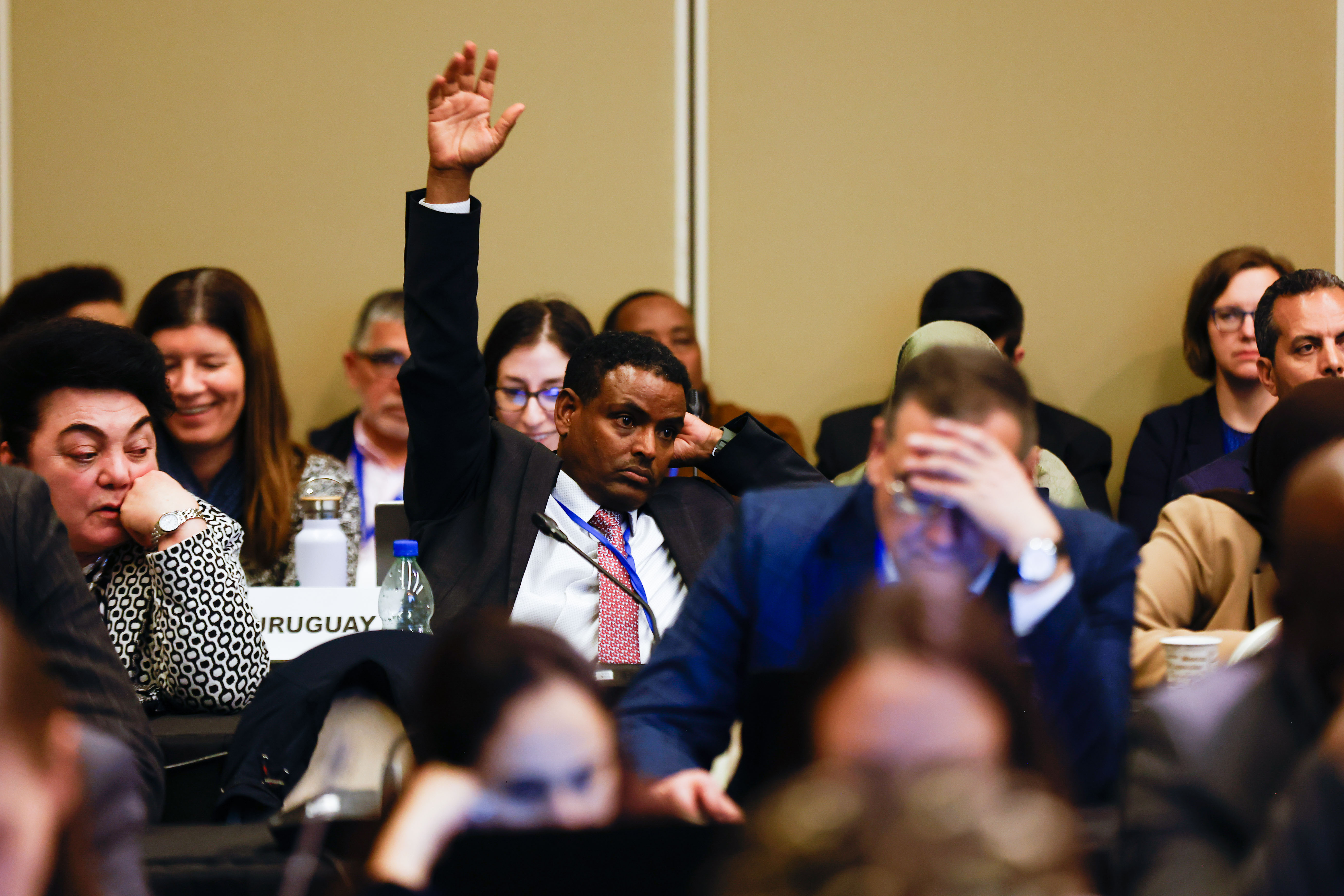
Intervention from the floor
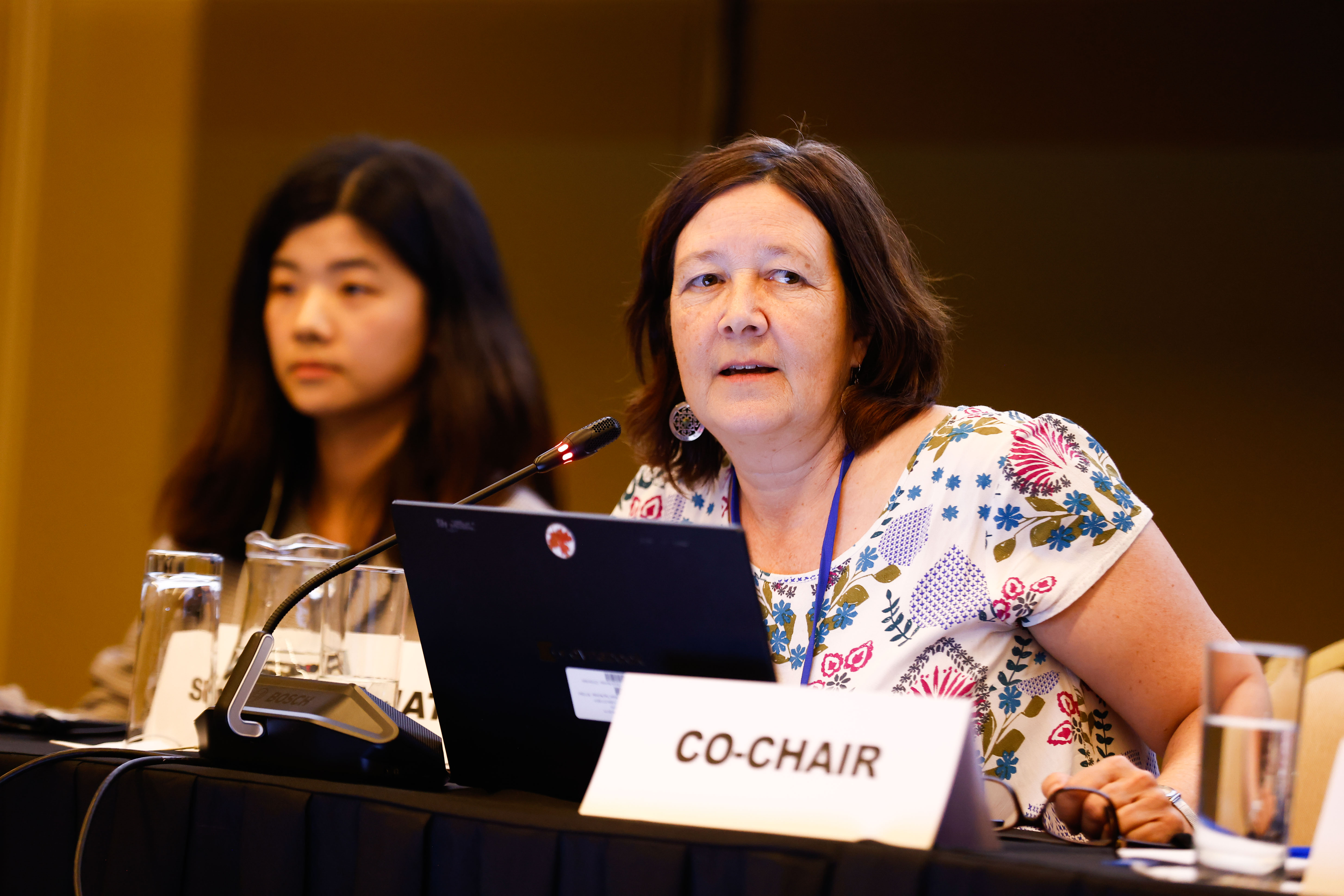
Isabelle Mayr, Canada, Co-Chair of the contact group on the programme of work and budget
Contact group on the programme of work and budget
Between Sessions