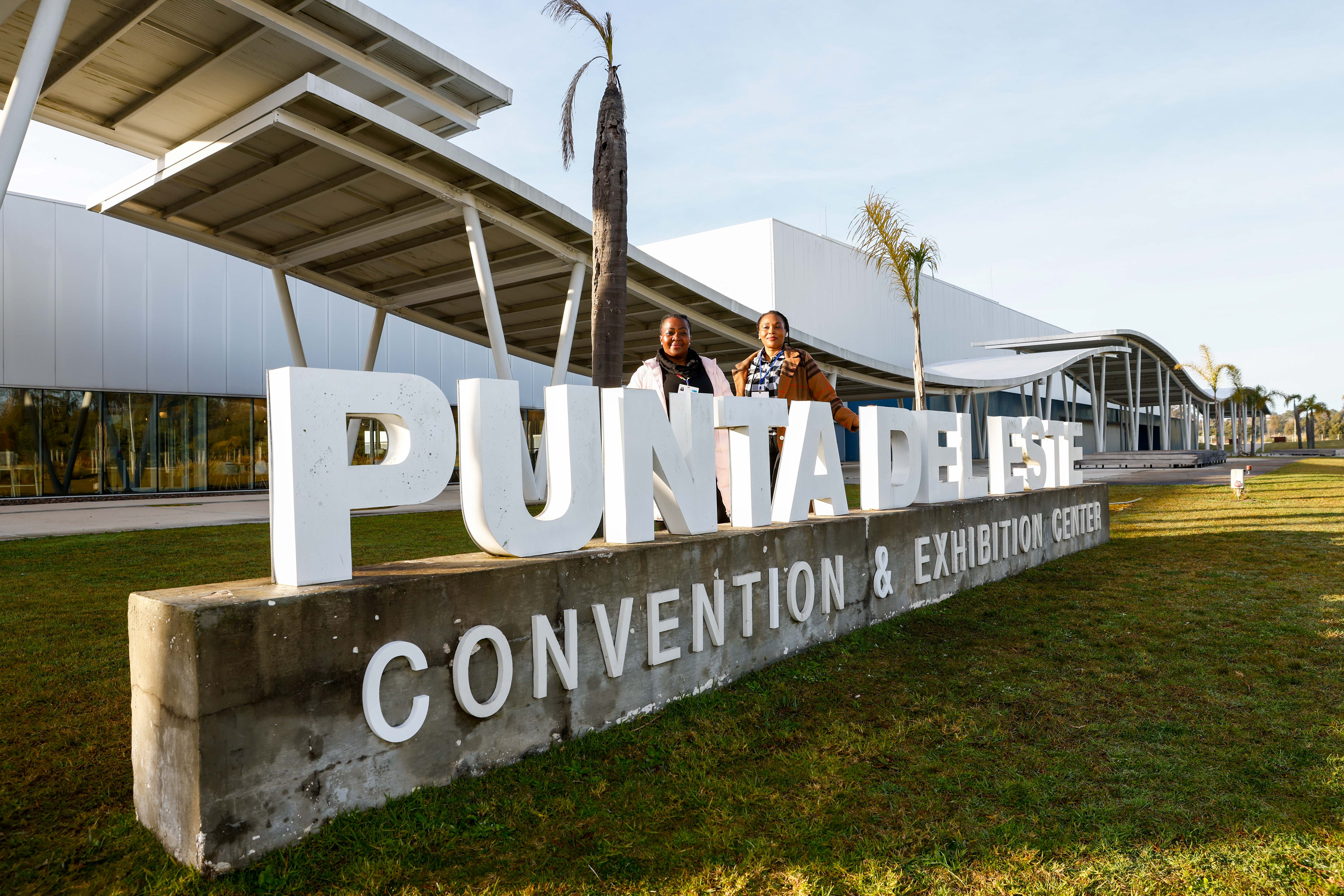
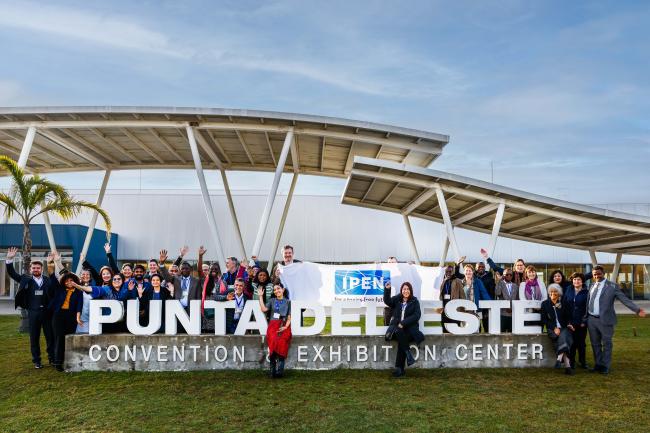
The third day of the first session of the Open-ended Working Group (OEWG) of the Global Framework on Chemicals (GFC) was Multi-Stakeholder Day, devoted to dialogues among all stakeholders about crosscutting issues in chemicals and waste management to foster sustainability and circularity along value chains. The sessions attempted to flesh out sector-specific programs for electronics, textiles, and health to be addressed in GFC implementation.
Morning sessions focused on thematic work streams and global workplan topics. In the “Knowledge-Sharing on Priority Chemicals of Concern” session, participants exchanged experiences on the listing of chemicals, which brought up questions regarding their ownership and maintenance, possibilities for dissemination across other sectors, monitoring and surveillance under relevant conditions of chemical use, and burden of proof of adverse effects.
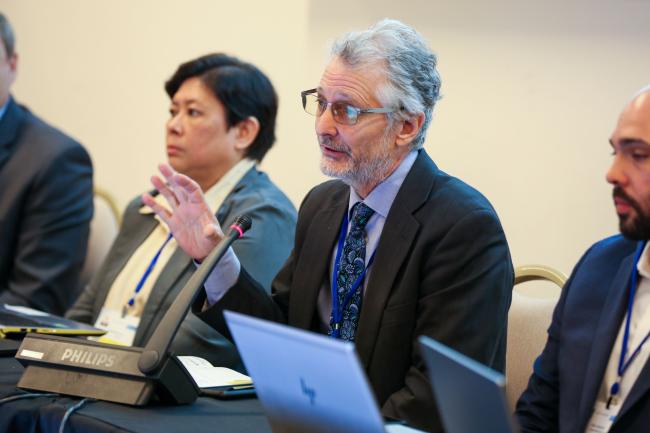
A session on “Transparency and Traceability Along Value Chains” discussed the possible role of safety data sheets (SDS) and explored how industry’s efforts to build traceability and information sharing on chemicals in the automotive and textile sectors. Panelists also discussed transparency needs, as well as gaps and challenges faced by developing countries and workers.
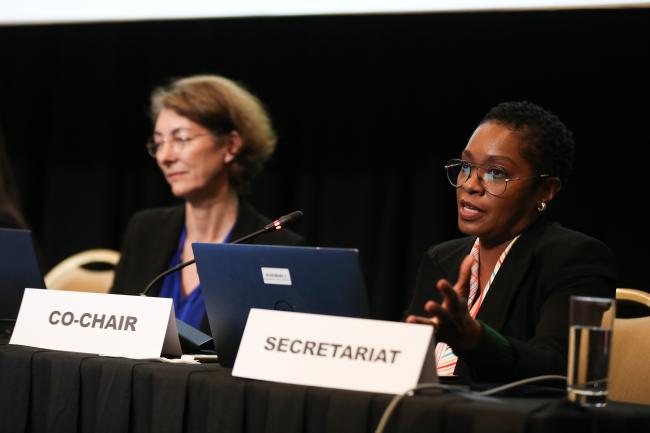
The session on “Disclosure and Reporting Standards/Frameworks” for improved traceability of chemicals use, risks and impacts across value chains, discussed possible next steps in advancing disclosure and reporting to support specific GFC industry sector programmes.

A session on “Green and Sustainable Chemistry Innovations and Solutions” aimed to inform stakeholders on the importance of green and sustainable chemistry and discussed how to facilitate its uptake in the context of the GFC.
The “Chemical Footprint Approaches” session explored different current approaches to chemicals footprint methodologies and tools, their strengths, and how they might be used in GFC Implementation Programmes.
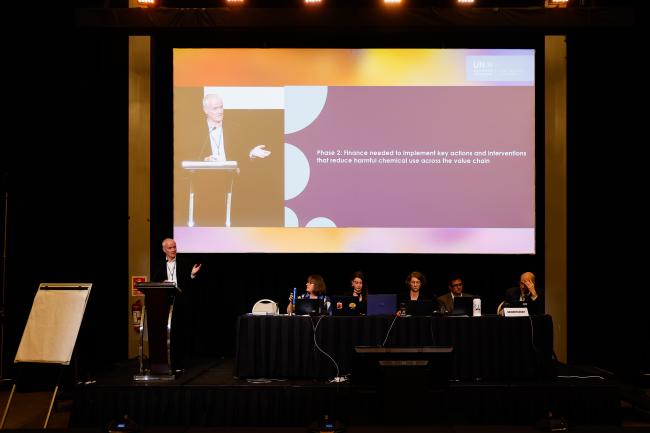
A “Private Sector Financing” session heard from the consultants producing the study for the GFC on assessing financial flows and financial needs across chemicals value chains, along with its case study of the cotton portion of the textiles value chain. They discussed the call, by 43 investors representing USD 4 trillion in assets under management, for chemicals companies to phase out highly hazardous chemicals. They also heard from a Dutch bank and the Global Environment Facility (GEF) on their efforts to prompt safer chemicals management in supply chains.
The lunch break featured master classes on chemical footprinting and on chemicals in the construction sector, a “fireside chat” on sustainable chemistry, and a discussion on integrating occupational health and safety in sector-specific Implementation Programmes.
Afternoon sessions focused on the three sectors chosen to be the first sector-specific subprogrammes under the planned Implementation Programme on value chains: electronics, textiles, and healthcare. Parallel workshops on each were held, followed by breakout groups to discuss the draft terms of reference (ToR) and modalities for the planned subprogrammes.
The electronics workshop discussed substance restriction and substitution efforts spearheaded by the Clean Electronics Production Network (CEPN), Clean Production Action (CPA), and the Responsible Business Alliance (RBA),, the ways electronics are dealt with under the Stockholm and Basel Conventions, and Japan’s implementation of the GFC with a national action plan aligning chemicals and materials policies with the GFC strategic objectives.
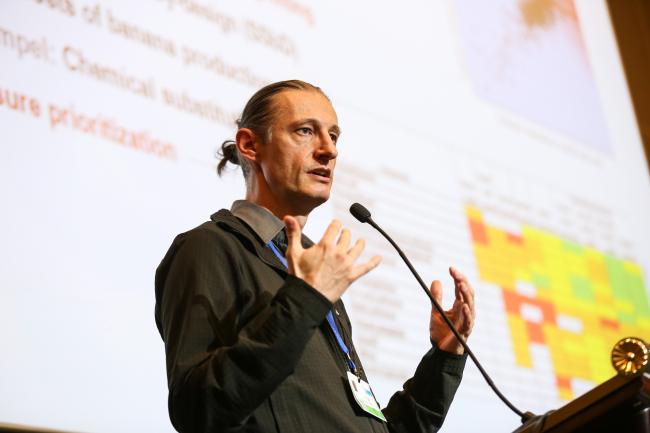
The textiles workshop heard about the heavy use of highly hazardous pesticides for cotton production. Speakers shared best practices on biological pest management and options for their upscaling.
During the healthcare workshop participants focused on possible ToR for an Implementation Programme, including questions of:
- prioritizing objectives for action on chemicals in the healthcare sector;
- priority chemicals of concern in the healthcare supply chain;
- the stakeholders to be included in action on healthcare-related chemicals; and
- priority activities that would contribute to the programme.
Multi-Stakeholder Day concluded with a reception sponsored by the International Council of Chemical Associations (ICCA).
To receive free coverage of global environmental events delivered to your inbox, subscribe to the ENB Update newsletter.
All ENB photos are free to use with attribution. For this event, please use: Photo by IISD/ENB - Natalia Mroz.
Multi-stakeholder Dialogues on Thematic Workstreams and Global Workplan
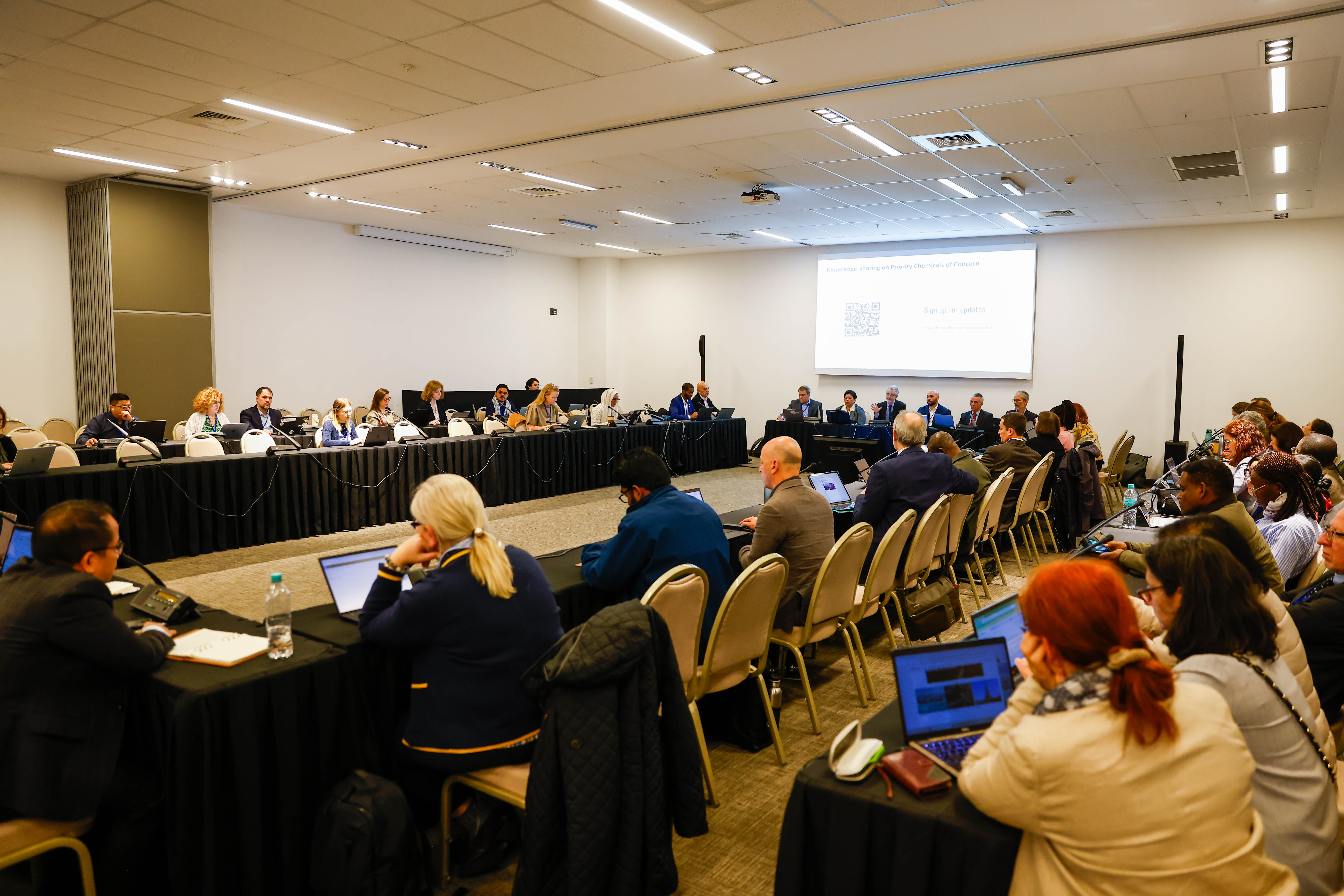
Participants at the knowledge sharing session
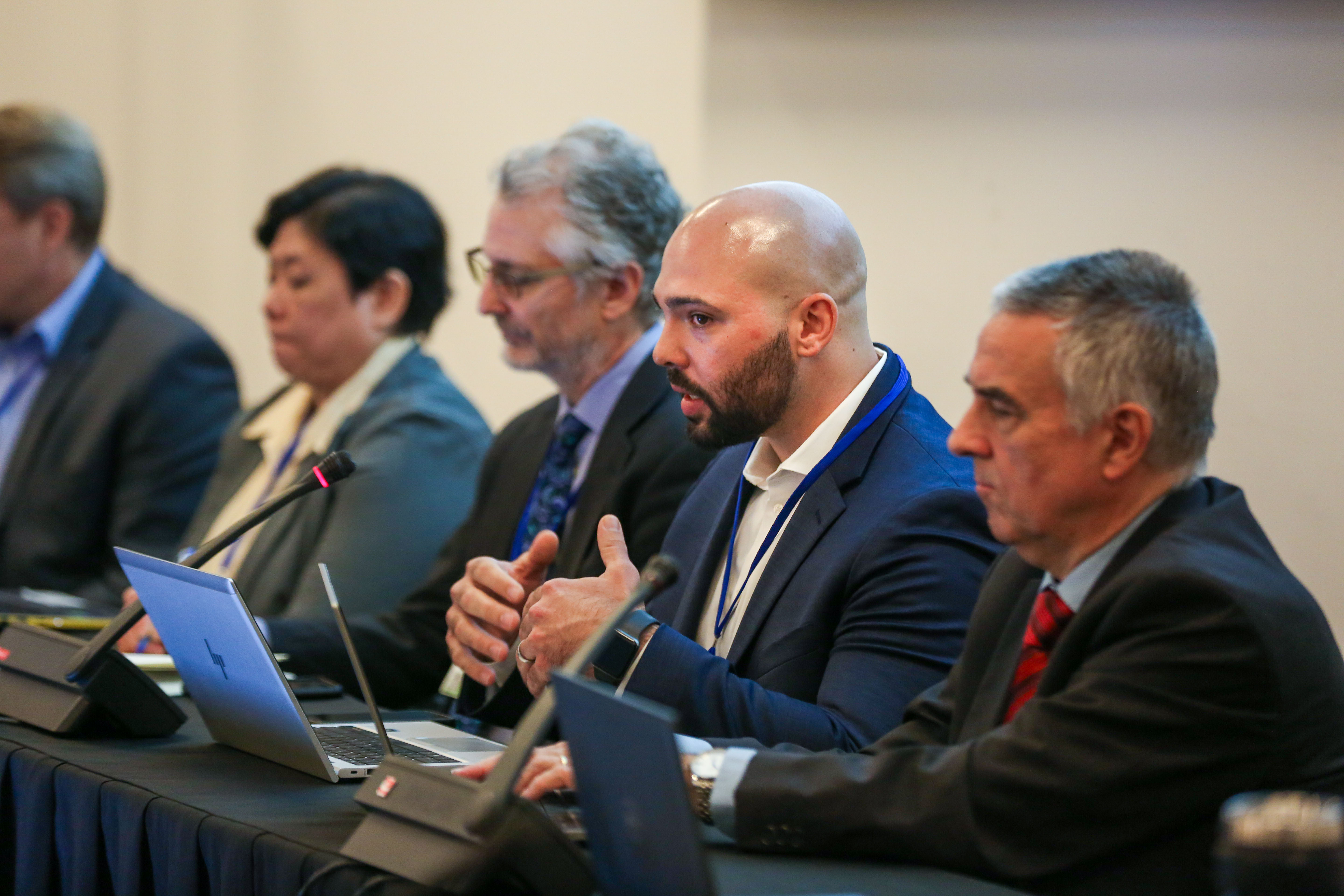
Benjamyn Marks, Responsible Business Alliance, during the knowledge sharing session
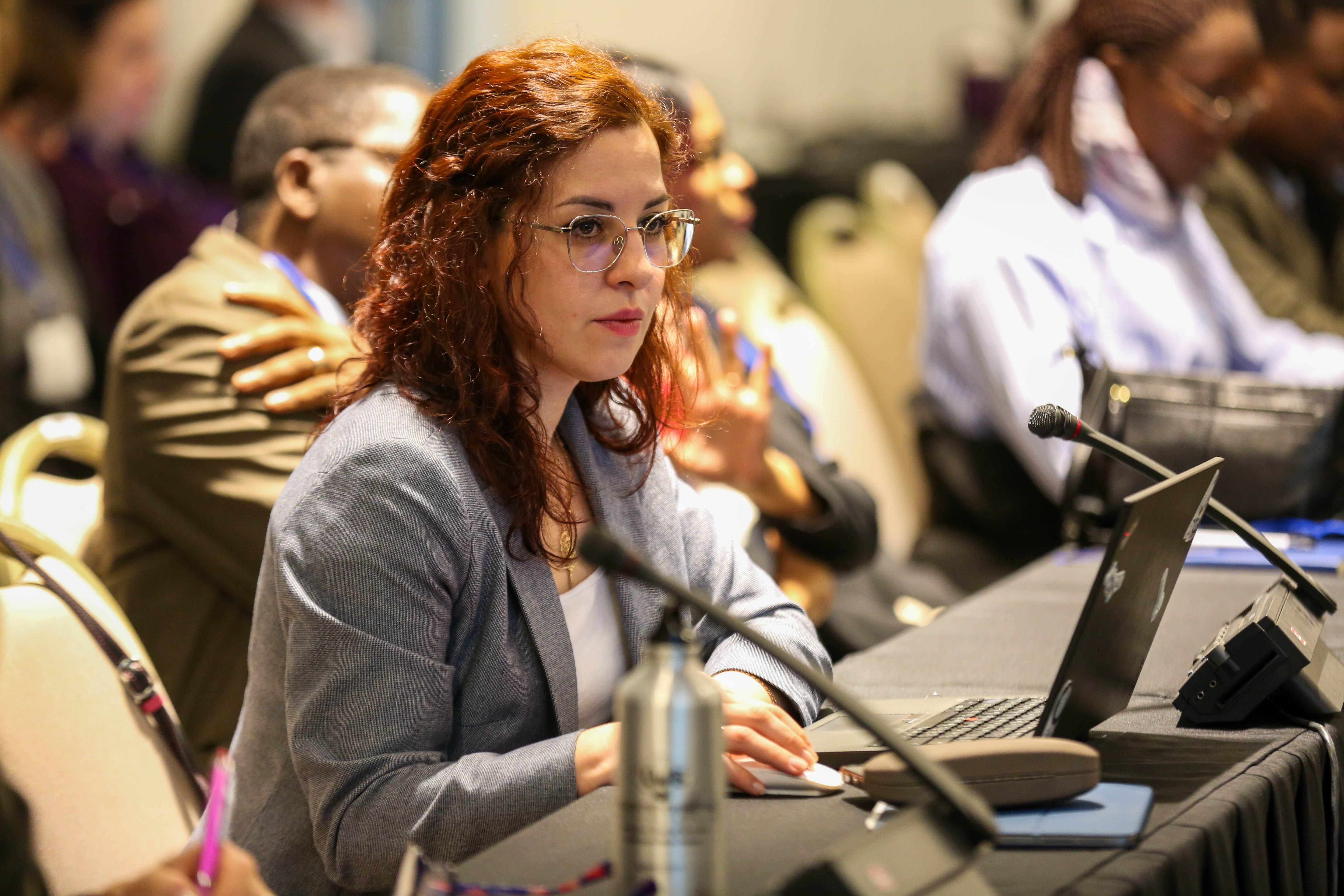

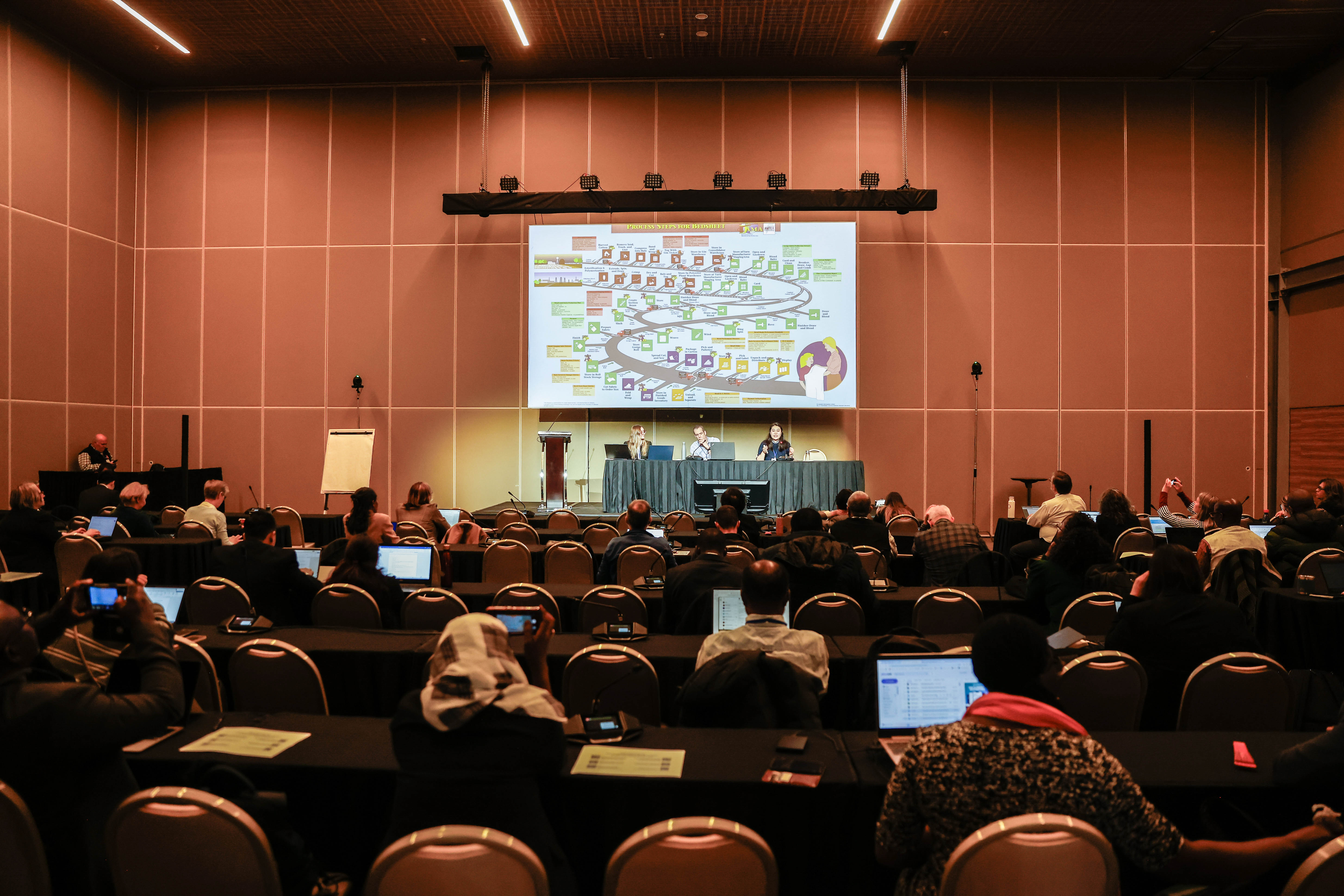
A view of the room during the transparency and traceability session
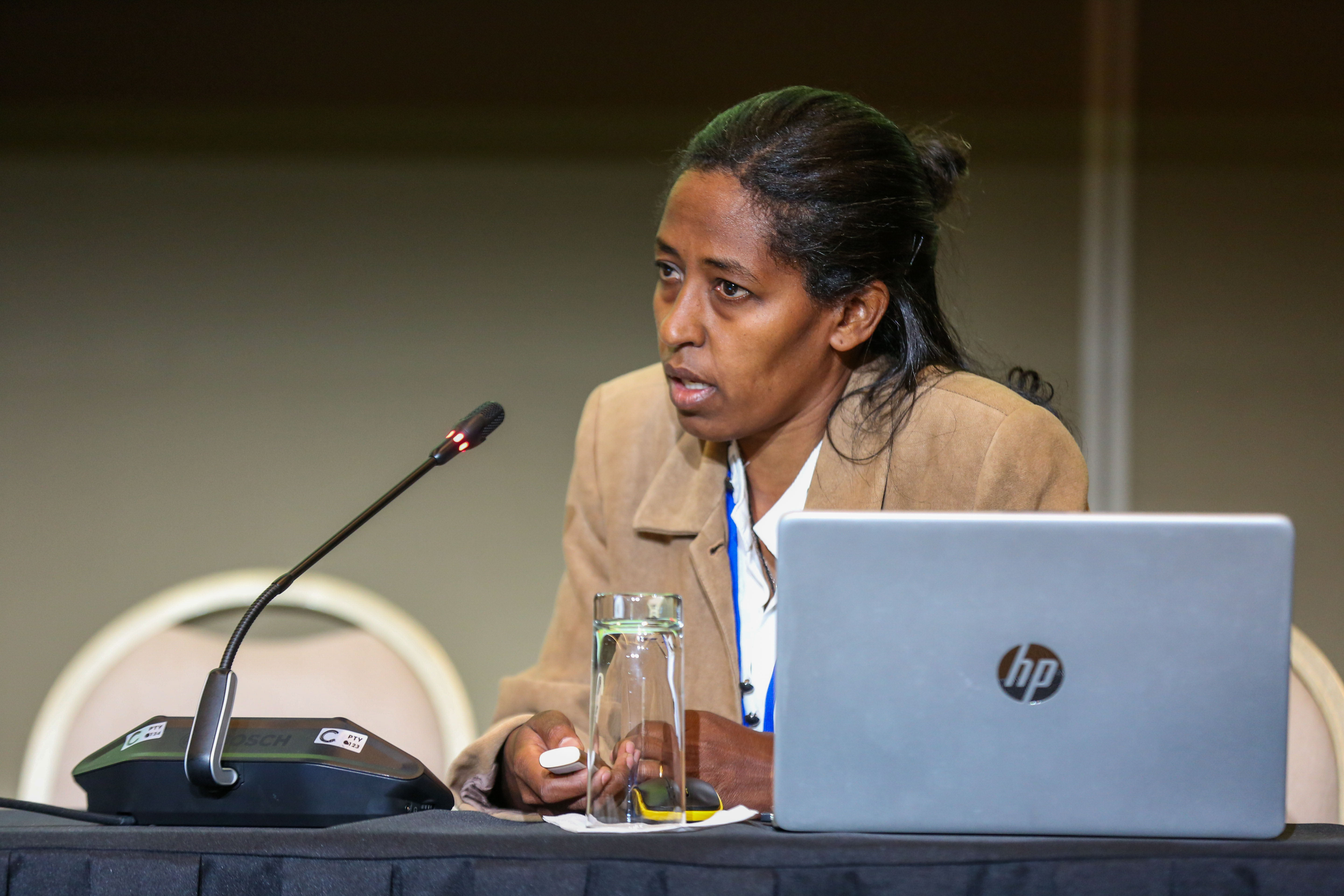
Azeb Asrat, Ethiopia, at the transparency and traceability session
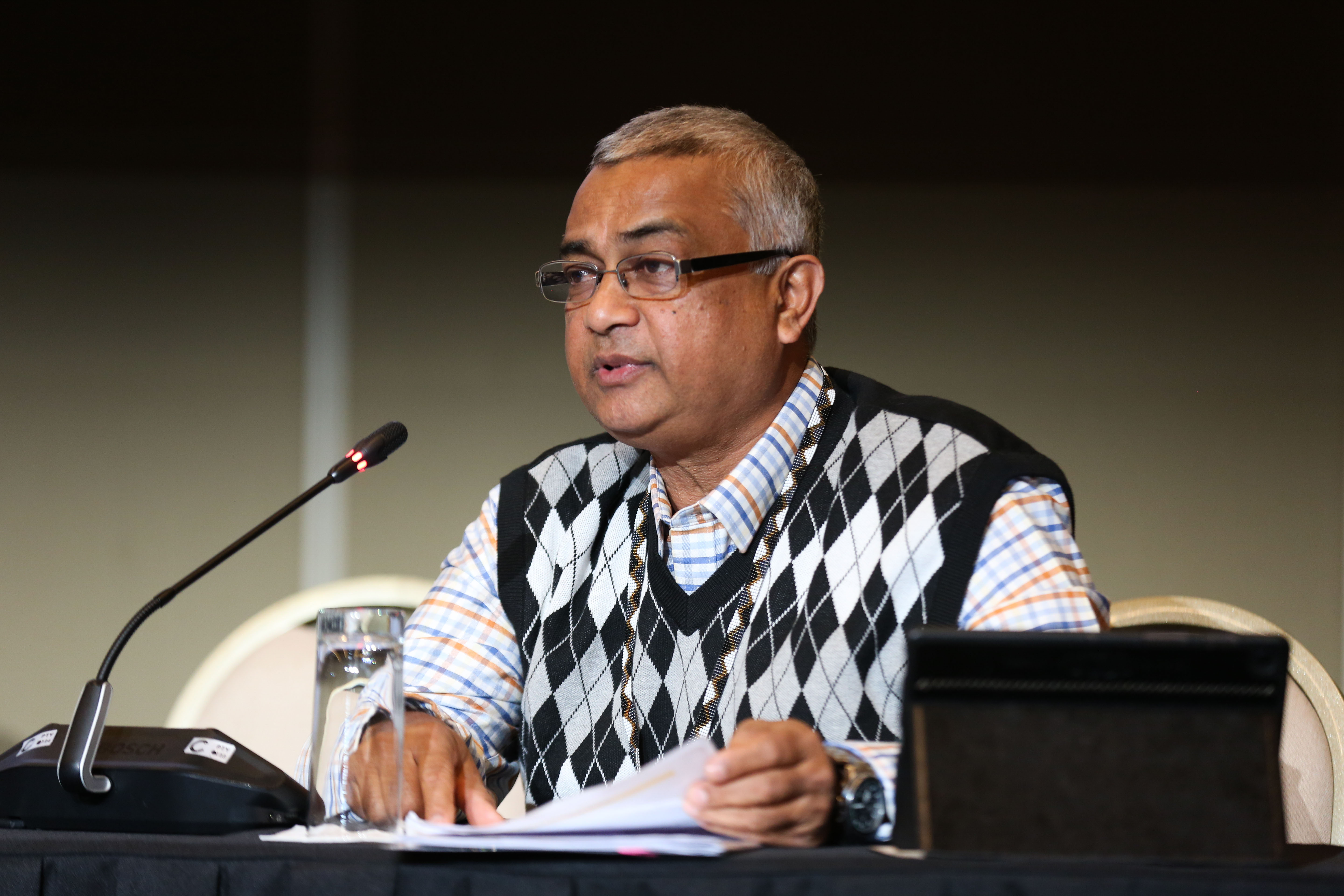
Reeza Chuttoo, International Trade Union Confederation Africa, speaking at the transparency and traceability session
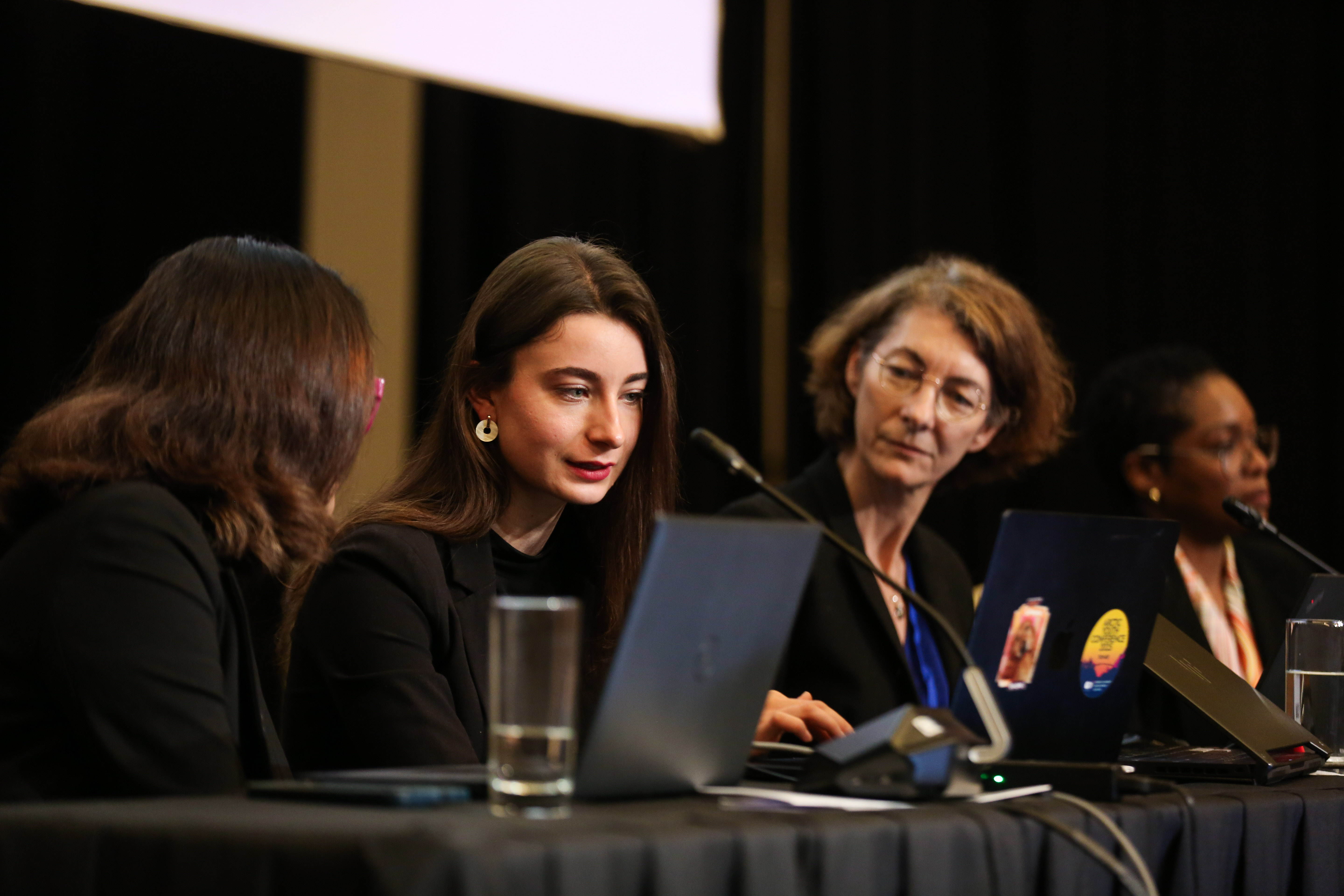
Panelists at the disclosure and reporting standards and frameworks session

Angela Pinilla, Clean Production Action Chemical Footprint Project, during the chemical footprint session

Llorenç Milà i Canals, UNEP, moderator of the chemical footprint session
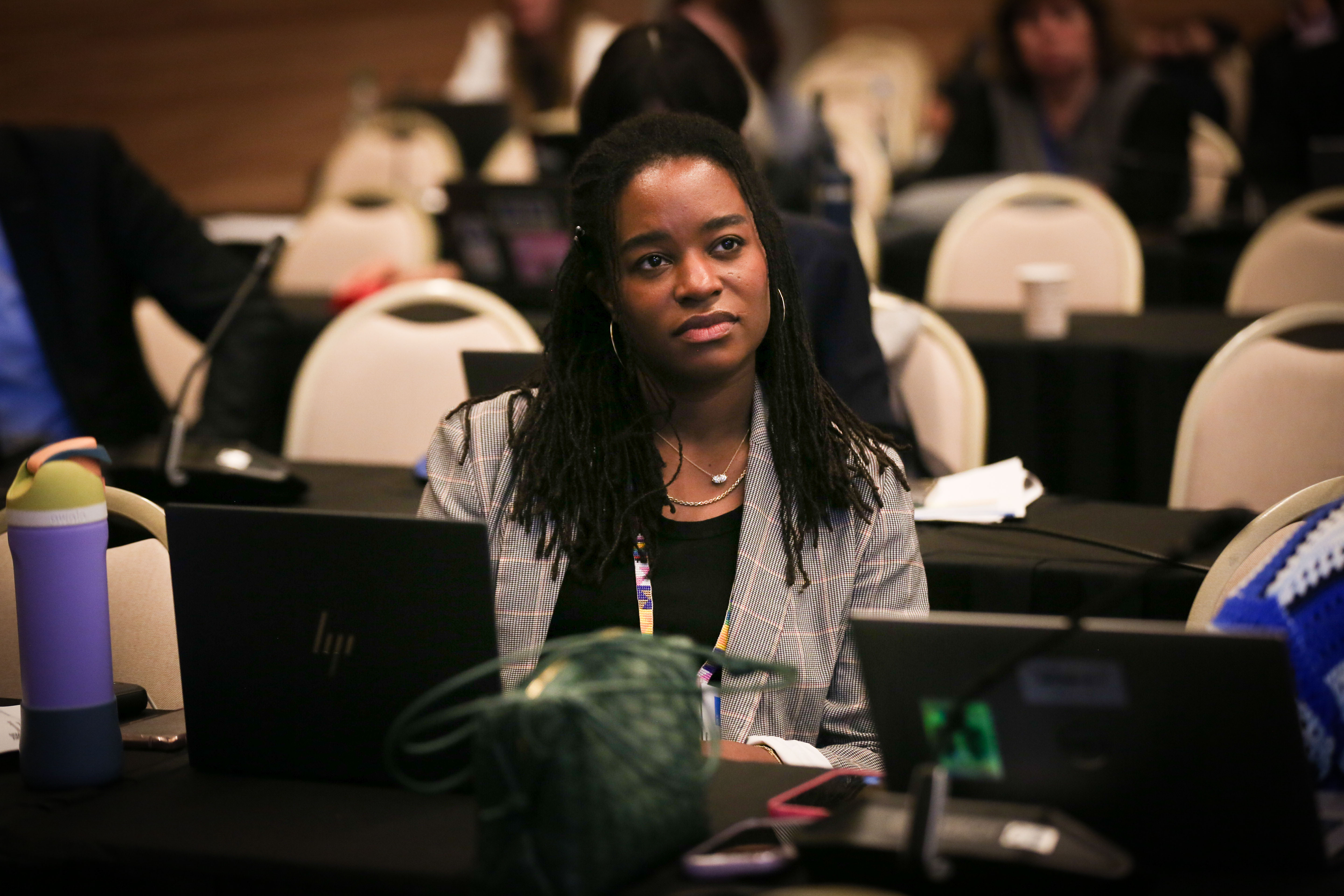
Raleigh Davis, International Council of Chemical Associations
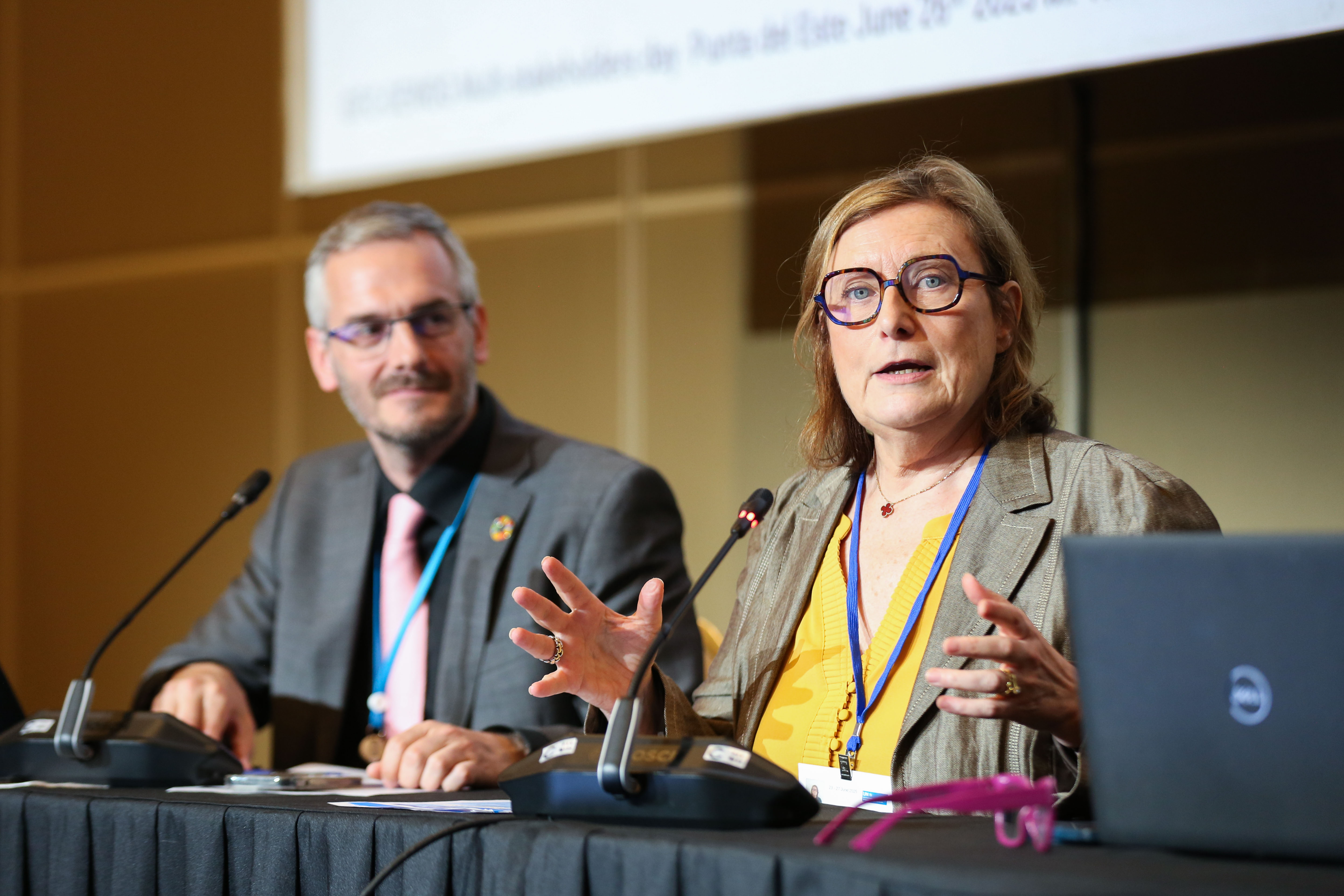
Myriam Tryjefaczka, Tarkett, during chemical footprint session

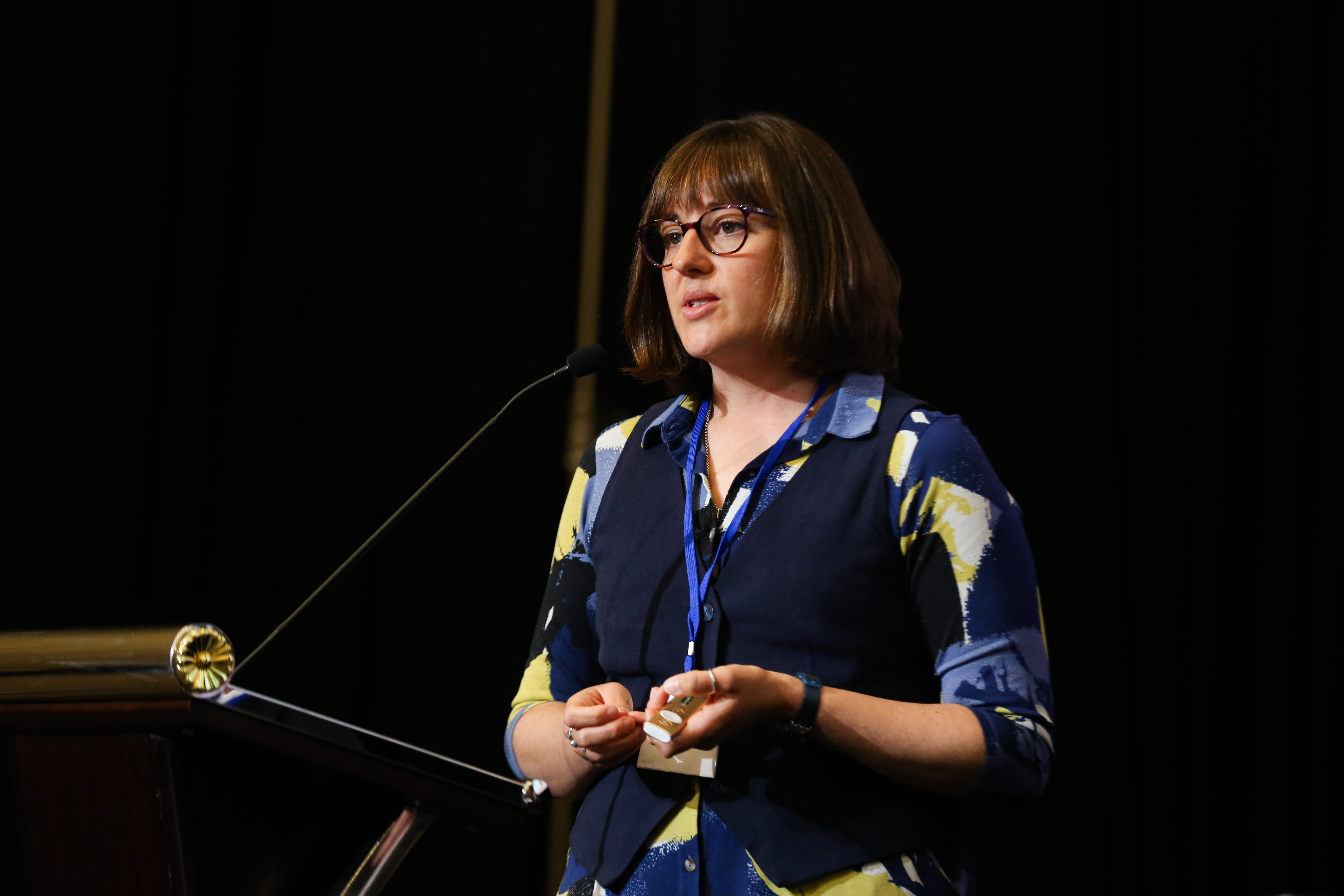
Tanya Cox, Chronos Sustainability, speaking at the private sector finance session
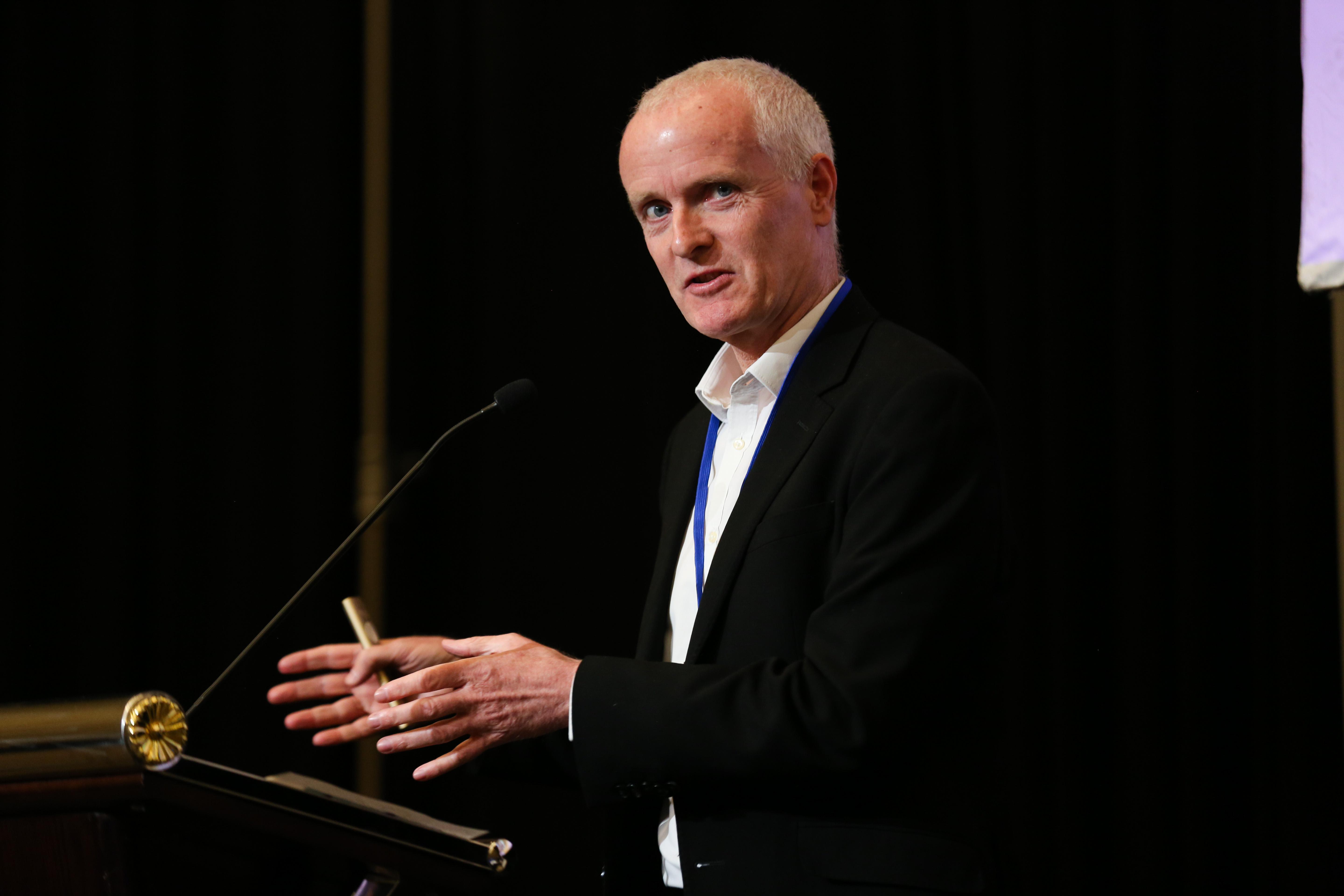
Rory Sullivan, Chronos Sustainability, during the private sector finance session
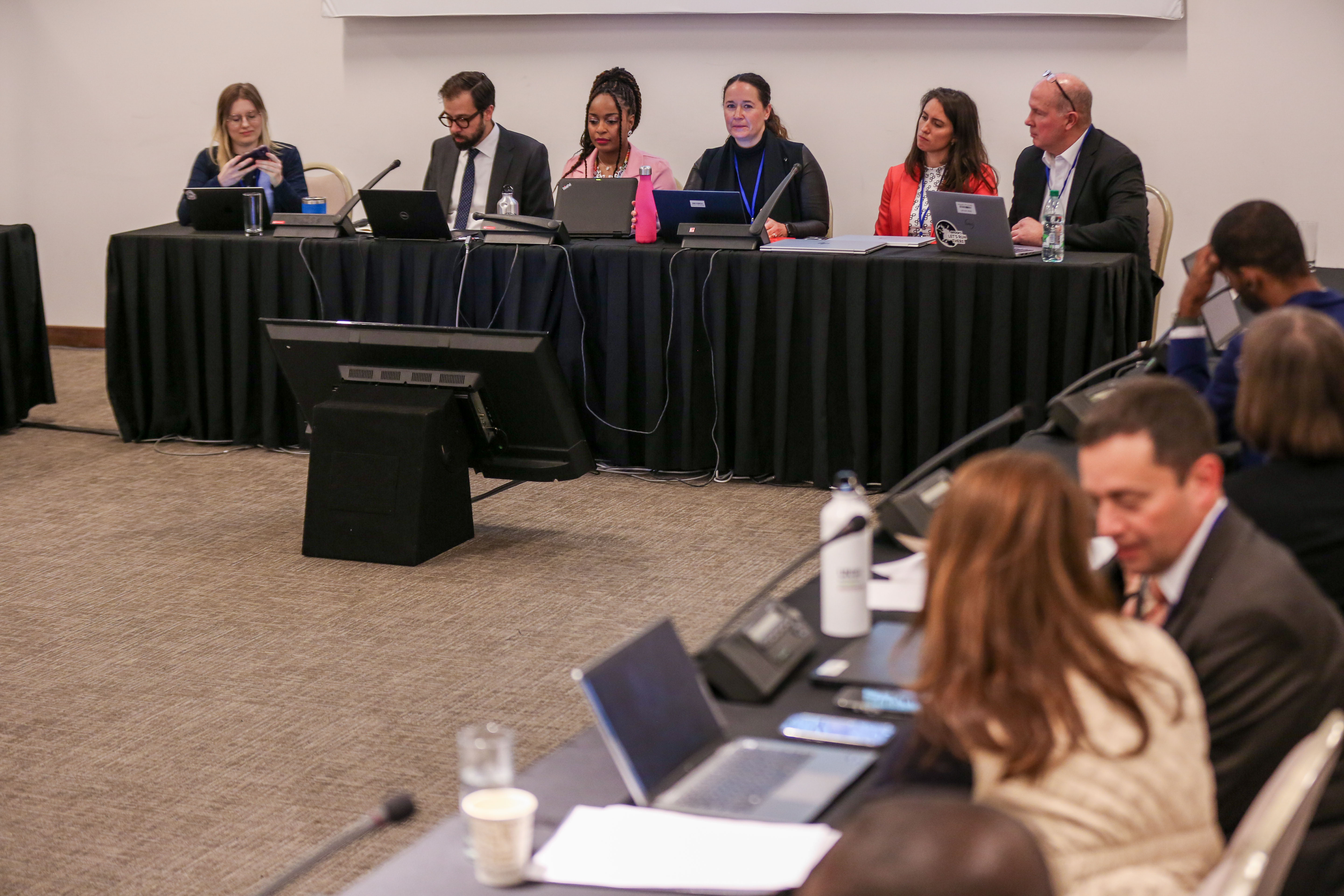
Panelists of the green and sustainable chemistry session

Anna Becker, Green and Sustainable Chemistry, International Sustainable Chemistry Collaborative Centre (ISC3)
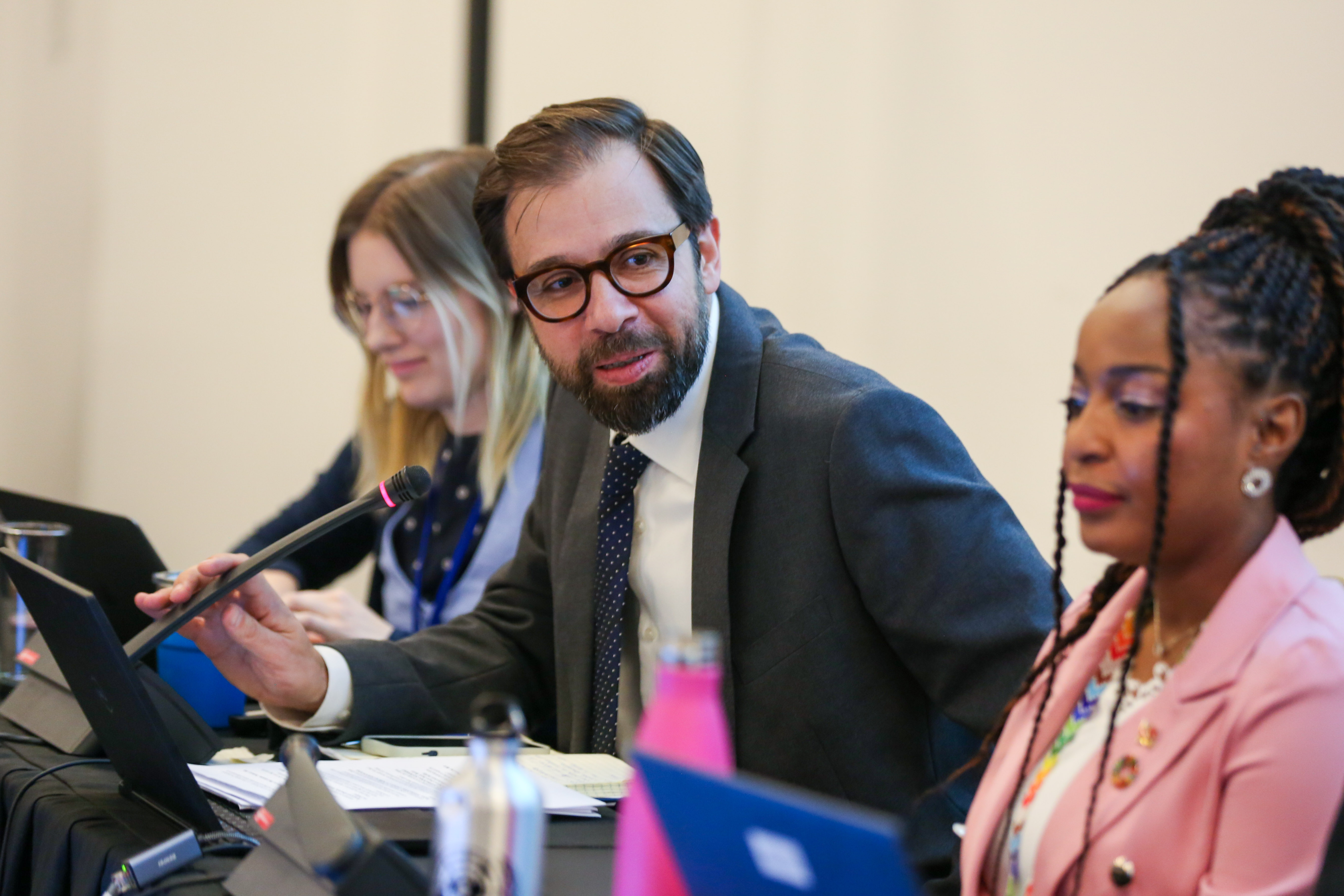
Baskut Tuncak, Massachusetts Toxics Use Reduction Institute, moderating the green and sustainable chemistry session
Between Sessions

Said Ali Thaoubane, Comoros, and Clara Benjamin, International Pollutants Elimination Network (IPEN)

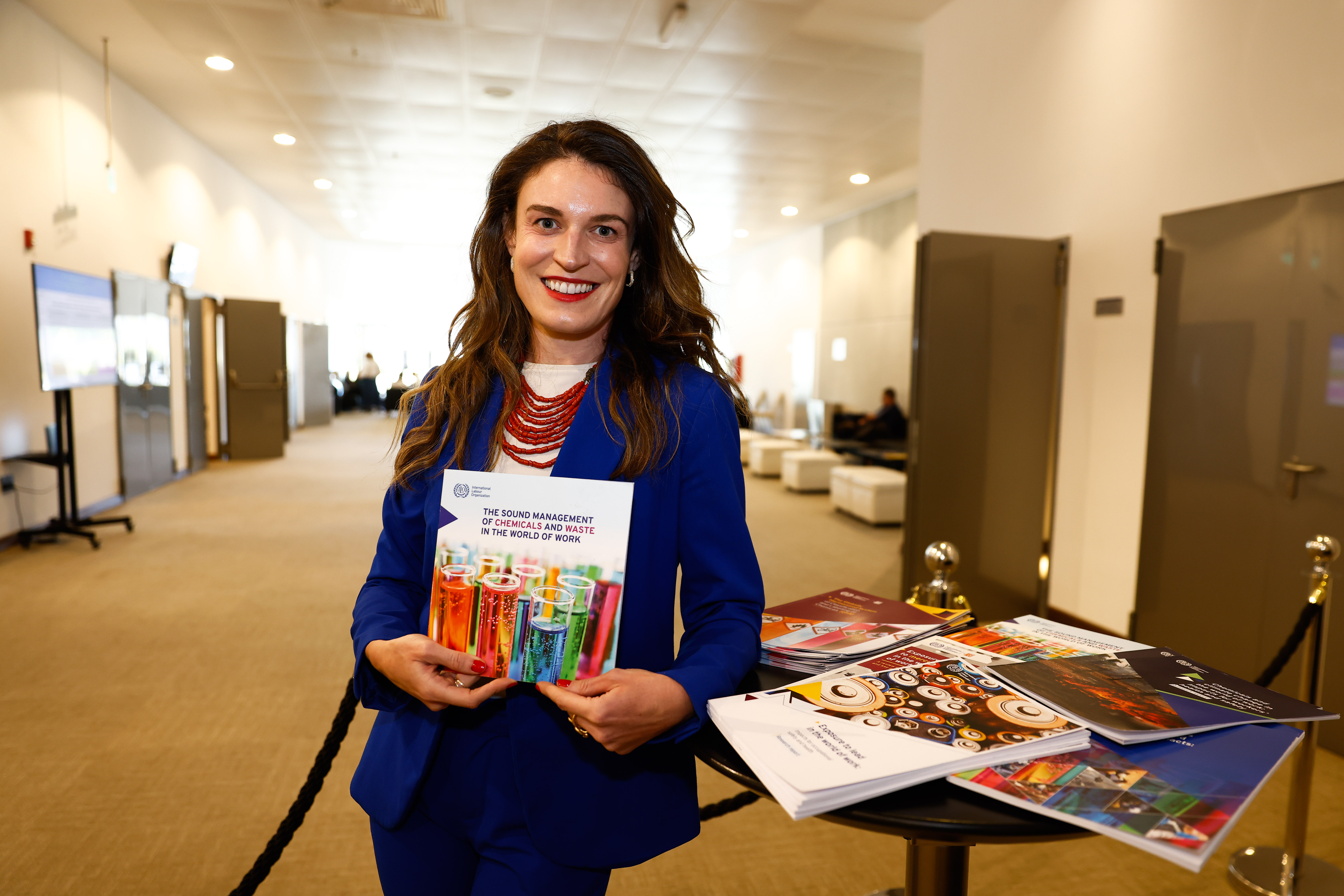
Halshka Graczyk, International Labour Organization (ILO)
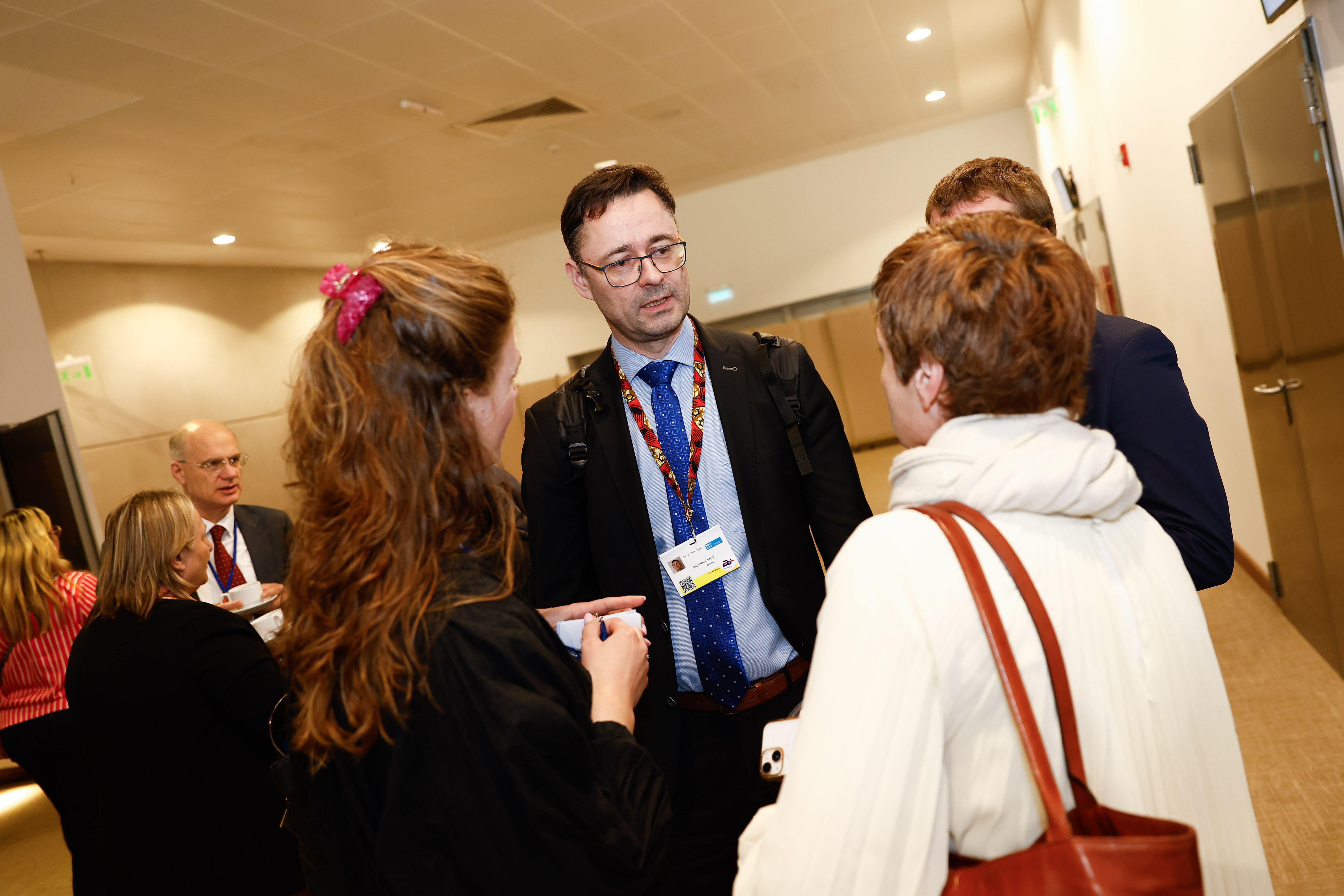
OEWG Co-Chair Přemysl Štěpánek (Czechia)
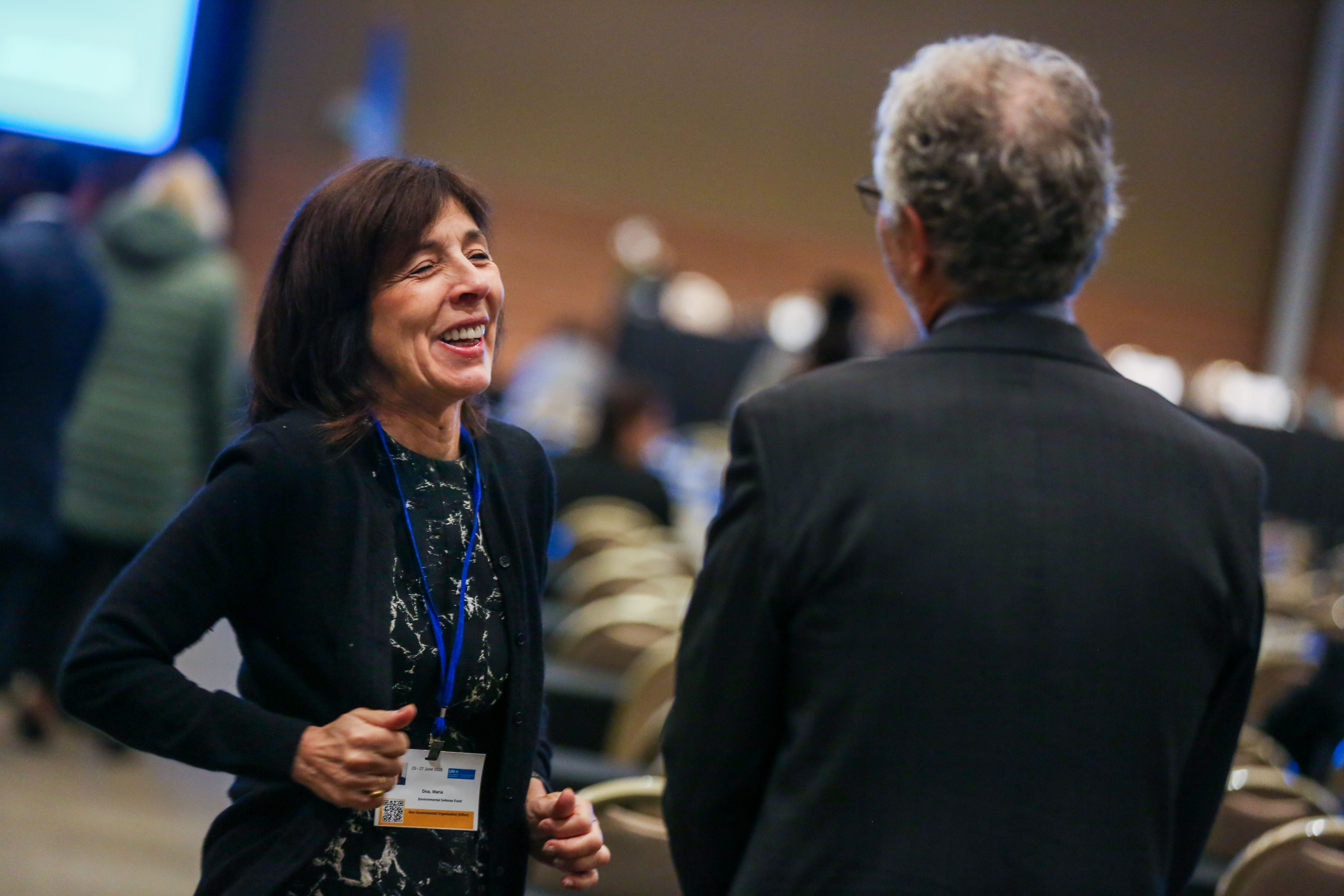
Maria Doa, Environmental Defense Fund
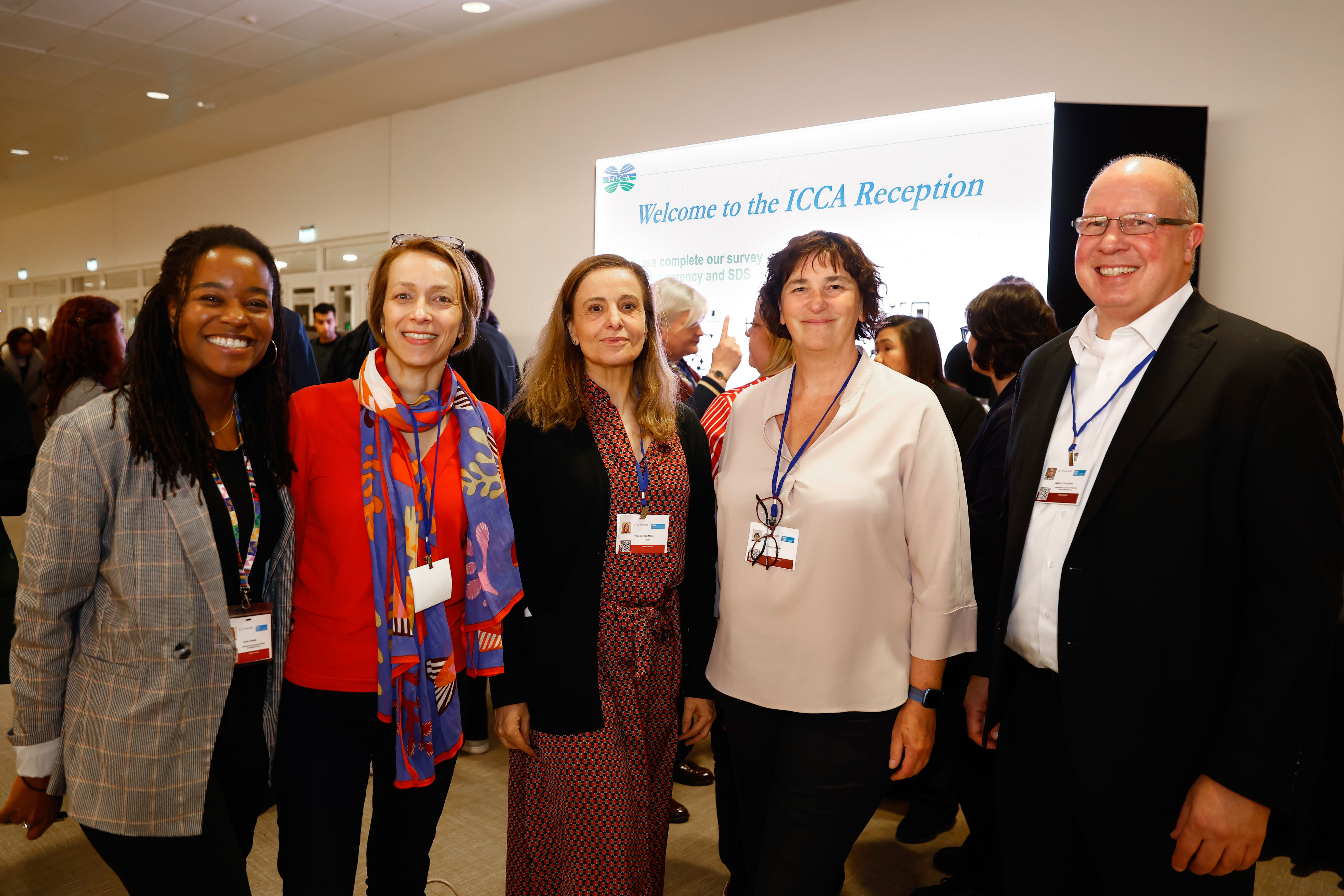
Delegates from the International Council of Chemical Associations
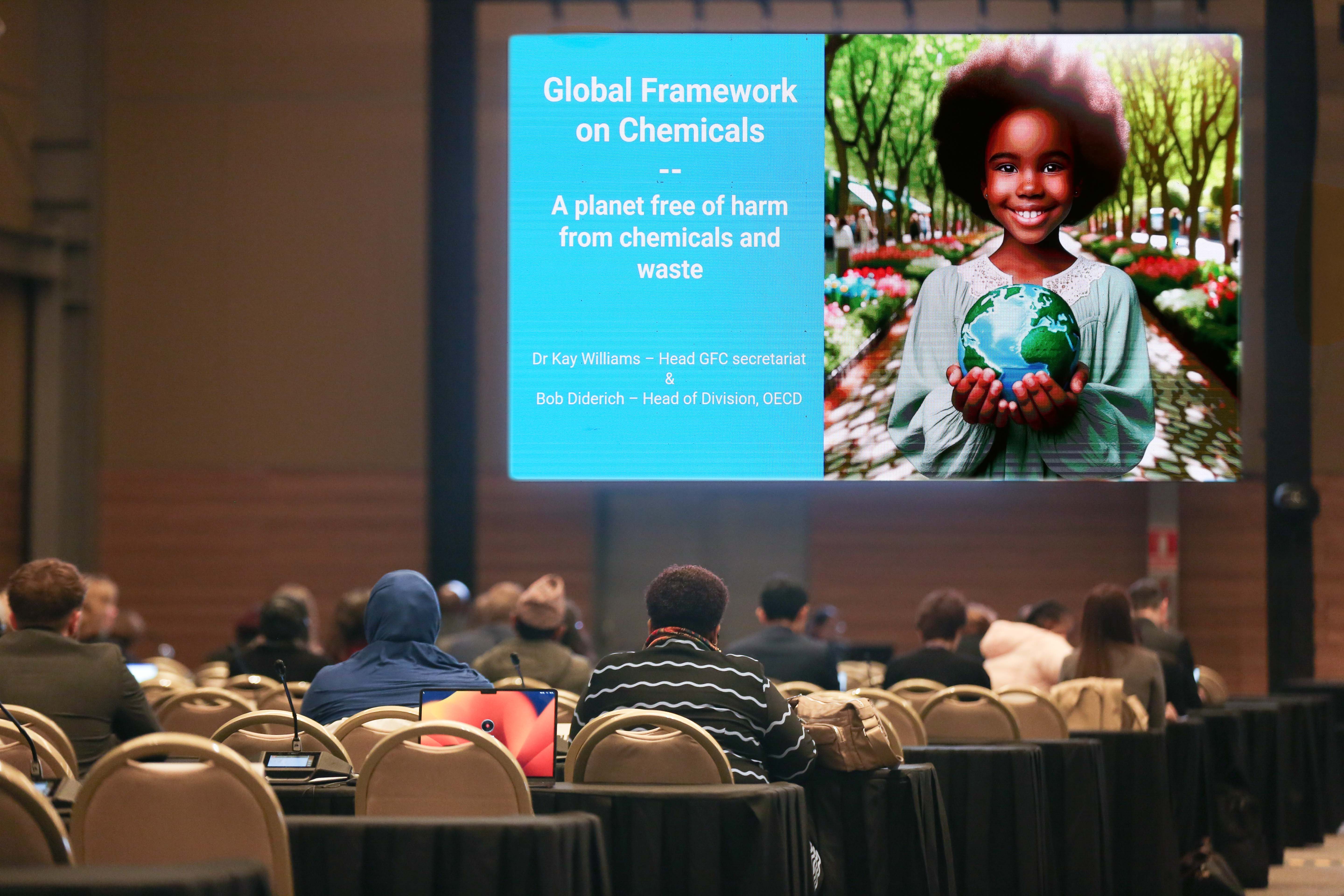
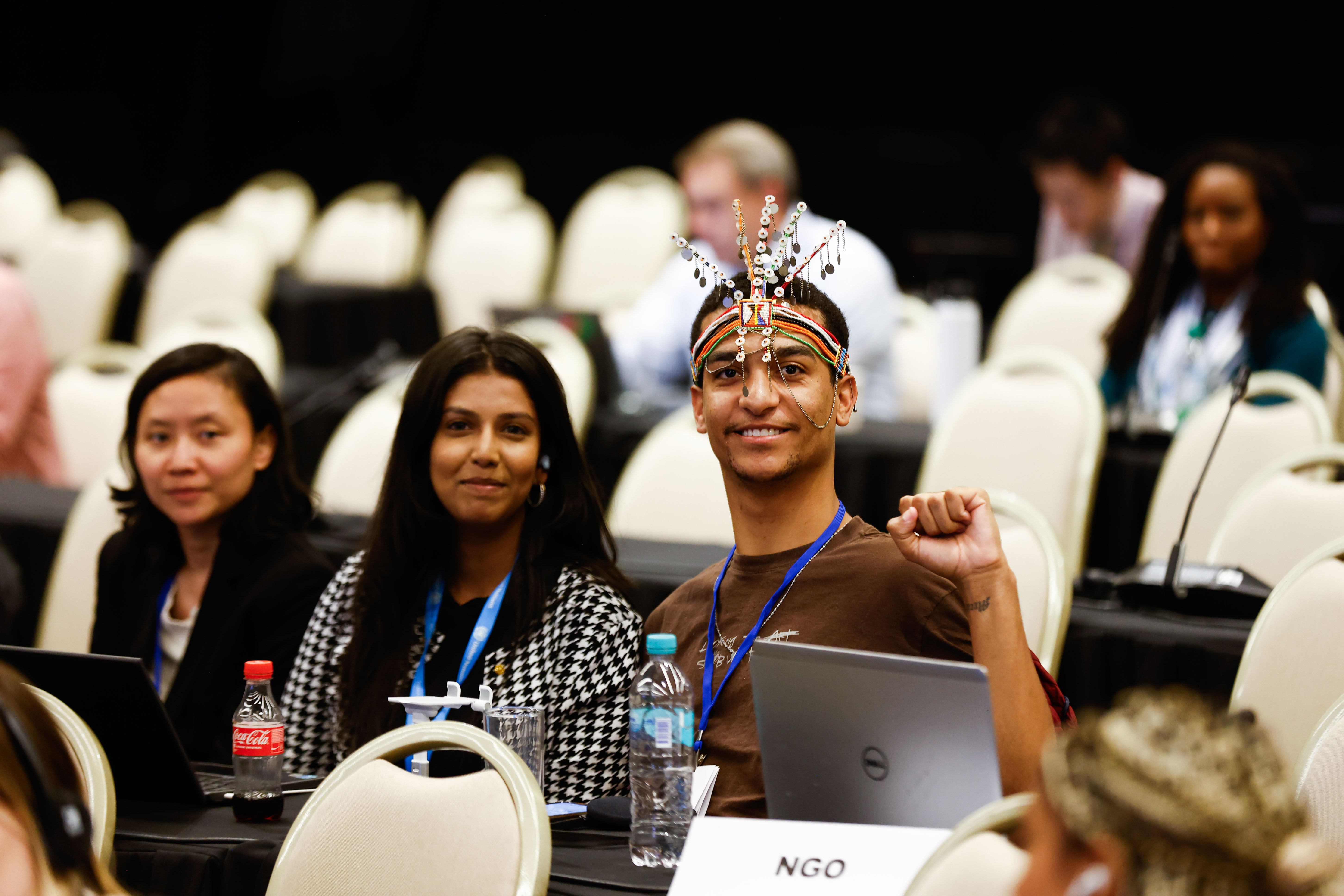
Lunch Time Sessions
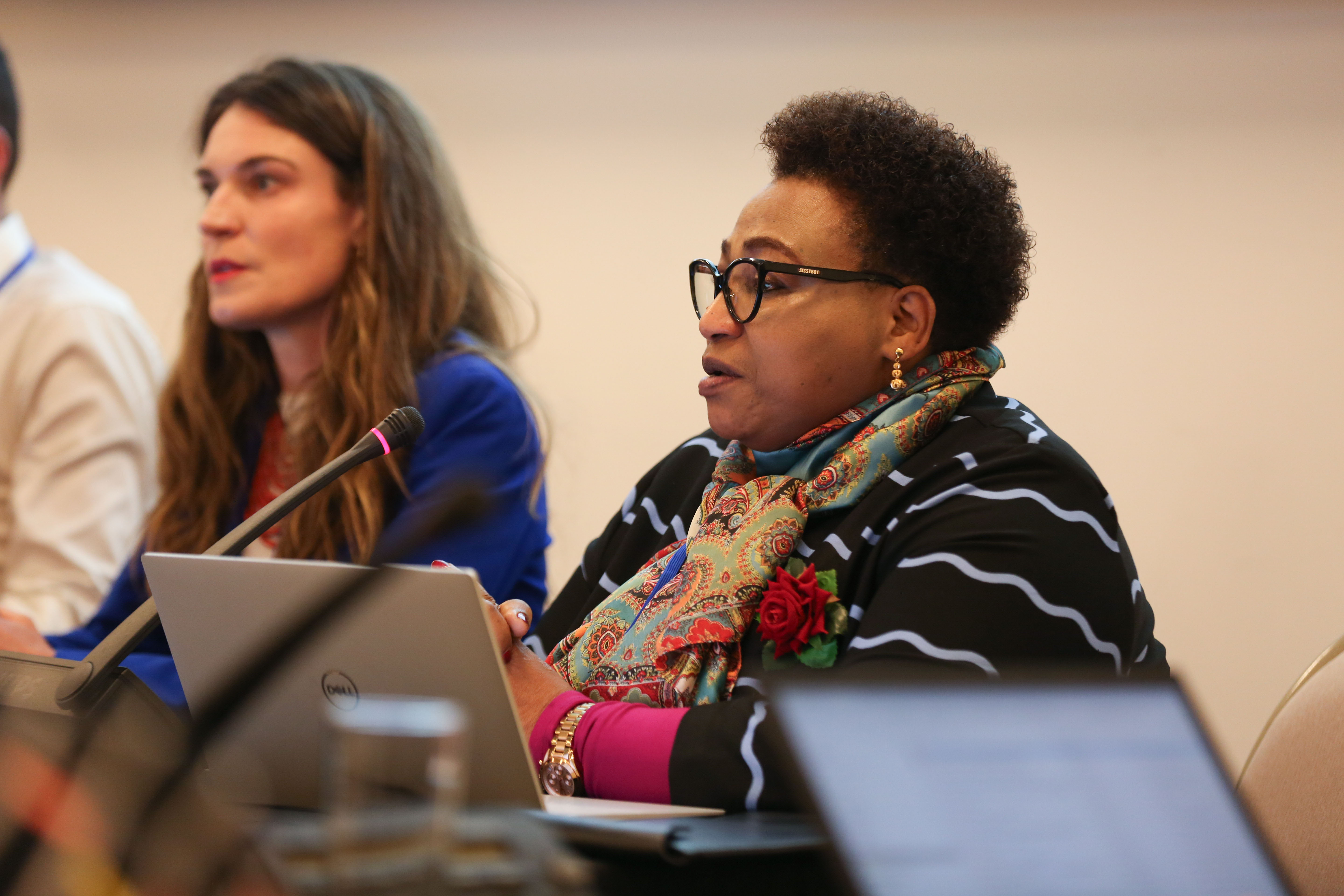
Session on Integrating Occupational Health and Safety into Sector-Specific Implementation Programmes
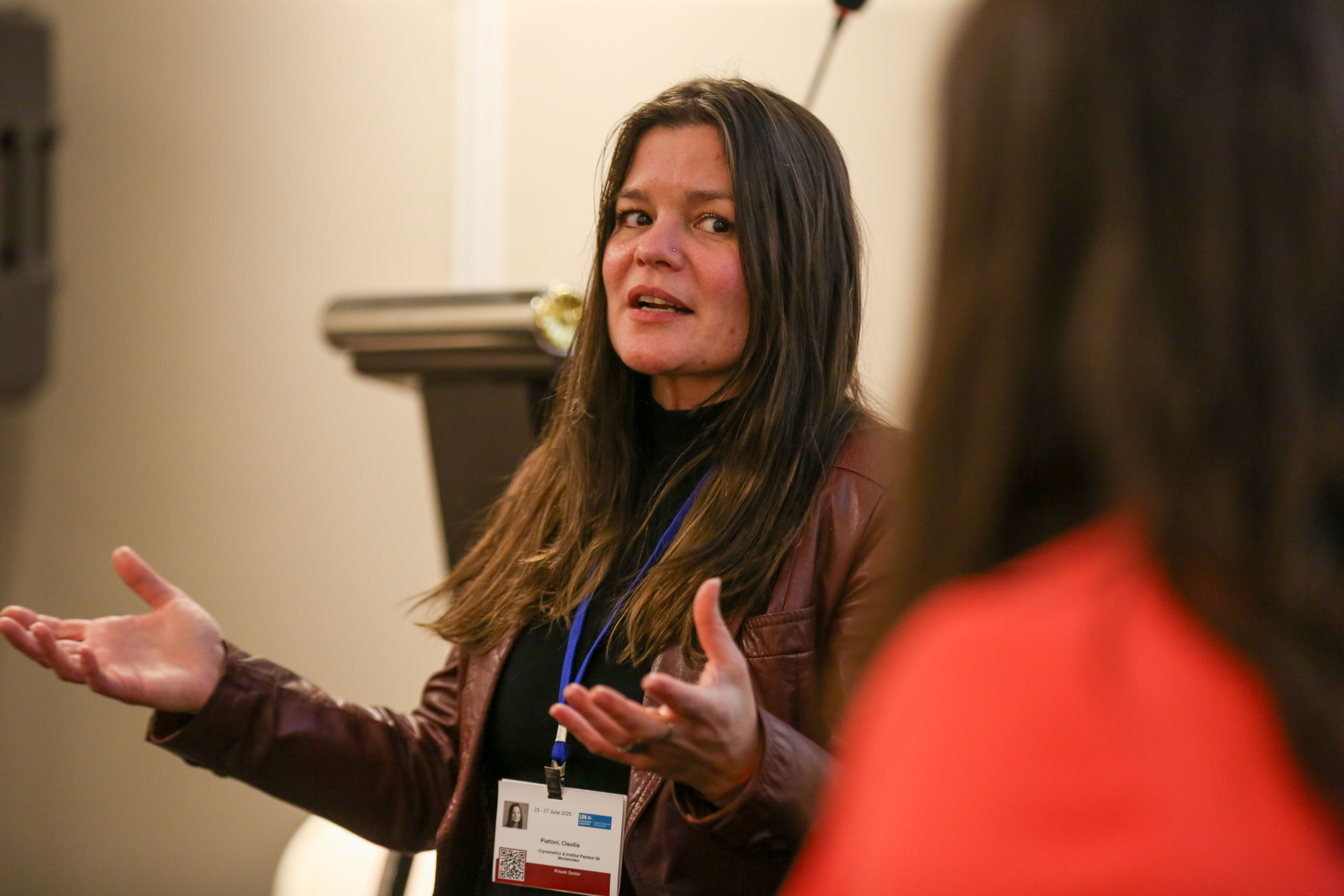
Claudia Piattoni, Cryosmetics, at the fireside chat on Sustainable Chemistry Innovation
Developing GFC Industry Implementation Programmes Along Value Chains
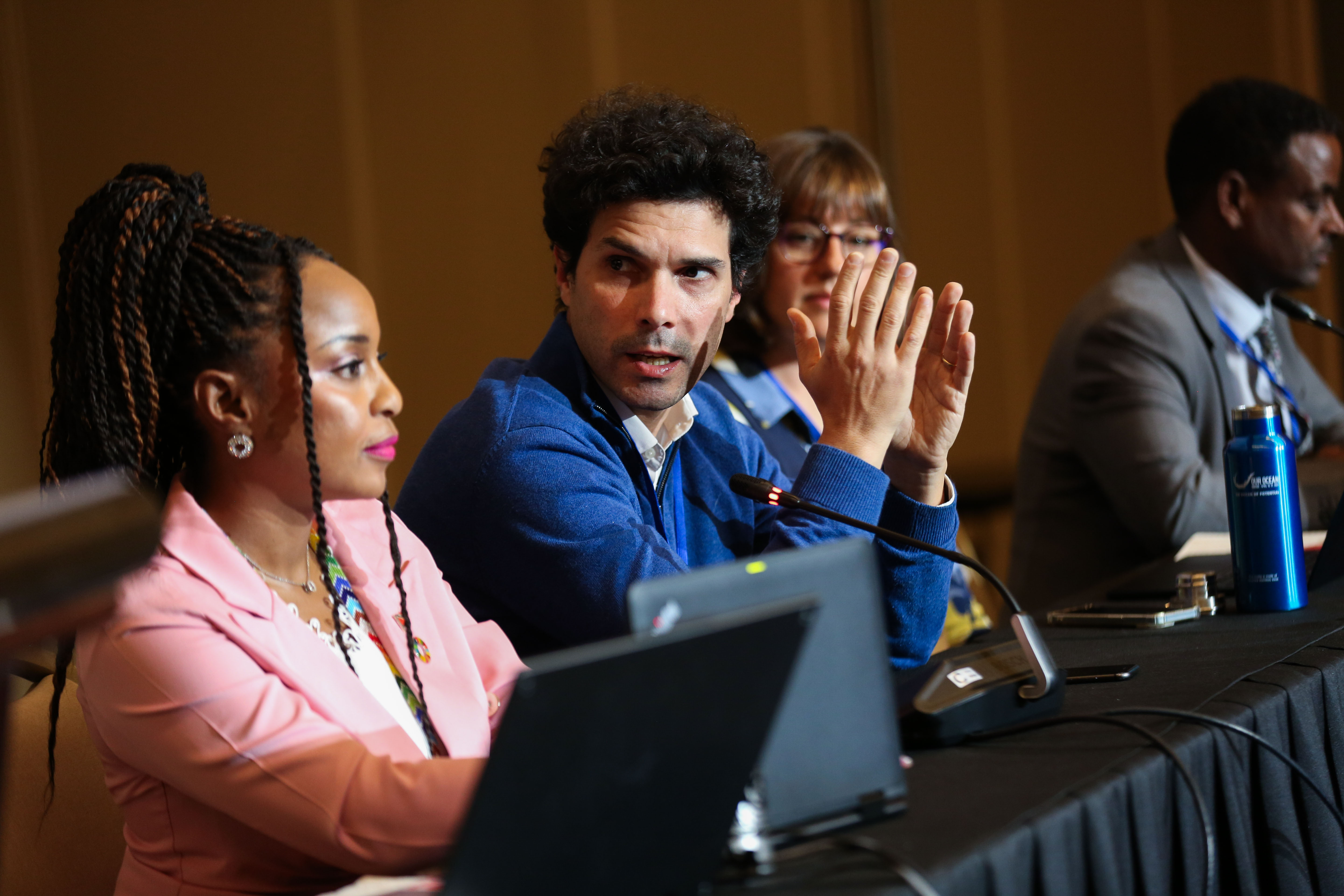
Mariano Piñeyrua, TraceSurfer, Textile Industry Sector Workshop
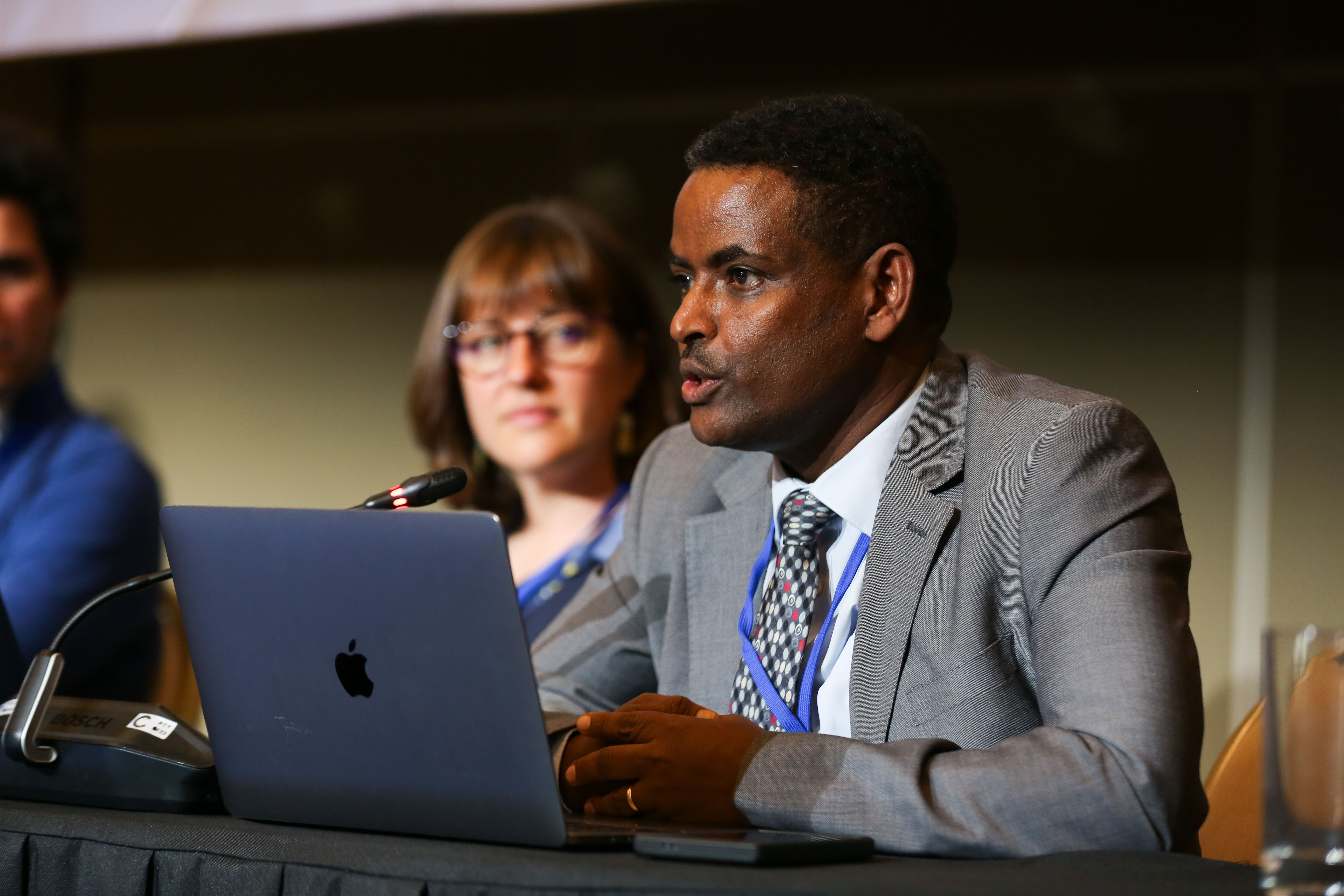
Tadesse Amera, PAN-Ethiopia, Textile Industry Sector Workshop
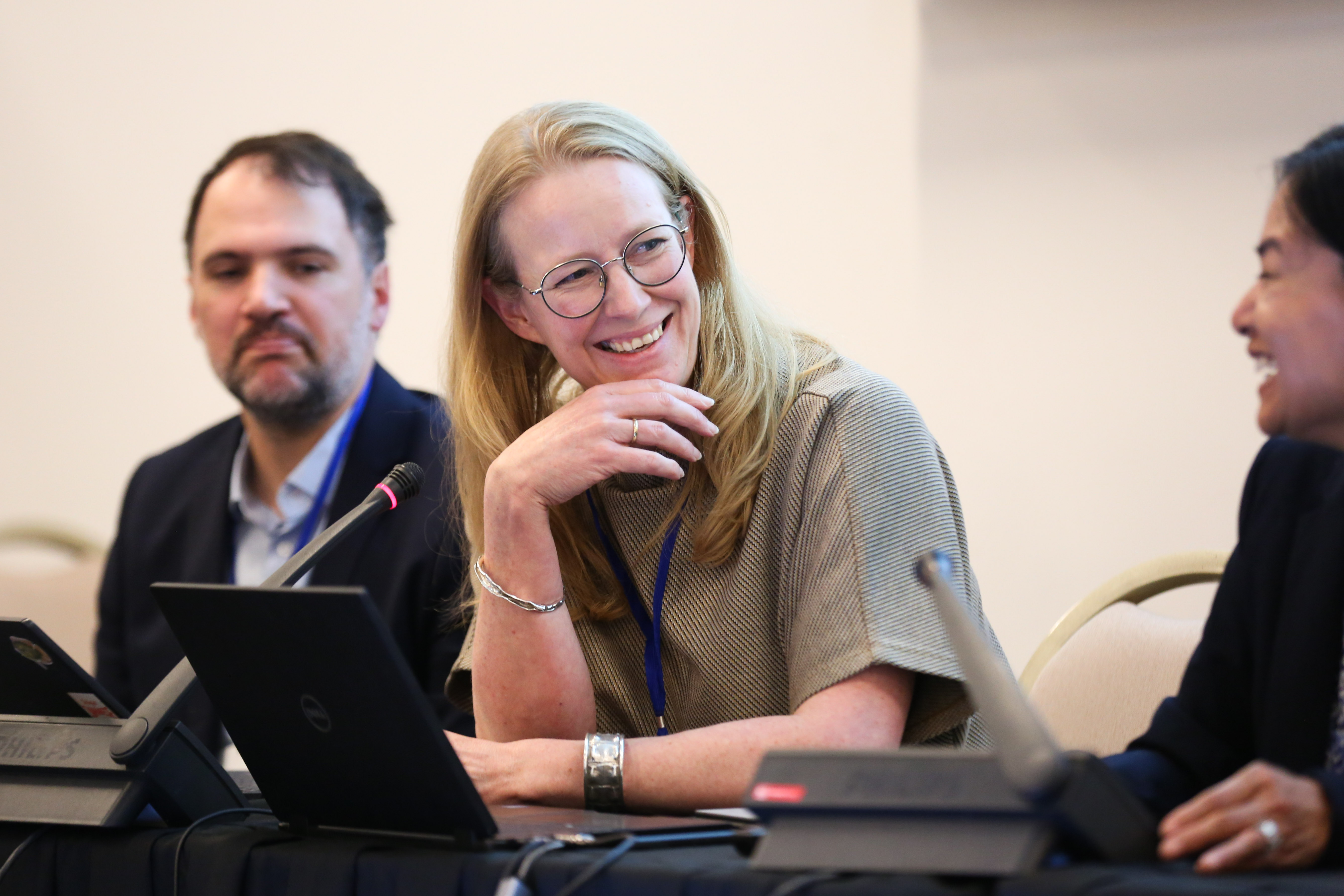
Hilda Van Der Veen, UNDP, Healthcare Industry Sector Workshop
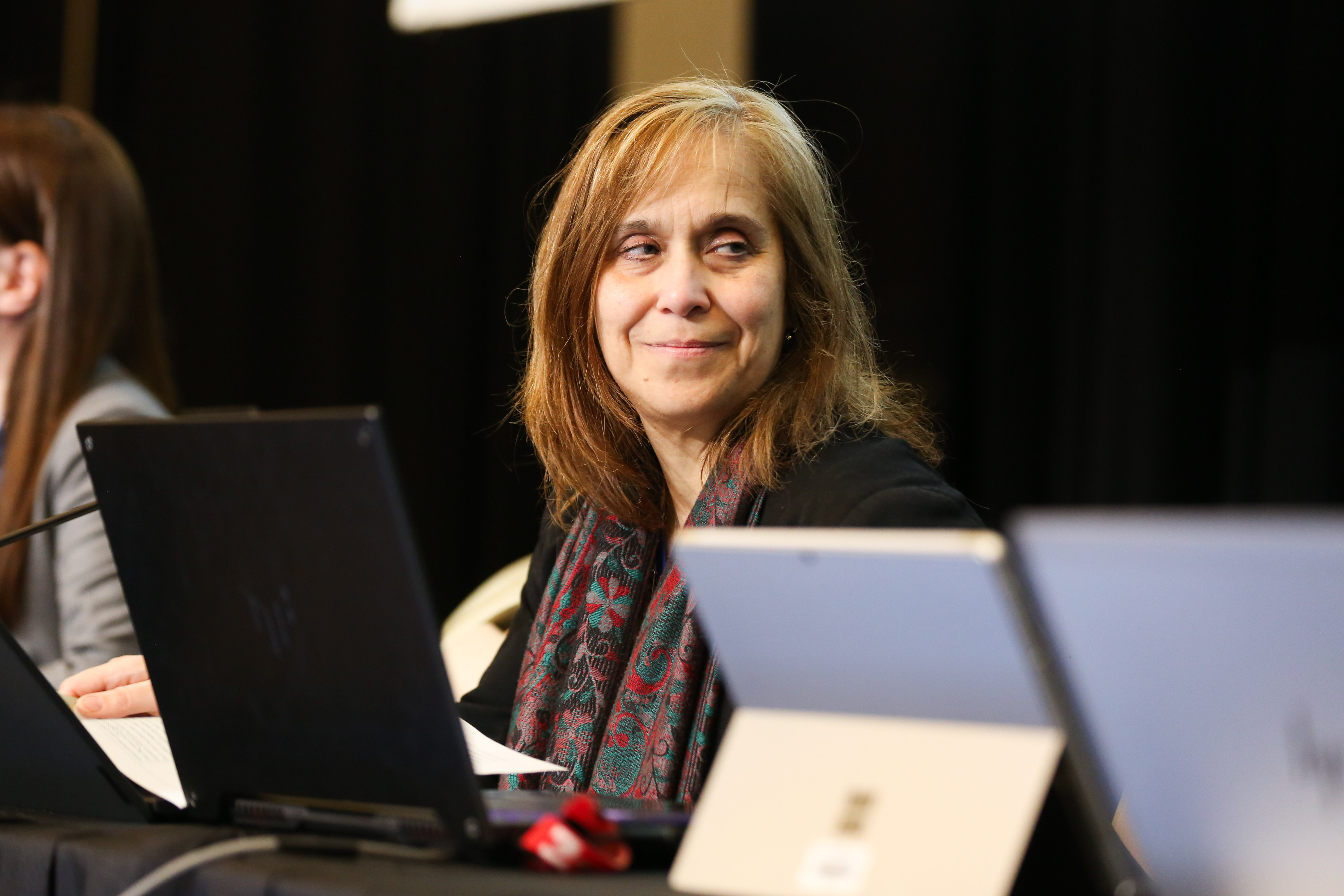
Jacqueline Álvarez, UNEP Chemicals and Health Branch, Electronic Industry Workshop
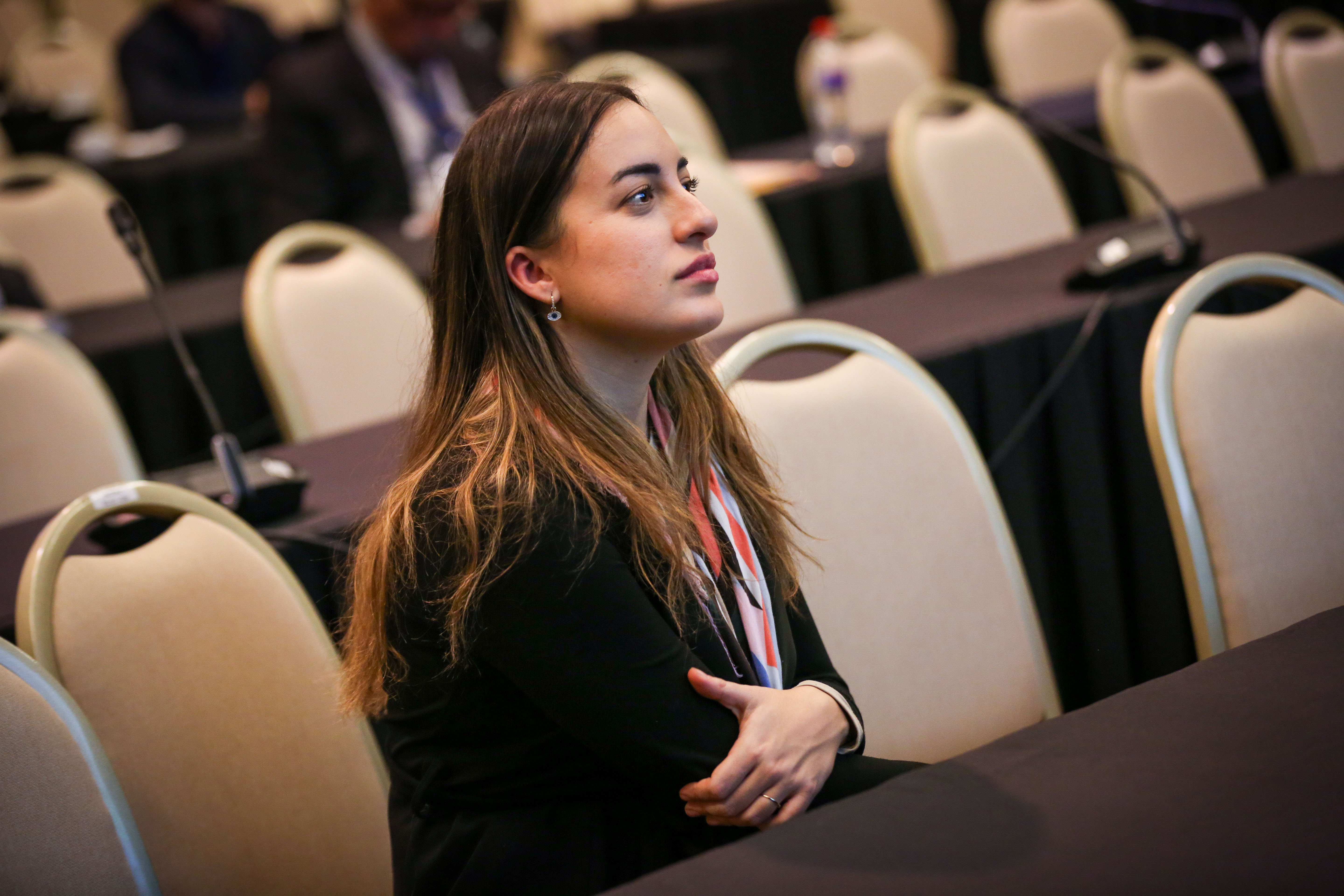
Fabiana Lubetkin, UNEP, Electronic Industry Sector Workshop
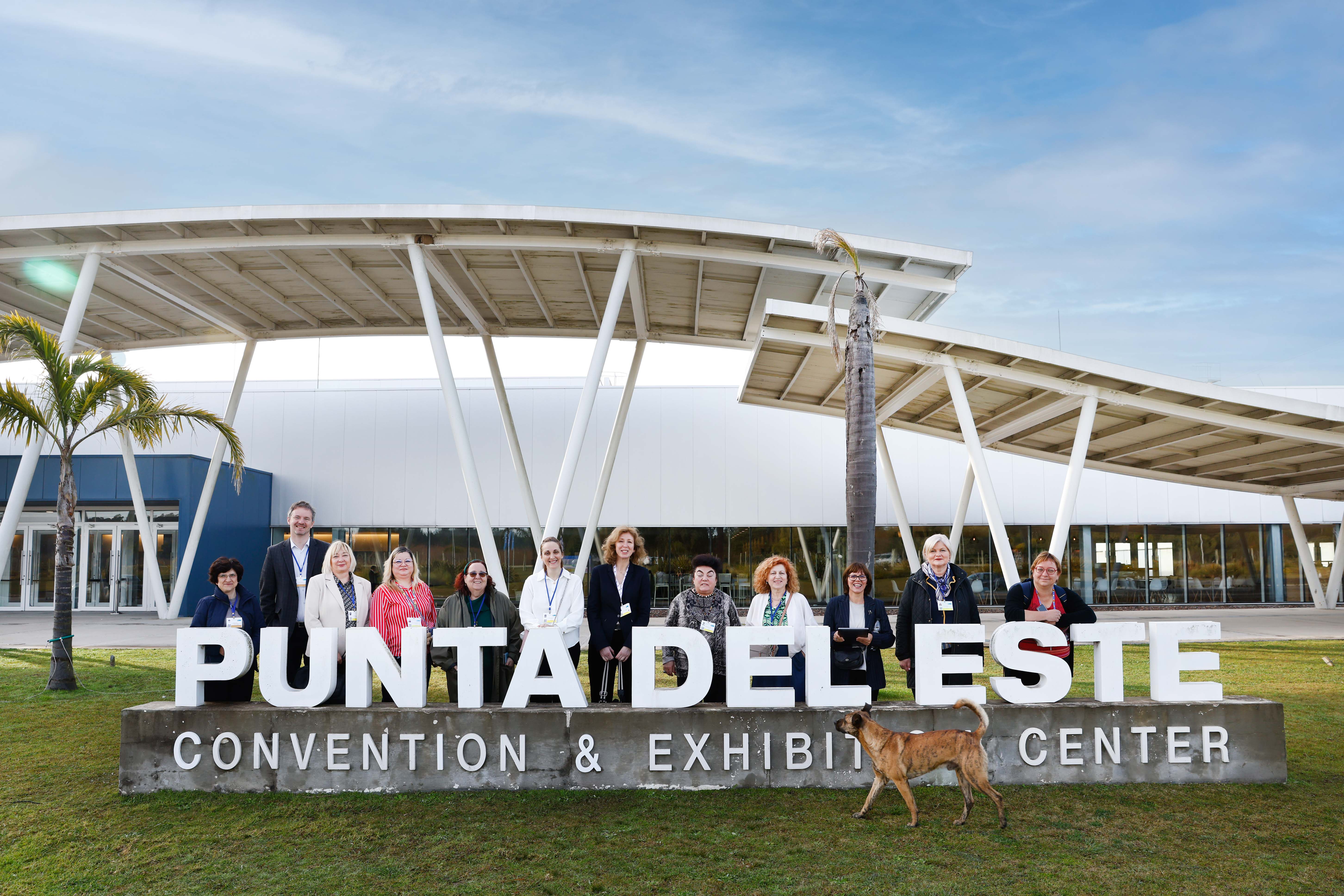
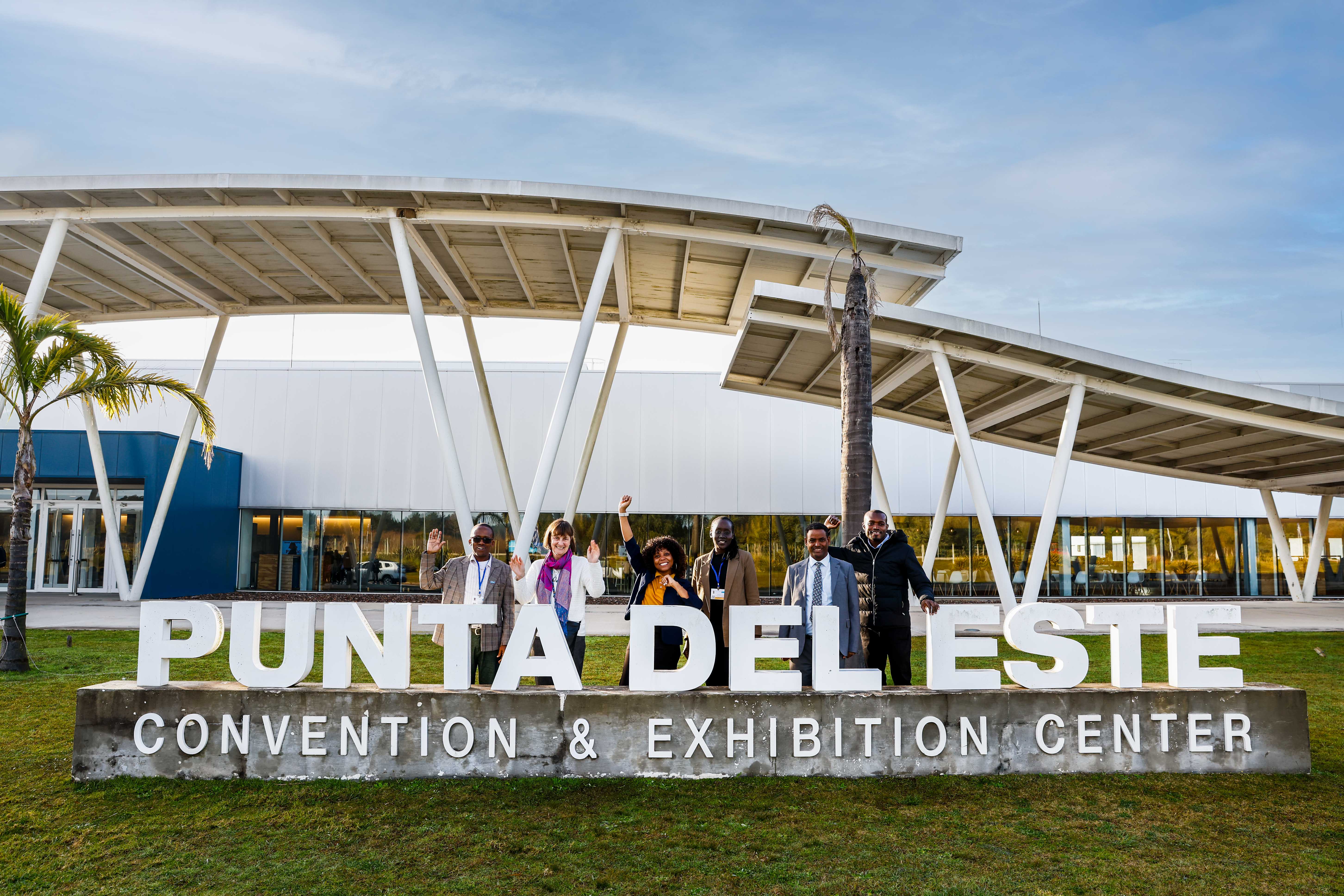
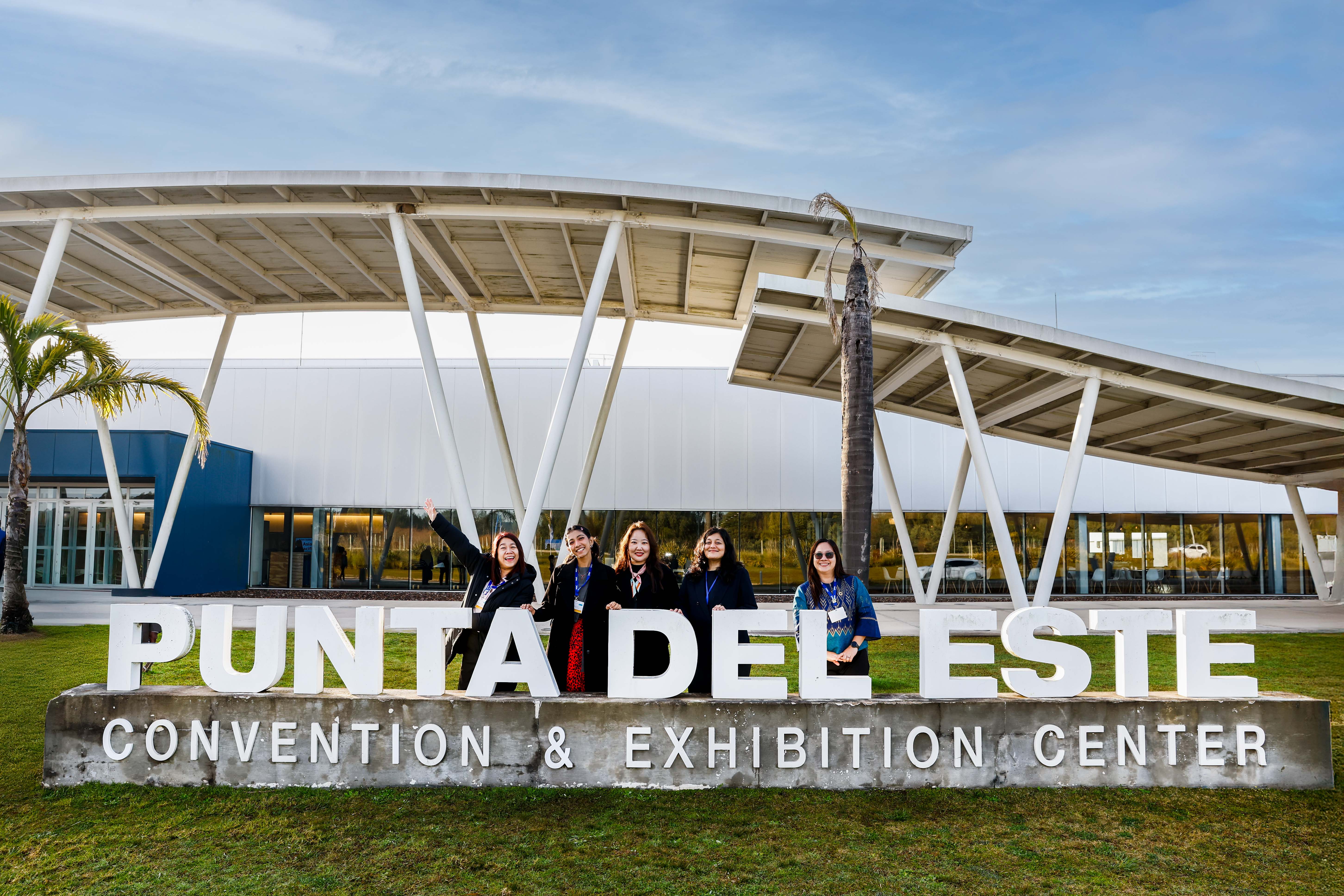
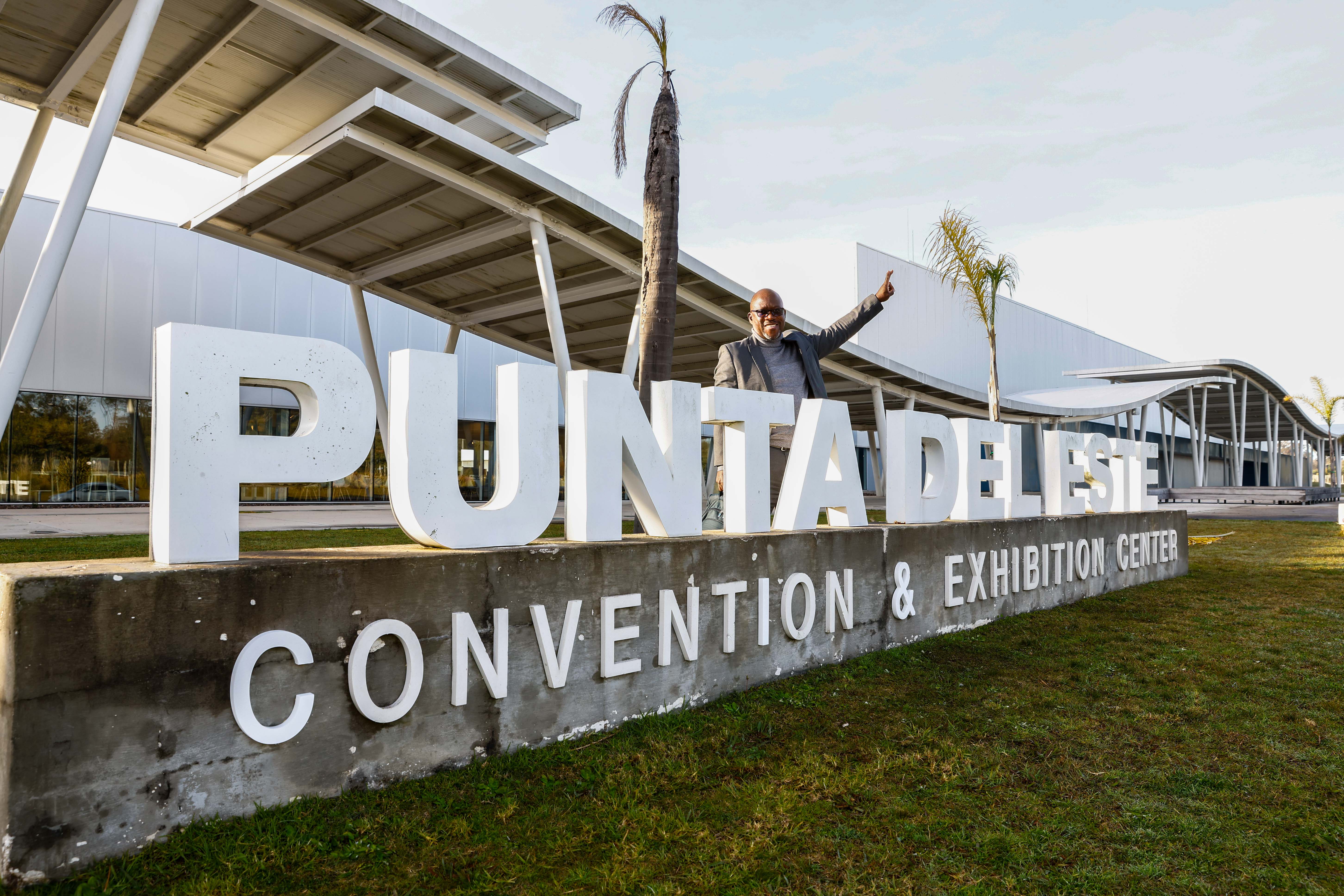
Delegate Family Photos