
Preserving progress achieved in the past while adapting to changing circumstances remains a challenge for lengthy negotiation processes, such as the revision of the Treaty’s Multilateral System (MLS) of access and benefit-sharing. Another challenge relates to the time devoted to complex technical and legal matters, rather than priority policy issues like payment rates or benefit-sharing from the use of digital sequence information (DSI) / genetic sequence data (GSD).
Many regions repeatedly called for addressing payment rates, arguing that the discussion could provide a pathway for deciding on a dual versus a subscription-only system for access to MLS material. In the meantime, most of the day’s deliberations focused on modalities for subscription and single access. Delegates suggested a series of questions that would warrant consideration by the Standing Group of Legal Experts, which could provide guidance before the Working Group’s next meeting.
A lengthy discussion focused on an agreed ad ref paragraph under modalities for single access. The paragraph exempts recipients of the MLS material from payment in case the product: has been obtained from another entity that has already made a payment; is sold or traded as a commodity; or contains a genetic contribution of less than 6.25% by pedigree of MLS material and does not contain a trait of commercial value contributed by MLS material.
Several regions questioned the logic of all exemptions, focusing particularly on the third establishing a threshold for payments based on the genetic contribution of MLS material to the commercialized product. They argued that the percentage of 6.25% can be applicable only to the breeding of certain Annex I crops, but not to the breeding of others, nor to use of DSI/GSD or to new genomic techniques that emerged since the text was agreed ad ref in 2019.
Others noted that the absence of a threshold in the current Standard Material Transfer Agreement is the reason companies do not use the MLS. A procedural discussion ensued on whether to bracket the agreed ad ref clauses. Delegates agreed to call for the preparation of a non-paper on the exemptions to inform discussions at the Working Group’s next meeting, to be held in July 2025.
The Latin America and the Caribbean region (GRULAC) made a compromise proposal towards a dual access system, seeking to accommodate the concerns of the regions supporting a subscription-only mechanism. According to the proposal, the recipient under single access would make a one-time payment, to be deducted from the payments due upon commercialization, based either on:
- the total research and development expenditure related to the development of the product; or
- the assessed market value of the product.
Regions expressed appreciation for GRULAC’s effort, calling for time to reflect on the proposal. Delegates will engage informally and report back to the Working Group on Friday.
In the afternoon, the Working Group addressed payment rates. Southwest Pacific, supported by many, noted the expectation is to define: the lowest rate for access under subscription for recipients making products available without restriction to others for further research and breeding; followed by a higher rate for access under subscription when products are not available for further research and breeding; and even higher rates for single access, without and with restrictions, respectively. They noted the rationale is that single access carries a risk that products may never be commercialized or only in the very distant future, which compromises flows into the Benefit-sharing Fund.
Discussions continued in the evening, including on steps to be taken before the next meeting of the Working Group, and on benefit-sharing from use of DSI/GSD.
To receive free coverage of global environmental events delivered to your inbox, subscribe to the ENB Update newsletter.
All ENB photos are free to use with attribution. For the 13th Meeting of the Ad Hoc Open ended Working Group to Enhance the Functioning of the ITPGRFA Multilateral System, please use: Photo by IISD/ENB | Mika Schroder.
Selected Images
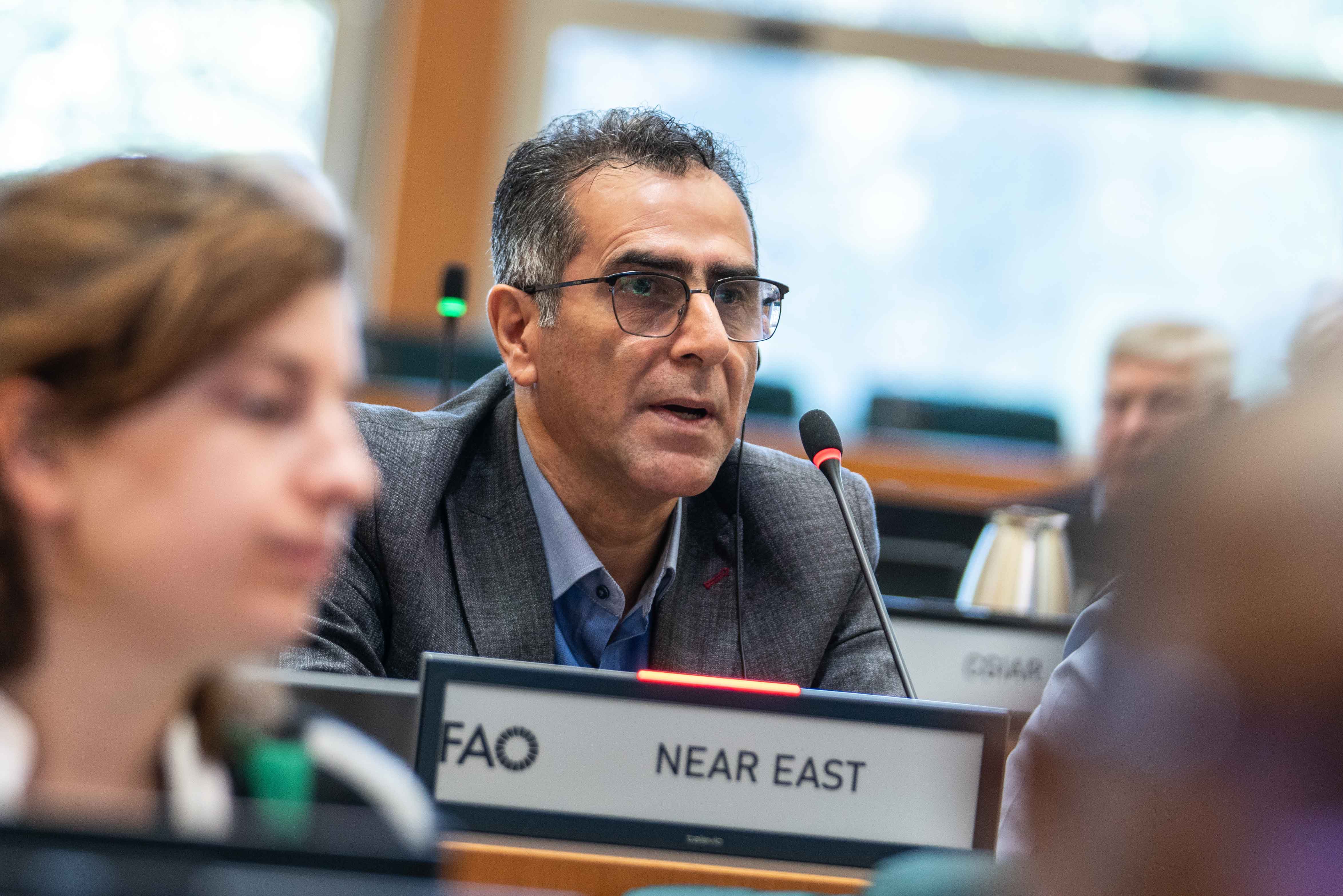
Behzad Sorkhilalehloo, Near East
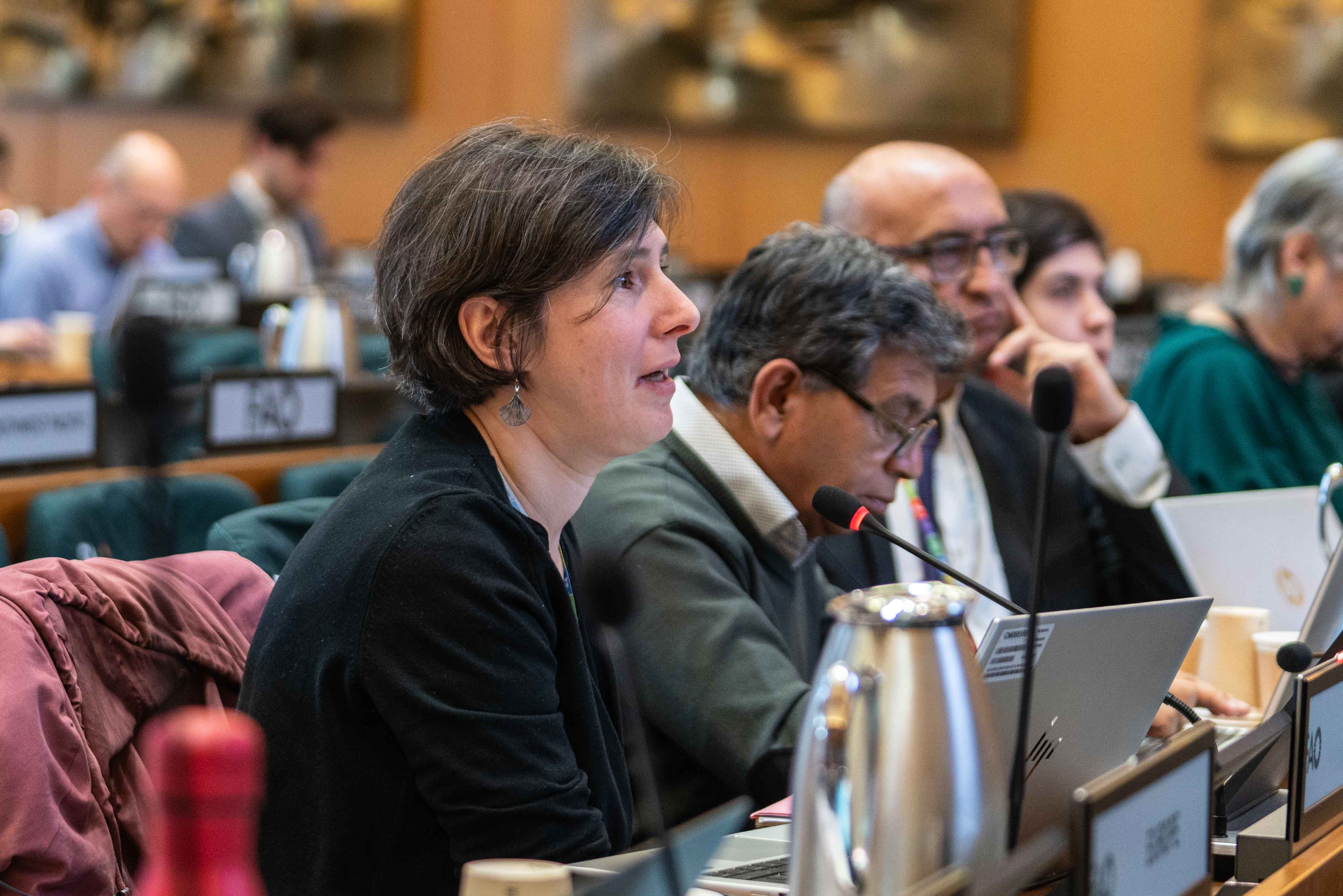
Isabelle Fragnière, Europe
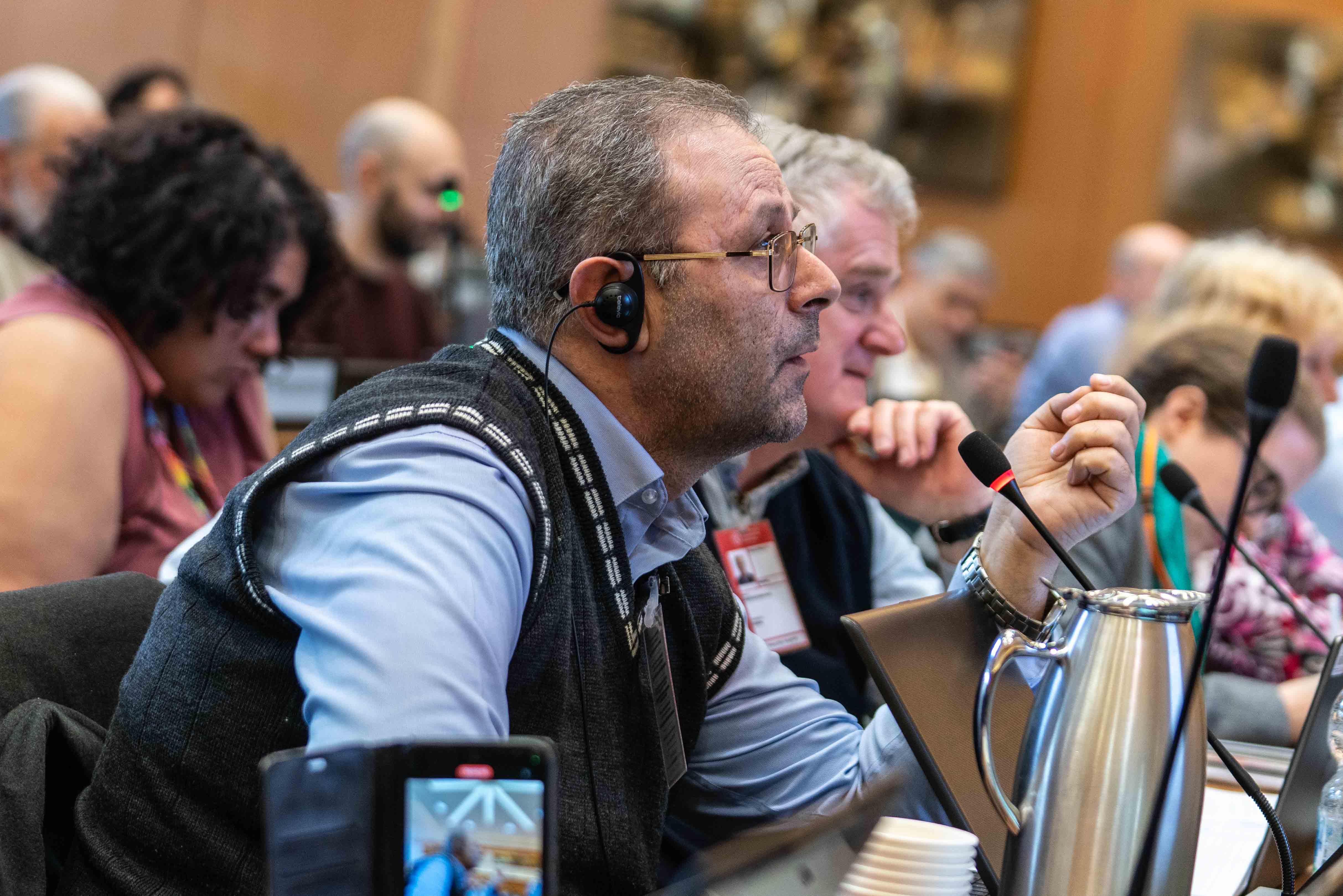
Ali Chehade, Near East
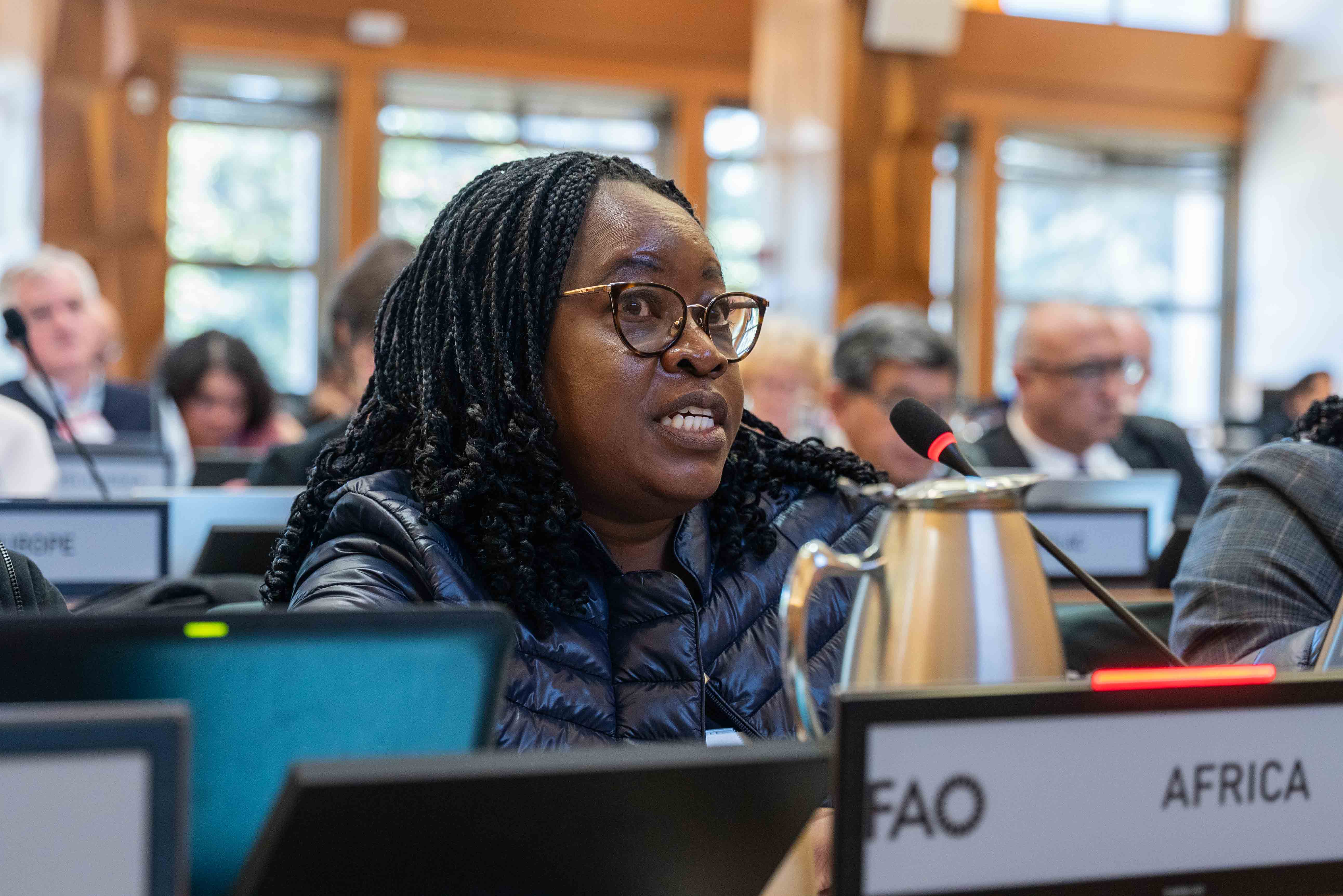
Remmie Hilukwa, Africa
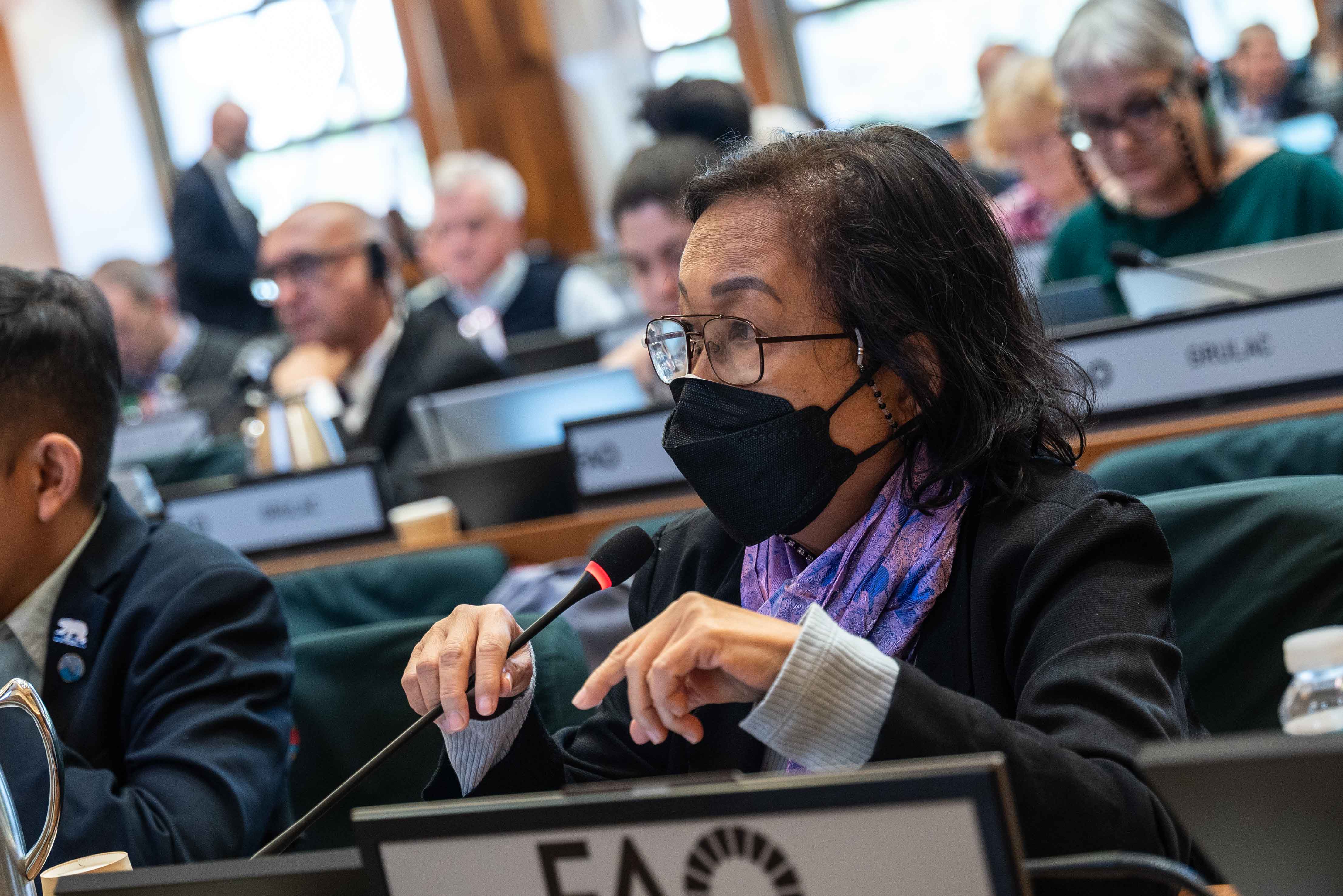
Lorna Herradura, Asia
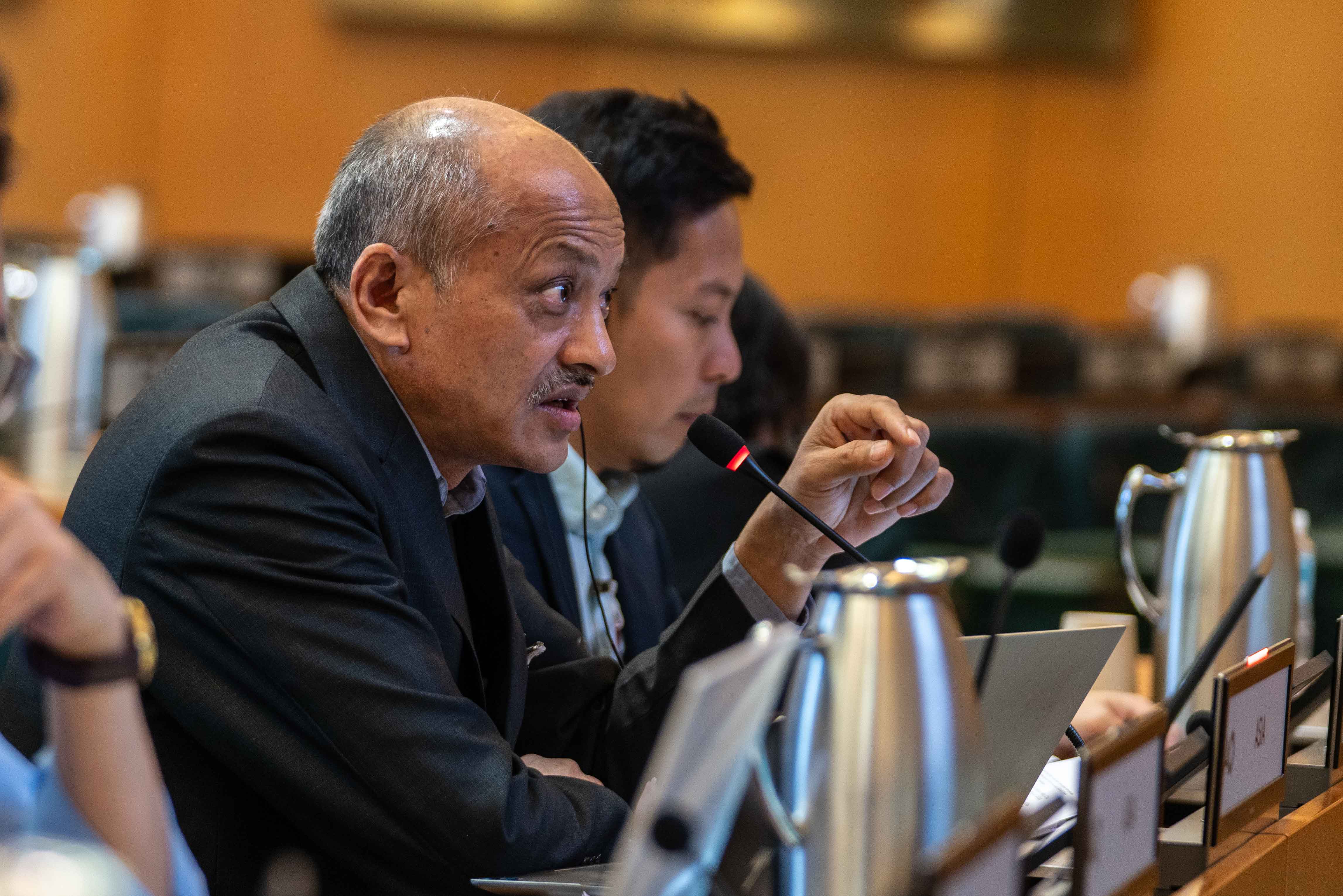
Bal Krishna Joshi, Asia
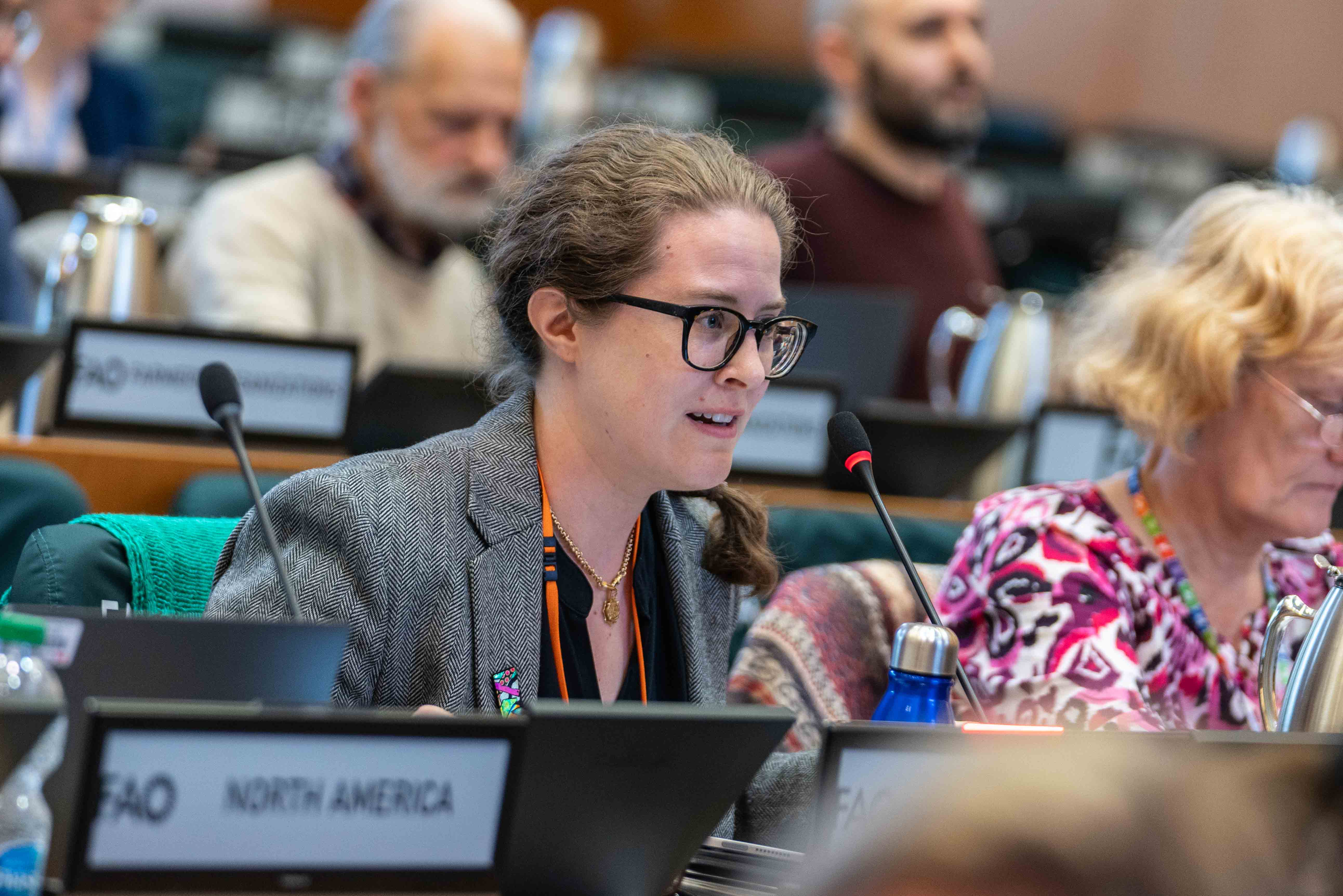
Katlyn Scholl, North America
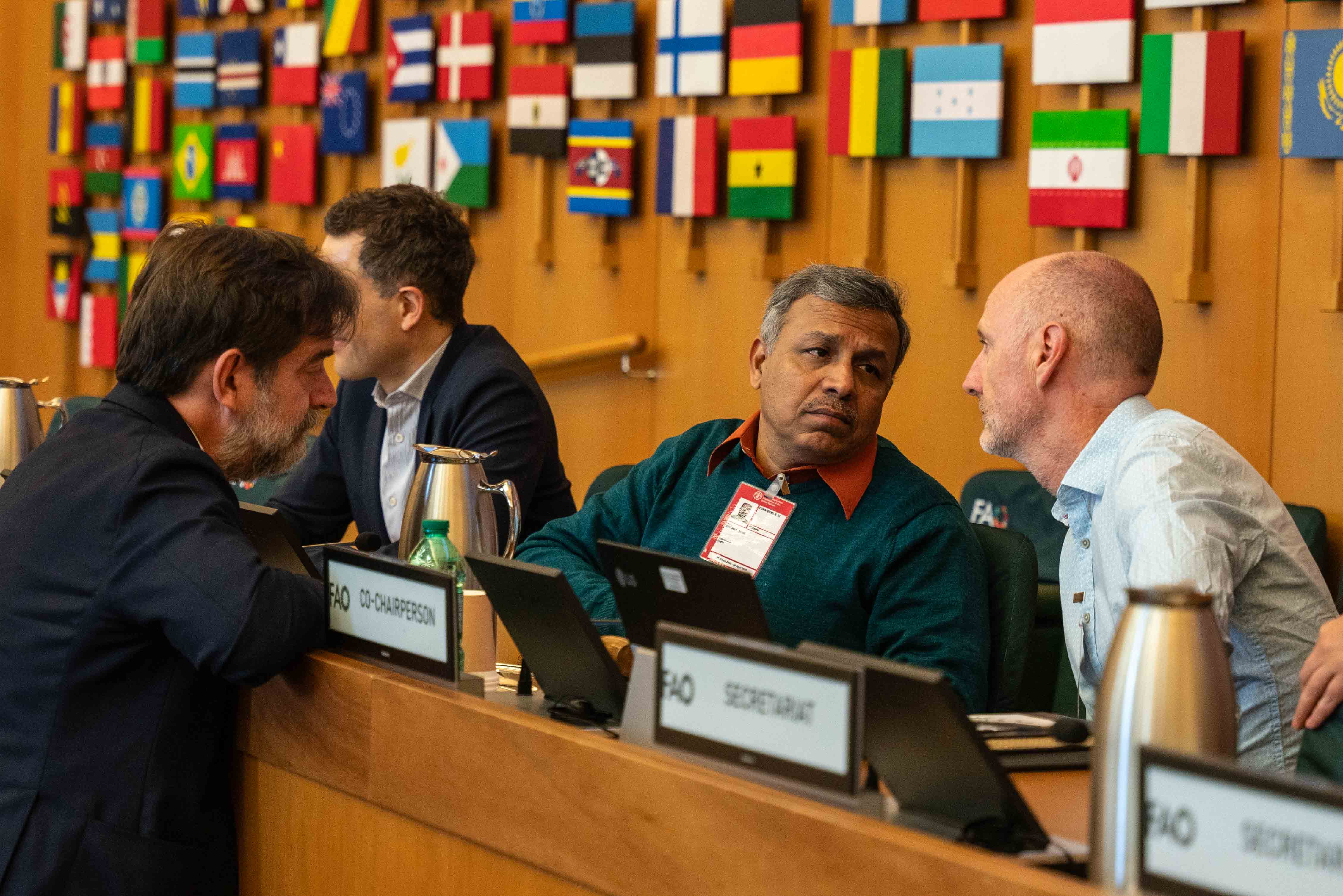
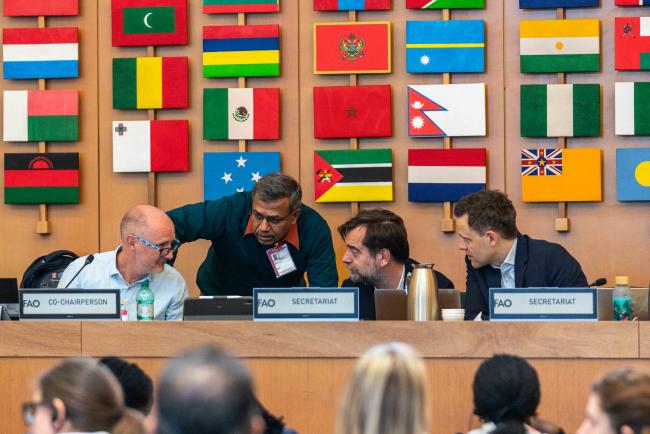
From L-R: Álvaro Toledo, ITPGRFA Secretariat, speaking with Working Group Co-Chairs Sunil Archak and Michael Ryan
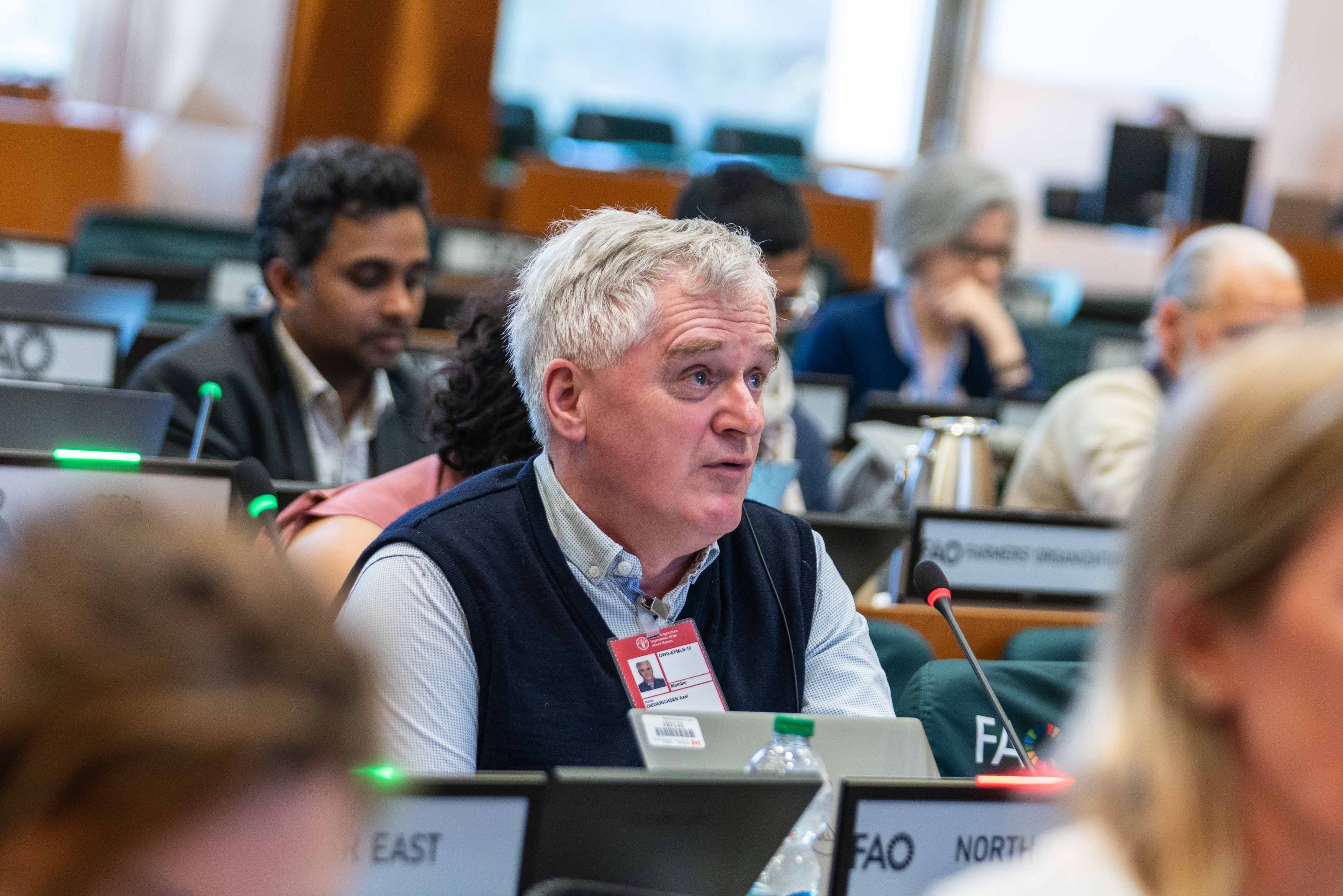
Axel Diederichsen, North America
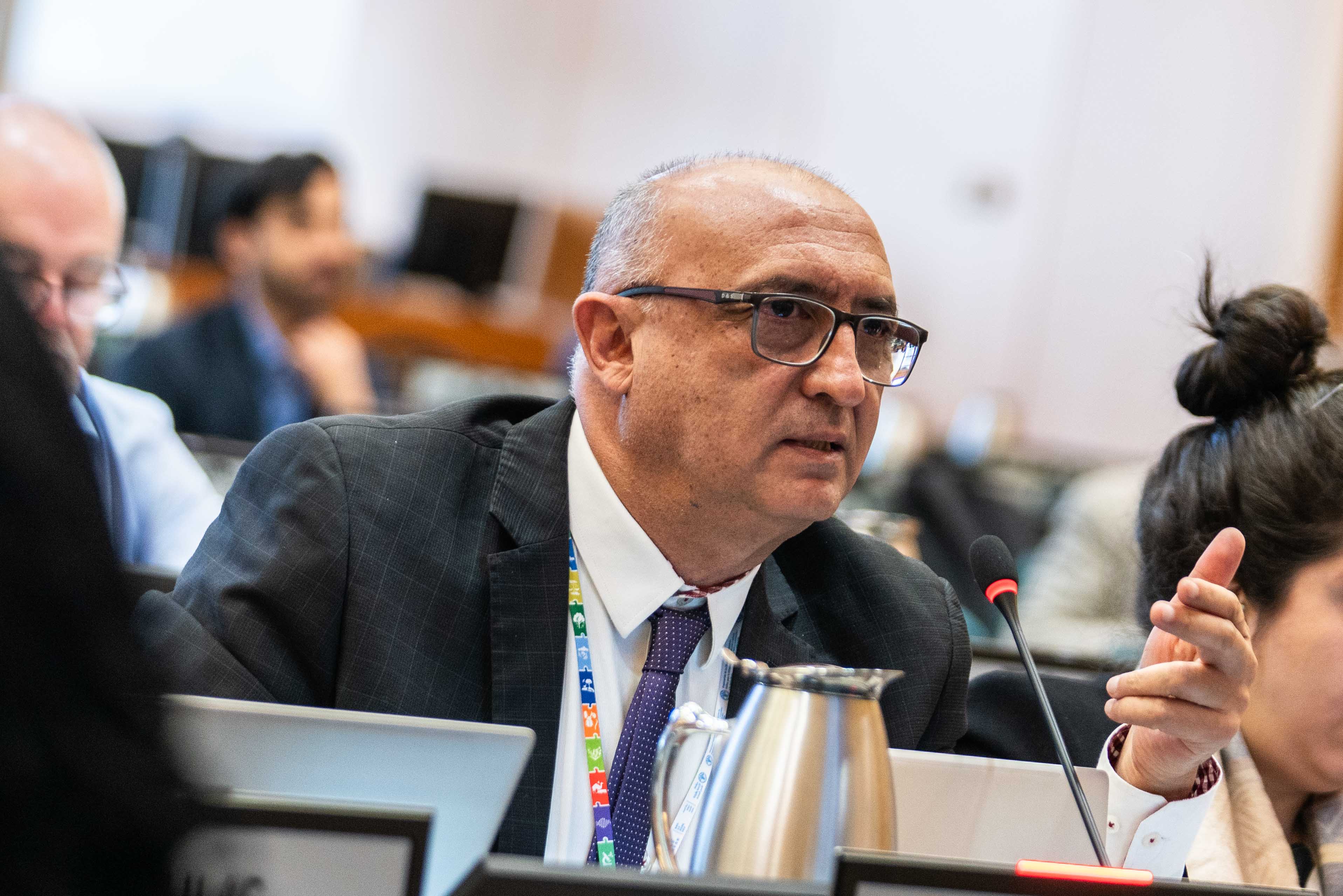
César Tapia Bastidas, GRULAC
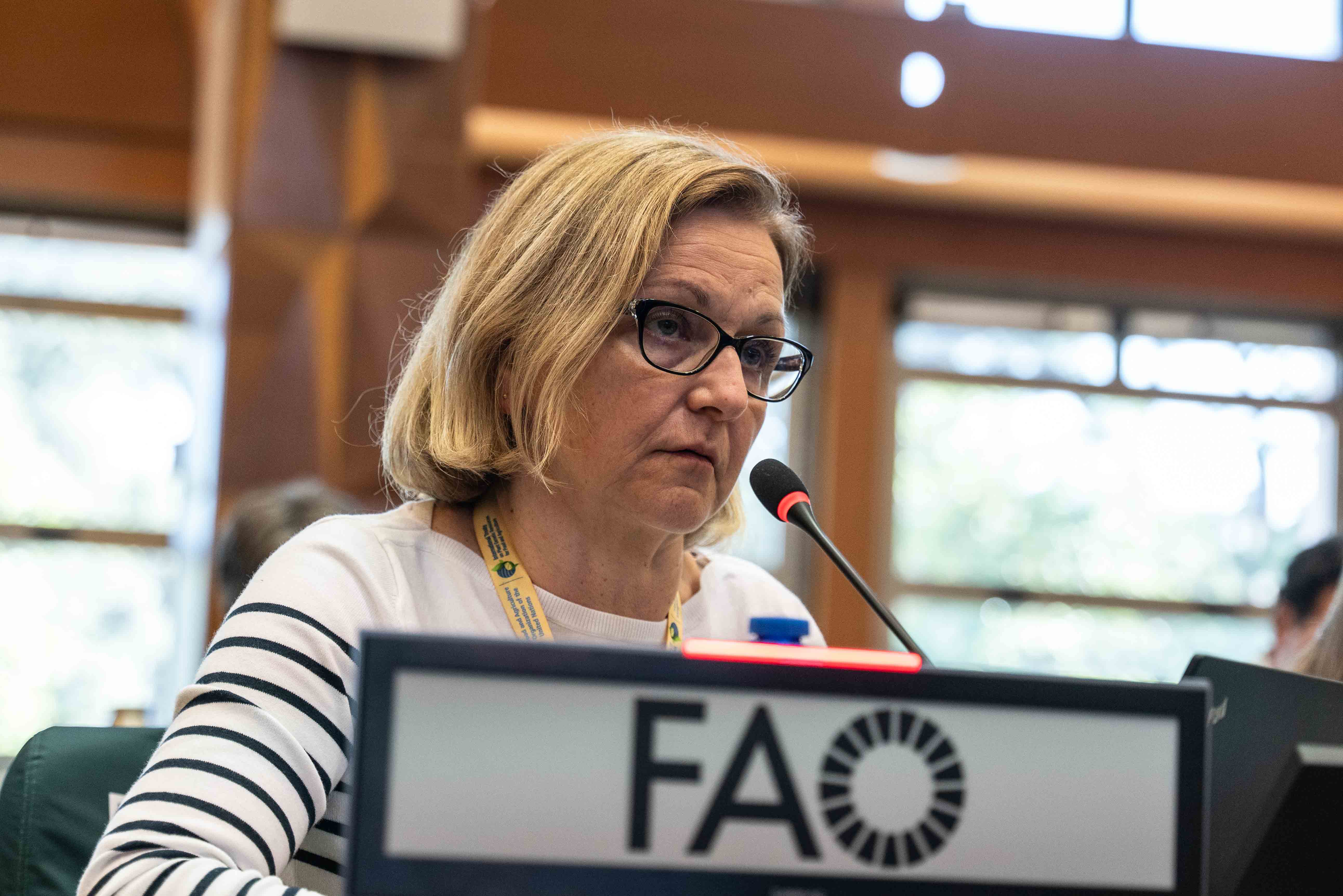
Jasmina Muminovic, Seed Industry
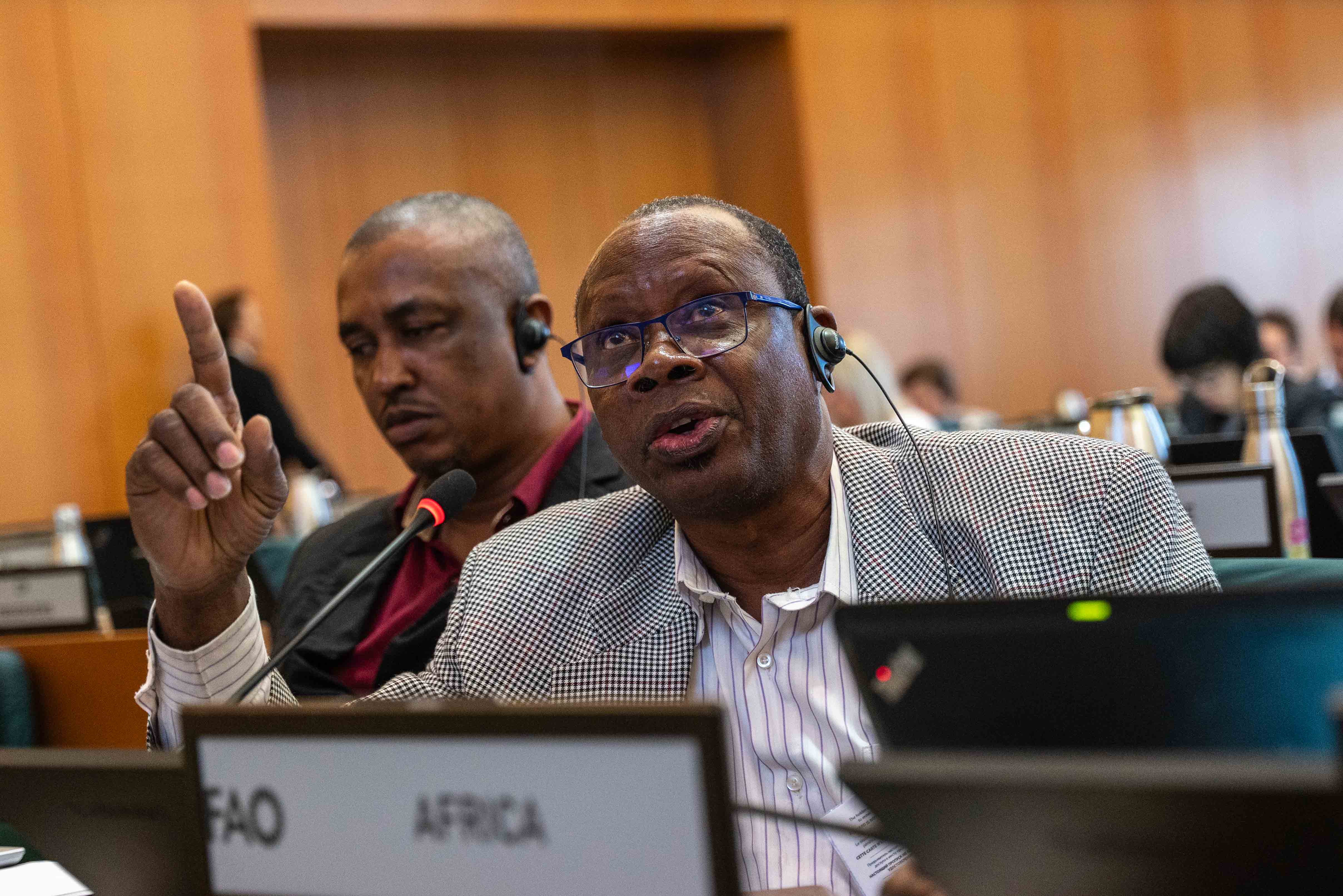
Soungalo Soulama, Africa
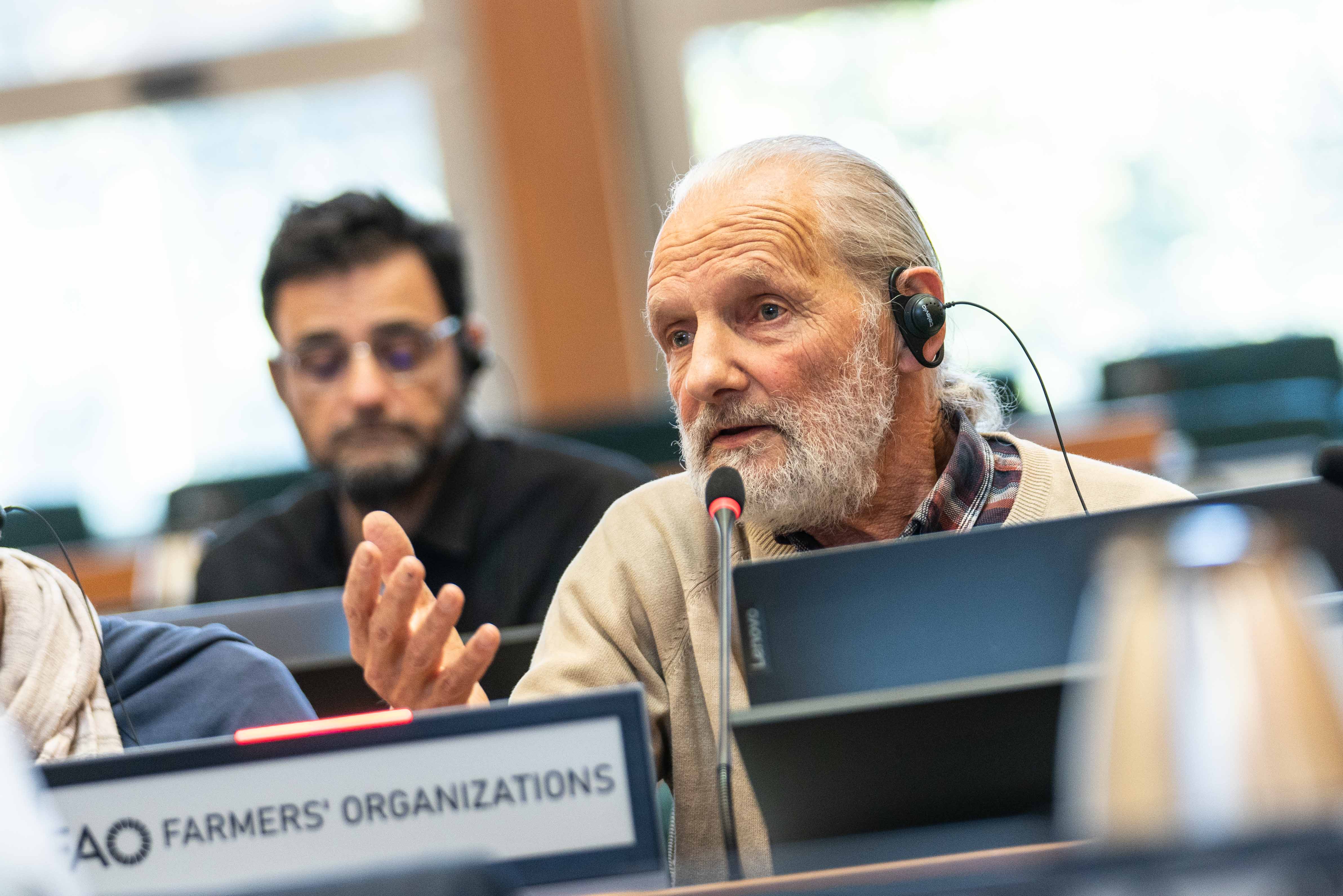
Guy Kastler, Farmers’ Organizations
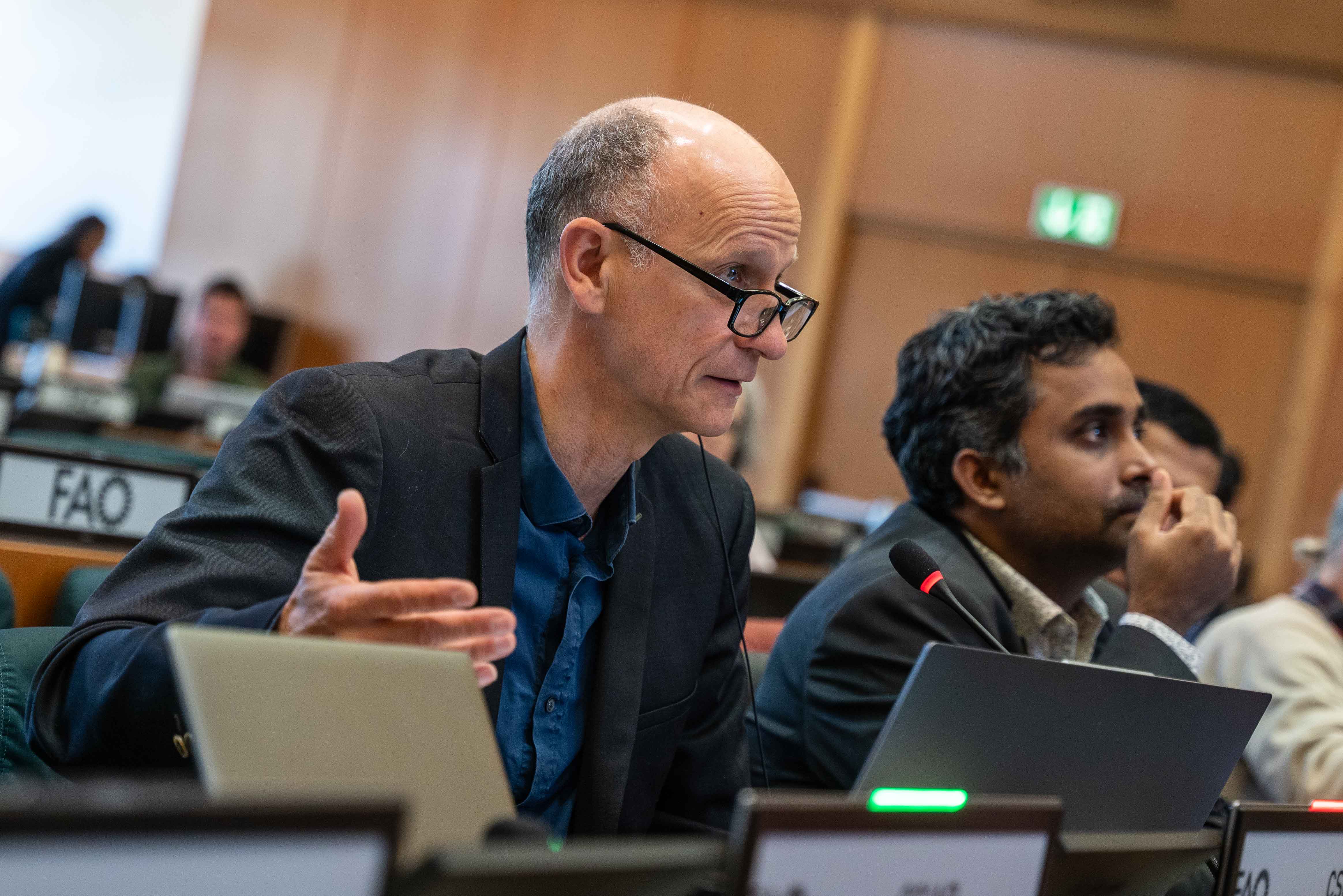
François Meienberg, Civil Society
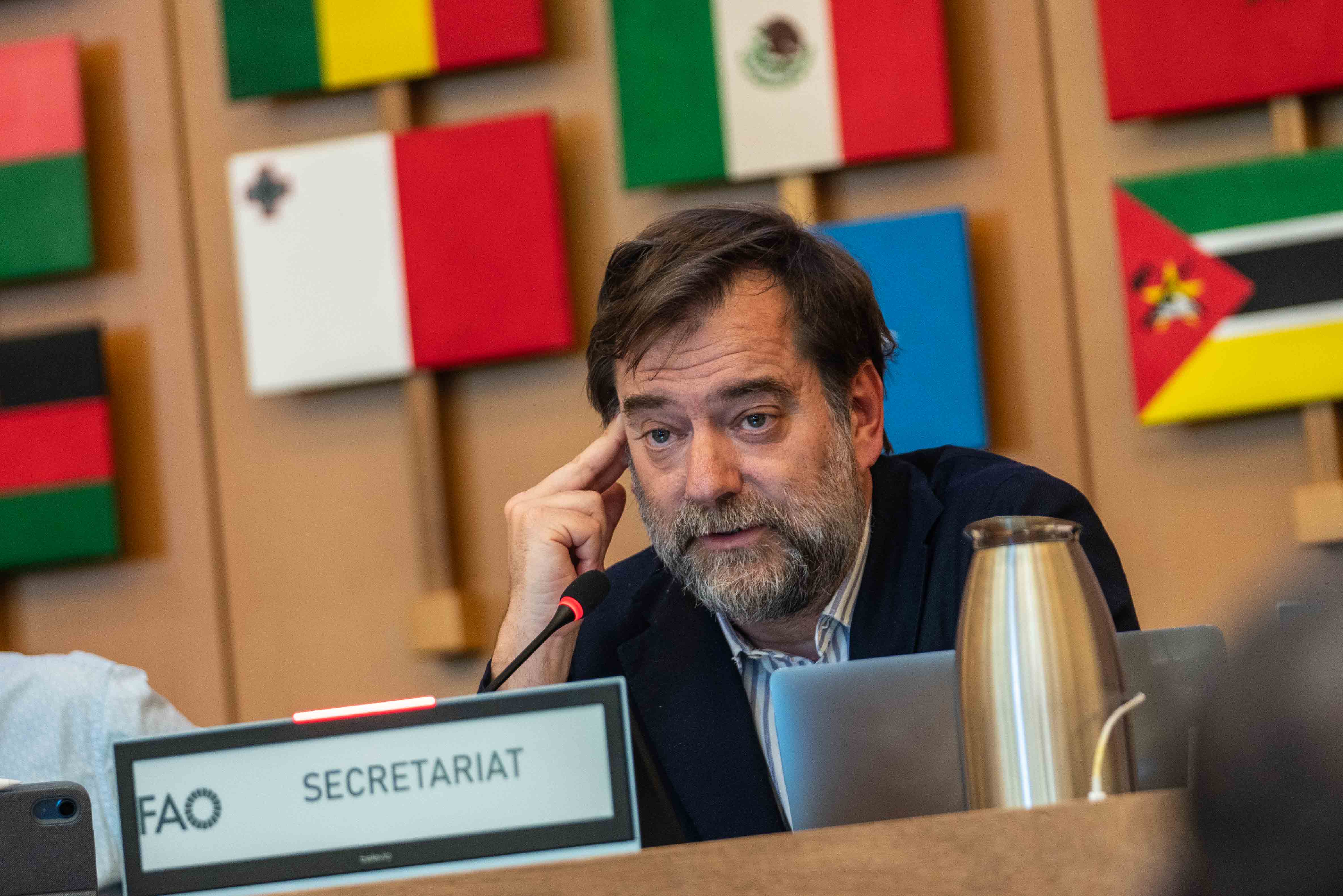
Álvaro Toledo, ITPGRFA Secretariat
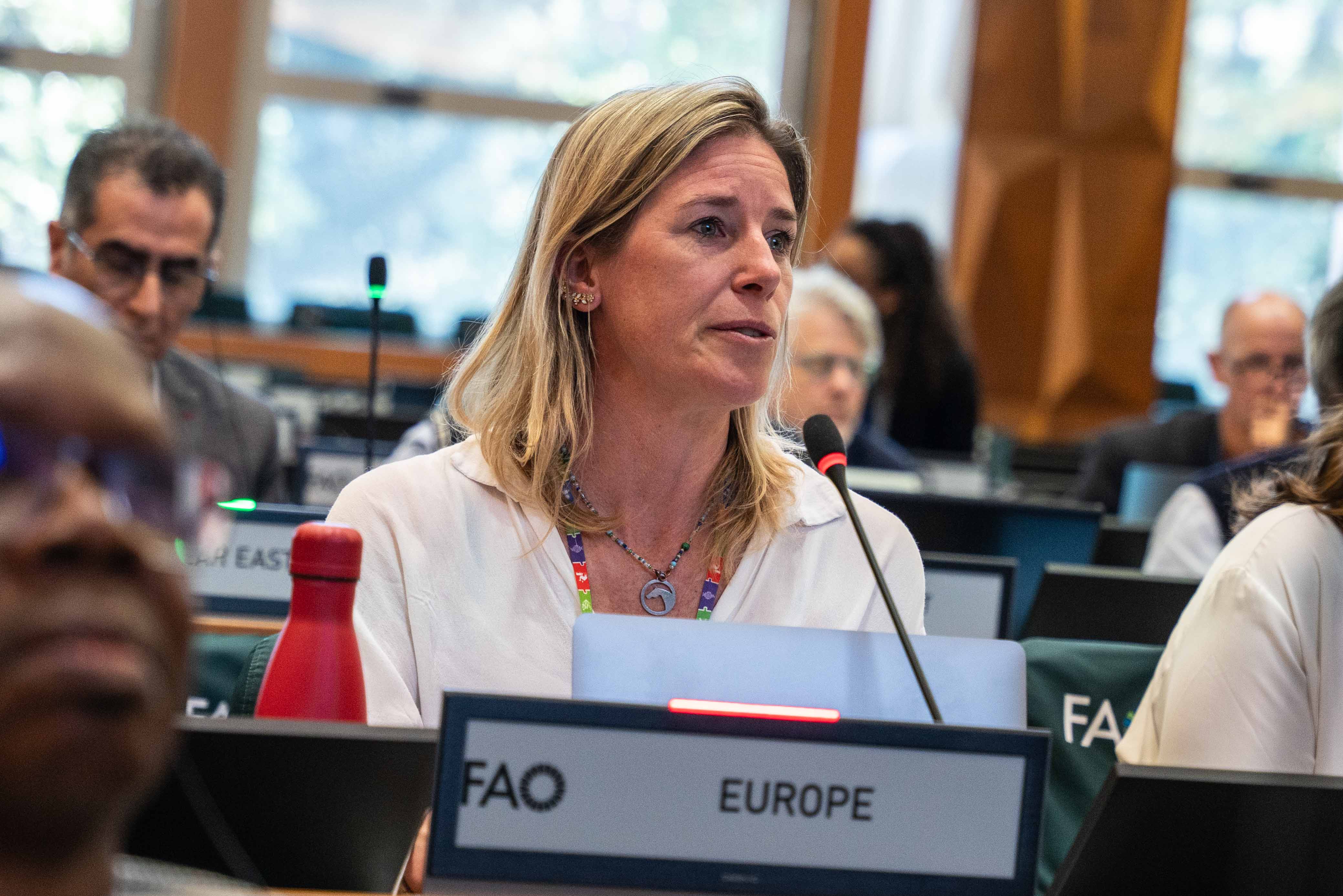
Kim van Seeters, Europe
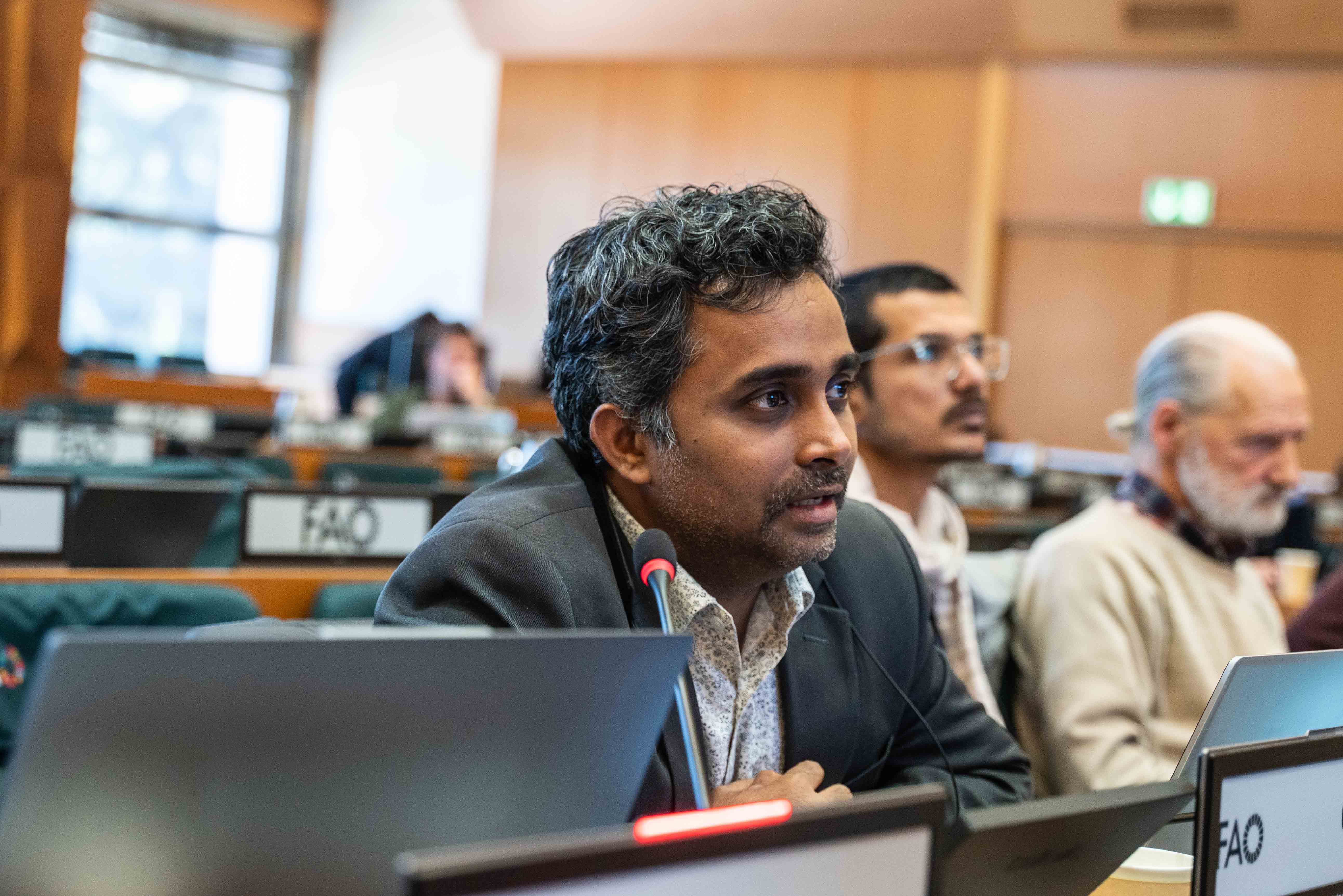
Nithin Ramakrishnan, Civil Society
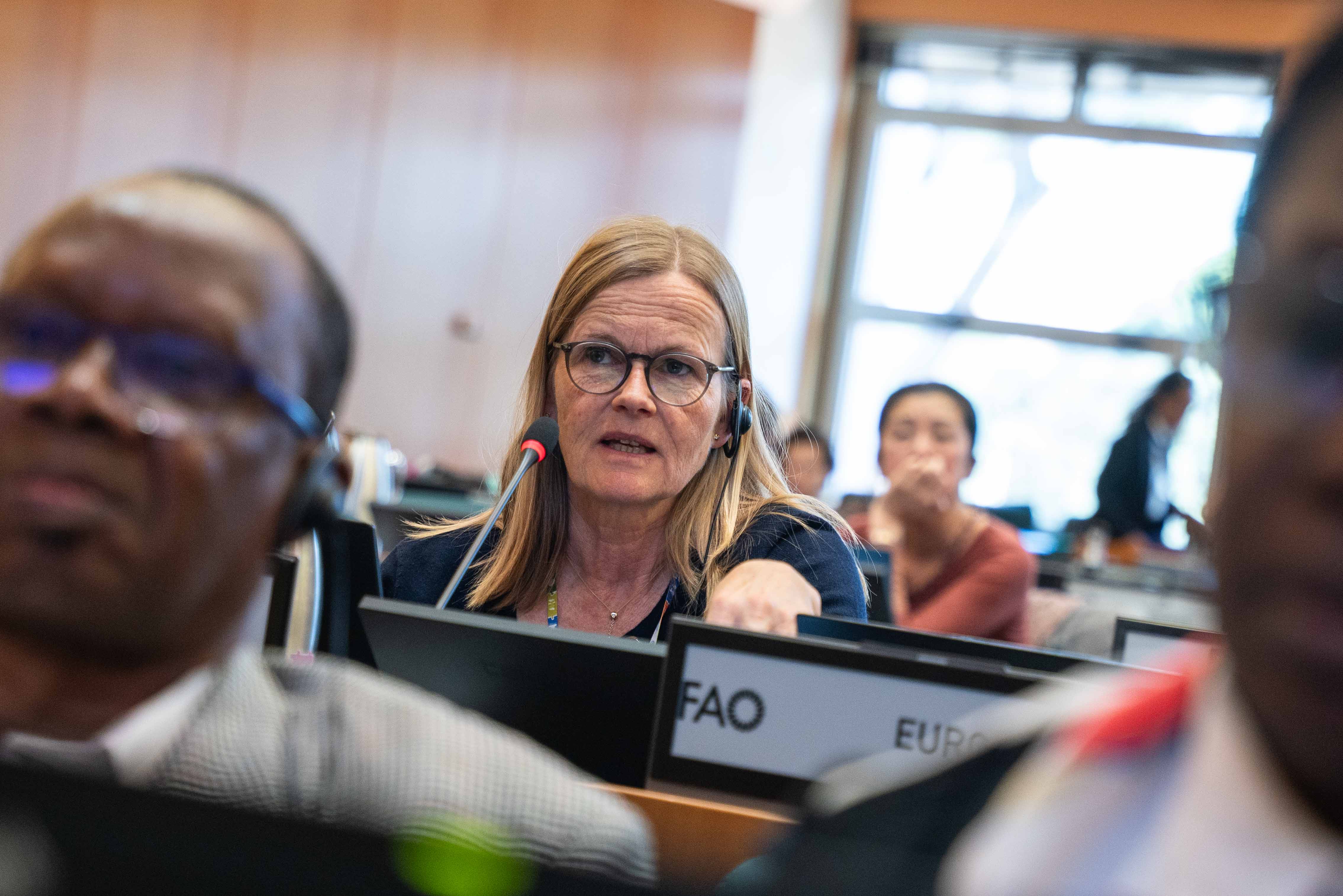
Imke Thormann, Europe


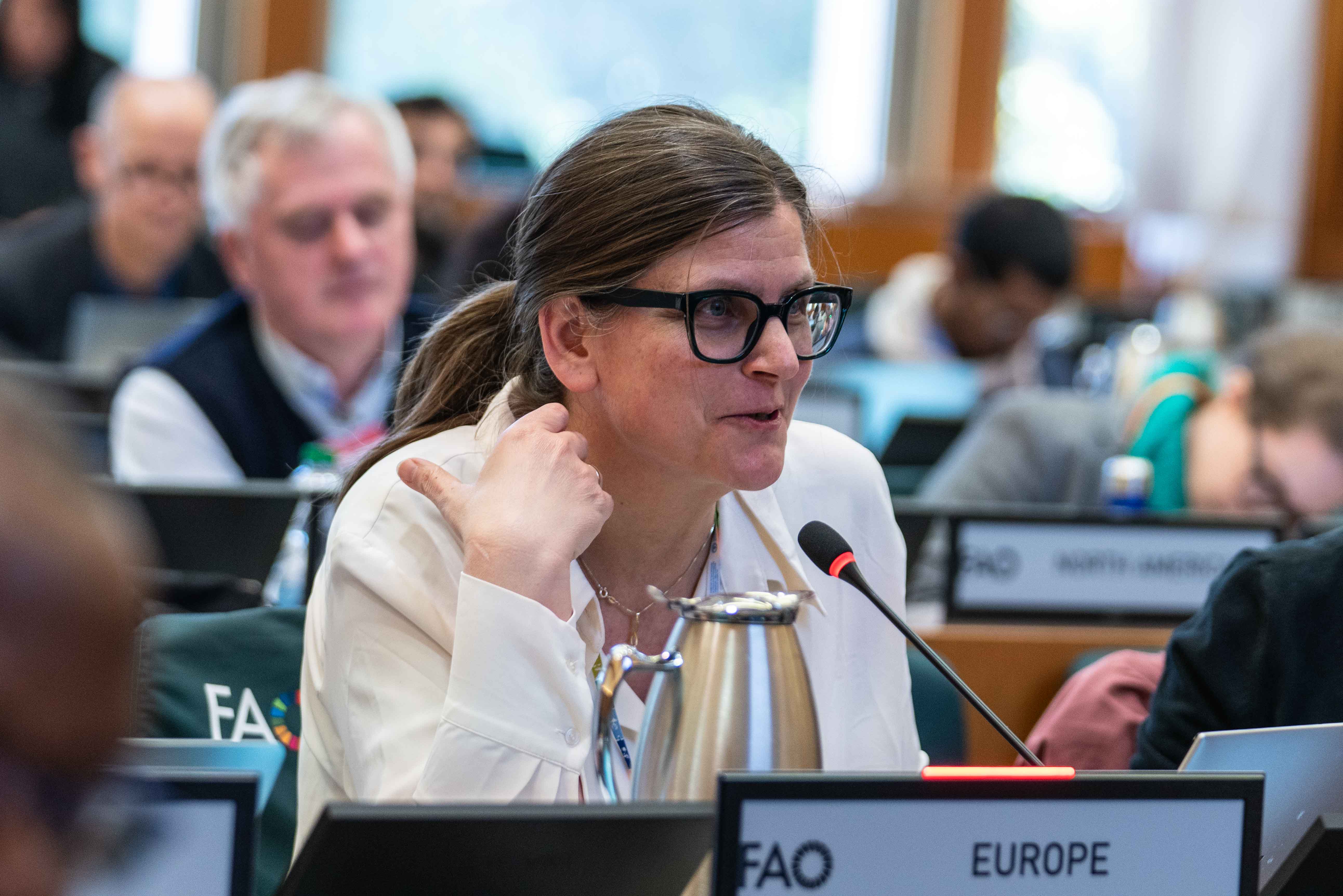
Svanhild-Isabelle Batta Torheim, Europe
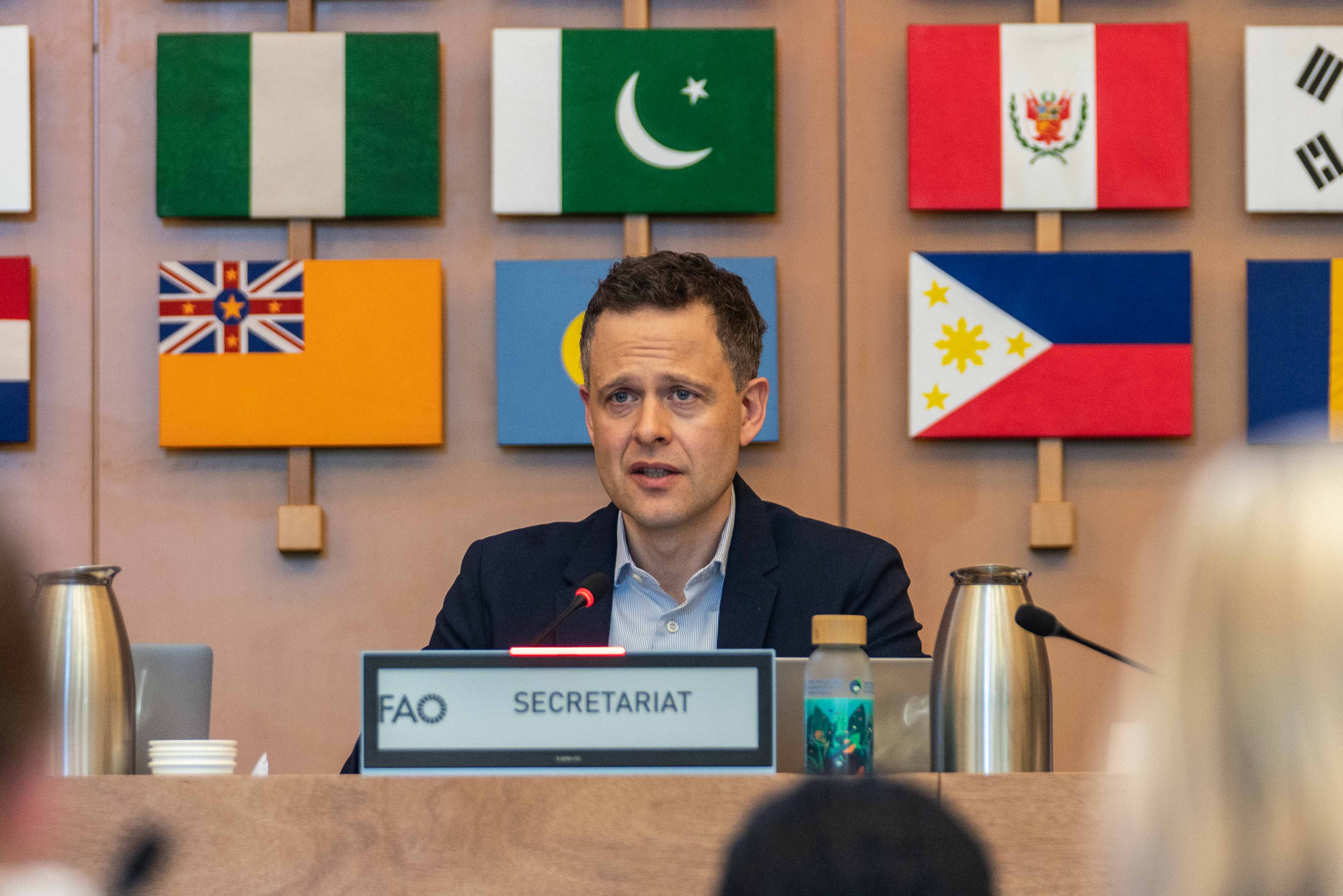
Tobias Kiene, ITPGRFA Secretariat

Michael Halewood, CGIAR

Tom Nickson, Seed Industry
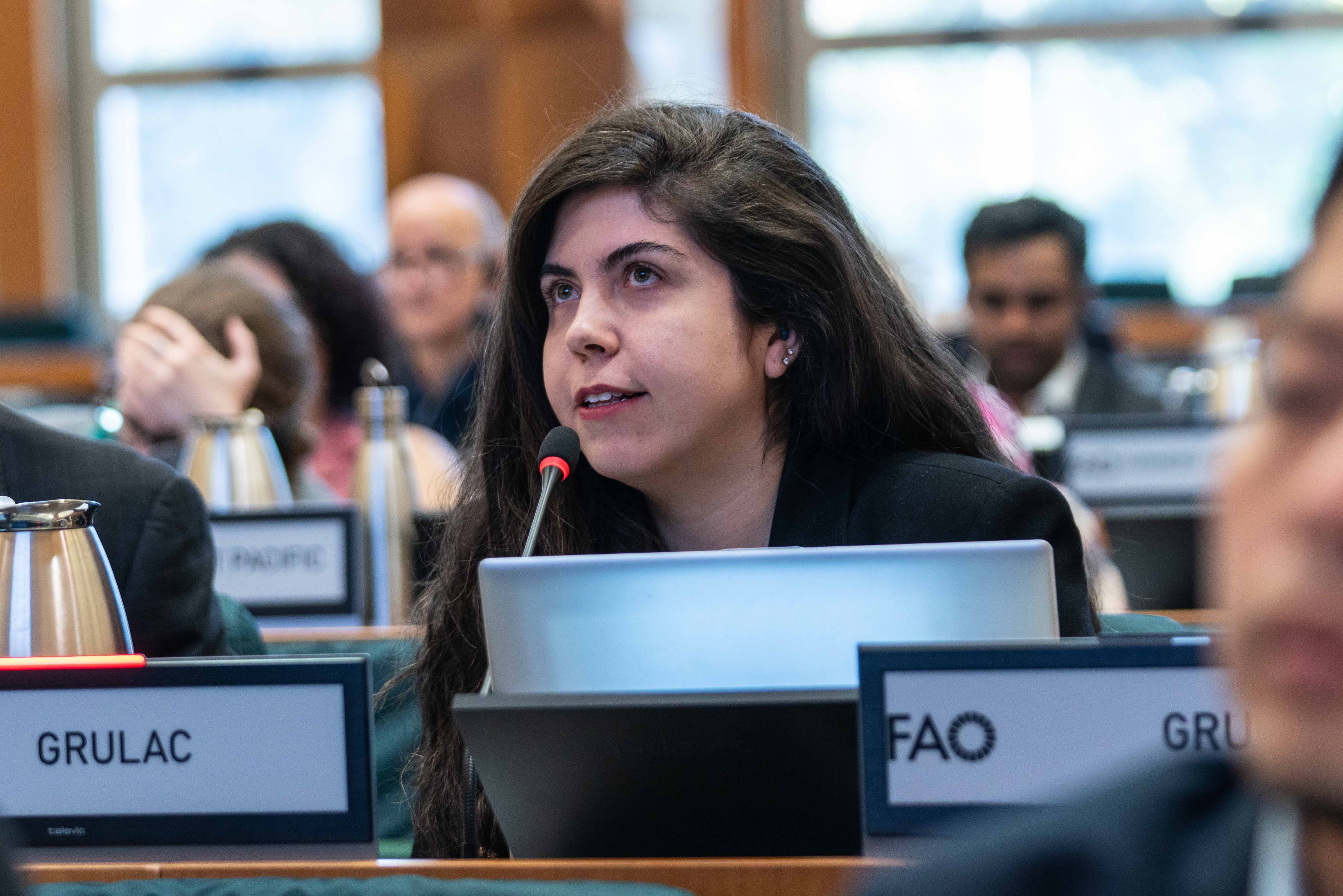
Taísa Passoni Marçal, GRULAC
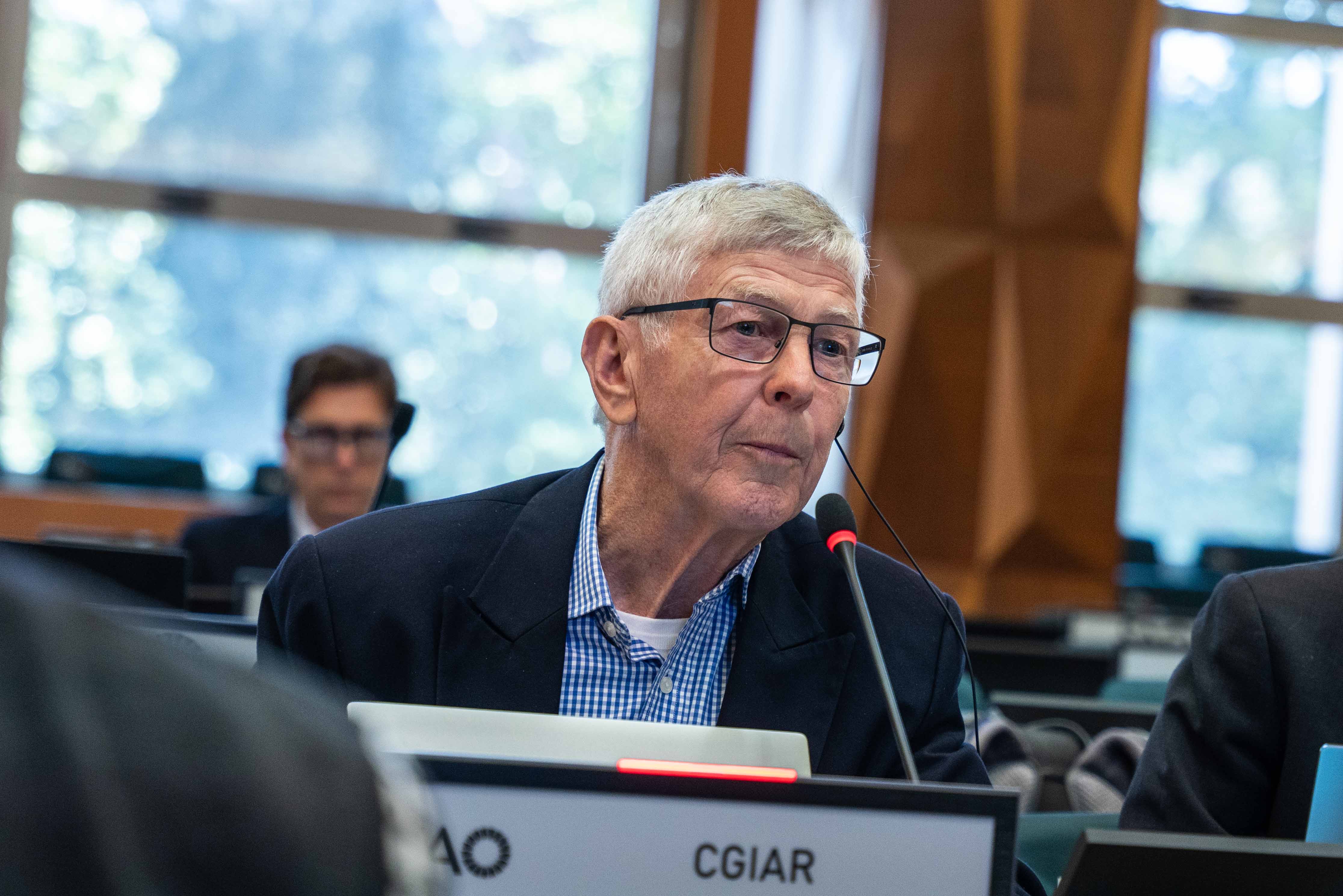
Ruraidh Sackville Hamilton, CGIAR
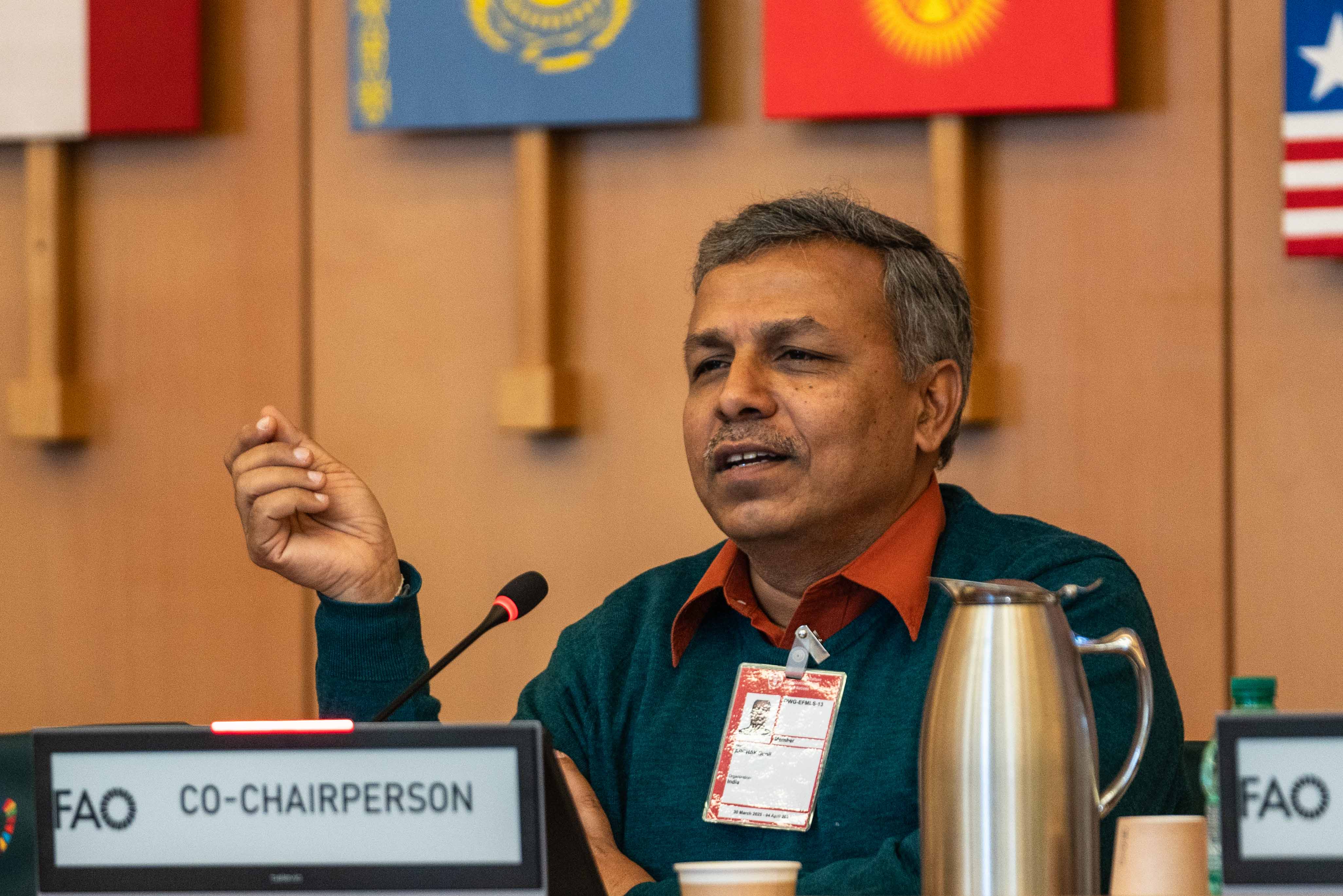
Working Group Co-Chair Sunil Archak
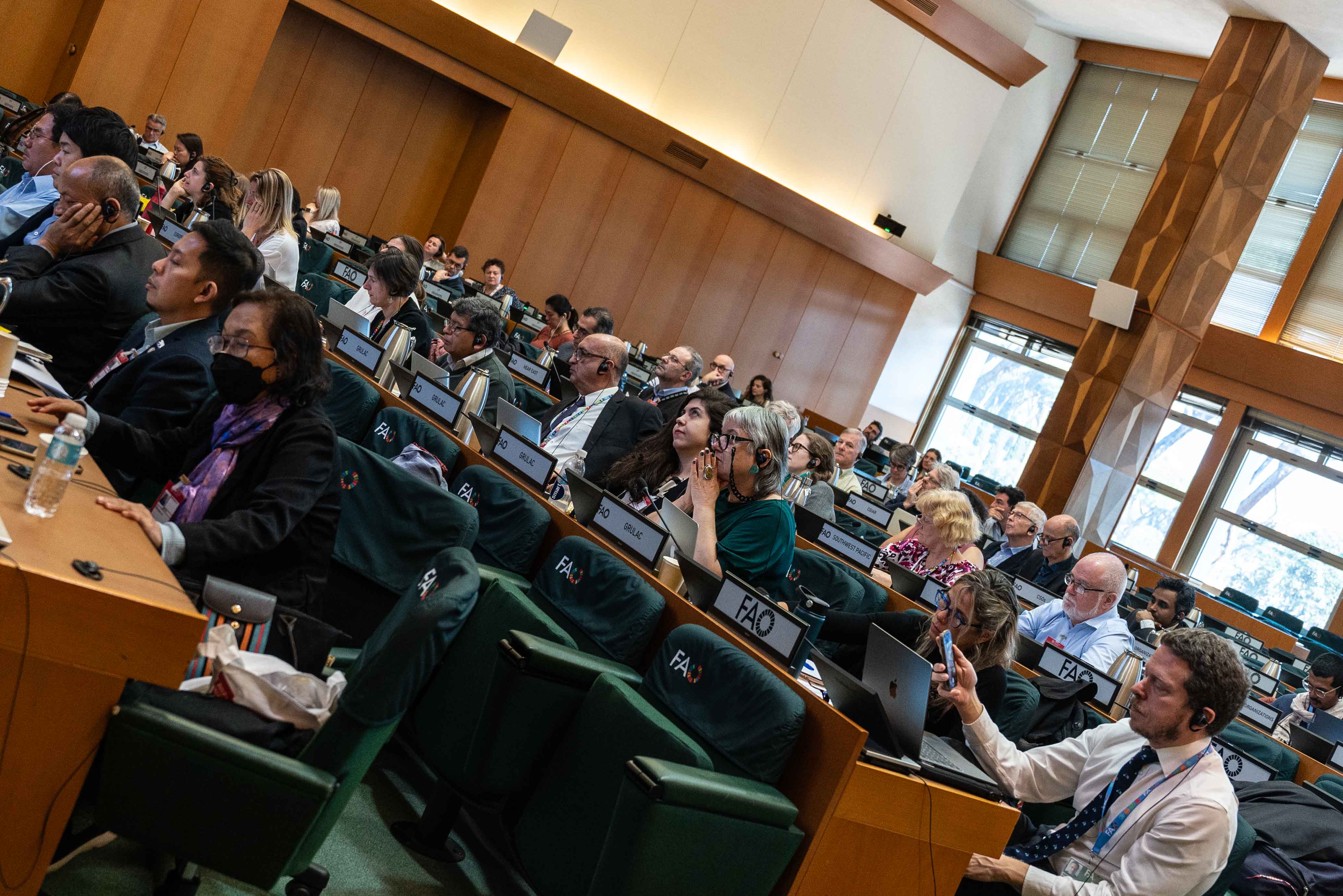
Between Sessions
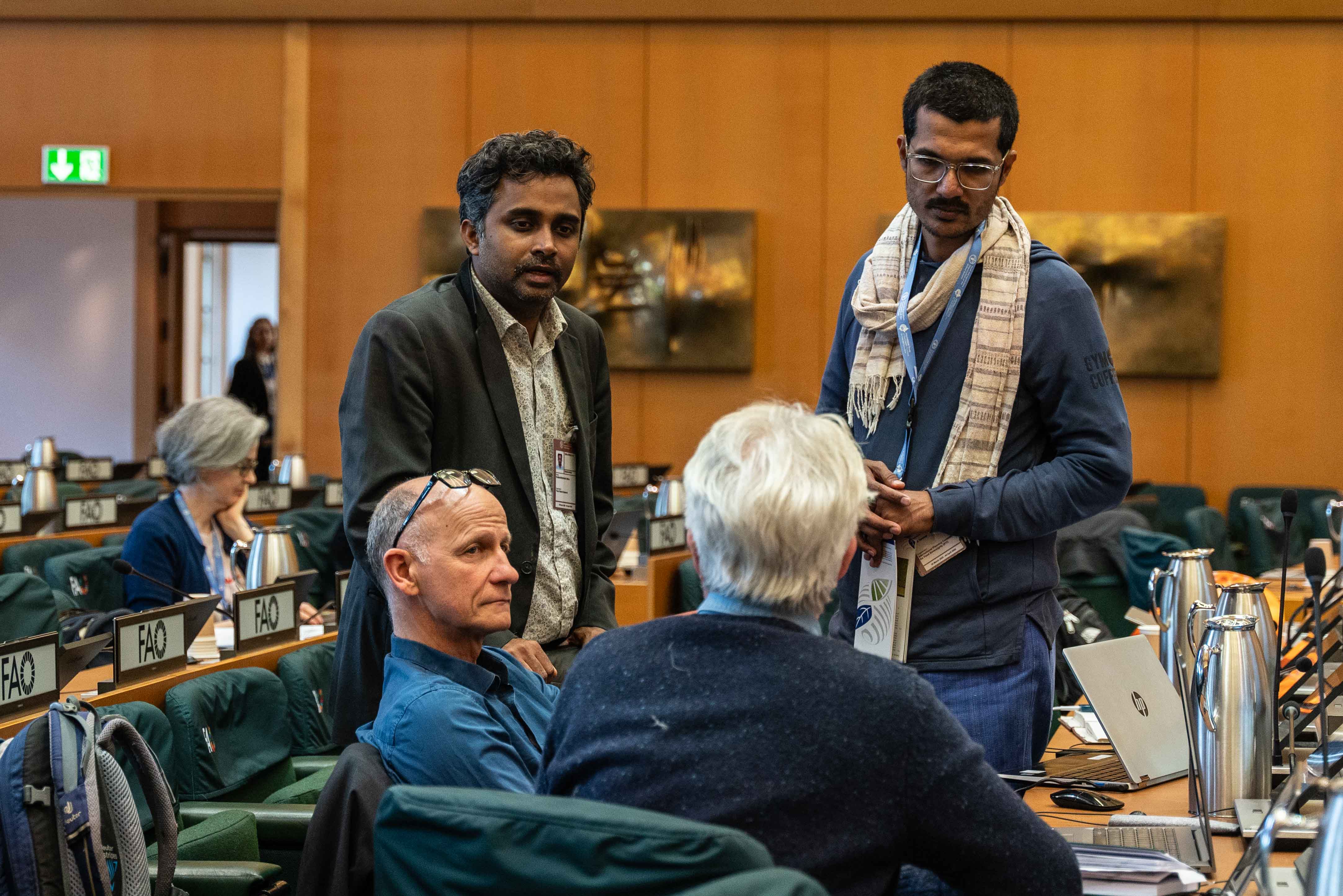
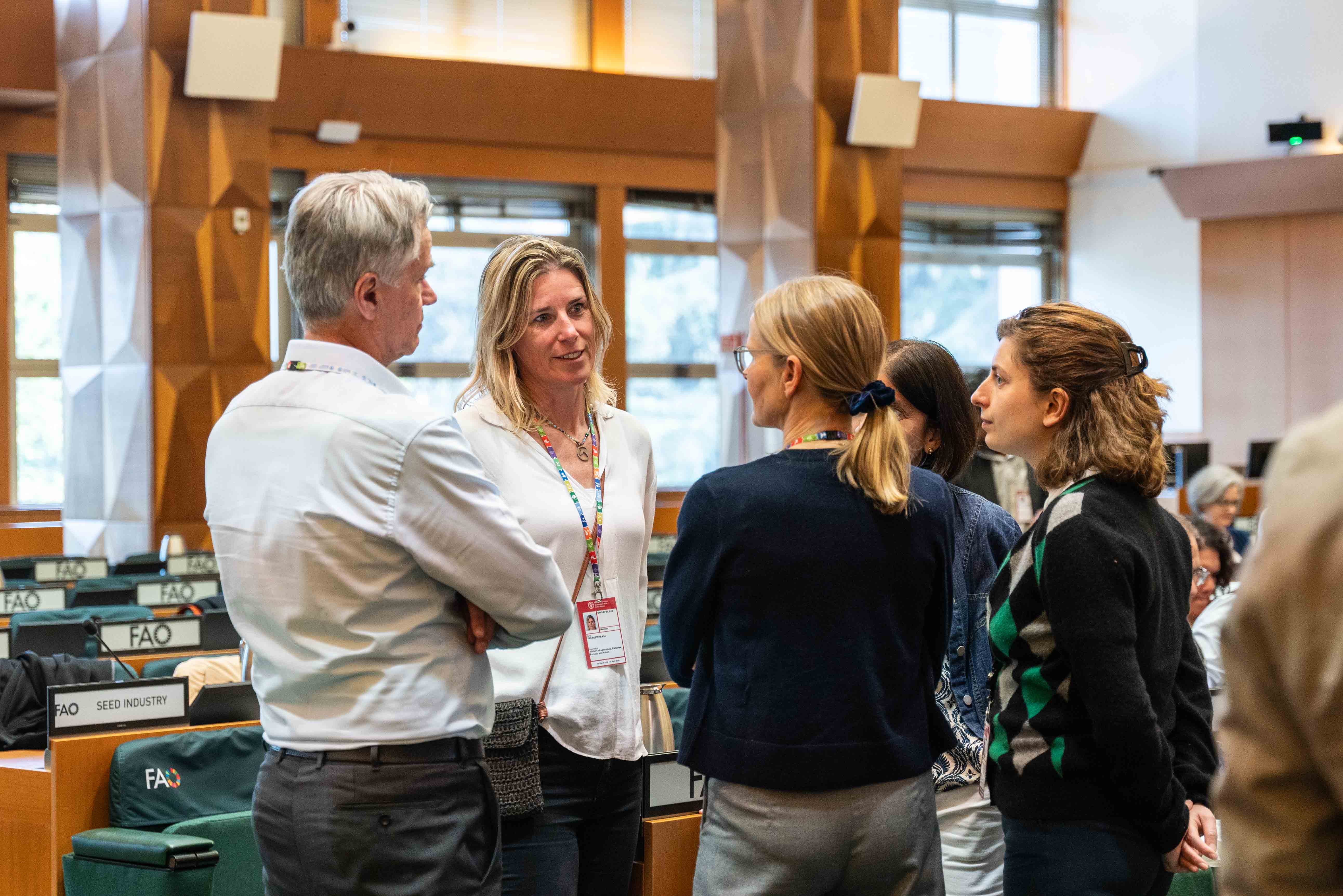
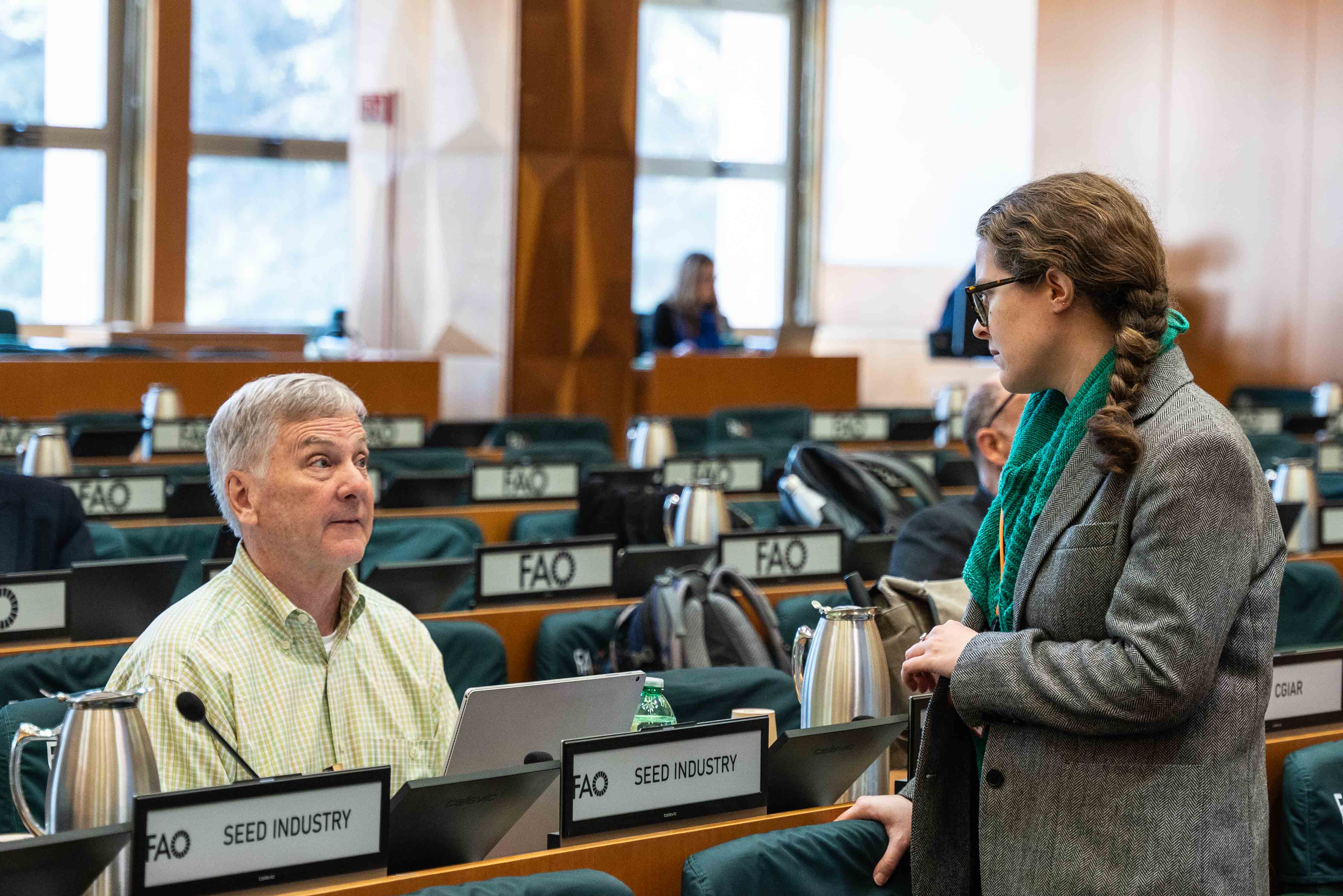

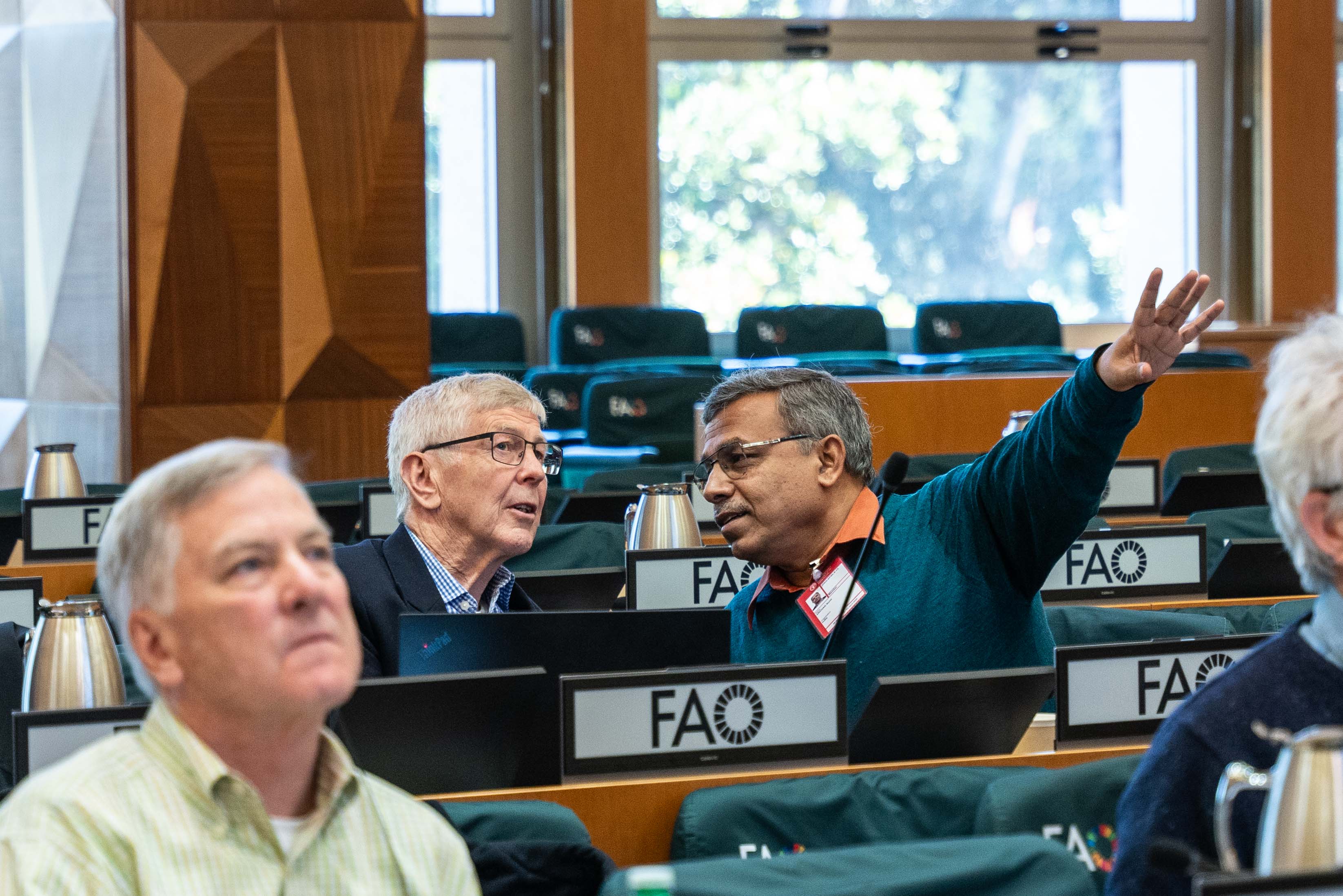
Ruraidh Sackville Hamilton, CGIAR, and Working Group Co-Chair Sunil Archak
Around the Venue