With only two full days of official negotiating time left, delegates scurried through the hallways of the Palais des Nations, rushing from one group to another to make progress on the future treaty text. They met all day in contact and informal groups as the resumed fifth session of the Intergovernmental Negotiating Committee (INC-5.2) to develop an international legally binding instrument (ILBI) on plastic pollution, including in the marine environment, neared its scheduled close.
Want to dig deeper into today's talks? Read the full Earth Negotiations Bulletin daily report.
Contact groups met to both hear progress on informal discussions, and to continue discussions on substantive matters. They had to overcome some logistical challenges, as, with the limited time available, and the “mountain of work to complete,” informal discussions took longer than expected, and some contact groups were in a holding pattern for part of the day.
Substantively, they addressed an article on capacity building, technical assistance and technology transfer, including international cooperation (Article 12), discussing, among other things, what to mandate the first session of the conference of the parties (COP 1) to do.
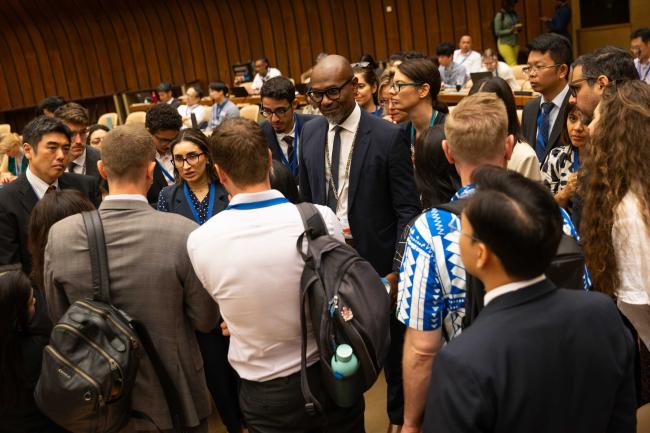
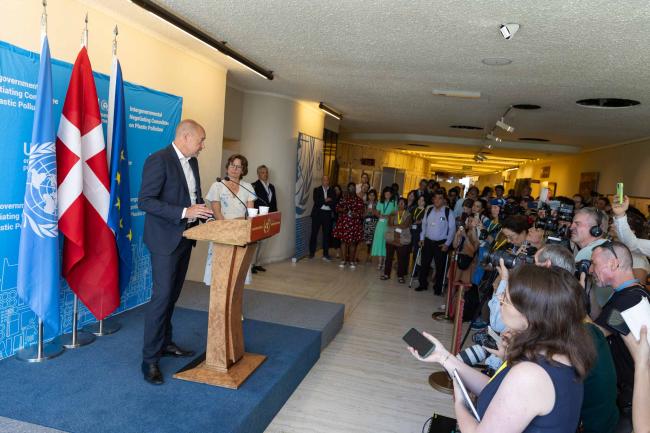
In parallel, ministers convened in an informal dialogue on investment opportunities for a circular economy in the context of the global plastics treaty, organized by the Swiss government. During the day, observers held a briefing with INC Chair Luis Vayas and INC Executive Secretary Jyoti Mathur-Filipp. INC Chair Vayas admitted concern over the pace of the negotiations, while expressing hope that “it is possible to deliver a text that is effective to end plastic pollution on Thursday.” He urged observers to “work with us to help find bridging positions” and to “keep pushing us.”
Informal groups met throughout the day, addressing:
- the ILBI’s preamble, and principles and possible approaches (Article 1bis);
- plastic product design (Article 5);
- releases and leakages (Article 7);
- plastic waste management (Article 8);
- existing and/or legacy plastic waste/pollution or the remediation of plastic pollution (Article 9);
- just transition (Article 10);
- the future COP (Article 20); and
- the establishment of future subsidiary bodies (Article 20bis).
In the evening, delegates were informed that plenary would convene on Wednesday, 13 August, to consider the Chair's revised text based on the current state of negotiations.
To receive free coverage of global environmental events delivered to your inbox, subscribe to the ENB Update newsletter.
All ENB photos are free to use with attribution. For INC 5.2 please use: Photo by IISD/ENB - Kiara Worth
Informal Ministerial Roundtable
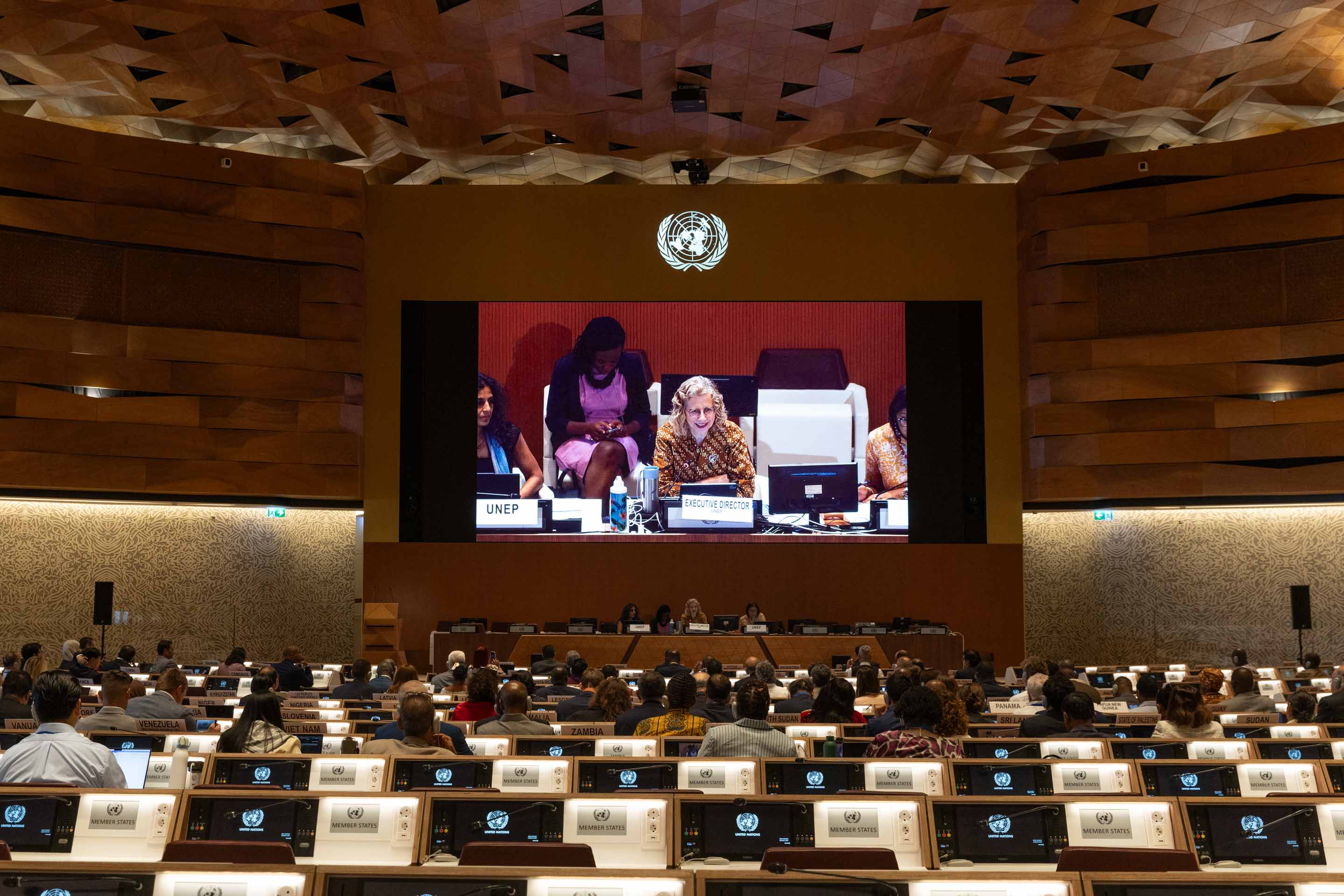
Inger Andersen, Executive Director, UN Environment Programme (UNEP), welcomes ministers to the informal ministerial roundtable on challenges at national levels to address plastic pollution
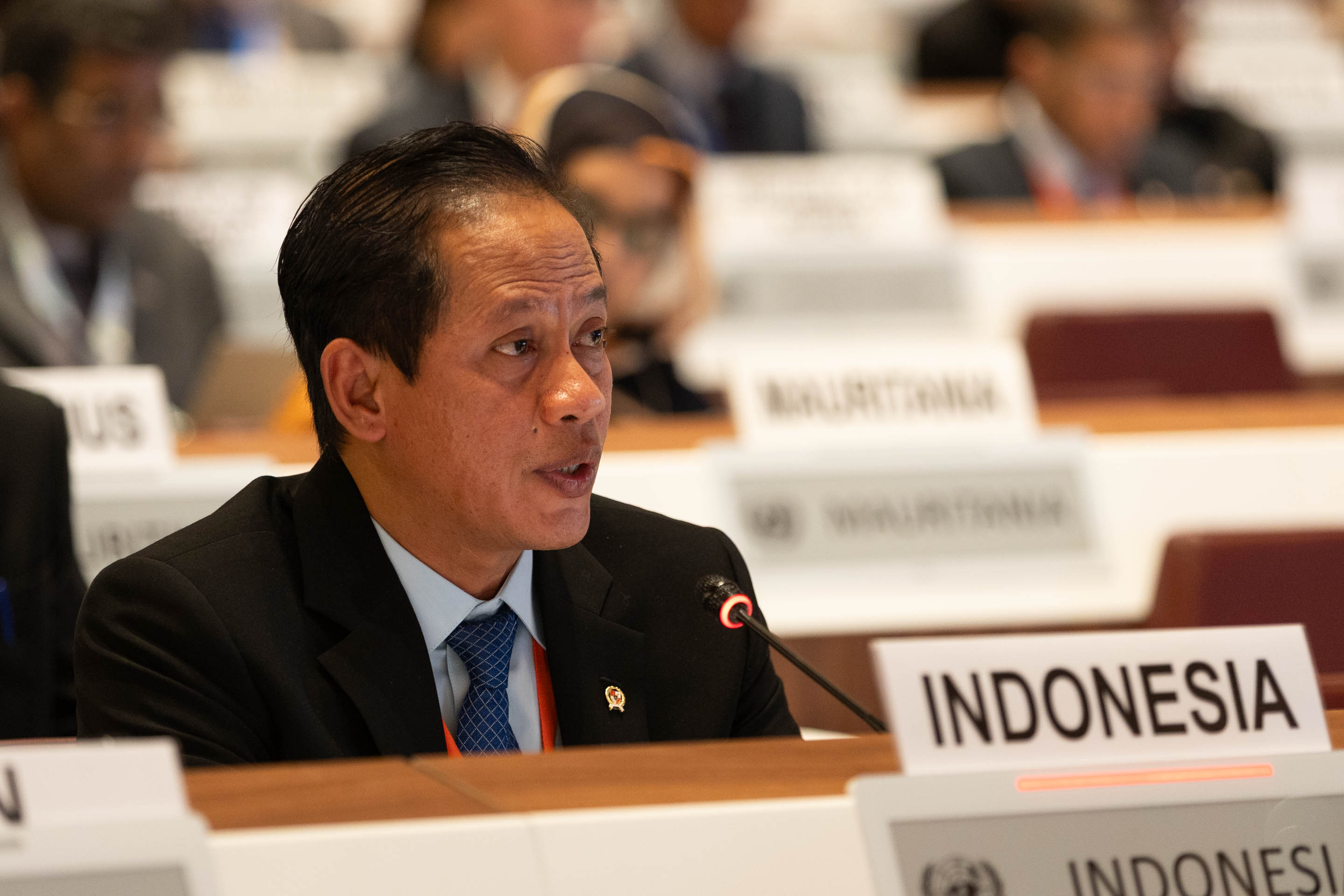
Hanif Faisol Nurofiq, Minister of Environment, Indonesia
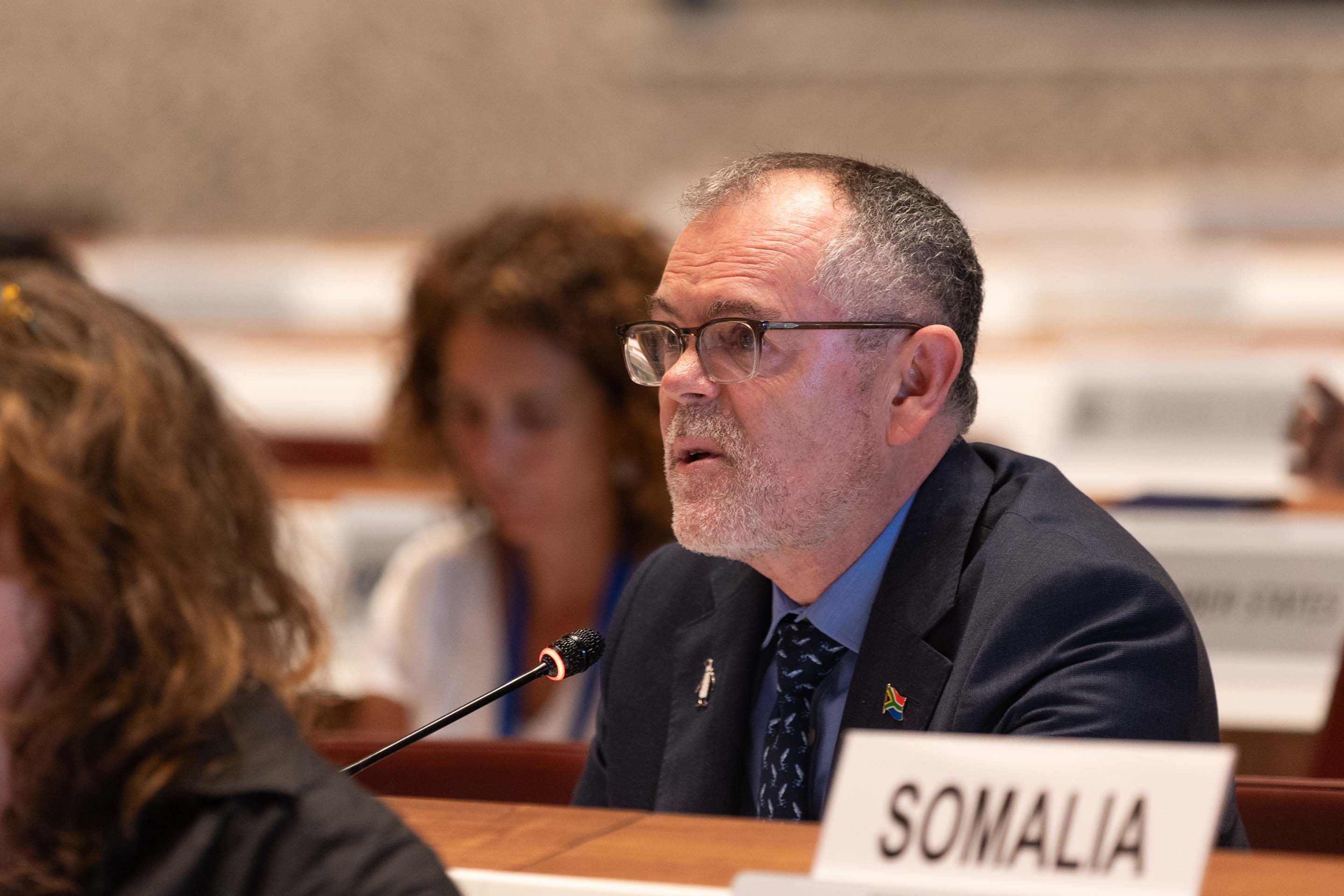
Dion George, Minister of Forestry, Fisheries and the Environment, South Africa
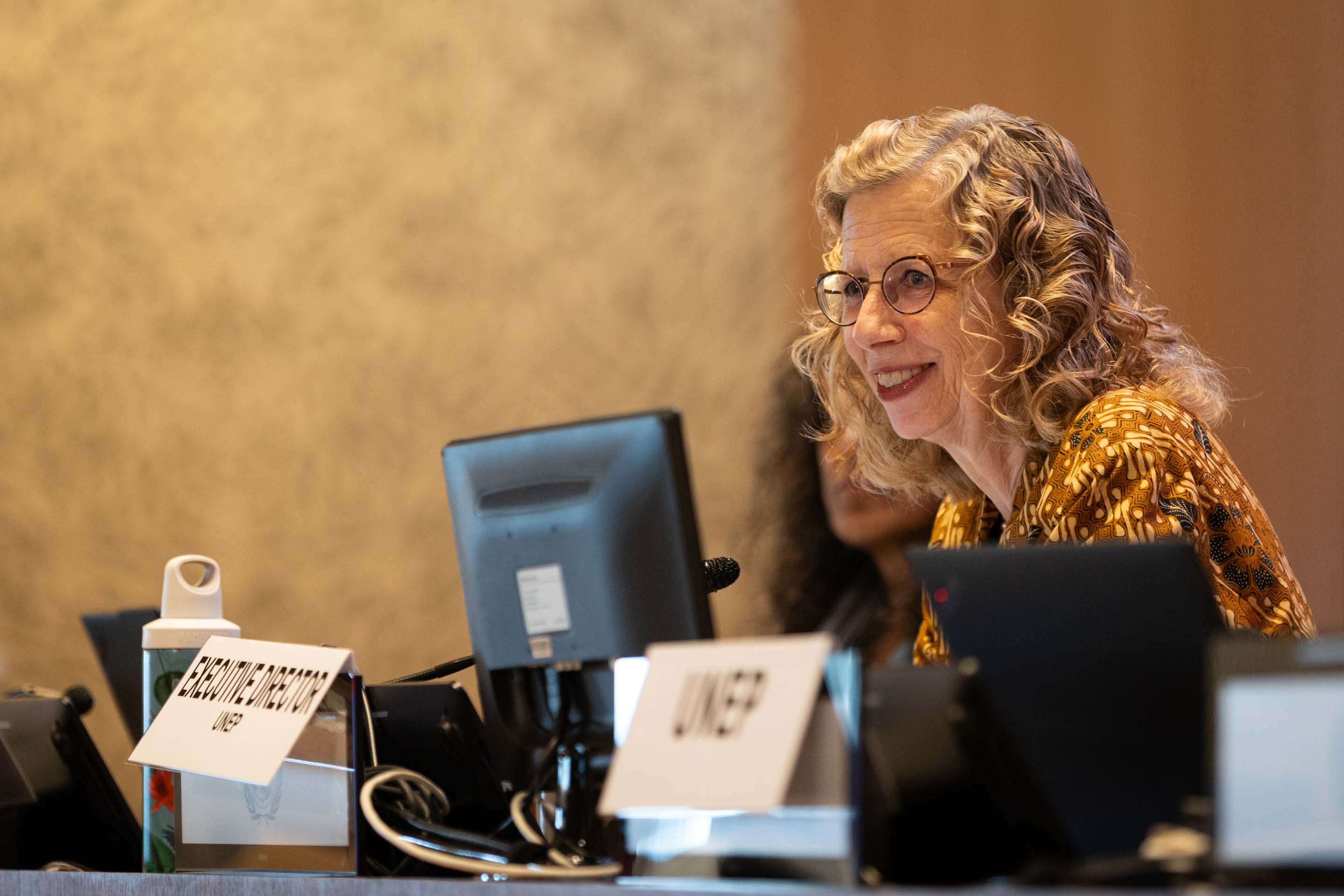
Inger Andersen, Executive Director, UNEP
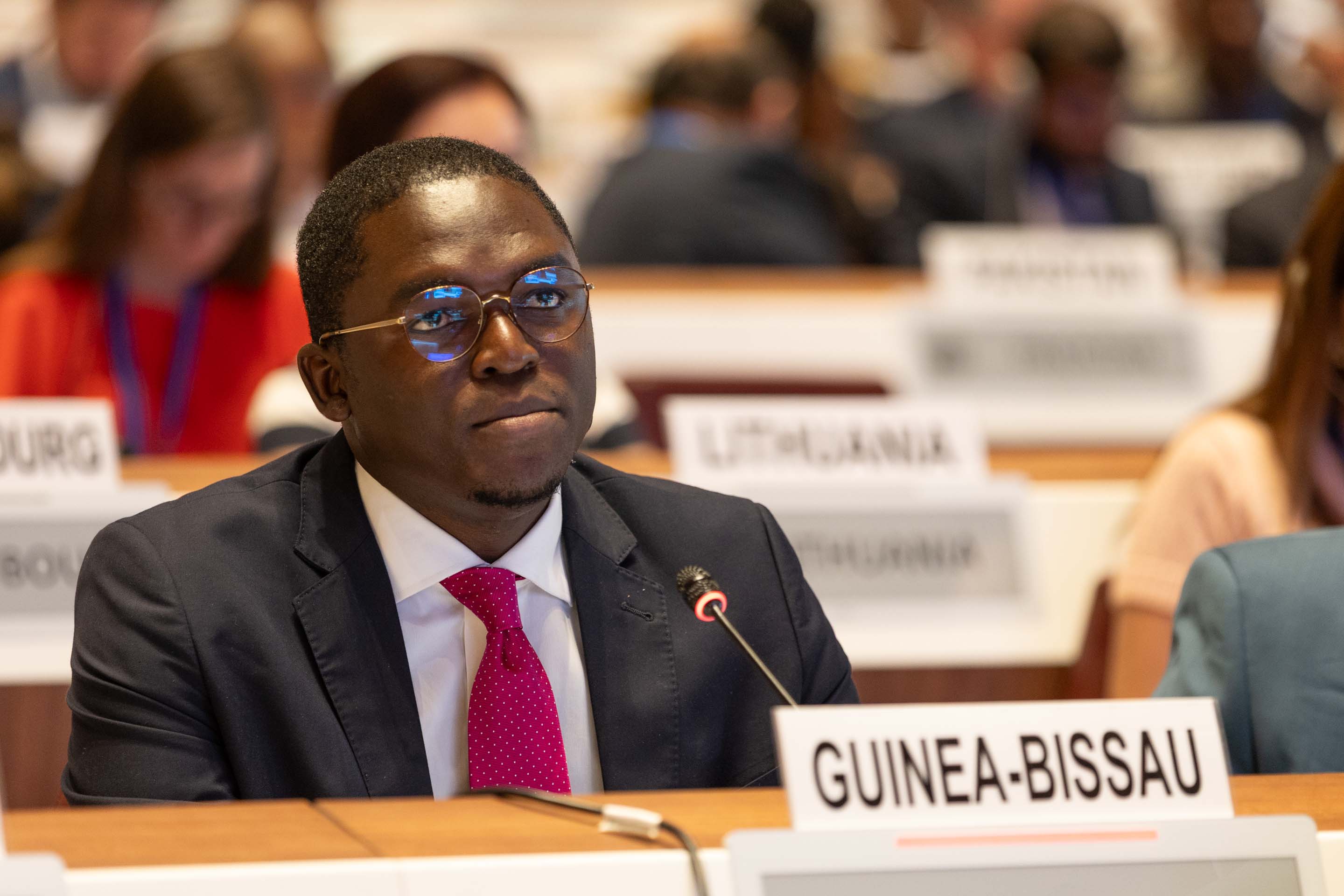
Viriato Luís Soares Cassamá, Minister of Environment, Biodiversity, and Climate Action, Guinea-Bissau
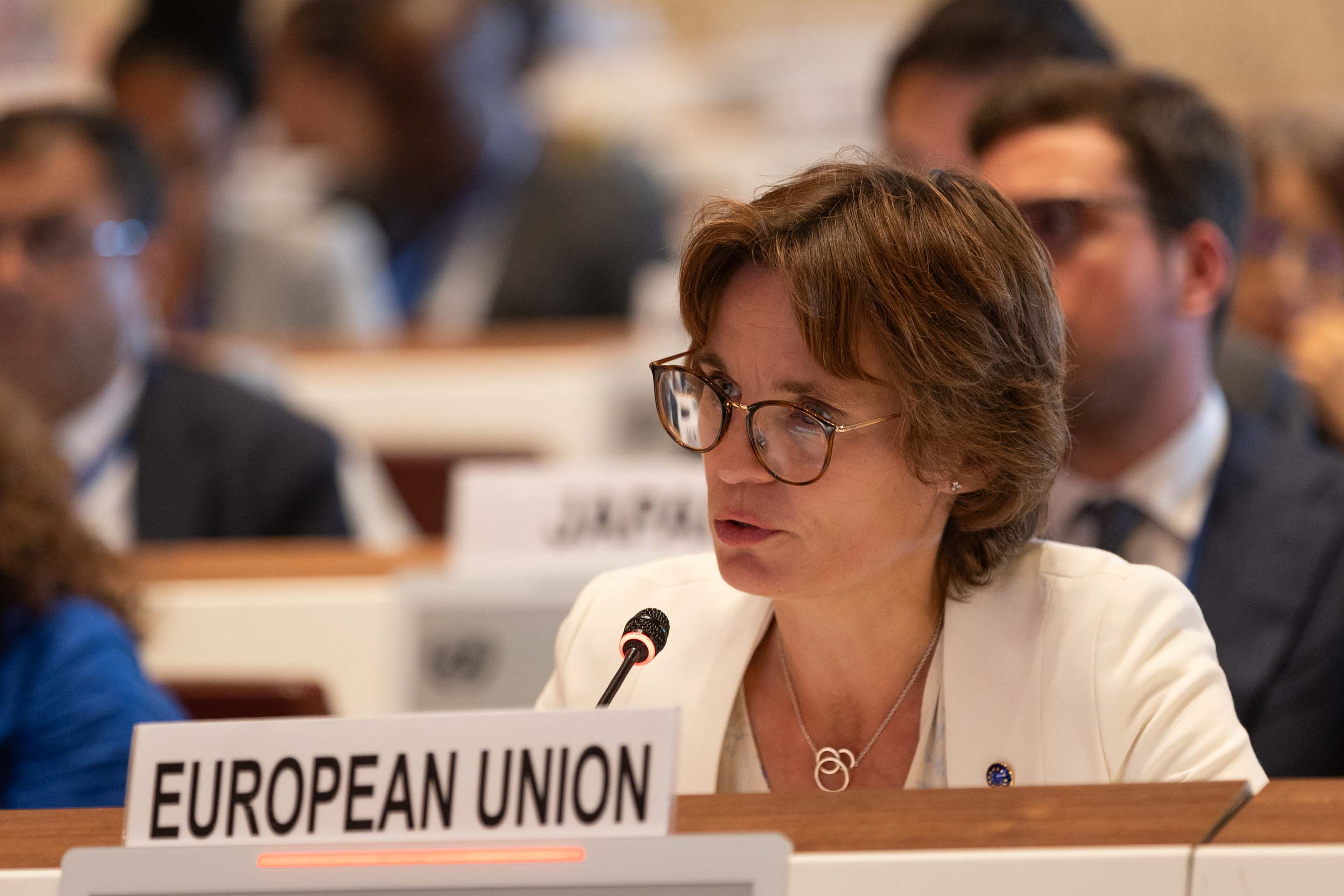
Jessika Roswall, European Commissioner for Environment, Water Resilience and a Competitive Circular Economy
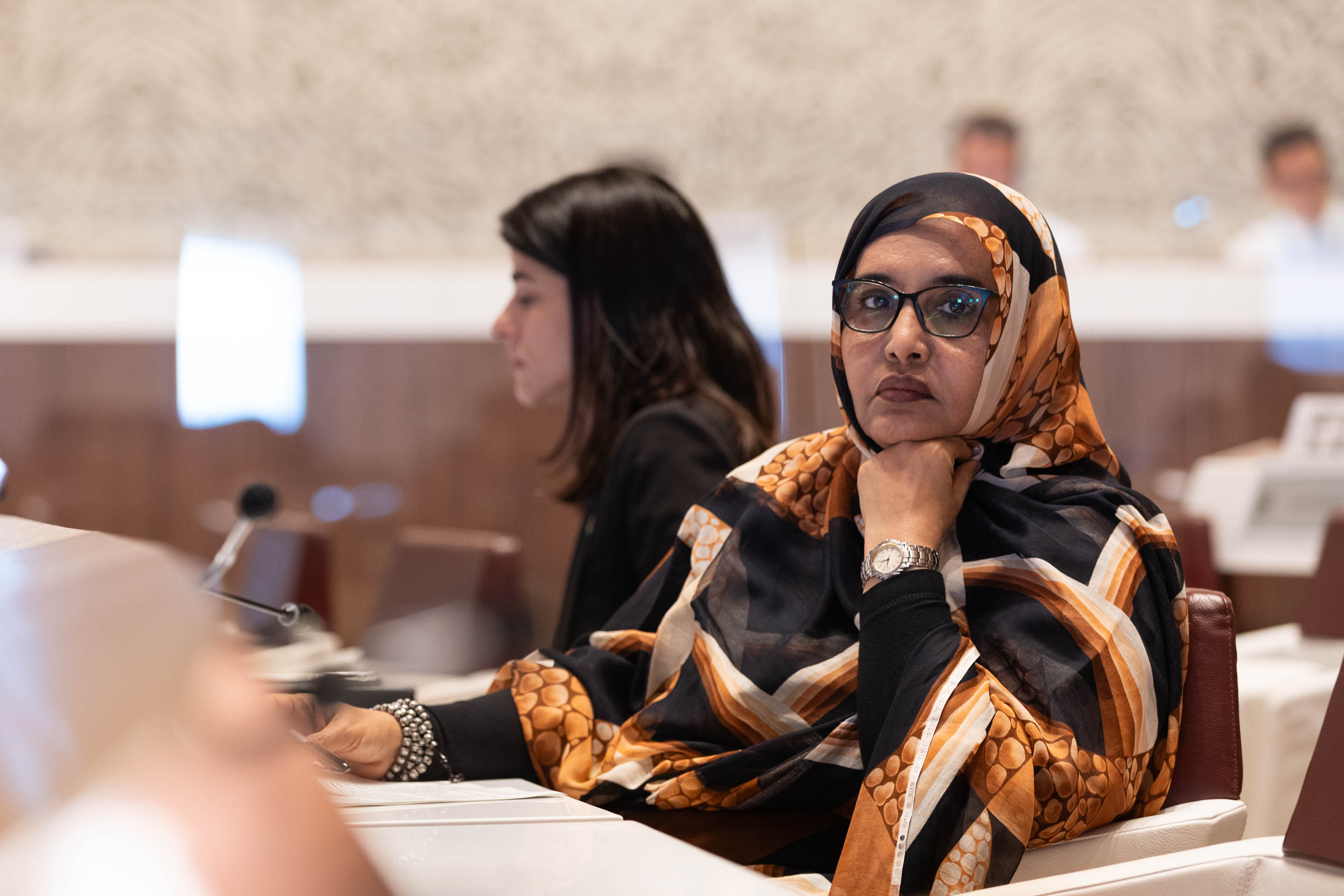
Messouda Mohamed Laghdaf, Minister of the Environment and Sustainable Development, Mauritania
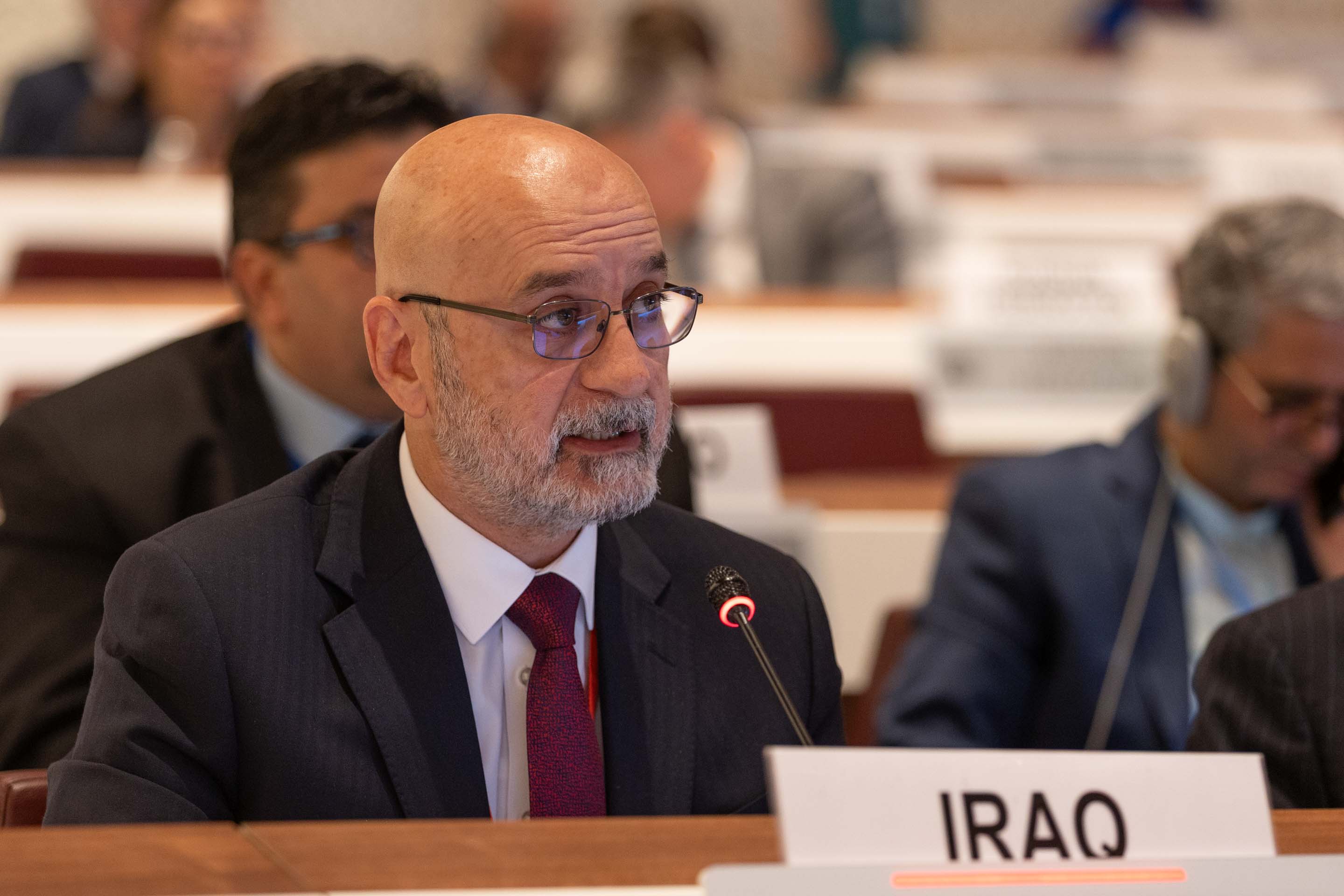
Hallo Al-Askari, Minister of Environment, Iraq
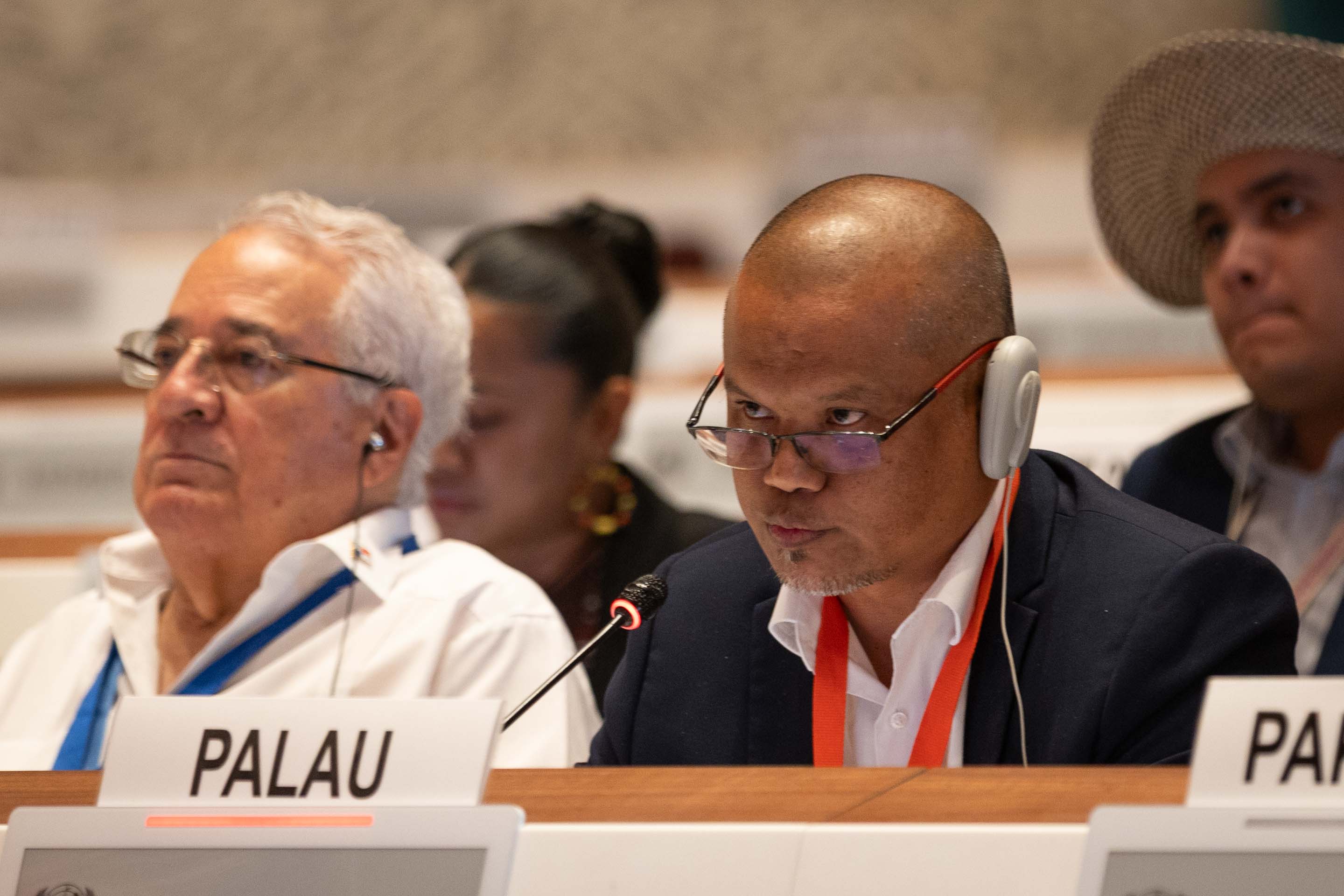
Steven Victor, Minister of Agriculture, Fisheries and Environment, Palau
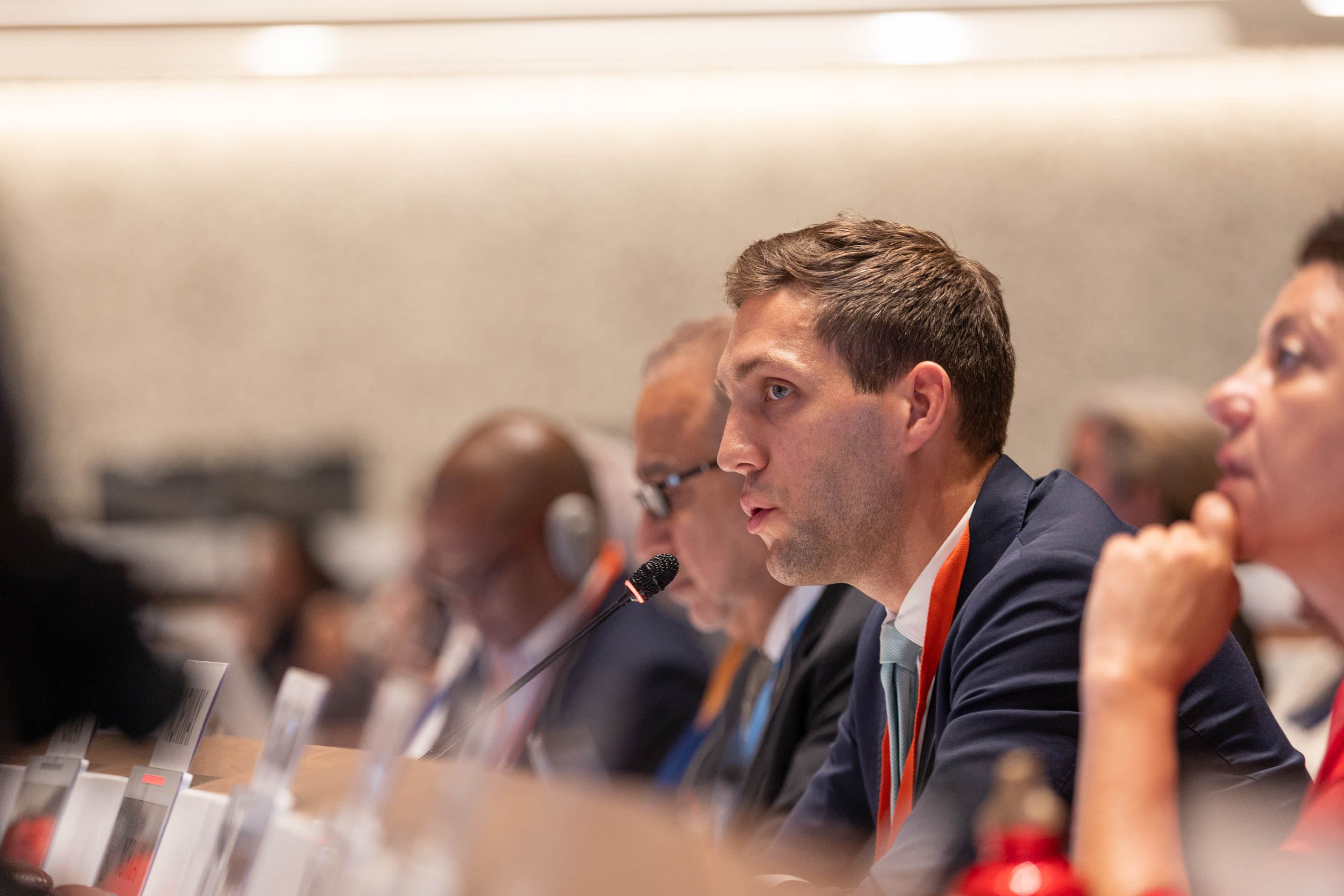
Andreas Bjelland Eriksen, Minister of Climate and Environment, Norway
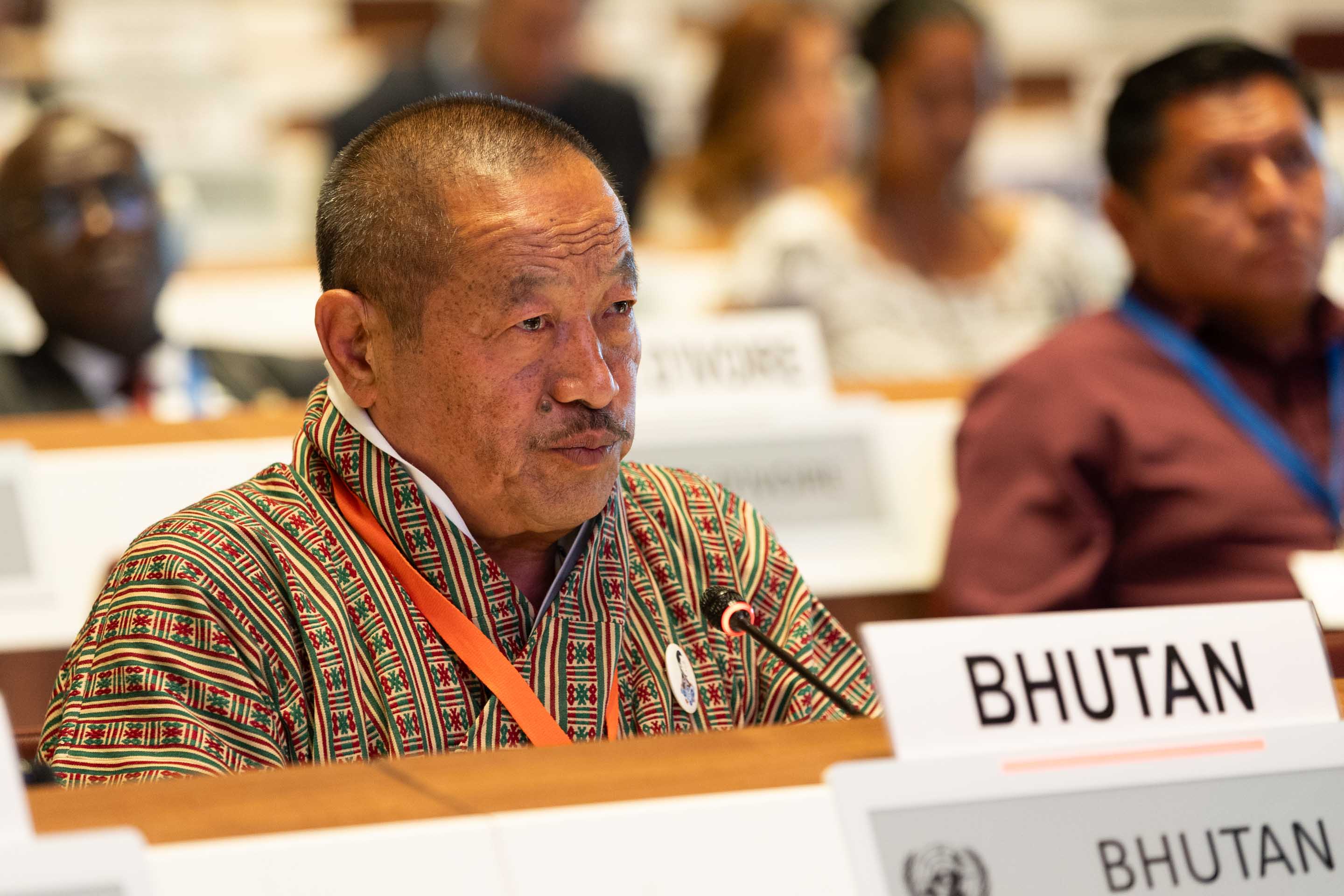
Gem Tshering, Minister for Energy and Natural Resources, Bhutan
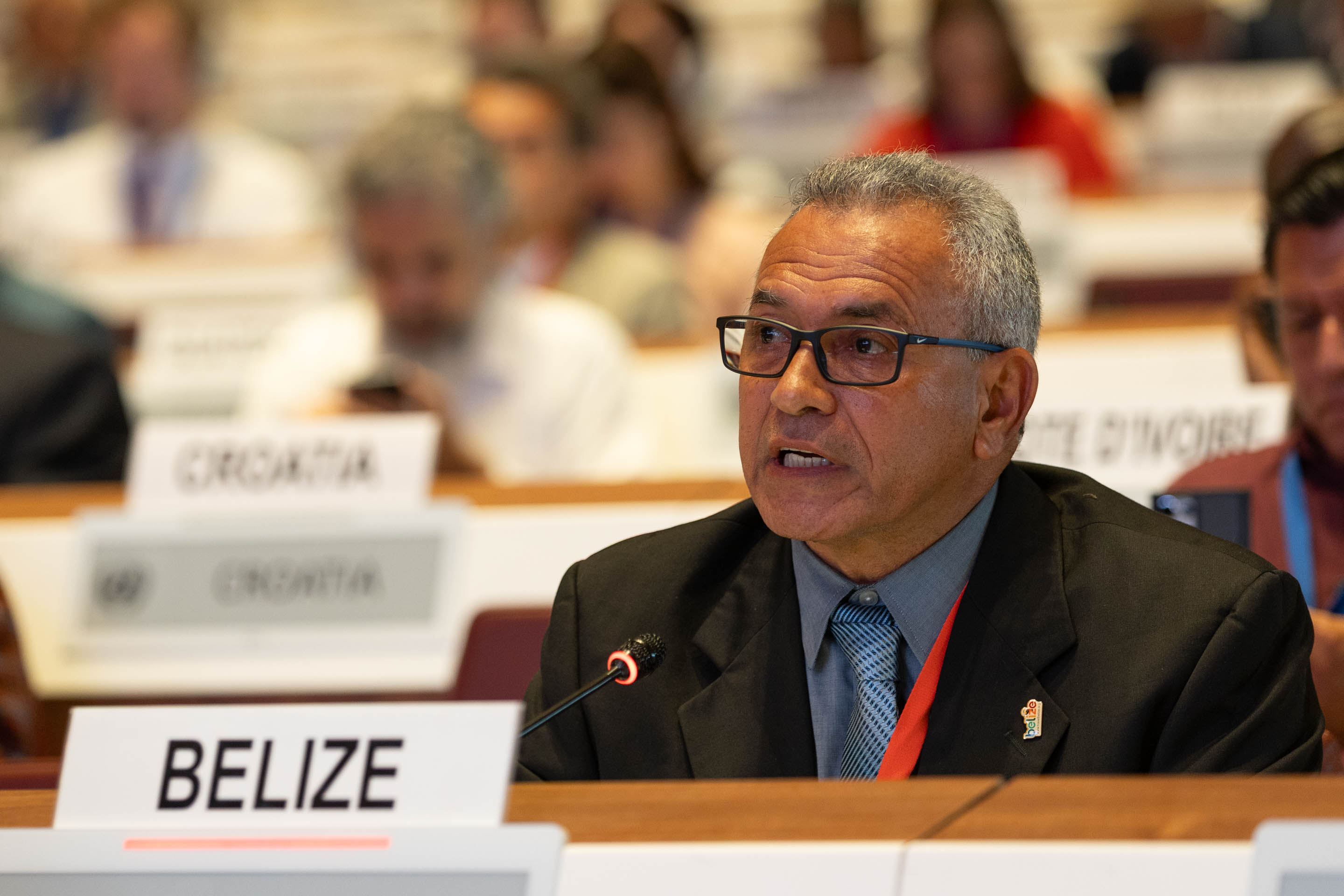
Orlando Habet, Minister of Sustainable Development, Climate Change and Solid Waste Management, Belize
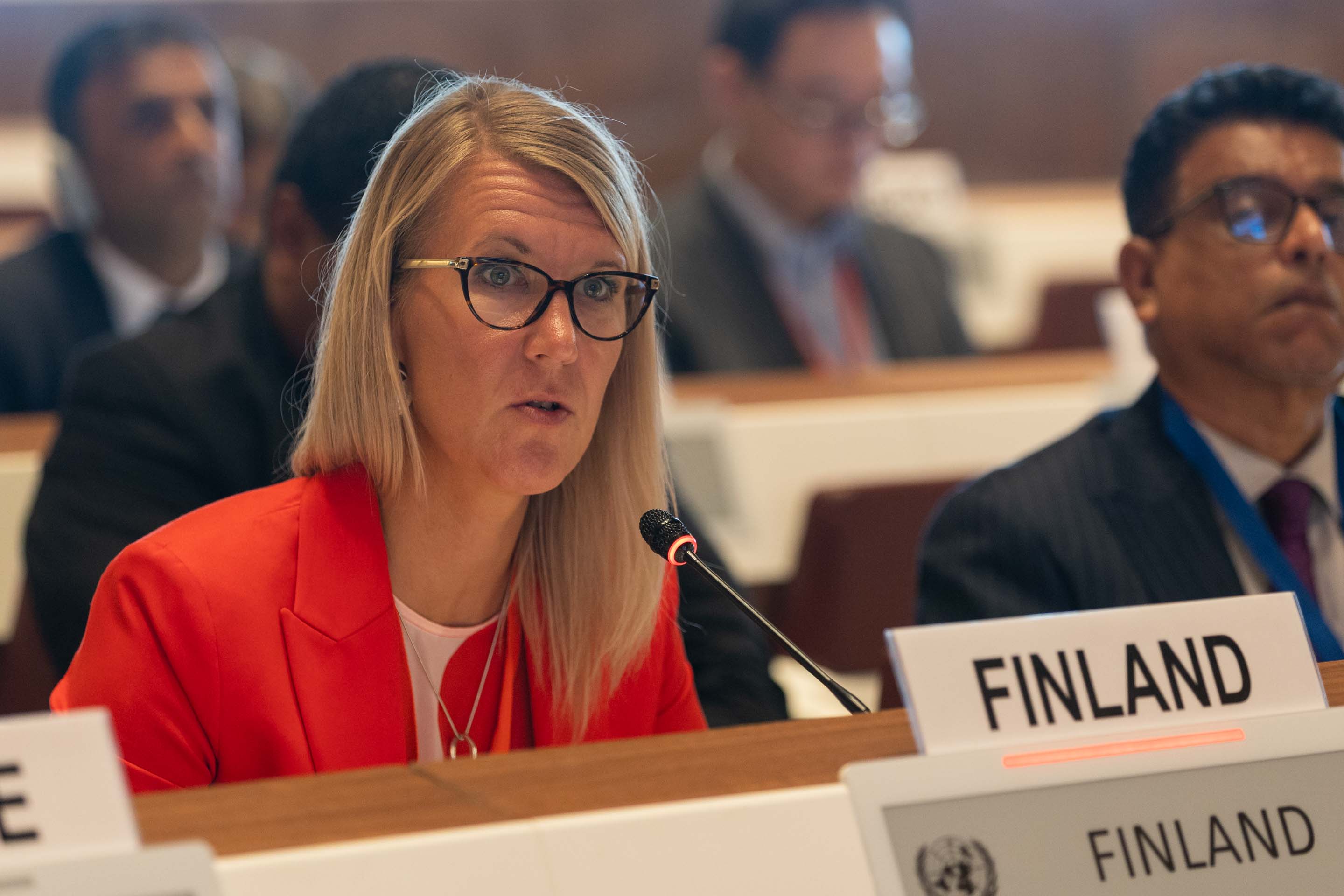
Sari Multala, Minister of Climate and the Environment, Finland
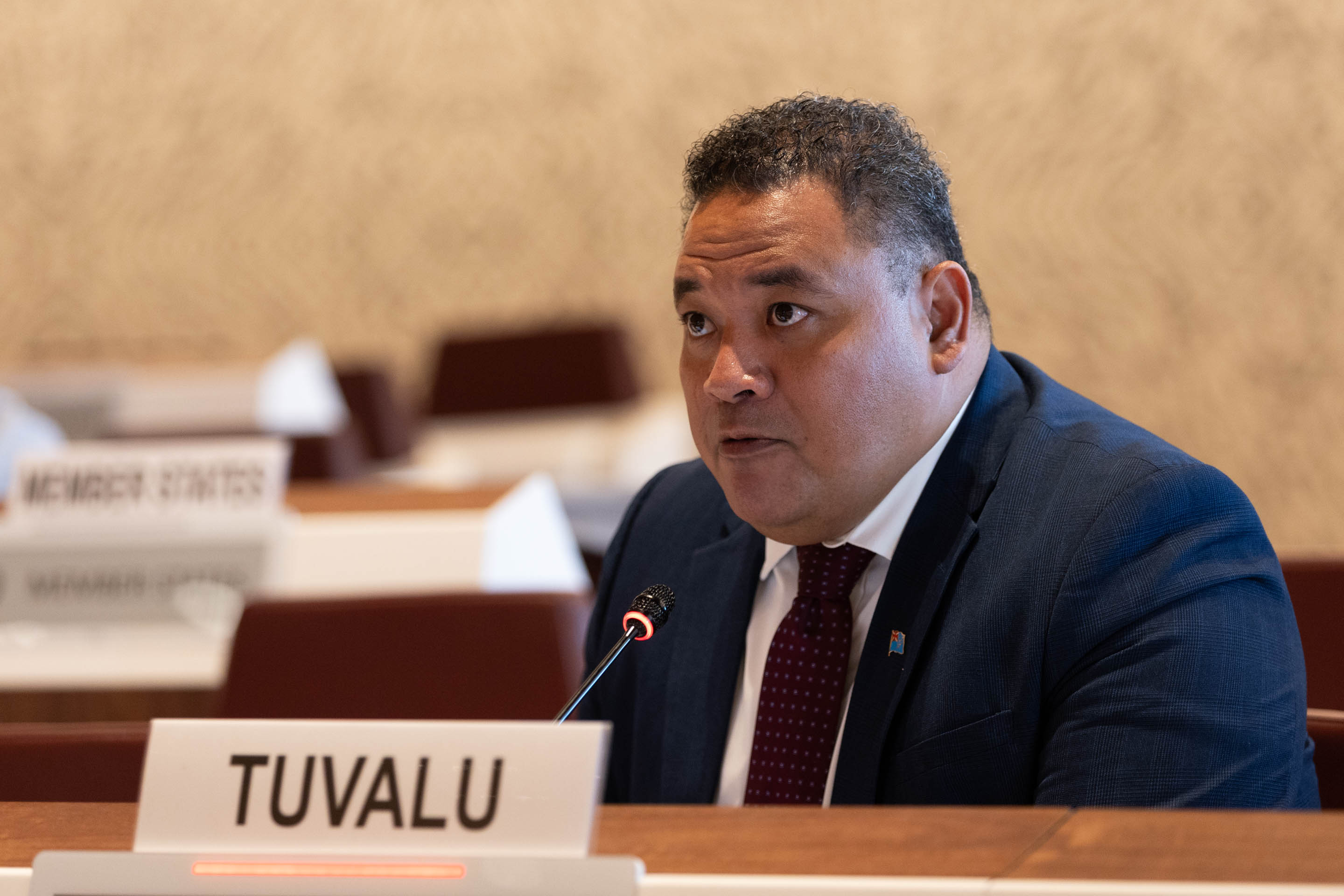
Maina Talia, Minister for Home Affairs, Climate Change and Environment, Tuvalu
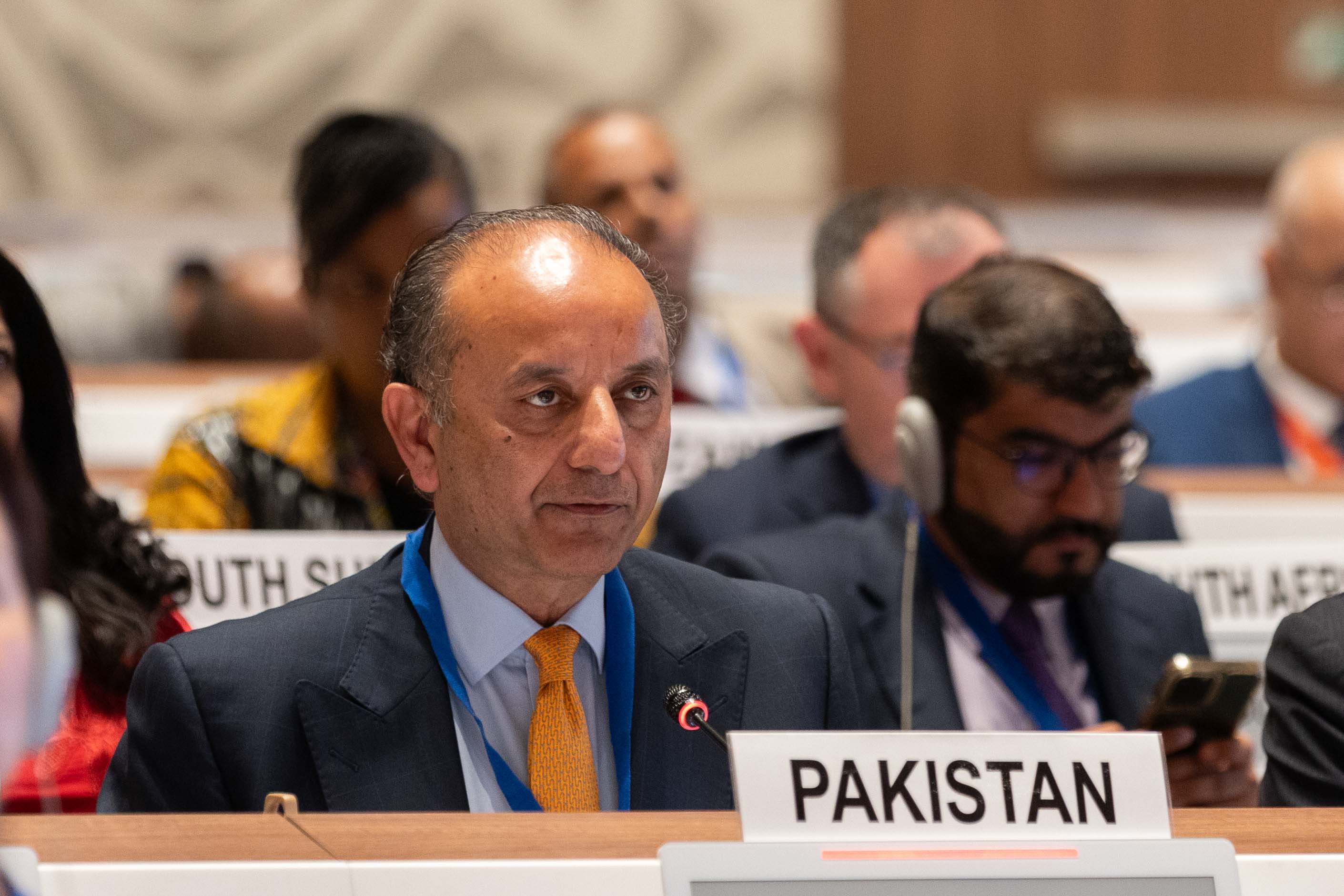
Musadik Masood Malik, Federal Minister for Climate Change and Environmental Coordination, Pakistan
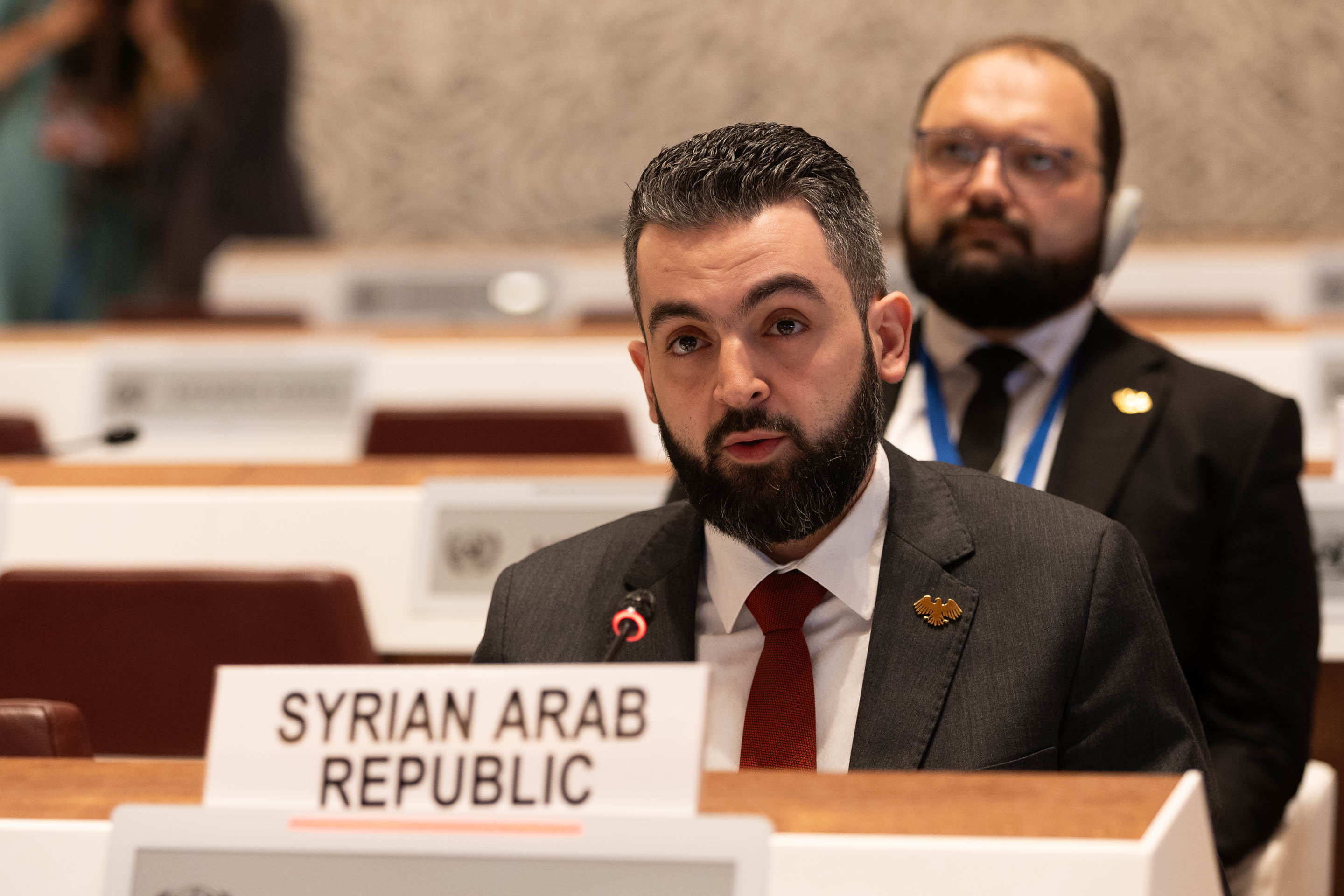
Mohammed Anjrani, Minister of Local Administration and Environment, Syria
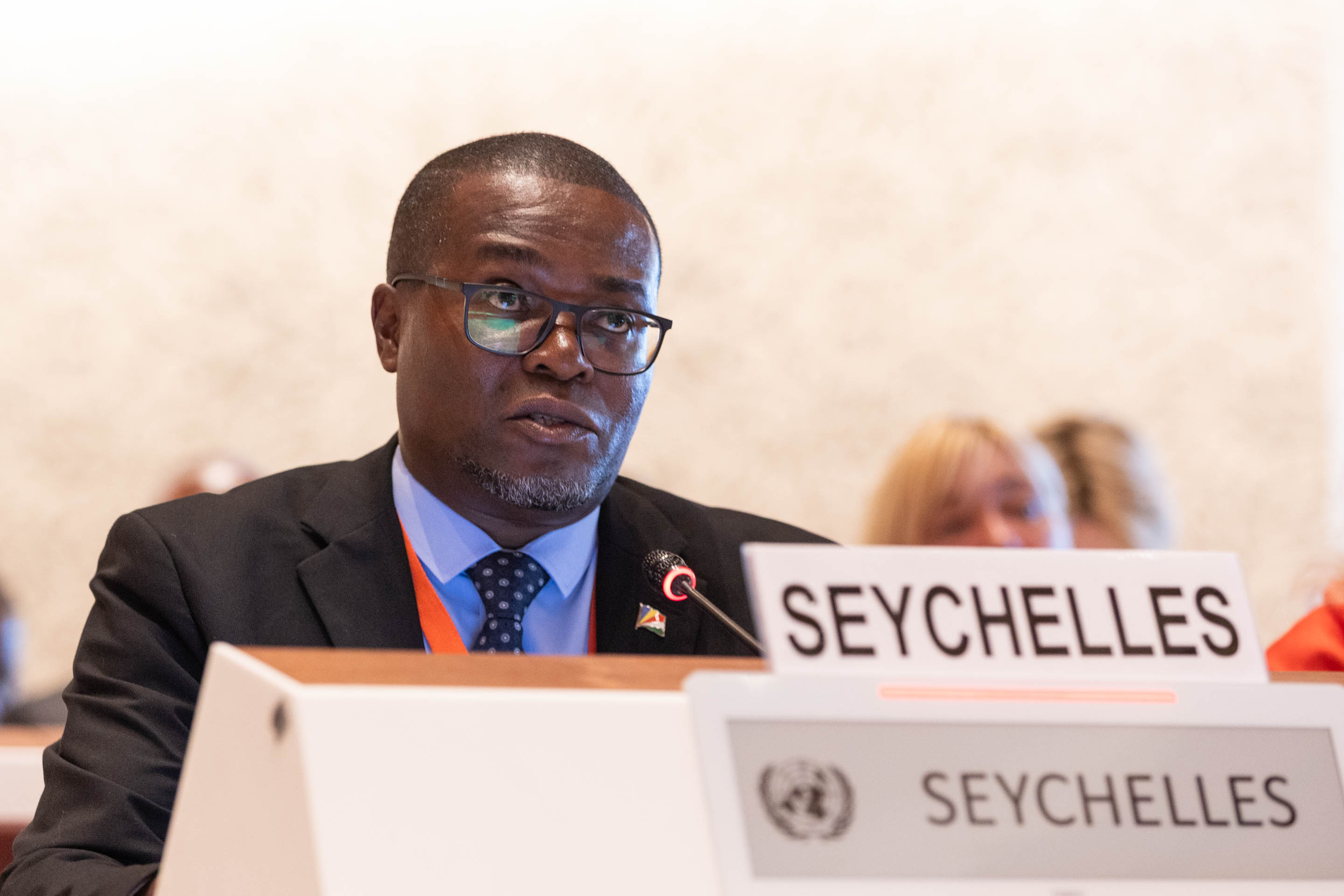
Flavien Joubert, Minister of Agriculture, Climate Change and Environment, Seychelles
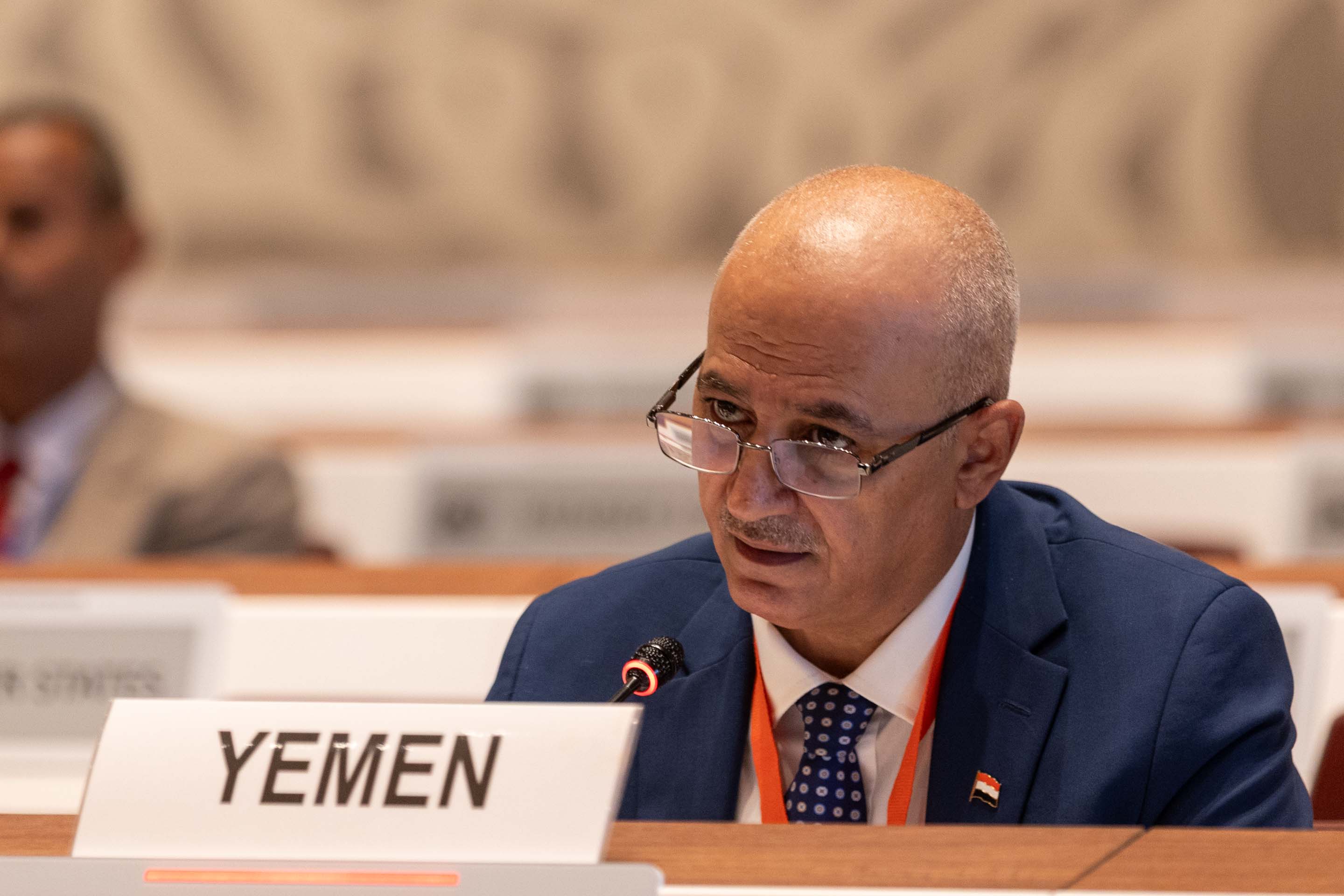
Taofeg Abdulwahd Ali Al-Sharjabi, Minister of Water and Environment, Yemen
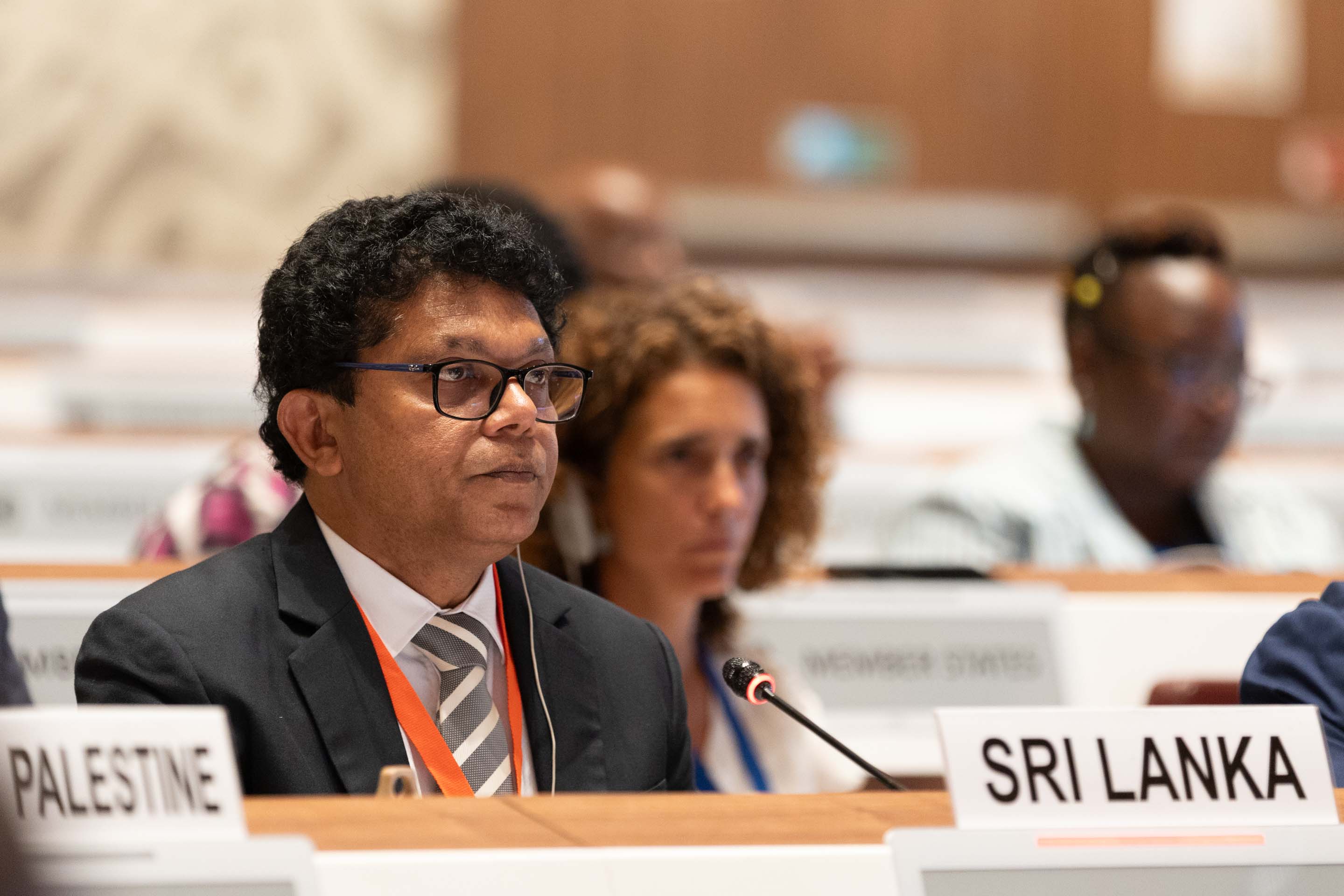
Hettithantri Patabendige Dammika, Minister of Environment, Sri Lanka
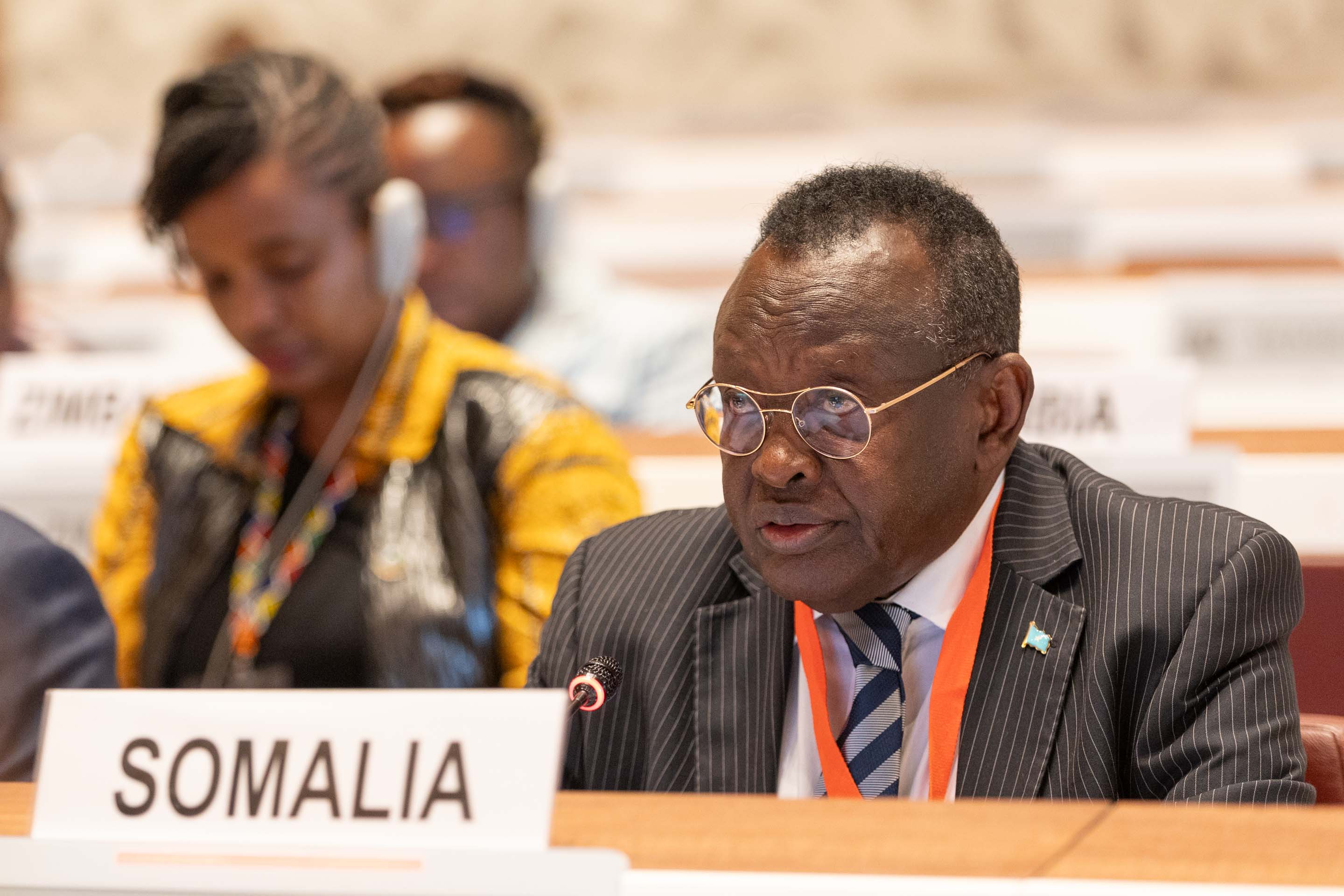
Bashir Mohamed Jama, Minister of Environment and Climate Change, Somalia
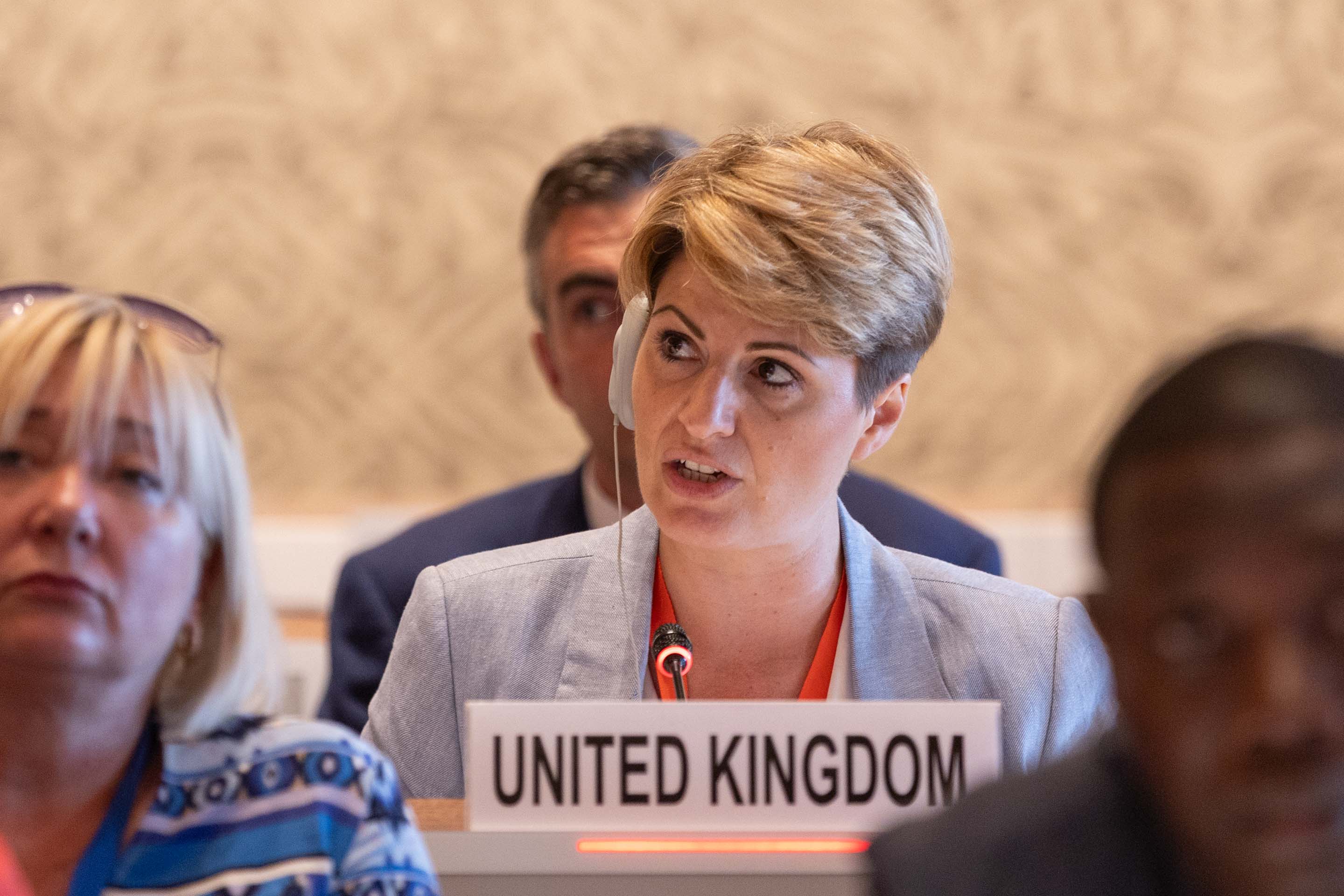
Emma Hardy, Parliamentary Under-Secretary of State, Department for Environment, Food and Rural Affairs, UK
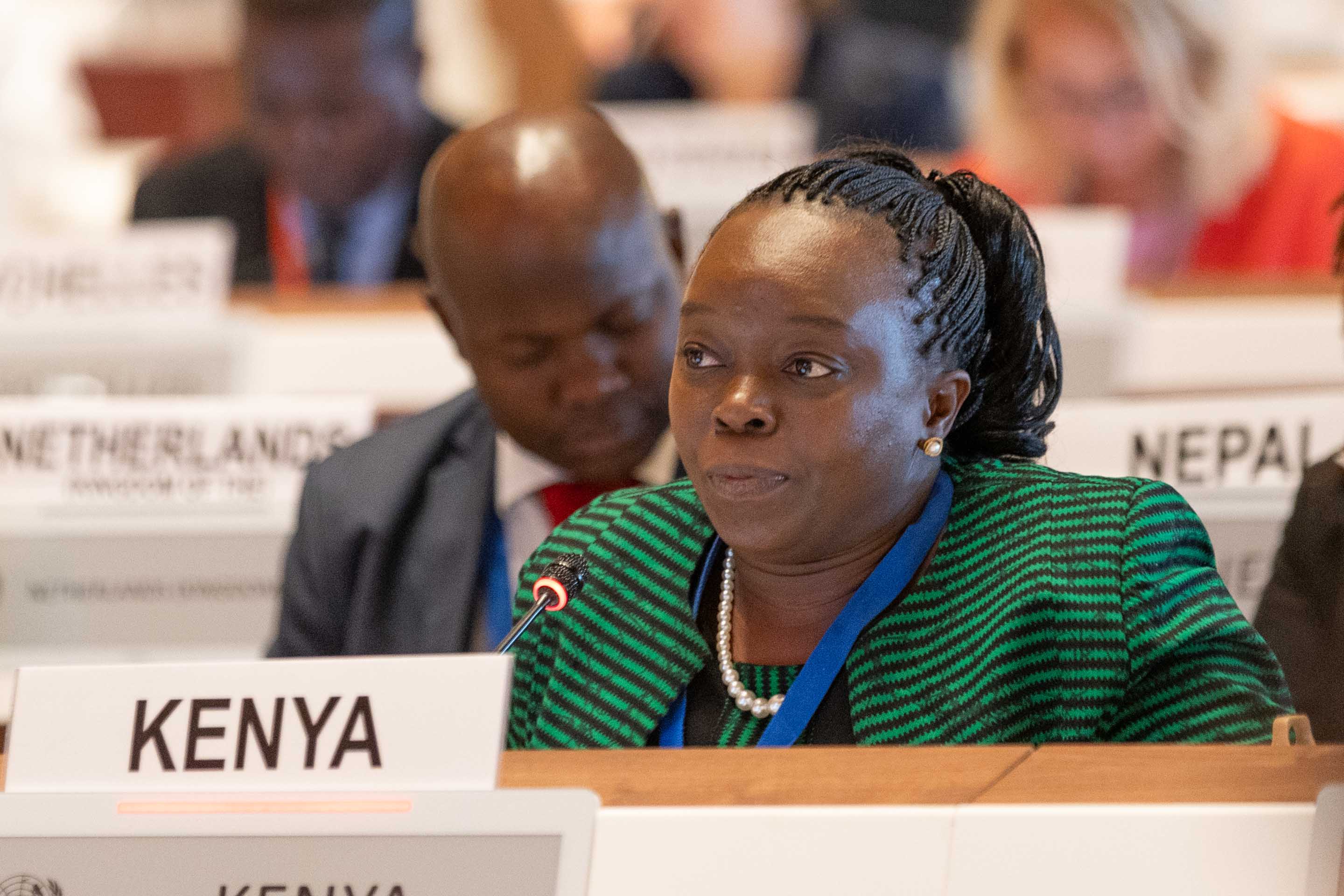
Deborah Barasa, Cabinet Secretary for Environment Climate Change and Forestry, Kenya

UN Security presides over the meeting
Contact Group 1
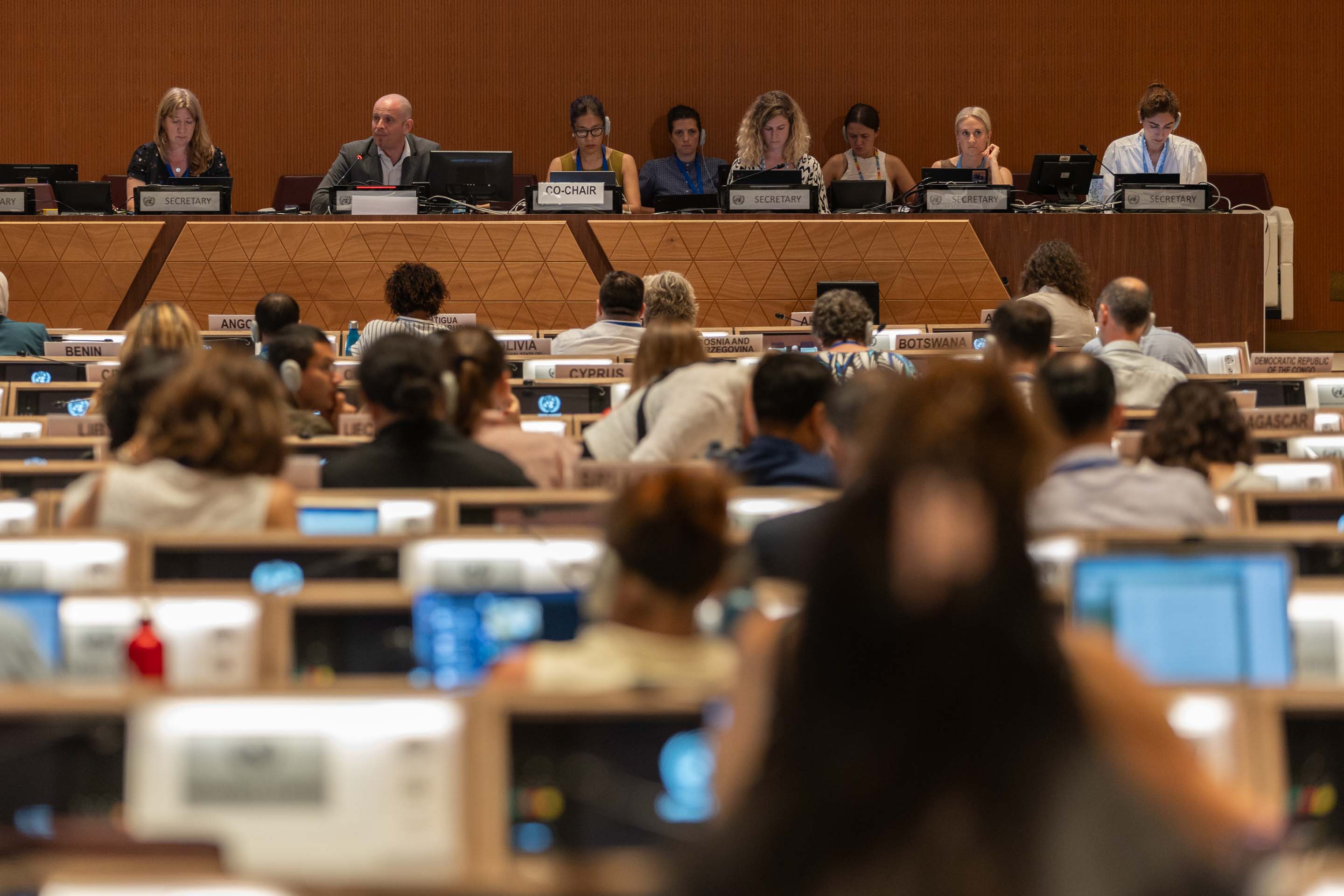
Delegates continue discussions in Contact Group 1
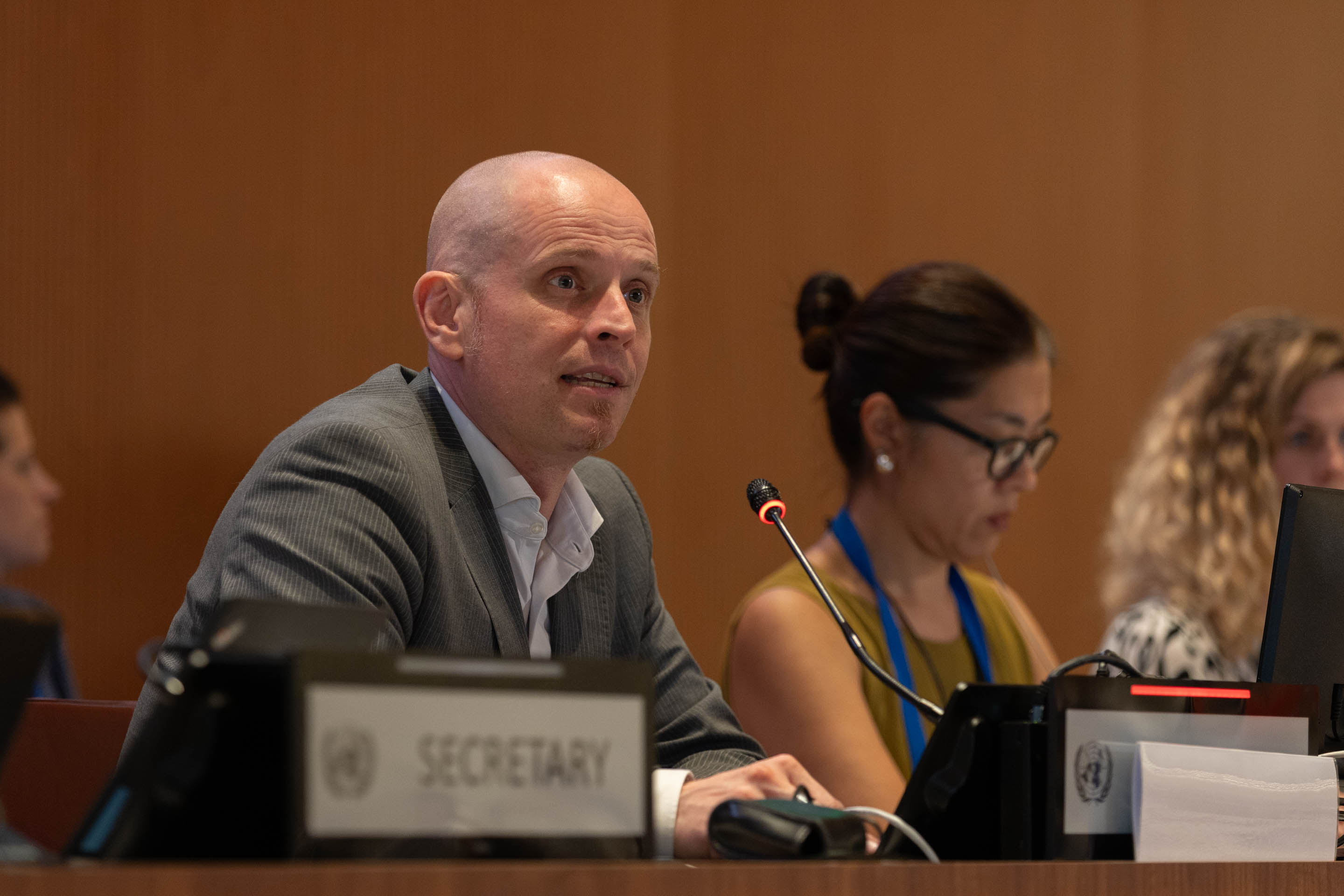
Contact Group 1 Co-Chair Axel Borchmann, Germany
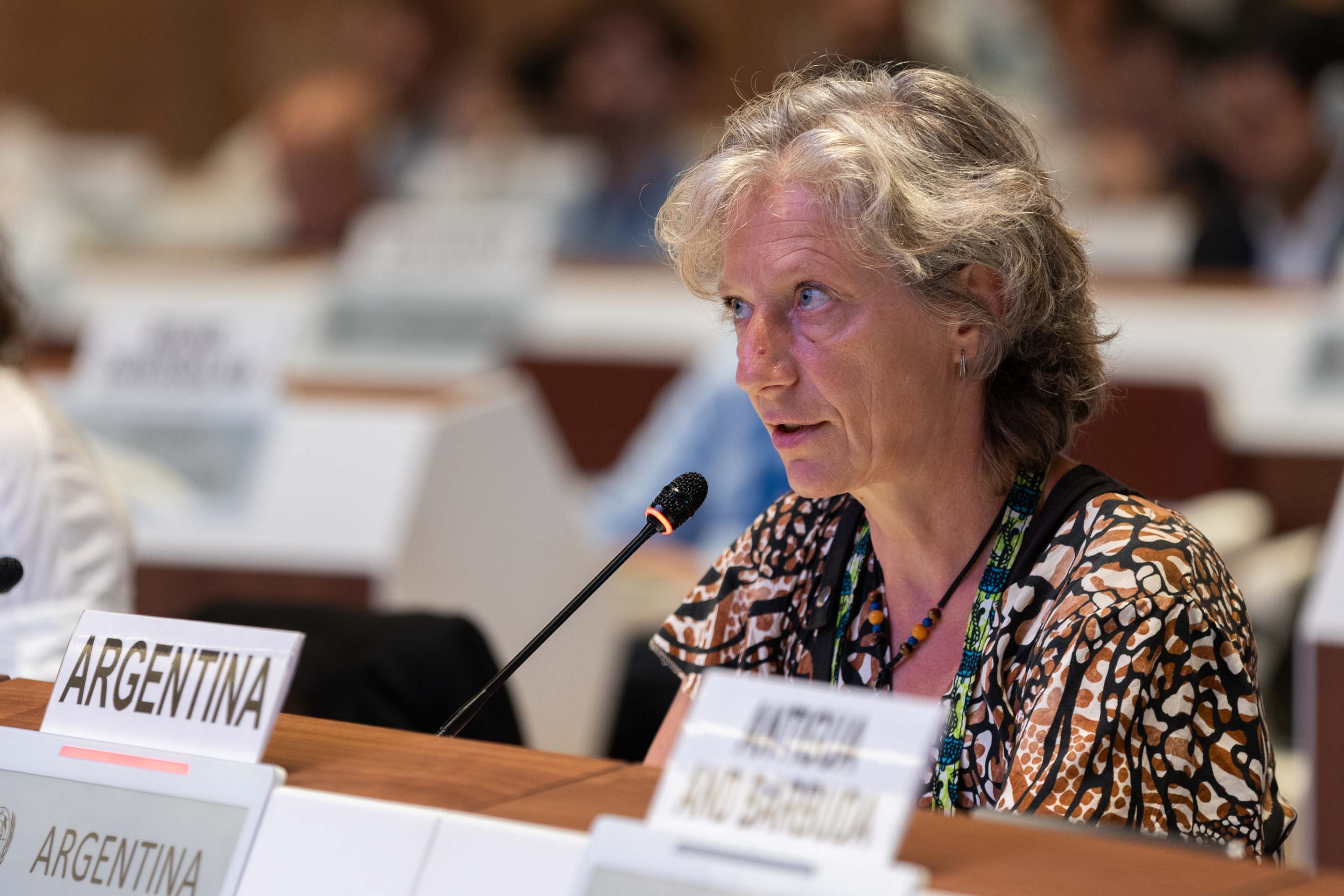
Gudi Alkemade, the Netherlands
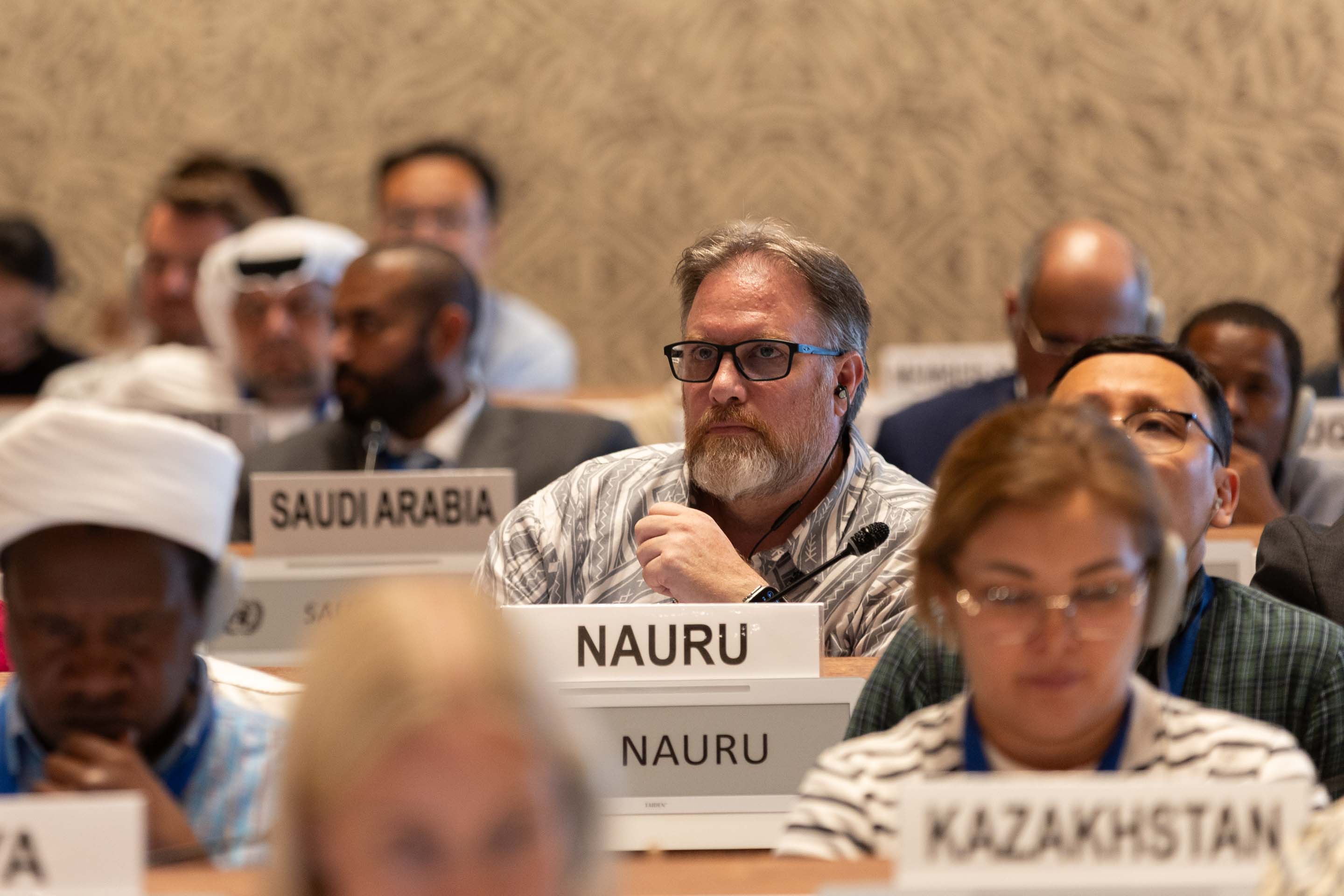
Delegates listen to the discussion
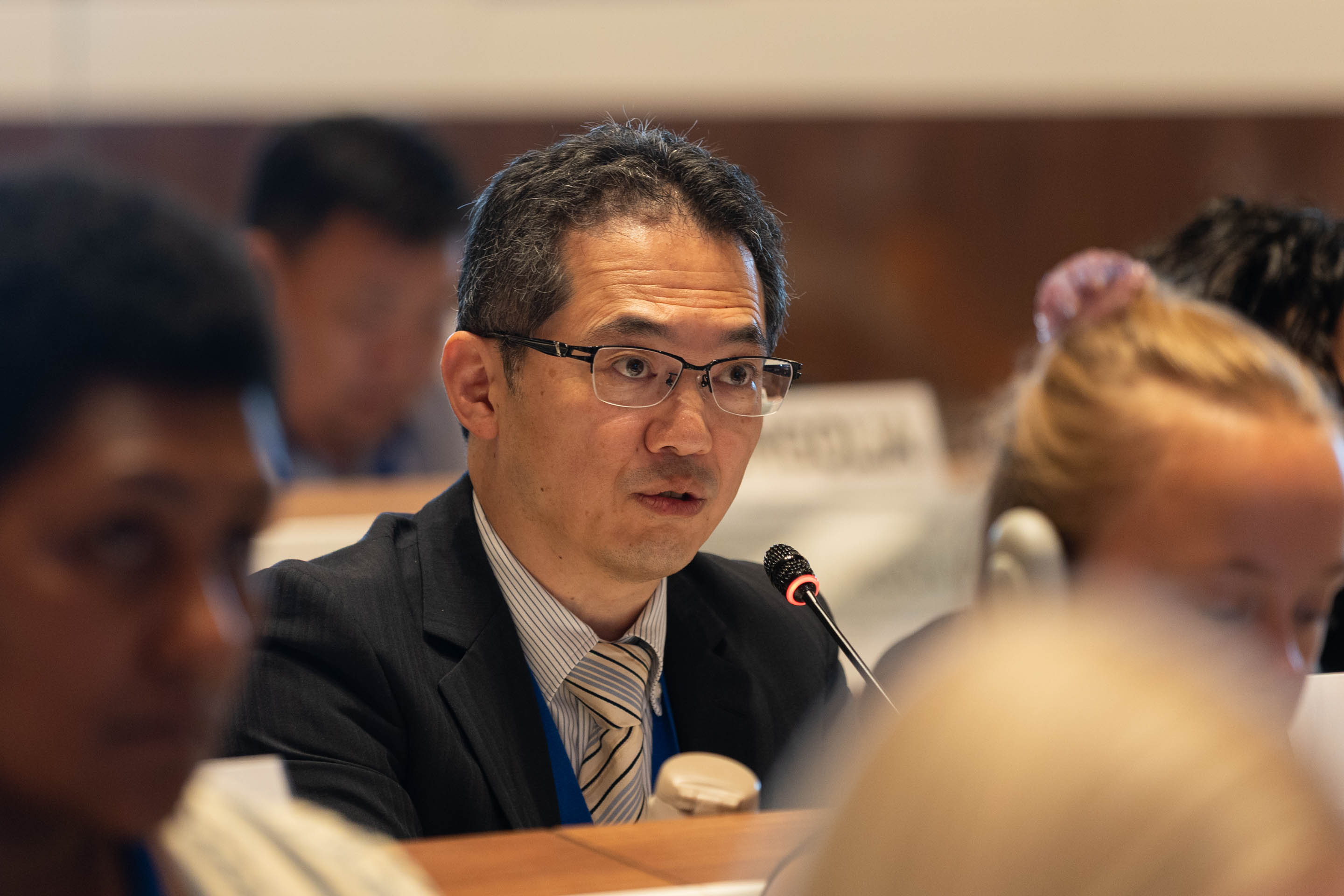
Makoto Tanabe, Japan
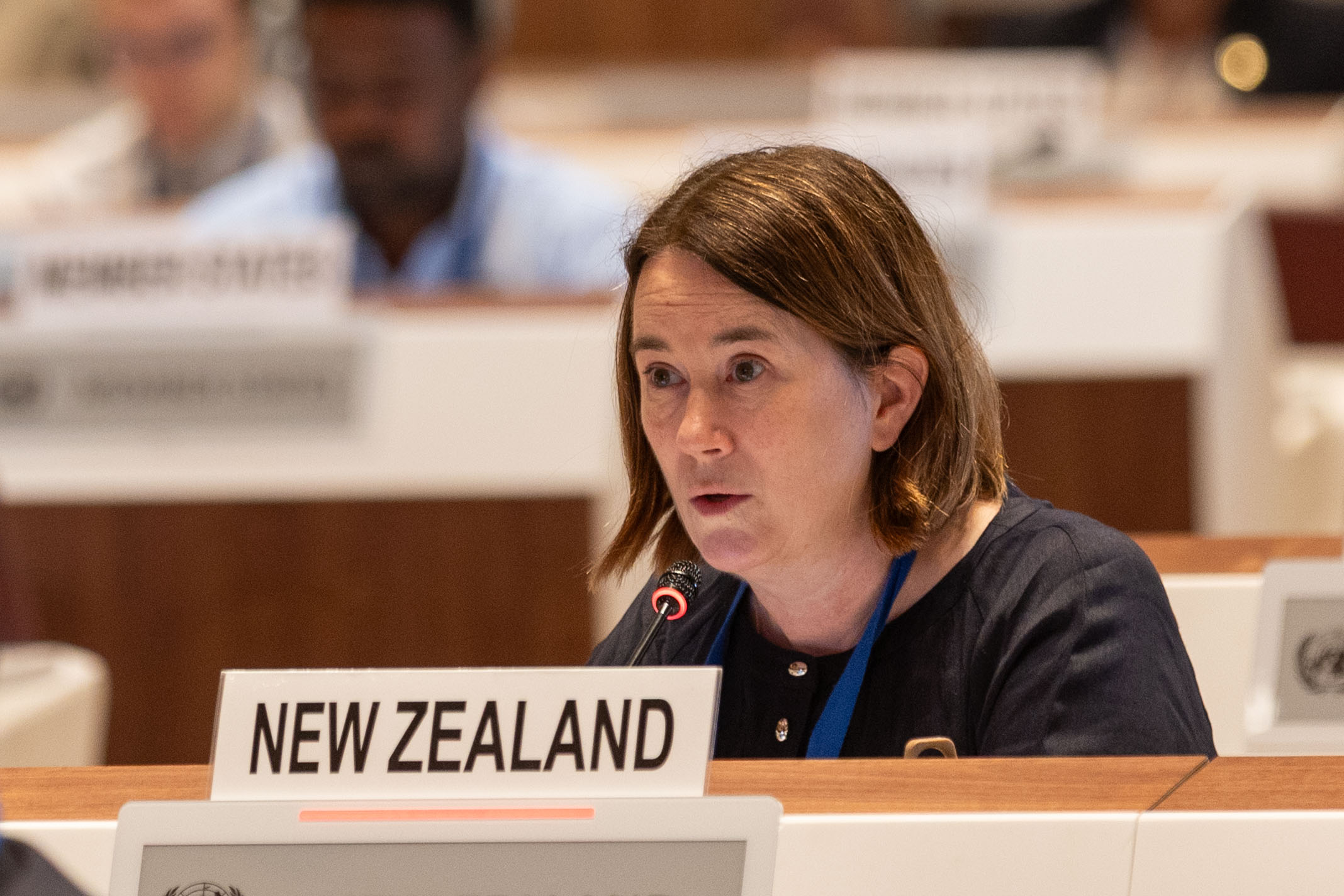
Victoria Hallum, New Zealand
Contact Group 3
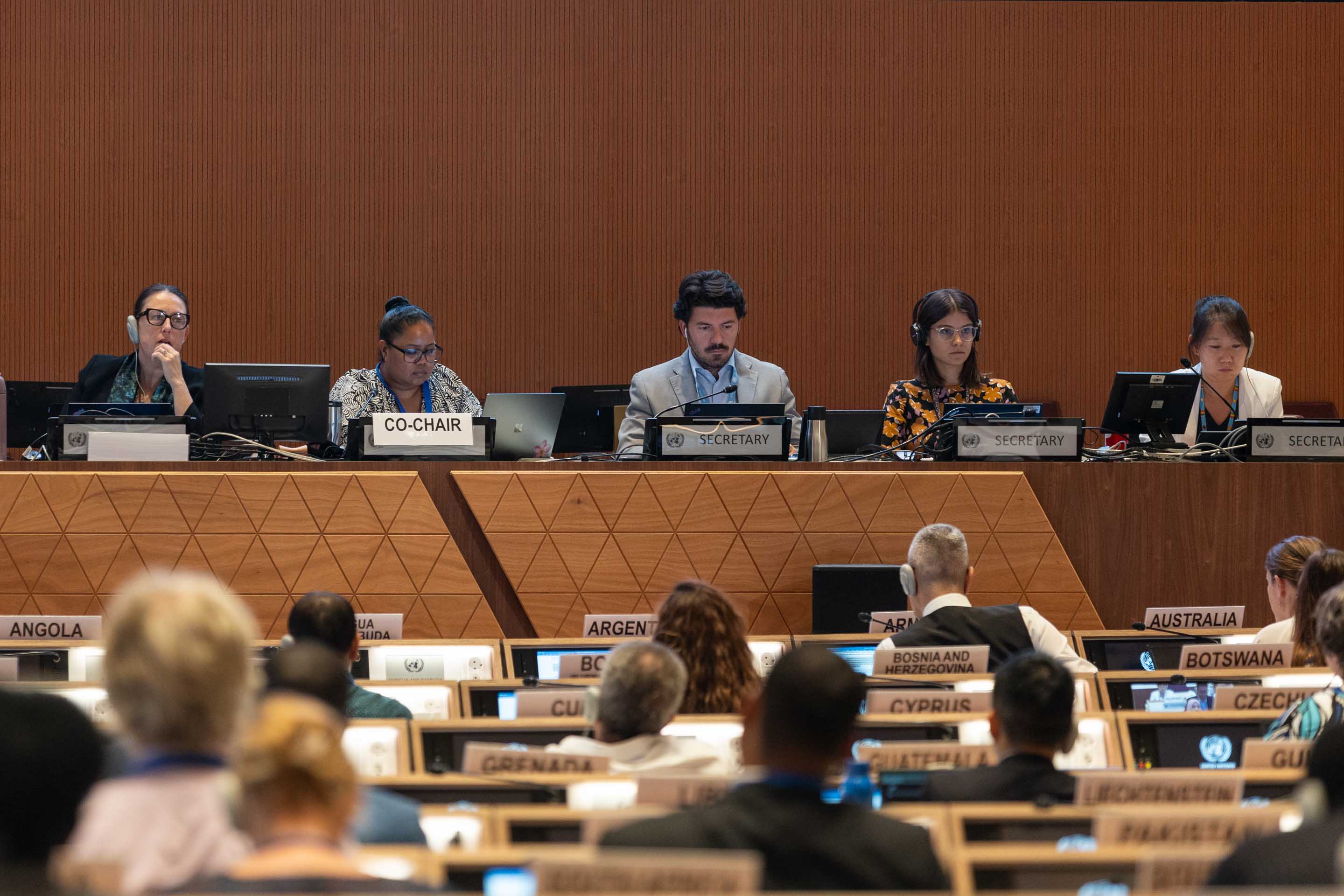
Delegates continue discussions under Contact Group 3
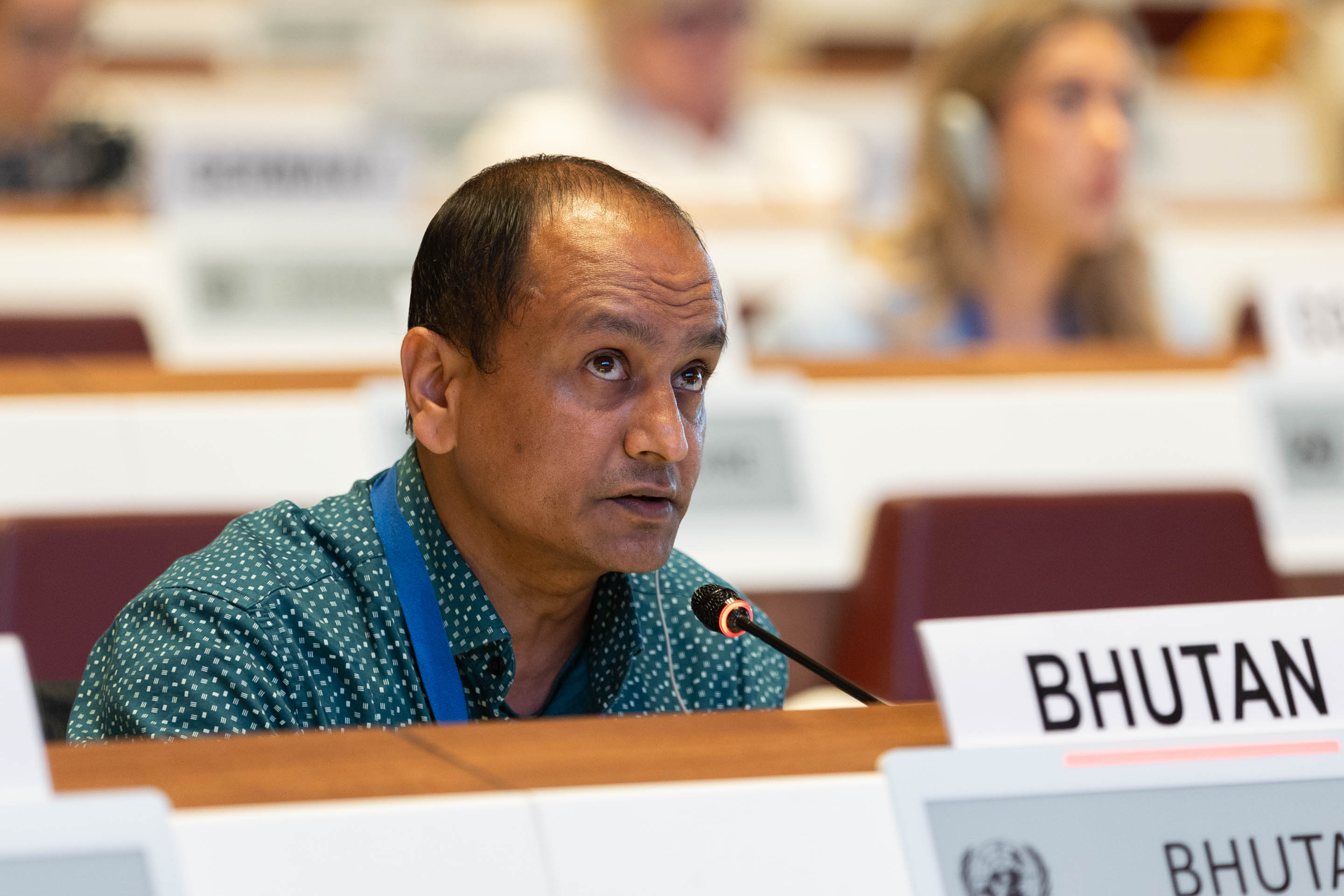
Sachin Limbu, Bhutan
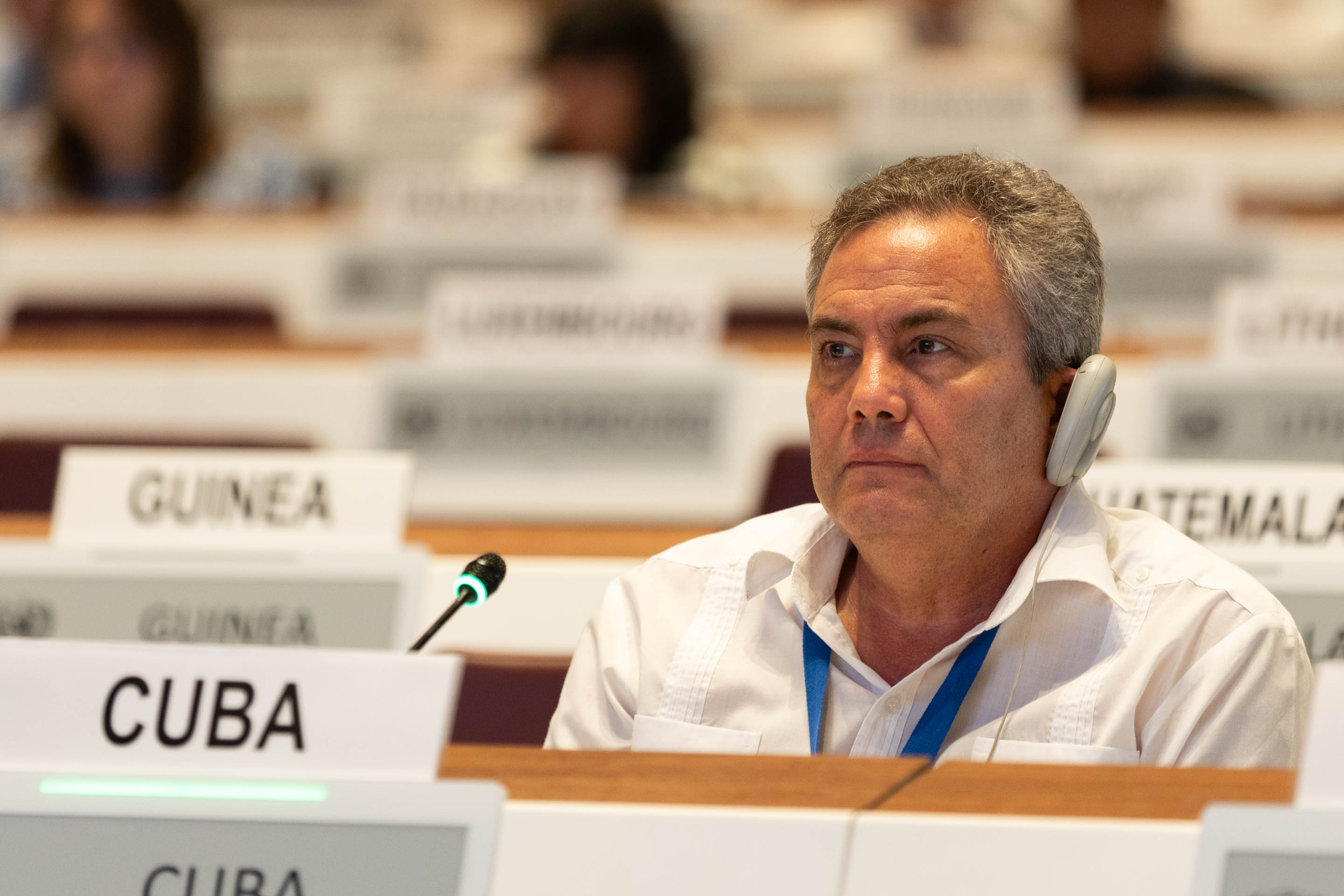
Hector Conde Almeida, Cuba
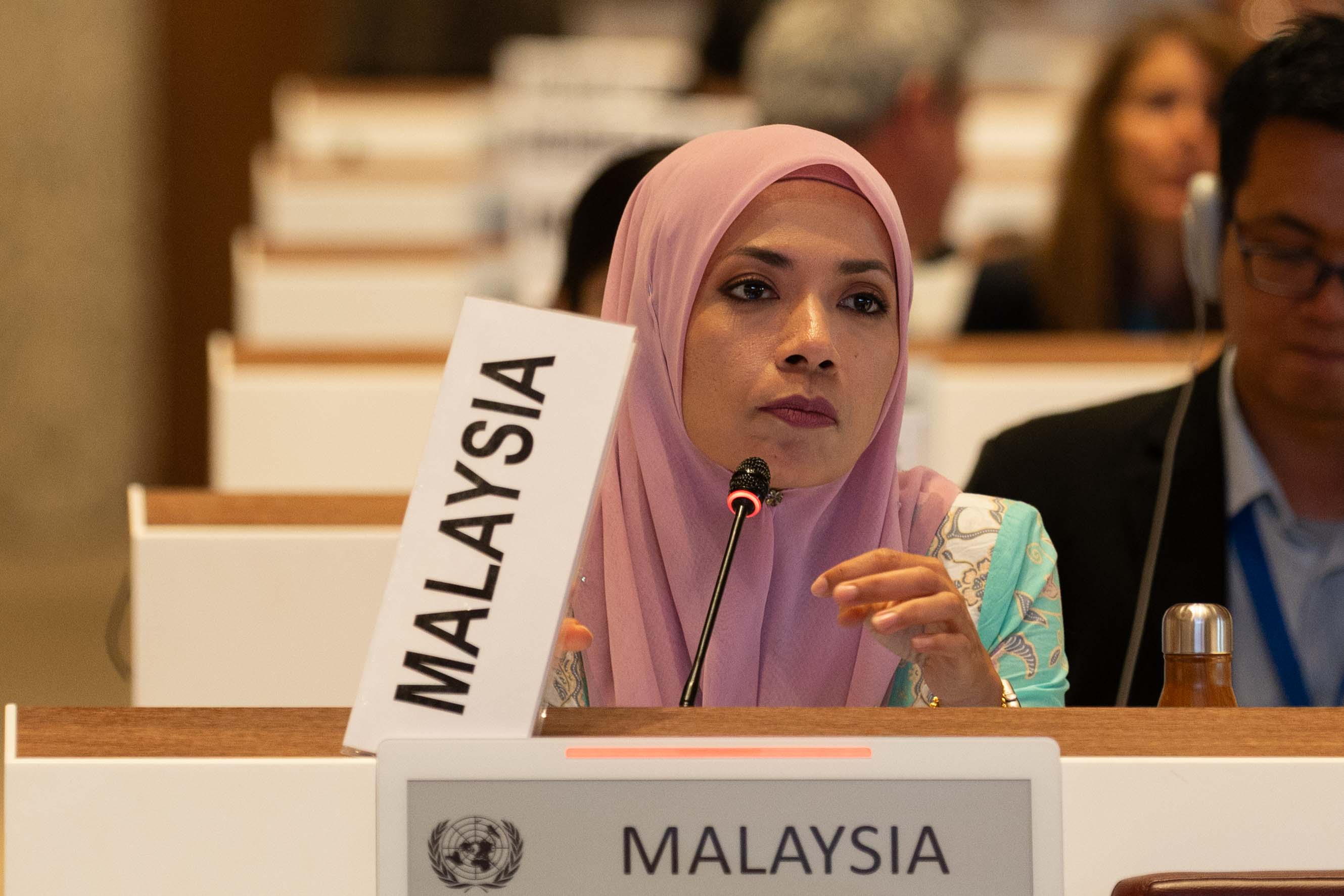
Mazlifah Ayob, Malaysia
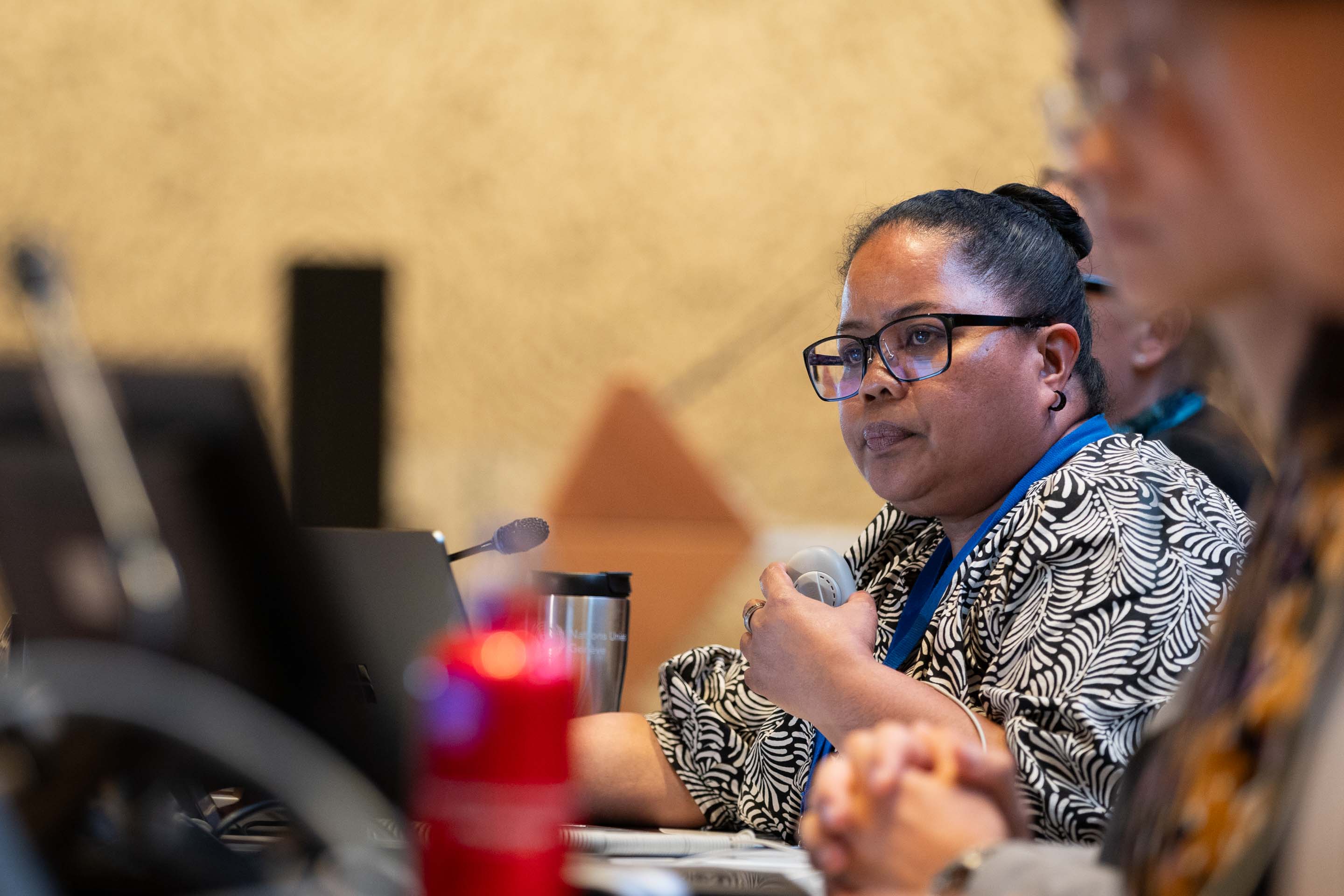
Contact Group 3 Co-Chair Gwen Sisior, Palau
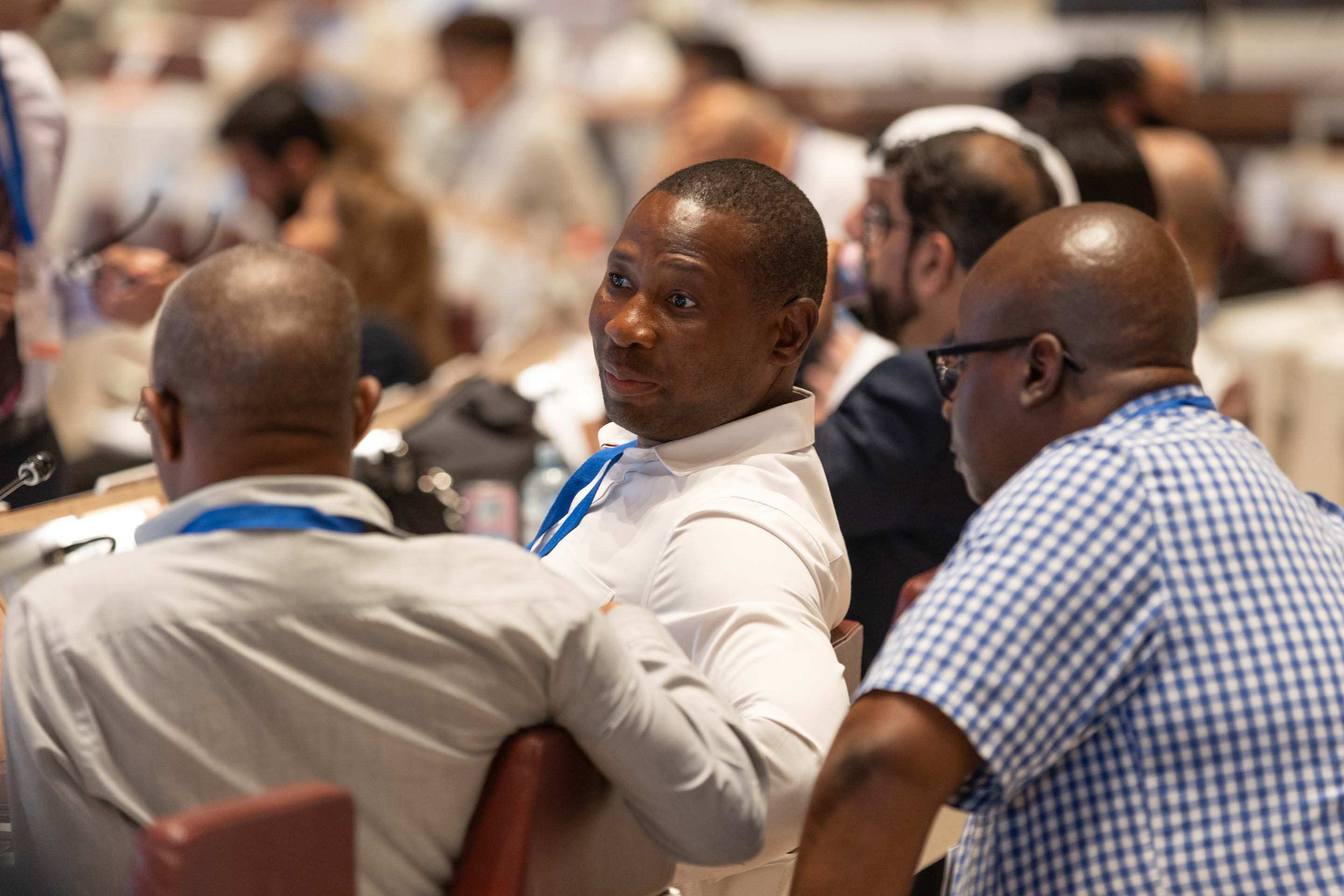
Delegates consult informally during the session
Contact Group 4
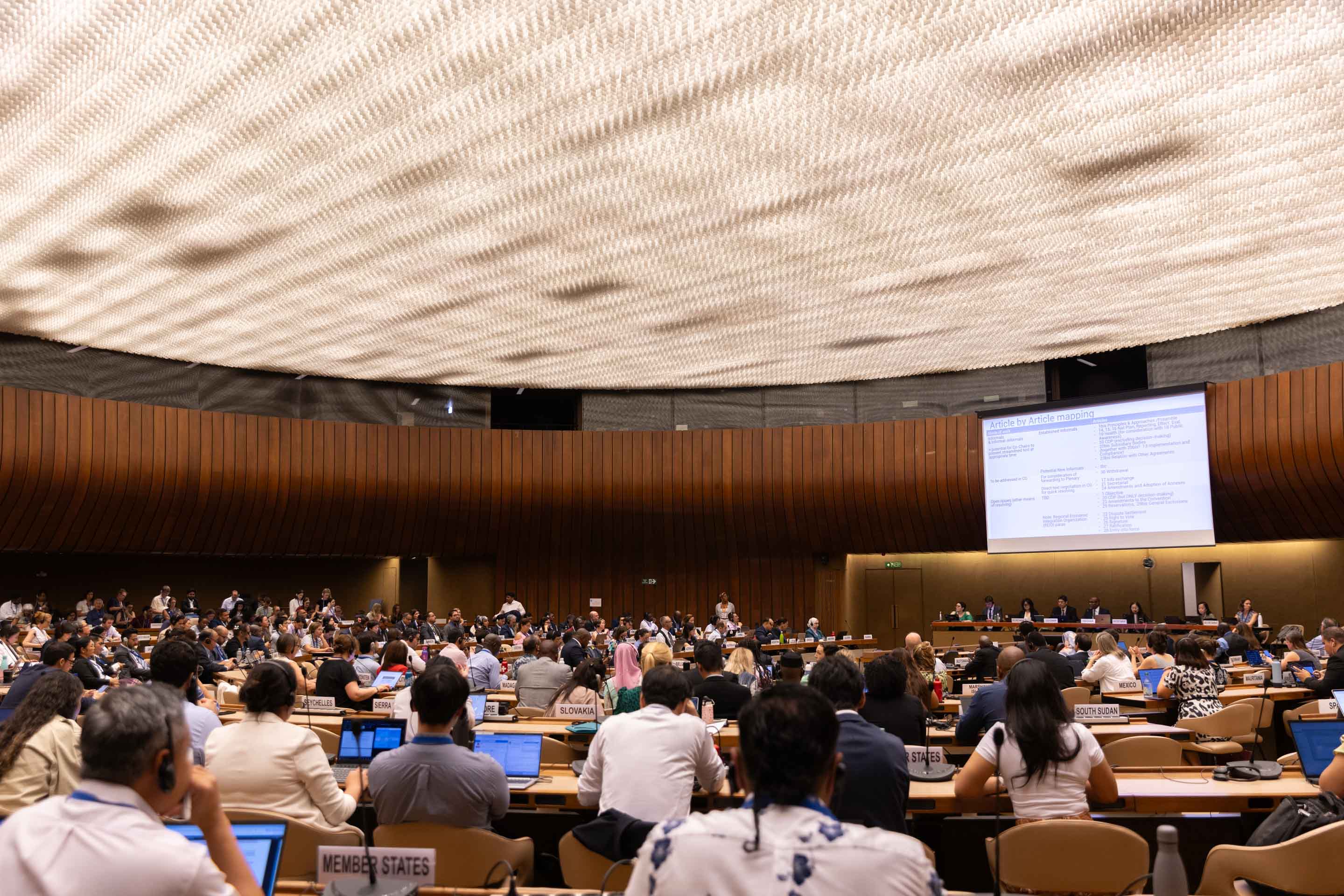
Delegates gather for Contact Group 4
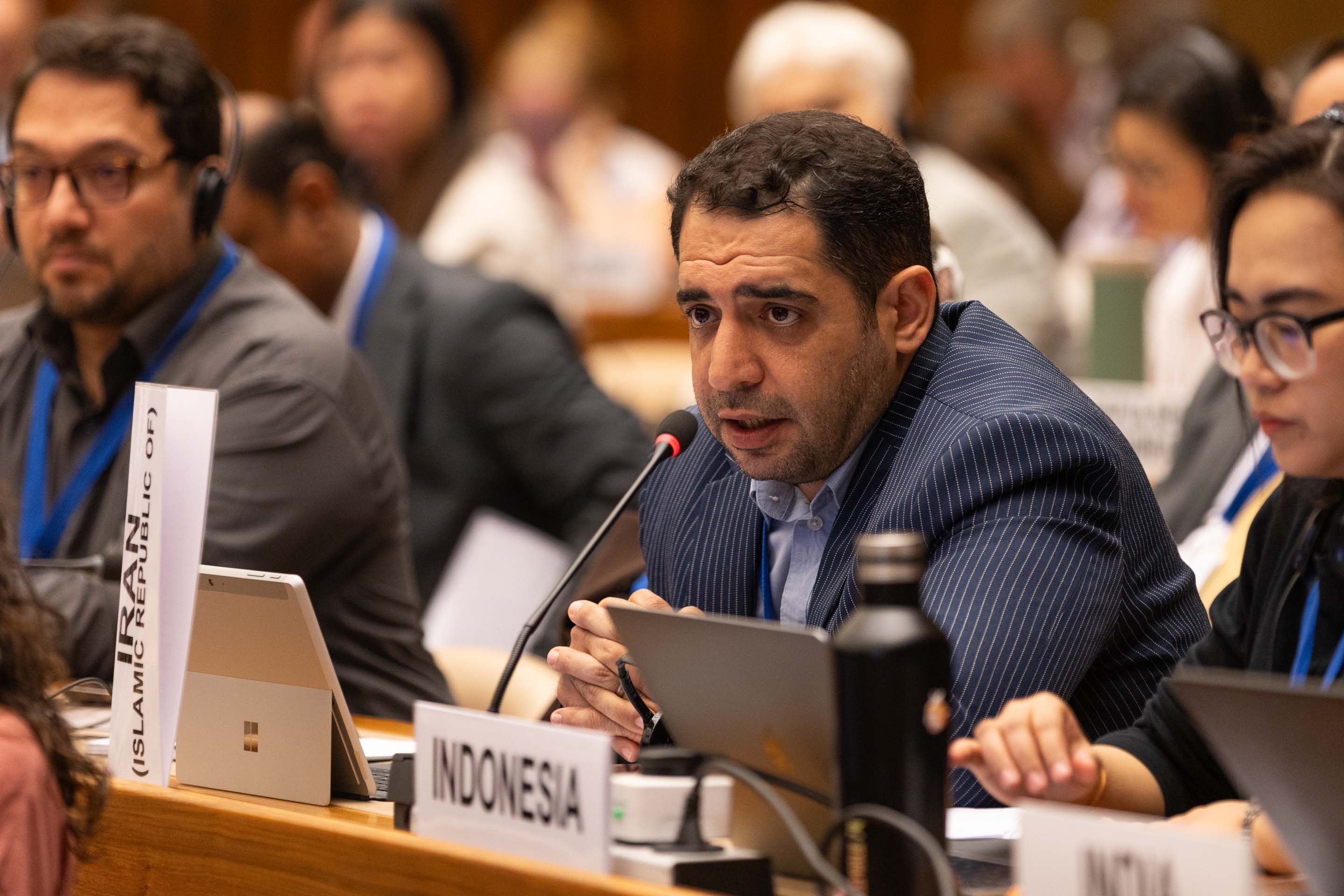
Arman Khorsand, Iran
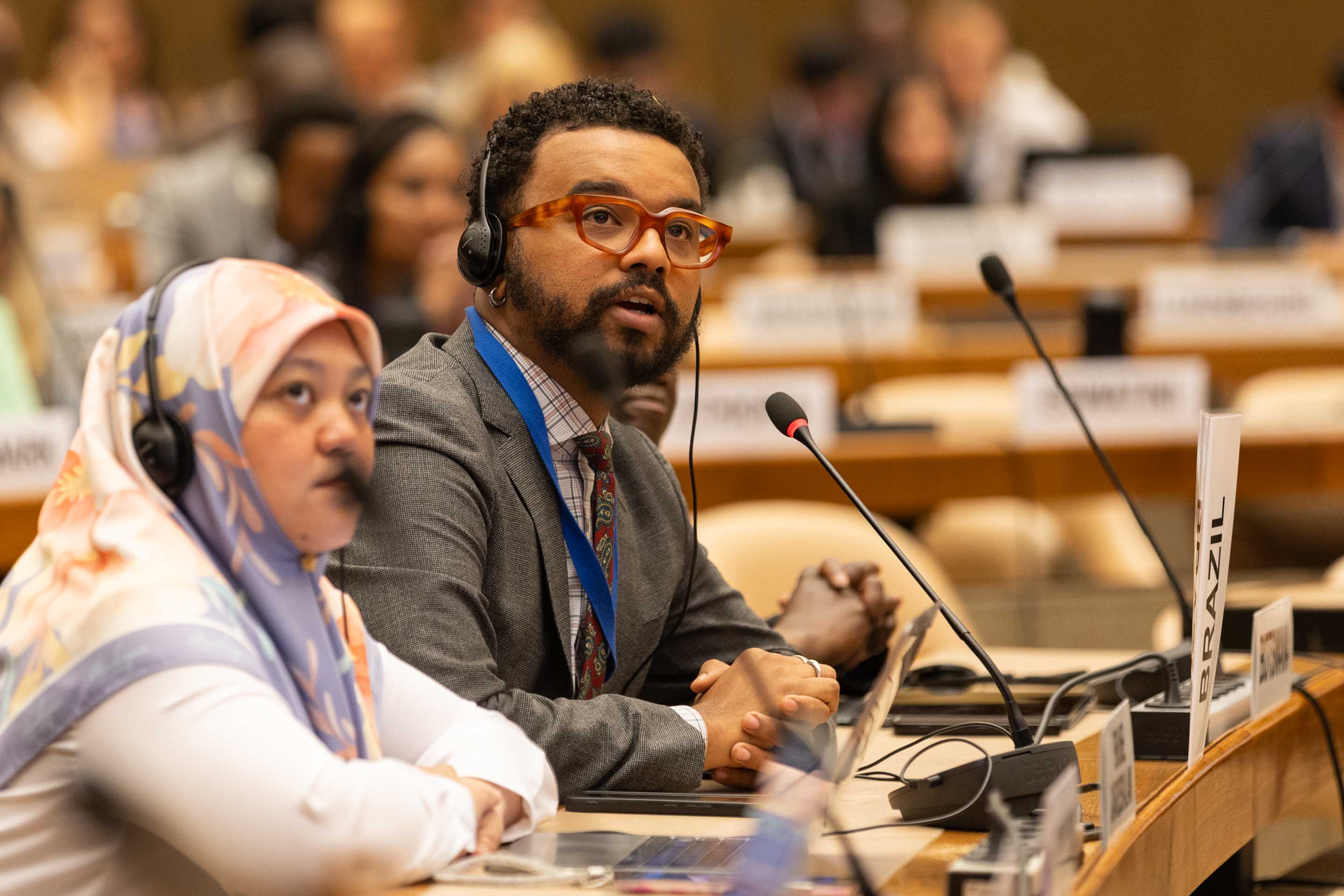
João Paulo de Sousa, Brazil
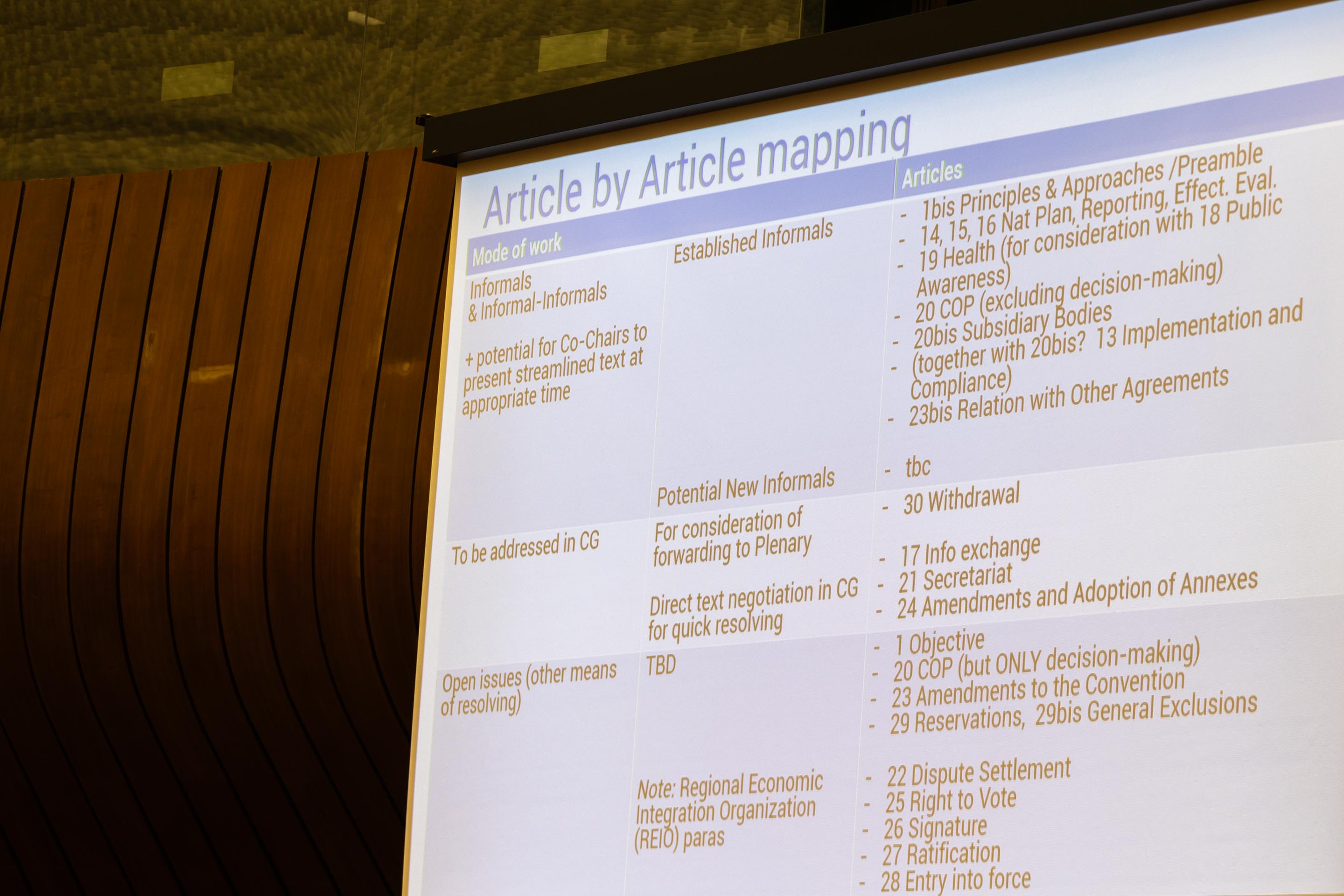
The Co-Chair presents an article-by-article mapping chart to help facilitate discussions
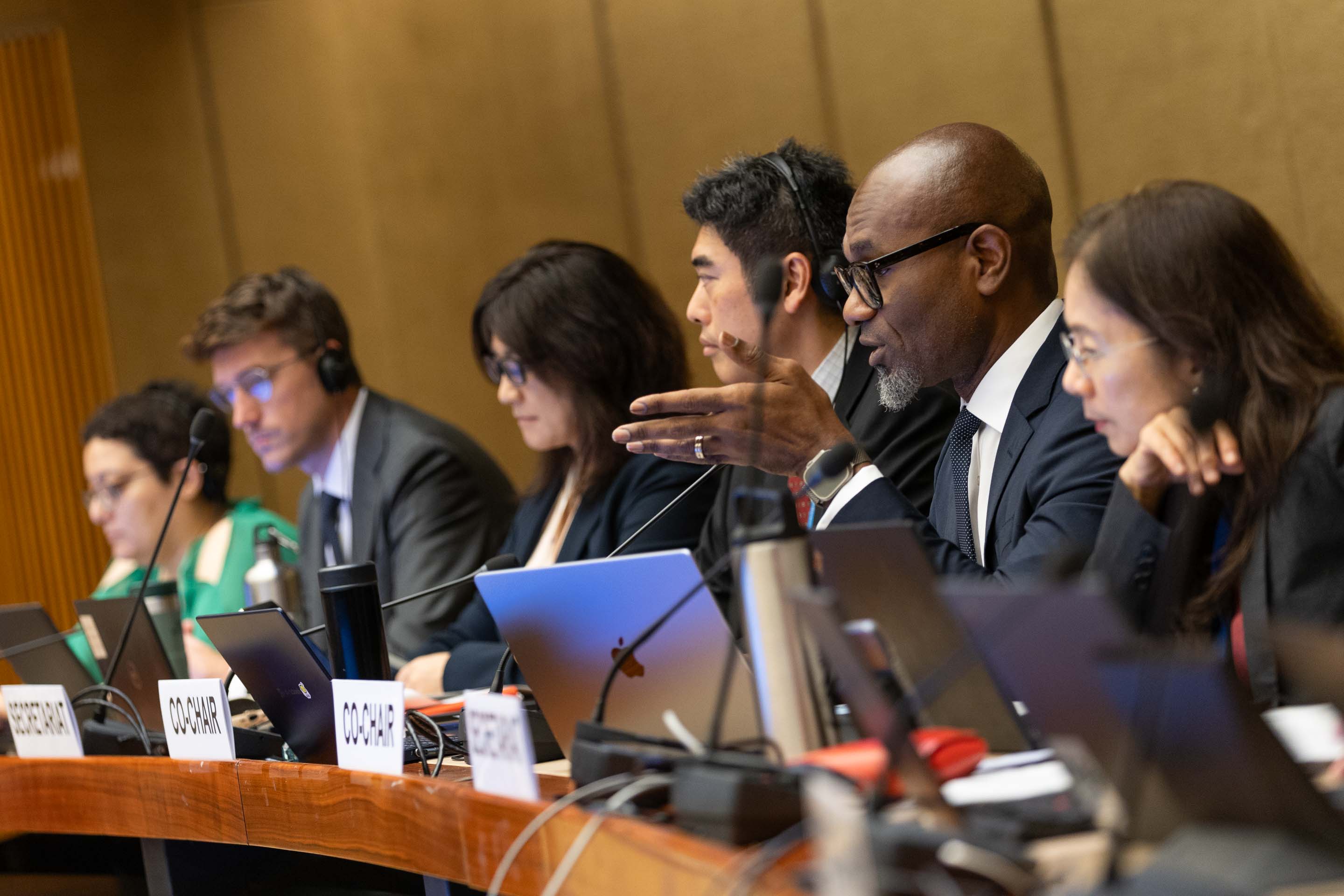
Contact Group 4 Co-Chair Linroy Christian, Antigua and Barbuda
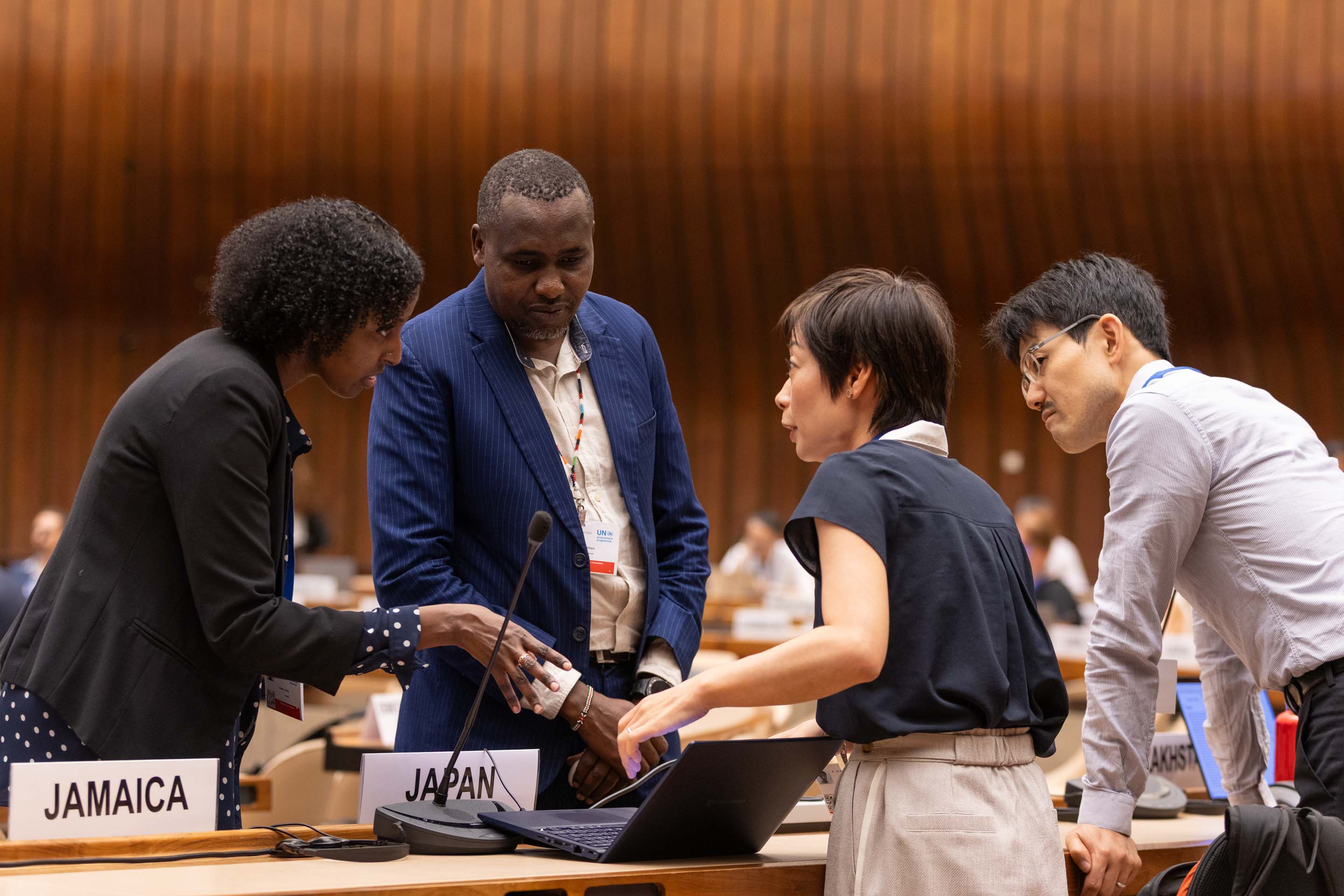
Delegates consult during the session
Informal Consultations Throughout the Day
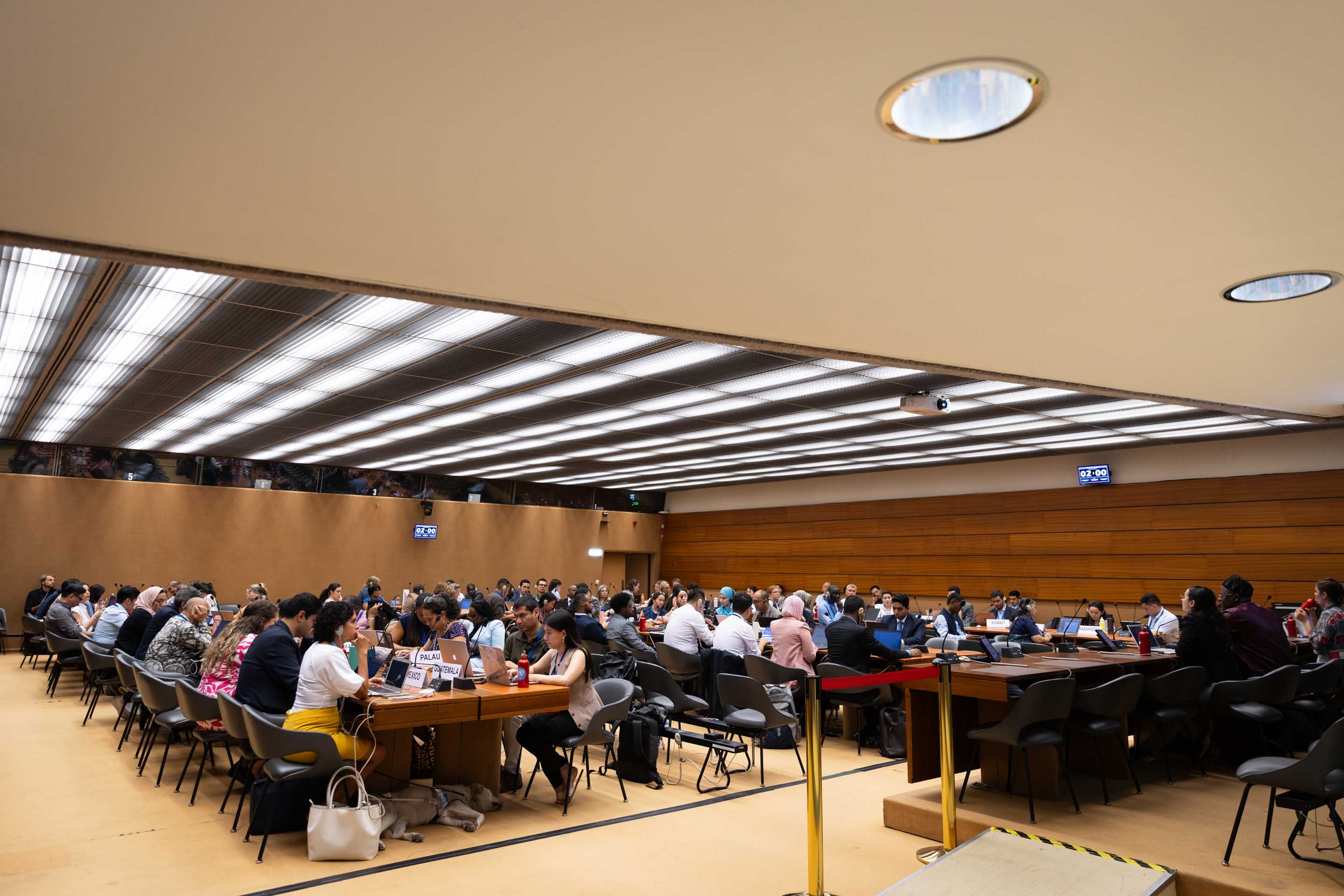
Informal consultations on Article 10
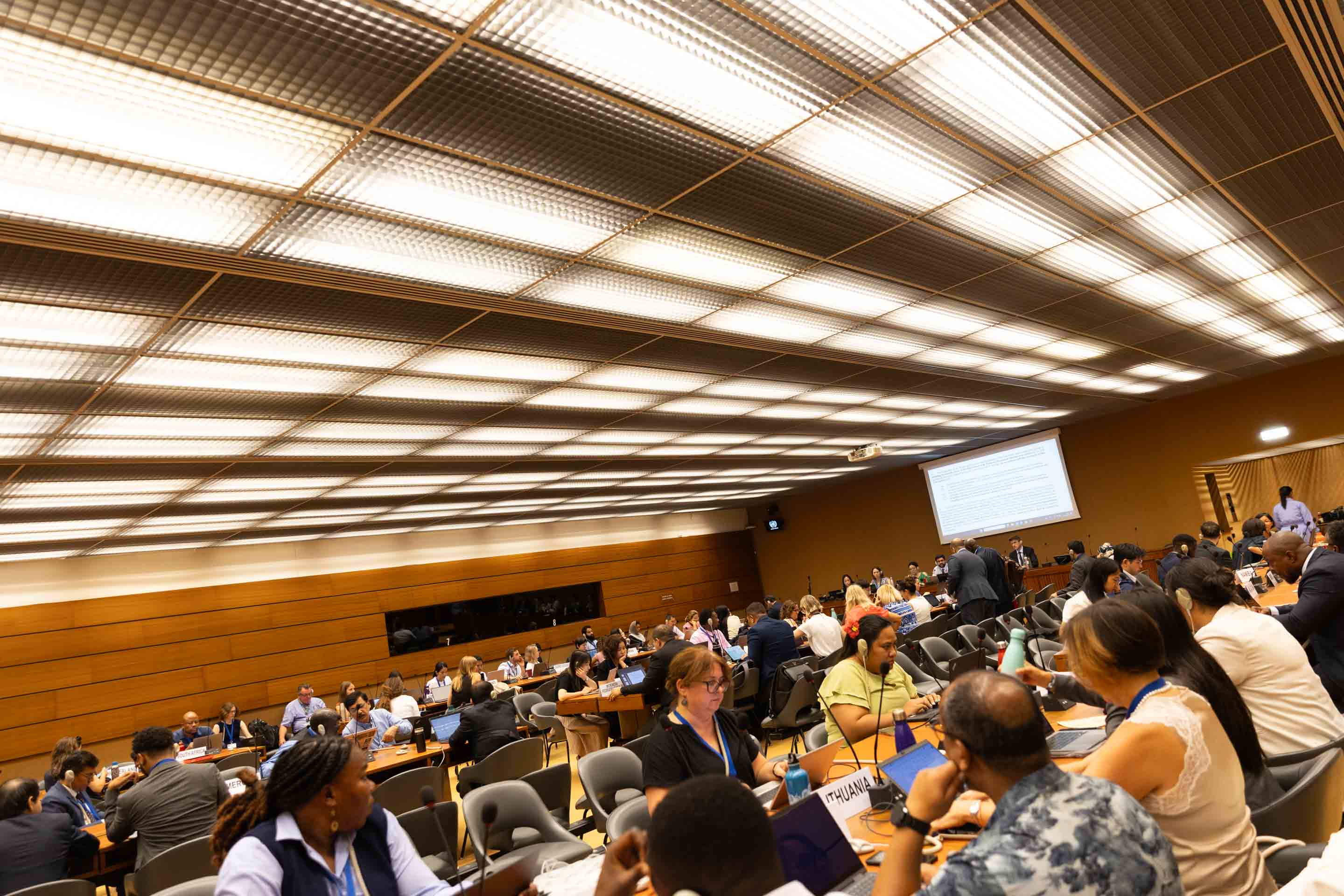
Informal consultations on Article 20
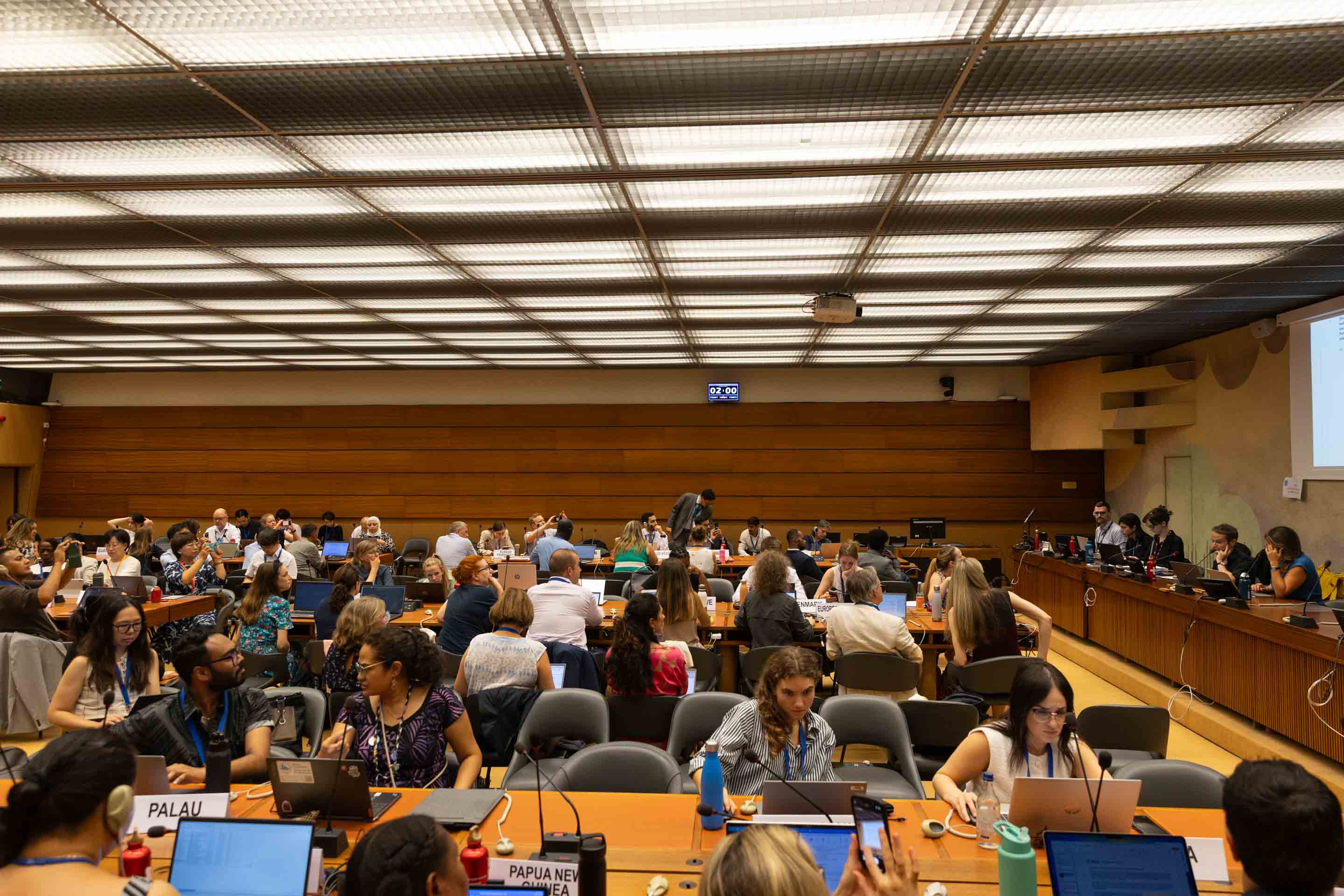
Informal consultations on Article 9
INC Chair Update to Observers
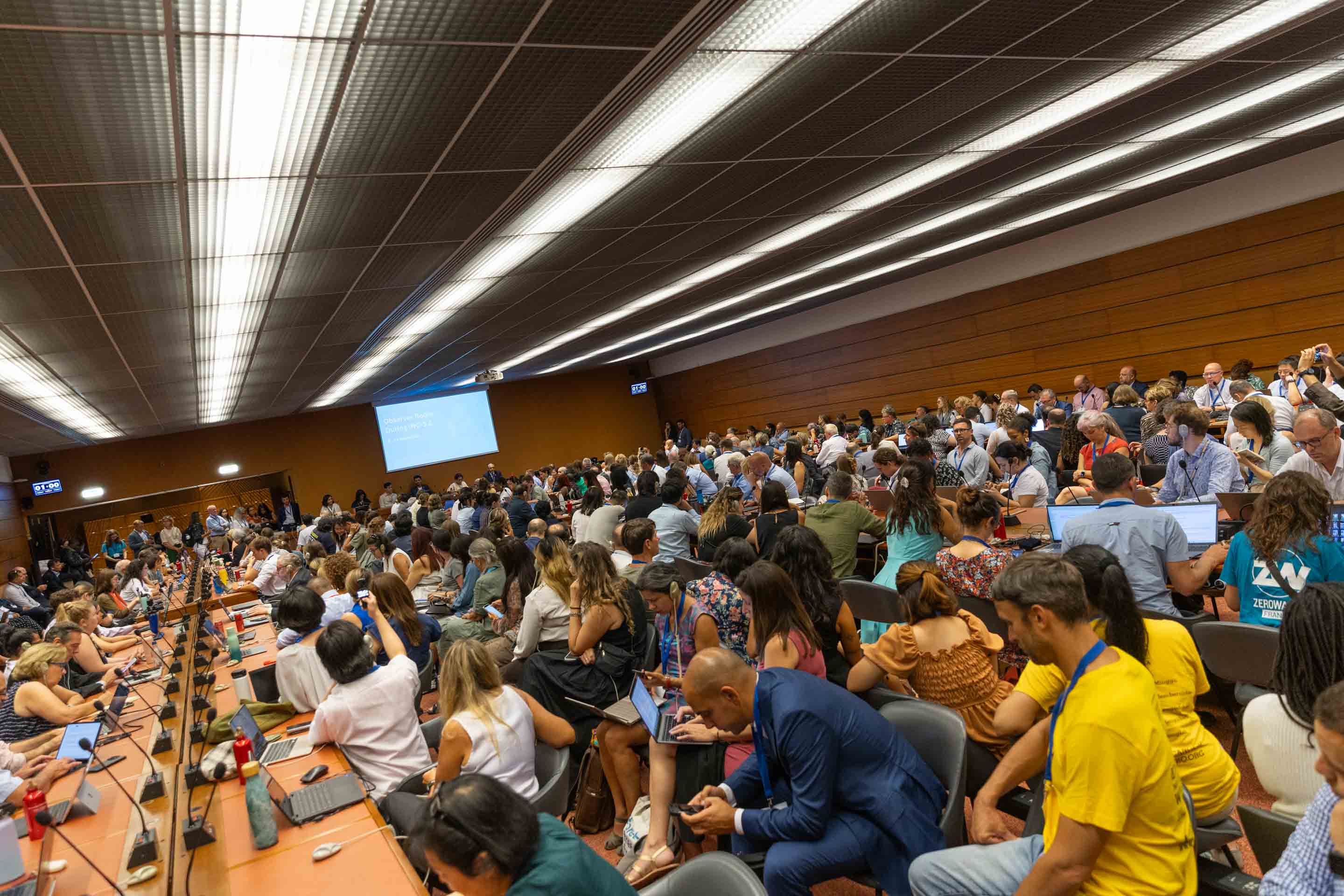
Observers gather to hear an update from the INC Chair on the status of negotiations
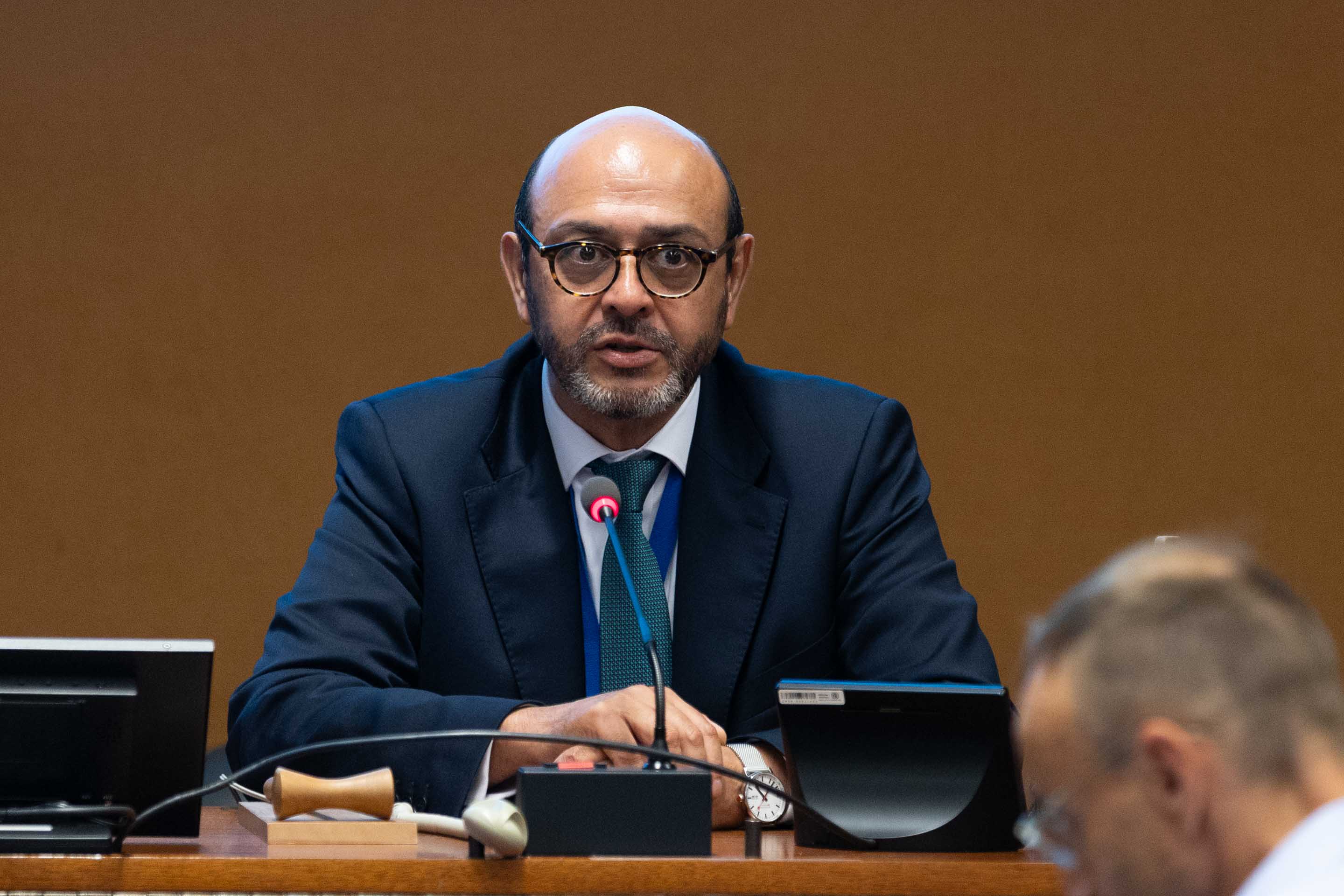
INC Chair Luis Vayas, Ecuador
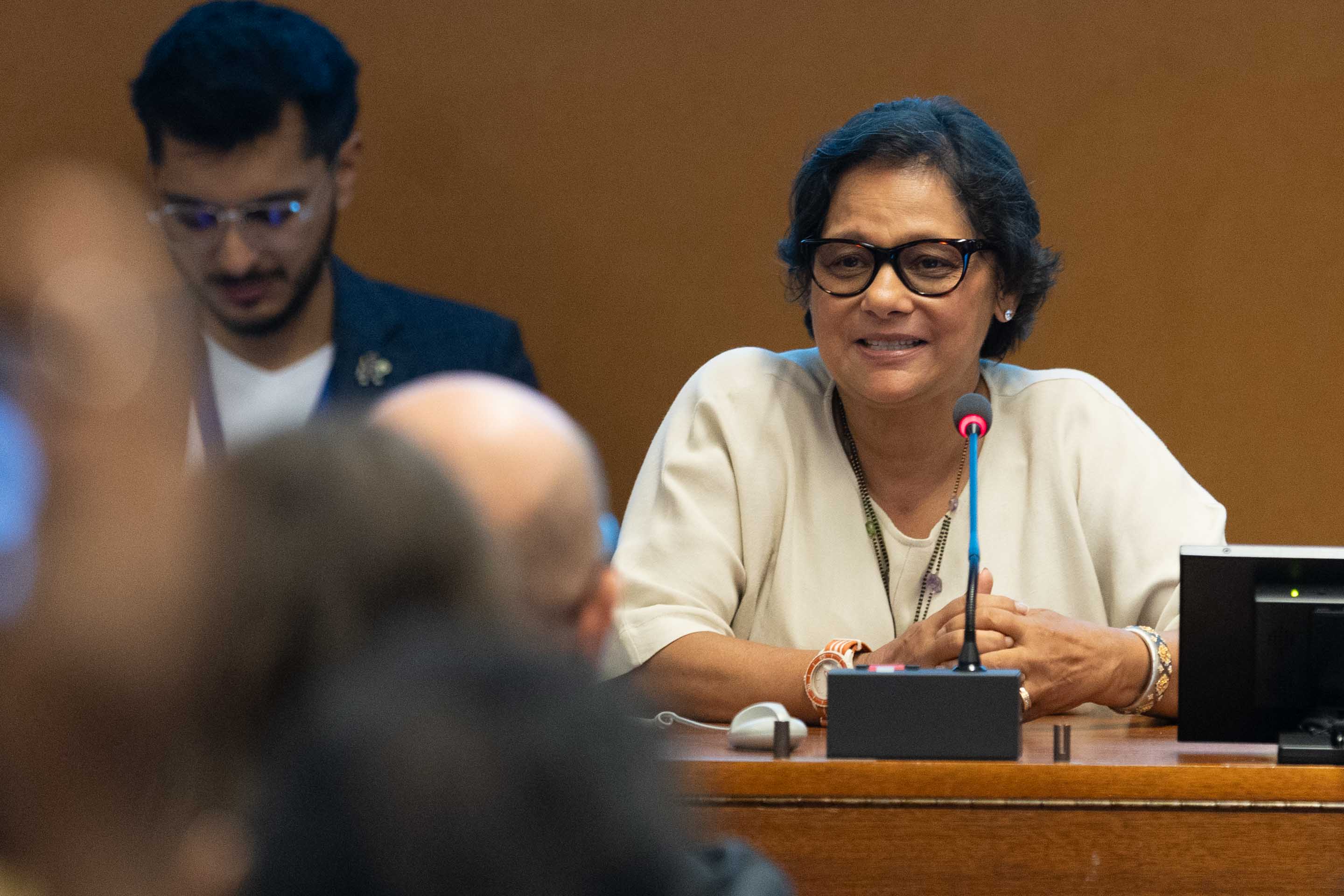
Jyoti Mathur-Filipp, Executive Secretary, INC Secretariat
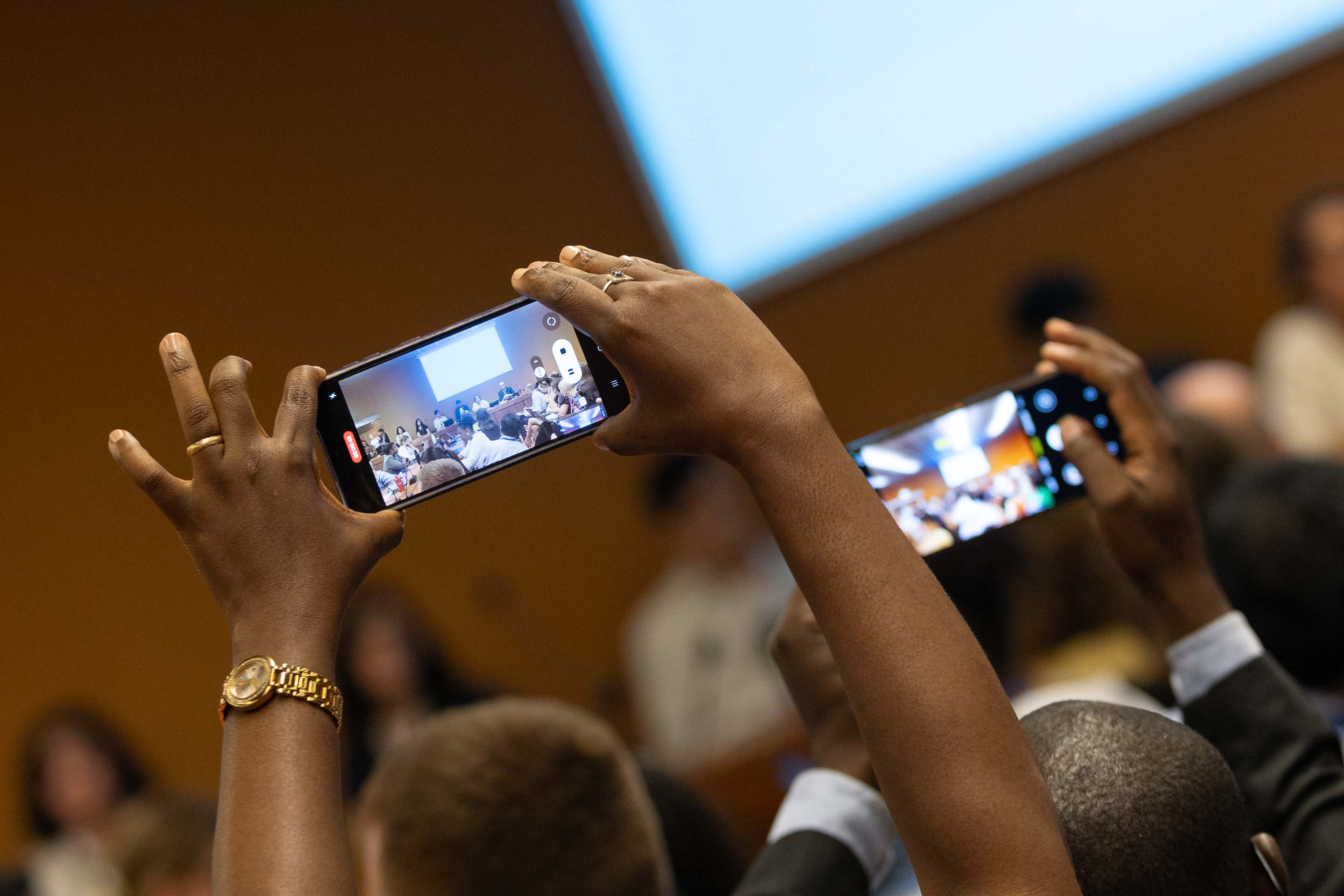
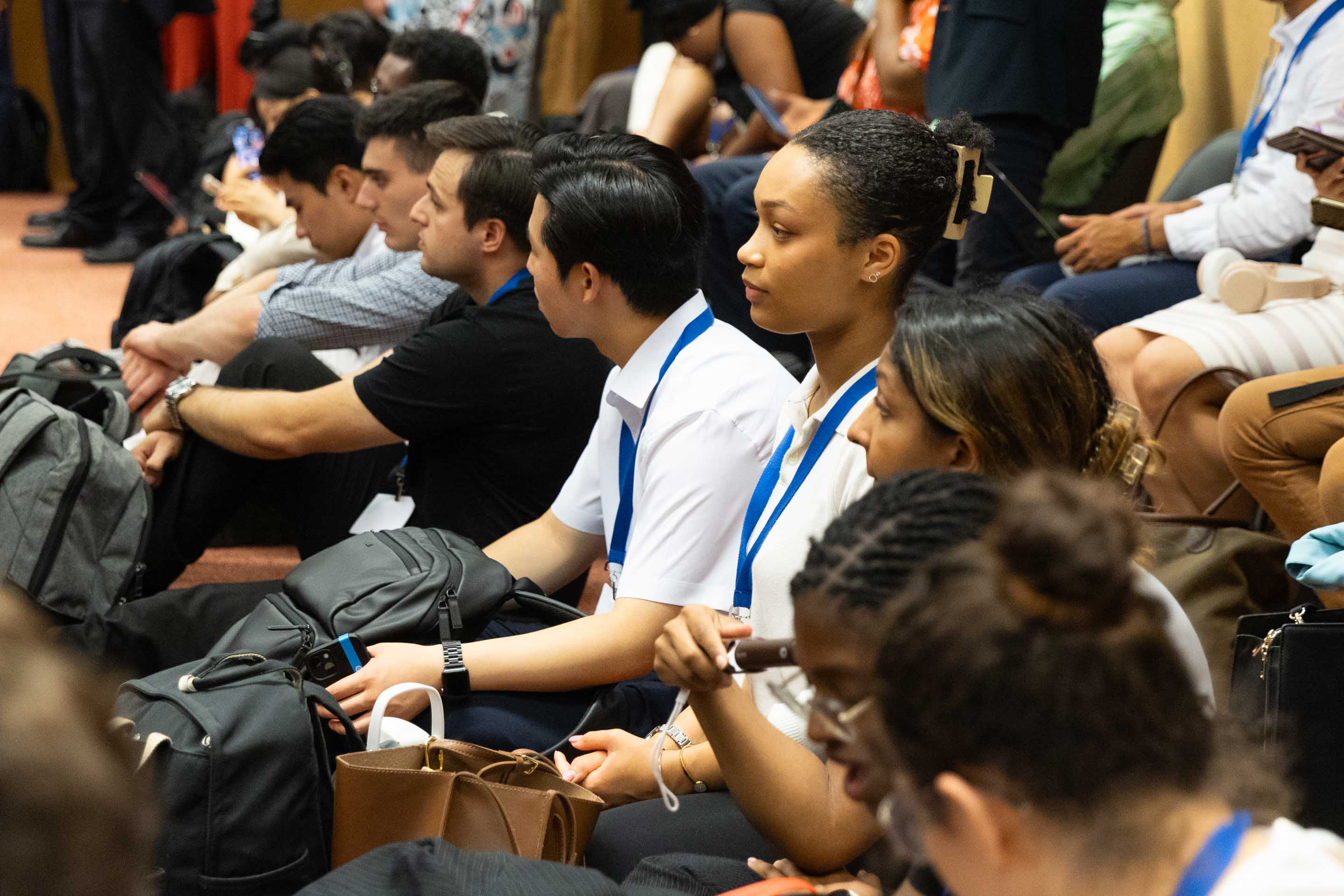
Around the Venue
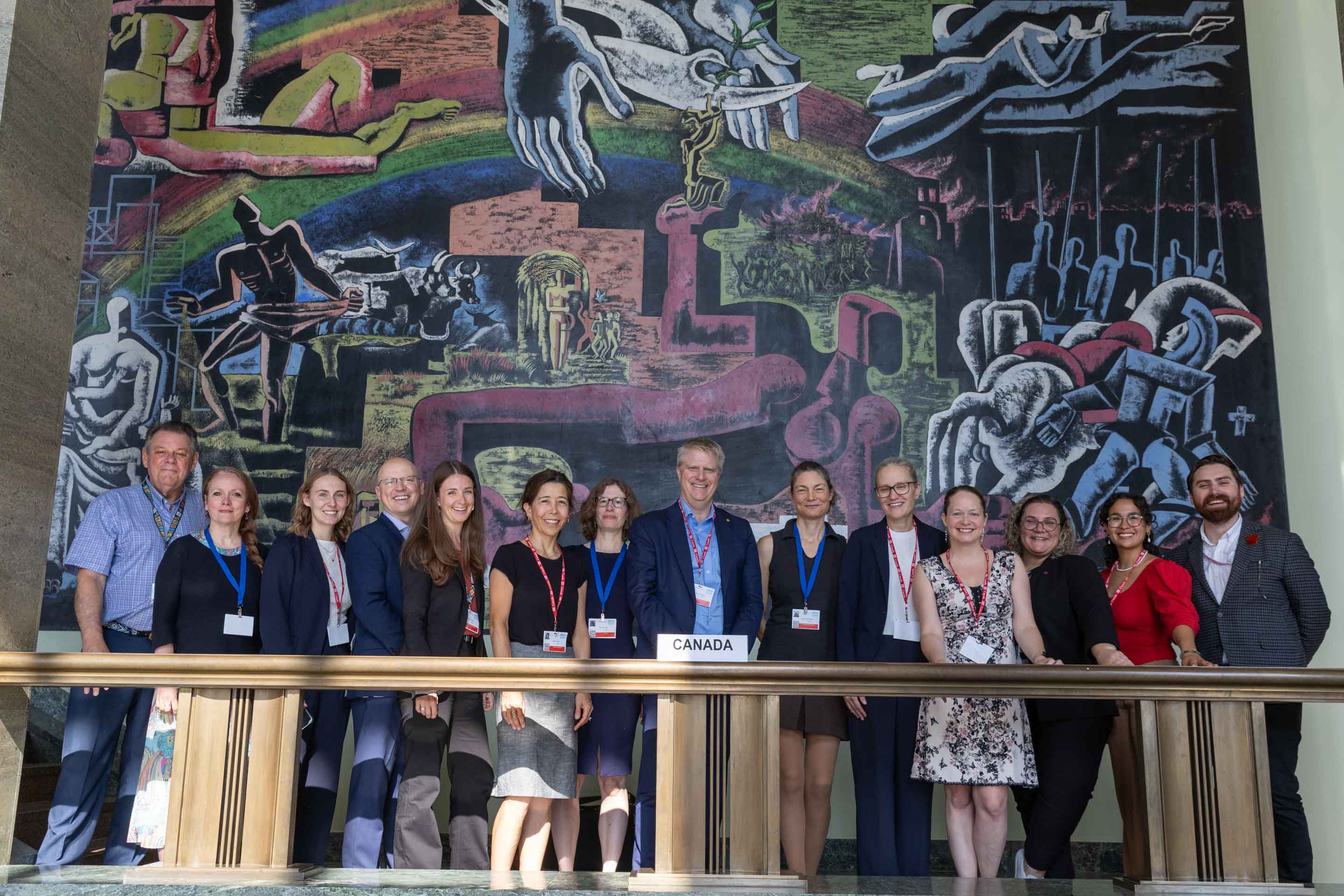
Delegates from Canada
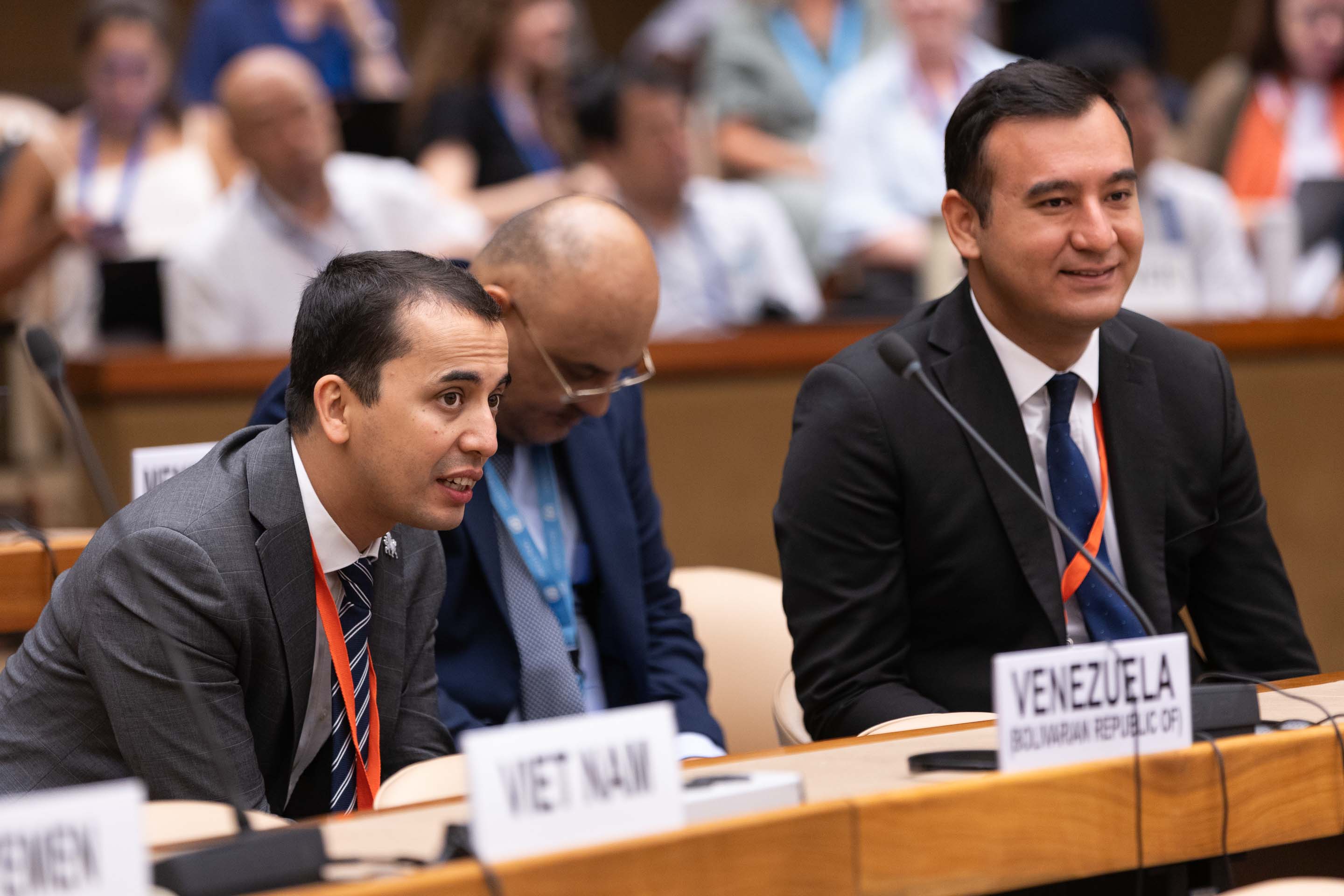
Delegates from Uzbekistan
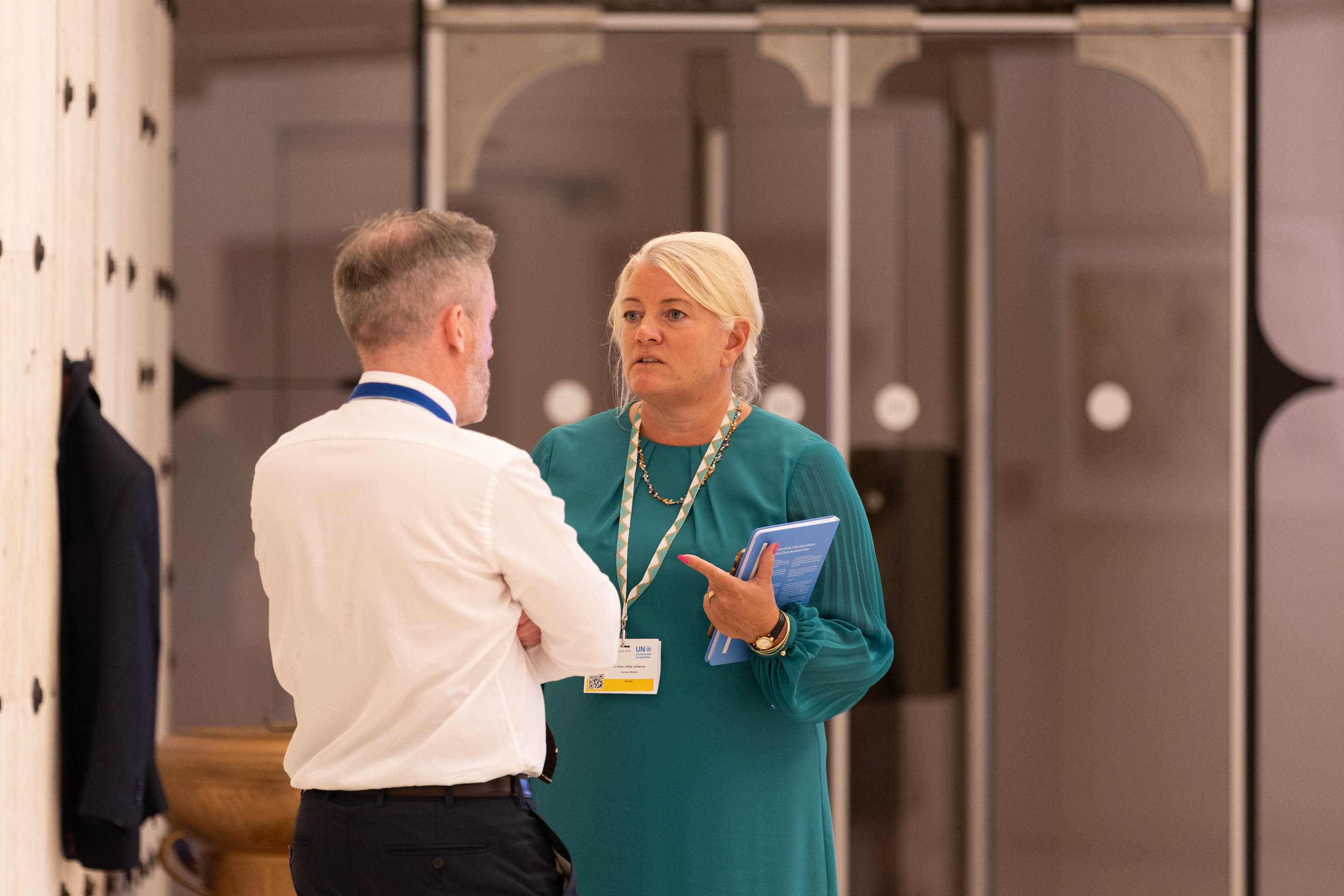
Sverre Thomas Jahre, Norway, speaks with Johanna Lissinger Peitz, Sweden
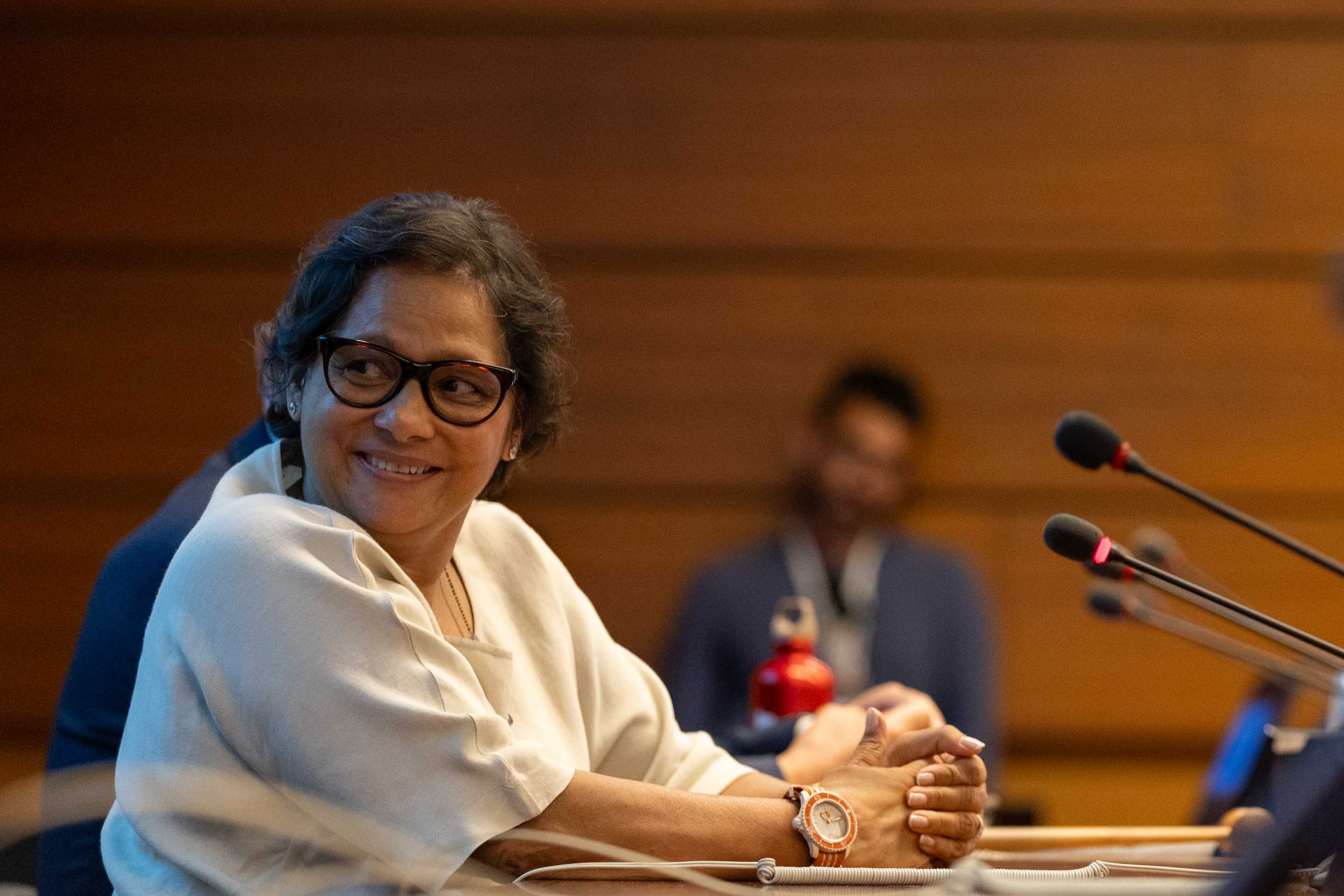
Jyoti Mathur-Filipp, Executive Secretary, INC Secretariat