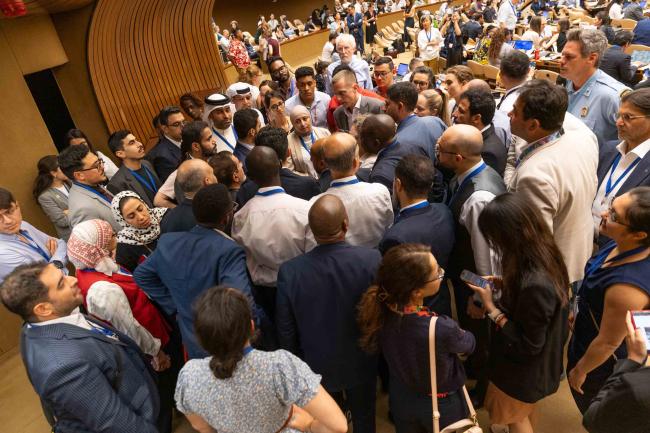
“We have to get it done.” The magnitude of the effort needed to reach agreement on a new plastics treaty seemed to dawn on all delegates at the Palais de Nations on Friday, 8 August. Each article represents a piece of a jigsaw puzzle that must fit seamlessly into the broader treaty text, balancing both the common good and national interests.
At this meeting, delegates have a responsibility to align on overarching goals on reducing plastic pollution, while addressing specific challenges like whether there will be plastic production caps, how to limit the manufacture of problematic plastics, and how to ensure adequate financing. These articles must interlock logically, ensuring that the future treaty can be implemented seamlessly.
Want to dig deeper into today's talks? Read the full Earth Negotiations Bulletin daily report.
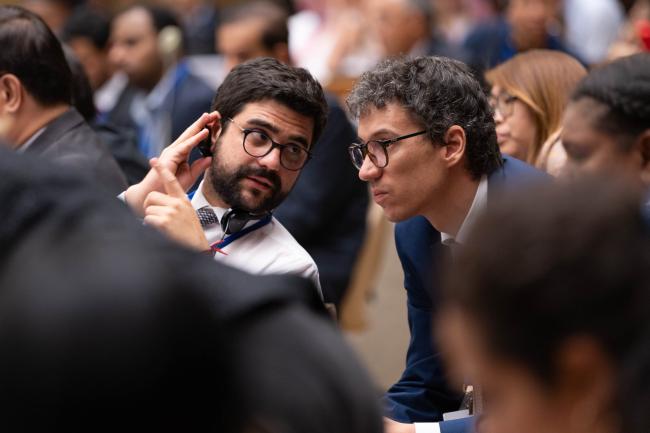
To do this, delegations worked in a multitude of configurations on the fourth day of the resumed fifth session of the Intergovernmental Negotiating Committee (INC-5.2) to develop an international legally binding instrument (ILBI) on plastic pollution, including in the marine environment. Contact groups, informal groups, and “informal informals” all convened, focusing on specific articles, all in a bid to put together the puzzle of the future ILBI.
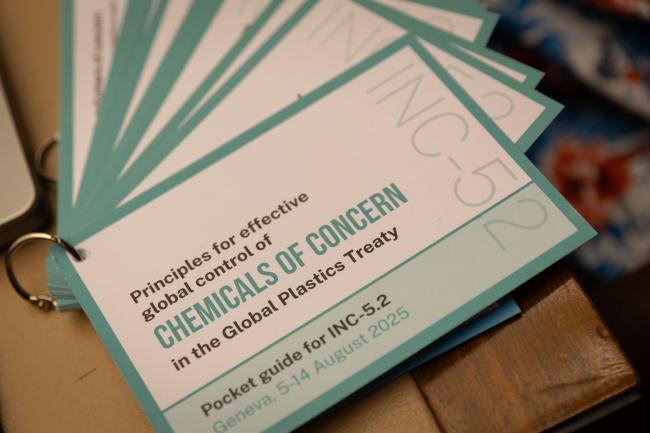
To get through the text, delegates shared views on the nature and composition of the implementation and compliance committee, before moving into details on national plans, reporting, and effectiveness evaluation. On reporting, some called to draw inspiration from the Minamata Convention on Mercury, which contains reporting formats in an annex. Delegates also discussed the periodicity and nature of effectiveness evaluations, with some arguing that they should not assess implementation and others opining they should assess the adequacy of obligations.
On exchange of information and public awareness, some stressed that information on the health and safety of humans and the environment should not be confidential and others pushed for encouraging businesses to share information on their activities.

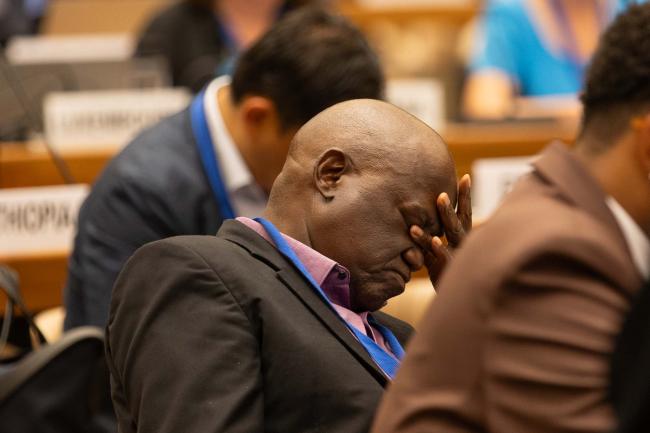
With a looming deadline to submit text toward the compilation of an “assembled document” for discussion at a stocktaking plenary scheduled for Saturday, delegates were hard pressed to make progress. In the contact group on financial resources and mechanism, they were pleased to submit a new Co-Chairs' text to plenary. In other groups, tensions grew, as delegates held lengthy debates on what text to forward to plenary, with the Co-Chairs repeatedly reminding them that the forwarded text would be further negotiated in the coming days.
In the end, delegates agreed to forward to the plenary text reflecting the status of their work on different articles, which entailed either: text reflecting that provisions had not been addressed; the outcome documents from contact group settings; or snapshots of ongoing work in informal groups, along with footnotes explaining the status of work. Delegates are scheduled to meet in plenary on Saturday, 9 August.
To receive free coverage of global environmental events delivered to your inbox, subscribe to the ENB Update newsletter.
All ENB photos are free to use with attribution. For INC 5.2 please use: Photo by IISD/ENB - Kiara Worth
Contact Group 1
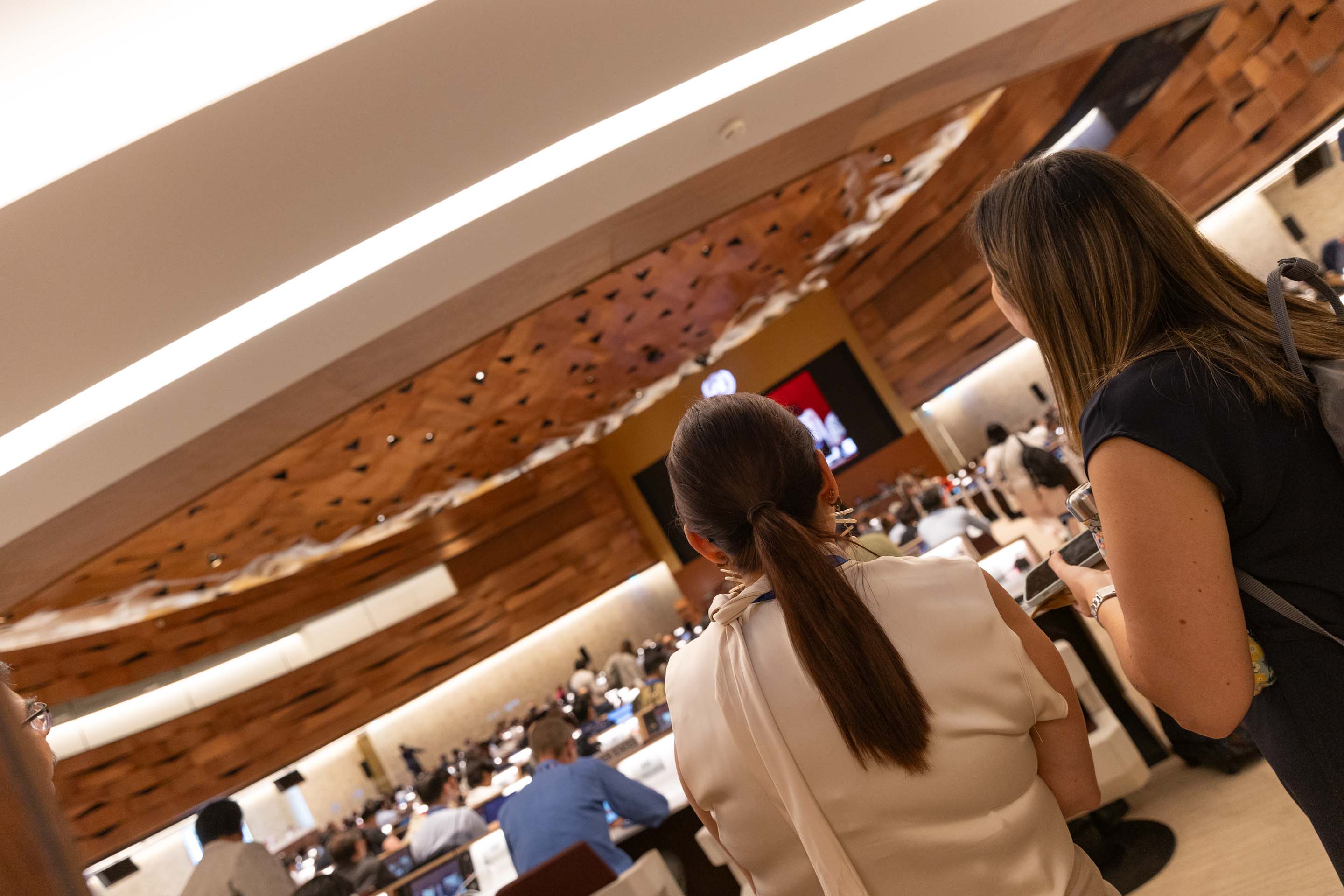
Delegates gather for Contact Group 1
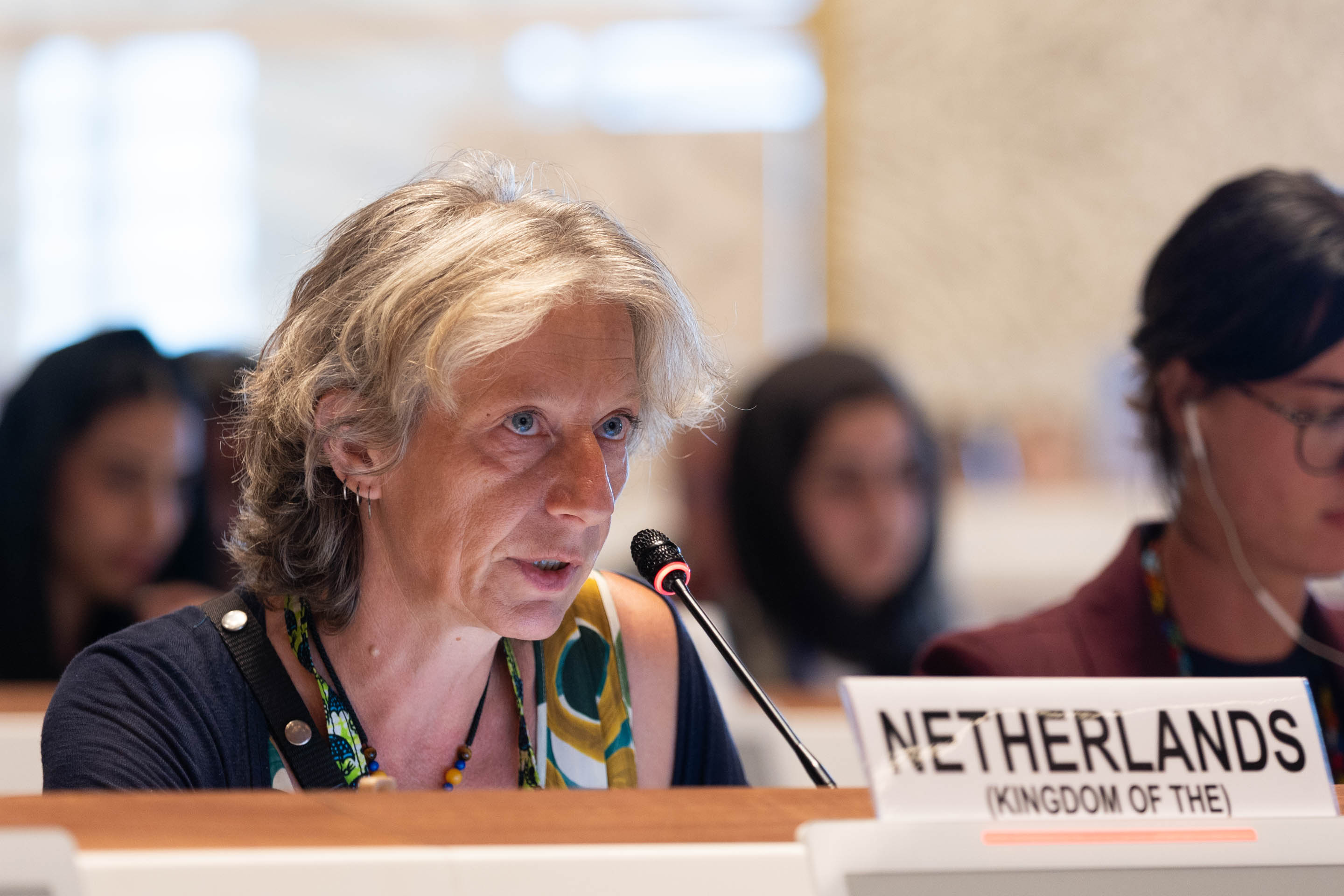
Gudi Alkemade, the Netherlands
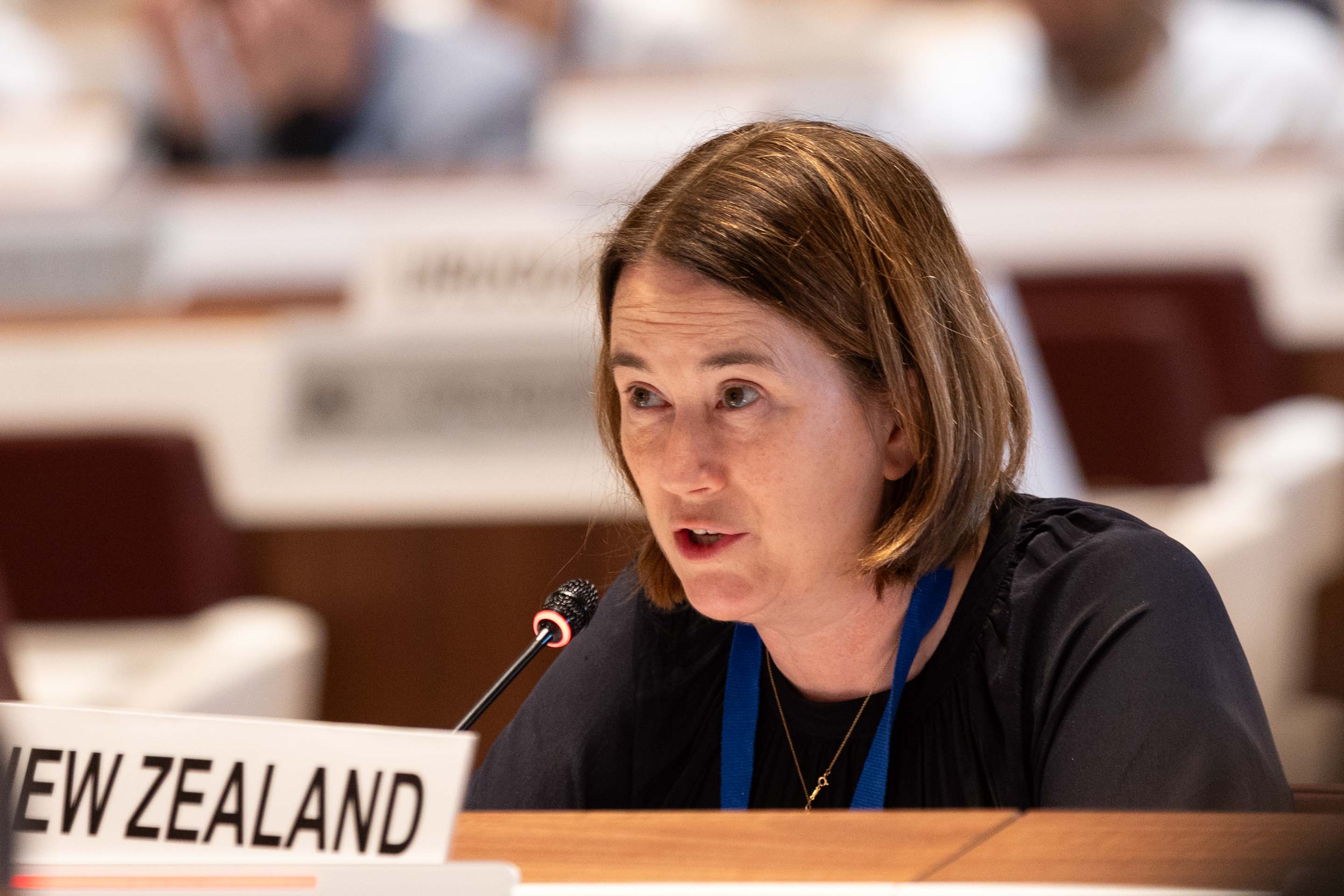
Victoria Hallum, New Zealand
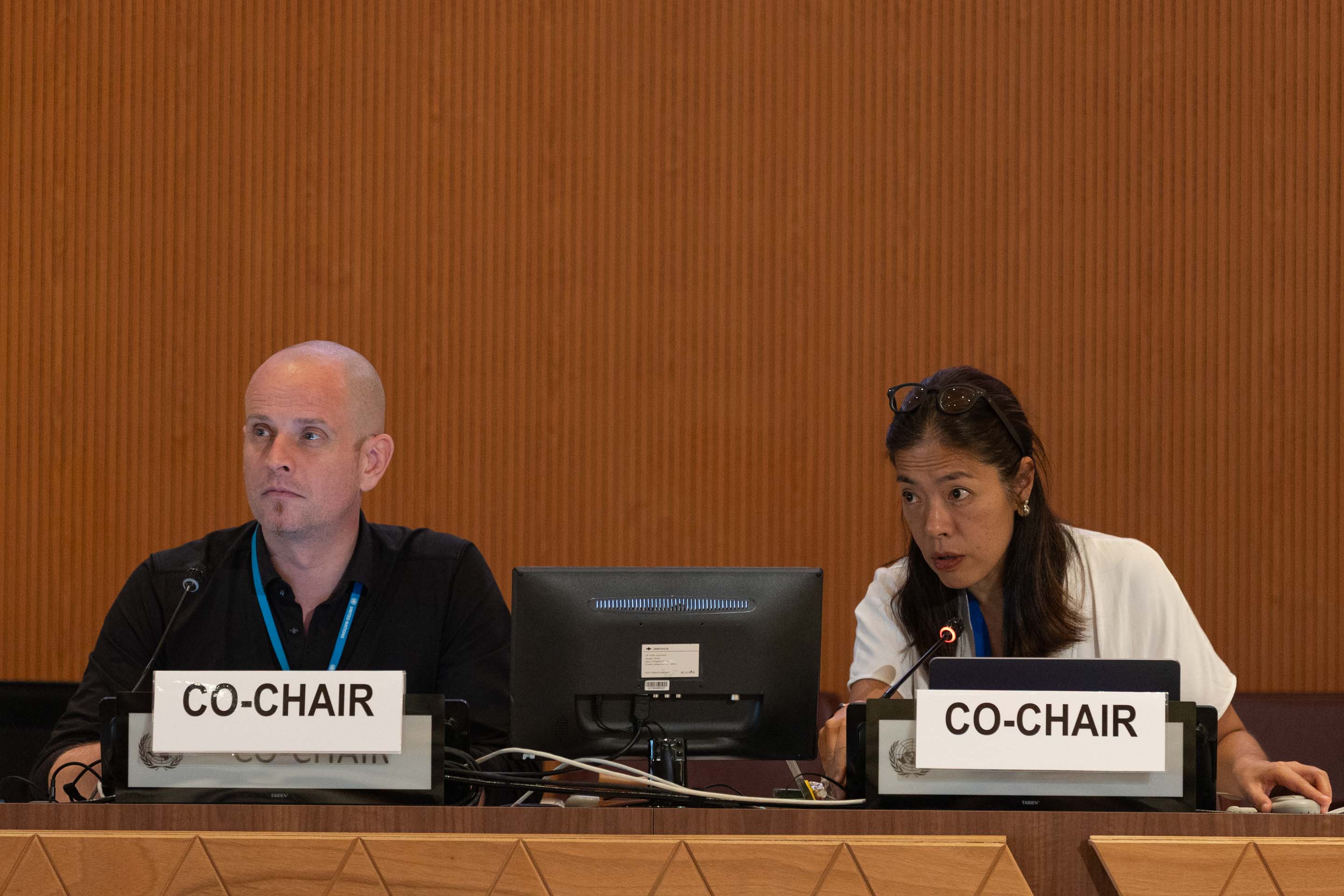
Contact Group 1 Co-Chairs Axel Borchmann, Germany, and Maria Angélica Ikeda, Brazil
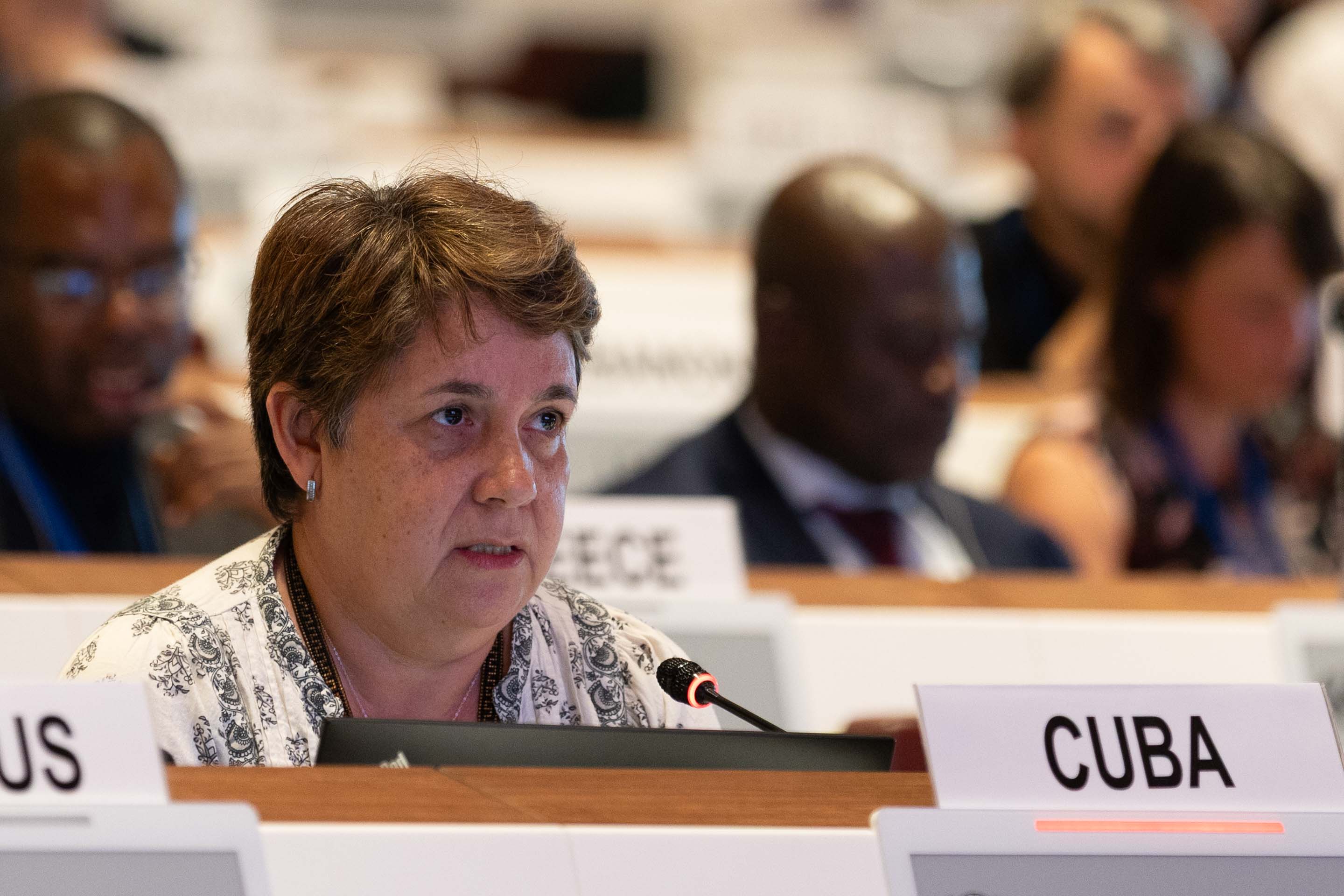
Belsis Llorente Díaz, Cuba
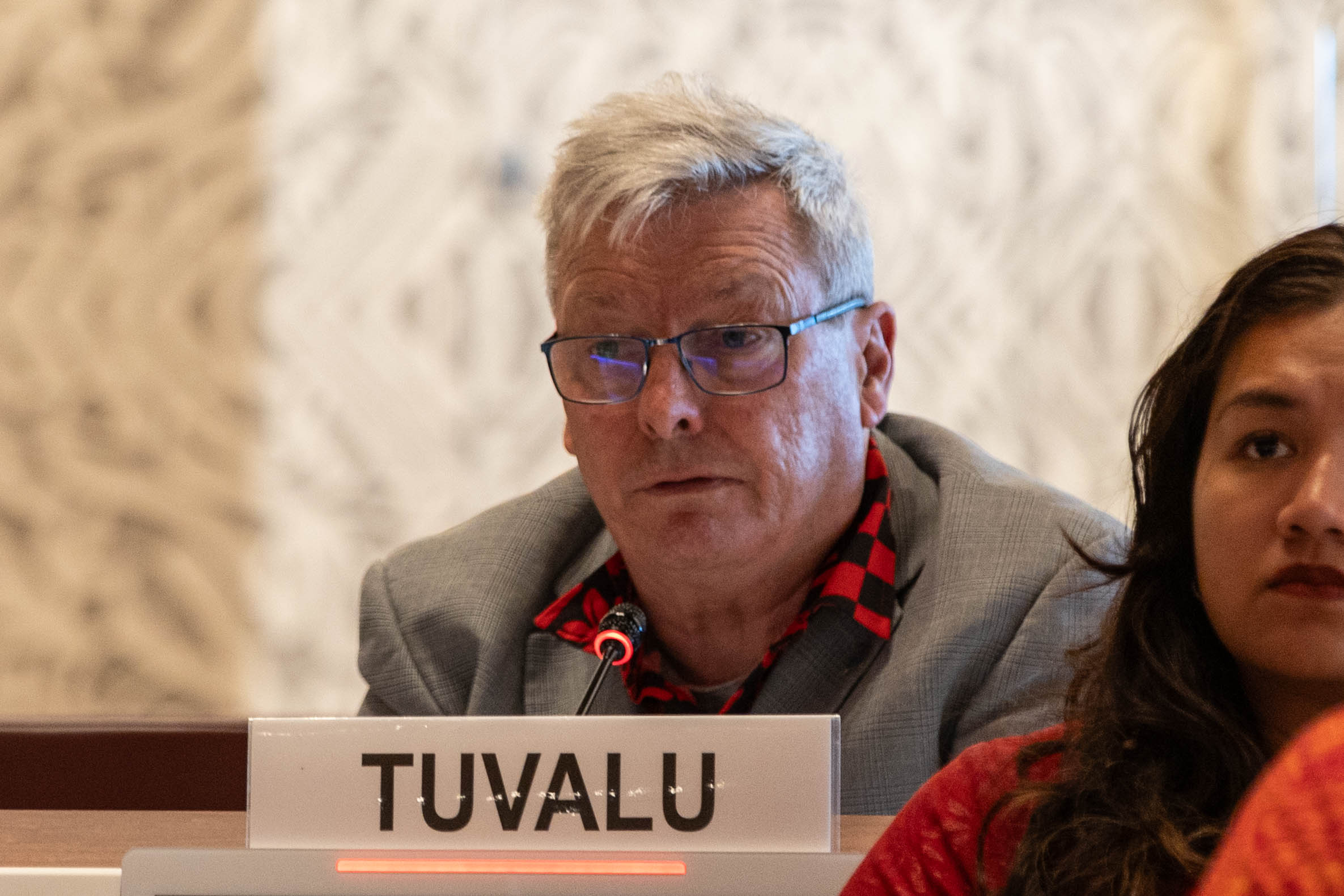
Ian Fry, Tuvalu
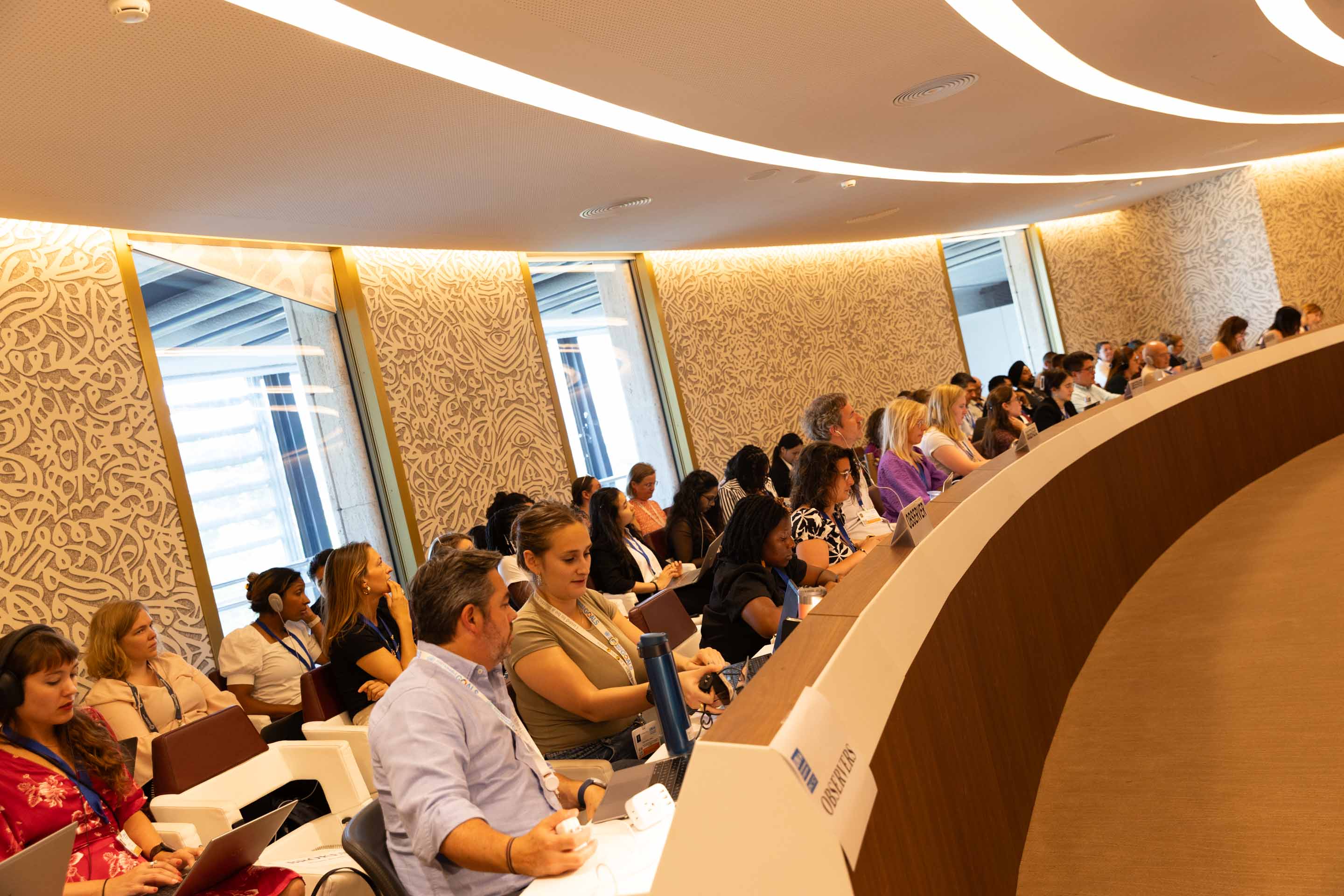
Observers listen to the discussion
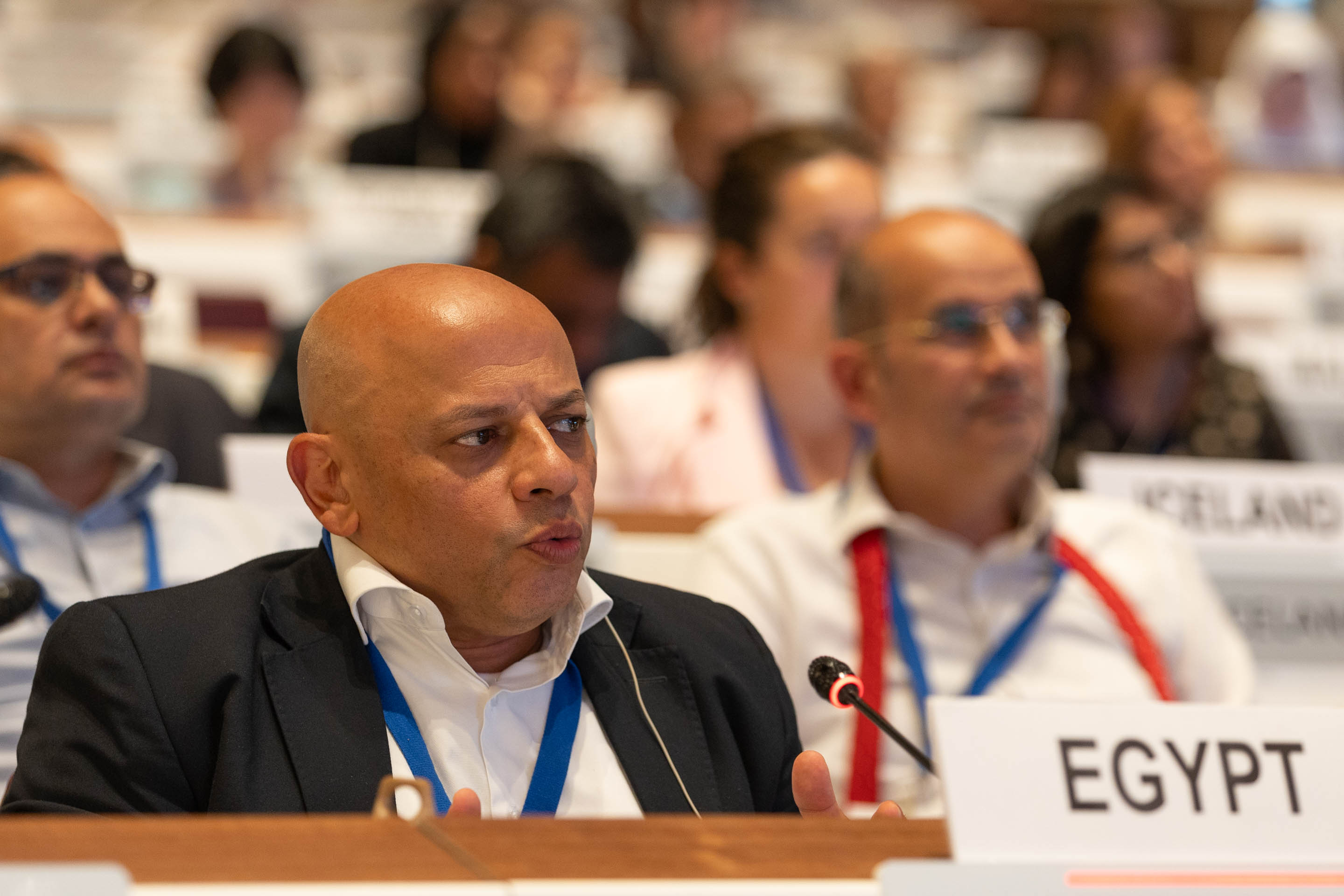
Tamer Mostafa, Egypt
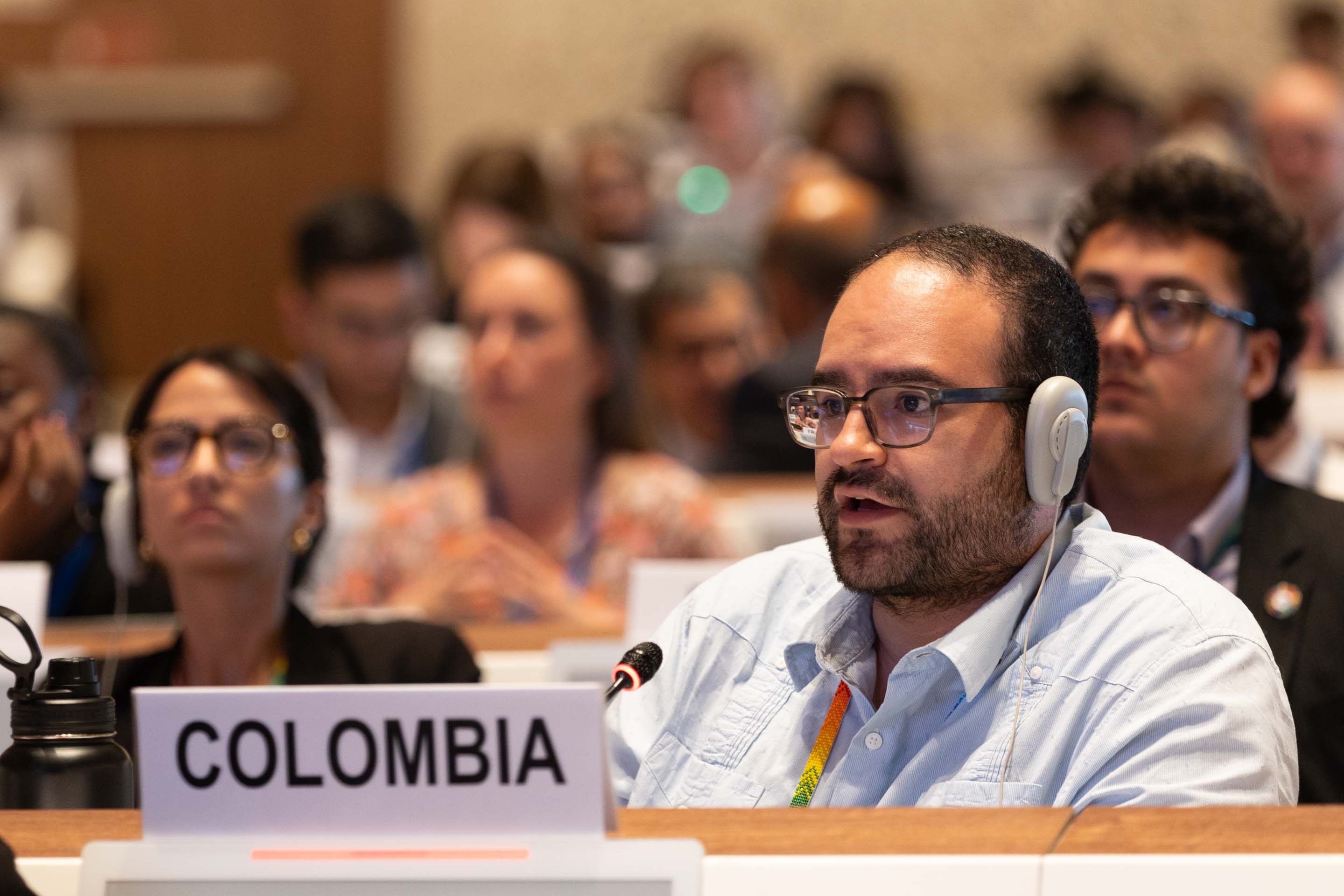
Miguel Ruiz Botero, Colombia
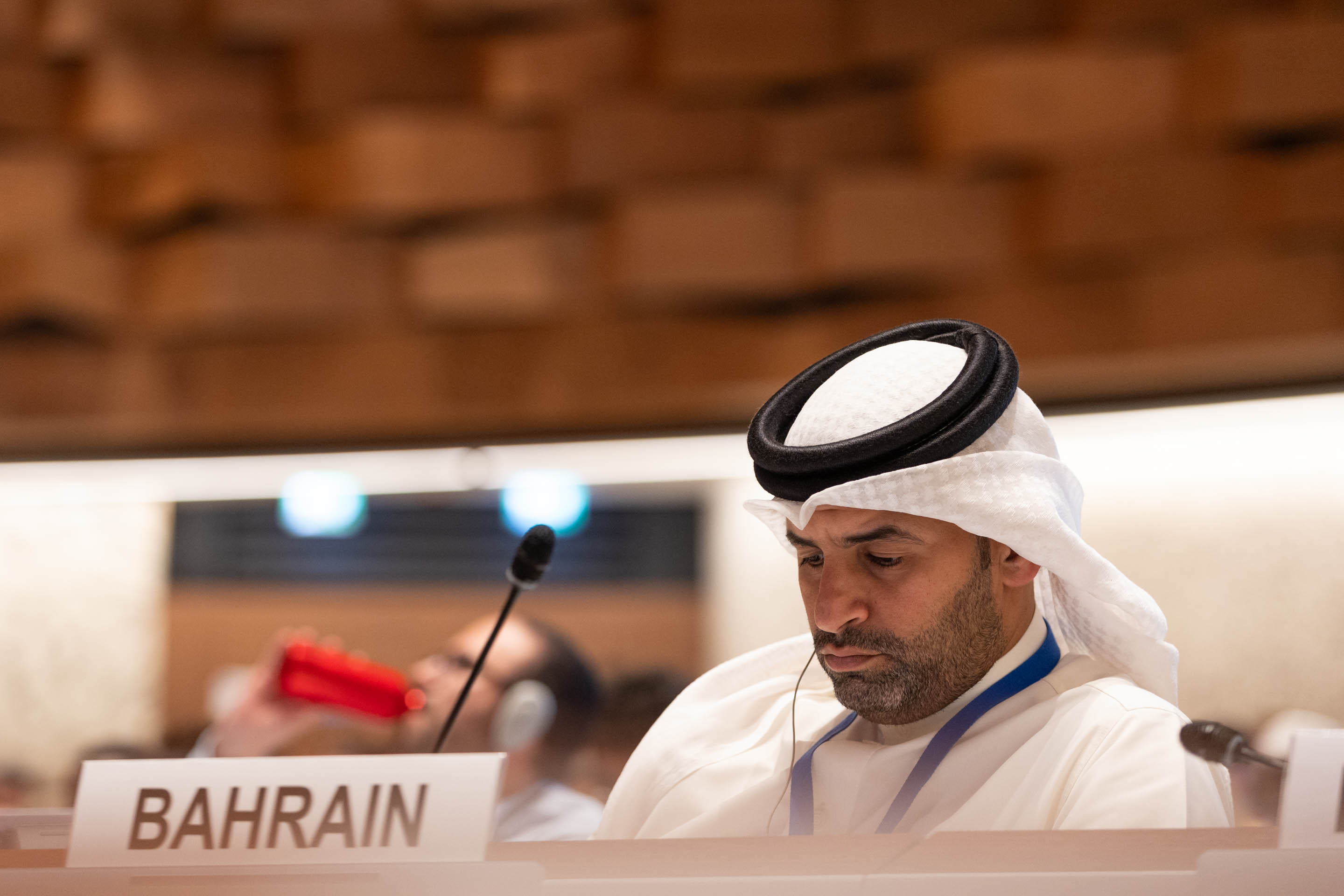
Mohamed Aman, Bahrain
Contact Group 2
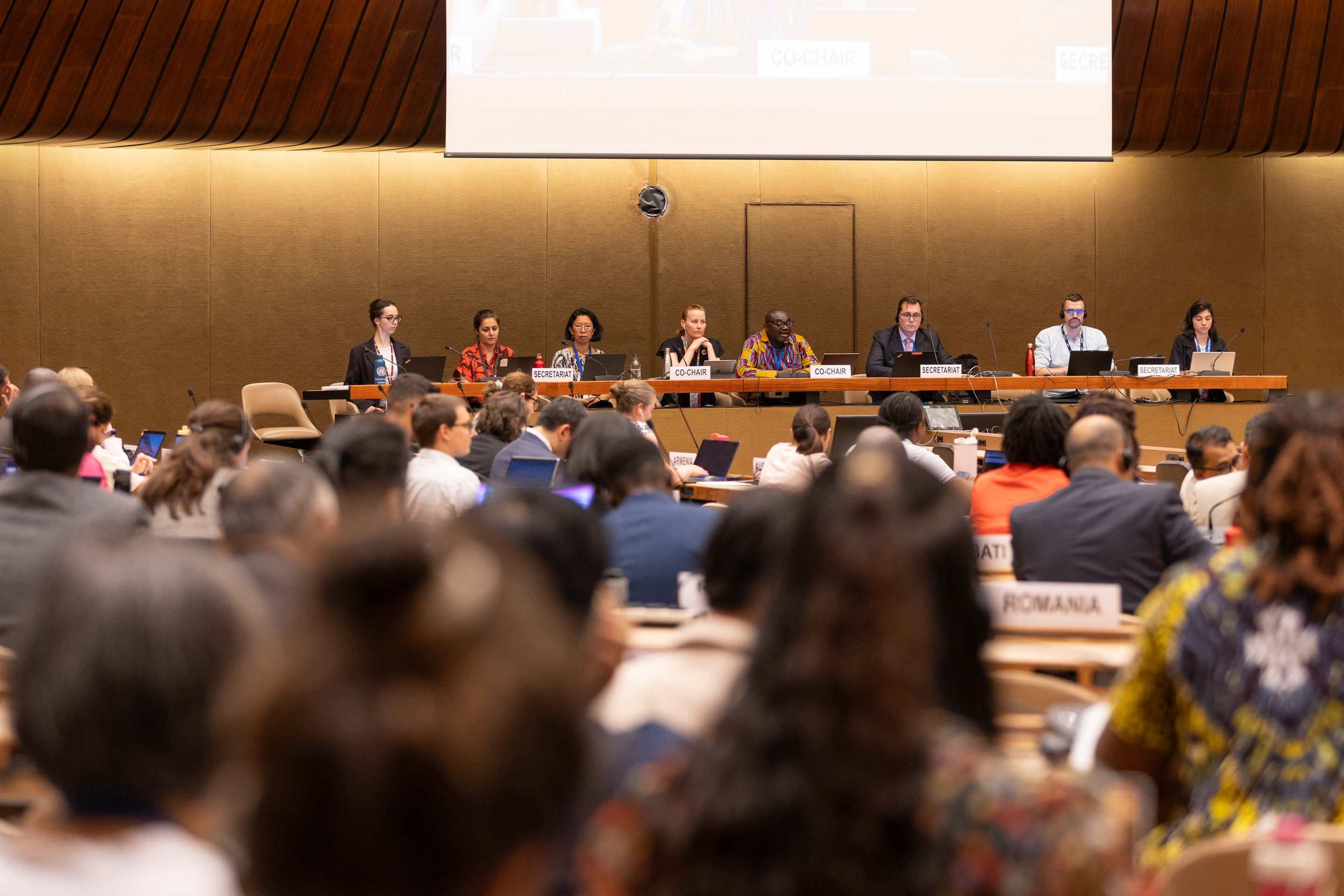
Delegates continue negotiations under Contact Group 2
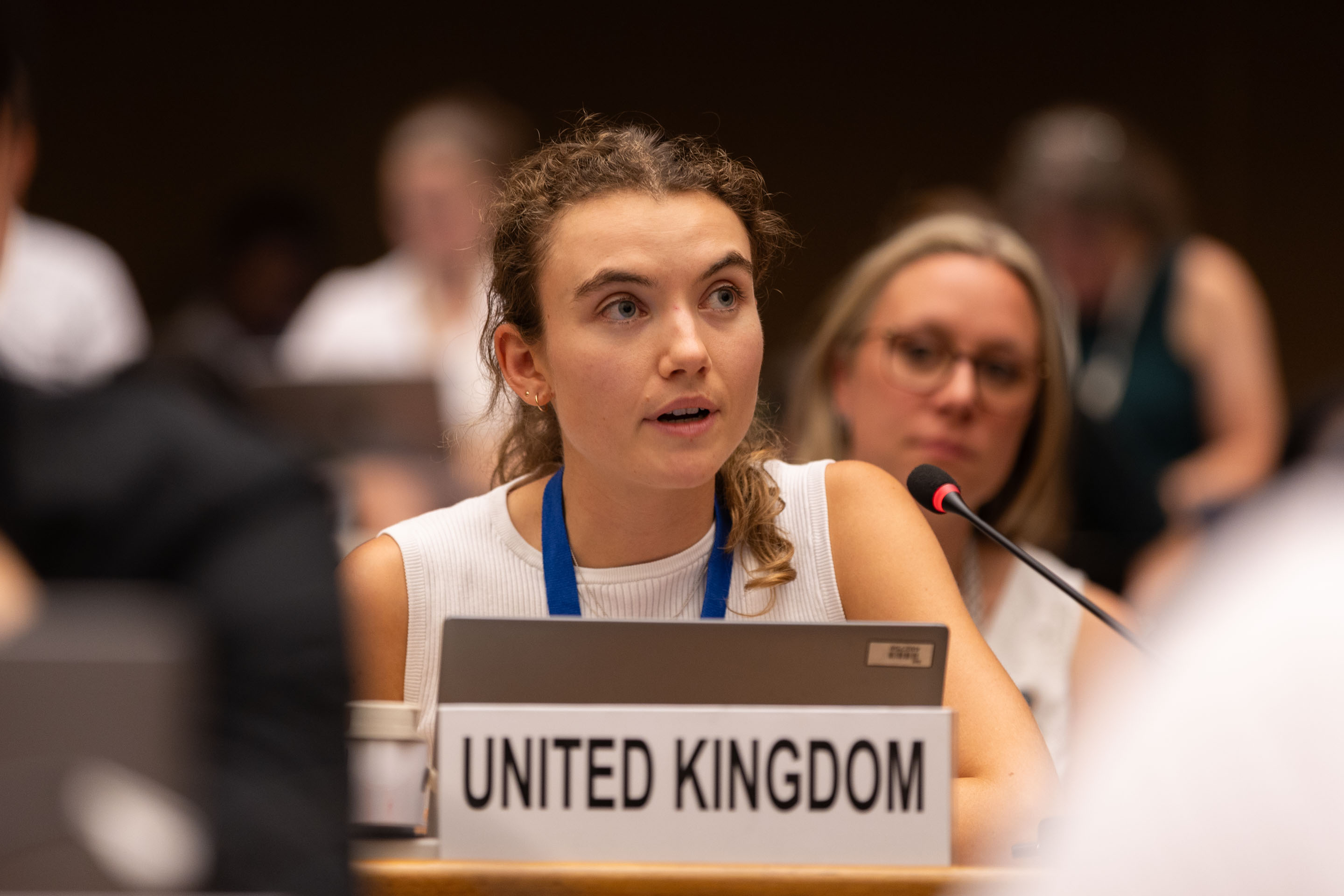
Isobel Shears, UK
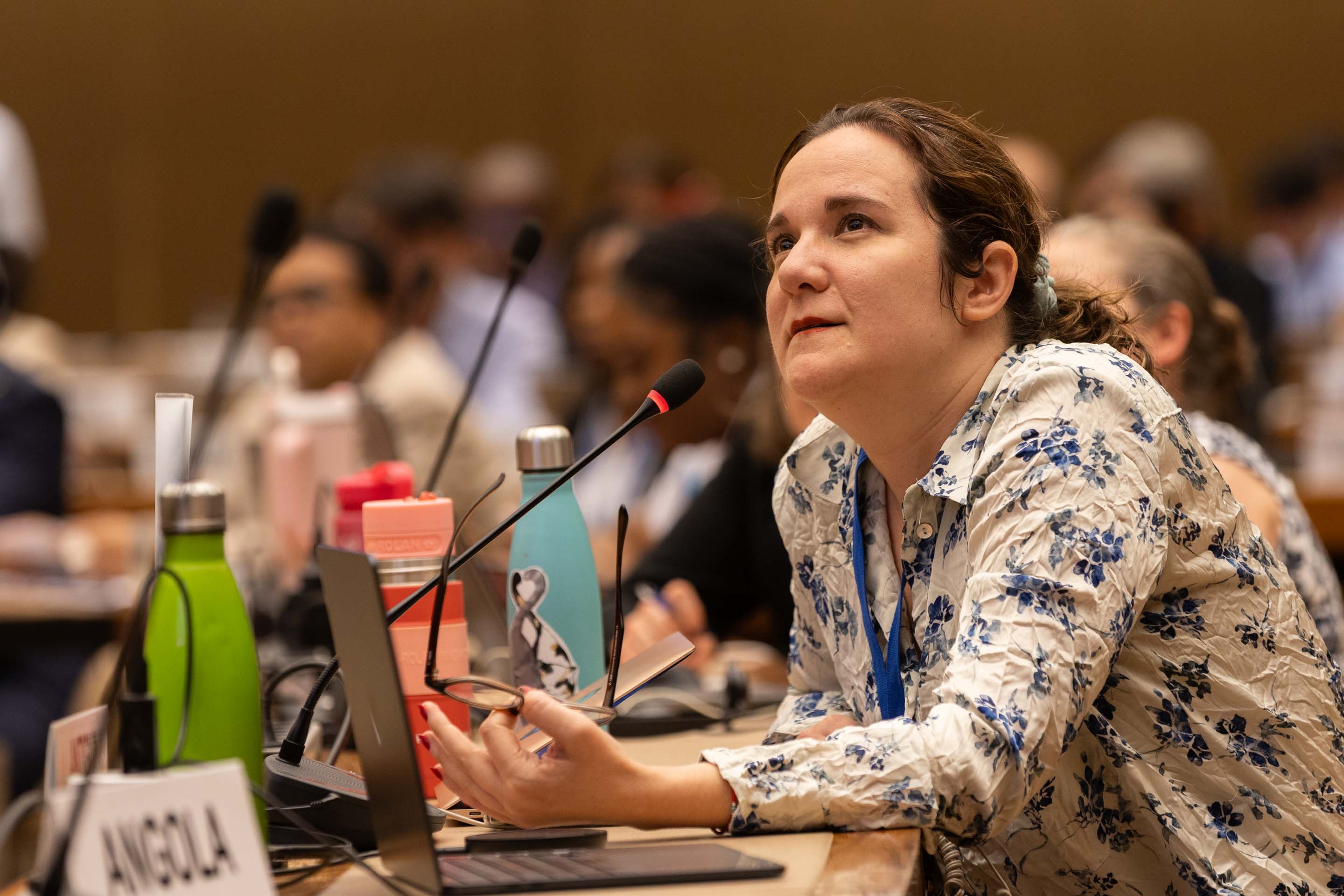
Carmen Rivero, Argentina
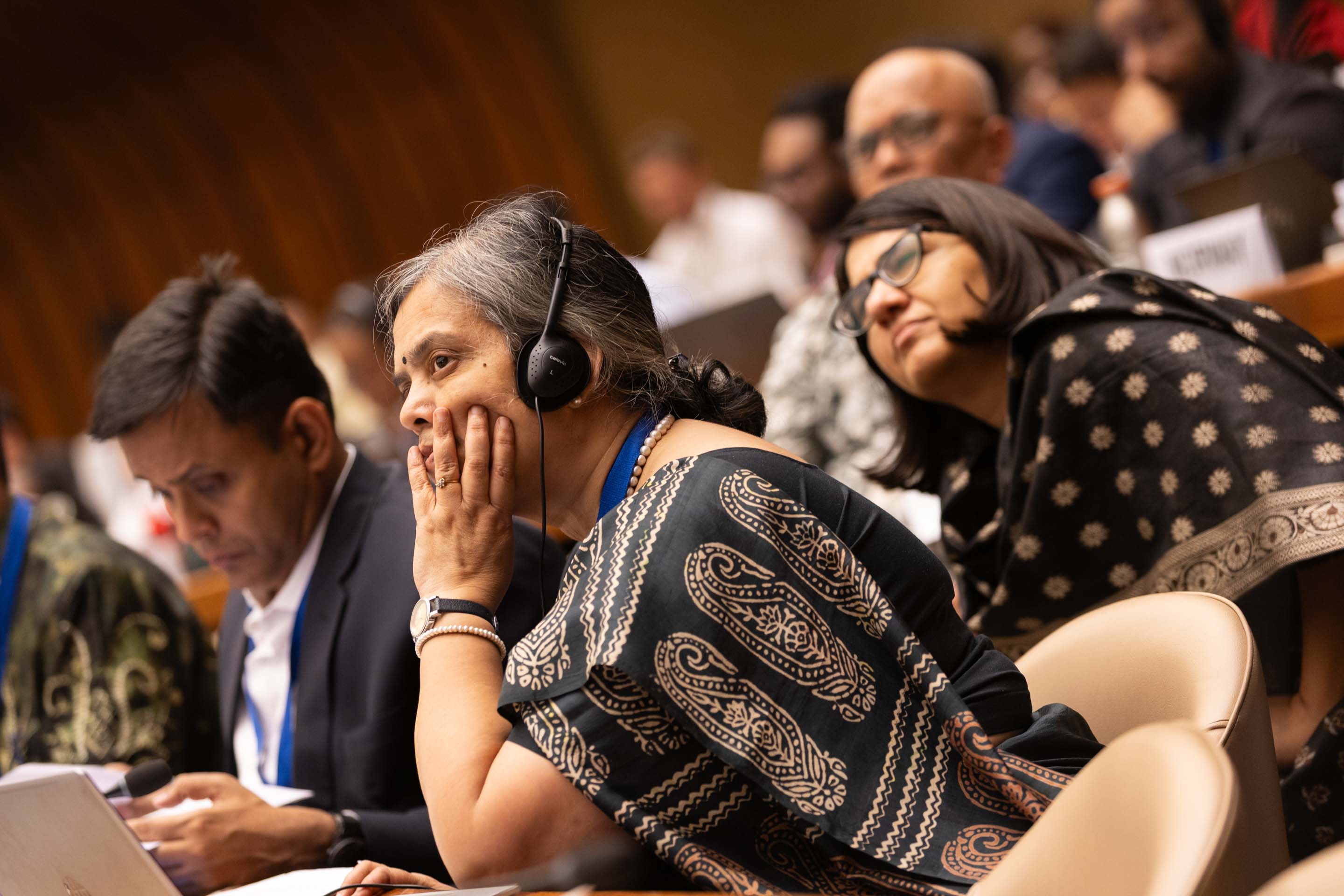
Delegates read the proposed text projected onto the screen
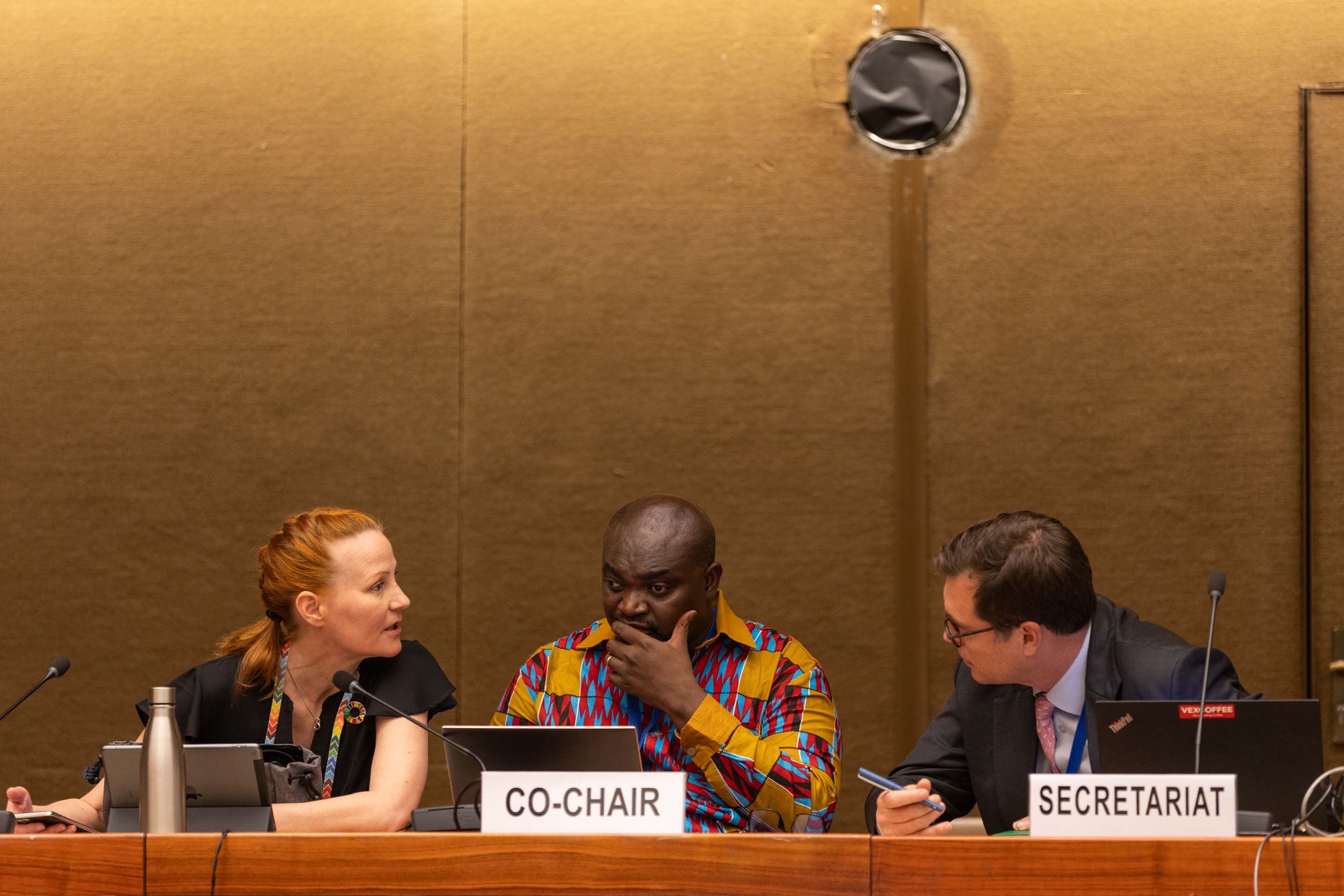
Contact Group 2 Co-Chairs Tuulia Toikka, Finland, and Peter Justice Dery, Ghana, consult with the INC Secretariat
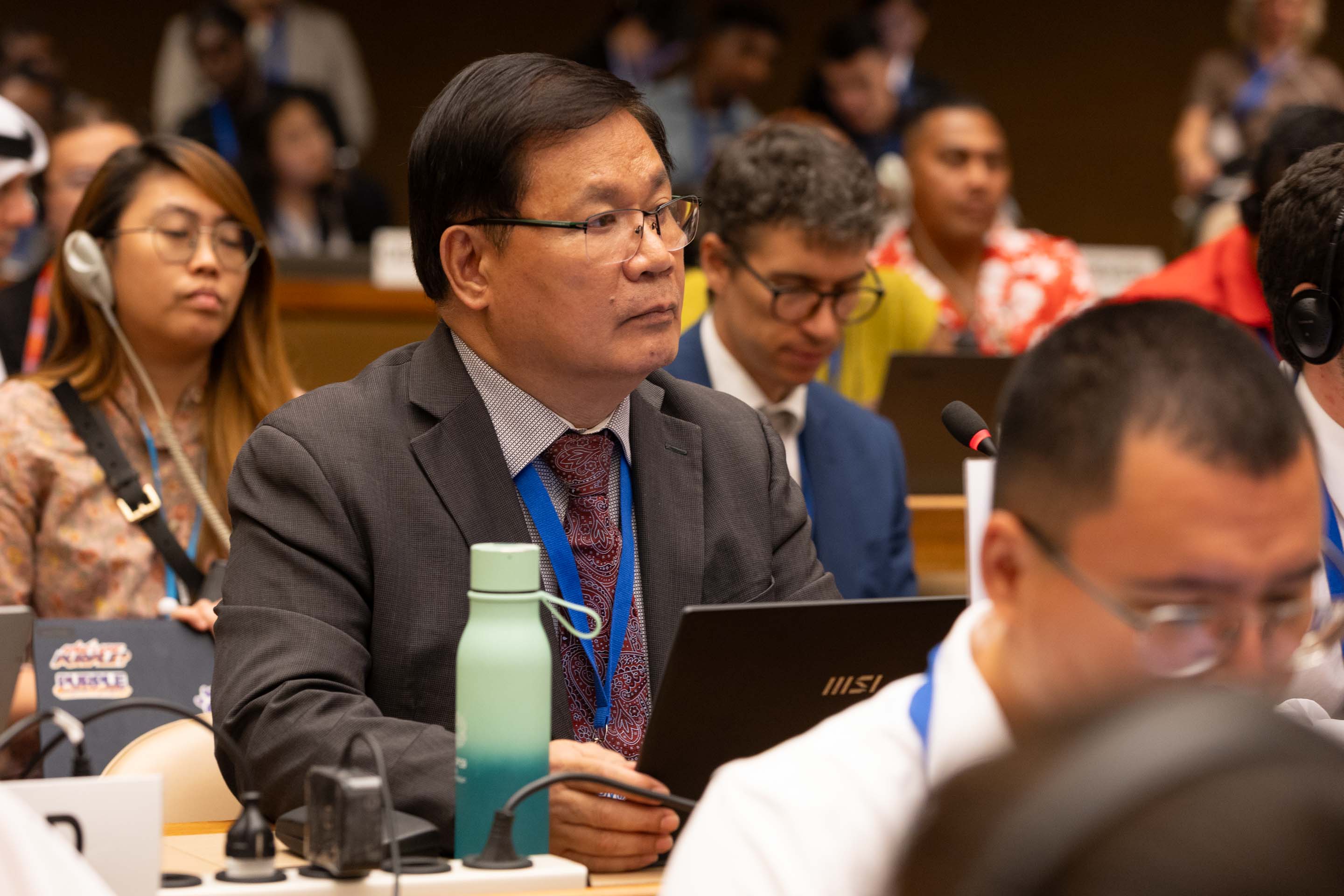
Albert Magalang, the Philippines
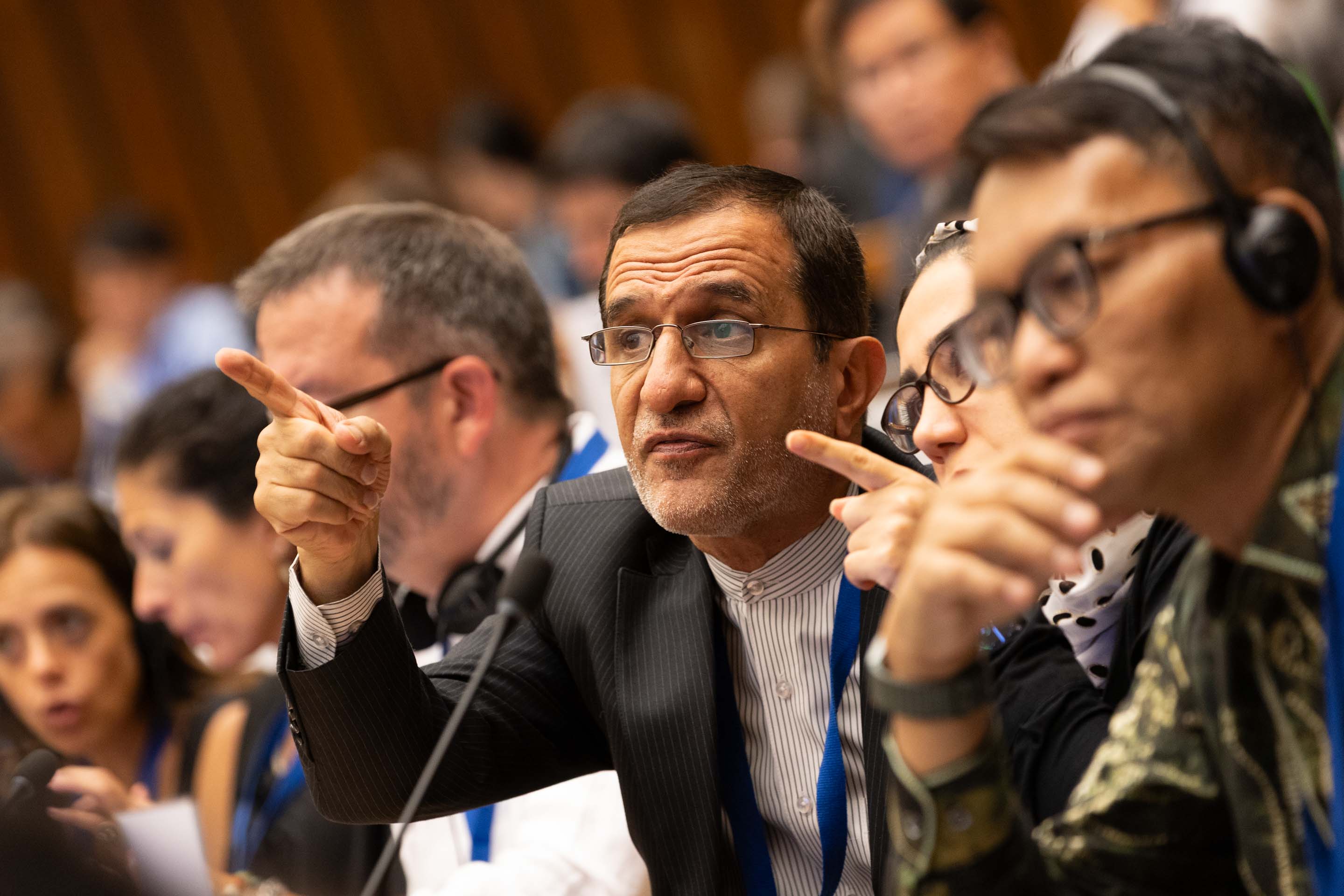
Massoud Rezvanian Rahaghi, Iran
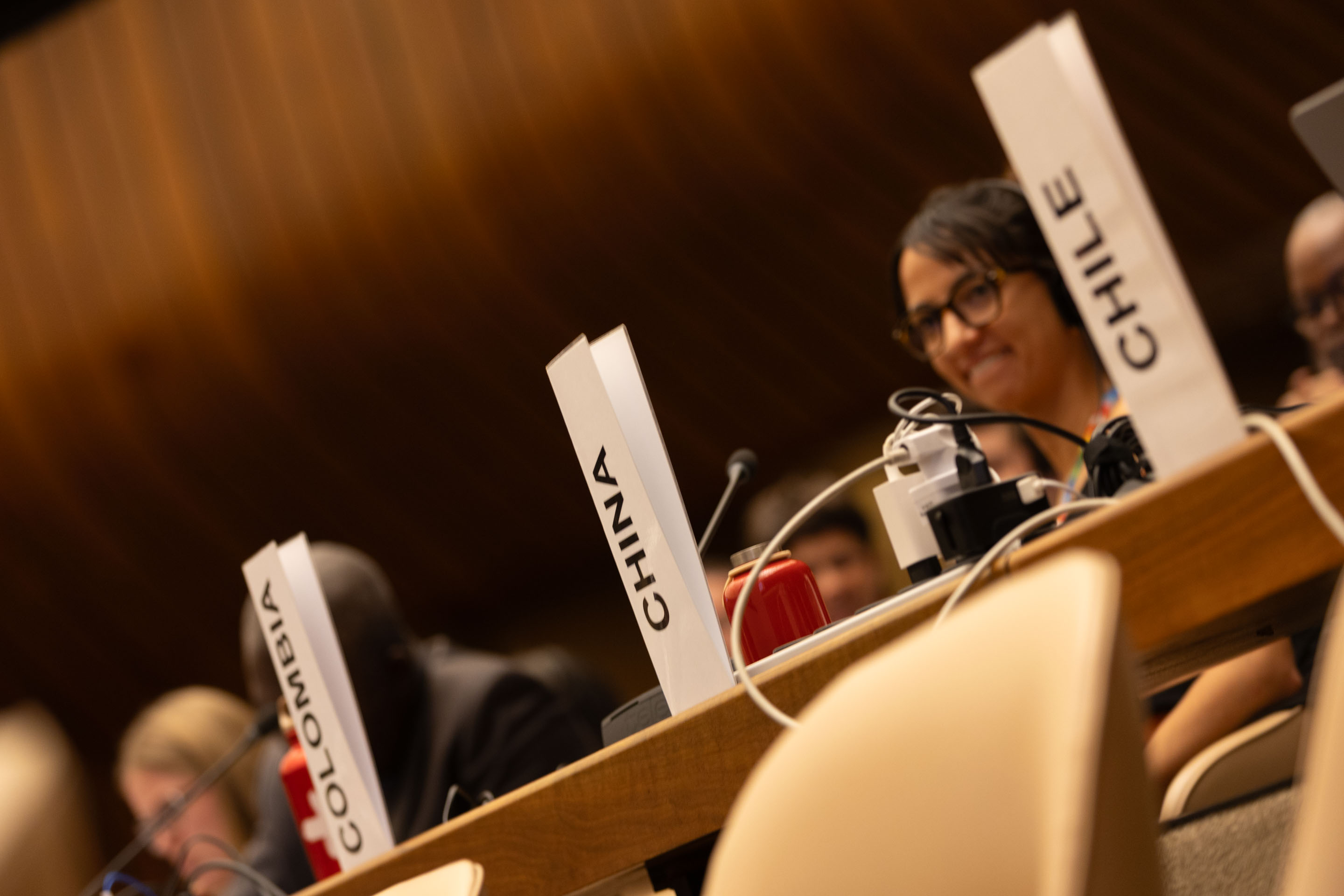
Delegates raise their placards to speak as agreement cannot be reached on the text
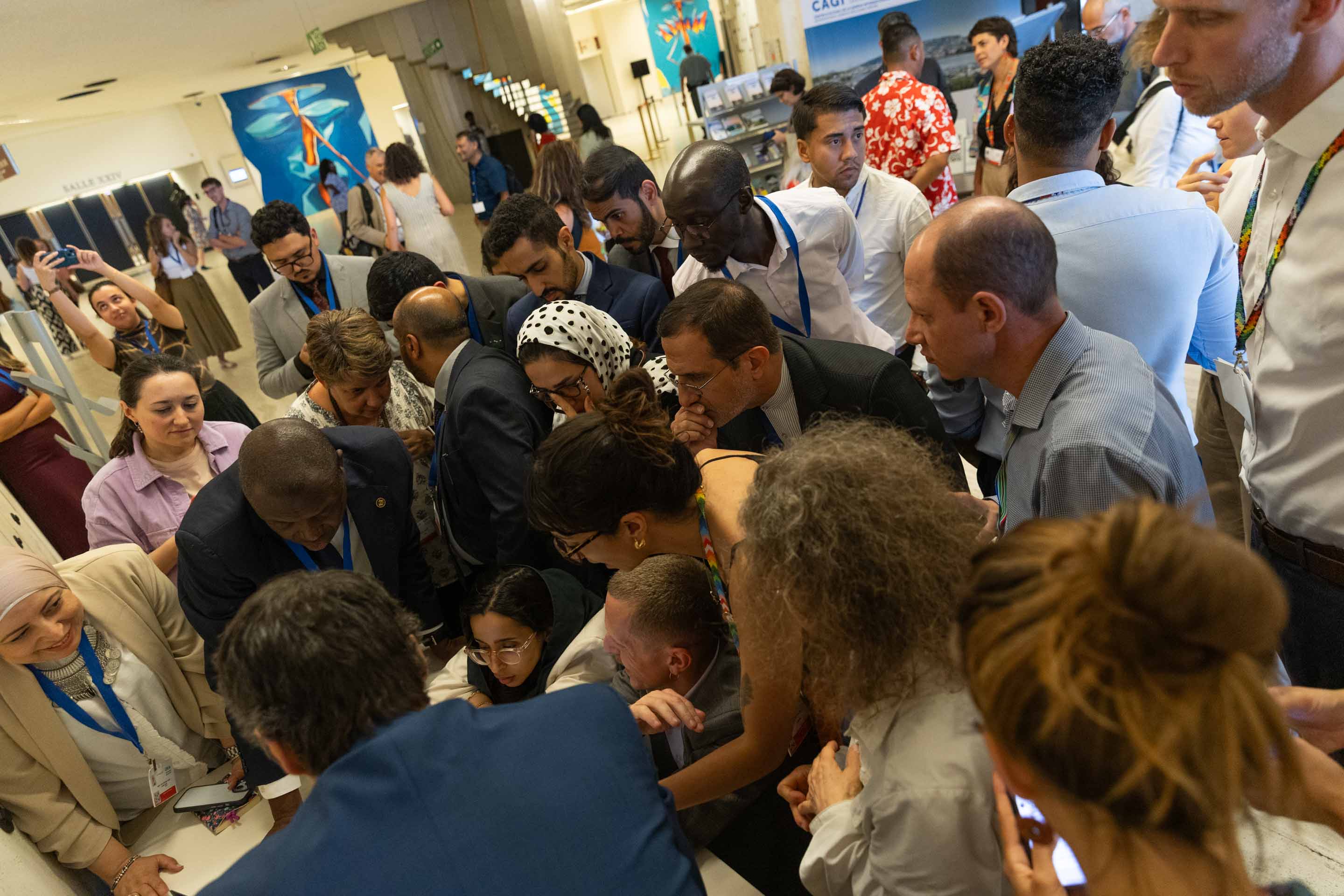
Delegates huddle outside the contact group before breaking out into informal consultations
Contact Group 3
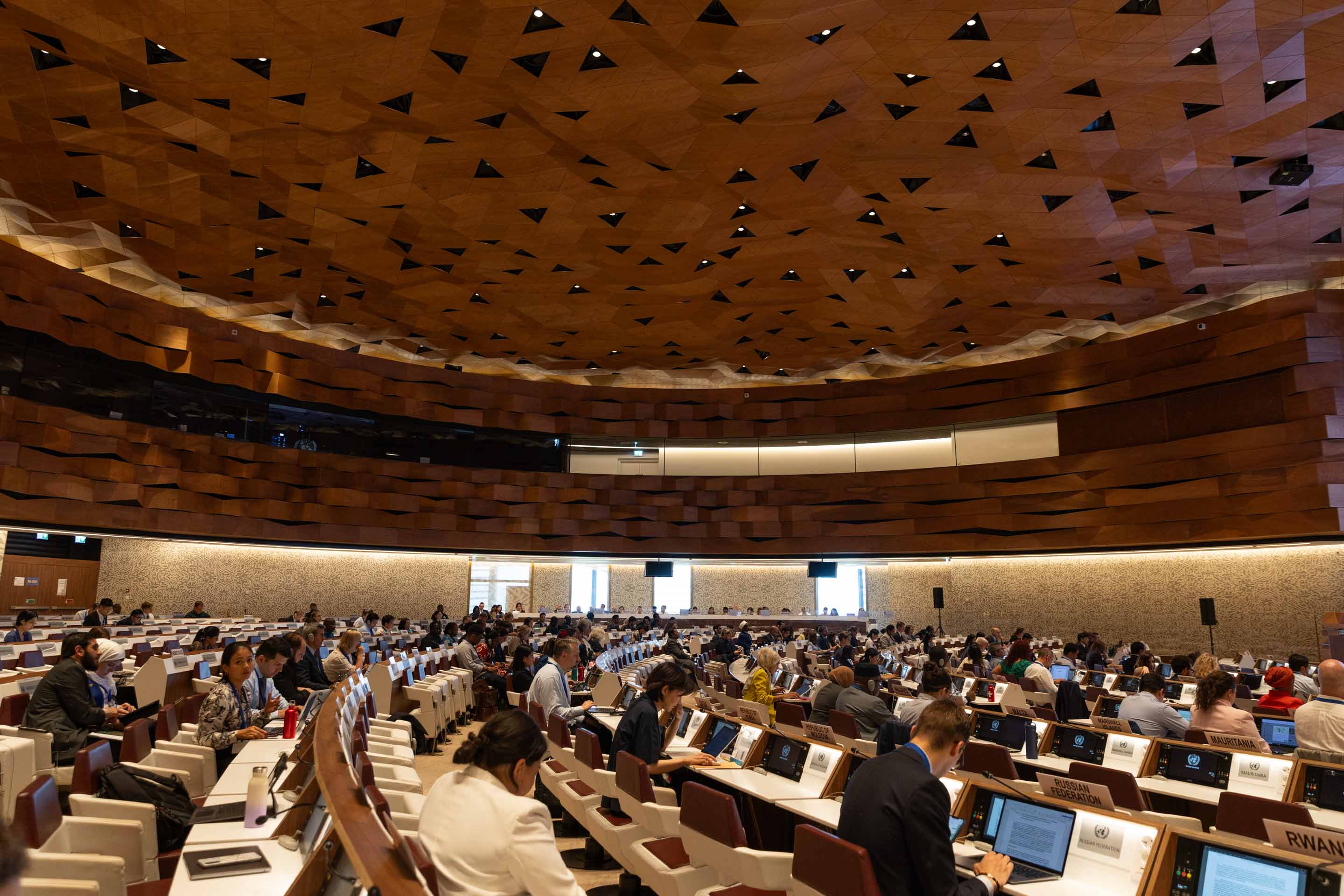
Delegates continue negotiations under Contact Group 3
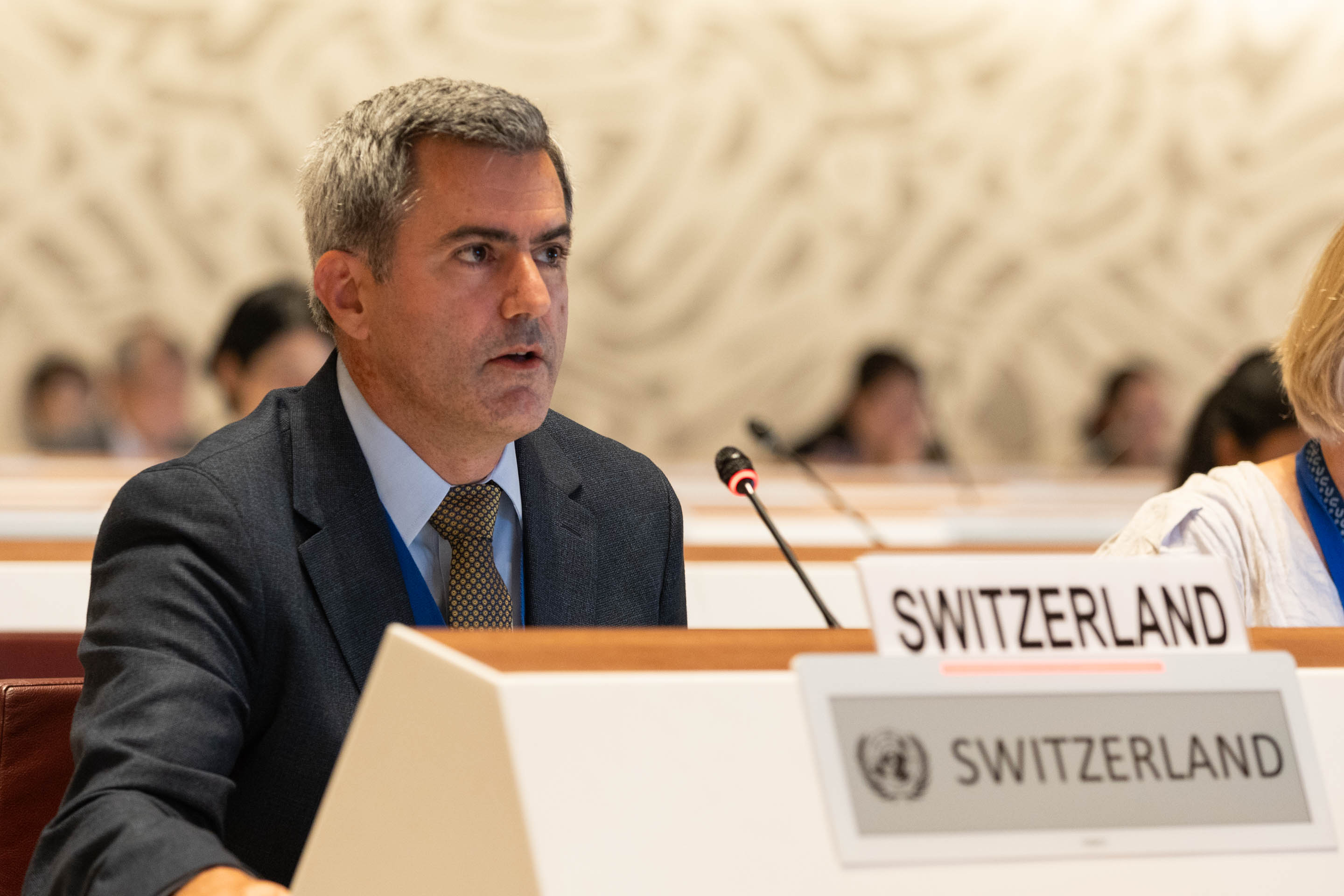
Marco Crugnola, Switzerland
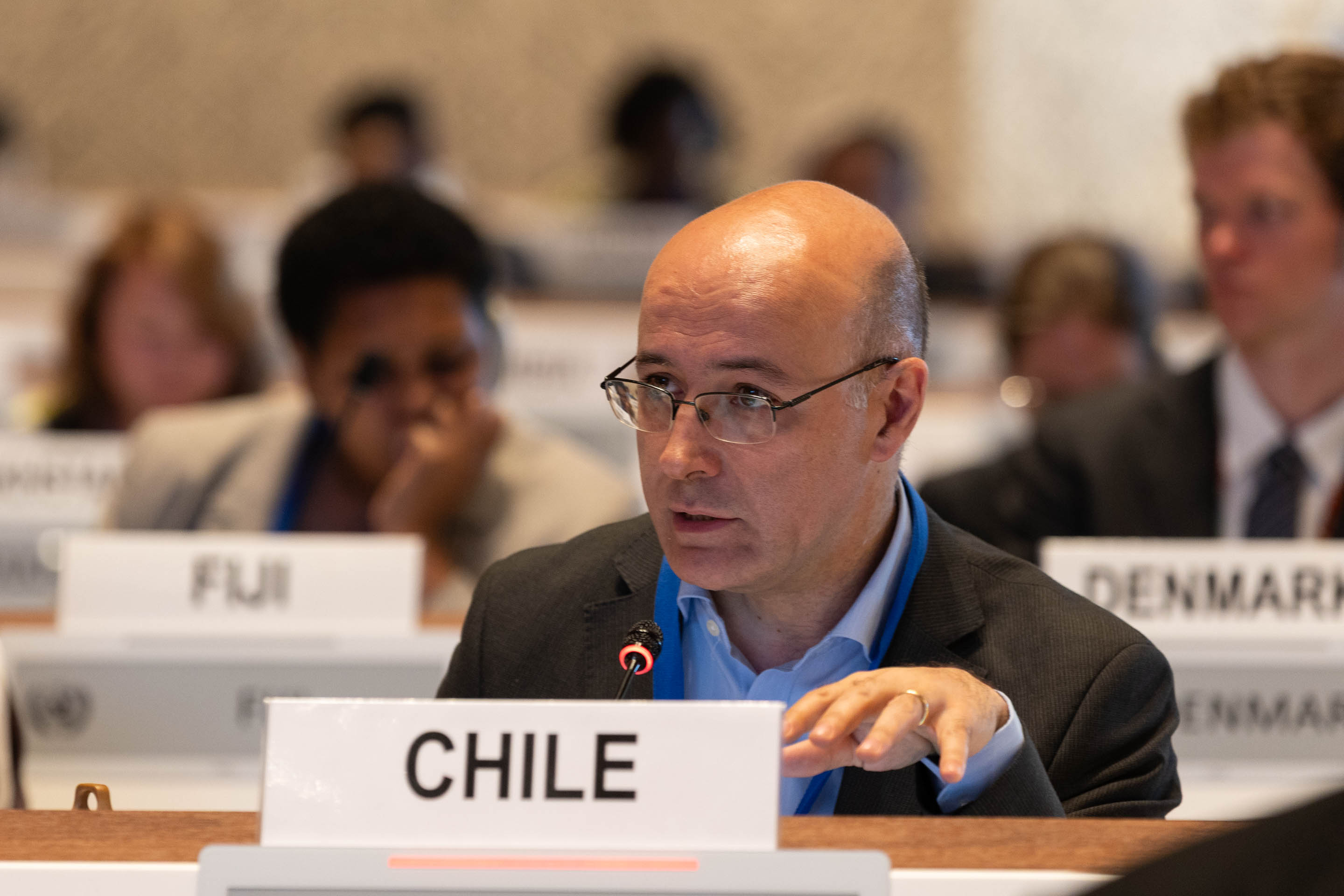
Julio Cordano, Chile
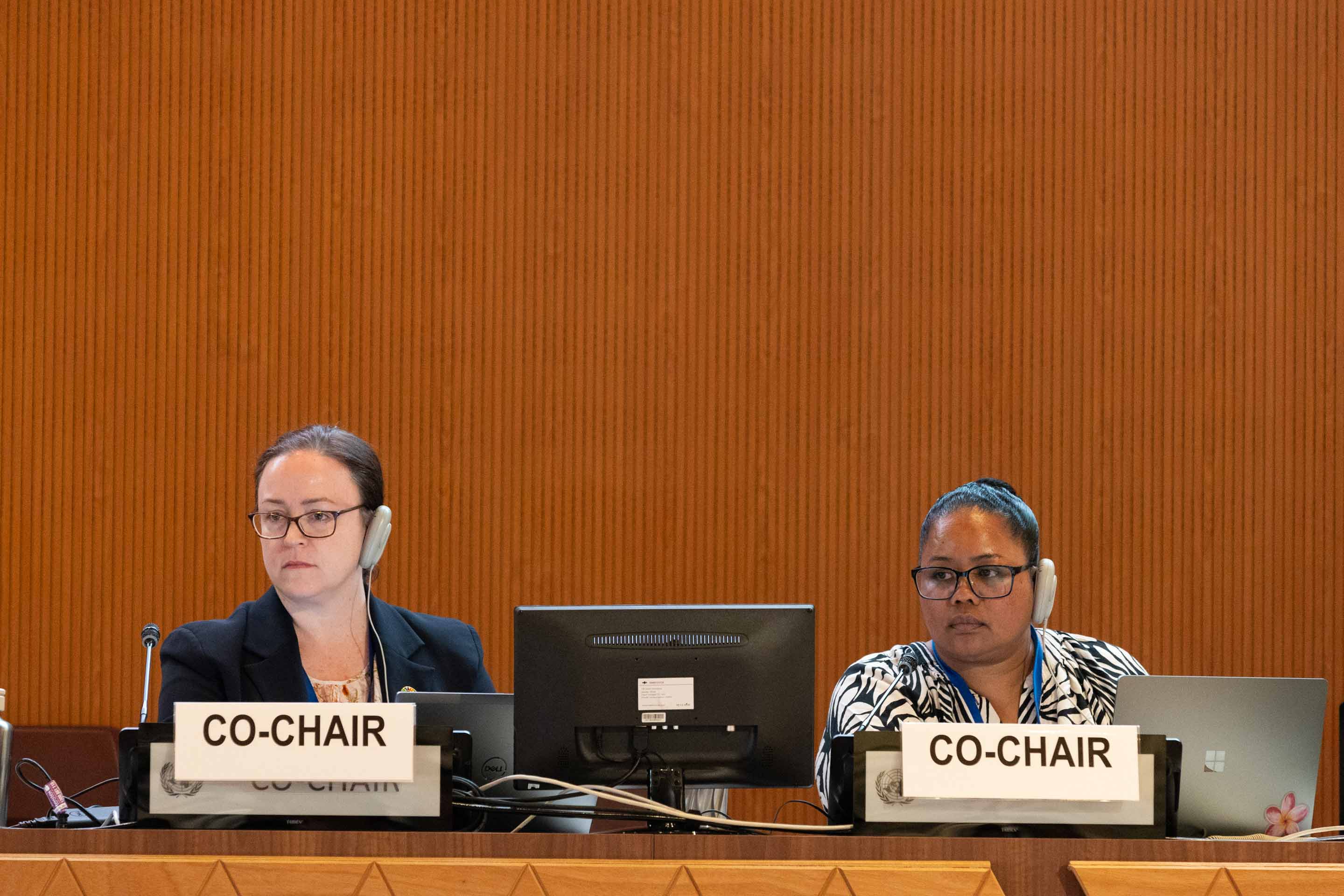
Contact Group 3 Co-Chairs Kate Lynch, Australia, and Gwen Sisior, Palau
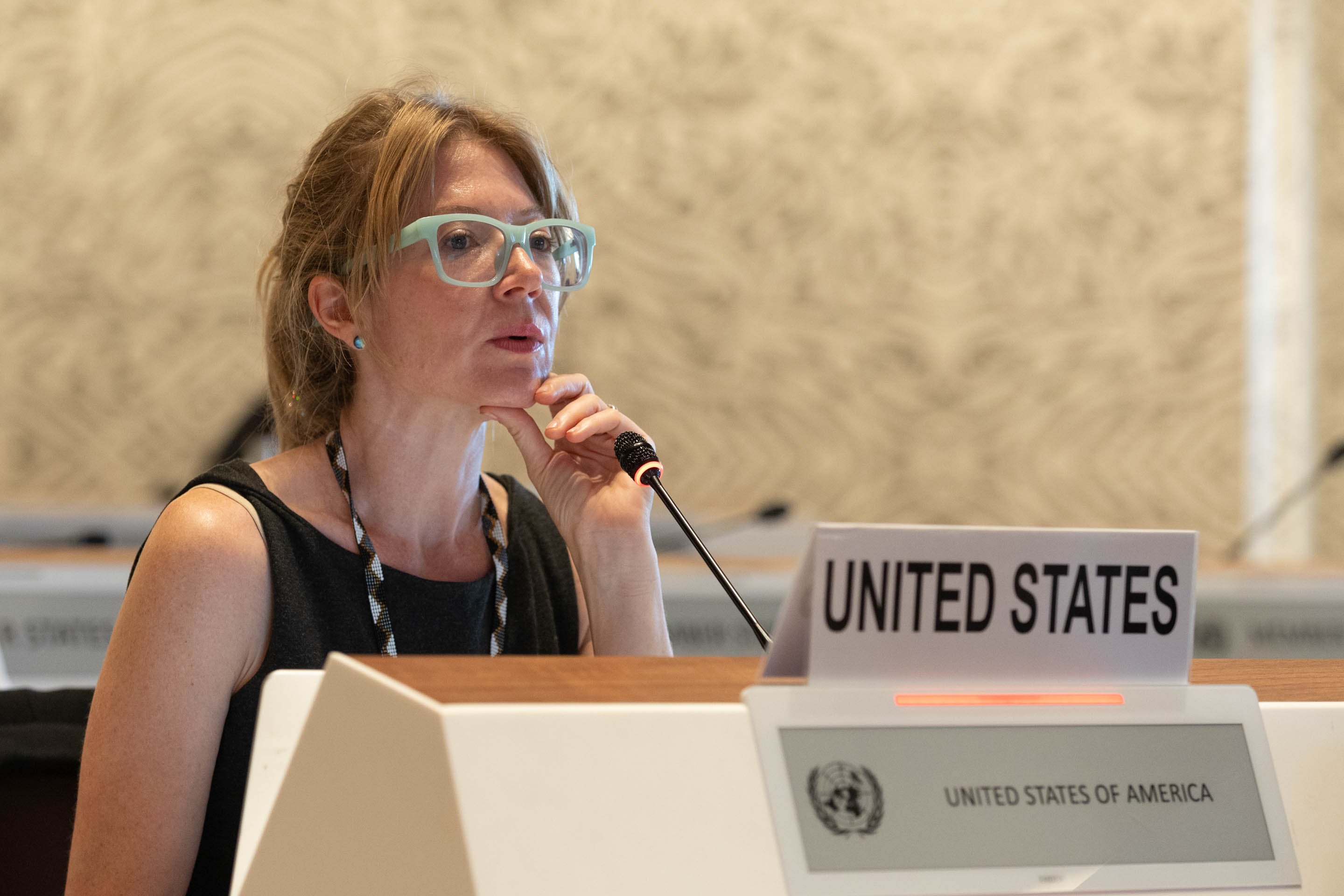
Elizabeth Nichols, US
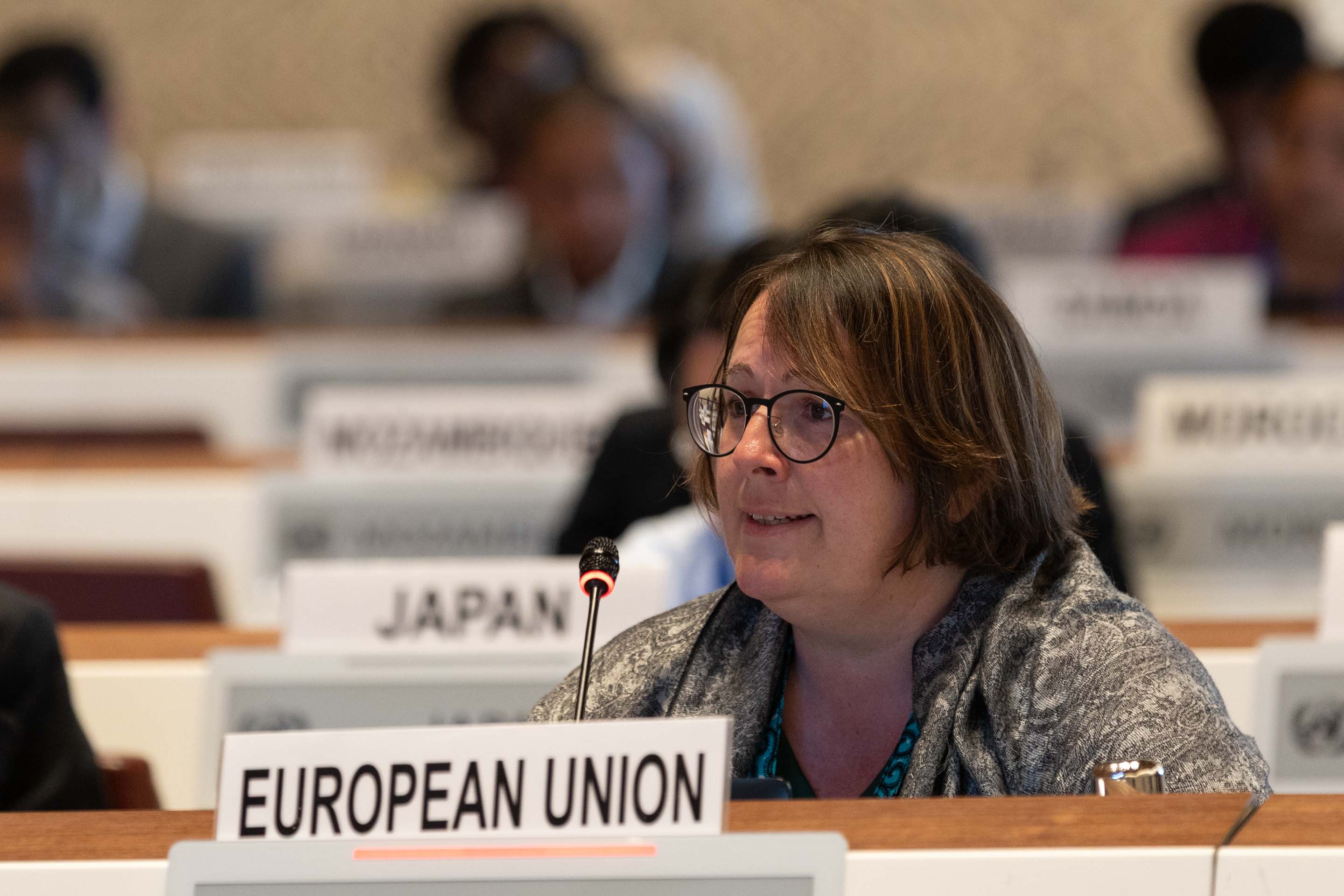
Elfriede-Anna More, EU
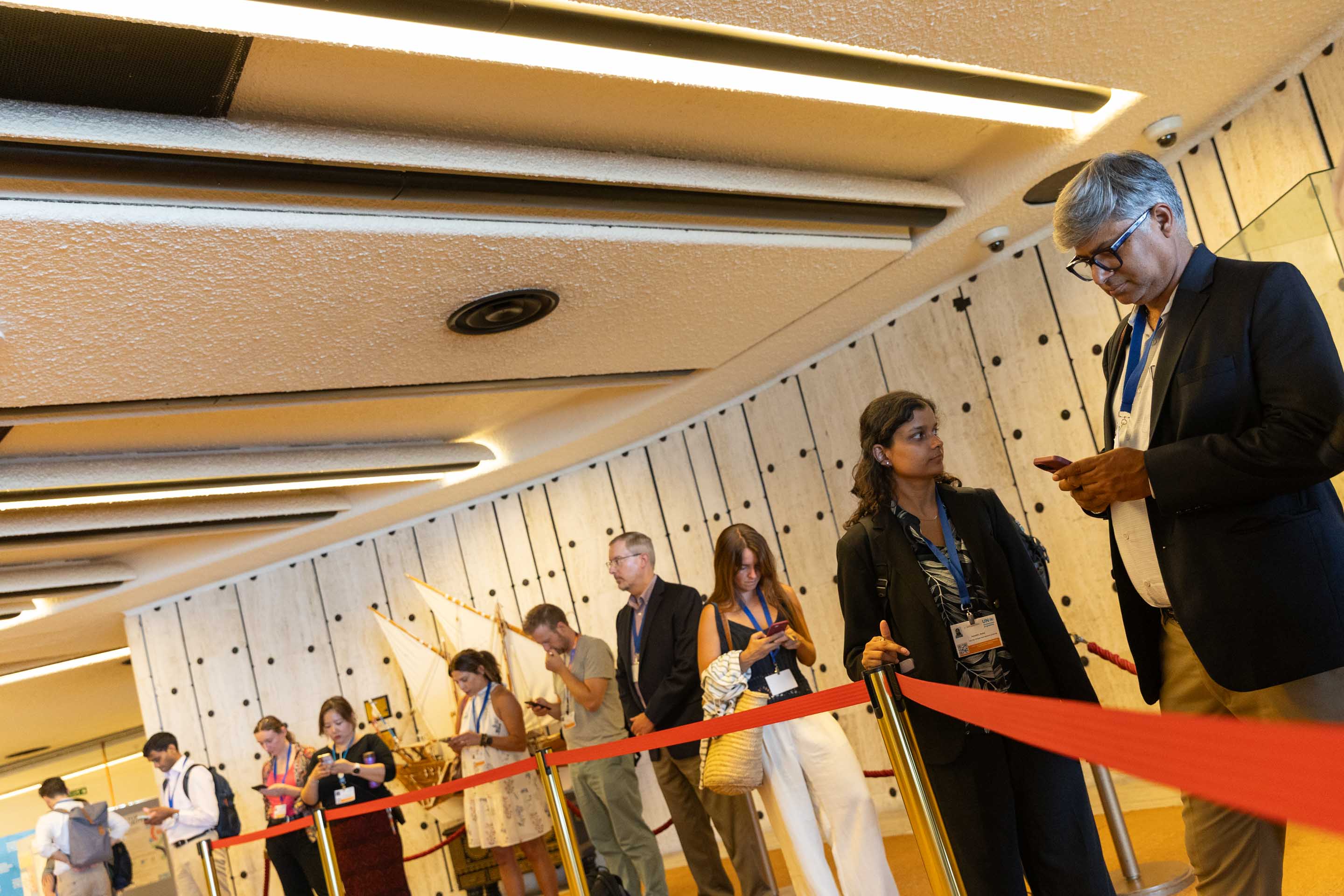
Observer delegates queue outside the contact group
Contact Group 4
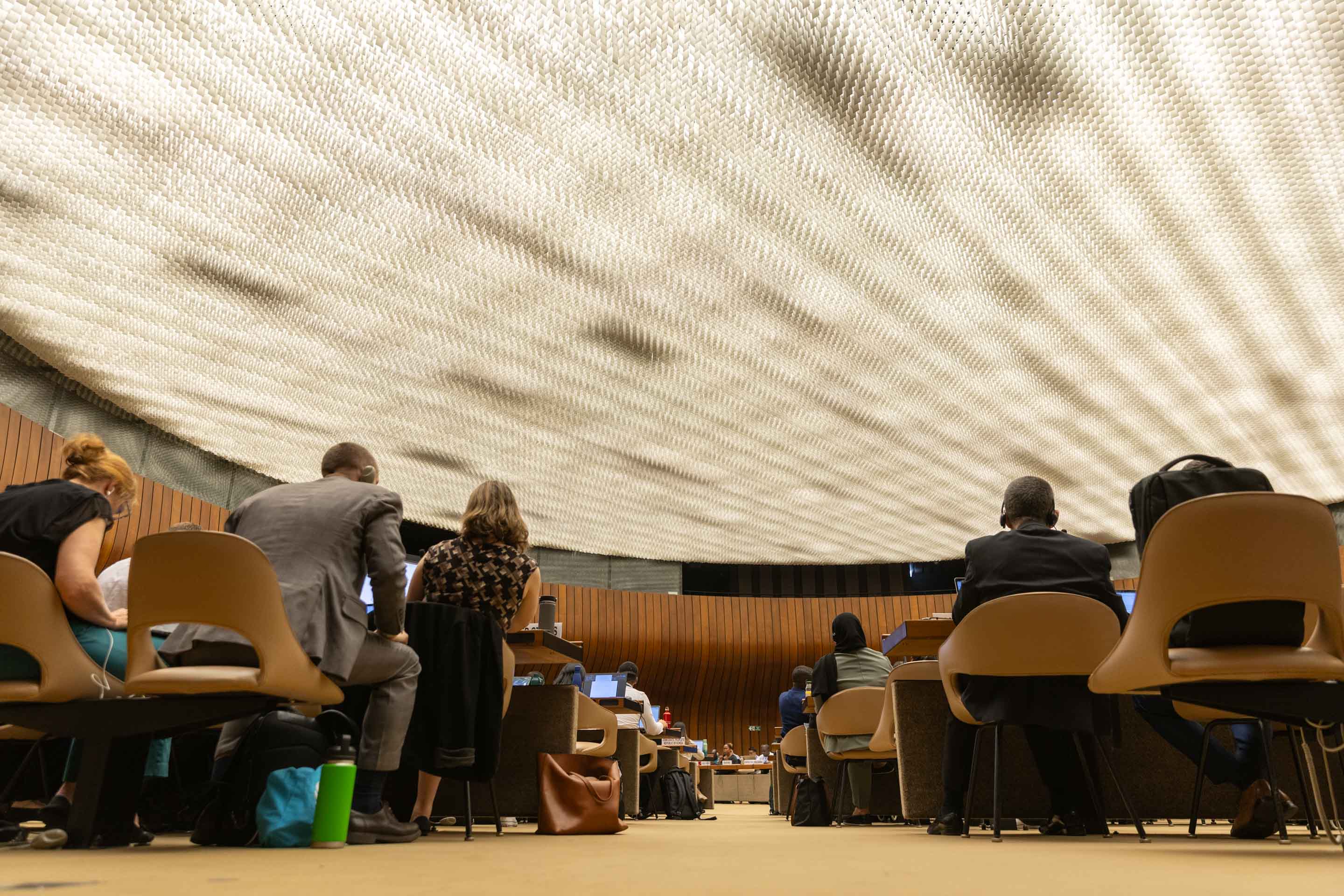
Negotiations continue under Contact Group 4
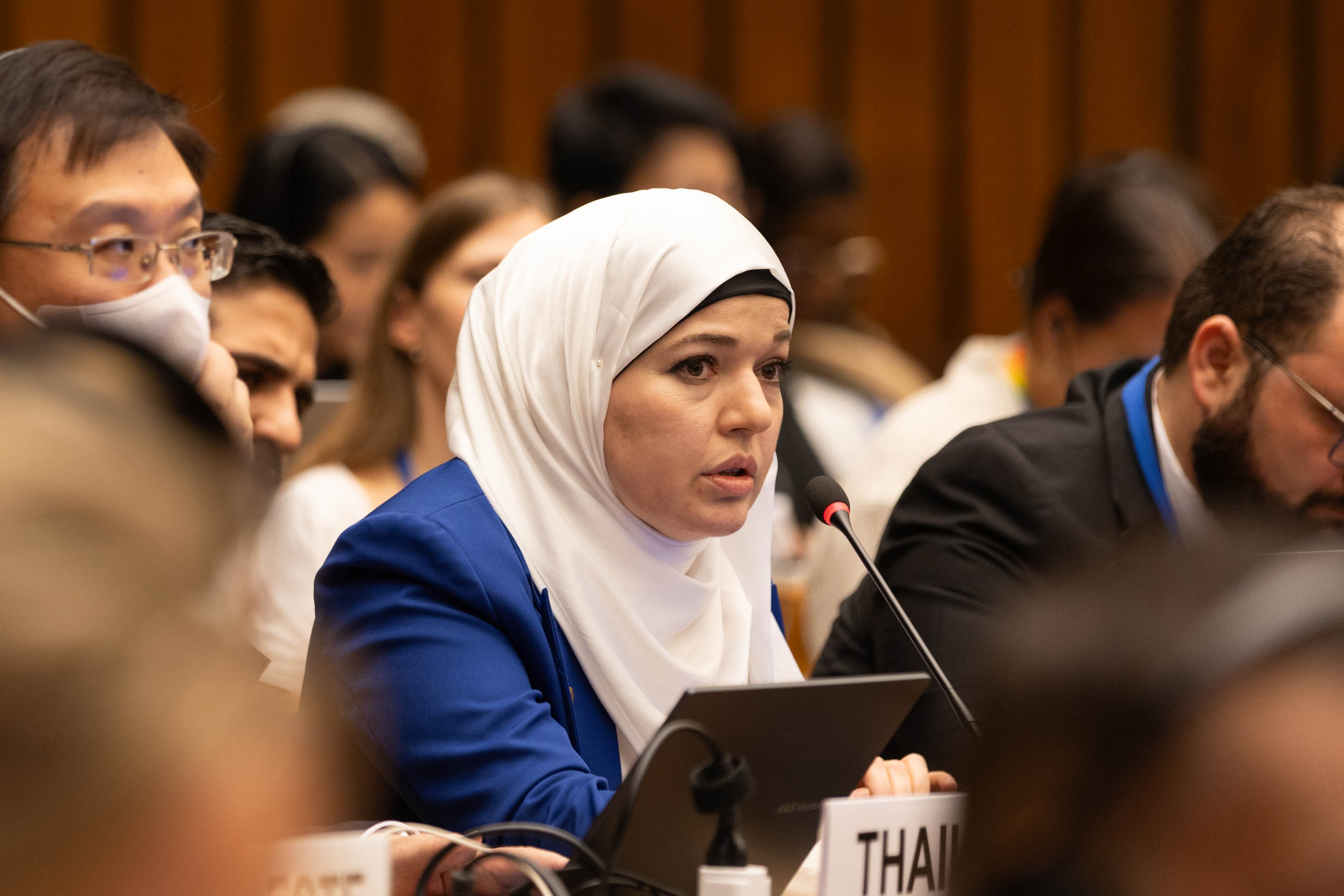
Rawan Al Azem, Syria
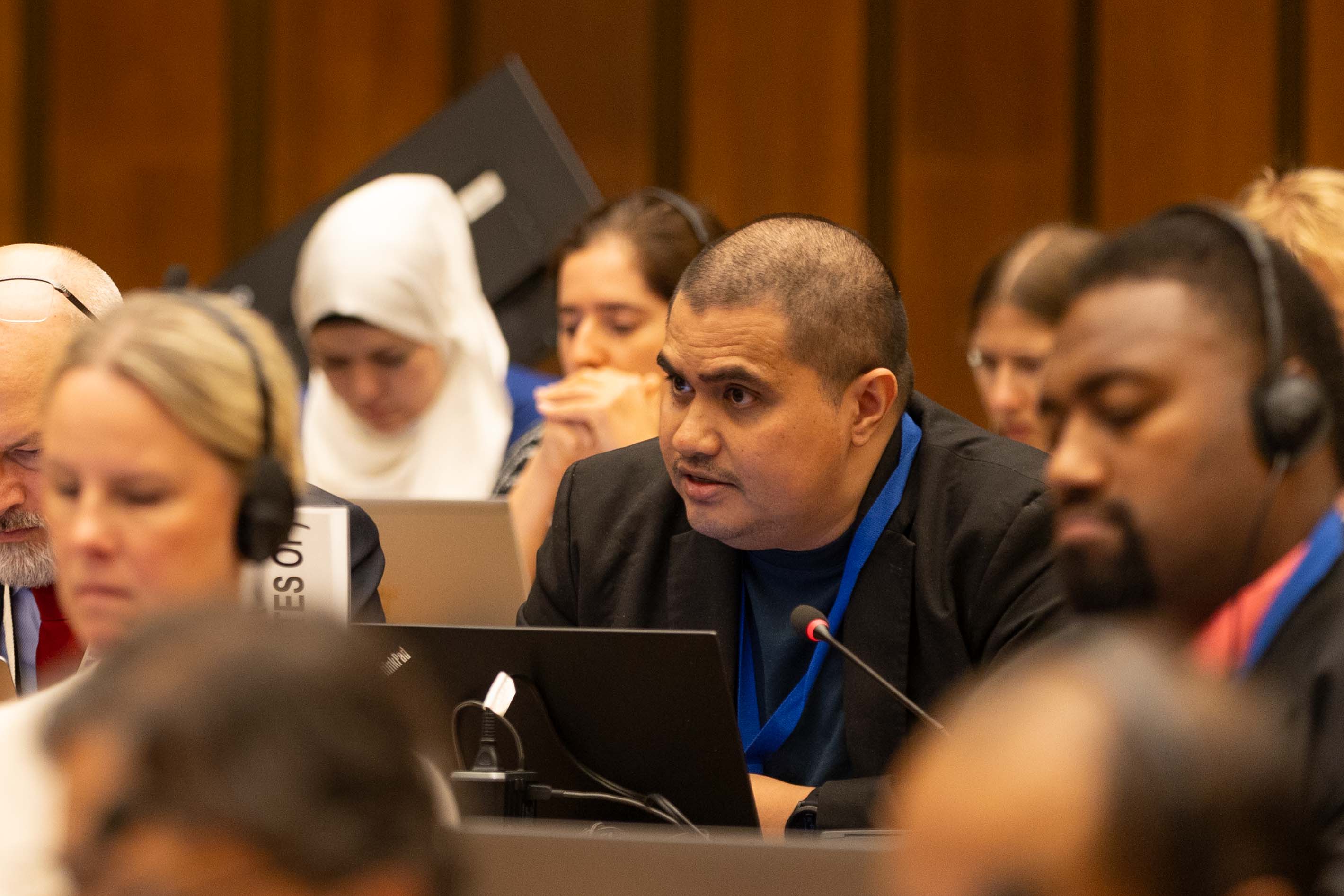
Clement Yow Mulalap, Federated States of Micronesia
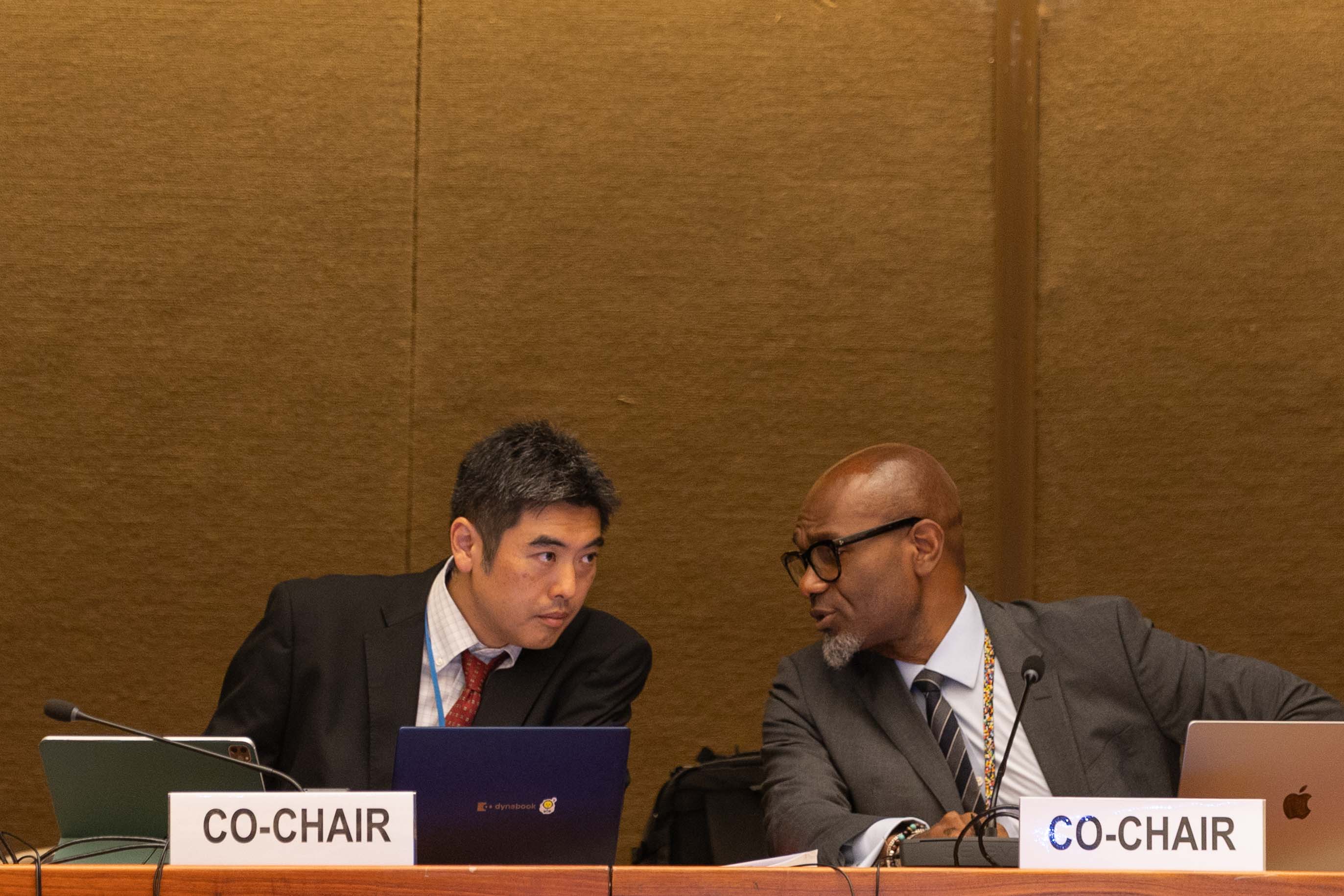
Contact Group 4 Co-Chairs Go Kobayashi, Japan, and Linroy Christian, Antigua and Barbuda
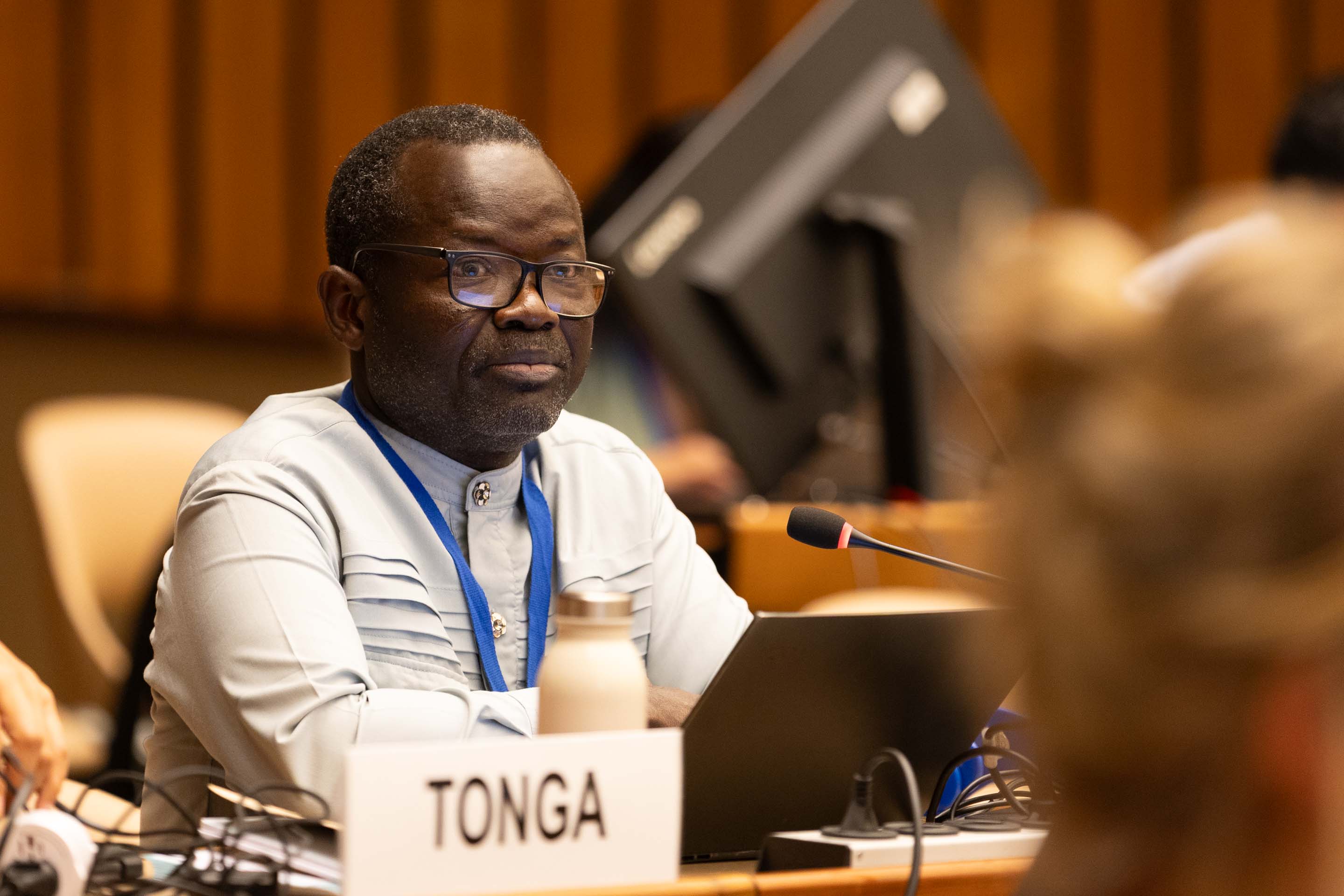
Toi Pagnibam Meba, Togo
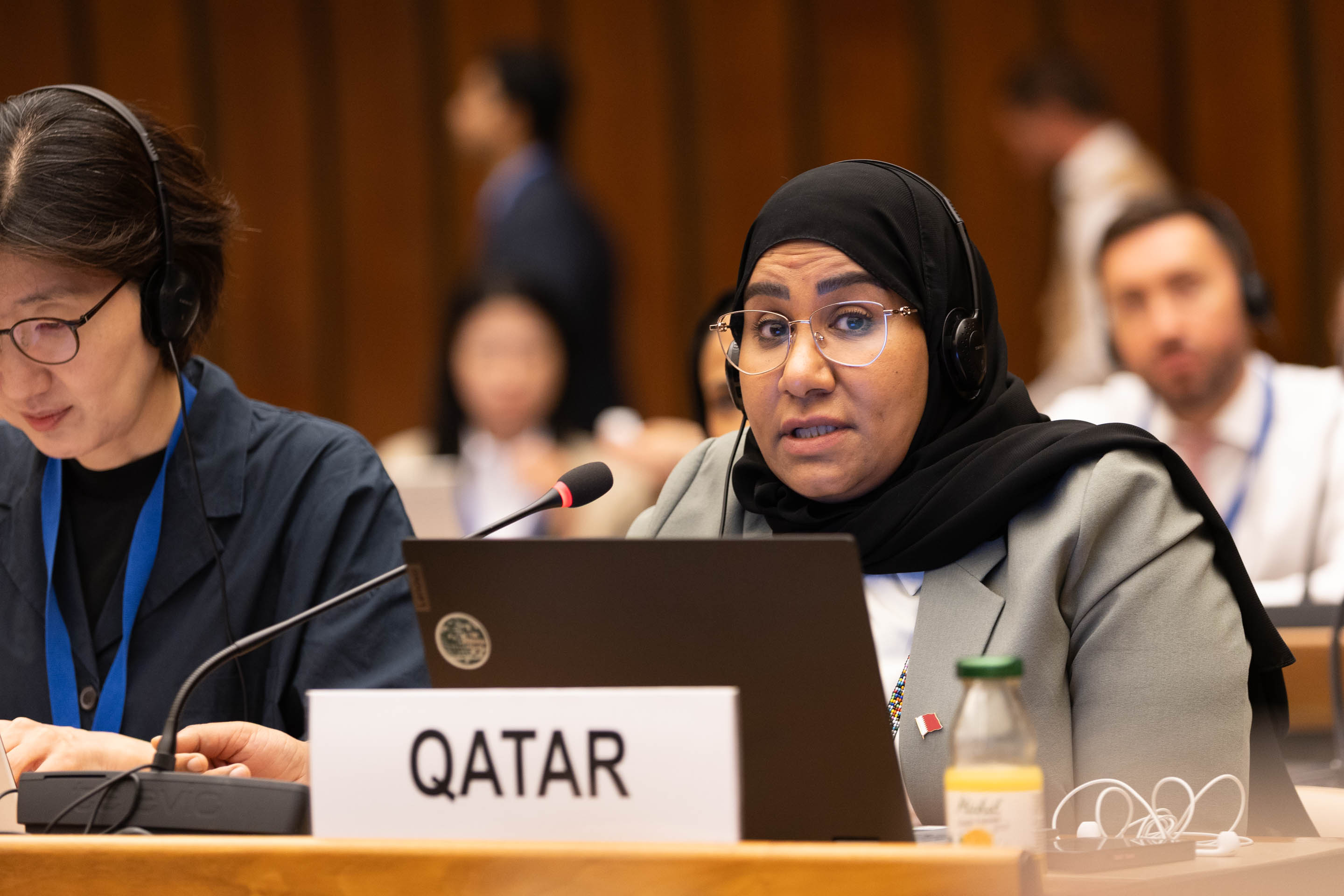
Sameera Mohamed Al-Dosari, Qatar
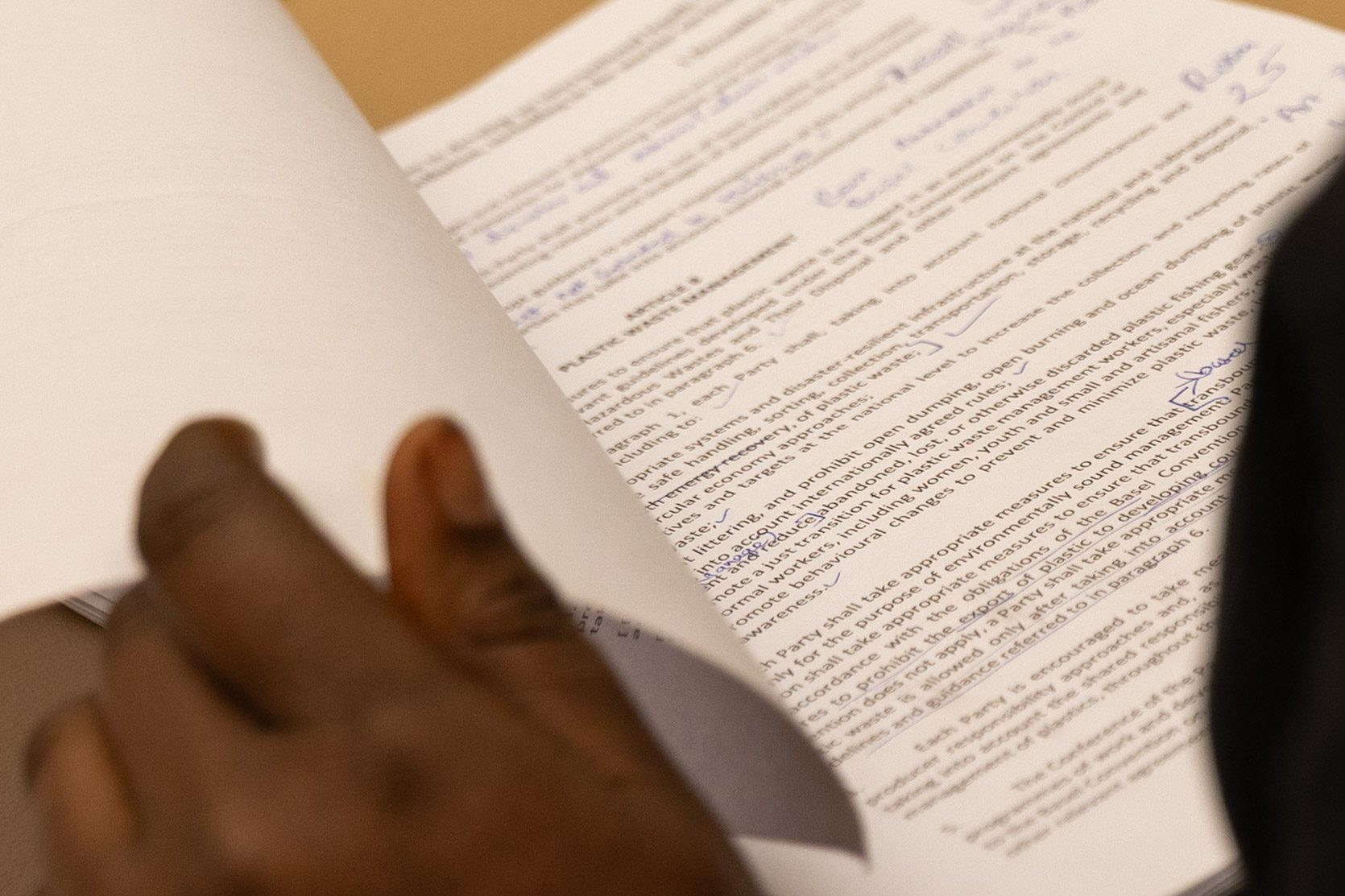
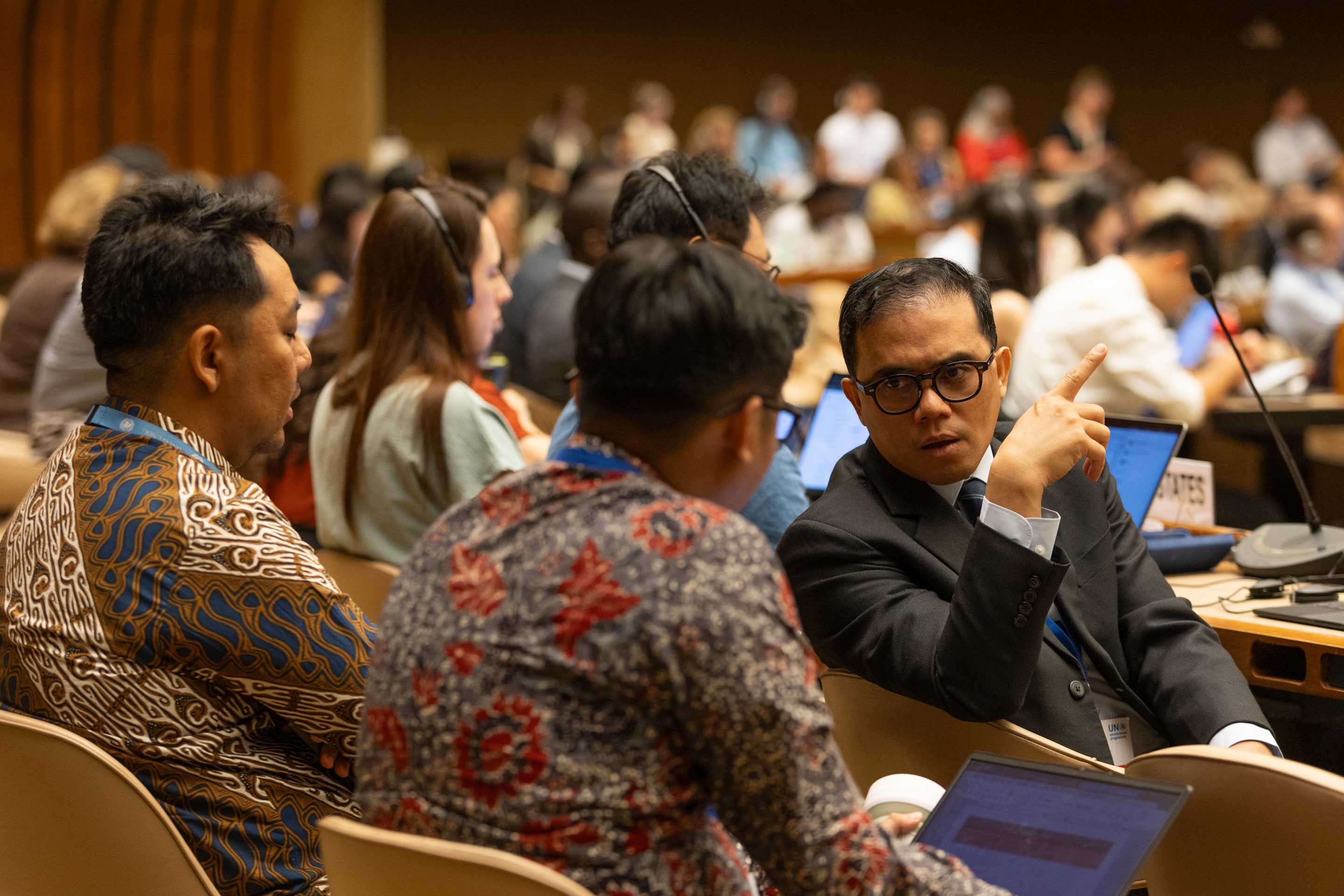
Delegates consult during the contact group
Informal Consultations
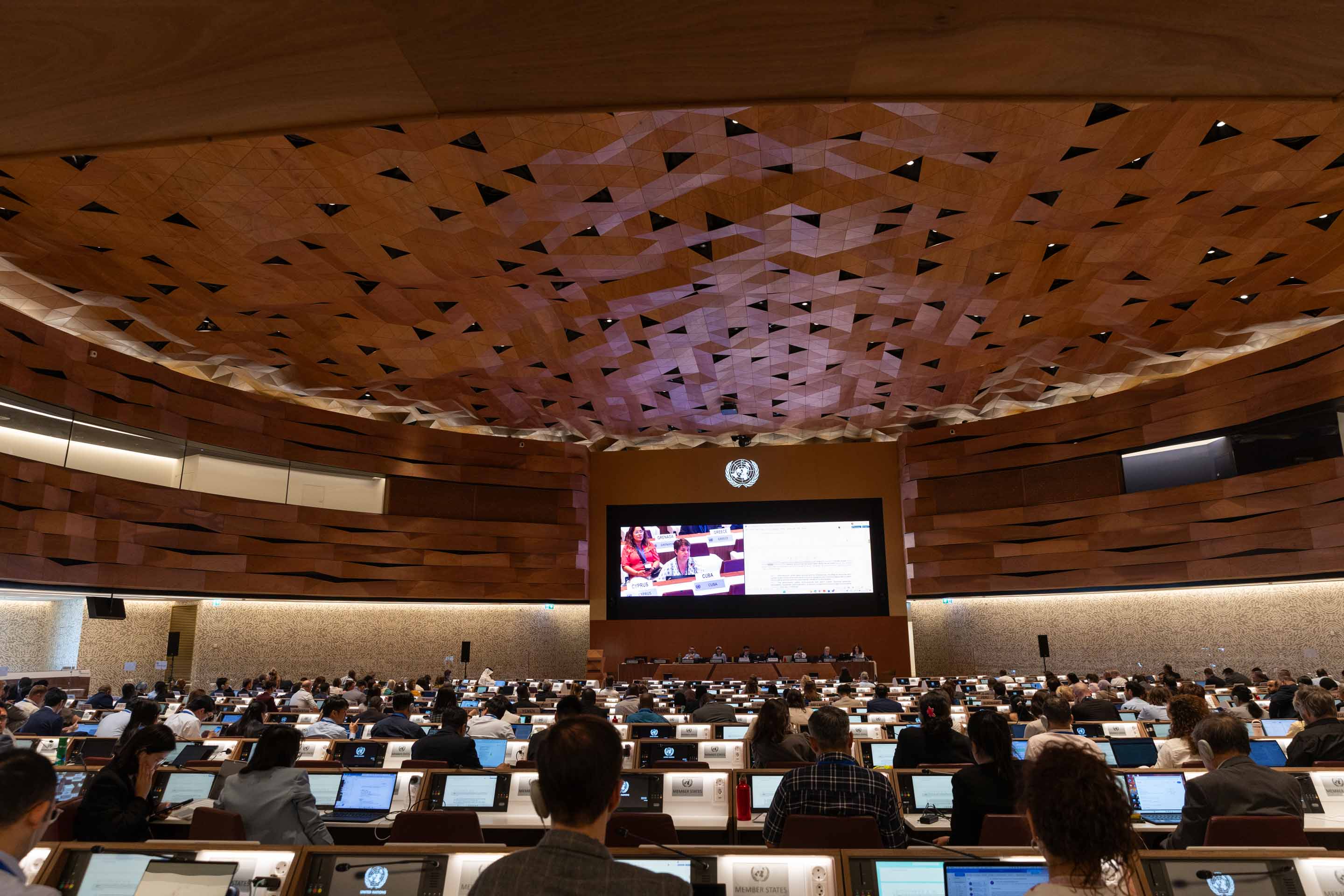
Informal consultations on Article 3
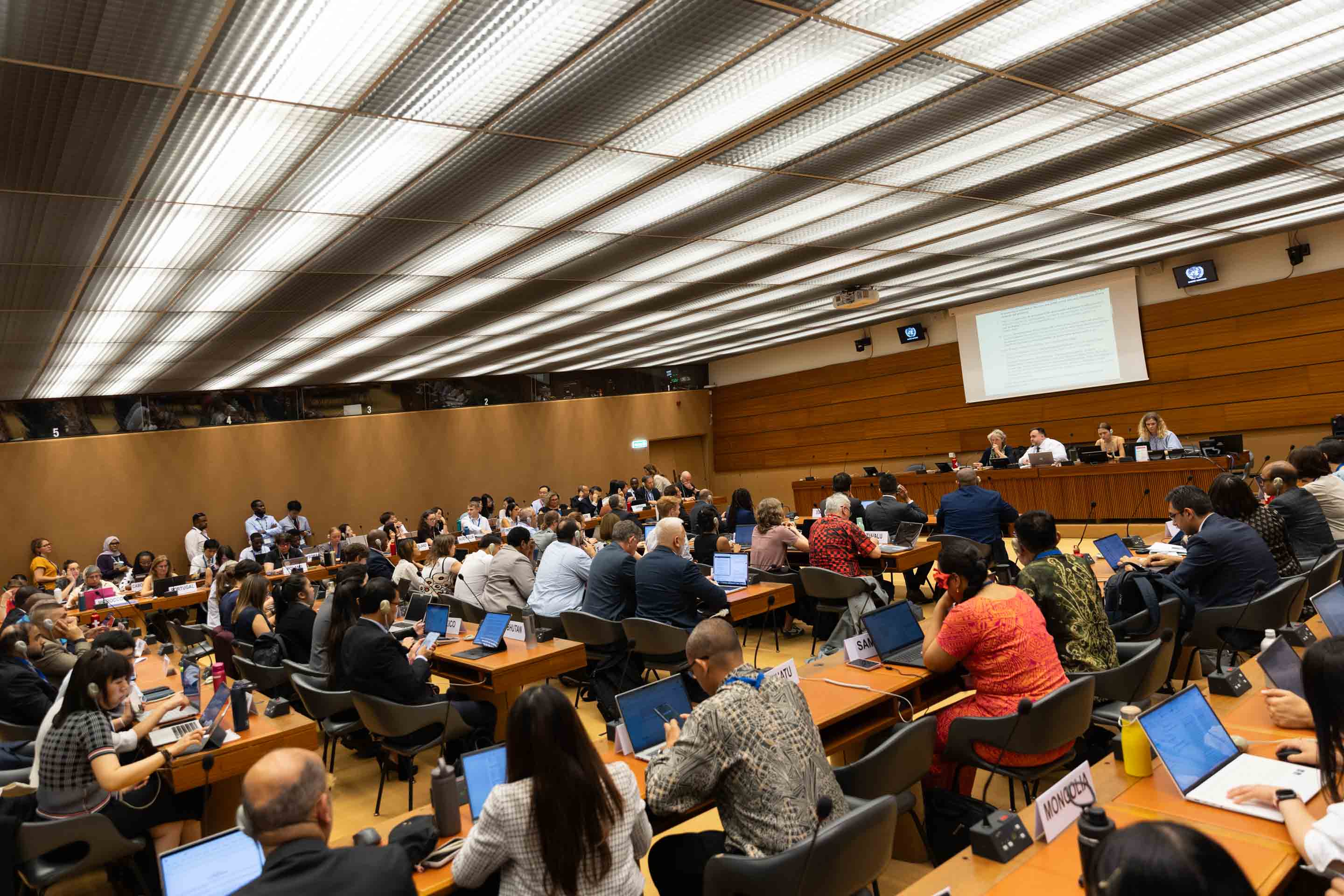
Informal consultations on Article 5
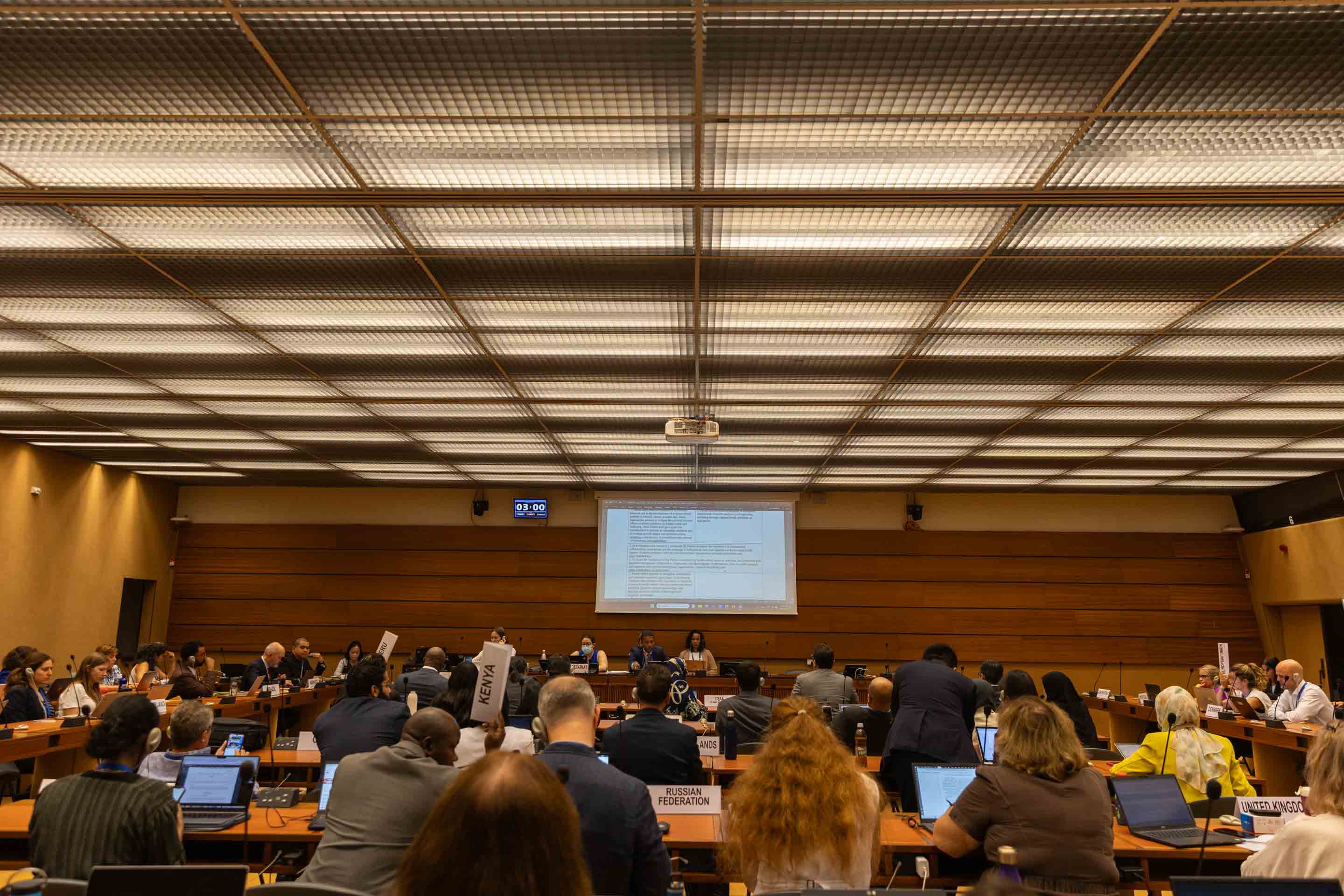
Informal consultations on Article 19
Around the Venue
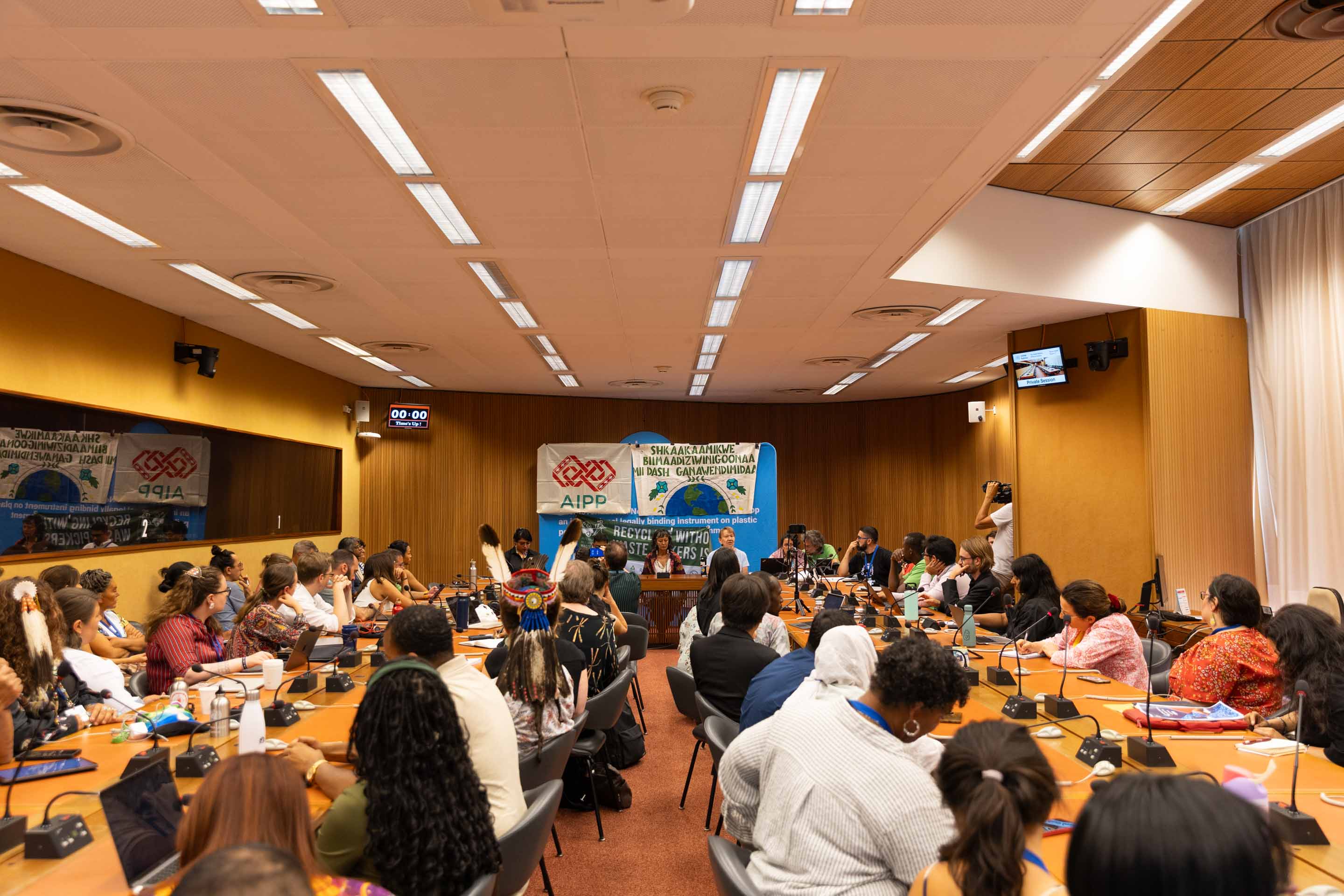
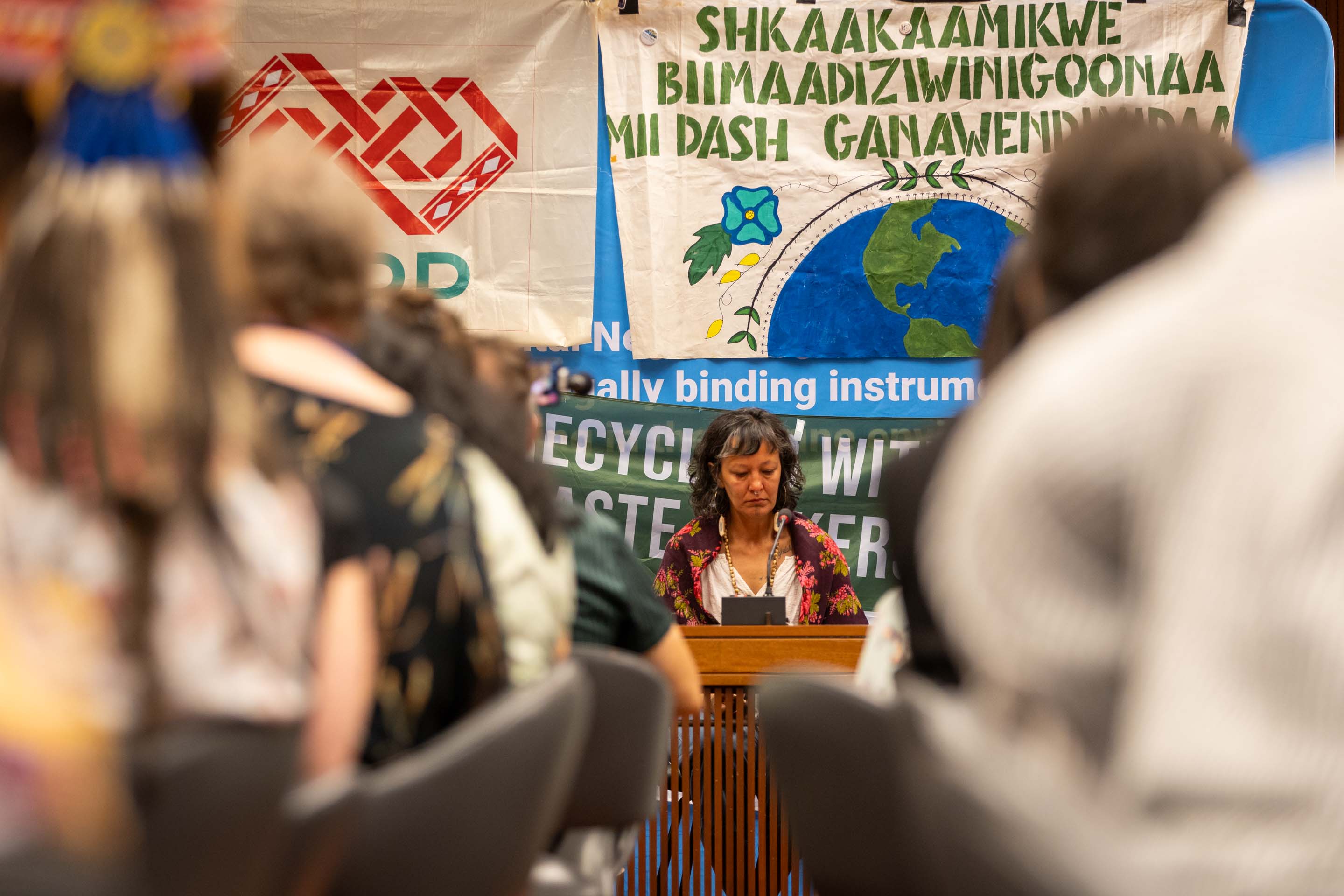
A press conference is held by the Just Transition Alliance to emphasize that an effective and just treaty must center the rights, knowledges, and leadership of those most affected by plastic pollution and environmental and climate injustices
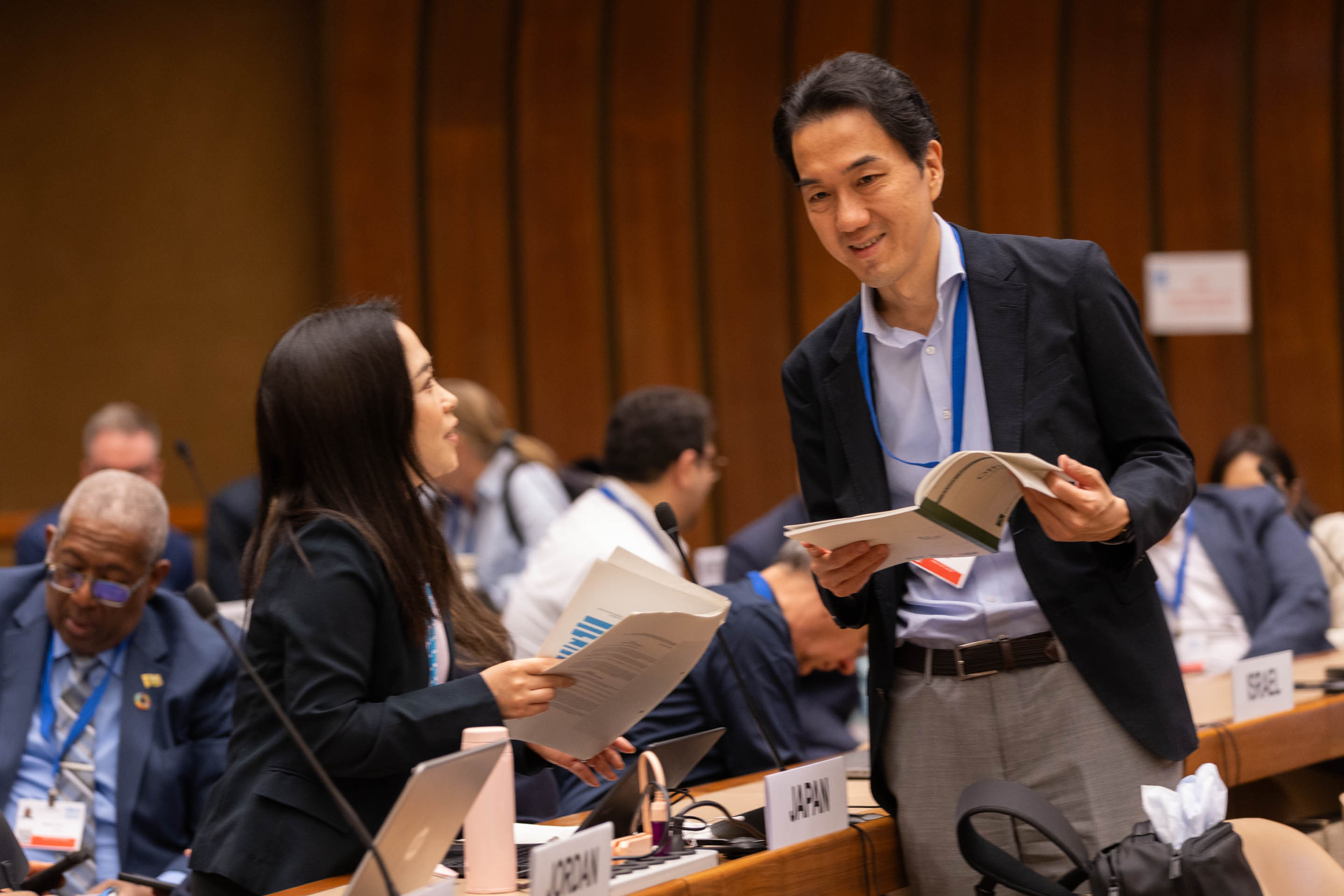
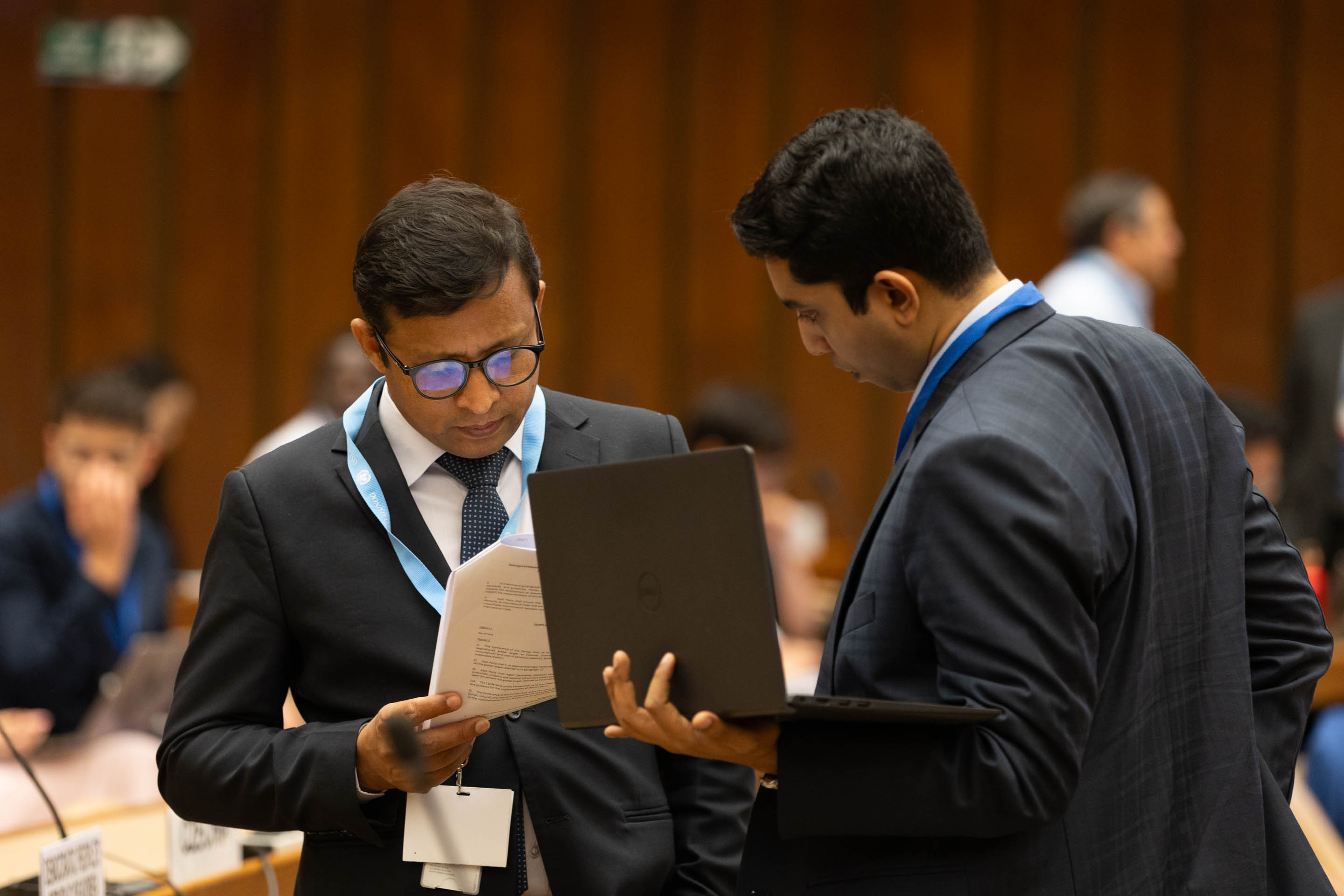
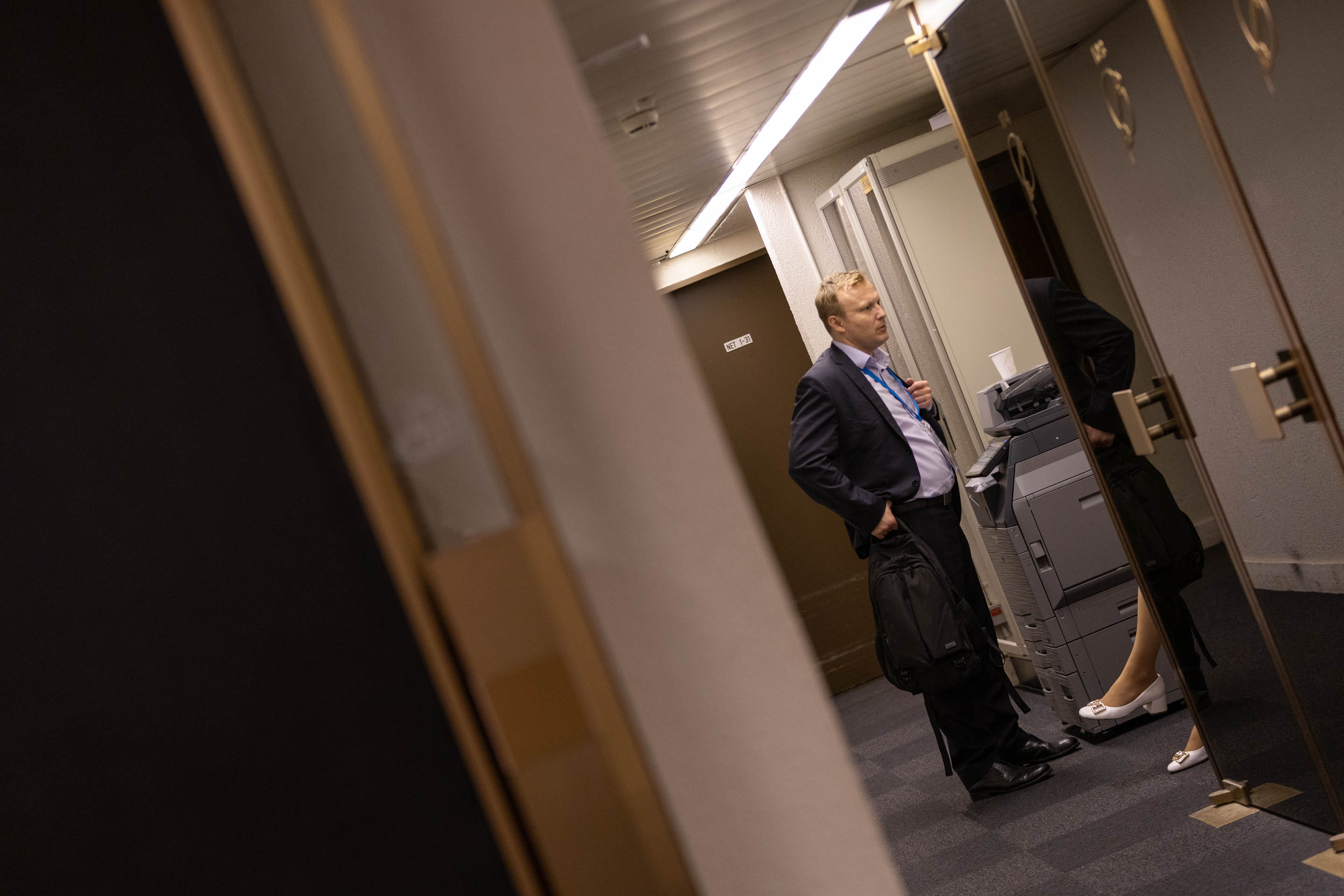
Delegates speak informally between sessions
Dmitri Kornilov, Russian Federation
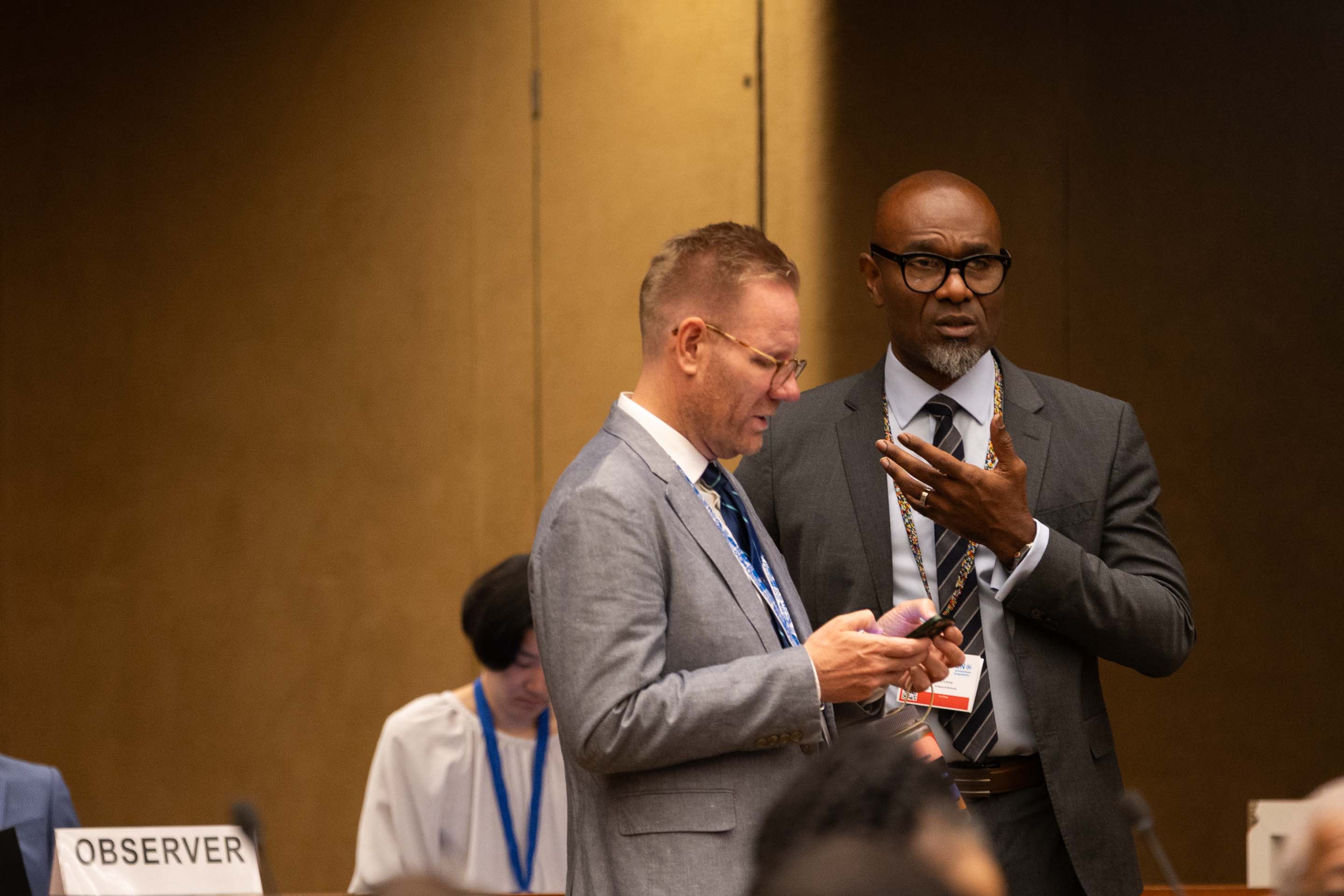
Richard Bryce Rudyk, Palau, speaks with Contact Group 4 Co-Chair Linroy Christian, Antigua and Barbuda
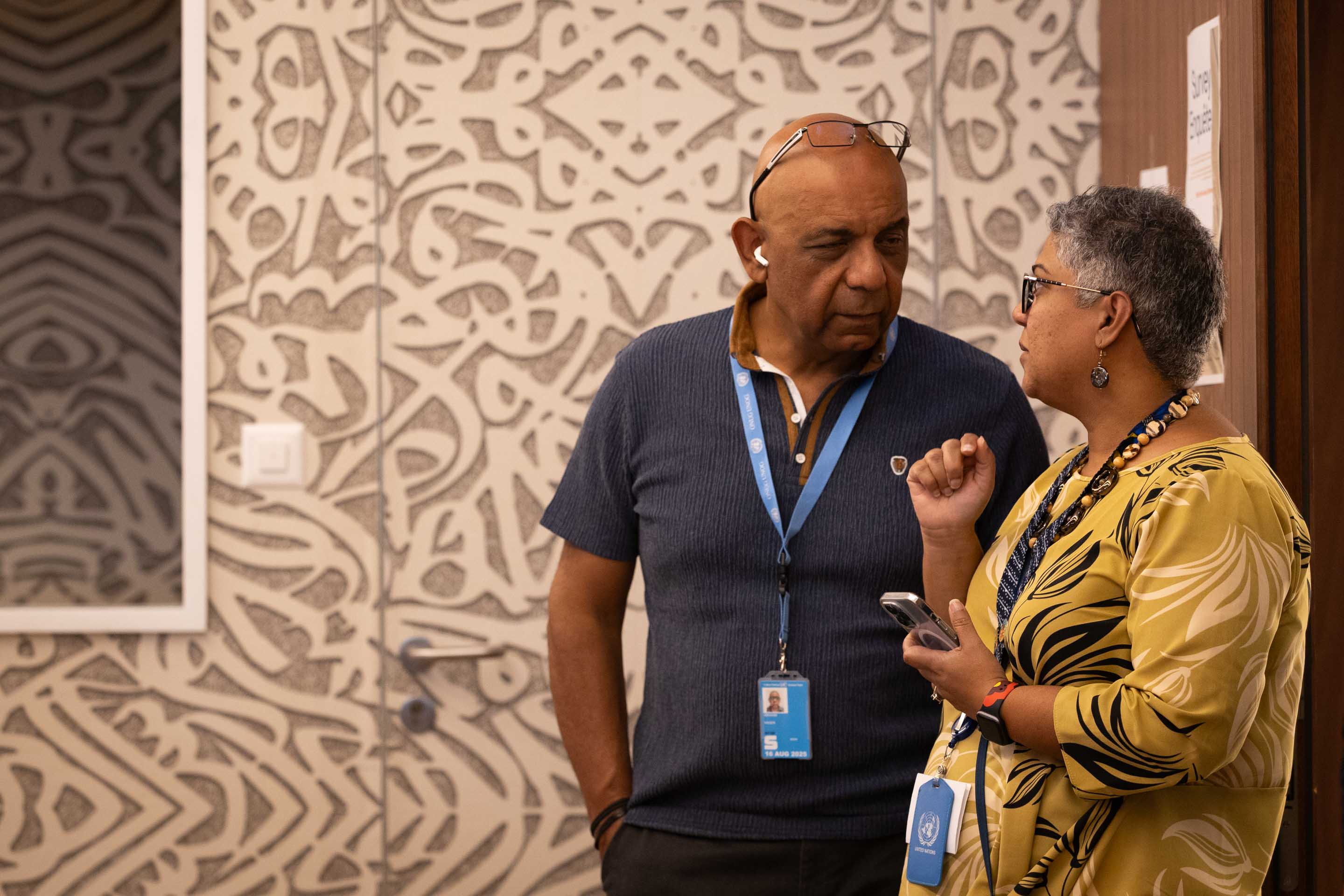
Nader Ibrahim and Ailis Rego, INC Secretariat
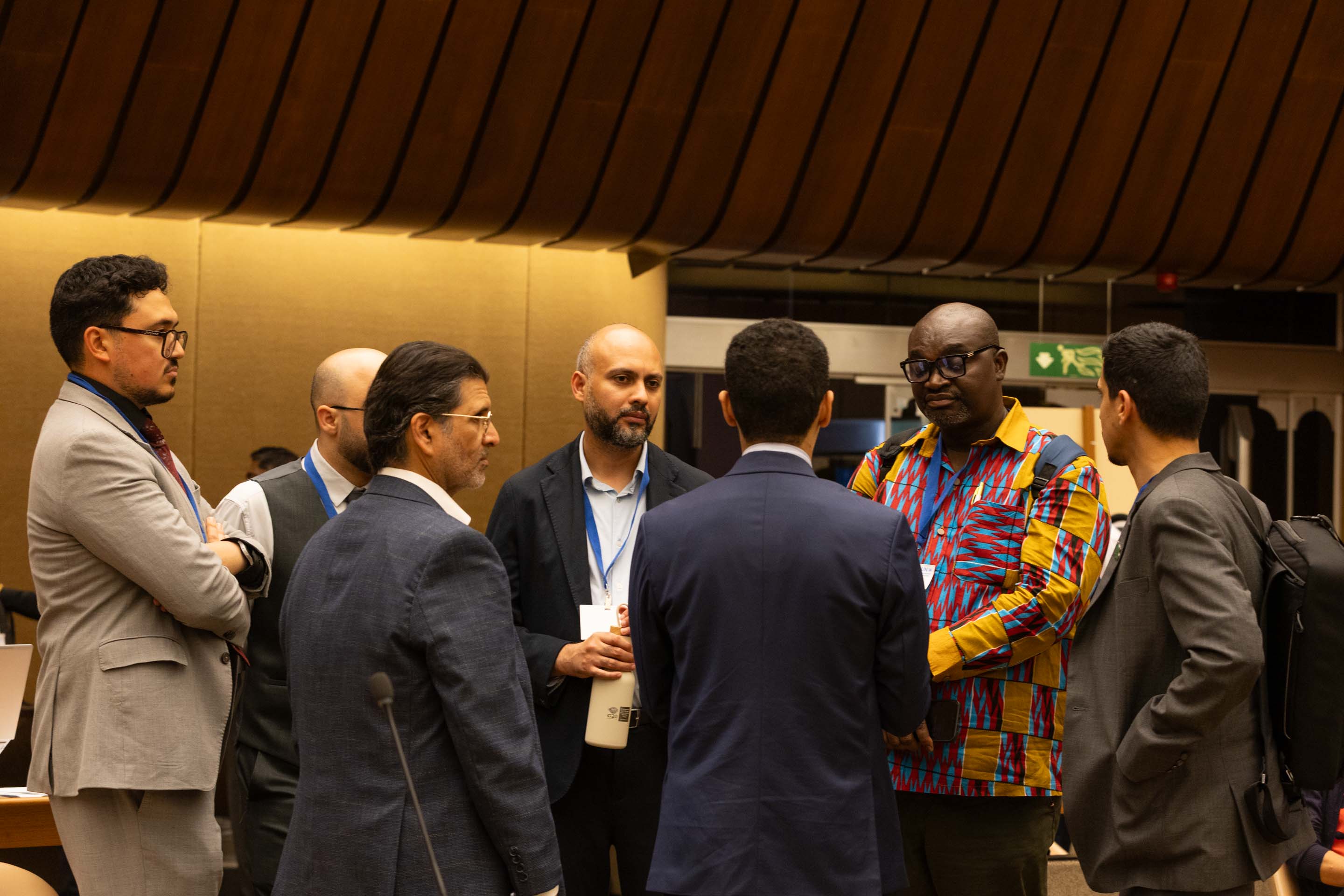
Contact Group 2 Co-Chair Peter Justice Dery, Ghana, consults with delegates
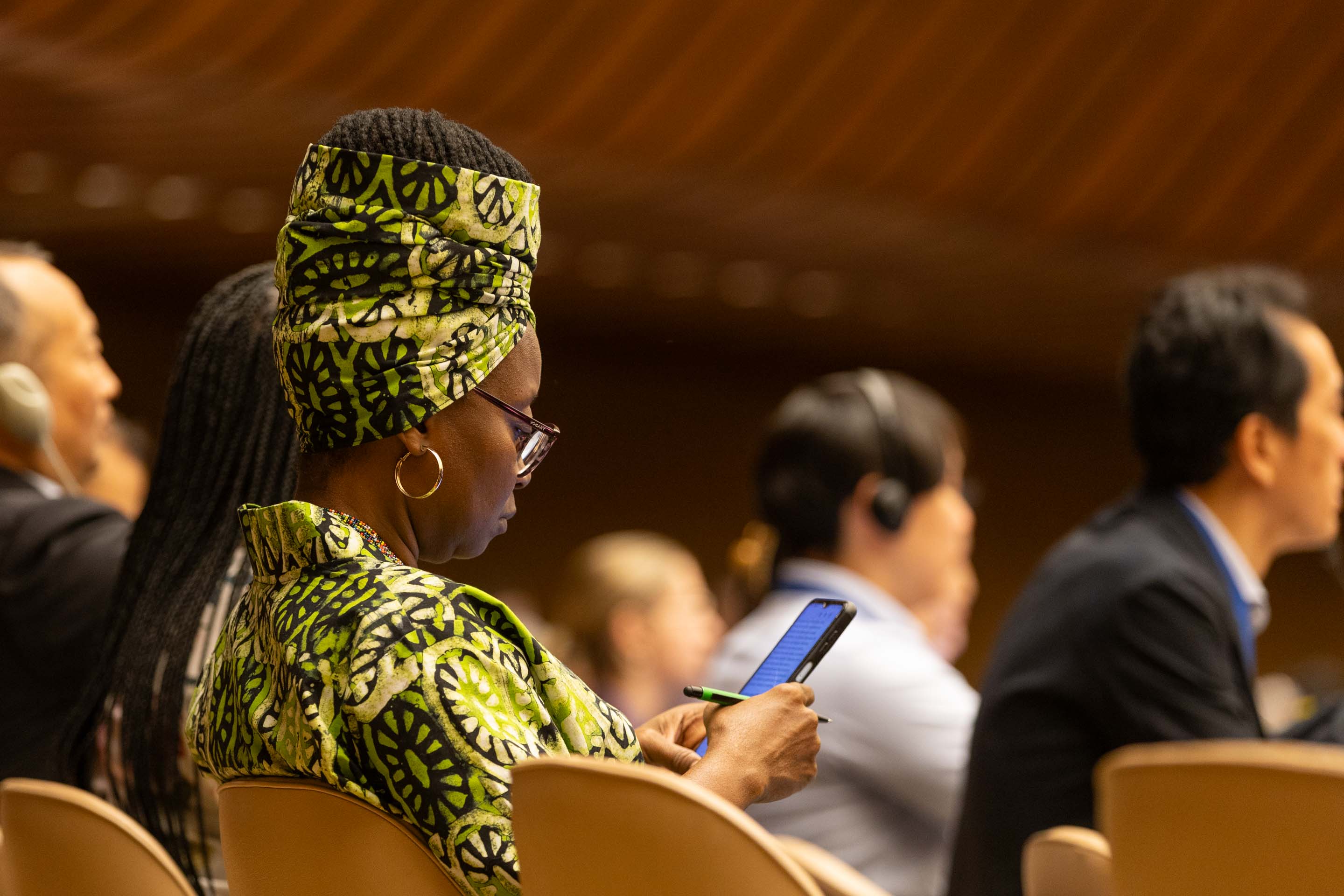
Isabel Sanha, Guinea-Bissau
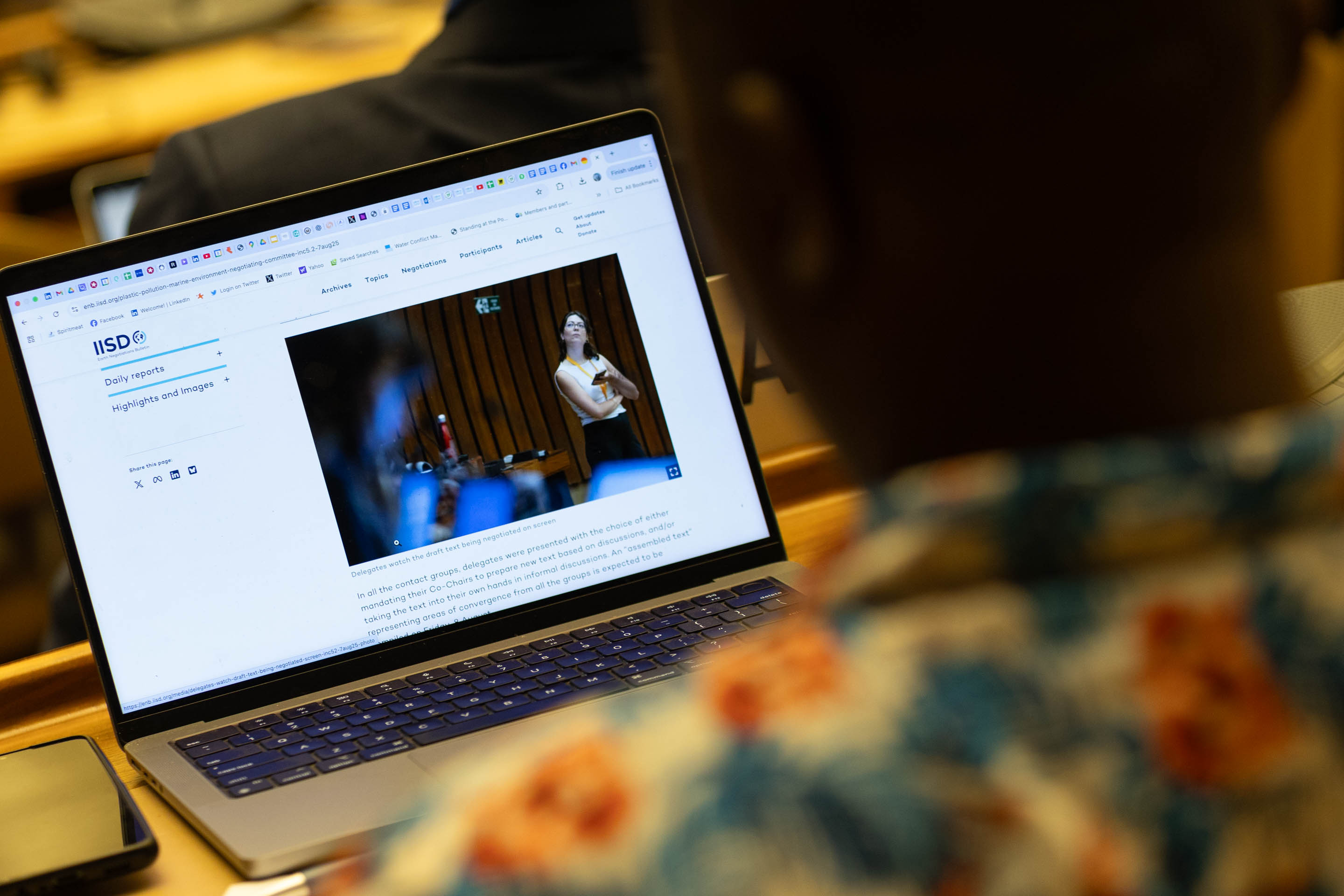
Delegates visit the ENB webpage to keep up to date with negotiations
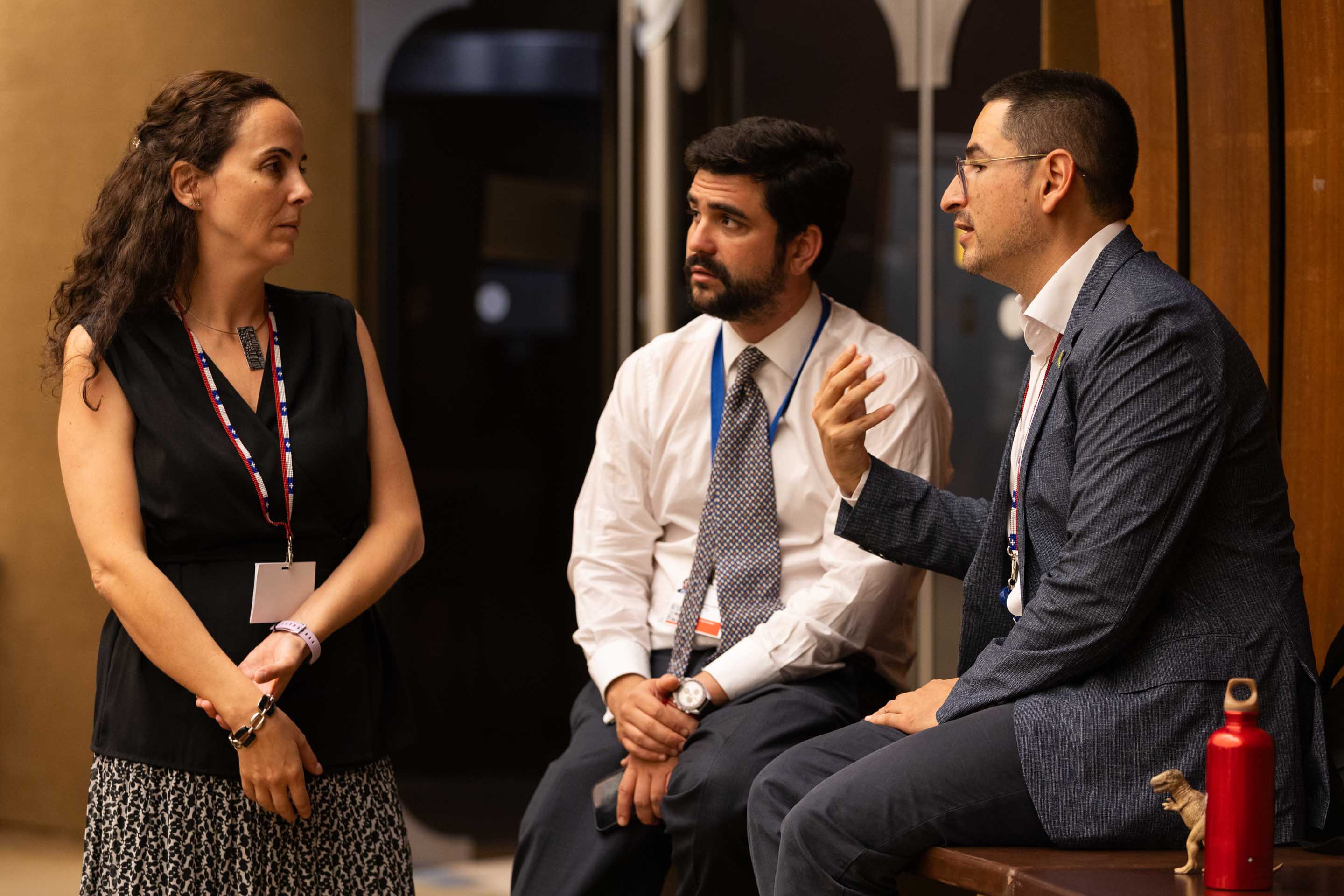
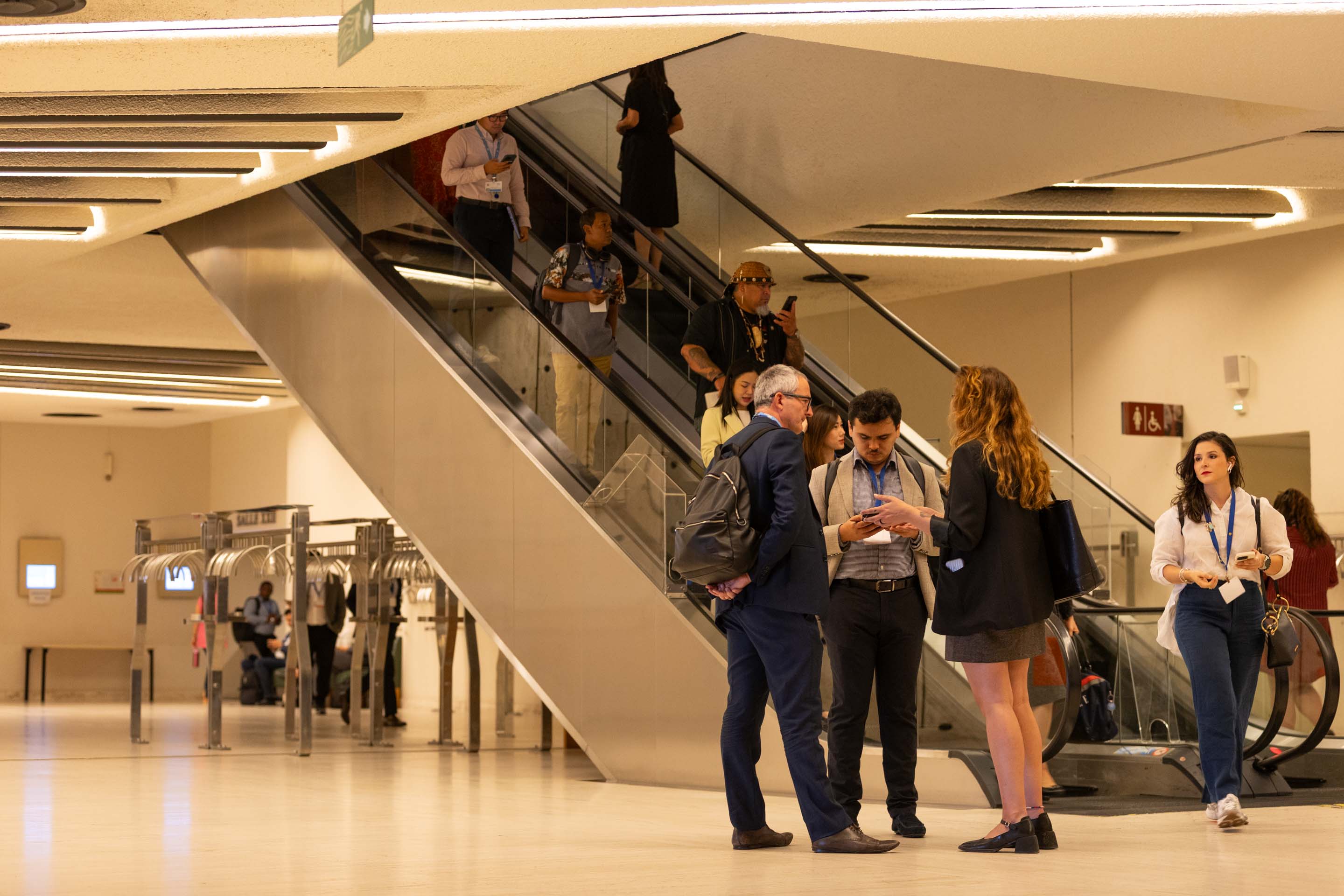
Delegates speak informally
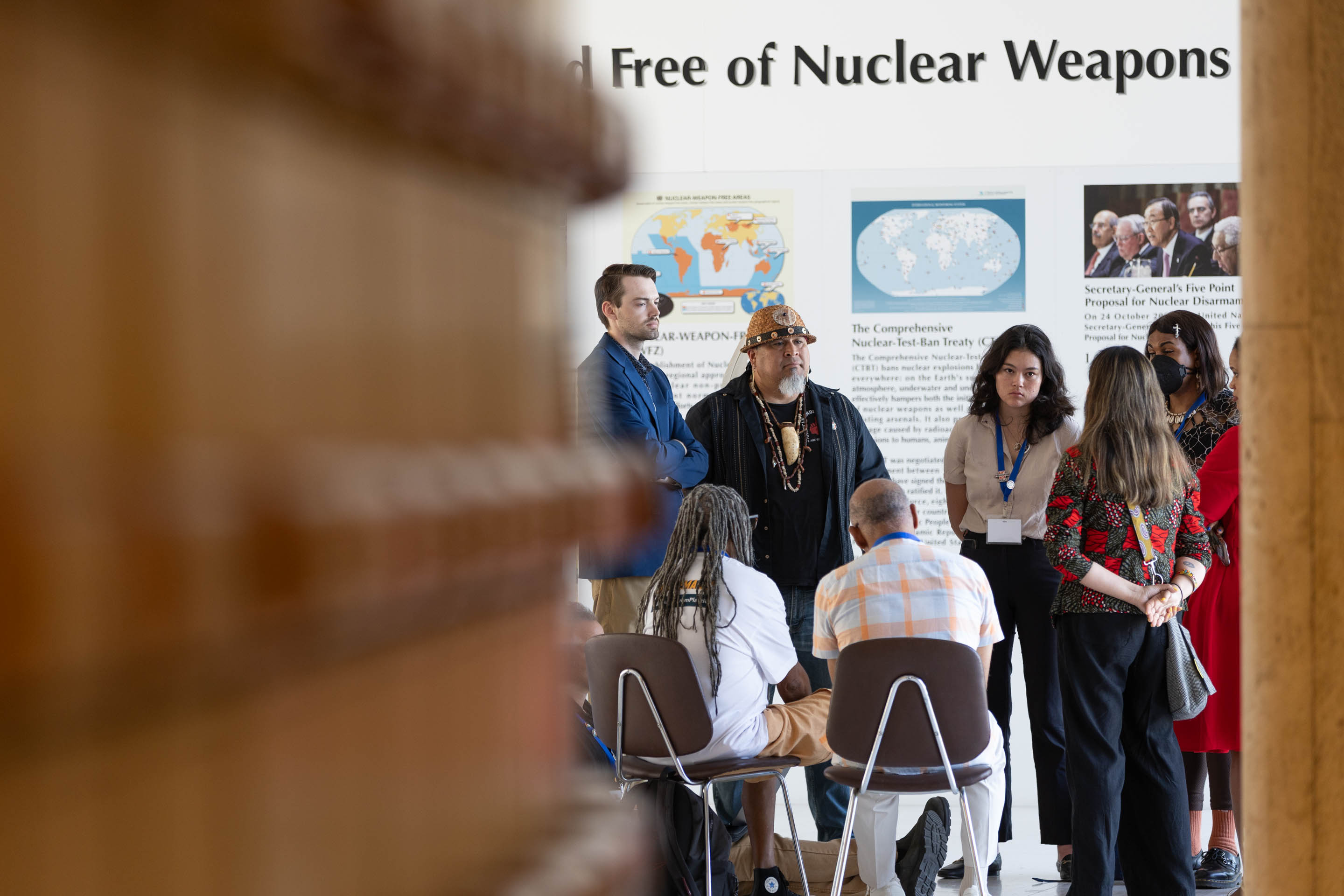
Civil society groups meet informally