Which comes first: form or function? This was the question that seemed to follow delegates around on the second day of the final round of negotiations toward an agreement to end plastic pollution. Having grappled with the objective, scope, and definitions on the previous day without much resolution, delegates attending the resumed fifth session of the Intergovernmental Negotiating Committee (INC-5.2) to develop an international legally binding instrument (ILBI) on plastic pollution, including in the marine environment, resumed consideration of the contents of the future treaty.
Delegates met all day in four contact groups and informal sessions to hold candid discussions on various parts of the text, with a view to sending any text where convergence had been reached to the plenary, which would subsequently send it to the Open-ended Legal Drafting Group.
Want to dig deeper into today's talks? Read the full Earth Negotiations Bulletin daily report.
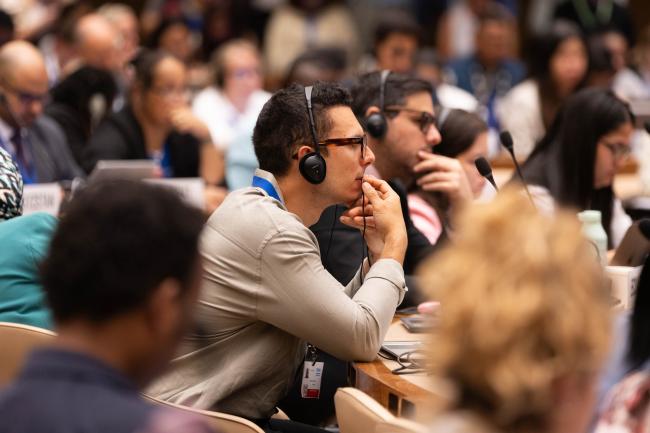
As expected, one of the main contentions is whether to include an article specifying controls of certain plastic products, including those manufactured only for a single use, and those containing hazardous chemicals. This issue spurred a fractious debate in one contact group in the morning. With little progress made on the proposed provision on sustainable production on Tuesday, a group of 78 countries saw the global phase-out of certain plastic products as crucial, highlighting it as the very heart of the treaty. Yet others were firmly against global measures, calling for voluntary national measures or no provision on the matter at all. Following a discussion on the way forward, the group went into informals to try to make progress.
In the contact group considering waste management, different views arose on whether to refer to the waste hierarchy, human health, or the guidelines developed under the Basel Convention on the environmentally sound management of plastic waste. Delegates also discussed a list of potential measures to be taken by parties on waste management, the transboundary movement of plastic waste, and extended producer responsibility.
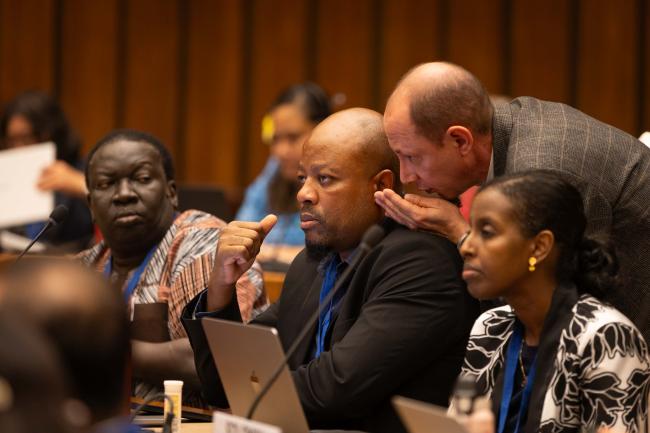
Finance is the glue that holds it all together, and its importance was highlighted as delegates resumed their discussions on different proposals on how to ensure adequate financing to implement the future treaty. Key questions in this group include: what is the role for the Global Environment Facility? What are the modalities for establishing a dedicated fund? How do we mobilize private sector resources? Is there a need for a review of the financial mechanism? Other issues discussed related to the alignment of financial flows for developed and developing countries, and whether or not to impose primary plastic polymer fees.
Delegates also considered some issues related to institutional arrangements, including the functions of the future secretariat. They debated whether these functions should be performed by the UN Environment Programme or by another entity, and also provided input on the functions themselves. They also opened discussions on articles related to dispute settlement, right to vote, and amendment of the convention.
Over the course of the day, informal discussions were also held on whether to include an article setting out the principles and approaches that will govern the new treaty, and what principles and approaches to include, and on releases and leakages.
On Thursday, delegates will reconvene in contact groups and informals to make progress on other elements in the text.
To receive free coverage of global environmental events delivered to your inbox, subscribe to the ENB Update newsletter.
All ENB photos are free to use with attribution. For INC 5.2 please use: Photo by IISD/ENB - Kiara Worth
Contact Group 1
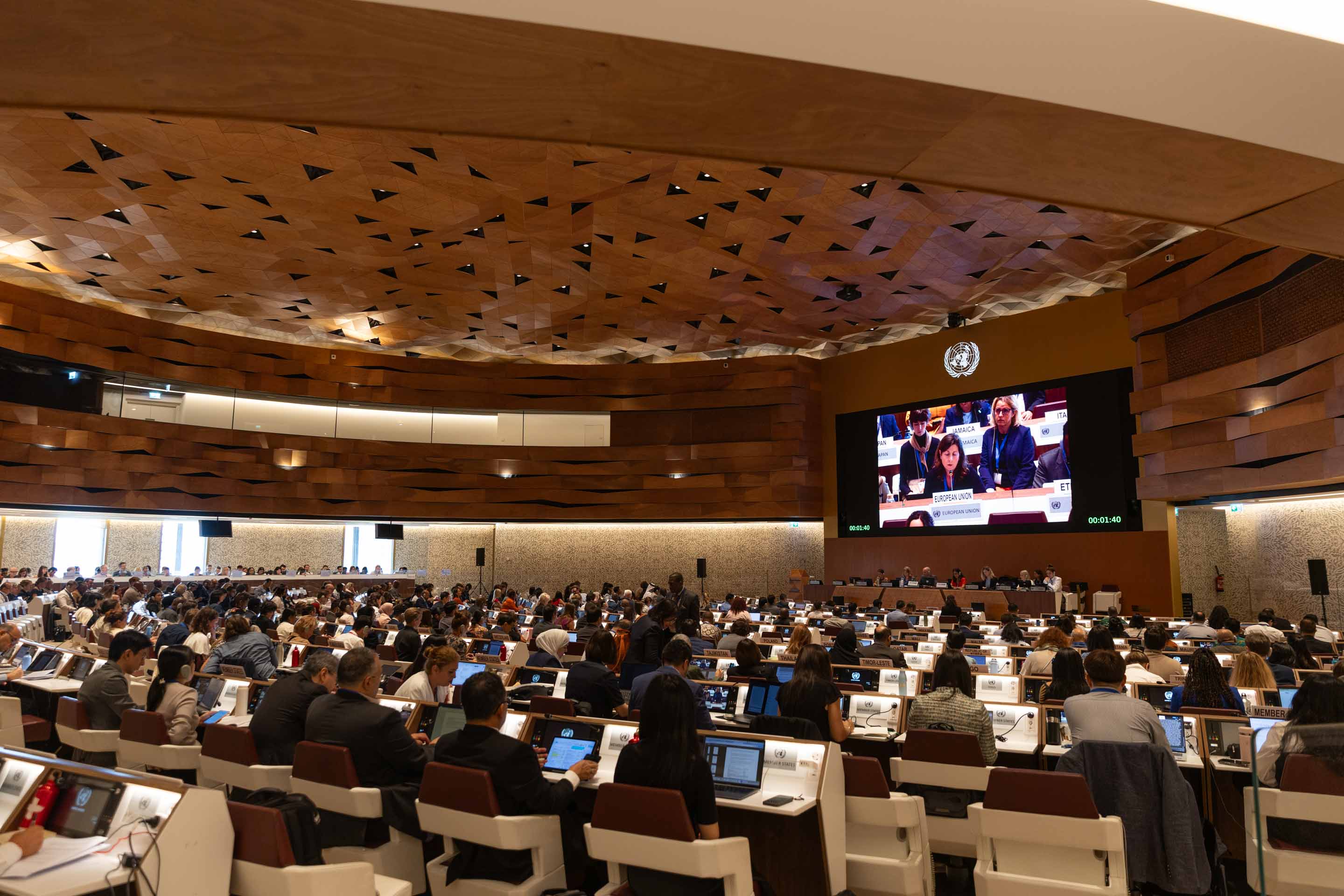
Delegates gather for Contact Group 1
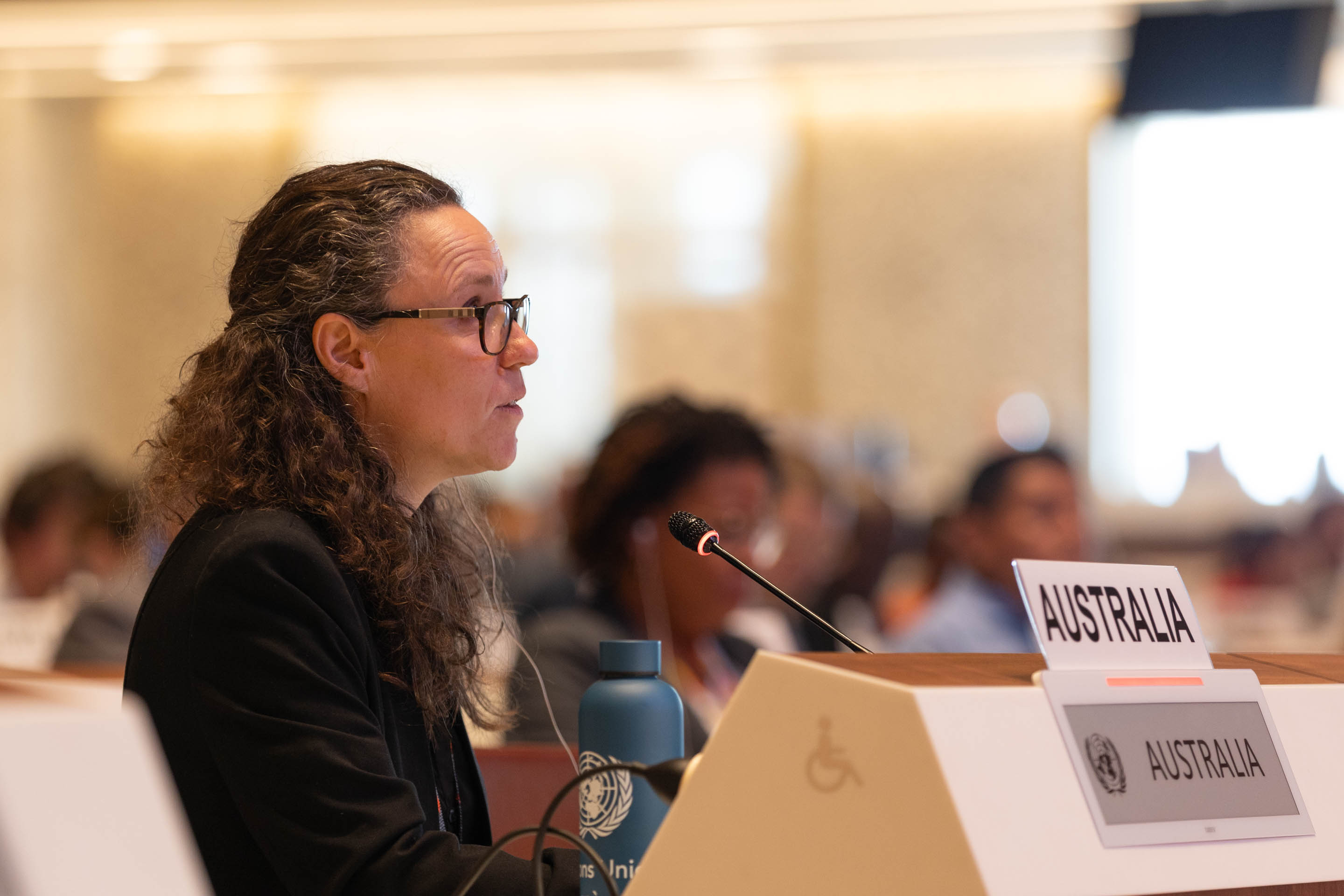
Elizabeth Ferguson, Australia
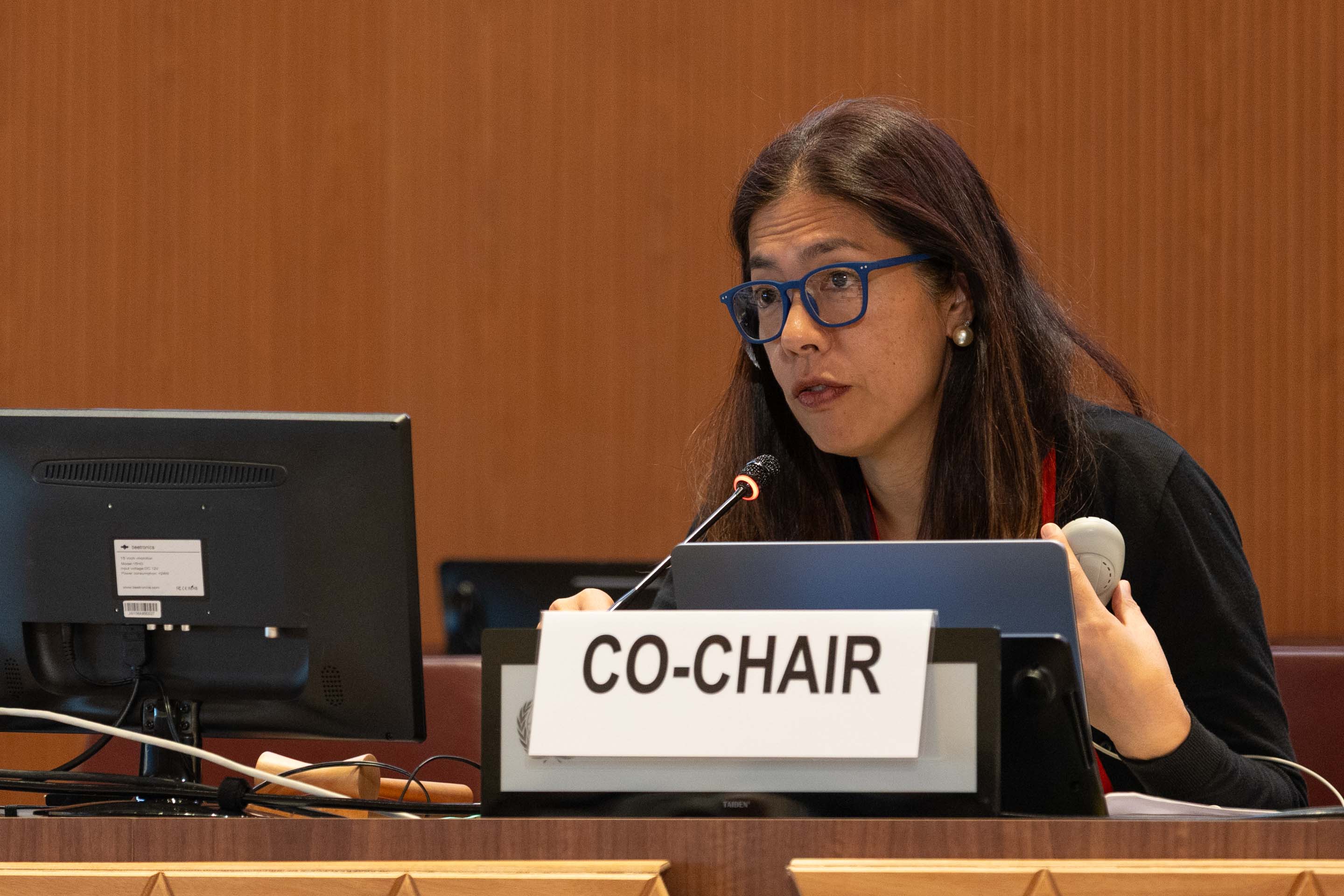
Contact Group 1 Co-Chair Maria Angélica Ikeda, Brazil
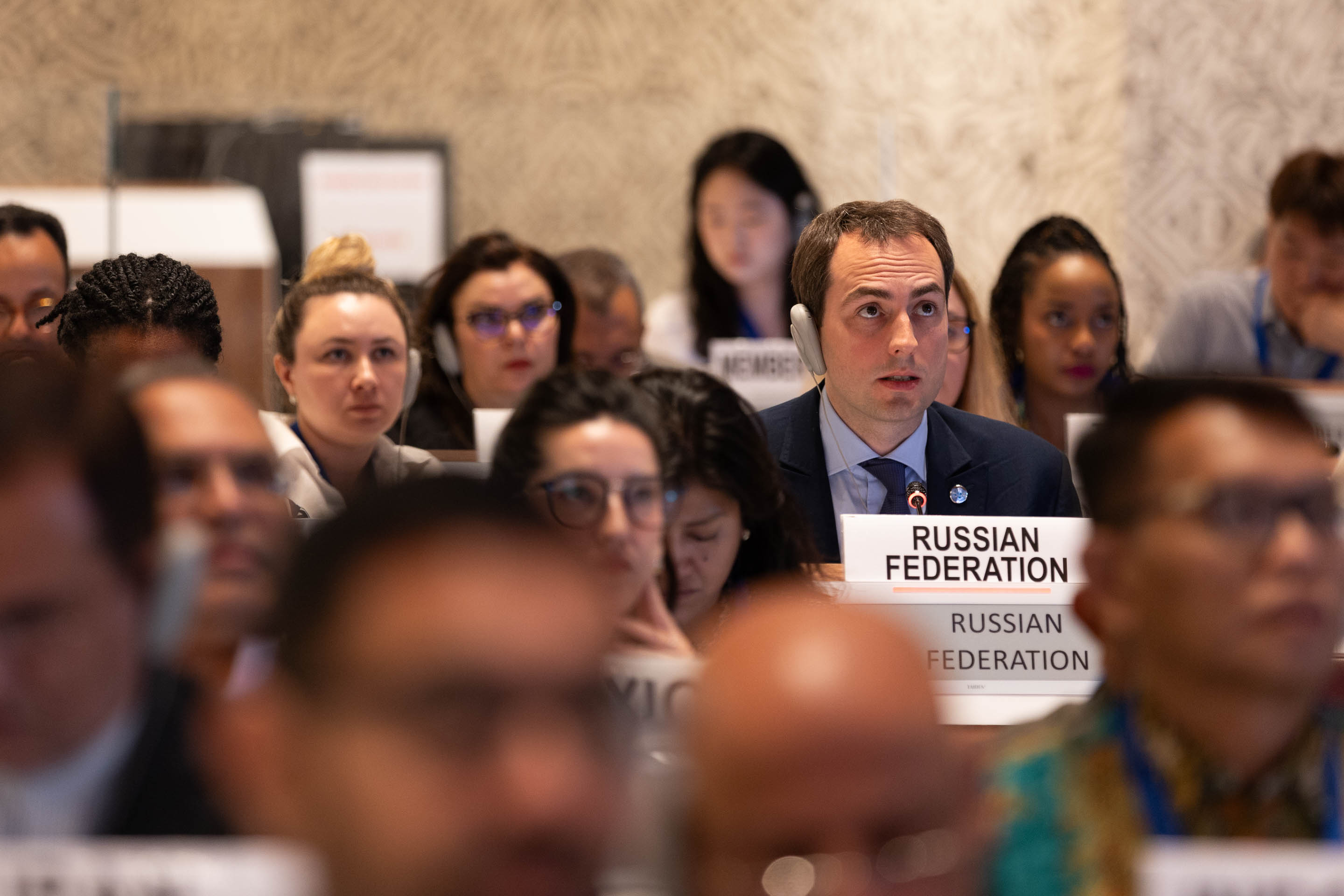
Dmitry Tonkov, Russian Federation
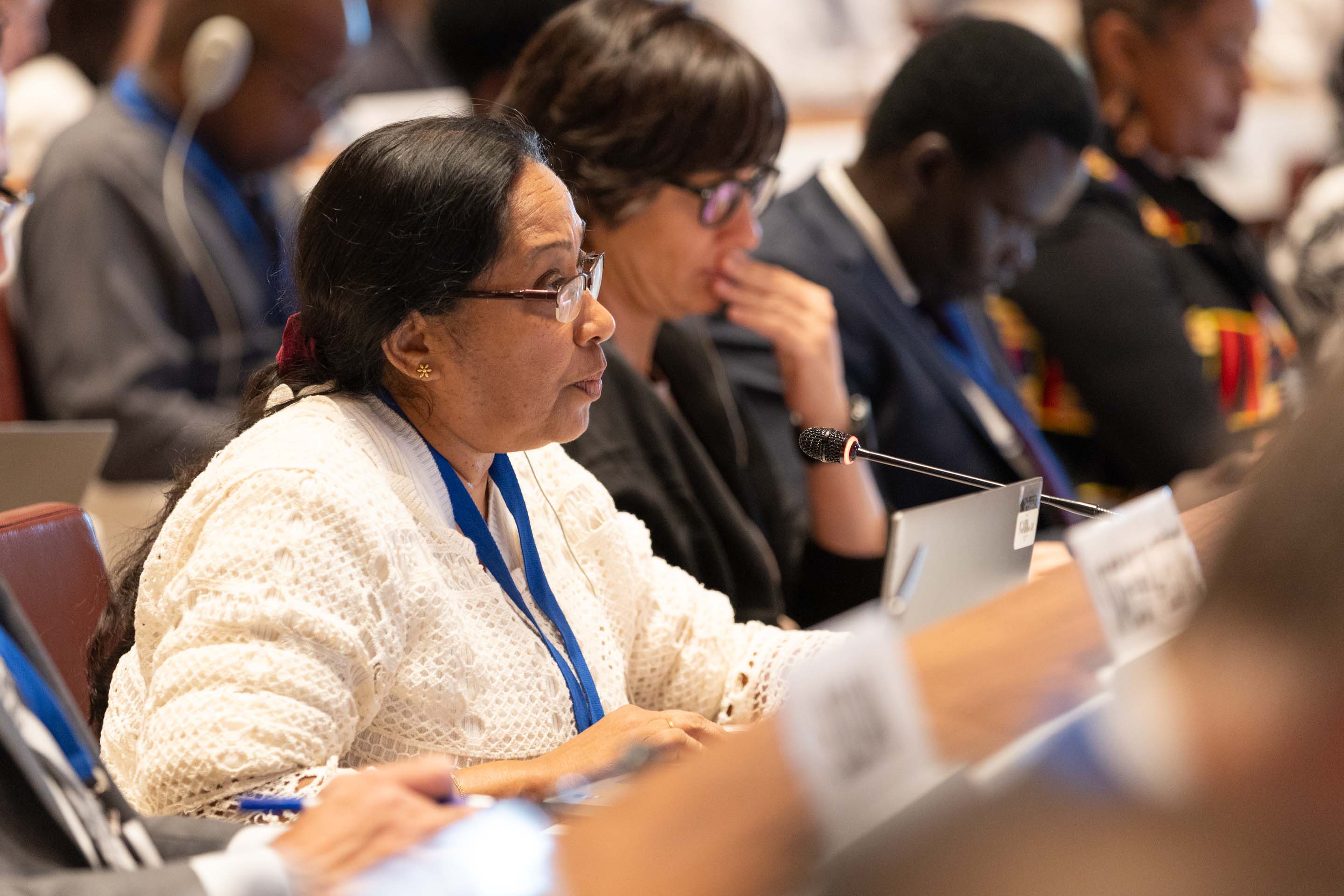
Nadeeka Liyanage, Sri Lanka
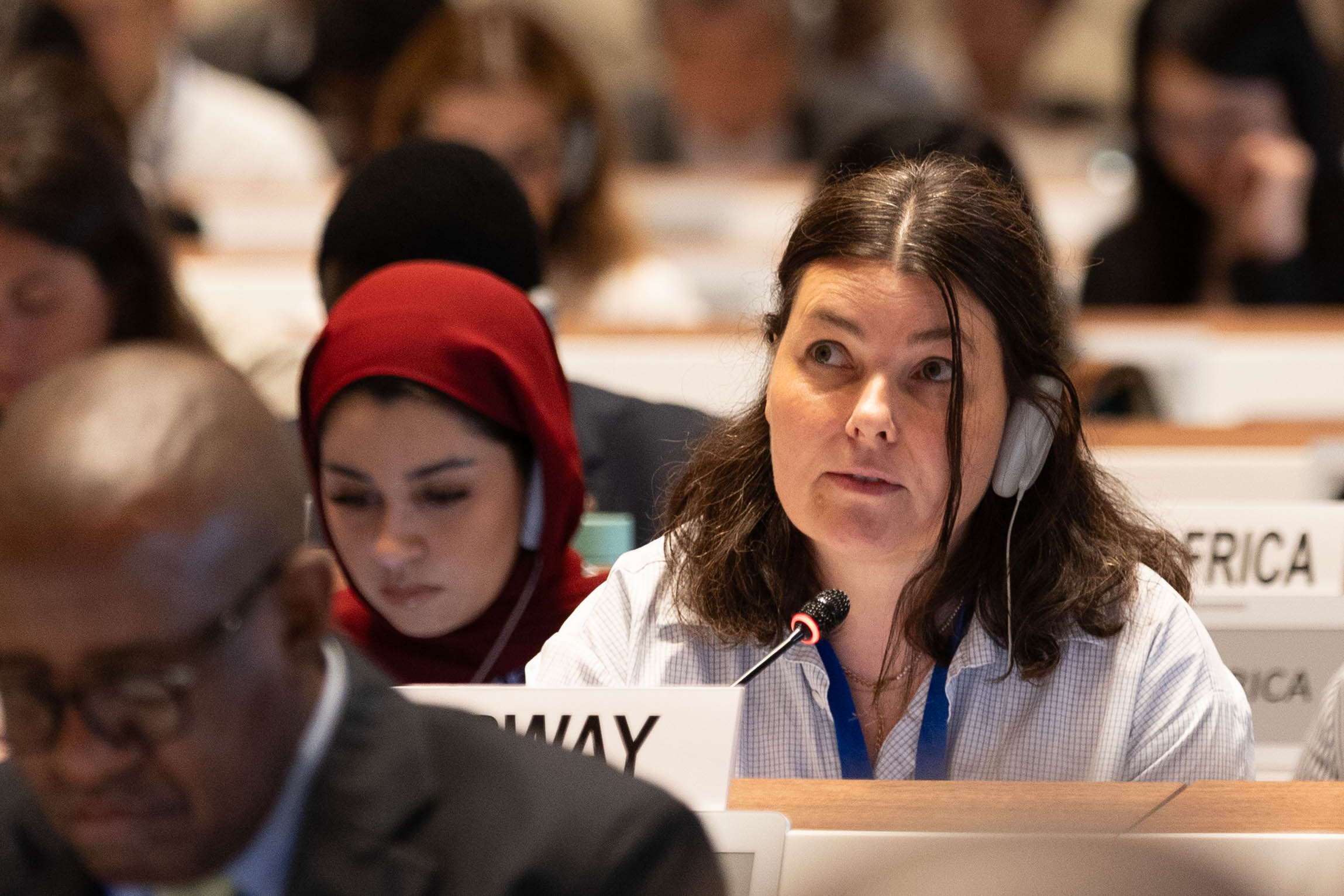
Christina Charlotte Tolfsen, Norway
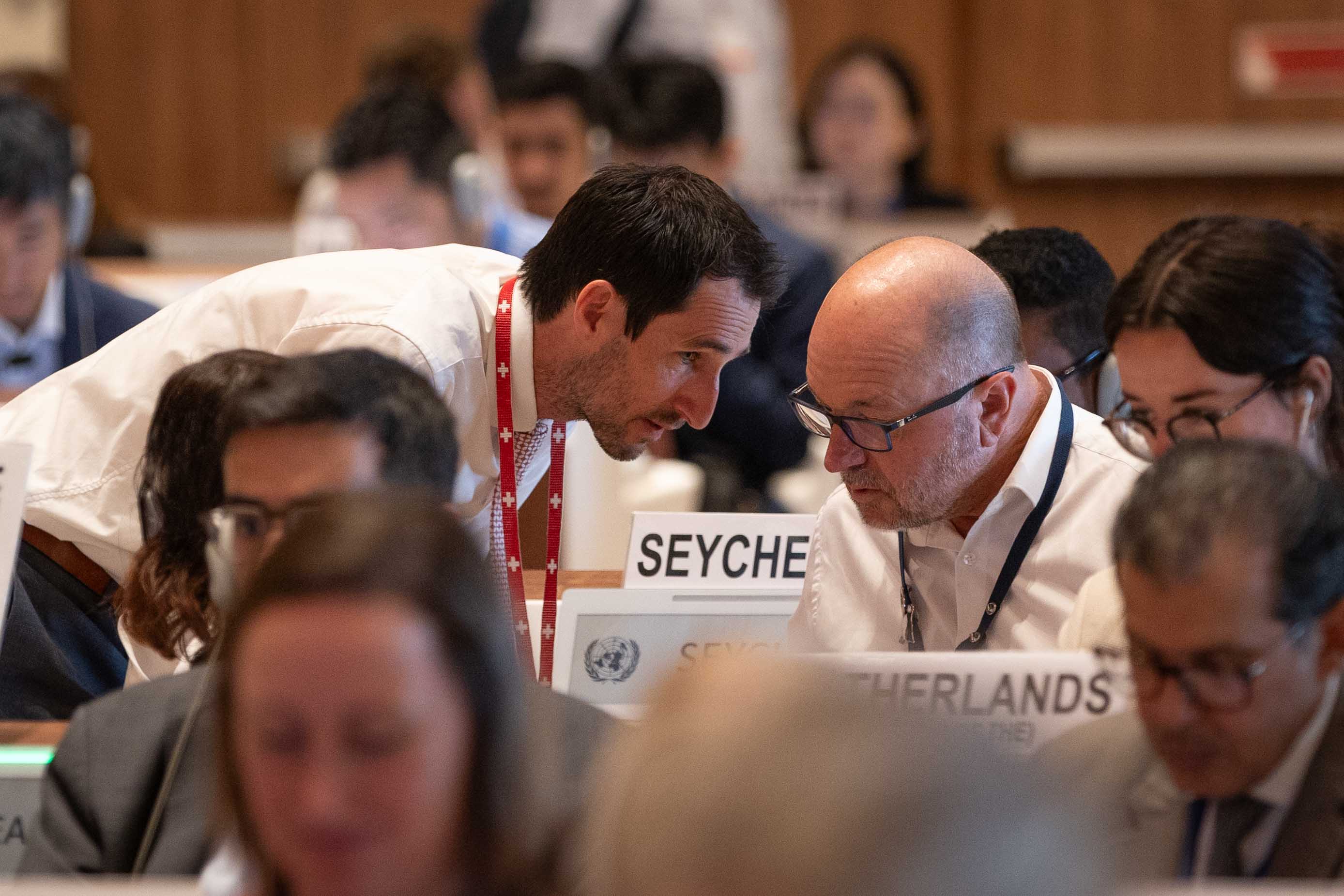
Delegates speak informally during the session
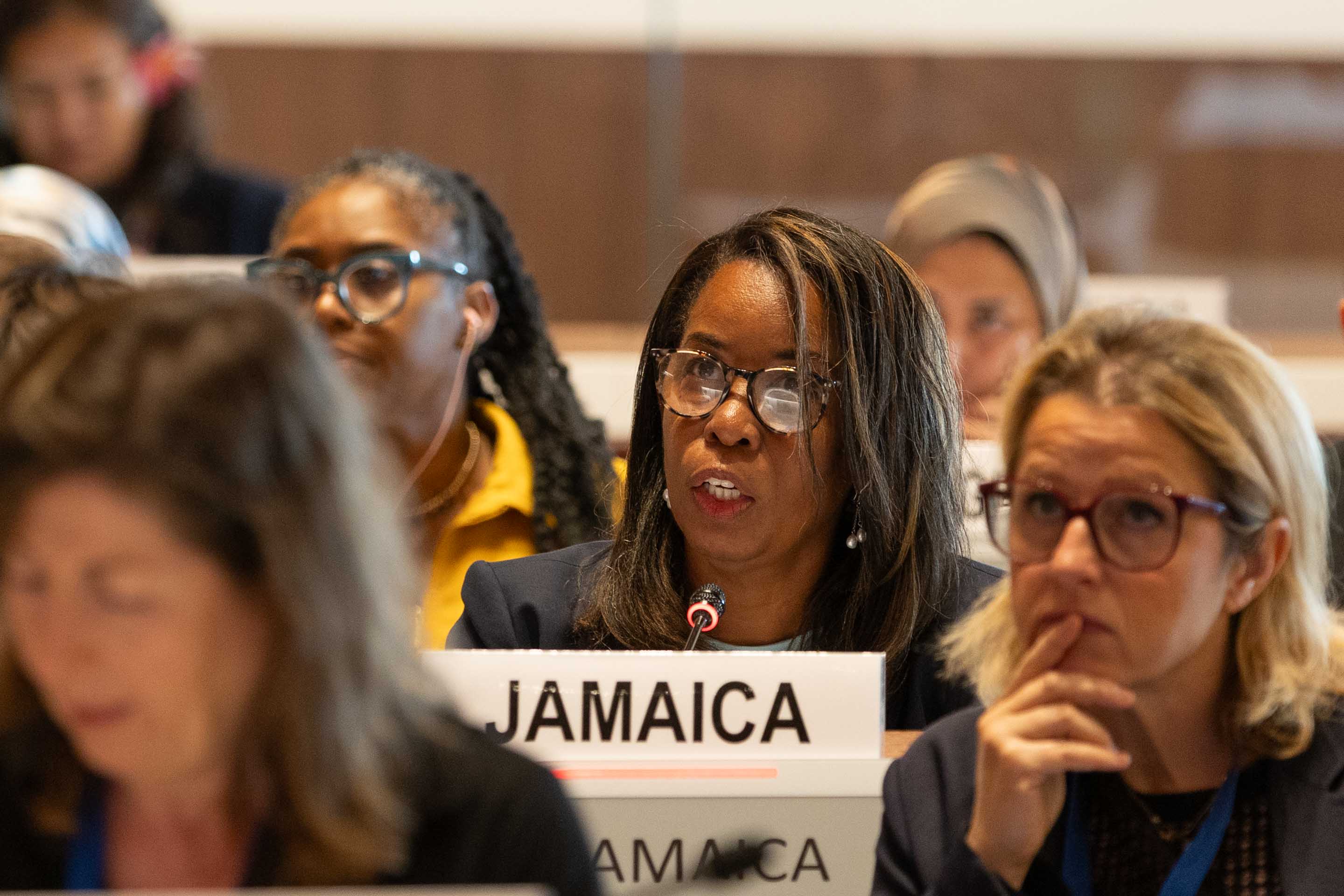
Gillian Guthrie, Jamaica
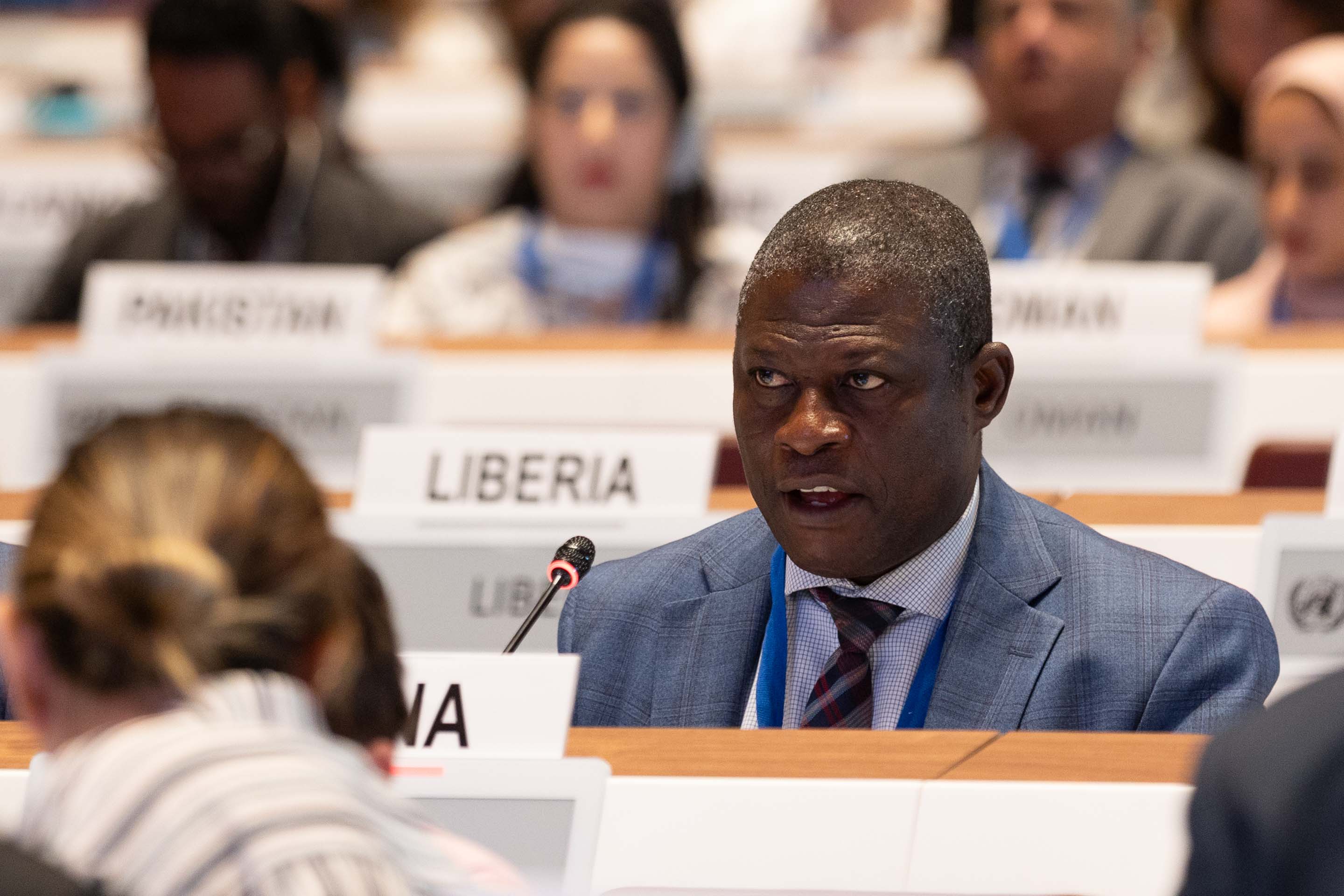
Sam Adu-Kumi, Ghana
Contact Group 2
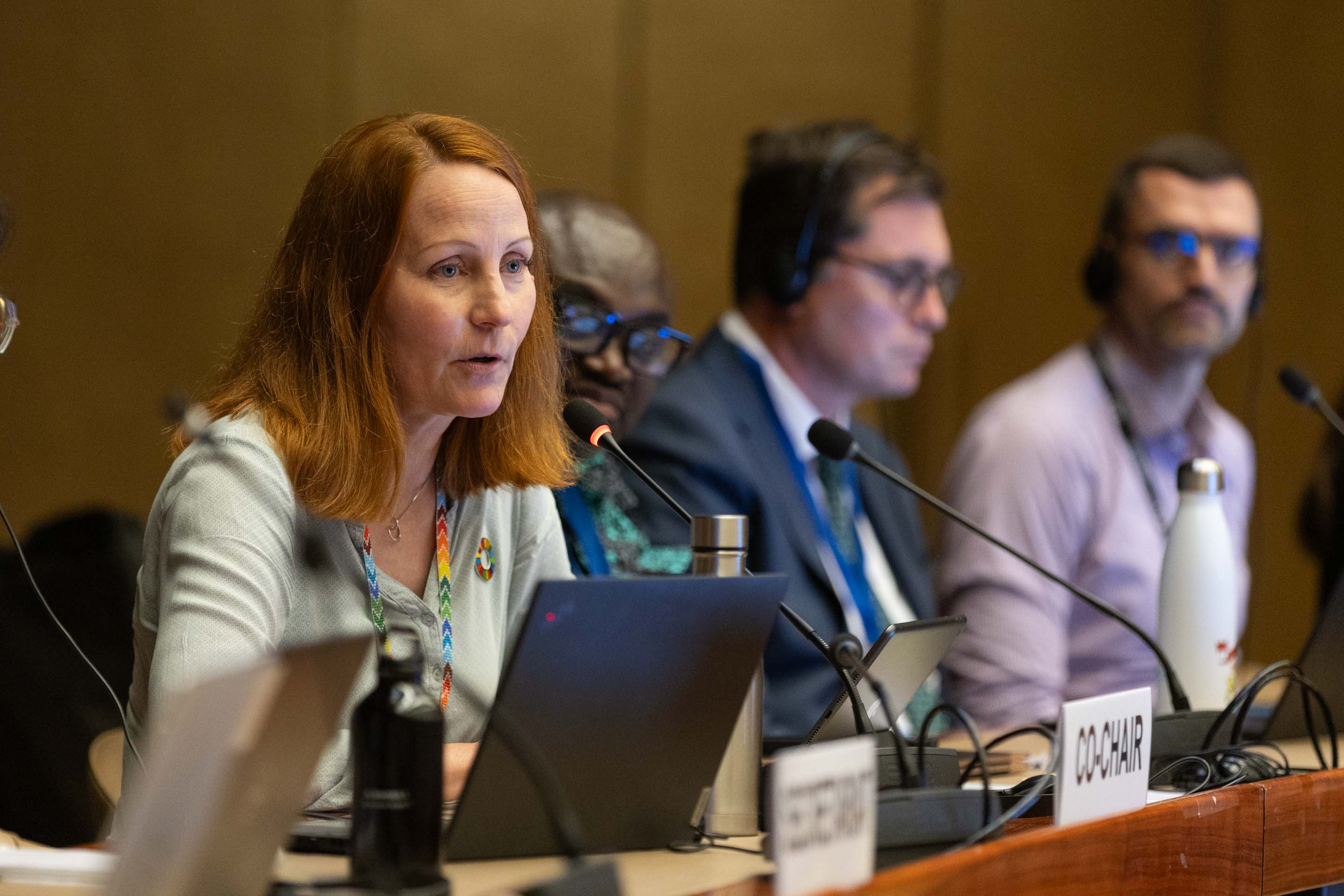
Contact Group 2 Co-Chair Tuulia Toikka, Finland
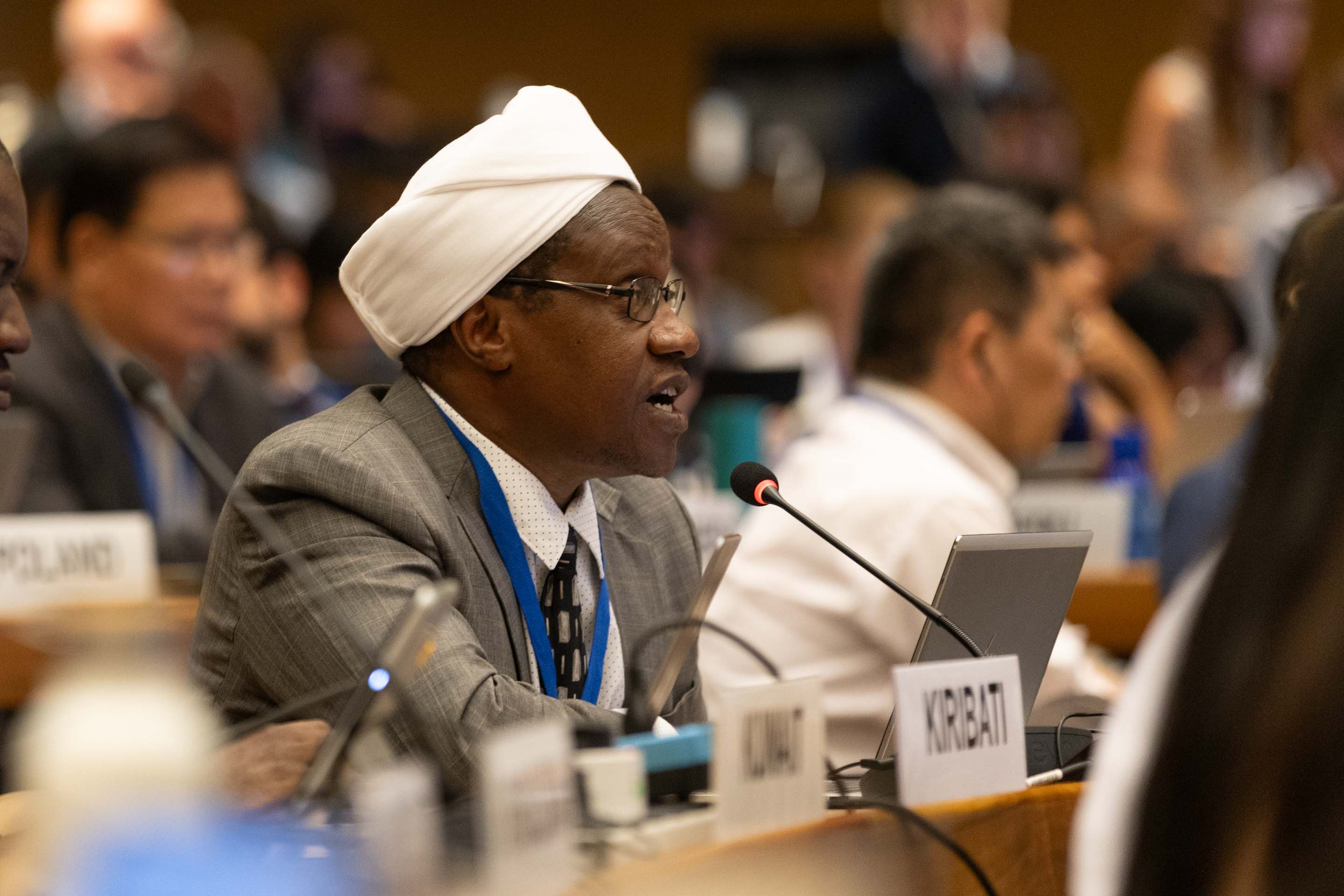
Ayub Macharia Ndaruga, Kenya
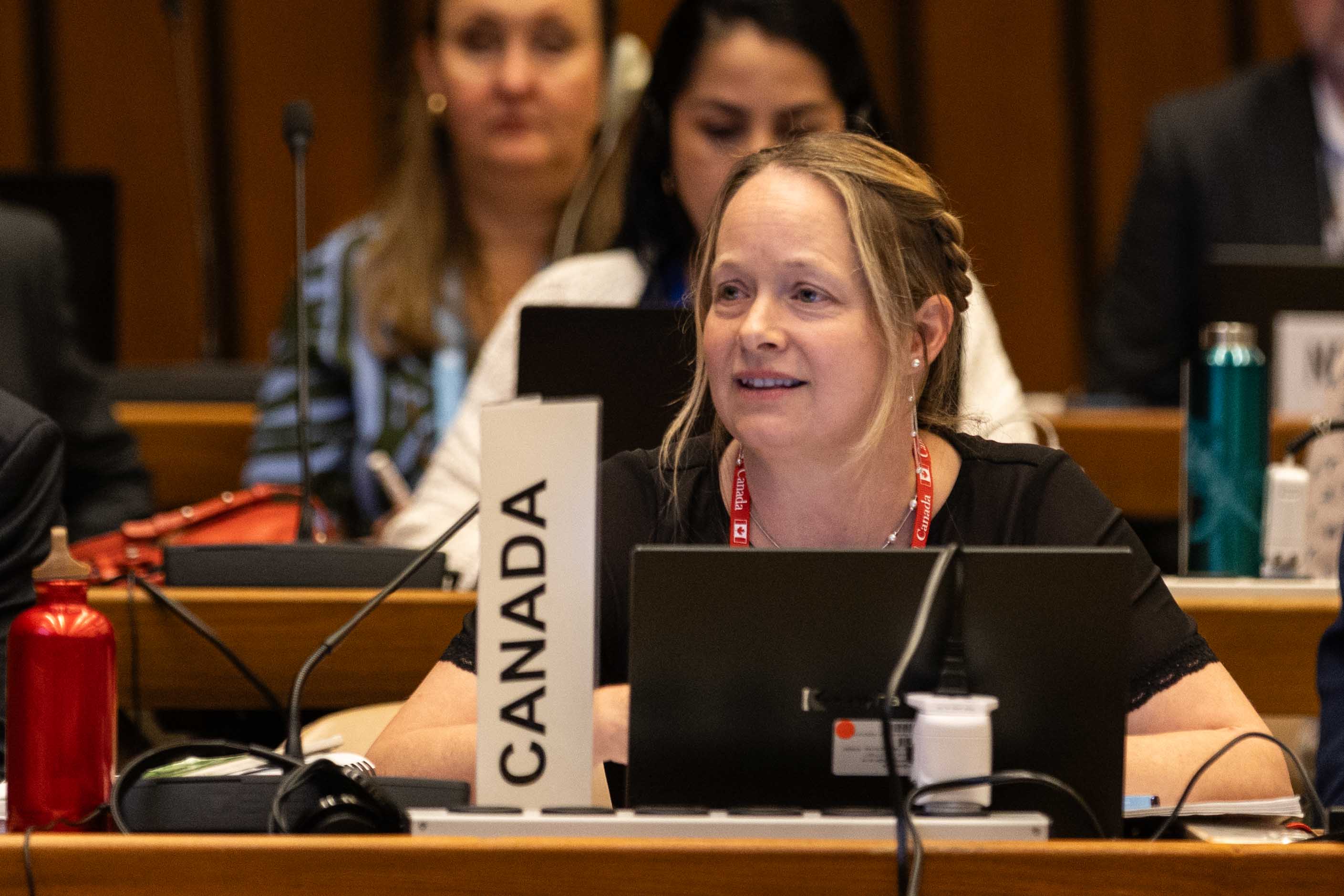
Julie Croteau, Canada
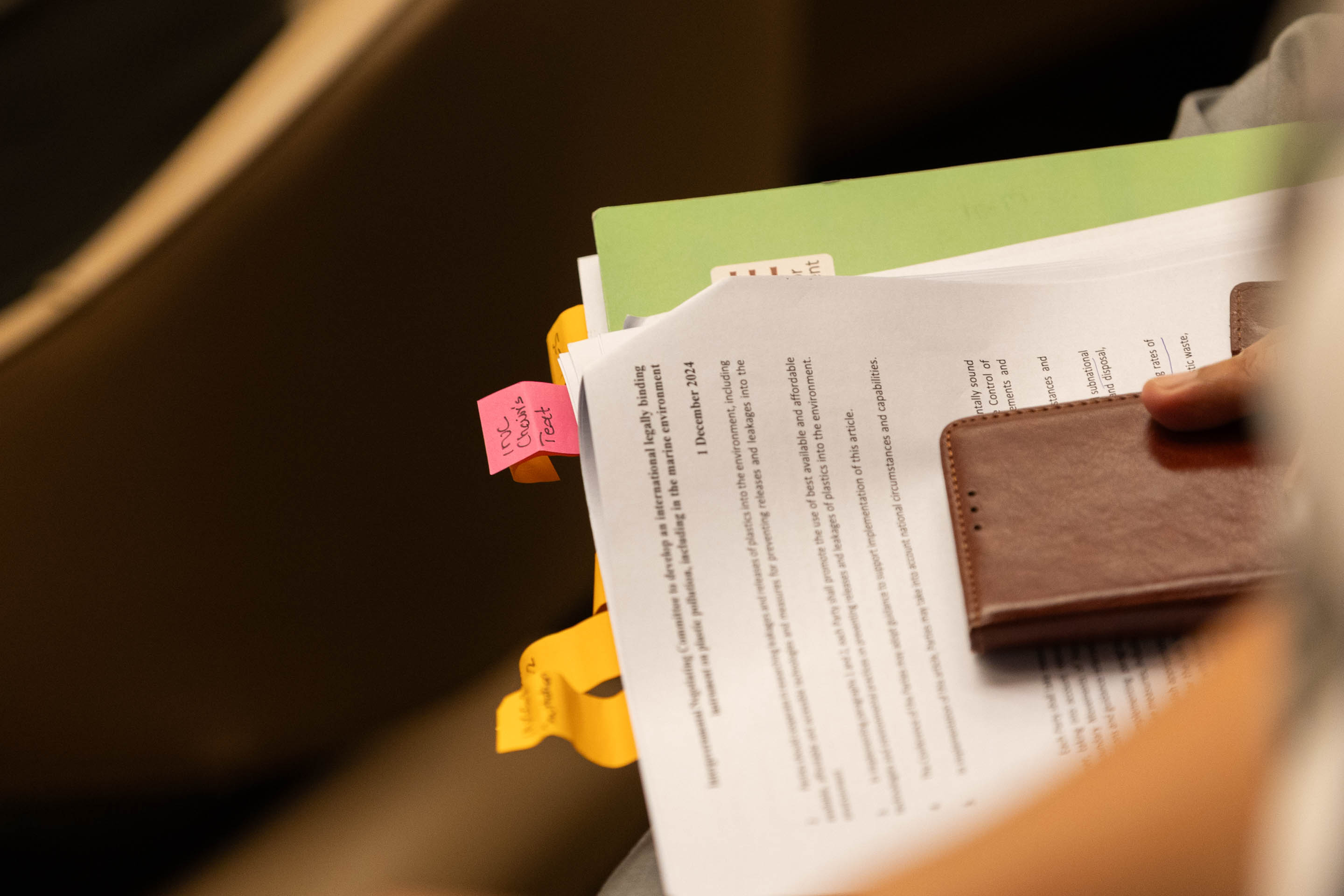
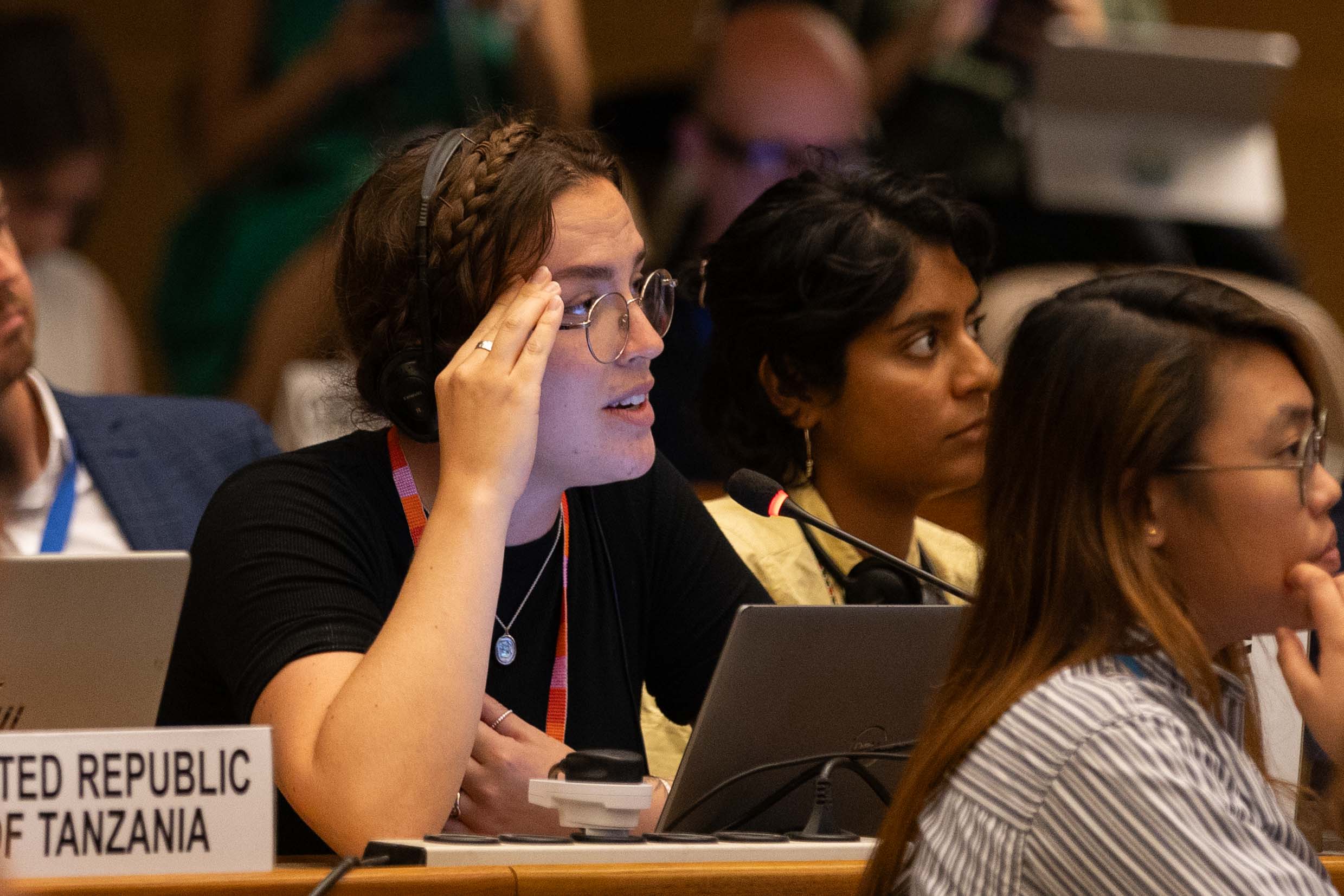
Freya Holby, UK
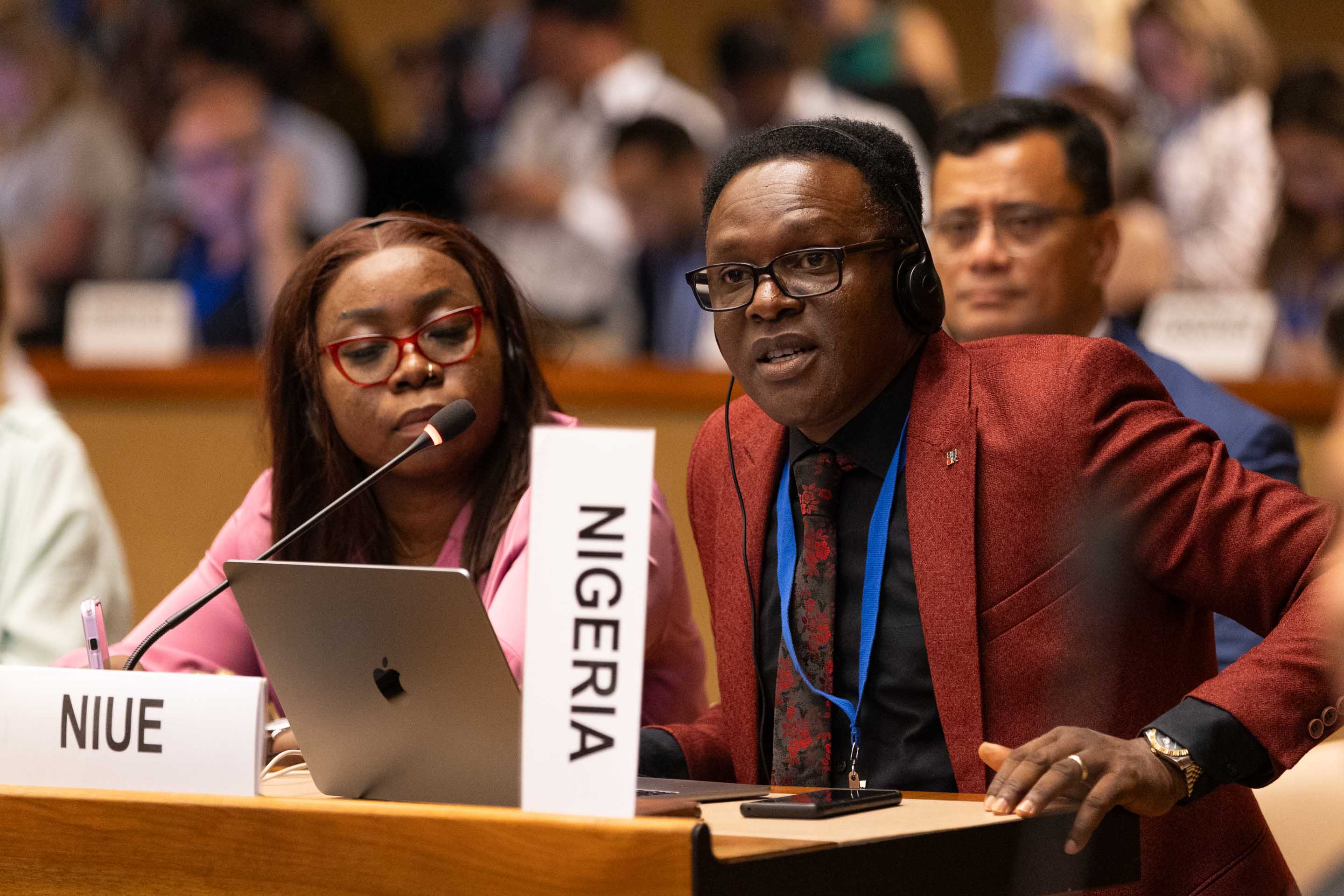
Jibrin Ahmadu, Nigeria
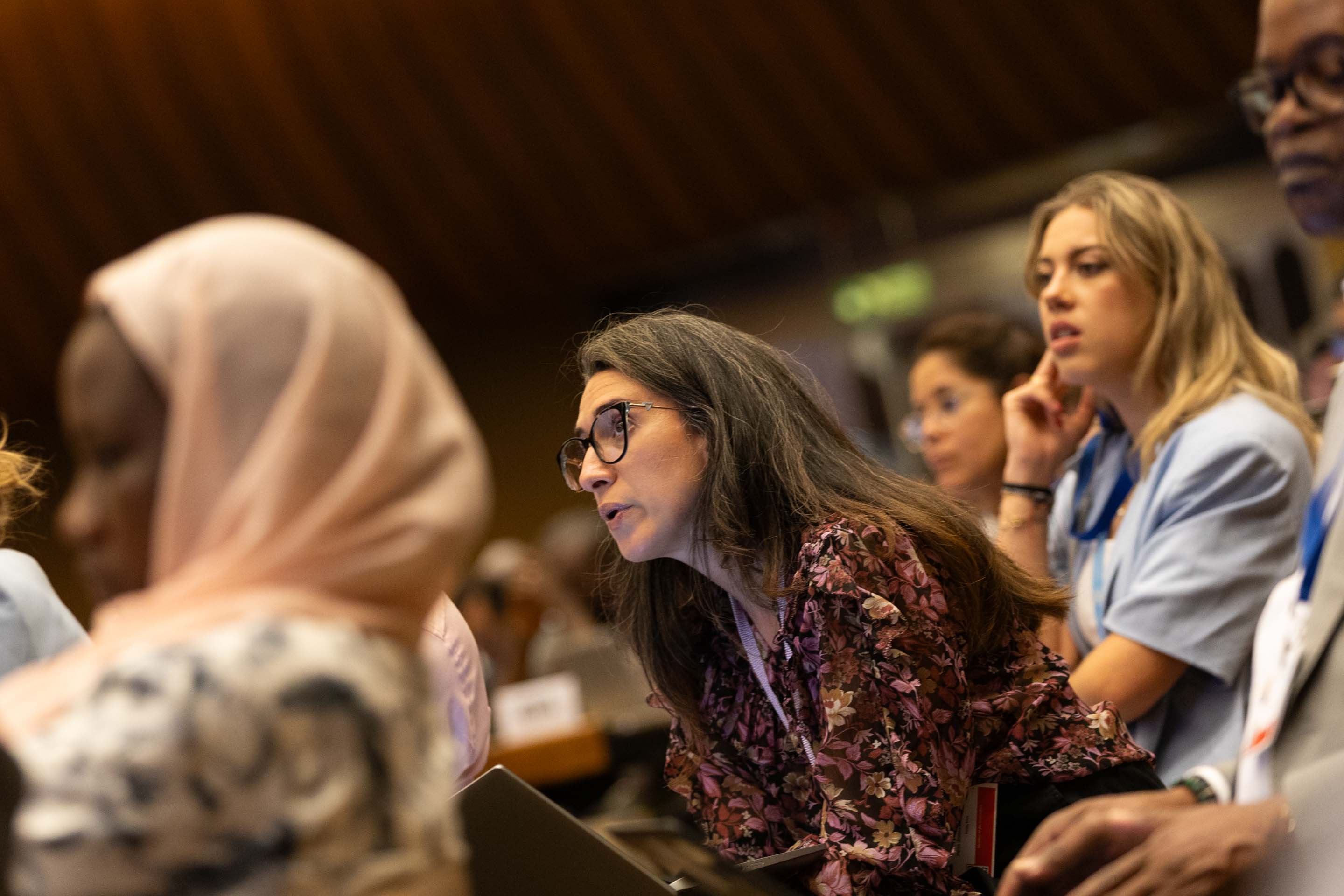
Delegates listen to the discussion
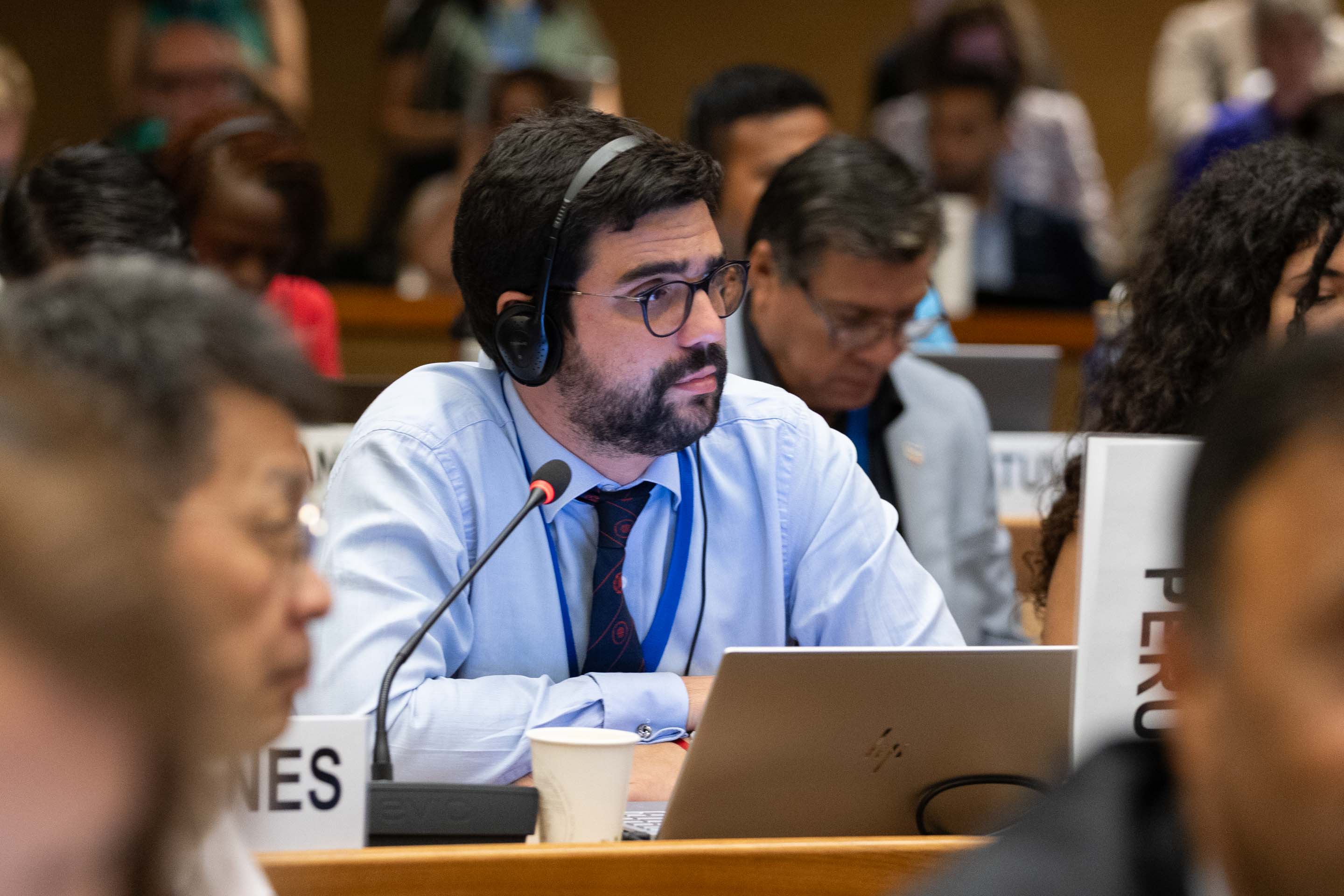
Guillaume Lecaros de Cossio Gauthier, Peru
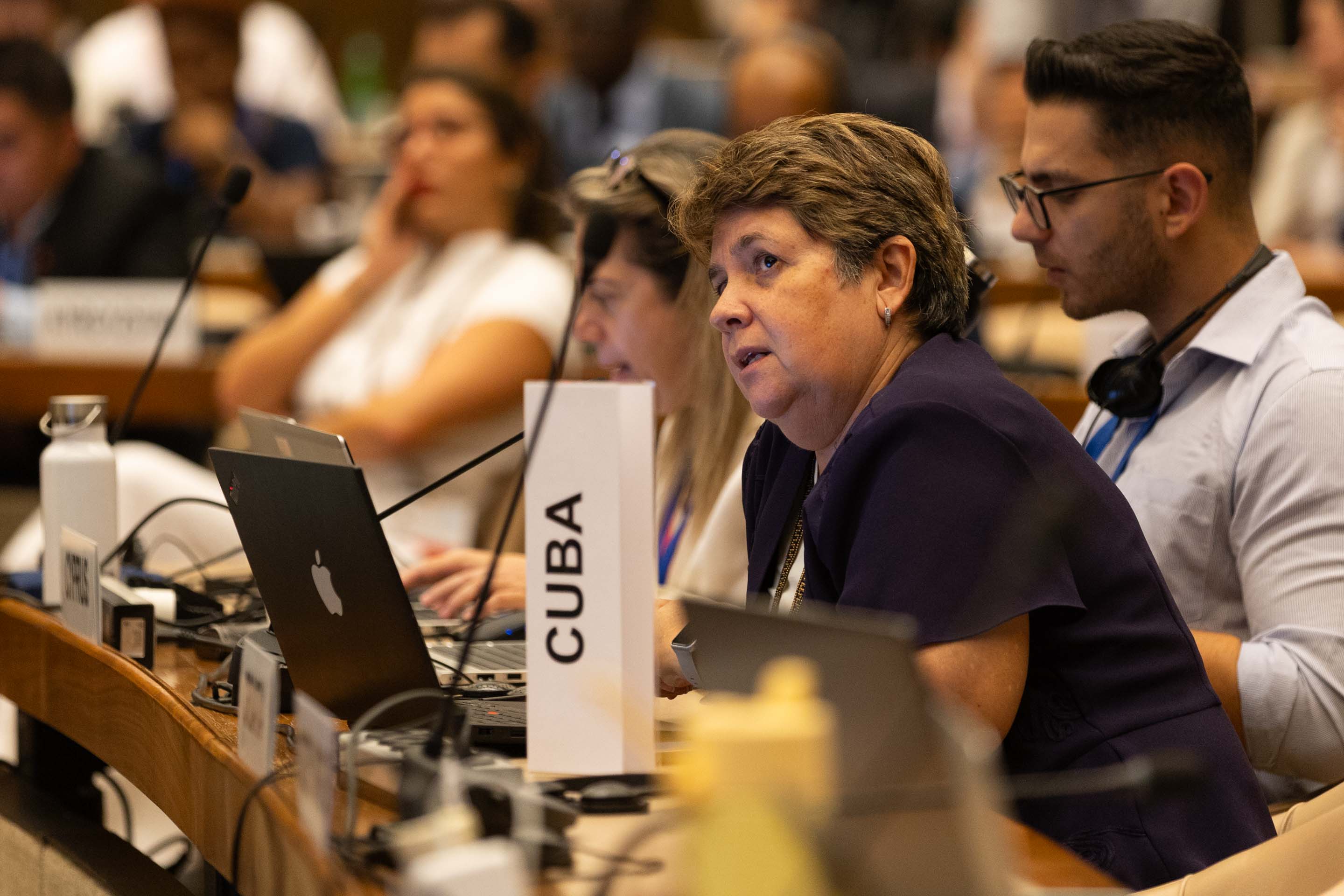
Belsis Llorente Díaz, Cuba
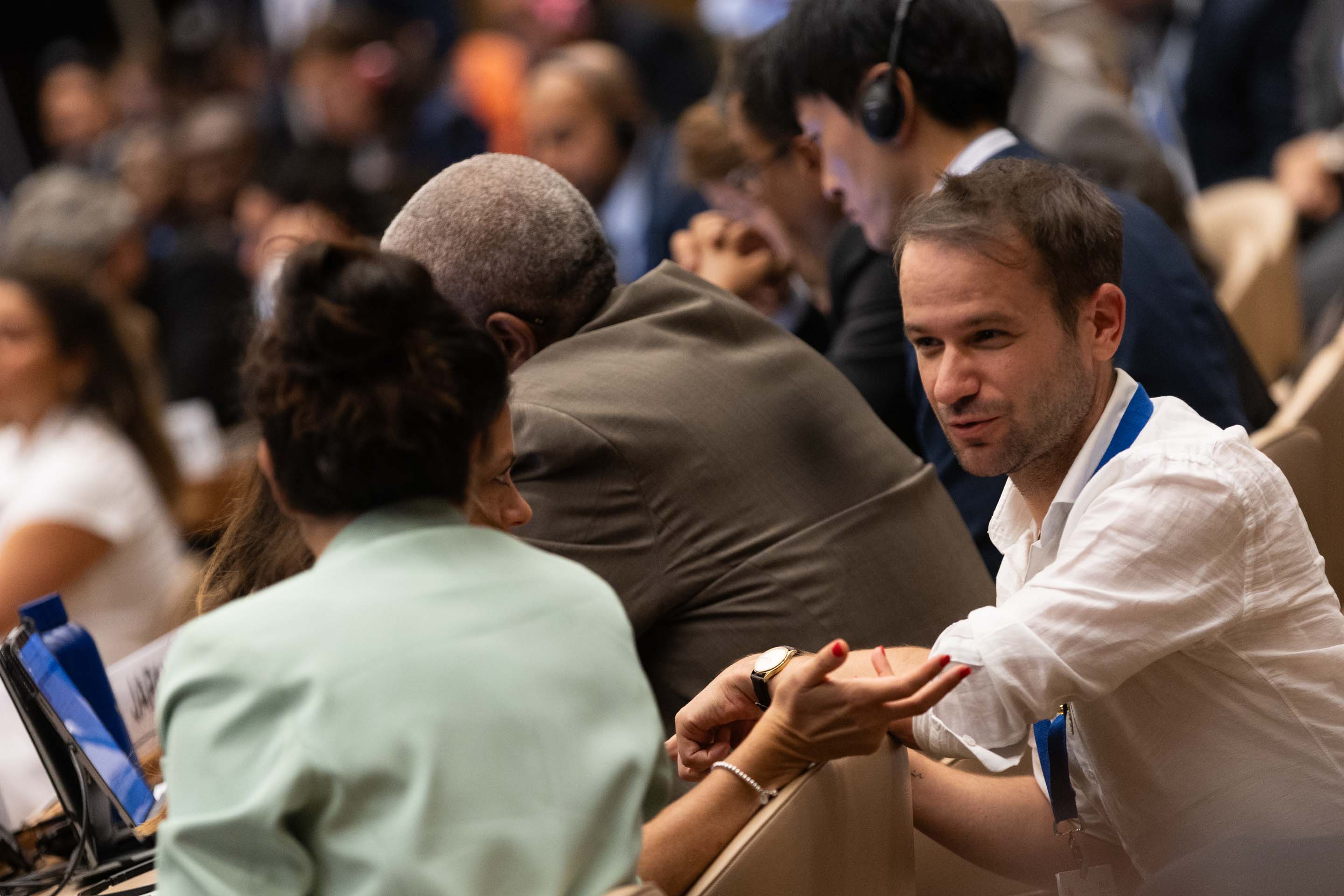
Delegates consult during the session
Contact Group 3
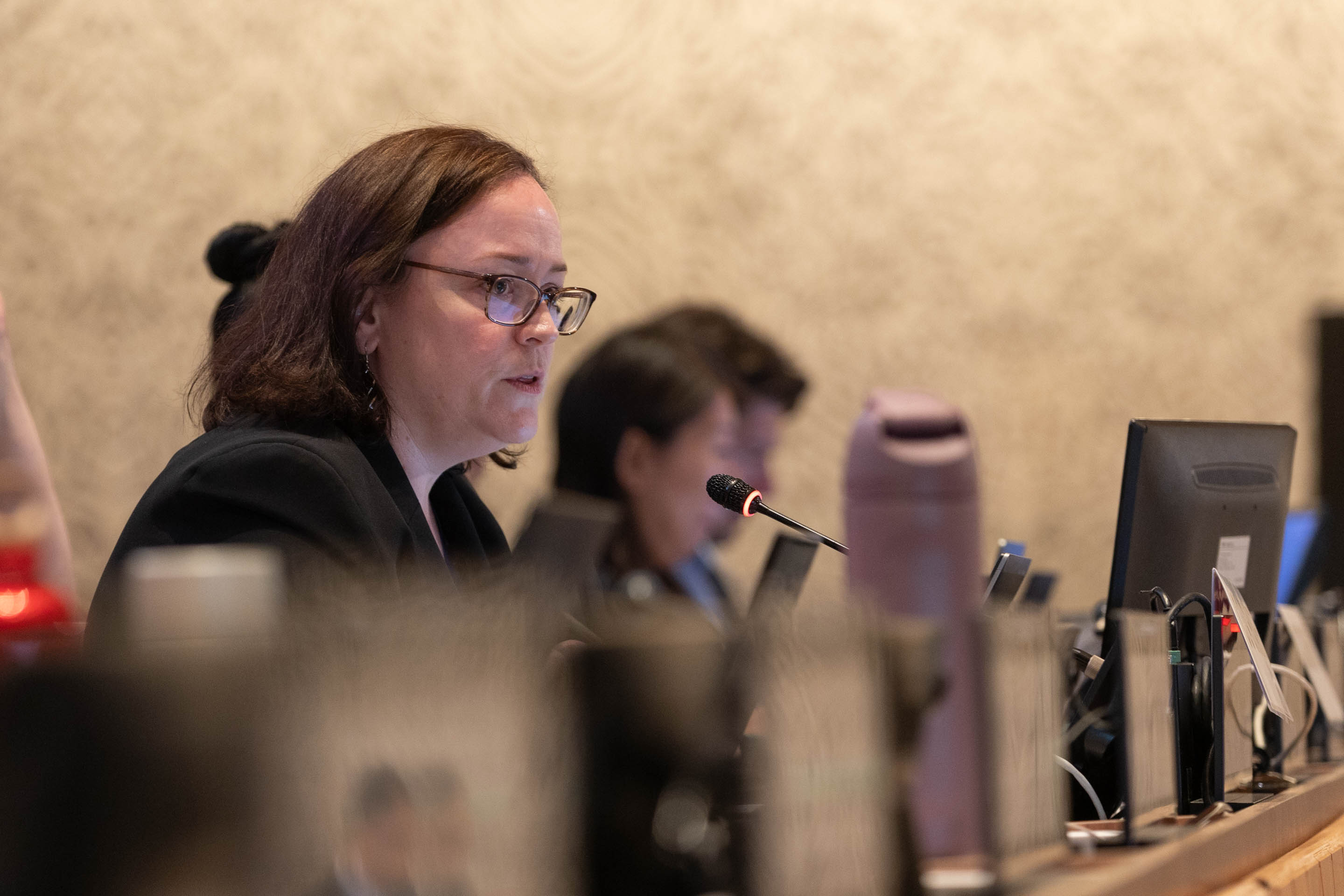
Contact Group 3 Co-Chair Kate Lynch, Australia
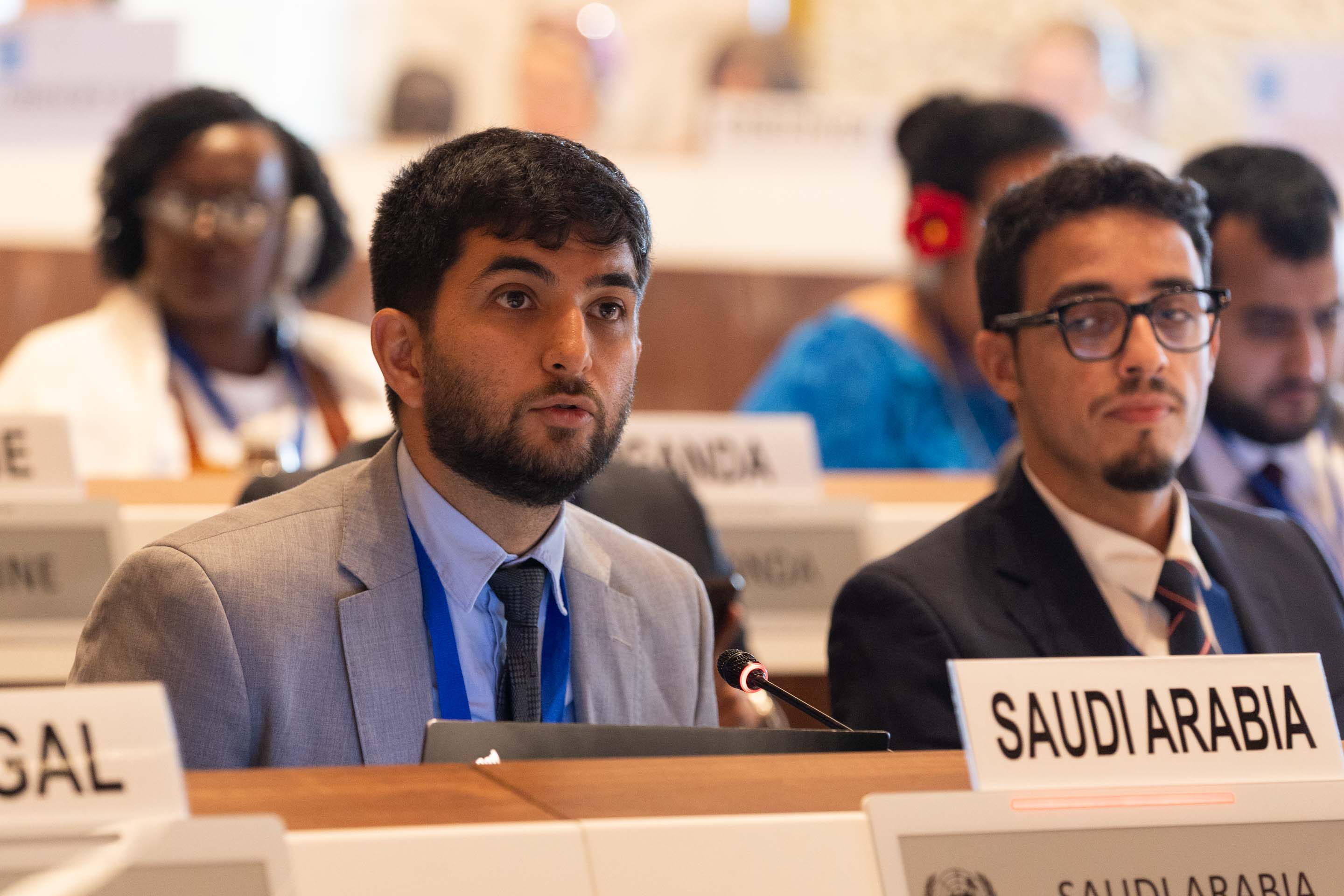
Mohammad Ayoub, Saudi Arabia
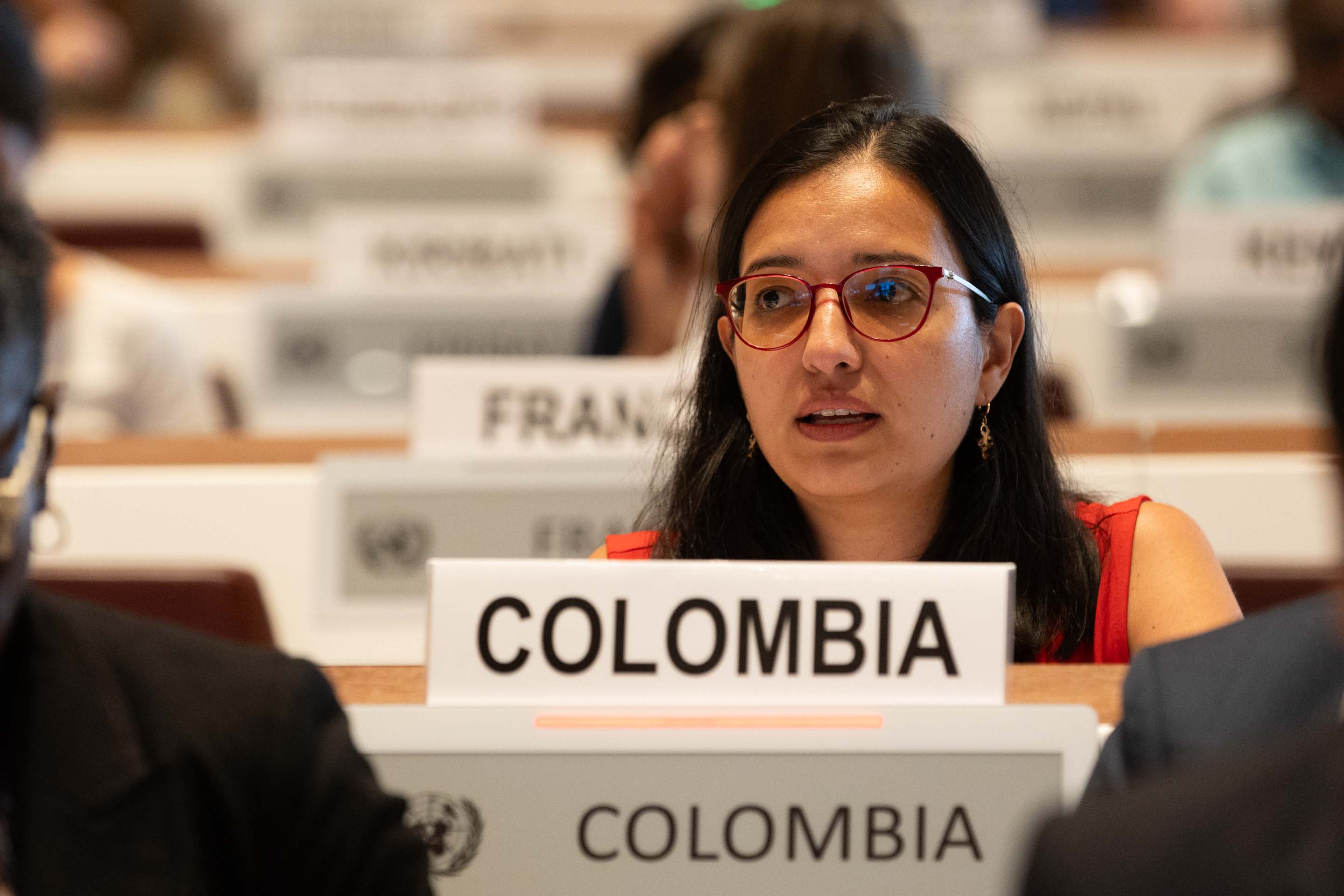
Angela Rivera, Colombia

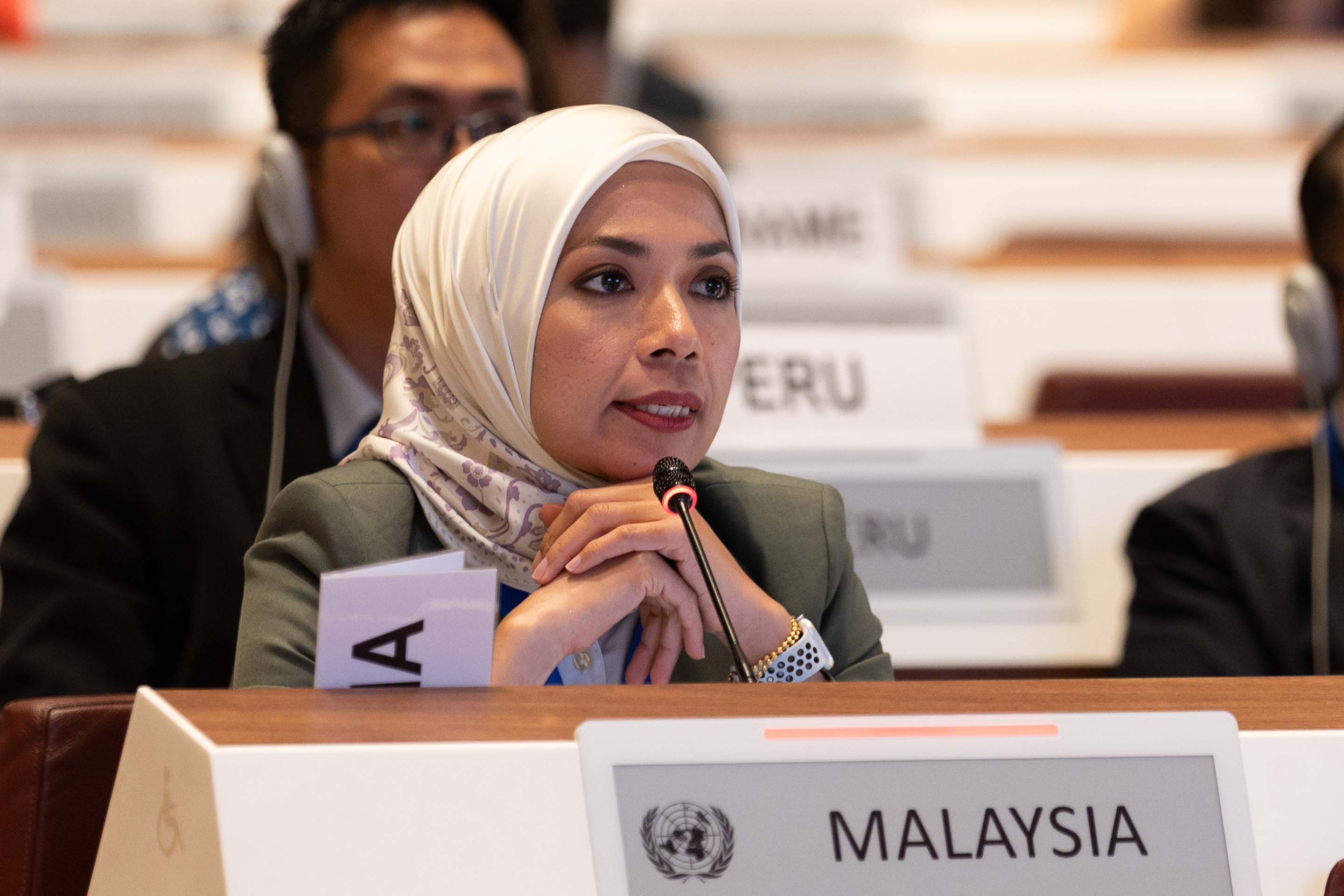
Mazlifah Ayob, Malaysia
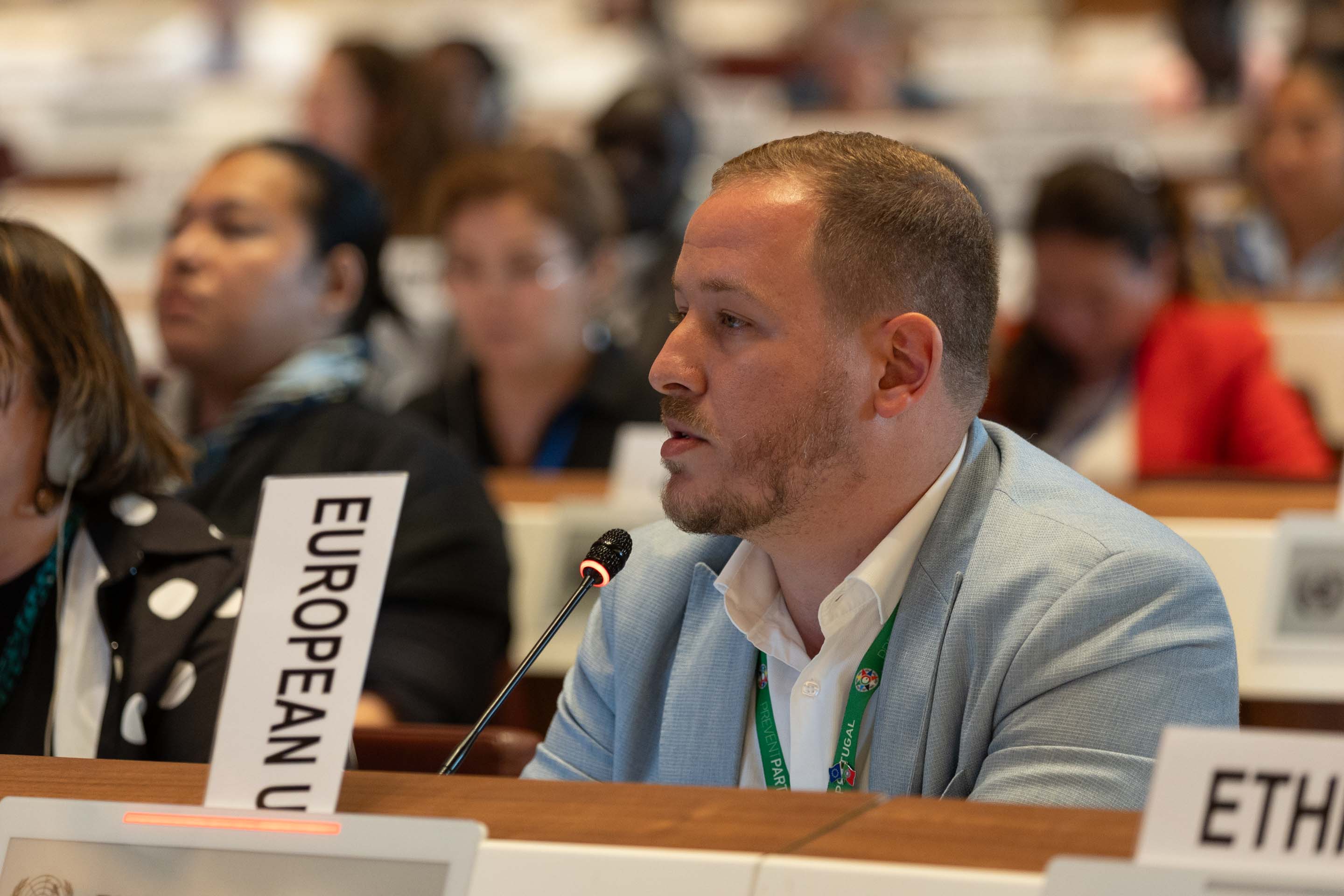
Miguel Luís, EU
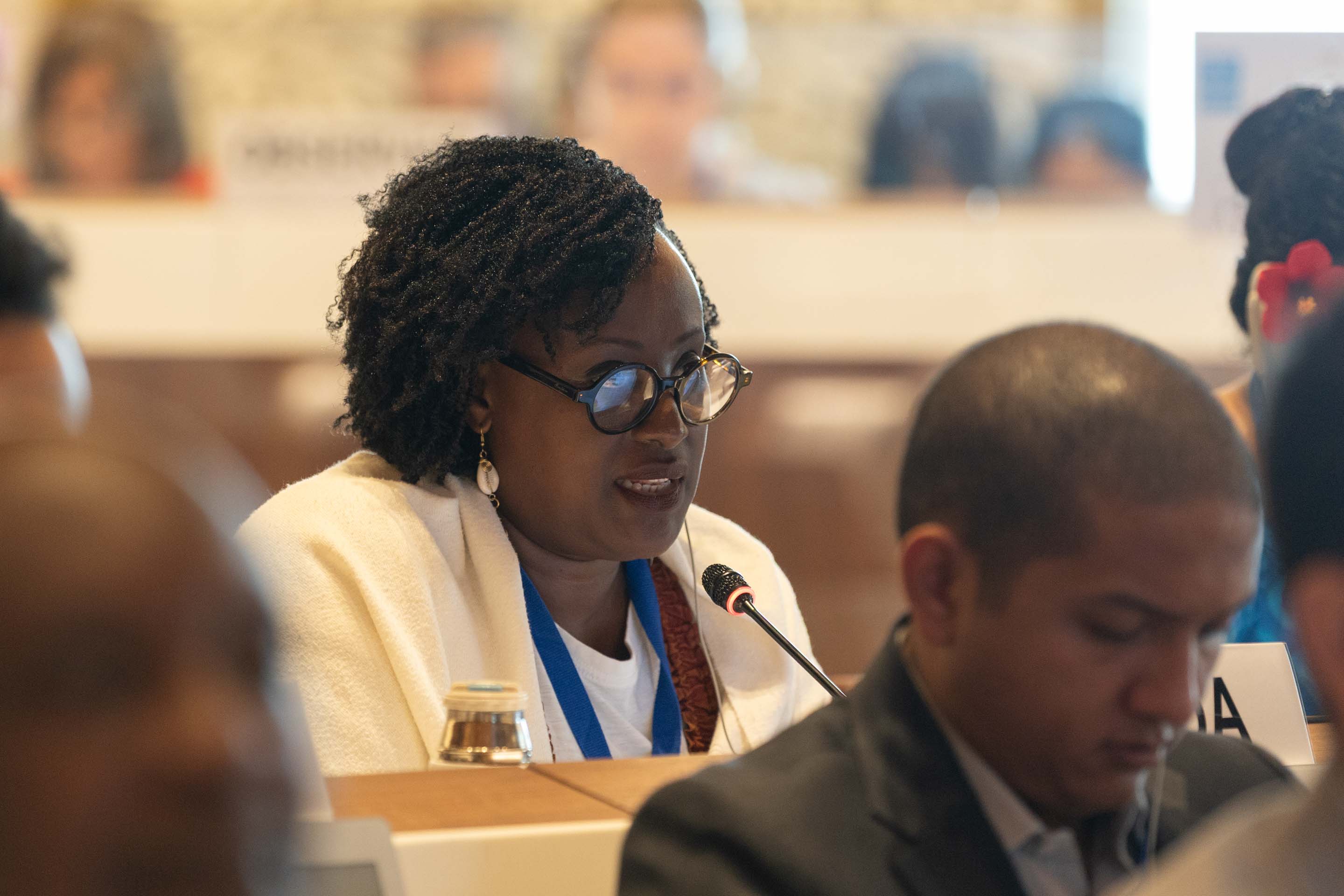
Naomi Karekaho, Uganda
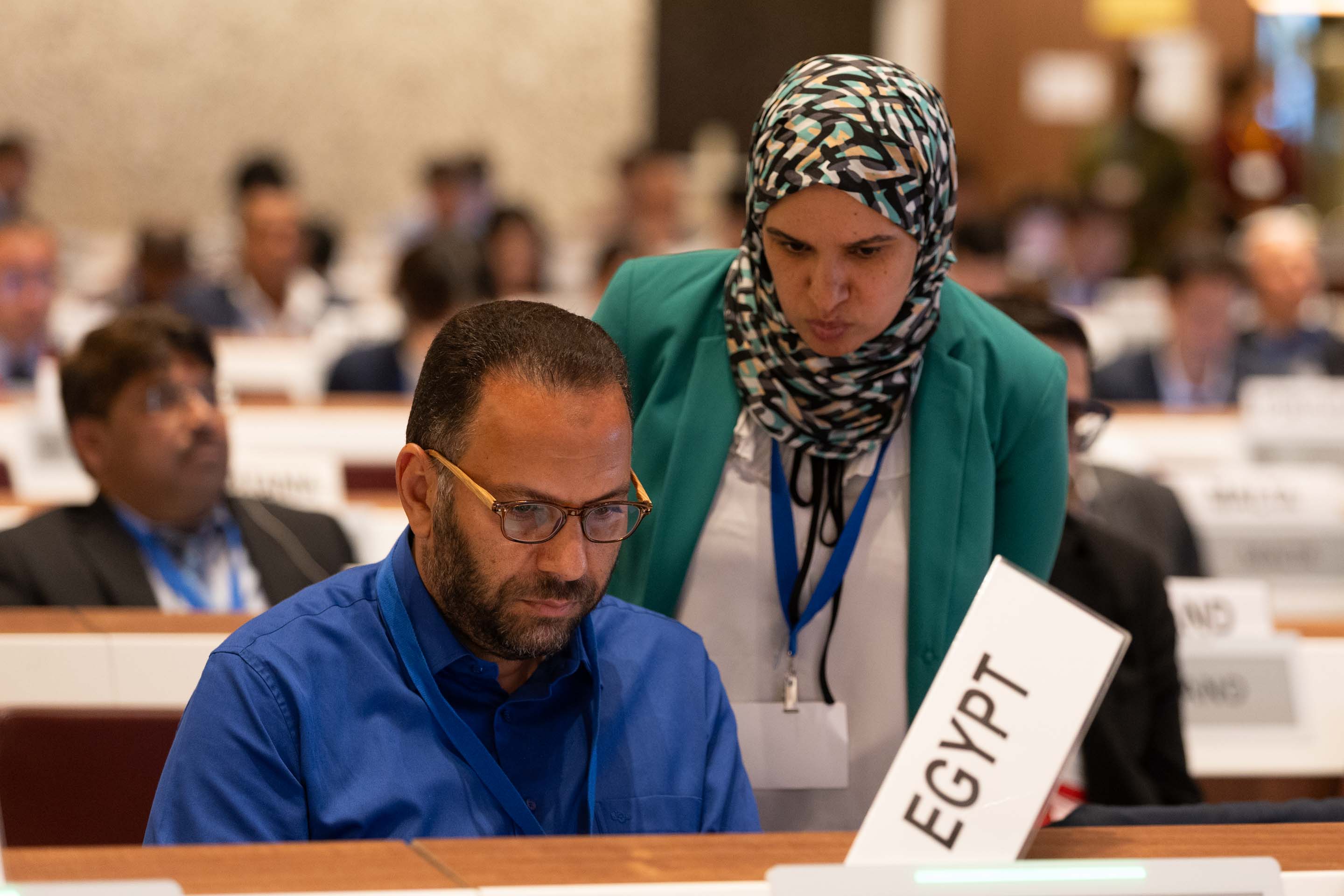
Delegates from Egypt consult
Contact Group 4
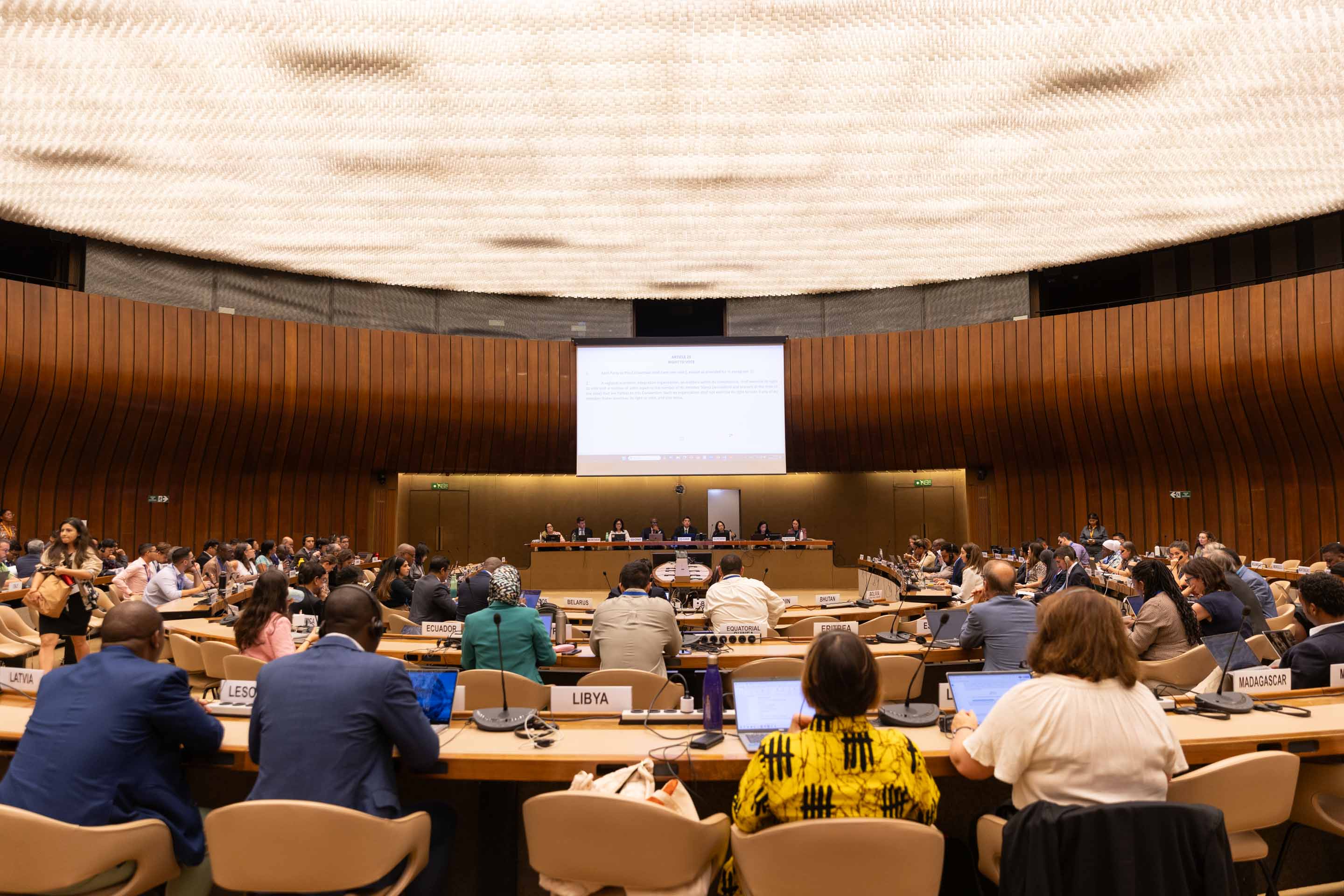
Delegates gather for Contact Group 4
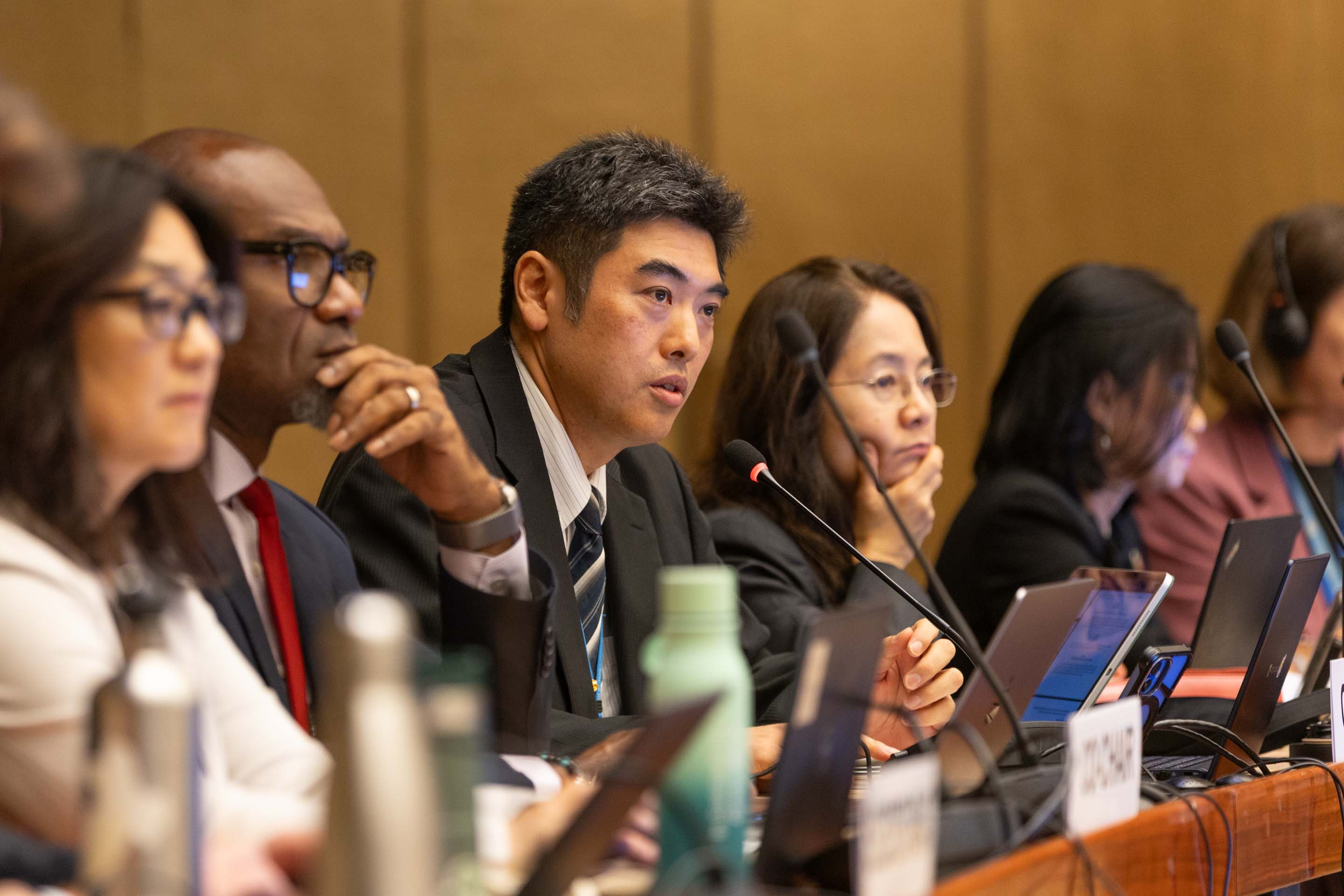
Contact Group 4 Co-Chair Go Kobayashi, Japan
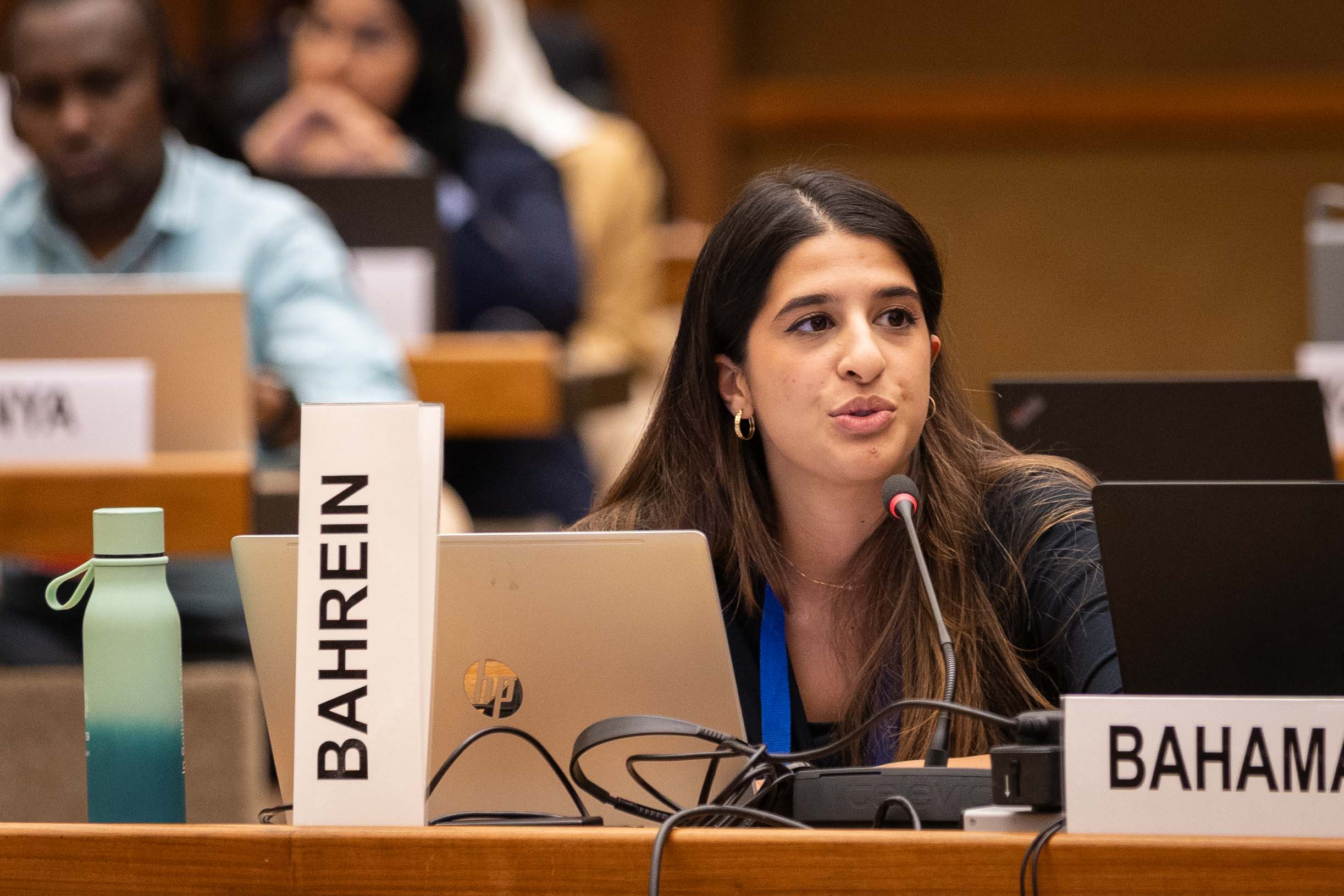
Razan Bucheeri, Bahrain
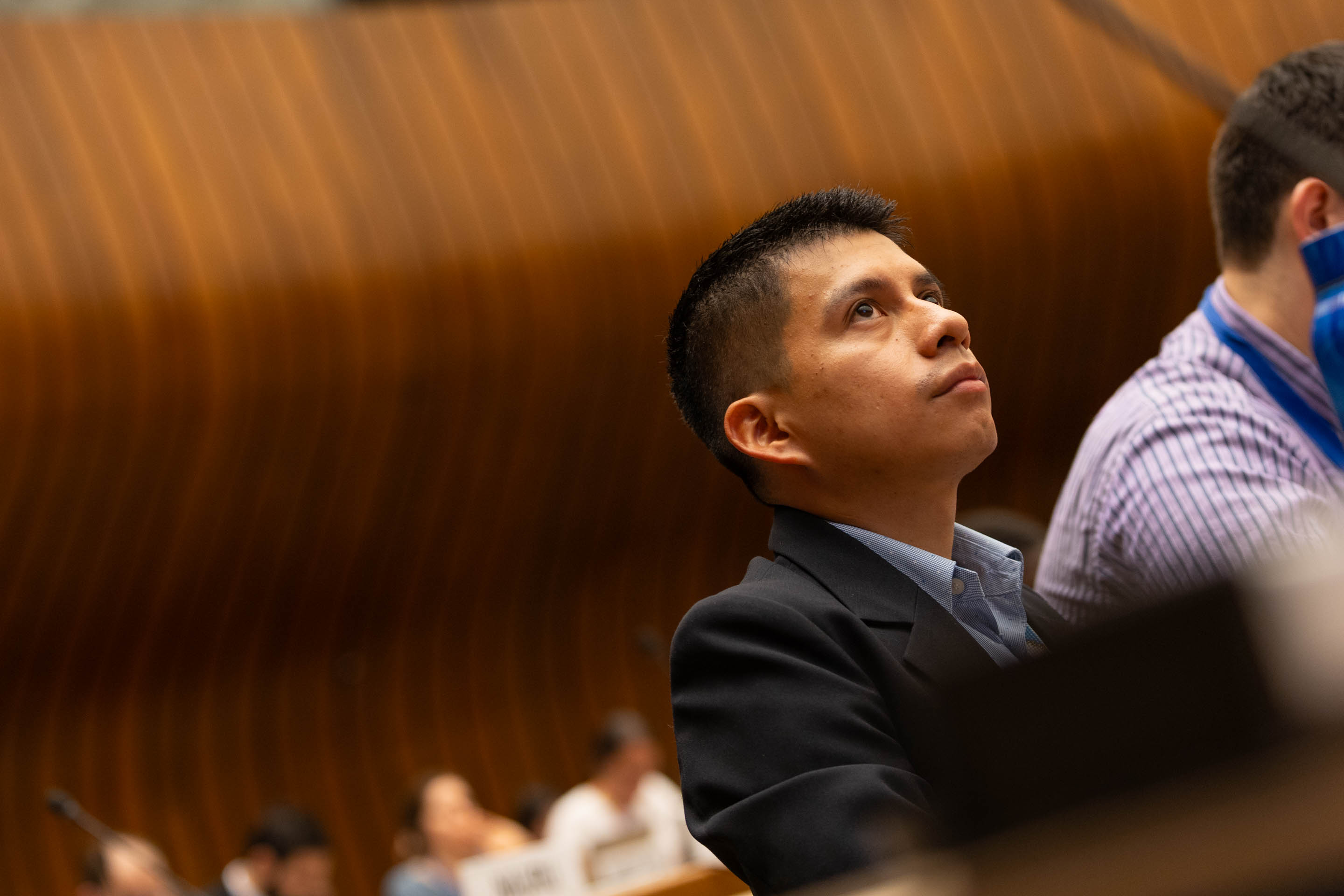
José Estrada Hernández, Guatemala
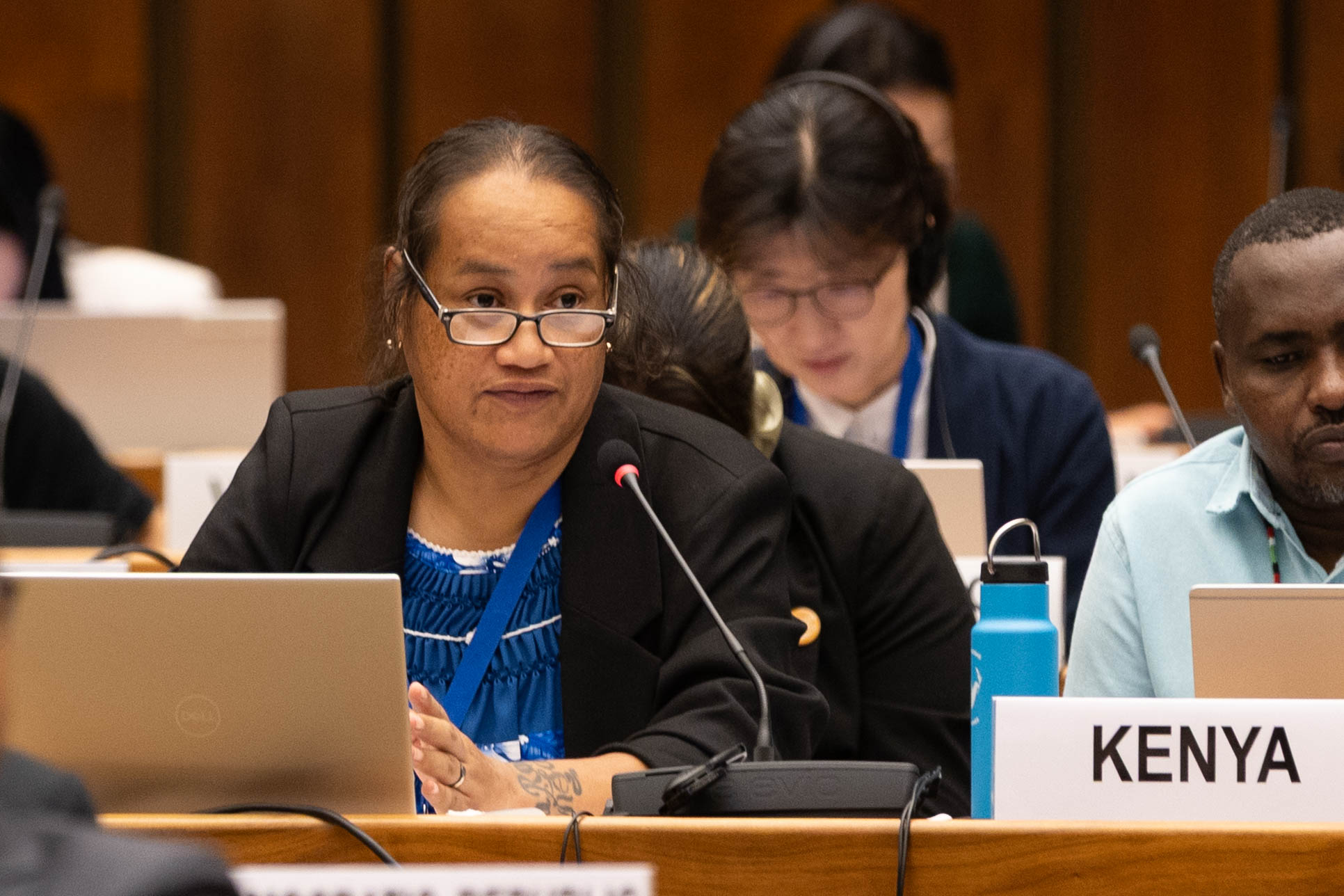
Tumai Timeon, Kiribati
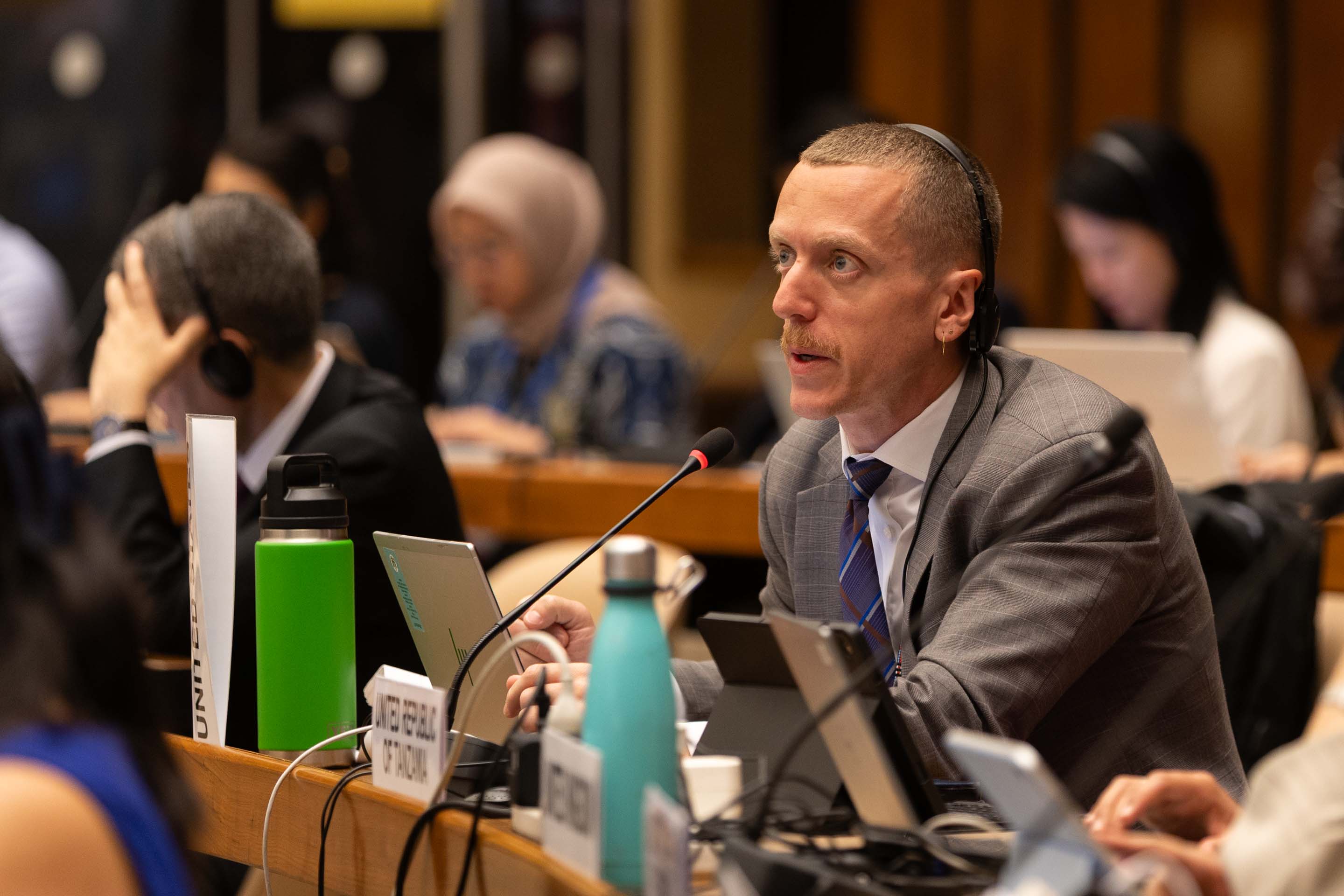
Gene Smilansky, US
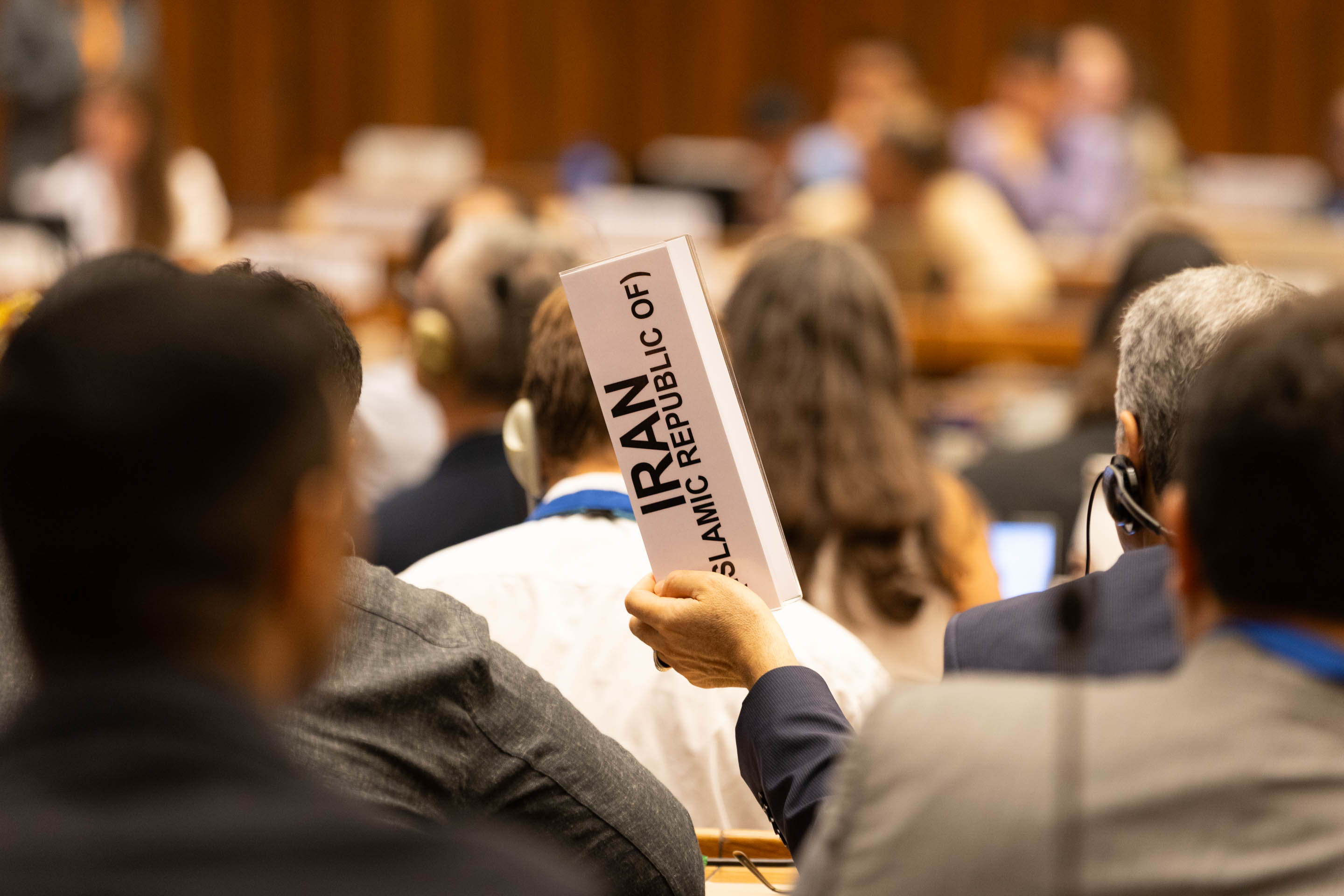
Delegates raise their placards to speak
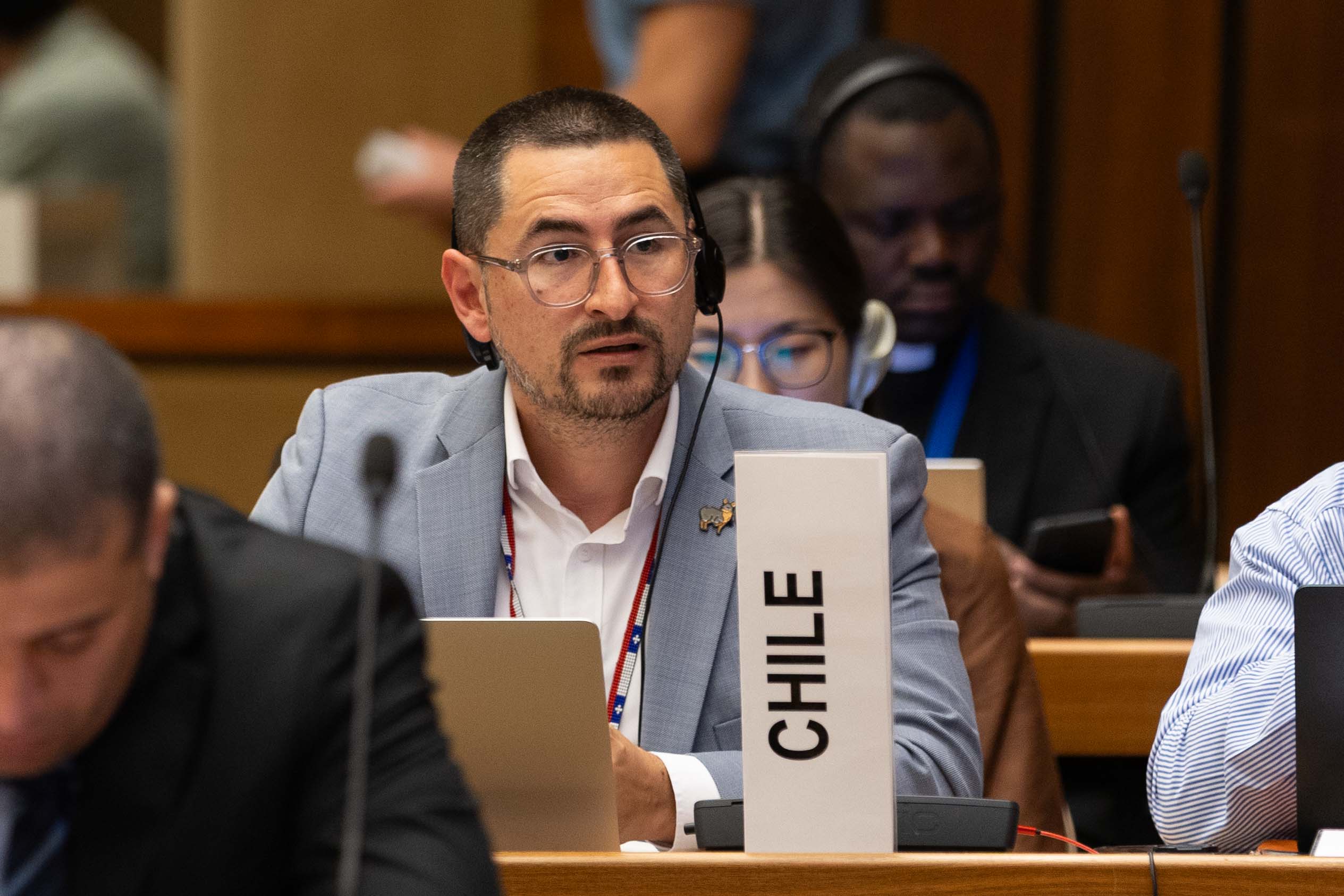
Gonzalo Guaiquil, Chile
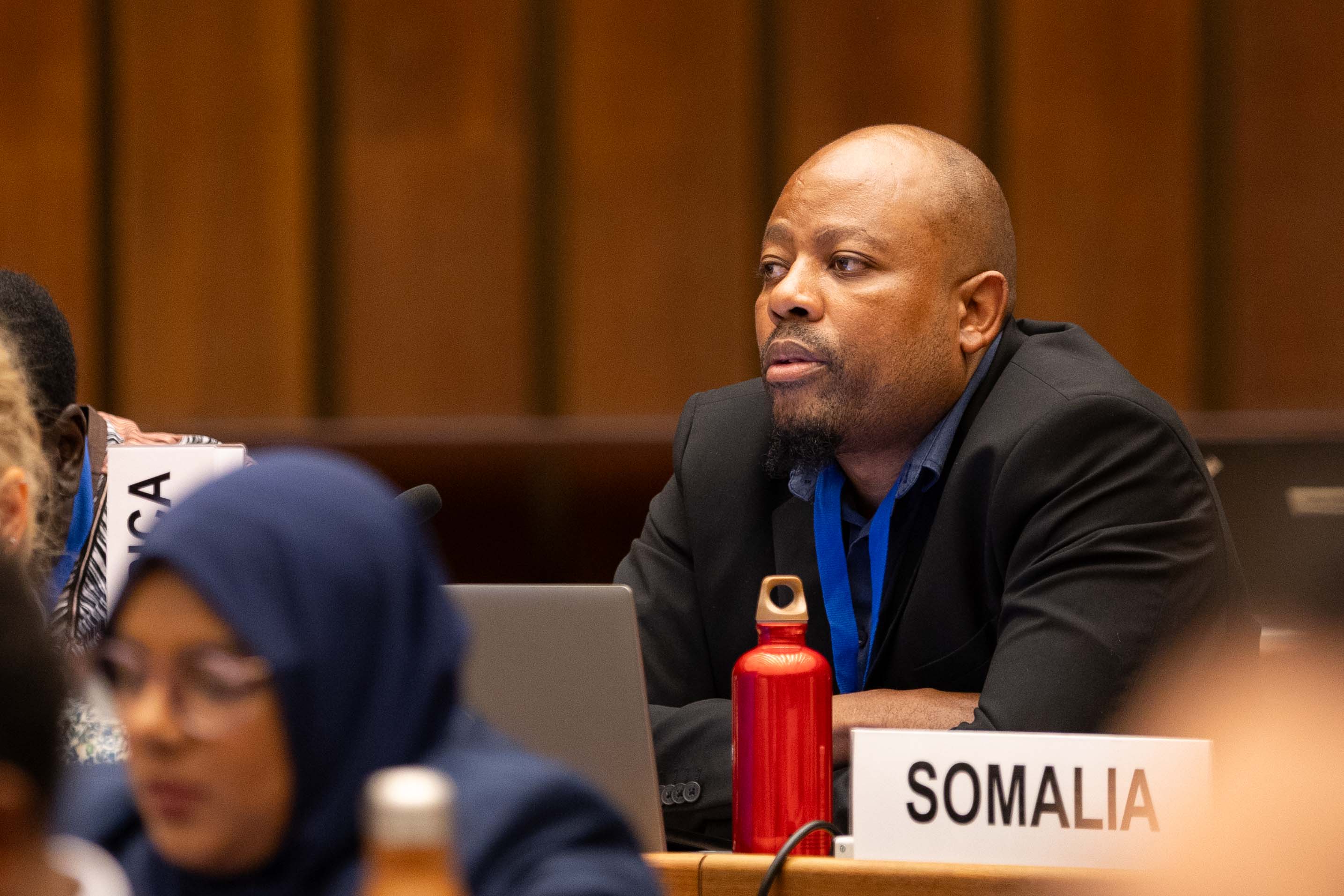
Neo Nkotsoe, South Africa
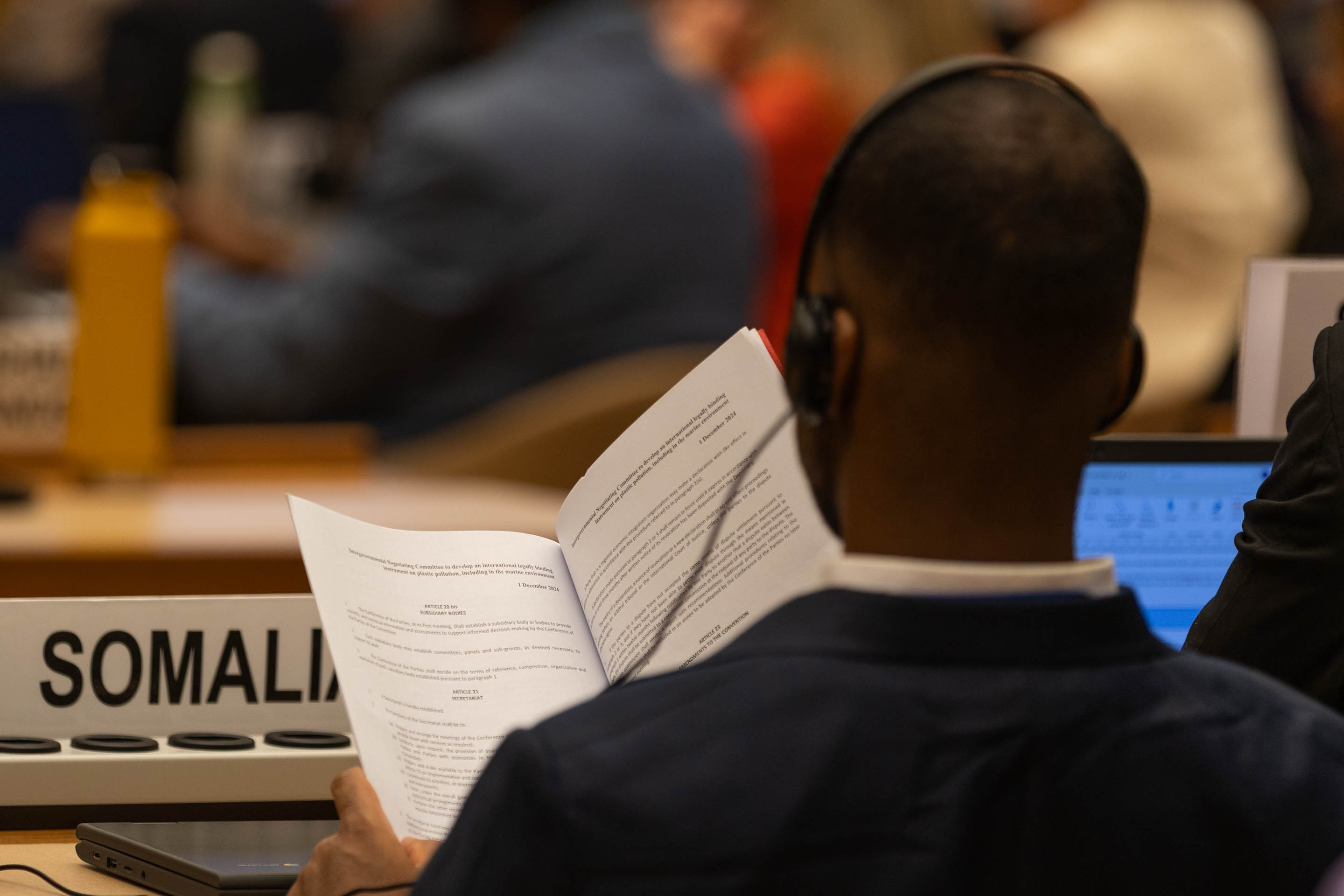
Civil Society Actions
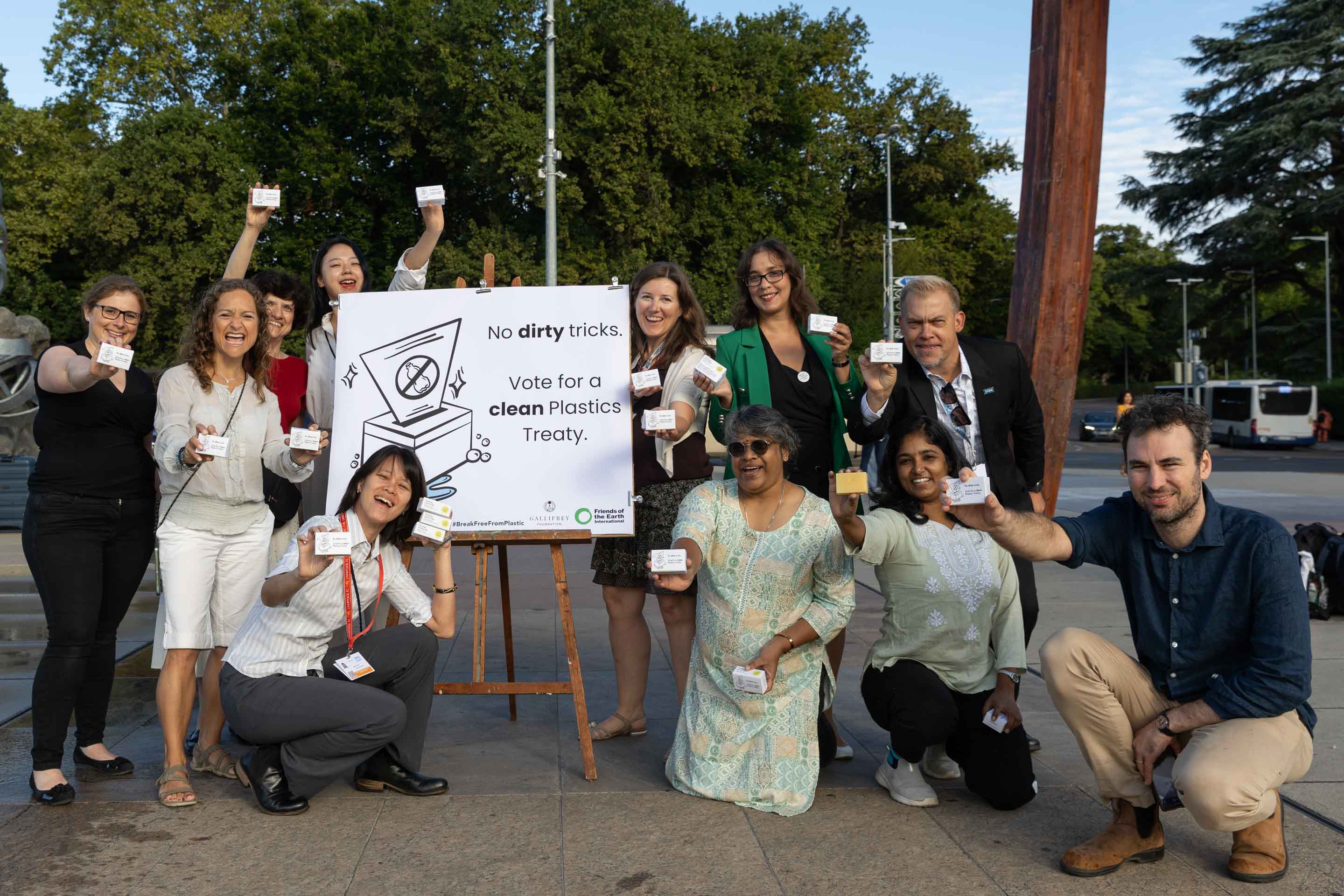
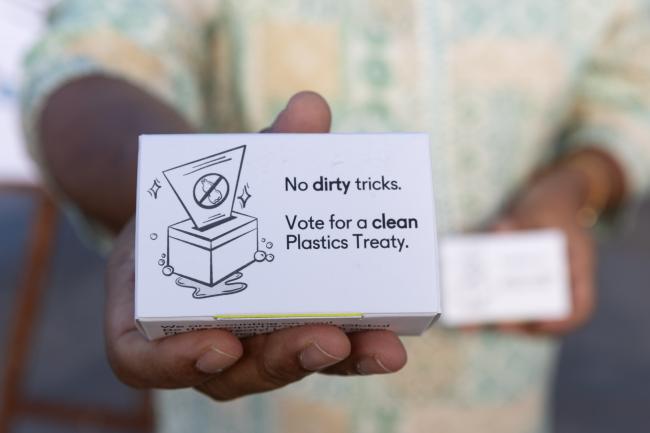
Members of civil society hand out bars of soap to delegates as they arrive at the venue, calling for a 'clean' plastics treaty with 'no dirty tricks'
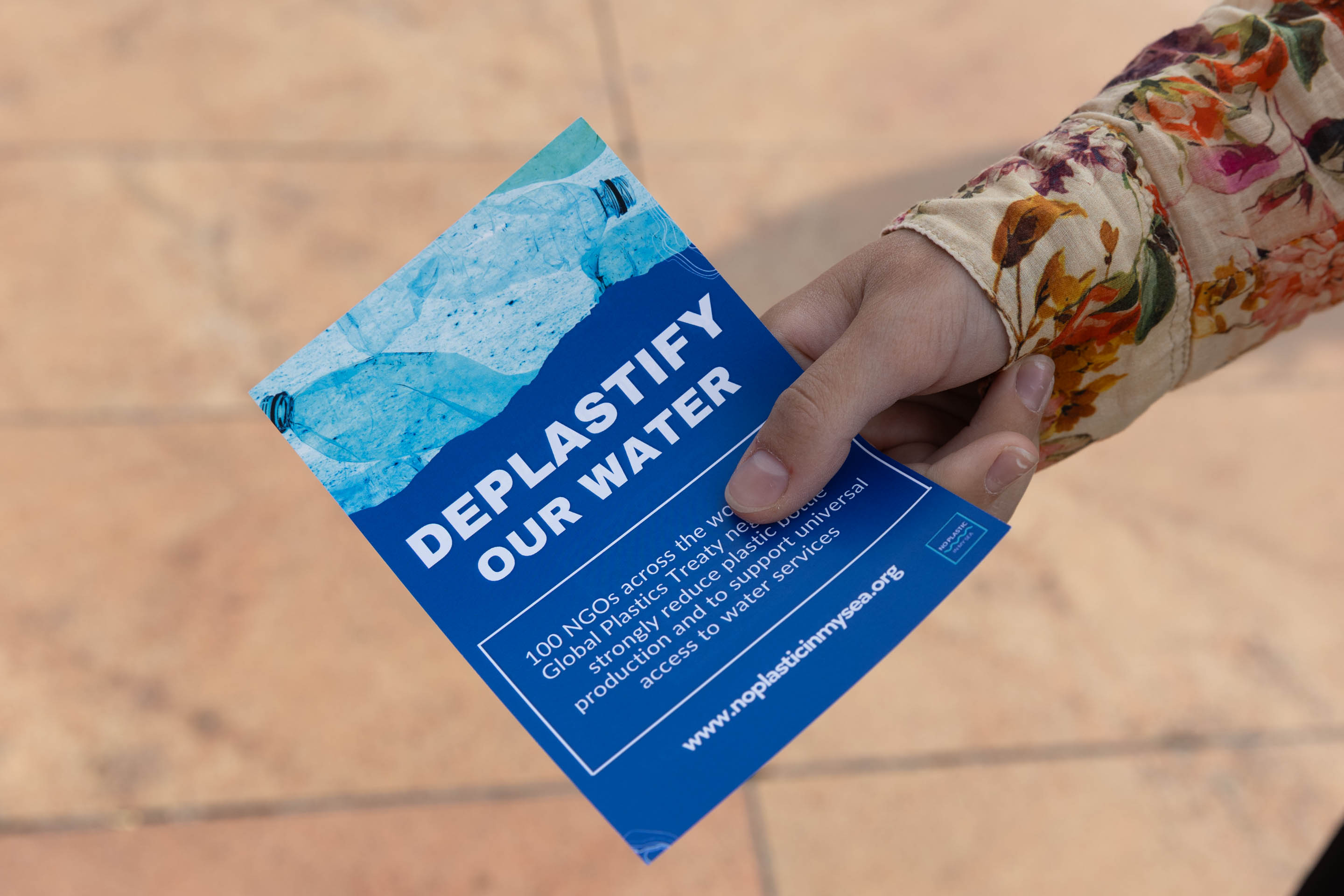
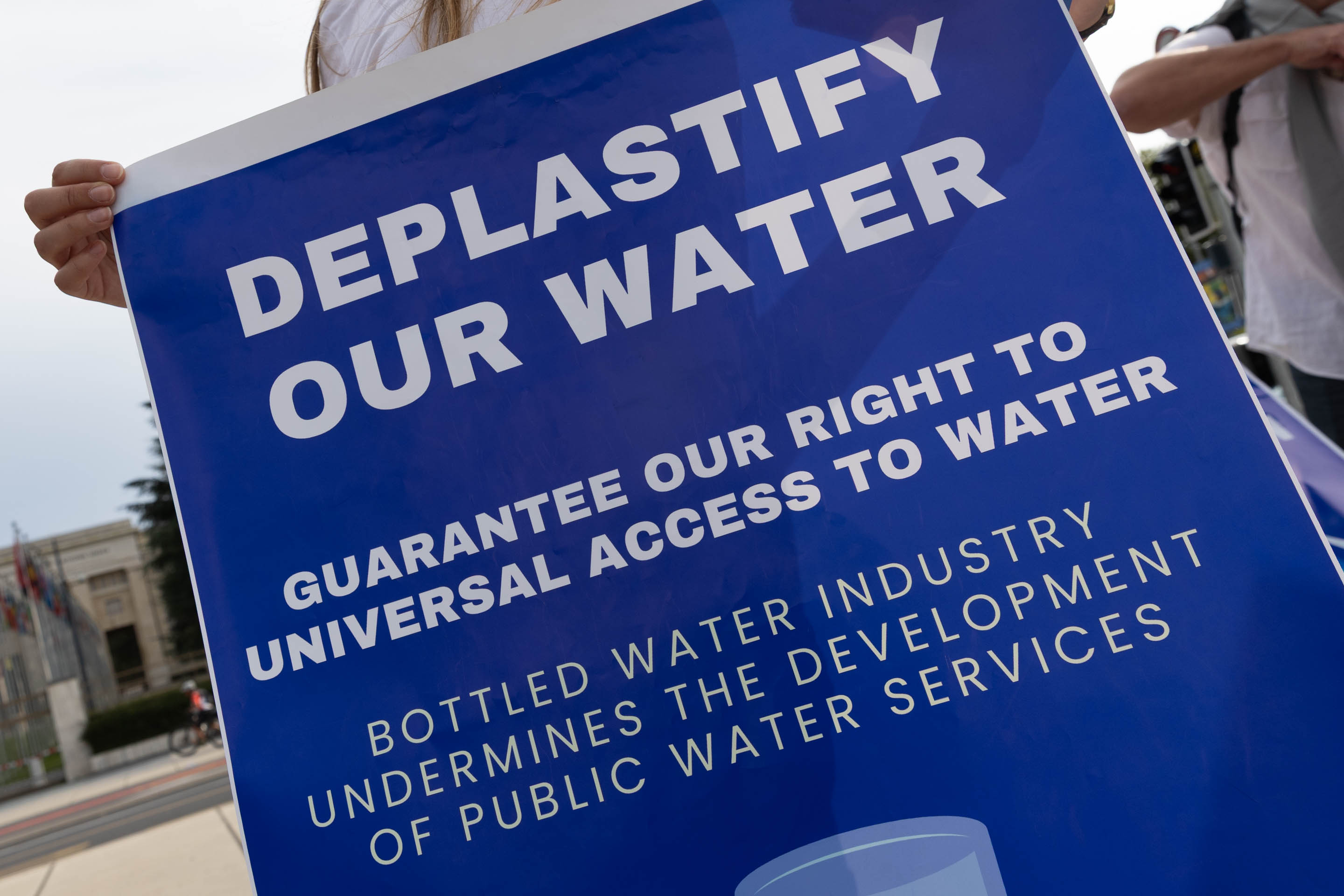
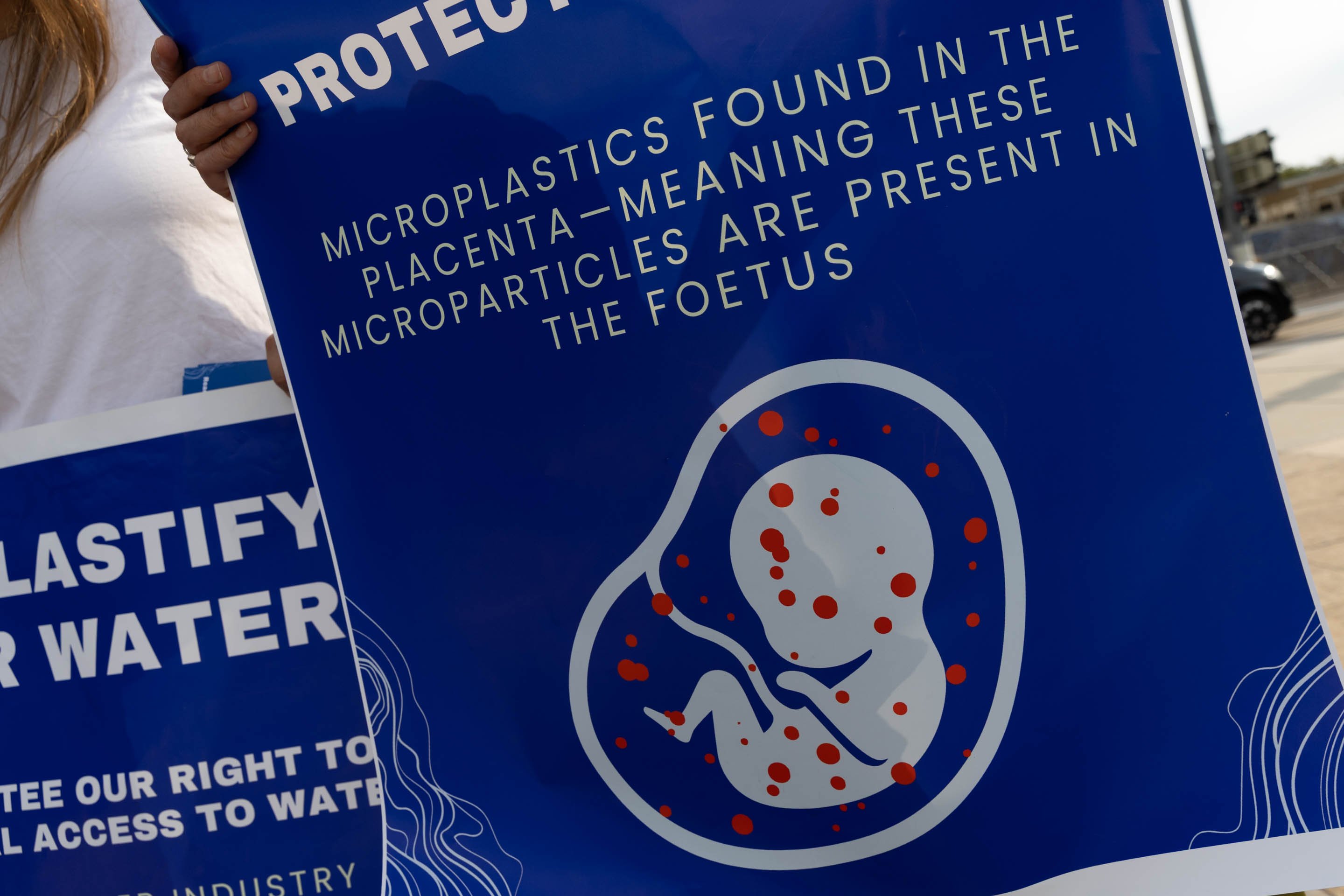
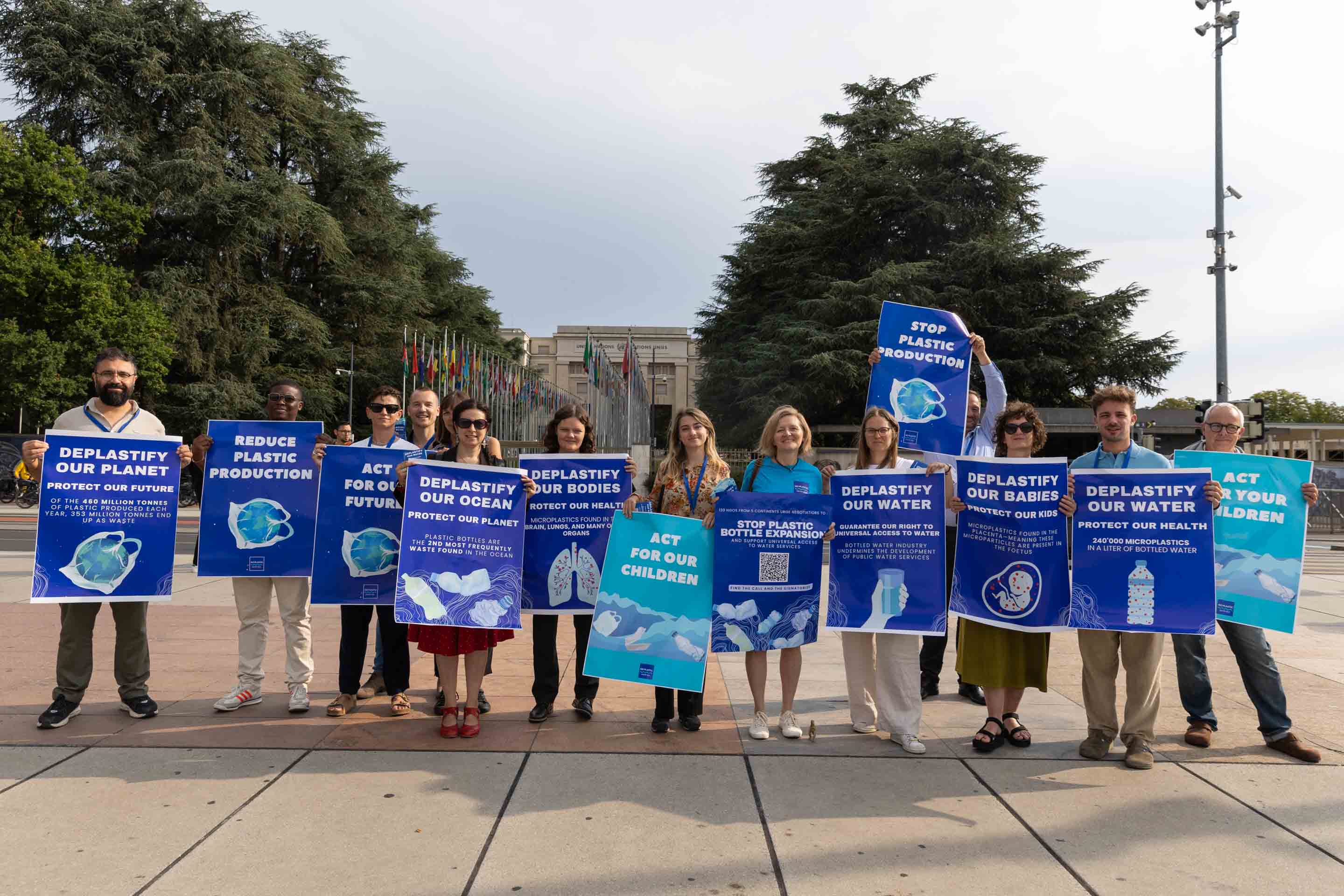
Members of civil society hand out flyers at the entrance of the venue, highlighting the severe problem of microplastics in water
Around the Venue

Hussah Alhamdan, Saudi Arabia
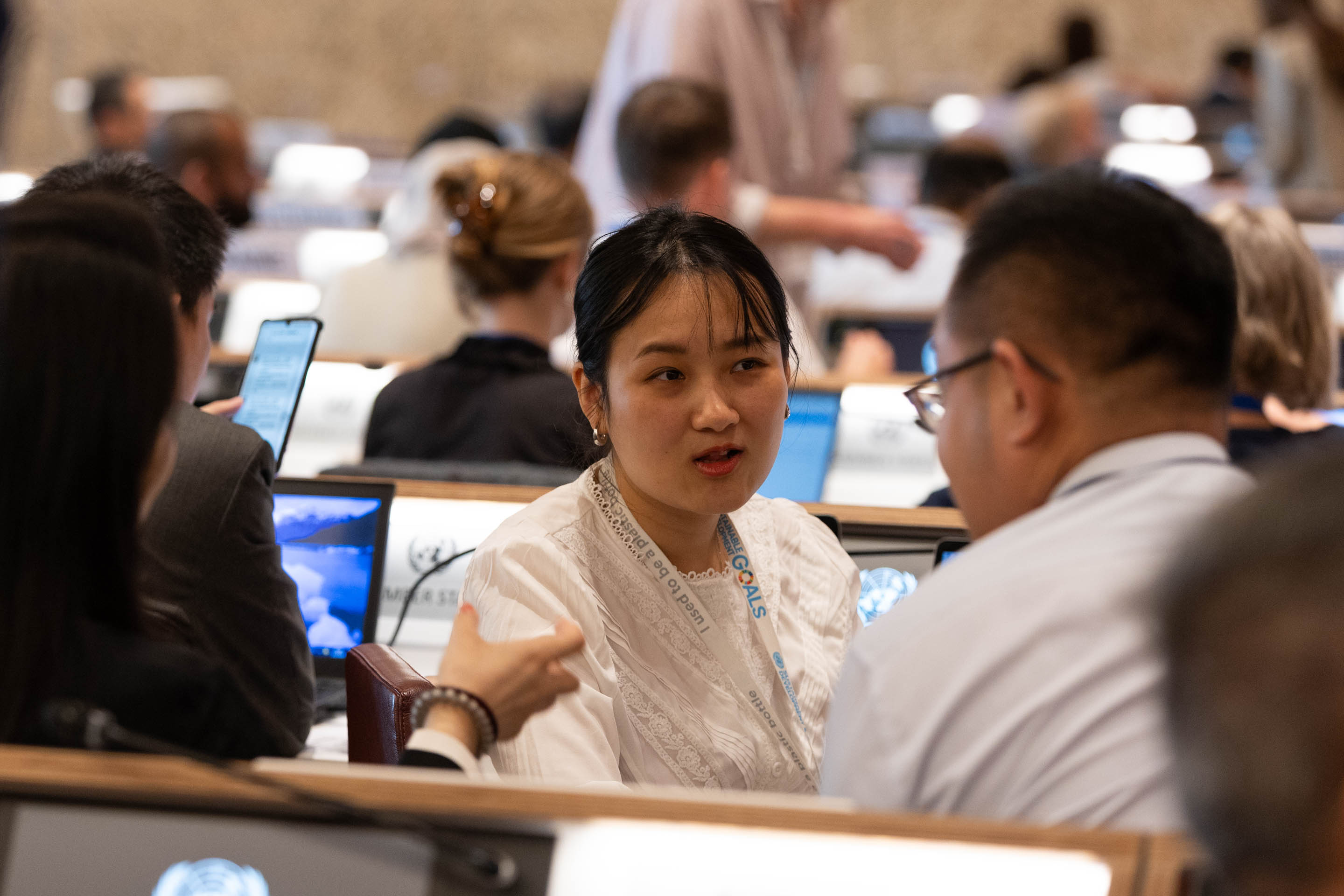
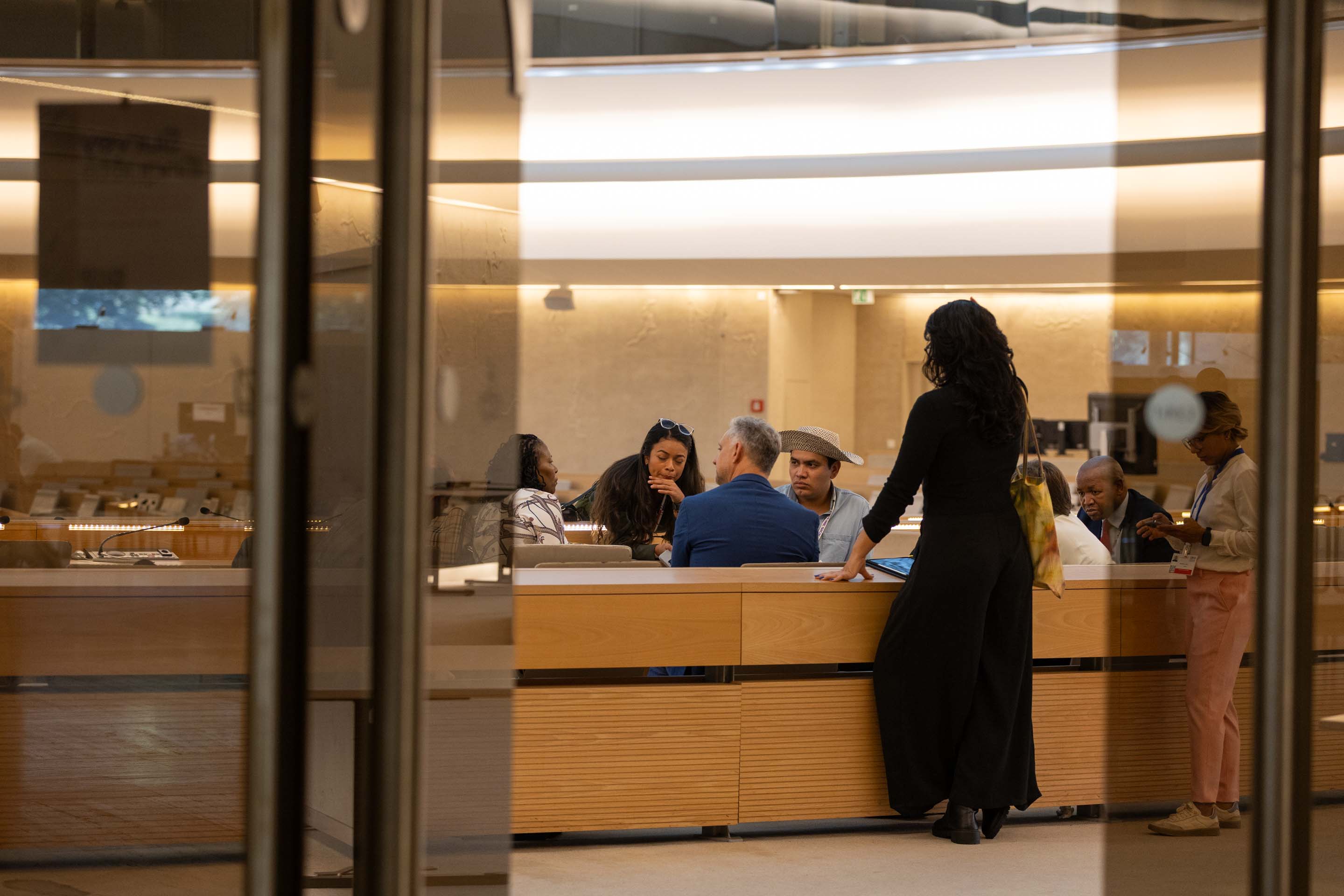
Delegates speak informally between sessions
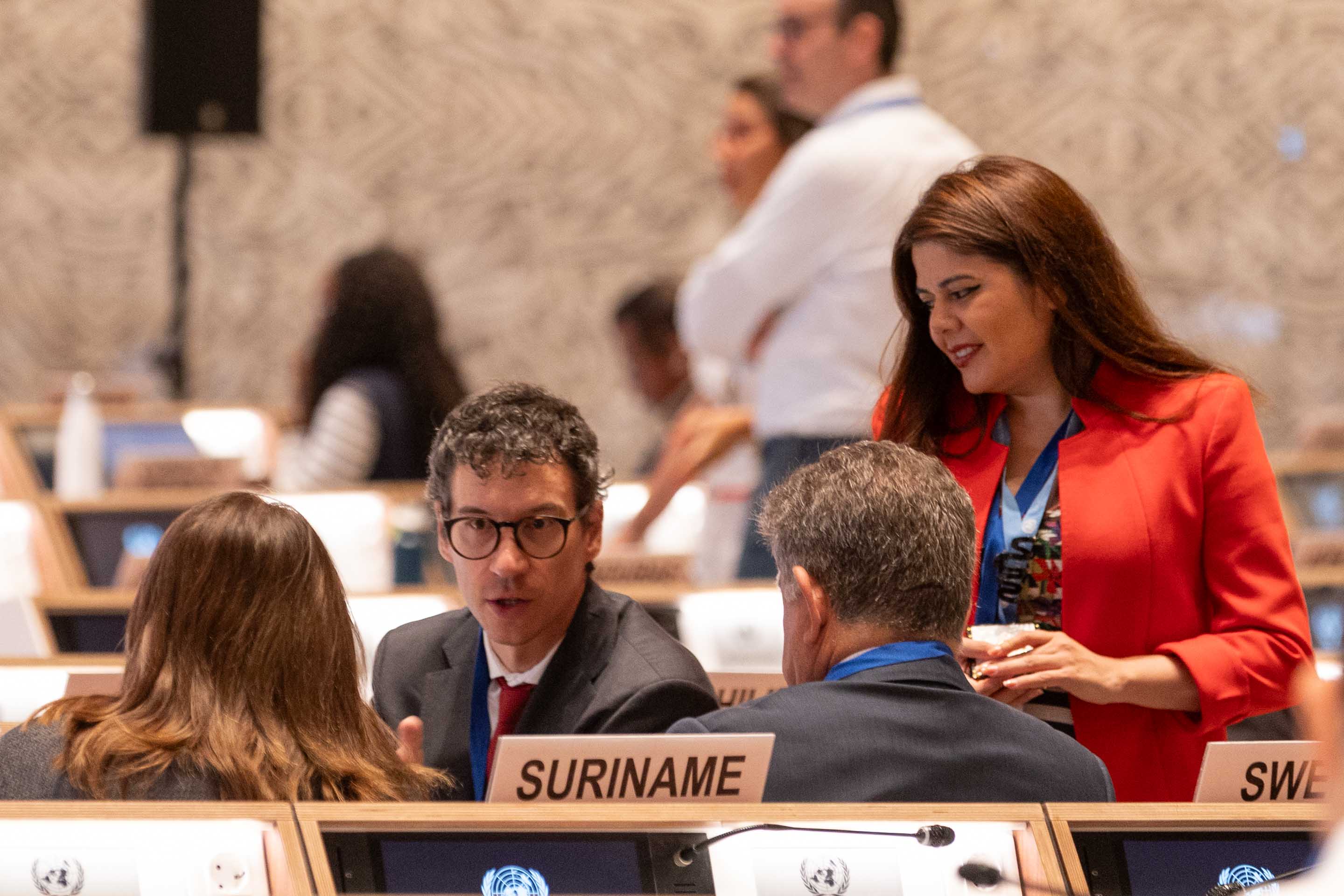
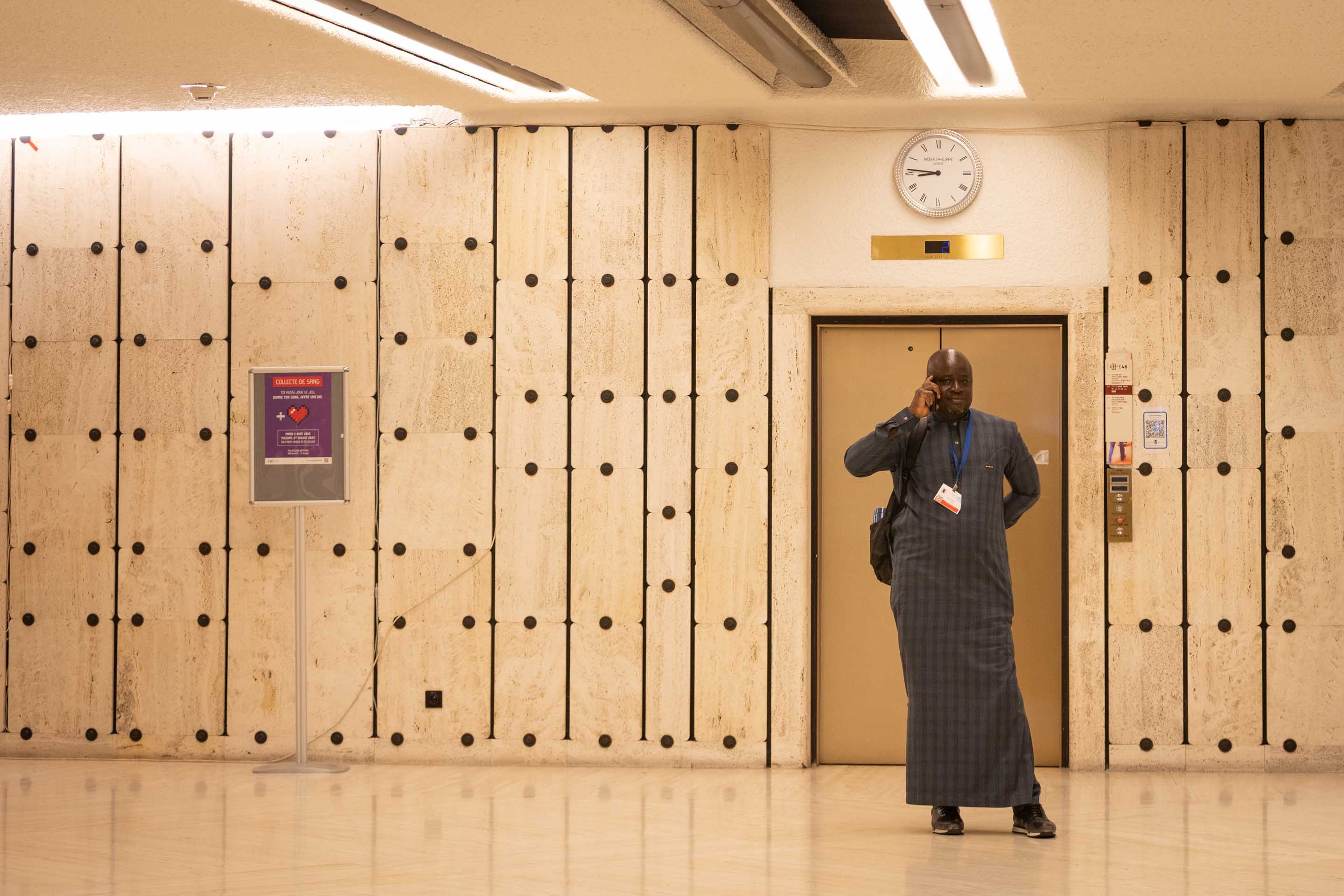
Assane Diop, Senegal