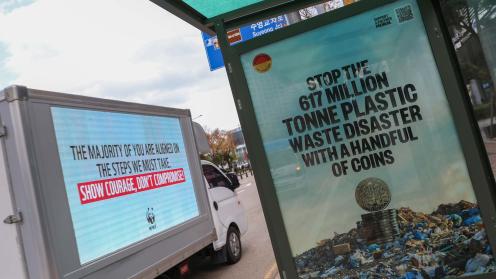
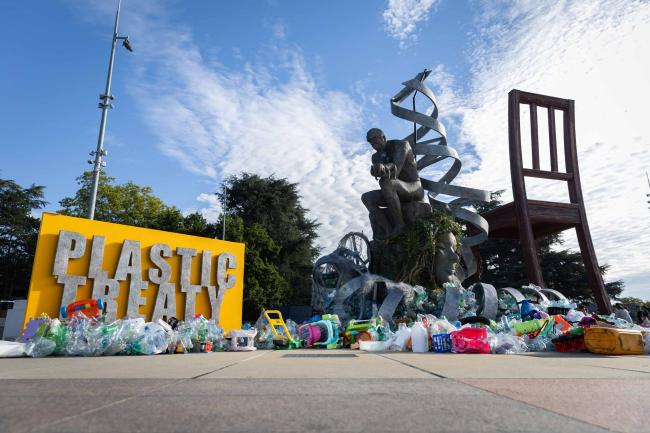
For the first time in history, the world is within reach of a treaty to end plastic pollution. This idea permeated the Palais des Nations in Geneva as delegates gathered for the first day of the resumed fifth session of the Intergovernmental Negotiating Committee (INC-5.2) to develop an international legally binding instrument (ILBI) on plastic pollution, including in the marine environment. Encouraged by heartfelt words about the importance of collective action to end plastic pollution, delegates commenced the final journey toward adopting a treaty on plastic pollution.
Opening INC-5.2, INC Chair Luis Vayas reminded delegations that people the world over are watching the meeting with hope that the Committee will deliver real results and “not just promises.” Pointing to the historic task ahead, he called on them to deliver an effective, inclusive, and implementable agreement that is capable of evolving to address new information, underlining that history is not built on comfort but on courage, teamwork, and compromises.
Want to dig deeper into today's talks? Read the full Earth Negotiations Bulletin daily report.

In her opening remarks, Inger Andersen, UN Under-Secretary-General and Executive Director of the UN Environment Programme (UNEP), lauded delegates for their continued commitment to the process, urging them to “get the treaty done” to protect ourselves, the environment, and future generations. She called on delegations to reach across the aisle and craft a final agreement that sets the world on a path to end plastic pollution forever.
Lamenting that geopolitical tensions and financial crises can sometimes hinder our ability to act collectively, Katrin Schneeberger, Director of the Federal Office for the Environment of Switzerland, underlined that the transboundary nature of plastic pollution necessitates coherent and coordinated global action. She stressed that a successful outcome at this meeting will not only be essential to mitigate environmental, social, and economic threats posed by plastic pollution, but will also send a strong signal in support of multilateralism.
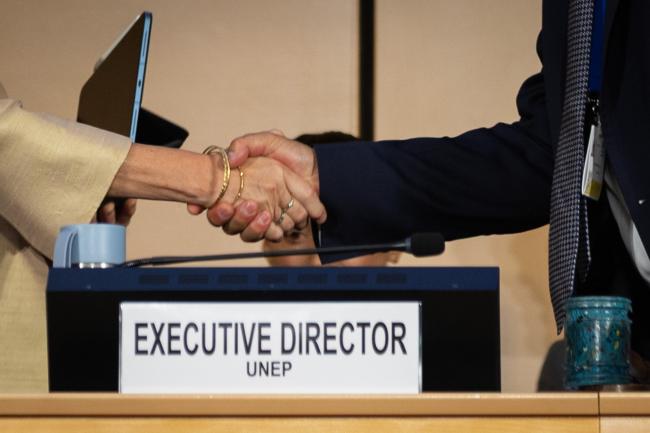
Jyoti Mathur-Filipp, Executive Secretary, INC Secretariat, asked countries to envision the world the day after the treaty negotiations are successfully concluded, underscoring the hope of finding common ground to end plastic pollution. She noted the high level of interest in the talks, announcing that over 3700 participants had registered for the meeting.
Delegates then engaged in a discussion about the organization of work, particularly the scheduling of the contact group sessions. They agreed to a request by the African Group not to hold simultaneous contact group discussions on issues related to means of implementation and on sustainable production, scope, and products.
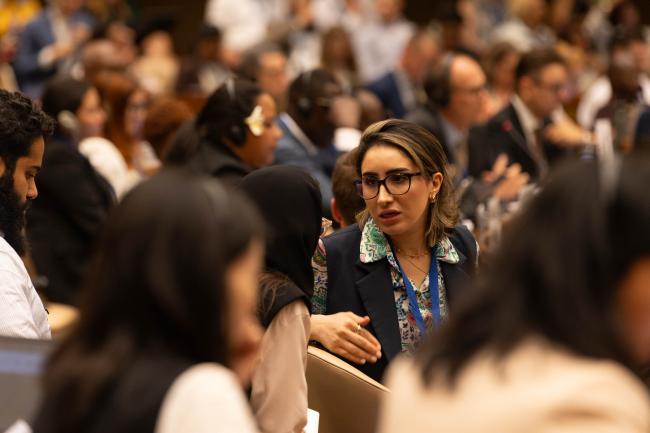
Basing their discussions on the 1 December 2024 Chair’s Text, delegates met in contact groups in the afternoon and into the evening to discuss the following clusters of articles:
- scope, definitions, and [supply][sustainable production];
- releases and leakages;
- financial [resources and] mechanism; and
- objectives, principles and approaches, and final provisions.
On the objective, delegates debated whether the treaty should address human health concerns, as these are addressed under the World Health Organization. They also debated whether to include a reference to the full lifecycle of plastics, with many underlining that this was part of the mandate given by the UN Environment Assembly resolution 5/14.

There was a lengthy debate on how to advance discussions on the scope of the agreement, which had been excluded from the Chair’s Text, as well as on sustainable production. Delegates did not agree to mandate the contact group Co-Chairs to prepare text on these issues, preferring to carry out a line-by-line negotiations based on the Chair's Text.
During discussions on releases and leakages, delegates heard proposals to include additional issues such as the plastics lifecycle or aquaculture activities, with some preferring to exclude this article from the final treaty text altogether.
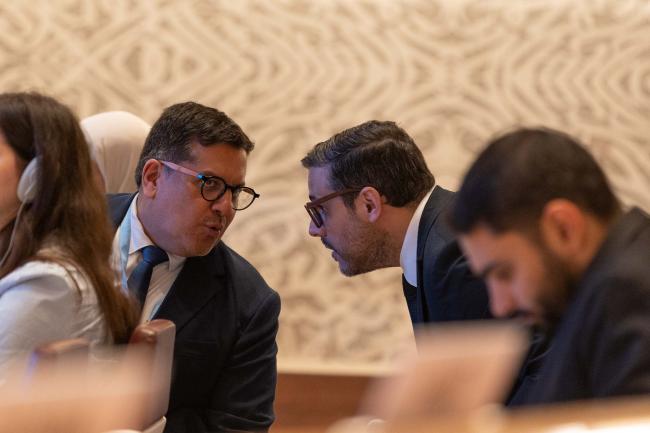
In their consideration of the financial resources and mechanism, delegates offered their support for different previously submitted proposals. For instance, on the mobilization of resources, some delegates supported proposals for finances to flow from developed to developing countries, while others favored a proposal urging increased private sector engagement.
The INC will meet in contact groups until Friday, 8 August.
To receive free coverage of global environmental events delivered to your inbox, subscribe to the ENB Update newsletter.
All ENB photos are free to use with attribution. For INC 5.2 please use: Photo by IISD/ENB - Kiara Worth
Opening Plenary
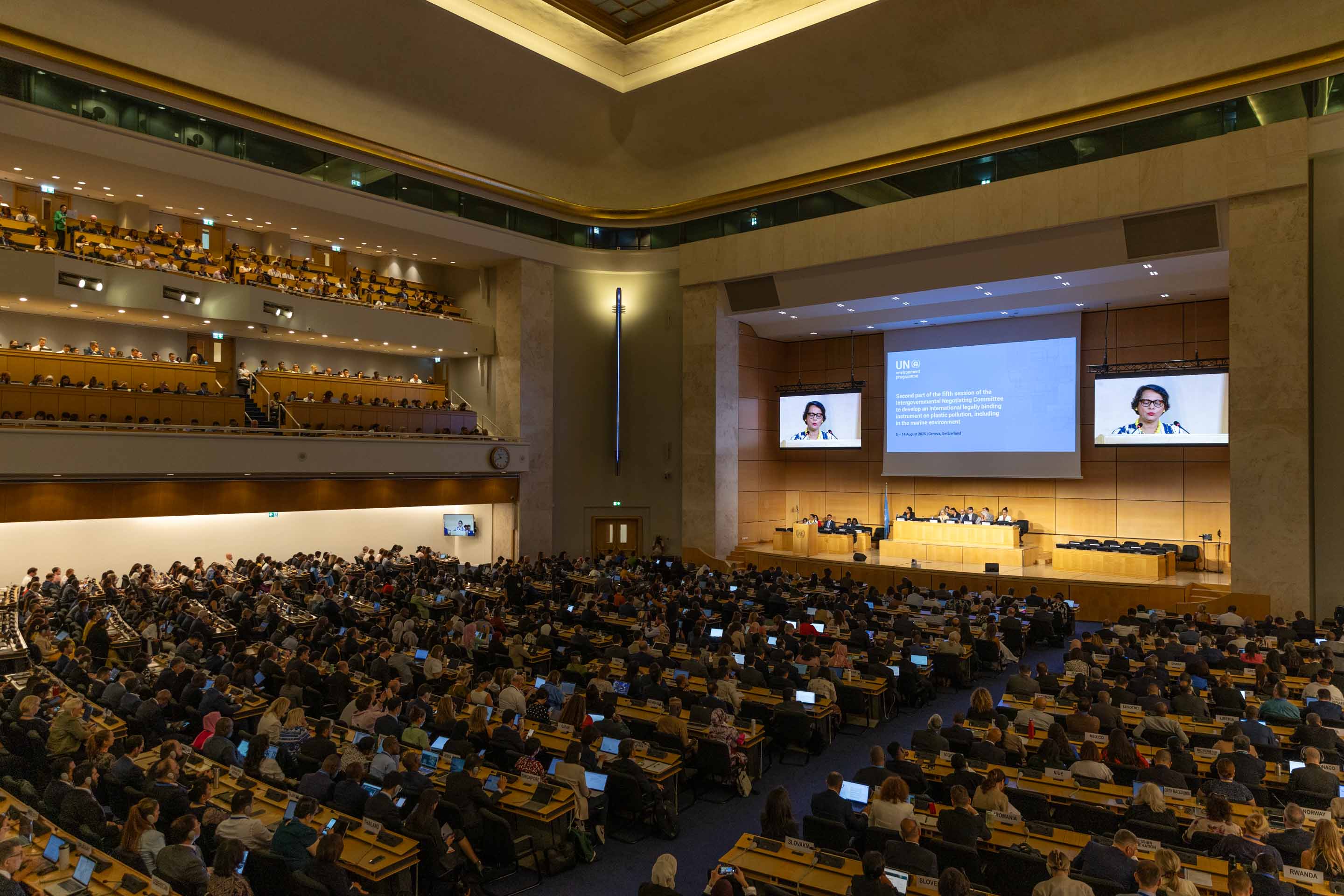
Delegates gather for the opening plenary
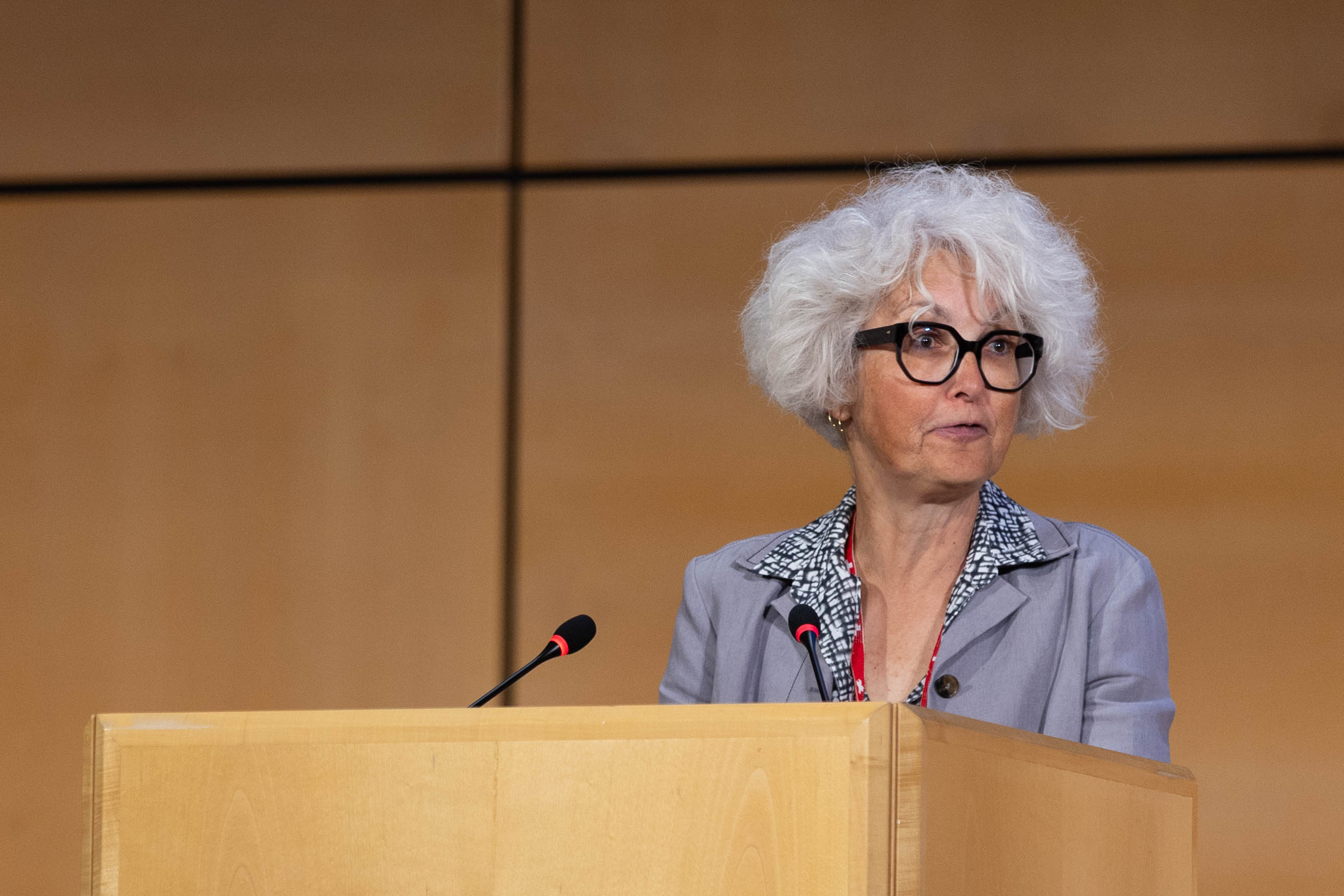
Katrin Schneeberger, Director, Federal Office for the Environment, Switzerland
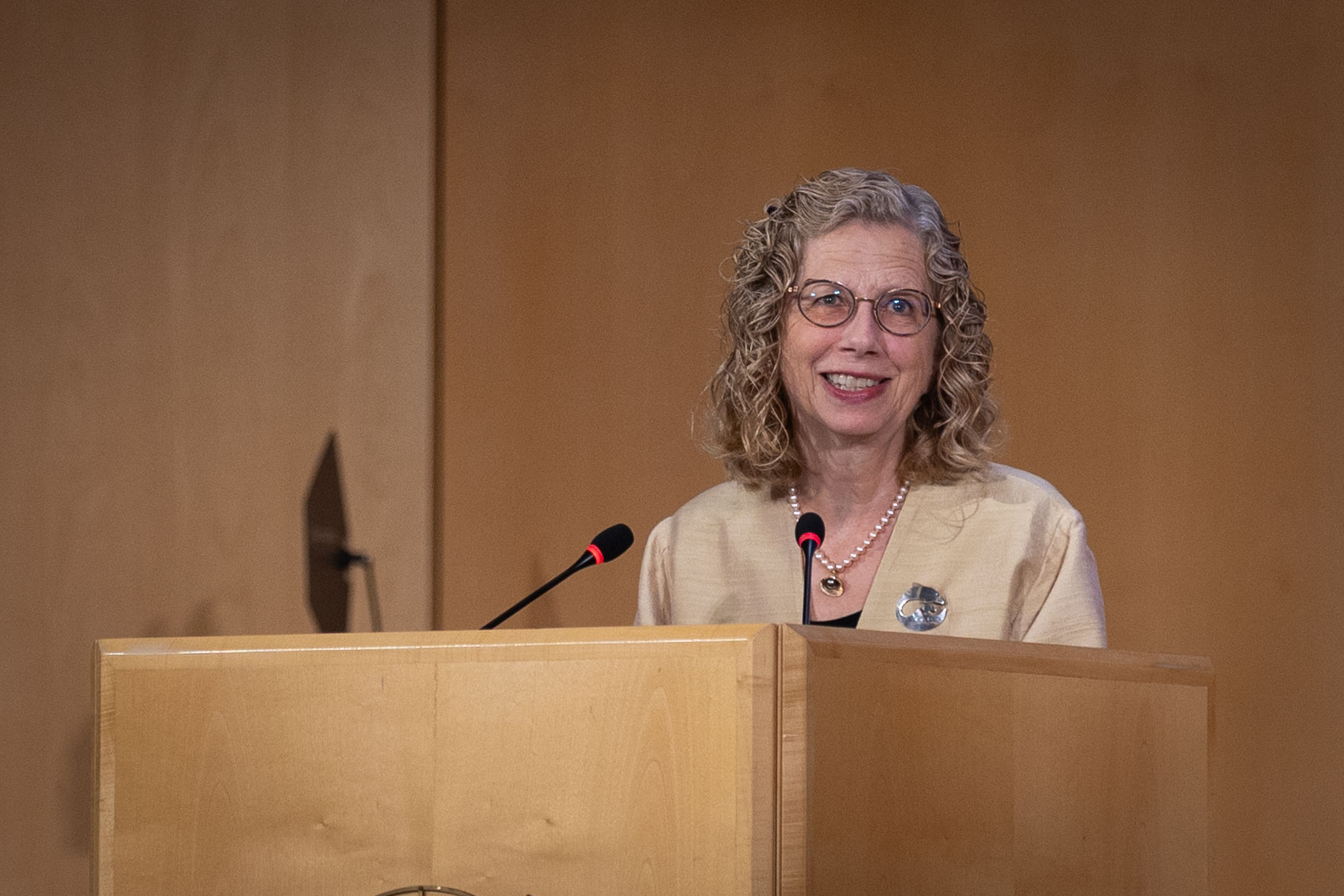
Inger Andersen, Executive Director, UNEP
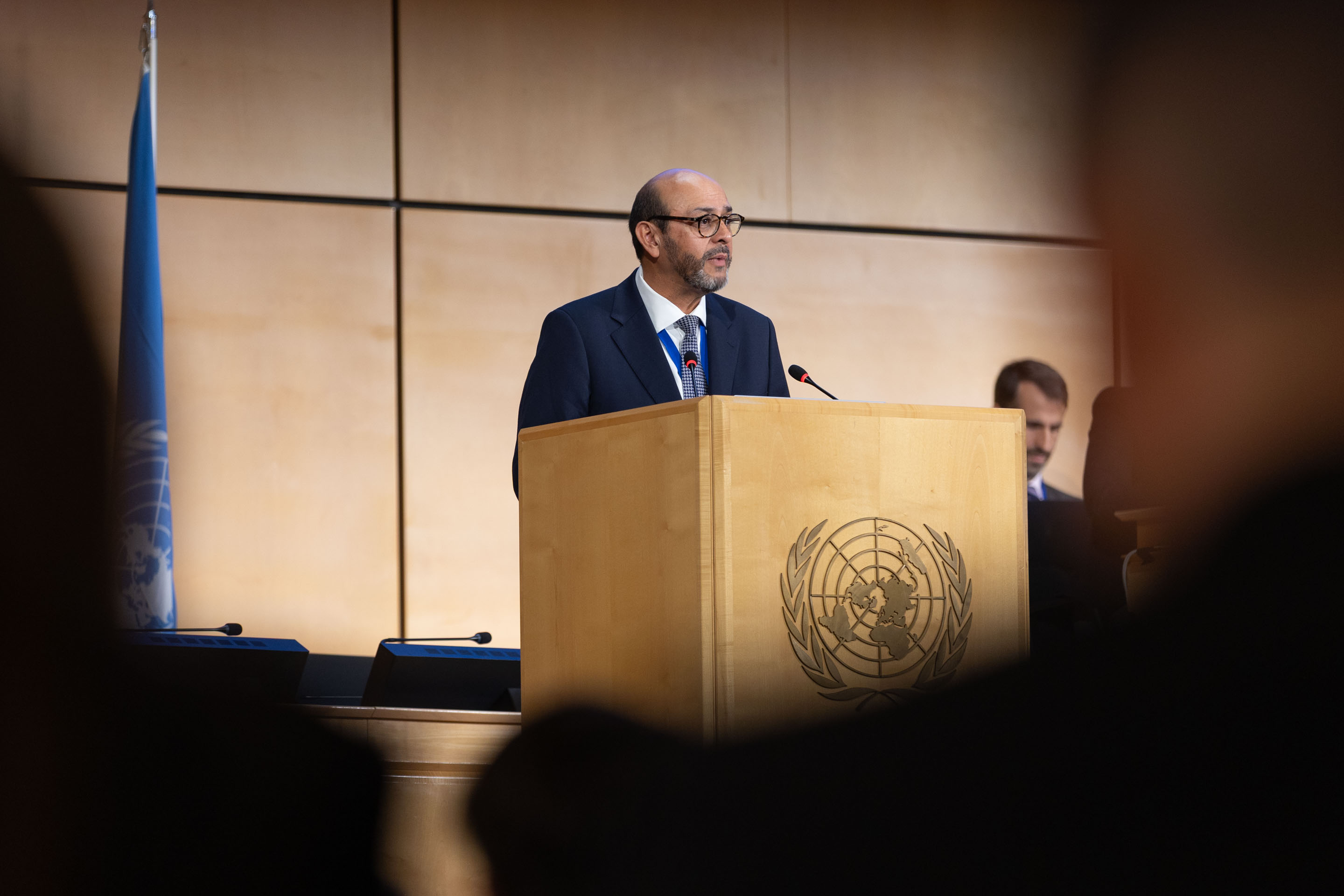
INC Chair Luis Vayas, Ecuador
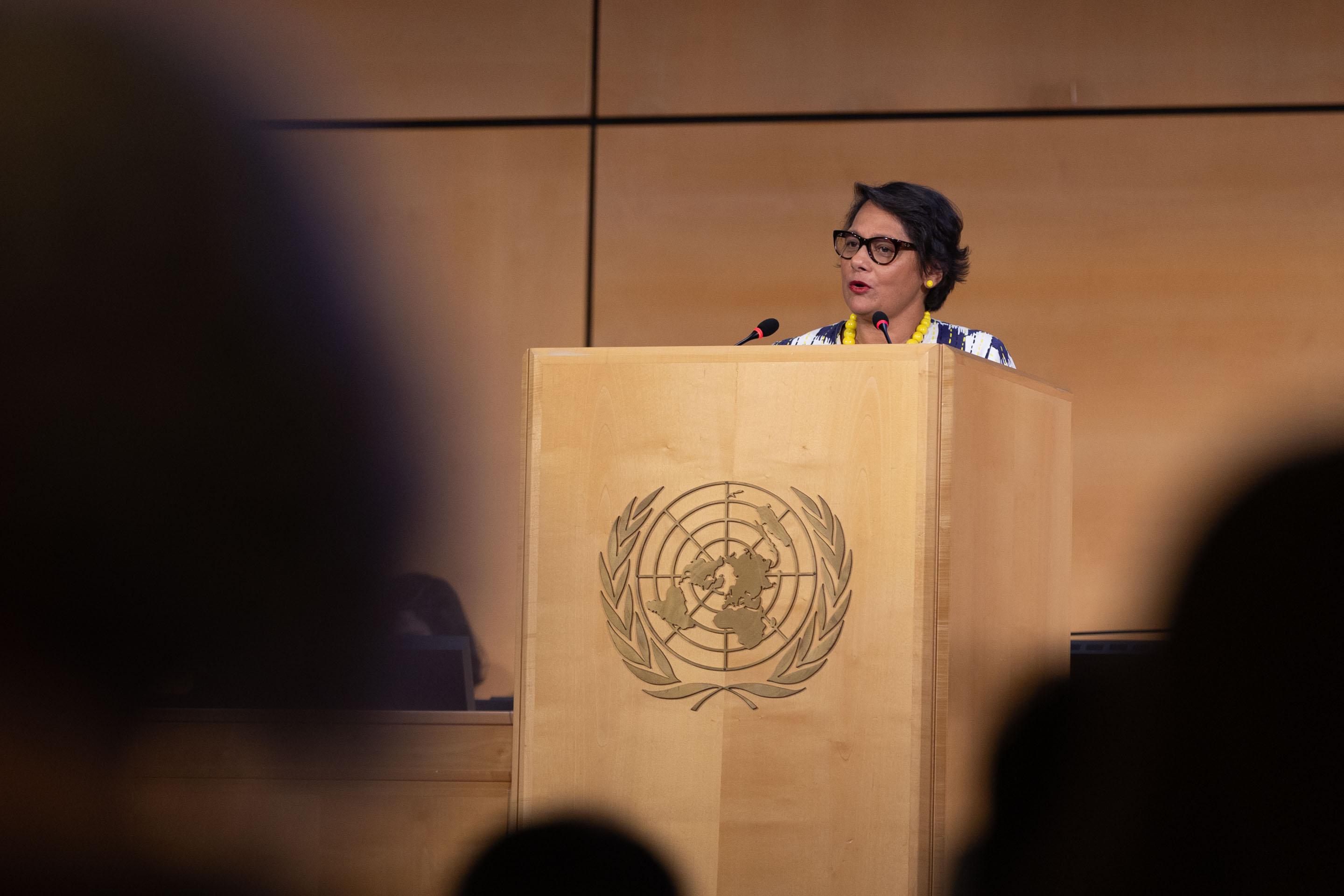
Jyoti Mathur-Filipp, Executive Secretary, INC Secretariat

Lydia Essuah, Ghana, on behalf of the African Group
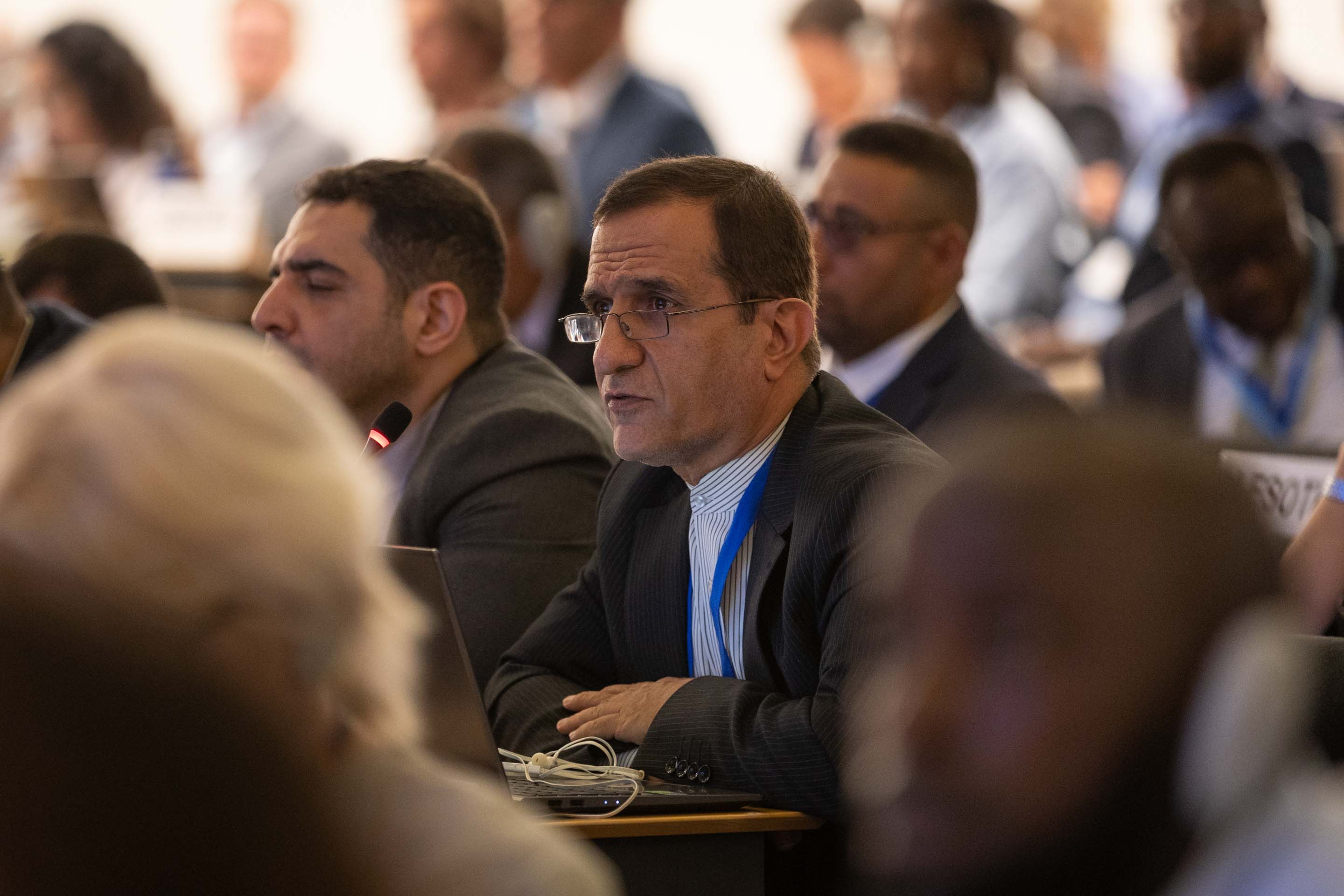
Massoud Rezvanian Rahaghi, Iran
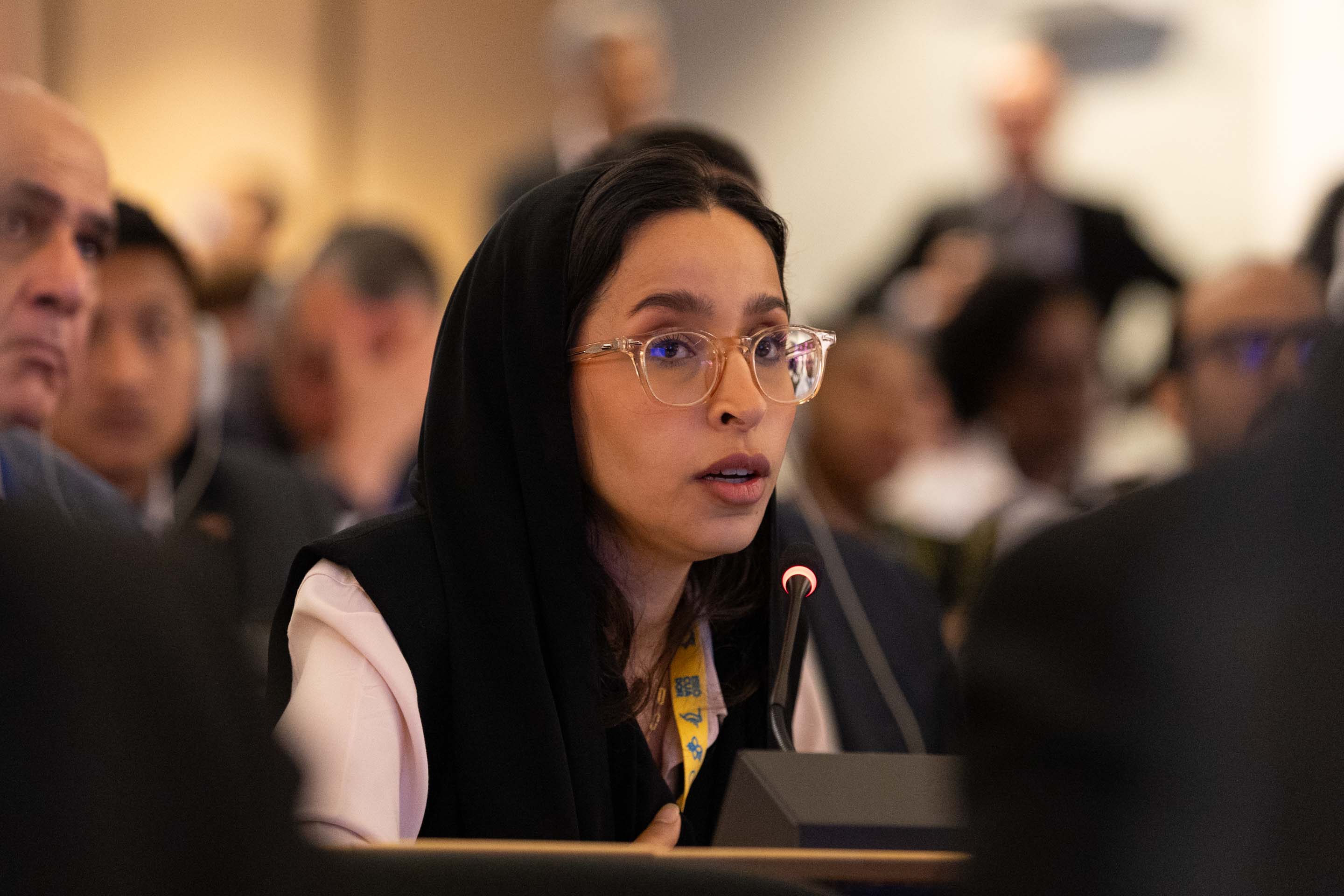
Hussah Alhamdan, Saudi Arabia, on behalf of the Arab Group
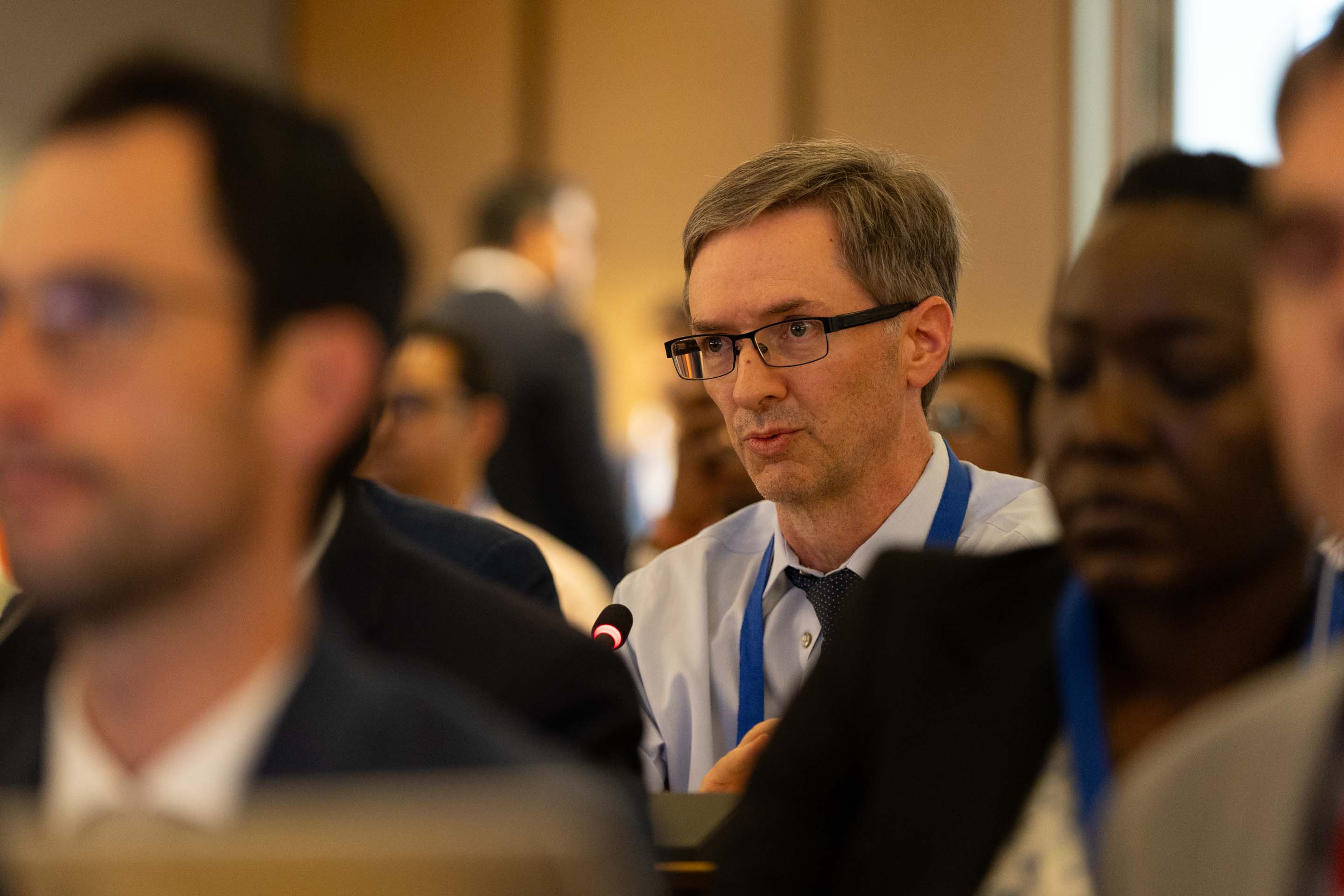
John Thompson, US
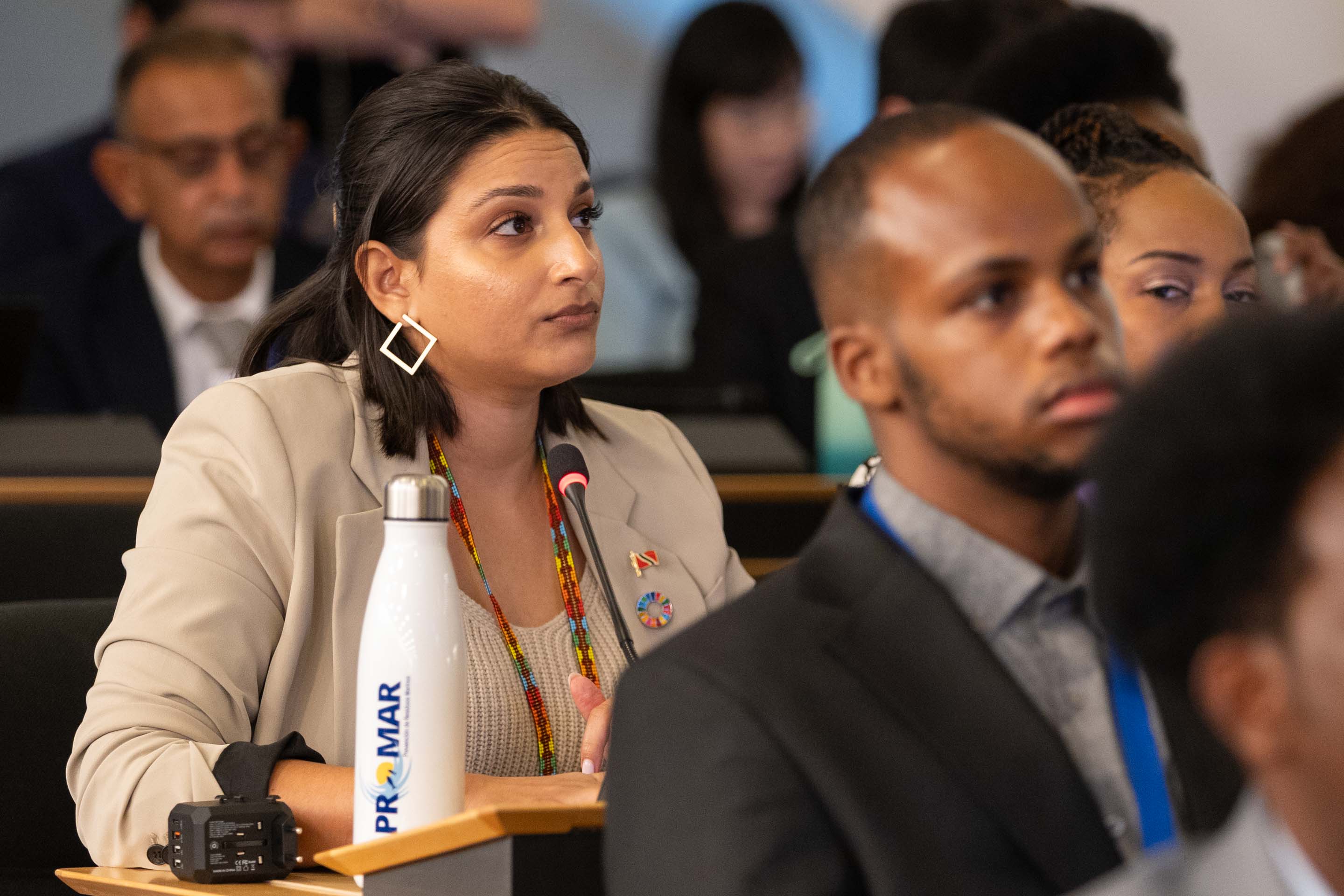
Tushara Mahara, Trinidad and Tobago
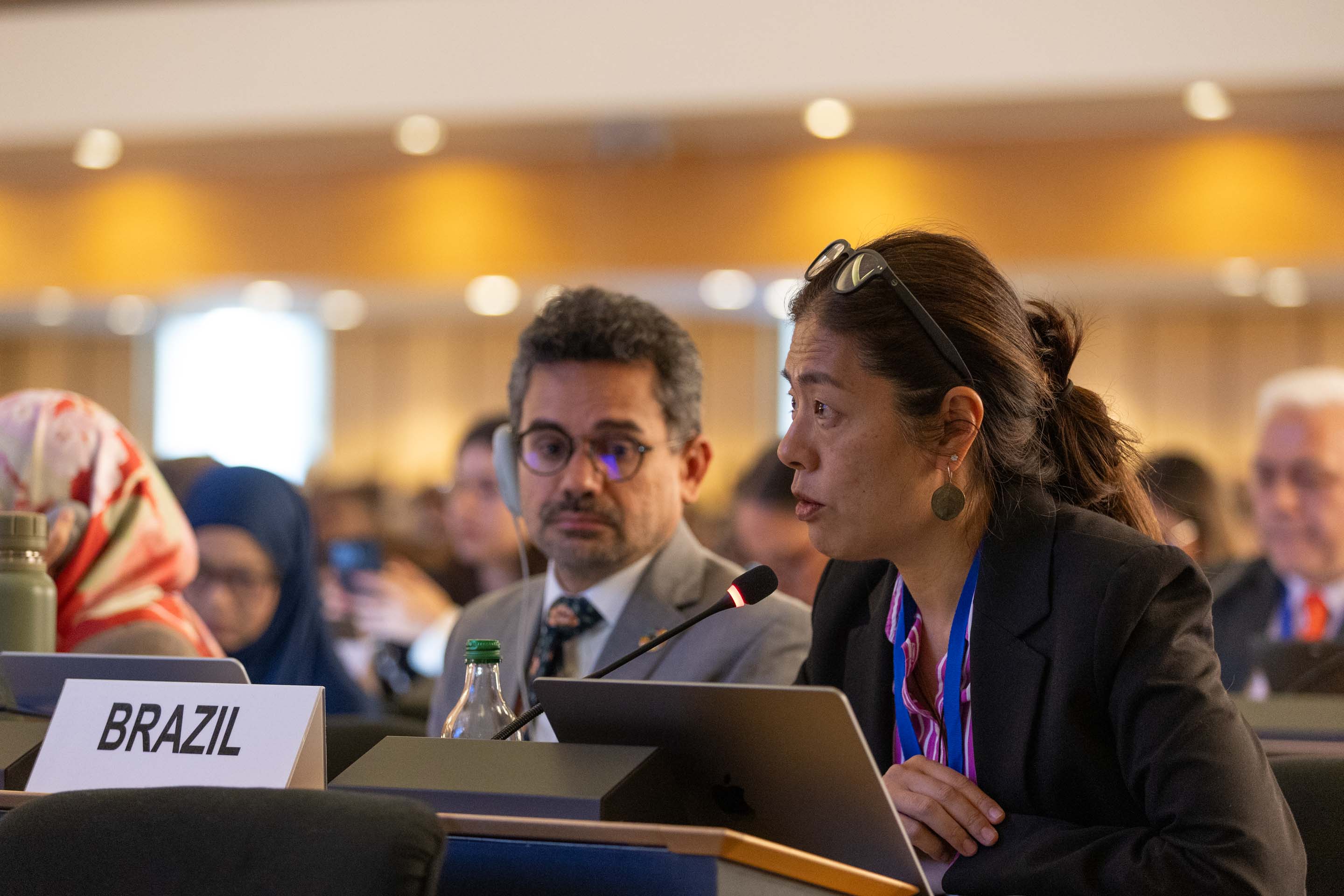
Maria Angélica Ikeda, Brazil
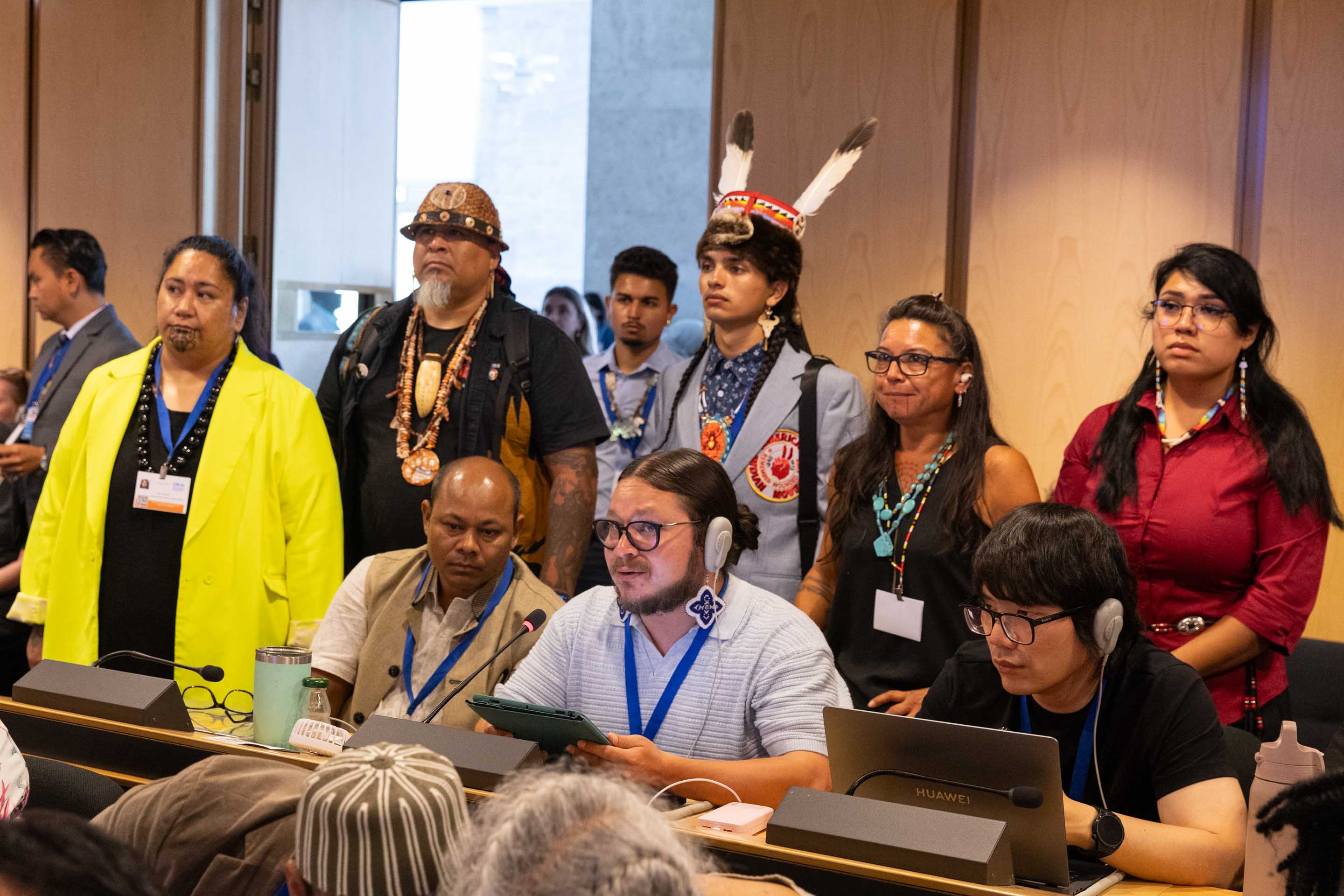
Abraham Francis, International Indigenous Peoples' Forum on Plastics (IIPFP)
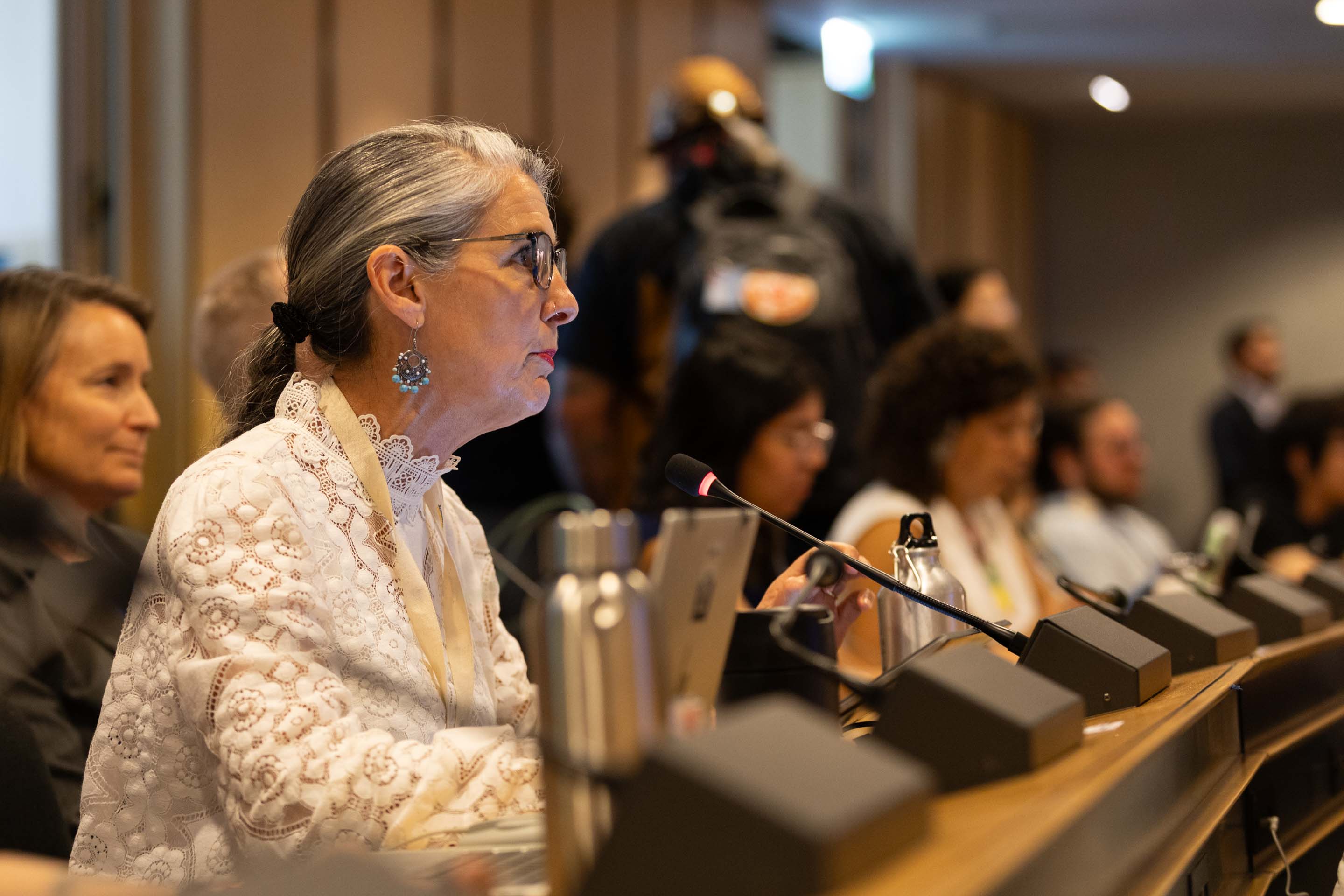
Trisia Farrelly, Scientists' Coalition for an Effective Plastics Treaty
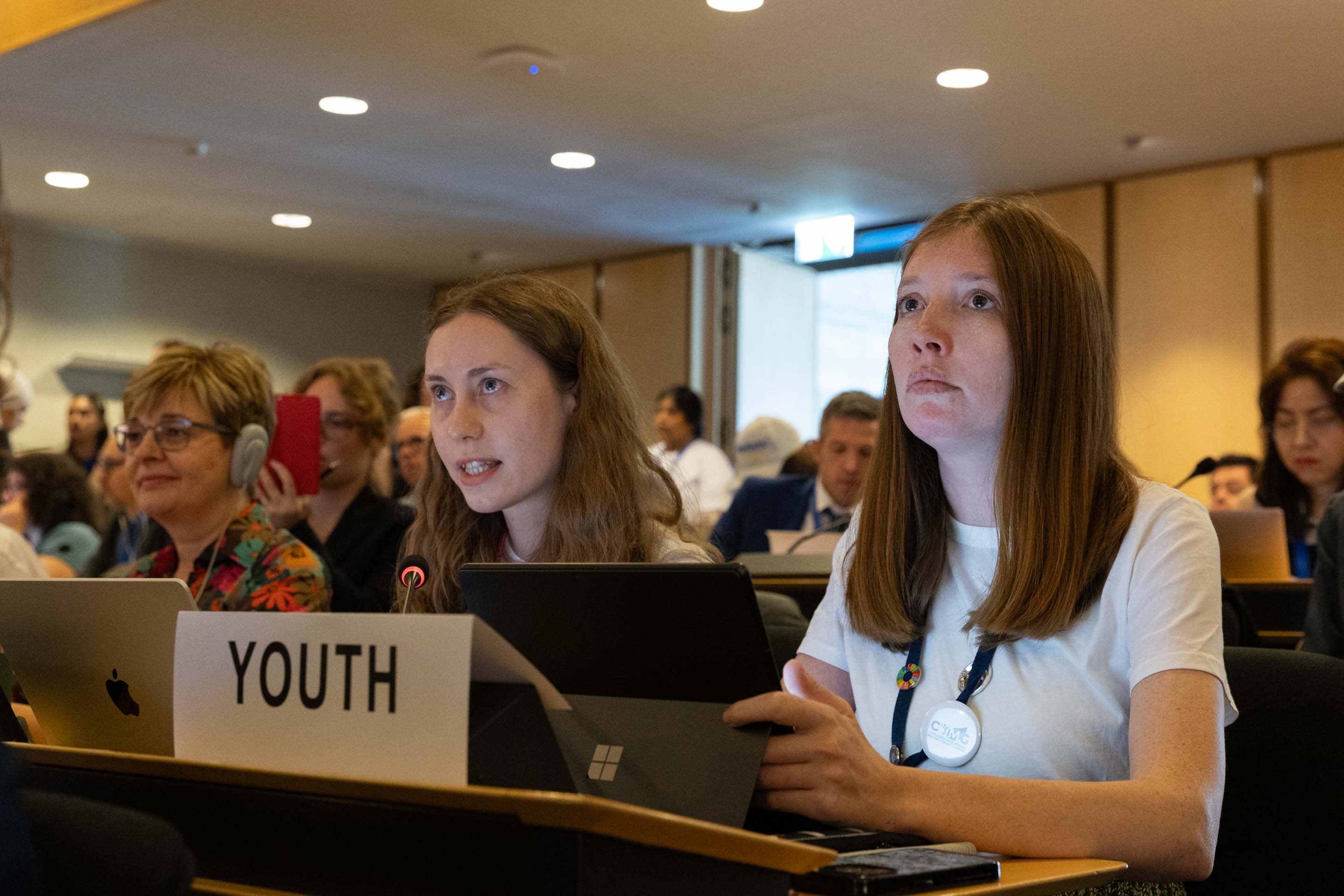
Olga Skaredina and Shellan Saling, Youth Plastic Action Network
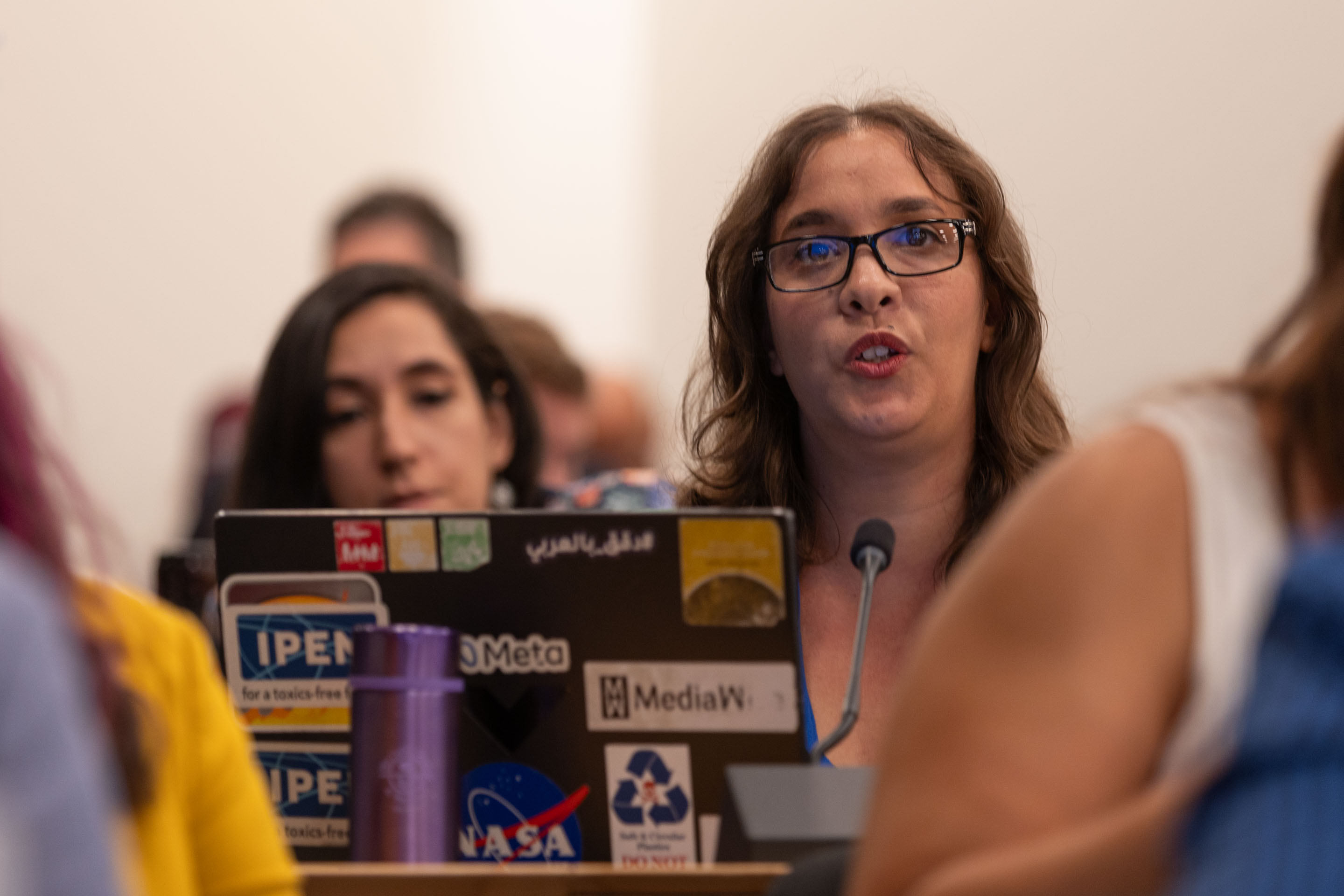
Rabeb Aloui, Women's Major Group
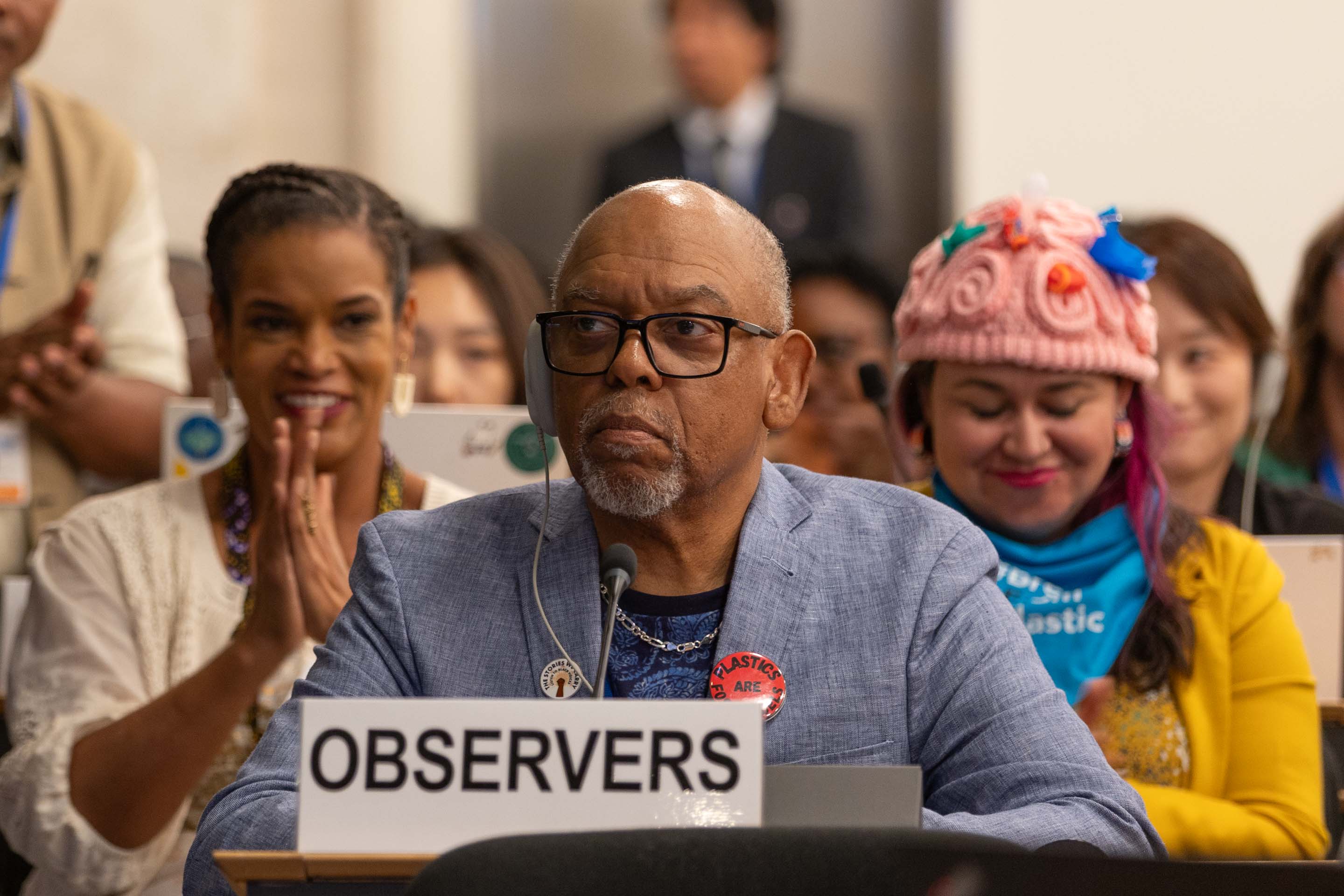
John Beard, #BreakFreeFromPlastic
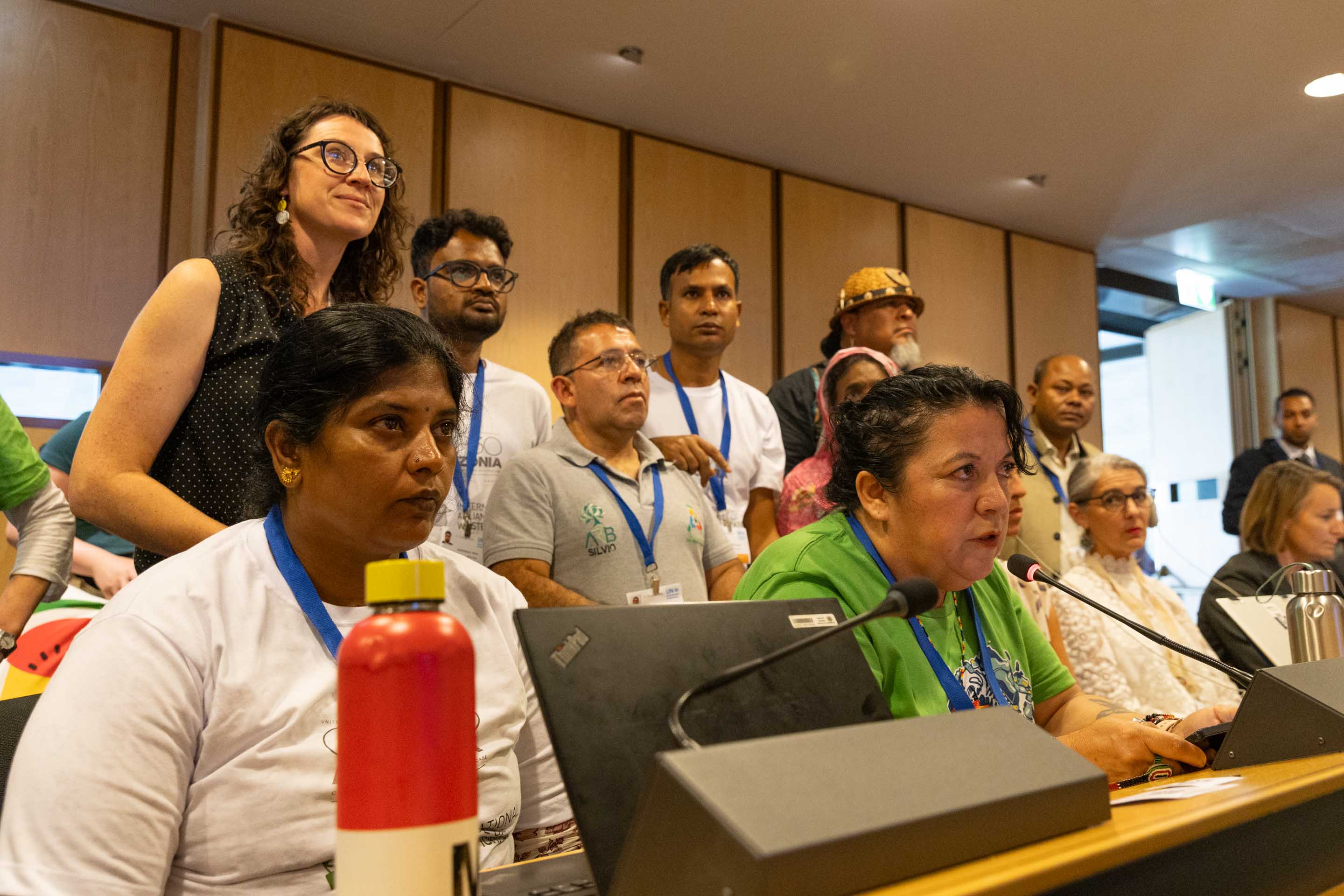
Maria Mella Vidal, International Alliance of Waste Pickers
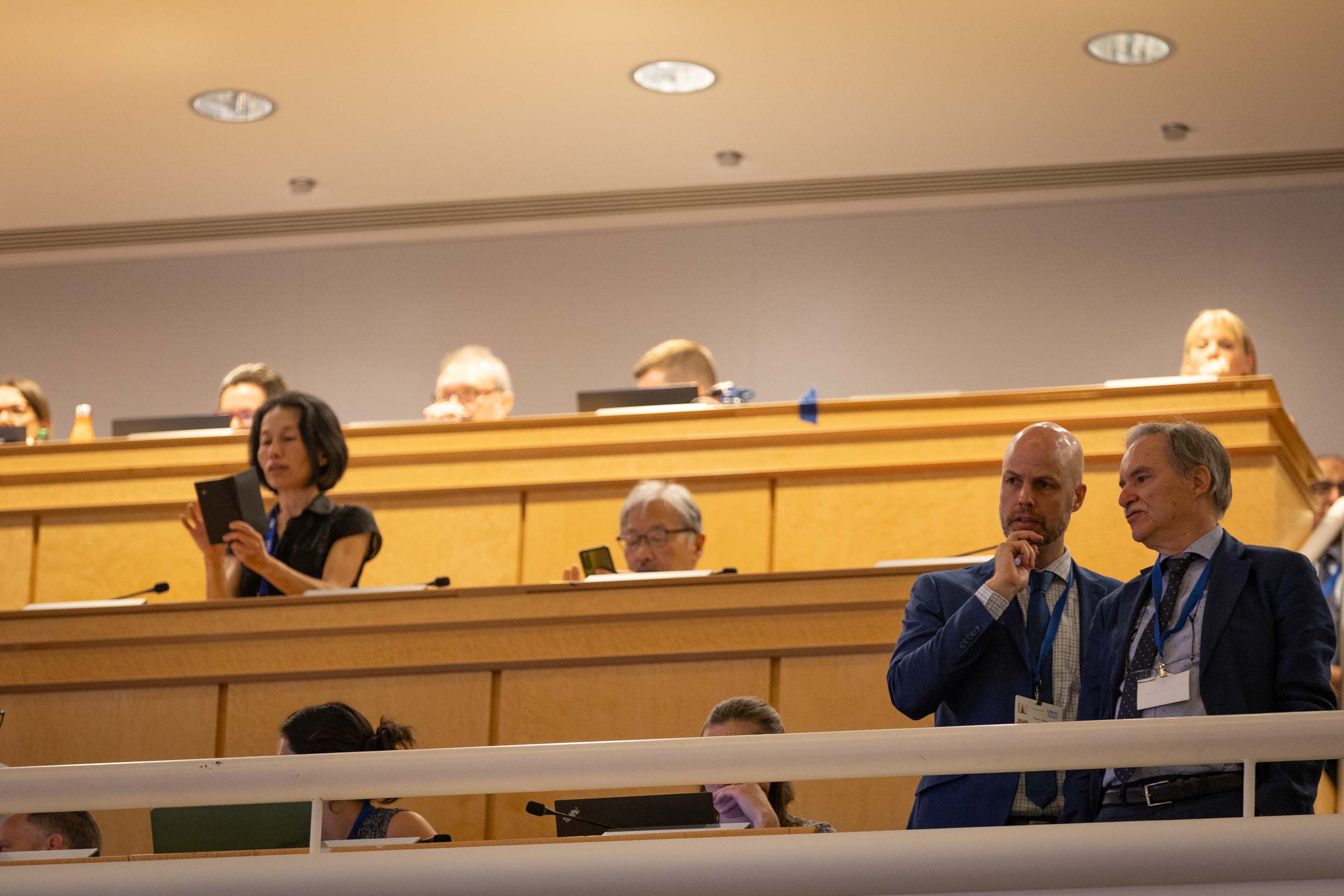
Observers watch the proceedings from the gallery
Contact Group 1
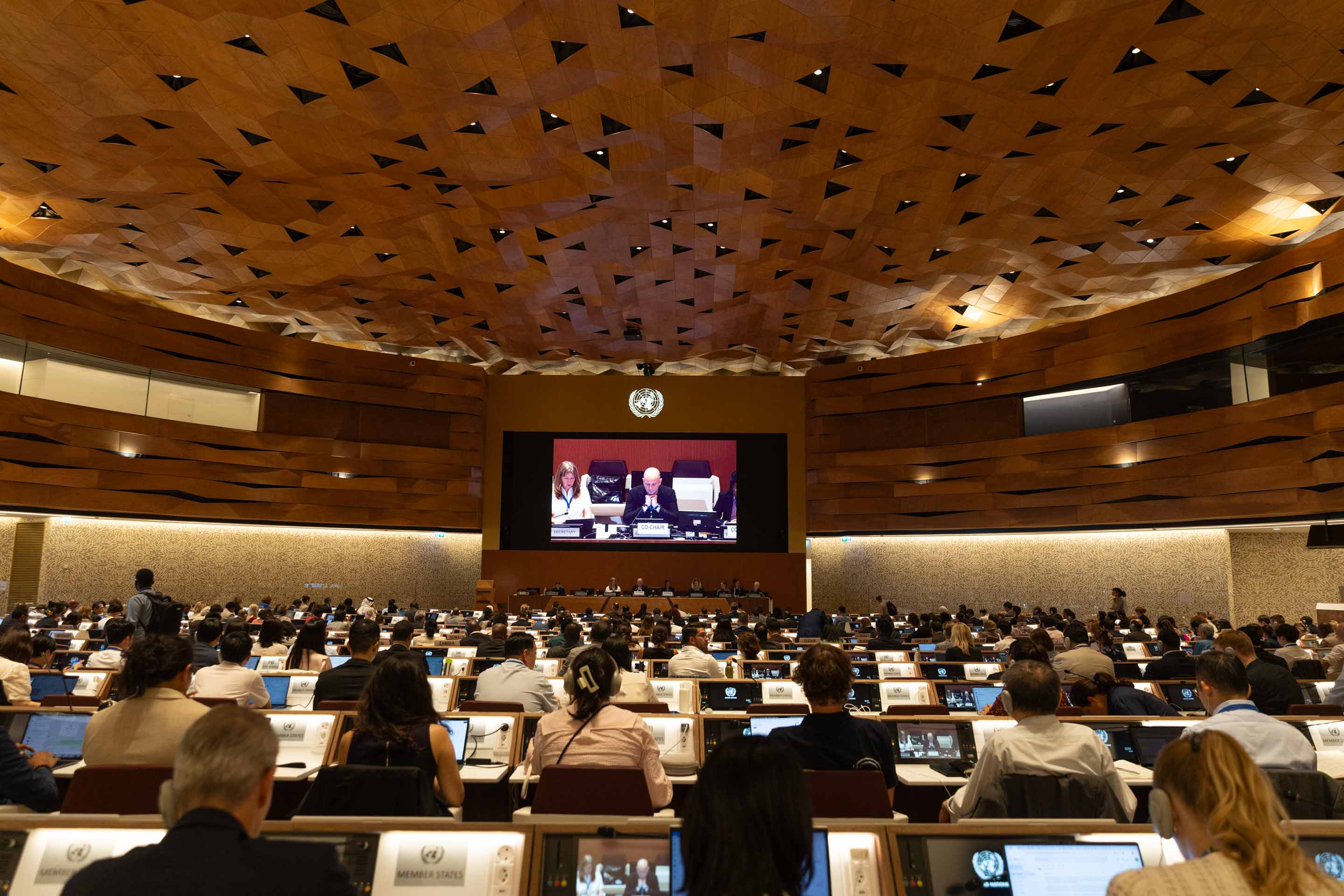
Delegates gather for Contact Group 1
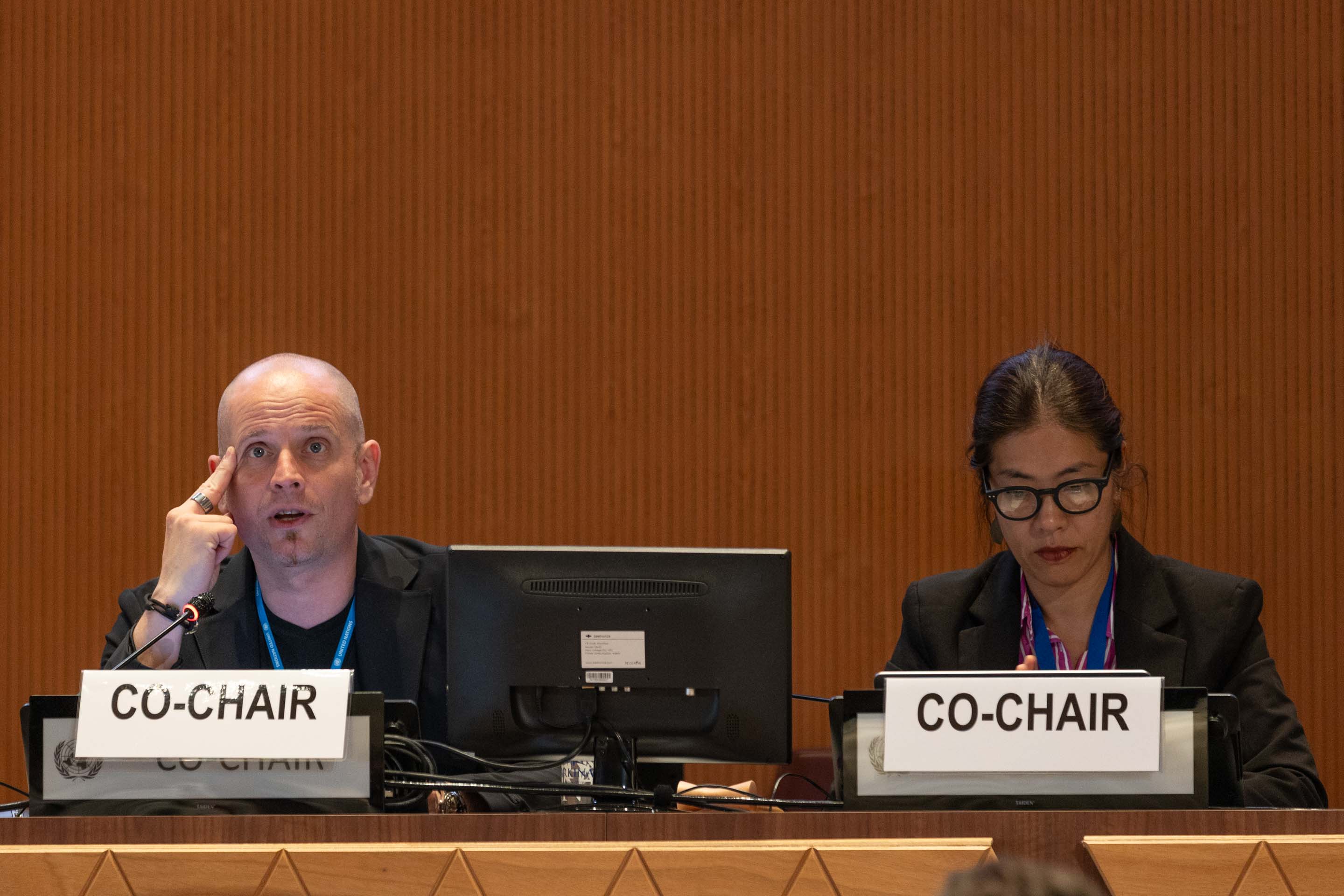
Contact Group 1 Co-Chairs Axel Borchmann, Germany, and Maria Angélica Ikeda, Brazil
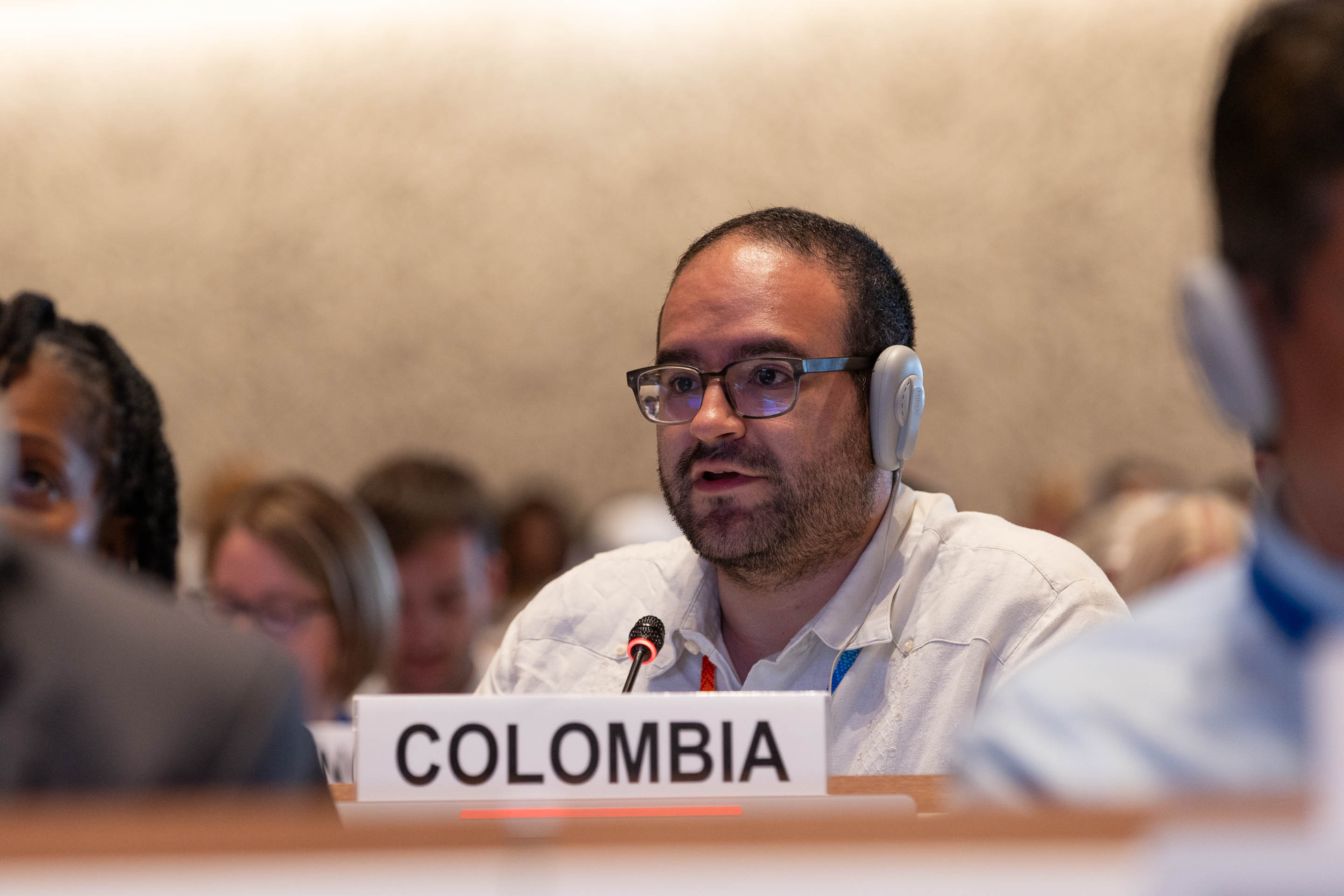
Miguel Ruiz Botero, Colombia

Delegates take note of the interventions
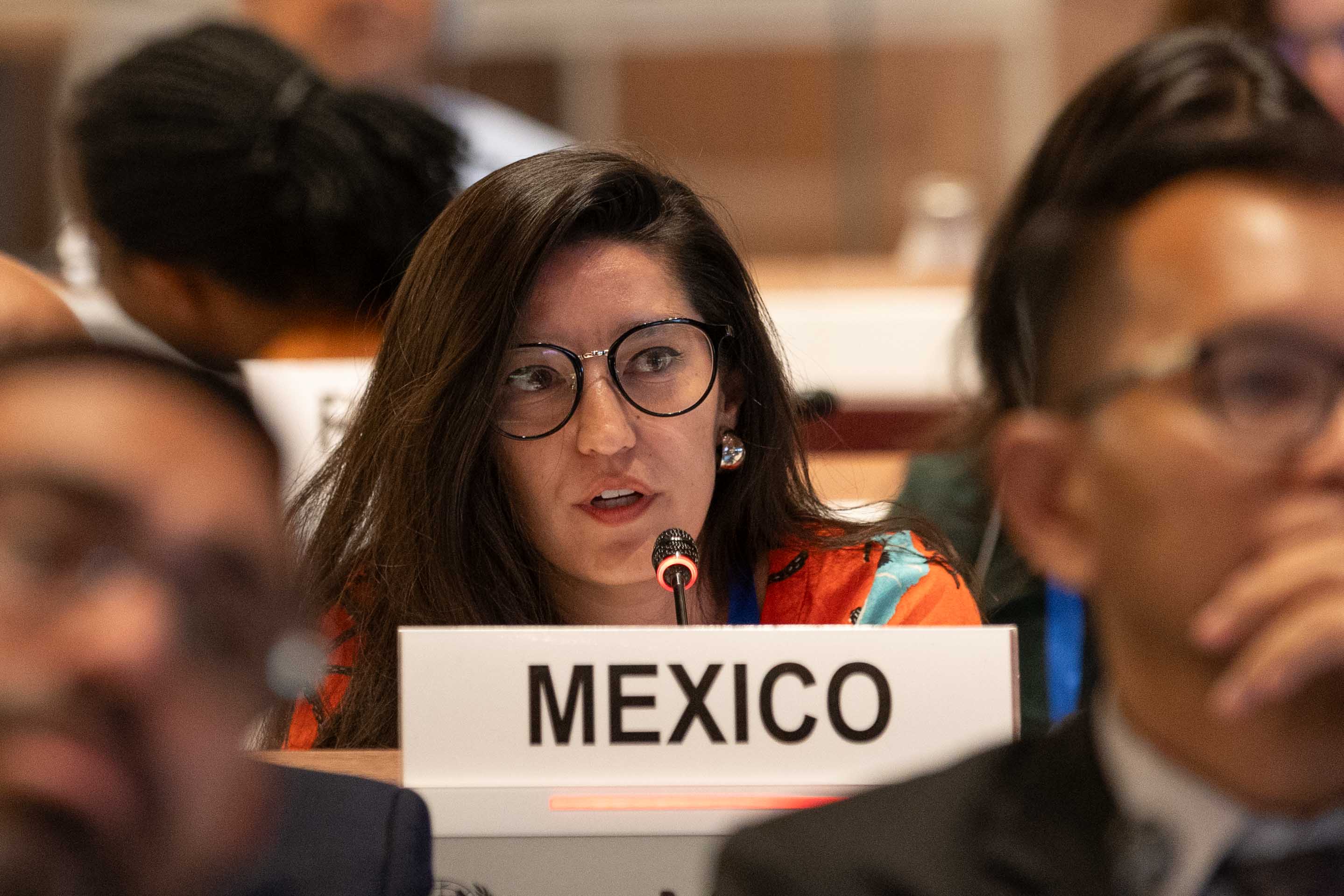
Camila Zepeda Lizama, Mexico
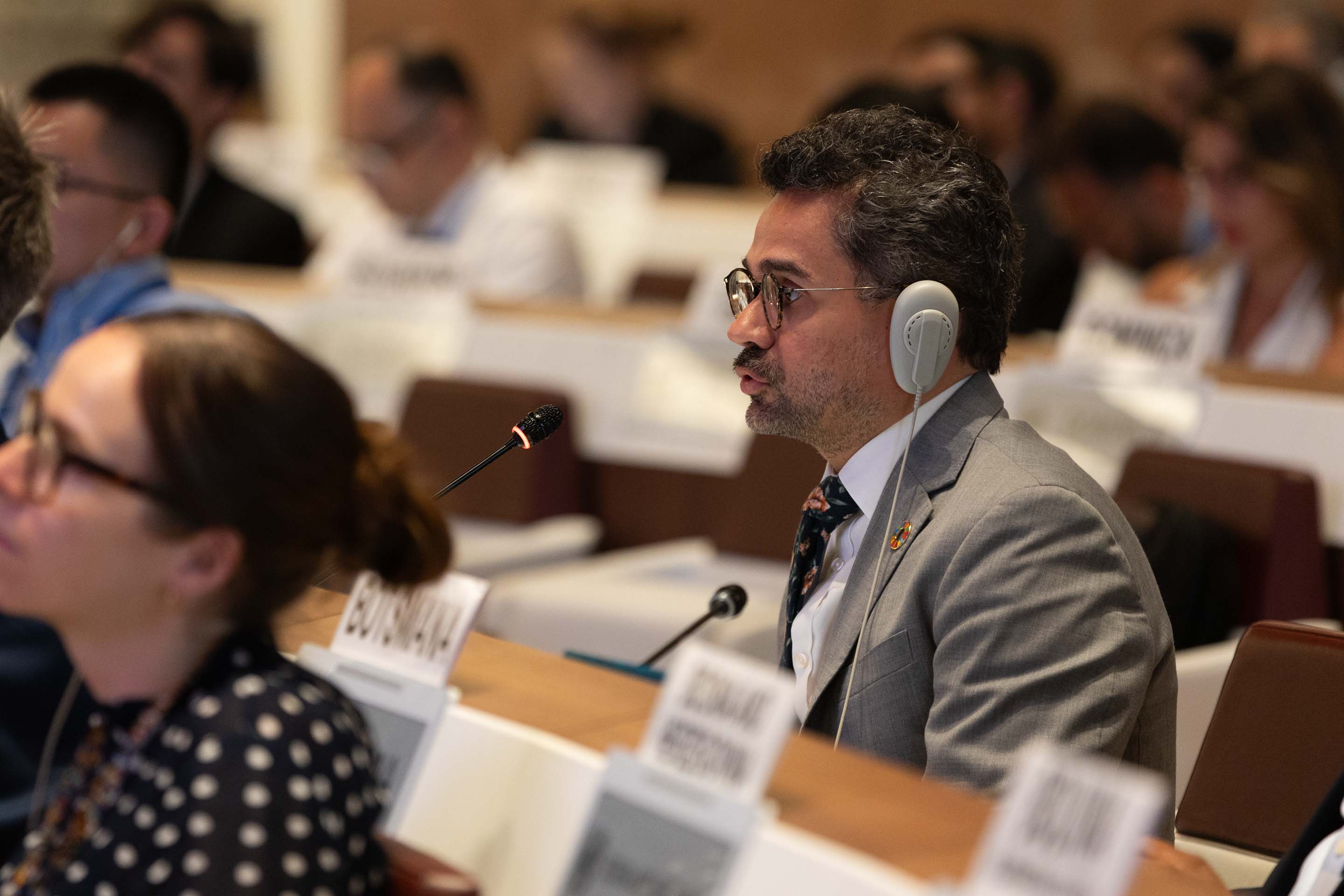
Francisco Nelson Linhares, Brazil
Contact Group 2
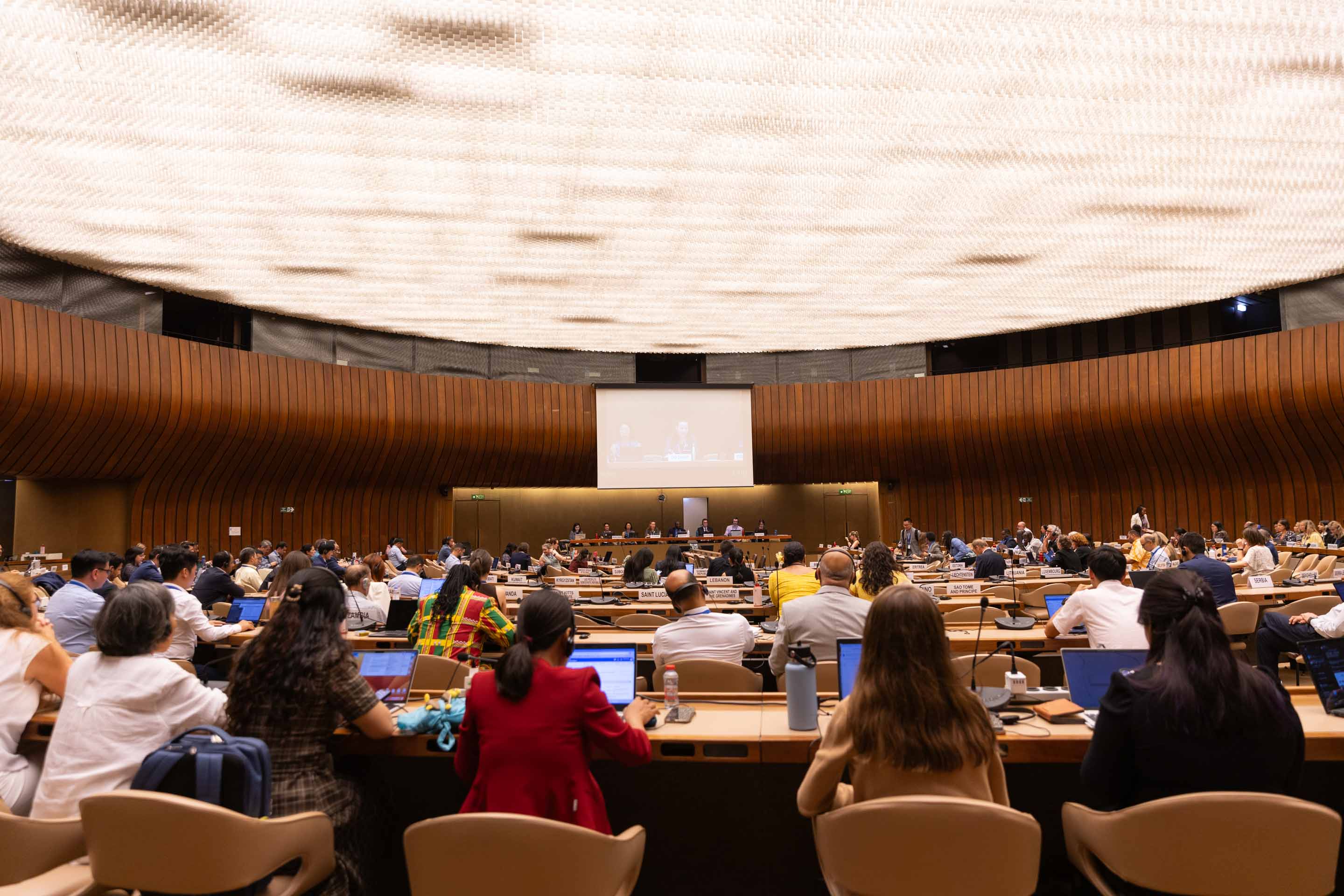
Delegates gather for Contact Group 2
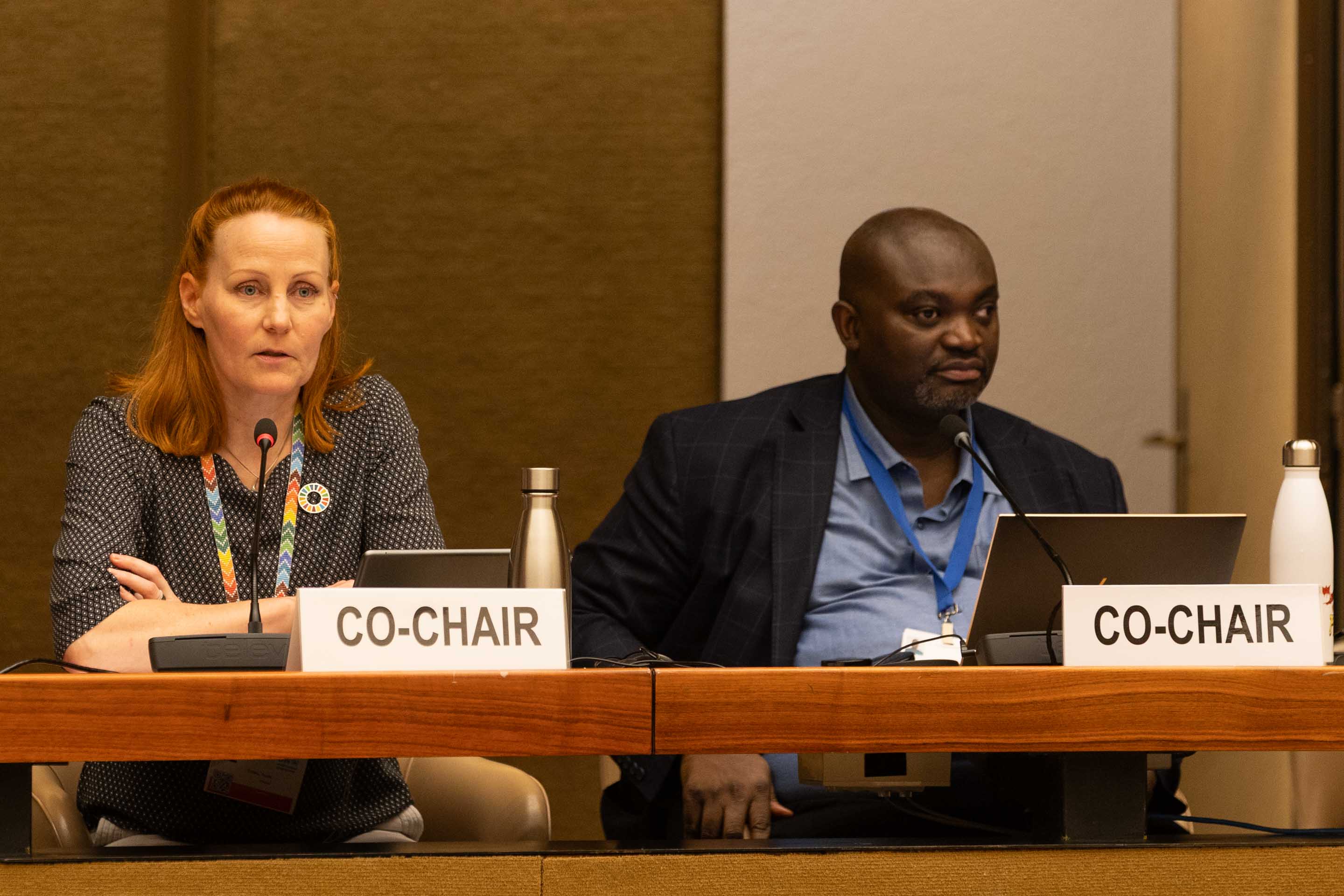
Contact Group 2 Co-Chairs Tuulia Toikka, Finland, and Peter Justice Dery, Ghana
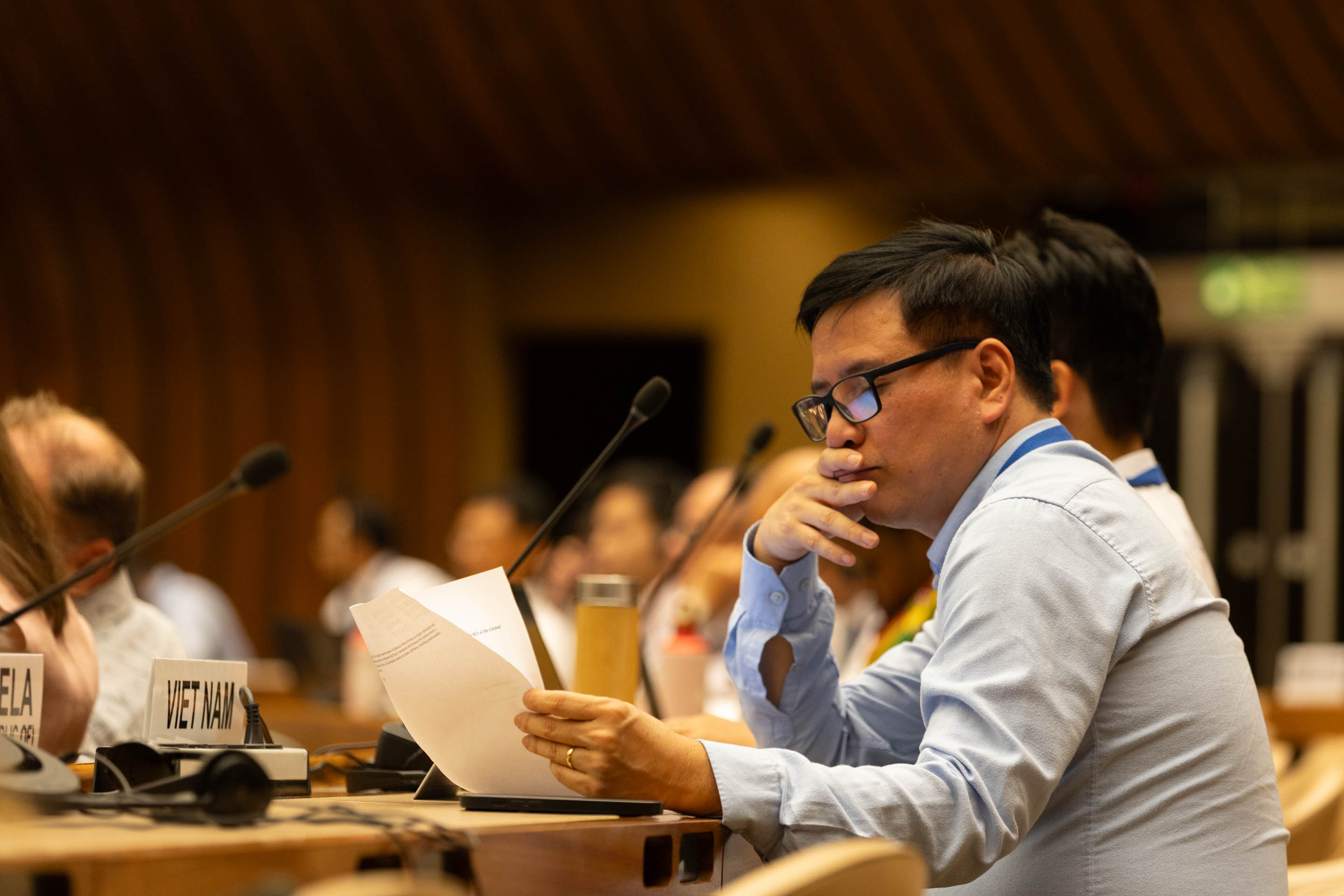
Delegates refer to the draft negotiating text
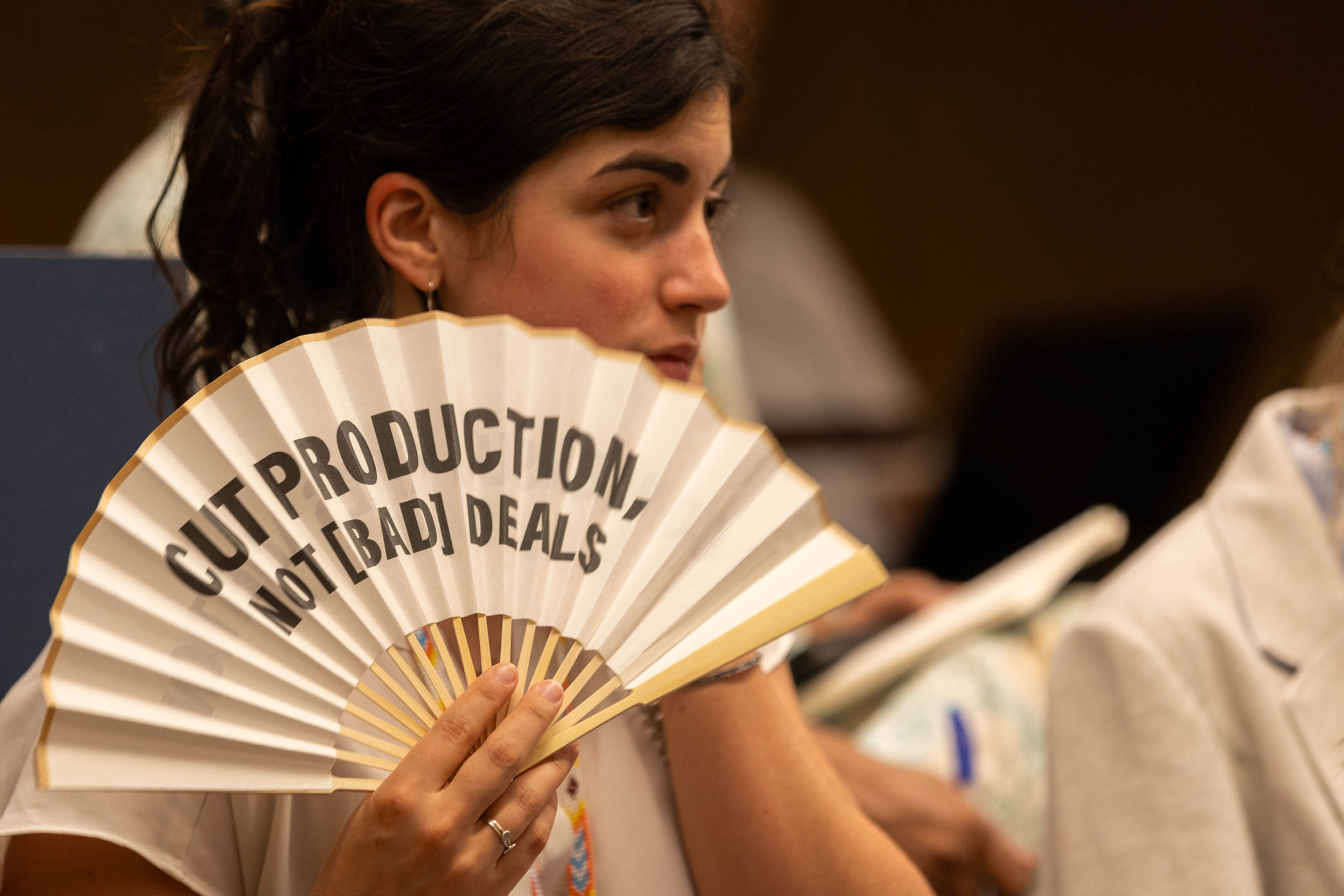
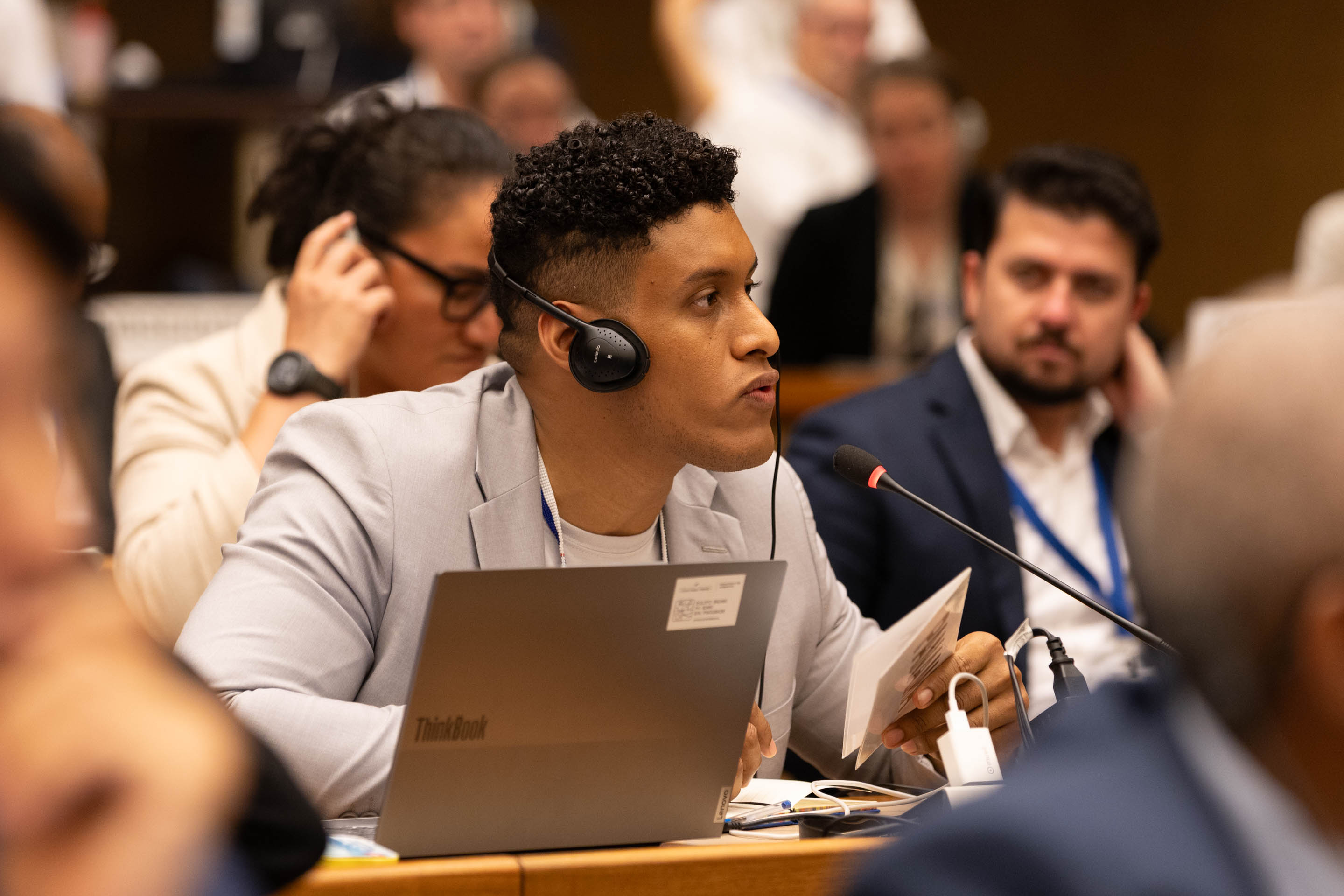
Kirving Lañas Ramos, Panama
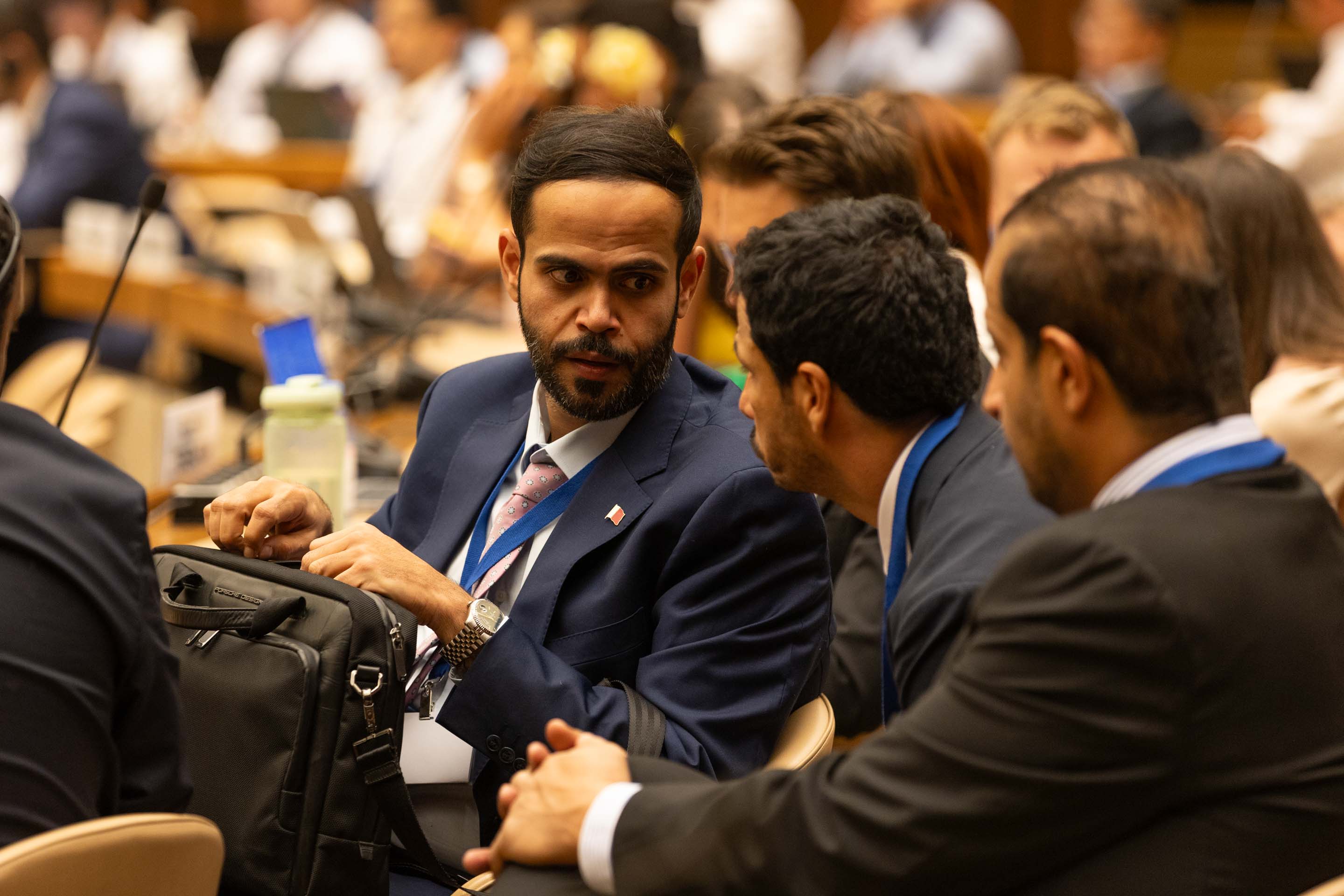
Delegates consult during the session
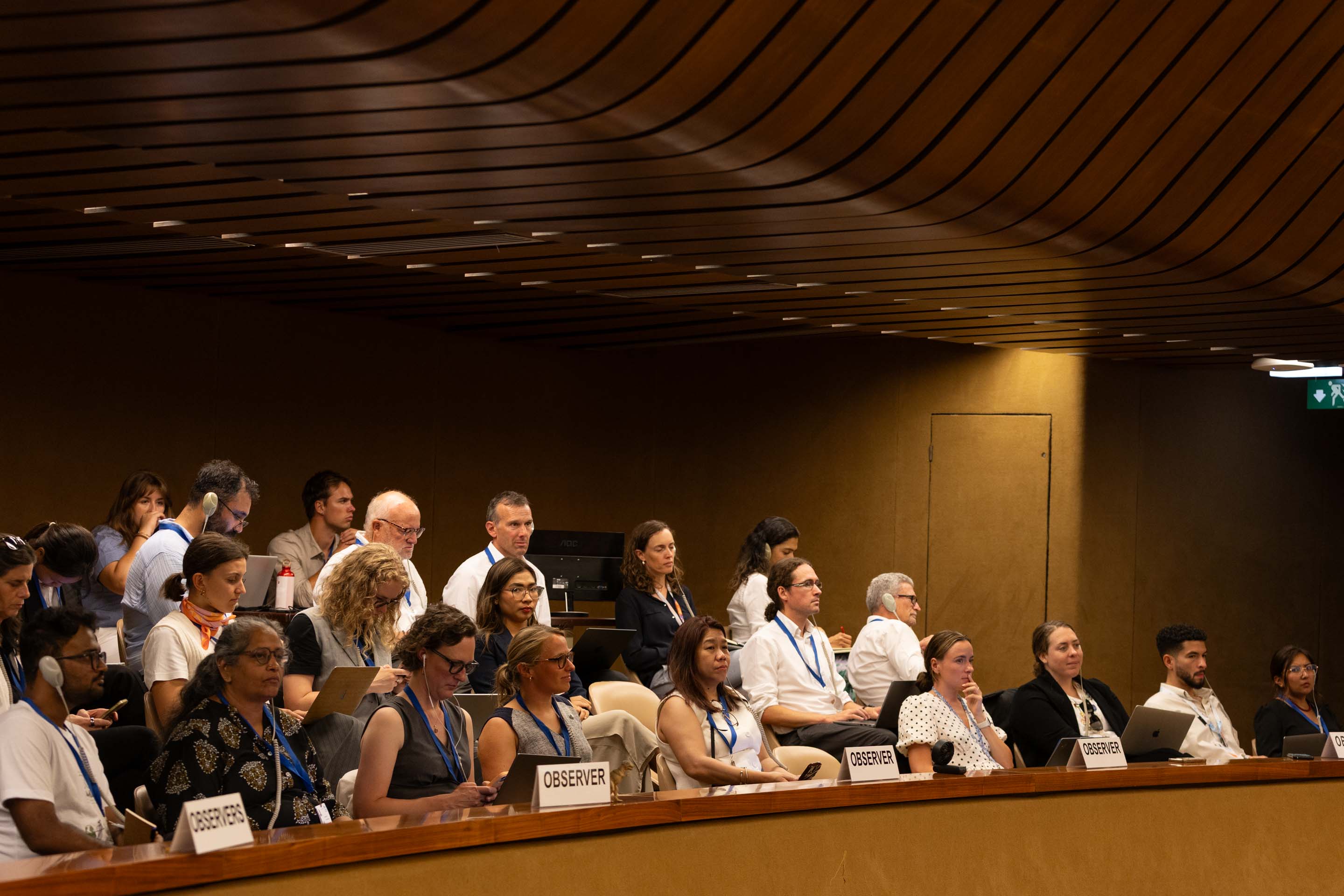
Observer delegates listen to the discussions
Contact Group 3
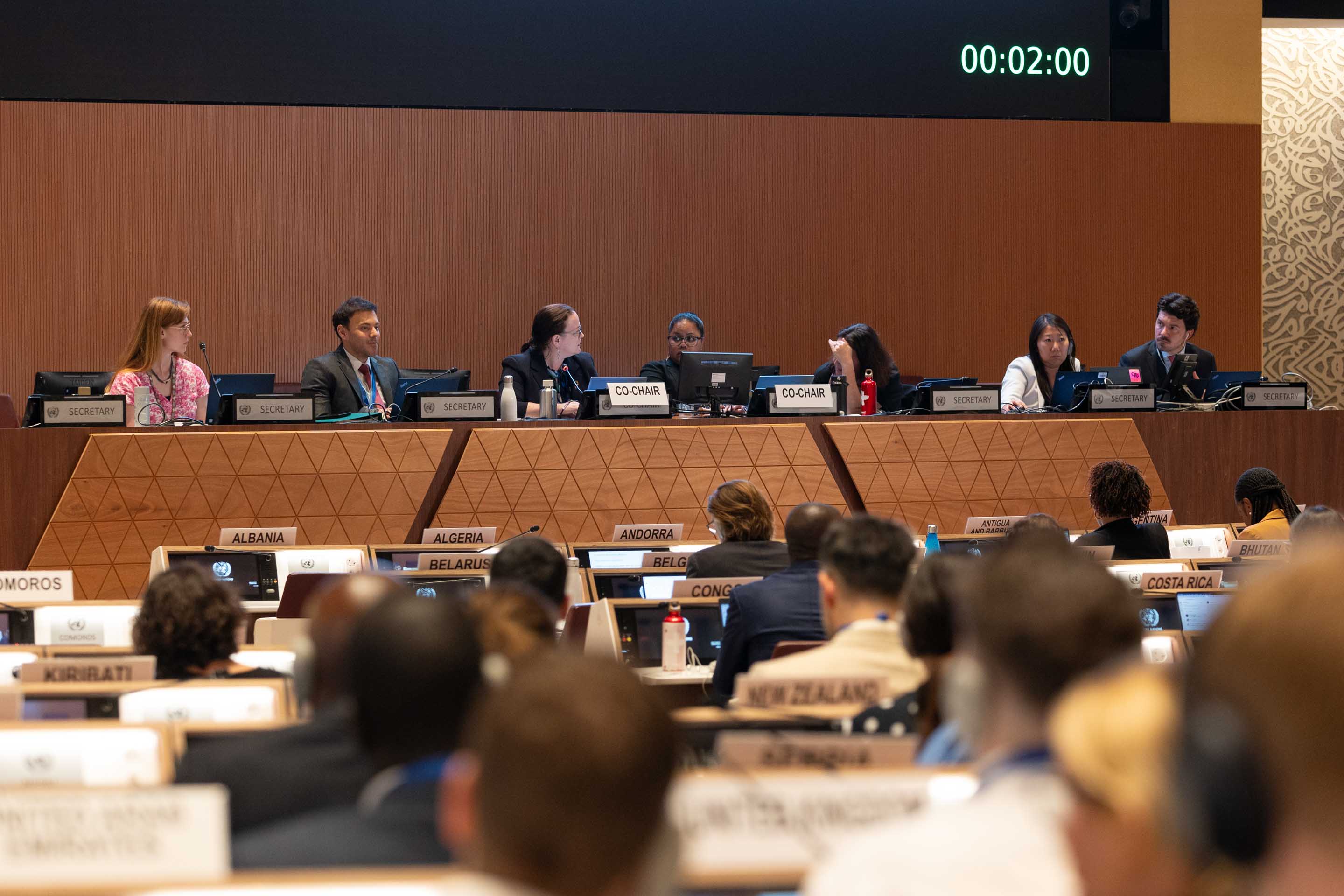
Delegates gather for Contact Group 3
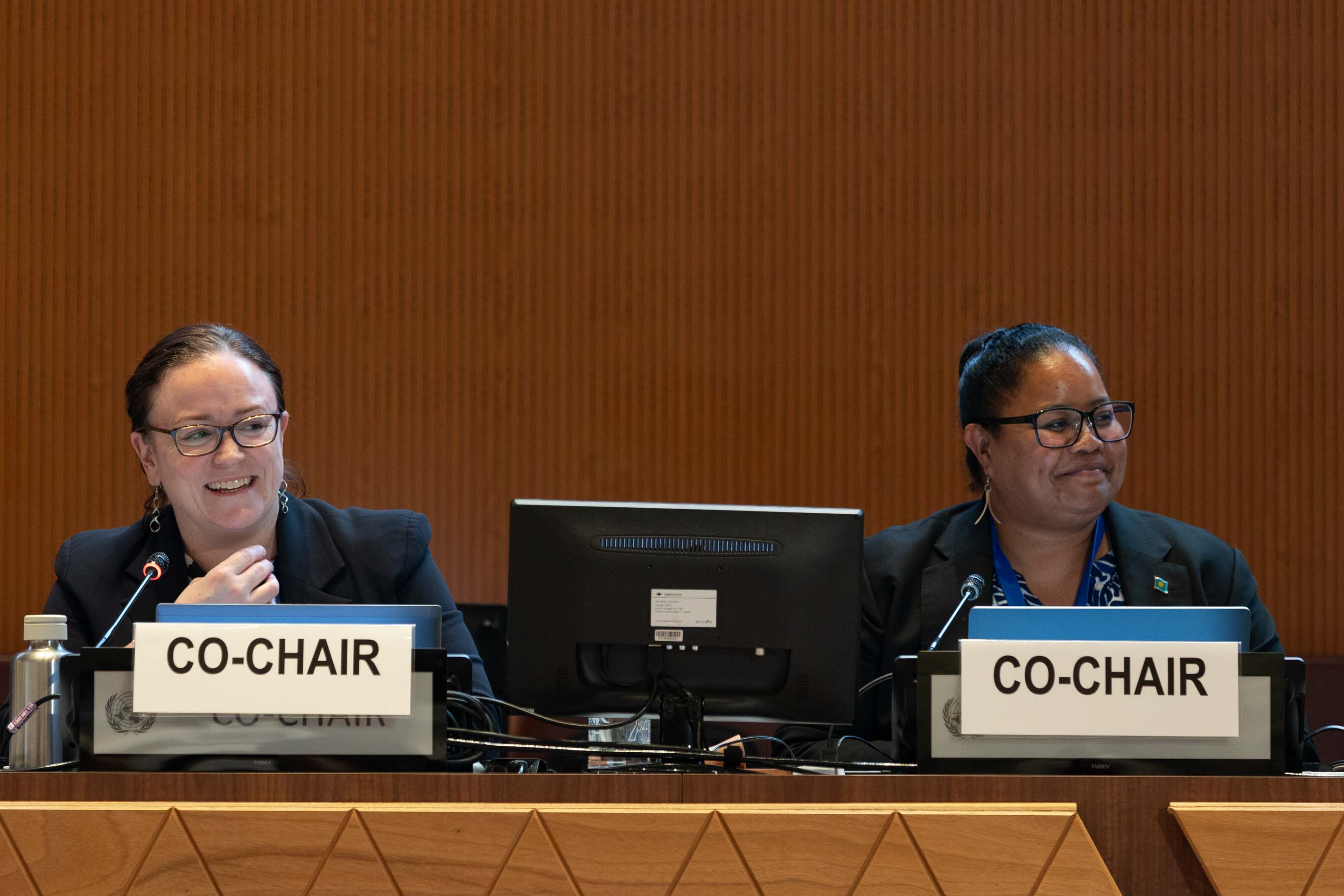
Contact Group 3 Co-Chairs Kate Lynch, Australia, and Gwen Sisior, Palau
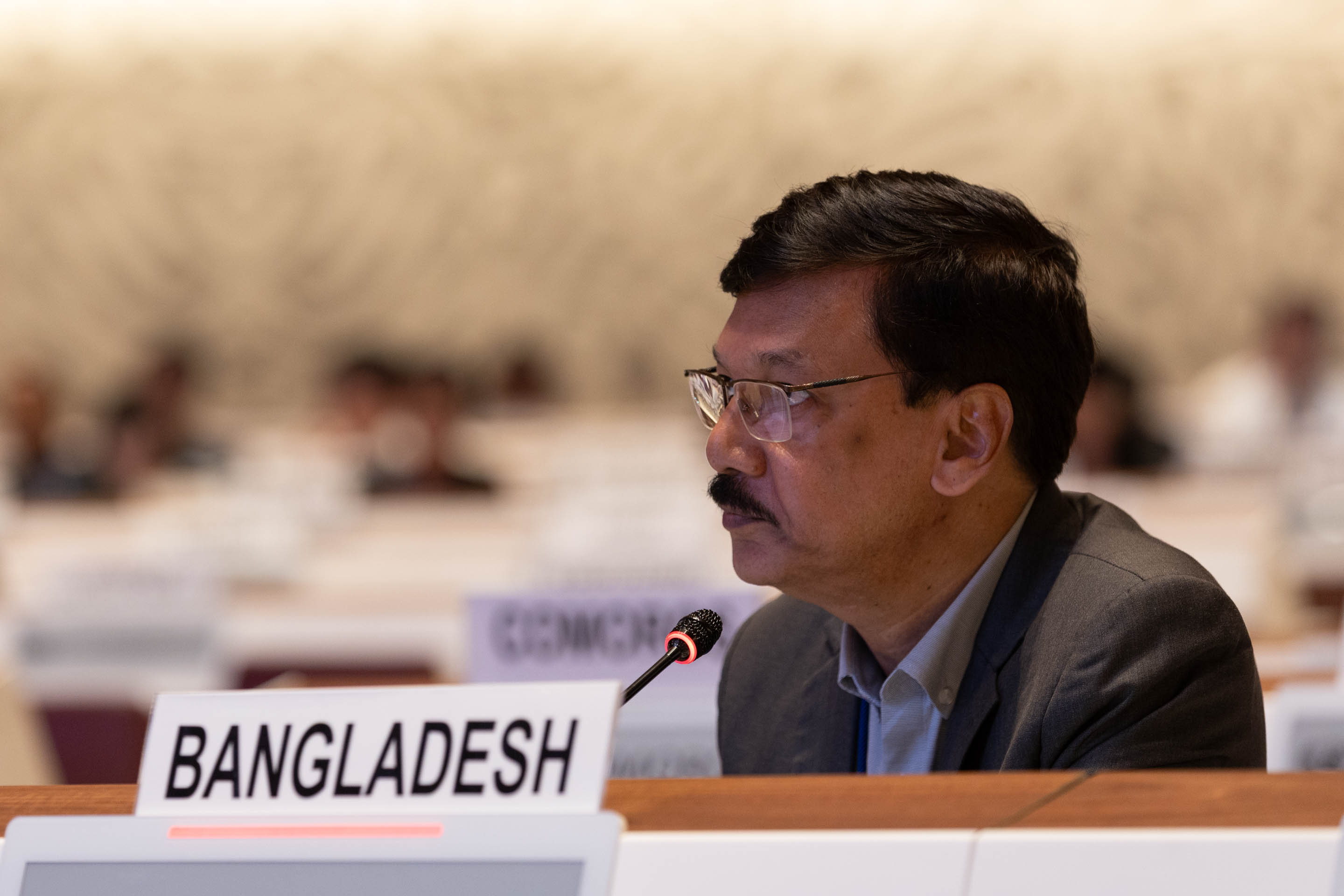
Shahriar Hossain, Bangladesh
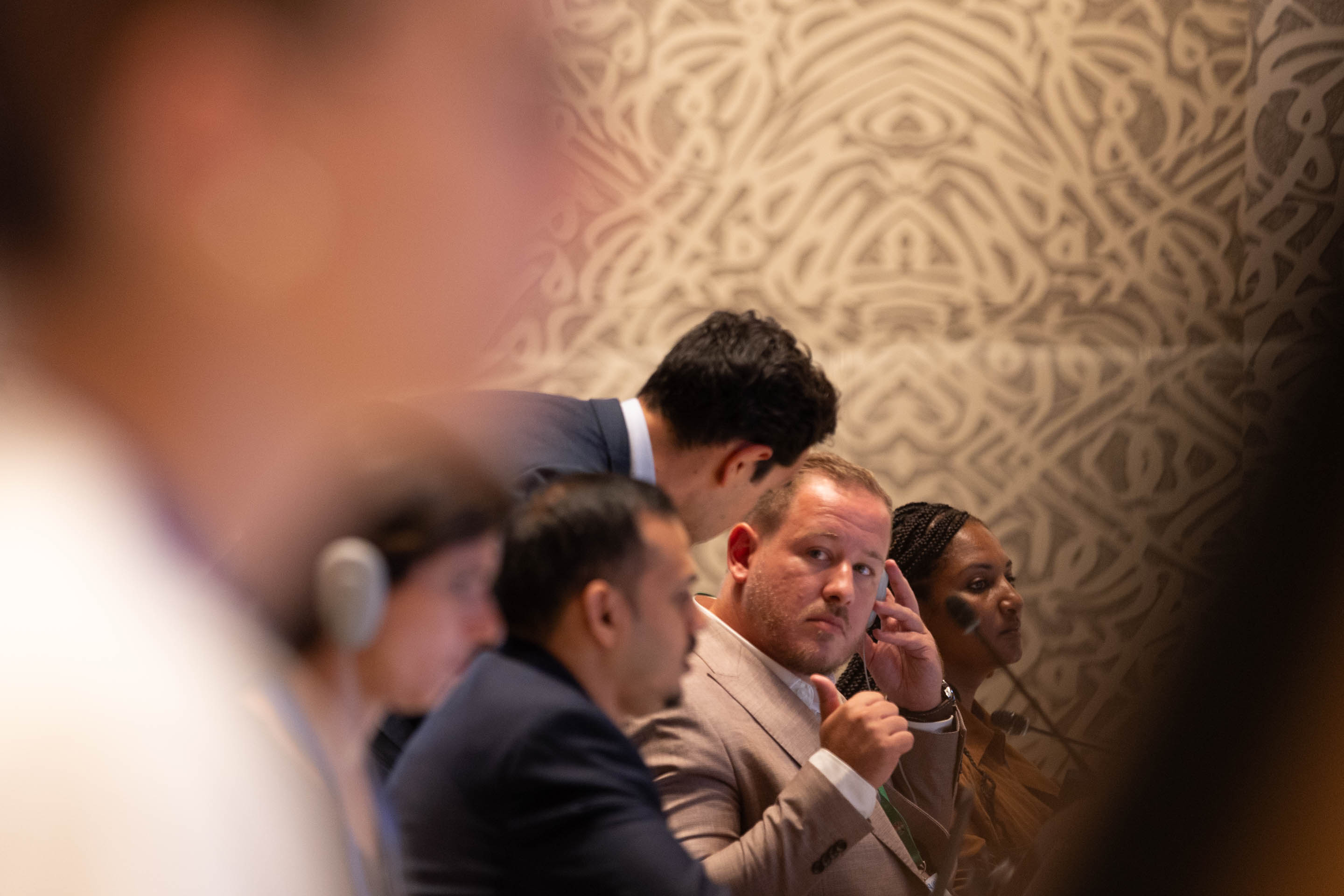
Delegates consult during the session
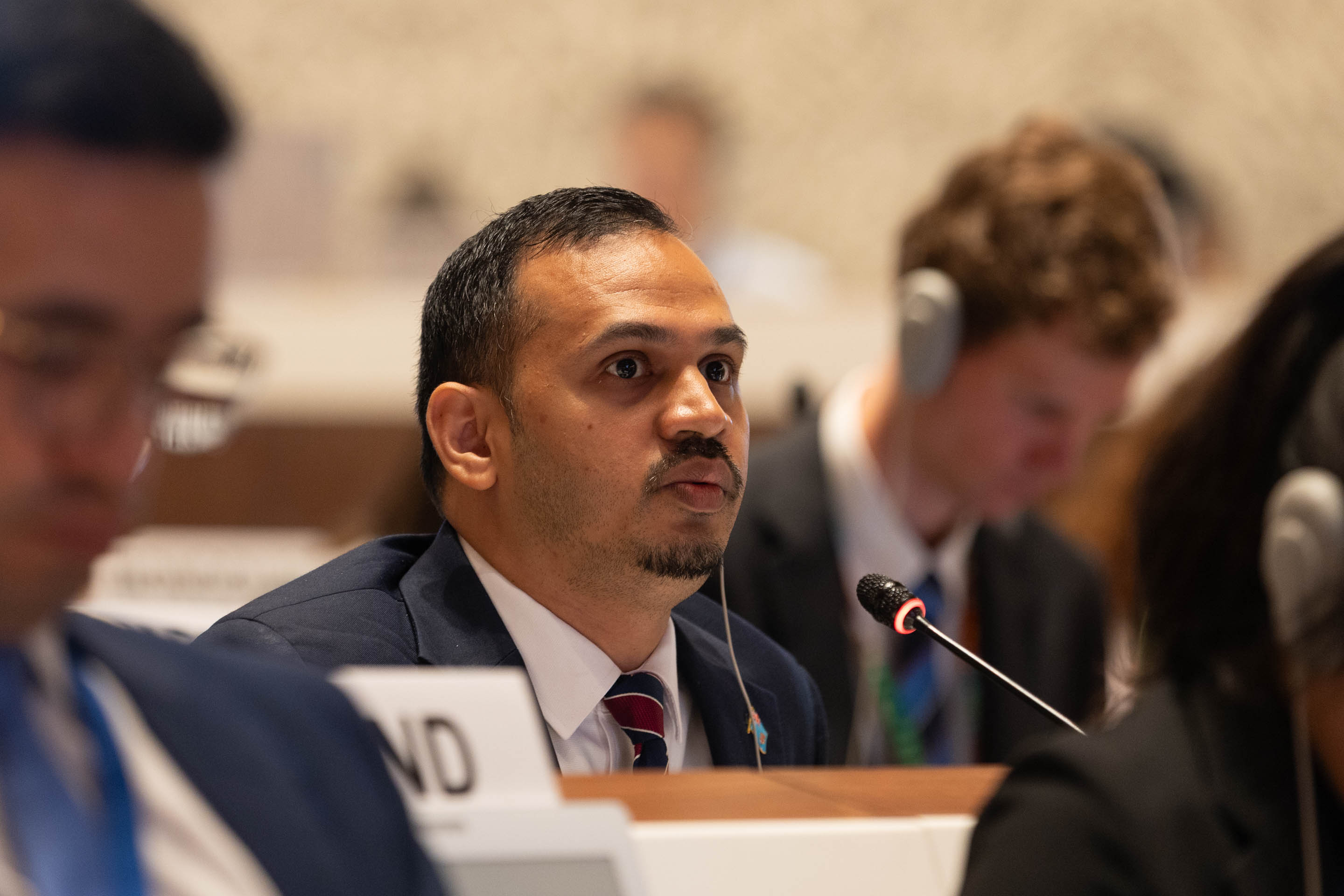
Sivendra Michael, Fiji

Cheikh Sylla, Senegal
Contact Group 4
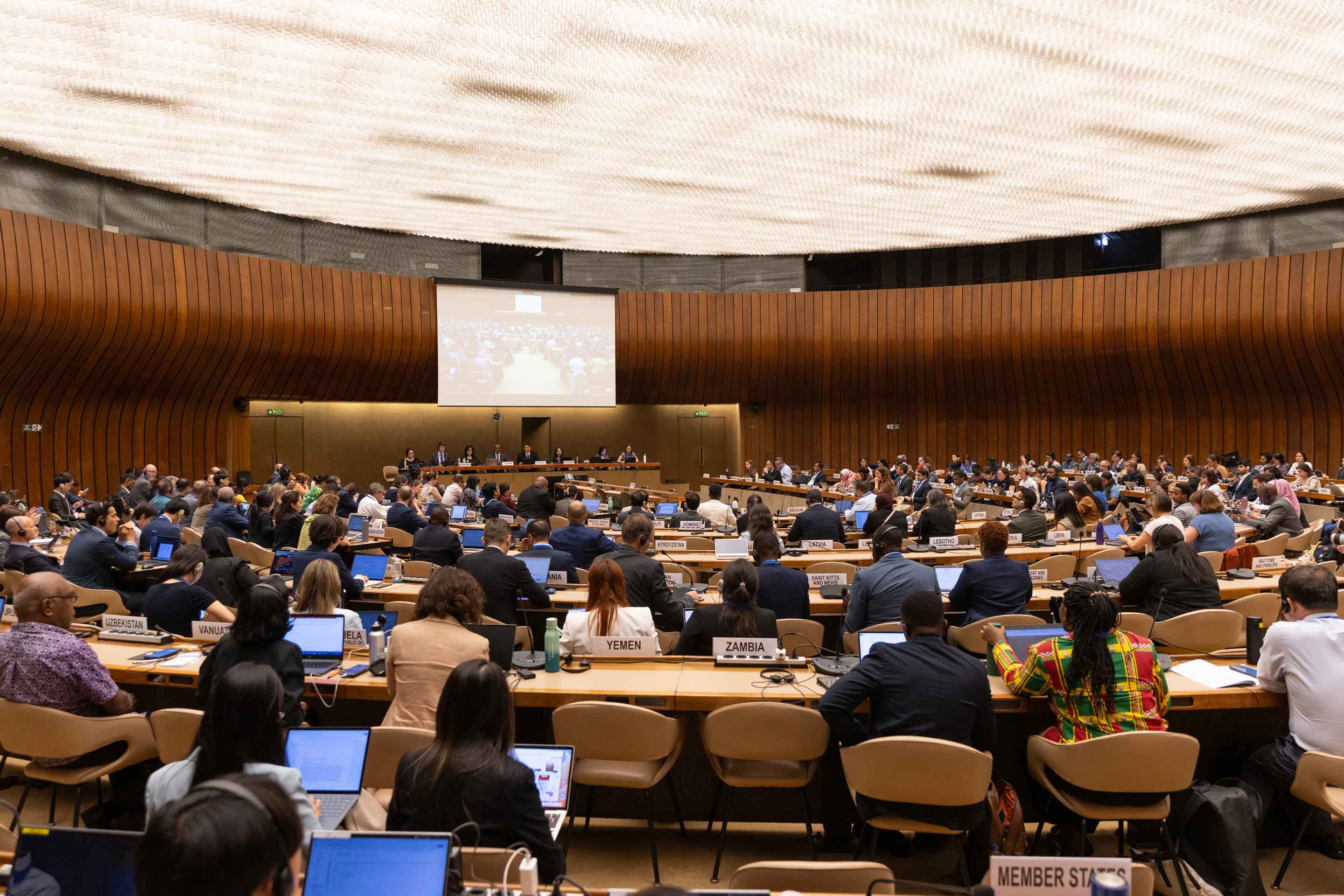
Delegates gather for Contact Group 4
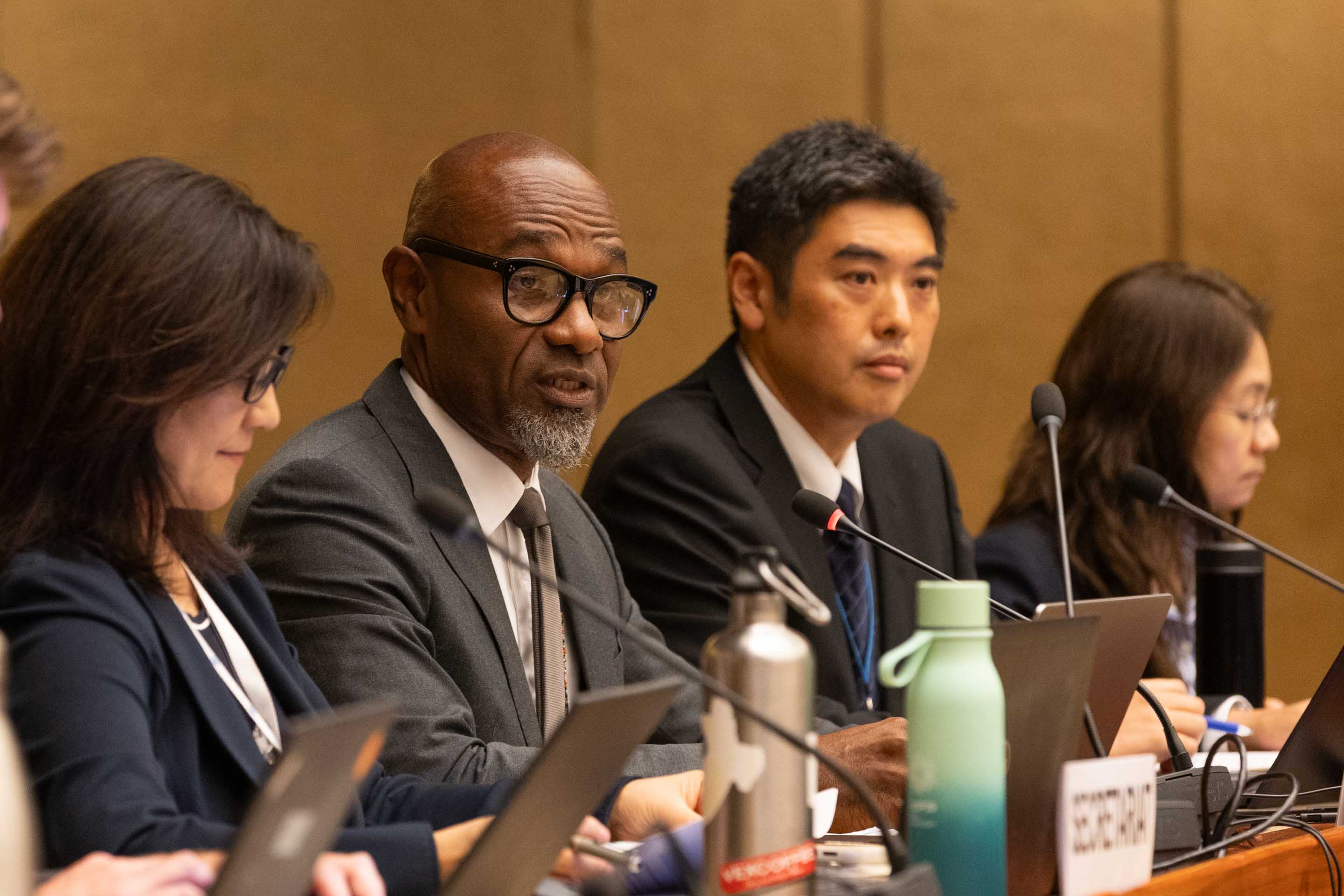
Contact Group 4 Co-Chairs Linroy Christian, Antigua and Barbuda, and Go Kobayashi, Japan
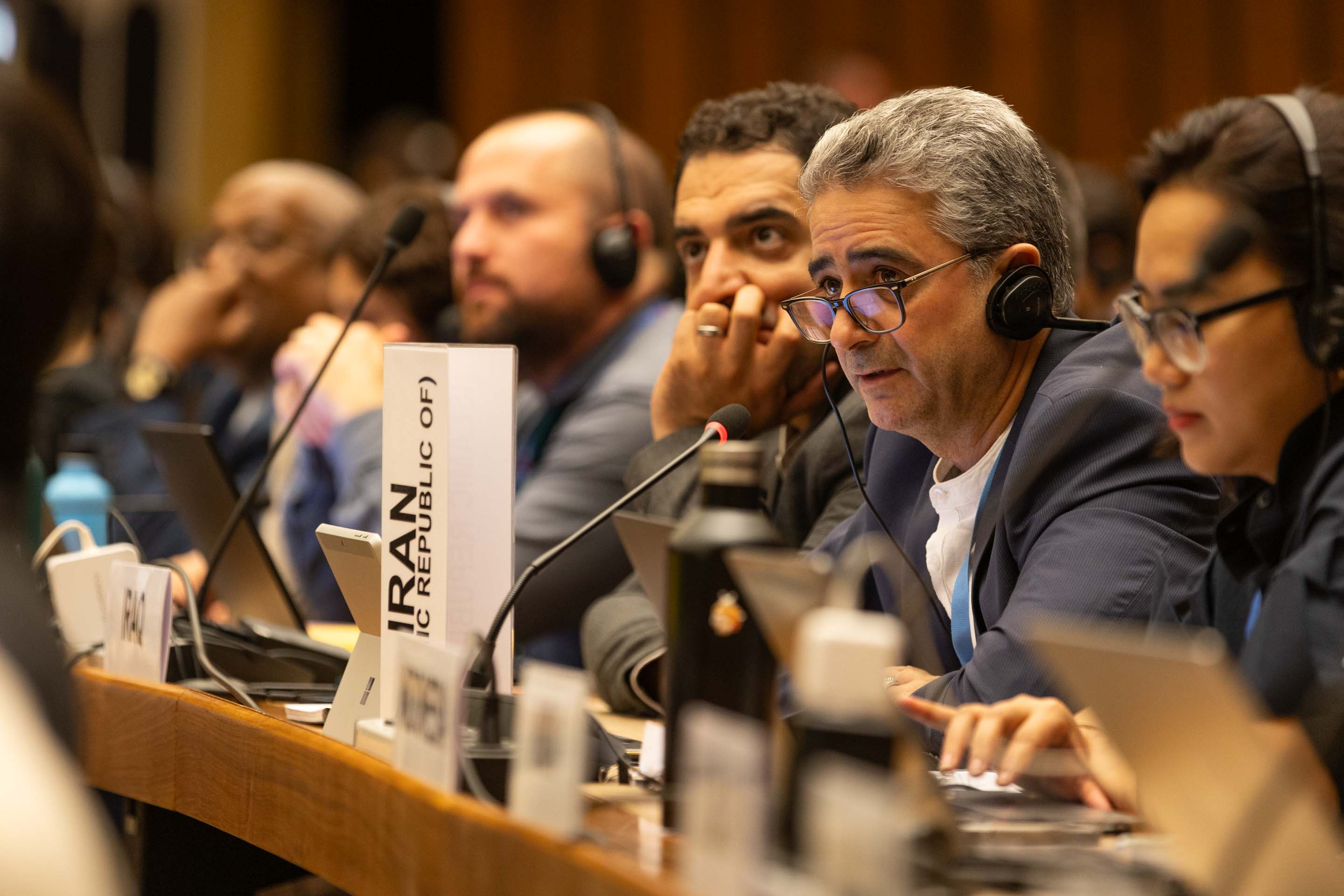
Arman Khorsand, Iran
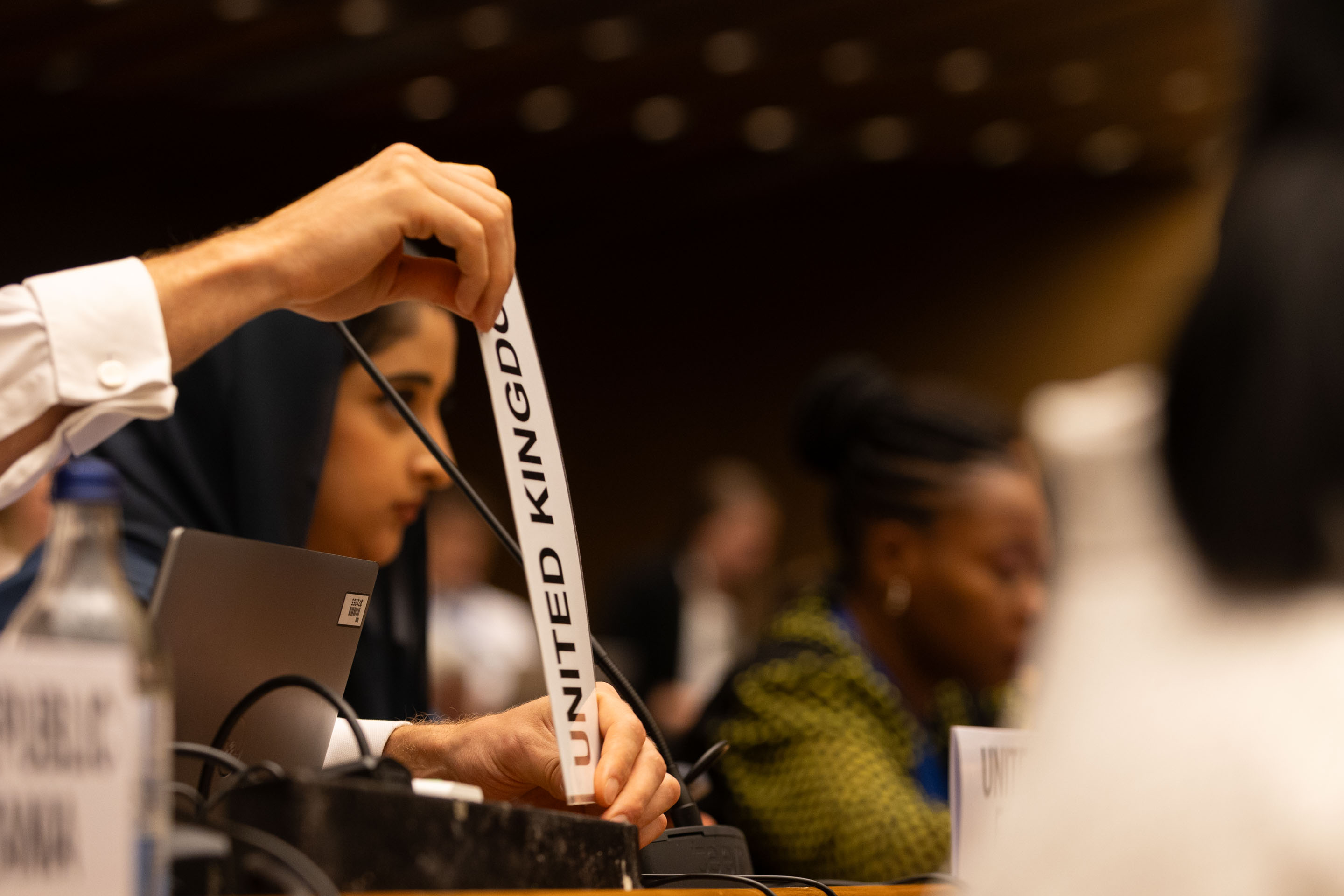
Delegates raise their placards to speak
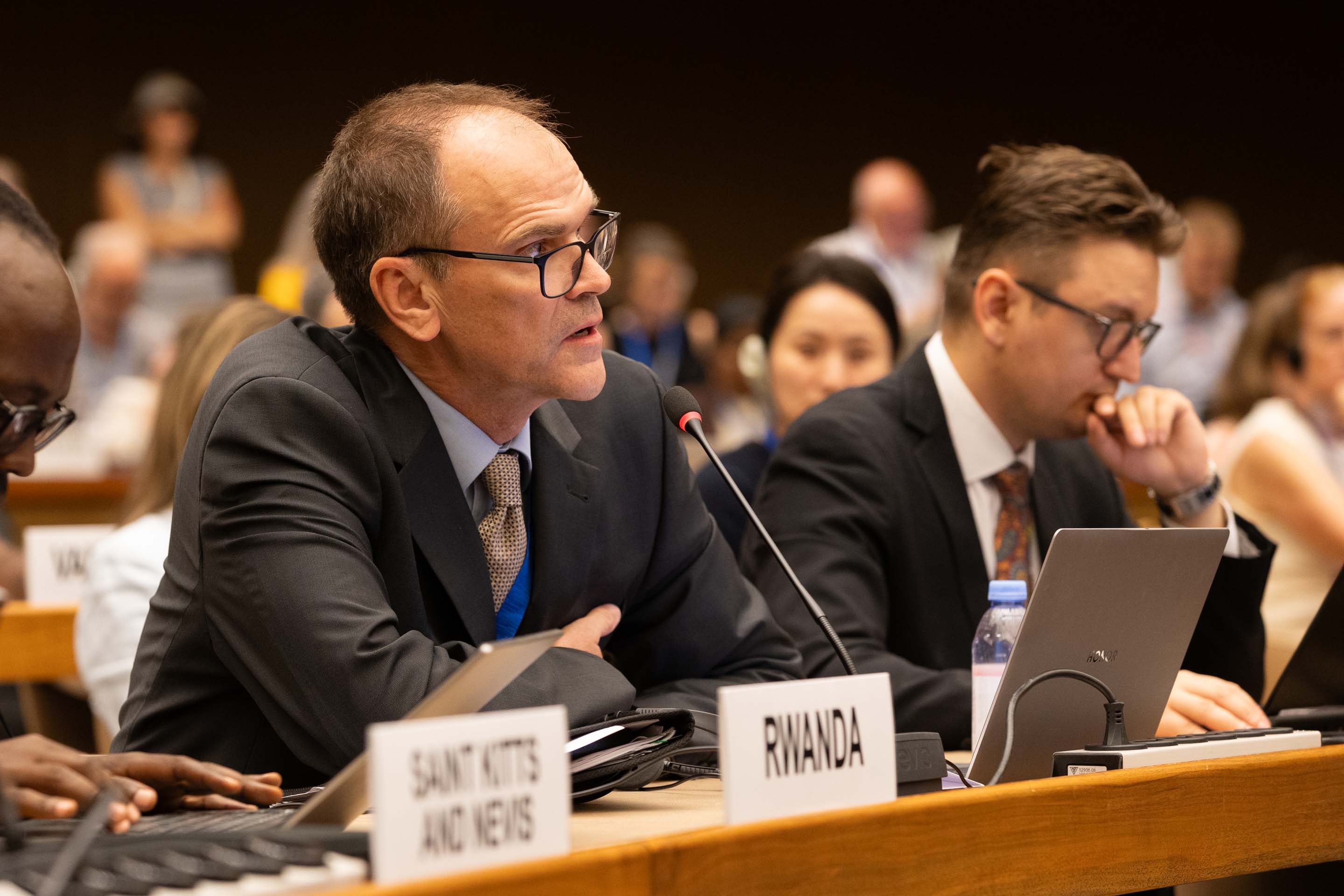
Vladimir Lenev, Russian Federation
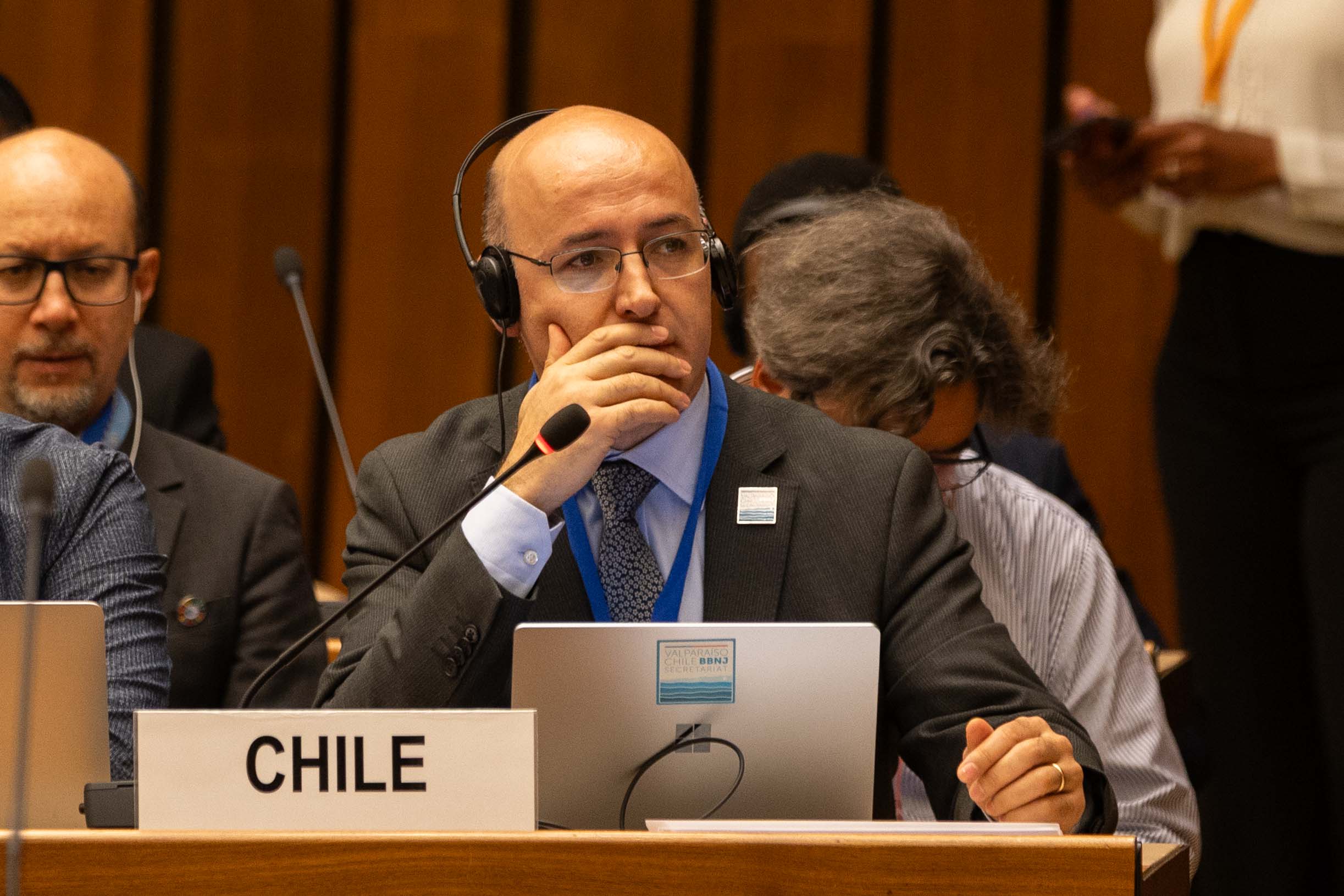
Julio Cordano, Chile
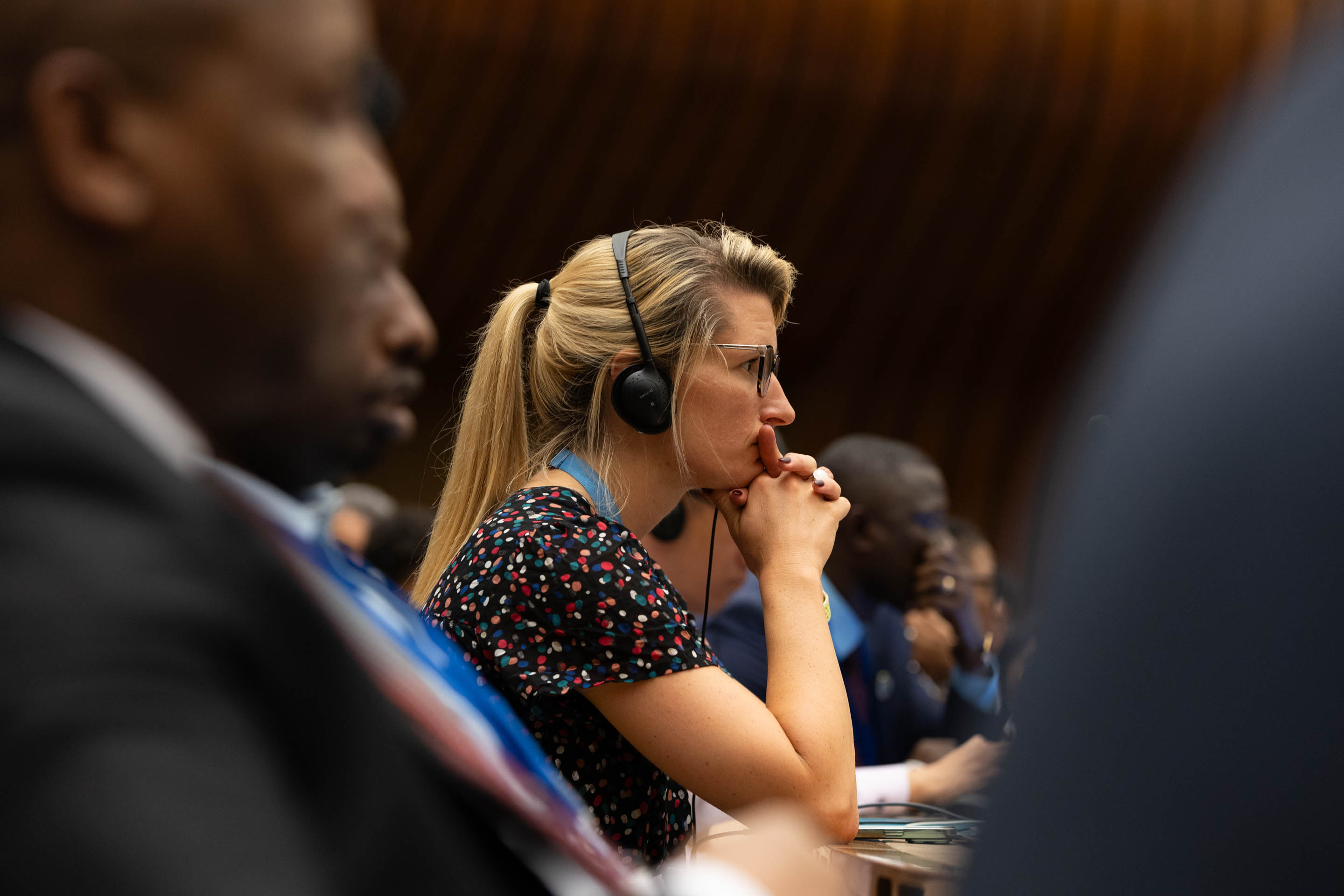
Delegates listen to the interventions
Around the Venue

Delegates are treated to traditional Swiss music at the start of the opening plenary
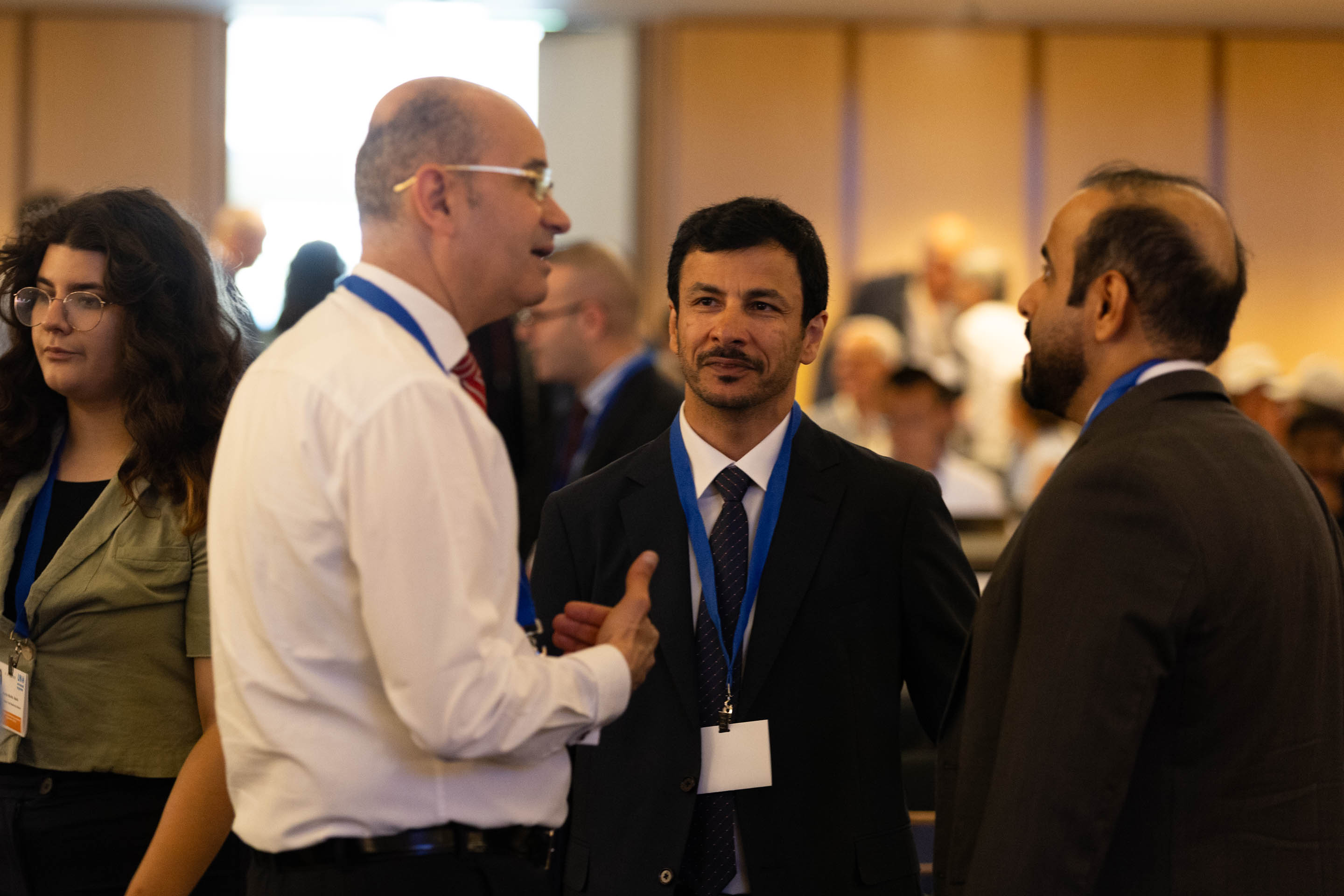
Delegates speak informally
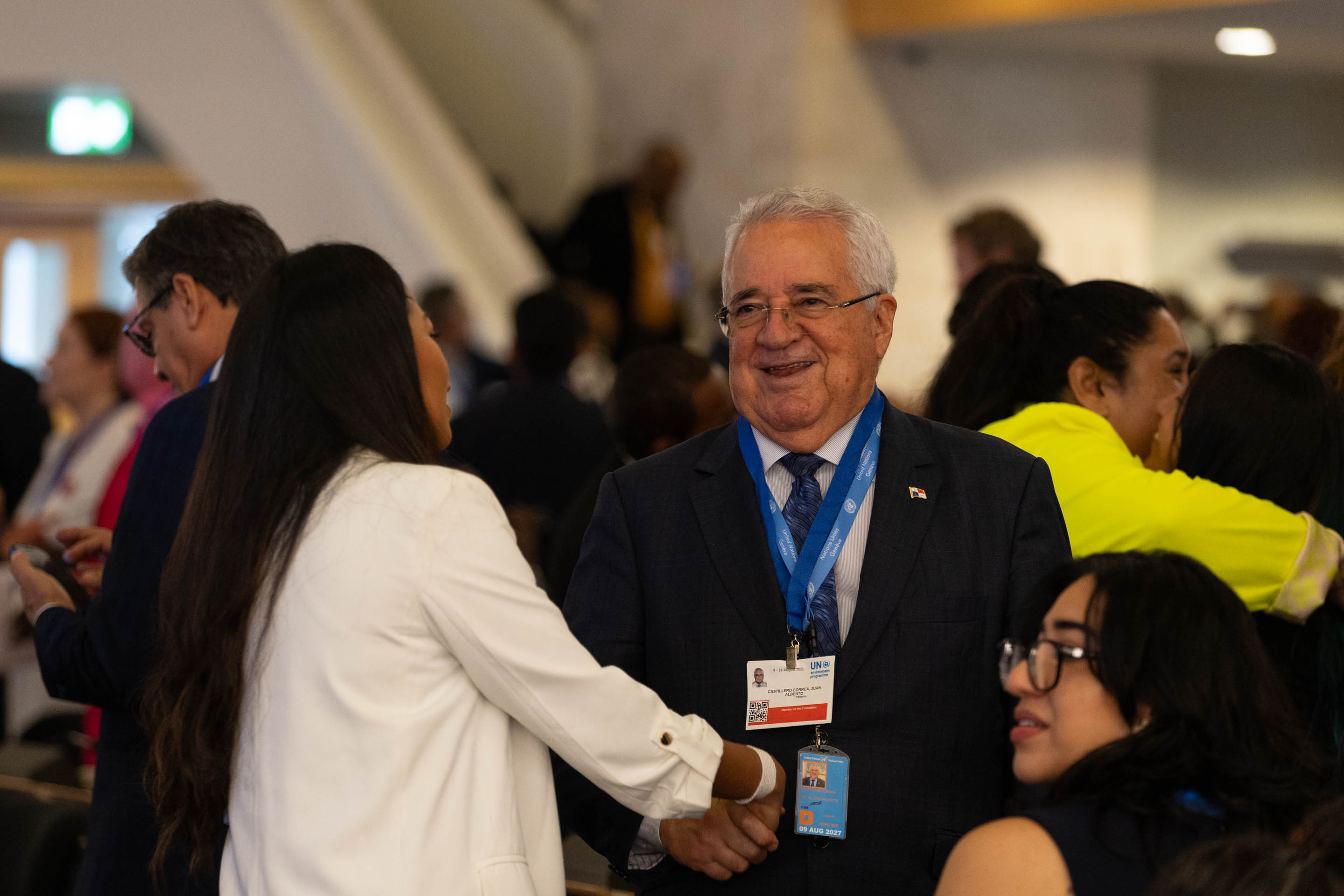
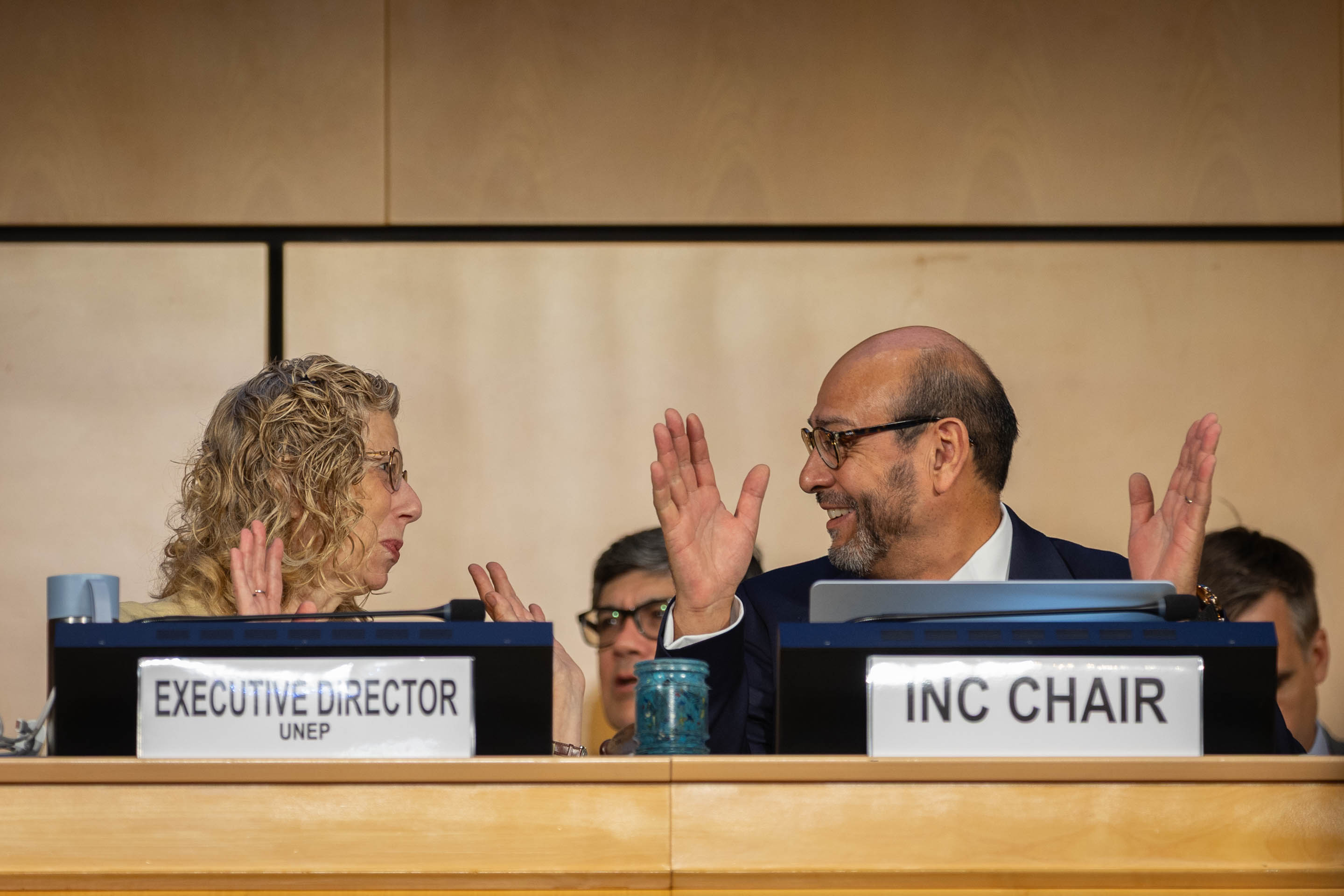
Inger Andersen, Executive Director, UNEP, and INC Chair Luis Vayas, Ecuador
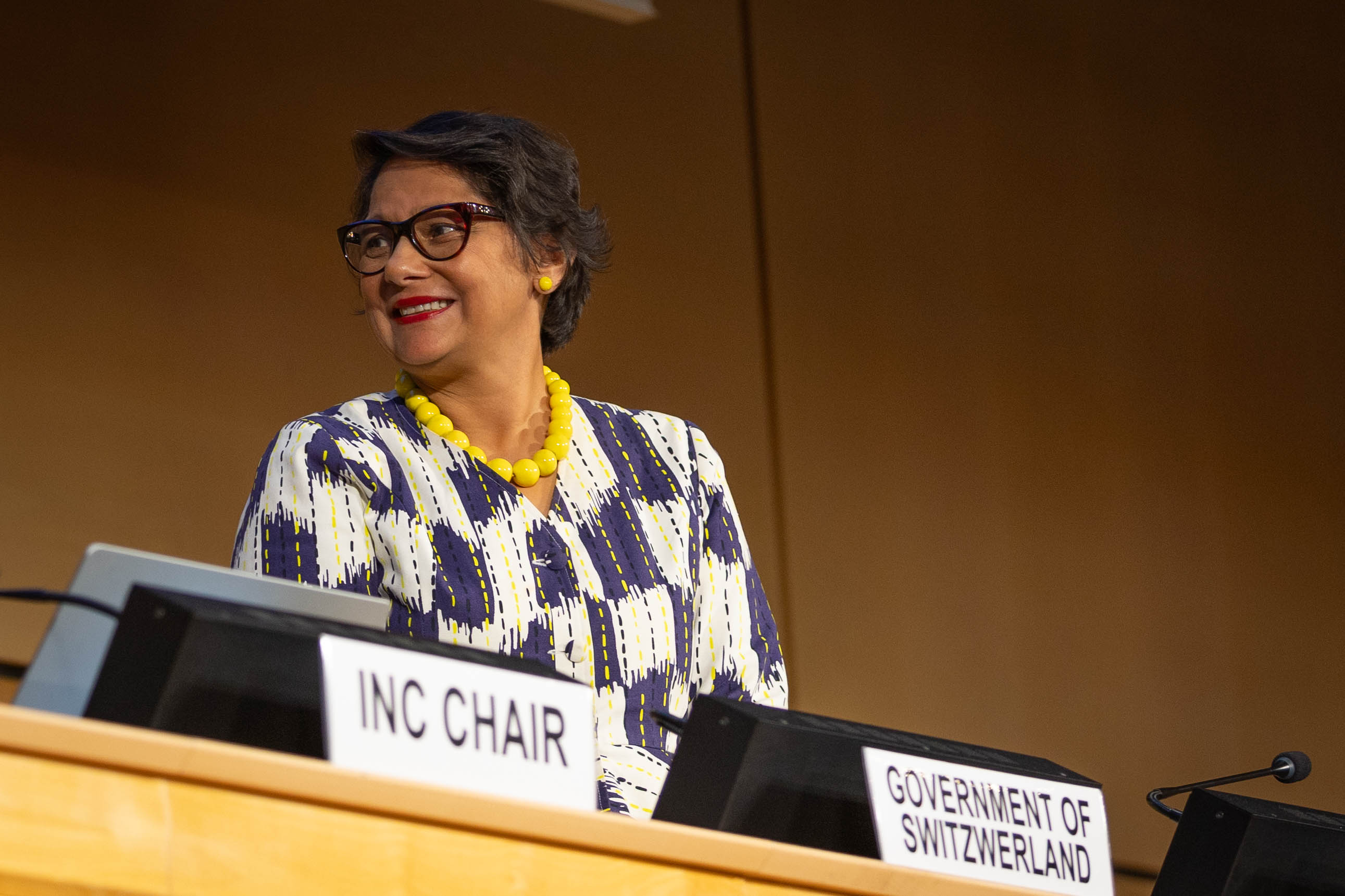
Jyoti Mathur-Filipp, Executive Secretary, INC Secretariat
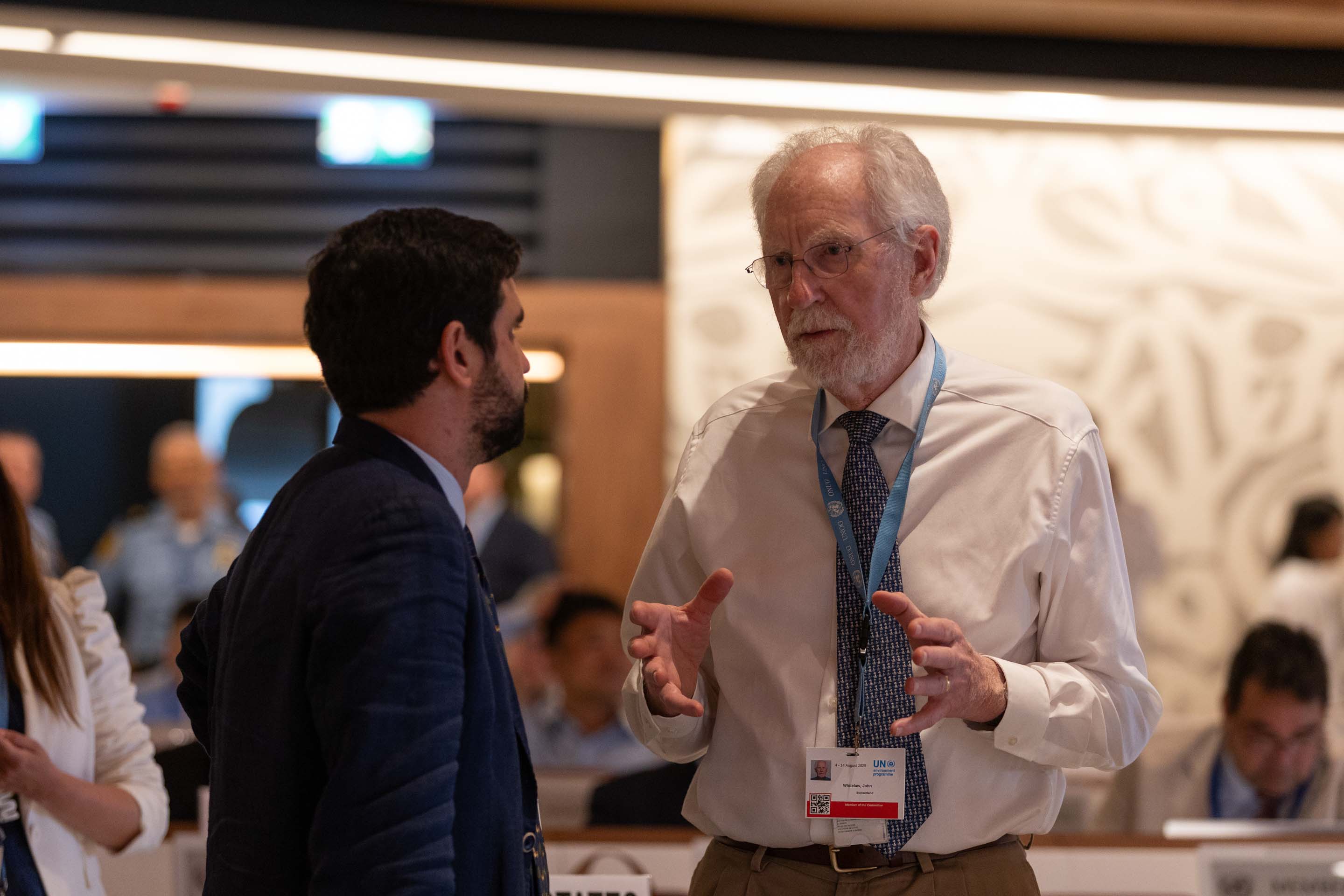
John Whitelaw, Switzerland, consults with a delegate
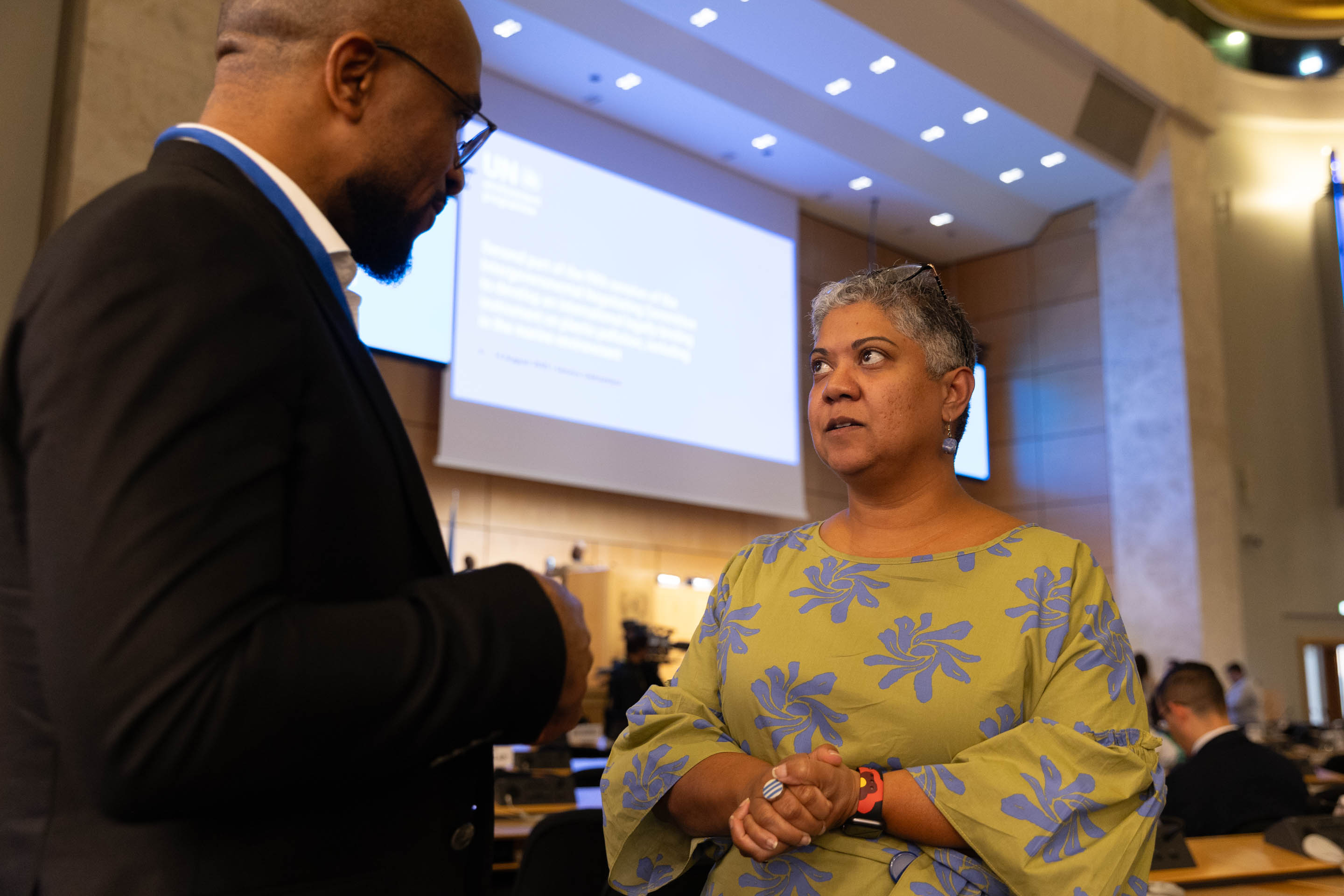
Ailis Rego, INC Secretariat, consults with a delegate

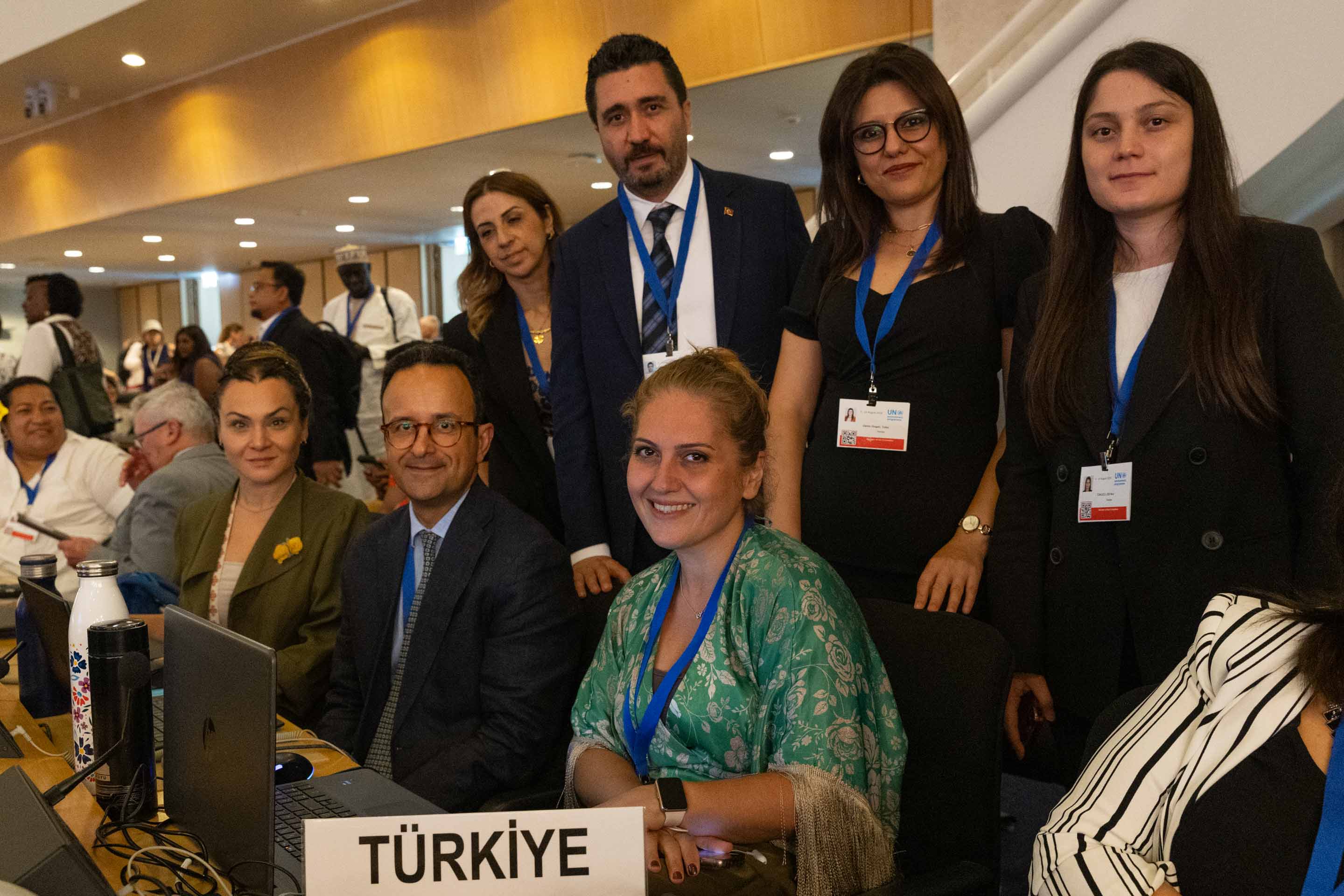
Delegates from Türkiye
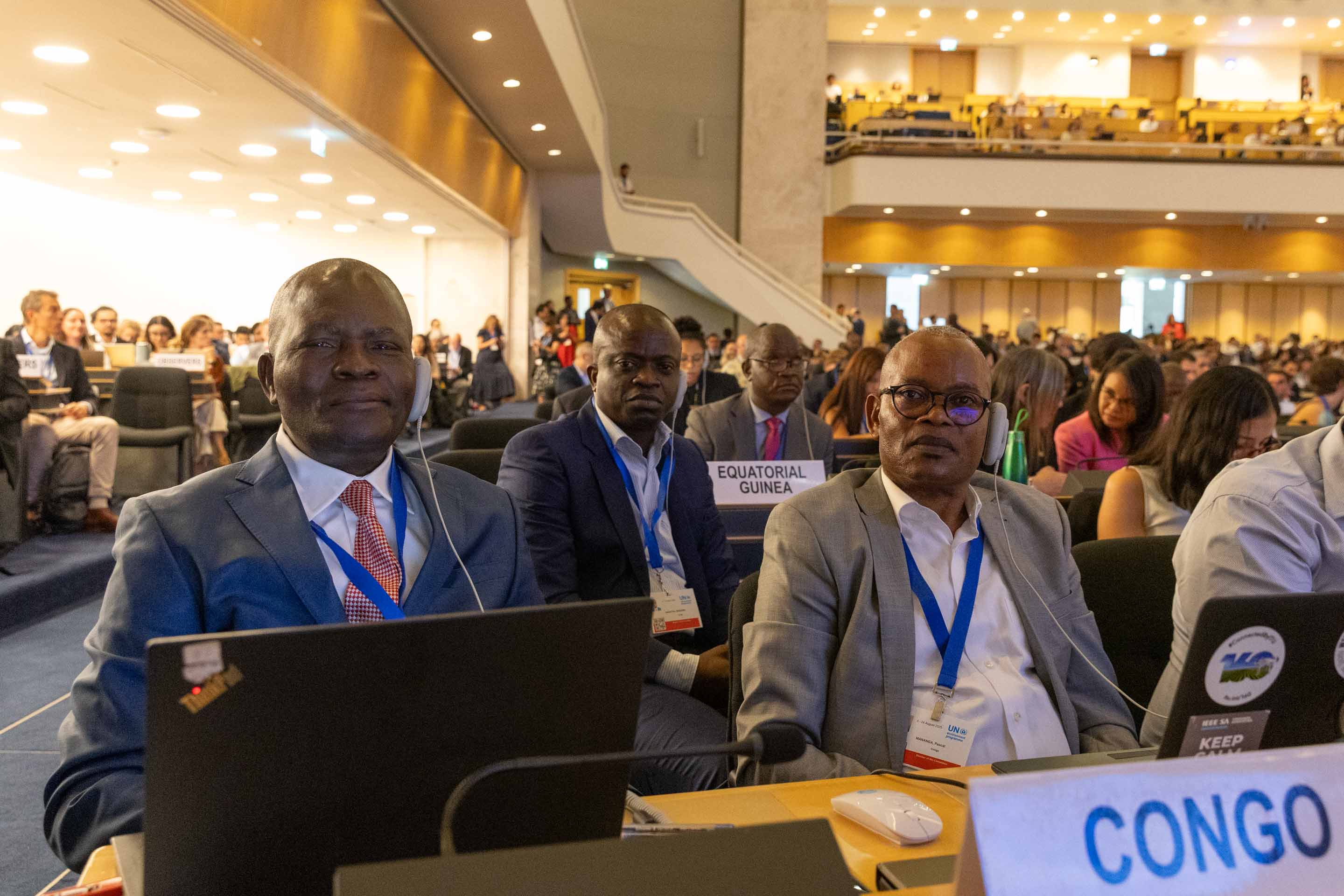
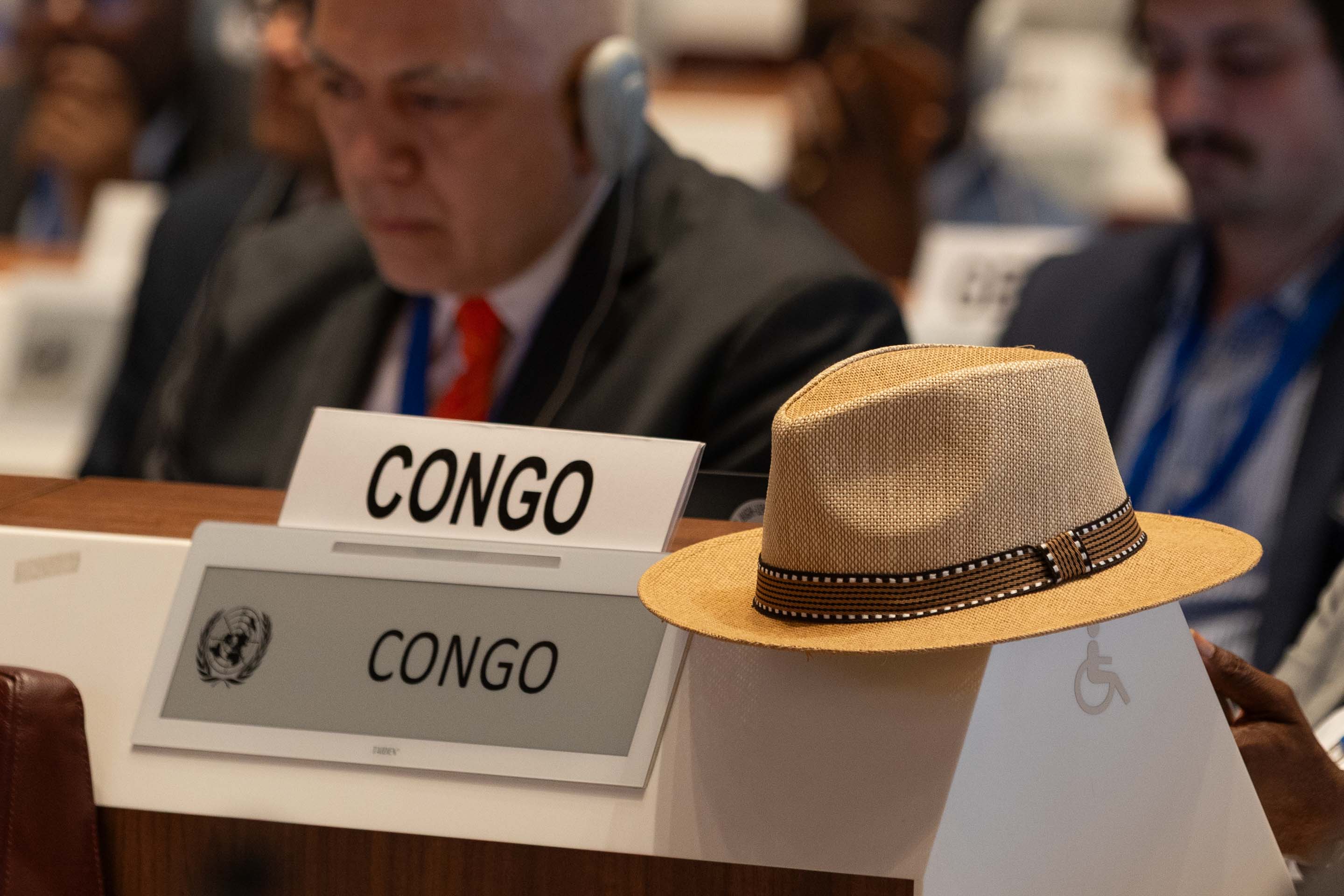
Delegates from Congo
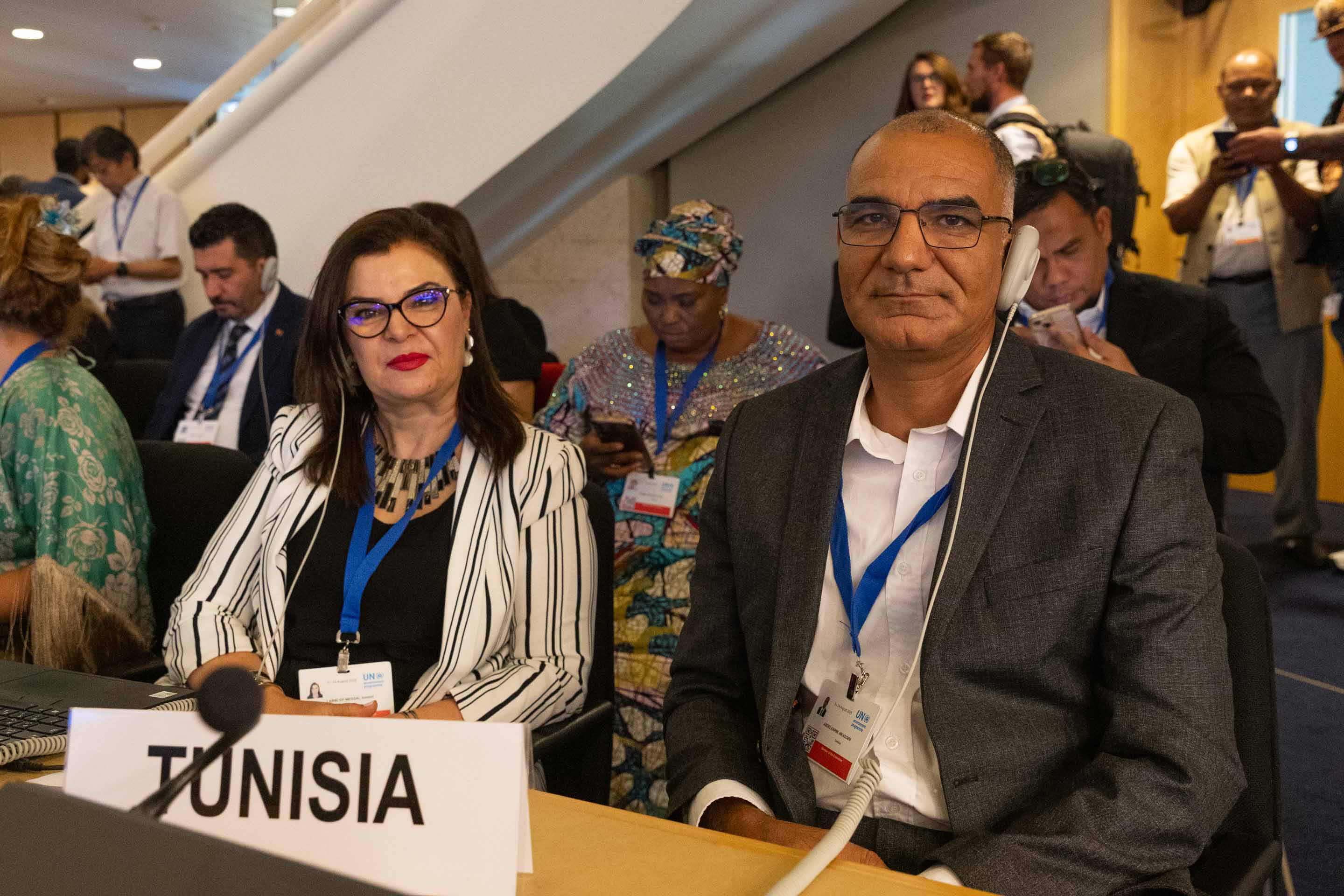
Delegates from Tunisia