
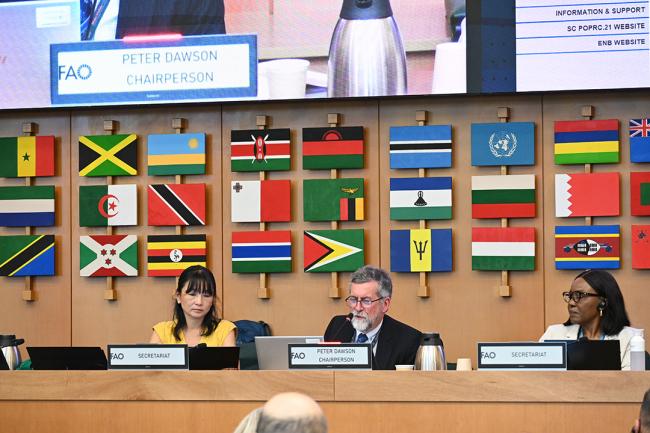
Many persistent organic pollutants (POPs) regulated by the global community since 2004 are steadily declining in the environment and humans, as presented by the Global Monitoring Plan (GMP) to the 2023 Conference of the Parties (COP) of the Stockholm Convention. This news, perhaps not celebrated enough around the world, shows that in 20 years the Convention has proved effective, an achievement that not every multilateral environmental agreement can flaunt.
To confirm the success of a treaty aimed at phasing out or phasing down chemical substances, monitoring of these substances is a must. The GMP process is central to this - set up on a regional basis, it collects information on the listed POPs to present trends on their presence in air, soil, and humans. Notably, as highlighted by the Co-Chairs of the GMP’s Global Coordination Group, GMP’s role is also to promote national monitoring capacity to ensure that gaps in national monitoring, especially in biomonitoring, are addressed. POPs Review Committee (POPRC) discussed the ways to collaborate with the GMP to ensure that both operate more efficiently and build on each other’s work.
After a POP is produced, and before it ends up in the air, soil, or living organisms, it often travels not just in the environment but also along the supply chain. The journey does not end with the final consumer product - it continues to the landfill or a recycling facility, where the POP either leaks in the environment or ends up back in the consumer goods.
POPRC has confirmed that several POPs are present across complex globalized supply chains. Proactively gathering information was seen by many members as preferential to learning about the uses of a POP when it is set to be listed by the COP. Data on each of these stages for the complex industrial chemical groups listed by the POPRC in the last decade is scarce and fragmented. The Committee members, observers, industry representatives, and NGOs spent the day brainstorming concrete proposals for improving information gathering at the risk management stage (Annex F). The chemicals industry presented a database on chemical additives in plastics, showcasing their attempt to make the supply chain a bit more transparent.
Selected Images
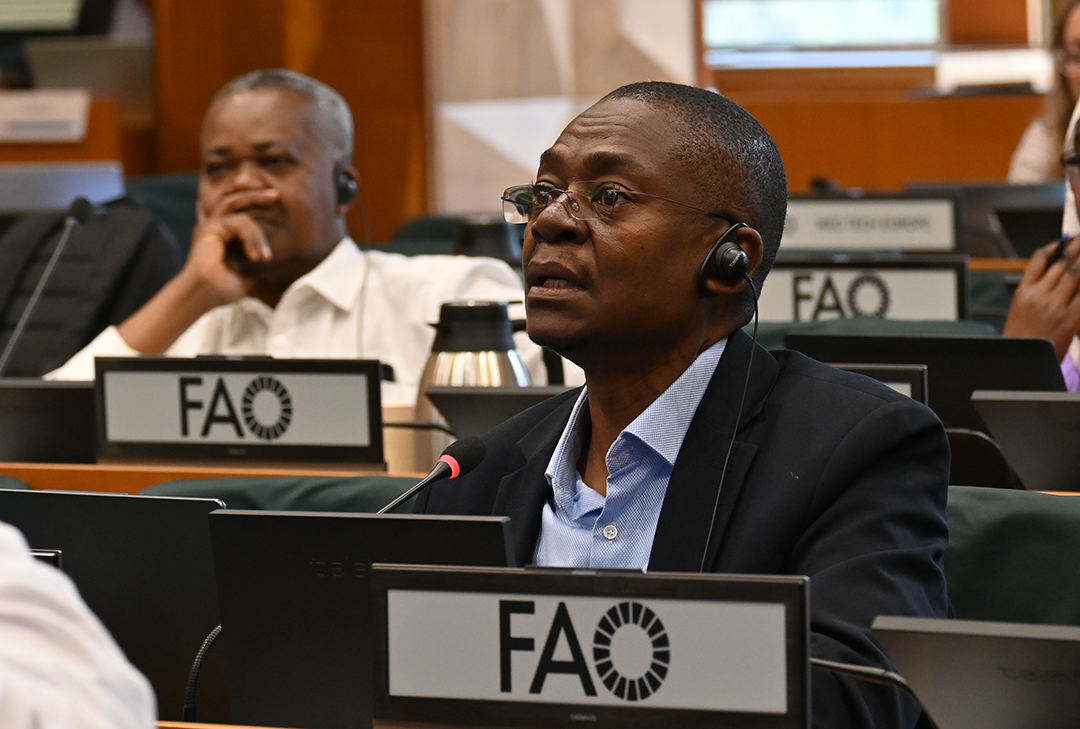
POPRC member John Mumbo, Kenya
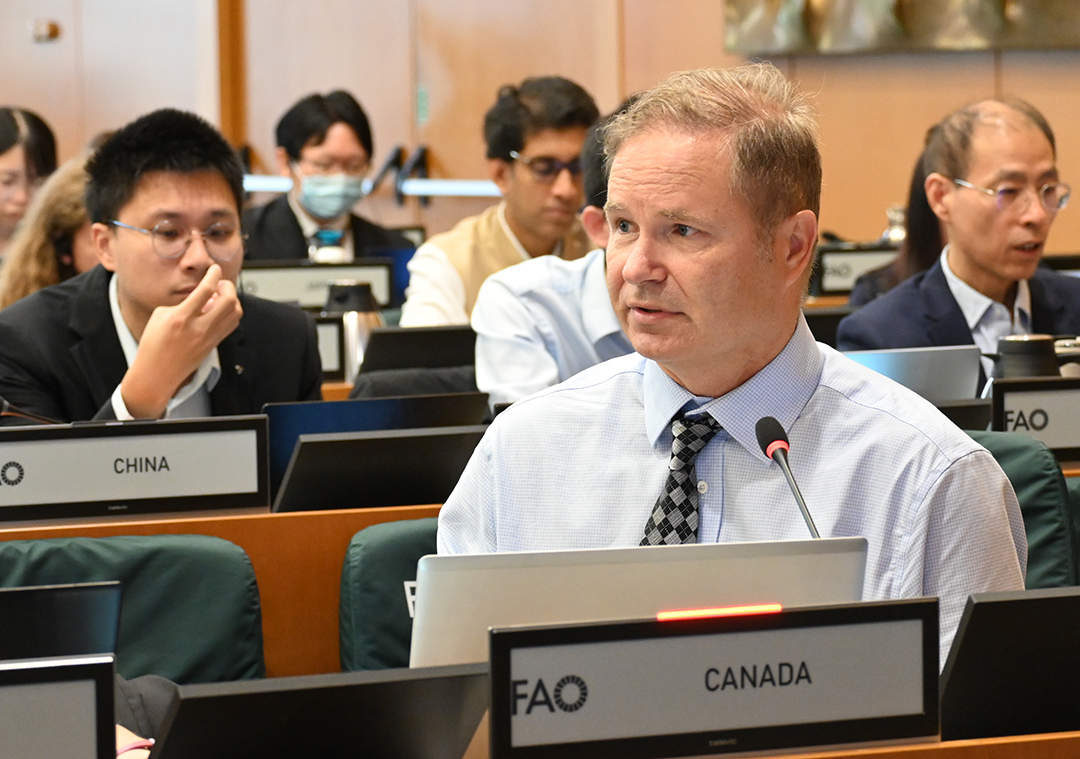
Co-Chair of the GMP’s Global Coordination Group Tom Harner, Canada
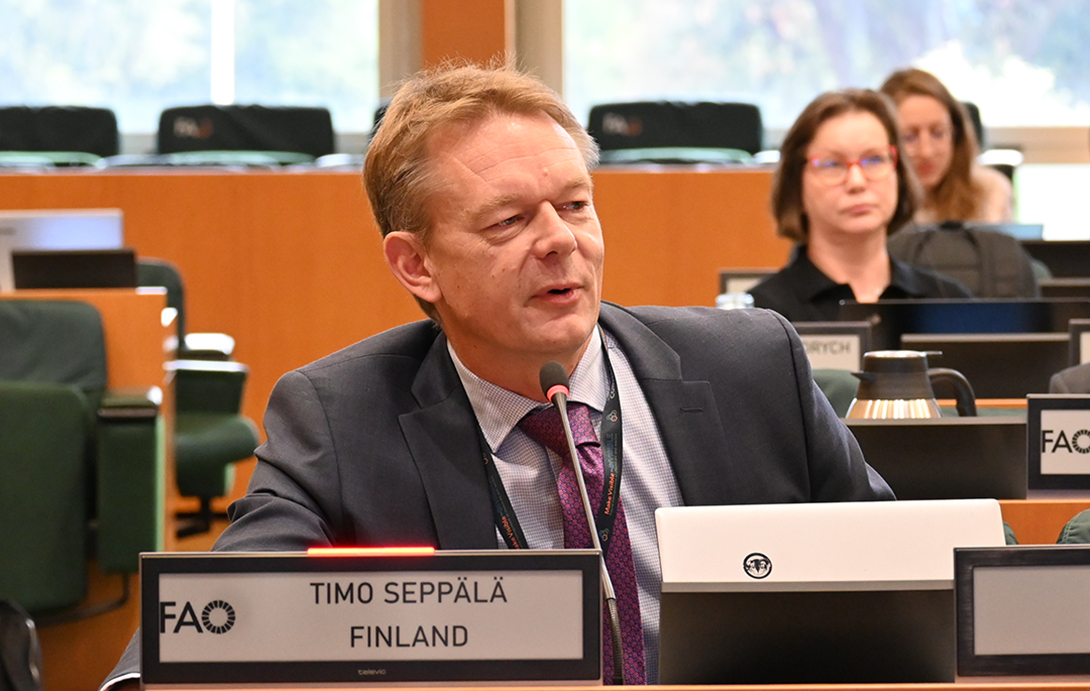
POPRC member Timo Seppälä, Finland
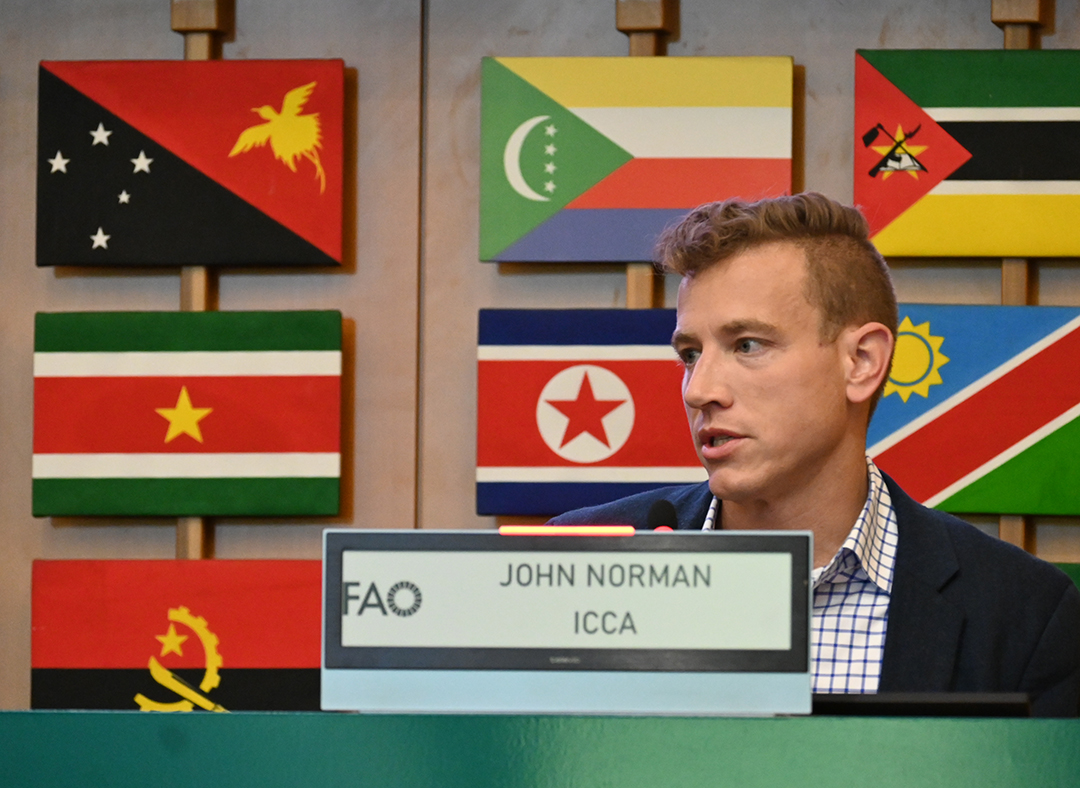
John Norman, International Council of Chemical Associations (ICCA)

POPRC members Magdalena Frydrych, Poland, and Victorine Pinas, Suriname
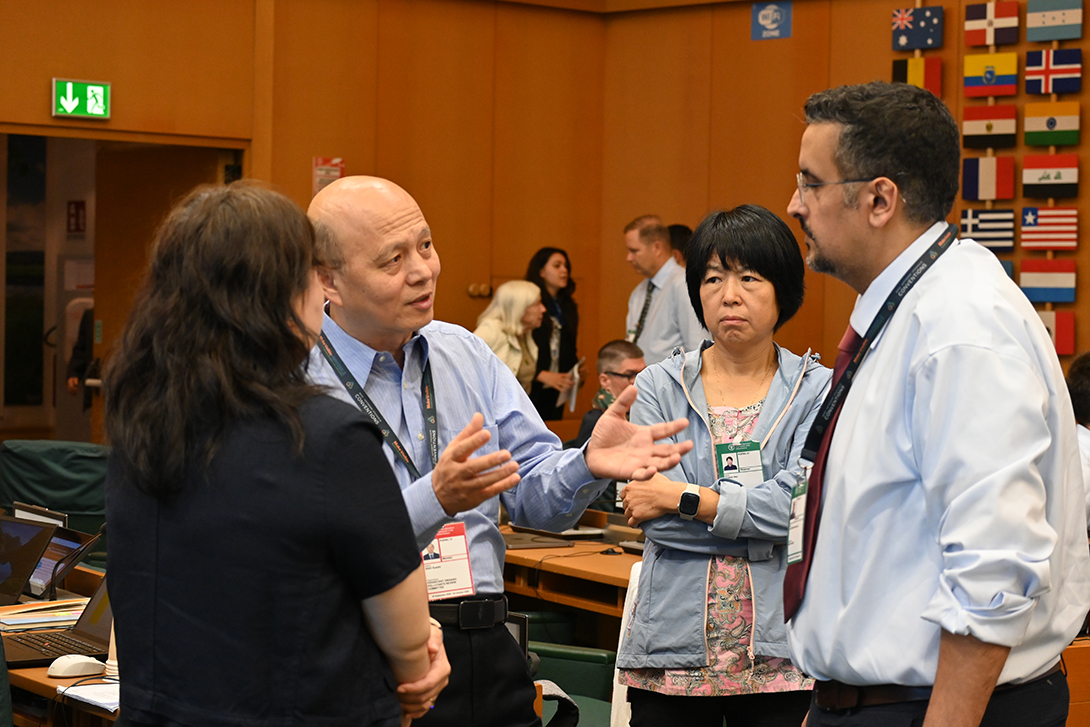
POPRC member Xuezhi Xiao, China, and incoming POPRC member Mohammad Ateeq AlDosari, Saudi Arabia, conferring with observers from China