
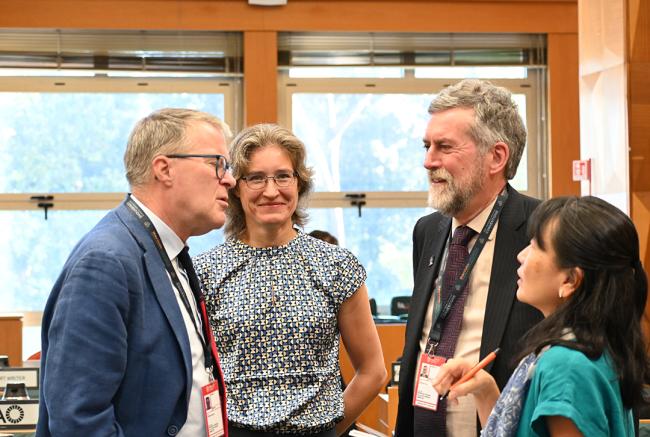
From asthma inhalers to metal plating, persistent organic pollutants (POPs) can occur in a variety of products and industrial processes, sometimes showing up as precursors or being produced unintentionally. In each particular case, the POPs Review Committee (POPRC) has to assess whether alternatives are available or if continued use is justified. POPRC also takes on this work for already listed chemicals, where acceptable uses and exemptions are to be reviewed and potentially revised.
Perfluorooctane sulfonic acid (PFOS) is one of the chemicals that, until it was listed in the Stockholm Convention, was used for an array of things - from fire-fighting foams, to managing leaf-cutting ants, to certain defense applications. Since most uses were banned, and many exemptions are set to expire by the end of 2025, members debated whether PFOS could move from Annex B (restriction) to Annex A (ban) of the Convention. China, a major producer of PFOS, reported that as of December 2023 there was no more production, export, and import – a major milestone in phasing out PFOS. It is unclear whether the chemical is still being produced in other countries. Even if it is not, remaining stockpiles from banned applications might still pose a hazard as potential sources of emissions.
These discussions continued for other POPs that were listed in the Convention. For medium-chained chlorinated paraffins (MCCPs), two exemptions were added at the last Conference of the Paris (COP), without POPRC’s scrutiny: for “ammunition pyrotechnic defence devices” and intumescent coating and paint used in space and defense equipment. POPRC will soon have its chance to review the need for these exemptions, including the availability of alternatives. Given the political need for defensive capacities, the recommendation will not be heard until 2031.
To ensure a thorough and rigorous review process, reliable data is key – and stakeholders, like industry, often have the information. In the morning, medical manufacturers presented their case to justify the exemption on the use of perfluorooctyl iodide (PFOI) for the production of perfluorooctyl bromide (PFOB). PFOI is still crucial for the production of inhalers, and the alternatives are being actively explored. The exemption is to be reviewed periodically until 2036, and the POPRC has yet to agree whether it is justified.
Selected Images
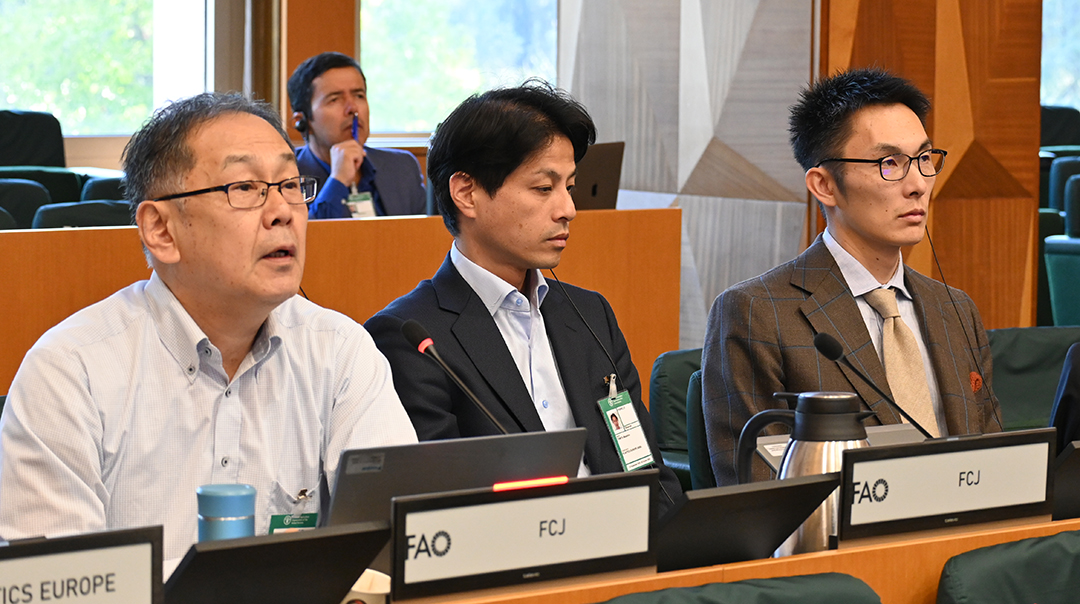
Takayuki Nakamura, Conference of Fluorochemical Products Japan (FCJ)
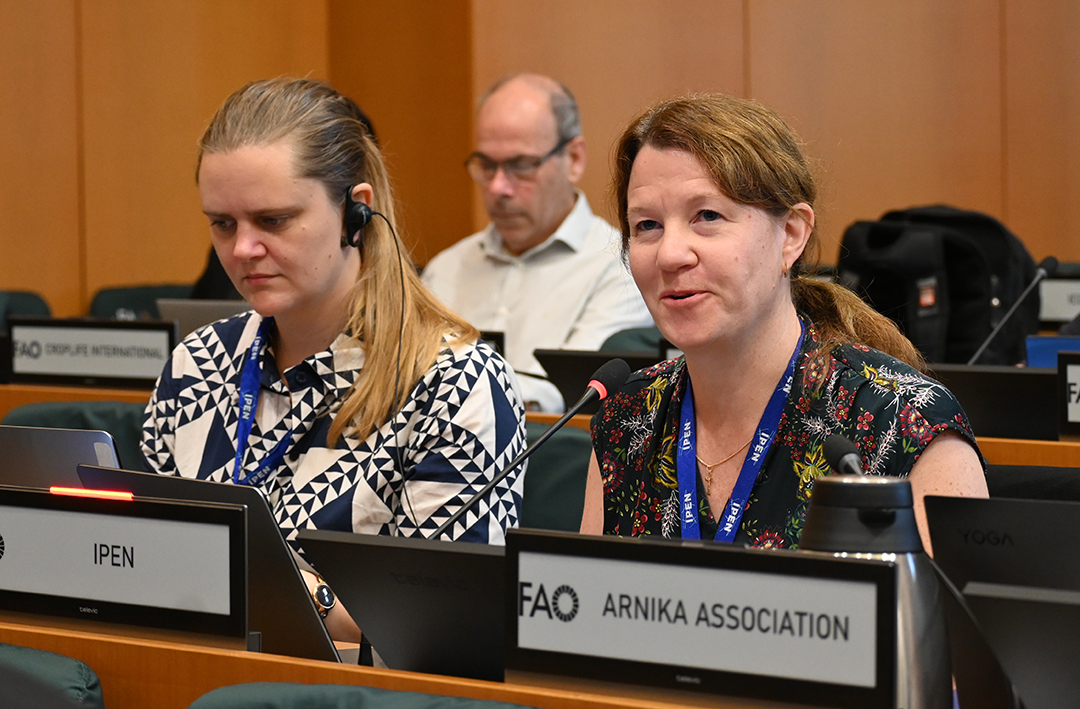
Sara Brosche, International Pollutants Elimination Network (IPEN)
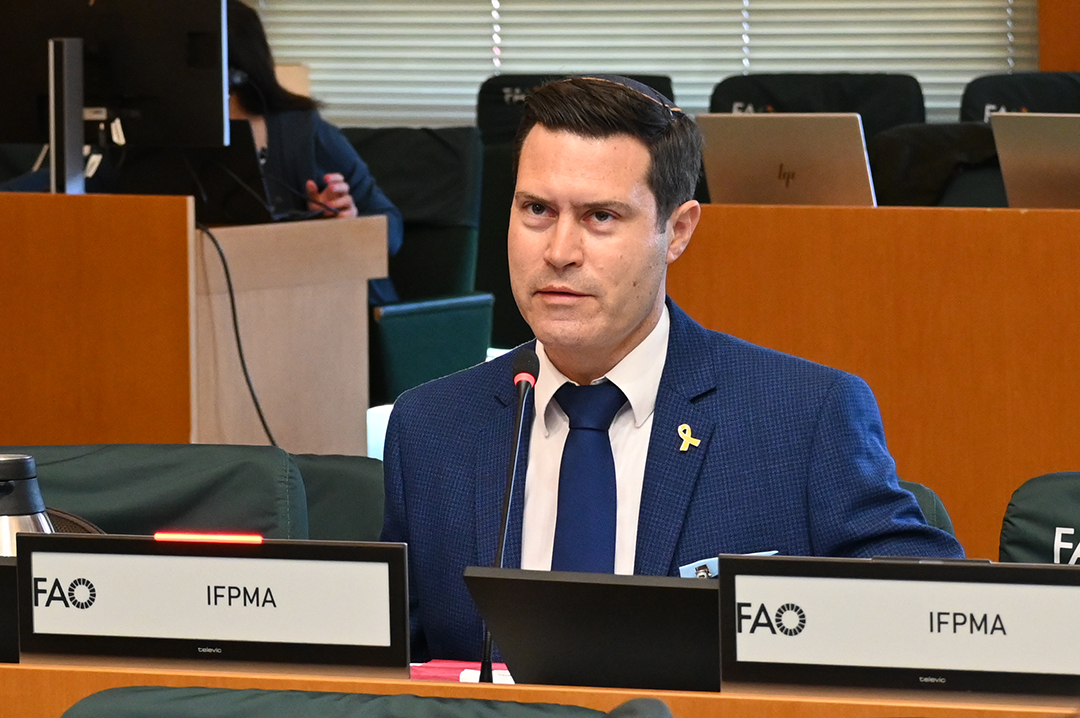
Richard Kaye, International Federation of Pharmaceutical Manufacturers and Associations (IFPMA)

POPRC members Nosiku Munyinda (Zambia), Bondi Gevao (Sierra Leone), and John Mumbo (Kenya)