
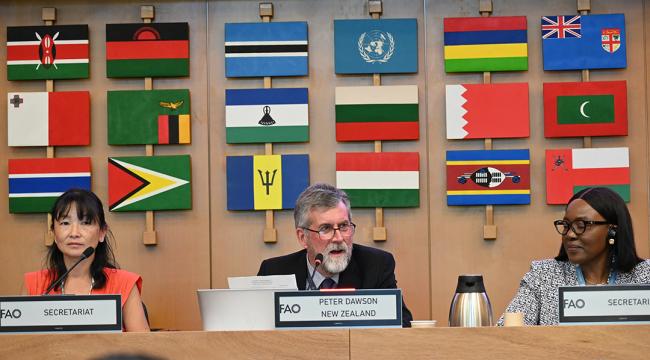
If a child in Ghana eats one egg from a chicken raised by the e-waste dump, this could exceed the annual recommended exposure to polybrominated dibenzo-p-dioxins and dibenzofurans (PBDD/Fs) and mixed polybrominated/chlorinated dibenzo-p-dioxins and dibenzofurans (PBCDD/Fs). This was one of the key takeaways from a lunchtime side event that zeroed in on the only chemical on the agenda for the 21st meeting of the Persistent Organice Pollutants (POPs) Review Committee (POPRC). Being unintentionally produced, PBDD/Fs and PBCDD/Fs are released from many industrial processes, including recycling, thus exposing the human population and the environment worldwide.
Chemicals, invisible to the naked eye, are integrated into every aspect of our daily lives. Most are harmless, but many pose risks for humans and the environment alike. POPs are especially concerning due to their persistence, bioaccumulation, and ability to travel long distances, making them a global challenge. Whether PBDD/Fs and PBCDD/Fs are POPs is yet to be established by the Committee.
The draft risk profile presented on Monday made the case that many in this large group of substances may meet all the criteria. But questions remain, especially given the lack of monitoring data for these substances. As one member noted, 4200 chemicals could theoretically fall into this group, more than there is data available for. Several remembered that a lack of full scientific certainty should not, according to the Stockholm Convention, prevent the proposal from going ahead.
Chair Peter Dawson highlighted other technical work on the agenda this week, namely POPs in stockpiles, articles in use, and wastes, and ways to enhance information submission on socioeconomic considerations. The latter became very relevant when the POPRC reviewed outcomes of the recent meeting of the Conference of the Parties (COP), which agreed to list chlorpyrifos as recommended by the Committee. Many members and observers lamented that while the COP did list the pesticide chlorpyrifos, it significantly expanded a list of exemptions recommended by POPRC-20. Exemptions are to be rigorously evaluated by the Committee members based on the information on use and alternatives submitted by the industries, and how to improve this process to ensure rigourous and fair review will indeed be an interesting and important discussion later this week.
Selected Images
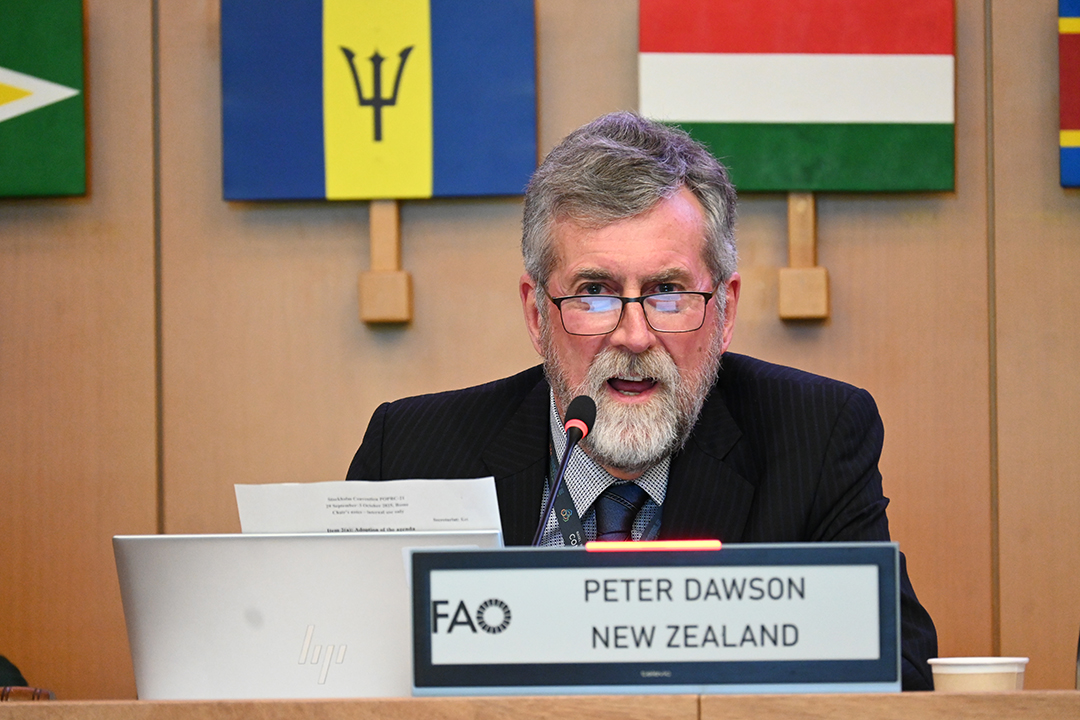
Chair of the POPRC 21 Peter Dawson (New Zealand)
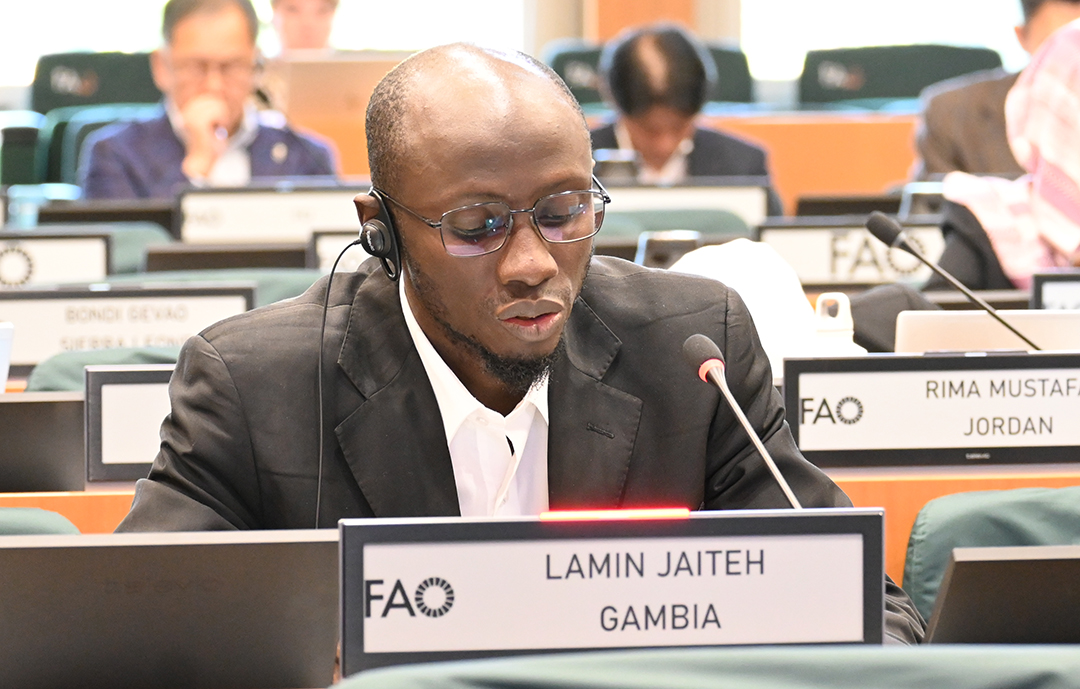
POPRC member Lamin Jaiteh (The Gambia)
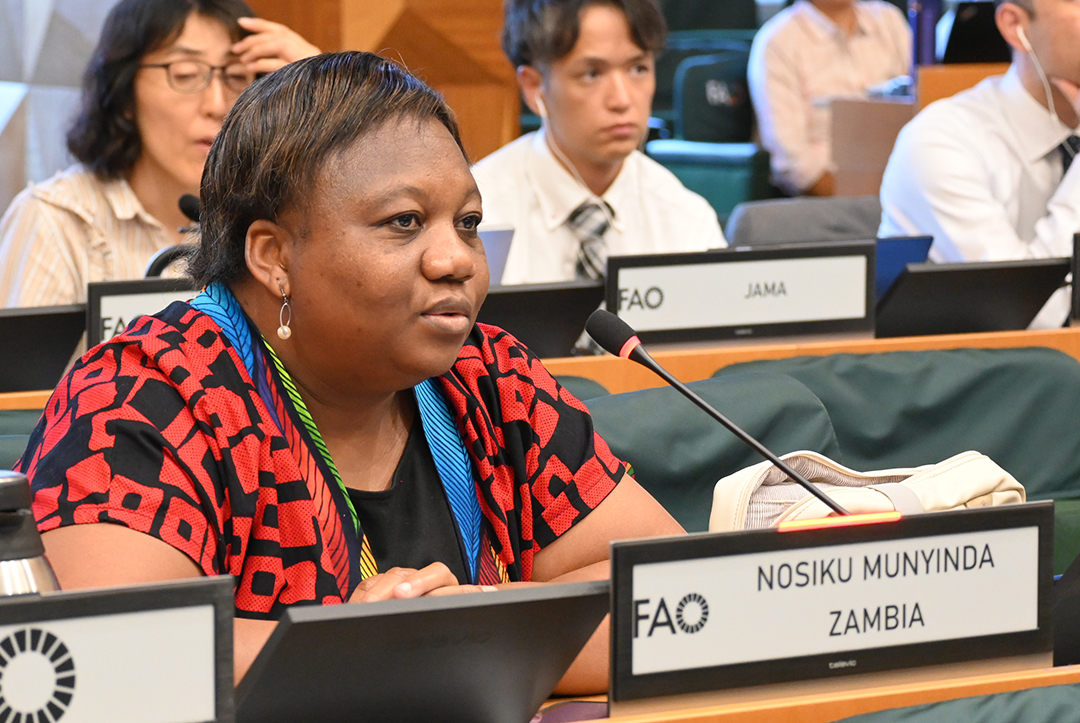
POPRC member Nosiku Munyinda (Zambia)
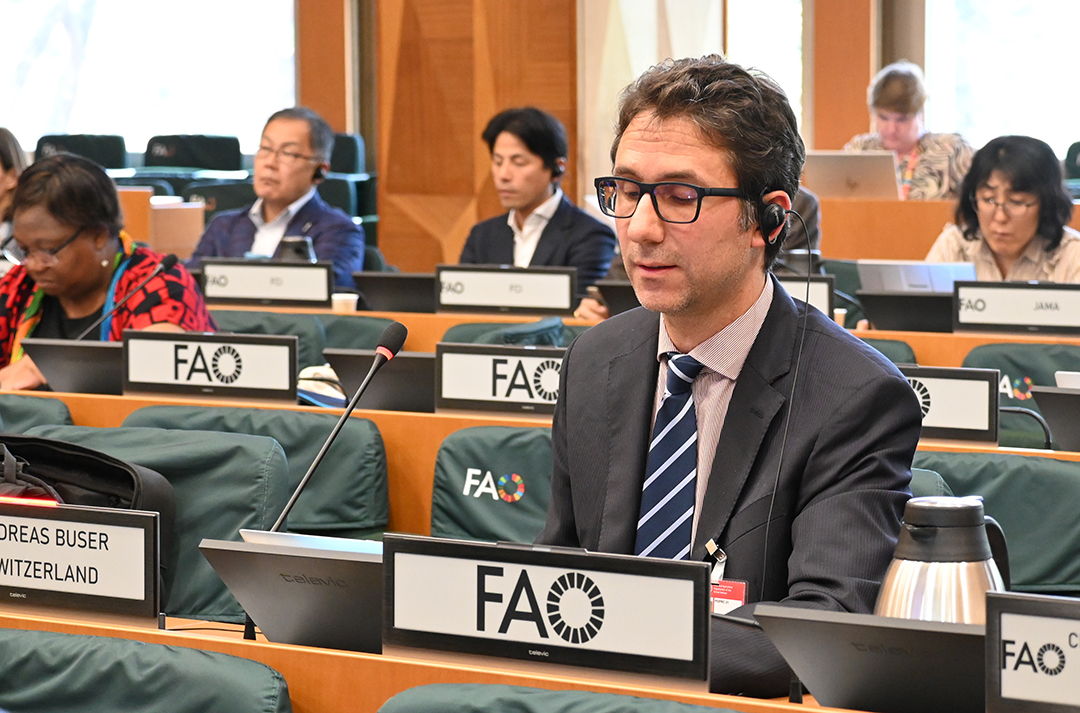
POPRC member Andreas Buser (Switzerland)