How to build a robust and inclusive infrastructure for reporting on UN Convention to Combat Desertification (UNCCD) implementation progress took center stage on the second day of the 23rd meeting of the Committee for the Implementation of the Convention (CRIC 23).
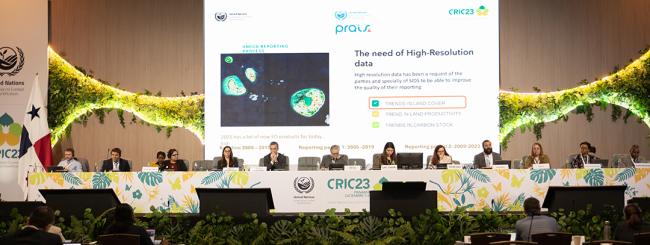
The UNCCD Secretariat, Global Mechanism, and diverse technical and finance partners highlighted actions taken in response to parties’ requests for support in, among other areas: improving data quality, especially at the national and local levels; and enhancing interoperability across different data management systems.
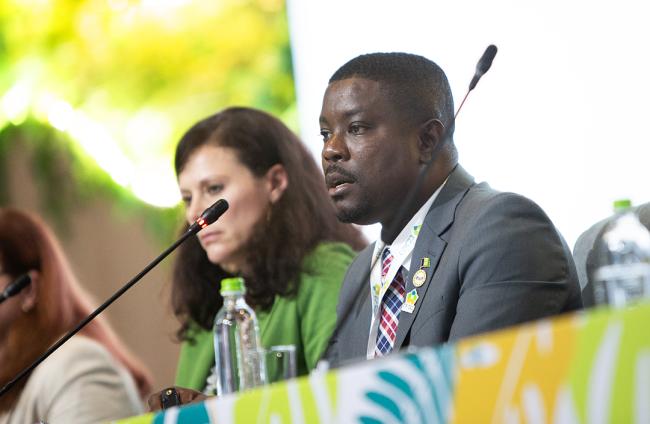
Interactive dialogue on procedures for communication of information as well as the quality and formats of UNCCD reports
In the morning and afternoon, delegates reviewed a raft of revamped data platforms aimed at enhancing the 2026 reporting cycle, including:
-
the latest iteration of the Convention’s Performance Review and Assessment of Implementation System (PRAIS4), unveiled in August 2025, and the related UNCCD Data Dashboard.
- Trends.Earth, a policy-guidance tool introduced coordinated by Conservation International;
- the World Overview of Conservation Approaches and Technologies (WOCAT) database, which has collected over 2,700 good practices on sustainable land management;
- the Group on Earth Observations Land Degradation Neutrality (GEOLDN) flagship initiative to expand access to high-resolution data, especially for small island developing states (SIDS);
- options for tapping open-source tools to enhance country datasets;
- a European Commission-supported Tracking Tool that aims to consolidate national voluntary land degradation neutrality (LDN) target data and related information; and
- Diverse large-scale capacity initiatives implemented by specialized UN agencies, software providers, and regional technical centers.
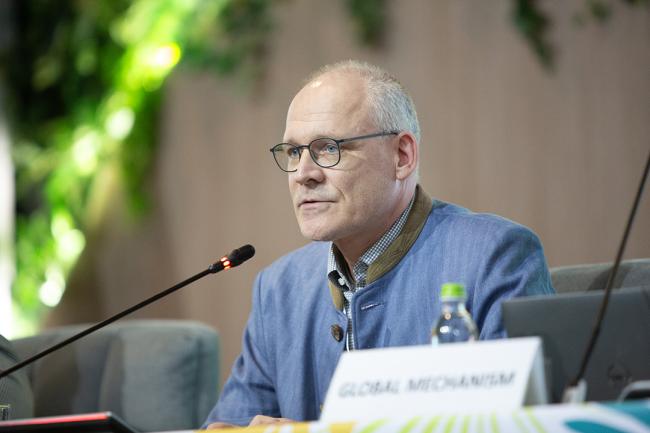
Ulrich Appel, Global Environment Facility (GEF), reported that the USD 21 million support package under the eighth GEF replenishment has received requests from 133 countries, the highest number of capacity-building requests to date.
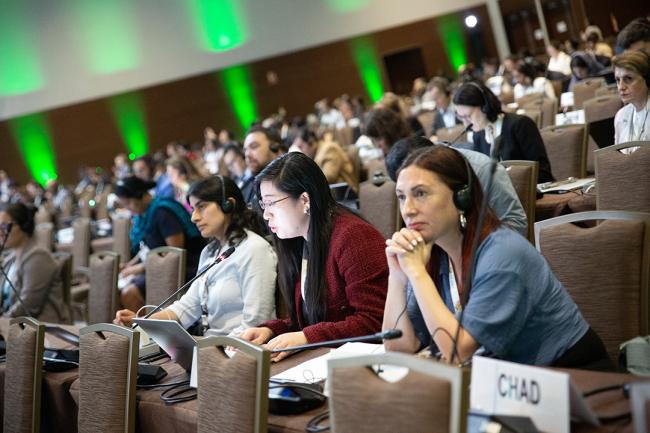
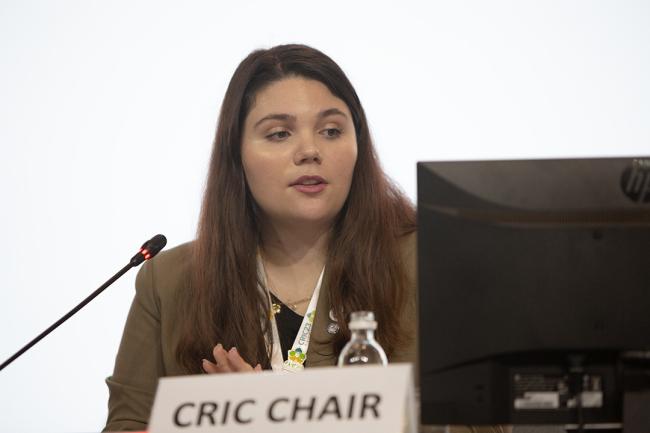
During the general exchange, many country delegates welcomed ongoing efforts to enhance the accessibility of PRAIS4. While appreciating efforts to enhance interoperability with other data platforms, many stressed that these need to be replicated at national and subnational levels. Delegates further underscored the importance of capturing locally led restoration efforts beyond forest cover and other conventional indicators.
Many expressed concern that countries have had limited opportunities to test the updated PRAIS4 portal, calling for improved alignment between platform rollouts and regional-level technical support initiatives.
UNCCD policy frameworks and thematic topics: Sand and Dust Storms
In the evening, the Committee began consideration of Sand and Dust Storms (SDS). The Secretariat highlighted progress on, among others:
- development of an action plan for the UN Decade on Combating SDS (2025–2034) that informed the UN General Assembly high-level event on SDS in July 2025;
- collaboration with the Food and Agriculture Organization of the UN (FAO) to update the SDS Toolbox; and
- planning for a UN University scoping study responding to a recommendation contained in the UNCCD Gender Action Plan.
While expressing broad support for the Global Initiative on SDS and related efforts, many delegates stressed that such efforts must be implemented in close collaboration with affected countries and communities. Several speakers highlighted the close links between land degradation and SDS, while SIDS called for region-specific case studies and pilots to understand the impact of SDS on non-source regions.
Side events
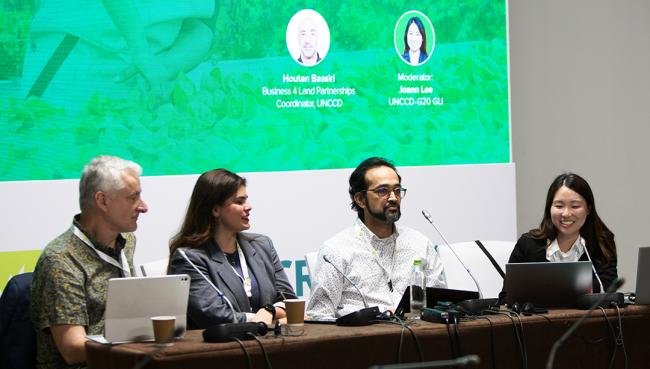
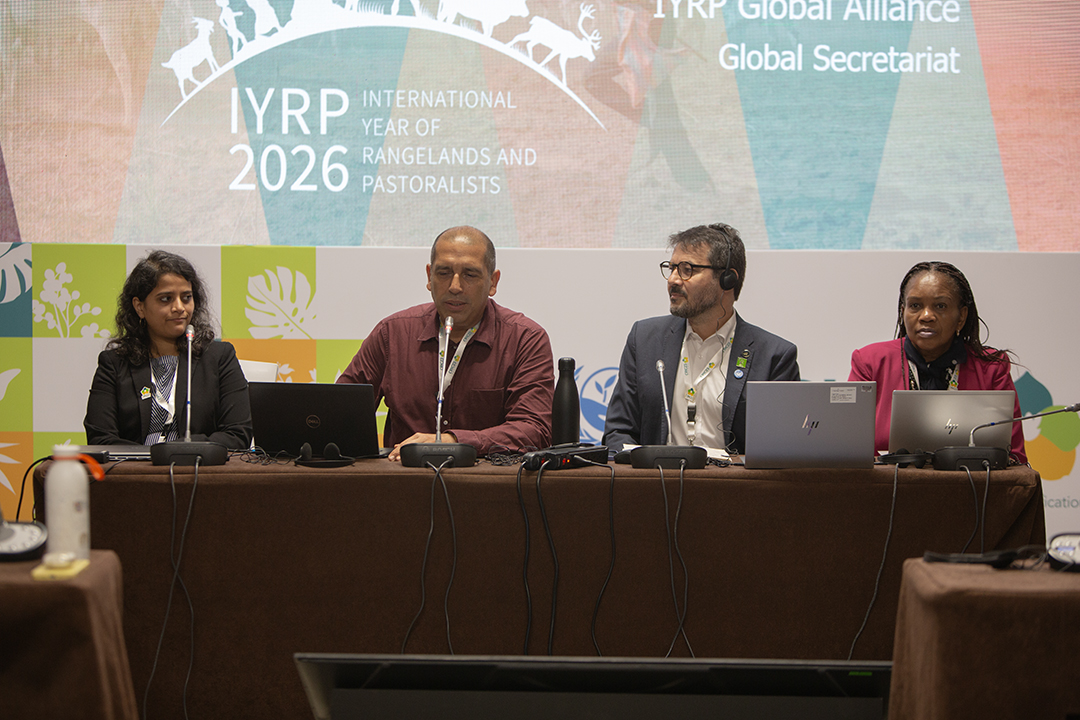
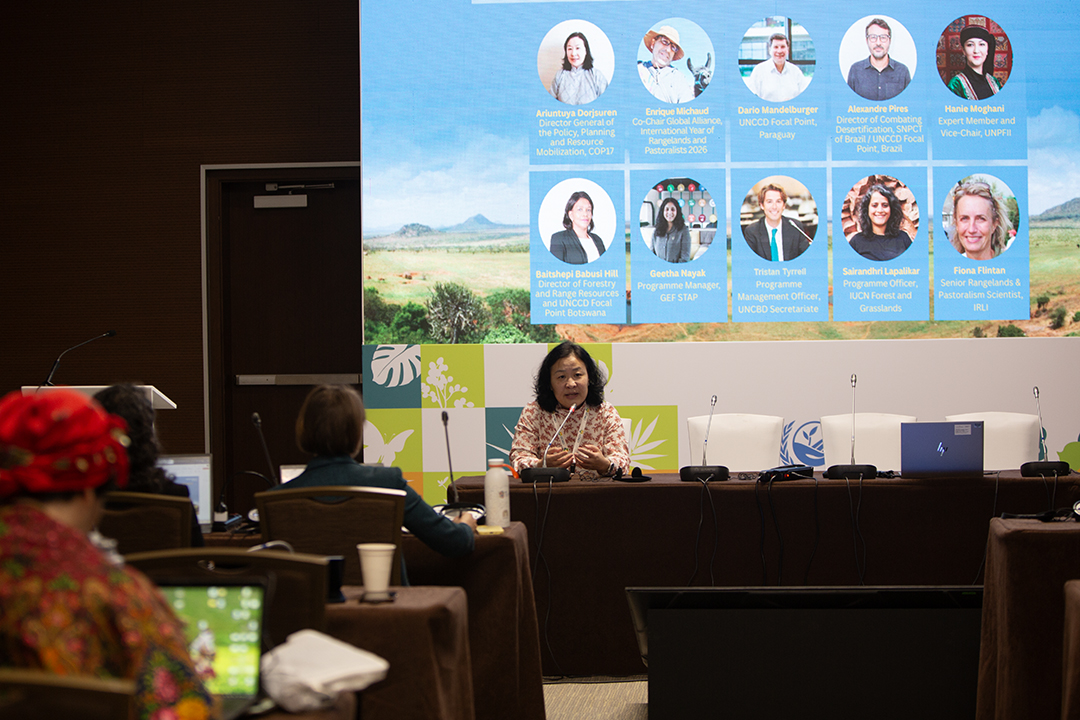
Coinciding with the launch of the International Year of Rangelands and Pastoralists (IYRP) 2026, several side events discussed lessons learned and recommendations for better recognizing the role that rangelands and pastoralists play in food security, climate adaptation and mitigation, ecosystem health, and national and local economies in the lead up to COP 17.
Some of the other side events explored:
- South–South knowledge exchange on grasslands, savannahs, and rangelands;
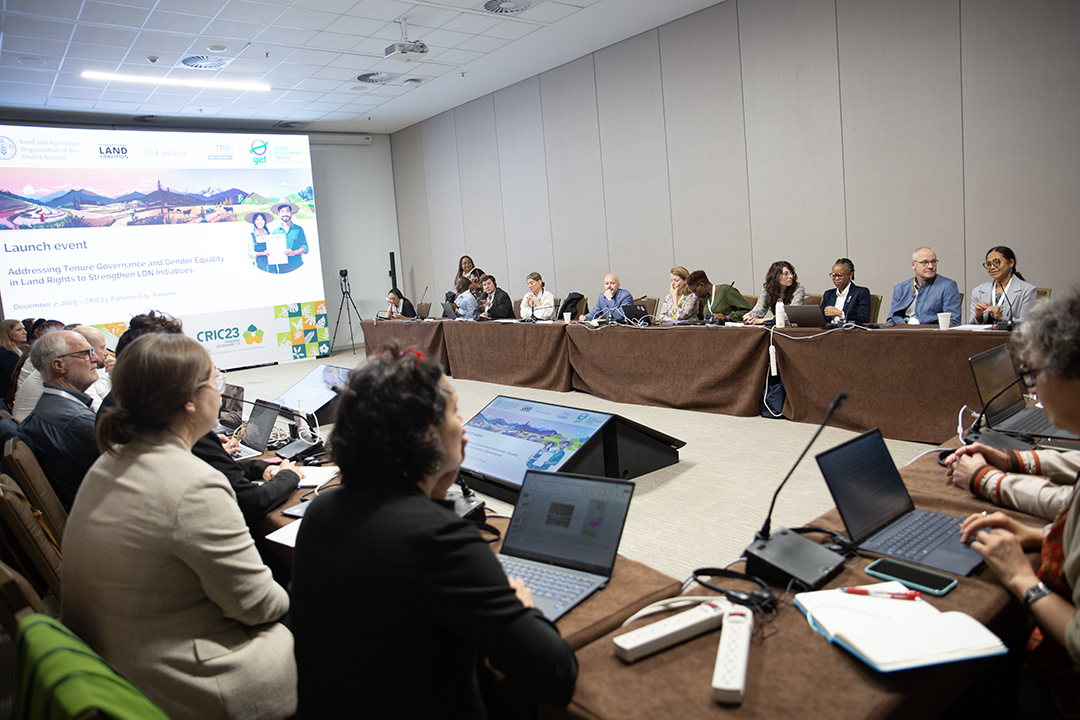
- strengthening gender equality and land rights in LDN initiatives;
- industry, innovation and investment in the restoration economy
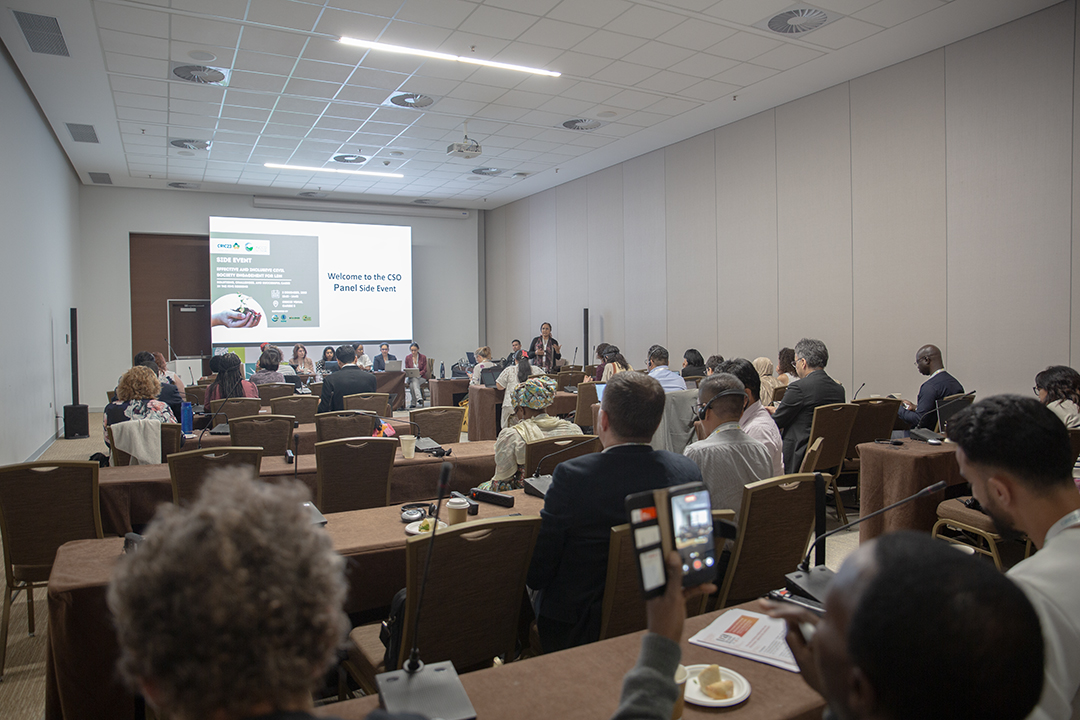
- effective and inclusive civil society engagement for LDN;
- pioneering SIDS-driven data for PRAIS 4 reporting; and
- policy pathways for advancing youth-led actions on LDN for land and food.
In parallel to CRIC 23, discussions continued in the land segment of the ongoing Nature Summit, billed as “a premier gathering for global leaders, investors, and decision-makers seeking to forge high-impact partnerships that drive real-world solutions.”
To receive free coverage of global environmental events delivered to your inbox, subscribe to the ENB Update newsletter.
All ENB photos are free to use with attribution. For the 23rd Session of the UNCCD Committee for the Review of the Implementation of the Convention (CRIC-23), please use: Photo by IISD/ENB | Angeles Estrada Vigil
Improving the procedures for communication of information as well as the quality and formats of reports to be submitted to the Conference of the Parties
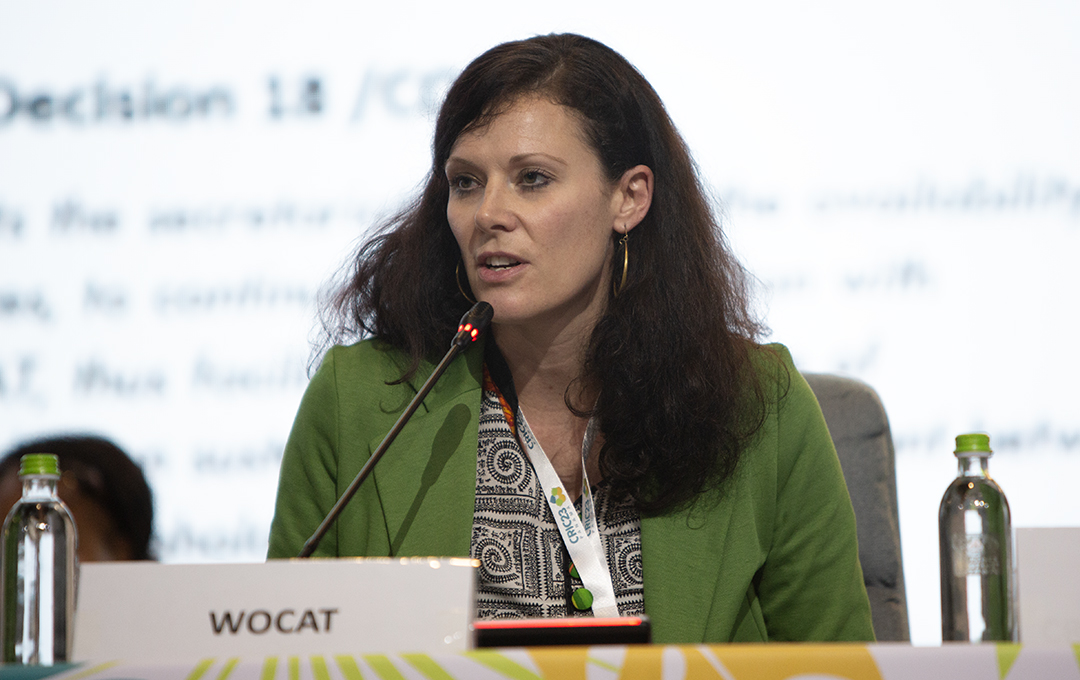
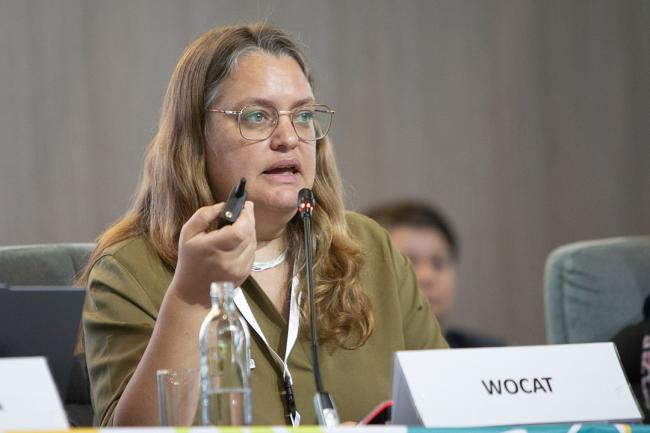
Nicole Harari, WOCAT
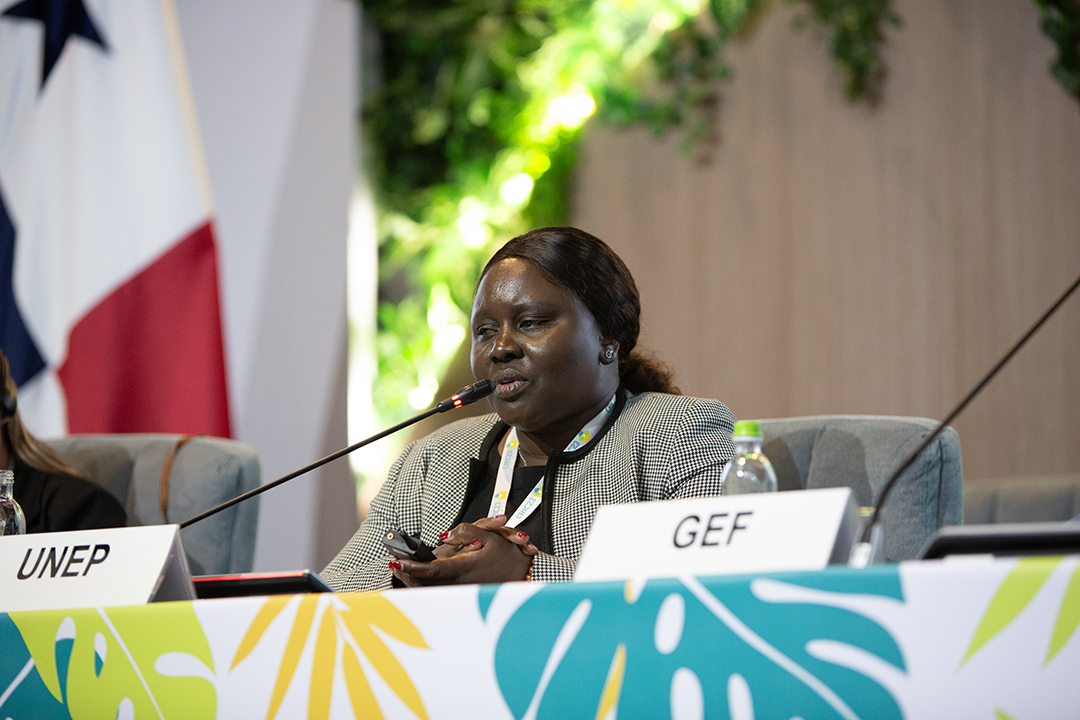
Nancy Soi, UNEP
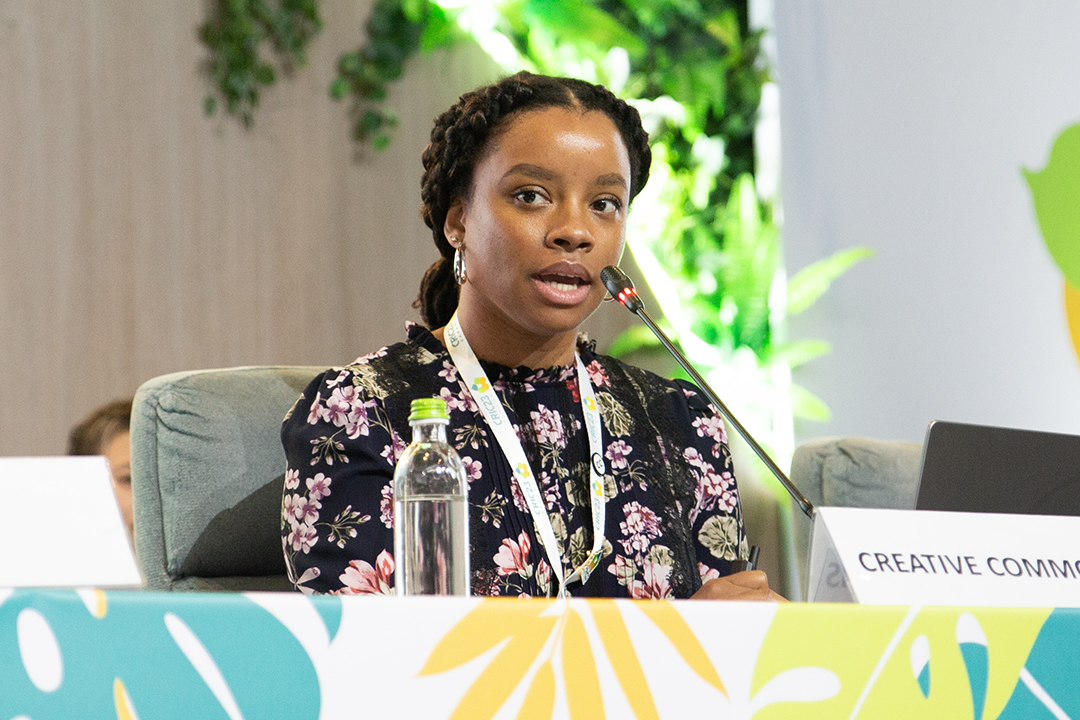
Taylor Campbell, Creative Commons
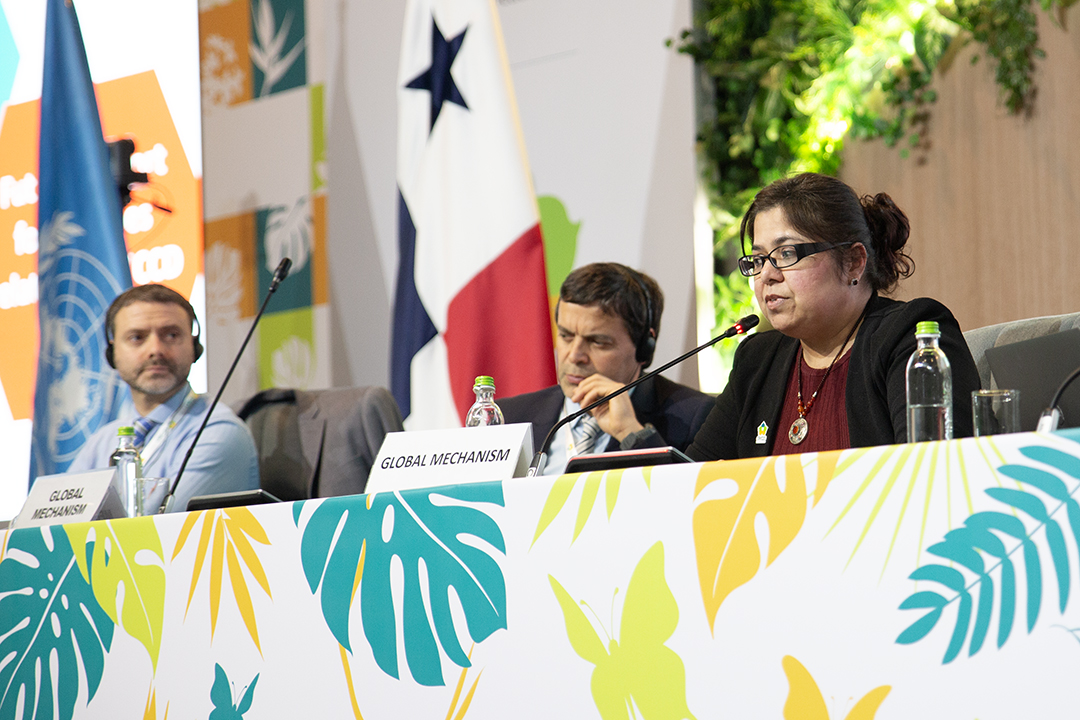
Munazza Jaleel Naqvi, UNCCD Secretariat
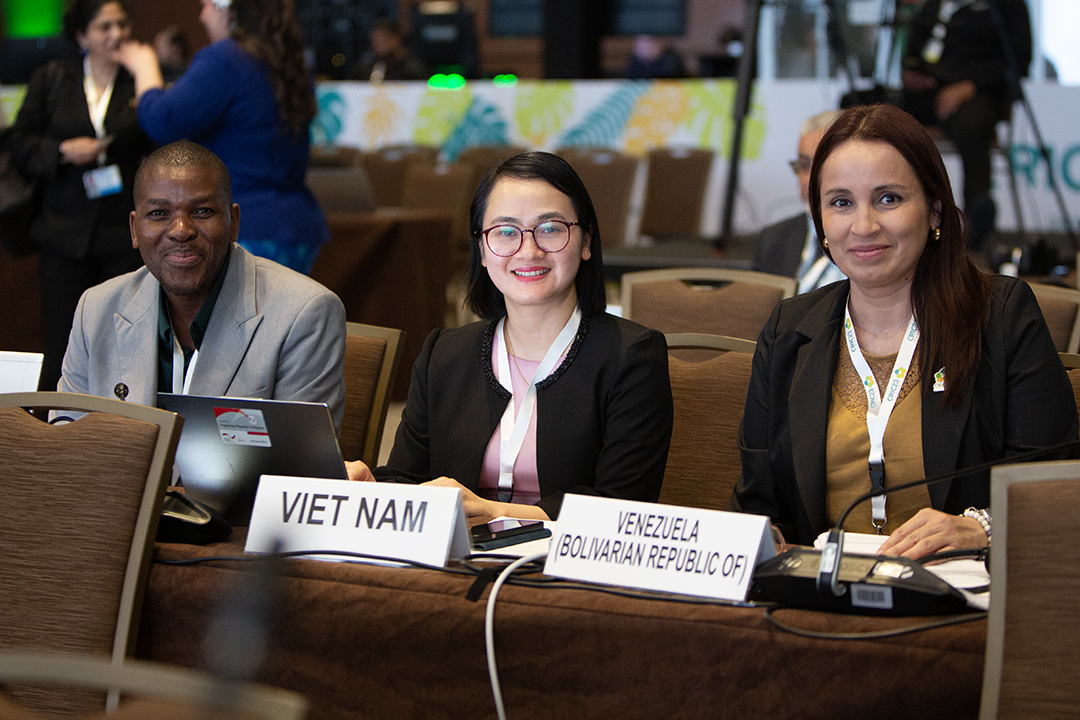
Mmoto Leonard Masubelele, South Africa, Huong Do Thi, Viet Nam, and Carmen Parra, Venezuela
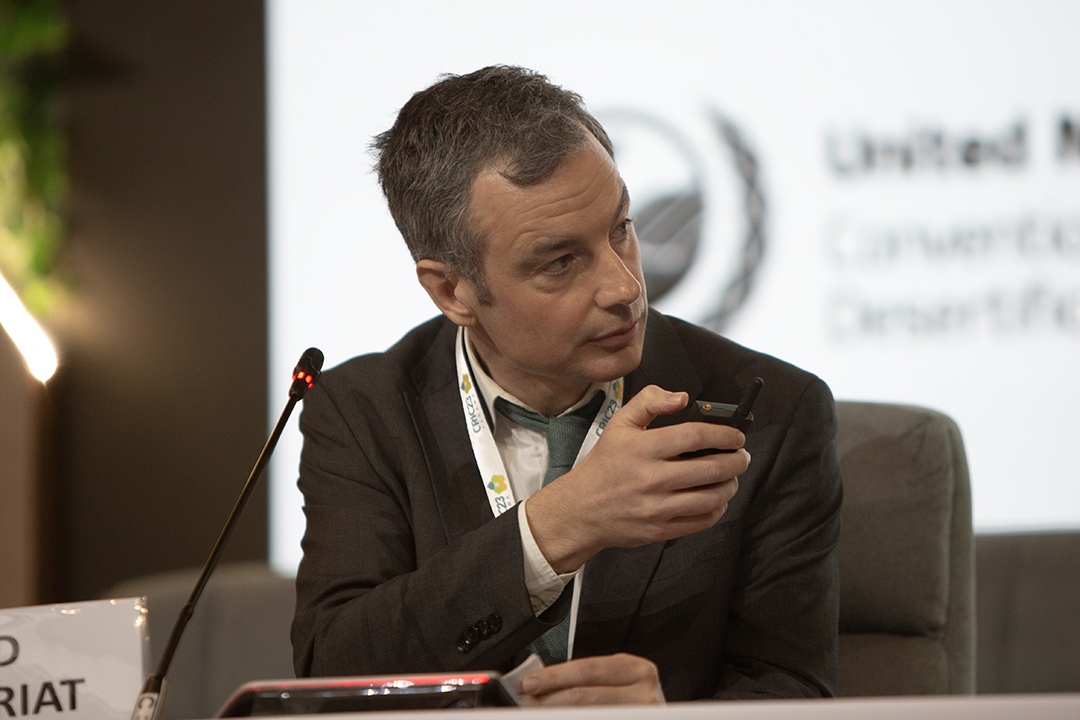
Brian O'Connor, UNCCD Secretariat
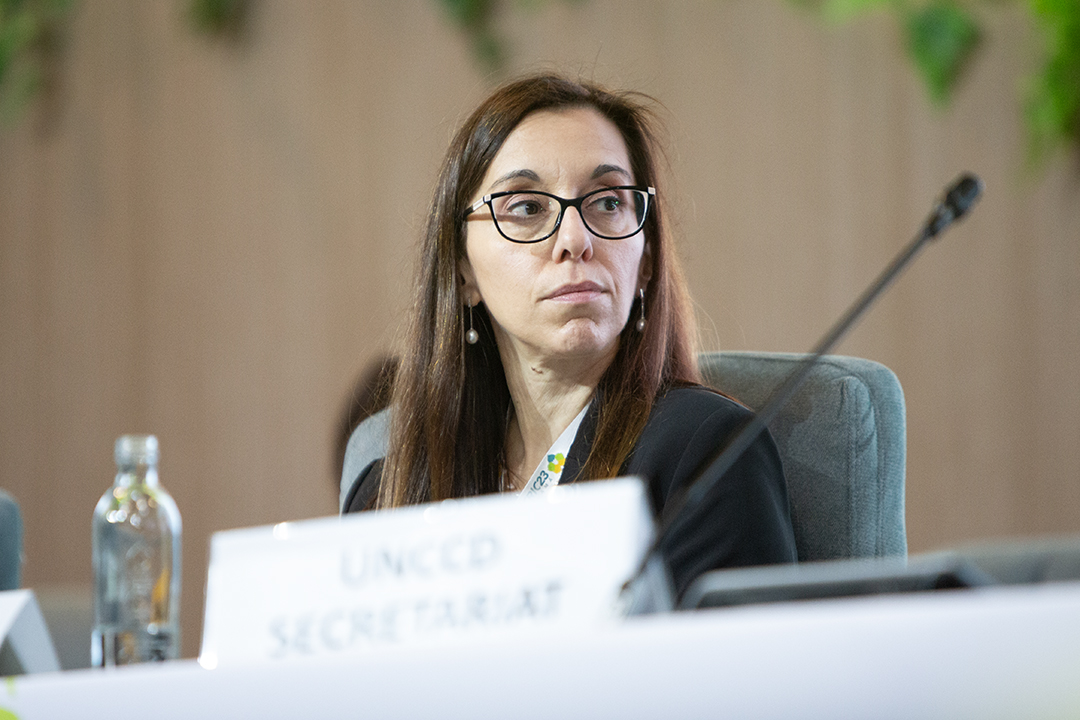
Sara Minelli, UNCCD Secretariat
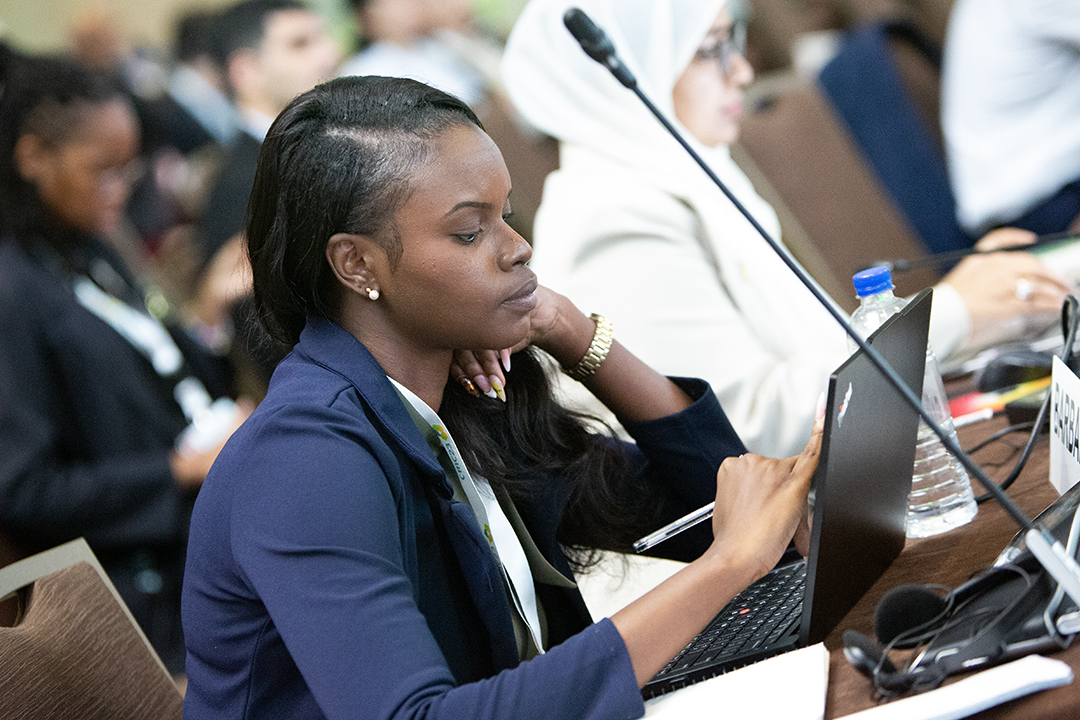
Tiffany Makayla, the Bahamas
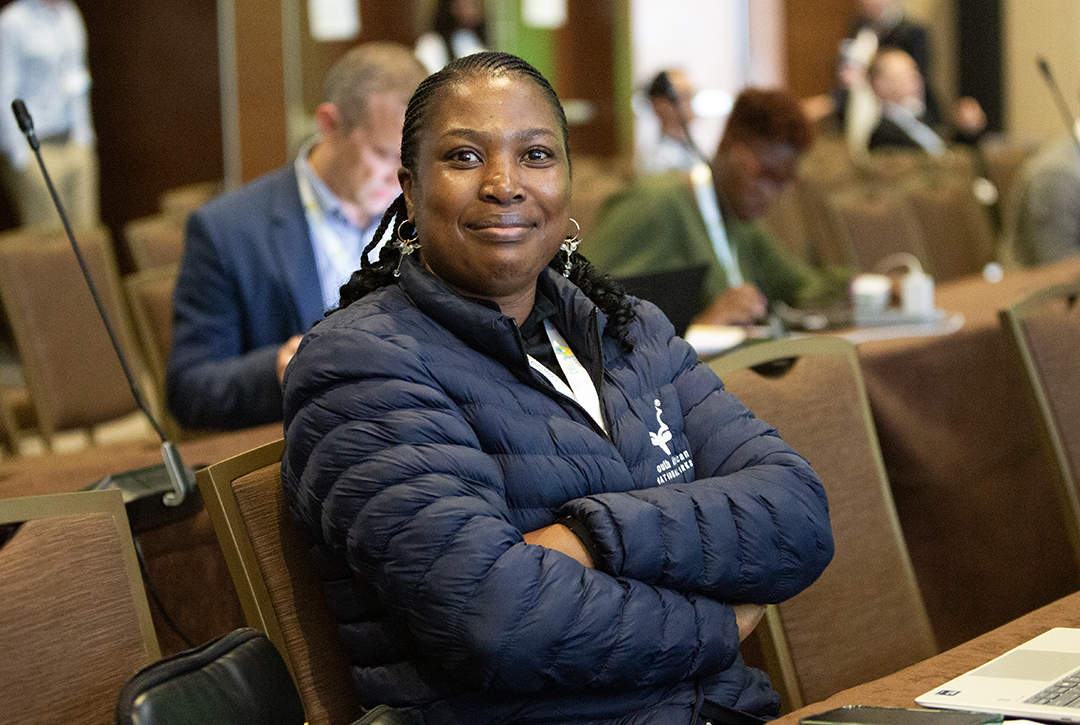
Thizwilondi Suzan Rambau, South Africa
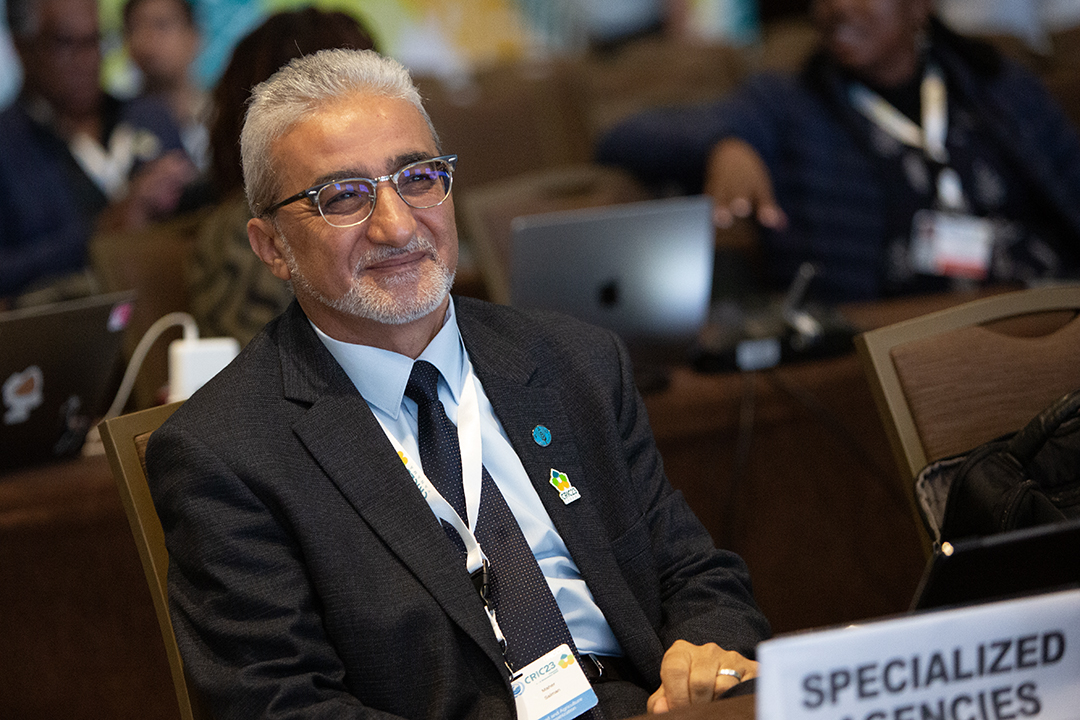
Malher Salman, FAO
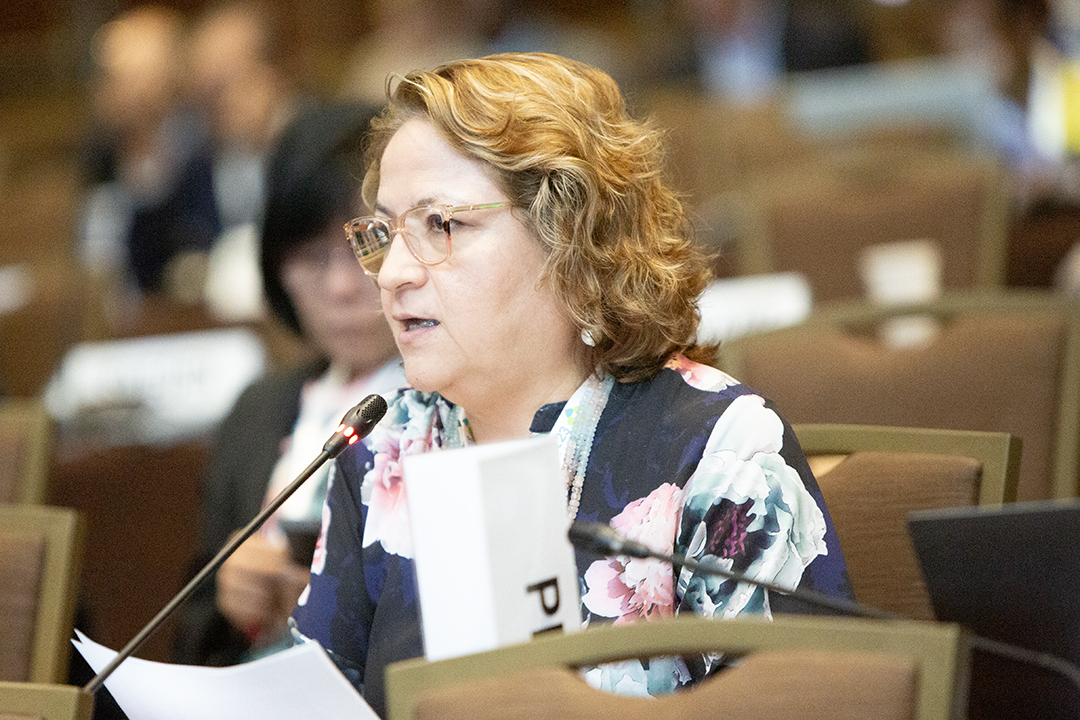
Mercedes Gil, Peru
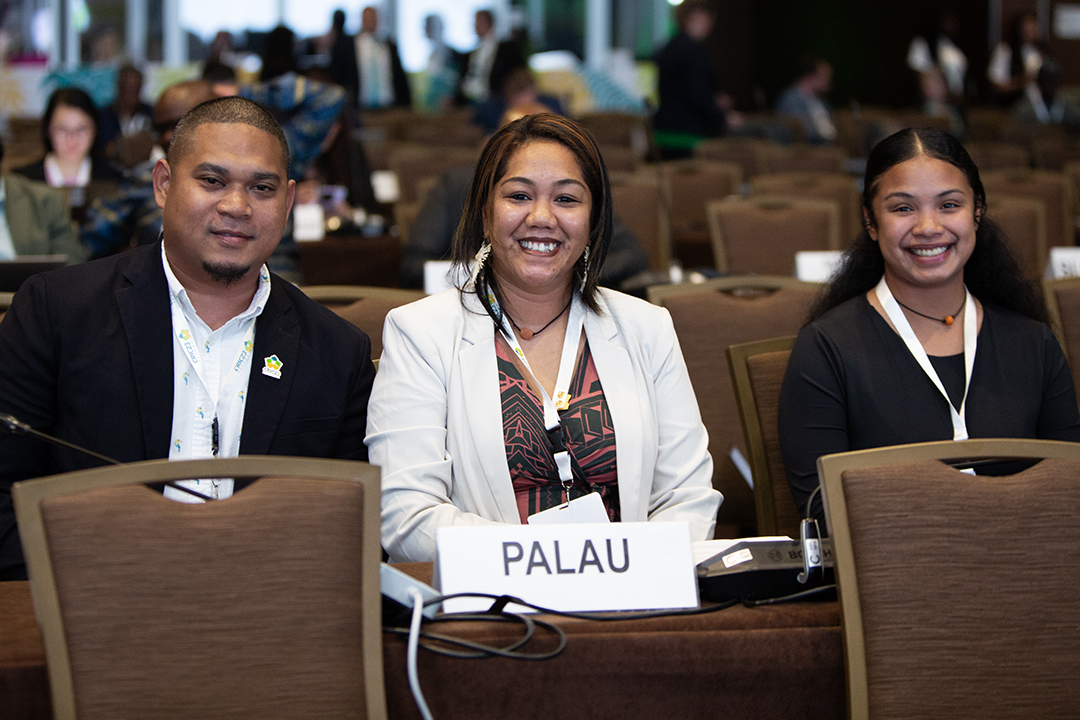
Delegates from Palau

Narine Hakobyan, Armenia
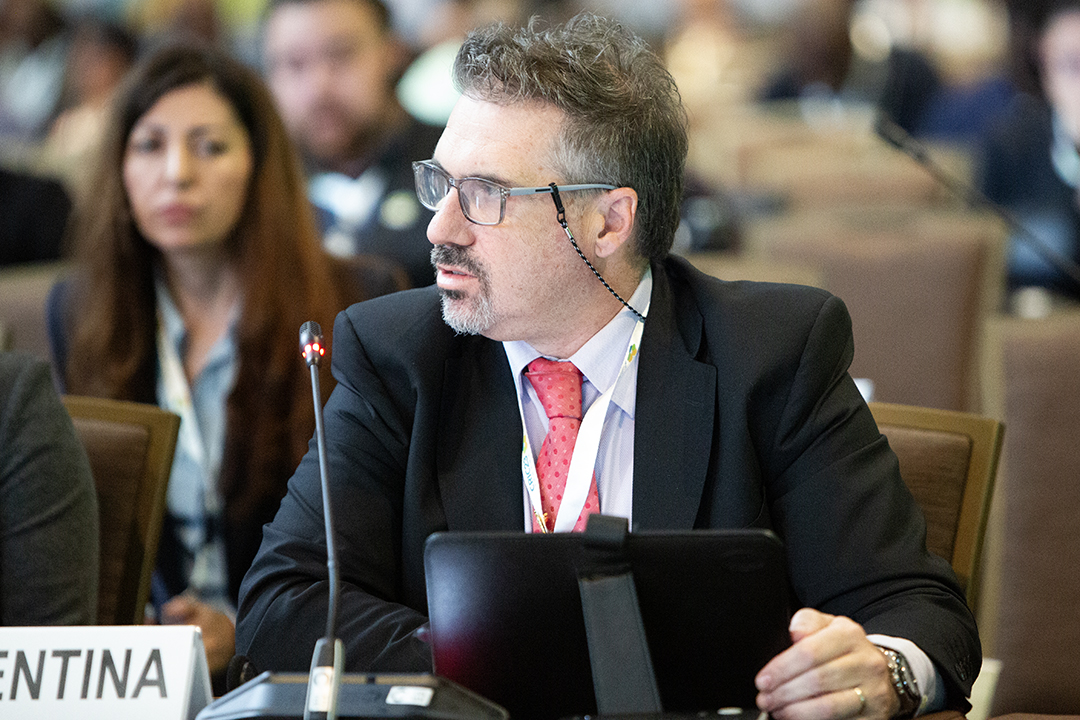
Pablo Hernán Viegas Aurelio, Argentina
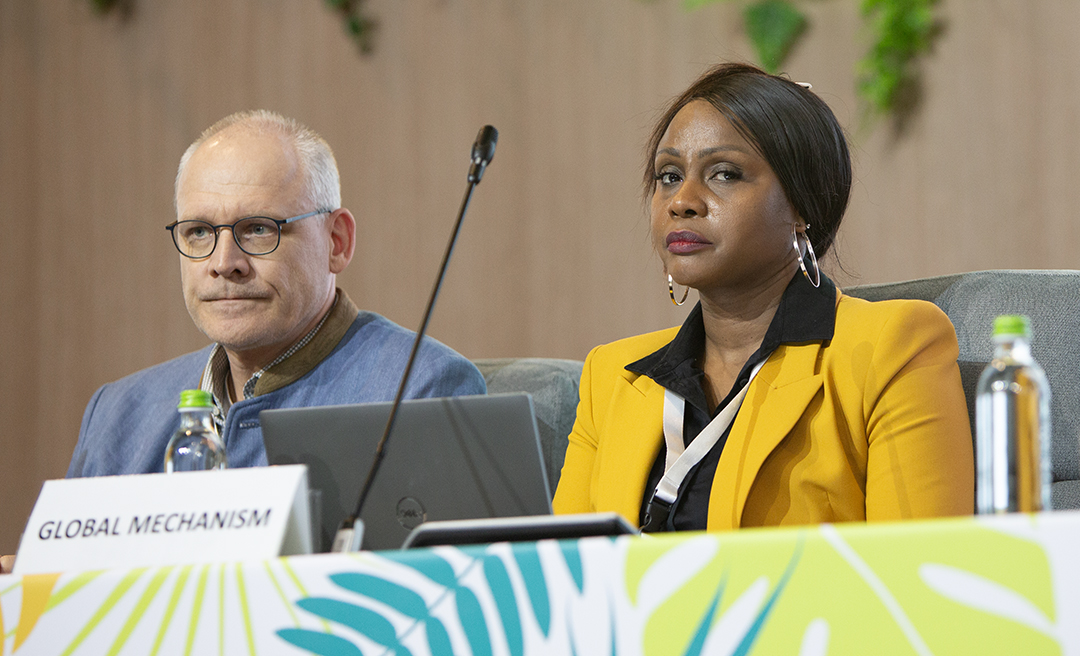
Catherine Mutambirwa, Global Mechanism
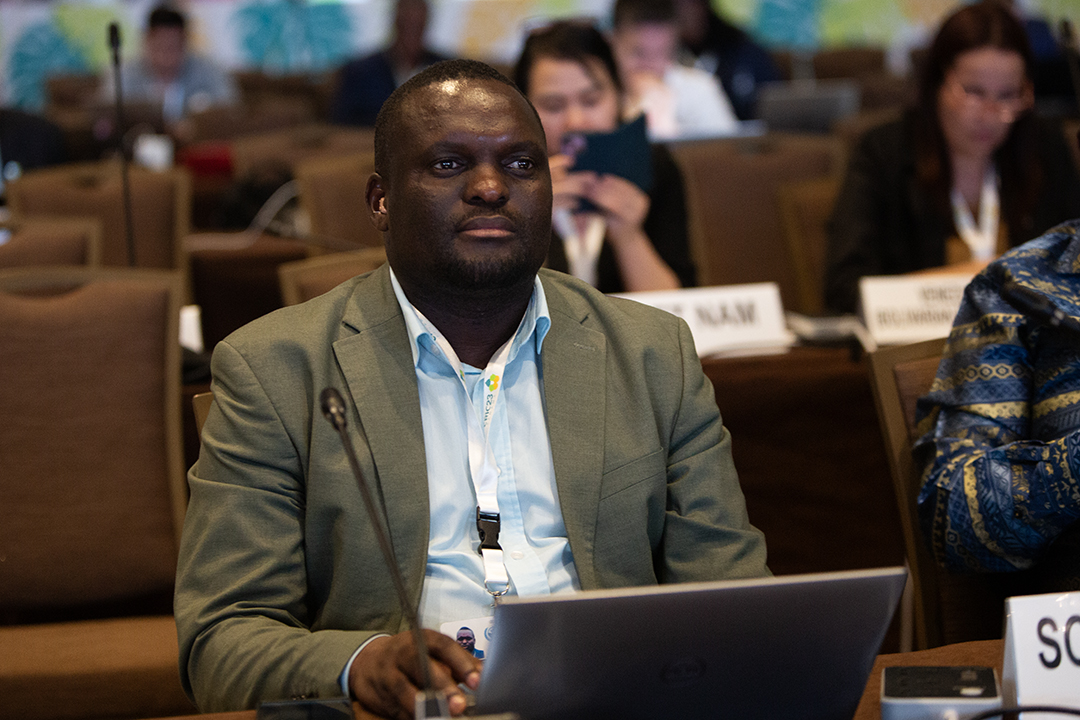
Asivhanzhi Makhale, South Africa
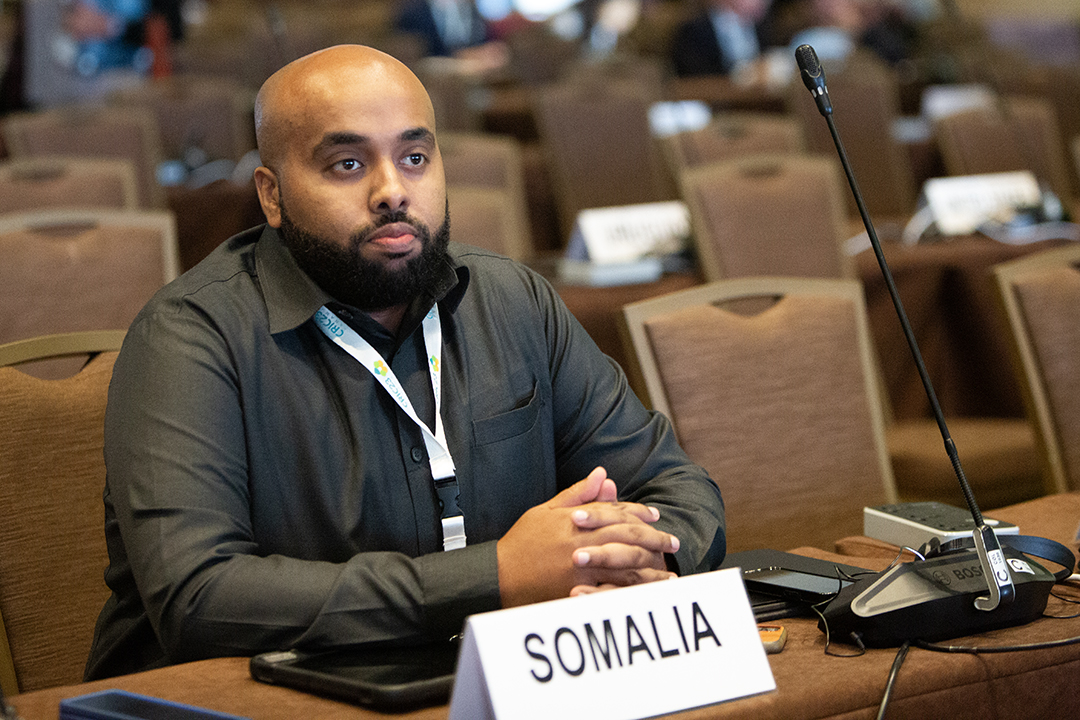
Abdullahi Abukar, Somalia
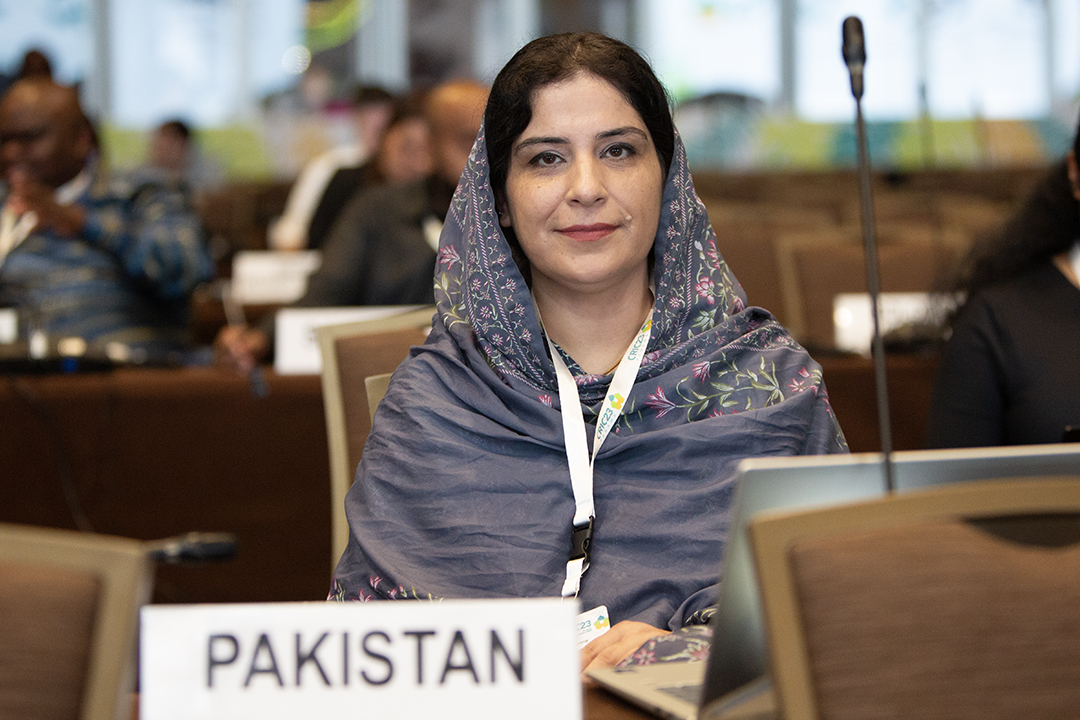
Haseena Anbarin, Pakistan
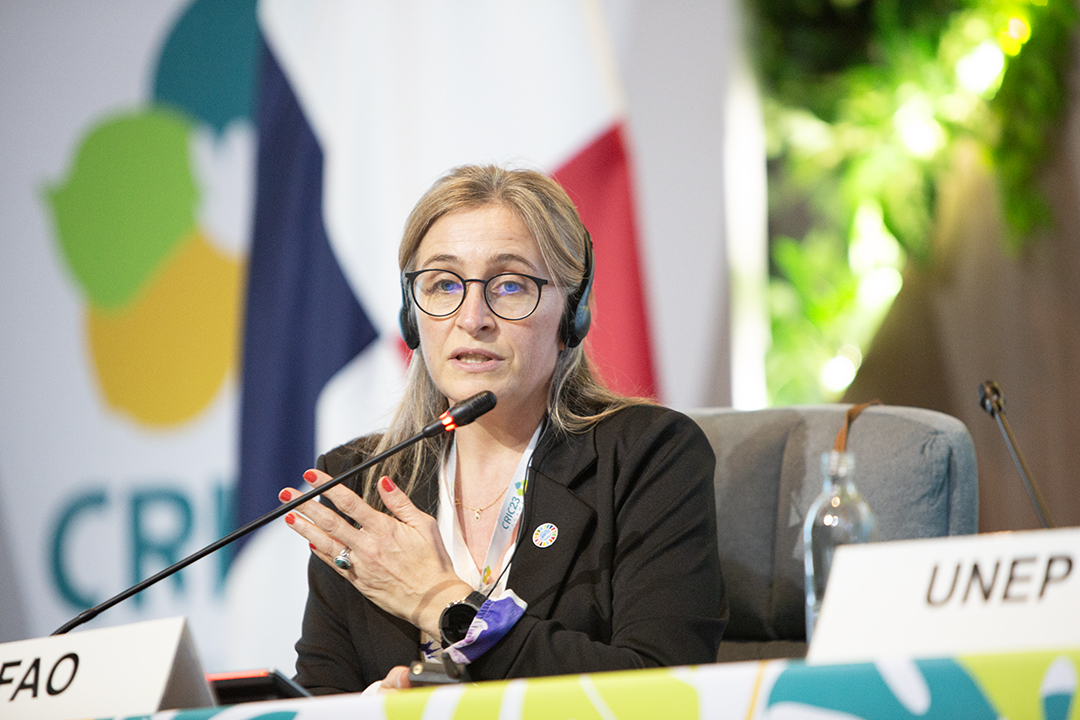
Aurelie Brès, FAO
Policy frameworks and thematic topics; sand and dust storms session
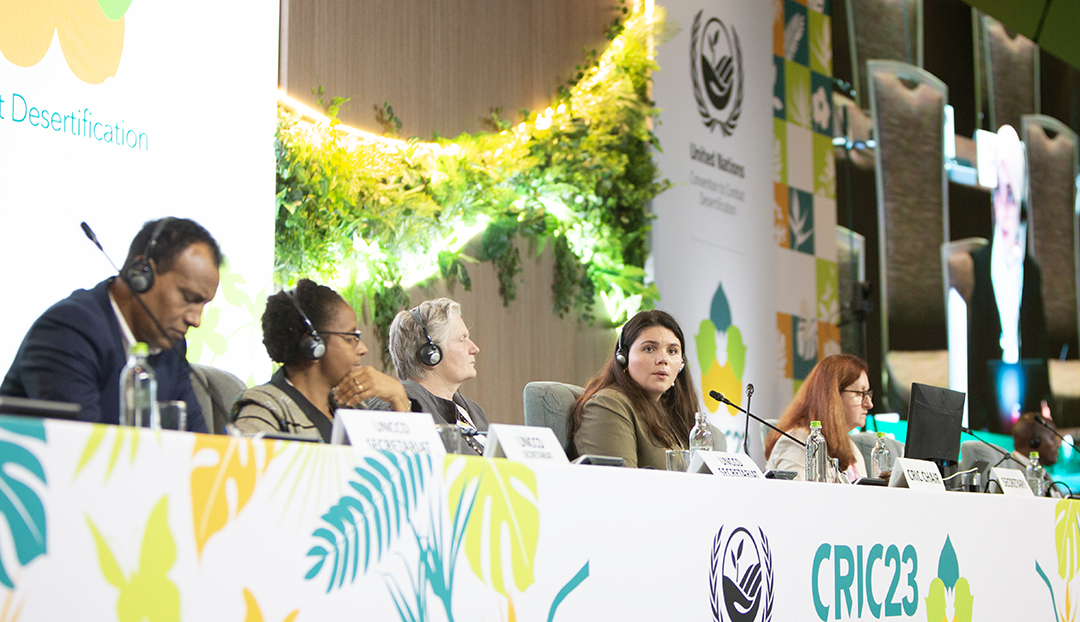
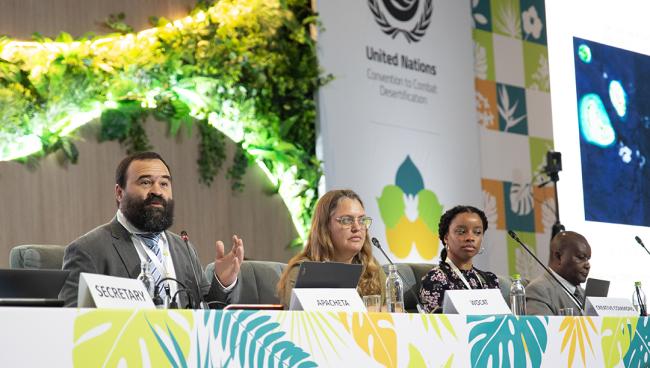
Dais during Policy frameworks and thematic topics; sand and dust storms session
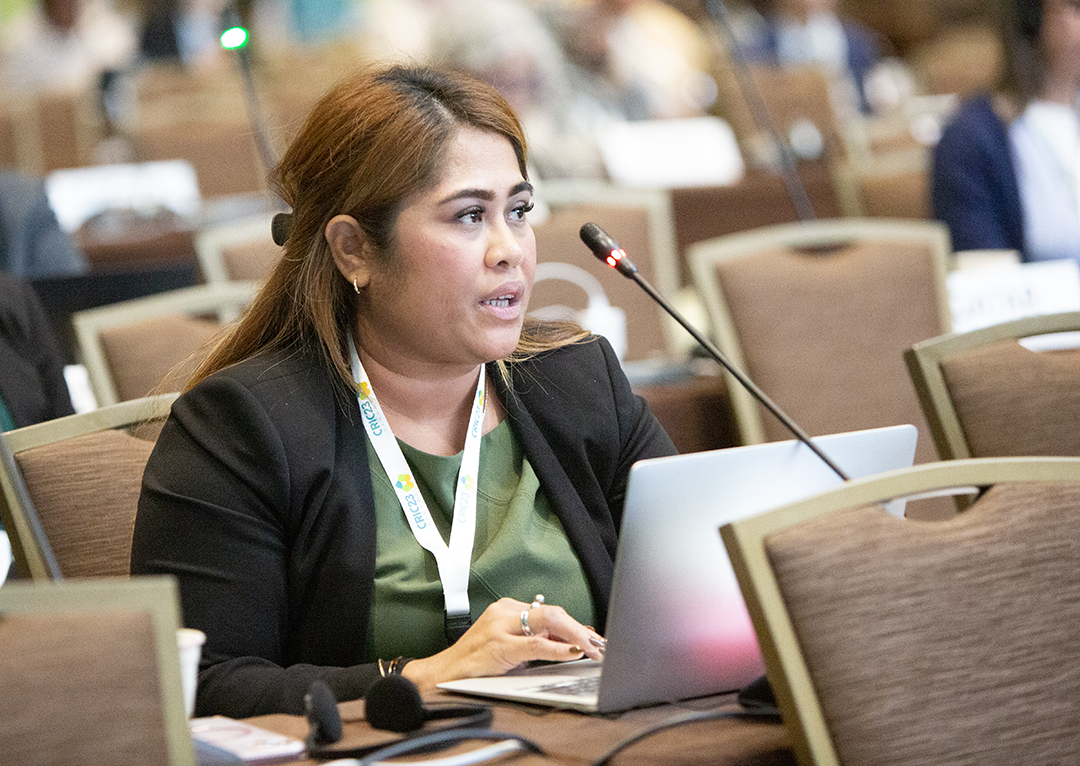
Rosalinda Yatilman, Micronesia
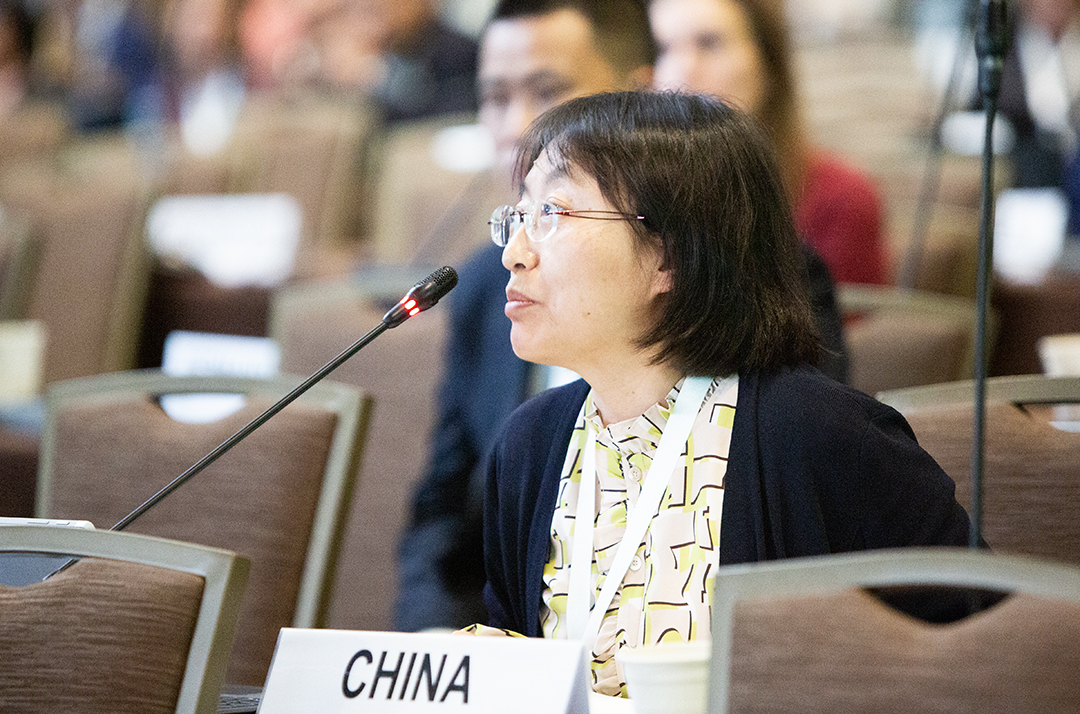
Xiaoxia Jia, China
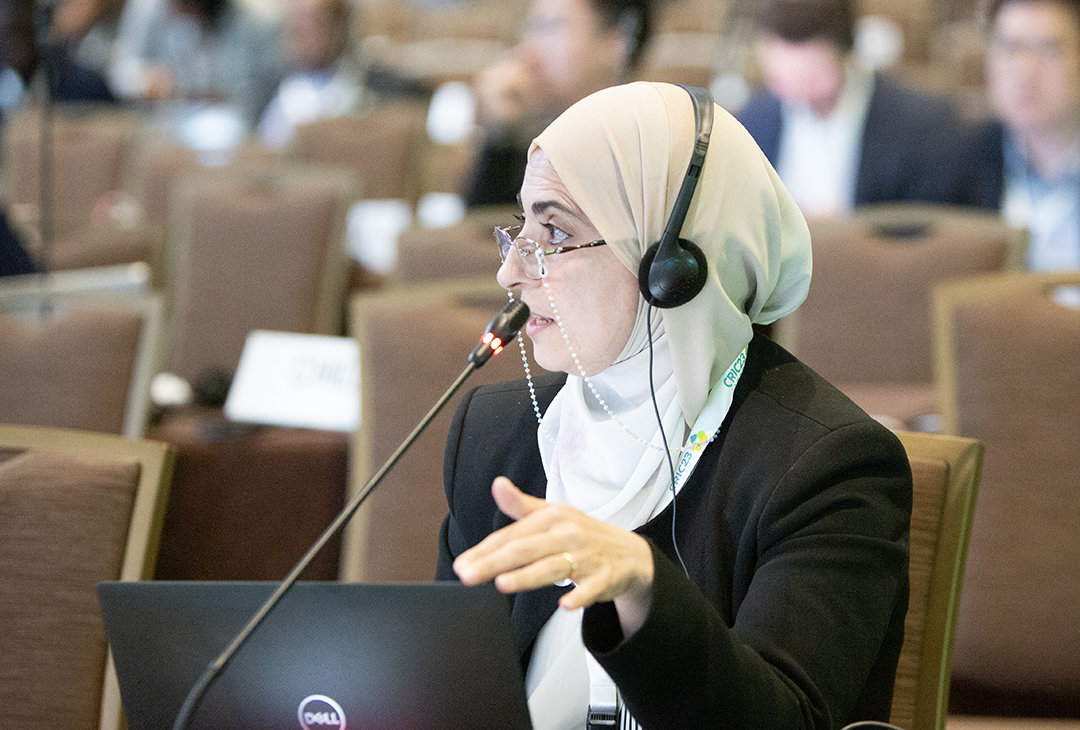
Sabrina Rachedi, Algeria
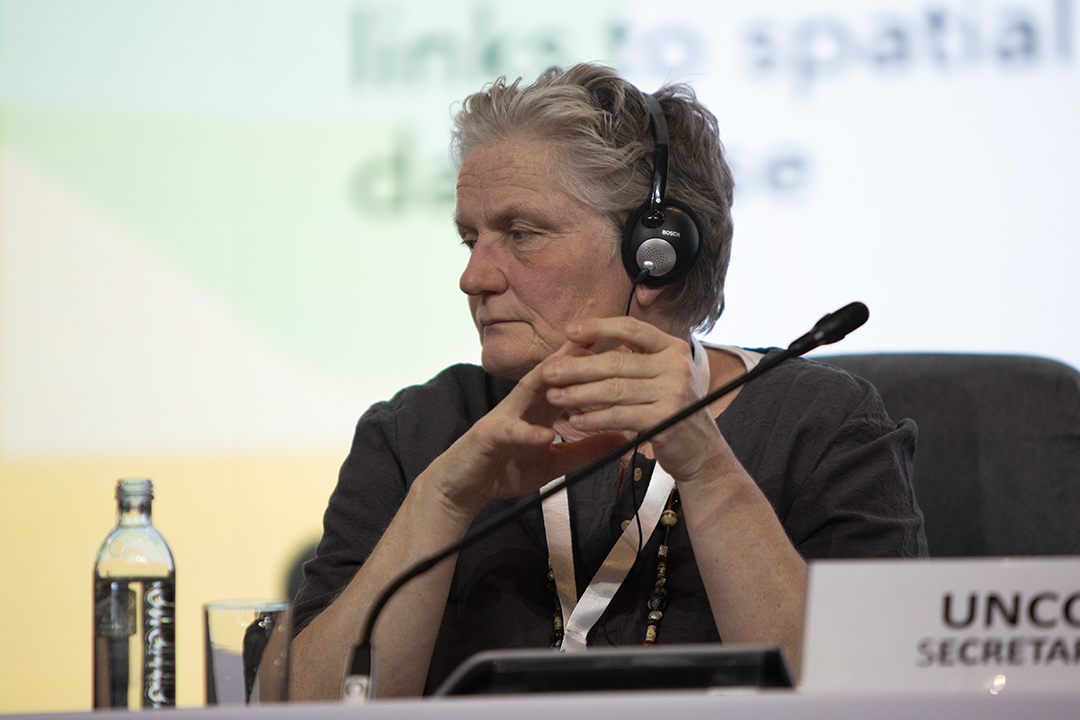
Anja Thust, UNCCD Secretariat
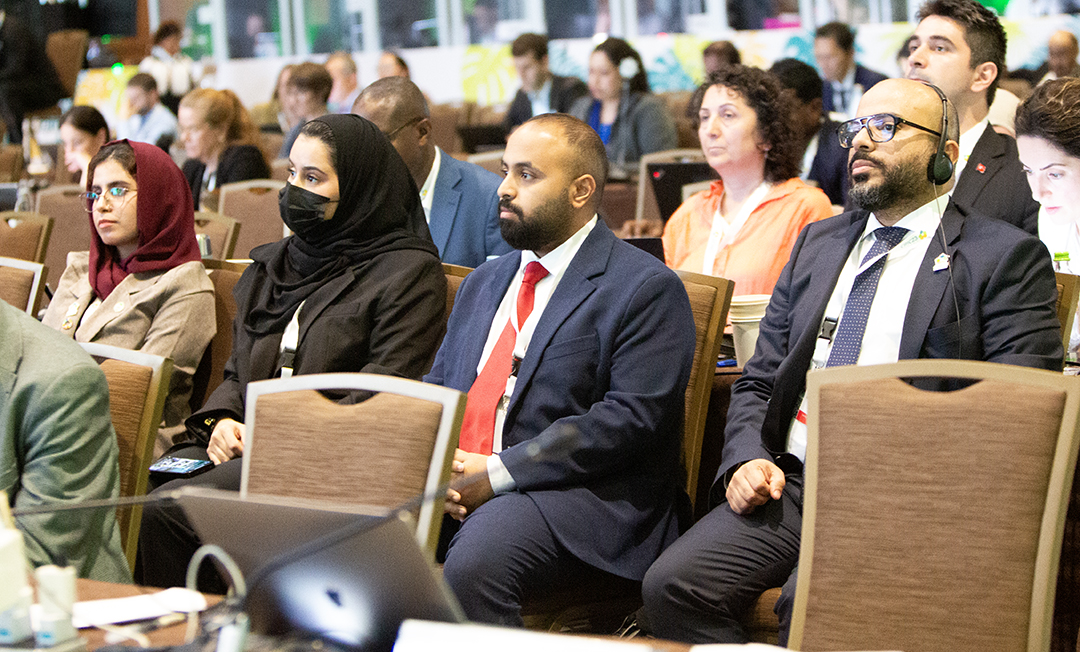
Delegates from Saudi Arabia
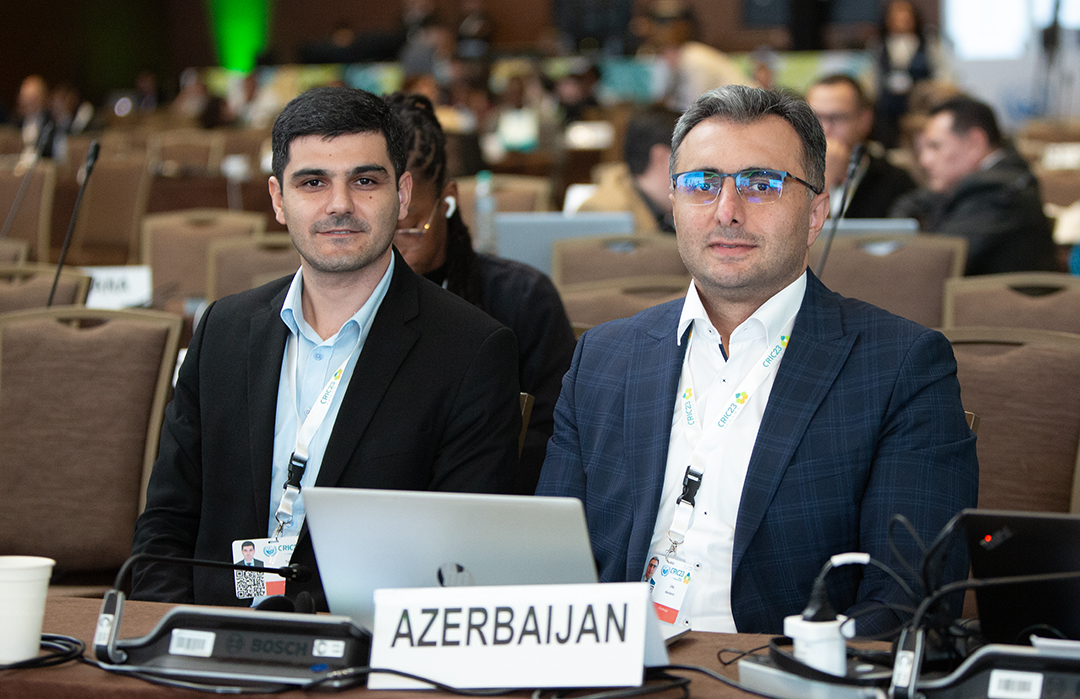
Toghrul Feyziyev, and Ulfat Machanov, Azerbaijan
Side Event: From Degradation to Opportunity: Industry, Innovation and Investment in the Restoration Economy
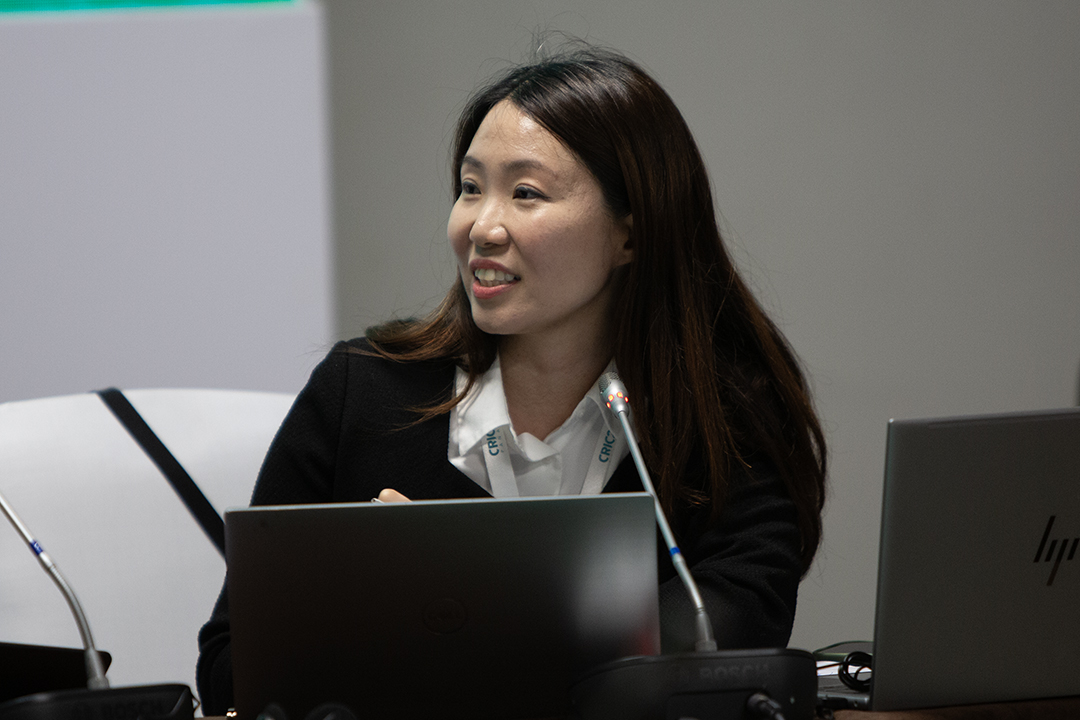
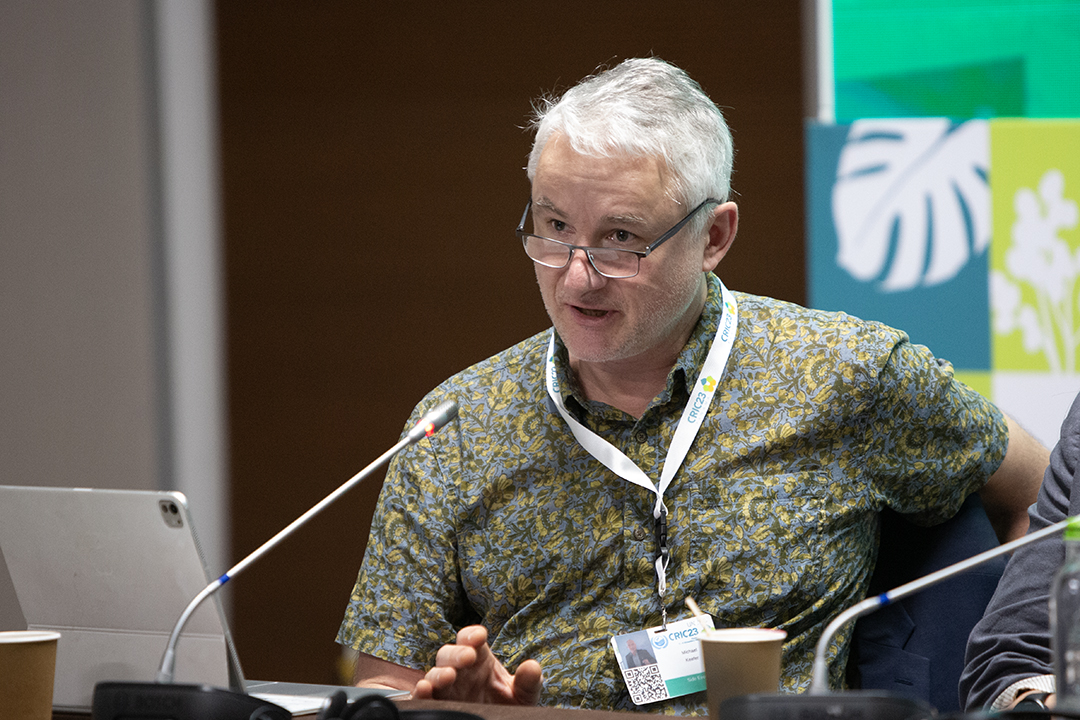
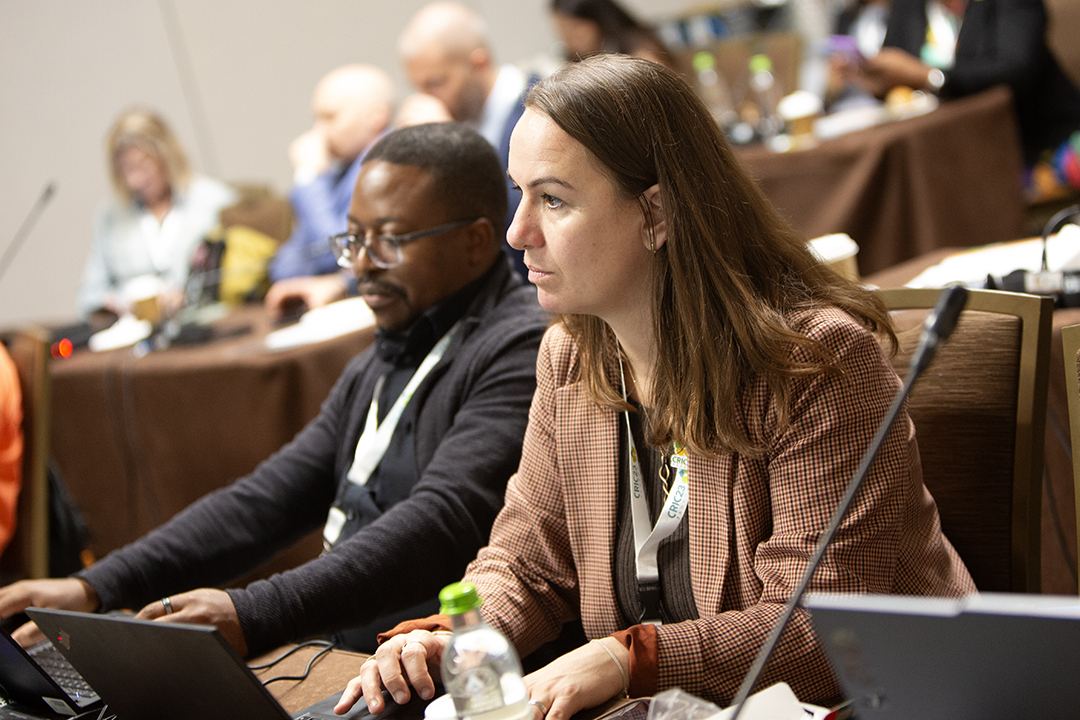
Side Event: Effective and Inclusive Civil Society Engagement for LDN: Solutions, Challenges and Successful Cases in the Five Regions
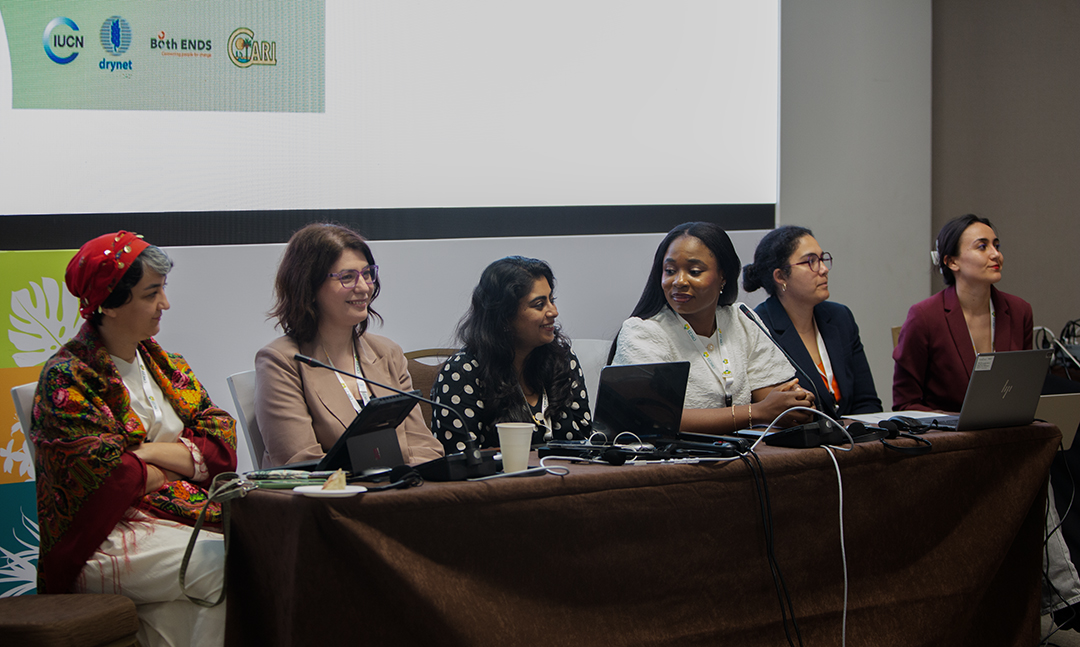
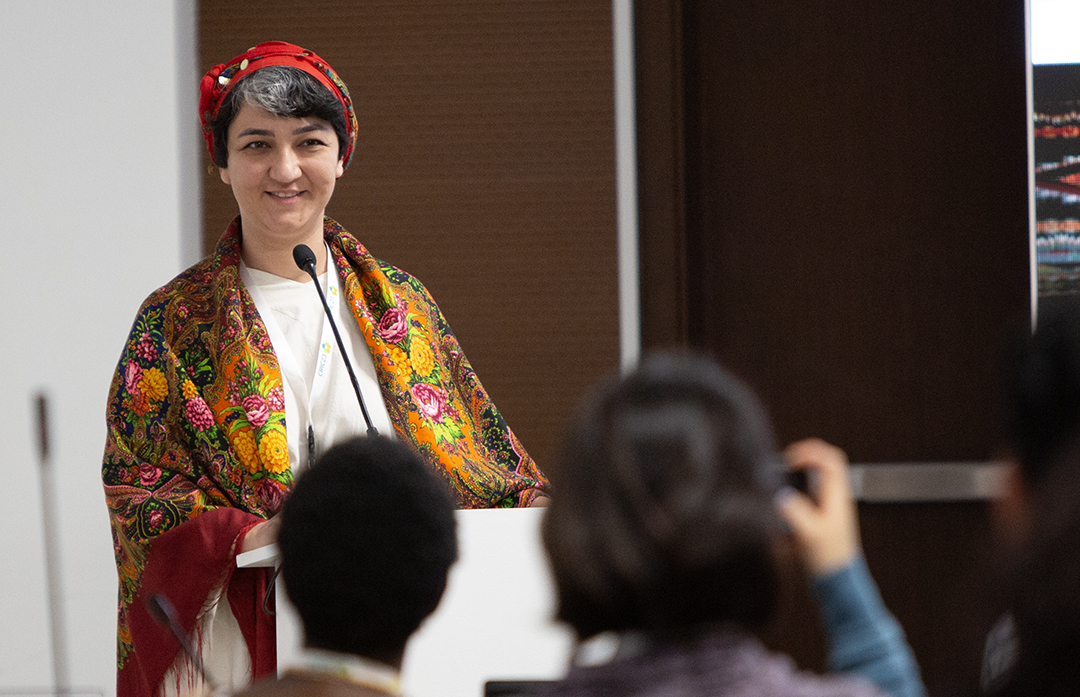
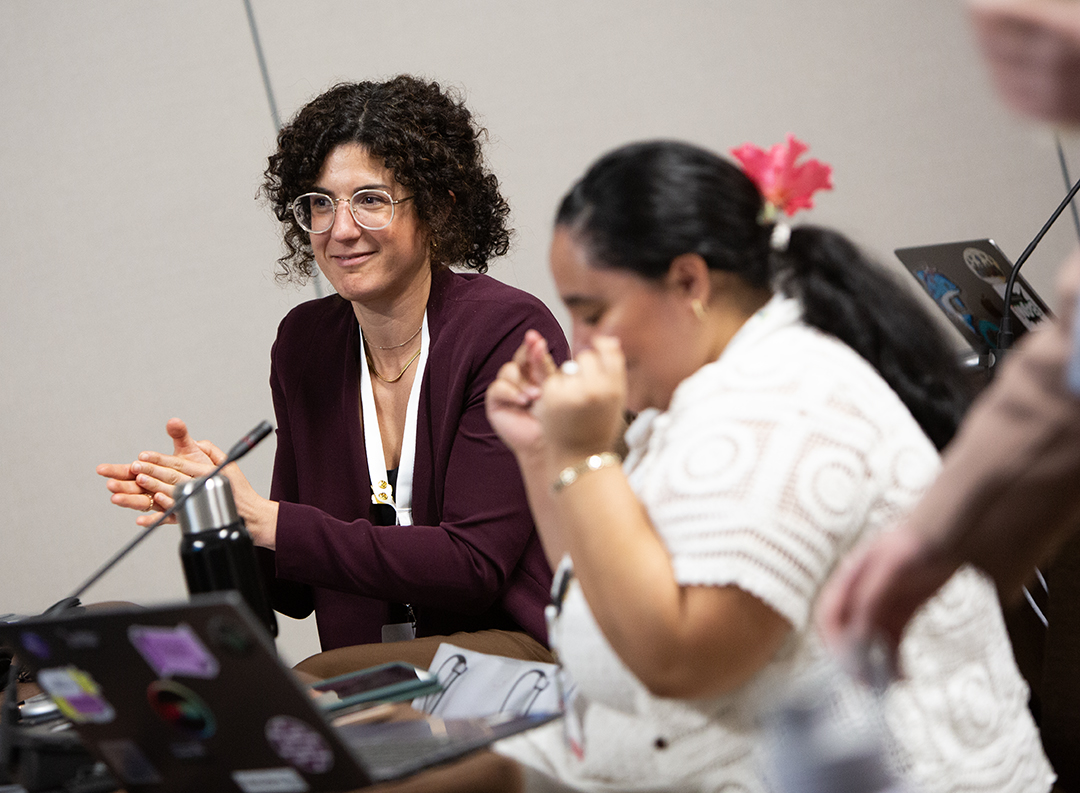
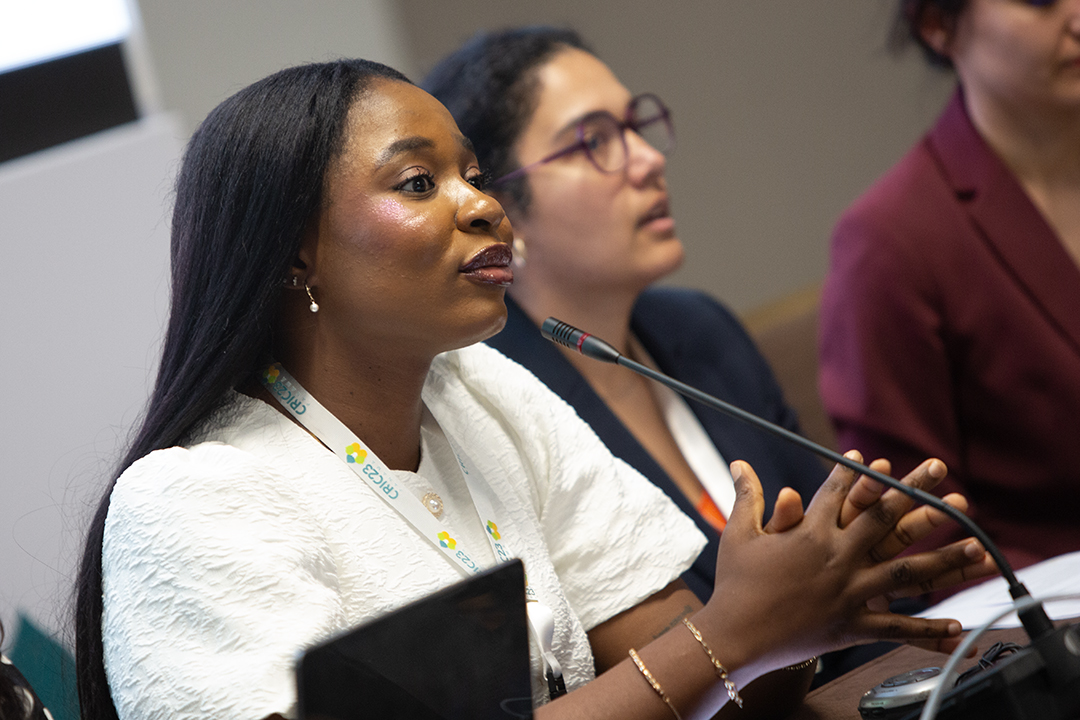
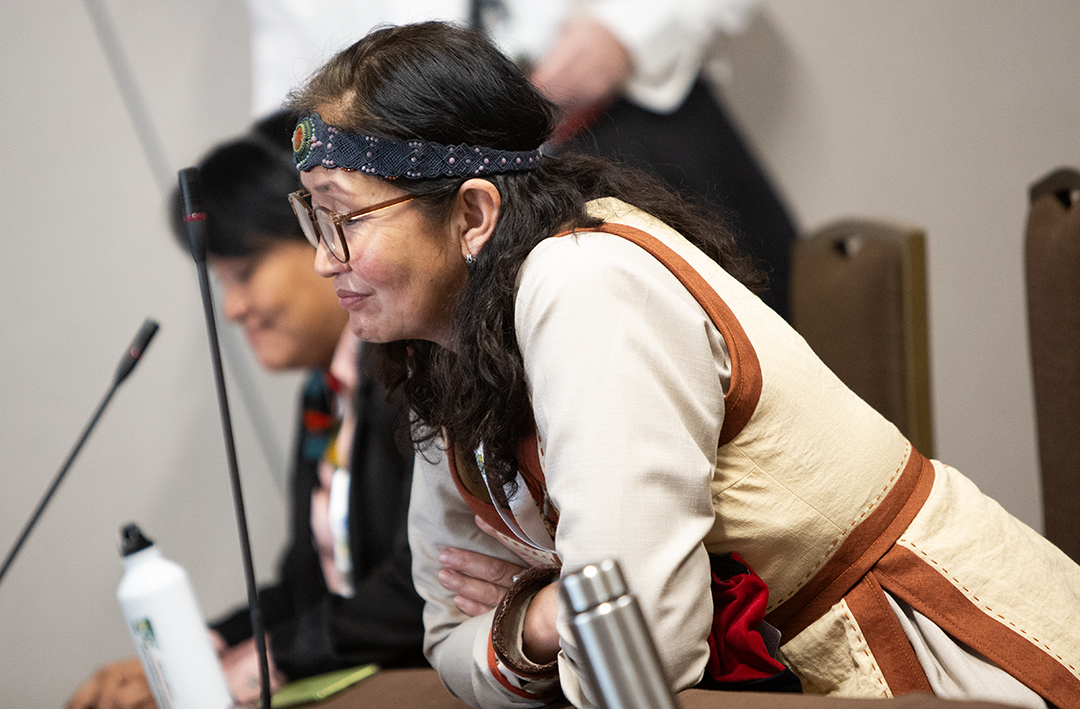
Side Event: Addressing Tenure Governance and Gender Equality in Land Rights to Strengthen LDN Initiatives: Building Synergies and a Platform for Action
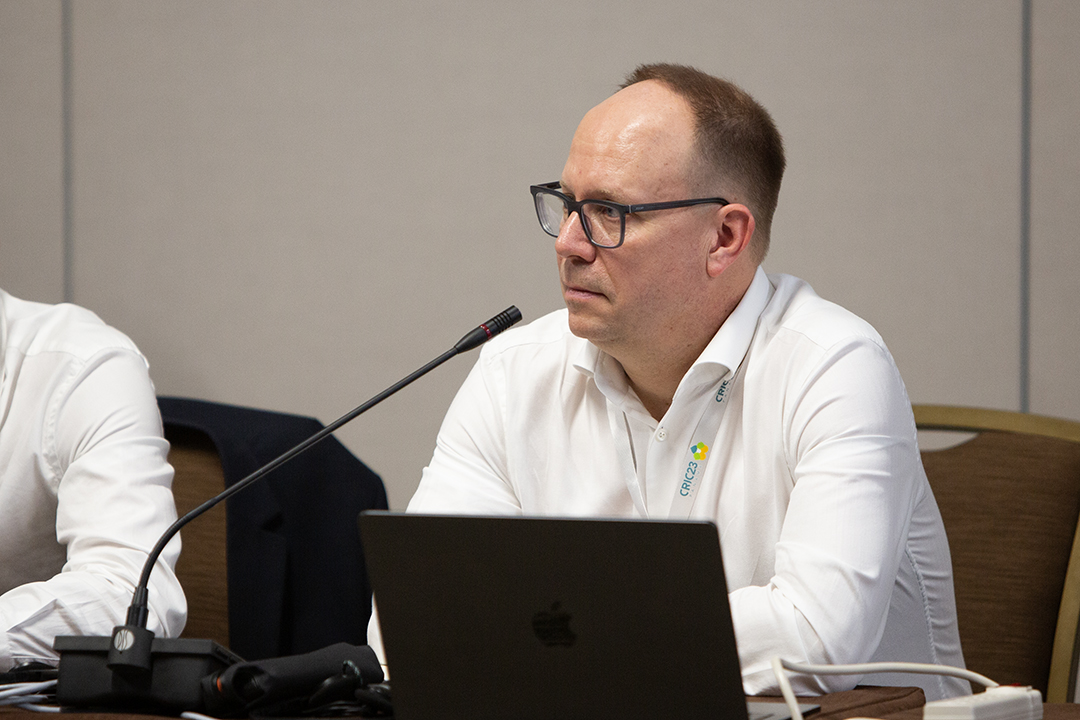
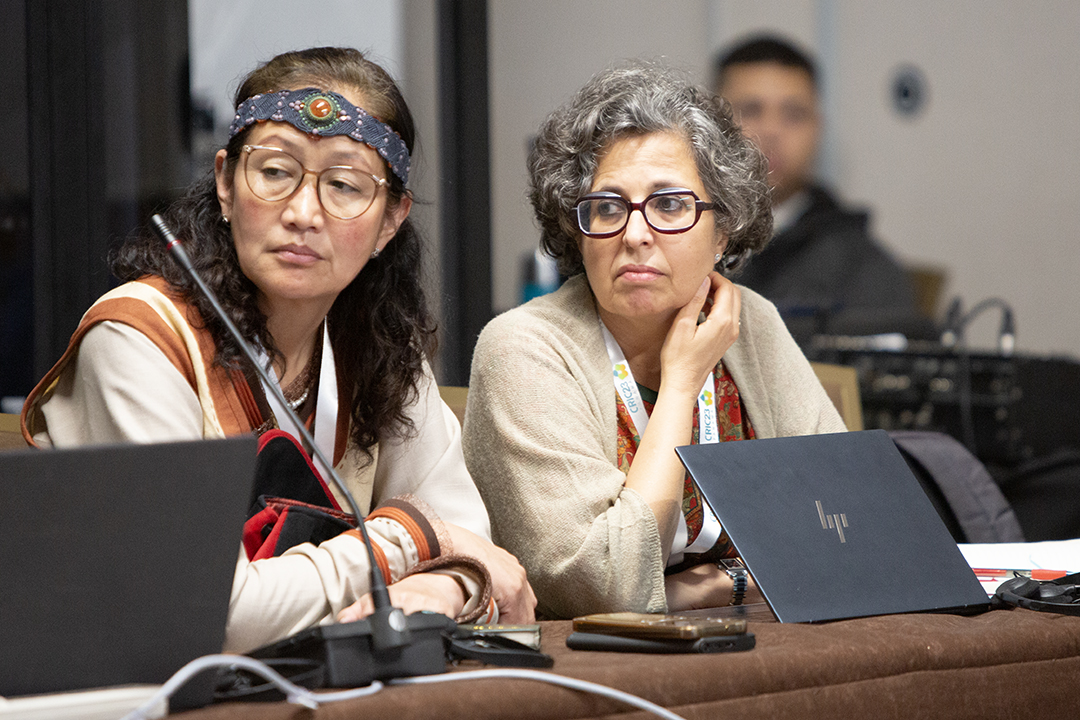
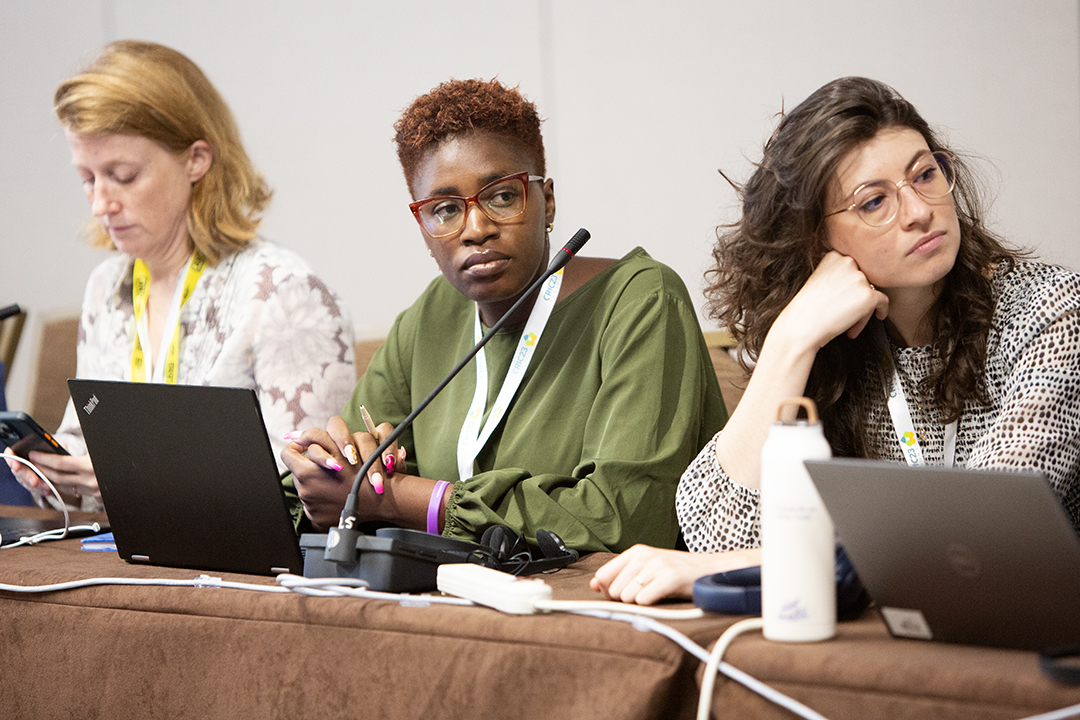
Side Event: Shared Pathways to LDN: A South–South Knowledge Exchange on Grasslands, Savannahs and Rangelands
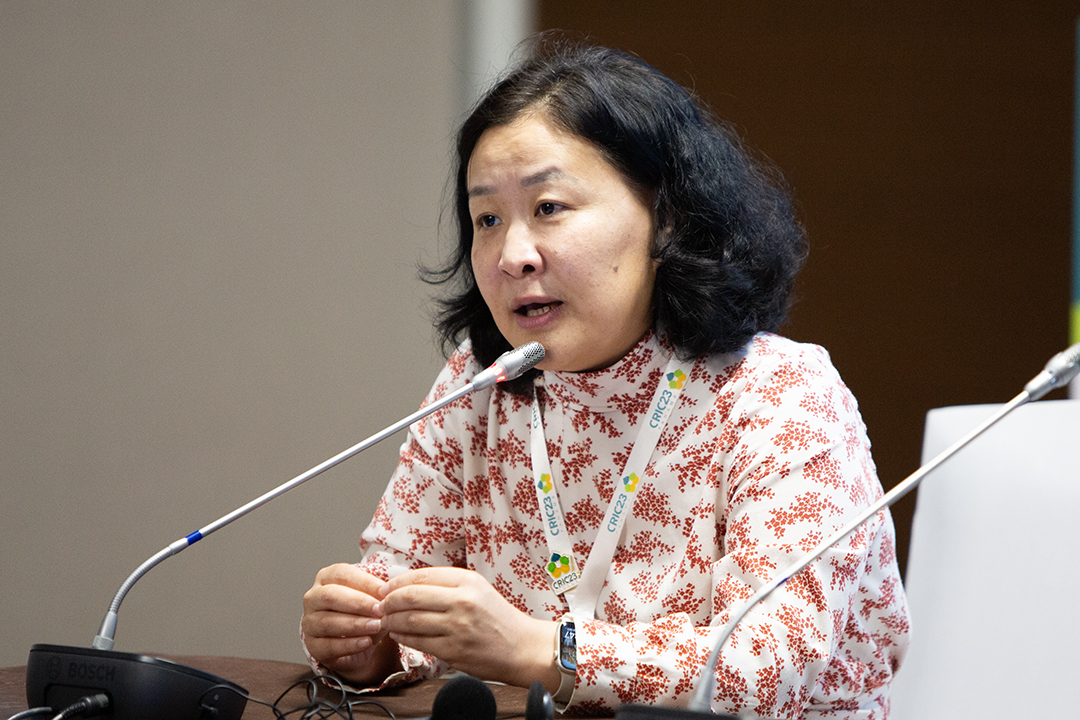
Between Sessions
Around the Venue