Land degradation neutrality (LDN) has become a recognizable “brand.” Many countries are using LDN as an organizing framework for more integrated planning, governance and resource mobilization across the three Rio Conventions and other multilateral environmental processes.
These were some of the messages from the fourth day of the 23rd session of the Committee for the Review of the Implementation of the Convention (CRIC 23). Delegates spent the day assessing progress in implementing the UN Convention to Combat Desertification (UNCCD) at the national, subregional and regional levels.
Land Degradation Neutrality
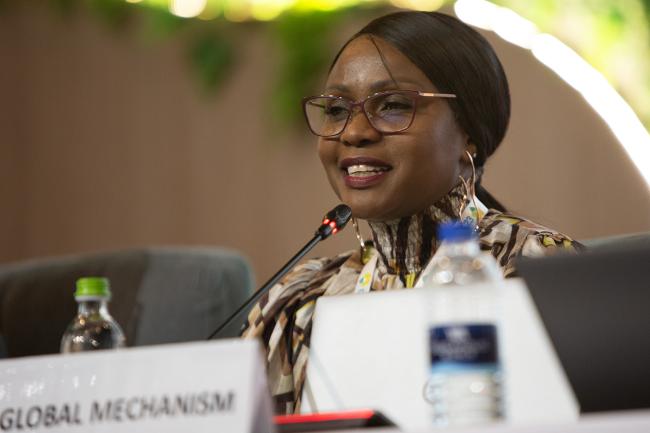
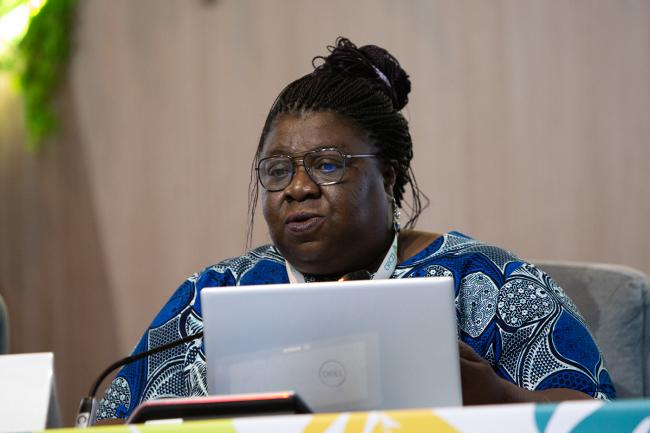
Catherine Mutambirwa, UNCCD Global Mechanism (GM), kicked off the discussions with an overview of the second generation of LDN Target Setting Programmes (TSP 2.0). Ulrich Apel, Global Environment Facility (GEF), outlined key lessons learned from the current 56-country LDN portfolio, which has disbursed USD 325 million in grants and raised an additional USD 2.5 billion in co-financing.
Alla Ljungman, GEF, outlined programmes to encourage private sector finance towards issues related to LDN and drought, noting the GEF has been using blended finance instruments since 2008.
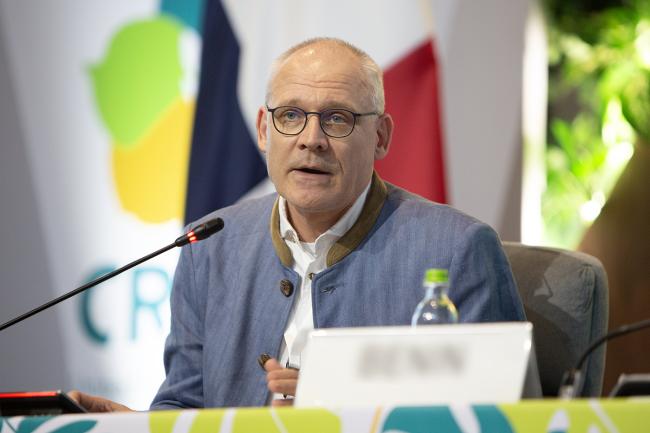
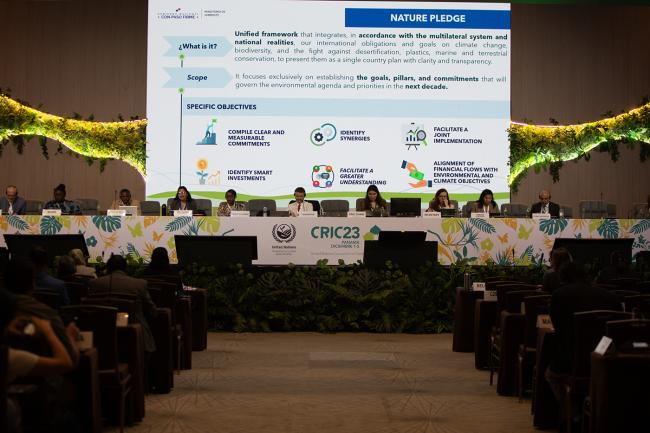
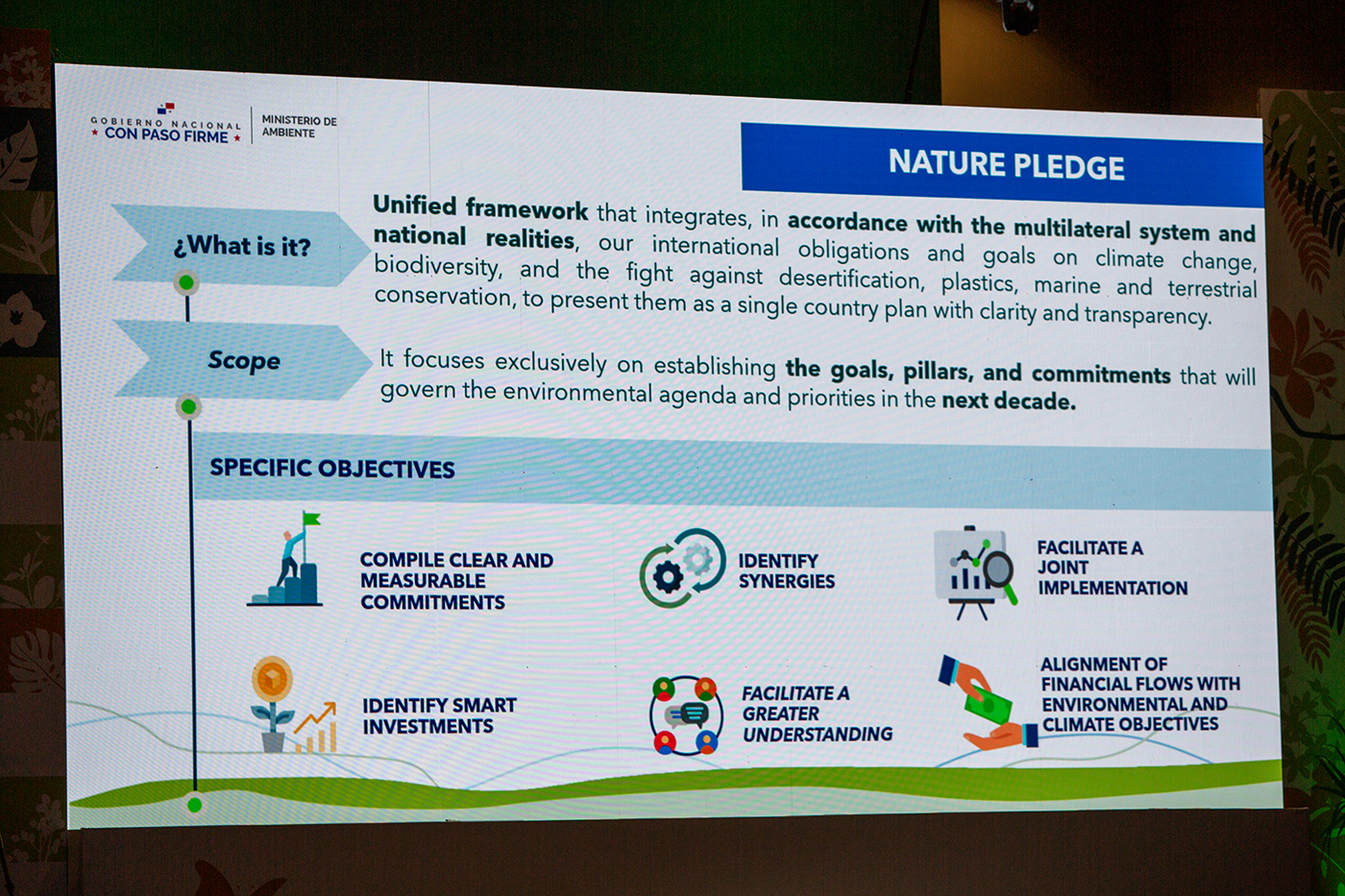
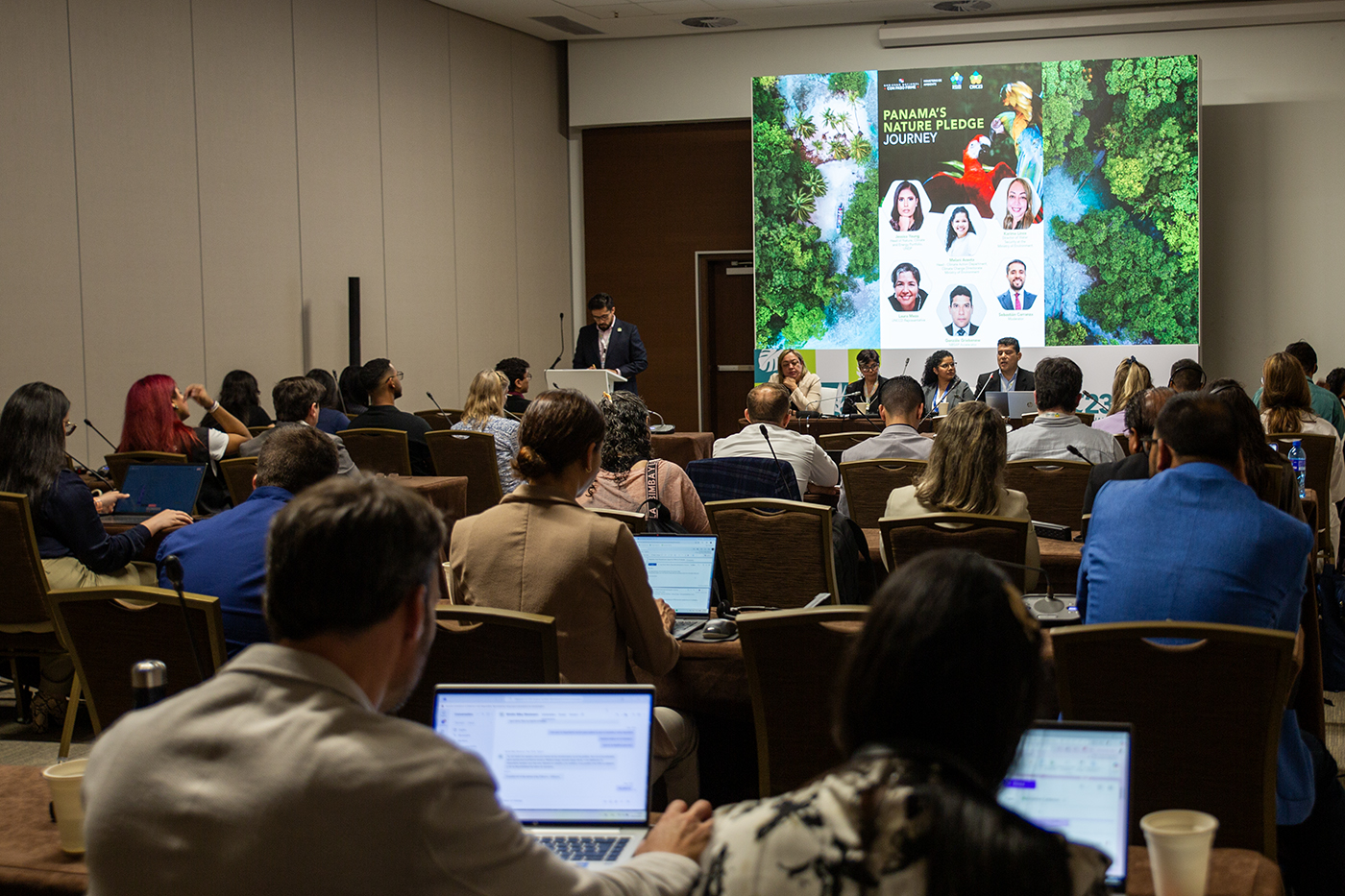
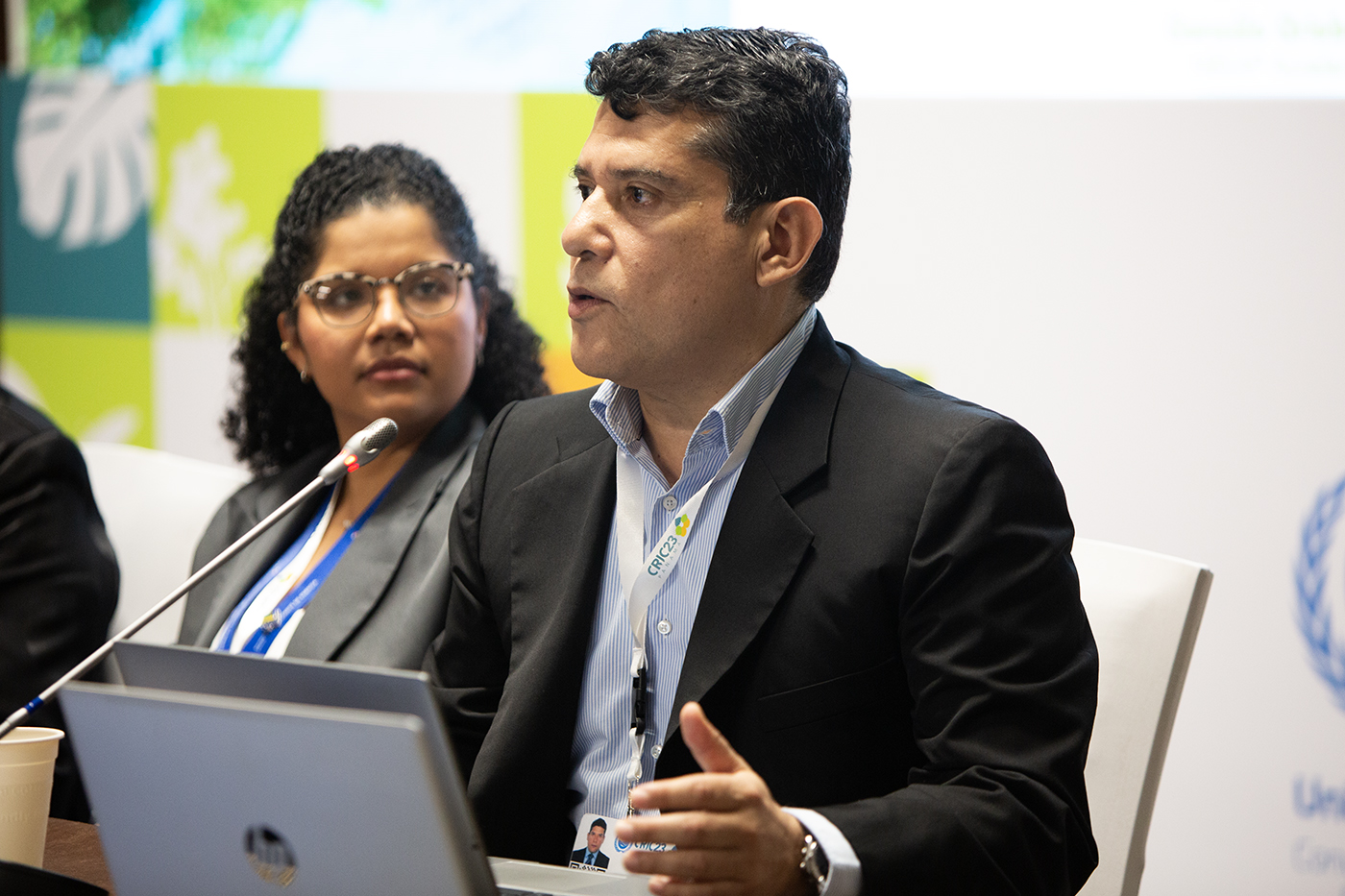
Melani Acosta Chin, Panama, introduced their Nature Pledge that aims to integrate targets and reporting obligations at the multilateral level with “national realities.” She said this approach has helped tackle fragmentation by creating one integrated implementation, monitoring and review framework. Among concrete results, she highlighted the consolidation of many overlapping targets across all three Conventions from 100 to 30. She also discussed increased integration of financing streams under a new overarching Panama Natural Fund.
Mmoto Leonard Masubelele, South Africa, explained how their biome-level planning approach is contributing to multiple benefits, especially at the local level. Benin outlined its LDN journey, from setting “simple” targets to more explicit indicators.
In the ensuing discussion, more than 30 delegates highlighted ongoing LDN activities. Many welcomed the increased focus on large-scale, multi-country projects, noting this supports joint learning and efficient use of scarce resources.
Civil society stressed the role of political leadership and meaningful engagement of those who directly work on the land, including in training and capacity-building programmes and LDN governance structures.
Funding for Land Degradation and Drought Resilience
In the evening a second panel discussed opportunities for scaling up funding for land degradation and drought resilience. It brought together speakers from the banking sector, research, technical support agencies, and national governments.
Introducing the session, Moderator Houtan Bassiri, GM, noted that the funding gap for land restoration and drought resilience is currently estimated at USD 1 billion a day.
Ignacio Lorenzo Arana, Development Bank of Latin America and the Caribbean highlighted its growing green investment portfolio as an opportunity for UNCCD-related programmes, but stressed that this requires clear bankable projects and guarantee instruments to derisk investments.
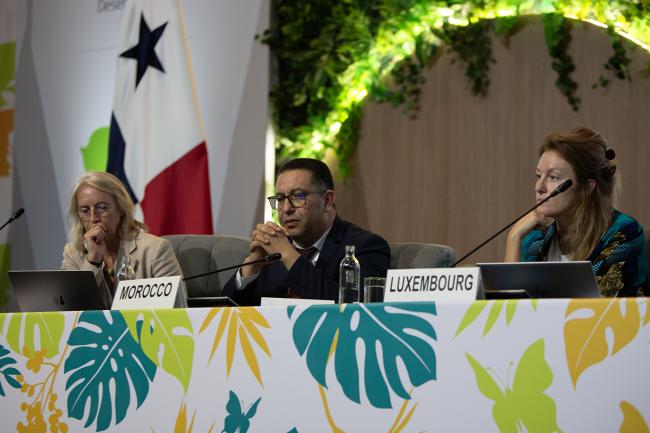
Virginie Françoise Anne Denise Gilbert De Cauwer, Luxembourg, described the newly-launched Drought Resilience Investment Facility (DRIF) as the first financial product specifically designed to address the complex nature of drought risks.
Khalid Cherki, Morocco, discussed the country’s experience in leveraging drought financing, including generating solid data to build a convincing business case and building strong relationships with technical and financial partners.
Fiona Flintan, International Livestock Research Institute, highlighted the role of research networks in resource mobilization, especially at the local level. She said the Global Rangelands Standard, to be launched at the 17th meeting of the Conference of the Parties (COP 17), exemplifies how science-led processes can help unleash sustainable finance through robust data and monitoring support
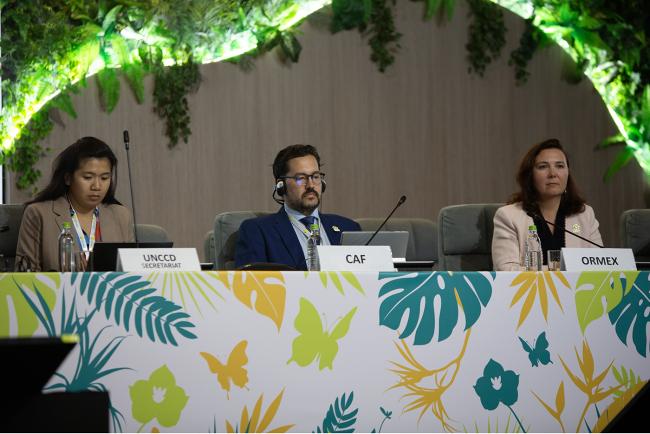
Goulnara Aguiar, Ormex, described the Riyadh Global Drought Resilience Partnership as a unique instrument that is building the architecture “where drought resilience becomes investible and accessible for frontline communities.”
In the ensuing discussion, speakers highlighted:
- ensuring that new funding instruments are accessible to Indigenous Peoples and local communities, women, and other frontline actors;
- the importance of strengthening the financial management capacities of local organizations; and
- developing blended finance models tailored to small island developing states and other highly vulnerable regions.
Land Tenure
This final segment reviewed progress in implementing the land tenure decisions from COP 16, including the Land Tenure Toolbox and the Compendium of Accountability and Grievance Mechanisms related to Land Tenure as part of the UNCCD/Food and Agriculture Organization (FAO) Joint Initiative on Land Tenure.
Many speakers welcomed progress, while calling for enhanced focus on:
- integrating land tenure in LDN programmes to safeguard legitimate land rights and direct support as well as direct benefits to Indigenous Peoples, women, and other frontline land stewards;
- extending capacity-building support to more countries;
- considering national circumstances in land tenure programmes; and
- strengthening multi-stakeholder dialogue at different levels to foster inclusive governance and gender and youth mainstreaming.

Side Events
More than 10 side events took place during the day, covering such topics as:
- scaling community-led restoration for LDN in the Sahel;
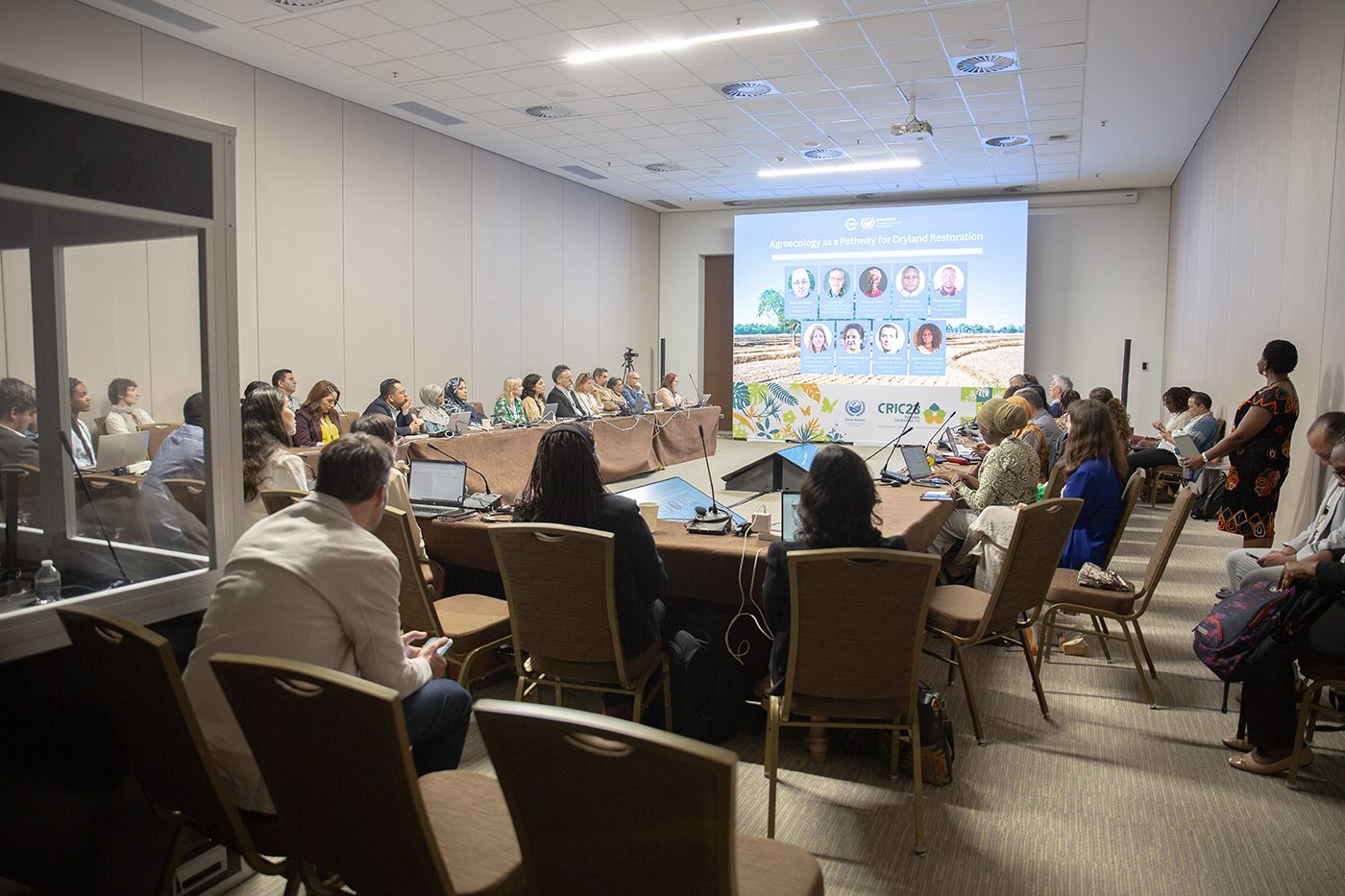
- agroecology and integrated drought management in drylands;
- the upcoming flagship report on the economics of rangeland restoration; and
- innovative science-based approaches for land degradation and desertification risk monitoring and restoration assessment.

To receive free coverage of global environmental events delivered to your inbox, subscribe to the ENB Update newsletter.
All ENB photos are free to use with attribution. For the 23rd Session of the UNCCD Committee for the Review of the Implementation of the Convention (CRIC-23), please use: Photo by IISD/ENB | Angeles Estrada Vigil
Land Degradation Neutrality
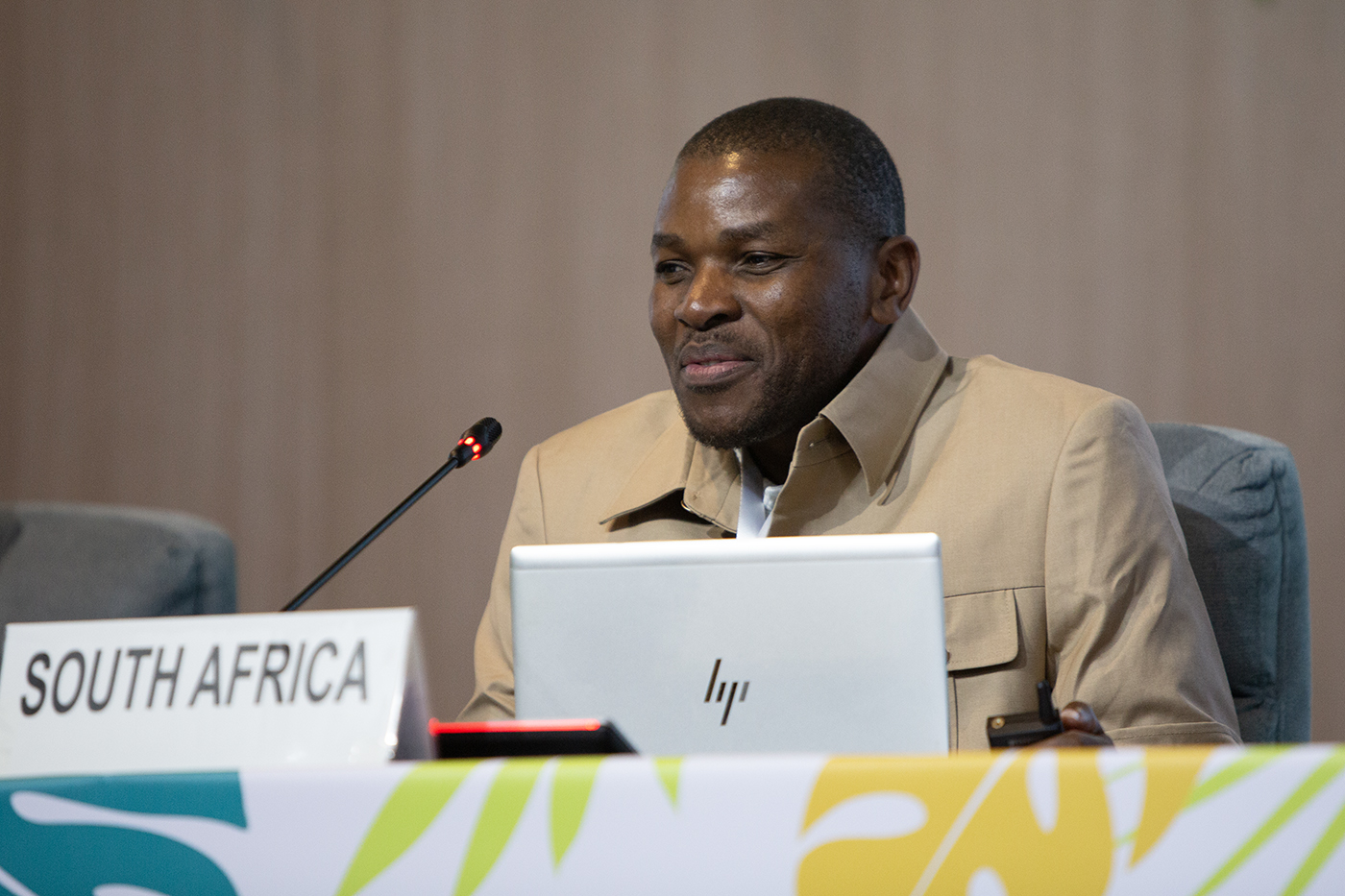
Mmoto Leonard Masubelele, South Africa
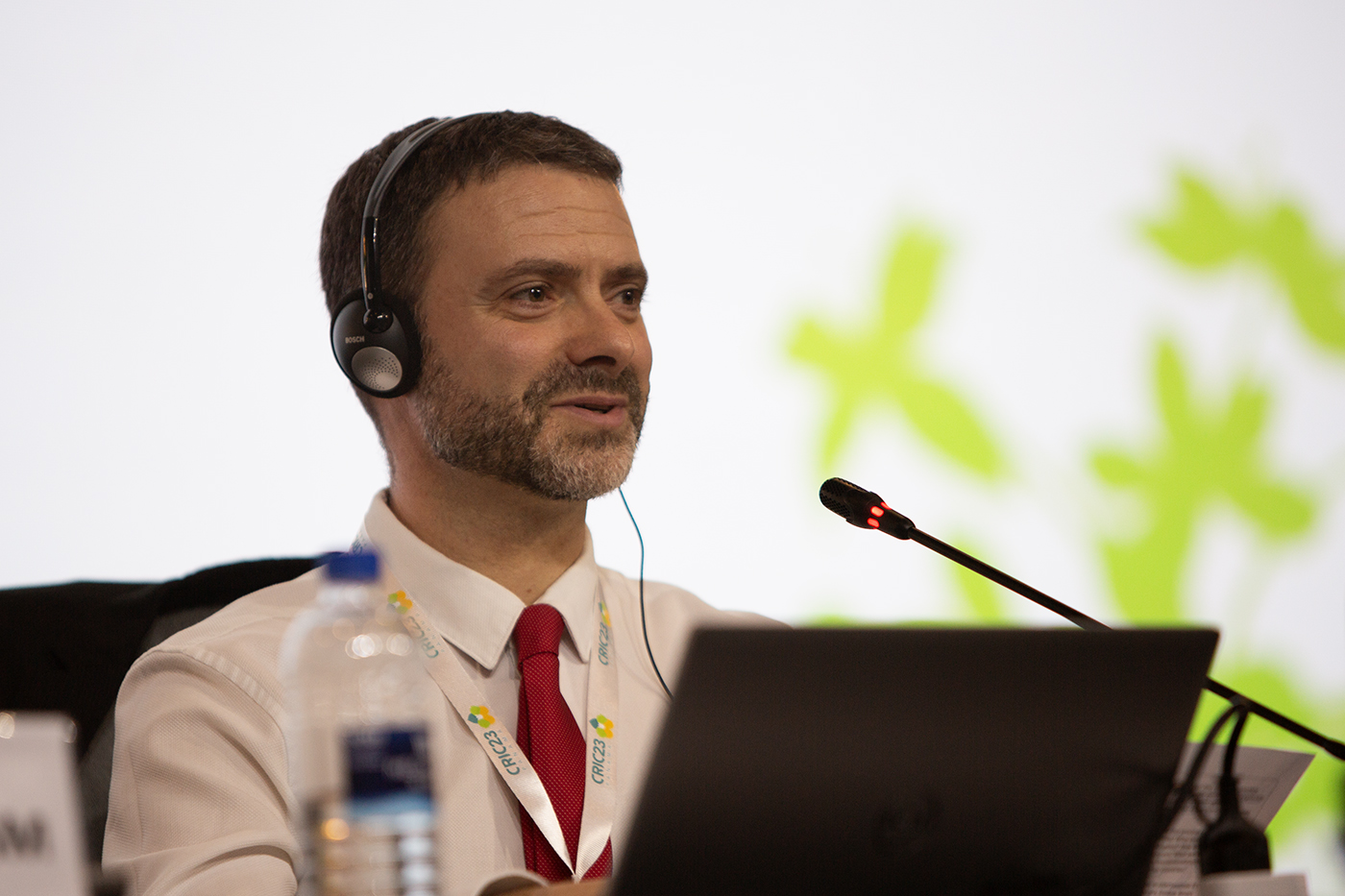
Pedro Antonio Lara Almuedo, Global Mechanism
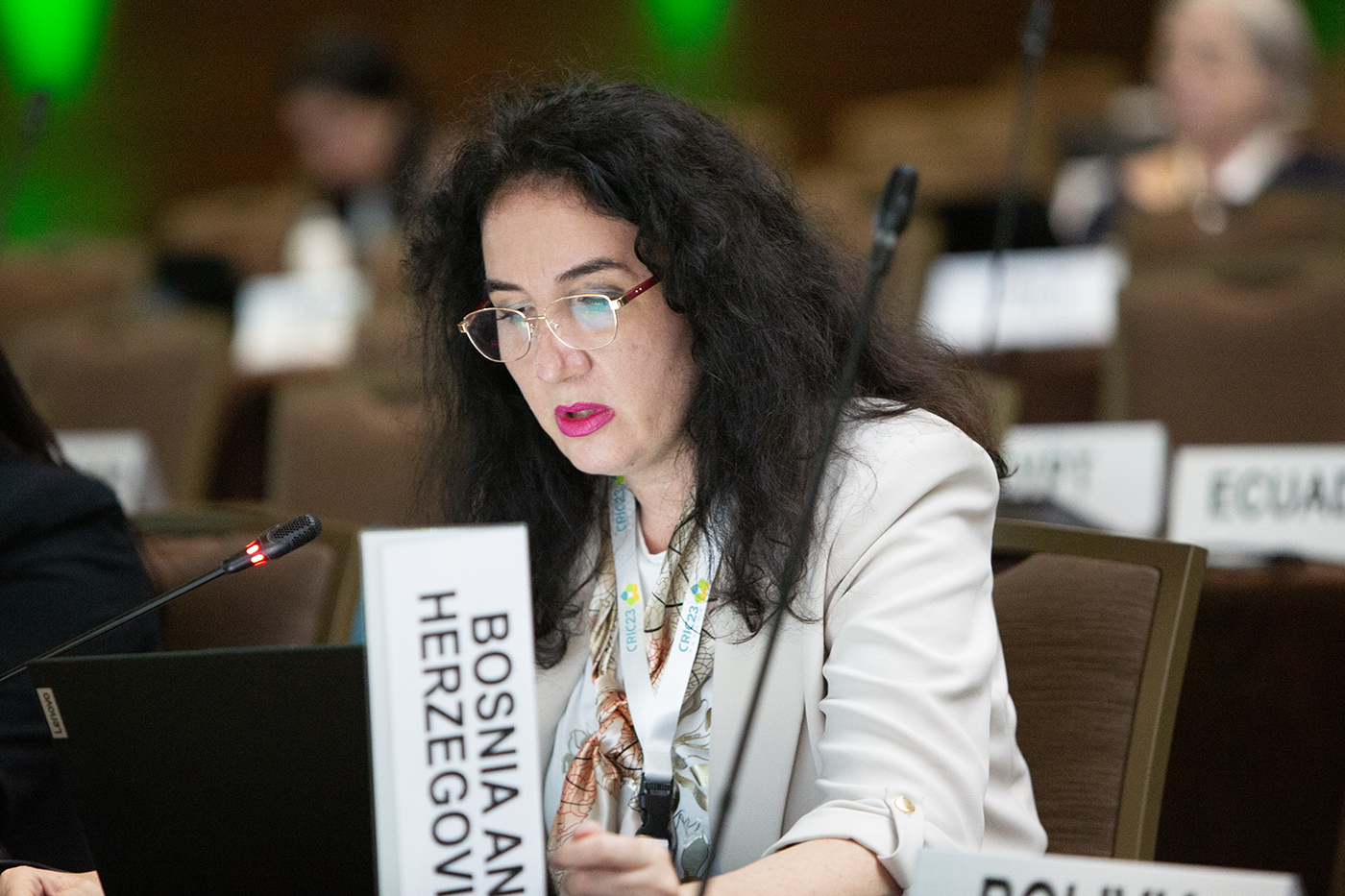
Svetlana Lazić, Bosnia and Herzegovina
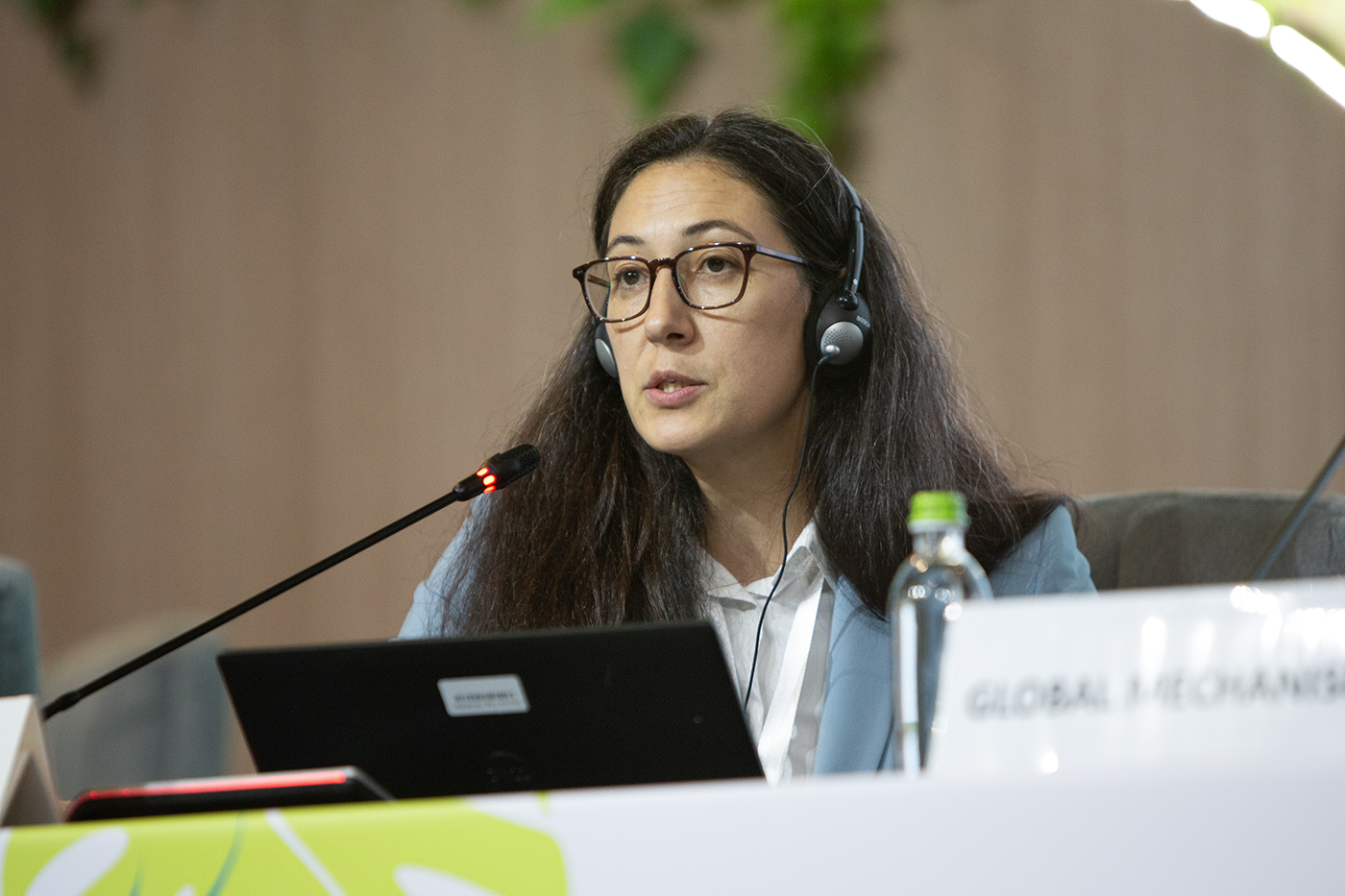
Alla Ljungman, Environmental Specialist, GEF
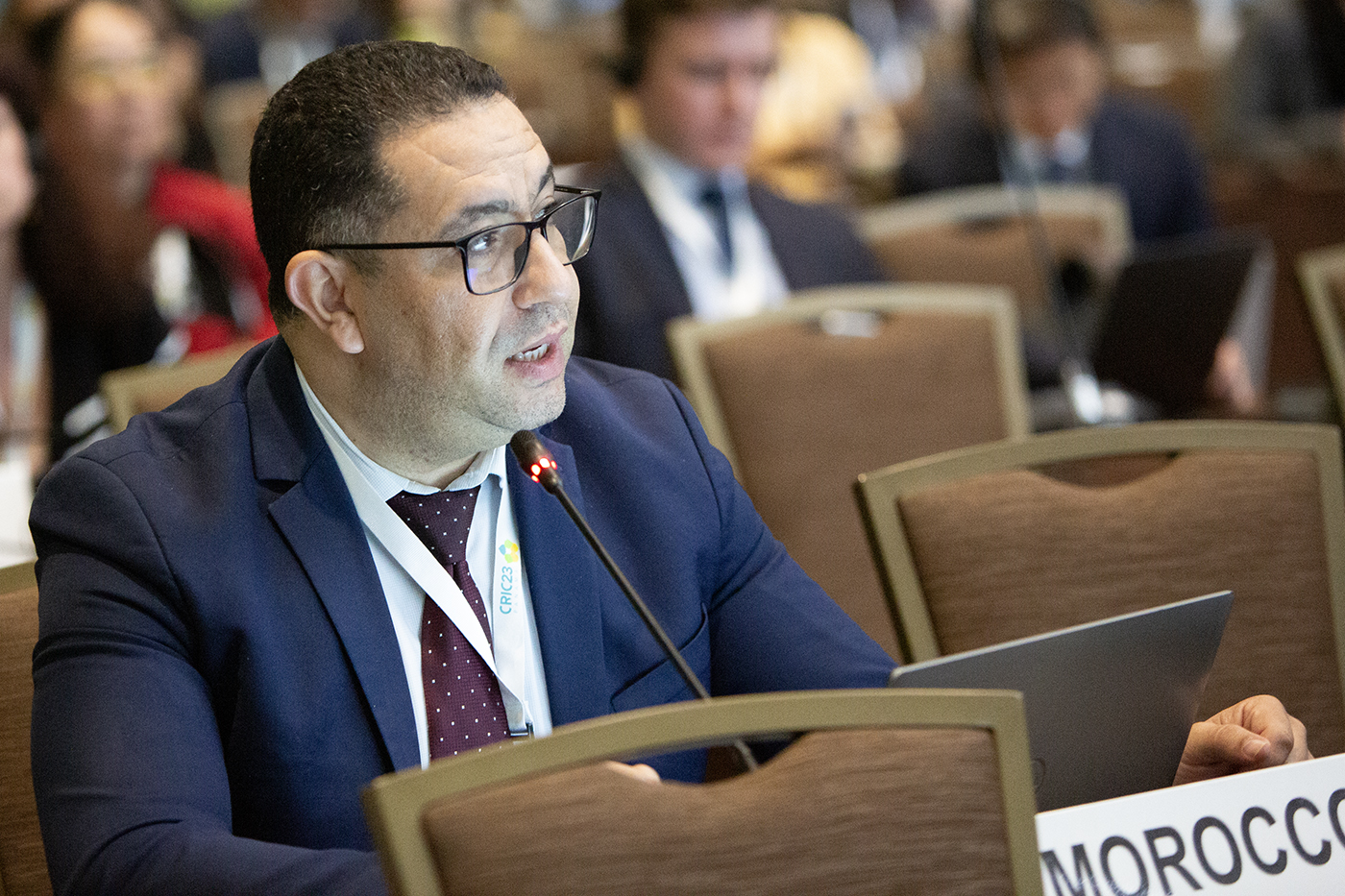
Khalid Cherki, Morocco
Elham Shaiban I Alshayban, Saudi Arabia
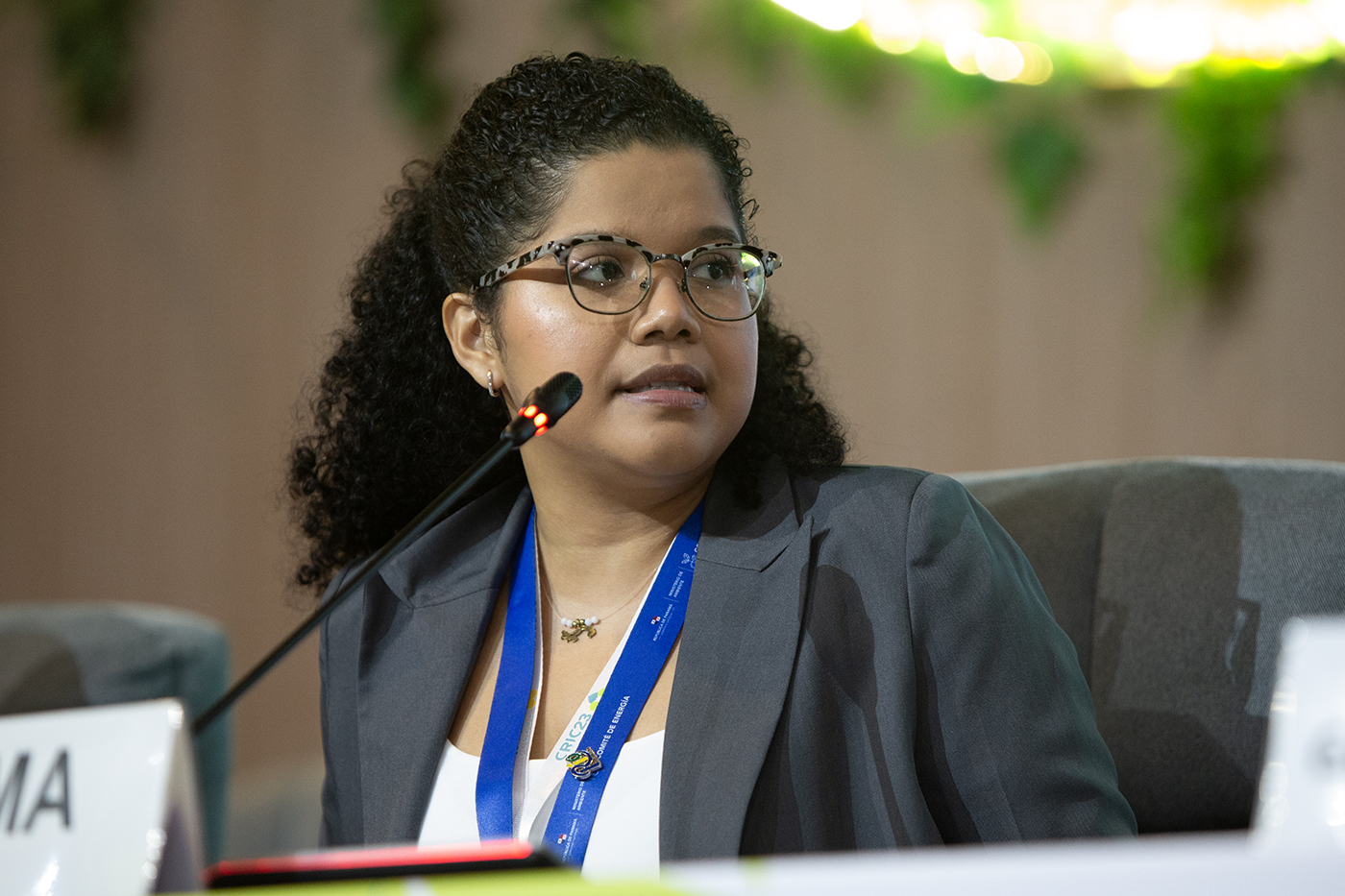
Melani Acosta Chin, Panama
Karl Augustine, Saint Lucia
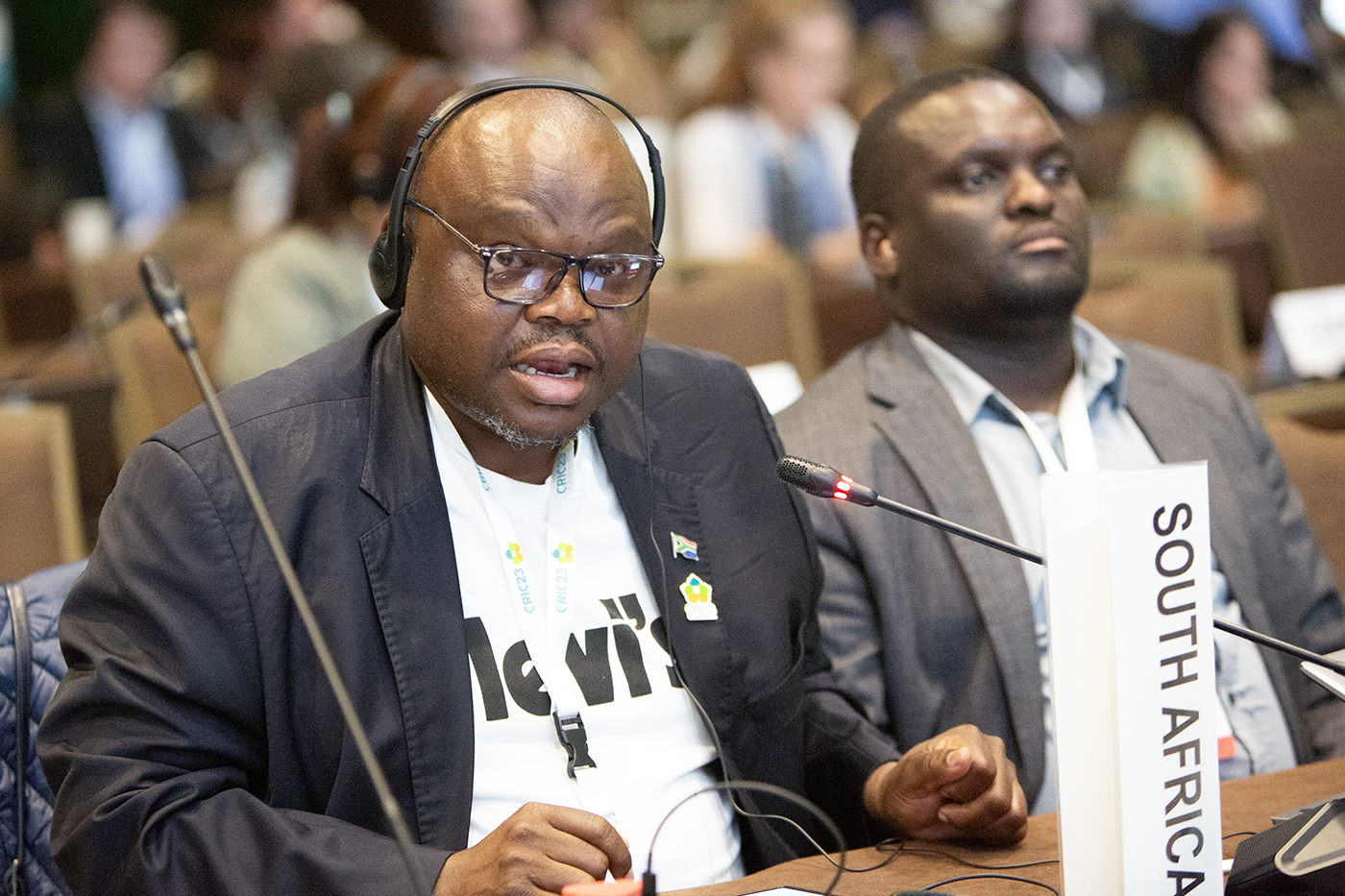
Richard Selemela, South Africa
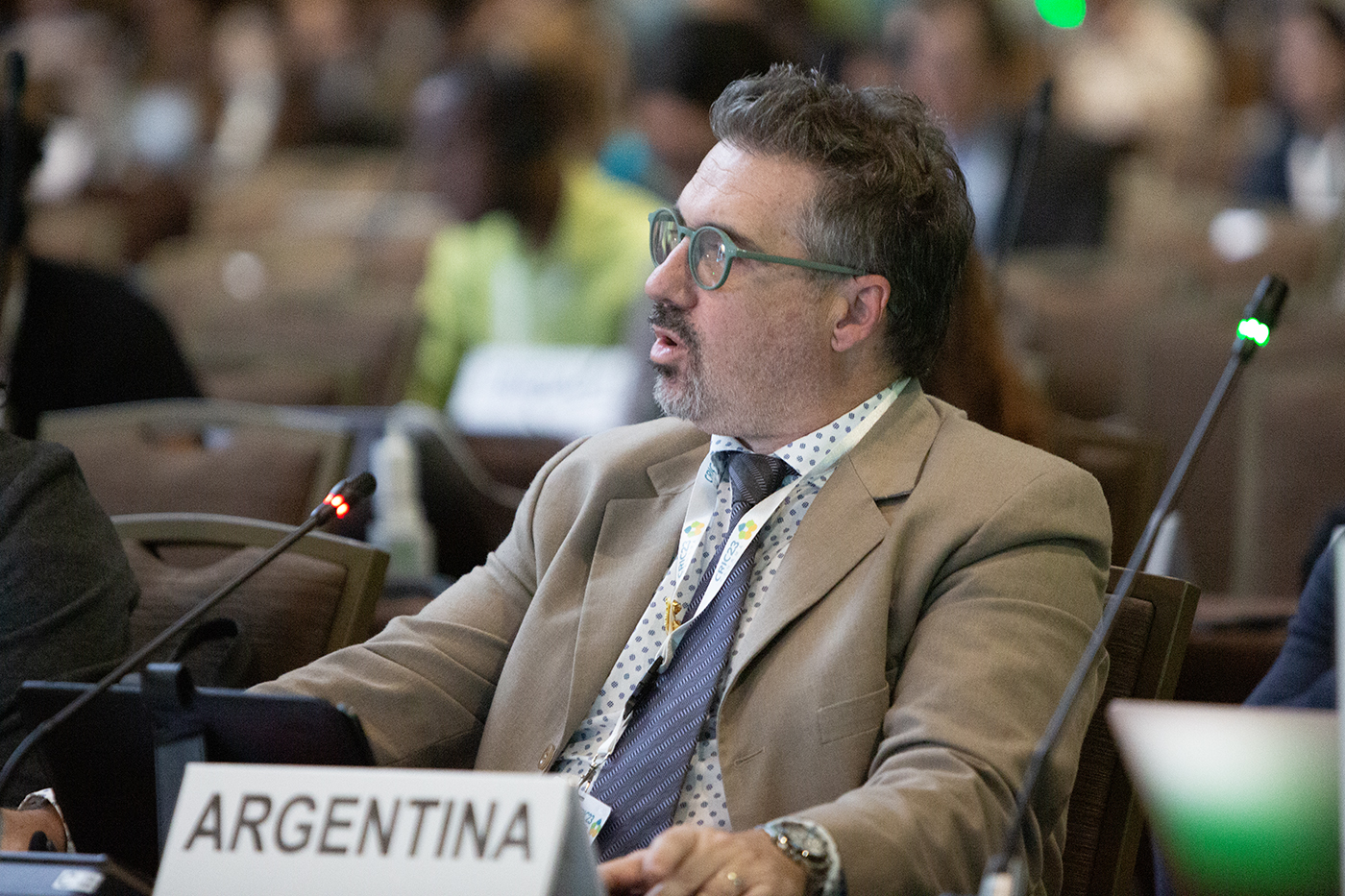
Pablo Hernán Viegas Aurelio, Argentina
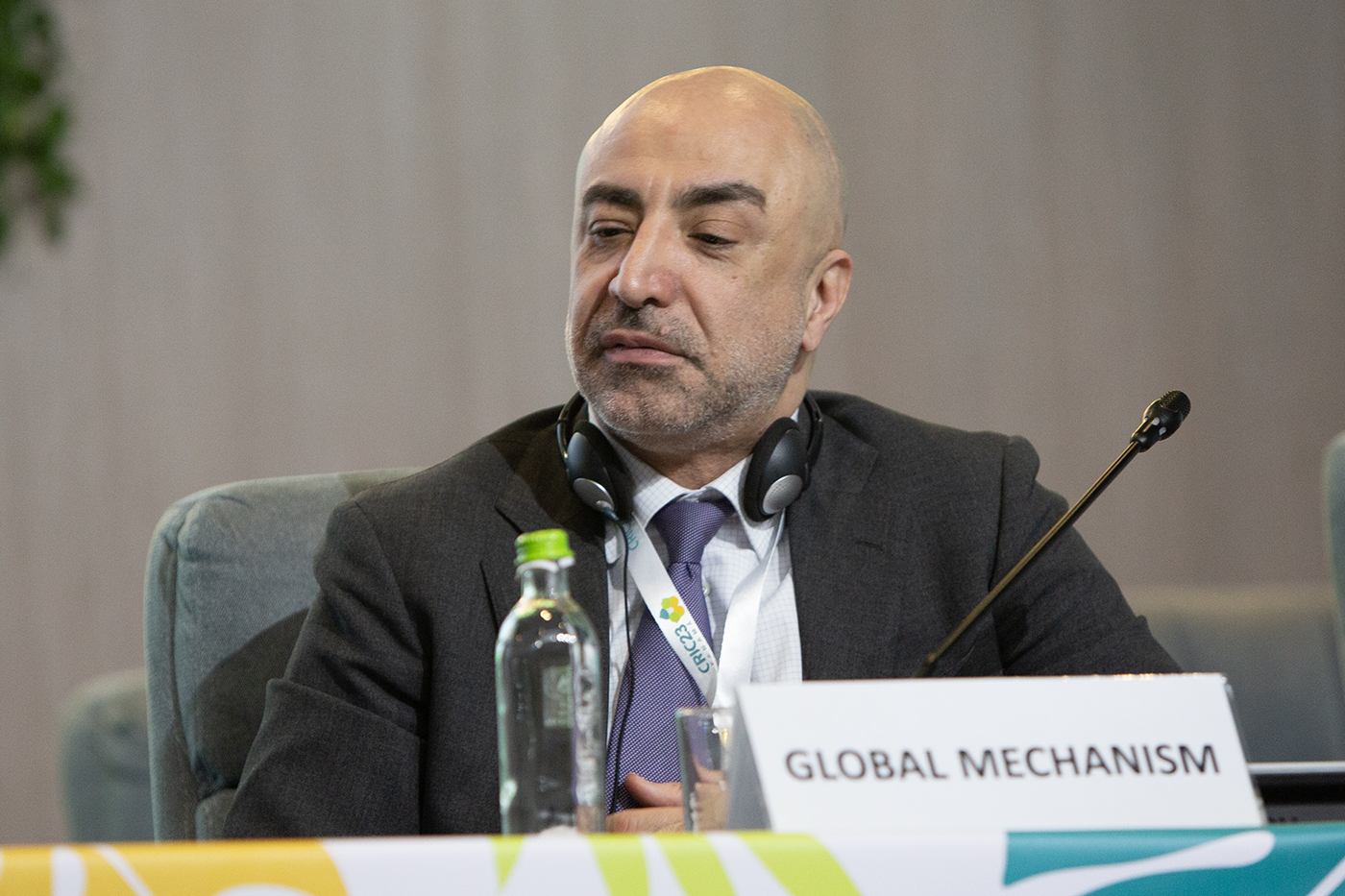
Houtan Bassiri, UNCCD Global Mechanism
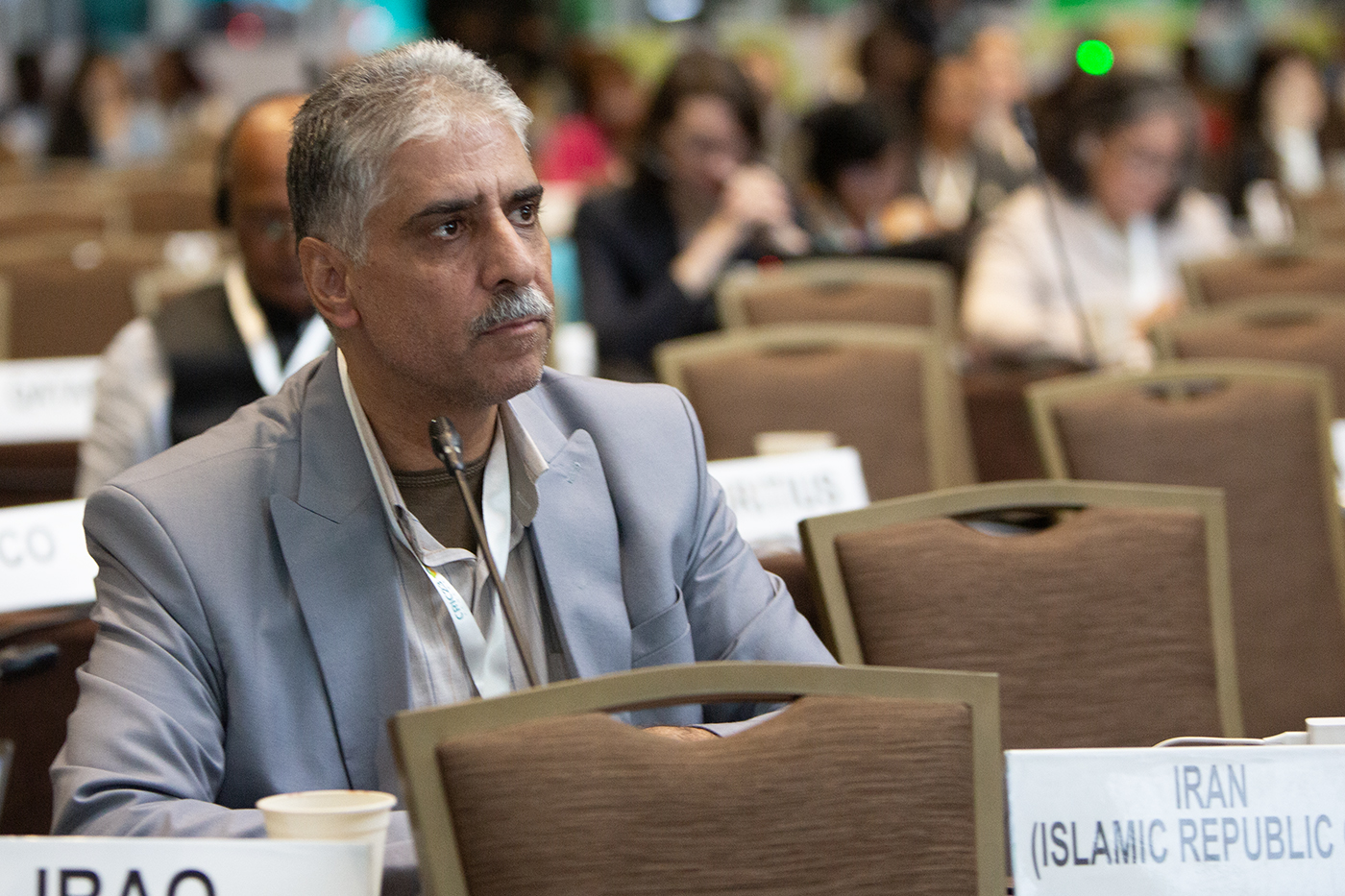
Gholamreza Hadarbadi, Iran
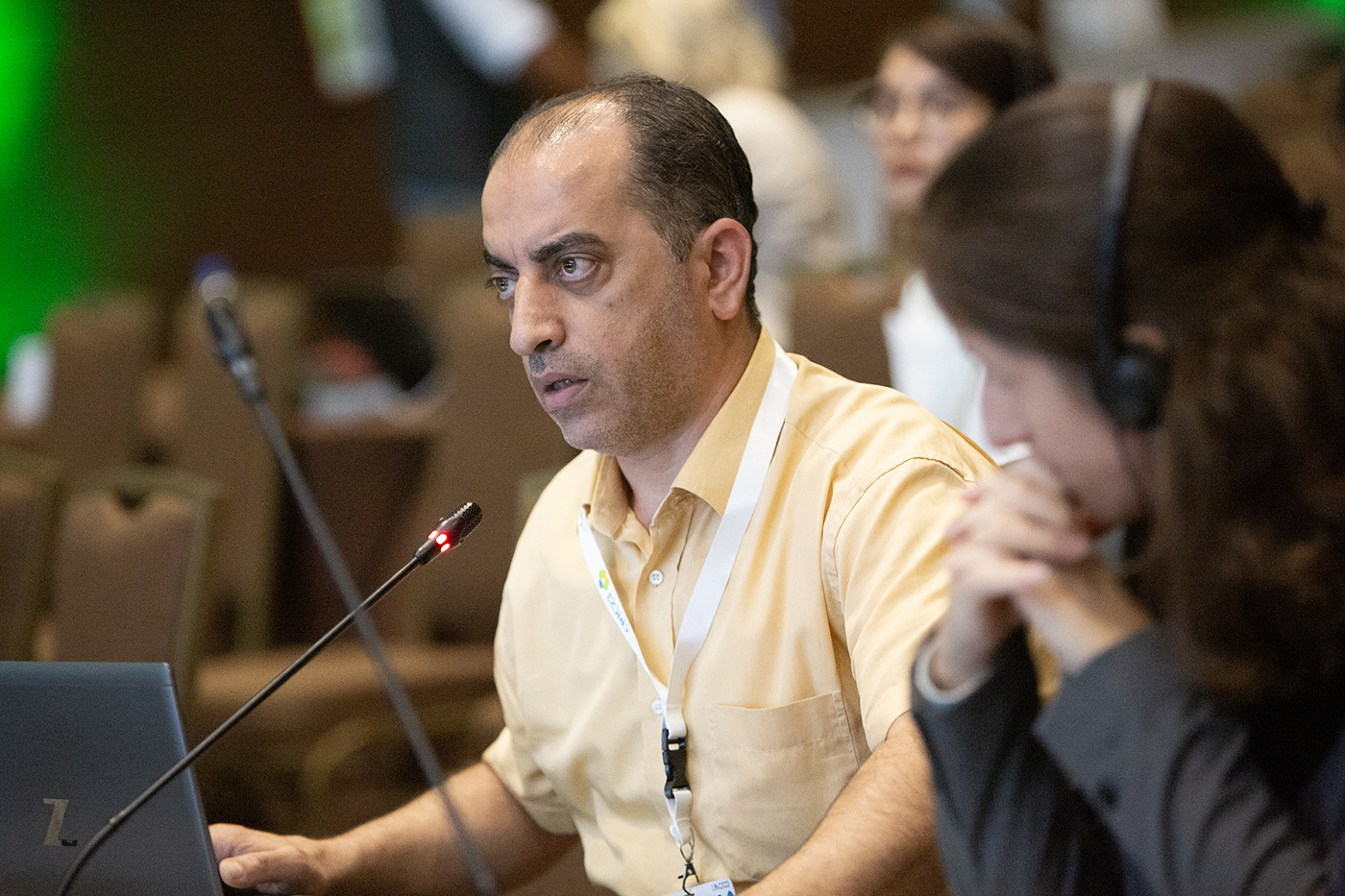
Imad Almaree, Syria
Oraine Samuel Desmond Nurse, Antigua and Barbuda
Narine Hakobyan, Armenia
Funding for Land Degradation and Drought Resilience
Goulnara Aguiar, ORMEX
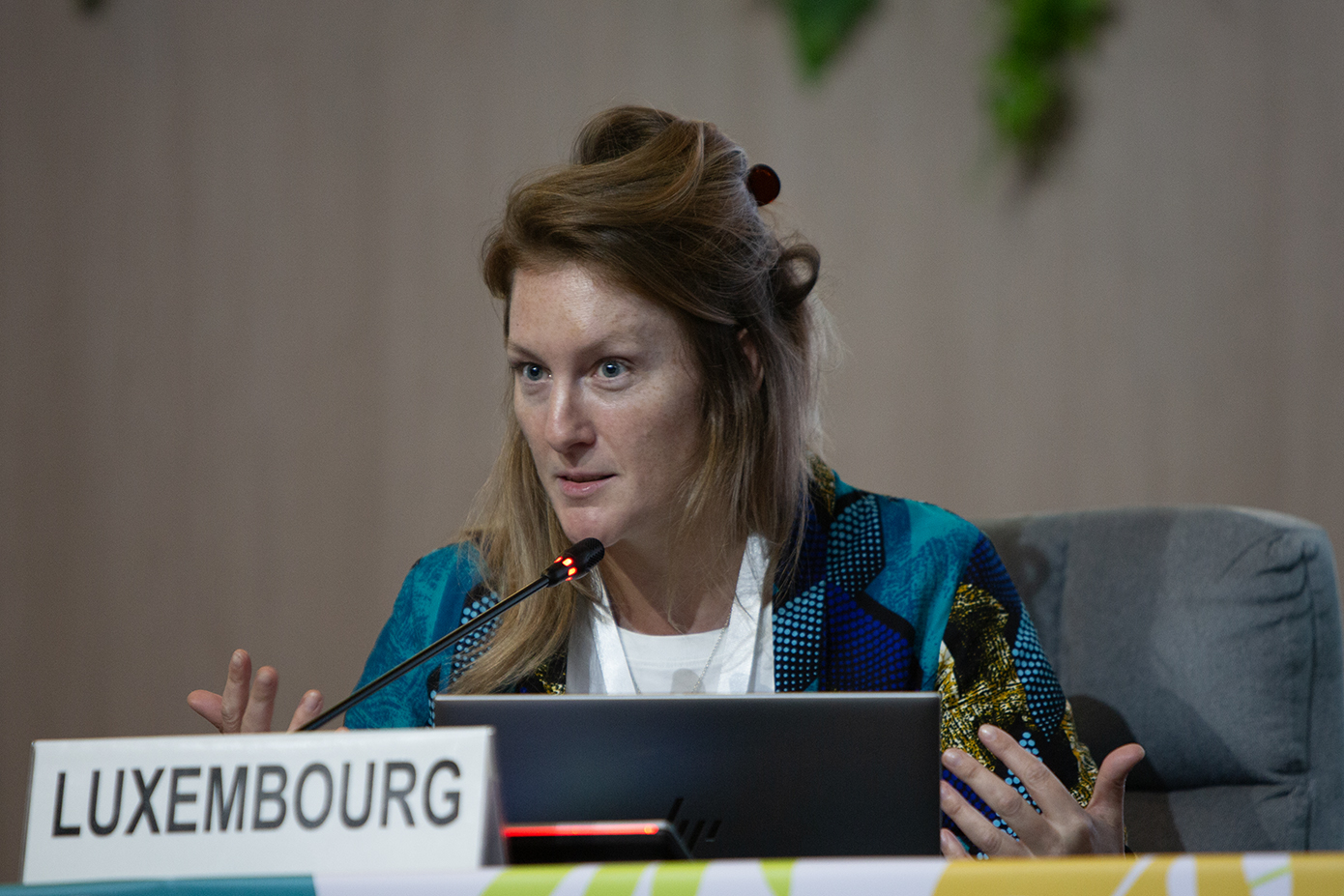
Virginie Françoise Anne Denise Gilbert De Cauwer, Luxembourg
Ellen Otaru Okoedion, Journalists Environmental Association of Tanzania
Haseena Anbarin, Pakistan
Davie Kitalo, Chisomo Youth Organisation
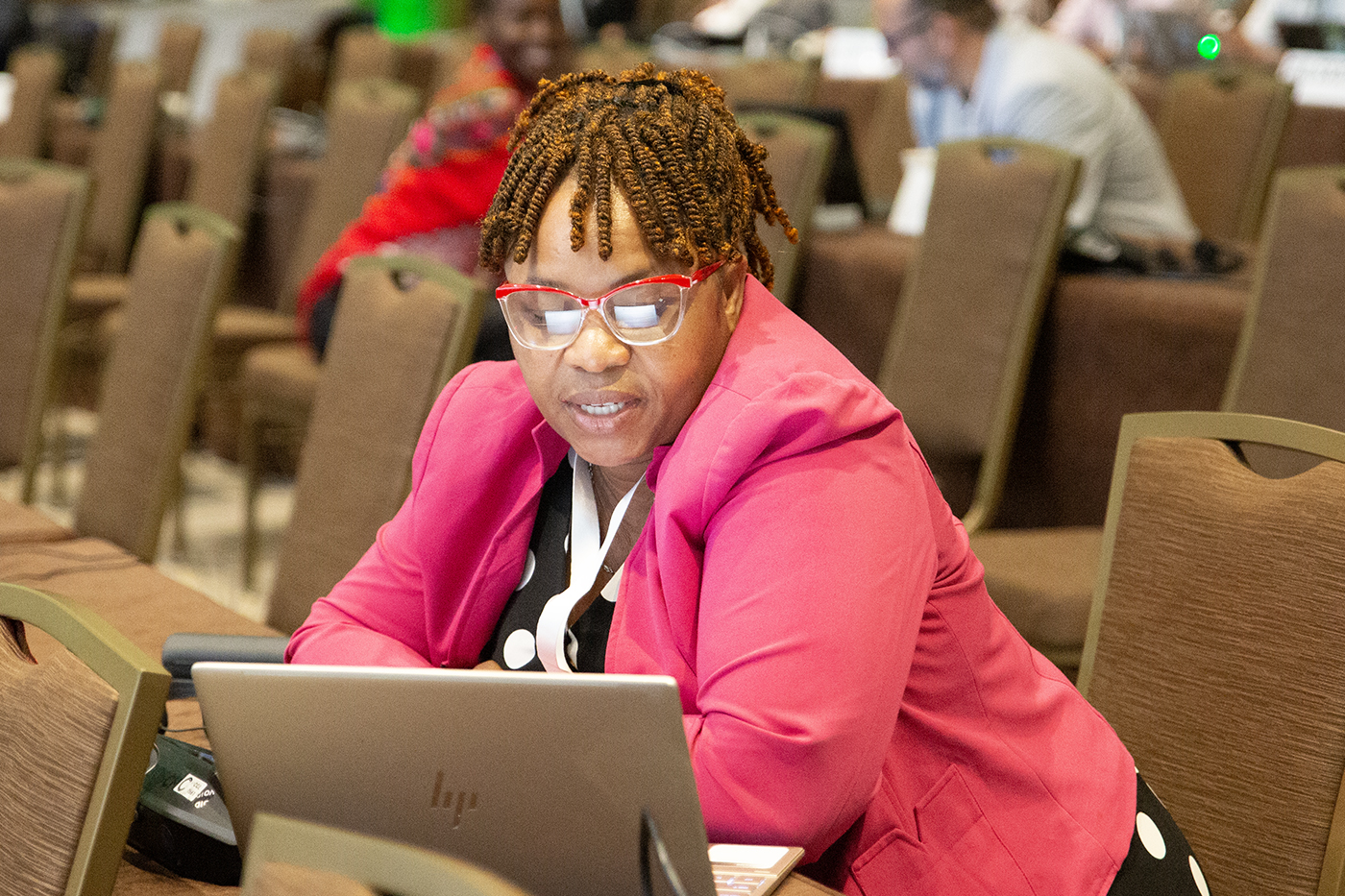
Ericah Uzanda, Zimbabwe
Land Tenure
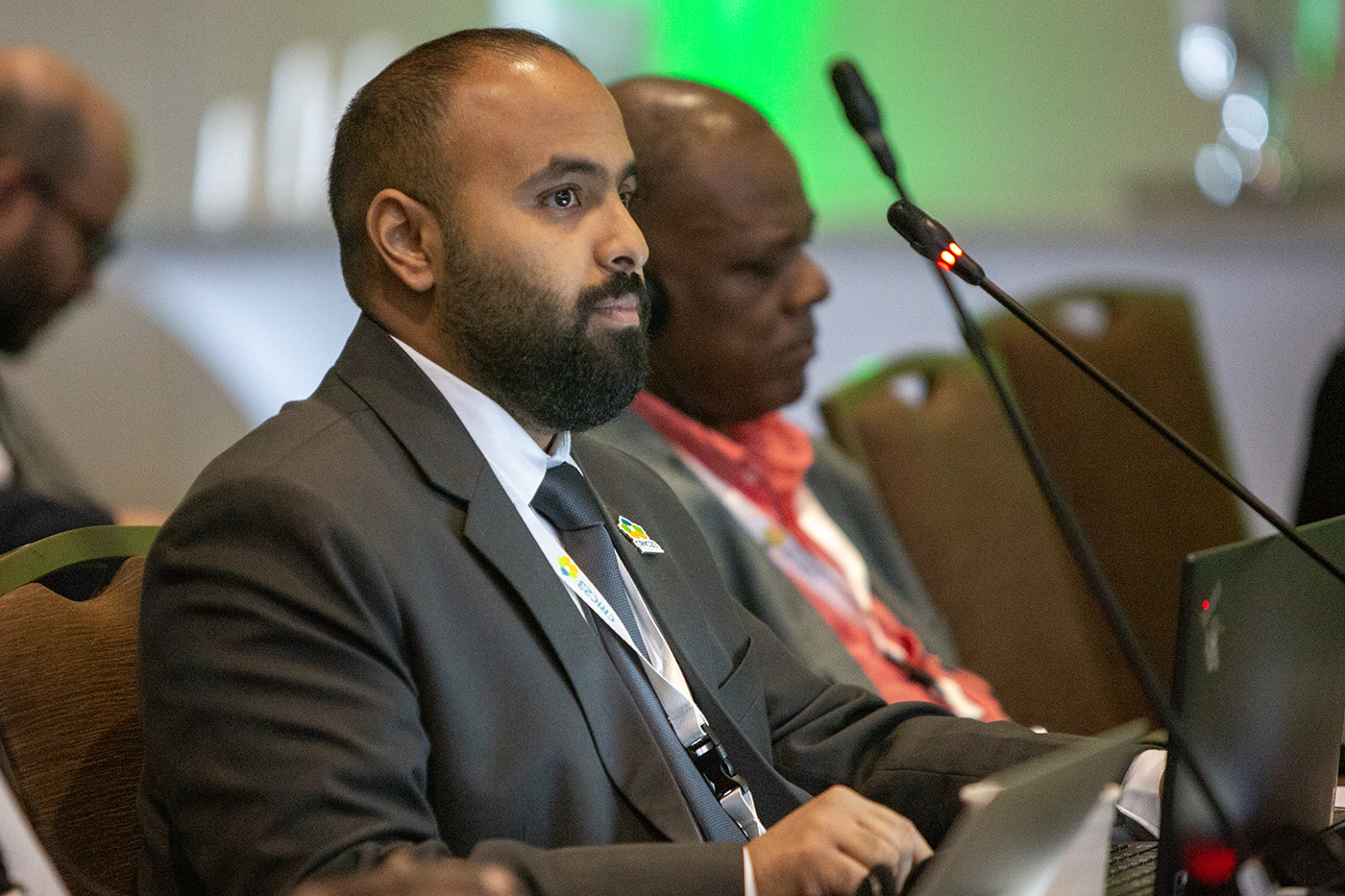
Ali Yoused Aleisawi, Saudi Arabia
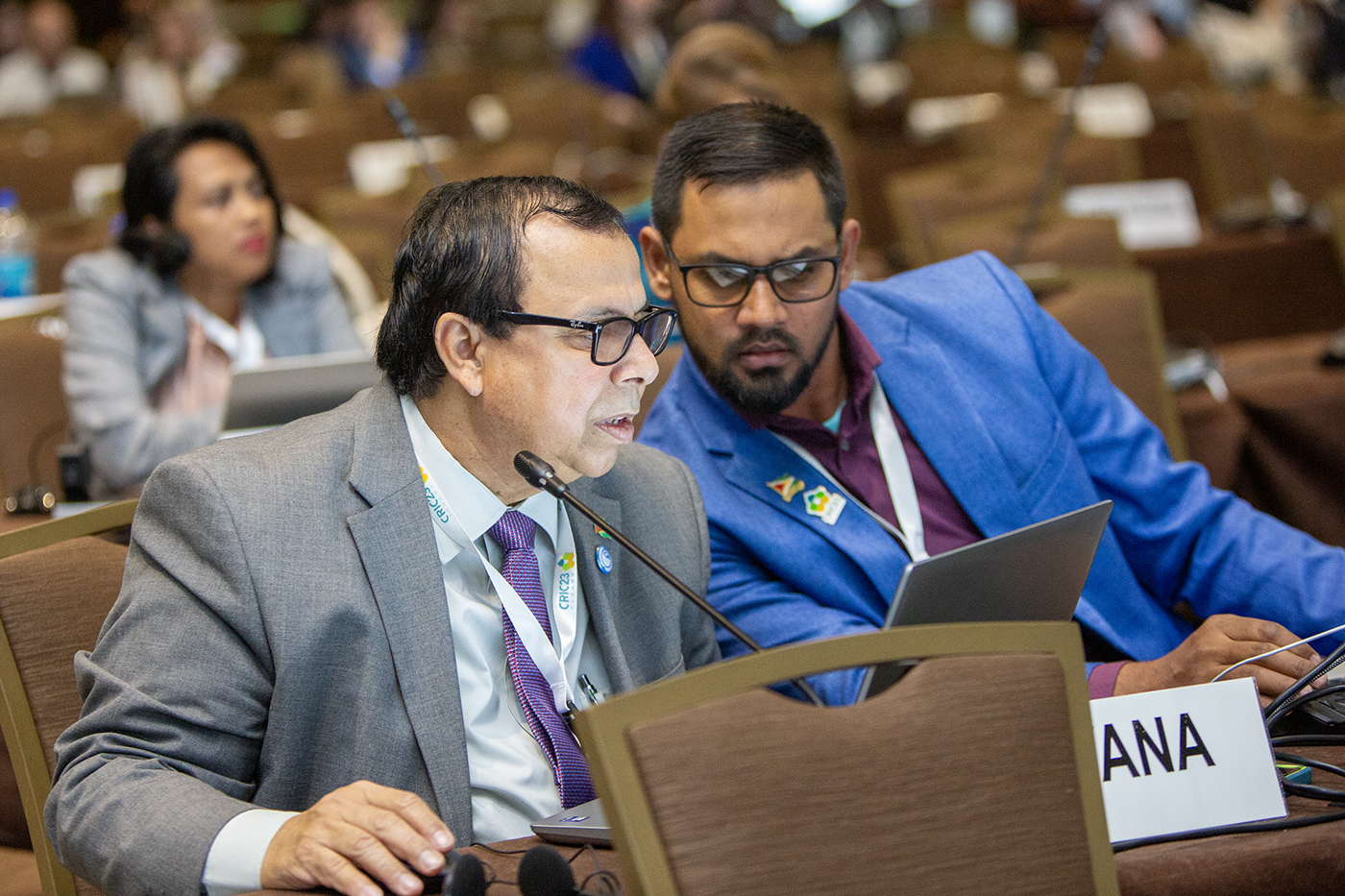
Enrique Gary Moniza, and Asib Mohamed, Guyana
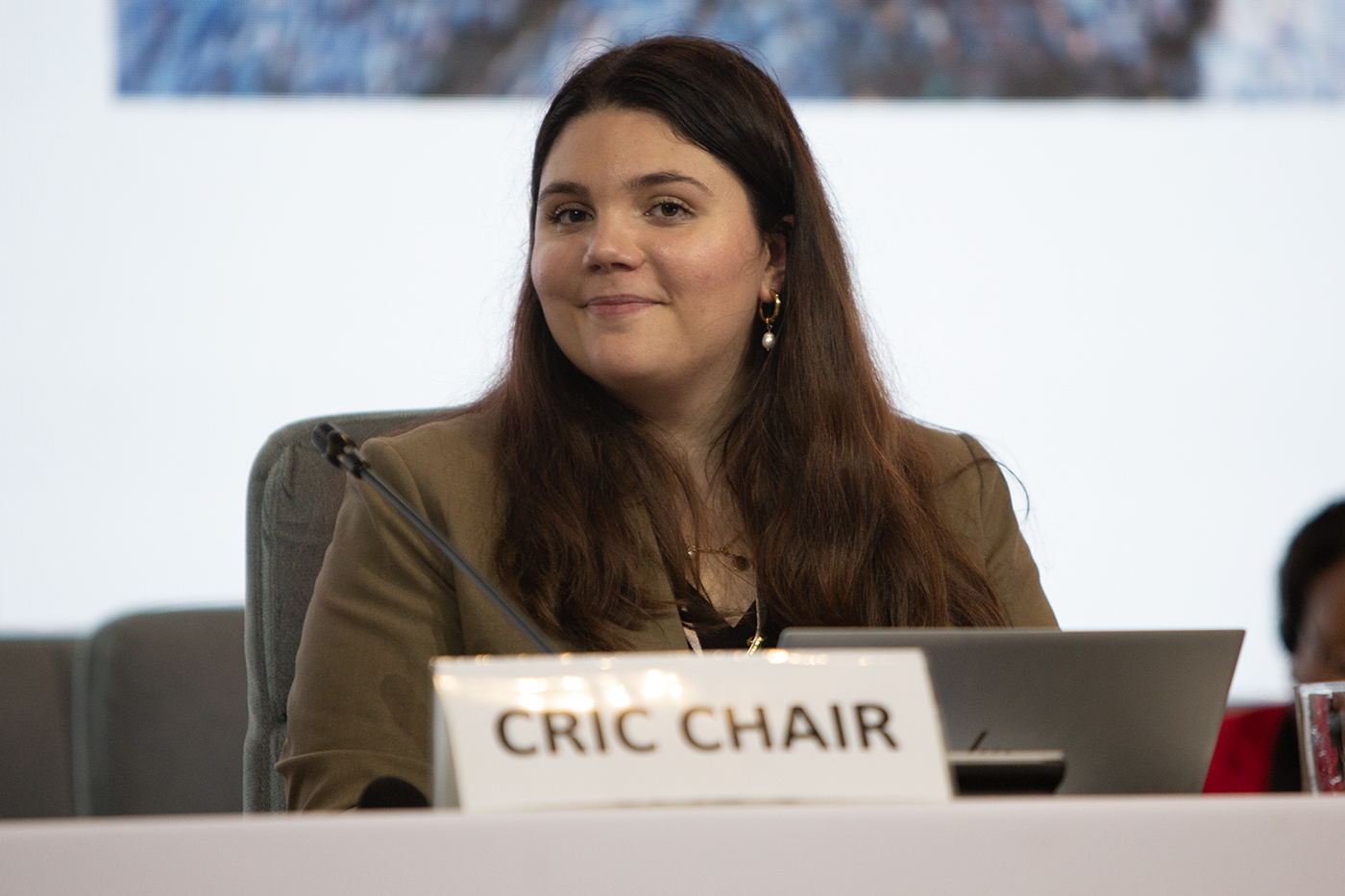
CRIC23 Chair Philippine Dutailly
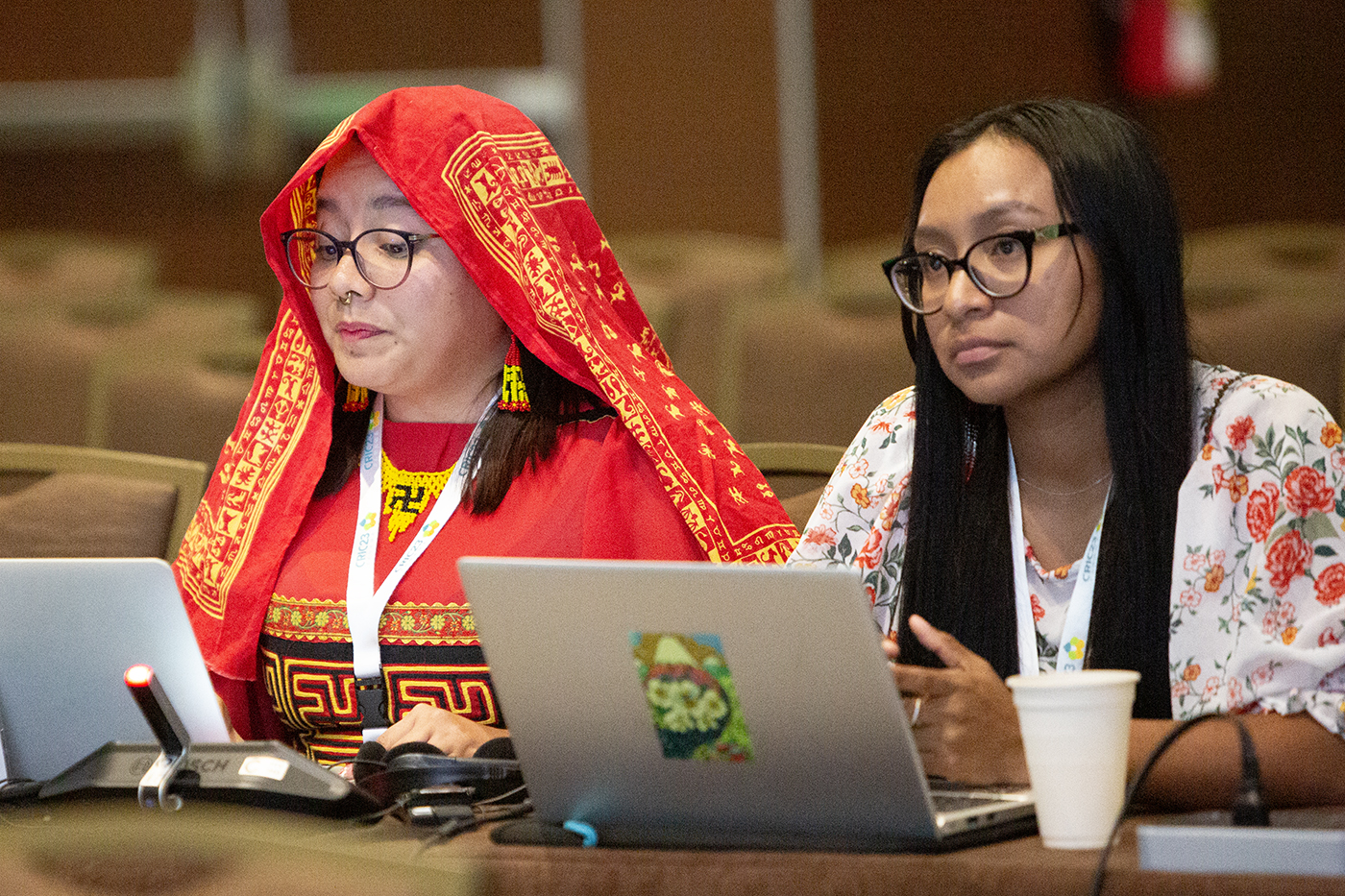
Maria Esther de Leon Camacho, FSC Indigenous Foundation
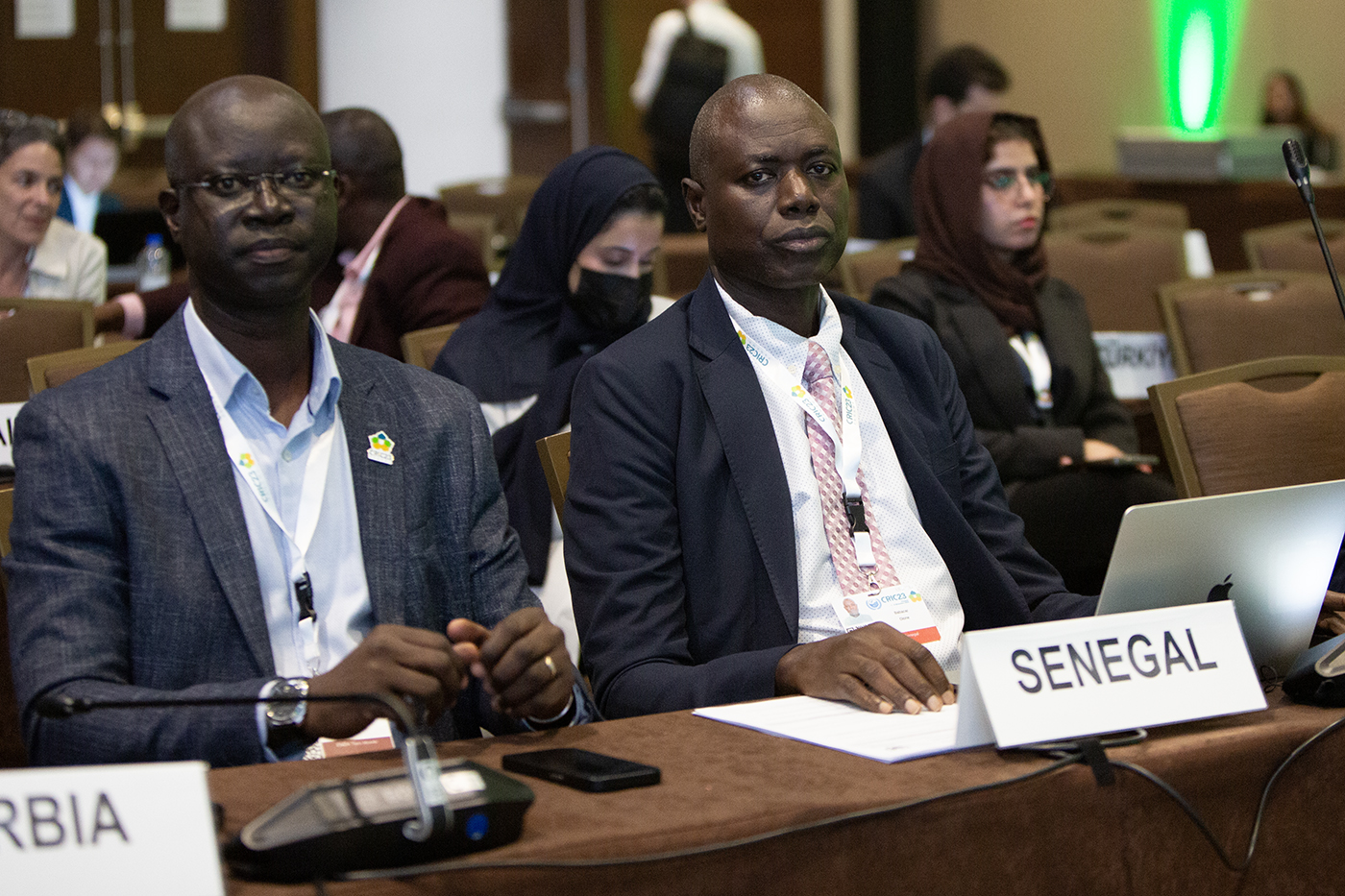
Delegates from Senegal
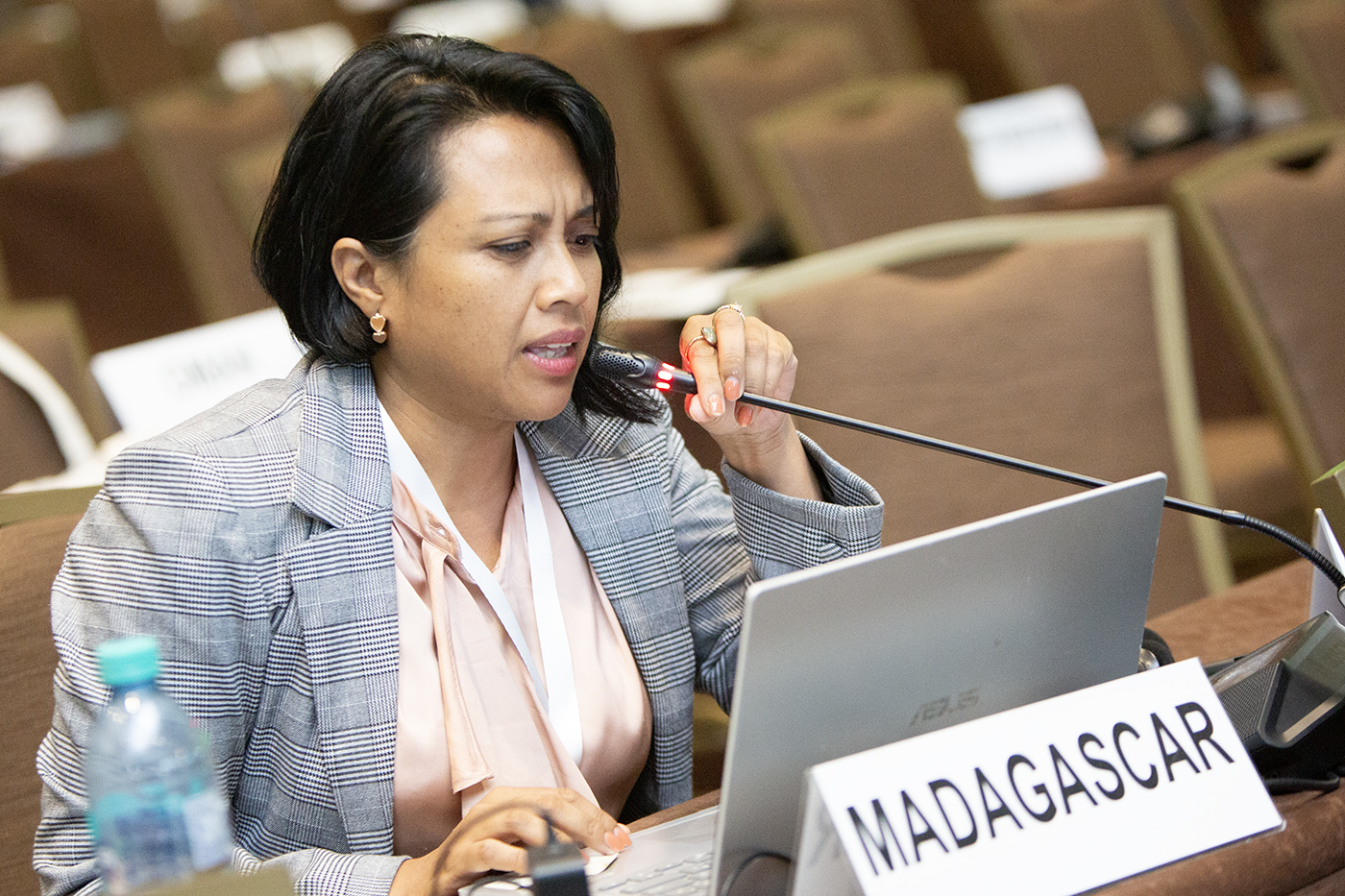
Valérie Benjamin Ramahavalisoa, Madagascar
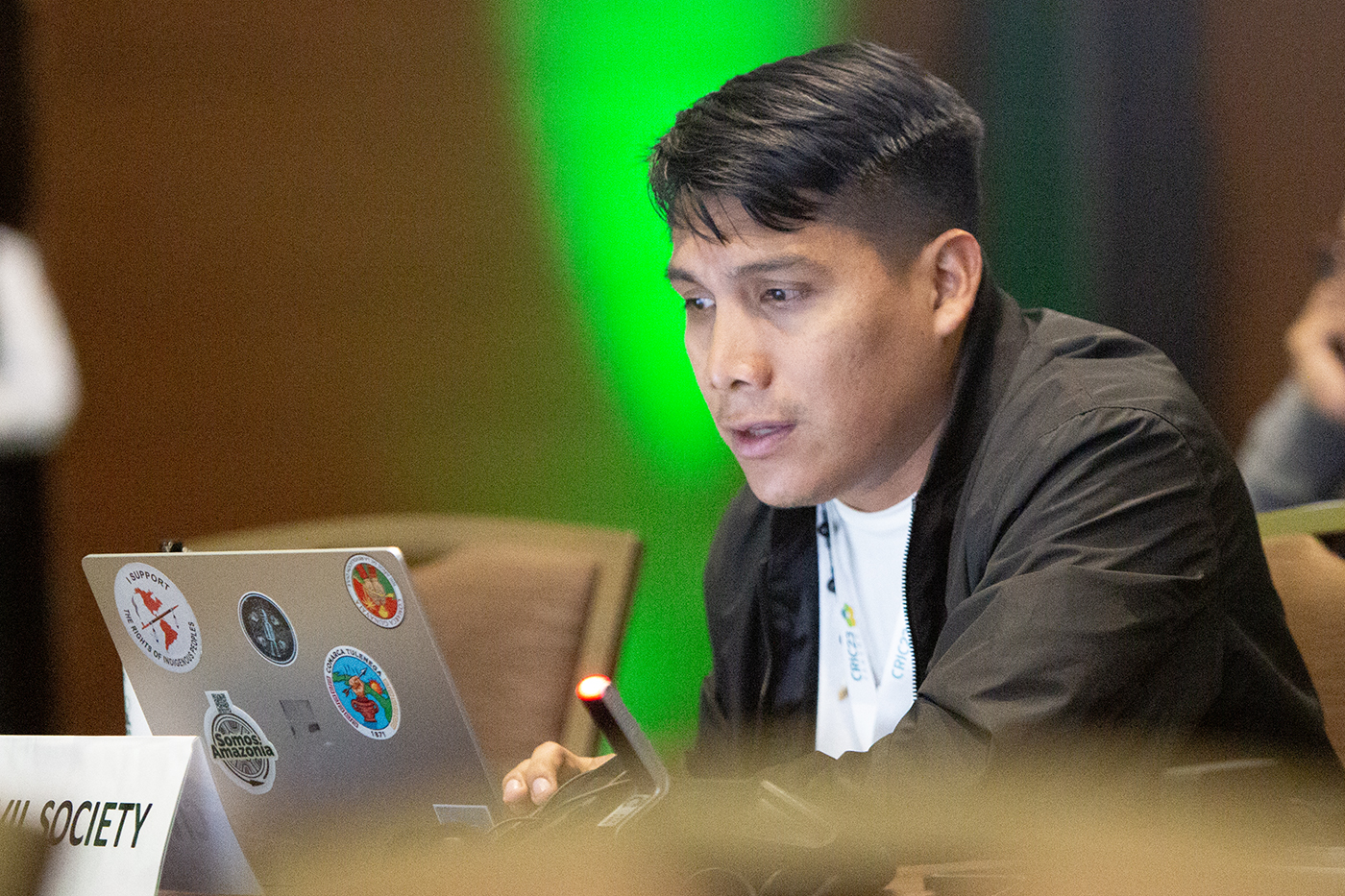
Onel Inanadinia Masardule, Fundación para la Promoción del Conocimiento Indígena
Between Session





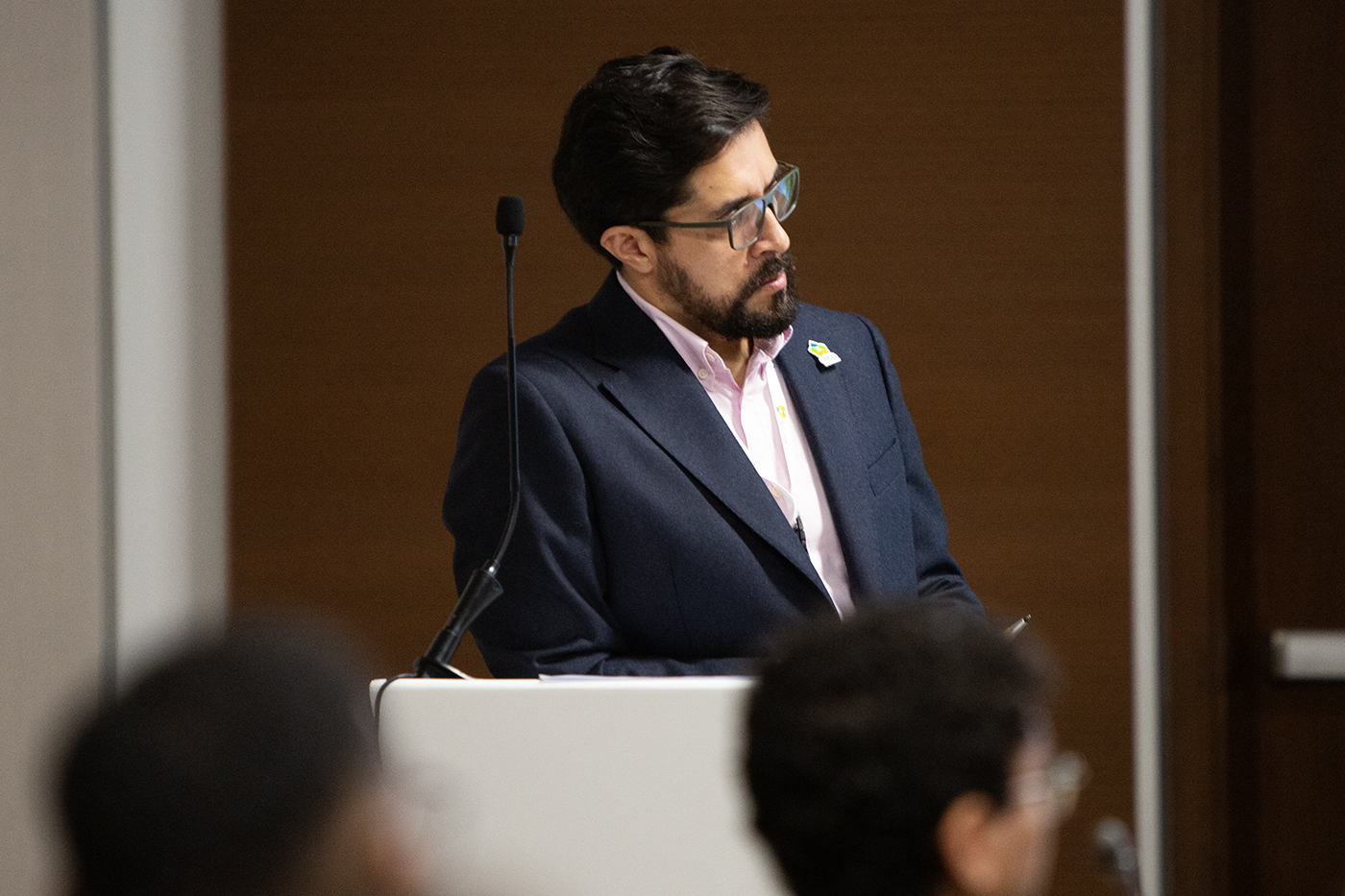
Side Event: Panama’s Nature Pledge

Side Event
Around the Venue