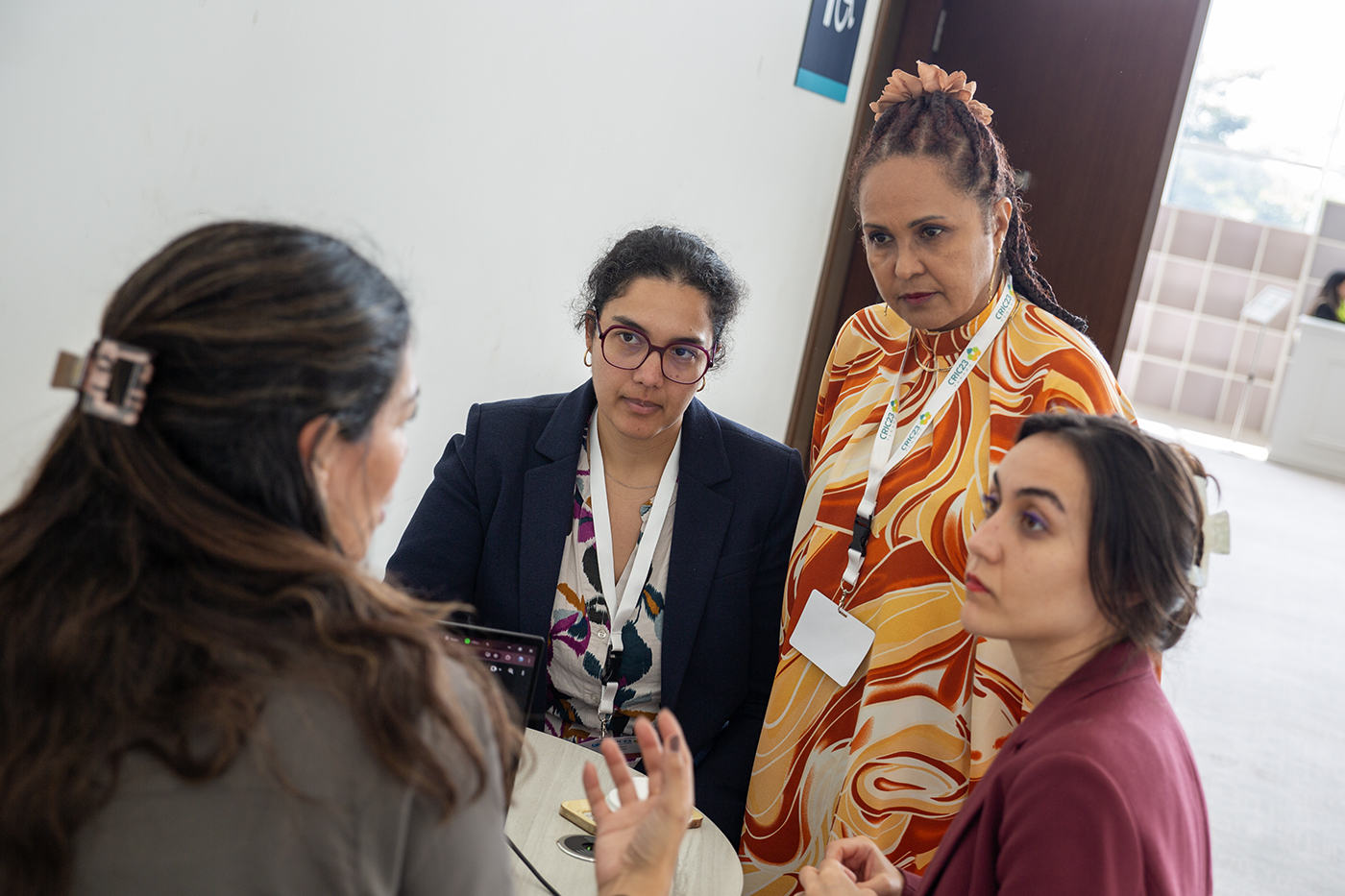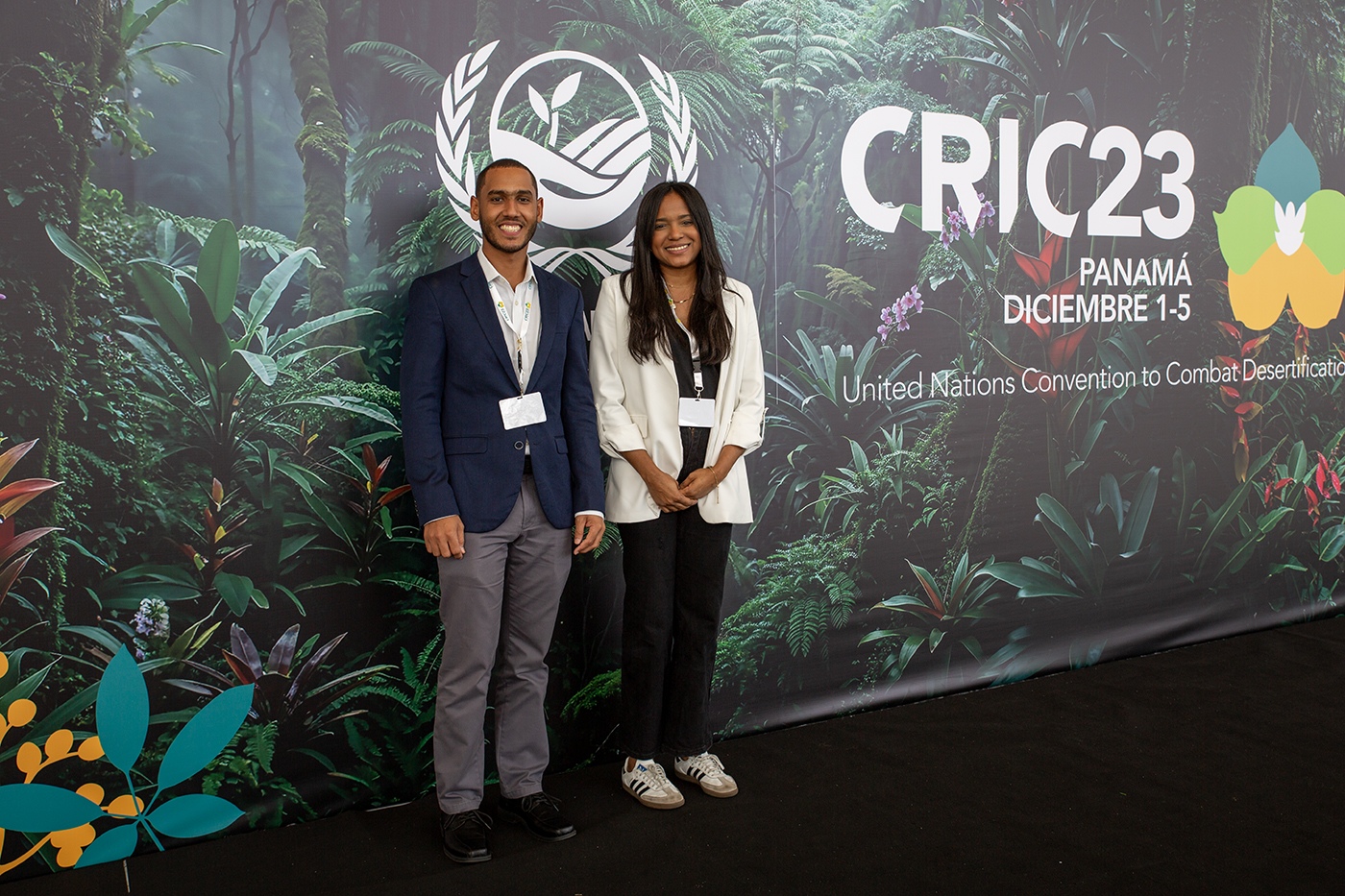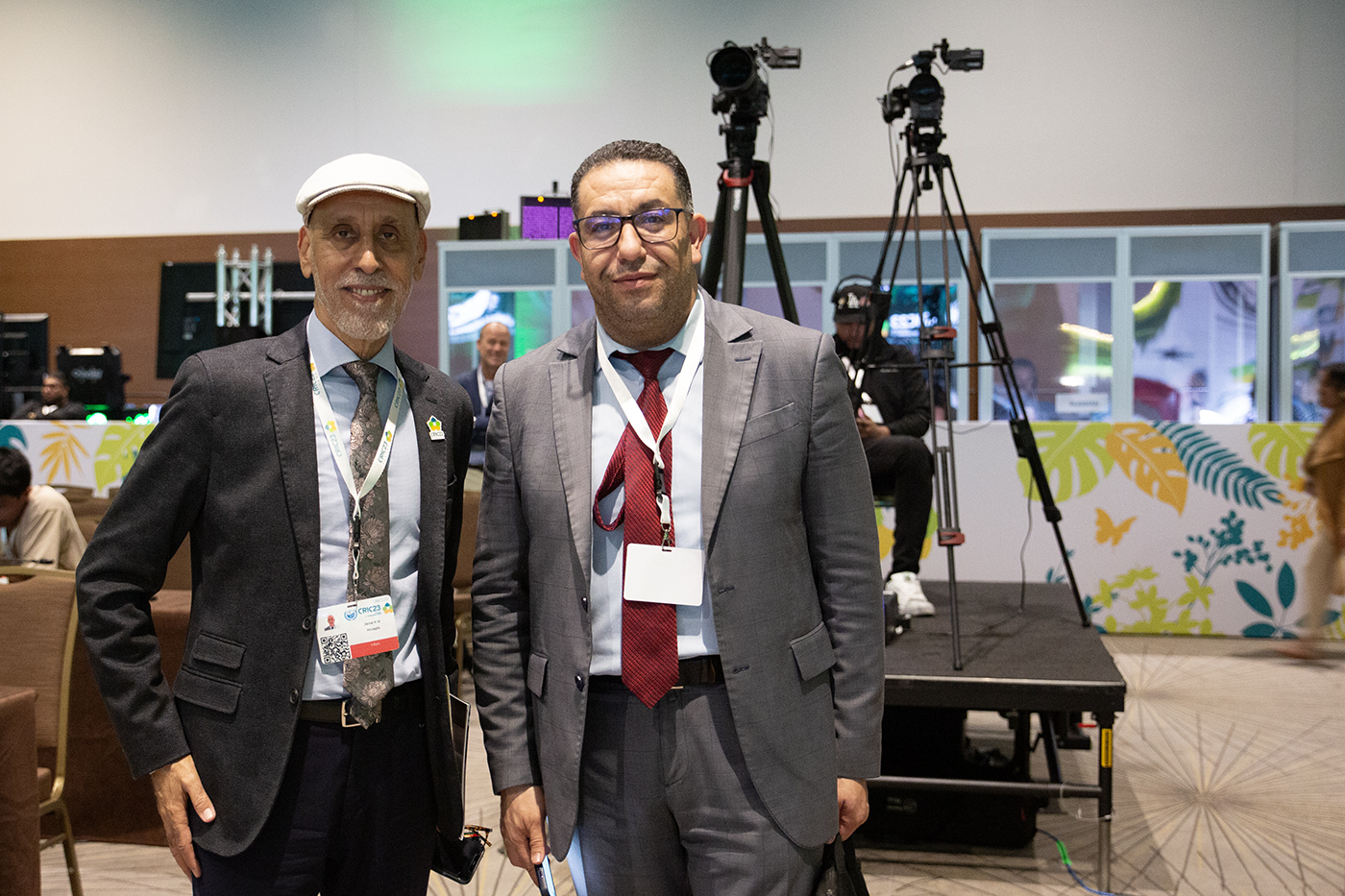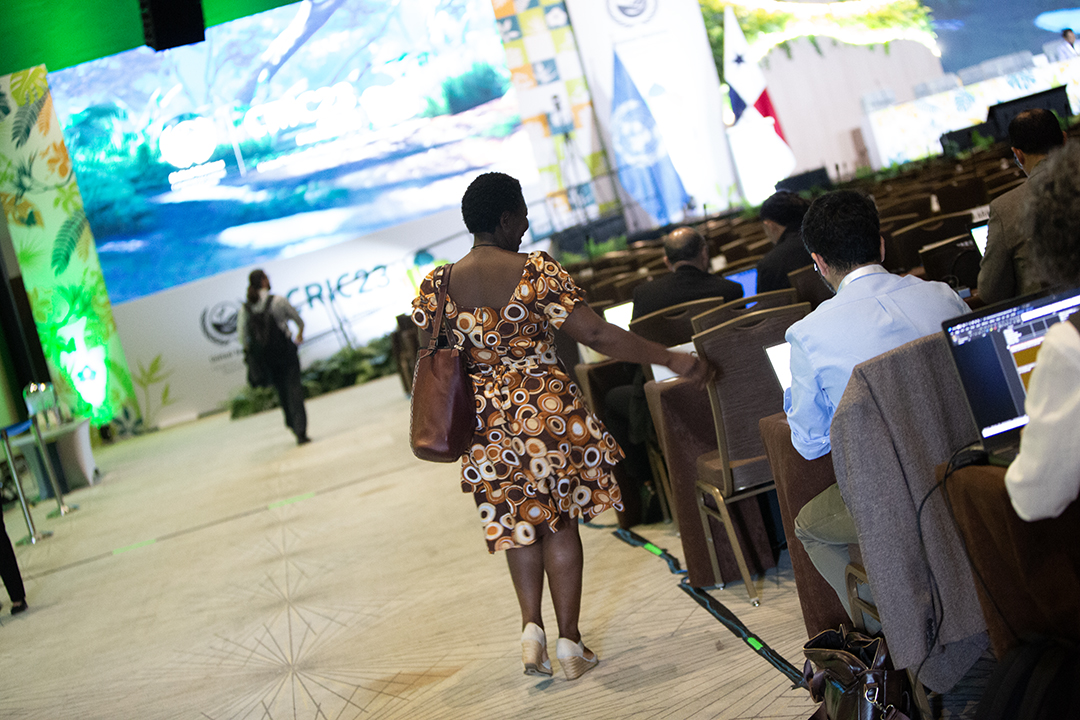
The Special Segment on the Gender Caucus was extended to a full day as informal consultations continued to try and reach consensus on agenda items relating to scientific advice for the Convention. On Monday, the Russian Federation objected to adopting the the agenda for the Committee for the Review of the Implementation of the Convention (CRIC 23) unless their scientific expert was included in the Intergovernmental Working Group on the Future Strategic Framework (IWG-FSF).
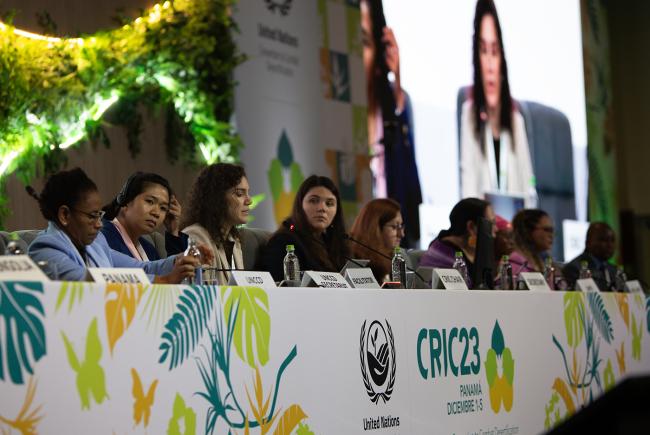
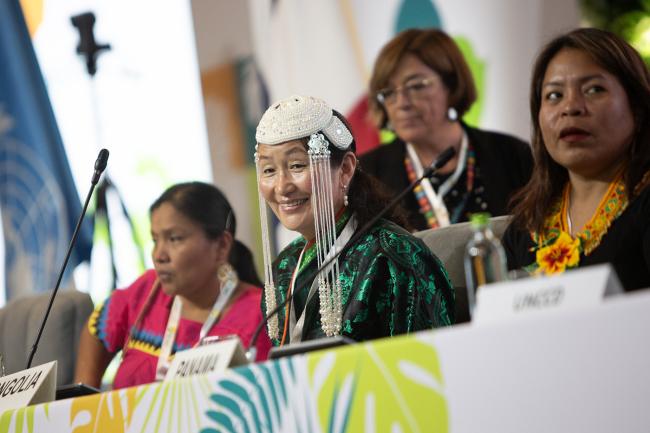
Leadership and worldviews of Indigenous women for sustainable land management
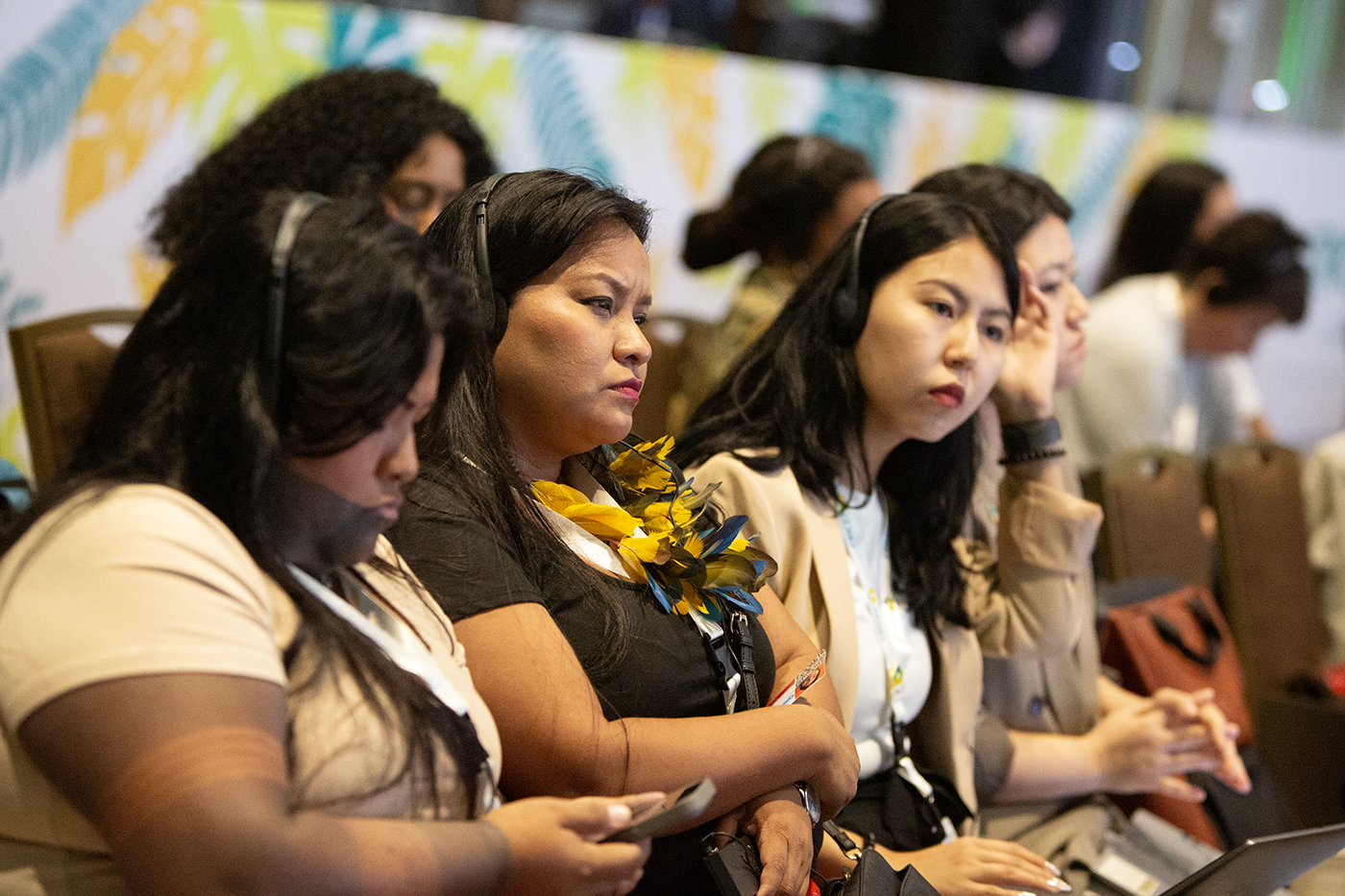
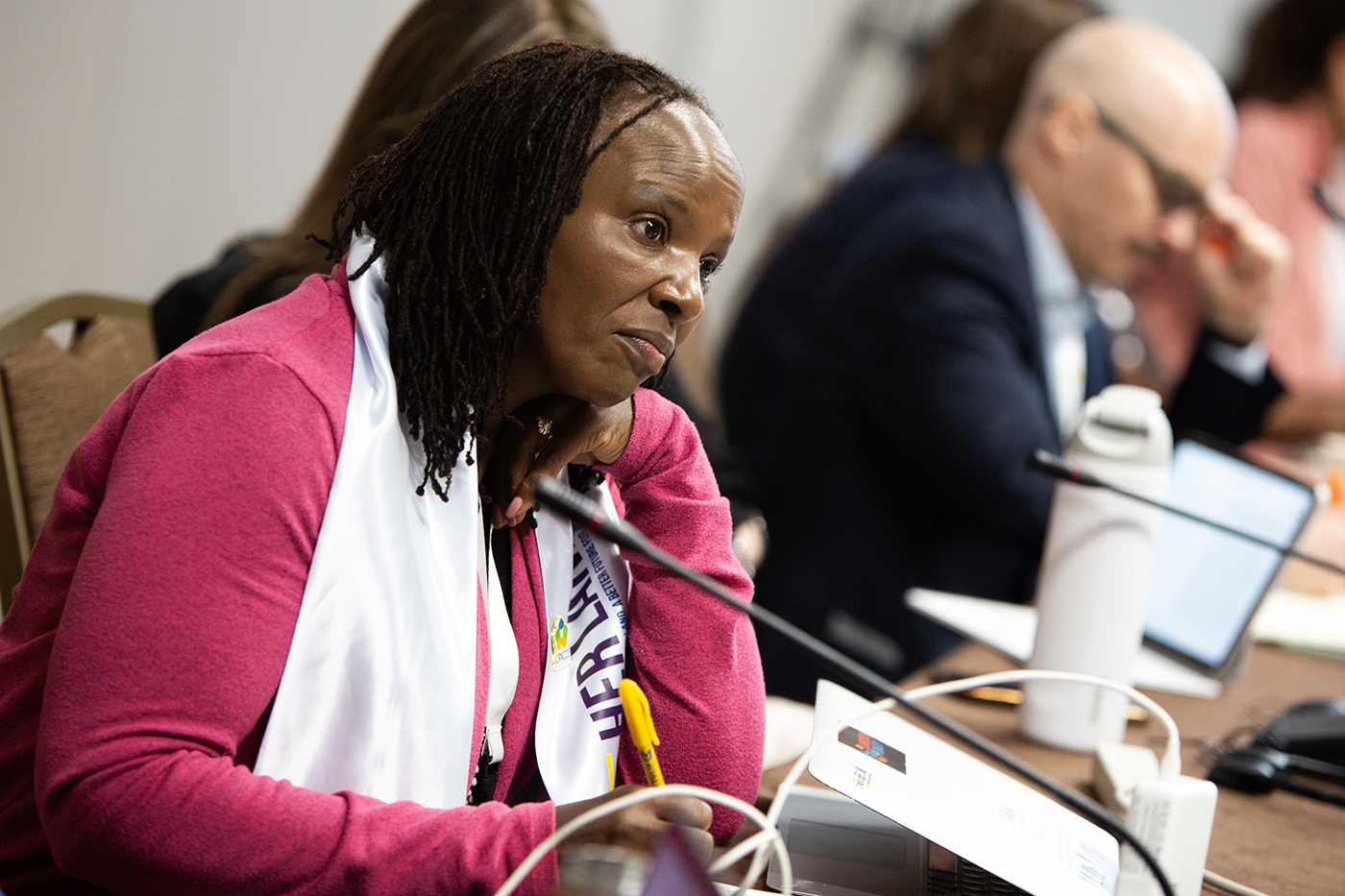
The first segment of the Gender Caucus gathered perspectives from Indigenous women leaders on land governance, ancestral knowledge systems, and current land-related challenges.
Opening the discussions, Facilitator Adrian Sigüenza, UK, said the theme of the segment was in direct response to the Sacred Lands Indigenous Peoples Declaration adopted at the 16th session of the Conference of the Parties to the UN Convention to Combat Desertification (UNCCD COP16). The Declaration urged Parties to establish a distinct Indigenous Peoples Caucus and to recognize that gender-responsive, community-led land restoration and drought resilience efforts require the leadership of Indigenous women.
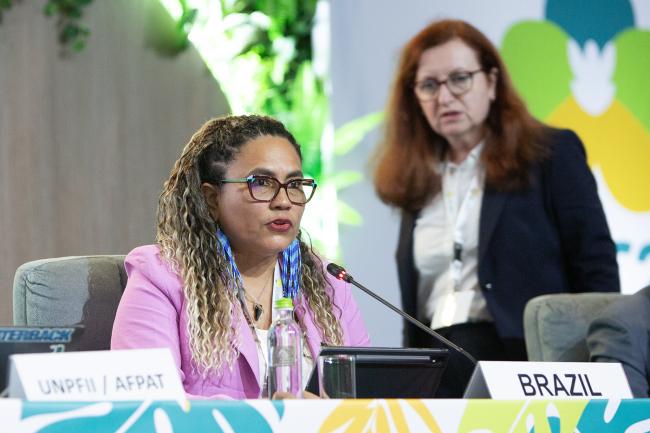
Edel Moraes, National Secretary for Traditional Peoples and Communities and Sustainable Rural Development, Ministry of the Environment and Climate Change, Brazil, stressed that Indigenous women “stand at the frontlines of overlapping vulnerabilities,” but are also guardians and innovators with a central role in protecting natural resources.
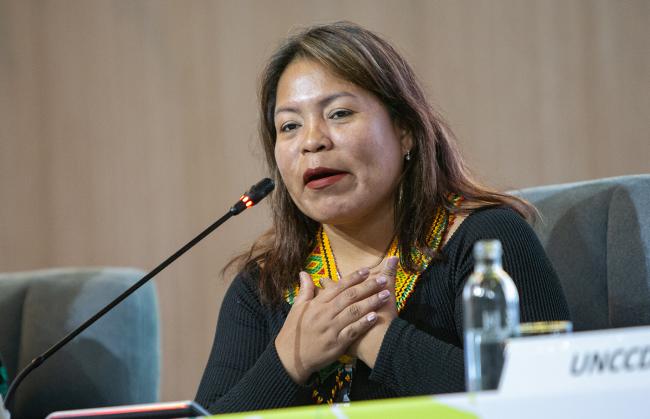
“We’re on the land, but not on international agendas,” lamented Aulina Ismare Opua, National Chief of the Wounaan Nation of Panama.
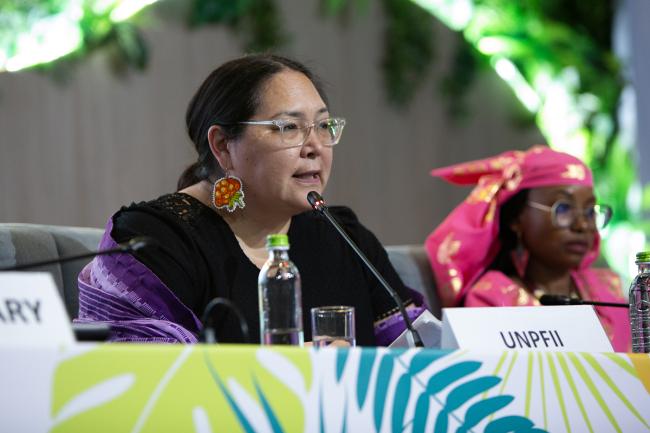
Aluki Kotierk, Chair of the UN Permanent Forum on Indigenous Issues noted that the UN Decade on Indigenous Languages (2022-2032) acknowledges the contribution of Indigenous women in safeguarding cultural diversity.
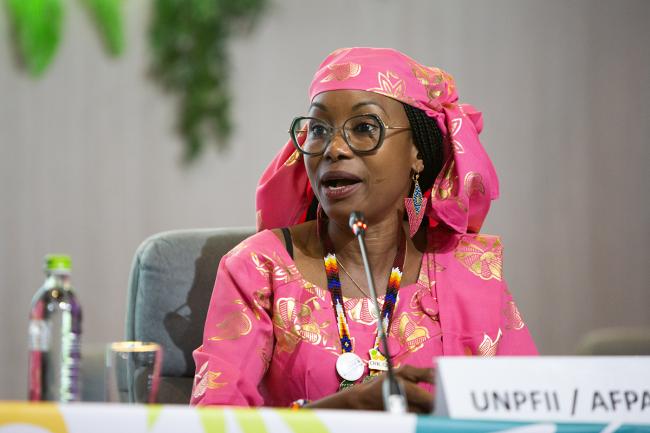
Hindou Ibrahim, Coordinator, Association for Indigenous Women and Peoples of Chad, outlined the many roles that Indigenous women and girls play “without knowing what the UNCCD or CRIC is.” She stressed that women need direct funding as well as access to dialogue platforms where they can bring these solutions to the national and global arenas.
Orkhon Battumur, a nomadic herder from Khujirt soum in Övörkhangai Province, Mongolia, said that despite facing many hardships, women herders make significant contributions to sustainable land management, and improving nutrition and incomes for their communities.
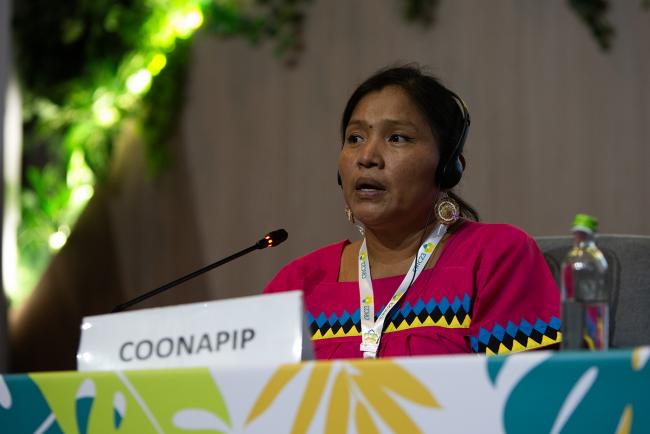
Yanel Venado Jiménez, Gender and Youth Coordinator, National Coordination of Indigenous Peoples, Panama, called for direct financing to protect Indigenous knowledge systems.
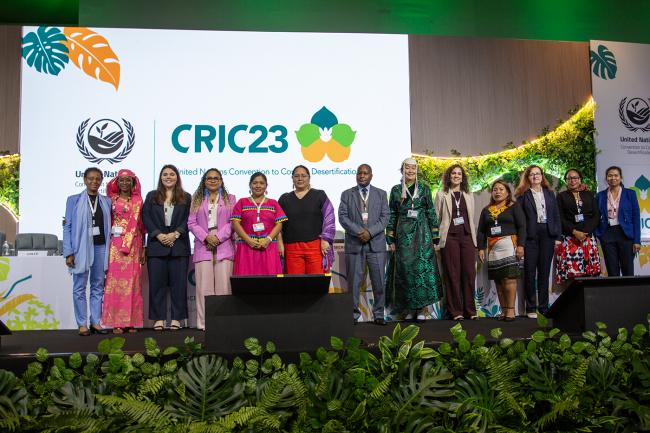
During the interactive dialogue, many welcomed the establishment of the UNCCD Gender Caucus and Women Delegates Fund, and efforts to mainstream gender across UNCCD programmes.
Many speakers emphasized that Indigenous women continue to face real structural barriers and urged Parties to recognize that their role as land stewards is not only important for social equity but an imperative for achieving land degradation neutrality (LDN). Among the recommendations put forward, delegates called for:
- increasing the share of direct financing for women-led local organizations;
- integrating Indigenous knowledge systems and modern science in national planning and monitoring processes;
- elaborating on the operational modalities of the UNCCD caucuses for Indigenous Peoples and Local Communities; and
- optimizing the advisory role of the UNCCD Gender Caucus as an advisory body to Parties.
Exploring the gender dimensions of sand and dust storms
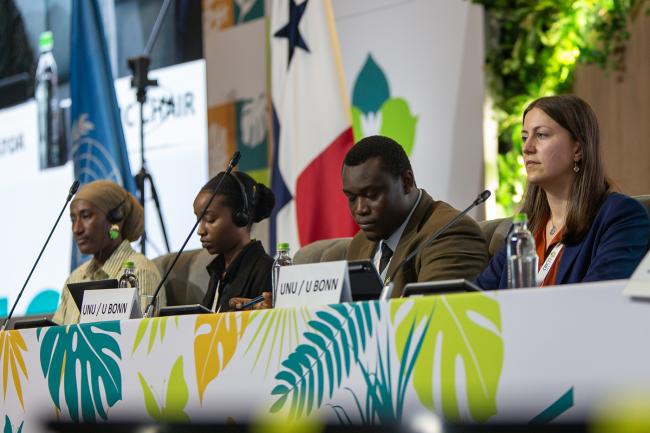
Discussions in the afternoon explored the gendered impacts of sand and dust storms (SDS) on livelihoods, health, and coping and mitigation practices. The discussions built on a scoping study conducted by a team from the United Nations University (UNU) Institute for Environment and Human Security and University of Bonn based on case studies from Mali, Egypt and Australia.
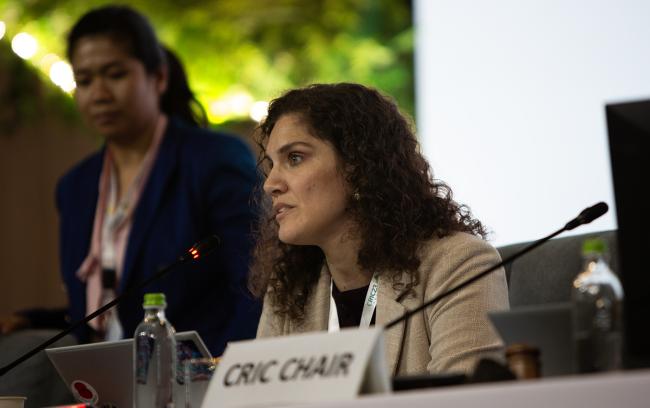
Opening the segment, Moderator Rukaia Parveen Tuba, UNU, noted that applying a gender lens provides insights on who is most affected, what adaptation approaches work best.
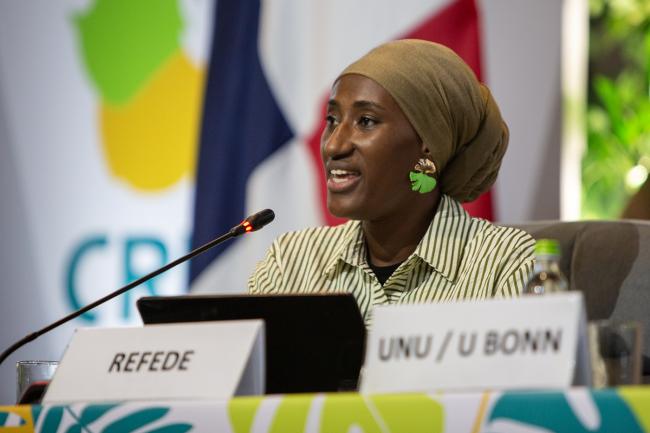
Rokiatou Traore, Director-General, Herou Alliance, Mali, outlined how affected communities in the Sahel are adapting and innovating in response to accelerating impacts of SDS. She highlighted efforts to create natural buffers against SDS, and linking such initiatives to sustainable livelihoods and value chains for local communities.
In the ensuing discussion, speakers stressed that SDS is a complex topic that requires further analysis, including on intersectional aspects. They suggested taking a similar approach to the Gender Action Plan by working closely with specialized institutions, and aligning with the work of the IWG-FSF.
Side Events
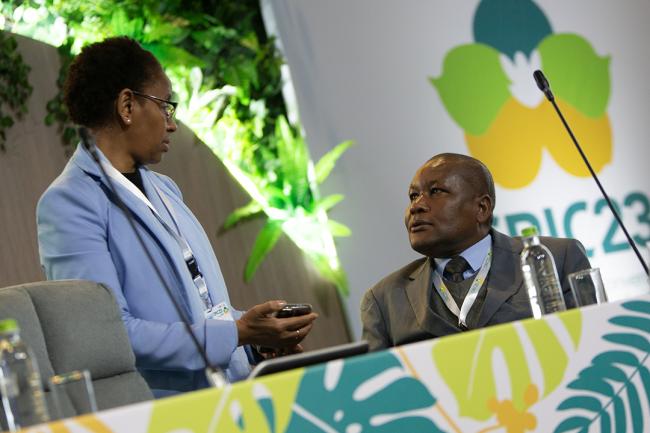
Many side events picked up on the theme of the day, with gender-related discussions on, among other topics: women’s land rights as a conceptual and practical enabler for strengthening synergies across the Rio Conventions; and an intergenerational dialogue on how to translate land rights and gender inclusion into UNCCD CRIC and COP narratives.
Several side events expanded on the previous day’s focus on data and reporting, addressing:
- innovations for a Robust 2026 UNCCD reporting process;
- integrating Land Tenure Indicators into UNCCD Reporting – pathways for the future Strategic Framework;
- fostering synergies across the Rio Conventions through economics and integrated land use planning;
- the 2025 FAO Land Reports: Insights and Implications; and
- strengthening reporting of sustainable land management for LDN.
To receive free coverage of global environmental events delivered to your inbox, subscribe to the ENB Update newsletter.
All ENB photos are free to use with attribution. For the 23rd Session of the UNCCD Committee for the Review of the Implementation of the Convention (CRIC-23), please use: Photo by IISD/ENB | Angeles Estrada Vigil
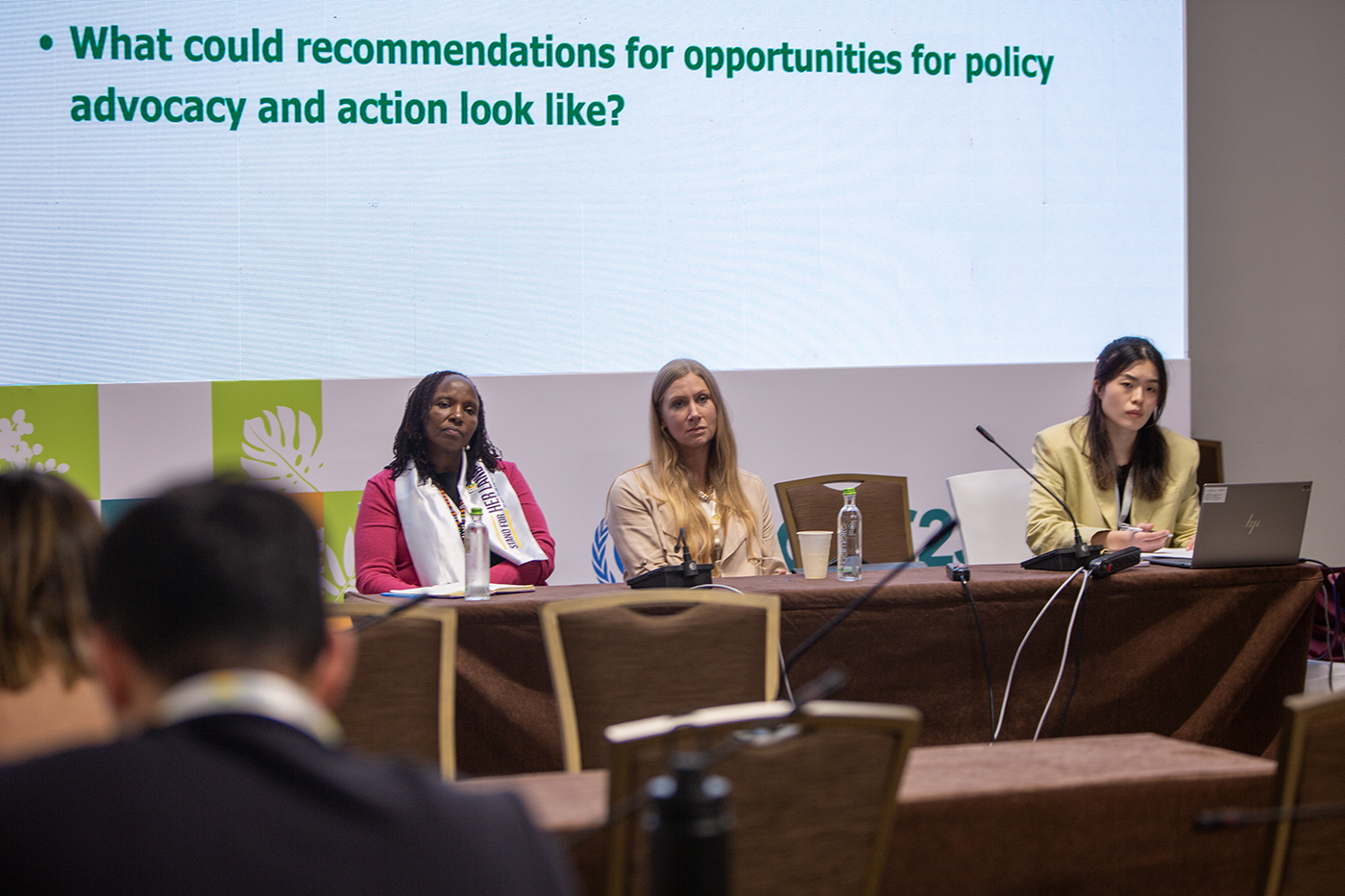
Gender Caucus: Leadership and worldviews of Indigenous women for sustainable land management
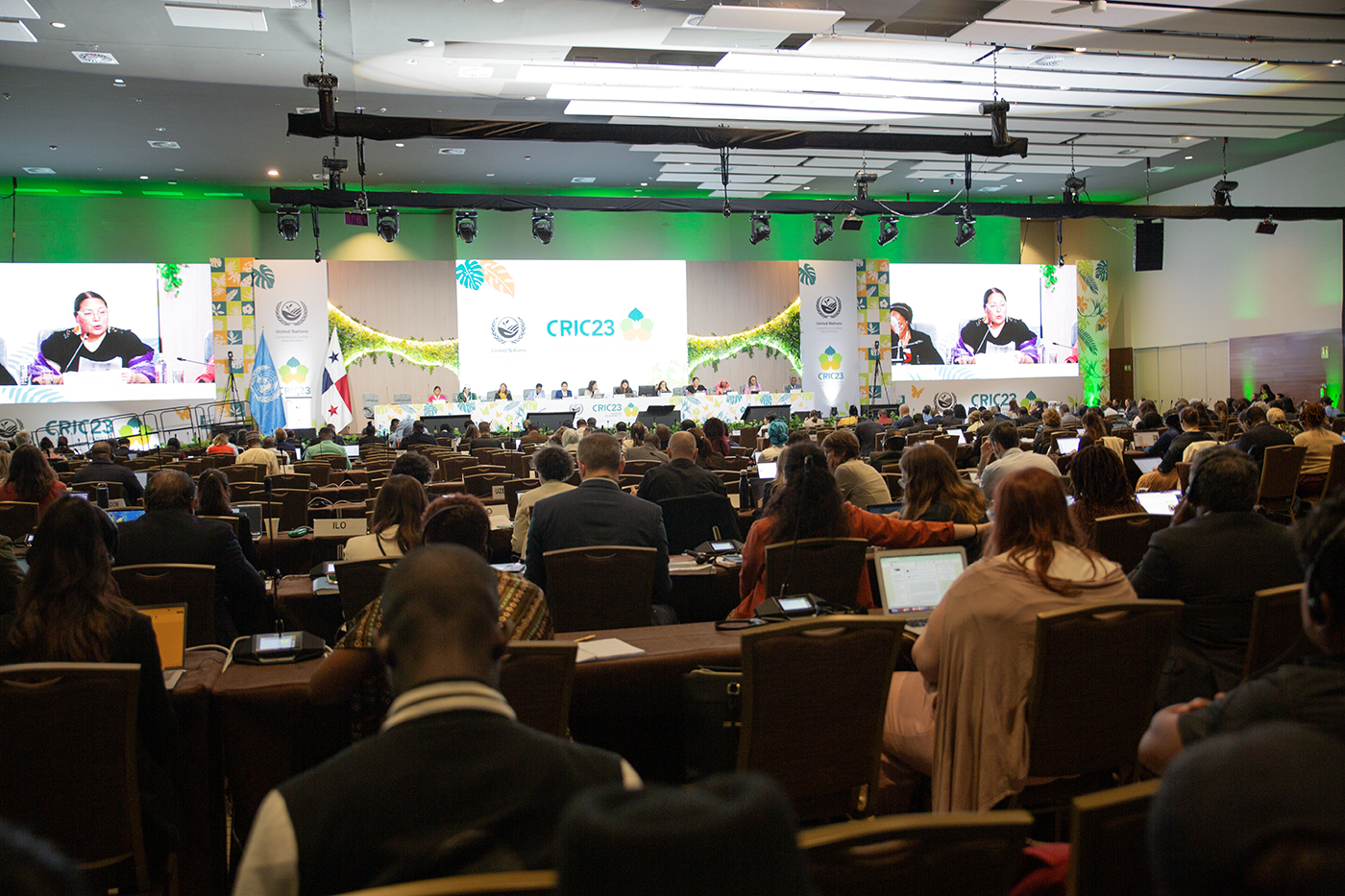
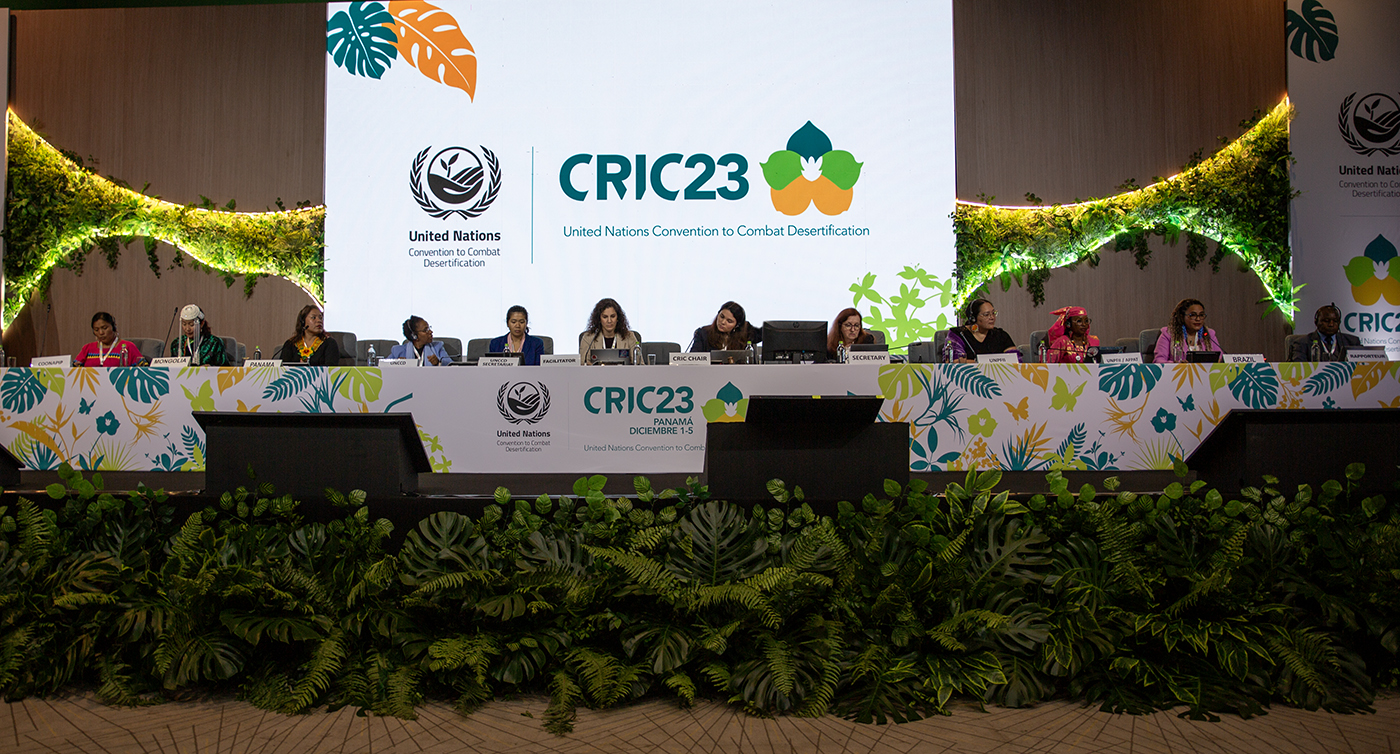
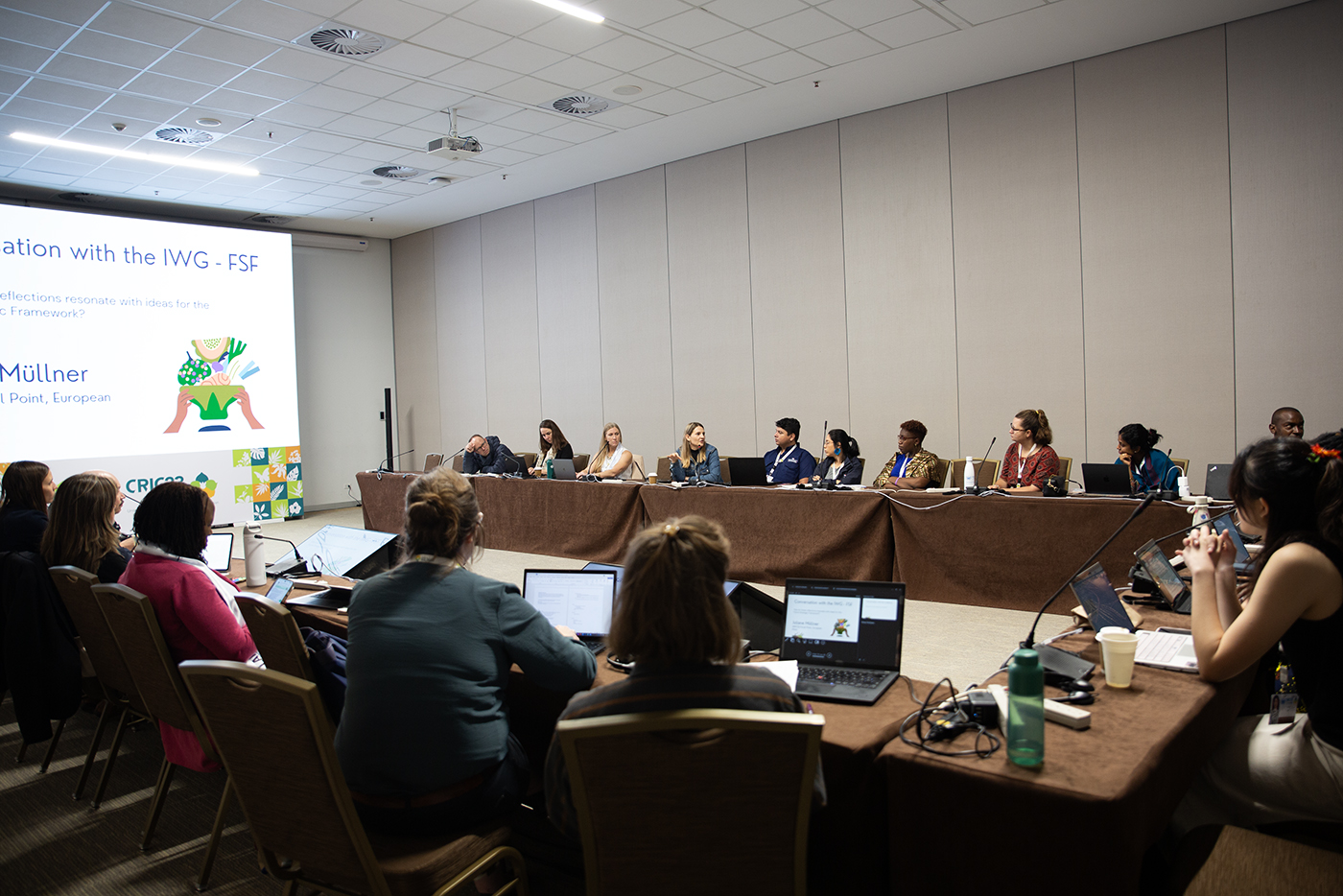
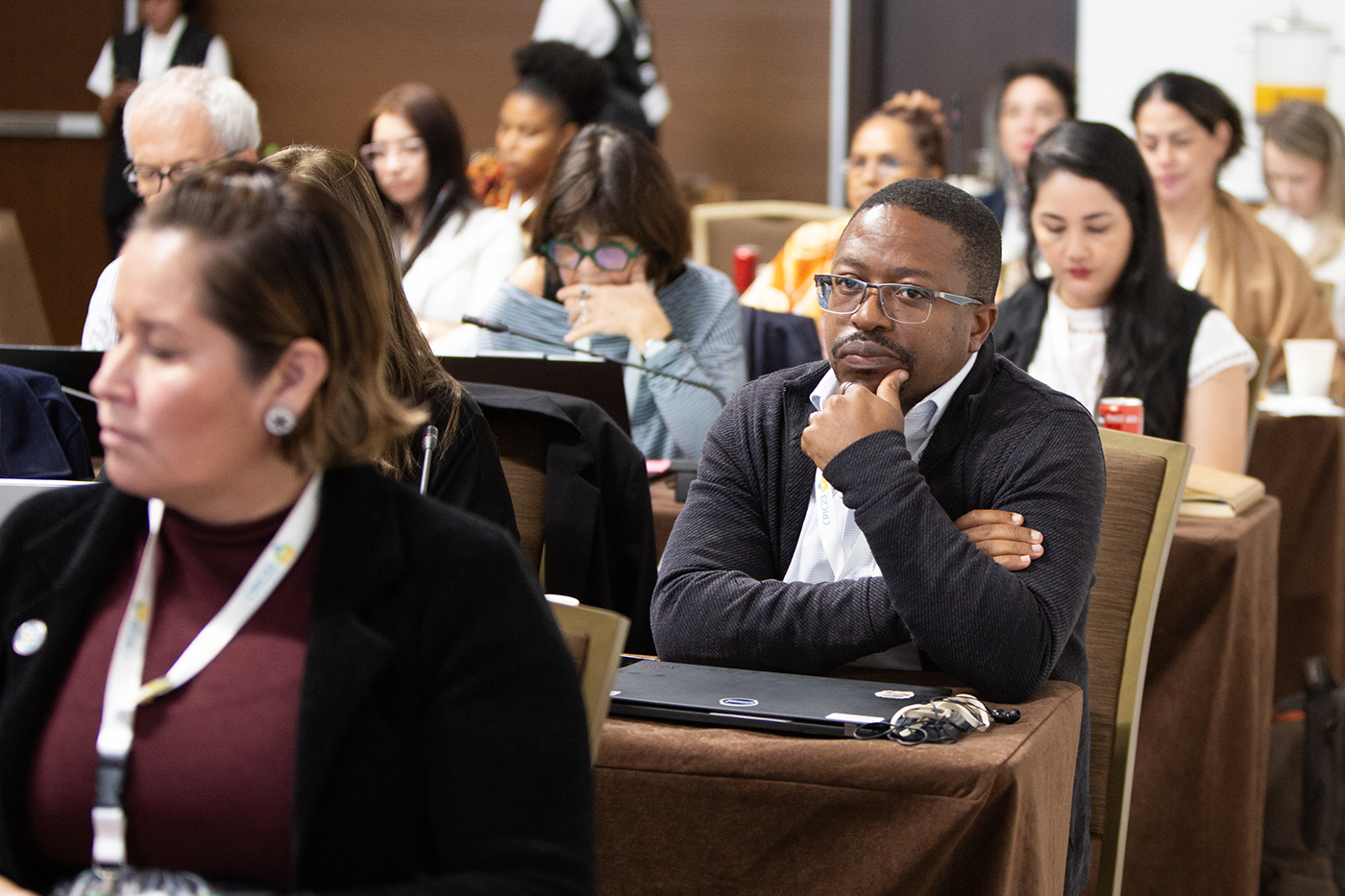
View of the room
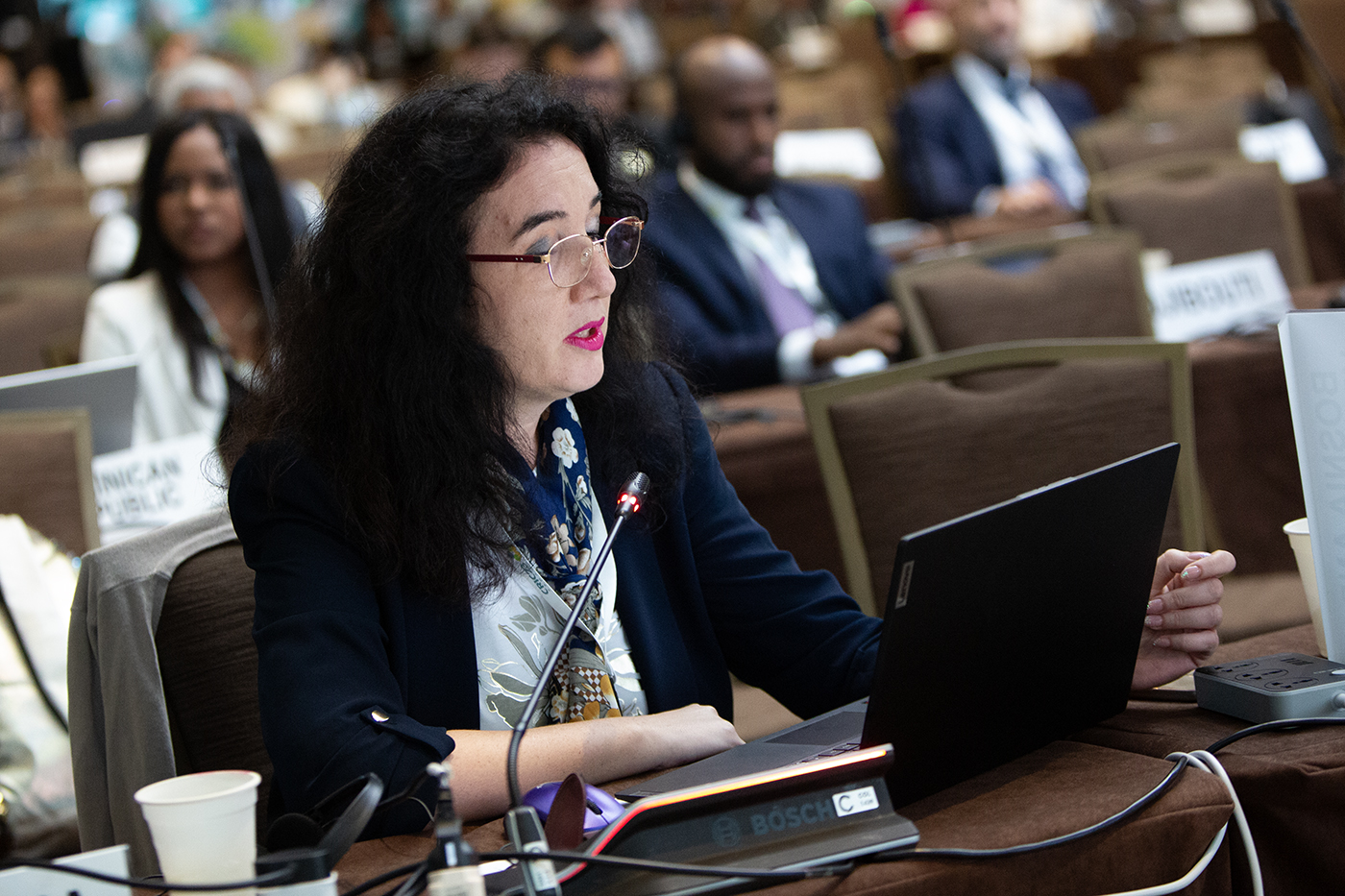
Svetlana Lazić, Bosnia and Herzegovina
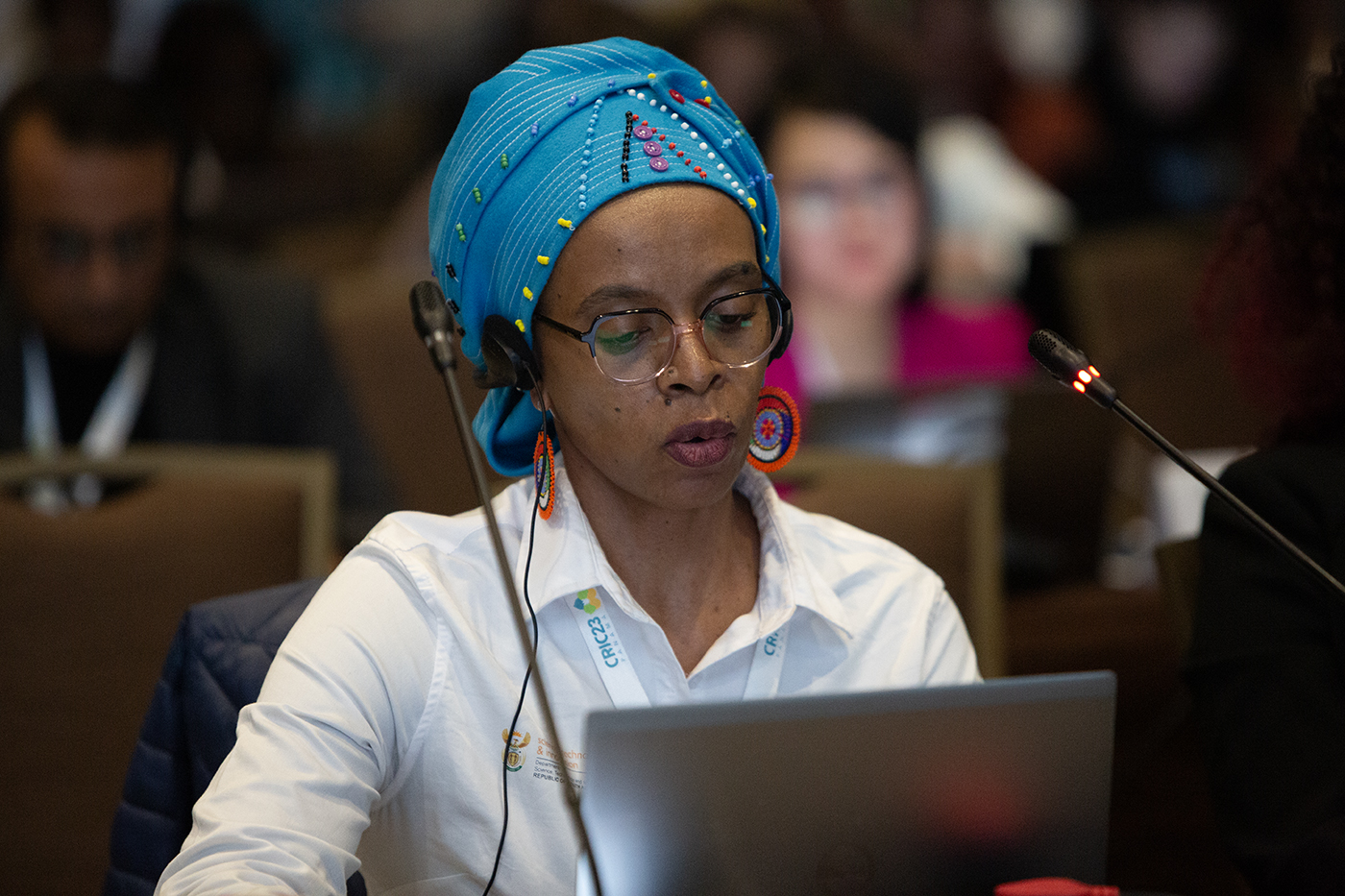
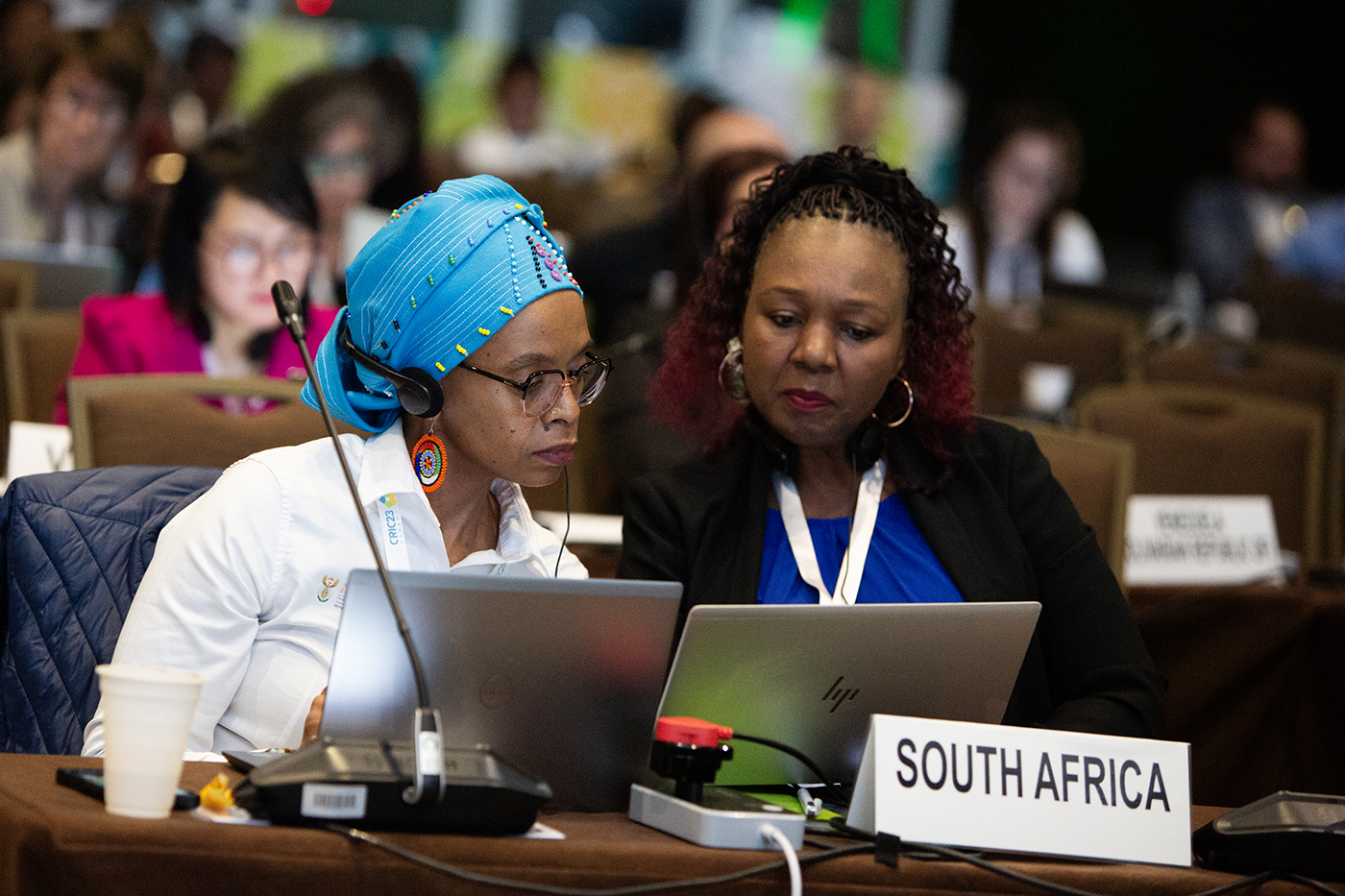
Phumza Ntshotsho Simelane, South Africa
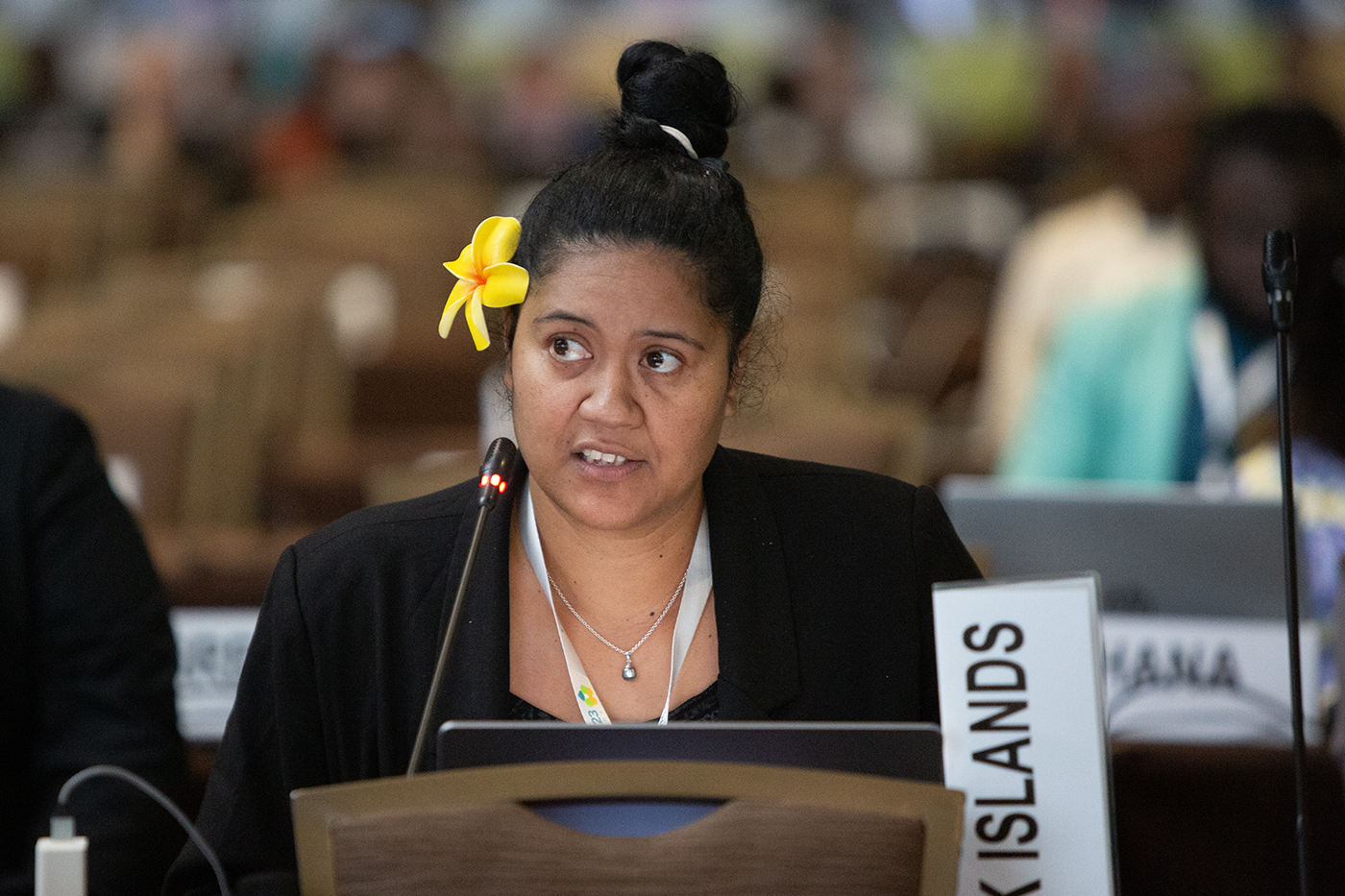
Tekura Moeka'a, the Cook Islands
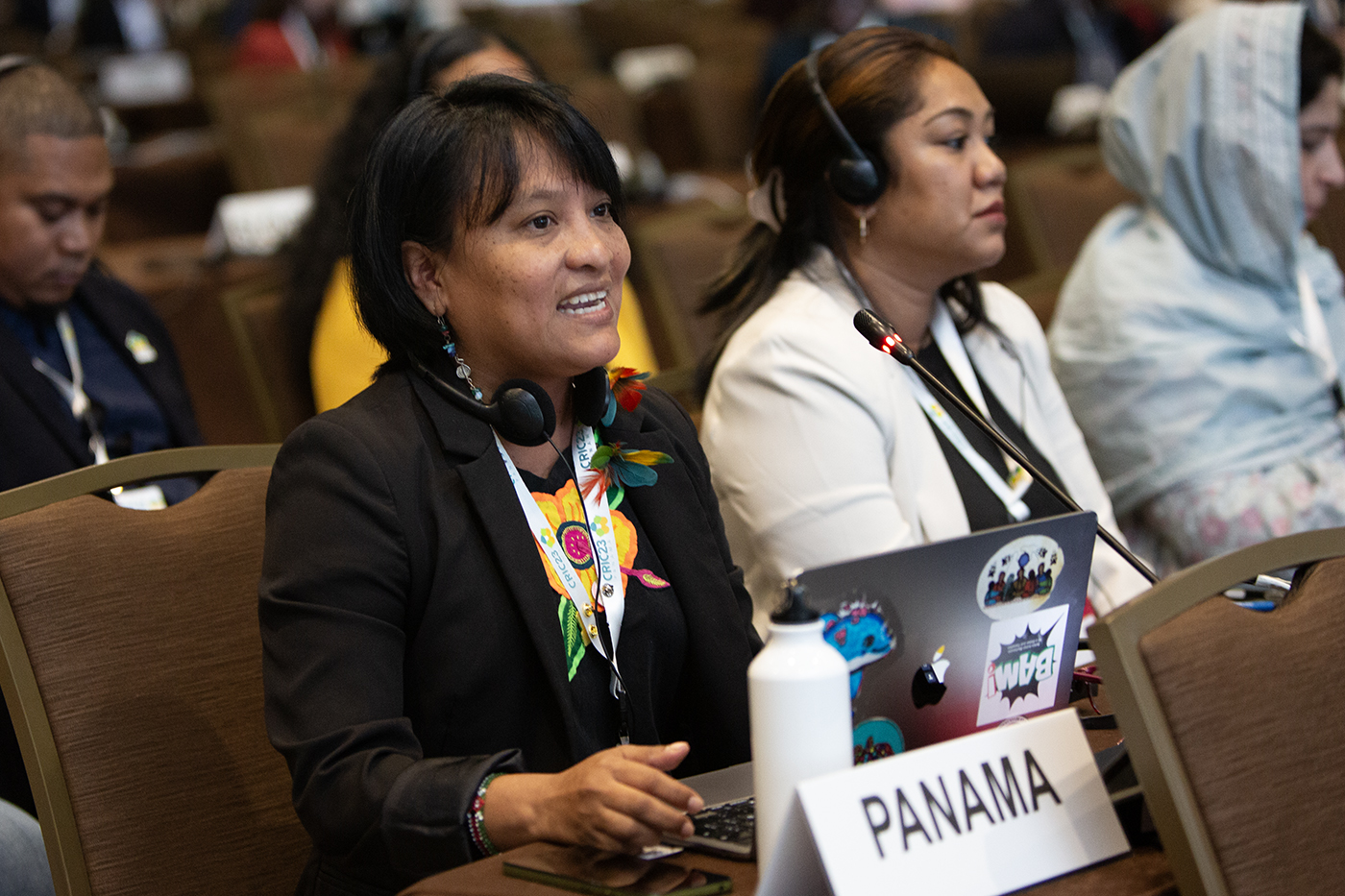
Jacabed Solano, Panama
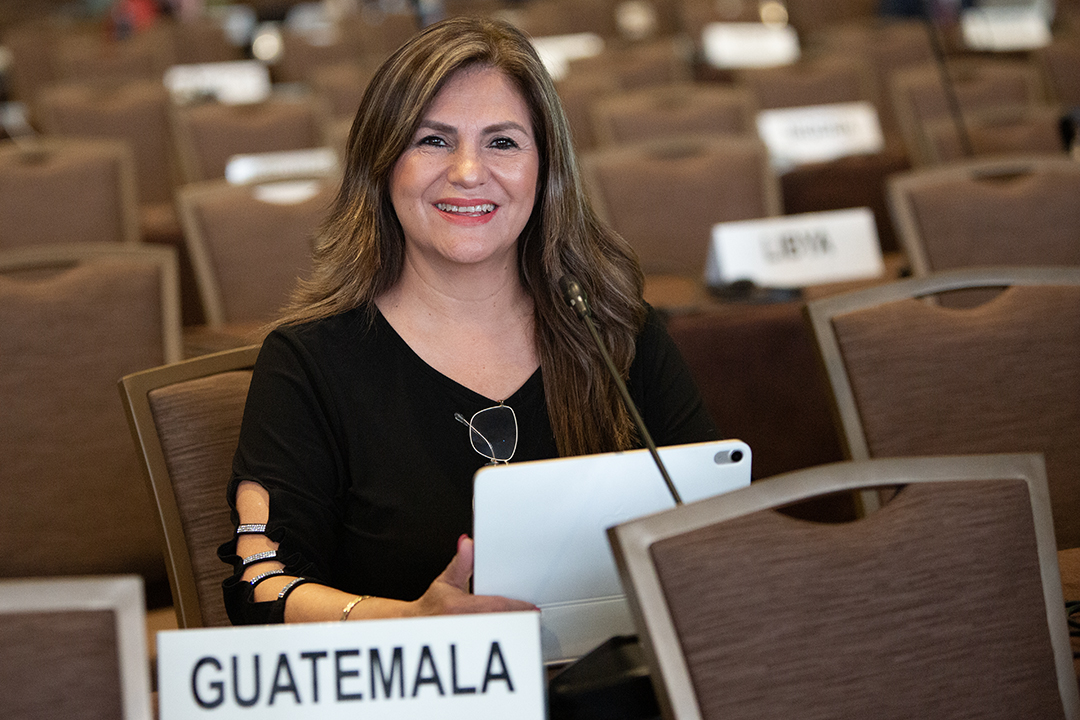
Nasly Anabely Escobar López, Guatemala
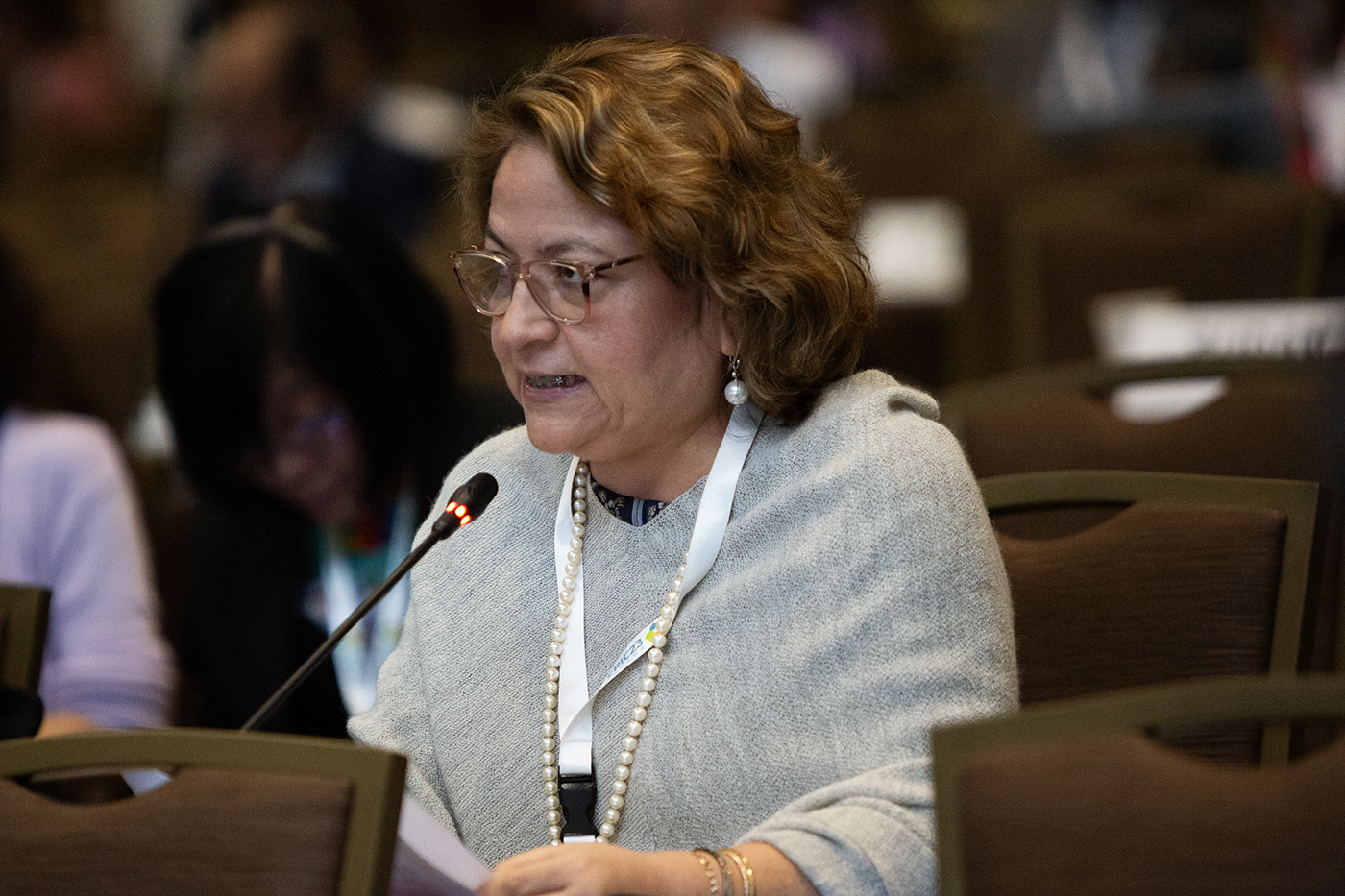
Mercedes Gil, Peru
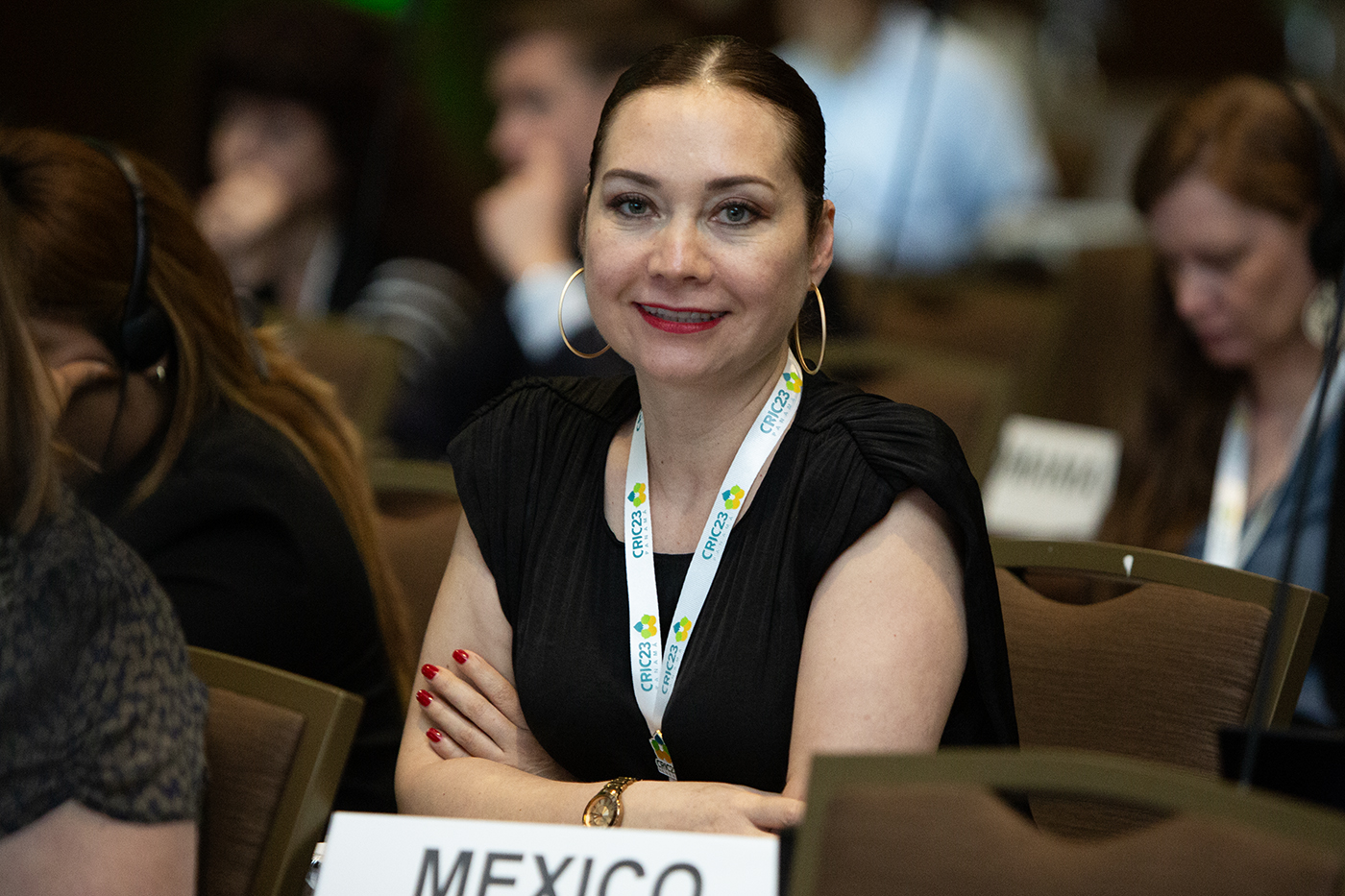
Geynar Delgado, Mexico
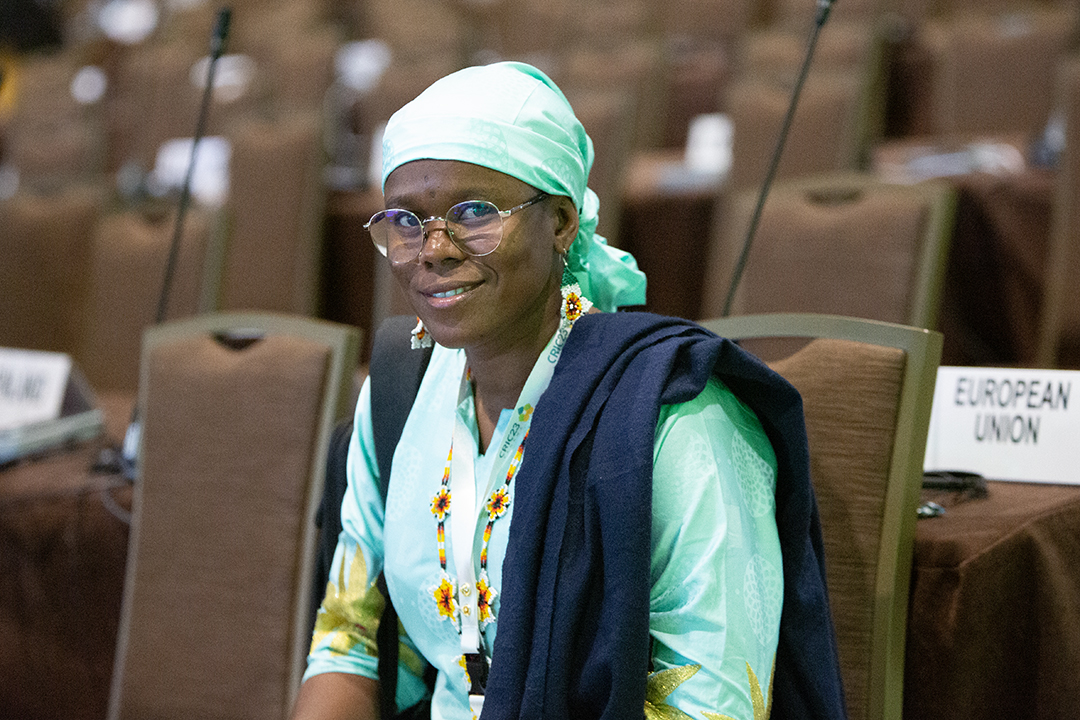
Didja Tchari Djibrillah, AFPAT
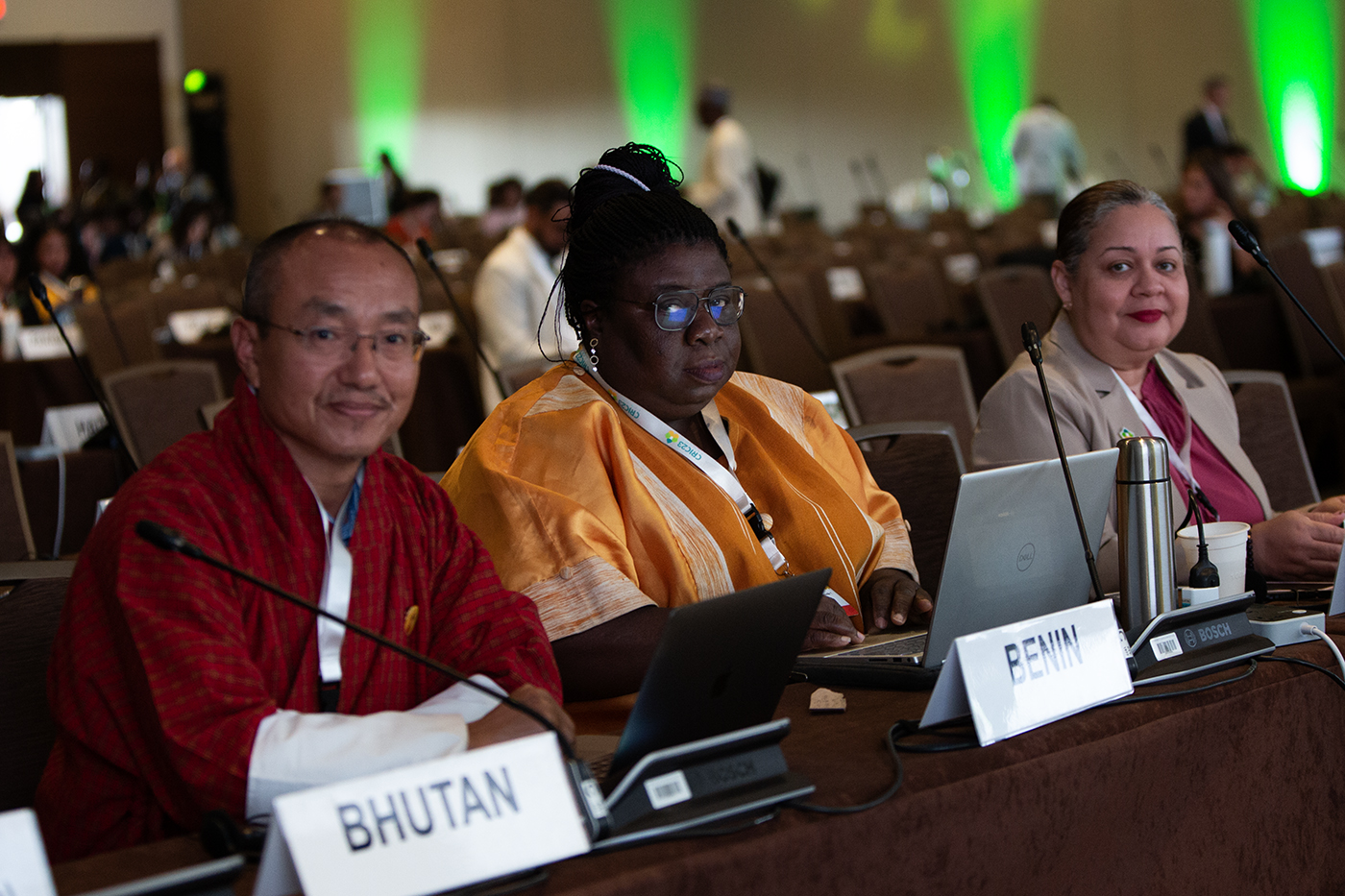
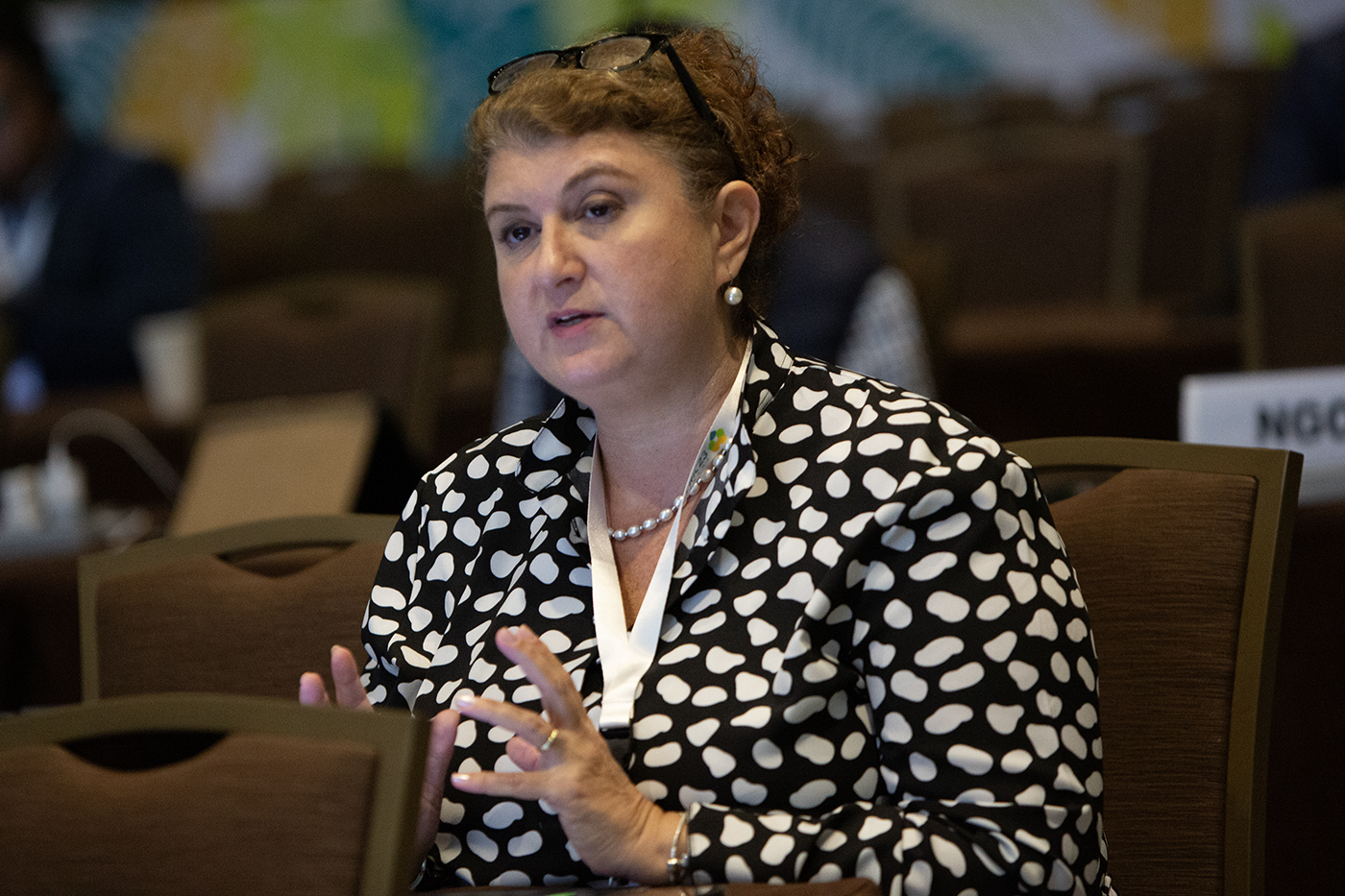
Carol Chouchani Cherfane, ESCWA
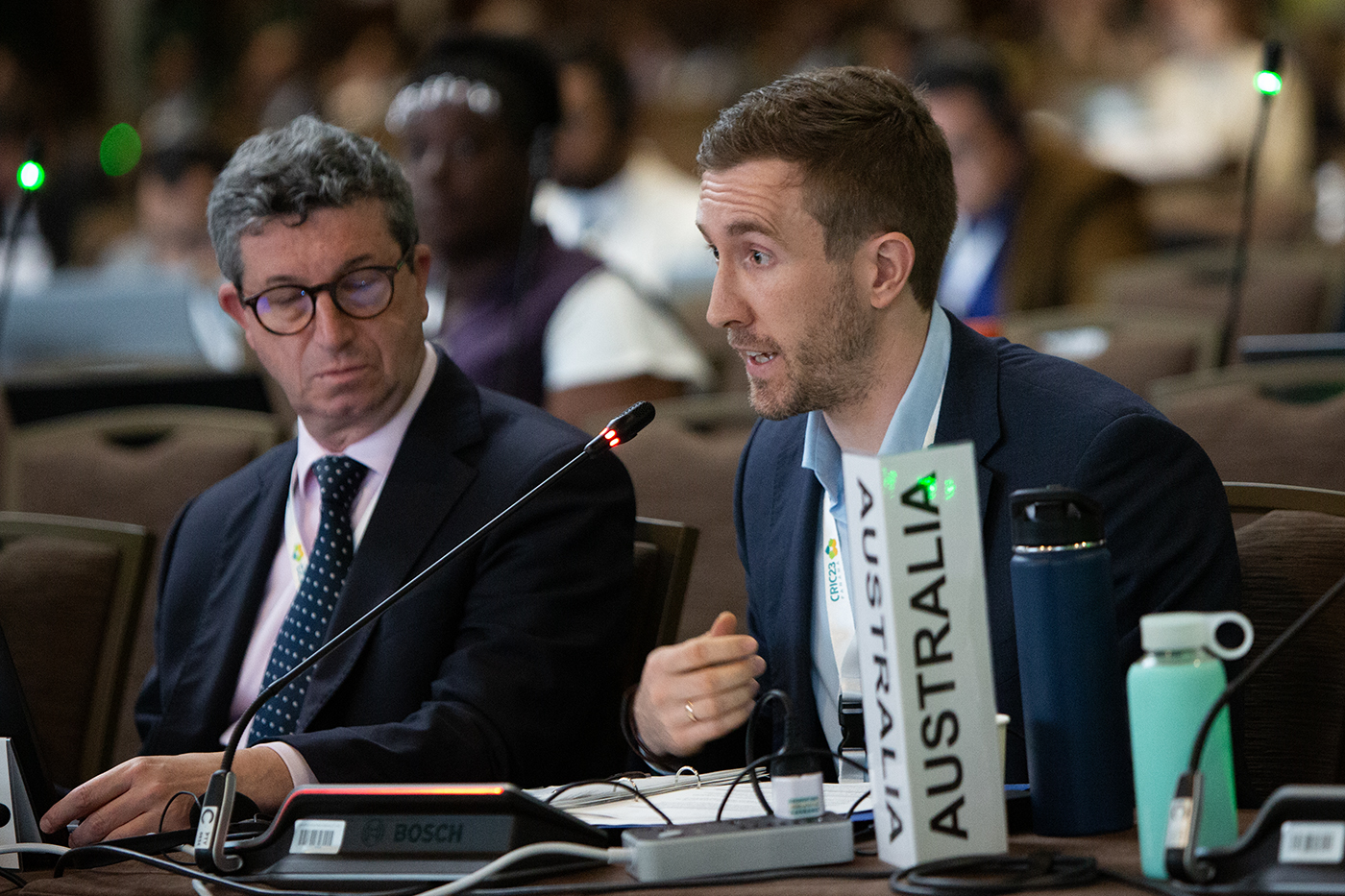
Luke Hynes-Bishop, Australia
Gender Caucus: Exploring the gender dimensions of sand and dust storms
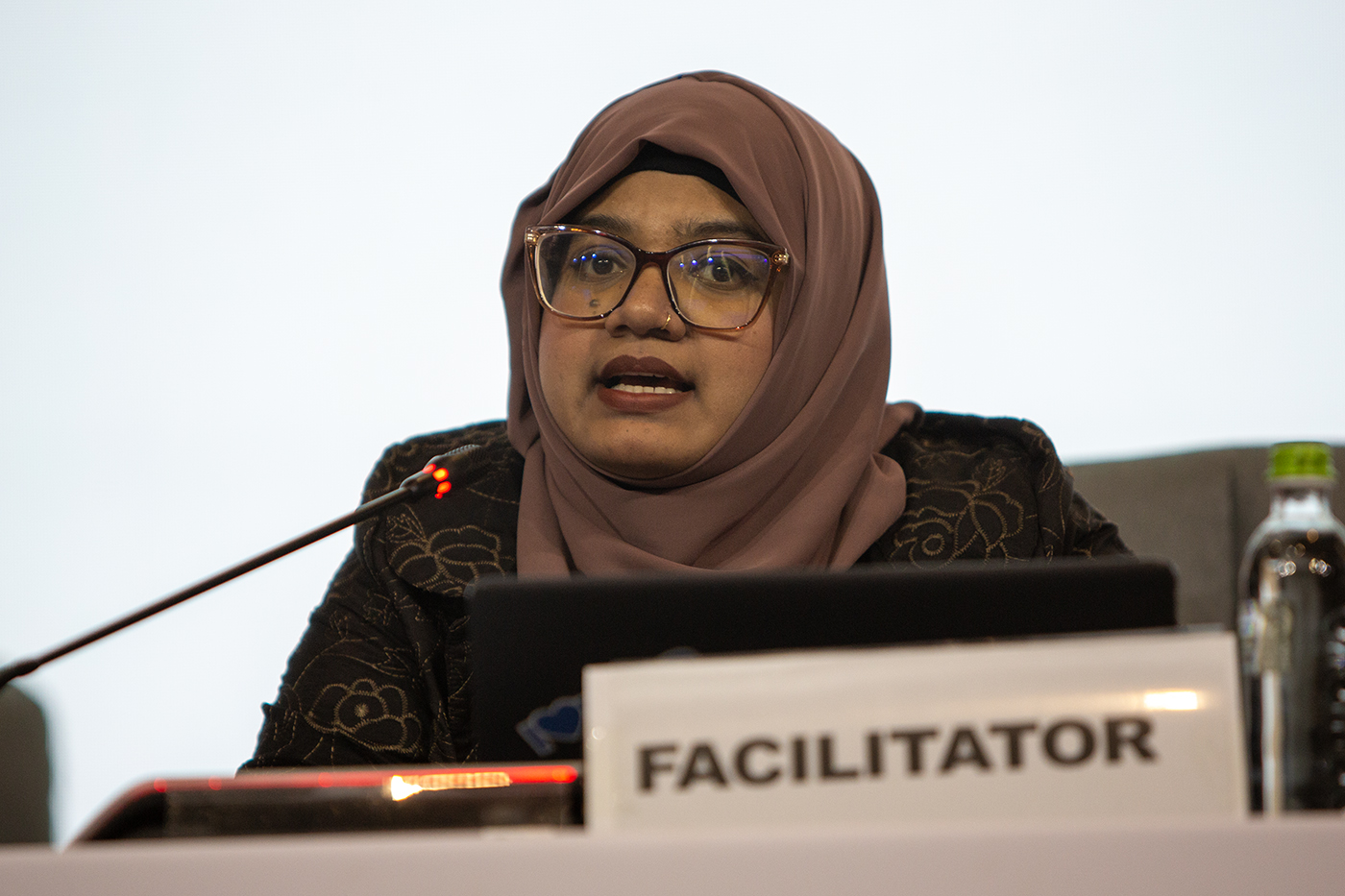
Moderator Rukaia Parveen Tuba, UN University
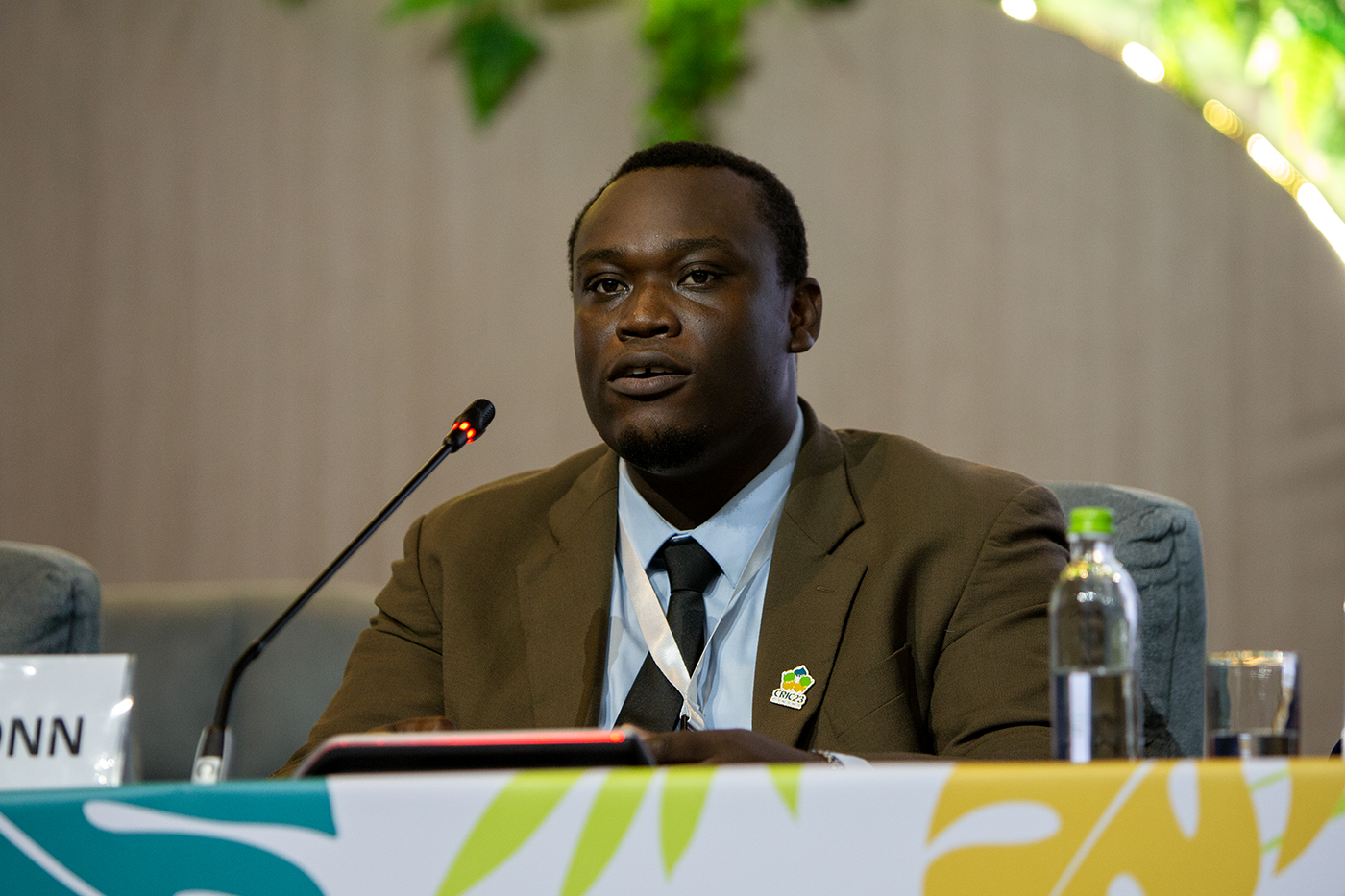
Elisha Acheampong Darko, United Nations University and the University of Bonn
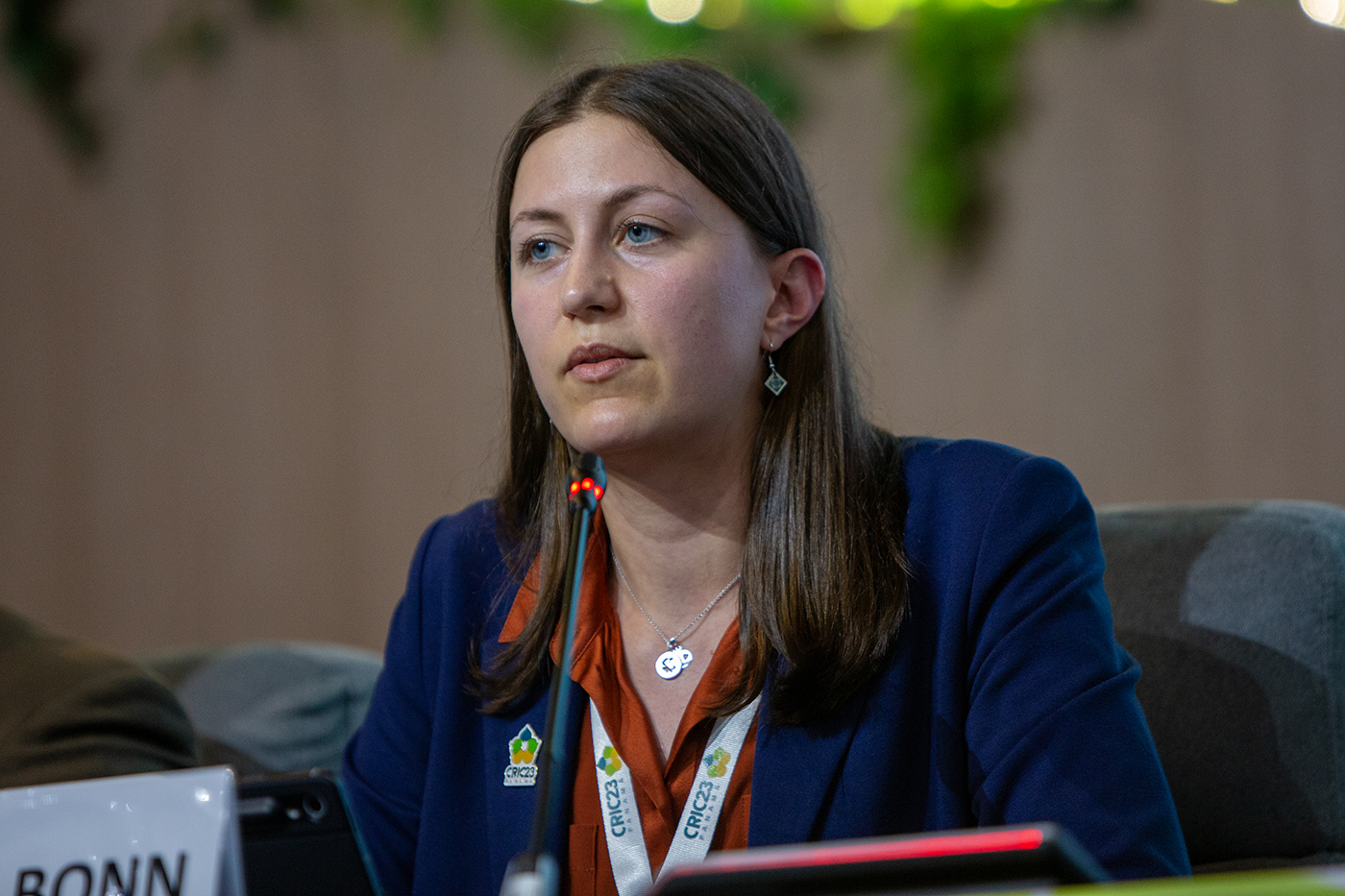
Josi Bregulla, United Nations University and the University of Bonn
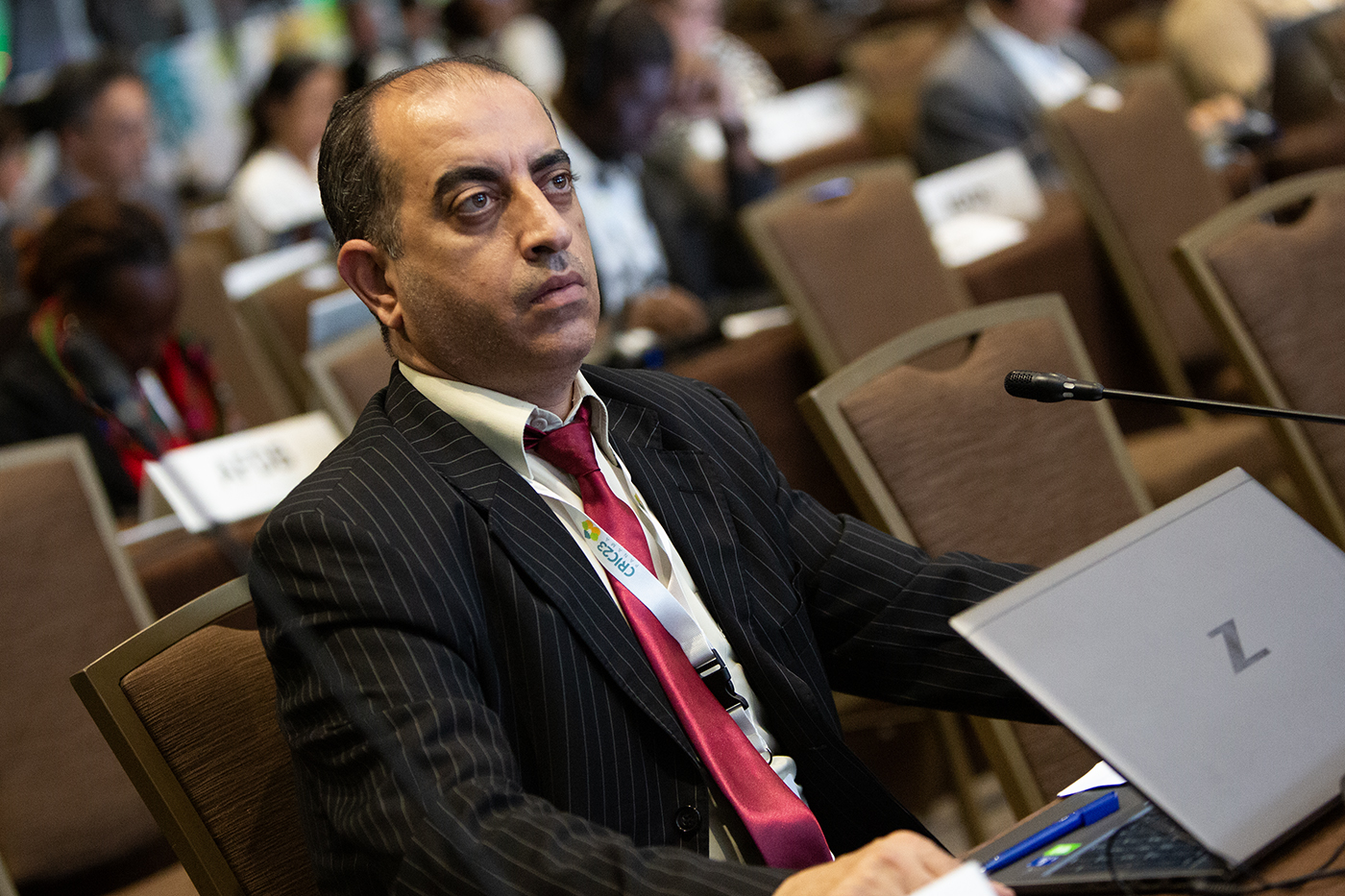
Imad Almaree, Syria
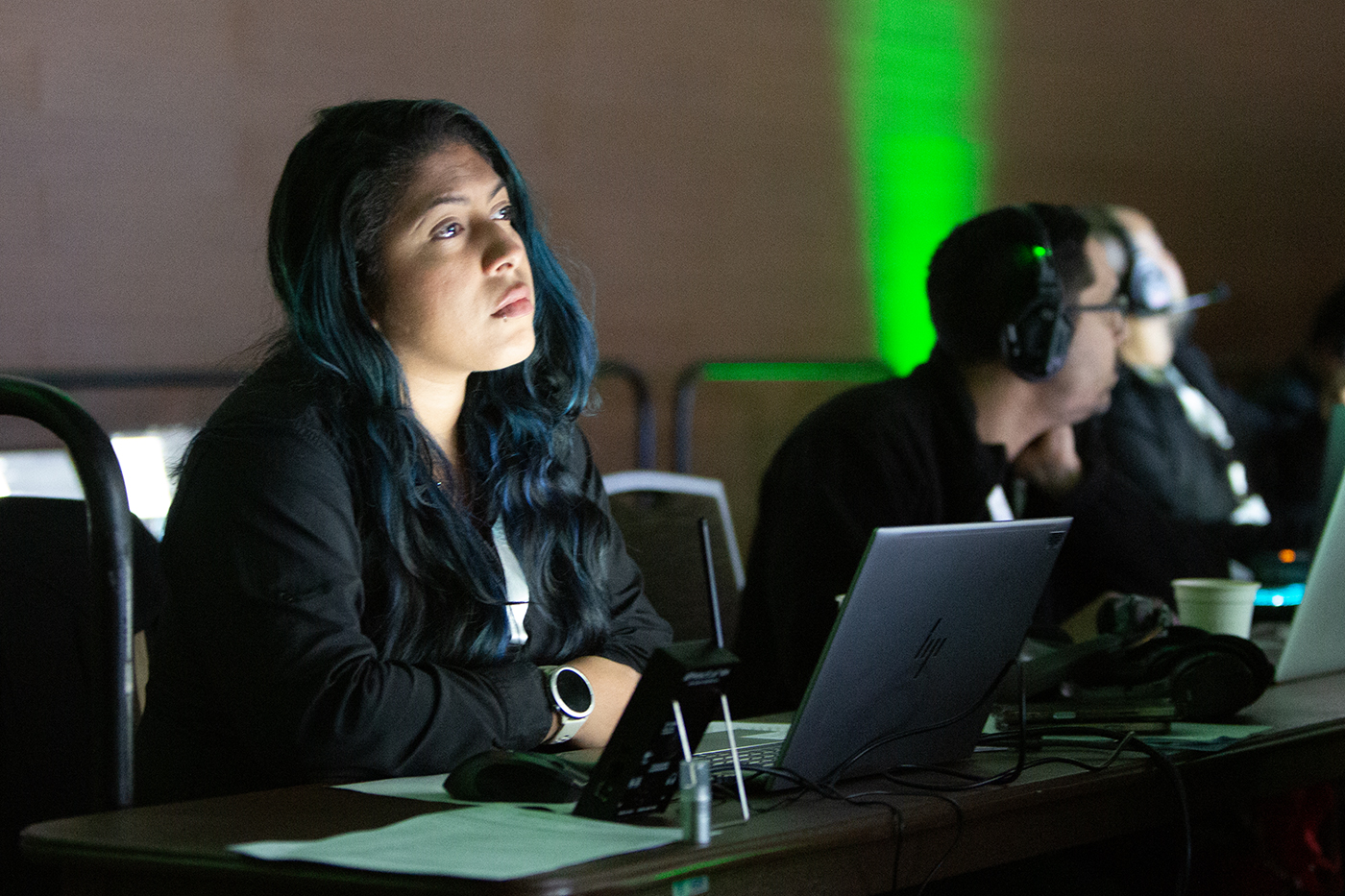
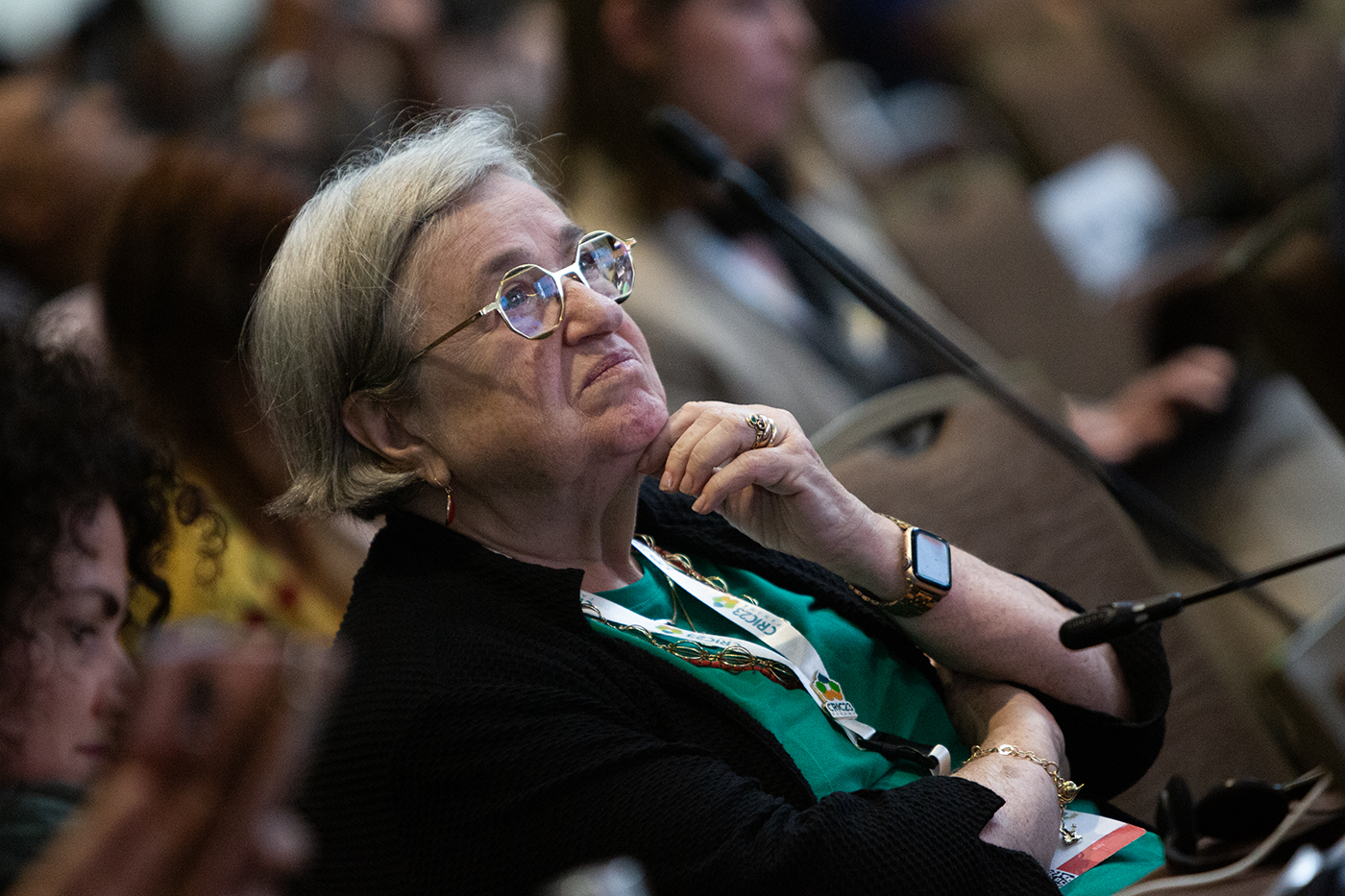
Anna Luise, Italy
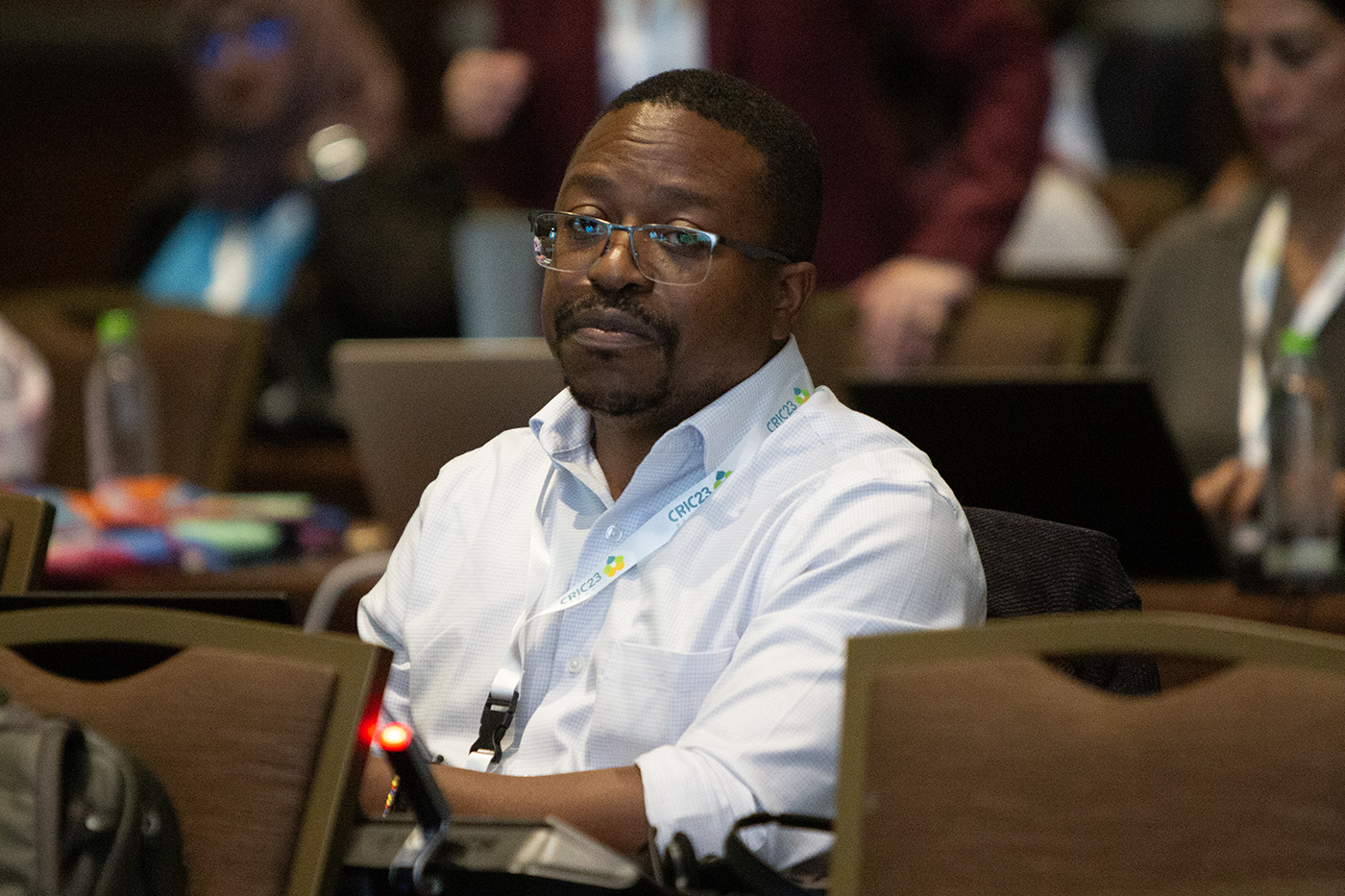
Venge Nyirongo, UN Women
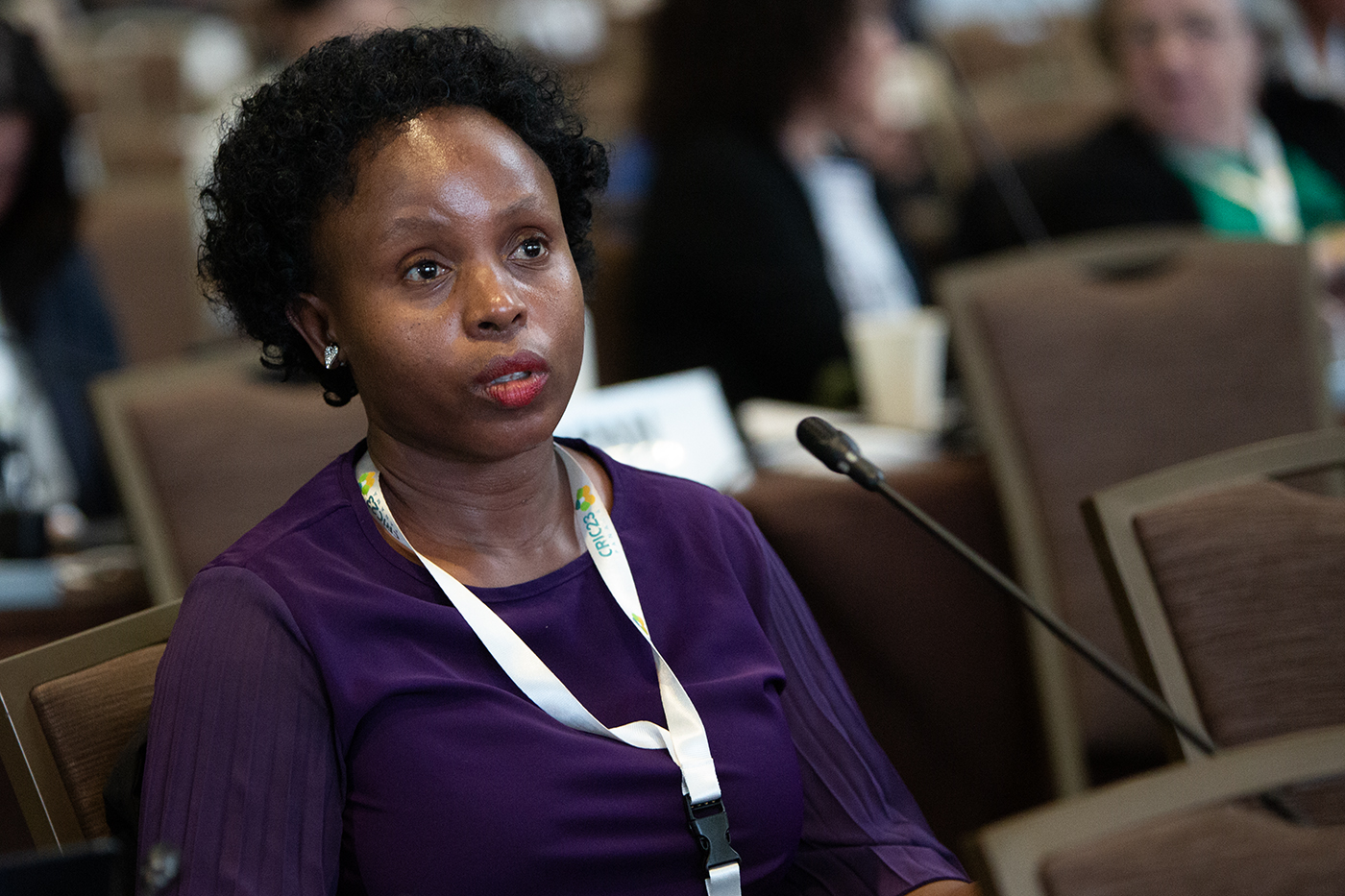
Kholiwe Bethu Faith Mdluli, Eswatini
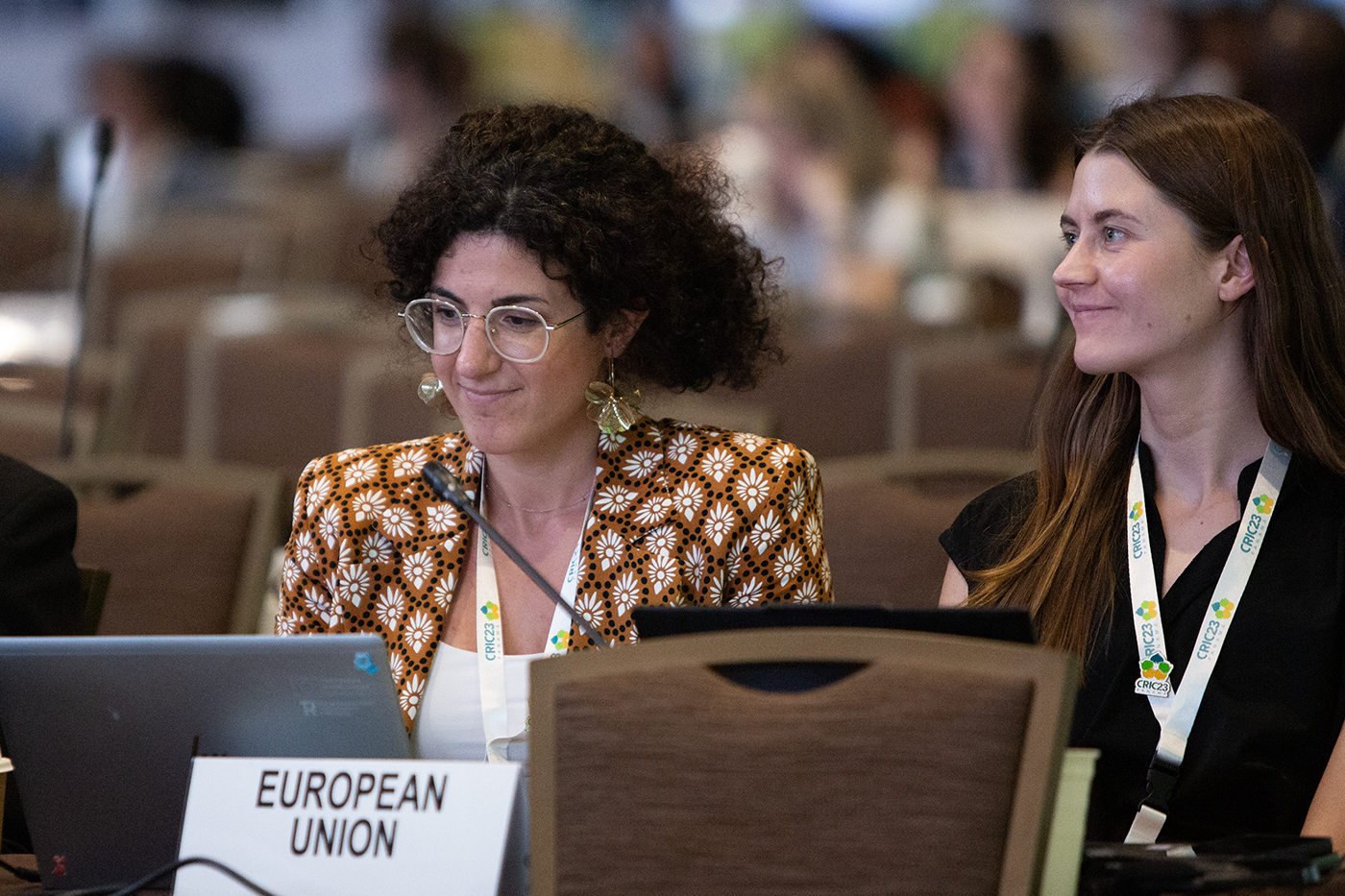
Maria Medina Vidal, EU
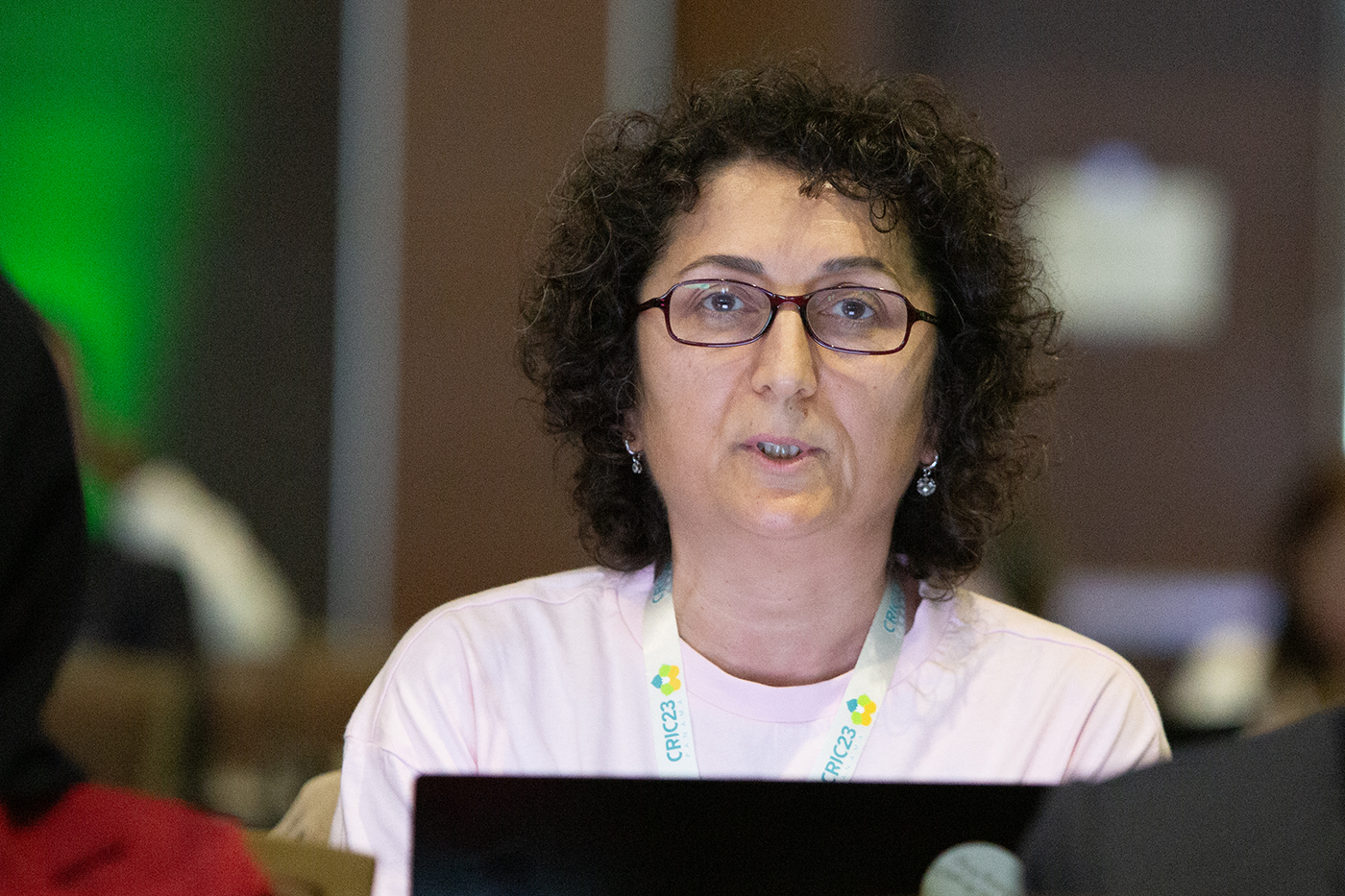
Emine Aydinoglu, Türkiye
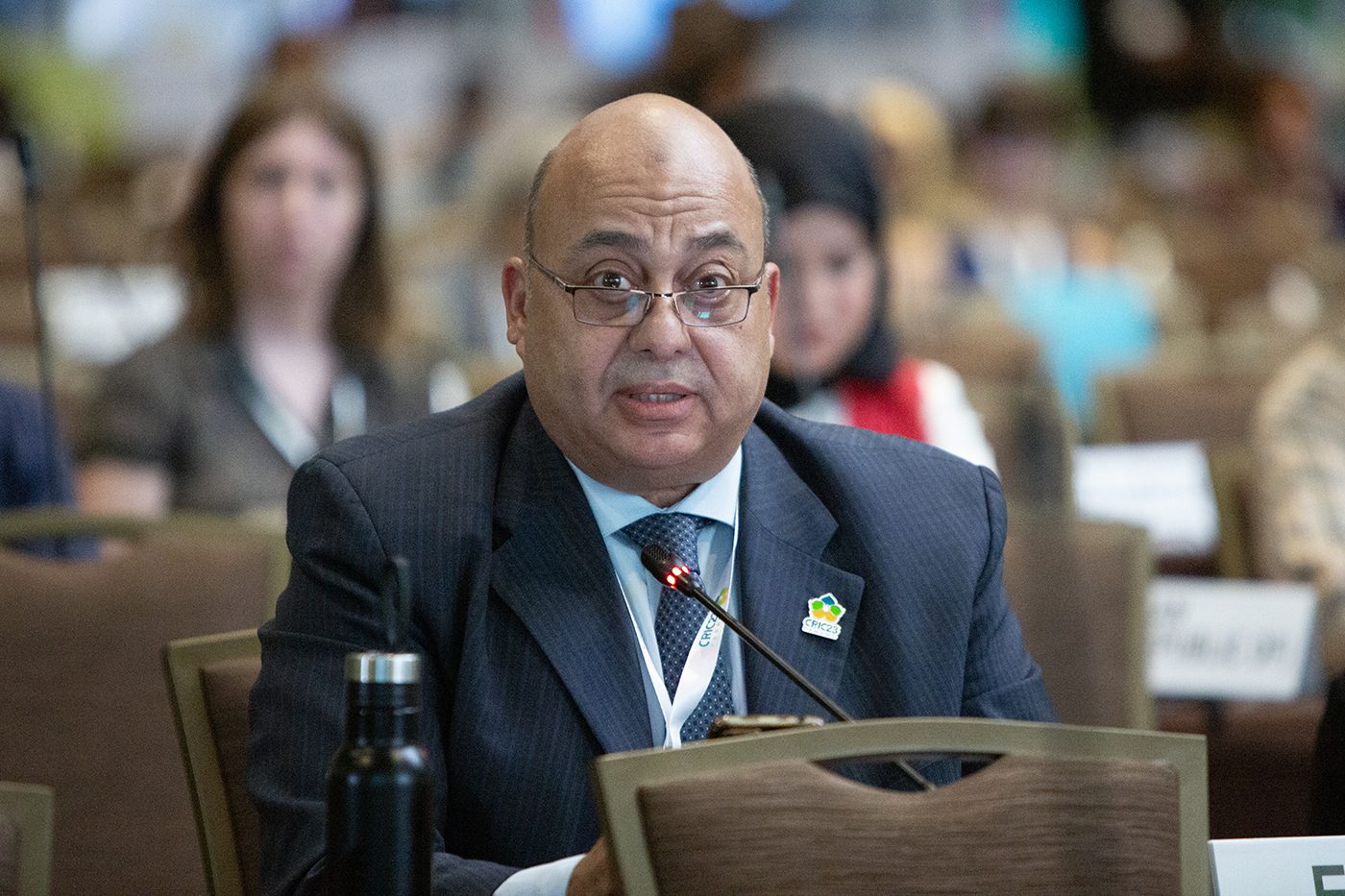
Ahmed Ali Abdelati Ahmed, Egypt
Side Event: Advancing synergies across the Rio Conventions through women’s land rights
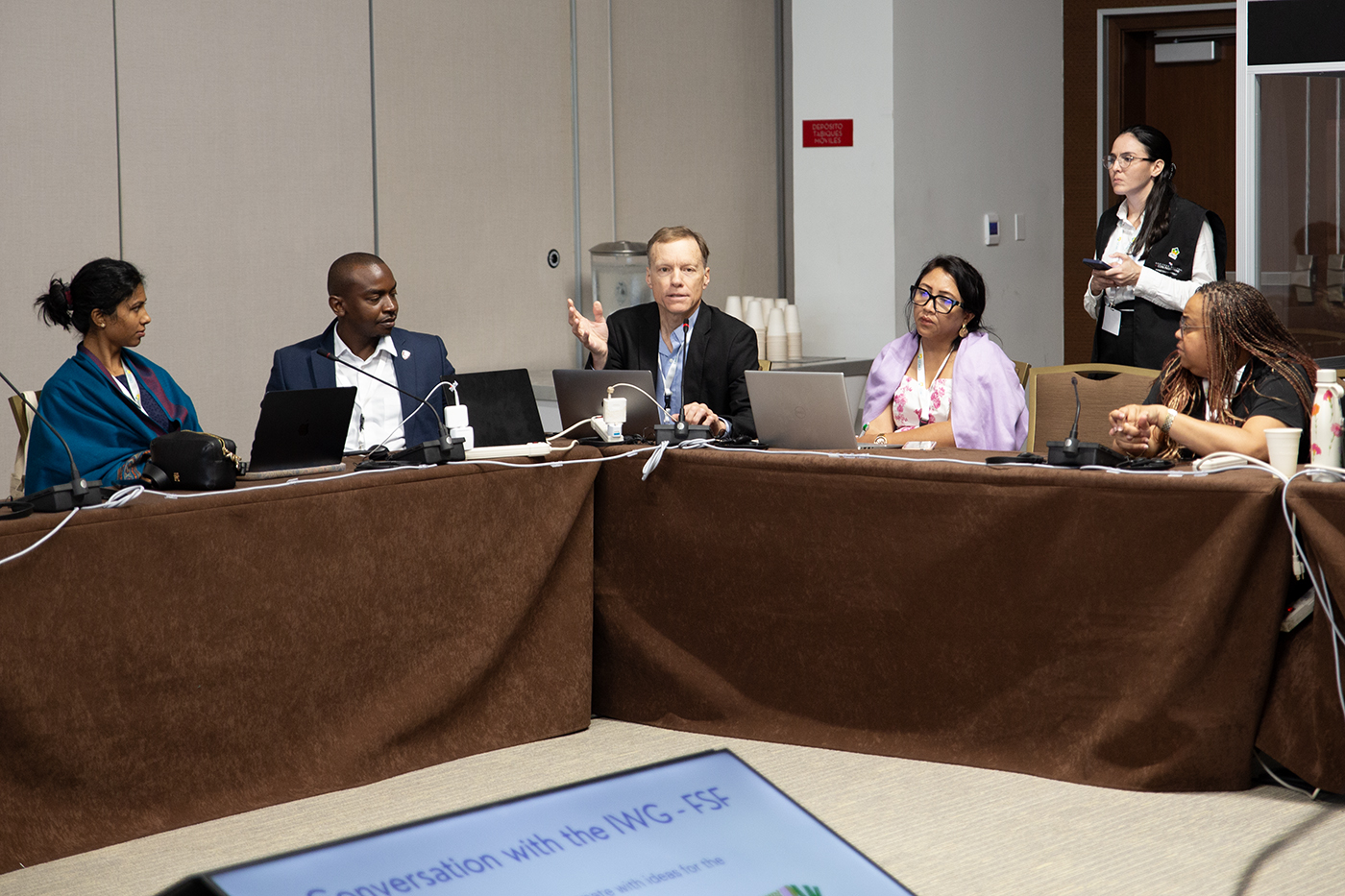
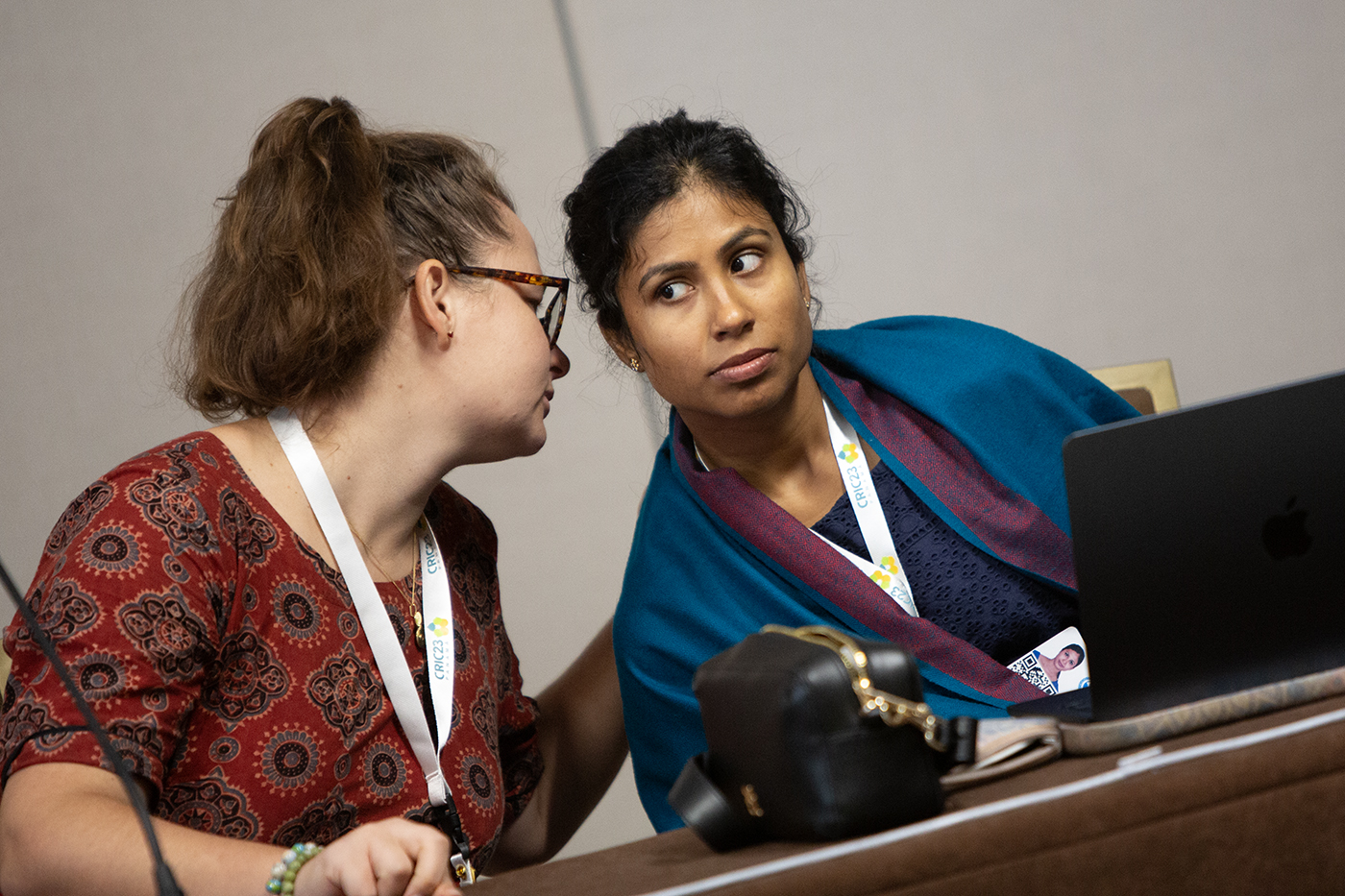
Side Event: Innovations for a robust 2026 UNCCD reporting process
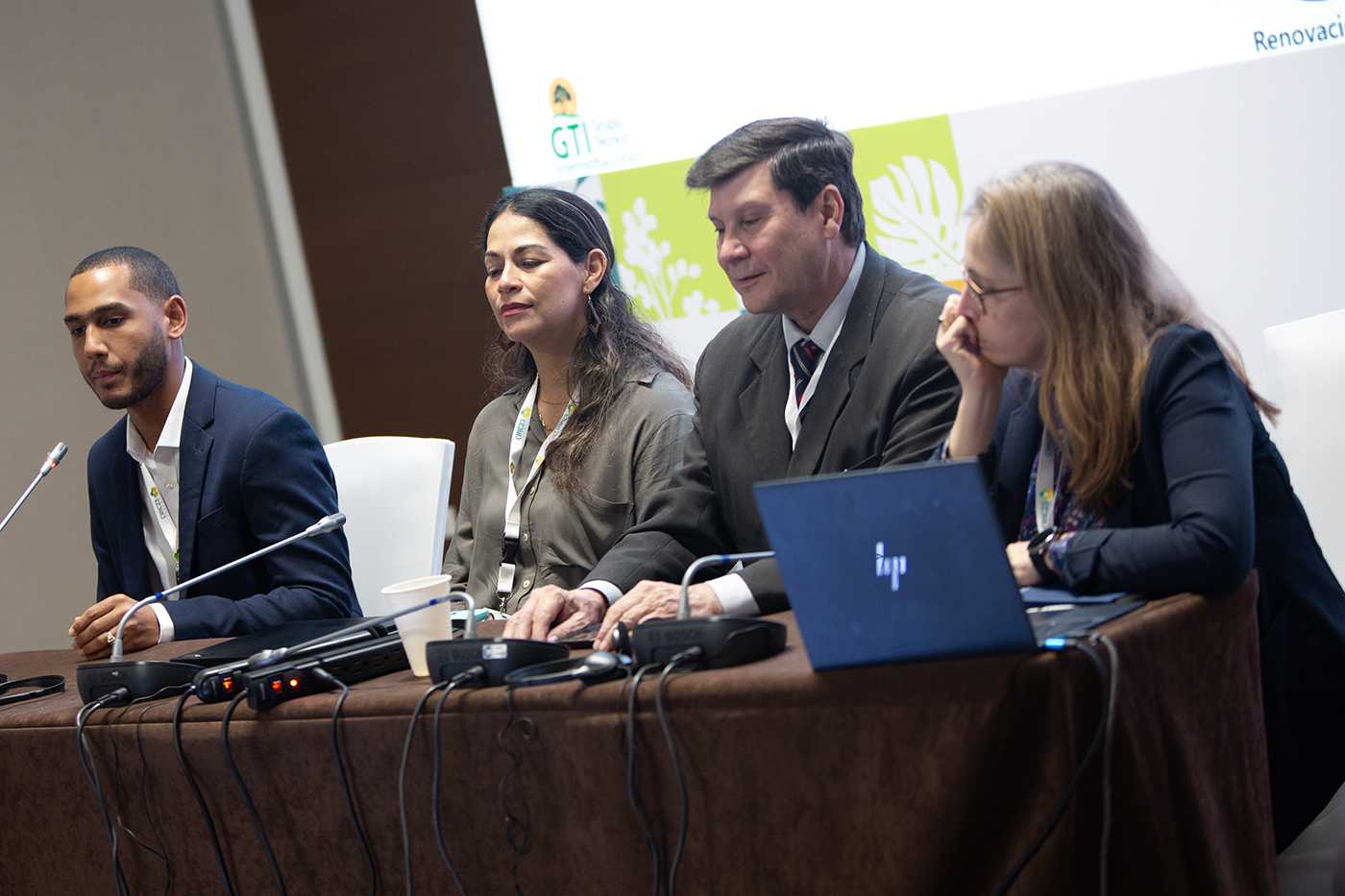
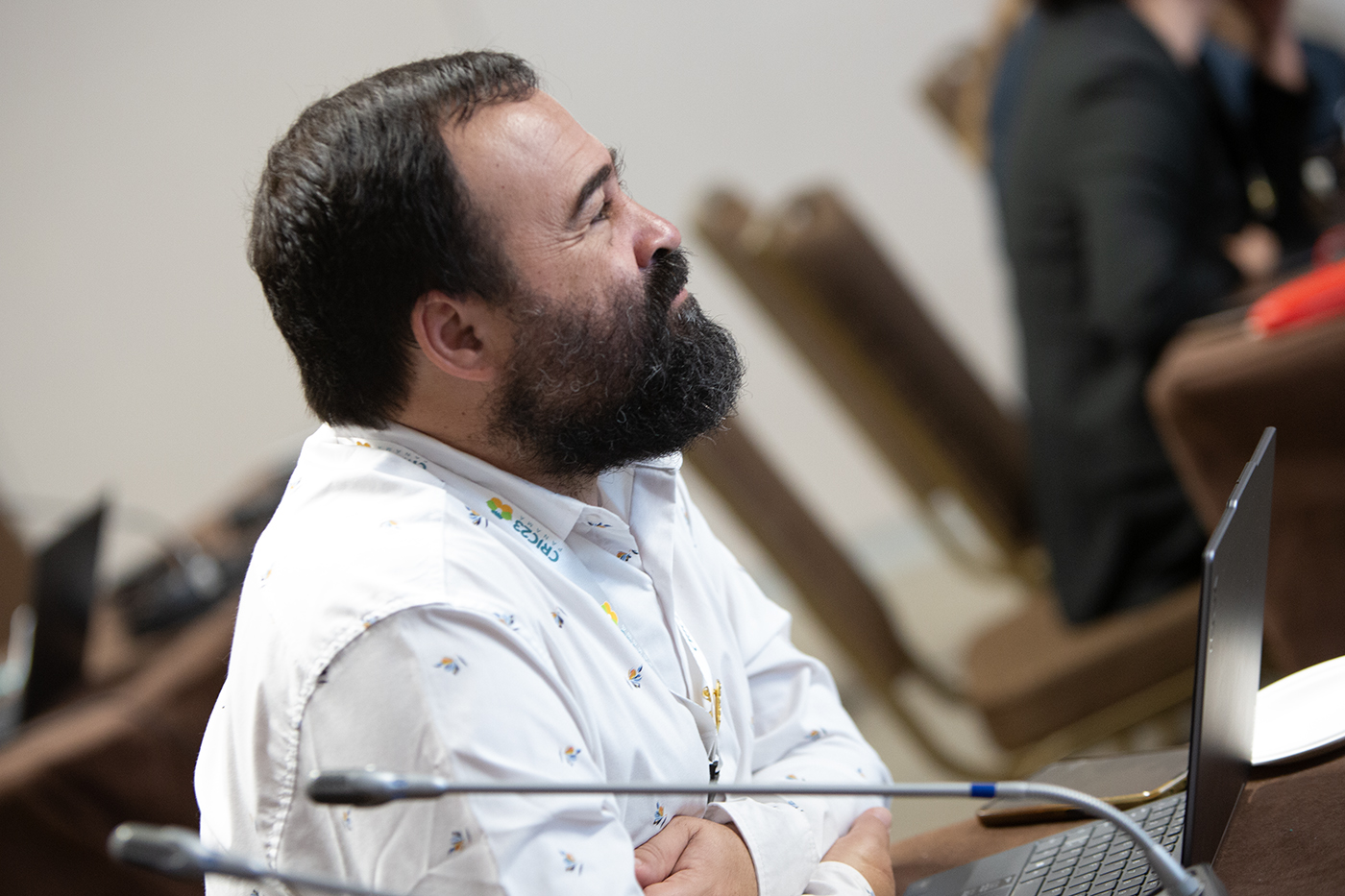
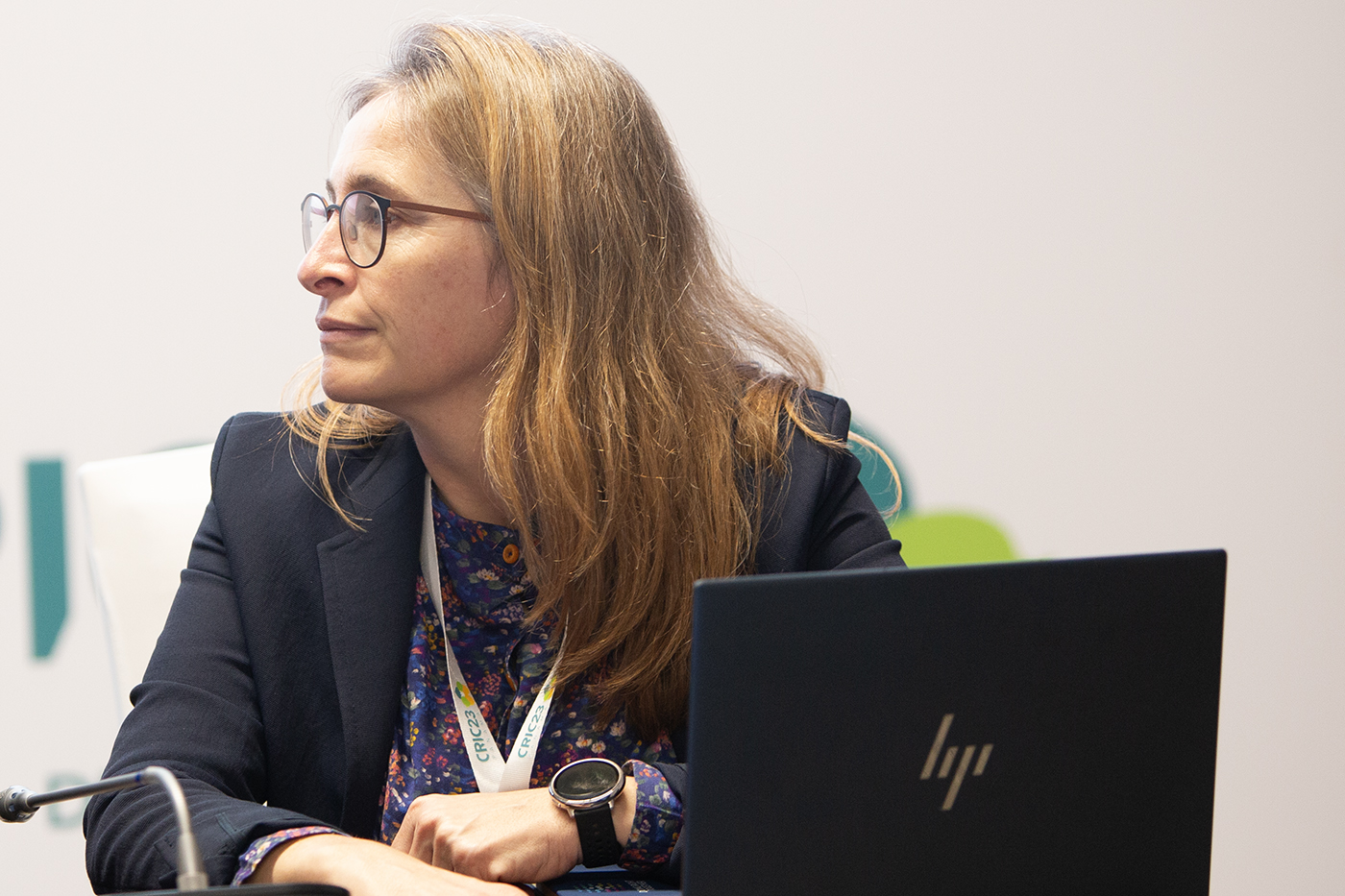
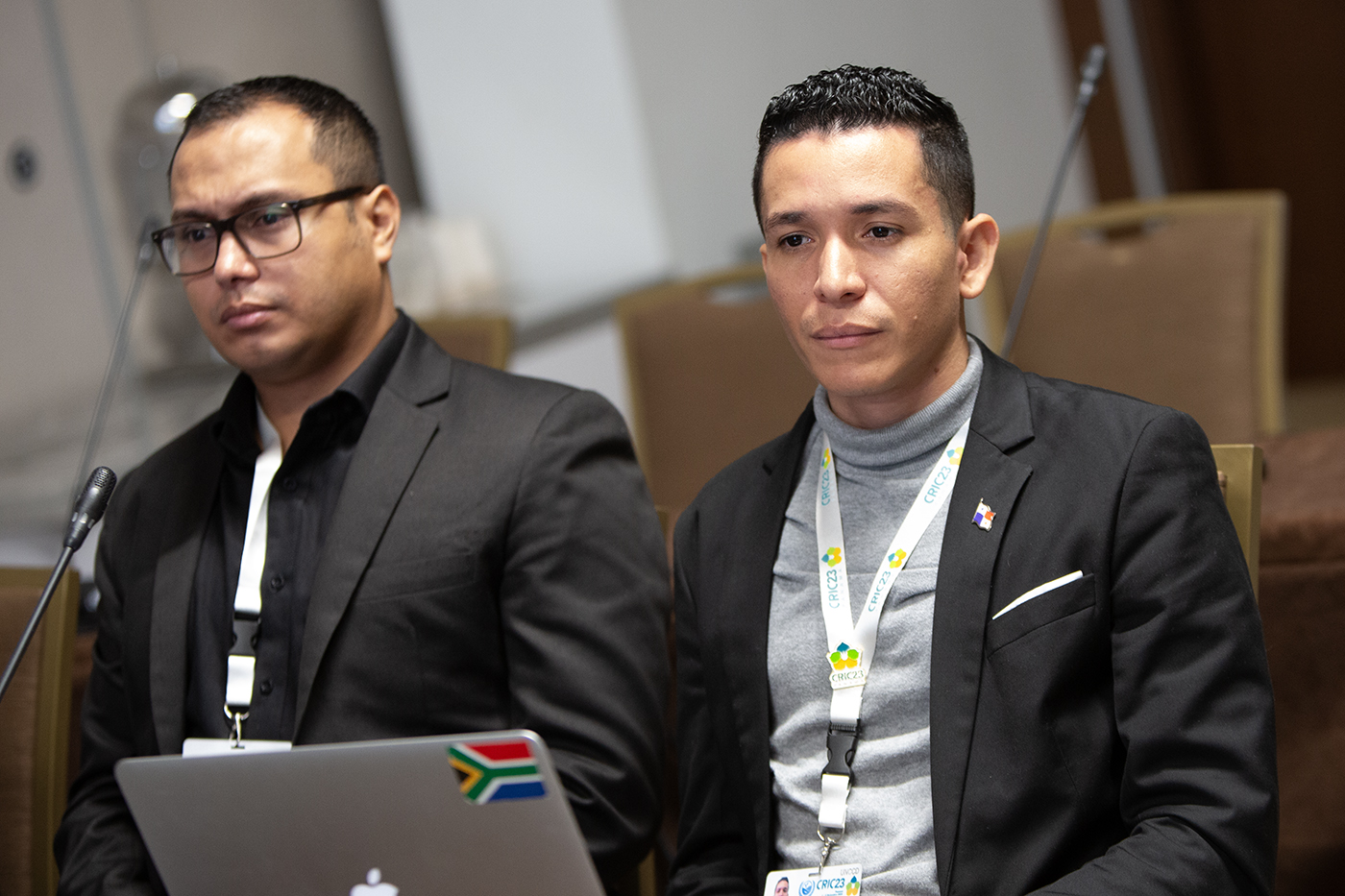
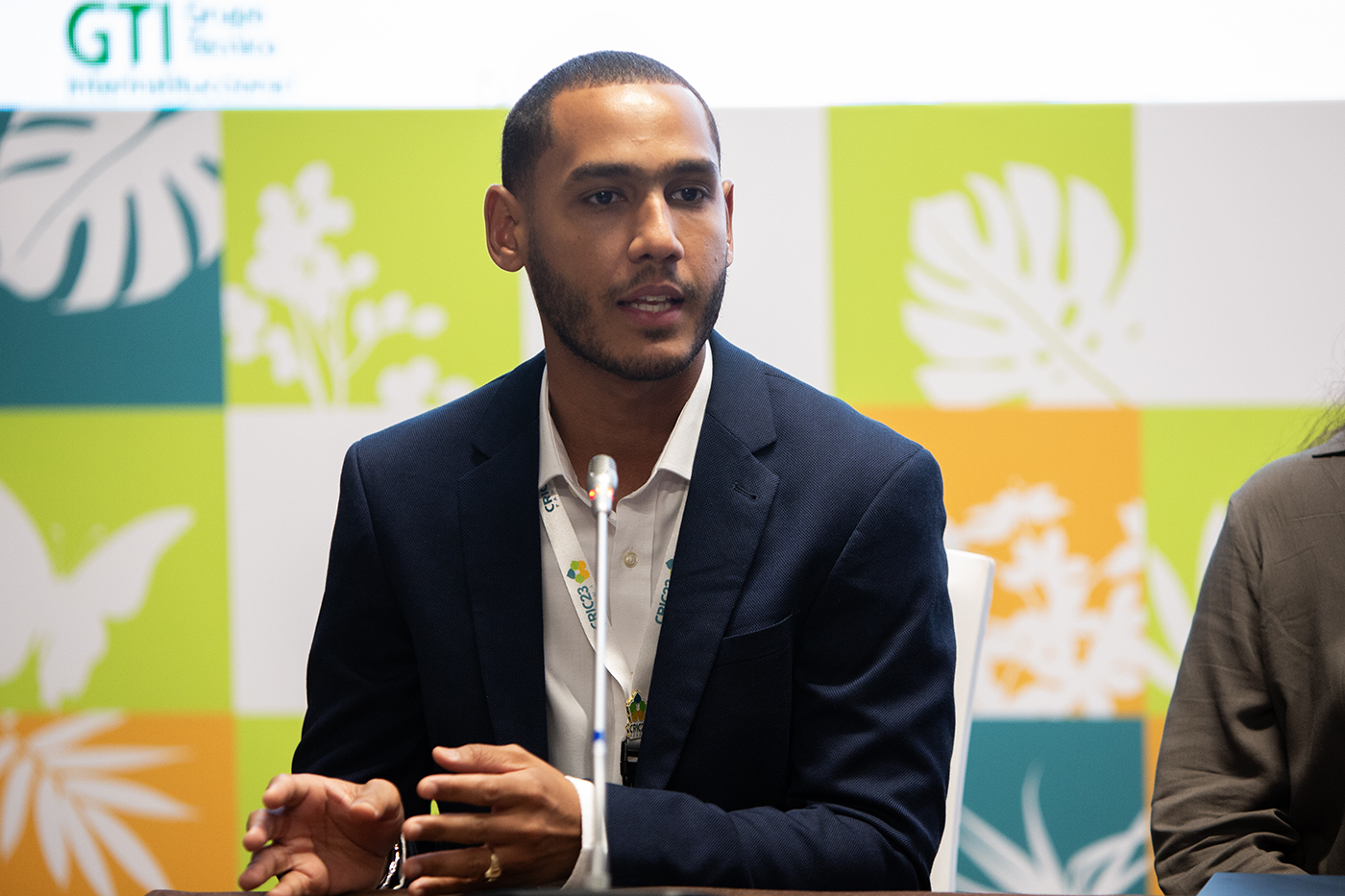
Side Event: An intergenerational dialogue: Translating land rights and gender inclusion into UNCCD CRIC and COP narratives
Between Sessions
Around the Venue