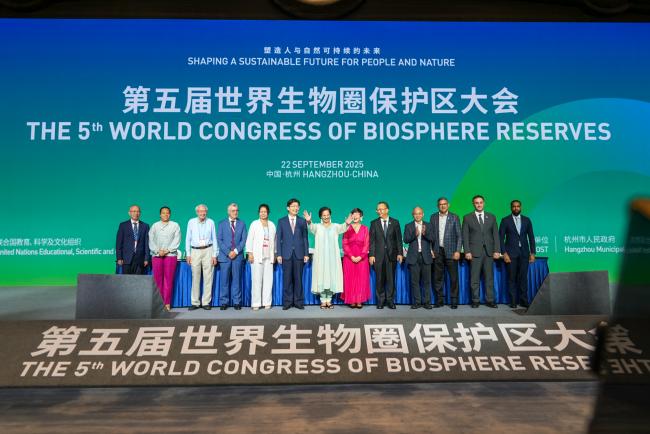
“Inaction will influence our future forever.” On the last day of the fifth World Congress of Biosphere Reserves, delegates underlined the importance of biosphere reserves as “living laboratories” for testing, implementing, and scaling solutions to the triple planetary crises of biodiversity loss, pollution, and climate change.
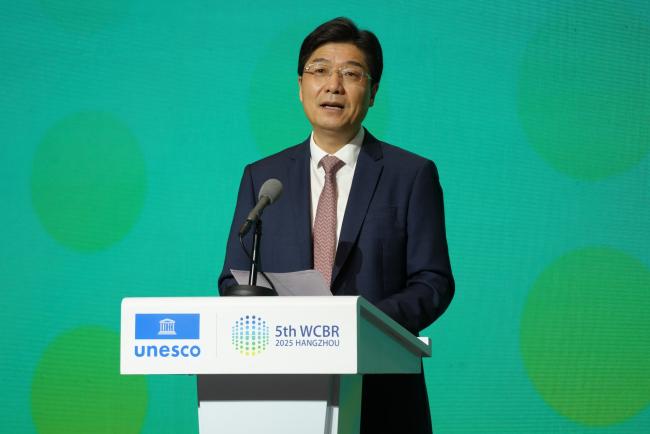
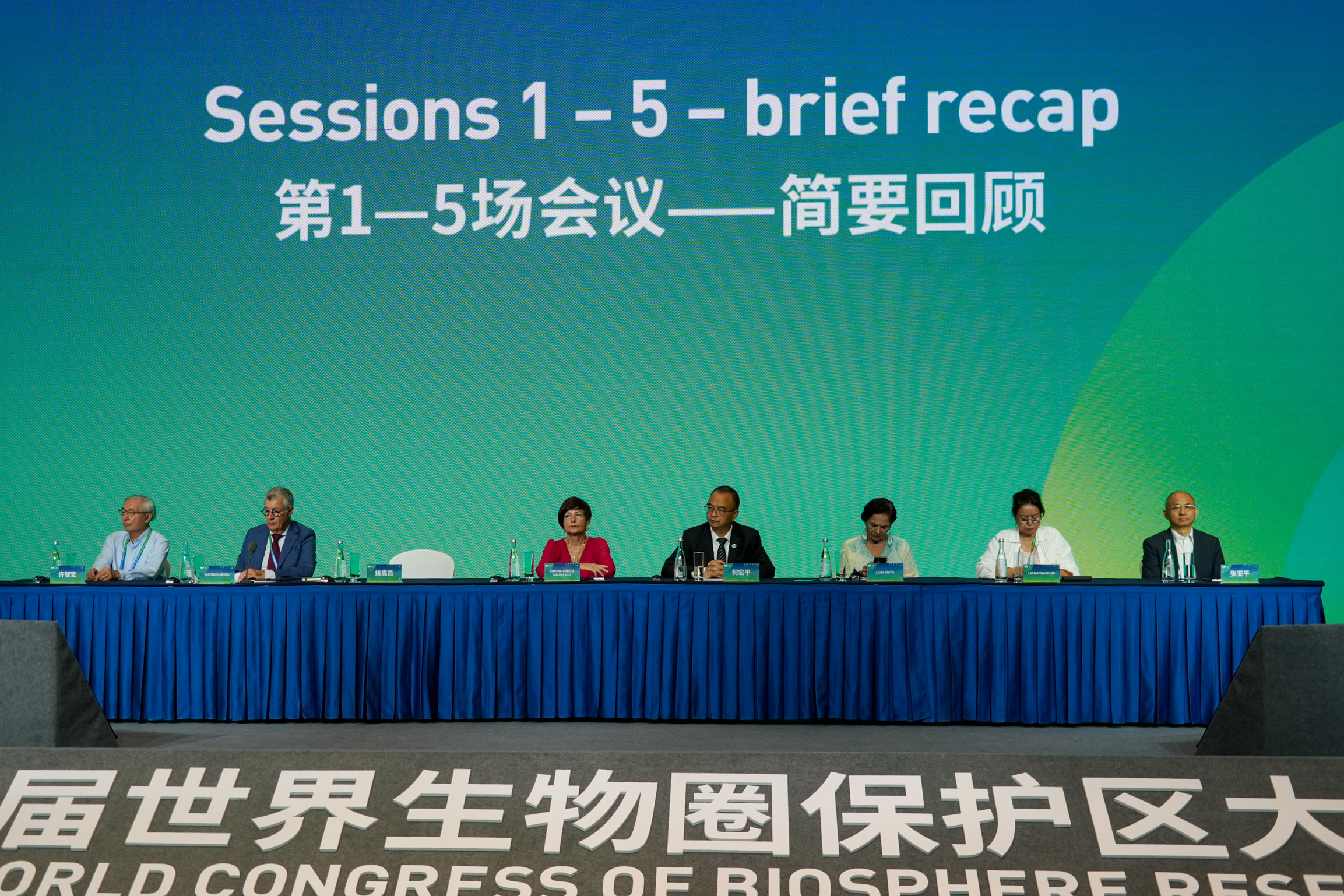
Reviewing the thematic sessions and panel discussions held over the Congress, speakers highlighted key messages, including:
- calls for stronger coordination among, and investment in, biosphere reserves;
- opportunities for alignment between the Man and the Biosphere (MAB) Programme, the Sustainable Development Goals, and the Kunming-Montreal Global Biodiversity Framework;
- the importance of open science, multi-stakeholder partnerships, and capacity building for enhancing the resilience of biosphere reserves;
- the contributions of citizen science and participatory research to the work of regional and thematic networks; and
- approaches to strengthen the integration of historically marginalized peoples in the governance of biosphere reserves.
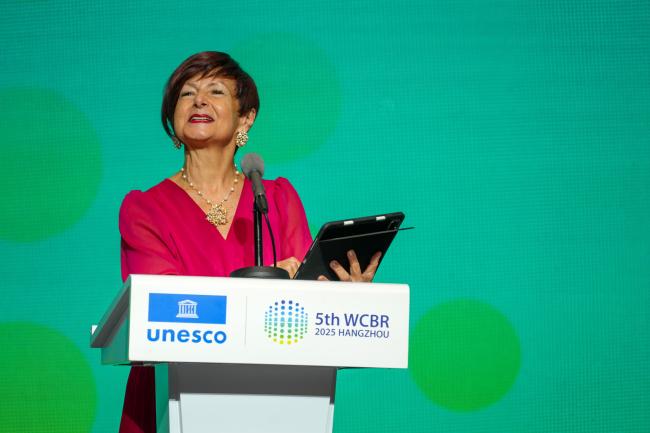
Many emphasized the unique position of the World Network of Biosphere Reserves (WNBR) in fostering connections between local, regional, and global actions on biodiversity and sustainable development. Speakers also urged for honoring the call to “leave no one behind,” and for strengthening partnerships to continue growing the Network.
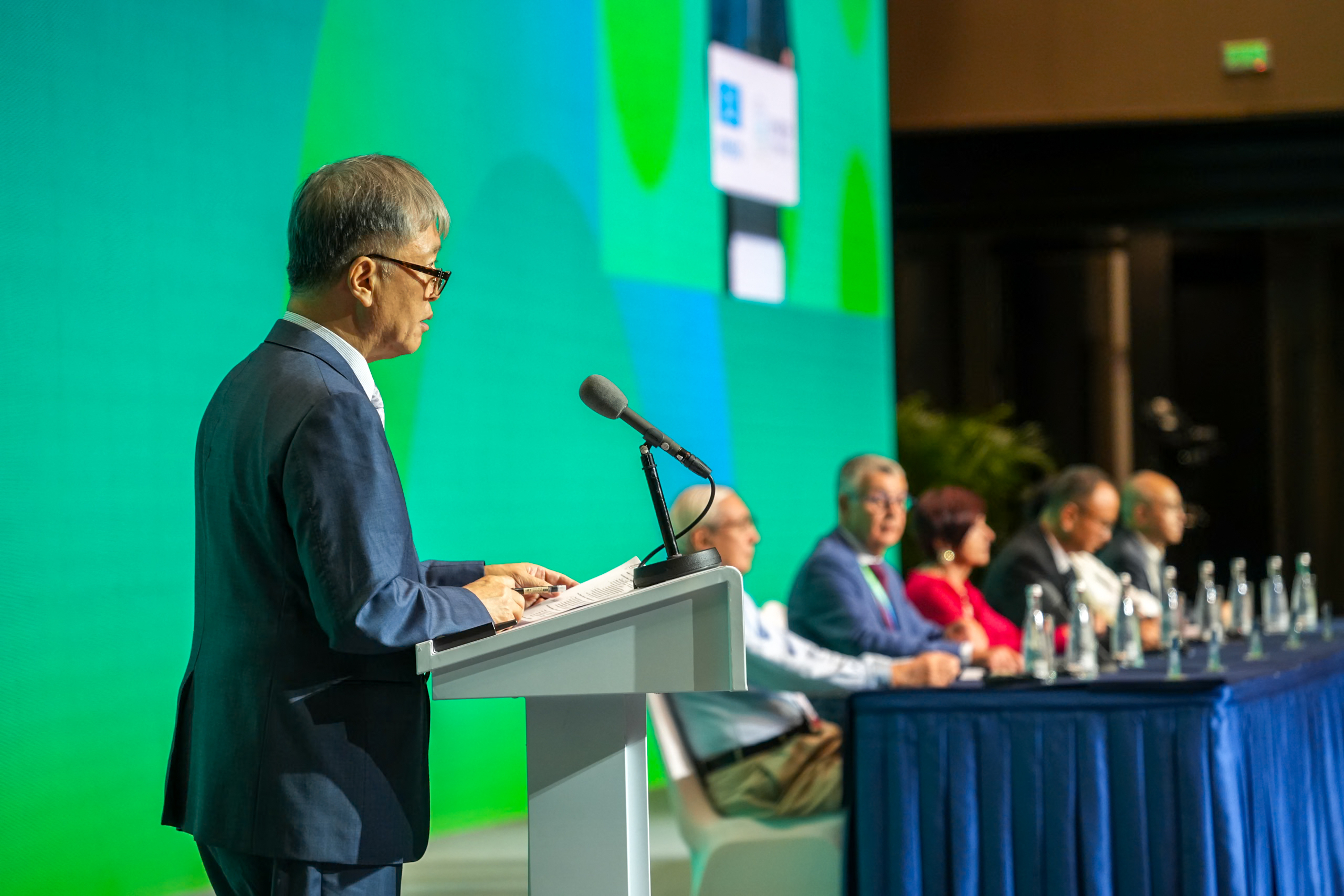
Presenting the Hangzhou Declaration, Ouyang Zhiyun, Chinese Academy of Sciences, noted that it calls for a reformation of the relationship between humanity and nature to achieve the vision of the Hangzhou Strategic Action Plan (HSAP), and urged for the Declaration to mark “a collective commitment to leave a thriving planet for generations to come.”
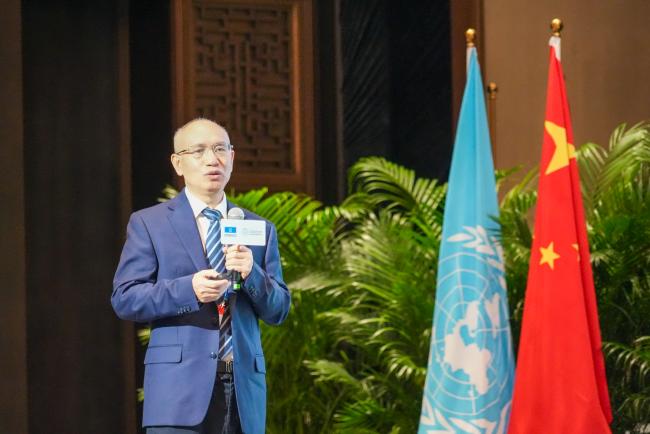
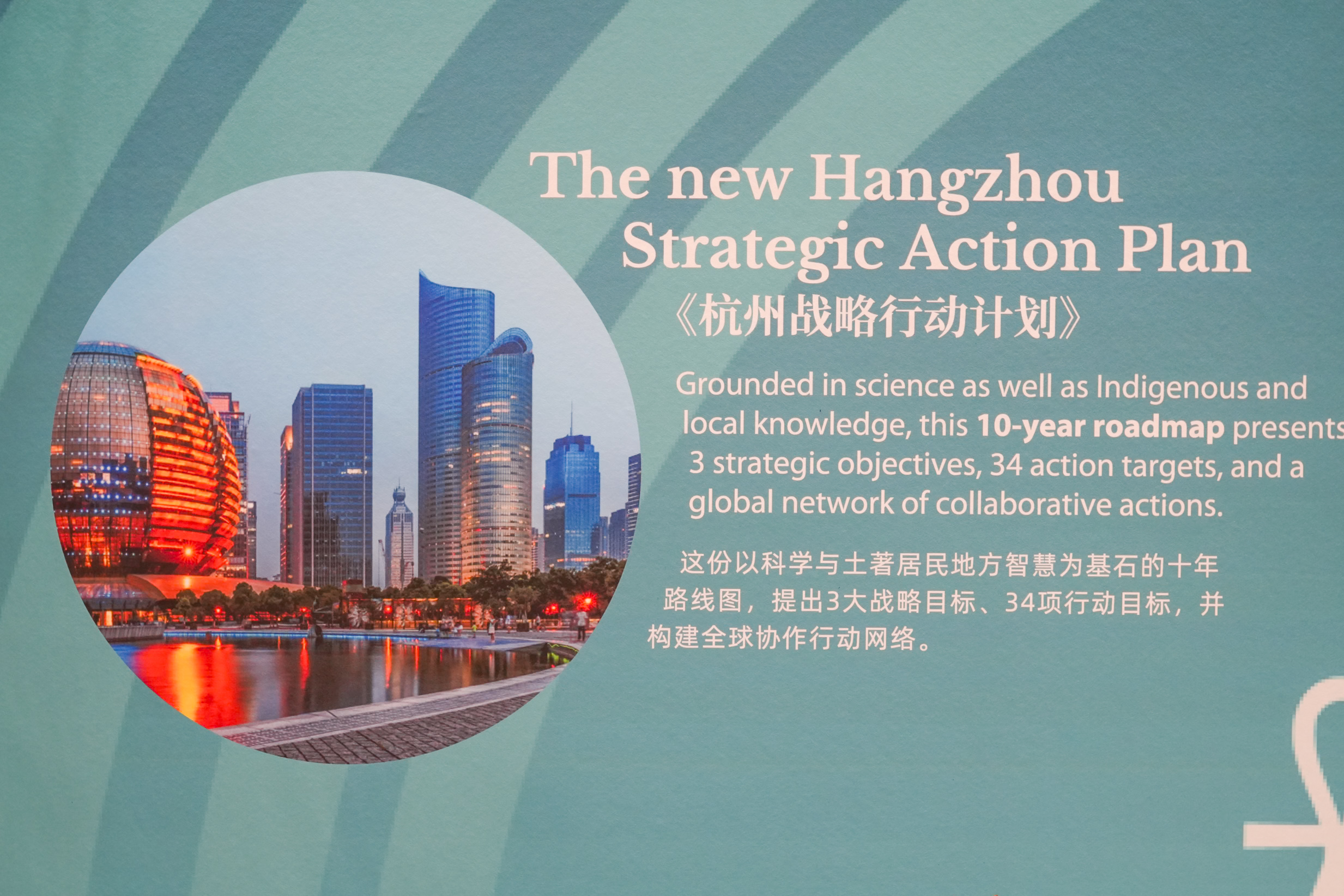
The HSAP guides the work of the MAB Programme for the period 2026-2035 with 34 action targets contributing to three core objectives, on:
- advancing multilateral environmental agreements and the 2030 Agenda for Sustainable Development;
- strengthening and developing the MAB Programme and the WNBR; and
- inspiring sustainable futures through more effective cooperation, education, and science, and inclusive participation, by developing research and sharing knowledge and lessons learned from the WNBR.
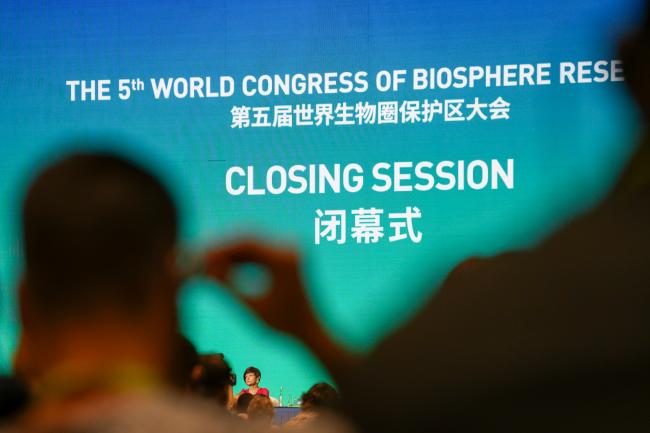
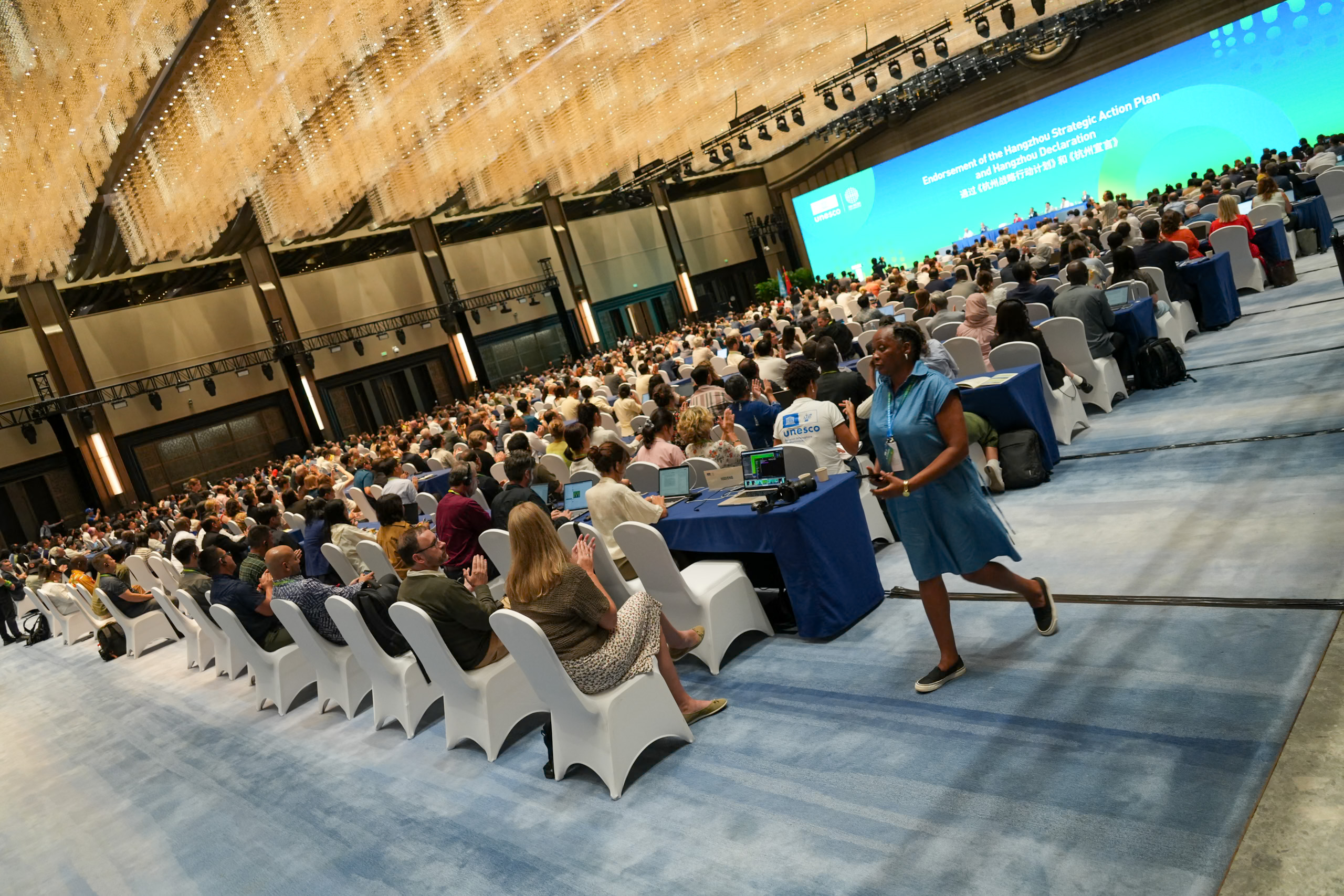
The Congress endorsed the Hangzhou Declaration and the HSAP by acclamation.
He Hongping, Vice President, Chinese Academy of Sciences, underscored China’s commitment to promoting an ecological civilization, and called on delegates to continue working together to set out the path toward more inclusive governance structures for biosphere reserves that act as models for sustainable development beyond the reach of the MAB community.
As the Congress drew to a close, Simona-Mirela Niculescu, President of the 42nd session of the UNESCO General Conference, encouraged participants to be “audacious in action” for advancing human rights, peace, and sustainable development in their home countries and biospheres.
The Congress ended at 12:40pm.
To receive free coverage of global environmental events delivered to your inbox, subscribe to the ENB Update newsletter.
All ENB photos are free to use with attribution. For the 5th World Congress of Biosphere Reserves, please use: Photo by IISD/ENB | Andrés Felipe Carvajal Gómez
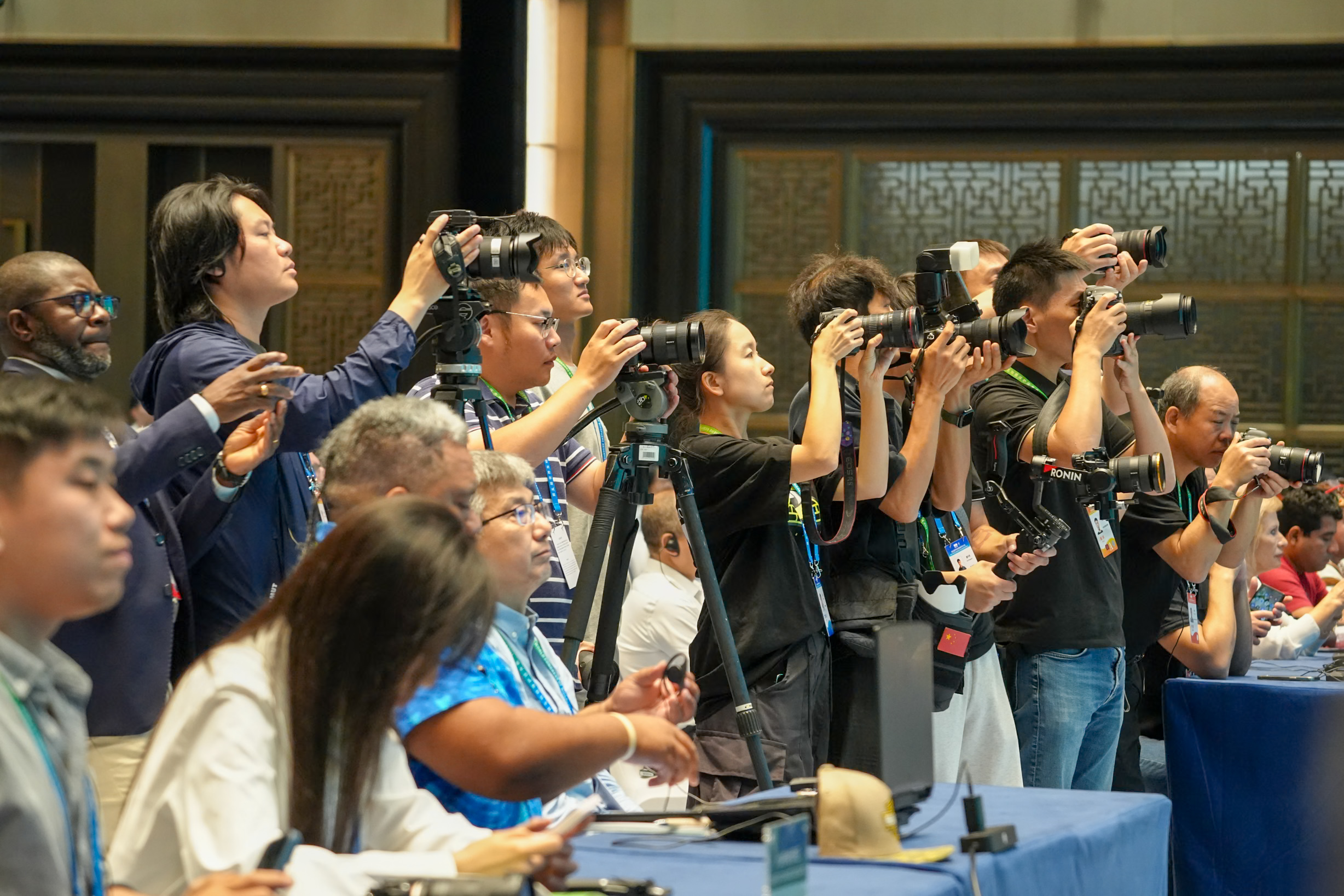
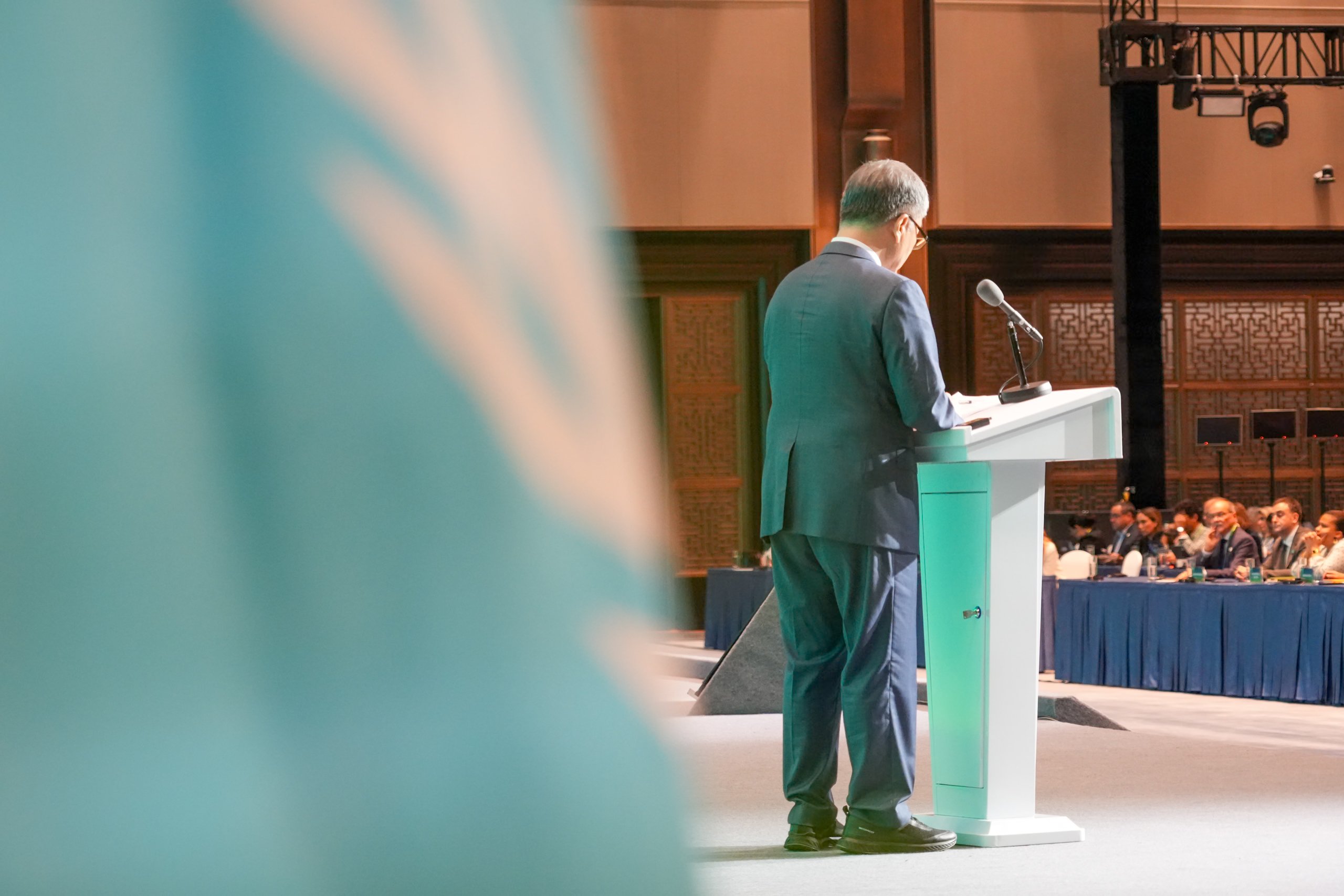
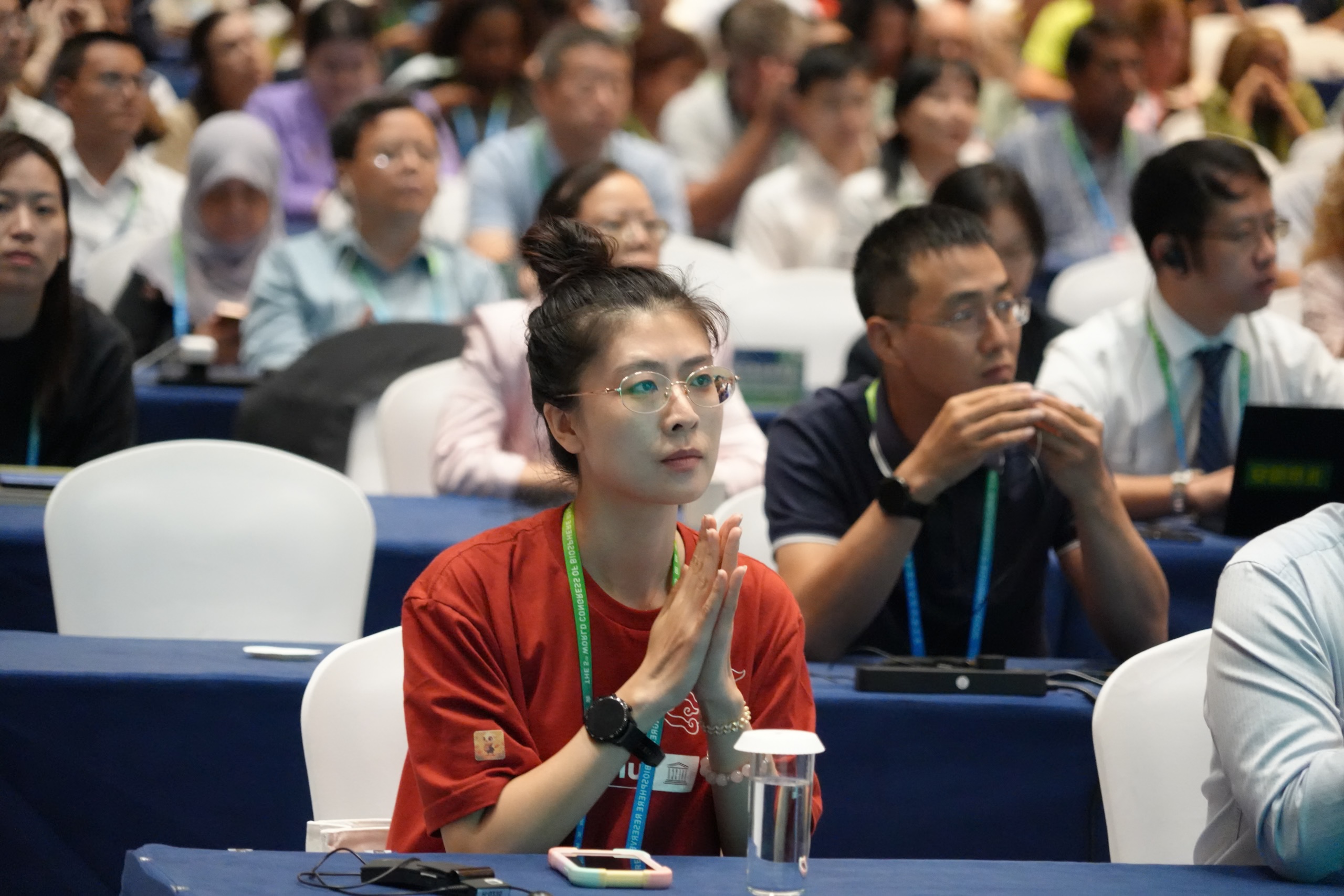
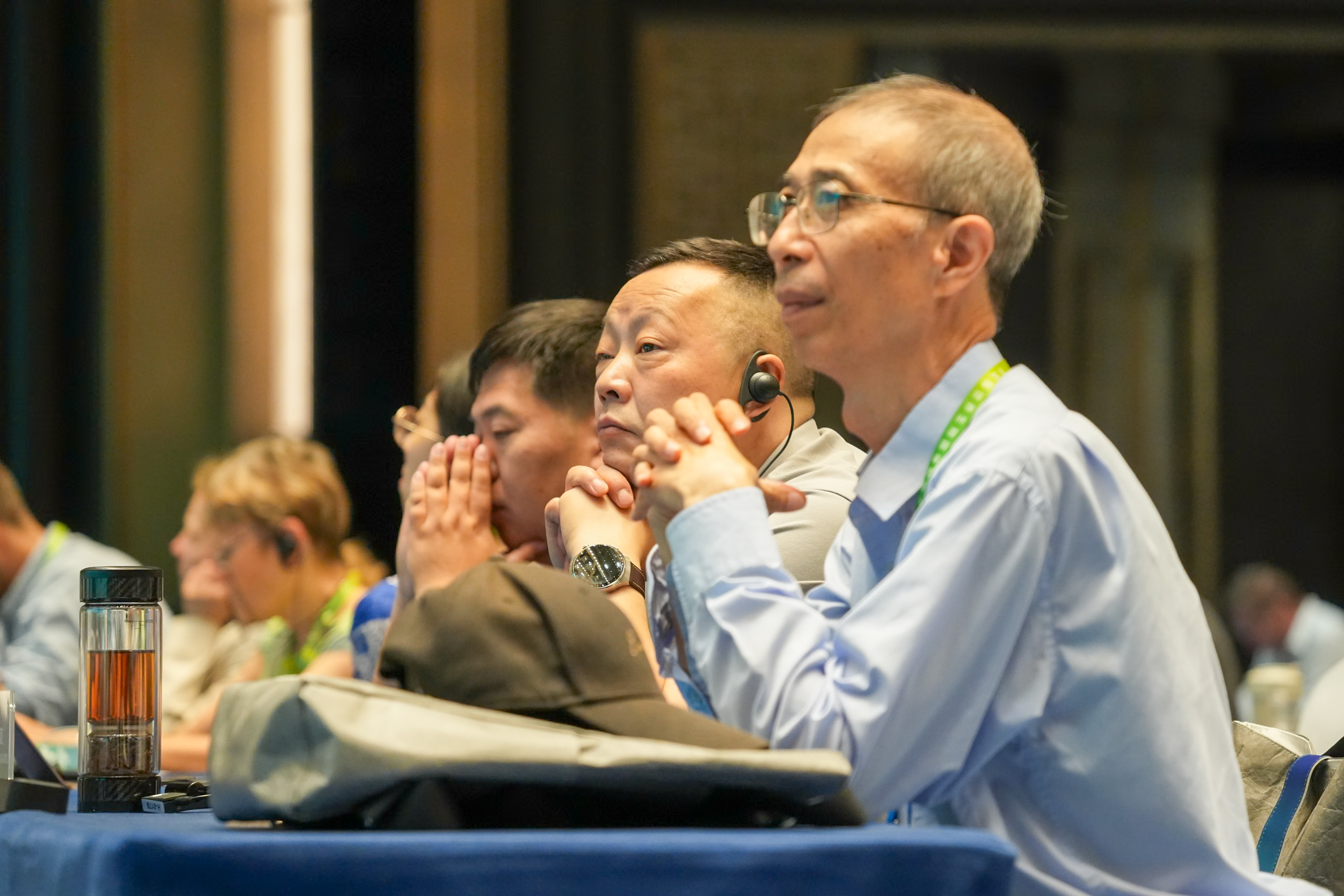
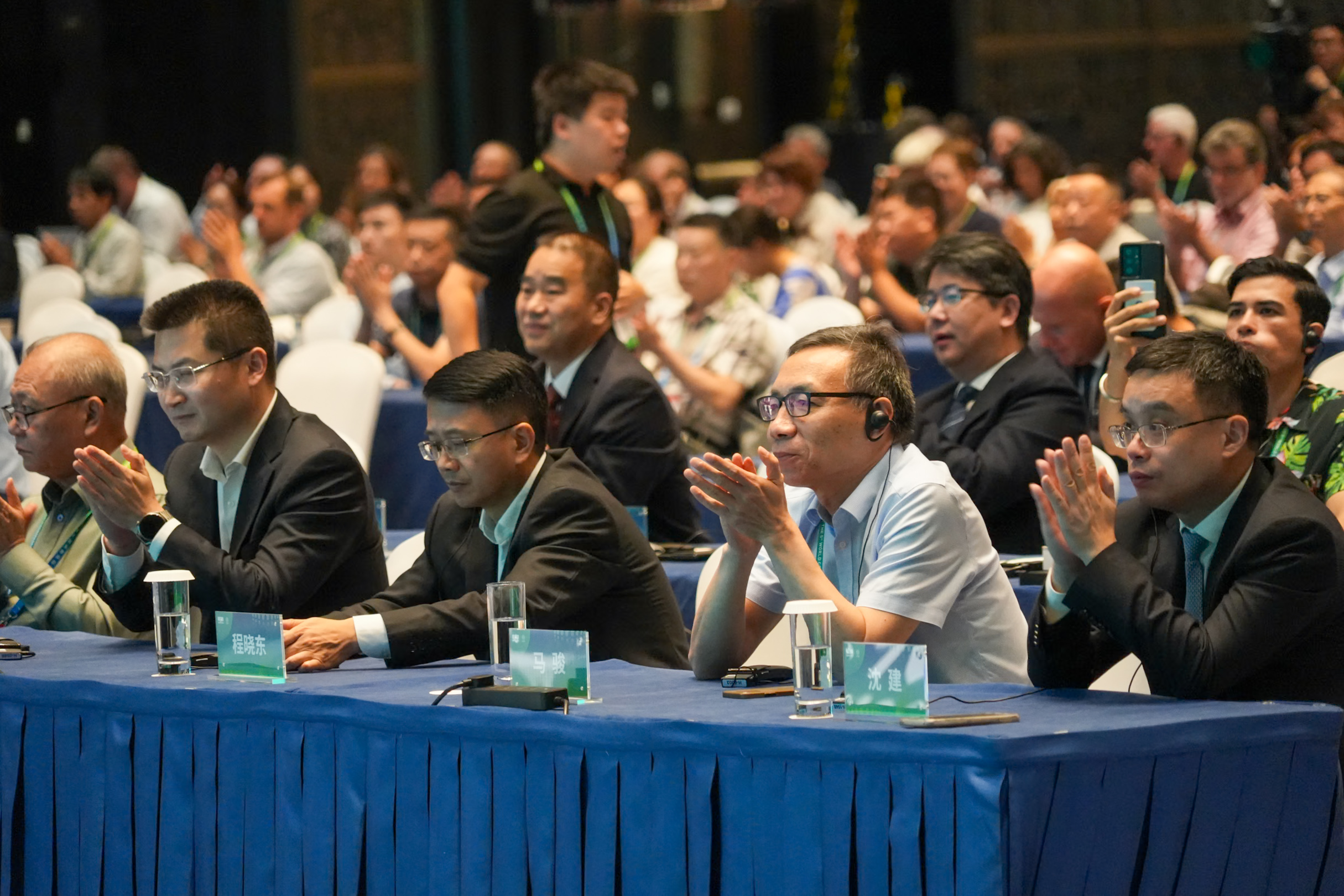
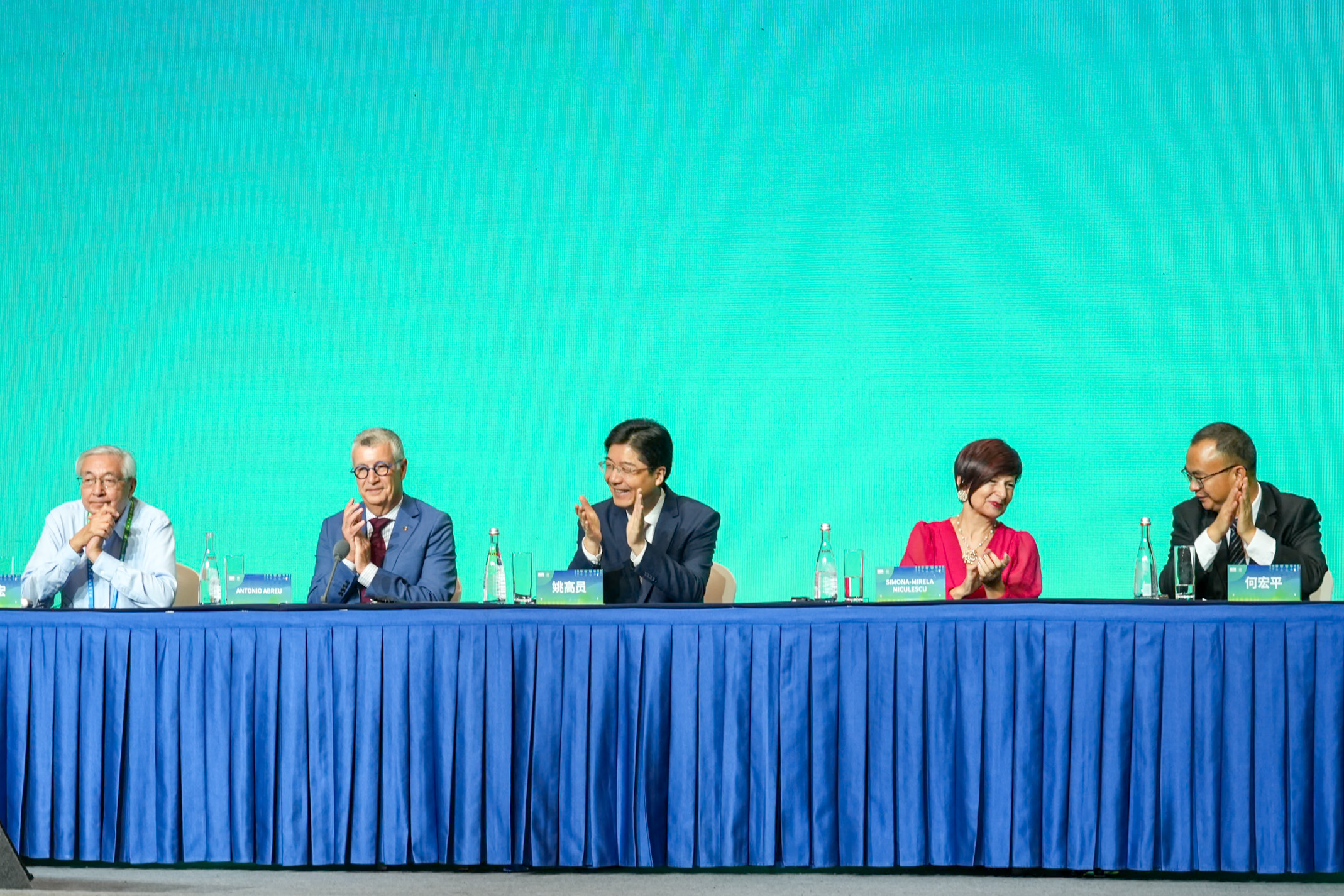
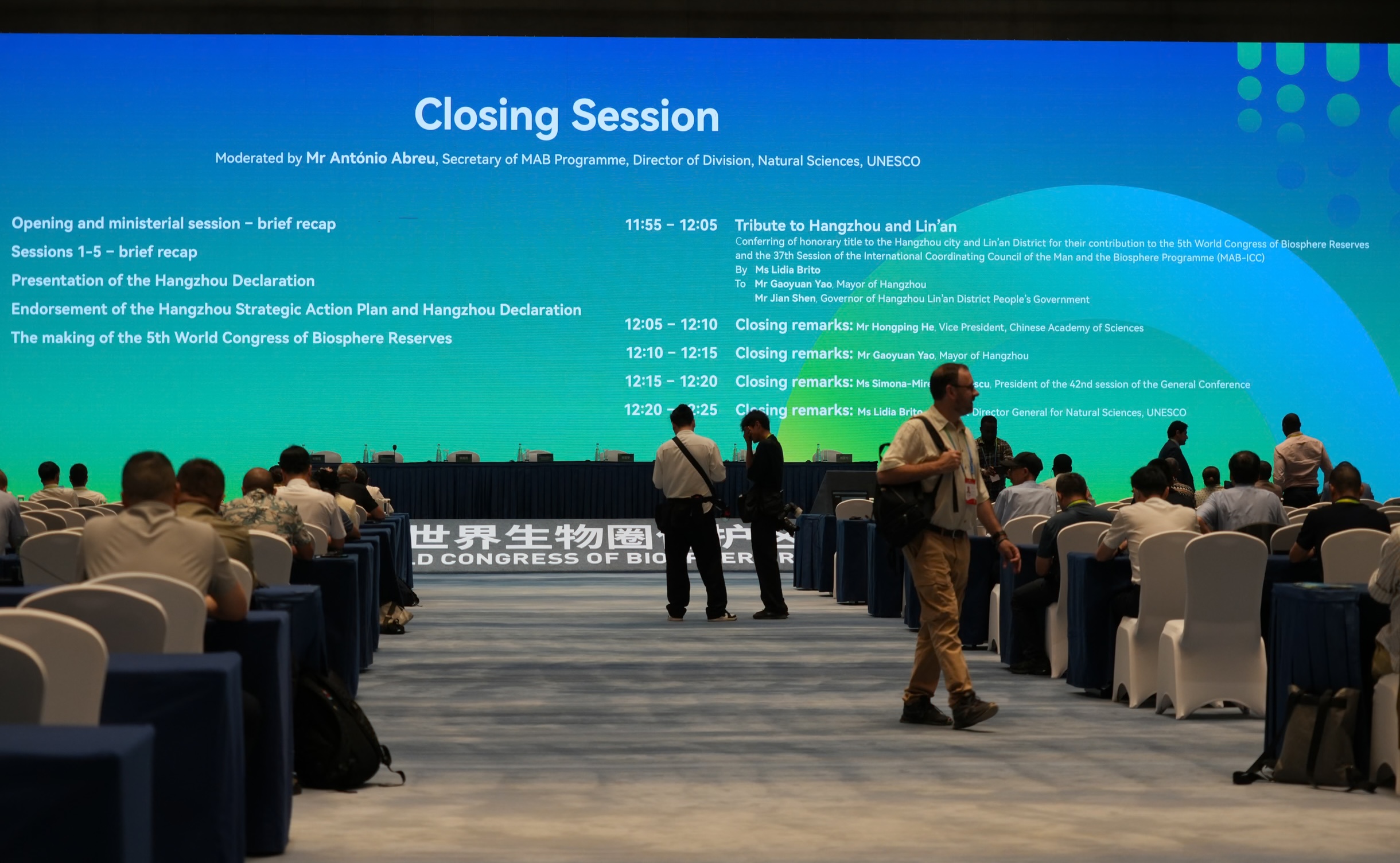
Closing Plenary
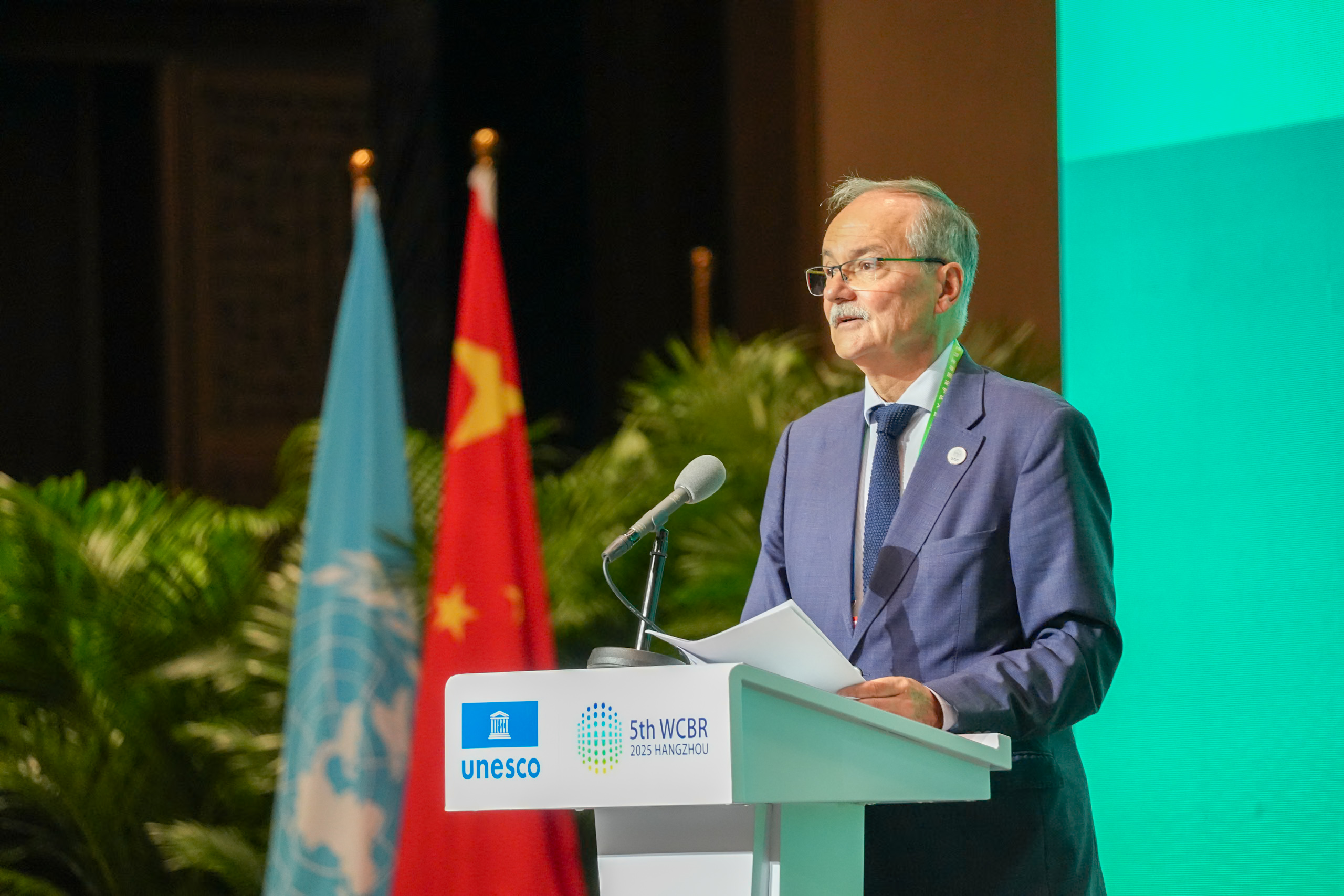
Miguel Clüsener-Godt, Former Secretary of the MAB Programme
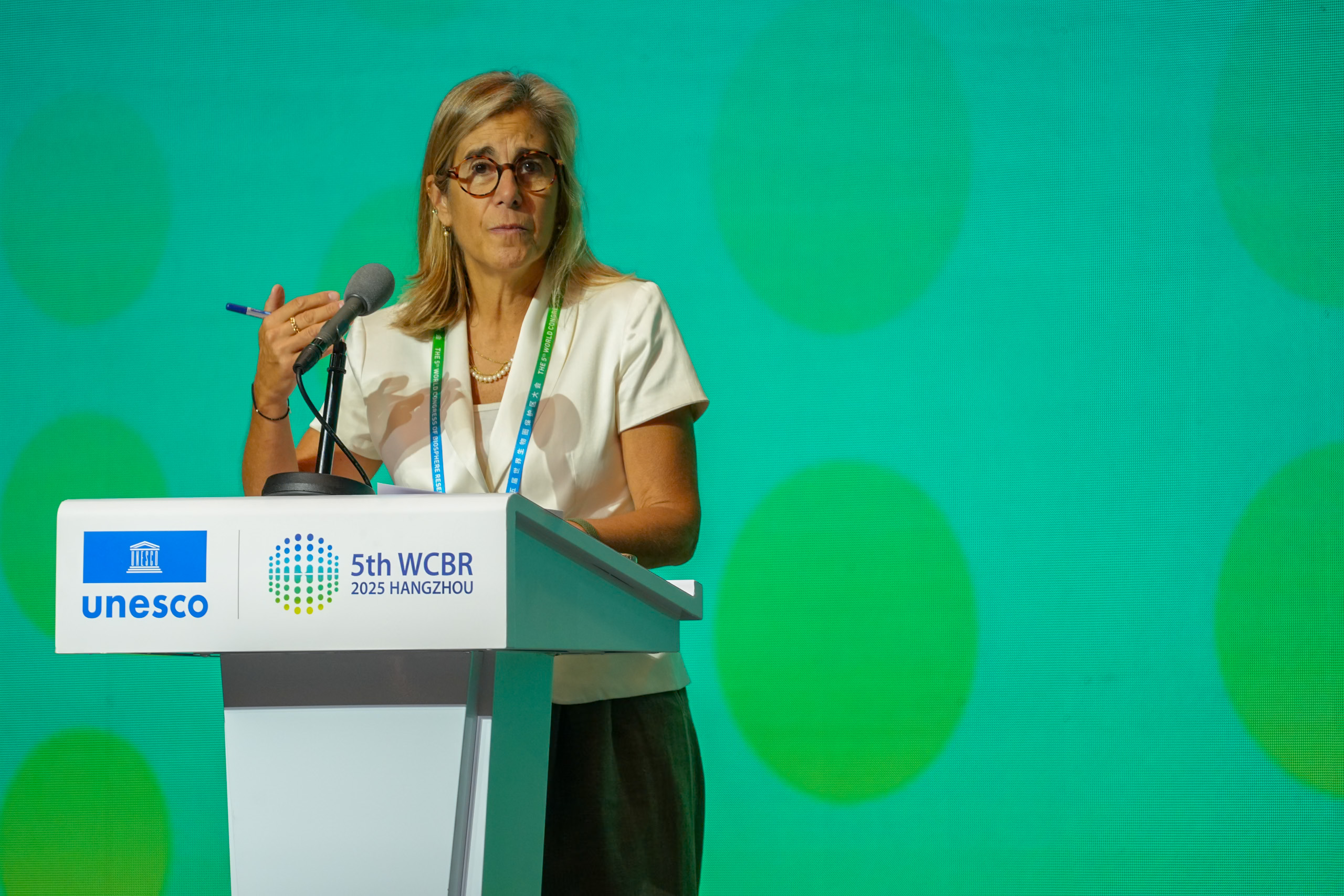
Fernanda Rollo, New University of Lisbon, Portugal
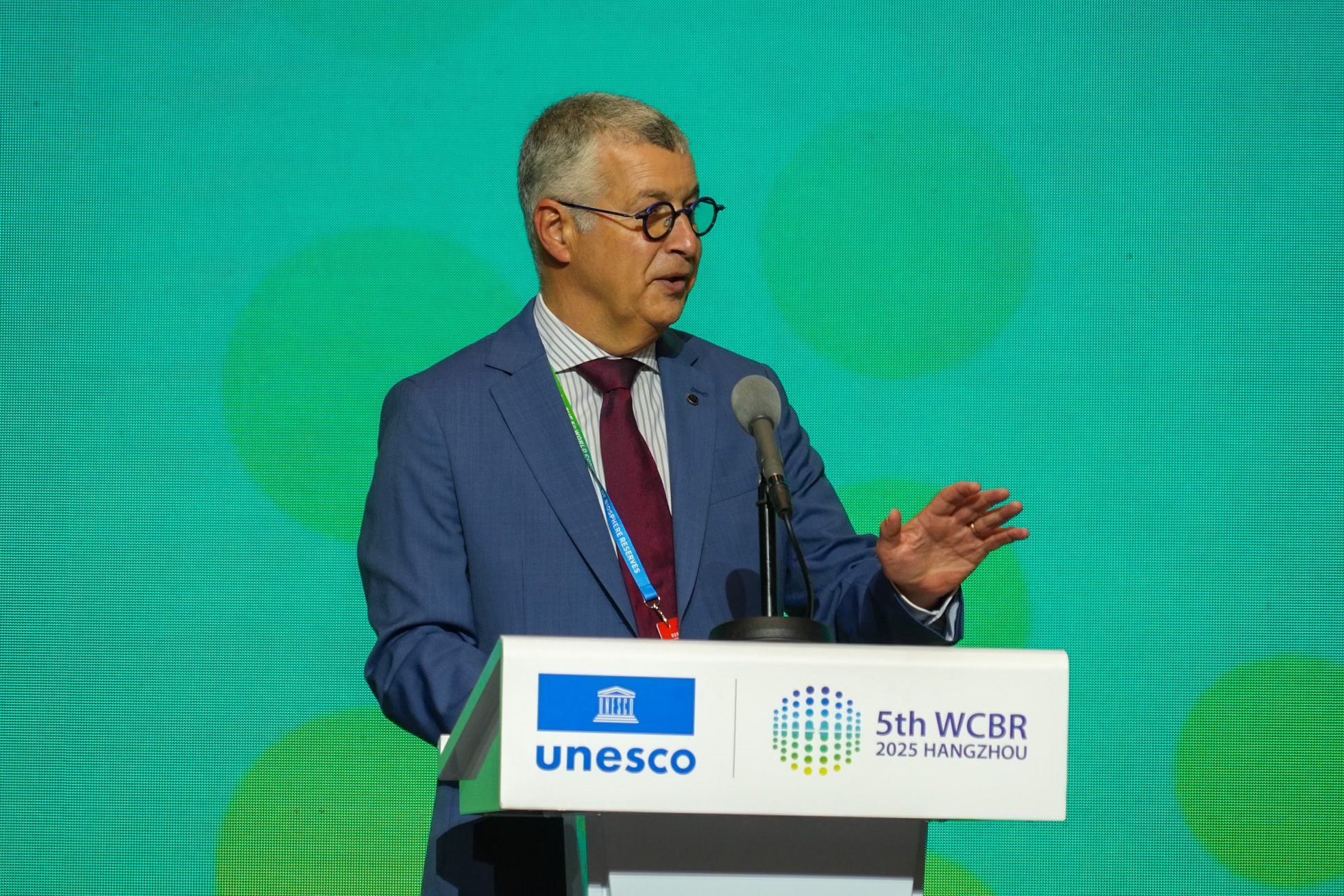
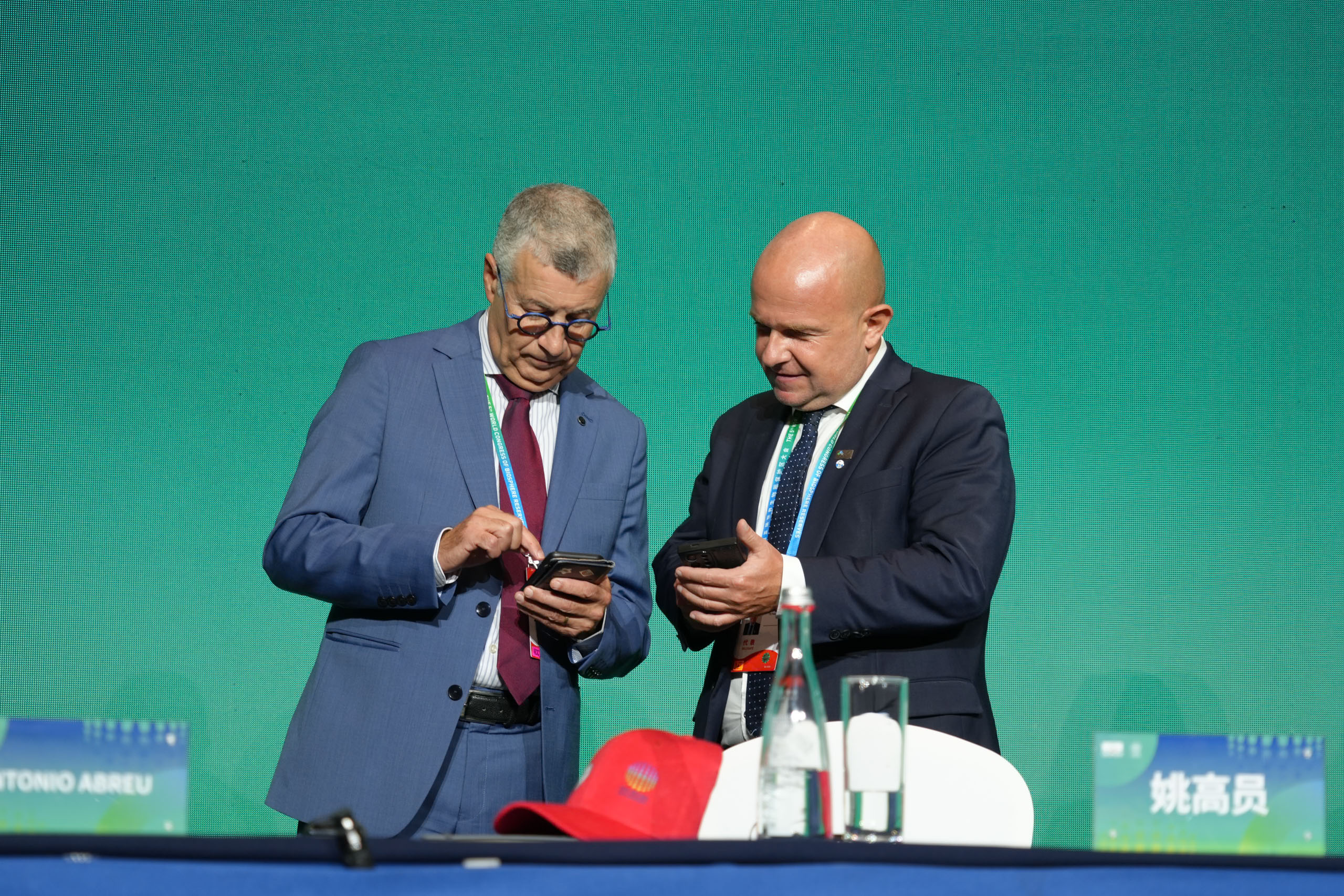
Antonio De Sousa Abreu, UNESCO
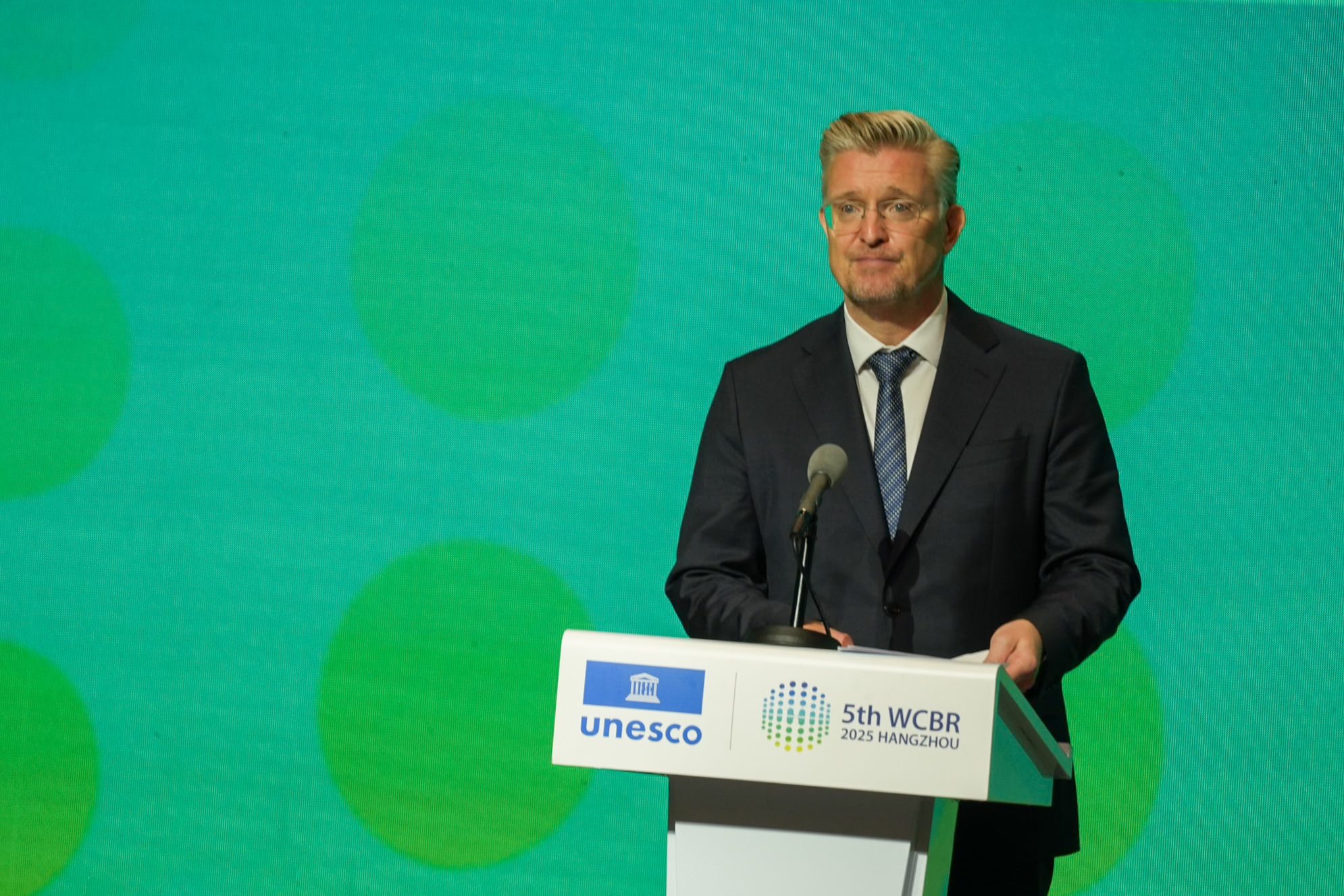
Hans Thulstrup, MAB Secretariat
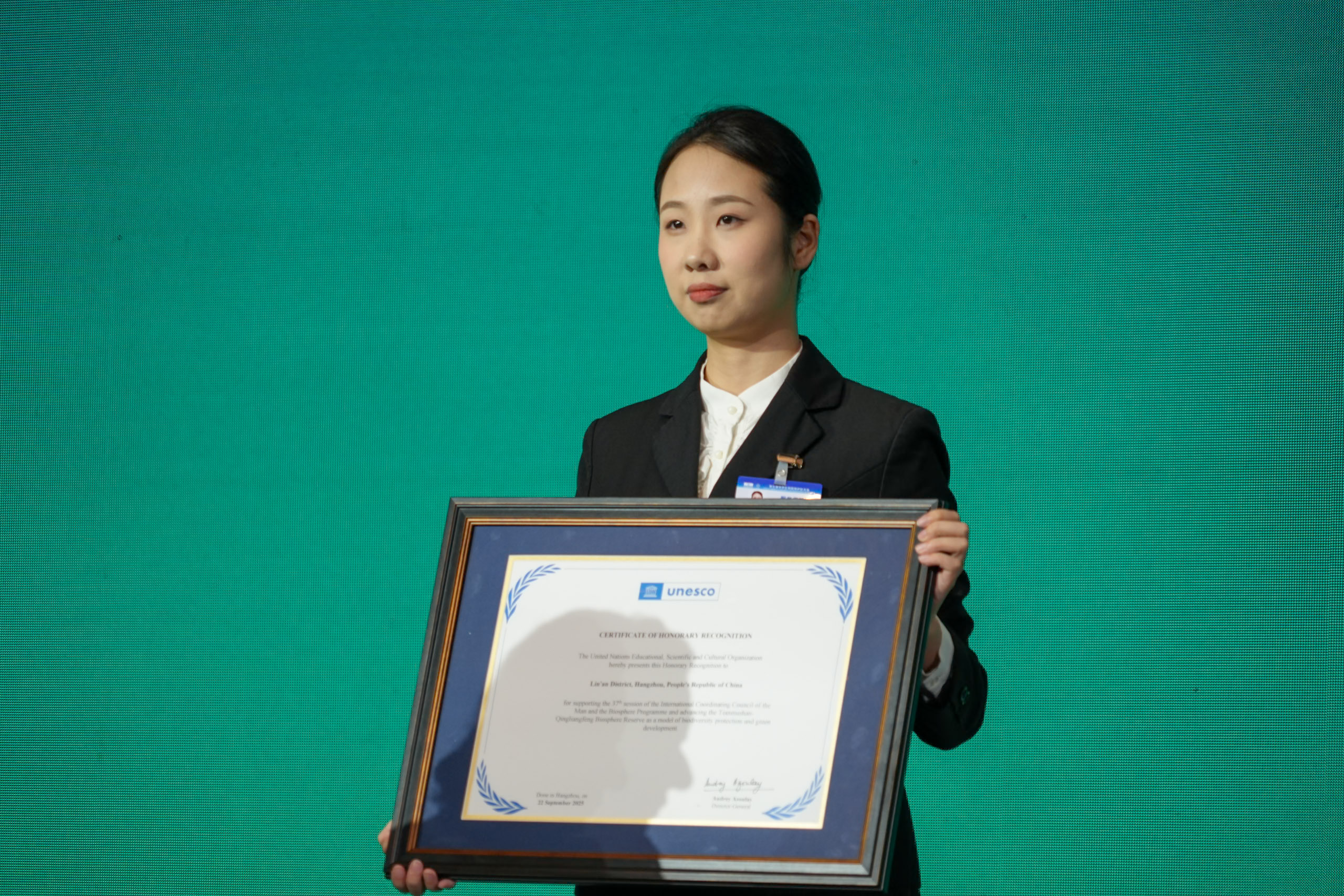
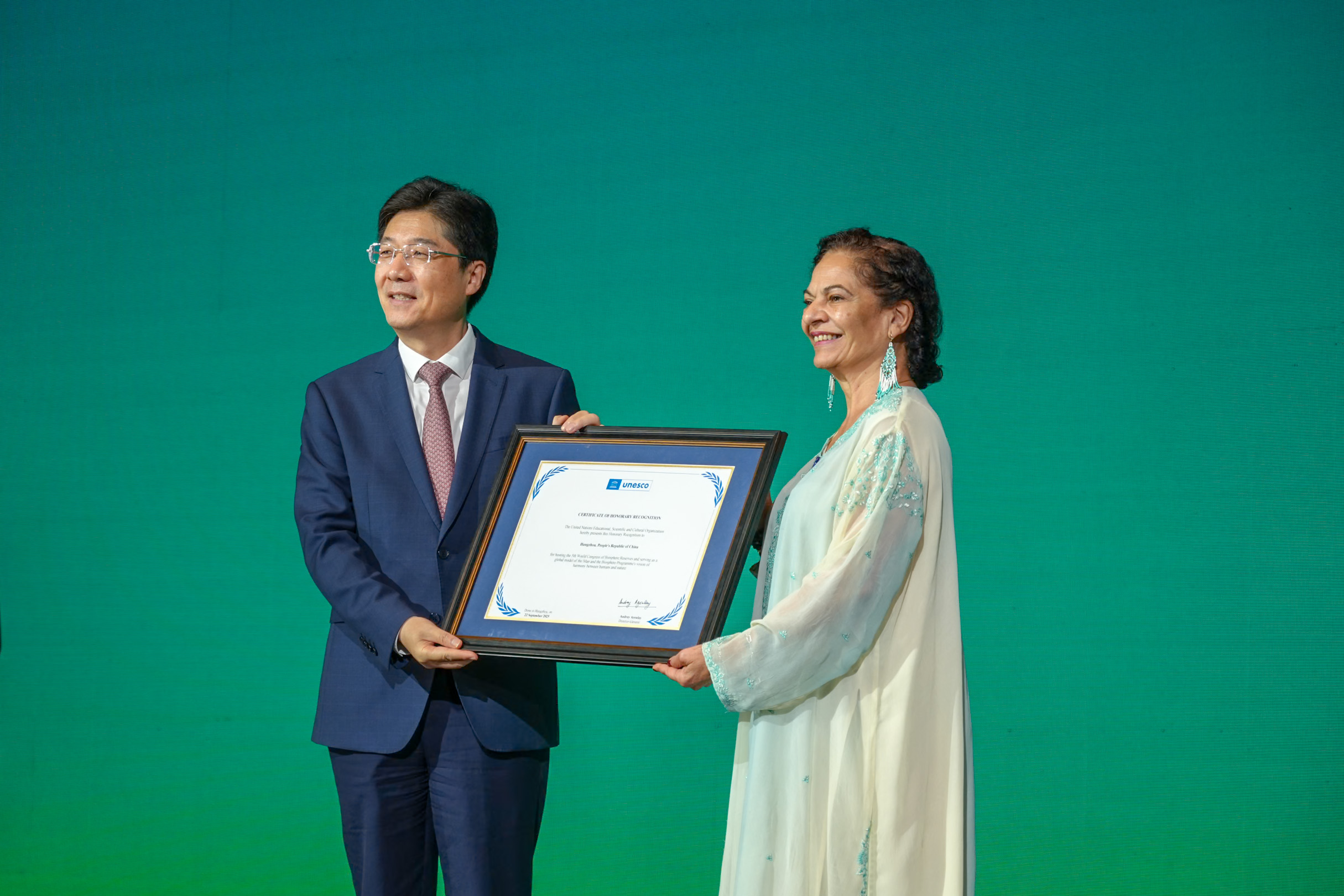
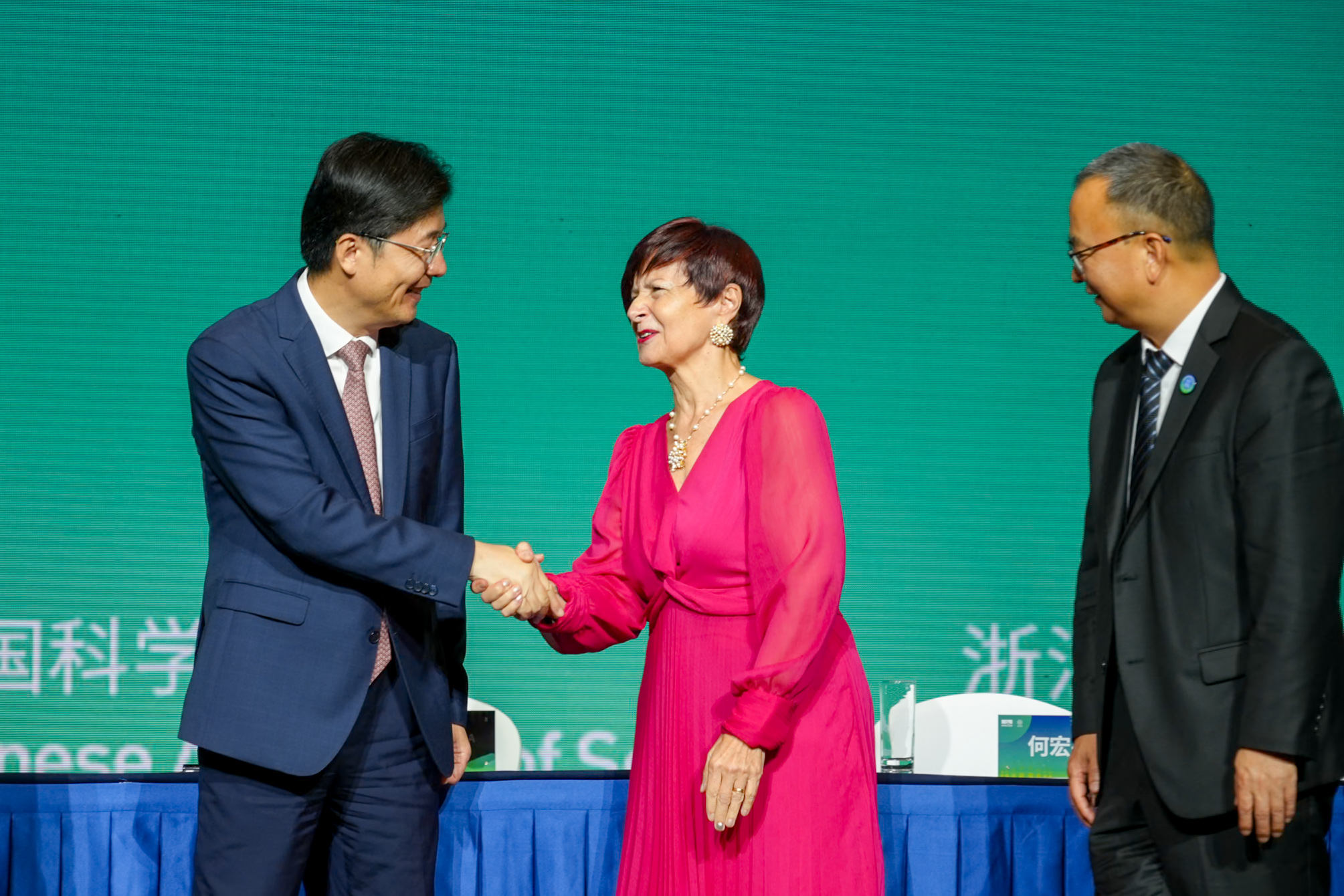
Gaoyuan Yao, Mayor of Hangzhou, China, and Lidia Arthur Brito, Assistant Director-General for Natural Sciences, UNESCO
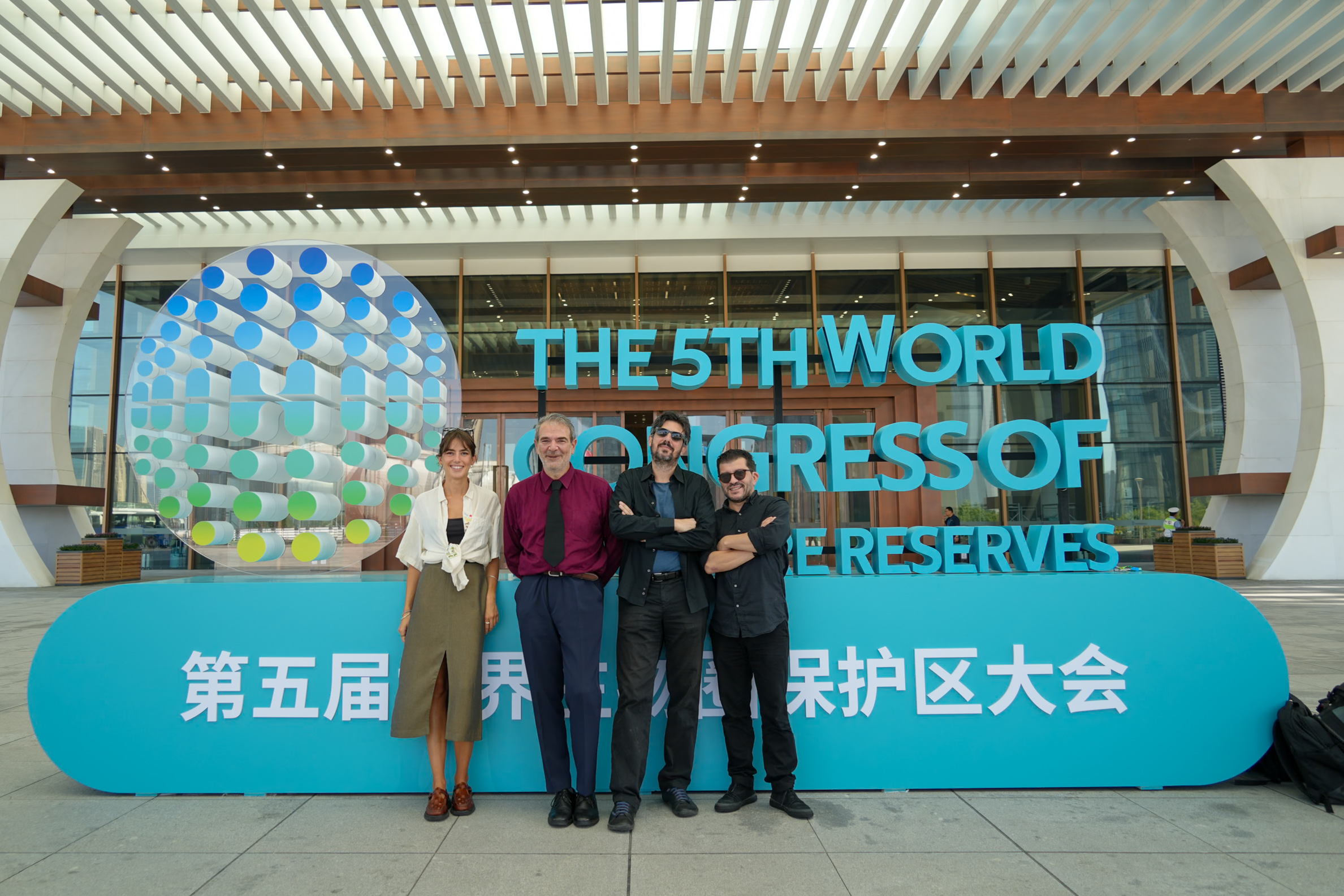
The ENB Team at the 5th WCBR 2025 in Hangzhou, China: Emma Vovk, Asterios Tsioumanis, Mike Muzurakis, and Andrés Felipe Carvajal Gómez
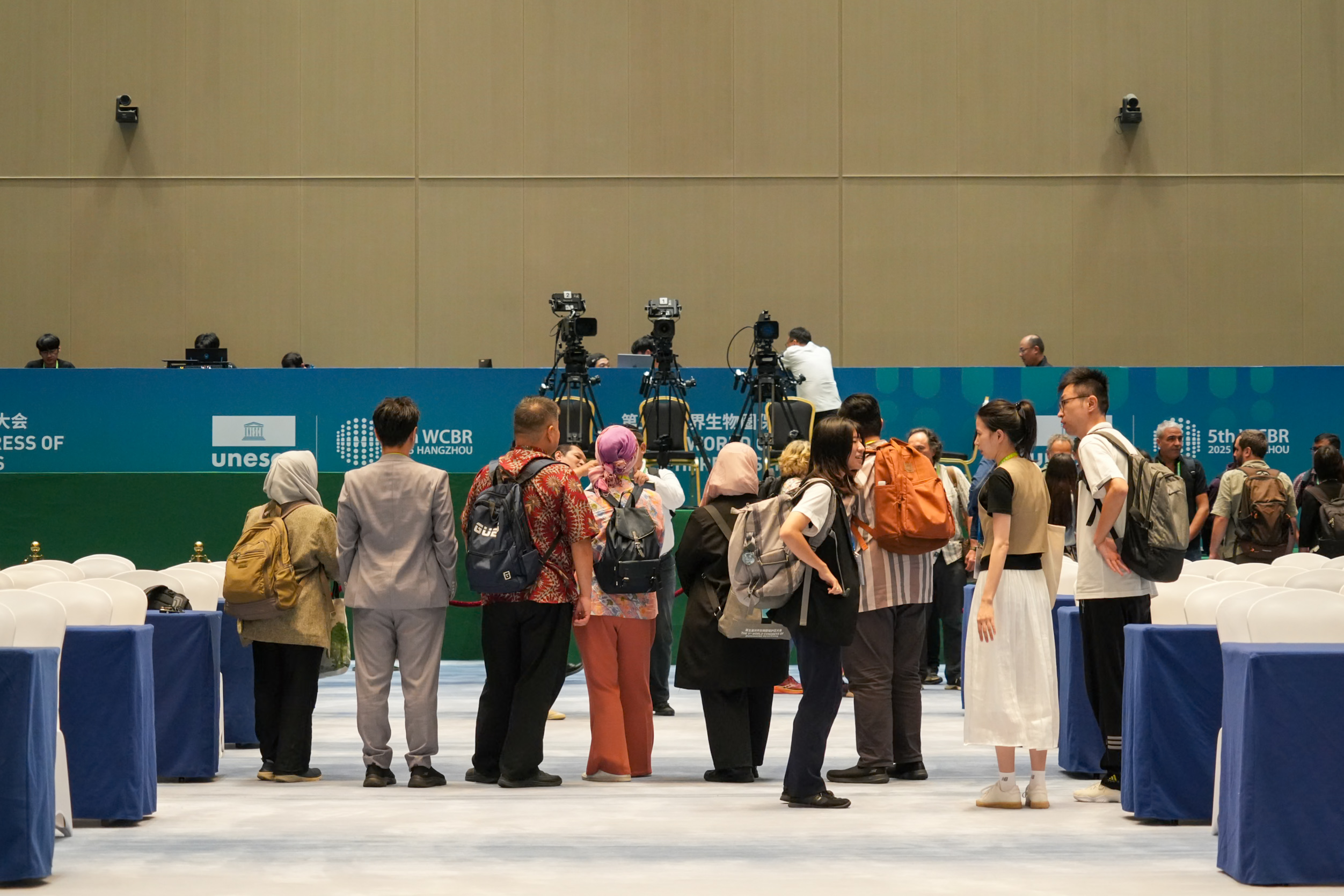
Around the venue