“The World Network of Biosphere Reserves (WNBR) is one of sites, people, and ambitions.” On Wednesday, discussions at the 5th World Congress of Biosphere Reserves spotlighted the reserves’ strengths – their people, and the networks themselves.
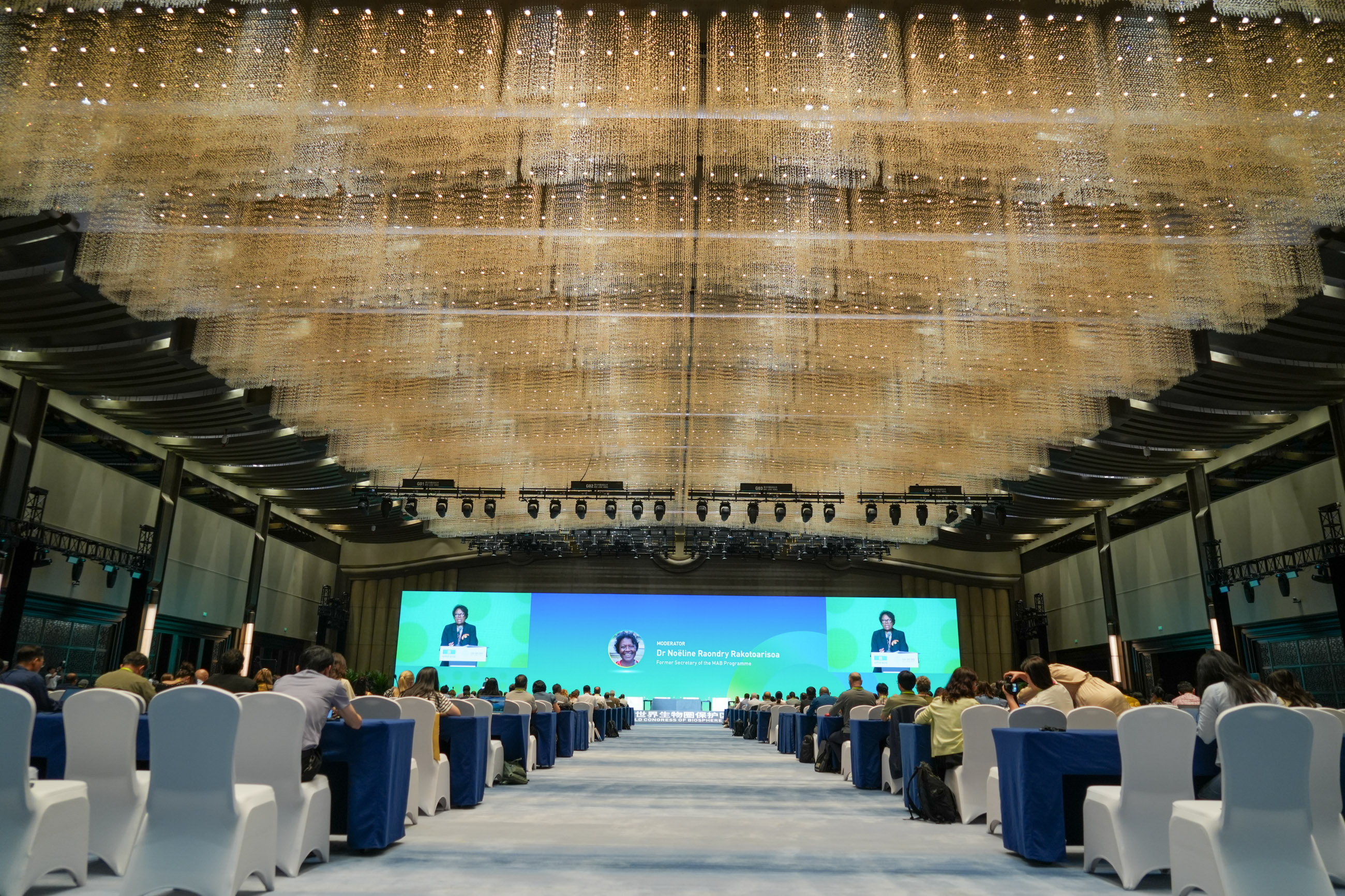
Former Man and Biosphere (MAB) Programme Secretary Noëline Raondry Rakotoarisoa highlighted that the WNBR connects 300 million people globally and has a key role in building resilience through regional cooperation. The MAB Programme coordinates a series of geographical and thematic networks, which convene biosphere reserves that share similar ecosystems, cultures, or geopolitical features, with the aim of facilitating the elaboration of replicable solutions to global challenges.
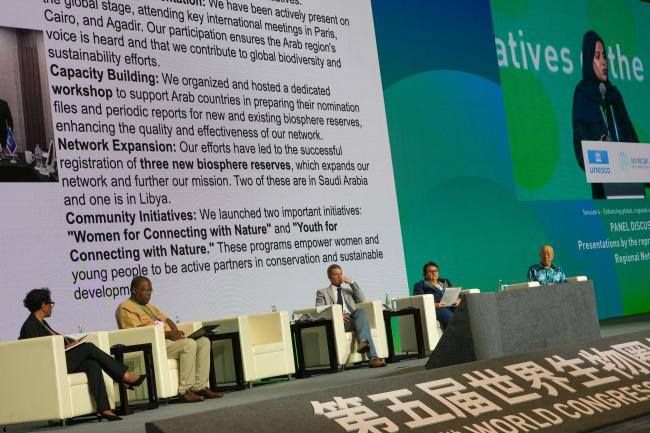
In the morning, representatives from regional and thematic networks reported advances in contributing to global biodiversity, climate, and sustainable development agendas, and considered opportunities and challenges for enhancing the networks in the decade ahead.
Common needs among regional networks include:
- increasing the visibility of biosphere reserves, with several panelists noting that success stories can go unrecognized;
- better equipping biosphere reserves with the appropriate tools and human and financial resources for implementing the ambitious targets of the Hangzhou Strategic Action Plan (HSAP); and
- strengthening collaboration and knowledge sharing between networks, the private sector, and academia.
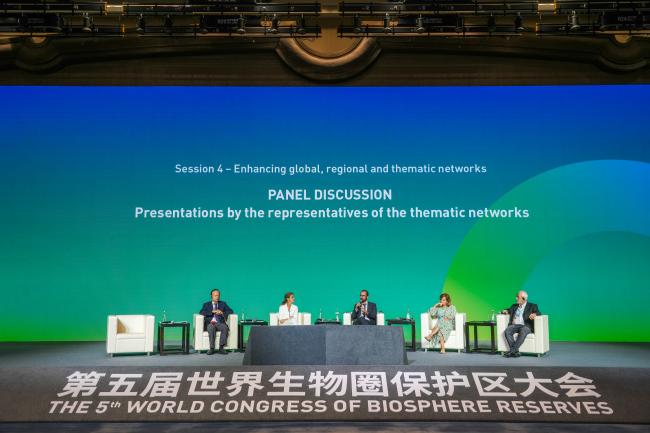
Thematic networks' spokespeople highlighted the value of their diverse ecological and cultural features, spanning mountainous regions to caves and coastal and island ecosystems. They shared experiences from running needs-focused capacity-building activities in the future and highlighted the importance of community engagement.
Across the day, discussions returned to the central themes of how to: foster cross-sectoral collaboration; secure stable funding sources to enable continued capacity- building activities in the future; and improve the inclusive governance of biosphere reserves.
In the afternoon, delegates engaged in several dialogues on biosphere reserve management, focusing on the roles, rights, and contributions of Indigenous Peoples, youth, and women to the WNBR. Speakers underlined that these groups have been historically excluded from meaningful participation in biosphere reserve governance, despite being recognized as key custodians of ecological and cultural diversity.
Sharing best practices and lessons learned from their regions, participants highlighted initiatives advancing the full and equitable participation of Indigenous Peoples in decision-making processes, such as the Ibero-American MAB Network’s (IberoMAB) Action Framework for Indigenous and Afrodescendant Rights in Latin American and Caribbean Biosphere Reserves.
Further case studies underlined the development of biodiversity conservation projects that combine modern and traditional methods, knowledge, and tools, to strengthen biodiversity monitoring activities. Panelists emphasized the co-benefits of strengthening community engagement toward enhancing the resilience of biosphere reserves.
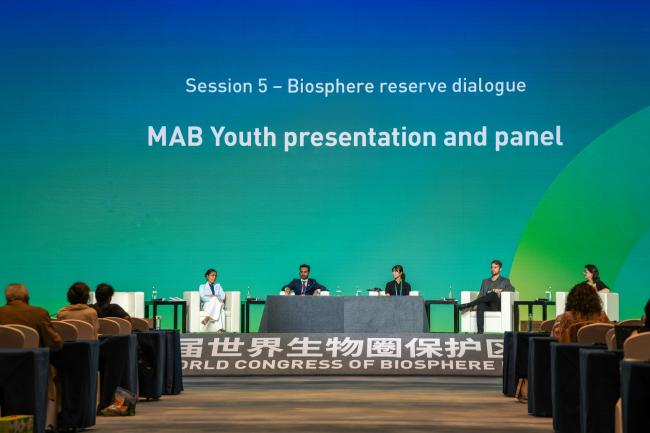
The youth dialogue underlined the importance of engaging youth at all levels of governance and implementation. As one panelist emphasized, “empowering youth today means safeguarding Africa’s biospheres tomorrow. Among other things, delegates: called for resources and institutional support to strengthen capacities of biosphere reserves’ future leaders; addressed the need to tackle socioeconomic factors such as high unemployment rates that disincentivize youth from staying in their communities; and shared lessons learned in establishing youth networks.
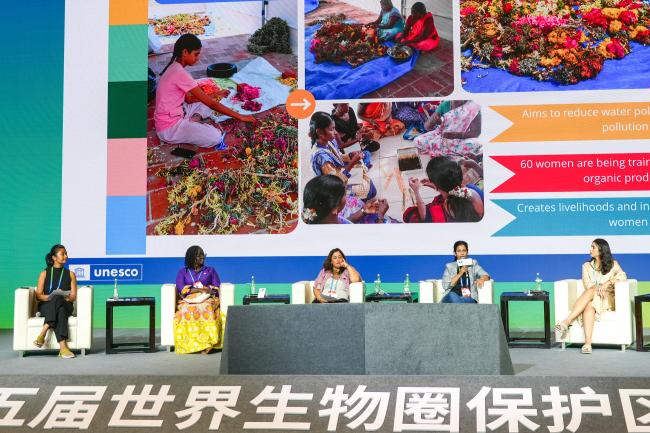
Last but not least, the dialogues considered the critical roles of women in biosphere reserve management. Panelists stressed that despite being on the front line of conservation actions, they remain underrepresented in decision making. Sharing success stories and challenges from around the globe, they agreed that “change can only take place one biosphere reserve at a time, one woman at a time, one young person at a time – and it starts here.”
To receive free coverage of global environmental events delivered to your inbox, subscribe to the ENB Update newsletter.
All ENB photos are free to use with attribution. For the 5th World Congress of Biosphere Reserves, please use: Photo by IISD/ENB | Andrés Felipe Carvajal Gómez
Session 4 – Enhancing global, regional and thematic networks
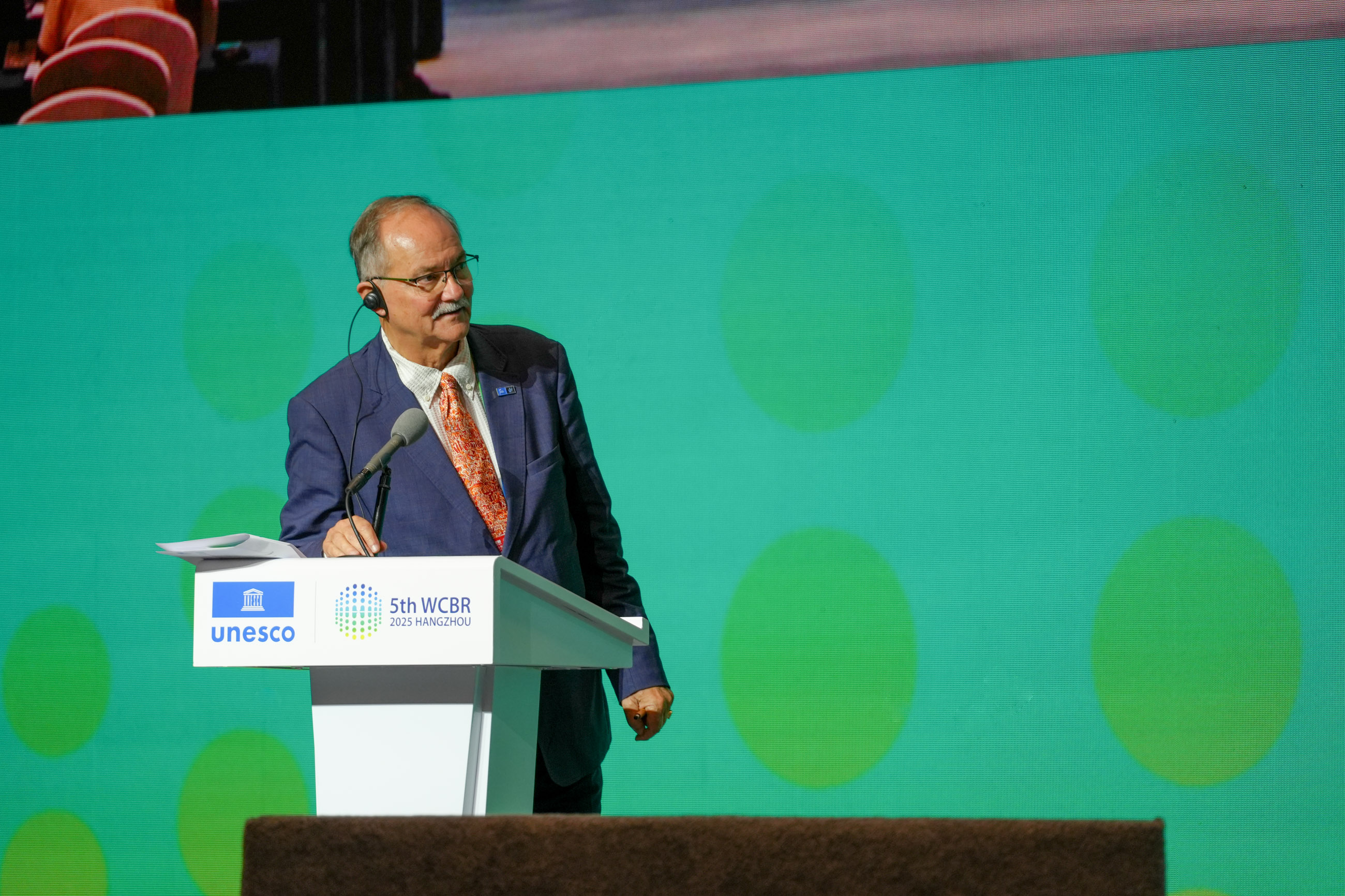
Miguel Clüsener-Godt, Former Secretary of the MAB Programme, and Director, Division of Ecological and Earth Sciences, UNESCO
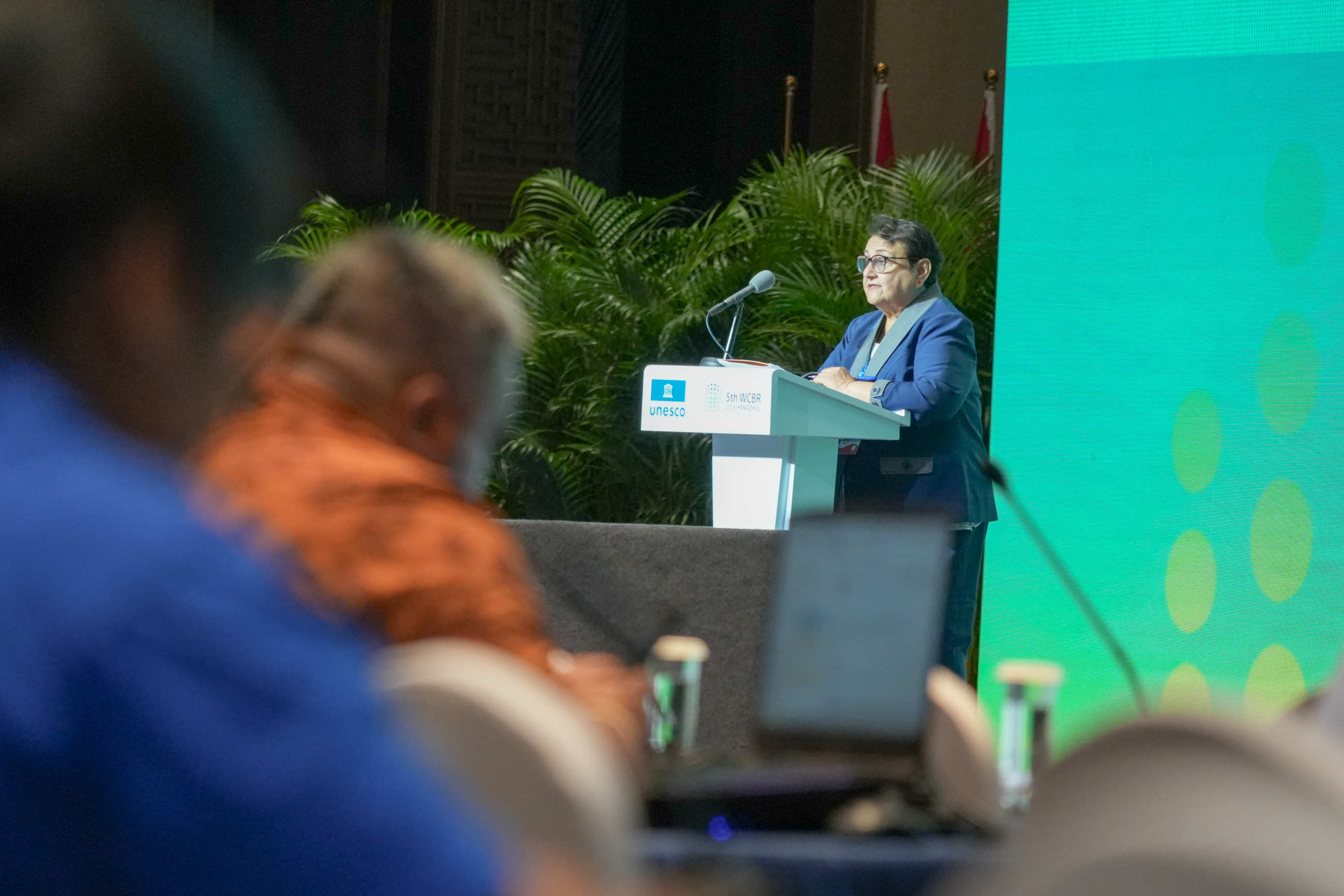
Rosario Barrera, Vice-President, Board of the Ibero-American MAB Network (IberoMAB)
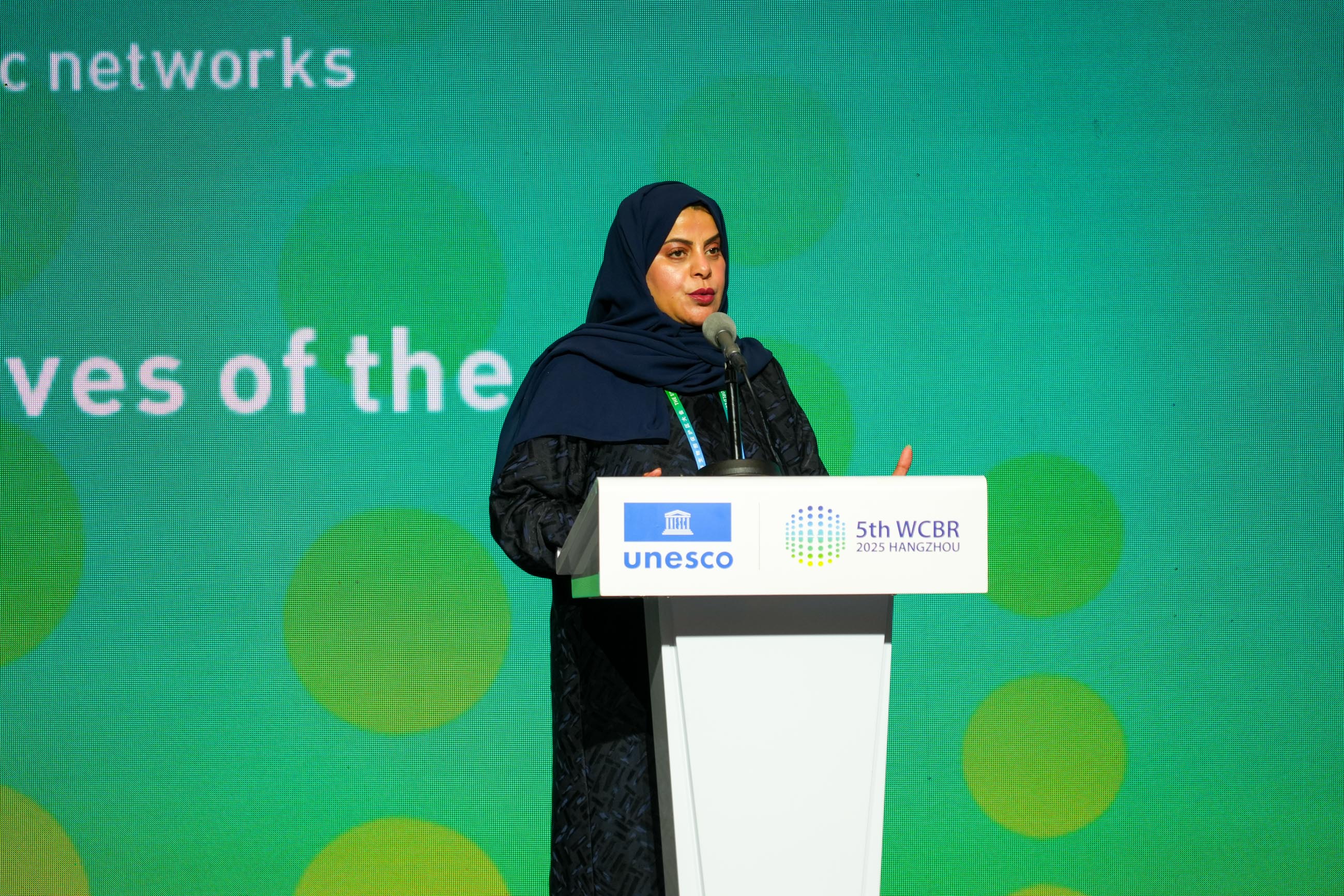
Aseela Al Moalla, Chair, Arab States Biosphere Reserves Network (ArabMAB)
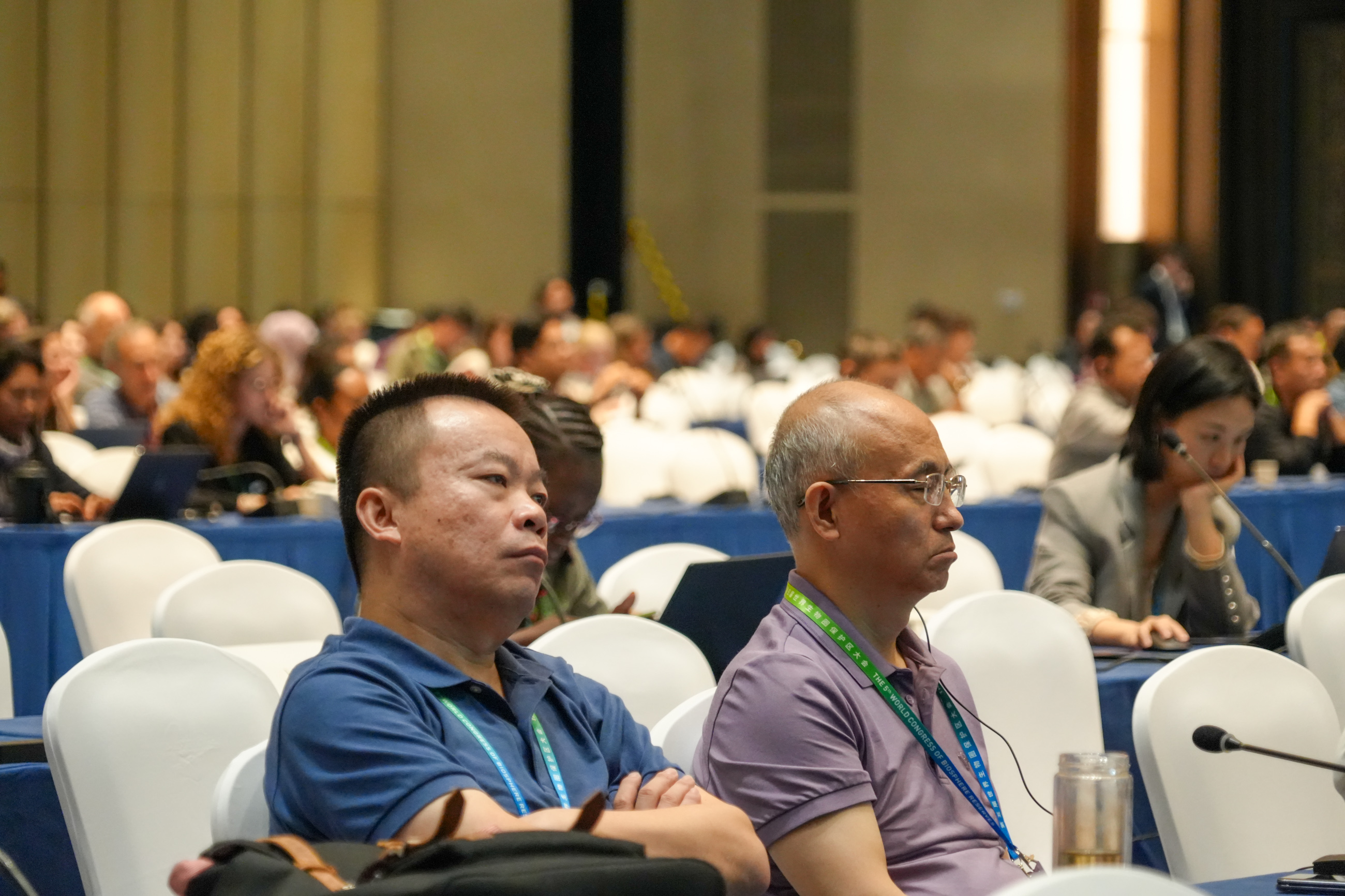
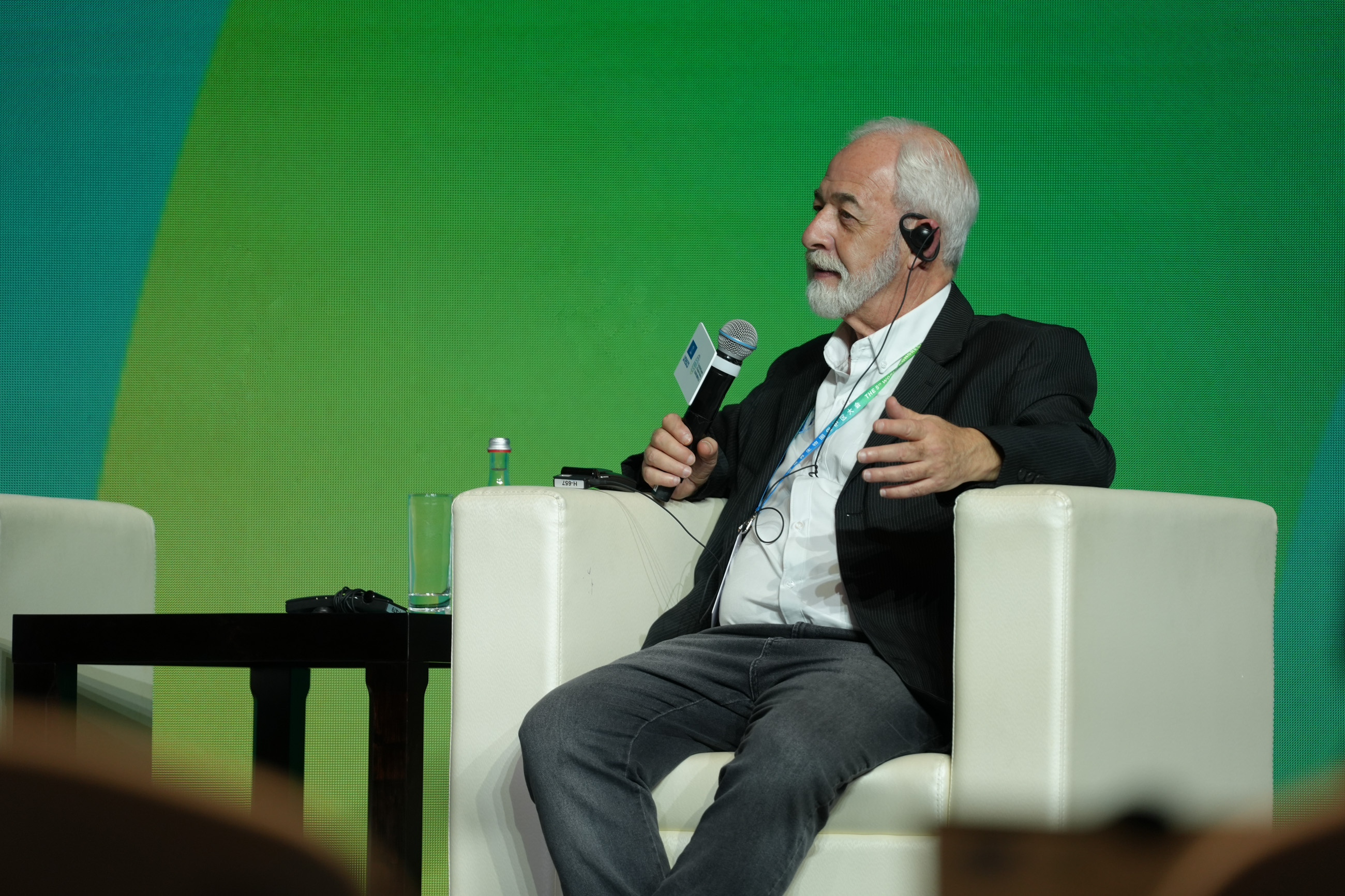
Clayton Lino, Representative, CaveMAB Network
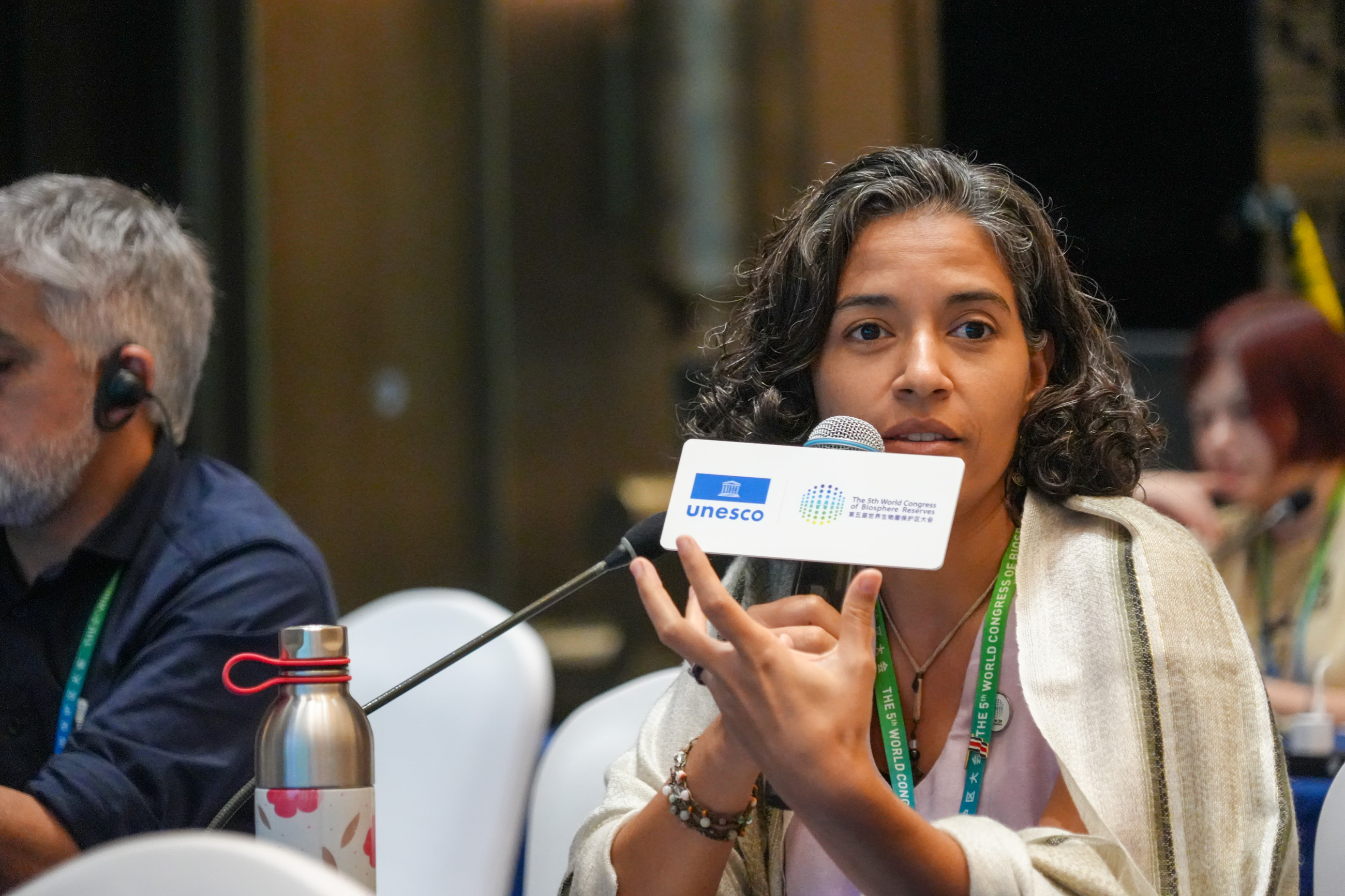
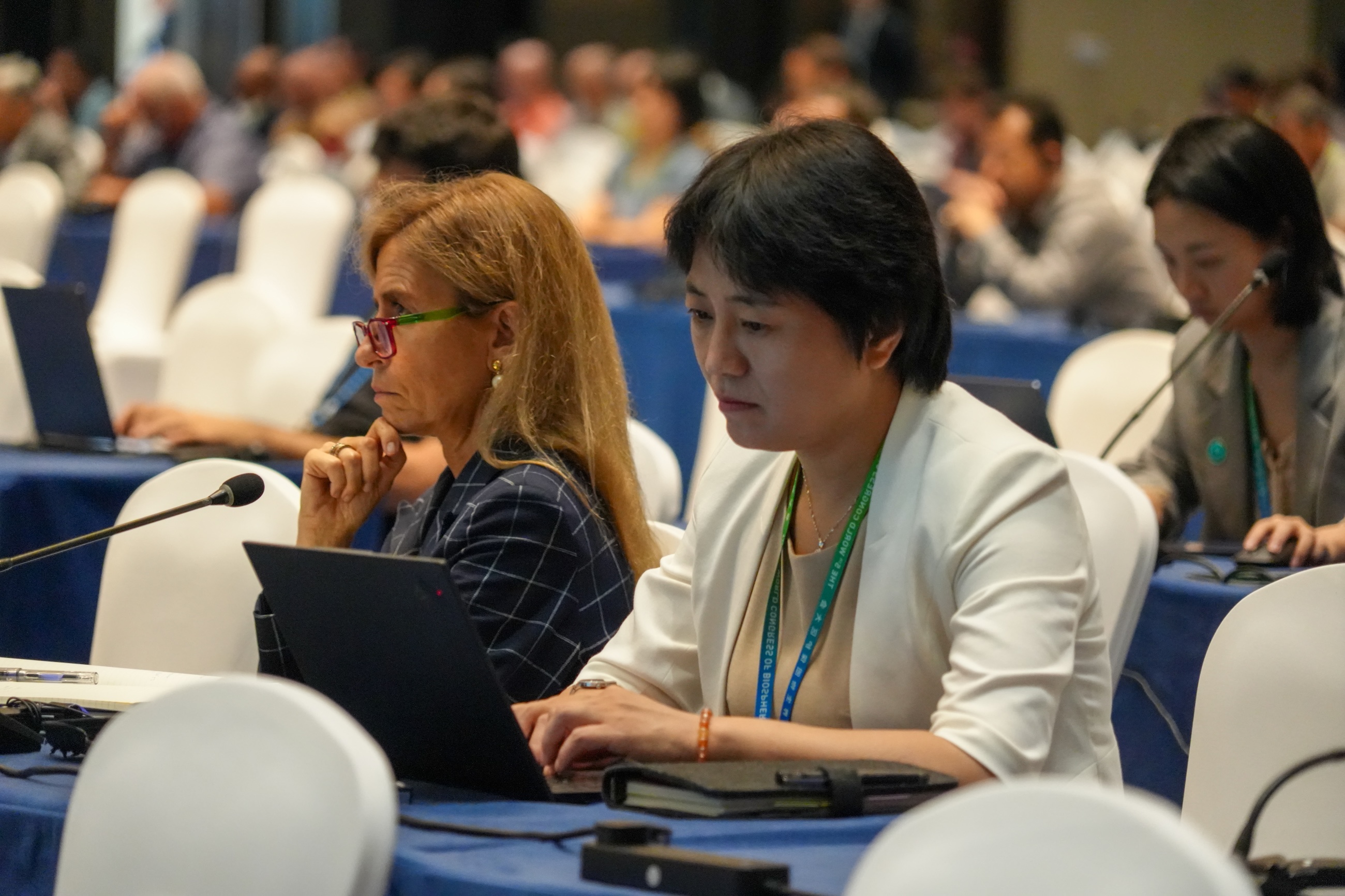
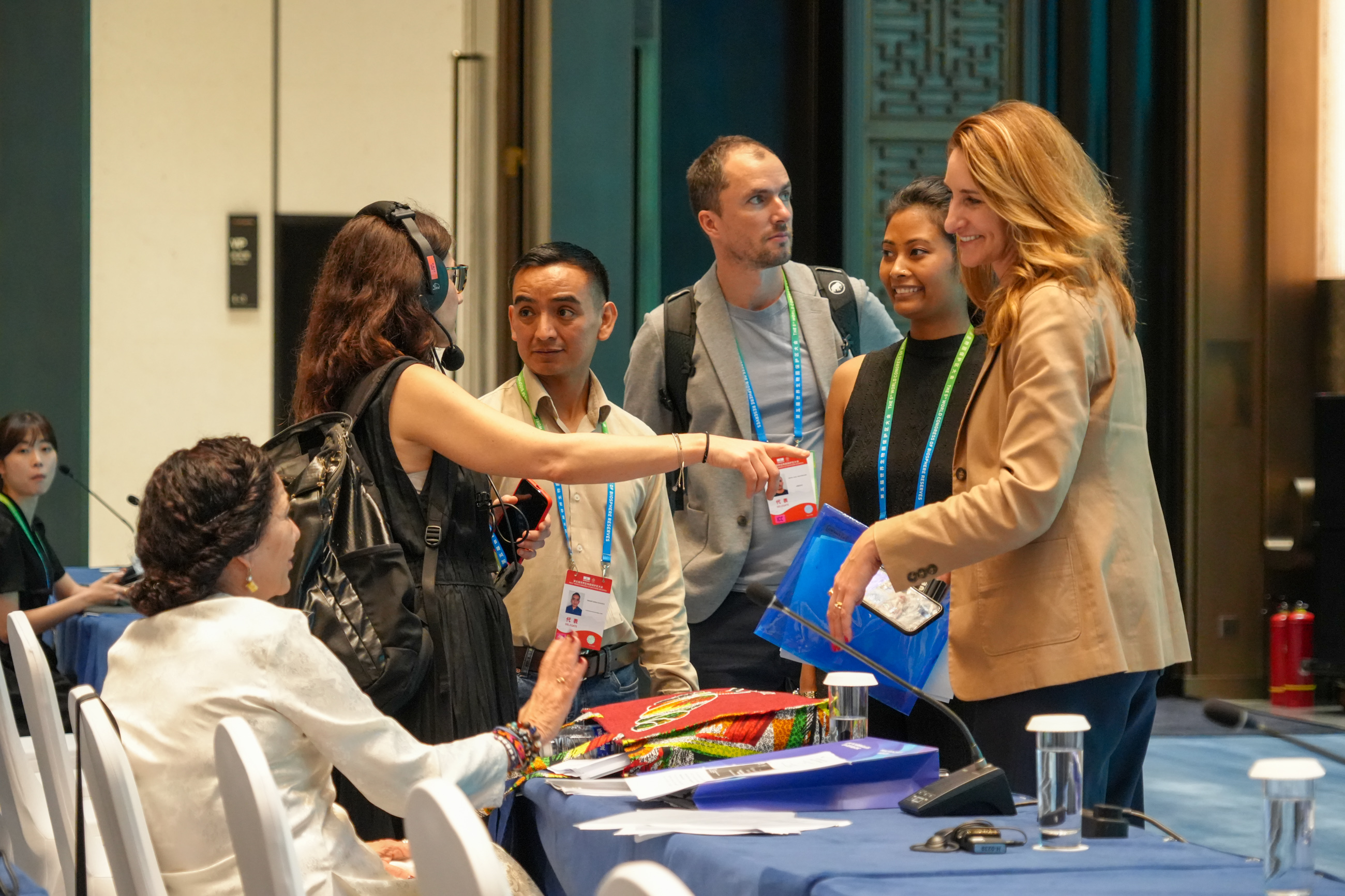
Participants posing questions to panelists
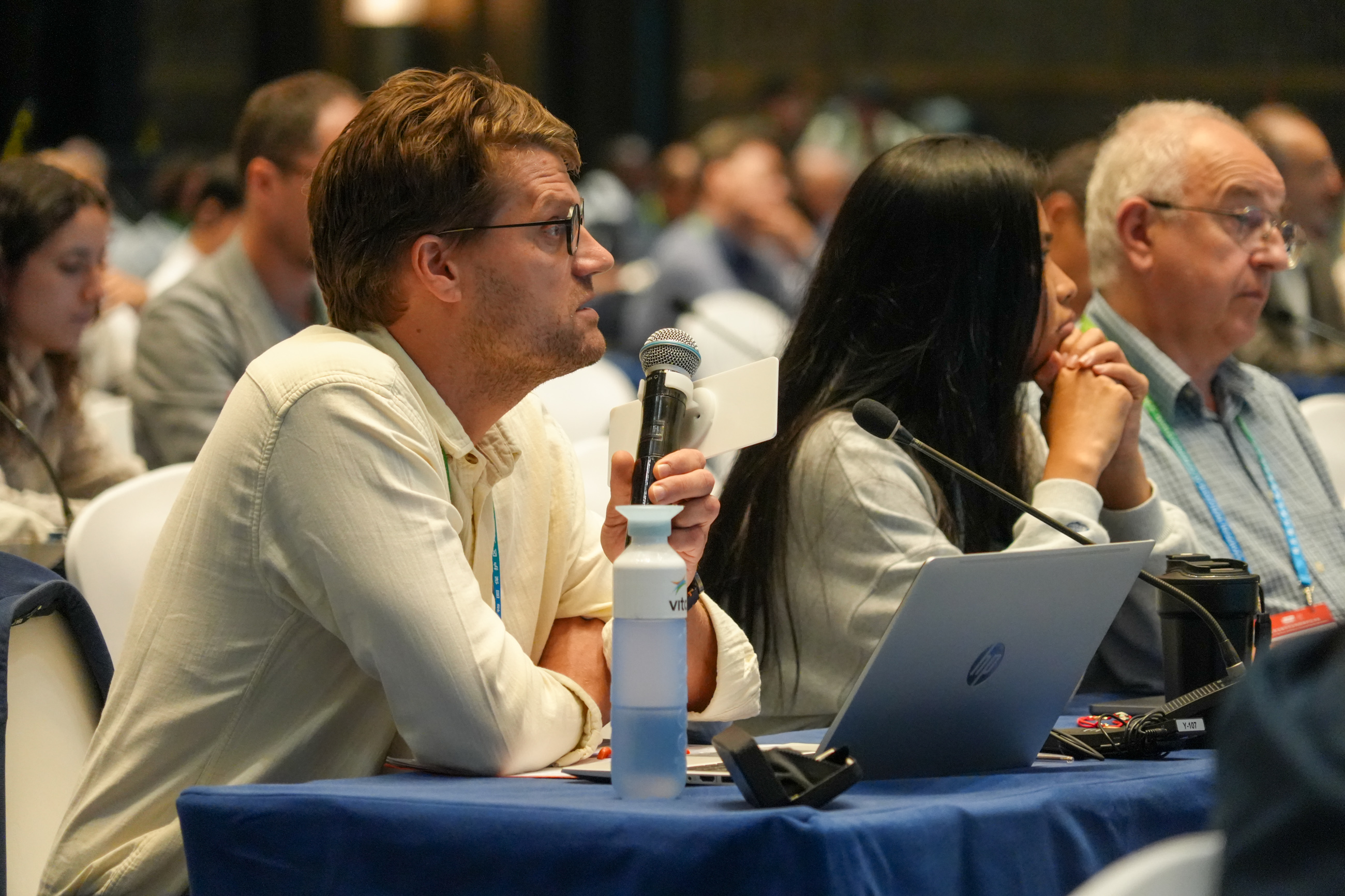
Participants posing questions to panelists
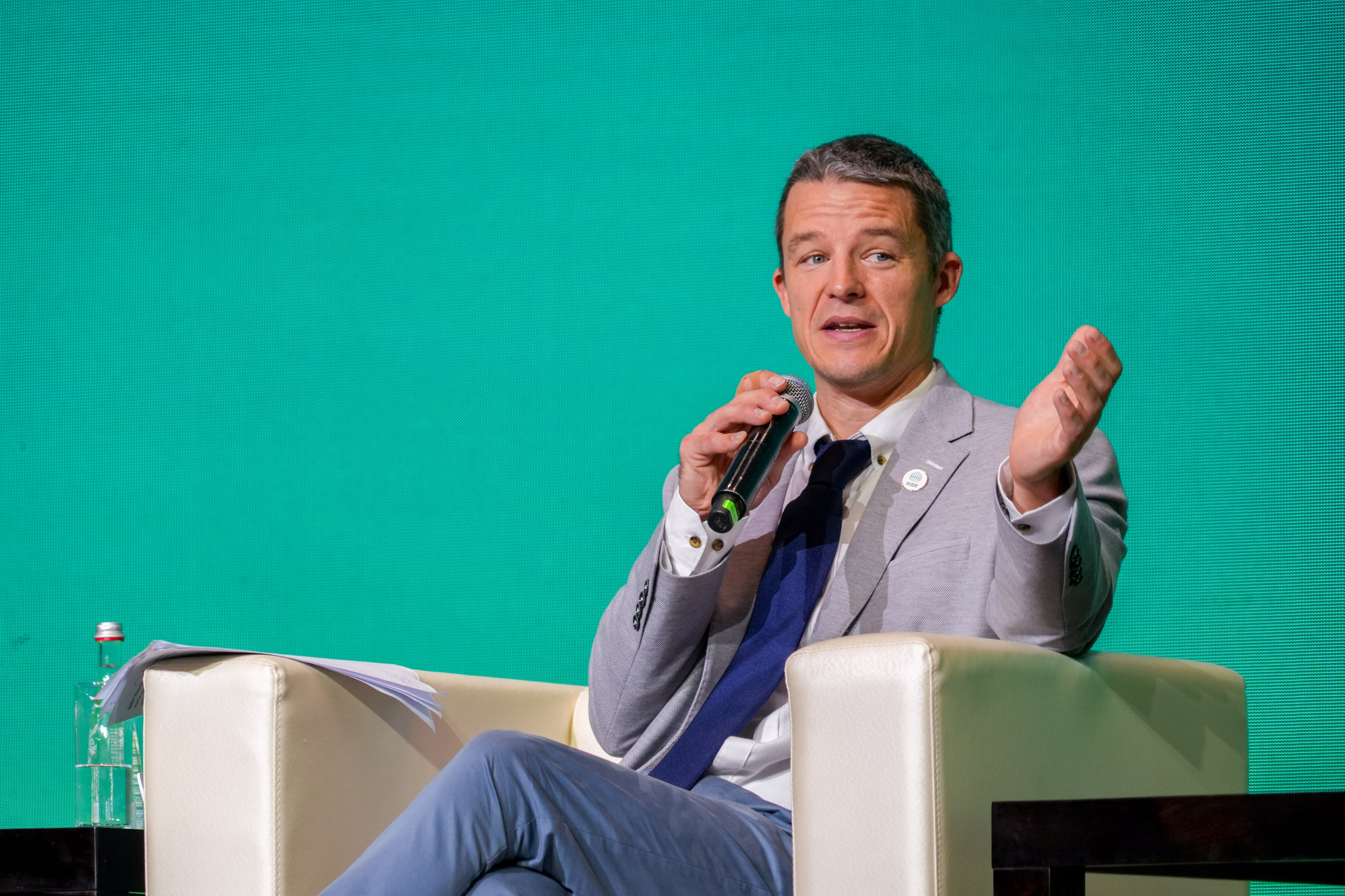
Jean-Philippe Messier, Representative, Europe and North America Biosphere Reserves Network (EuroMAB)
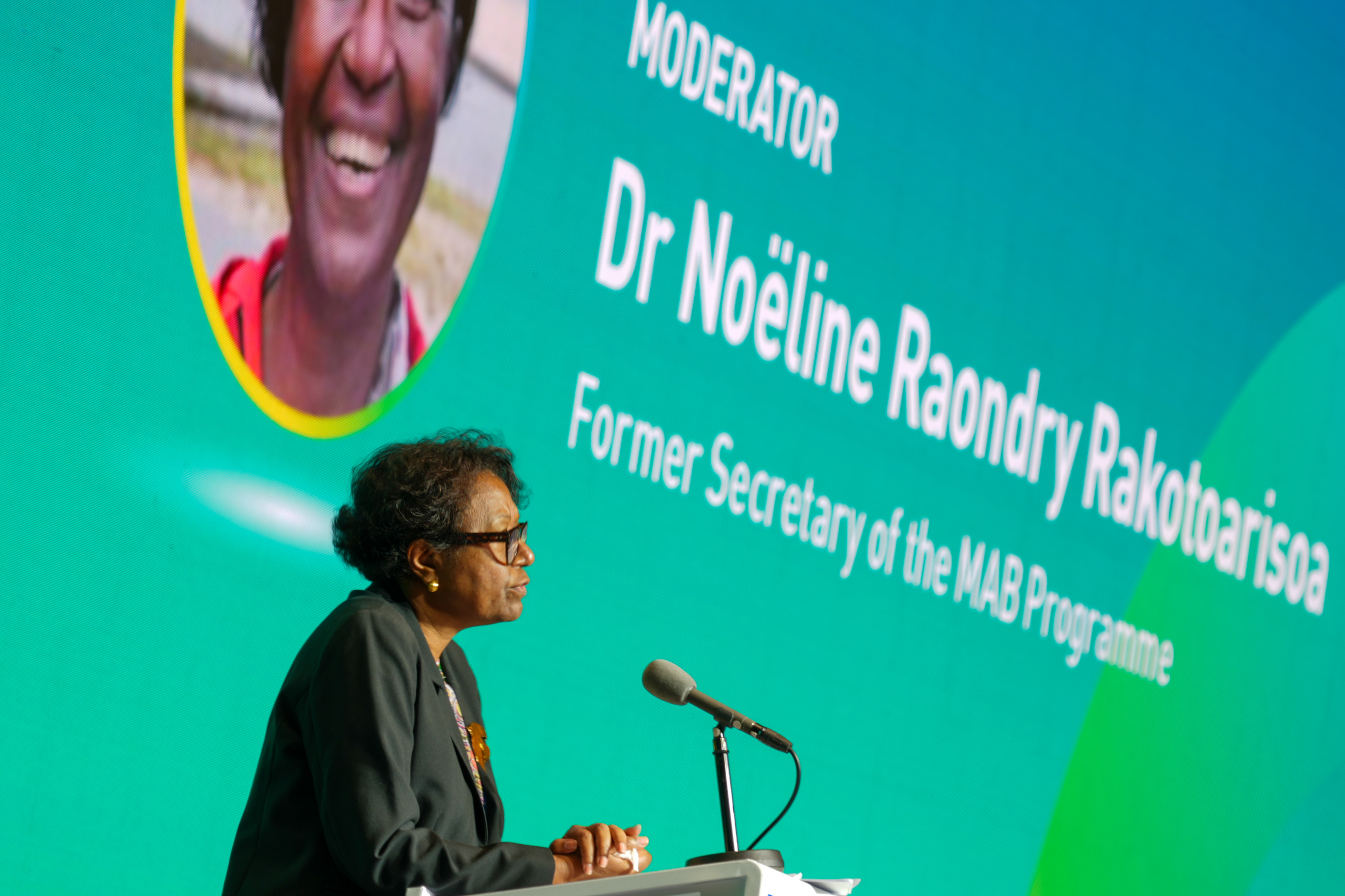
Noëline Raondry Rakotoarisoa, Former Secretary, MAB Programme
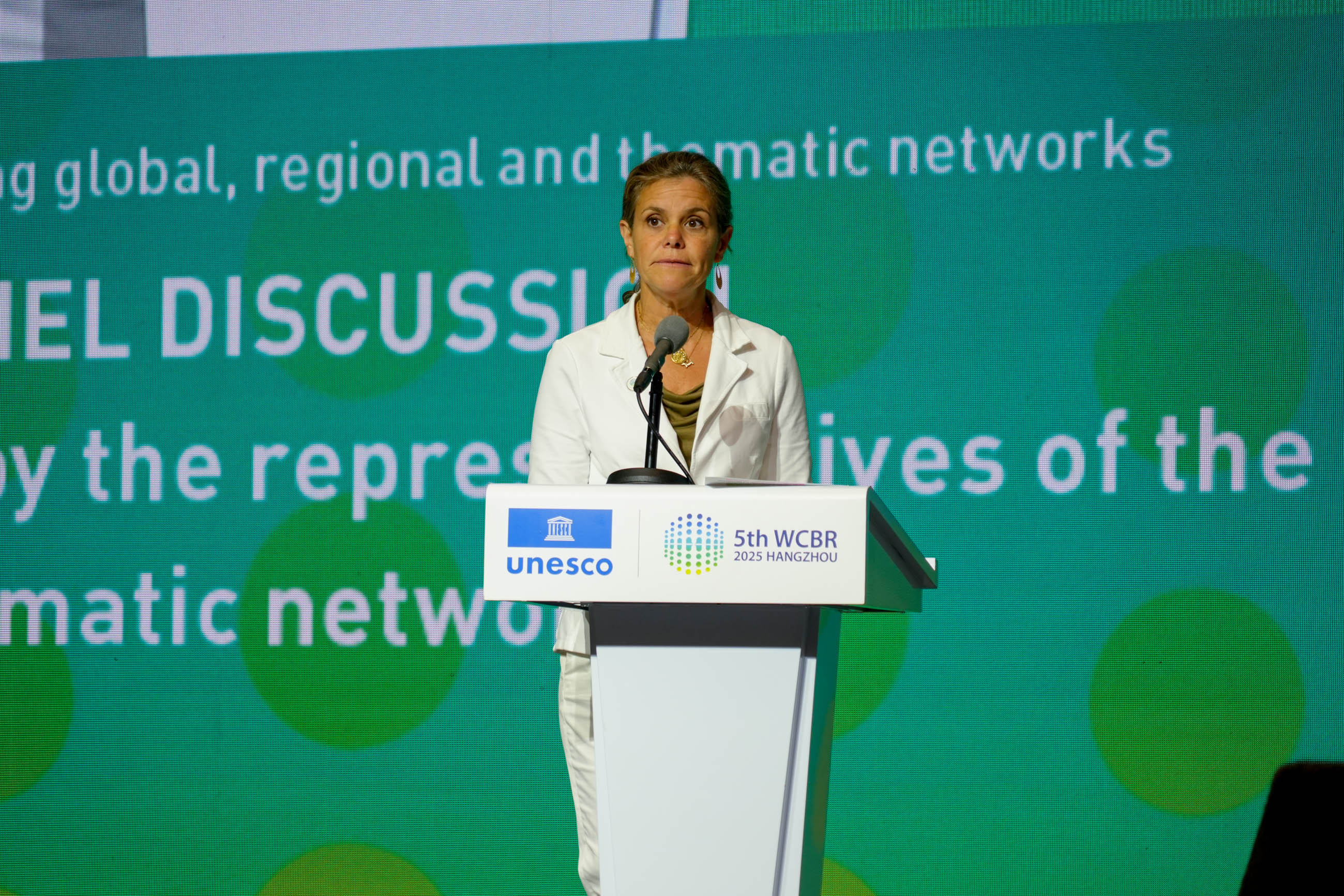
Georgina Flamme, Director of the Abertis Foundation, Representative of Mediterranean Network of Biosphere Reserves
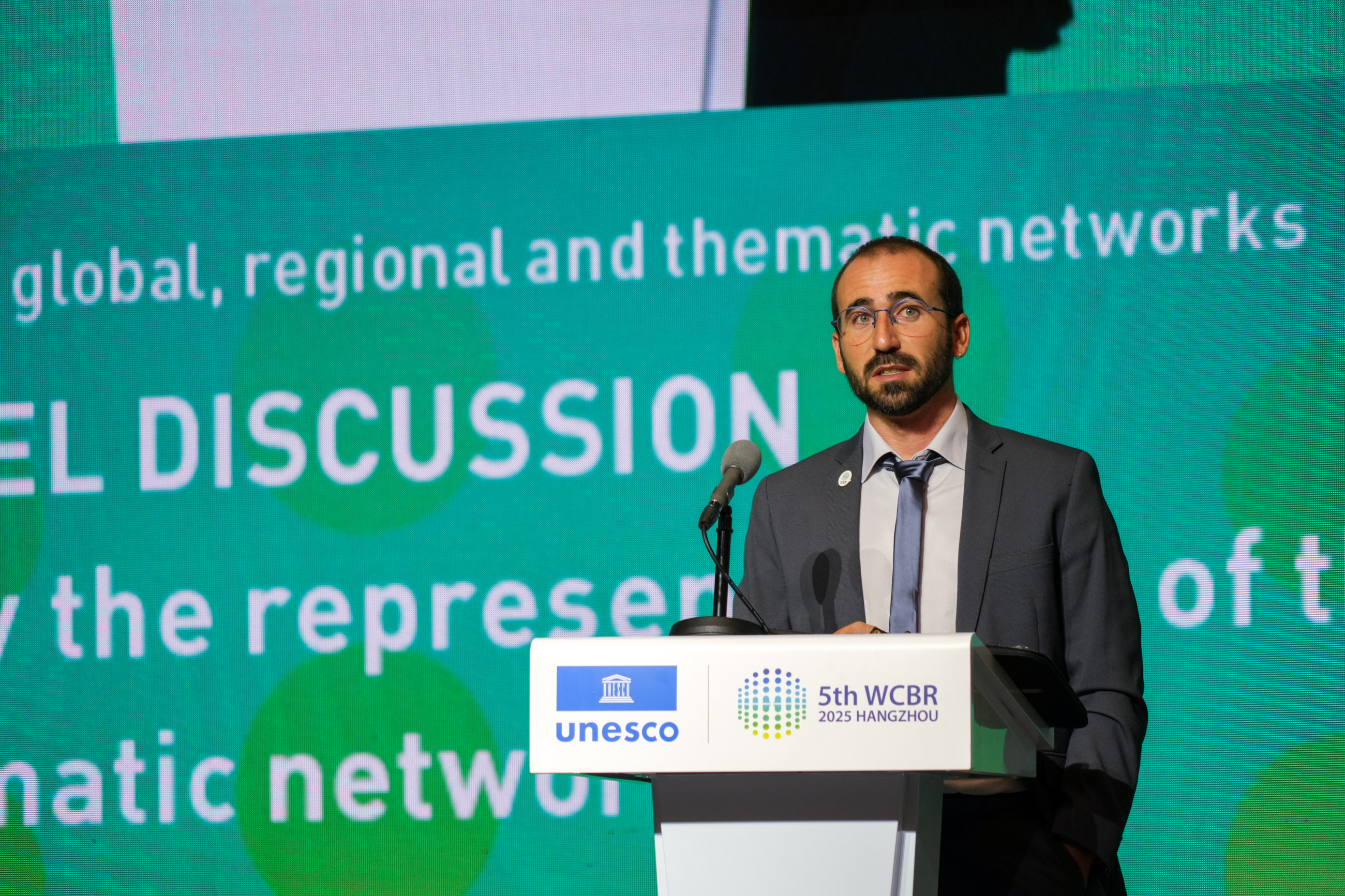
Alex Cortada, Coordinator of the Menorca Secretariat of the World Network of Island and Coastal Biosphere Reserves
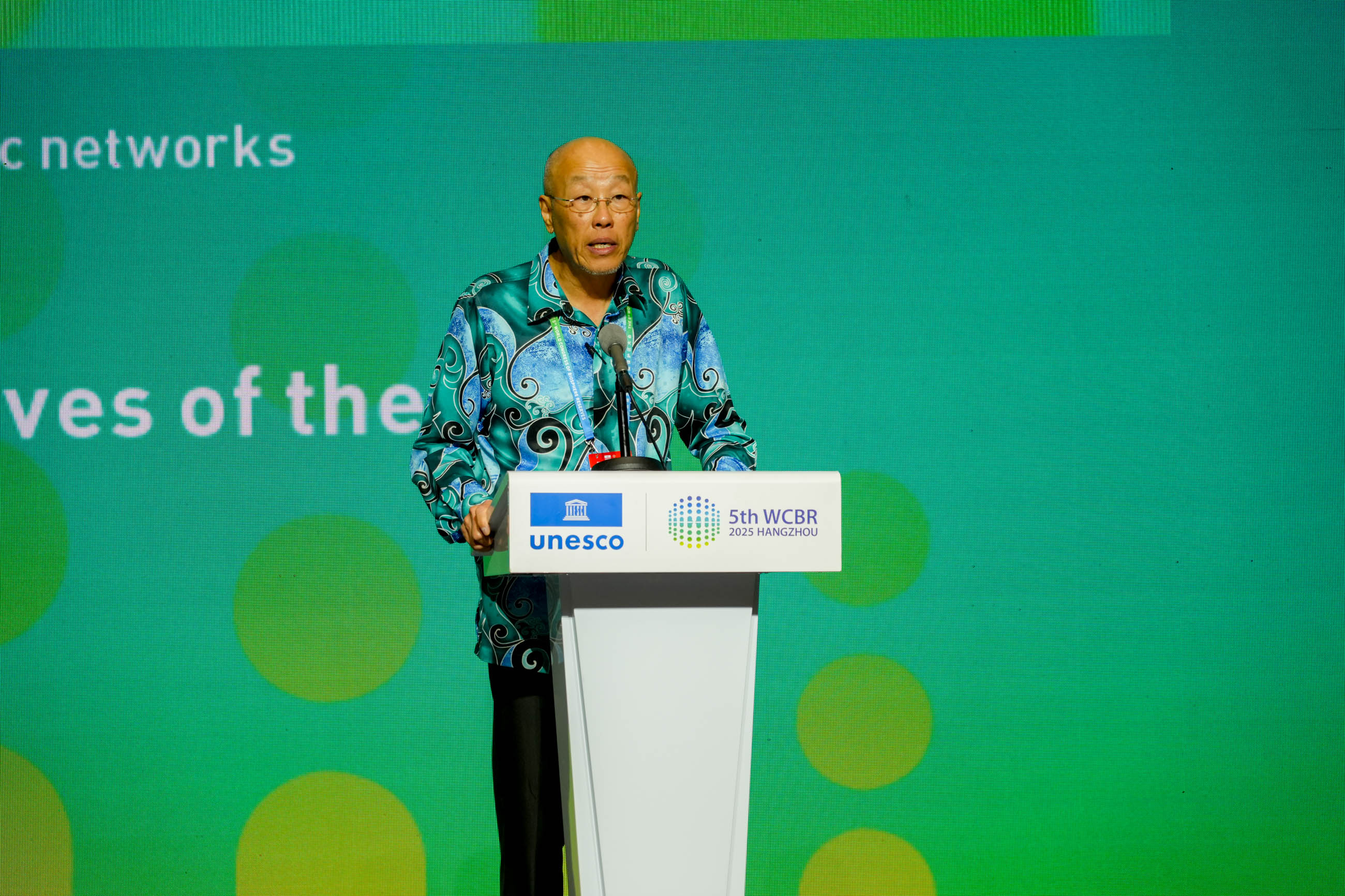
Dato Cheok Lay Leng, Representative, Asian Biosphere Reserve Networks
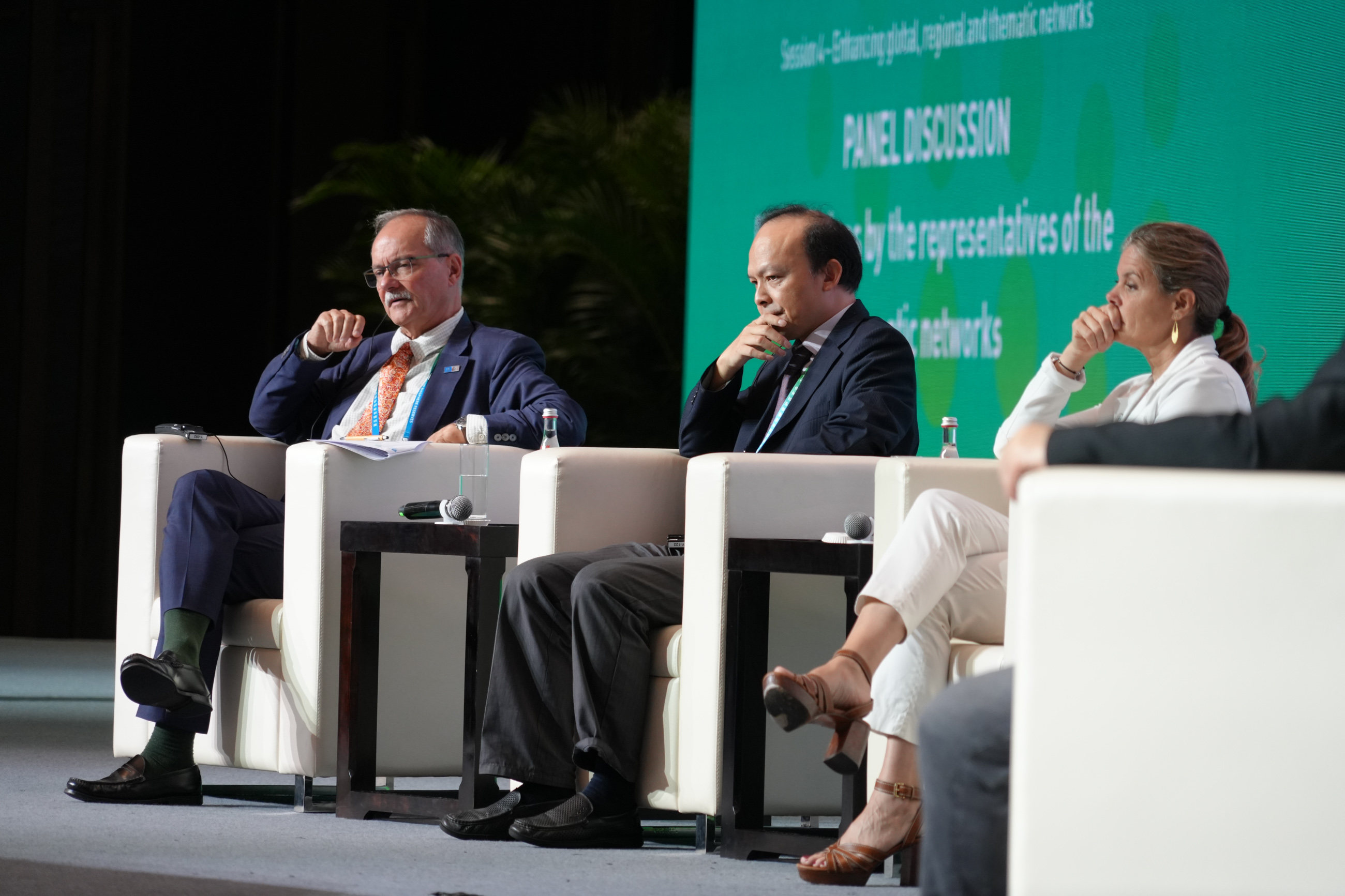
Panel discussion: Presentations by the representatives of the thematic networks. L-R: Miguel Clüsener-Godt, Former Secretary of the MAB Programme, and Director, Division of Ecological and Earth Sciences, UNESCO; Xu Weihua, Technical Secretariat of the World Network of Mountain Biosphere Reserves; and Georgina Flamme, Director of the Abertis Foundation, and Representative, Mediterranean Network of Biosphere Reserves
Session 5 – Biosphere reserve dialogue
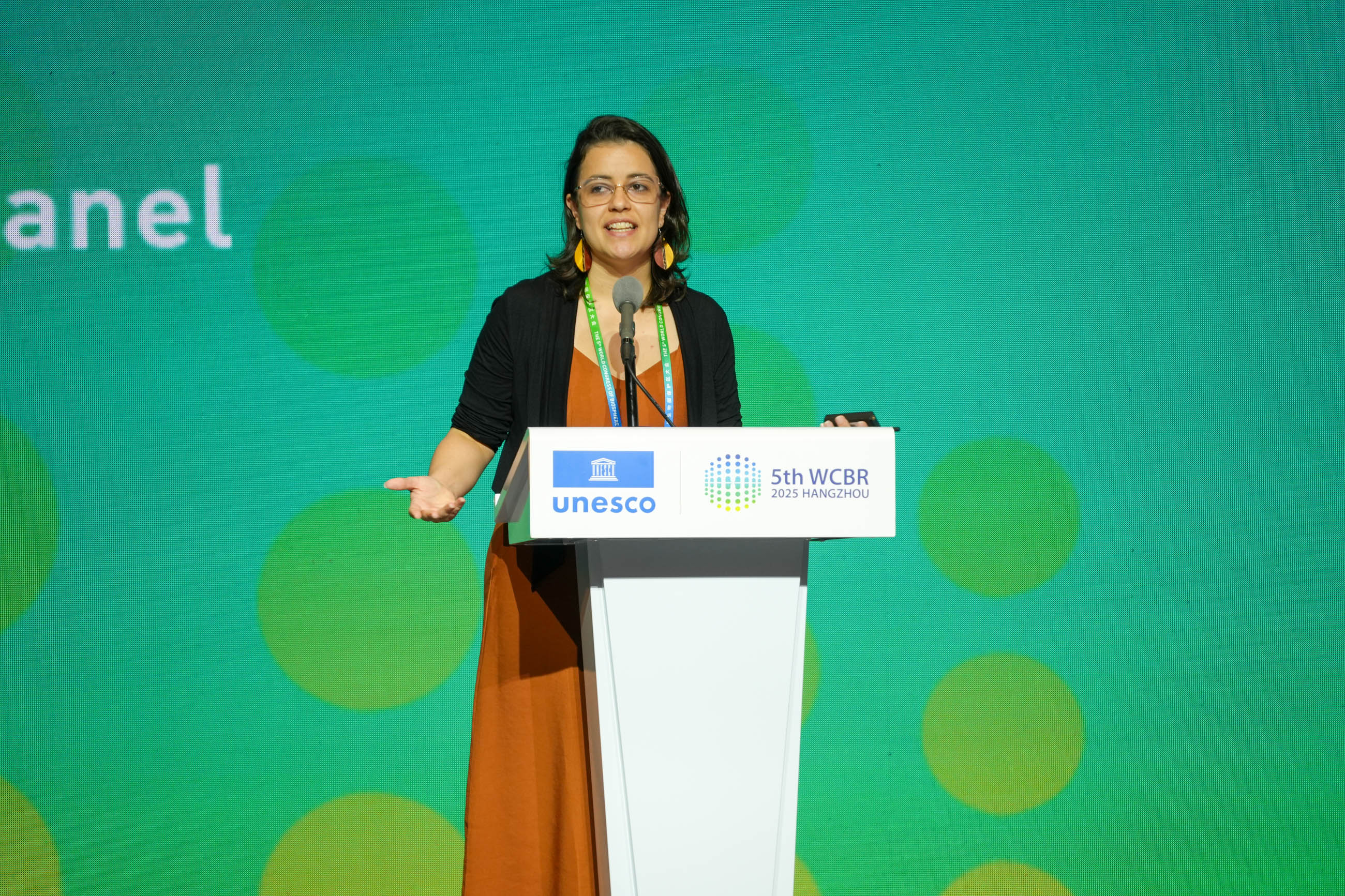
Gabriela Gehlen Leite, Regional MAB Youth Focal Point for IberoMAB, Brazil
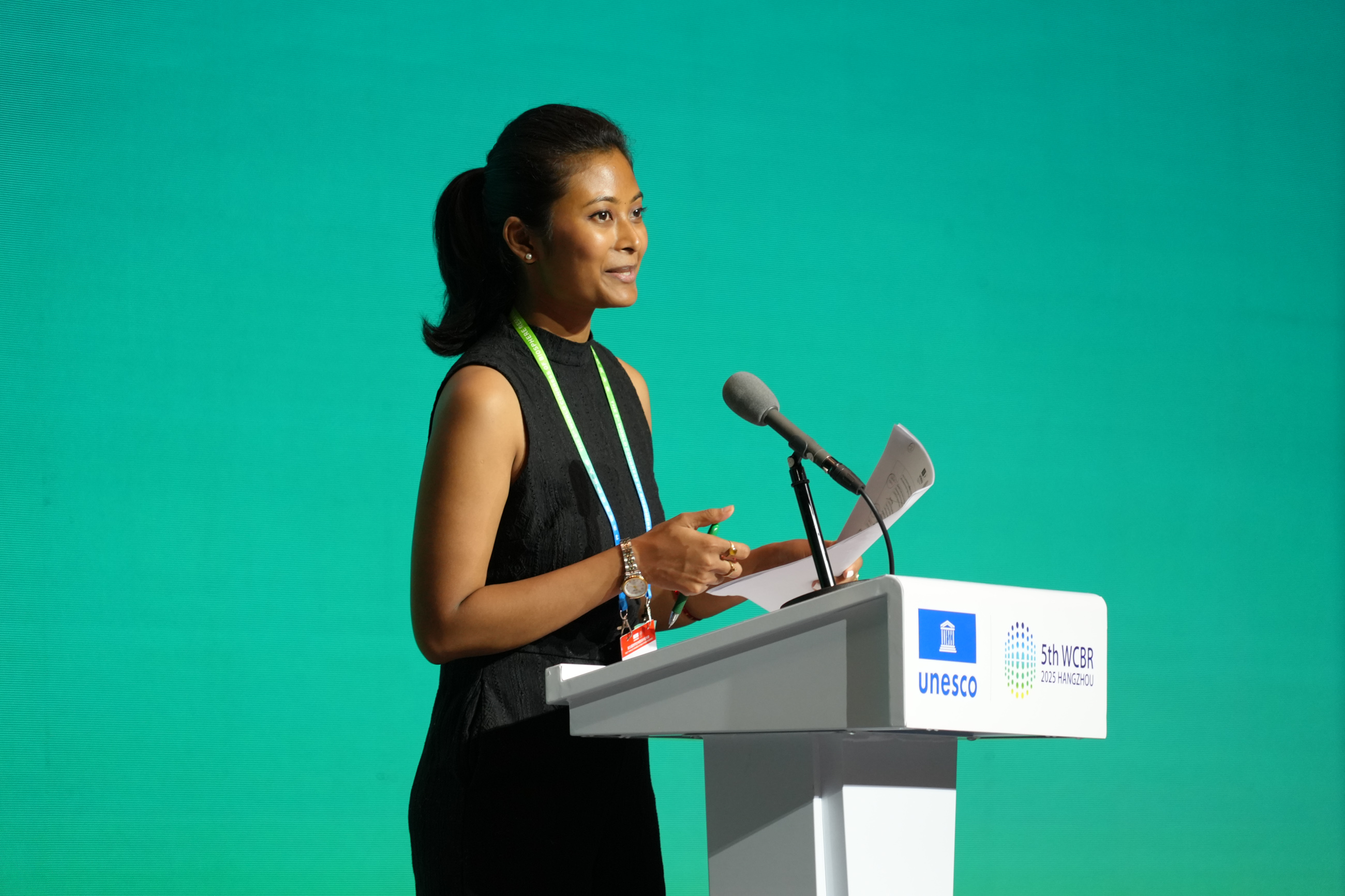
Barsha Lekhi, Indigenous Engagement Specialist, Kathmandu Office, UNESCO
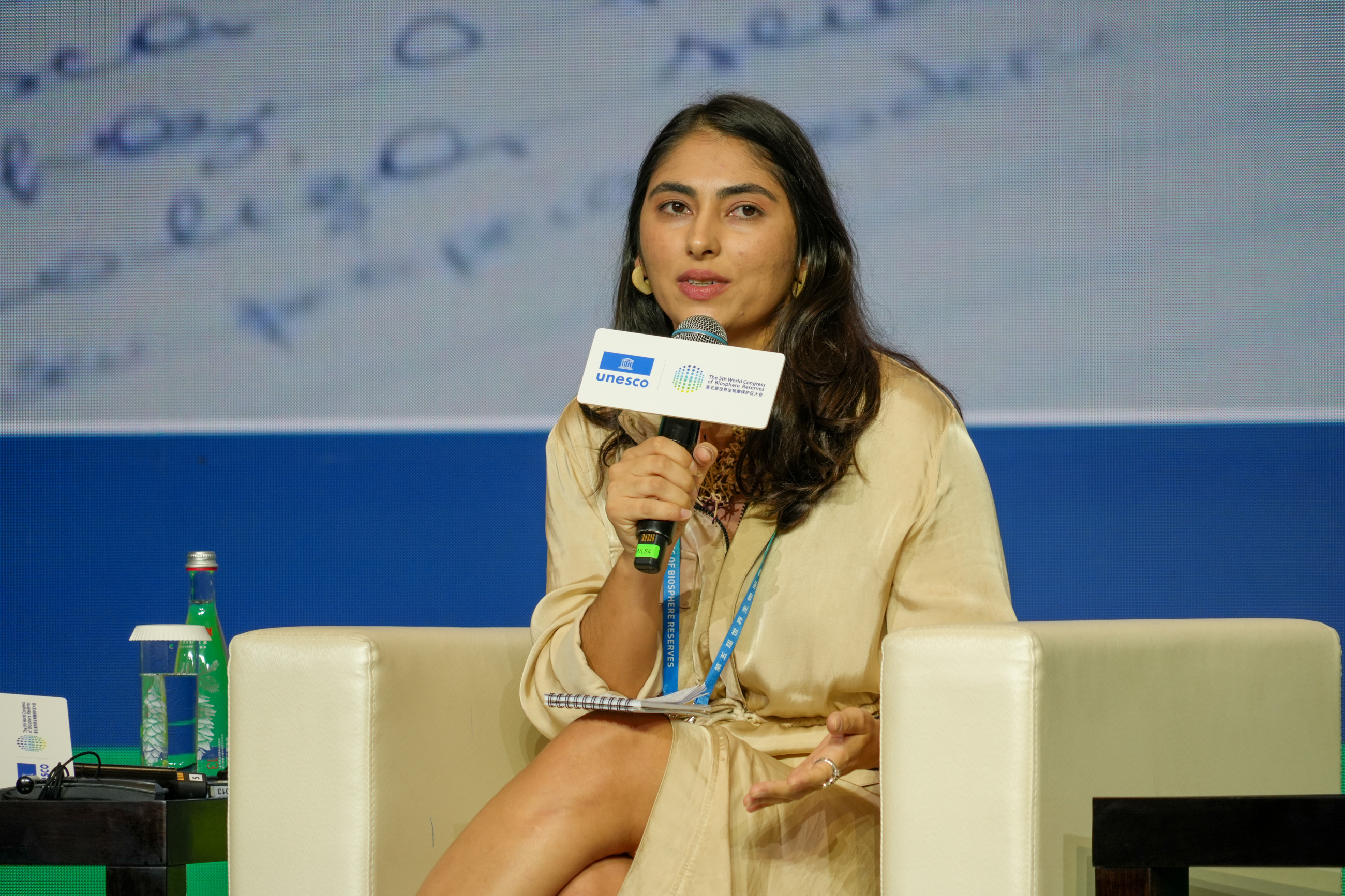
Beni Rodríguez, Chair, Network of Biosphere Reserve Managers, Spain
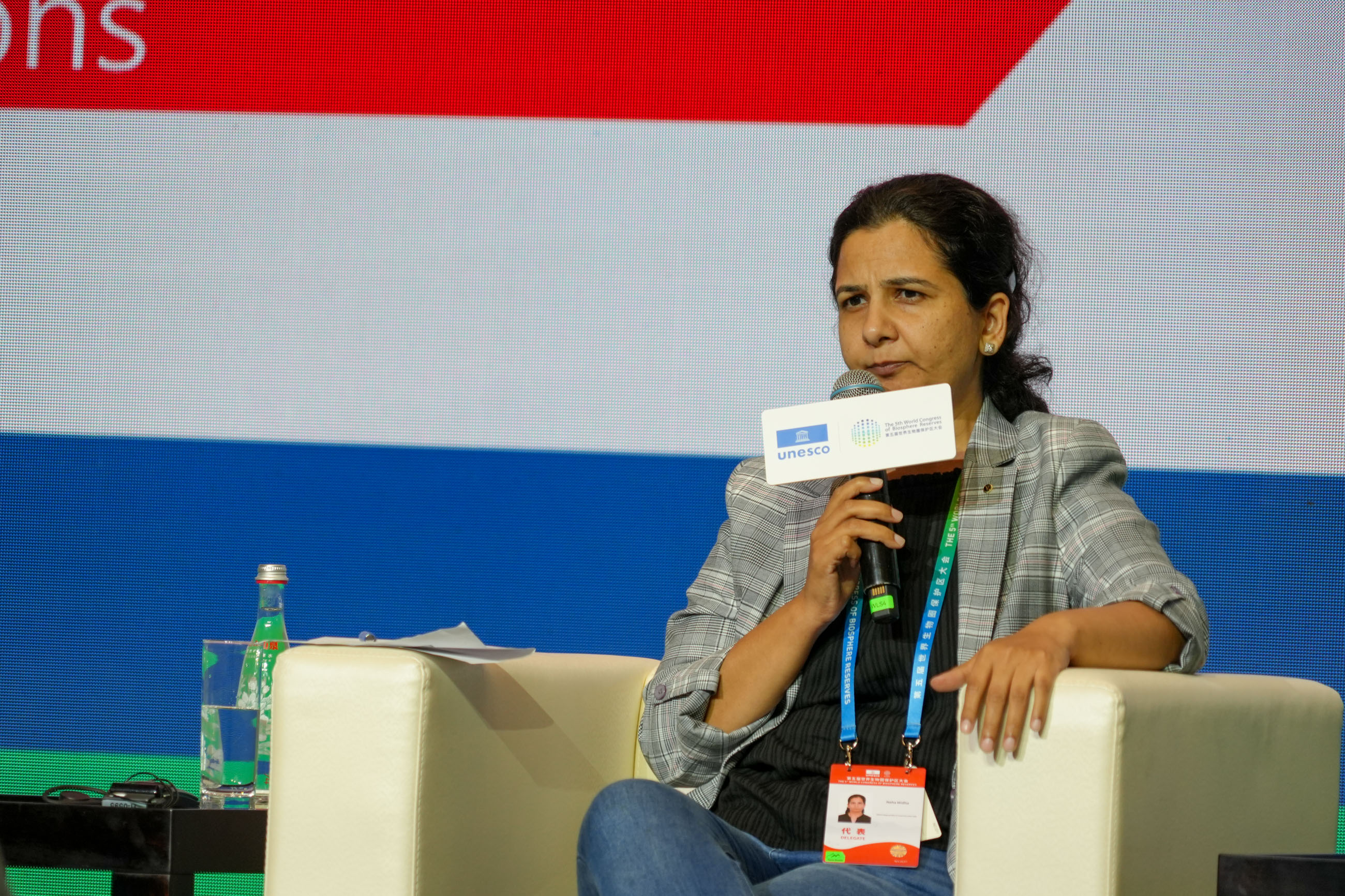
Neha Midha, UNESCO
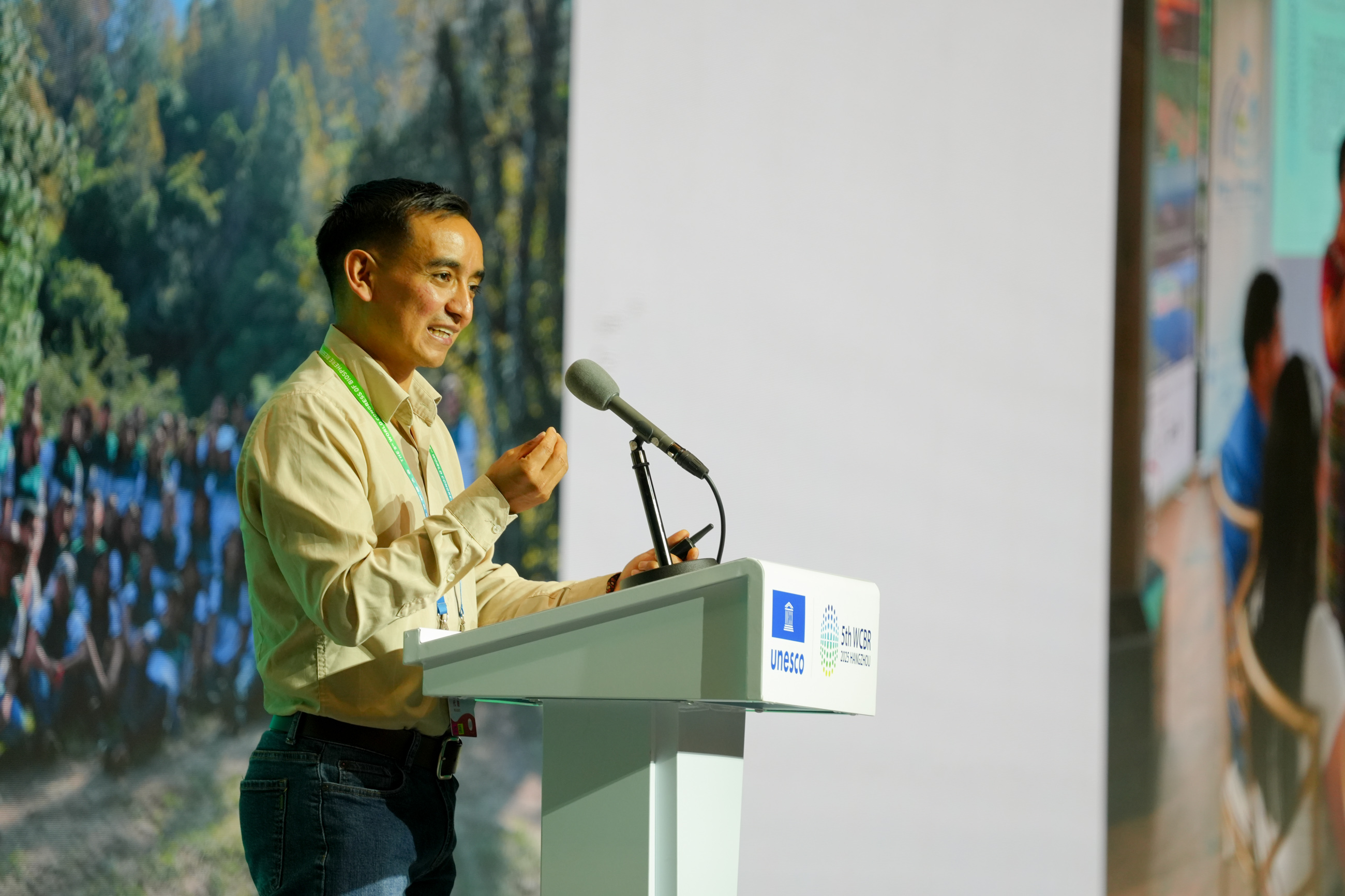
Samuel Carney Curruchich, National Focal Point, MAB-Guatemala
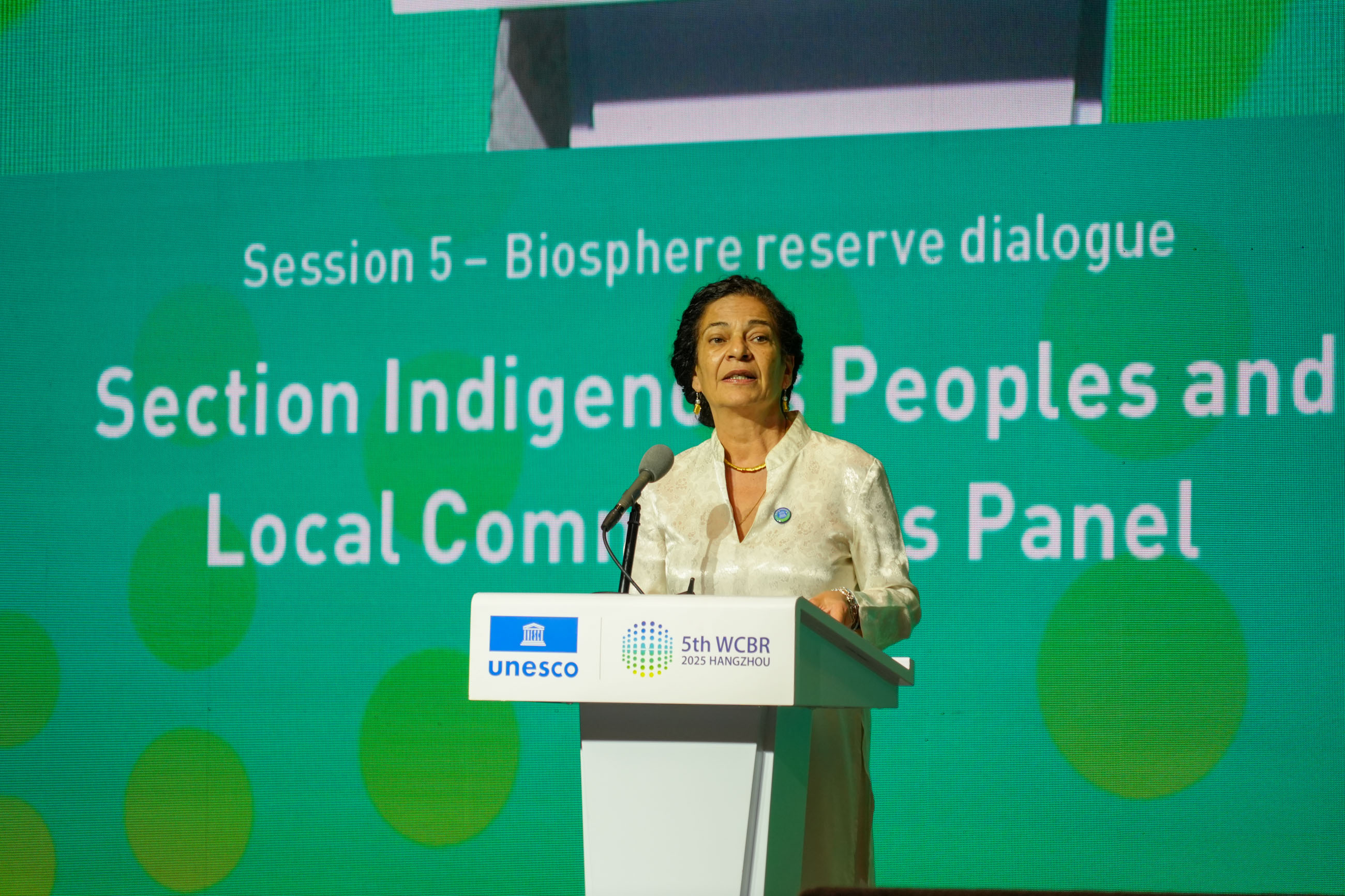
Lidia Brito, Assistant Director General for Natural Sciences, UNESCO
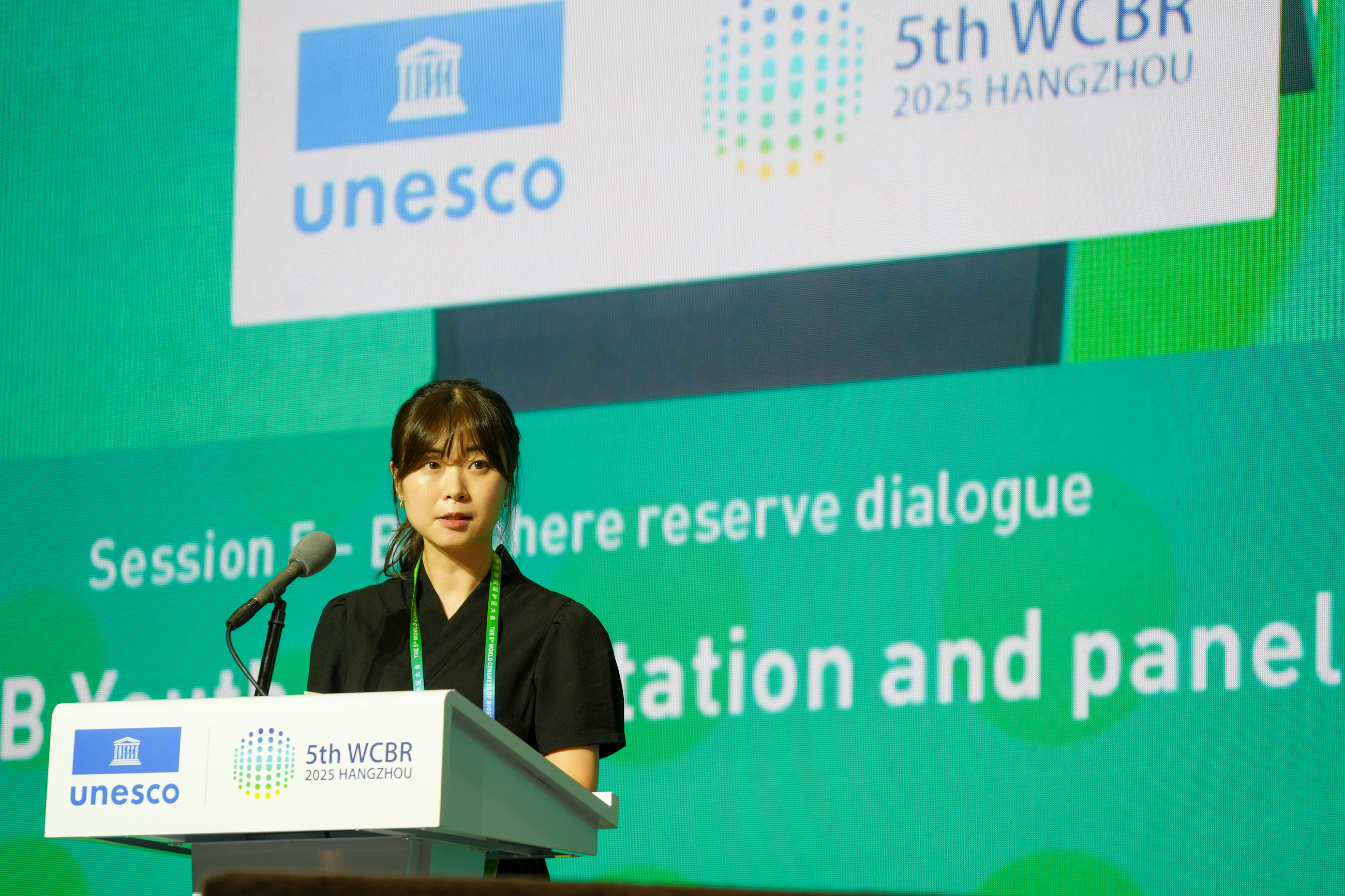
Soyoon Chang, National MAB Youth Focal Point, South Korea
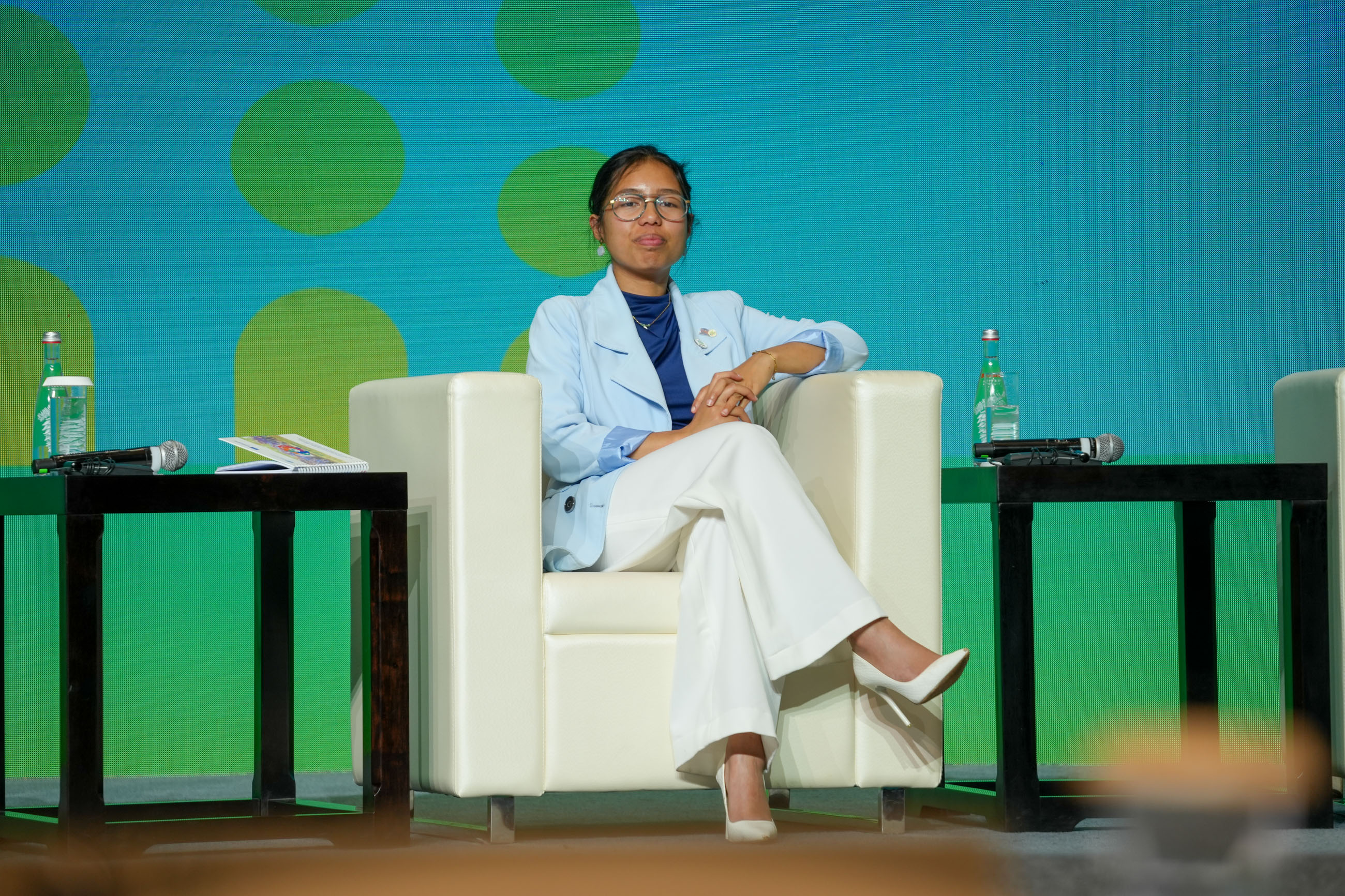
Rova Mirindra Ralambomanana, National MAB Youth Focal Point, Madagascar
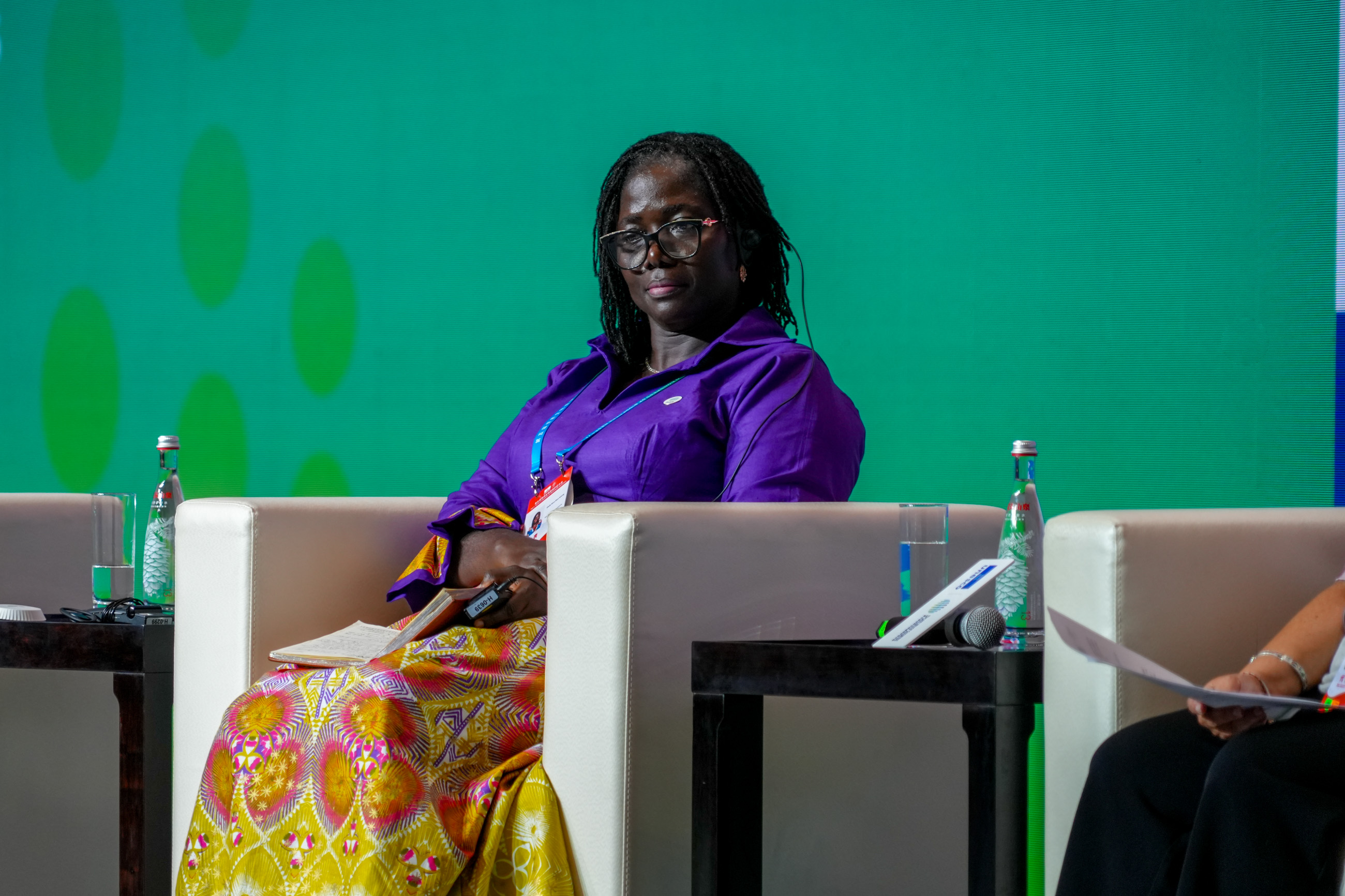
Sheila Ashong, Director for Natural Resources, Environmental Protection Authority, Ghana
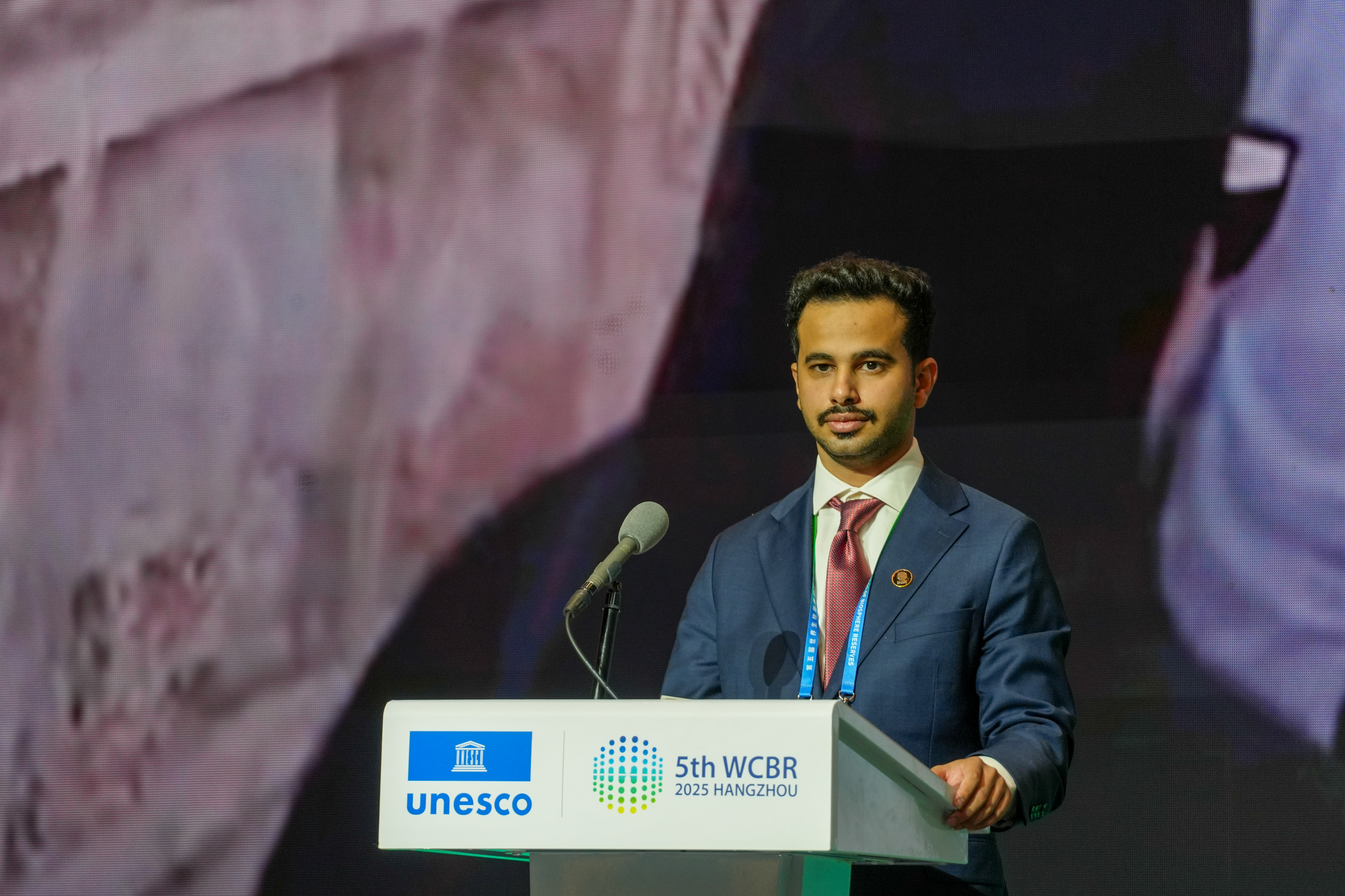
Adel Al-Juhani, Deputy Focal Point for ArabMAB Youth, Saudi Arabia
Selected Images
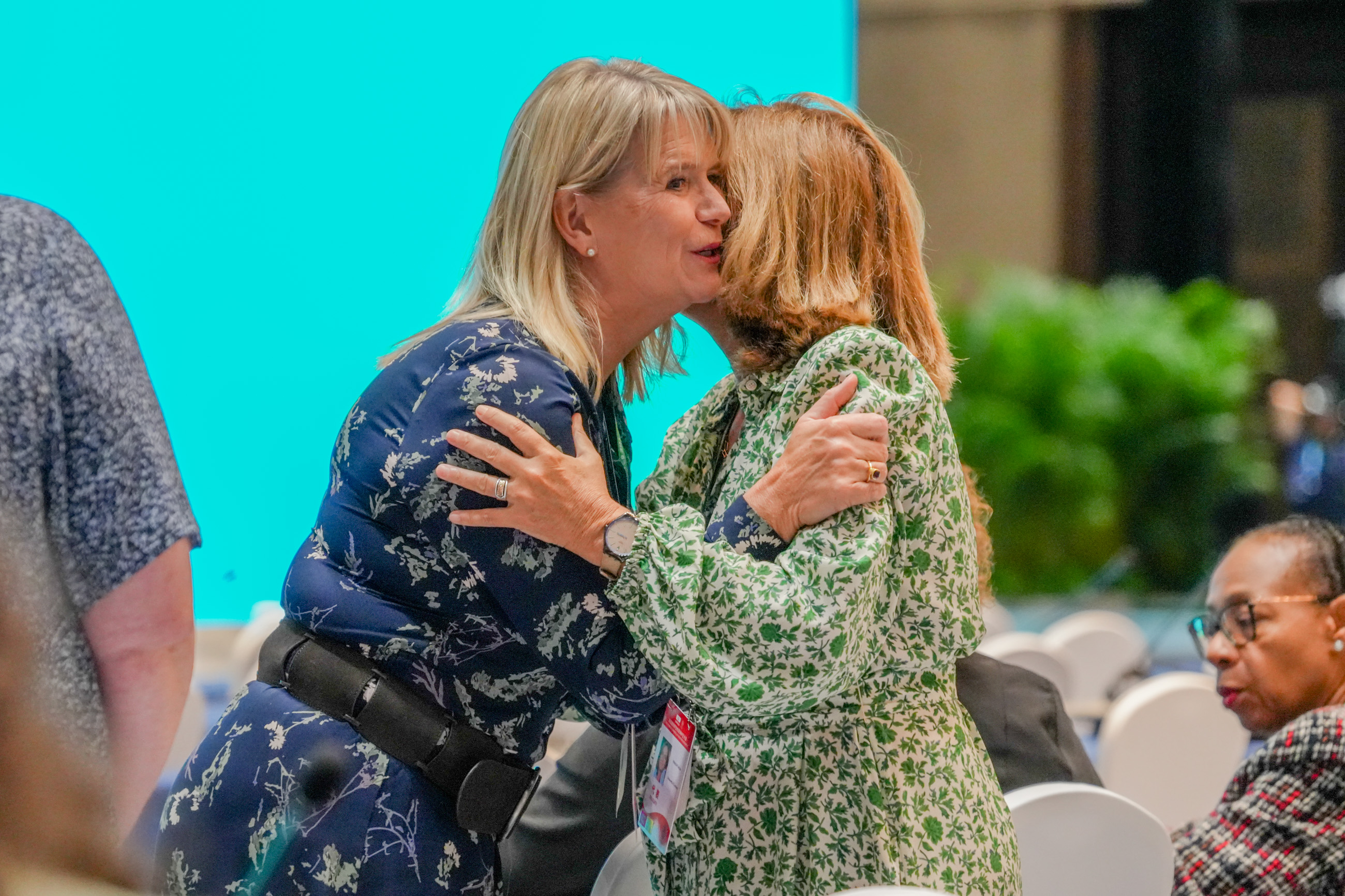
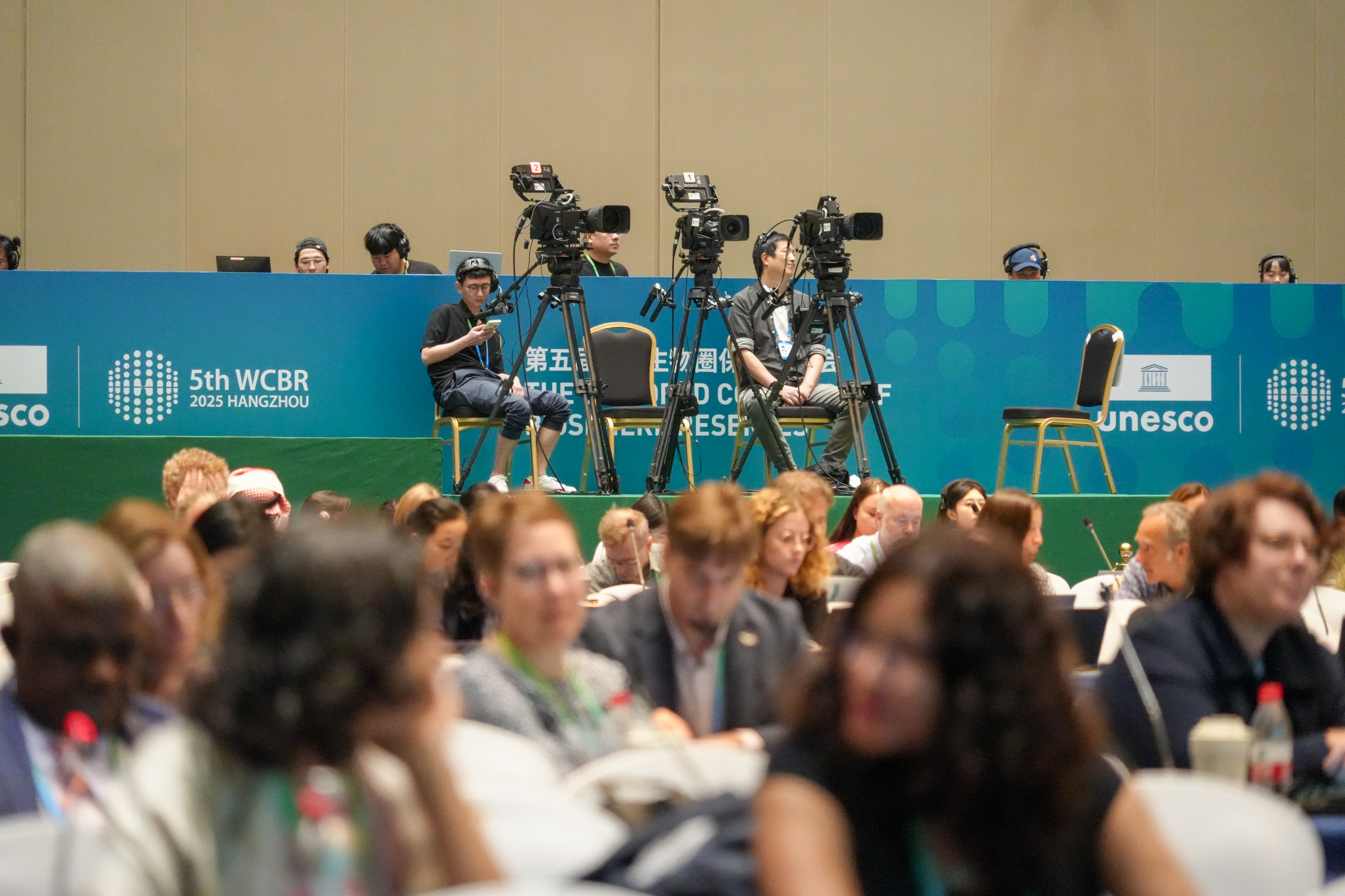

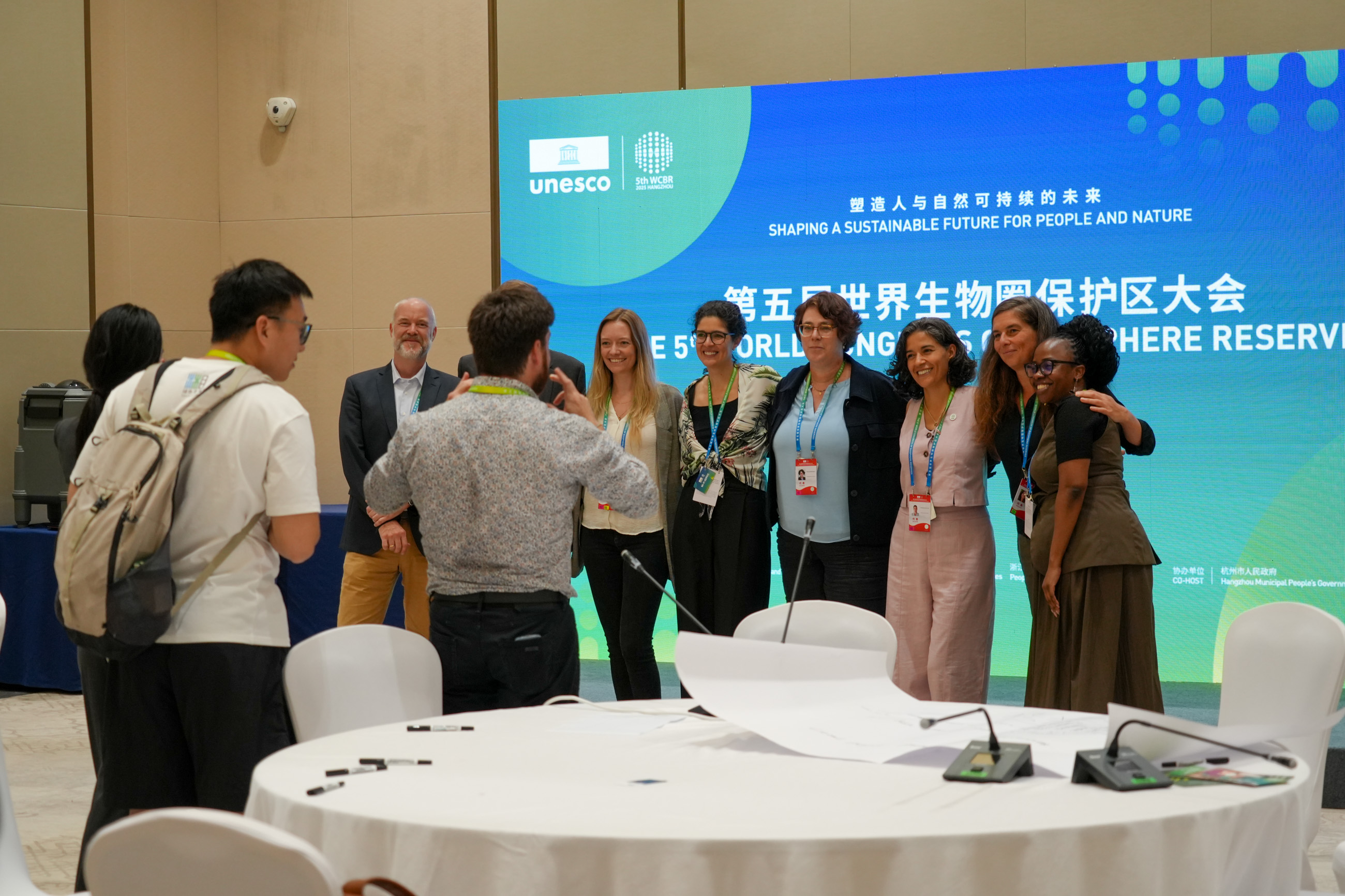
Around the venue