
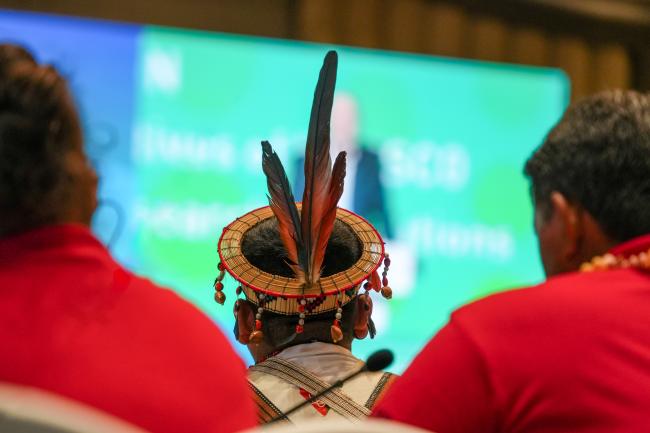
The challenges in meeting global environmental and development goals are interconnected and complex. Across the international fora tackling these issues, calls are often heard for better data quality and access, improved science-policy interfaces, and enhanced access to financing, to support implementation of each process’ objectives and targets. The 5th World Congress of Biosphere Reserves is no exception to the rule, with discussions on Tuesday delving into the roles of science and research institutions and financial actors in advancing sustainable development and biodiversity conservation.
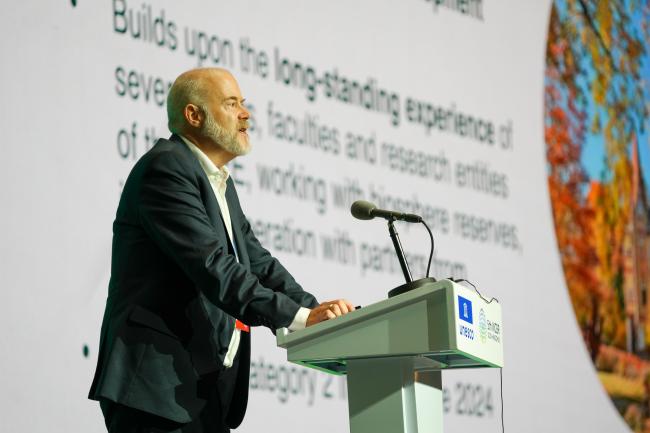
The morning featured two panel discussions addressing the contributions of key UN Educational, Scientific and Cultural Organization (UNESCO) institutions and entities in meeting Objective C of the Hangzhou Strategic Action Plan (HSAP): to develop research and exchange knowledge from the World Network of Biosphere Reserves (WNBR) to facilitate living in harmony with nature.
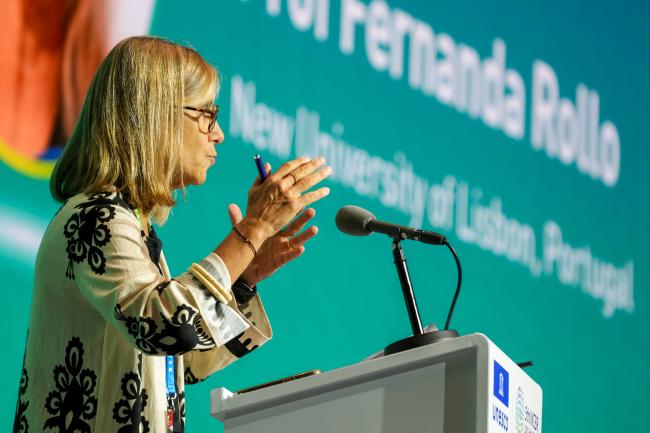
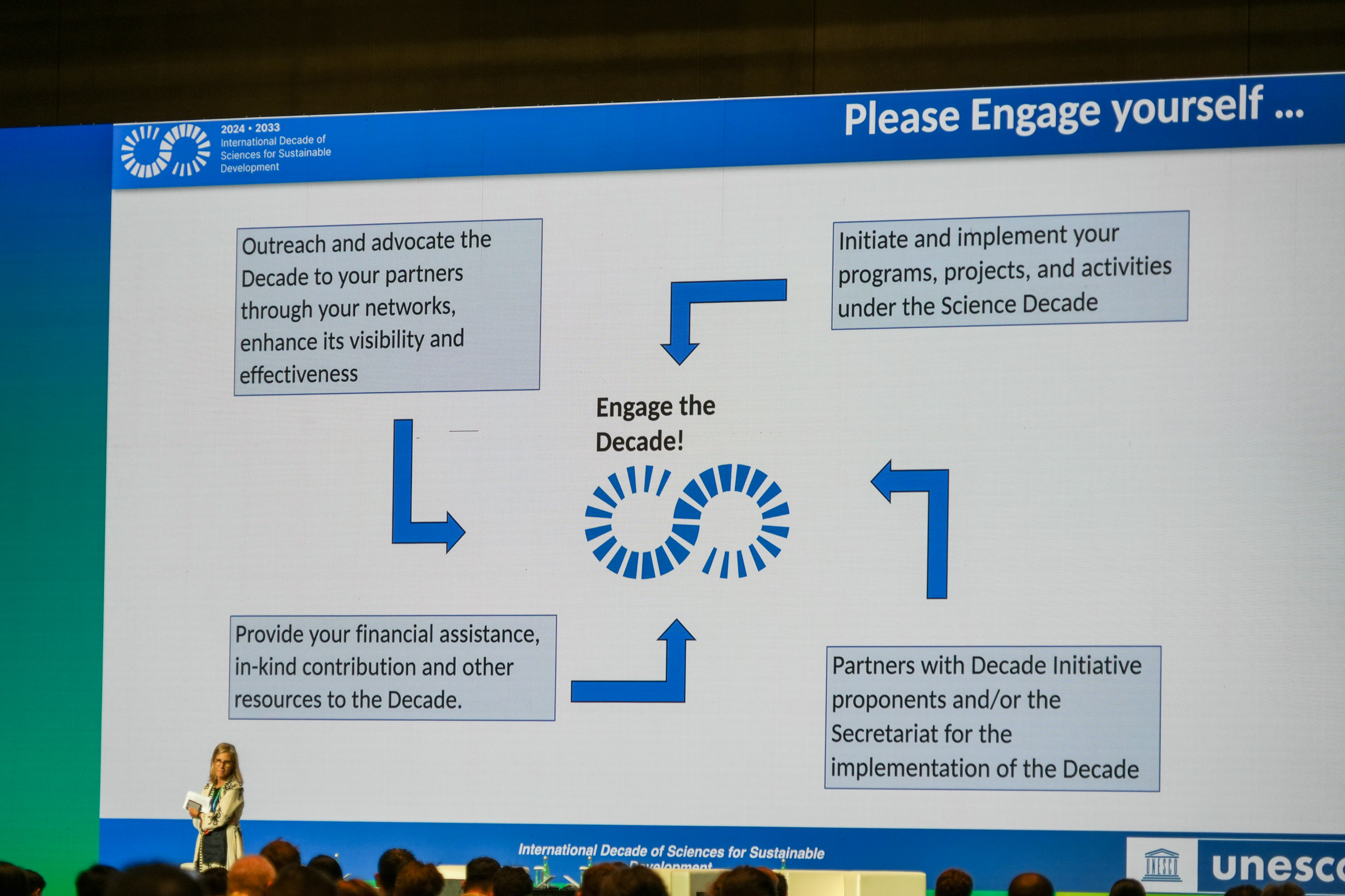
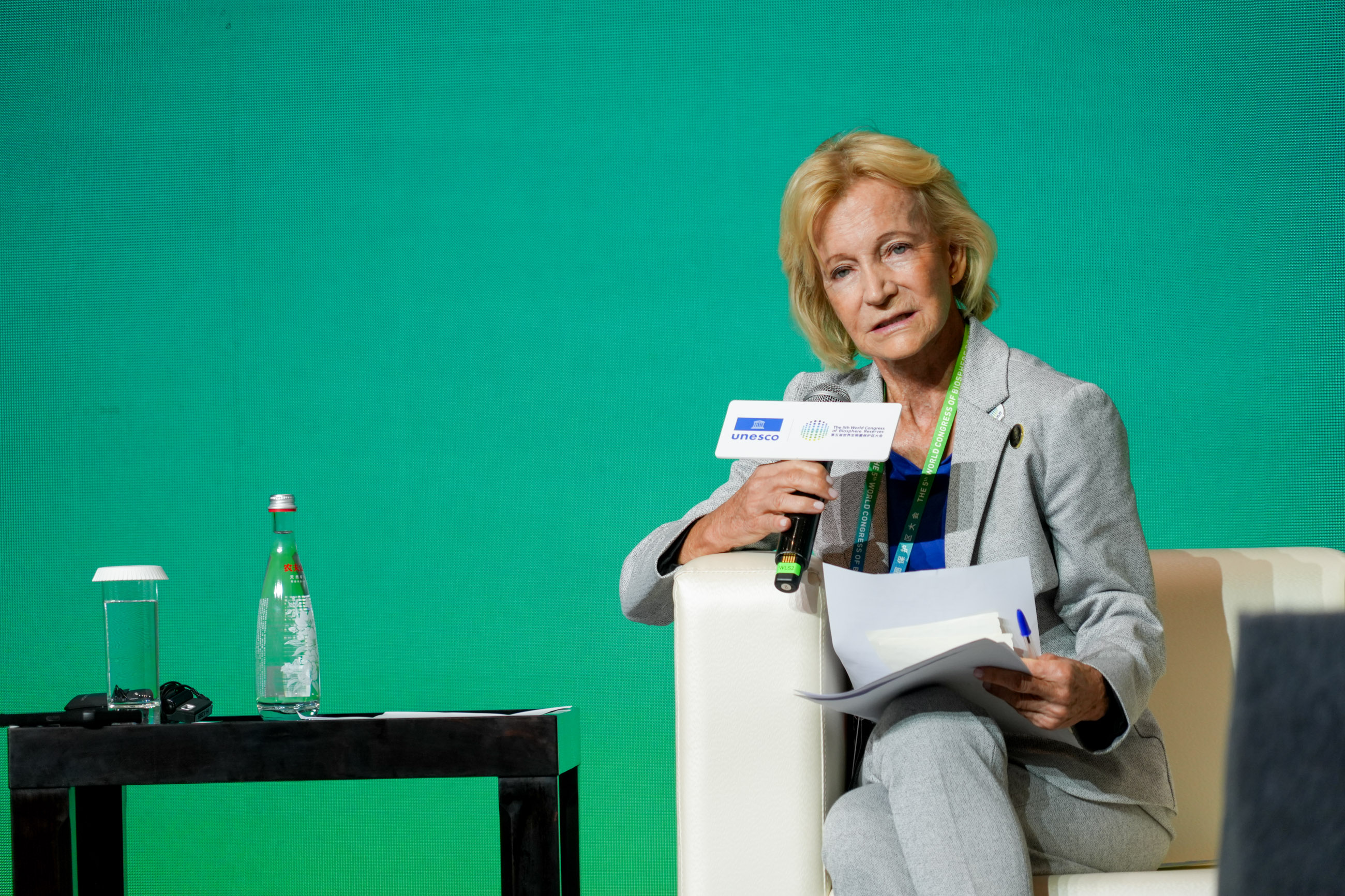
Emphasizing that “biosphere reserves are living classrooms,” UNESCO Assistant Director-General for Education Stefania Giannini highlighted how the WNBR can serve as a laboratory for testing novel and participatory approaches to transforming education systems. The International Decade of Sciences for Sustainable Development (2024-2033) was also showcased as an enabler for promoting science-based solutions, including by producing more actionable and accessible knowledge to facilitate achieving the Sustainable Development Goals (SDGs).
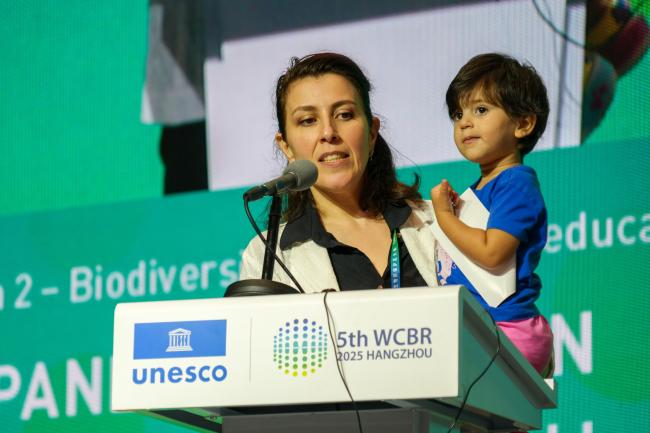
In the first panel, representatives of UNESCO Category 2 Centres (independent institutions that support UNESCO’s strategic programme objectives) called for increased South-South cooperation and highlighted the importance of open access to data and inter- and transdisciplinary research approaches.
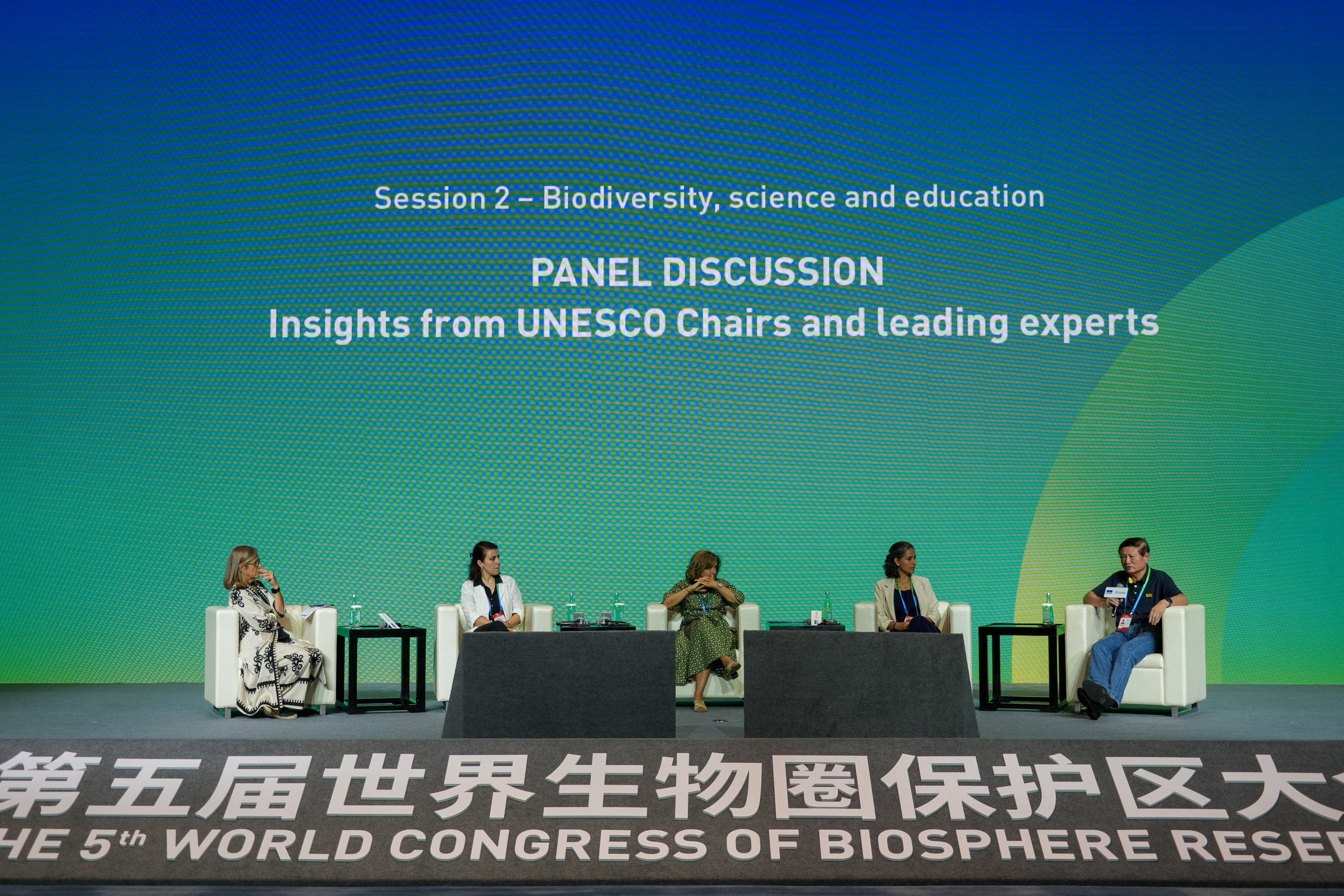
Drawing on insights from UNESCO Chairs and leading experts, the second panel shared experiences in: fostering intergenerational and intercultural dialogues; using the WNBR as educational field sites; and community-oriented citizen science projects.

Continuing in the afternoon, three panels discussed how to harness financing and cross-sectoral partnerships for meeting Objective B of the HSAP: to strengthen and develop the Man and Biosphere (MAB) Programme and its WNBR.
Regarding nature finance, speakers representing multilateral development banks, international financing institutions, and biosphere reserve practitioners underlined, among others: the importance of derisking investments in nature and the role of blended finance in this regard; the need for capacity-building to access and optimize the use of funds; and the ability of the WNBR to scale projects globally, stressing that “when biospheres are given funding, it is catalytic.”
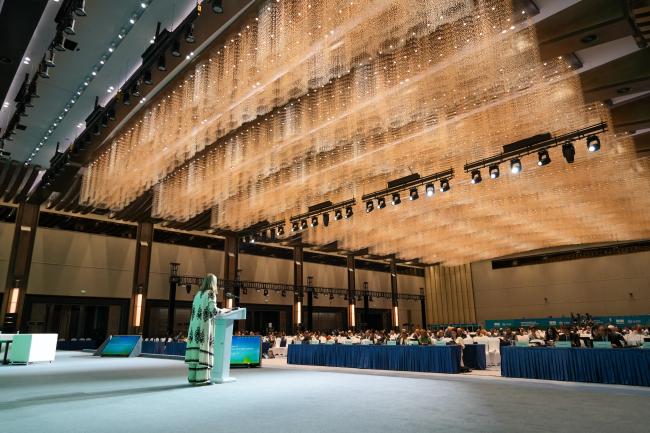
On resource mobilization by means of bilateral and government cooperation, panelists underscored that: ecosystem accounting is key to support a sustainable economic model; the efficient use of funds can act as a catalyst to attract more funding; ecological restoration is a long-term process requiring stable, long-term financing; and involving local communities in project development from the planning stages builds trust and increases participation.
The final panel of the day considered the innovative contributions of the private sector and multi-stakeholder partnerships. Speakers discussed the private sector’s vision for sustainability – built around measurable results, monitoring and tracking, and focusing on improving local communities’ living standards. They further highlighted numerous examples of innovative actions that can be scaled up to offer creative solutions on environmental challenges.
To receive free coverage of global environmental events delivered to your inbox, subscribe to the ENB Update newsletter.
All ENB photos are free to use with attribution. For the 5th World Congress of Biosphere Reserves, please use: Photo by IISD/ENB | Andrés Felipe Carvajal Gómez
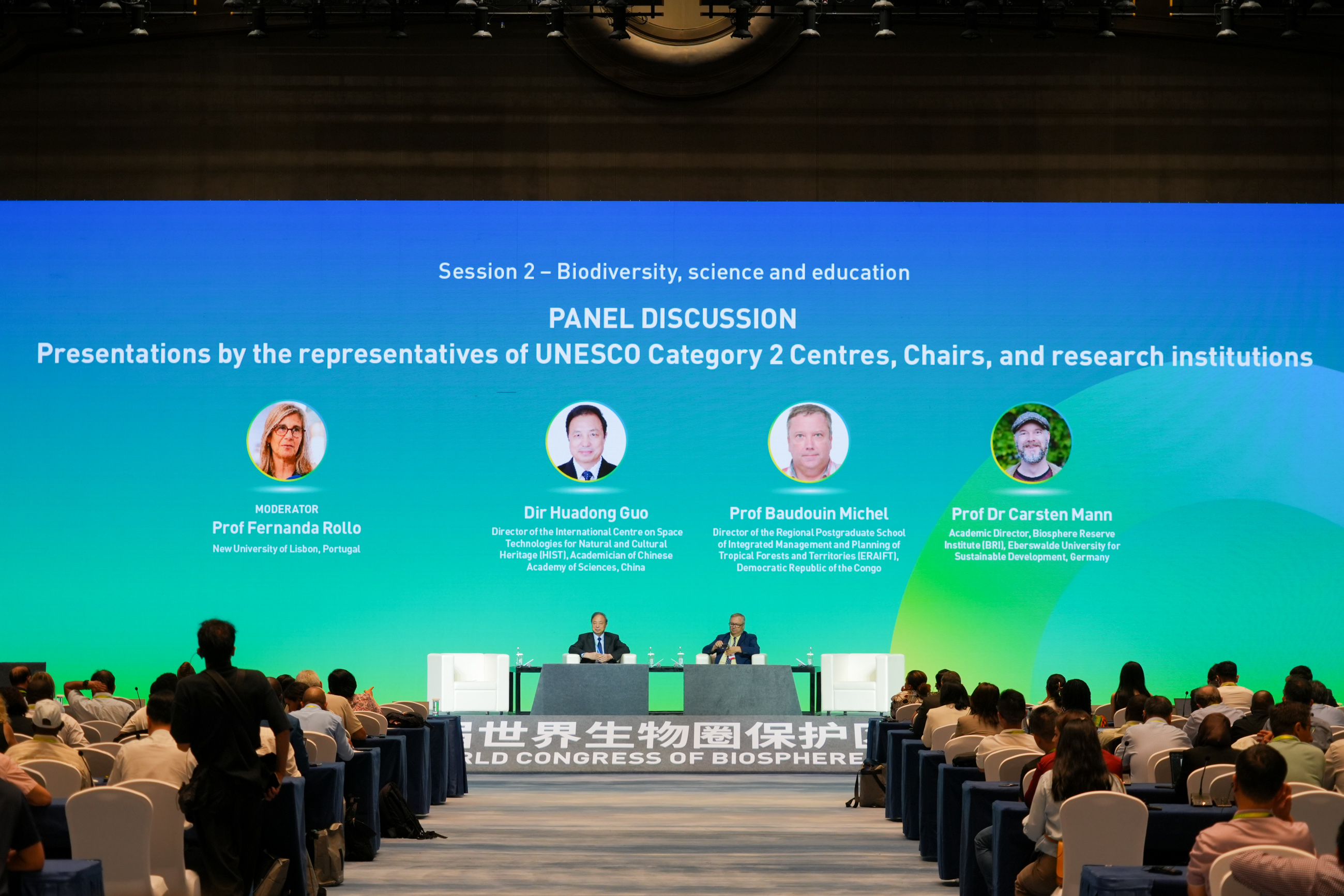
Session 2 – Biodiversity, science, and education
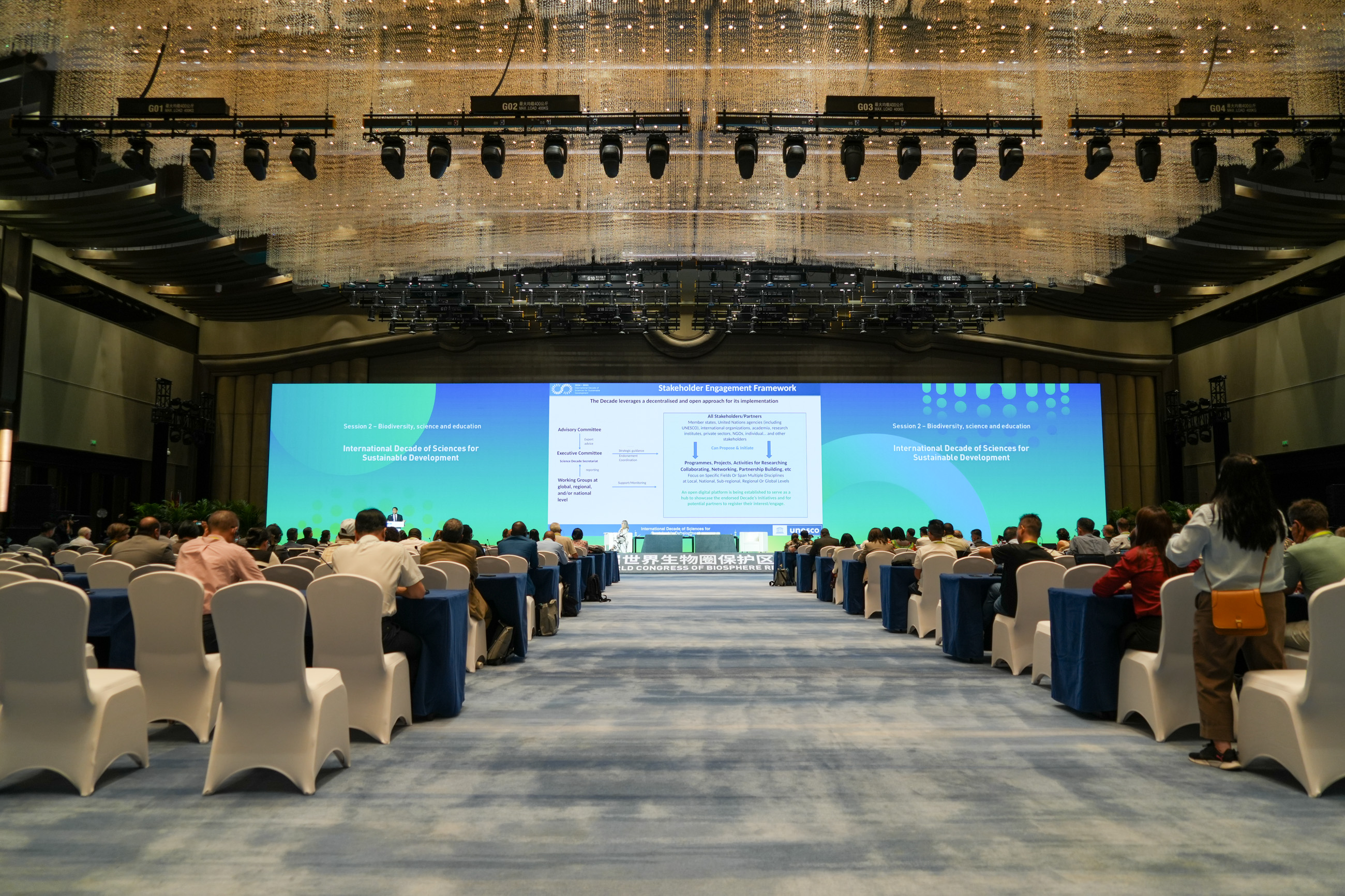
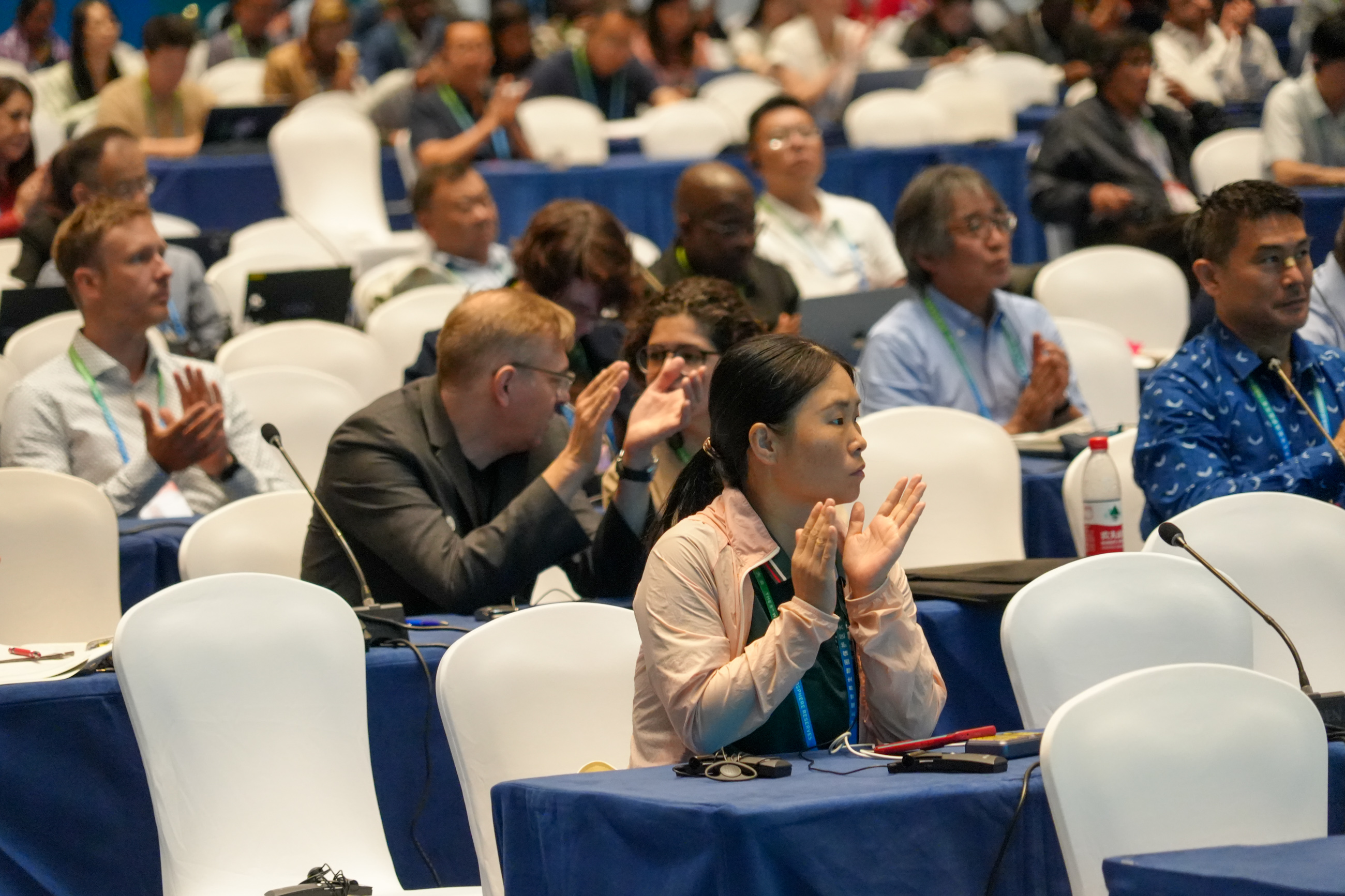
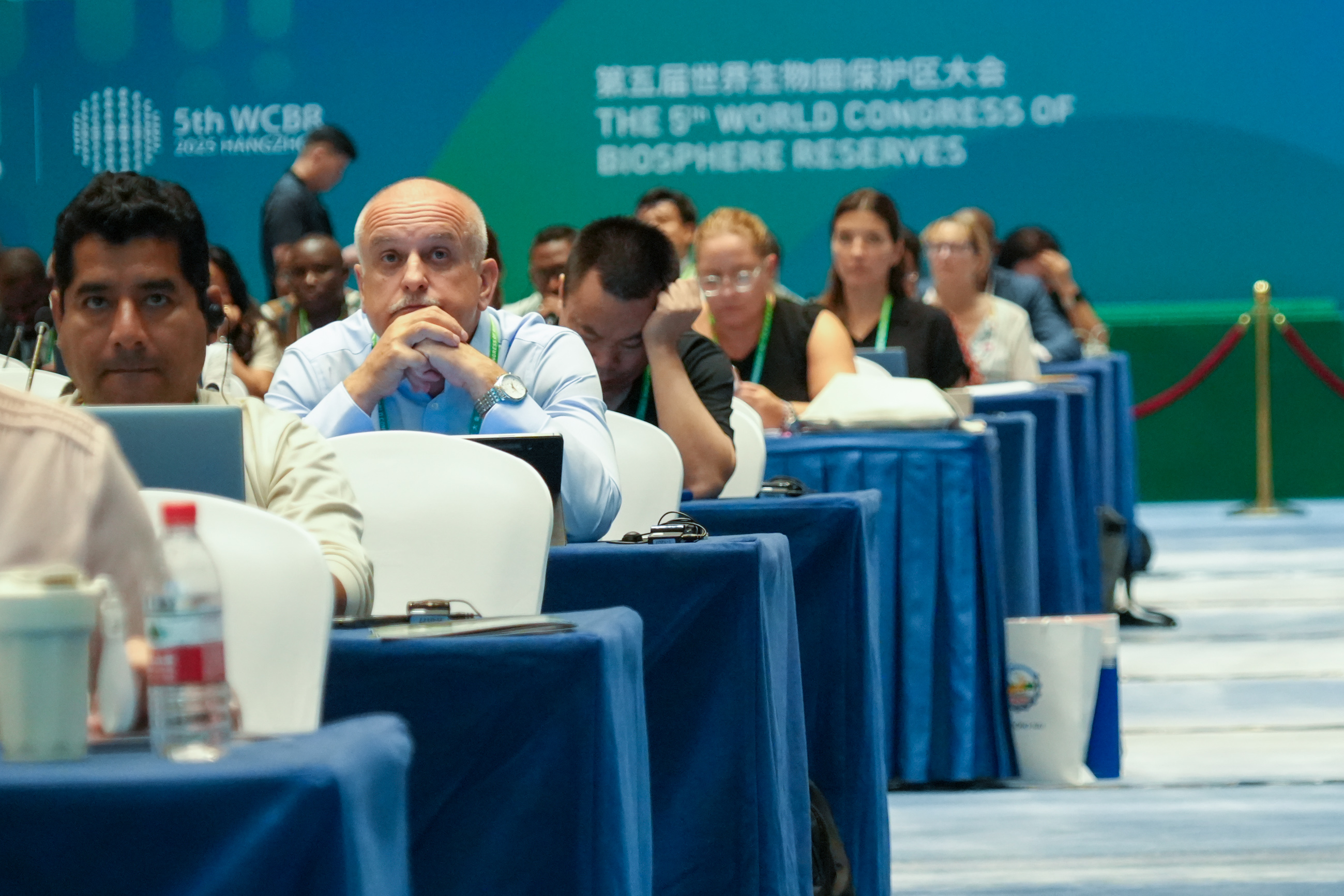
View of the room
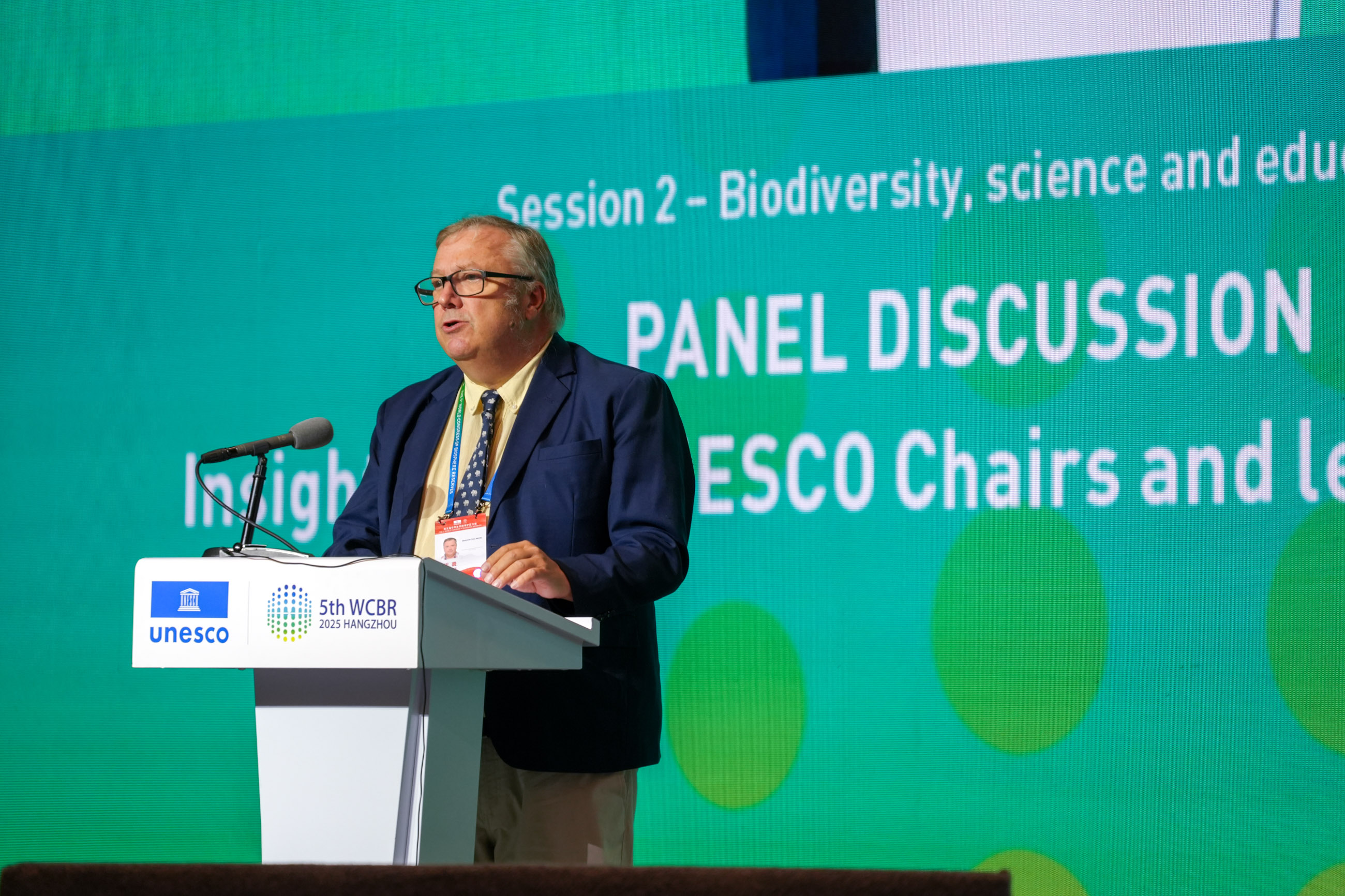
Baudouin Michel, Director, Regional Postgraduate Training School on Integrated Management of Tropical Forests and Lands (ERAIFT)
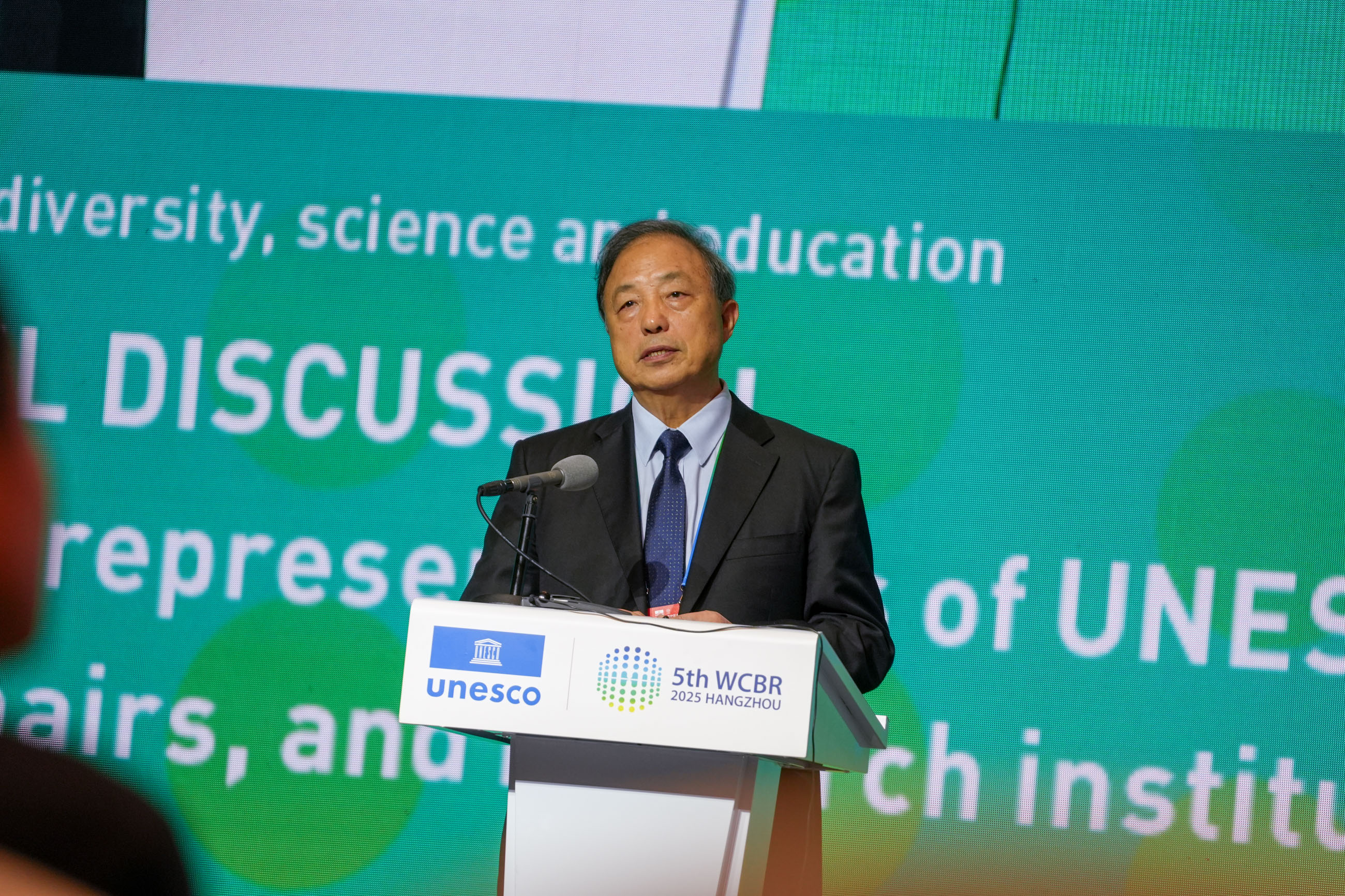
Huadong Guo, Director, International Centre on Space Technologies for Natural and Cultural Heritage (HIST)
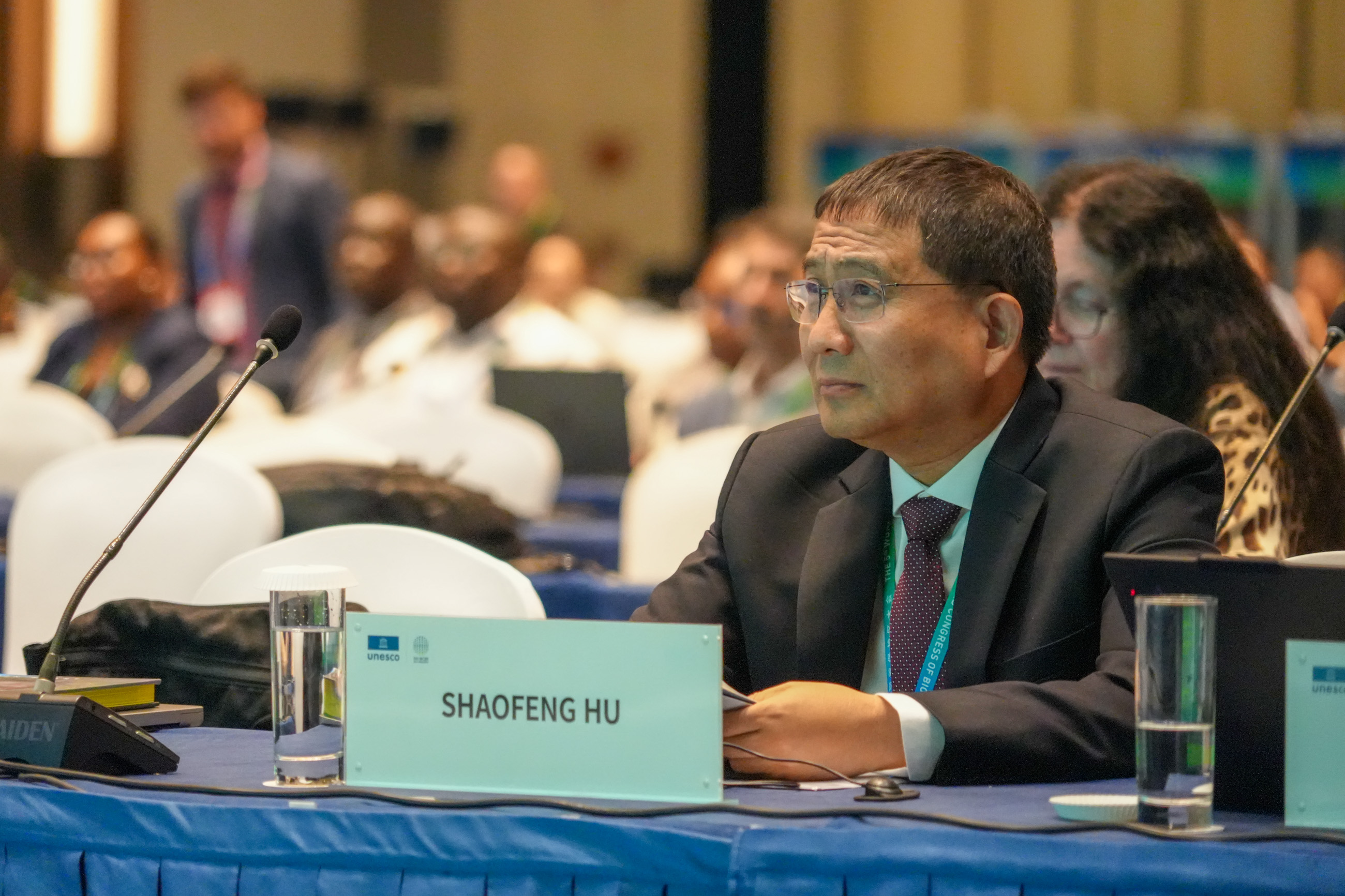
Shaofeng Hu, Director, Division of Science Policy and Capacity Building in the Natural Sciences Sector, UNESCO
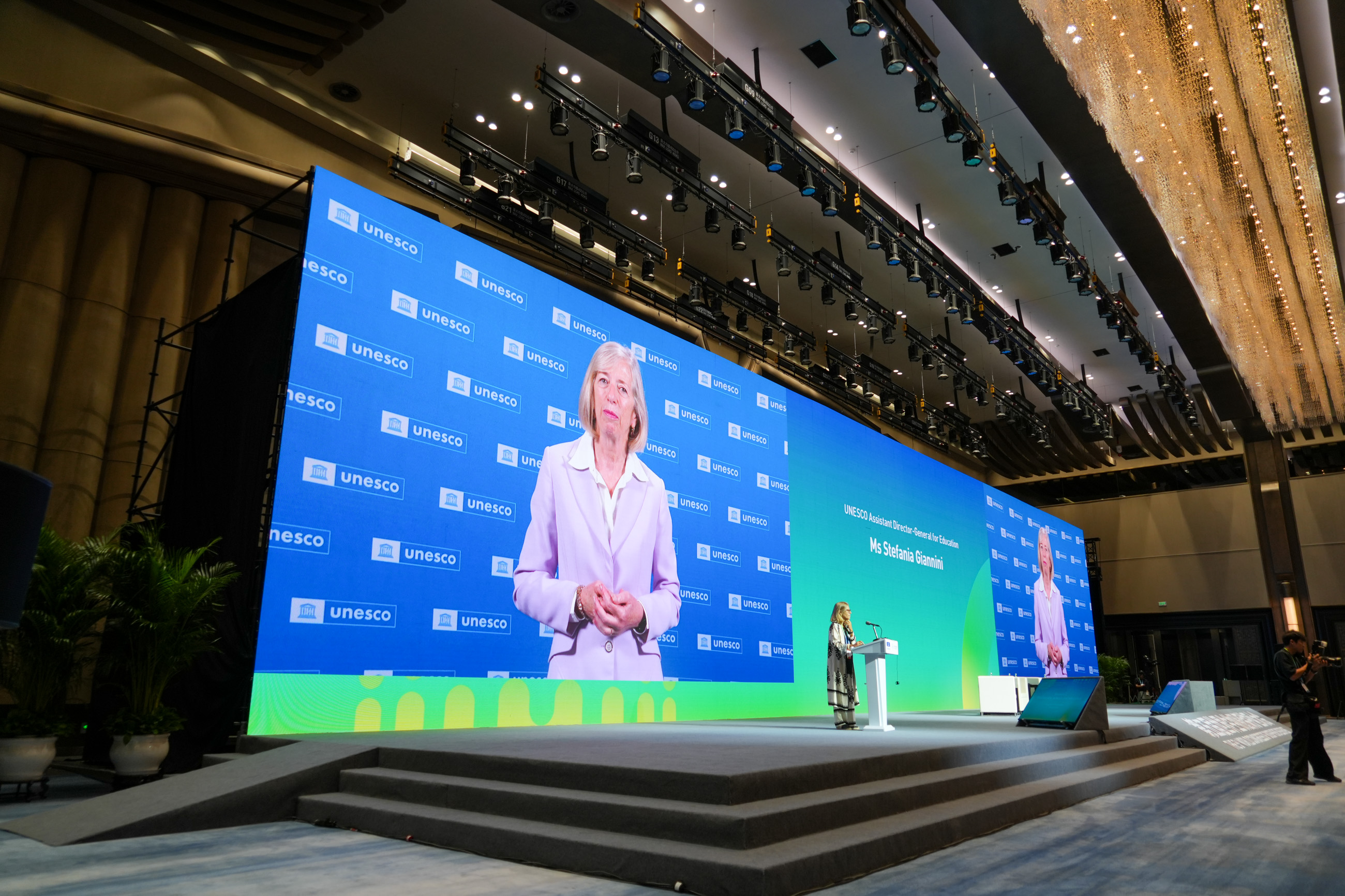
Stefania Giannini, UNESCO Assistant Director-General for Education
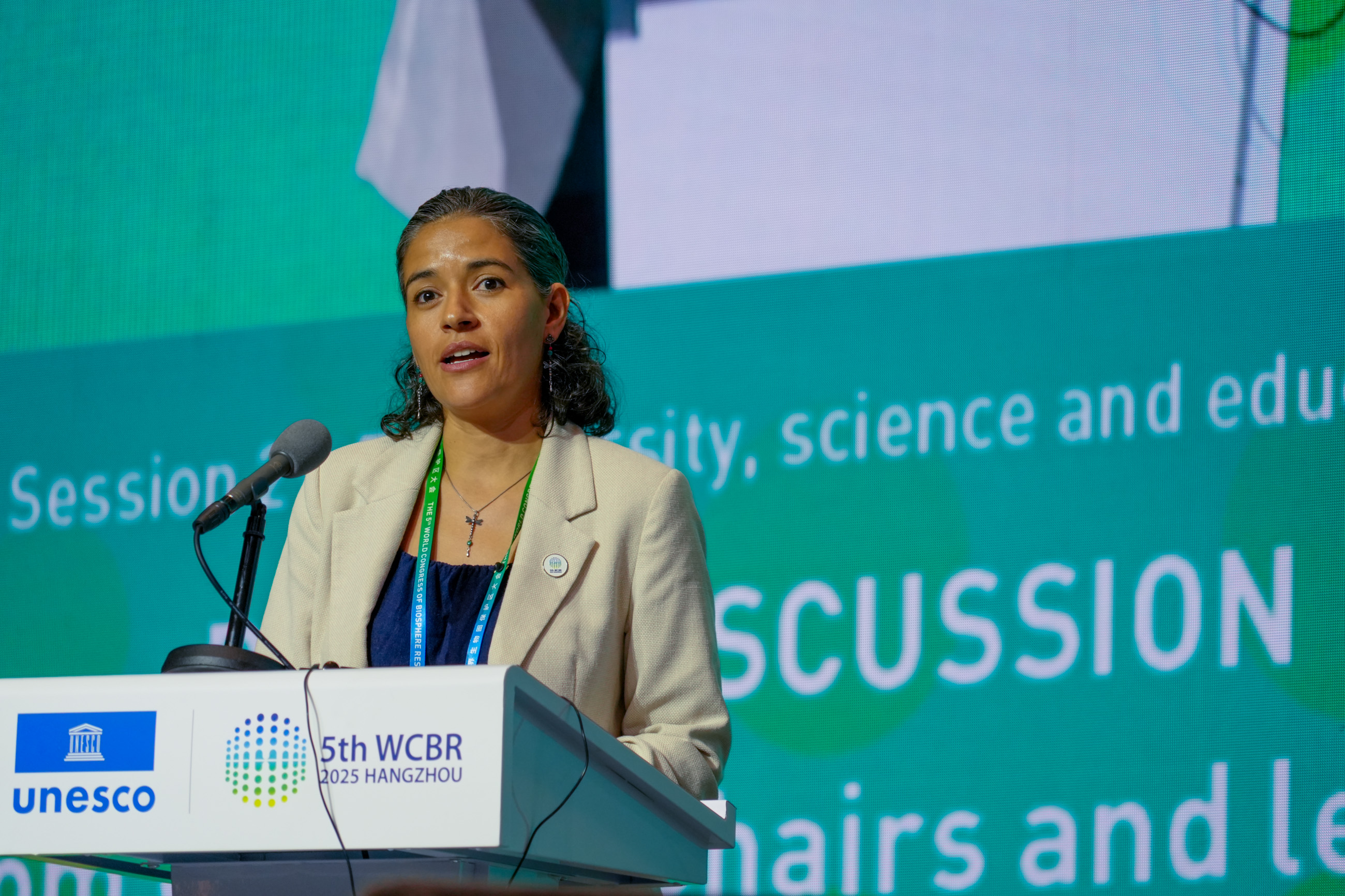
Tania Moreno Ramos, Executive Coordinator, UNESCO Chair on Biosphere Reserves and Natural World Heritage Sites, and University for International Cooperation, Costa Rica

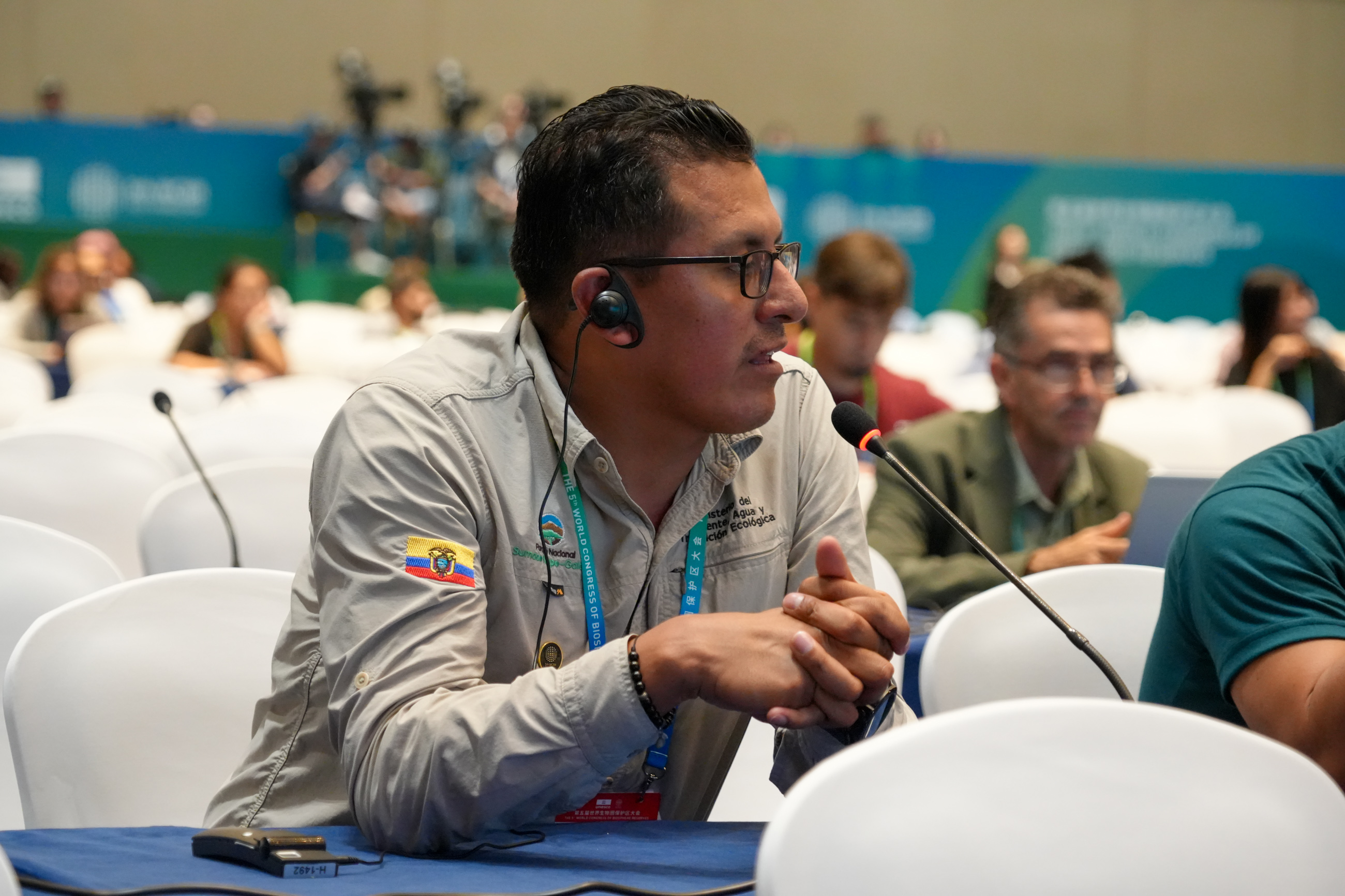
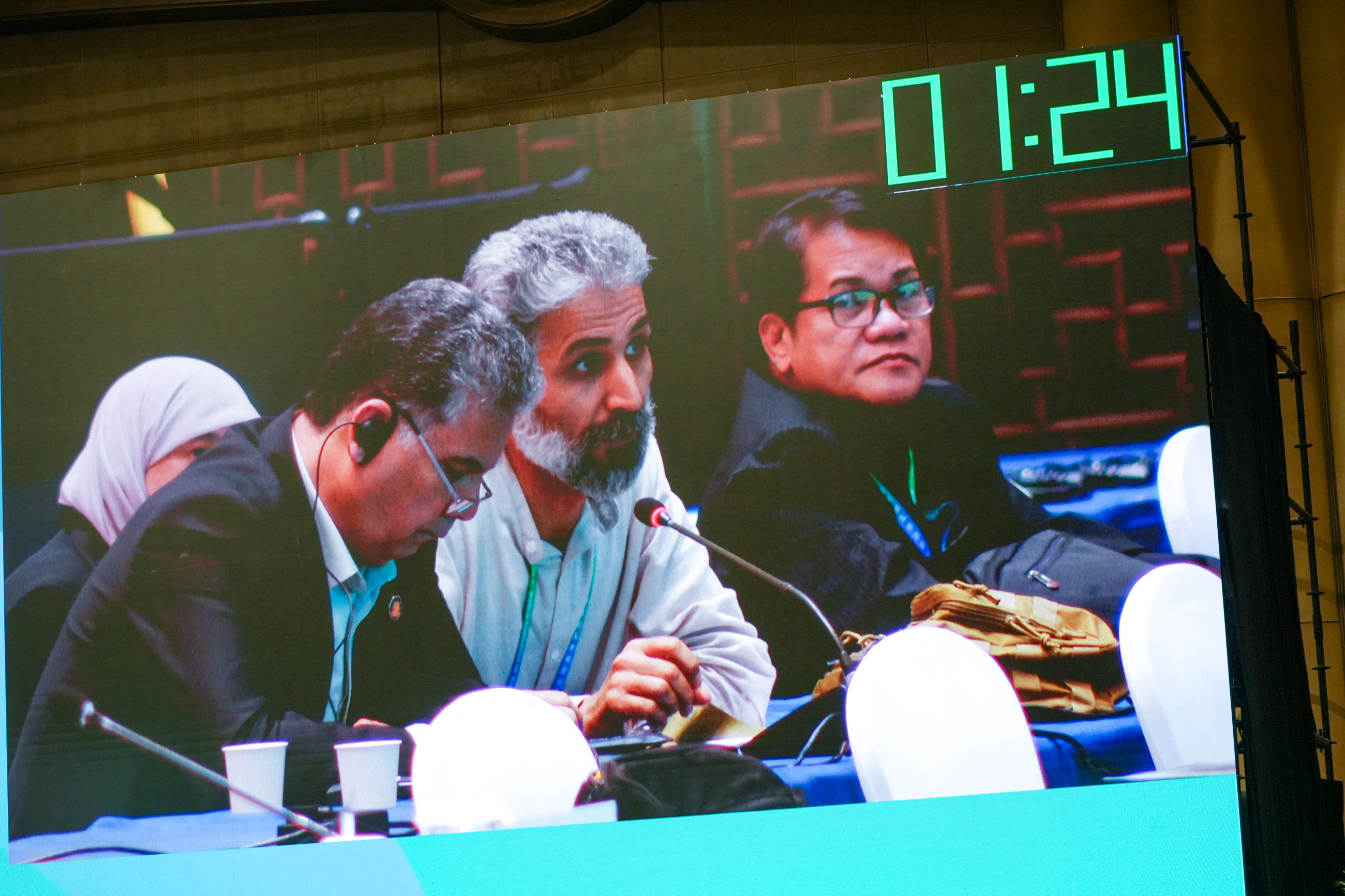
Session 3 – Optimizing partnership and finance for biosphere reserves
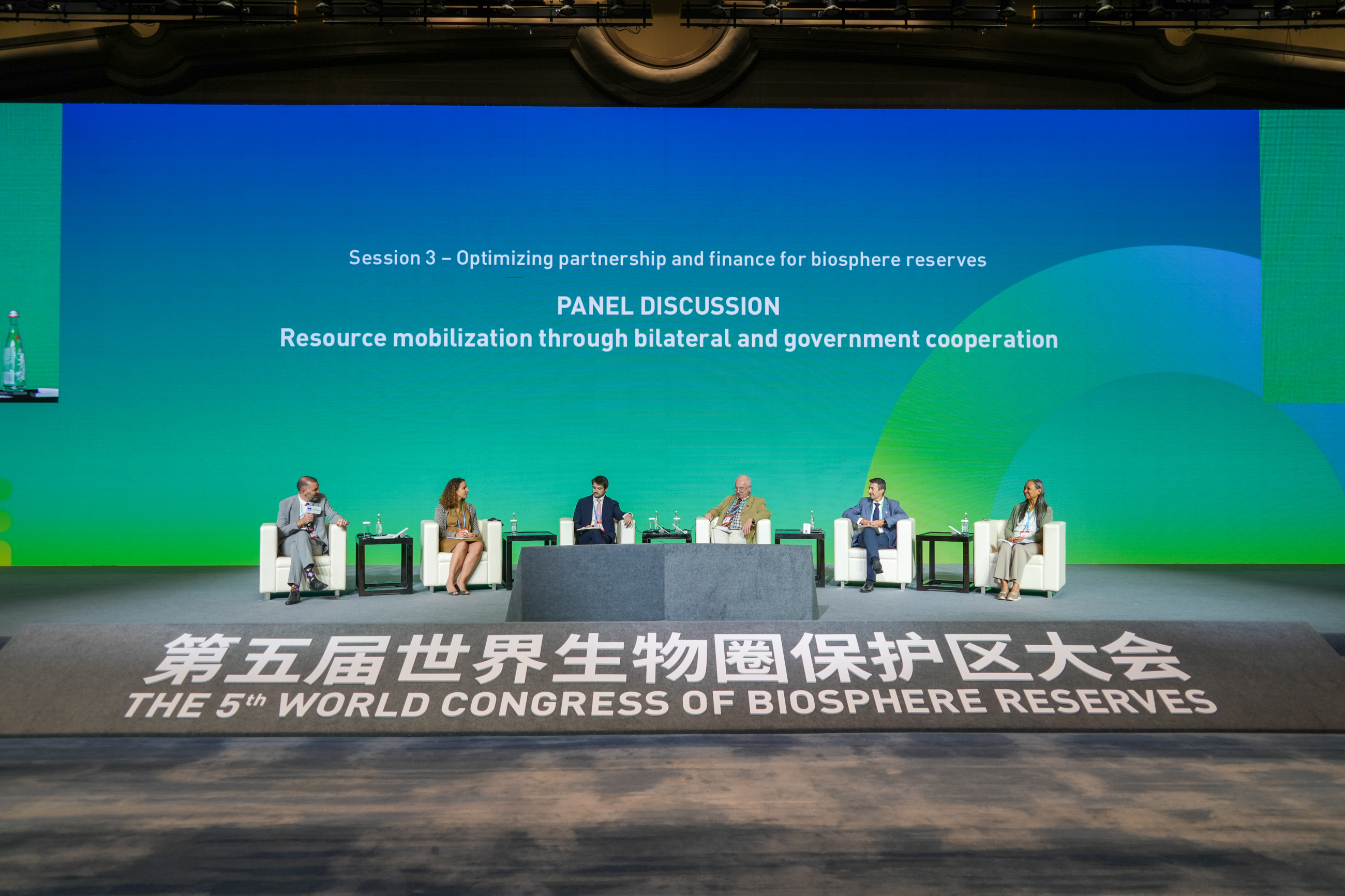
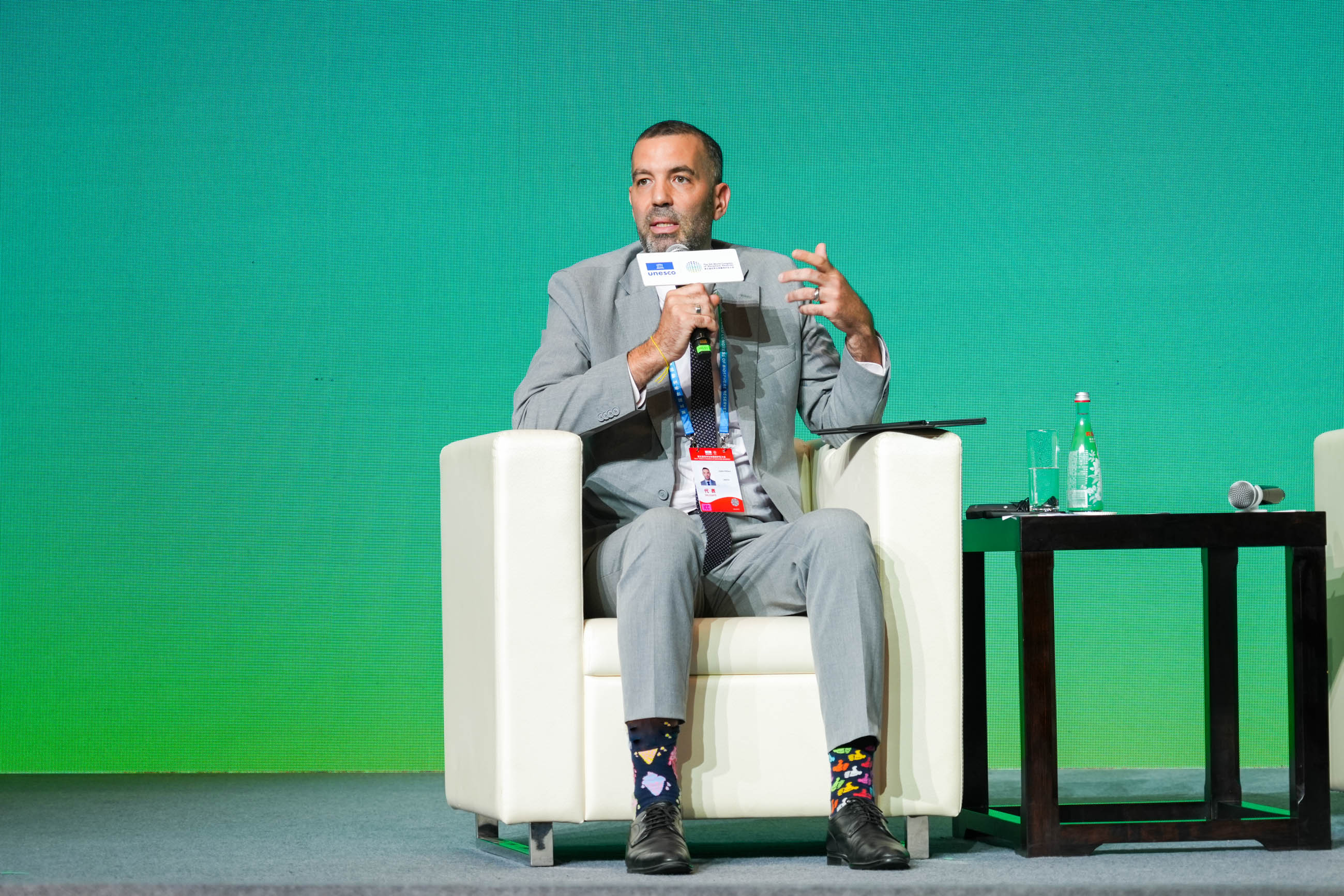
Julien Pellaux, Director, Partnerships Division, UNESCO
Elena Salgado, President, Abertis Foundation
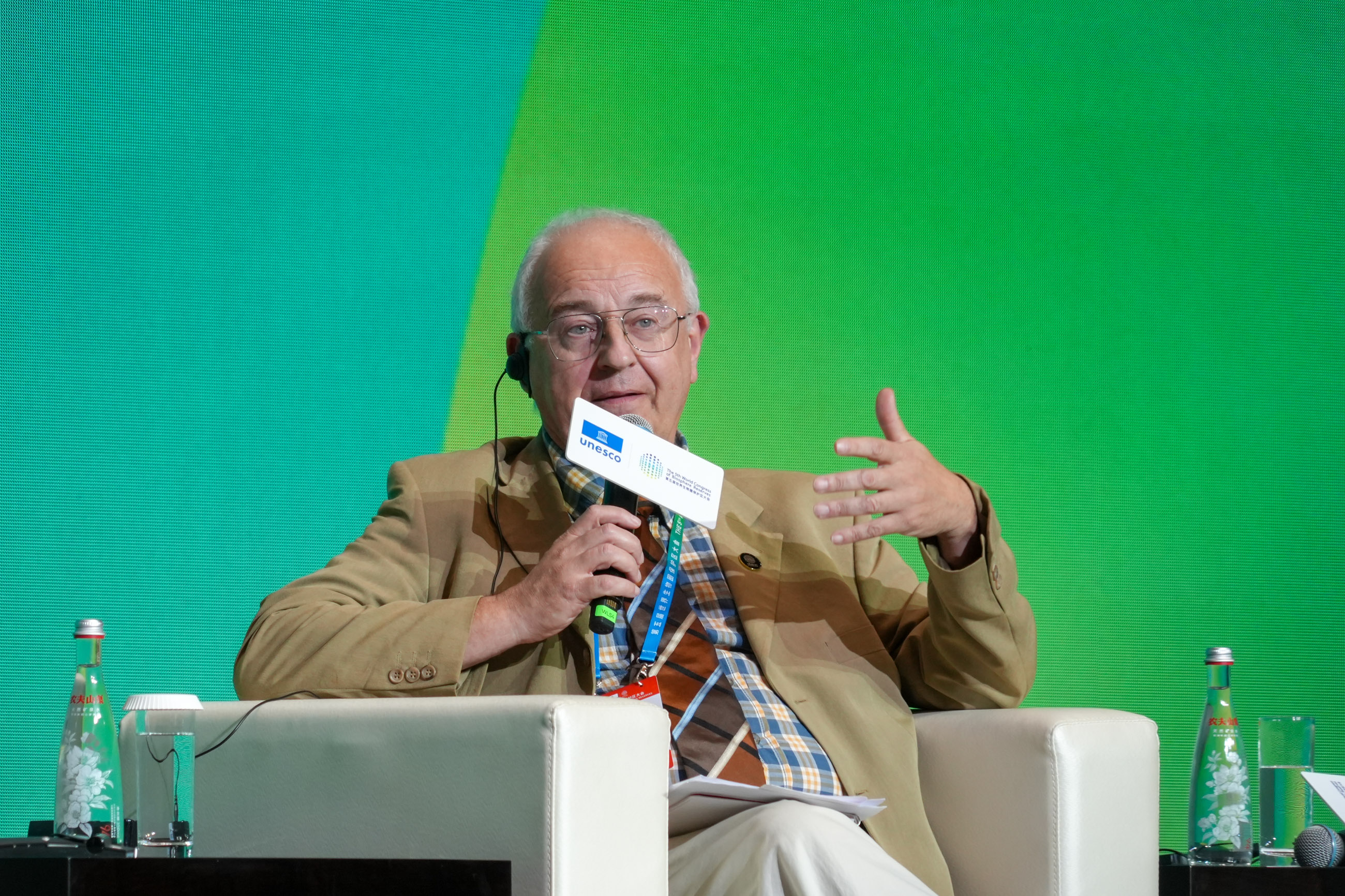
Geert Verreet, Government of Flanders, Belgium
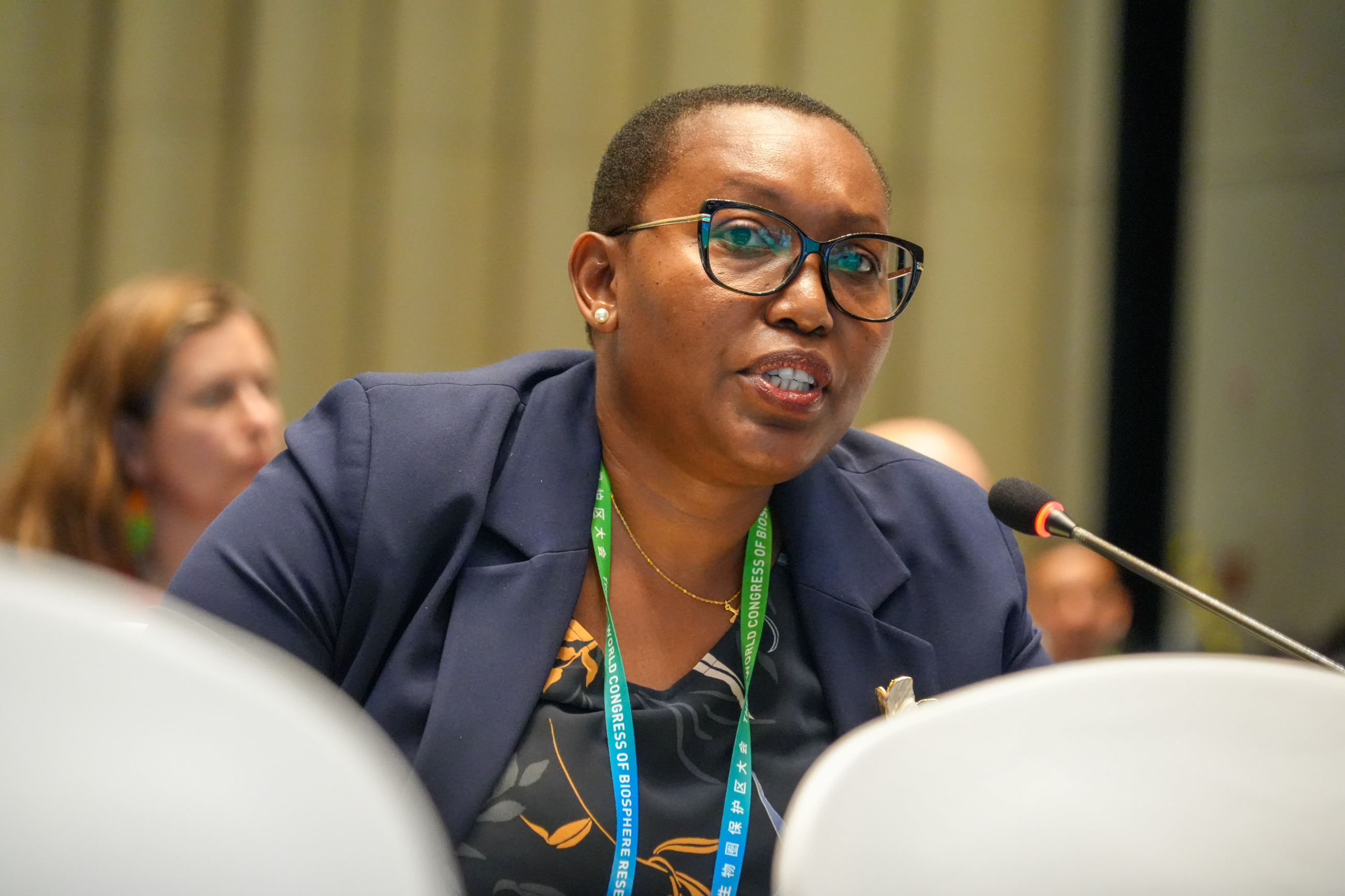
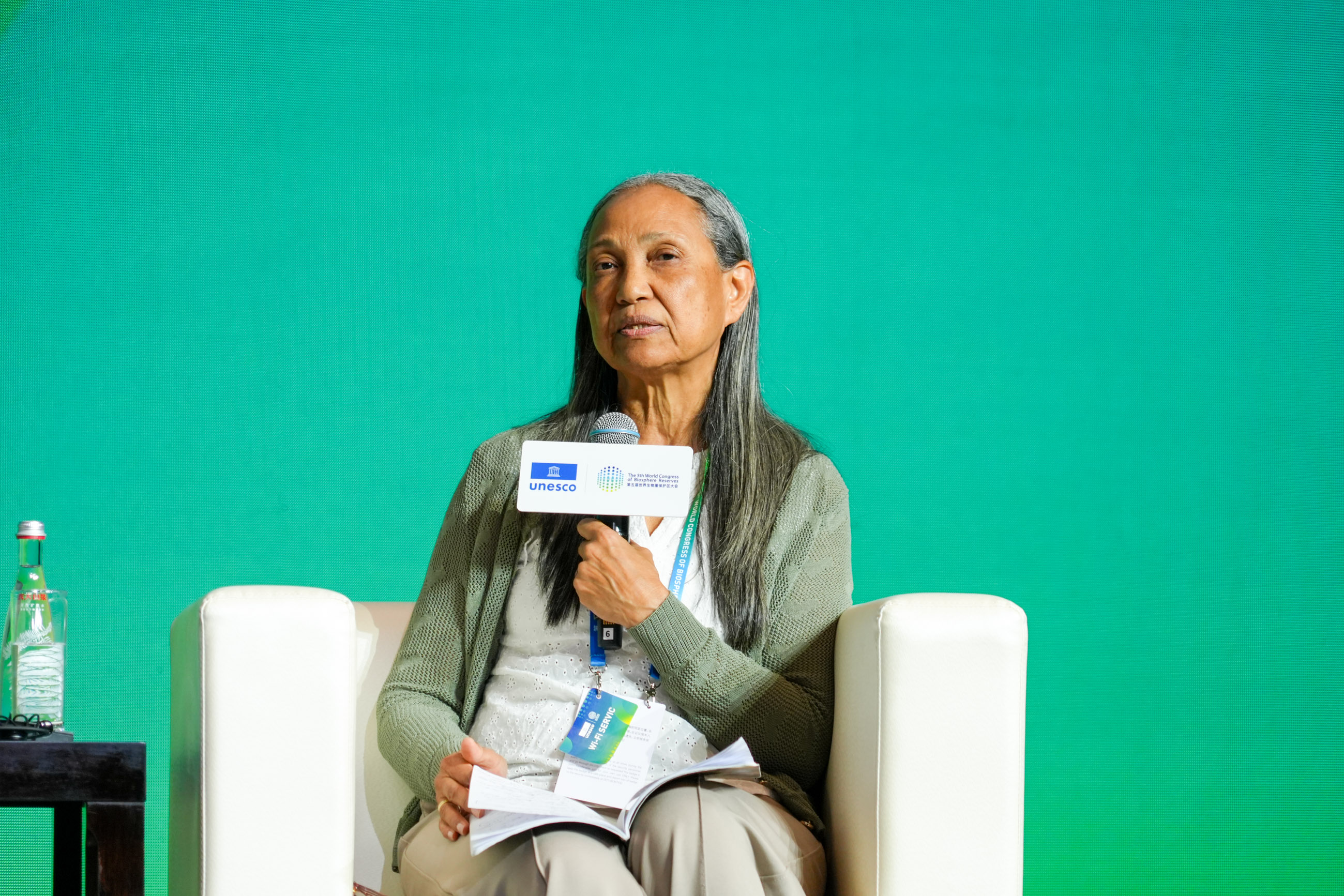
June Marie Mow, Executive Director, Providence Foundation, and Seaflower Biosphere Reserve, Colombia
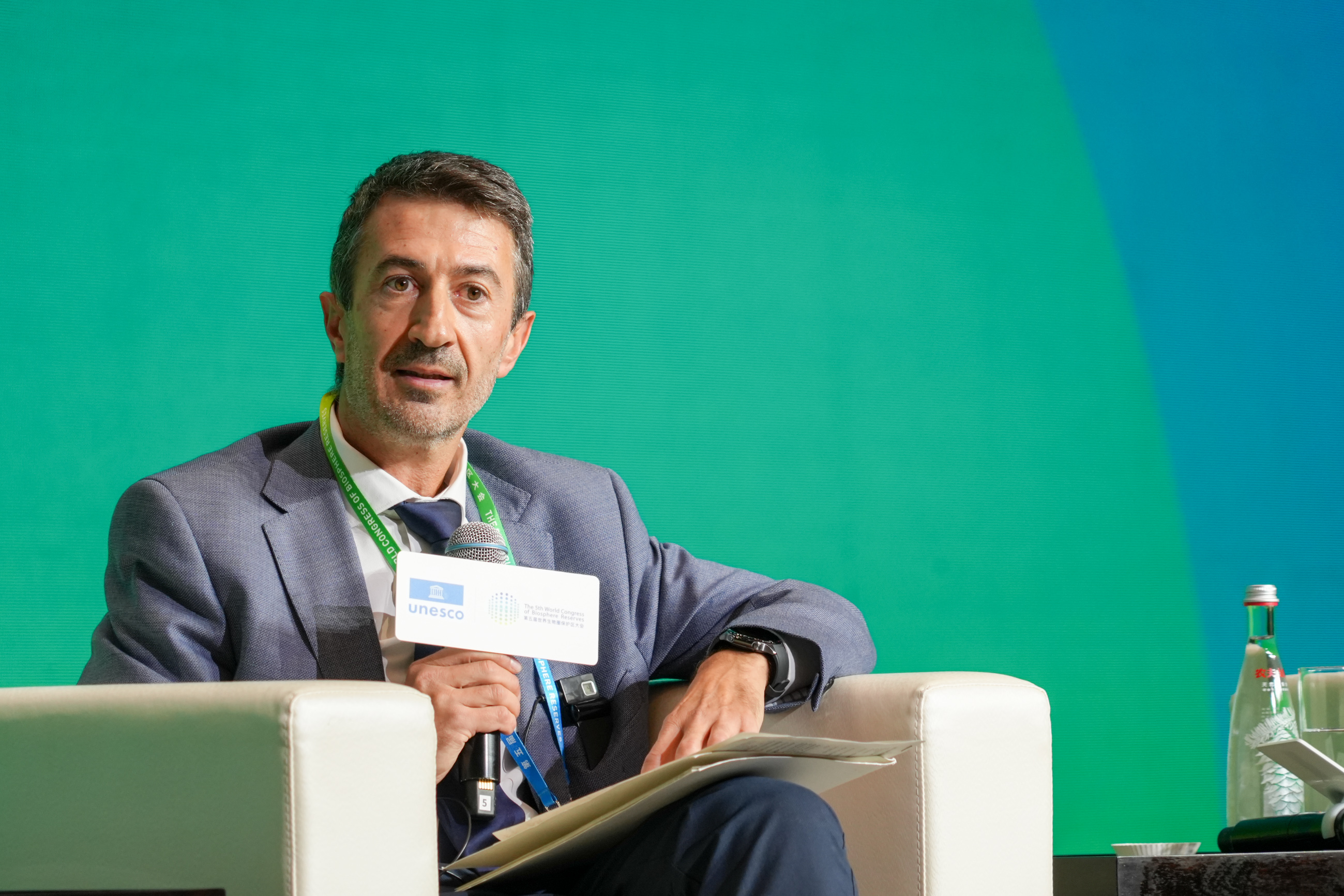
Javier Pantoja Trigueros, Director, National Parks Autonomous Agency, Spain
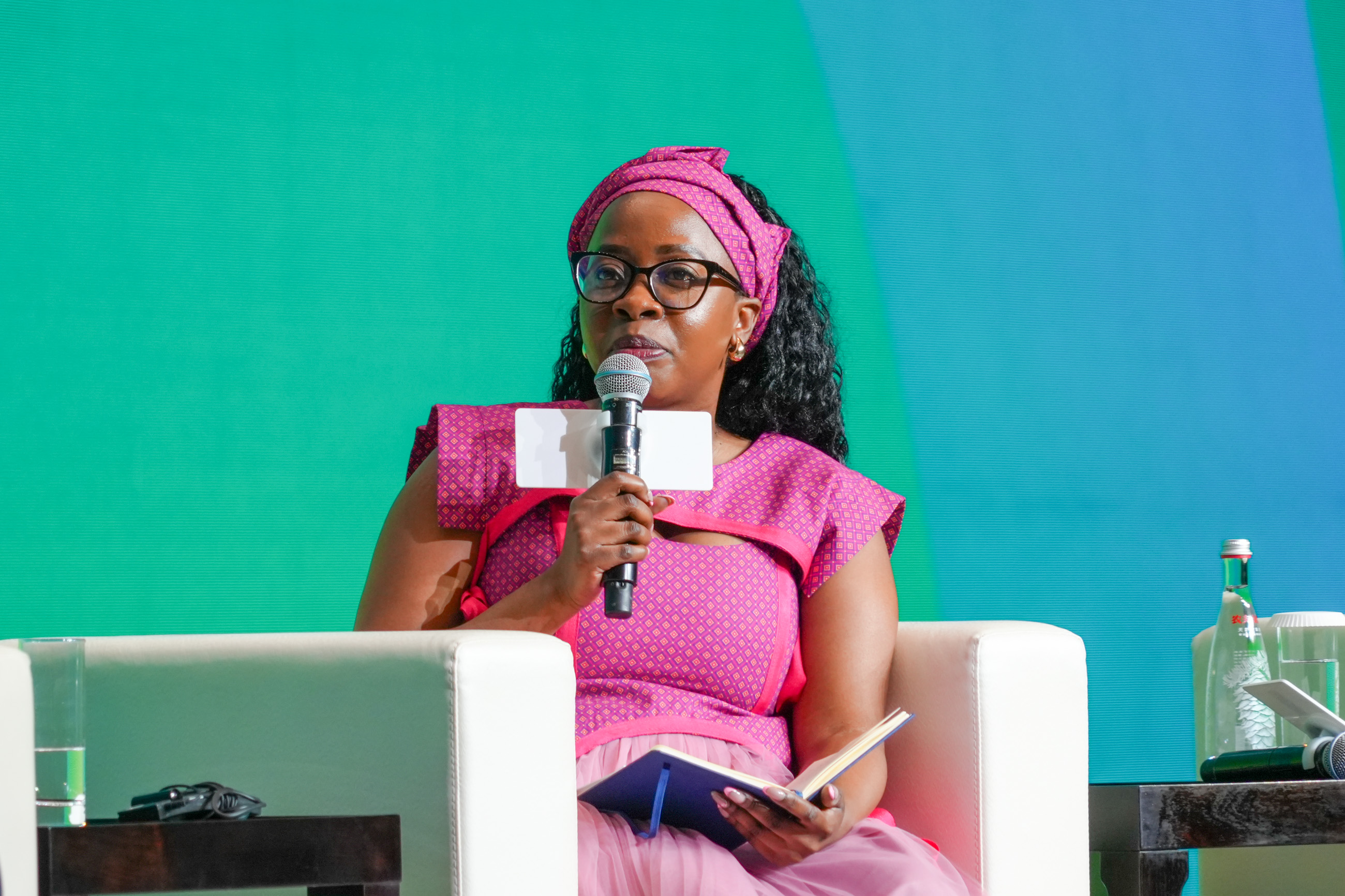
Mbali Mashele, Project Coordinator, UNESCO Regional Office for Southern Africa
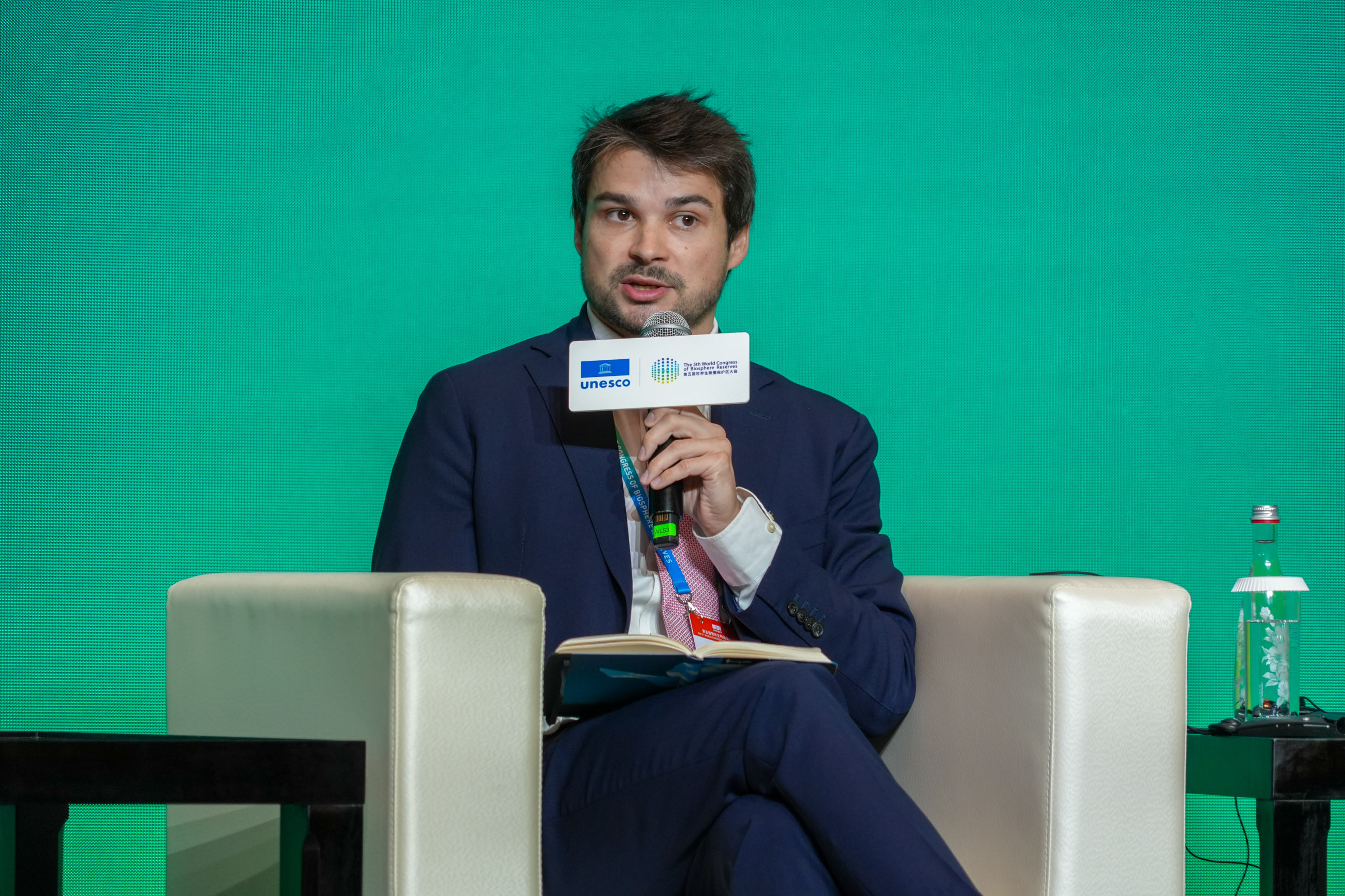
Nelson Castiaux, Embassy of Belgium in China
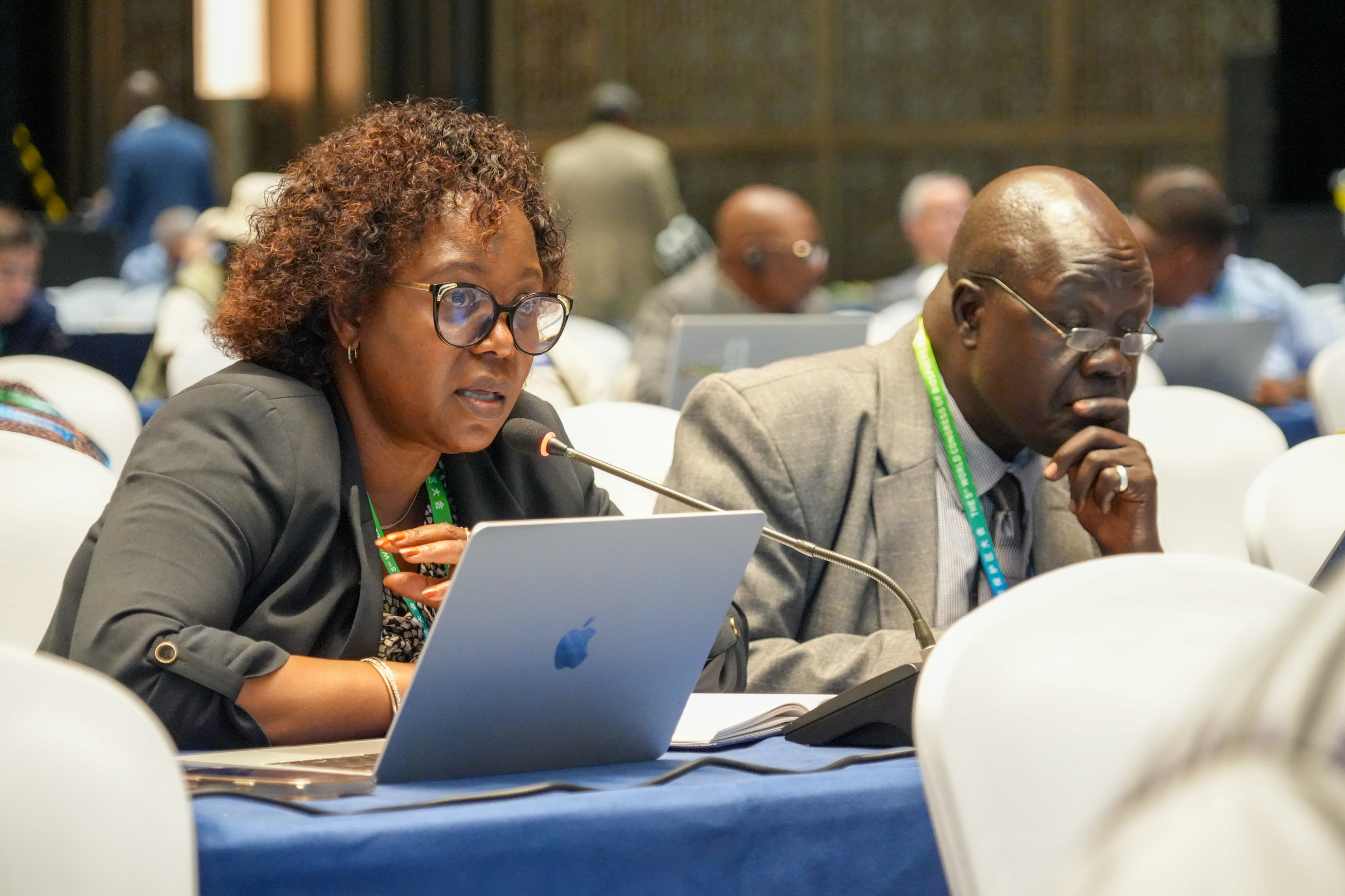
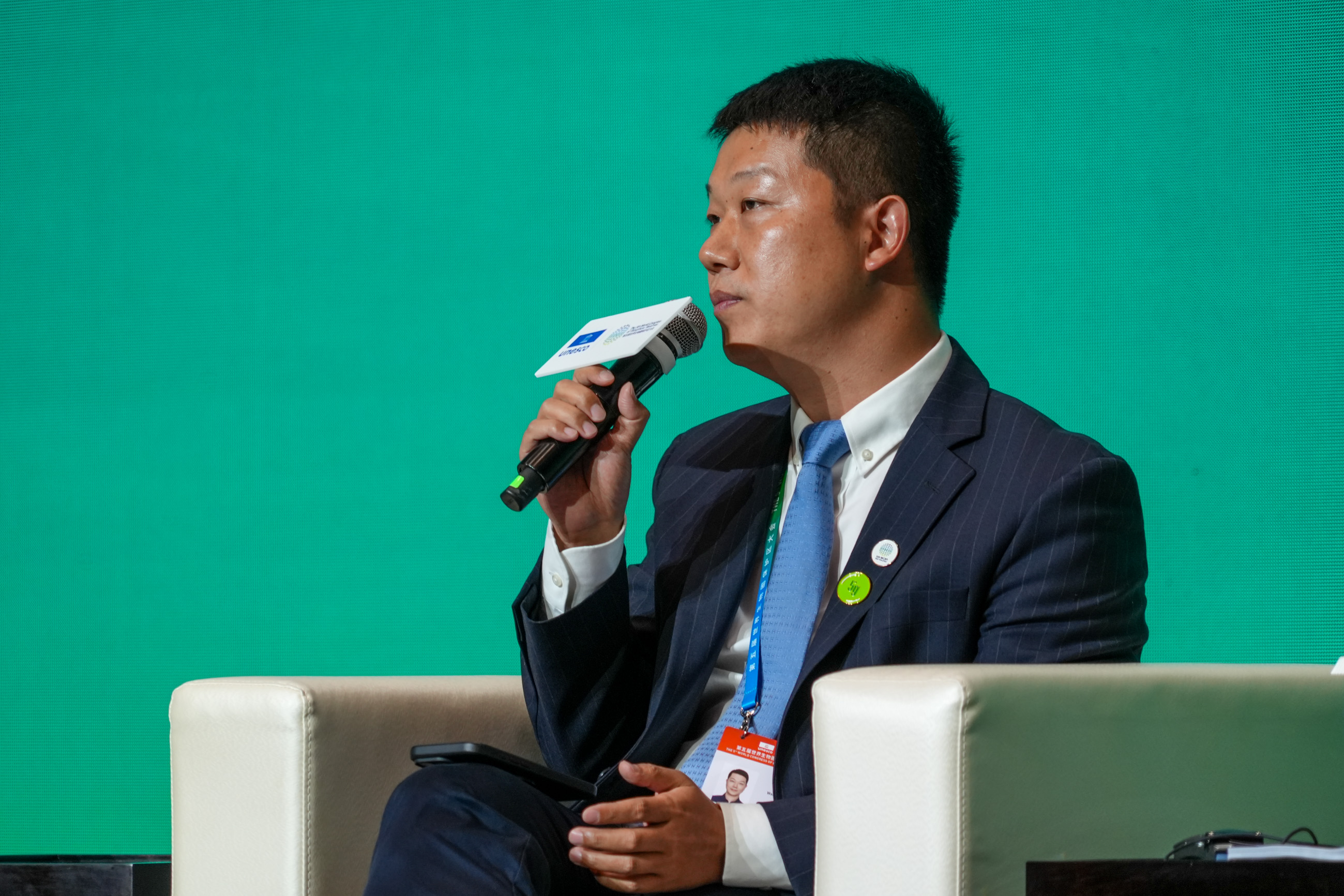
Xiaoying Wang, Director of Sustainable Development, Ant Group, and Secretary-General, Ant Forest Foundation
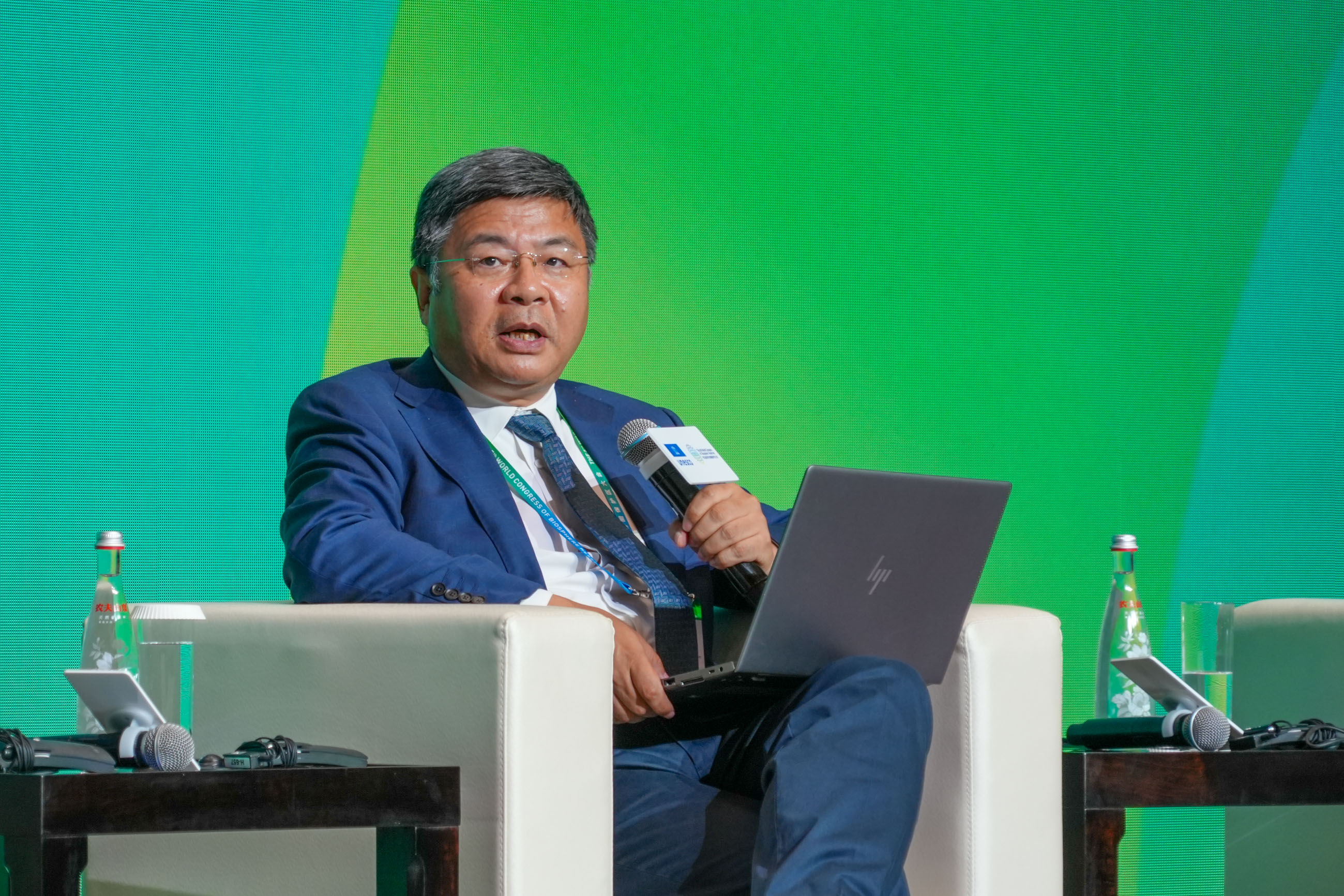
Liu Ning, Deputy Director-General, Nature and Ecology Department, Ministry of Ecology and Environment, China
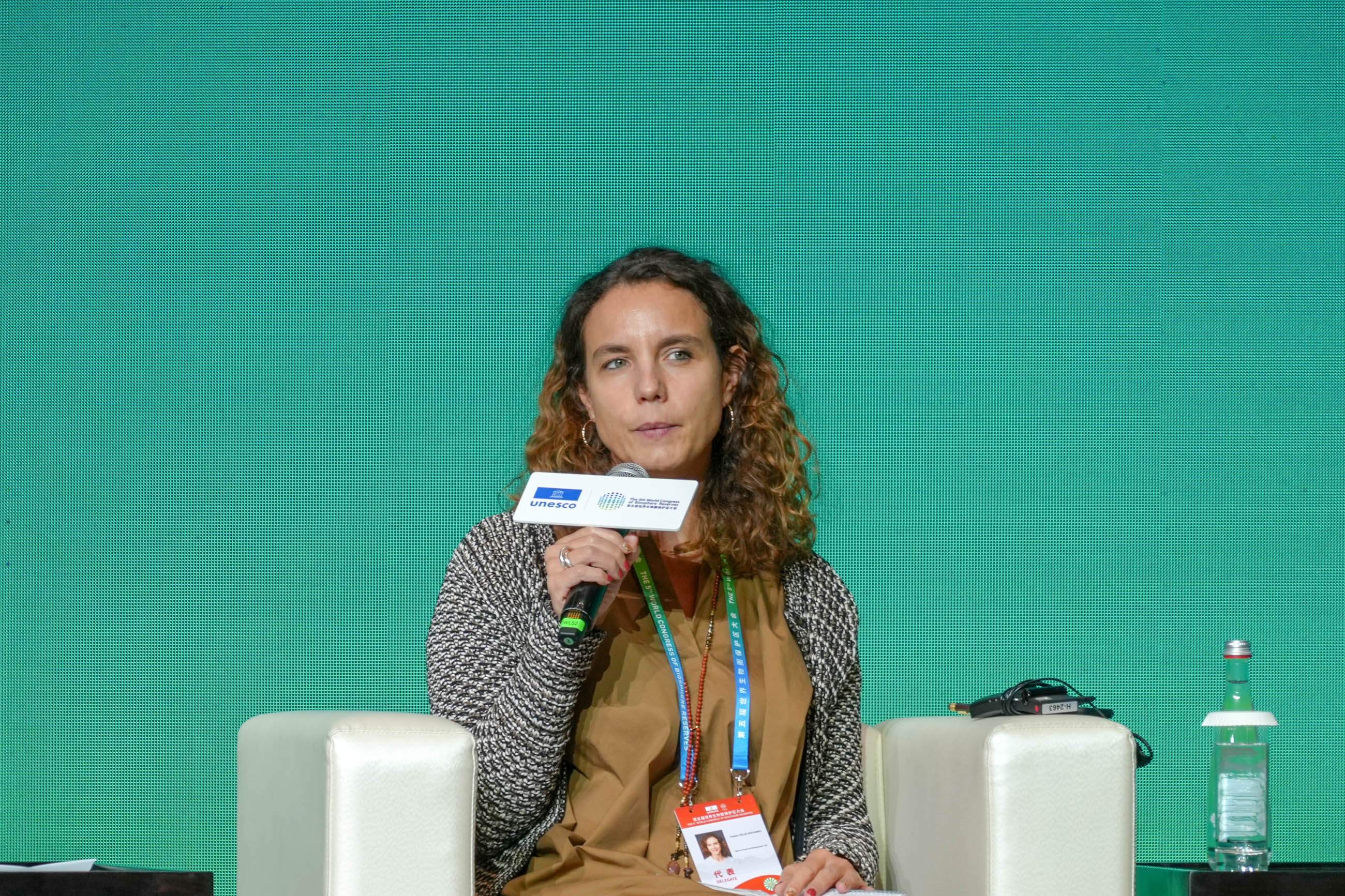
Pauline Teillac-Deschamps, French Development Agency
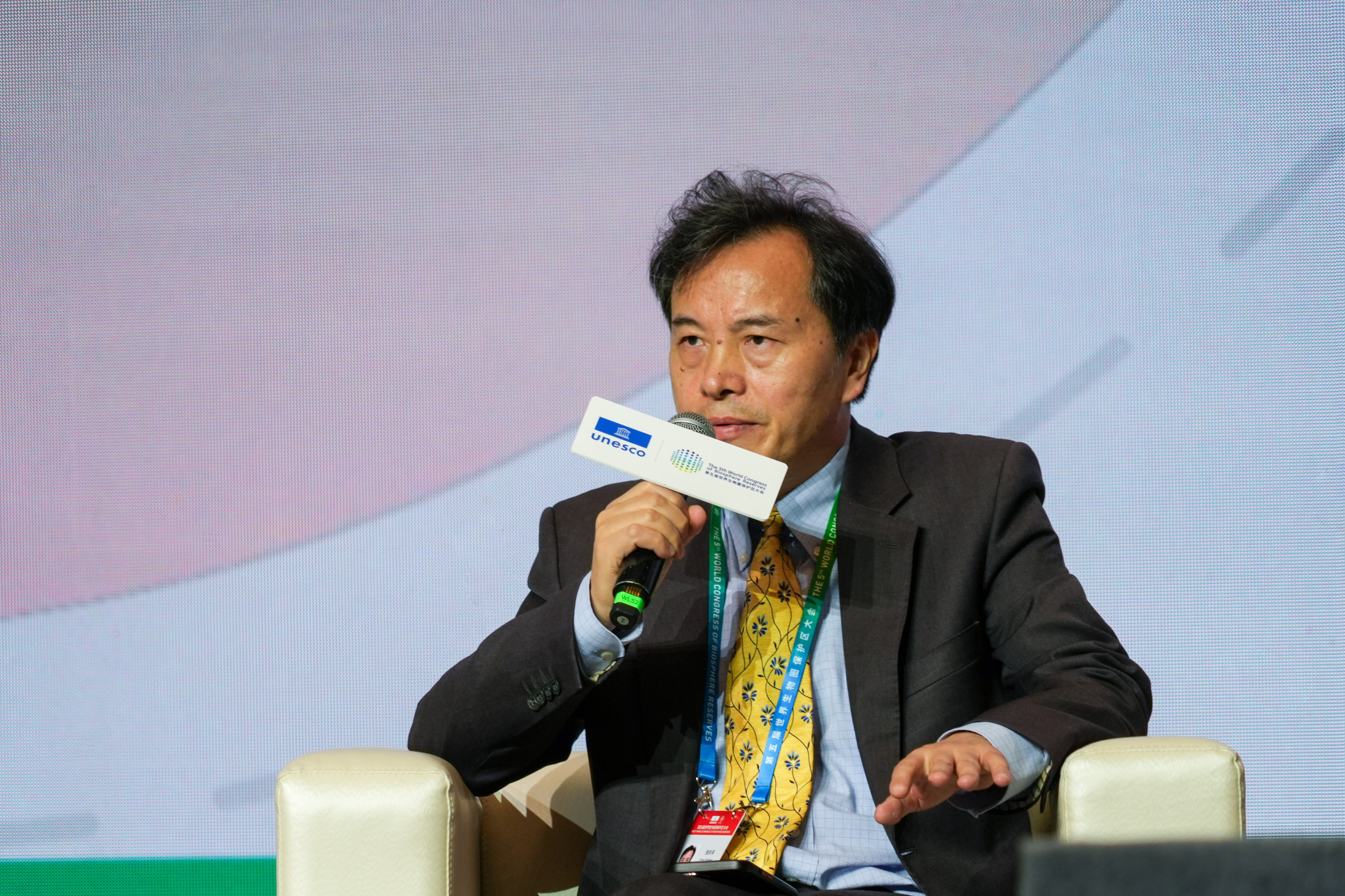
Qingfeng Zhang, Senior Director, Agriculture, Food, Nature and Rural Department Sector Office, Asian Development Bank
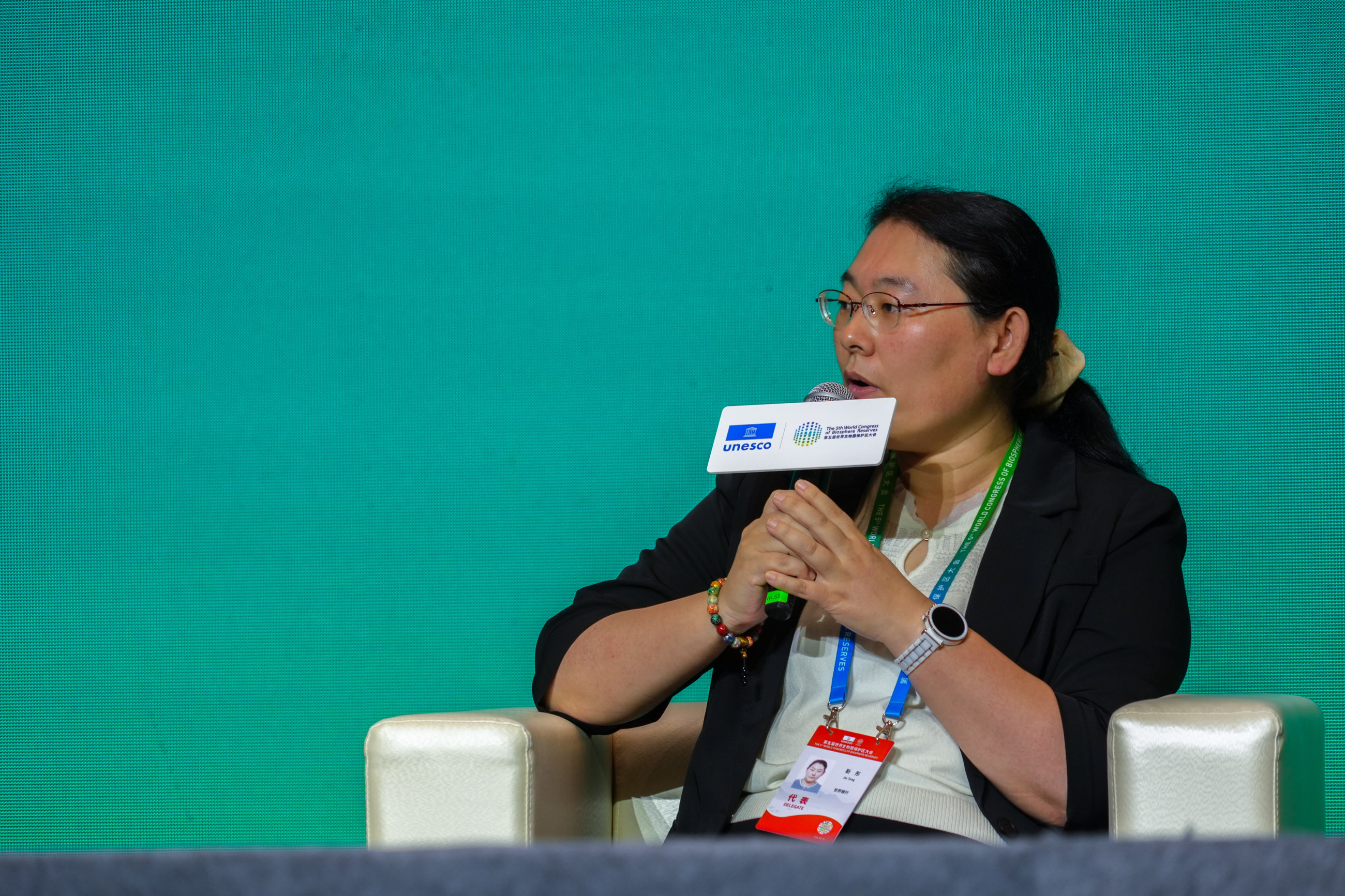
Jin Tong, World Bank Group
Selected pictures
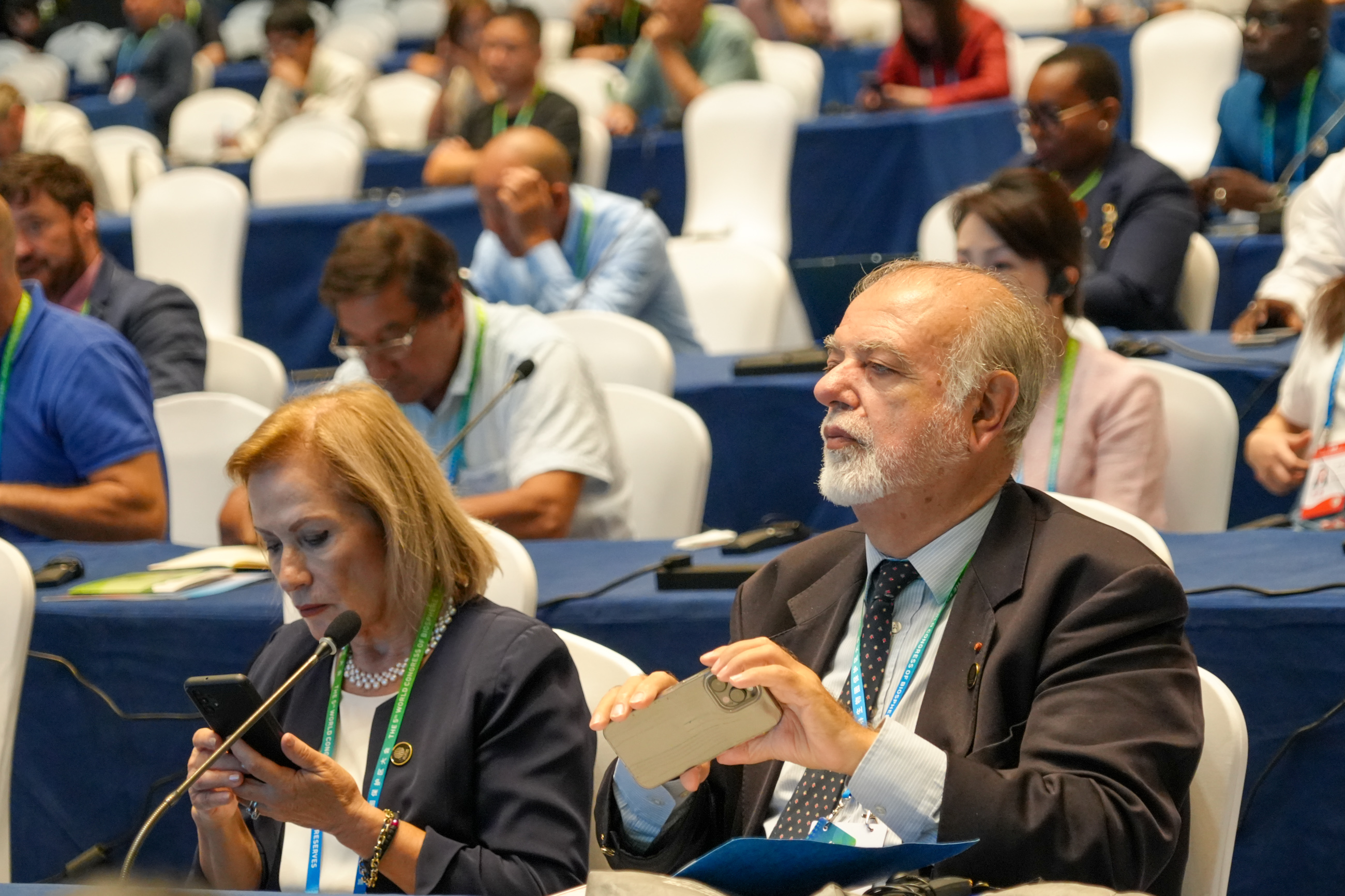
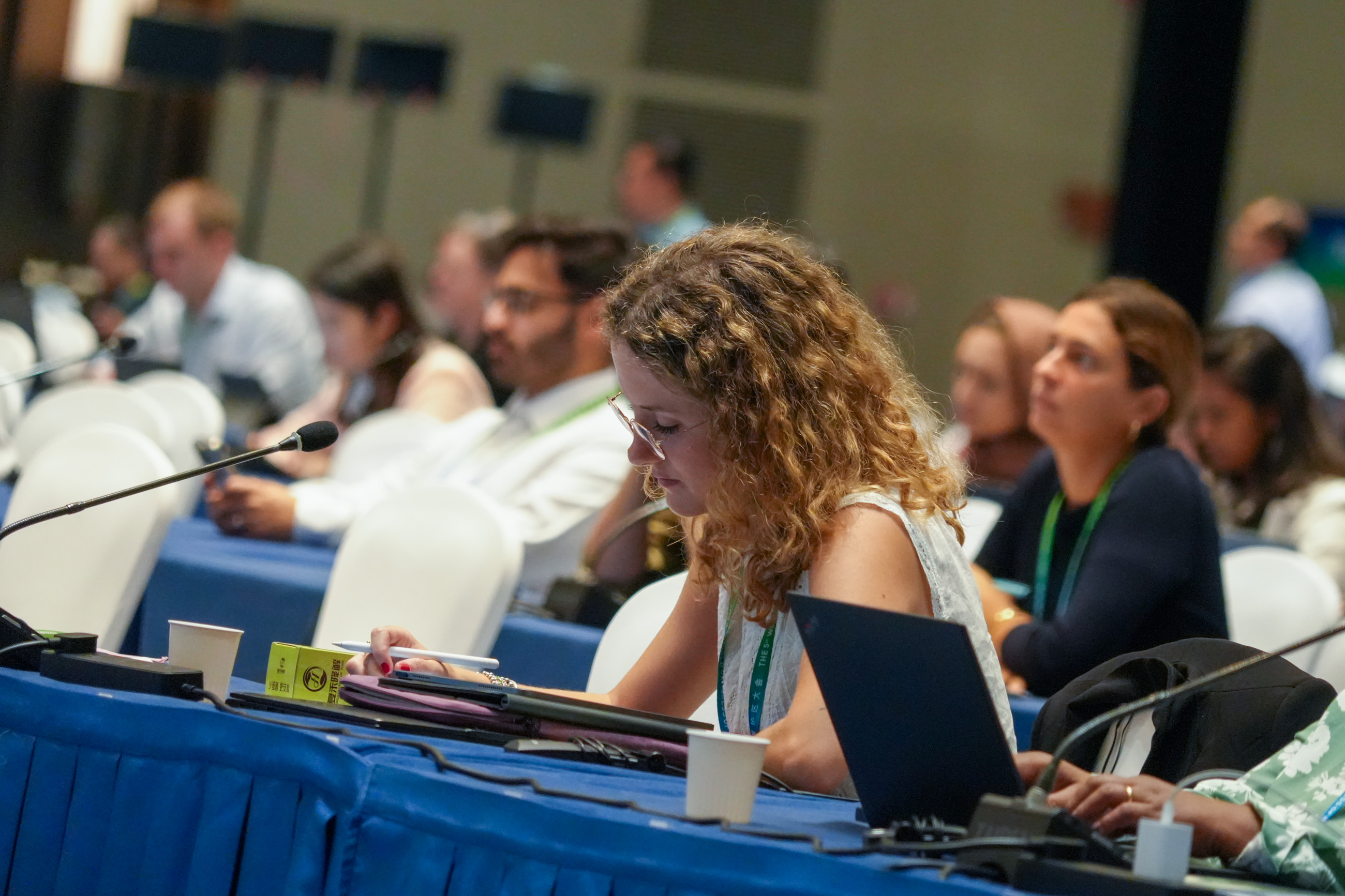
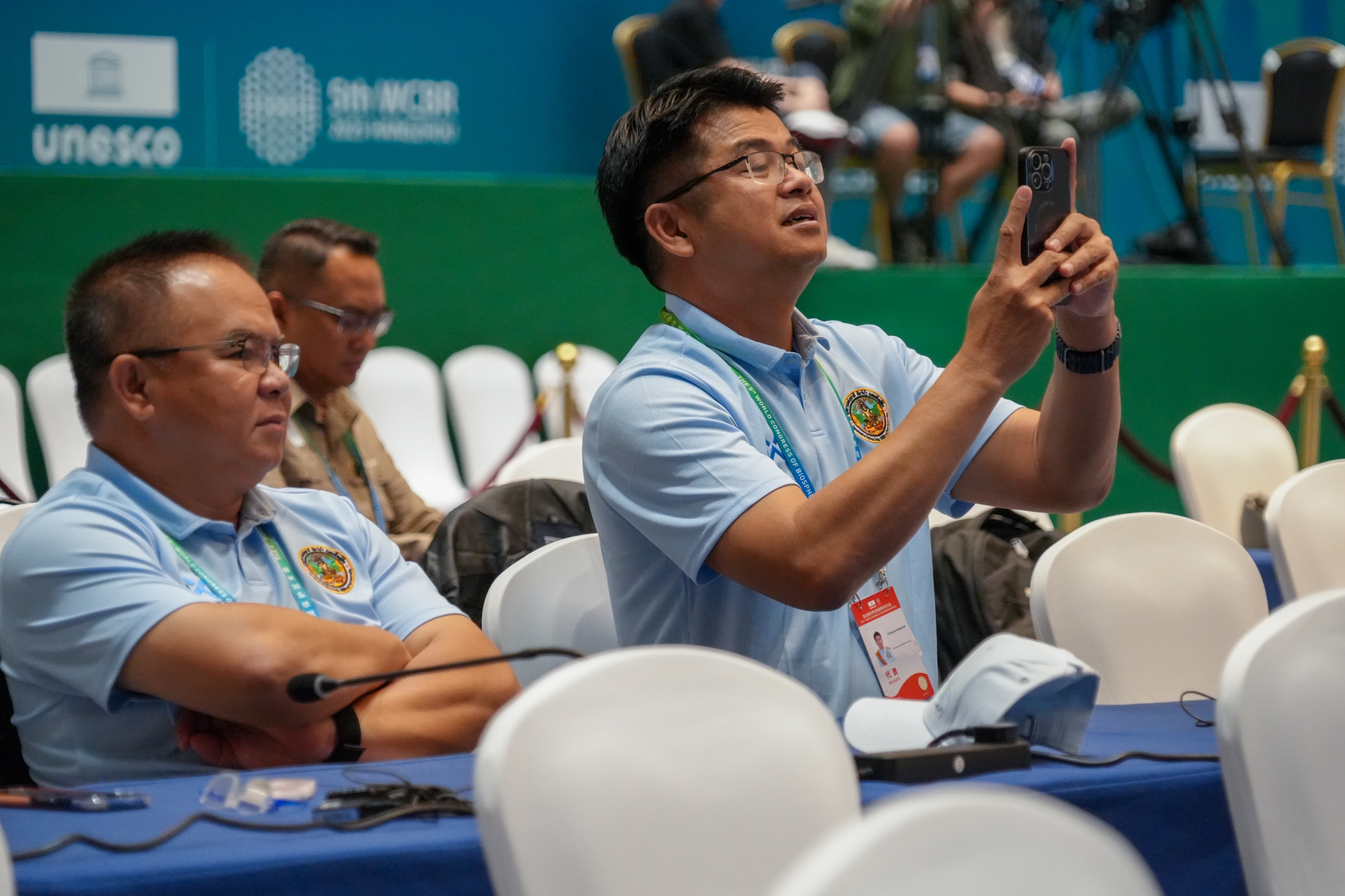

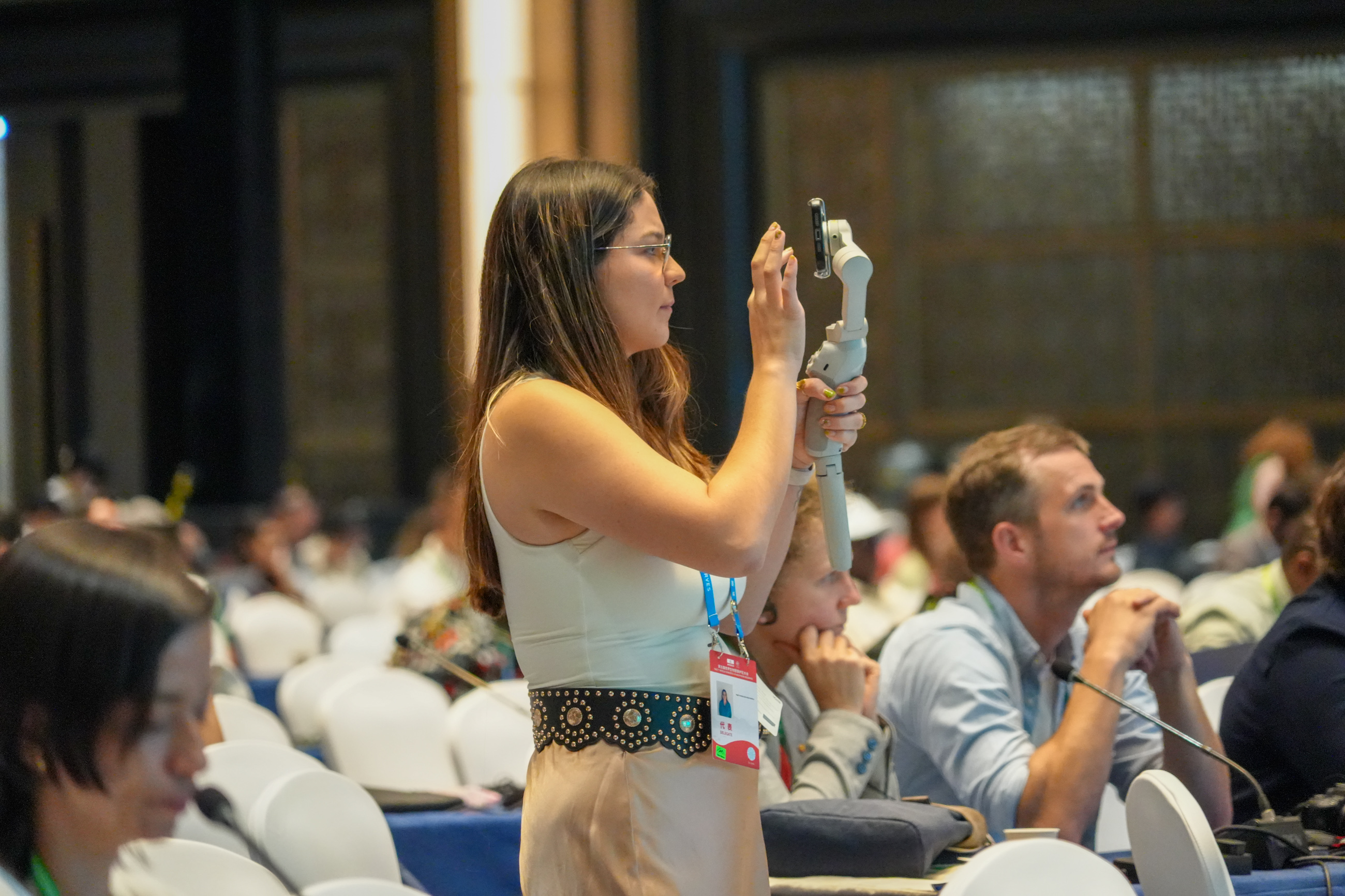
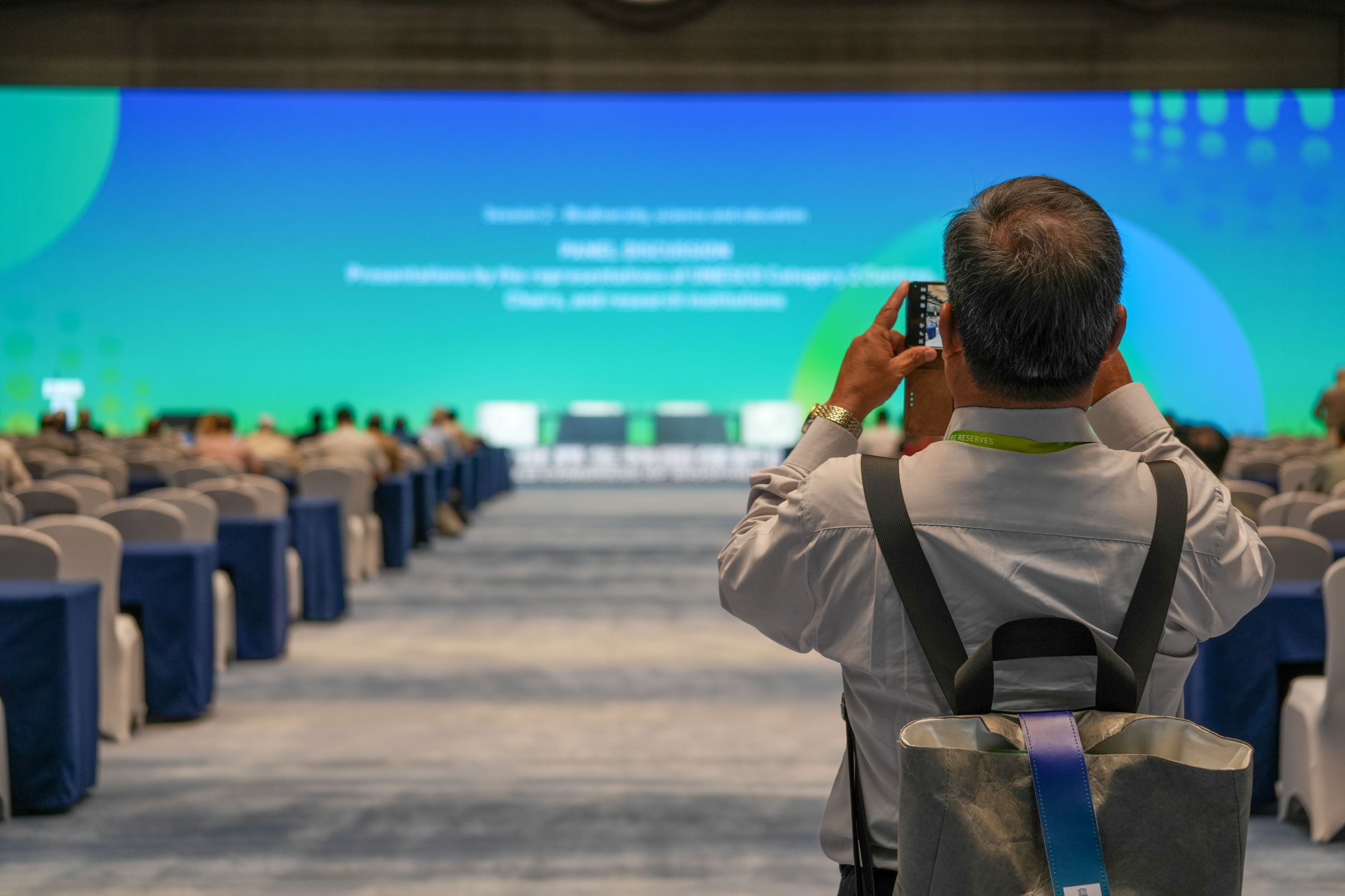
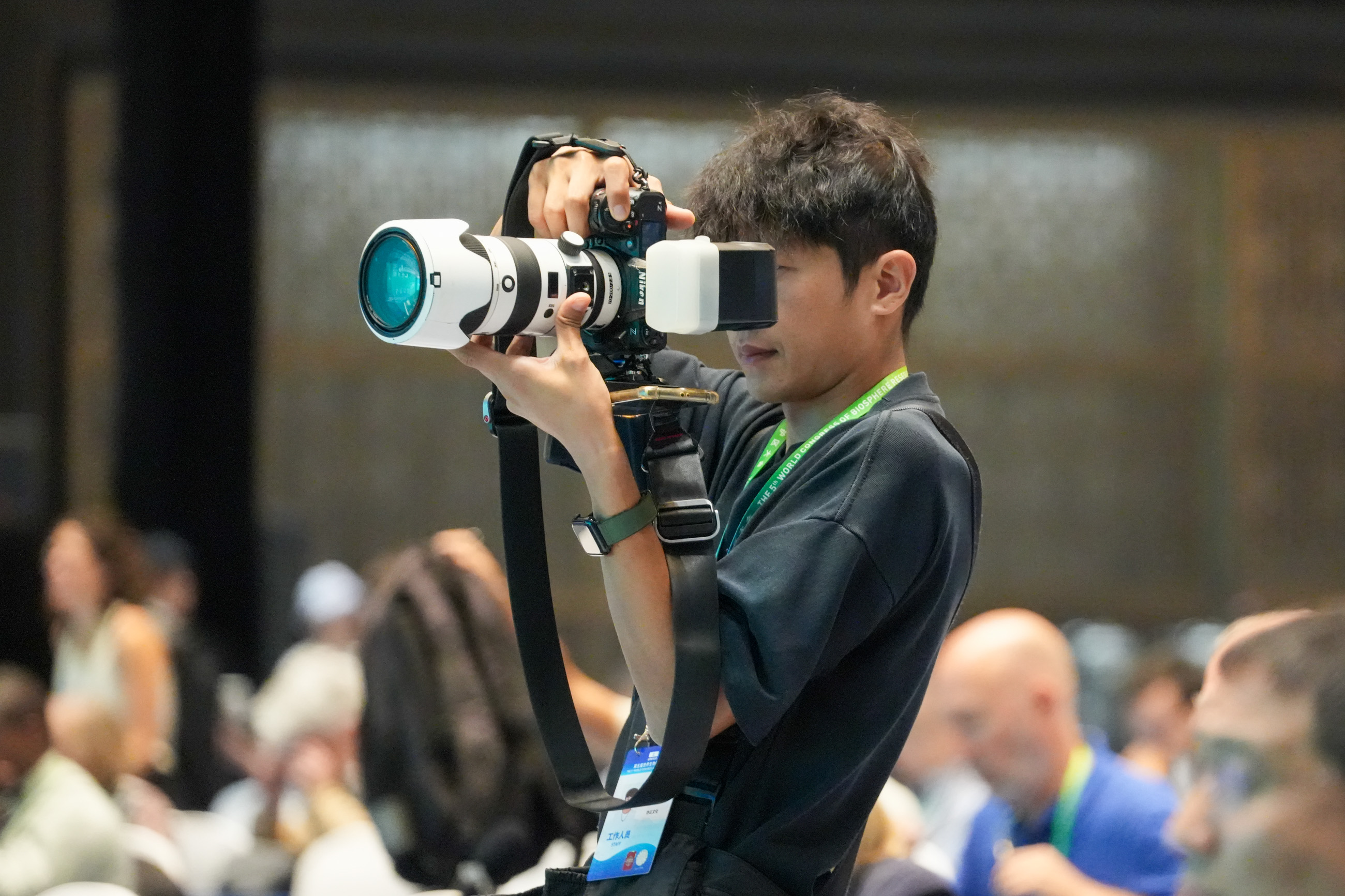
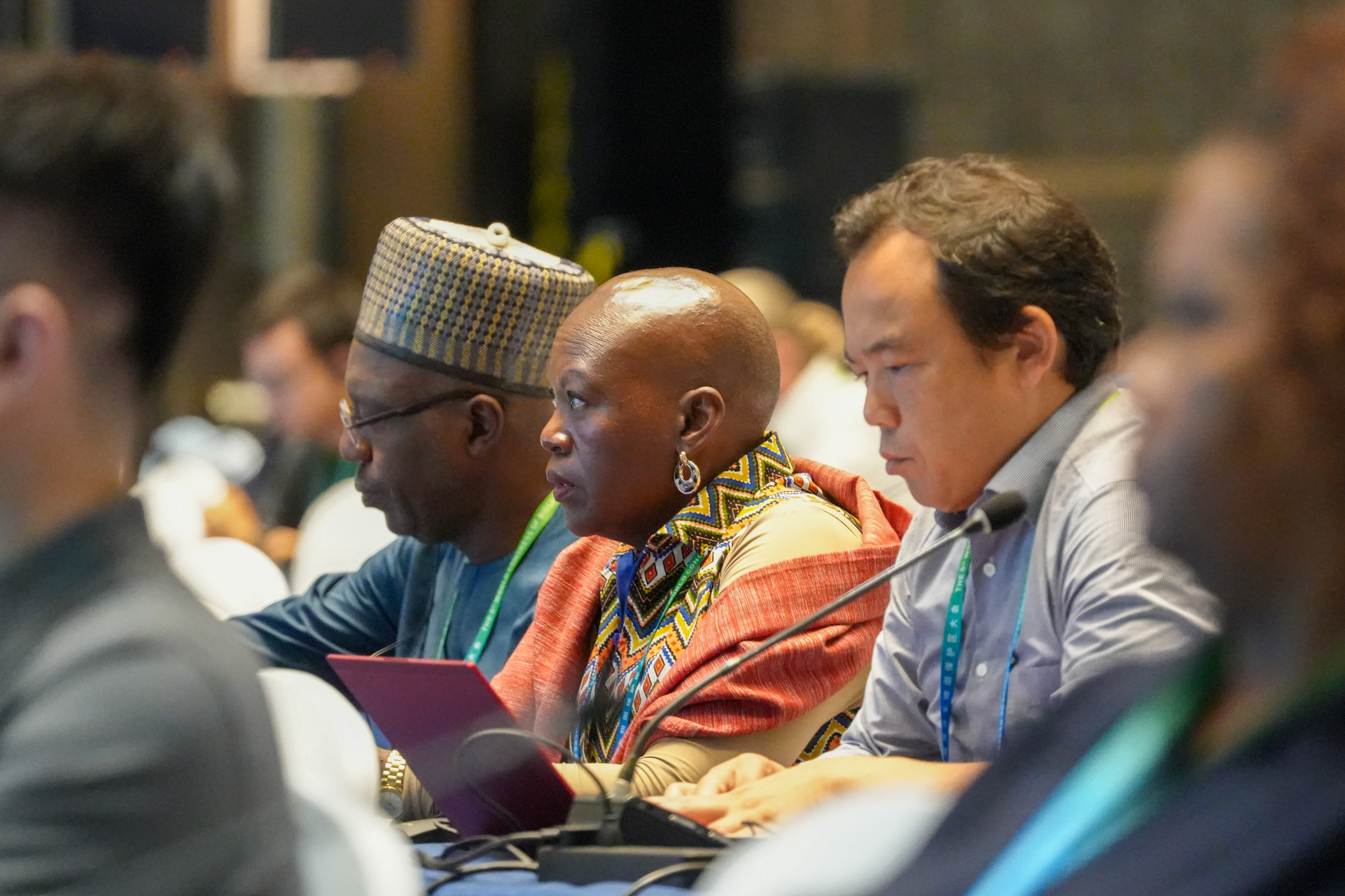
Around the venue
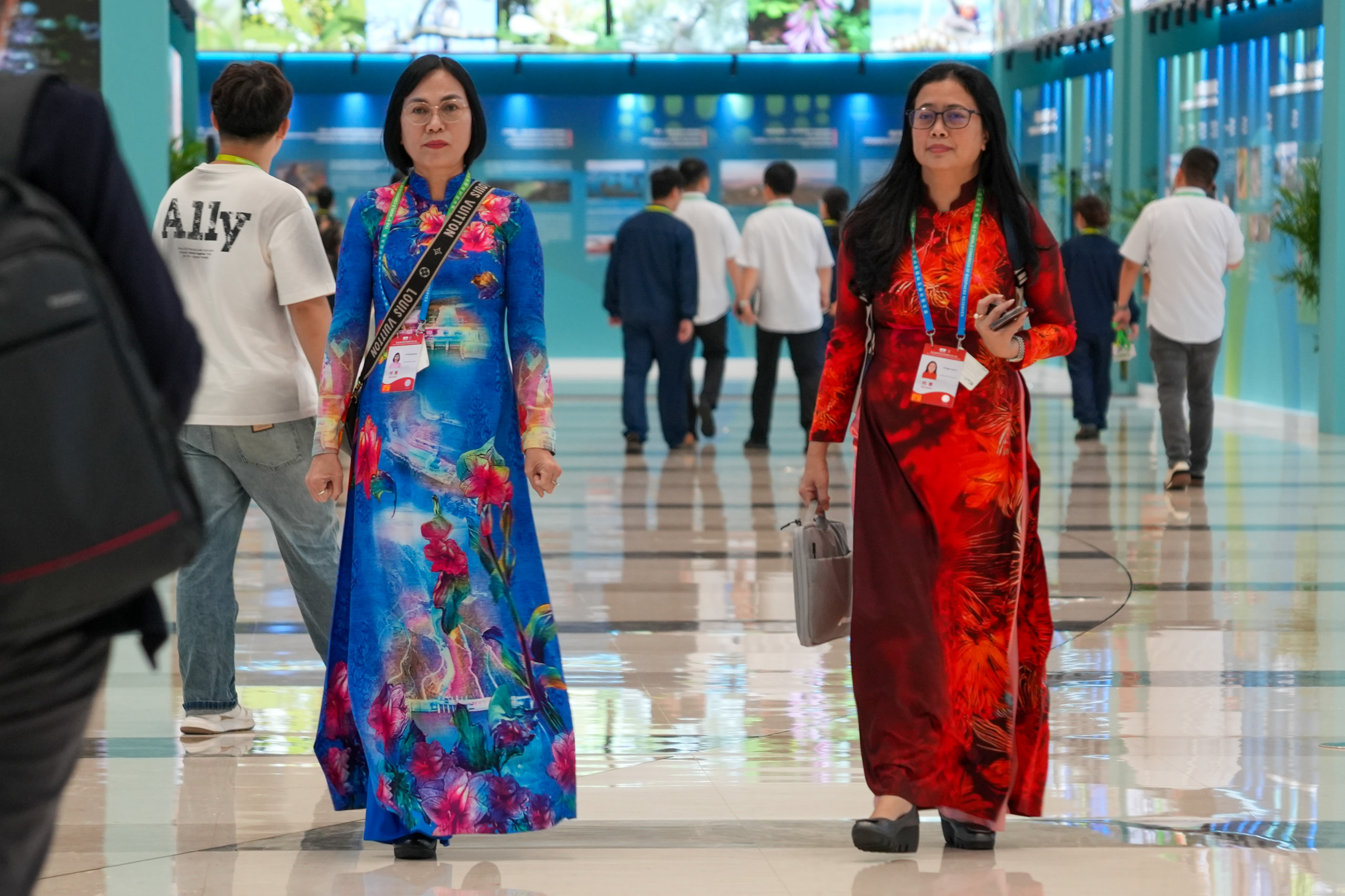

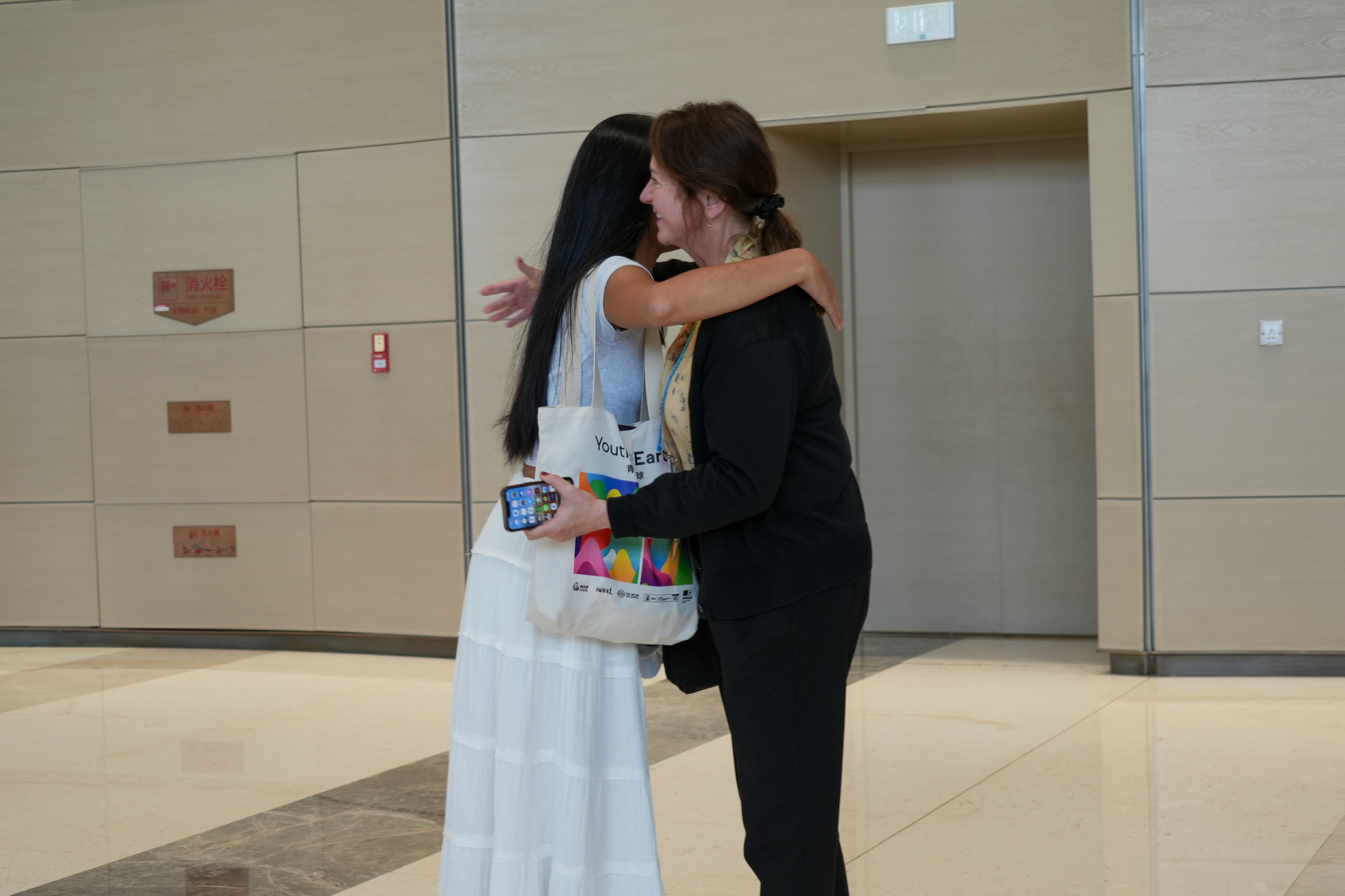
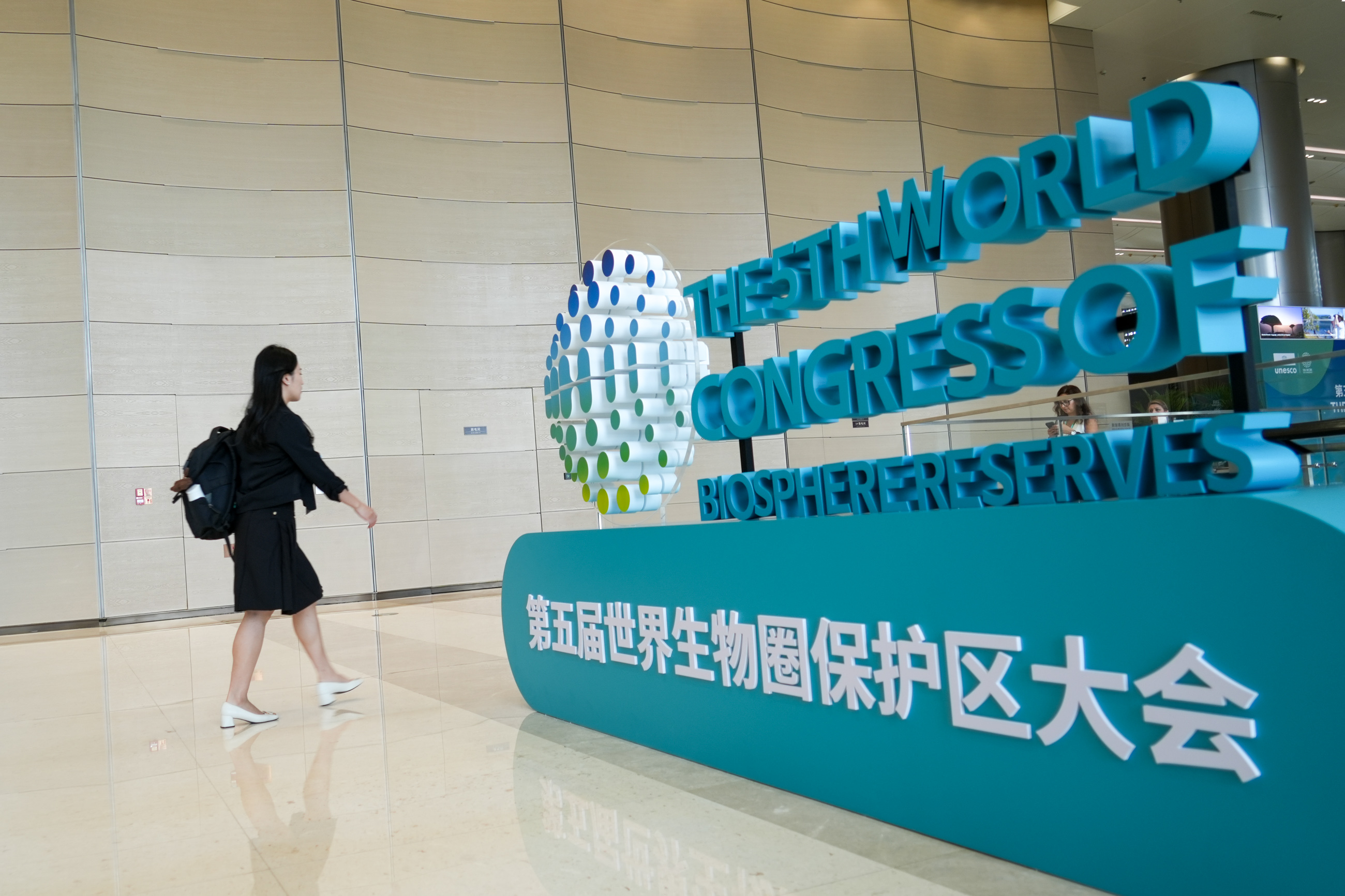
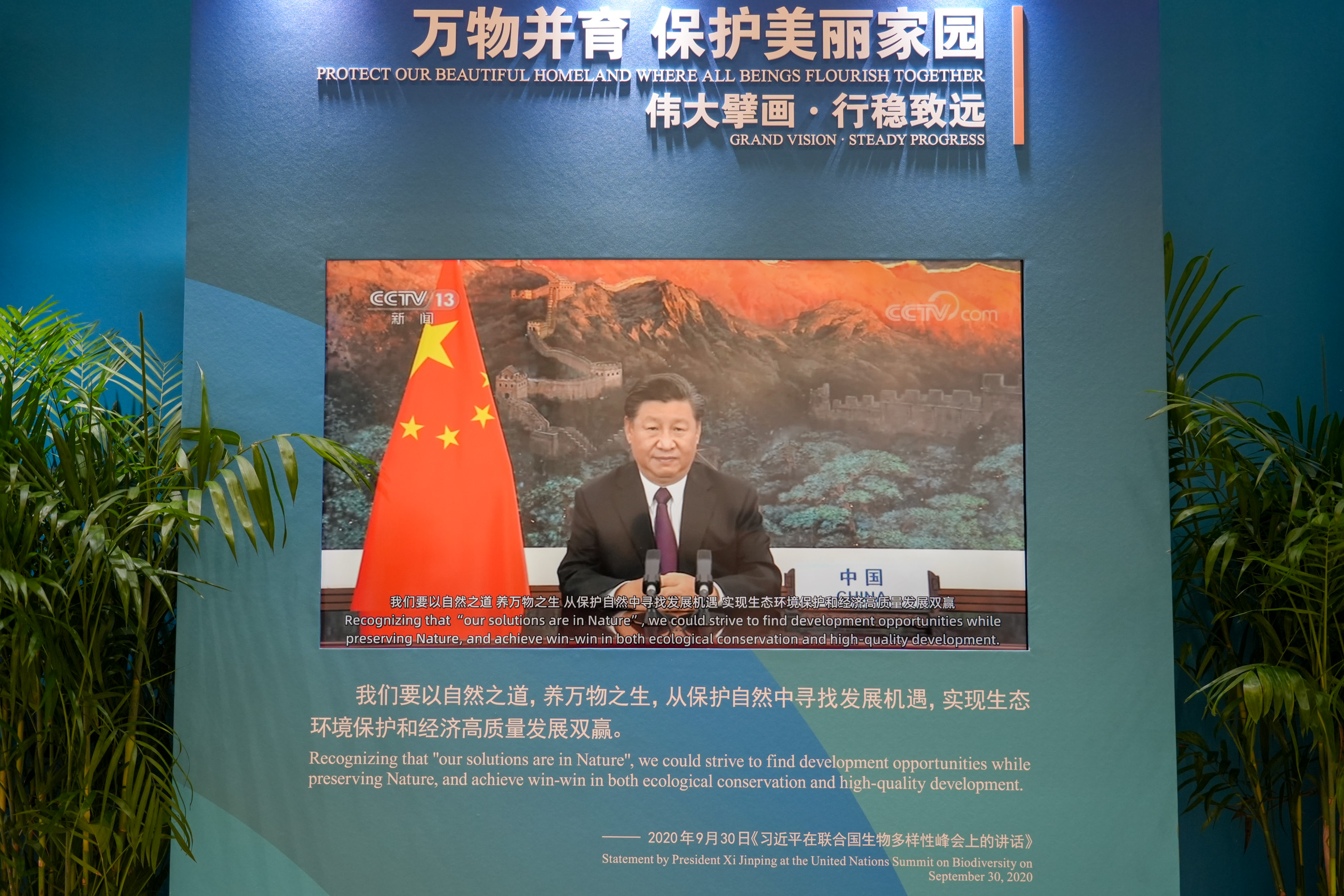
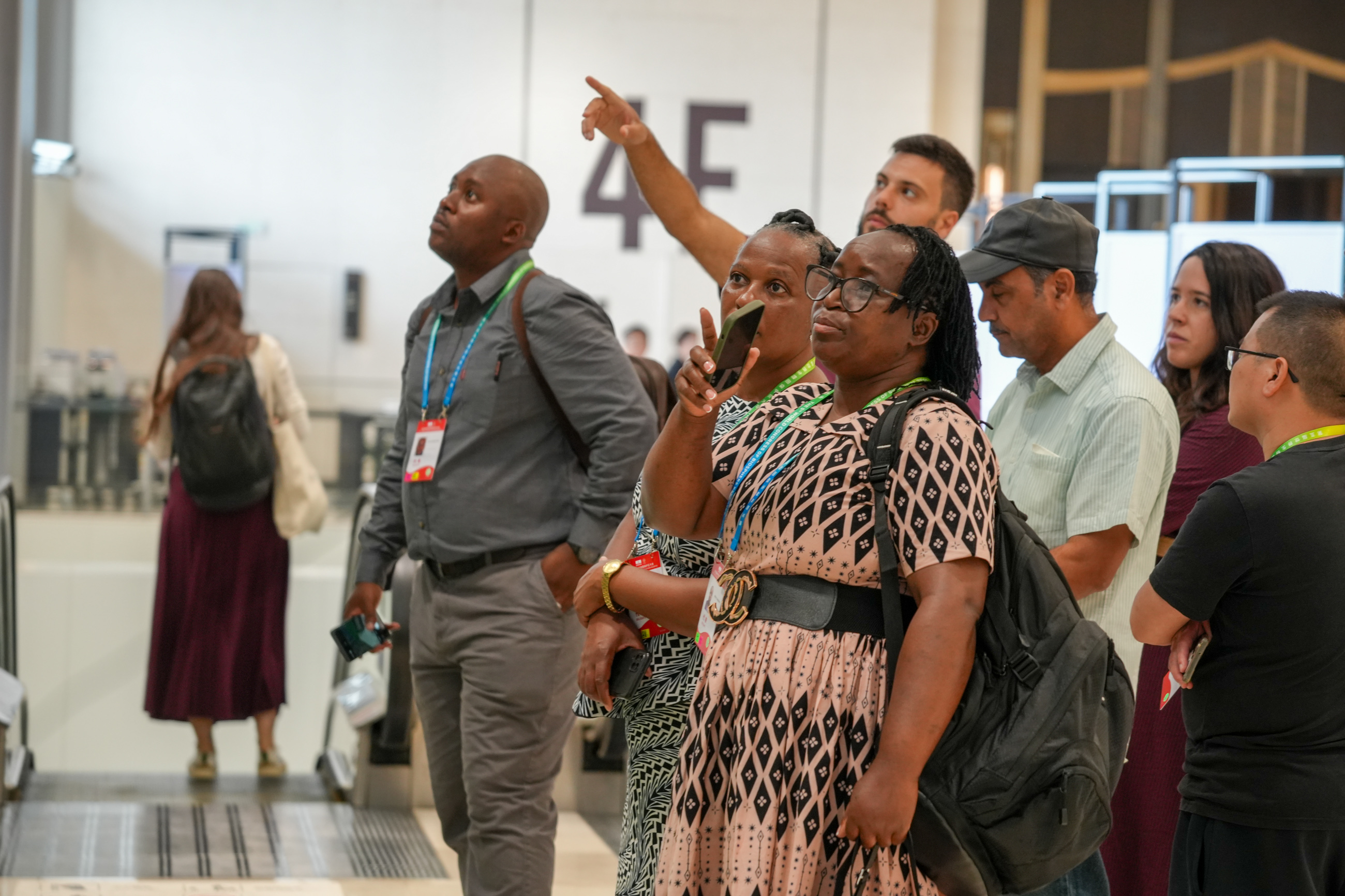
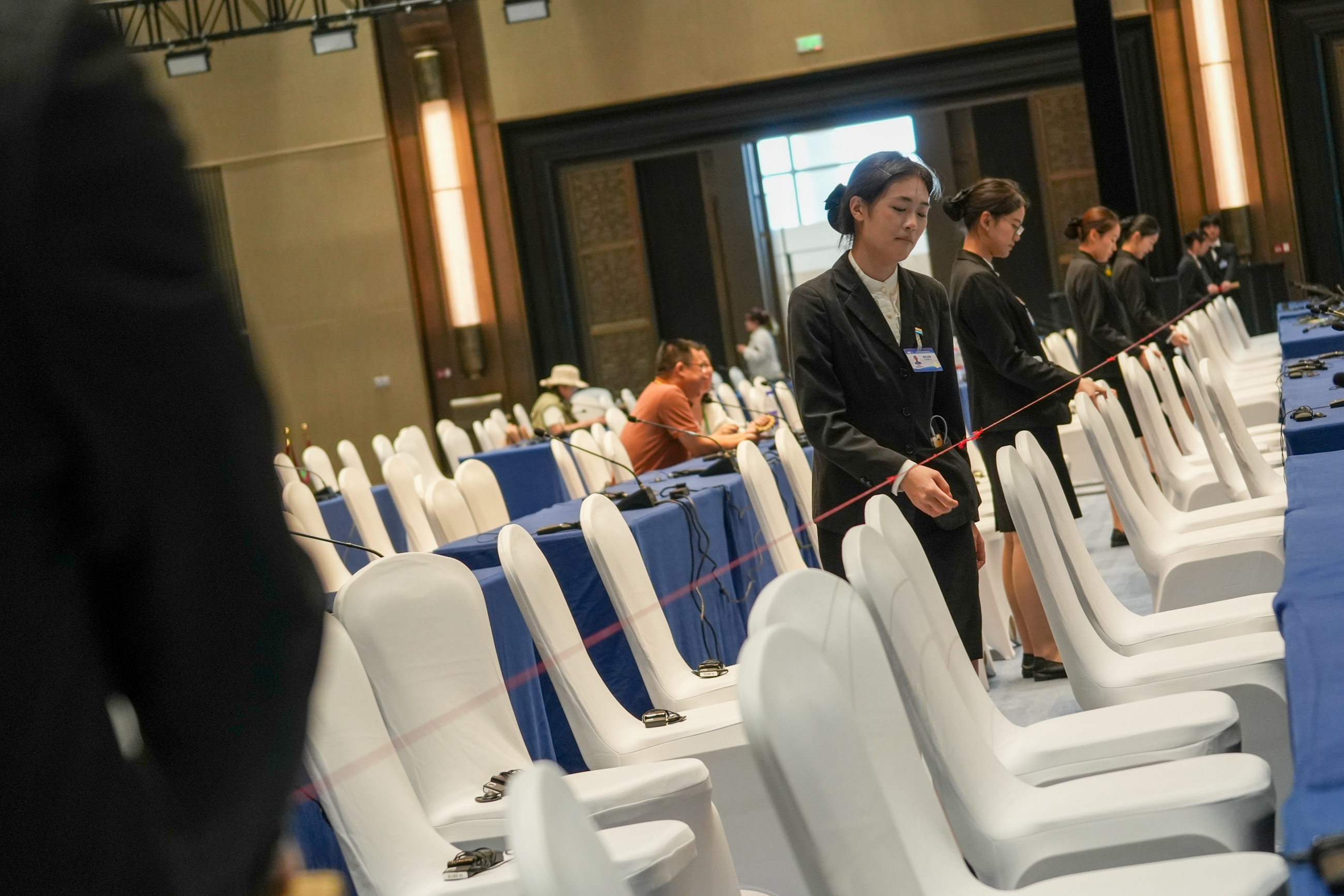
Members of the staff aligning the chairs for the participants and attendees
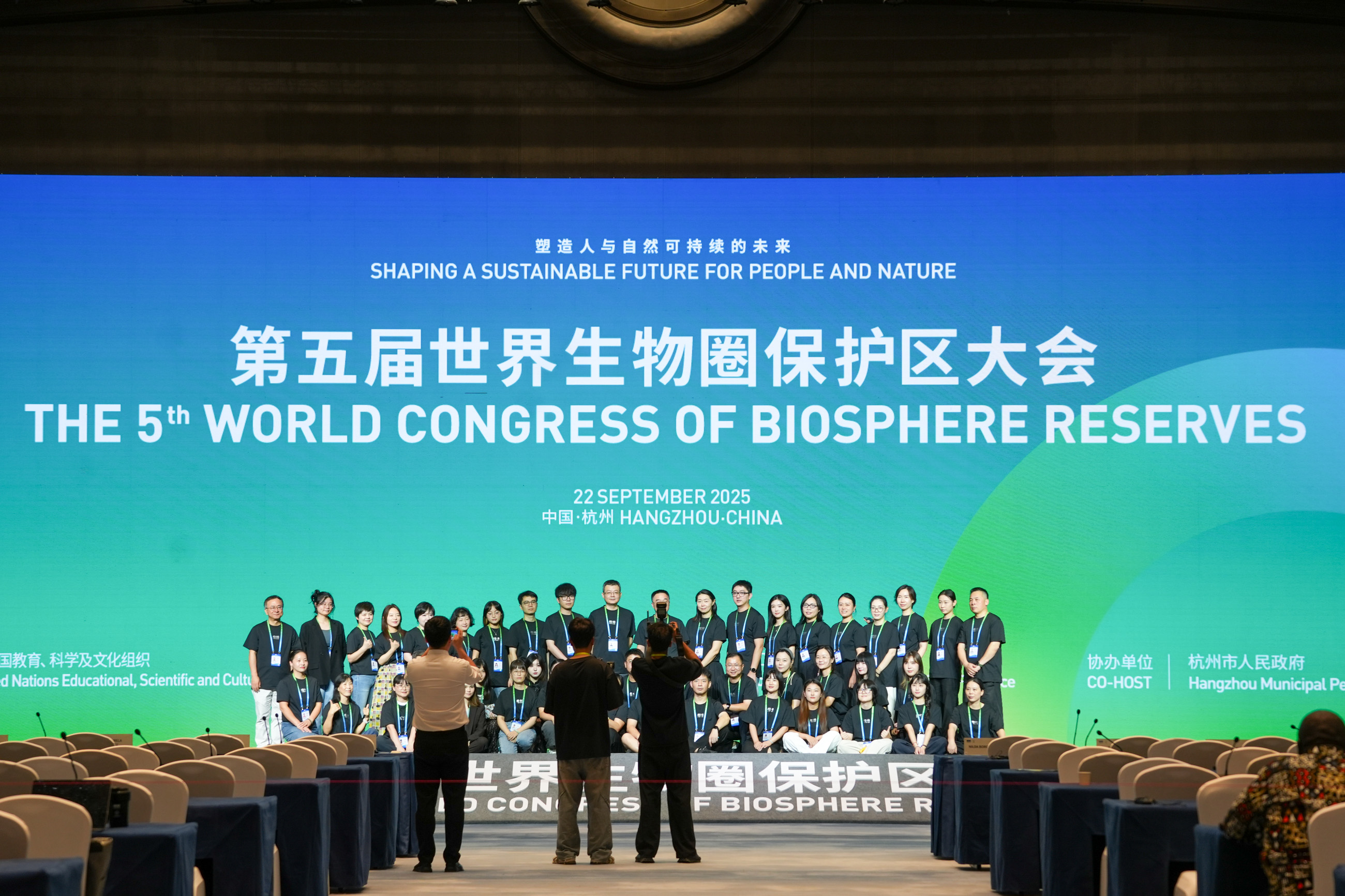
One of the many groups of people assisting the participants during the conference