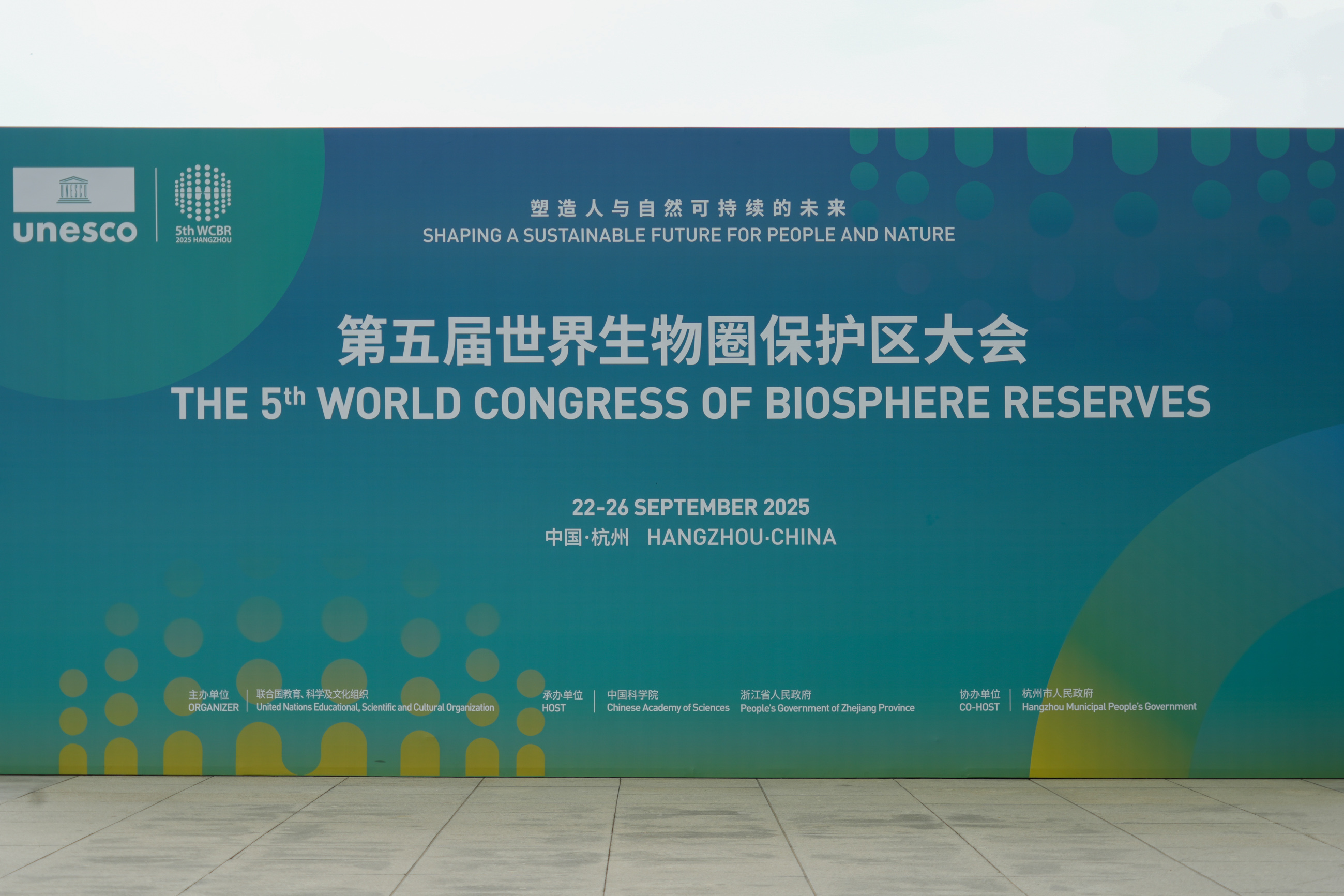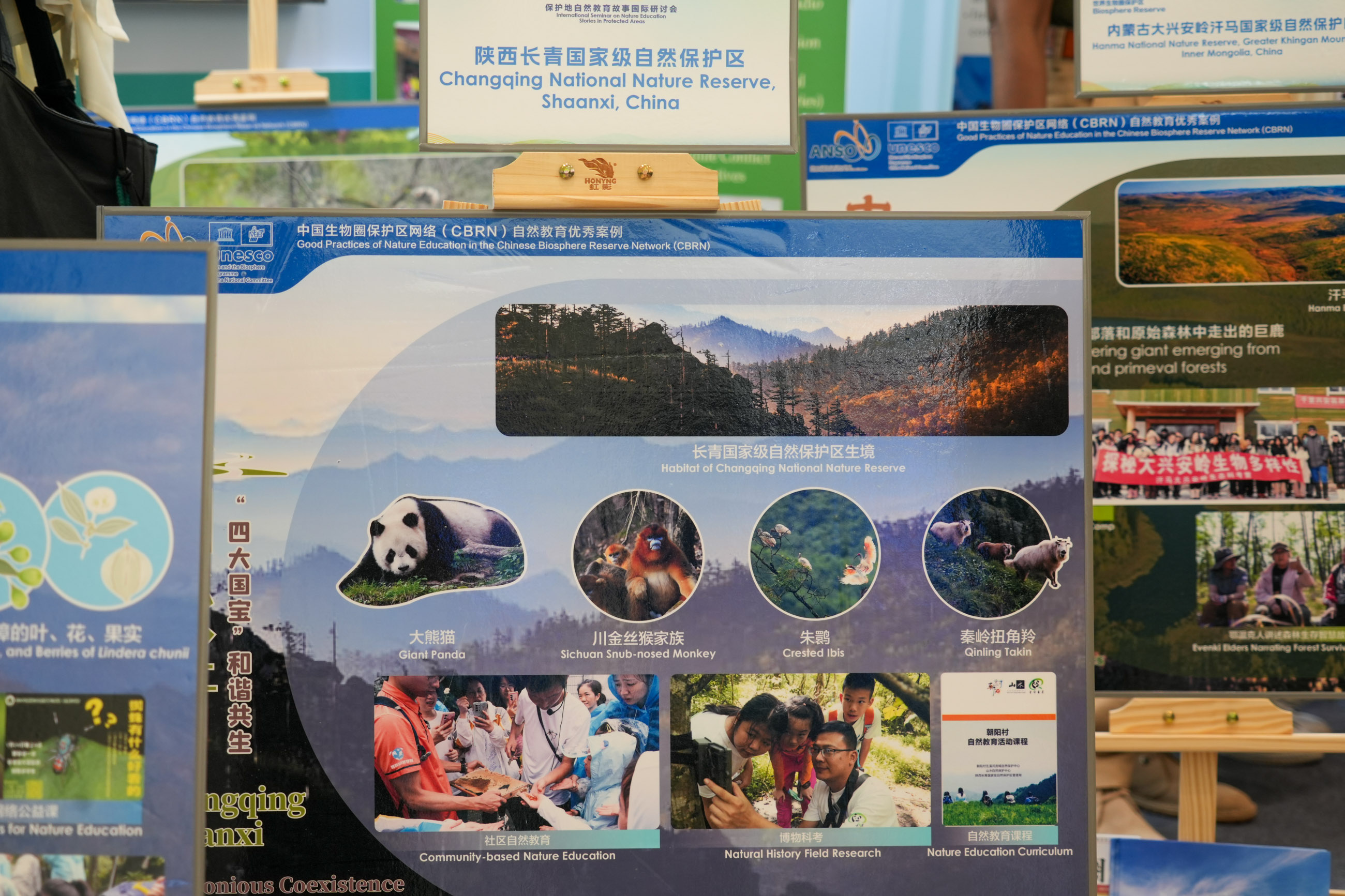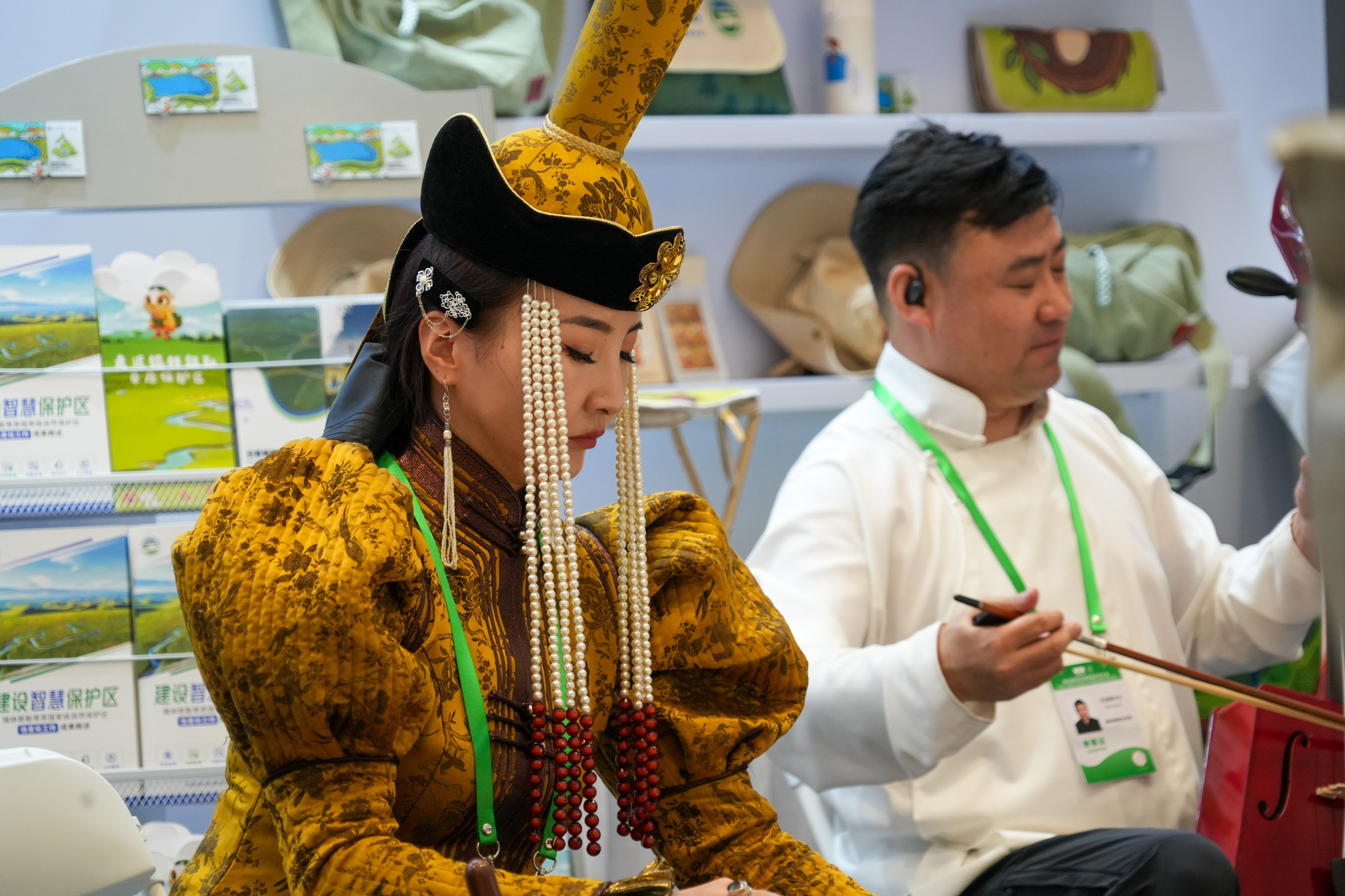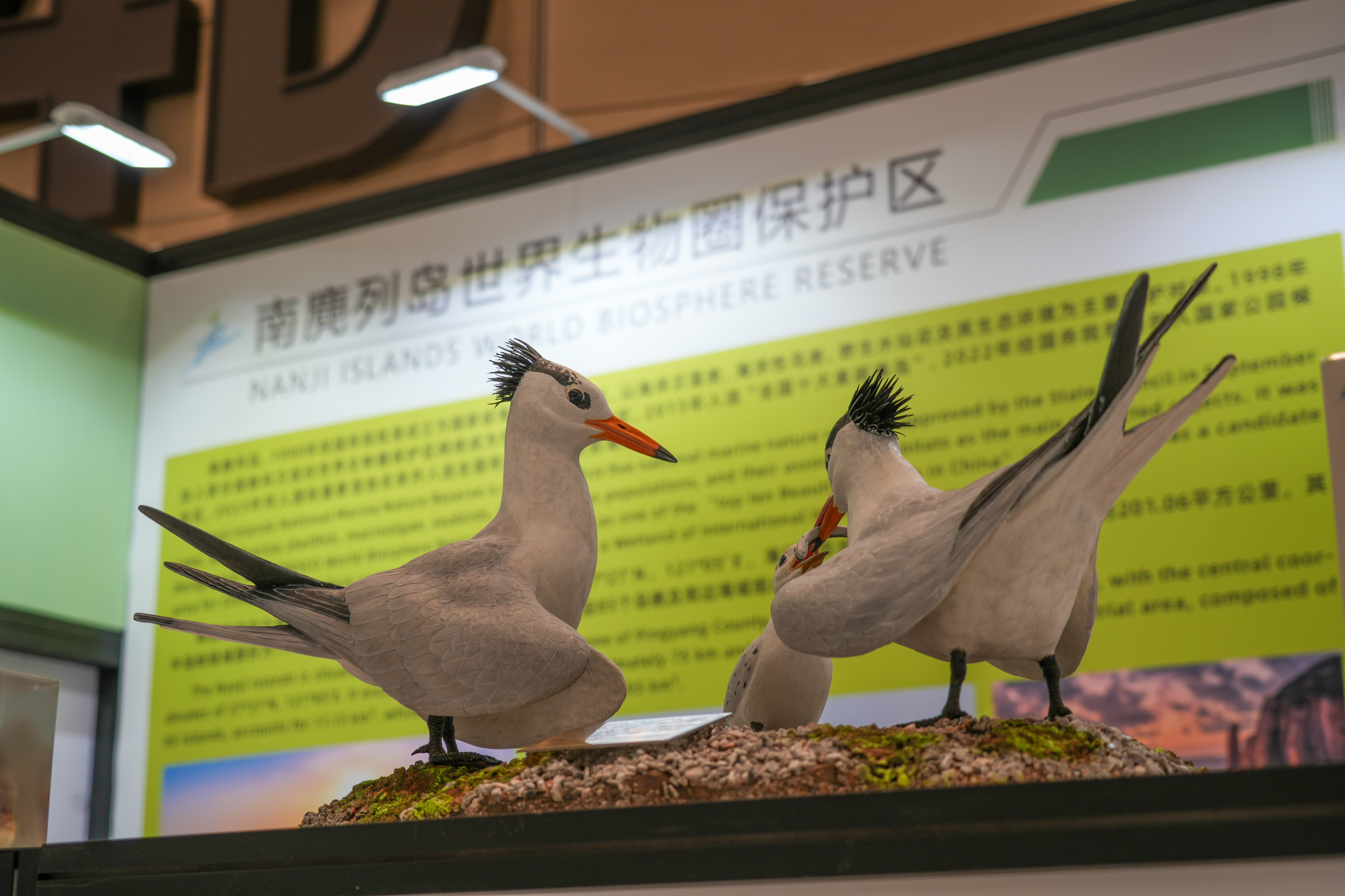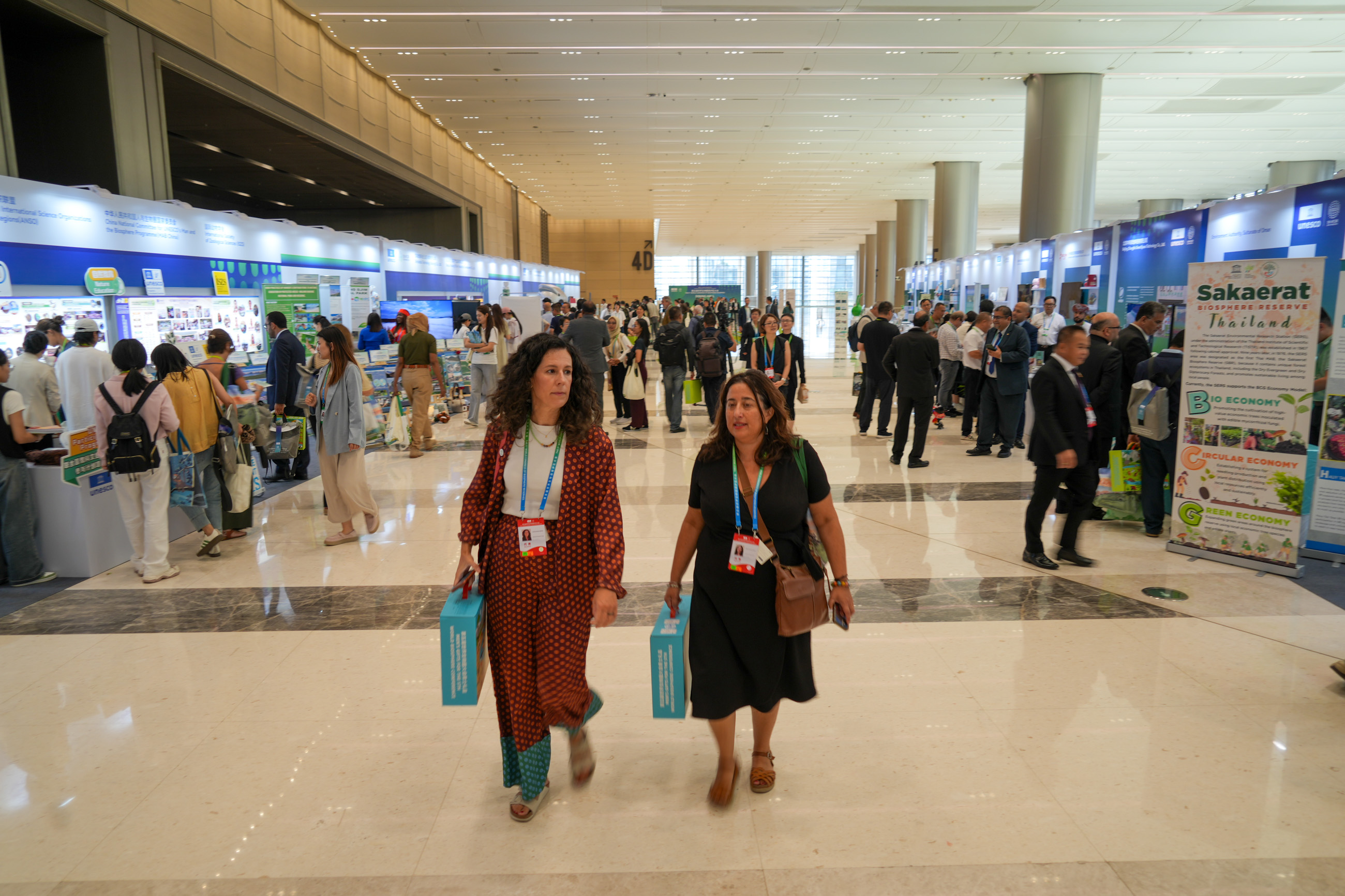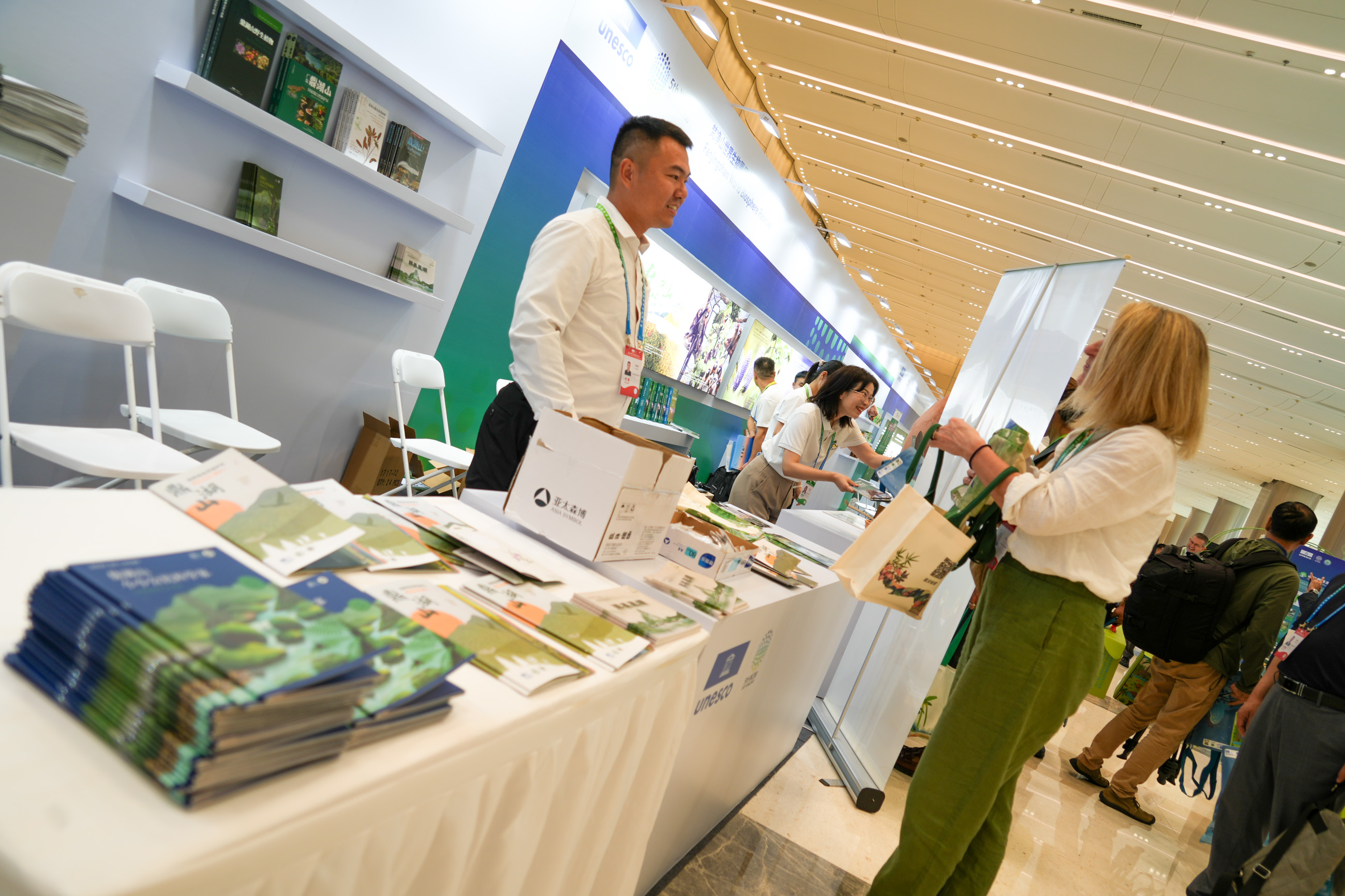
“Are we part of nature, or merely its witnesses?” Delegates arriving at the fifth World Congress of Biosphere Reserves were ushered in with this question, as the theme of shaping a sustainable future for people and nature took center stage.
Opening the session, Ding Xuexiang, Vice-Premier of China’s State Council, underscored China’s holistic approach towards biodiversity conservation, and among suggestions for strengthening biosphere reserves, called for strengthened international cooperation “to protect our shared home, Earth.”

Quoting Taoism founder Lao Tzu, that “all things arise in unison,” Audrey Azoulay, Director-General, UN Educational, Scientific and Cultural Organization (UNESCO), urged delegates to understand and respect the fundamental bond between humans and the living world. She reaffirmed UNESCO’s commitment to combating environmental deregulation and protecting biodiversity, by placing ecological multilateralism at the heart of its work.

In welcoming addresses, Hou Jianguo, President, Chinese Academy of Sciences, emphasized the benefits of developing biosphere reserves, including as a platform for international cooperation. Latifa Yaakoubi, Chair, International Coordinating Council of the Man and Biosphere Programme (MAB-ICC), underscored that “only by deepening our knowledge can we change our behavior,” pointing to biosphere reserves’ contributions to sustainable development by connecting global policy agendas with local and regional actions.


The morning continued with a high-level session. Shina Ansari, Deputy Vice President, and President of the Department of Environment, Iran, encouraged countries to promote multilateralism as a way of strengthening the World Network of Biosphere Reserves (WNBR). She underlined that traditional knowledge systems of nomadic pastoralists and rural communities are a source of inspiration to develop modern solutions for living in harmony with nature.

São Tomé and Príncipe’s Minister of Environment, Youth and Sustainable Tourism, Nilda Borges da Mata, underscored that the MAB Strategy and Action Plan are essential tools for countries implementing the Kunming-Montreal Global Biodiversity Framework (GBF), Paris Agreement, and 2030 Agenda for Sustainable Development. Alongside Bruno Angelet, Ambassador of Belgium to China, she applauded the forthcoming entry into force of the Agreement on the Conservation and Sustainable Use of Marine Biological Diversity of Areas beyond National Jurisdiction (BBNJ Agreement), highlighting the importance of multilateralism and international cooperation in “protecting the biodiversity that belongs to us all.”

Regarding the importance of science-based management for protected areas, Aram Meymaryan, Deputy Minister of Environment, Armenia, pointed to the upcoming nomination of Armenia’s first biosphere reserve as an example of the WNBR’s role in implementing the GBF. Dong Baotong, Vice Minister, Ministry of Ecology and Environment, China, underlined the need for mutual learning and technology sharing for improving governance, saying “if you are alone, you can only achieve so much – if we all come together, we can achieve a lot.”

In the afternoon, delegates turned their attention to the MAB Programme Strategy and Hangzhou Strategic Action Plan (HSAP) 2026-2035.
Addressing the past, keynote speakers reported on progress made under the Lima Action Plan (2016-2025), including advances in enhancing the quality of the WNBR, and contributions to: biodiversity conservation and climate adaptation; sustainable development; knowledge generation; and policy integration. Among key issues threatening biosphere reserves, they listed human activities such as land-use change, and lamented the lack of a unified monitoring system, which hinders data sharing among stakeholders and biosphere reserve managers.

Looking ahead, speakers highlighted the need to scale up impact and deepen integration as priorities for the next decade. Presenting the HSAP, Natalia Beltrán, Drafting Group Co-Chair, highlighted its vision, for a world where humans understand their shared future on a finite planet, and acknowledge their interdependence with non-human life. She outlined the HSAP’s three main objectives, namely to:
- contribute to the achievement of multilateral environmental agreements and the sustainable development agenda;
- strengthen and develop the MAB Programme and its WNBR; and
- develop research and share knowledge and lessons learned from the WNBR to facilitate living in harmony with nature.

The day concluded with an interactive panel discussion addressing synergies with other biodiversity-related conventions and international organizations. Panelists reflected on the interlinkages between the MAB Programme and relevant work programmes under related organizations, as well as how the HSAP’s priorities and objectives align with their institutional strategies for biodiversity, climate change, and sustainable development.
Among other things, they: highlighted opportunities for collaboration at different levels of governance; pointed to the contribution of biosphere reserves to many of the GBF targets; called for focus on the MAB Programme’s work on youth and culture; and noted the role of biosphere reserves as pilots for evaluating nature-based solutions, reaching climate change adaptation goals, and providing knowledge for global assessments. Panelists converged on the importance of transboundary collaboration in contributing to peace and security for all people and living things.
To receive free coverage of global environmental events delivered to your inbox, subscribe to the ENB Update newsletter.
All ENB photos are free to use with attribution. For the 5th World Congress of Biosphere Reserves, please use: Photo by IISD/ENB | Andrés Felipe Carvajal Gómez
Ministerial Session
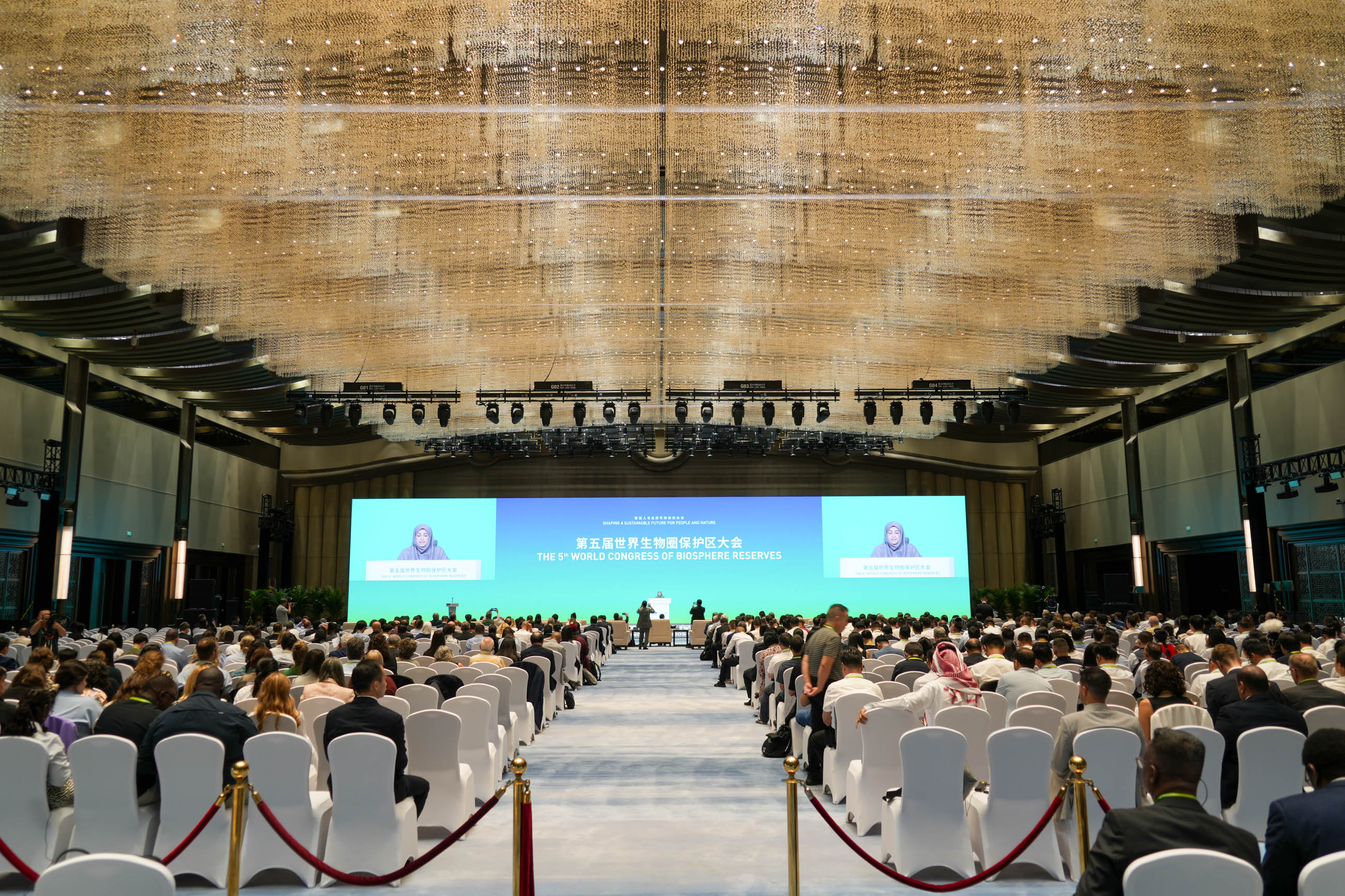
View of the plenary hall during the ministerial session
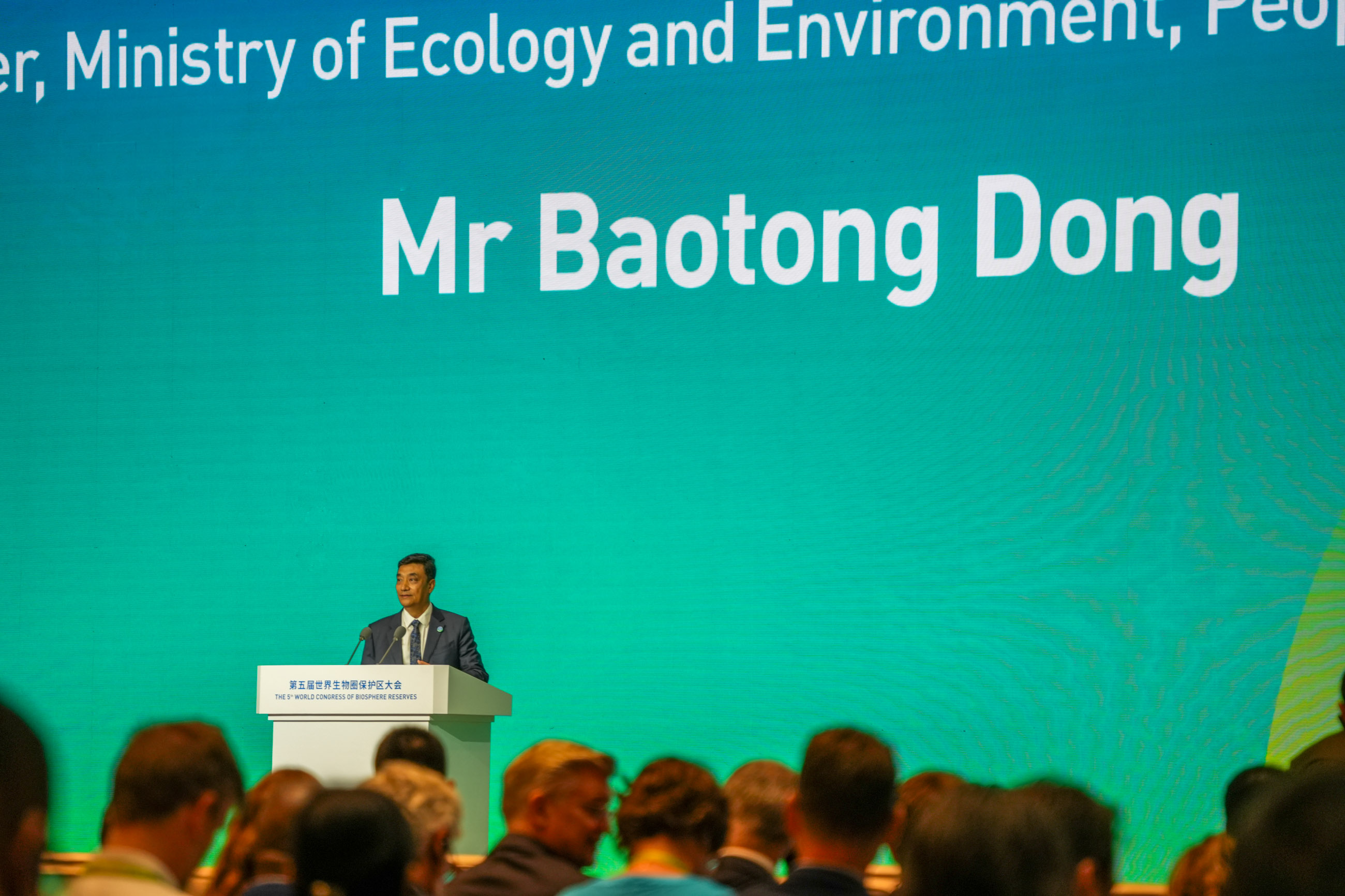
Dong Baotong, Vice Minister of Ecology and Environment, China
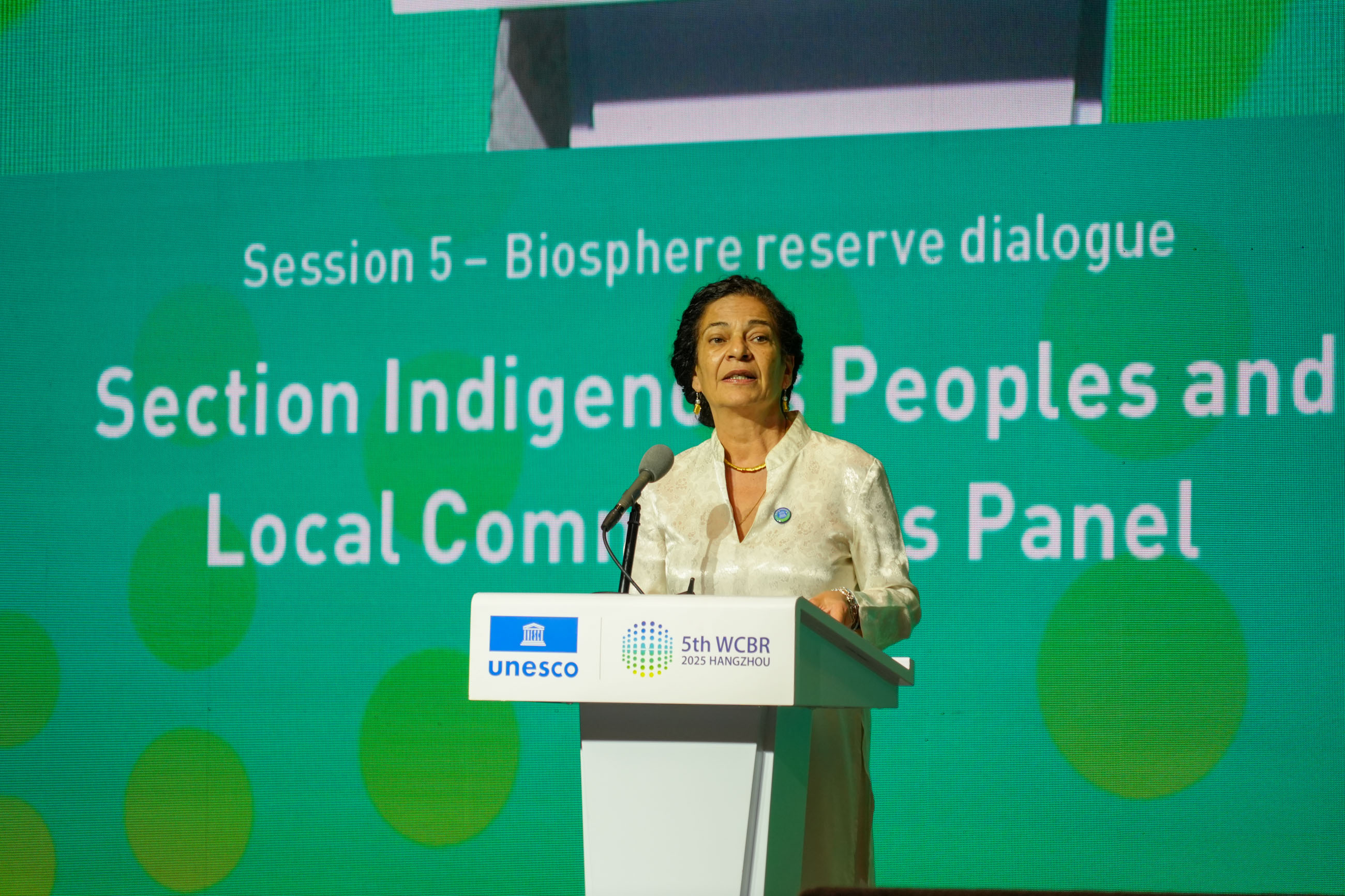
Lidia Arthur Brito, Assistant Director-General for Natural Sciences, UNESCO
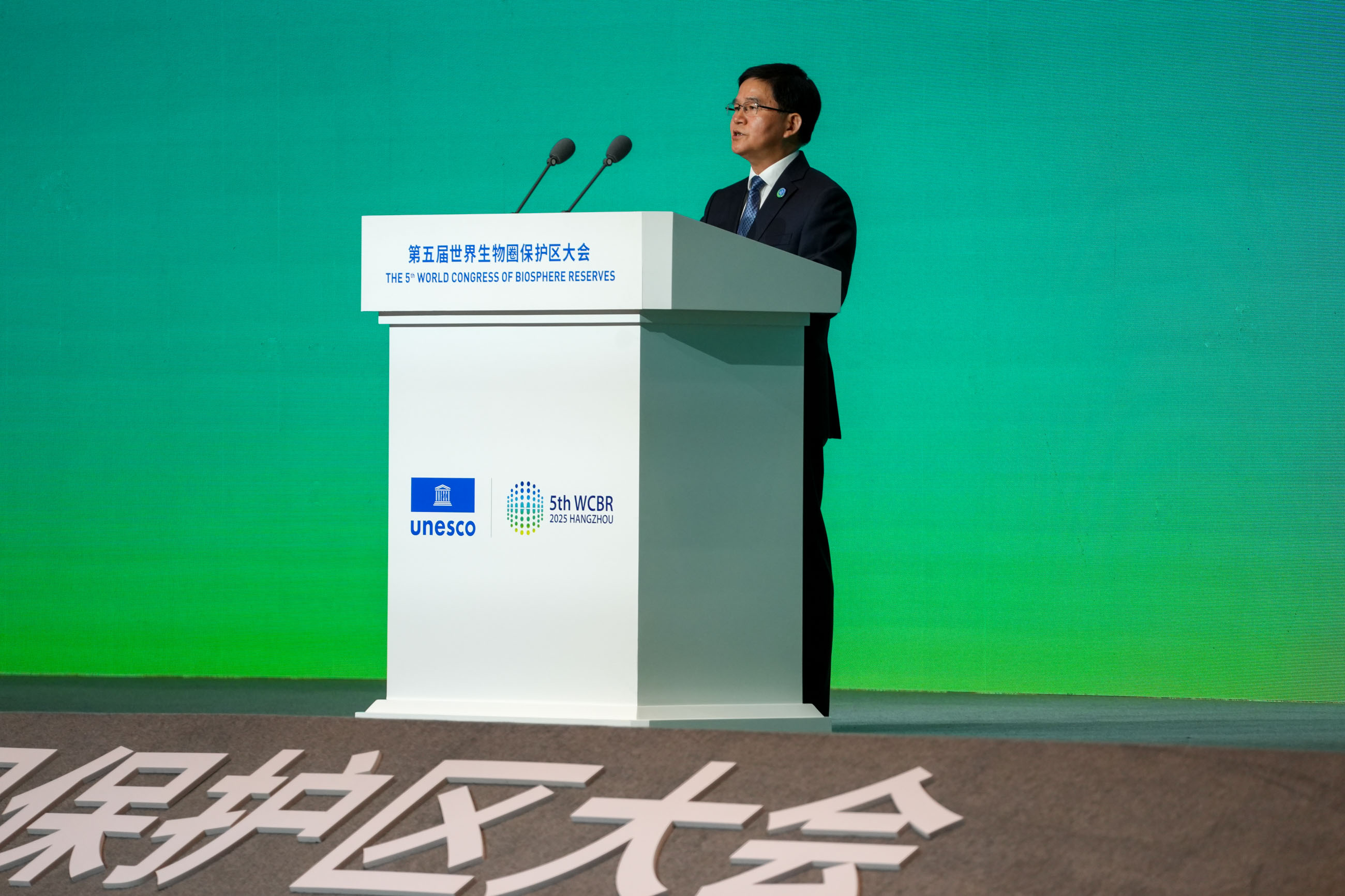
Liu Guohong, Administrator, National Forestry and Grassland Administration, China
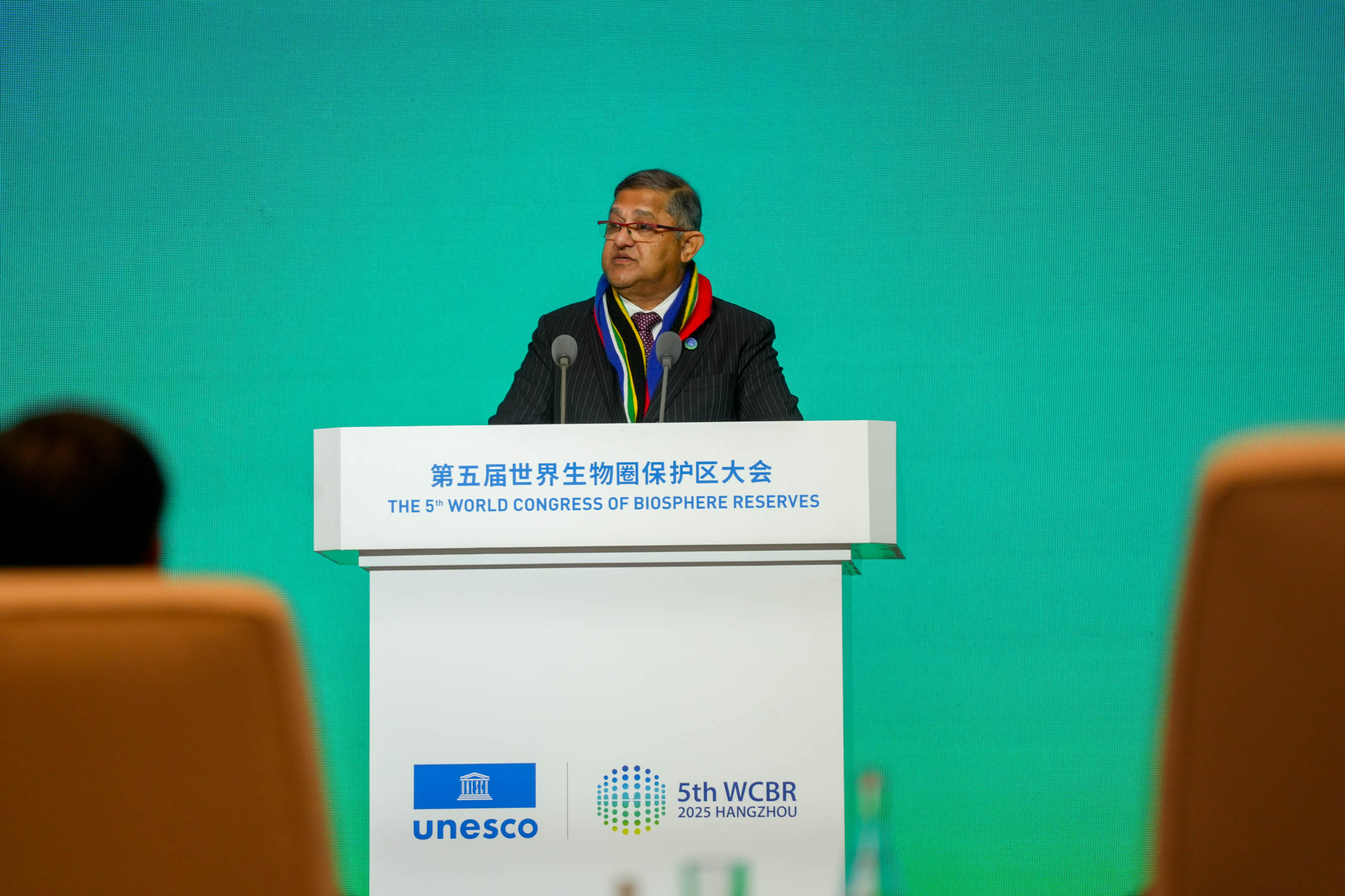
Narend Singh, Deputy Minister, National Department of Forestry, Fisheries and the Environment, South Africa
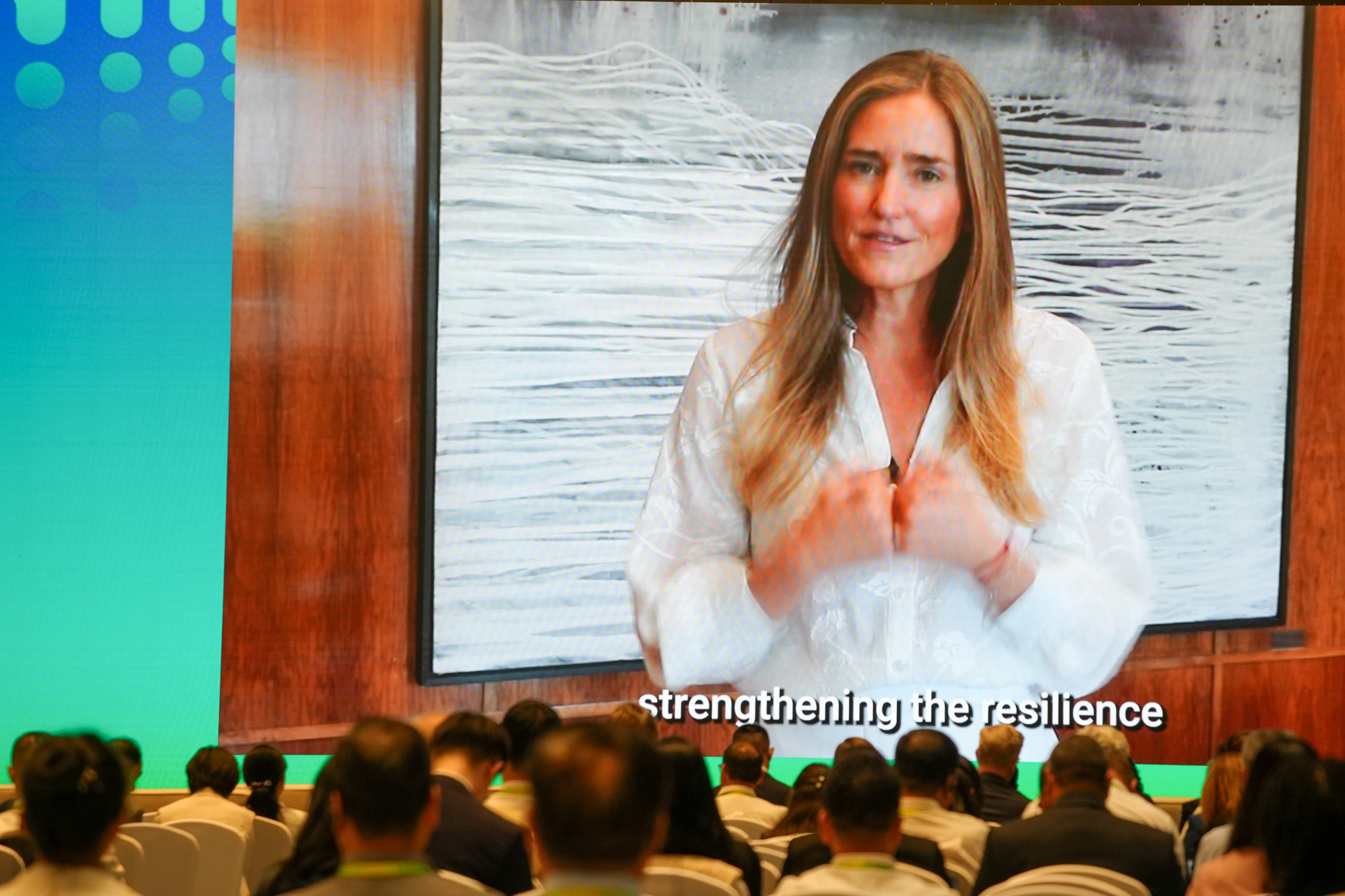
Sara Aagesen Muñoz, Third Vice-President and Minister for Ecological Transition and Demographic Challenge, Spain (video message)
Panel Discussion
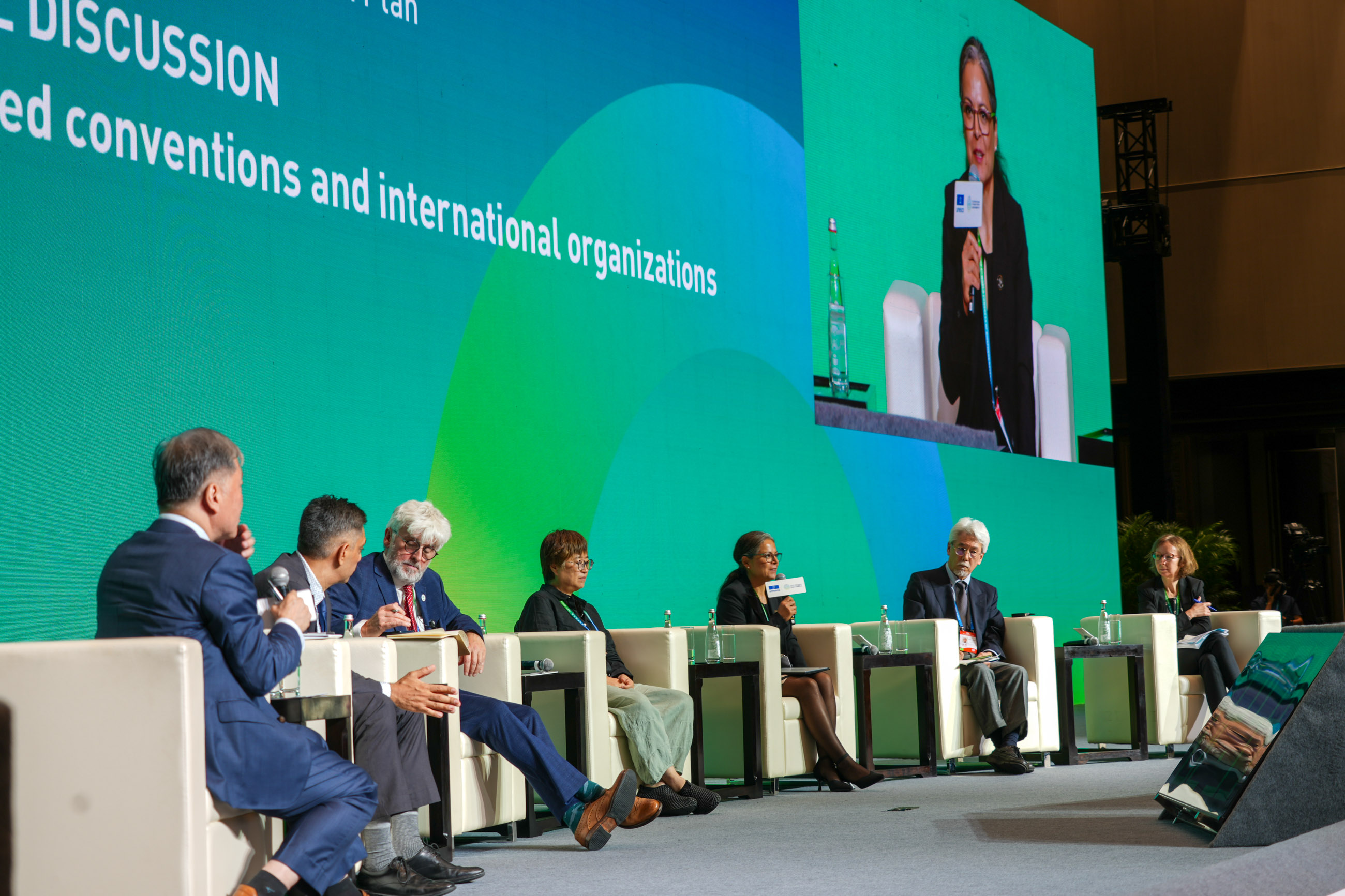
A view of the discussion panel
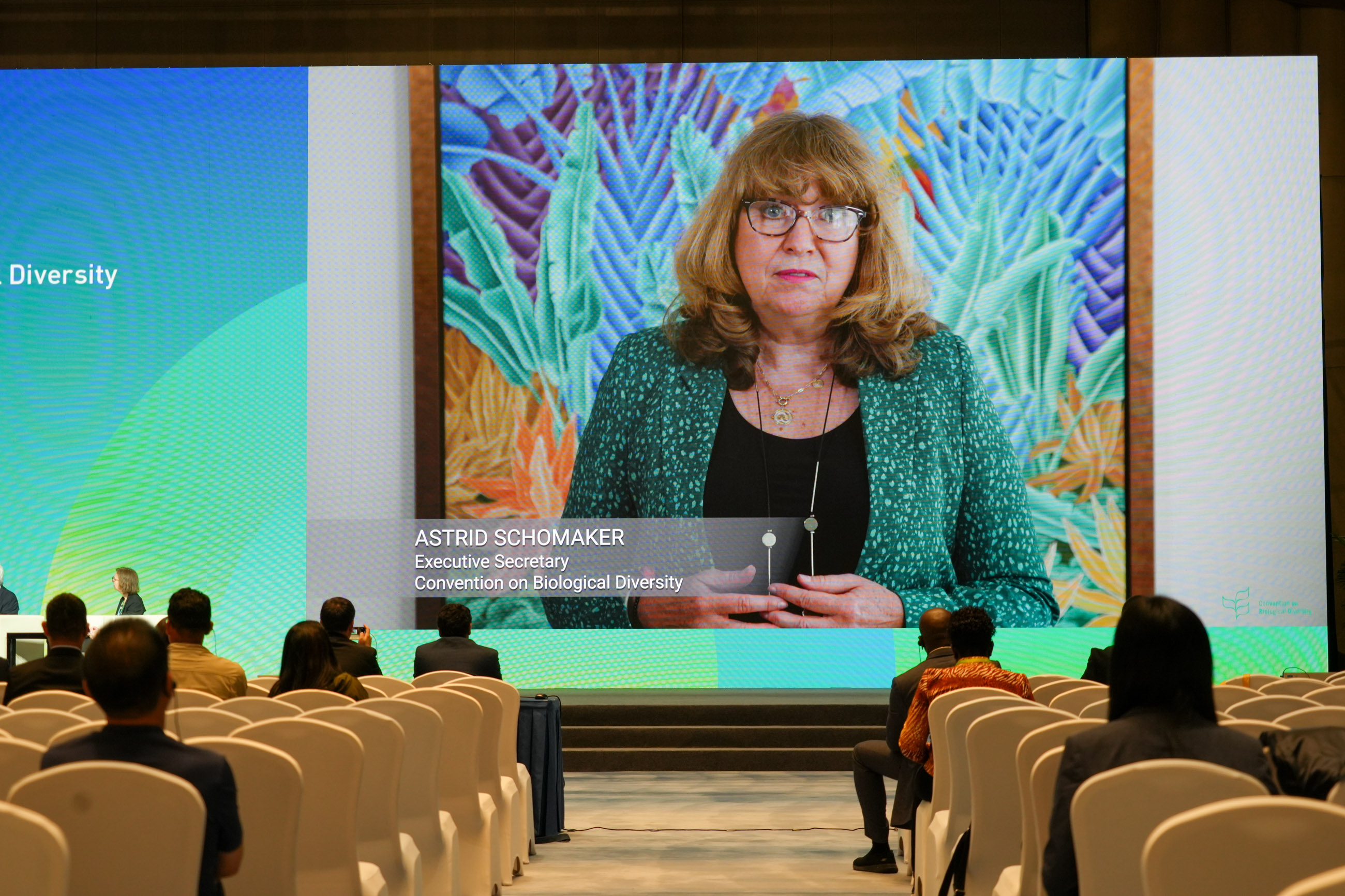
Astrid Schomaker, Executive Secretary, Convention on Biological Diversity (CBD) (video message)
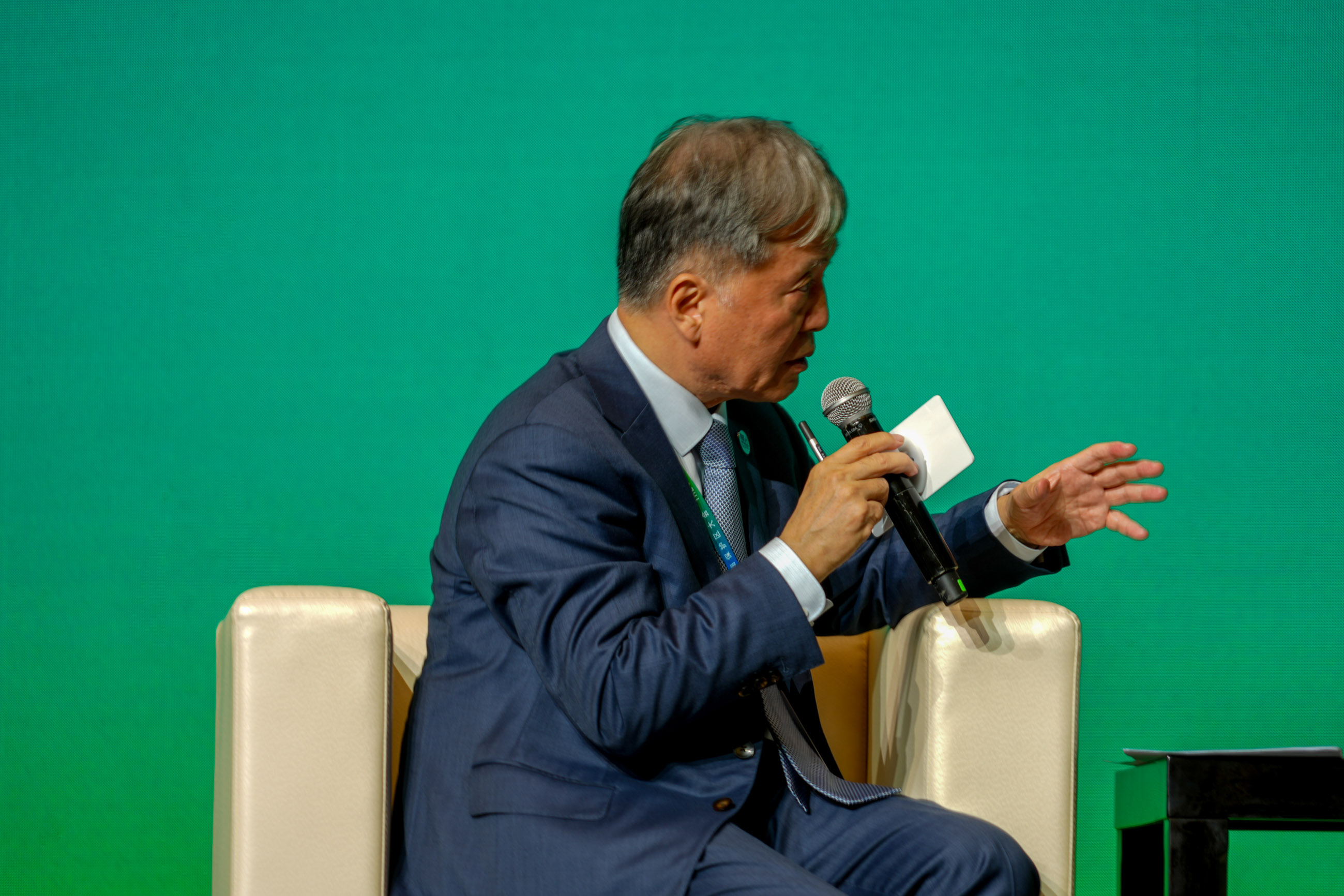
Han Qunli, Professor, International Research Center of Big Data for Sustainable Development Goals (SDGs) and Member of the Expert Advisory Committee of MAB-China
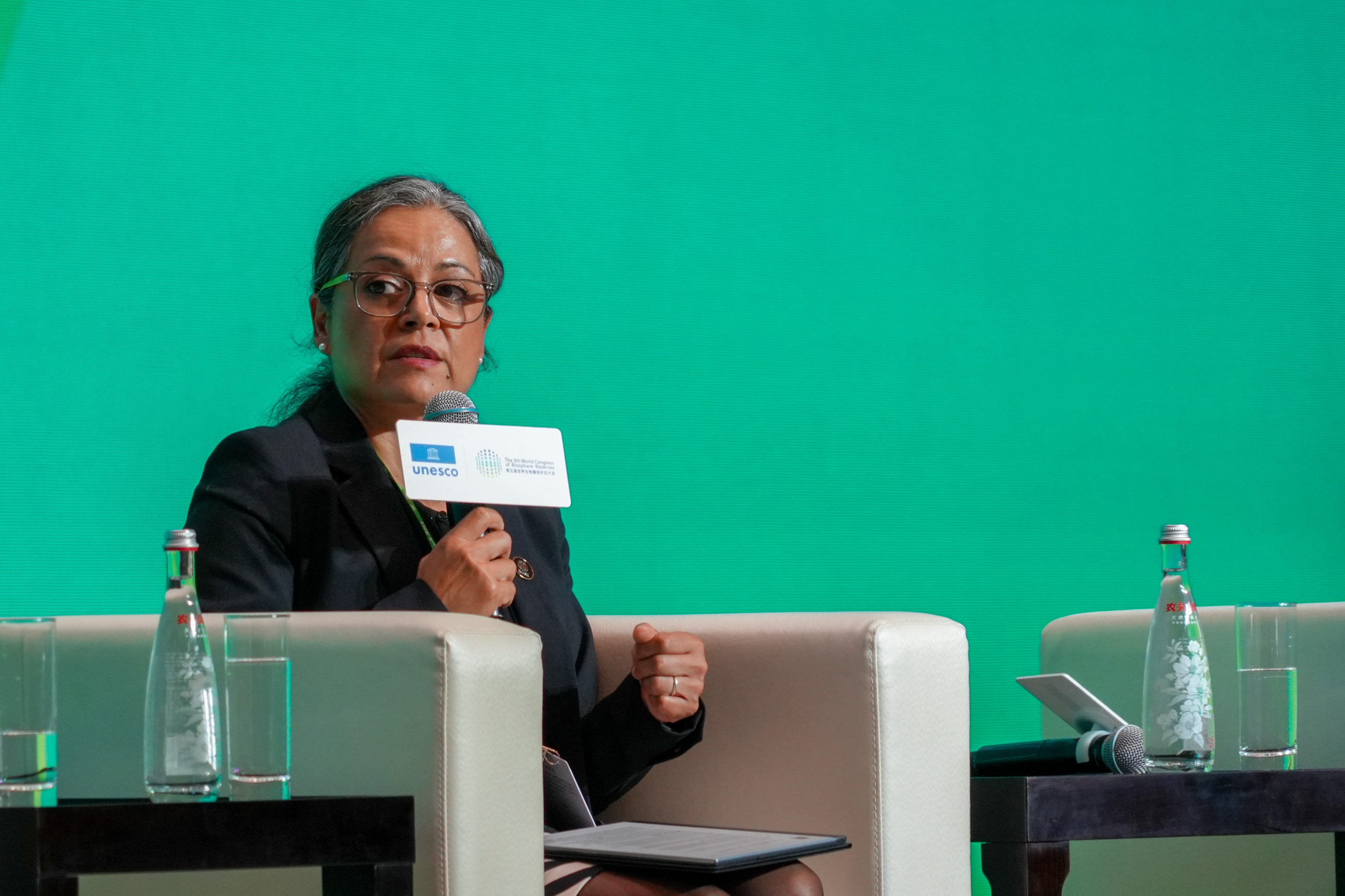
Carolina Adler, Intergovernmental Panel on Climate Change (IPCC) Lead Author and Executive Director of Mountain Research Initiative
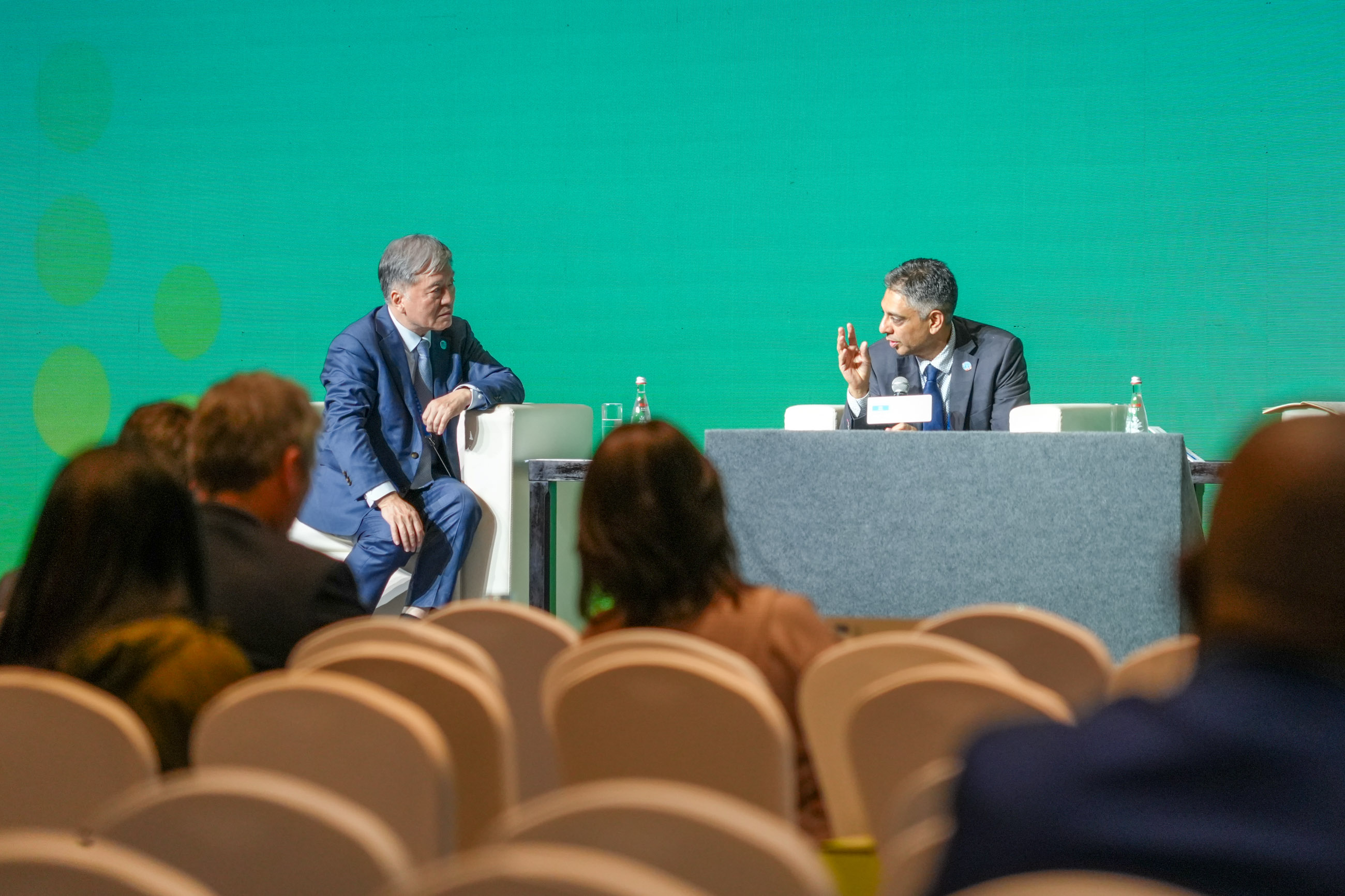
Han Qunli, Professor, International Research Center of Big Data for SDGs and Member of the Expert Advisory Committee of MAB-China, and Carlos Aldeco, Food and Agriculture Organization of the UN (FAO) Representative in China and the Democratic People's Republic of Korea
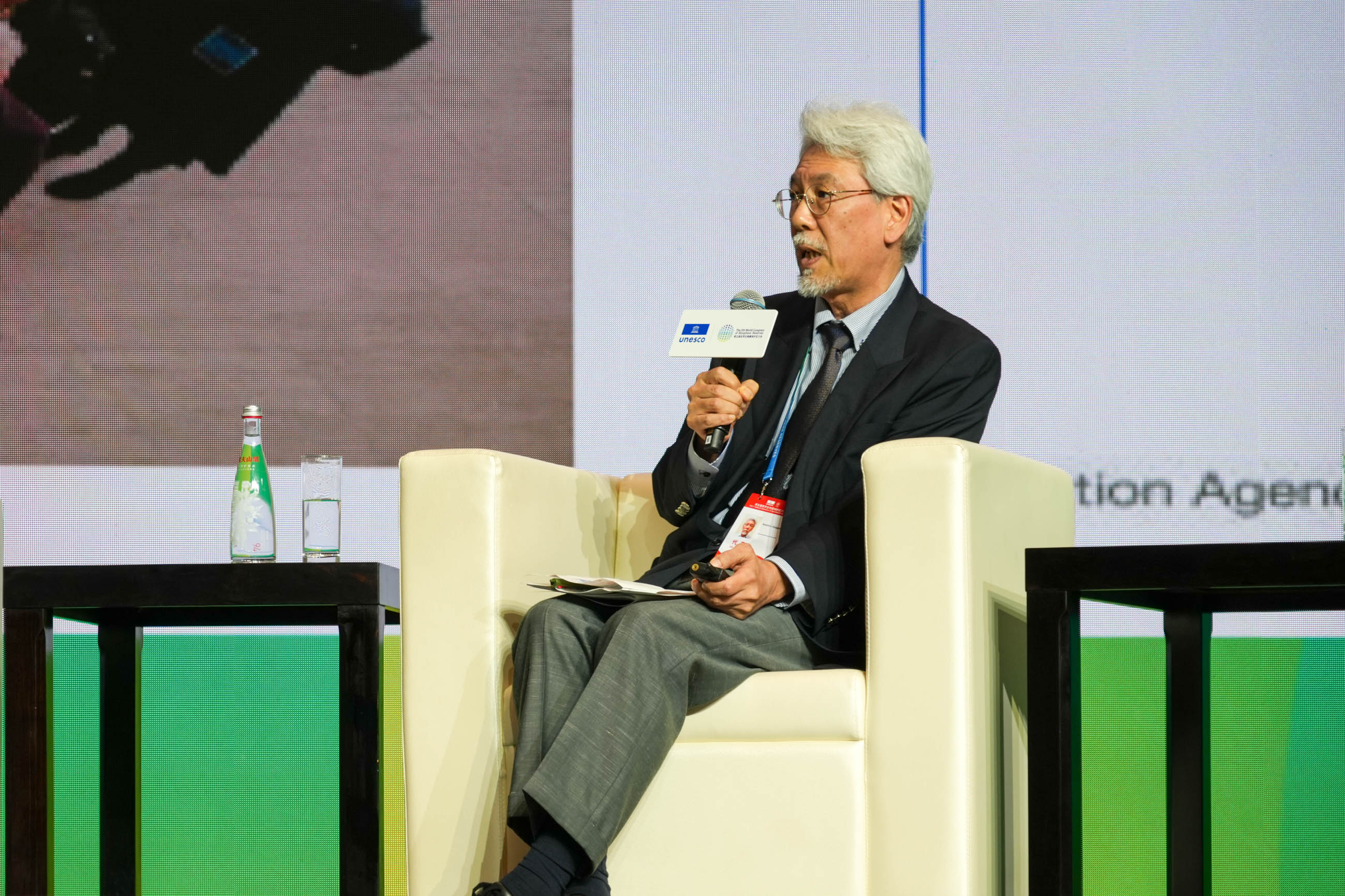
Motohiro Hasegawa, Senior Advisor, Japan International Cooperation Agency and Member of the Informal Advisory Group on Technical and Scientific Cooperation of the CBD
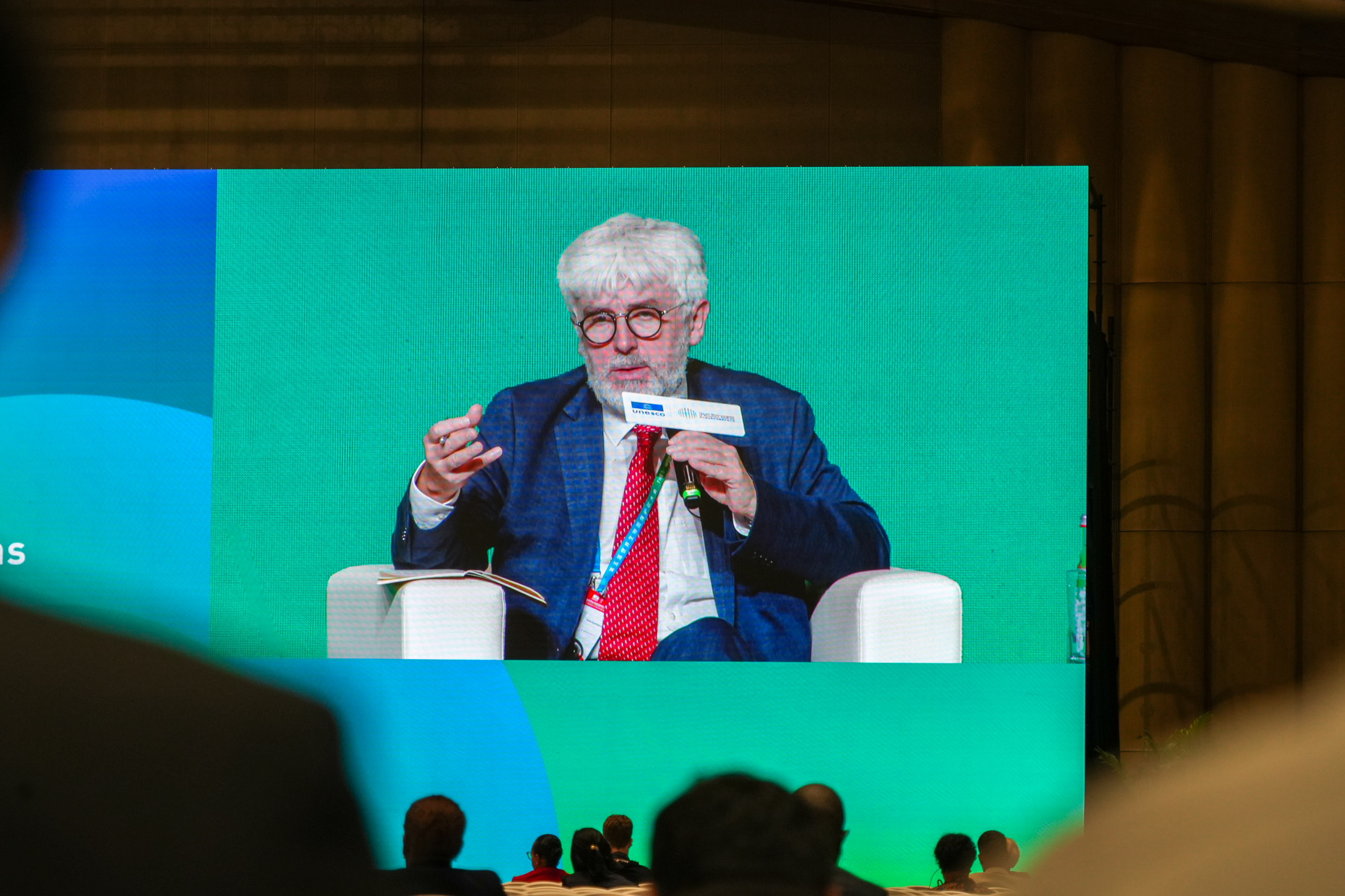
Tim Badman, Director, World Heritage, IUCN Centre for Conservation Action
Around the venue