About
Discussions during the historic Summit revealed the enormous contributions to conservation by Indigenous Peoples and emphasized that Indigenous priorities need to shape national plans and international frameworks.
Final report
Summary report 8–10 October 2025
All coverage
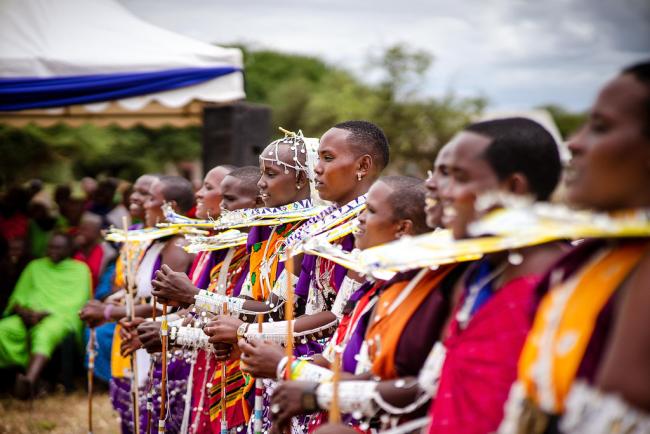
Indigenous Peoples are the stewards of life on Earth. As knowledge keepers, guardians of ancestral territories, and visionaries of sustainability, they are central to any conservation effort, and their contributions are invaluable to shape the path toward a sustainable future. The World Summit of Indigenous Peoples and Nature: Our traditional knowledge is the language of Mother Earth brought together Indigenous leaders, aiming to shape the global environmental agenda through a constructive dialogue with the broader International Union for Conservation of Nature (IUCN) community and the sharing of Indigenous wisdom and knowledge.
The Summit shaped new priorities and commitments for the broader conservation community in relation to Indigenous Peoples fully recognizing their vital role and offering new avenues for their full and effective participation in environmental negotiations and their leadership in relation to actions on the ground. The Summit allowed Indigenous voices to fully express their vision for a sustainable world, leading the transformation of a global conservation agenda and, in partnership with the IUCN, setting bold and collective priorities for the future.
In addition to bringing Indigenous visions to the forefront of global conservation efforts, the World Summit of Indigenous Peoples and Nature facilitated direct interactions with stakeholders, including donors at the local, regional, national, and international levels. This will help catalyze much-needed investments on Indigenous leadership, knowledge, and practices, which can help transform the relationship between humans and nature away from exploitation, offering lasting benefits and leaving no one behind.
The Summit created a space for spiritual invocation and will offer an overview of the pathway from Marseille and the IUCN World Conservation Congress 2020 to Abu Dhabi. It discussed: Indigenous and traditional territories and biodiversity conservation; paths to reconciliation in Indigenous lands; and Indigenous leadership in global policy transformation, redefining the climate narrative. It further focused on the IUCN Unite for Nature strategy on the path to 2045, as well as on ways to reshape inclusive financial systems to bring forth transformative change. Through these efforts, the Summit revealed the vital role of Indigenous Peoples in achieving global conservation objectives, including the IUCN Global Indigenous Agenda, the Kunming-Montreal Global Biodiversity Framework, and the Paris Agreement on climate change.
The first ever Indigenous Peoples Pavilion was the “Home of Indigenous Peoples” during the IUCN Congress. It offered a vibrant living space, embodying the spirit of Indigenous territories, and allowing participants and visitors to experience the depth of ancestral wisdom, resilience, and innovation. Through showcasing success stories centered around traditional knowledge systems, Indigenous conservation practices, community-led initiatives, and intergenerational leadership, it offered an immersive experience to visitors and participants.
The World Summit of Indigenous Peoples and Nature met from 8-10 in Abu Dhabi.
The Earth Negotiations Bulletin (ENB) writers for this meeting were Asterios Tsioumanis, Ph.D.; and Deborah Davenport, Ph.D. The Digital Editor was Mike Muzurakis. French translation by Alexandra Lefevre and Feryel Gadhoum. Spanish translation by Socorro Estrada and Alexandra Lefevre. The Editor was Leila Mead.
Funding for ENB coverage of the World Summit of Indigenous Peoples and Nature was provided by IUCN.

To receive free coverage of global environmental events delivered to your inbox, subscribe to the ENB Update newsletter.