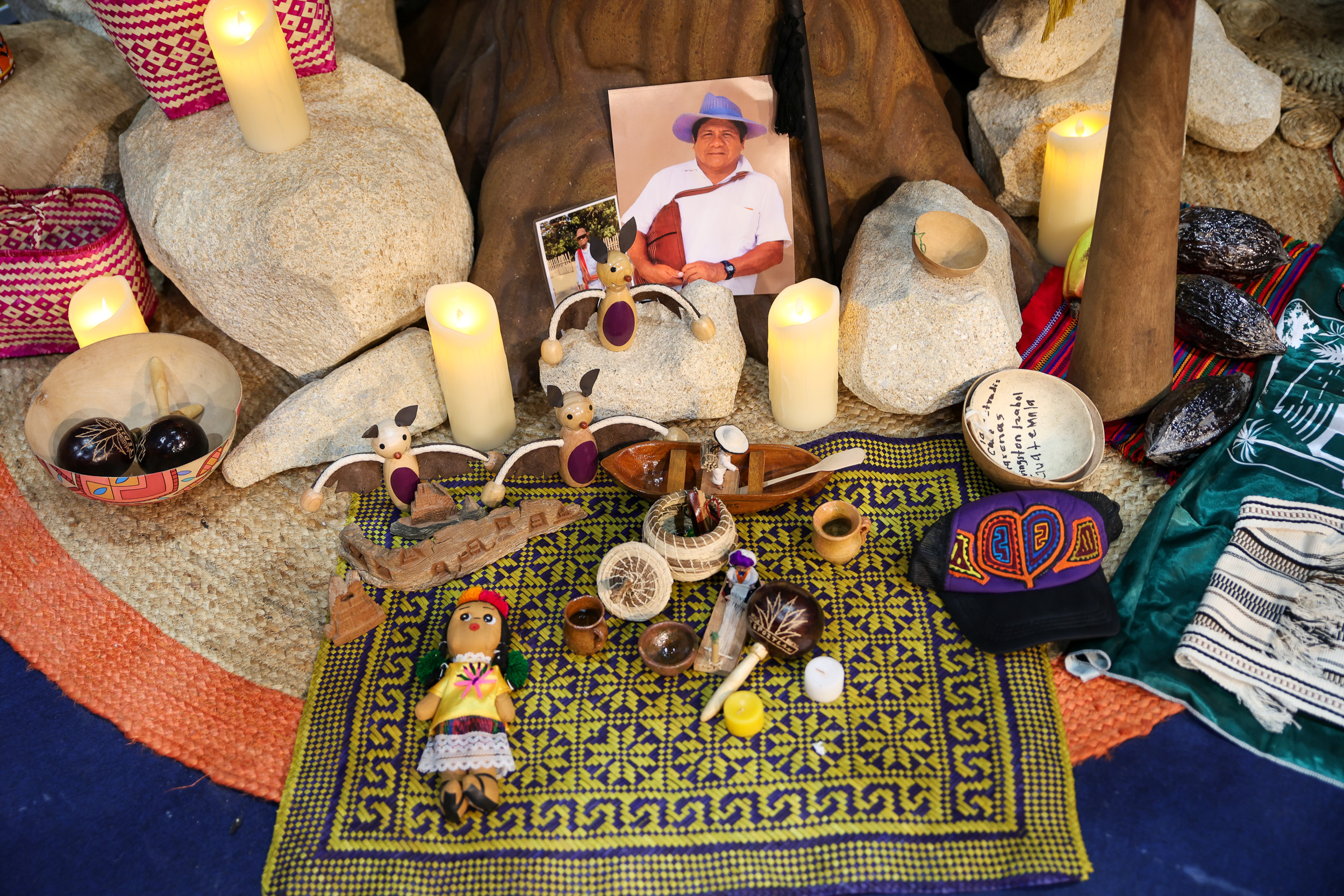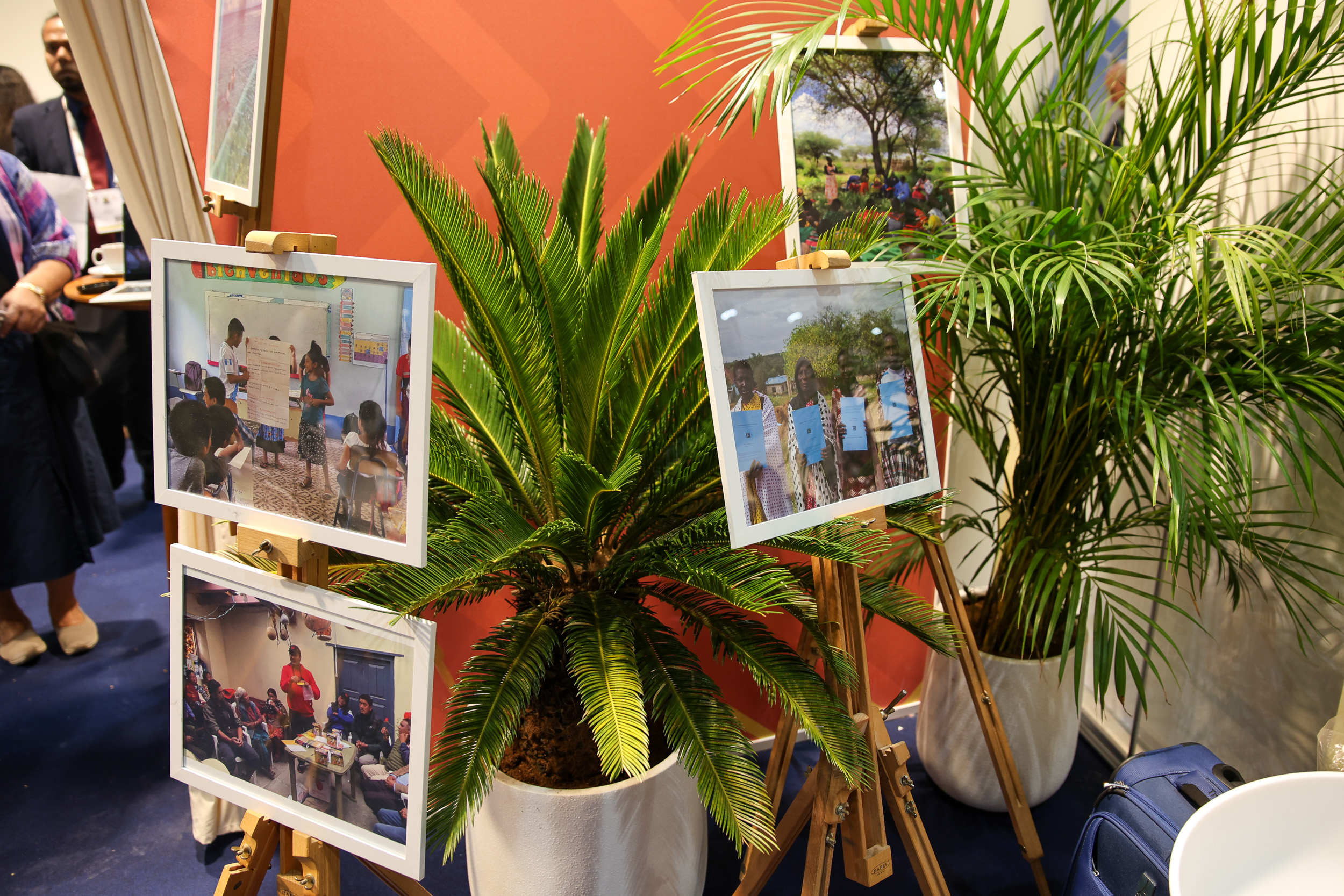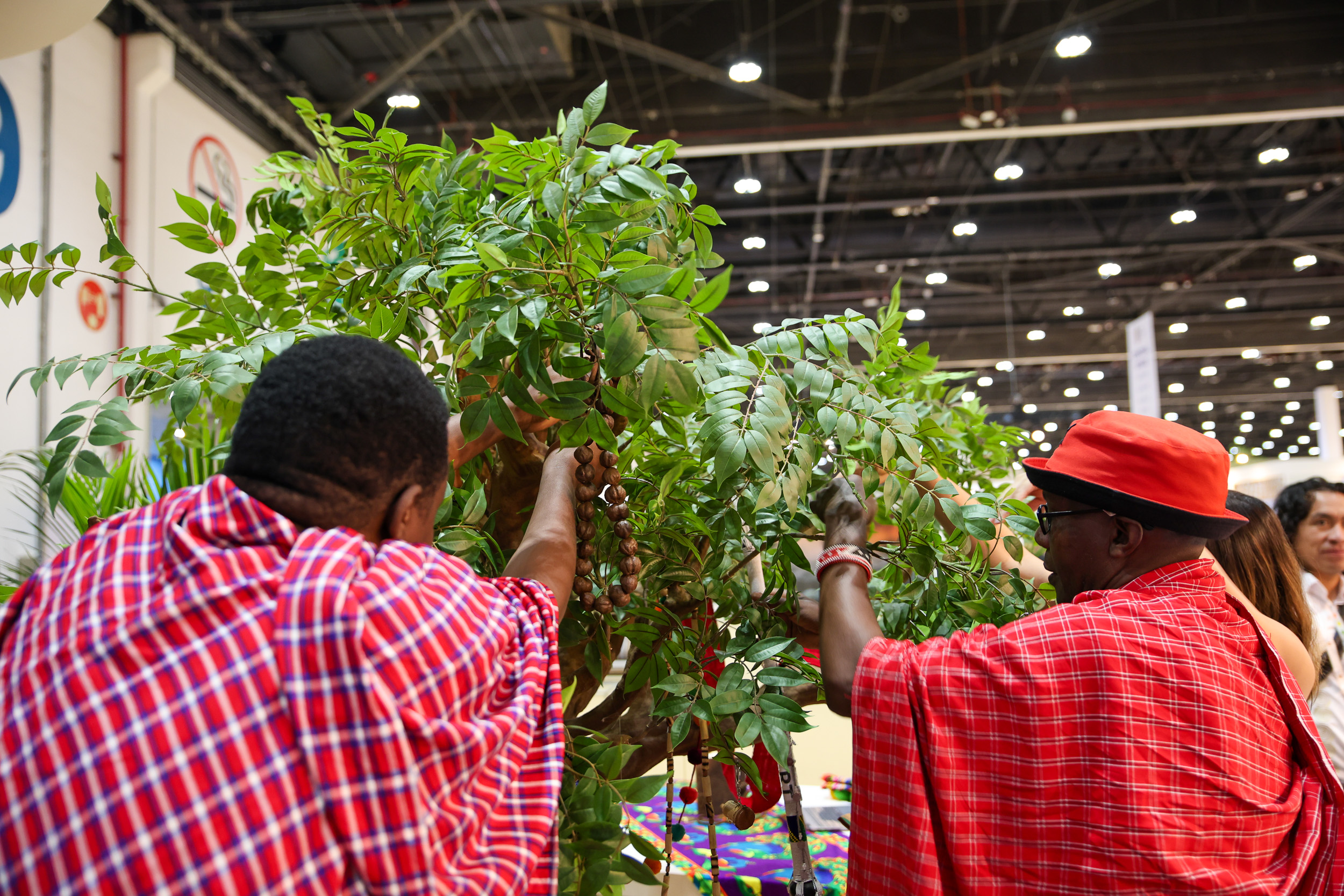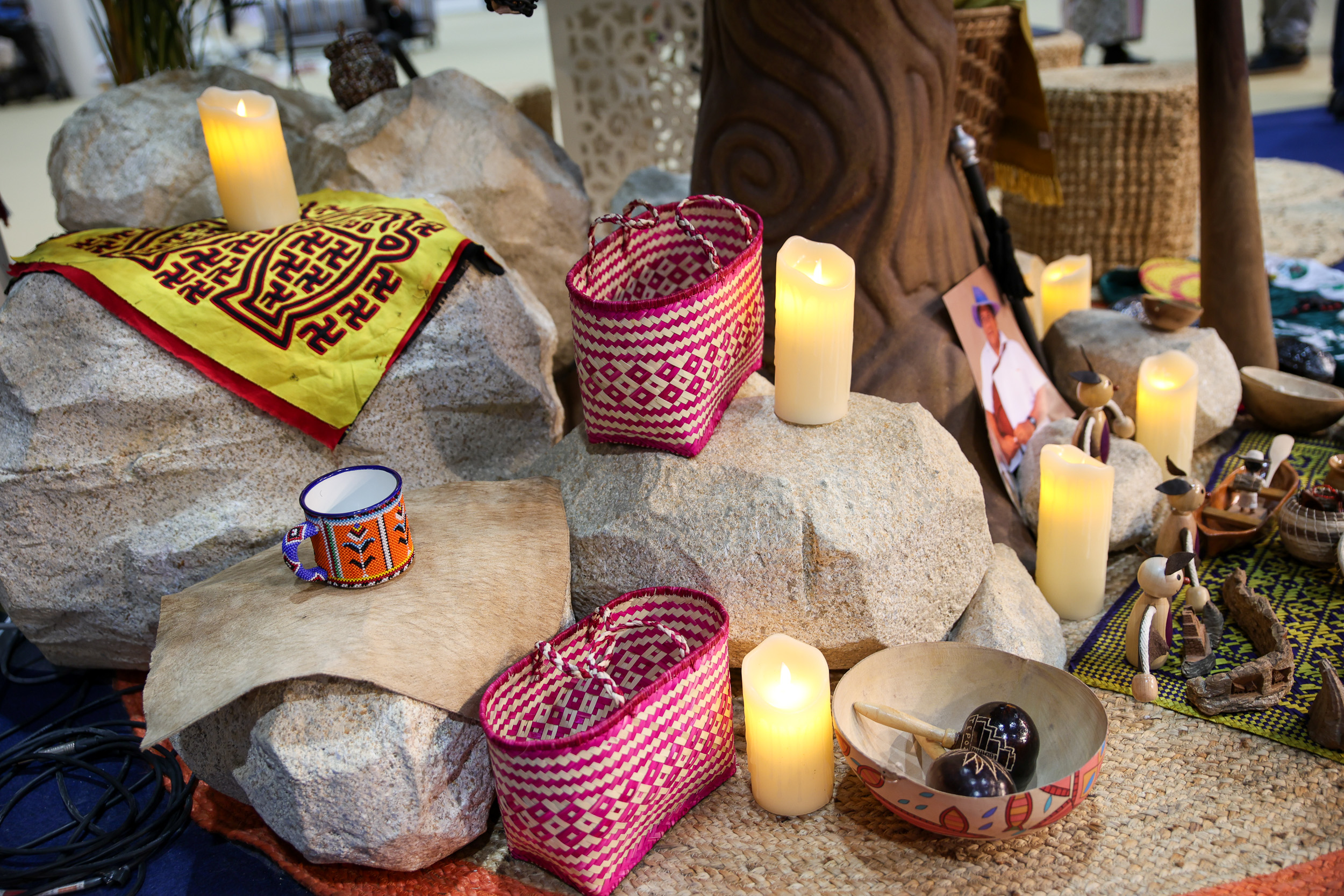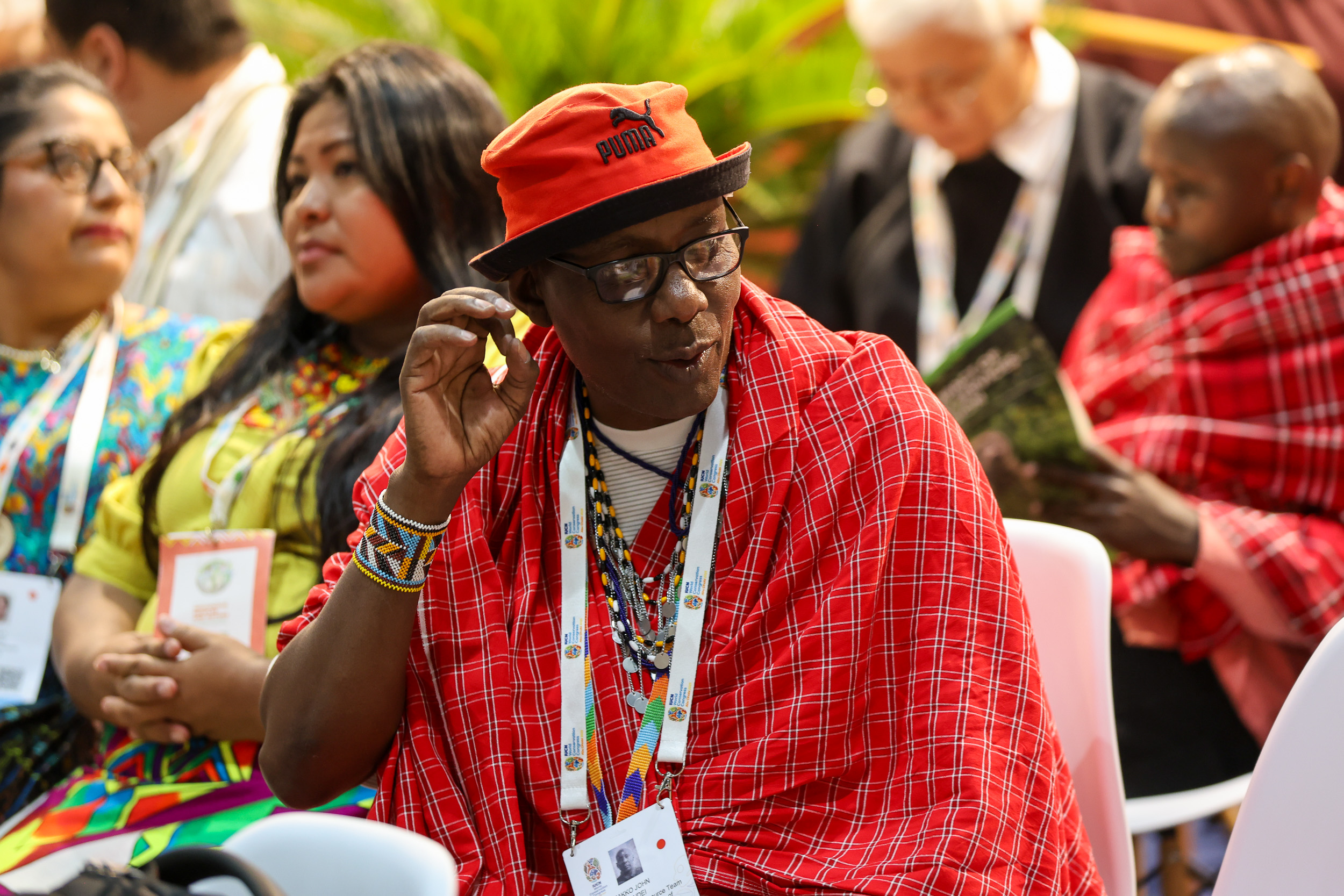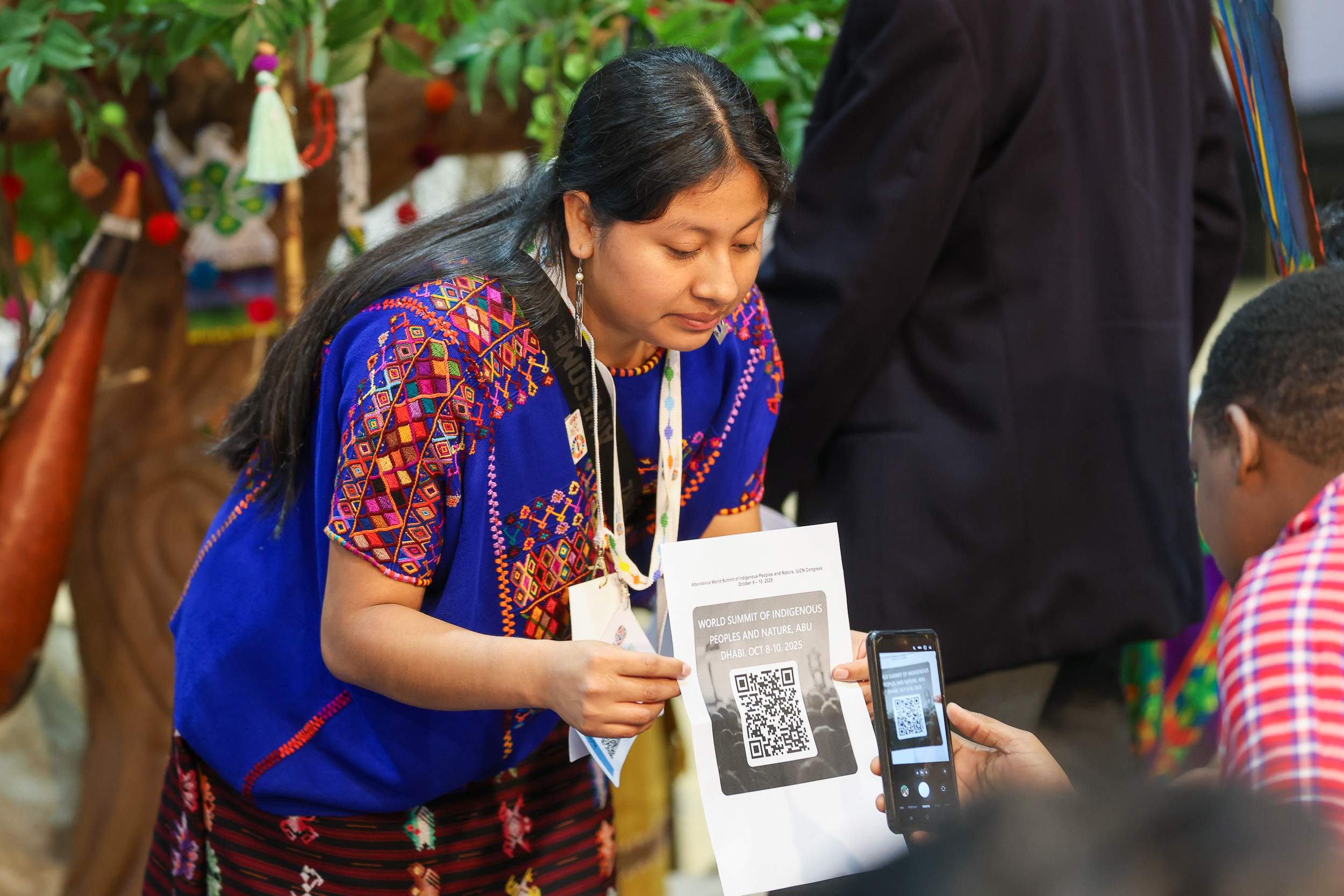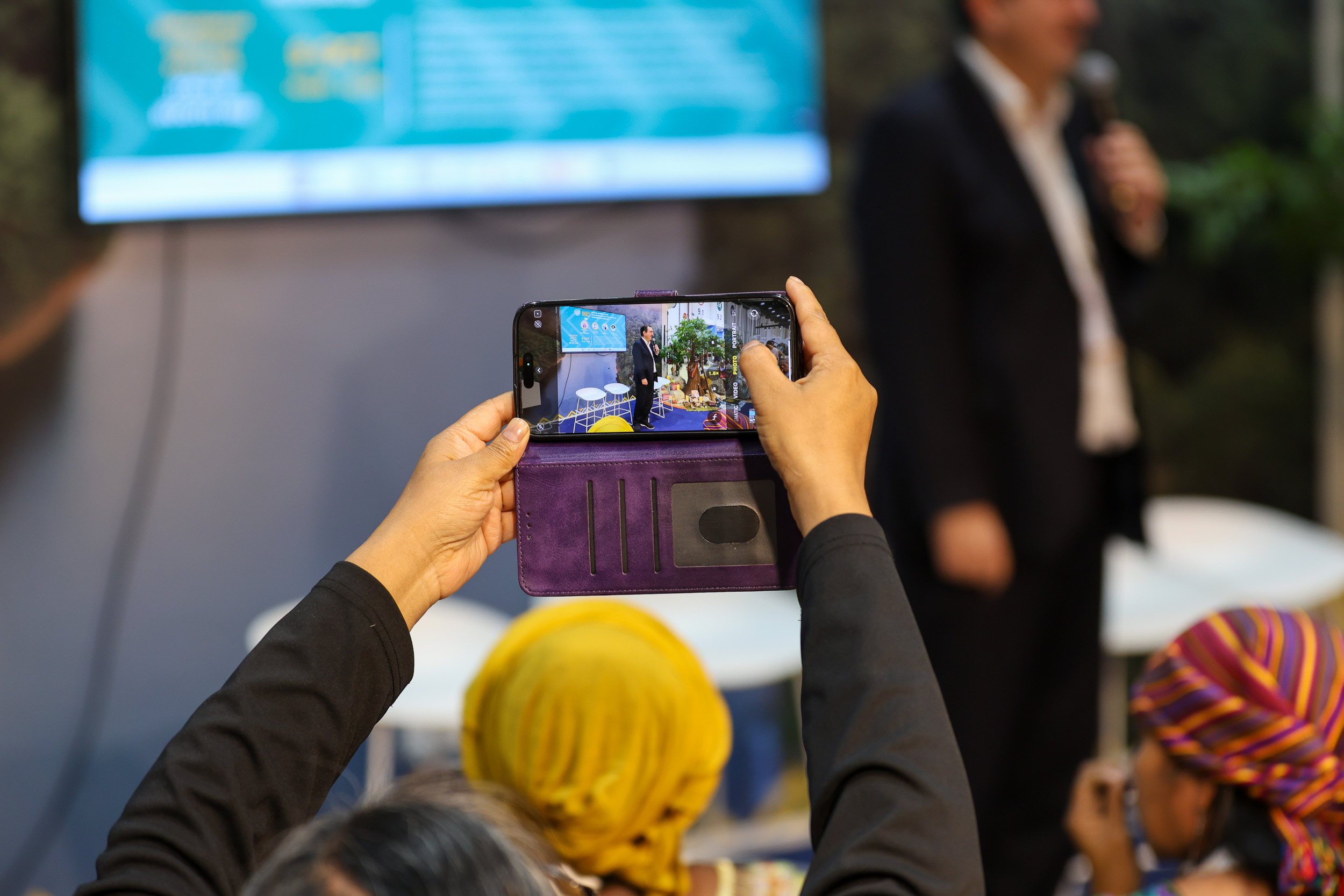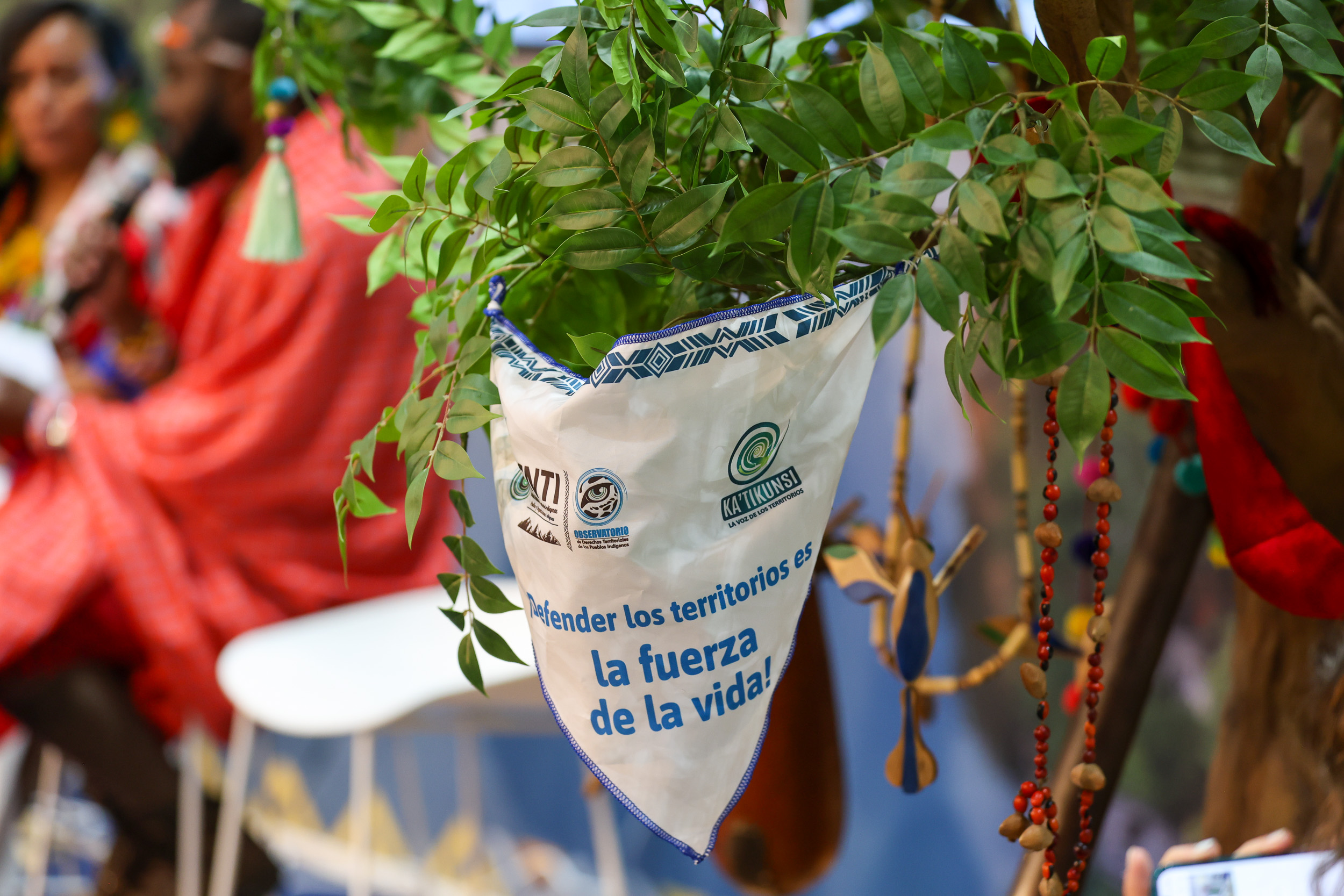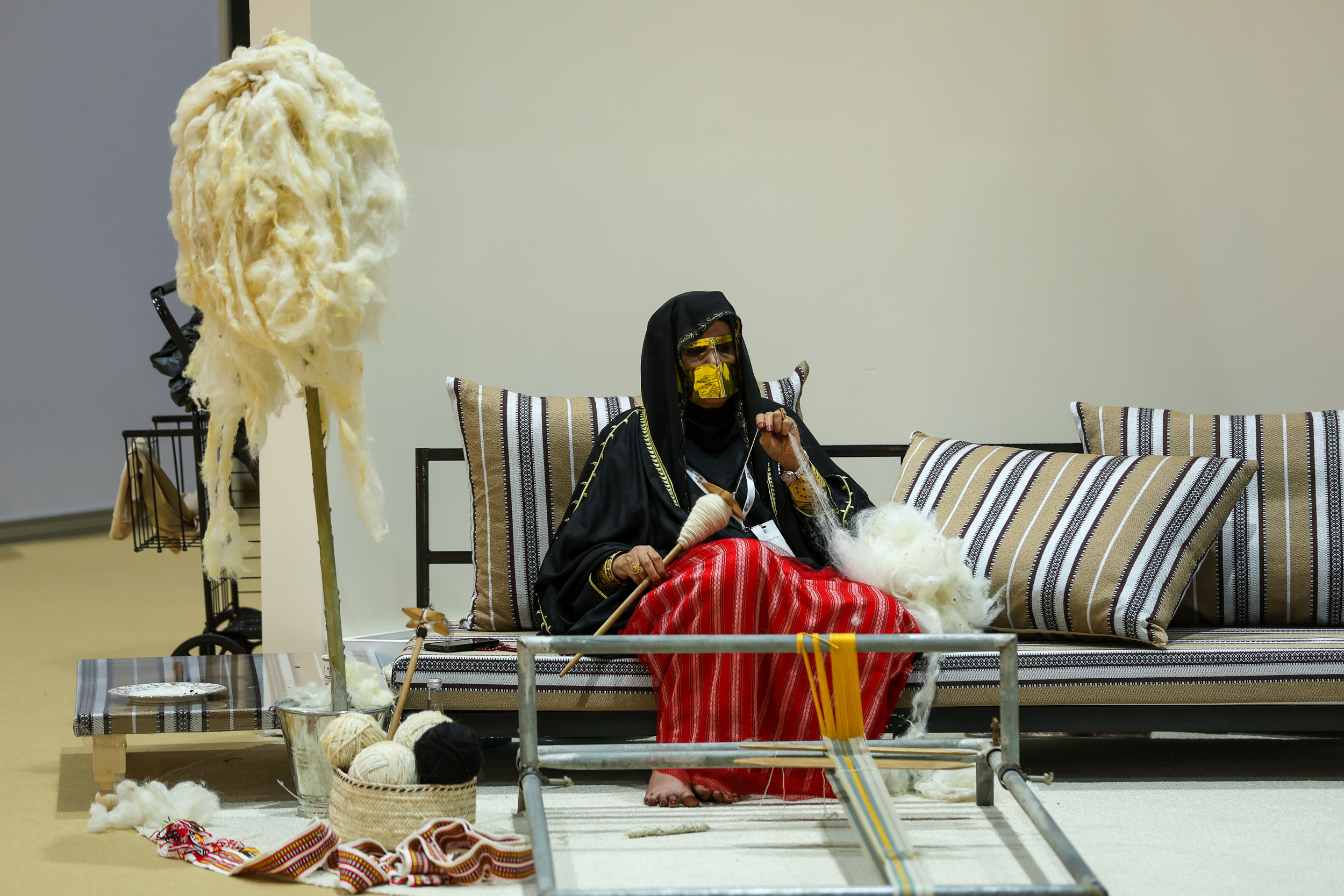
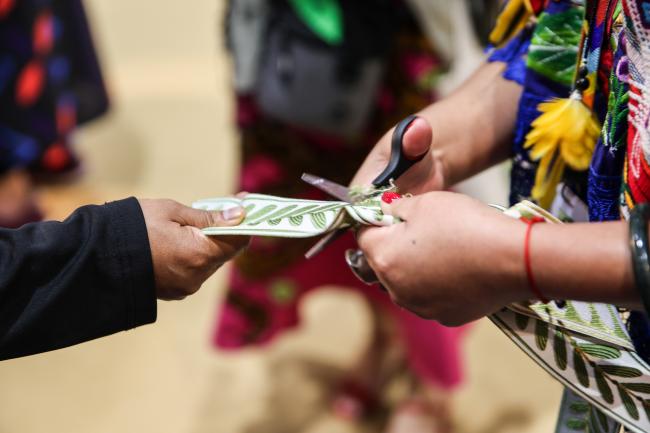
“It is wonderful to find ourselves a home.” Lucy Mulenkei, Co-Chair, International Indigenous Forum on Biodiversity (IIFB), and Executive Director, Indigenous Information Network (IIN), highlighted the opening of the first ever IUCN Indigenous Pavilion as the “home of Indigenous Peoples.”
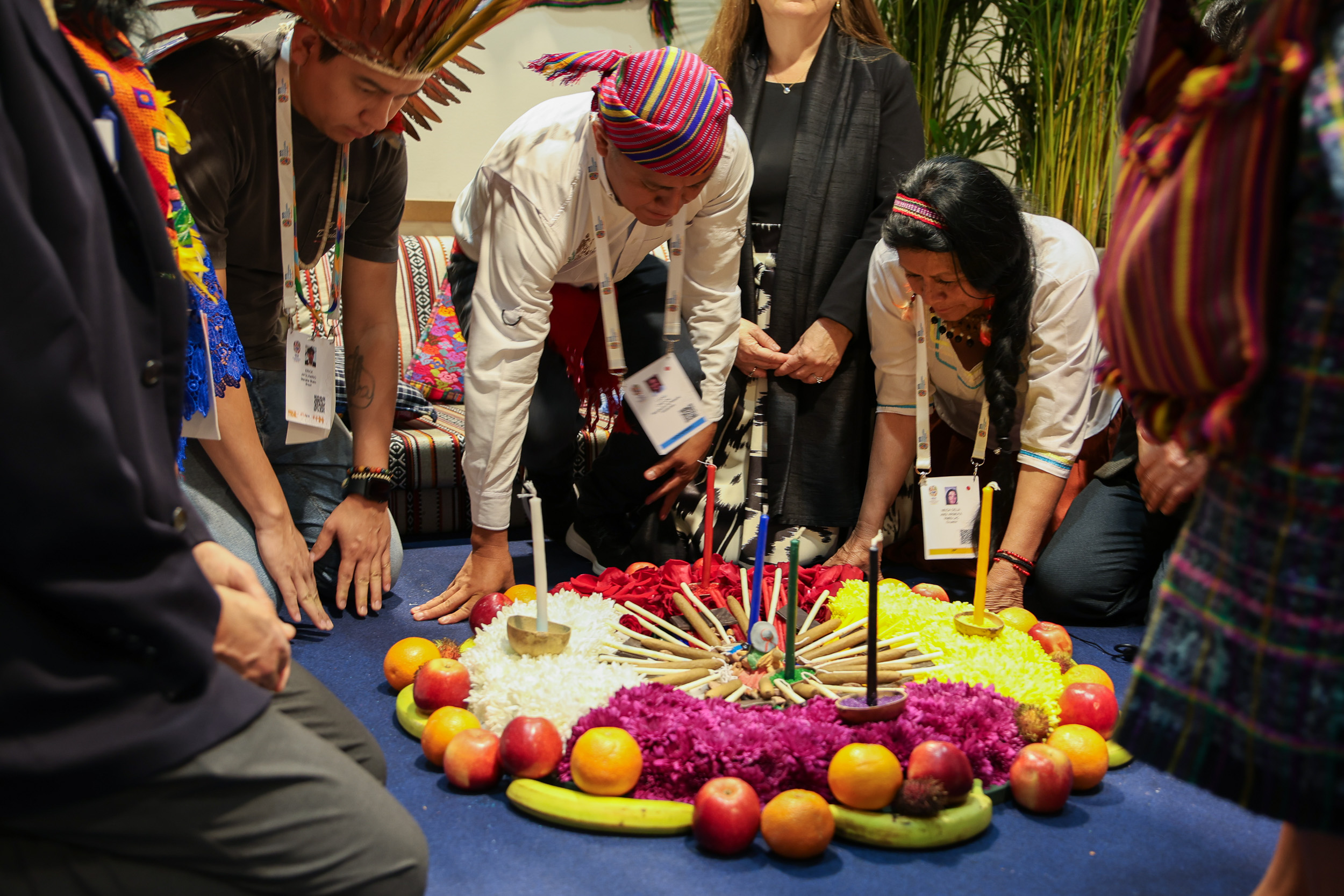
The day’s grand opening of the Indigenous Pavilion started with a spiritual invocation offered by “nanas and tatas.” A vocal and instrumental performance reminded participants of our connections with the physical and spiritual world. Performers included: WHAIA Sonic Weaver, vocalist, performer, First Nations multi-instrumentalist; Erick Apolinario, Maraka Music, Brazil; and Gavin Jacob Herbohn Singleton, Dawul Wuru Aboriginal Corporation, Australia.
During the Pavilion’s opening, Grethel Aguilar, Director General, IUCN, recalled the difficult journey toward its achievement and urged everyone to consider joining the IUCN to move the Indigenous conservation agenda forward.
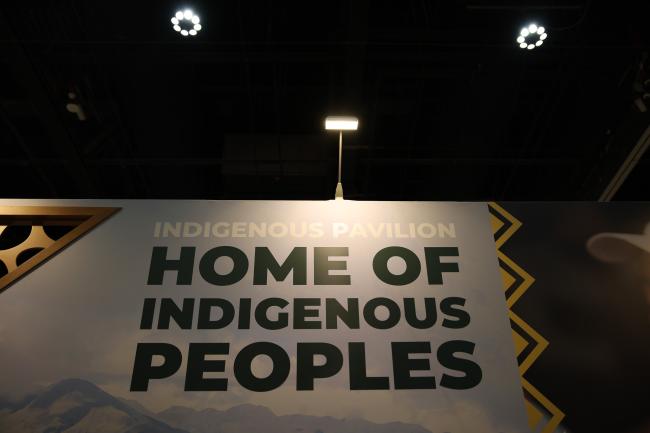
Noting that Indigenous Peoples comprise only 5% of the global population while 80% of biodiversity conservation takes place in Indigenous territories, Ramiro Batzin, Vice President, IUCN, and Co-Chair, IIFB, urged increasing Indigenous membership in IUCN.
Kerry Max, Deputy Director, Partnering for Climate, Global Affairs Canada, stressed the need to ensure direct funding for Indigenous Peoples without intermediaries, delays, or compromises.
Anthony Goldner, CEO, Taskforce on Nature-related Financial Disclosures (TNFD) highlighted efforts to build bridges between business and finance actors on the one hand and Indigenous leaders and communities on the other, noting that much remains to be done.
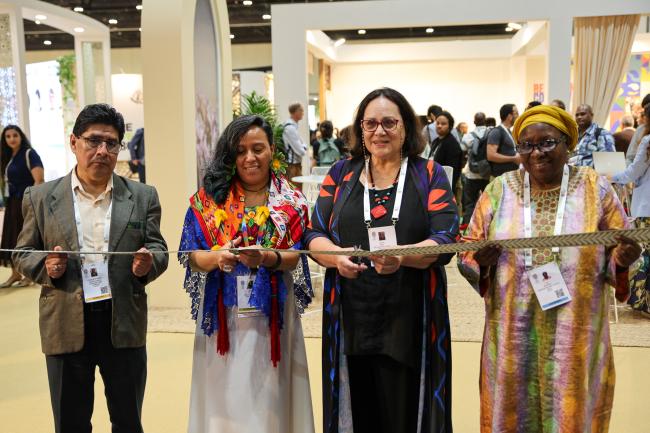
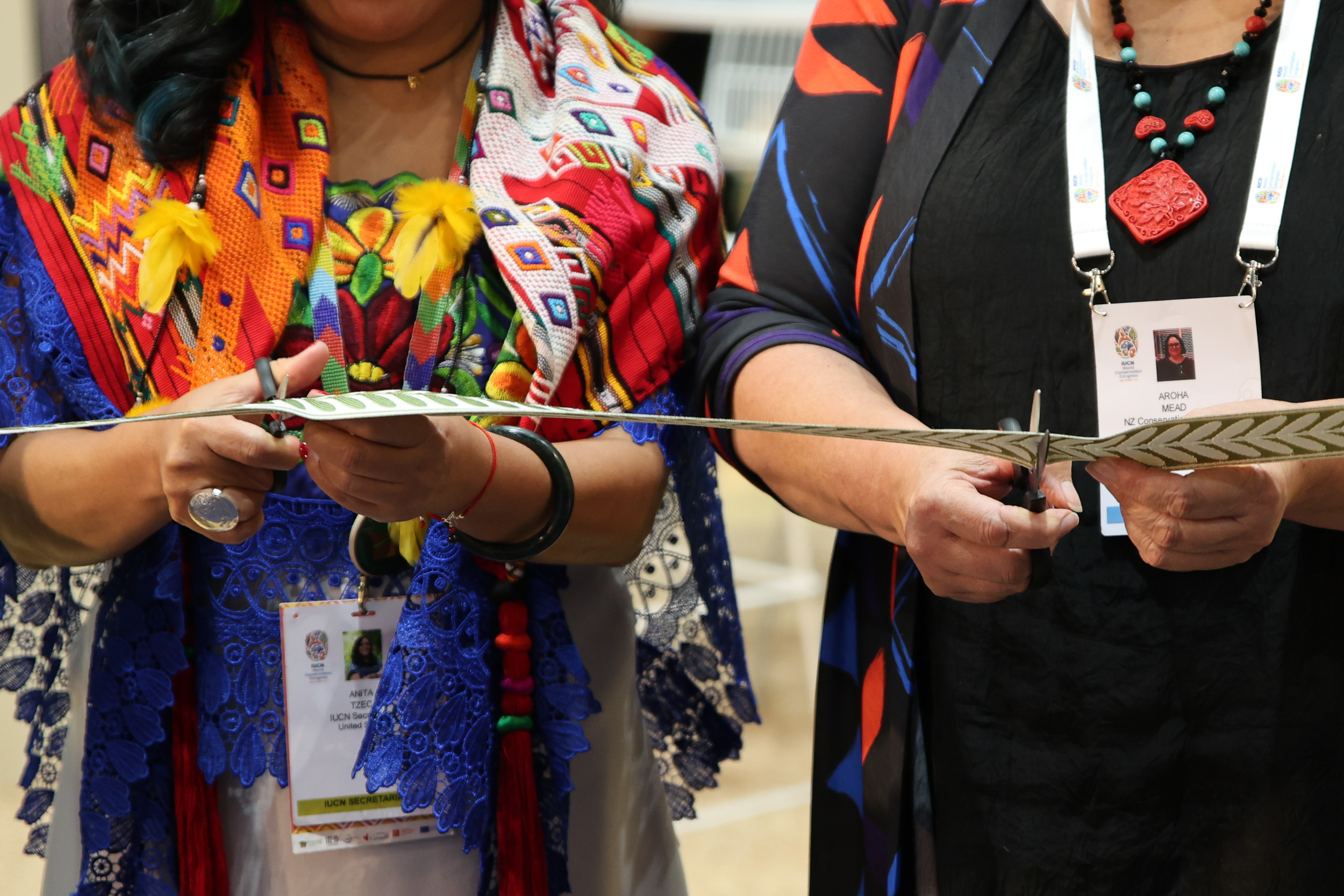
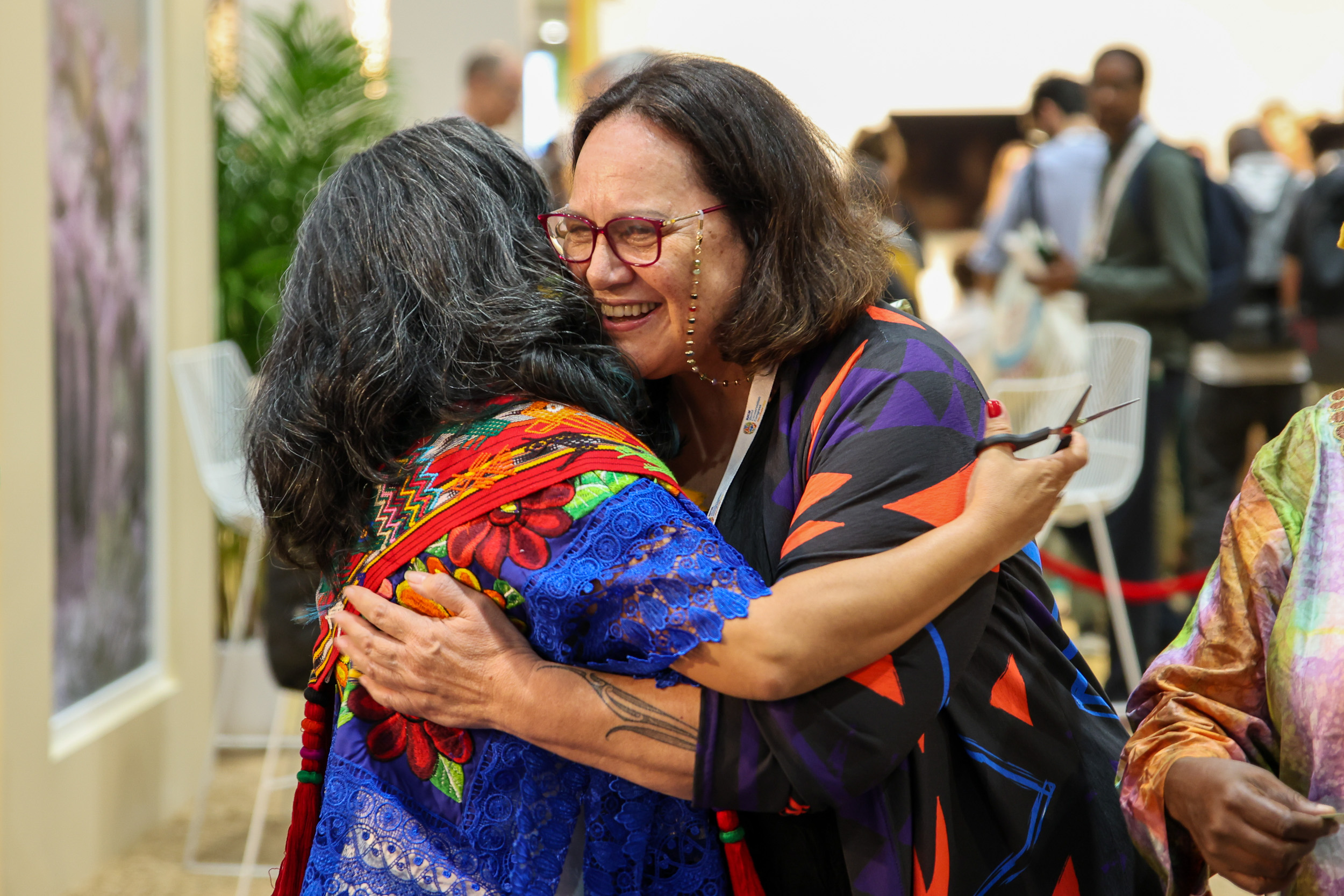
Erica McCreedy, Chief Operating Officer, North Australian Indigenous Land and Sea Management Alliance, stressed the need to strengthen Indigenous voices and build partnerships, to improve livelihoods and protect Mother Earth. The Pavilion’s opening ceremony ended with a symbolic ribbon-cutting.
The afternoon was devoted to two Indigenous dialogues. The first, moderated by Anita Tzec, Maya Yucatec leader and Senior Programme Officer on Indigenous Peoples and Conservation, IUCN, focused on Indigenous Peoples’ direct access to finance.
Sara Omi Casamá, Chair, Coordinating Committee of Territorial Women Leaders of Mesoamerica and Indigenous leader, Emberá people, Panama, called for less bureaucratic mechanisms for accessing resources, particularly for women and youth.
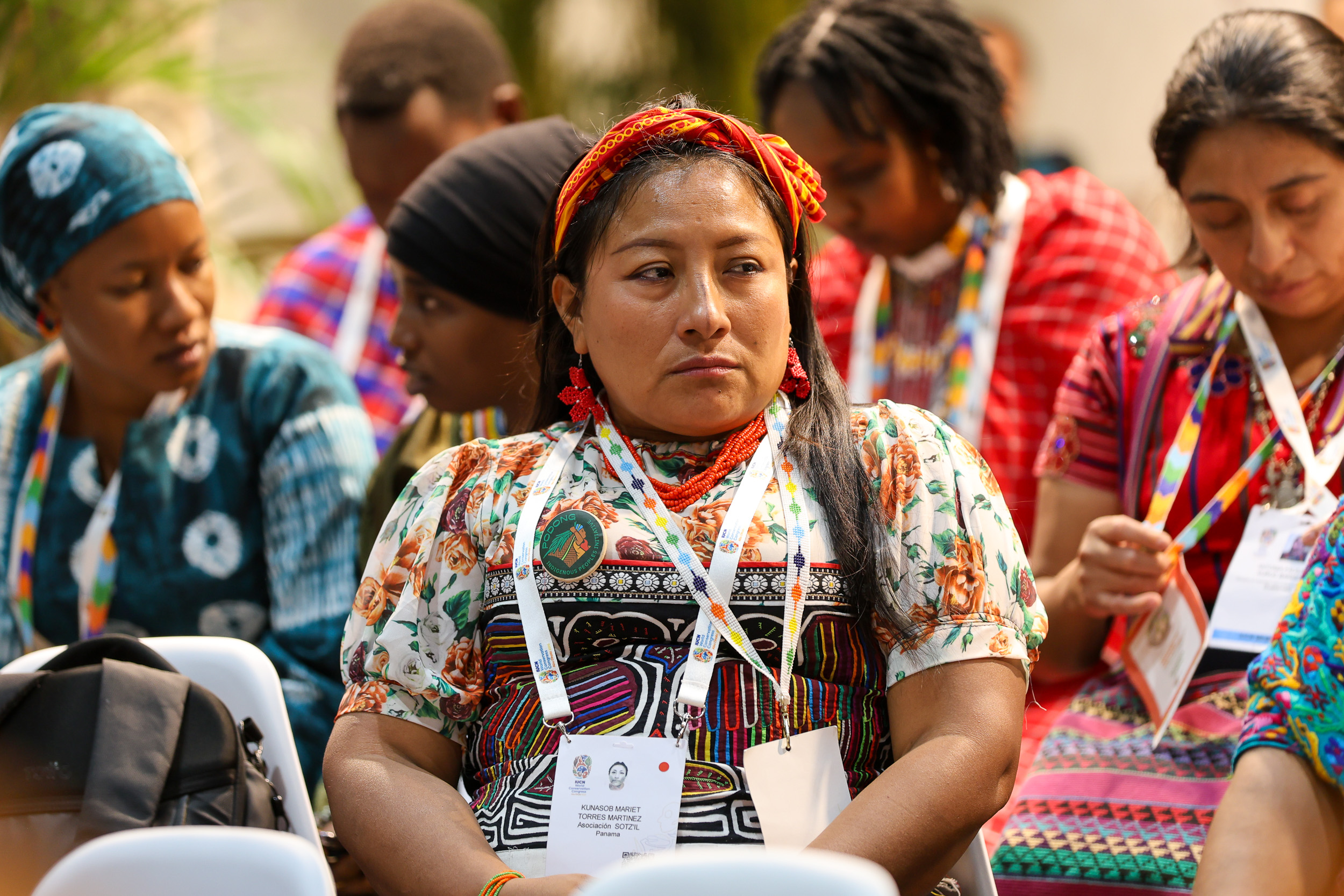
Paine Mako, Executive Director, Ujamaa Community Resource Team, Tanzania, drew attention to the Podong Initiative, aimed at responding to community priorities, supporting Indigenous governance and management of land and natural resources, and working to ensure Indigenous collective land title.
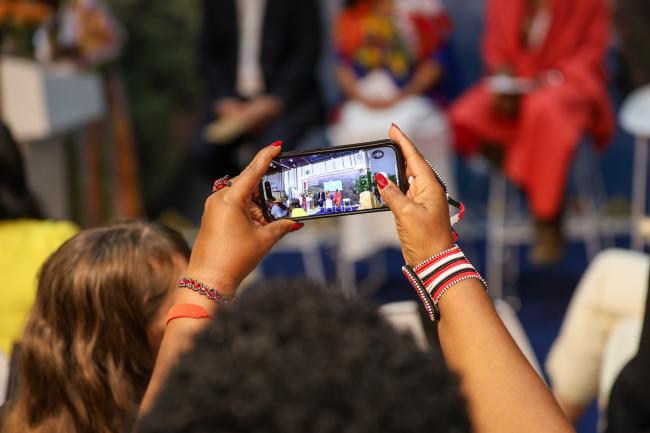
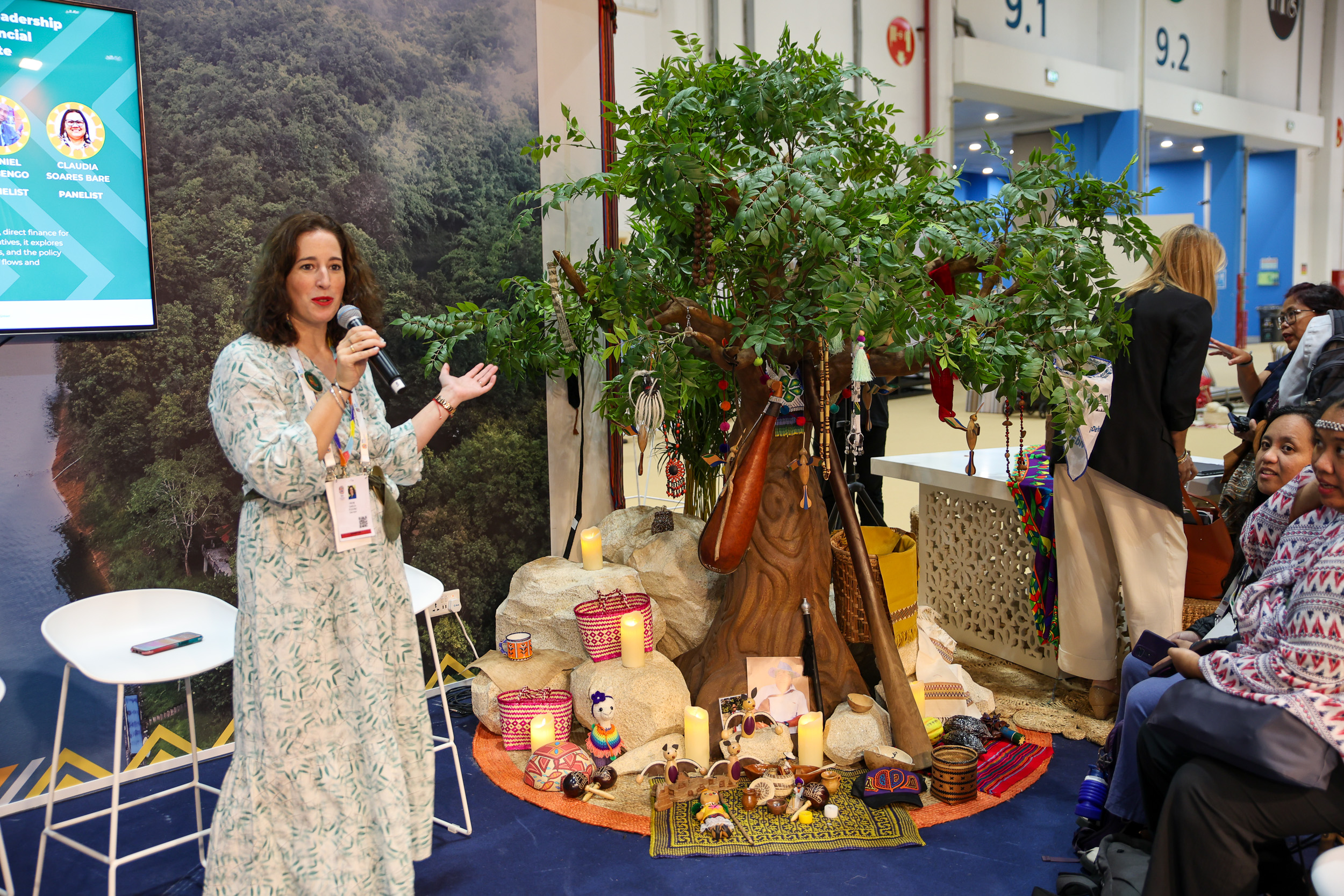
The second Indigenous dialogue, moderated by Mulenkei, addressed Indigenous leadership and the reshaping of inclusive financial systems for biodiversity and climate.
Eleni Kyrou, Head of Sustainability and Inclusion, Green Climate Fund (GCF), noted that climate finance has historically moved in a top-down fashion, with local communities at the end of the line. She urged a new collaborative approach and described the GCF’s efforts in this regard.
Goldner drew attention to the Guidance on Engagement with Indigenous Peoples, Local Communities, and affected stakeholders, and a case study on TNFD, LEAP, and Indigenous Enterprises: Impacts and Opportunities.
Tzec offered insights from the Podong Initiative, highlighting that Indigenous knowledge and leadership must be at the core of efforts to achieve the goals and targets of the Kunming-Montreal Global Biodiversity Framework (GBF).
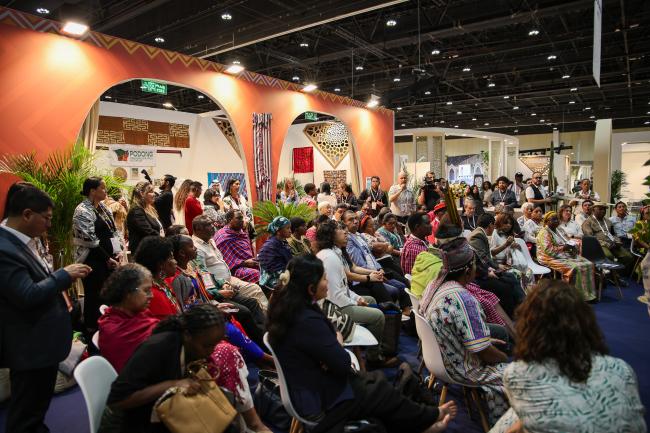
Ramson Siny Karmushu, IIFB and Founder, My Indigenous Knowledge in Action, Kenya, emphasized bureaucratic problems and challenges related to governance and intermediaries.
Daniel Mabengo, IIFB and IIN, Kenya, said that experience from projects on the ground show strong Indigenous capacities and urged preventing loss of Indigenous territories by recognizing them legally.
Claudia Soares Baré, Secretary Director, Podáali - Brazilian Amazon Indigenous Fund, said Podáali disburses climate funding directly to Indigenous Peoples, which differs from other climate funding in being more concerned about relationships, solidarity, and responsibility than about numbers, metrics, and carbon.
To receive free coverage of global environmental events delivered to your inbox, subscribe to the ENB Update newsletter.
All ENB photos are free to use with attribution. For the 2025 World Summit of Indigenous Peoples and Nature, please use: Photo by IISD/ENB | Mike Muzurakis
Grand Opening of the Home of Indigenous Peoples

The morning started with a spiritual invocation

Anita Tzec, Maya Yucatec leader and Senior Programme Officer on Indigenous Peoples and Conservation, IUCN
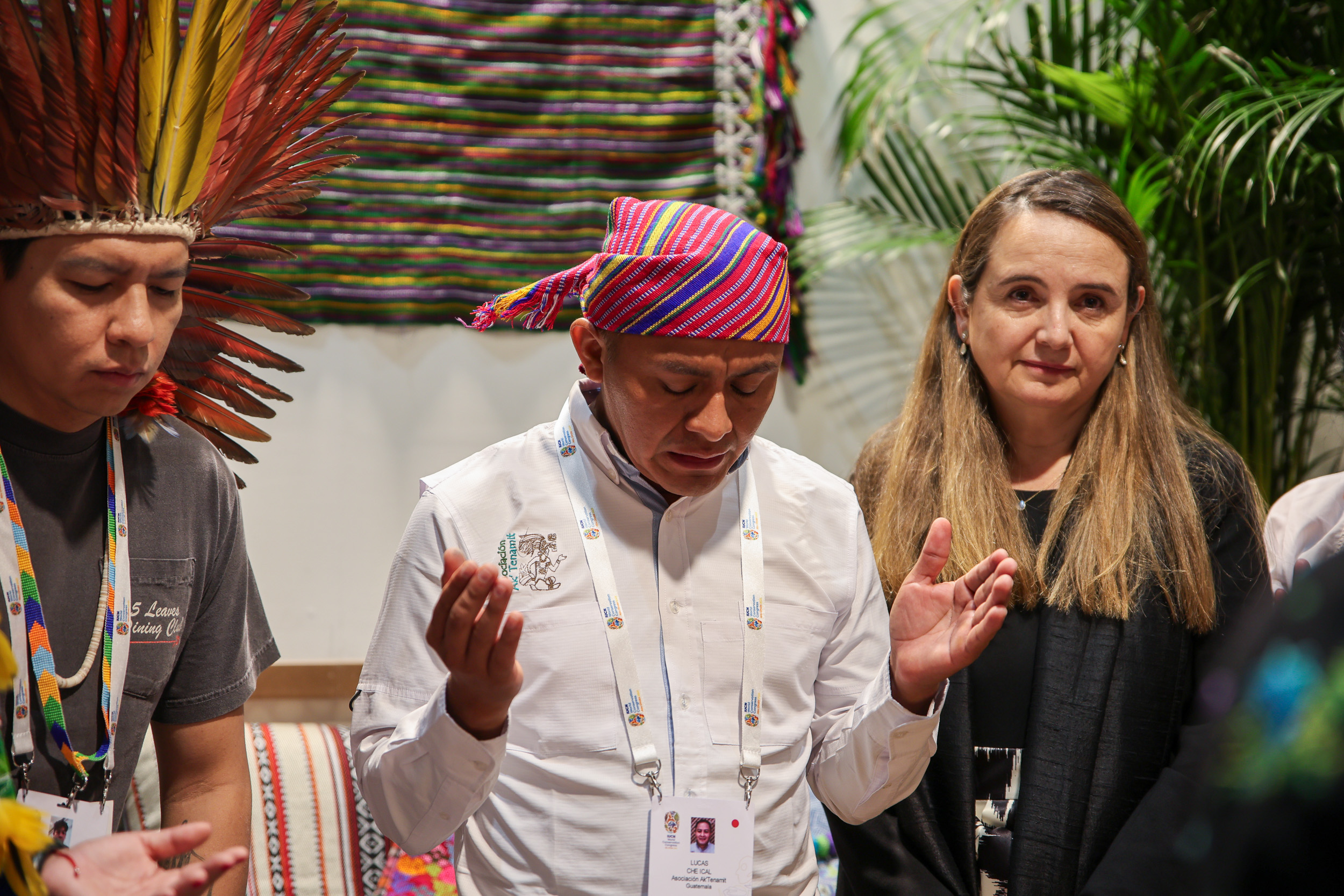
Lucas Che Ical, President, Ak' Tenamit
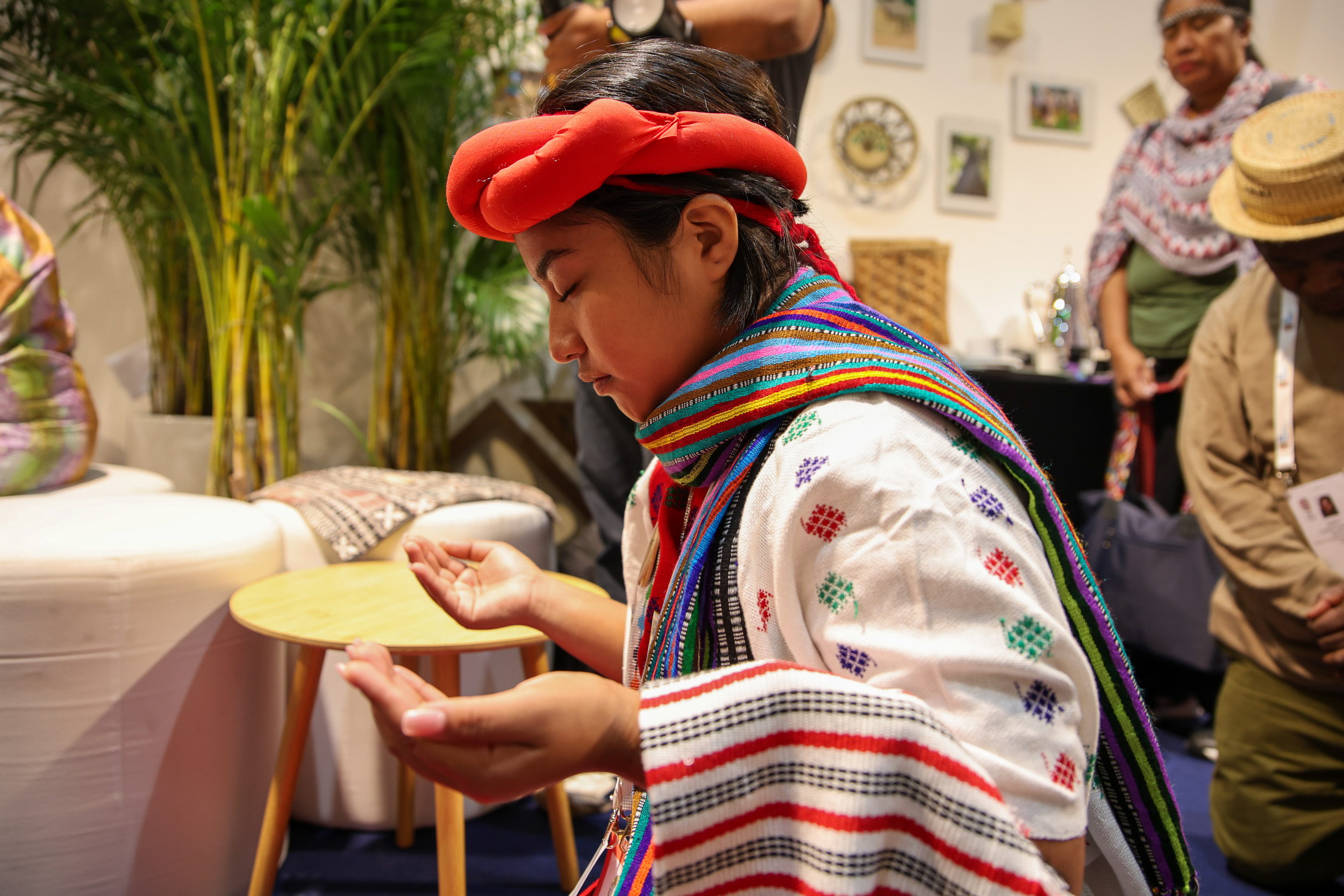

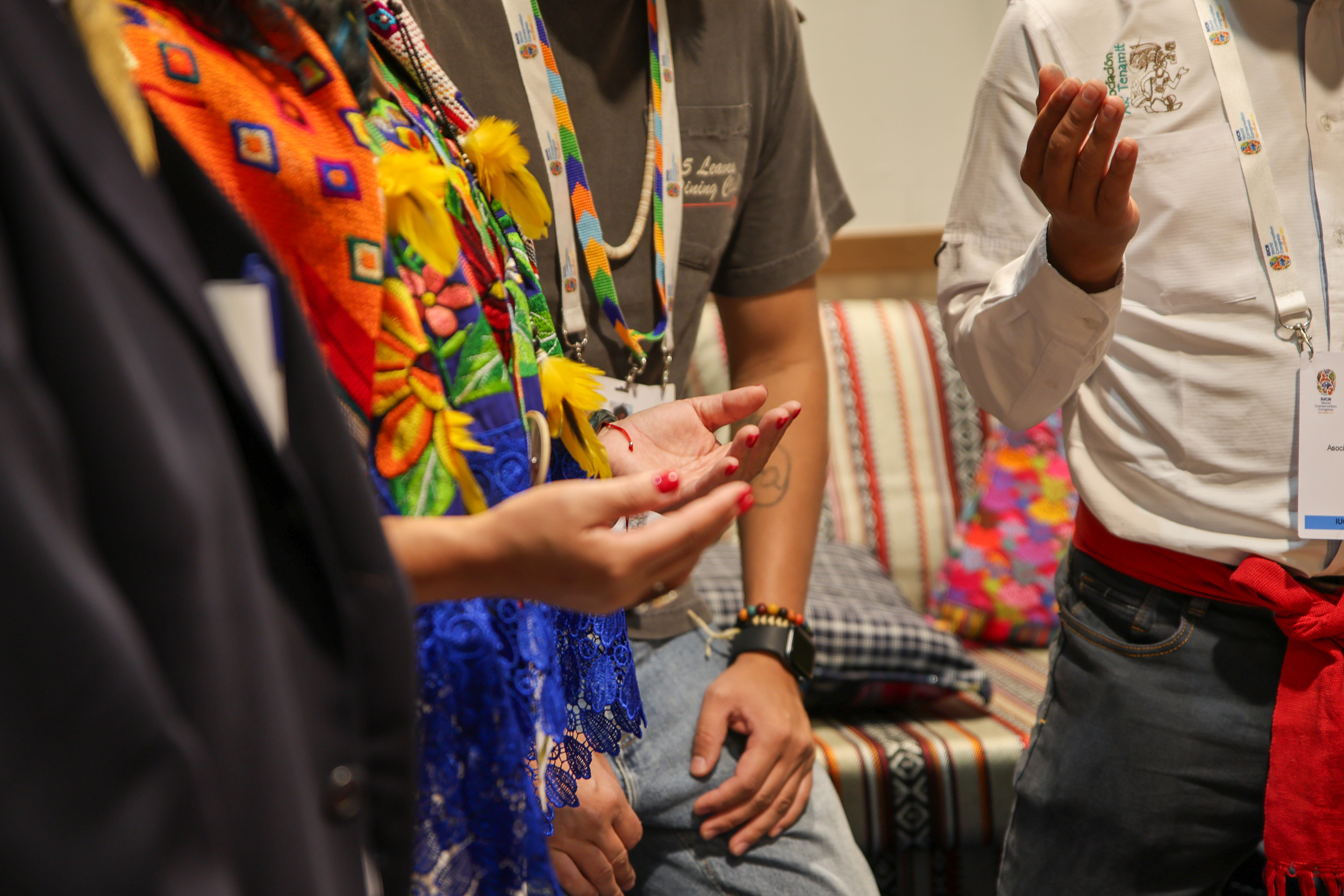

Ramiro Batzin, Co-Chair, IIFB, and Vice President, IUCN, and Anita Tzec, Maya Yucatec Leader, Senior Programme Manager, Indigenous Peoples and Conservation, IUCN
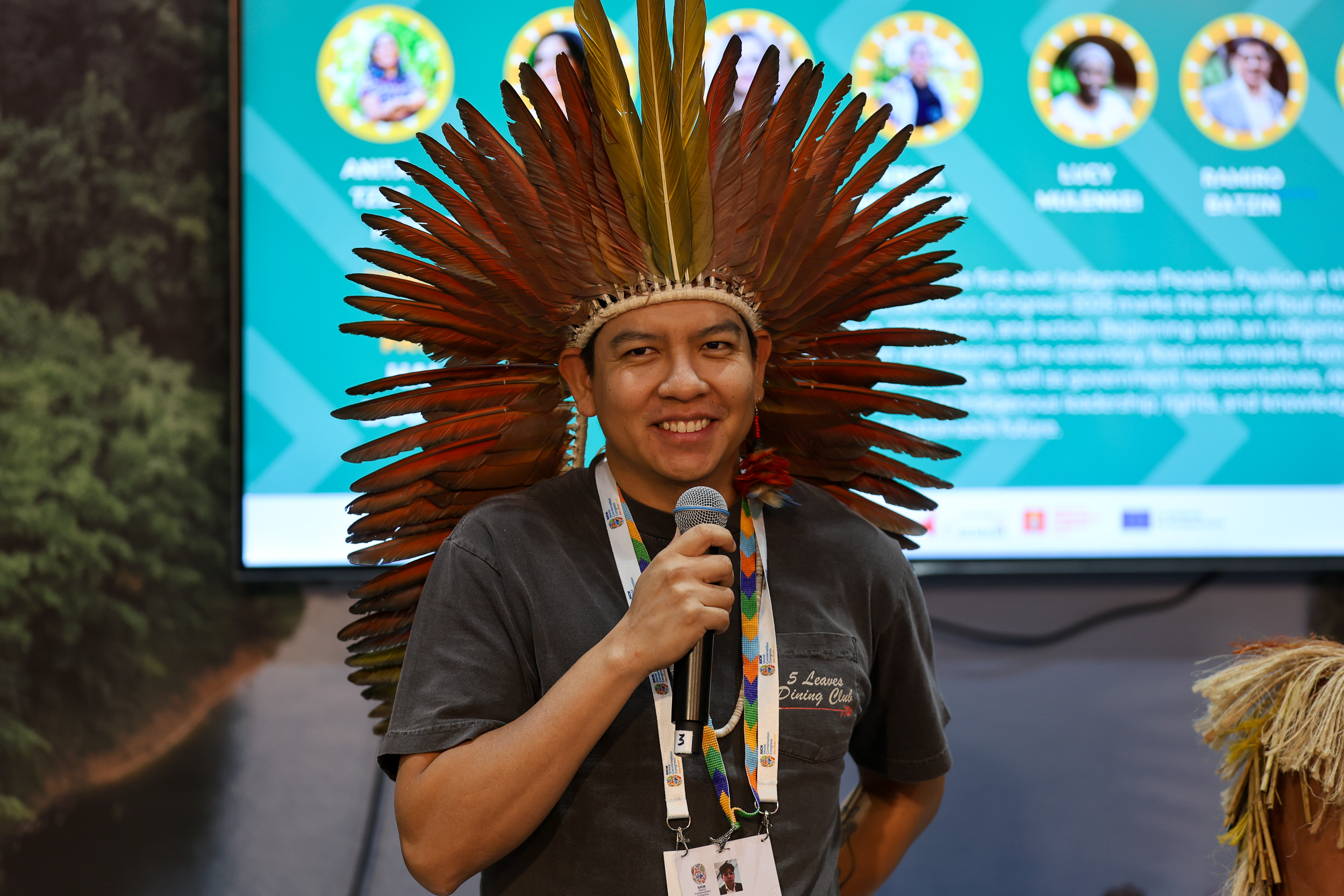
Erick Apolinario, Maraka Music, Brazil
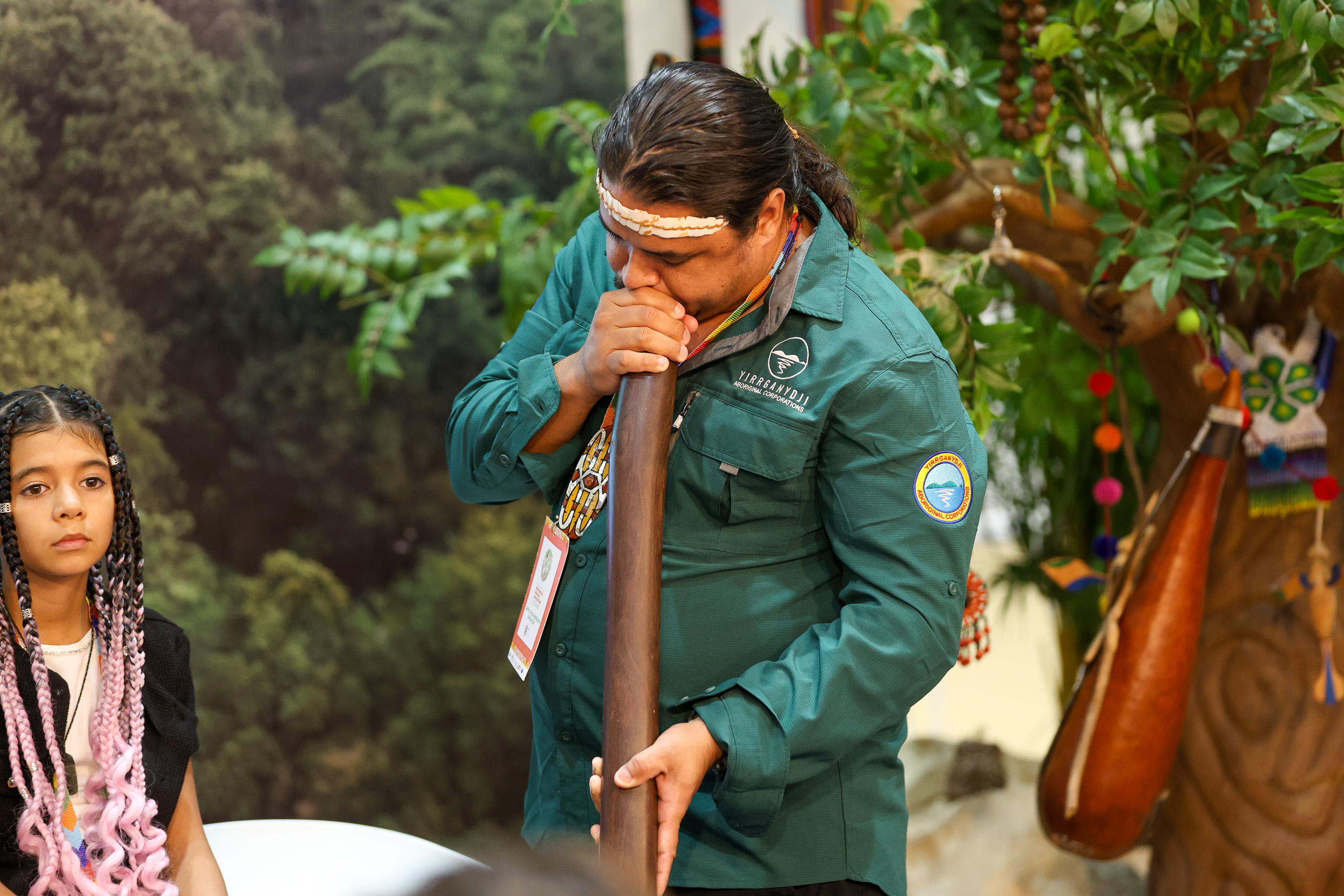
Gavin Jacob Herbohn Singleton, Dawul Wuru Aboriginal Corporation, Australia
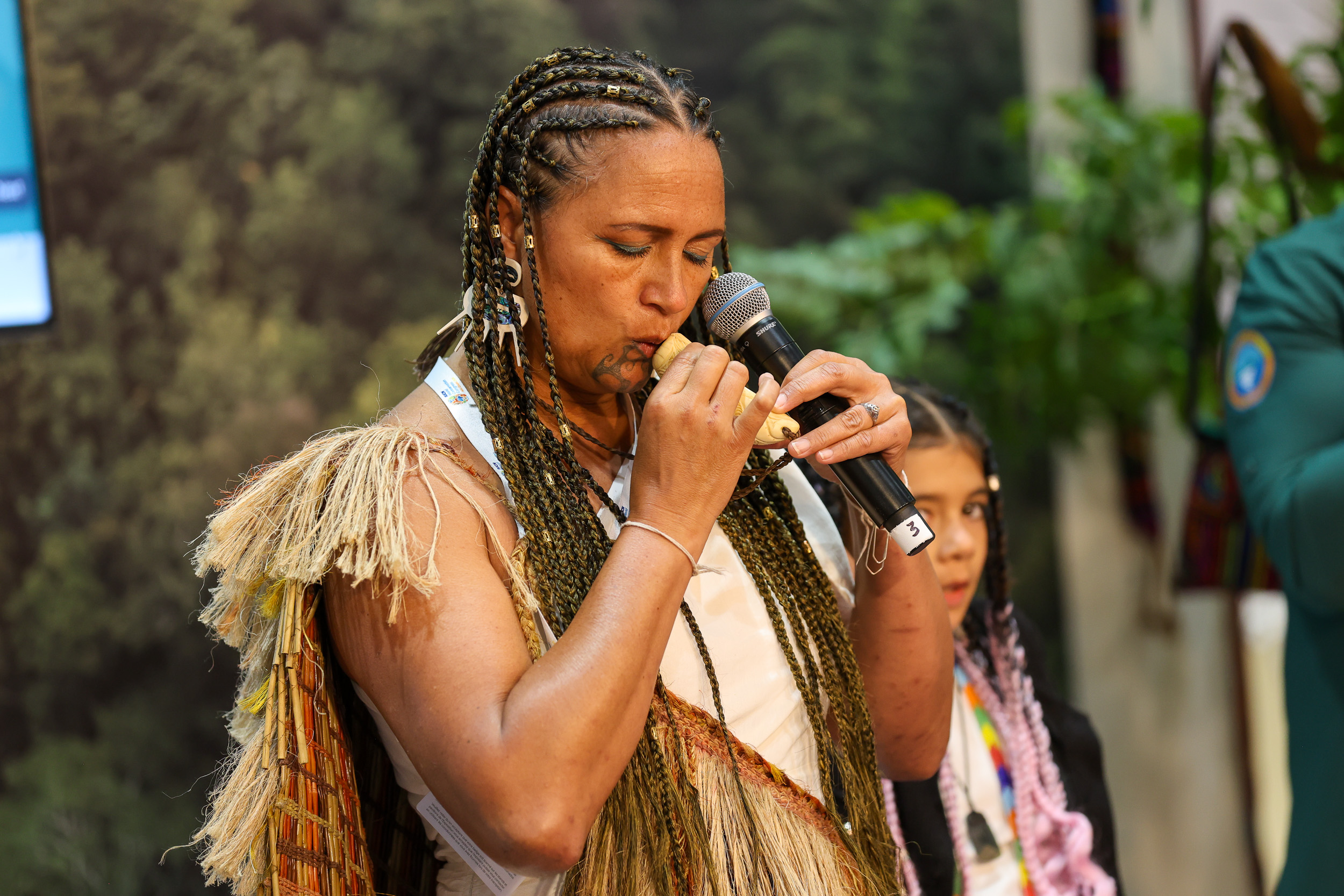
WHAIA Sonic Weaver, vocalist, performer, First Nations multi-instrumentalist
Opening Session
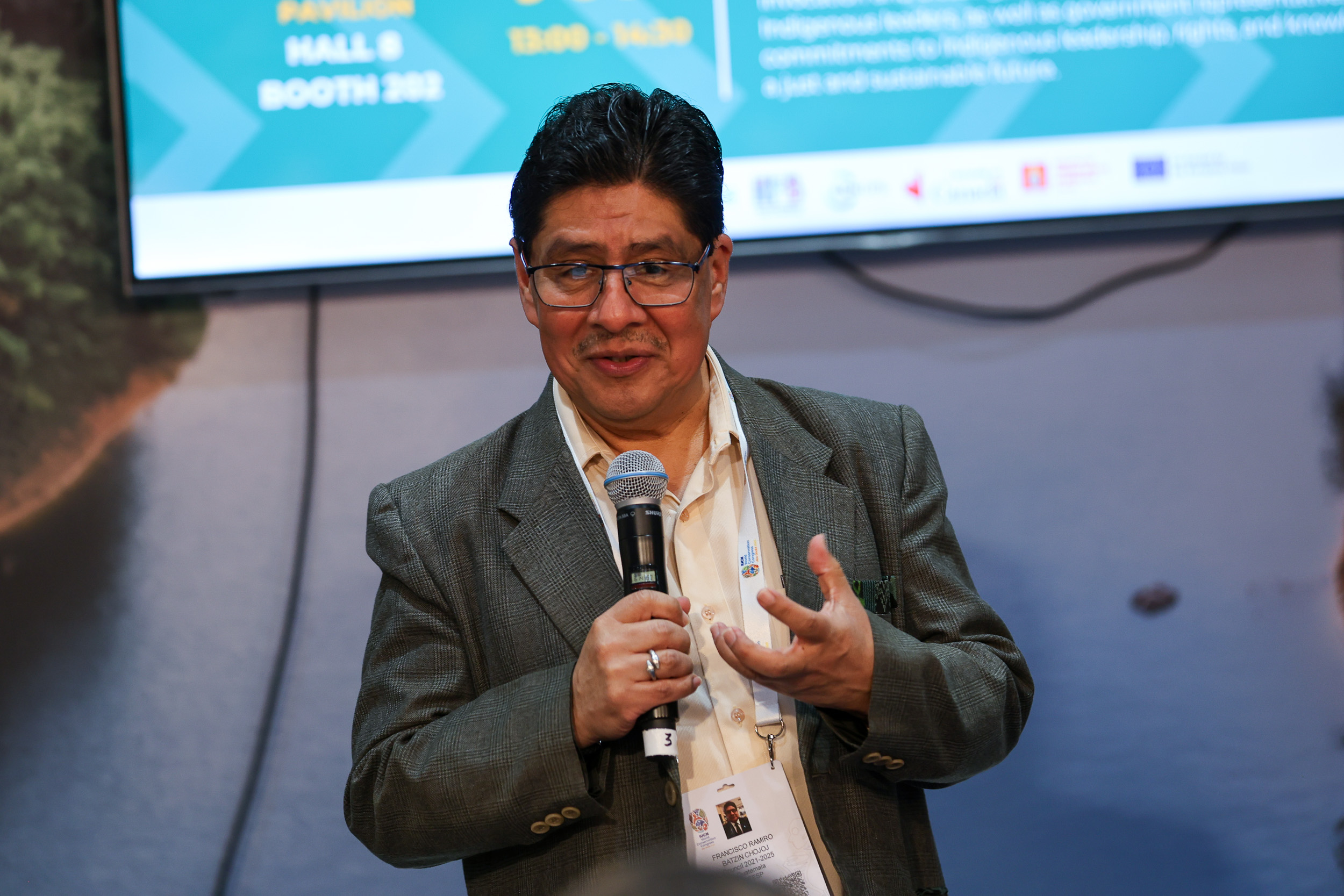
Ramiro Batzin, Co-Chair, IIFB, and Vice President, IUCN
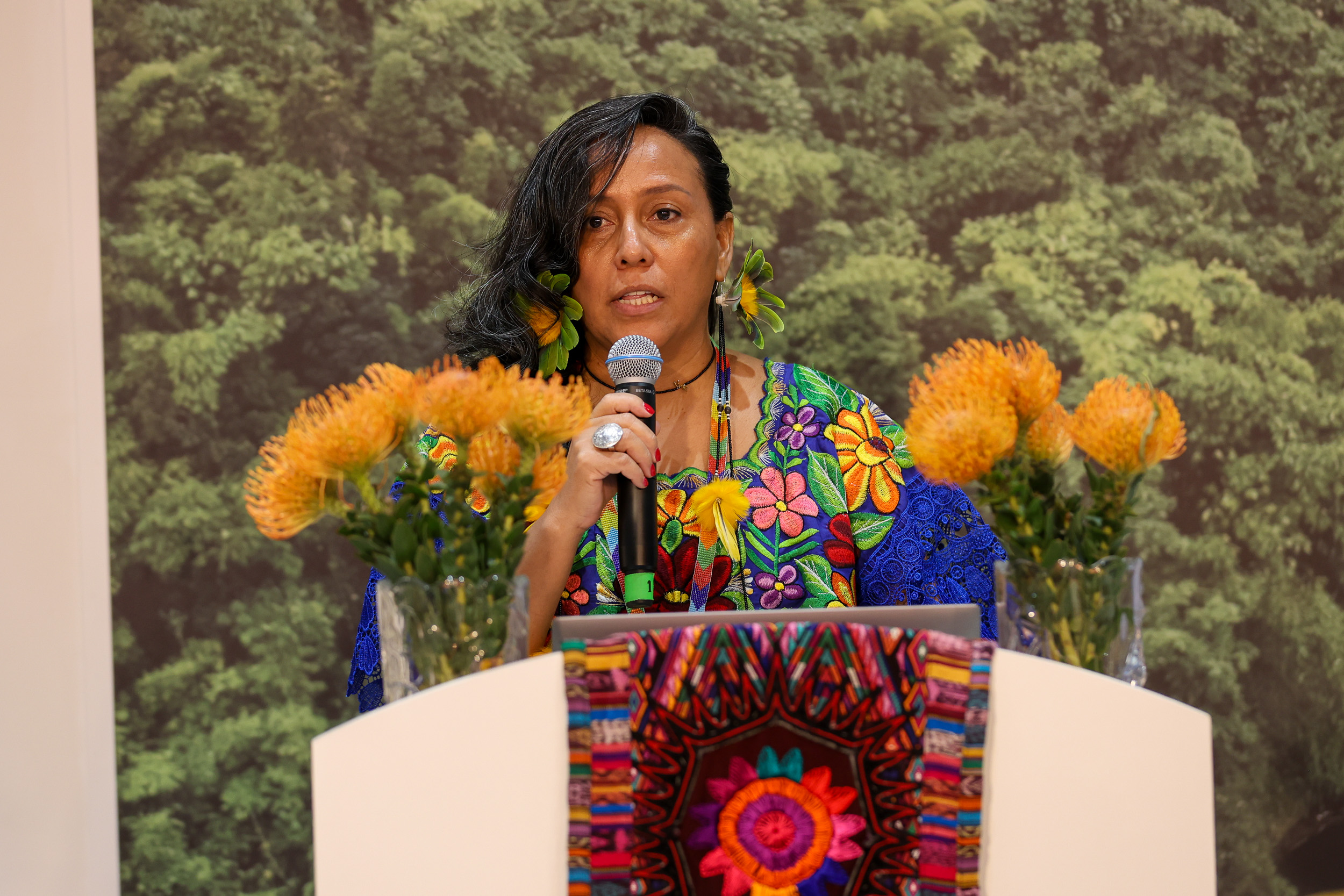
Anita Tzec, Maya Yucatec Leader, Senior Programme Manager, Indigenous Peoples and Conservation, IUCN
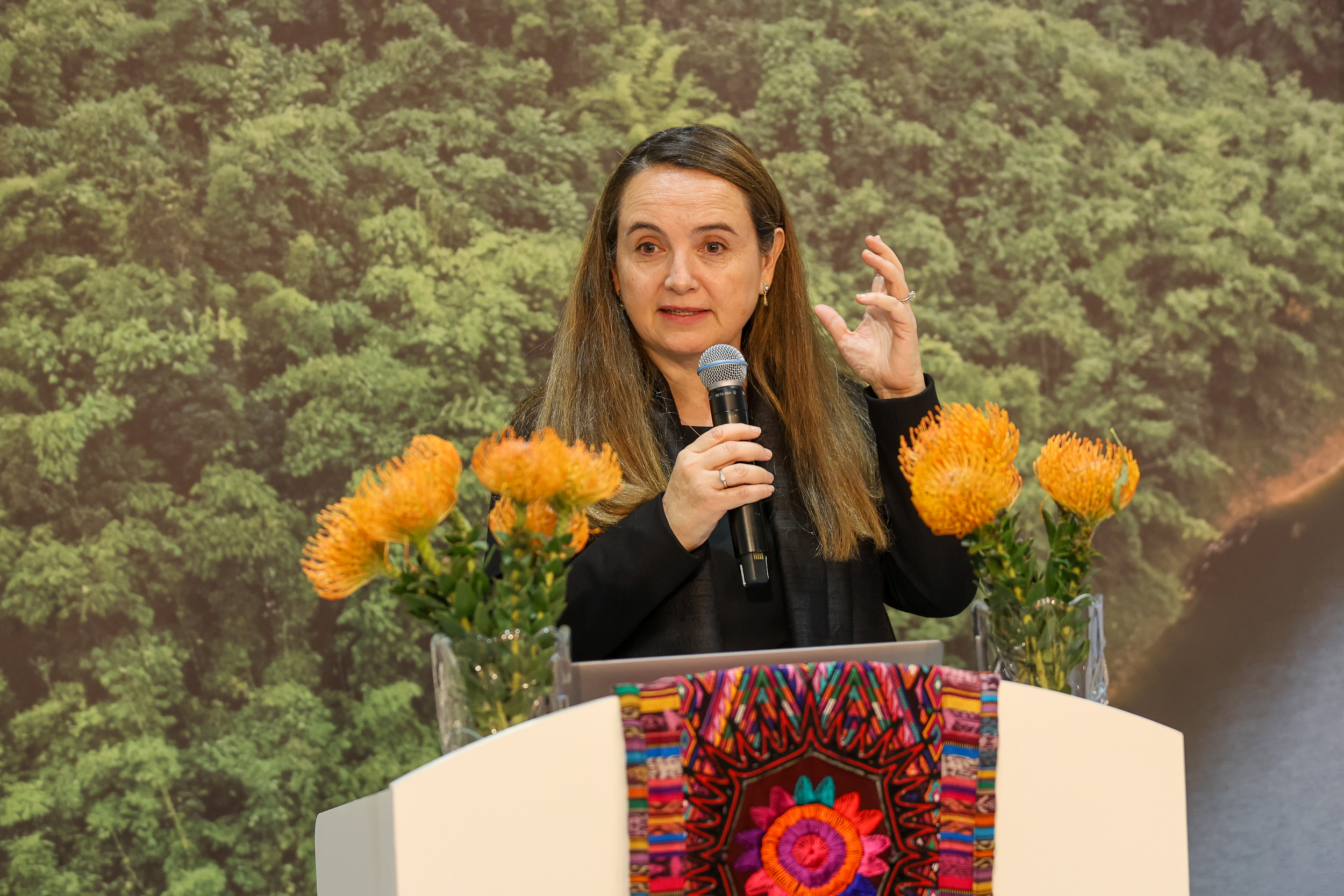
Grethel Aguilar, Director General, IUCN
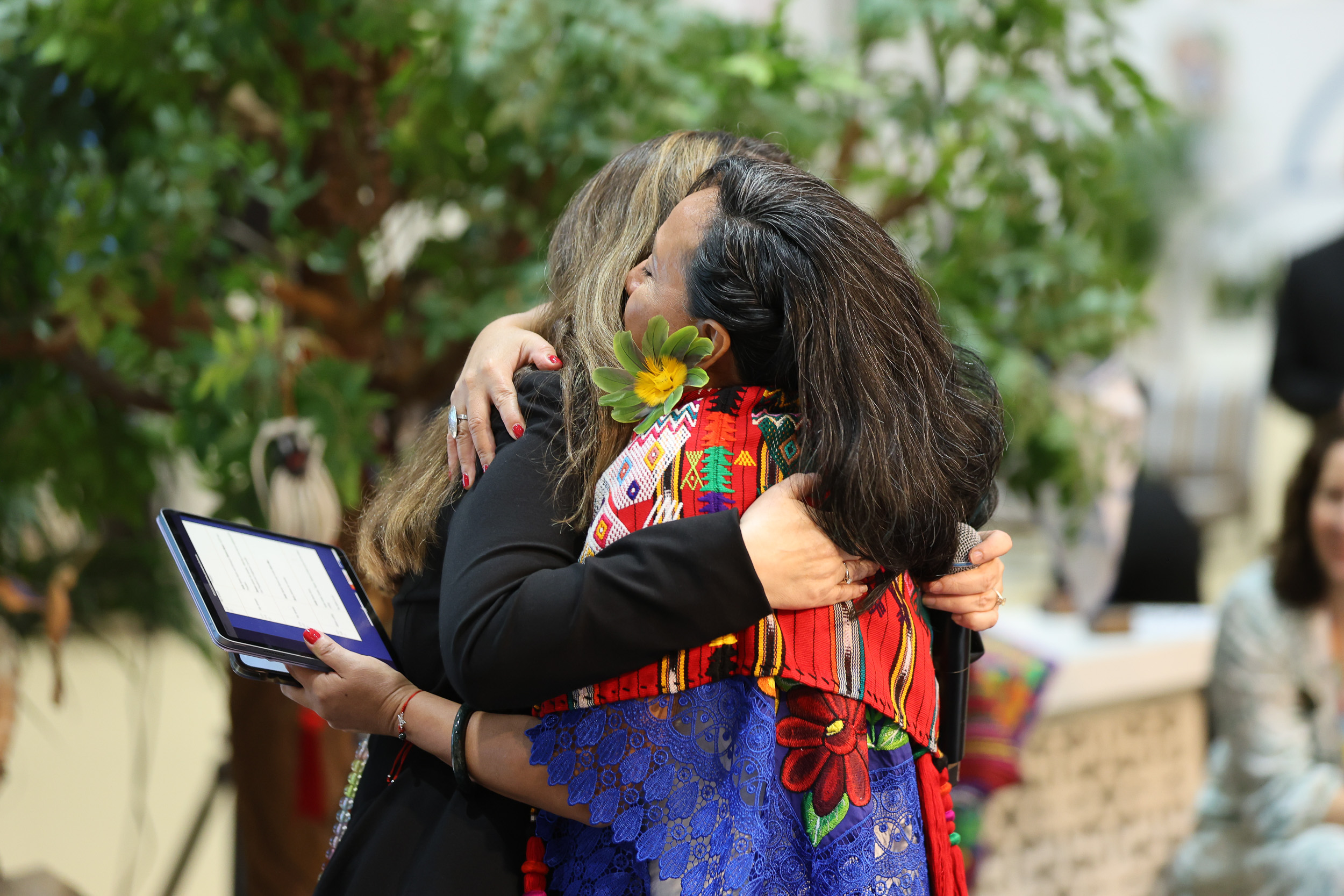
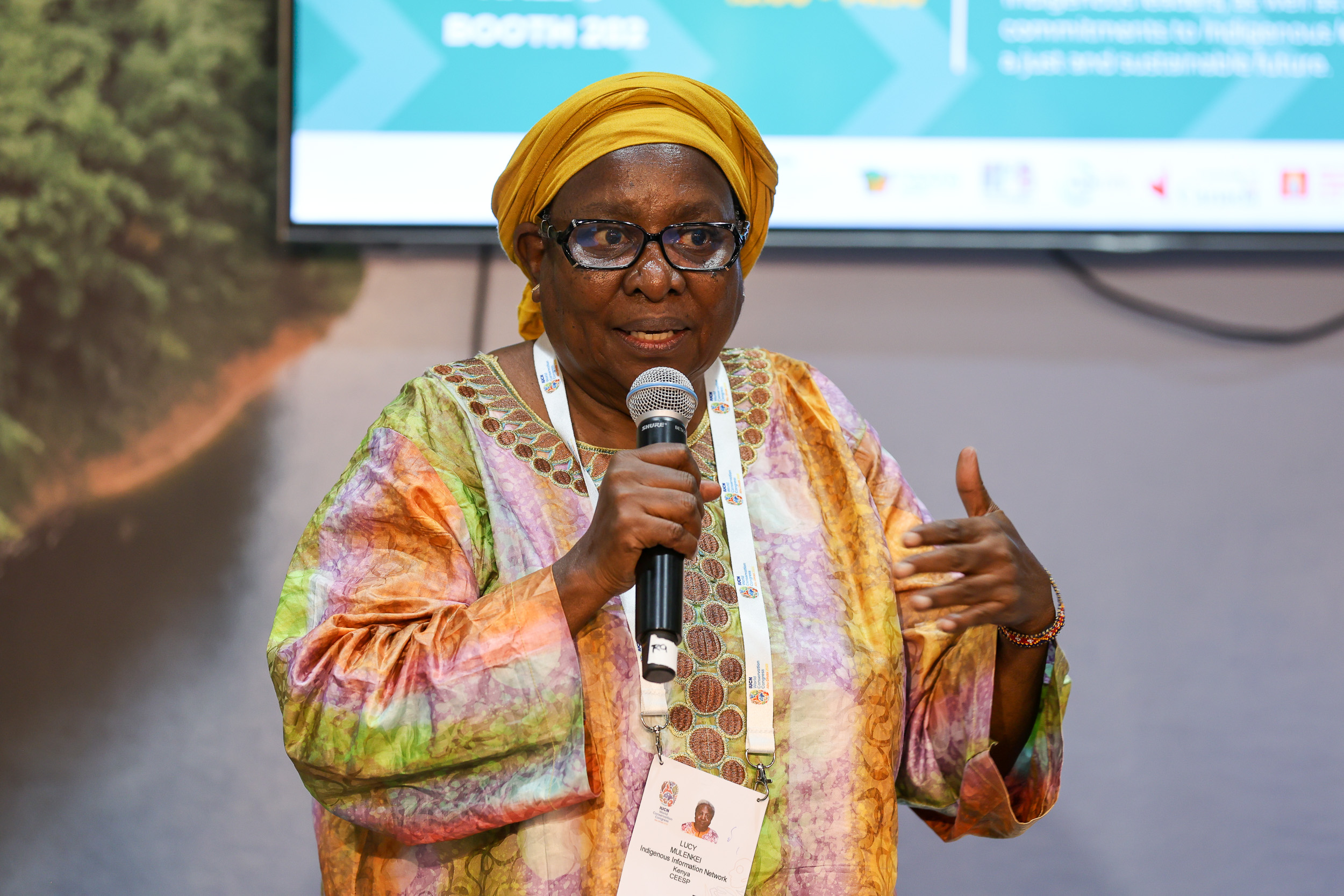
Lucy Mulenkei, IIFB Co-Chair and Executive Director, IIN
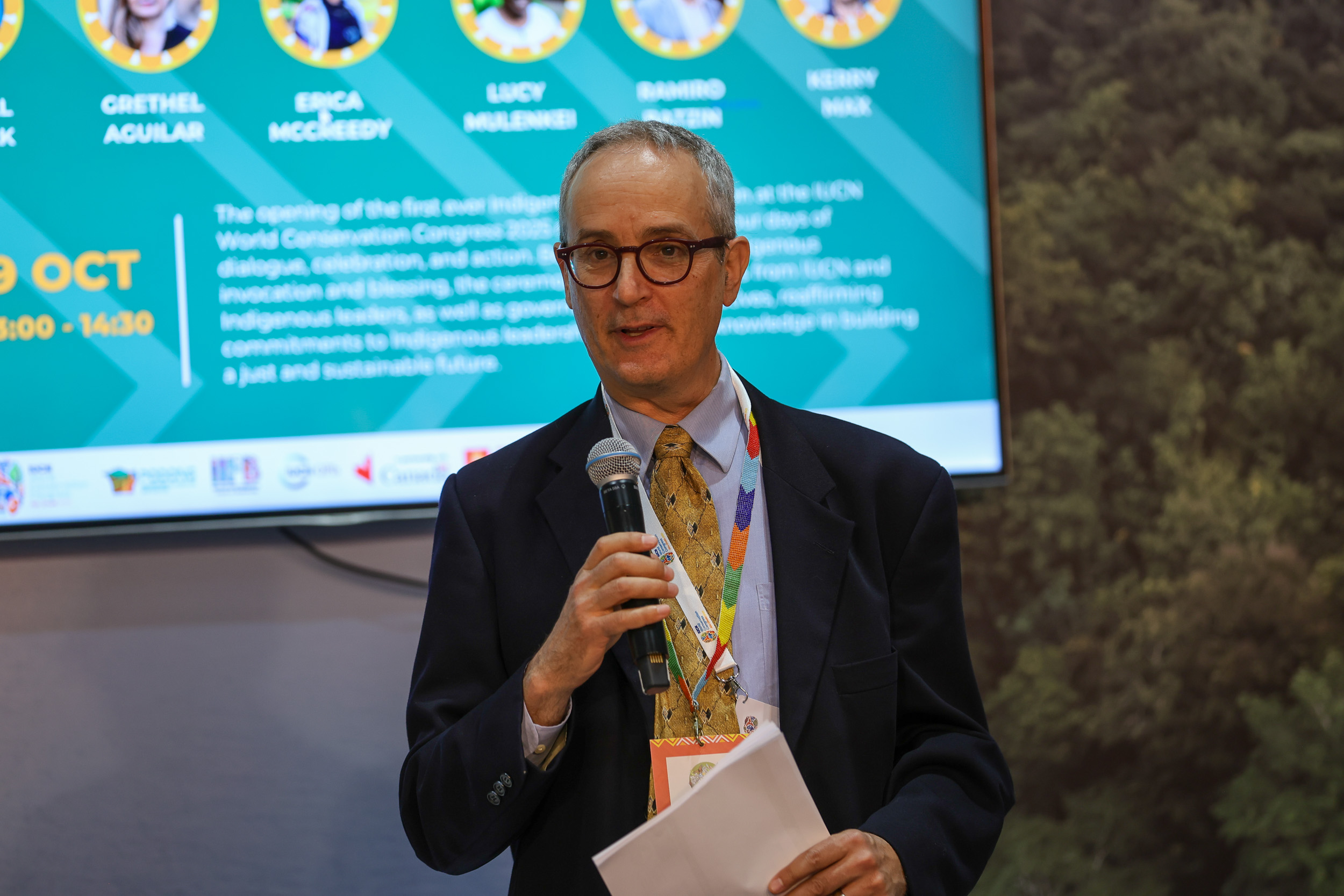
Kerry Max, Deputy Director, Partnering for Climate, Global Affairs Canada
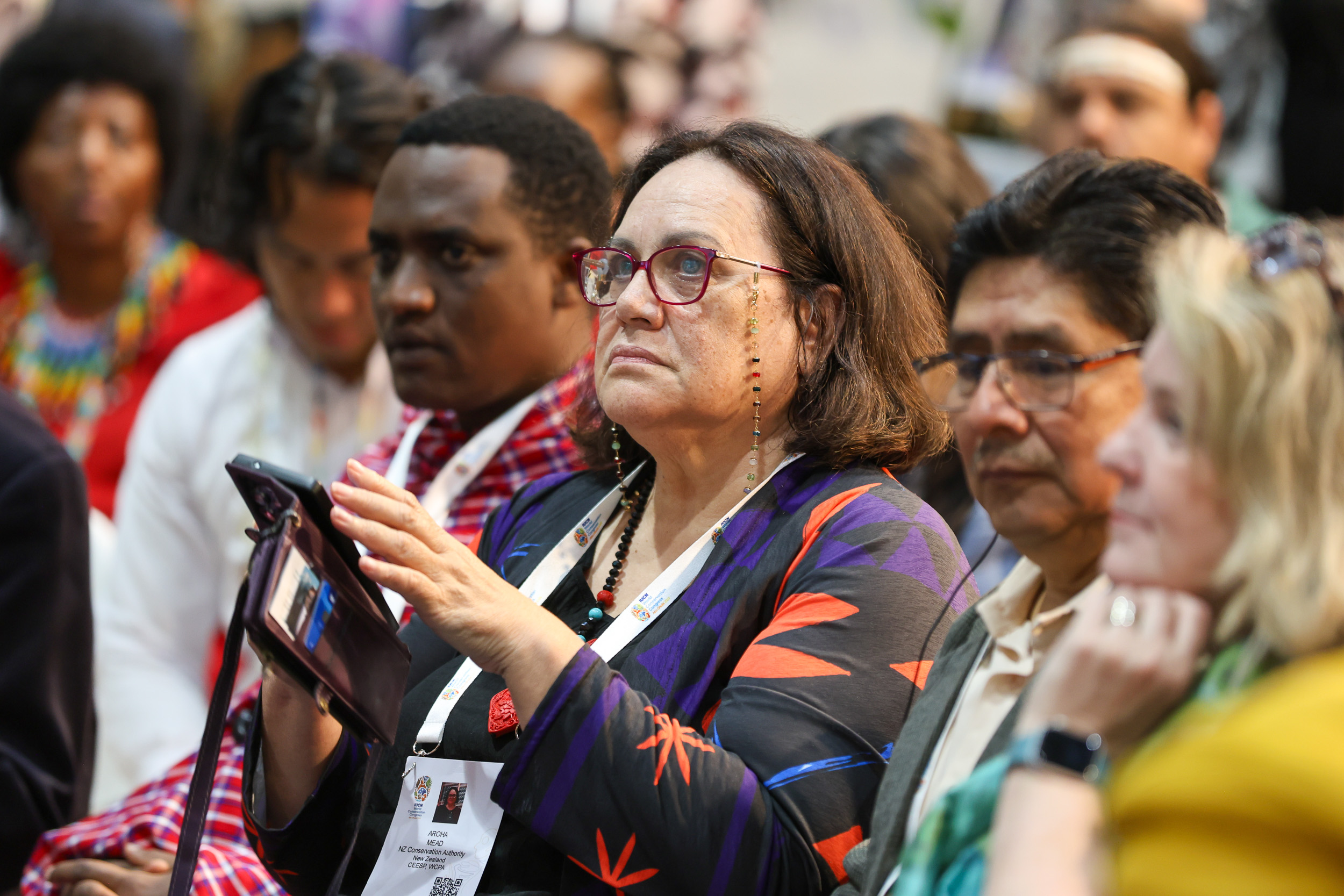
Aroha Te Pareake Mead, Maori researcher
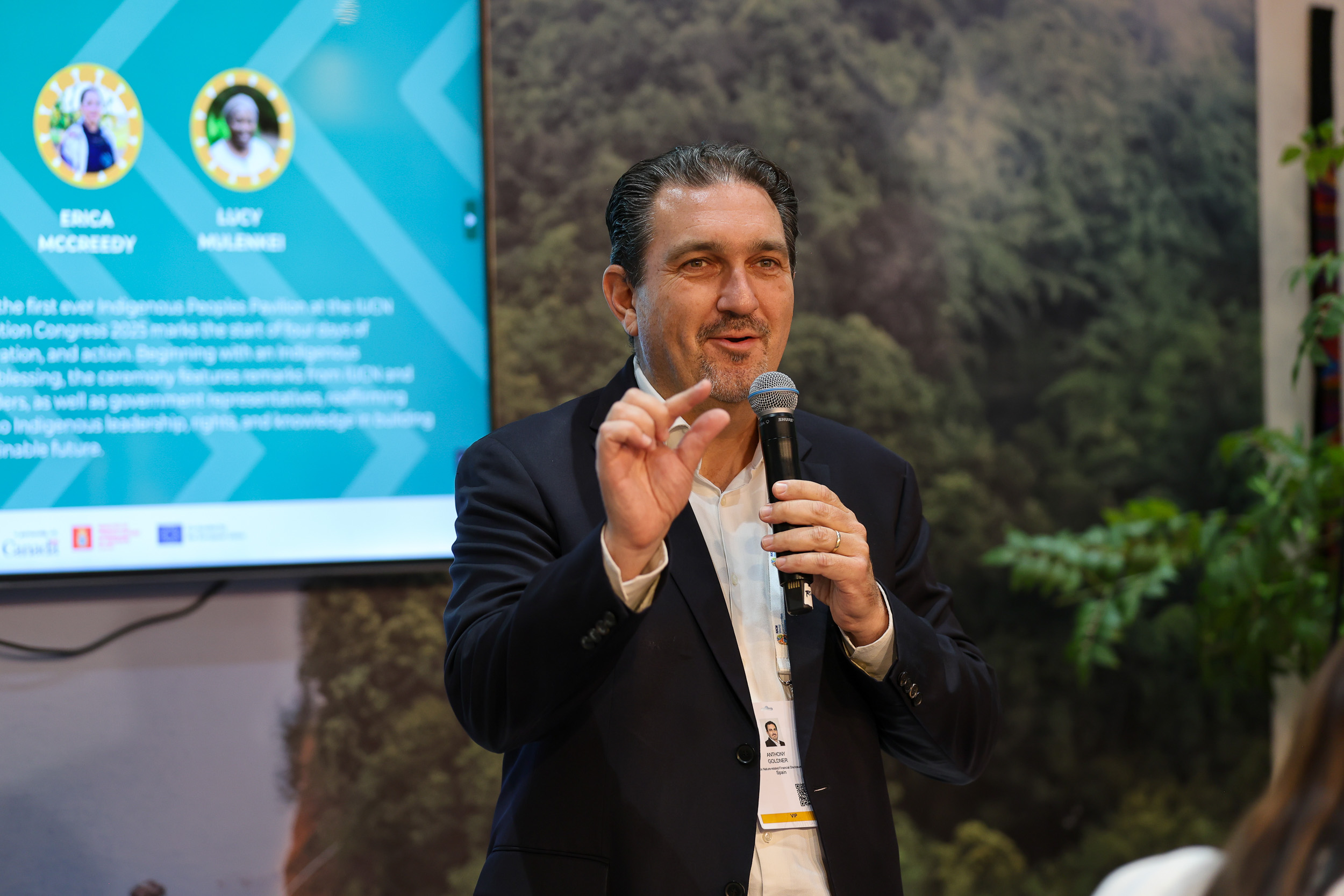
Anthony Goldner, CEO, TNFD
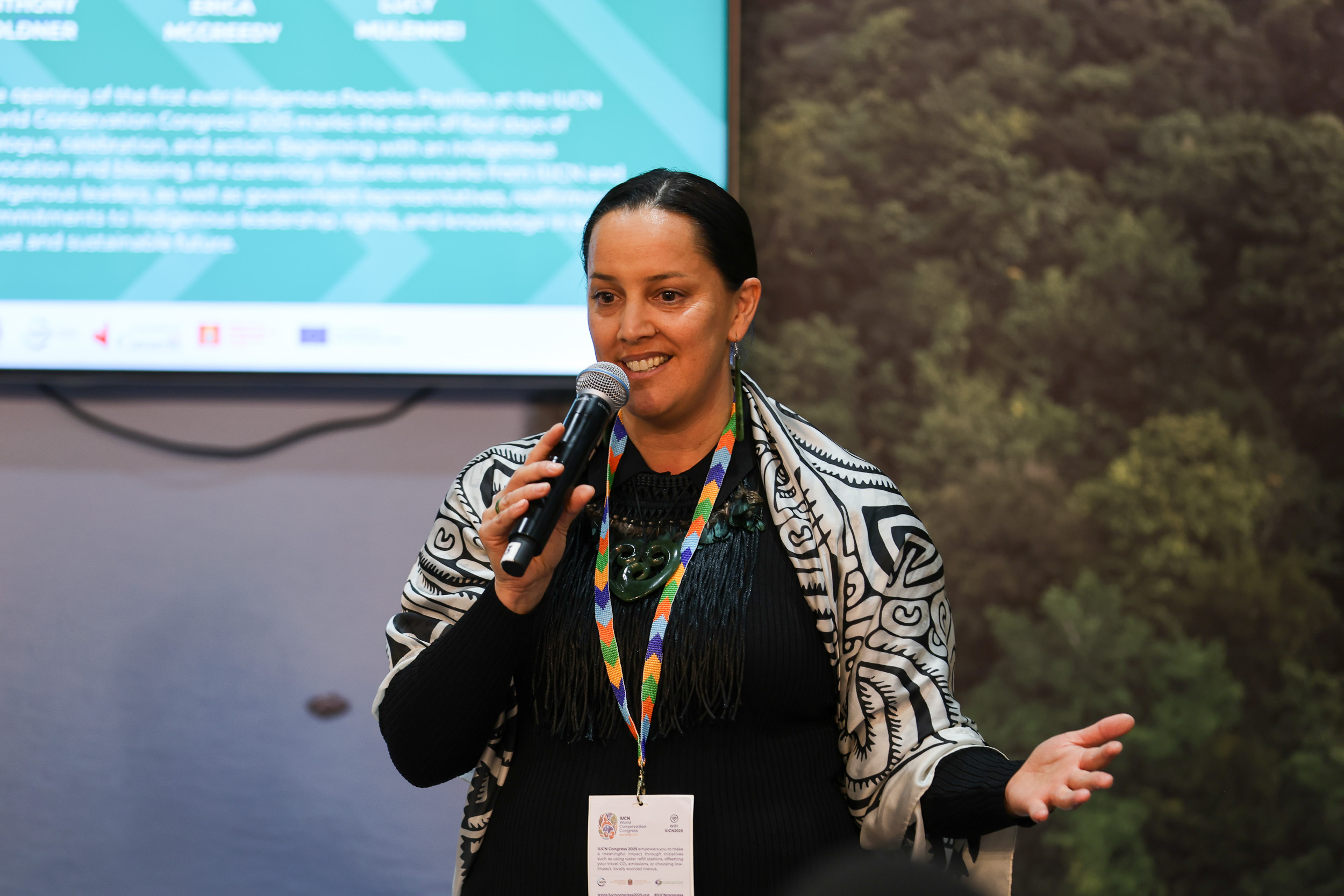
Erica McCreedy, Chief Operating Officer, North Australian Indigenous Land and Sea Management Alliance
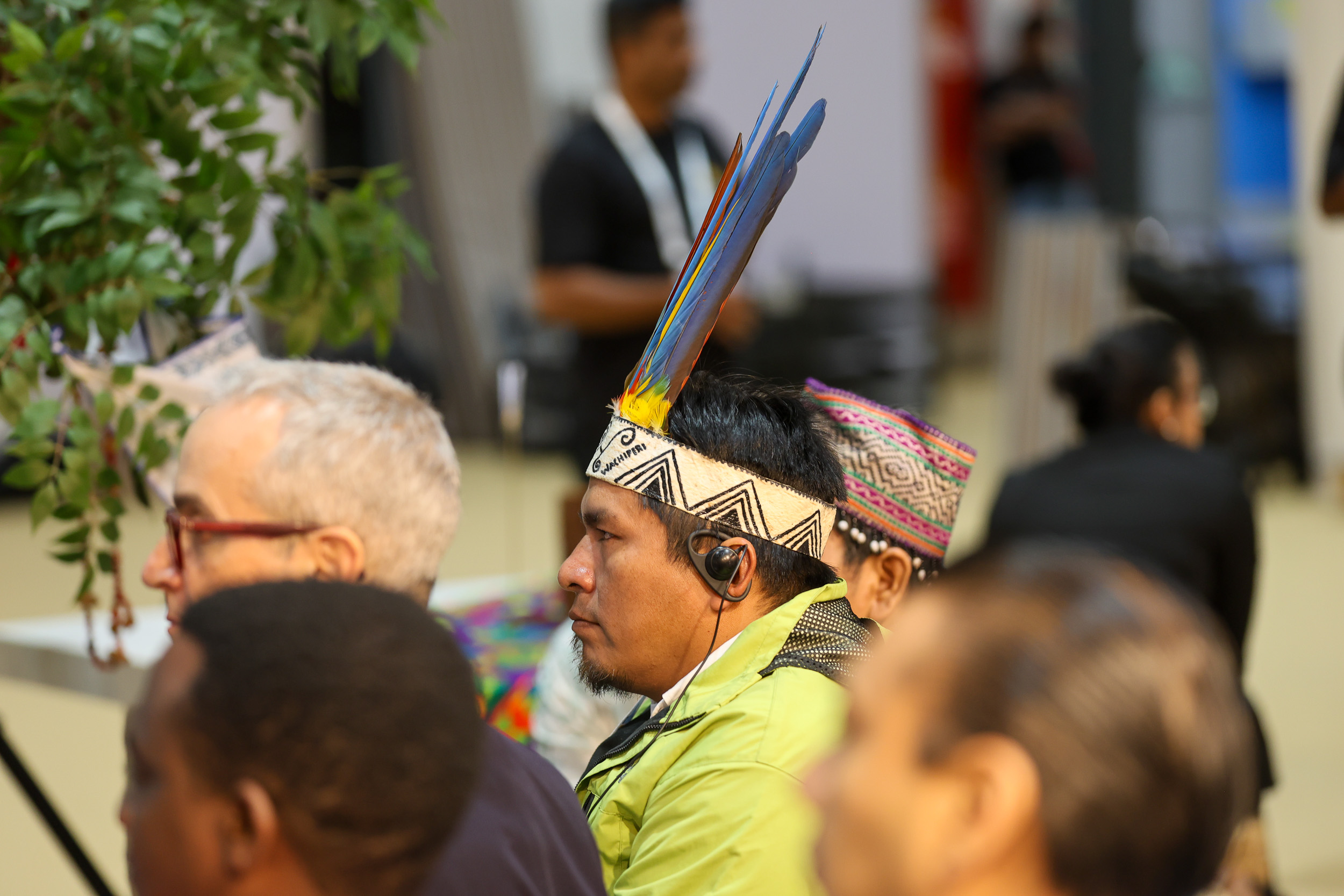
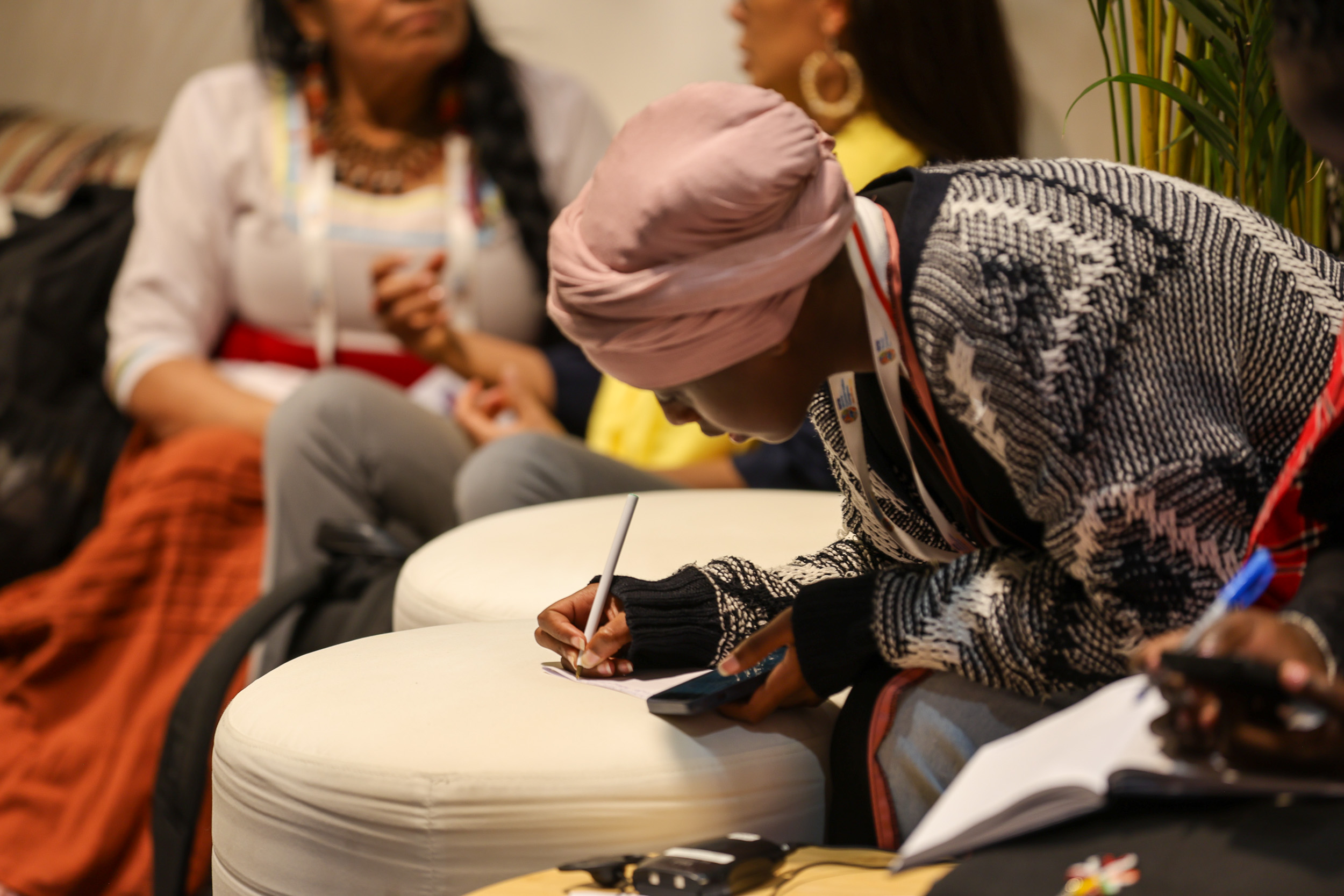
Indigenous Dialogues
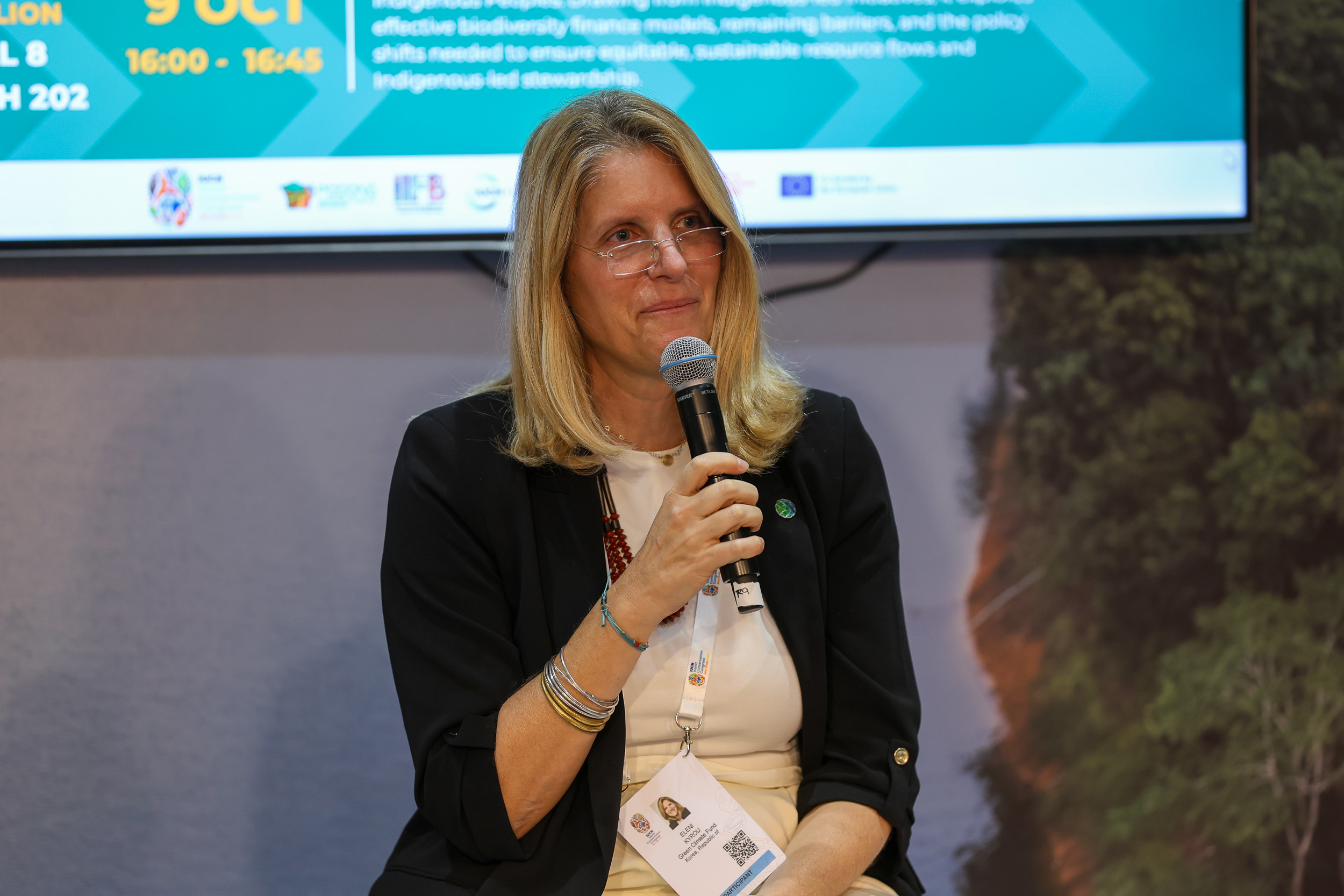
Eleni Kyrou, Head of Sustainability and Inclusion, GCF
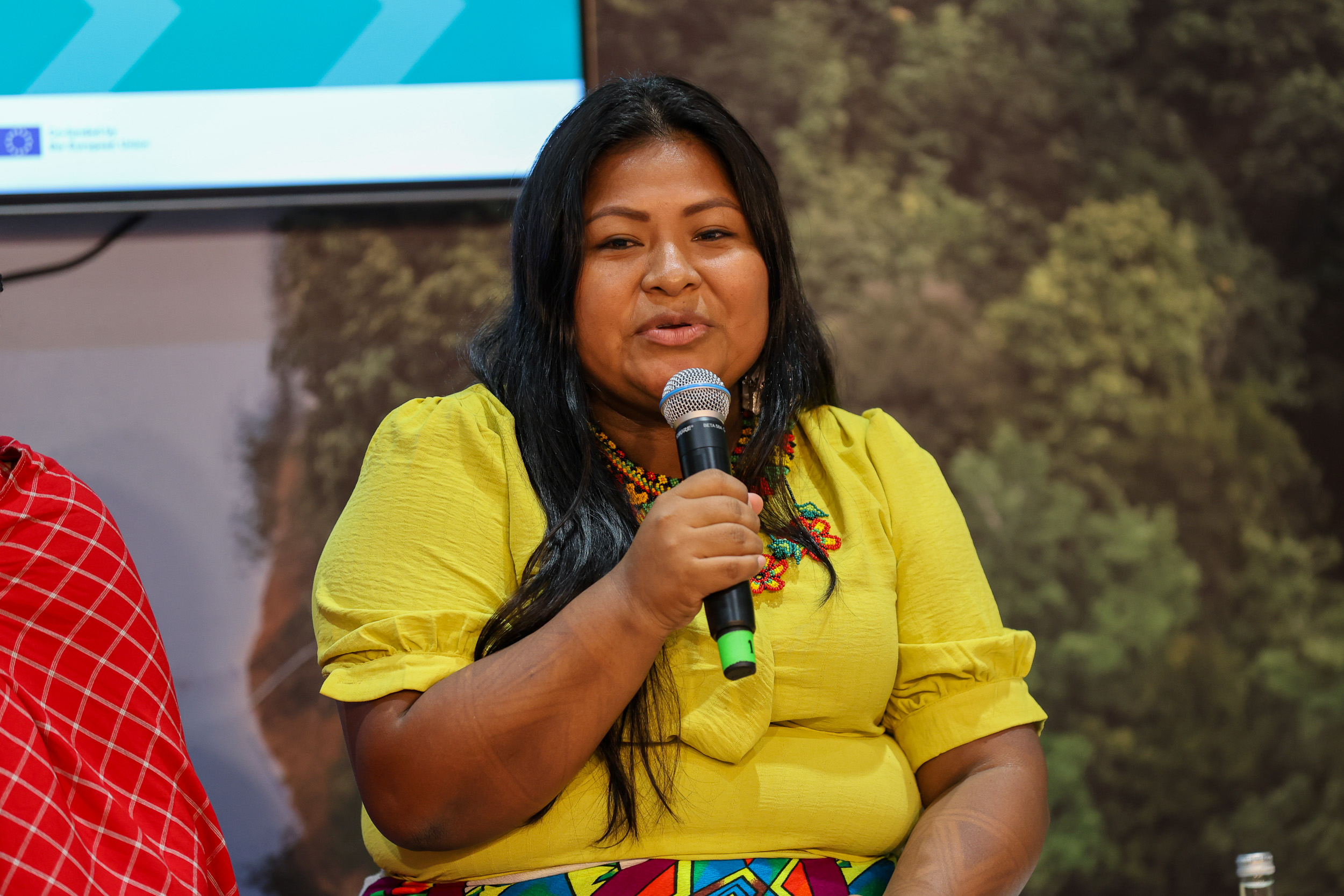
Sara Omi Casamá, Chair, Coordinating Committee of Territorial Women Leaders of Mesoamerica
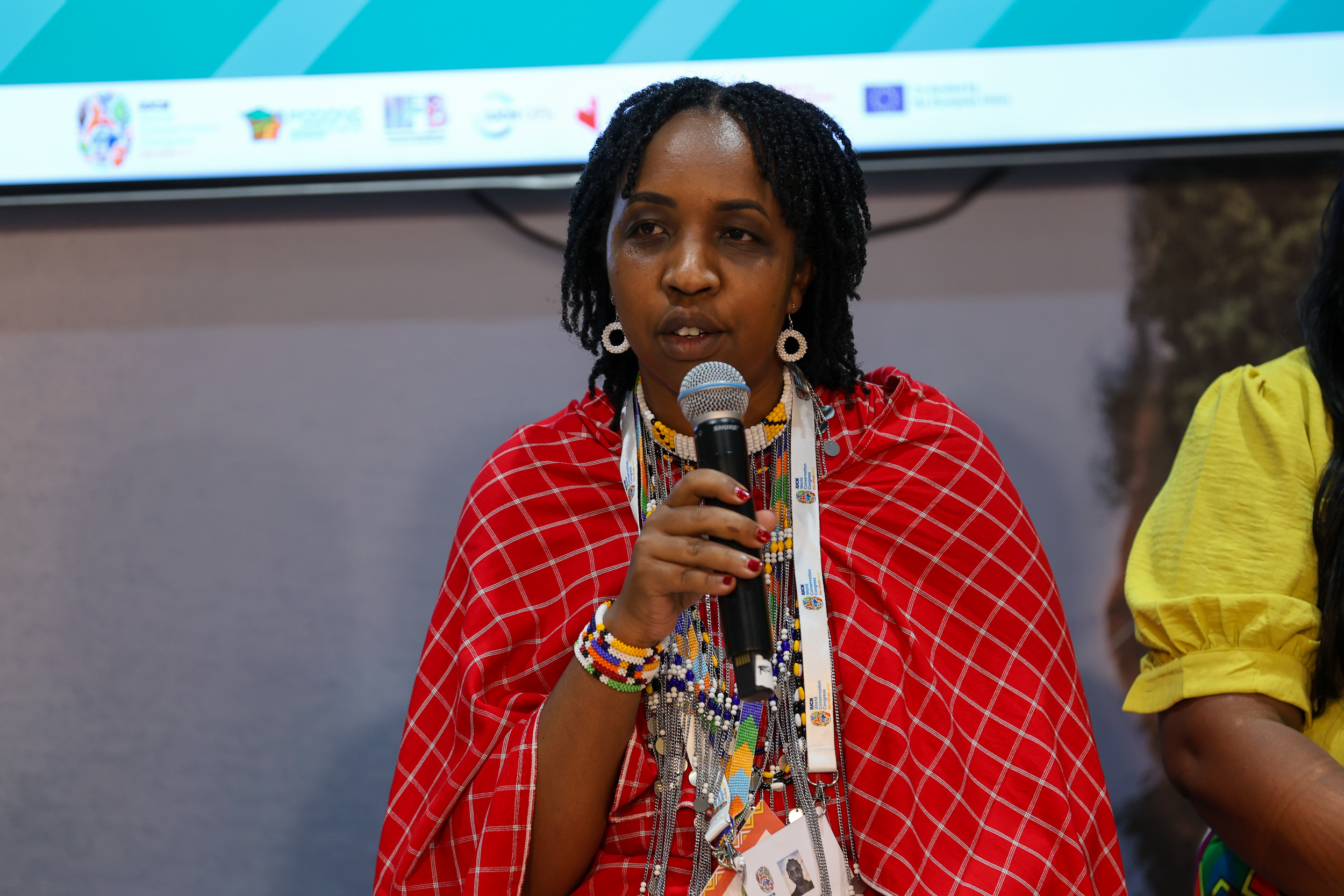
Paine Mako, Executive Director, Ujamaa Community Resource Team, Tanzania
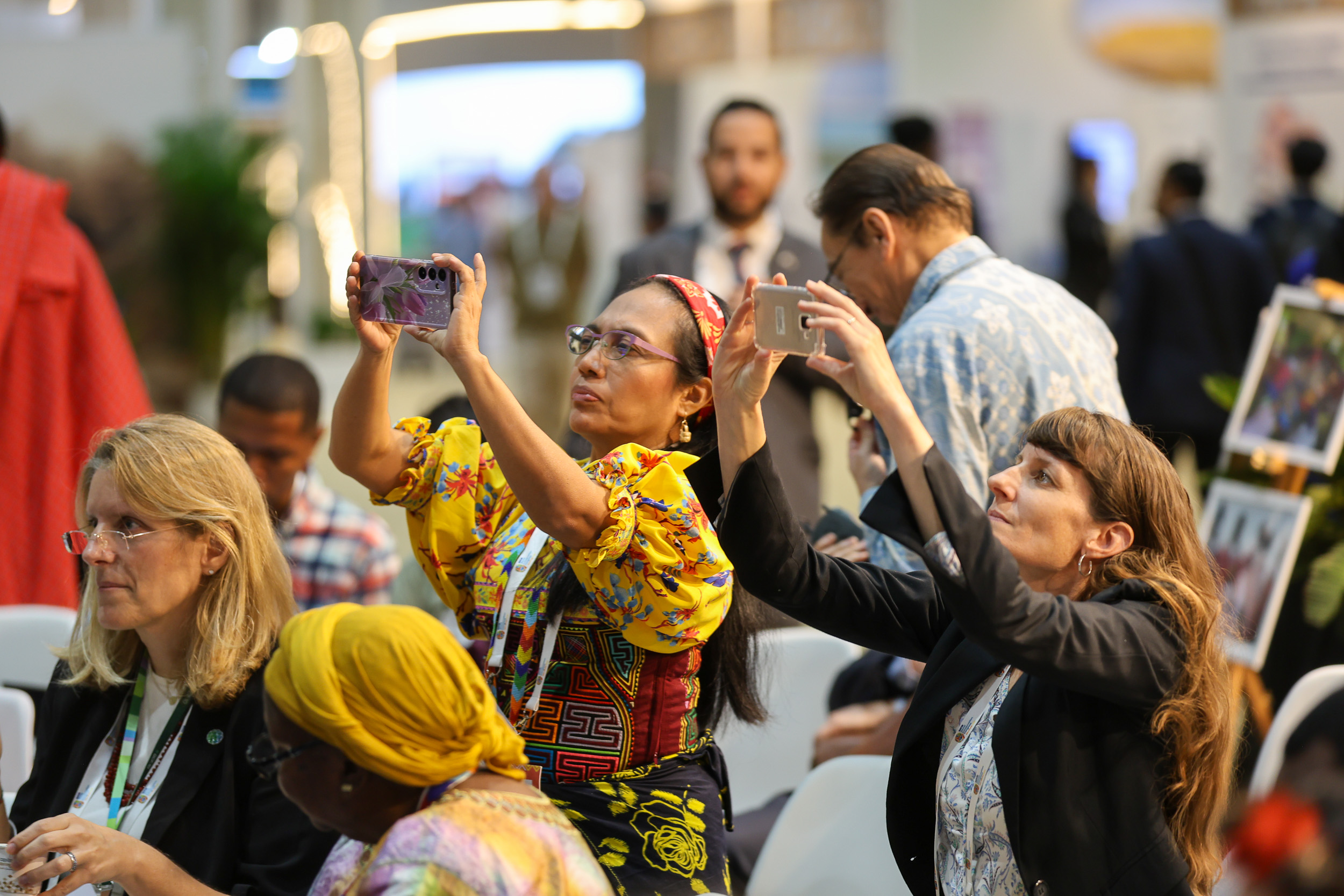
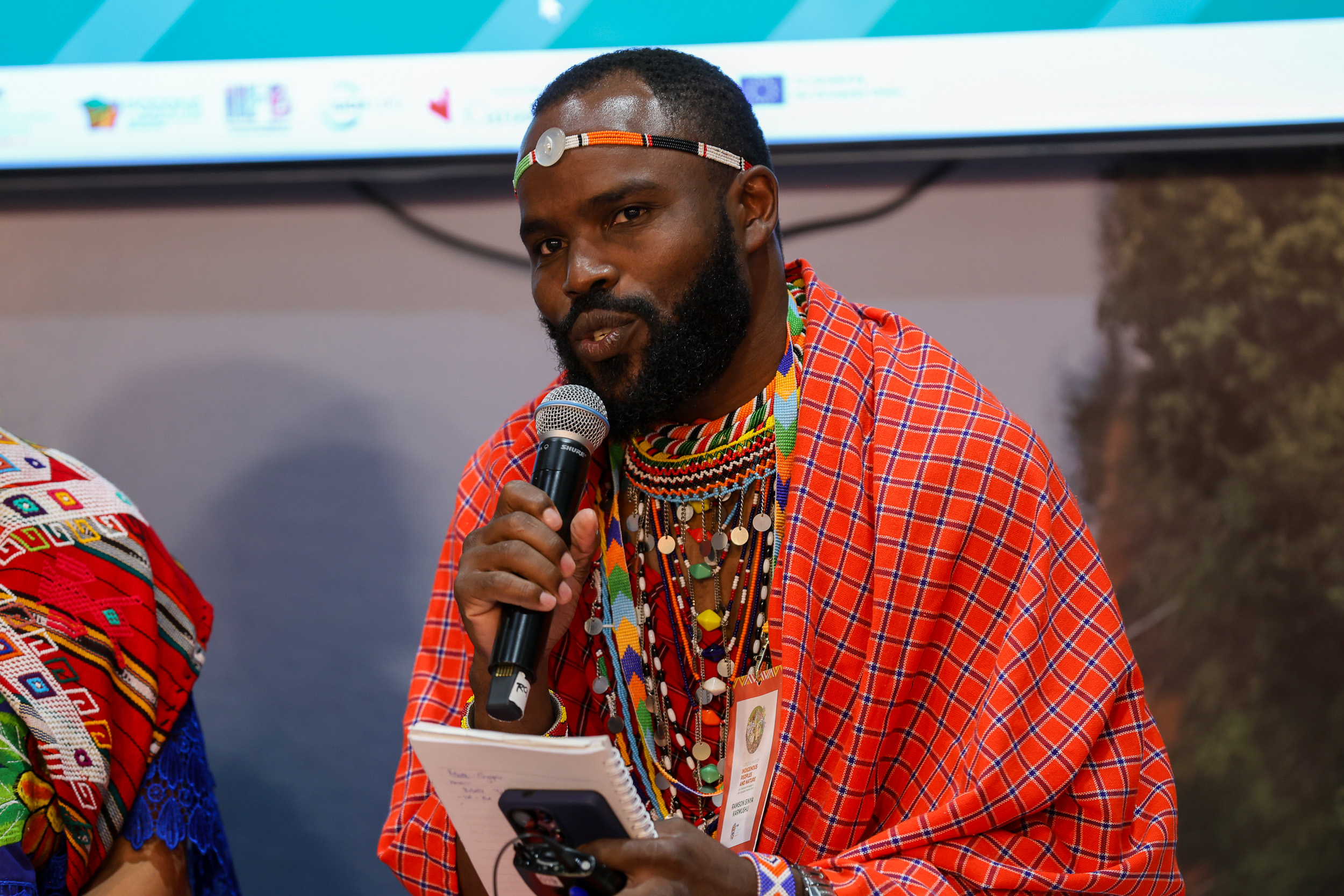
Ramson Sinya Karmushu, IIFB and Founder, My Indigenous Knowledge In Action, Kenya
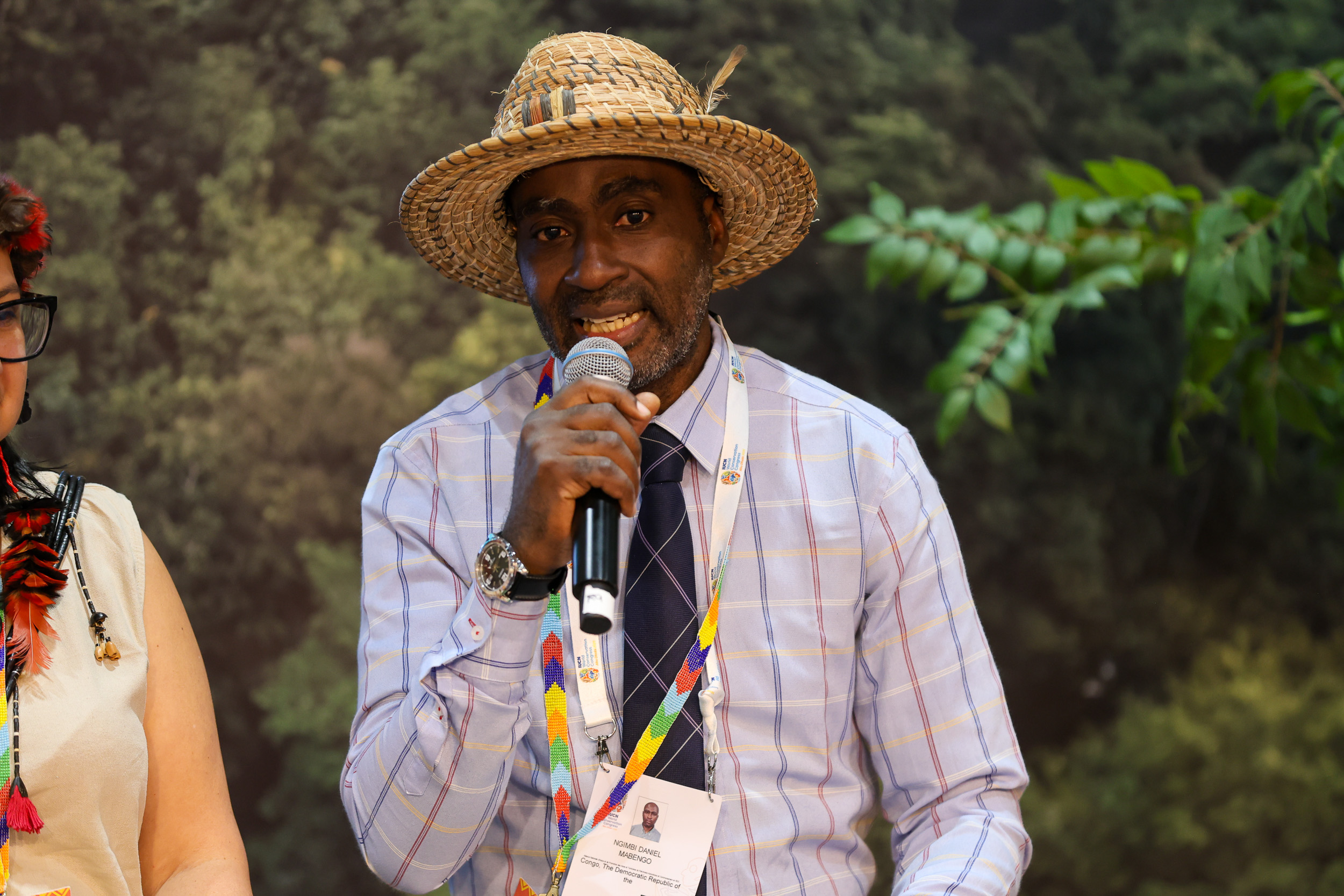
Daniel Mabengo, IIFB and ΙΙΝ
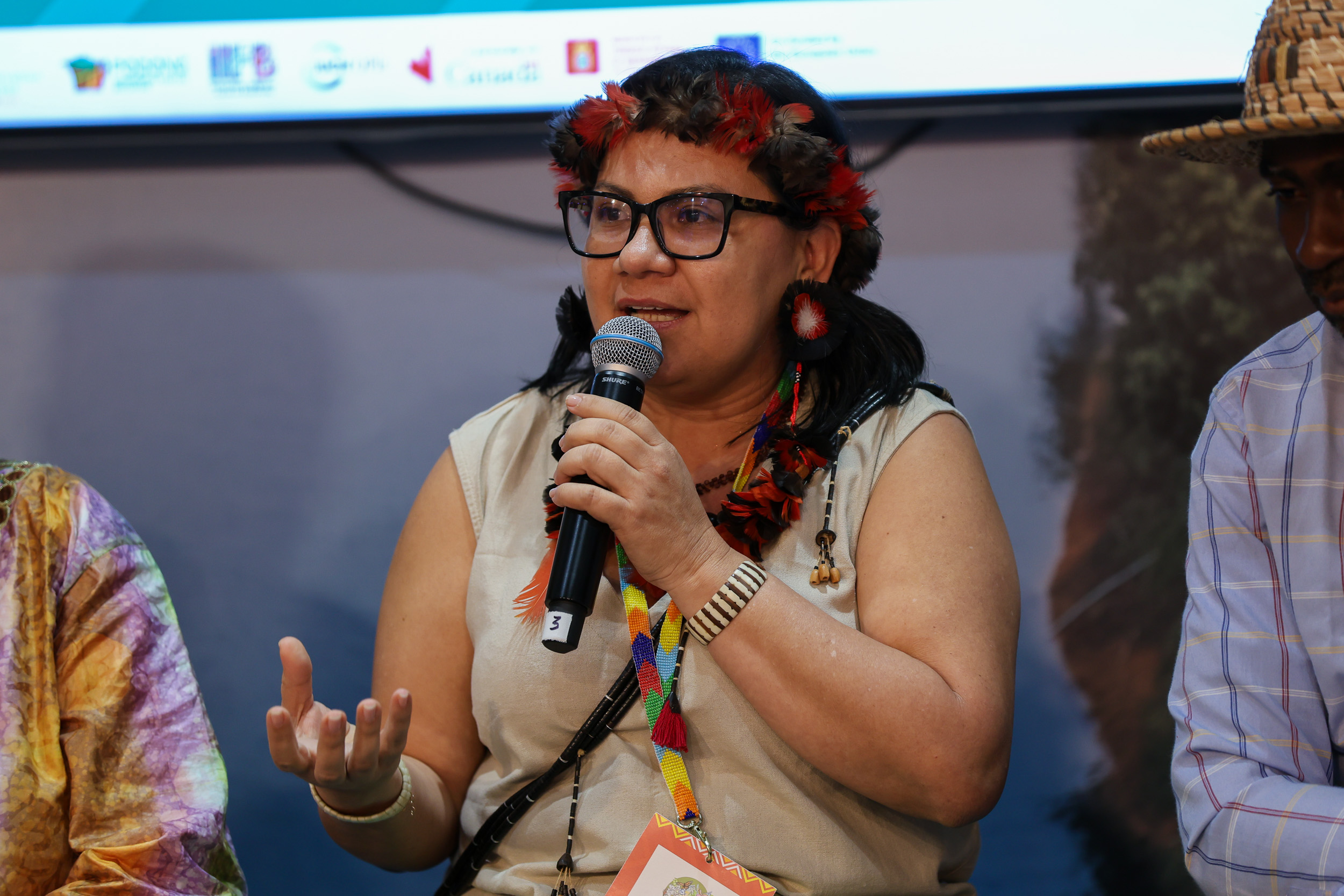
Claudia Soares Baré, Secretary Director, Podáali - Brazilian Amazon Indigenous Fund
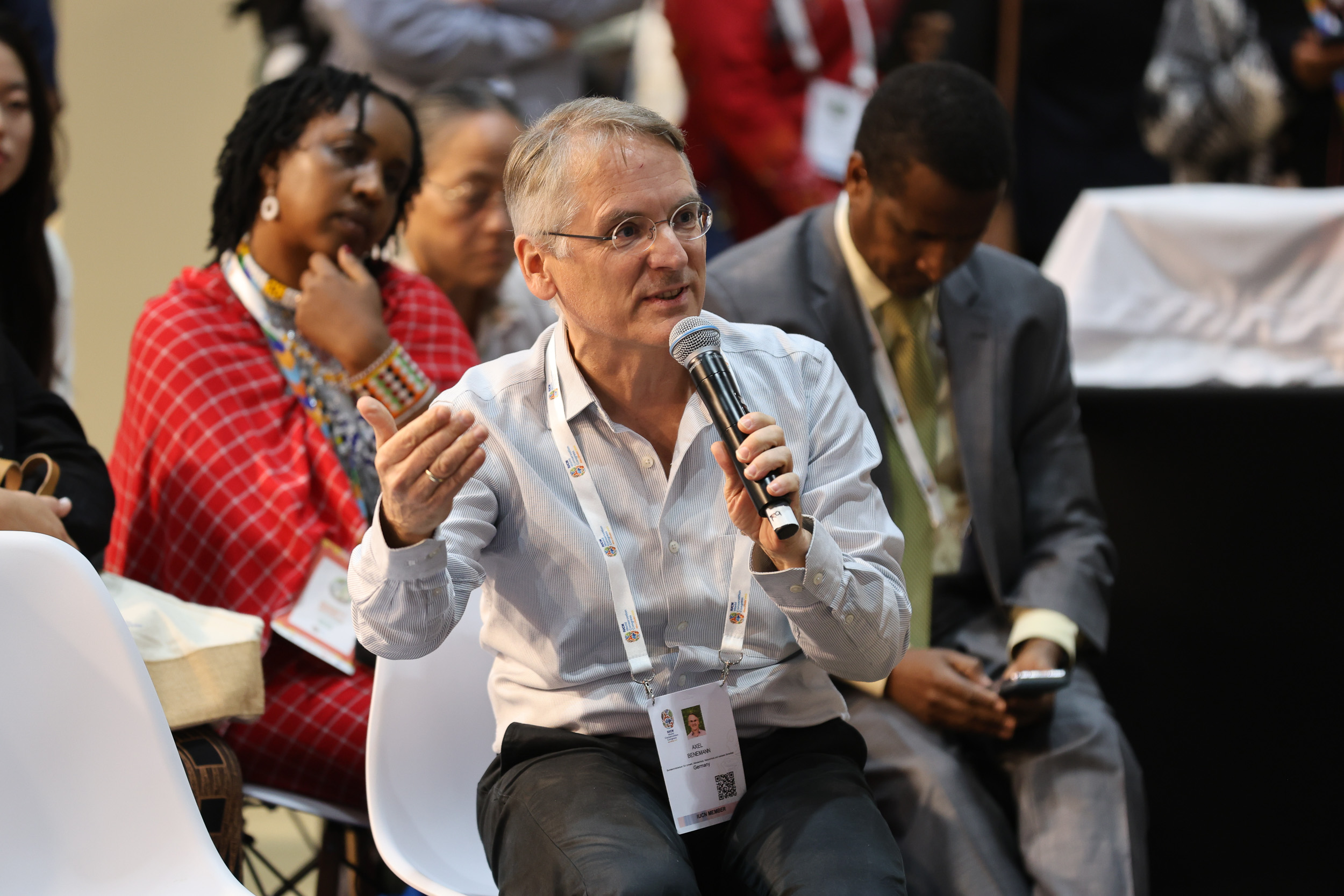
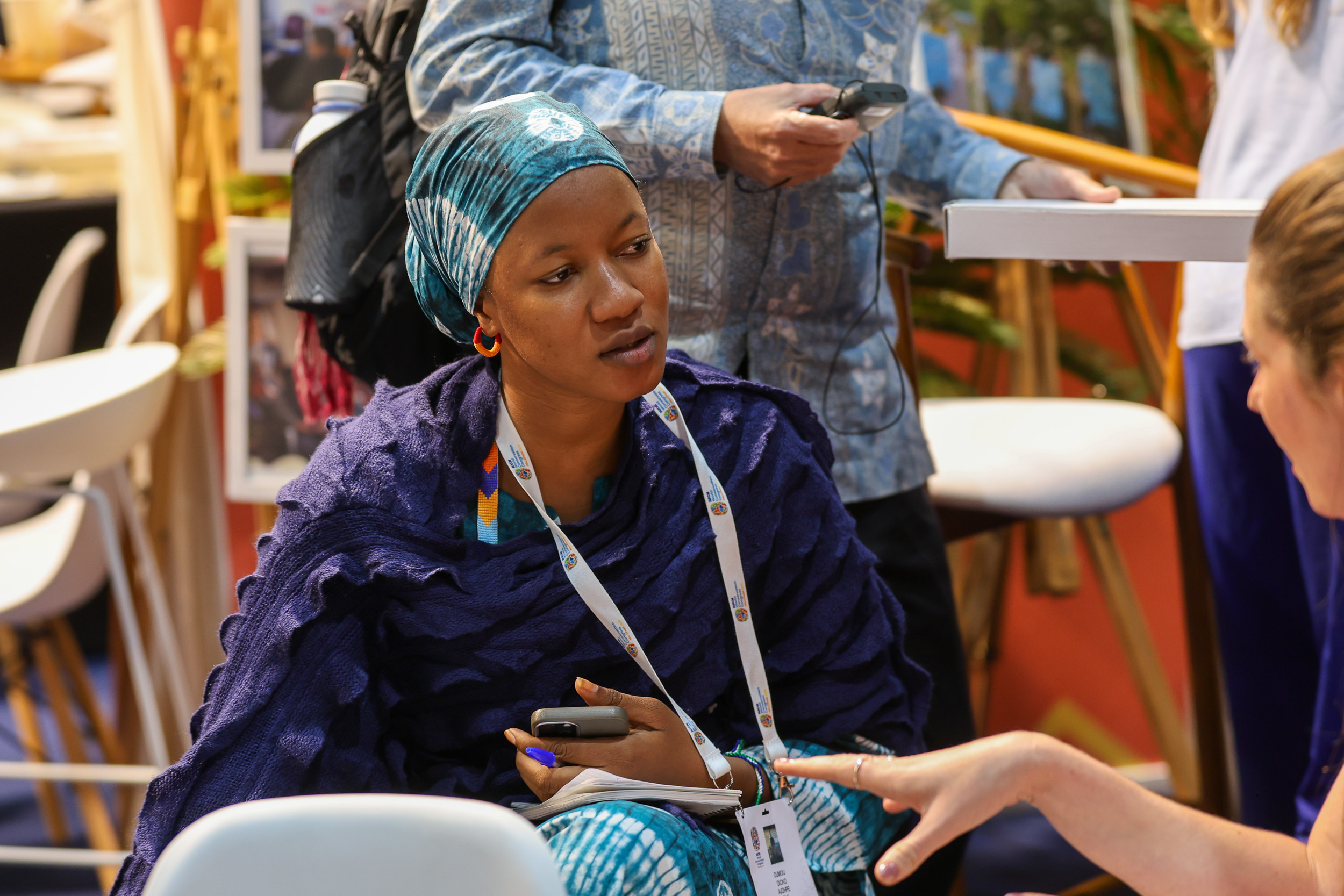
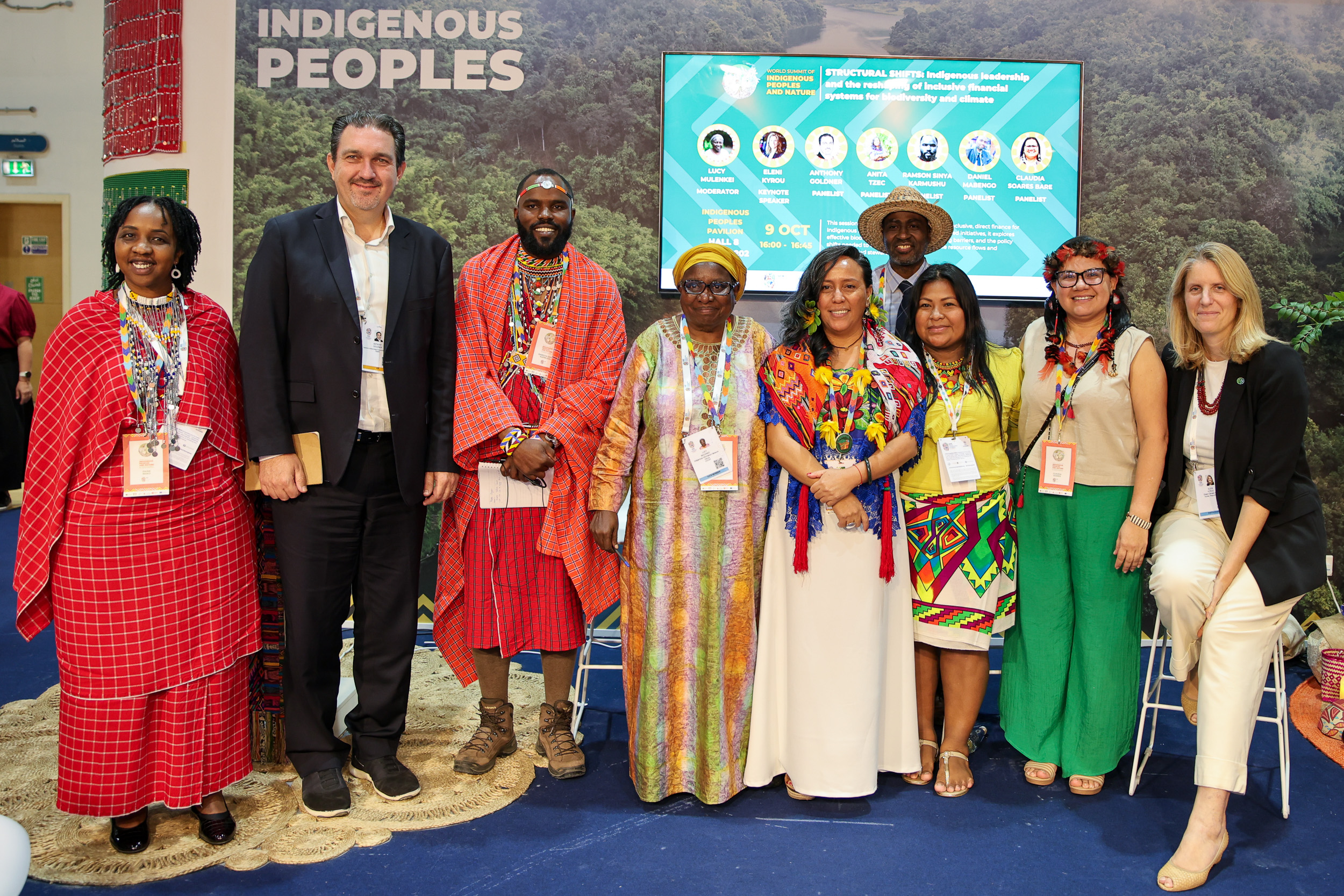
The panelists of the afternoon Indigenous dialogues
Selected Images