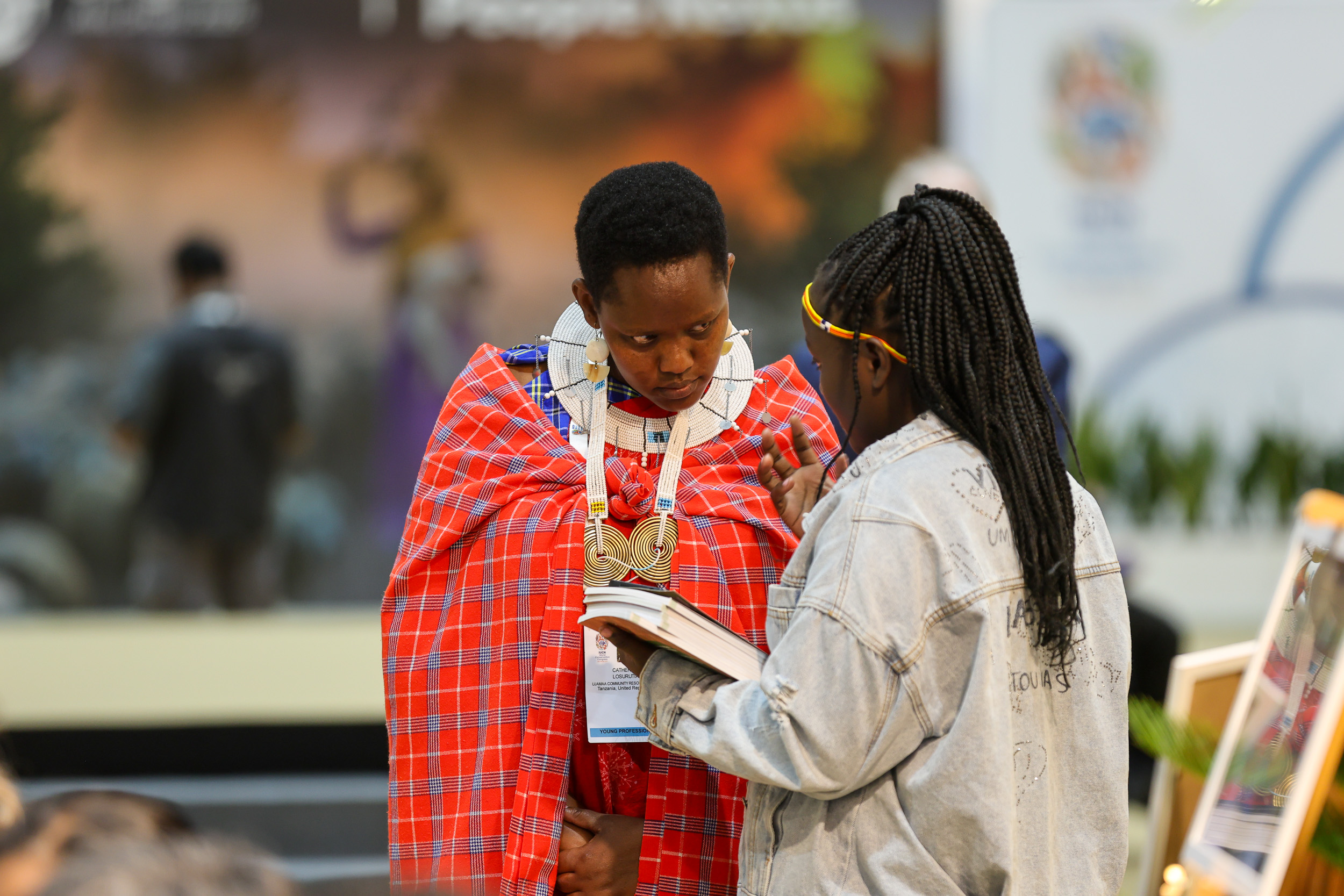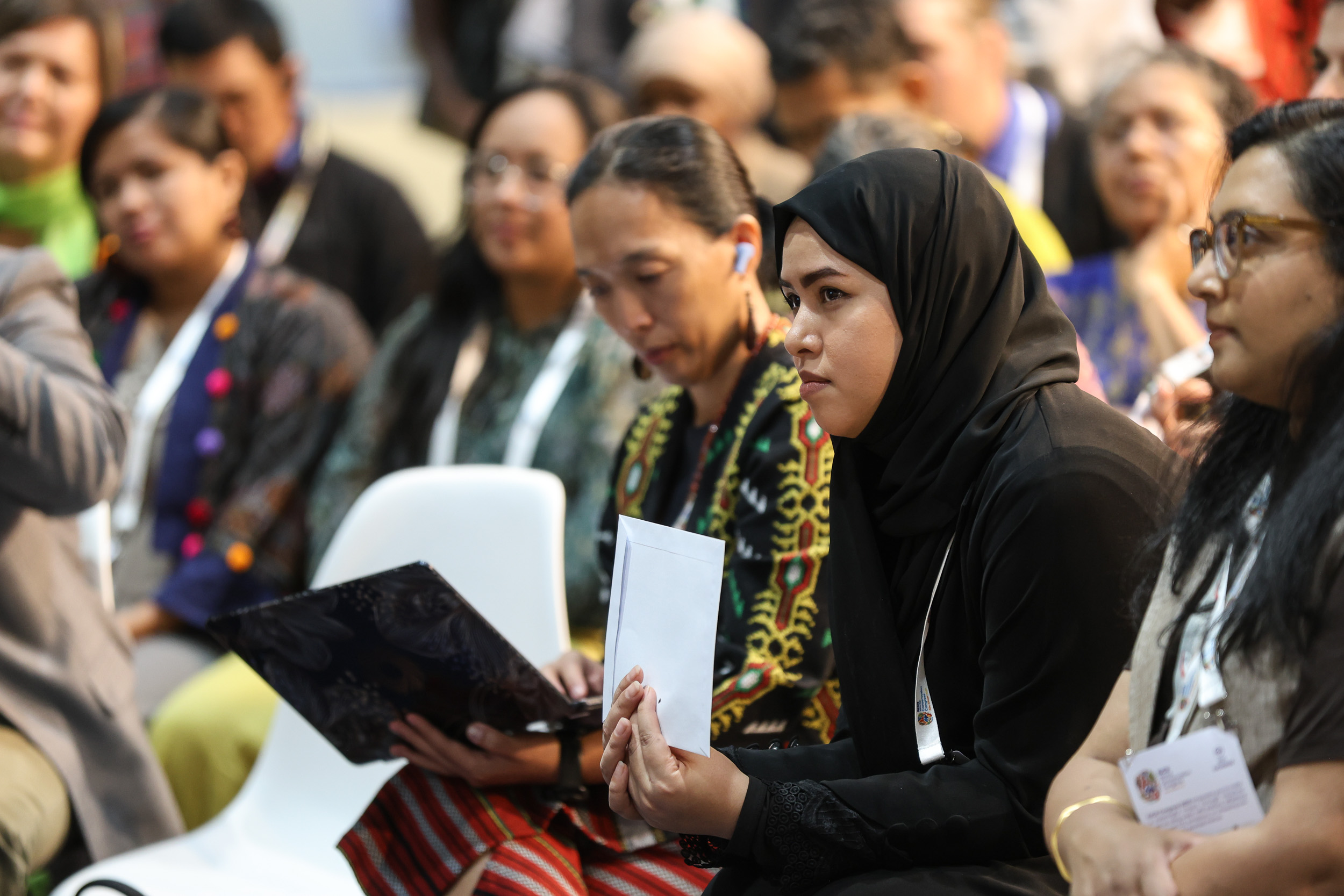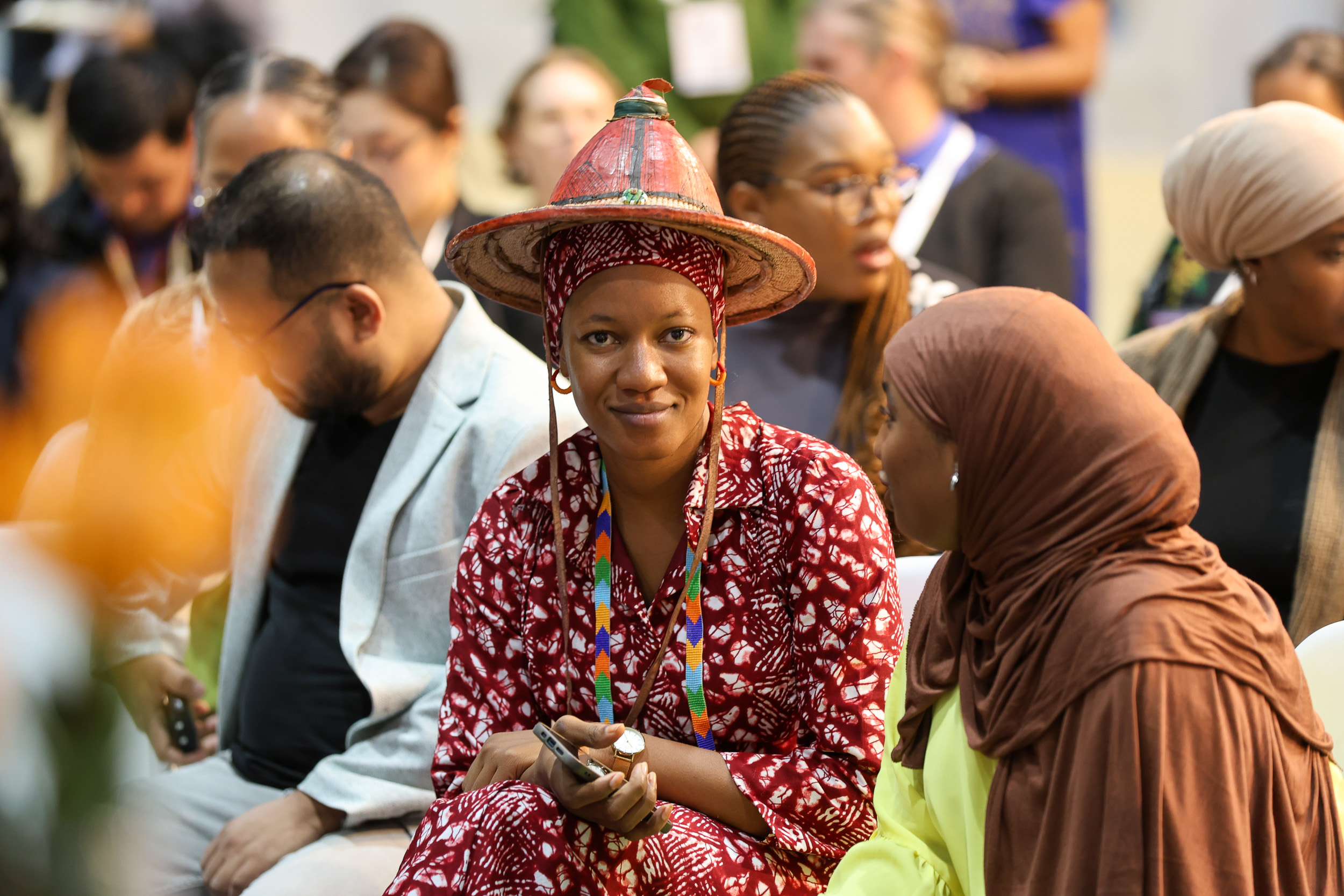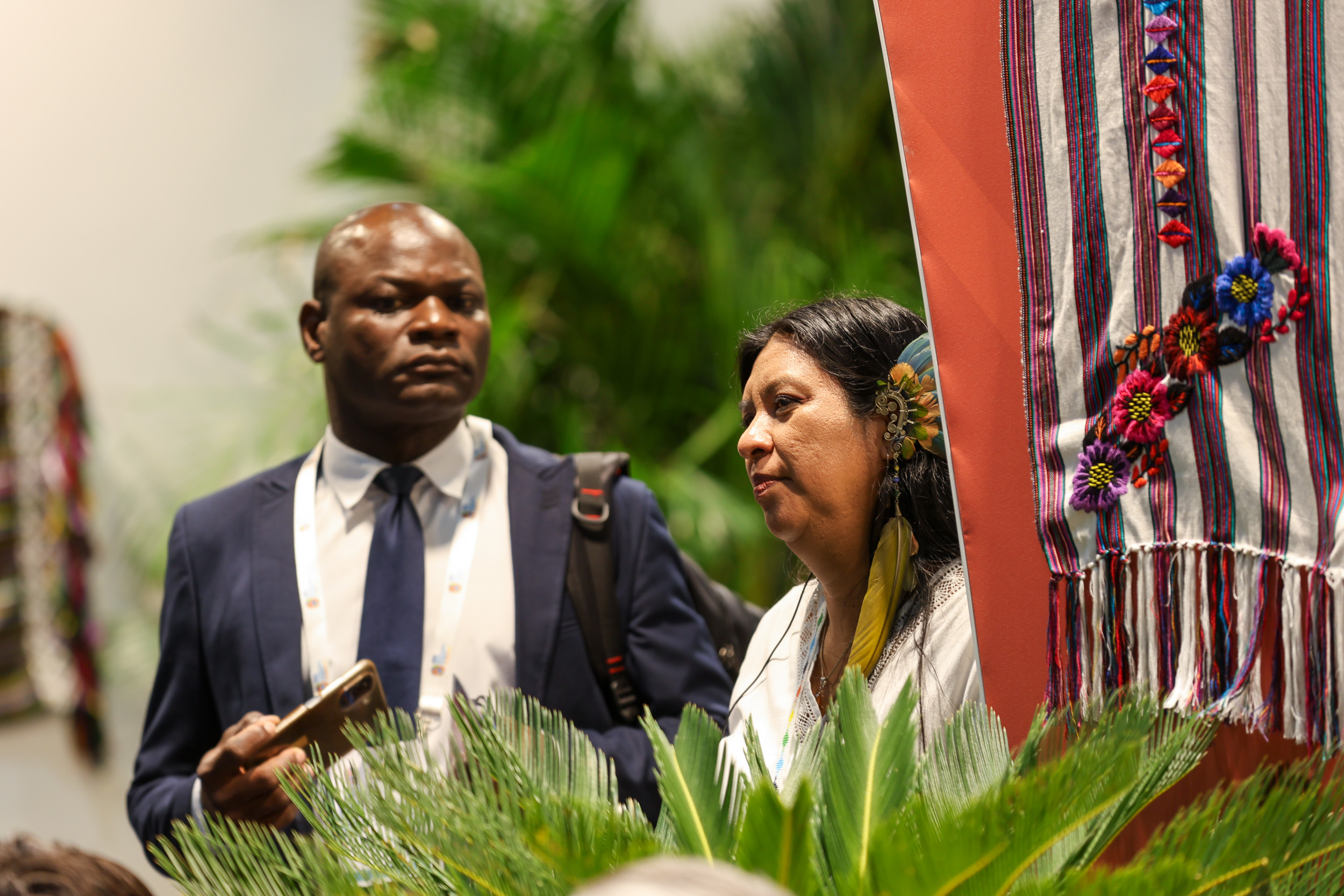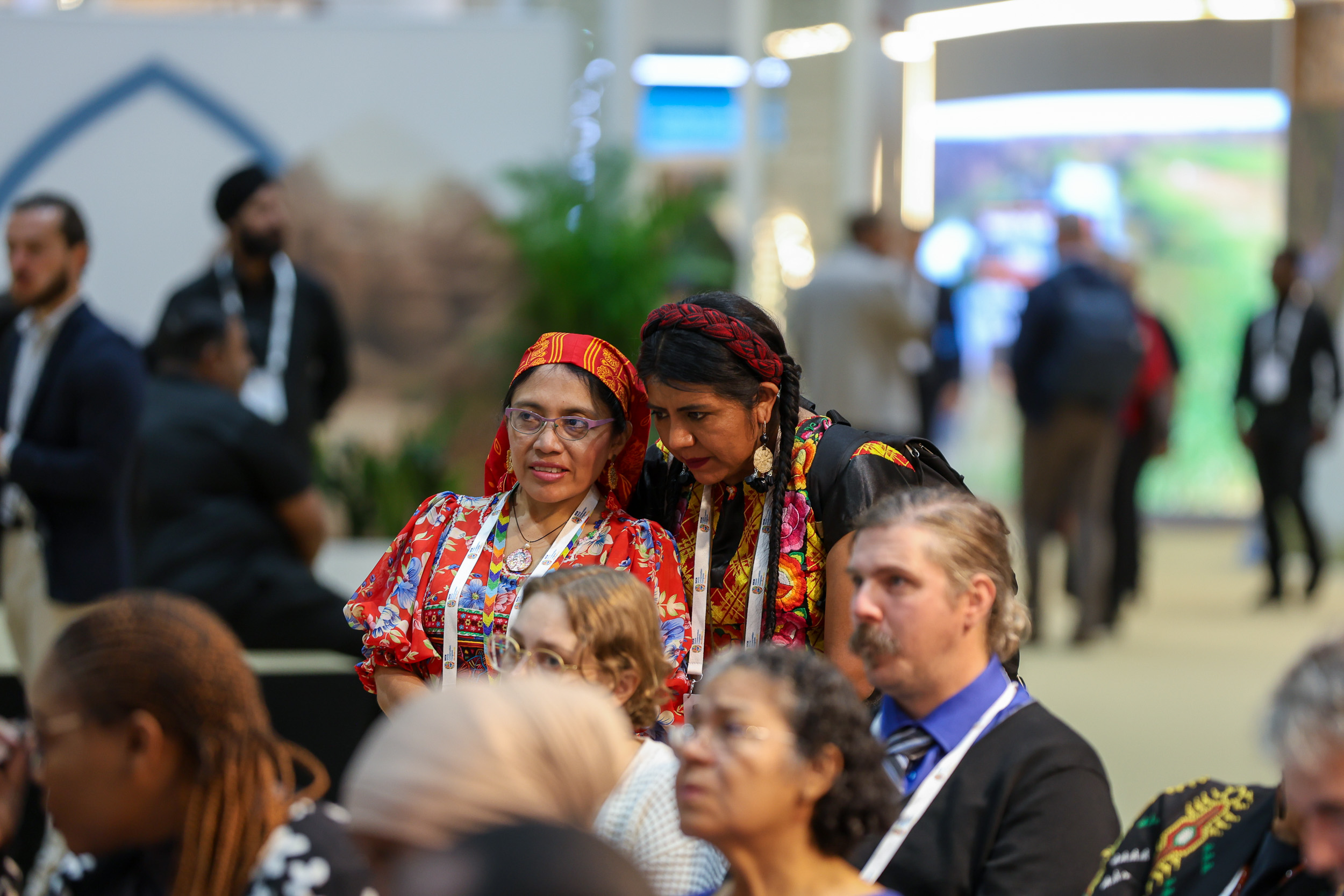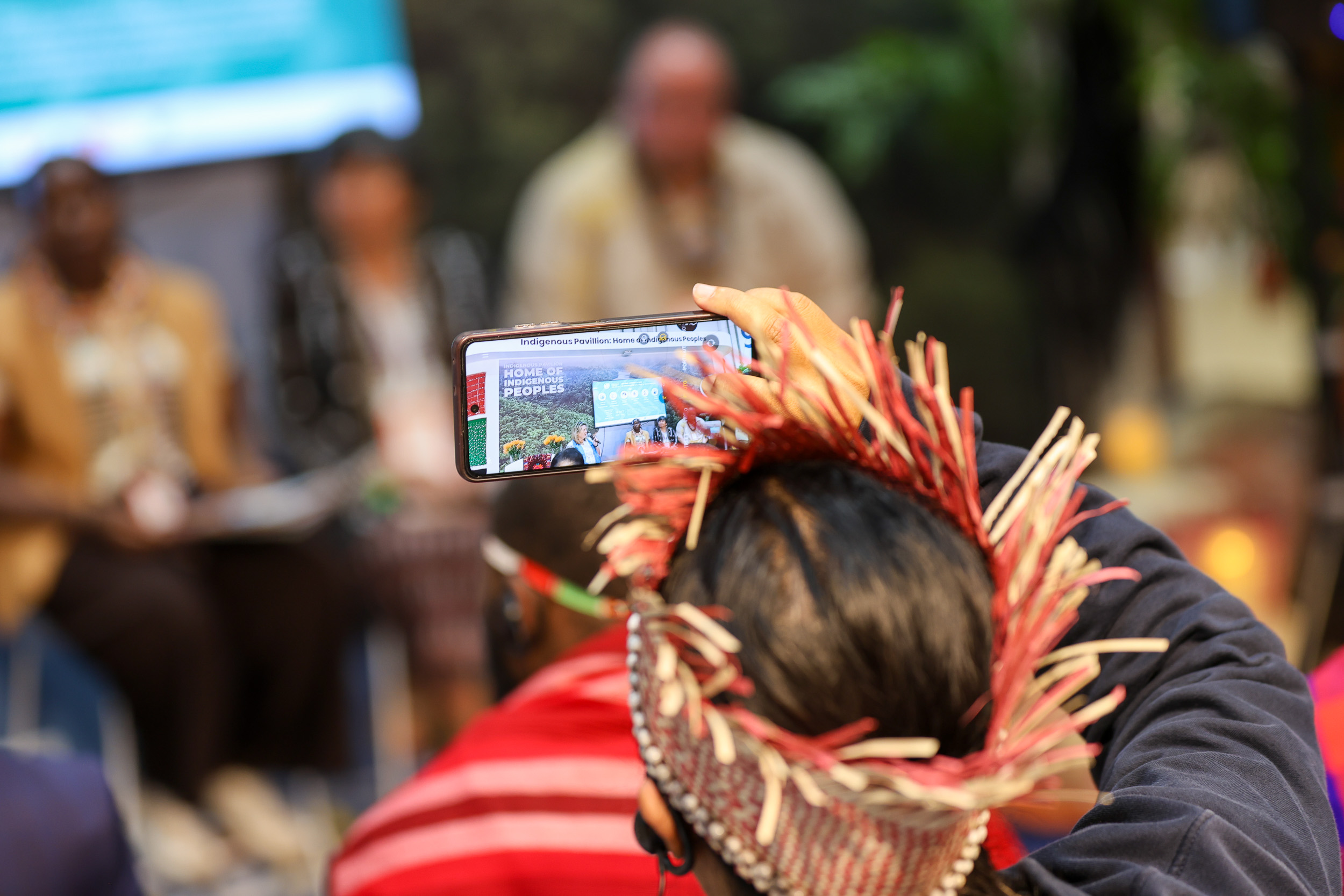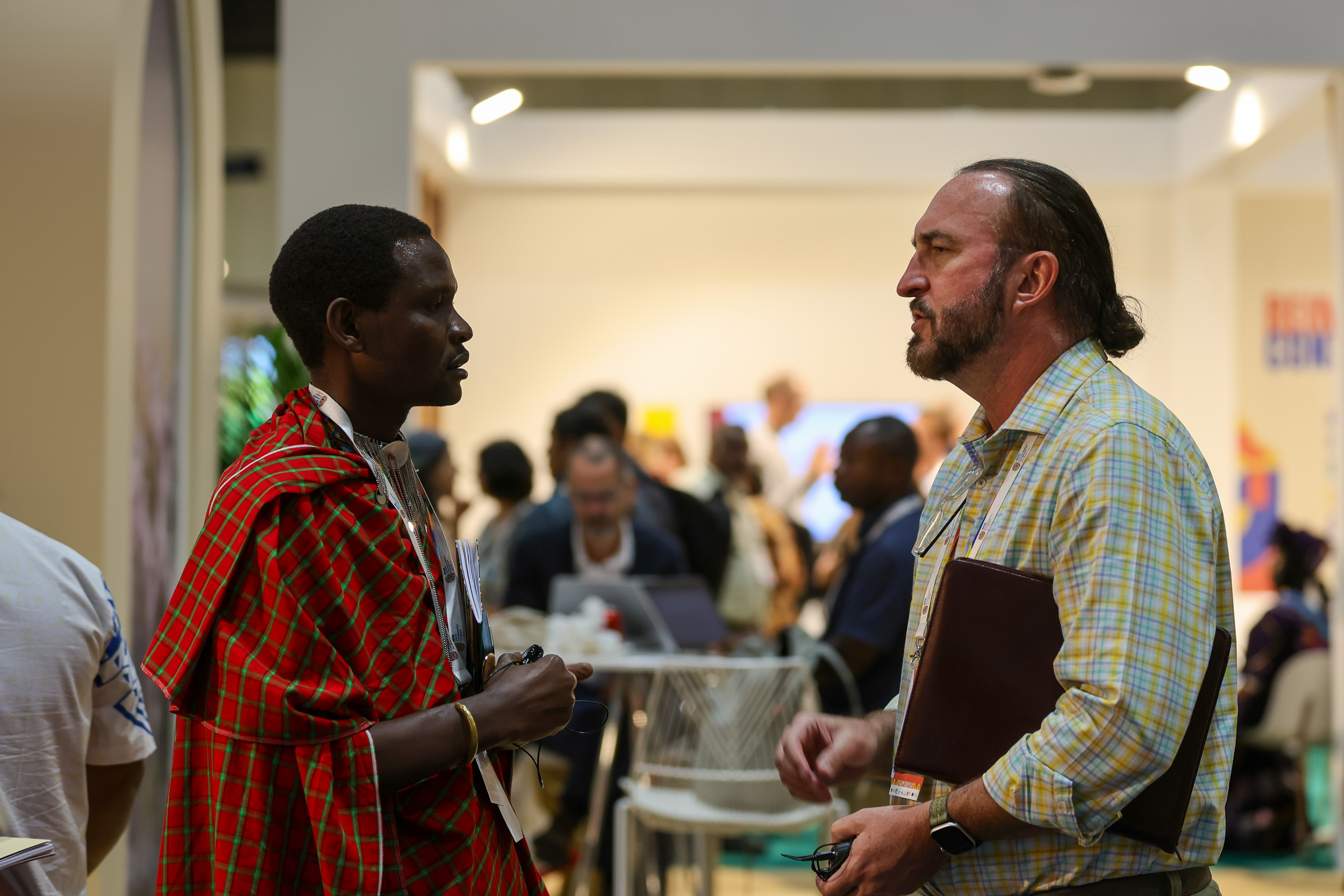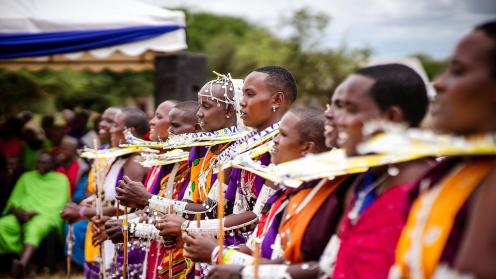
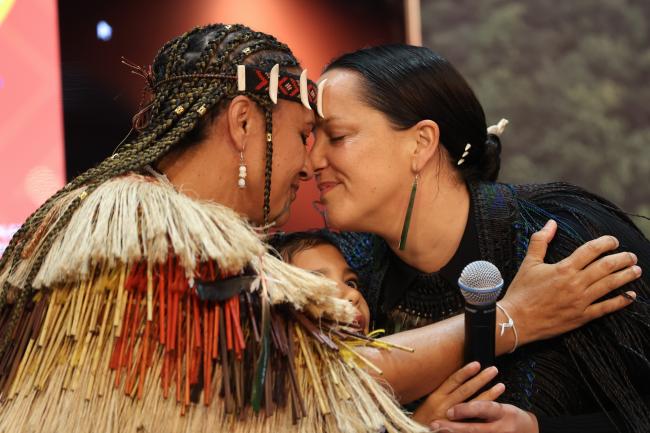
“During a busy last day of the first in person IUCN World Summit for Indigenous Peoples and Nature, which convened under the theme “Our Traditional Knowledge is the Language of Mother Earth,” Indigenous representatives engaged in five dialogues, focusing on:
- Paths to reconciliation in Indigenous lands: Indigenous Protected and Conserved Areas (IPCAs);
- Co-stewardship as a path to reconciliation: Moving beyond consultation;
- Indigenous Peoples’ organizations (IPOs) engagement at the IUCN Members General Assembly;
- Traditional knowledge, conservation of bio-cultural diversity, and spatial planning; and
- the Podong Indigenous Peoples Initiative: Lessons learned and the path forward.
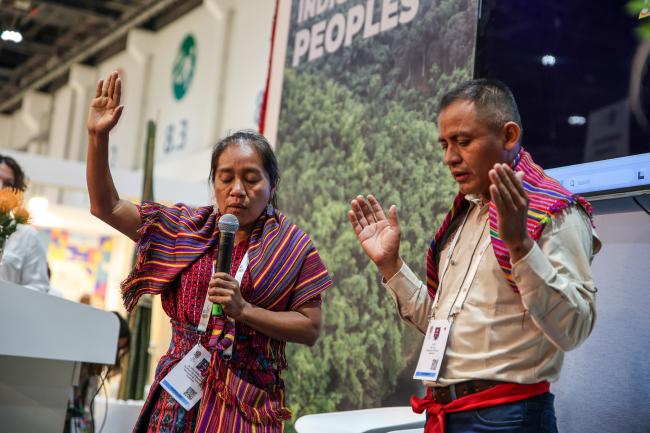
On paths to reconciliation in Indigenous lands, participants explored how IPCAs advance reconciliation and stressed that Indigenous-led stewardship strengthens both ecological integrity and cultural values. Panelists underscored that reconciliation requires justice, restitution, return of power to Indigenous Peoples, and full implementation of the UN Declaration on the Rights of Indigenous Peoples. They agreed that transformation is possible but requires mutual respect and trust in a whole-of-society approach.
On co-stewardship as a path to reconciliation, panelists focused on respecting Indigenous rights and knowledge to transform conservation approaches. They discussed the IUCN Resolution on the Renunciation of the Doctrine of Discovery to Rediscover care for Mother Earth, which mandates the IUCN Council to begin a discussion on the history of IUCN, truth and reconciliation, and co-stewardship and co-governance with Indigenous Peoples.
On IPOs’ engagement at the IUCN Members General Assembly, panelists introduced three motions developed by IPOs on: non-proliferation of fossil fuels; restoring 80% of the Amazon by 2030; and recognizing the importance of Indigenous language and cultural heritage for biodiversity conservation.
The session on traditional knowledge, conservation of bio-cultural diversity, and spatial planning addressed, among other things:
- geographic information systems and opportunities to explore with Indigenous Peoples how to appropriately unlock Indigenous knowledge in the form of digital maps;
- the right to territory as the foremost Indigenous right;
- models for communal land security;
- ways to strengthen dialogues to better identify and address challenges through ancestral knowledge; and
- the development of locally-managed spatial planning on marine biodiversity.
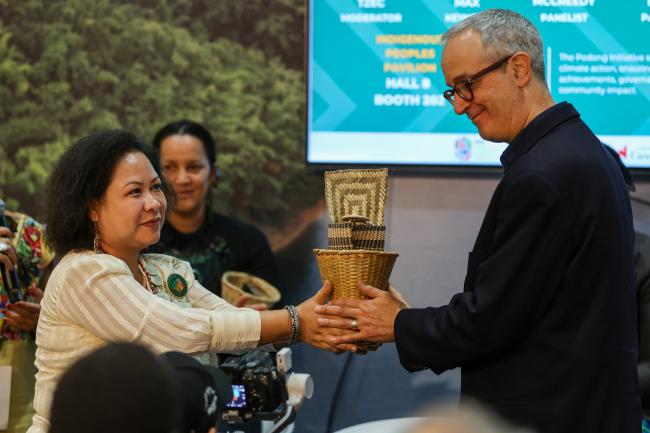
Discussions on the Podong Initiative focused on supporting Indigenous leadership in conservation and climate action, and ensuring participation and access to finance. Panelists presented the Initiative as a uniquely Indigenous-developed and Indigenous-designed call to action for reimagining practices to elevate Indigenous rights and transform global commitments into meaningful local outcomes, offering messages and recommendations for the donor community.
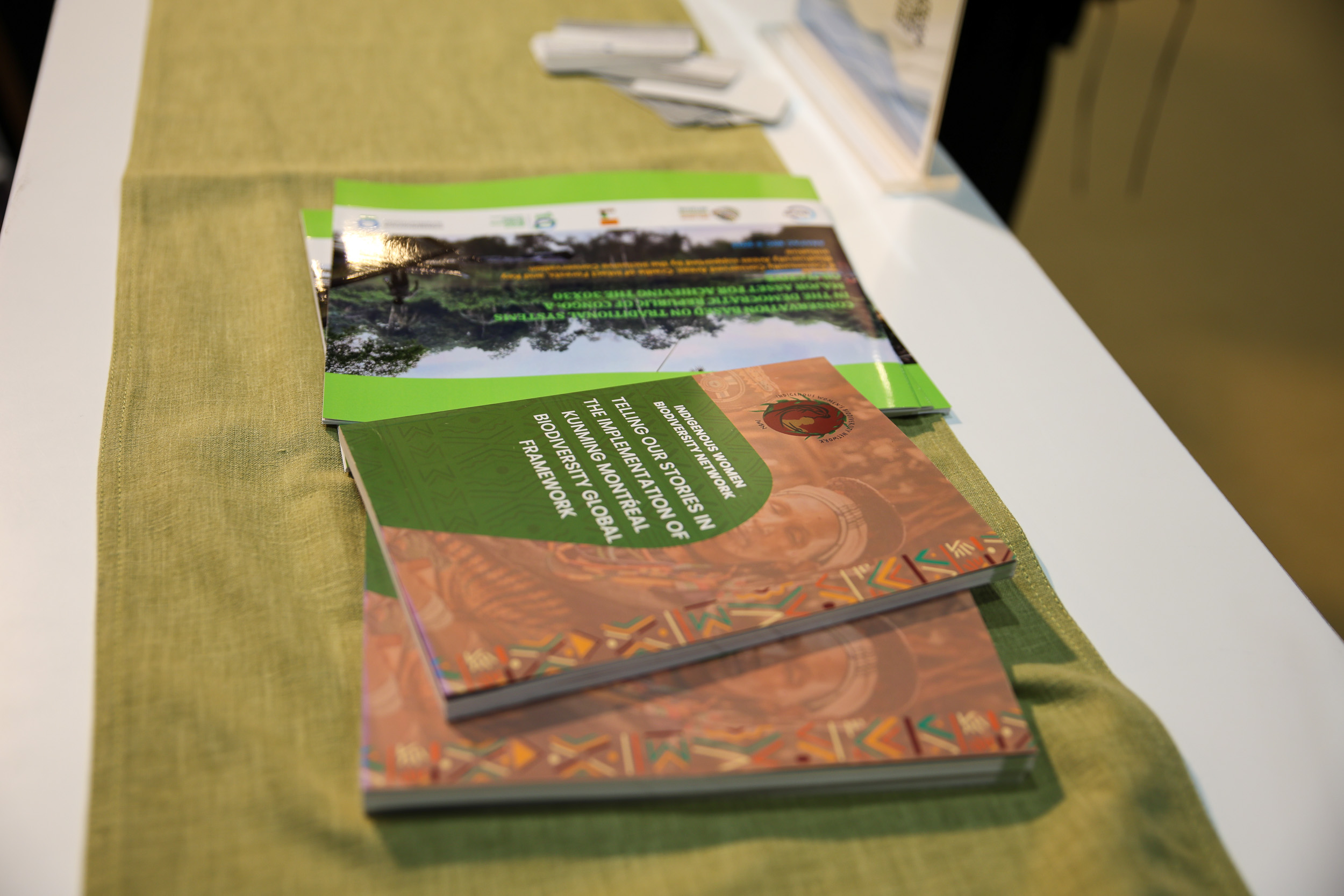
A session on announcements and reports highlighted Indigenous-led initiatives in biodiversity, climate action, and rights-based governance, including: Report of the International Workshop on Indigenous and Traditional Territories (ITTs) and Biodiversity Conservation; Guidelines on ITTs in the context of biodiversity conservation, sustainable use, and restoration; and an overview of the outputs of the IMPACT Kenya Inclusive Conservation Initiative project, which focuses on supporting Indigenous communities in the Mid-Ewaso Ng'iro River Basin.
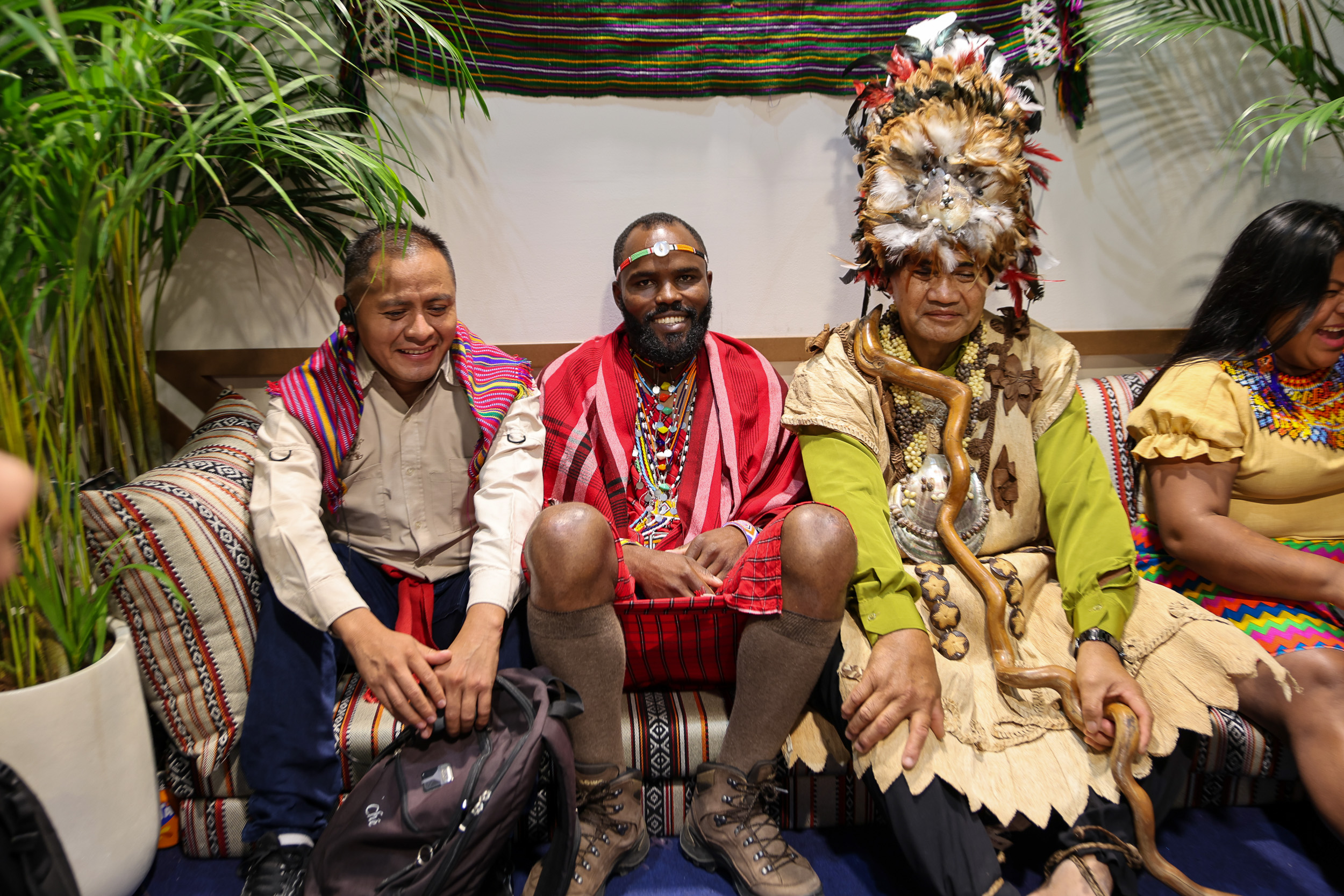
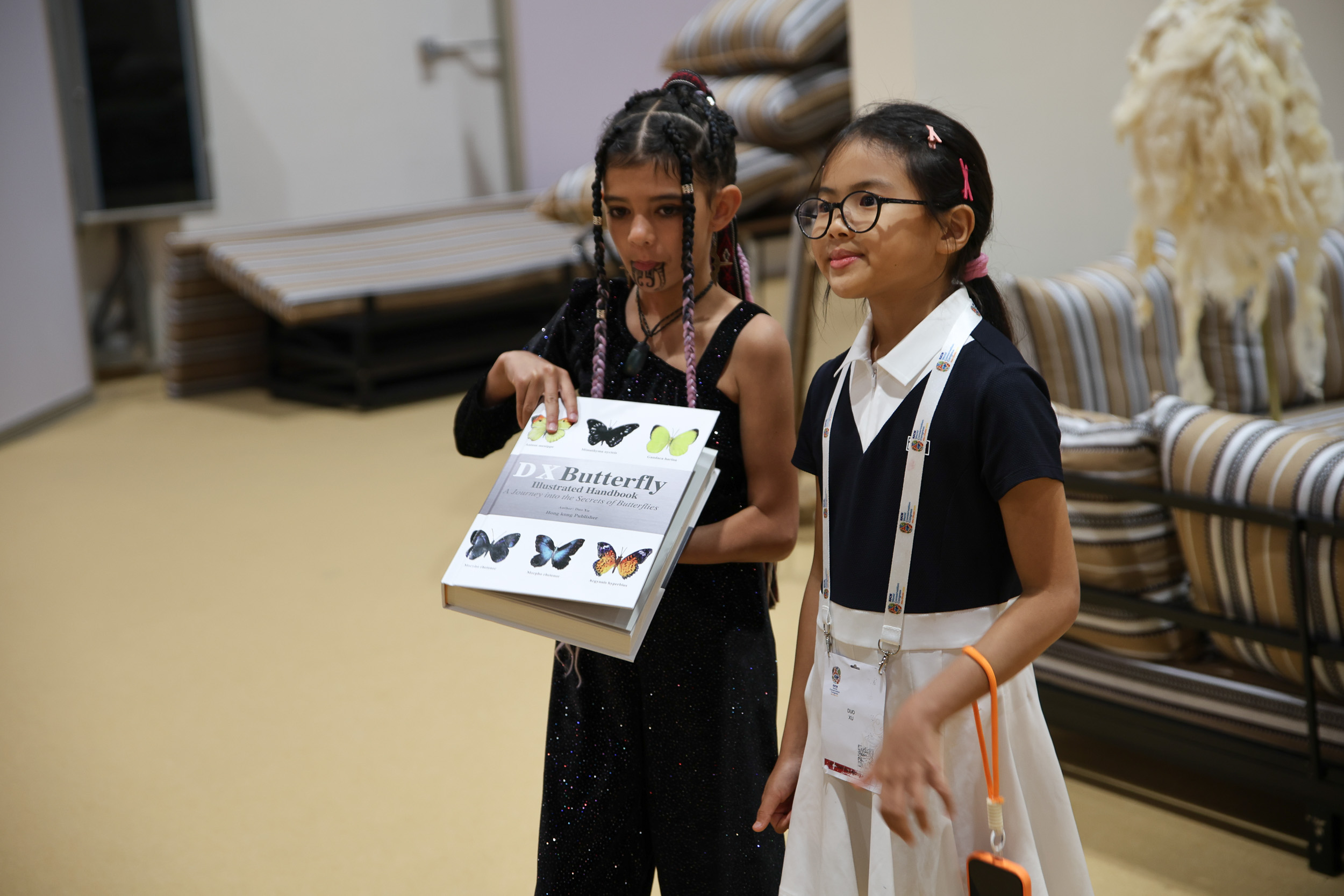
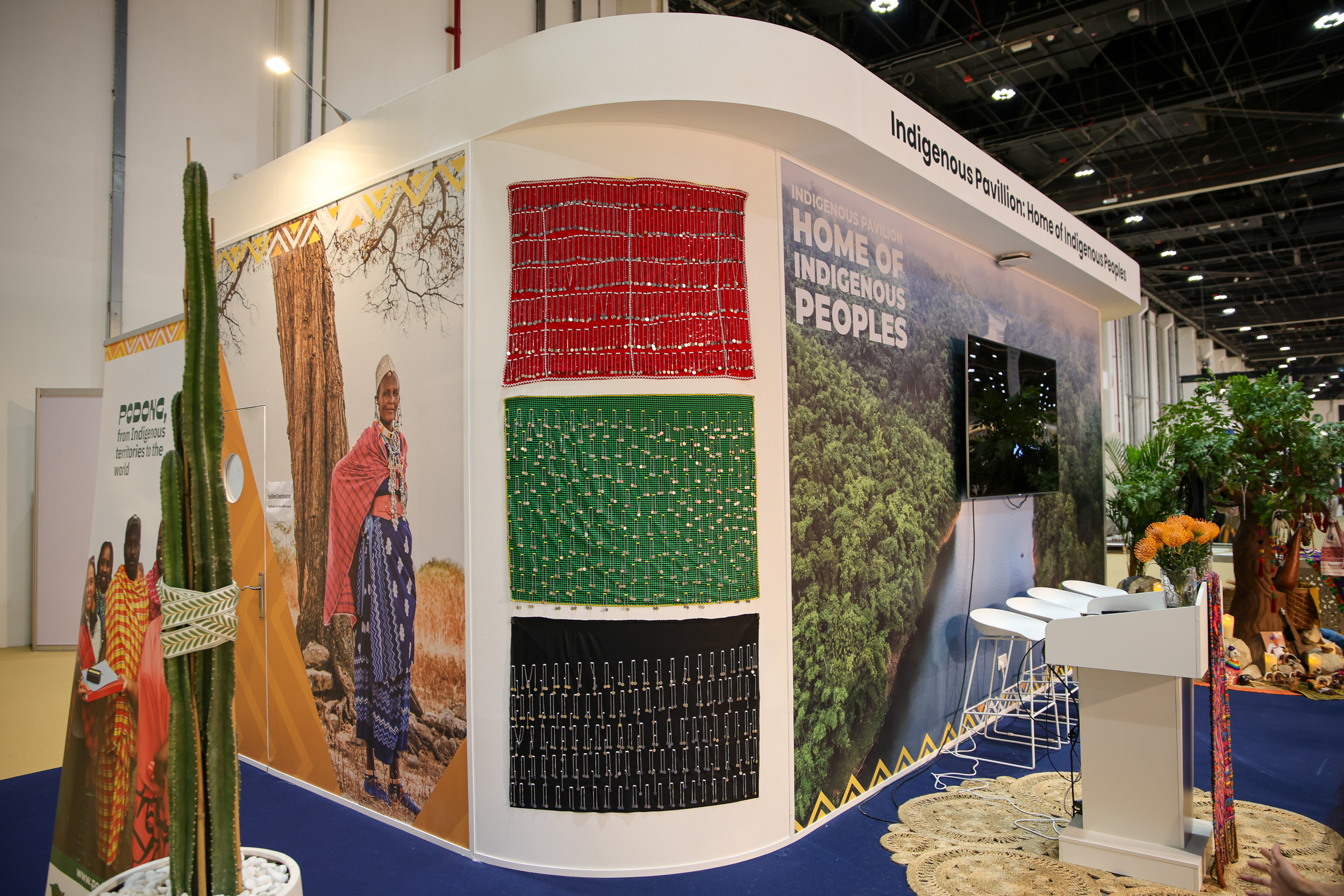
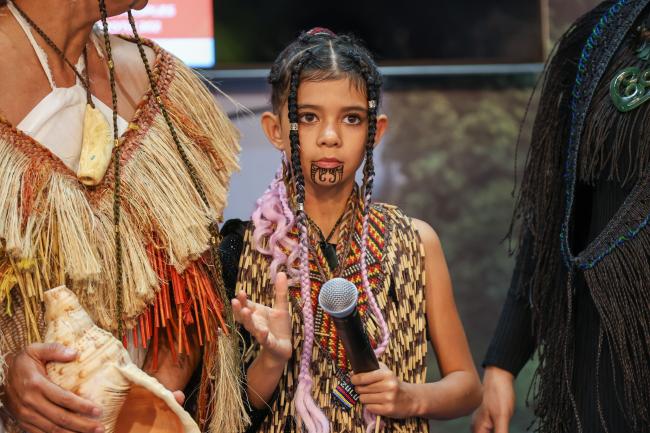
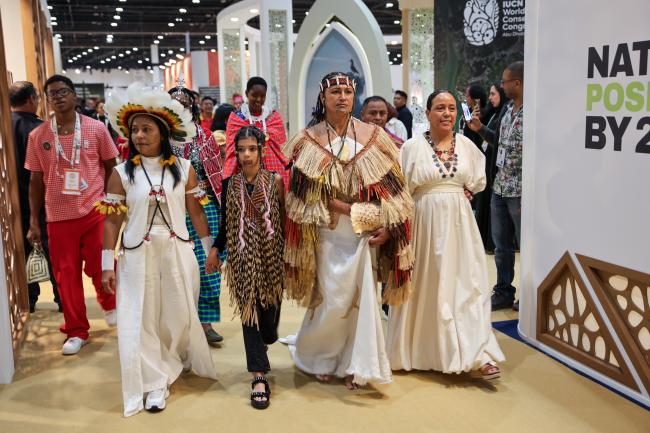
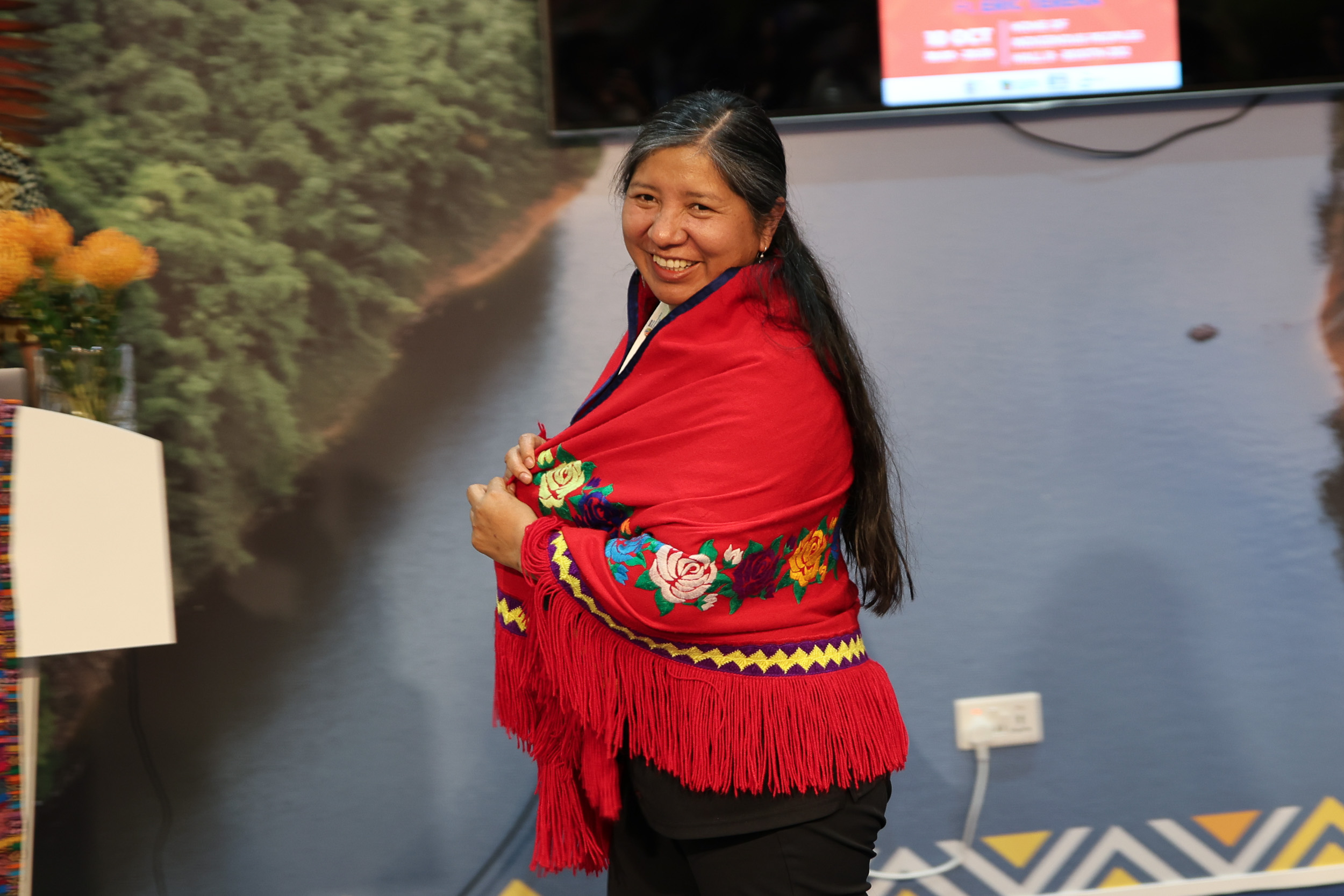
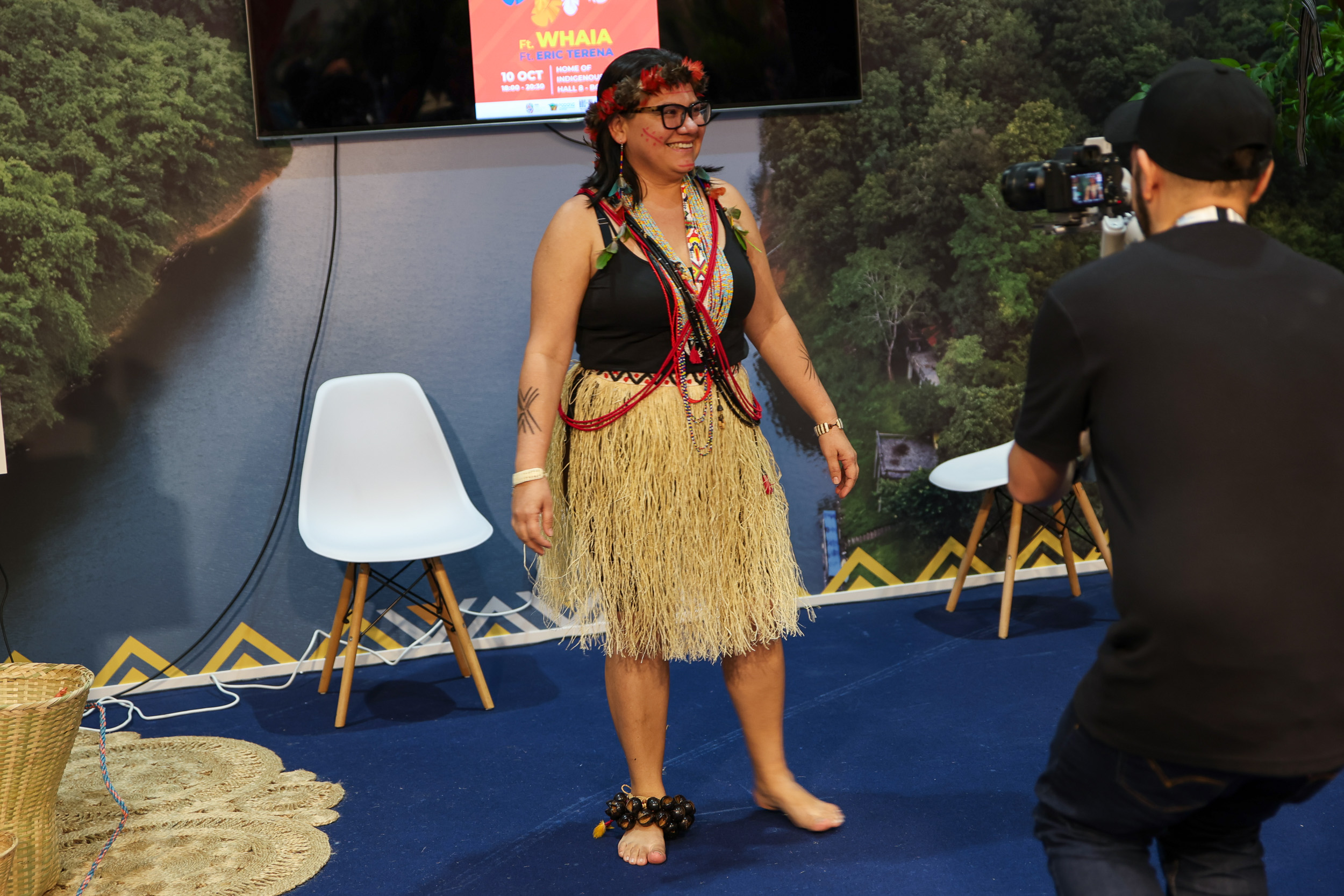
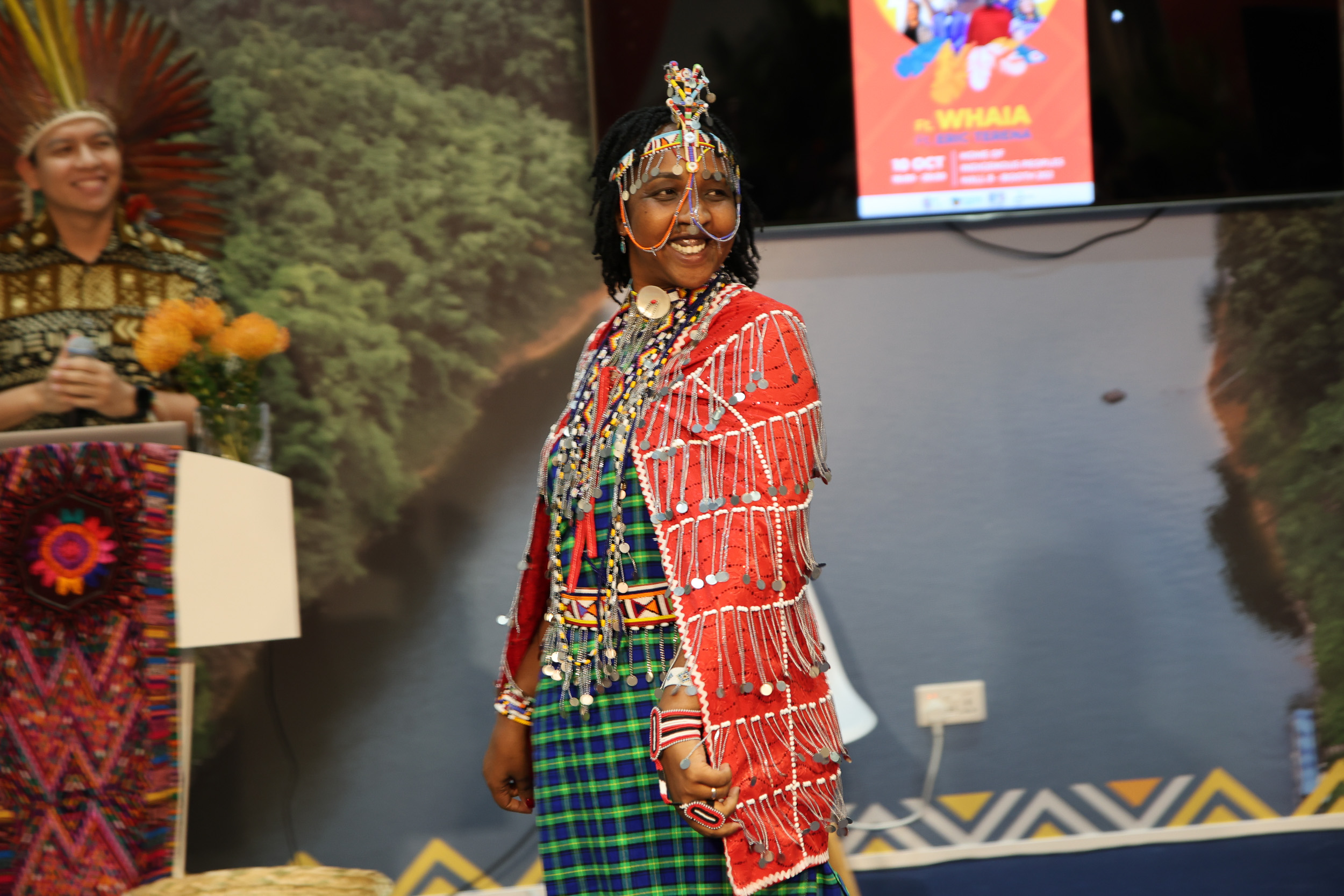
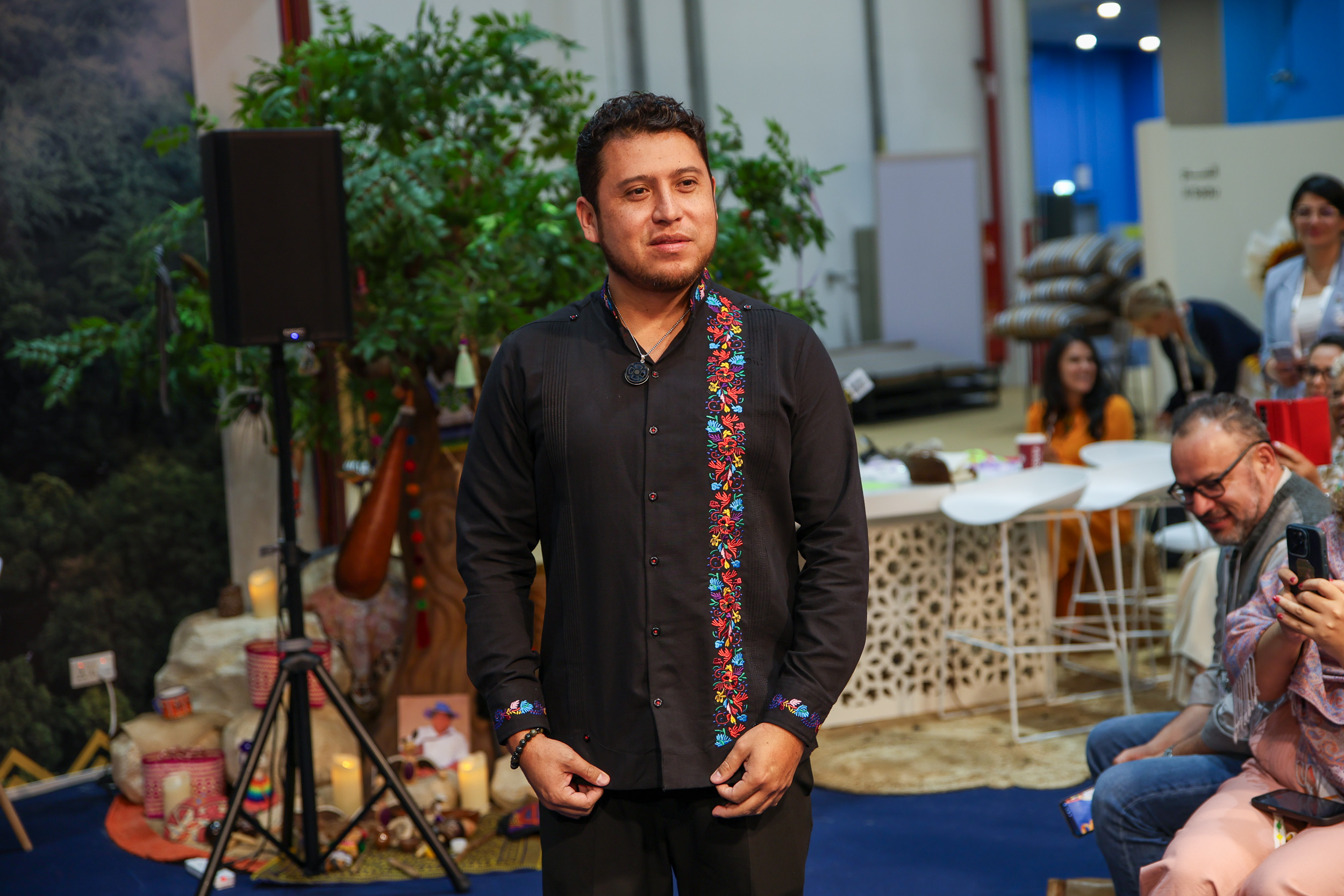
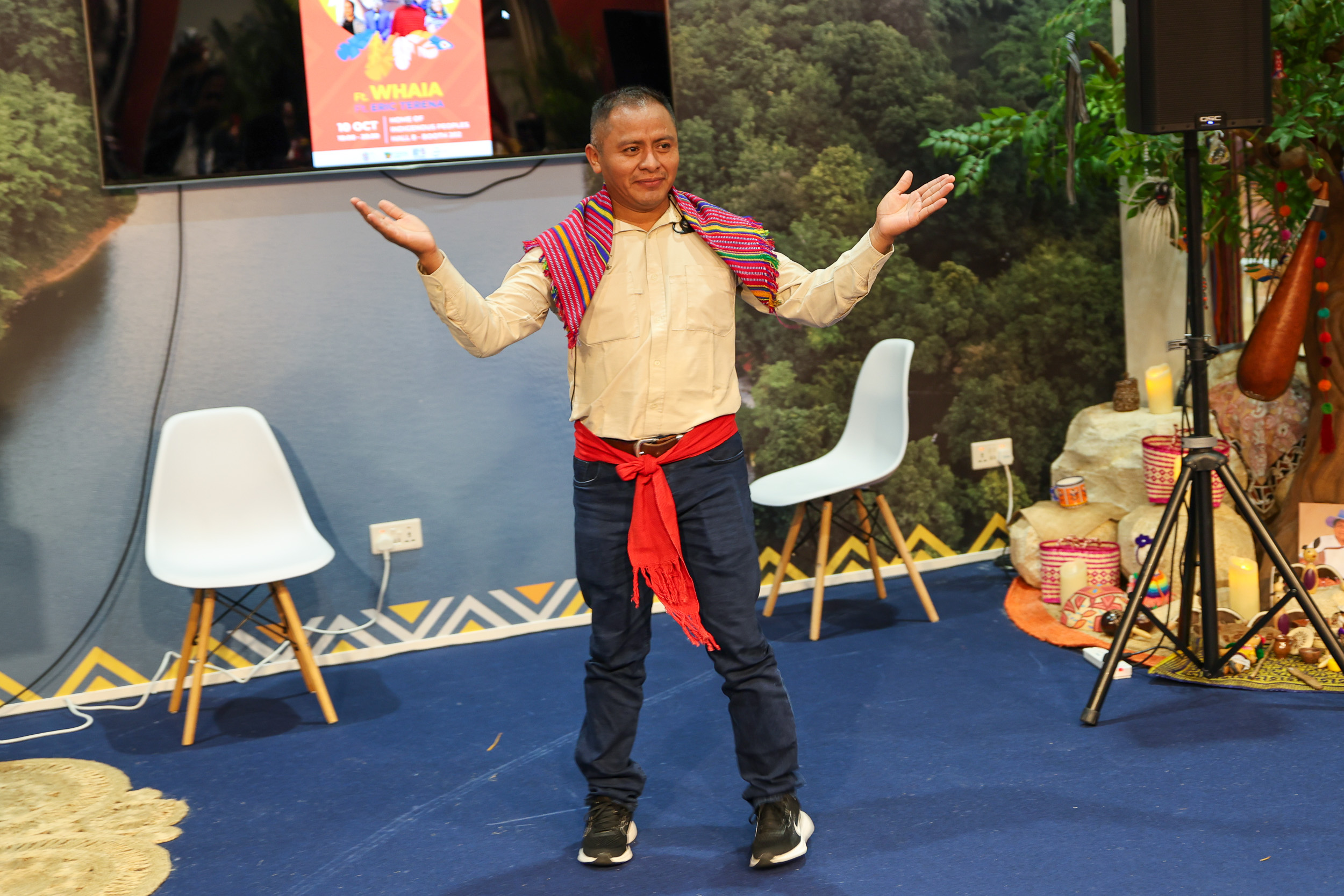
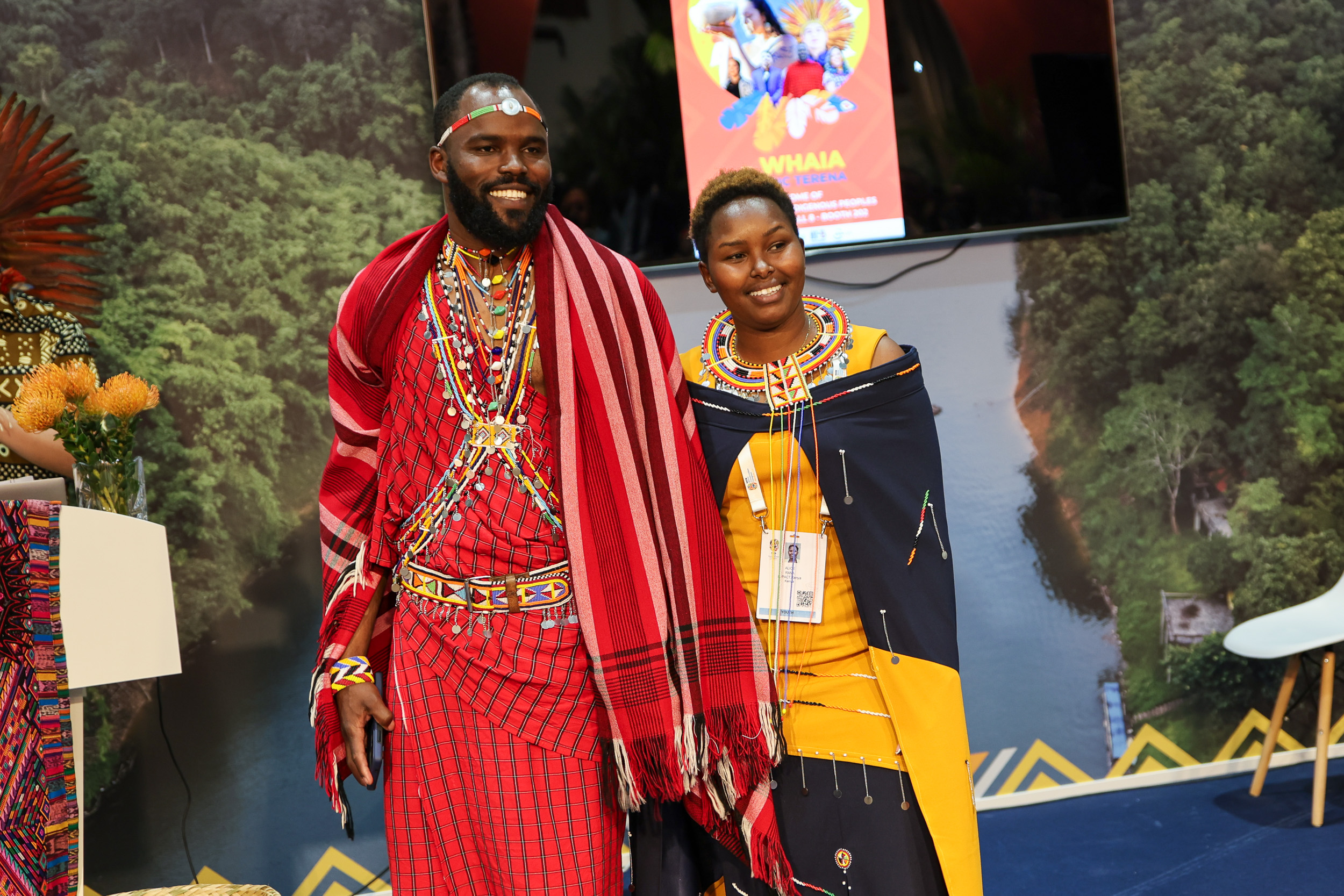
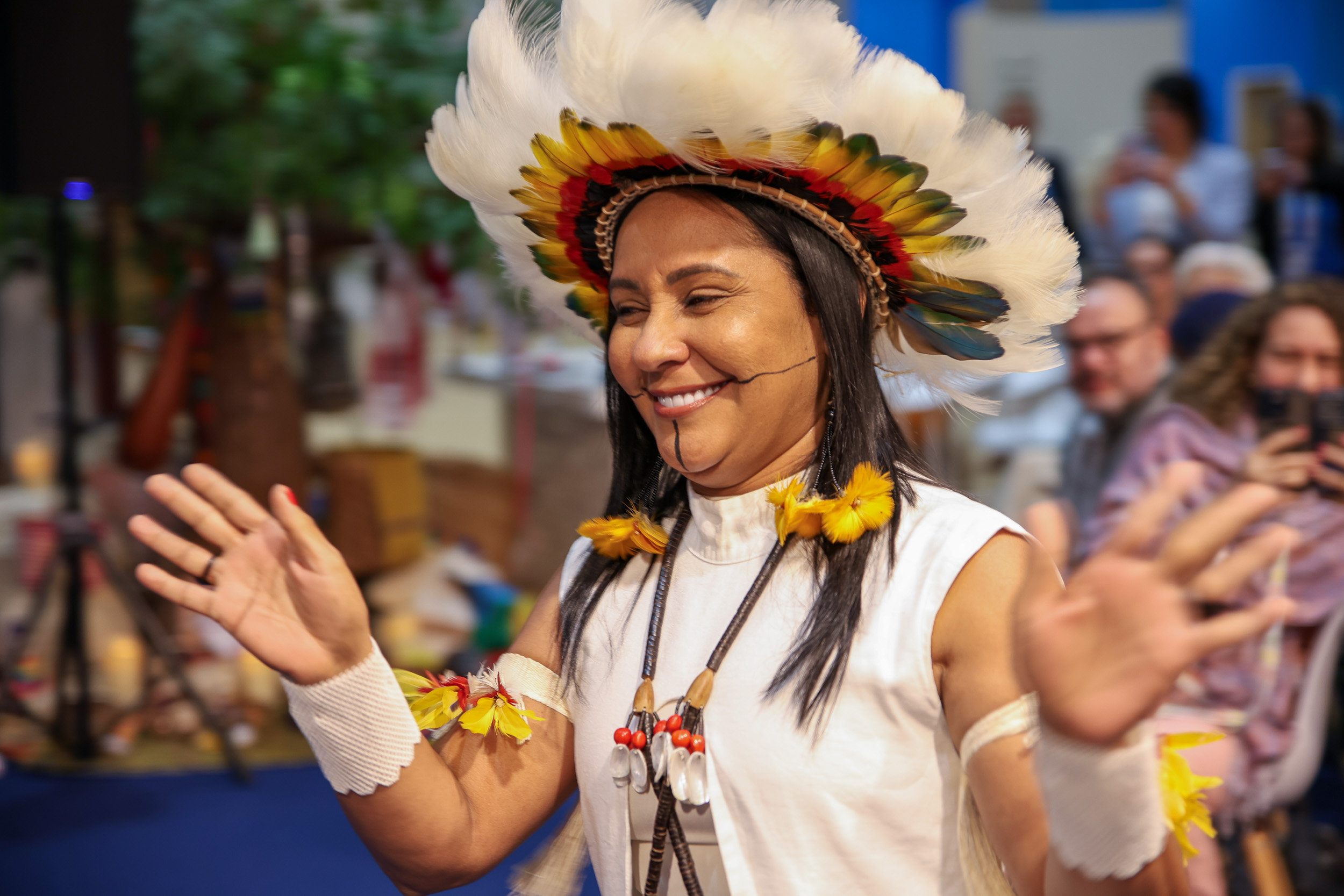
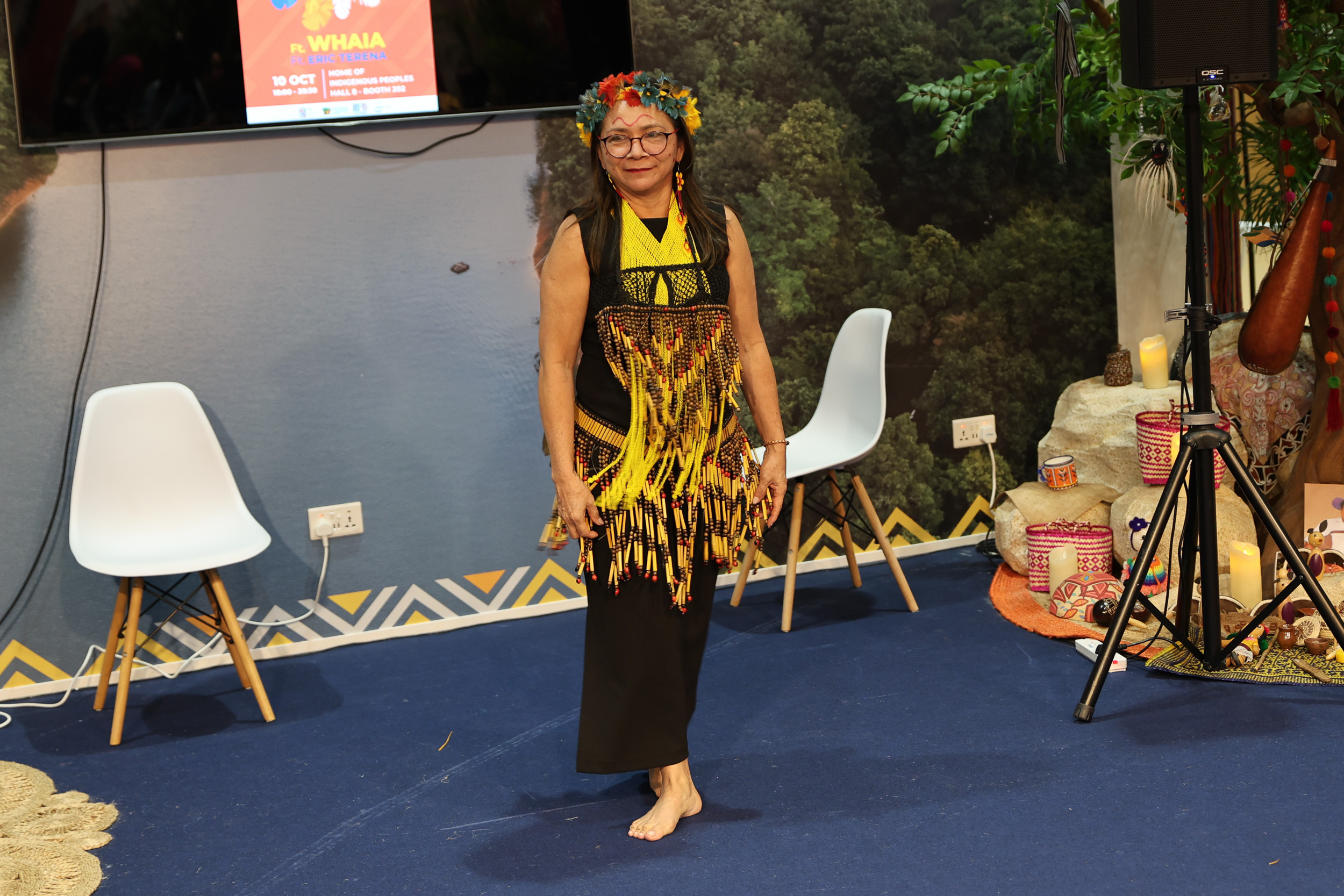
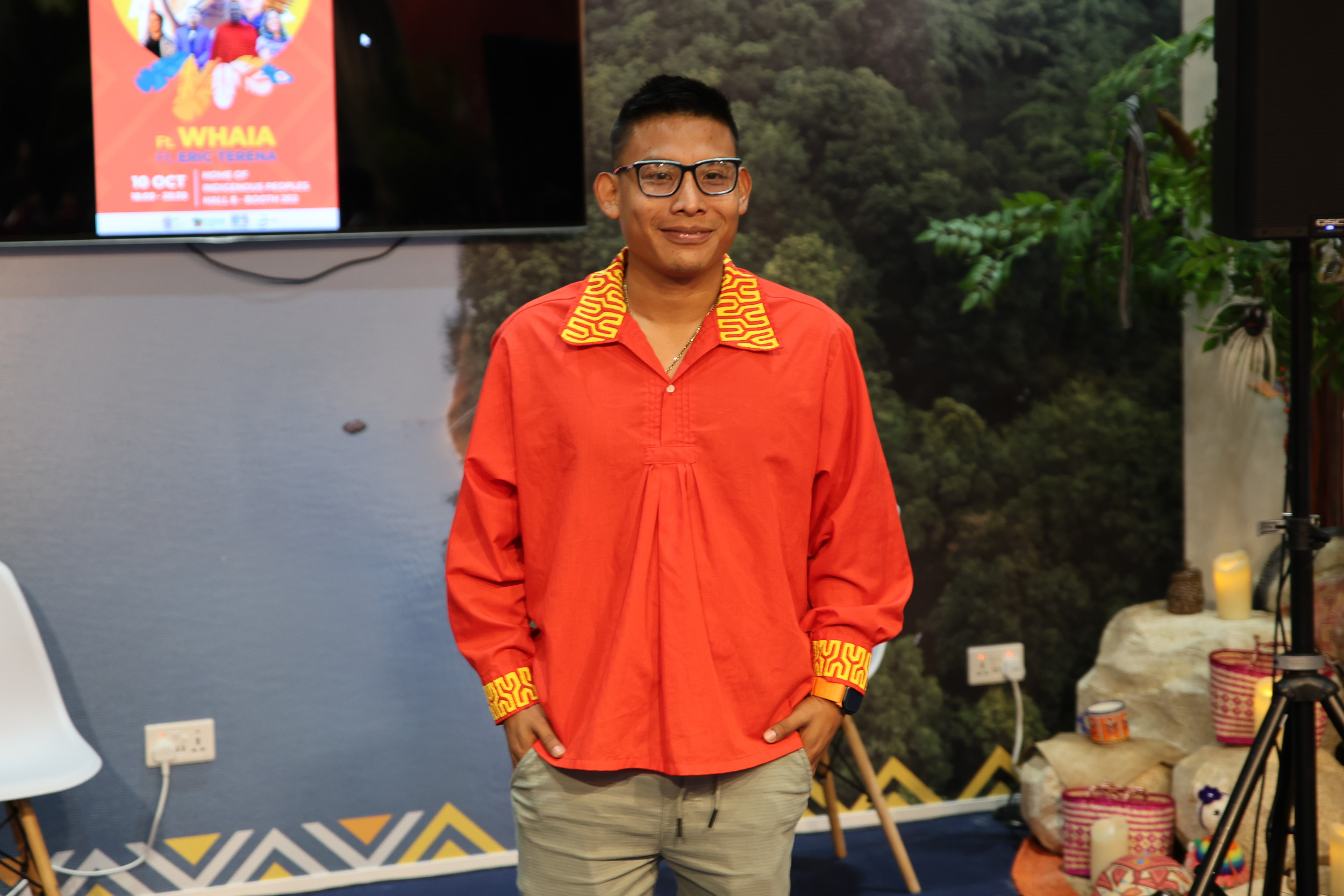
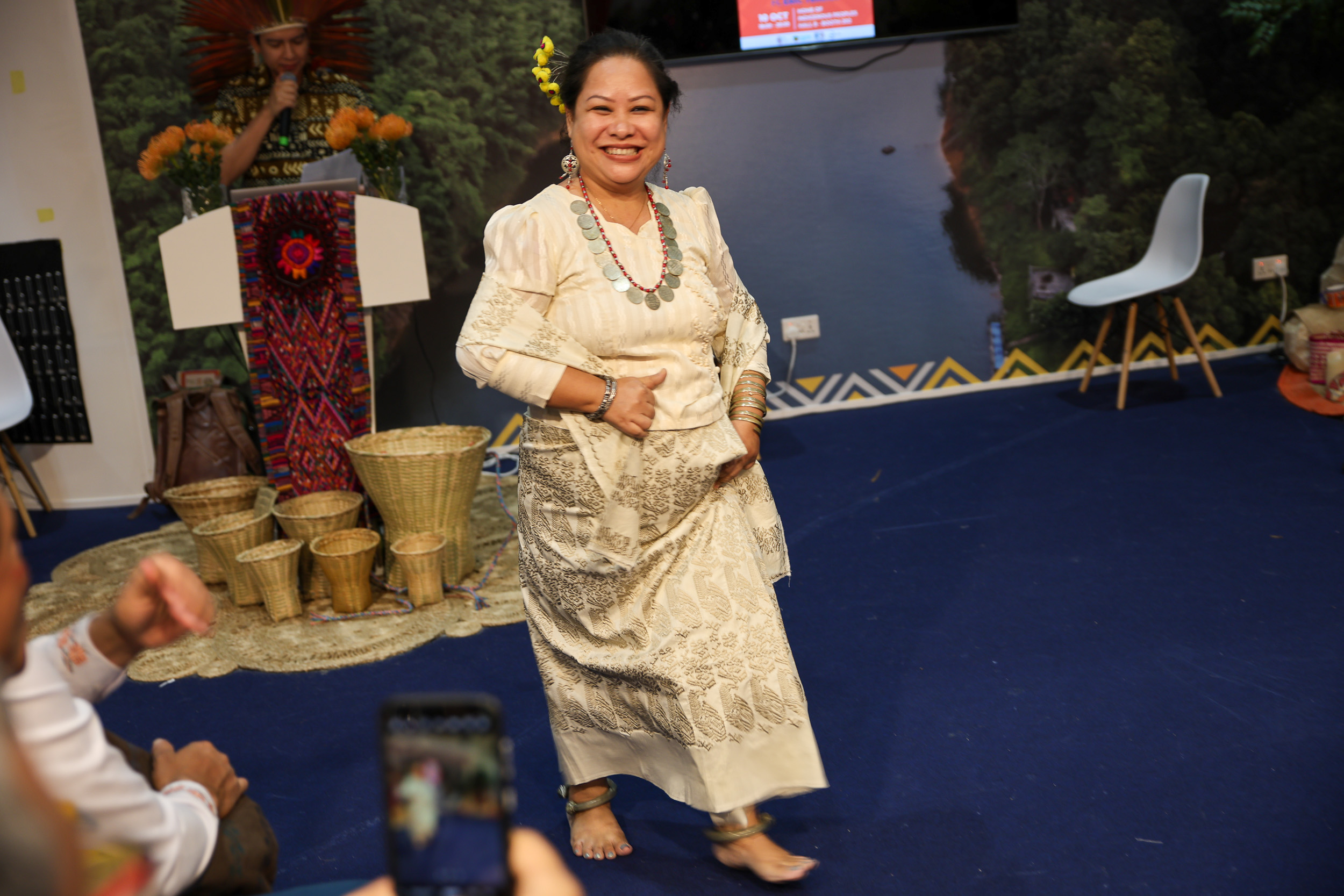
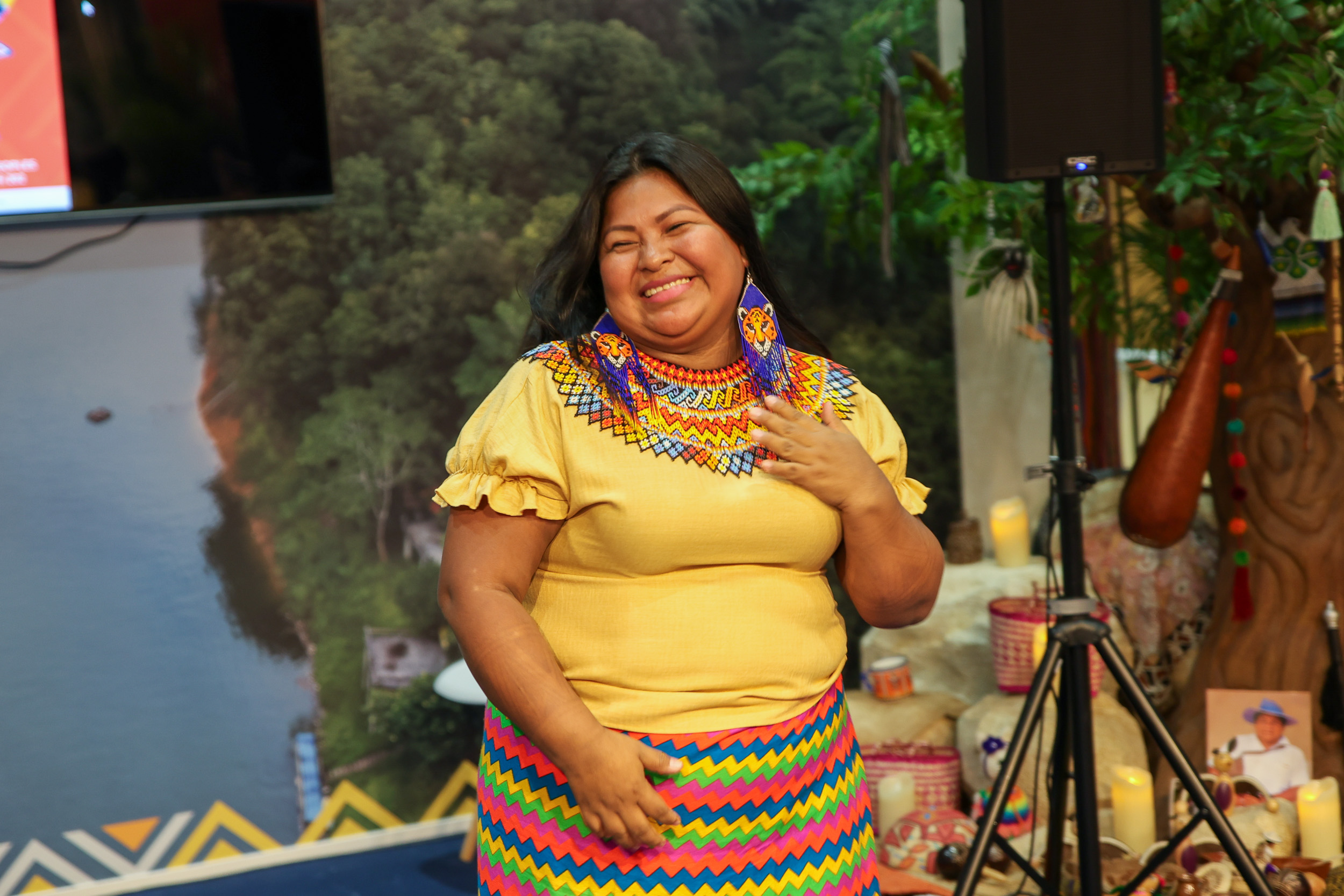
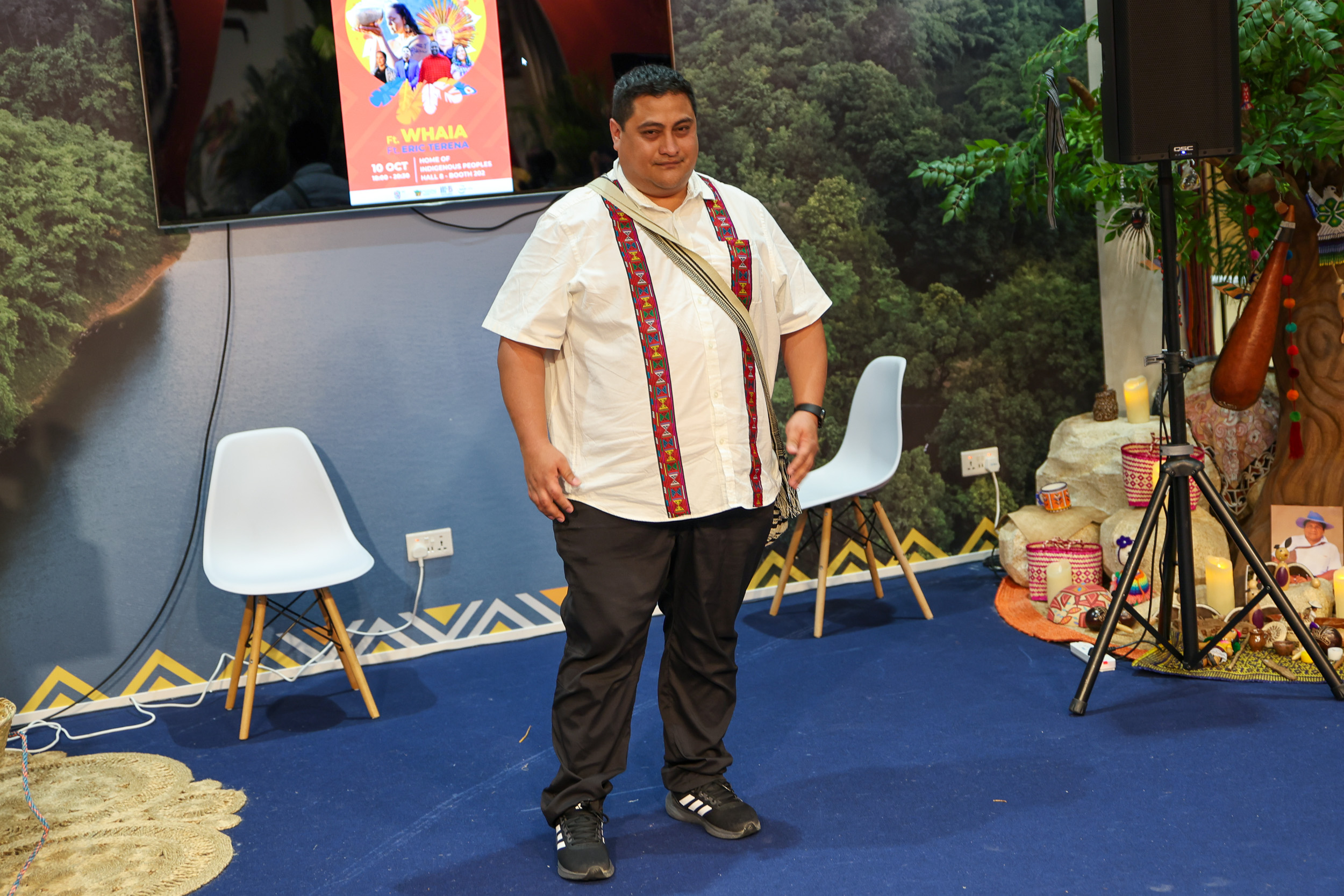
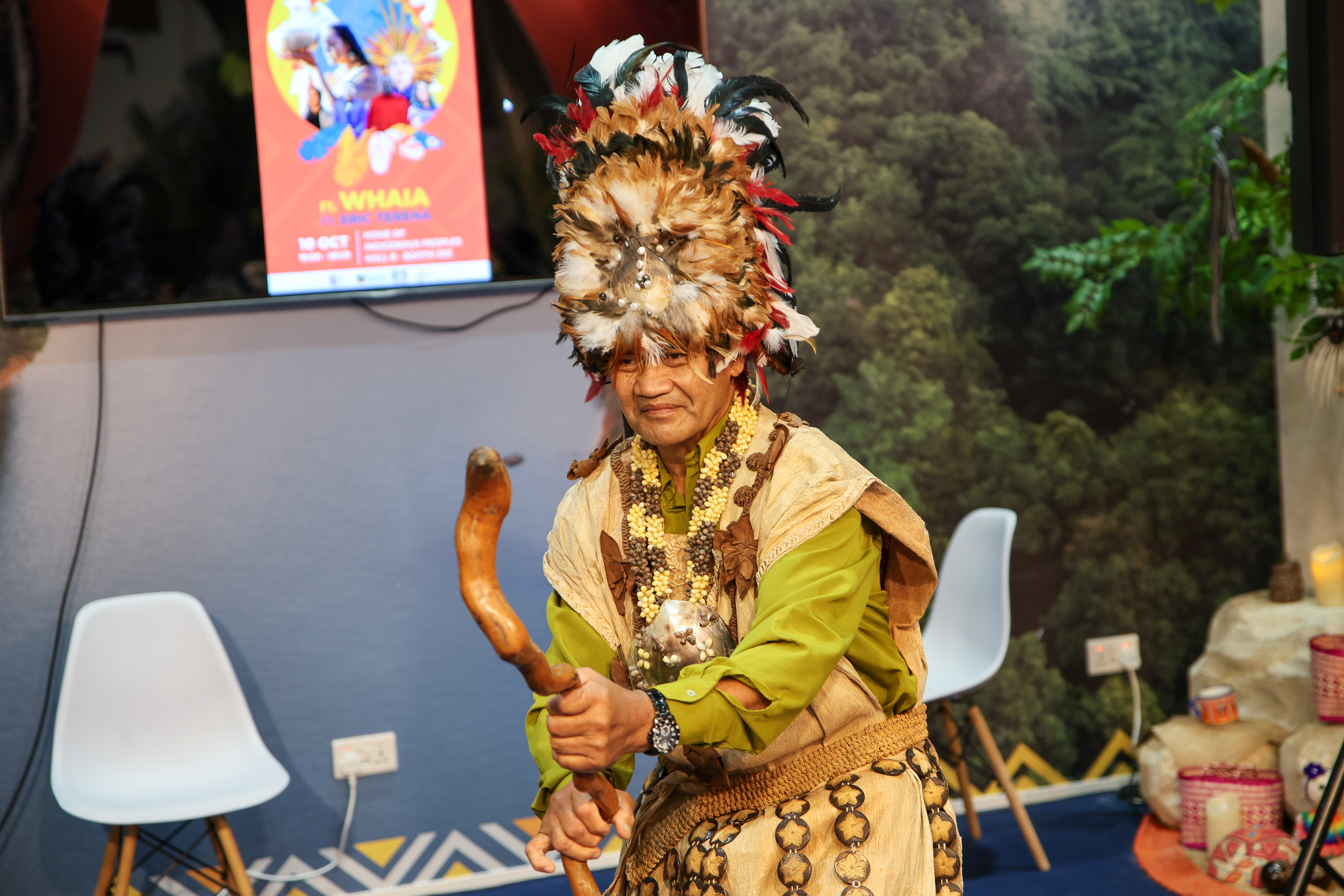
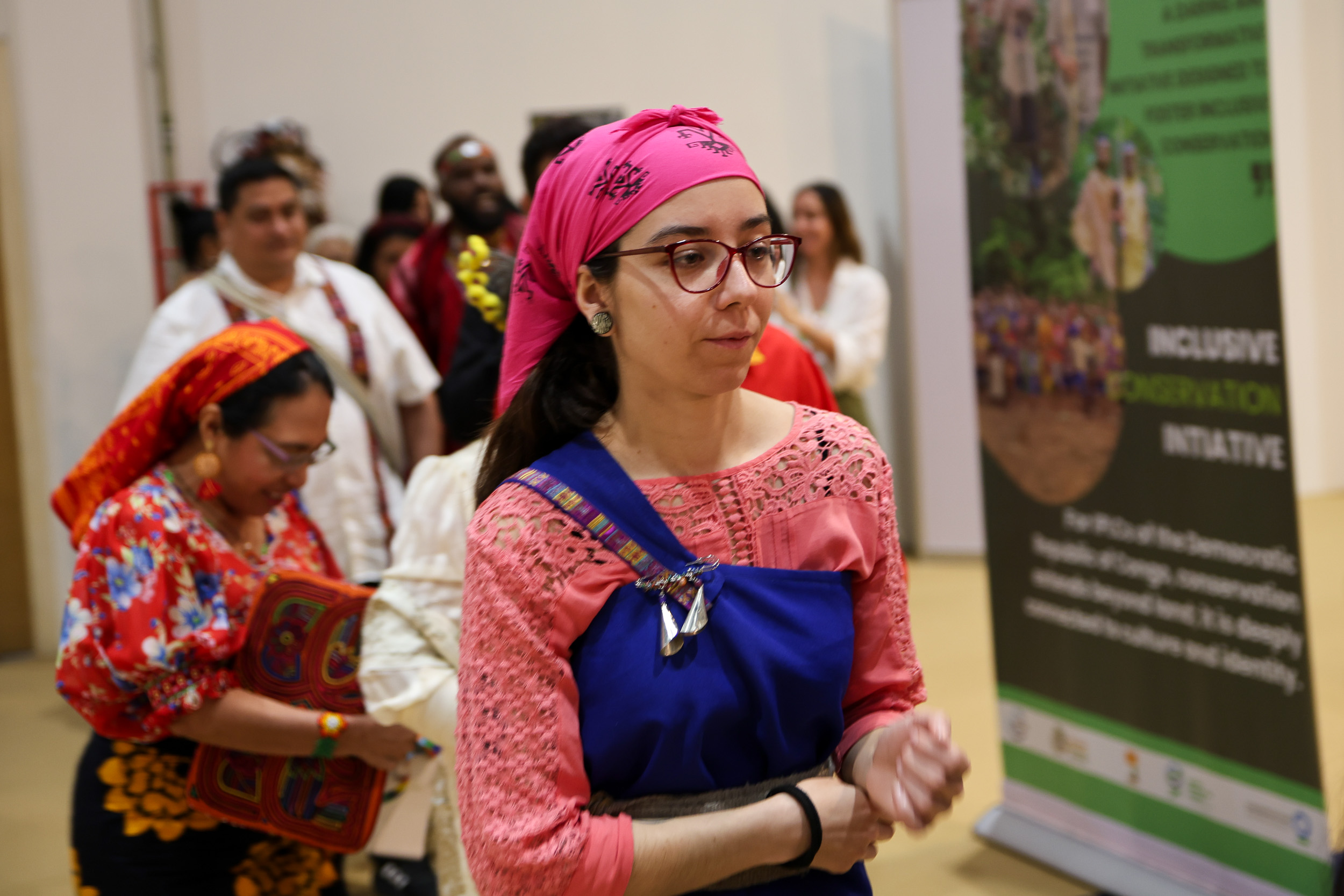
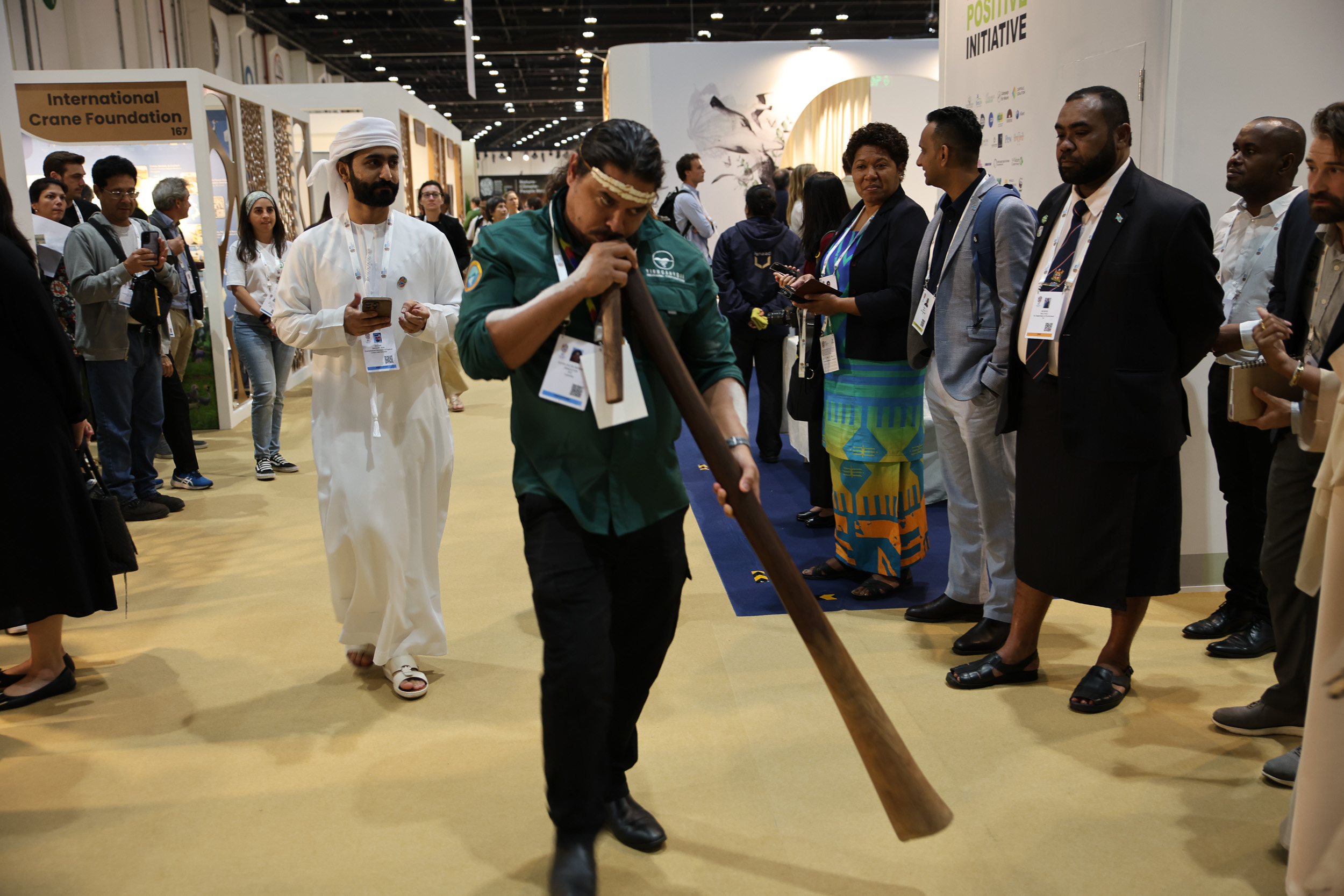
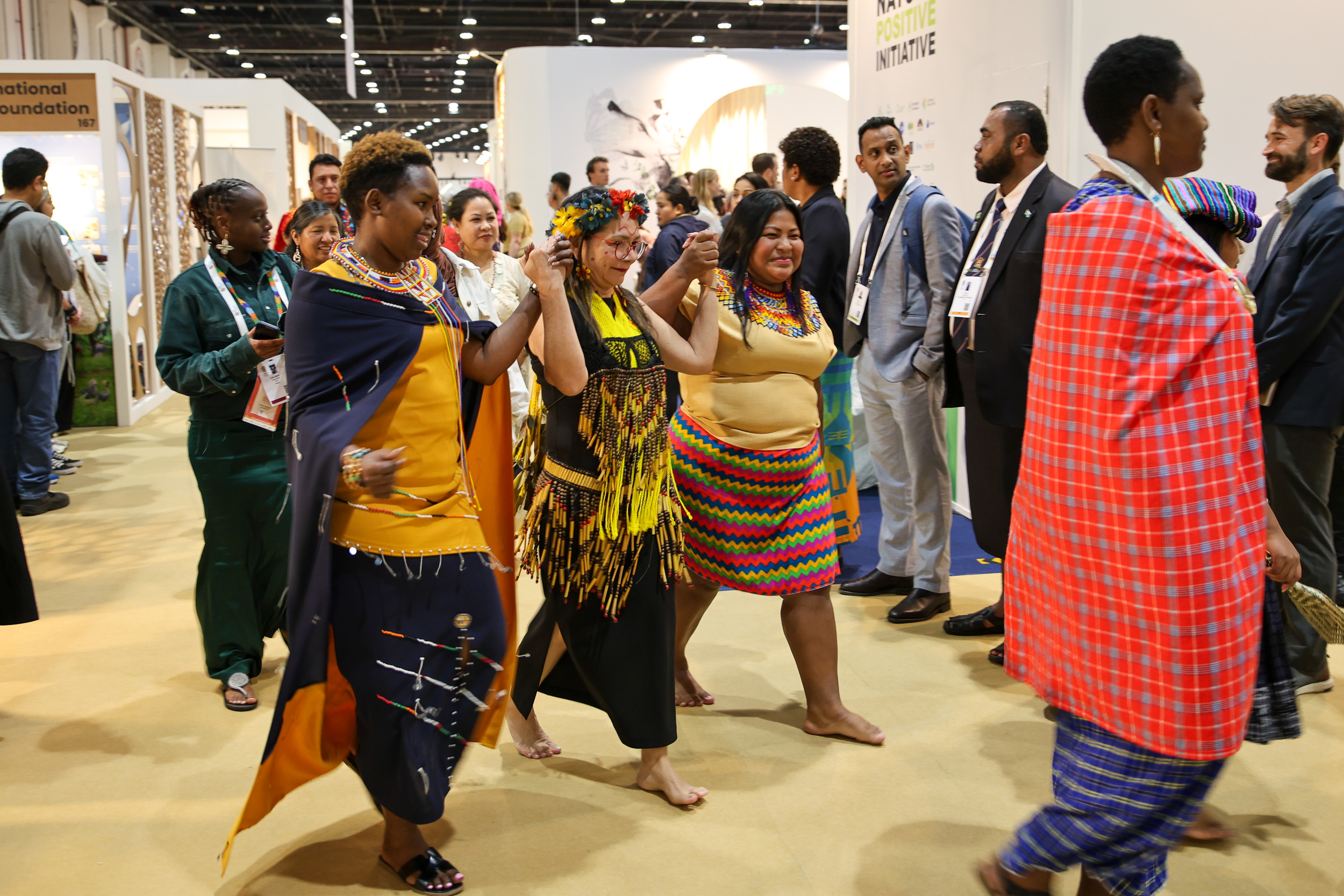
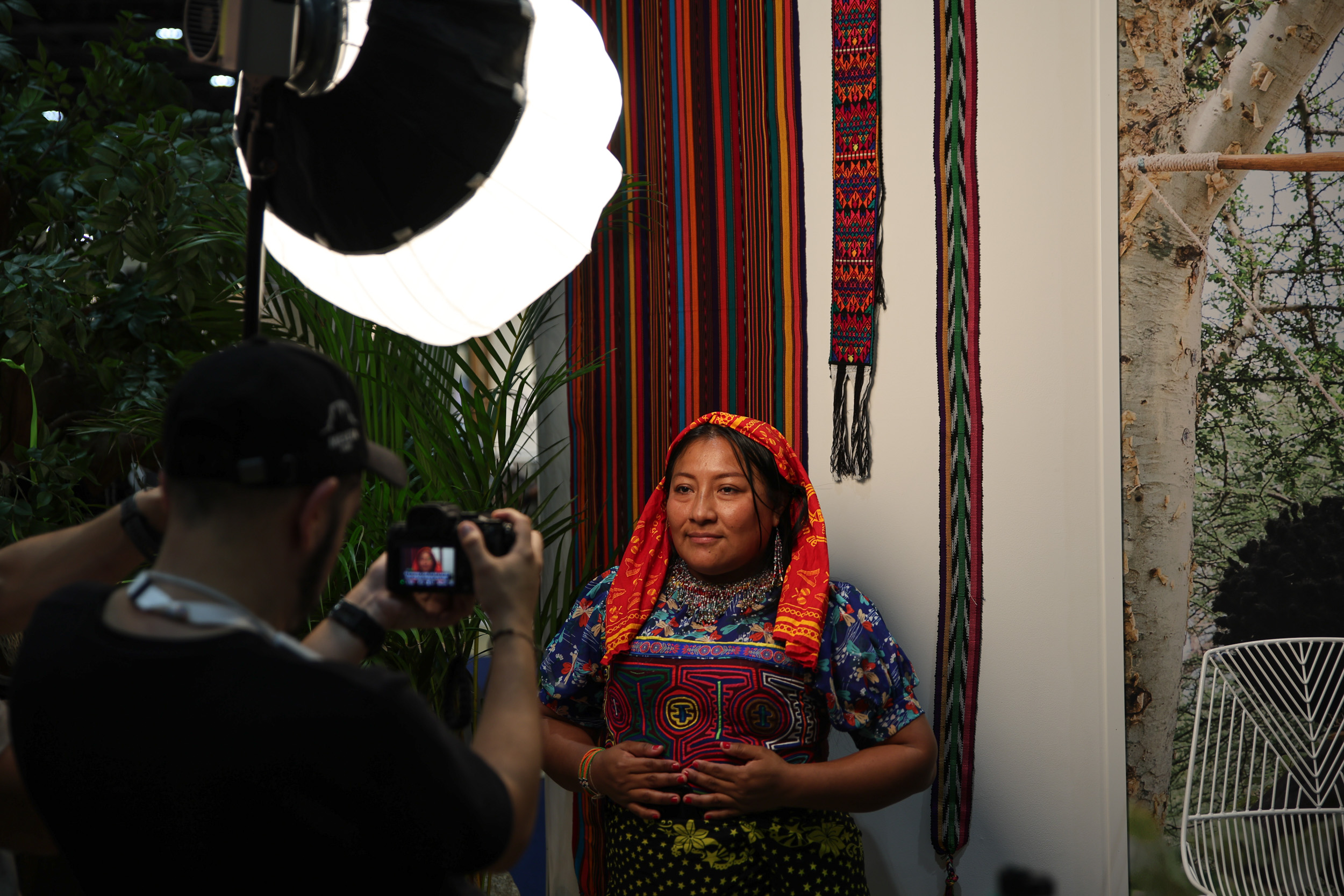
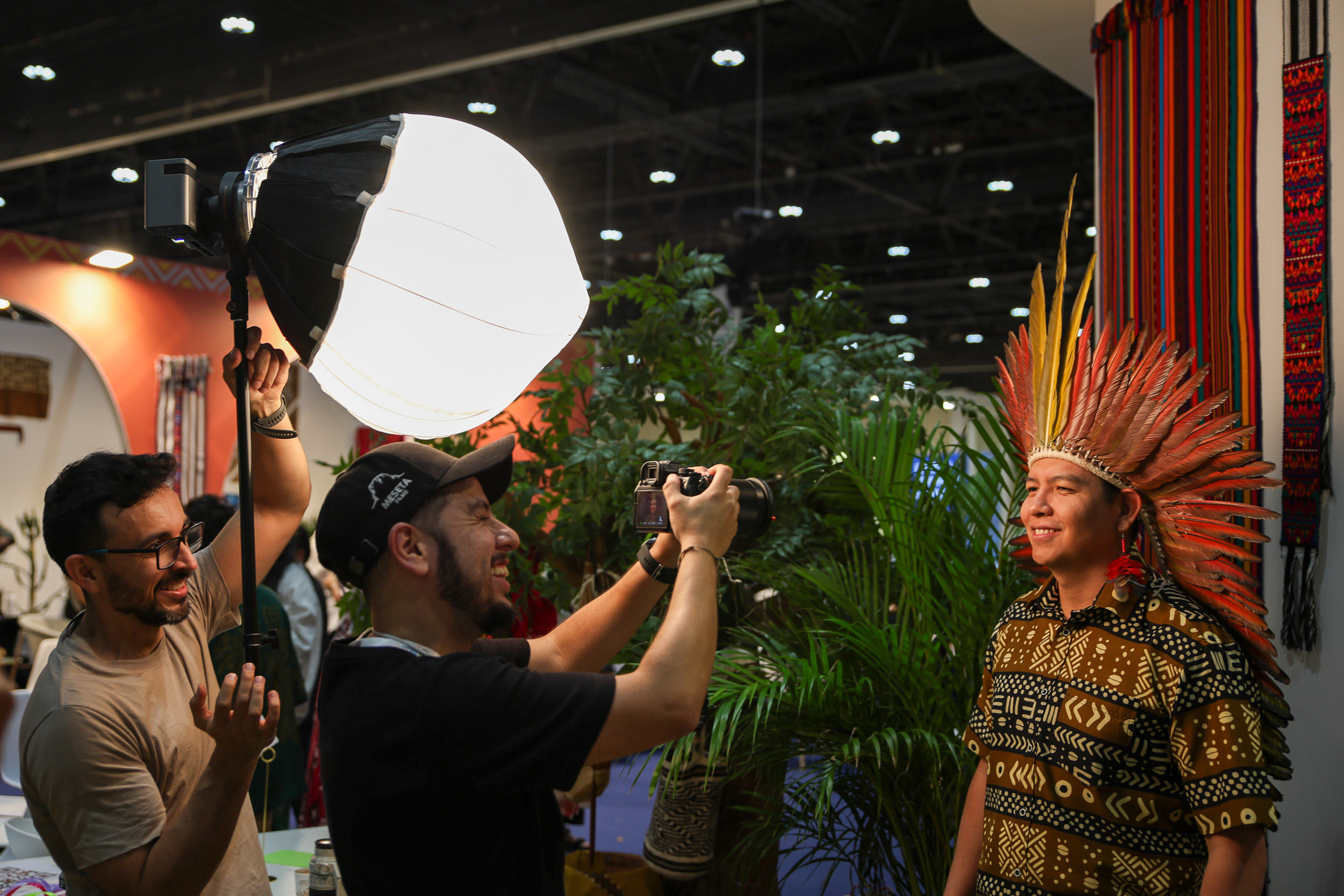
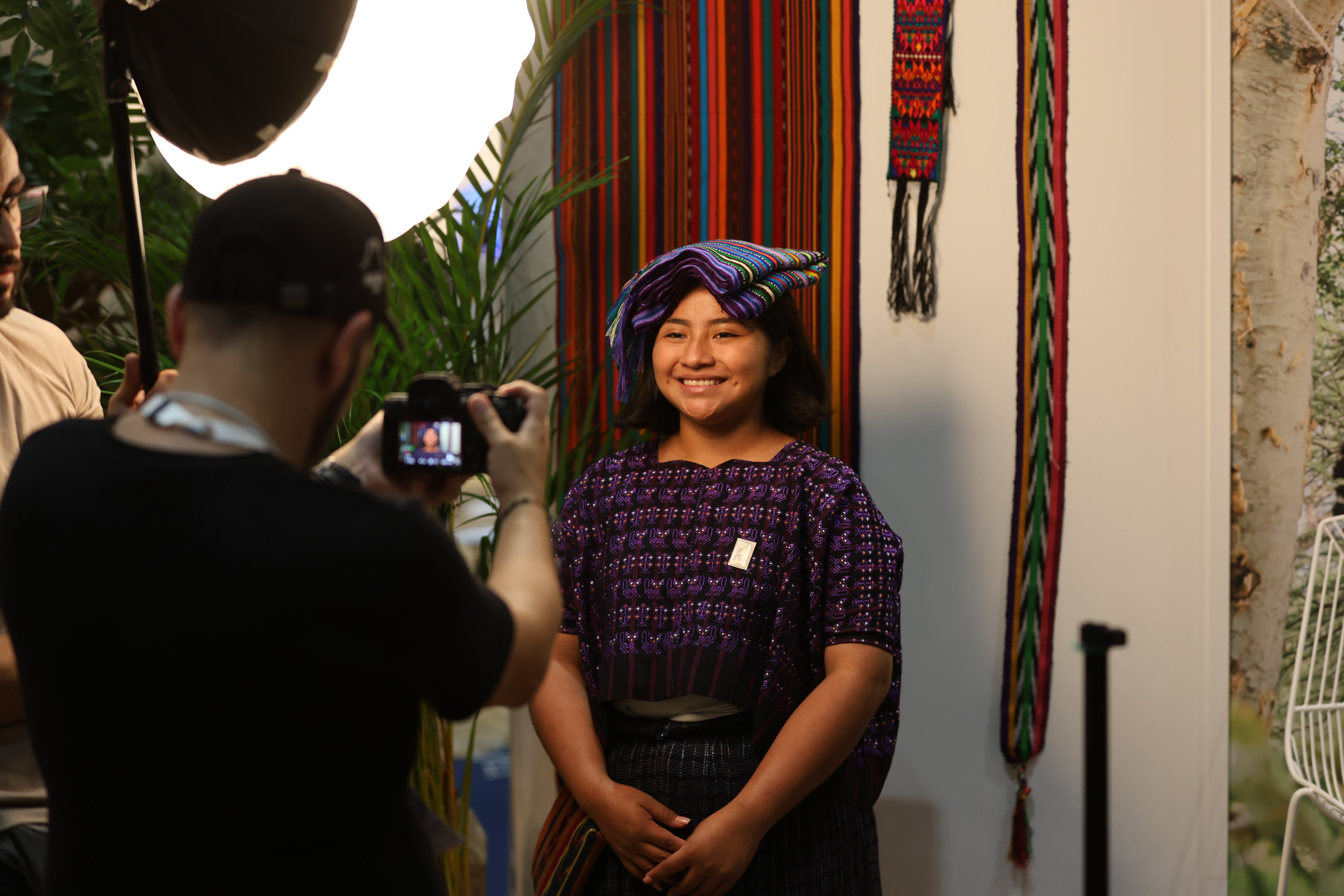
The first IUCN World Summit for Indigenous Peoples and Nature concluded with “a walk with nature and our ancestors,” including an Indigenous fashion show and an interactive walk around the exhibition hall.
To receive free coverage of global environmental events delivered to your inbox, subscribe to the ENB Update newsletter.
All ENB photos are free to use with attribution. For the 2025 World Summit of Indigenous Peoples and Nature, please use: Photo by IISD/ENB | Mike Muzurakis
Opening of the Day
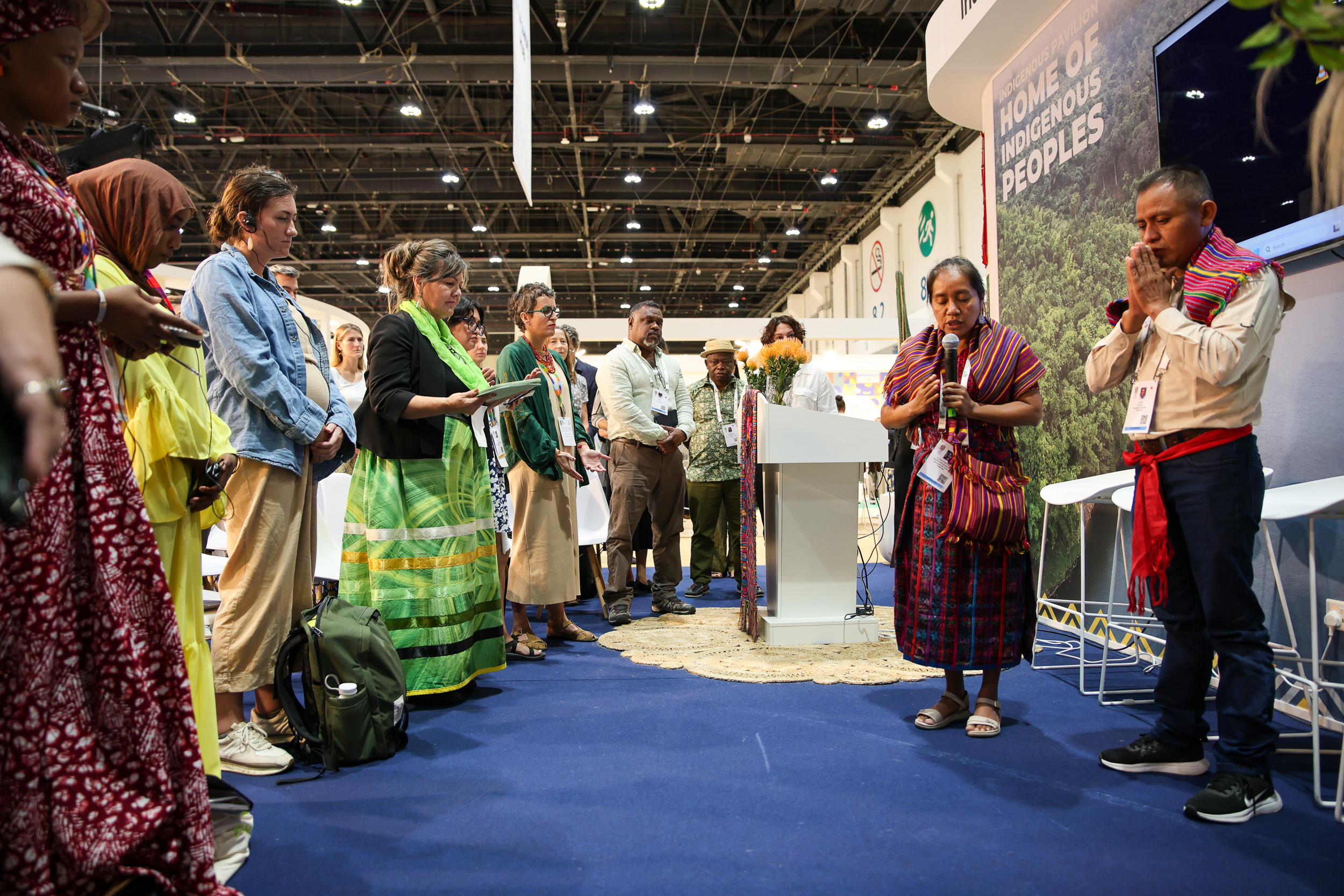
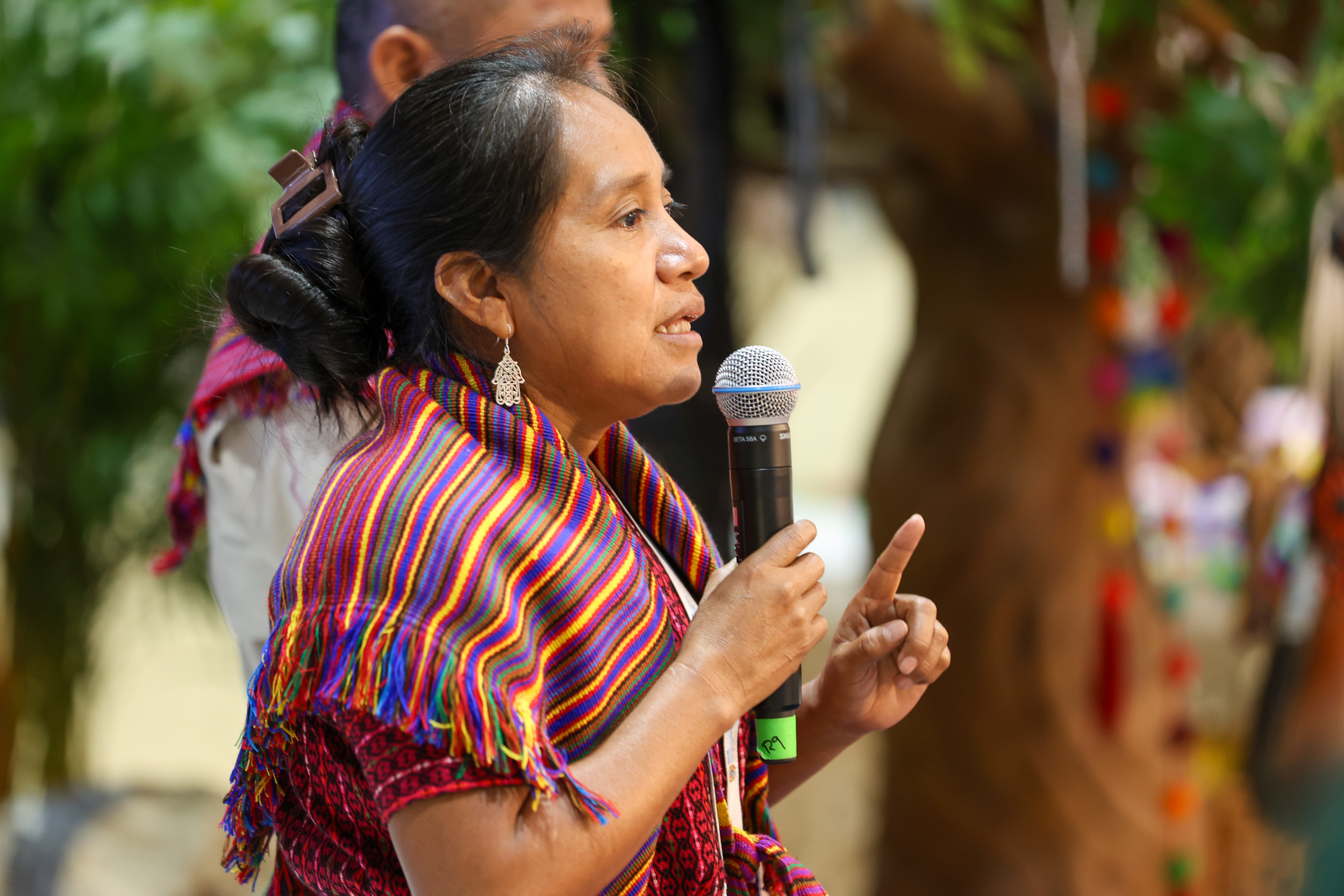
Gloria Fransisca Guaran de Hernandez, Ak' Tenamit Association
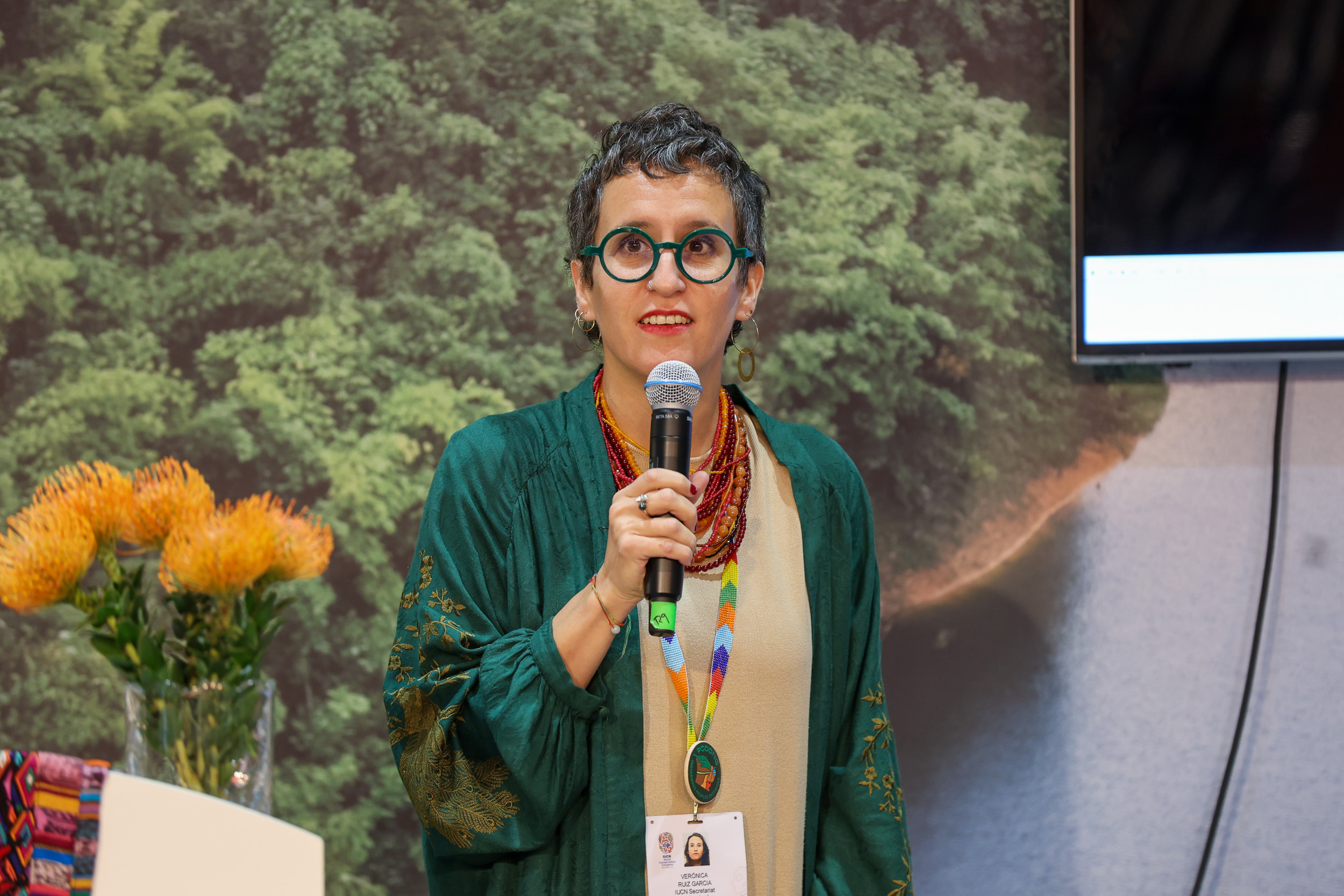
Verónica Ruíz García, Senior Manager, Climate, Nature and People, IUCN
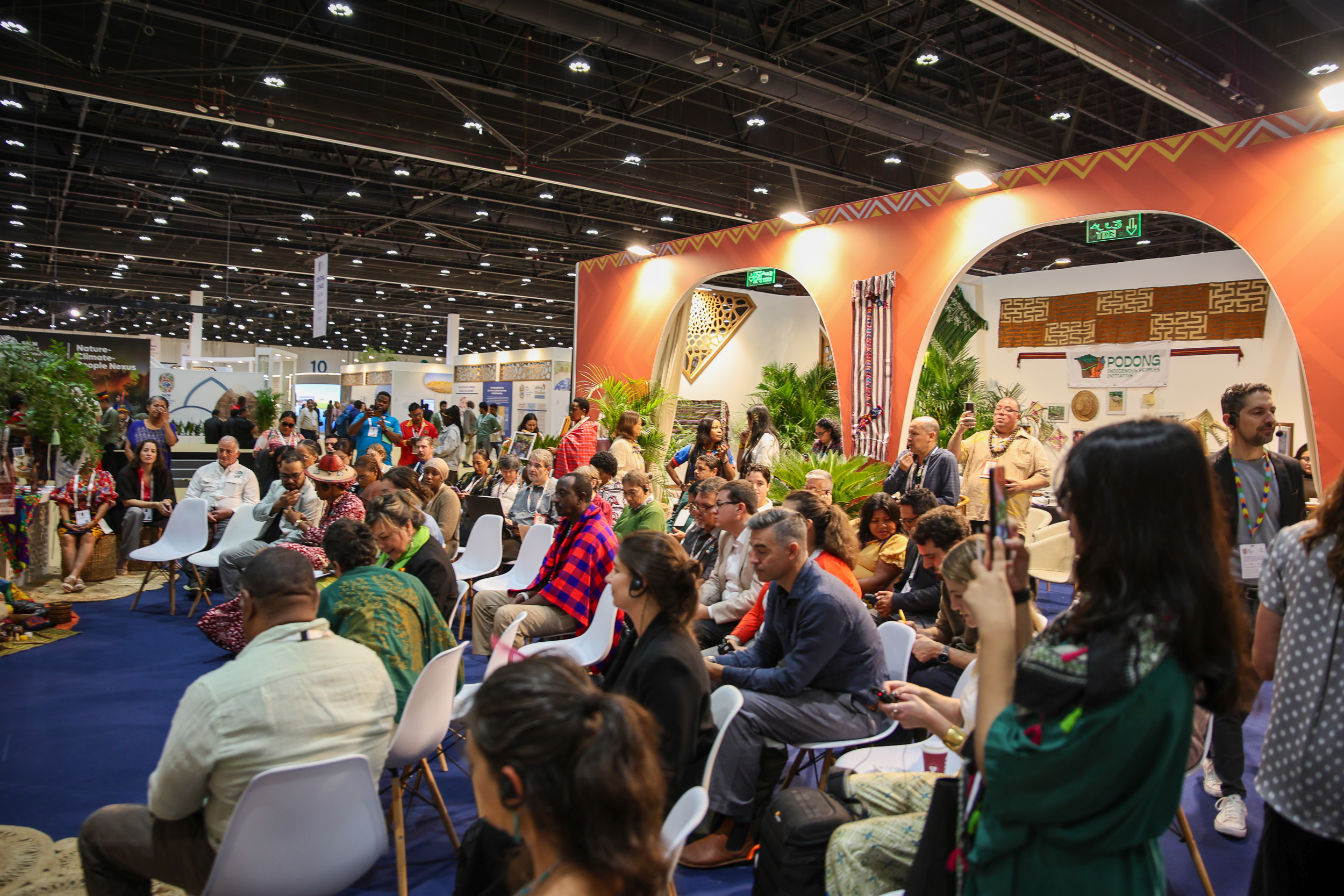
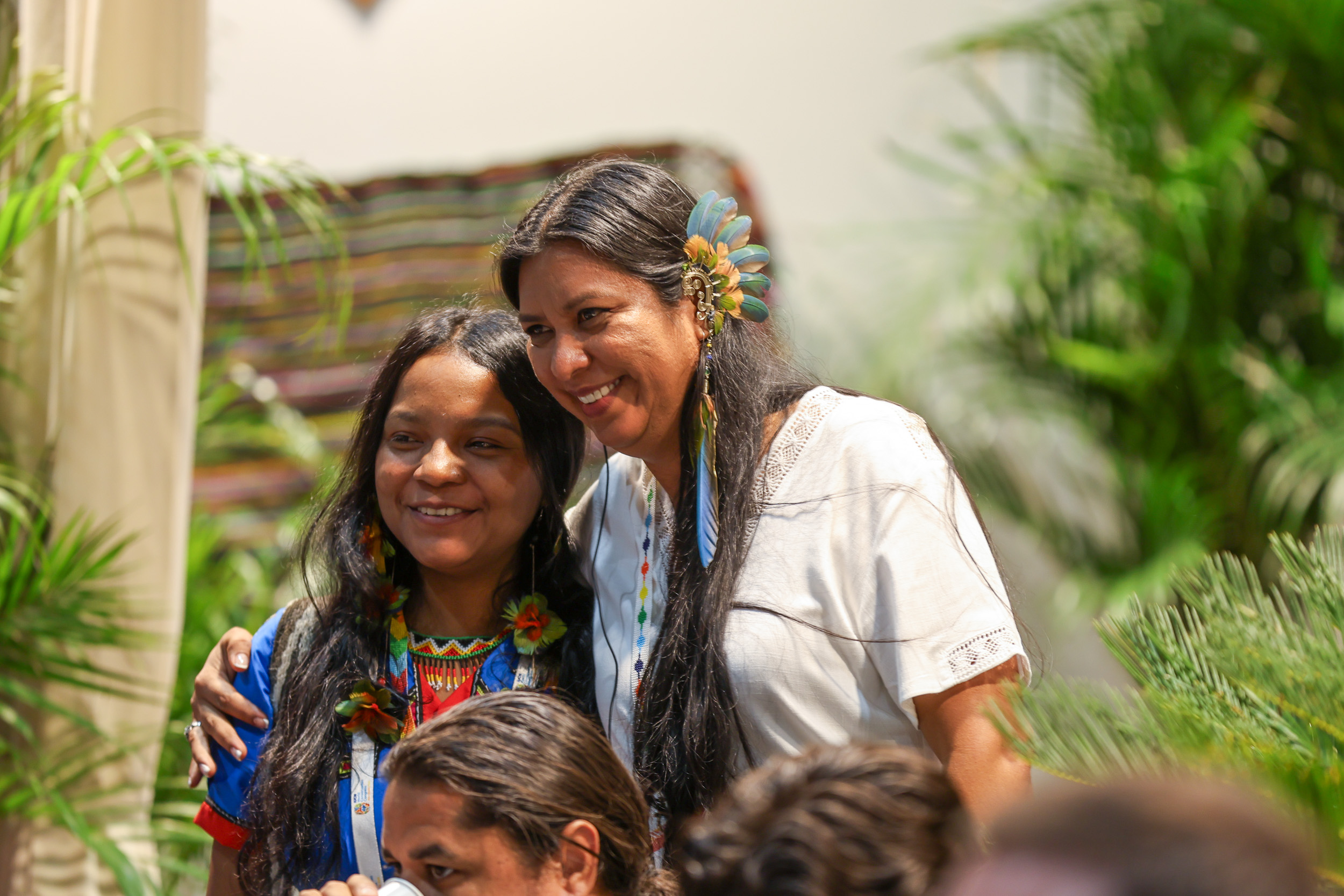
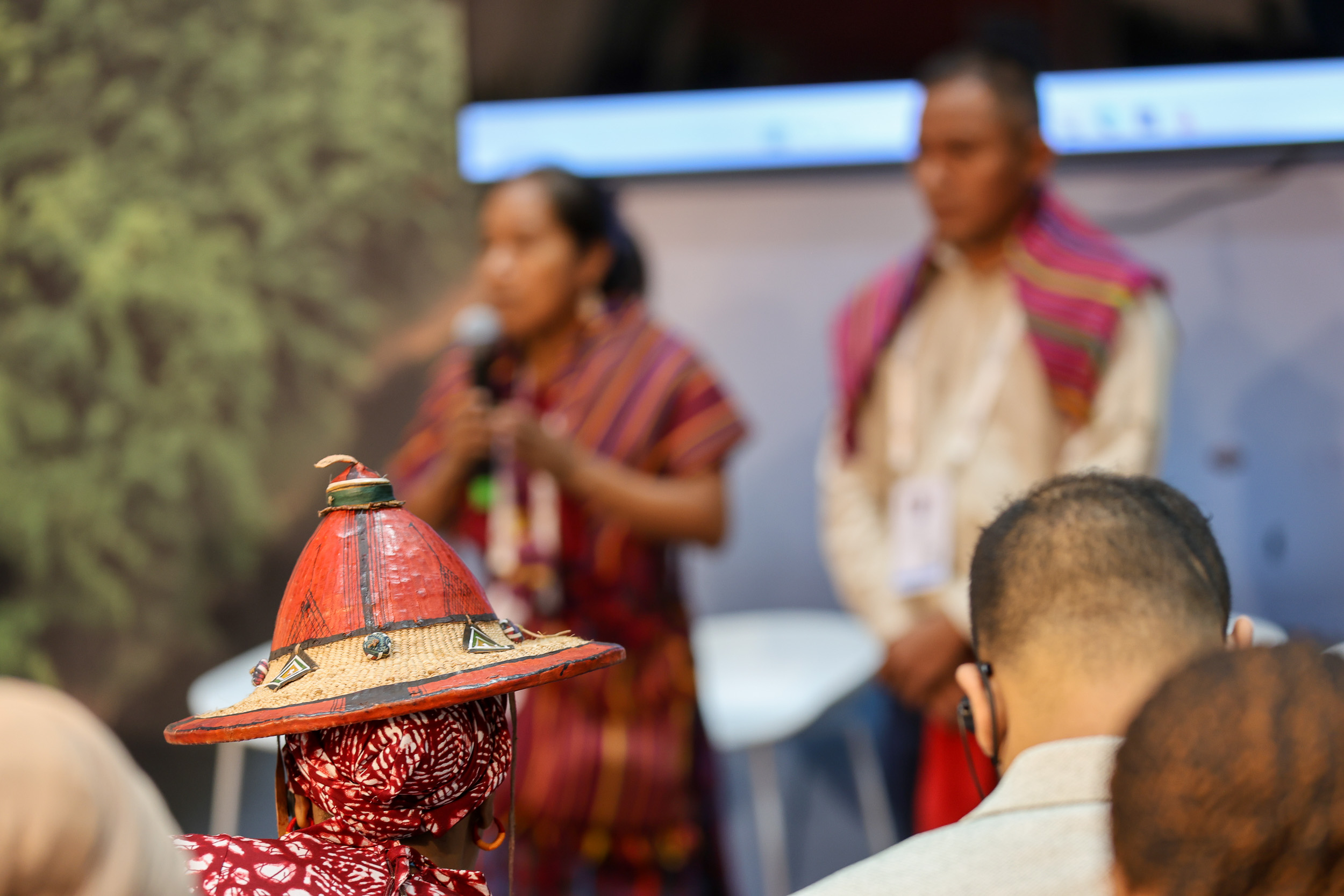
Indigenous Talks
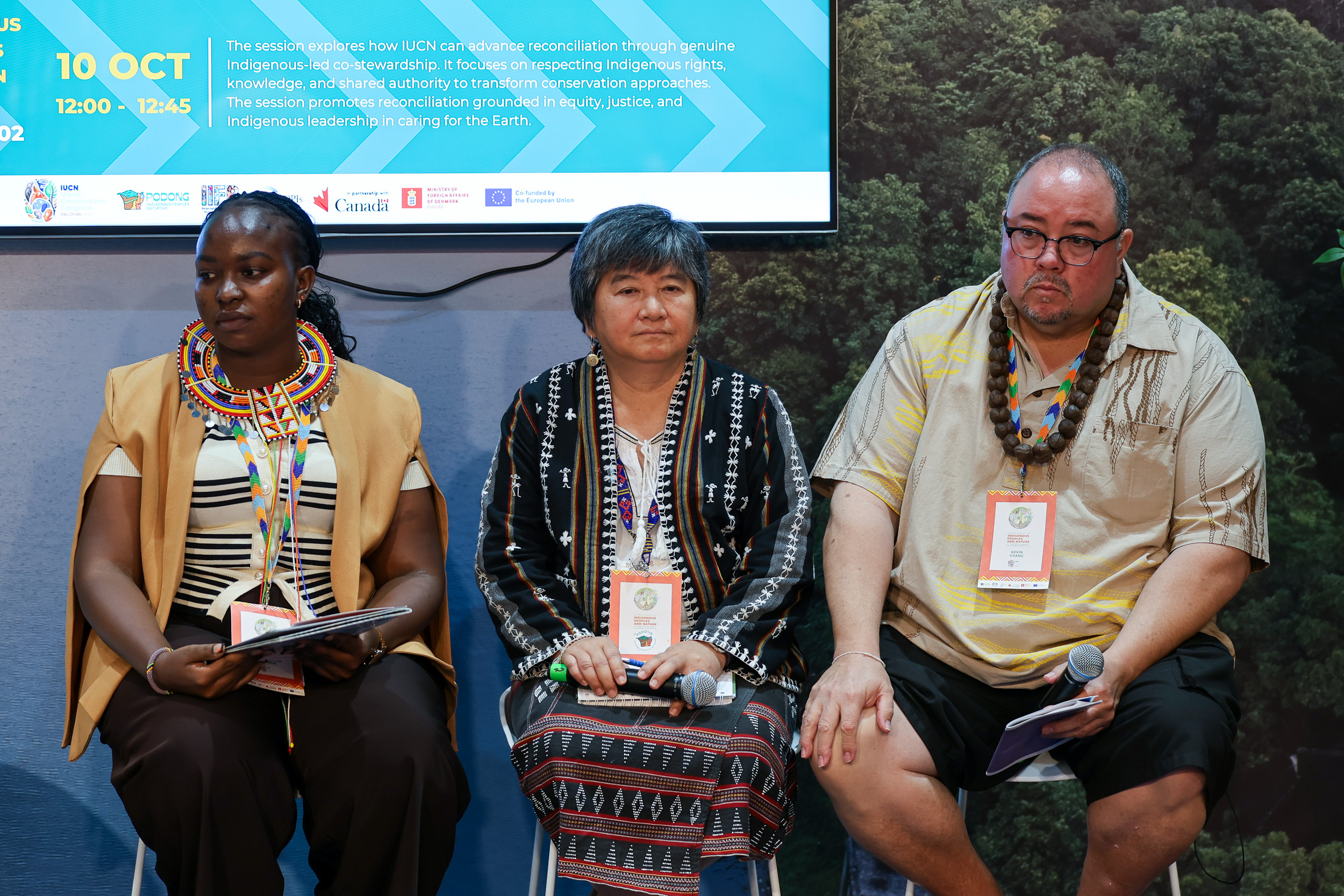
From L-R: Vivian Silole Kaunga, IMPACT Kenya Inclusive Conservation Initiative; Joan Carling, Executive Director, Indigenous Peoples Rights International; and Kevin Chang, Executive Director, Kuaʻāina Ulu ʻAuamo, Hawaii

Rosanne Casimir, Kukwpi7 Chief

Barry Hunter, CEO, North Australia Indigenous Land and Sea Management Alliance (NAILSMA)

From L-R: Verónica Ruíz García, Senior Manager, Climate, Nature and People, IUCN; Barry Hunter, CEO, NAILSMA; and Rosanne Casimir, Kukwpi7 Chief
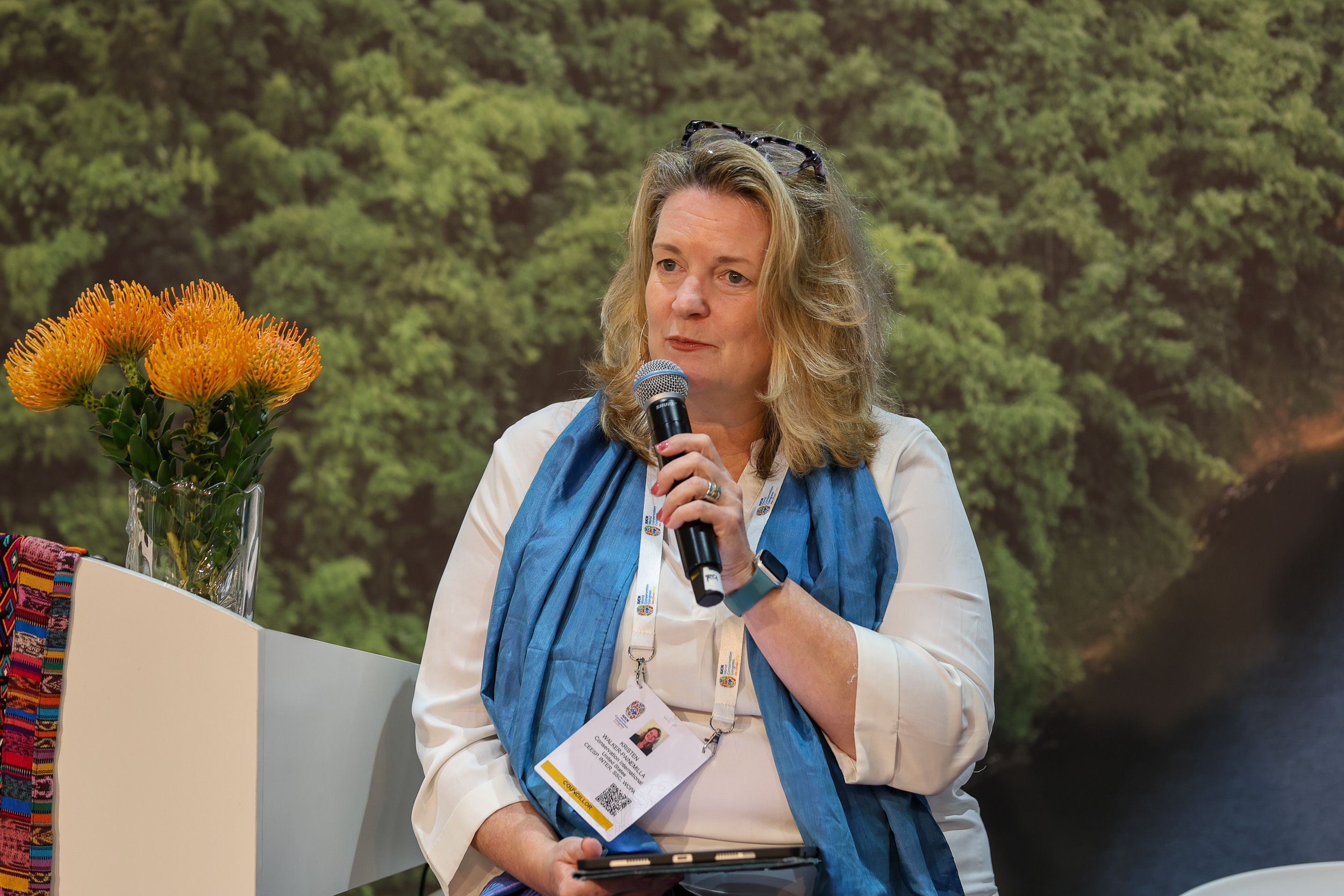
Kristen Walker-Painemilla, Senior Vice President of Inclusive Finance, Conservation International
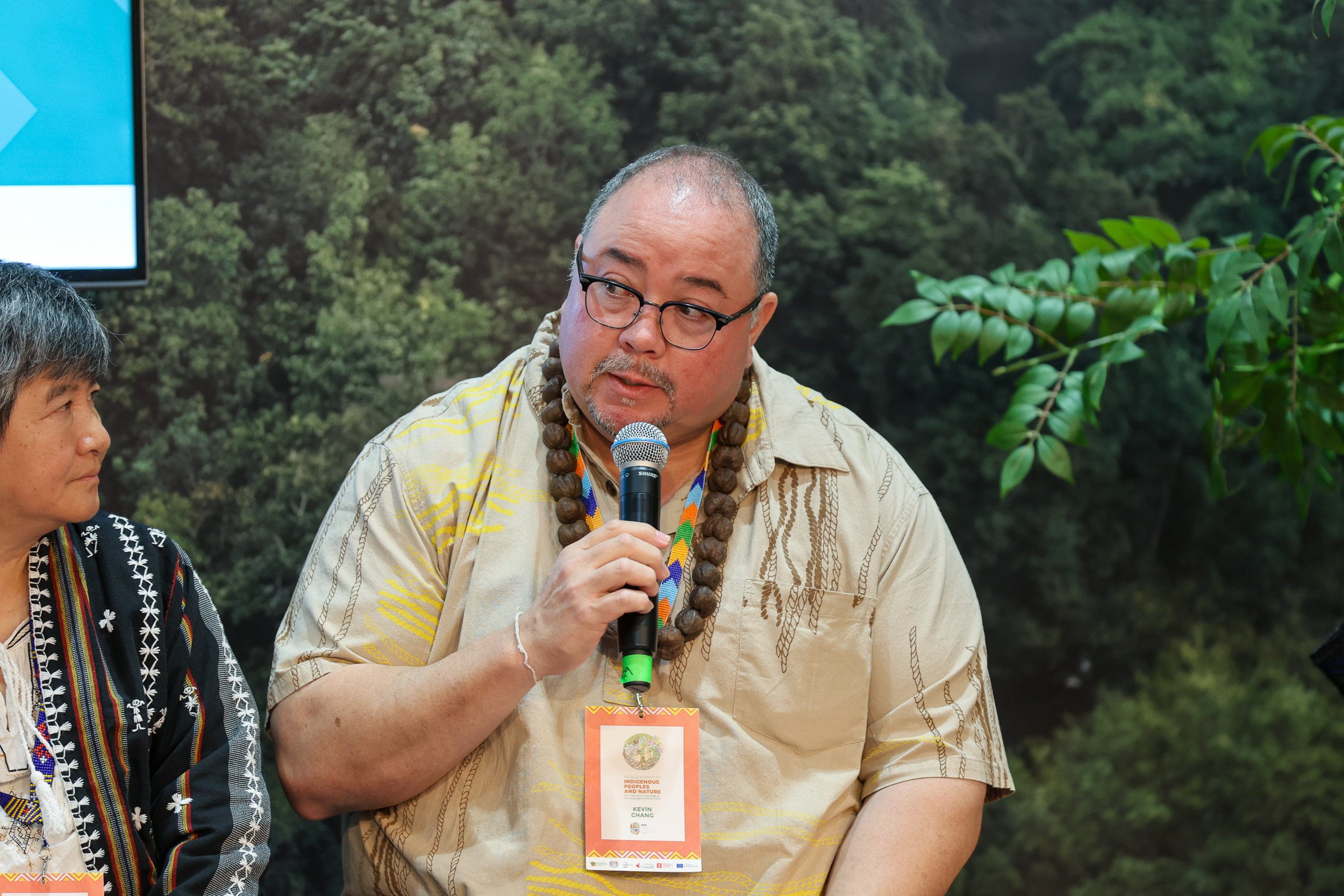
Kevin Chang, Executive Director, Kuaʻāina Ulu ʻAuamo, Hawaii
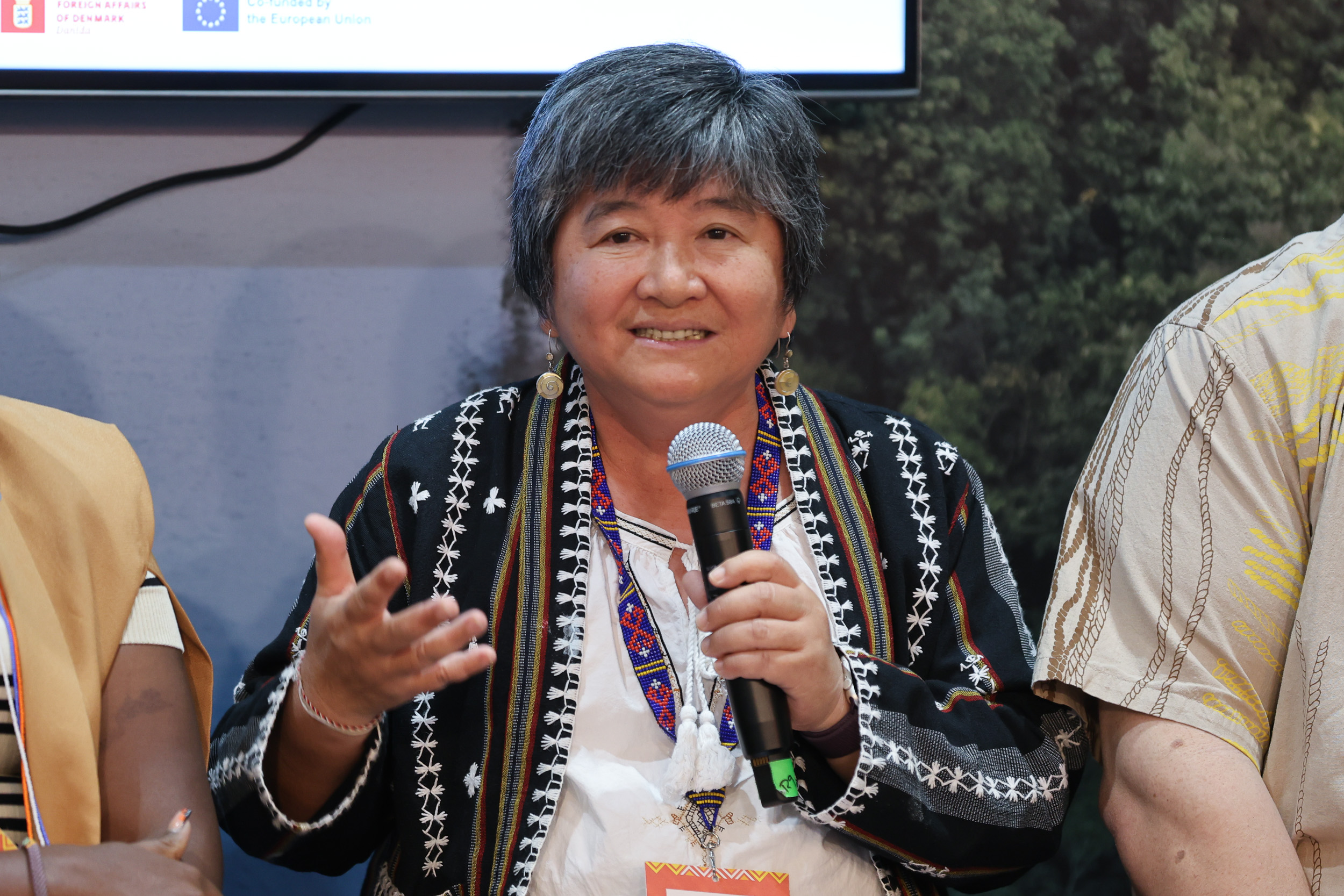
Joan Carling, Executive Director, Indigenous Peoples Rights International
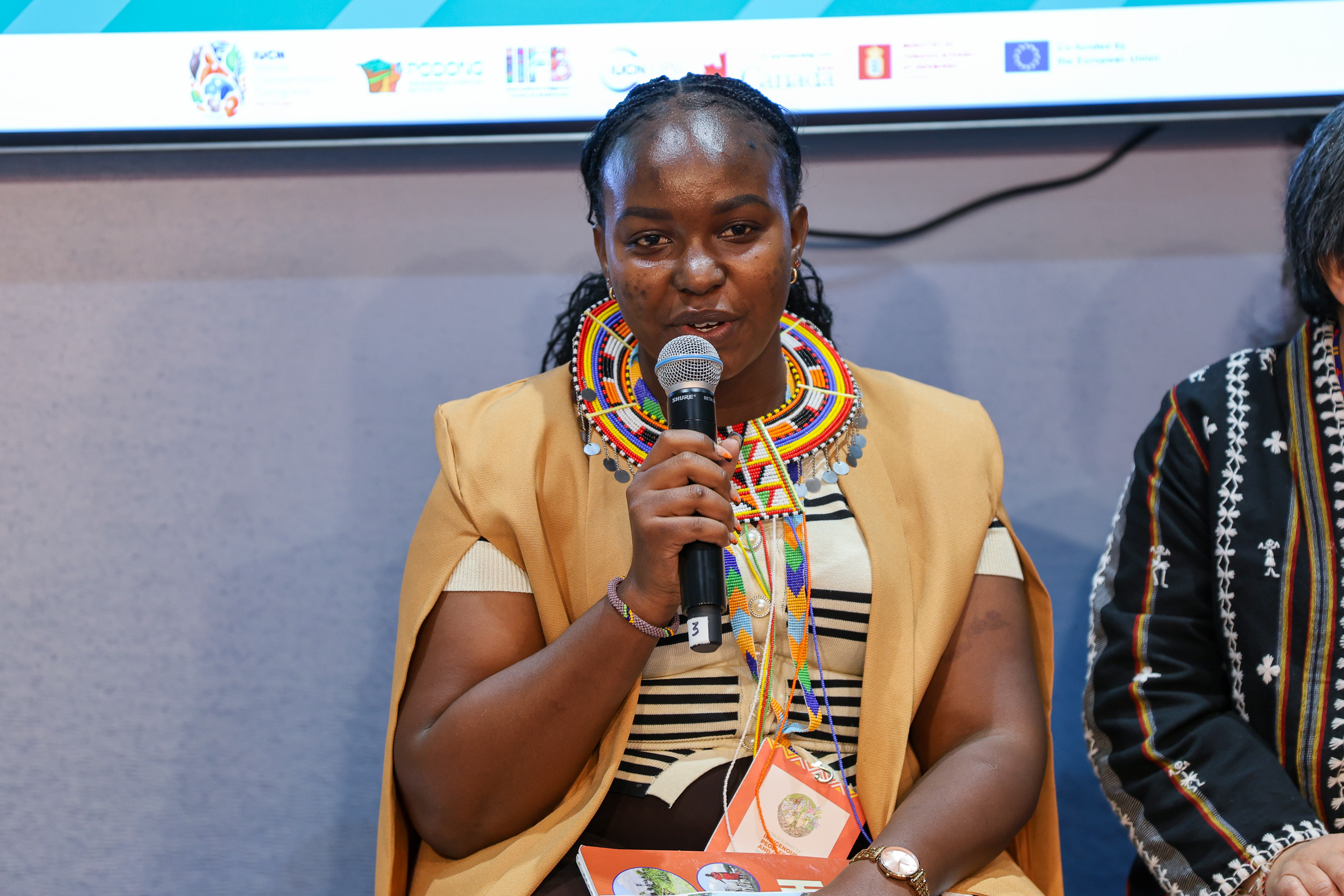
Vivian Silole Kaunga, IMPACT Kenya Inclusive Conservation Initiative
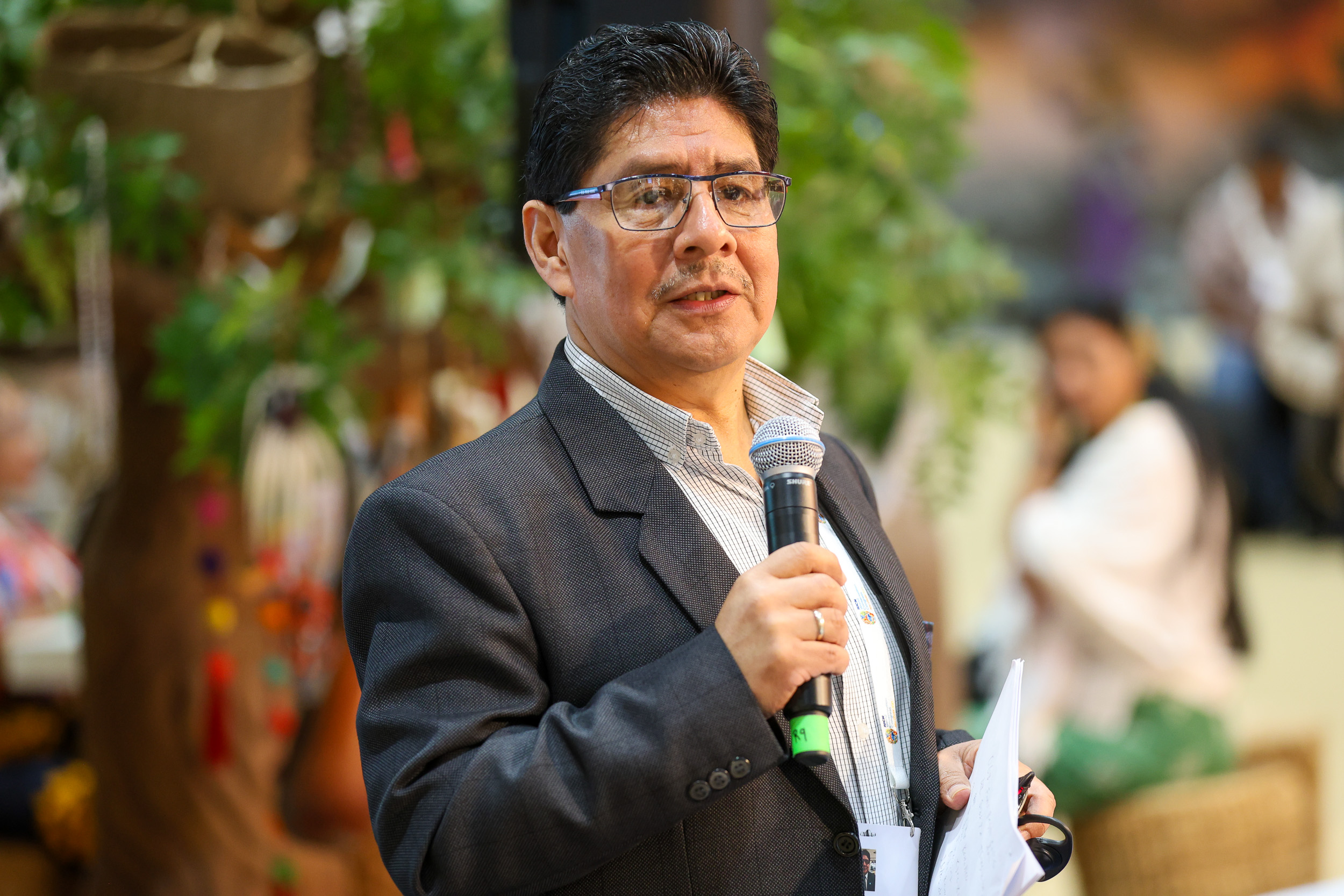
Ramiro Batzin, Co-Chair, IIFB, and Vice President, IUCN
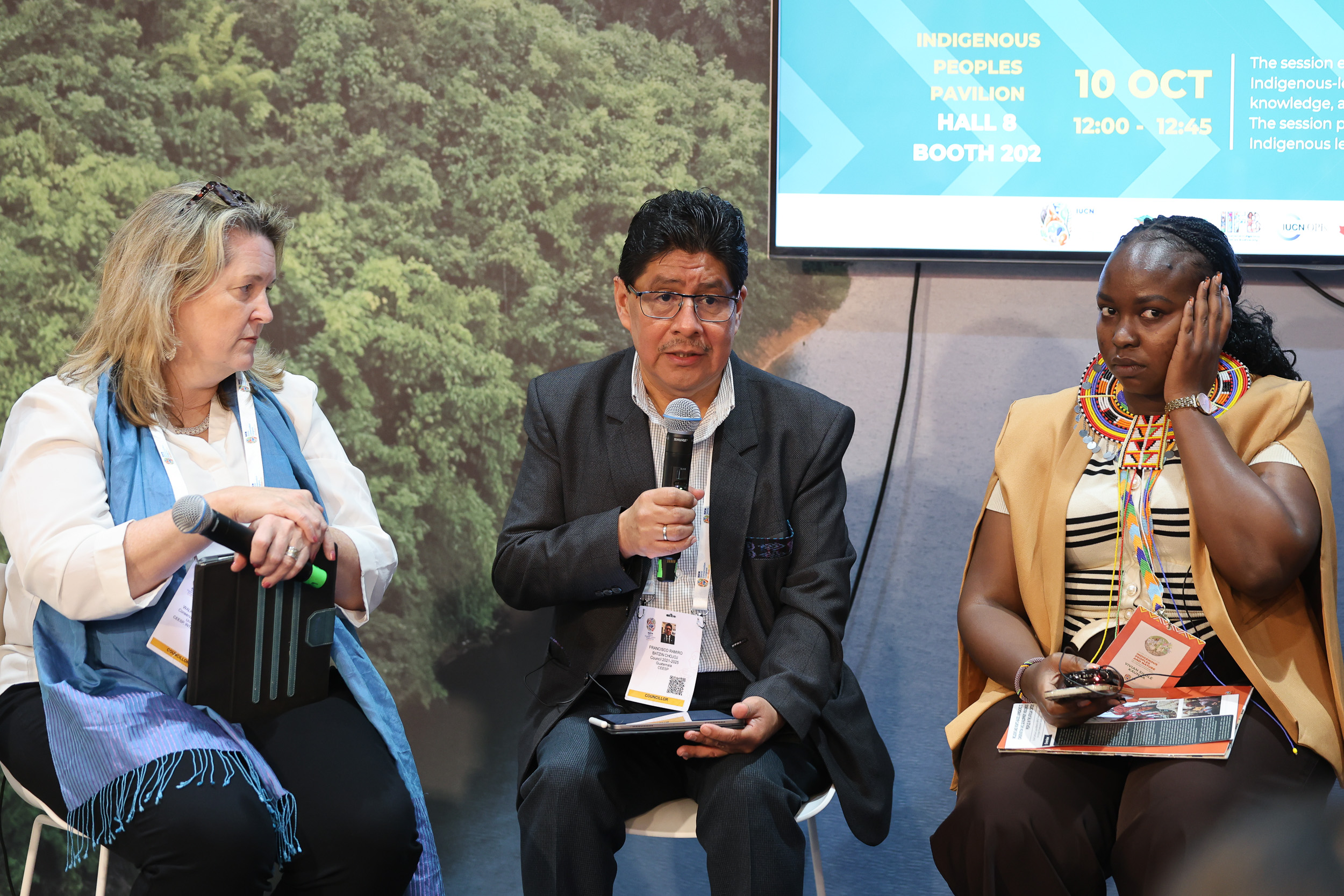
From L-R: Kristen Walker-Painemilla, Senior Vice President of Inclusive Finance, Conservation International; Ramiro Batzin, Co-Chair, IIFB, and Vice President, IUCN; and Vivian Silole Kaunga, IMPACT Kenya Inclusive Conservation Initiative
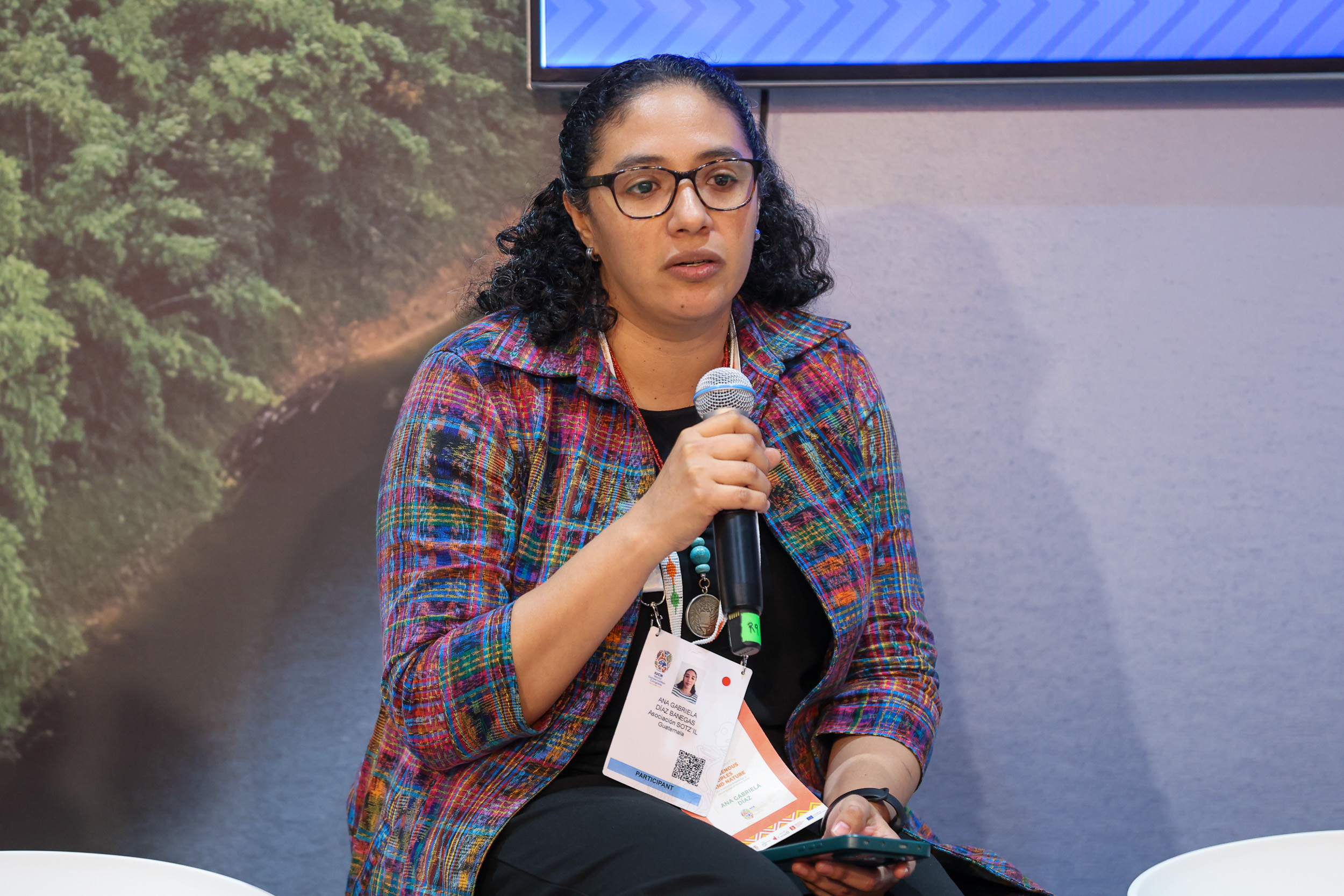
Ana Gabriela Díaz Banegas, Sotz'il Association
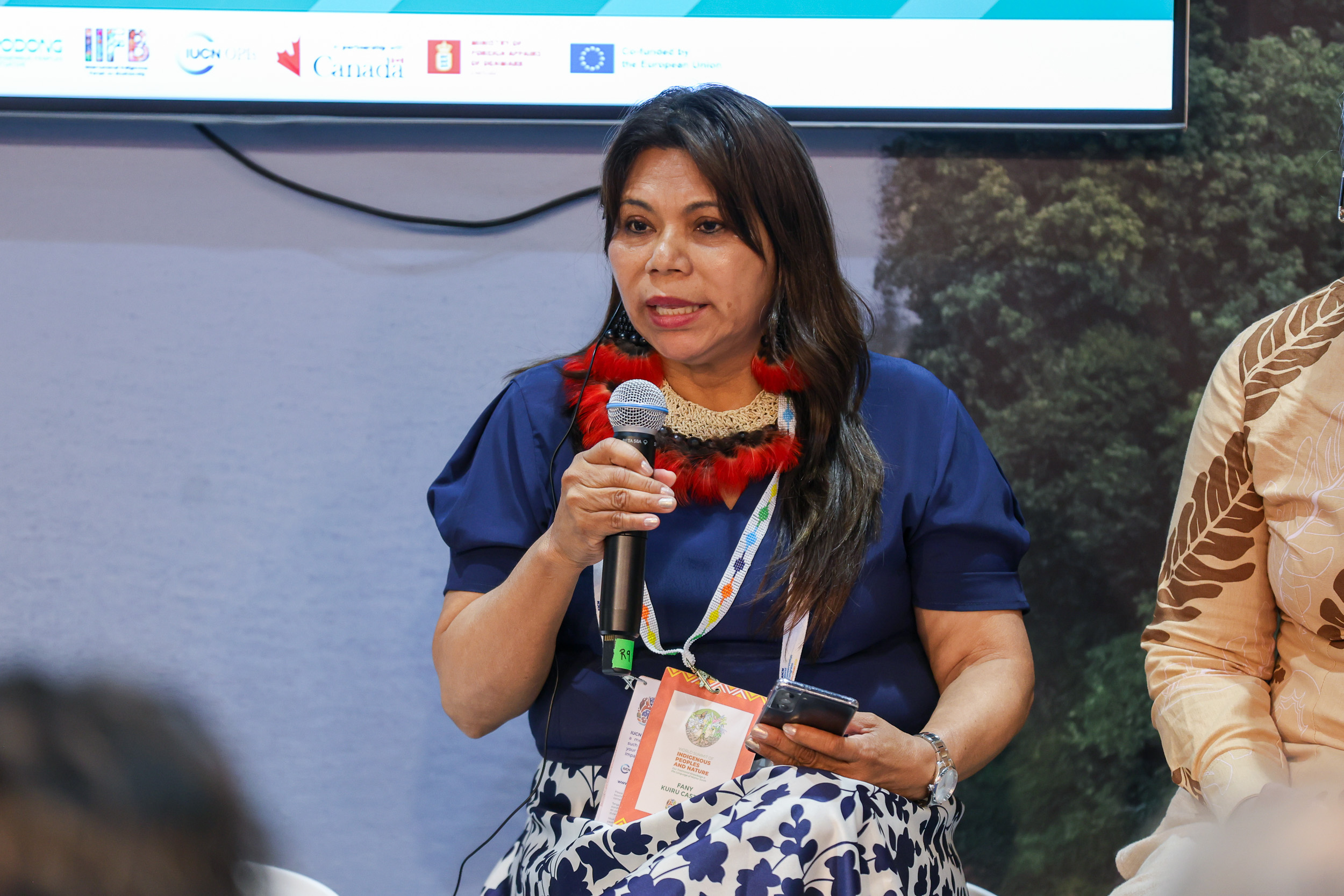
Fany Kuiru Castro, Coordinating Body of Indigenous Organisations of the Amazon Basin (COICA)
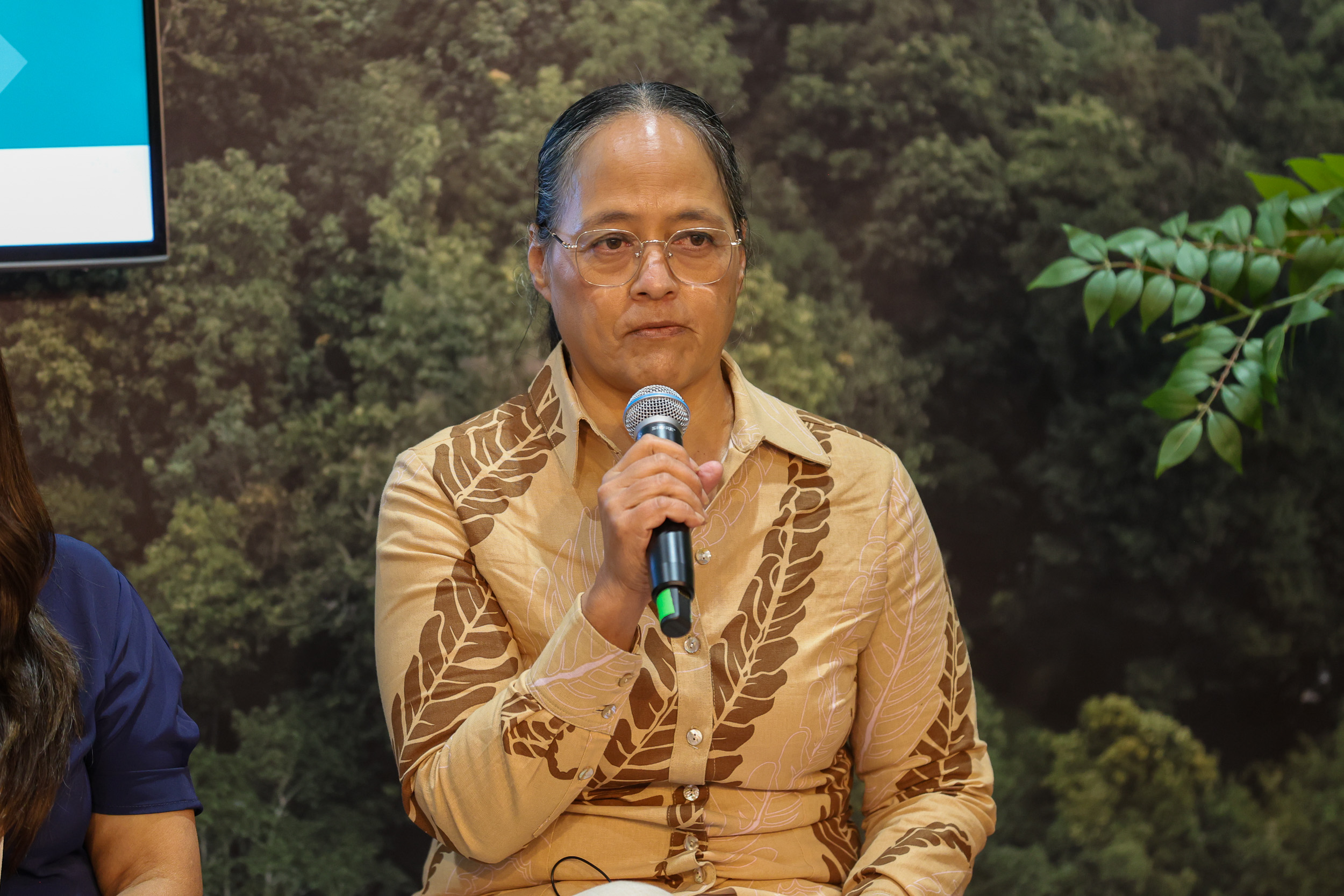
Huihui Kanahele-Mossman, Executive Director, Edith Kanaka’ole Foundation
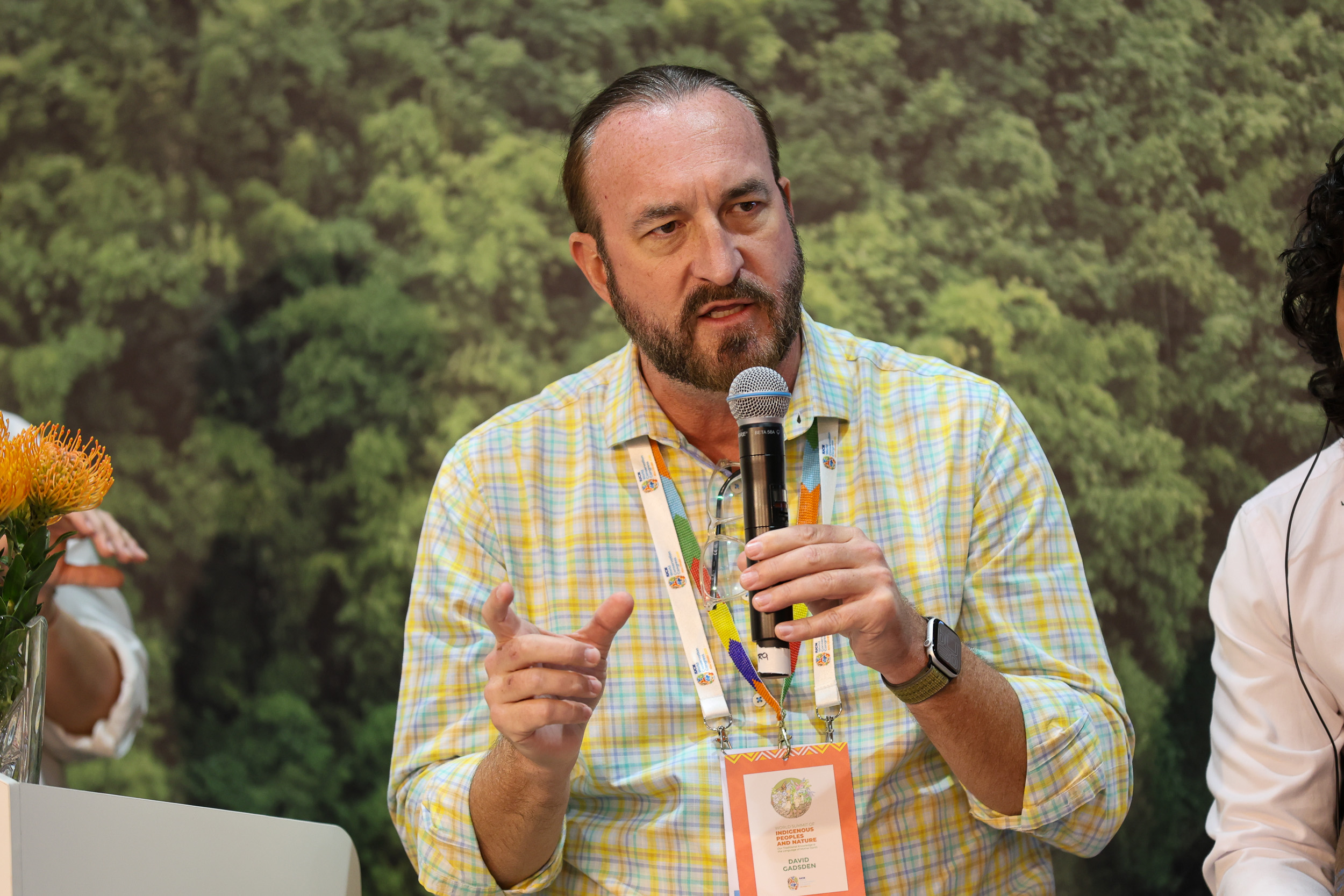
David Gadsden, Director of Conservation Solutions, Environmental Systems Research Institute
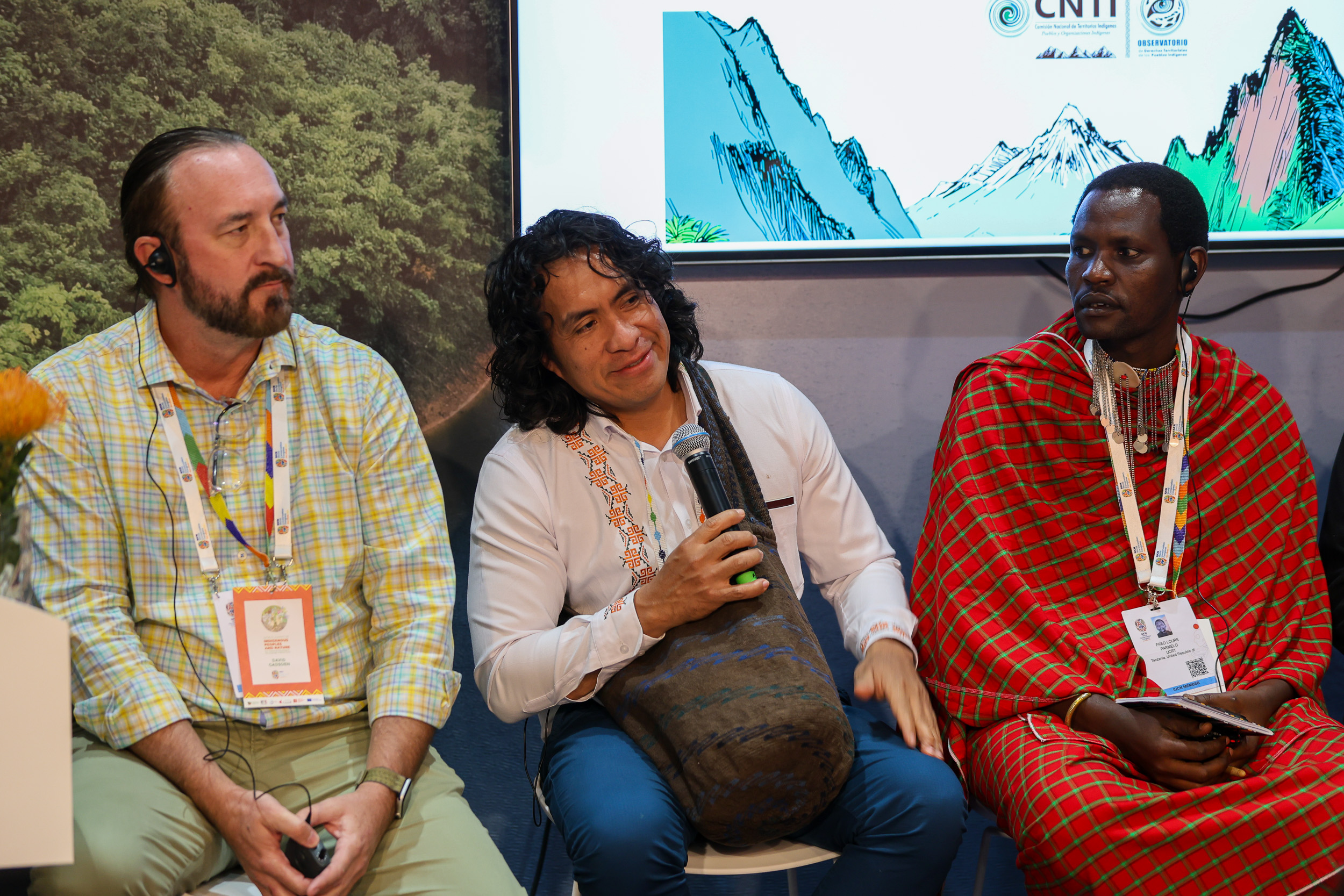
From L-R: David Gadsden, Director of Conservation Solutions, Environmental Systems Research Institute; Camilo Niño, Indigenous Technical Secretary, National Commission of Indigenous Territories; and Fred Loure Parmelo, Ujamaa Community Resource Team, Tanzania
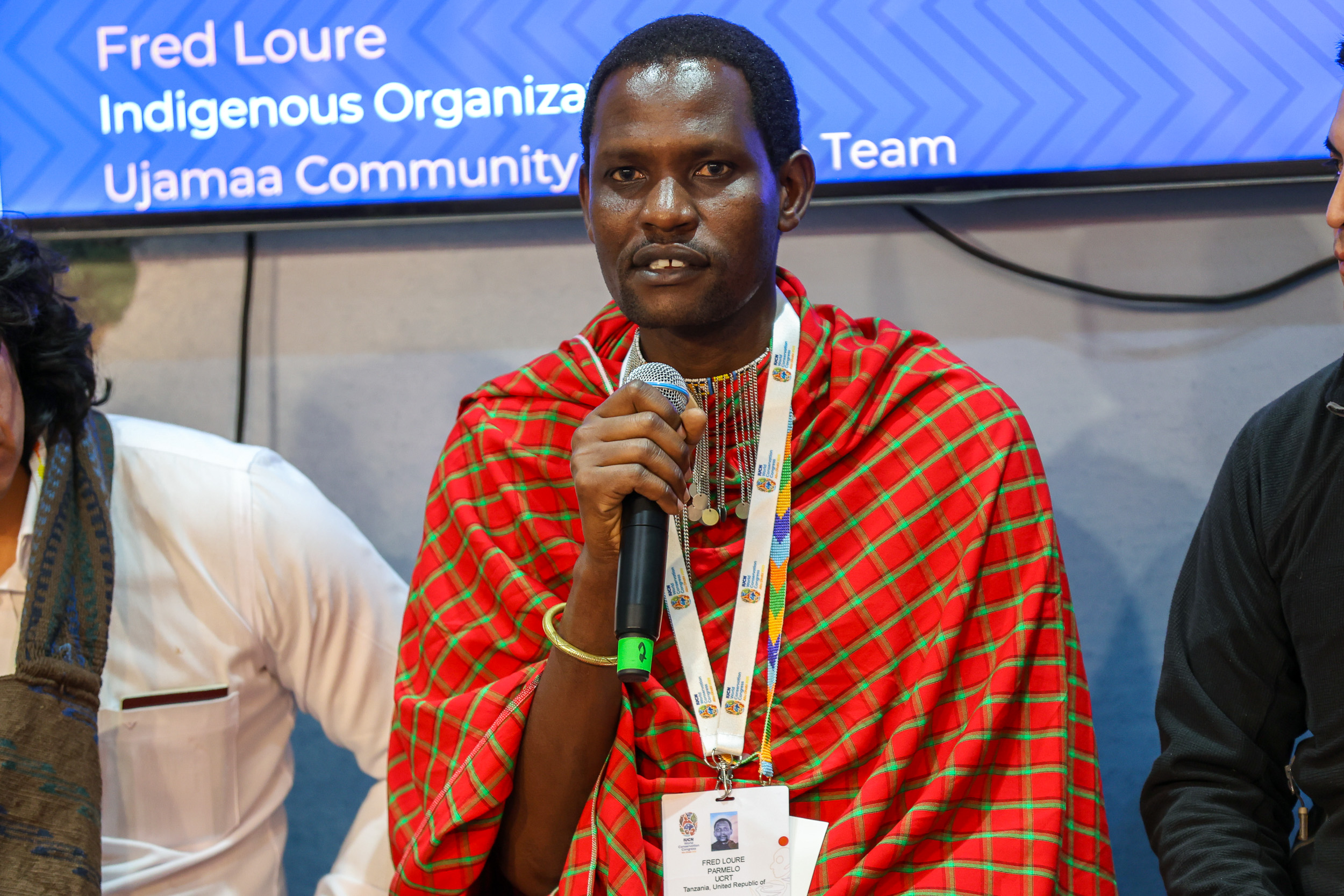
Fred Loure Parmelo, Ujamaa Community Resource Team, Tanzania
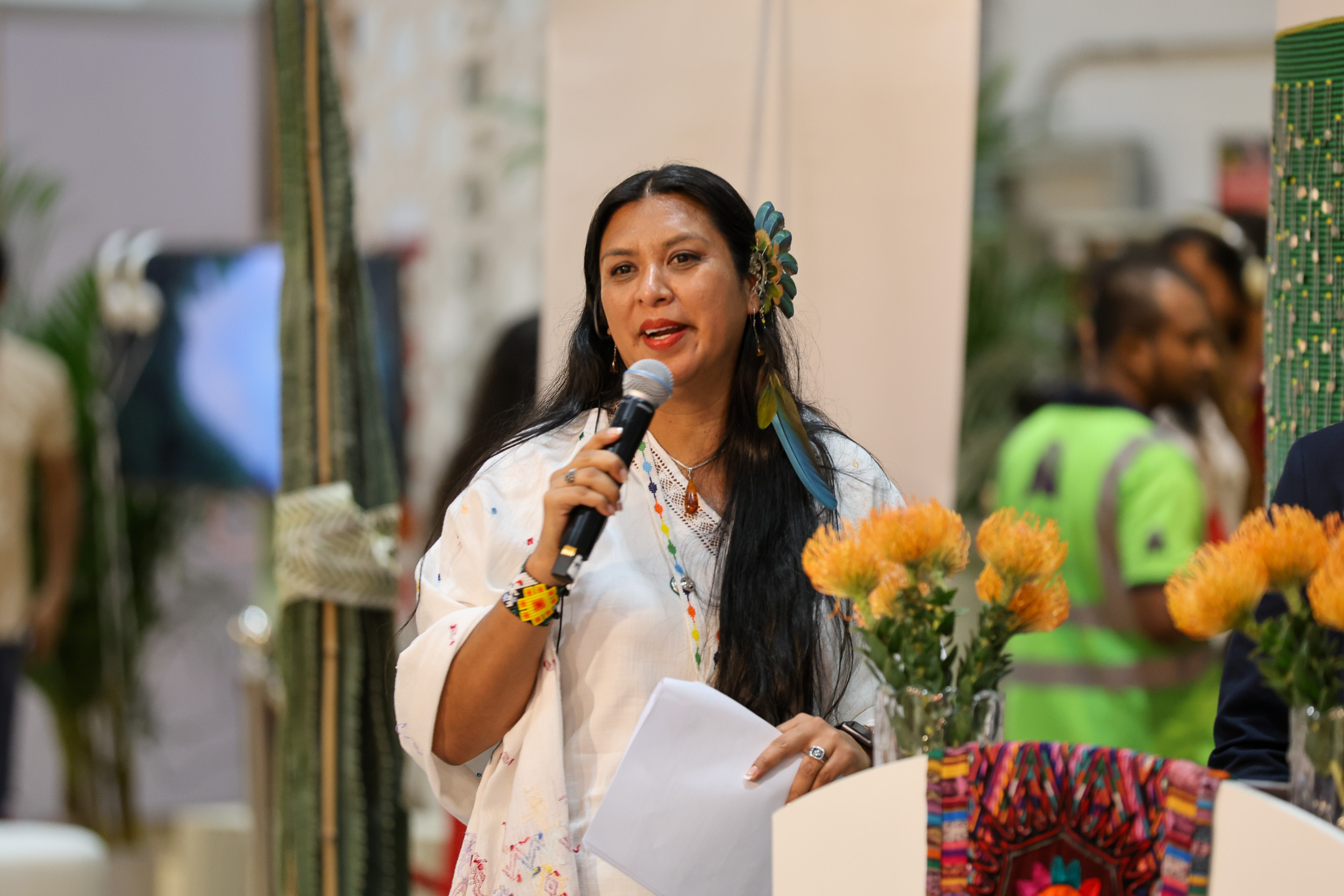
Claudia Valeria Sánchez Flores, Indigenous Women's Network on Biodiversity in Latin America and the Caribbean
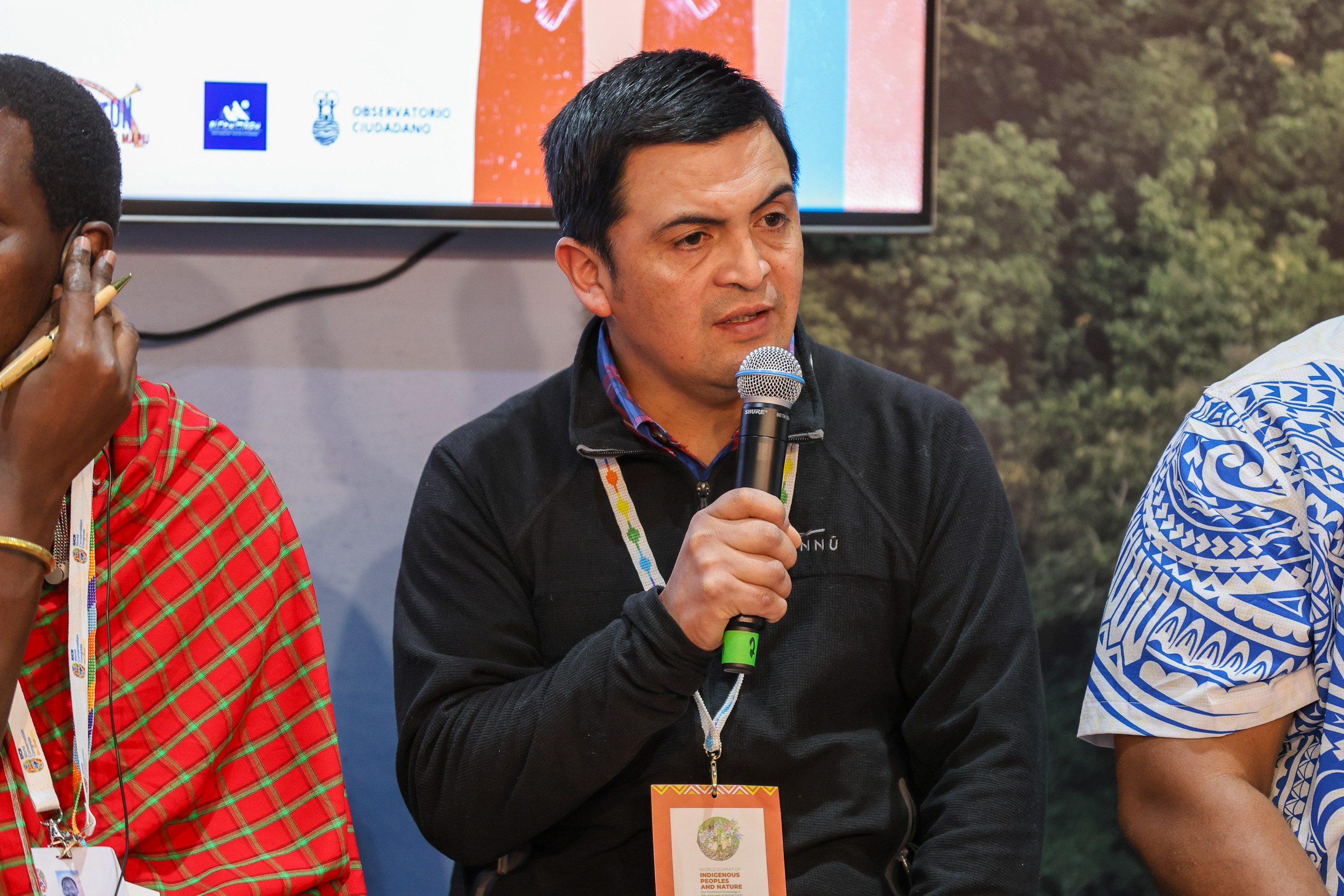
Atanasio Gabriel Huenun Hueitra, Koyagtun Koz Koz Mapu Mapuche Association, Chile
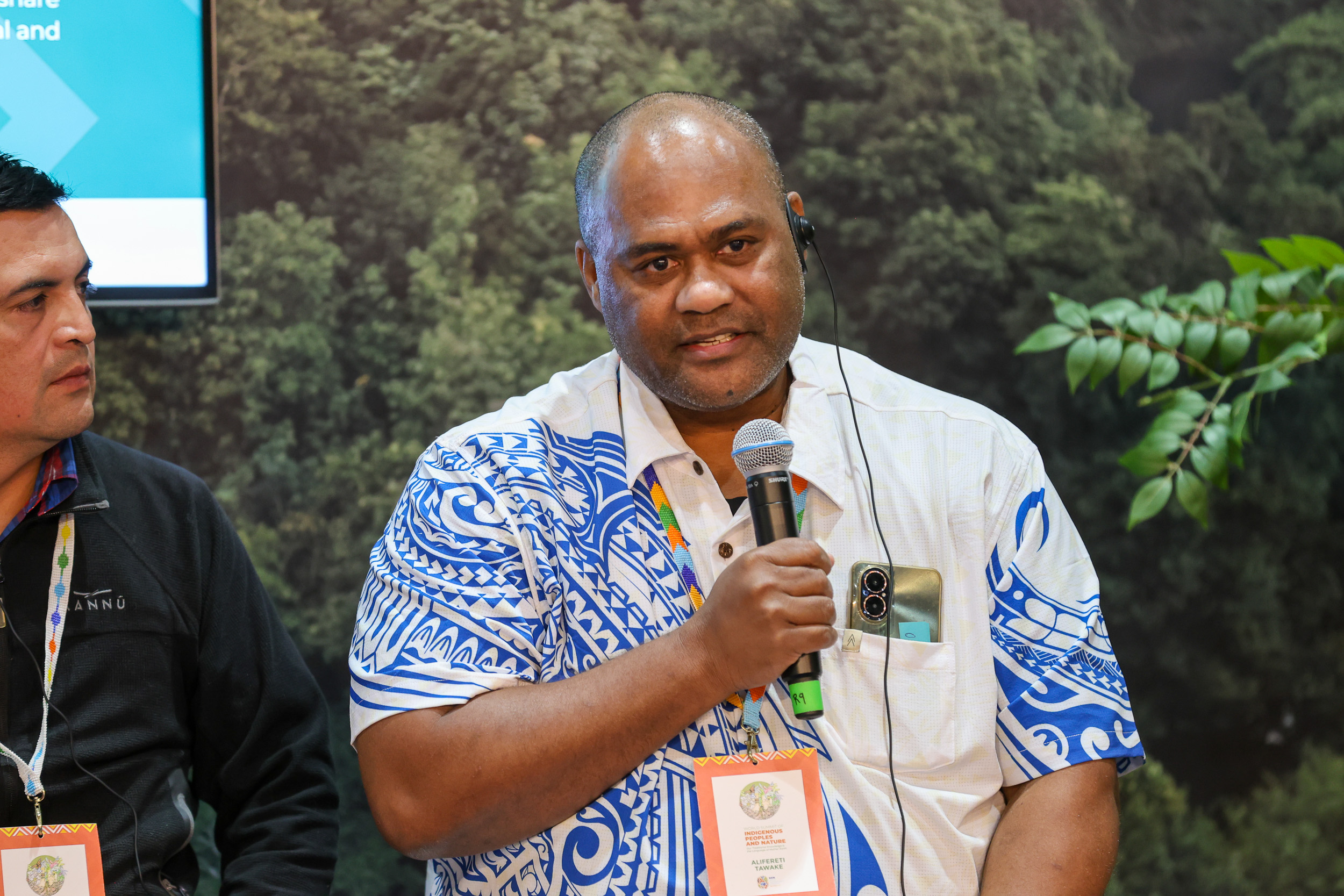
Alifereti Tawake, Co-Founder and Executive Director, Locally Managed Marine Areas International Network
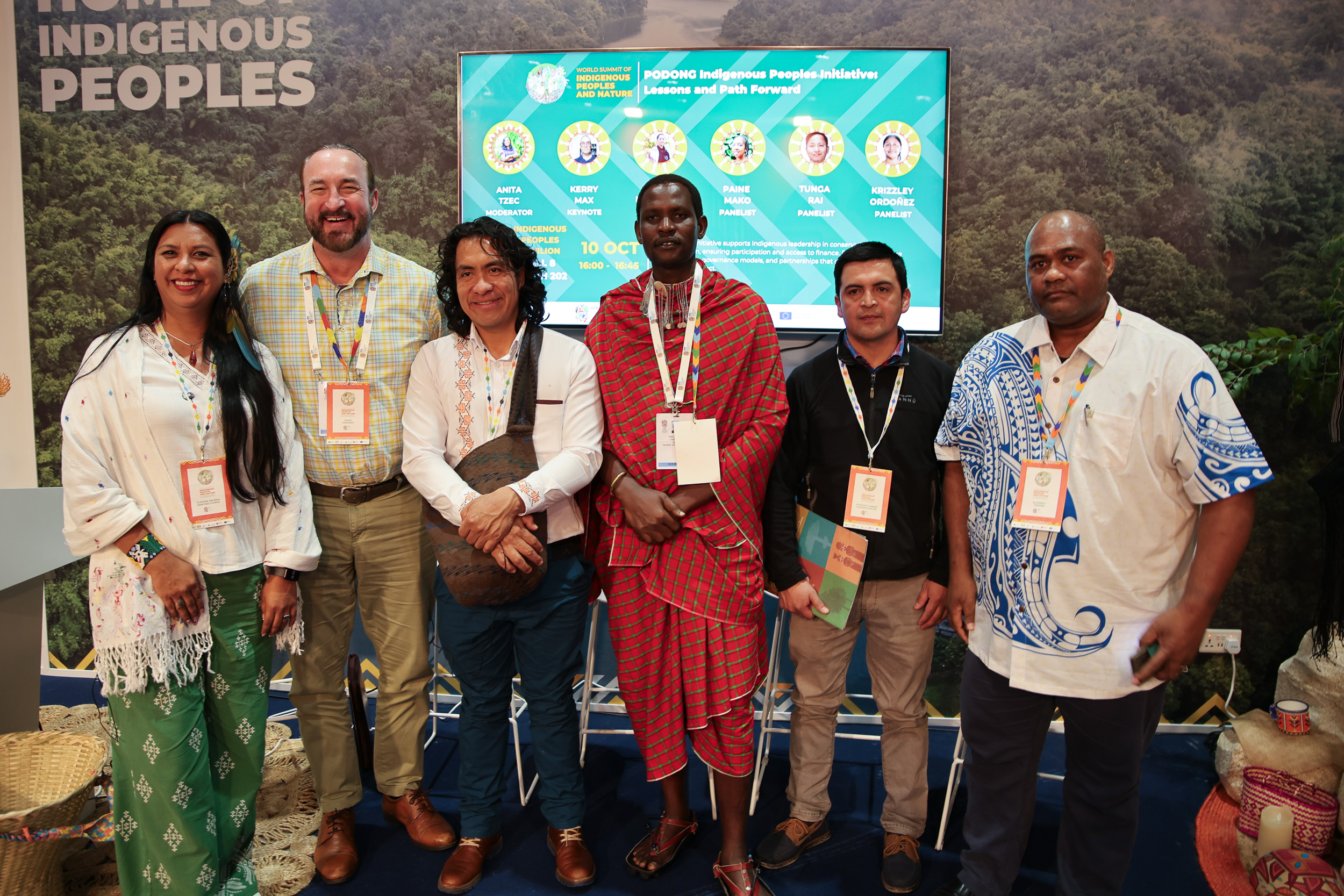
Group photo of the panelists on traditional knowledge, conservation of biocultural diversity, and spatial planning
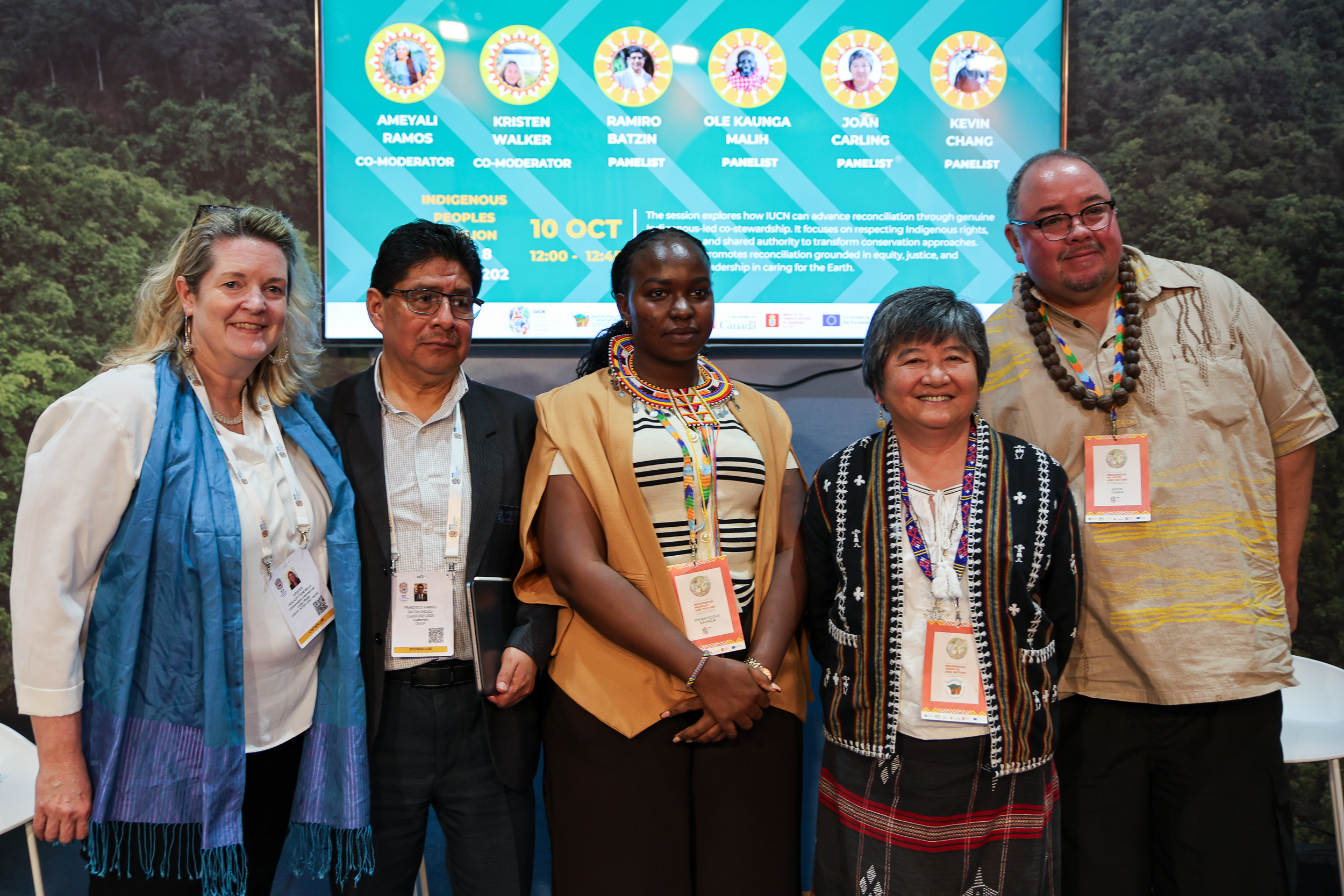
From L-R: Kristen Walker-Painemilla, Senior Vice President of Inclusive Finance, Conservation International; Ramiro Batzin, Co-Chair, IIFB, and Vice President, IUCN; Vivian Silole Kaunga, Inclusive Conservation Initiative, Kenya; Joan Carling, Executive Director, Indigenous Peoples Rights International; and Kevin Chang, Executive Director, Kuaʻāina Ulu ʻAuamo, Hawaii
Closing Session
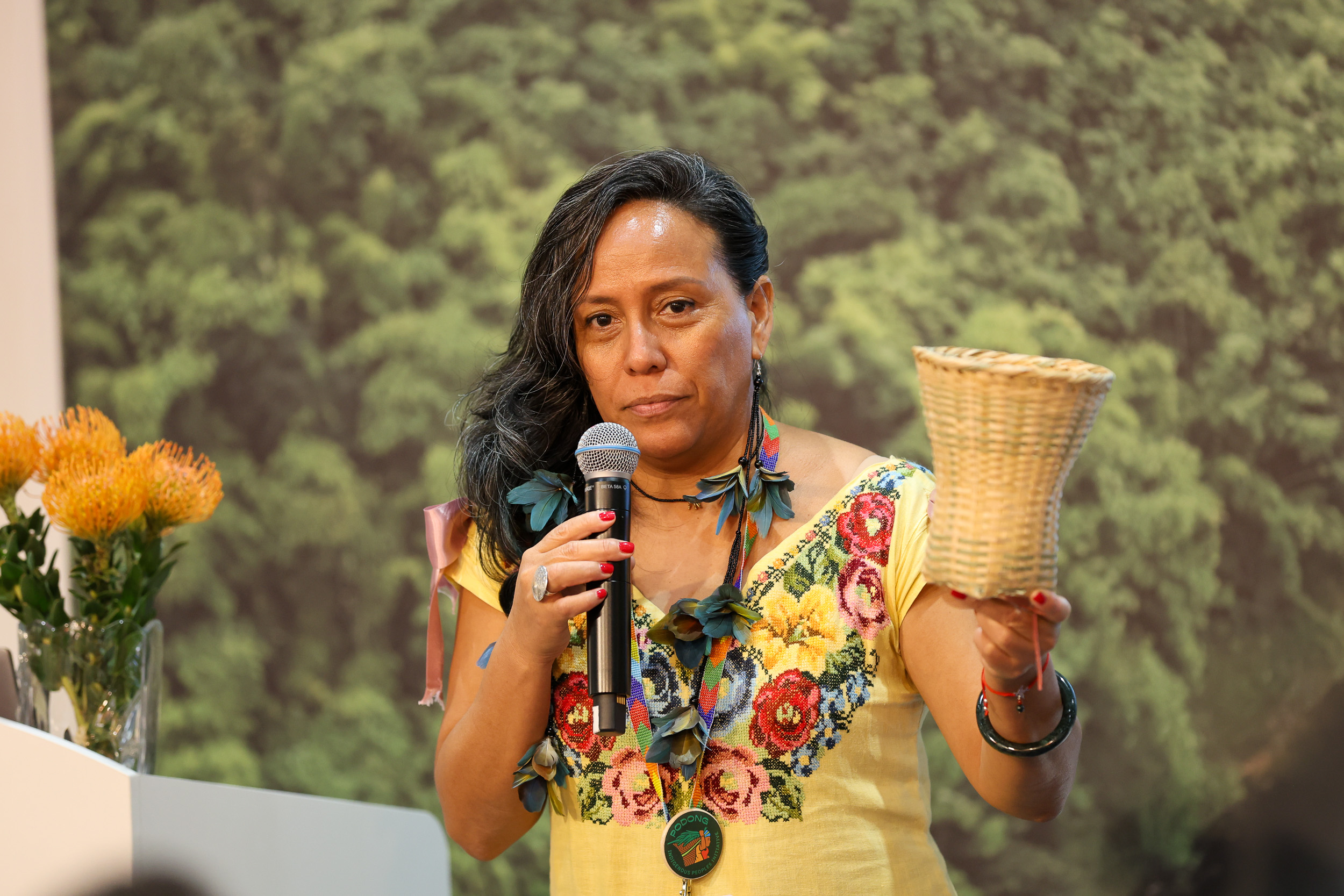
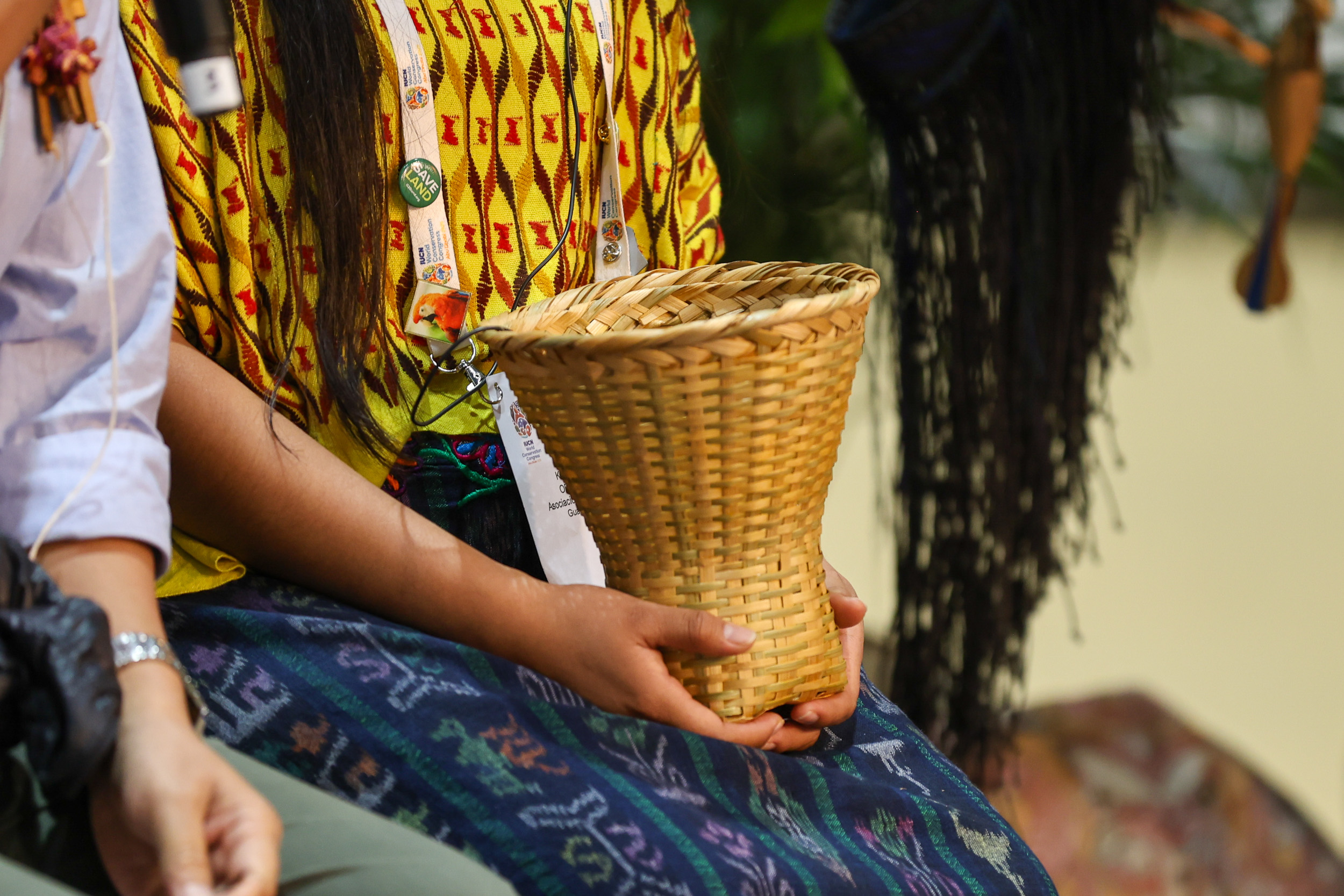
Anita Tzec, Maya Yucatec Leader, Senior Programme Manager, Indigenous Peoples and Conservation, IUCN, explains that Podong means “basket”
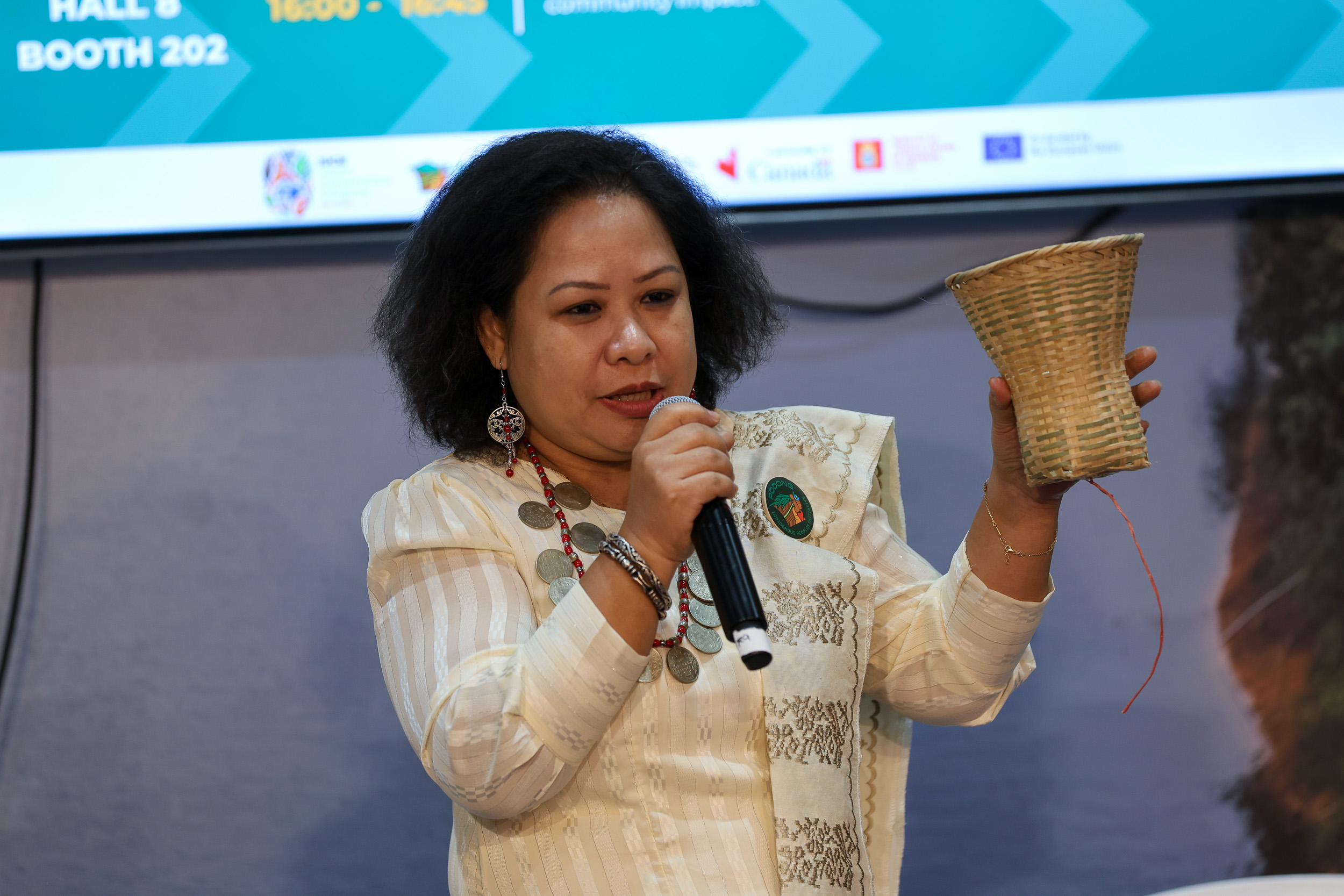
Mya Mya Nue, Advisor, Gender and Community Cohesion, GRAUS Indigenous Organization
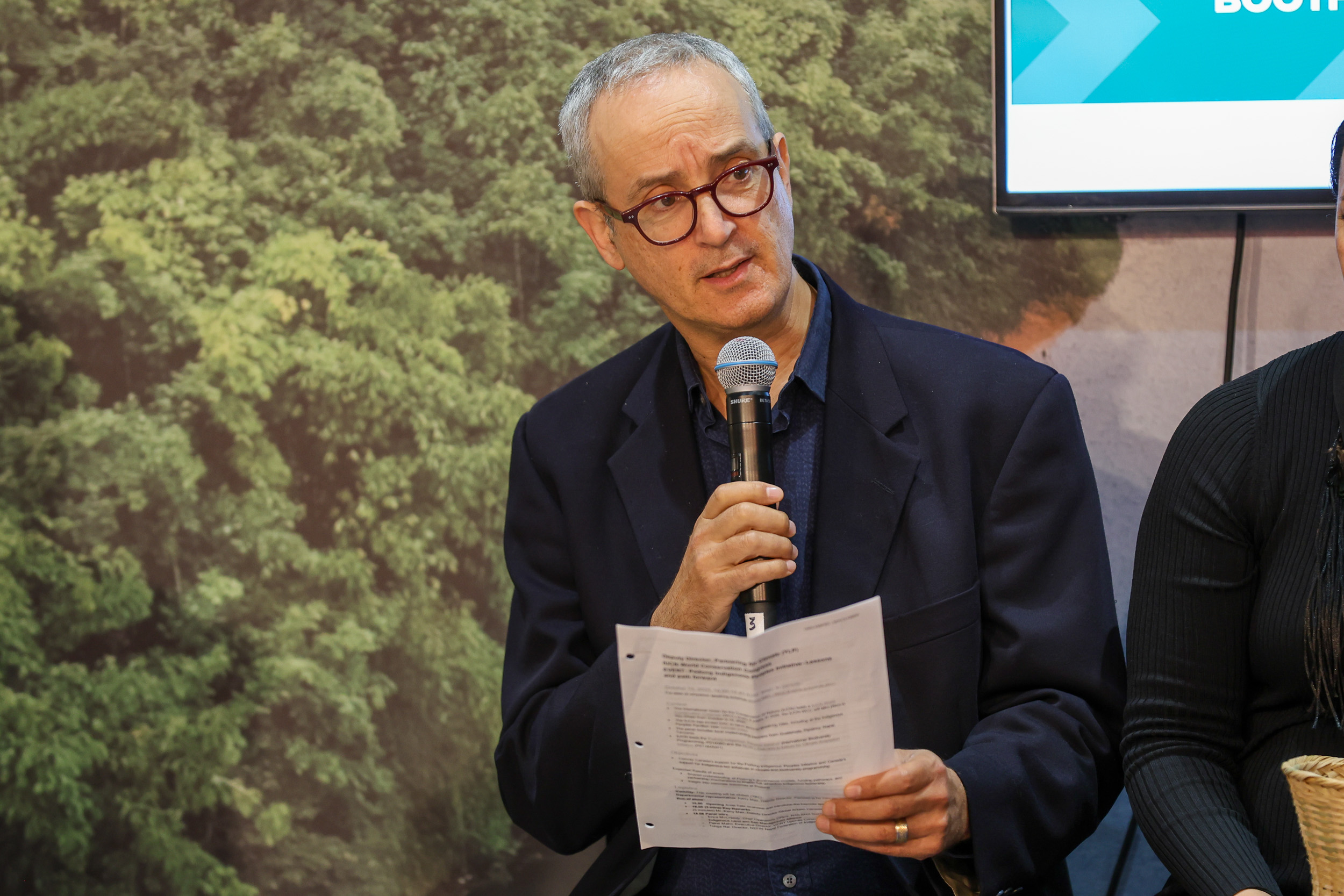
Kerry Max, Deputy Director, Partnering for Climate, Global Affairs Canada
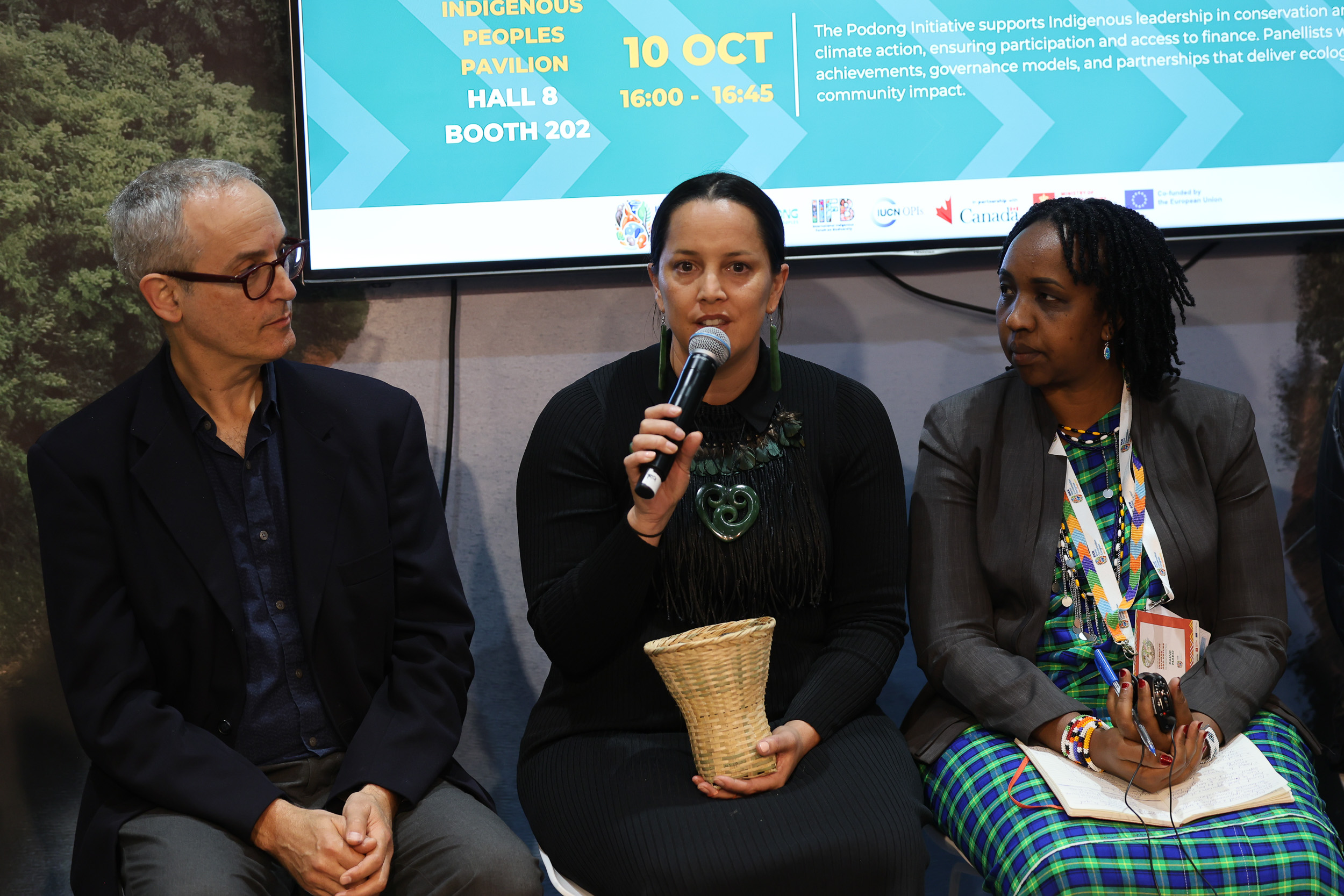
From L-R: Kerry Max, Deputy Director, Partnering for Climate, Global Affairs Canada; Erica McCreedy, Chief Operating Officer, NAILSMA; and Paine Mako, Executive Director, Ujamaa Community Resource Team, Tanzania
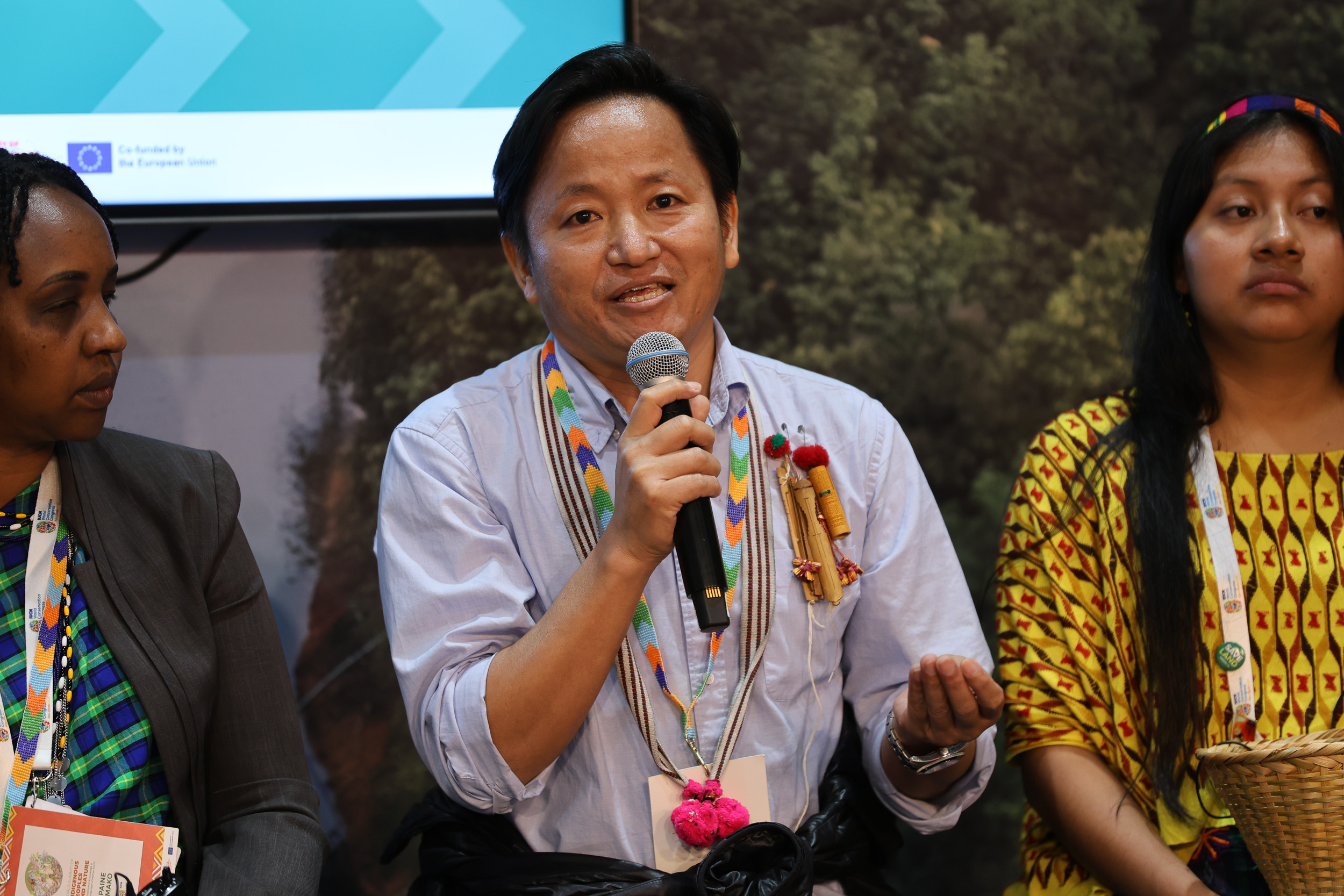
Tunga Rai, Director, Nepal Federation of Indigenous Nationalities Climate Change Partnership Program
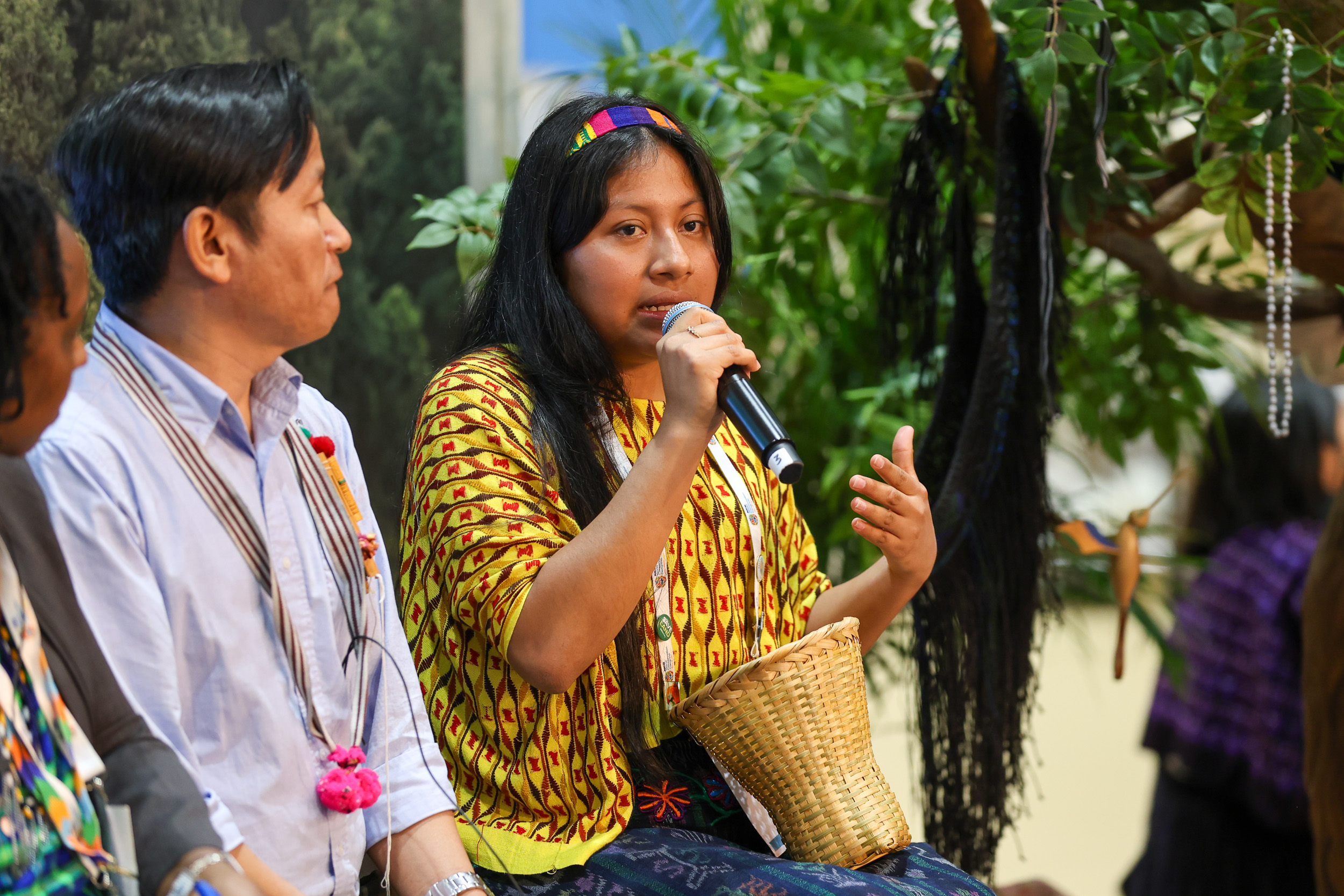
Krizzley Ordoñez, Ak’ Tenamit Association
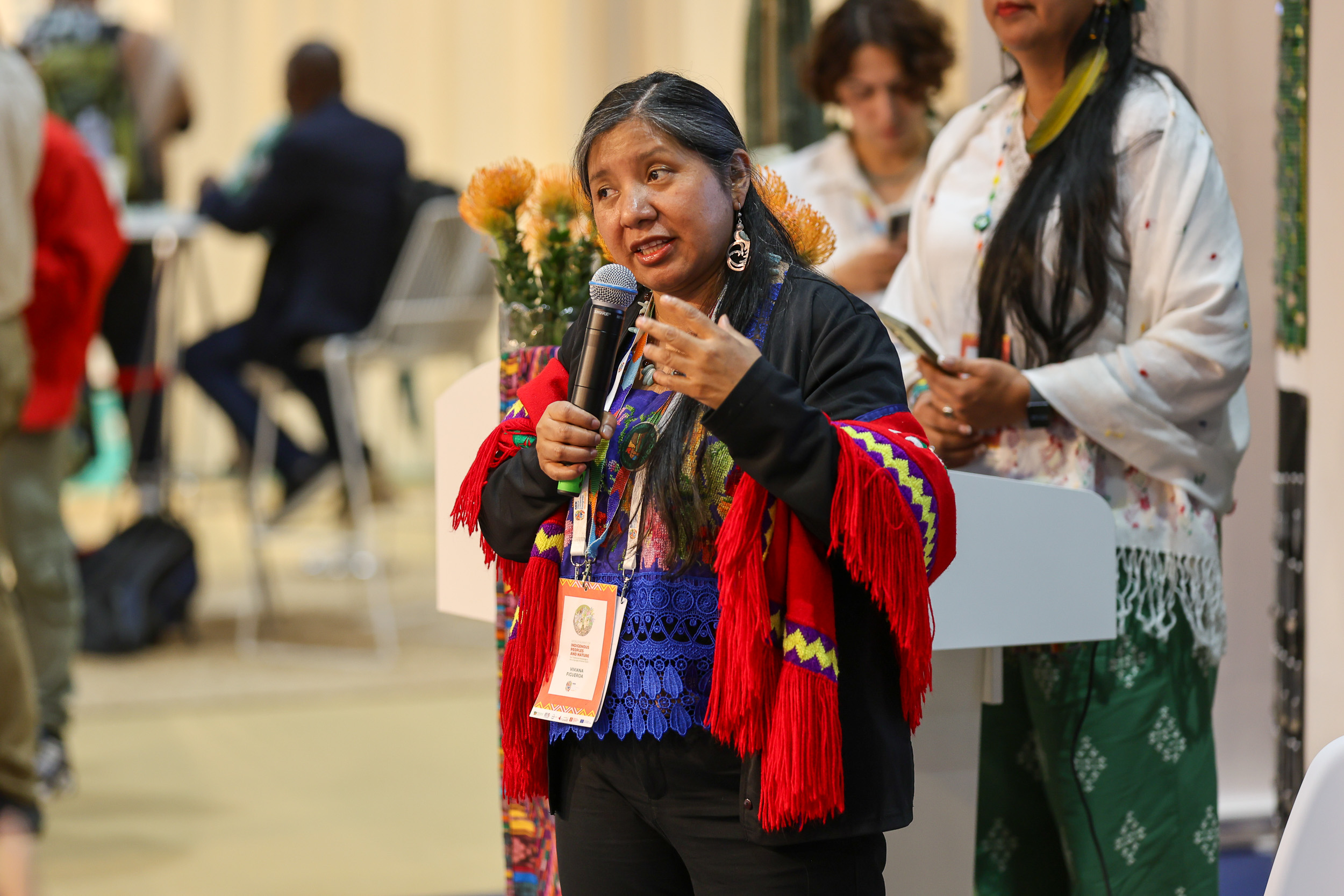
Viviana Figueroa, Global Technical Coordinator, IIFB
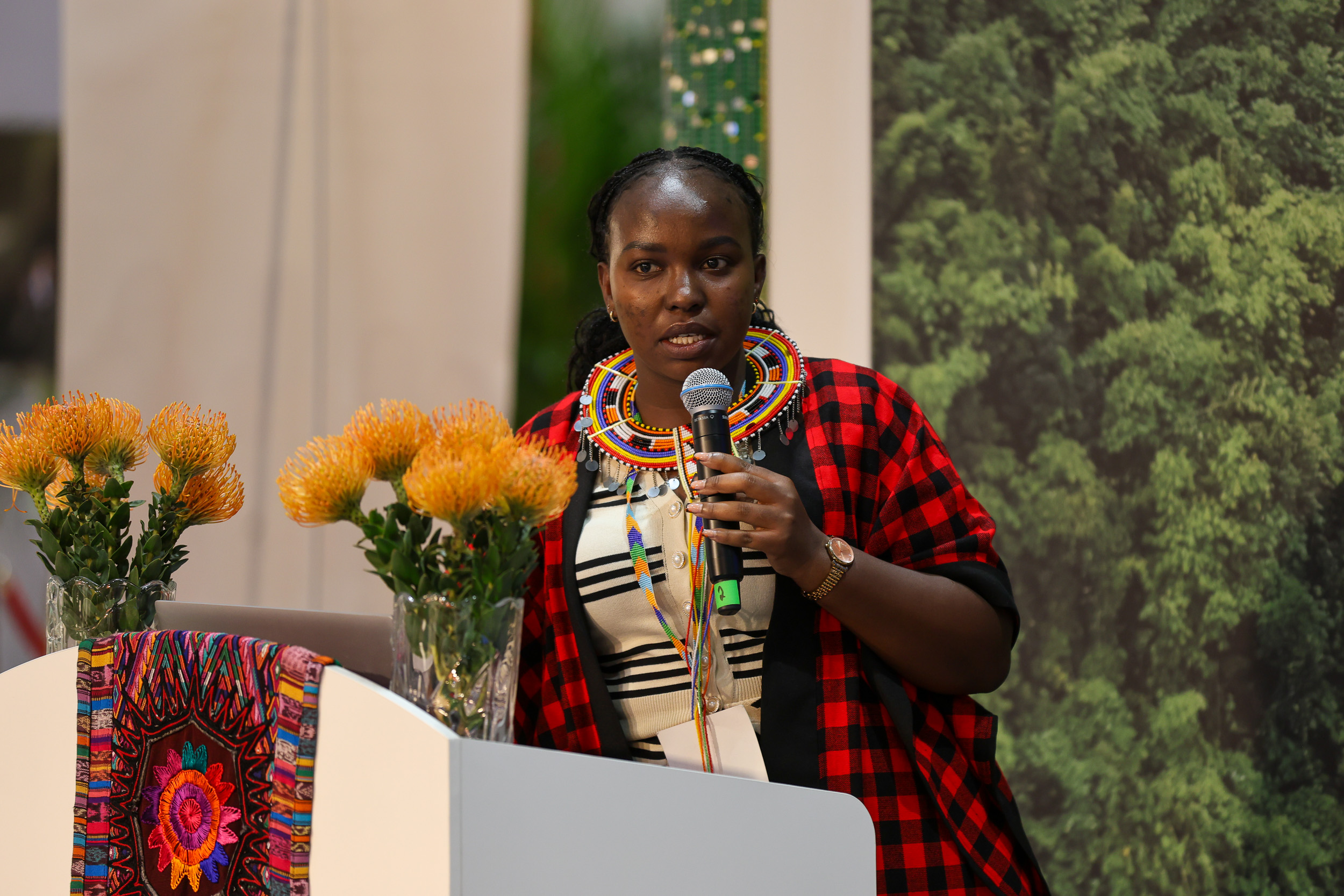
Vivian Silole Kaunga, IMPACT Kenya Inclusive Conservation Initiative
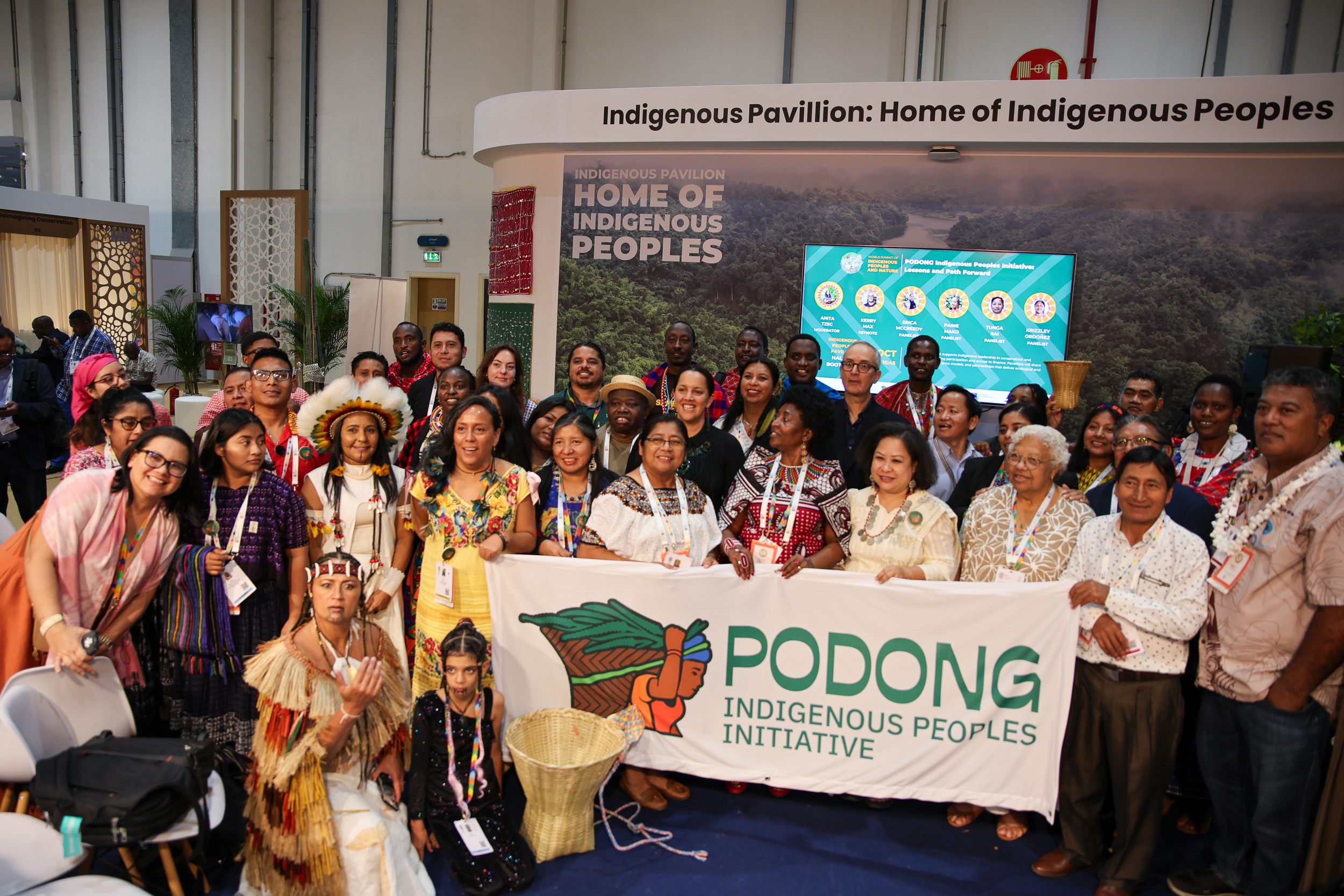
Family photo
A Walk With Nature
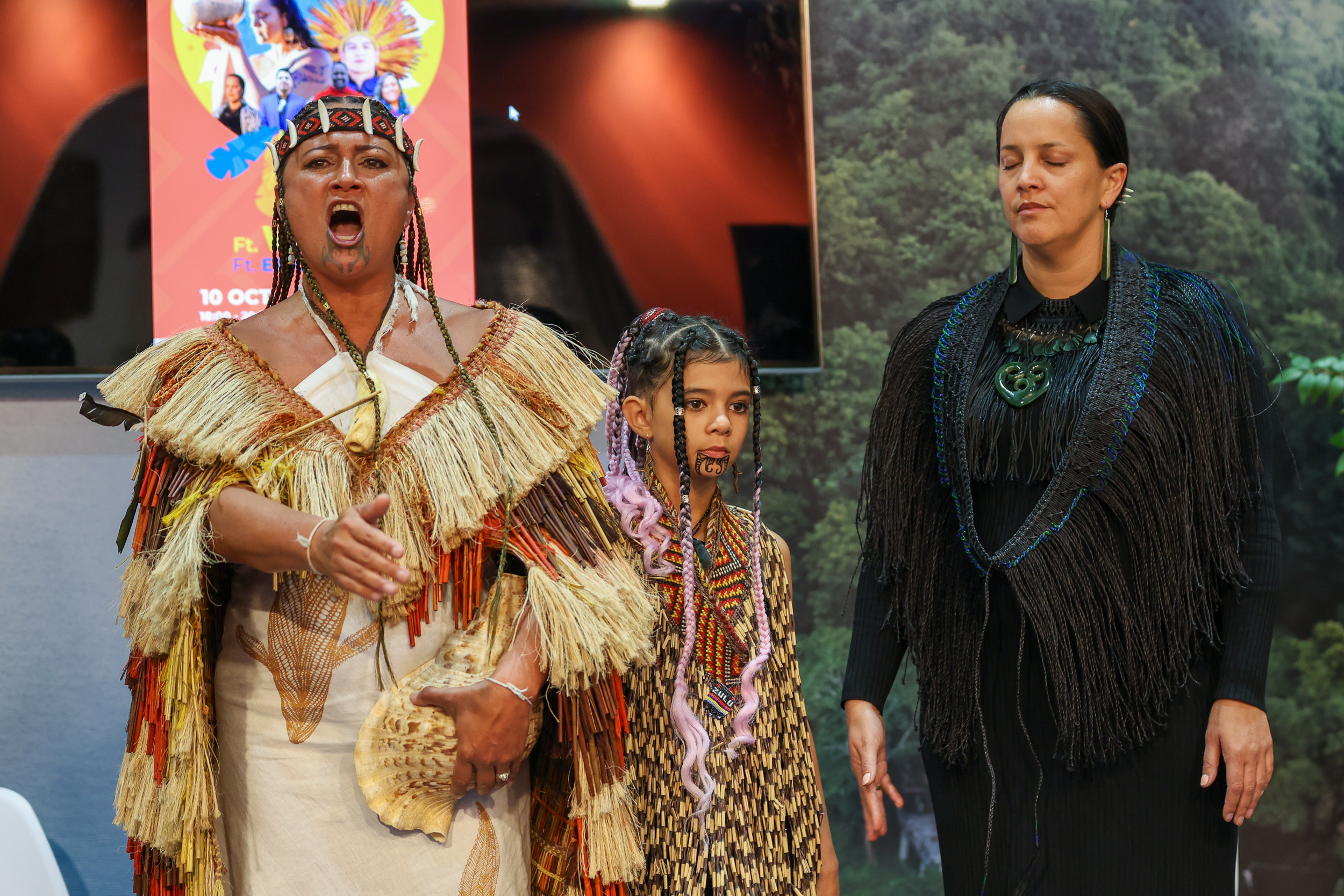
WHAIA Sonic Weaver, vocalist, performer, First Nations multi-instrumentalist, with her daughter Moana and Erica McCreedy, Chief Operating Officer, North Australian Indigenous Land and Sea Management Alliance
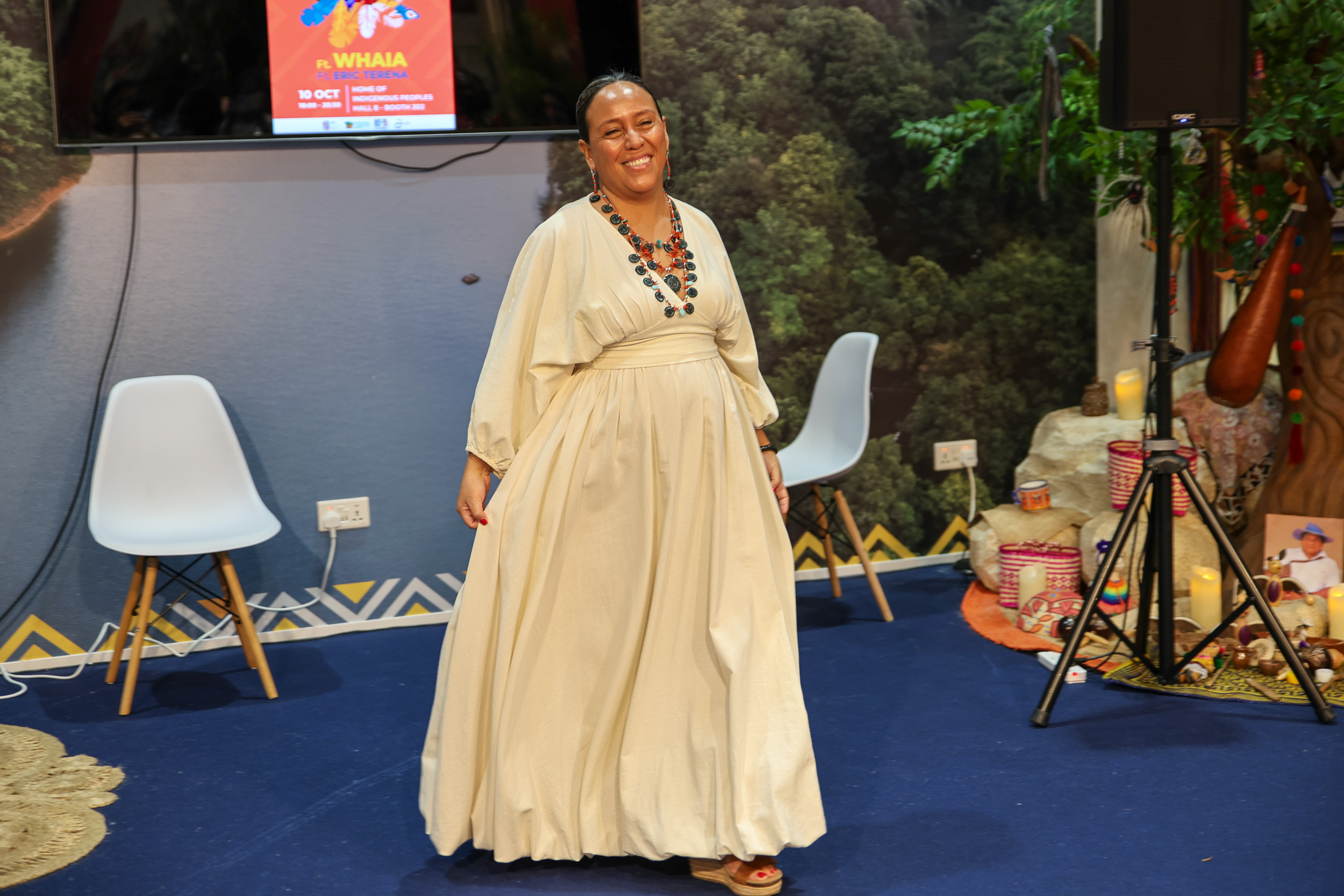
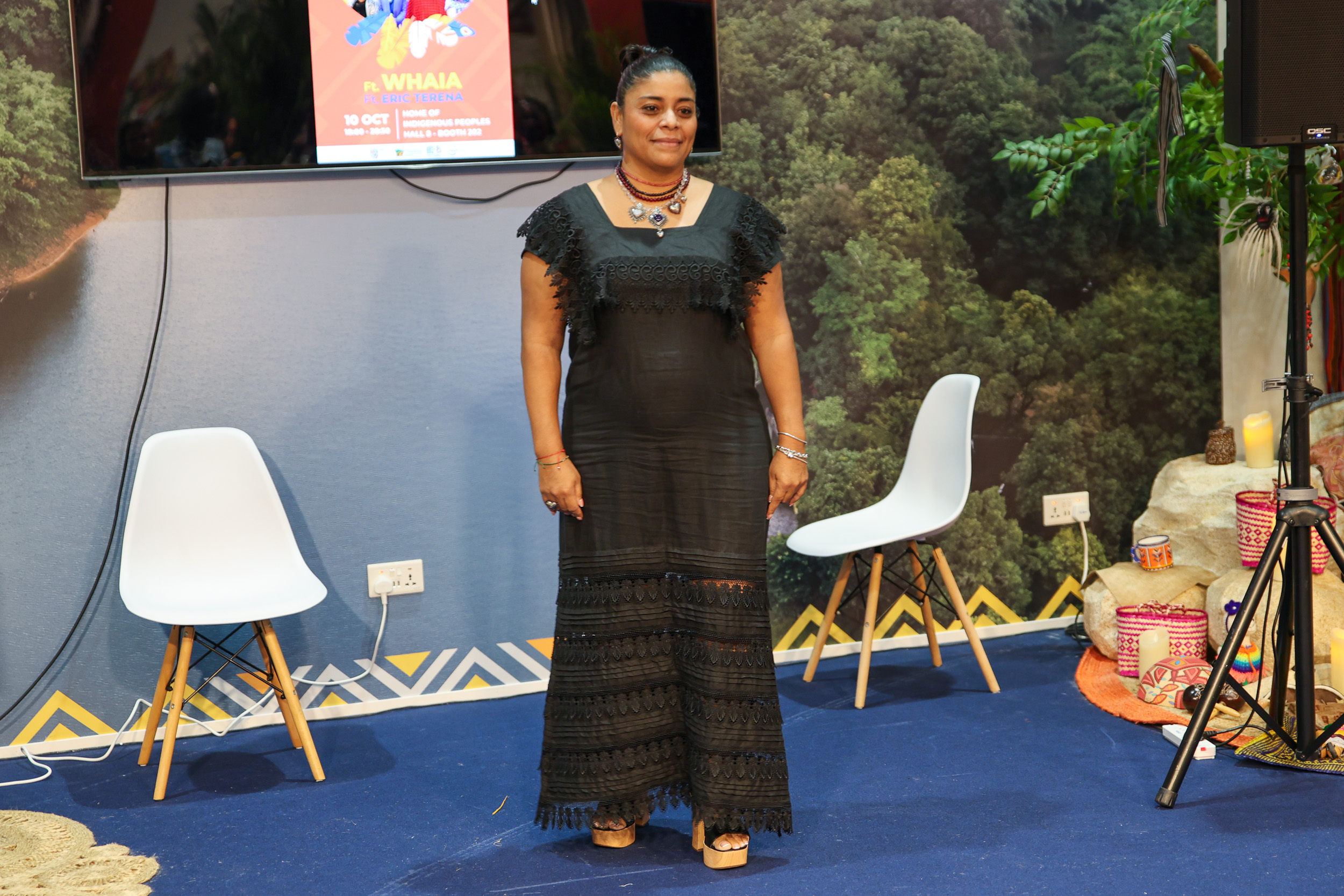
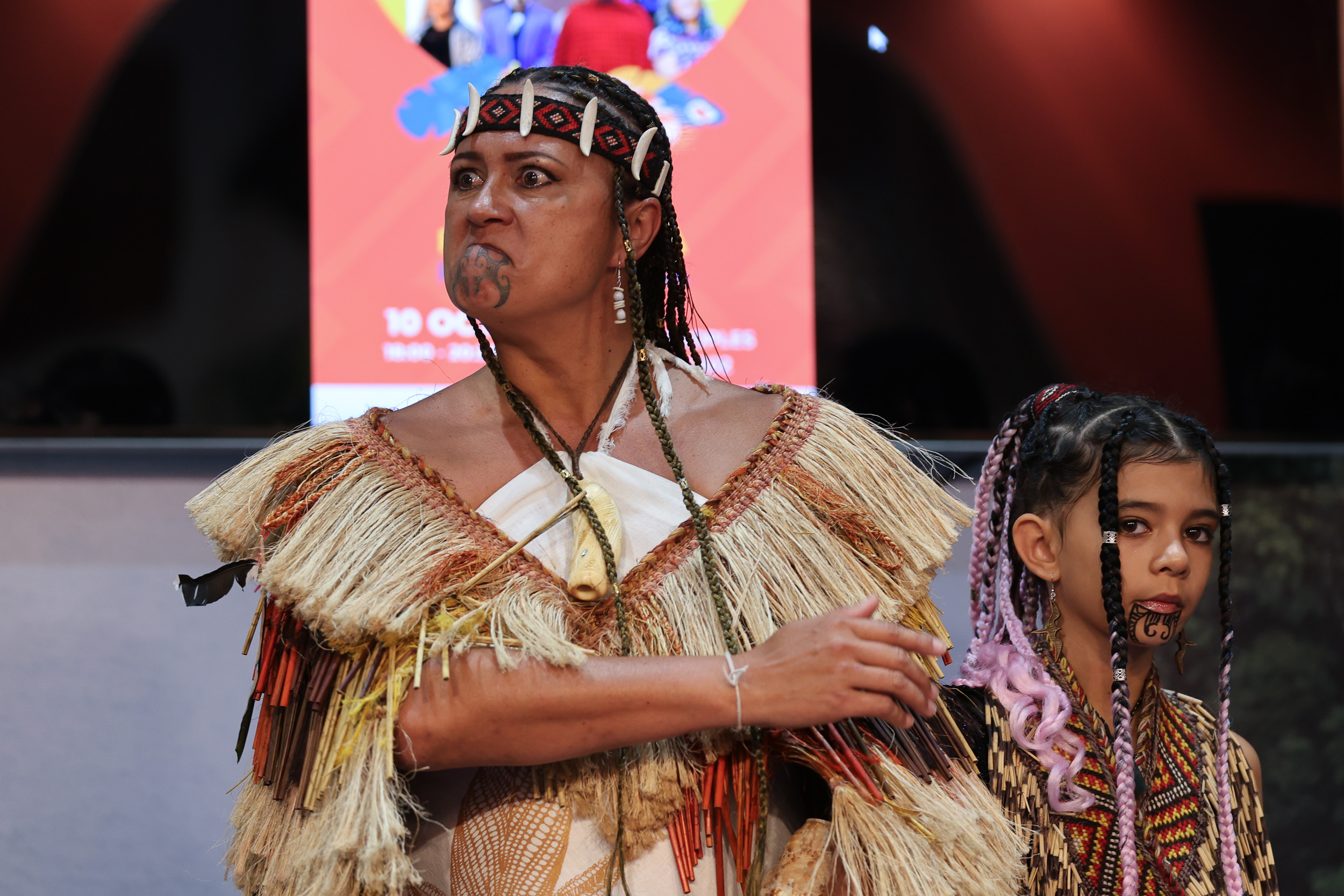
WHAIA Sonic Weaver, vocalist, performer, First Nations multi-instrumentalist, with her daughter Moana

Selected Images