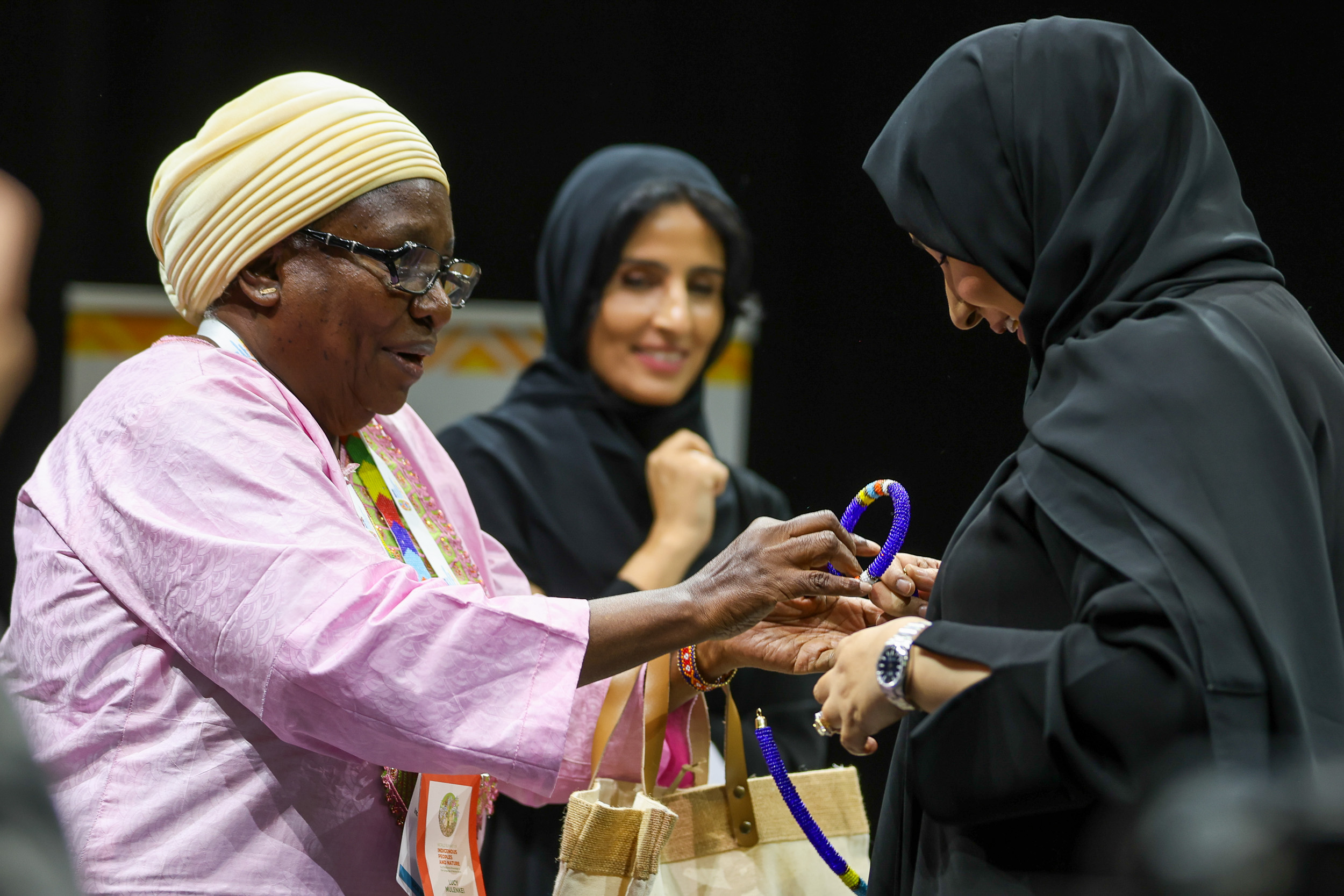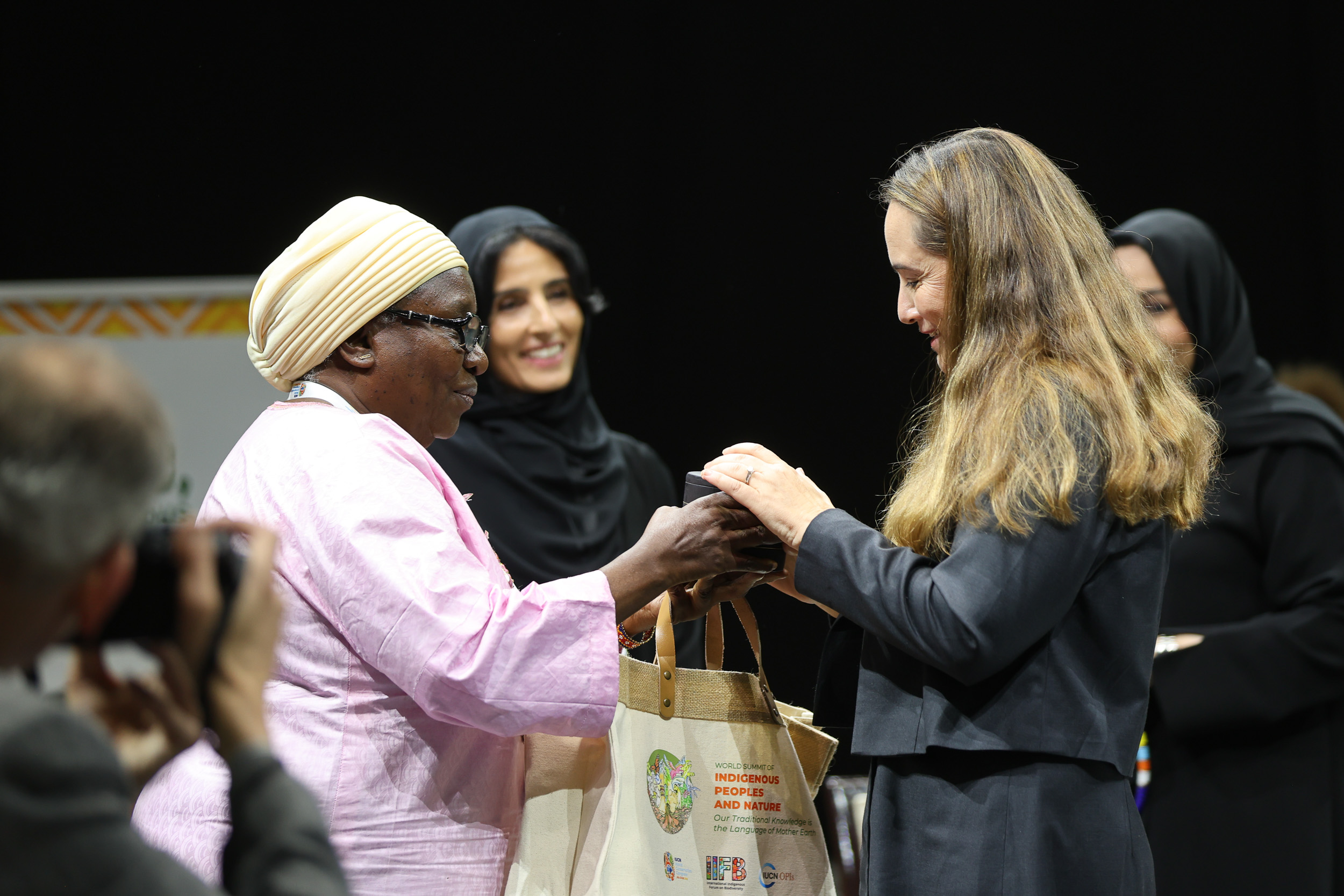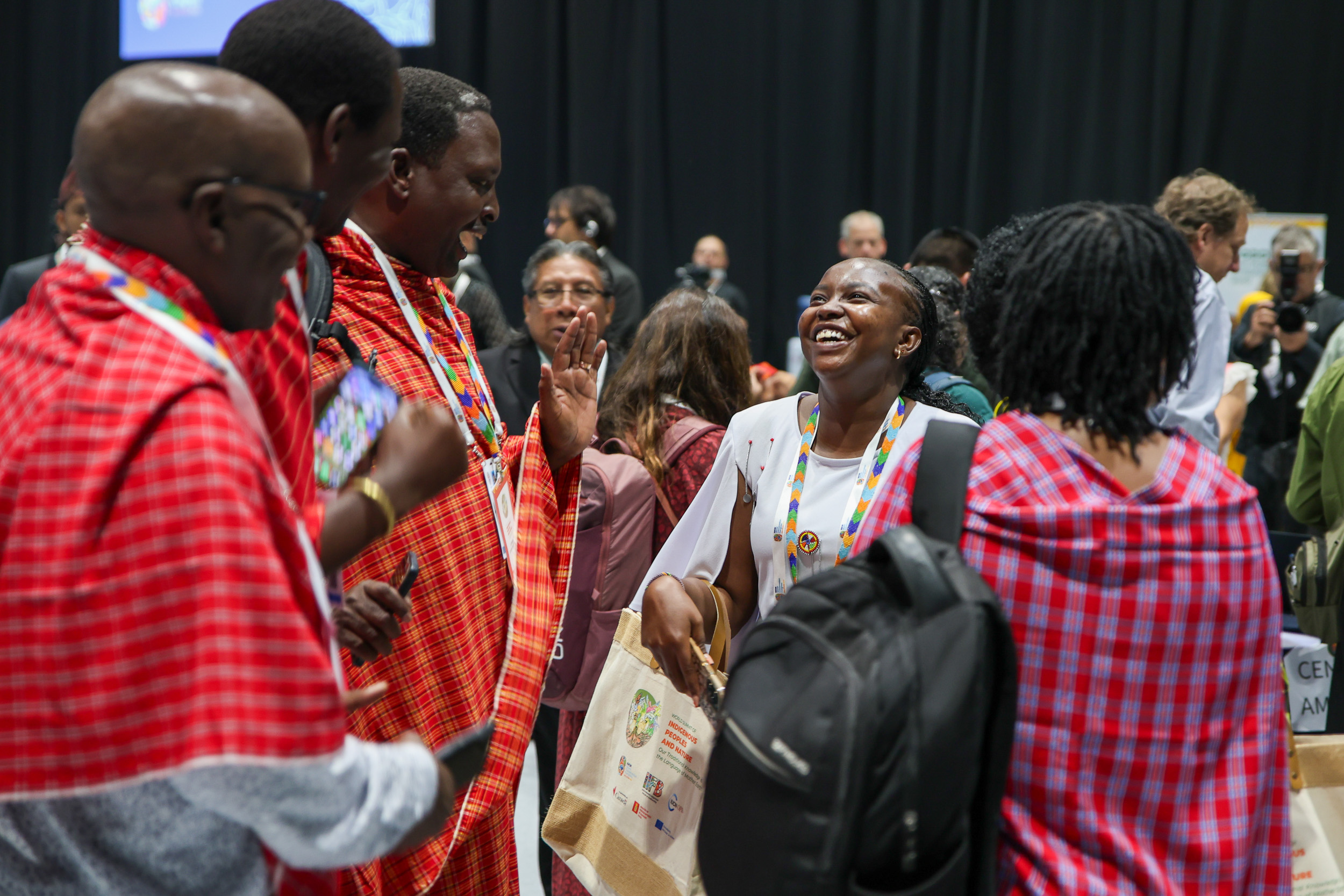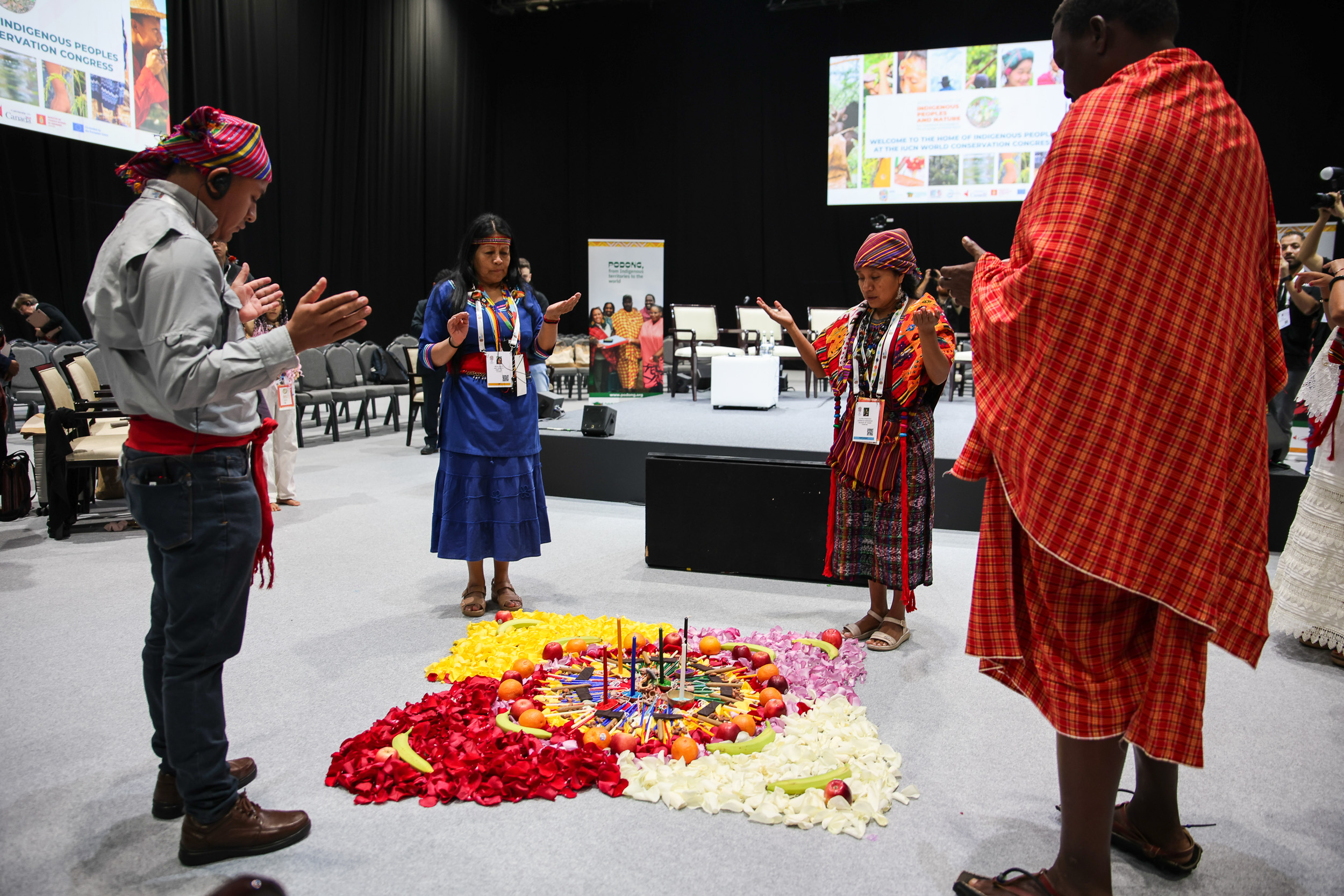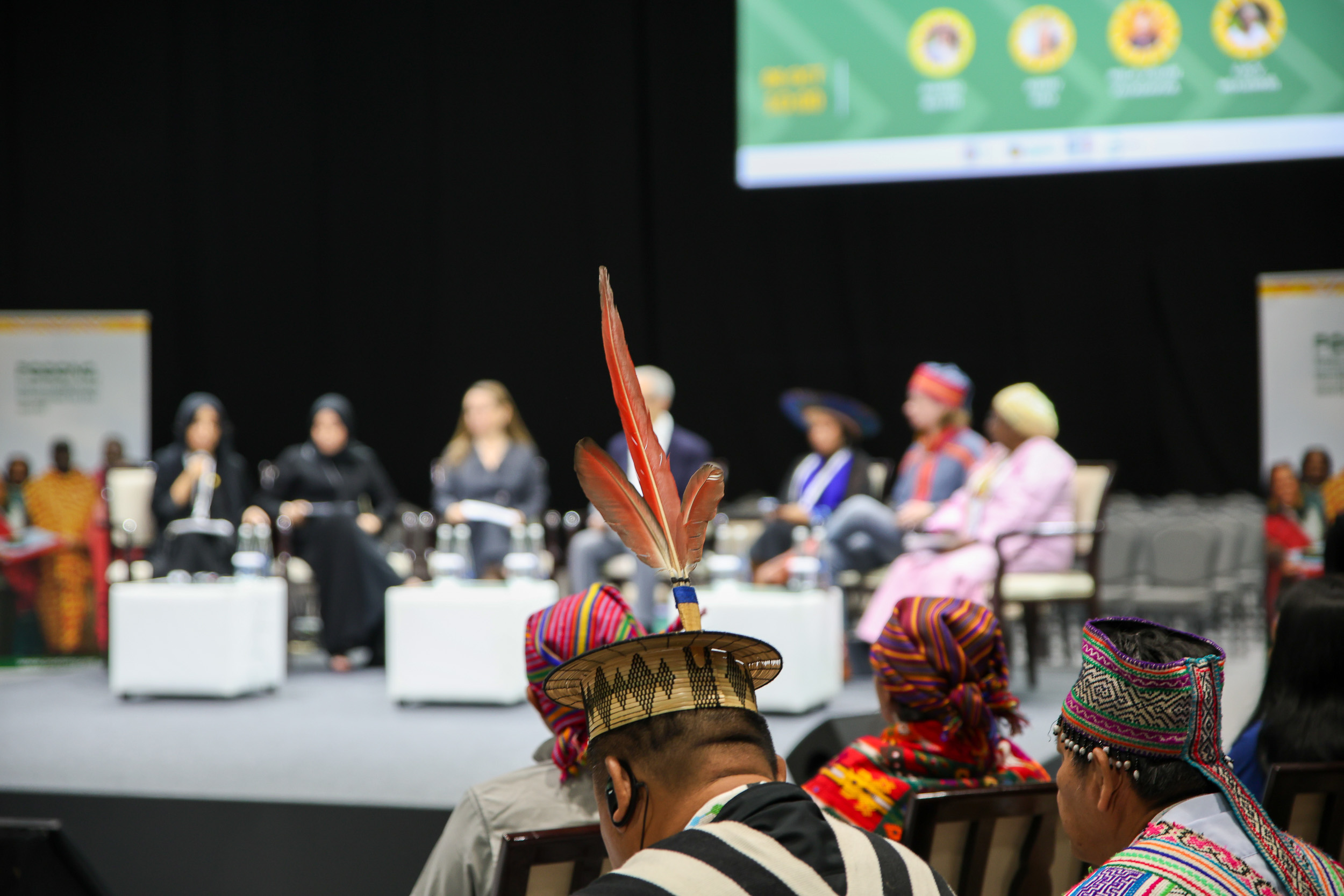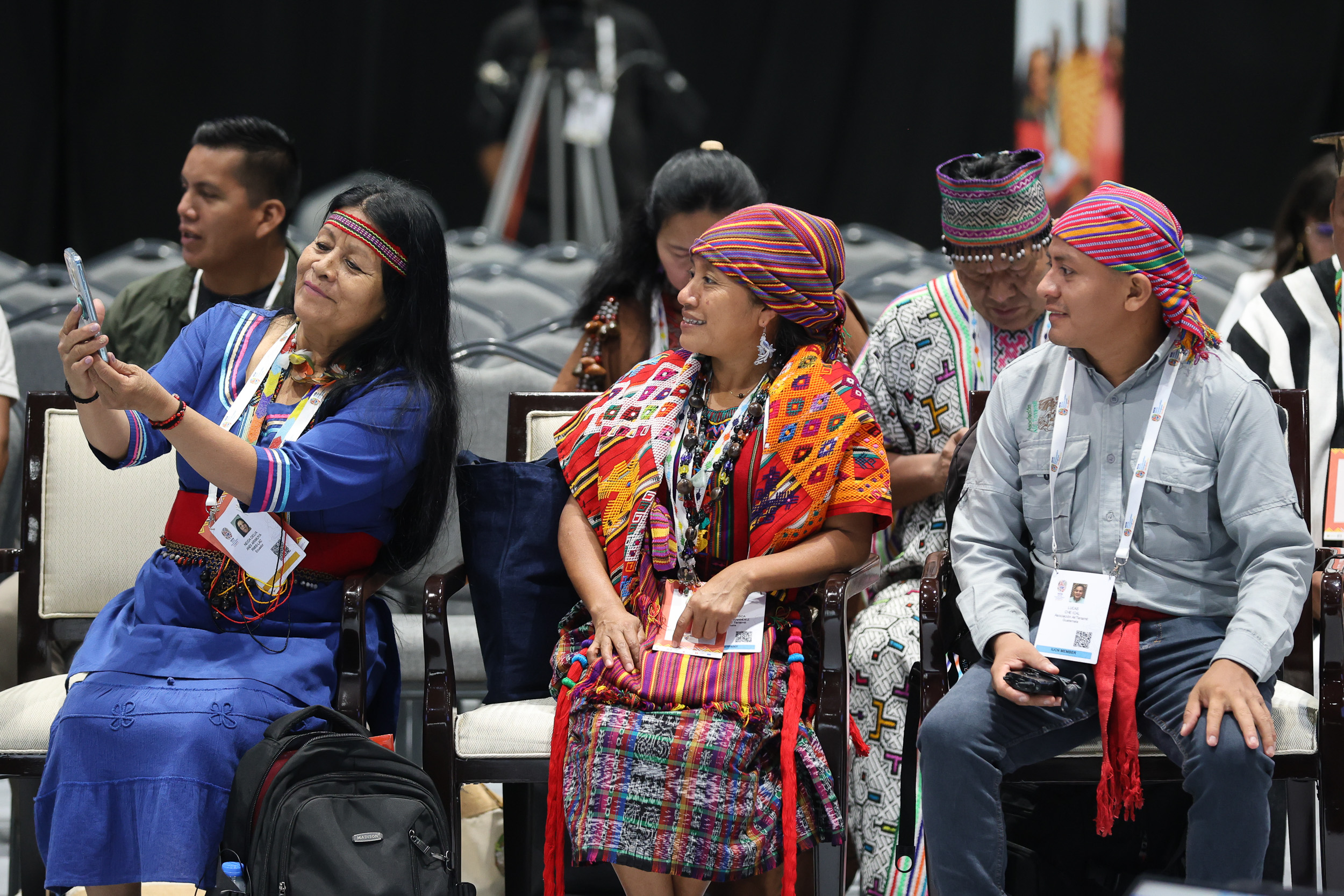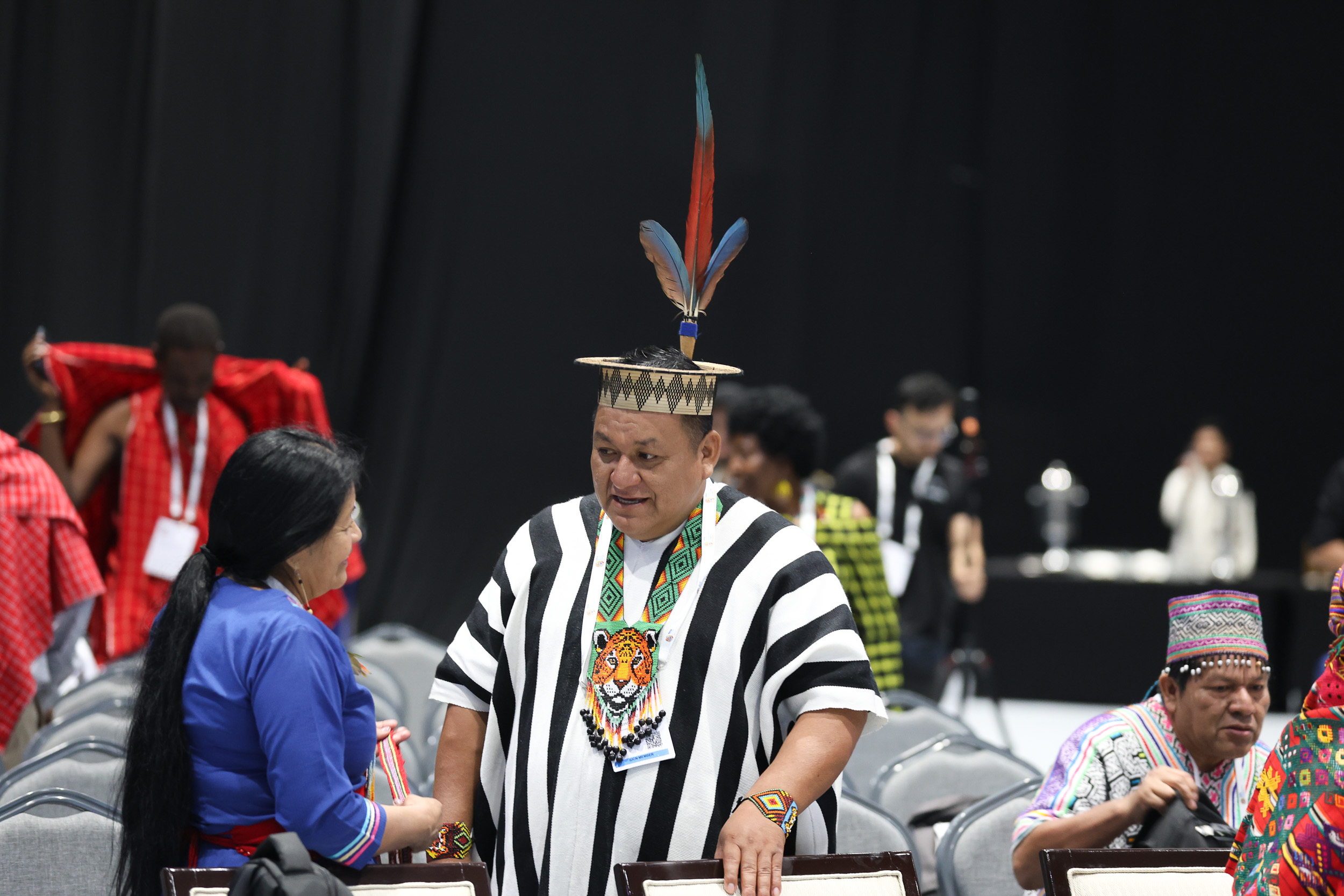
“This Summit is a promise that Indigenous voices will not only be heard but help guide the future of conservation.” The words of Razan Khalifa Al Mubarak, IUCN President, highlighted the importance of the first World Summit for Indigenous Peoples and Nature, which convened under the theme ‘Our Traditional Knowledge is the Language of Mother Earth. Indigenous Peoples are the stewards of life on Earth.’ As knowledge keepers, guardians of ancestral territories, and visionaries of sustainability, Indigenous Peoples are central to any conservation effort.
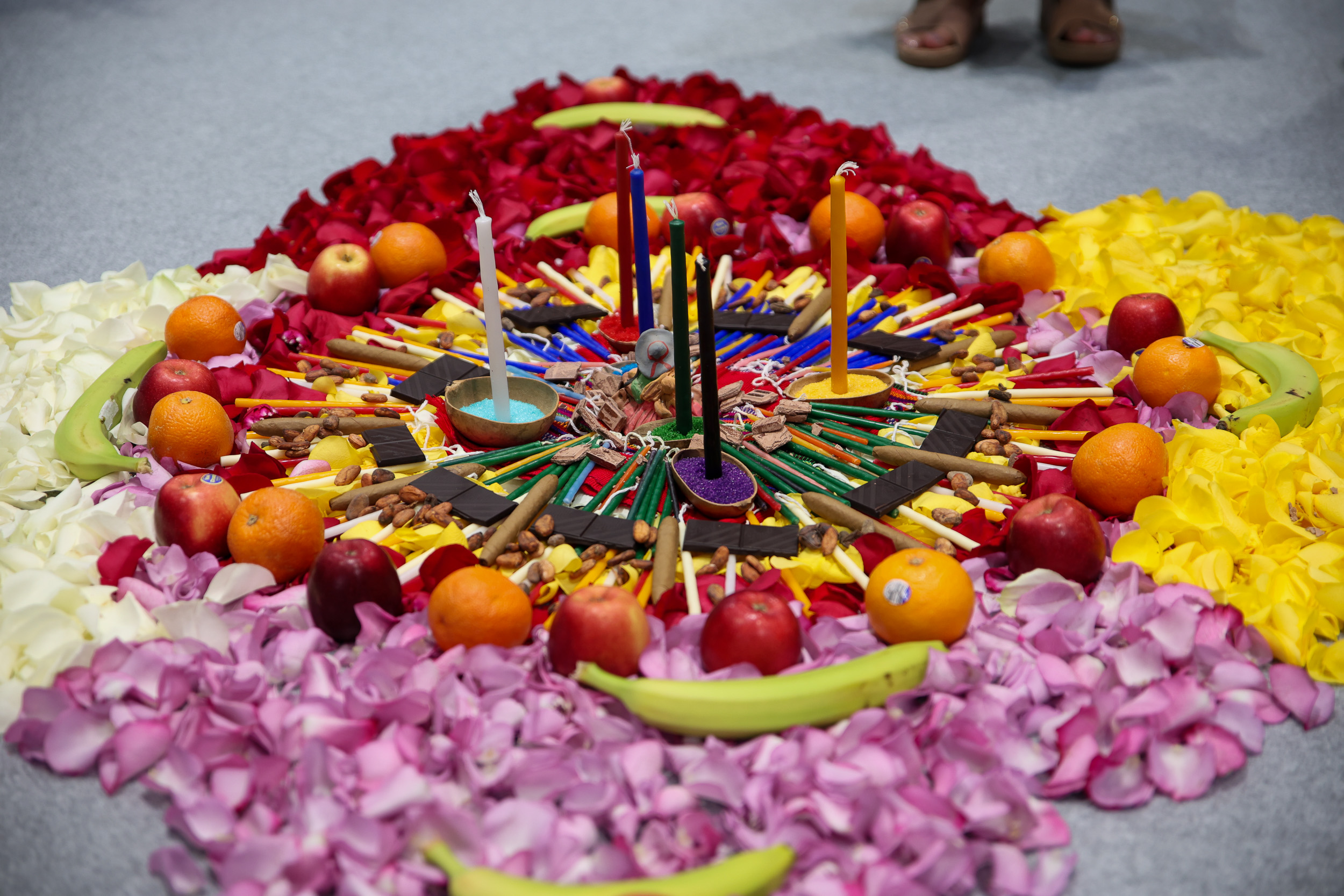
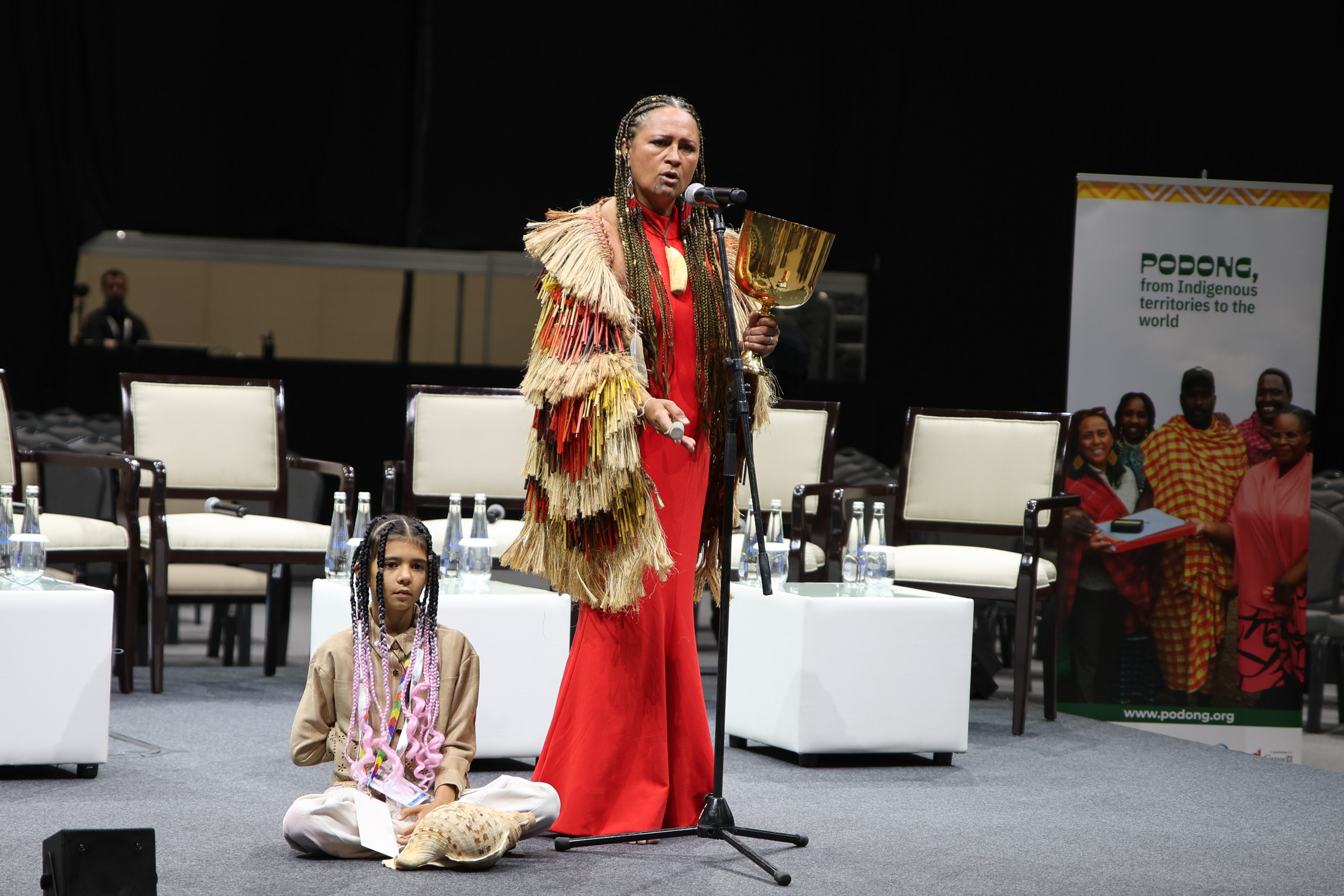
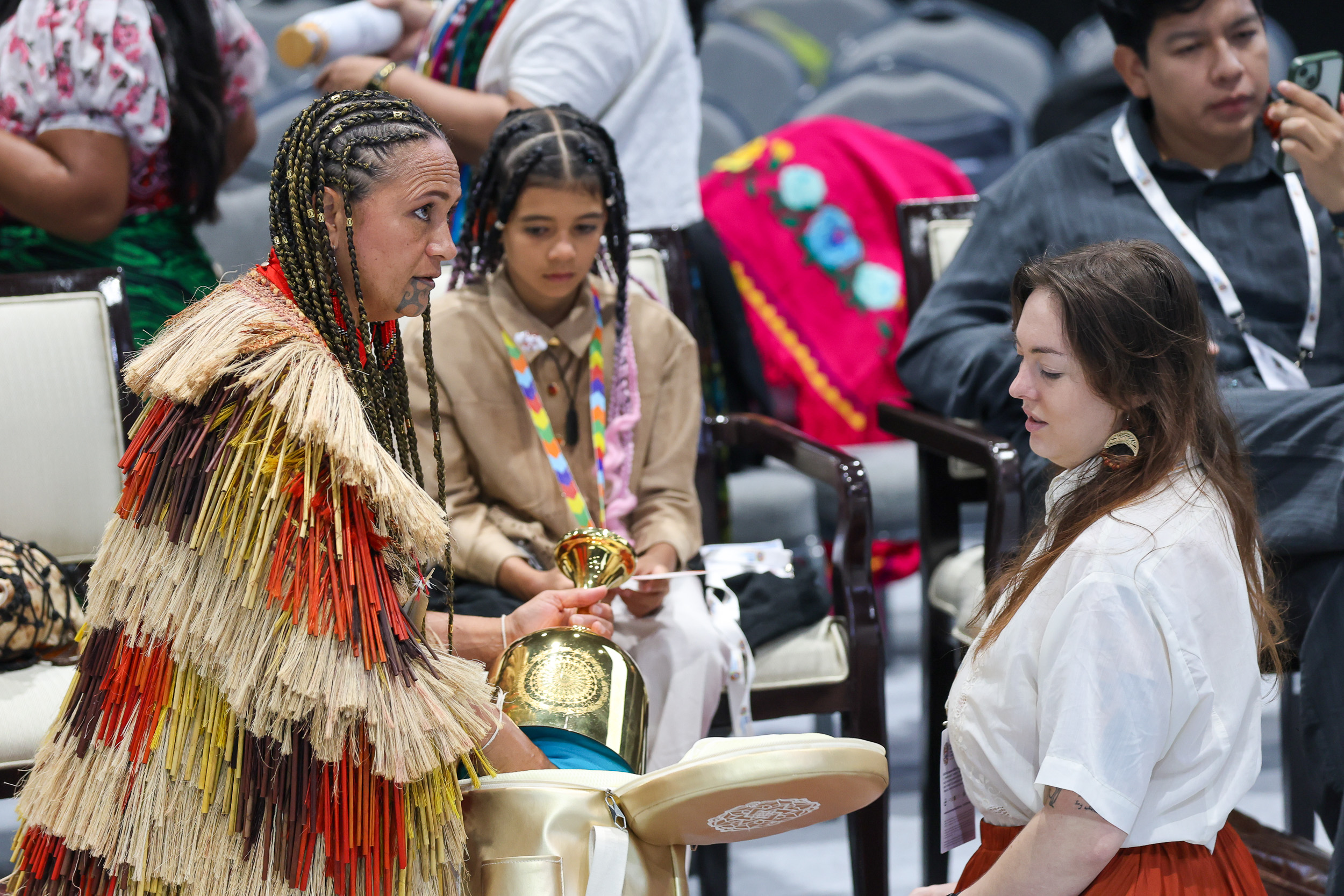
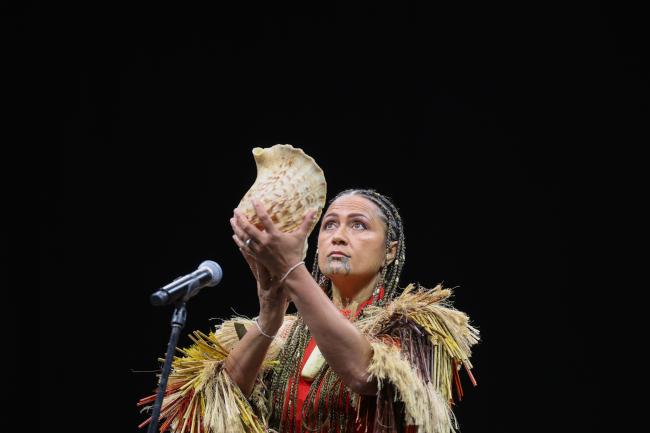
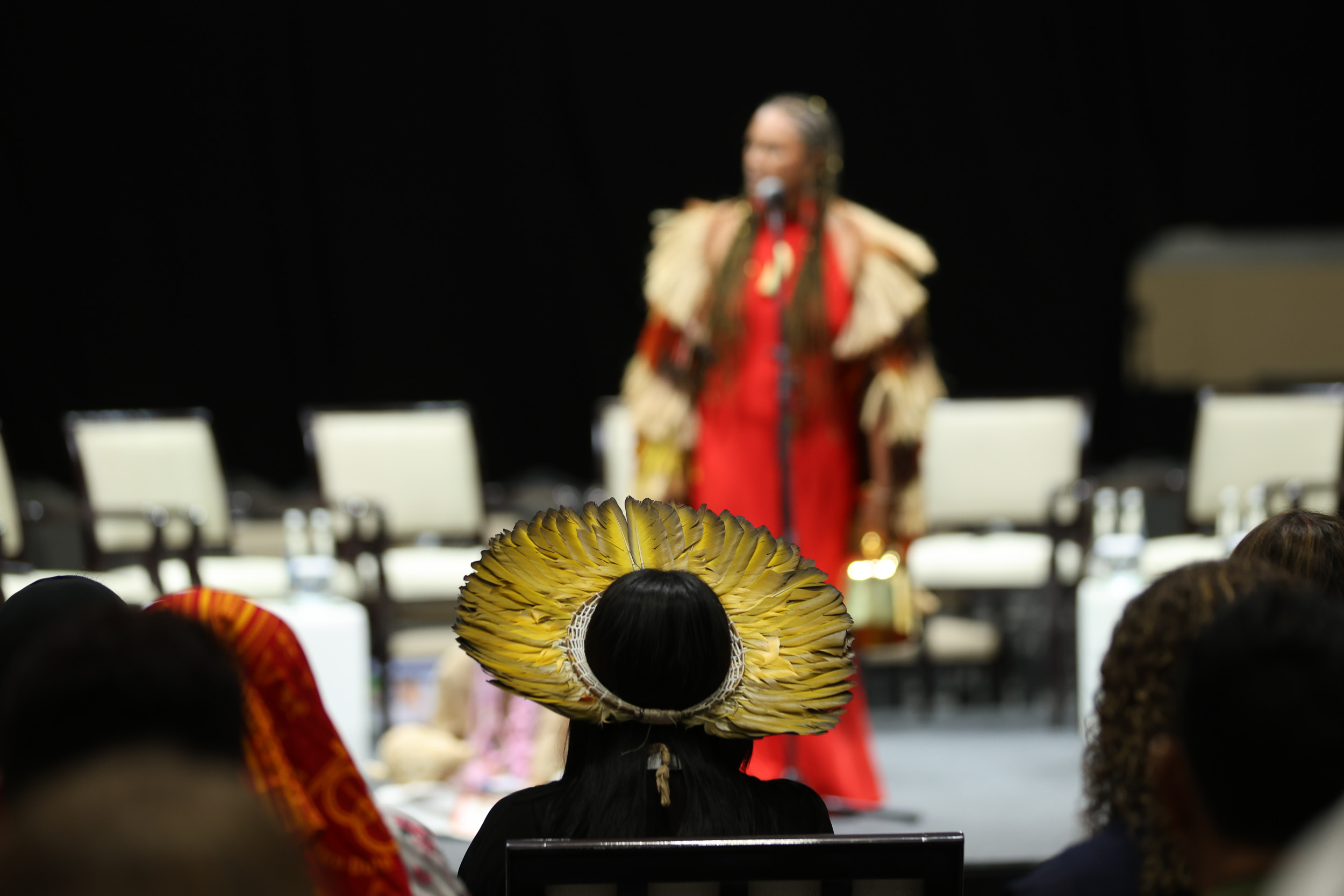
The Summit opened with a traditional spiritual ceremony by Indigenous “nanas and tatas,” who offered blessings for the Summit’s proceedings. WHAIA Sonic Weaver, a transcendent vocalist, alchemical performer, and First Nations multi-instrumentalist of Ngāti Kahungunu, Māori descent, offered a performance highlighting the intergenerational transmission of traditional knowledge.
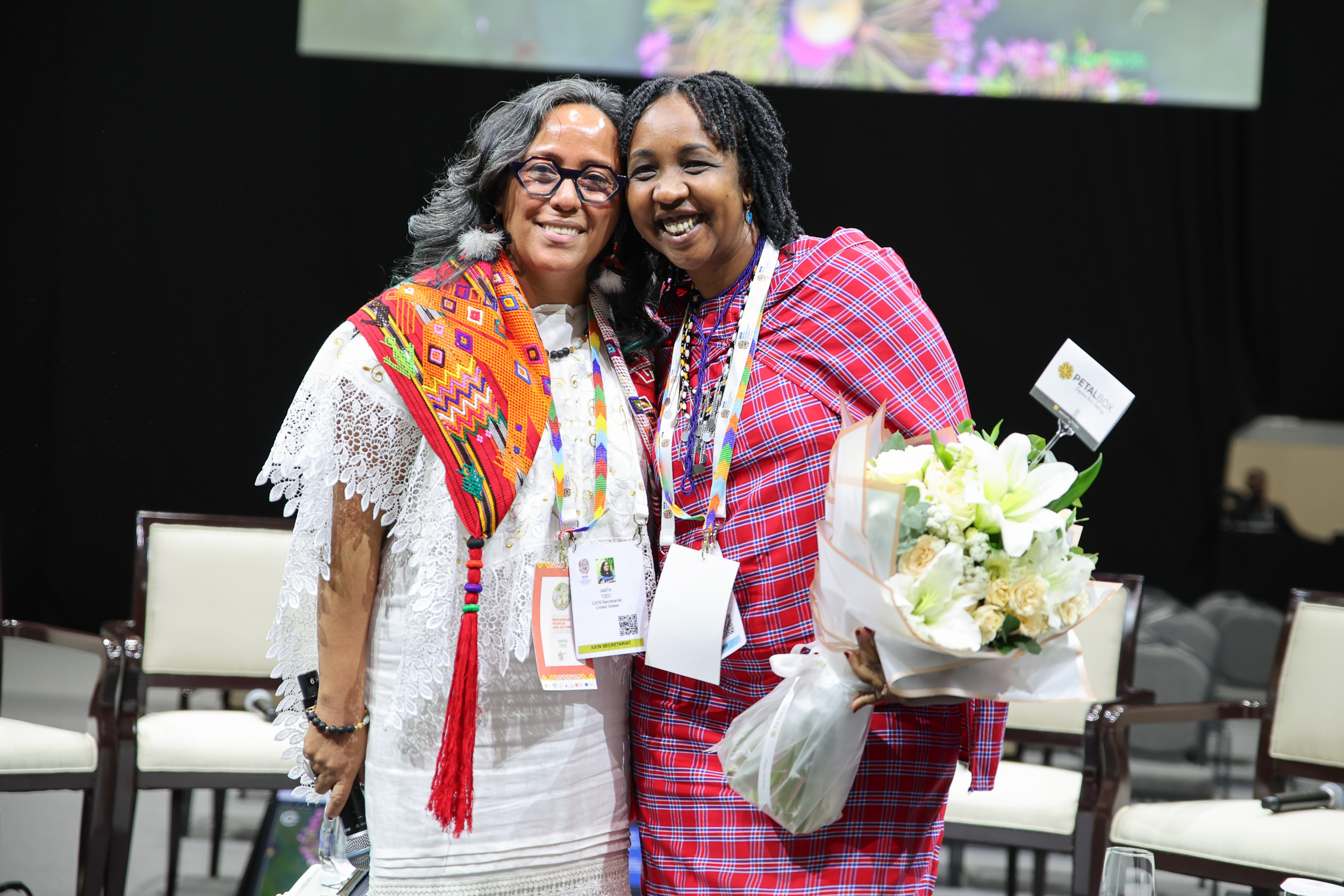
Anita Tzec, Maya Yucatec leader and Senior Programme Officer on Indigenous Peoples and Conservation, International Union for Conservation of Nature (IUCN), stressed that the Summit offers a space “to listen, learn, and connect with one another.” Ramiro Batzin, Vice President, IUCN, and Co-Chair, International Indigenous Forum on Biodiversity (IIFB), underscored that traditional knowledge is the voice of Mother Earth and that conservation for Indigenous Peoples is “about rights, knowledge, land, transformation, life, our environment, a way of living.”
In the high-level segment, Al Mubarak stressed that “this remarkable gathering” offers the opportunity to share the message that “nature is not a commodity but an identity, source of life, culture, and belonging.” She emphasized that “inspiration and aspiration are not enough,” adding that Indigenous priorities must shape national plans and international frameworks.
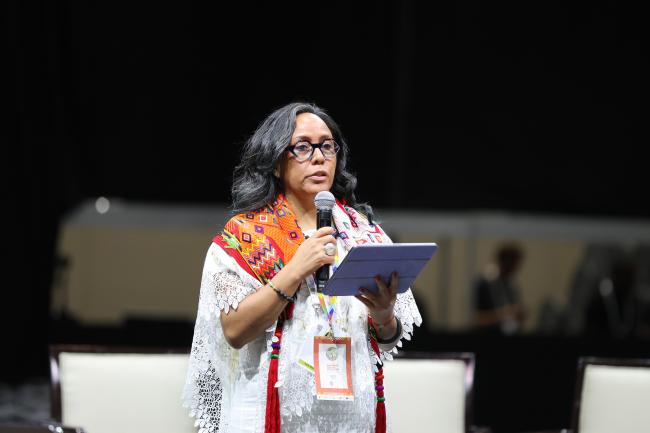
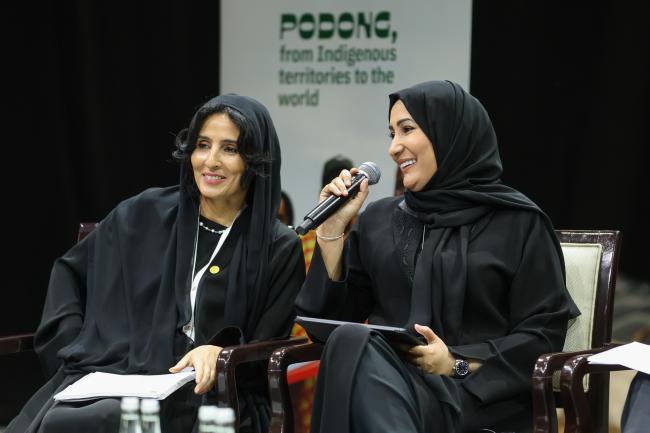
Shaikha Salem Al Dhaheri, Secretary General, Environment Agency - Abu Dhabi, United Arab Emirates (UAE), highlighted the enormous contributions of Indigenous Peoples to conservation, noting their knowledge, based on centuries of observation and practices, is living science.
Stressing that “Indigenous Peoples’ wisdom, knowledge, and courage must be at the center of everything we do,” Grethel Aguilar, Director General, IUCN, recognized that Indigenous Peoples are defending their rights and lands, often risking their lives. She emphasized that “we will stand with you” through the initiatives built together.
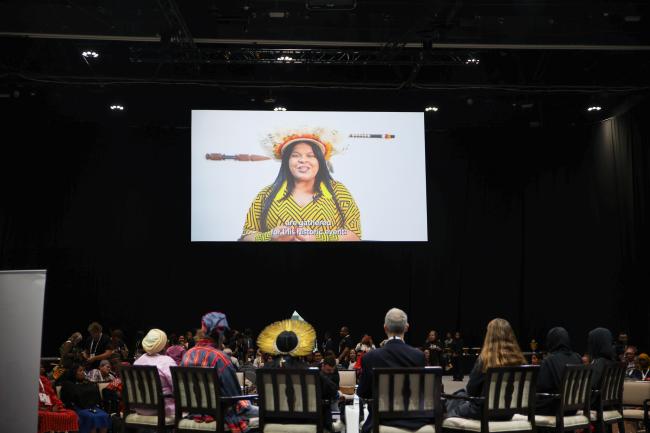
Sônia Guajajara, Minister of Indigenous Peoples, Brazil, via video message, underscored that we need to change the way we interact with nature, as technological innovations cannot address the challenges alone. She highlighted that protecting Mother Earth without Indigenous Peoples is impossible, stressing the need to guarantee Indigenous rights on their lands, territories, and resources, based on Indigenous science and worldviews.
Puyr Tembé, First Secretary, Indigenous Peoples of the State of Pará, Brazil, said climate and biodiversity solutions can only be achieved if Indigenous Peoples’ knowledge is taken on board, noting a significant proportion of the world’s protected forest lies within Indigenous lands.
Kerry Max, Deputy Director, Partnering for Climate, Global Affairs Canada, noted Canada’s role in funding the longtime sustainers of biodiversity, calling for Indigenous Peoples’ access to needed resources, including for women and youth, without delay or compromise. He advocated for moving from consultation to co-creation through initiatives co-designed and co-led by Indigenous Peoples.
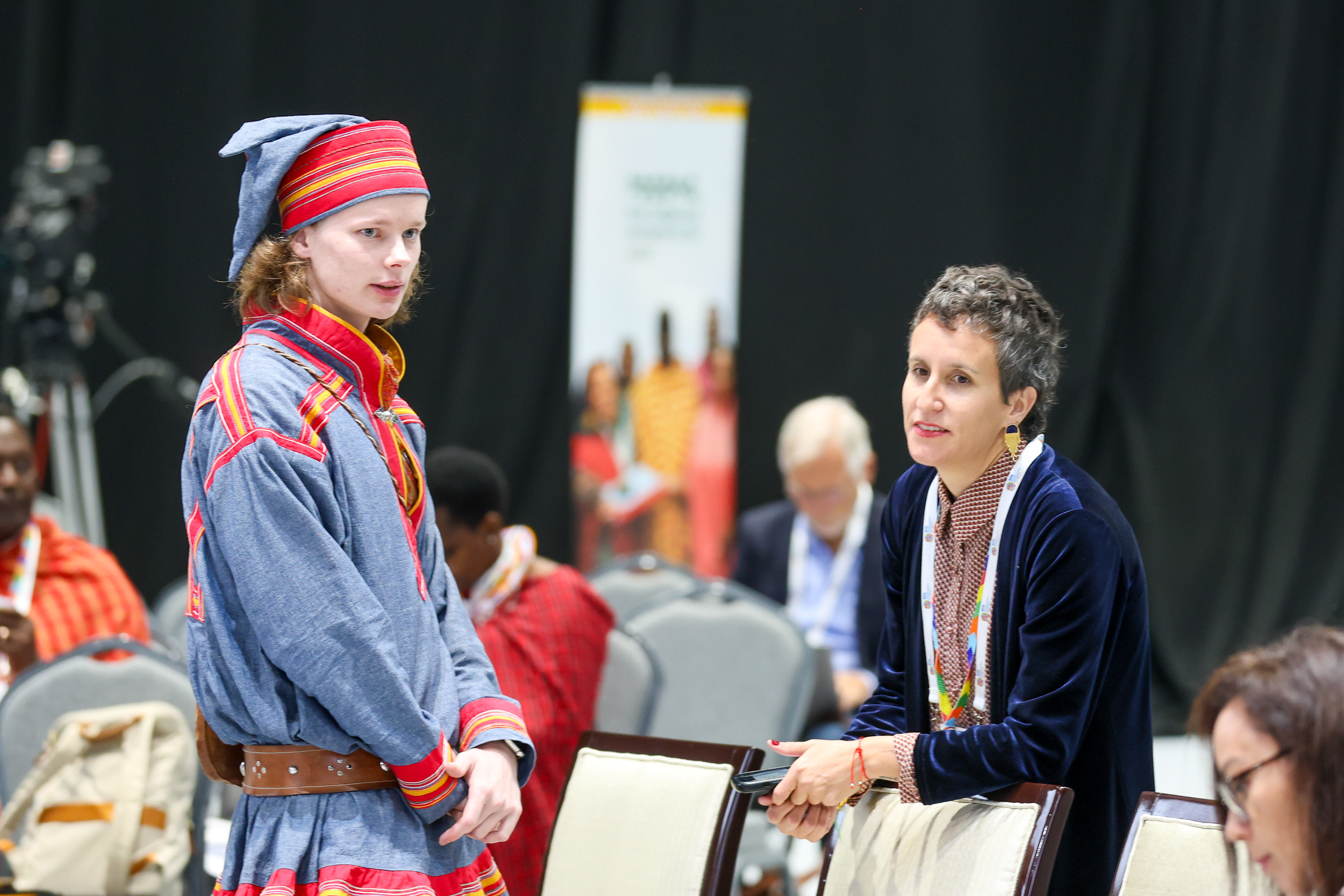
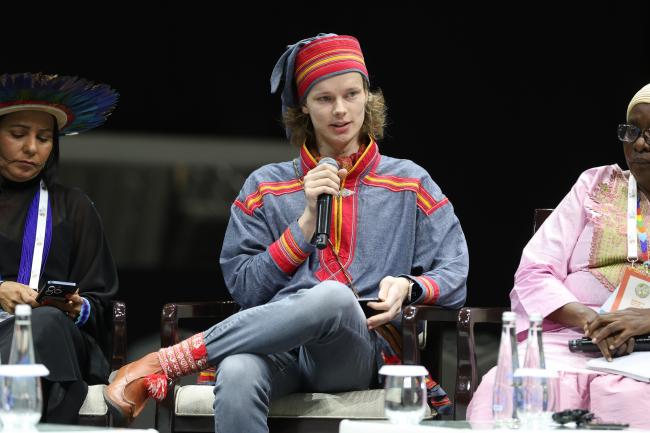
Niila-Juhán Valkeapäā, Vice-Chair, Youth Council of the Sámi Parliament, Finland, criticized projects that have destroyed Indigenous livelihoods, noted the scientific value of Sámi knowledge, and urged that Indigenous youth be trusted as full partners, with funding for their solutions to the biodiversity and climate crises.
Lucy Mulenkei, IIFB Co-Chair and Executive Director, Indigenous Information Network (IIN), urged inclusivity and partnership because Indigenous Peoples cannot do everything alone. She noted that the Kunming-Montreal Global Biodiversity Framework (GBF) targets ensure forward movement toward achieving conservation goals, urged continuous support for the Podong Indigenous Peoples Initiative, and highlighted work with the private sector on the Task Force on Nature-related Financial Disclosures.
A panel discussion focused on the path from Marseille to Abu Dhabi, discussing, among other things, the evolving participation of Indigenous Peoples in IUCN’s governance system and implementation of the IUCN Global Indigenous Agenda for the Governance of Indigenous Lands, Territories, Waters, Coastal Seas and Natural Resources.
A second panel discussion tackled Indigenous leadership in global policy, addressing, among other things, how Indigenous and traditional territories contribute to biodiversity conservation and why this is important.
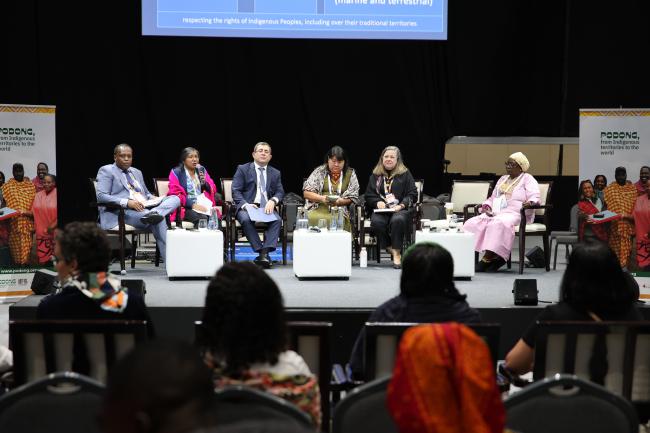
The last panel focused on redefining the climate narrative, offering Indigenous leadership perspectives on global policy transformation and addressing key priorities and positions for negotiations at the 30th session of the Conference of the Parties to the UN Framework Convention on Climate Change (UNFCCC COP 30).
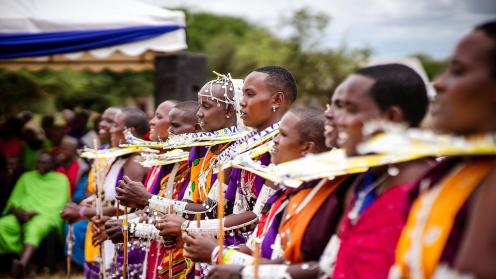
The day concluded with a cultural exchange between Indigenous leaders and a local traditional community, which took place in the desert under the theme ‘Our knowledge, our cultures, our peoples.’
To receive free coverage of global environmental events delivered to your inbox, subscribe to the ENB Update newsletter.
All ENB photos are free to use with attribution. For the 2025 World Summit of Indigenous Peoples and Nature, please use: Photo by IISD/ENB | Mike Muzurakis
Grand Opening of the Indigenous Peoples Summit
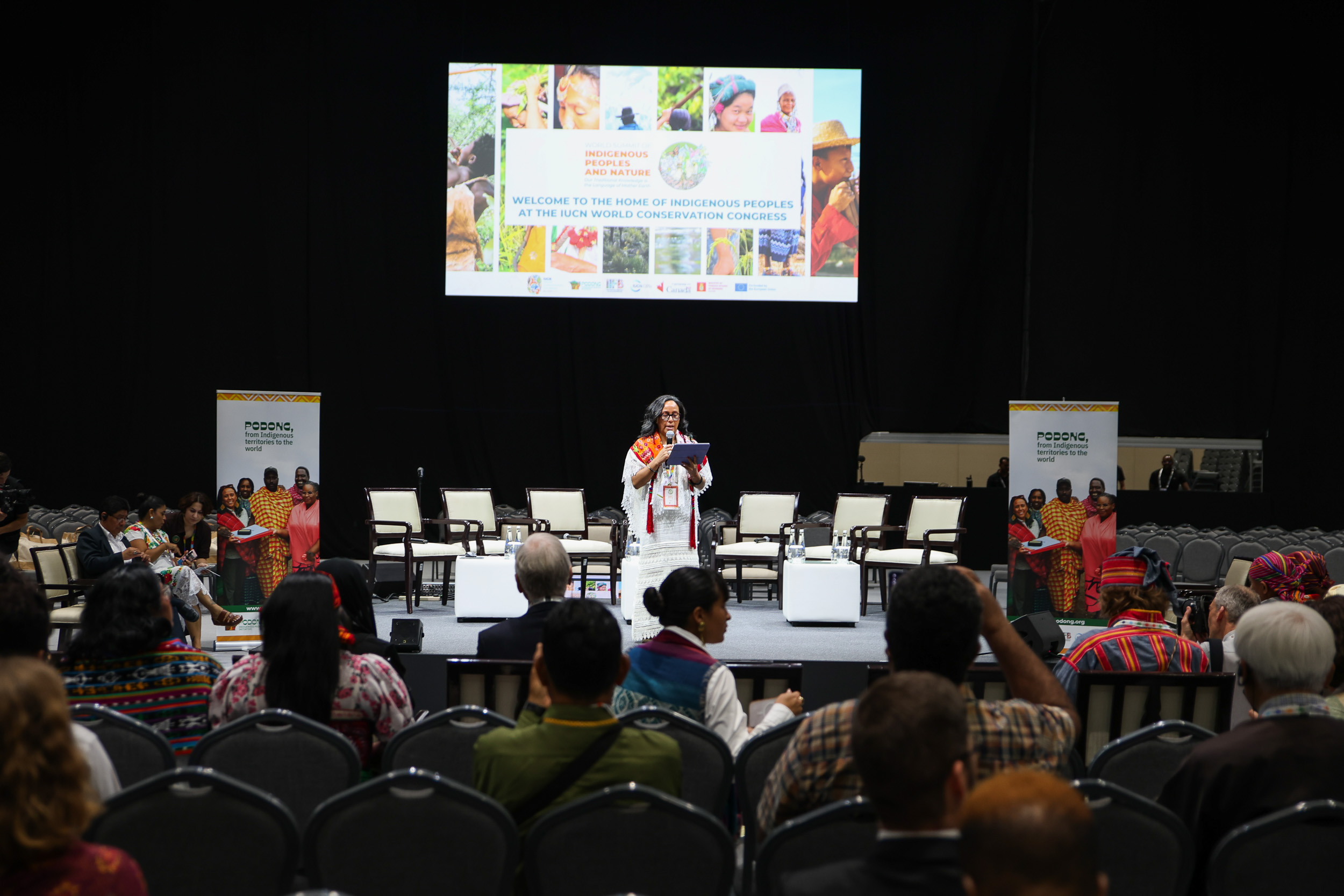
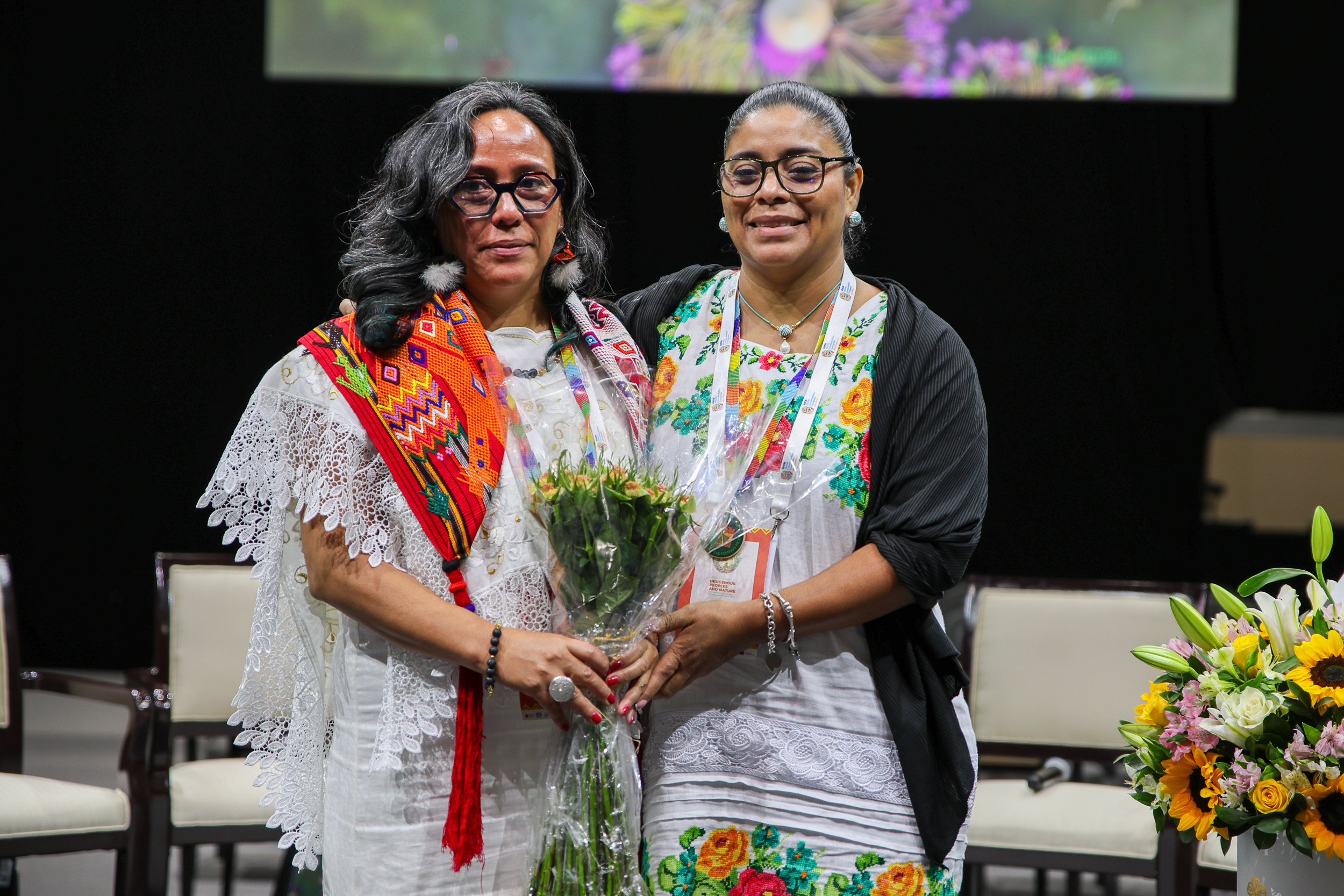
Anita Tzec, Maya Yucatec Leader, Senior Programme Manager, Indigenous Peoples and Conservation, IUCN

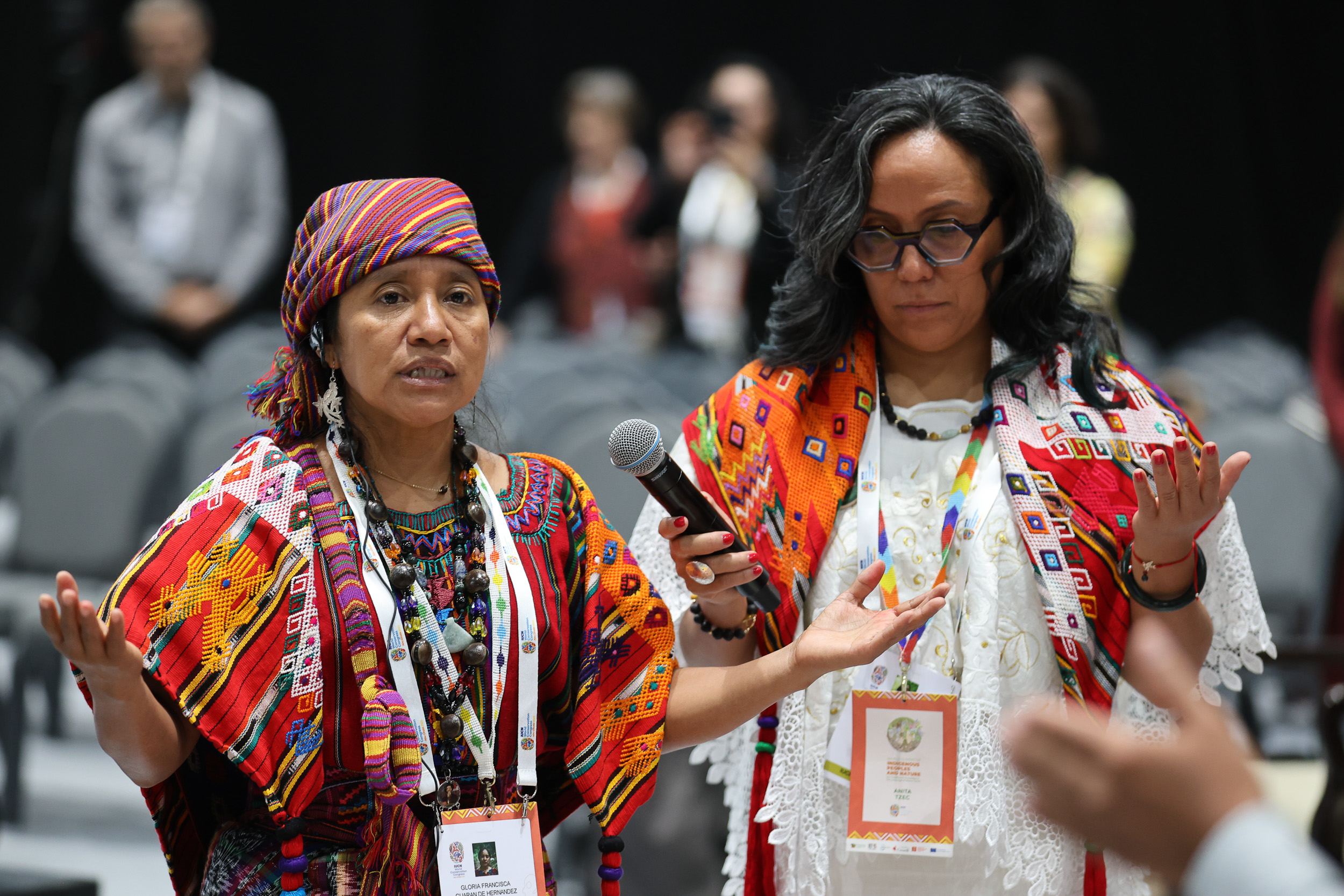
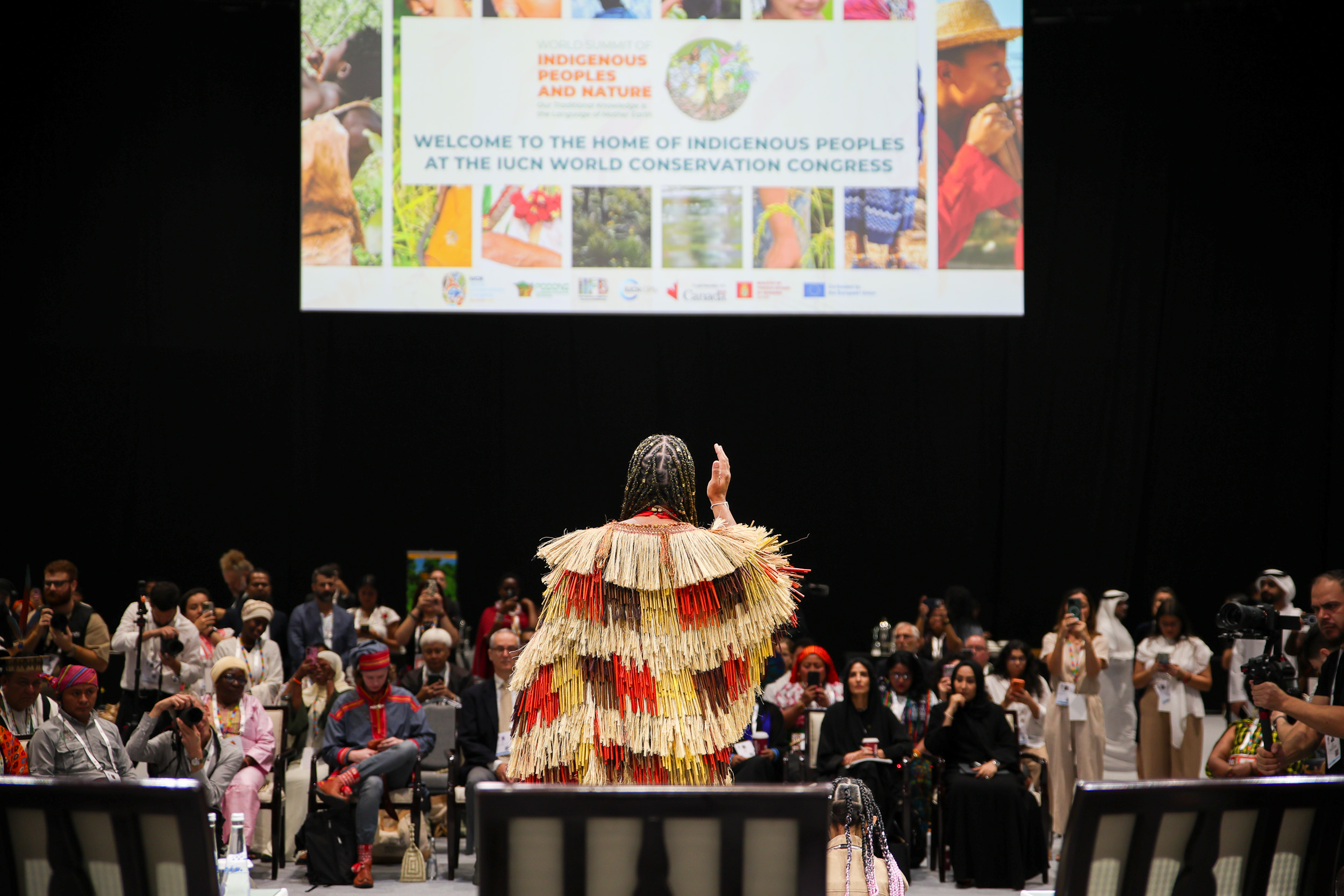
WHAIA Sonic Weaver, vocalist, performer, First Nations multi-instrumentalist
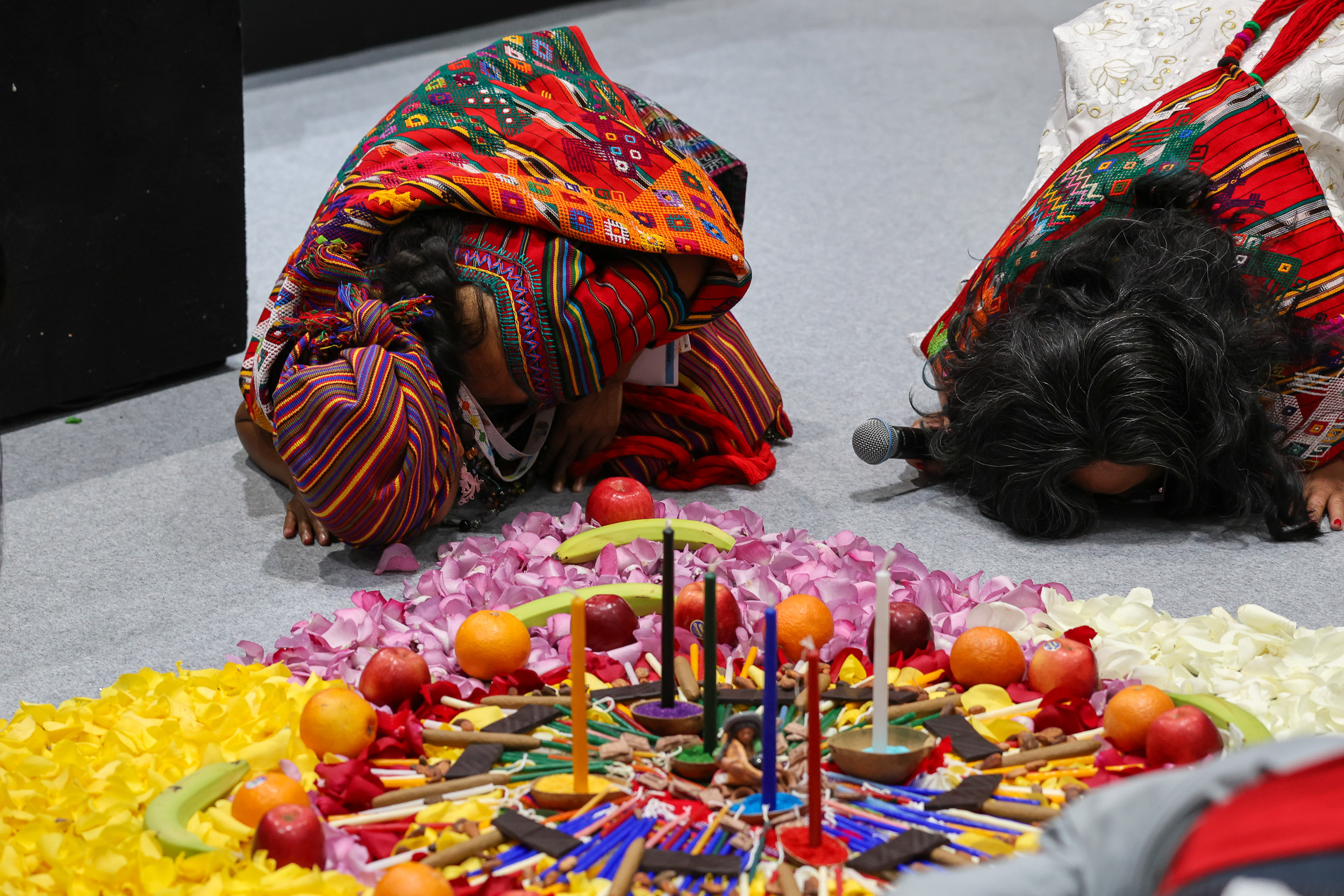
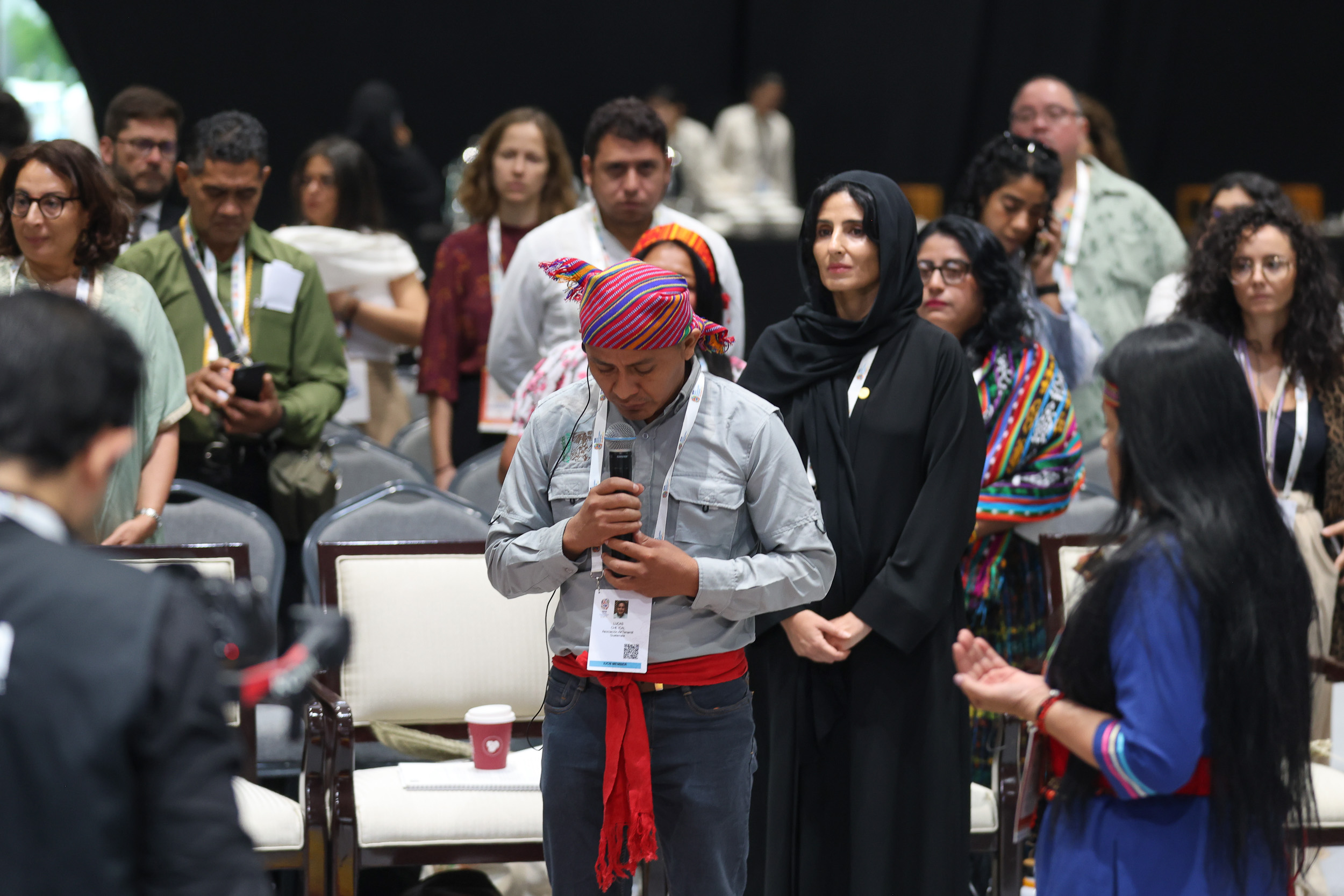
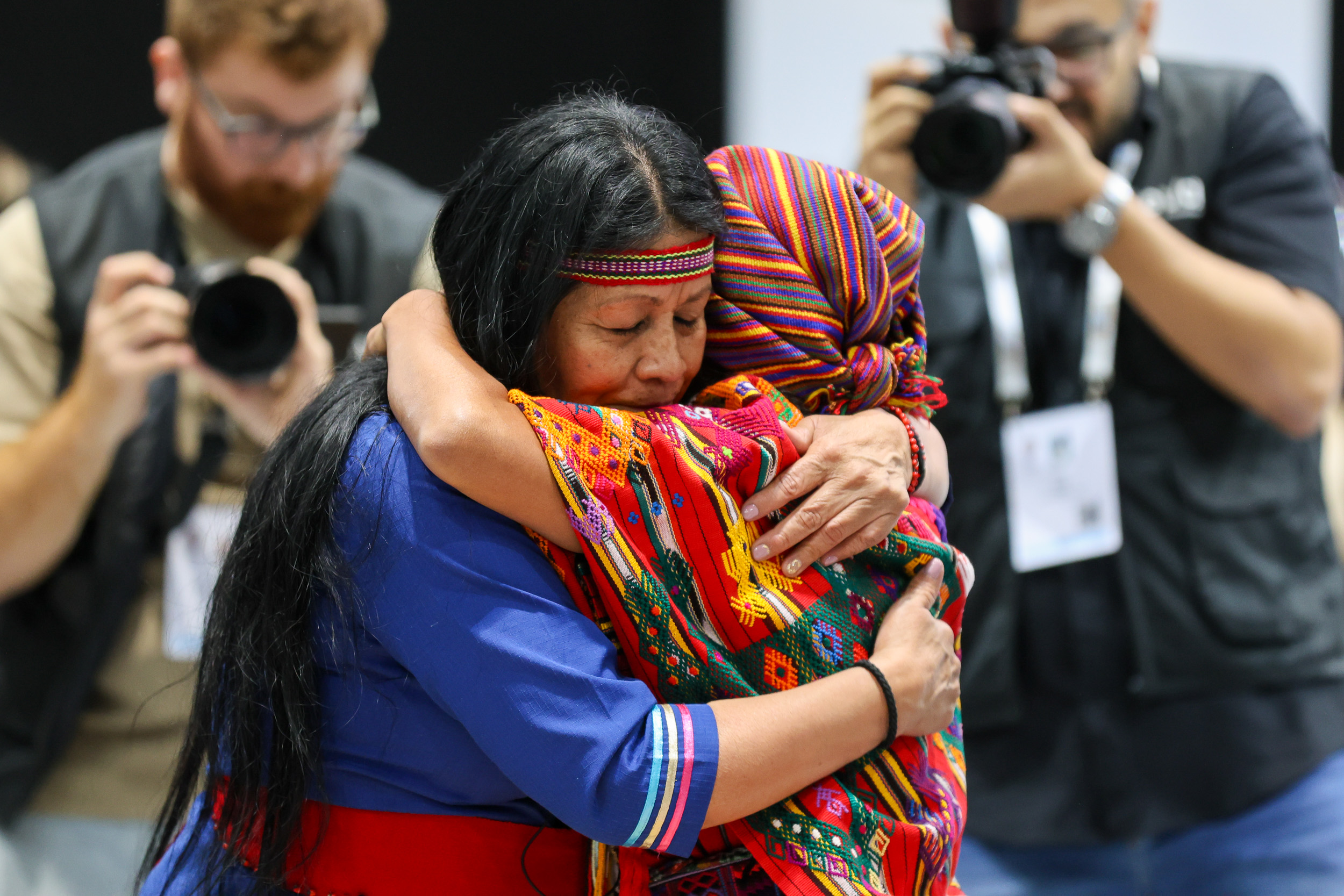
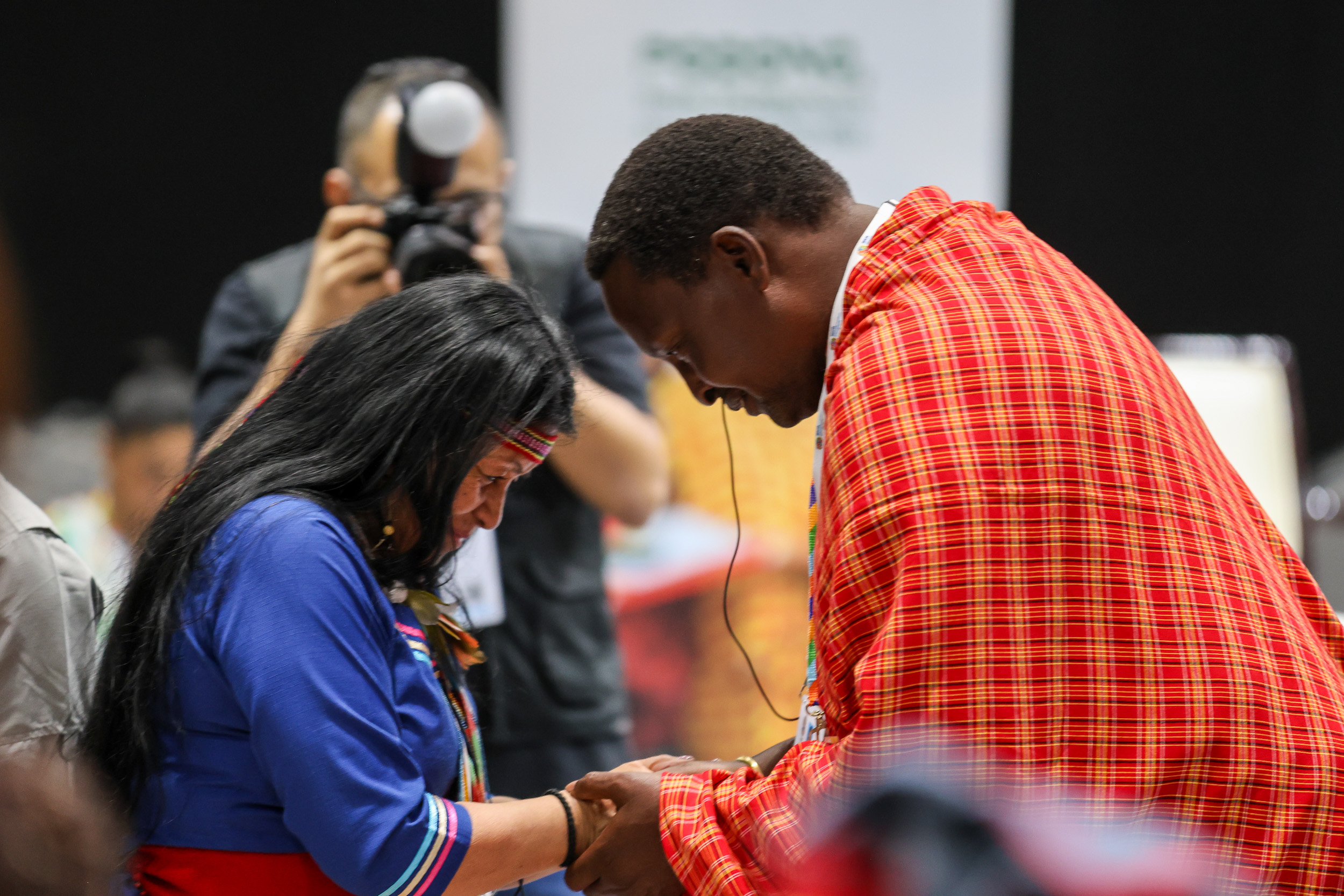
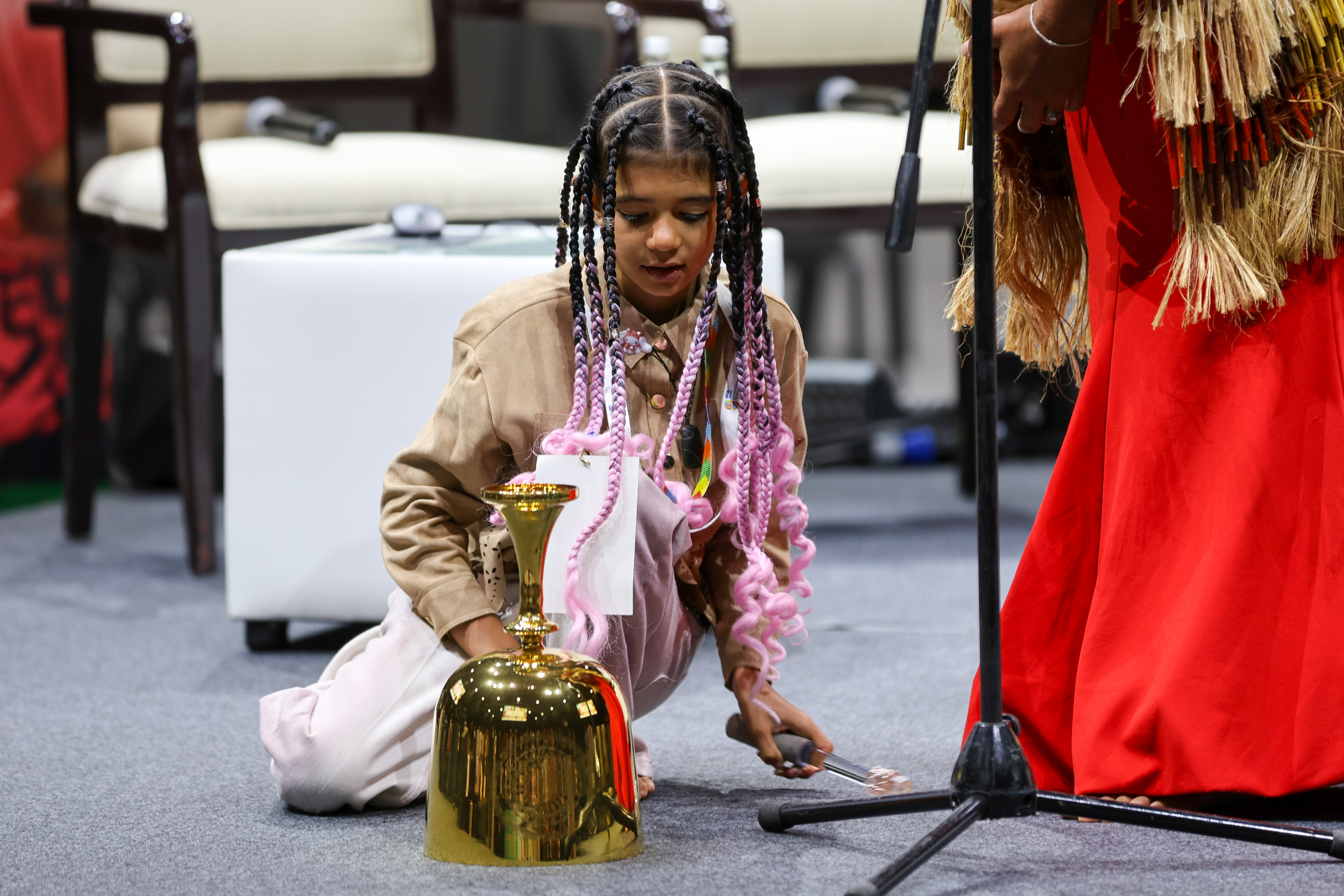
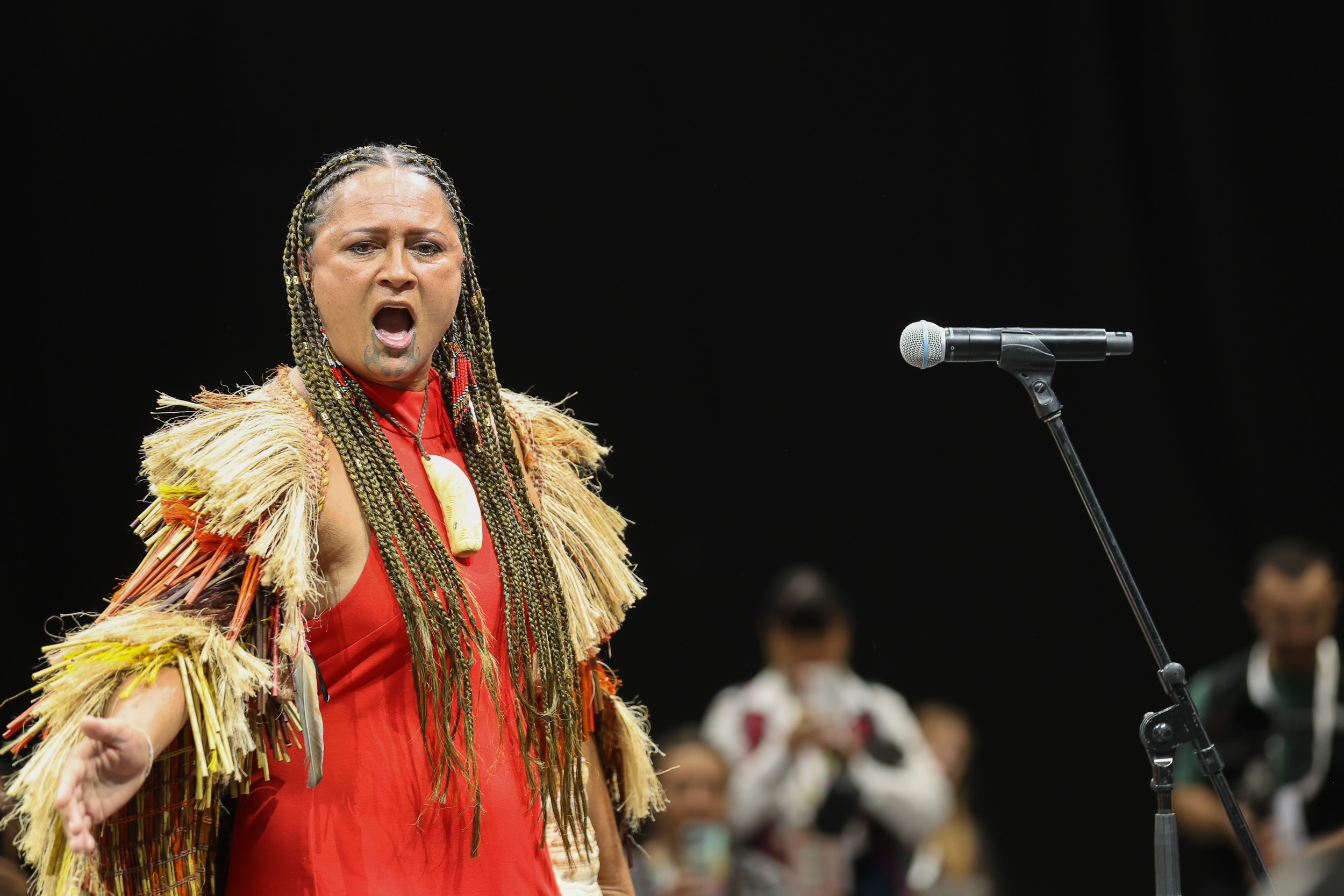
WHAIA Sonic Weaver, vocalist, performer, First Nations multi-instrumentalist
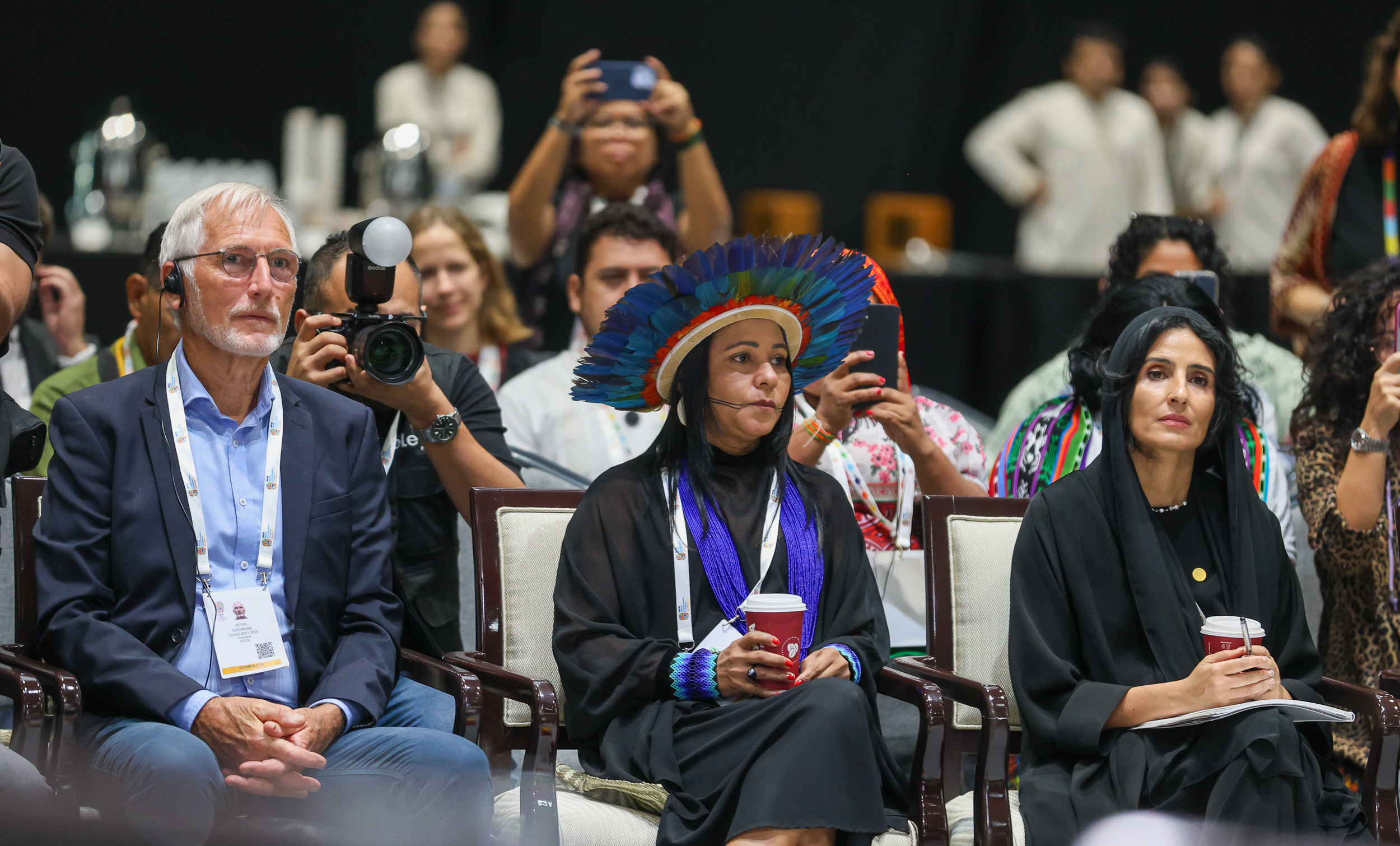
High-level Session
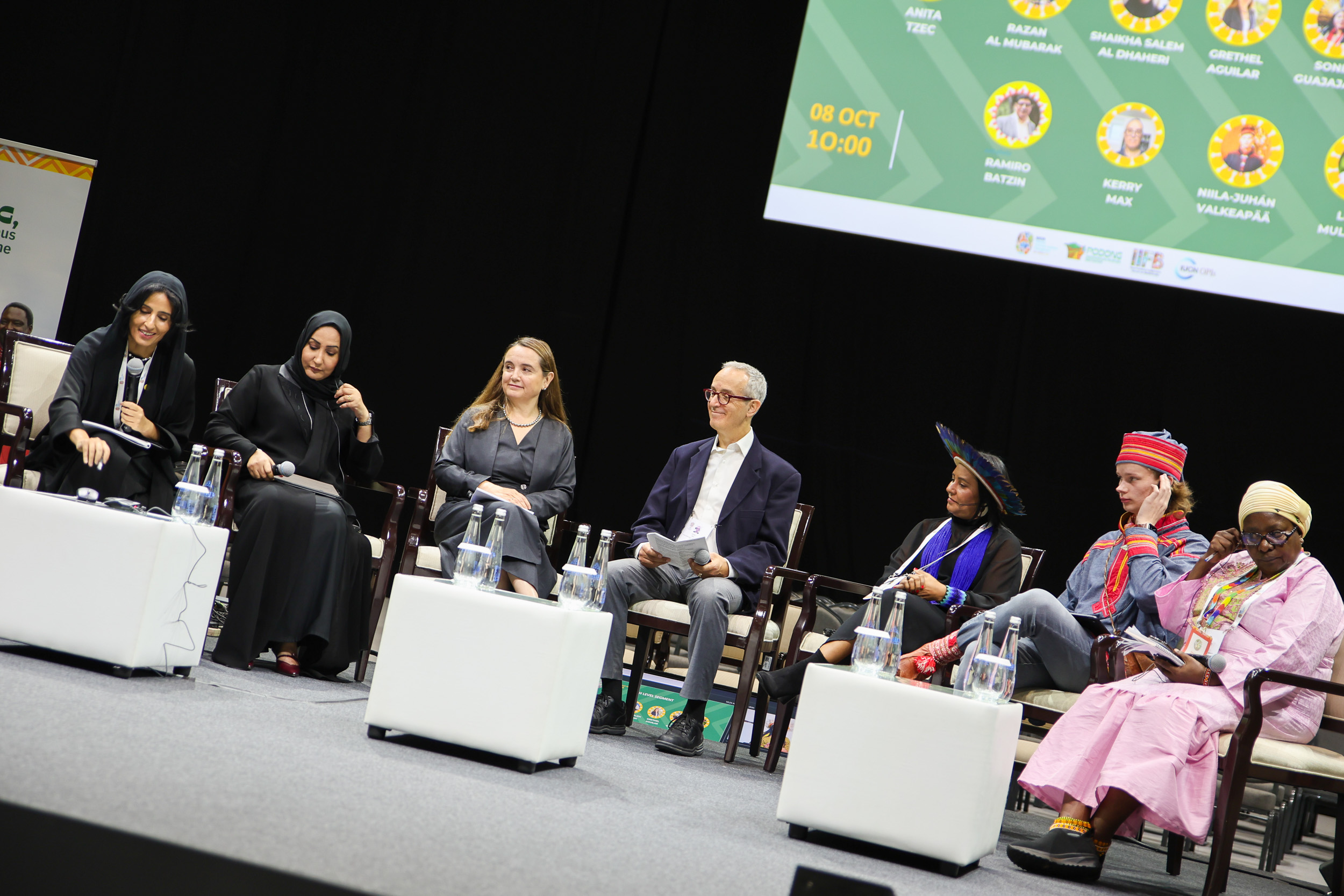
View of the panel during the high-level opening
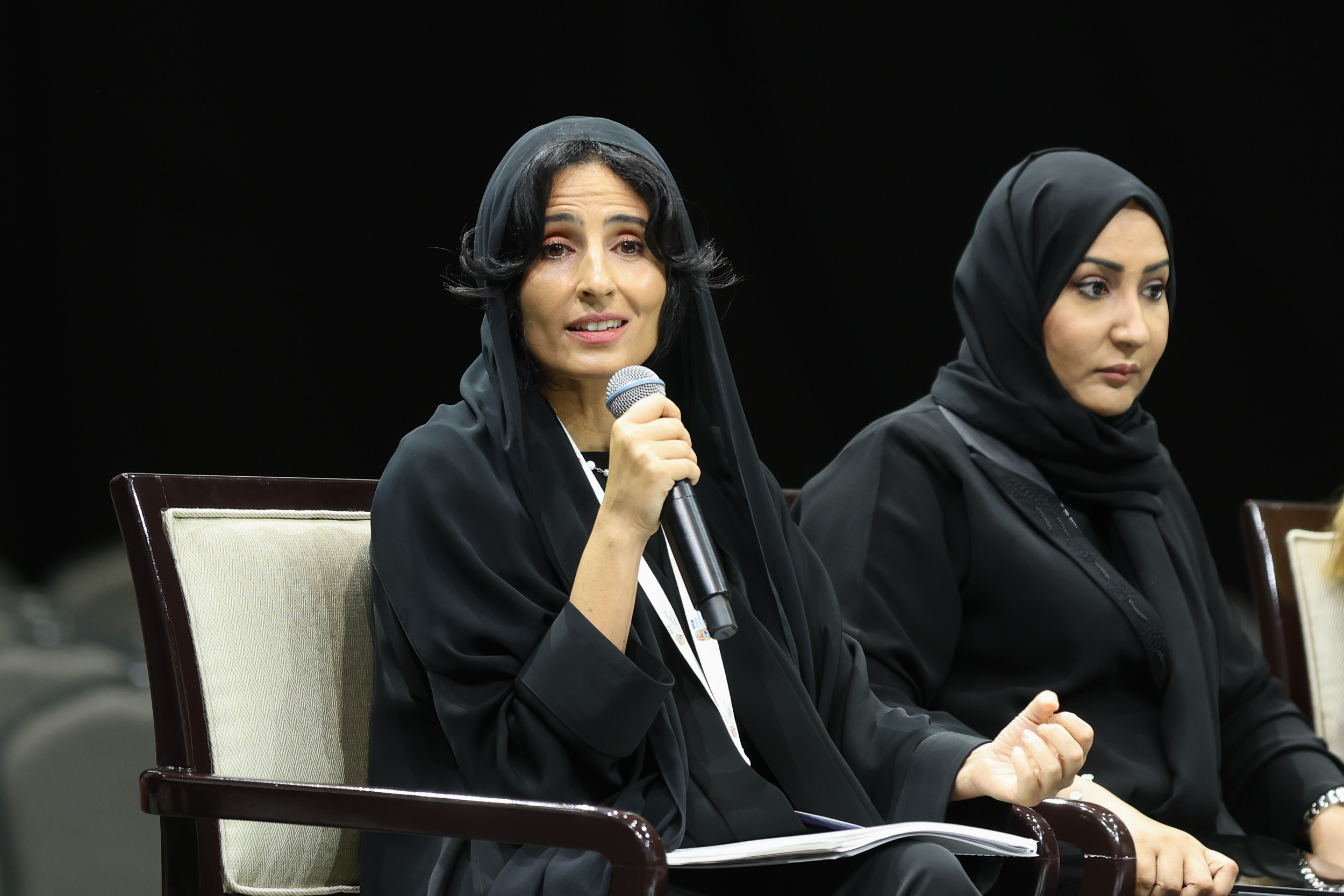
IUCN President Razan Khalifa Al Mubarak
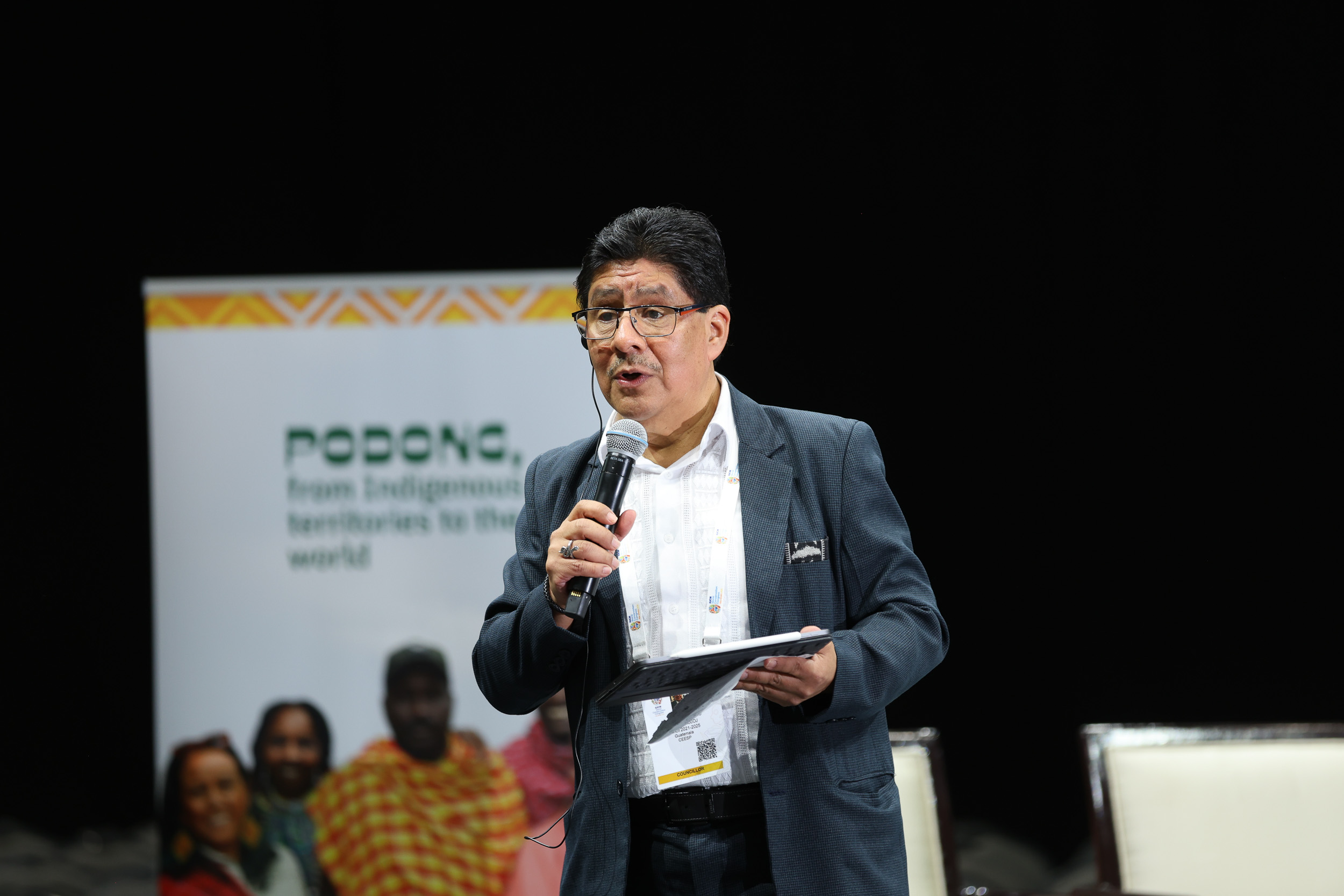
Ramiro Batzin, Co-Chair, IIFB, and Vice President, IUCN
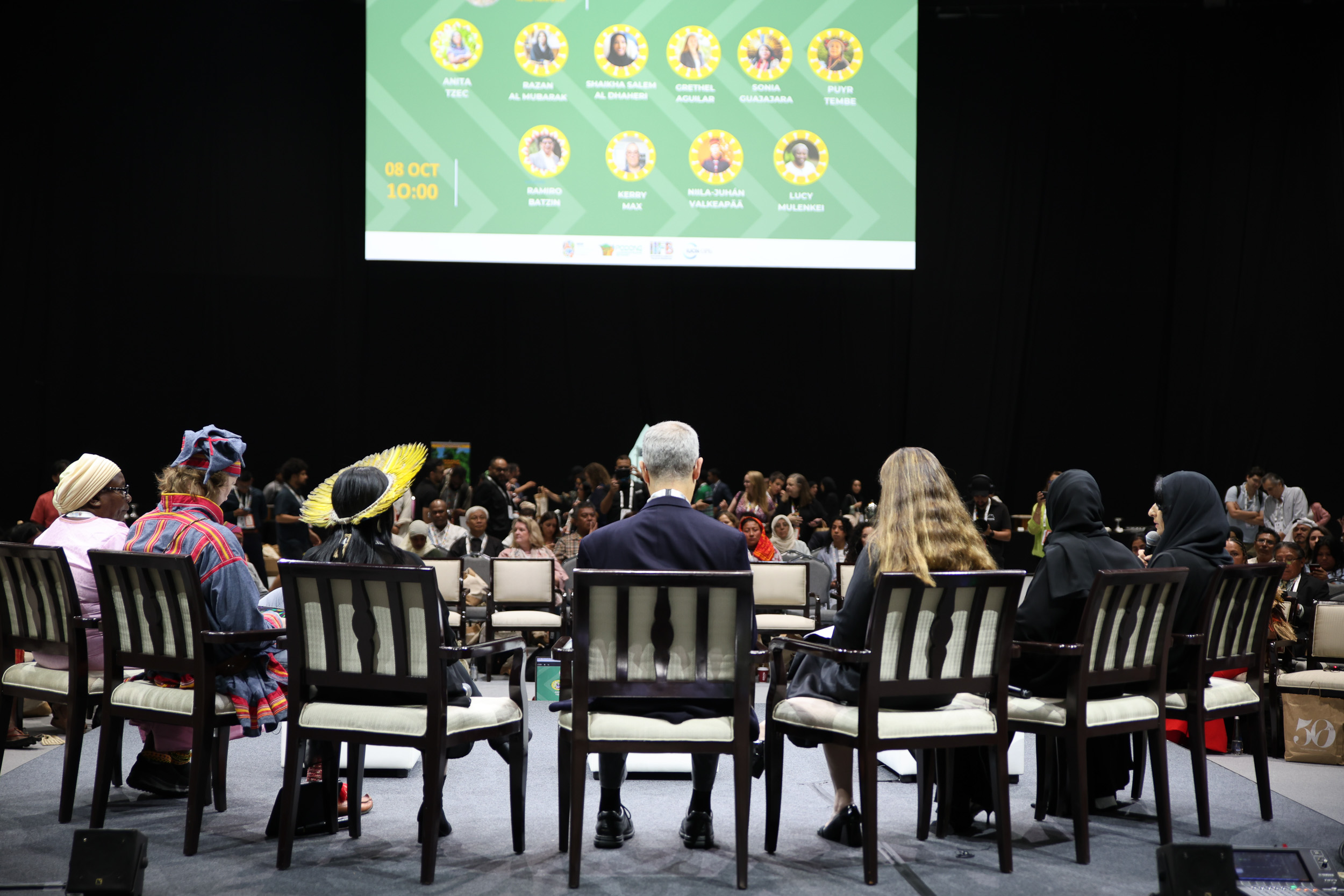
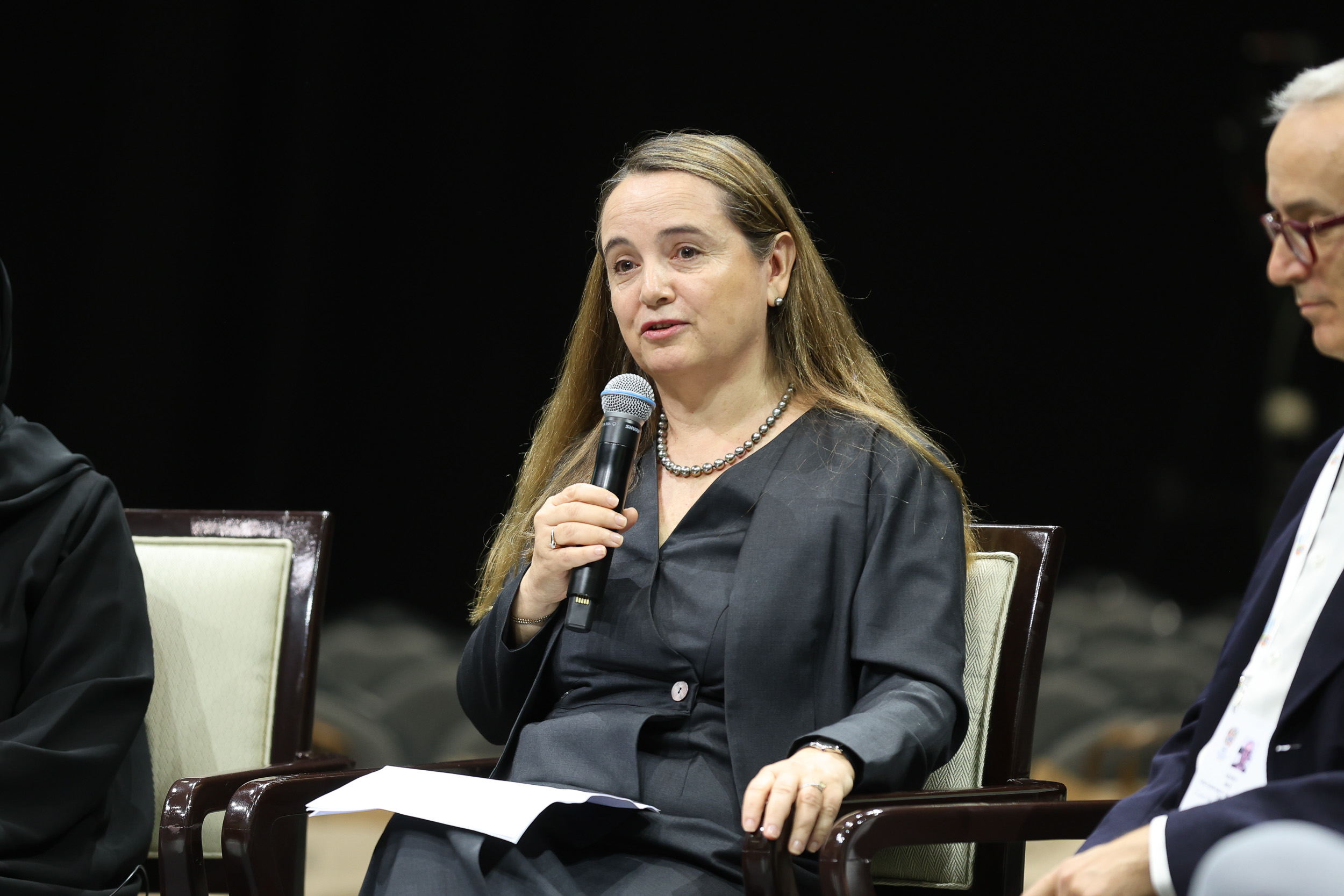
Grethel Aguilar, Director General, IUCN
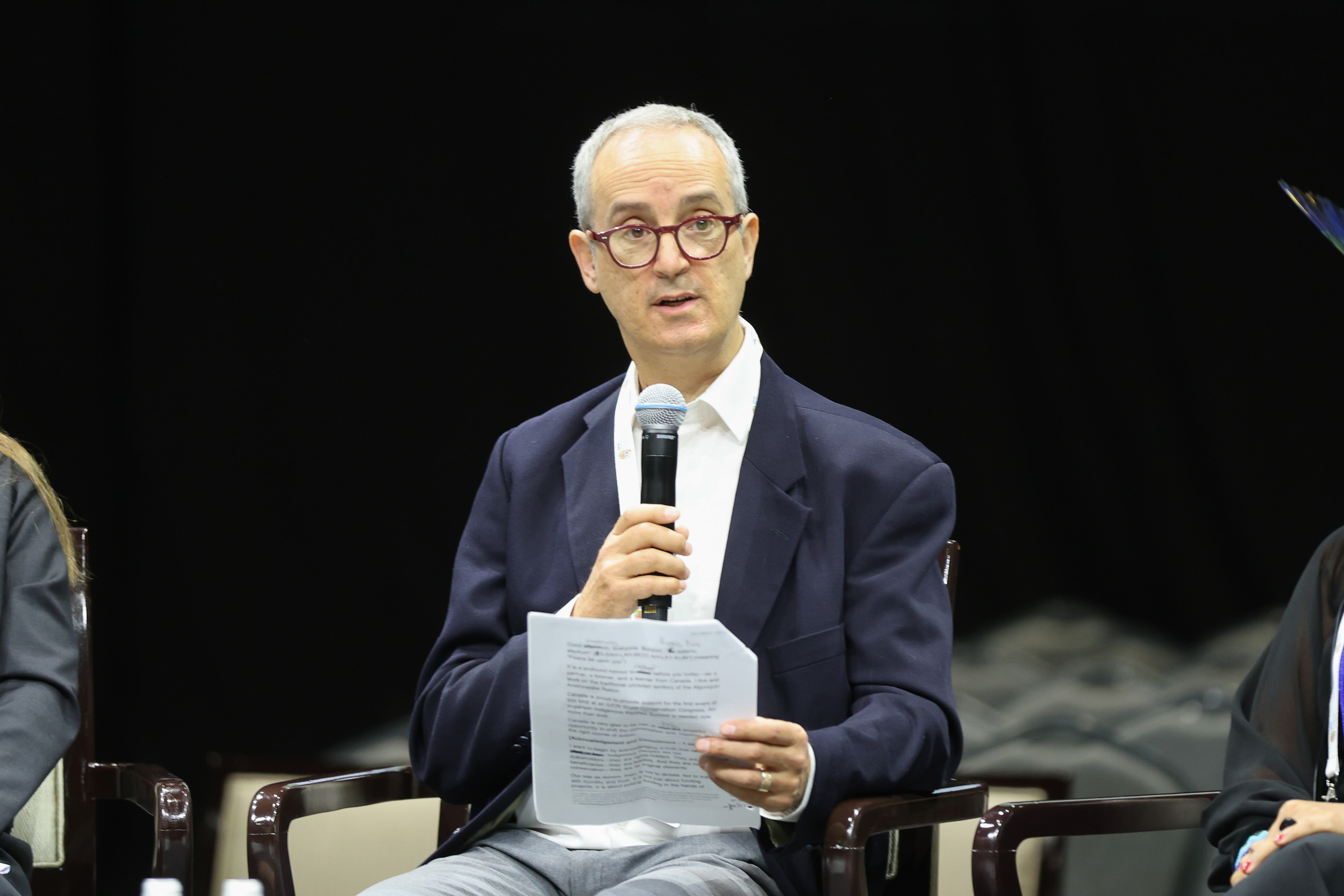
Kerry Max, Deputy Director, Partnering for Climate, Global Affairs Canada
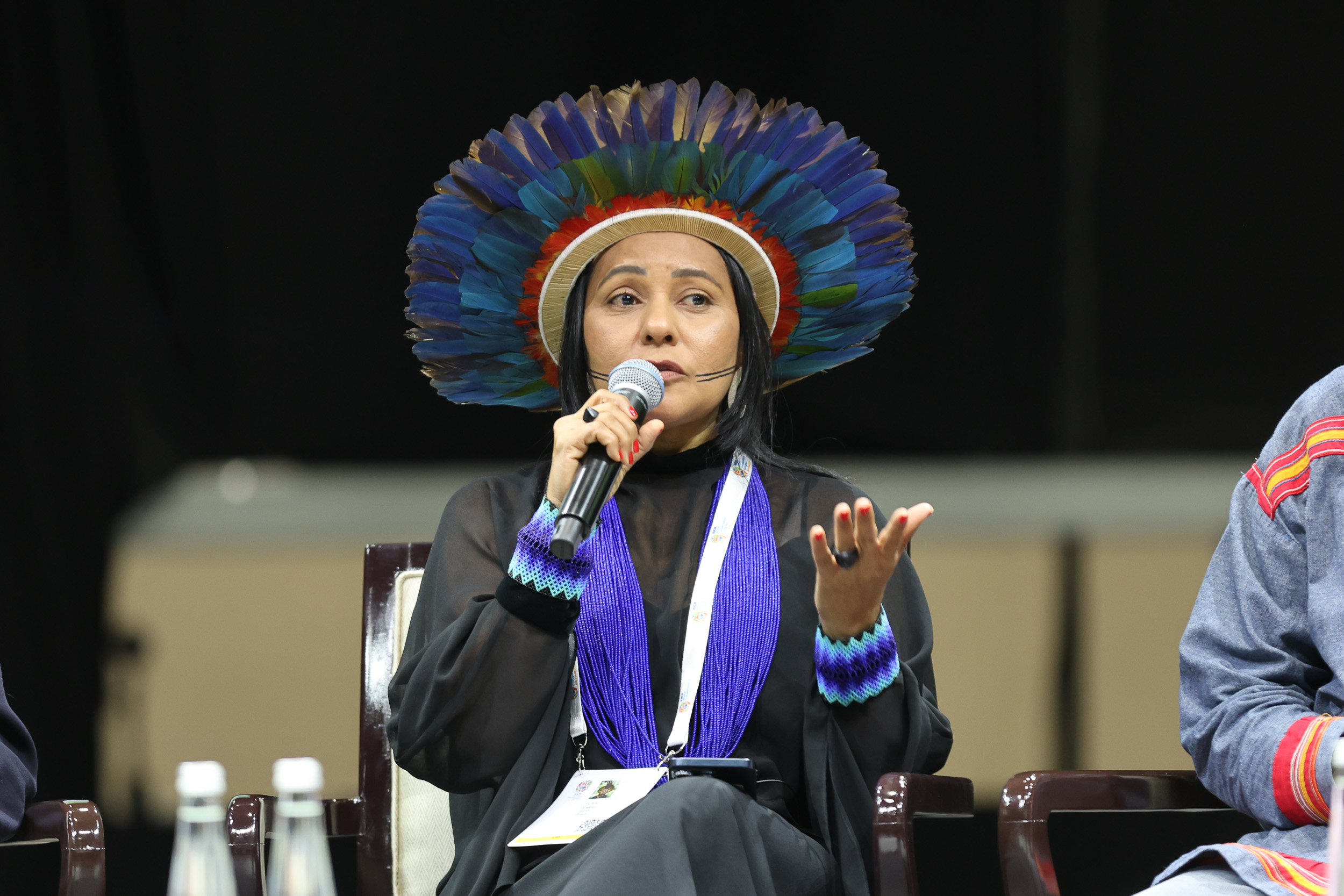
Puyr Tembé, First Secretary, Indigenous Peoples of the State of Pará, Brazil
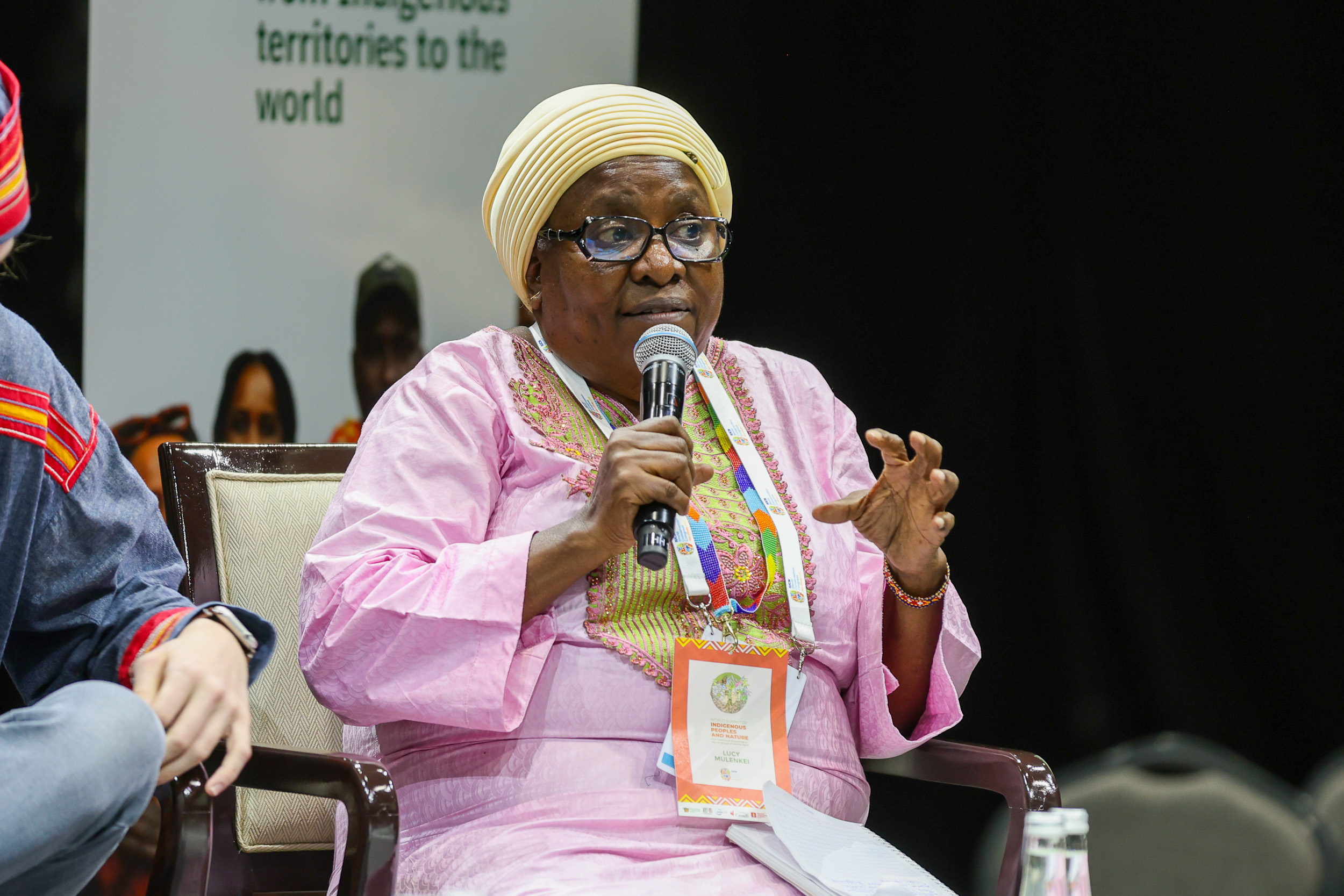
Lucy Mulenkei, Co-Chair, IIFB, and Executive Director, IIN
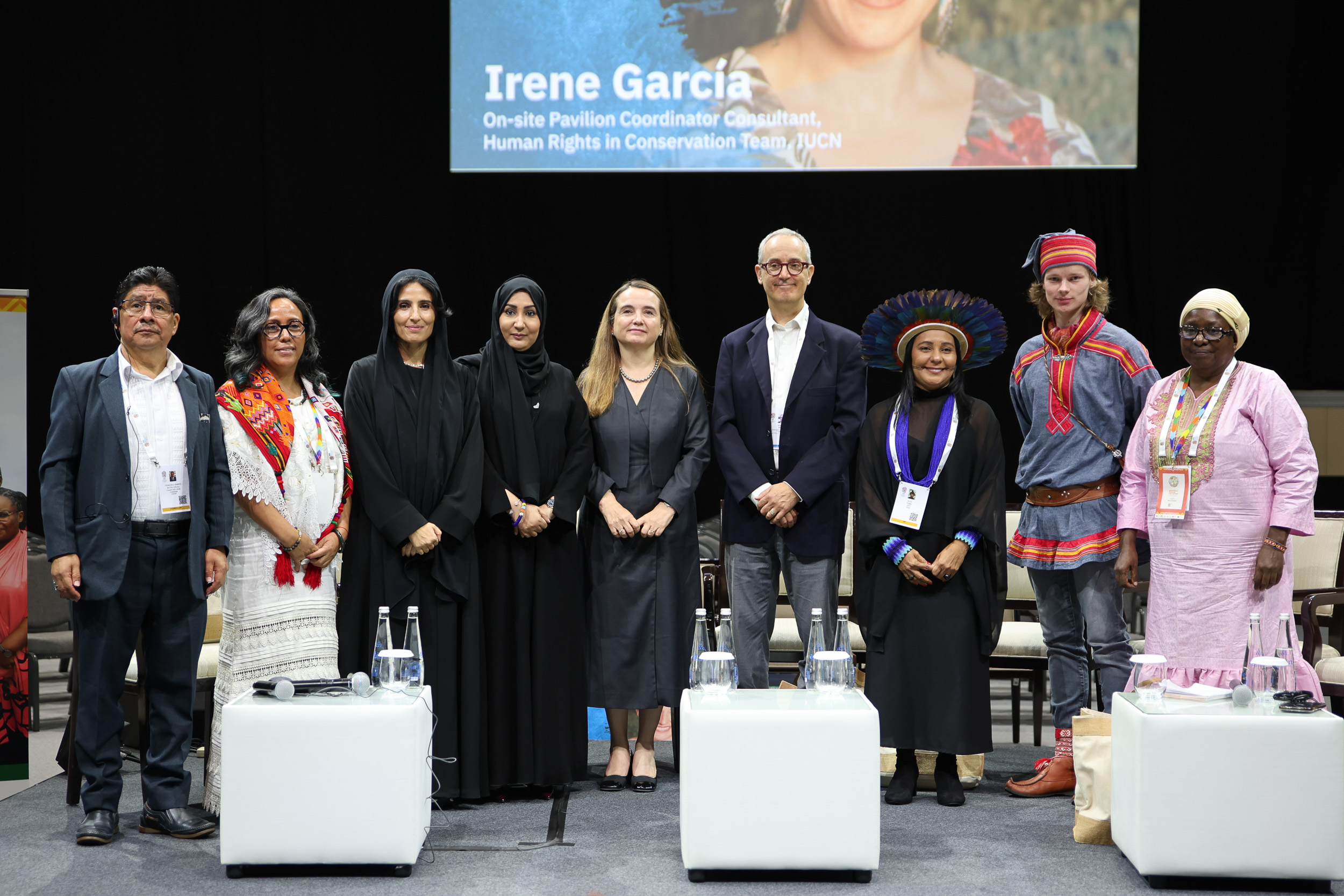
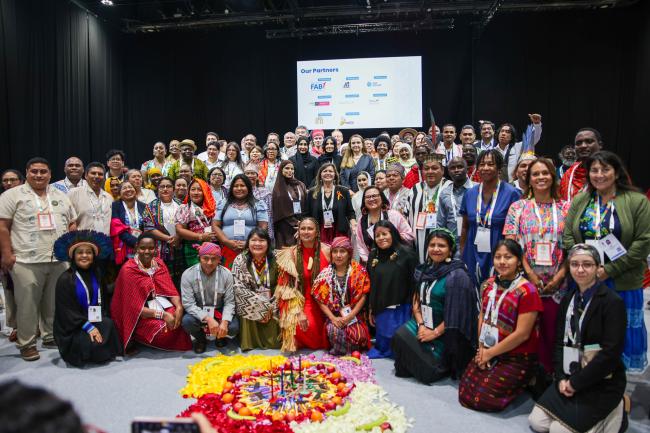
High-level panel group photo
From Marseille to Abu Dhabi
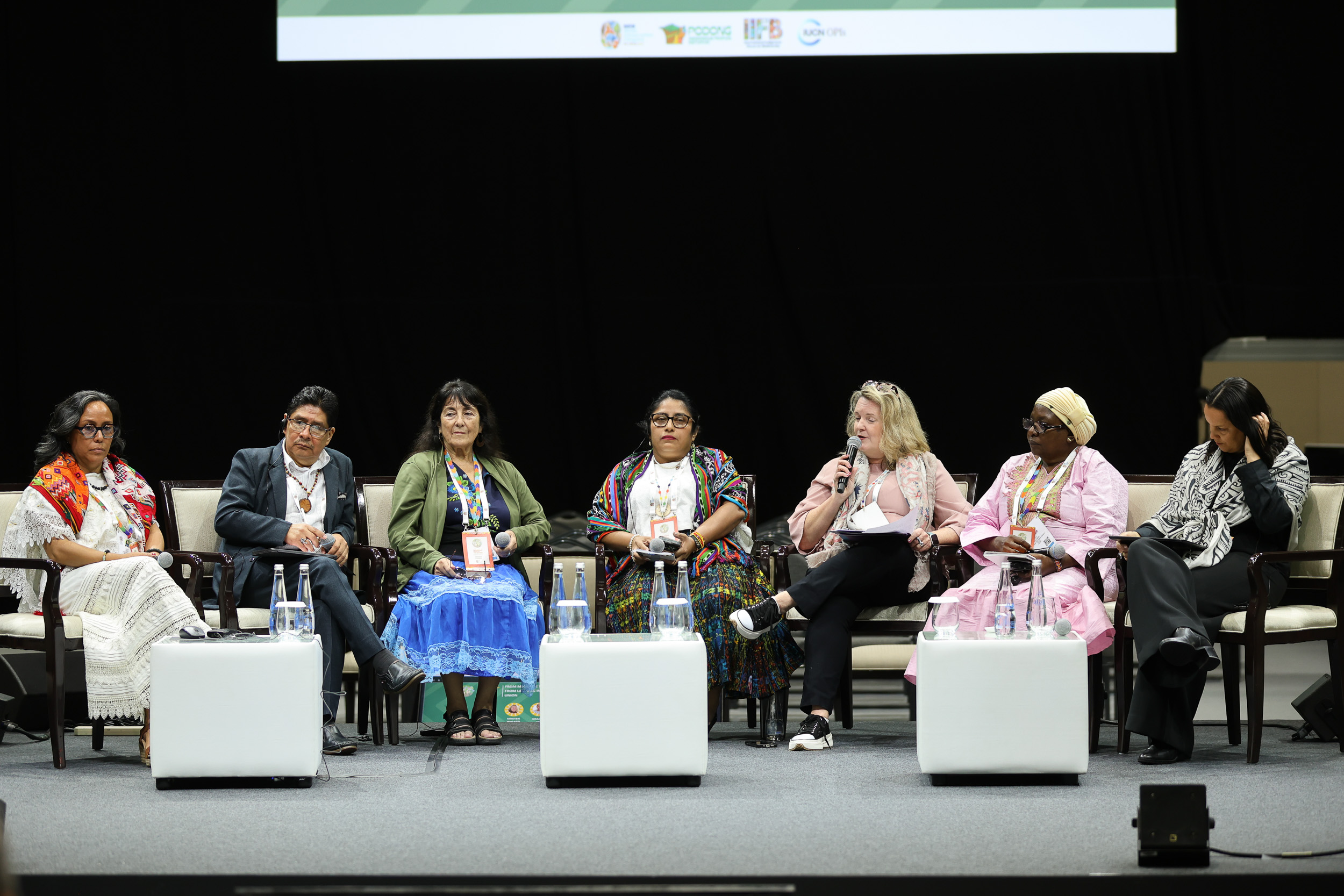
View of the panel during the session
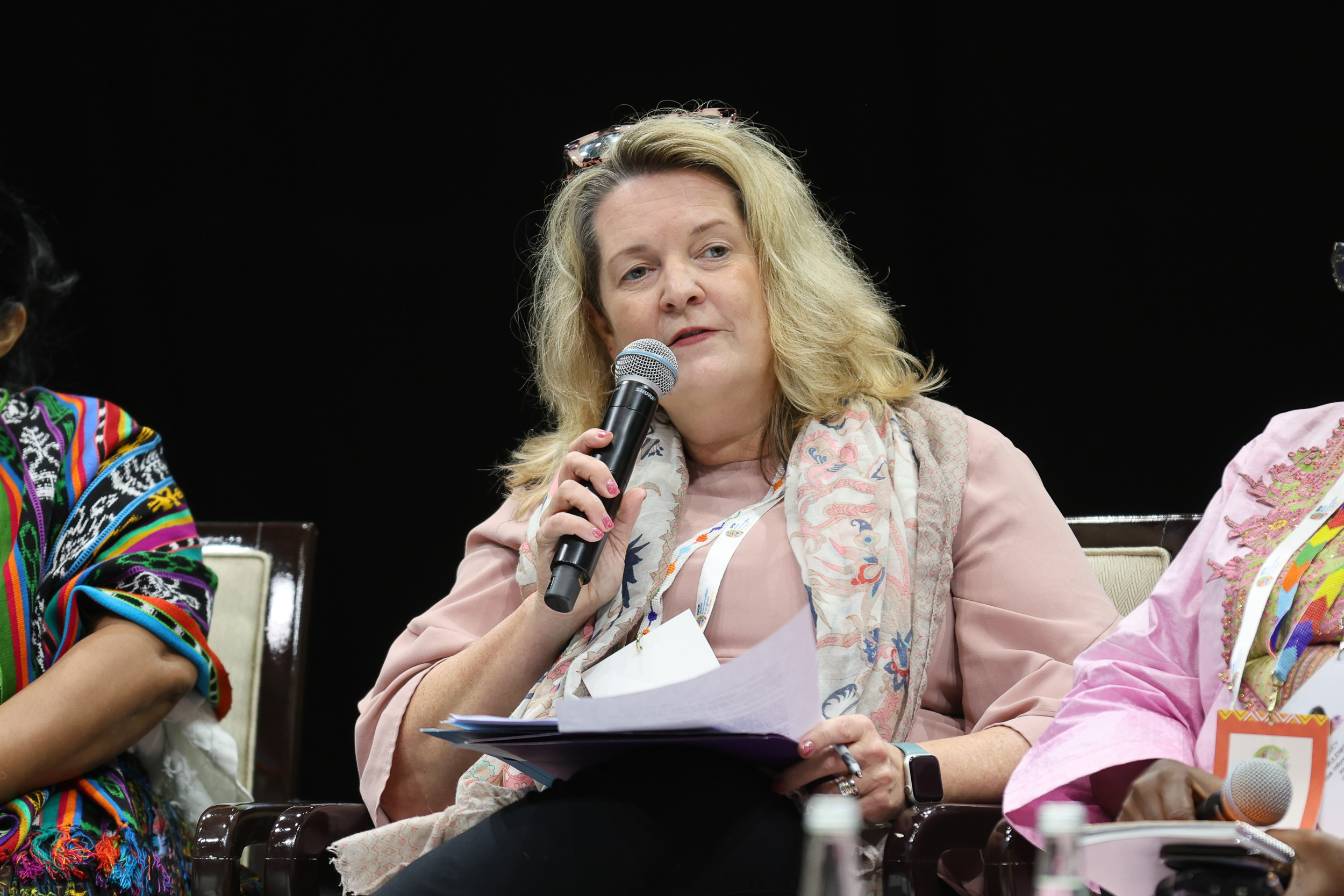
Kristen Walker-Painemilla, Senior Vice President of Inclusive Finance, Conservation International
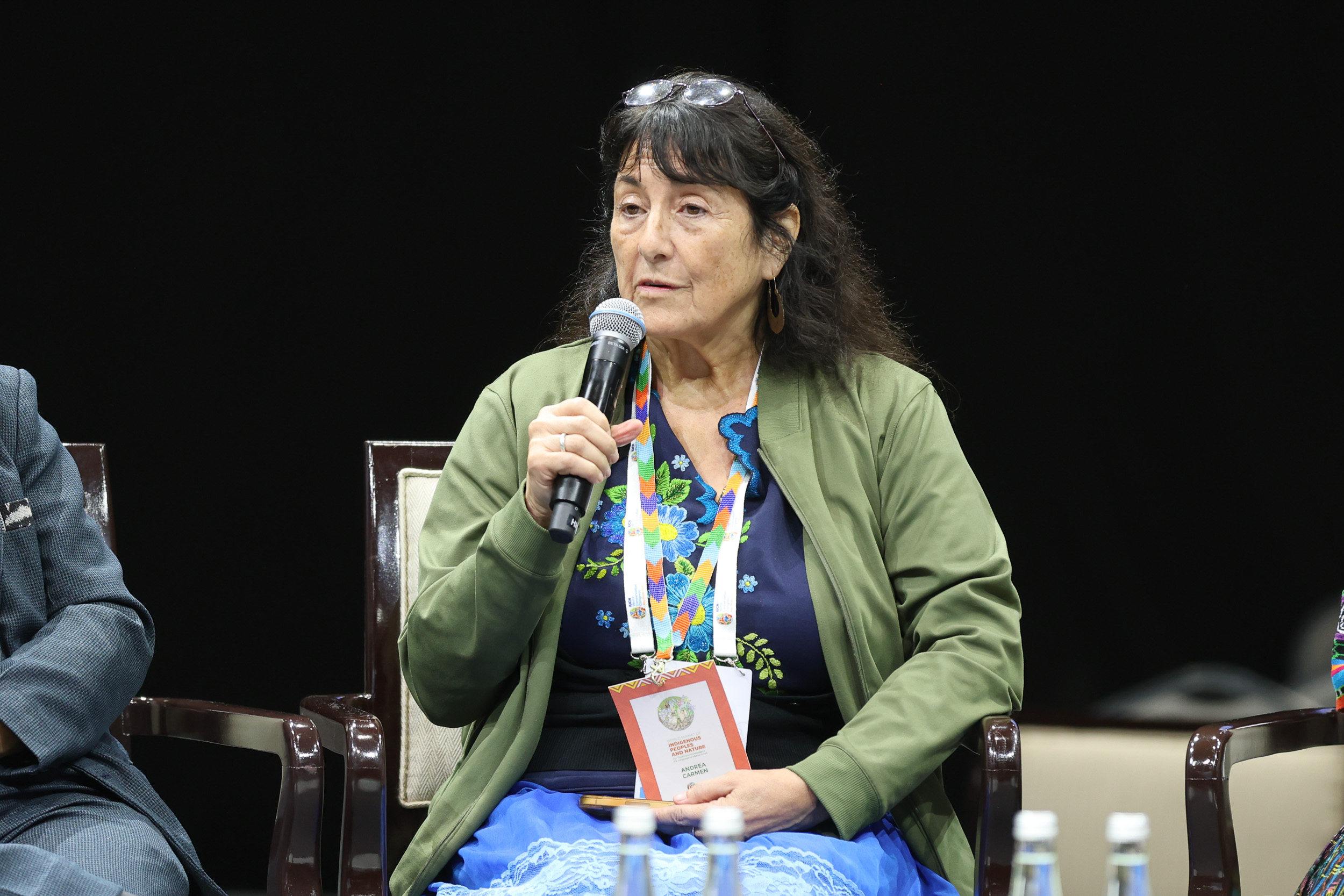
Andrea Carmen, Executive Director, International Indian Treaty Council
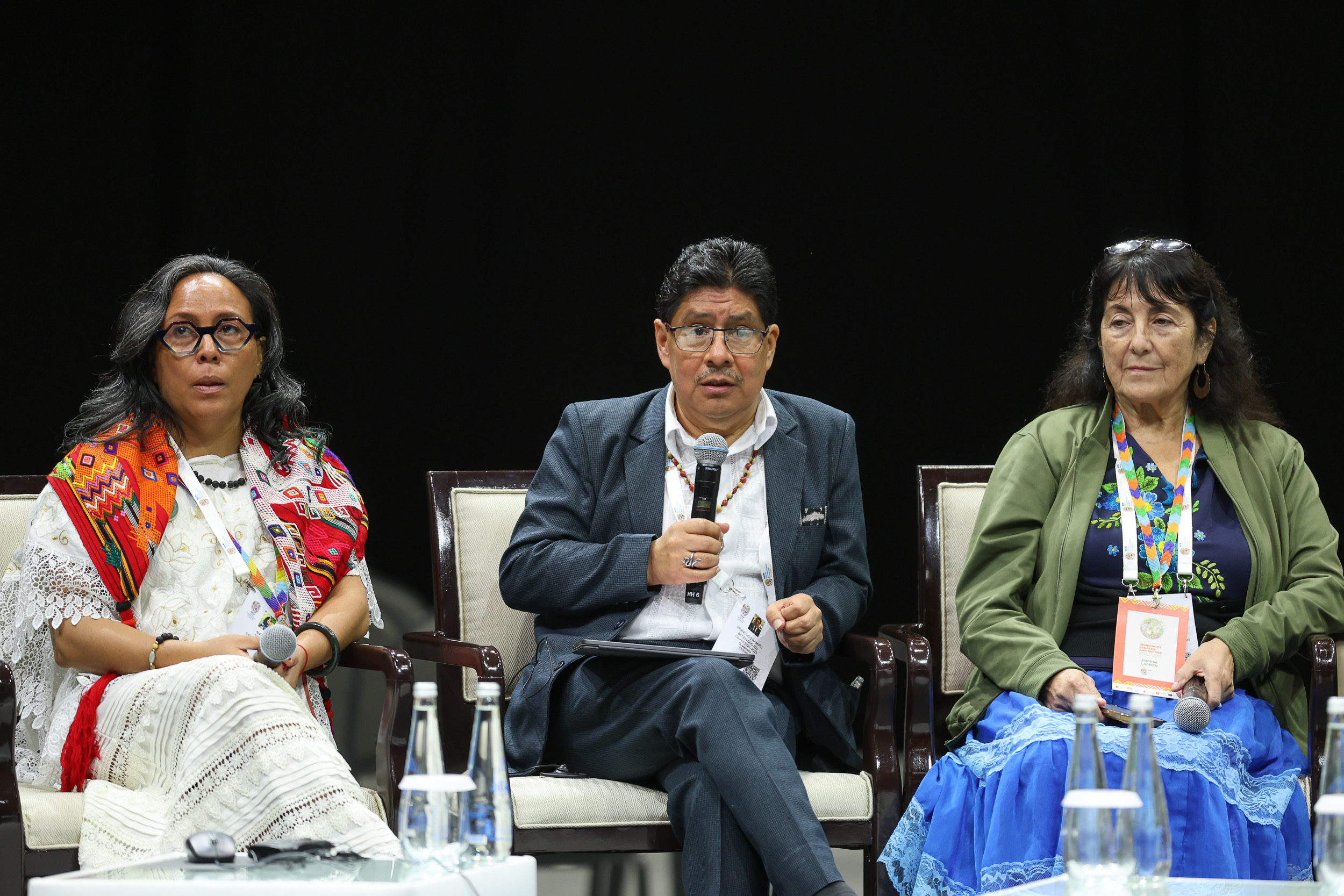
From L-R: Anita Tzec, Maya Yucatec leader and Senior Programme Officer on Indigenous Peoples and Conservation, IUCN; Ramiro Batzin, Co-Chair, IIFB, and Vice President, IUCN; and Andrea Carmen, Executive Director, International Indian Treaty Council
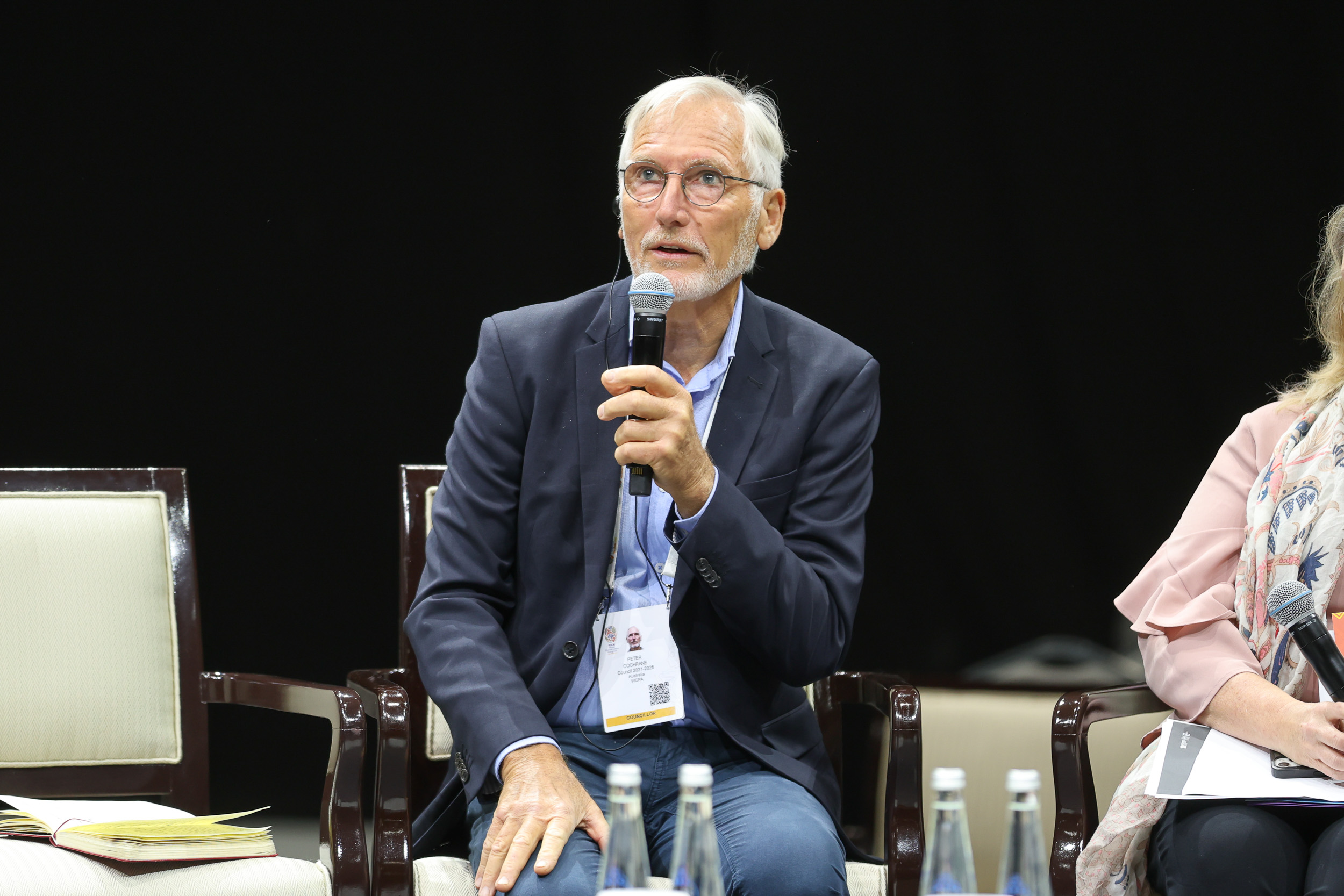
Peter Michael Cochrane, Vice-President, IUCN
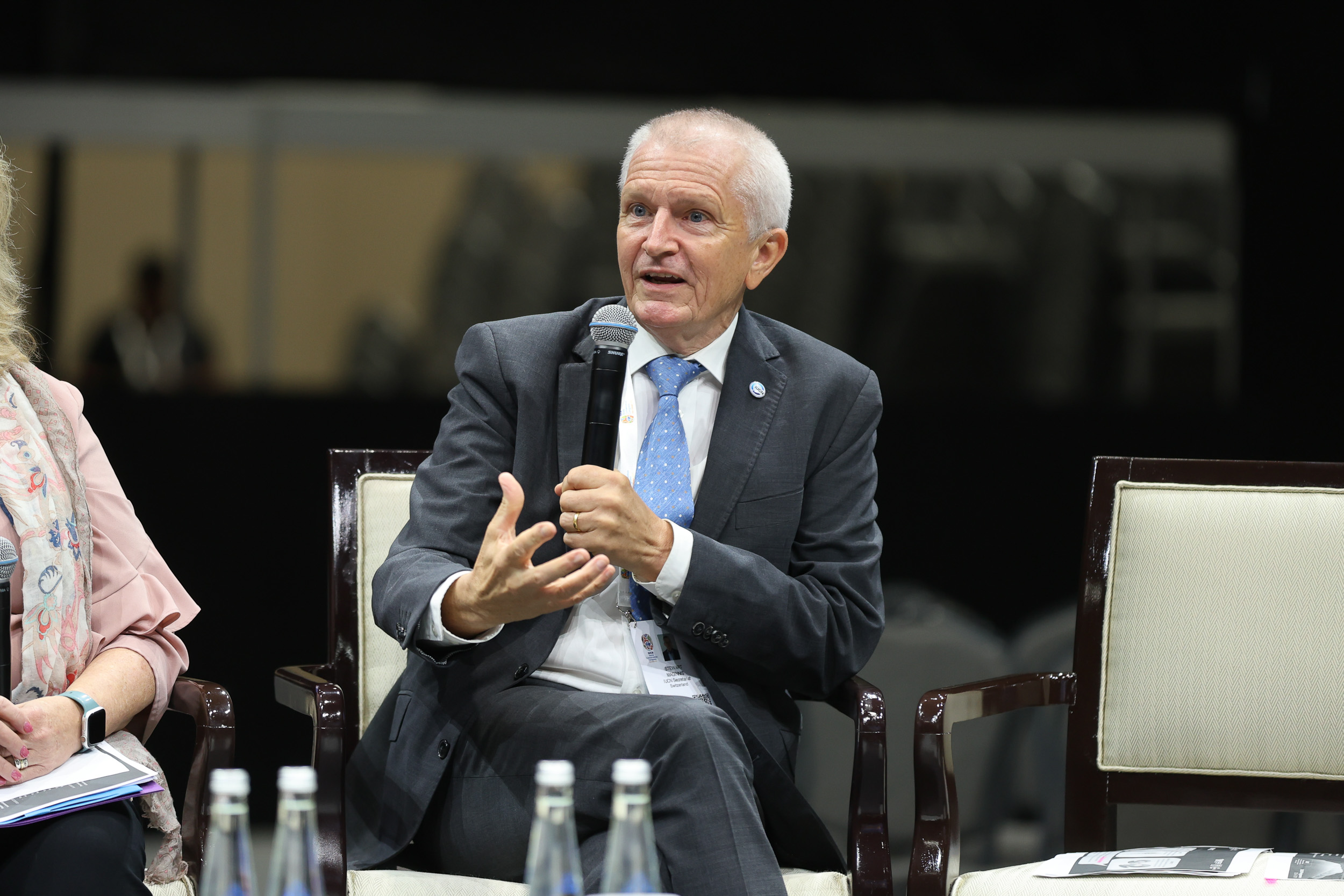
Stewart Maginnis, Deputy Director General, IUCN
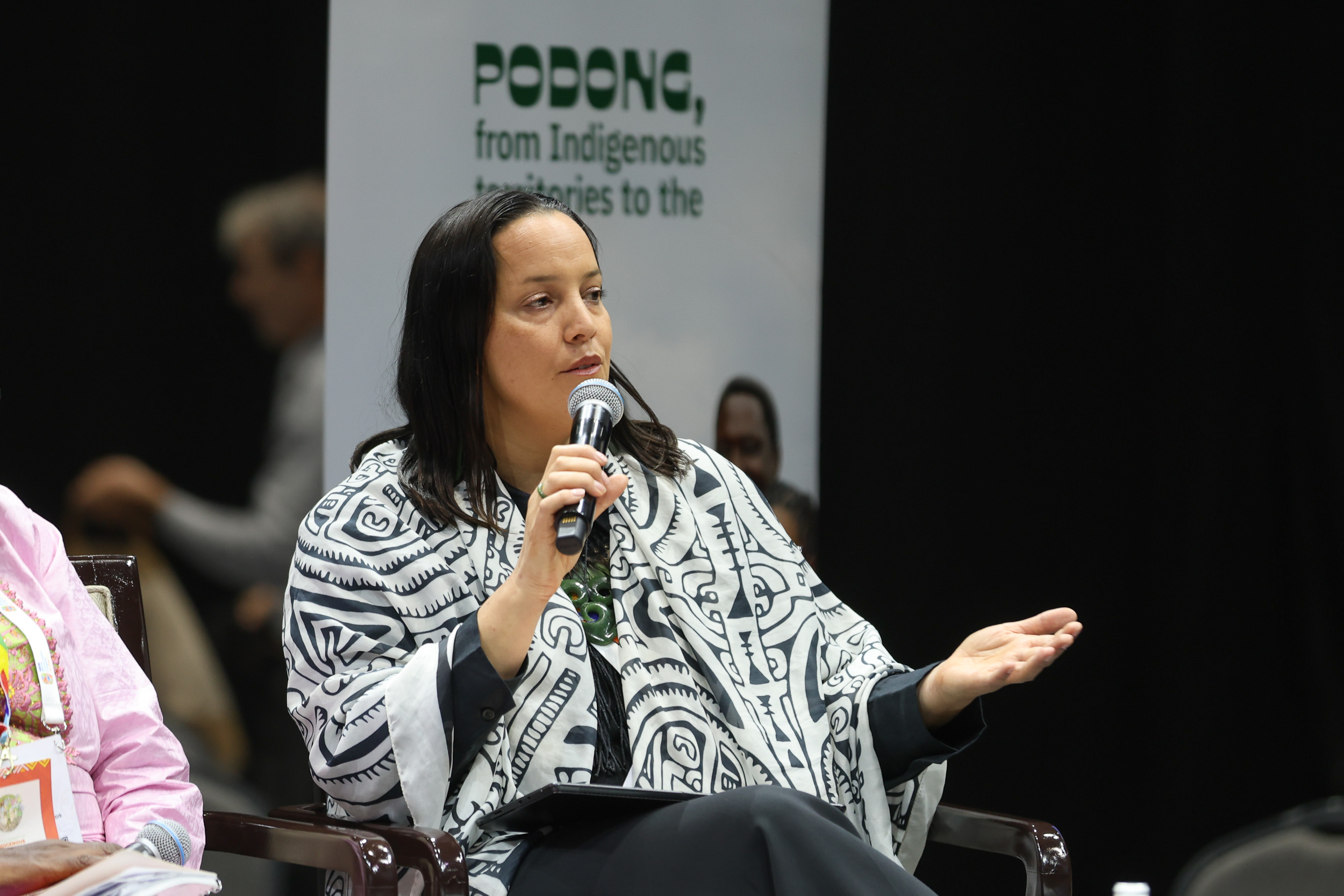
Erica McCreedy, Chief Operating Officer, North Australian Indigenous Land and Sea Management Alliance
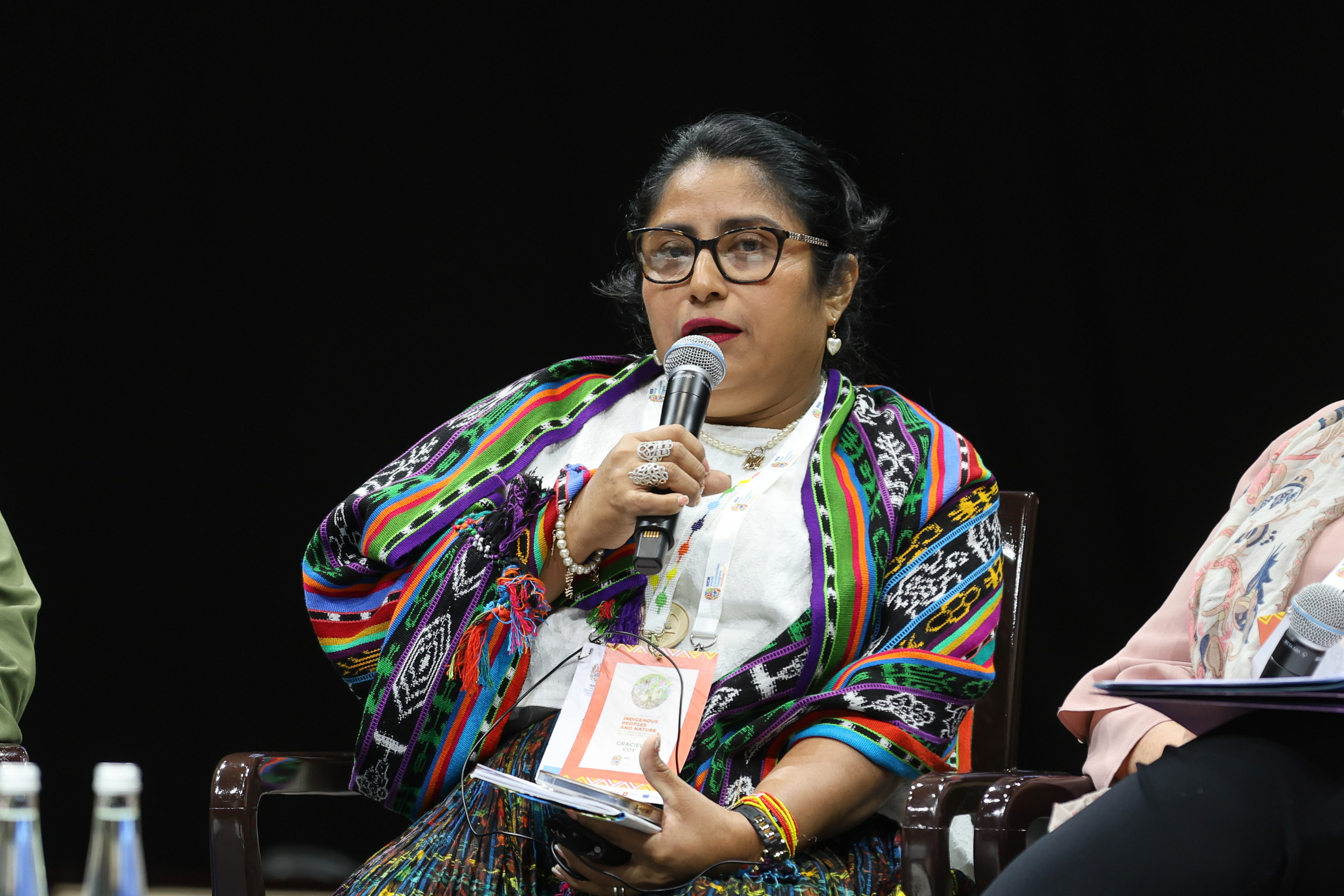
Graciela Coy, President, Ak' Tenamit
Indigenous Leadership in Global Policy
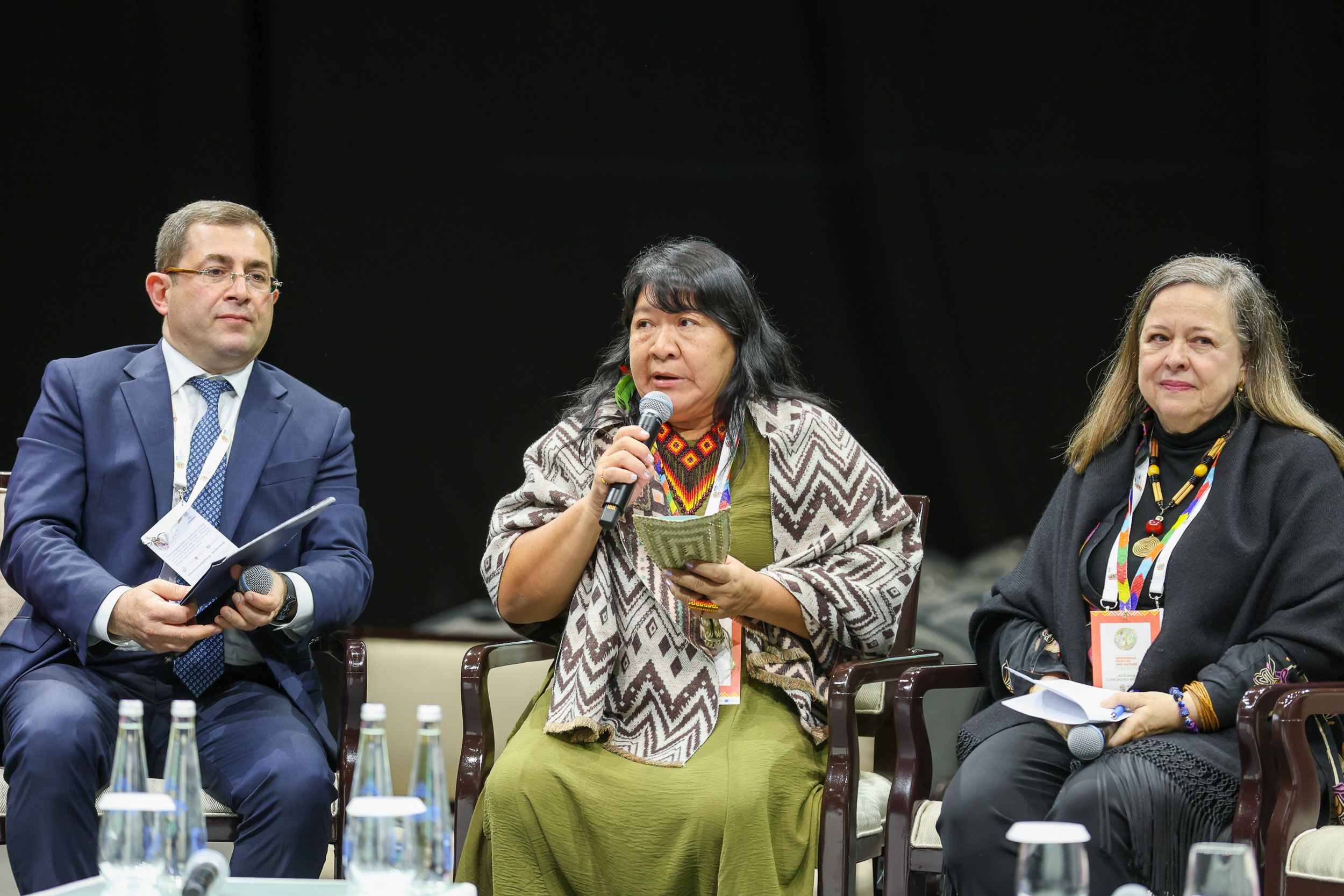
From L-R: Ambassador Mher Margaryan, Permanent Mission of Armenia to the UN; Joênia Wapichana, President, National Indigenous Peoples Foundation (FUNAI); and Adriana Gonçalves Moreira, Lead, Partnerships Division, Global Environment Facility (GEF)
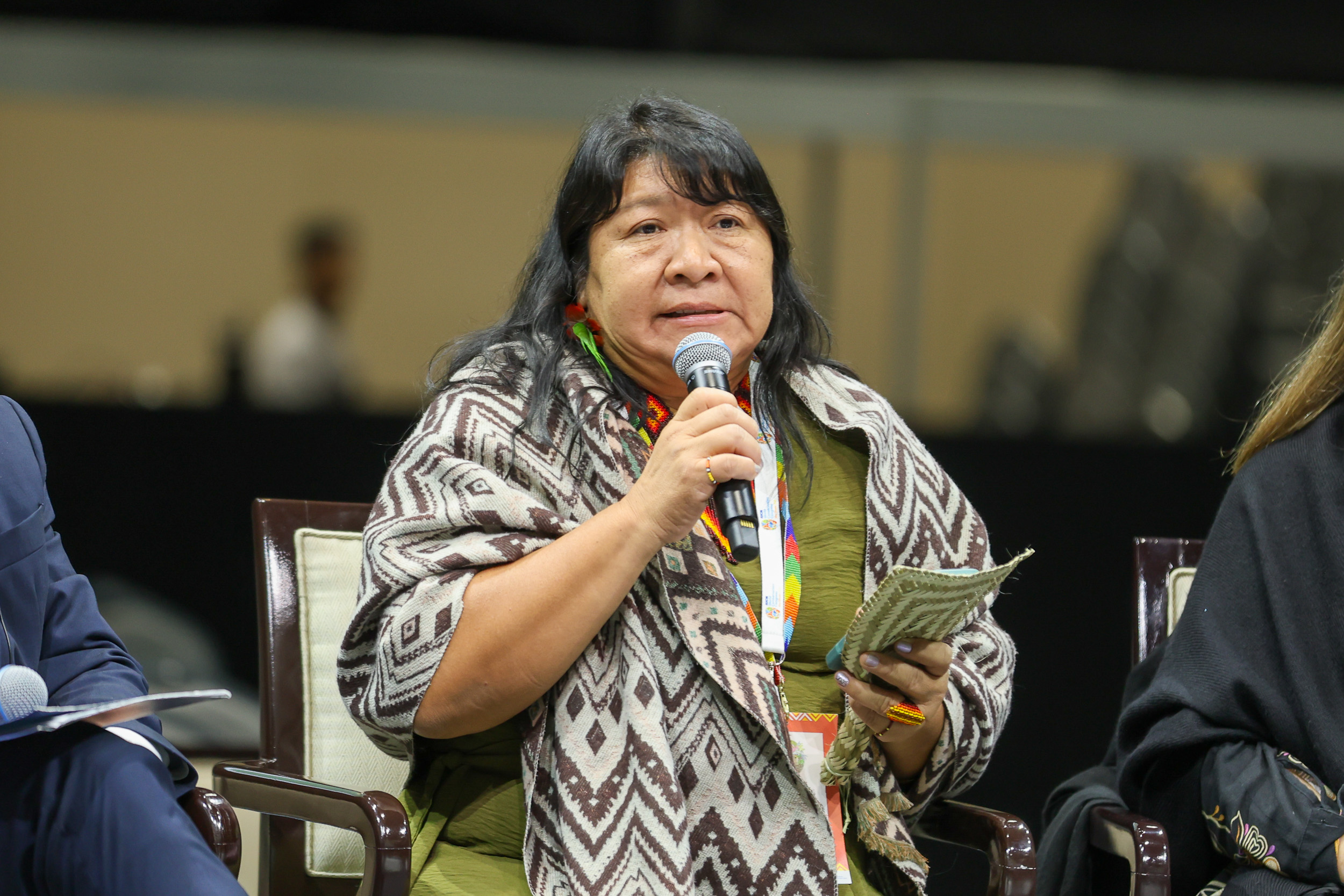
Joênia Wapichana, President, FUNAI
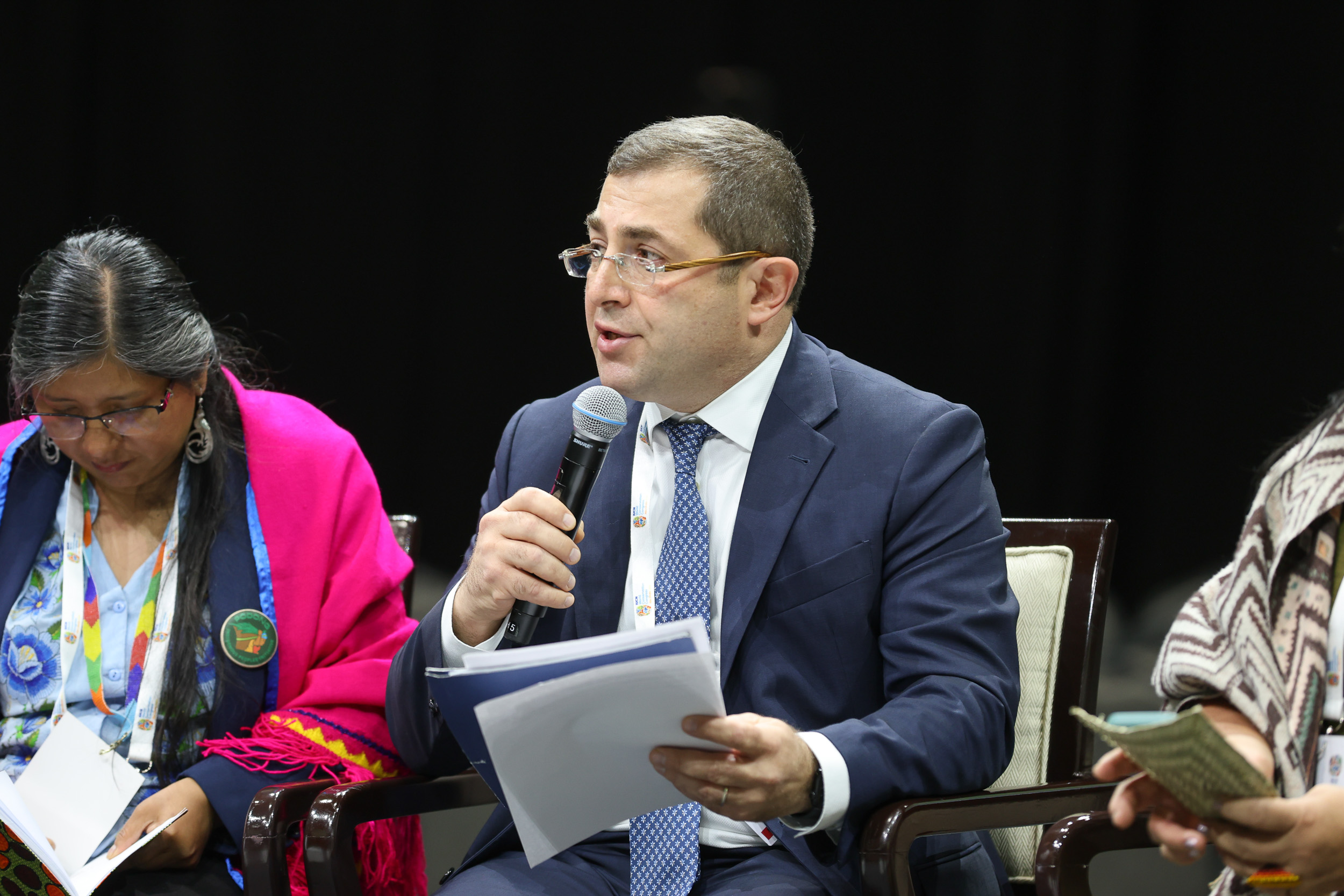
Ambassador Mher Margaryan, Permanent Mission of Armenia to the UN
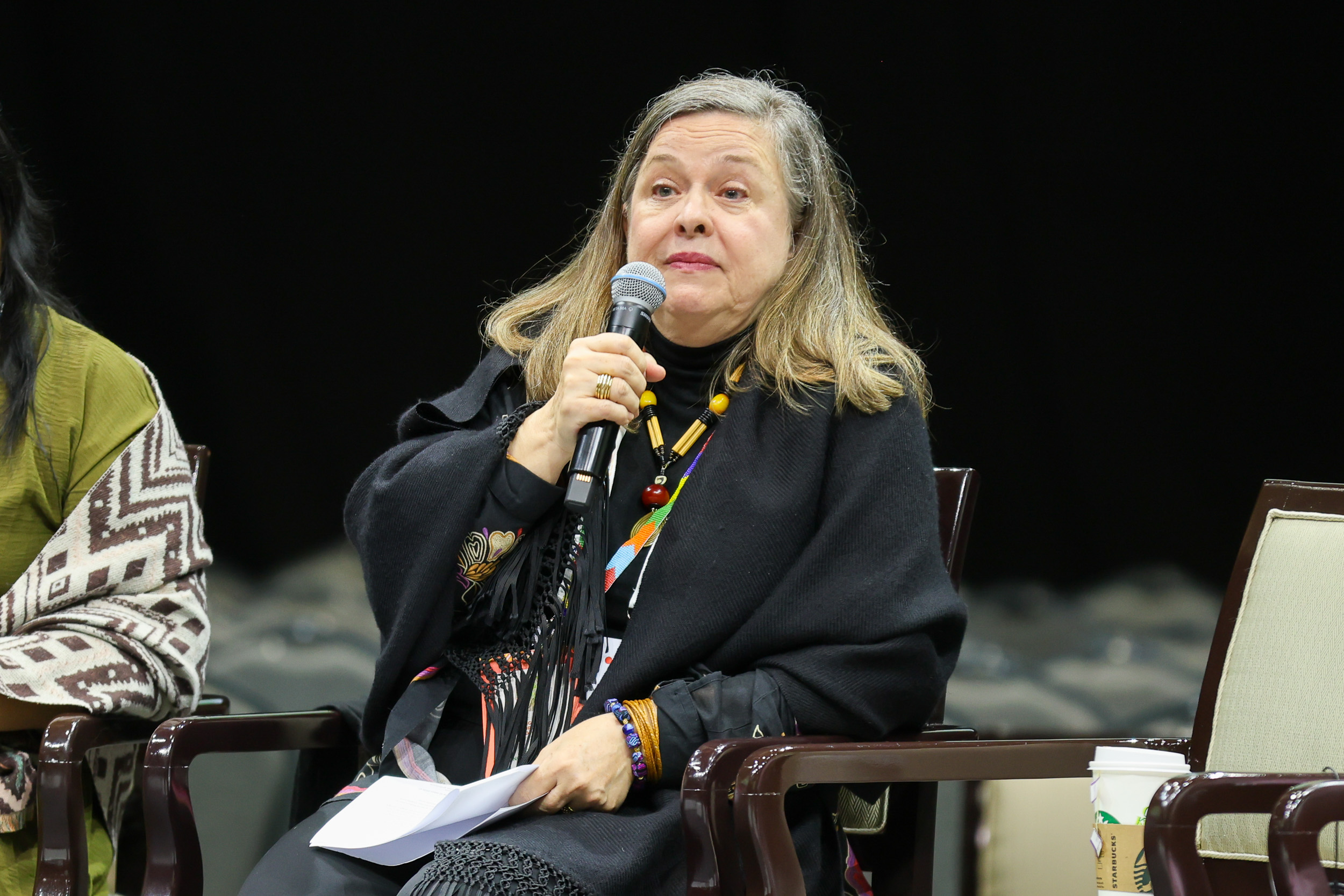
Adriana Gonçalves Moreira, Lead, Partnerships Division, GEF
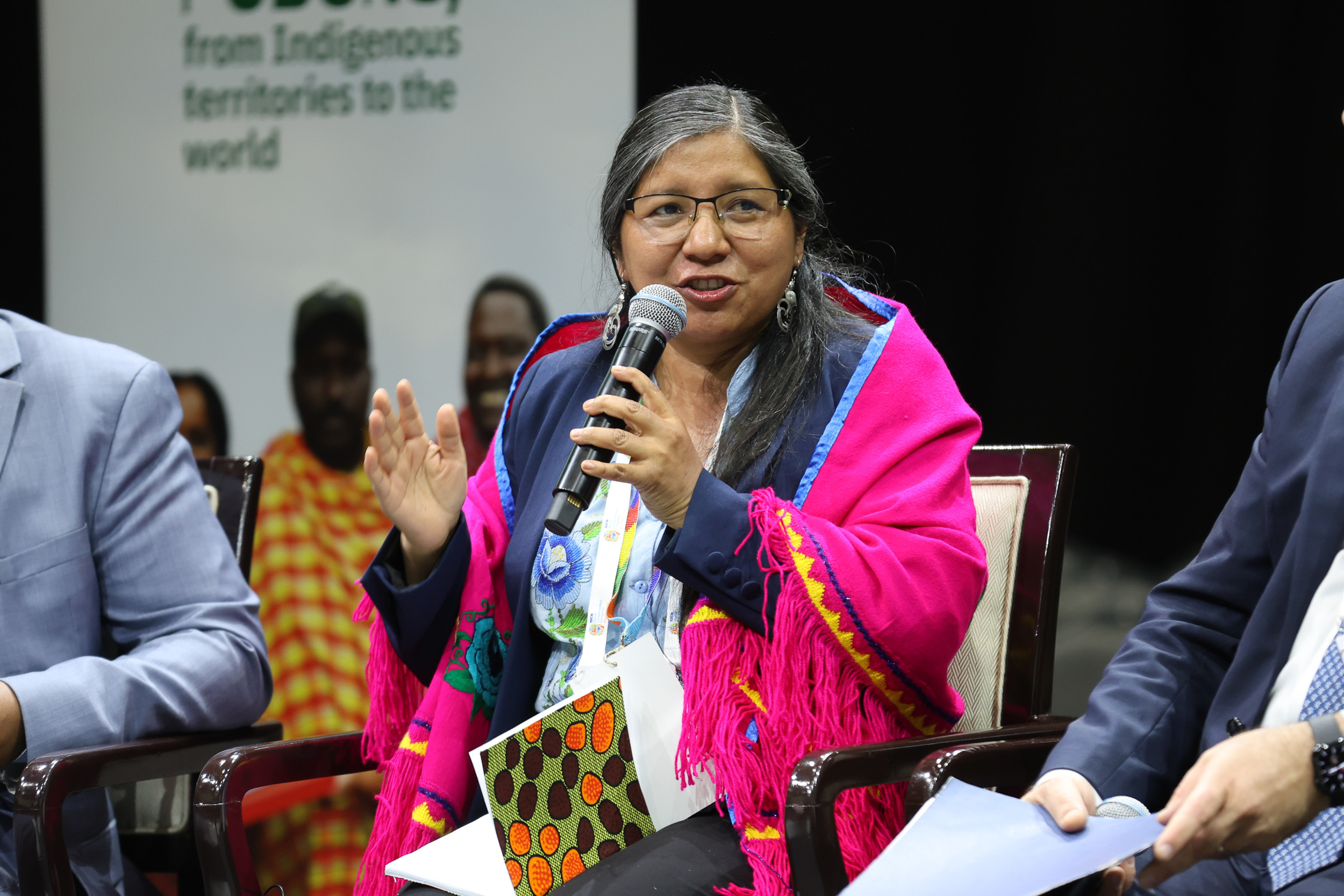
Viviana Figueroa, International Indigenous Women Biodiversity Network
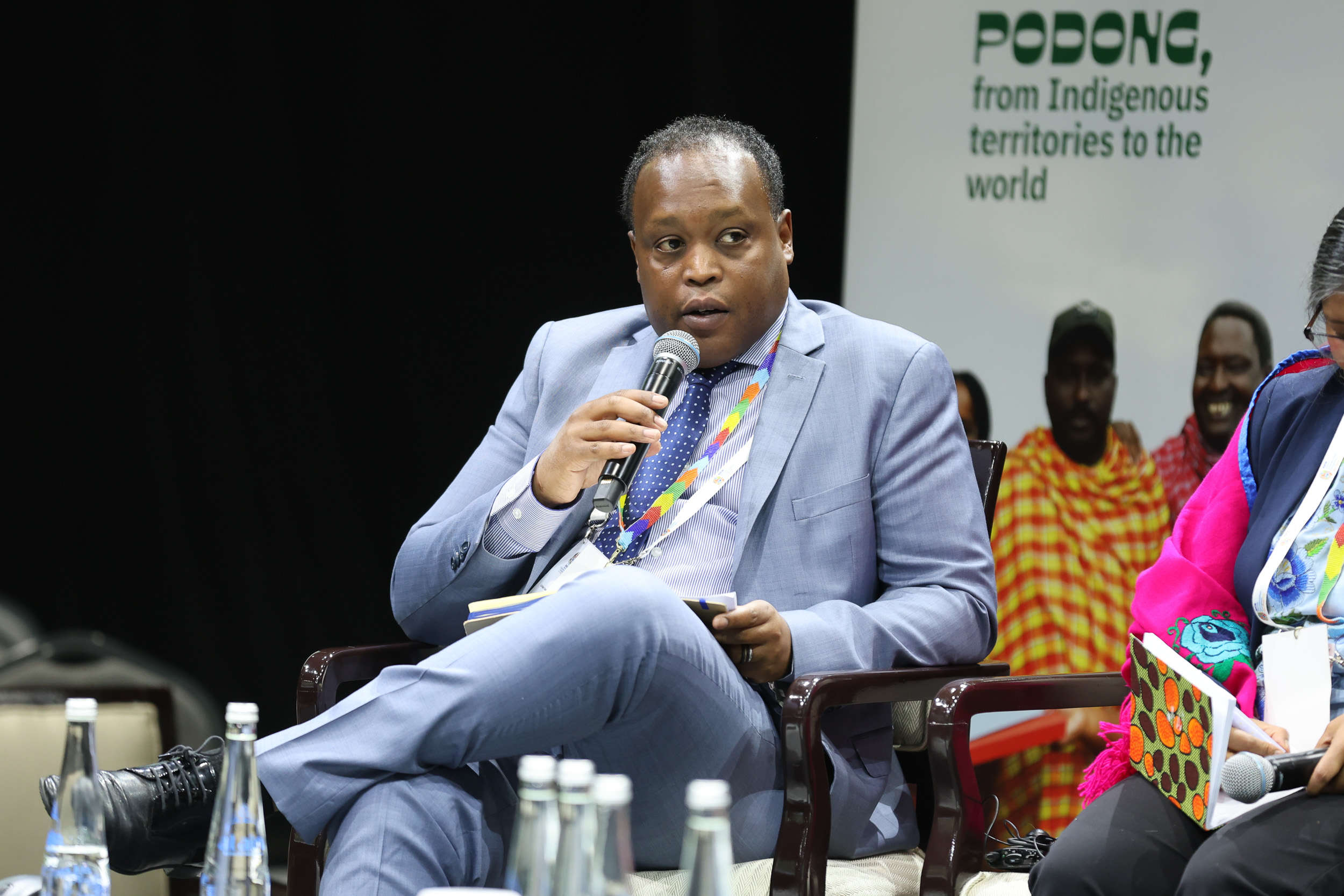
Olivier Rukundo, Head, Peoples and Biodiversity Unit, UN Convention on Biological Diversity
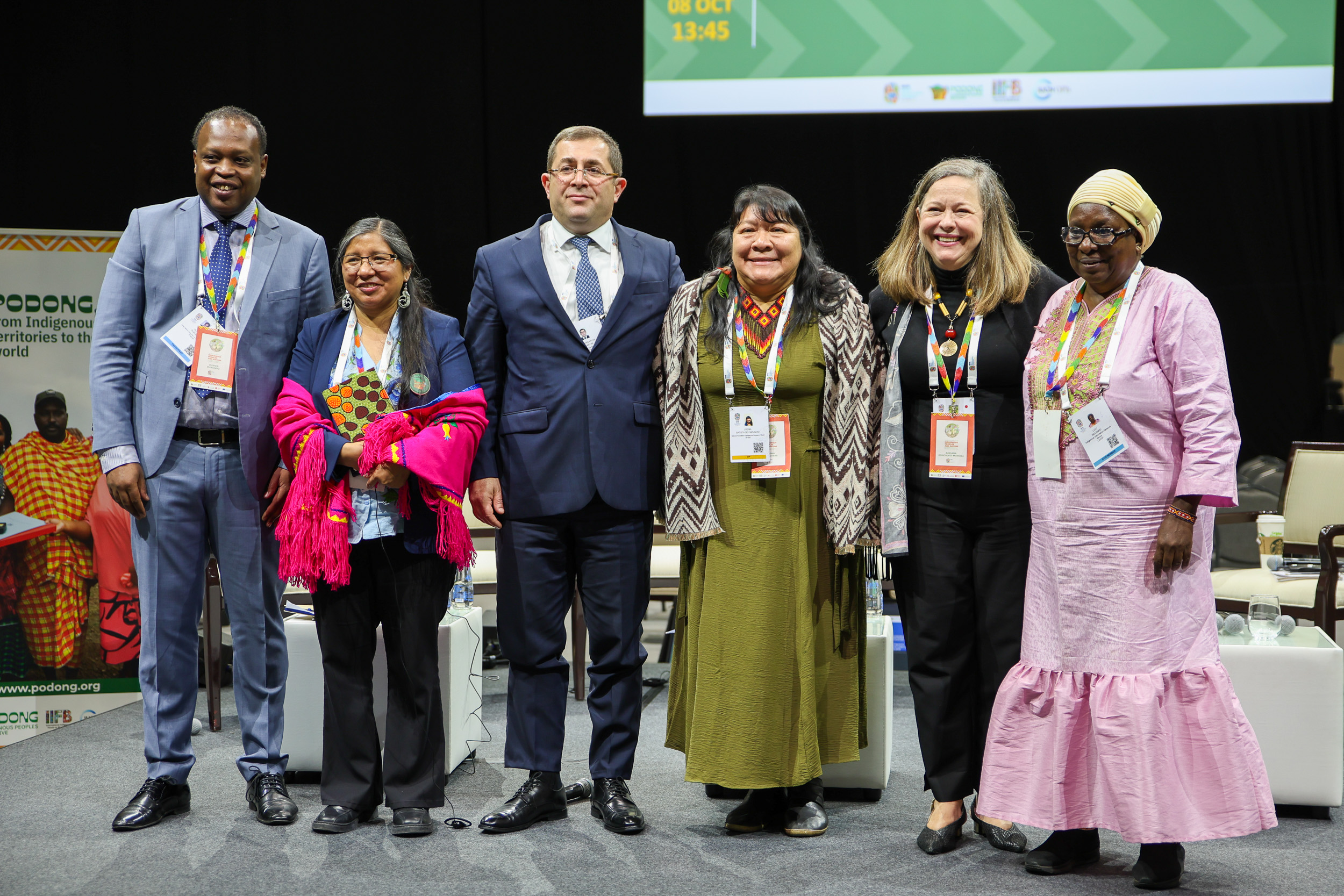
Group photo of the panelists
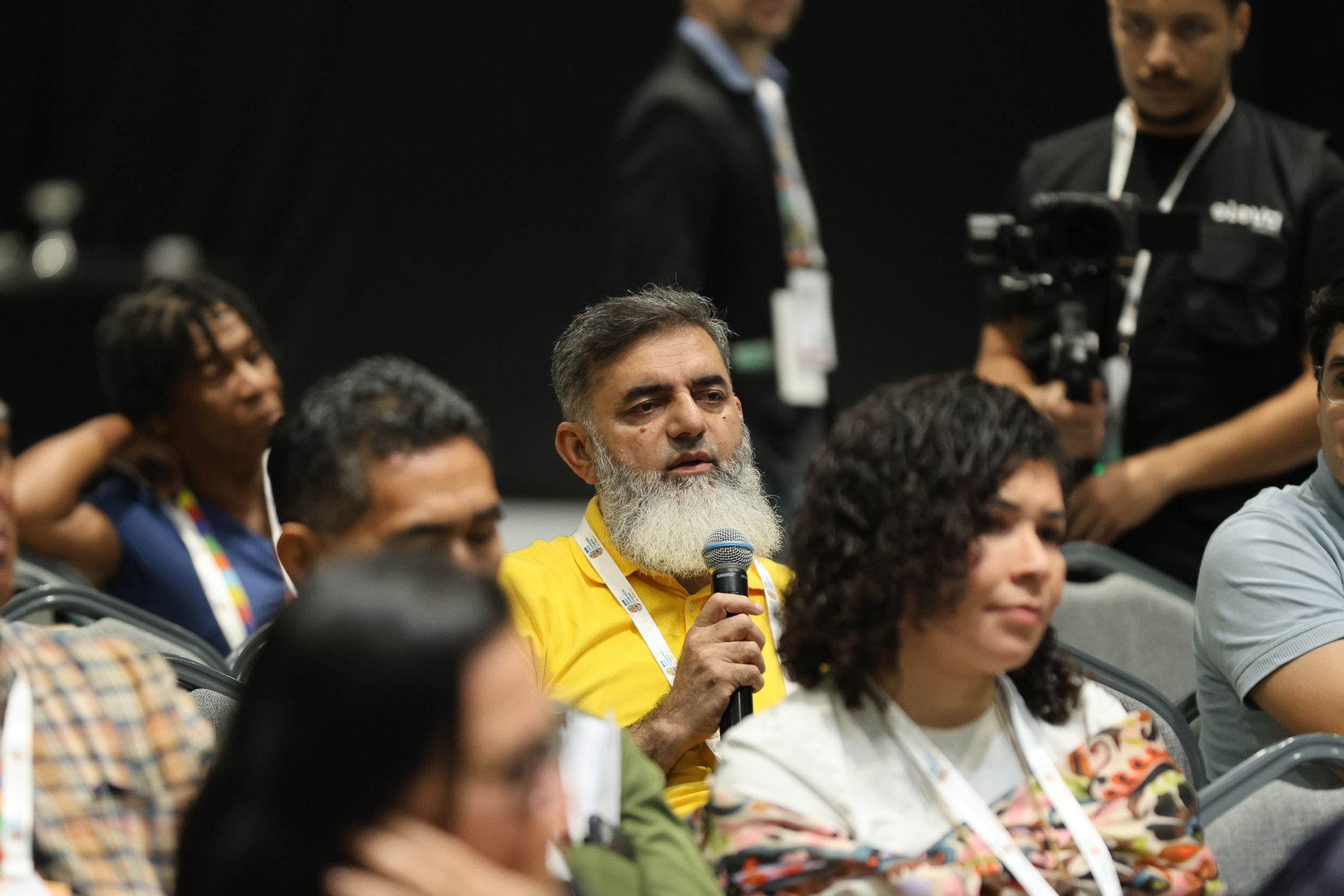
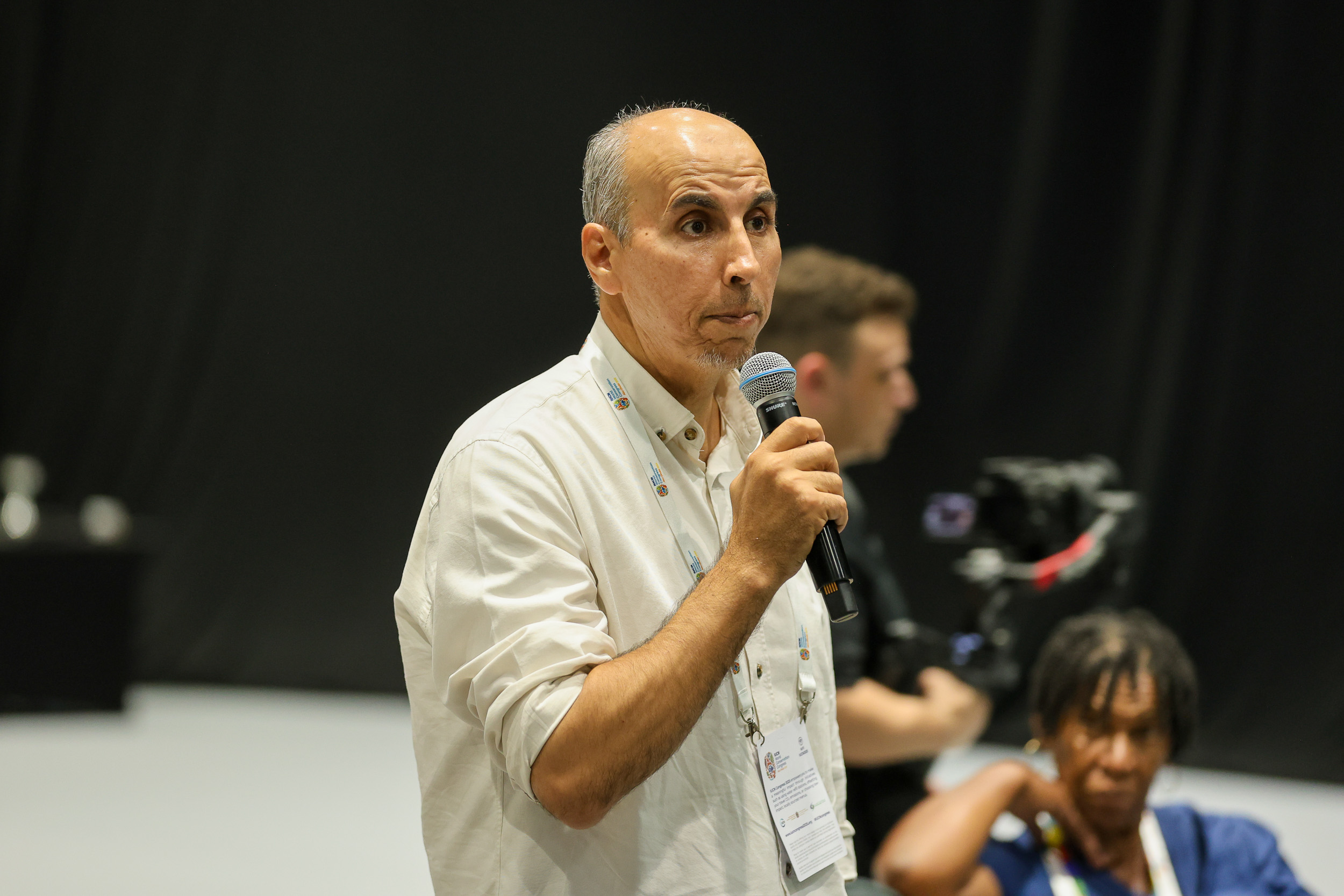
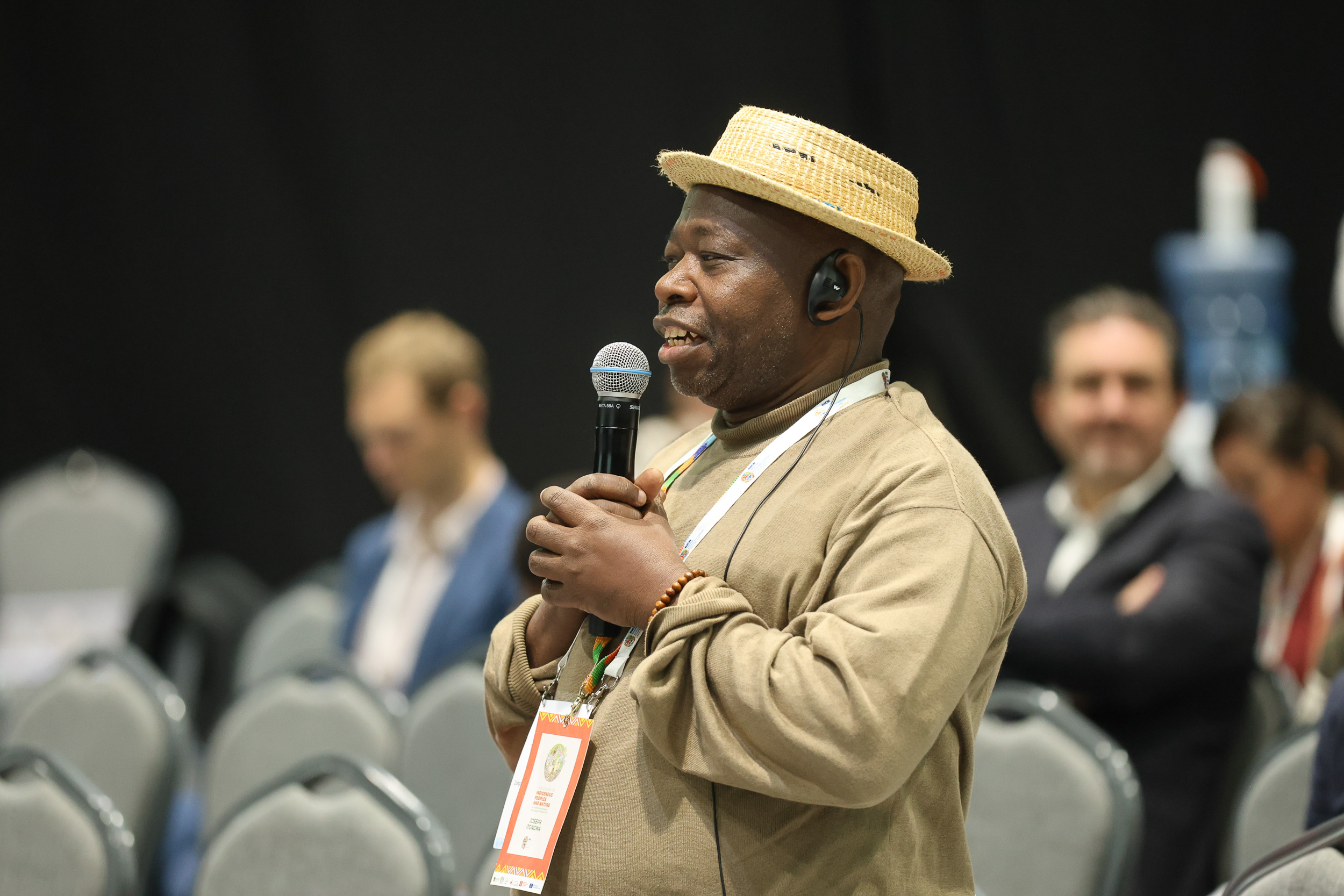
Redefining the Climate Narrative
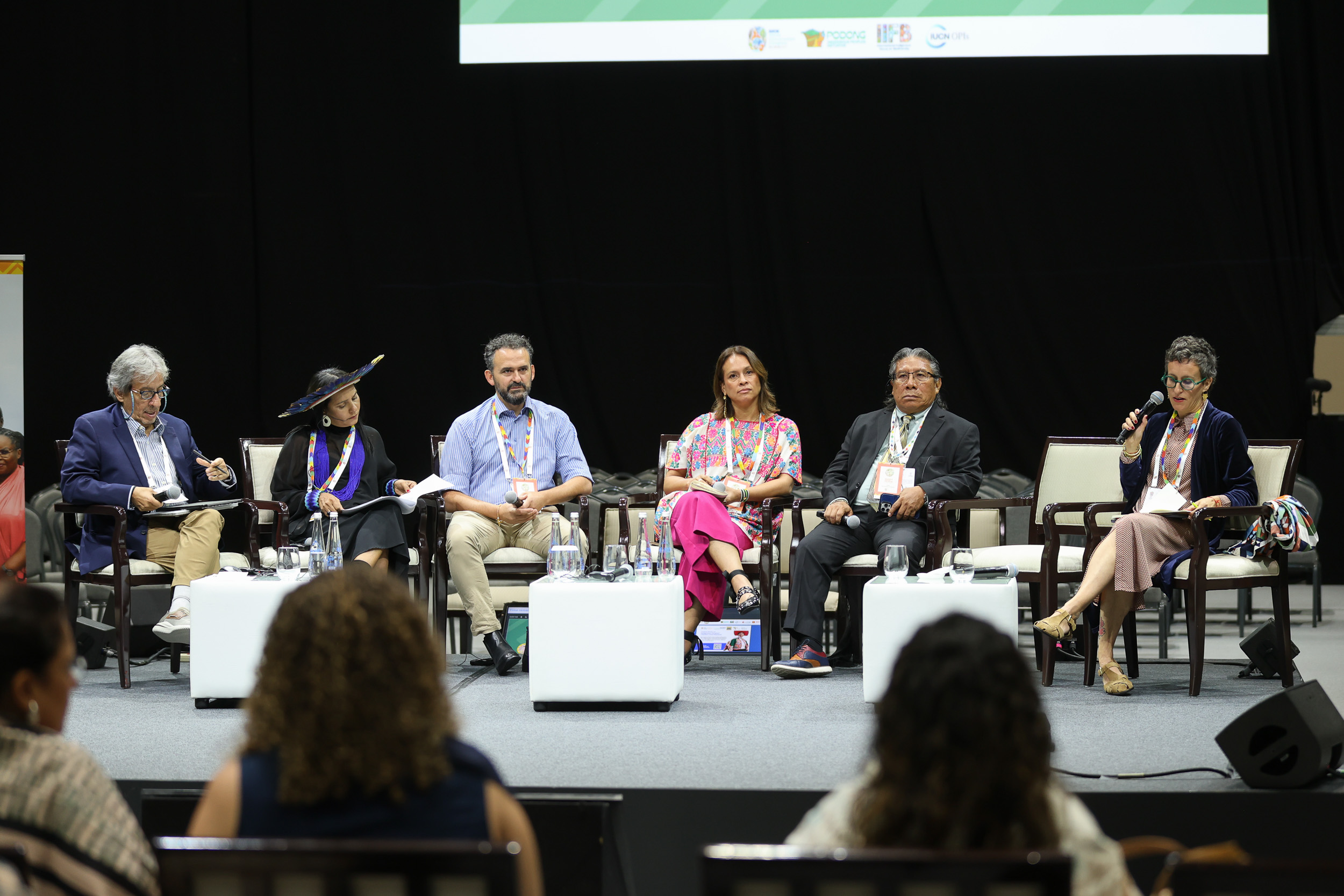
View of the panel
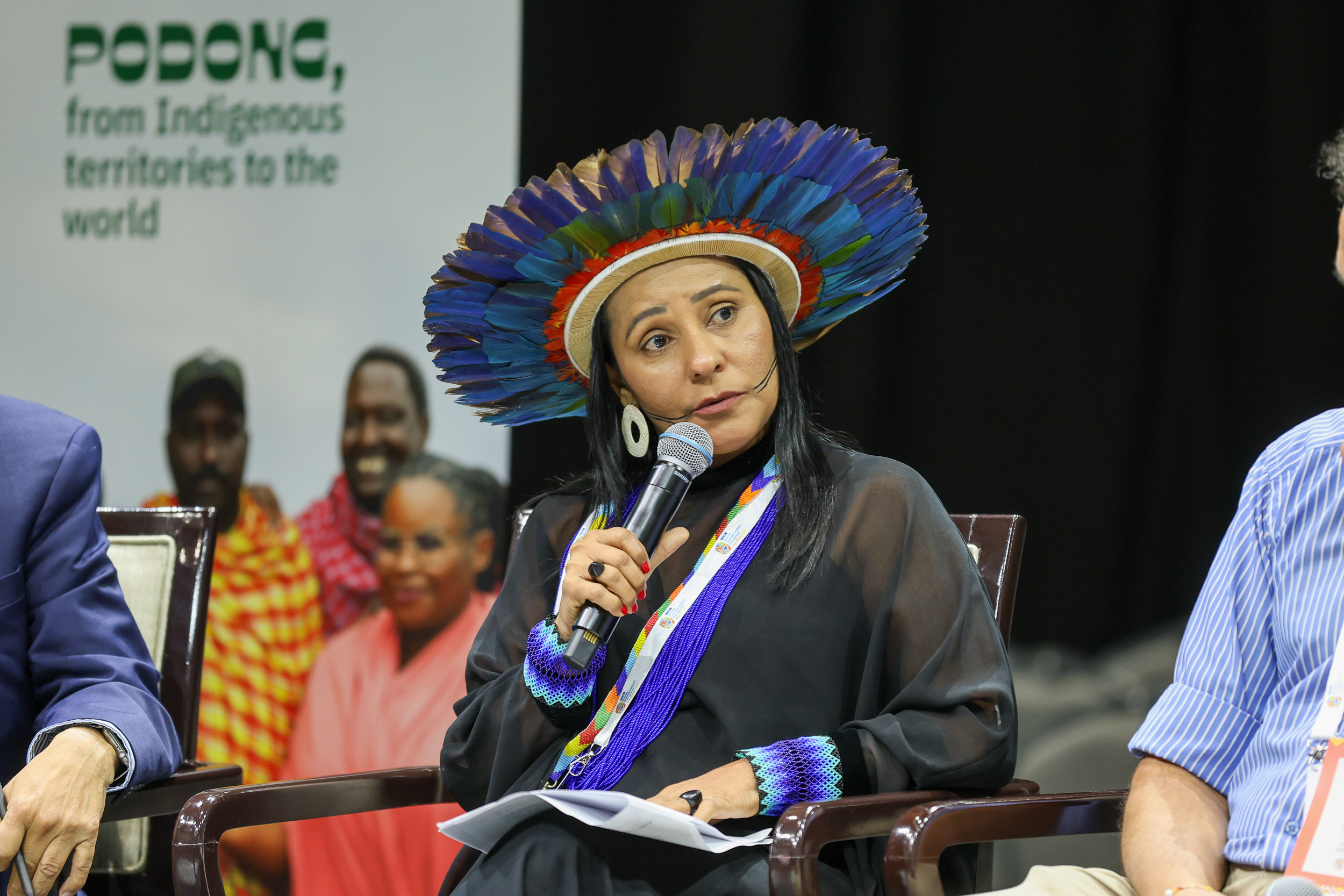
Puyr Tembé, First Secretary, Indigenous Peoples of the State of Pará, Brazil
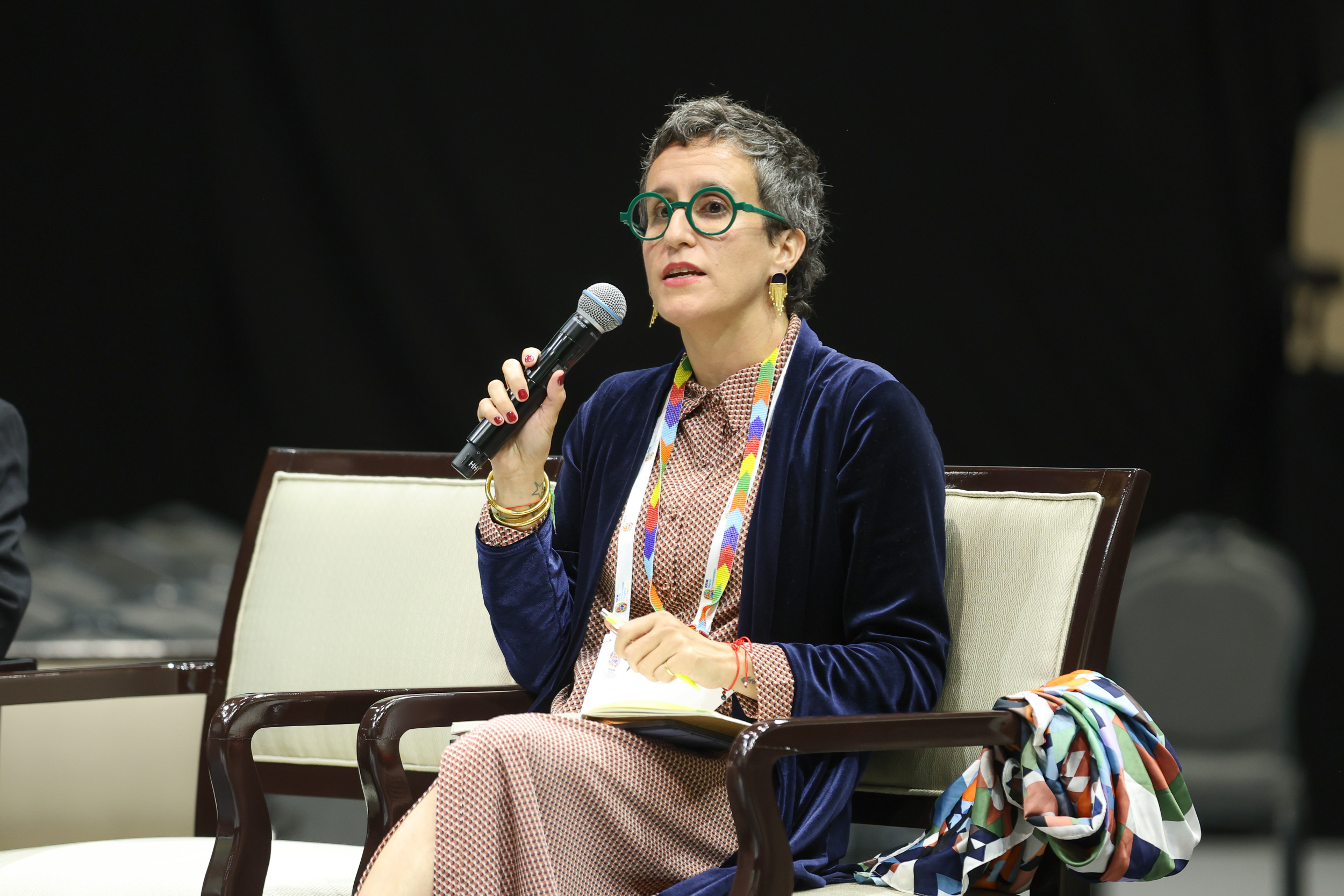
Verónica Ruíz García, Senior Manager, Climate, Nature and People, IUCN
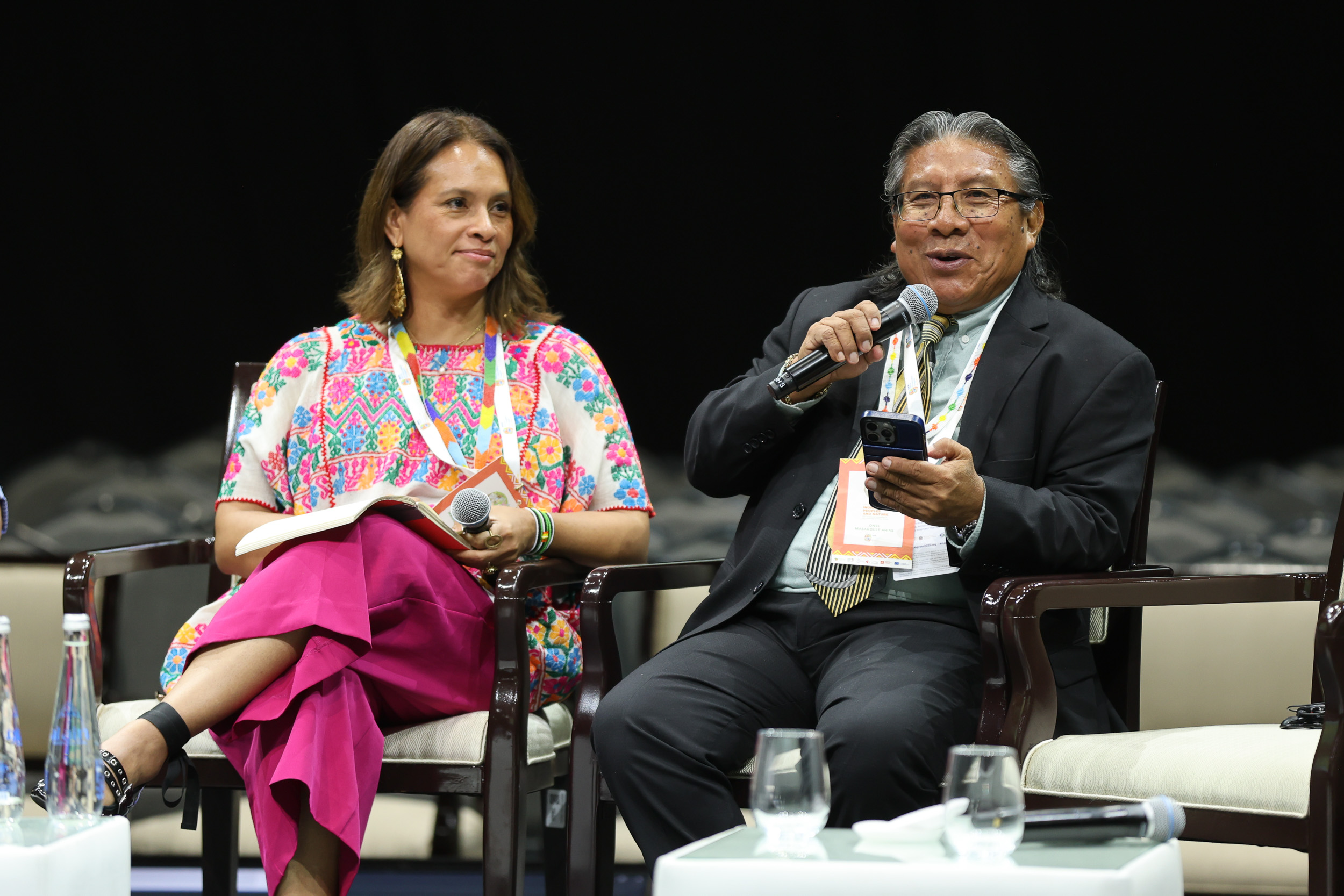
Eileen Mairena Cunningham, UNFCCC Indigenous Peoples' Focal Point, and Onel Masardule, Executive Director, Foundation for the Promotion of Indigenous Knowledge
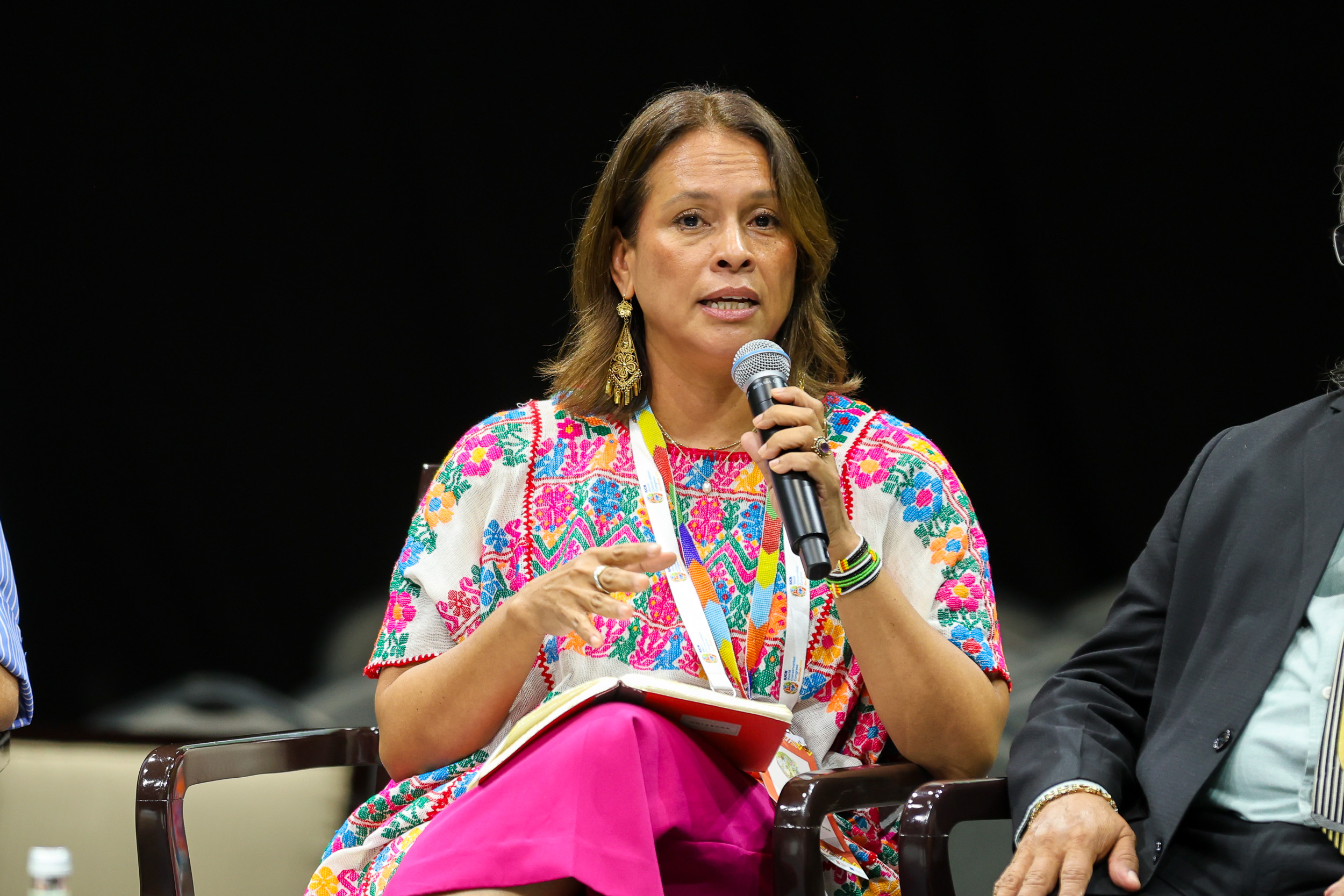
Eileen Mairena Cunningham, UNFCCC Indigenous Peoples' Focal Point
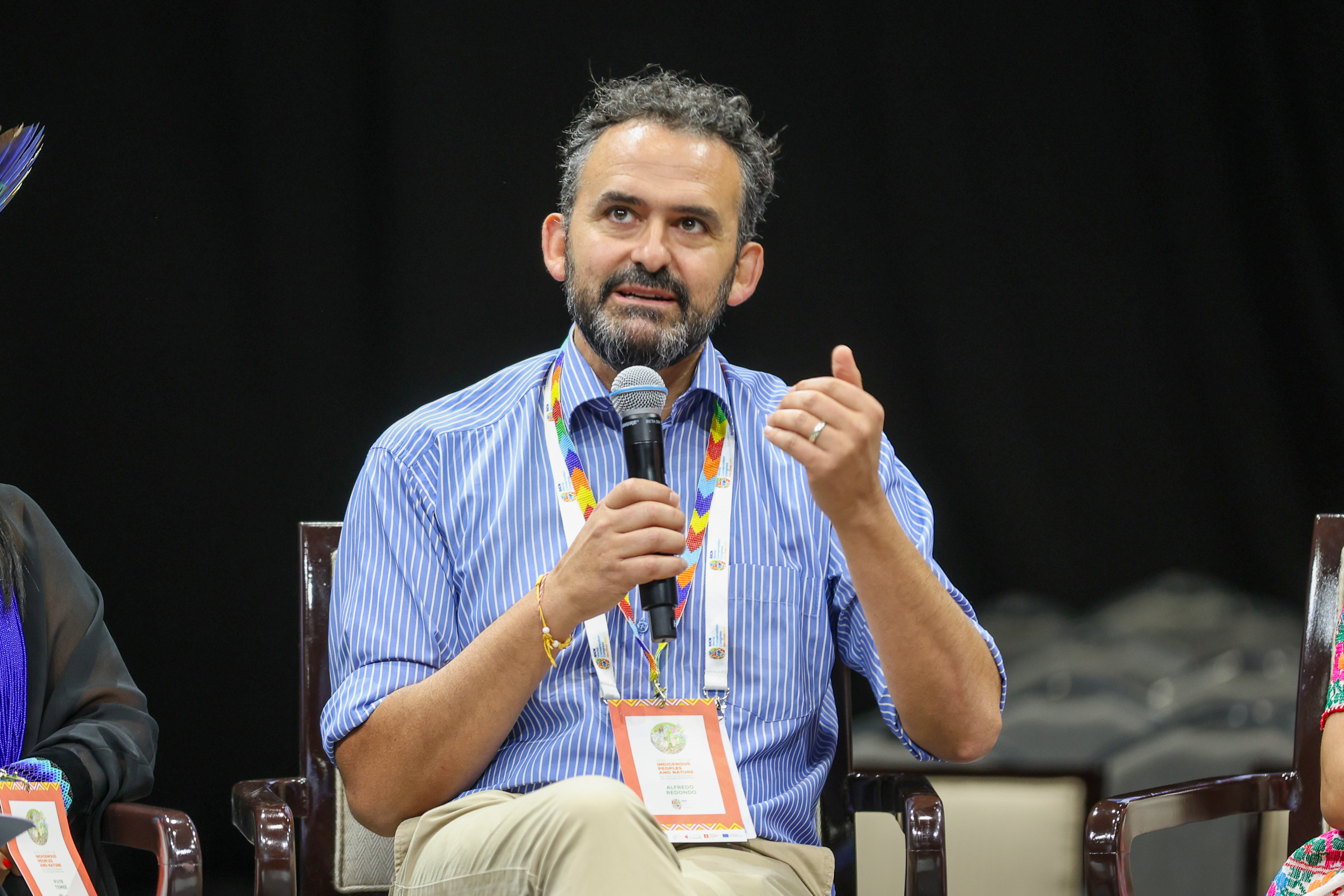
Alfredo Daniel Redondo, Nature Team Lead, Climate High-Level Champions
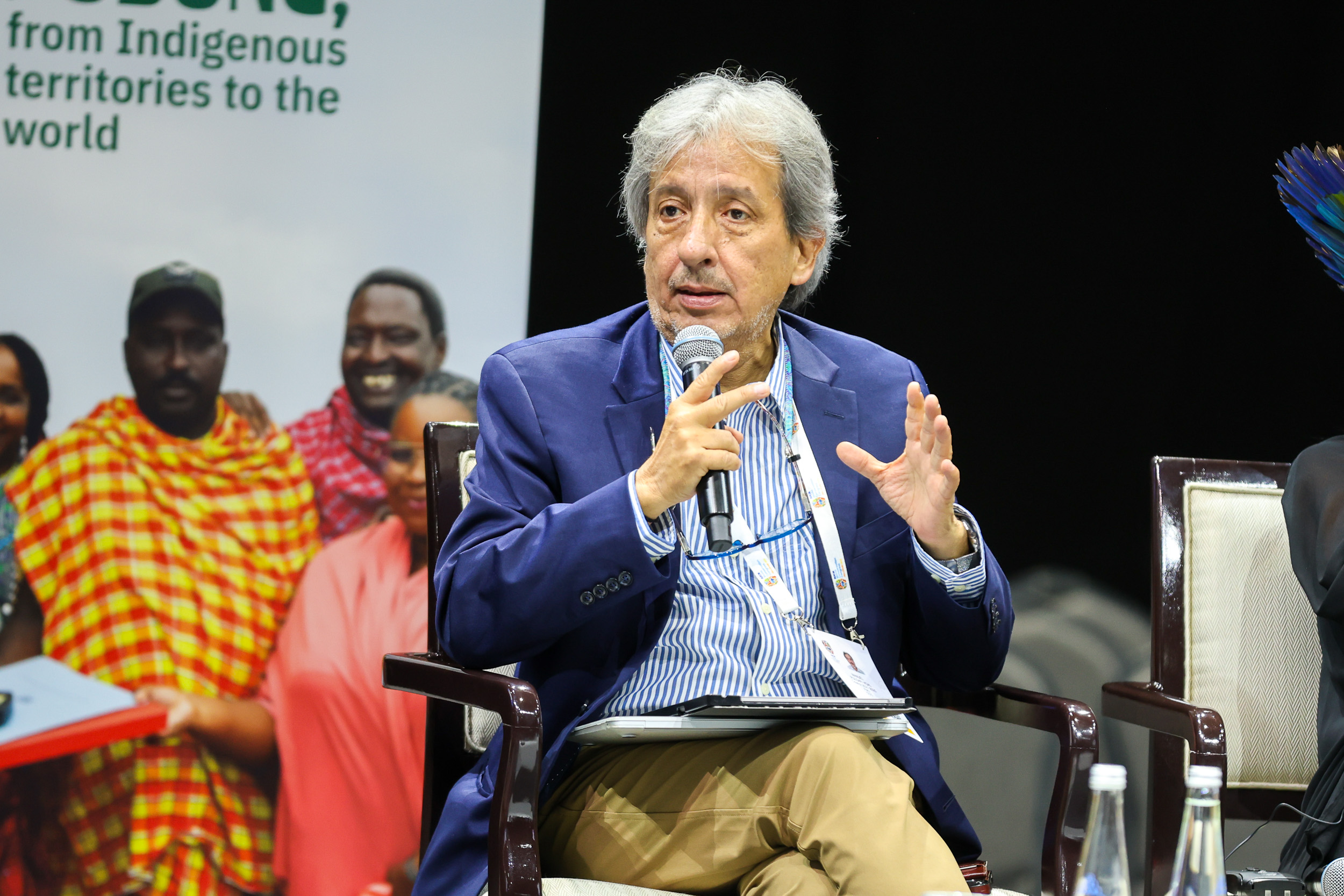
Manuel Pulgar-Vidal, Chairman, Climate Crisis Commission, IUCN
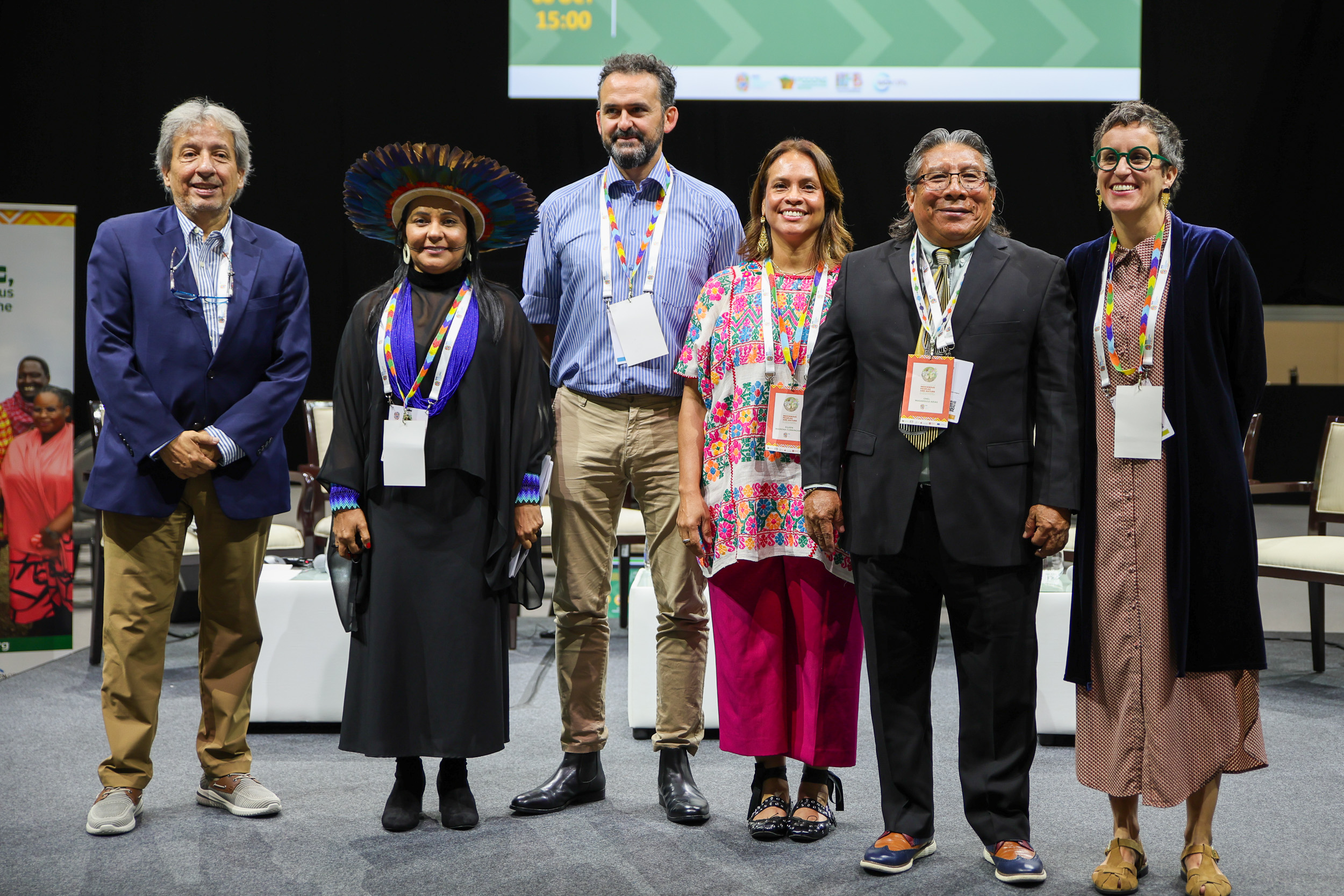
Group photo of the panelists
Selected Images
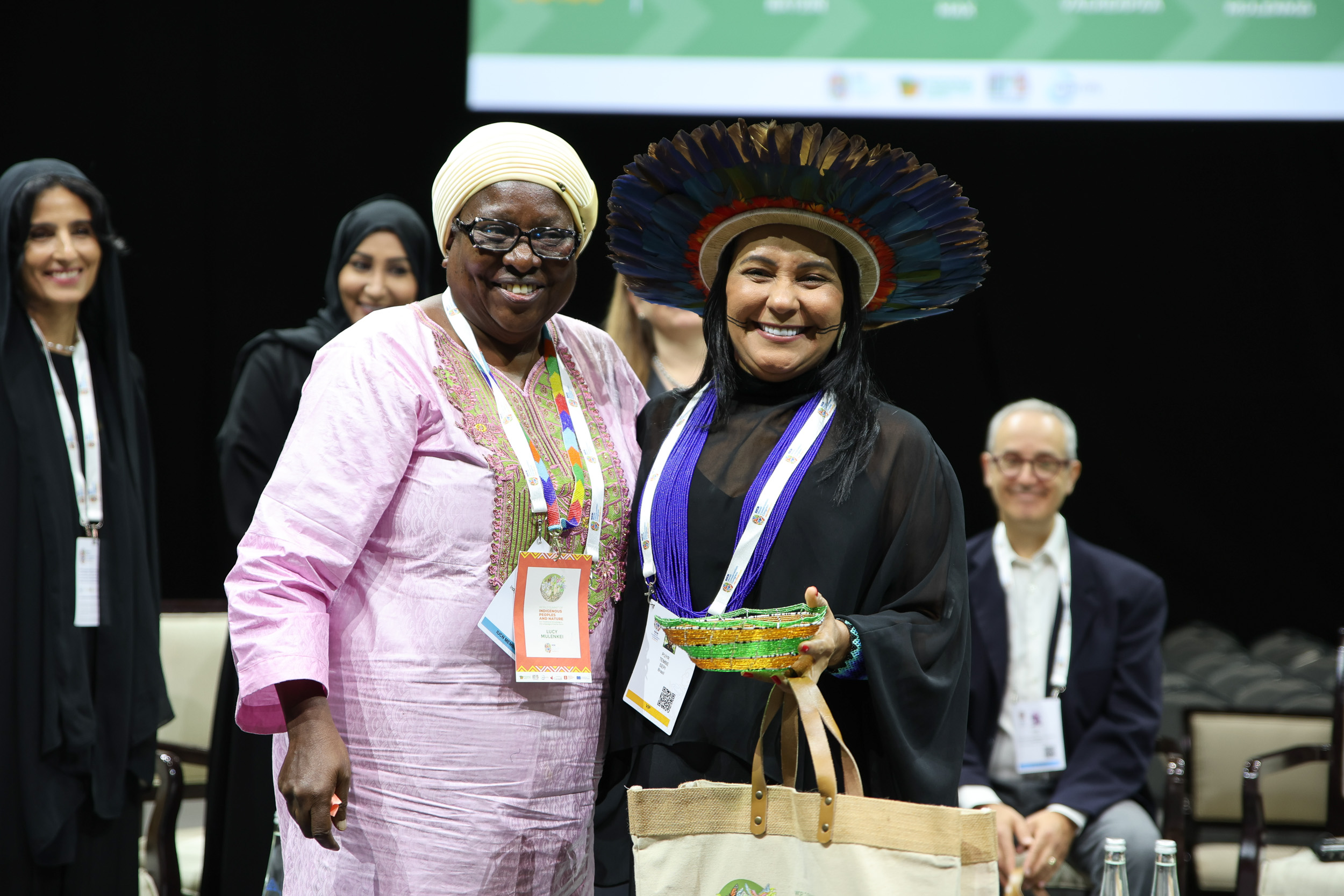
Lucy Mulenkei, Co-Chair, IIFB, and Executive Director, IIN, and Puyr Tembé, First Secretary, Indigenous Peoples of the State of Pará
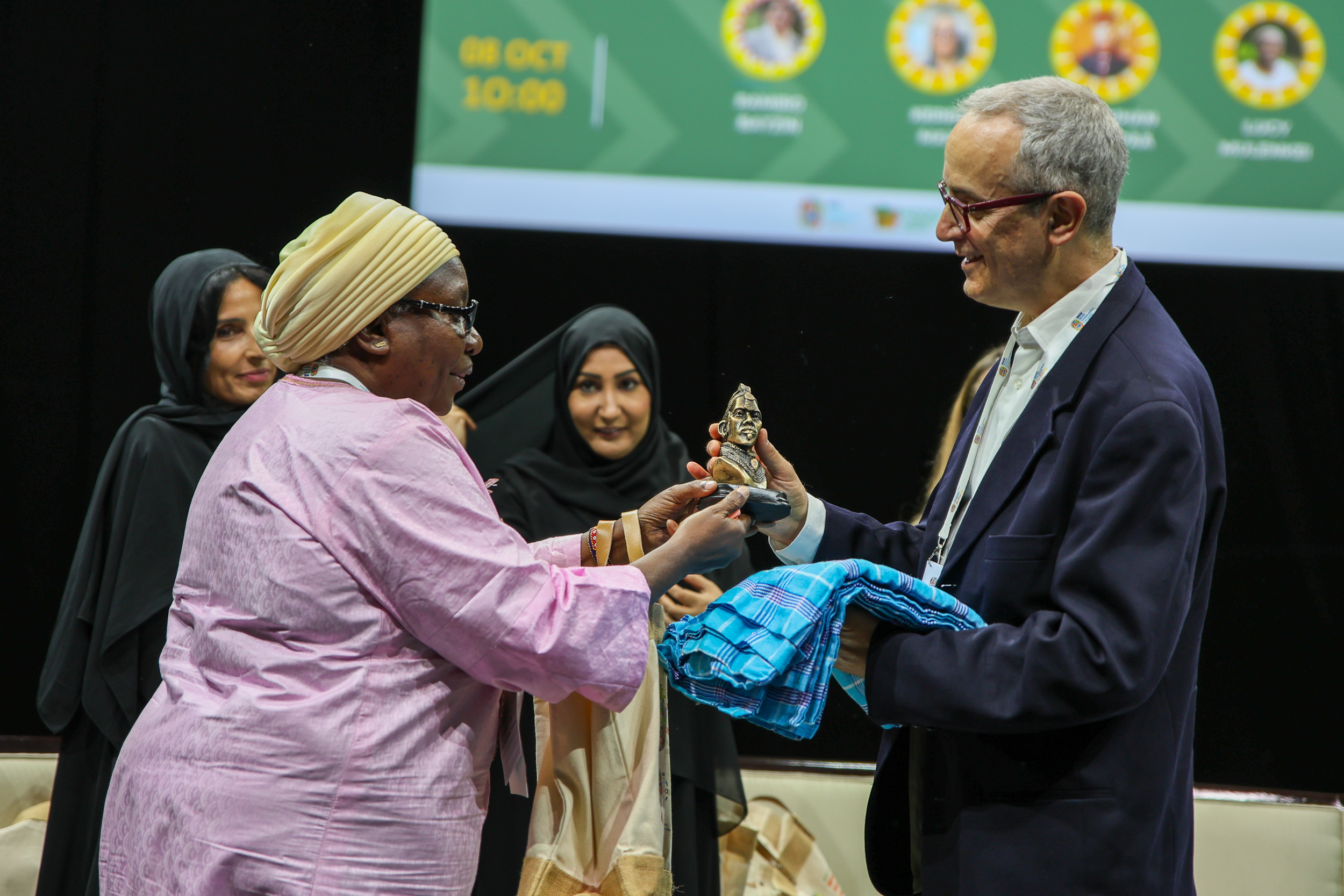
Lucy Mulenkei, Co-Chair, IIFB, and Executive Director, IIN, and Kerry Max, Deputy Director, Partnering for Climate, Global Affairs Canada
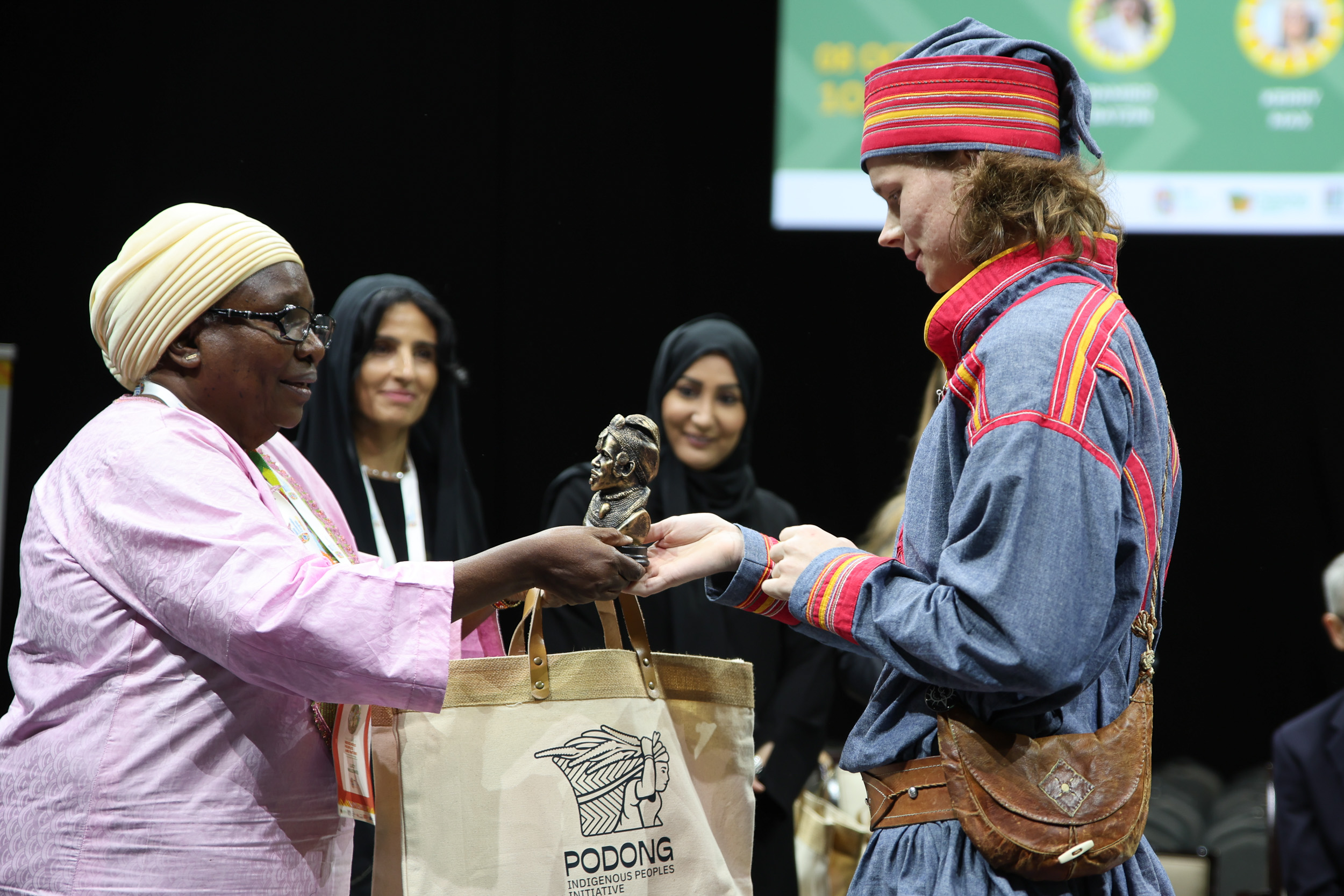
Lucy Mulenkei, Co-Chair, IIFB, and Executive Director, IIN, and Niila-Juhán Valkeapää, Vice-Chair, Youth Council of the Sámi Parliament in Finland