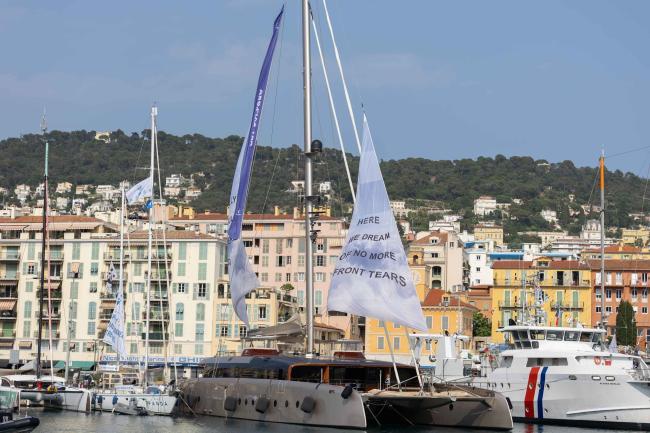
“Supporting small-scale fishers should not be an afterthought but the primary objective of our conversations to foster sustainable fisheries management.” “We cannot leave anyone behind, but sometimes we need to bring people along as well, empowering them to act.”
The words of Editrudith Lukanga, Founding Secretary General, African Women Fish Processors and Traders Network, and LaToya Cantrell, Mayor of New Orleans, US, during the Ocean Action Panels held on the third day of the third UN Ocean Conference (UNOC3), portrayed the focus of deliberations.
Fisheries are integral to the global food system and play a crucial role in poverty alleviation and economic development. Numerous challenges threaten their long-term sustainability, including overfishing, illegal, unreported, and unregulated (IUU) fishing, harmful subsidies, climate change, biodiversity loss, and pollution. To address the environmental, economic, and social dimensions of a sustainable Ocean economy, a just, fair, and inclusive transition is critical.
Throughout the day, general debate continued in plenary, with more than 50 high-level delegates offering insights into national and regional efforts to ensure a healthy Ocean, reaffirming their commitment to international efforts in that respect. The full set of statements can be found here: https://webtv.un.org/en/asset/k1z/k1zhnlqy7h, https://webtv.un.org/en/asset/k1f/k1f2iiwo6m.
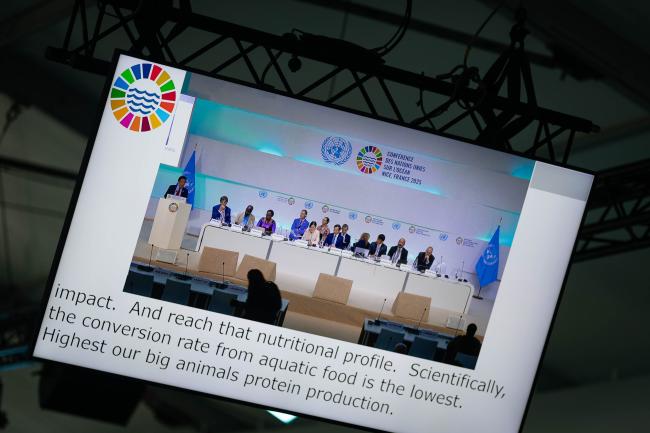
The morning Ocean Action Panel, co-chaired by Bùi Thanh Son, Deputy Prime Minister and Minister of Foreign Affairs, Viet Nam, and Marija Vučković, Minister for Environmental Protection and Green Transition, Croatia, and moderated by Alfredo Giron, Head of Ocean Action, World Economic Forum, focused on sustainable fisheries management, including supporting small-scale fishers.
Bùi stressed the importance of sustainable fisheries management for achieving many Sustainable Development Goals (SDGs) and urged flexible and adaptive solutions and the development of modern aquaculture. Vučković called for effective monitoring, control, and enforcement systems, including for tackling IUU fishing; and underscored the need to ensure all actors operate under the same commitments and responsibilities.
Taneti Maamau, President of Kiribati, stressed that mobilizing international financing “is not just about resilience, it is about justice.” Jeremiah Manele, Prime Minister of Solomon Islands, emphasized that investment to support small-scale fisheries and ensure climate-resilient infrastructure “is not aid but investment in global food security and Ocean health.”
Participants highlighted, among other things:
- national and regional measures toward sustainable and responsible fisheries management, including for small-scale and community-based fisheries; and
- the need for cooperation, mobilization of finance, capacity building, technology transfer, and data sharing, in particular for small island developing states (SIDS), to combat IUU fishing and strengthen small-scale fisheries.
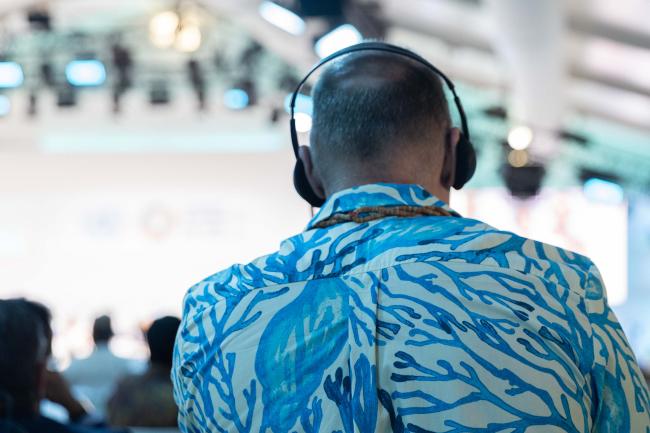
In the afternoon, an Ocean Action Panel co-chaired by Surangel S. Whipps Jr., President of Palau, and Annette Gibbons, Deputy Minister of Fisheries and Oceans, Canada, and moderated by Minna Epps, Director, Ocean Team, International Union for Conservation of Nature (IUCN), discussed ways to advance sustainable Ocean-based economies, sustainable maritime transport, and coastal community resilience leaving no one behind.
President Whipps emphasized the need to seize the opportunity the sustainable Ocean economy offers and translate it into “hope and prosperity for every fishing village, every island and coastal community,” stressing that “real transformation requires Ocean equity.”
Gibbons underscored that, for too long, “short-term economic gains were prioritized over marine health,” threatening the integrity of the marine environment and undermining economic opportunities. Gibbons highlighted the Great Bear Sea Project Finance for Permanence, the High Ambition Coalition for a Quiet Ocean, and the 100% Alliance for Sustainable Ocean Management, and urged harmonizing environmental stewardship with economic development, supporting Indigenous Peoples and local communities (IPLCs).
Panelists and participants highlighted, among other things:
- the need for equity, community empowerment, decent work, and social inclusion to foster sustainable Ocean-based economies, including for women, youth, and IPLCs;
- progress toward decarbonization of maritime transport, including the 2023 International Maritime Organization Strategy on Reduction of GHG Emissions from Ships; and
- the need for finance to be regenerative and accessible, addressing the special circumstances and unique vulnerabilities of SIDS, and shifting toward a people-centered approach based on value creation, inclusivity, and sustainability.
To receive free coverage of global environmental events delivered to your inbox, subscribe to the ENB Update newsletter.
All ENB photos are free to use with attribution. For the 2025 UN Ocean Conference please use: Photo by IISD/ENB - Kiara Worth
Ocean Action Panel 5: Fostering Sustainable Fisheries Management including supporting Small-scale Fishers
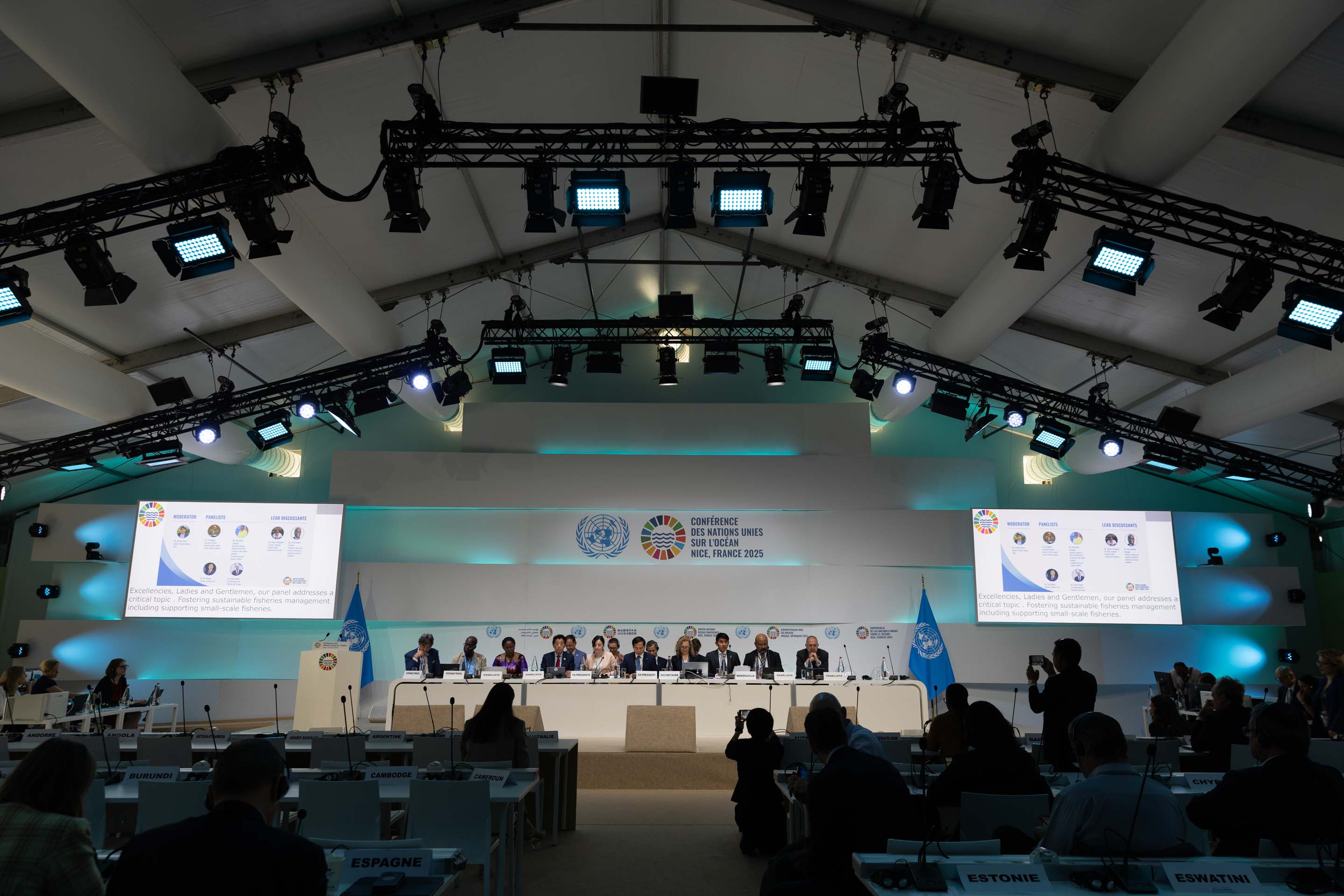
Delegates gather for Ocean Action Panel 5
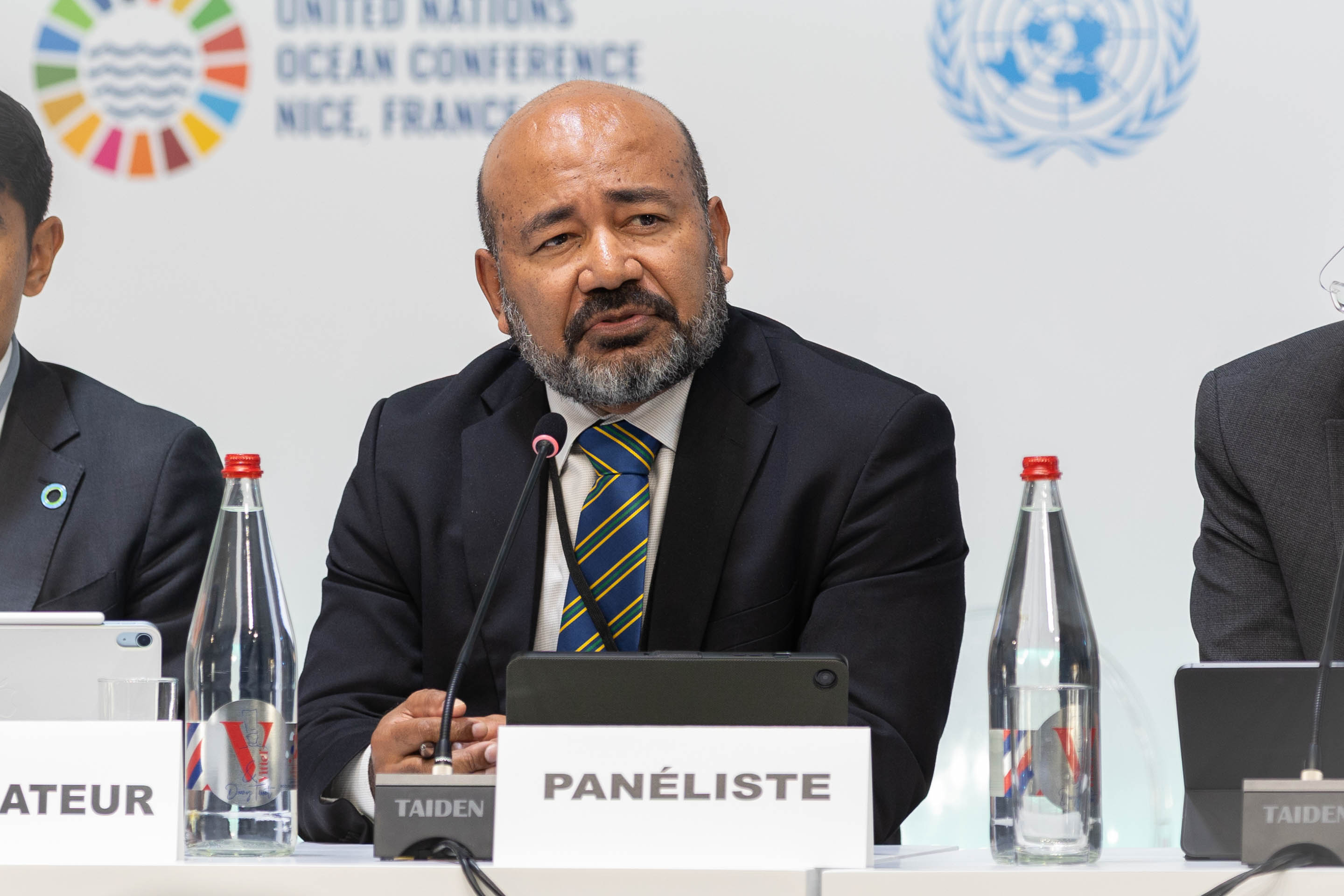
Pio Manoa, Deputy Director General, Pacific Islands Forum Fisheries Agency
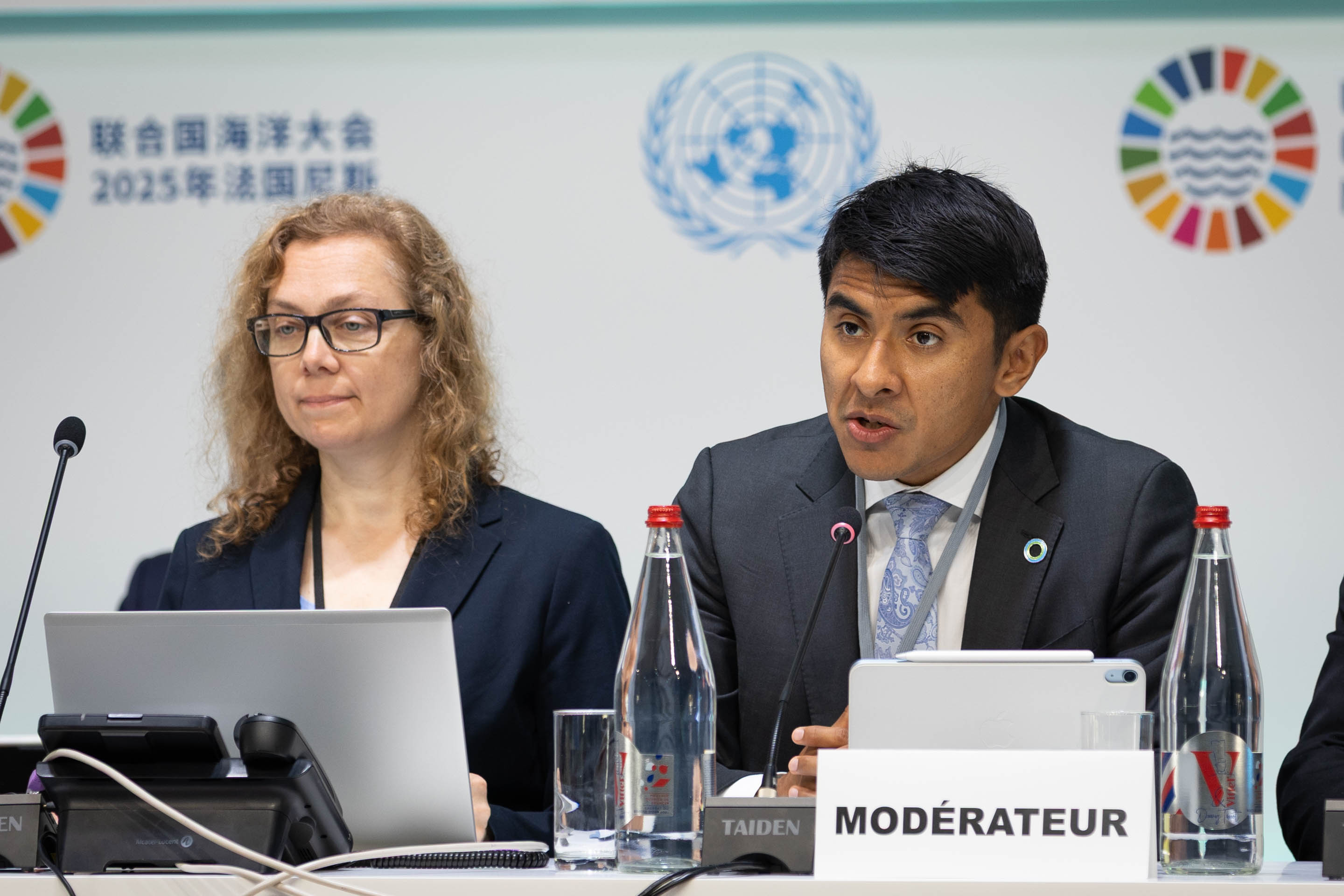
Moderator Alfredo Giron, Head of Ocean Action Agenda, World Economic Forum
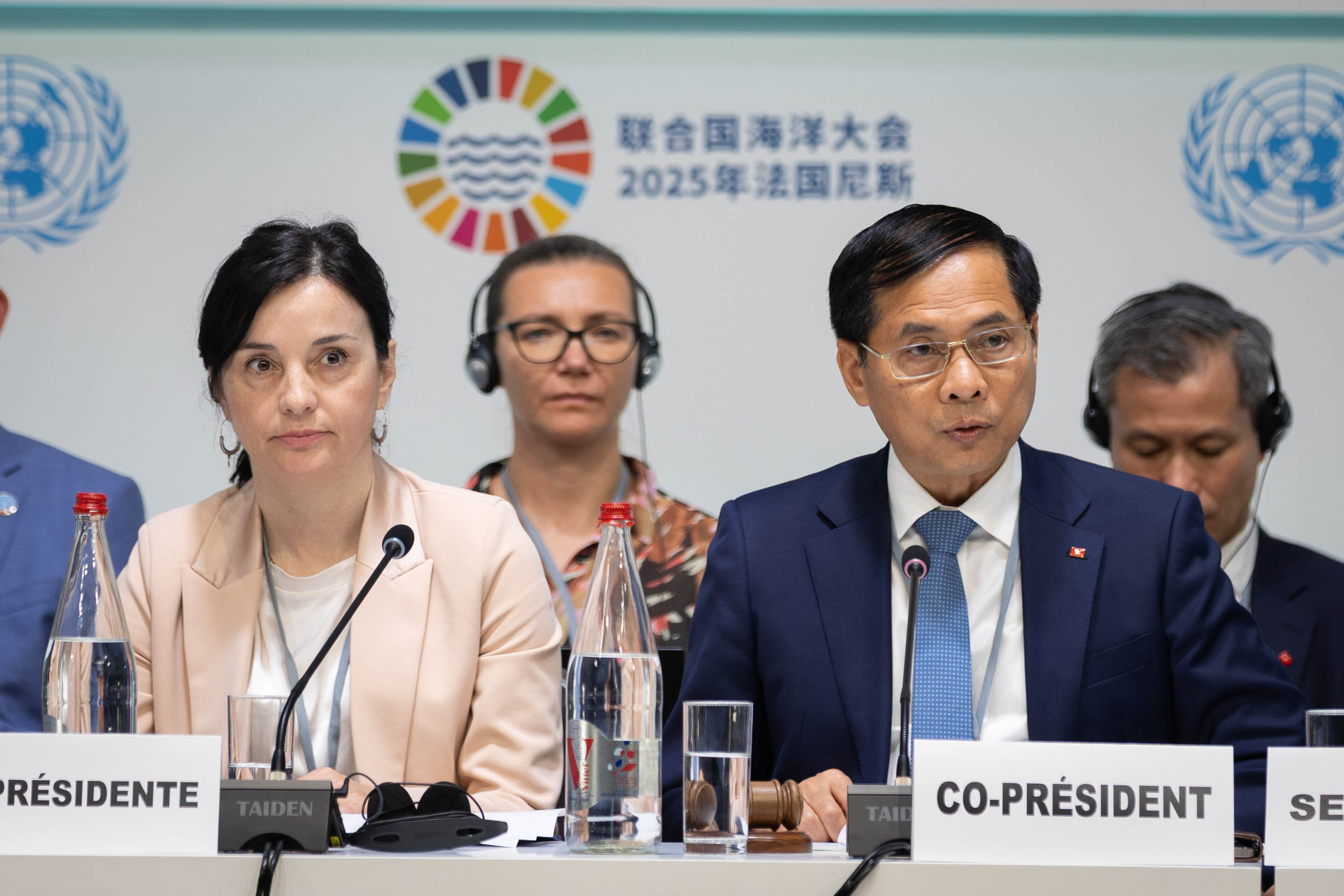
Panel Co-Chairs: Marija Vučković, Minister for Environmental Protection and Green Transition, Croatia, and Bùi Thanh Son, Deputy Prime Minister and Minister of Foreign Affairs, Viet Nam
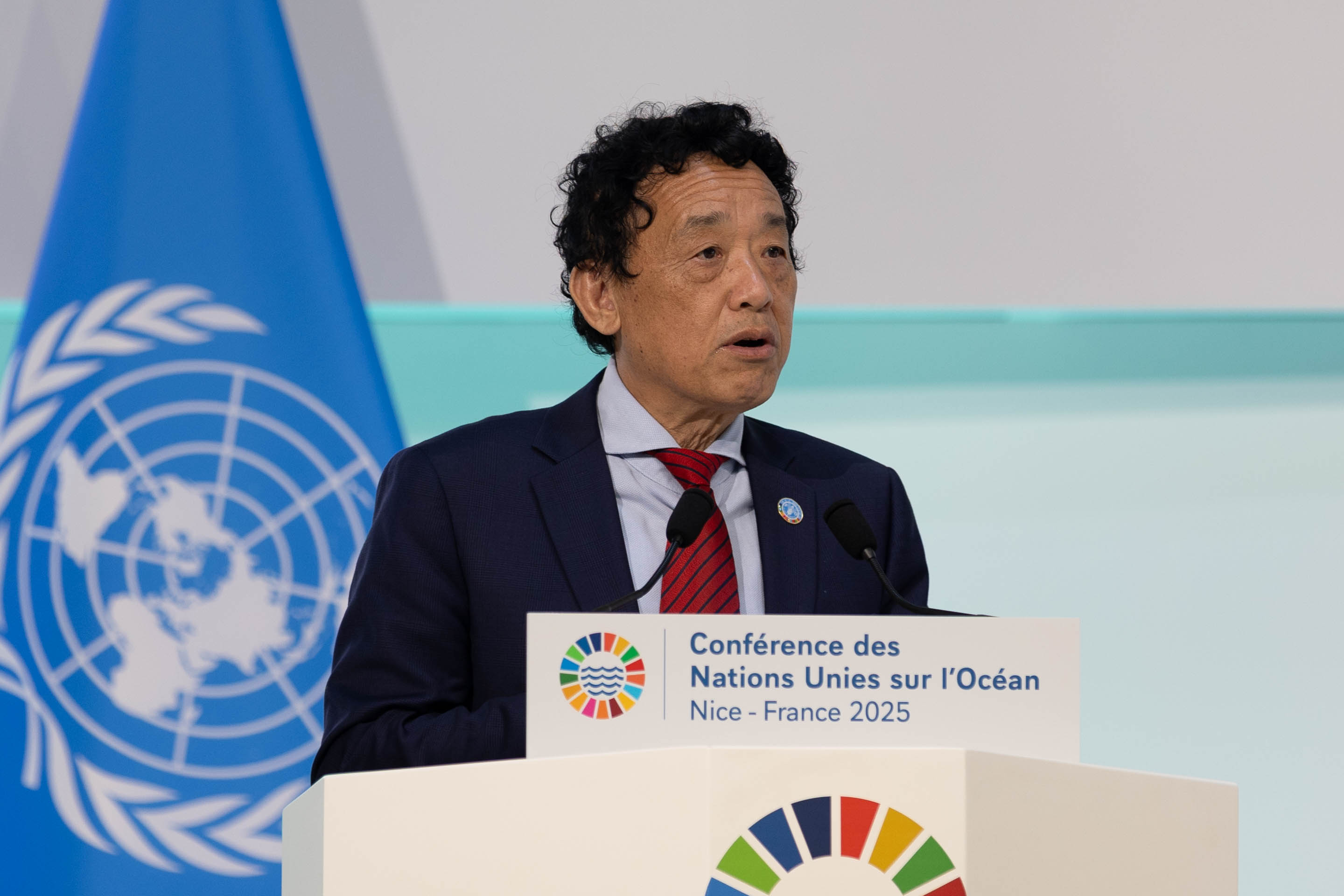
Qu Dongyu, Director-General, Food and Agriculture Organization of the UN (FAO)
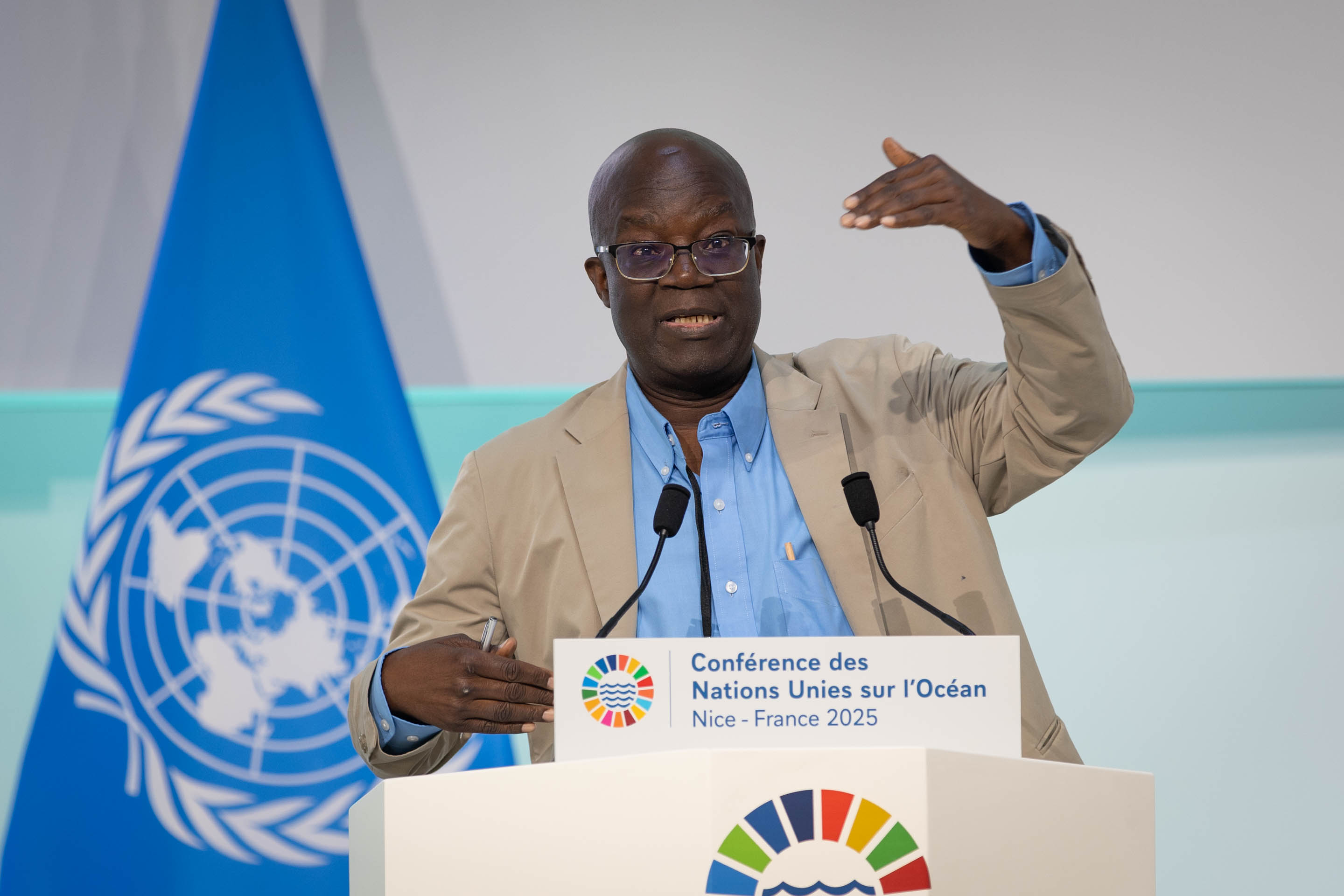
Ussif Rashid Sumaila, Professor, Ocean and Fisheries Economics, University of British Columbia, Canada
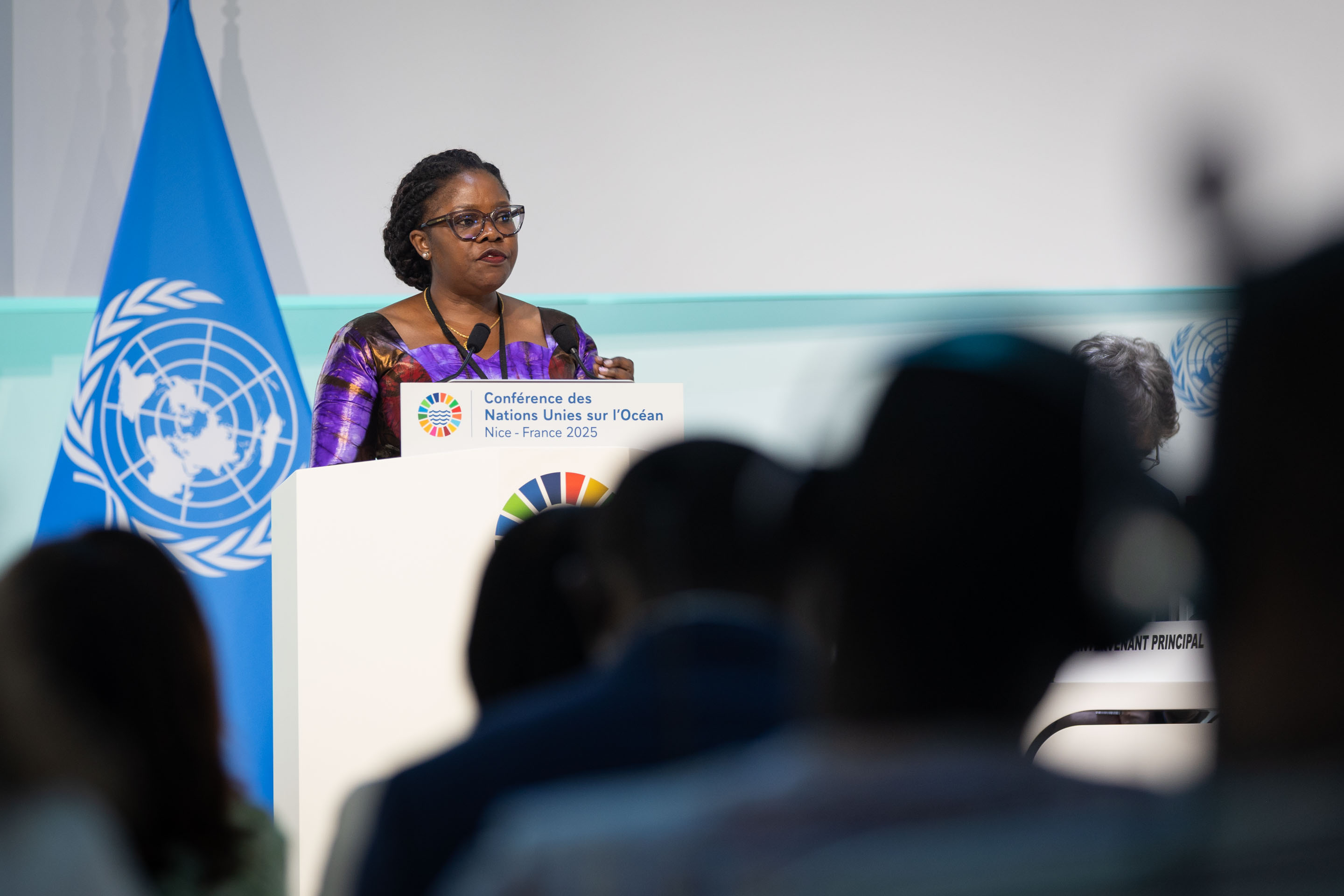
Editrudith Lukanga, Secretary General, African Women Fish Processors and Traders Network, and Executive Director, Environmental Management and Economic Development Organization
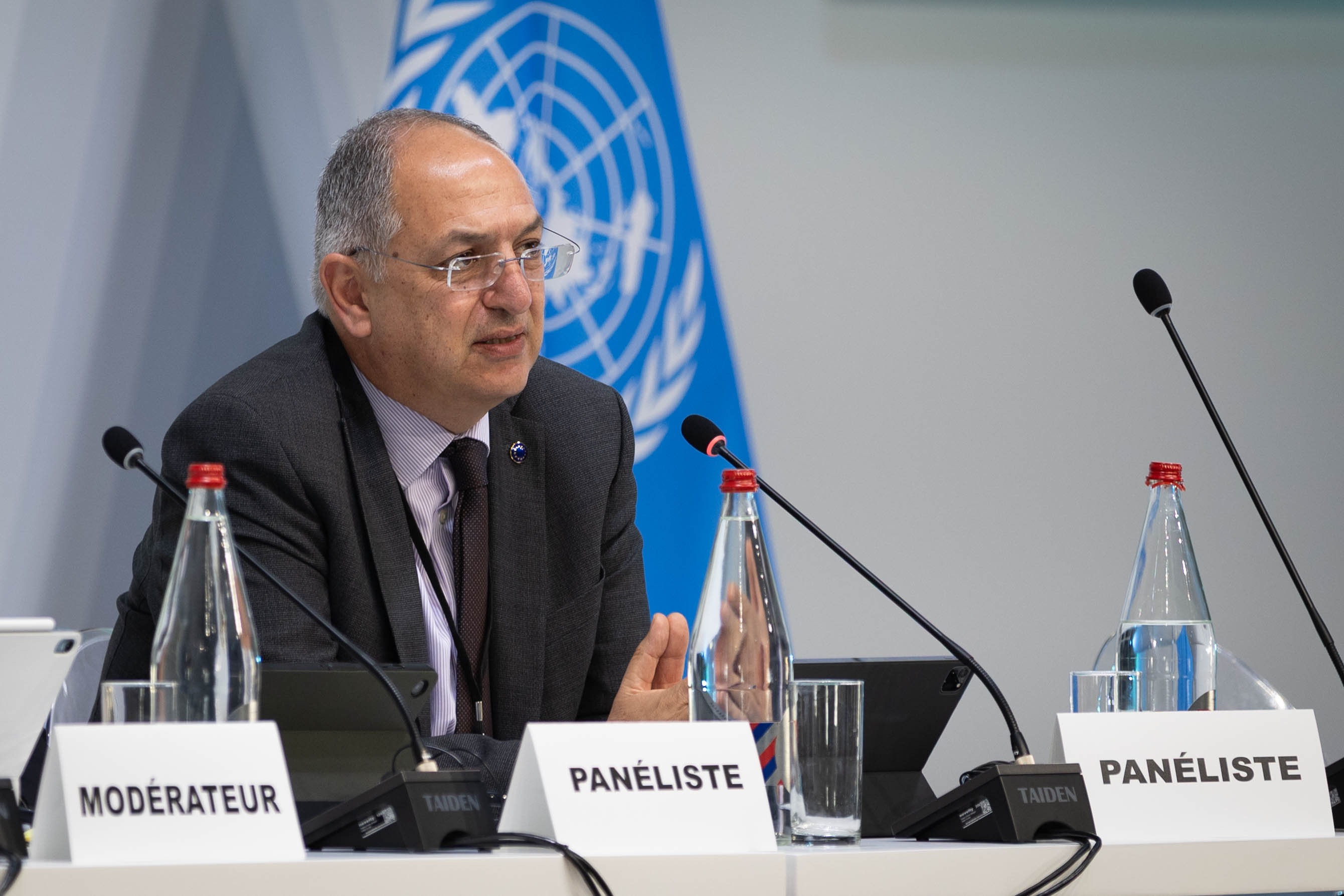
Costas Kadis, EU Commissioner for Fisheries and Oceans
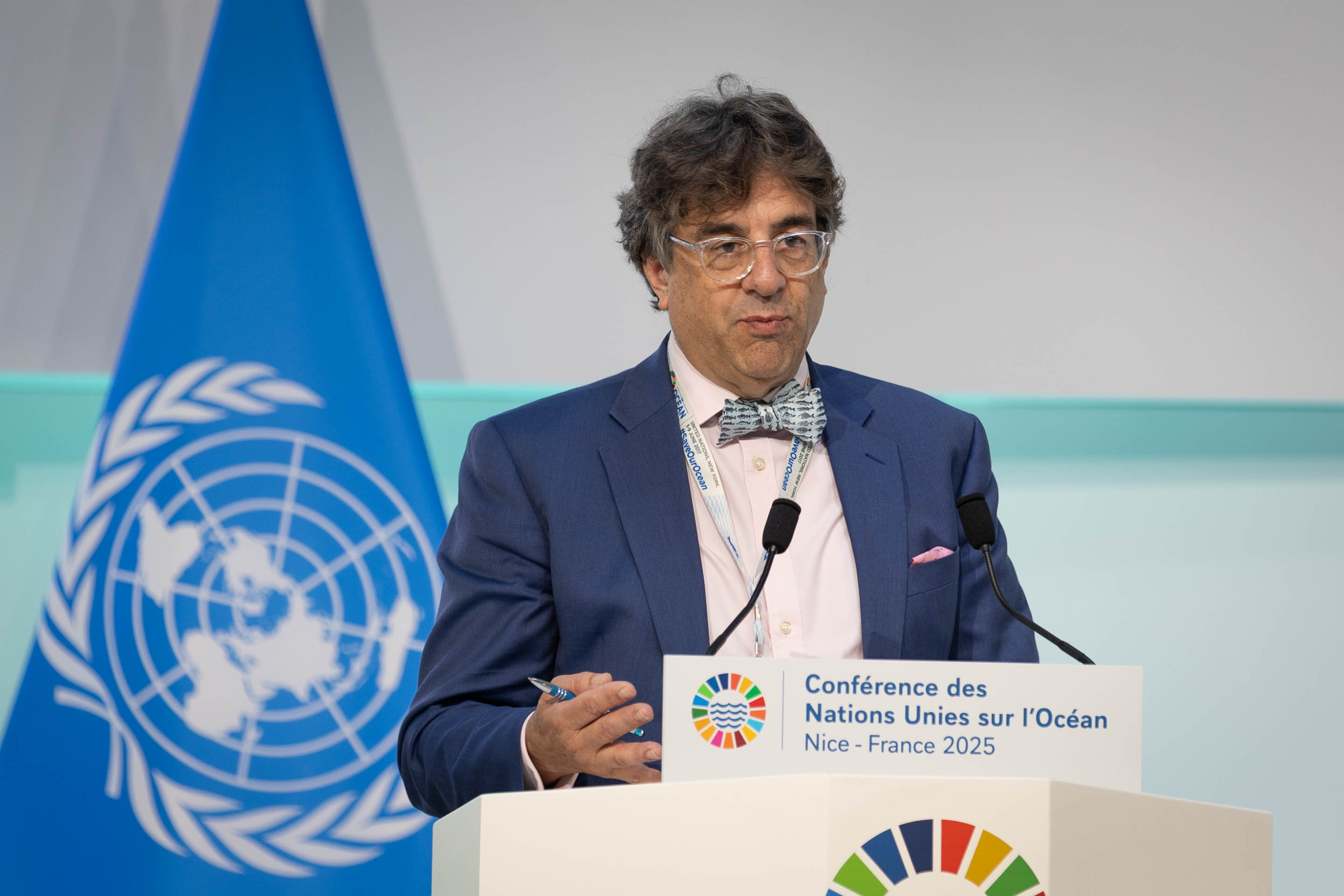
Darius Campbell, Co-Chair, Regional Fisheries Body Secretariats Network of the UK
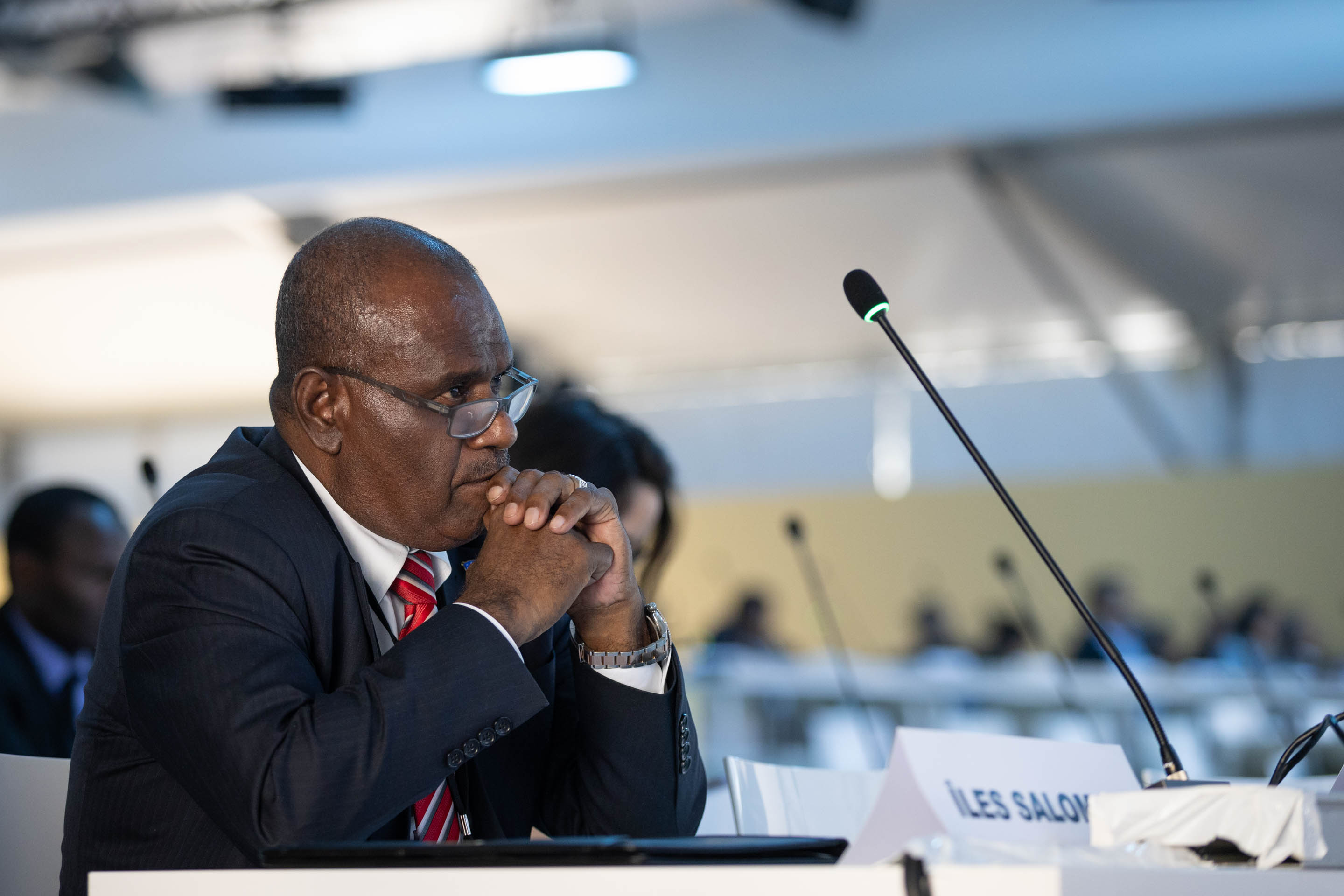
Jeremiah Manele, Prime Minister of Solomon Islands, listens to the discussions
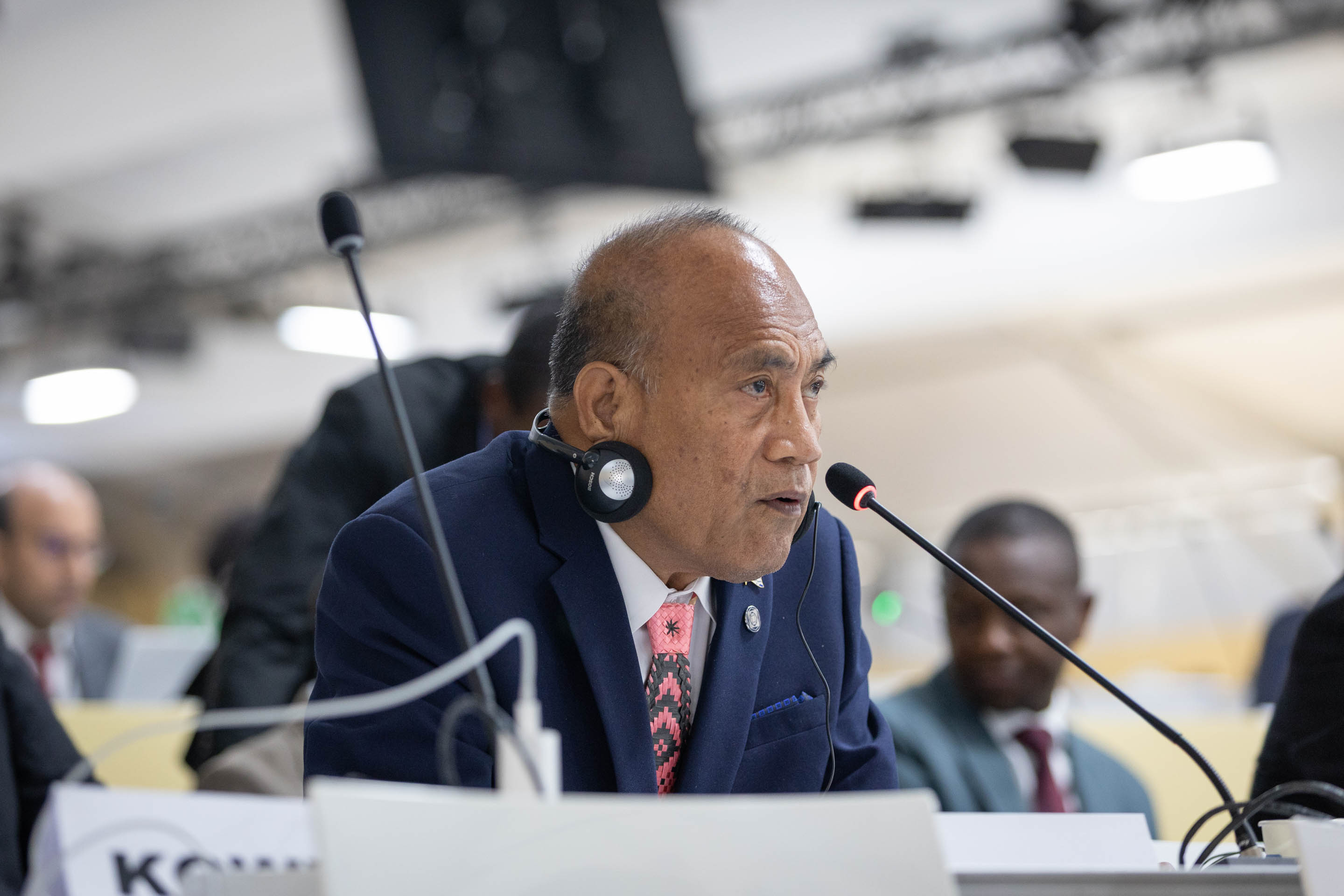
Taneti Maamau, President of Kiribati
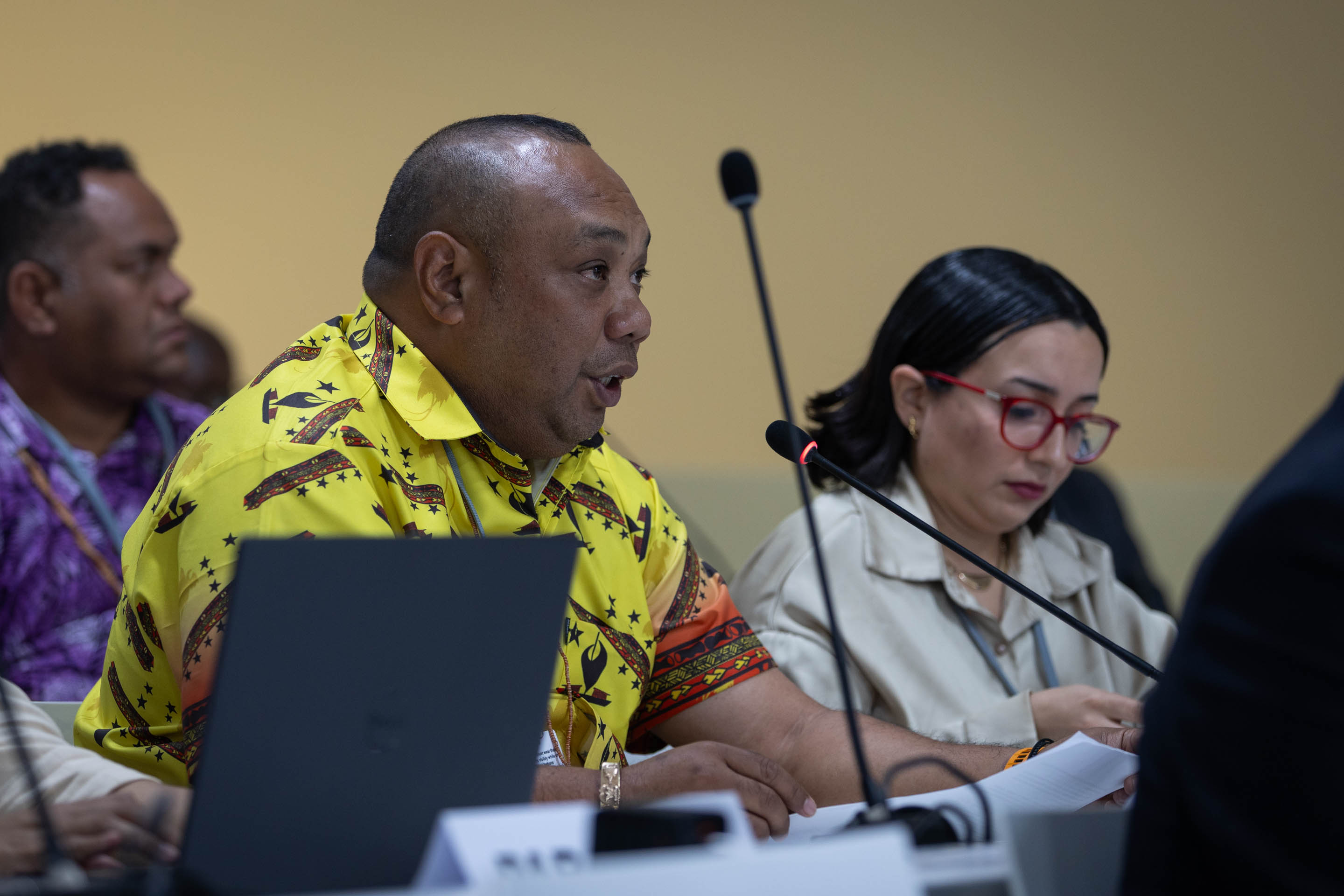
Jelta Wong, Minister for Fisheries and Marine Resources, Papua New Guinea
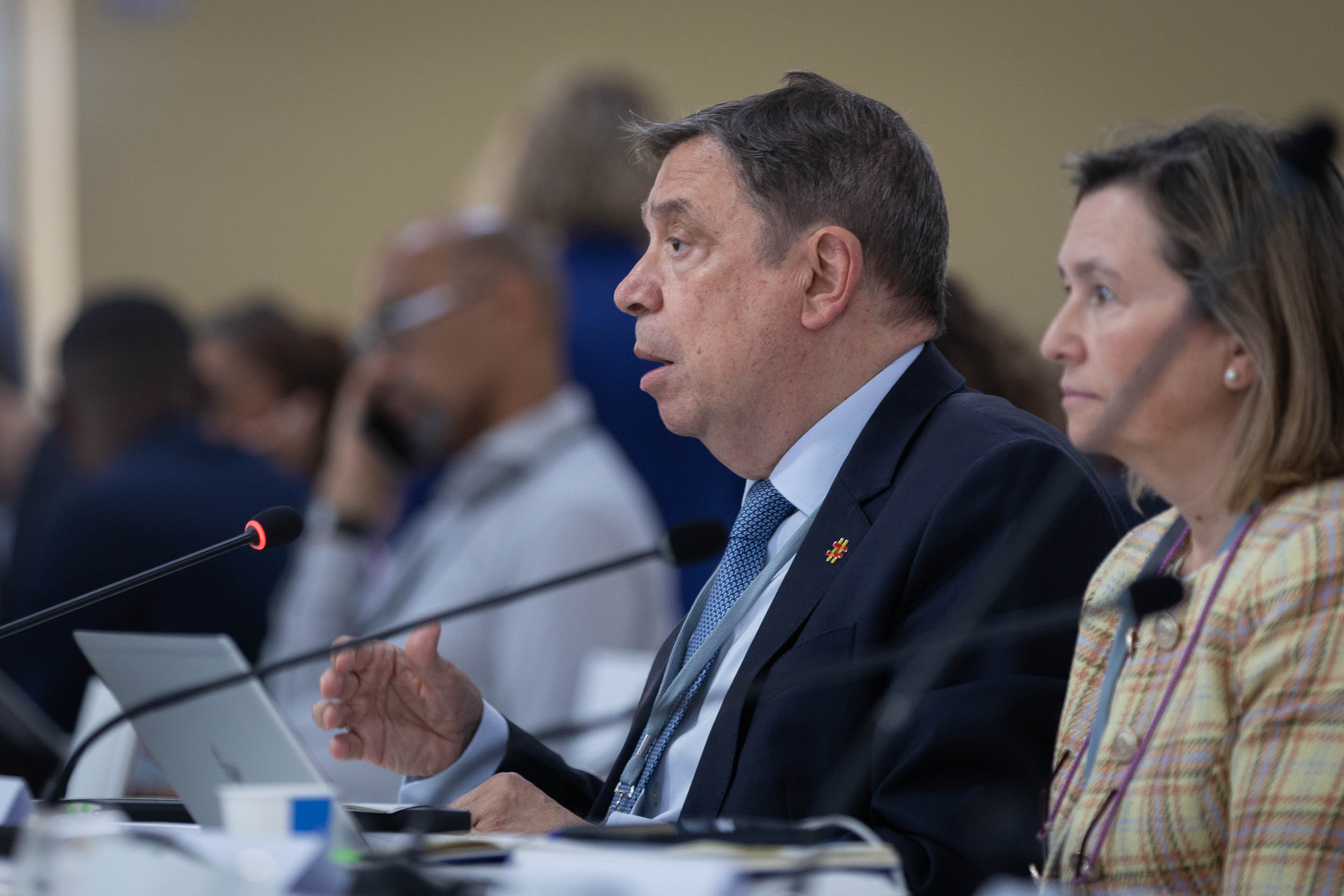
Luis Planas Puchades, Minister of Agriculture, Fisheries and Food, Spain
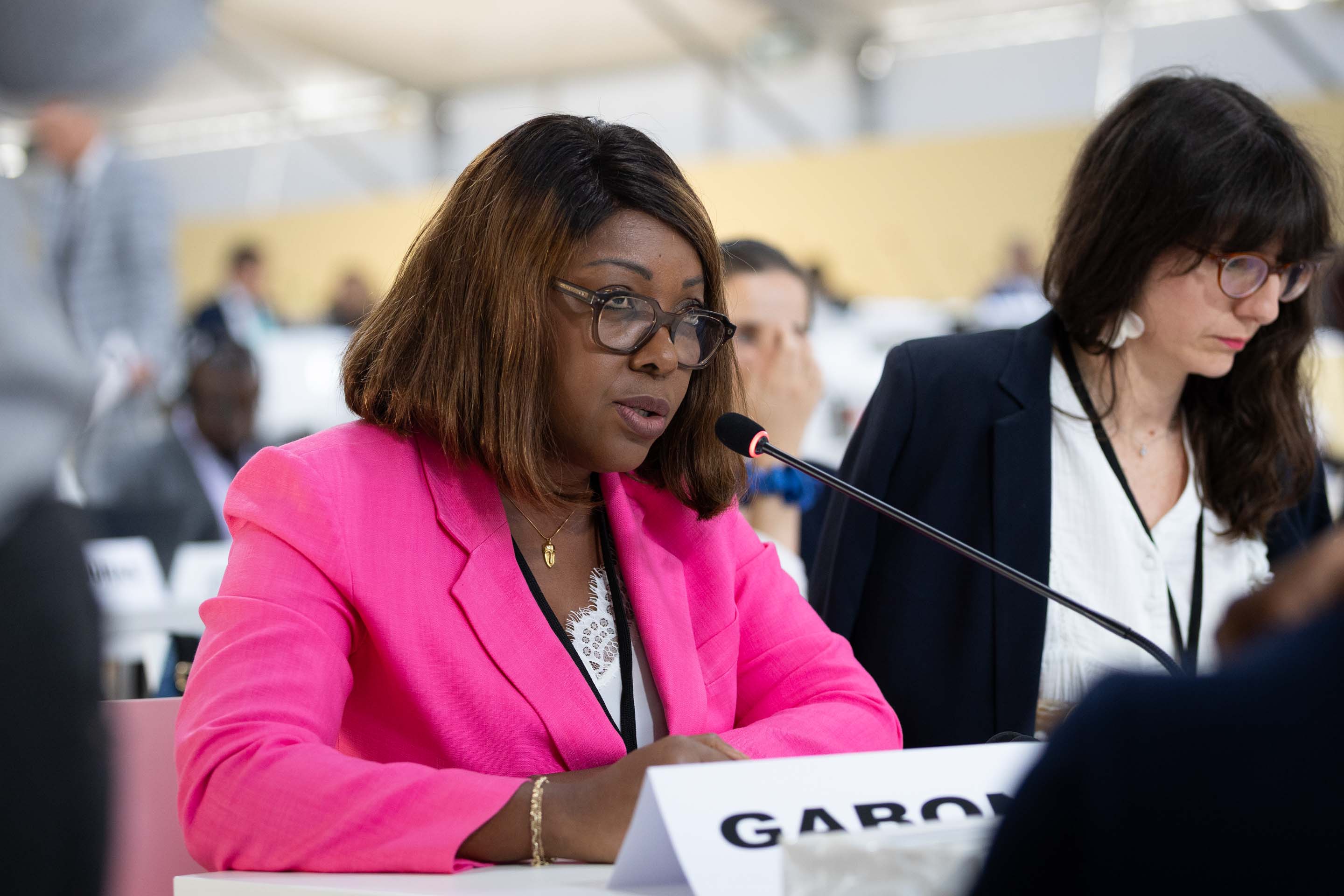
Arcadie Svetlana Minguengui Ndomba, Minister of Environment, Climate and Human Wildlife Conflict, Gabon
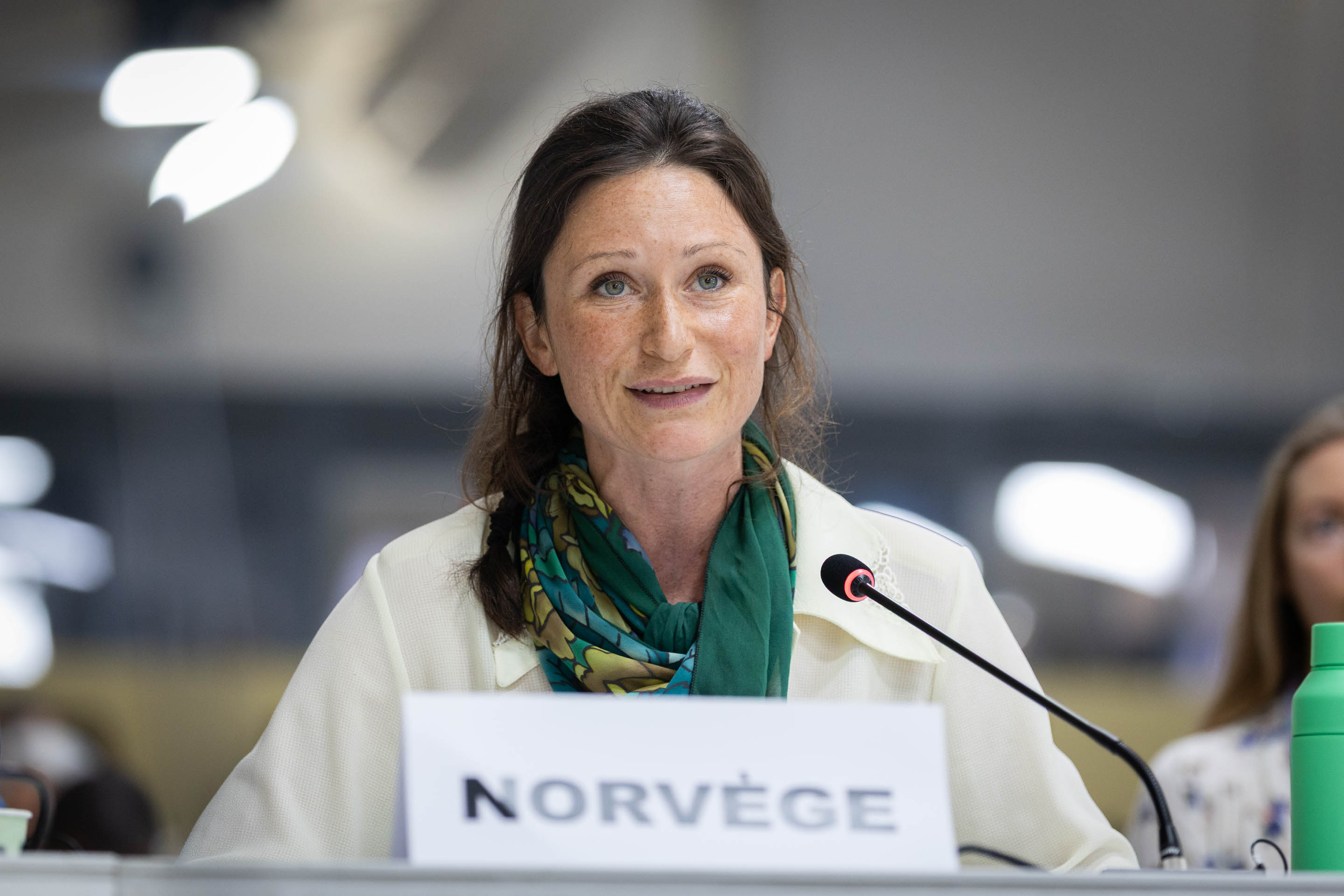
Maria Varteressian, Deputy Minister of Foreign Affairs, Norway
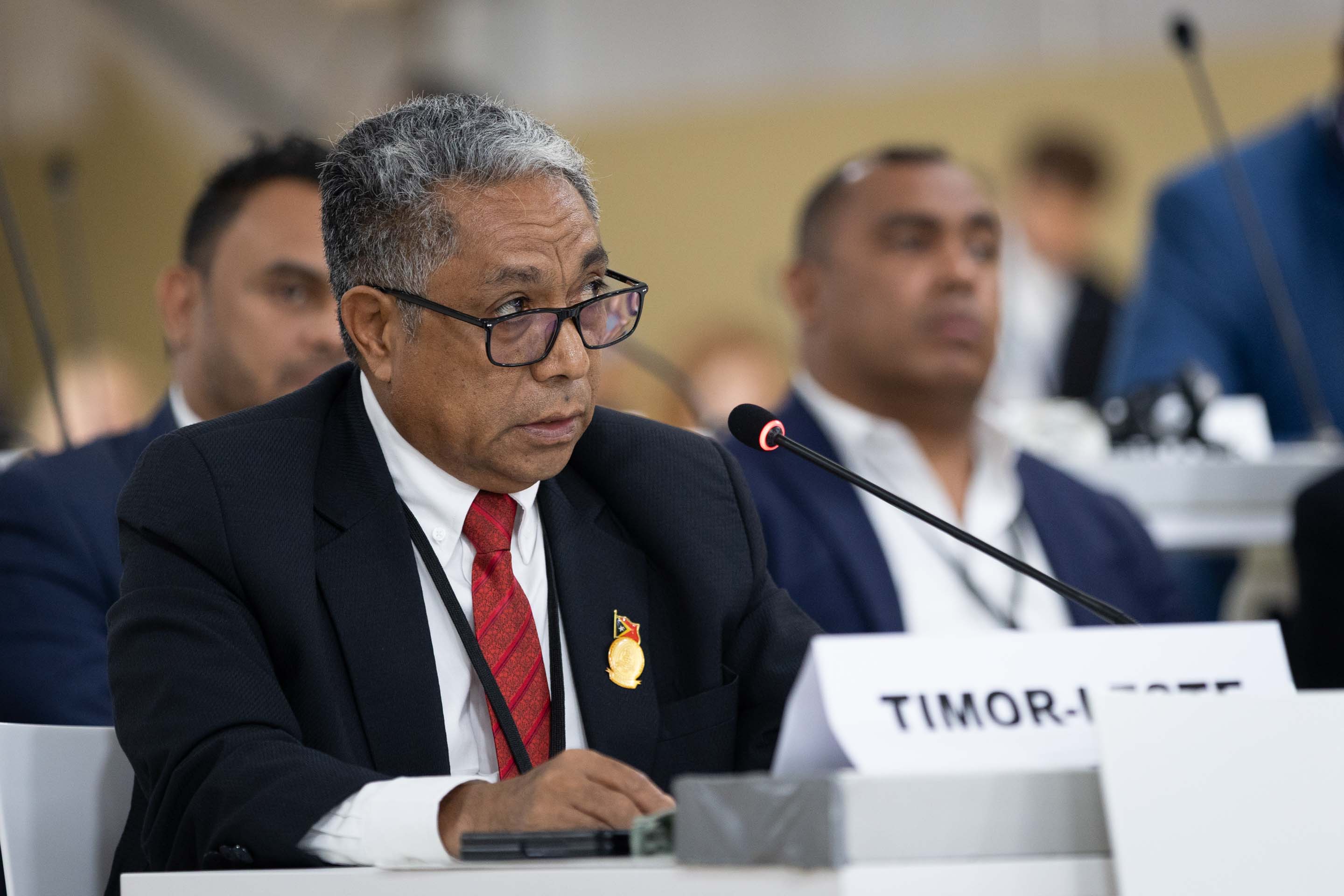
Marcos da Cruz, Minister of Agriculture, Livestock, Fisheries, and Forestry, Timor-Leste
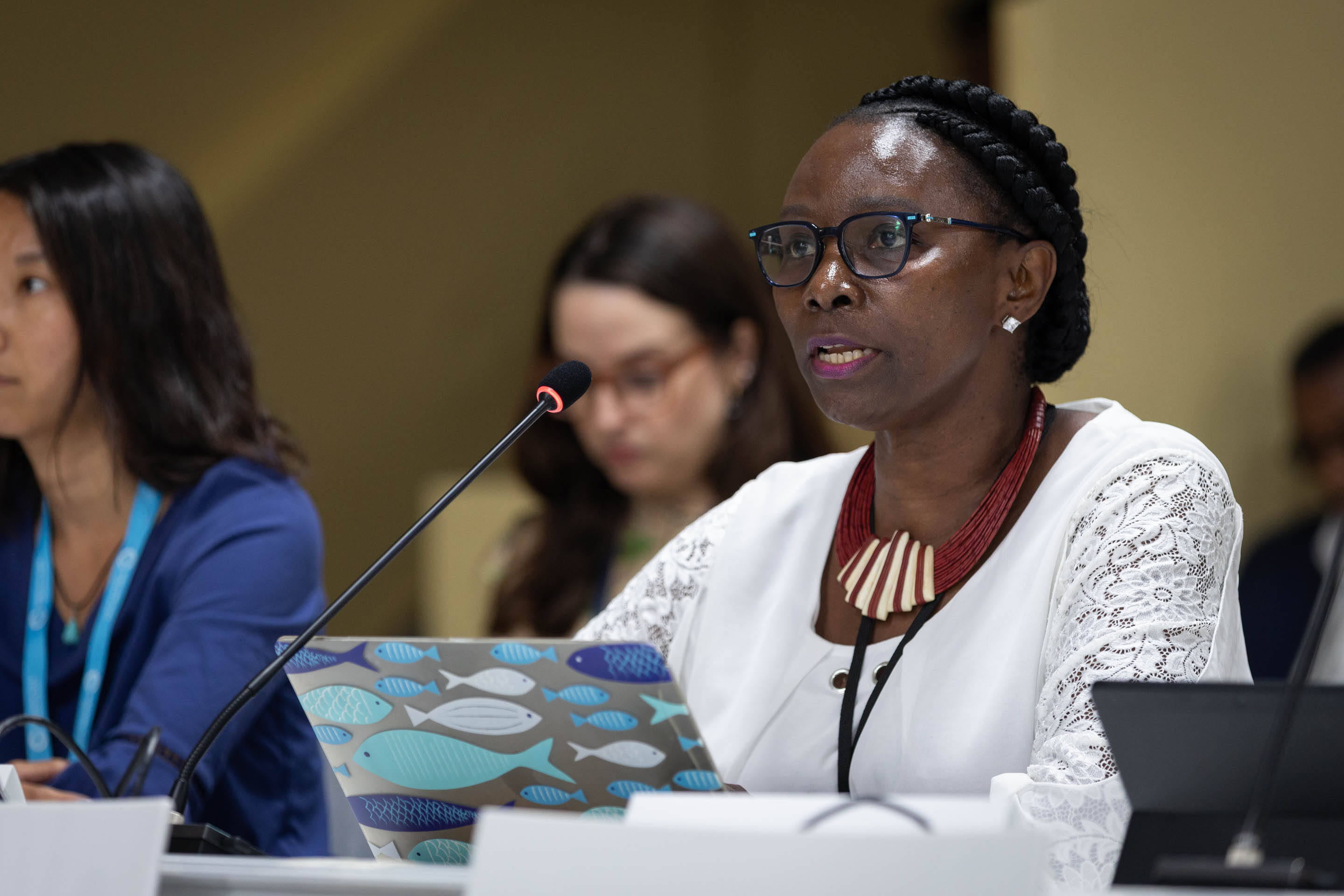
Margaret Nakato, Executive Director, World Forum of Fish Harvesters and Fishworkers
Ocean Action Panel 6: Advancing Sustainable Ocean-based Economies, Sustainable Maritime Transport and Coastal Community Resilience Leaving No One Behind
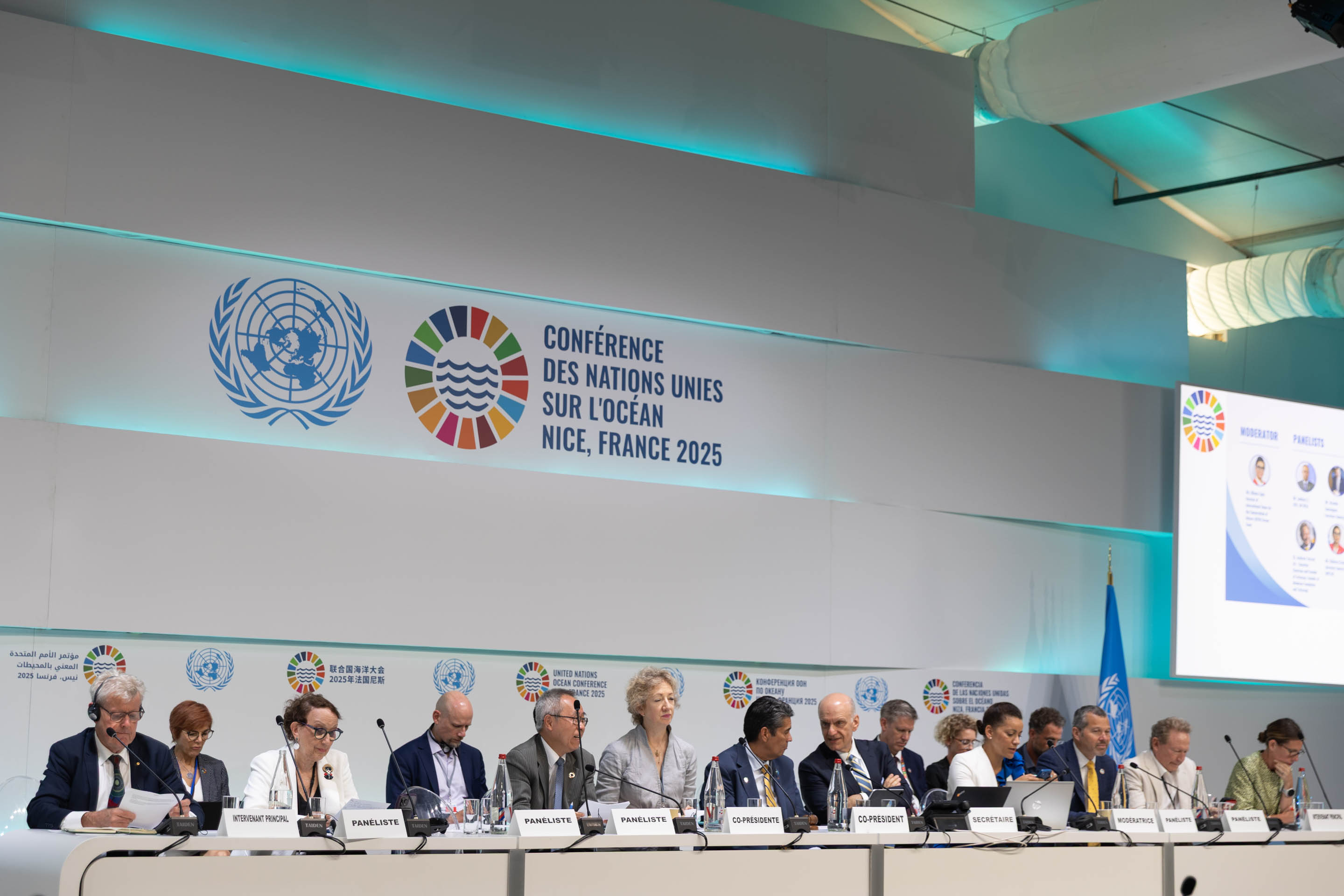
Panel speakers for Ocean Action Panel 6
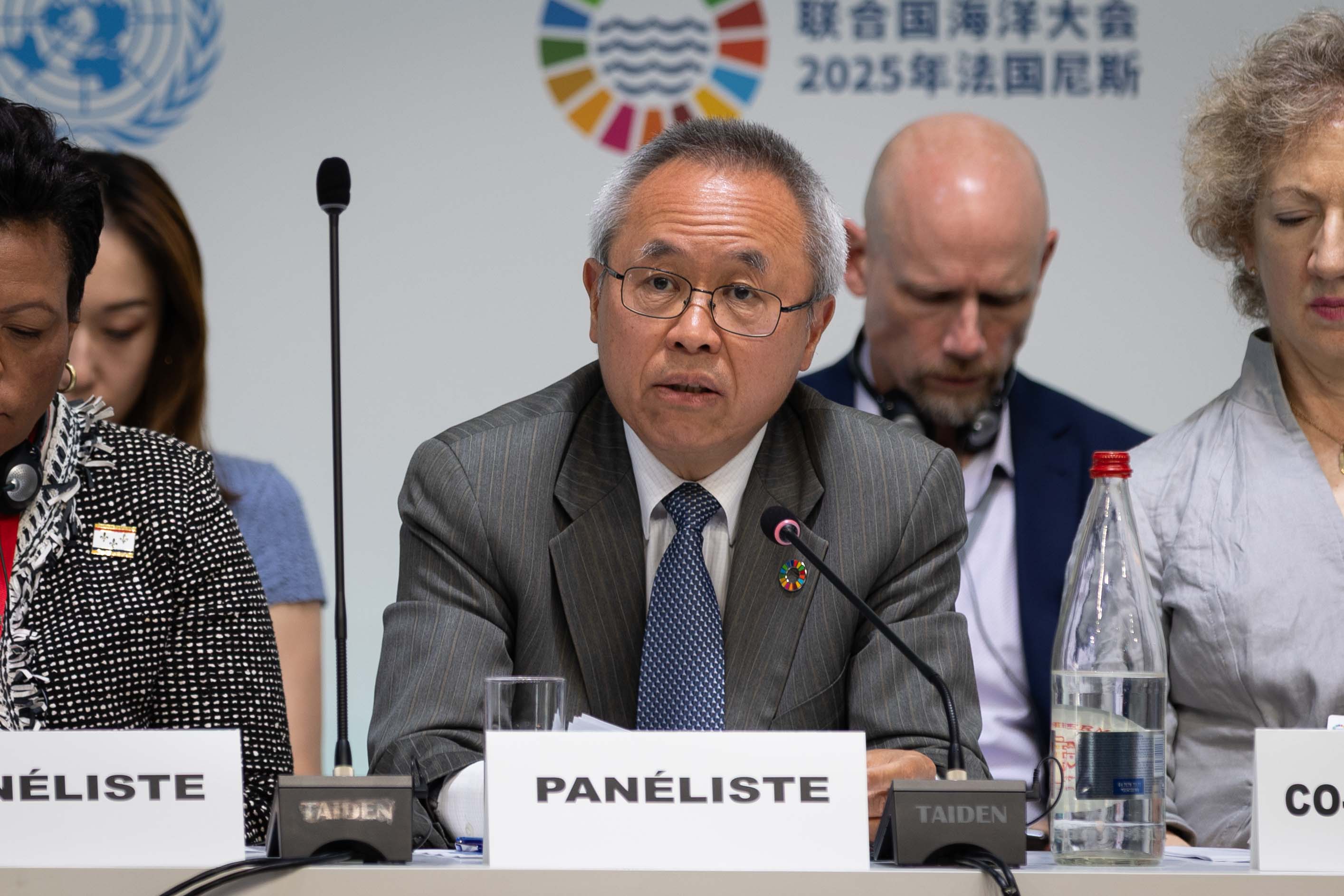
Li Junhua, UN Under-Secretary-General for Economic and Social Affairs
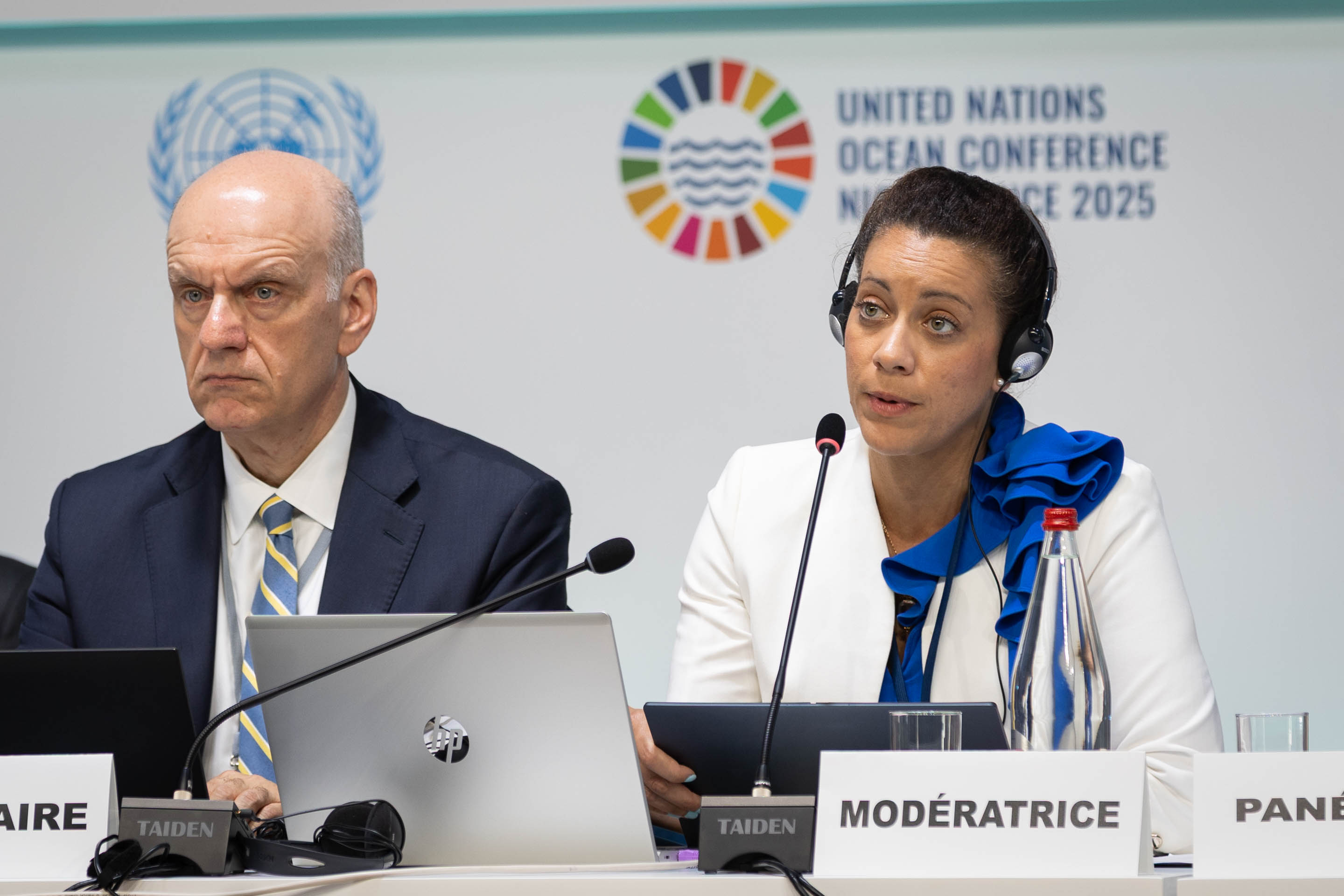
Moderator Minna Epps, Director, Ocean Team, International Union for Conservation of Nature (IUCN)
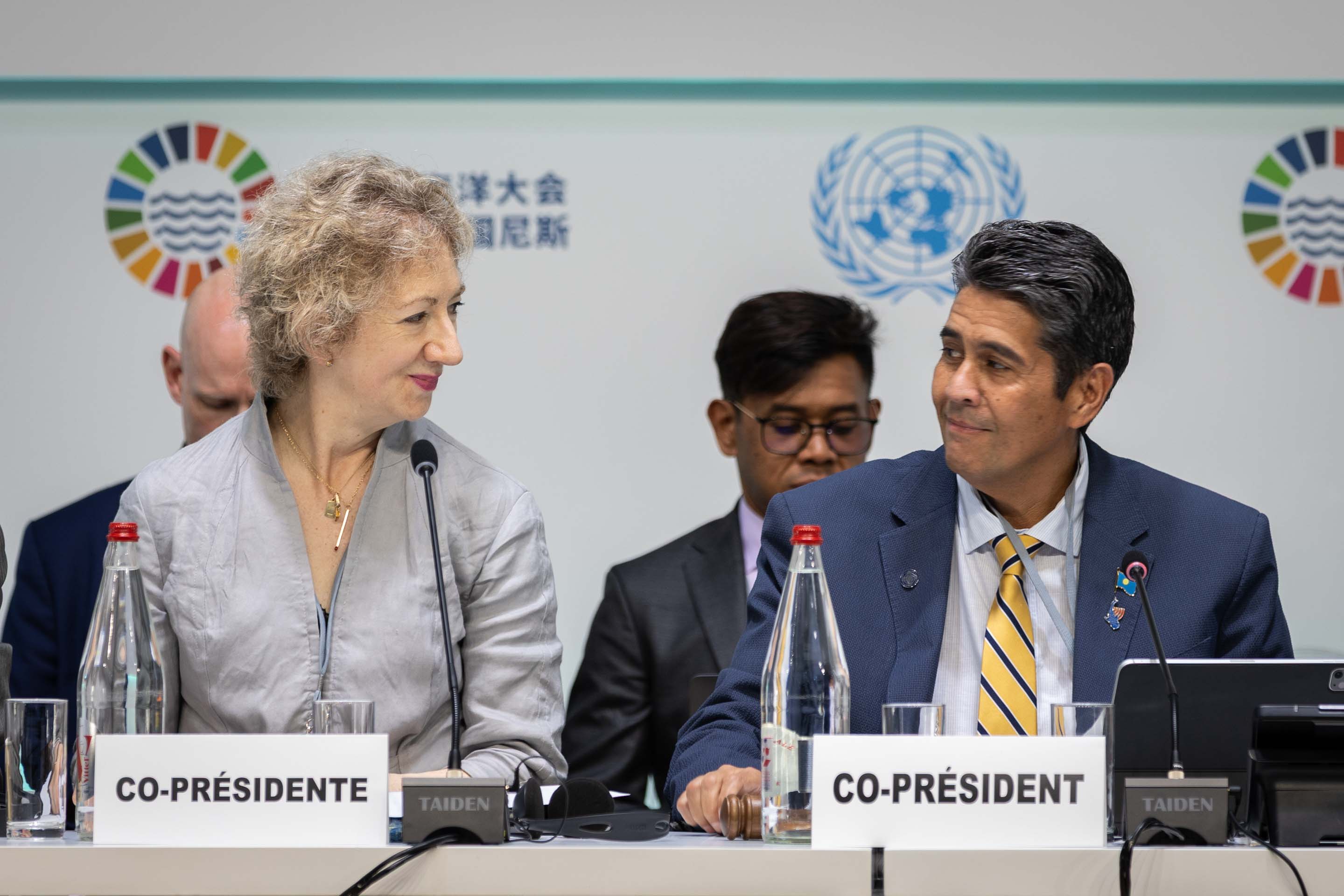
Panel Co-Chairs: Annette Gibbons, Deputy Minister of Fisheries and Oceans, Canada, and Surangel S. Whipps Jr., President of Palau
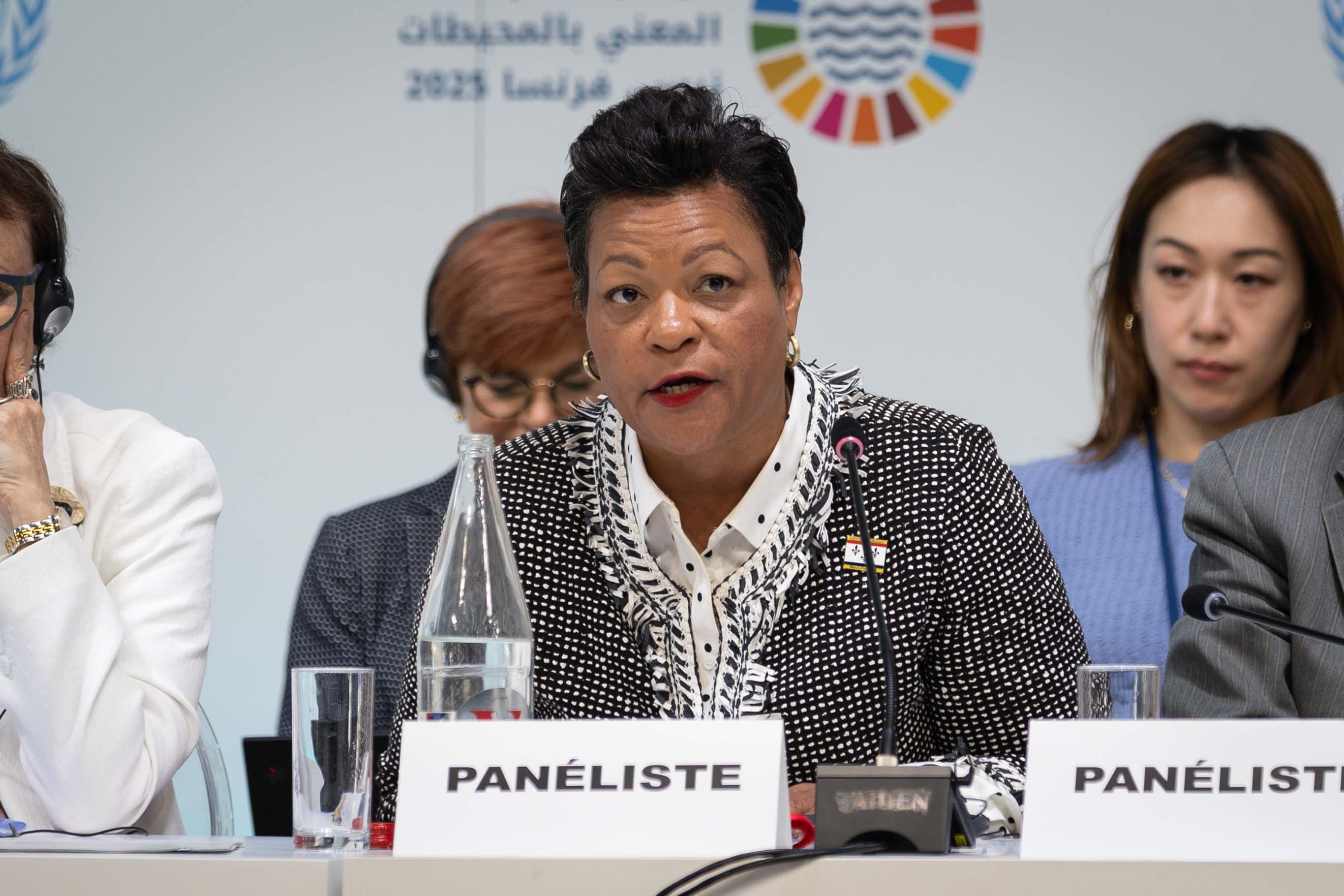
LaToya Cantrell, Mayor of New Orleans, US
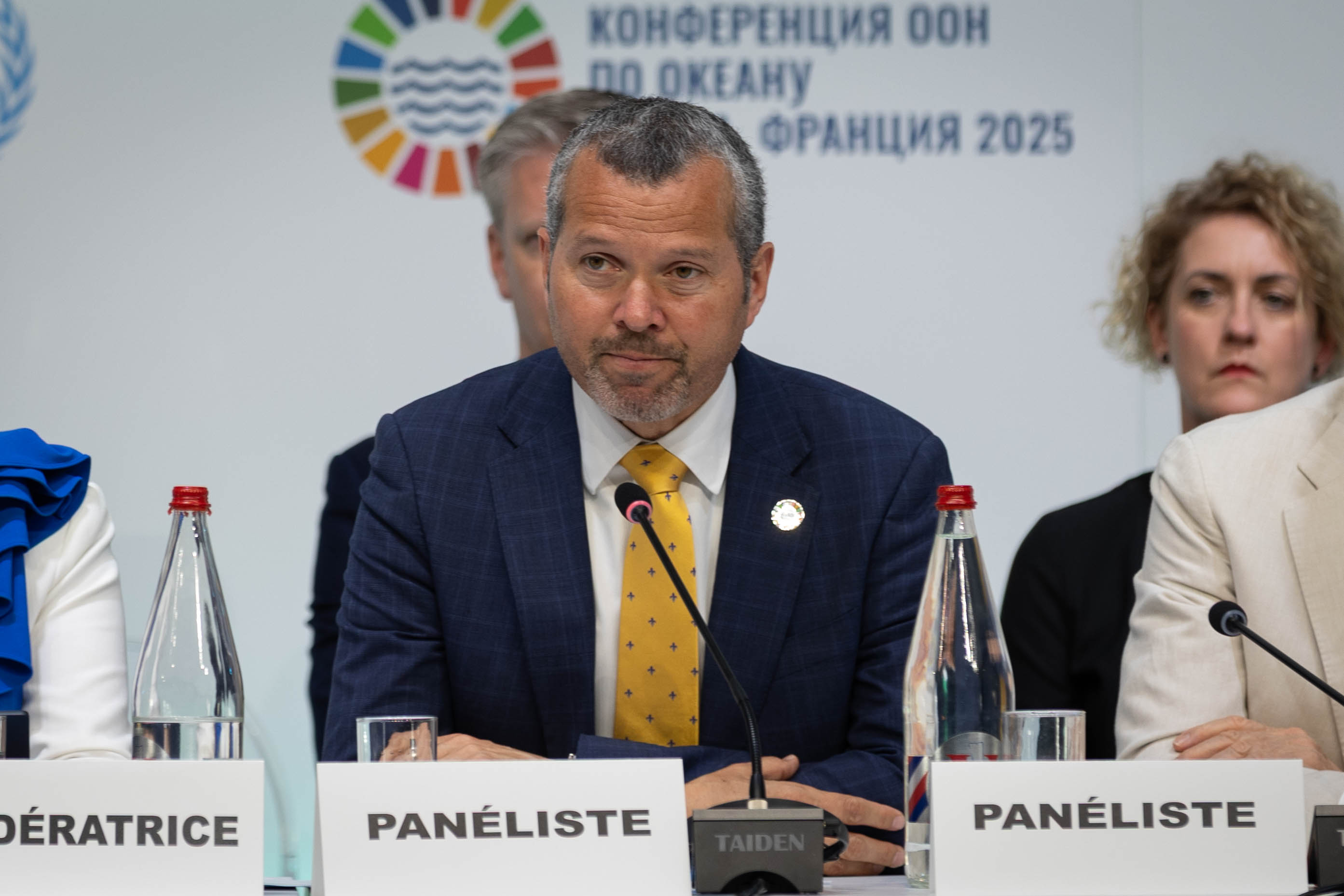
Arsenio Dominguez, Secretary-General, International Maritime Organization (IMO)

UN Security presides over the meeting
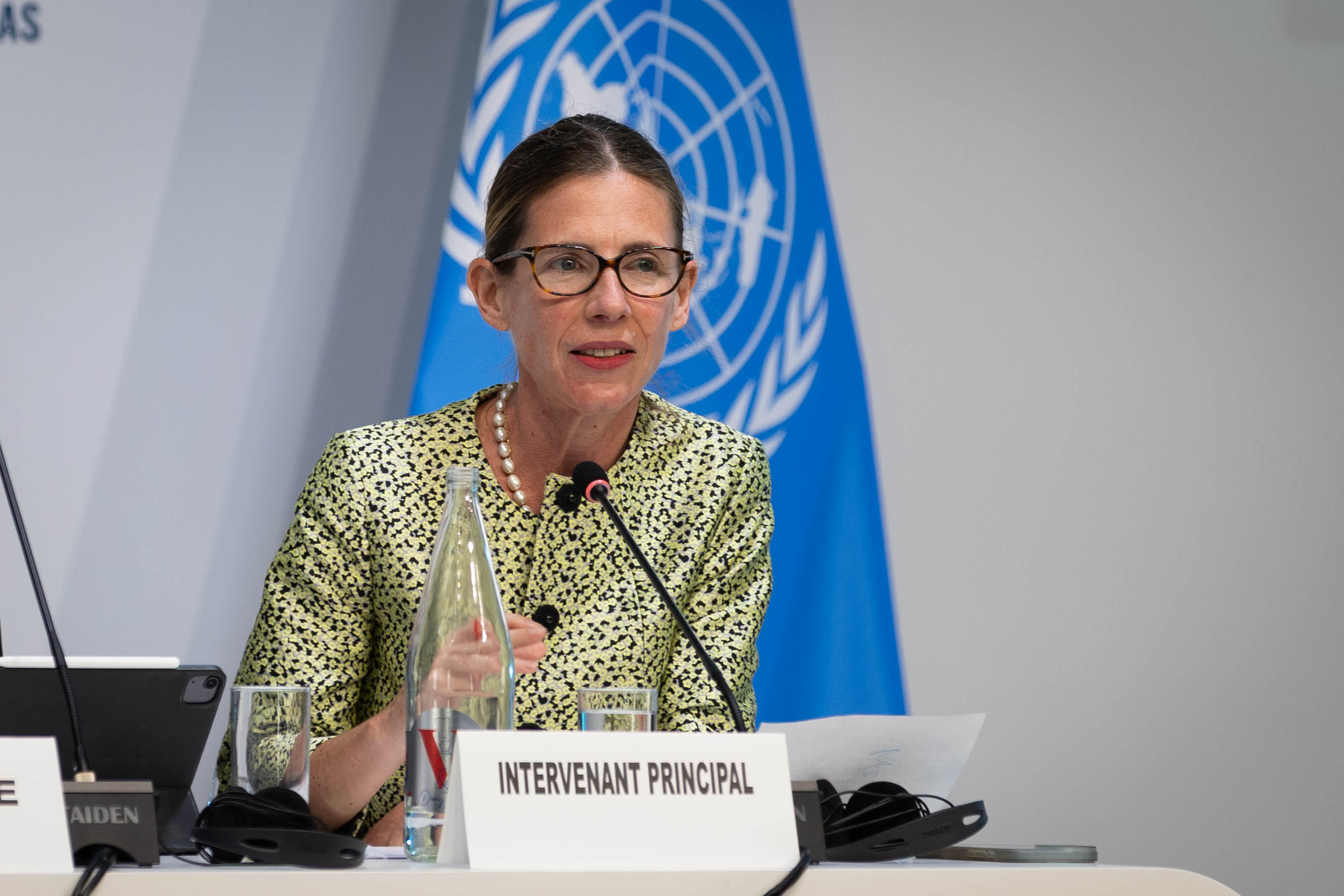
Francine Pickup, Deputy Assistant Administrator, UN Development Programme (UNDP)
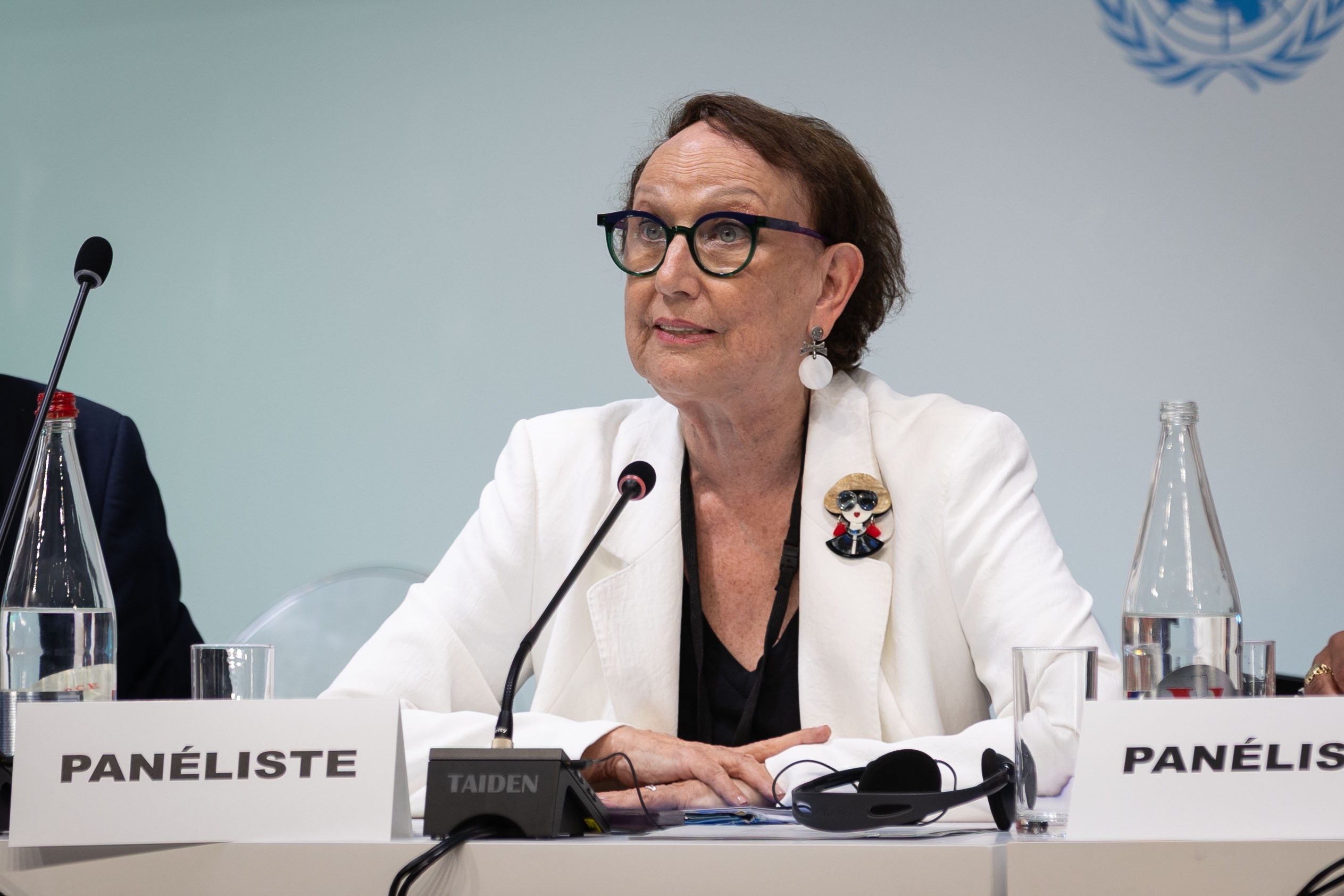
Rebeca Grynspan, Secretary-General, UN Trade and Development (UNCTAD)
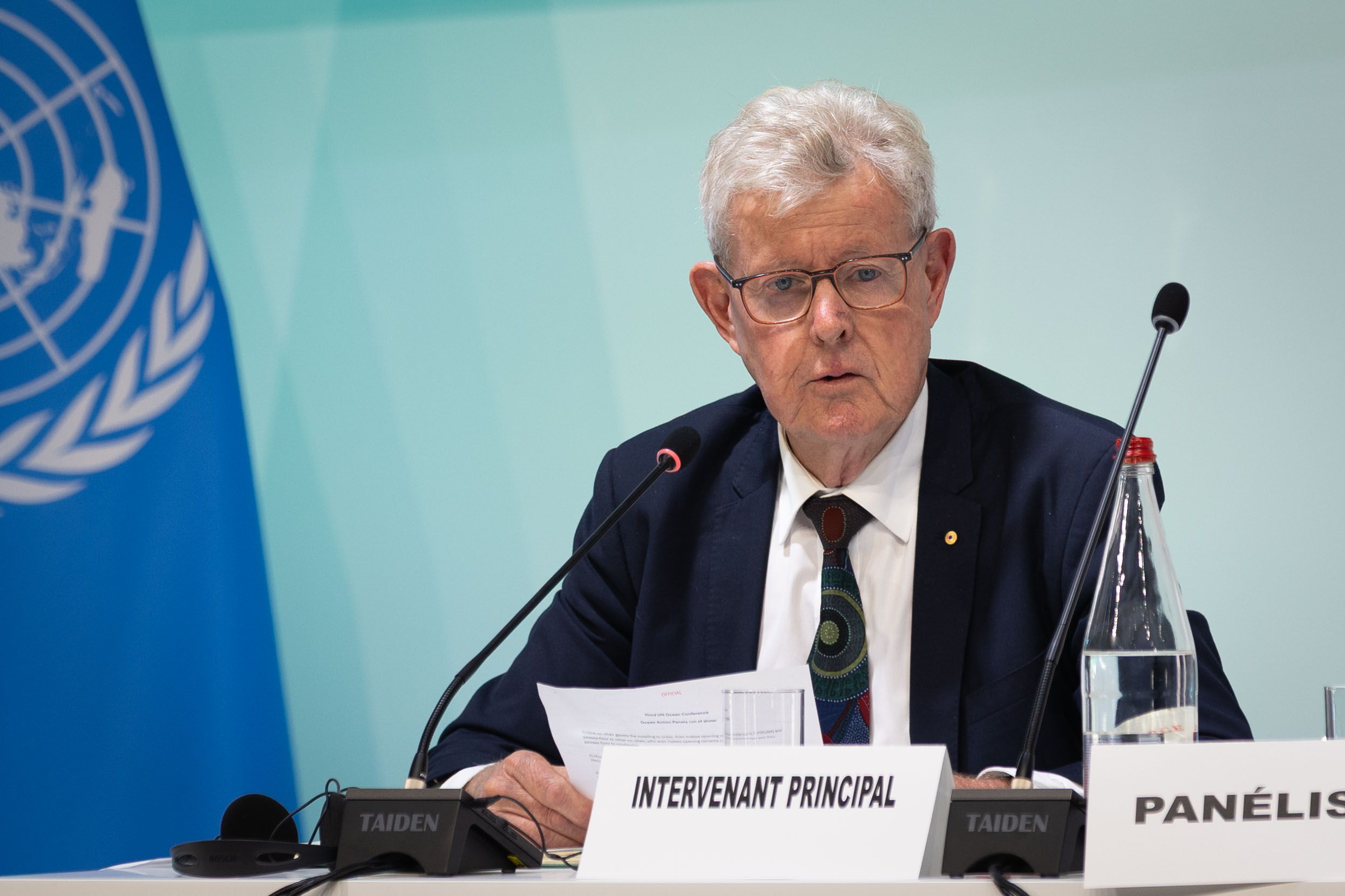
Russell Reichelt, Sherpa to the High-Level Panel for a Sustainable Ocean Economy, Australia
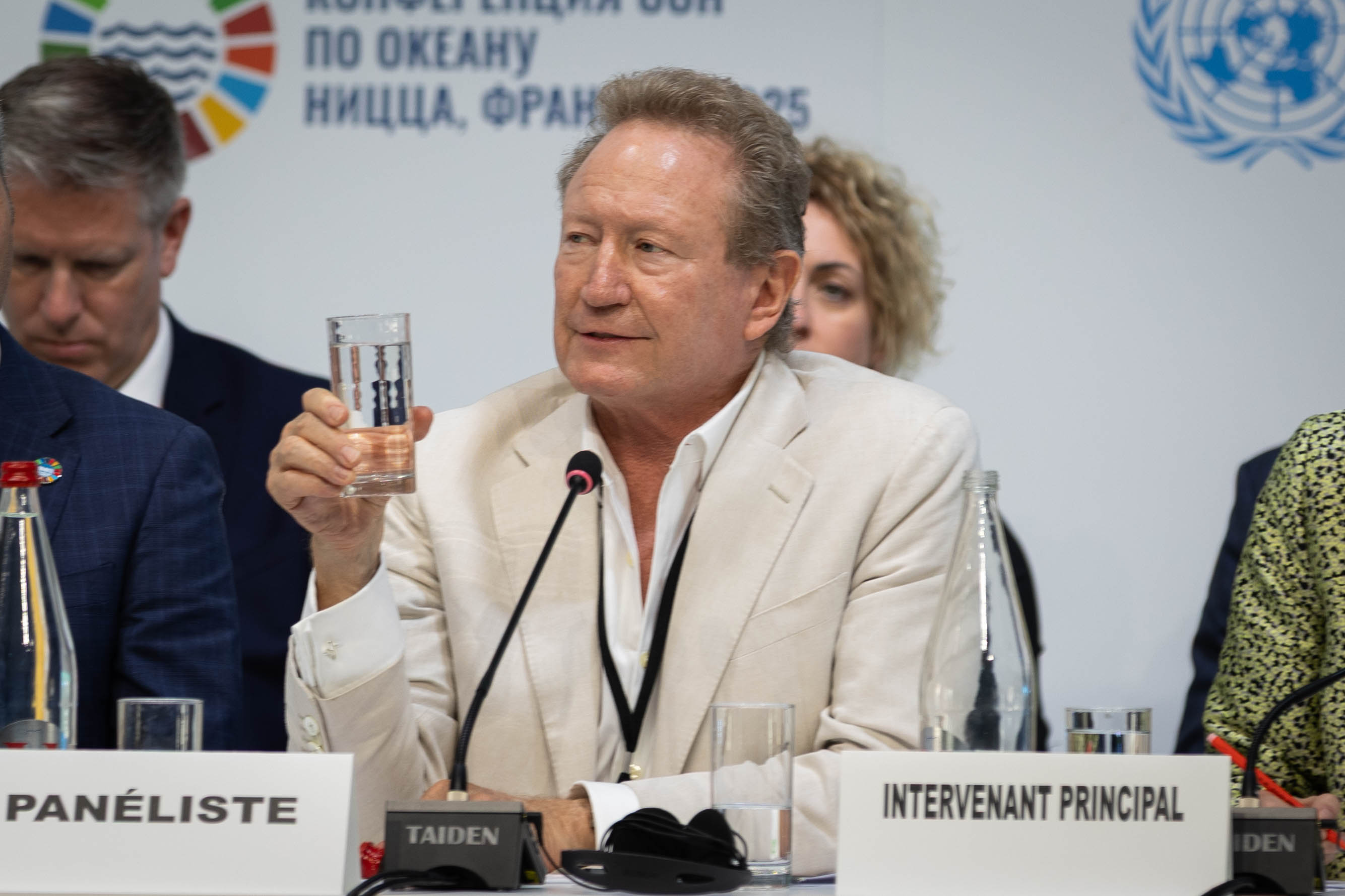
Andrew Forrest, Co-Founder, Minderoo Foundation
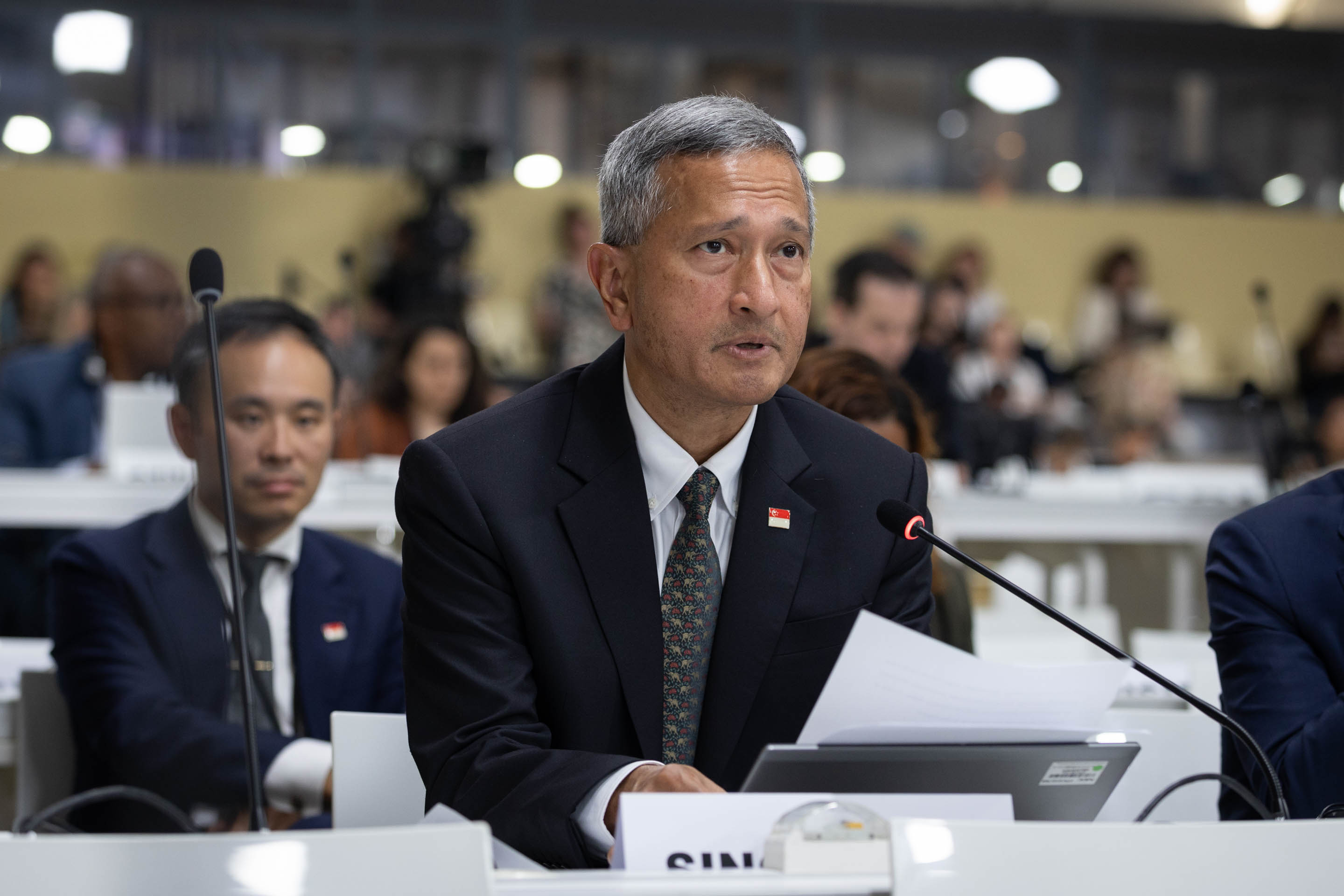
Vivian Balakrishnan, Minister for Foreign Affairs, Singapore, on behalf of the Association of Southeast Asian Nations (ASEAN)
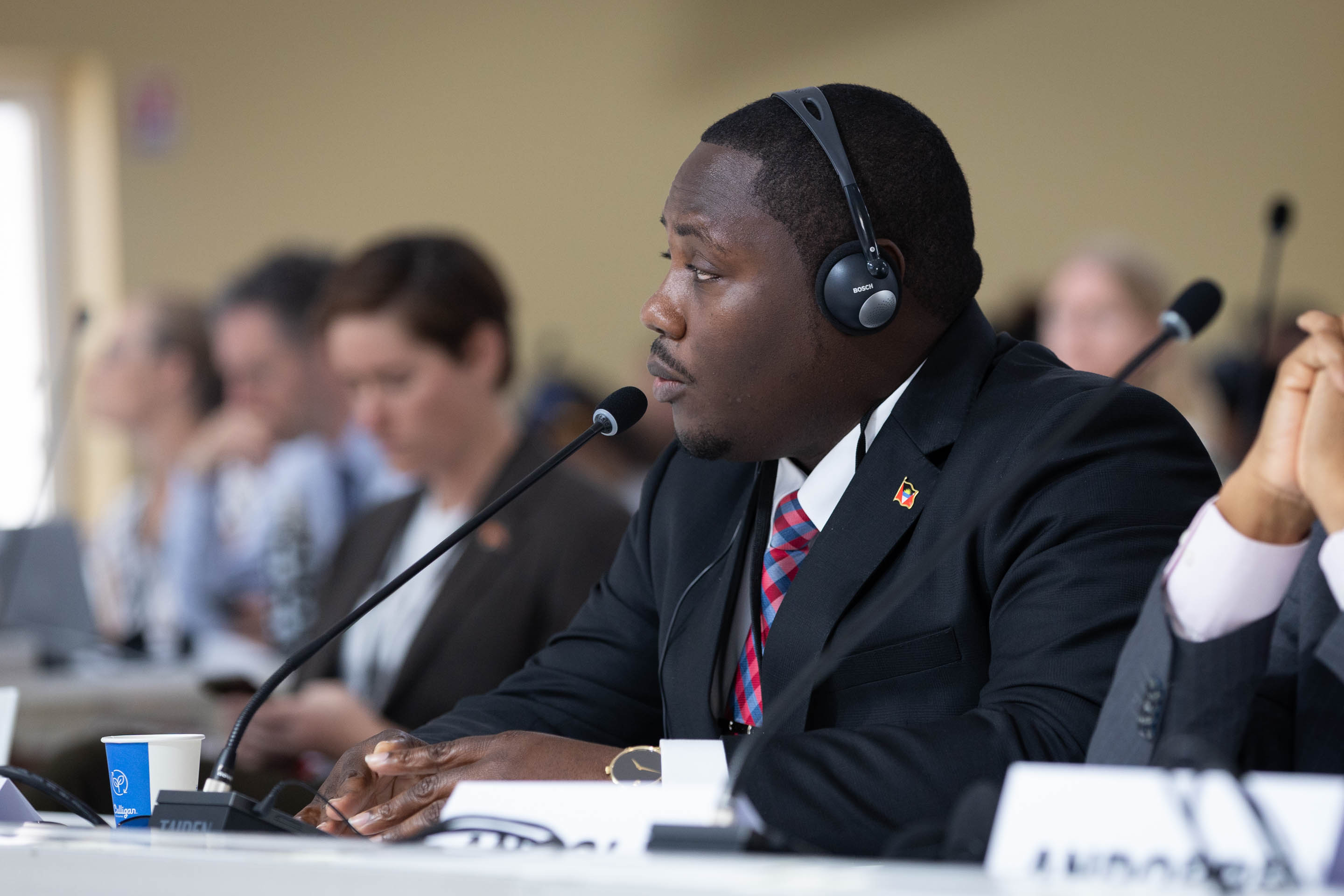
Anthony Smith Jr., Minister of Agriculture, Land, Fisheries, and the Blue Economy, Antigua and Barbuda
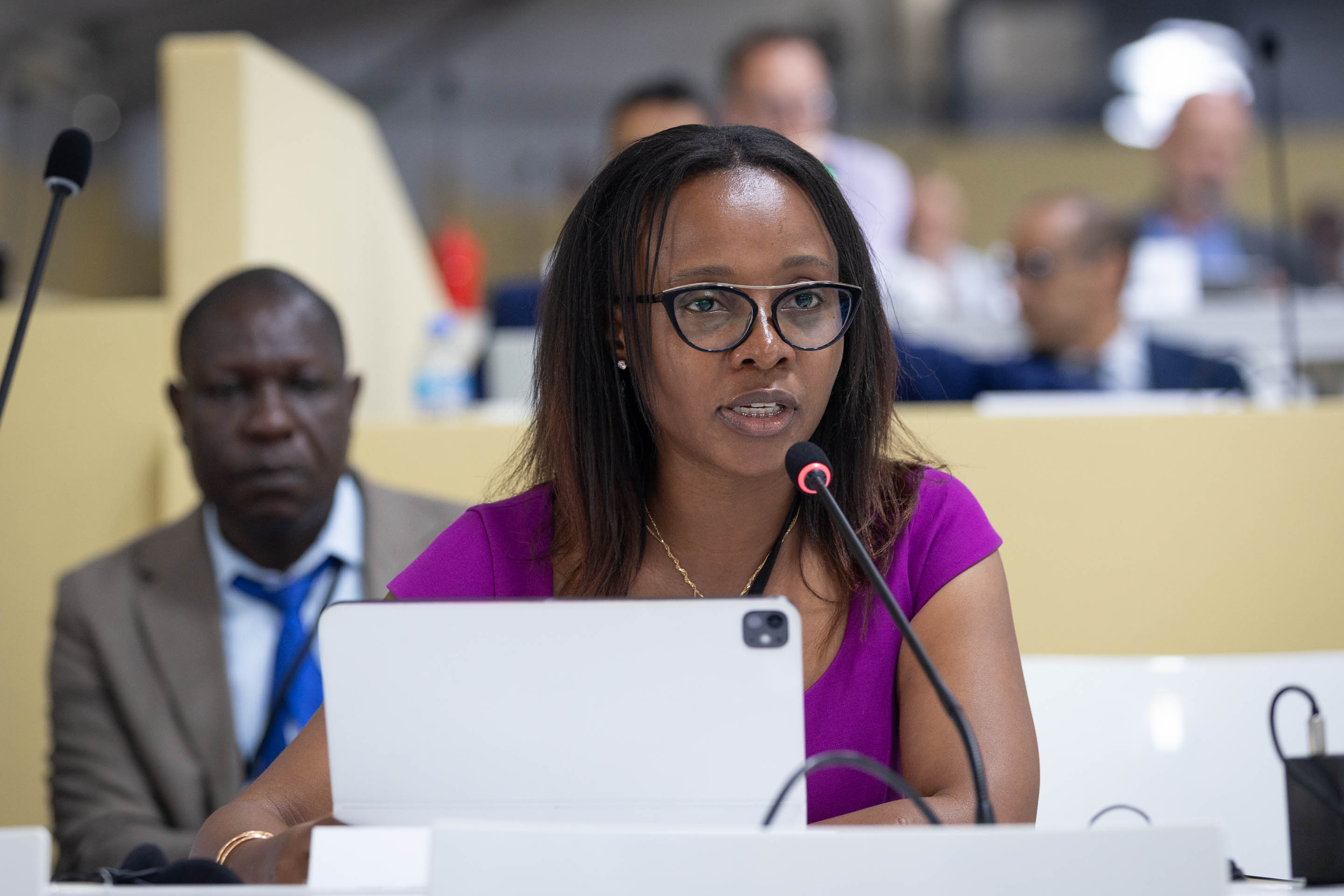
Betsy Njagi, Principal Secretary, State Department for Blue Economy and Fisheries, Kenya
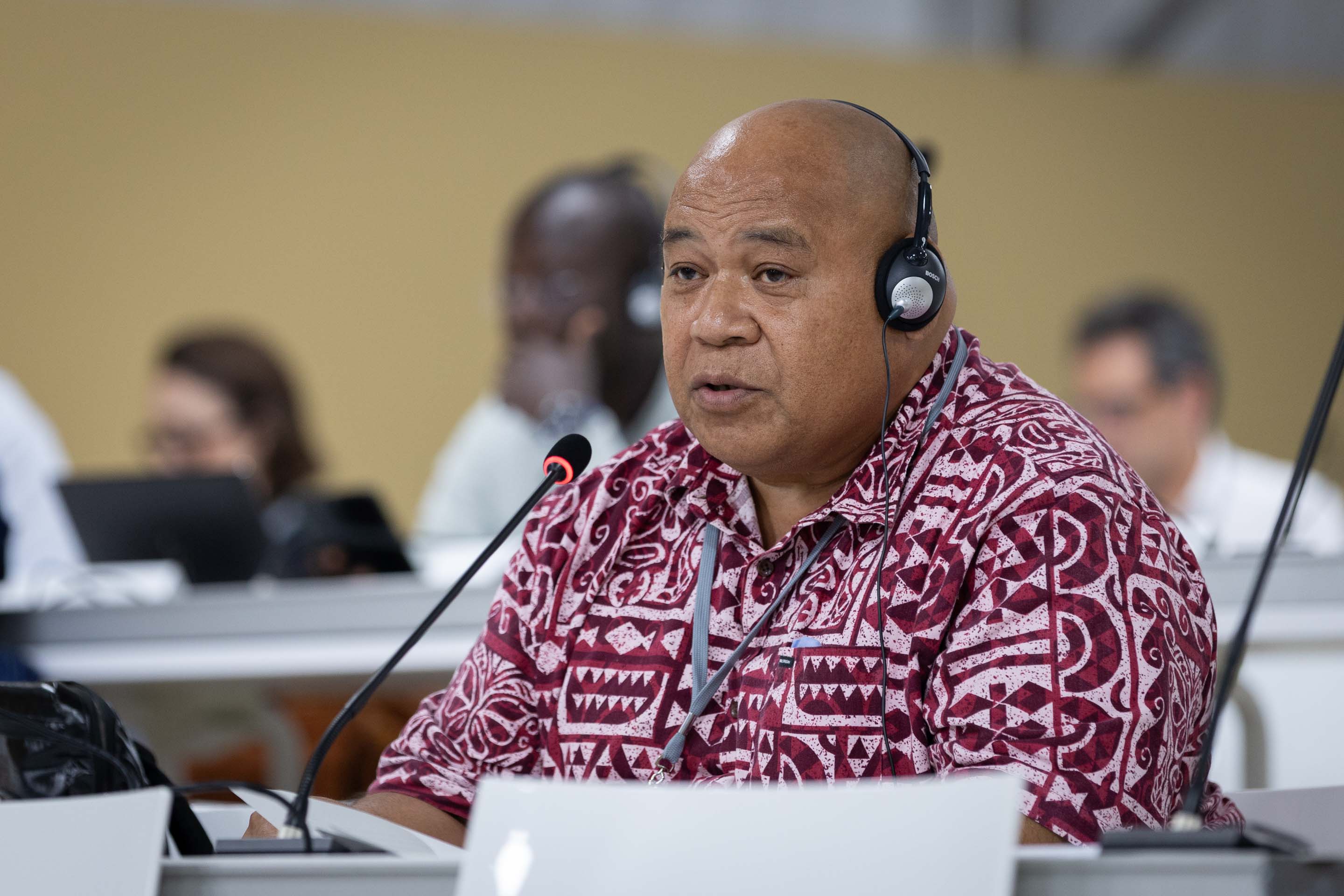
Sione Vailala Matoto, CEO, Ministry of Fisheries, Tonga, on behalf of the Pacific Community (SPC)
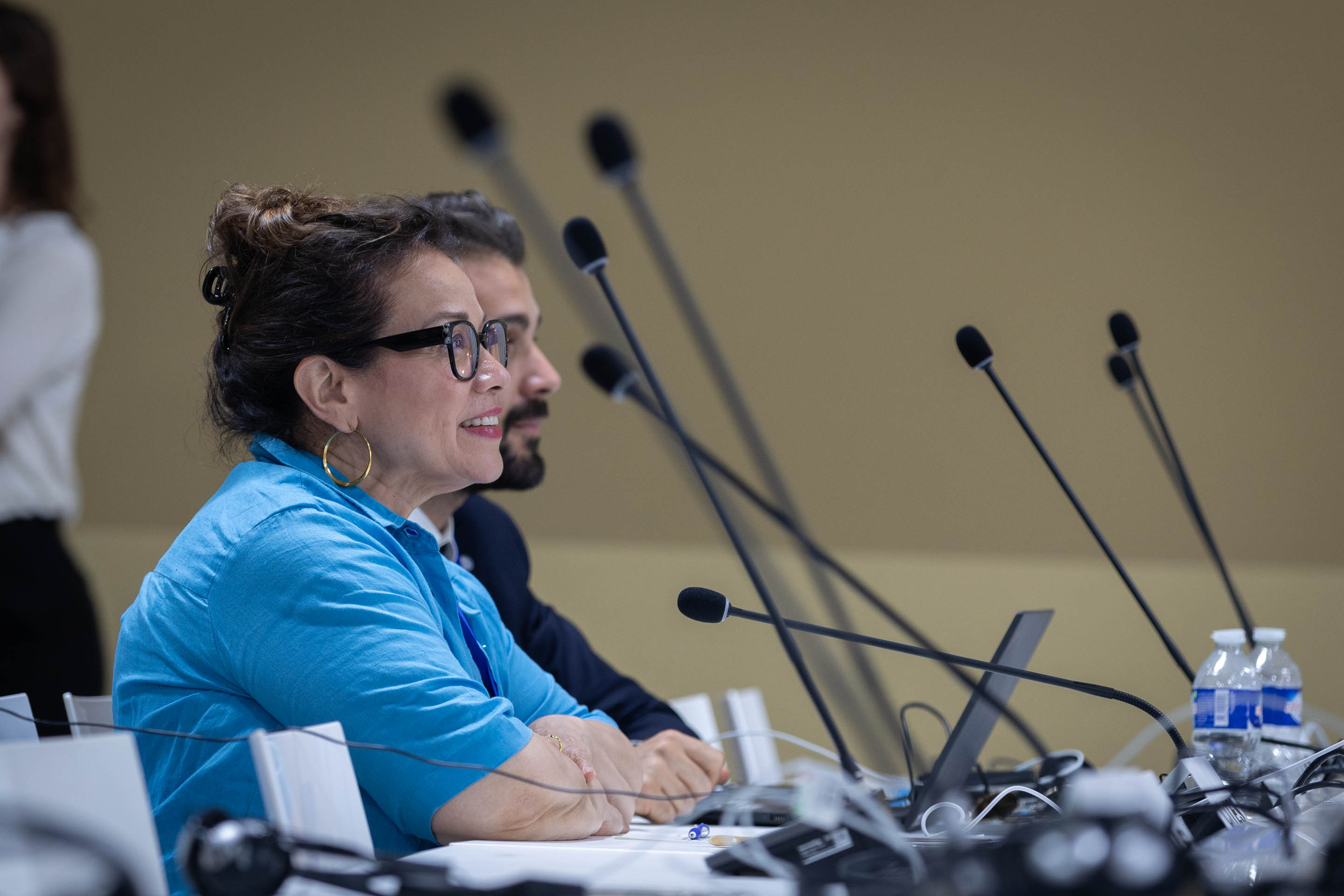
Ivonne Higuero, Secretary-General, Convention on International Trade in Endangered Species of Wild Fauna and Flora (CITES), listens to the discussions
Around the Venue
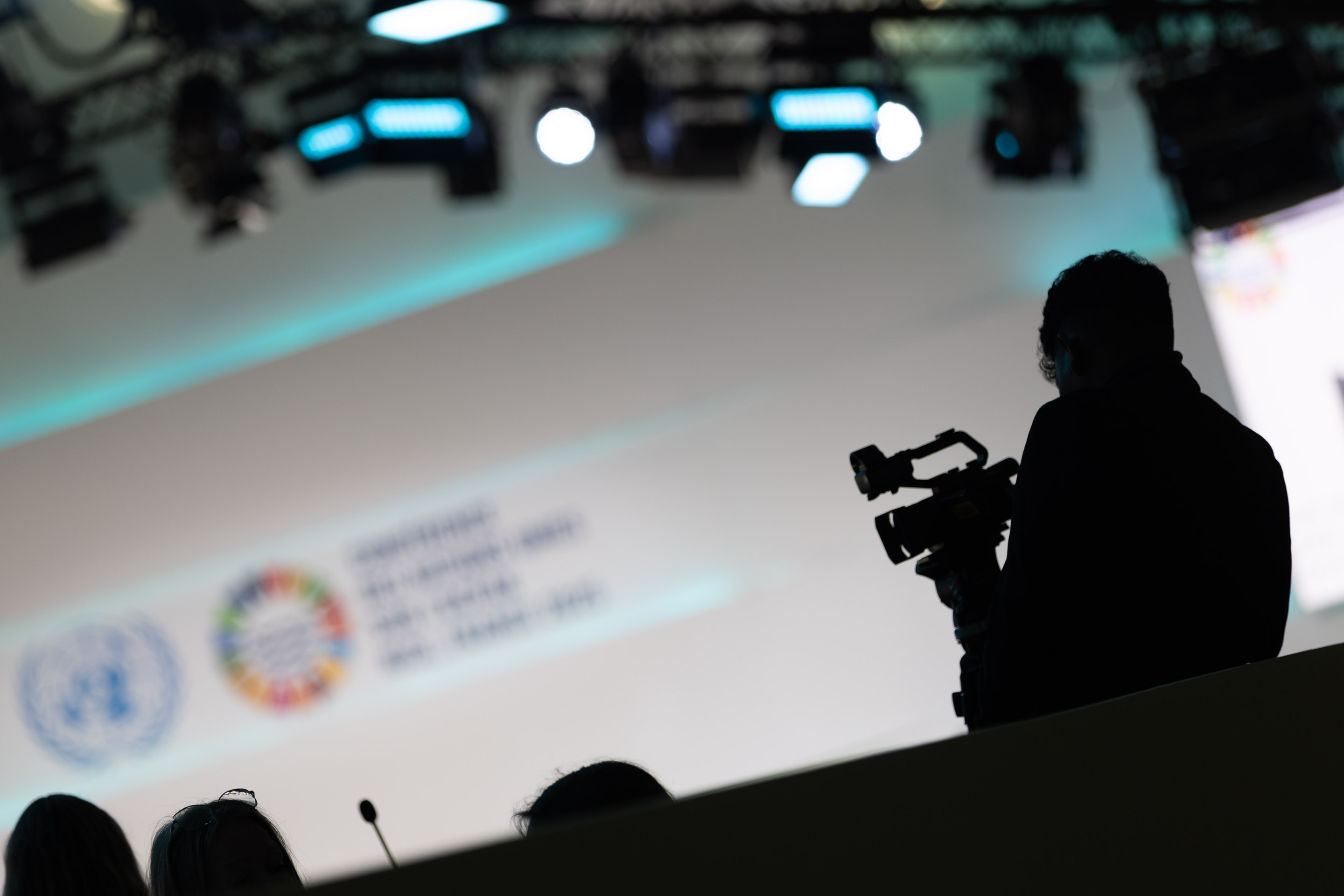
Media document the proceedings throughout the day
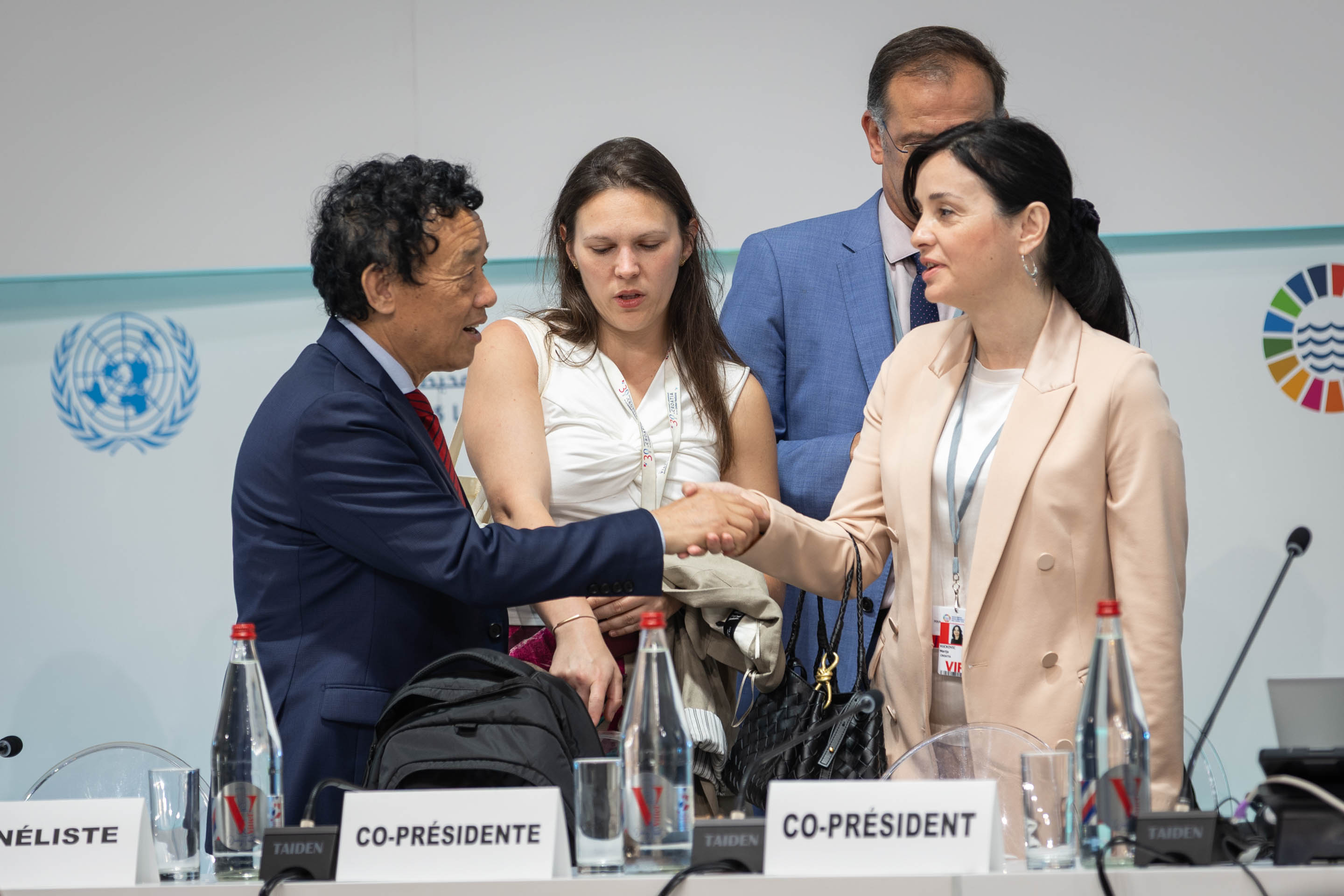
Qu Dongyu, Director-General, FAO, greets Marija Vučković, Minister for Environmental Protection and Green Transition, Croatia
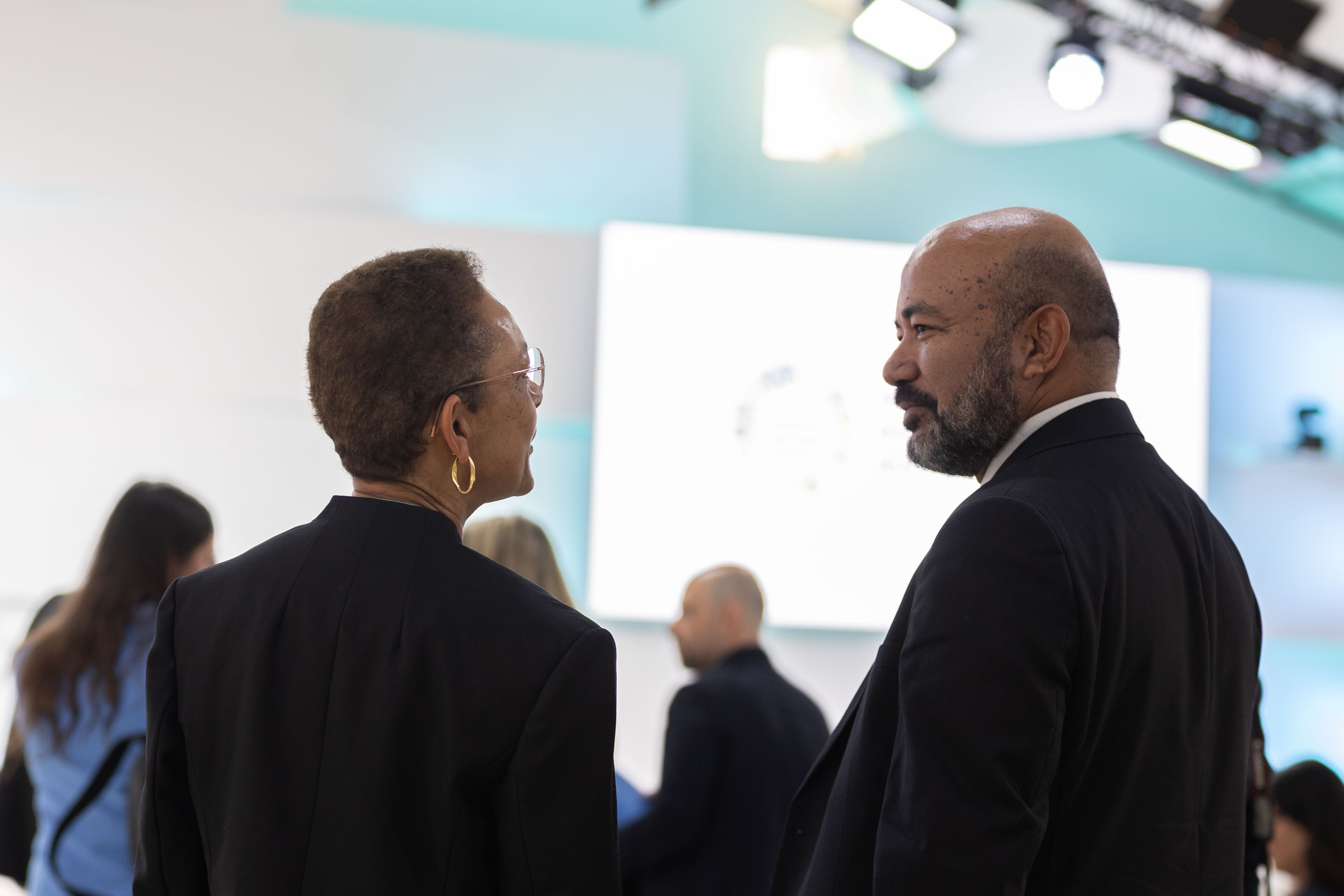
Delegates speak informally at the start of the day

A delegate checks the programme for the day
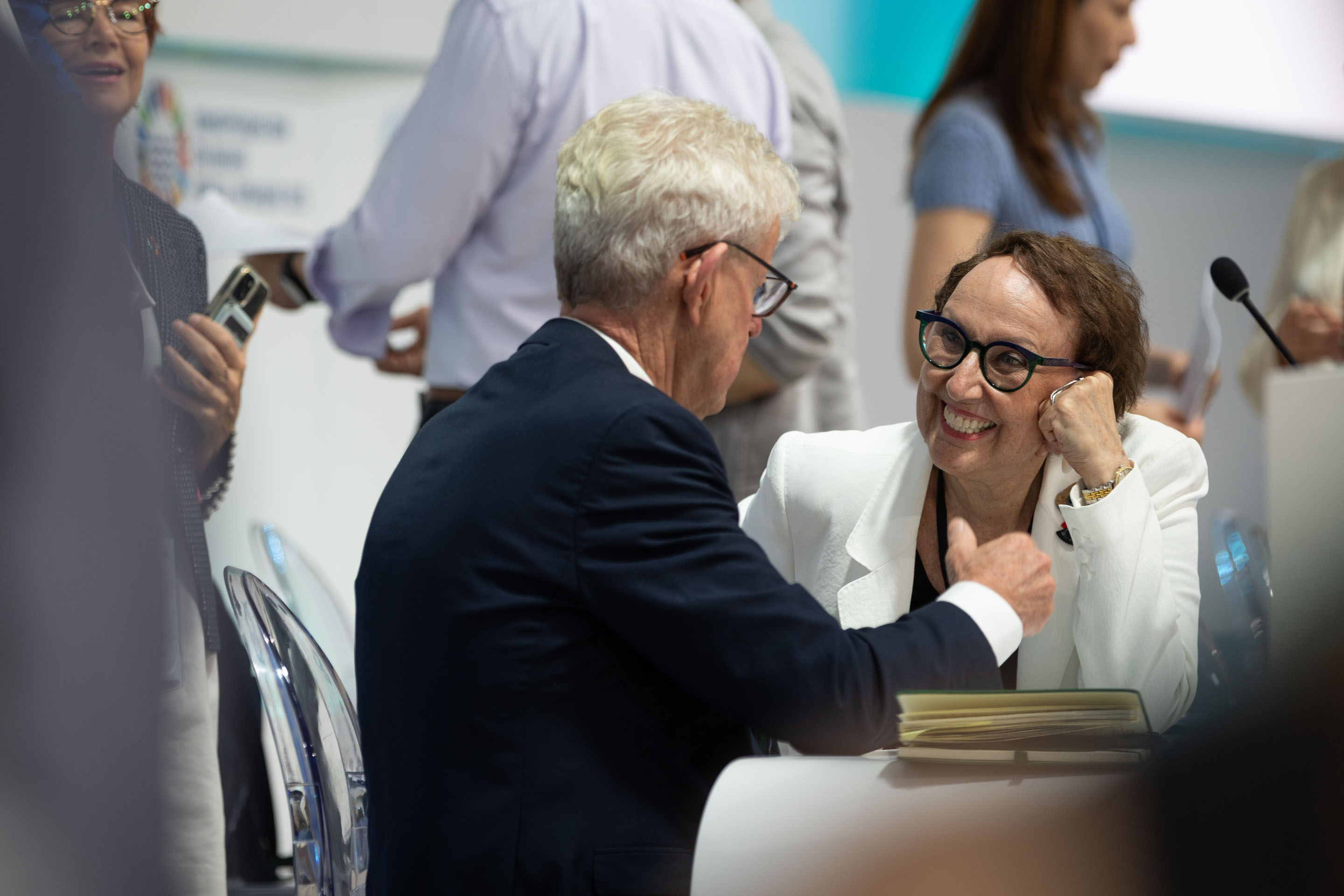
Rebeca Grynspan, Secretary-General, UNCTAD
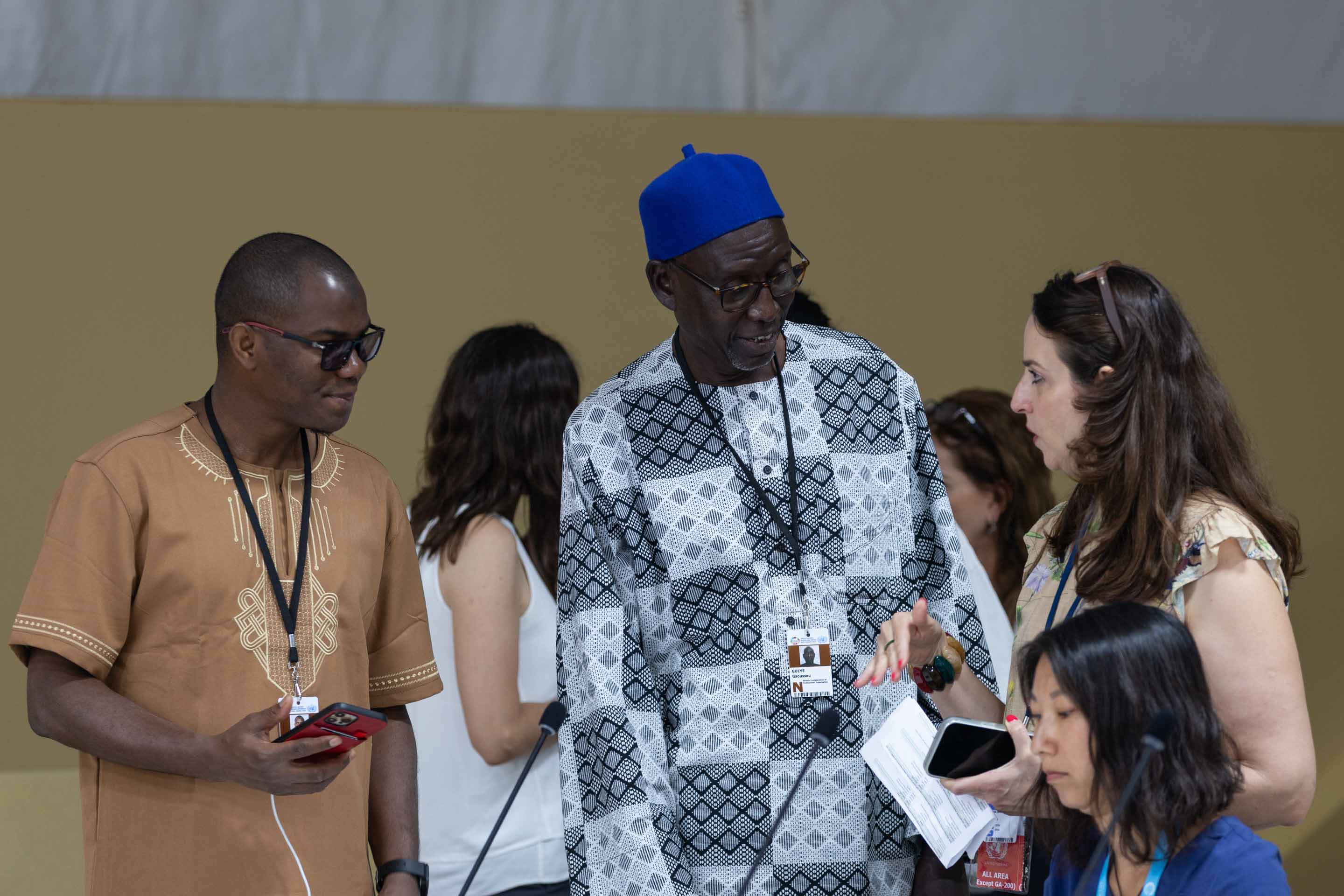
Delegates speak informally
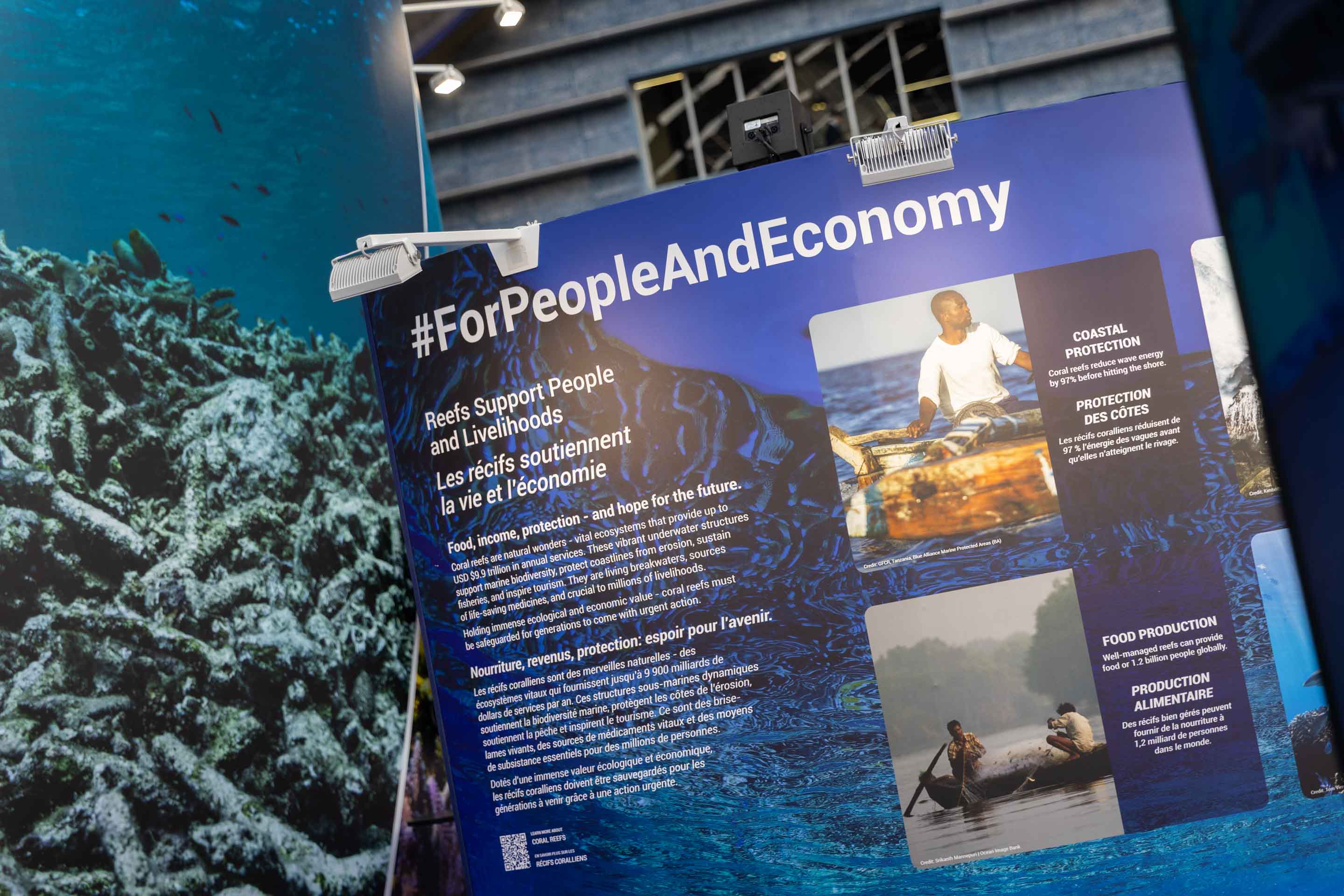
In the green zone, a variety of displays highlight the importance of the Ocean for people and the economy
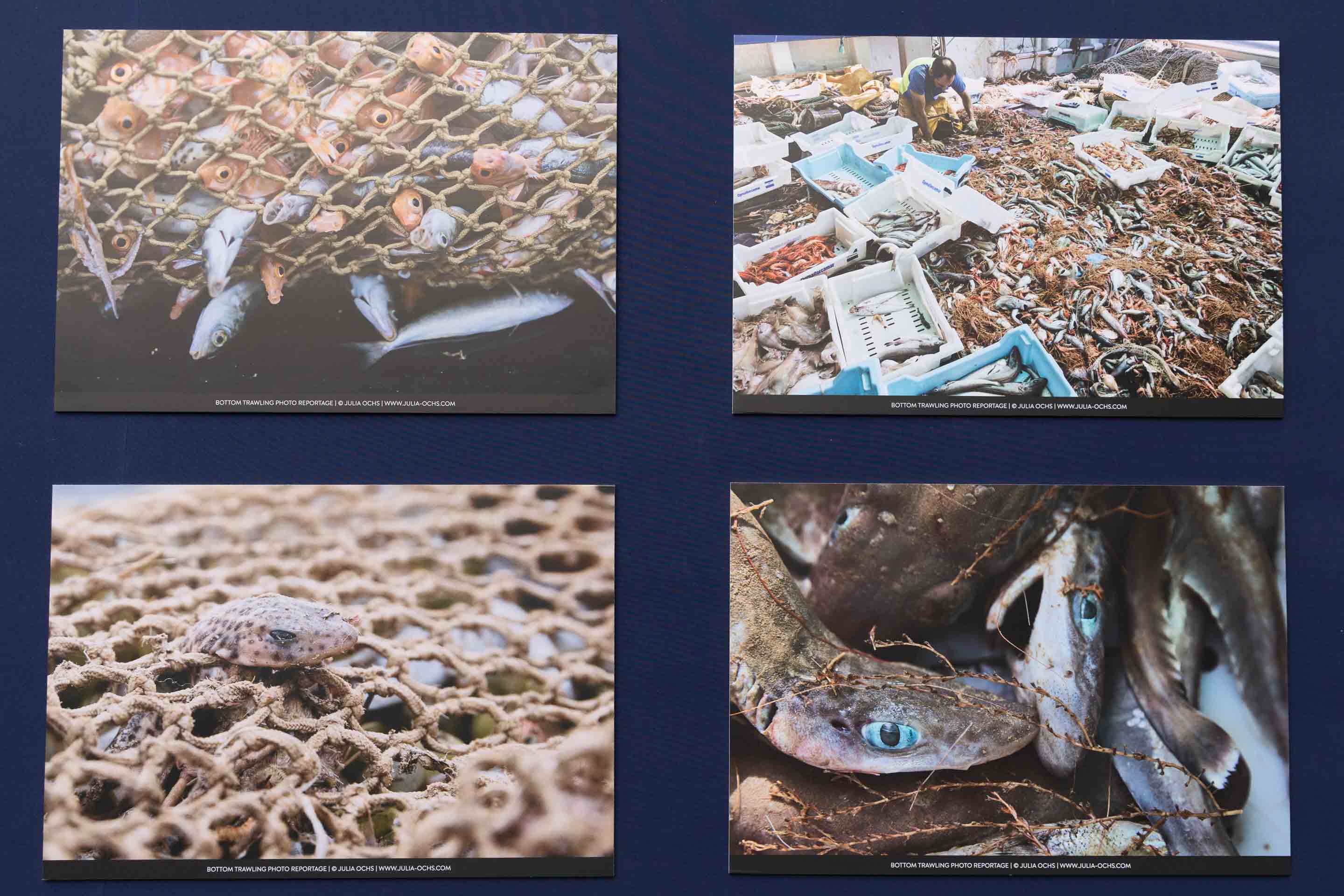
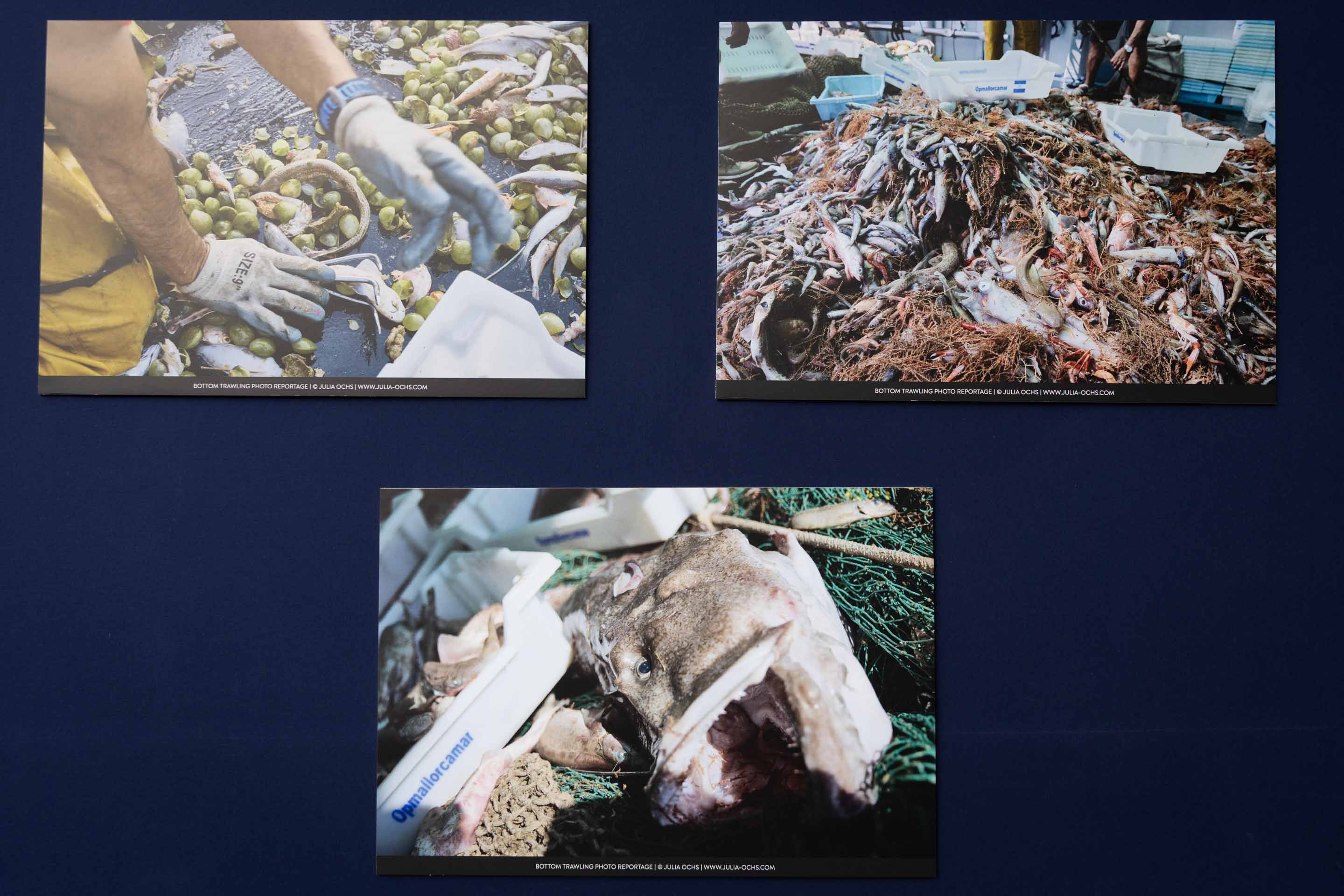
A display highlights the problem with trawling and the impact this has on fish populations
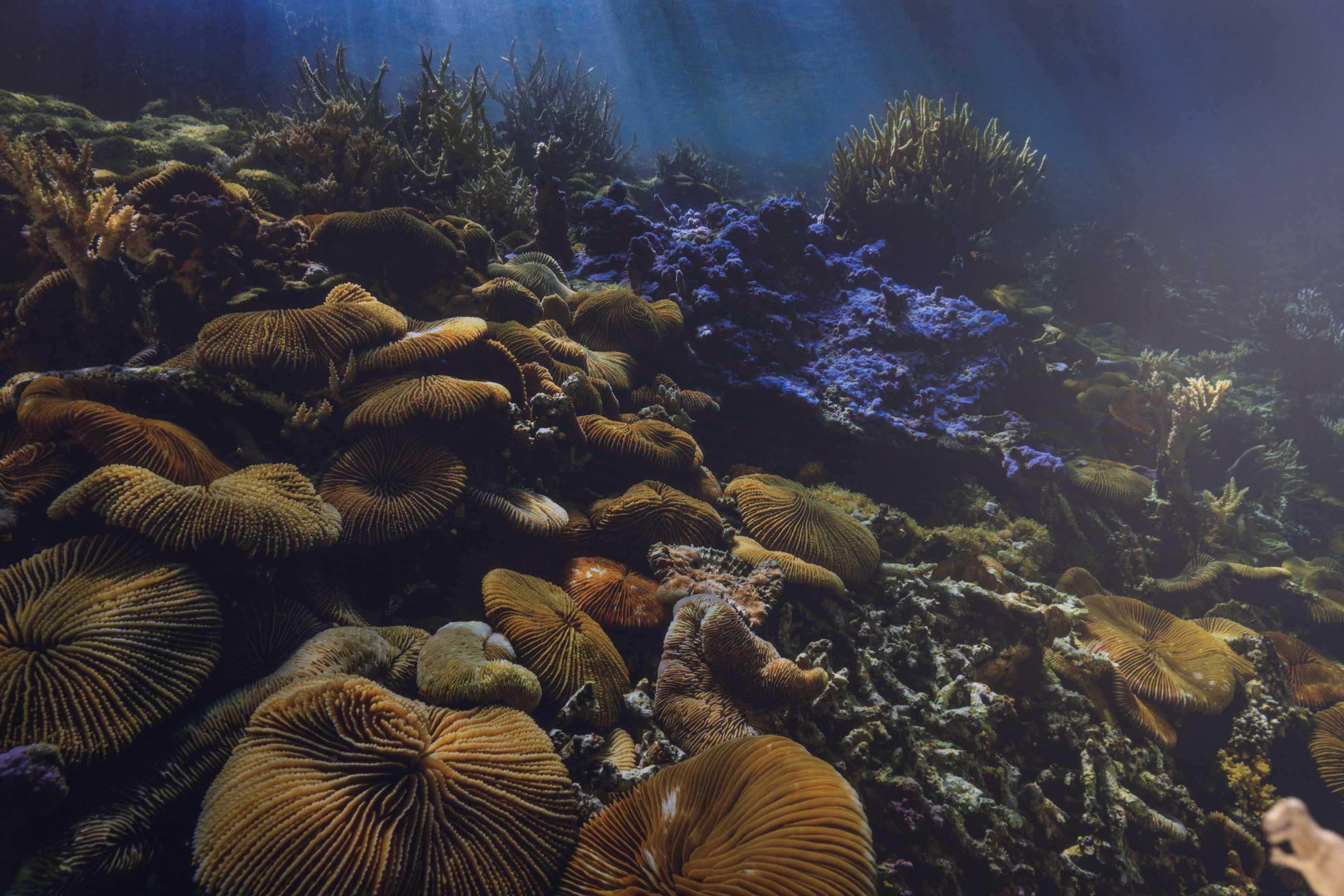

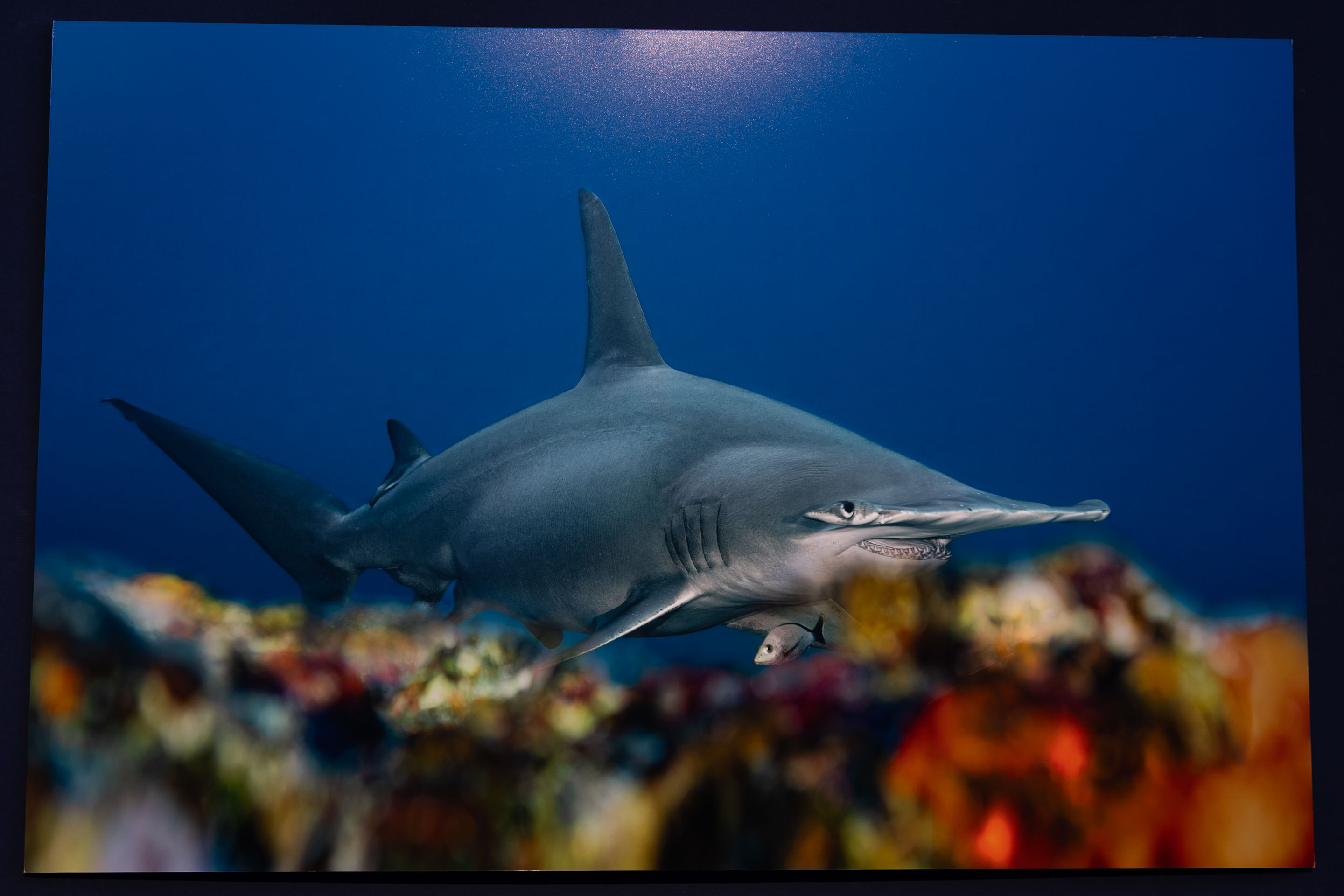
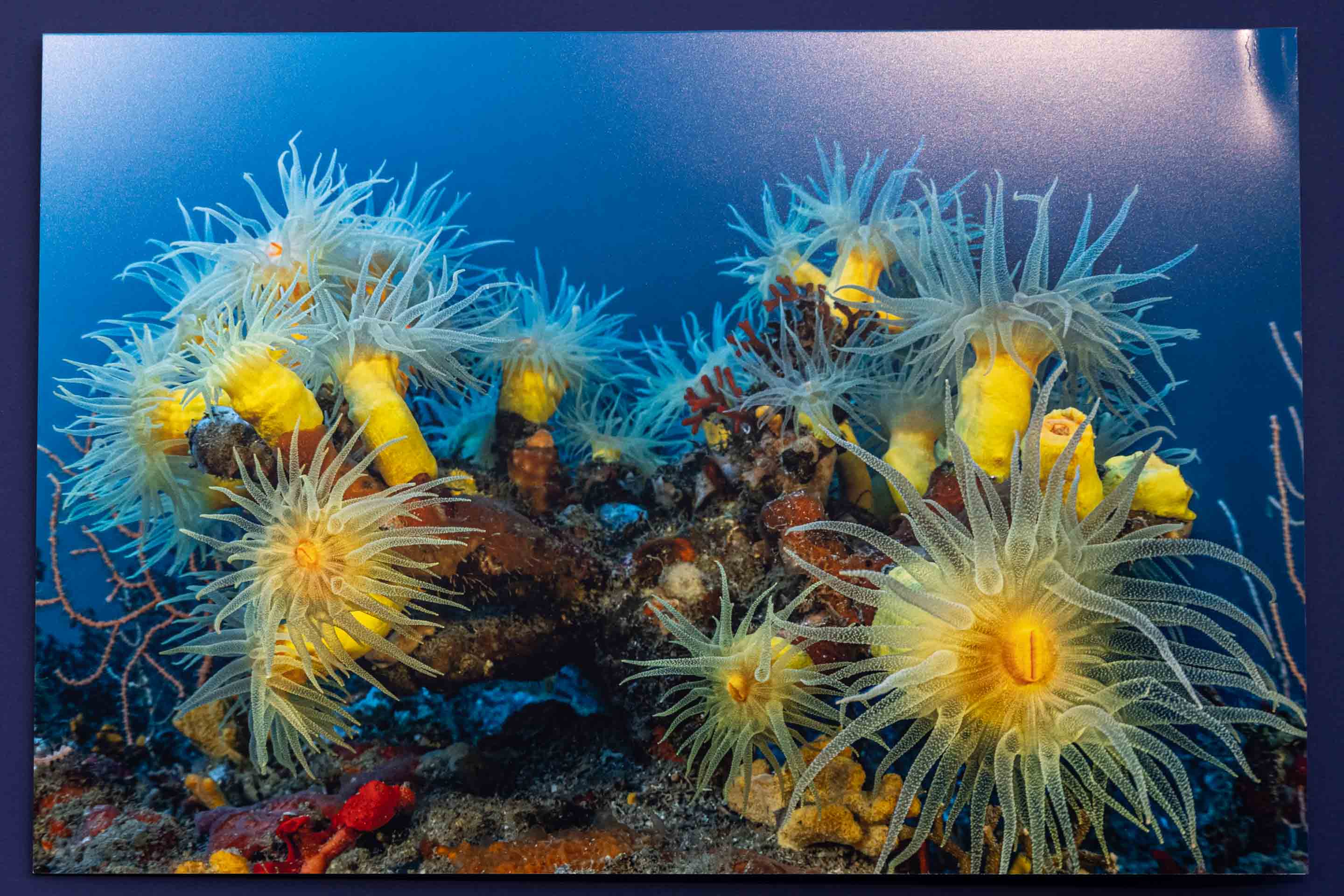
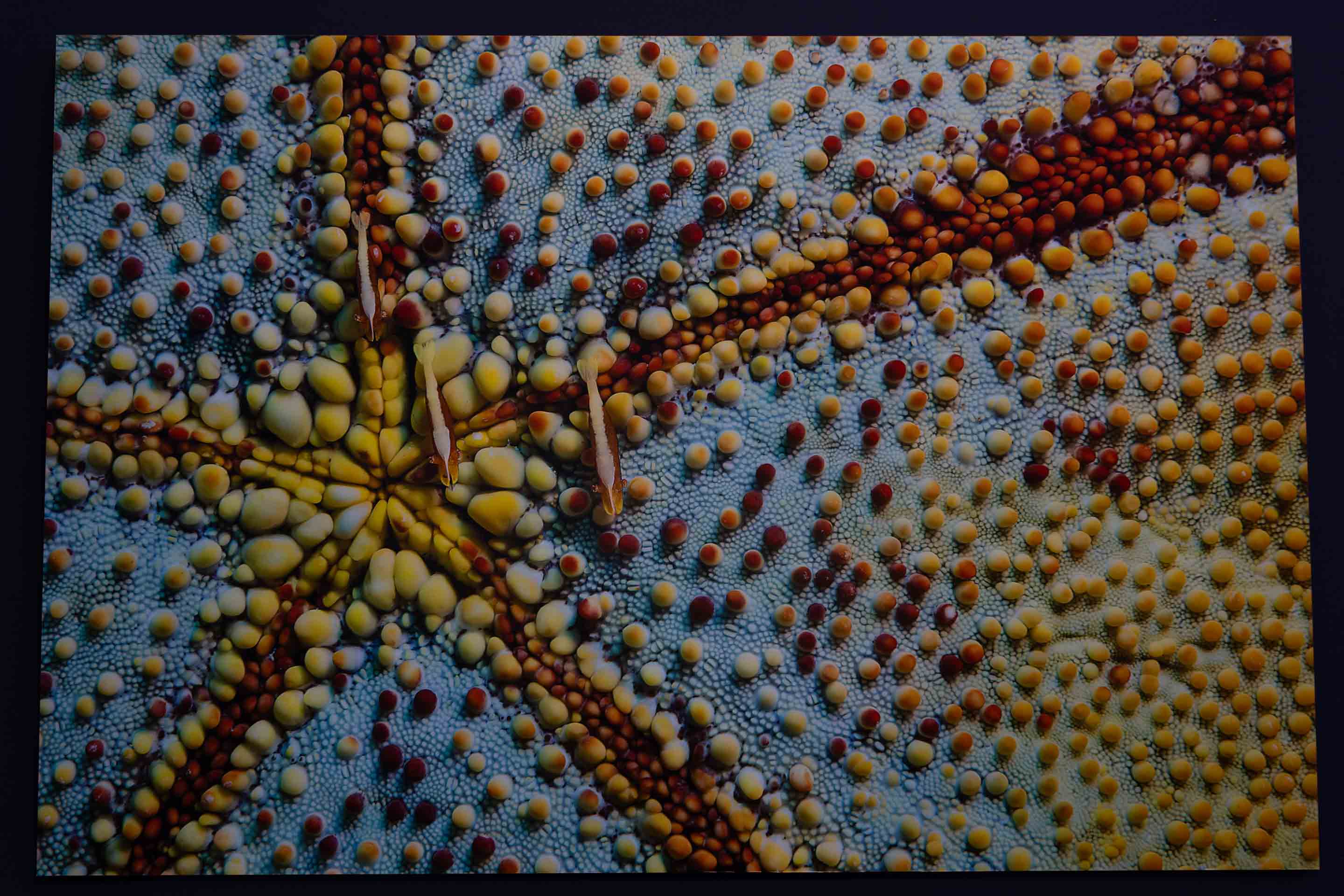
A photography exhibition by Laurent Ballesta highlights the beauty of the Ocean