“The Ocean is life. We behold its beauty and weave its wonder into our cultures.” With these words, Peter Thomson, UN Secretary-General's Special Envoy for the Ocean, stressed that the “time for debating is over,” calling for a relationship of reciprocity and respect with the Ocean.
The Third UN Ocean Conference (UNOC3) concluded its deliberations in Nice, with delegates commending the strong political commitment manifested throughout the week, for a healthy, productive, and sustainable Ocean.
During the course of the day, two Ocean Action Panels concluded the thematic discussions, focusing on: promoting the role of sustainable food from the Ocean for poverty eradication and food security; and enhancing the conservation and sustainable use of the Ocean and its resources by implementing international law as reflected in the UN Convention on the Law of the Sea (UNCLOS).

In the morning, the first Ocean Action Panel, co-chaired by Philip Isdor Mpango, Vice President of Tanzania, and Kim Sungbum, Deputy Minister for Marine Policy, Ministry of Oceans and Fisheries, Republic of Korea, and moderated by Jim Leape, Stanford University, US, highlighted sustainable food from the Ocean as a source of nutrition, livelihoods, and economic opportunity, in particular for developing countries and coastal communities.
Mpango urged strong international cooperation and broad partnerships that enhance the science-policy interface, promote fair and inclusive access to Ocean resources, and boost financial flows and technology sharing to “bridge the gap between potential and practice.”
Stressing that inefficiency and structural vulnerabilities necessitate redesigning resource management and value chains around the principle of sustainability, Sungbum called for sustainable fisheries management, value chain transparency, aquaculture development, reduction of harvest loss and food waste, and strengthening social protection.
In the ensuing discussion, delegates underscored, among other things:
- the interconnectedness between SDG 14 (life below water) and the broader 2030 Agenda for Sustainable Development, in particular SDG 1 (no poverty) and SDG 2 (zero hunger);
- the necessity of raising global awareness of the role aquatic blue foods play in achieving food security, improved nutrition, poverty eradication, and climate resilience;
- inclusive governance, infrastructure development, technology transfer, capacity building, market access, finance, data sharing, and regional integration and partnerships; and
- the need to strengthen ecosystem-based management, community participation, and food value chain development, empowering small-scale fishers and vulnerable coastal communities.
The afternoon Ocean Action Panel, co-chaired by Heraldo Muñoz, Special Envoy for the Ocean, Chile, and Penelope Ridings, Member of the International Law Commission, New Zealand, and moderated by François Alabrune, Ambassador of France to the Netherlands, focused on the role of international law, as reflected in UNCLOS, in supporting sustainable Ocean governance.
Muñoz stressed that blatant inequalities in states’ capacities, infrastructure, and access to marine technology, funding, and technical assistance necessitate cooperation at all levels to bridge these gaps.
Ridings highlighted the importance of international, regional, and subregional cooperation for achieving all goals associated with holistic Ocean governance.
Leticia Carvalho, Secretary General, International Seabed Authority (ISA), reiterated that “the deep seabed cannot become the Wild West,” and invited all to “work together to ensure the collective stewardship of the deep seabed and its resources, one of the planet’s last frontiers.”
During discussions, delegates highlighted, among other things:
- UNCLOS is the constitution for the Ocean, stressing the need to strengthen multilateralism, reaffirming the principles of equality, transparency, equity, and inclusivity in Ocean governance;
- the importance of expeditious entry into force of the Agreement on the Conservation and Sustainable Use of Marine Biological Diversity of Areas beyond National Jurisdiction (BBNJ Agreement), the conclusion of the negotiations on a plastics treaty, and the centrality of the 2024 ITLOS Advisory Opinion on climate change and international law; and
- the need for inclusive governance structures, provision of legal, technical, and financial support, and capacity building, in particular for developing countries and small island developing states (SIDS).
During the closing plenary, delegates and participants:
- listened to key messages from the special events held before UNOC3: the One Ocean Science Congress; the Ocean Rise and Coastal Resilience Summit; and the Blue Economy and Finance Forum;
- heard summaries, insights, and recommendations from the ten Ocean Action Panels that took place throughout the week; and
- adopted the outcome document of UNOC3, the declaration “Our Ocean, Our Future: United for Urgent Action,” and approved the report of the Conference.
During the closing plenary, Elinor Hammarskjöld, Under-Secretary-General for Legal Affairs and UN Legal Counsel, noted that the declaration, also known as the “Nice Ocean Action Plan,” offers a solid roadmap for future action, stressing the need to translate commitments into action to carry the momentum forward.
“Now that we have the compass, equipment, and direction, let us keep going and never regress,” said Olivier Poivre d'Arvor, Special Envoy of the French President for UNOC3, highlighting that the Conference has accelerated action towards ratification of the BBNJ Agreement and expanded the coalition calling for a precautionary pause on deep-sea mining.
Arnoldo André Tinoco, Minister of Foreign Affairs and Worship, Costa Rica, highlighted the meeting’s achievements, including providing political momentum for important multilateral processes and agreements, and emphasized that “only by working together, beyond borders, cultures, and sectors can we ensure the health of the Ocean, our common heritage.”
The Republic of Korea and Chile announced their intention to co-host the fourth UN Ocean Conference in 2028.
Thanking all delegates and participants for their hard work and contributions, Poivre d’Arvor gaveled UNOC3 to a close at 6:51 pm.
To receive free coverage of global environmental events delivered to your inbox, subscribe to the ENB Update newsletter.
All ENB photos are free to use with attribution. For the 2025 UN Ocean Conference please use: Photo by IISD/ENB - Kiara Worth
Ocean Action Panel 9: Promoting the Role of Sustainable Food from the Ocean for Poverty Eradication and Food Security
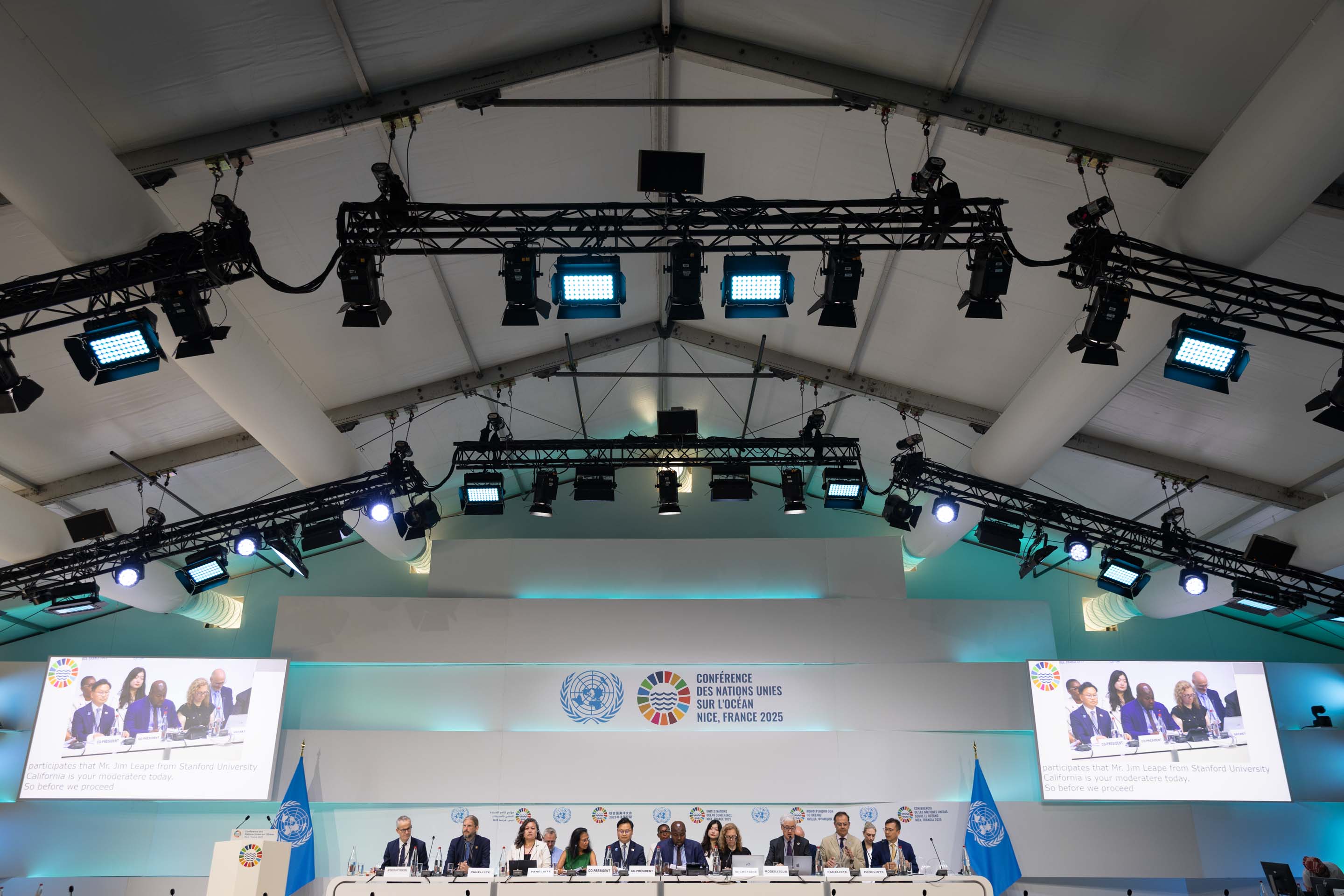
Panel speakers for Ocean Action Panel 9
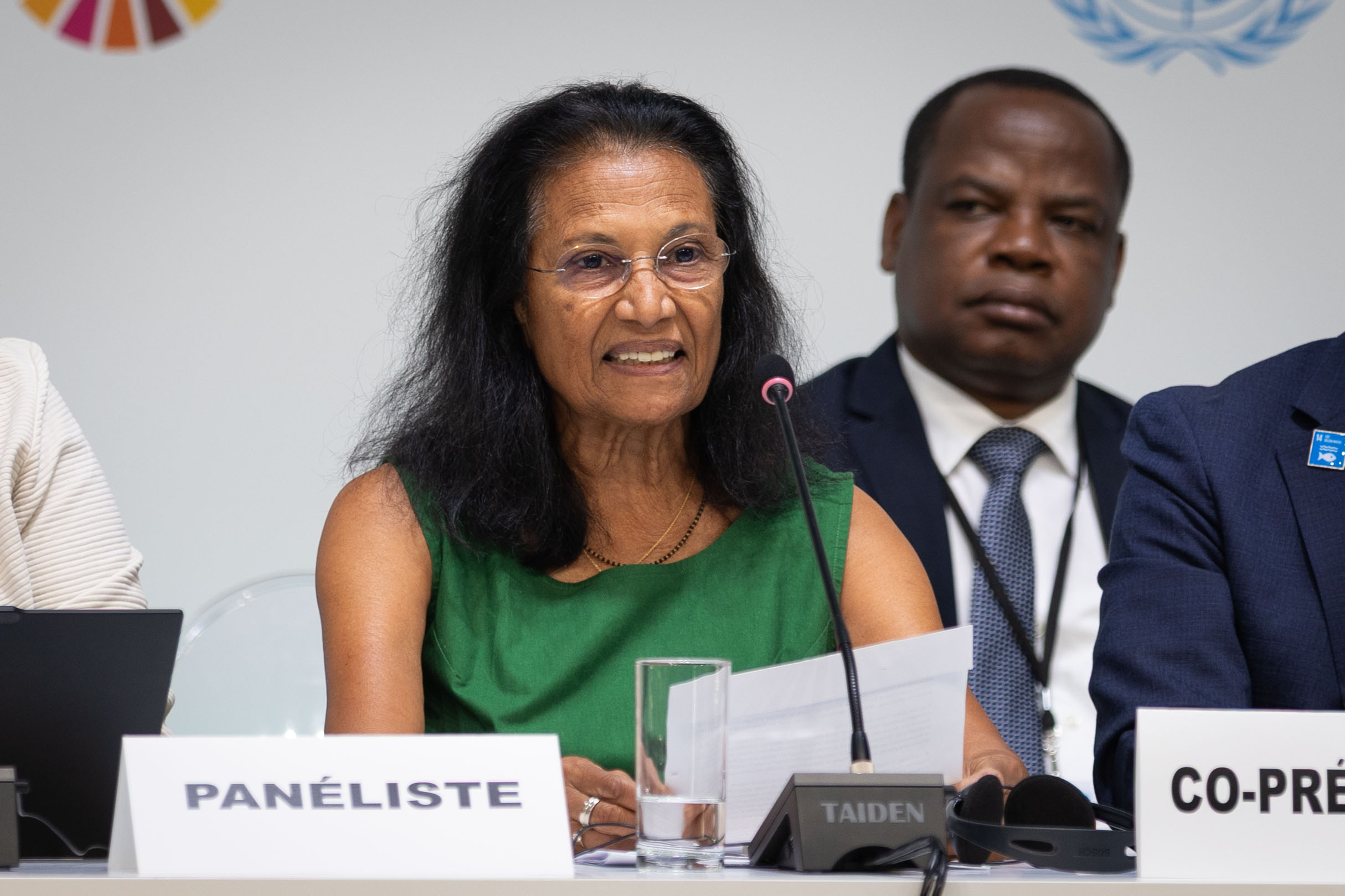
Shakuntala Haraksingh Thilsted, Director, Nutrition, Health and Food Security Impact Area Platform, Consultative Group on International Agricultural Research (CGIAR)
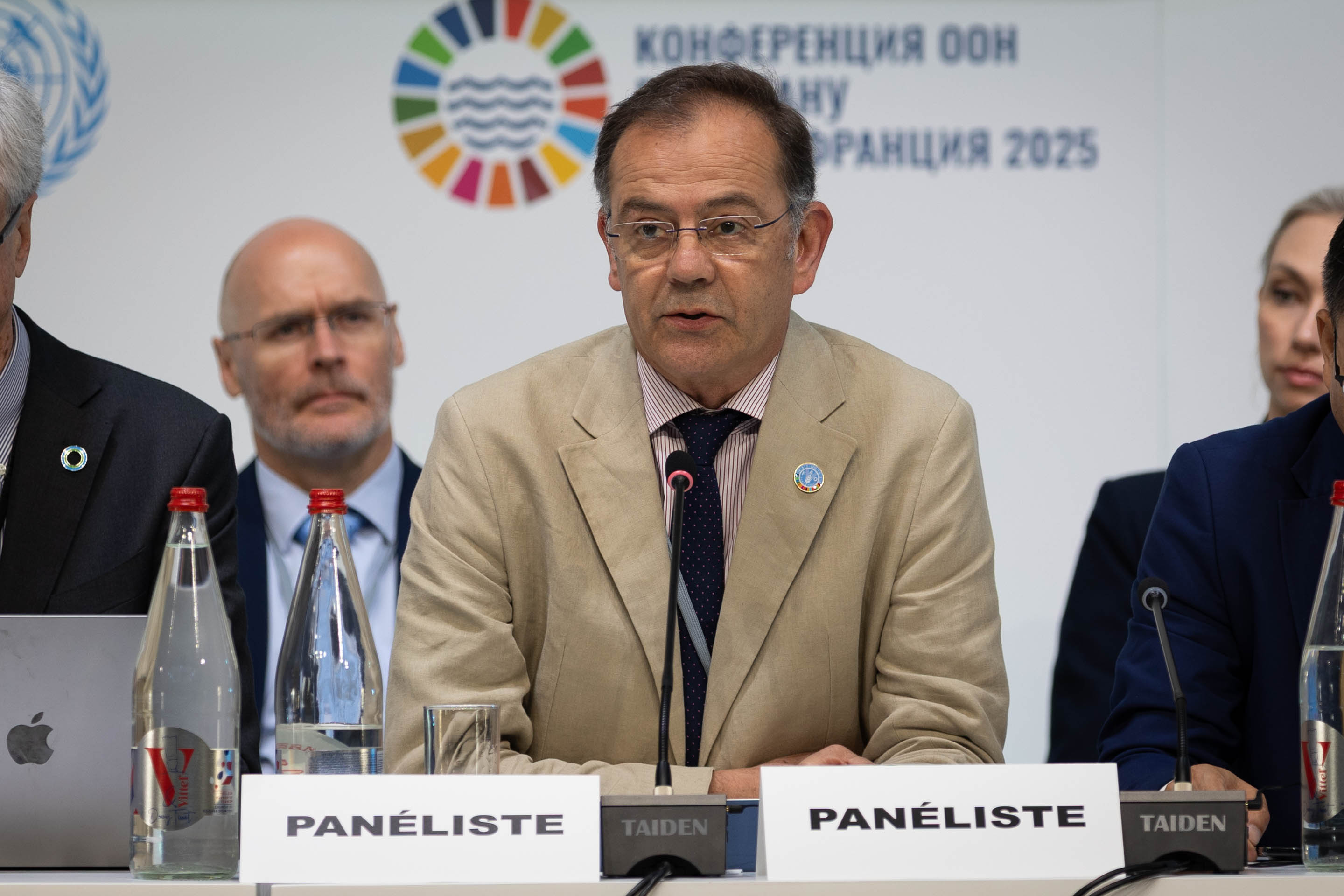
Manuel Barange, Assistant Director General, and Director, Fisheries and Aquaculture Division, Food and Agriculture Organization of the UN (FAO)
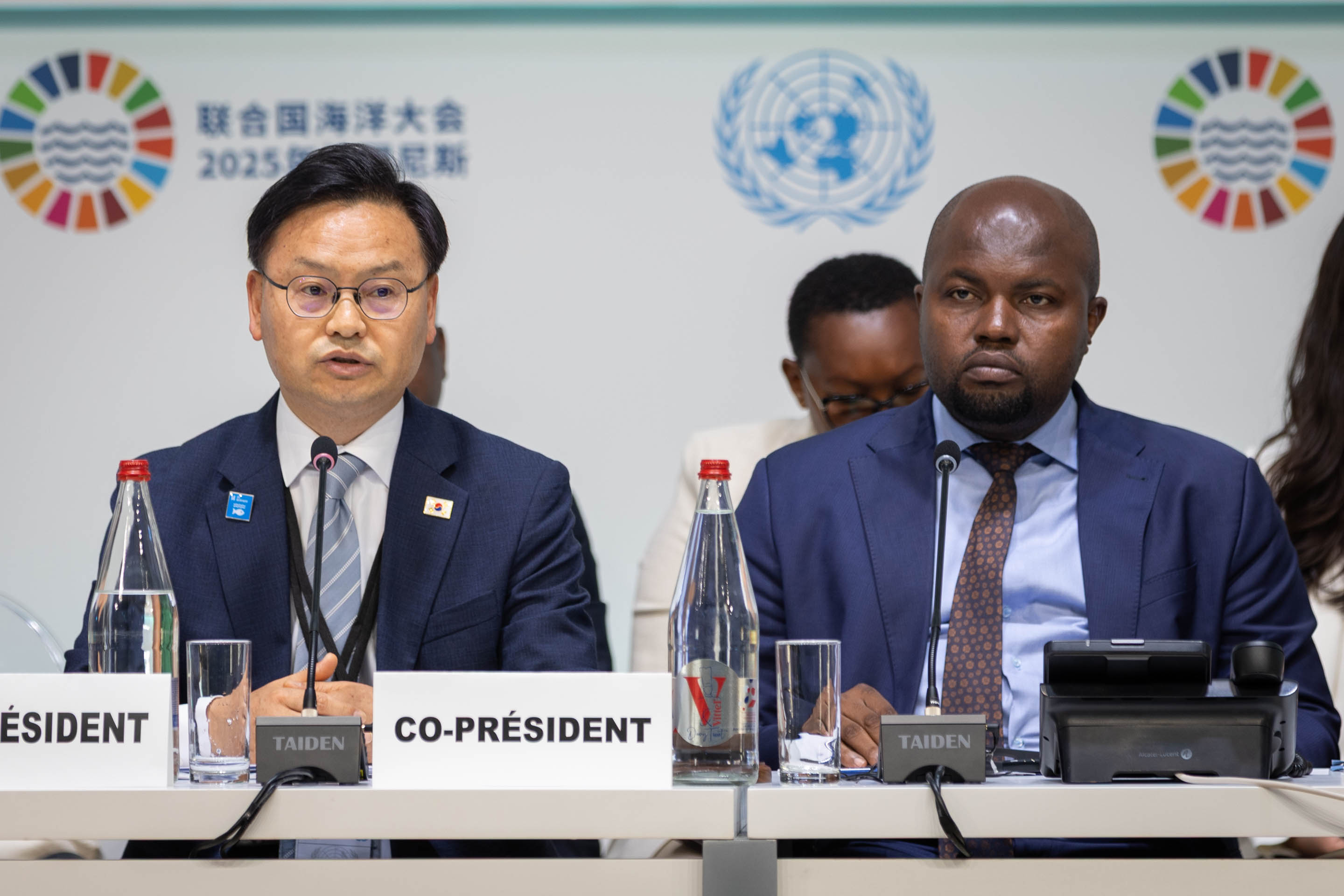
Panel 9 Co-Chairs: Kim Sungbum, Deputy Minister for Marine Policy, Ministry of Oceans and Fisheries, Republic of Korea, and Philip Isdor Mpango, Vice President, Tanzania
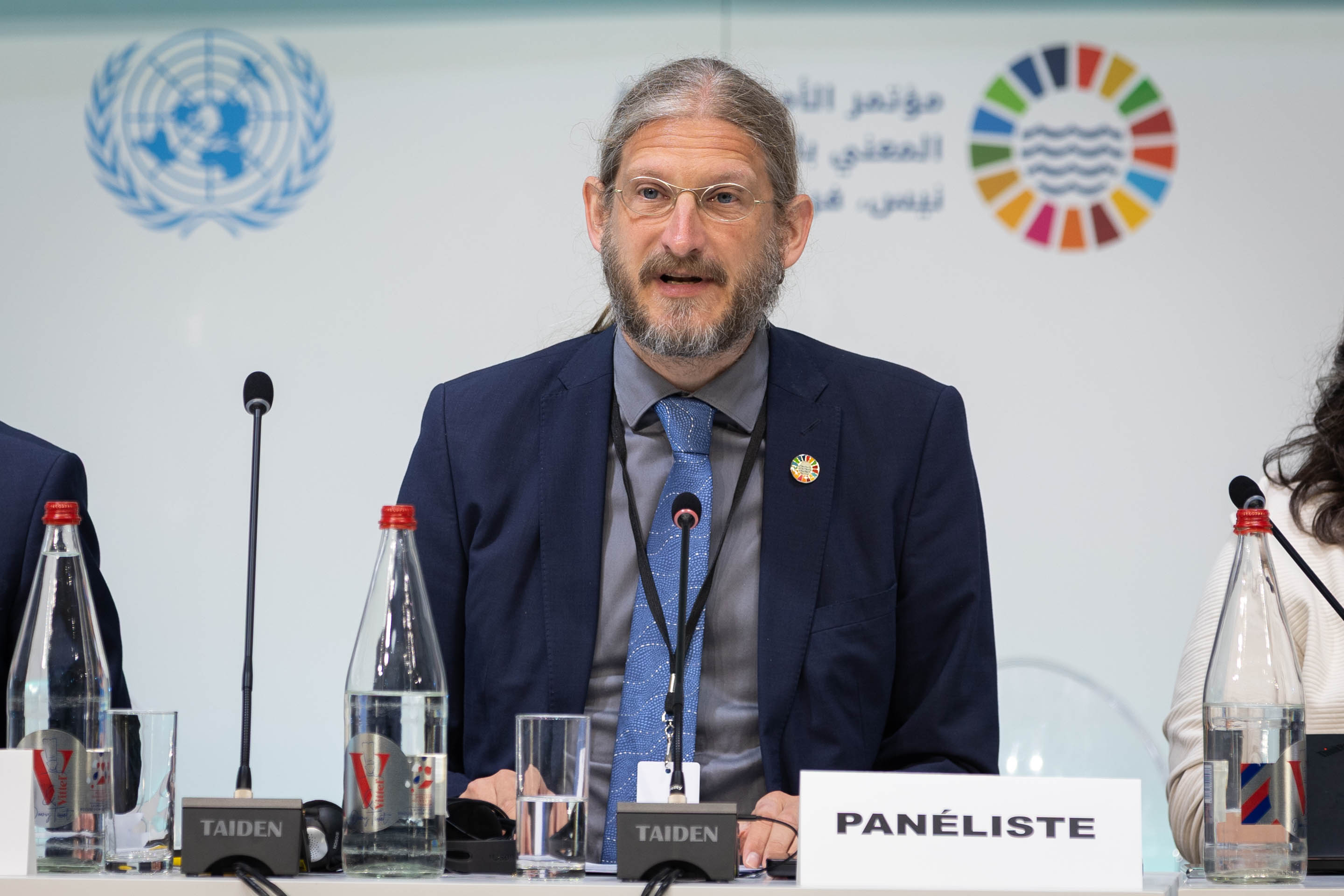
Jörn Schmidt, Director, Sustainable Aquatic Food Systems, WorldFish
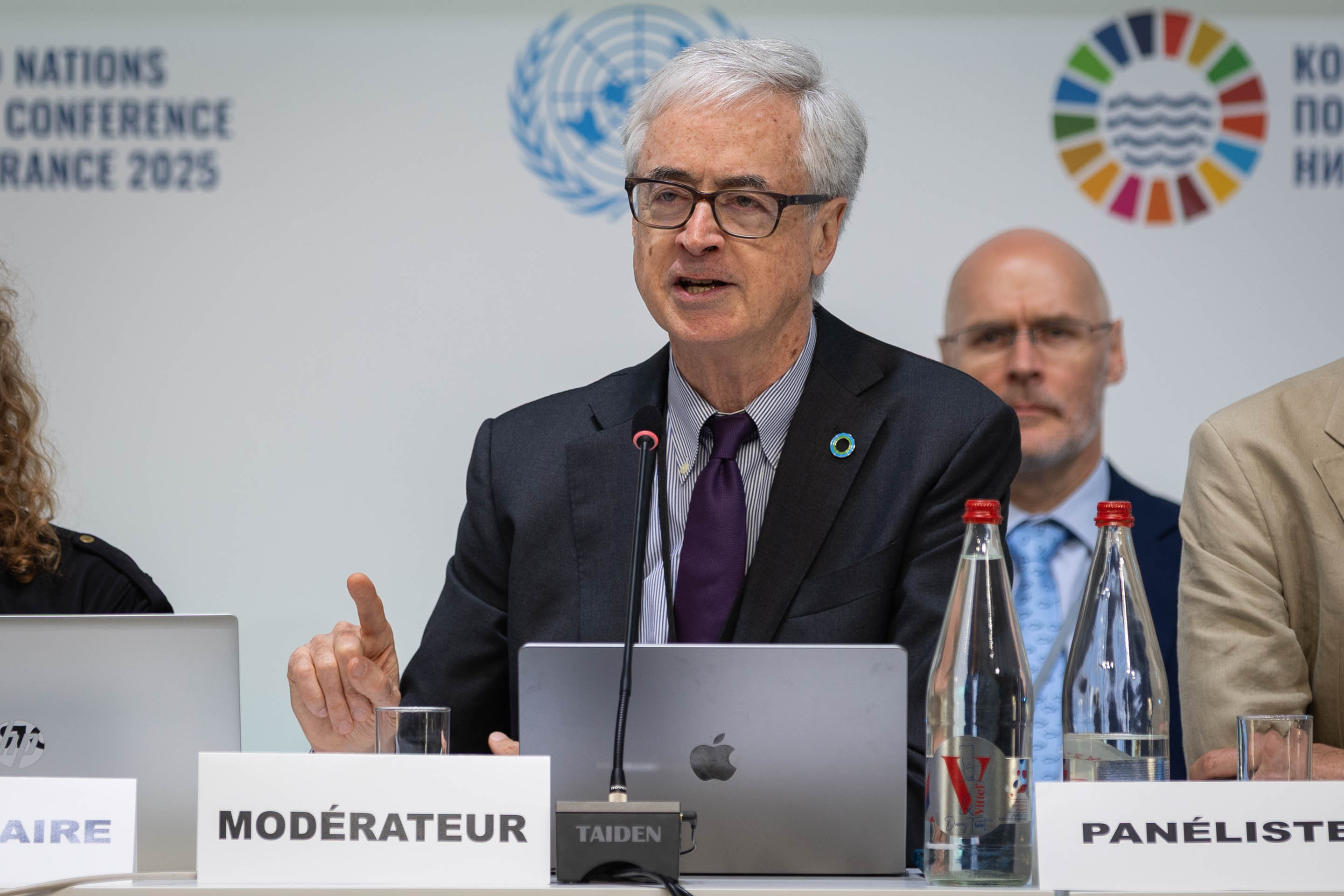
Moderator Jim Leape, Stanford University, US
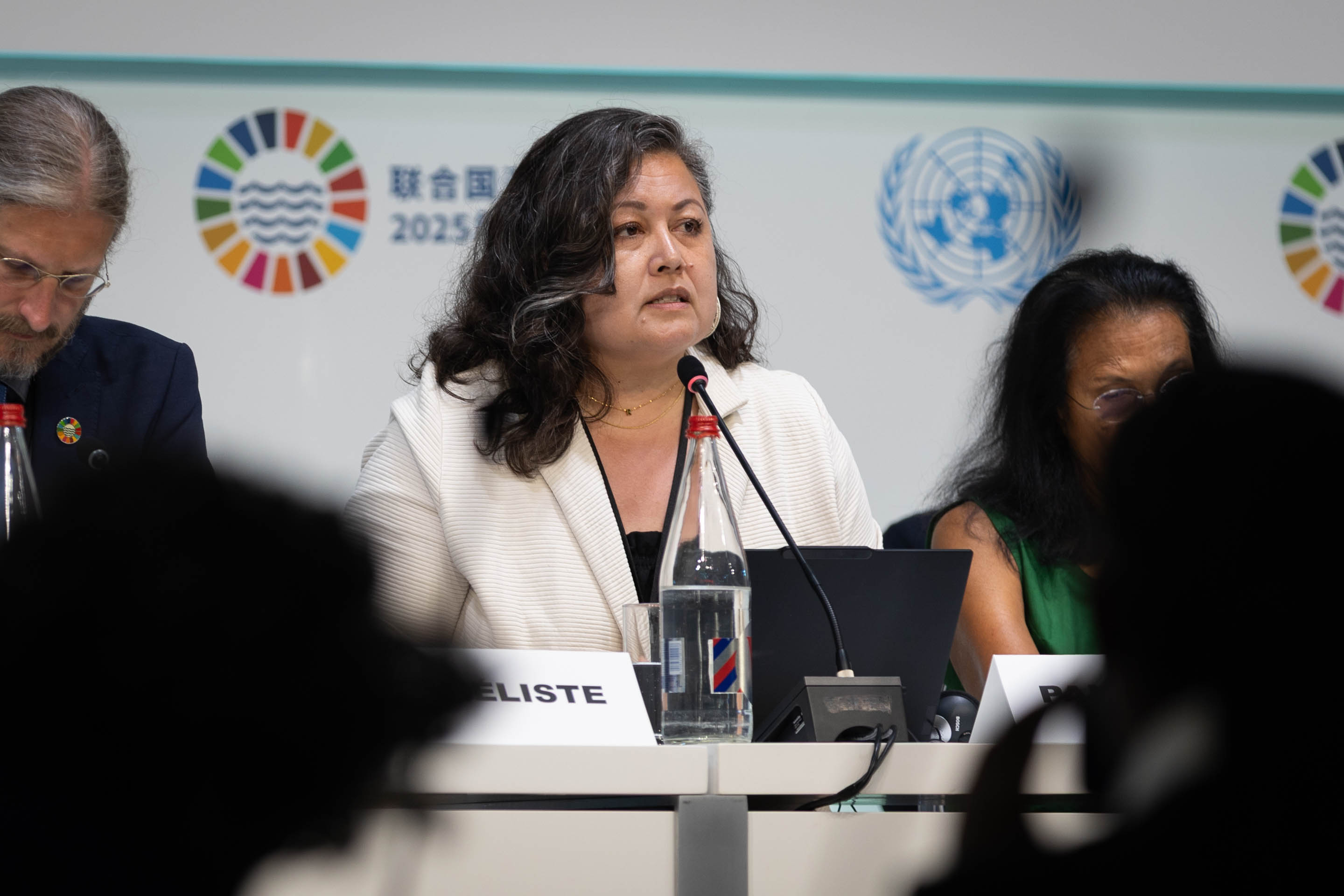
Rhea Moss-Christian, Executive Director, Western and Central Pacific Fisheries Commission
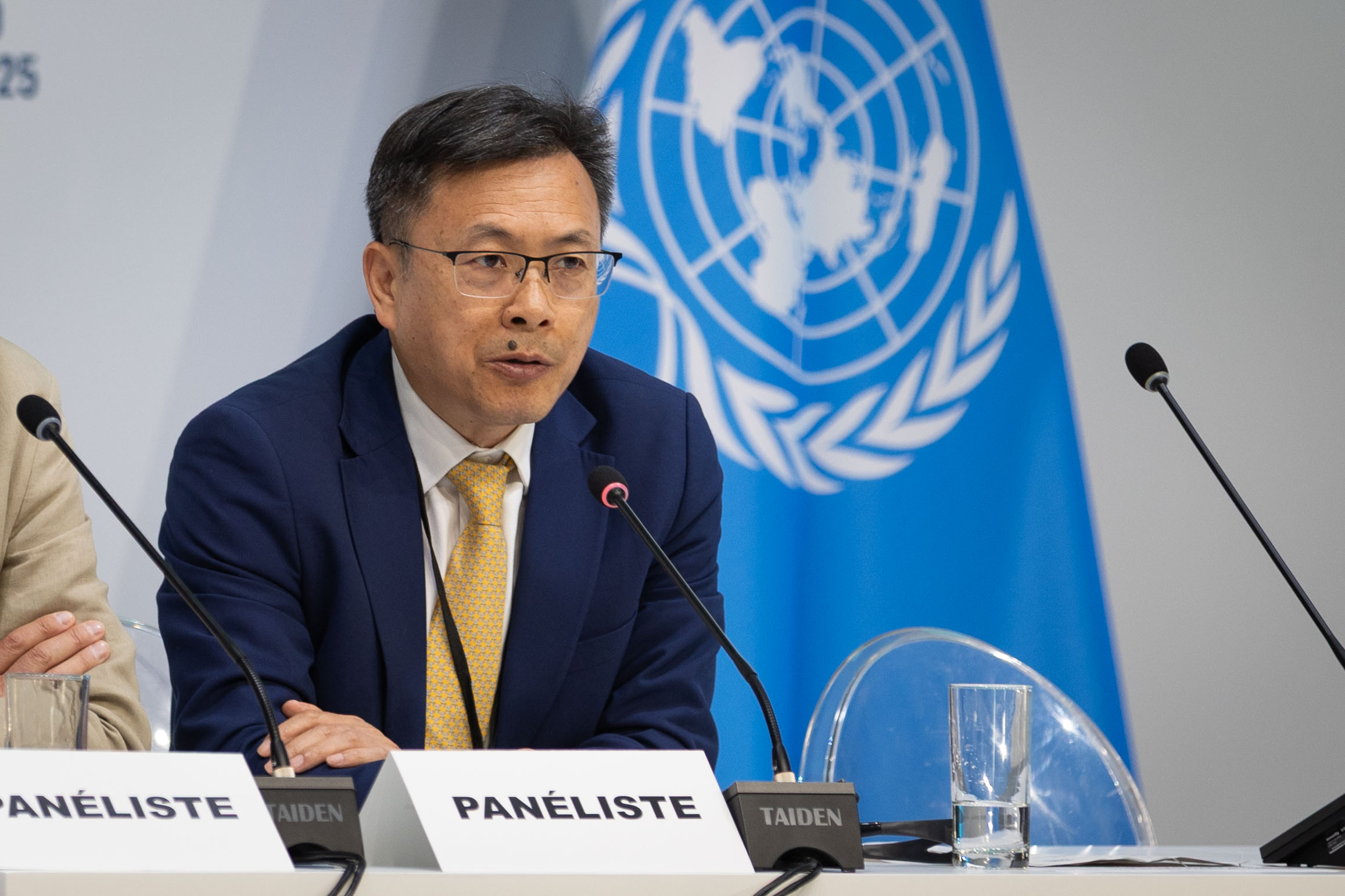
Ciyong Zou, Deputy-Director-General and Managing Director, UN Industrial Development Organization (UNIDO)
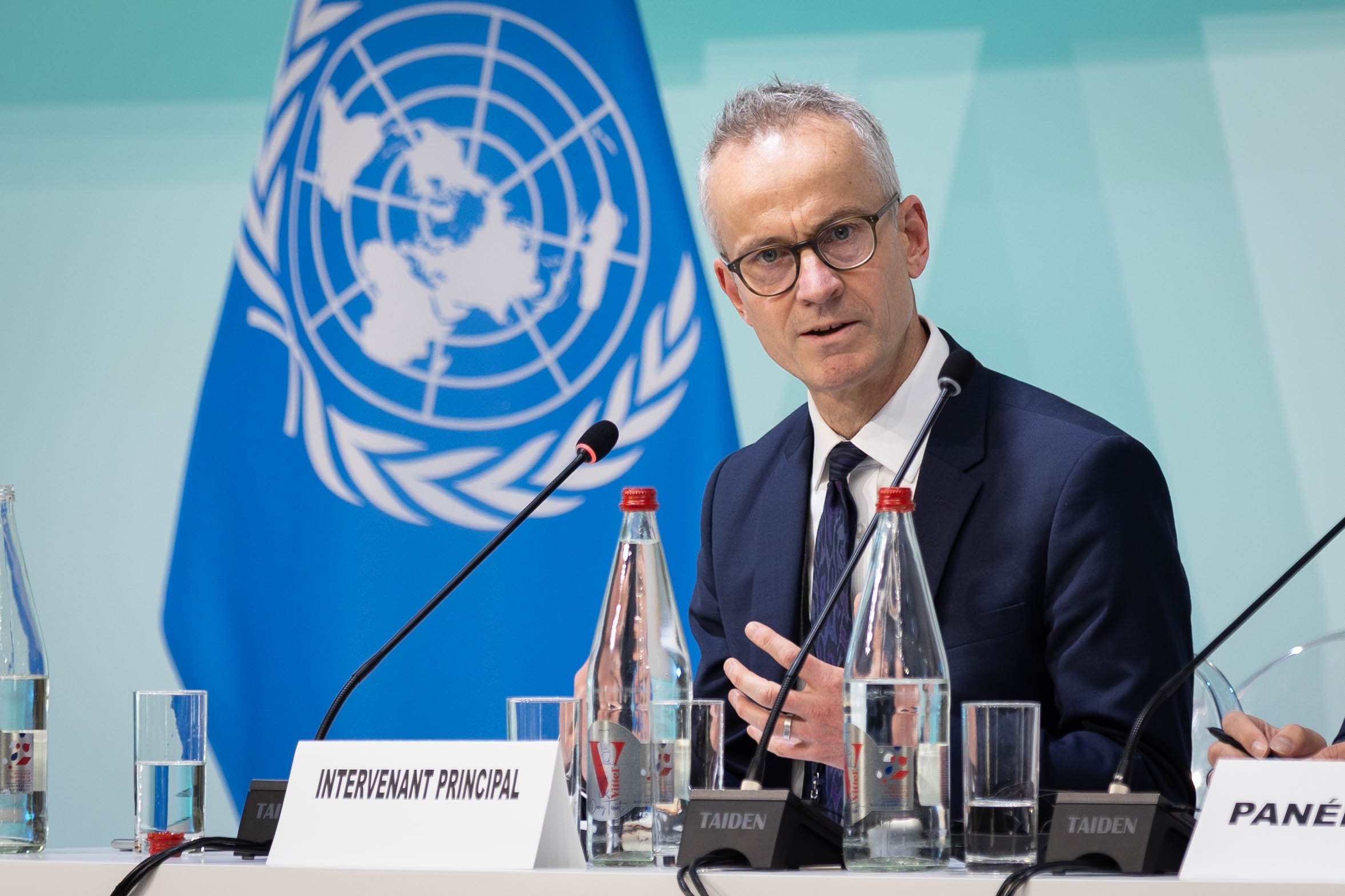
Gideon Henderson, Chief Scientific Advisor, Department for Environment Food and Rural Affairs (Defra), UK

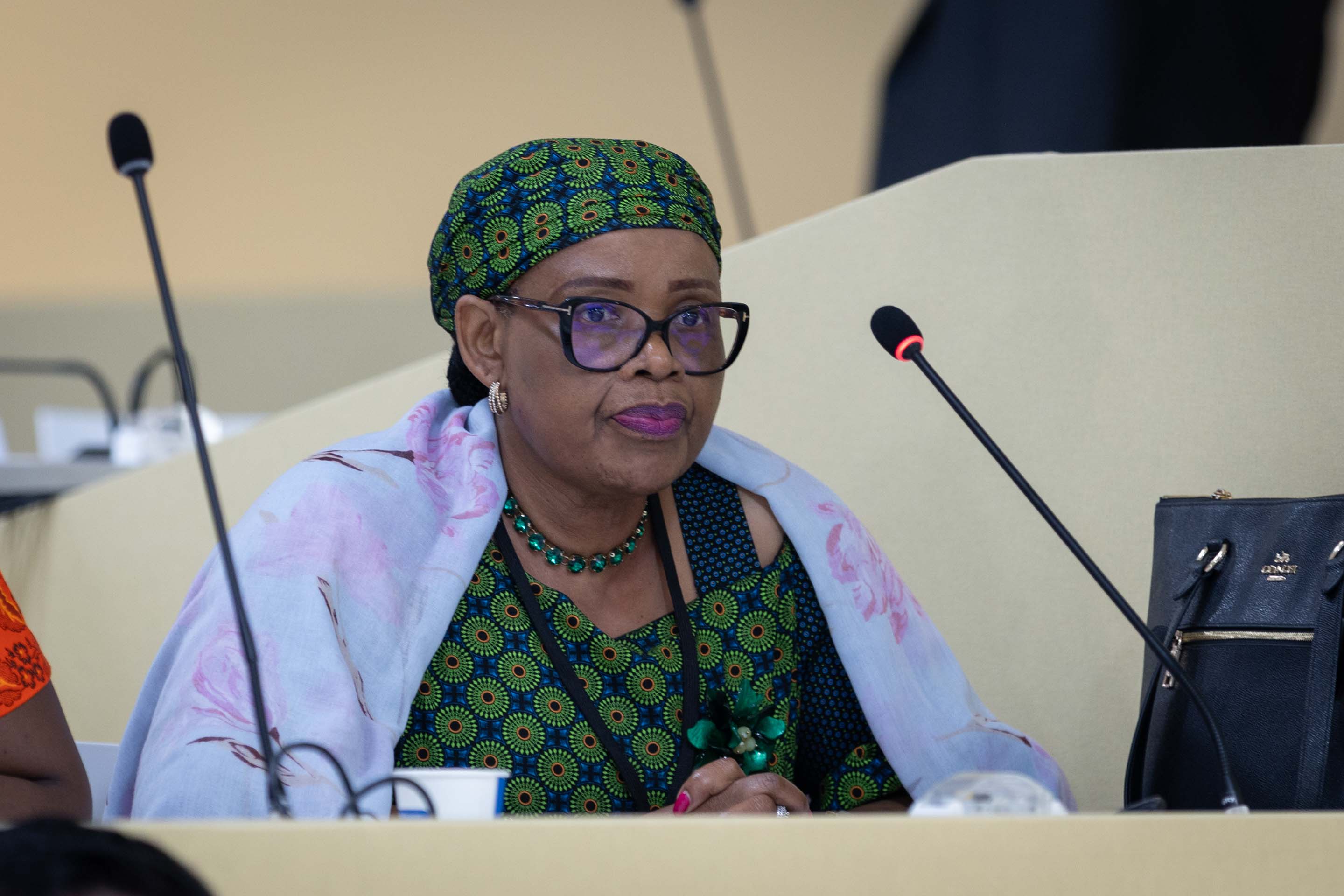
Mamofuta Kale, Advisor to the Deputy Prime Minister, Lesotho
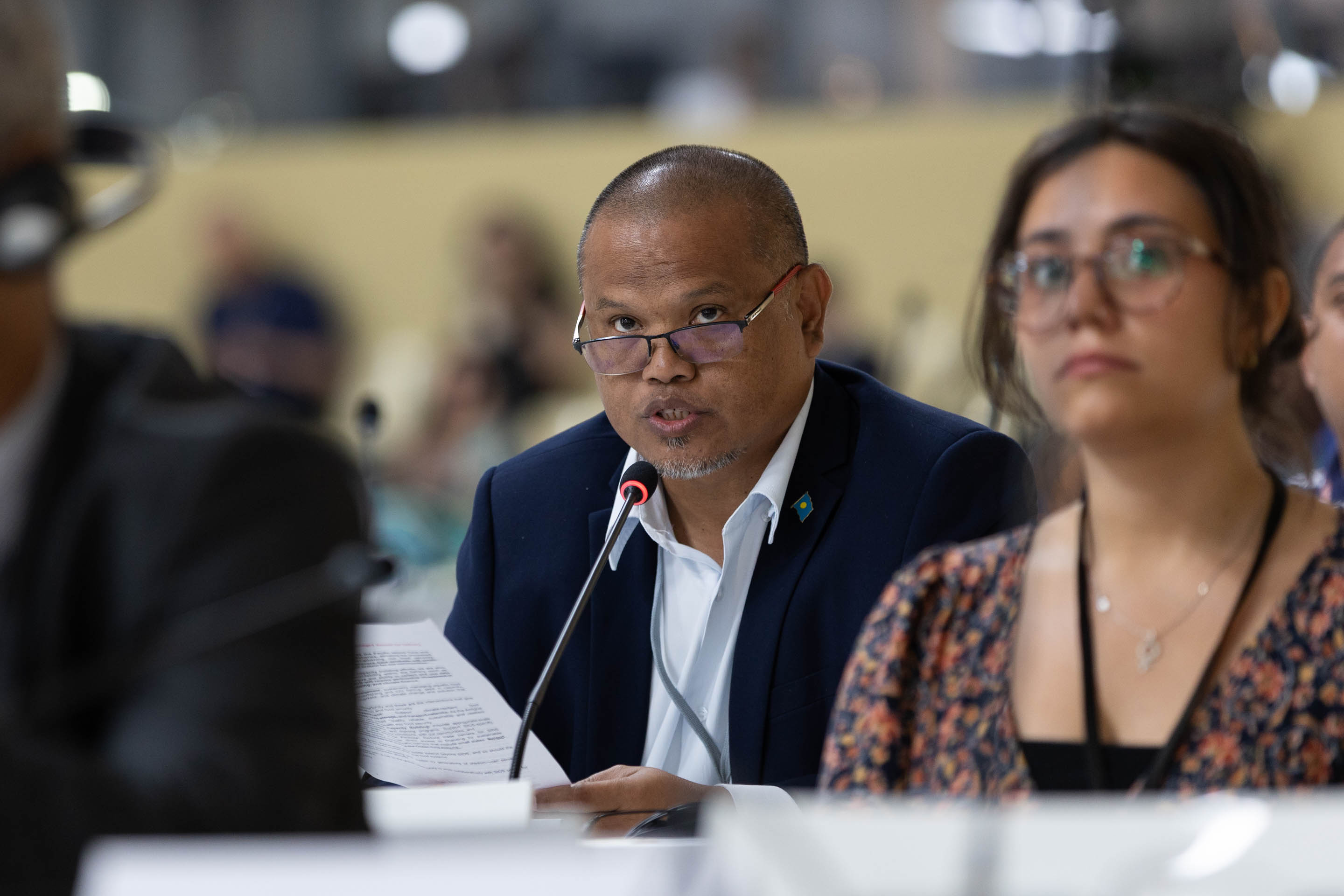
Steven Victor, Minister of Agriculture, Fisheries and Environment, Palau, on behalf of the Alliance of Small Island States (AOSIS)
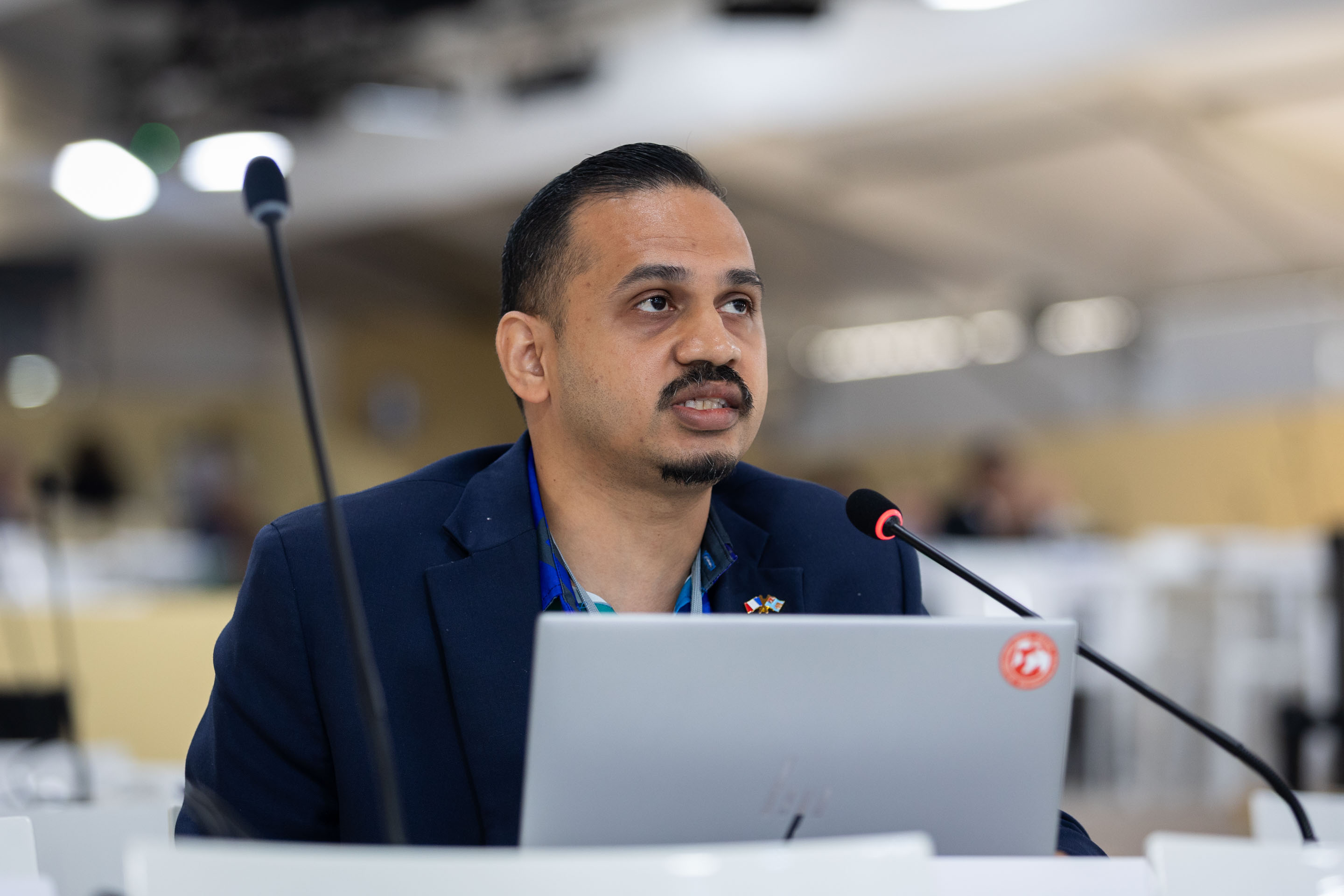
Sivendra Michael, Permanent Secretary, Ministry of Environment and Climate Change, Fiji
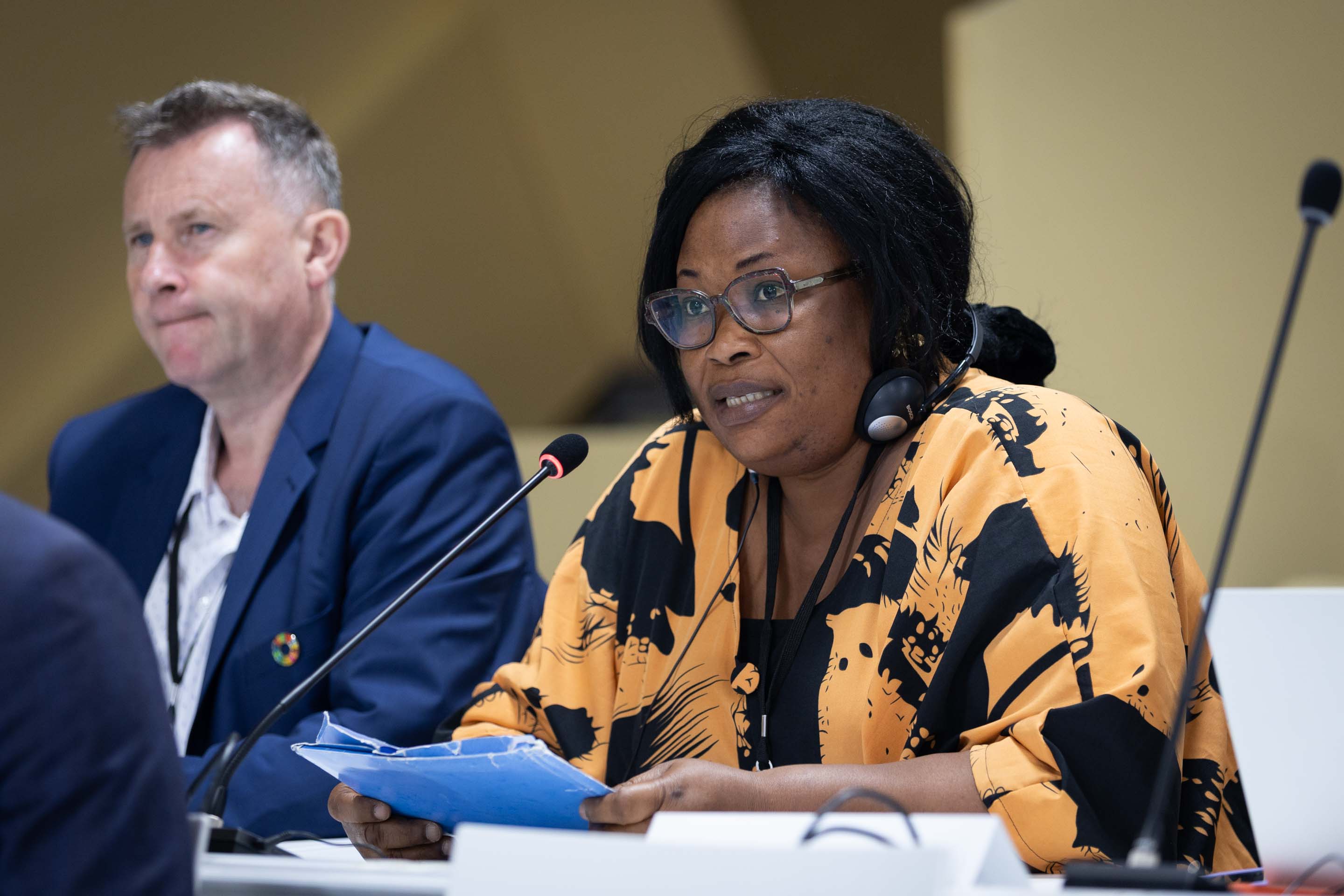
Raïssa Nadège Leka Madou, African Confederation of Professional Artisanal Fishing Organizations (CAOPA)
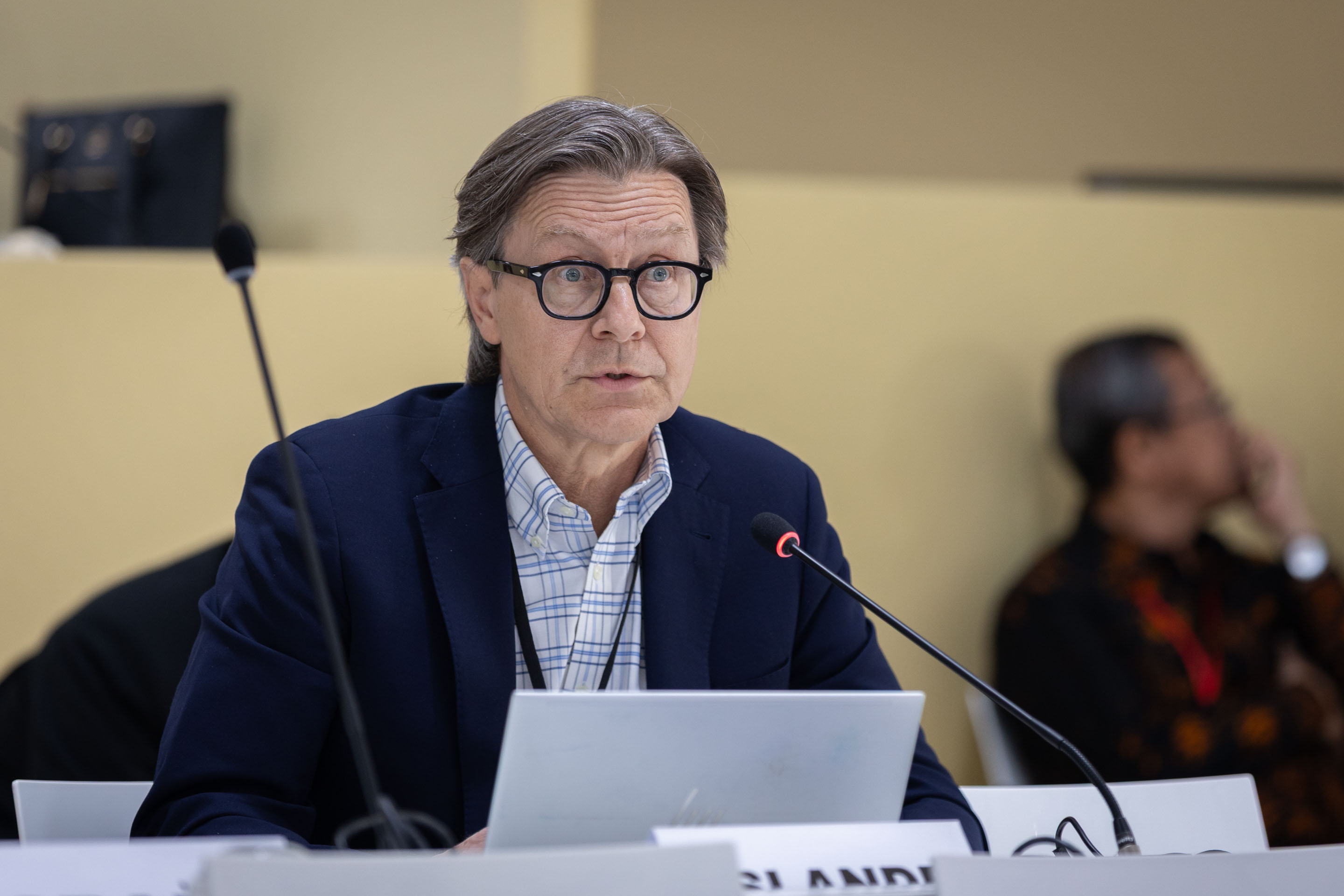
Jón Erlingur Jónasson, Special Envoy for the Ocean, Directorate for International Development Cooperation, Iceland
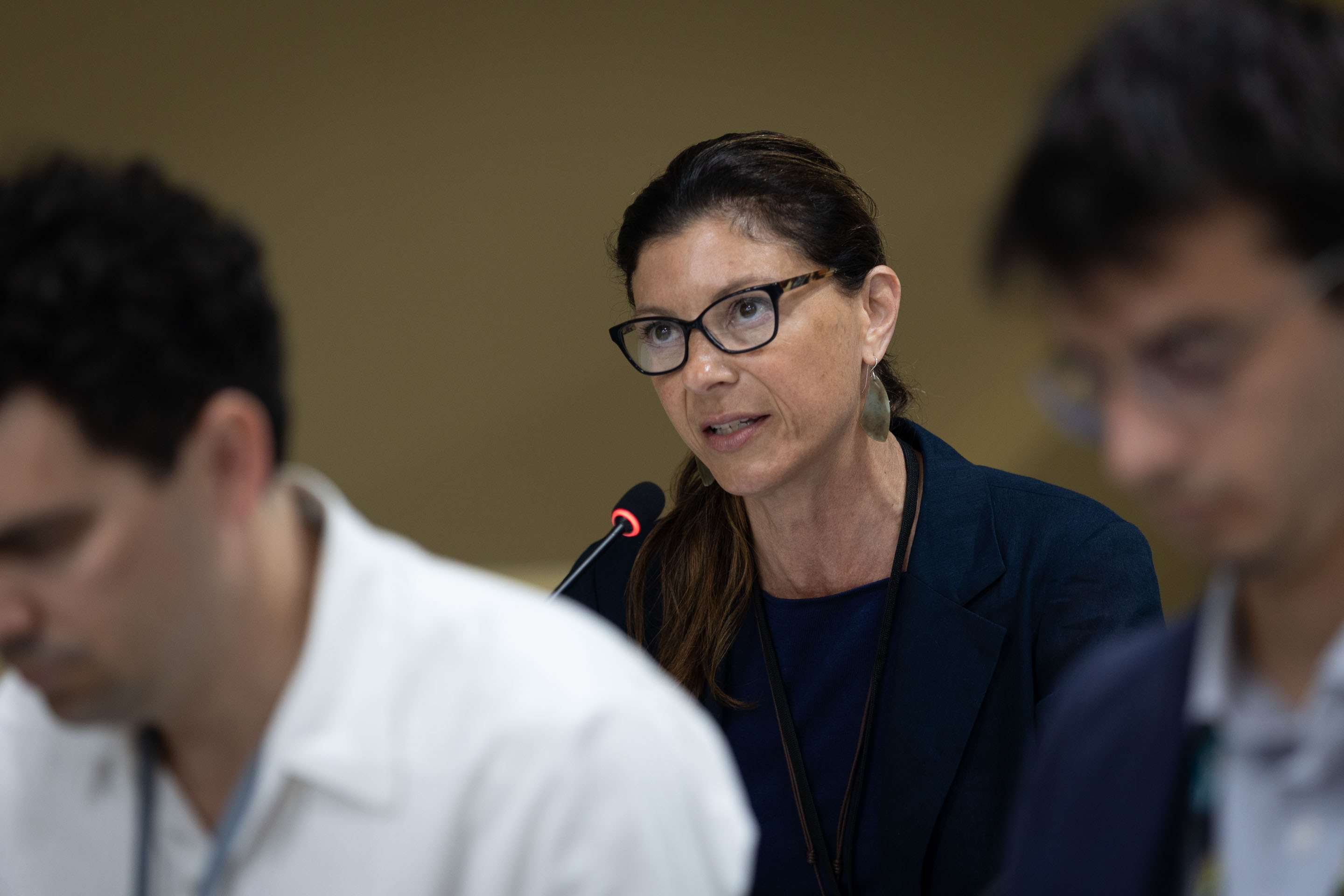
Jennifer Dianto Kemmerly, Vice President, Global Ocean Conservation, Monterey Bay Aquarium

Ocean Action Panel 10: Enhancing the Conservation and Sustainable Use of Oceans and their Resources by Implementing International Law as reflected in the UN Convention on the Law of the Sea
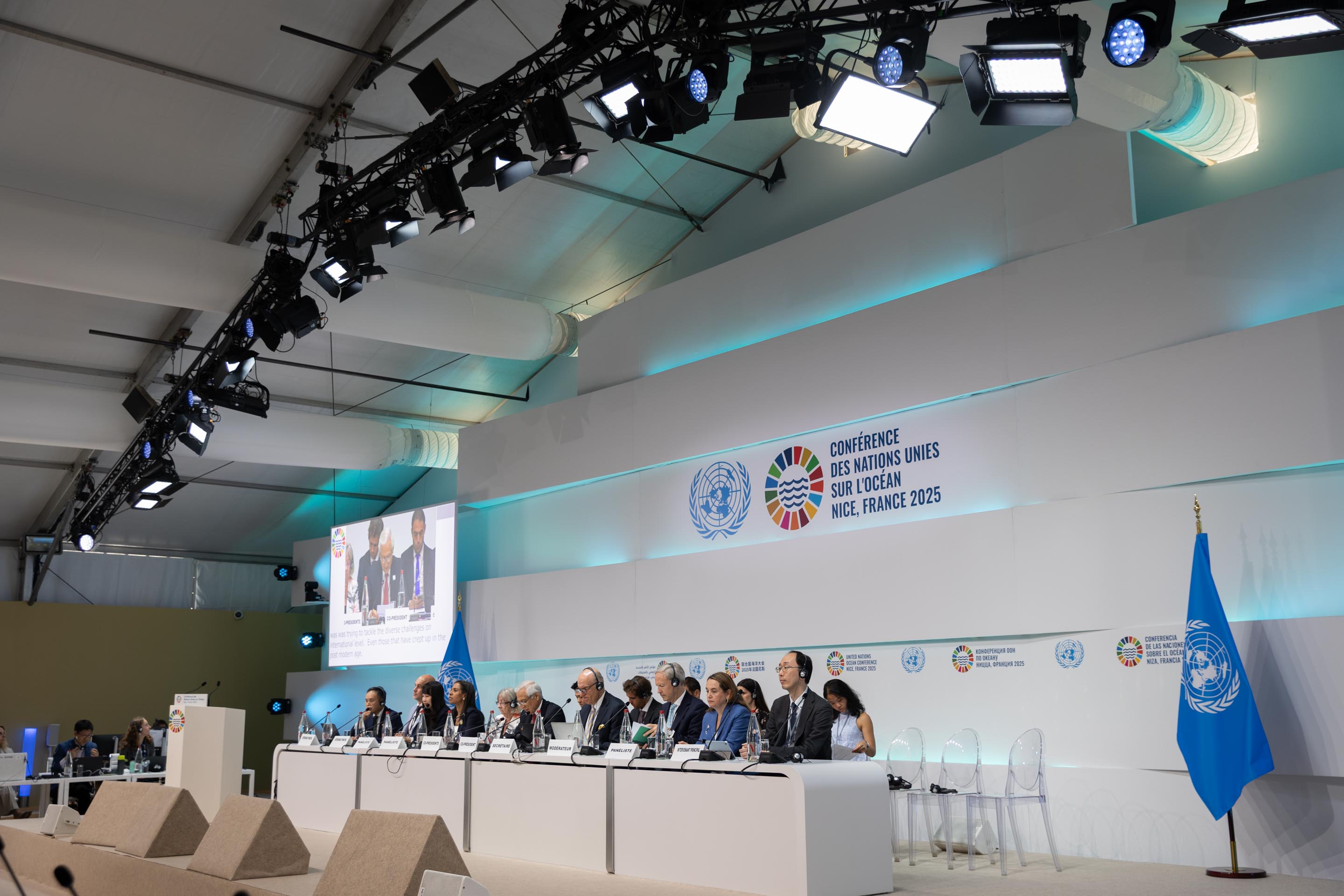
Panel speakers for Ocean Action Panel 10
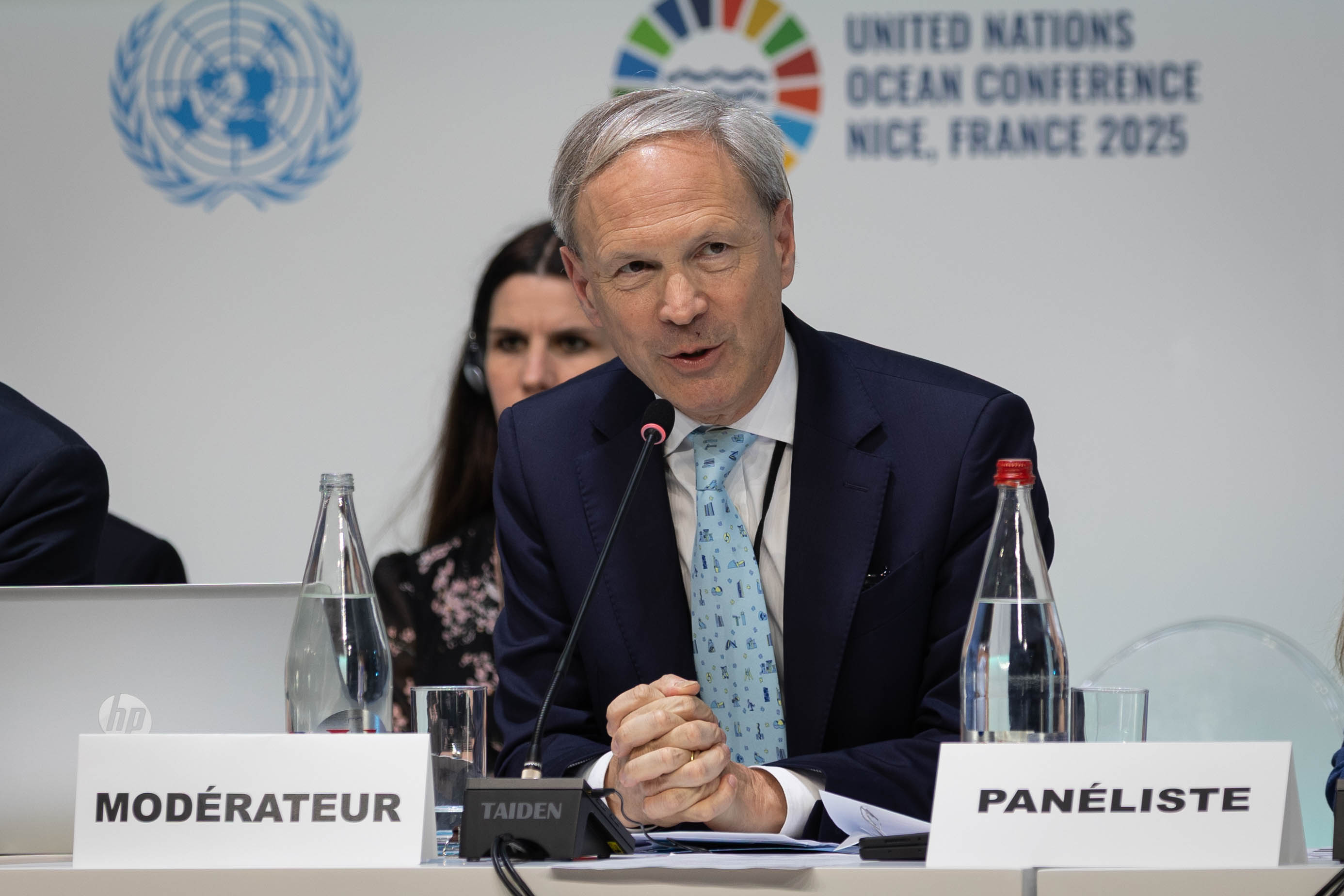
Moderator François Alabrune, Ambassador of France to the Netherlands
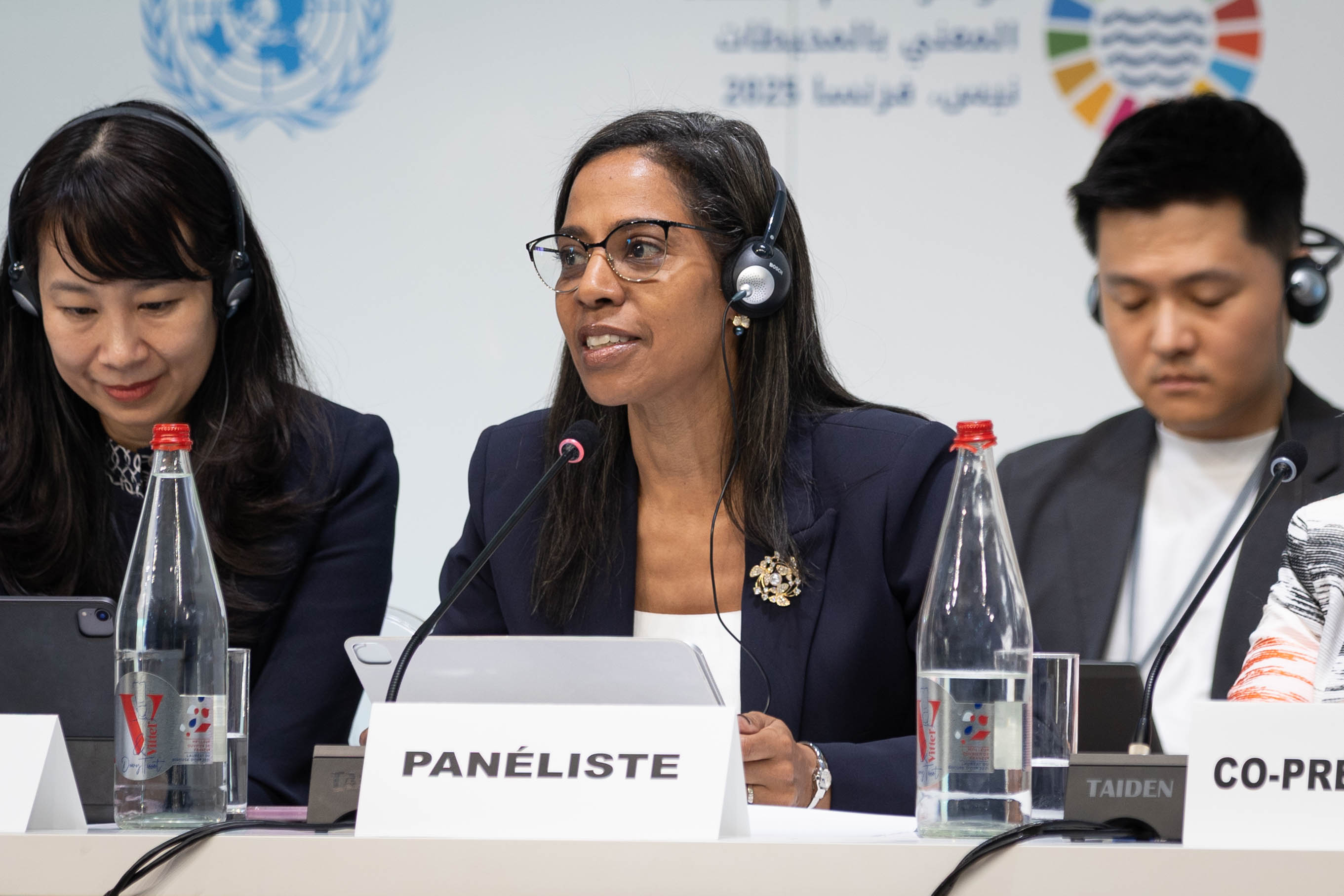
Leticia Carvalho, Secretary General, International Seabed Authority (ISA)
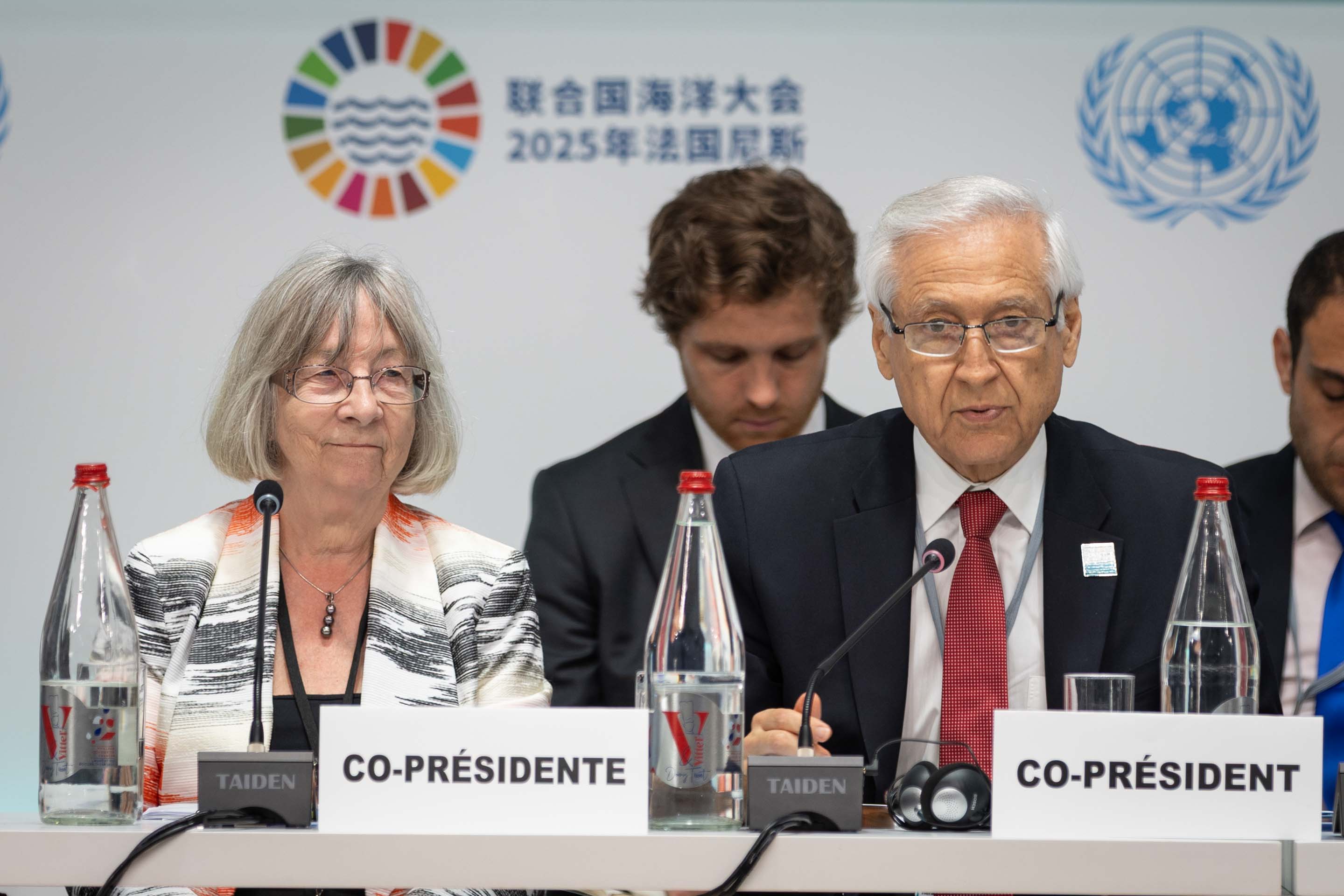
Panel 10 Co-Chairs: Penelope Ridings, Member of the International Law Commission, New Zealand, and Heraldo Muñoz, Special Envoy for the Ocean, Chile
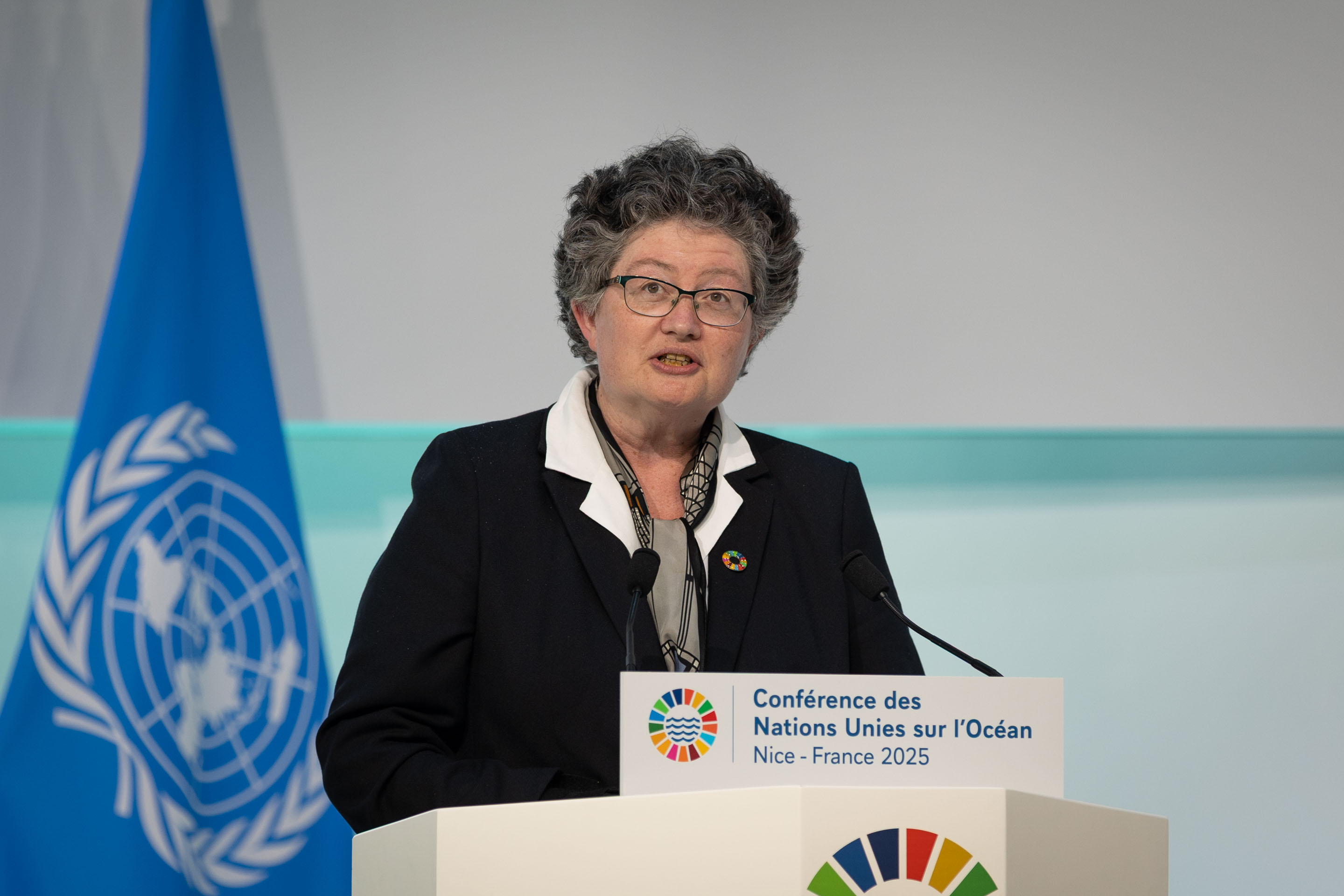
Elinor Hammarskjöld, Under-Secretary-General for Legal Affairs and UN Legal Counsel
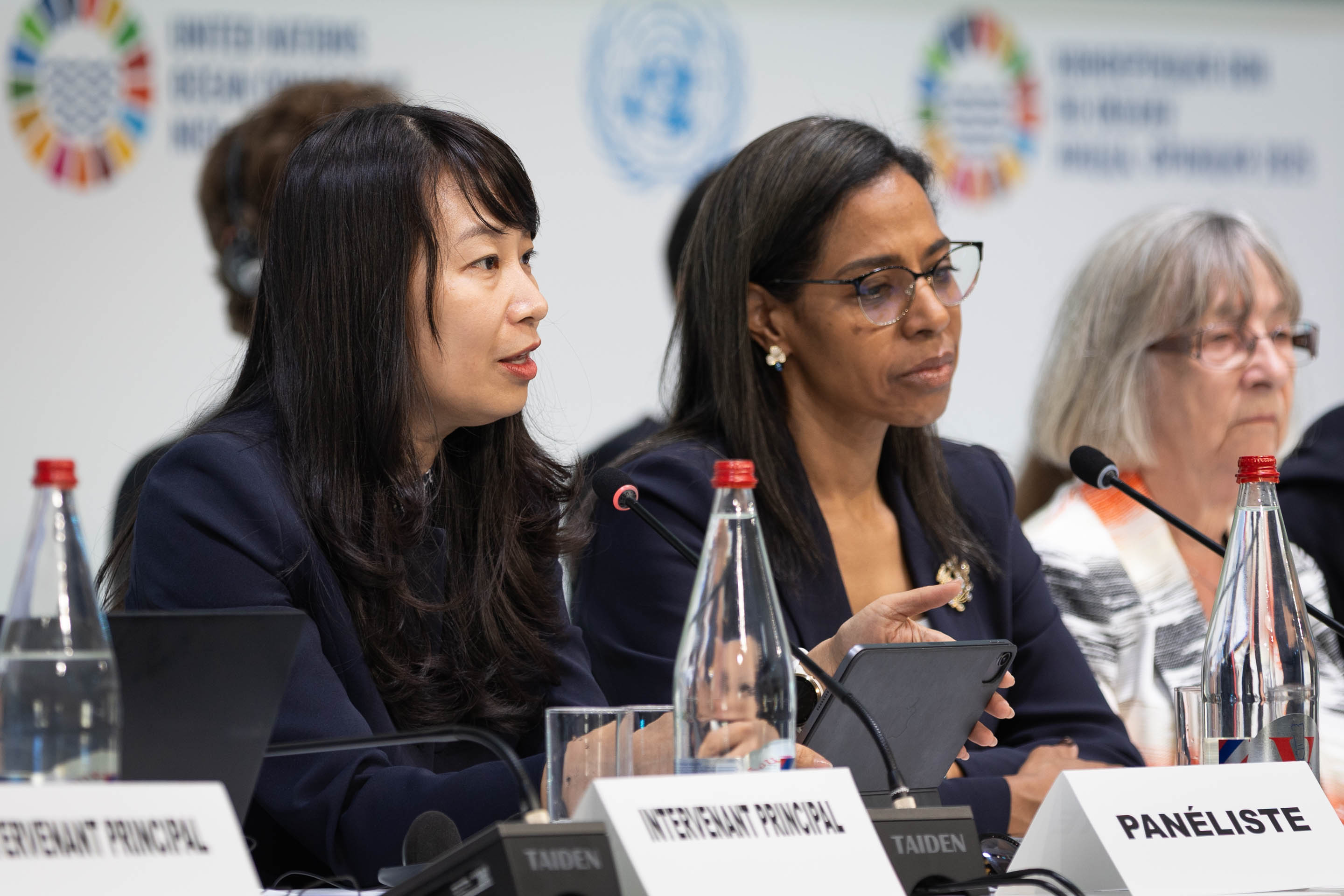
Lan-Anh Nguyen, Vice President, Asian Society of International Law and UNCLOS Annex VII Arbitrator
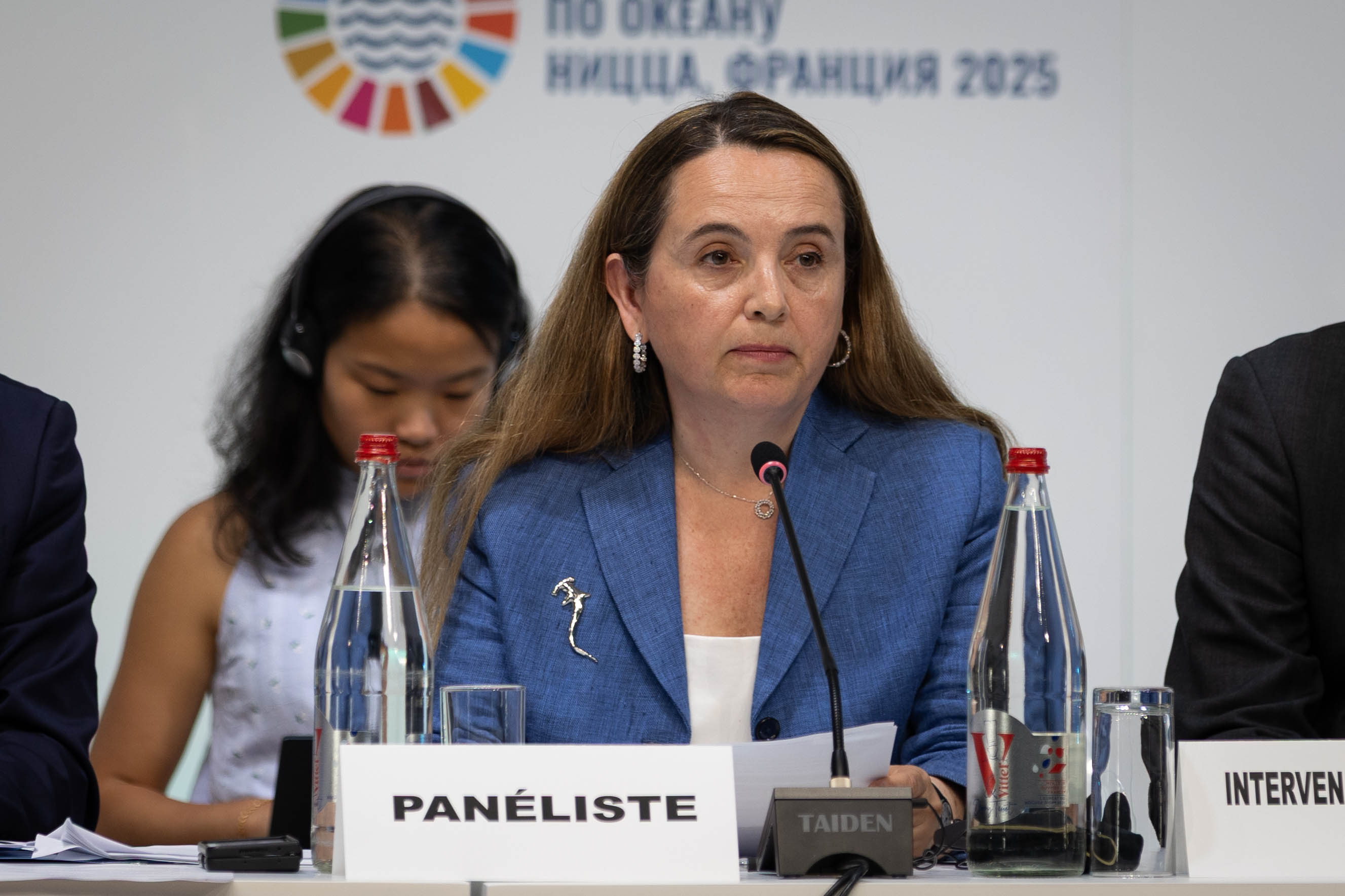
Grethel Aguilar, Director-General, International Union for Conservation of Nature (IUCN)
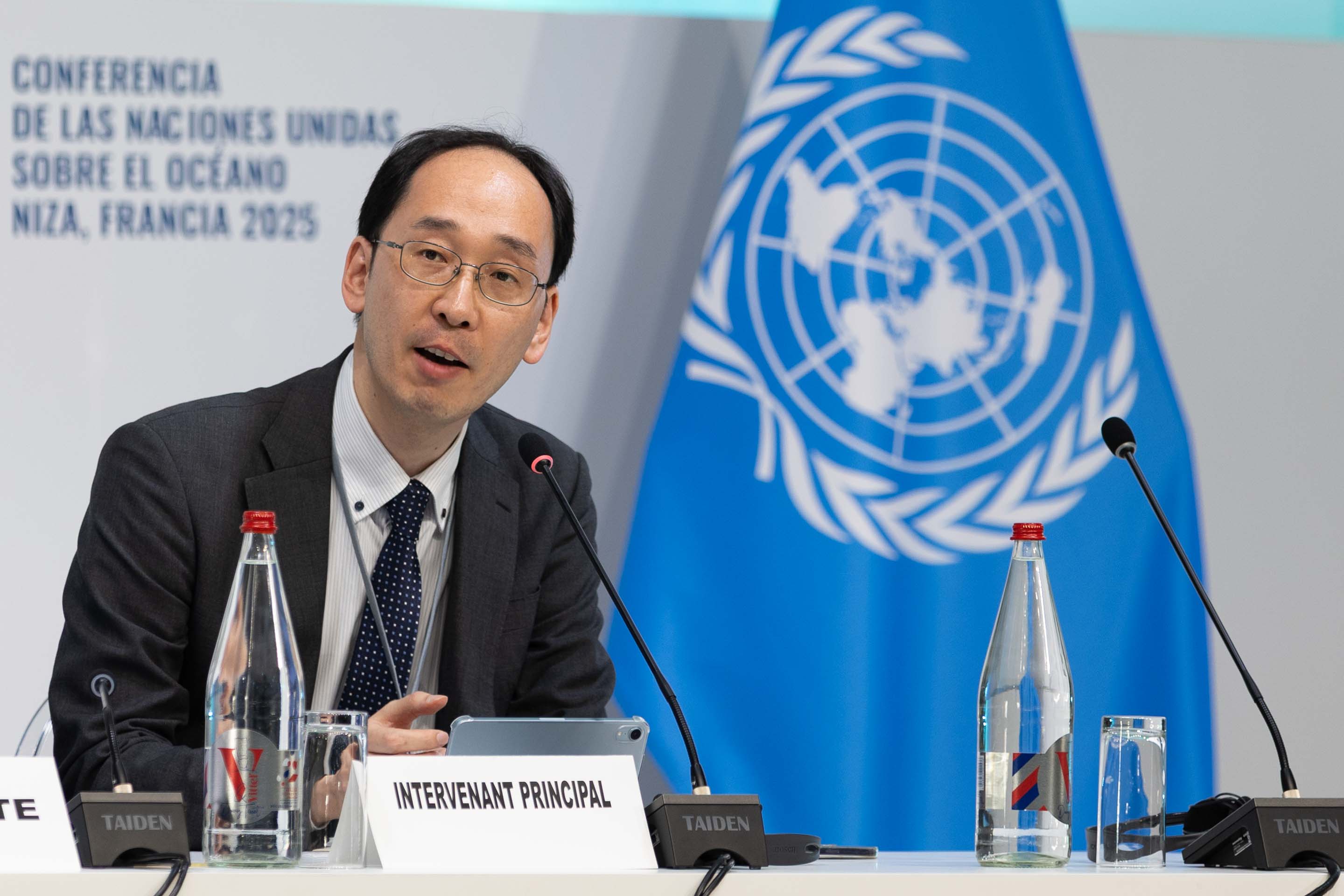
Kentaro Nishimoto, Professor, School of Law, Tohoku University, Japan
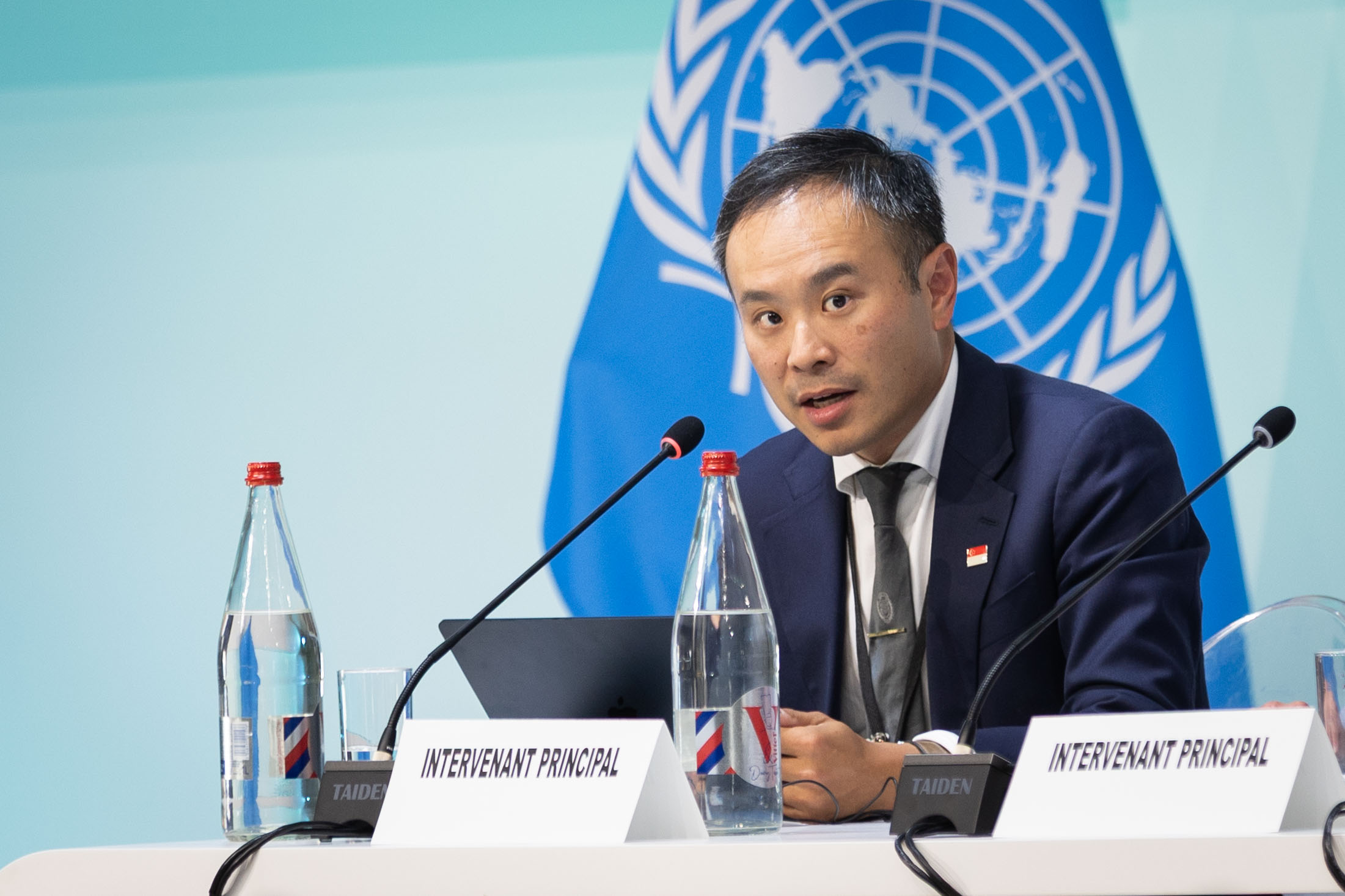
Nathaniel Khng, Minister-Counsellor (Legal), Permanent Mission of Singapore to the UN
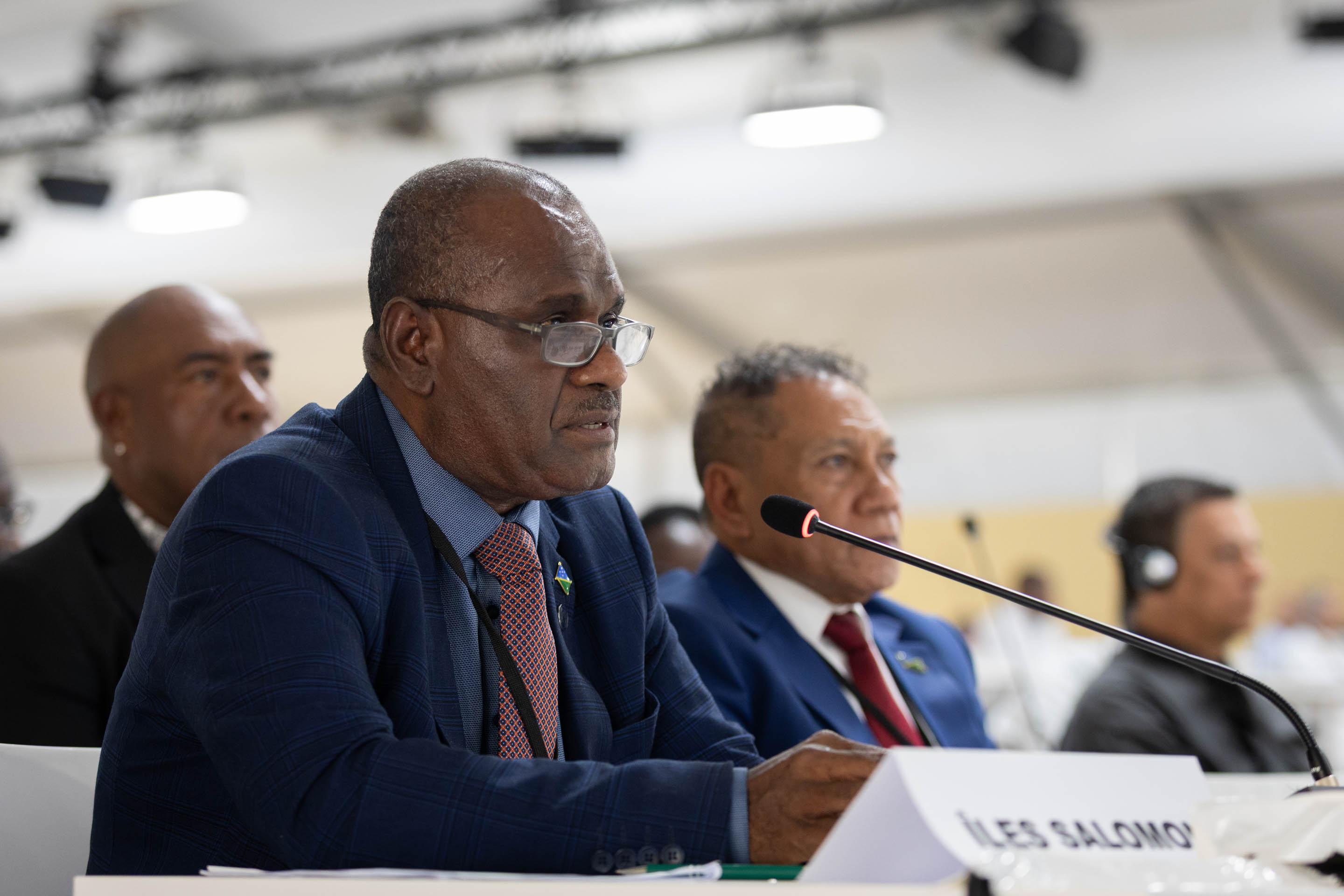
Jeremiah Manele, Prime Minister of Solomon Islands, on behalf of the Pacific Islands Forum
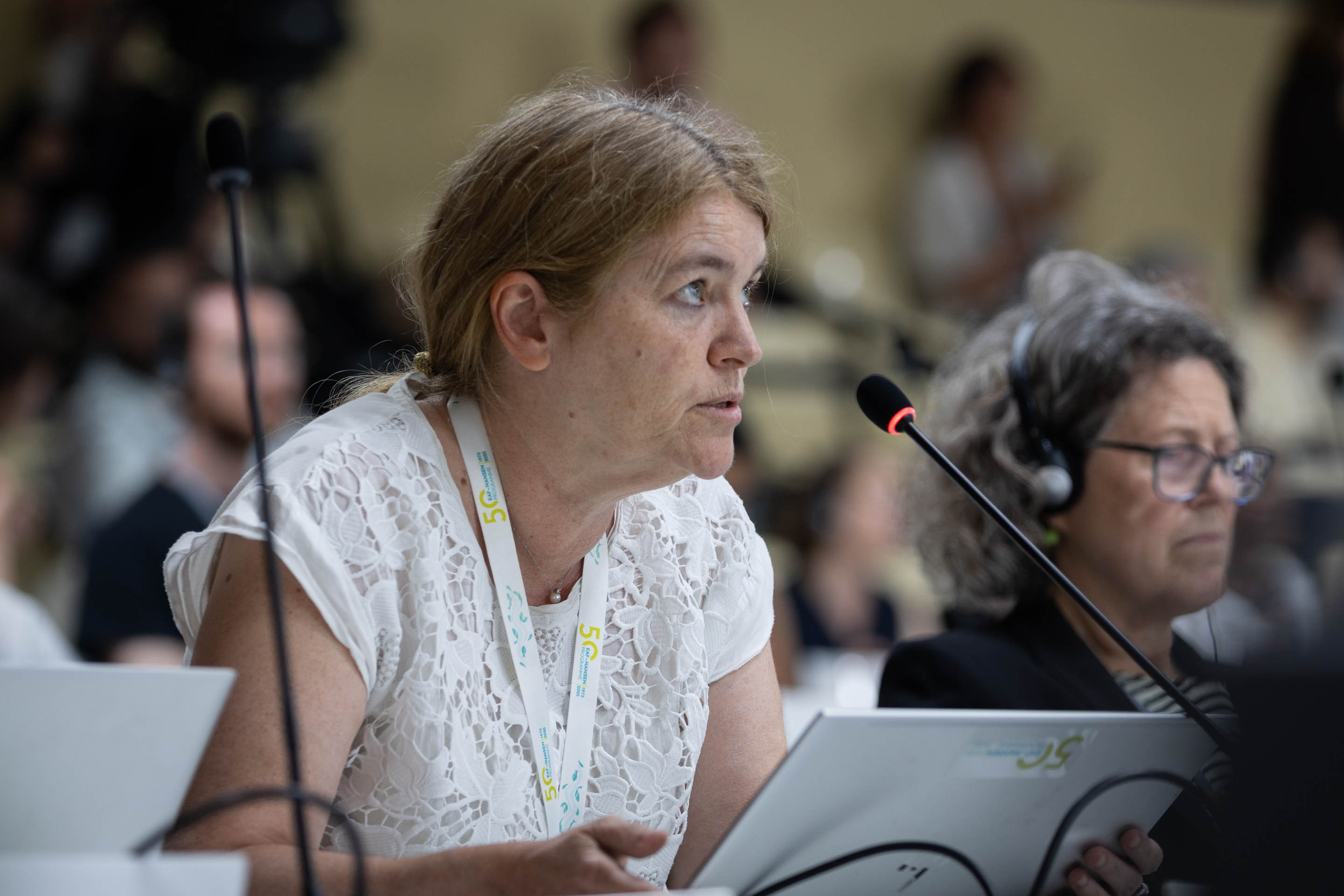
Merete Tandstad, Fisheries and Aquaculture Division, FAO
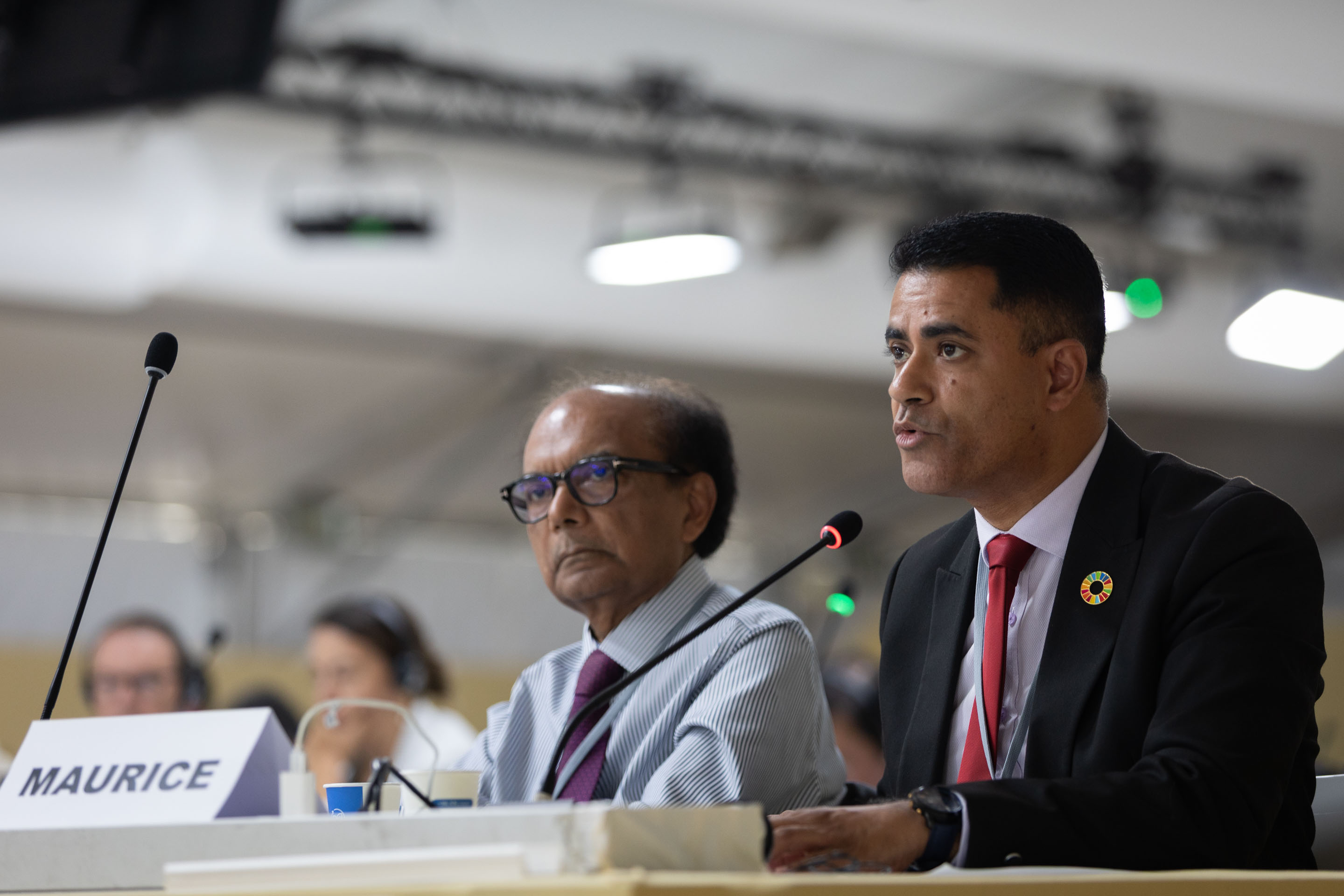
Gilles Fabrice David, Junior Minister of Agro-Industry, Food Security, Blue Economy and Fisheries, Mauritius
Closing Plenary
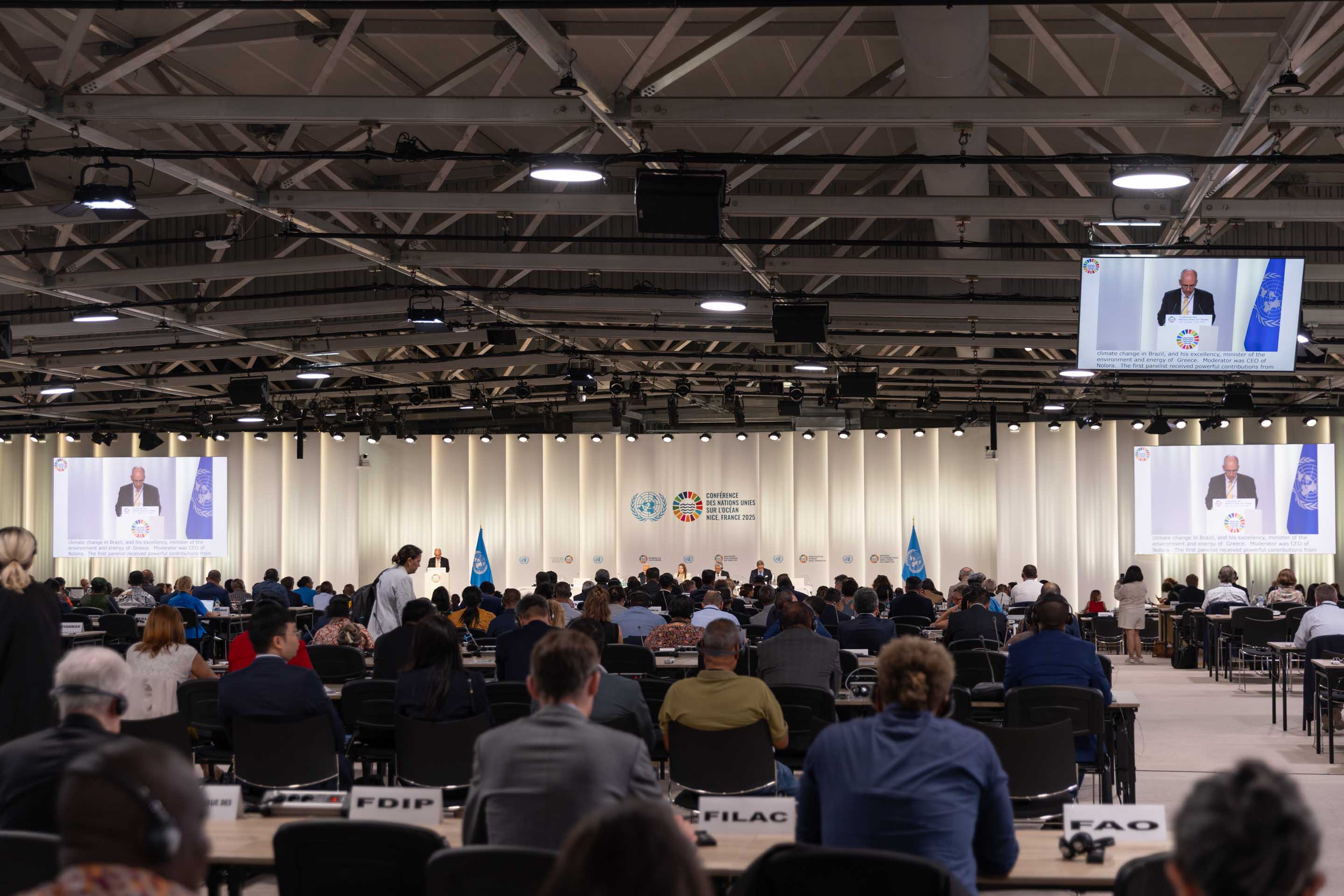
Delegates gather for closing plenary
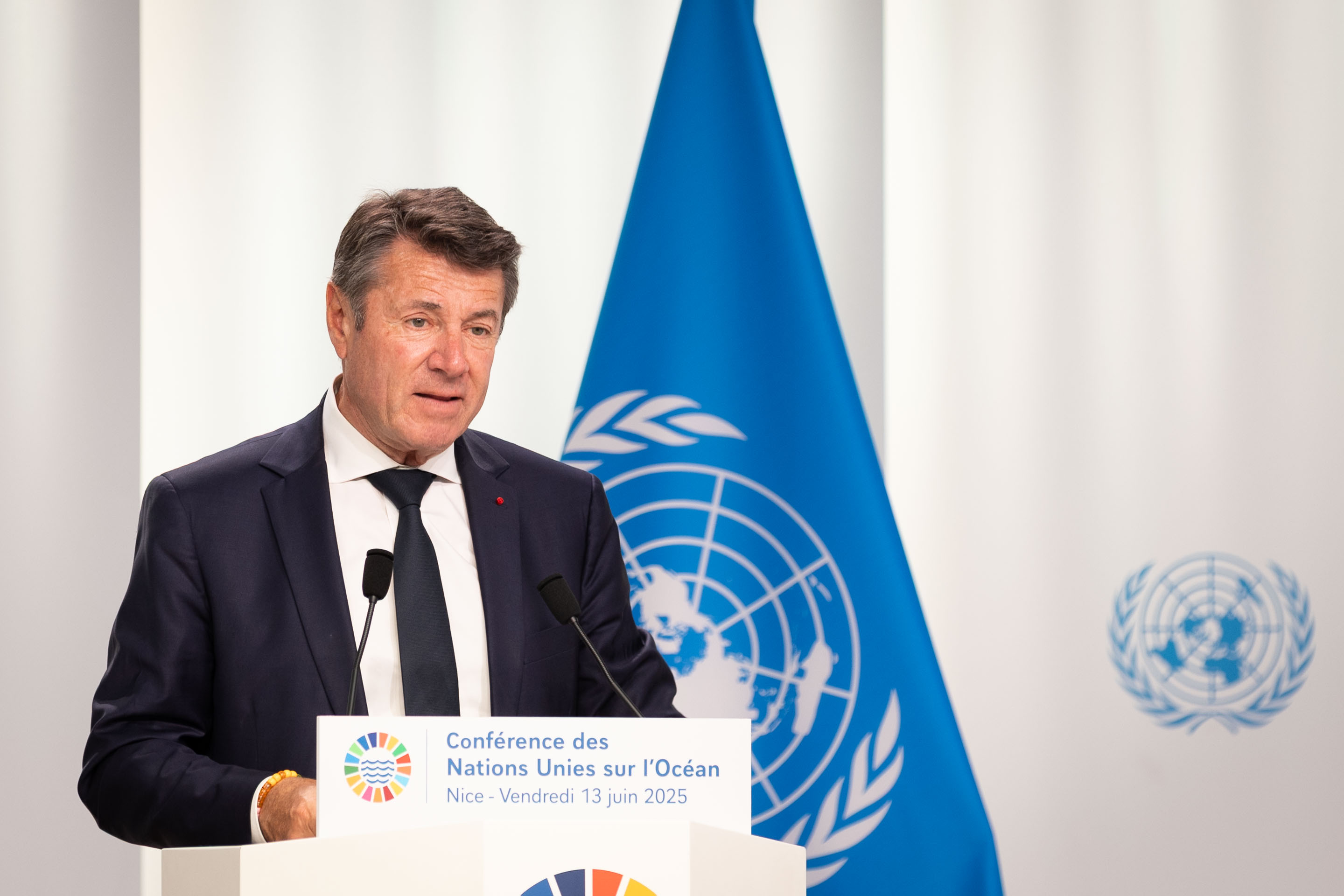
Christian Estrosi, Mayor of Nice, France
Loreley Picourt, Executive Director, Ocean & Climate Platform
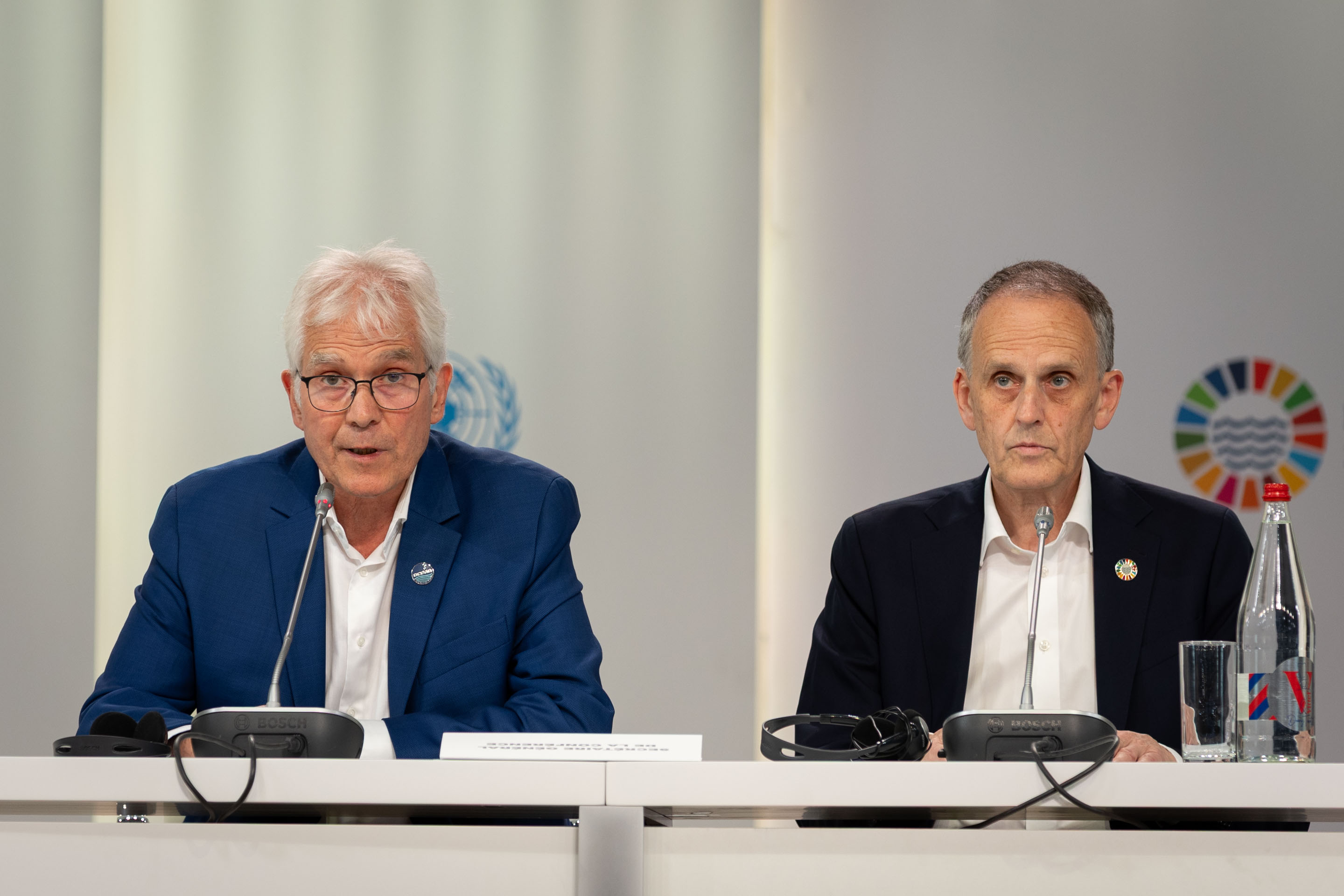
Jean-Pierre Gattuso, Research Professor, Villefranche Oceanography Laboratory, and Peter Haugan, Institute of Marine Research, Norway
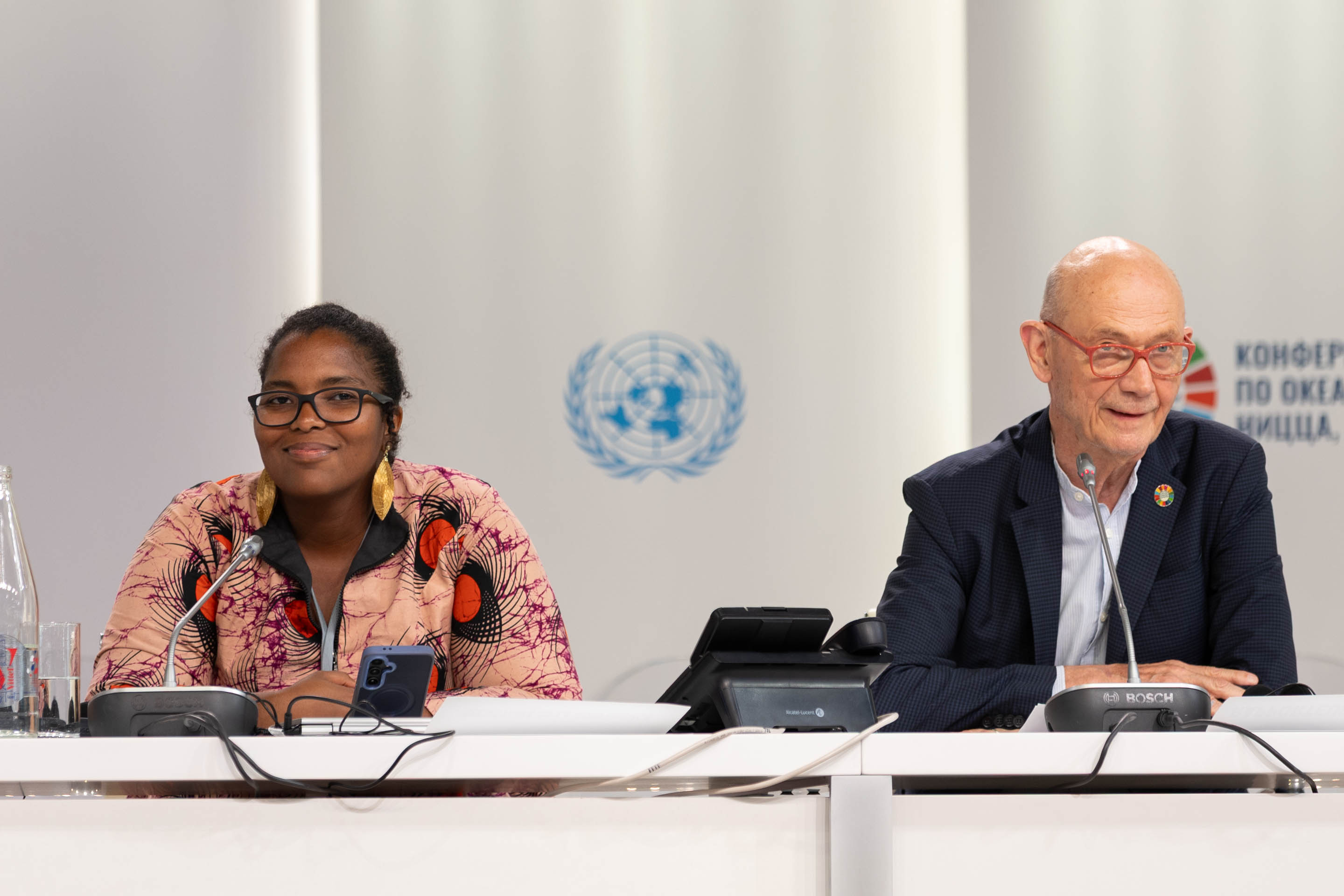
Angelique Pouponneau, Lead Ocean Negotiator, Alliance of Small Island States, and Pascal Lamy, former Director General, World Trade Organization
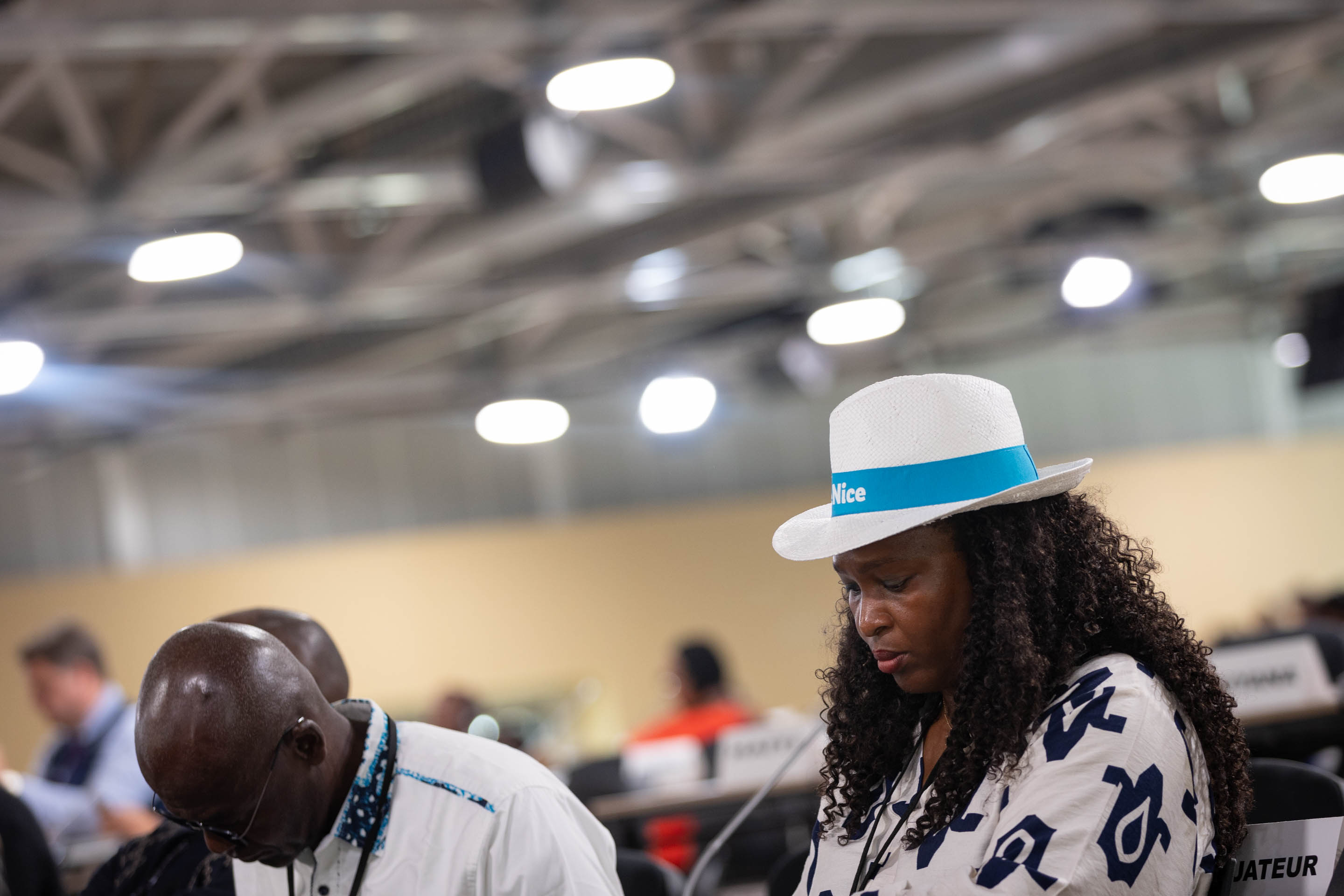
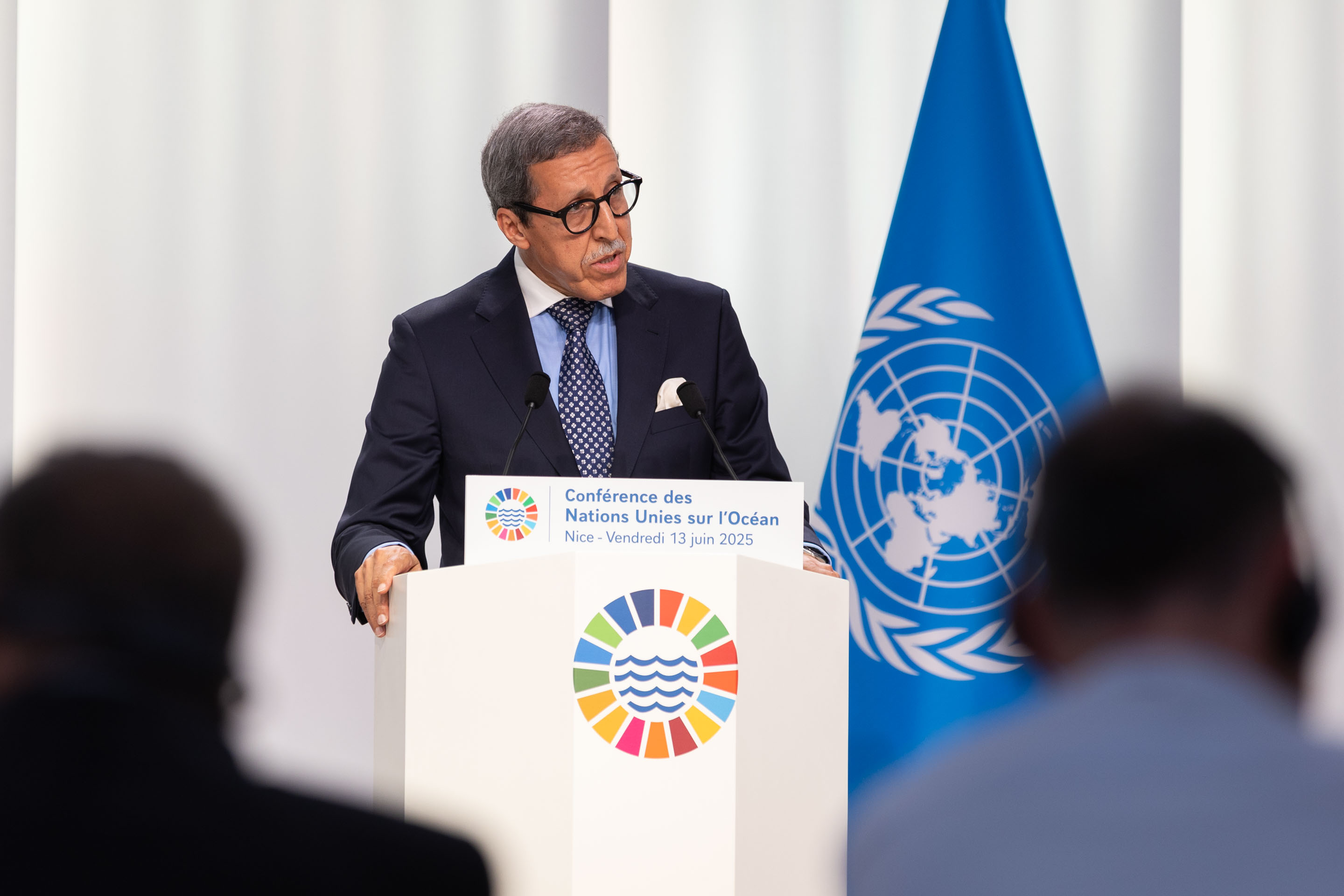
Omar Hilale, UNOC3 Rapporteur, Morocco
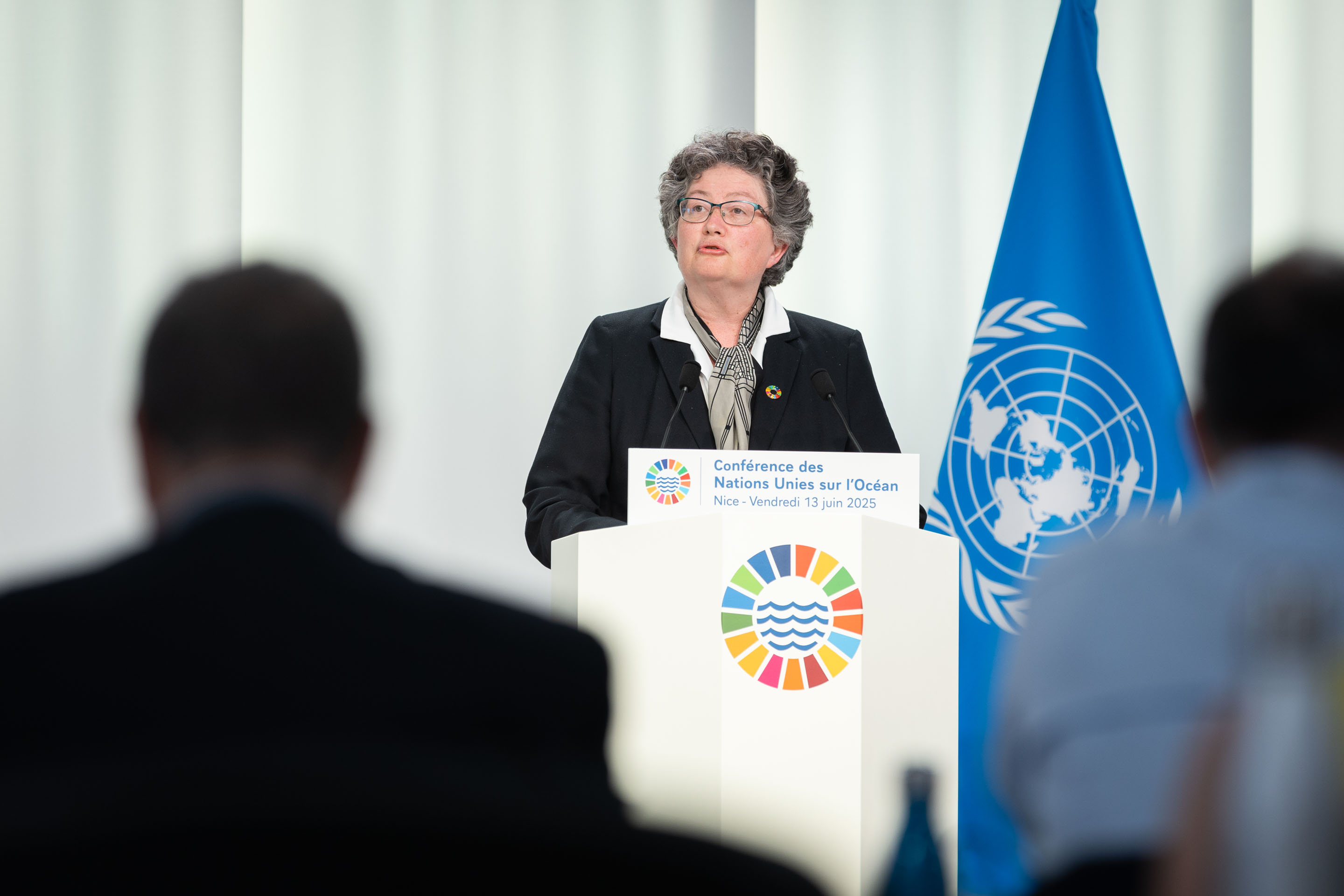
Elinor Hammarskjöld, Under-Secretary-General for Legal Affairs and UN Legal Counsel
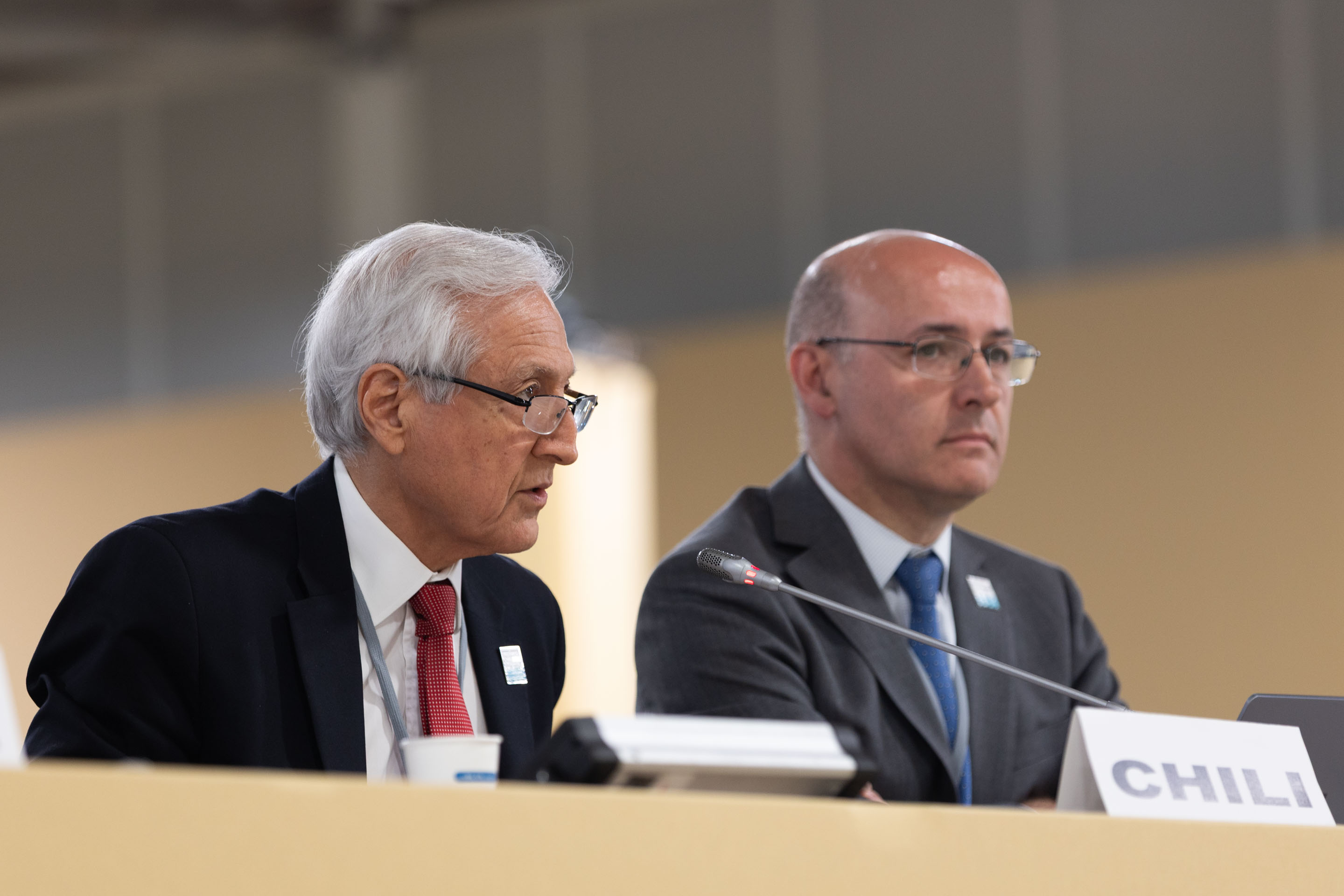
Heraldo Muñoz, Special Envoy for the Ocean, Chile, announces that Chile will host UNOC4 in partnership with the Republic of Korea
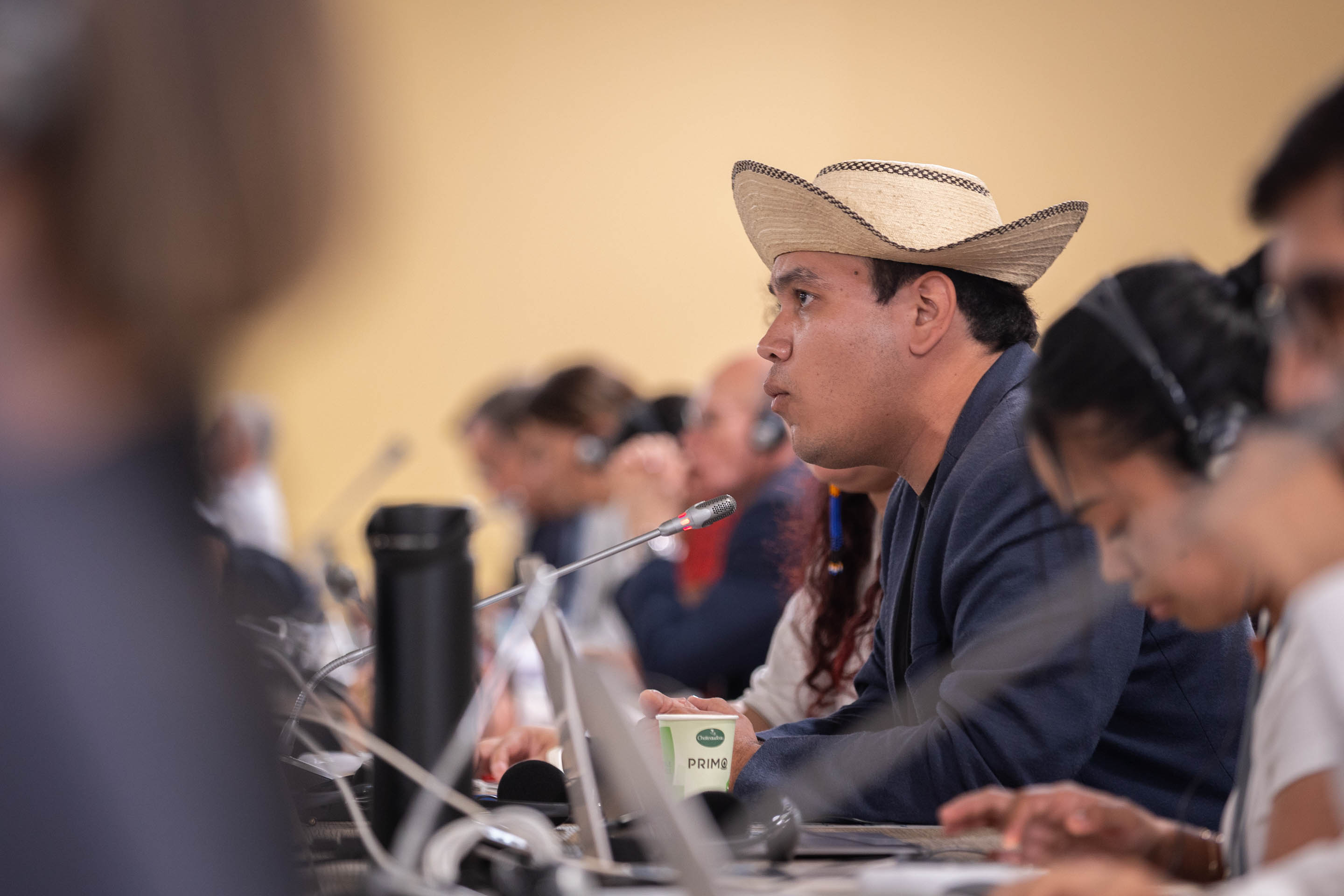
Juan Carlos Monterrey Gómez, Special Representative for Climate Change, Panama
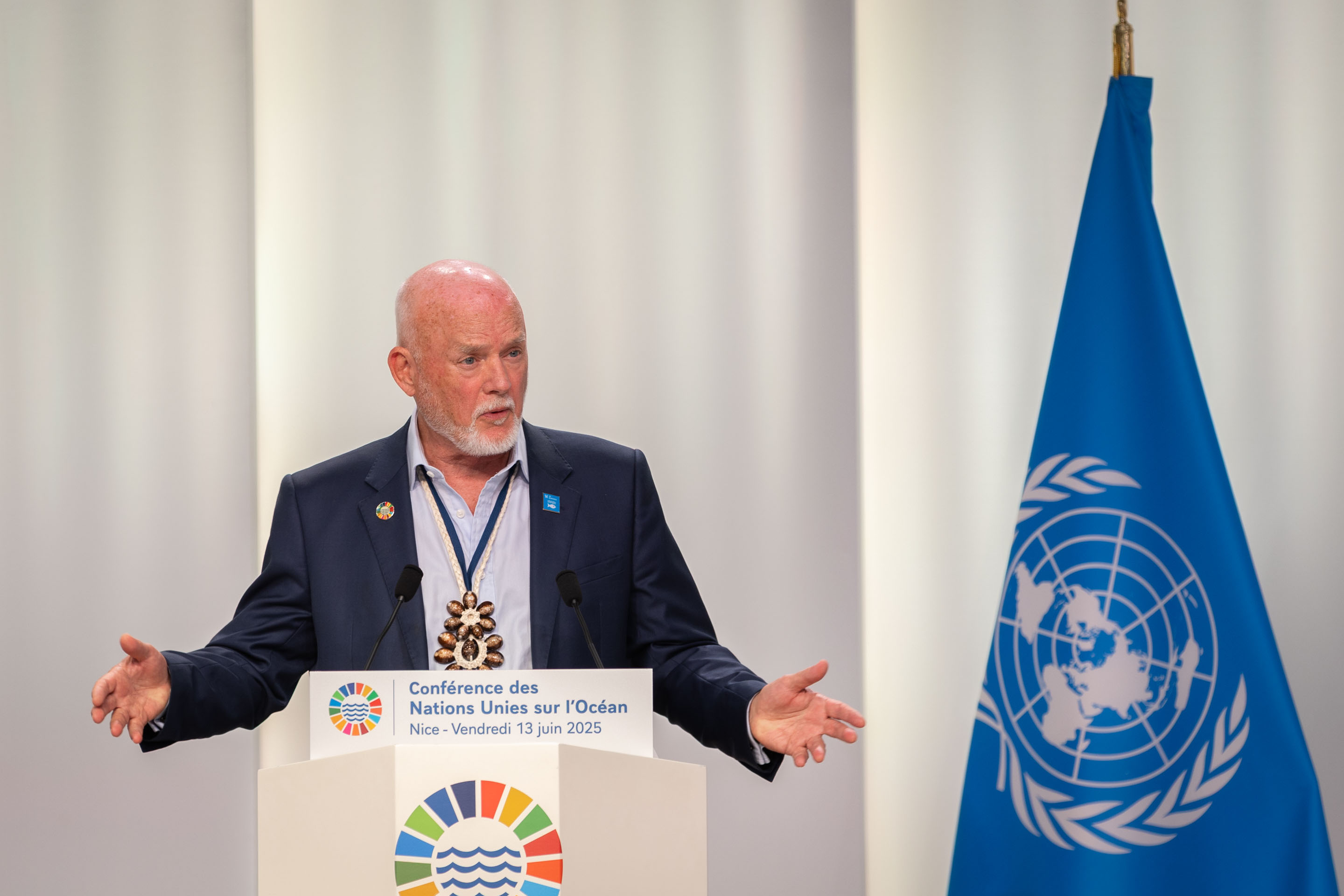
Peter Thomson, UN Secretary-General's Special Envoy for the Ocean
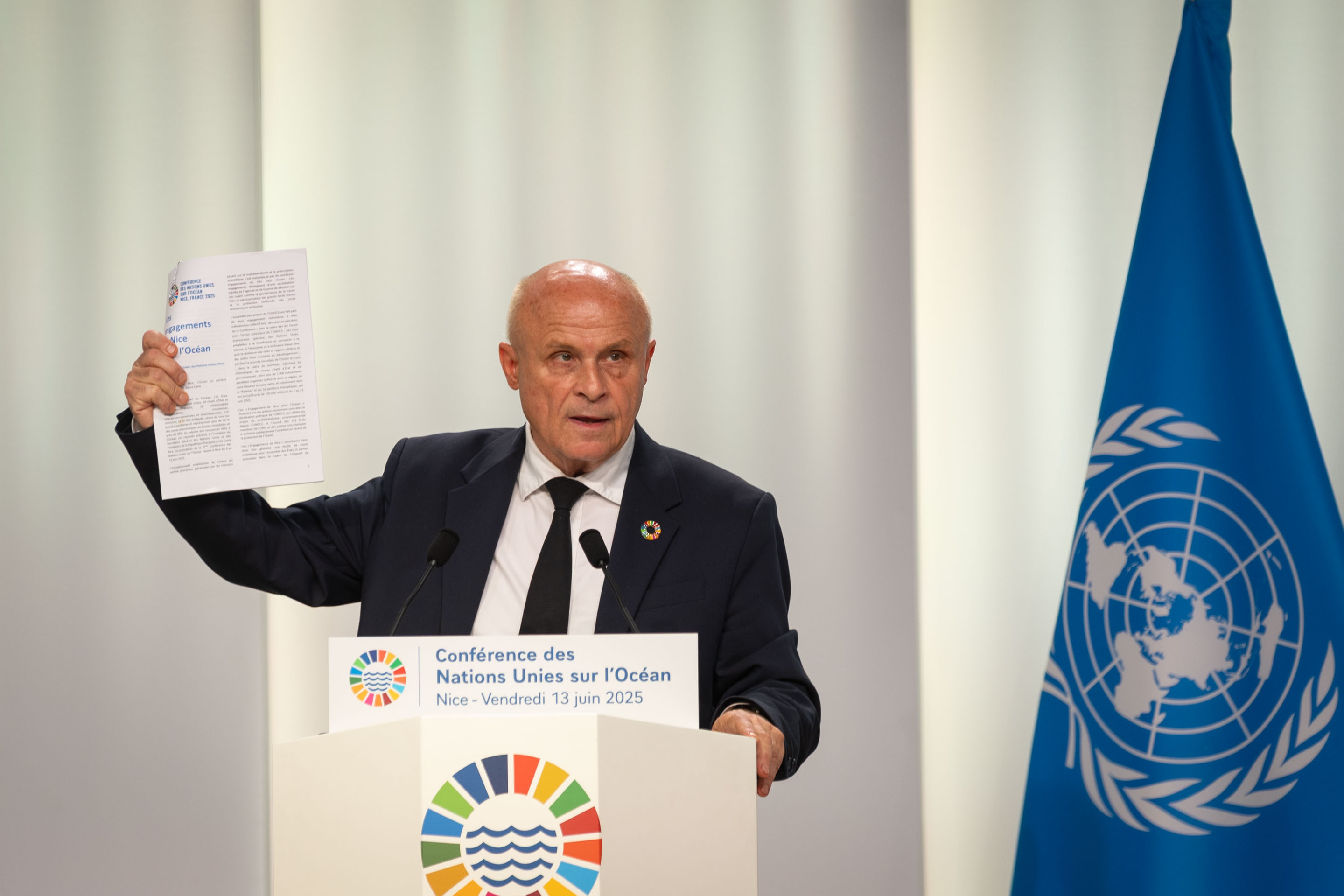
Olivier Poivre d'Arvor, Special Envoy of the French President for UNOC3
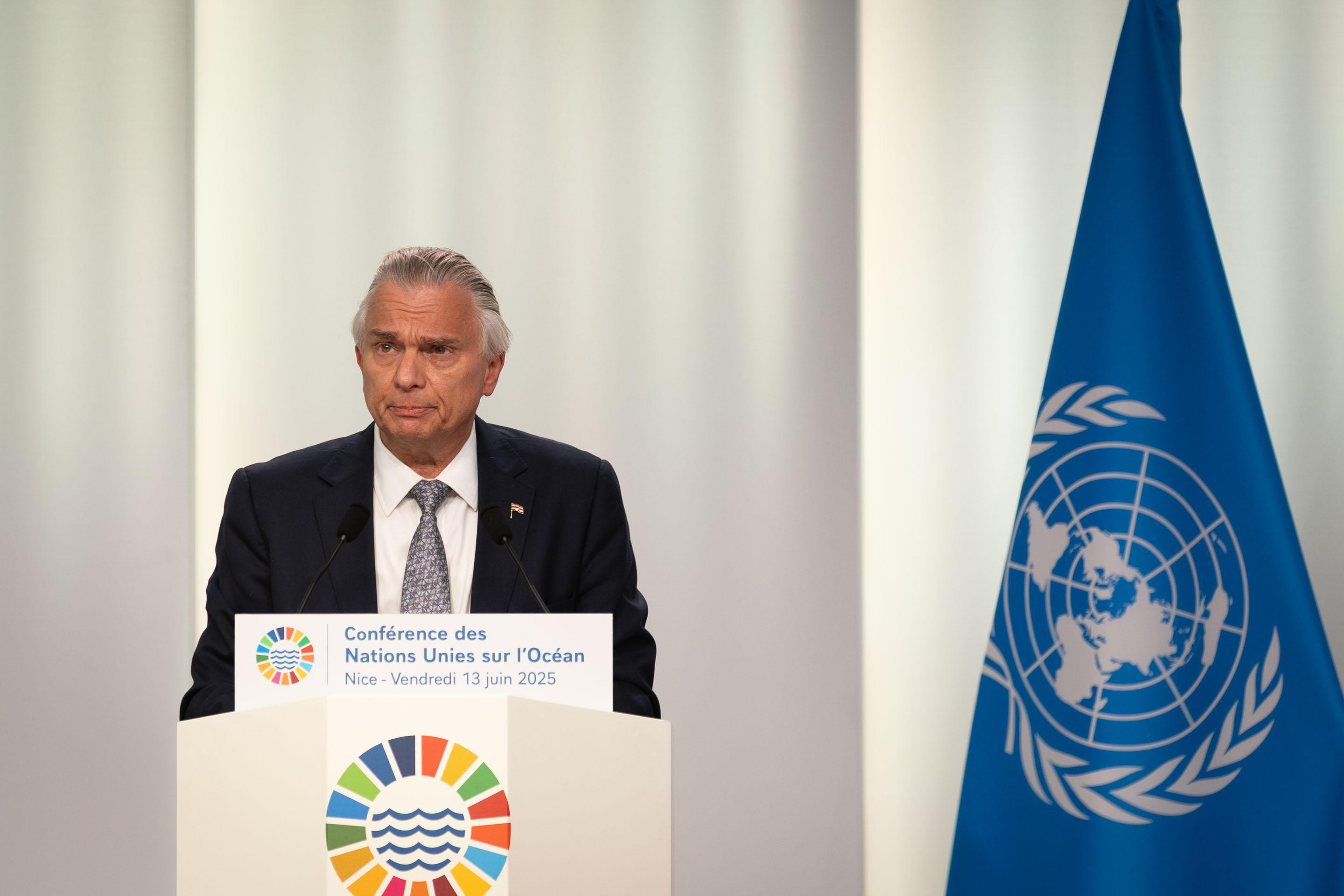
Arnoldo André Tinoco, Minister of Foreign Affairs and Worship, Costa Rica
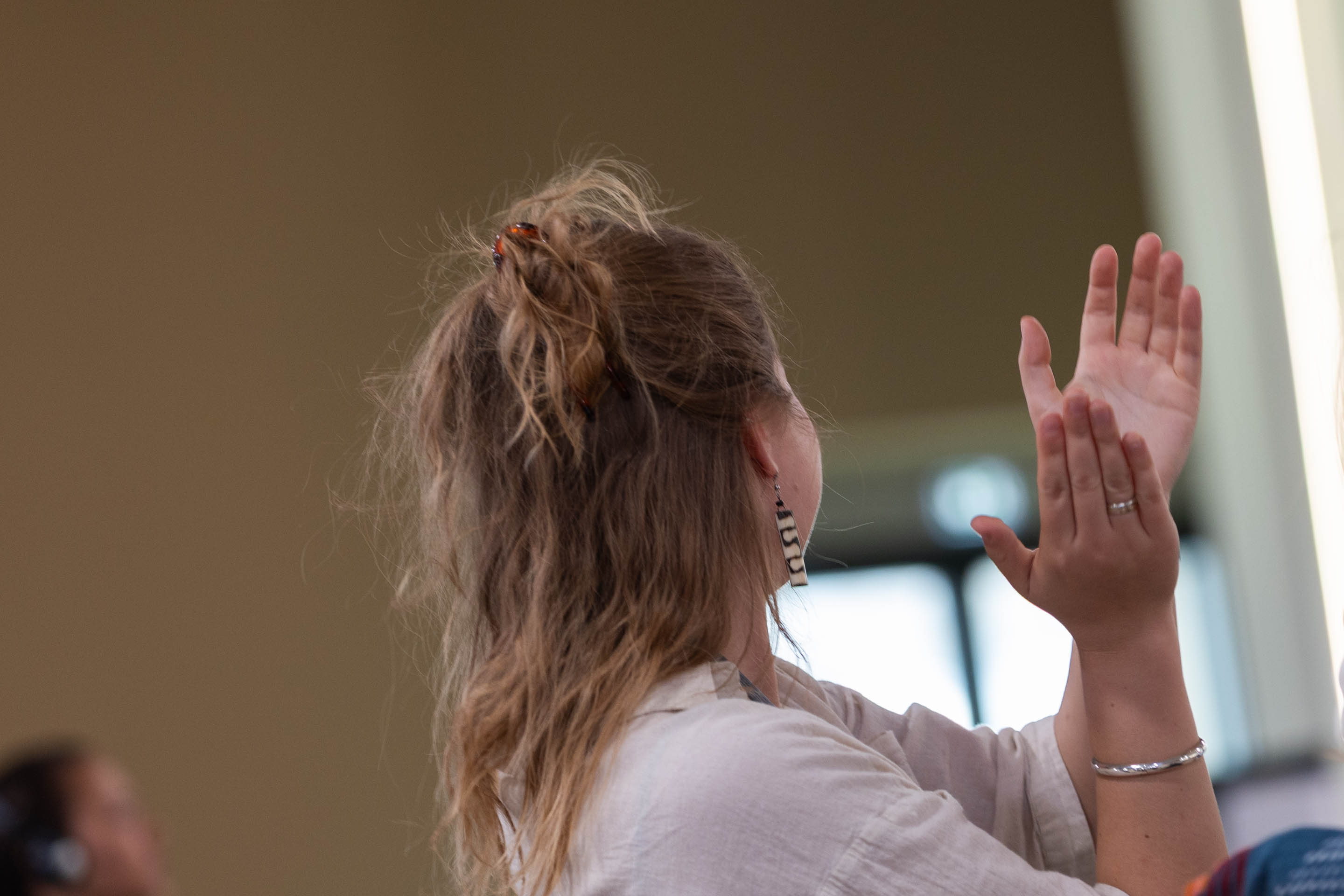
Delegates applaud the work done at the meeting and the adoption of the outcome document
On Board the One Ocean Expedition
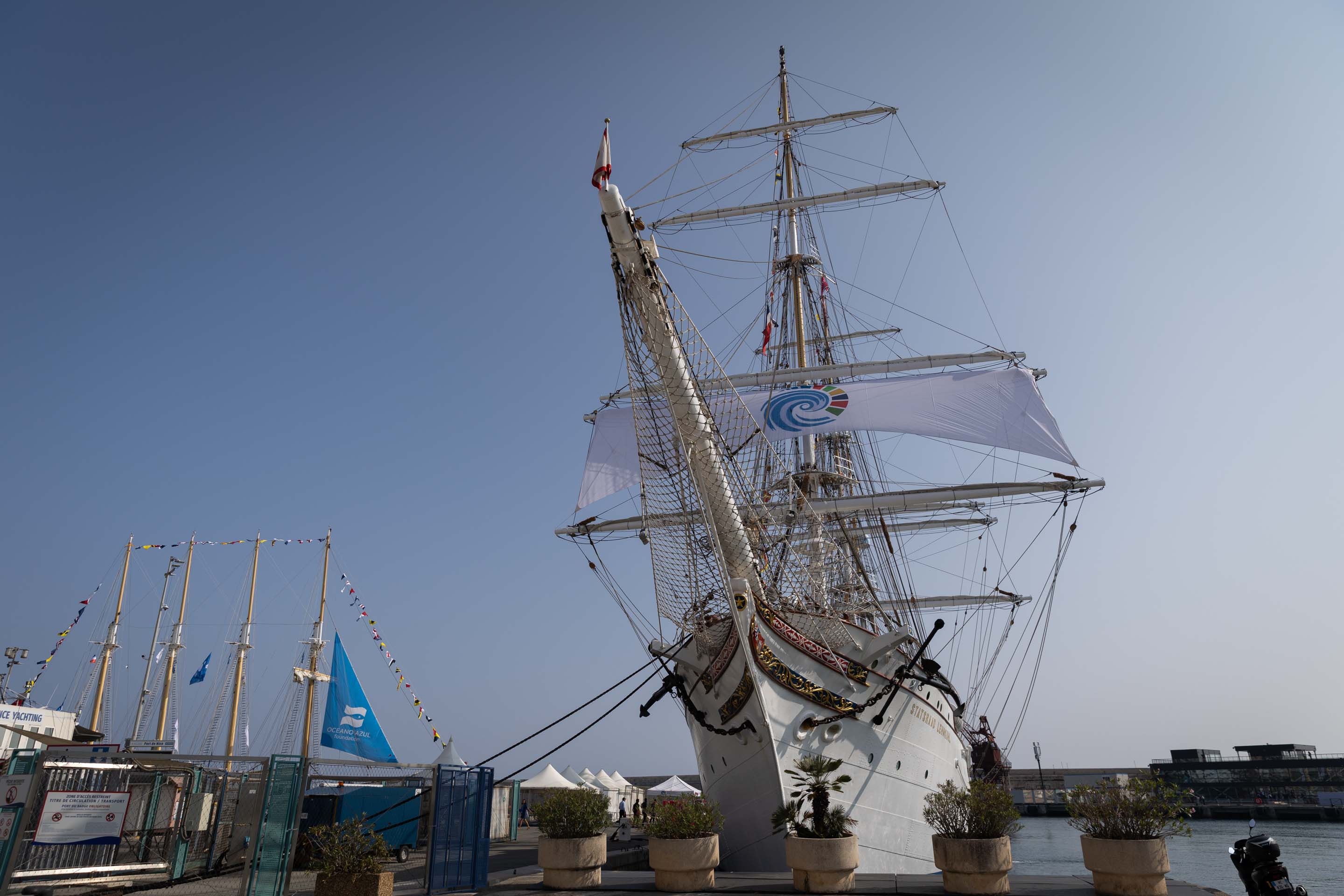
As part of the One Ocean Expedition, a global initiative aimed at creating attention and sharing knowledge about the Ocean’s crucial role for a sustainable future, the ship Statsraad Lehmkuhl is docked in the Port of Nice.
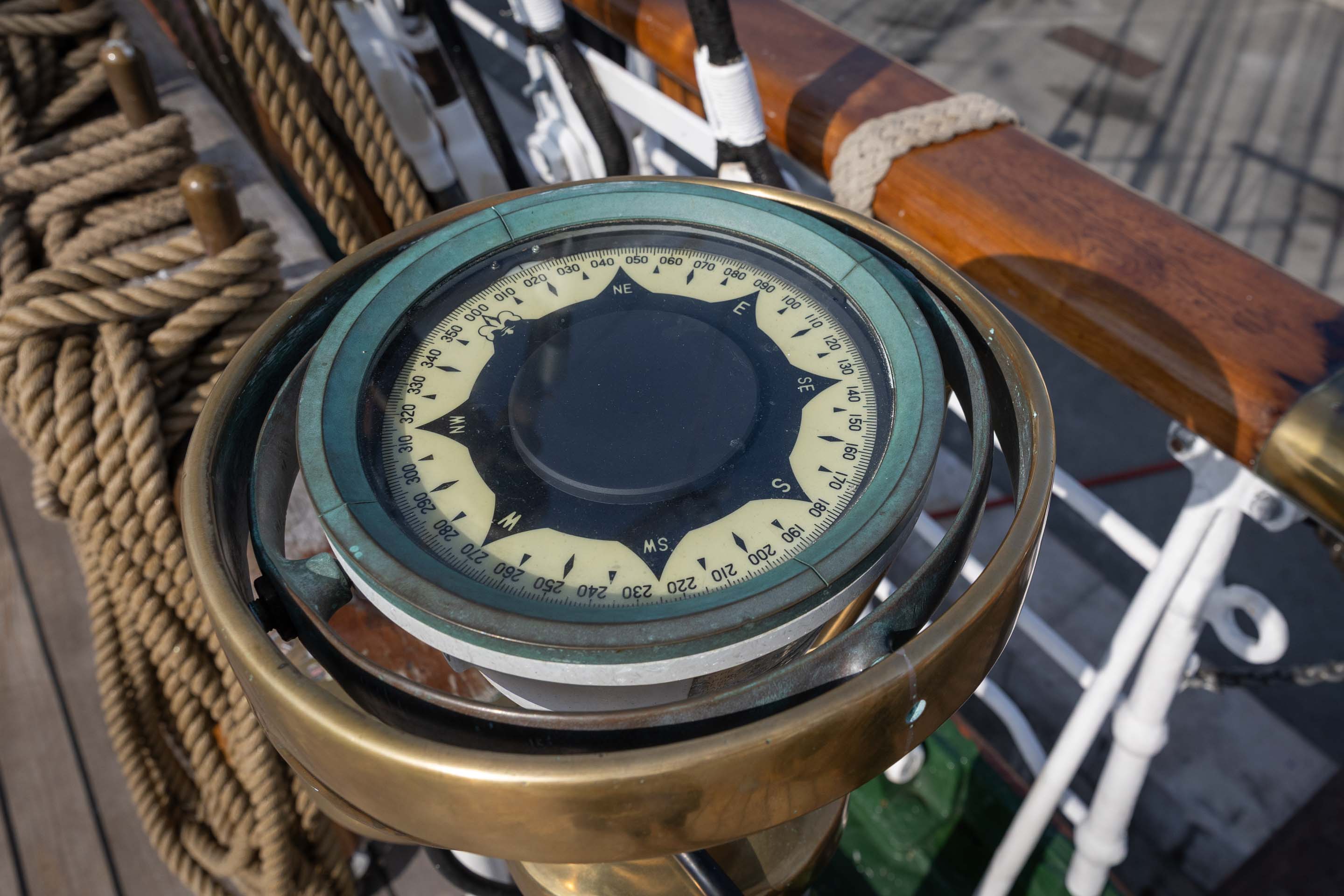
The 111-year-old ship is equipped with state-of-the-art research equipment that continuously collects data on Ocean health.
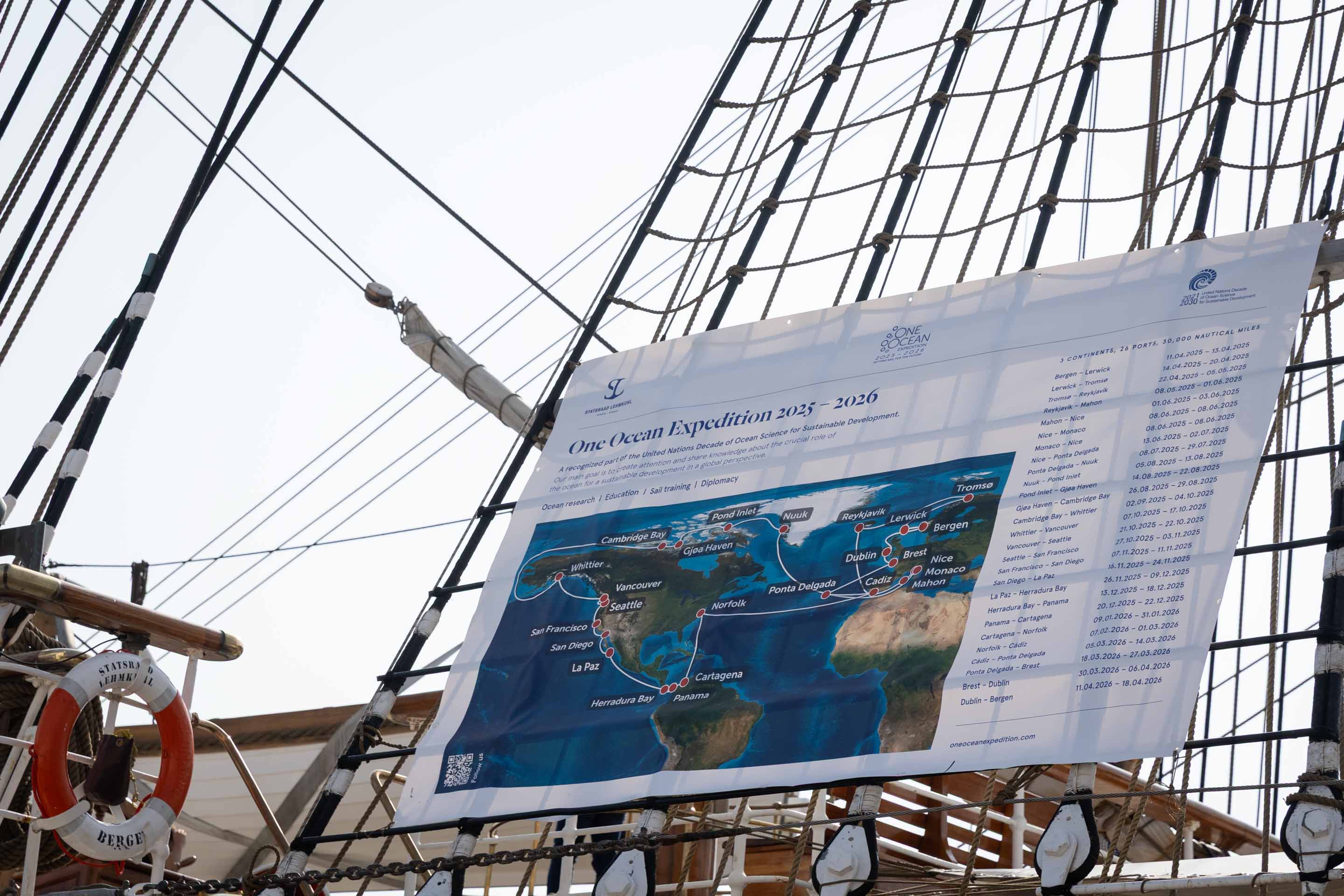
Over the course of a year, Statsraad Lehmkuhl will visit key ports across the North Atlantic, the Arctic, and the Pacific, engaging with local communities and highlighting Ocean science and sustainability.
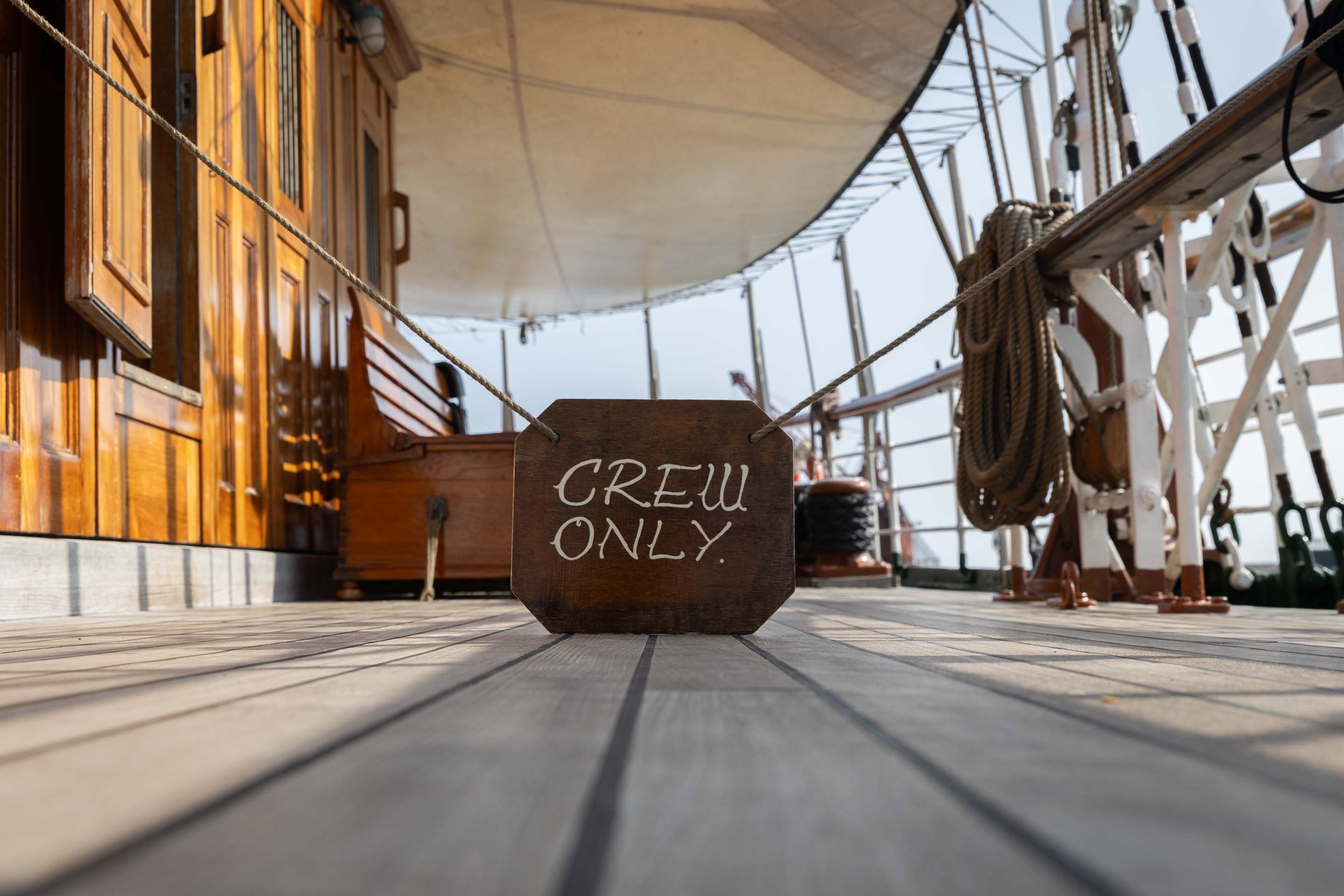
In addition to contributing to Ocean research, Statsraad Lehmkuhl also serves as a floating university – a unique learning environment where students, researchers, decision-makers, and people from all walks of life live, learn and work side by side.
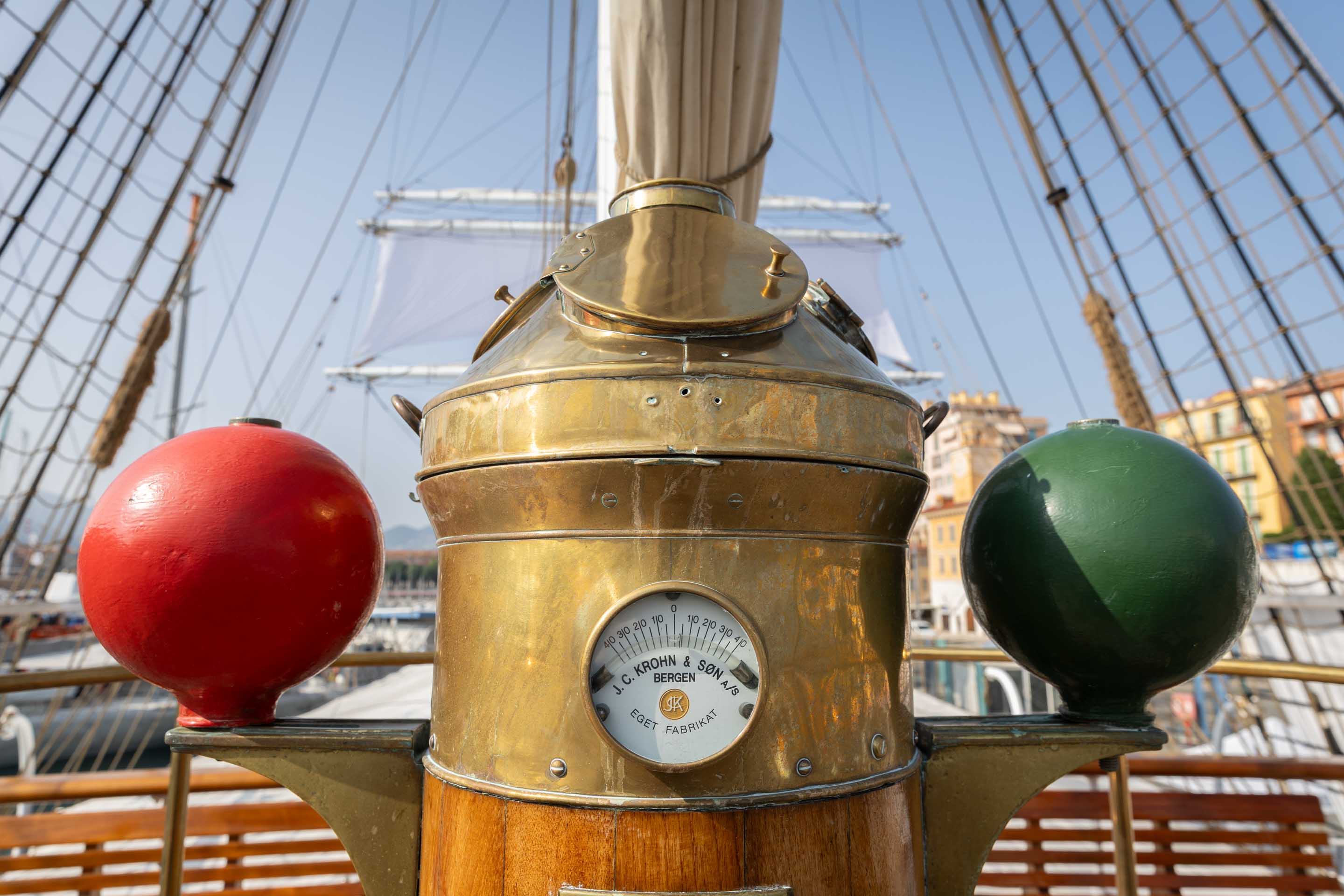
During port visits, the ship serves as a venue for scientific conferences and workshops, diplomatic and high-level meetings, educational programmes, and public outreach events.
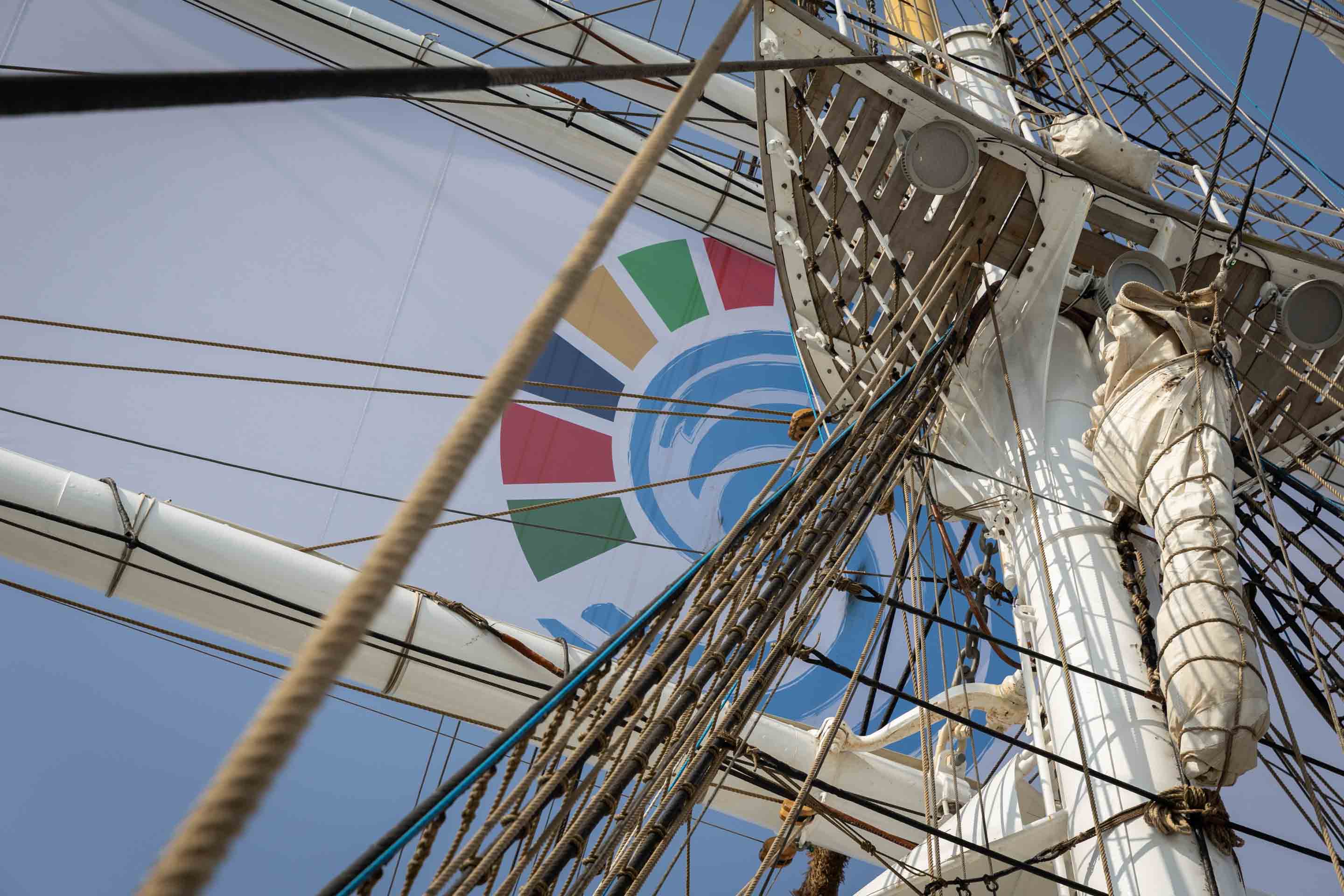
The One Ocean Expedition helps to contribute to the Sustainable Development Goals (SDGs): SDG 14 - life below water, SDG 13 - climate action, SDG 4 - quality education, and SDG 17 - partnerships for the goals.
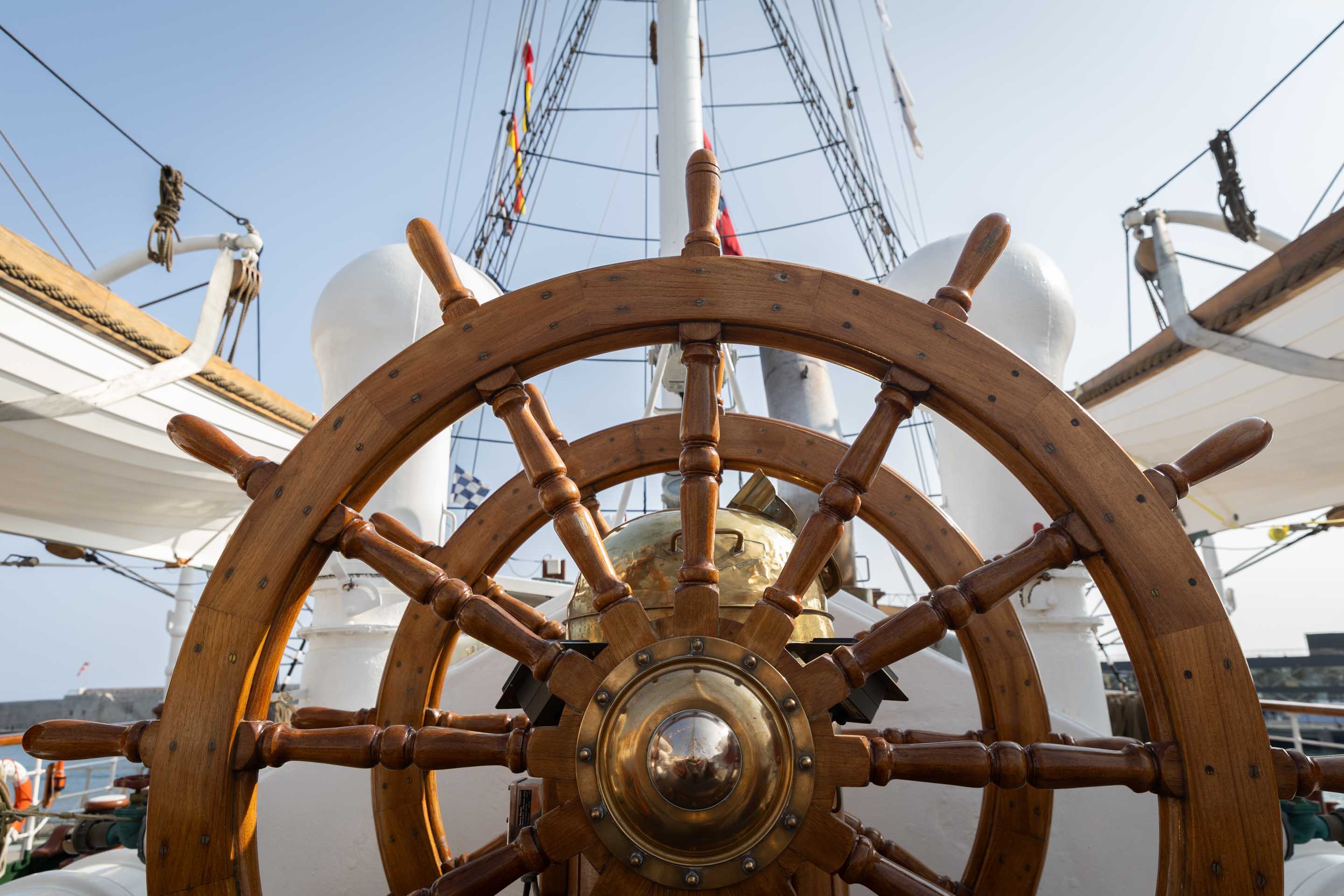
Around the Venue
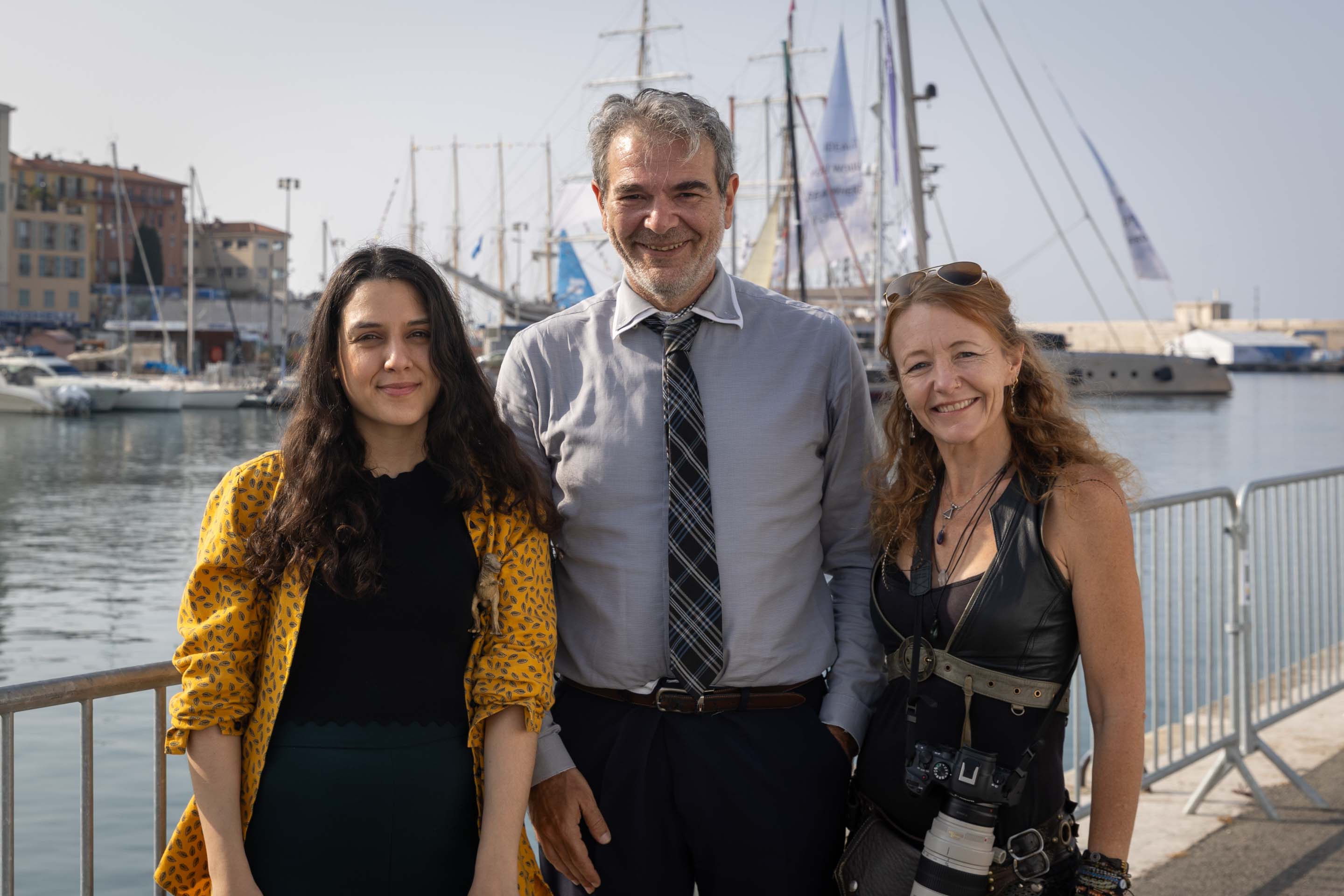
The IISD/ENB team covering the Third UN Ocean Conference: Katarina Hovden, Norway, Asterios Tsioumanis, Greece, and Kiara Worth, South Africa
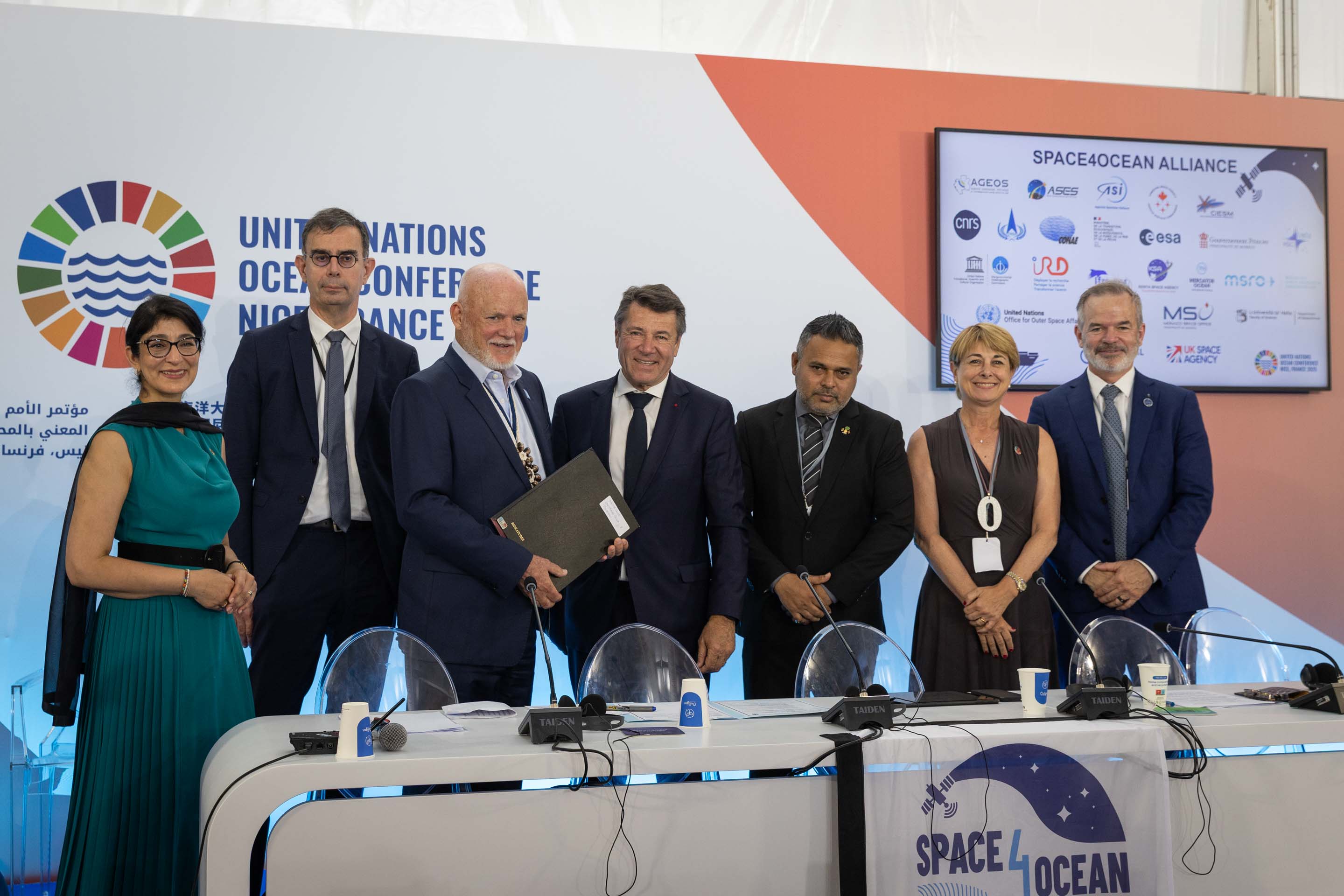
During the official launch of the Space4Ocean Alliance, the signed Declaration of Interest is handed over to Peter Thomson, UN Secretary-General's Special Envoy for the Ocean
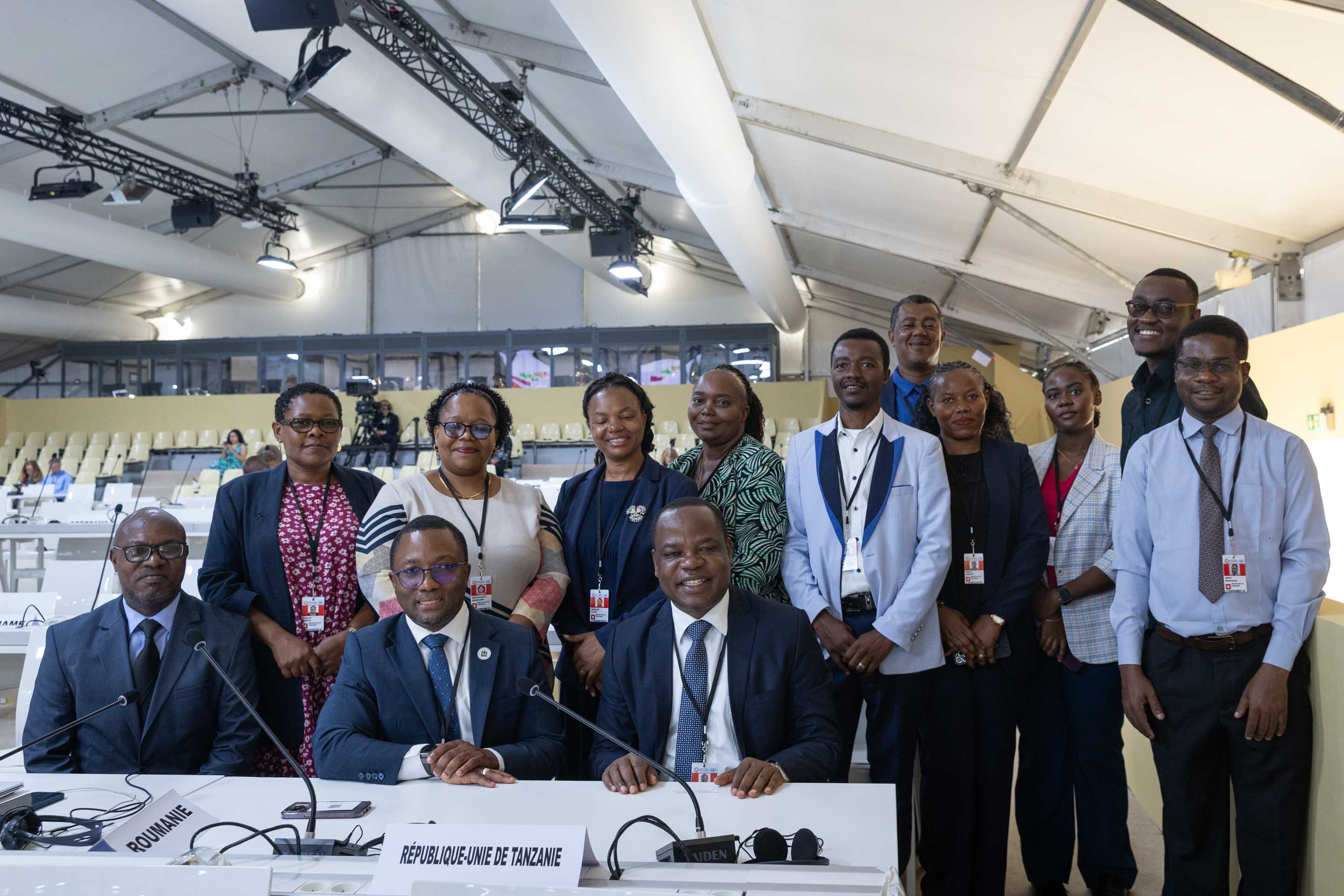
Family photo of the Tanzanian delegation with Philip Isdor Mpango, Vice President, Tanzania (center)
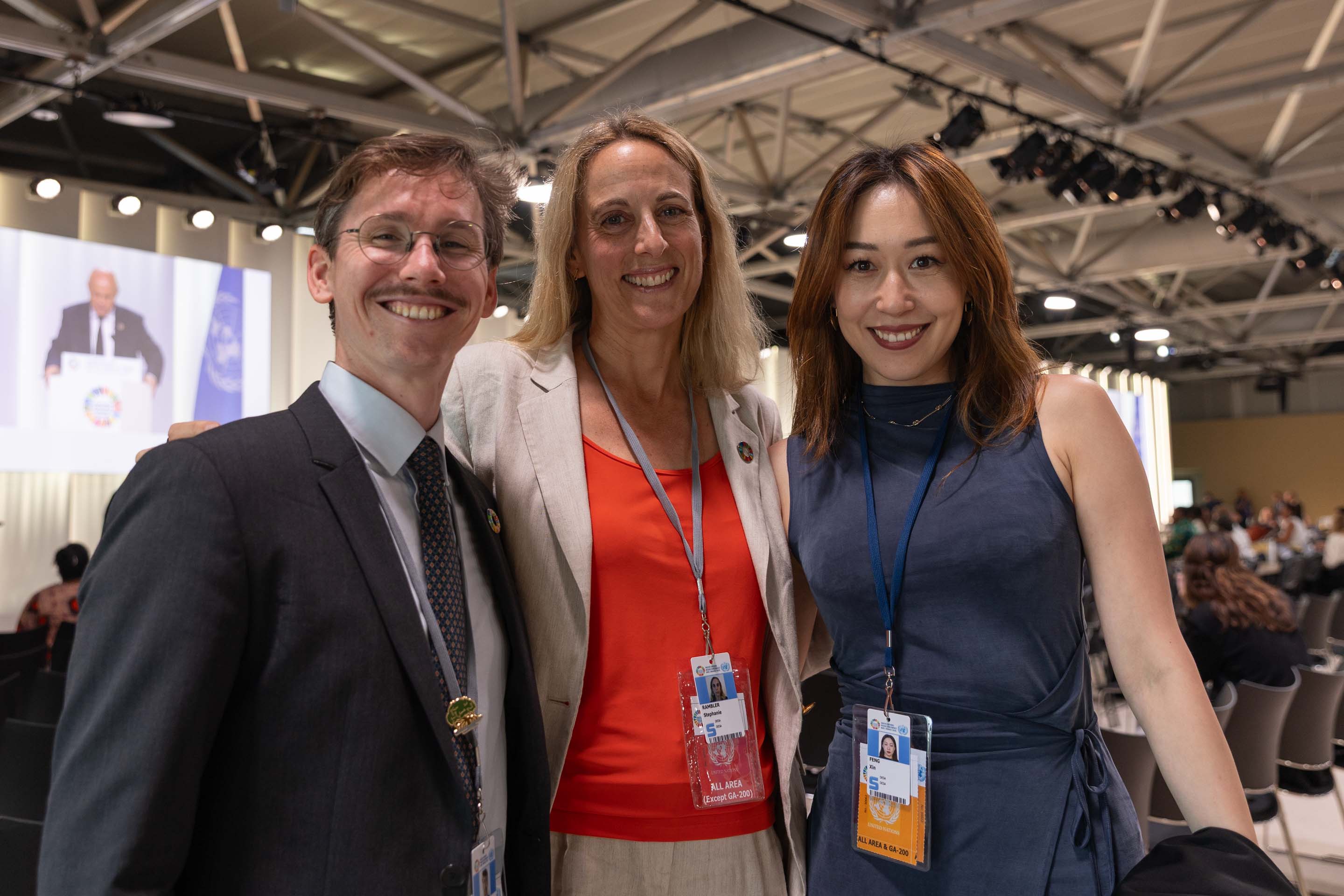
Alexandre Michel Jean Cornet, Stephanie Rambler, and Xin Feng, UN Department of Economic and Social Affairs (UN DESA)
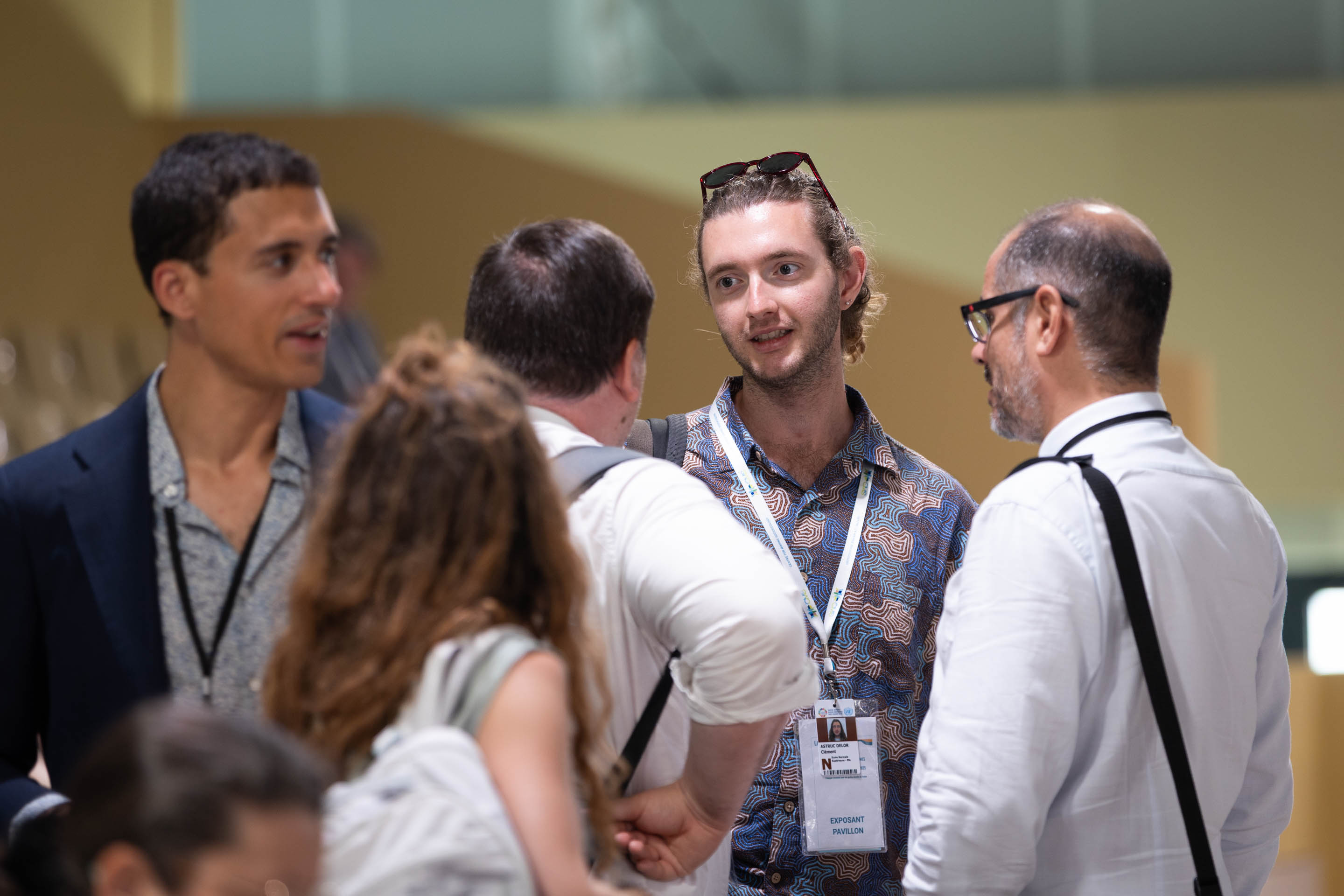
Delegates speak informally