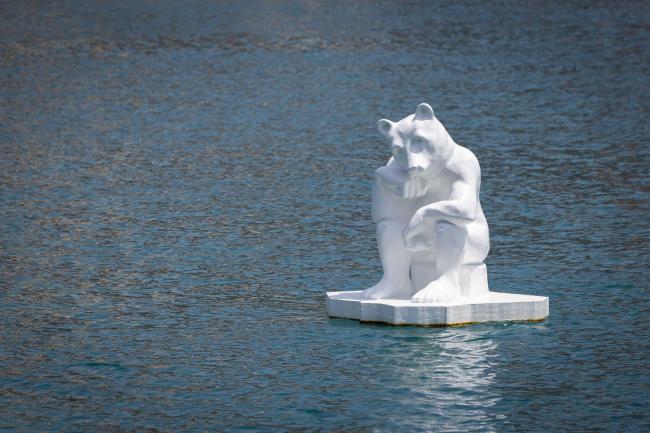
“The Ocean does not recognize institutional boundaries and neither should our solutions.” “Cooperation at all levels is not just a development strategy but an imperative for survival and sustainable progress.”
The words of Maria Varteressian, Deputy Minister for Foreign Affairs, Norway, and Rabab Fatima, High Representative for the Least Developed Countries, Landlocked Developing Countries and Small Island Developing States (SIDS), highlighted the focus of discussions during the Ocean Action Panels held over the course of the penultimate day of the third UN Ocean Conference (UNOC3).
Fragmented governance across Ocean, biodiversity, climate, water, food, and health frameworks leads to conflicting objectives and inefficiencies, limiting capacities to tackle cascading environmental impacts. Institutional and policy coherence and international, regional, and subregional cooperation are thus of paramount importance for a holistic framework for Ocean governance.
In the morning, delegates concluded the general debate with more than 45 high-level delegates offering an overview of Ocean-related initiatives at the national and regional levels. The full set of statements of the last session can be found here: https://webtv.un.org/en/asset/k1z/k1zhnlqy7h.
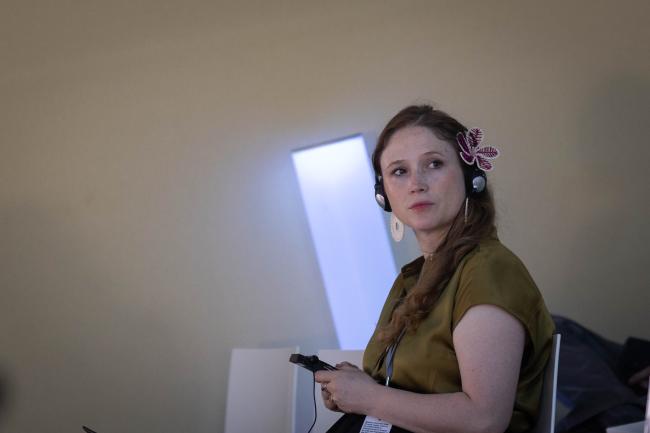
The morning Ocean Action Panel, co-chaired by Jean-Luc Crucke, Minister of Mobility, Climate and Ecological Transition, in charge of Sustainable Development, Belgium, and Arif Havas Oegroseno, Vice-Minister for Foreign Affairs, Indonesia, and moderated by Susan Gardner, Director, Ecosystems Division, UN Environment Programme (UNEP), focused on Ocean, climate, and biodiversity interlinkages.
Crucke highlighted targets set by the global community in different legally binding instruments, underscored the need to develop indicators on adaptation, and pointed to the Ocean and climate change dialogue 2025 under the UN Framework Convention on Climate Change.
Oegroseno drew attention to the Ocean Impact Summit, to be hosted by Indonesia in June 2026, and urged developing innovative technological solutions and financial models, noting the launch of the Coral Bond Initiative.
Astrid Schomaker, Executive Secretary, Convention on Biological Diversity (CBD), highlighted relevant targets of the Kunming-Montreal Global Biodiversity Framework (GBF) and cautioned that the achievement of global targets depends on states raising their ambition at the national level.
Panelists and participants stressed, among other things:
- ambitious climate, biodiversity, and Ocean actions are complementary rather than competing priorities, emphasizing the need for policy and institutional coherence;
- the co-benefits of redesigning shipping vessels in a holistic manner, jointly addressing underwater noise from ships, energy efficiency, and biofouling;
- the need to address fragmented financial flows and tap into innovative mechanisms; and
- the need to respect Indigenous, traditional, and local knowledge systems, linking them with modern science.
The afternoon Ocean Action Panel, co-chaired by Leila Benali, Minister of Energy Transition and Sustainable Development, Morocco, and Claudio Barbaro, Undersecretary of State to the Ministry of the Environment and Energy Security, Italy, and moderated by Cynthia Barzuna, Global Deputy Director, Ocean Program, World Resources Institute, focused on promoting cooperation, in particular at the regional and subregional levels.
Benali emphasized that while “global frameworks and regional actions chart a course forward, progress remains dangerously slow.” Benali further called to: “democratize knowledge, breaking barriers between data, science, and action”; and foster scalable solutions and partnerships that convert vulnerability to strength.
Barbaro highlighted the key role of regional seas conventions, which facilitate the implementation of global goals at the national level, drawing attention to the Barcelona Convention, in particular its Information and Communication Centre.
Wesley W. Simina, President of the Federated States of Micronesia, focused on the five tuna commissions and underscored: the need for effective monitoring, control, and surveillance; and that climate change is reshaping tuna distributions, rendering fixed static quotas and boundaries insufficient.
During discussions, participants underscored, among other things:
- the efforts and success stories of regional and subregional conventions, bodies, and initiatives, including regional seas bodies and regional fisheries management organizations across the globe;
- the importance of data sharing, strengthening and harmonizing policy frameworks, capacity building, and technology transfer to bridge capacity gaps, in particular for developing countries and SIDS;
- the need to foster solidarity, including by promoting responsible investment and facilitating access to climate finance; and
- Indigenous and local communities’ participation in designing and implementing regional initiatives.
To receive free coverage of global environmental events delivered to your inbox, subscribe to the ENB Update newsletter.
All ENB photos are free to use with attribution. For the 2025 UN Ocean Conference please use: Photo by IISD/ENB - Kiara Worth
Ocean Action Panel 7: Leveraging Ocean, Climate, and Biodiversity Interlinkages
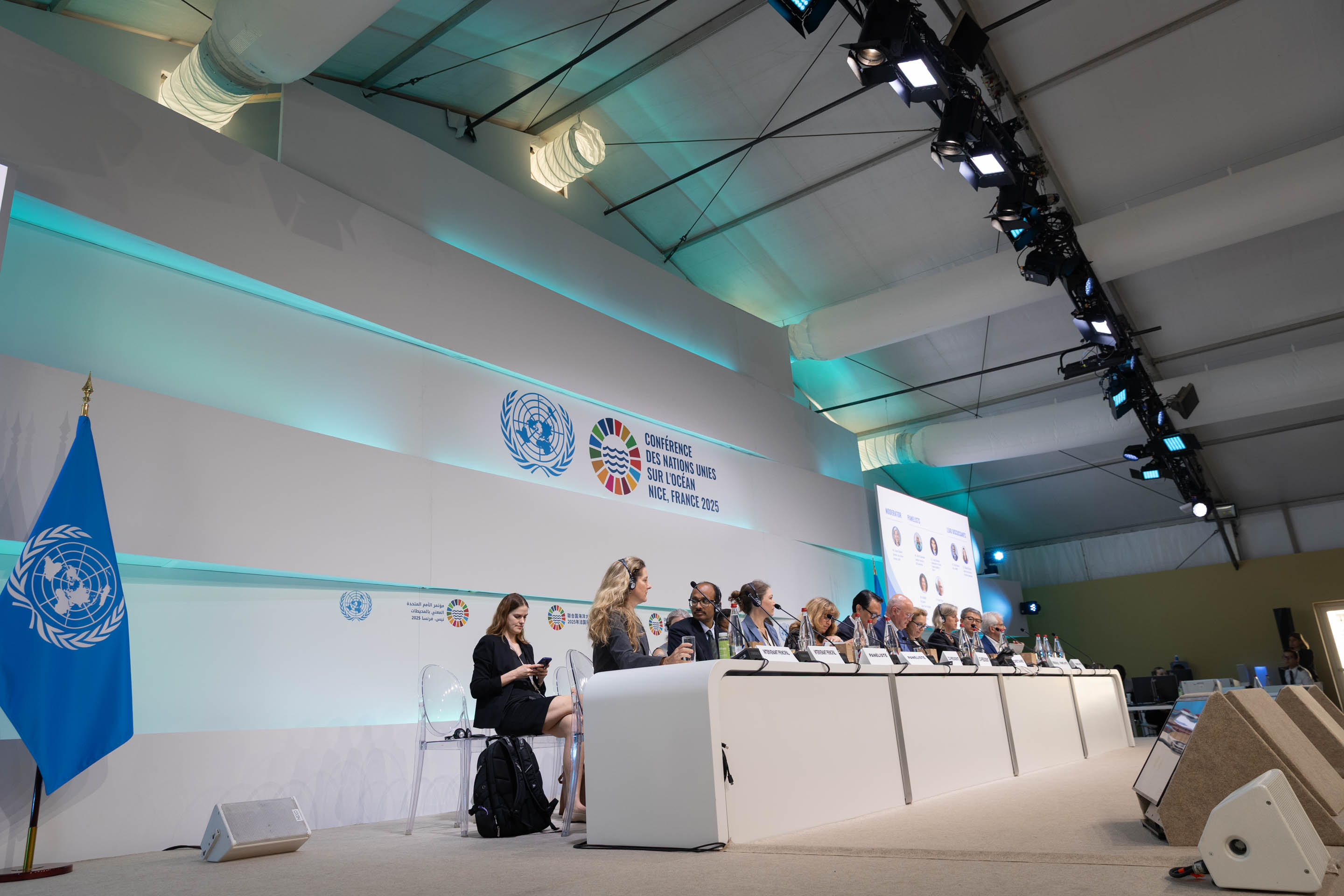
Panel speakers for Ocean Action Panel 7
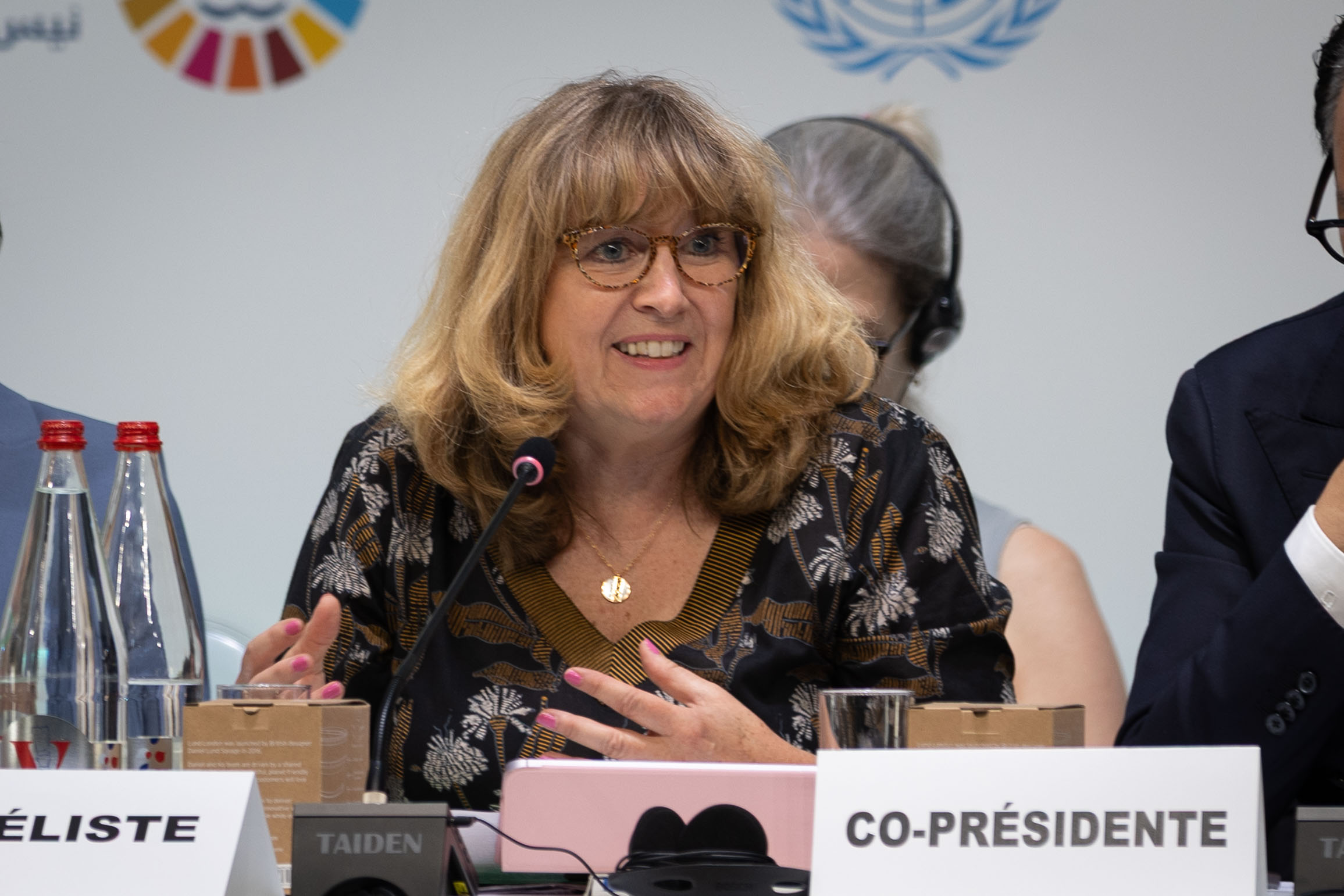
Astrid Schomaker, Executive Secretary, Convention on Biological Diversity (CBD)
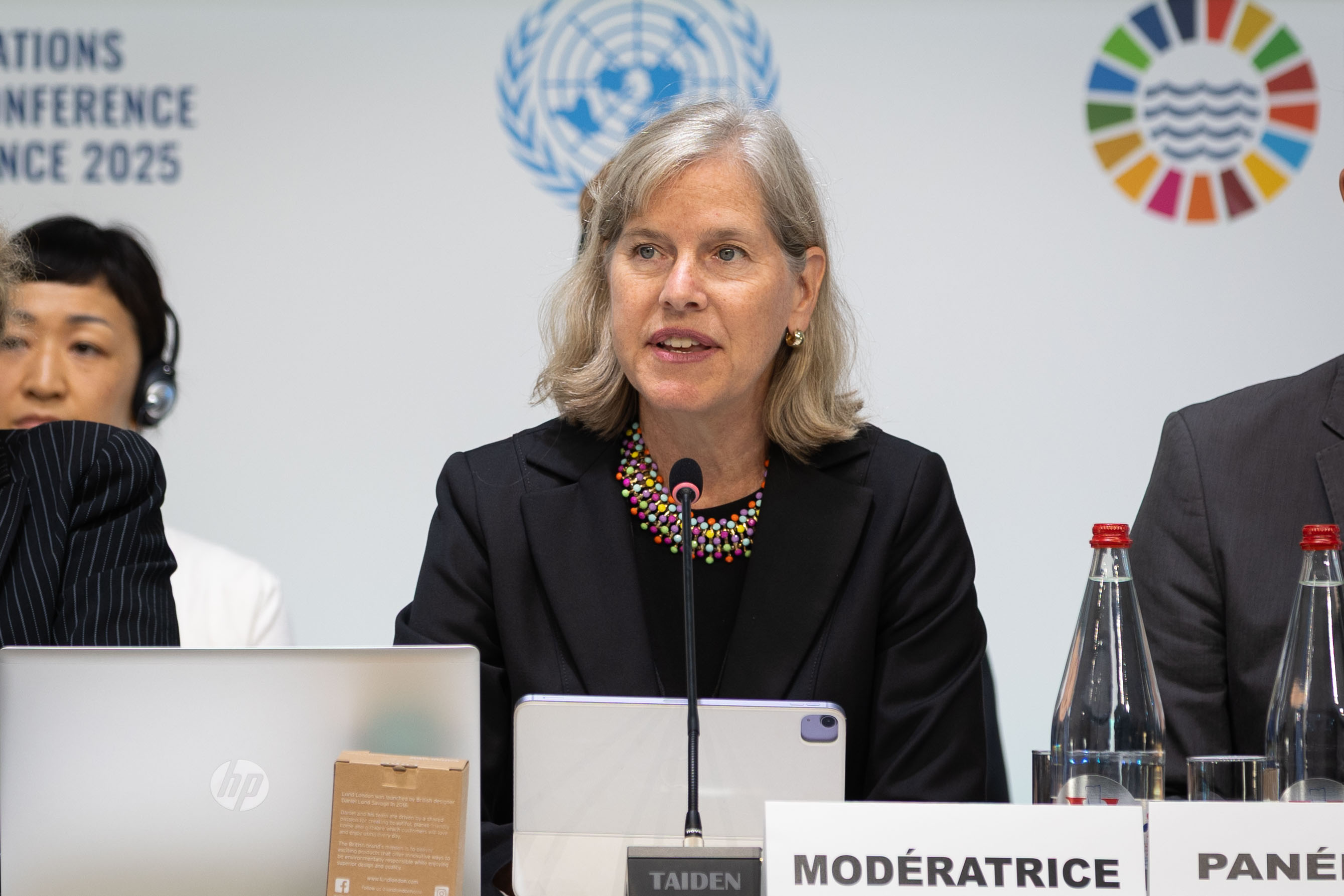
Moderator Susan Gardner, Director, Ecosystems Division, UN Environment Programme (UNEP)
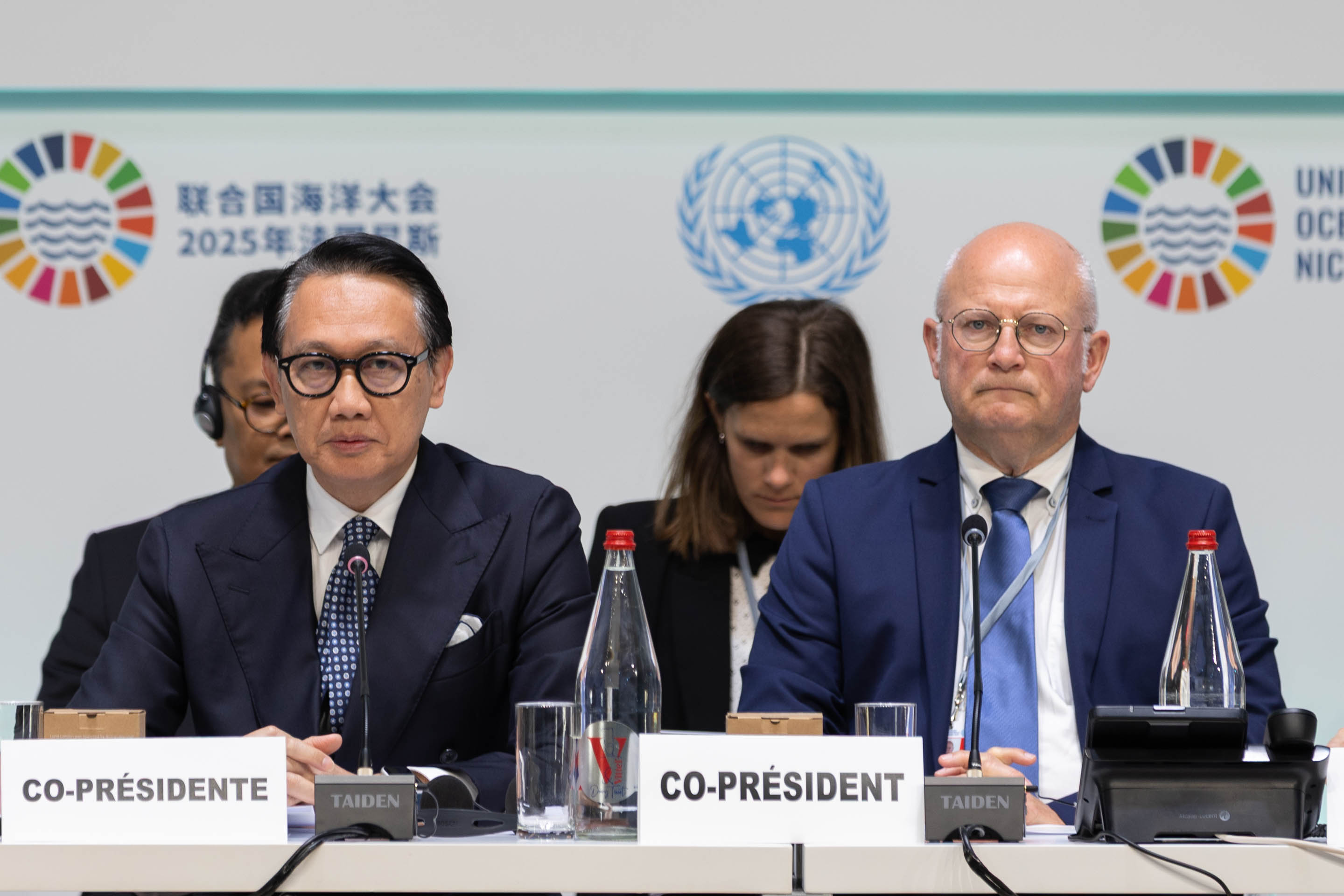
Panel 7 Co-Chairs: Arif Havas Oegroseno, Vice-Minister for Foreign Affairs, Indonesia, and Jean-Luc Crucke, Minister of Mobility, Climate and Ecological Transition, in charge of Sustainable Development, Belgium
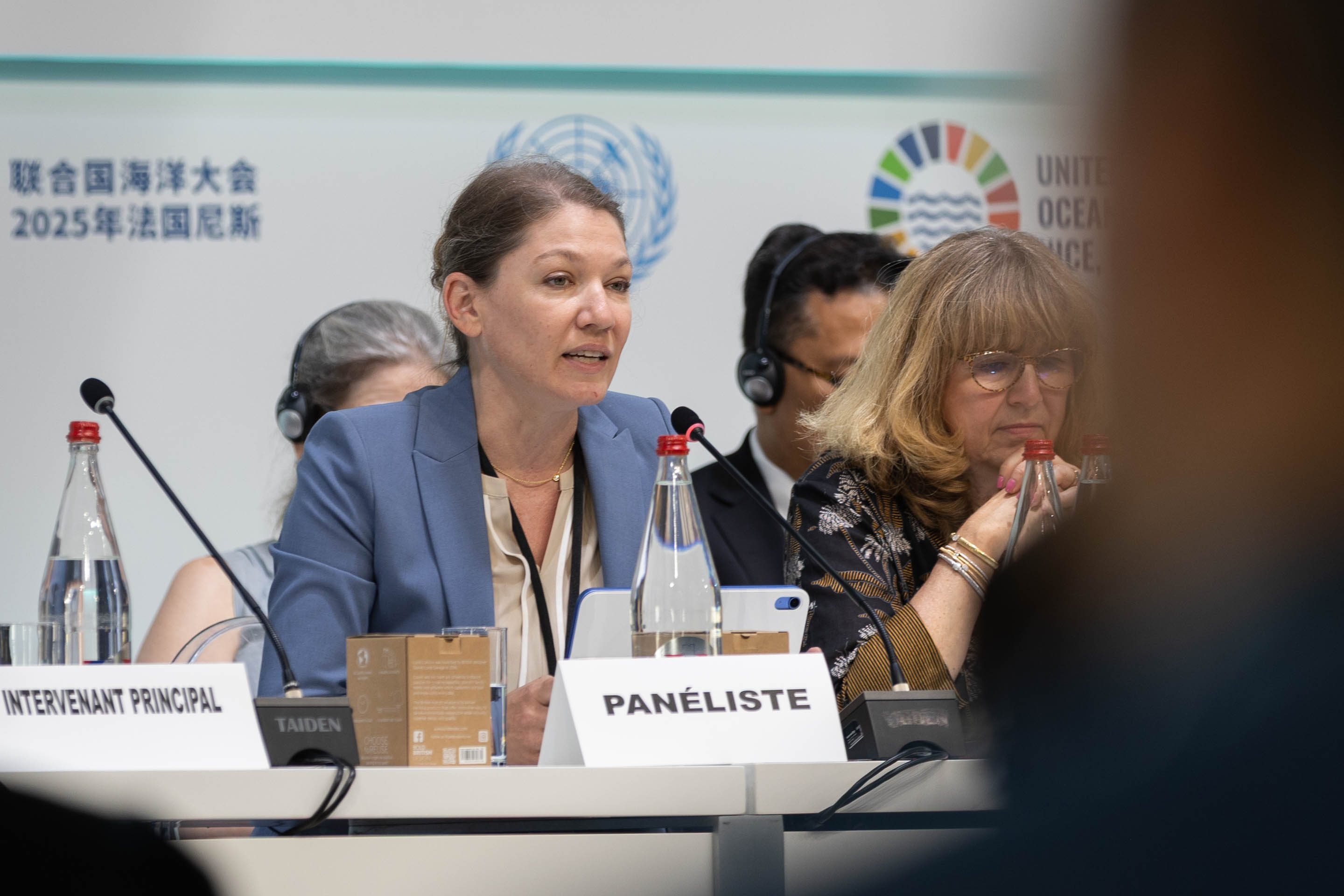
Ashleigh McGovern, Senior Vice President, Center for Oceans, Conservation International
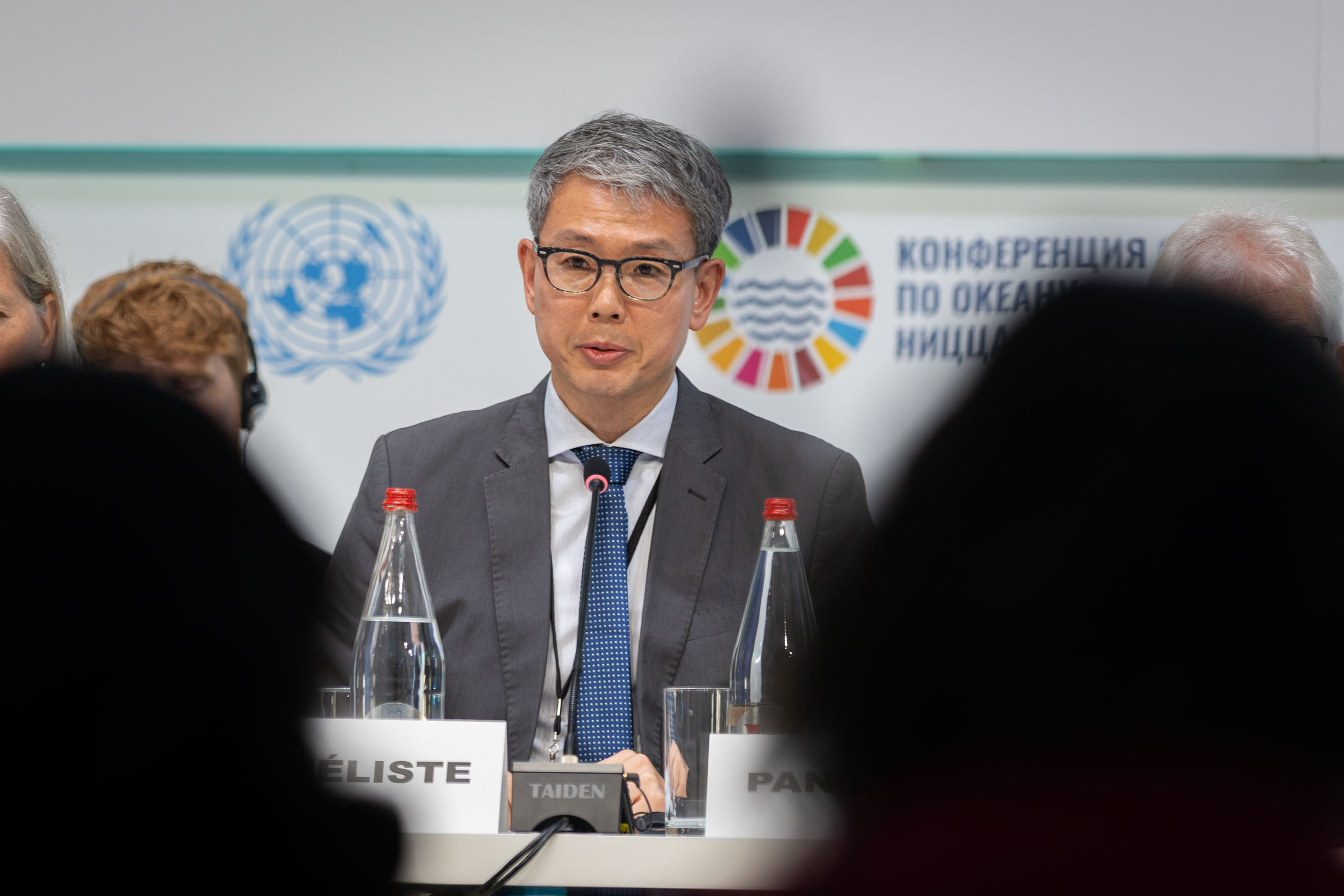
Chung Keeyong, Ambassador for Climate Change, Republic of Korea
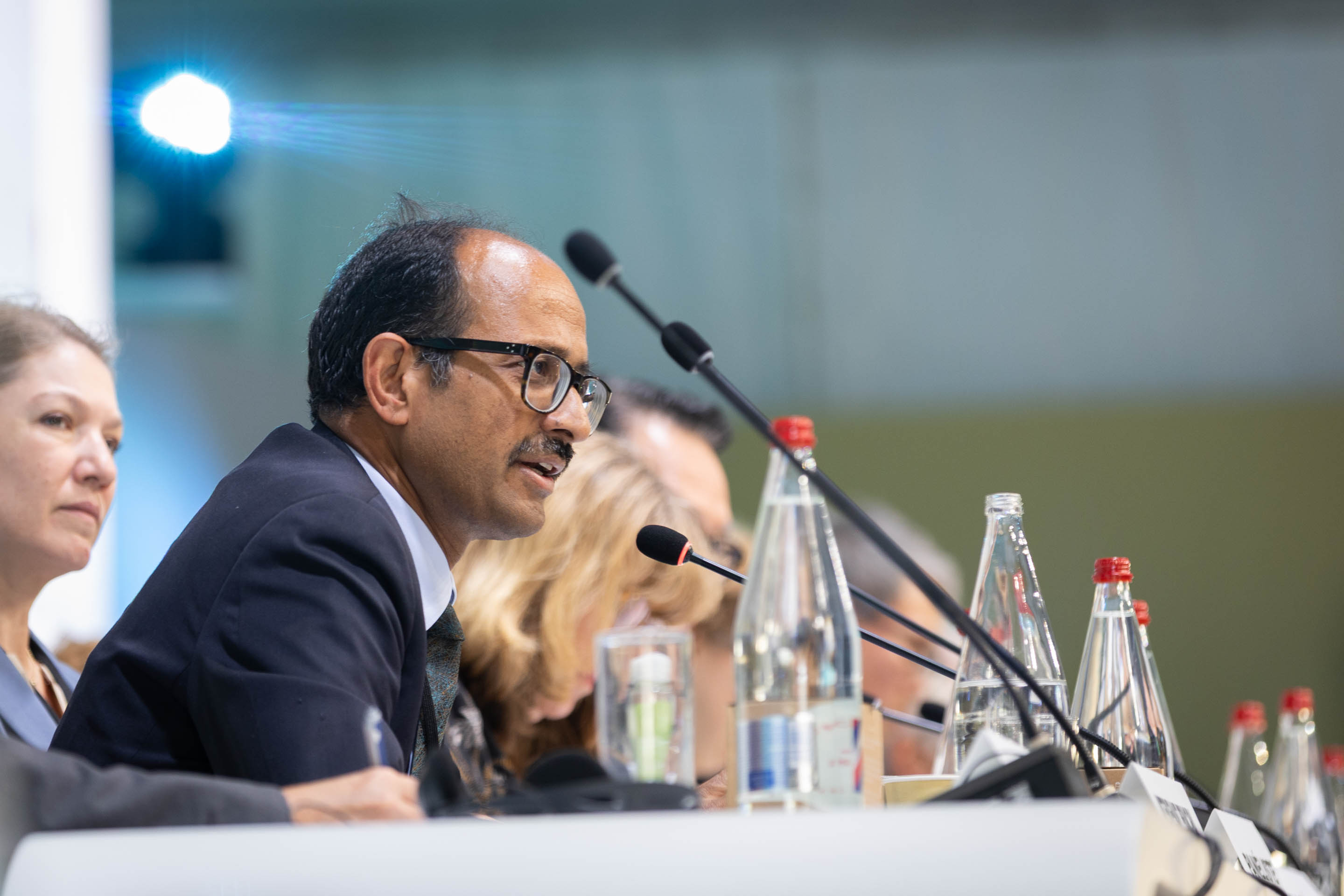
Kamal Kishore, Special Representative of the UN Secretary-General for Disaster Risk Reduction, and Head of the UN Office for Disaster Risk Reduction (UNDRR)
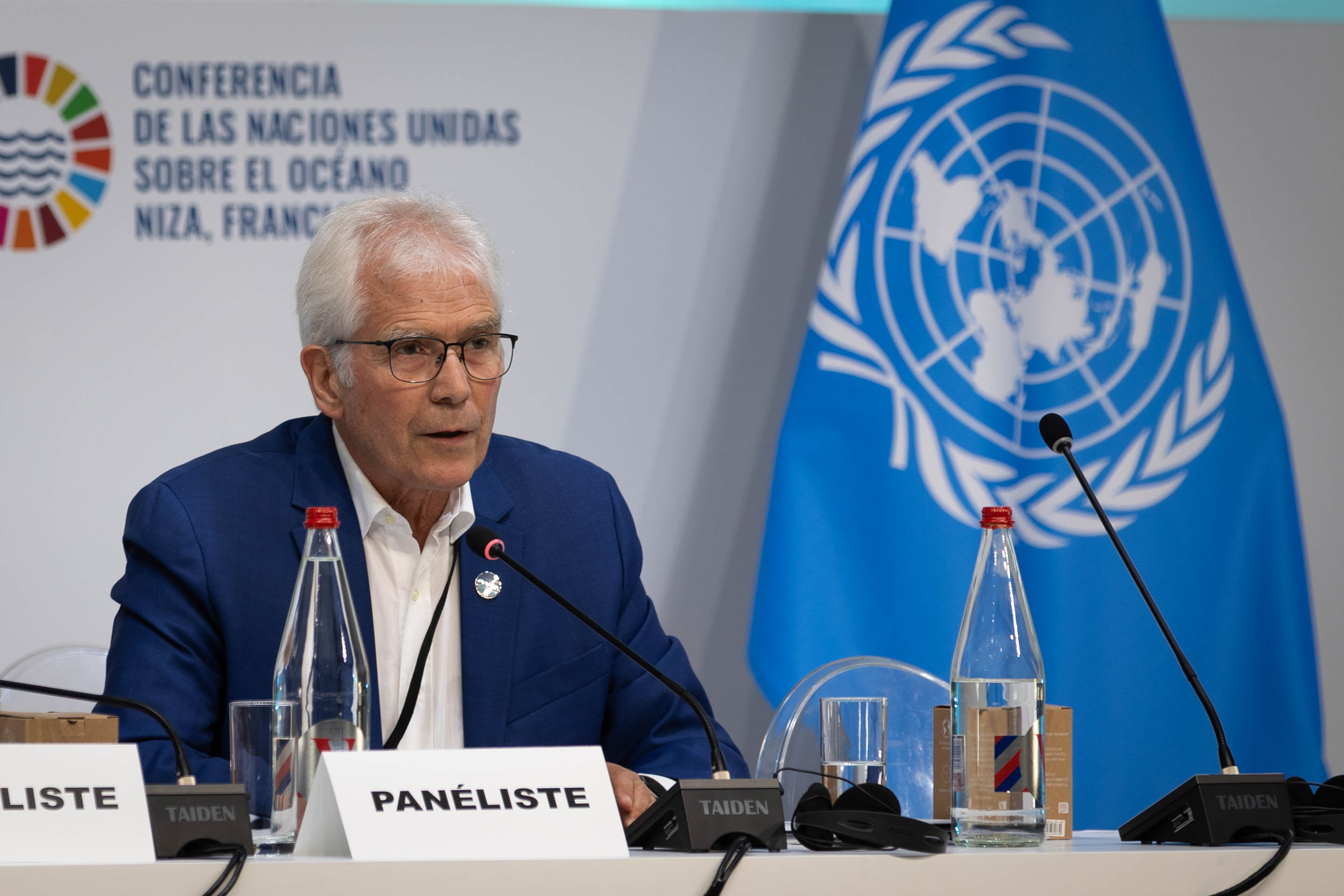
Jean-Pierre Gattuso, Research Director, Villefranche Oceanography Laboratory
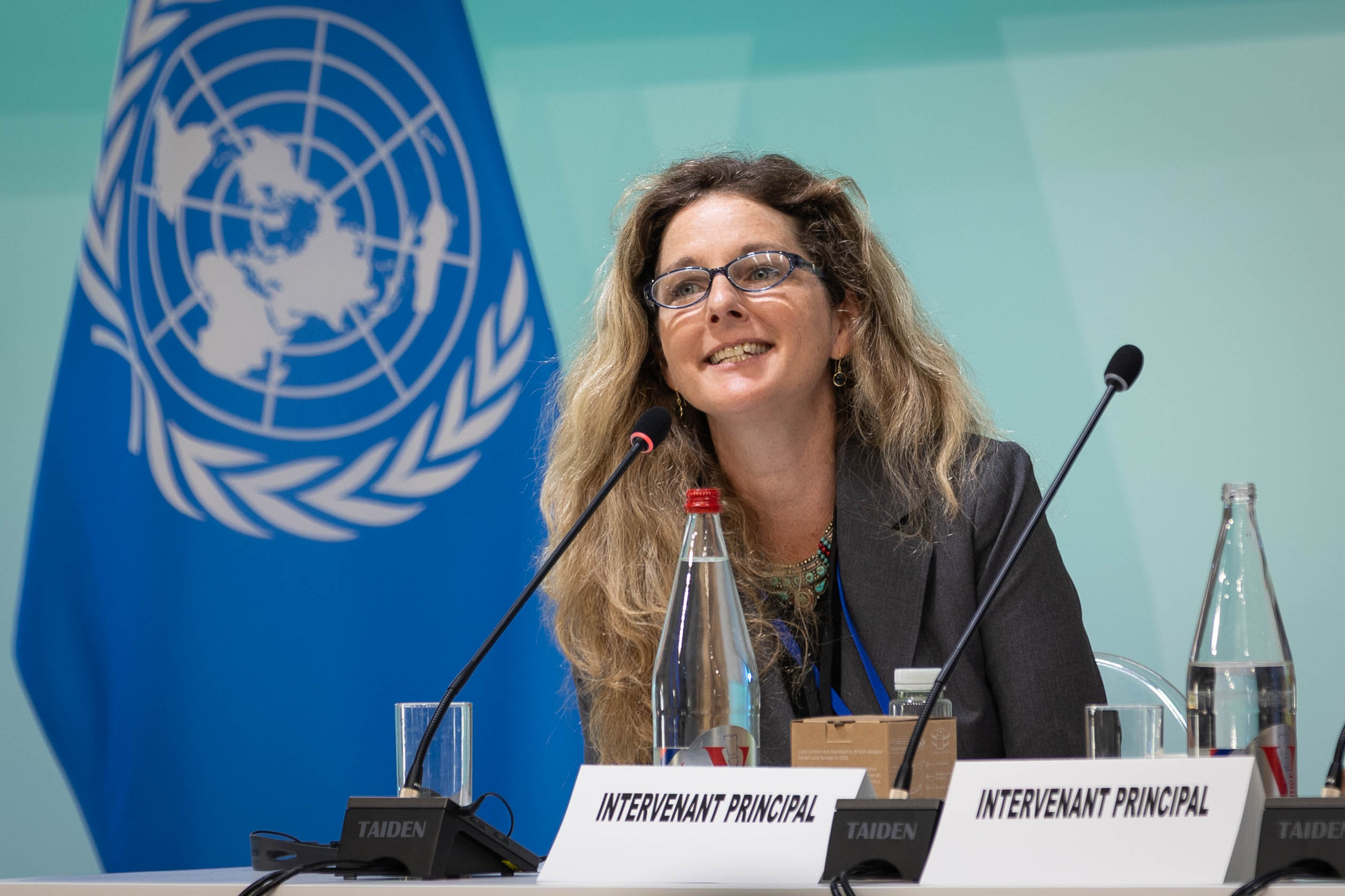
Elizabeth McLeod, Global Oceans Director, The Nature Conservancy
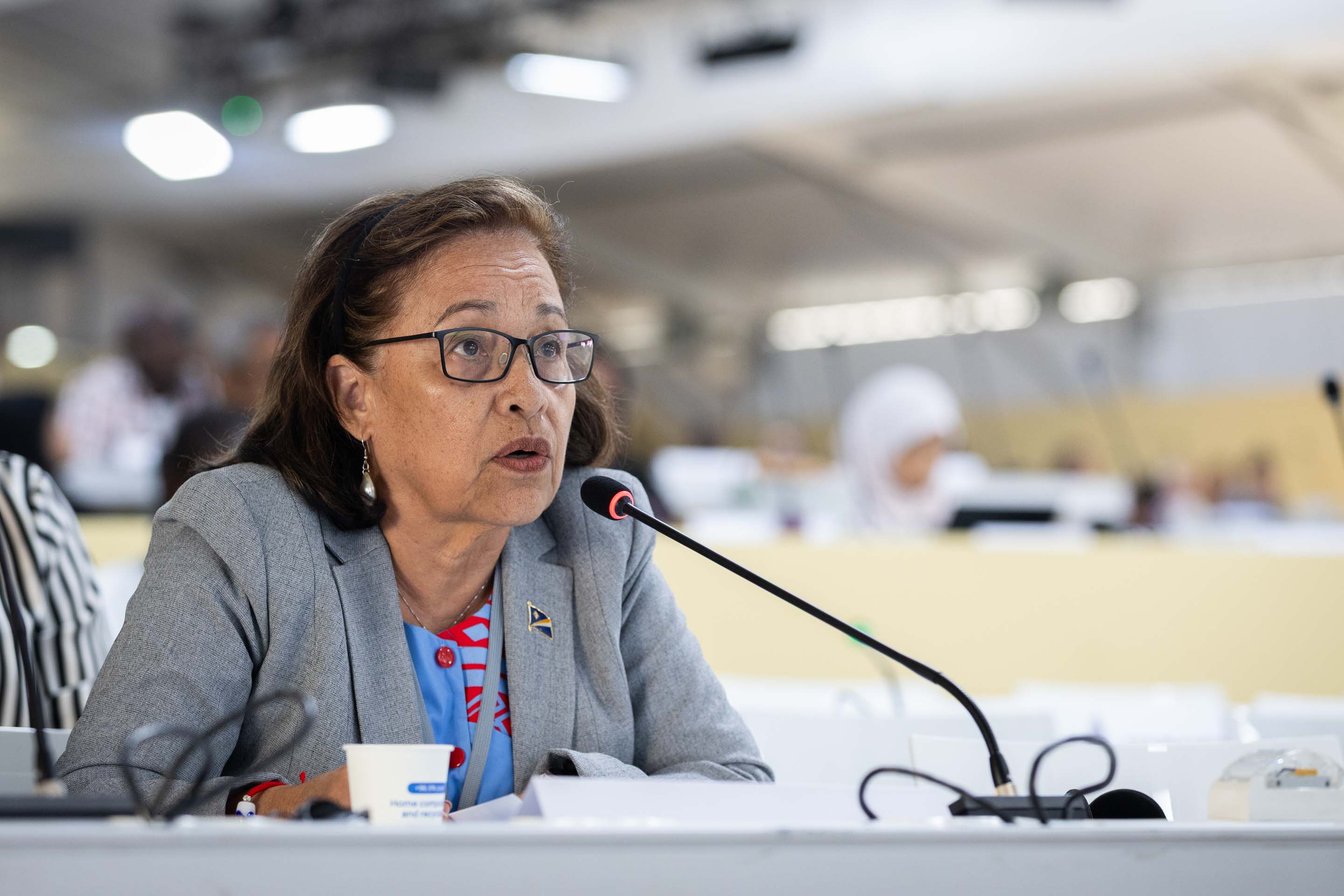
Hilda Heine, President of the Marshall Islands
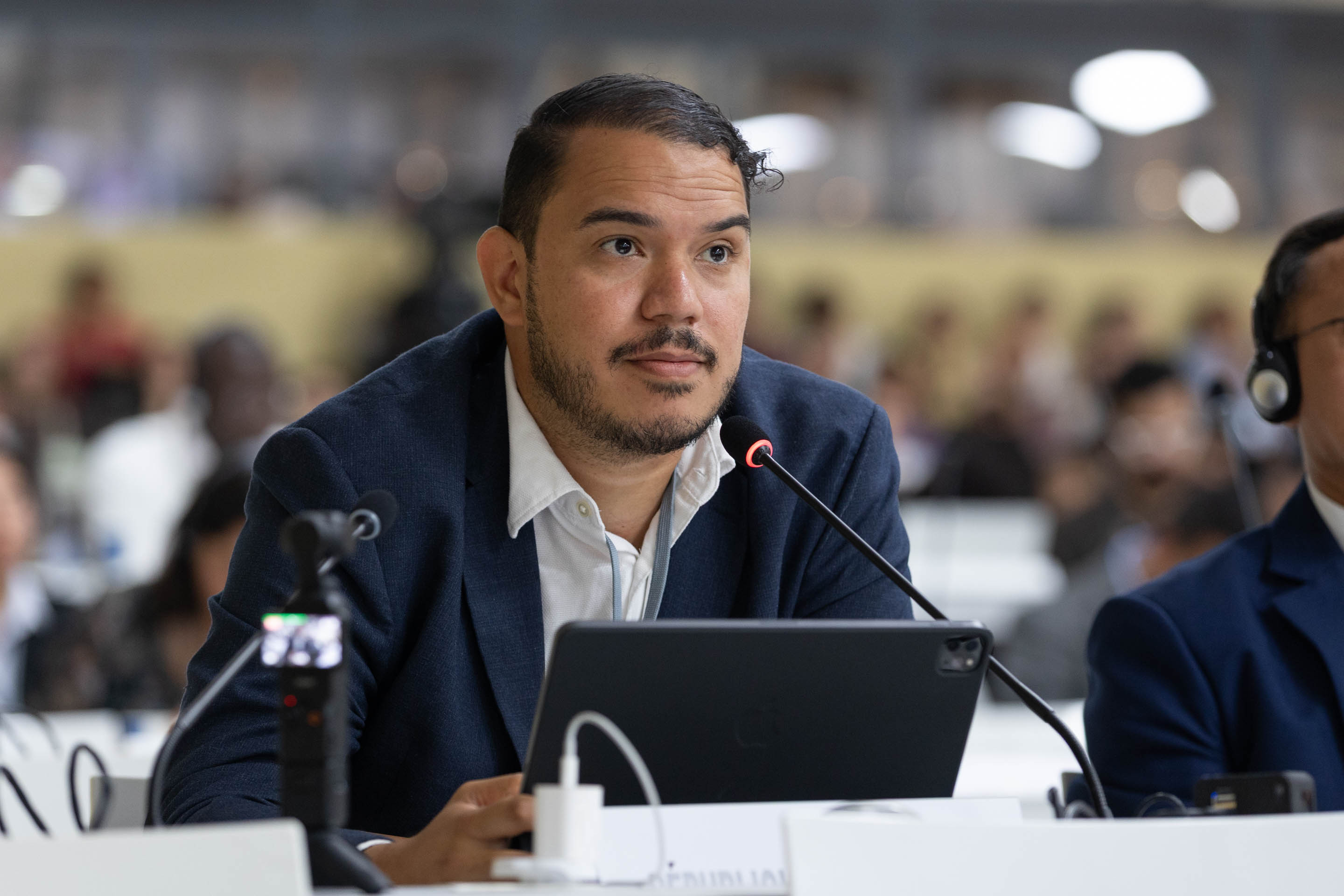
Paíno Henríquez Dajer, Minister of Environment and Natural Resources, Dominican Republic, on behalf of the Alliance of Small Island States (AOSIS)
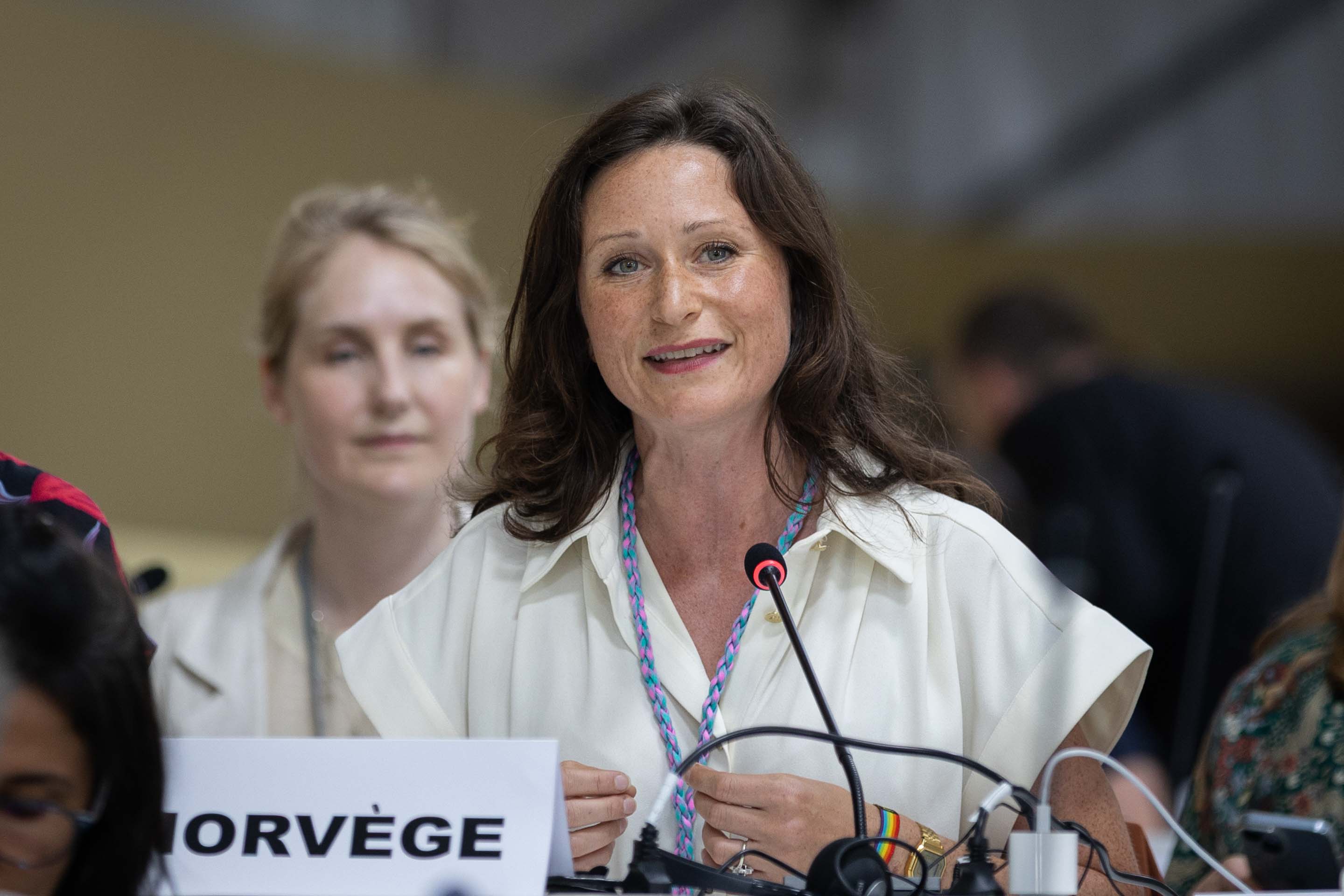
Maria Varteressian, Deputy Minister for Foreign Affairs, Norway
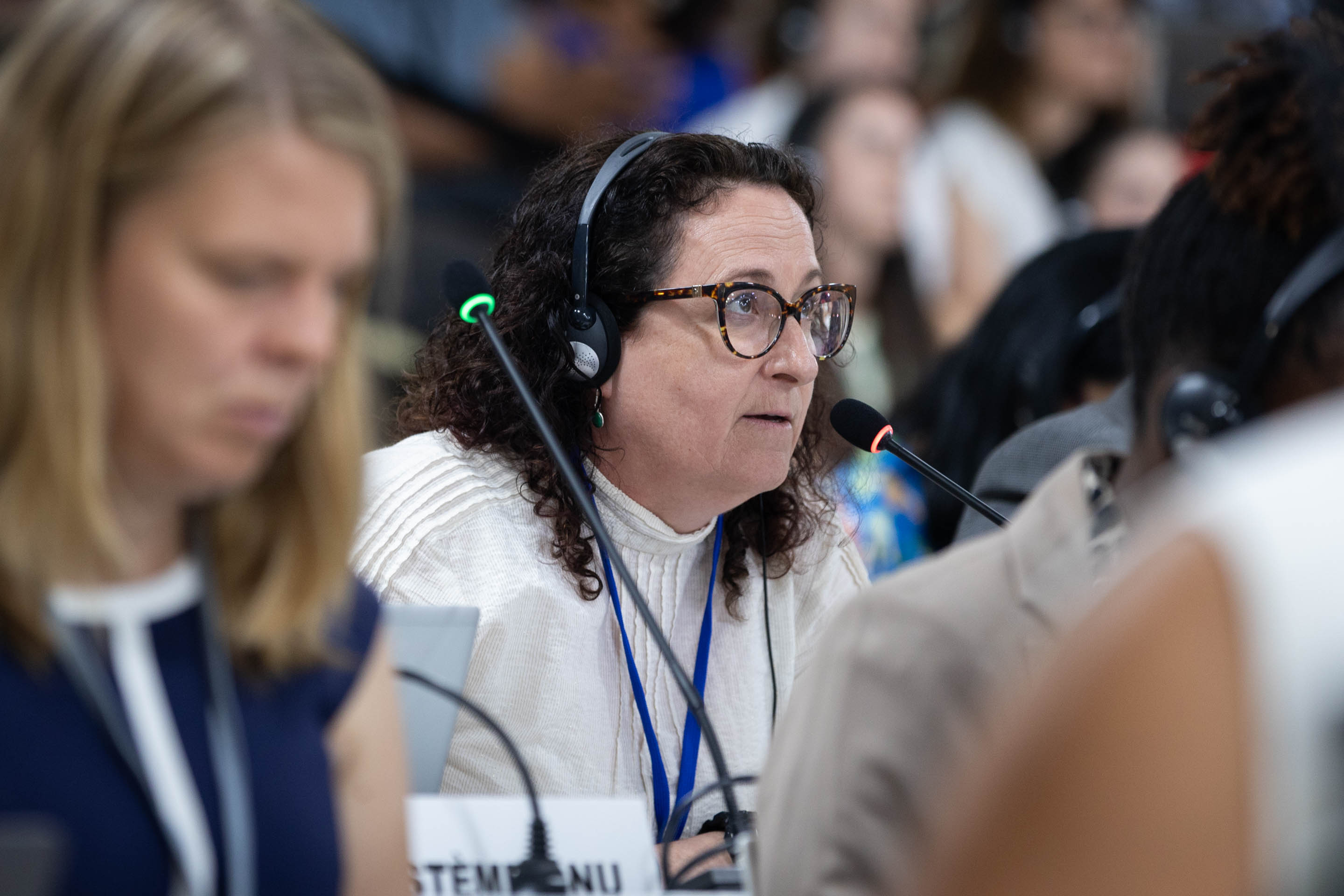
Karen Evans, UN Educational, Scientific and Cultural Organization (UNESCO)
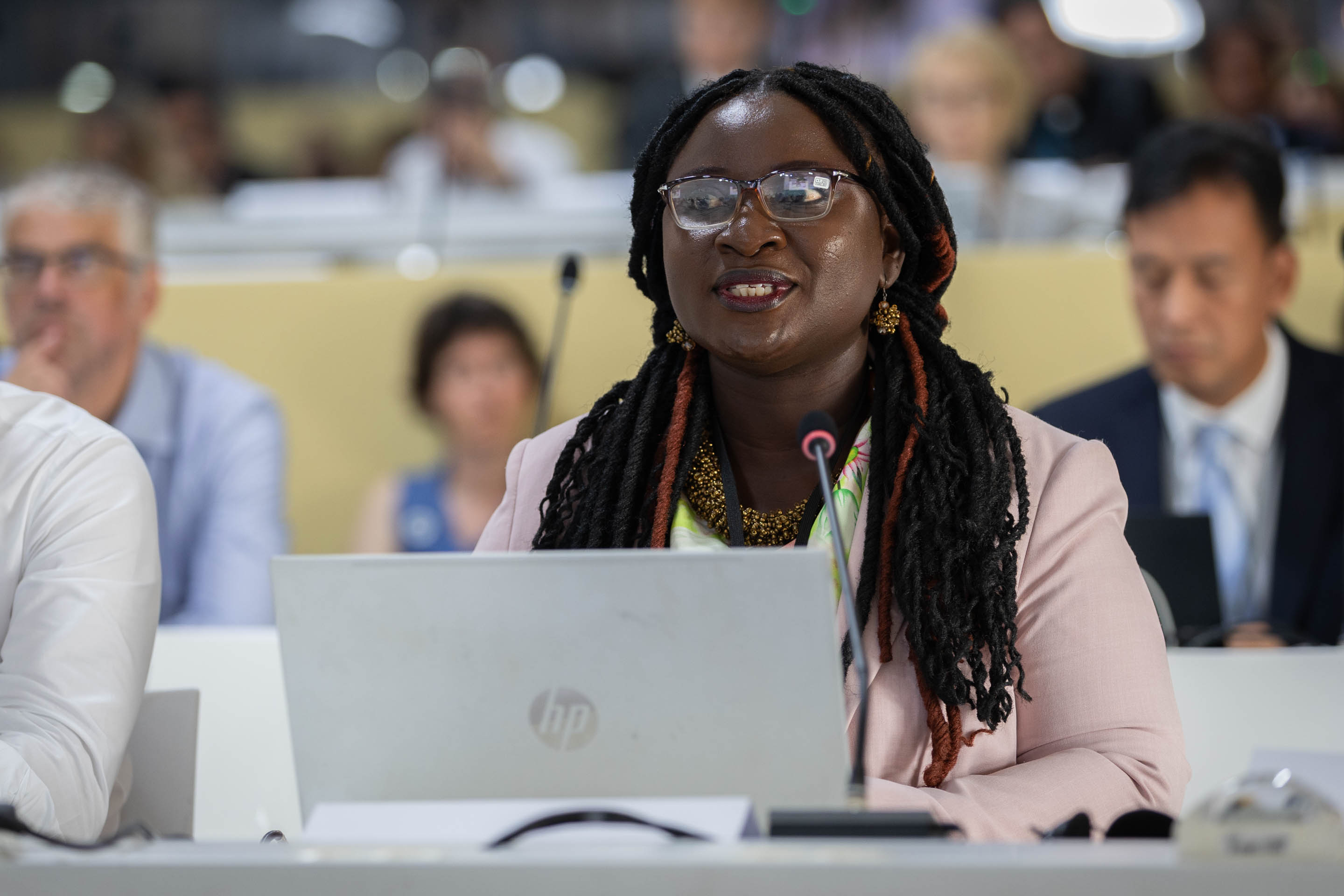
Diana Sakyibea Obuobi, Regional Director, Fisheries Commission, Ghana
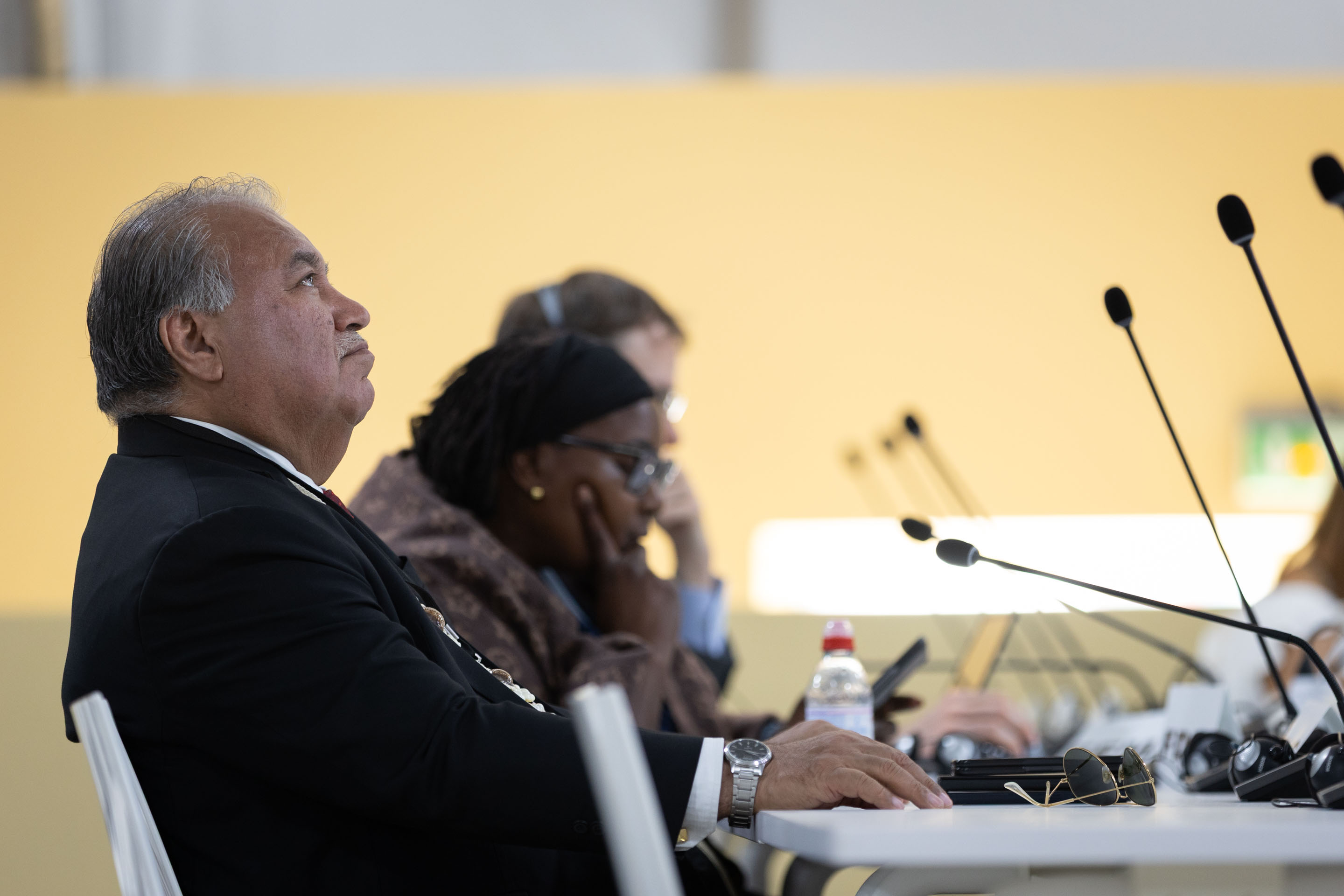
Baron Waqa, Secretary General, Pacific Islands Forum, and former President of Nauru, listens to the discussions
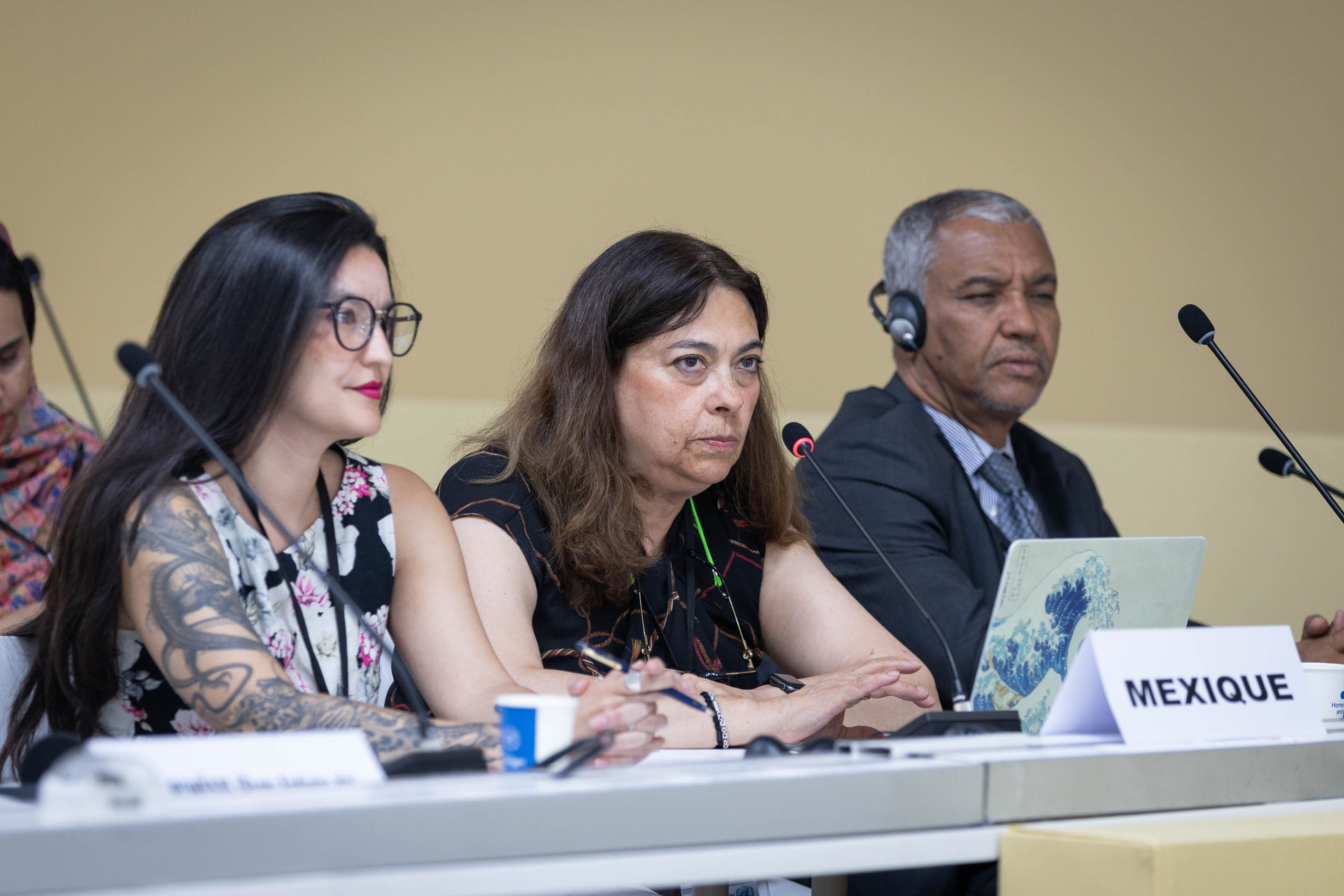
Margarita Caso Chávez, Director, Adaptation and Ecological Vulnerability, National Institute of Ecology and Climate Change (INECC), Mexico
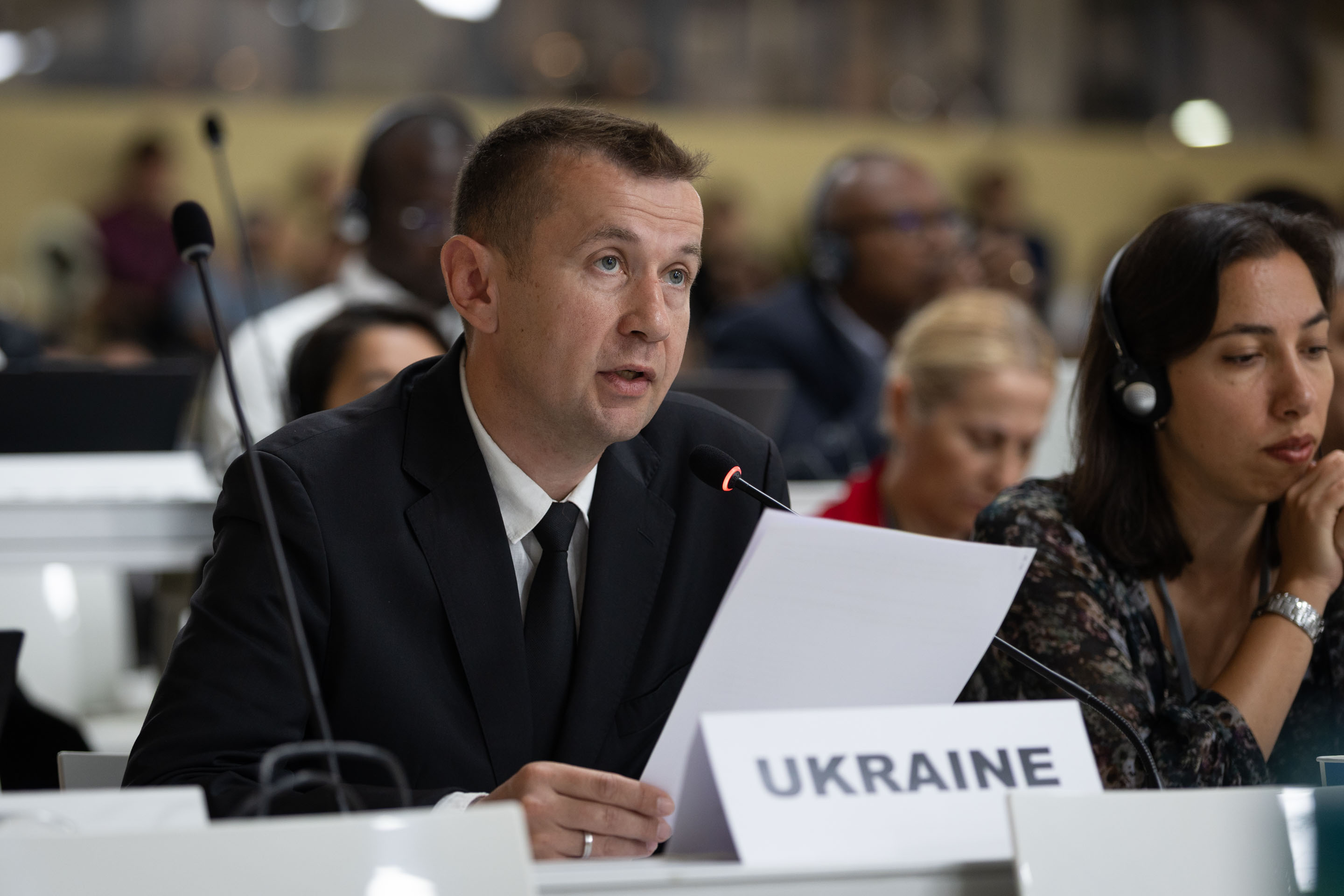
Sergey Gennadyevich Vlasenko, Deputy Minister of Environmental Protection and Natural Resources, Ukraine
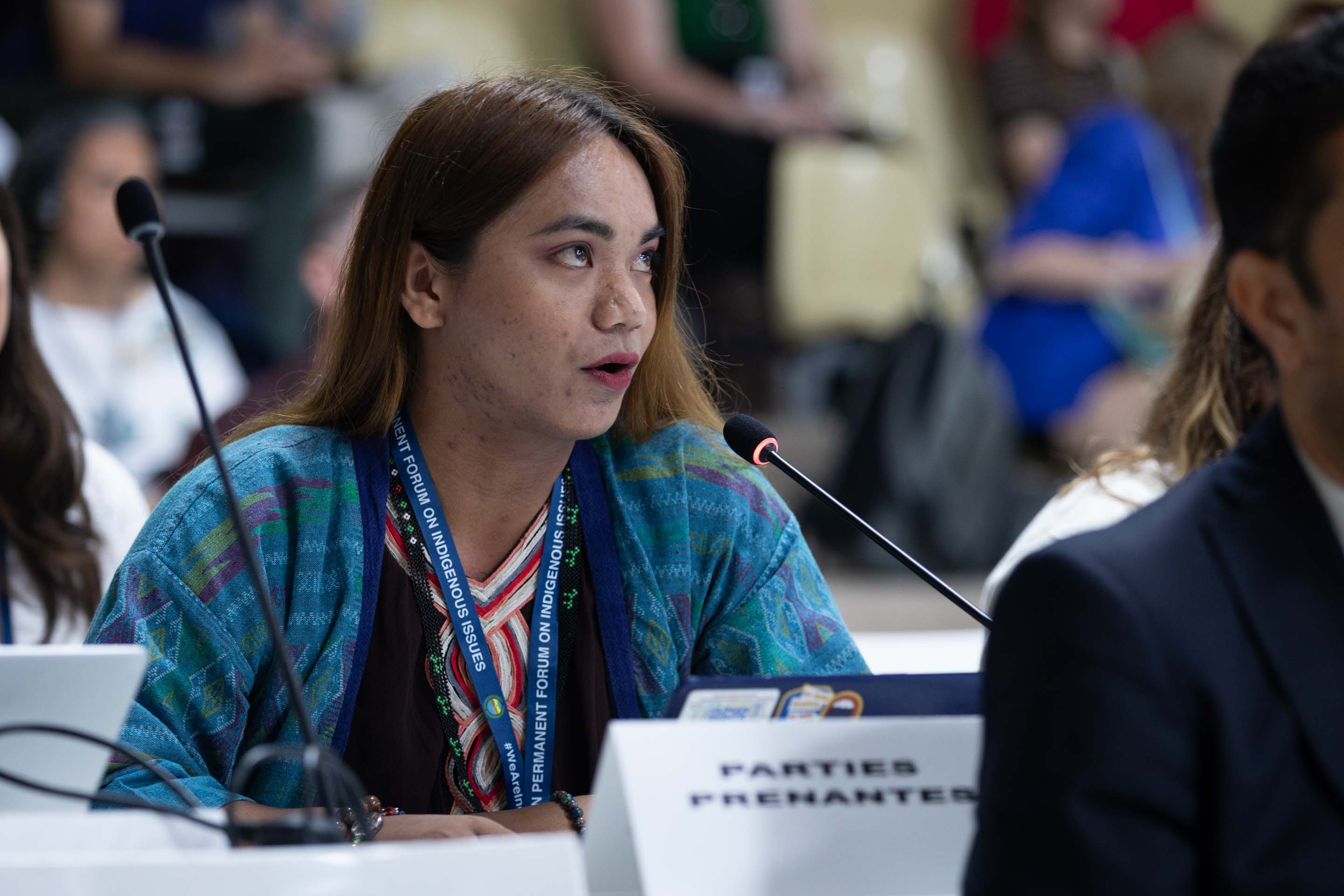
Jimrex Calatan, Indigenous Peoples International Centre for Policy Research and Education (Tebtebba)
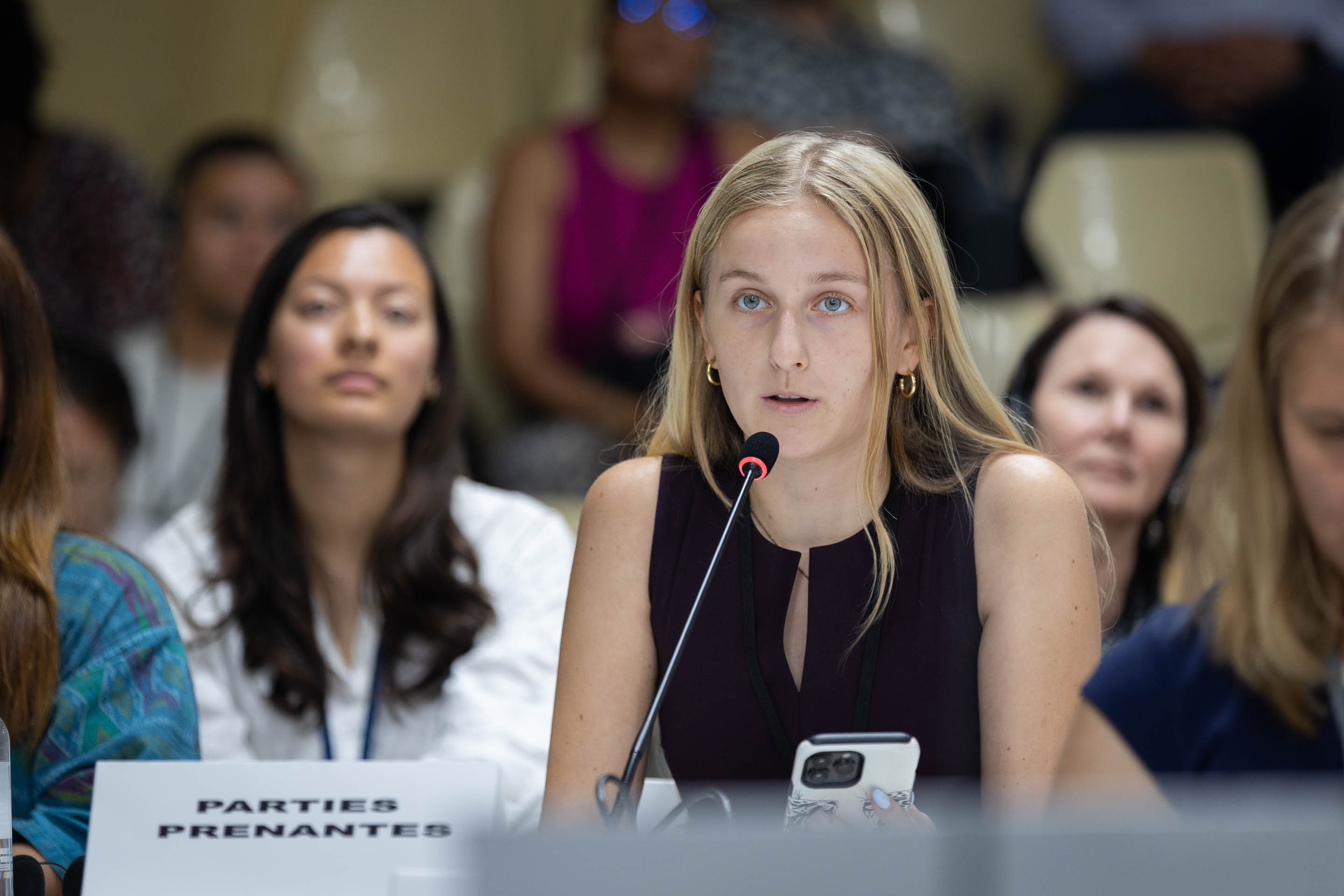
Alexa Charouhis, Youth Representative, President, We Are Forces of Nature

Ocean Action Panel 8: Promoting and Supporting all Forms of Cooperation, especially at the Regional and Subregional Level
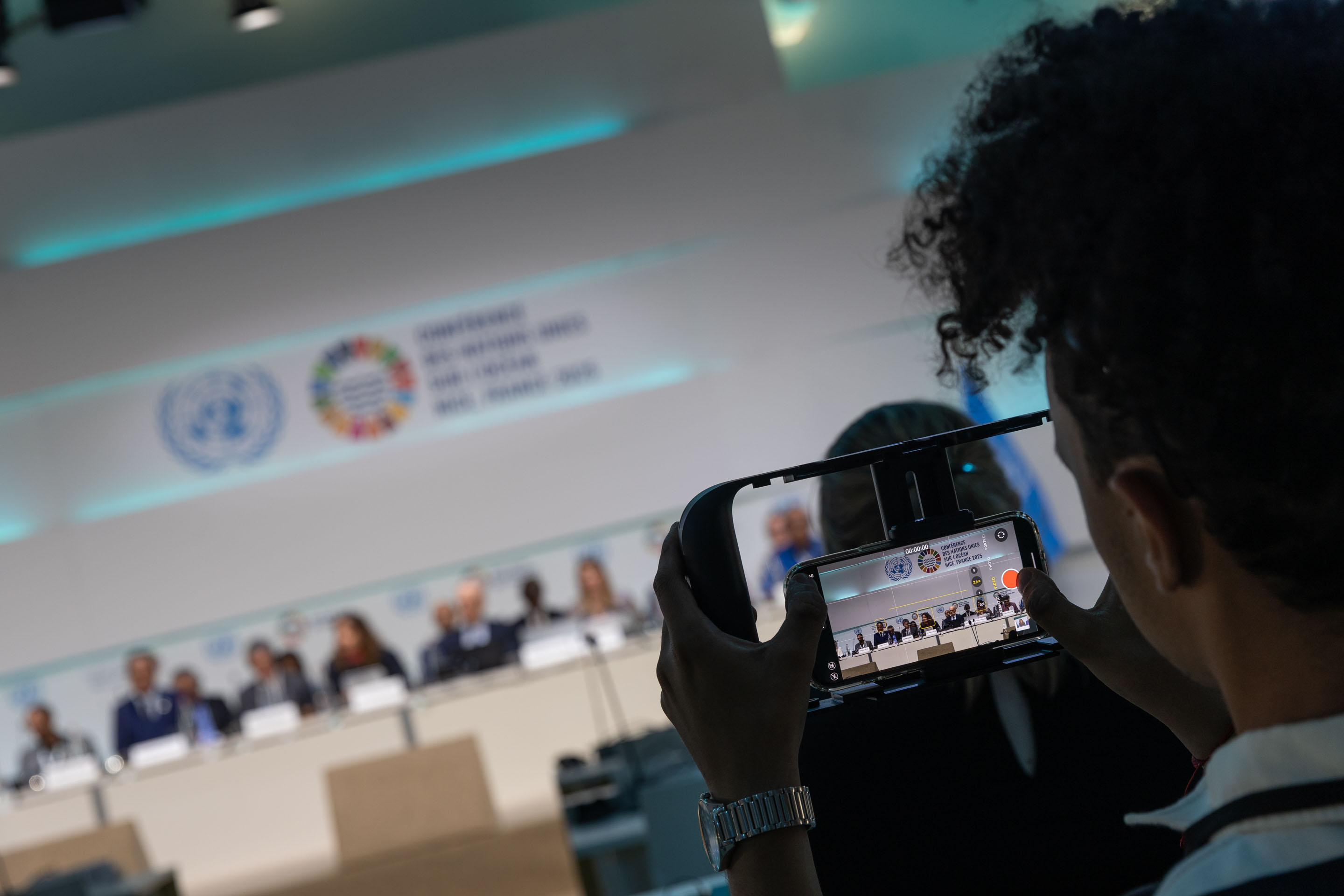
A delegate takes a photo of the panel speakers for Ocean Action Panel 8
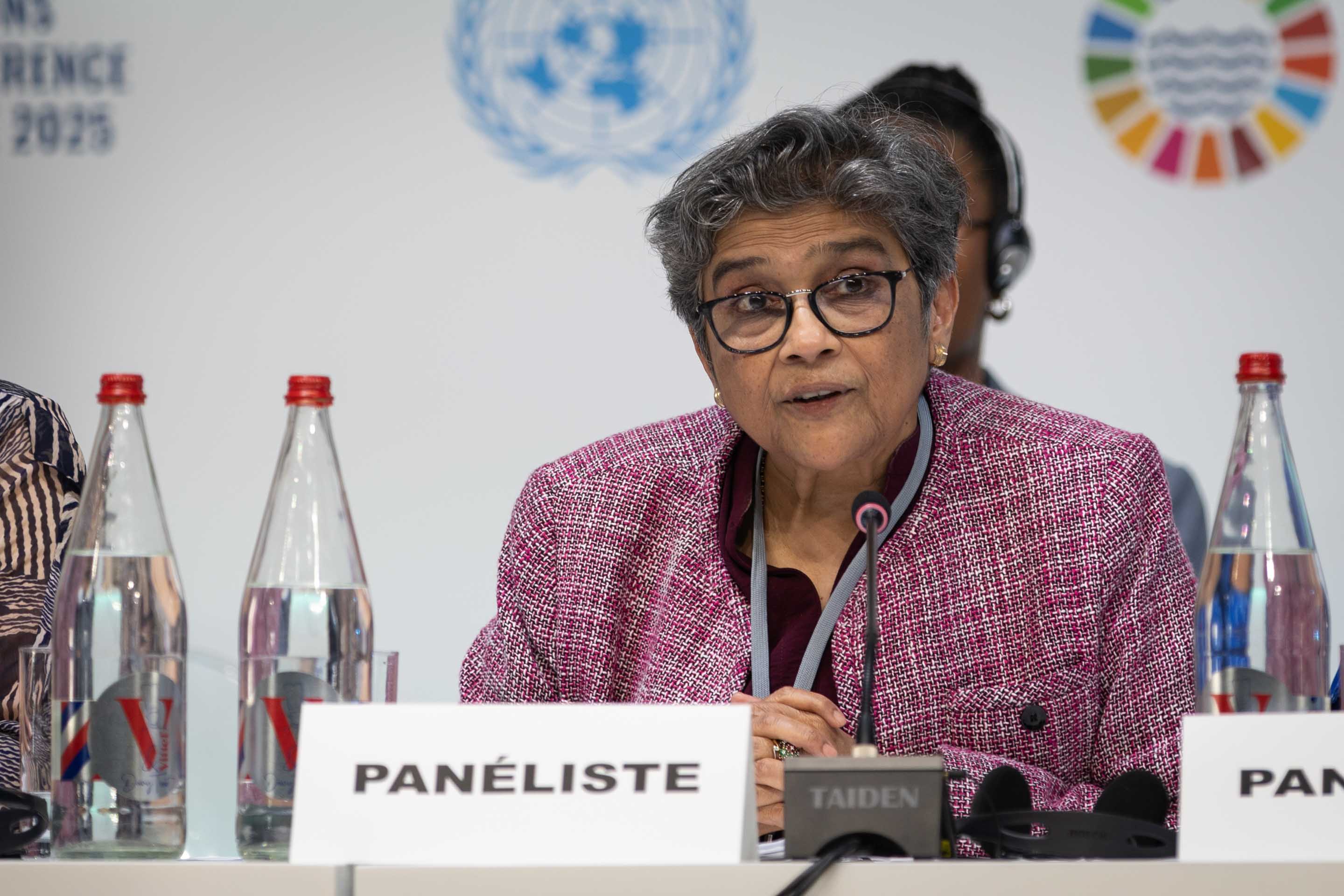
Rabab Fatima, Under-Secretary-General and High Representative for Least Developed Countries, Landlocked Developing Countries and Small Island Developing States
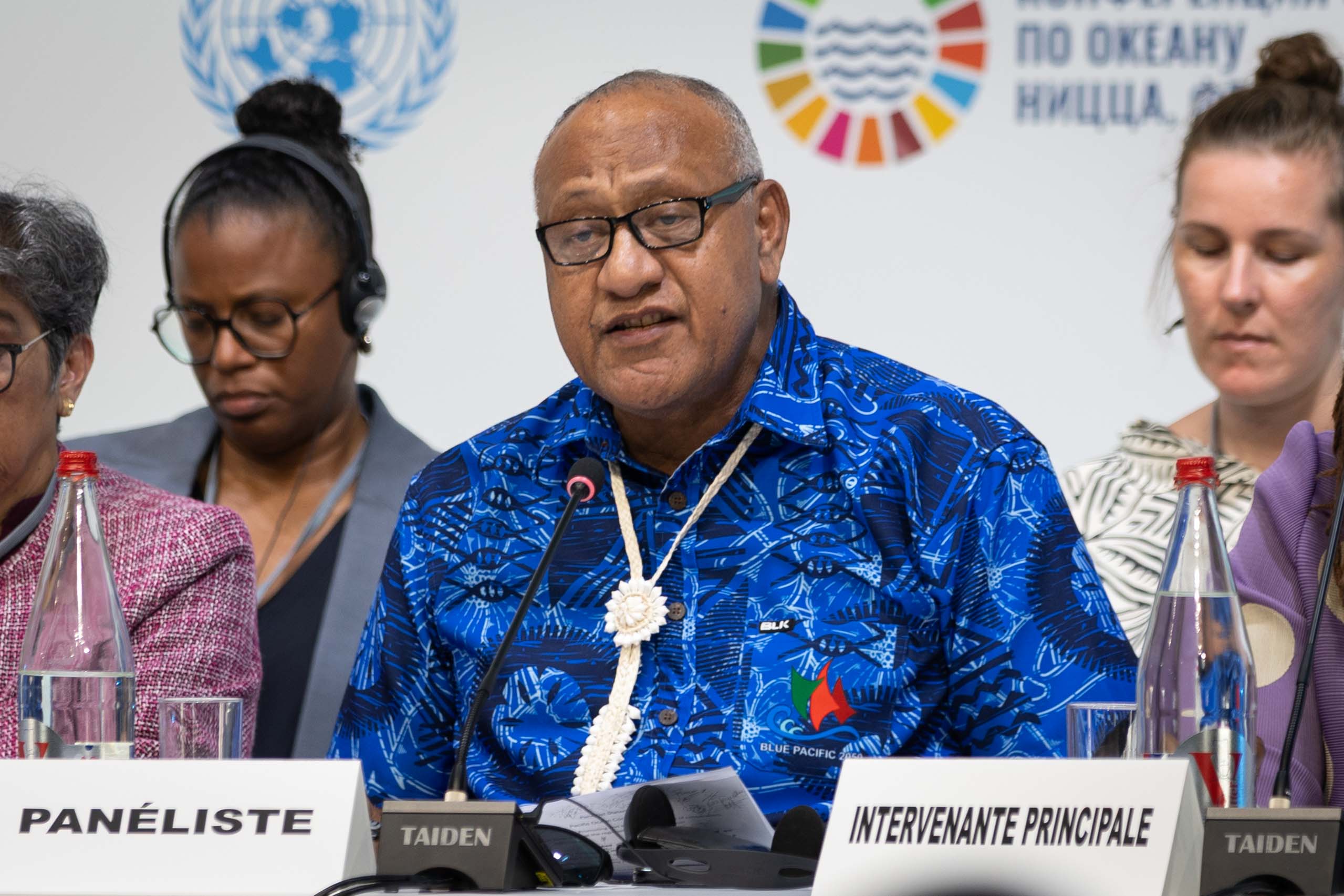
Filimon Manoni, Pacific Ocean Commissioner, Office of the Pacific Ocean Commissioner

Wesley Simina, President of the Federated States of Micronesia
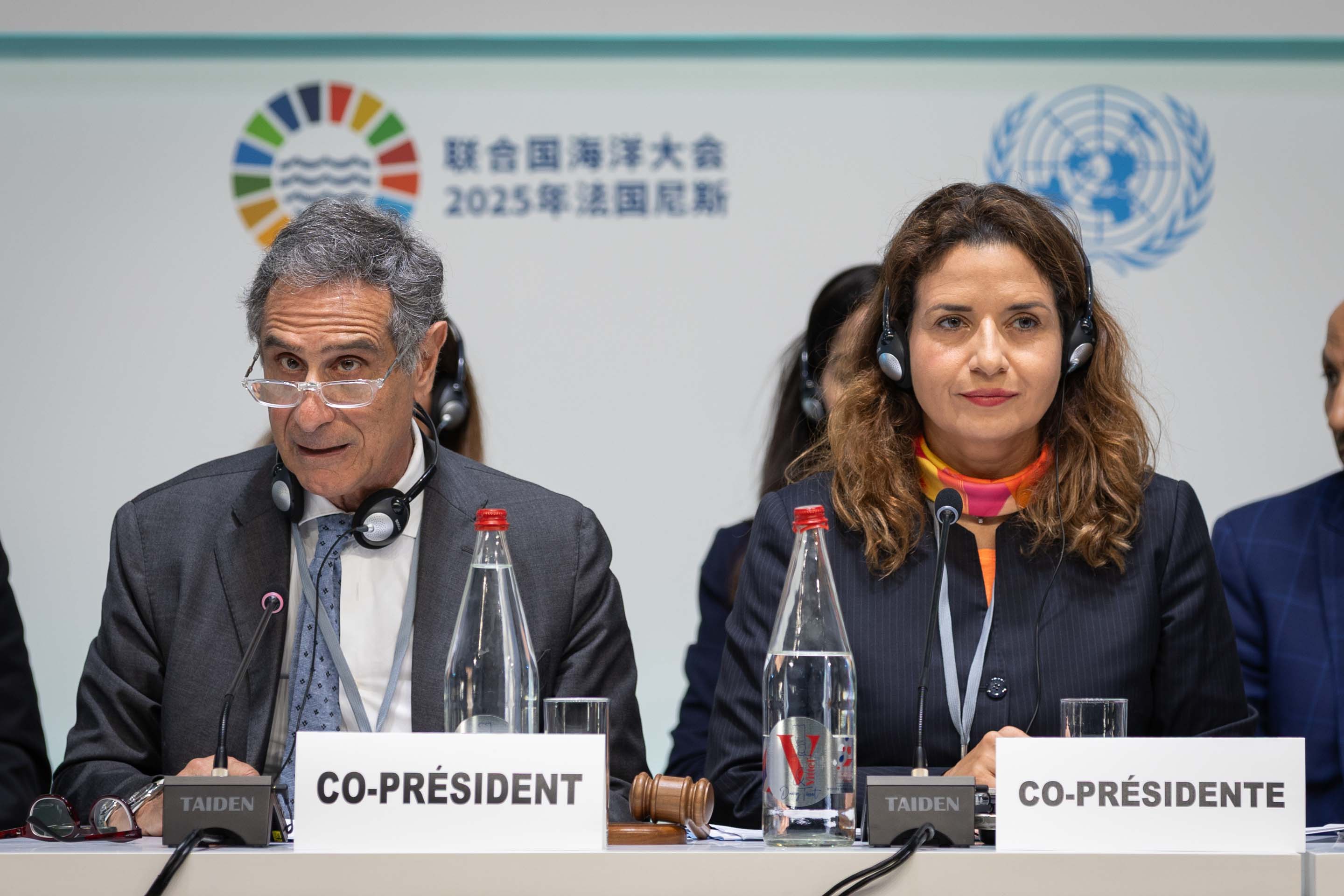
Panel Co-Chairs: Claudio Barbaro, Undersecretary of State to the Ministry of the Environment and Energy Security, Italy, and Leila Benali, Minister of Energy Transition and Sustainable Development, Morocco
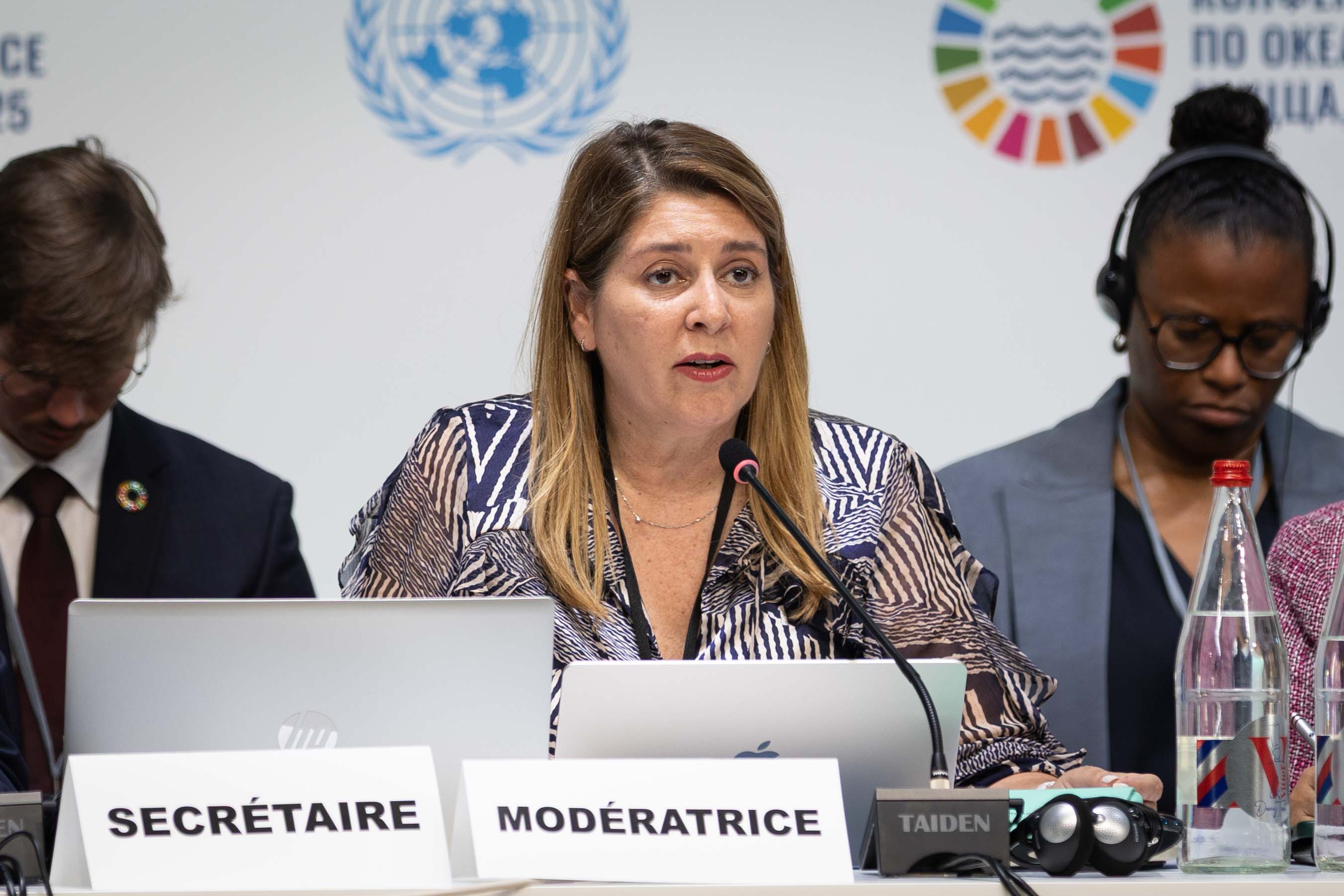
Moderator Cynthia Barzuna, Global Deputy Director, Ocean Program, World Resources Institute
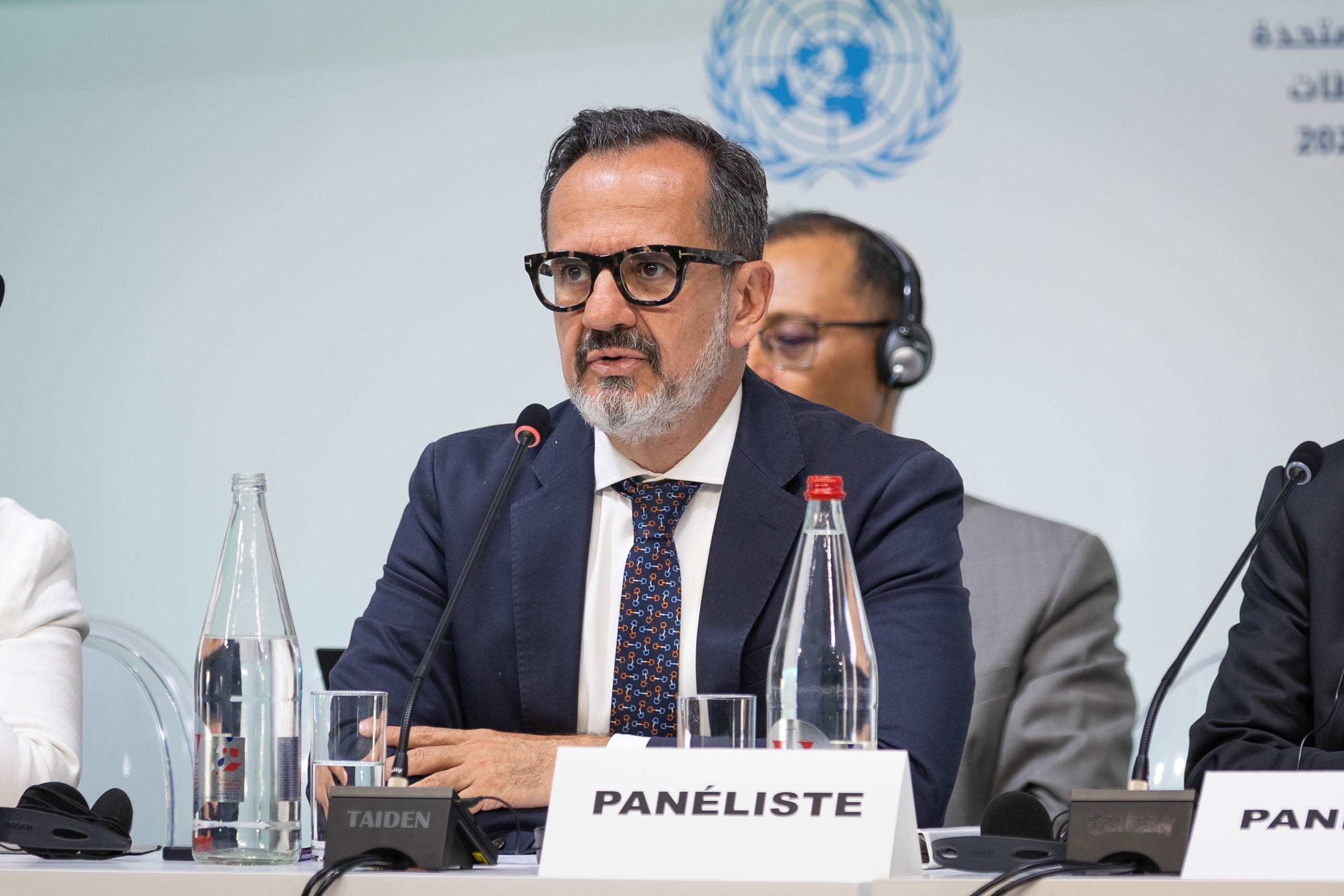
Enrique Ochoa Martínez, Undersecretary for Multilateral Affairs and Human Rights, Mexico
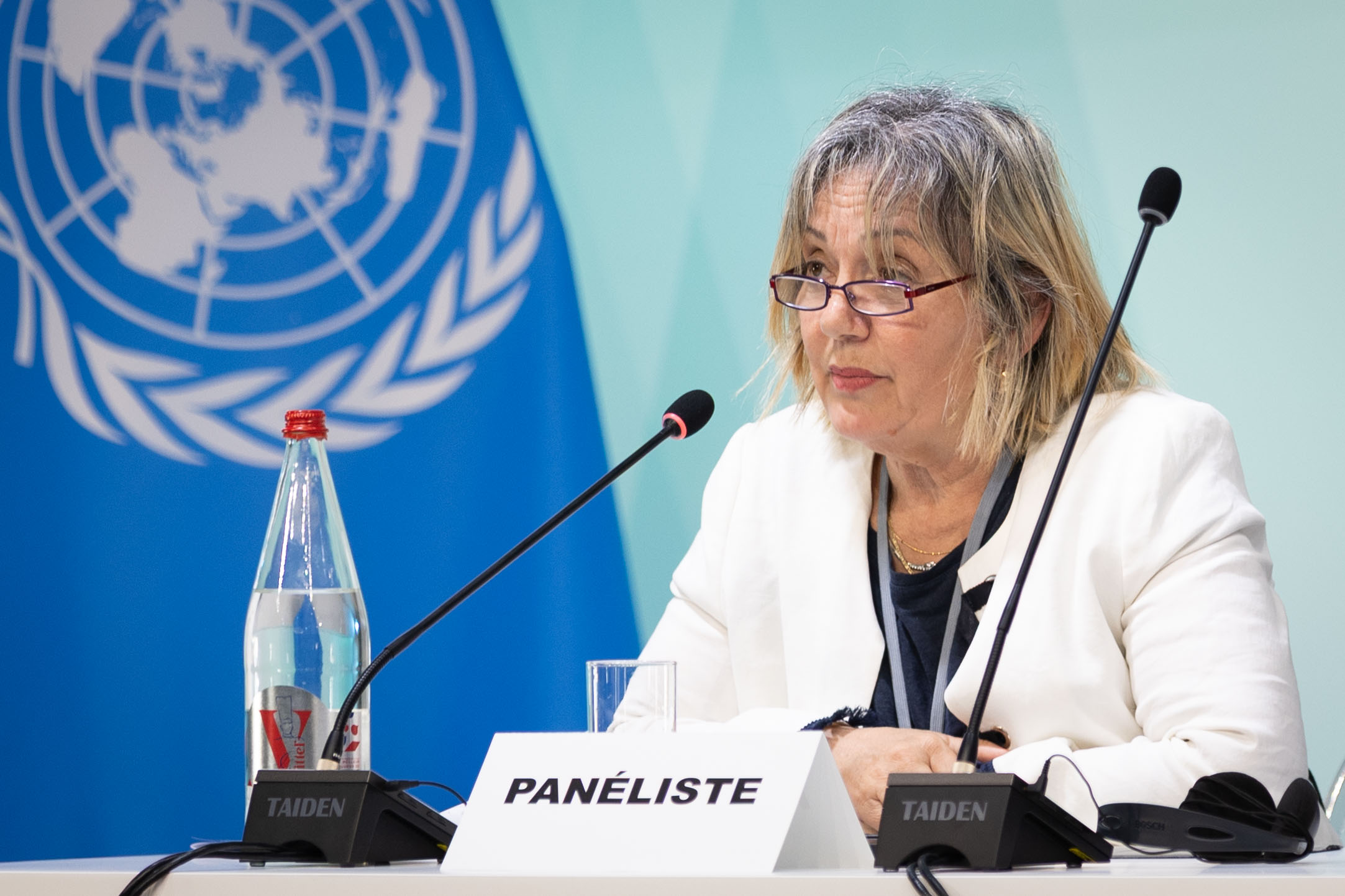
Tatjana Hema, Coordinator, UN Environment Programme/Mediterranean Action Plan, Barcelona Convention

Funmi Balogun, UN Resident Coordinator, Timor Leste
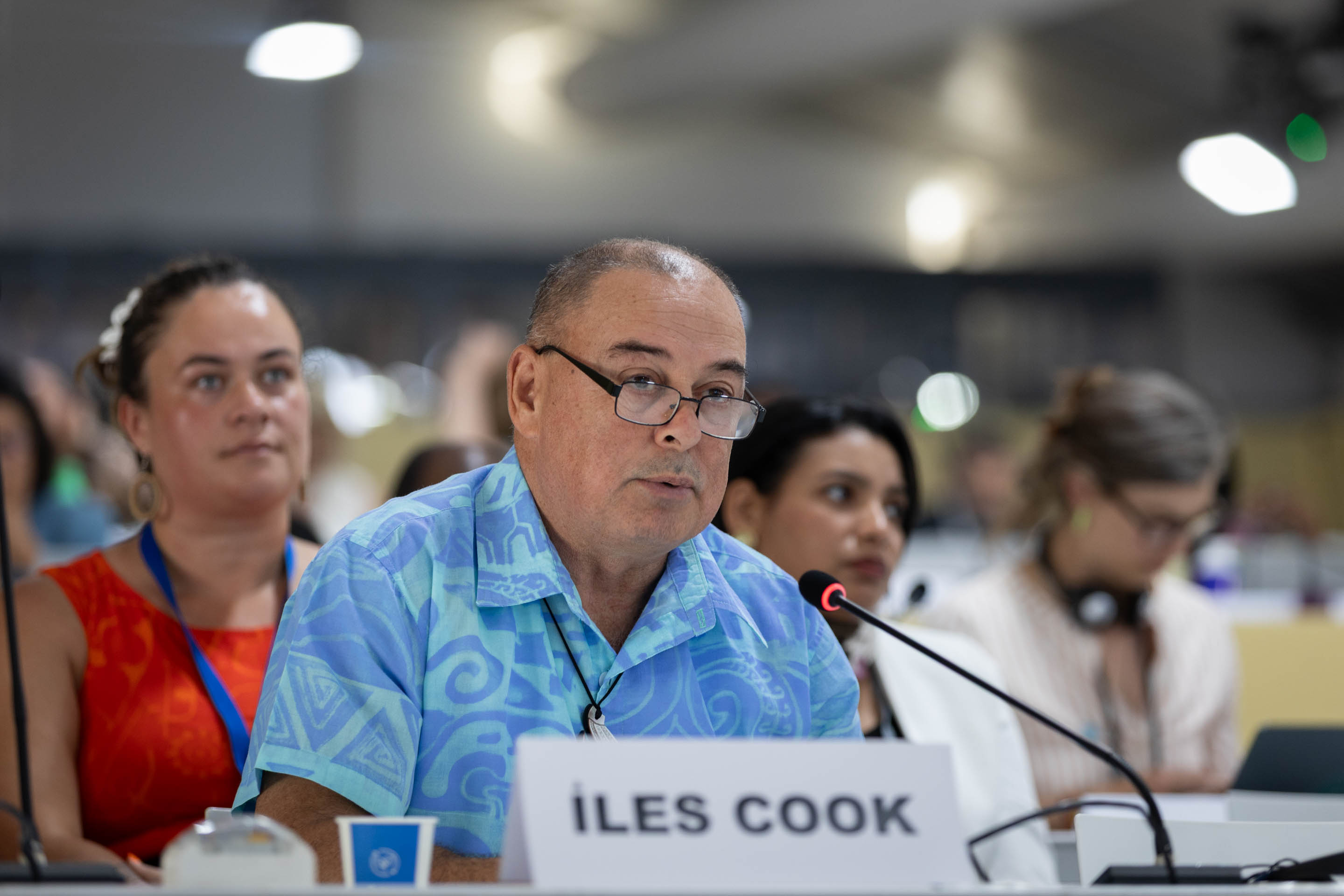
Mark Brown, Prime Minister of Cook Islands
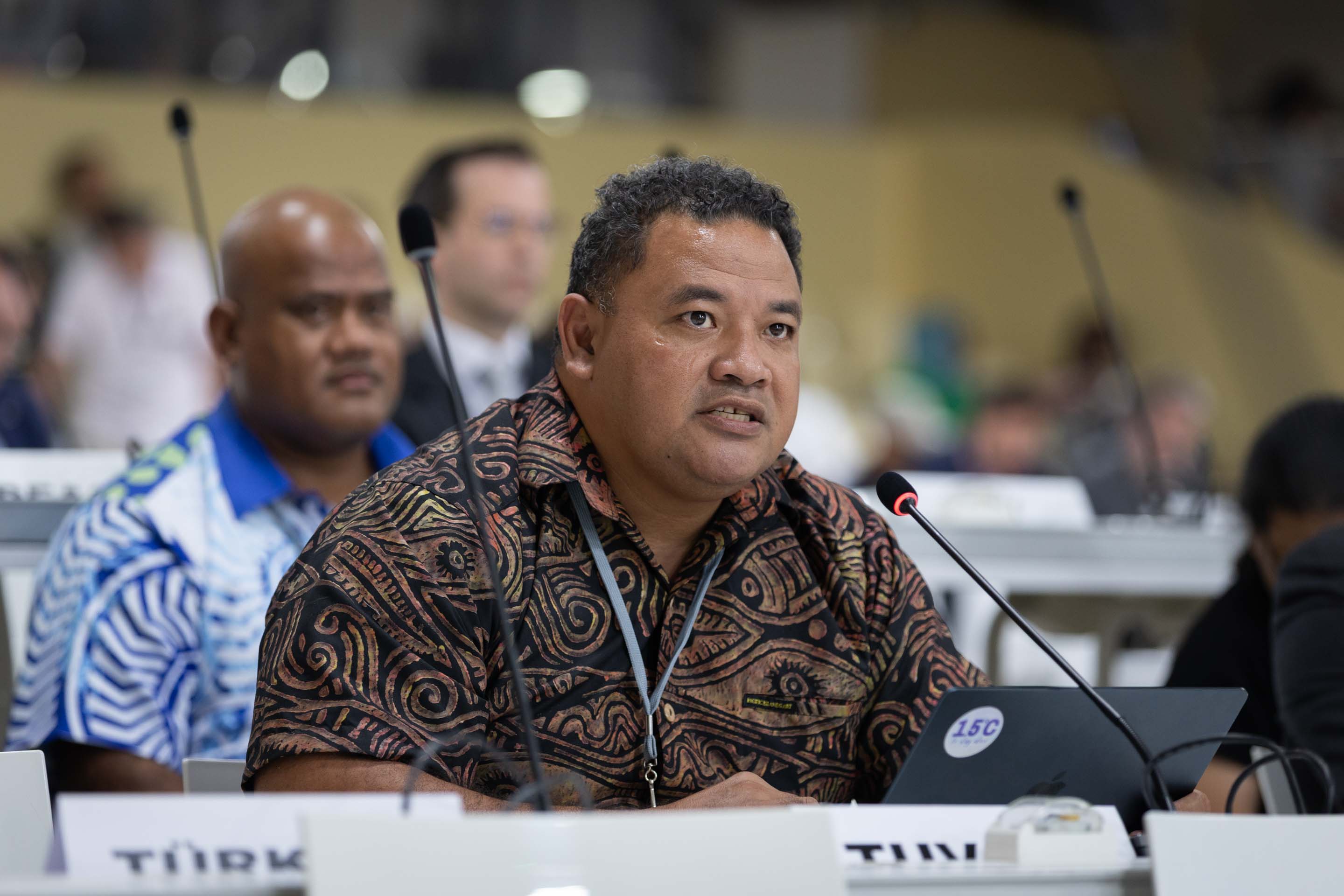
Maina Vakafua Talia, Minister for Home Affairs, Climate Change, and Environment, Tuvalu, on behalf of AOSIS
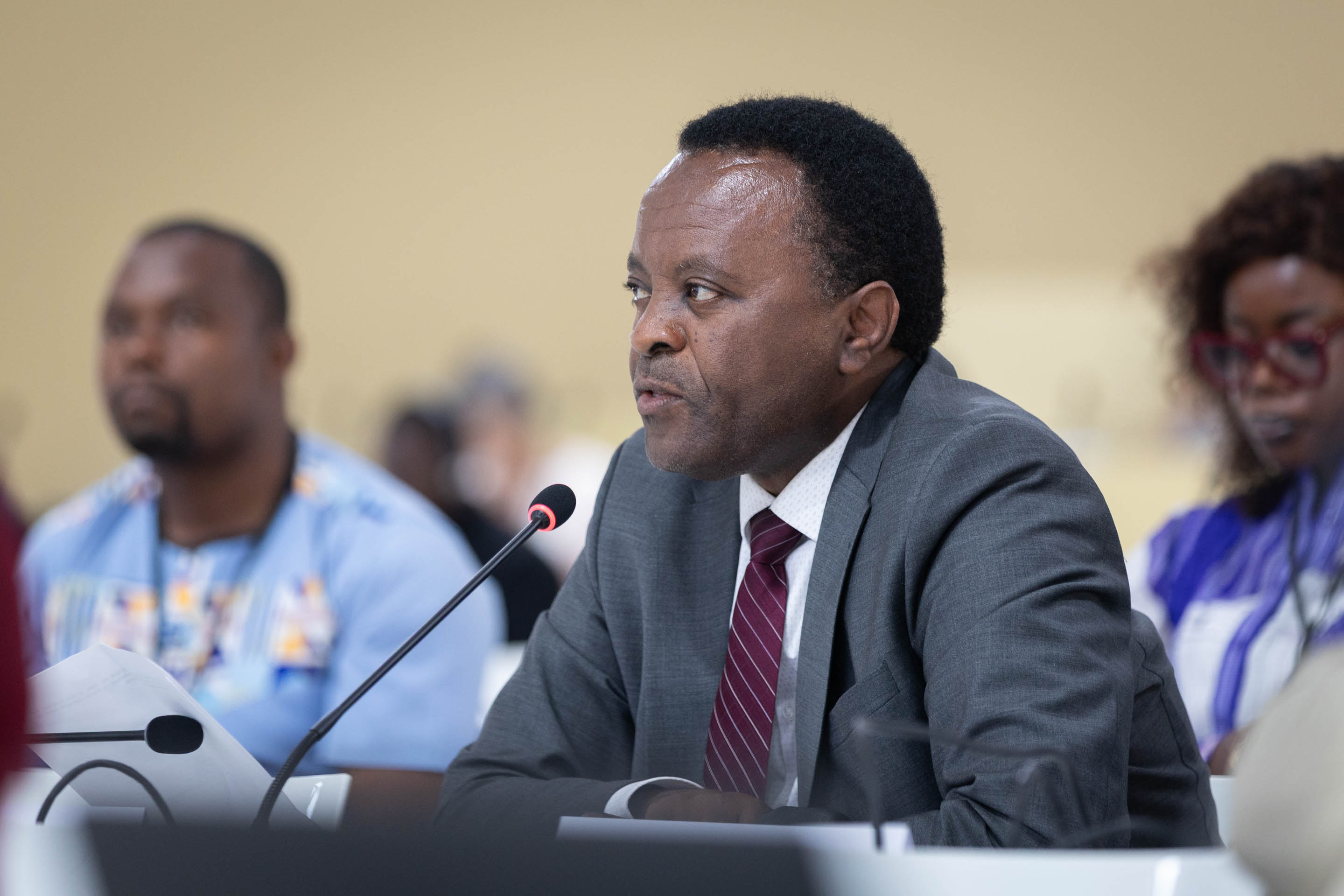
Zéphyrin Maniratanga, Permanent Representative of Burundi to the UN
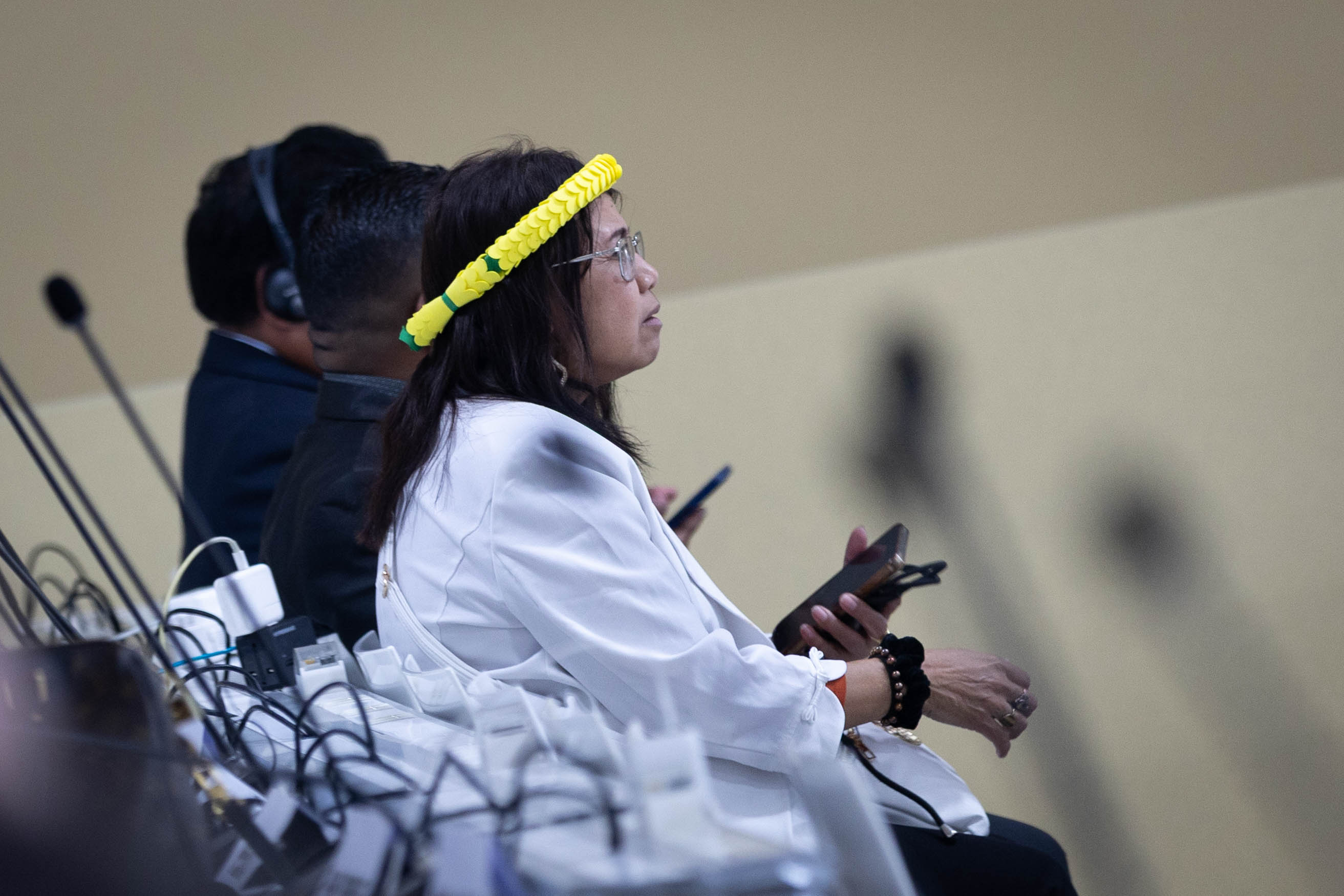
Delegates listen to the interventions
Around the Venue
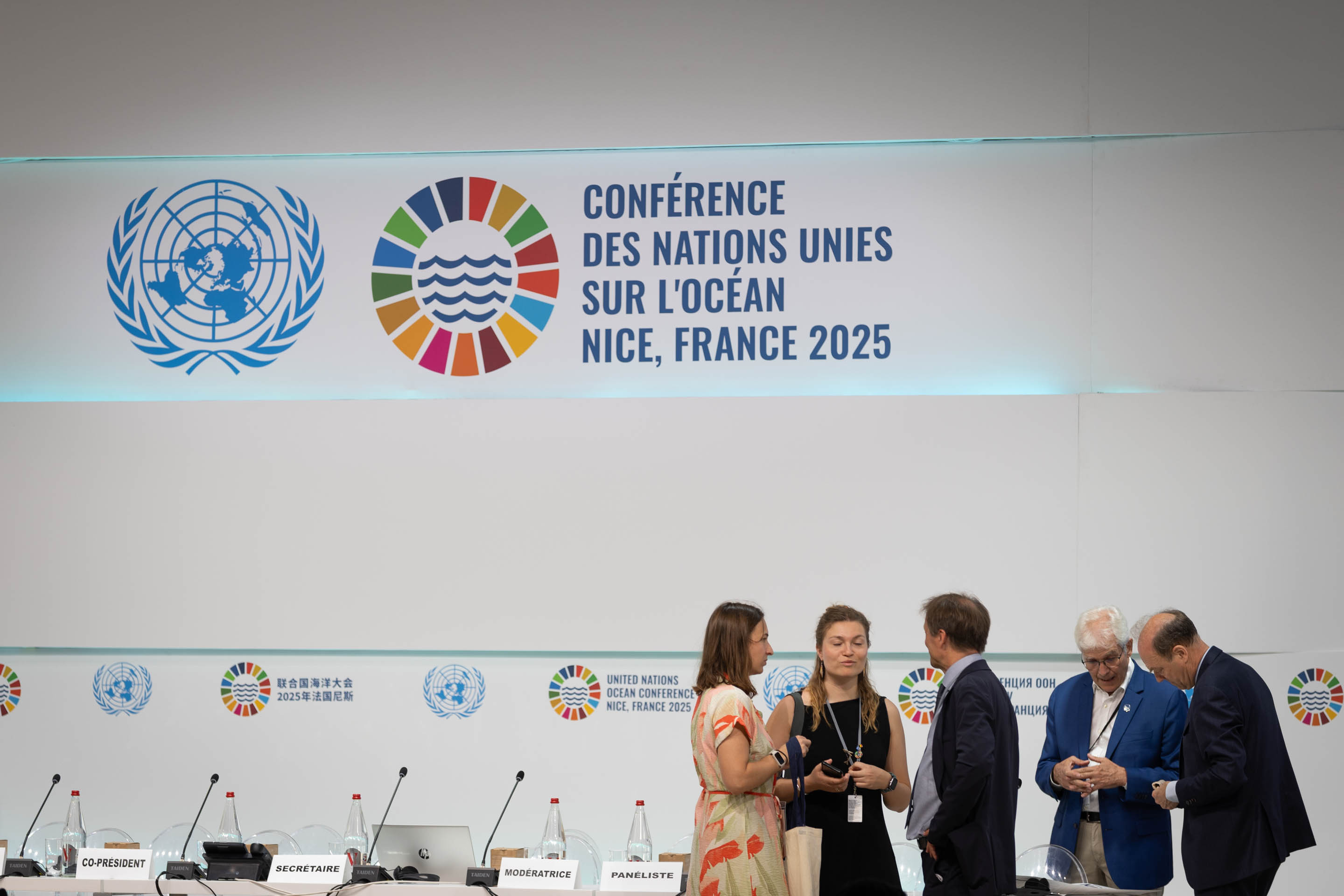
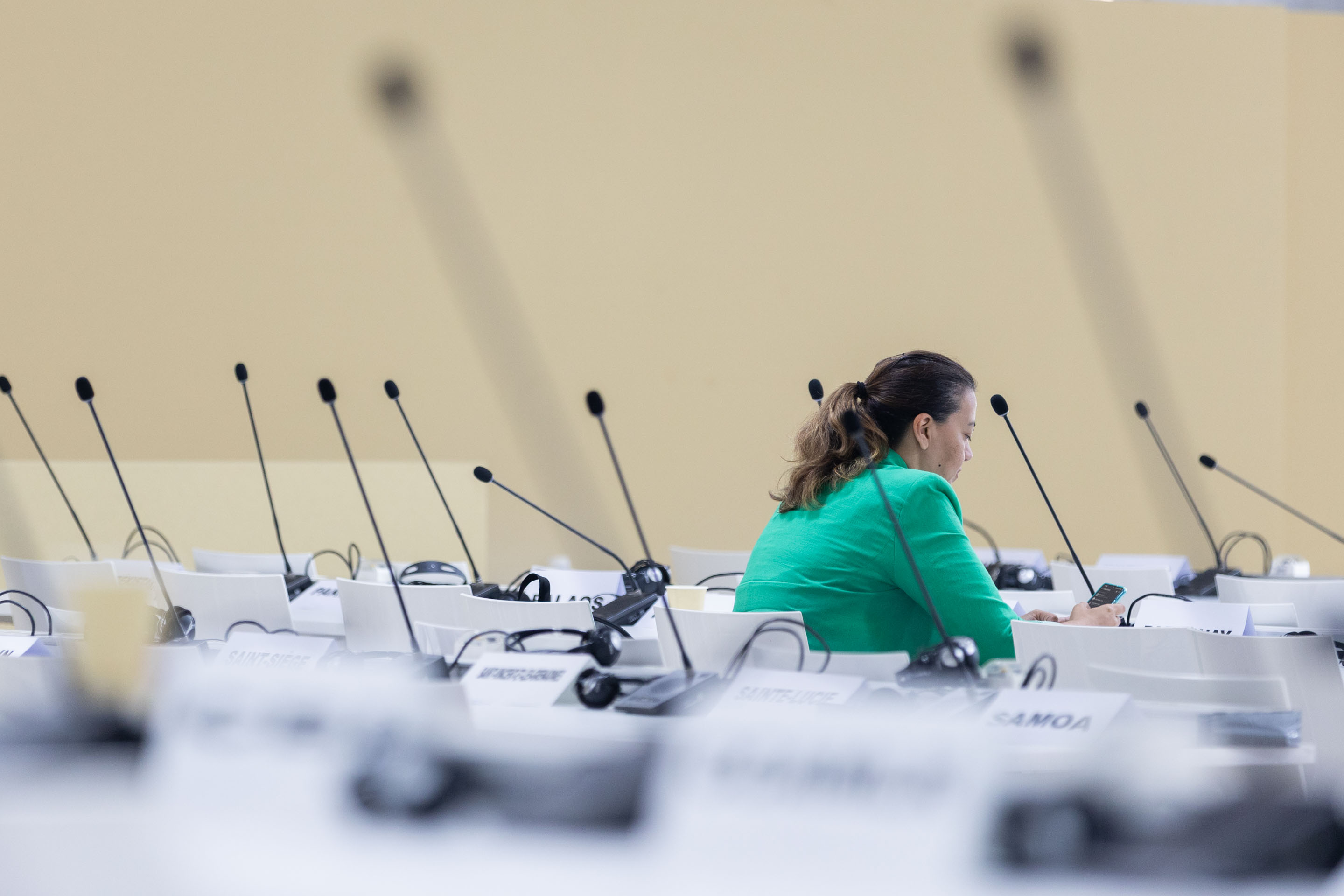
Delegates prepare for the day
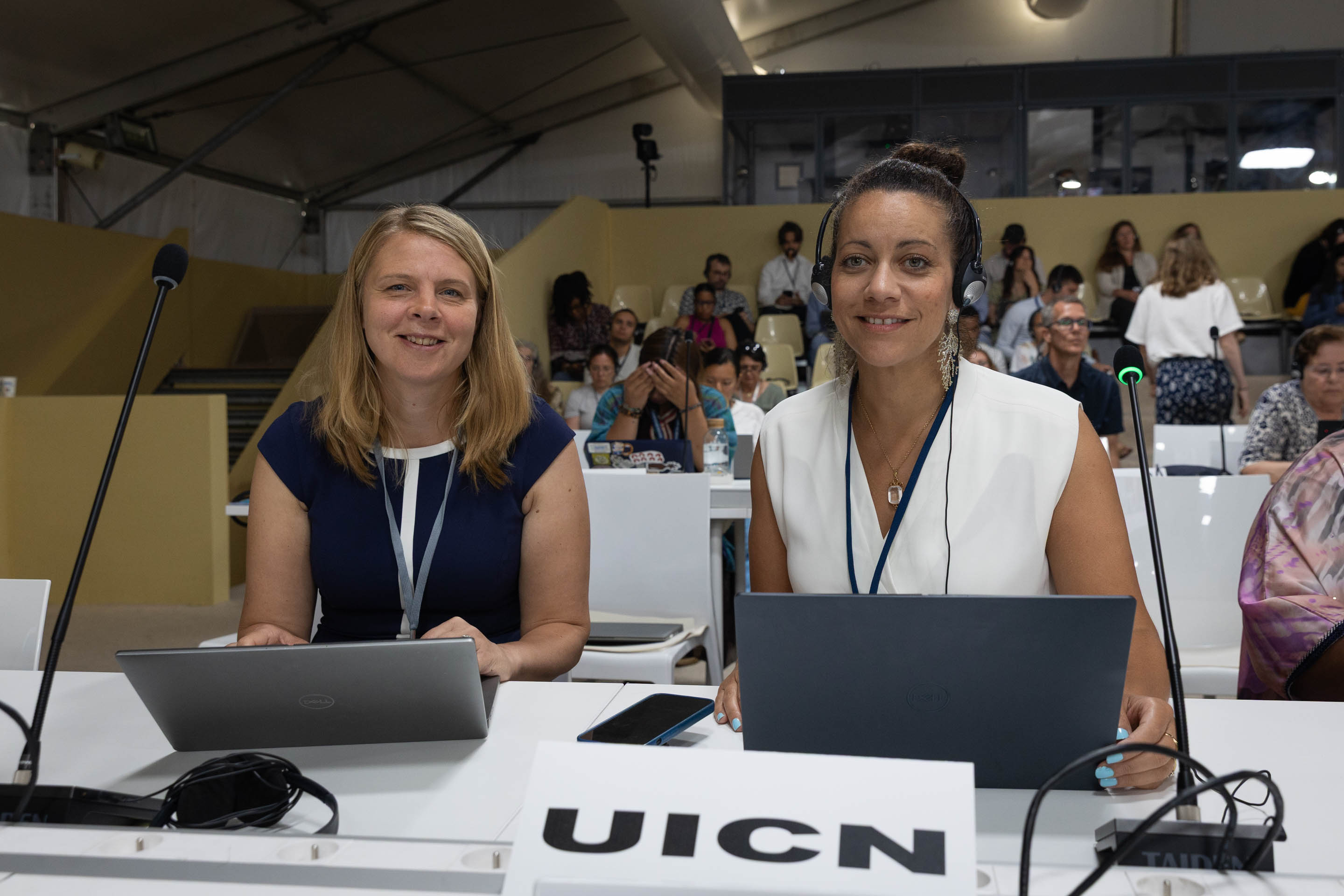
Delegates from the International Union for Conservation of Nature (IUCN)
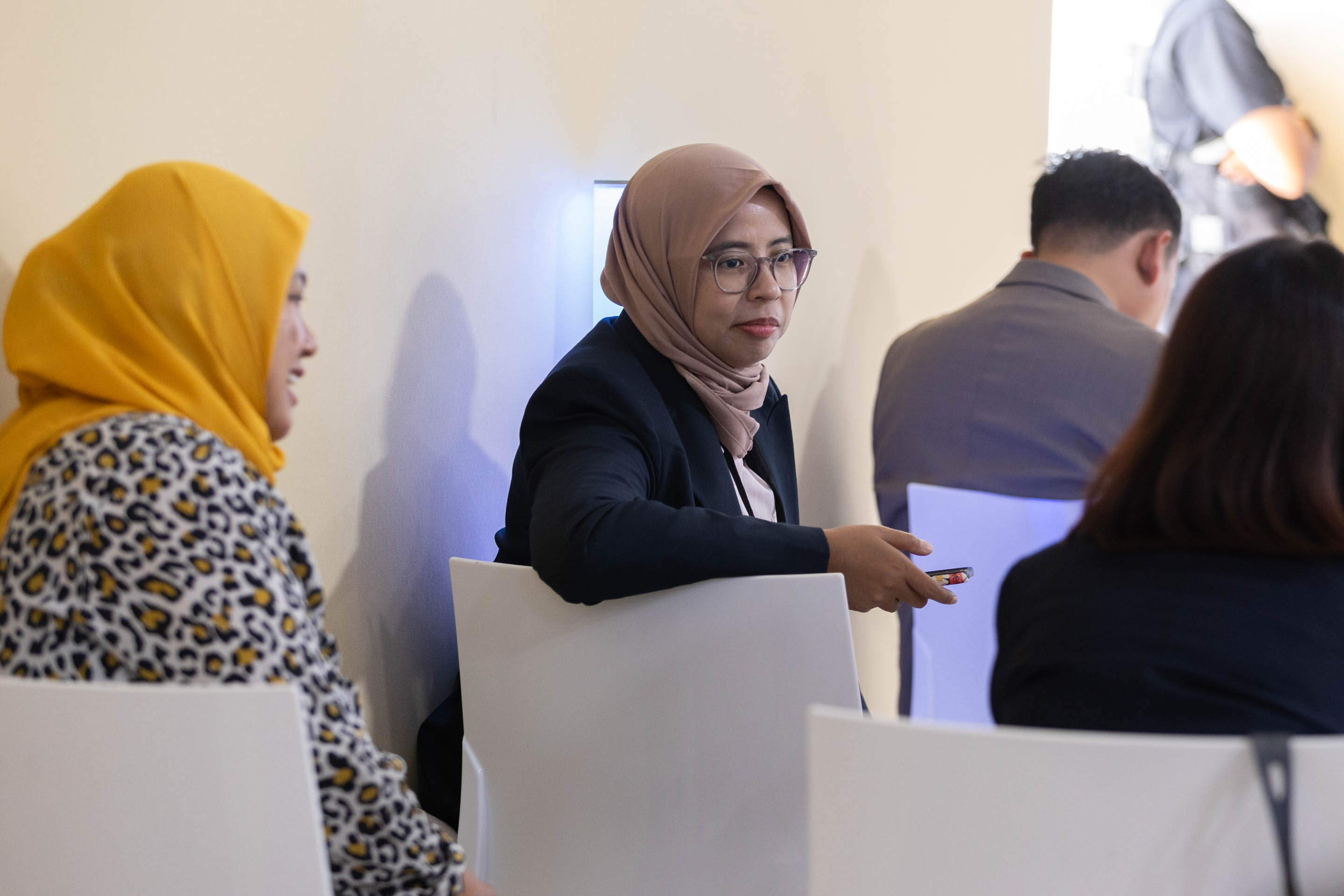
Delegates speak informally
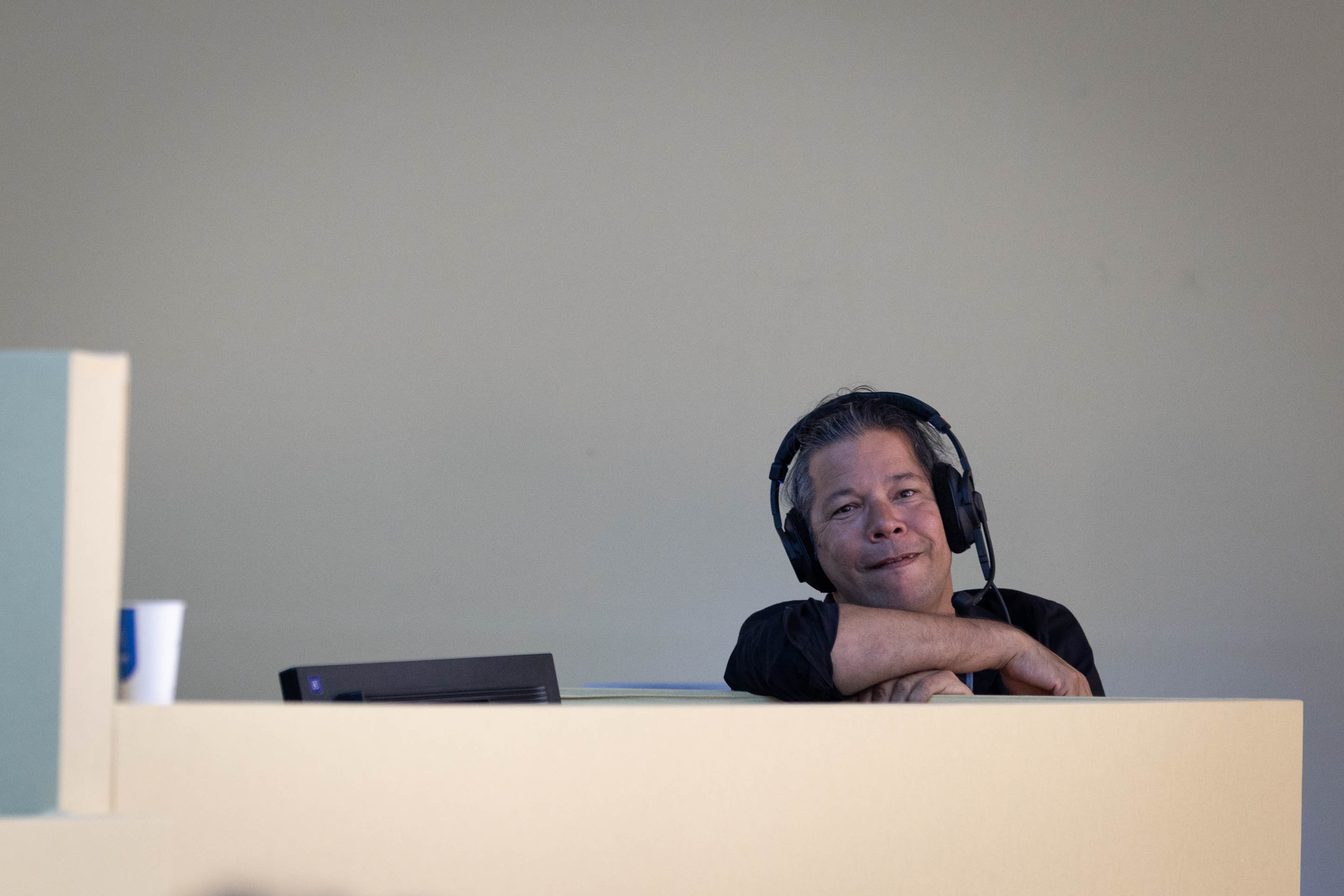
Technical support staff help facilitate discussions throughout the day
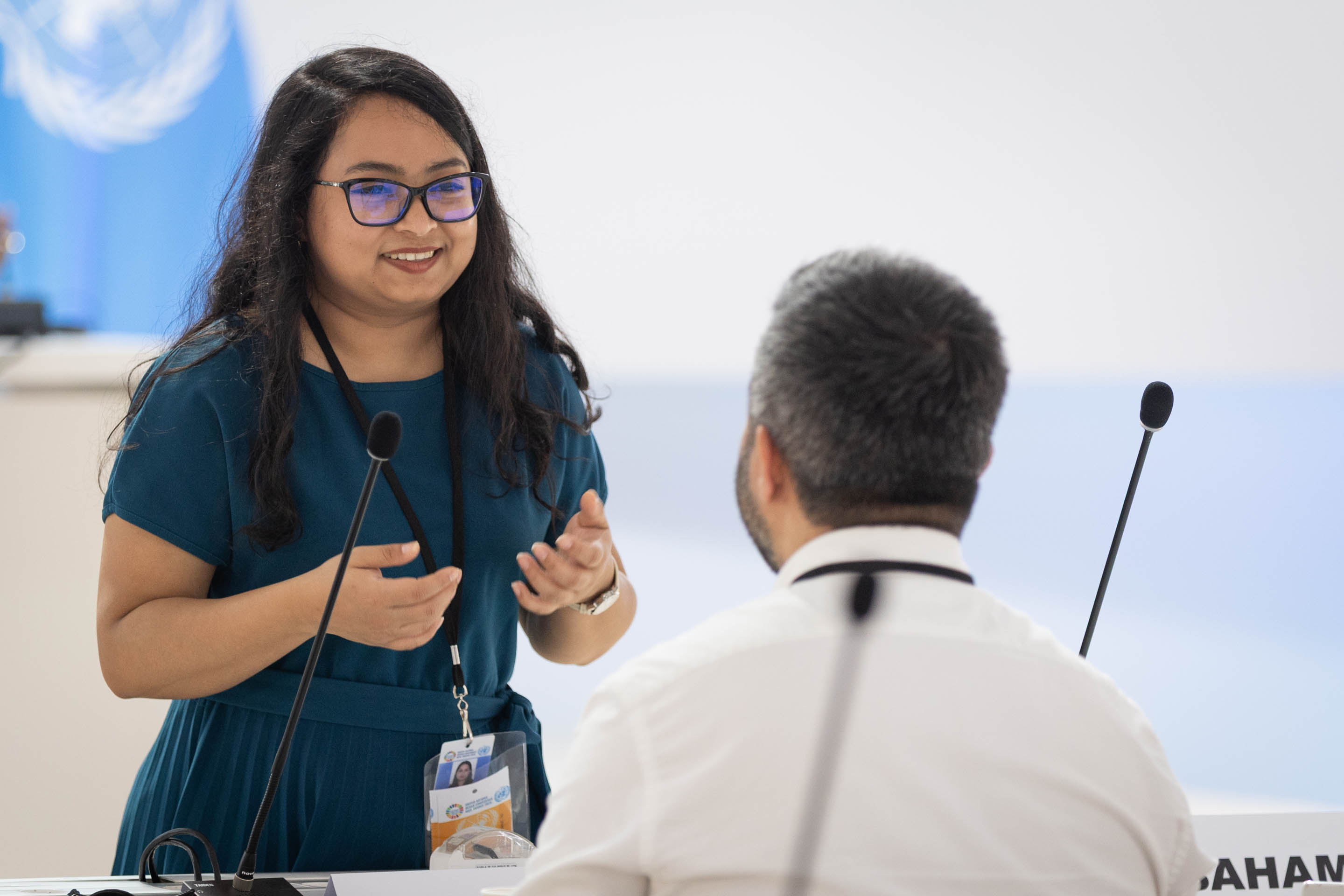
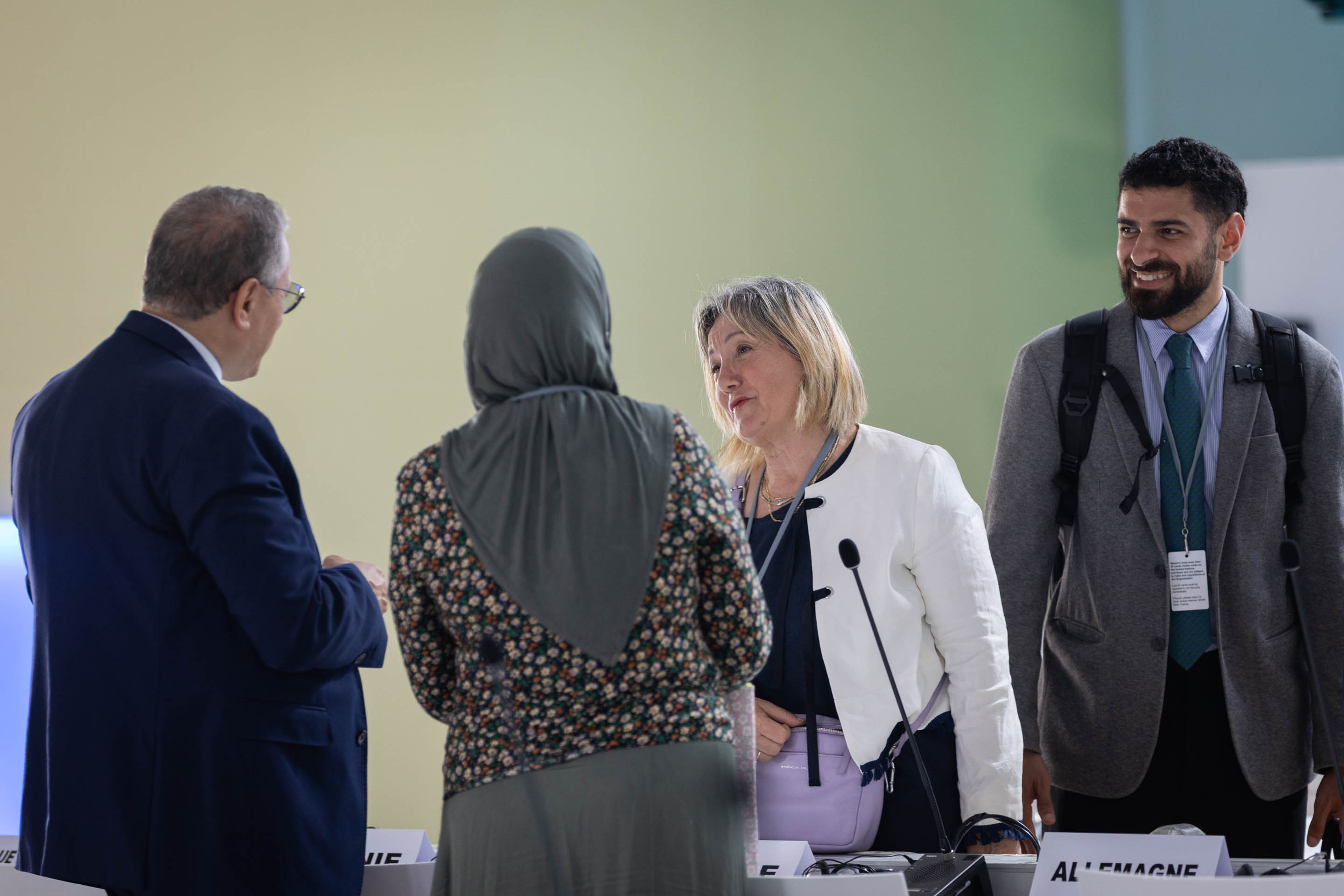
Delegates between sessions
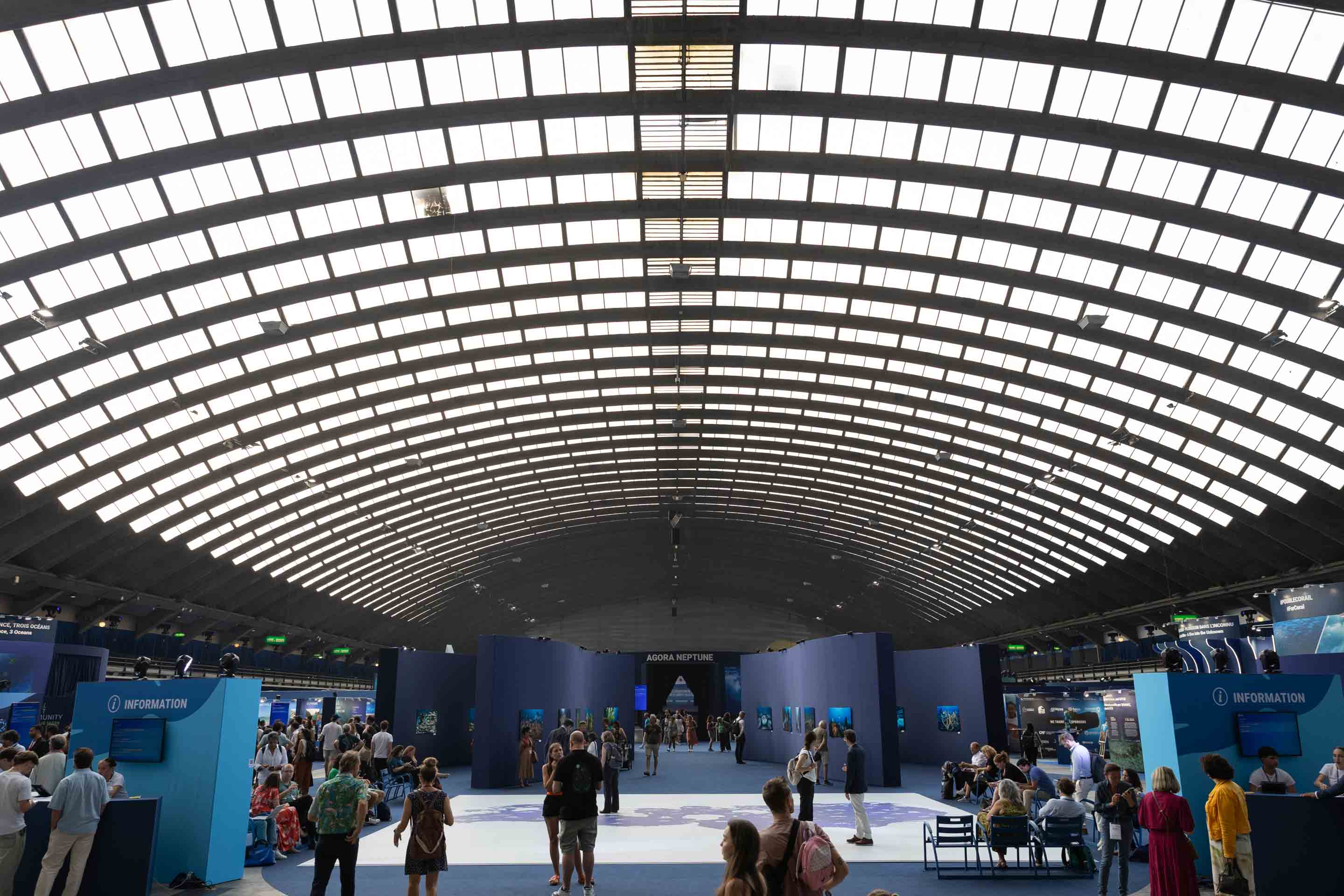
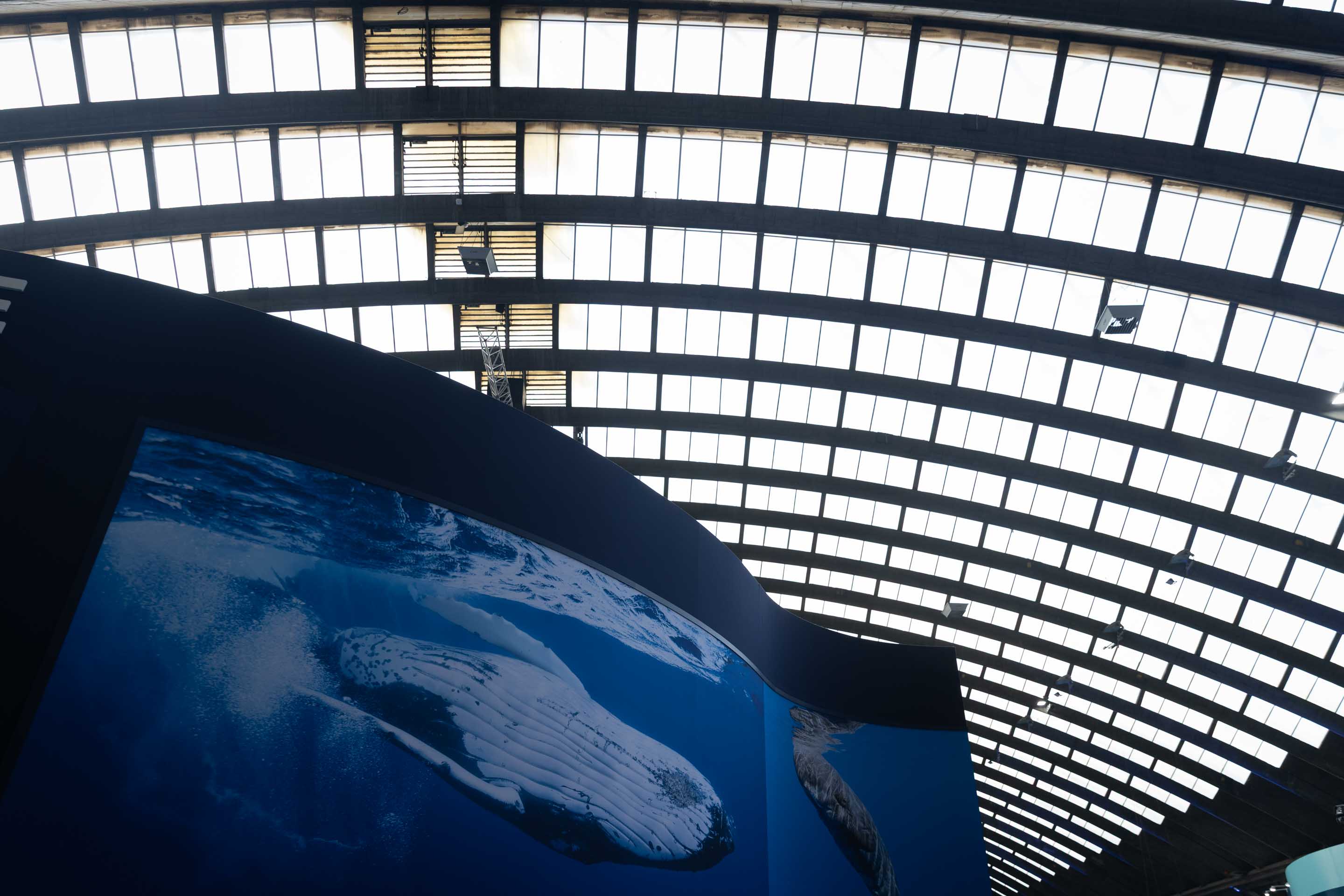
The green zone offers a variety of exhibition booths and displays for people to learn more about the importance of the Ocean
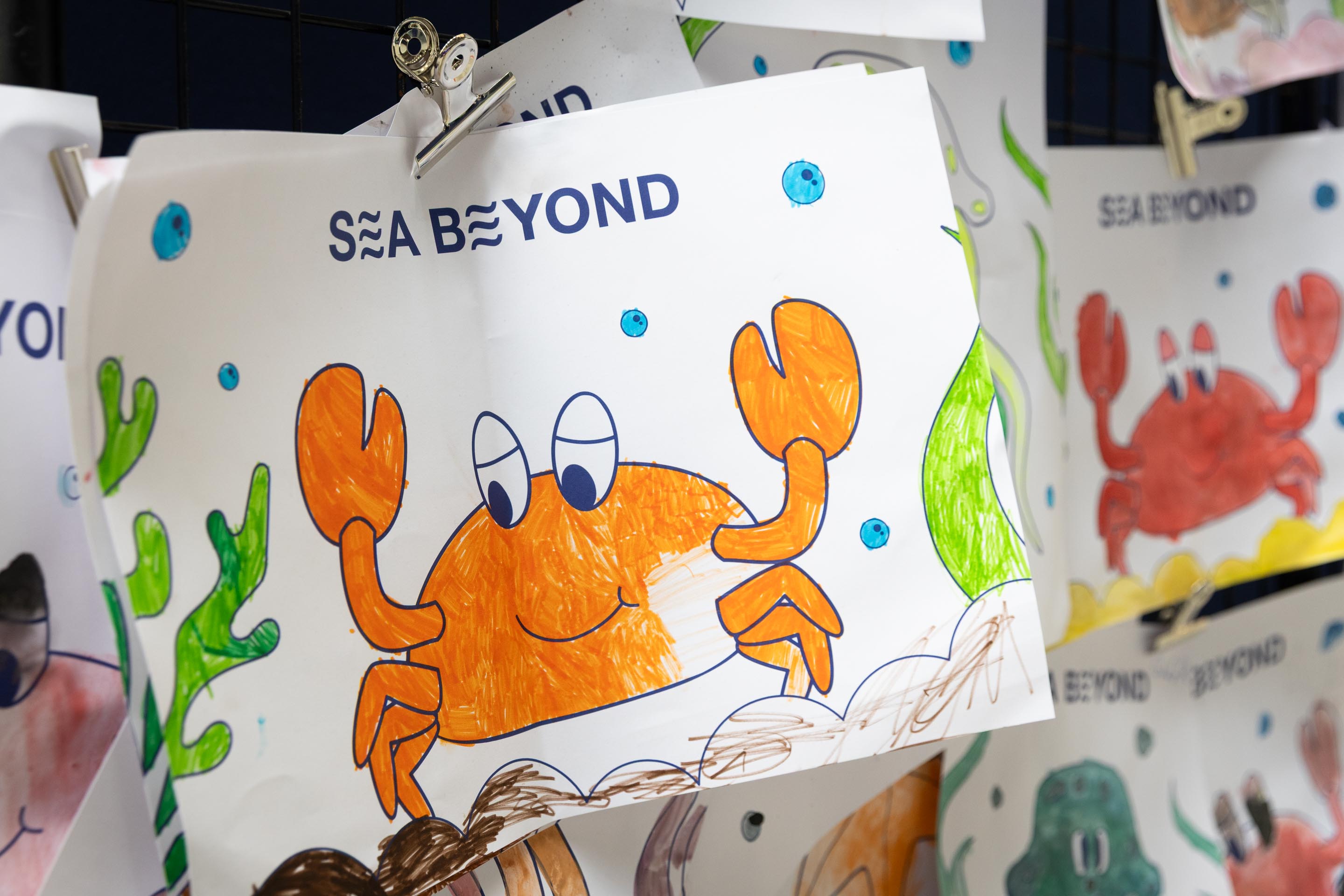
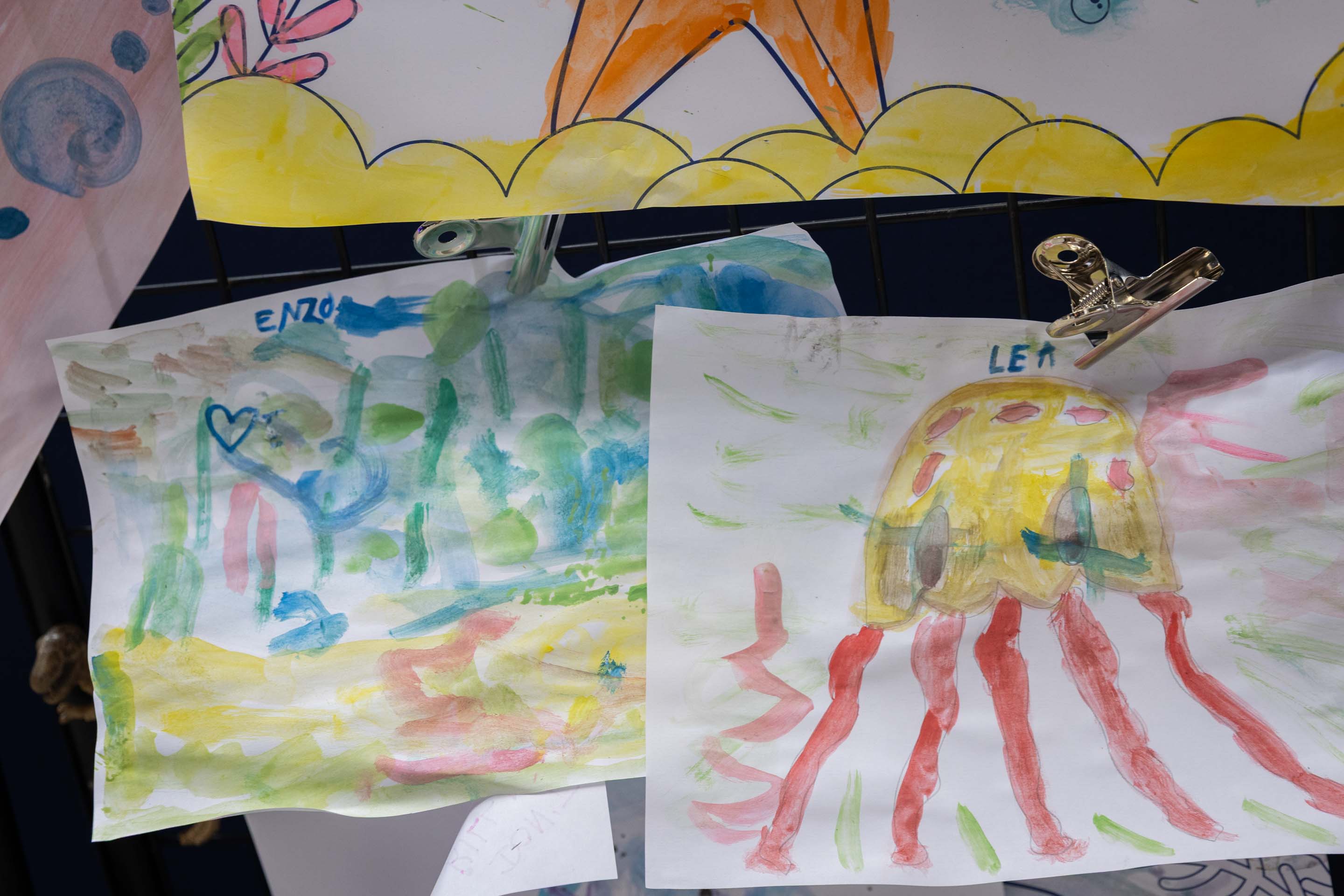
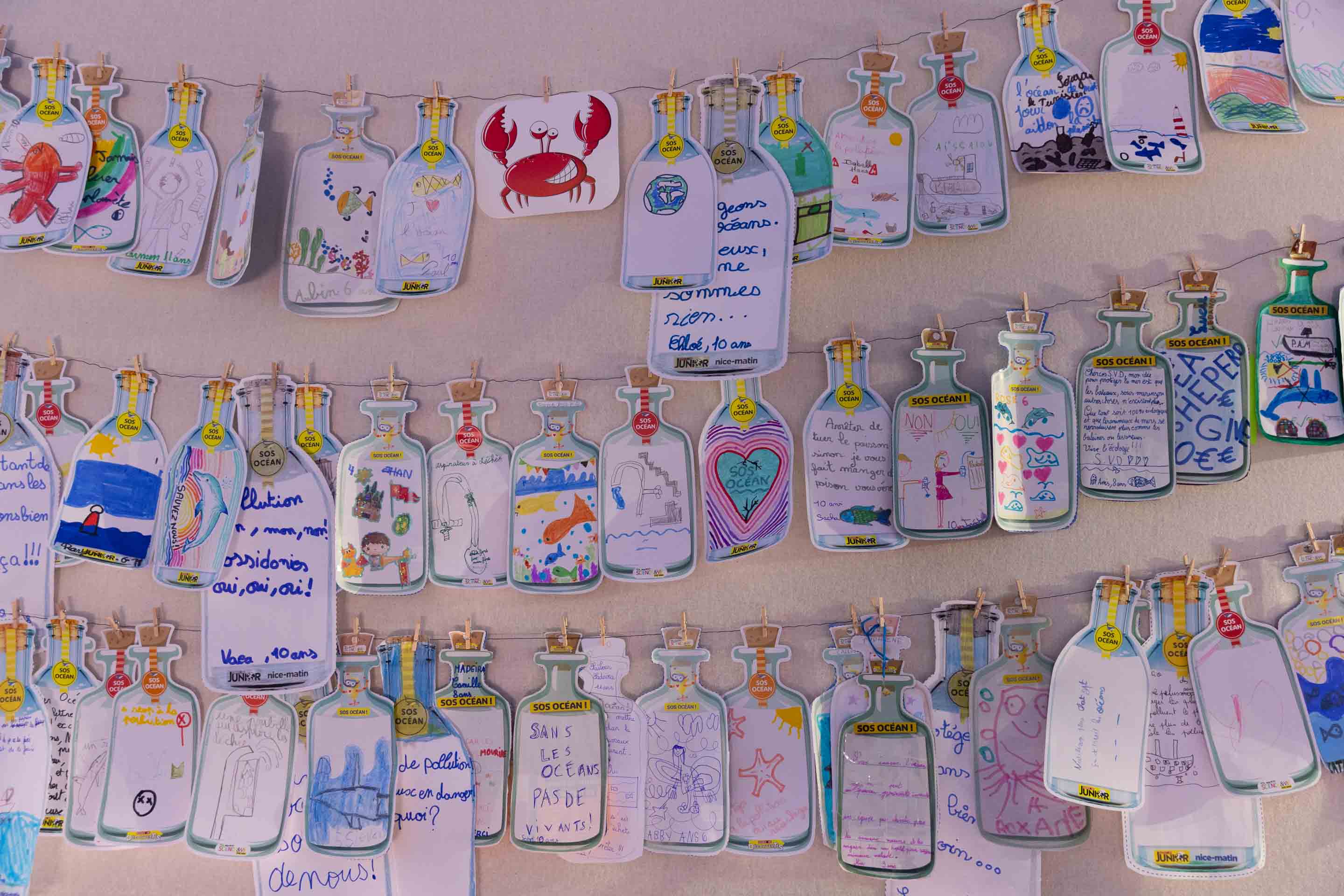
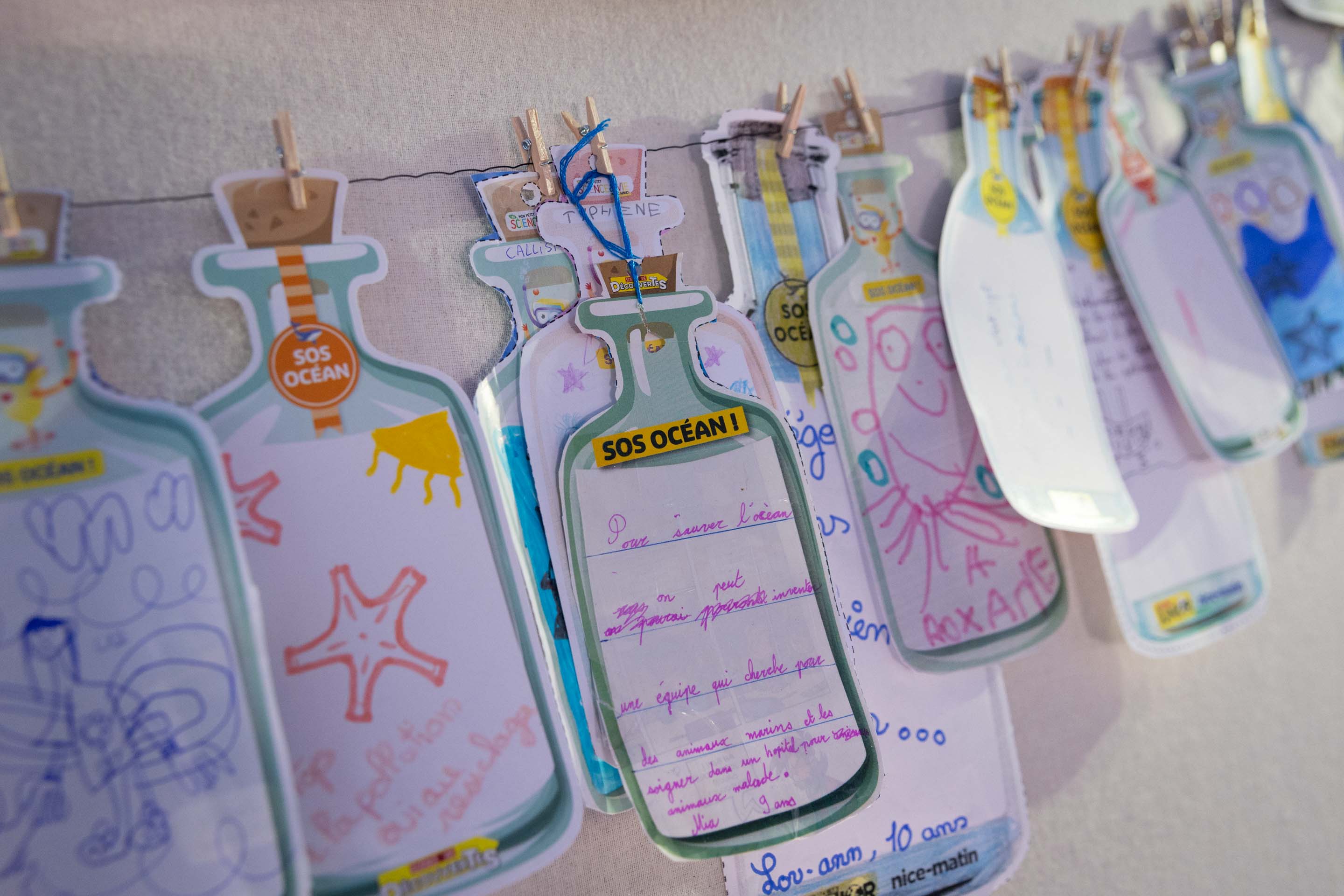
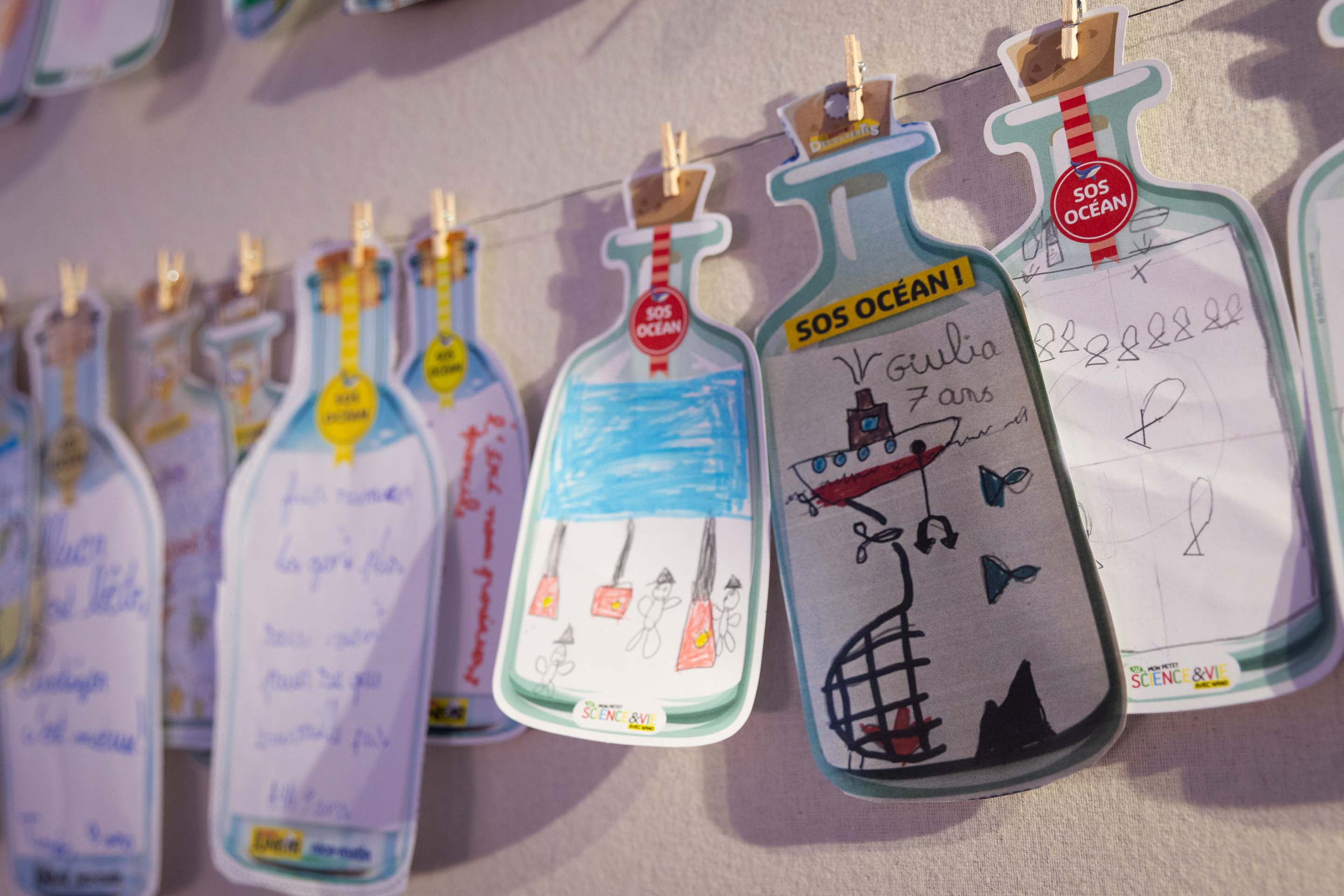
People write 'messages in a bottle' to convey the urgency of protecting the Ocean