“Am I attending a Conference of the Parties (COP) or a scientific and technical body?” queried a delegate at the end of another busy day at the 27th meeting of the Subsidiary Body on Scientific, Technical and Technological Advice (SBSTTA 27). The question highlighted concerns that political considerations often find their way into SBSTTA’s deliberations, removing focus from the scientific aspects of the work of the Convention on Biological Diversity (CBD) that the subsidiary body is mandated to address. While these concerns are not new, deliberations at SBSTTA 27 reinforced them, with some delegates stressing that this issue needs to be addressed.
Delegates considered conference room papers (CRPs) on invasive alien species (IAS) and biodiversity and health in an afternoon plenary session.
Want to dig deeper into today's talks? Read the full Earth Negotiations Bulletin daily report.
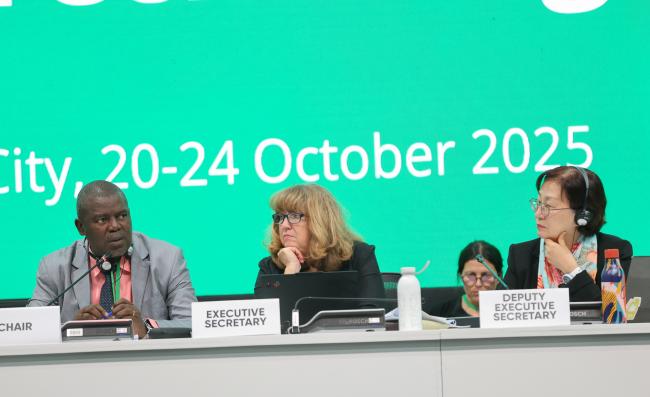
On IAS, delegates discussed, among other things:
- the connection between climate change and IAS;
- collaborative approaches, including strengthening cross-sectoral and cross-border collaboration, and collaboration with the Inter-Agency Liaison Group on IAS;
- developing training materials for a list of emerging tools; and
- a list of requests to the Secretariat for further work.
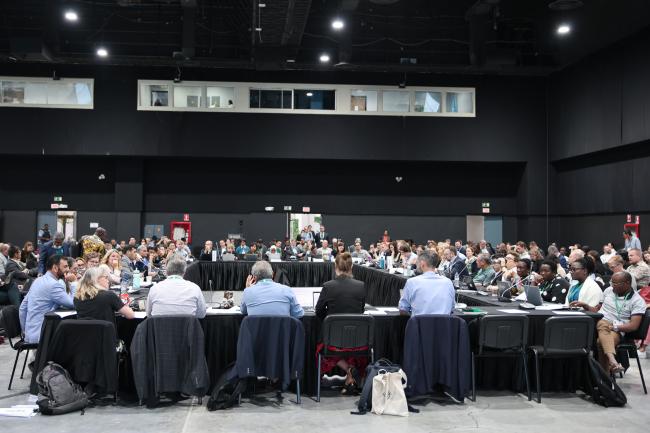
On biodiversity and health, provisions "taking note of" or "welcoming" the Nexus Assessment of the Intergovernmental Science-Policy Platform on Biodiversity and Ecosystem Services (IPBES) and the World Health Organization Pandemic Agreement were bracketed following a Party’s opposition.
Delegates further discussed provisions, among others, on:
- the timeline of the development of indicators, metrics, and progress measurement tools on biodiversity and health;
- the provision of financial resources to support the implementation of the Global Action Plan on Biodiversity and Health; and
- the One Health approach.
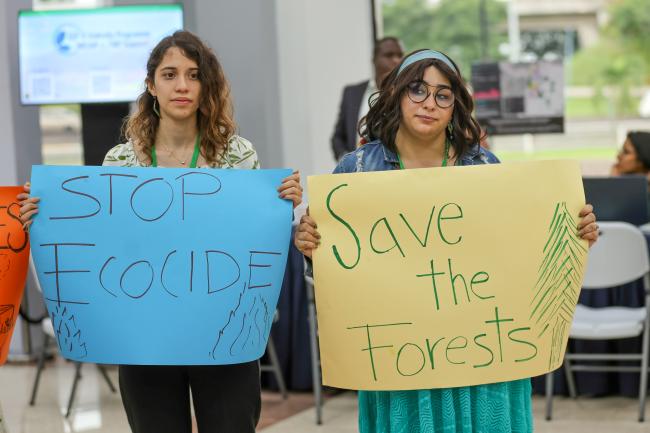
The rest of the day was devoted to deliberations in contact groups, which met in the morning and evening to discuss:
- the global review of collective progress in the implementation of the Kunming-Montreal Global Biodiversity Framework (GBF);
- the strategic review and analysis of the programmes of work under the CBD in the context of the GBF;
- risk assessment and risk management of living modified organisms;
- biodiversity and climate change; and
- areas of potential further work in the context of the GBF.
To receive free coverage of global environmental events delivered to your inbox, subscribe to the ENB Update newsletter.
All ENB photos are free to use with attribution. For SBSTTA 27 and SB8j 1, please use: Photo by IISD/ENB | Mike Muzurakis
Plenary Session
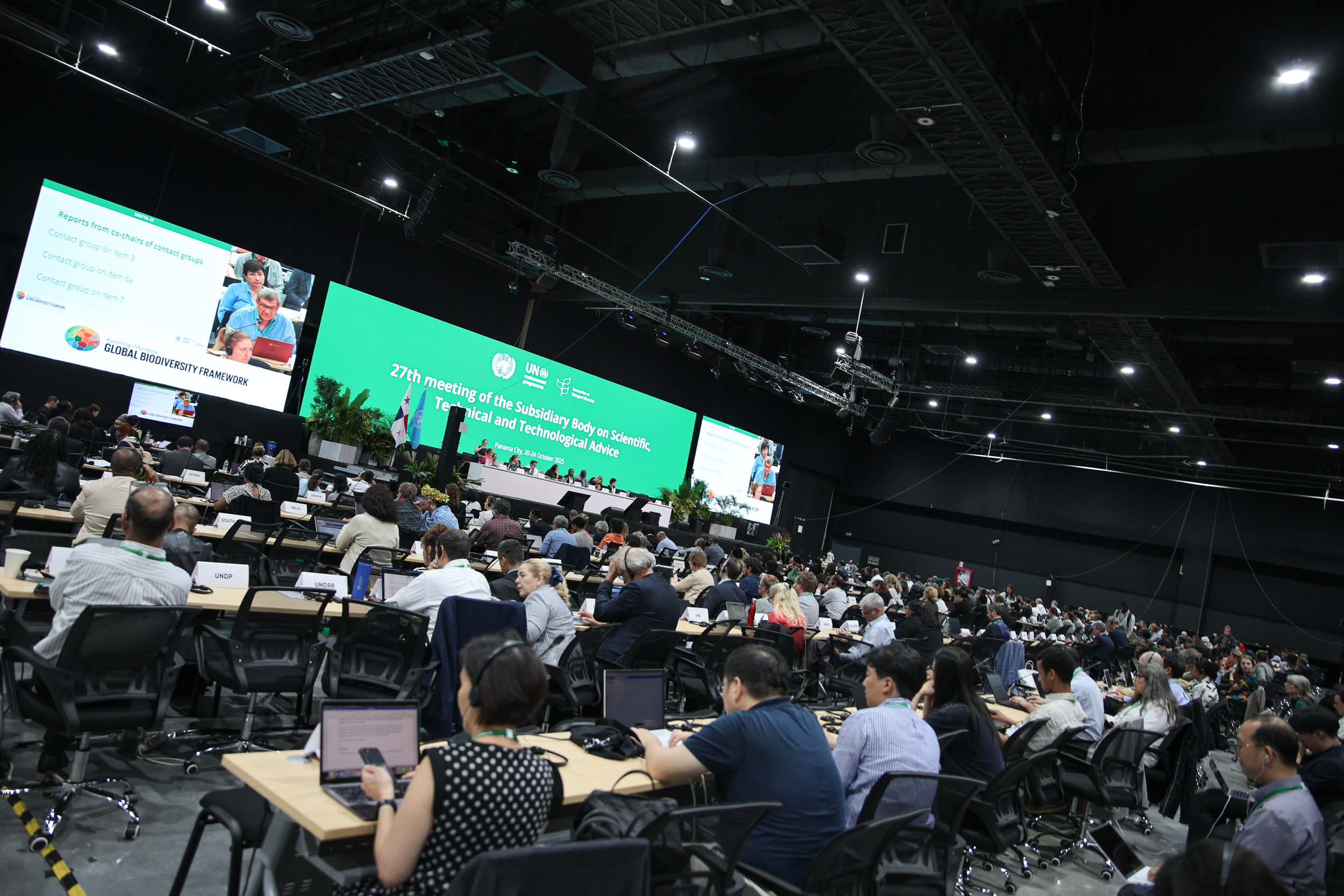
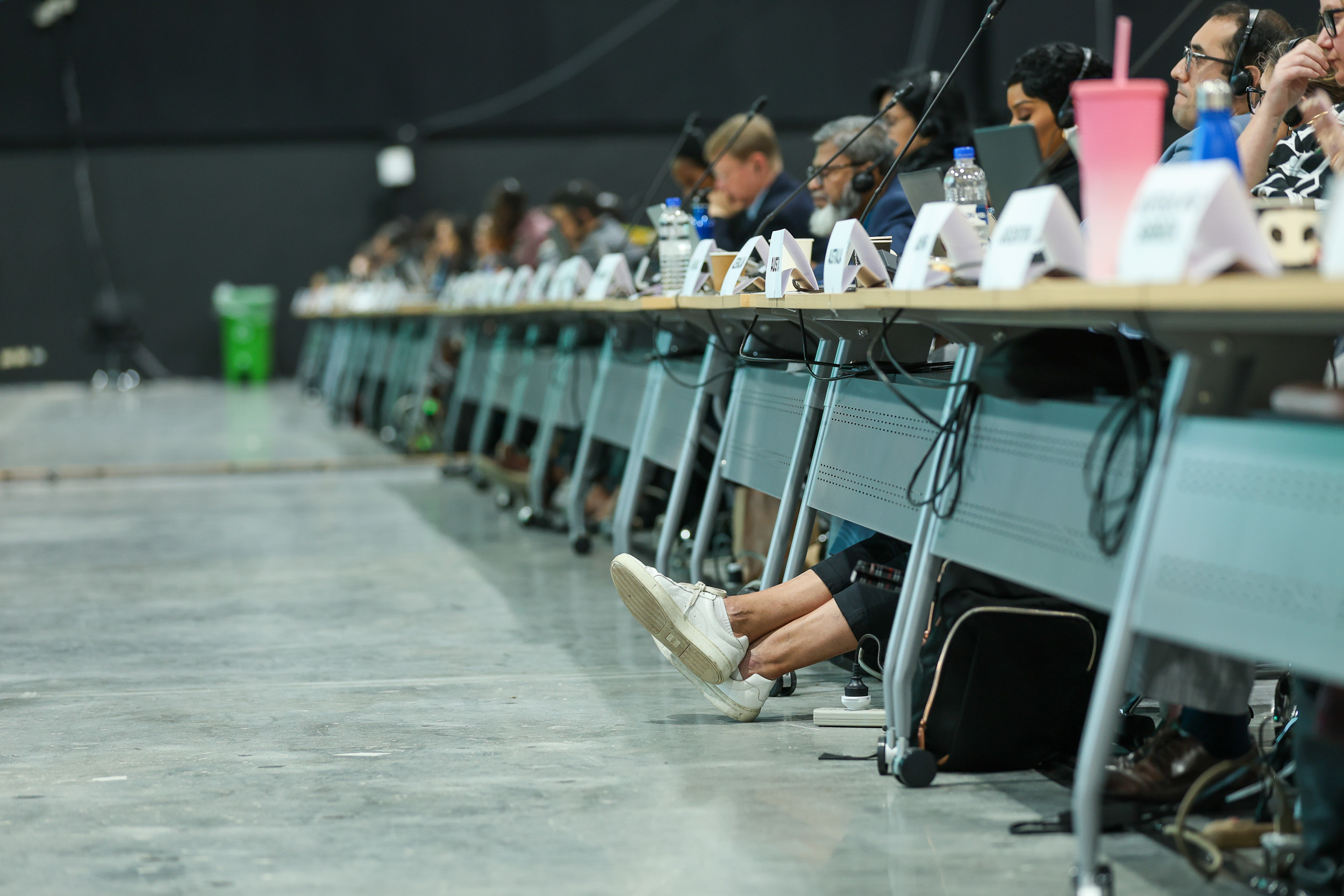
View of the room during the afternoon plenary
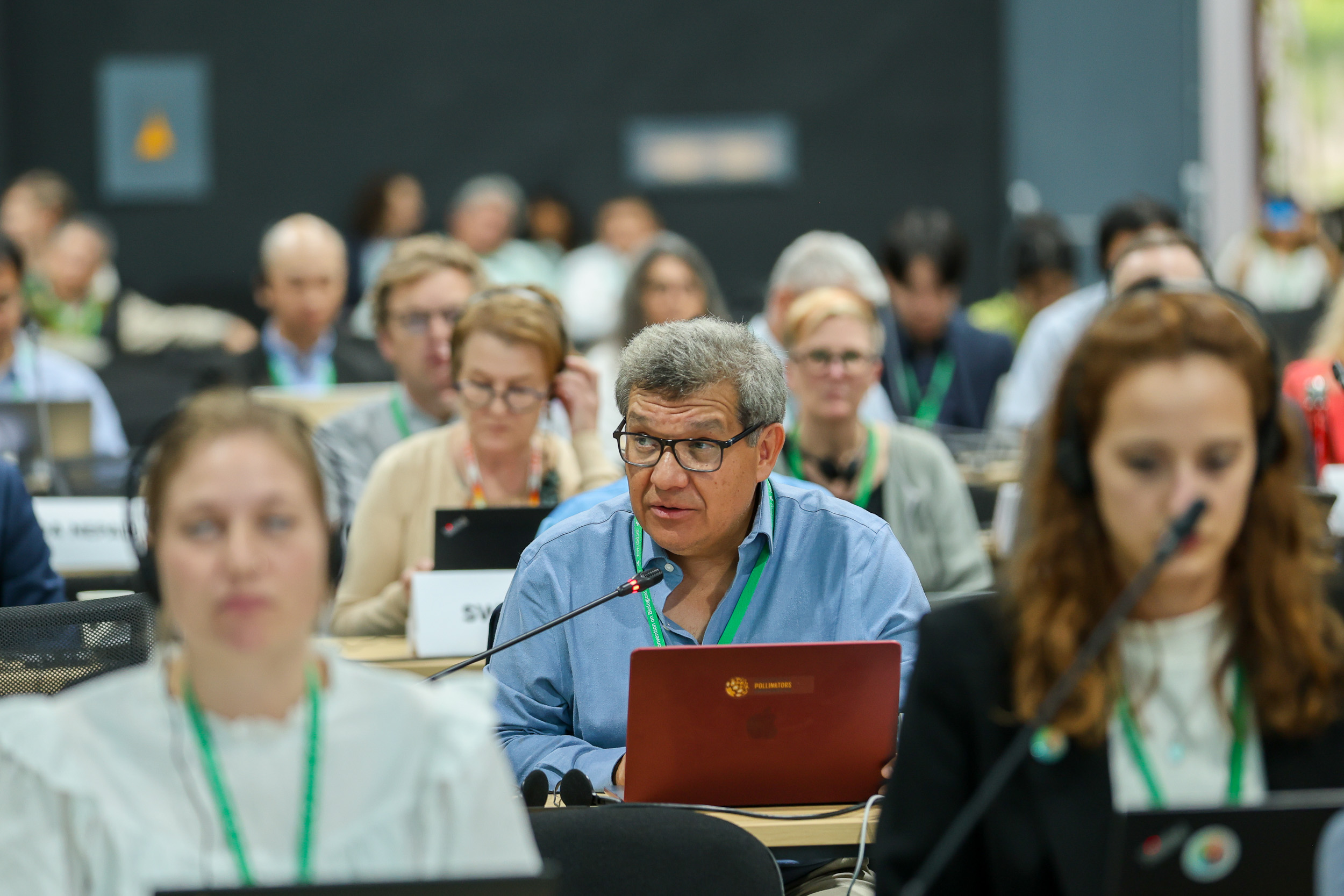
Hesiquio Benítez Díaz, Mexico
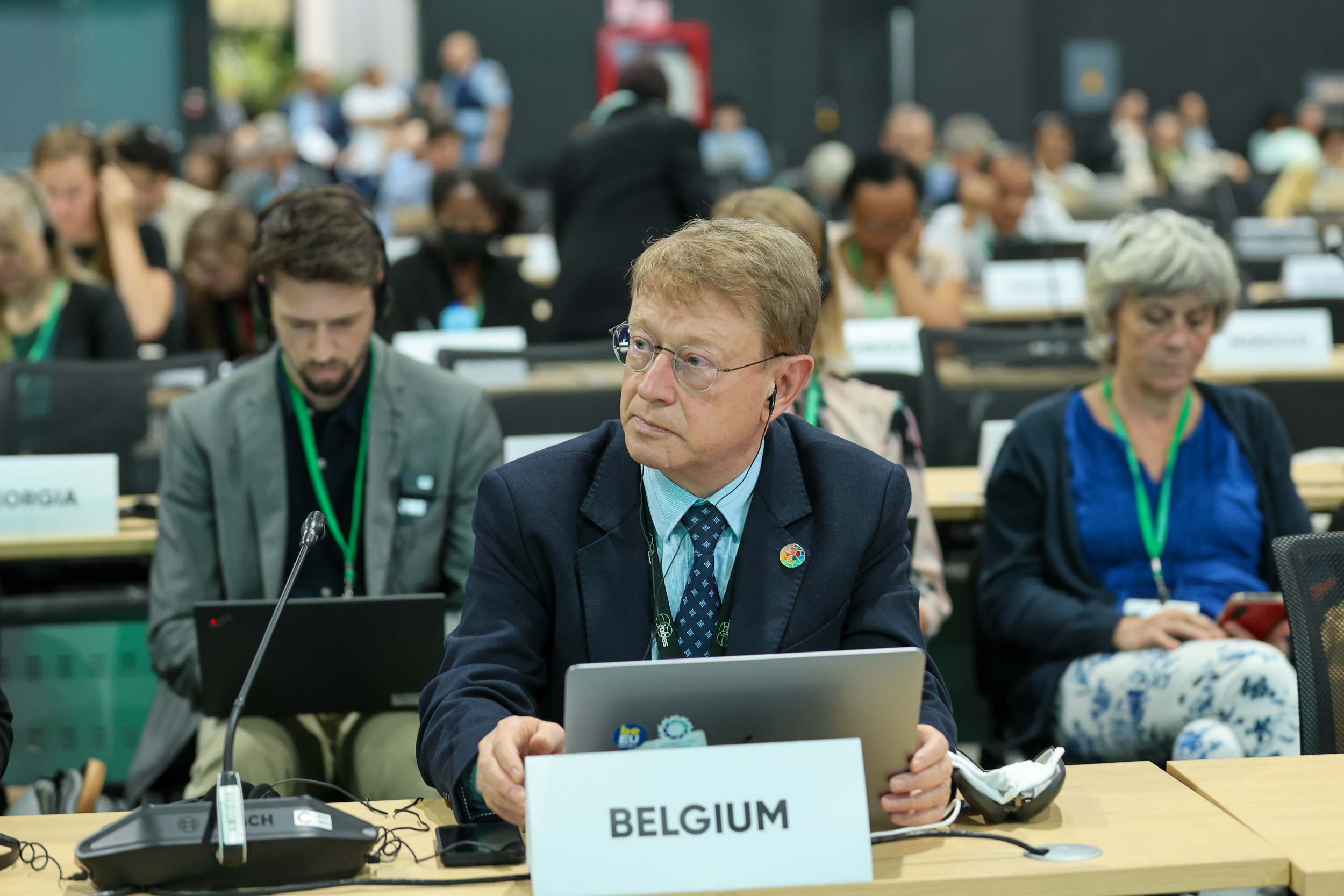
Hendrik Segers, Belgium
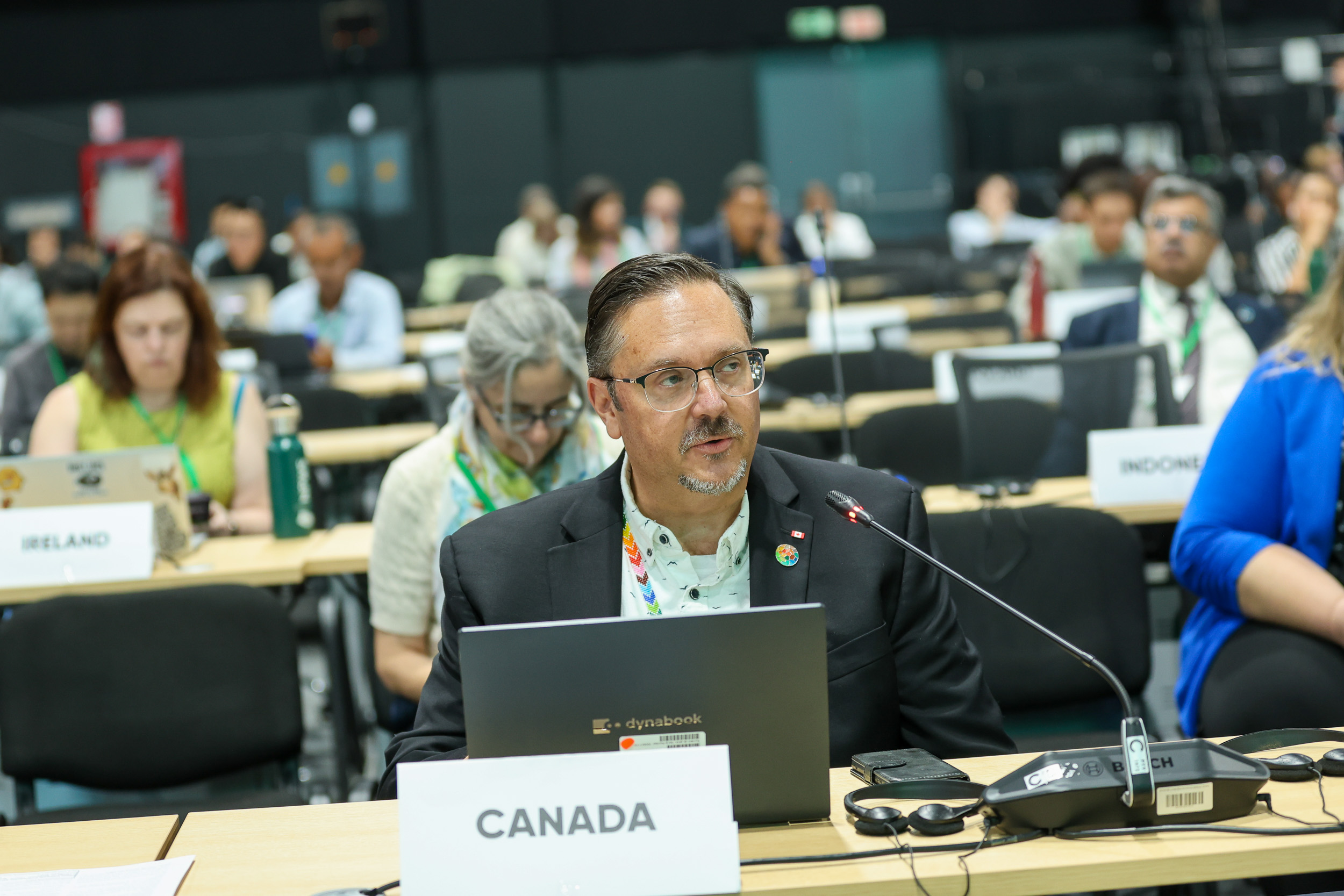
Scott Wilson, Canada
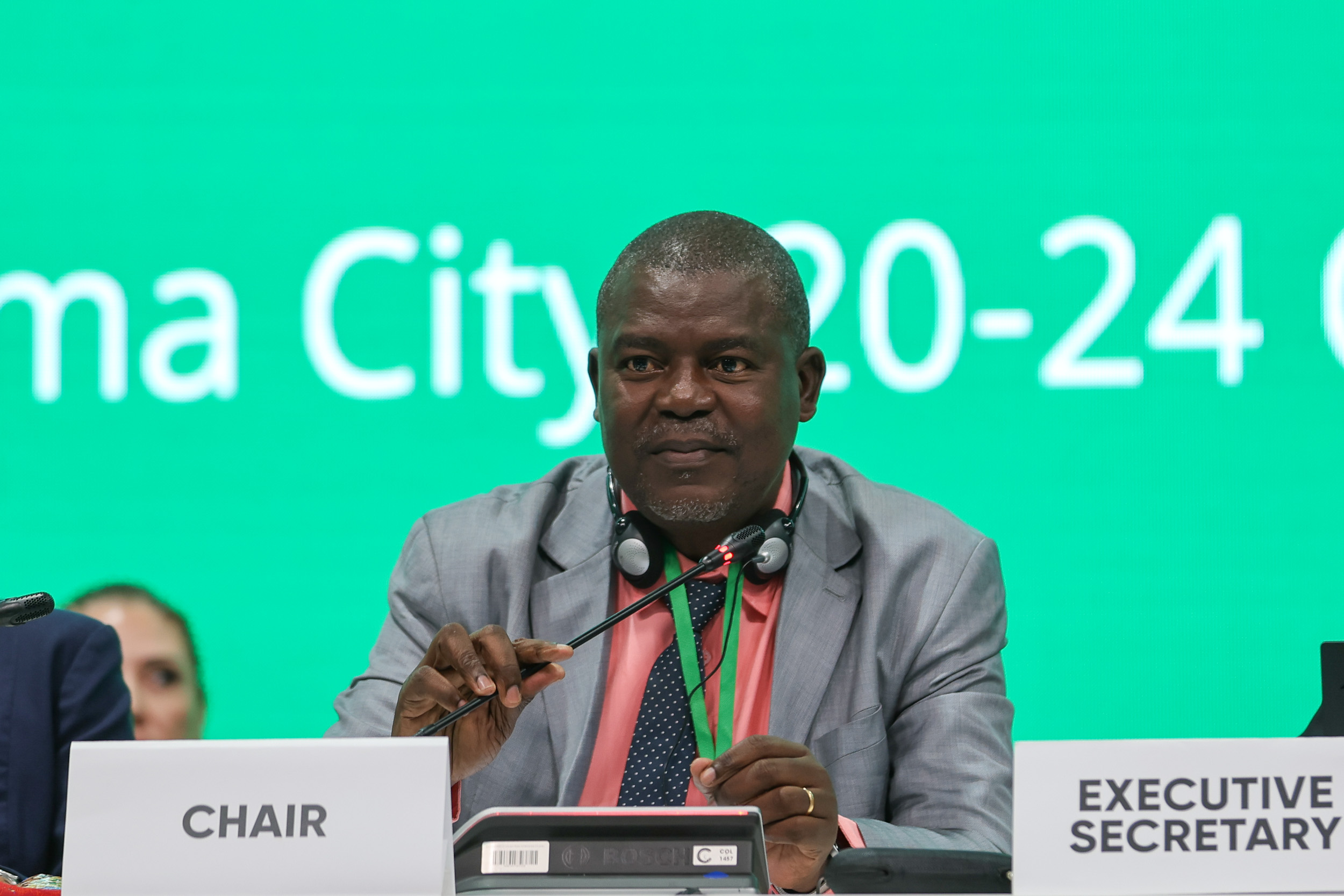
SBSTTA 27 Chair Jean Bruno Mikissa, Gabon
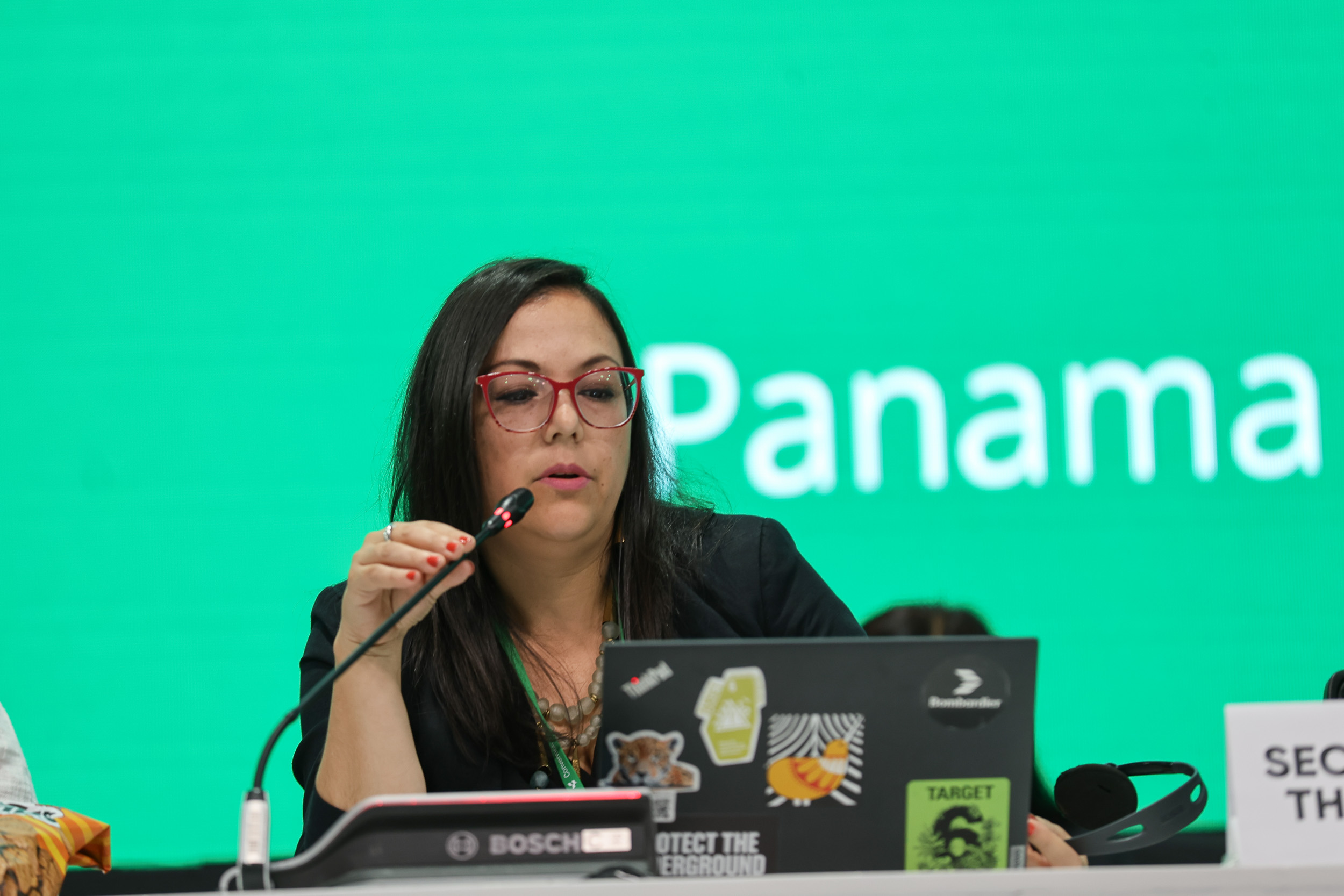
Marianela Araya, CBD Secretariat
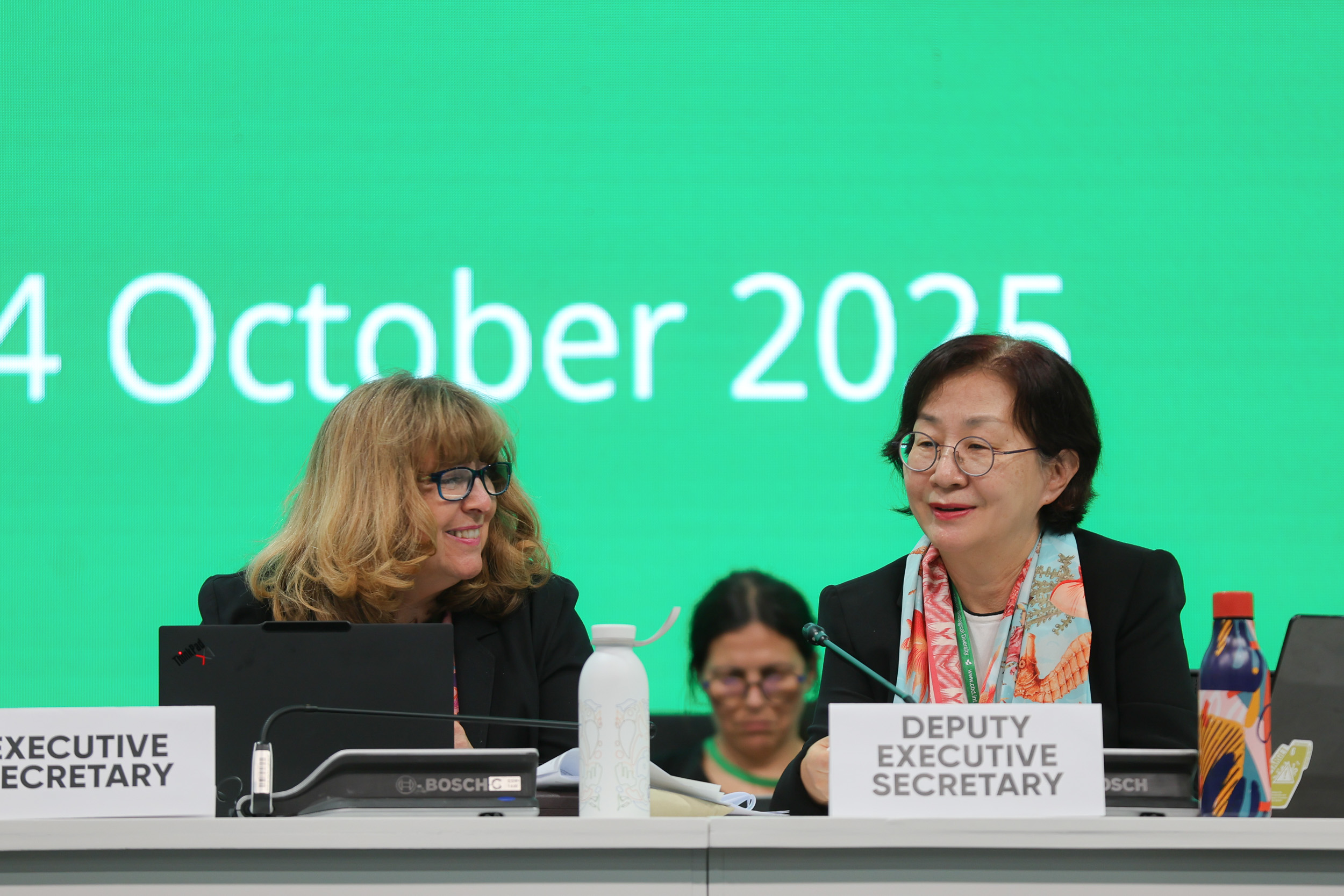
CBD Executive Secretary Astrid Schomaker with CBD Deputy Executive Secretary Jihyun Lee
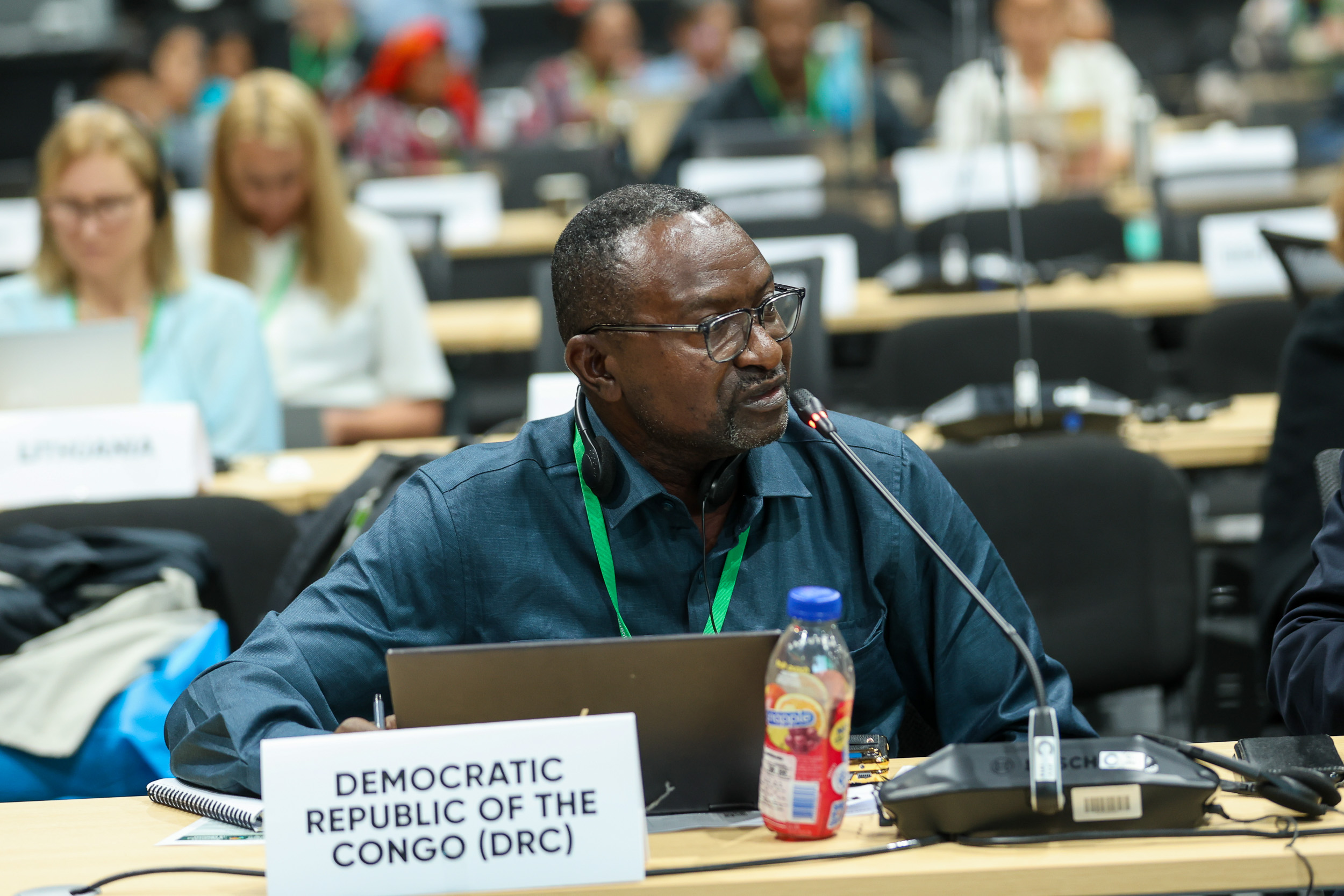
Nicky Kingunia Ineet, Democratic Republic of the Congo
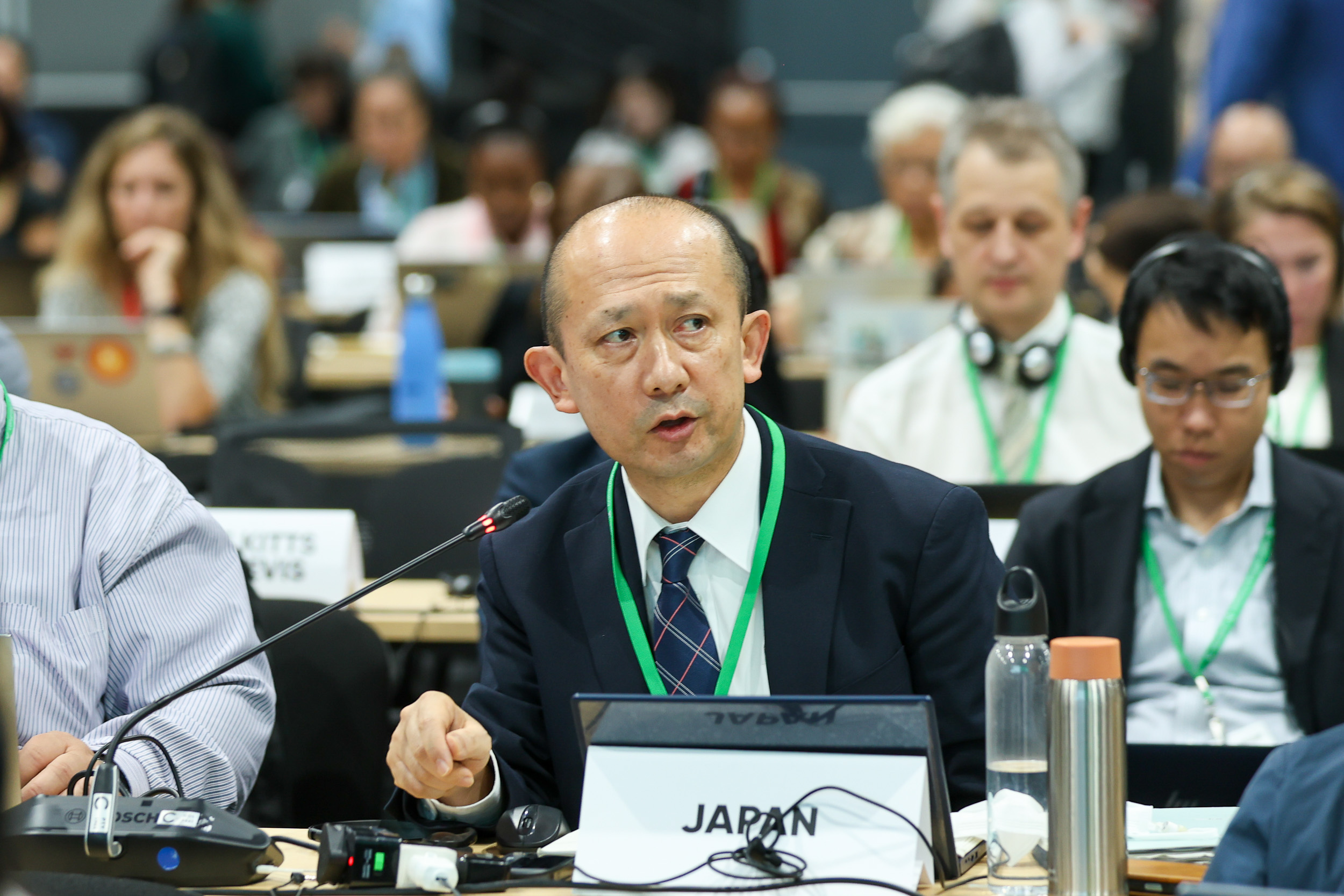
Wataru Suzuki, Japan
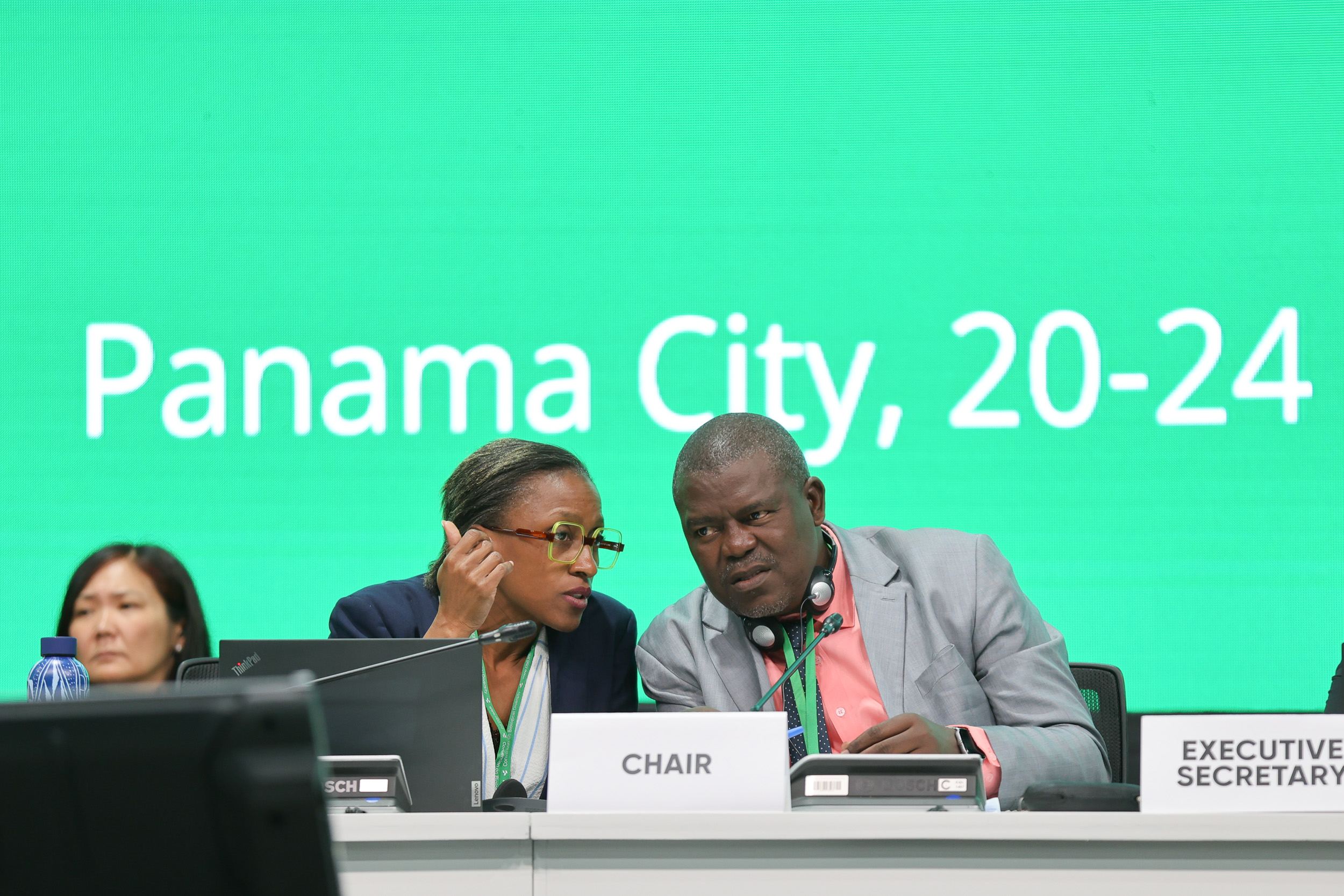
SBSTTA 27 Secretary Sakhile Silitshena, and SBSTTA 27 Chair Jean Bruno Mikissa, Gabon
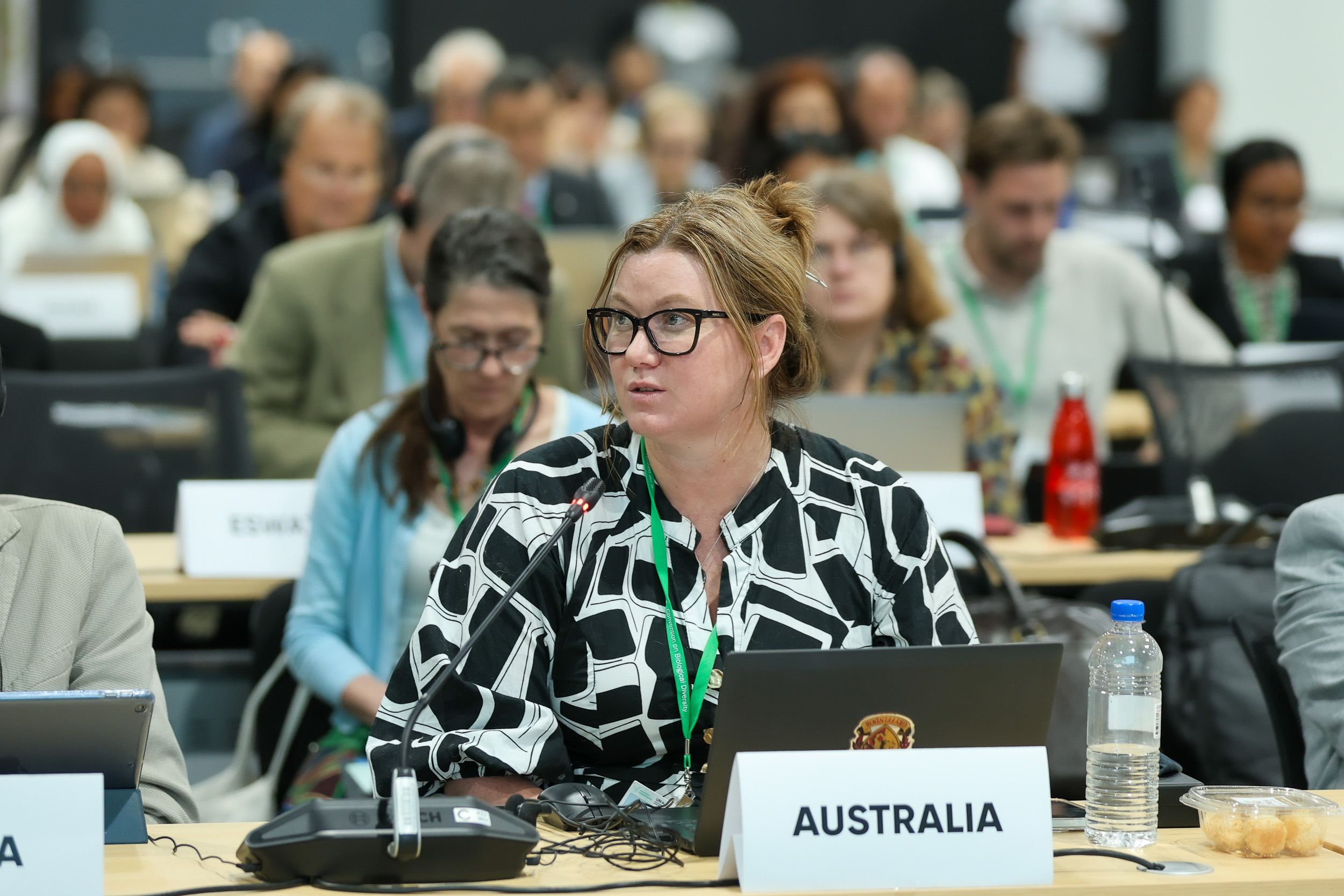
Melissa Cotterill, Australia
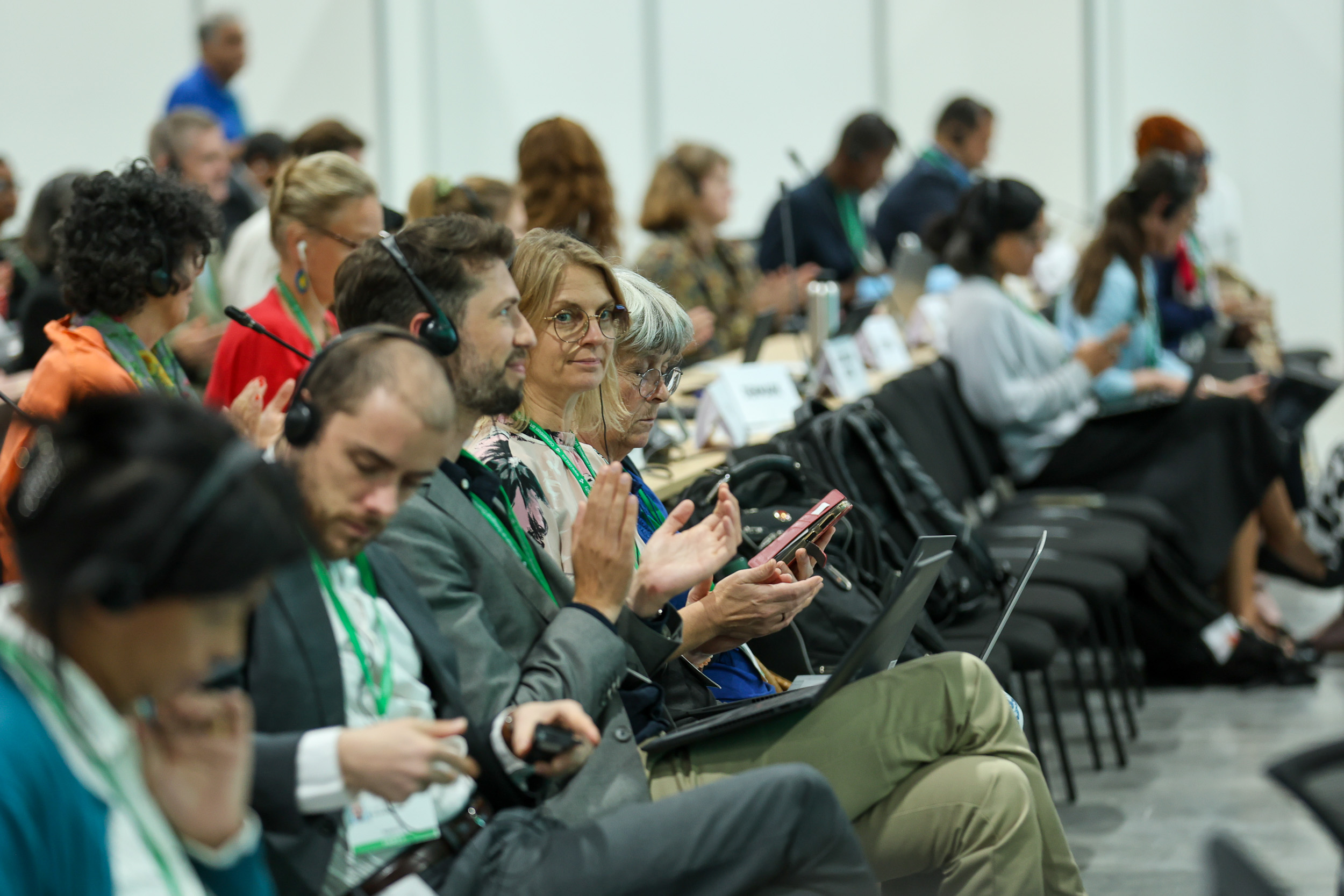
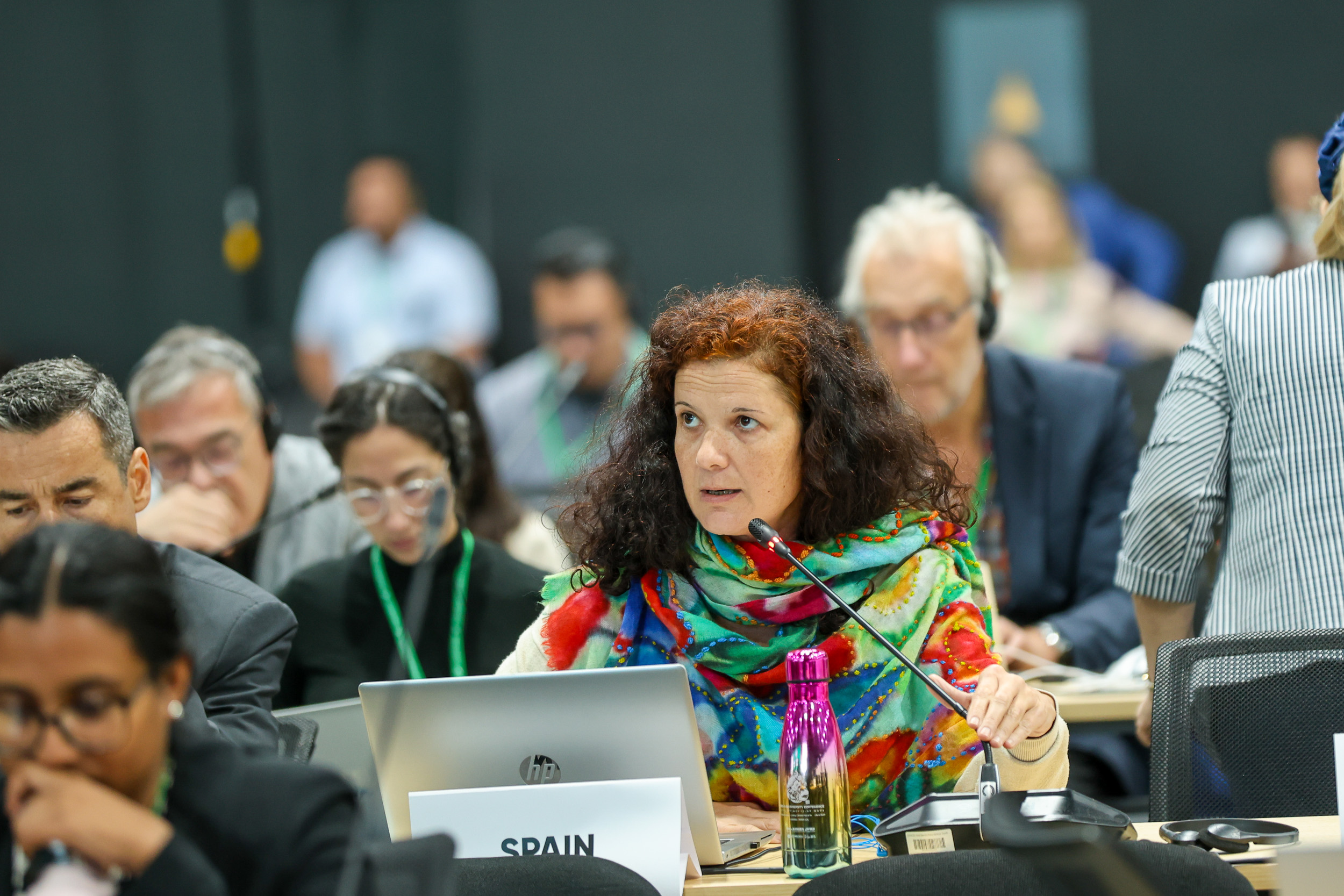
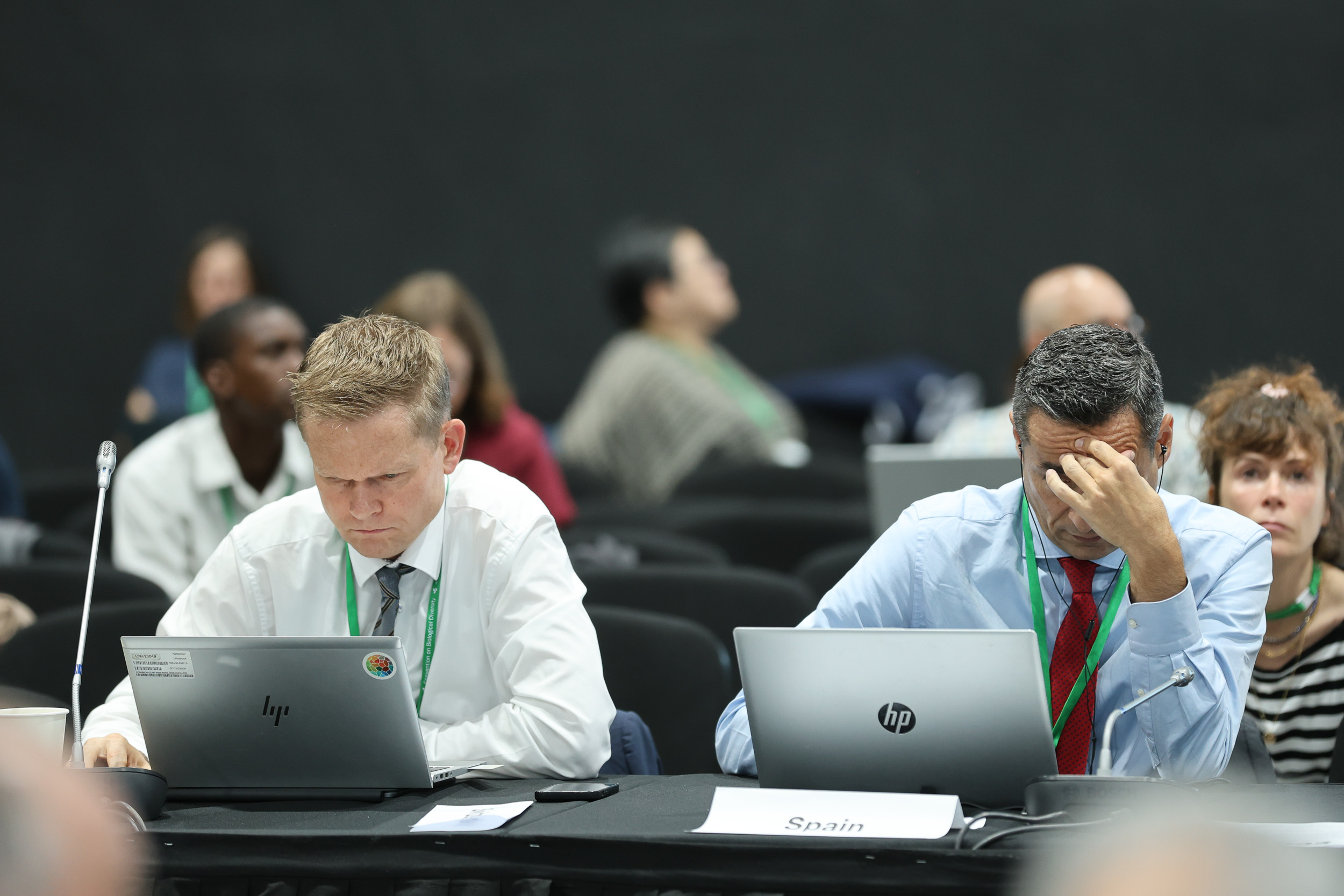
Noelia Vallejo Pedregal, Spain
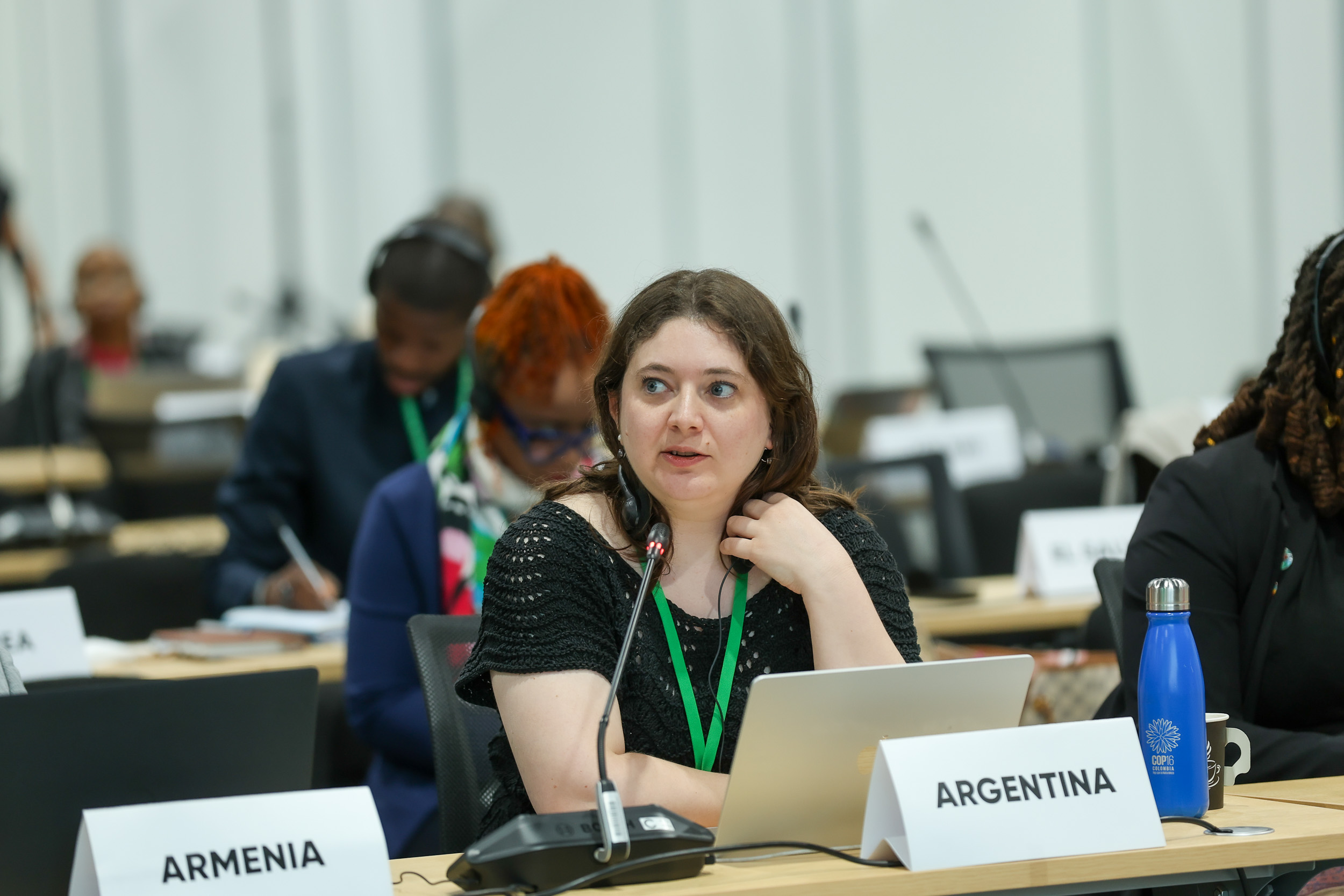
Corina Sarli, Argentina
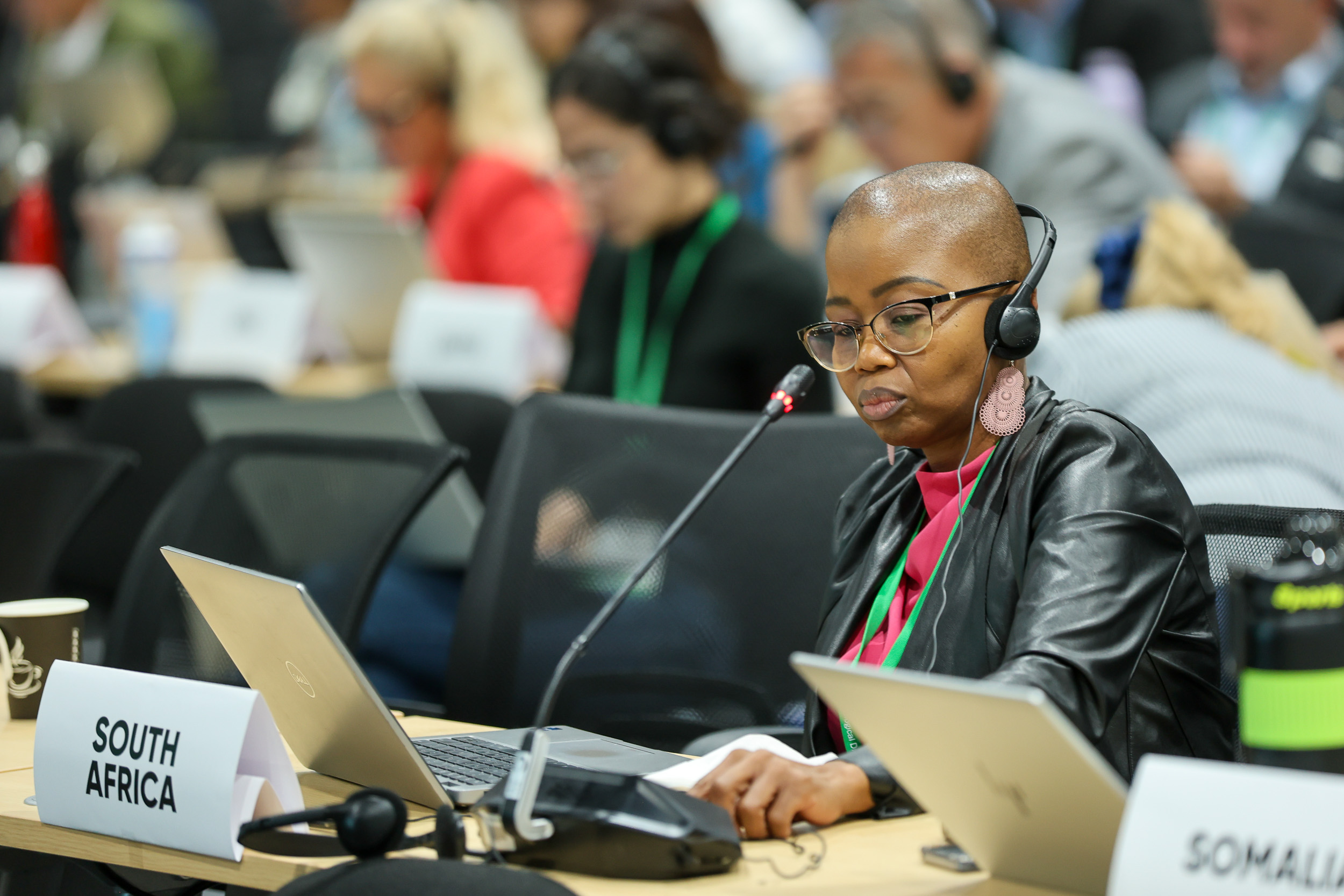
Thato Mogapi, South Africa
Contact Groups
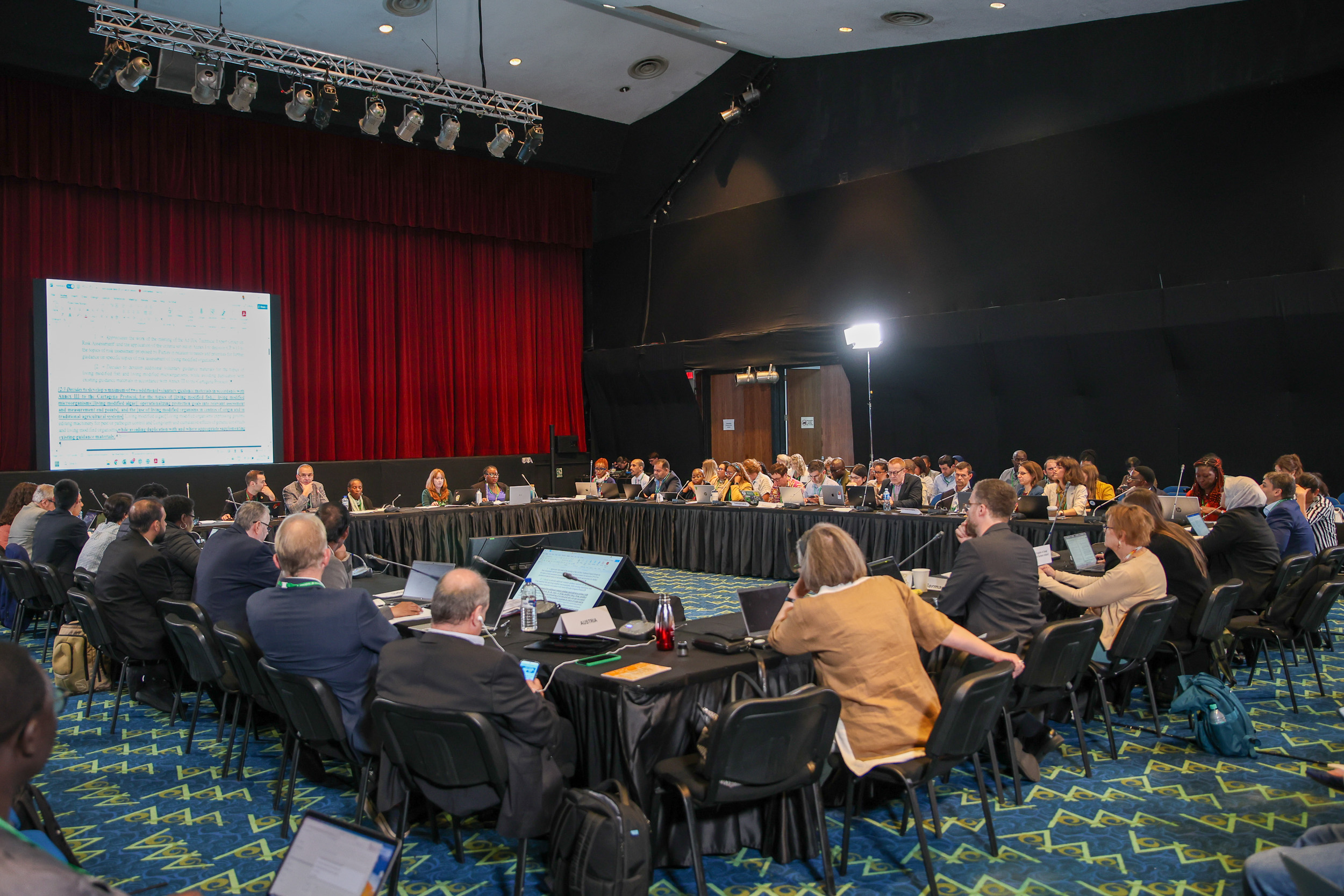
View of the room during the contact group on risk assessment and risk management of living modified organisms
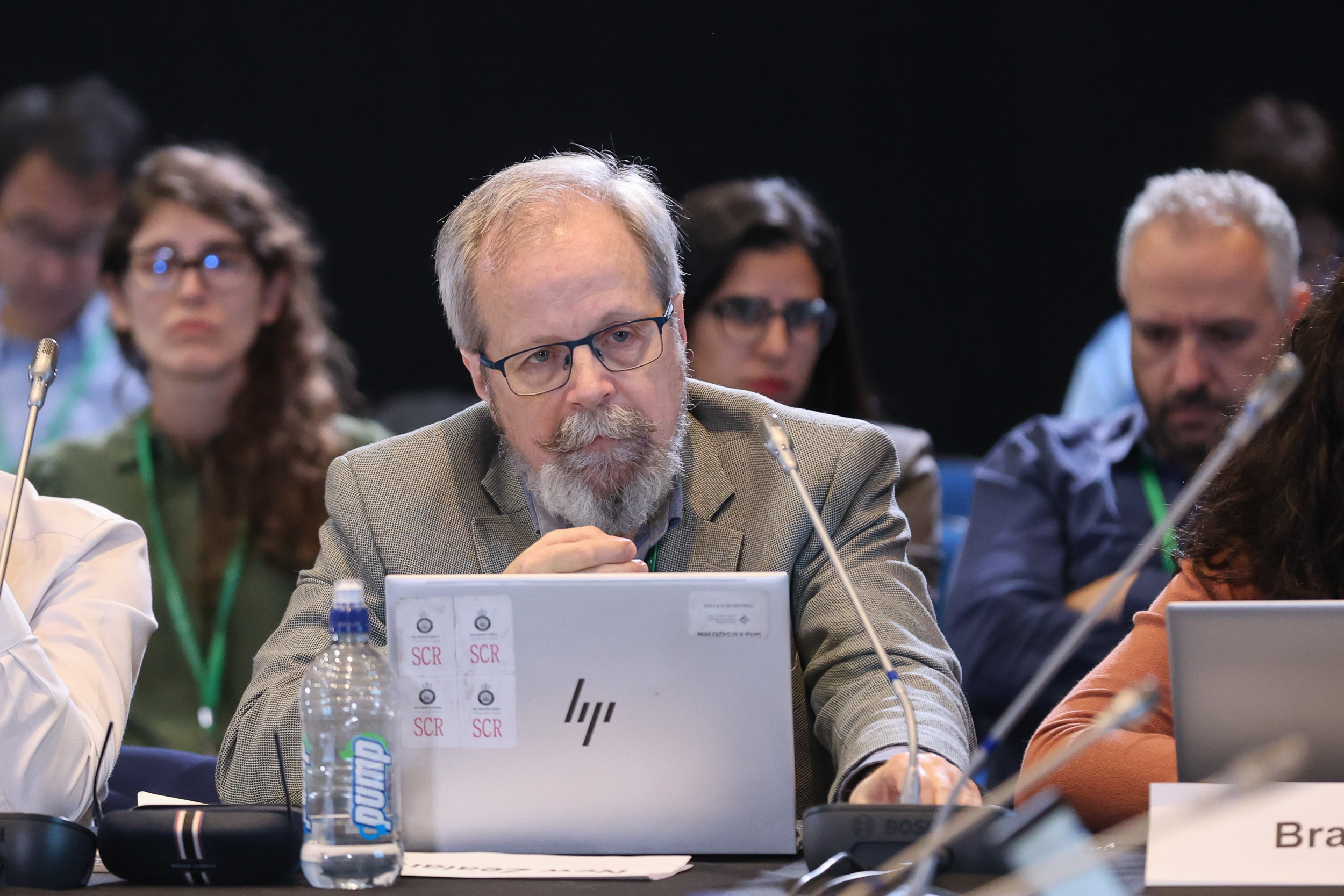
Tim Strabala, New Zealand
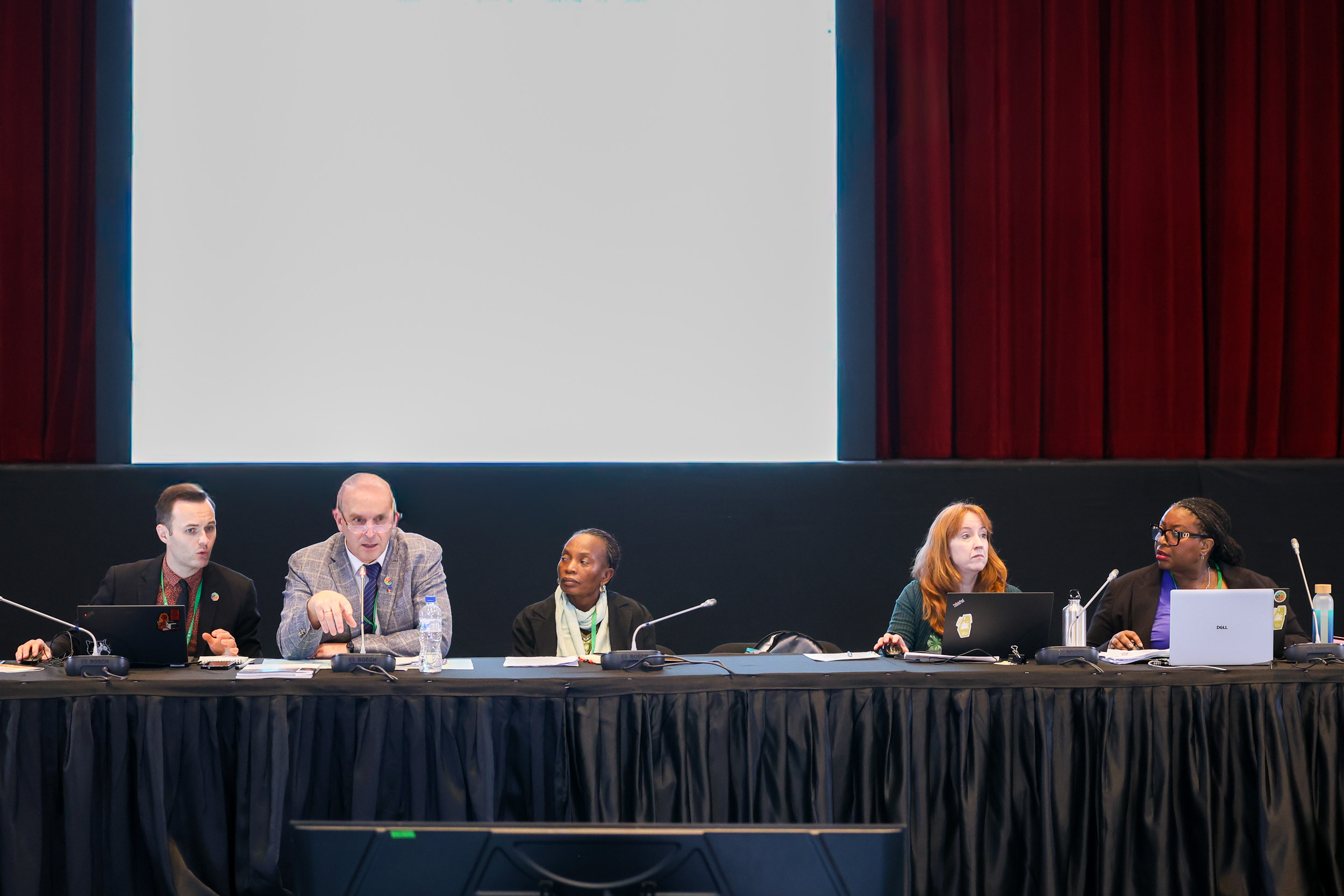
View of the dais during the contact group on risk assessment and risk management of living modified organisms
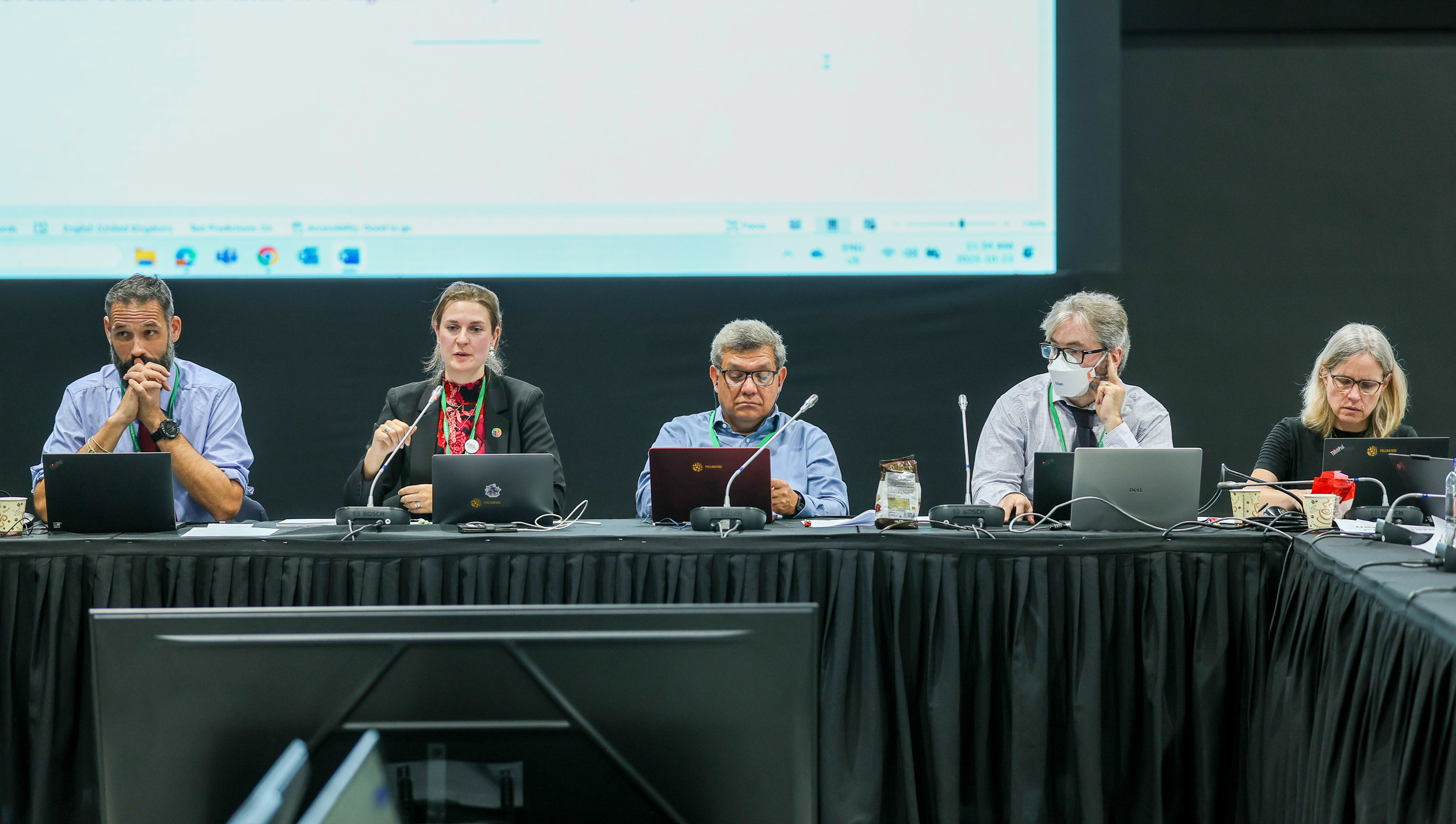
View of the dais during the contact group on the global review of collective progress in the implementation of the GBF
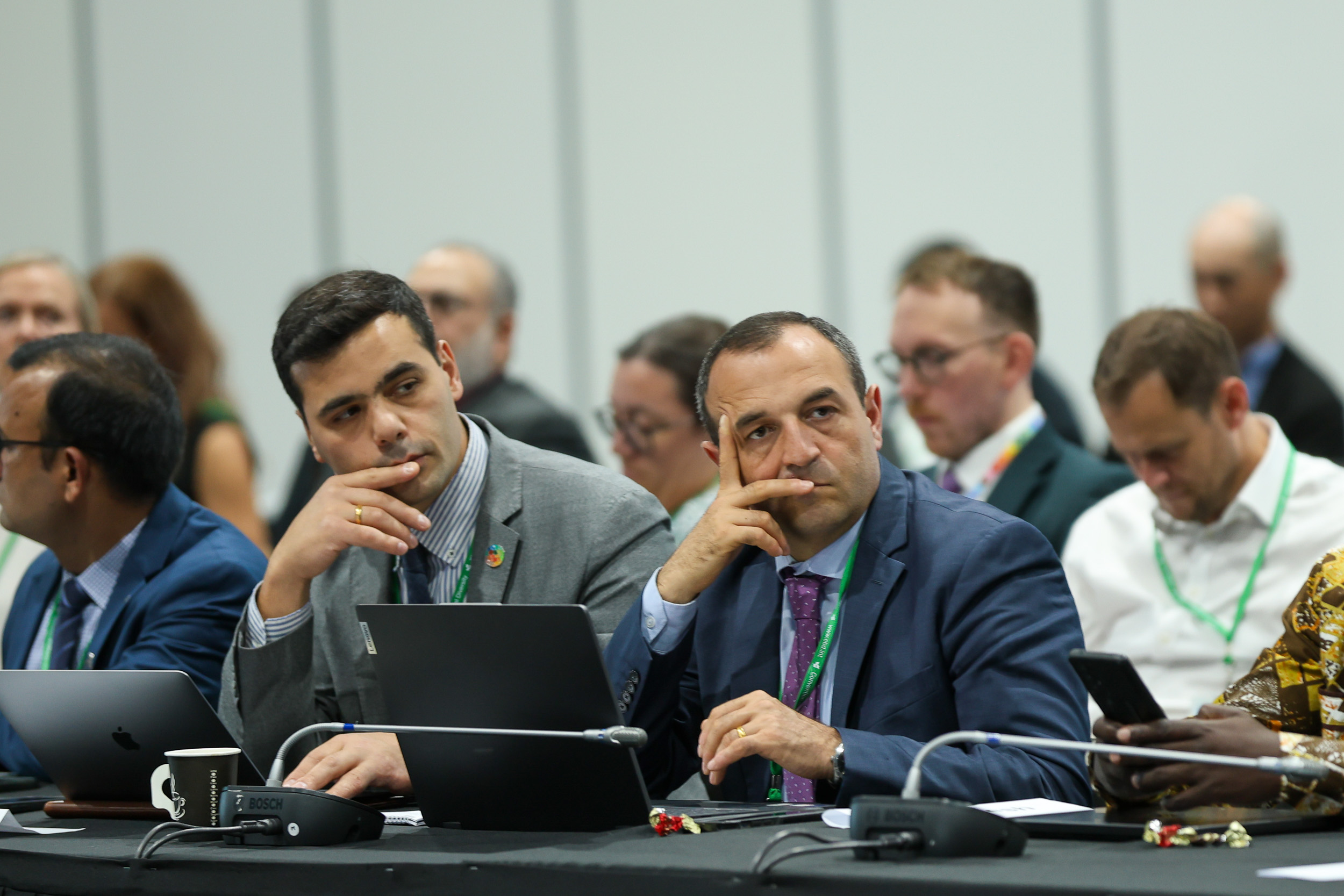
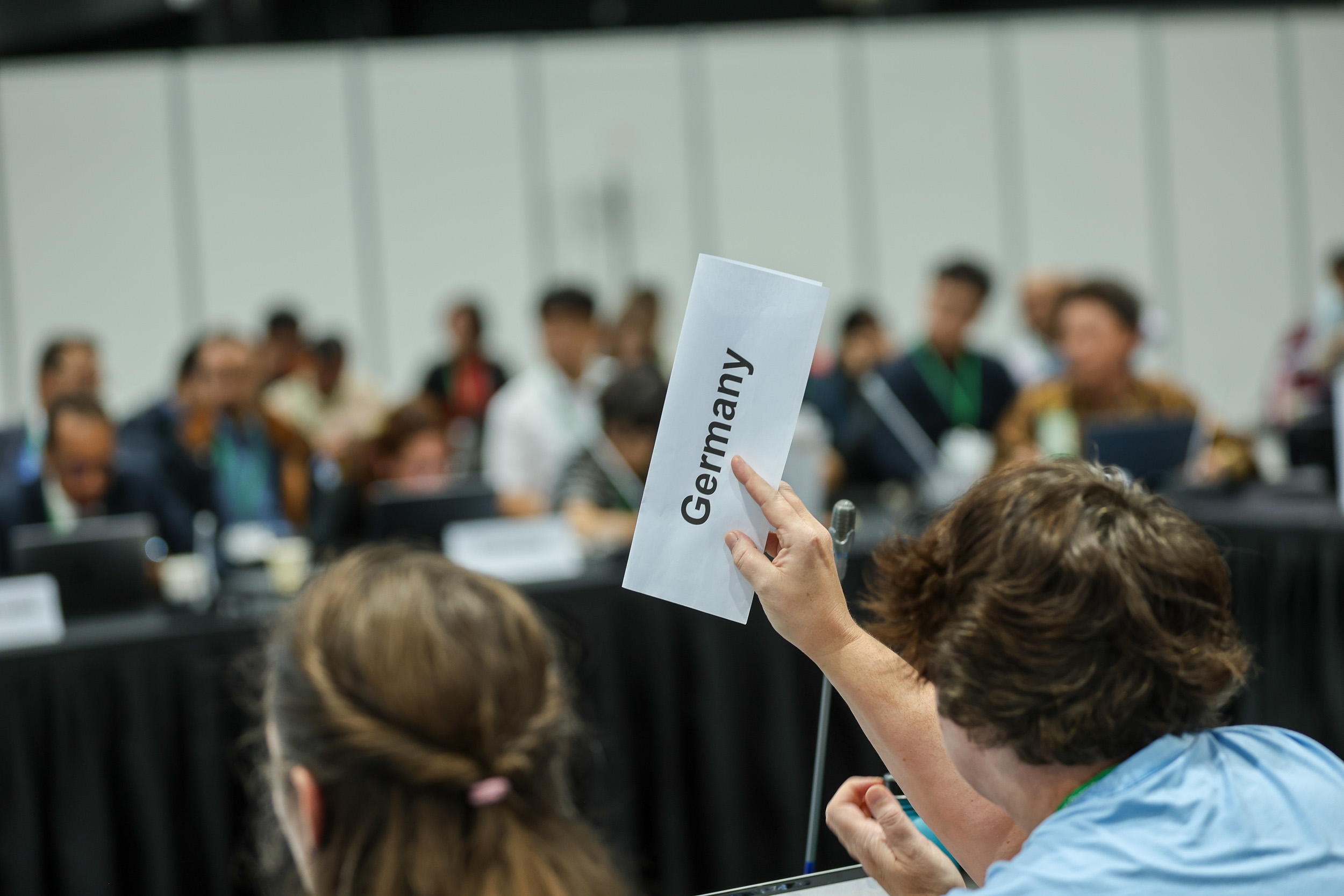

From L-R: Xiang Gao, China; Petr Antipov, Alexander Shestakov, and Victoria Elias, Russian Federation
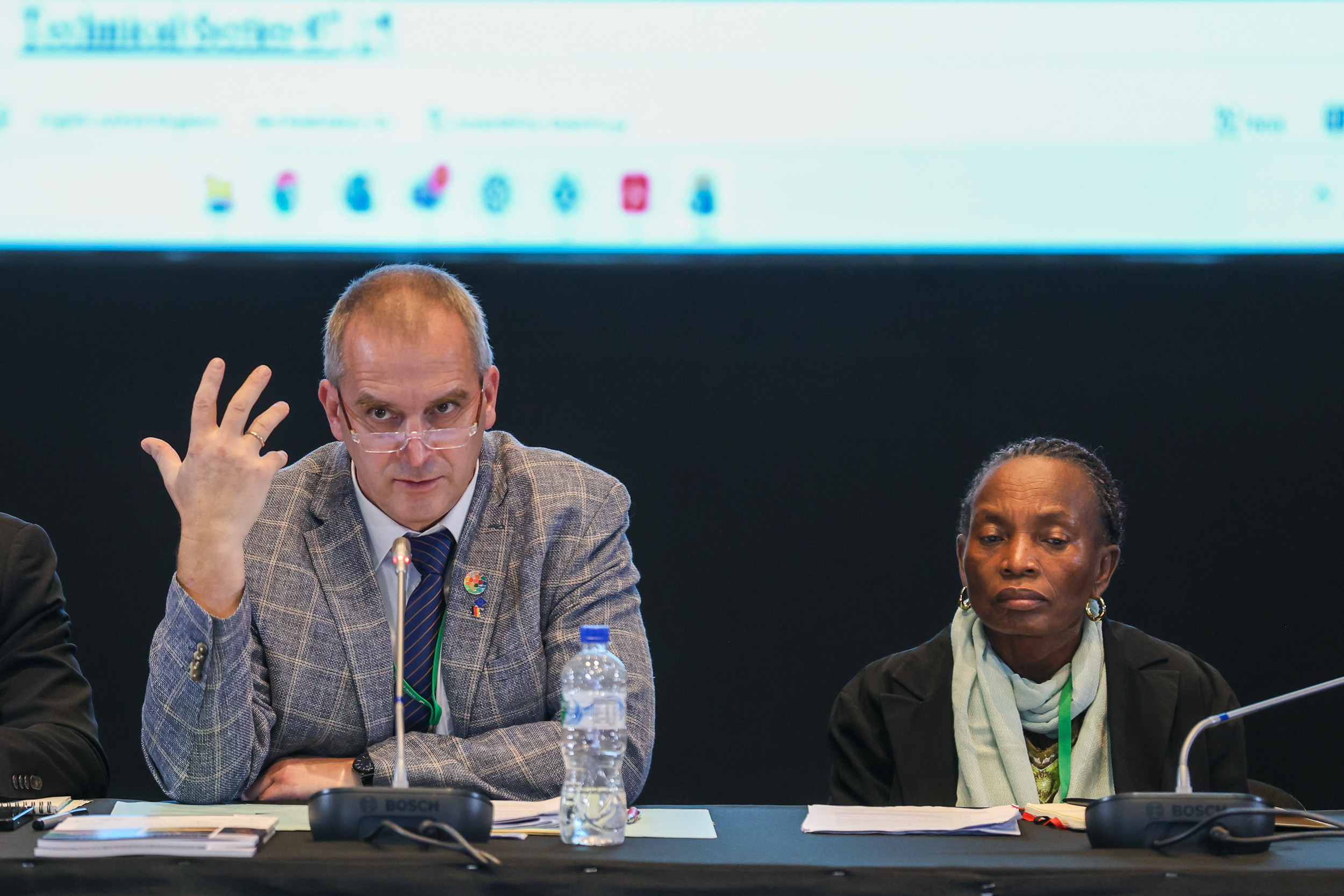
Werner Schenkel, Germany, and Martha Kandawa-Schulz, Namibia, Co-Chairs of the contact group on risk assessment and risk management of living modified organisms
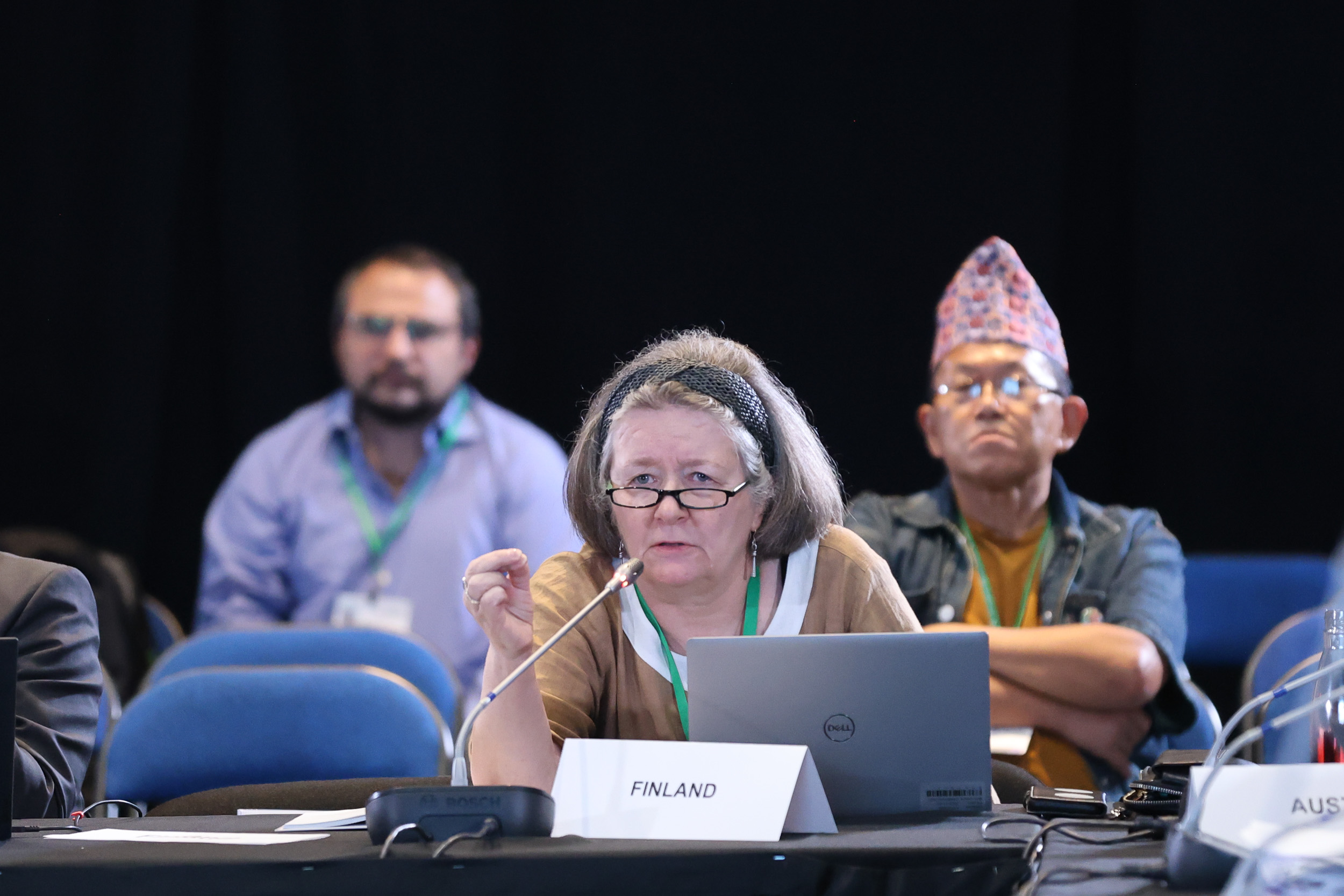
Marja Ruohonen-Lehto, Finland
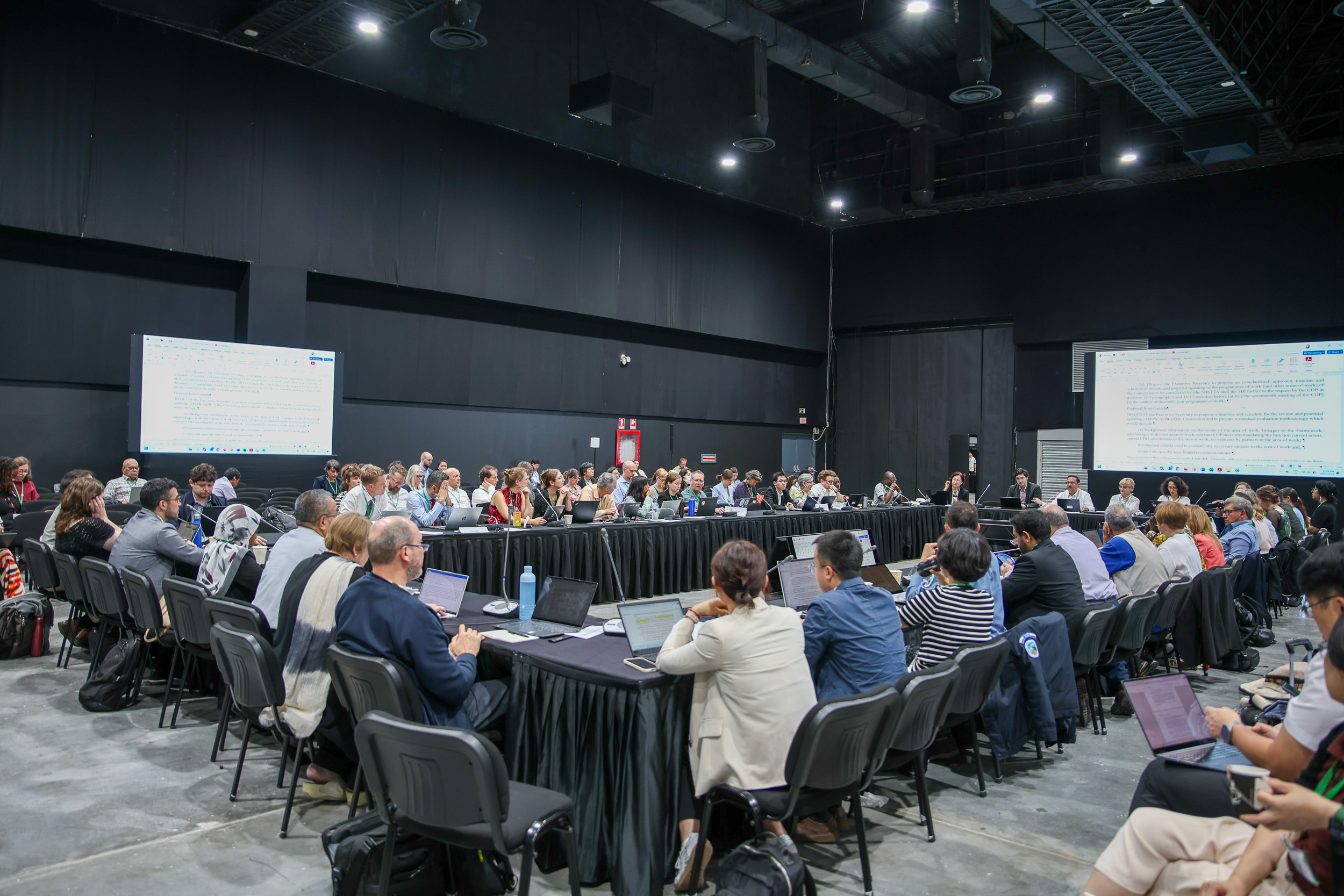
View of the room during the contact group on the strategic review and analysis of the programmes of work
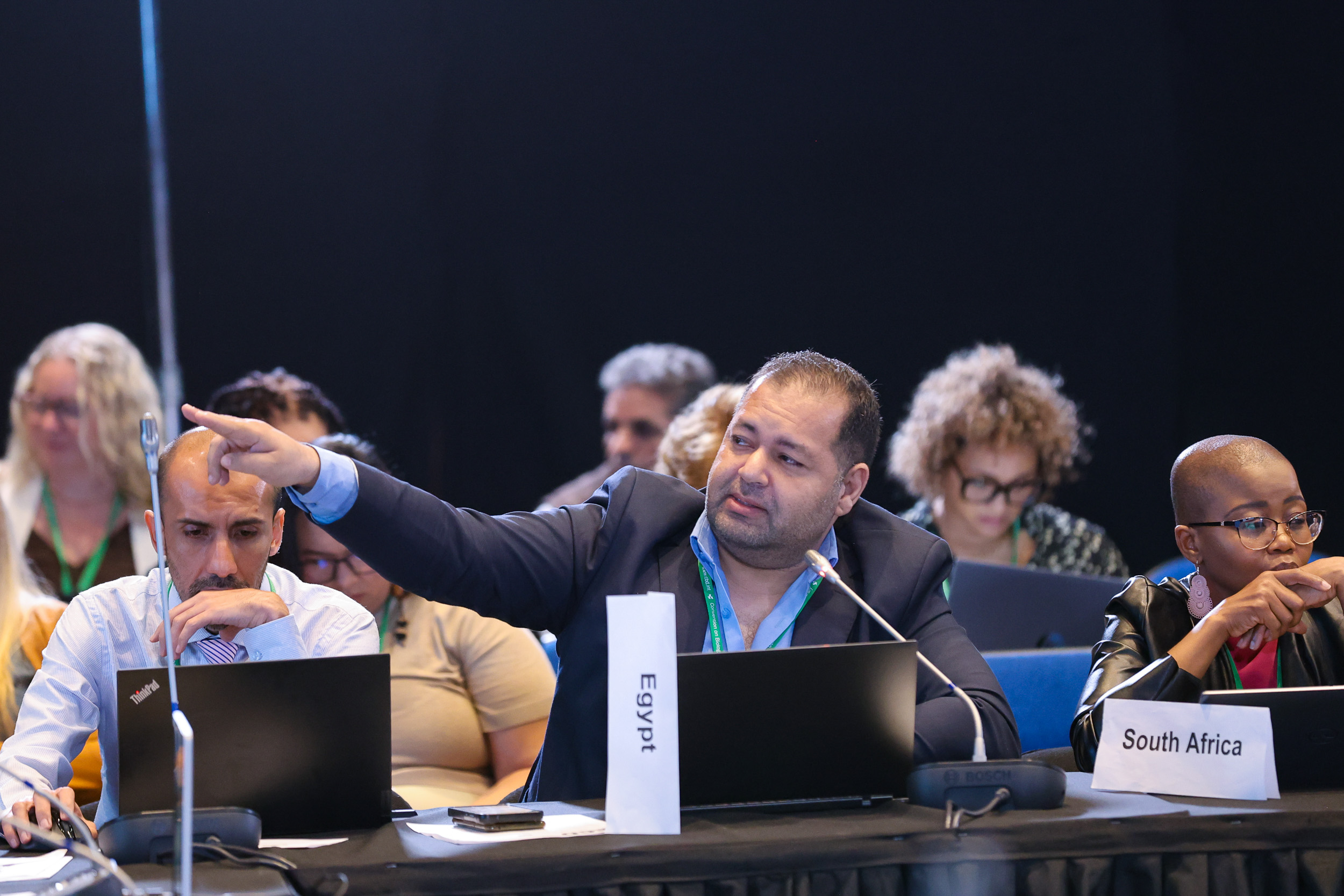
Ossama AbdelKawy, Egypt
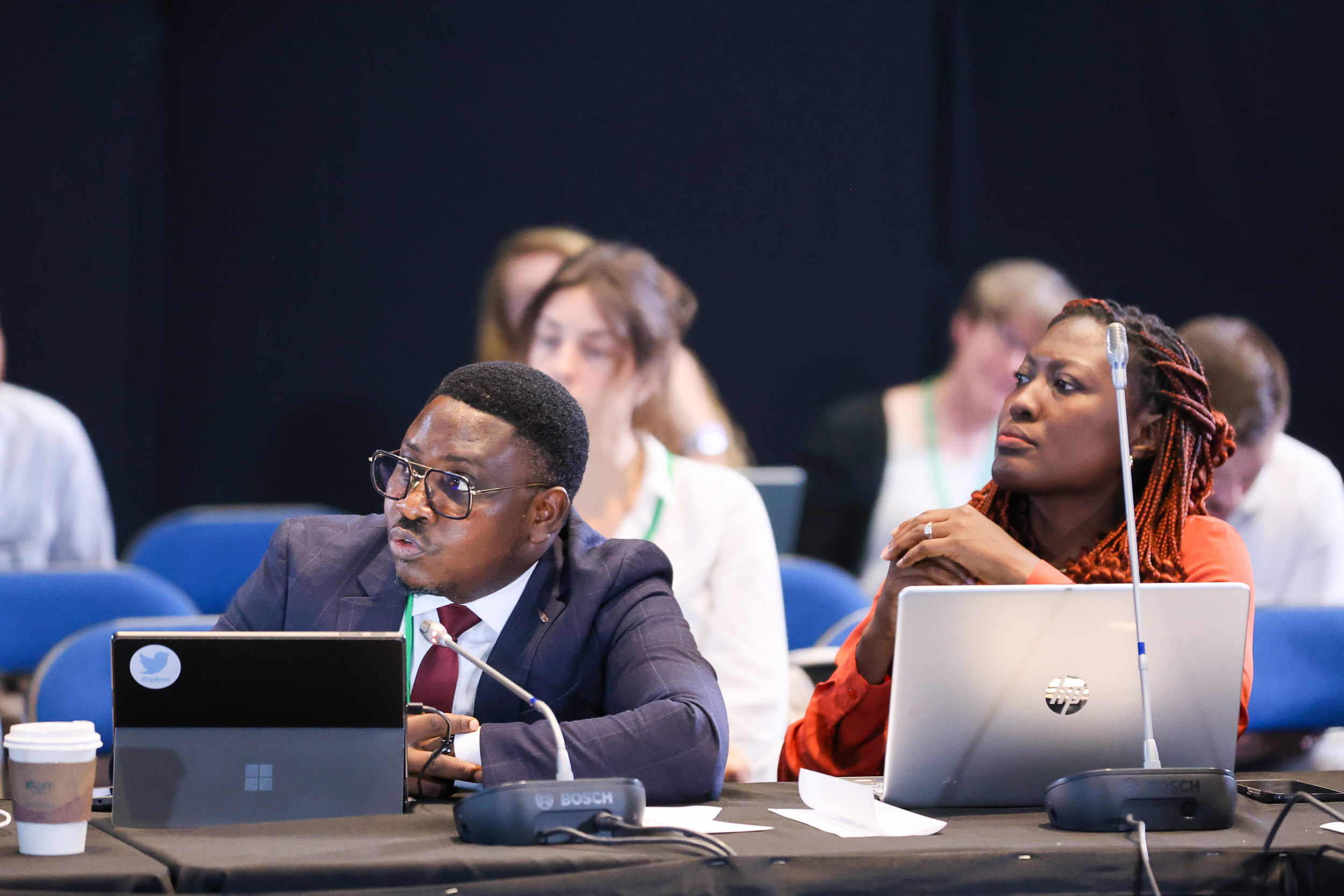
Komi Anthe, Togo, with Josephine Amedu, Nigeria
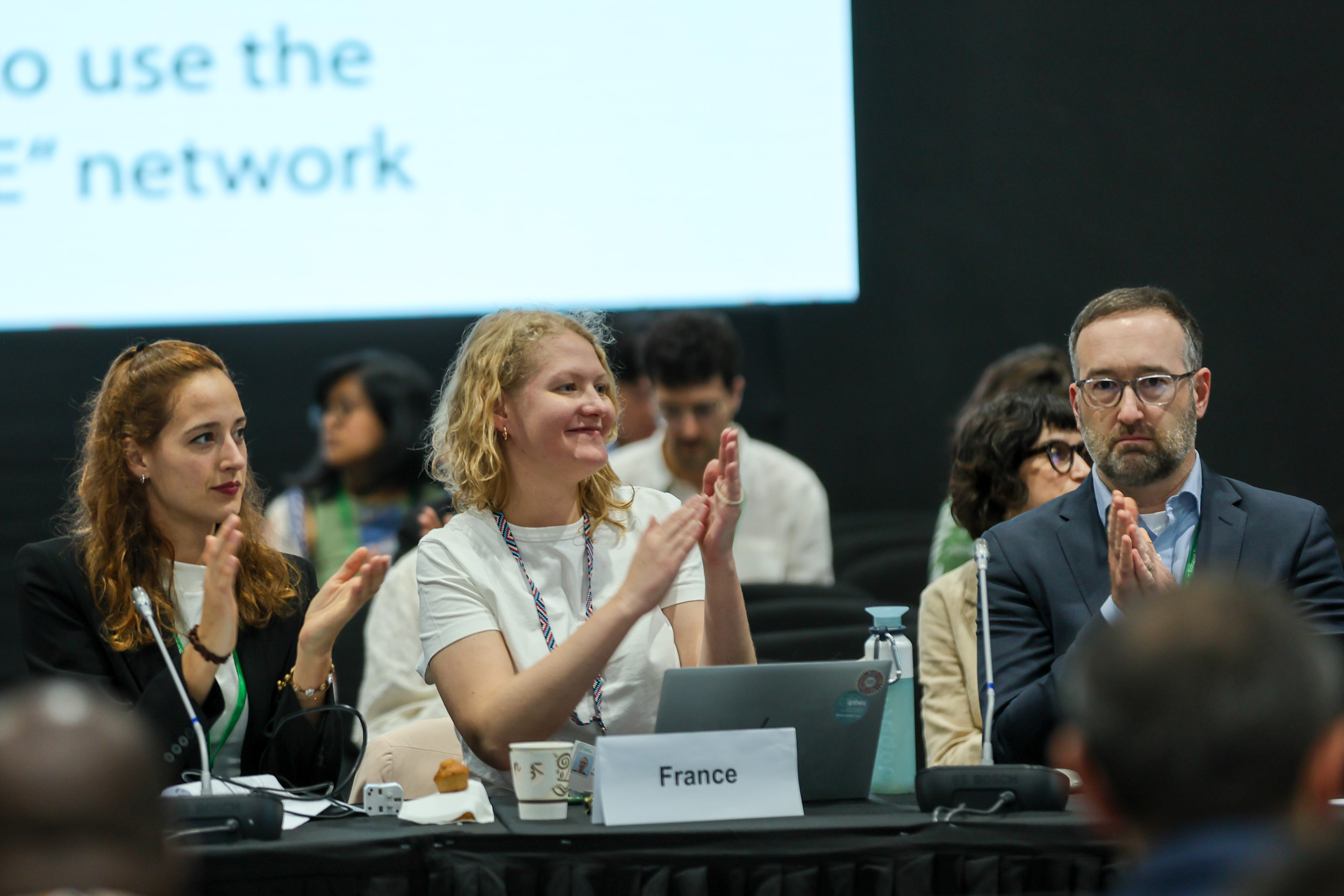
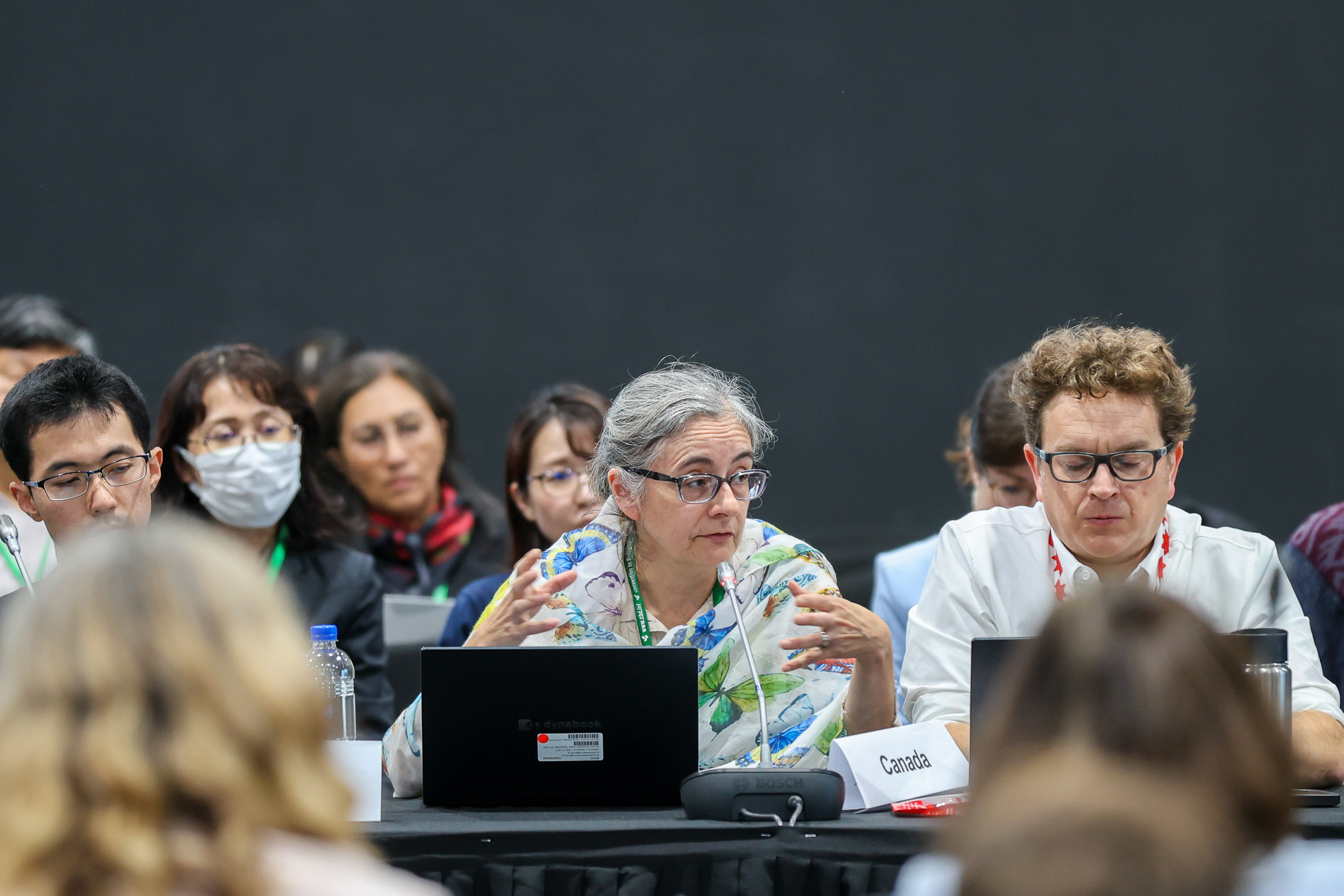
Carolina Cáceres, Canada
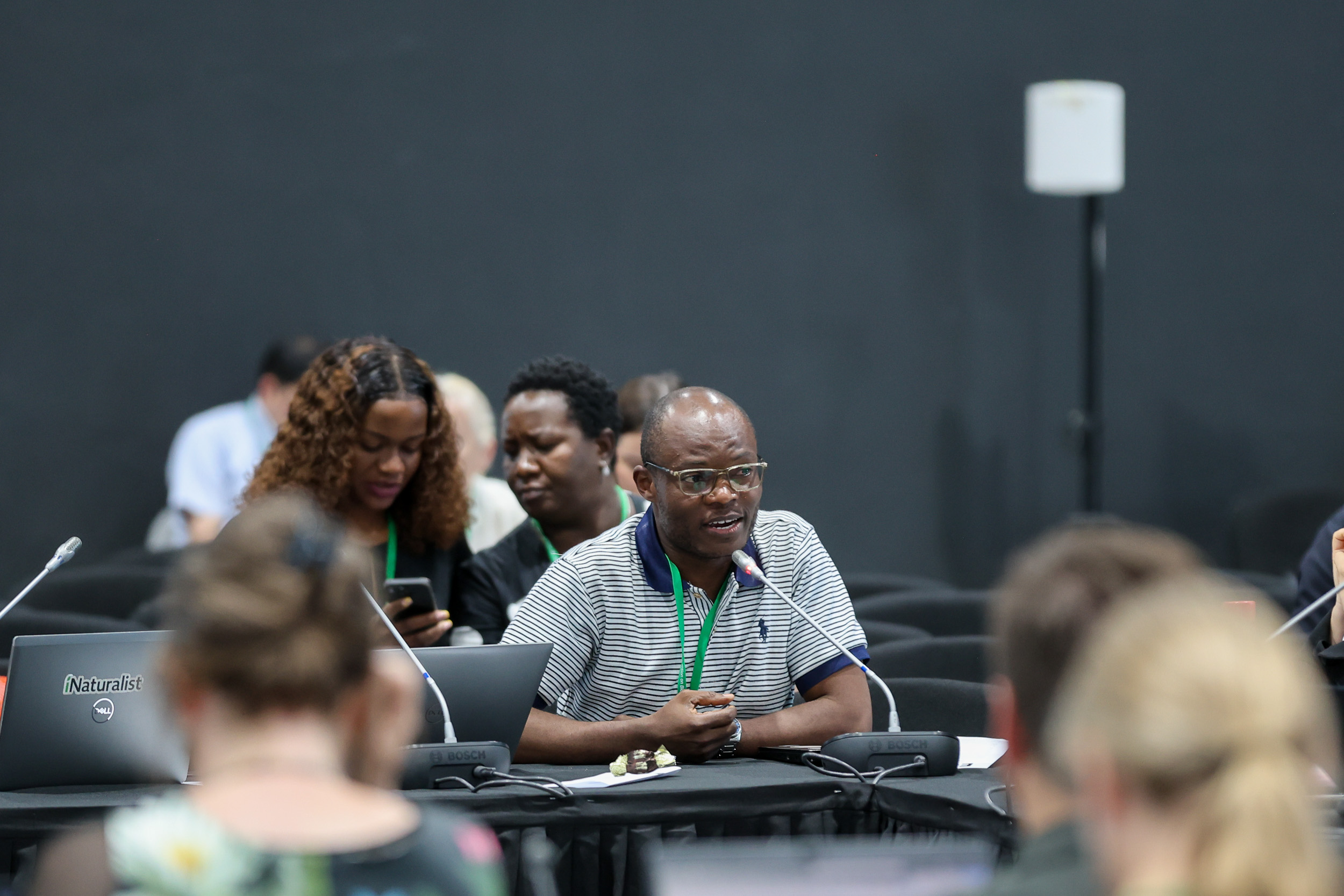
Daniel Mukubi Kikuni, Democratic Republic of the Congo
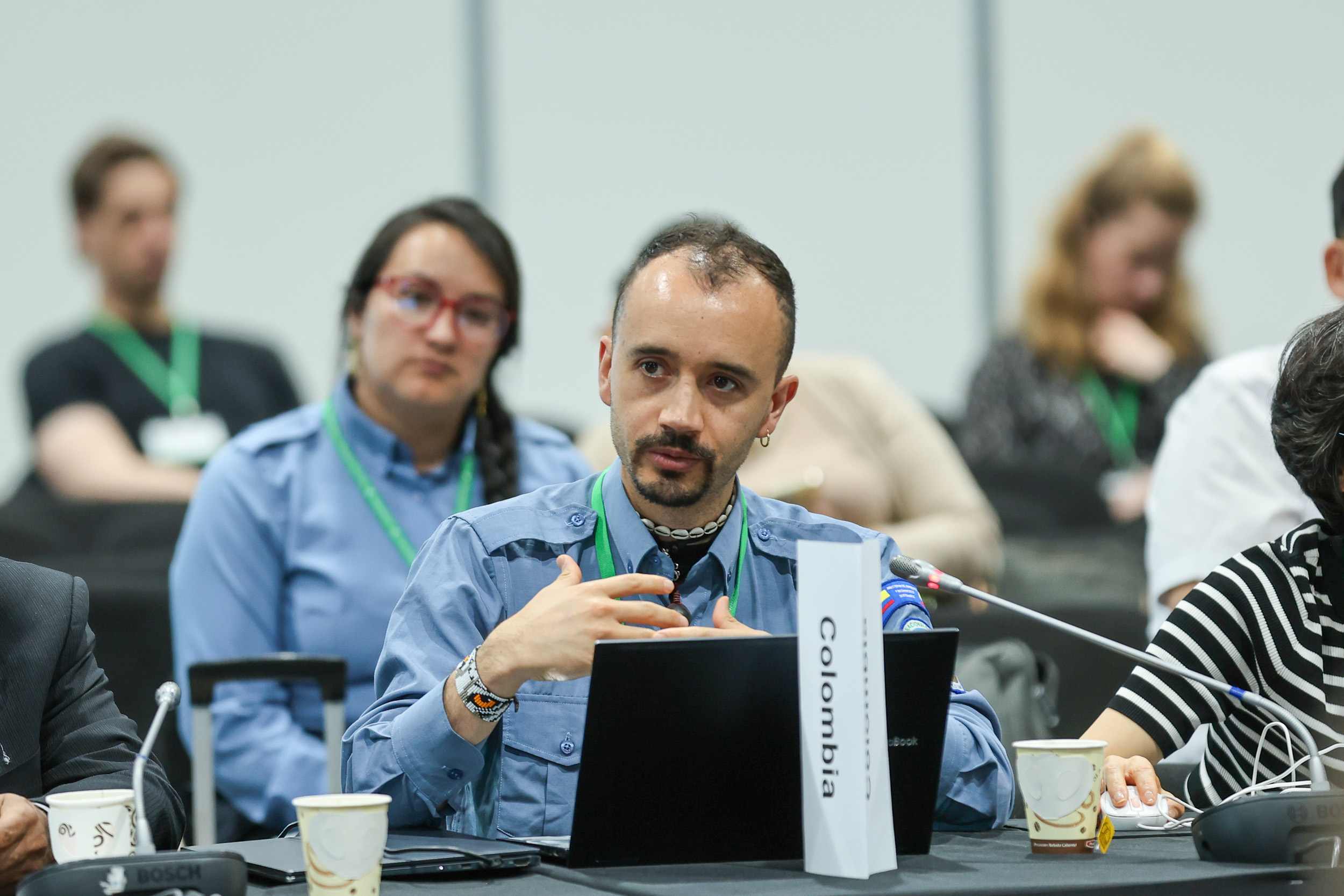
Felipe Guerra Baquero, Colombia
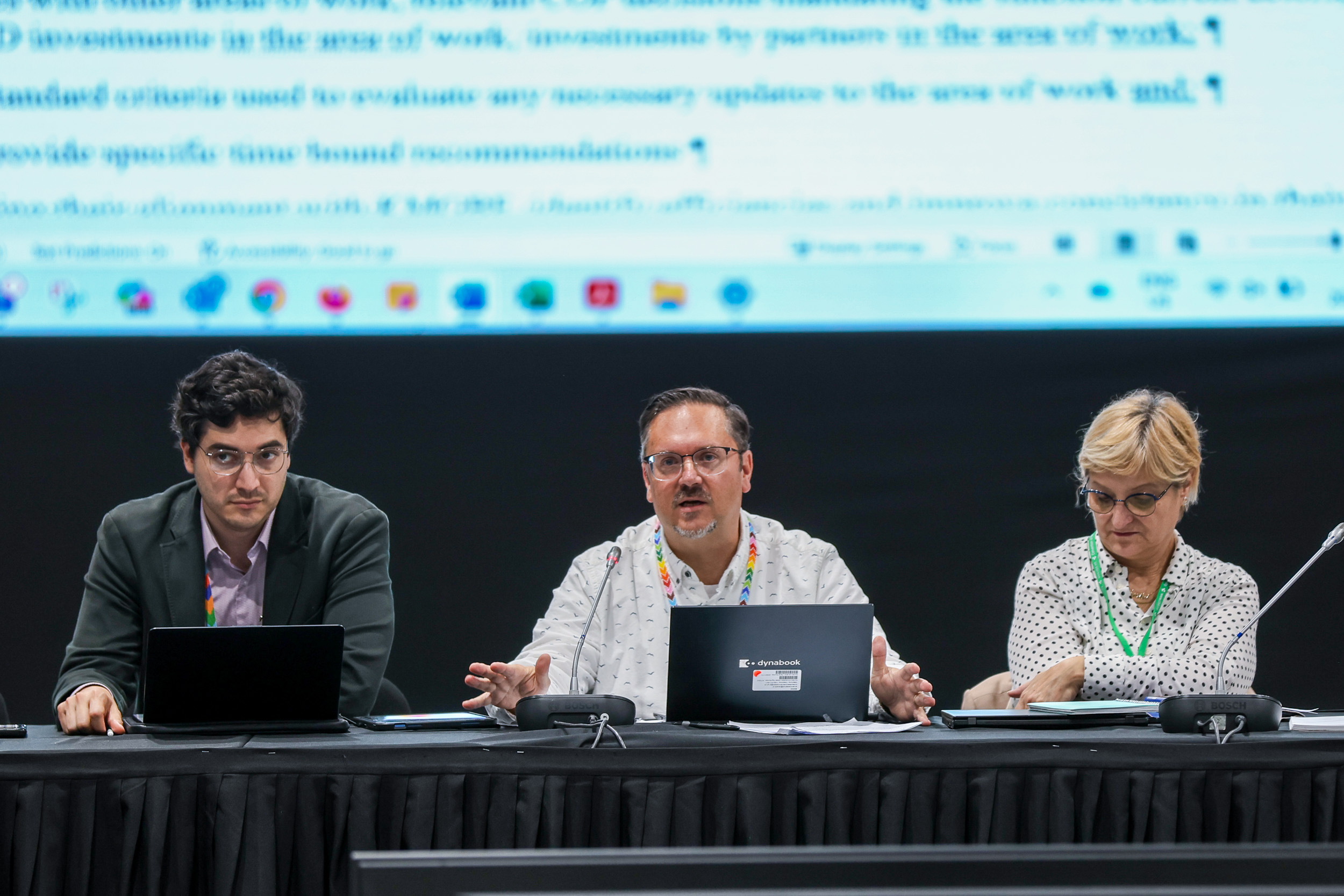
View of the dais during the contact group on the strategic review and analysis of the programmes of work
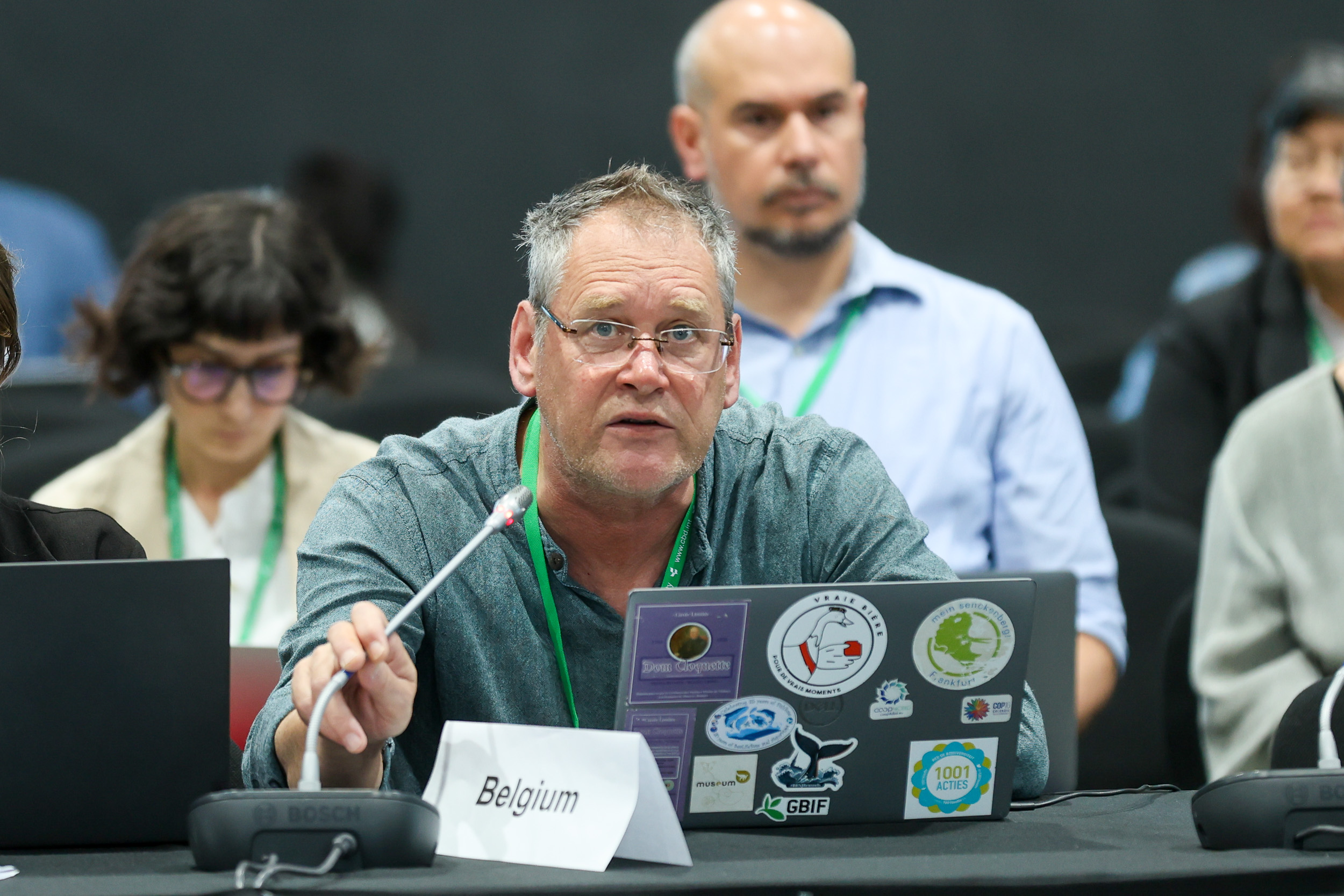
Han de Koeijer, Belgium
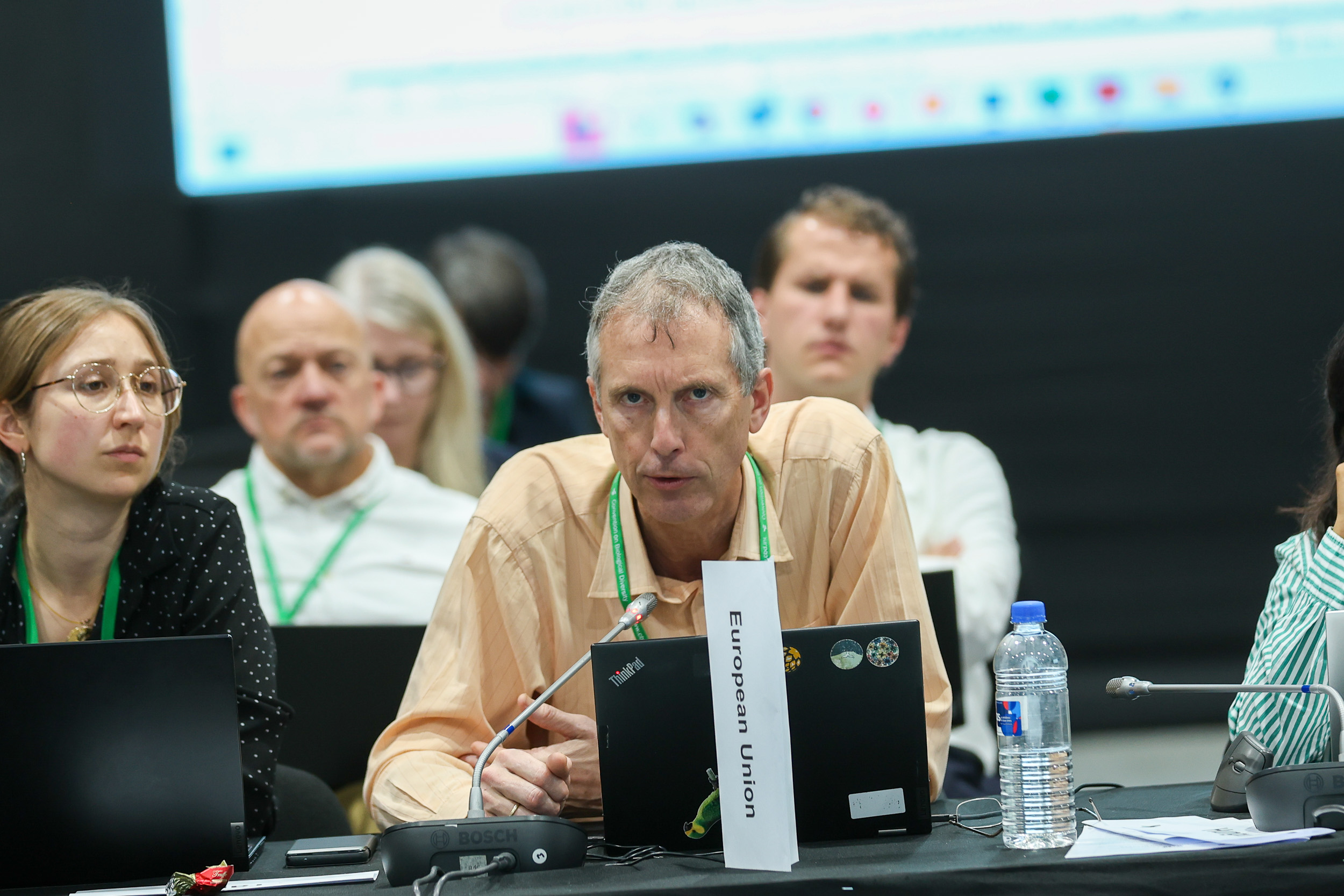
Anne Theo Seinen, EU
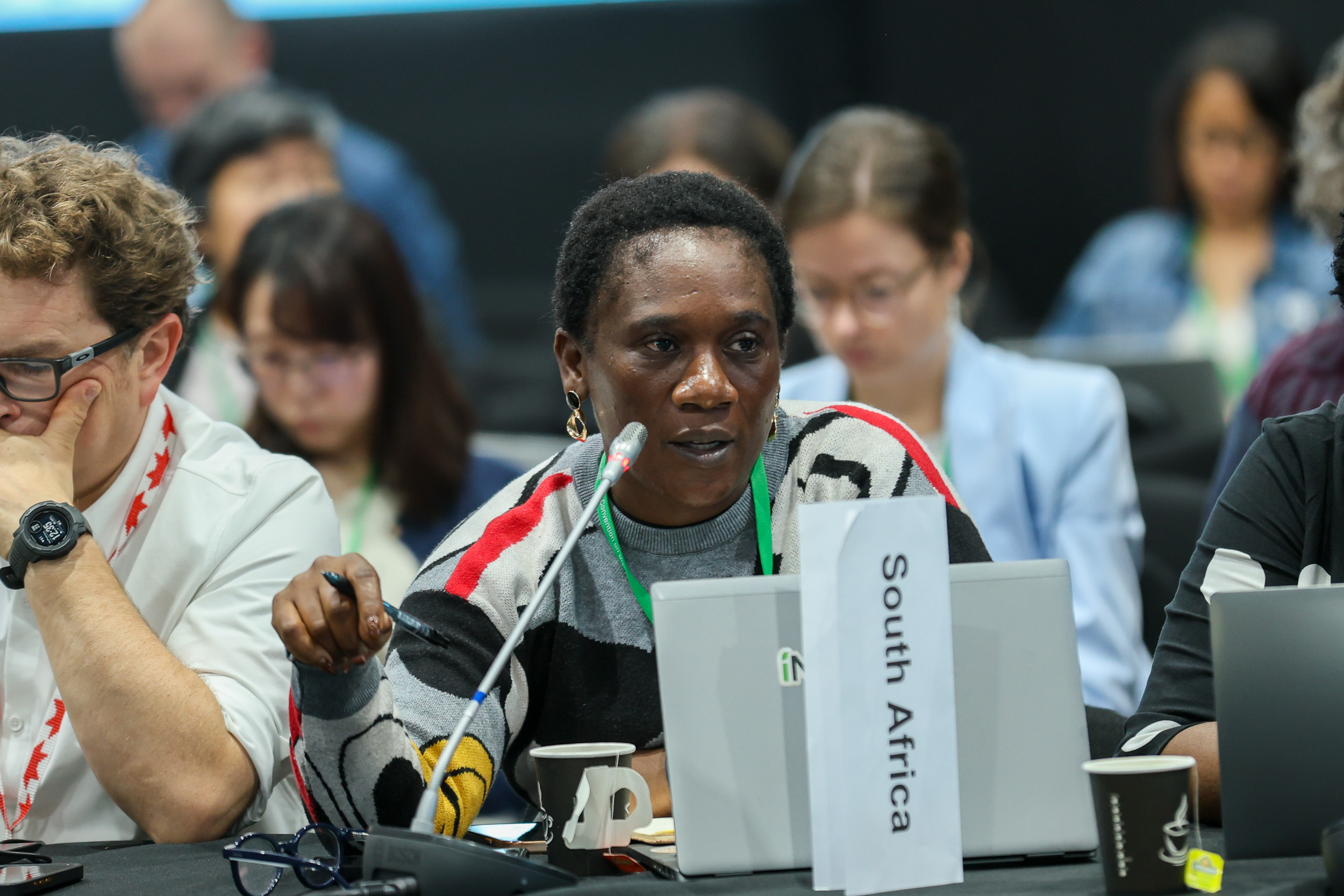
Ntakadzeni Tshidada, South Africa
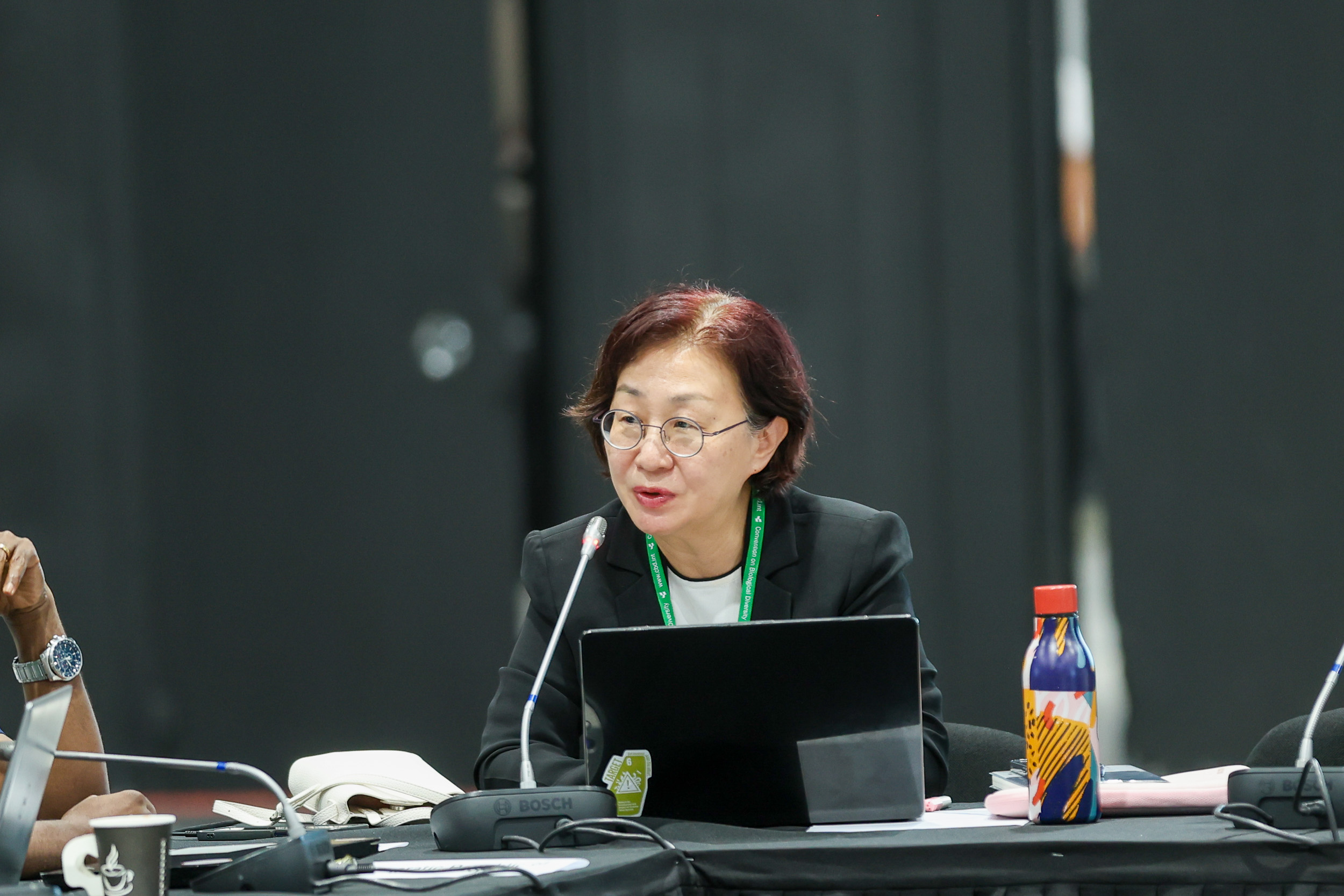
CBD Deputy Executive Secretary Jihyun Lee
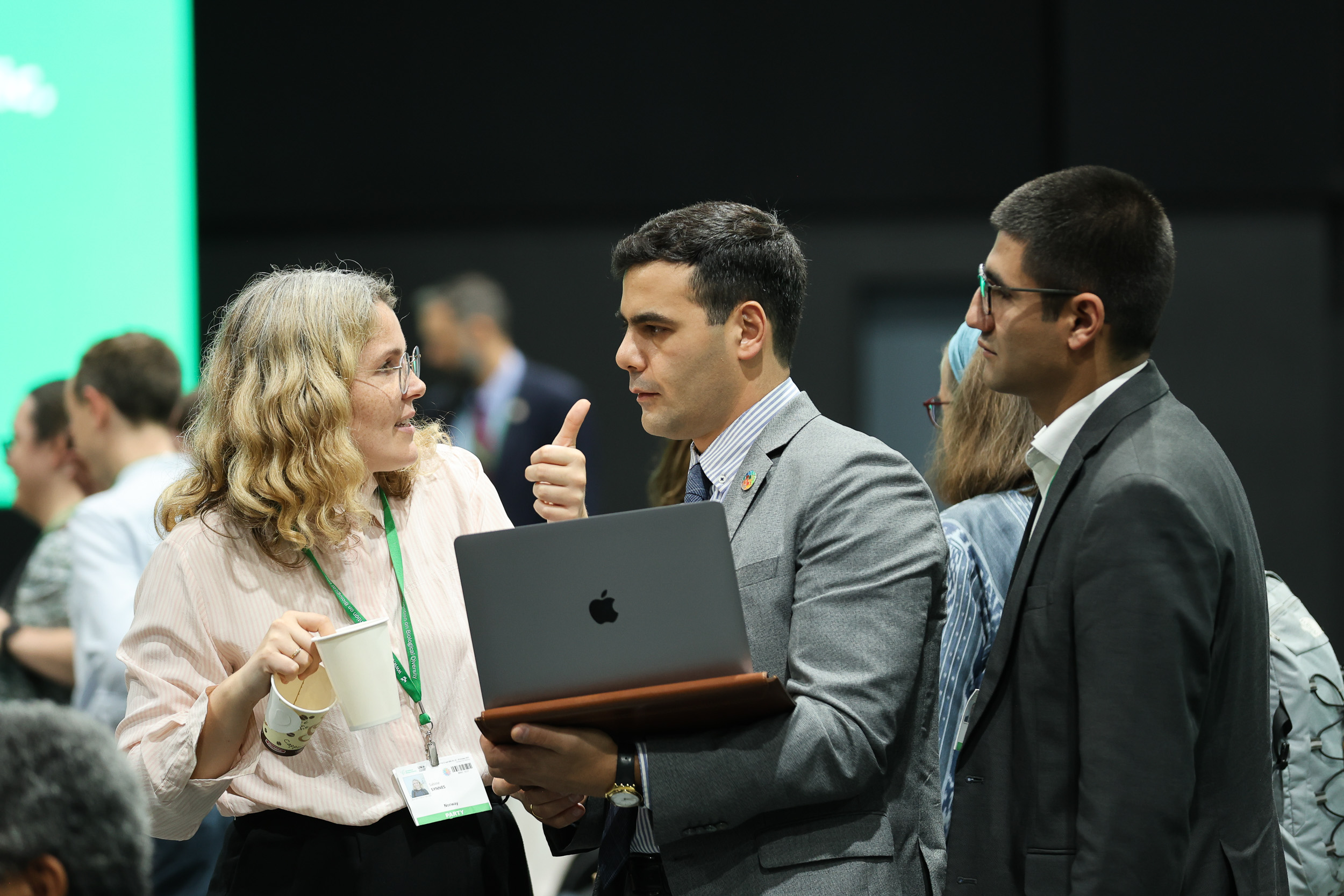
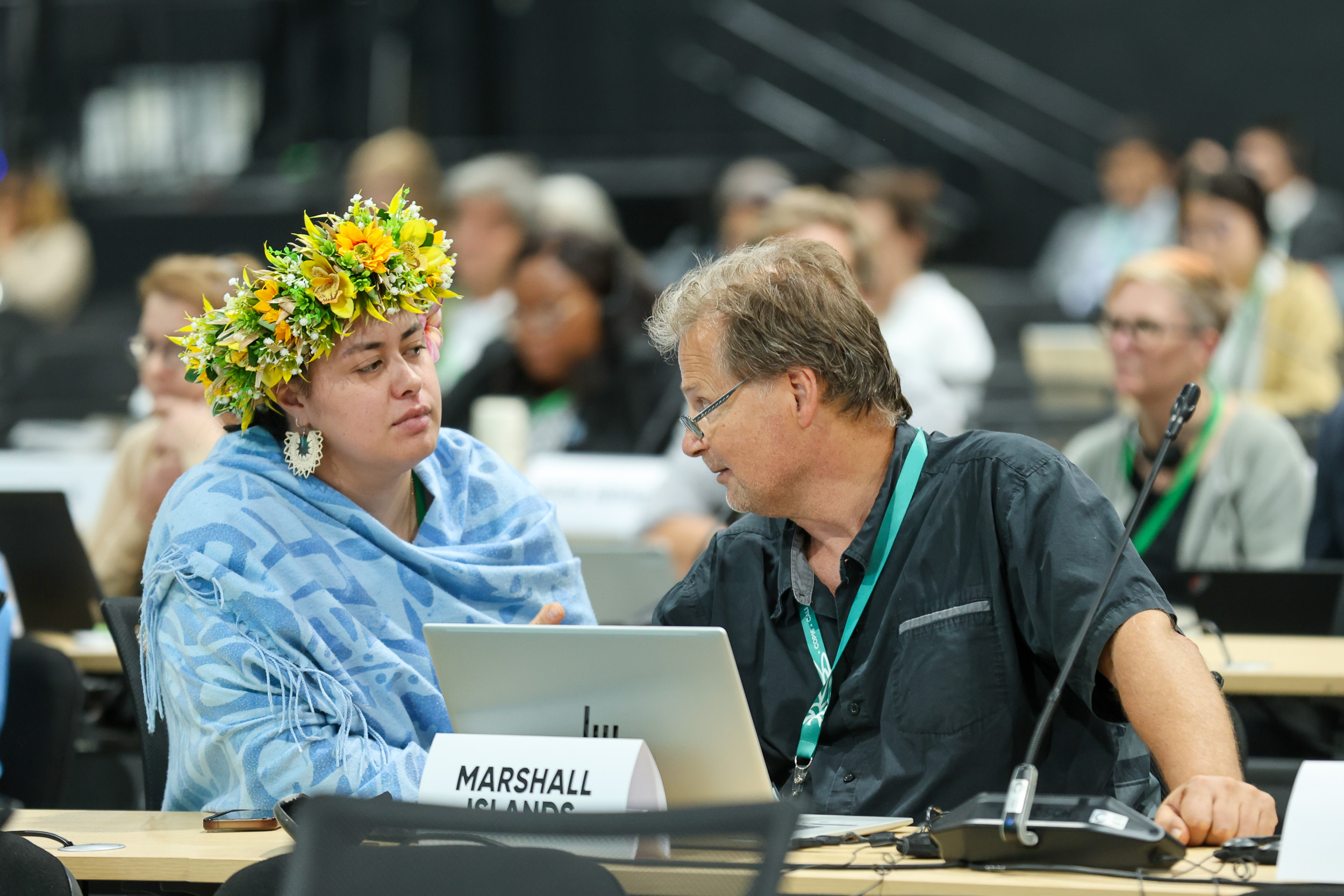
Between Sessions
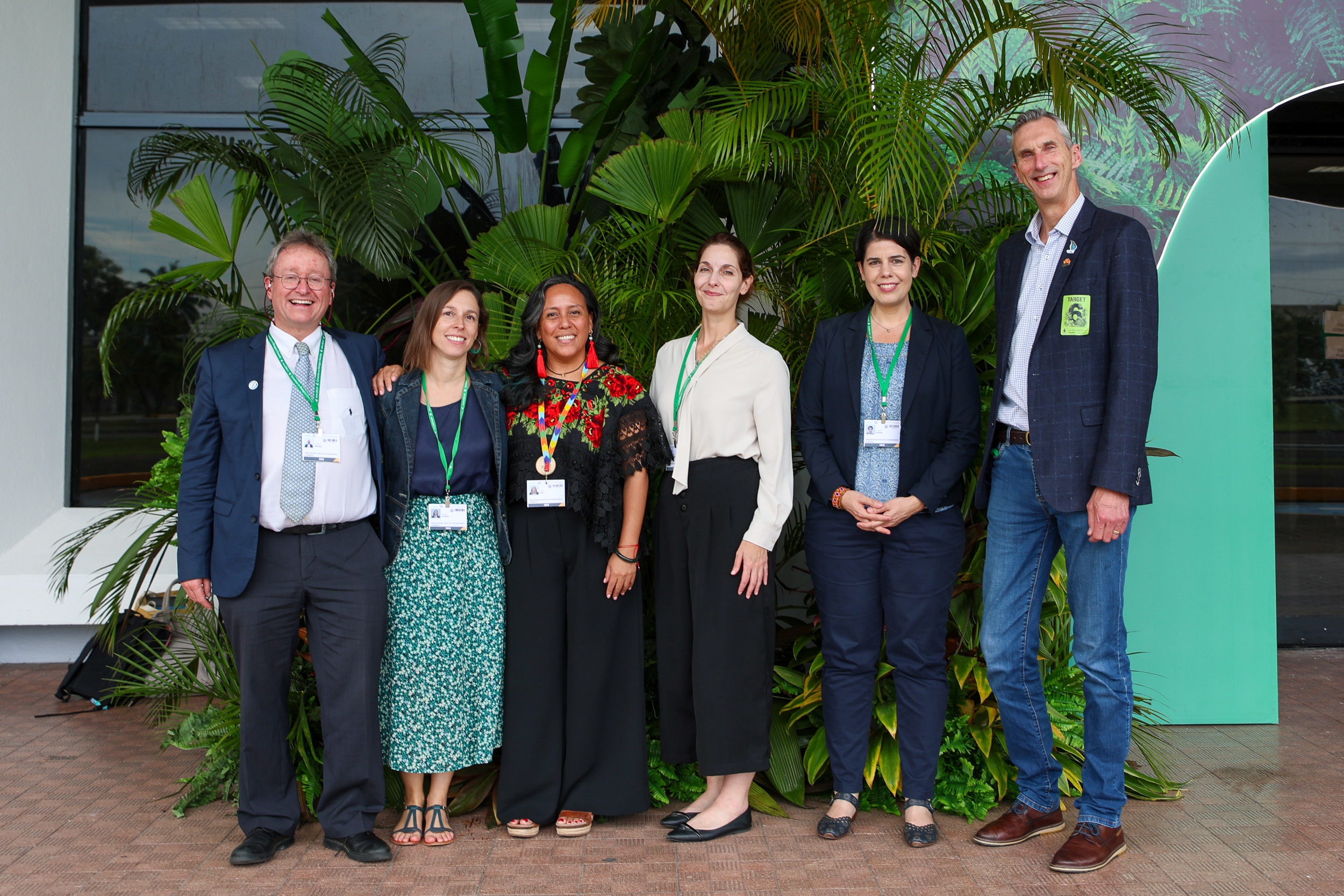
The IUCN delegation
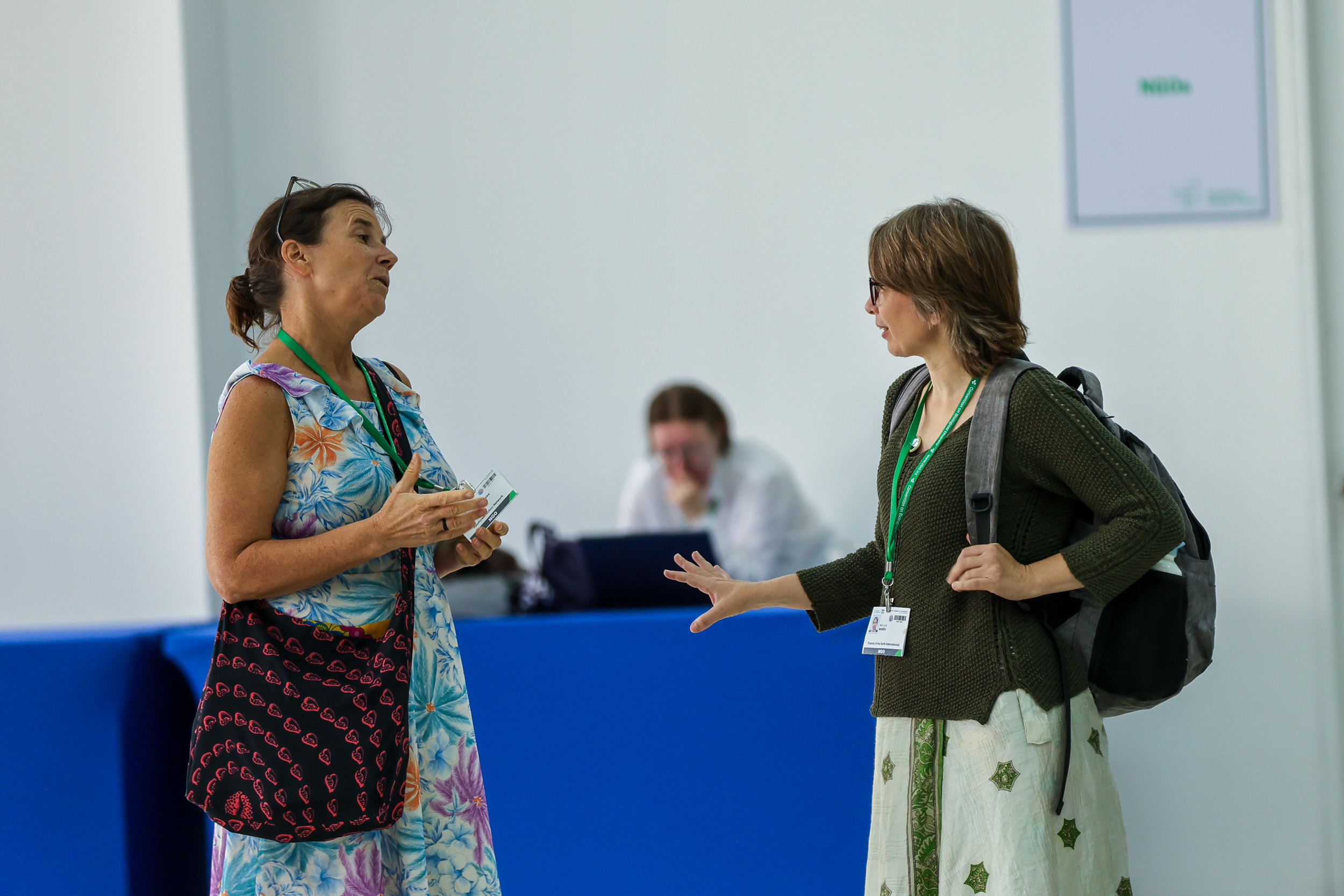
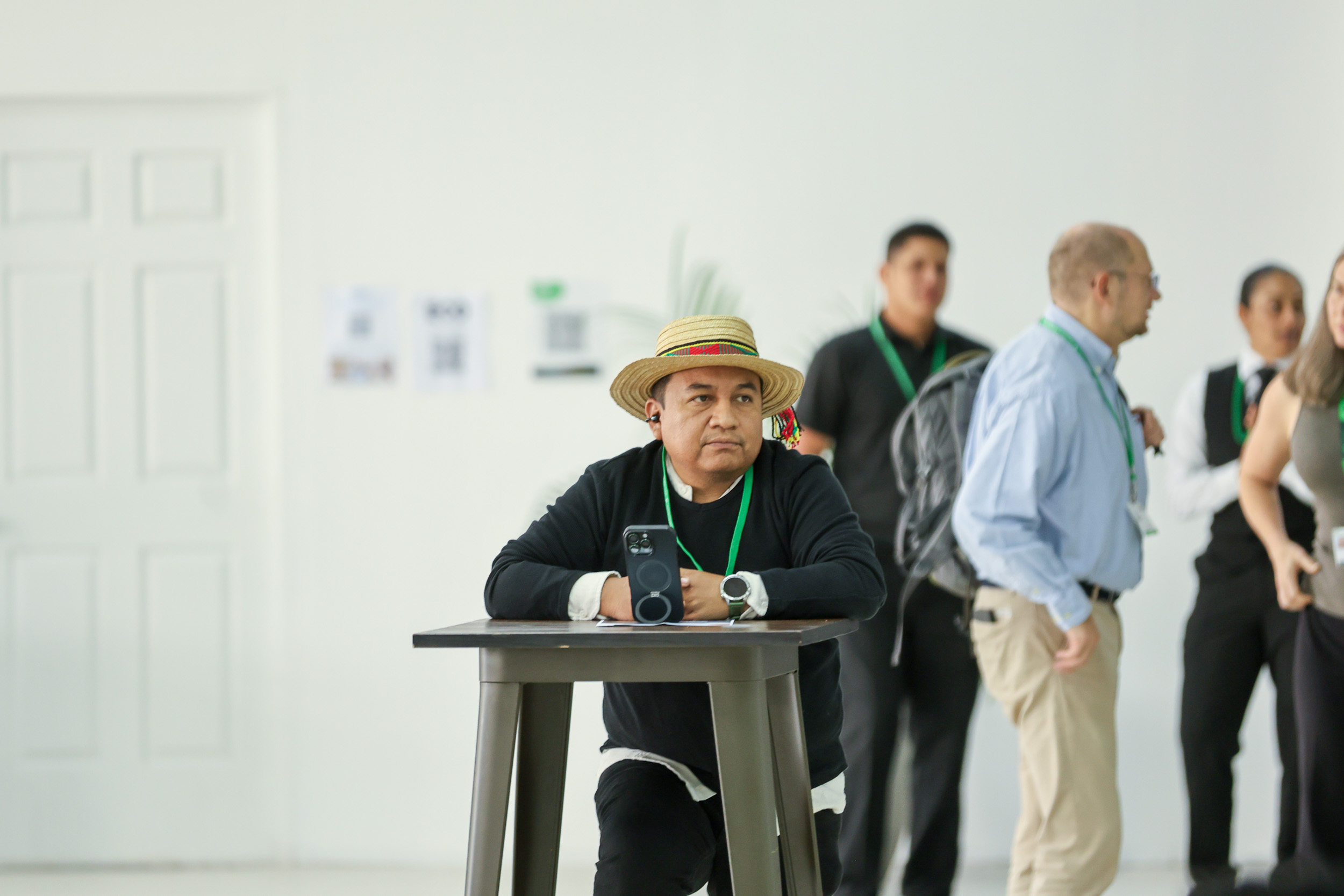
Around the Venue