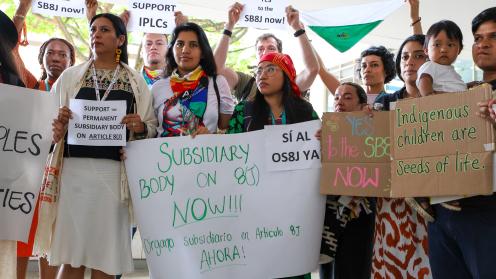
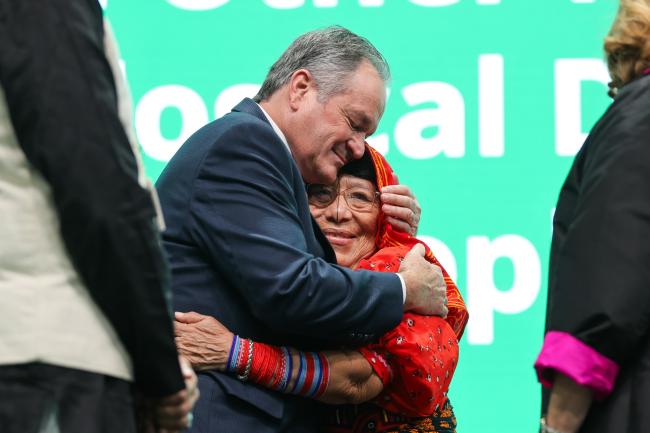
“We have reached a watershed moment in the journey of the Convention on Biological Diversity (CBD),” said Astrid Schomaker, CBD Executive Secretary, in her opening remarks at the historic first meeting of the Subsidiary Body on Article 8(j) and Other Provisions of the CBD Related to Indigenous Peoples and Local Communities (IPLCs) (SB8j).
Want to dig deeper into today's talks? Read the full Earth Negotiations Bulletin daily report.
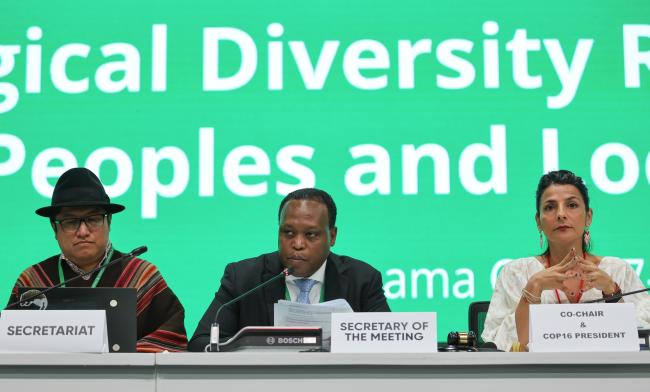
Delegates and IPLC representatives addressed organizational matters before focusing on:
- an in-depth dialogue on strategies for mobilizing financial resources and other means of implementation for IPLCs to support the full implementation of the Kunming-Montreal Global Biodiversity Framework (GBF);
- the modus operandi of the SB8j; and
- proposed elements for the guidelines related to Tasks 1.1 (strengthen implementation for GBF Targets 2 (restore 30% of all degraded ecosystems) and 3 (conserve 30% of land, waters, and seas)); and 1.2 (inclusion of traditional lands and resource use in spatial planning processes and environmental impact assessments) of the programme of work (PoW) on Article 8(j).
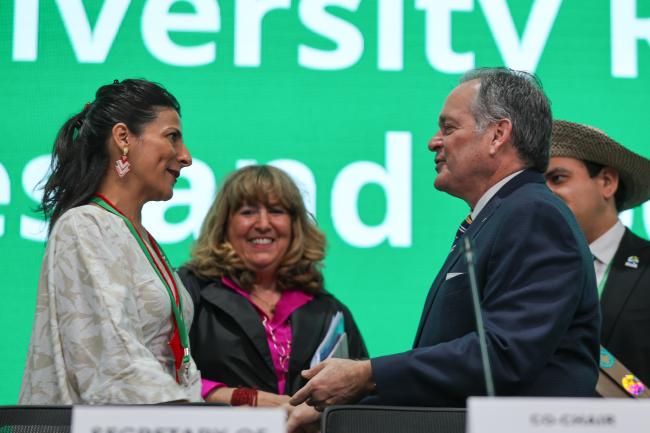
In opening remarks, Briseida Iglesias López de Guerrero underscored that “our brothers and sisters from around the world, the great creators of knowledge and strength are guiding us in our work together so we can move forward in defending our heritage.”
Stressing that the establishment of SB8j is an “unprecedented step toward greater environmental democracy within the UN,” SB8j Co-Chair Irene Vélez Torres, Colombia, highlighted as a meeting priority the finalization of the draft modus operandi.
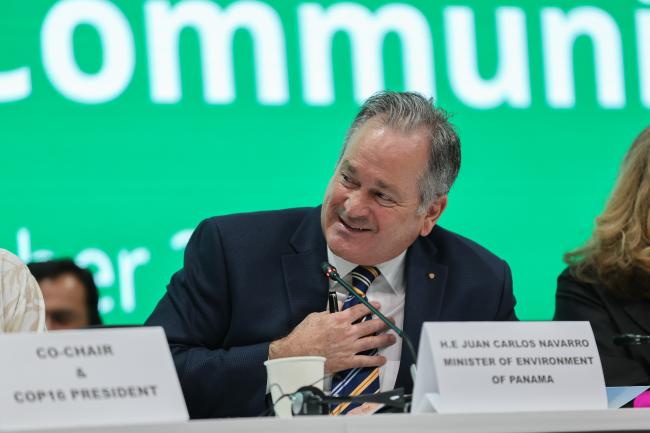
Juan Carlos Navarro, Minister of Environment, Panama, acknowledged the Guna, Embera, Waunan, Gnobe, Bri bri, Naso Tier-Di, and Bugle Indigenous Peoples of Panama, and highlighted “Mua Palaa,” meaning Ocean Grandmother in the Guna language, as a term emphasizing the interconnectedness of life.
During the in-depth dialogue on resource mobilization, panelists and participants highlighted the need for:
- self-determination, project co-design with community-driven priorities, and rights protection;
- the need for direct funding and simplified funding processes to improve direct access to funding for IPLCs;
- traceability, trust, and analyzing cultural impacts of financing programmes for IPLCs.
Parties stressed the need to respect financial commitments in the GBF, including allocating 20% of the GBF Fund resources to IPLCs, and highlighted capacity building to enable access to funding streams. Some delegates suggested nationally tailored approaches to direct access funding mechanisms for IPLCs, in accordance with national circumstances, laws, policies, and institutional frameworks.
Regarding the modus operandi of SB8j, discussions focused on: SB8j’s relationship with other CBD subsidiary bodies and the need to maintain a Party-led process; the selection process for co-chairs and “Friends of the Bureau”; funding for IPLC participation; and the importance of traditional knowledge. Discussions continued in the evening in a contact group, co-chaired by Lucy Mulenkei, IPLC representative, Africa region, and Pernilla Malmer, Sweden, with delegates engaging in textual negotiations on the draft modus operandi.
On proposed elements for the guidelines related to Tasks 1.1 and 1.2 of the PoW on Article 8(j), the International Indigenous Forum on Biodiversity emphasized the need to: develop implementation, monitoring, and reporting mechanisms that recognize Indigenous and traditional territories’ (ITTs) direct role in conservation, restoration, and spatial planning; and adhere to the principles of the UN Declaration on the Rights of Indigenous Peoples.
Some Parties welcomed the guidelines, urging their swift adoption and utilization. Others supported the development of guidance, while underlining the need to implement them according to national circumstances. Some further supported ITTs as a specific pathway of recognition under Target 3 of the GBF, while others stressed further discussions are required, including on the definition of ITTs. Co-Chair Gunn-Britt Retter (Arctic region) established a contact group for further deliberation.
To receive free coverage of global environmental events delivered to your inbox, subscribe to the ENB Update newsletter.
All ENB photos are free to use with attribution. For SBSTTA 27 and SB8j 1, please use: Photo by IISD/ENB | Mike Muzurakis
Plenary Sessions
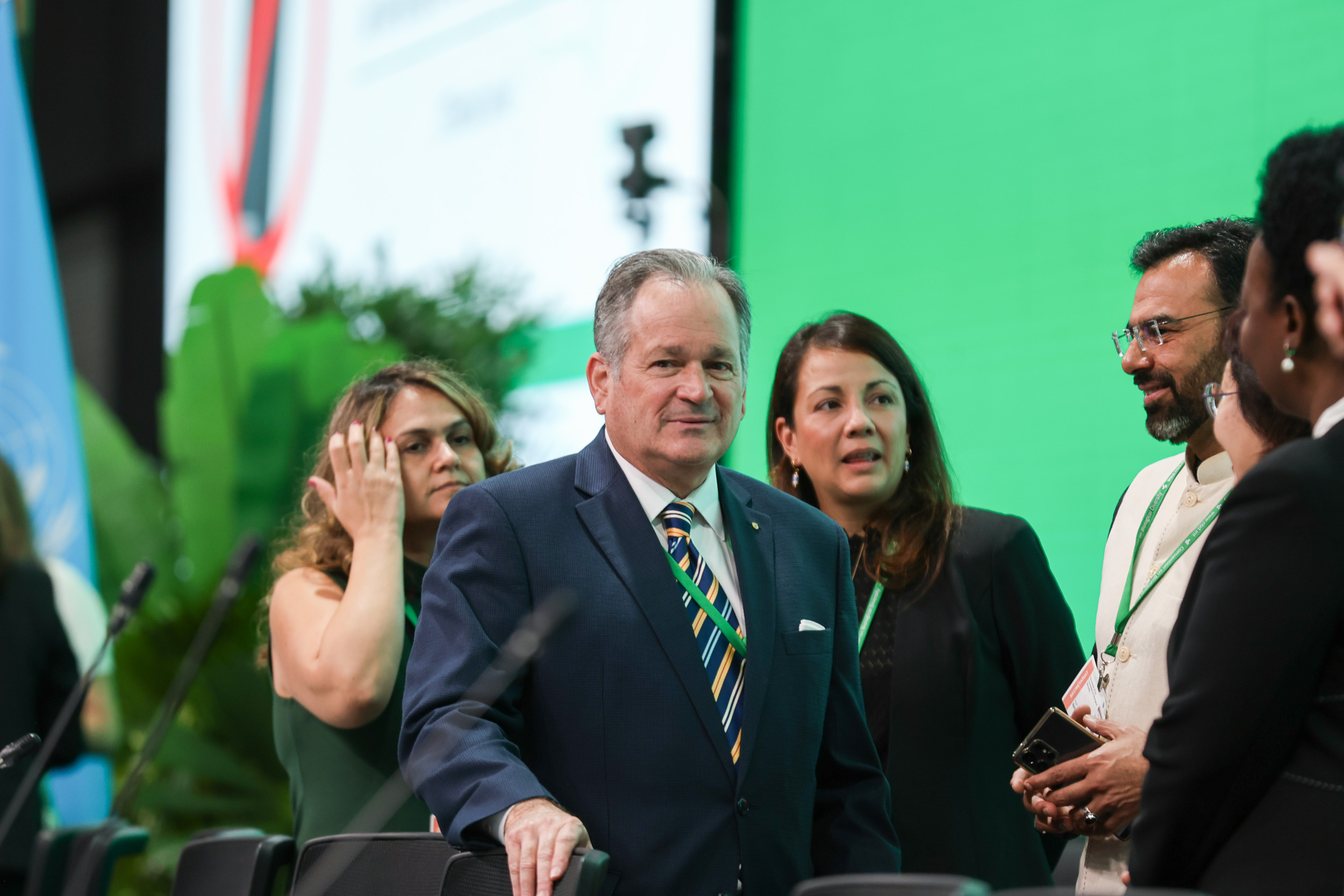
Juan Carlos Navarro, Minister of Environment, Panama
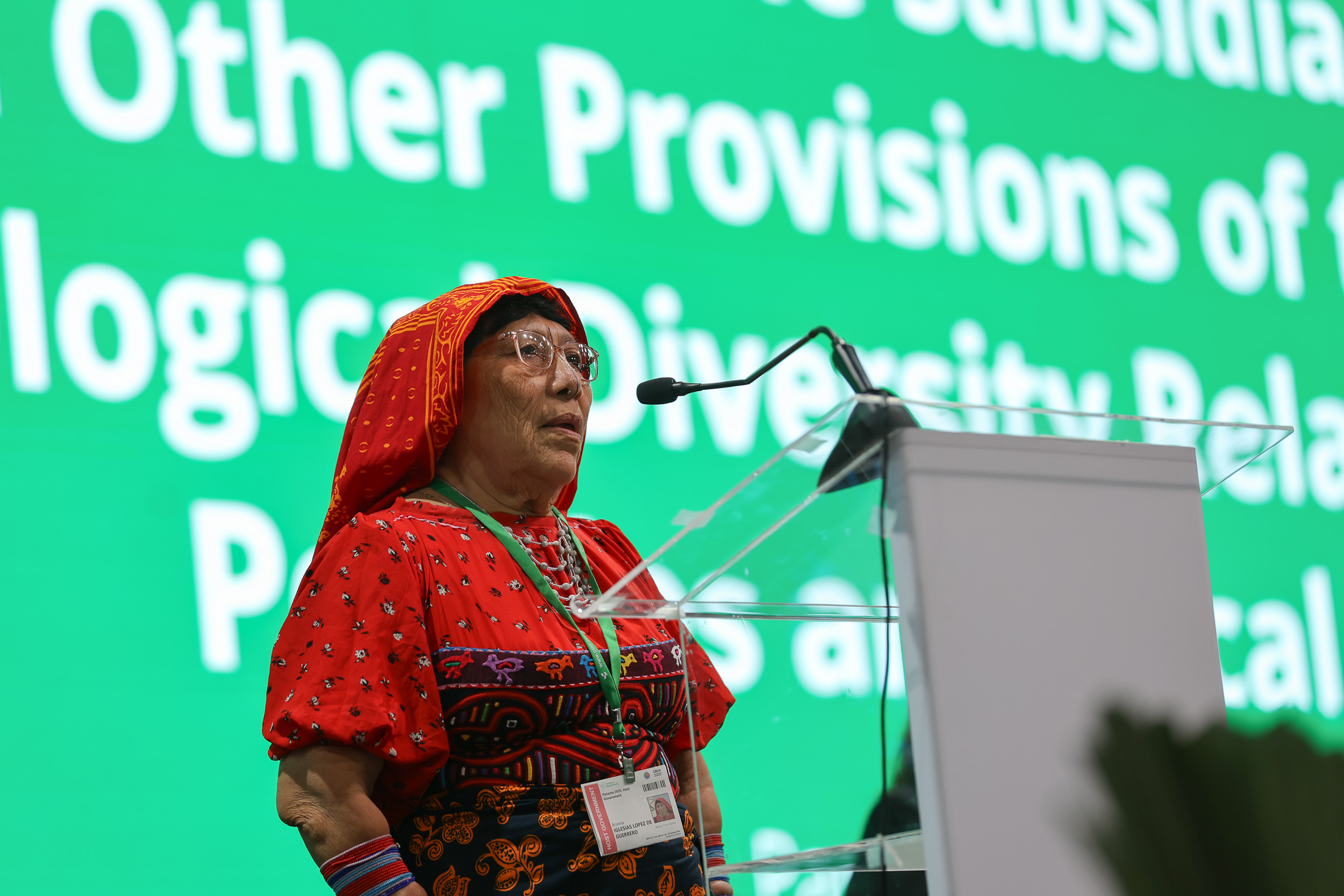
Briseida Iglesias López de Guerrero, founder of the Bundorgan Women’s Network
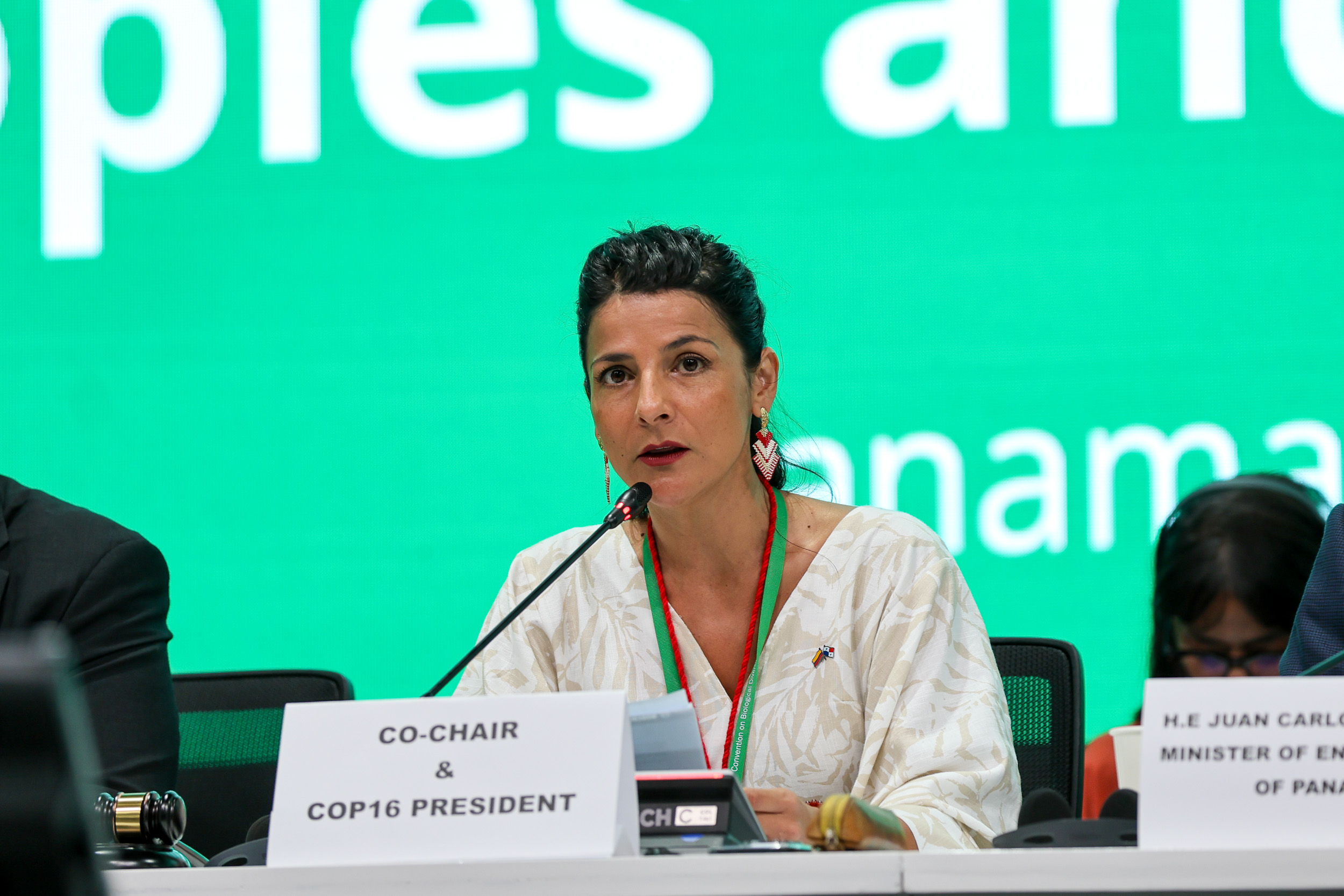
SB8j 1 Co-Chair Irene Vélez Torres, Colombia
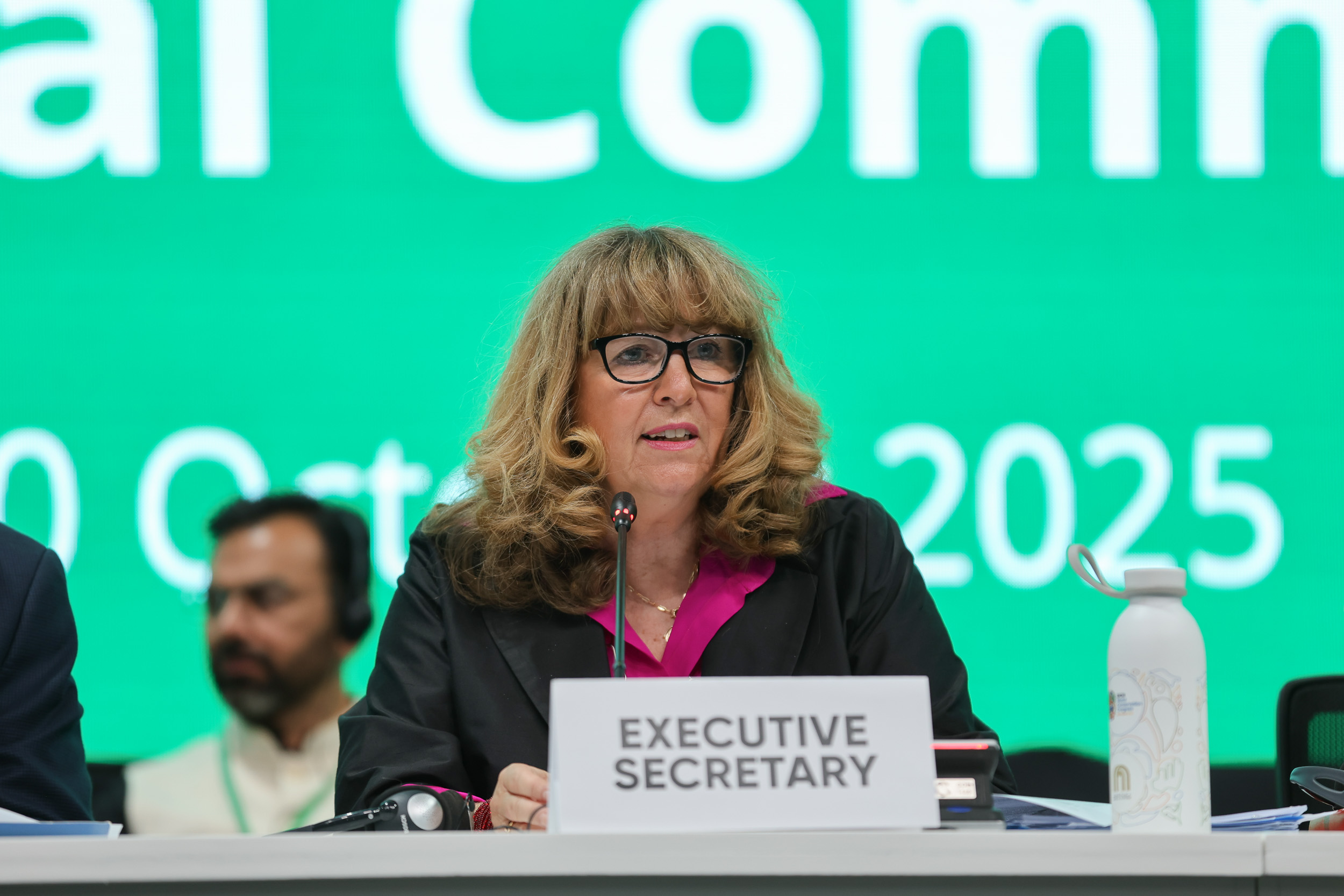
CBD Executive Secretary Astrid Schomaker
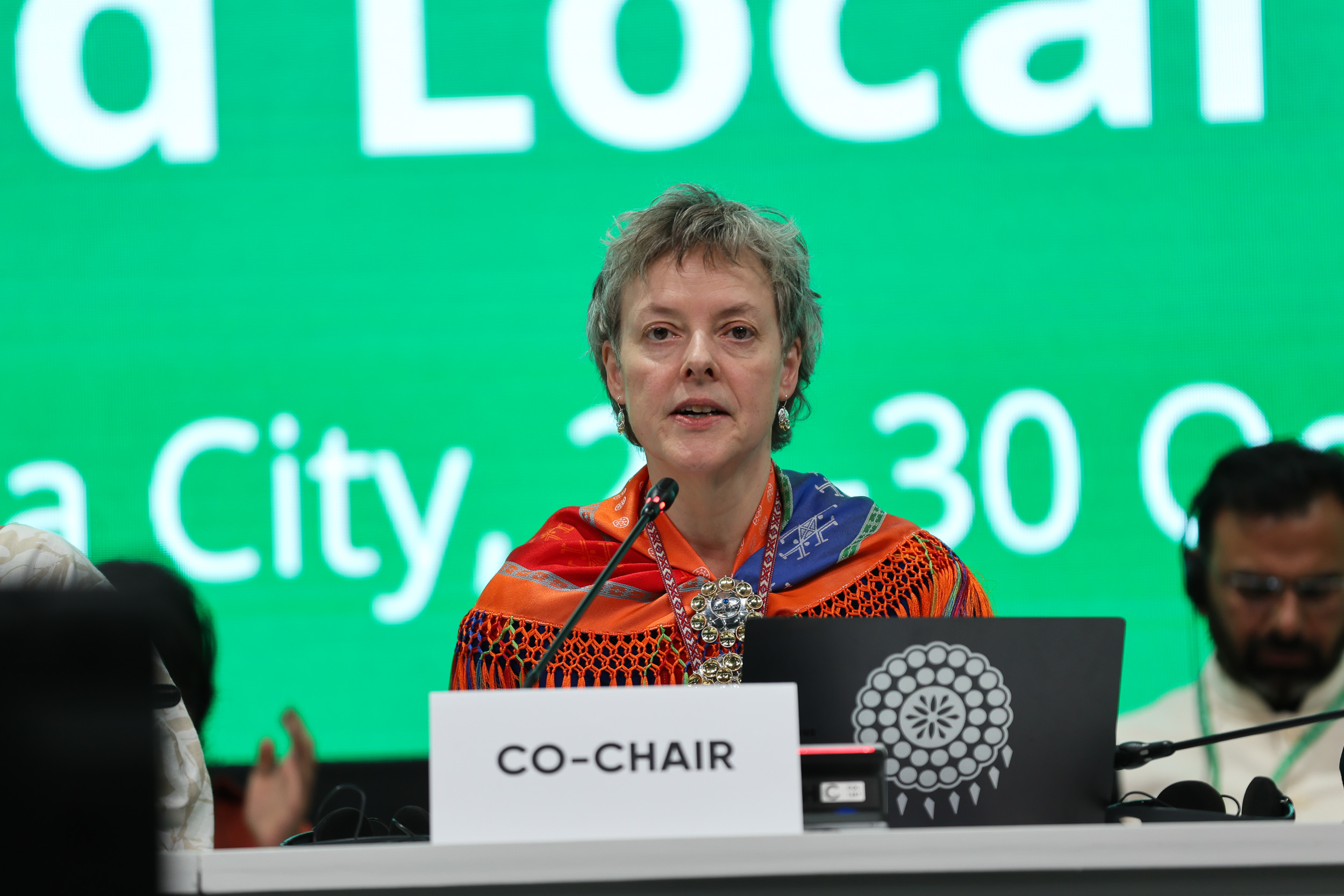
SB8j 1 IPLC Co-Chair Gunn-Britt Retter
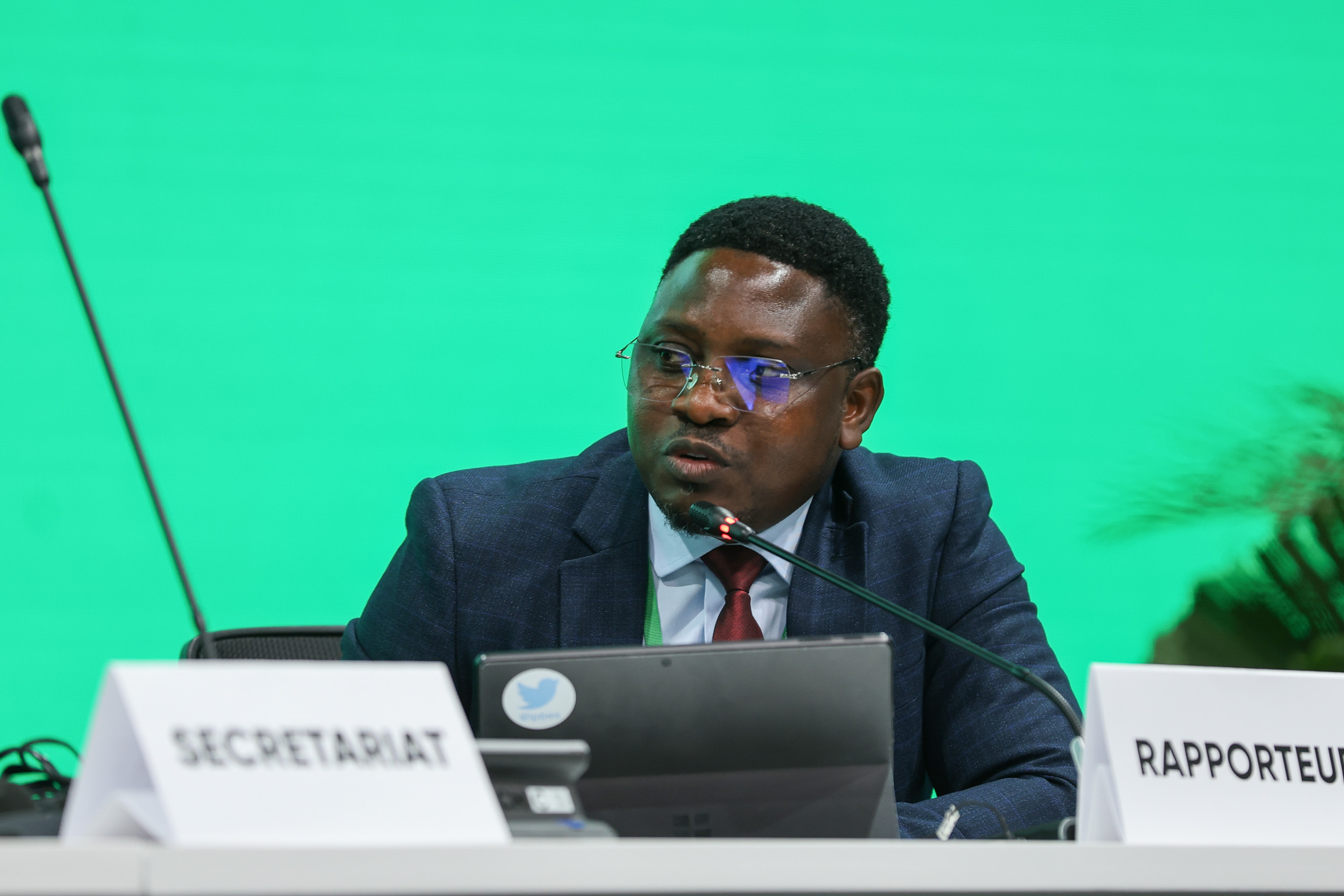
Meeting Rapporteur Komi Anthe, Togo
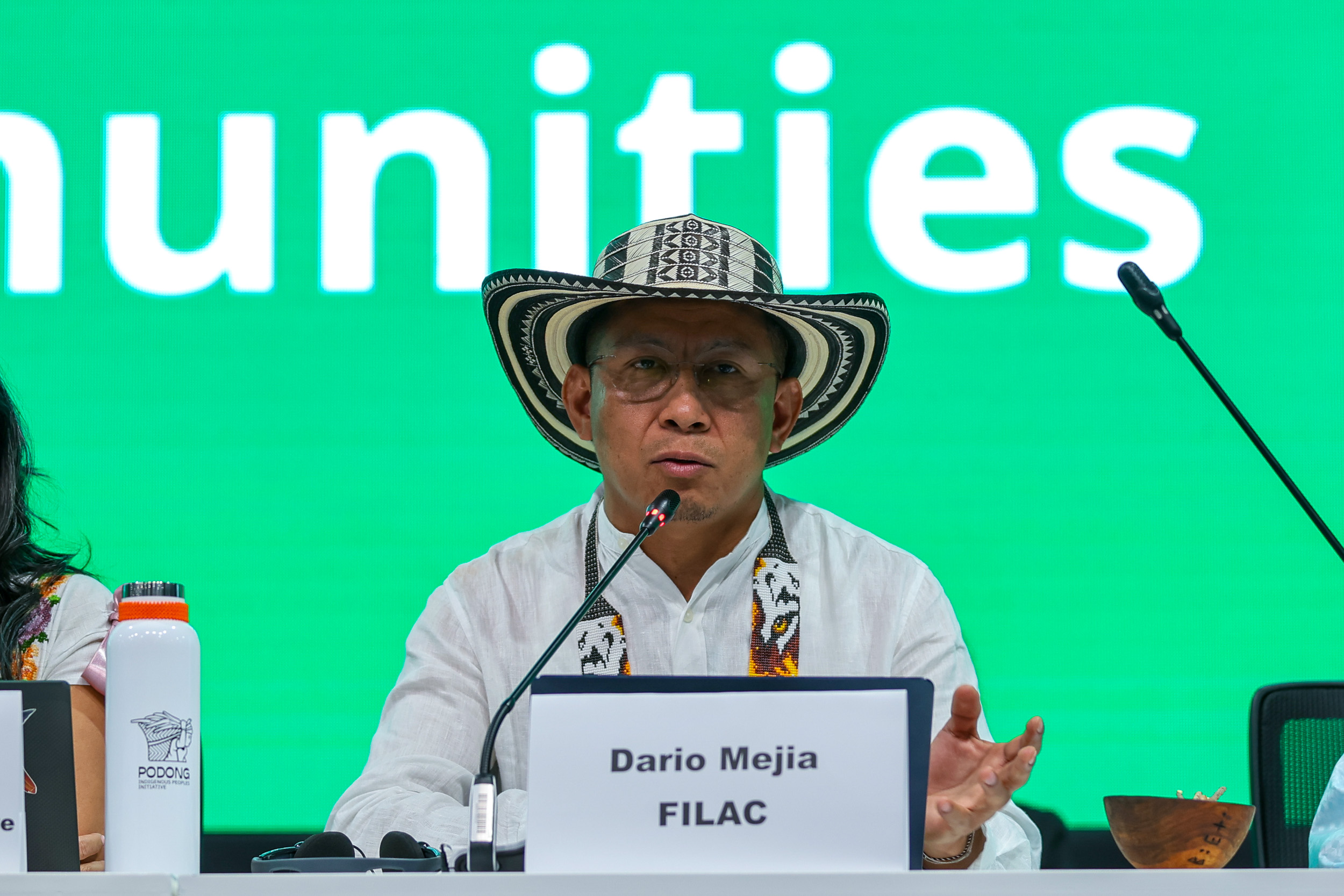
Darío Mejía, Fund for the Development of Indigenous Peoples of Latin America and the Caribbean
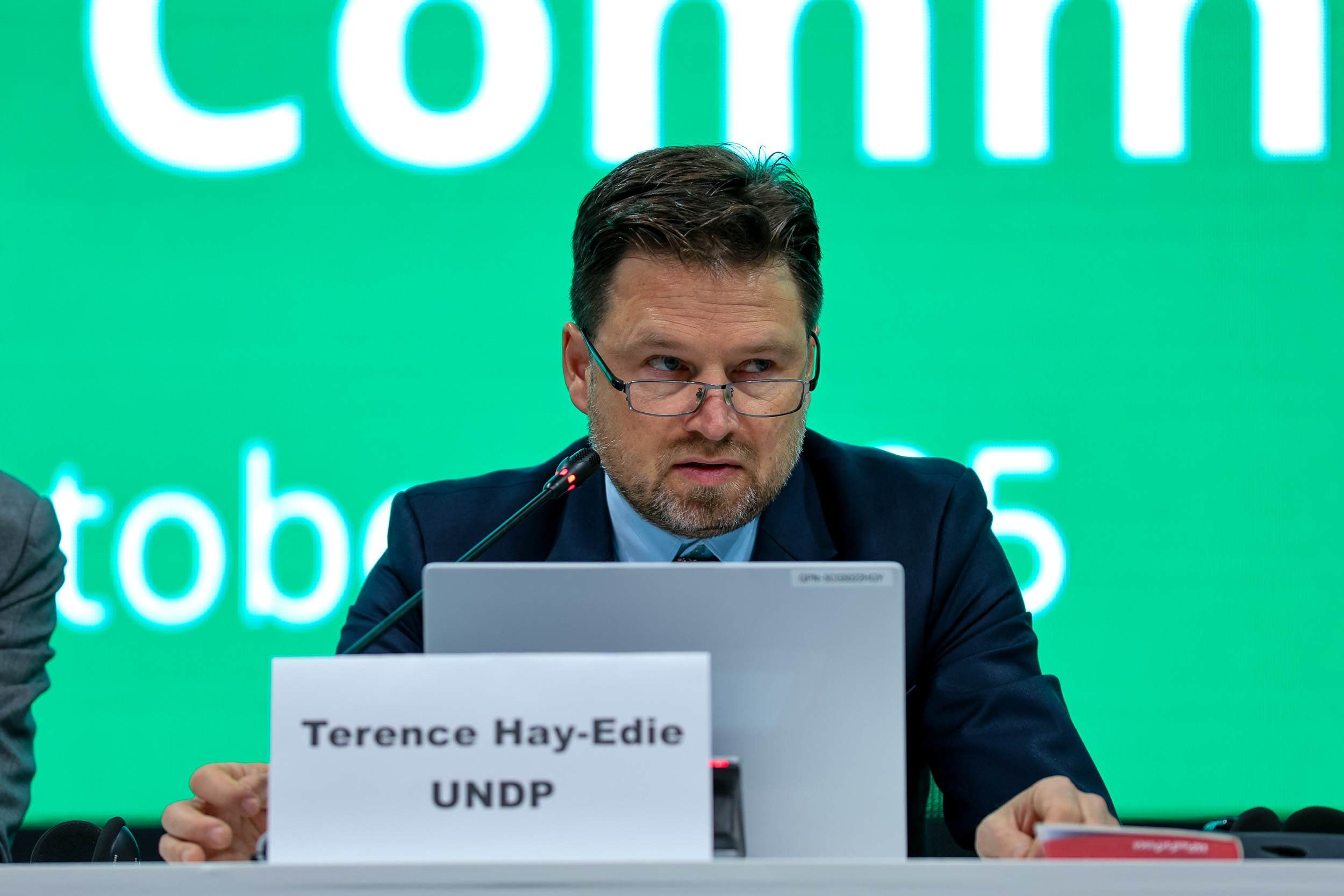
Terence Hay-Edie, UN Development Programme
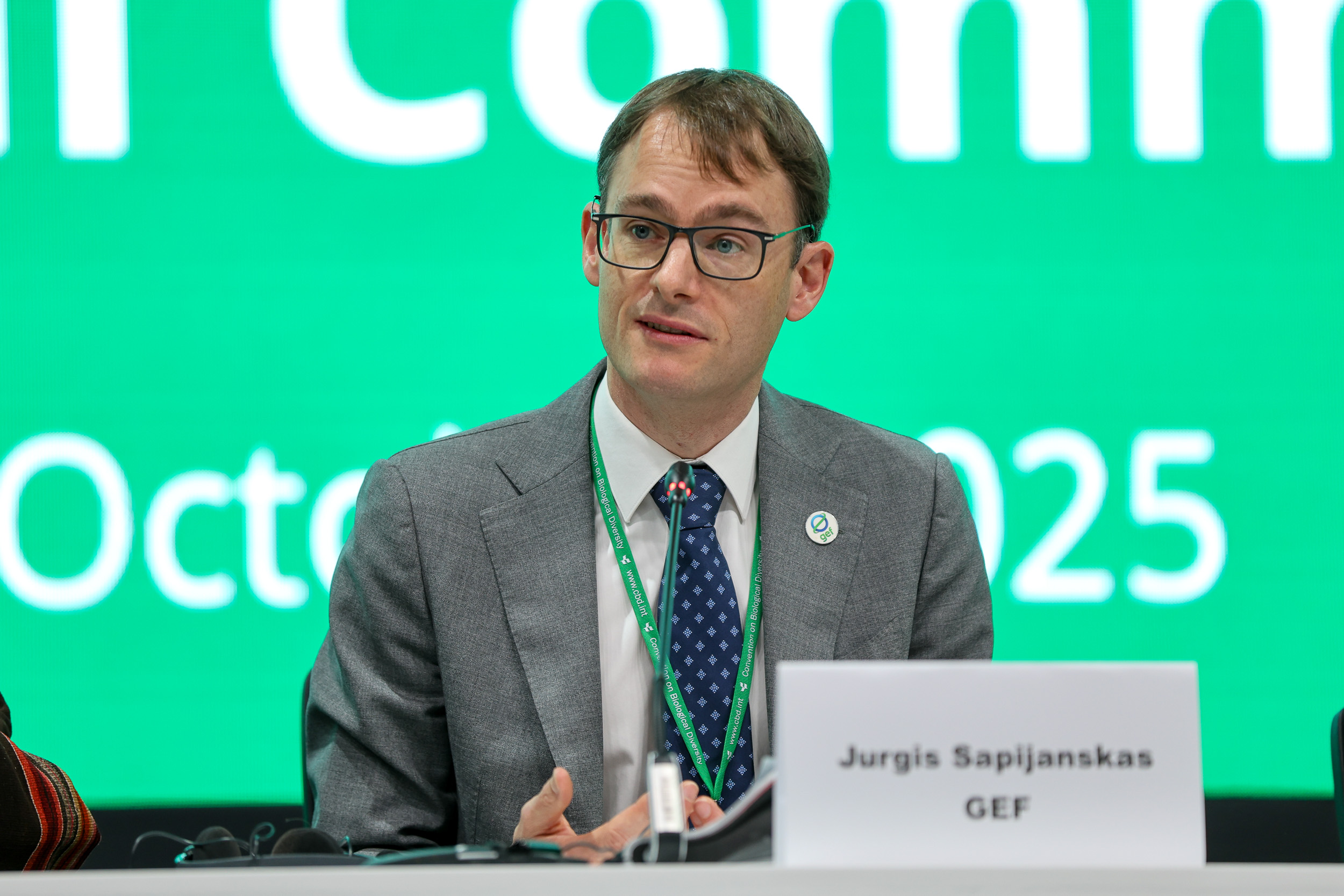
Jurgis Sapijanskas, Global Environment Facility
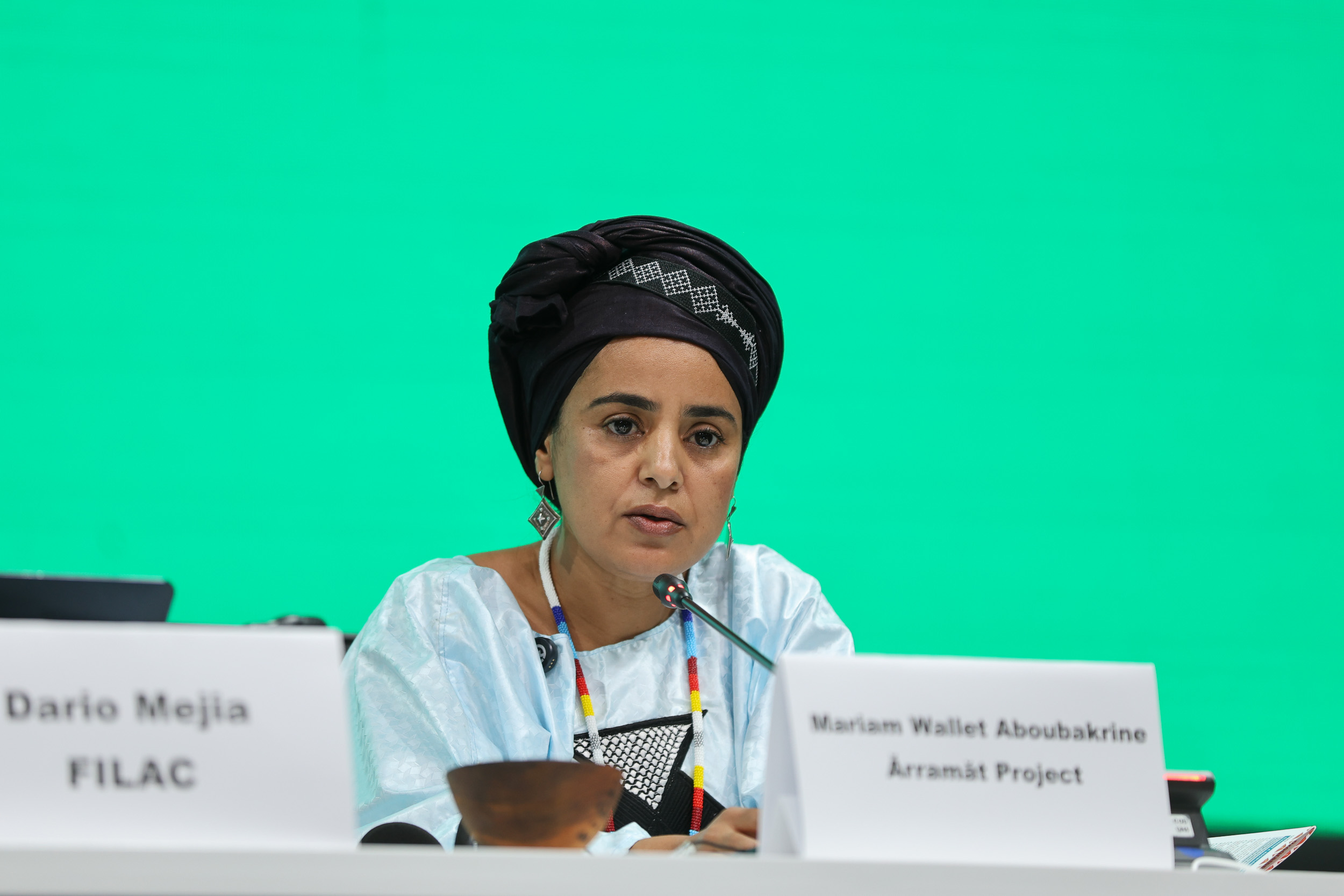
Mariam Wallet Aboubakrine, Ărramăt Project
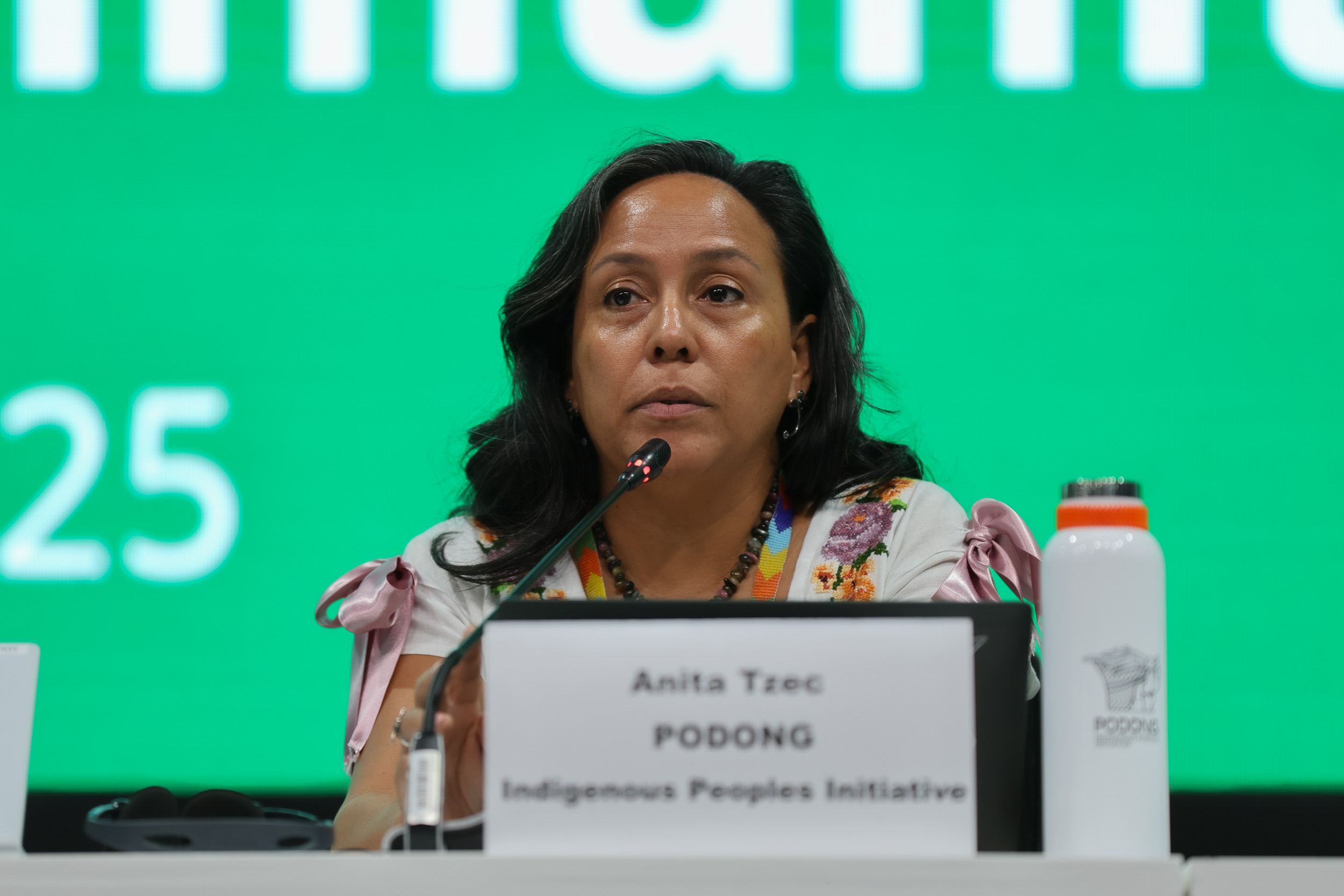
Anita Tzec, Podong - International Union for Conservation of Nature
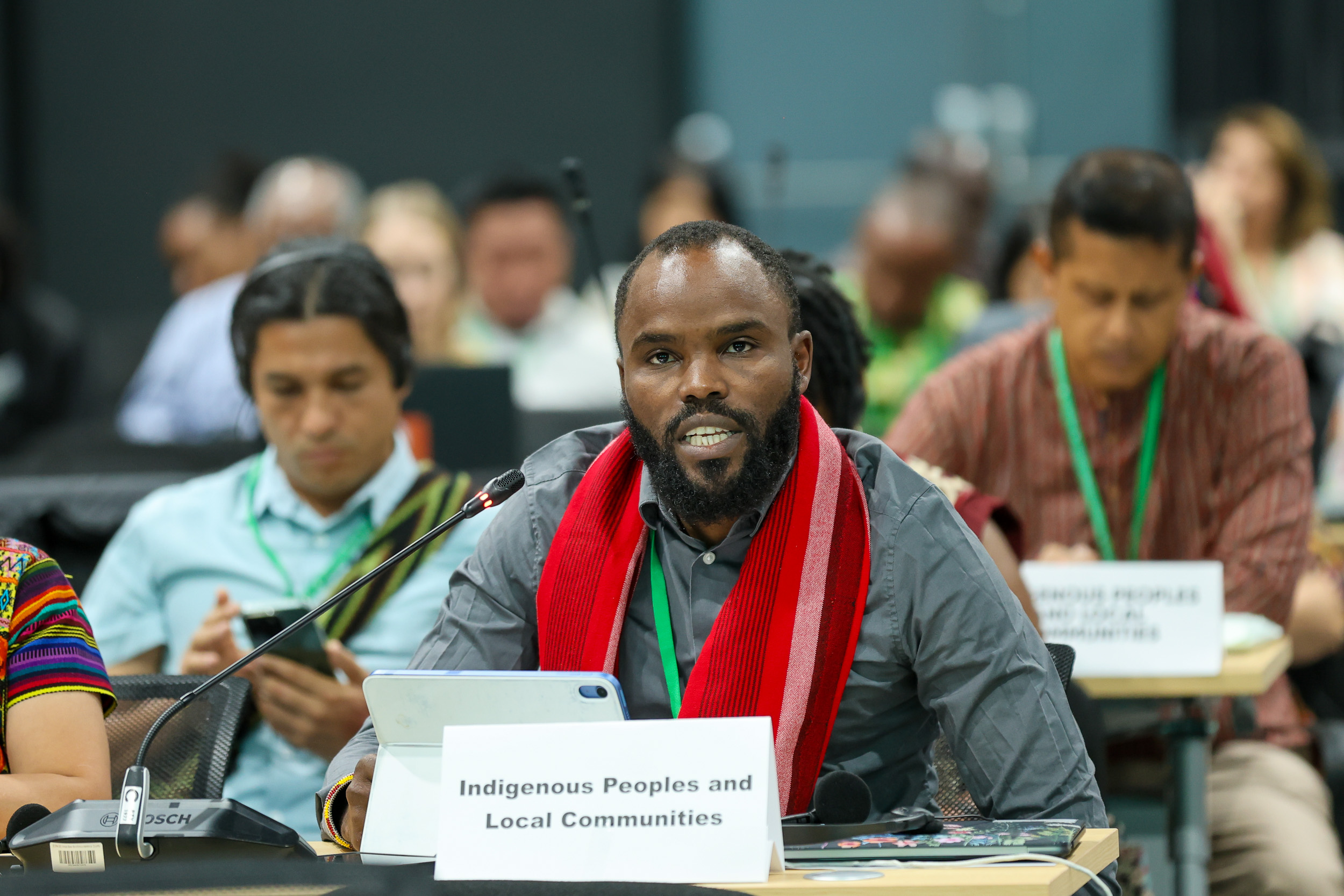
Ramson Sinya Karmushu, International Indigenous Forum on Biodiversity (IIFB)
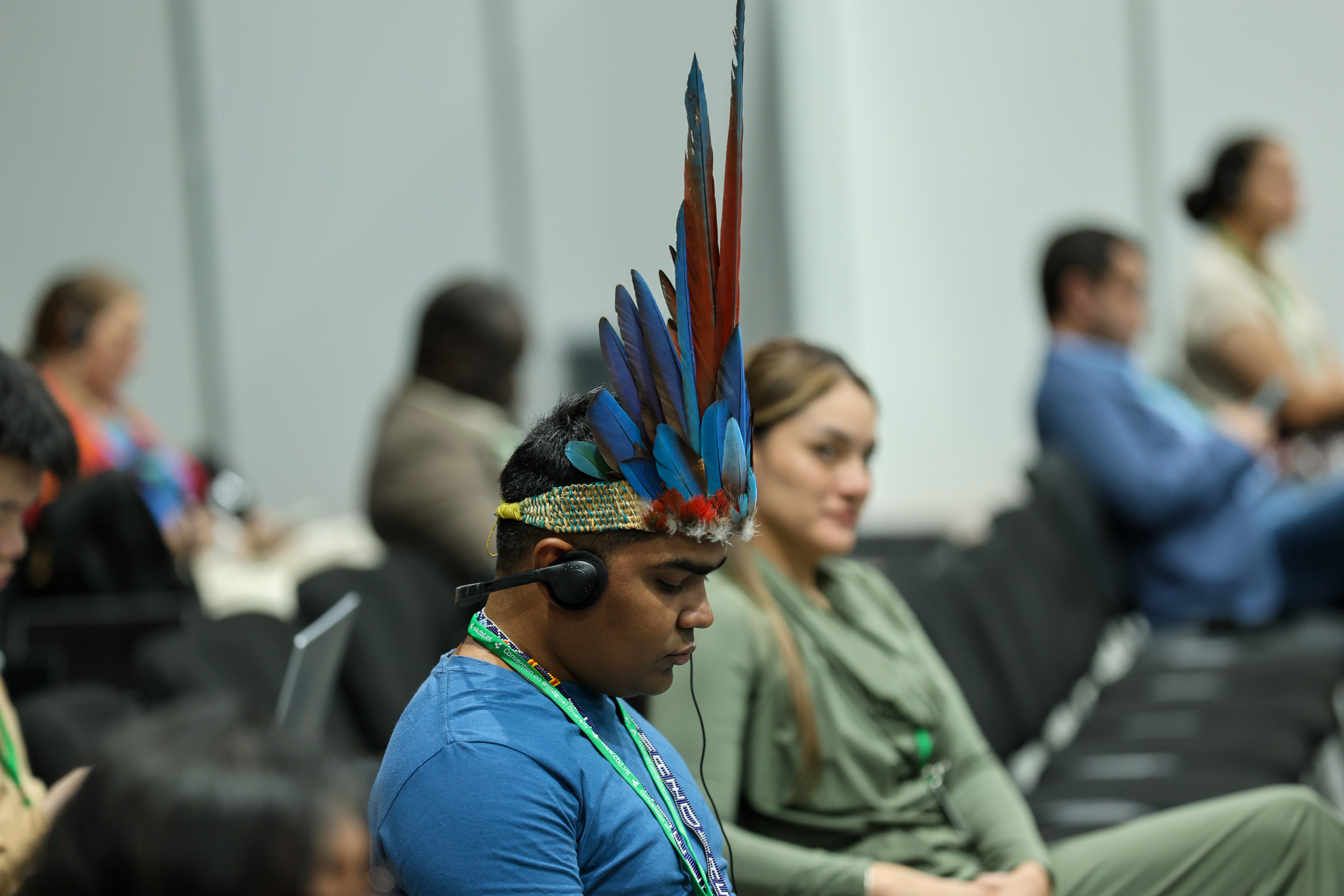
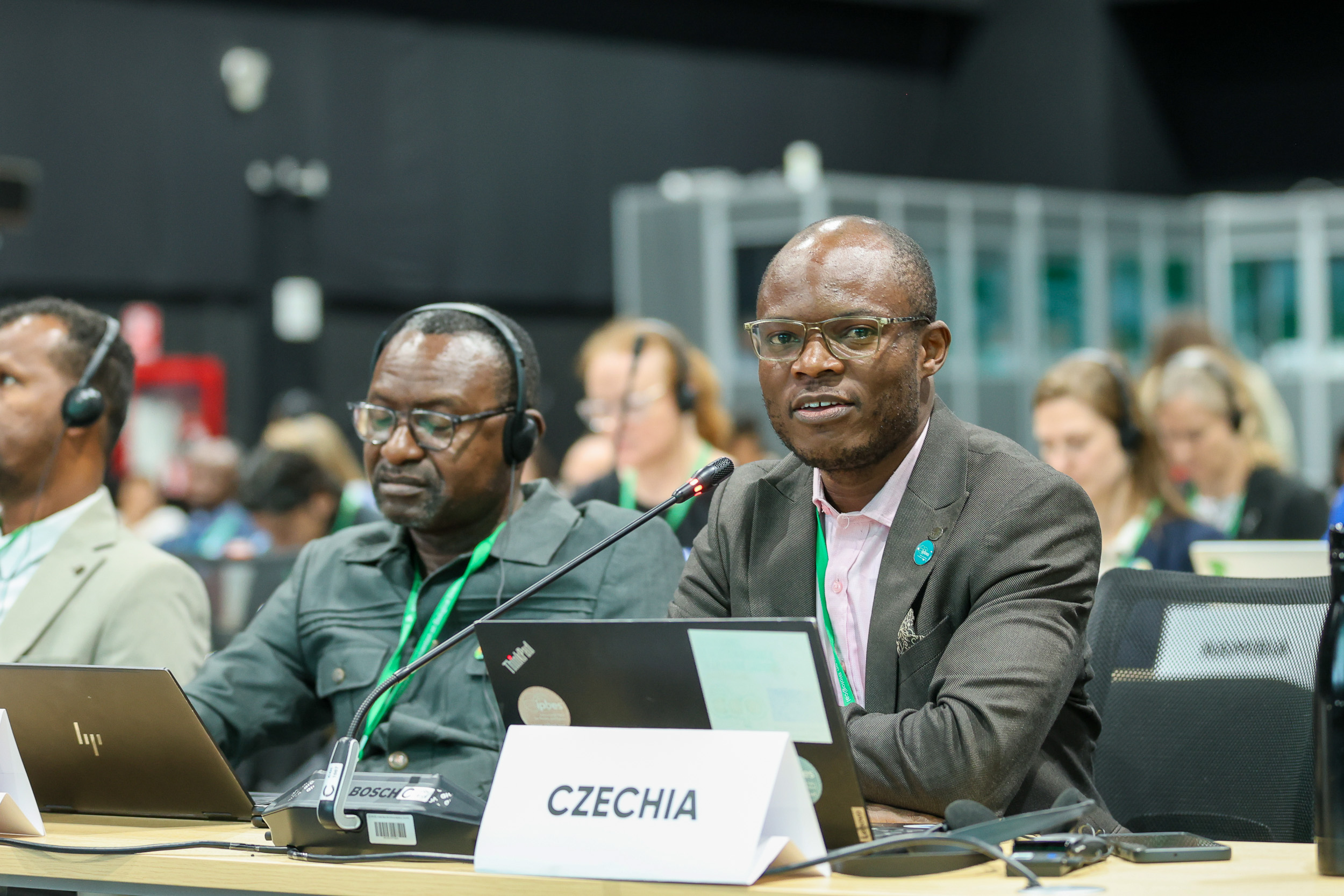
Daniel Mukubi Kikuni, Democratic Republic of the Congo
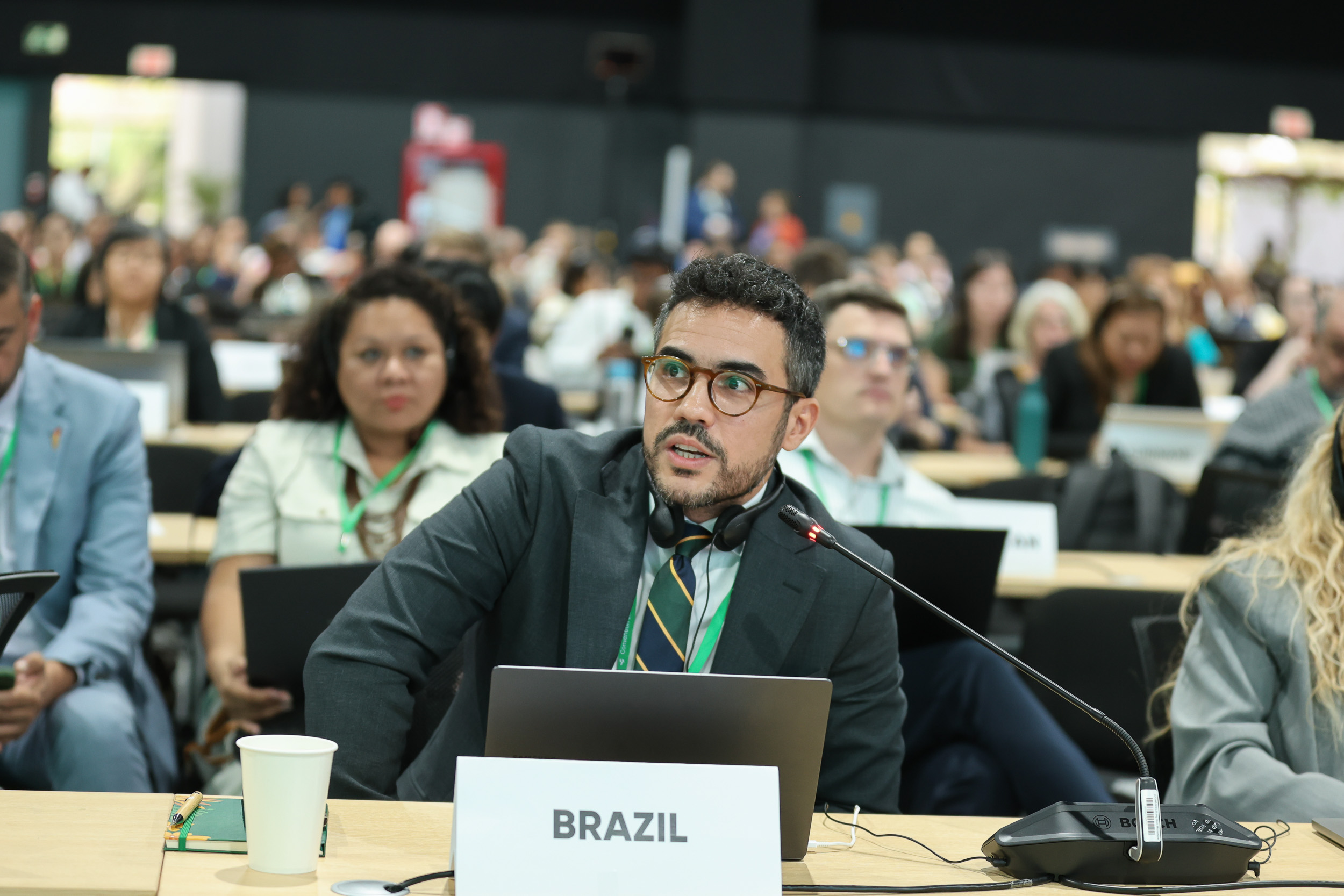
Diogo Gonçalves, Brazil
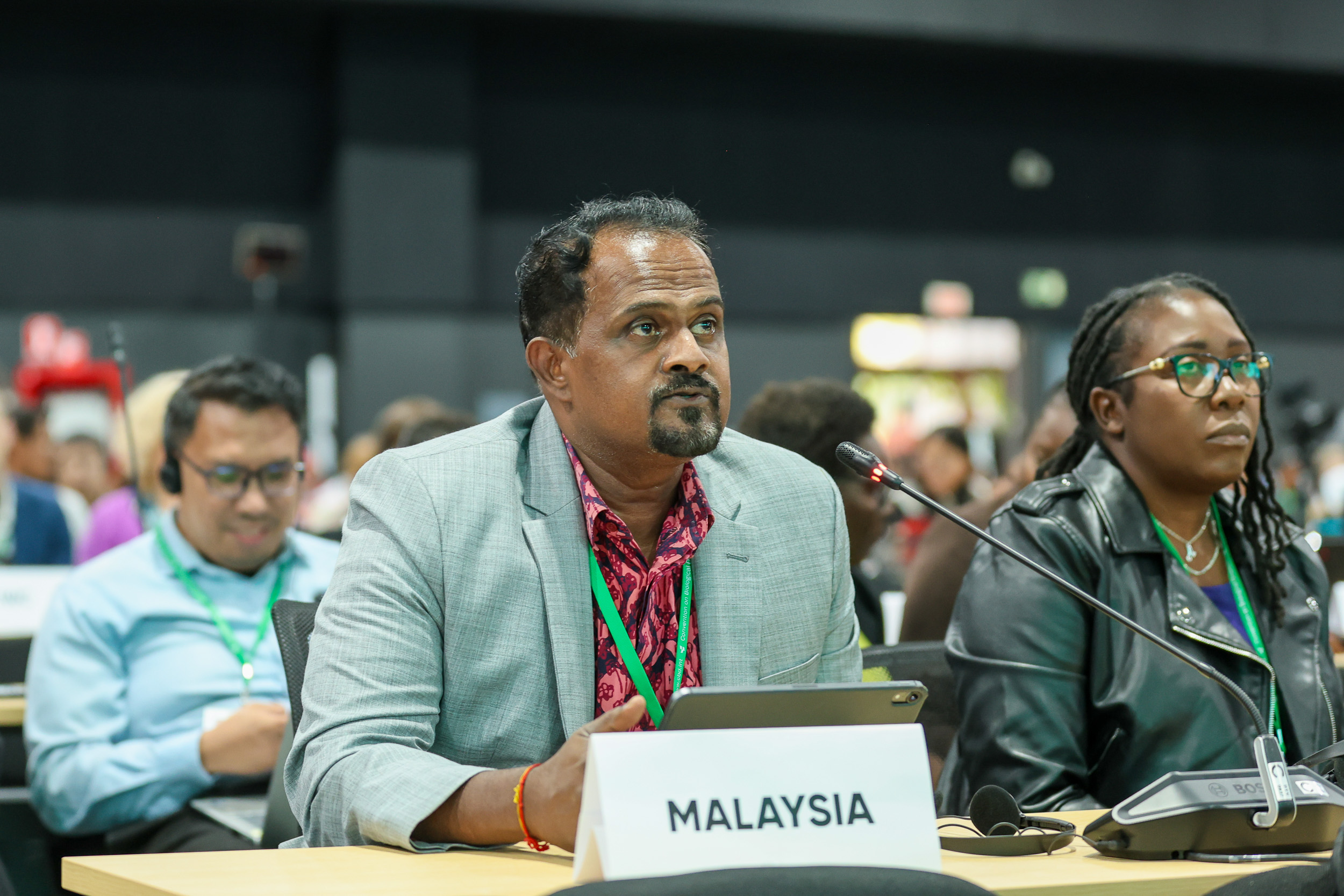
Siva Kumar Solay Rajah, Malaysia
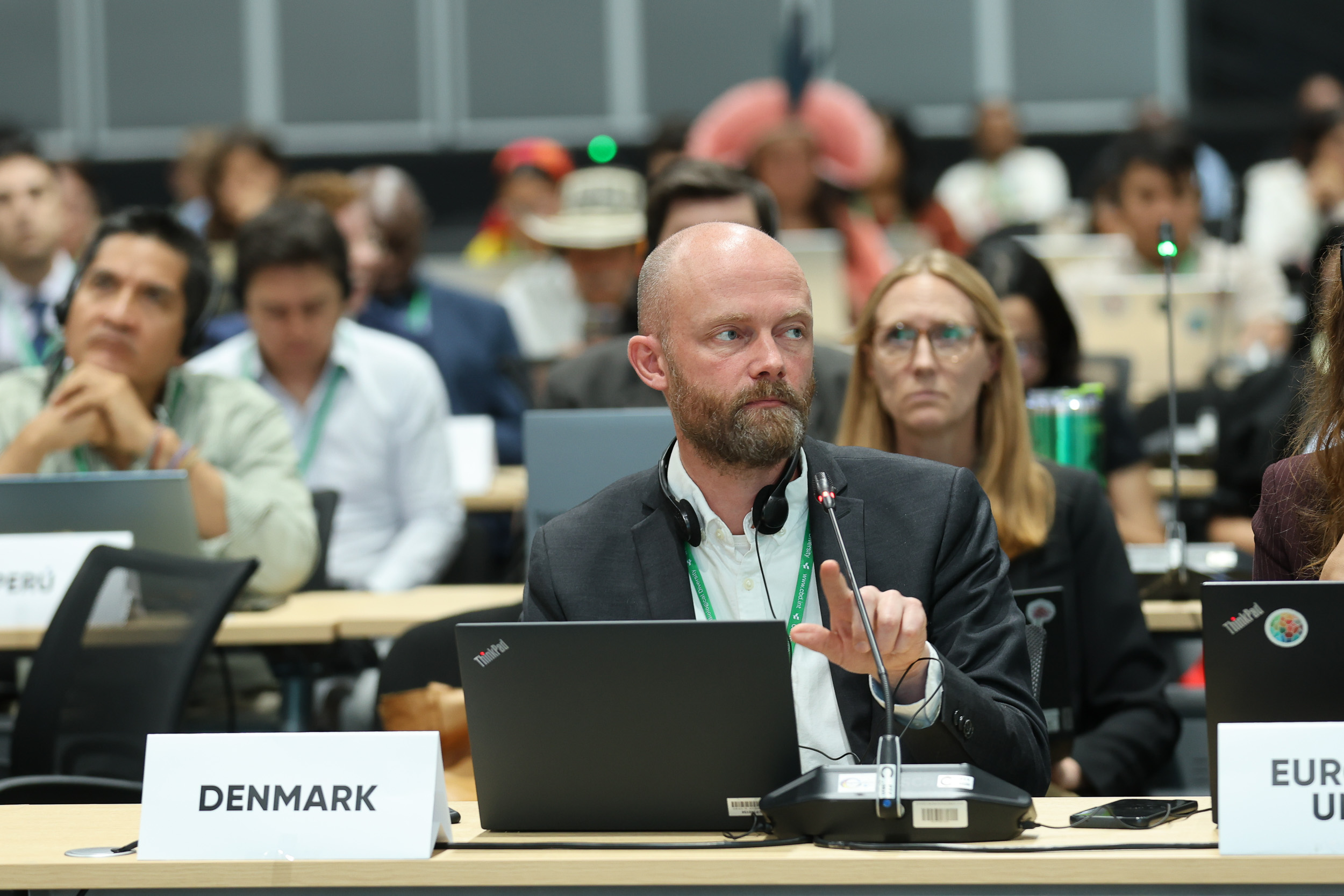
Thomas Midtgaard, Denmark
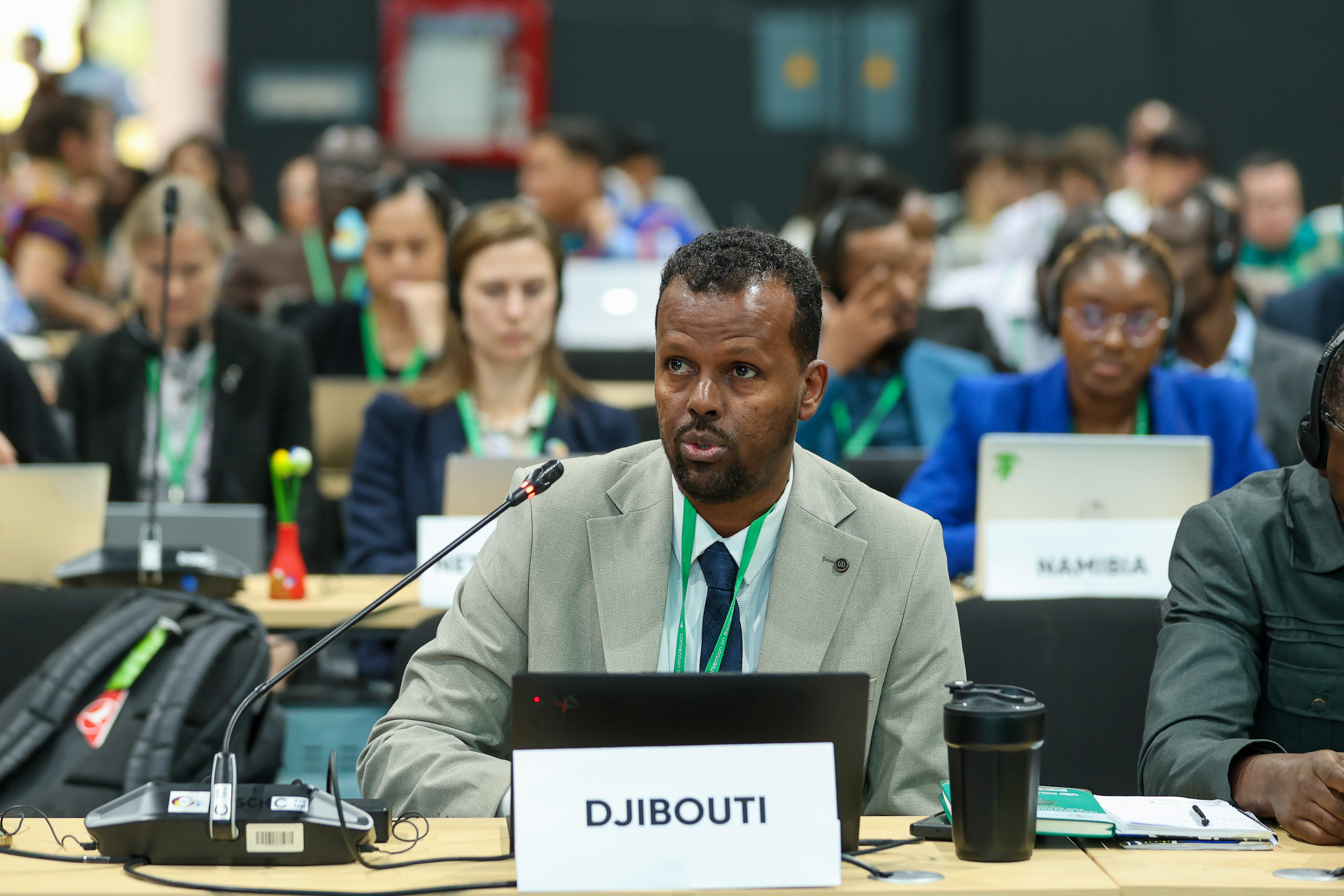
Mohamed Elmi Obsieh, Djibouti
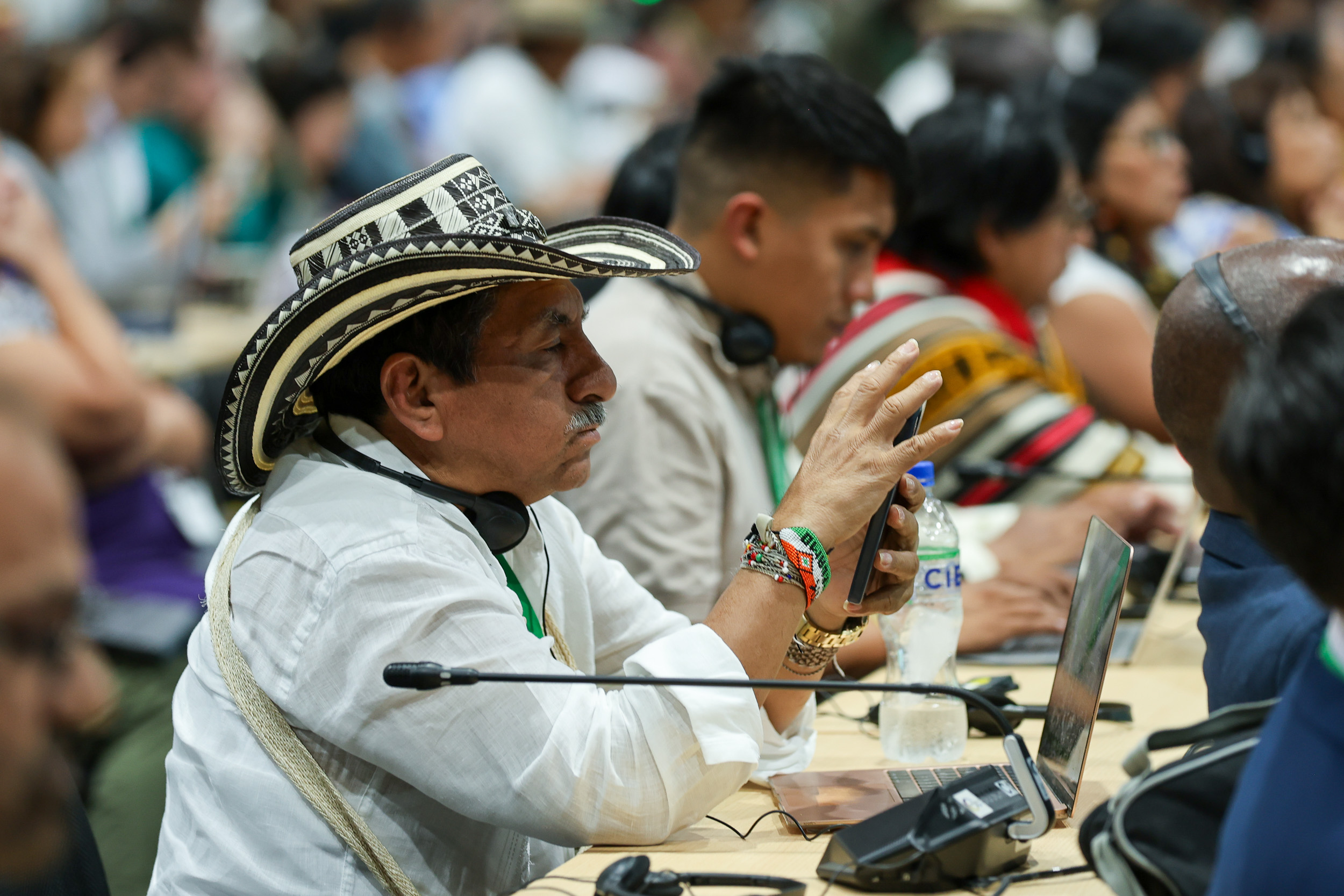
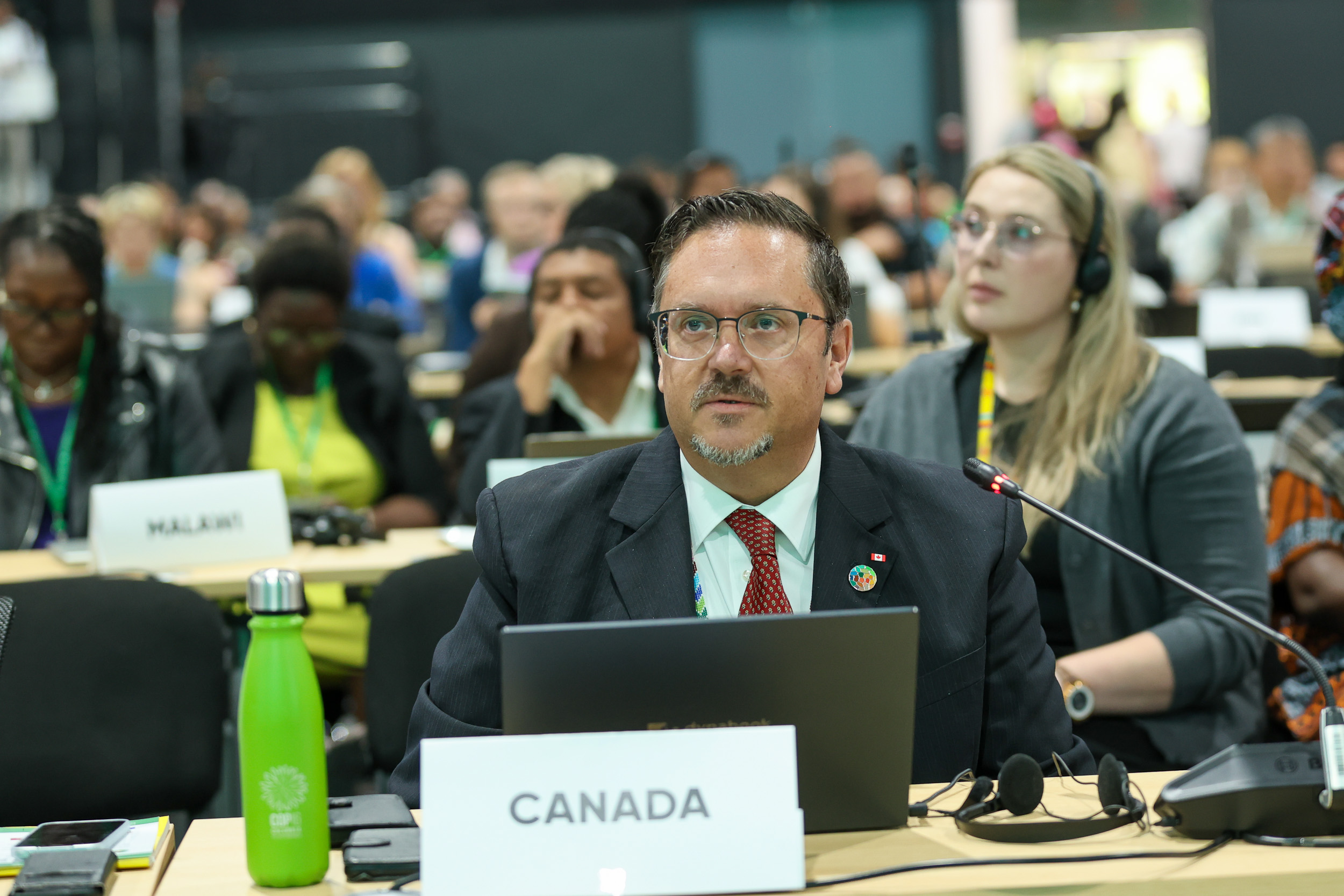
Scott Wilson, Canada
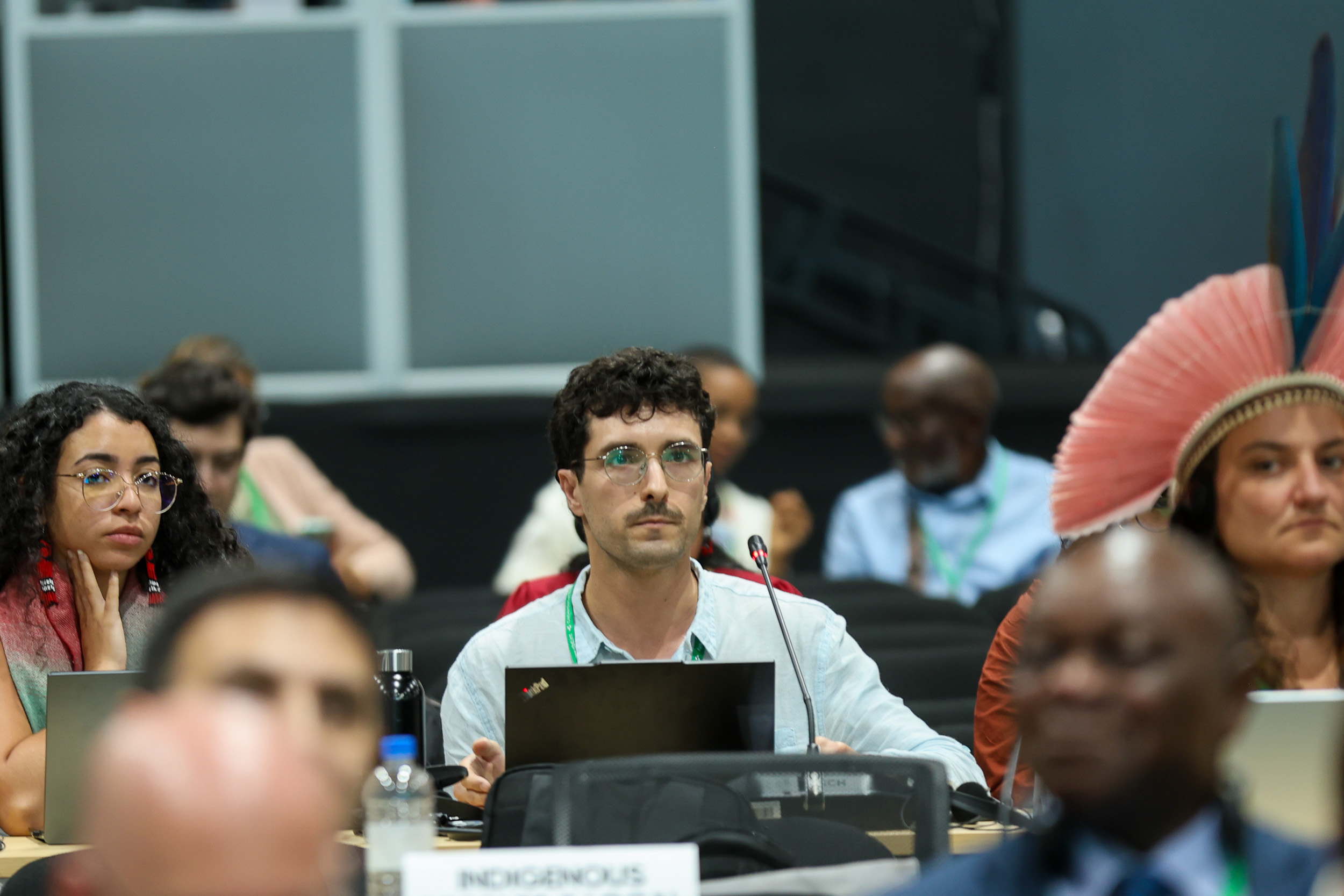
Heitor Dellasta, Global Youth Biodiversity Network
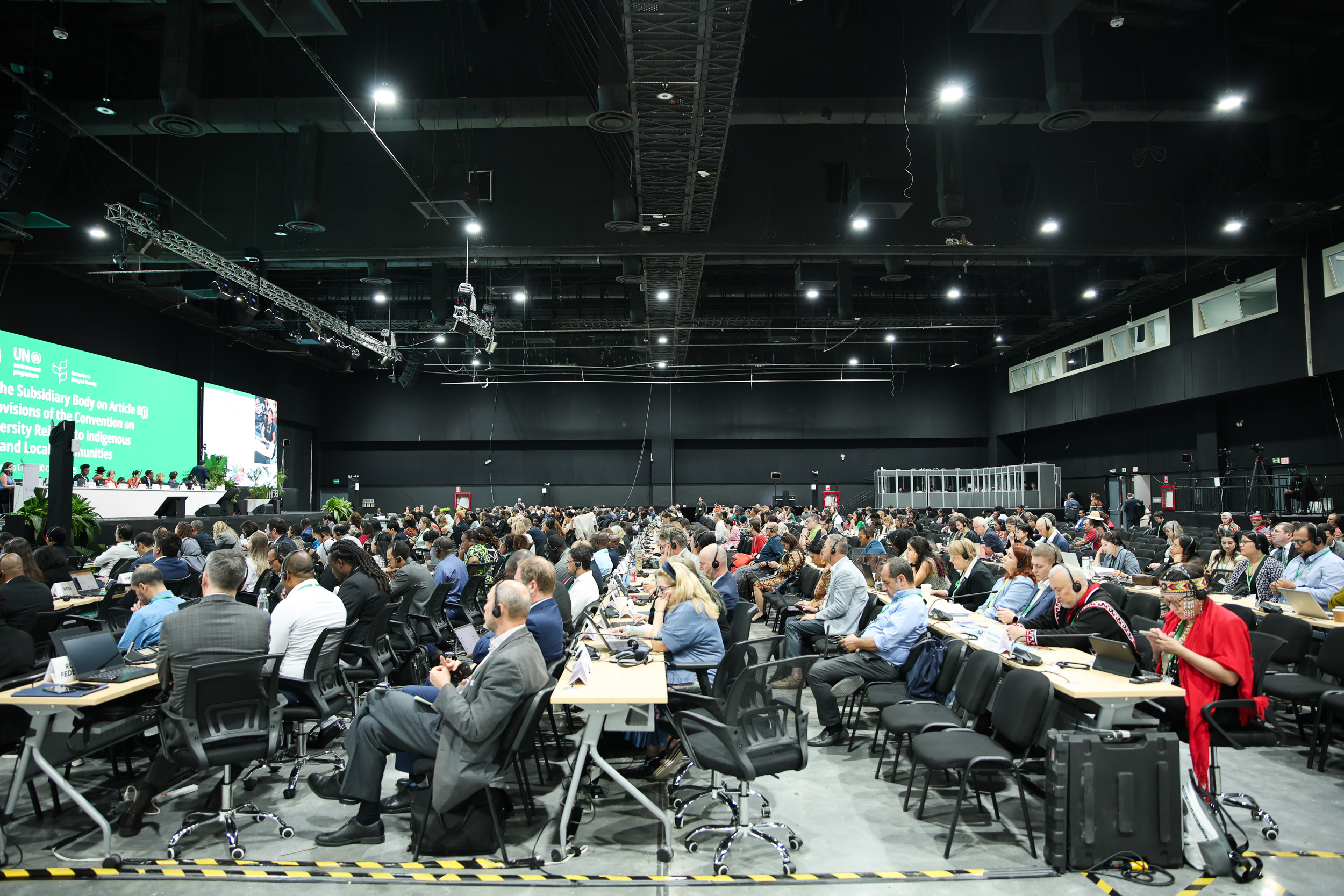
View of the room during the afternoon plenary
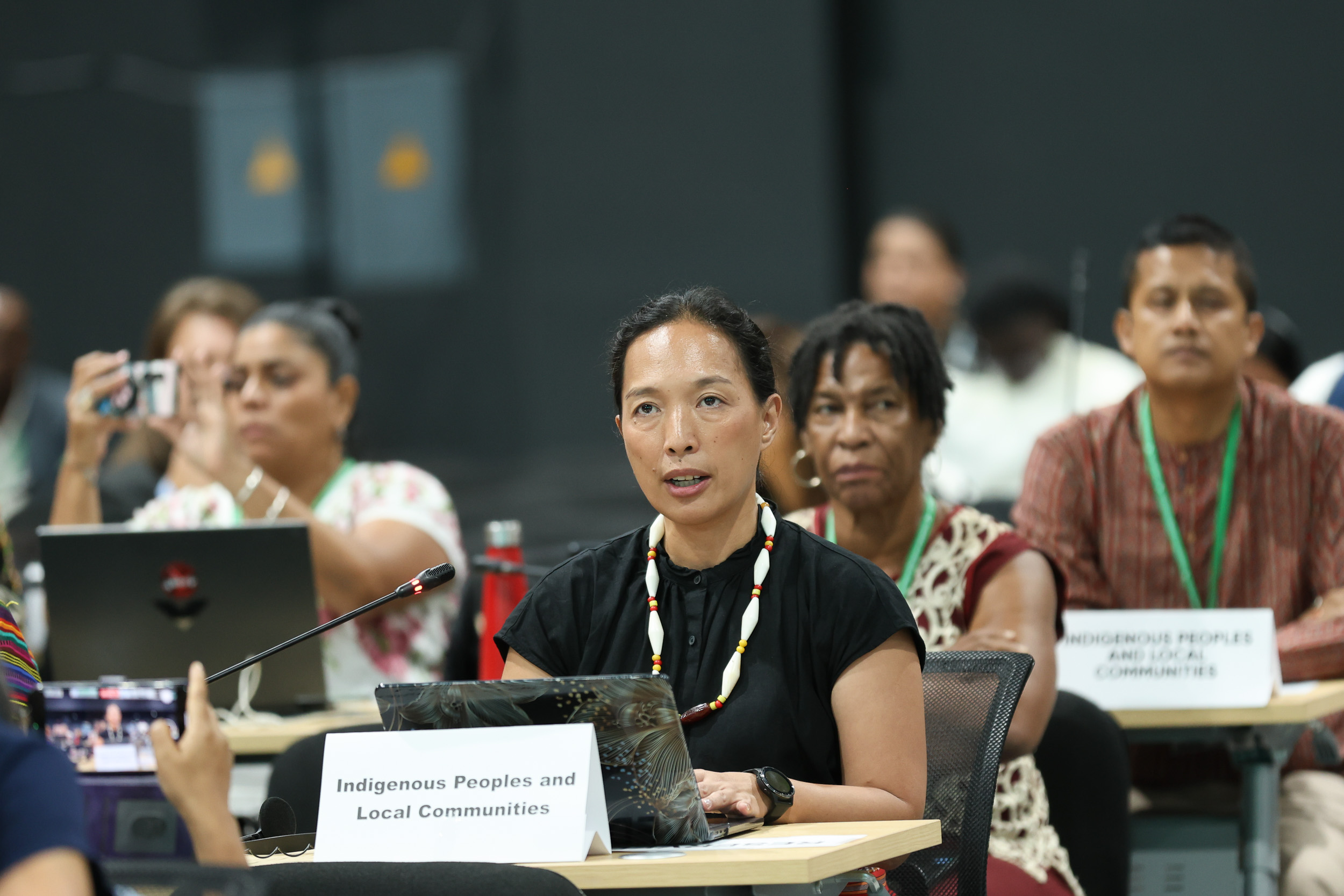
Jennifer Tauli Corpuz, IIFB
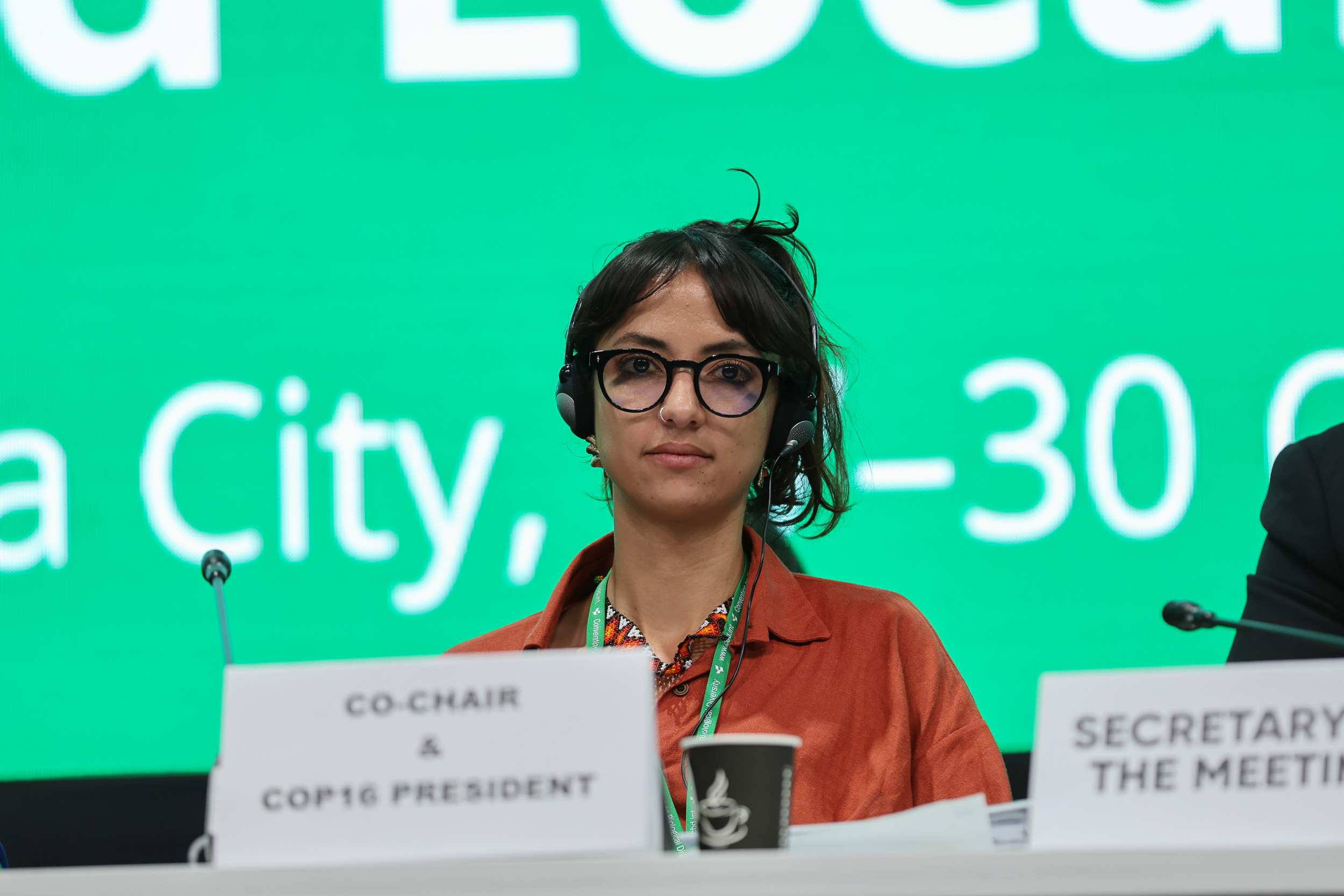
Daniela Durán González, Colombia, co-chaired the afternoon plenary
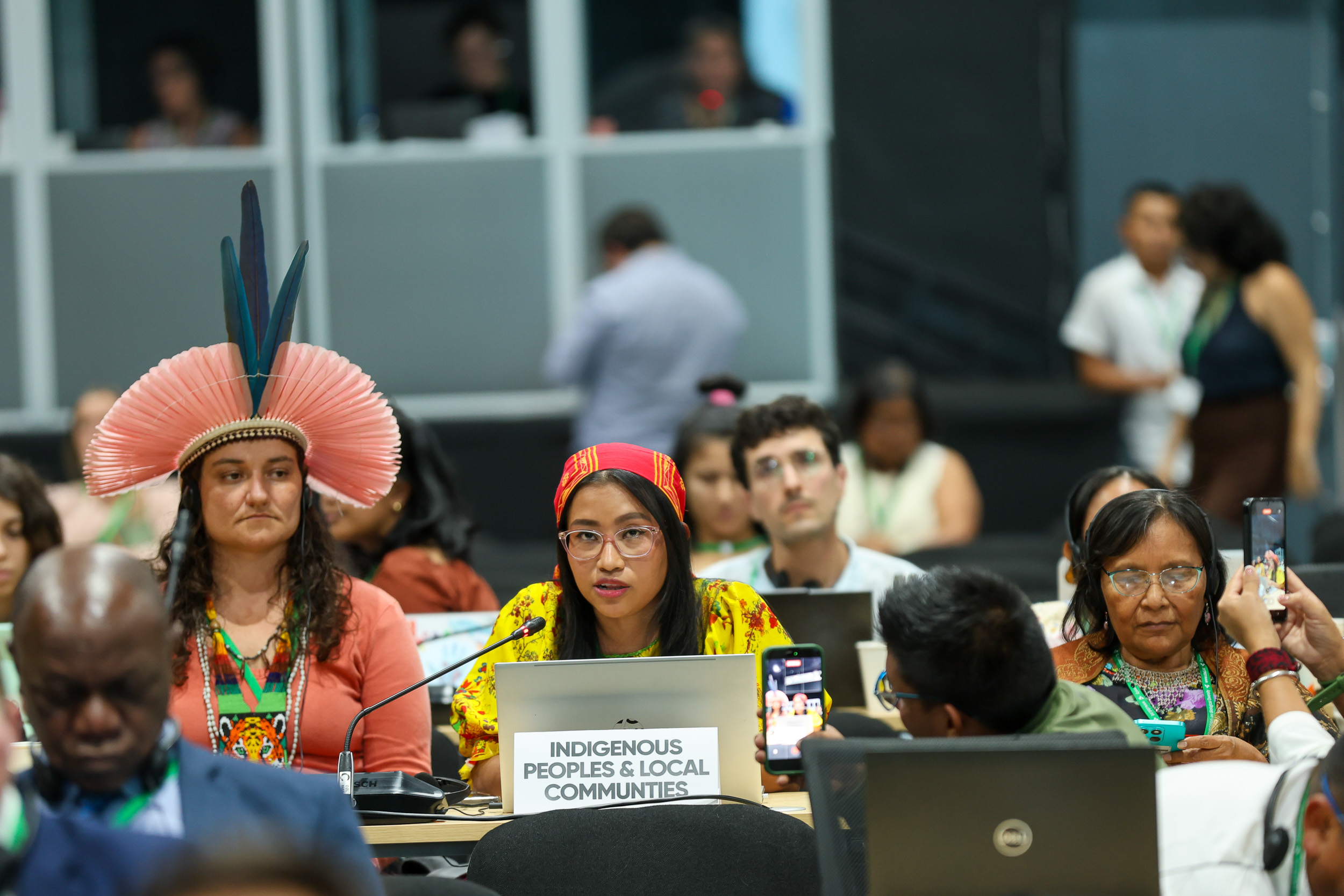
Contact Groups
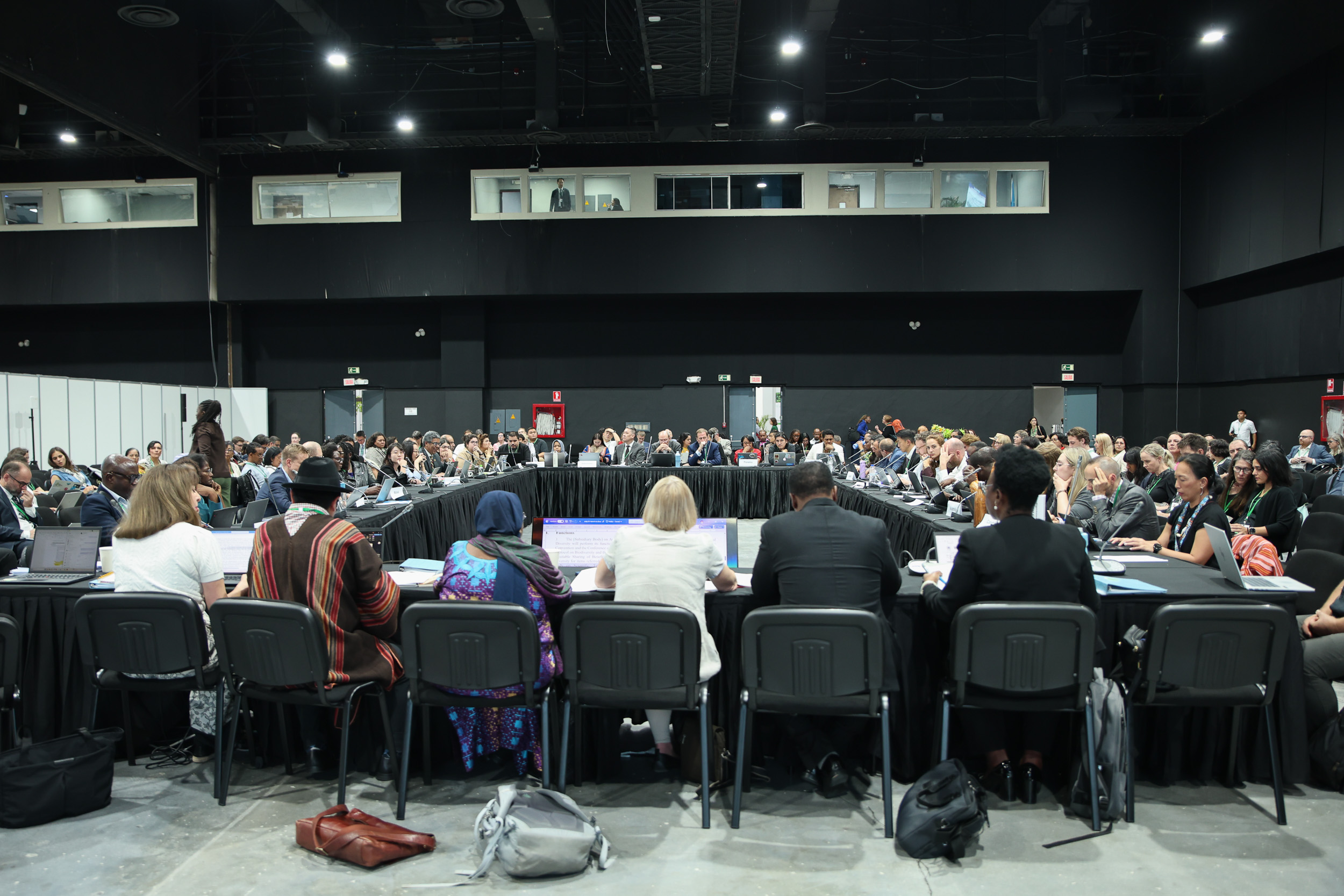
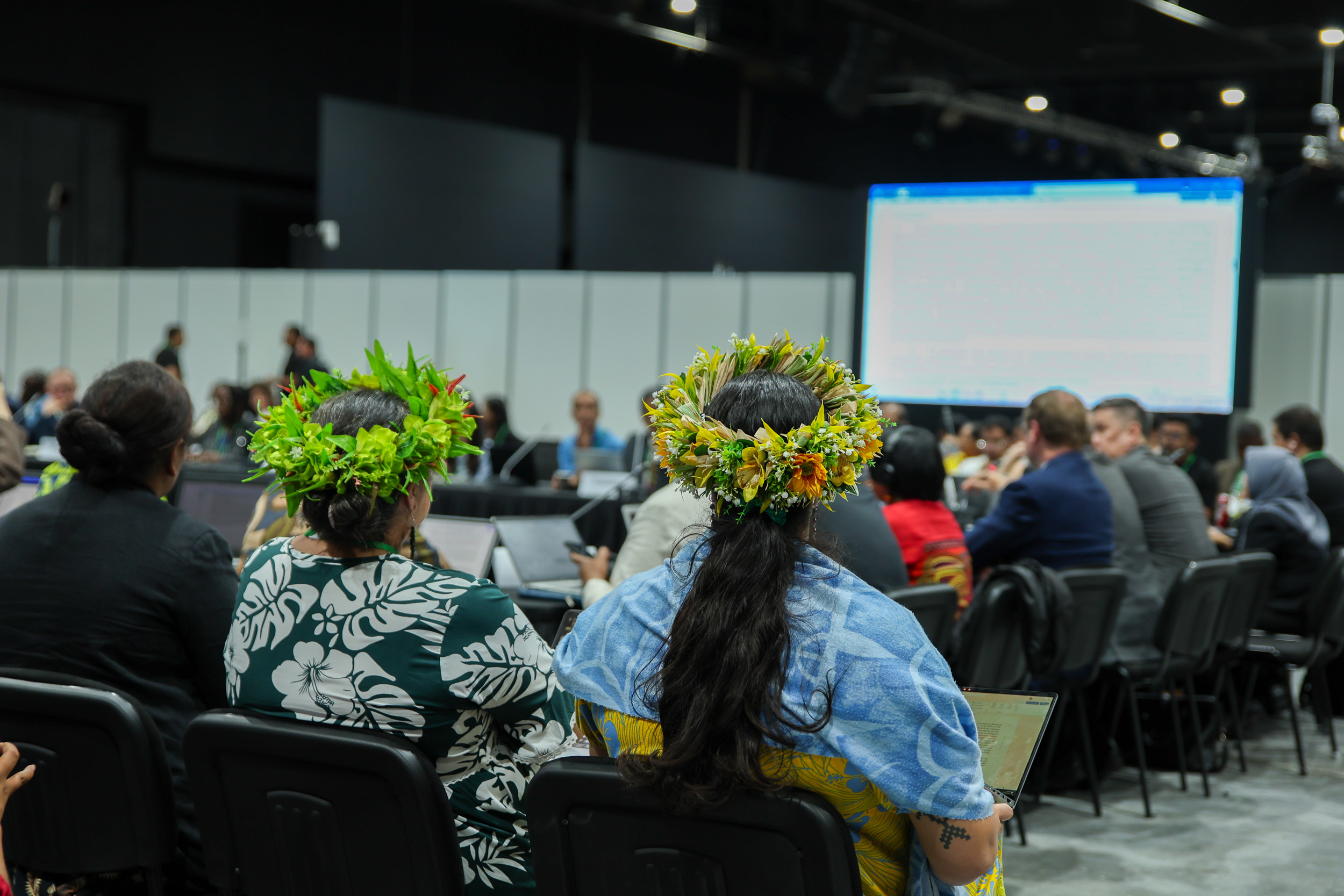
View of the room during the contact group on the modus operandi of SB8j
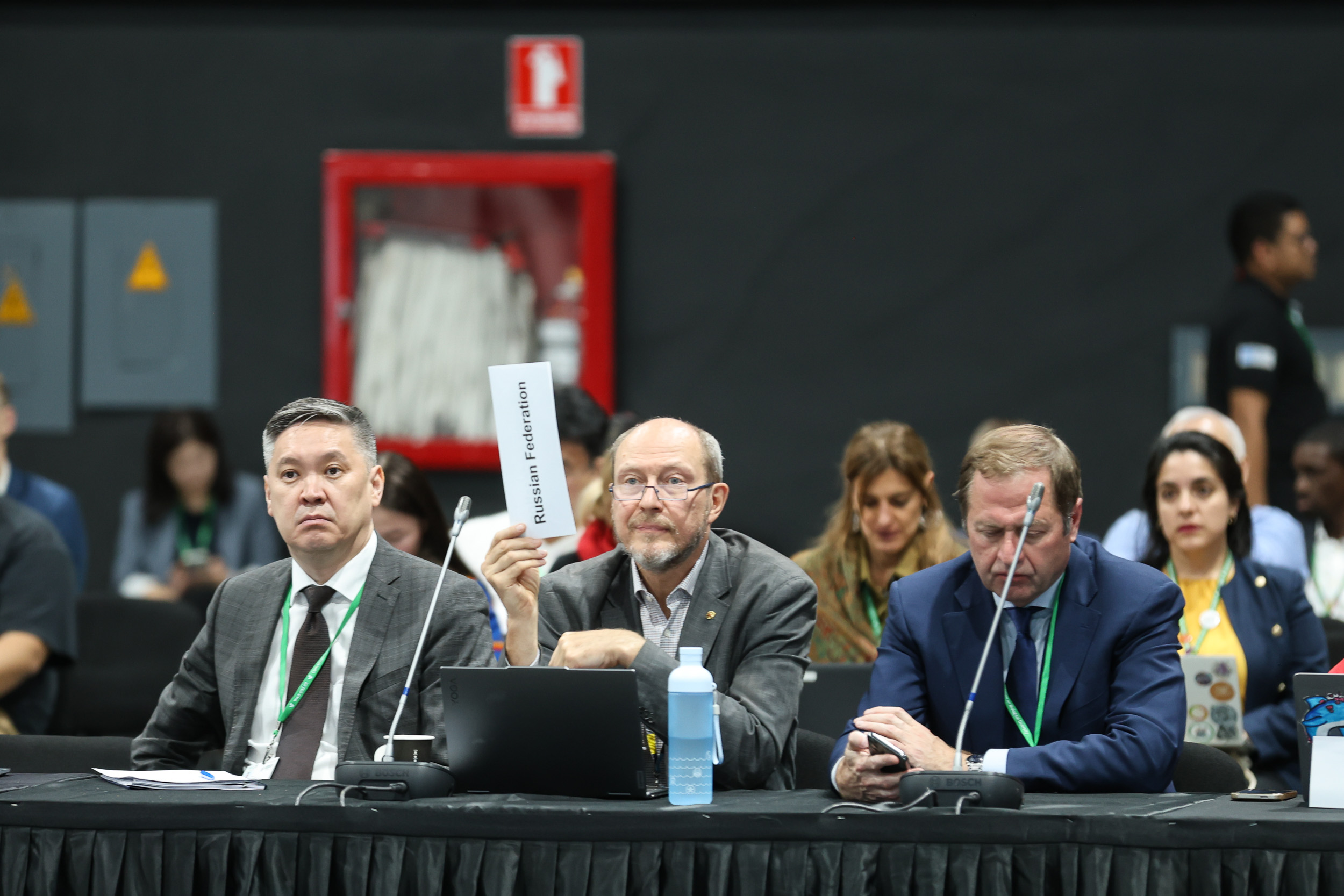
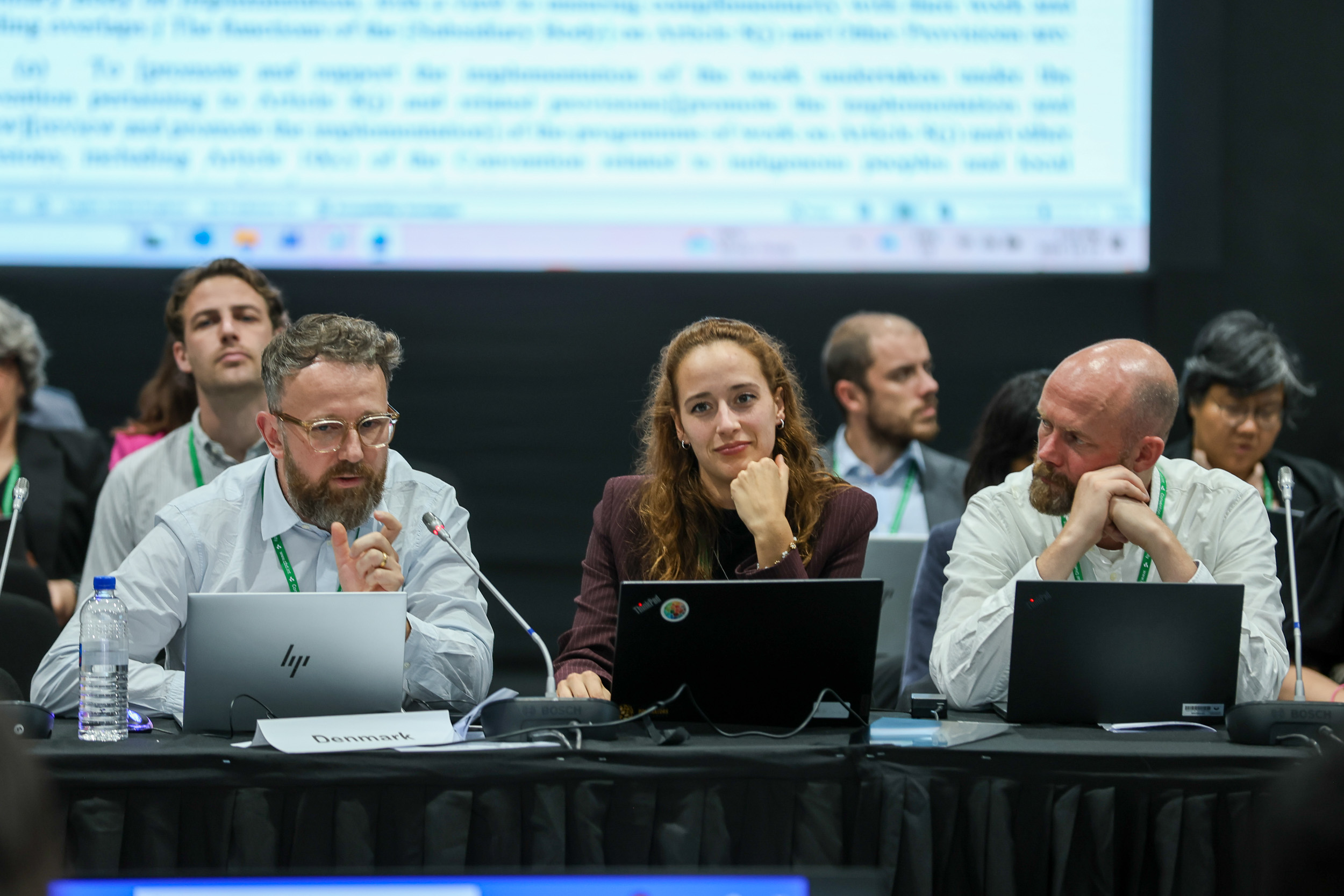
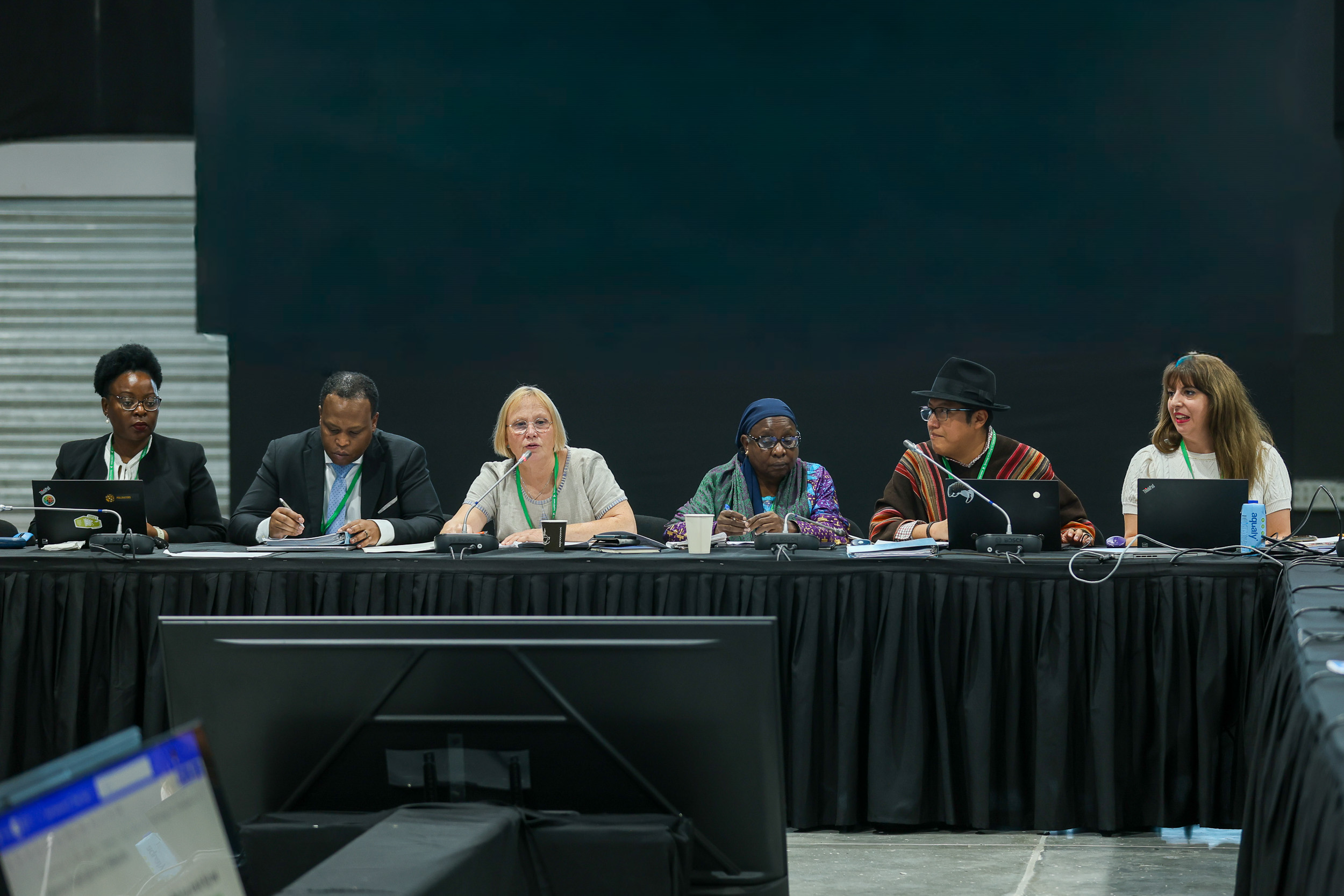
View of the dais during the contact group on the modus operandi of SB8j
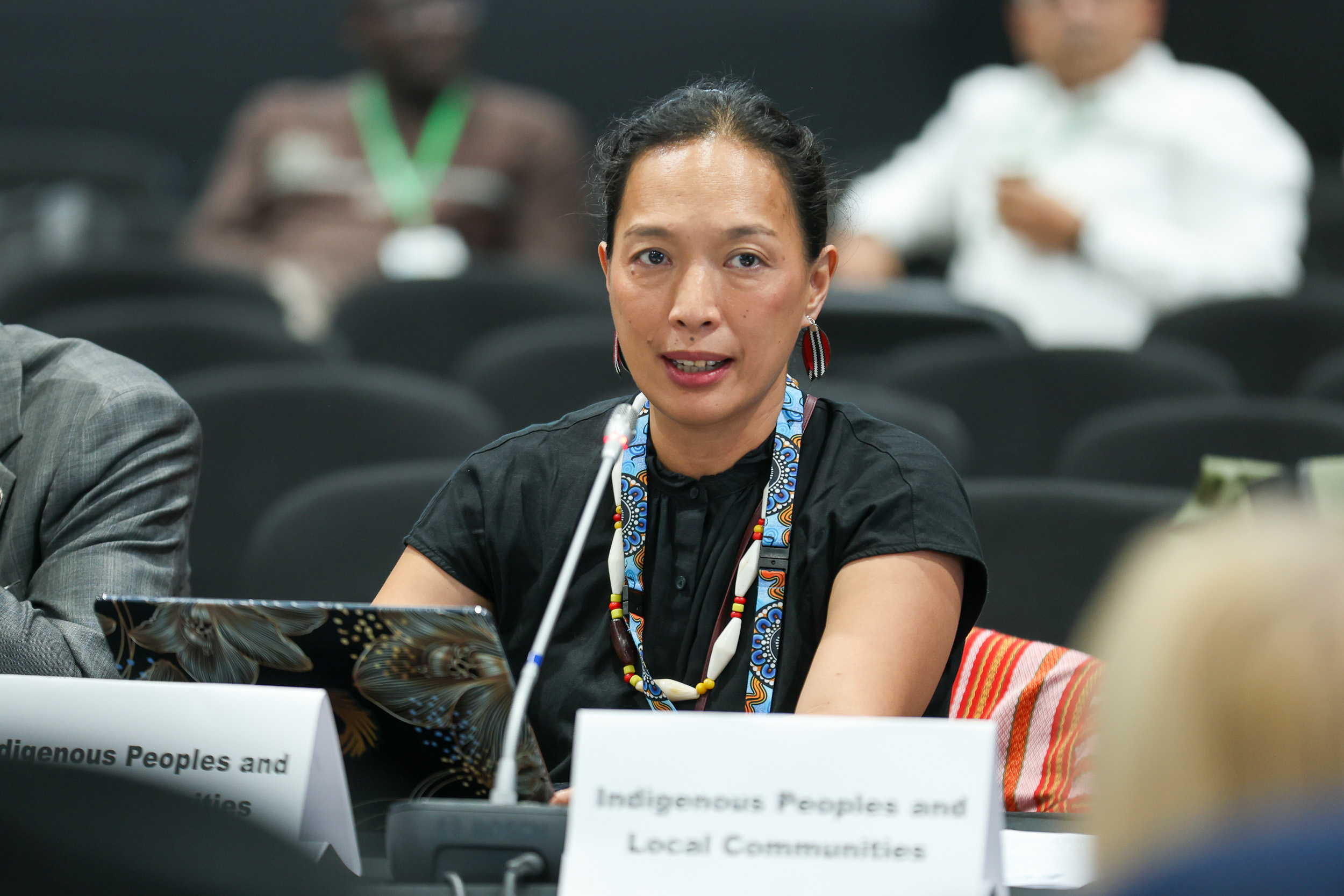
Jennifer Tauli Corpuz, IPLC representative
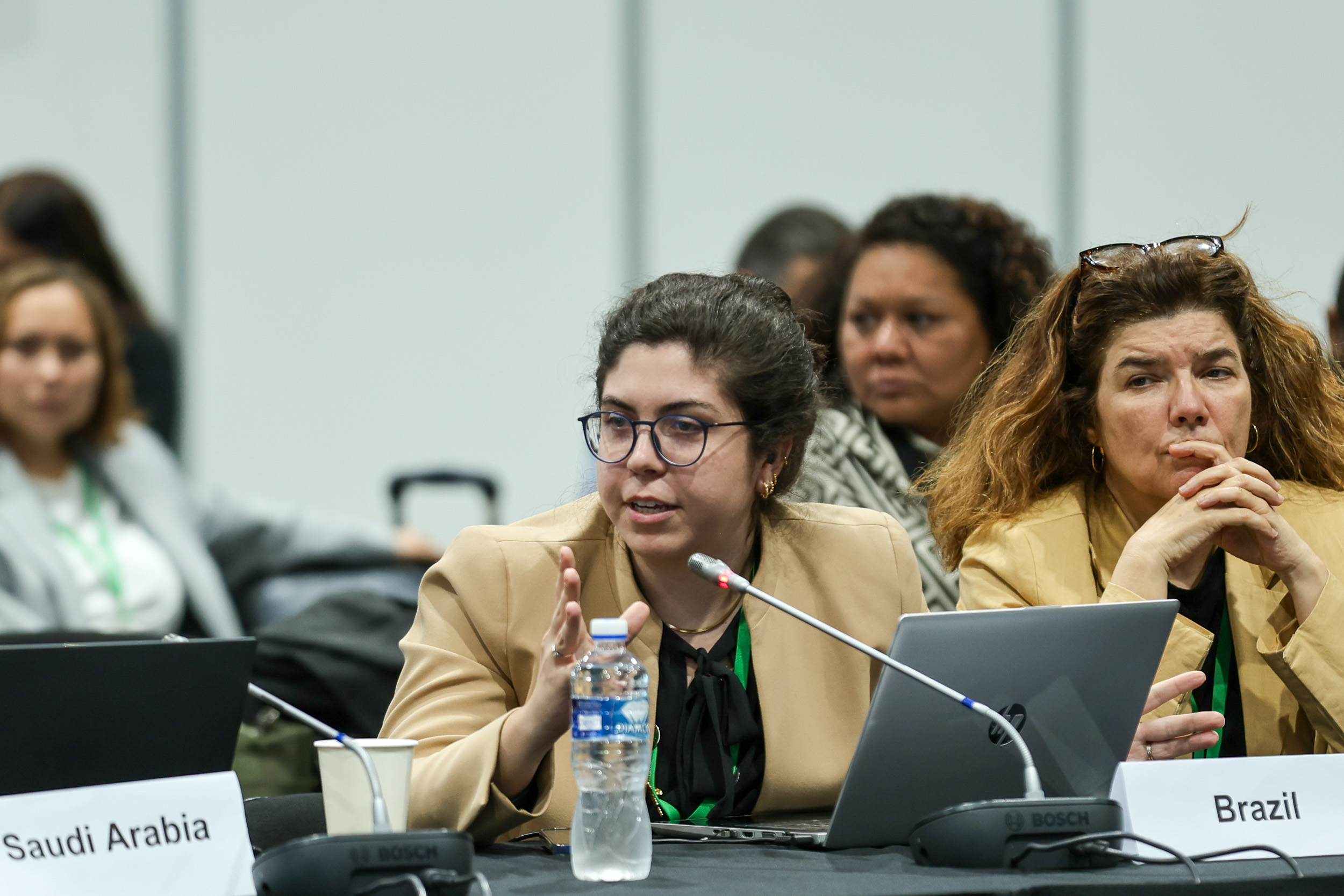
Taísa Passoni Marçal, Brazil
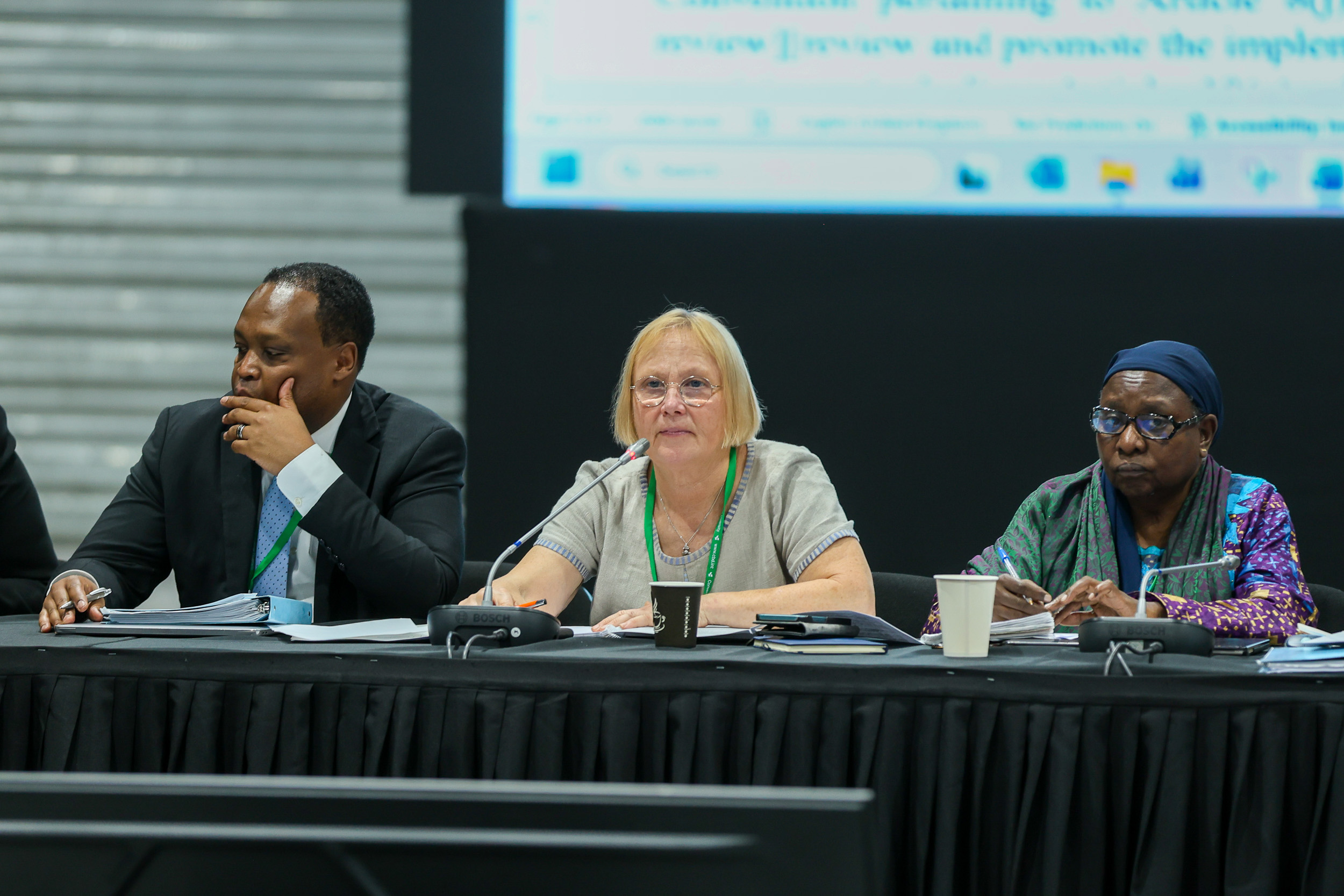
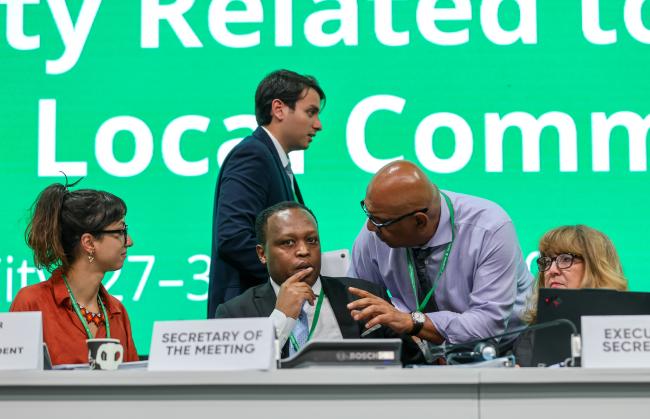
From L-R: SB8j 1 Secretary Olivier Rukundo; Pernilla Malmer and Lucy Mulenkei, Co-Chairs of the contact group on the modus operandi of SB8j
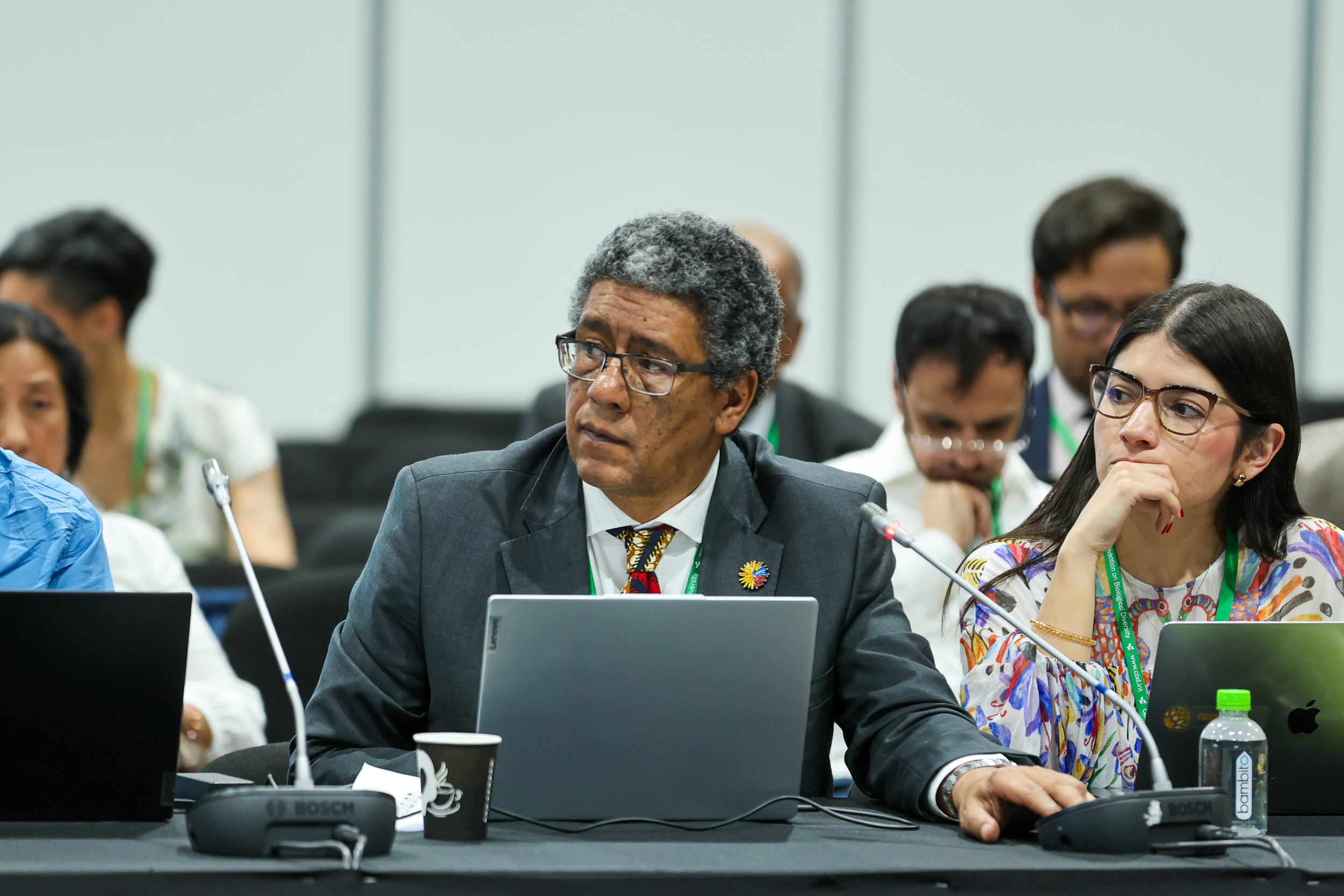
Pedro León Cortés Ruiz, Colombia
Between Sessions
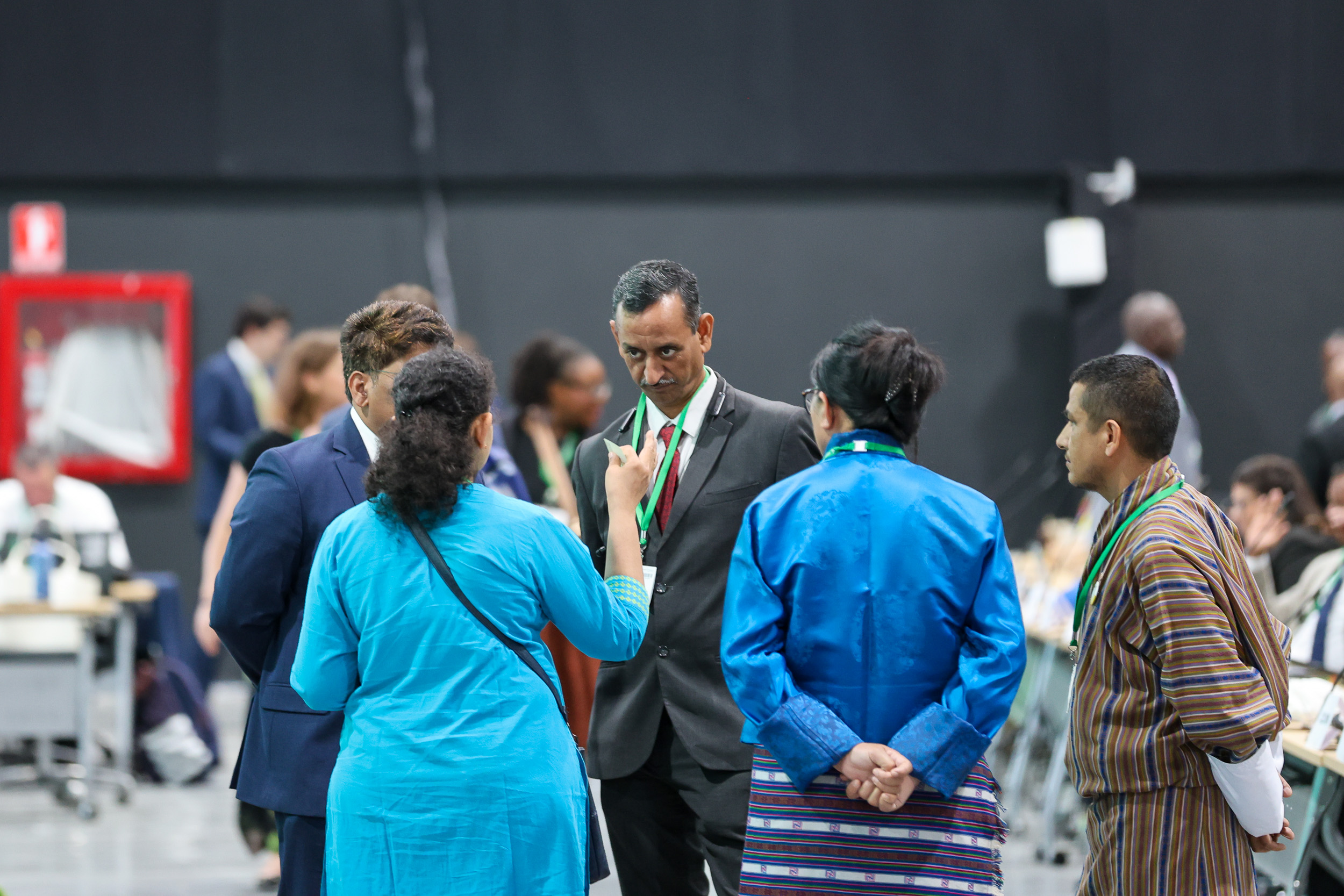
Badrinarayanan Balaji Lnu, India
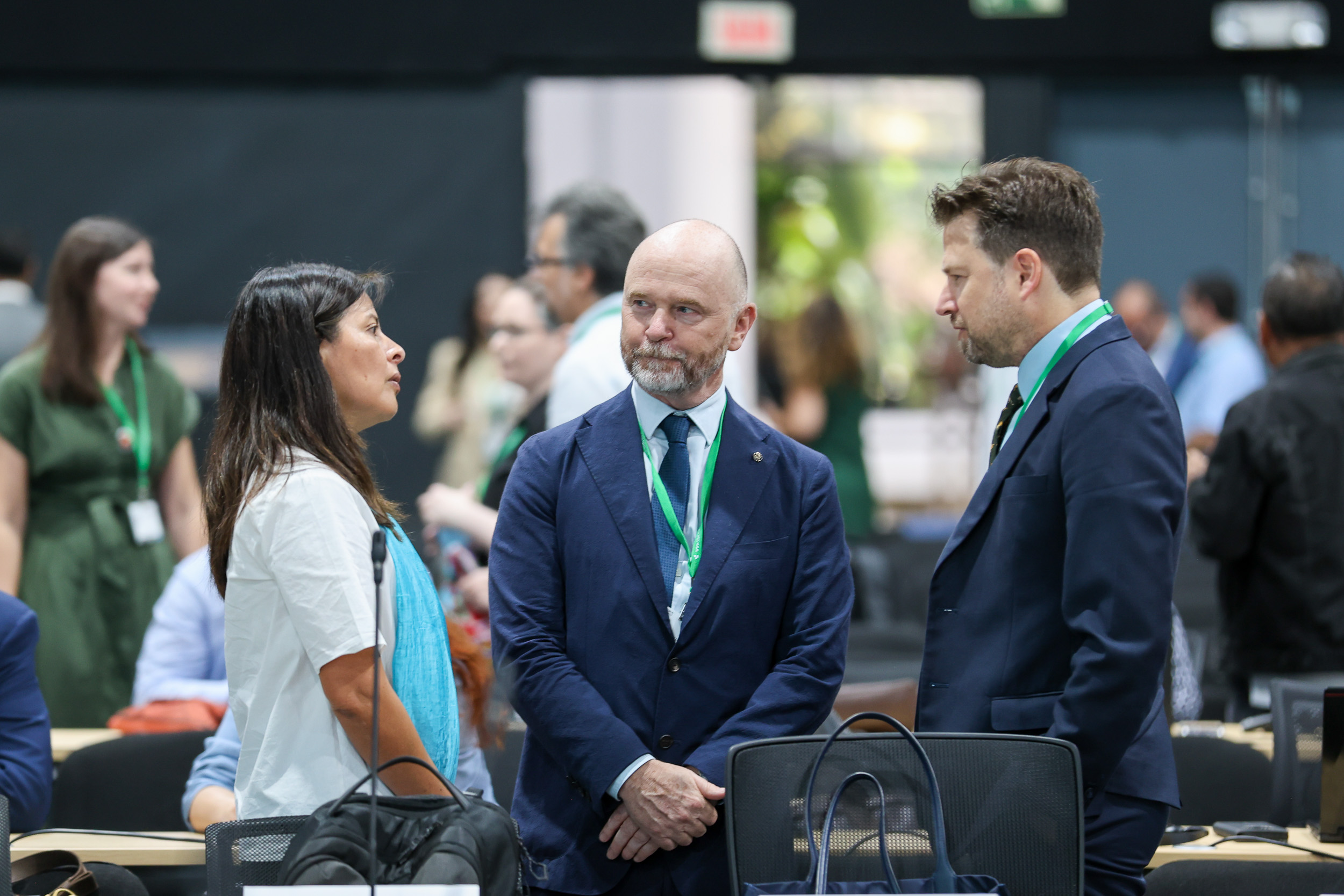
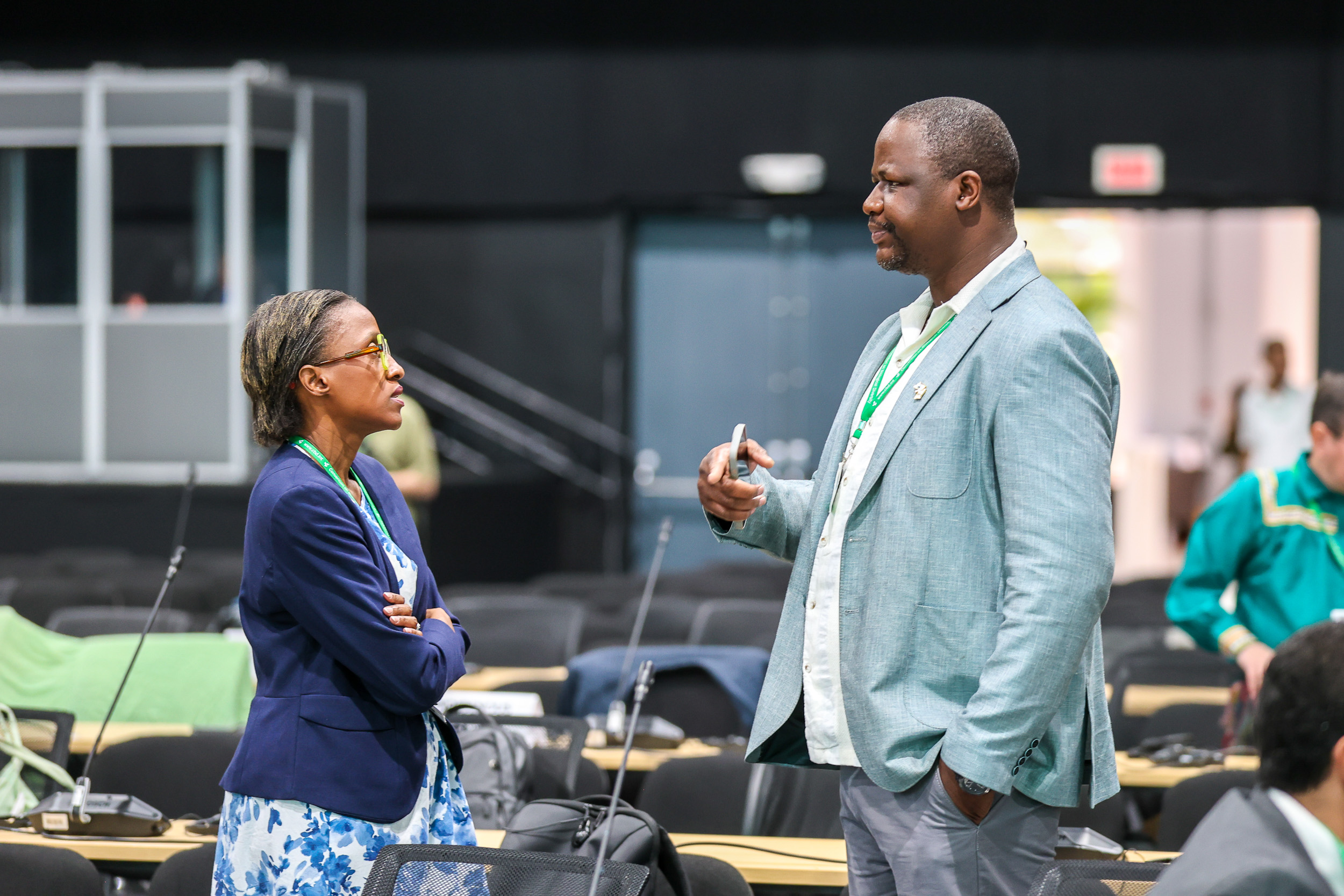
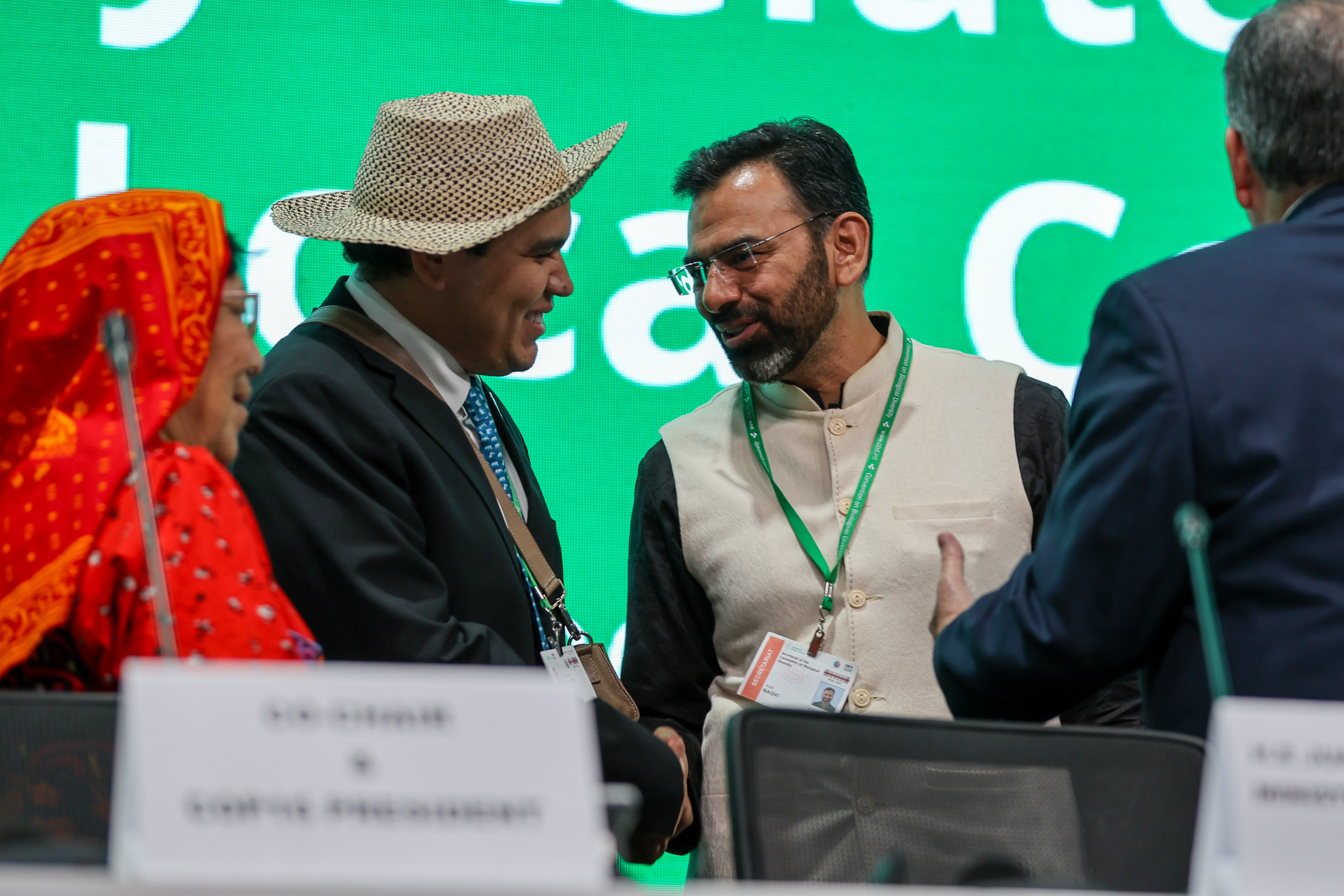
Juan Carlos Monterrey Gómez, Panama, with Asad Naqvi, CBD Secretariat
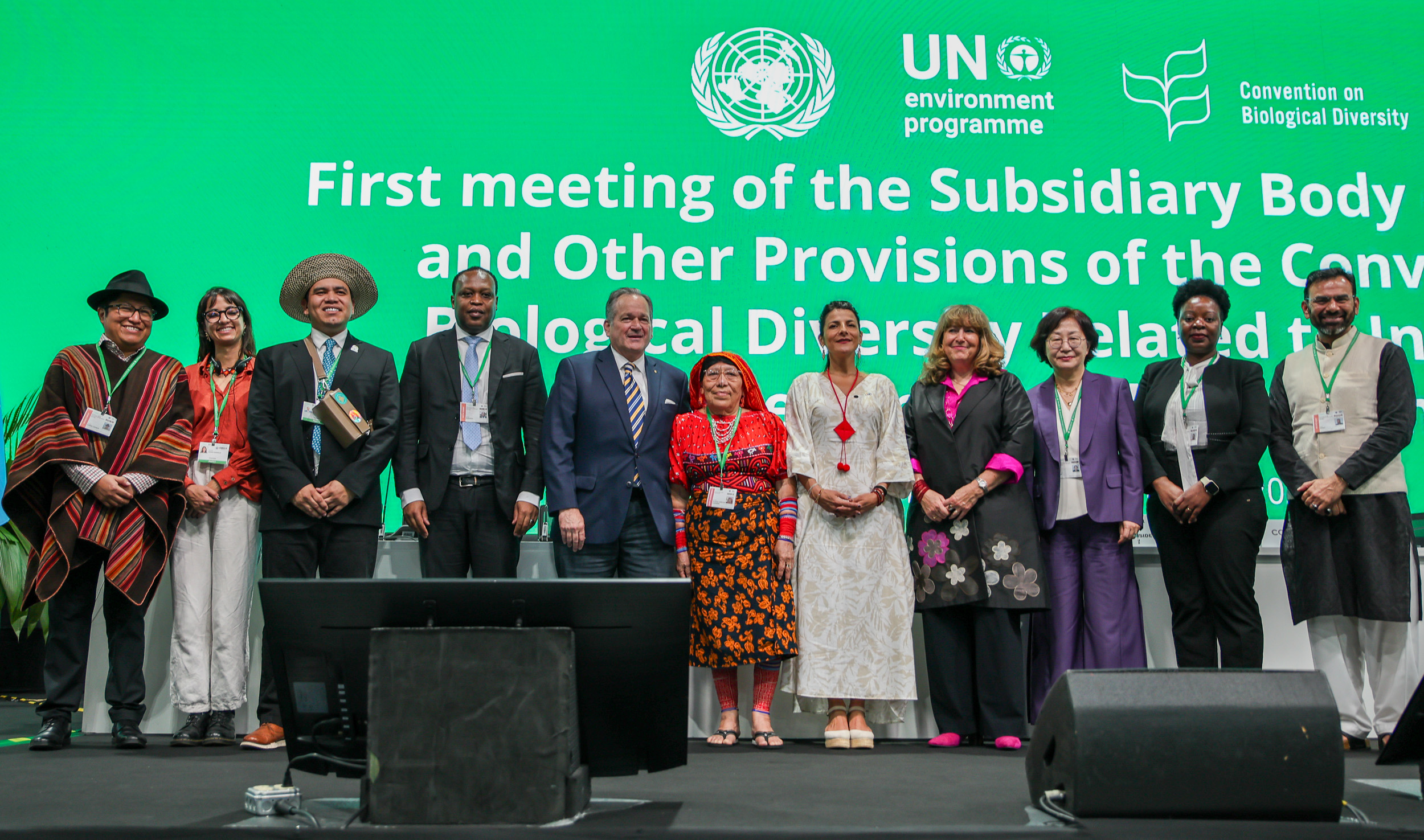
Opening session group photo
Indigenous Opening
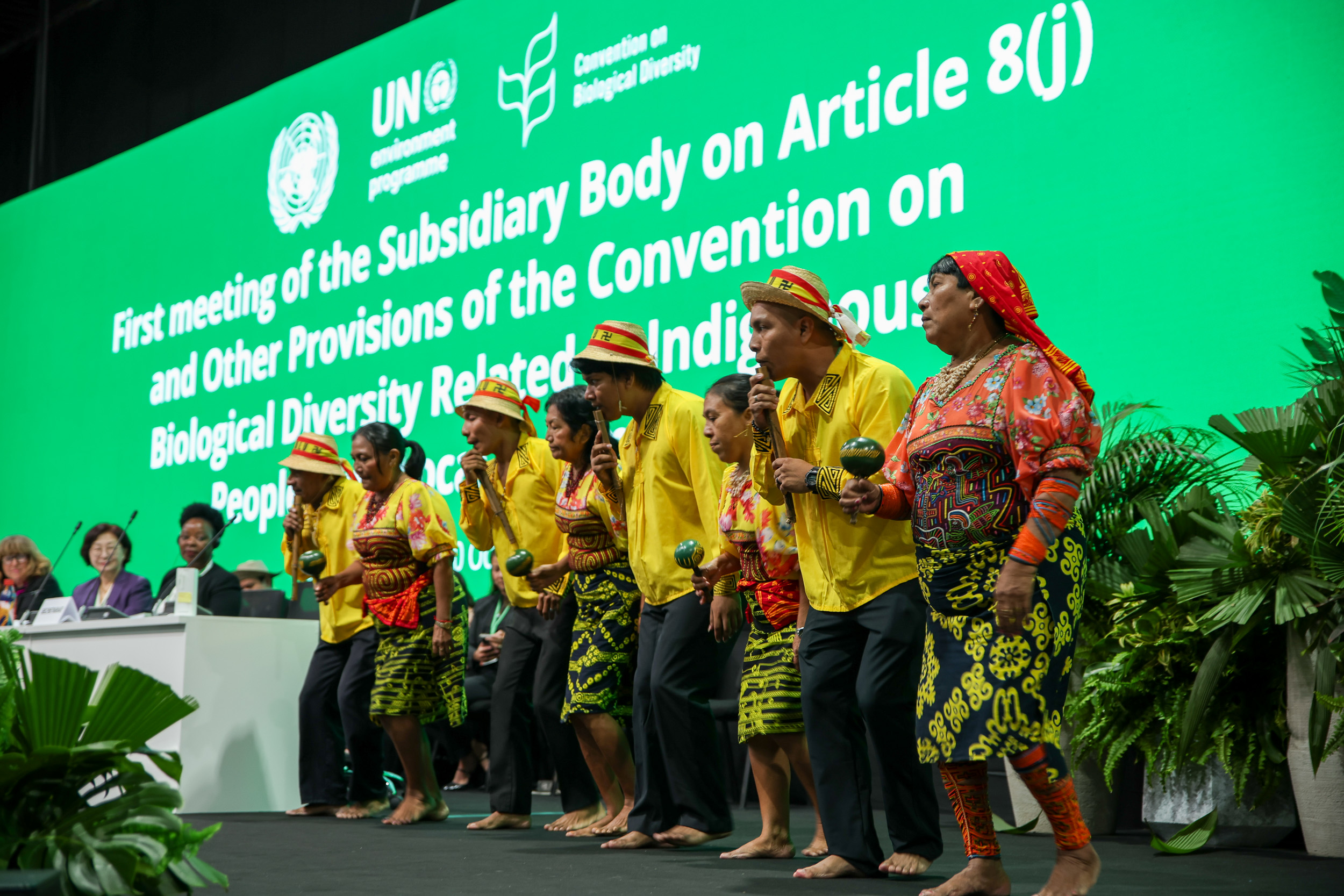
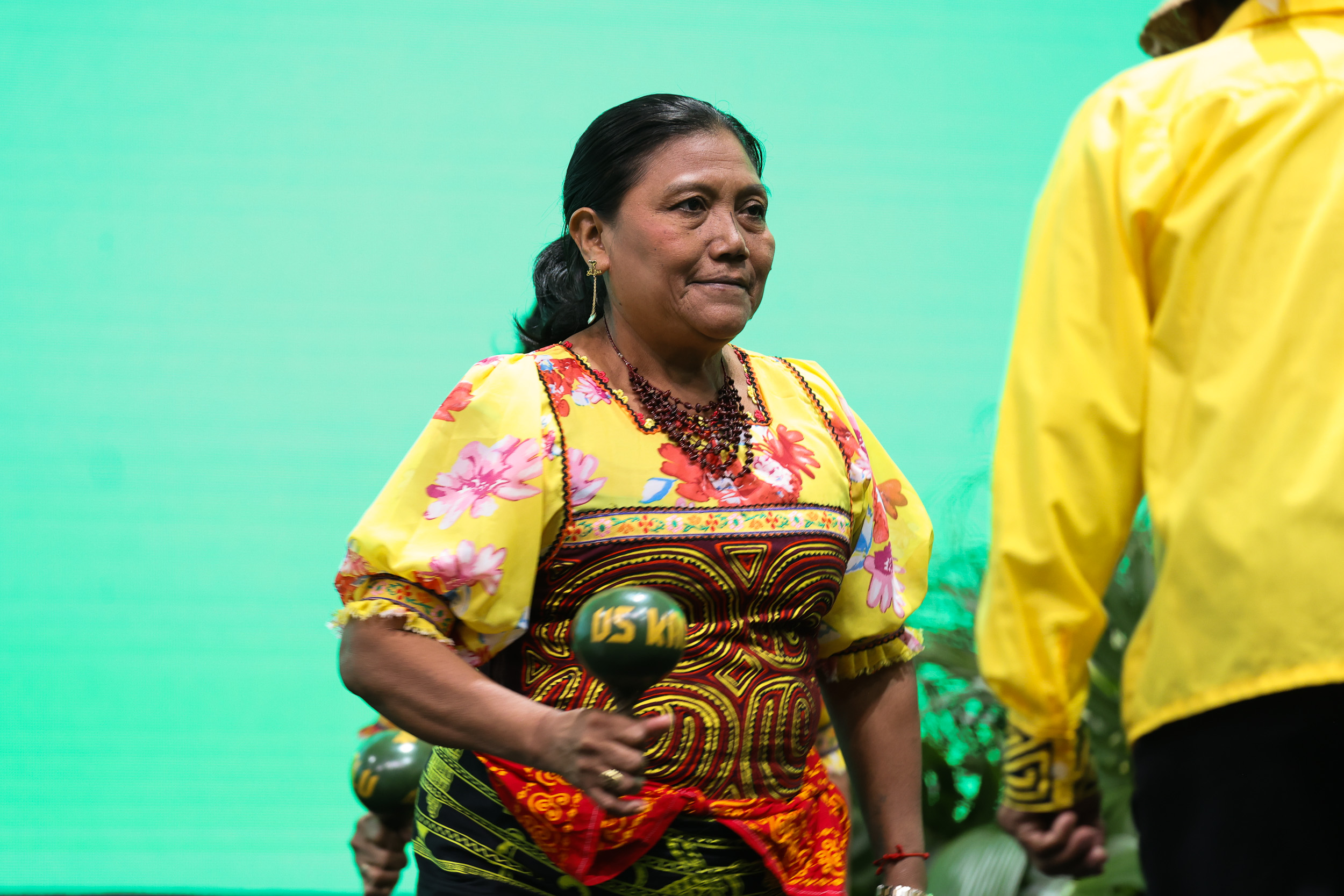
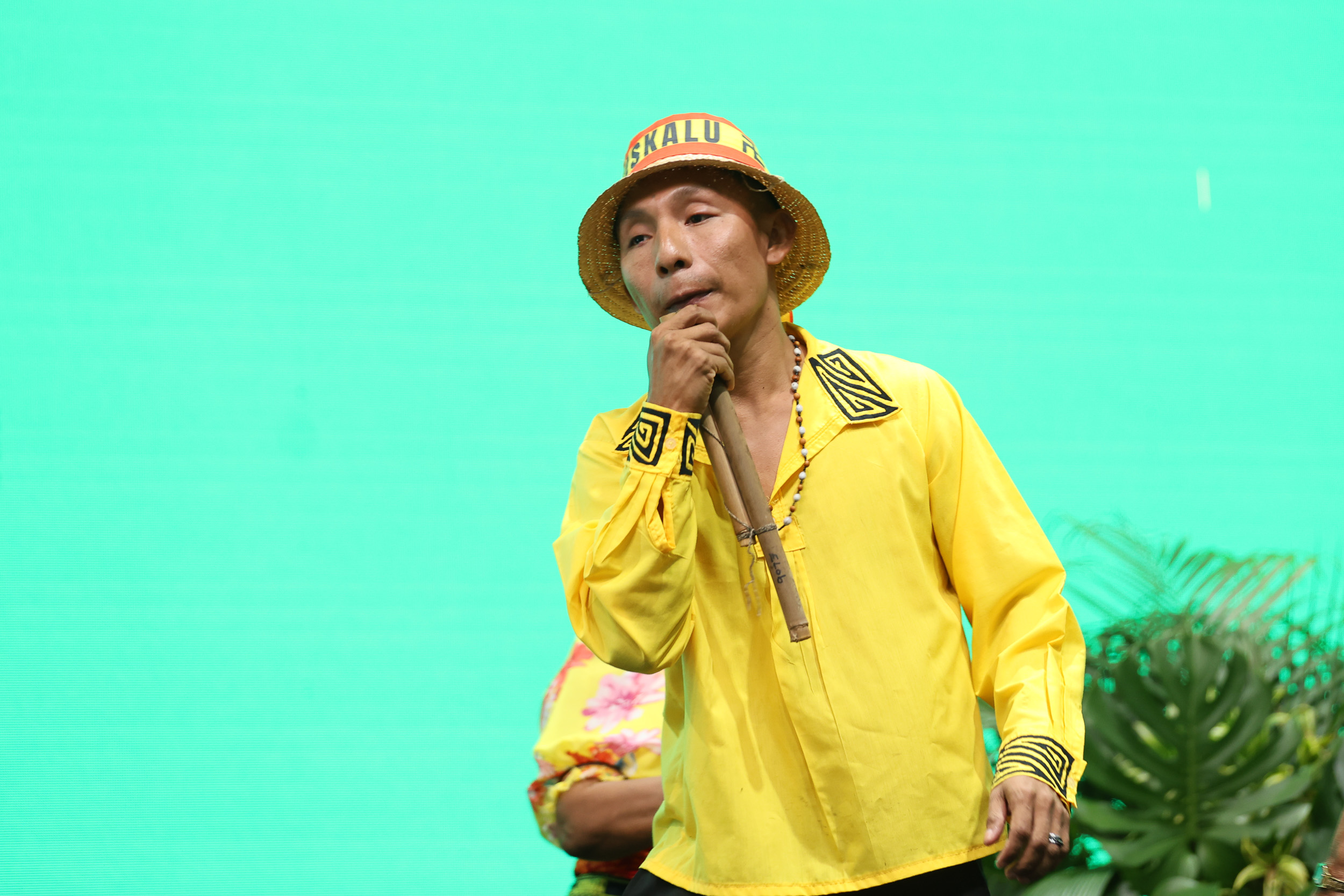
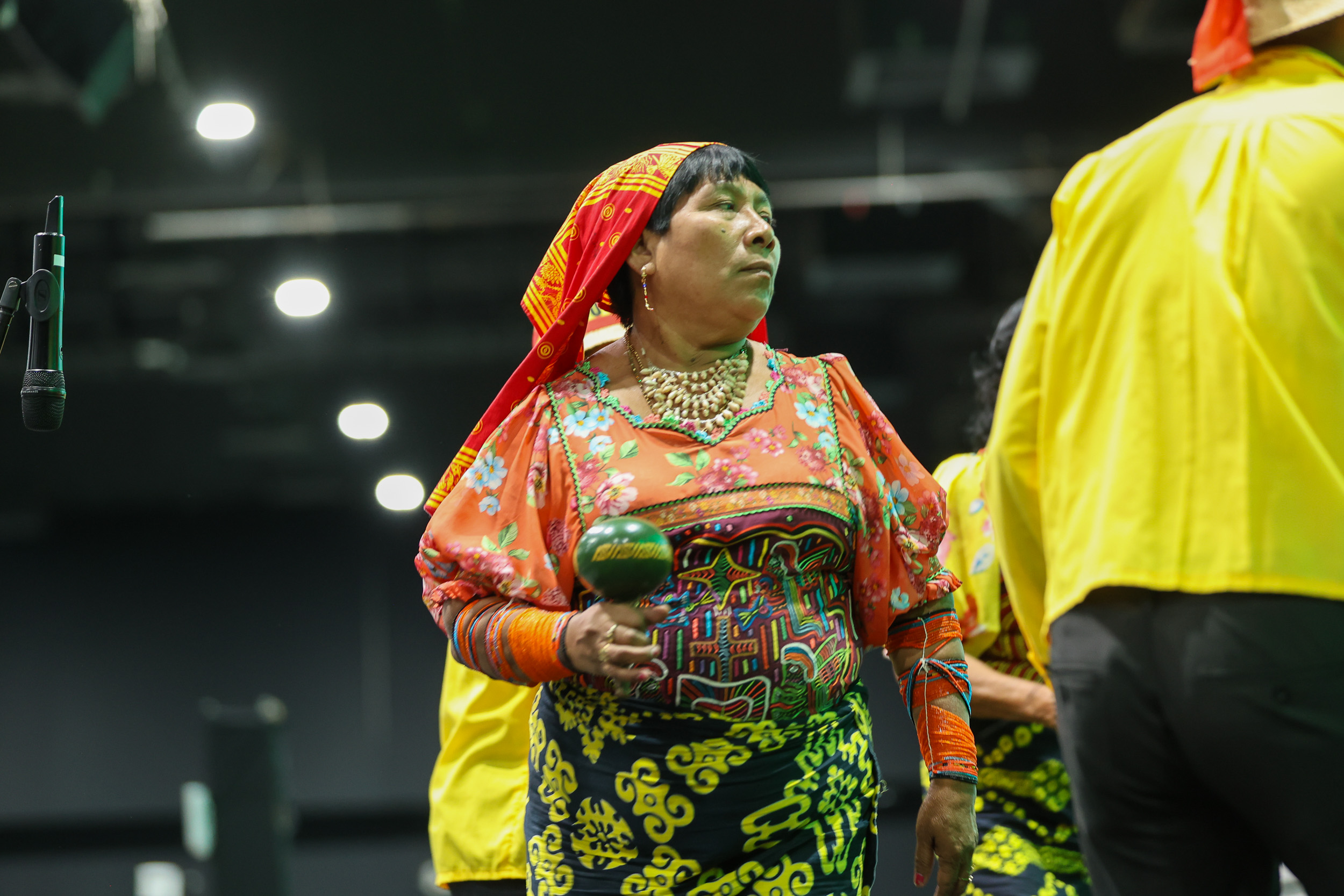
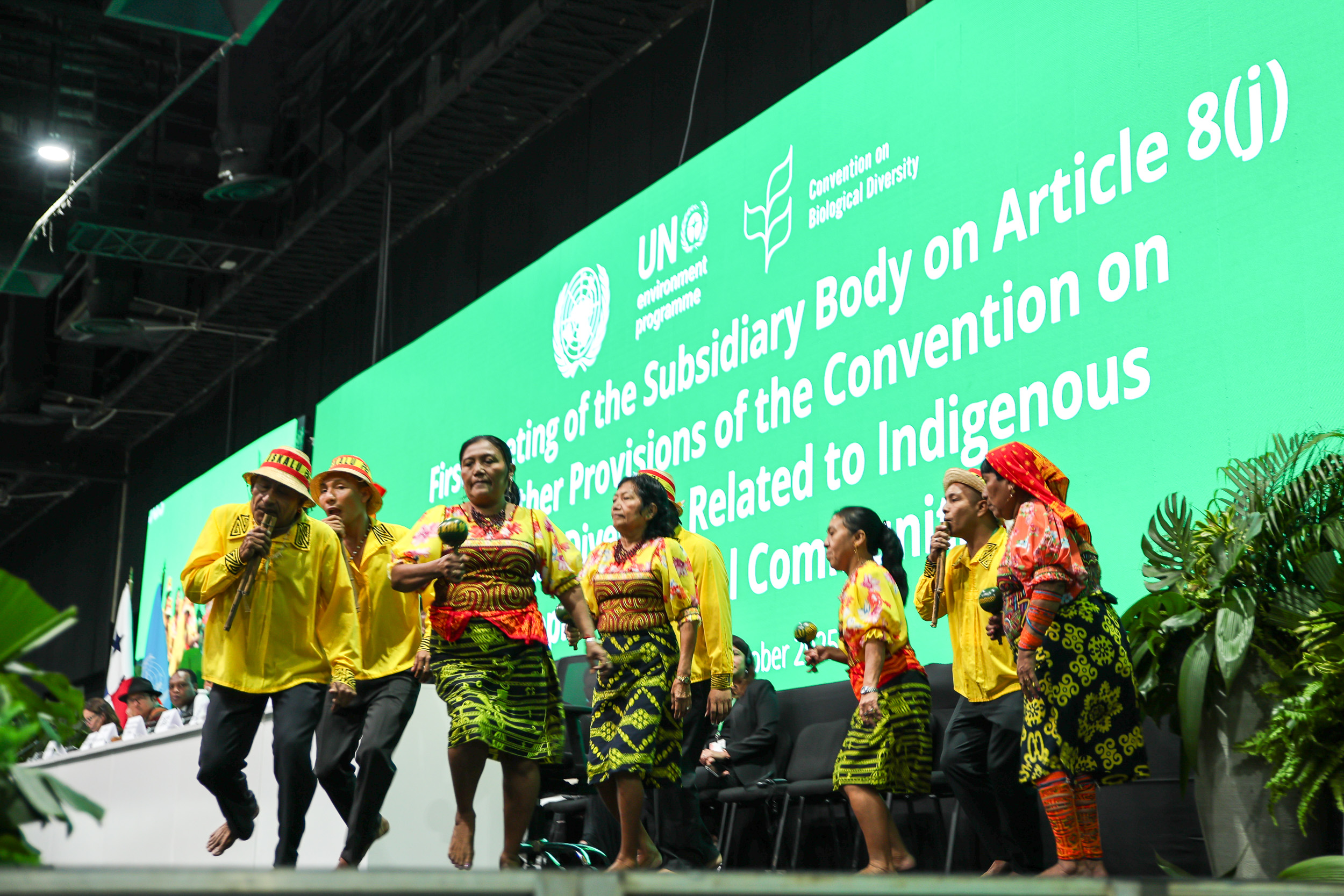
The meeting opened with a performance by the Uskalu Group