
The final day of deliberations at the 27th meeting of the Subsidiary Body on Scientific, Technical and Technological Advice (SBSTTA 27) left delegates with mixed feelings. Some expressed relief that SBSTTA was able to address all its agenda items and avoid post-midnight discussions. Others, however, were concerned about the numerous brackets remaining in the final recommendations to the Conference of the Parties (COP) to the Convention on Biological Diversity (CBD), emphasizing that significant efforts will be required at COP 17 to reach consensus.
In the morning, delegates addressed conference room papers on biodiversity and agriculture; the global review of collective progress in the implementation of the Kunming-Montreal Global Biodiversity Framework (GBF); and biodiversity and climate change.
Want to dig deeper into today's talks? Read the full Earth Negotiations Bulletin daily report.

On biodiversity and agriculture, delegates discussed, among other topics: an invitation to the Food and Agriculture Organization of the UN (FAO) to continue facilitating the implementation of the Plan of Action (2020–2030) for the International Initiative for the Conservation and Sustainable Use of Soil Biodiversity; enhancing coordination among agricultural, environmental, and health sectors to mainstream sustainable soil biodiversity initiatives; and a list of requests to the Secretariat for further work.
On the global review of collective progress in the GBF’s implementation, discussions focused on: the global report’s preparation; the synthesis of approaches to address issues identified in the report; and requests to the Secretariat to “provide support for an informal technical dialogue among Parties, Indigenous Peoples and local communities, women and youth, and other stakeholders,” and to collect information on commitments by actors other than national governments.

On biodiversity and climate change, delegates addressed, among others: the supplement to the voluntary guidelines for the design and effective implementation of ecosystem-based approaches to climate change adaptation and disaster risk reduction, annexed to the document, which was bracketed in closing plenary; requests to the Secretariat to collaborate with the secretariats of the other Rio Conventions on the organization of technical information exchanges and to develop a multi-level roadmap to enhance cooperation, policy coherence, and synergies among the three Rio Conventions, which was included following informal consultations; and references to advisory opinions, which were bracketed.
In the evening closing plenary, delegates adopted 10 recommendations on:
- the global review of collective progress in the implementation of the GBF;
- matters related to the work programme of the Intergovernmental Science-Policy Platform on Biodiversity and Ecosystem Services;
- biodiversity and climate change;
- the strategic review and analysis of the programmes of work under the Convention;
- the strategic review of and updates to the expanded programme of work on forest biodiversity;
- areas of potential further work in the context of the GBF;
- risk assessment and risk management of living modified organisms;
- invasive alien species;
- biodiversity and agriculture; and
- biodiversity and health.

In closing remarks, regional groups and observer organizations highlighted progress made and lamented that political considerations resulted in bracketing entire paragraphs in the recommendations. They underscored the need to strengthen scientific and technical cooperation and capacity-building efforts to achieve the GBF’s goals and targets, accompanied by necessary funding, and expressed their commitment to redouble their efforts toward this direction.
Astrid Schomaker, Executive Secretary, CBD, stressed that the commitment of SBSTTA 27 participants is a reminder that multilateralism is the only viable response to the triple environmental crisis of biodiversity loss, climate change, and pollution. She highlighted progress despite difficult negotiations and, stressing that less than a year remains until COP 17, she urged the biodiversity community to “make the time count.”
Acknowledging the difficult negotiations, Chair Mikissa thanked delegates for their spirit of compromise, and emphasized the need for scientific solutions to inform policymaking in order to halt and reverse biodiversity loss. He gaveled the meeting to a close at 11:02 pm.
To receive free coverage of global environmental events delivered to your inbox, subscribe to the ENB Update newsletter.
All ENB photos are free to use with attribution. For SBSTTA 27 and SB8j 1, please use: Photo by IISD/ENB | Mike Muzurakis
Plenary Sessions
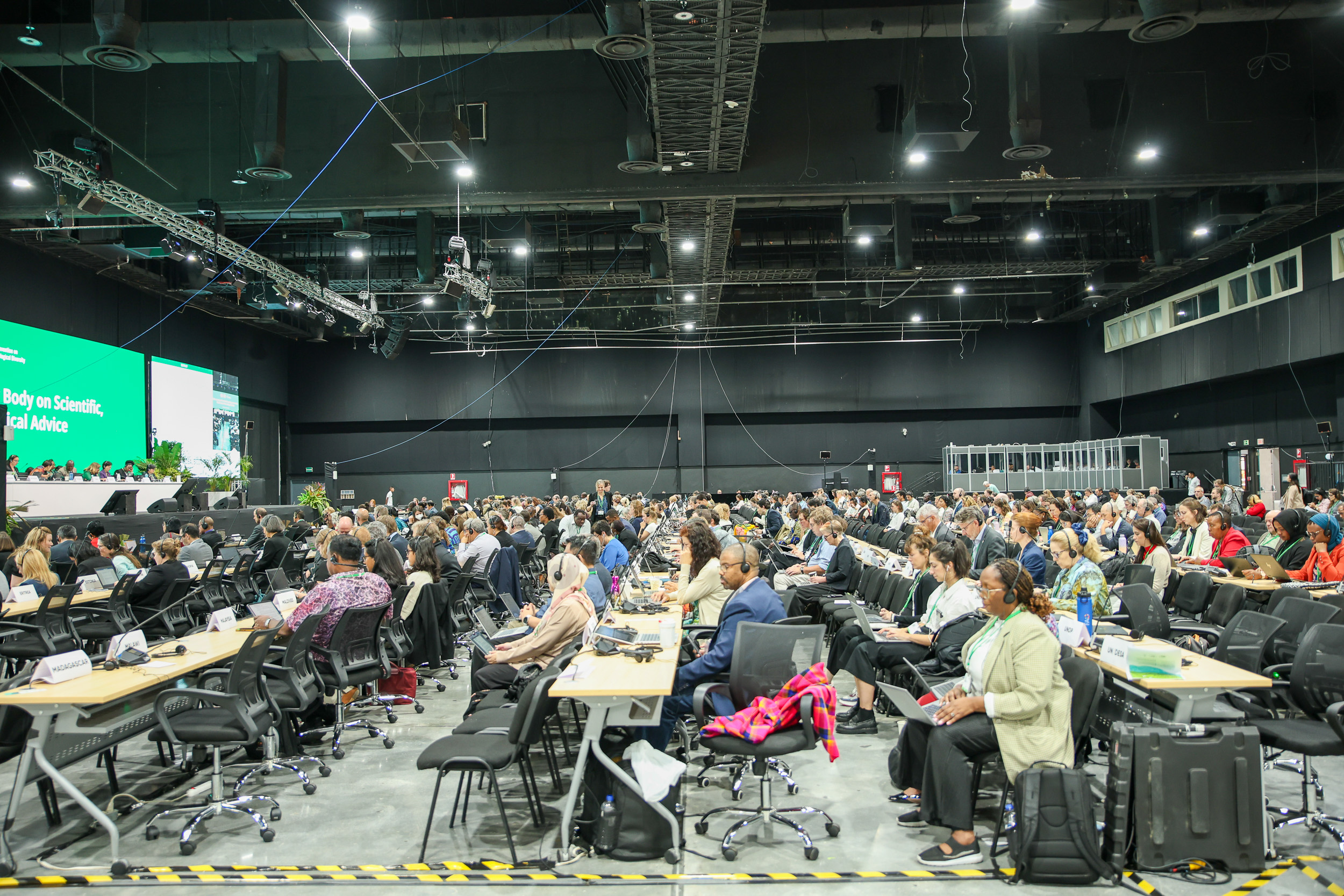
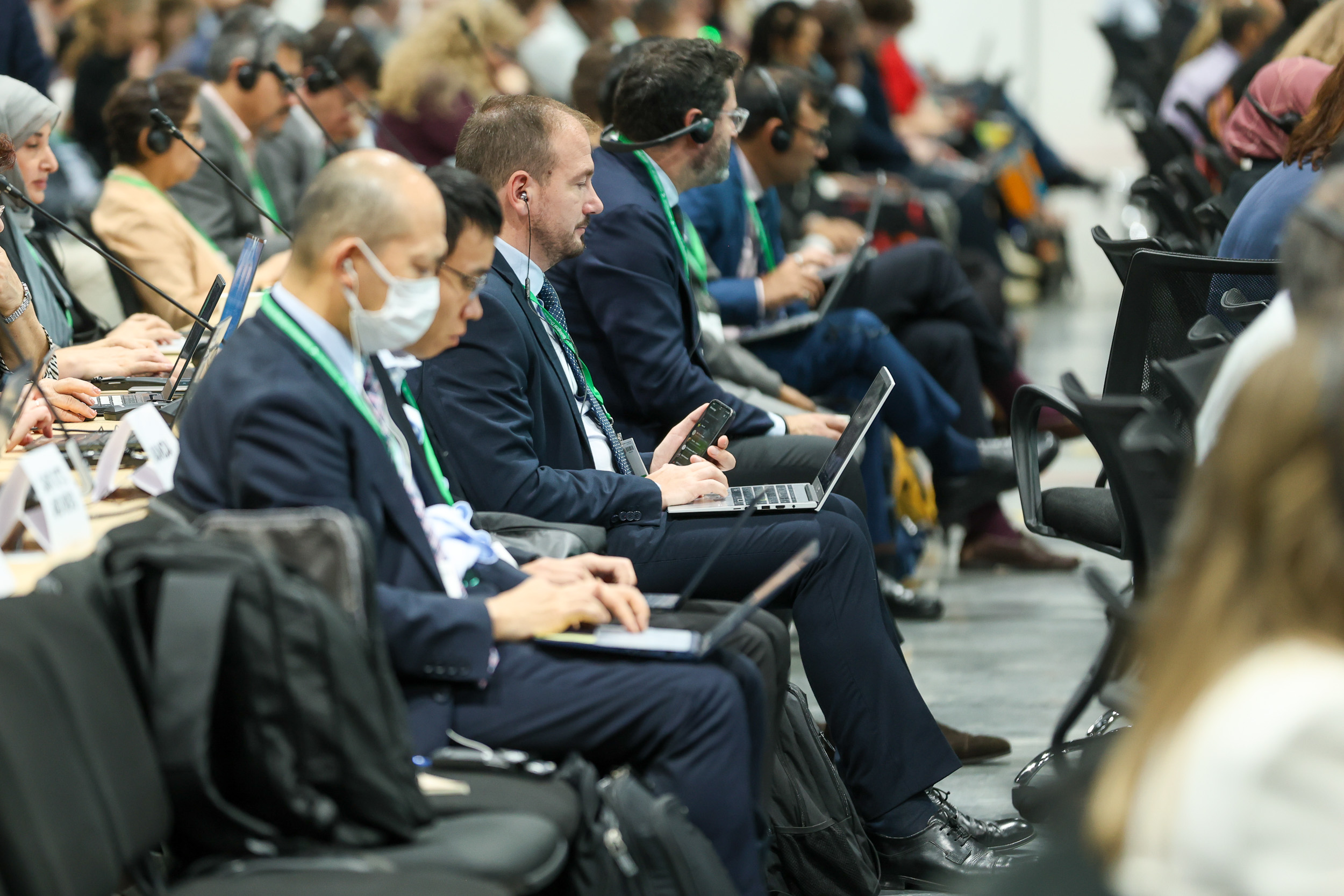
View of the room during the morning plenary
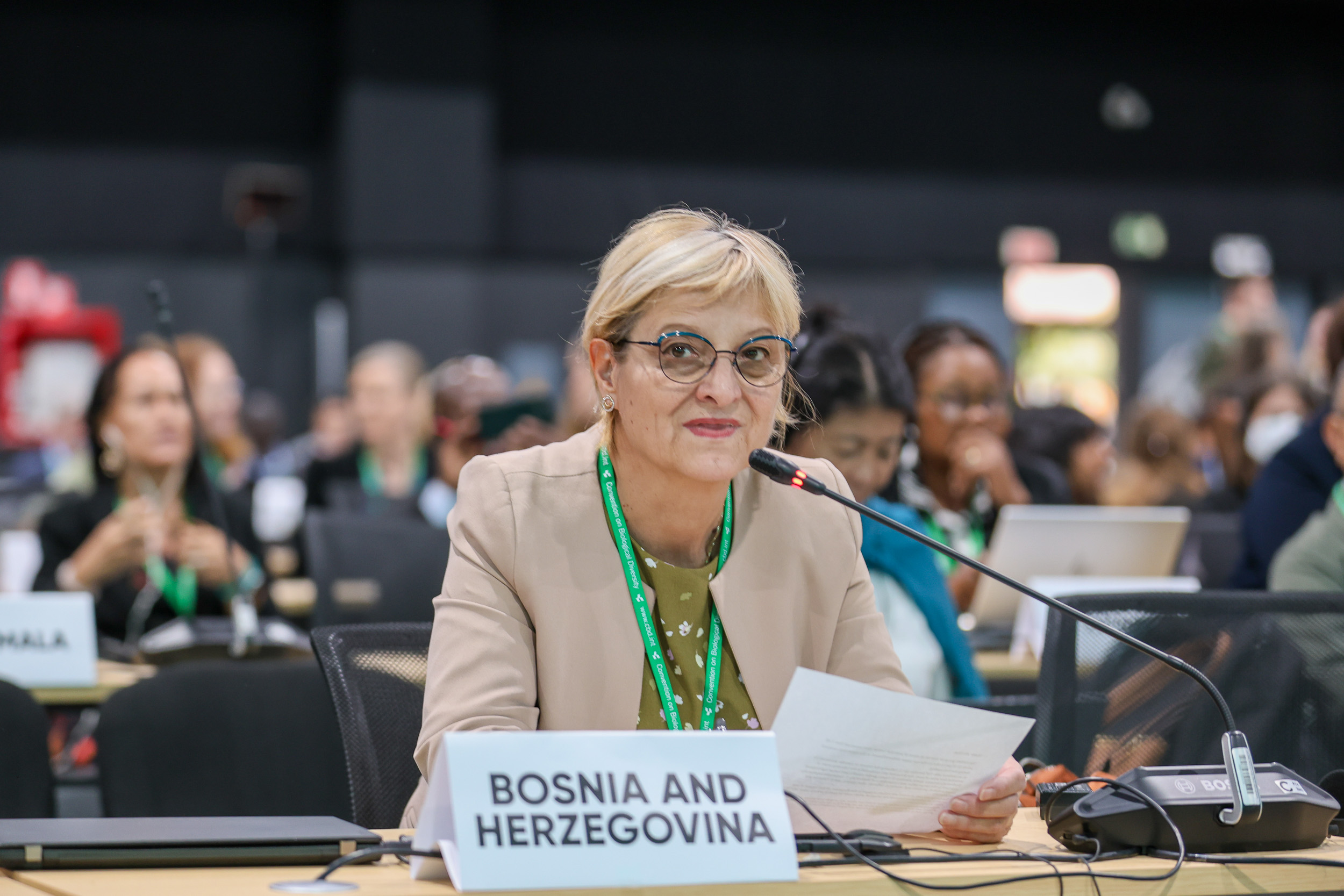
Senka Barudanović, Bosnia and Herzegovina
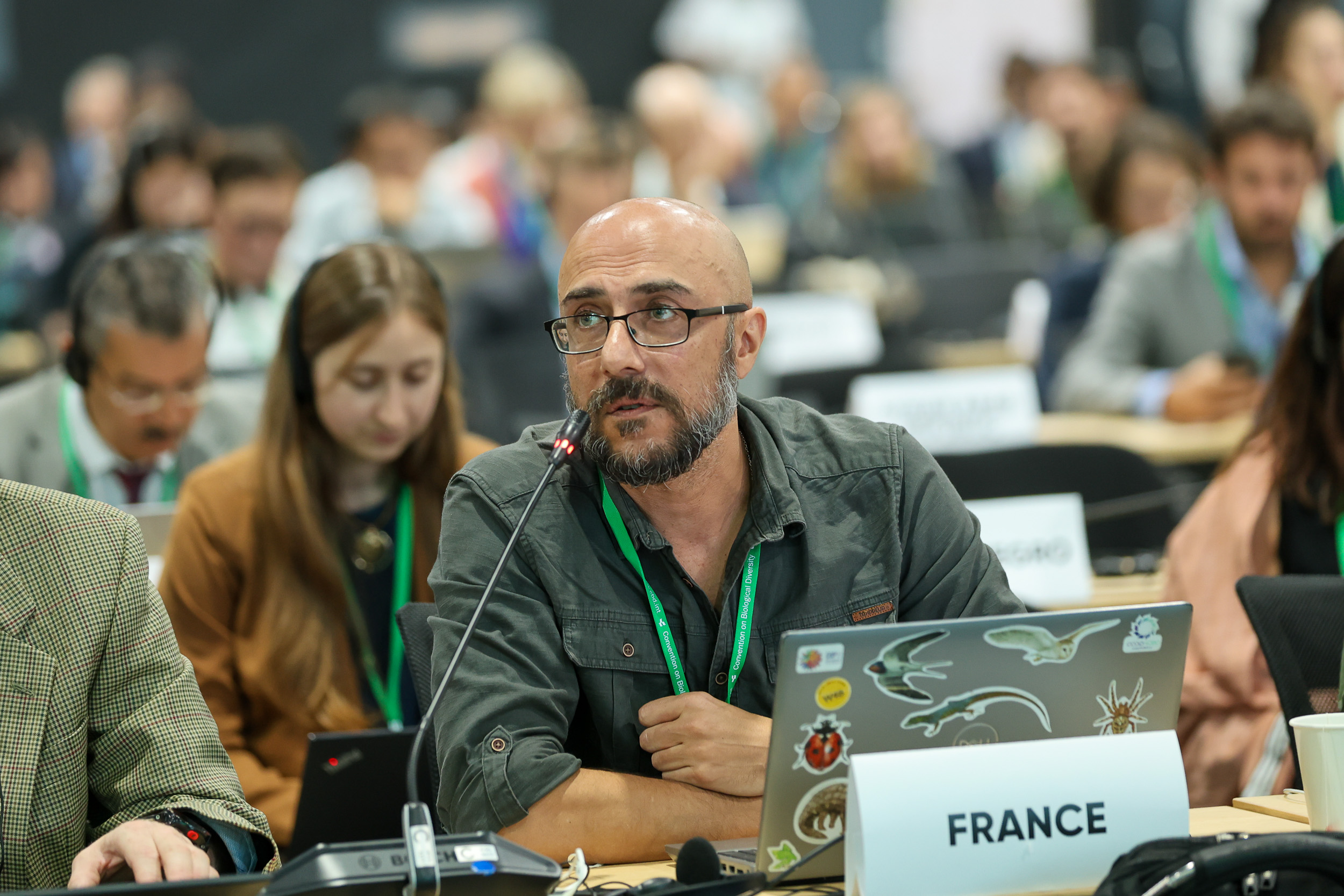
Robin Goffaux, France
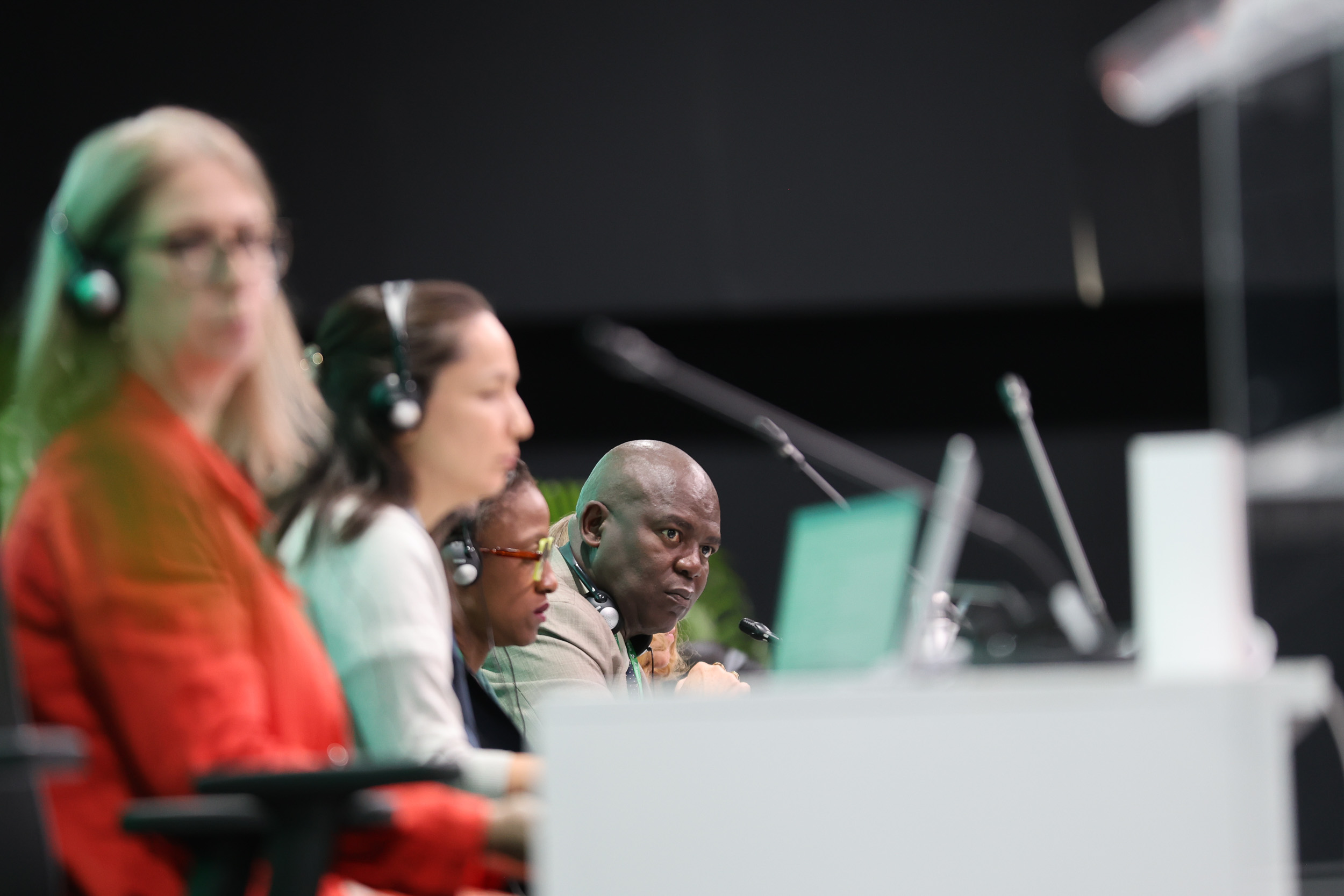
SBSTTA 27 Chair Jean Bruno Mikissa, Gabon
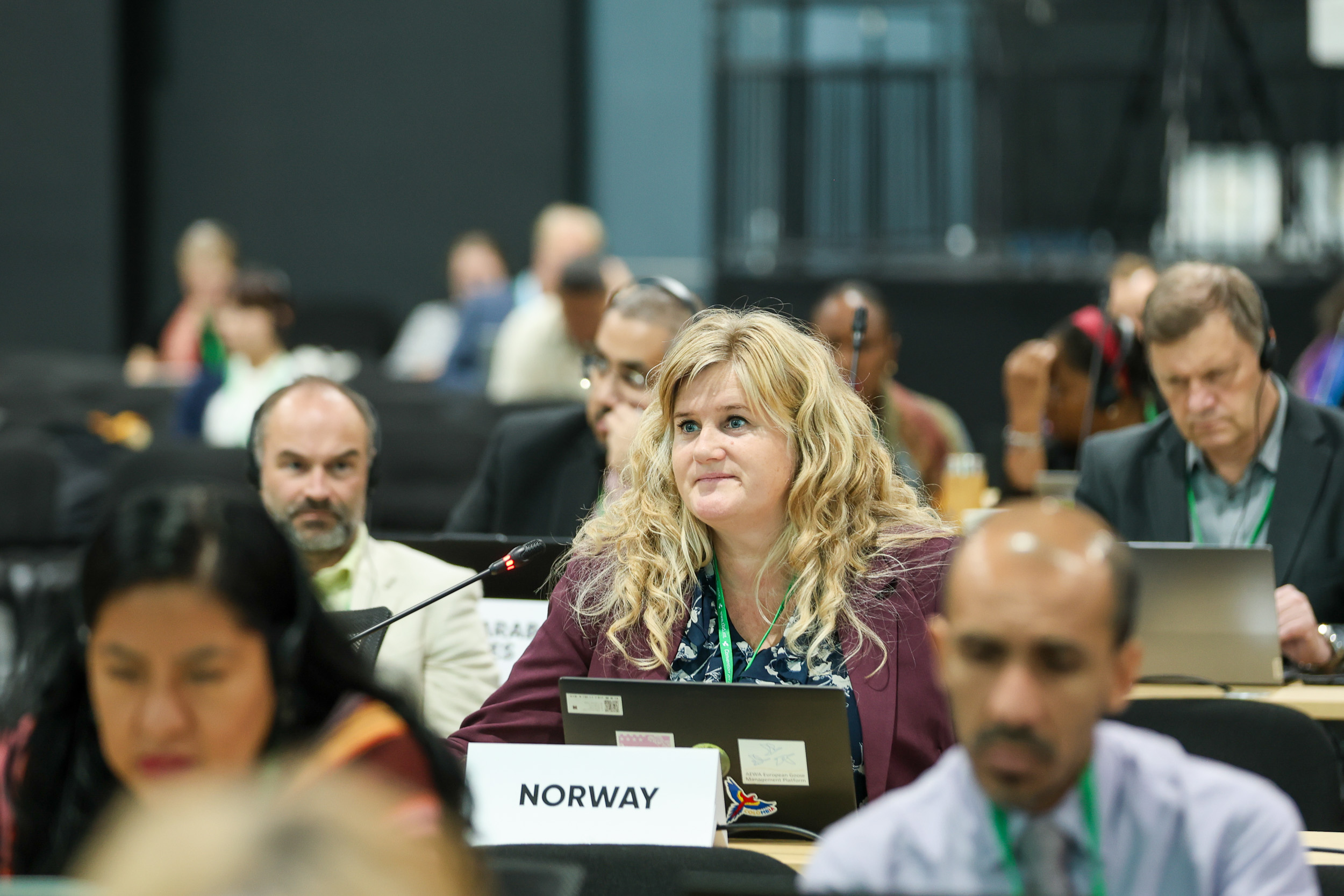
Anne Martinussen, Norway
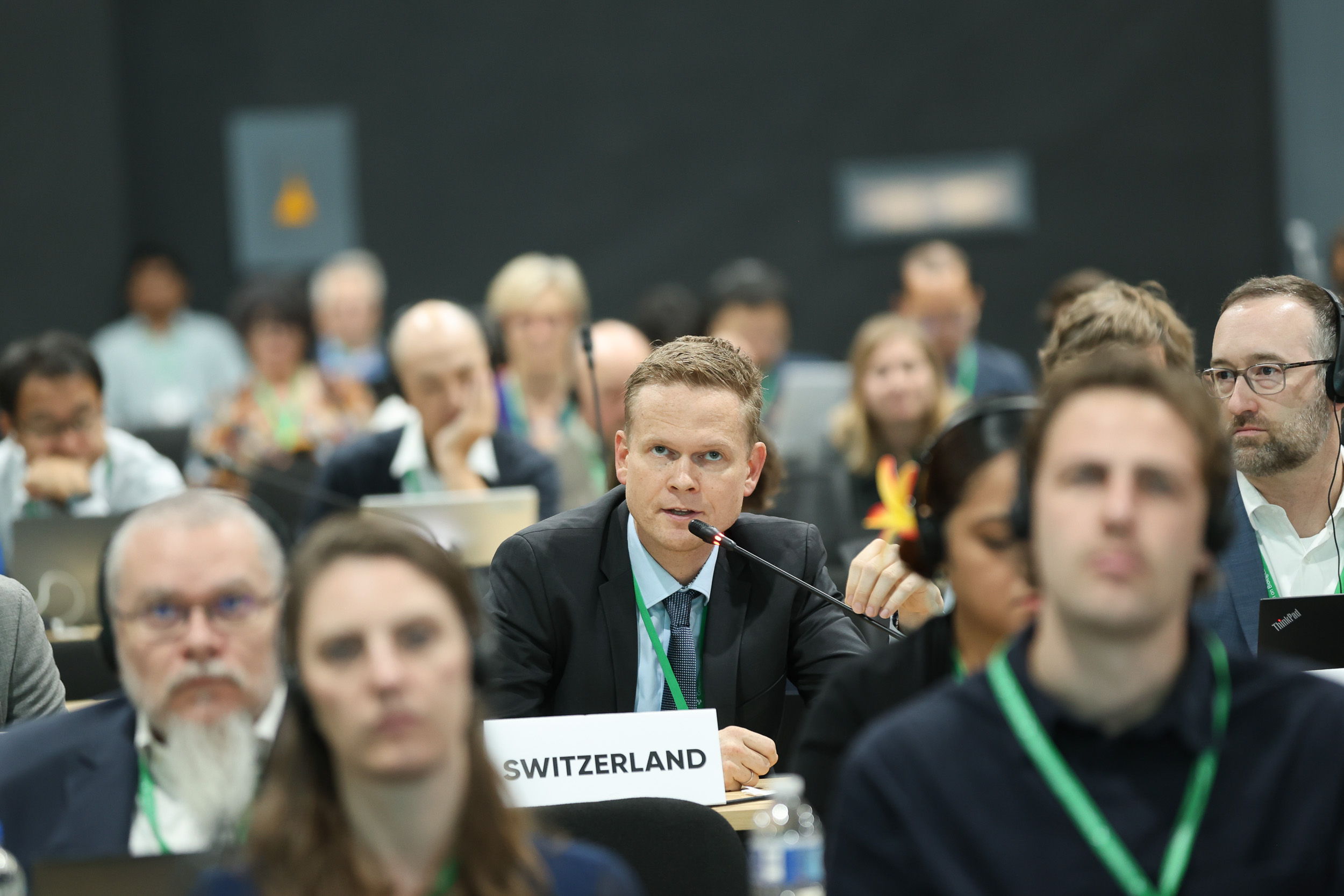
Niklaus Wagner, Switzerland
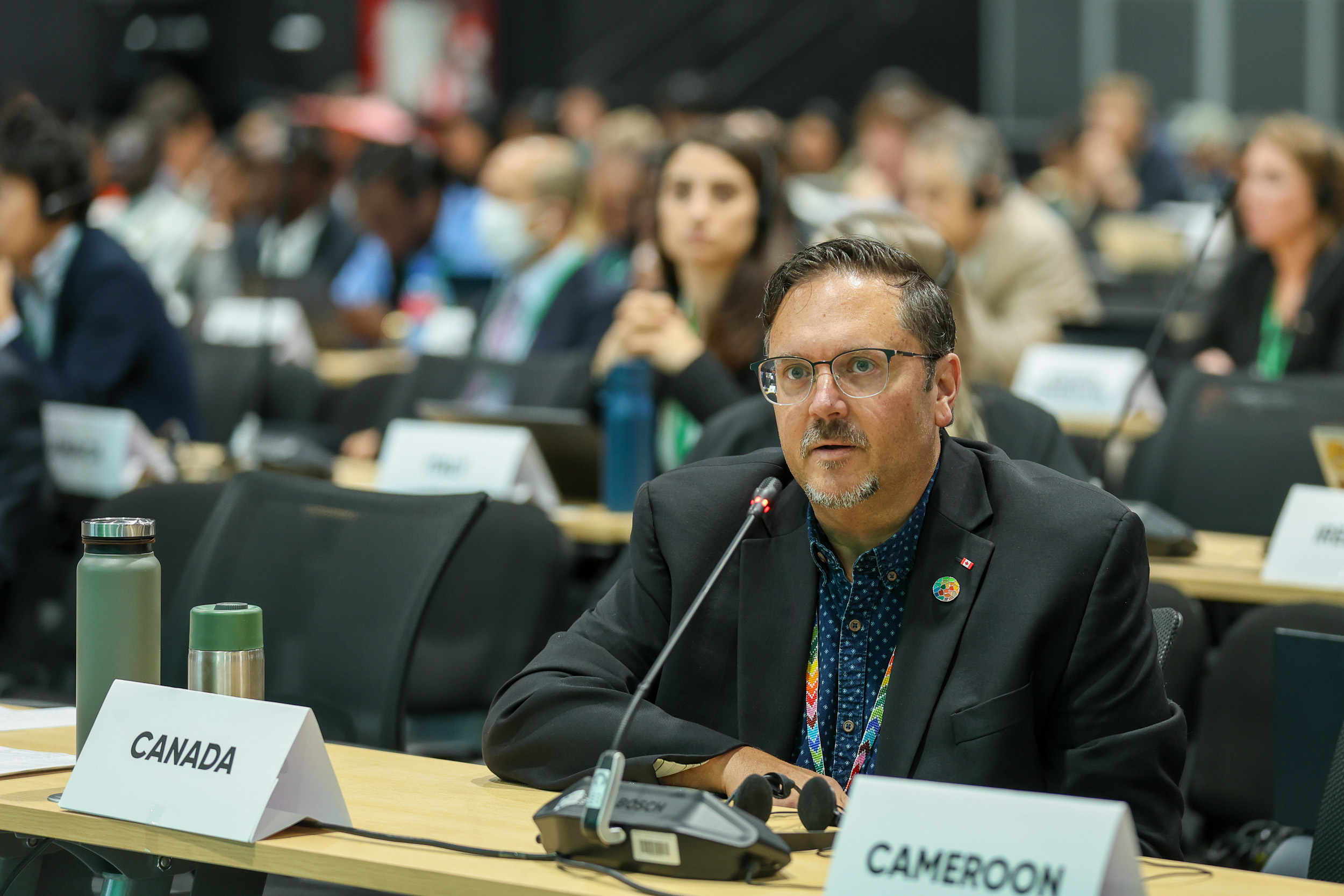
Scott Wilson, Canada
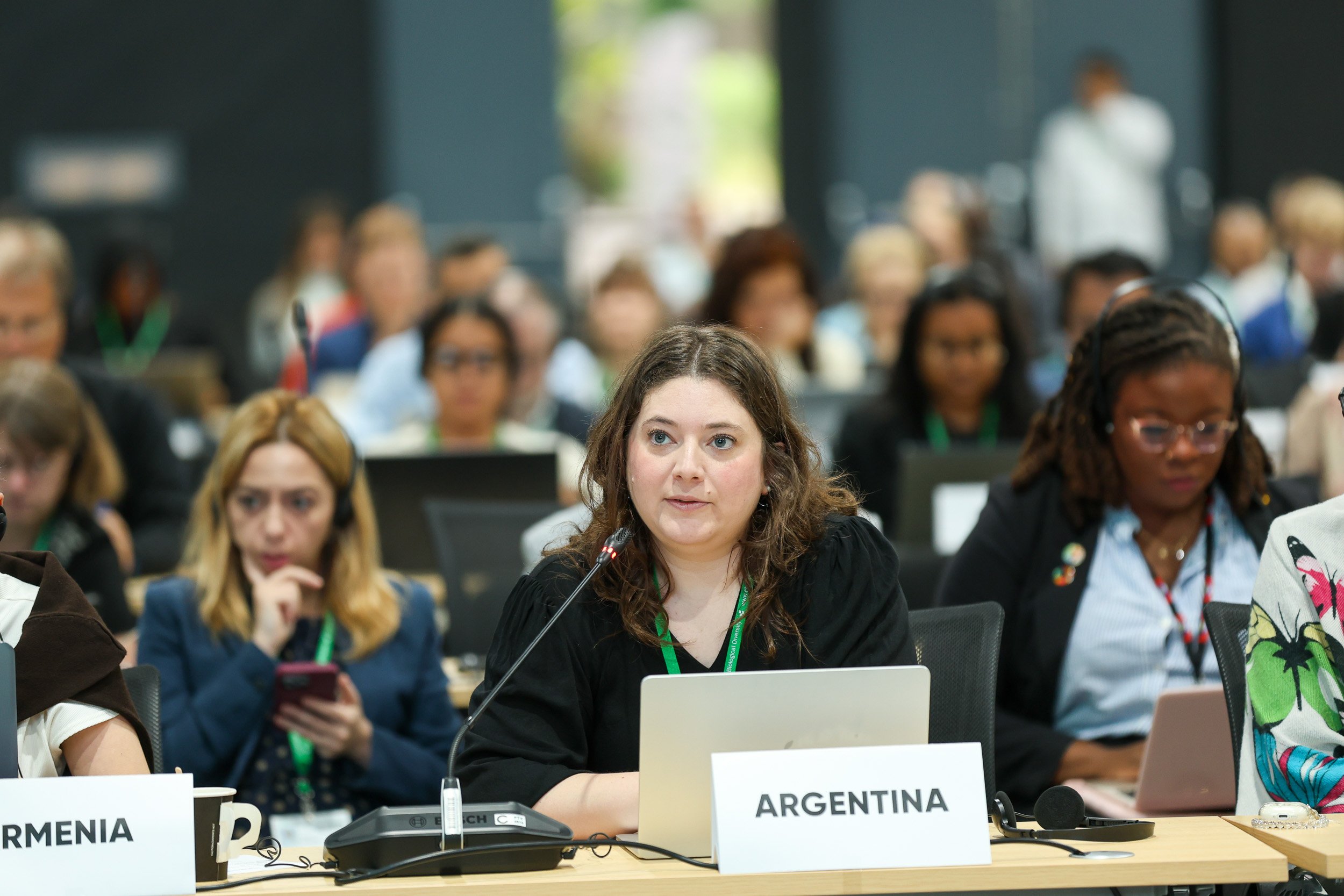
Corina Sarli, Argentina
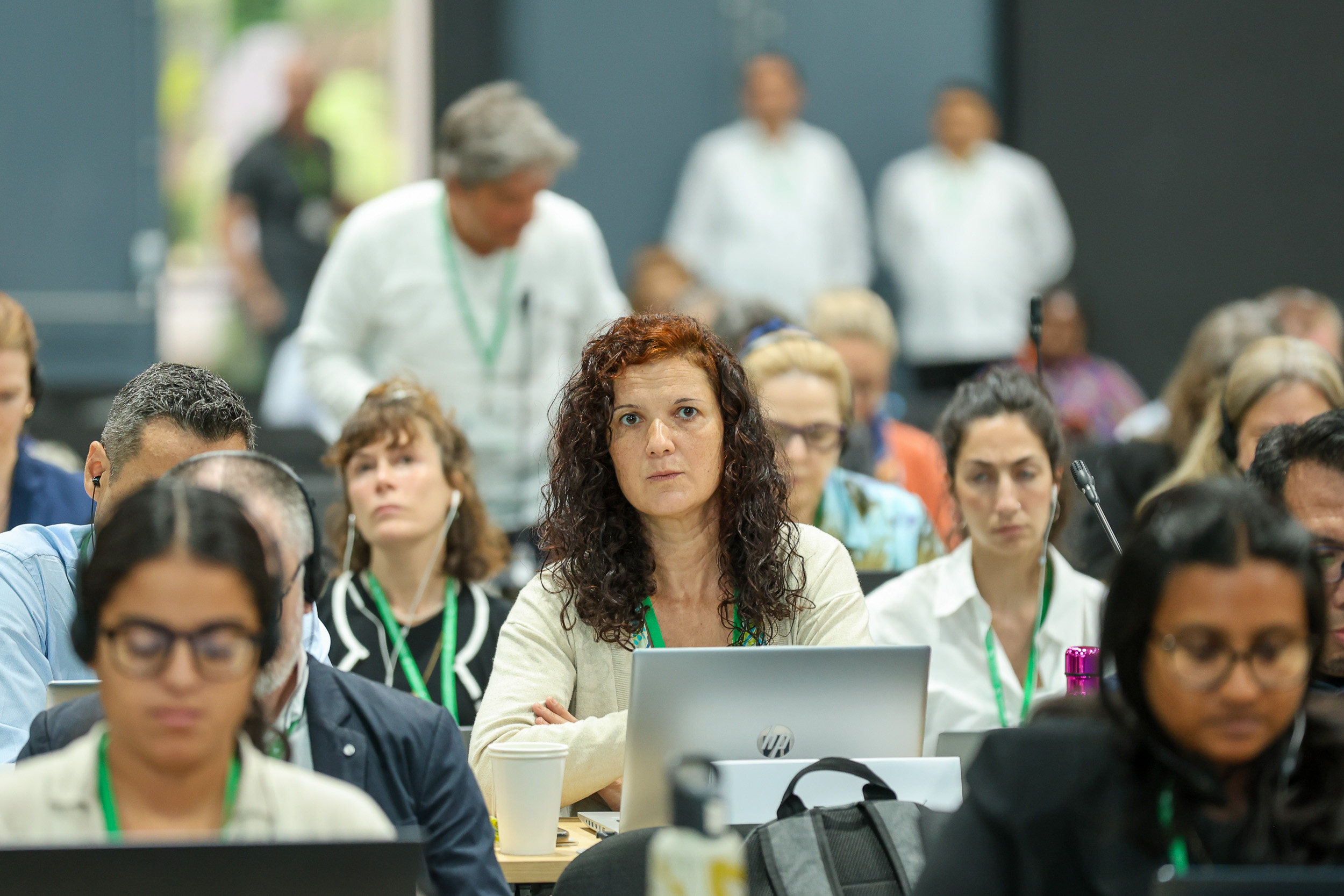
Noelia Vallejo Pedregal, Spain
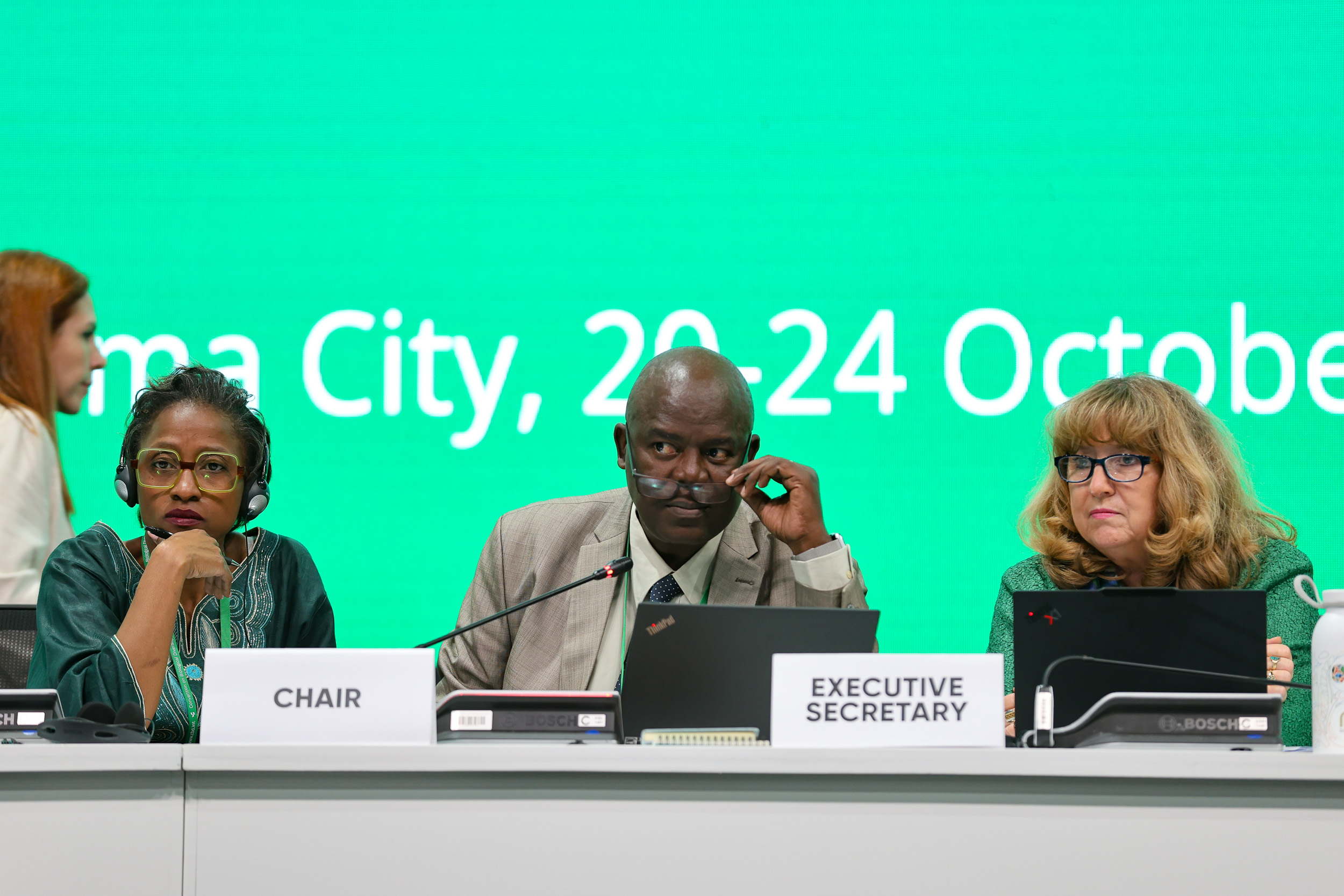
From L-R: SBSTTA 27 Secretary Sakhile Silitshena; SBSTTA 27 Chair Jean Bruno Mikissa, Gabon; and CBD Executive Secretary Astrid Schomaker
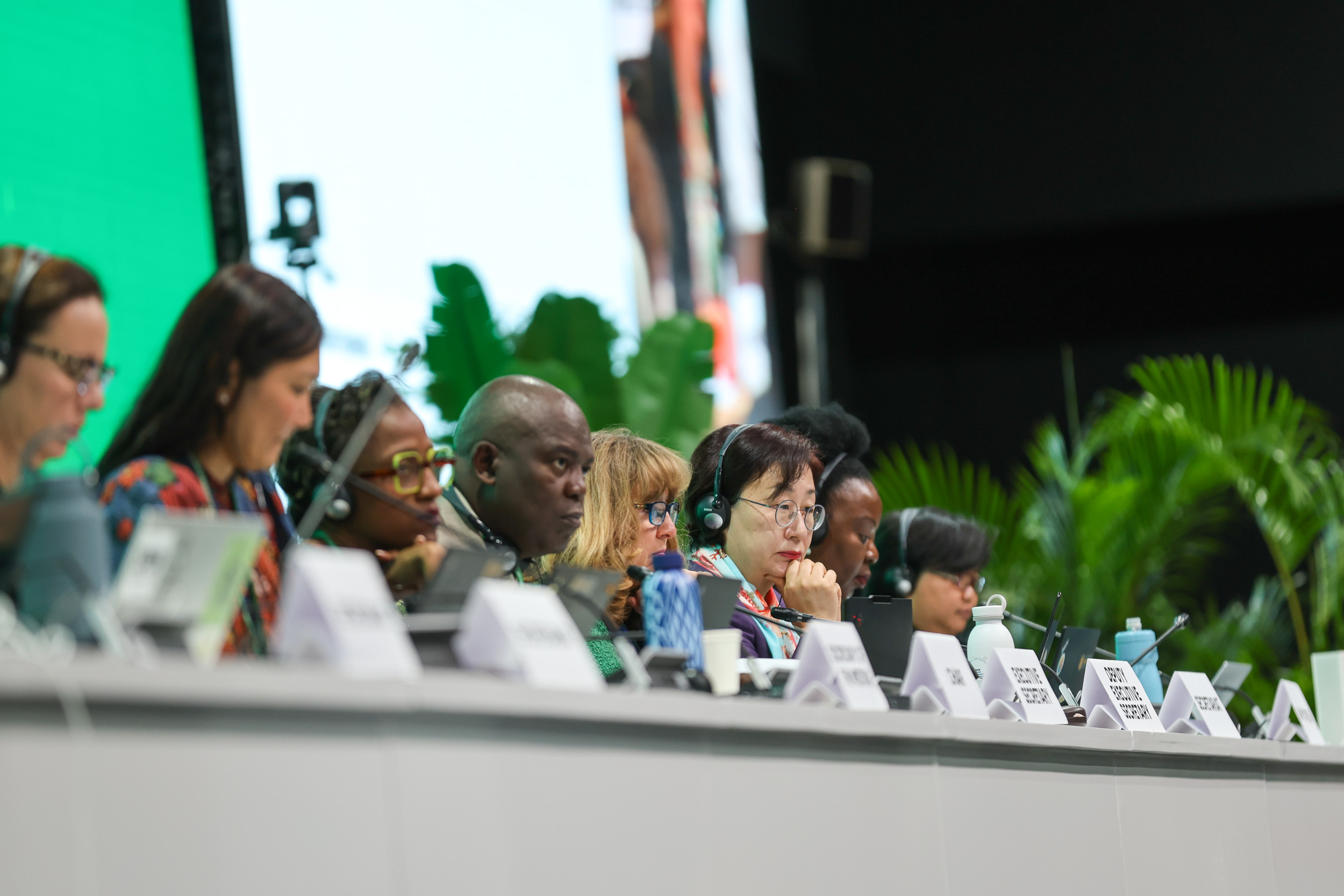
CBD Deputy Executive Secretary Jihyun Lee
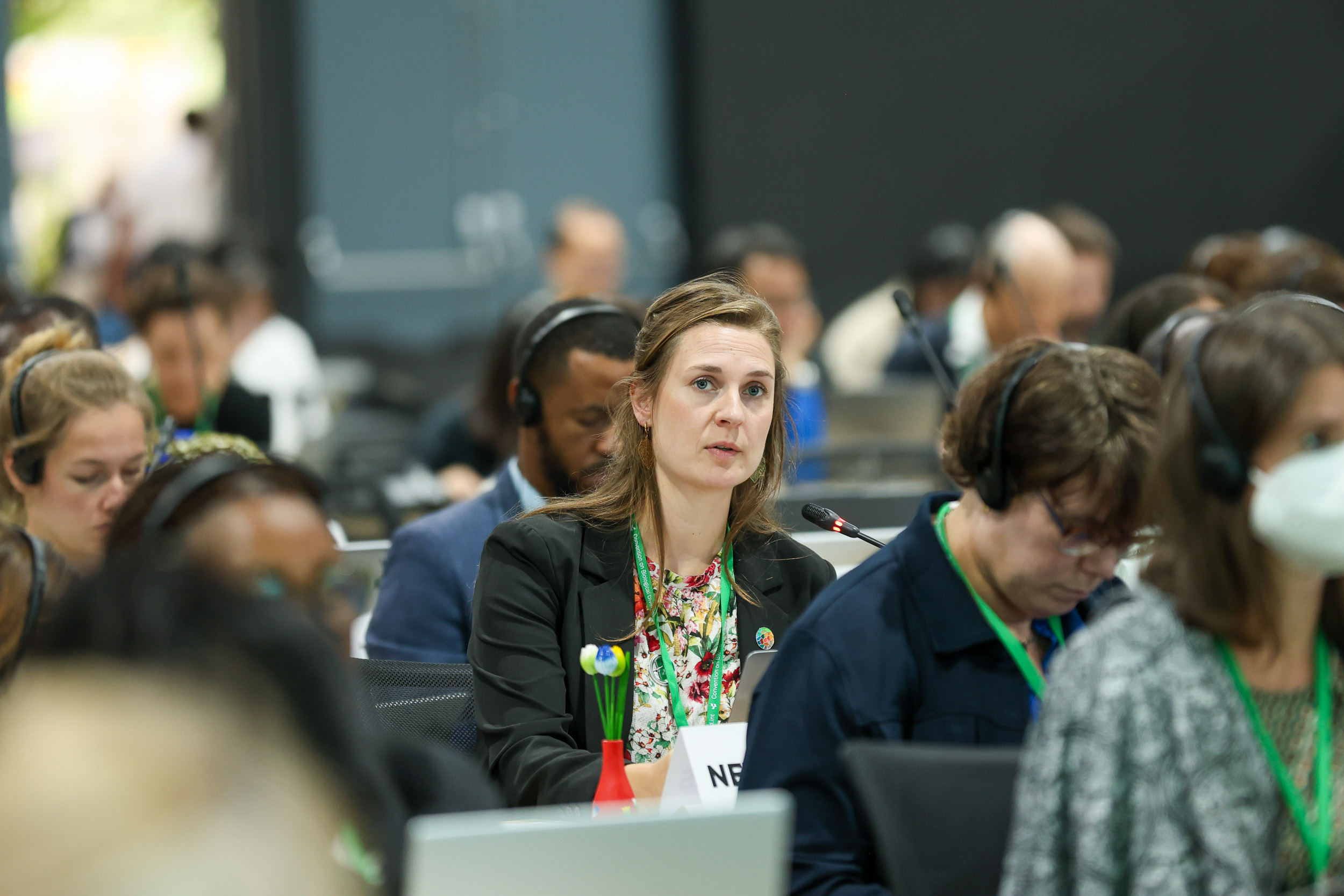
Sanne Kruid, the Netherlands
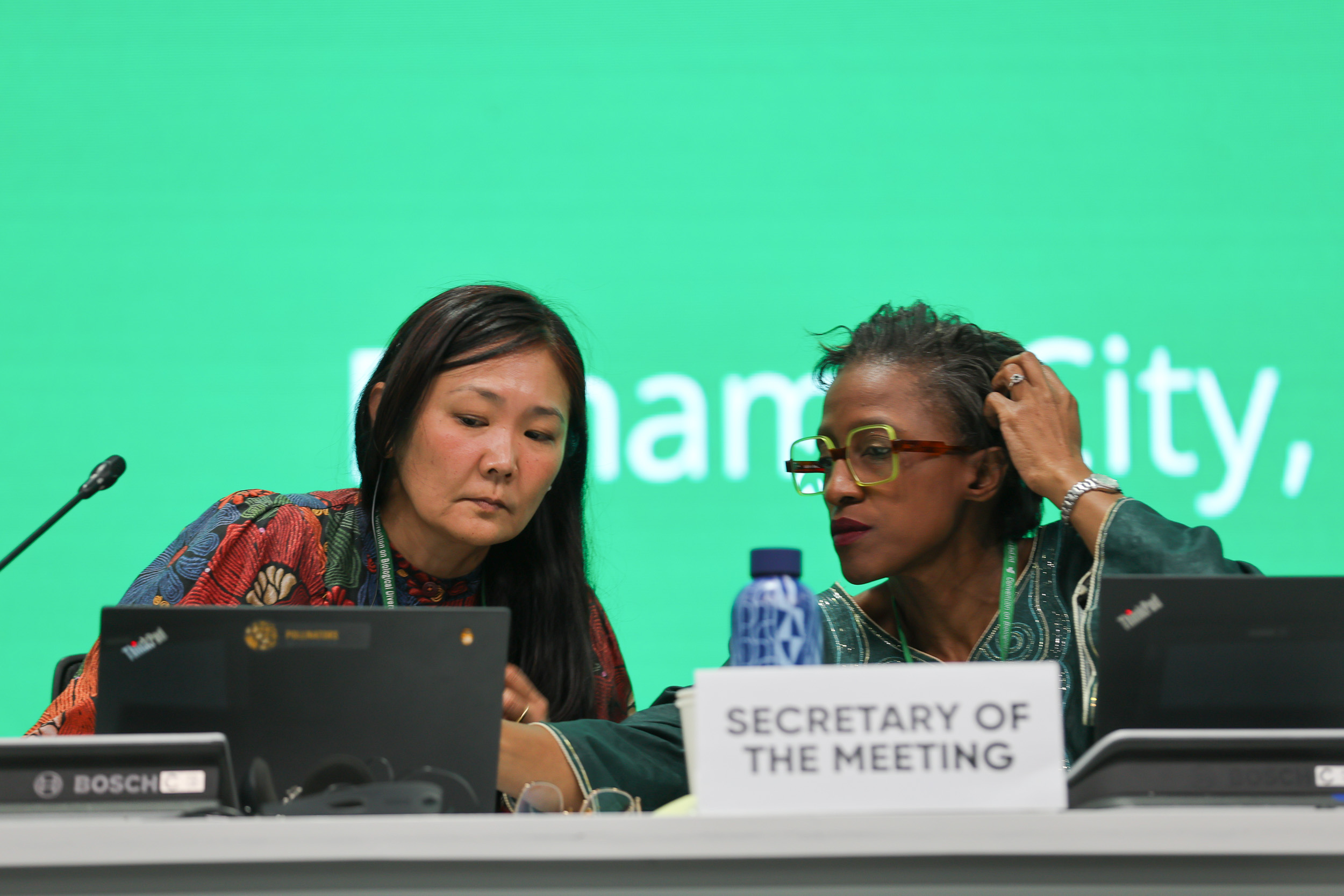
Monica Kobayashi, CBD Secretariat, and SBSTTA 27 Secretary Sakhile Silitshena
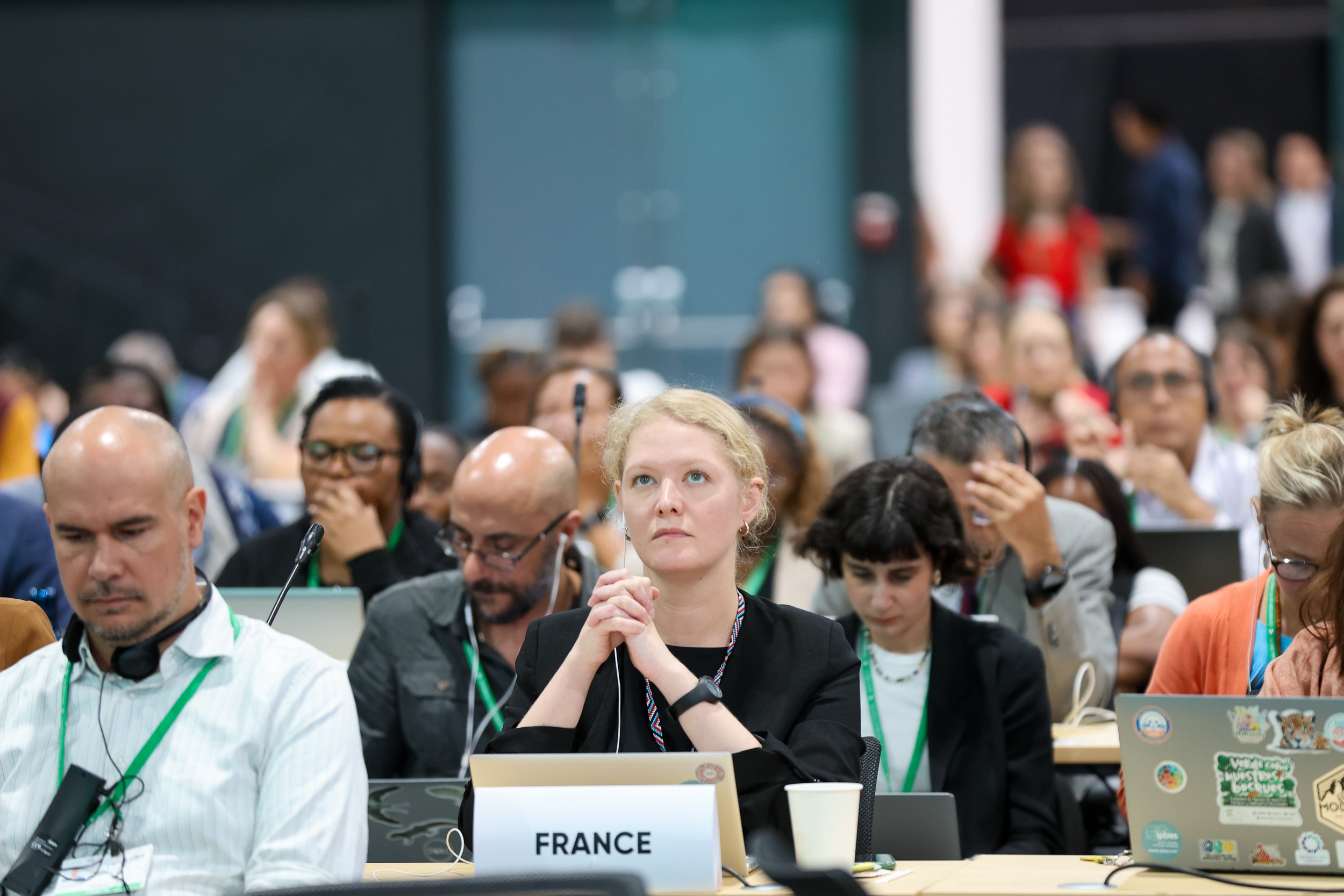
Adèle Fardoux, France
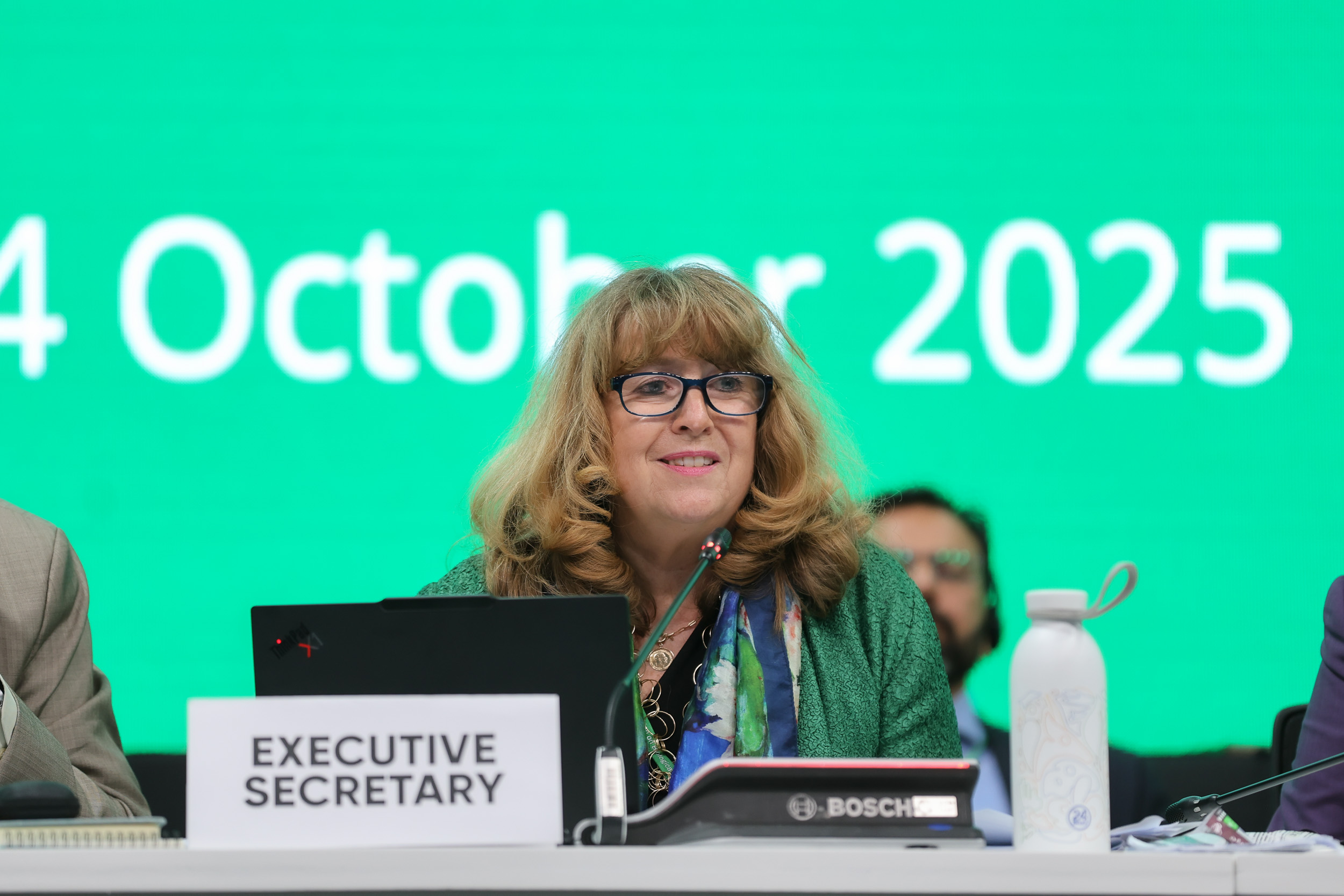
CBD Executive Secretary Astrid Schomaker
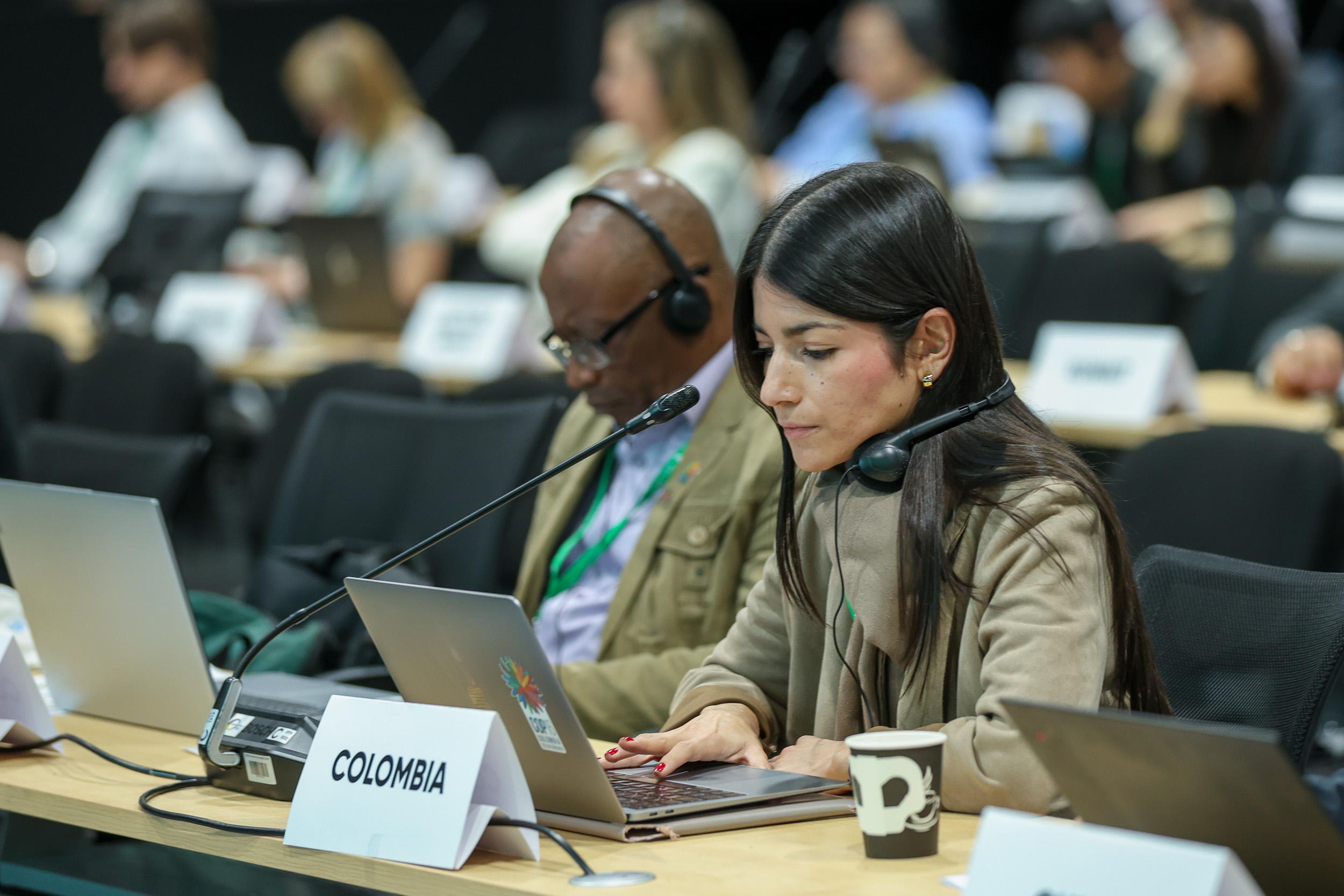
Laura Victoria Díaz Henao, Colombia
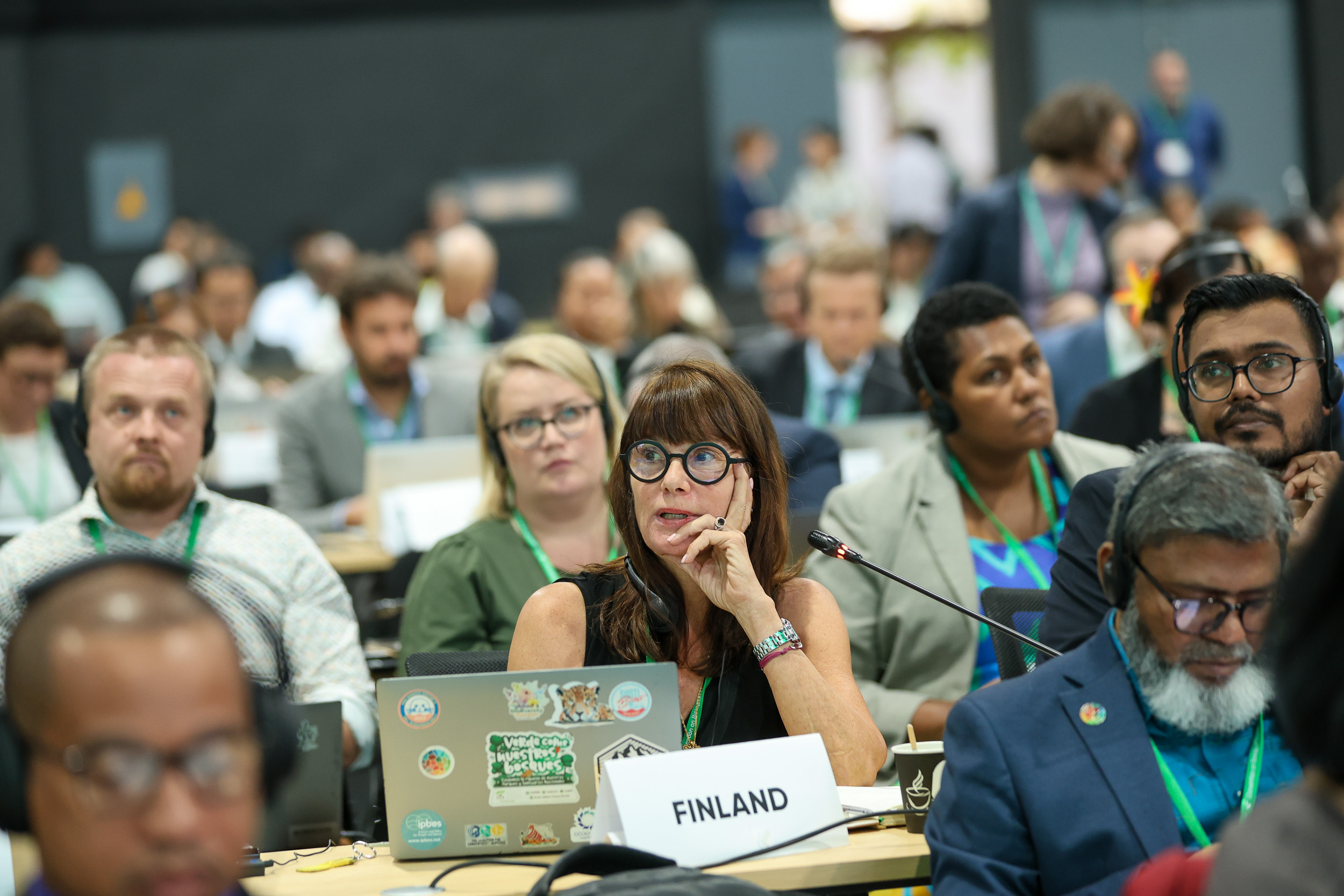
Marina von Weissenberg, Finland
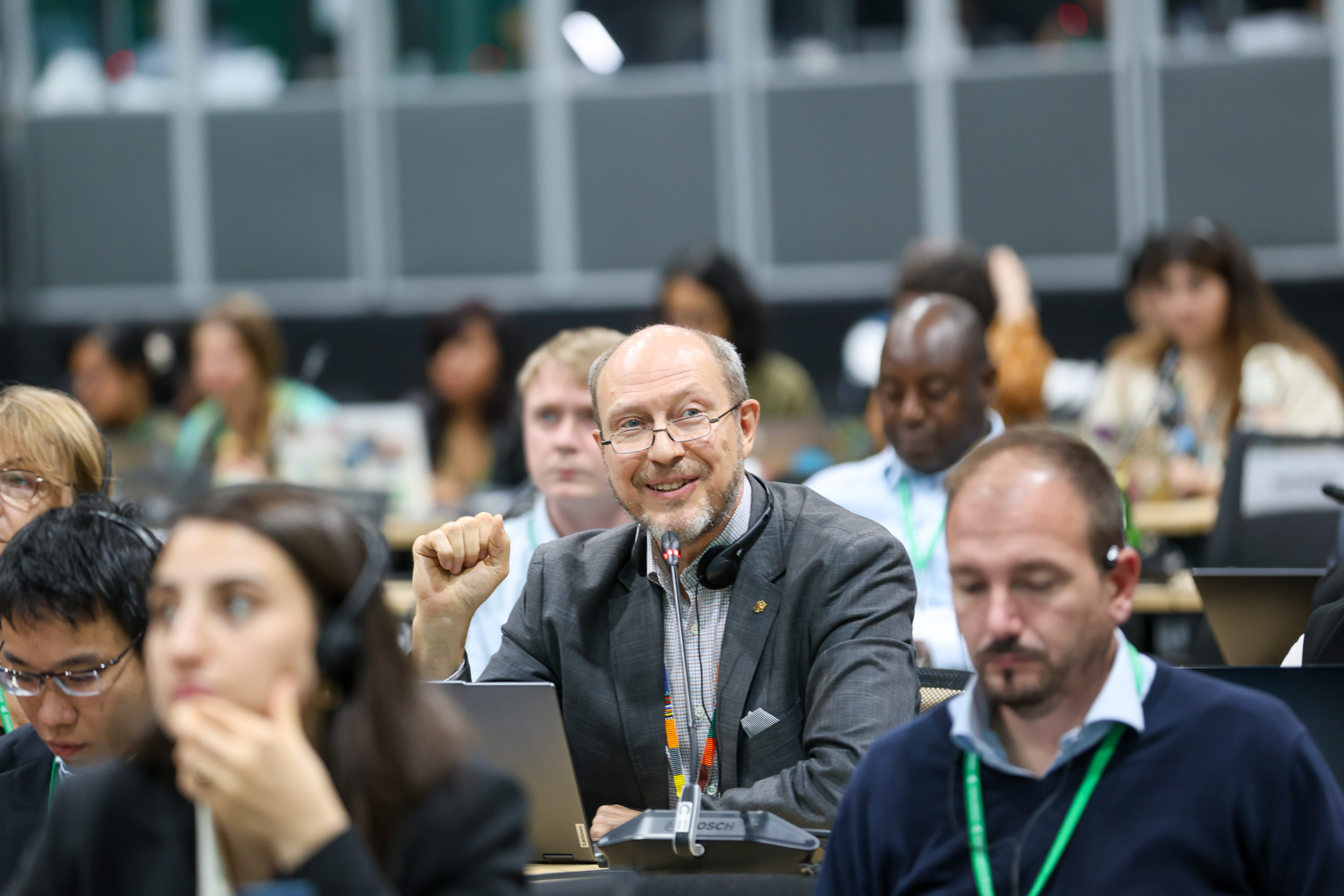
Alexander Shestakov, Russian Federation
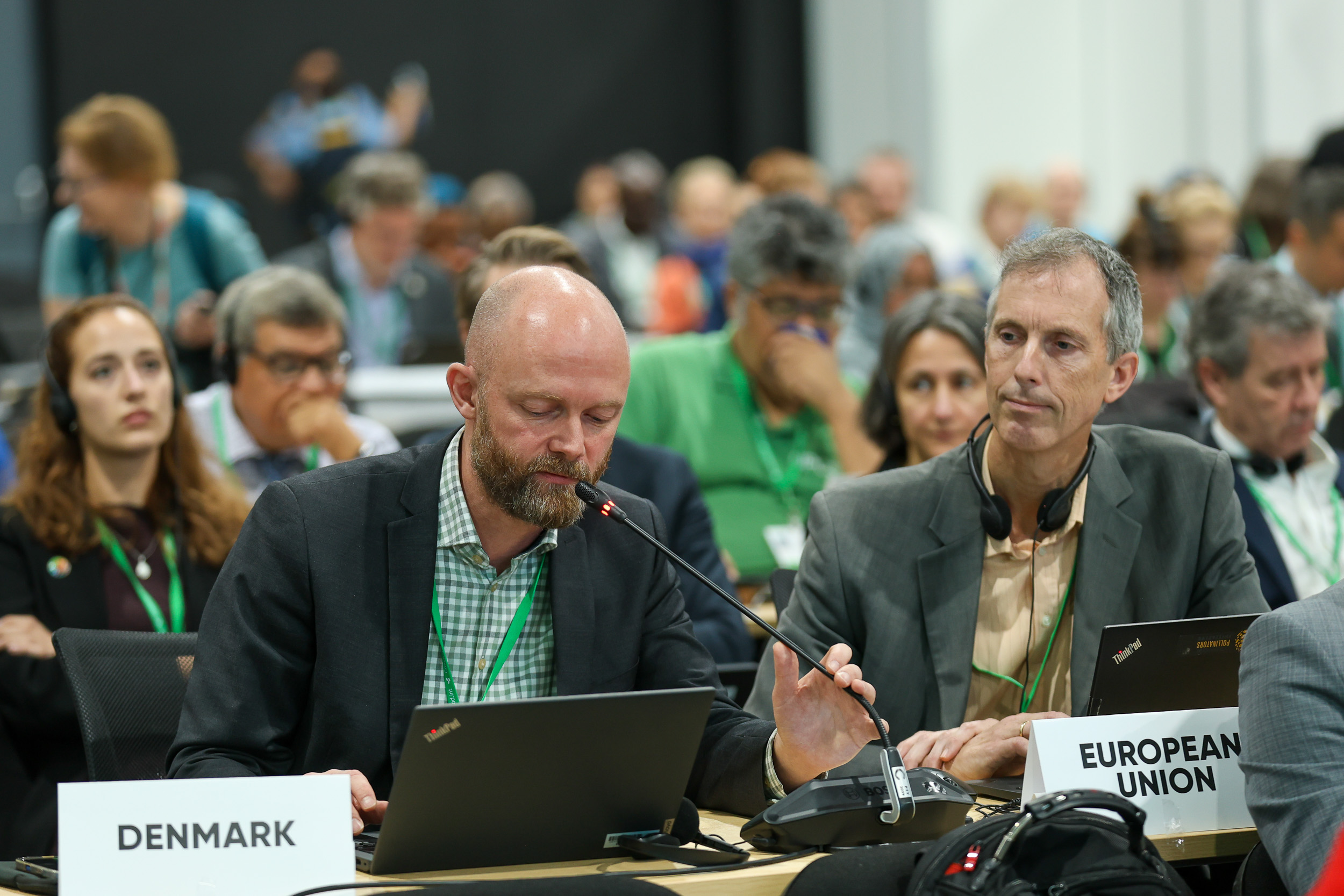
Thomas Midtgaard, Denmark, and Anne Theo Seinen, EU
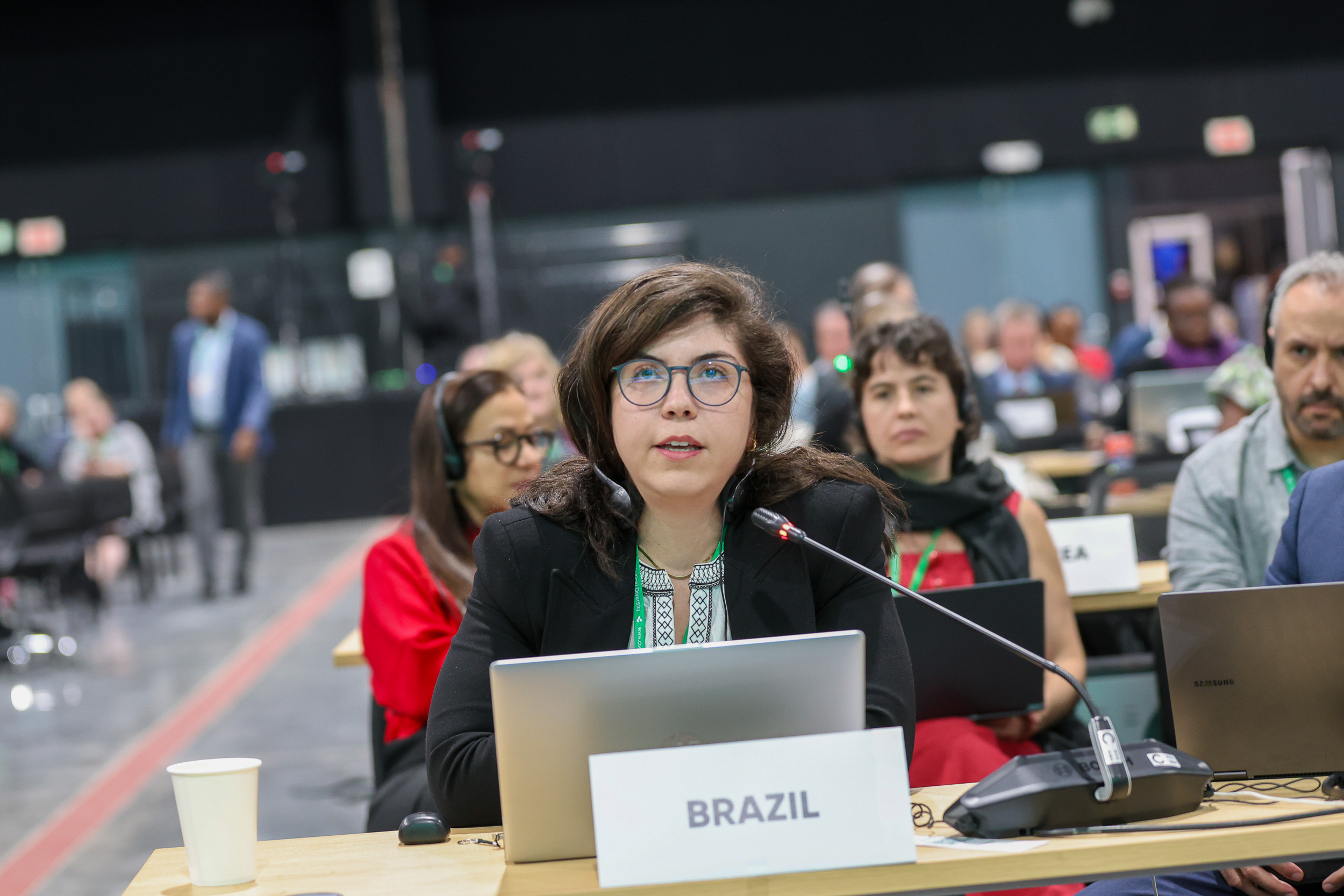
Taísa Passoni Marçal, Brazil
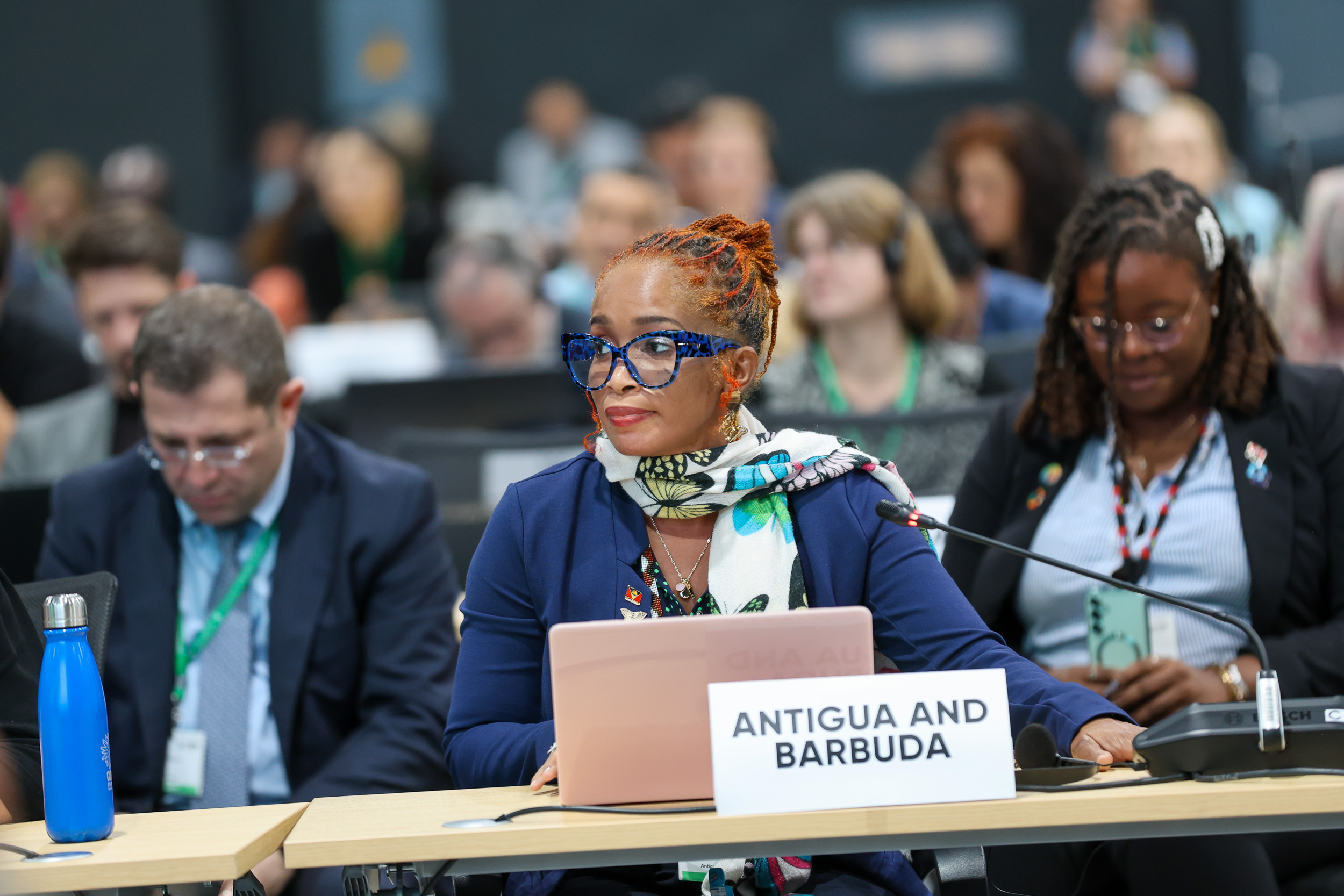
Kishma Primus-Ormond, Antigua and Barbuda
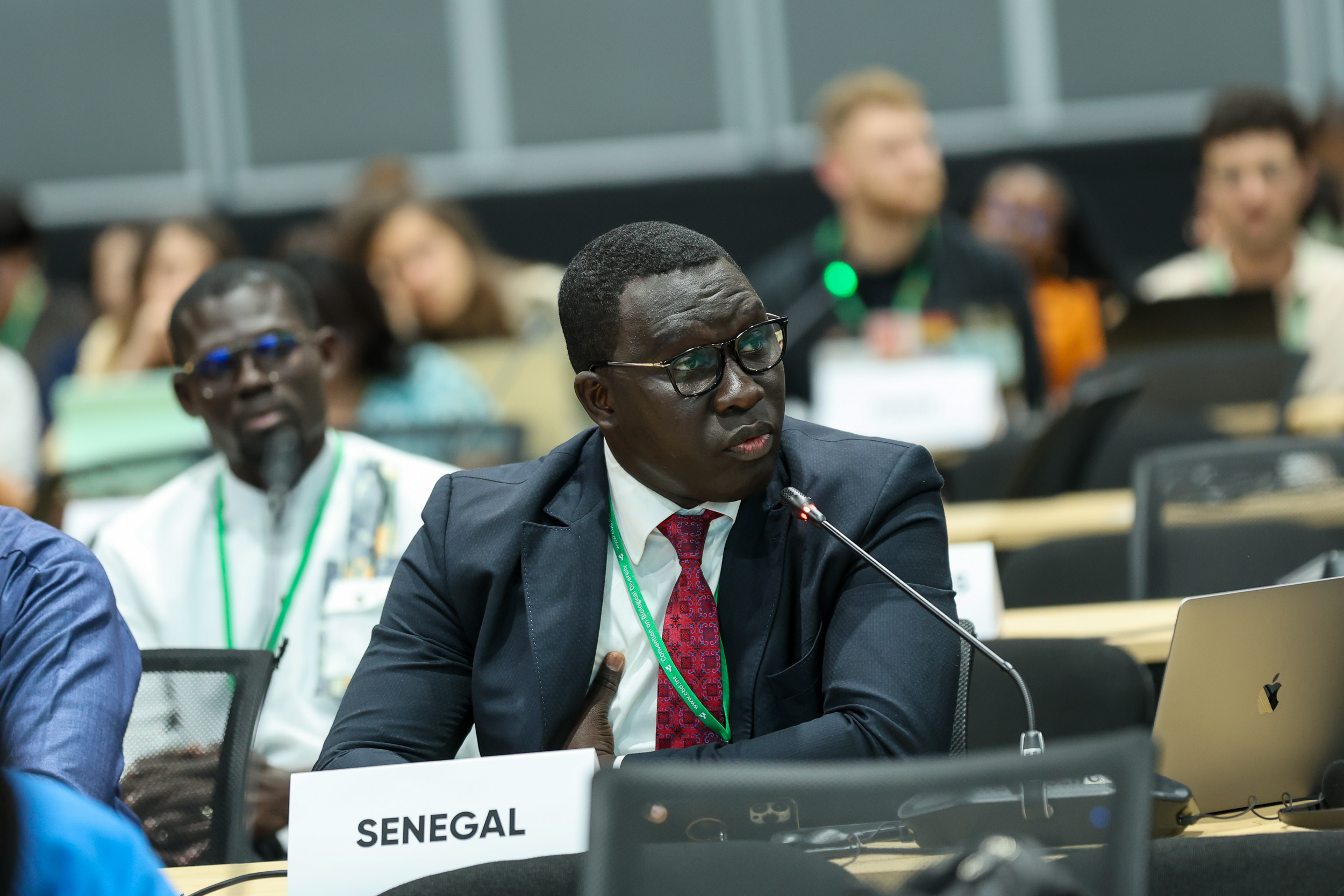
Ousseynou Kassé, Senegal
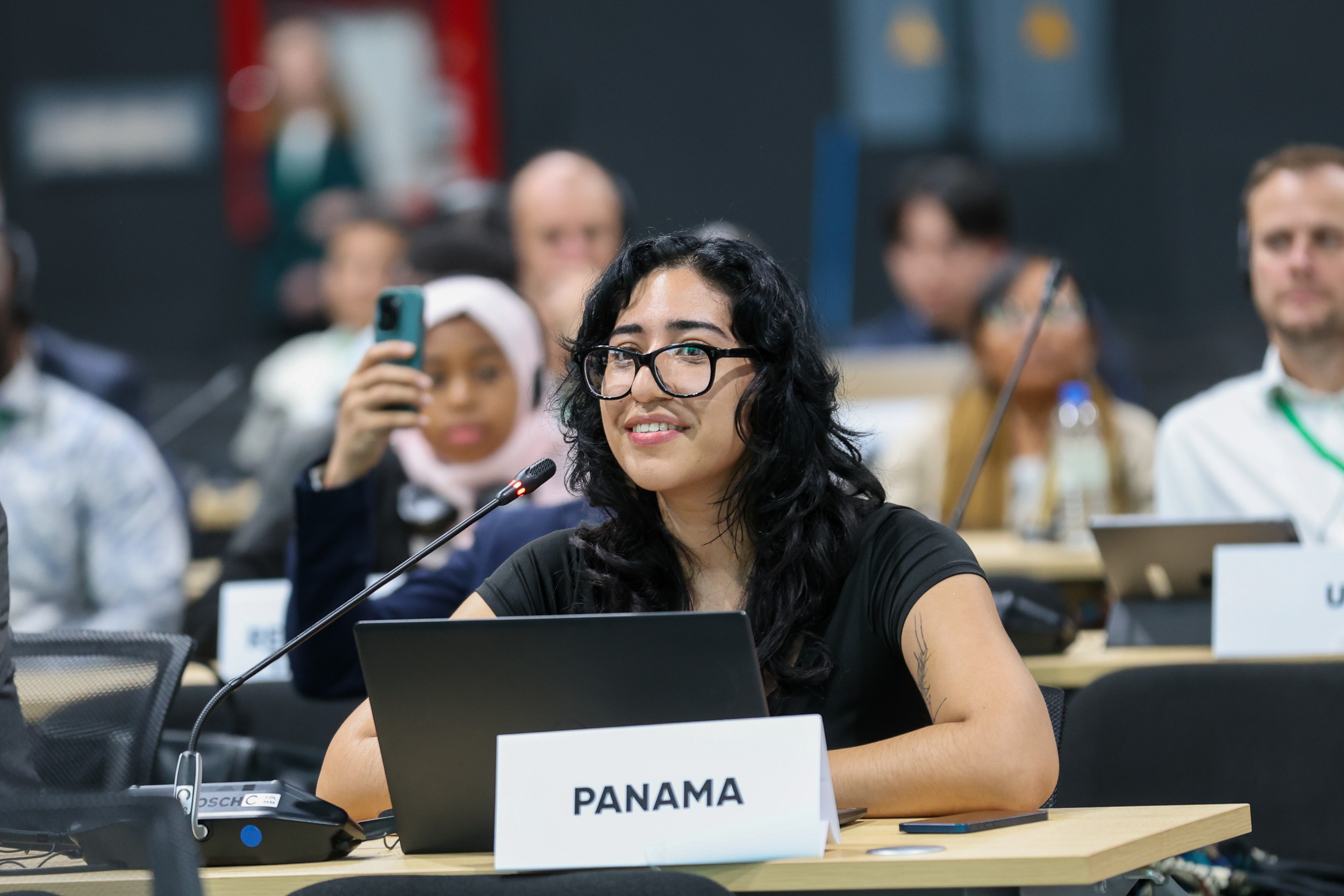
Mari Castillo, Panama
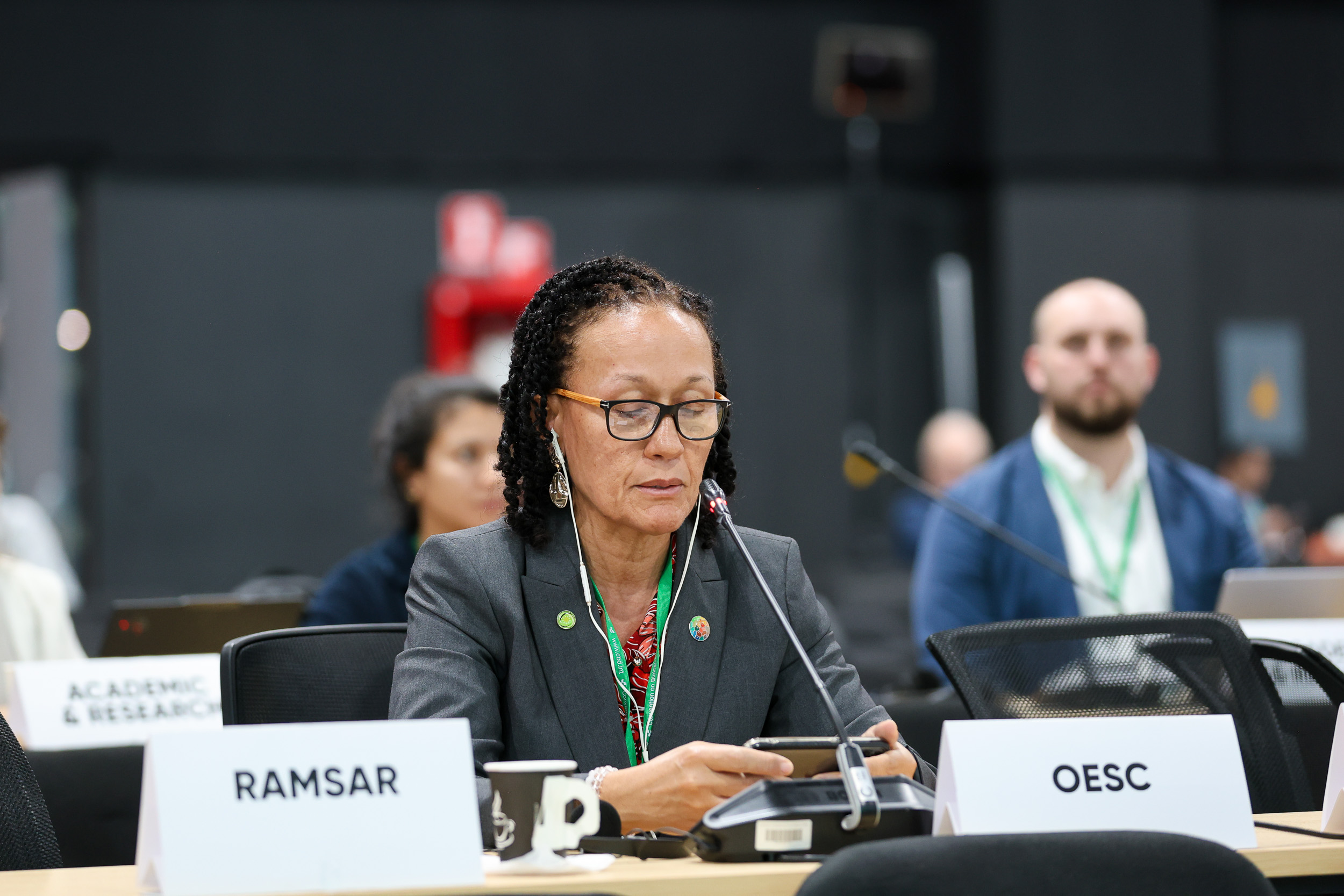
Helena Jeffery Brown, Organisation of Eastern Caribbean States
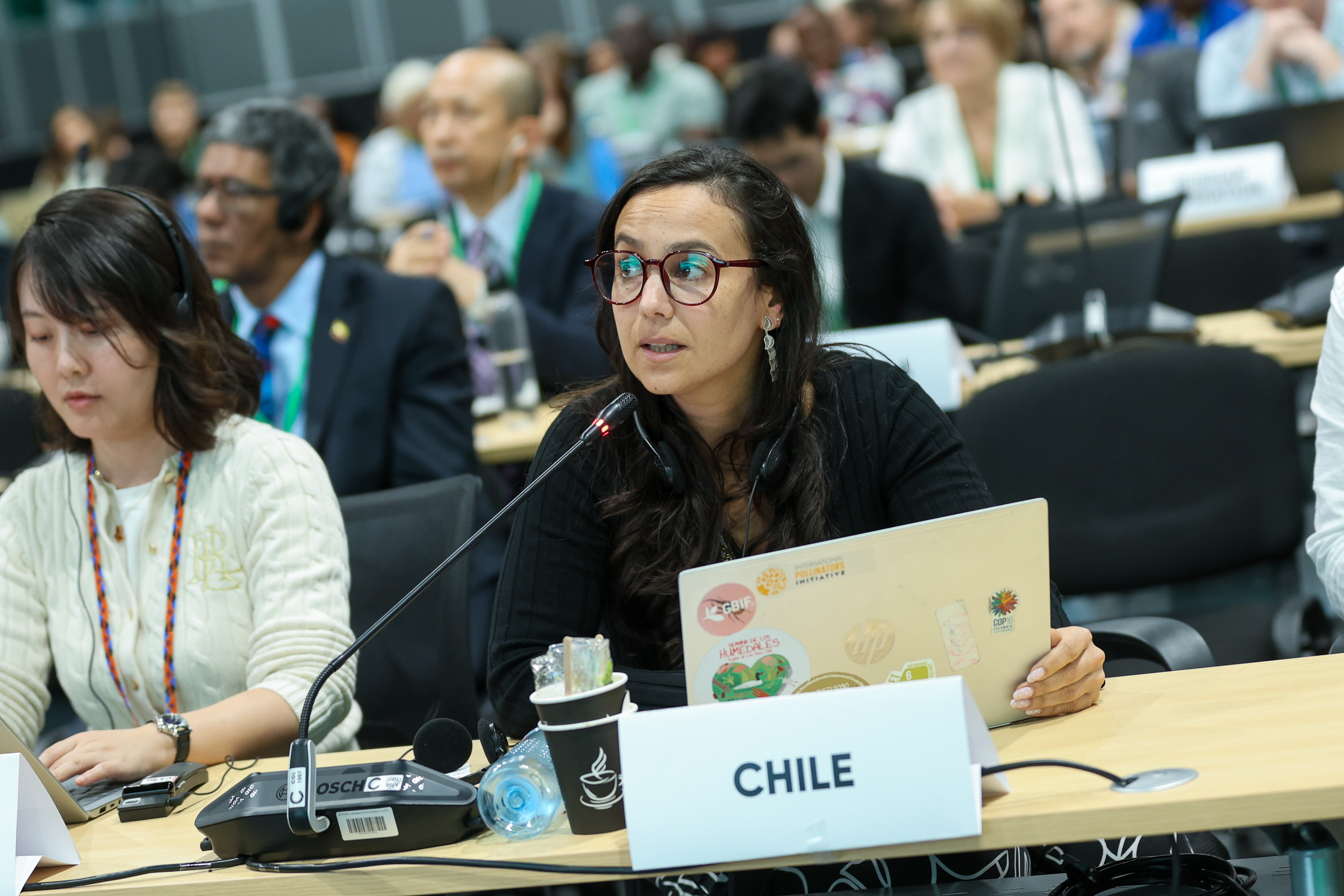
Paulina Stowhas, Chile
Between Sessions
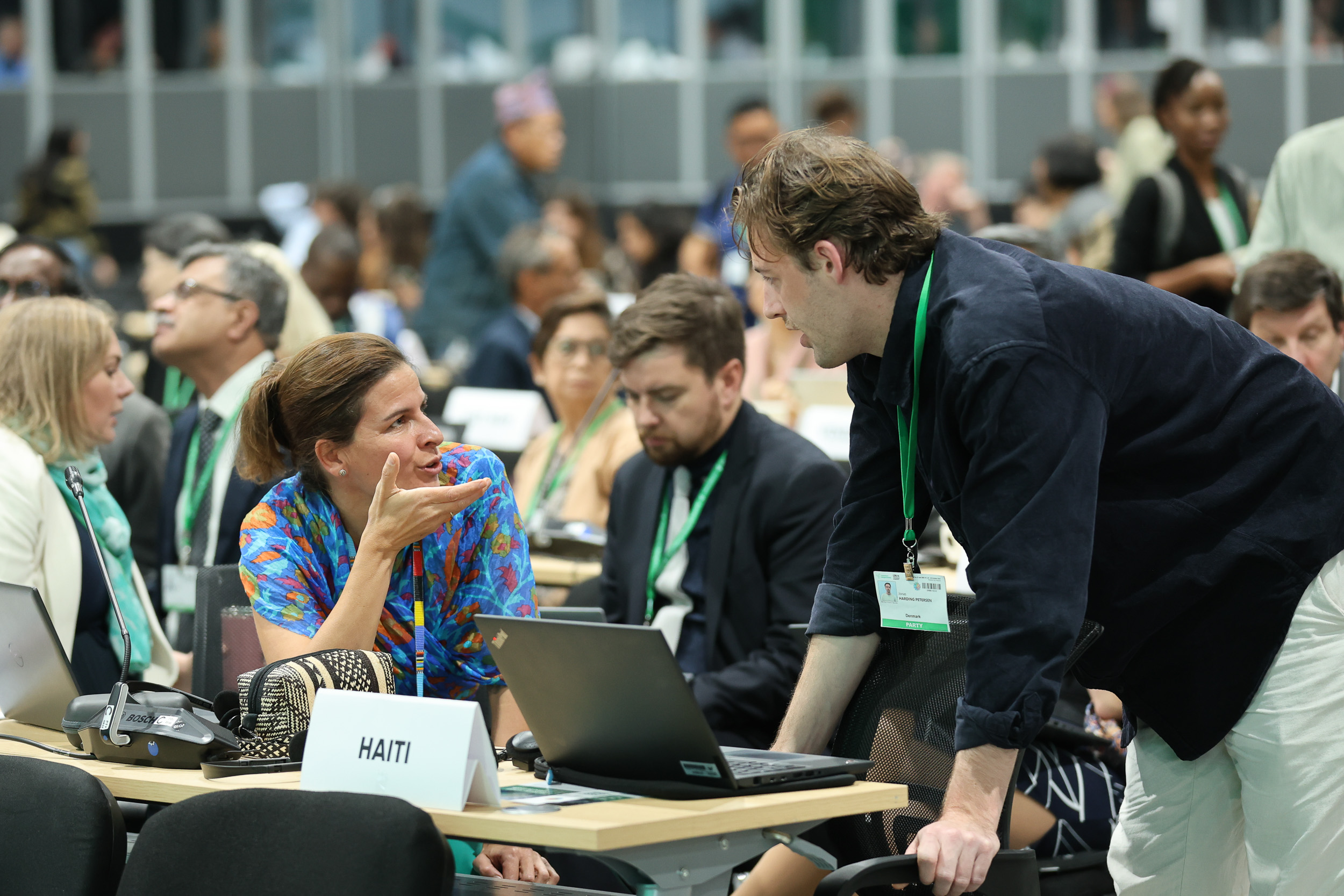
Ditta Greguss, Hungary, and Jonas Harding Petersen, Denmark
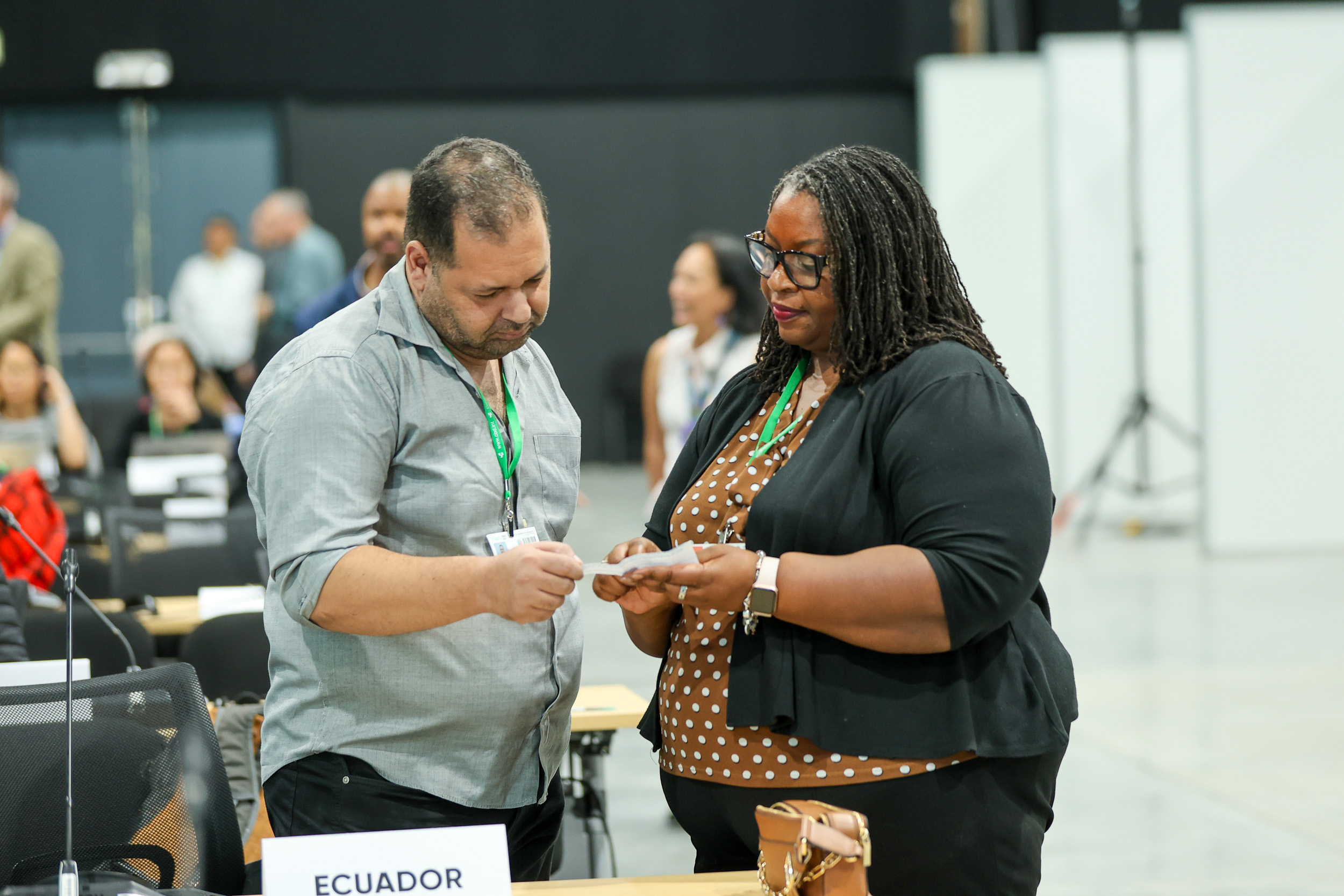
Ossama AbdelKawy, Egypt, with Wadzanayi Goredema-Mandivenyi, CBD Secretariat
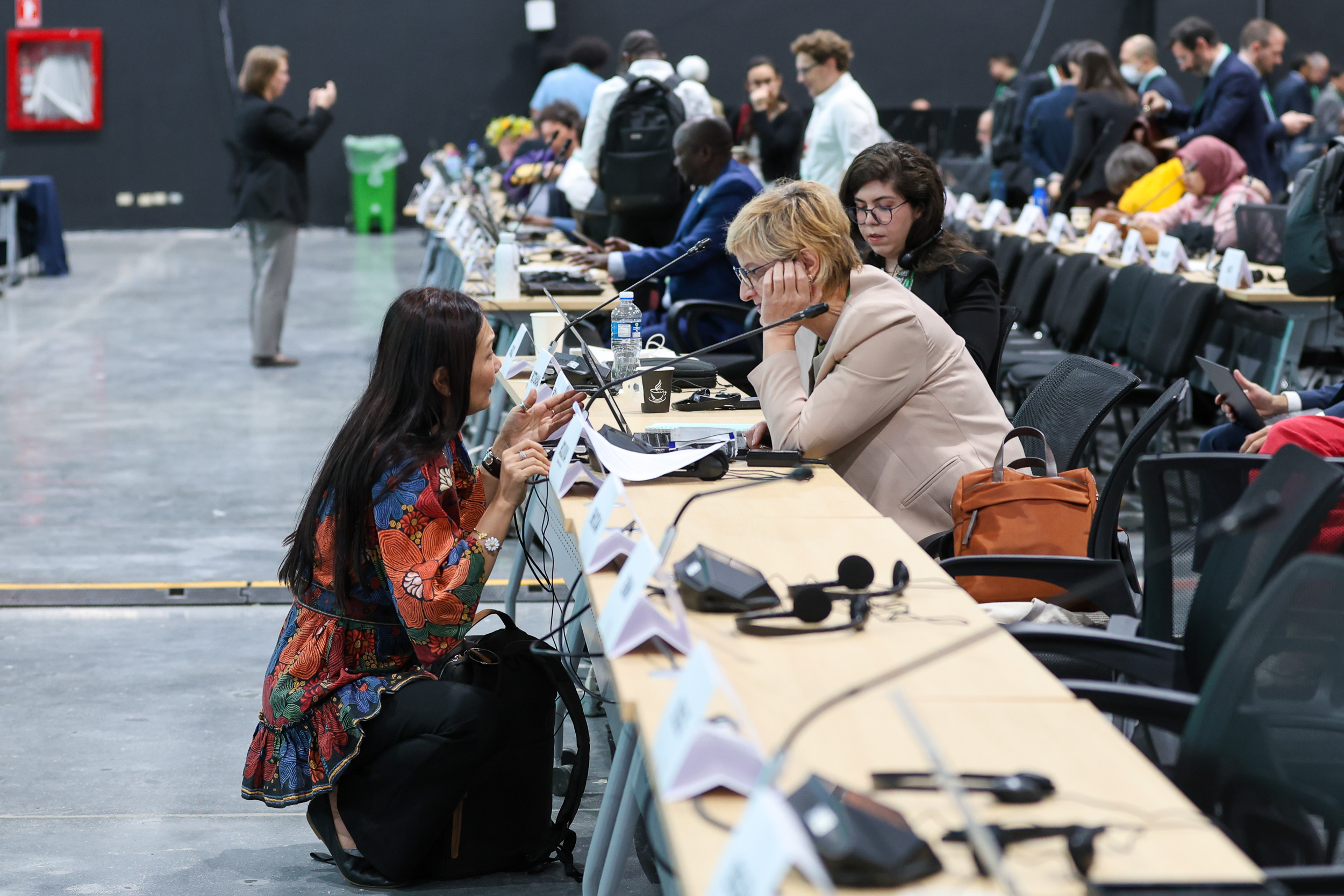
Monica Kobayashi, CBD Secretariat, and Senka Barudanović, Bosnia and Herzegovina
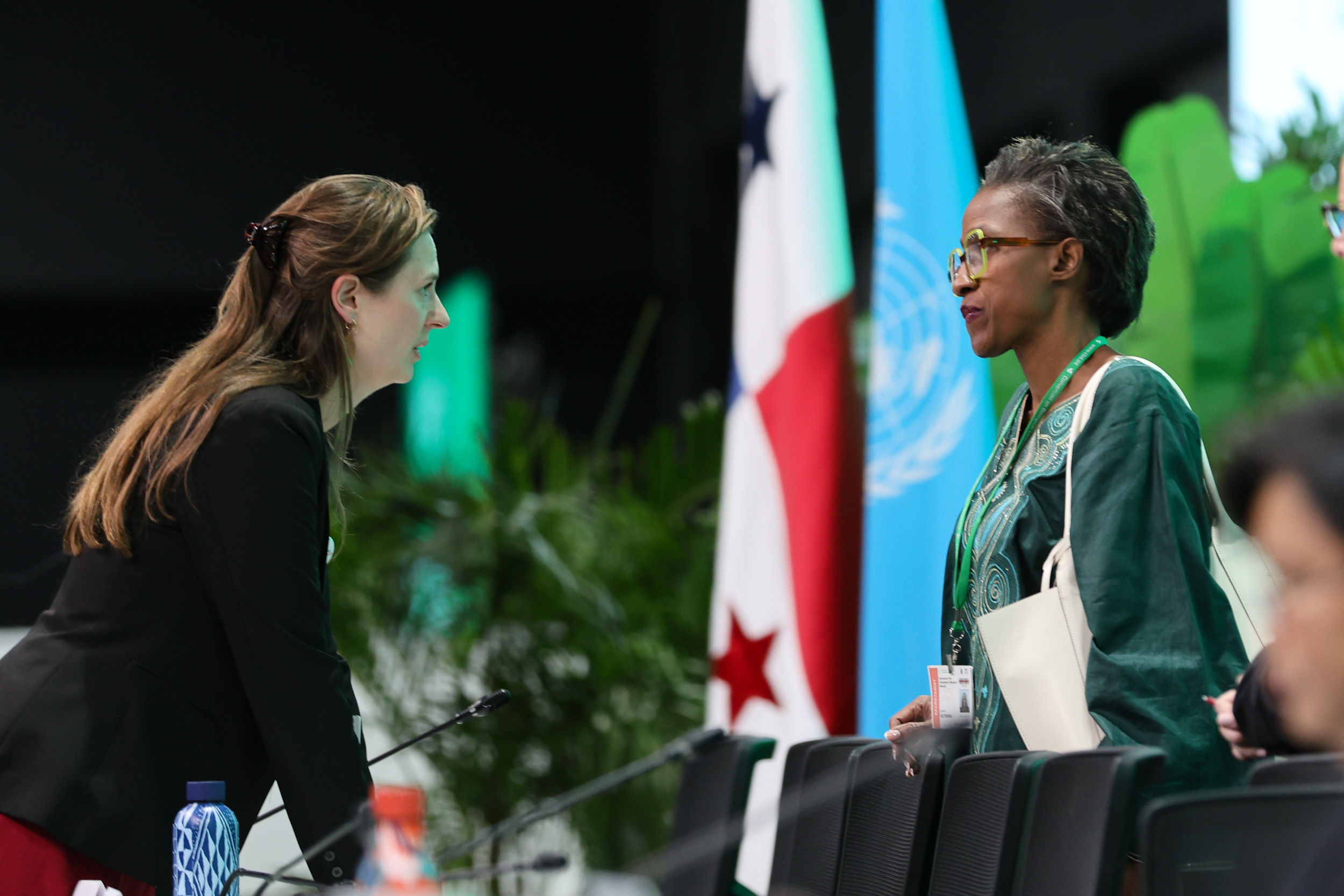
Sanne Kruid, the Netherlands, and SBSTTA 27 Secretary Sakhile Silitshena
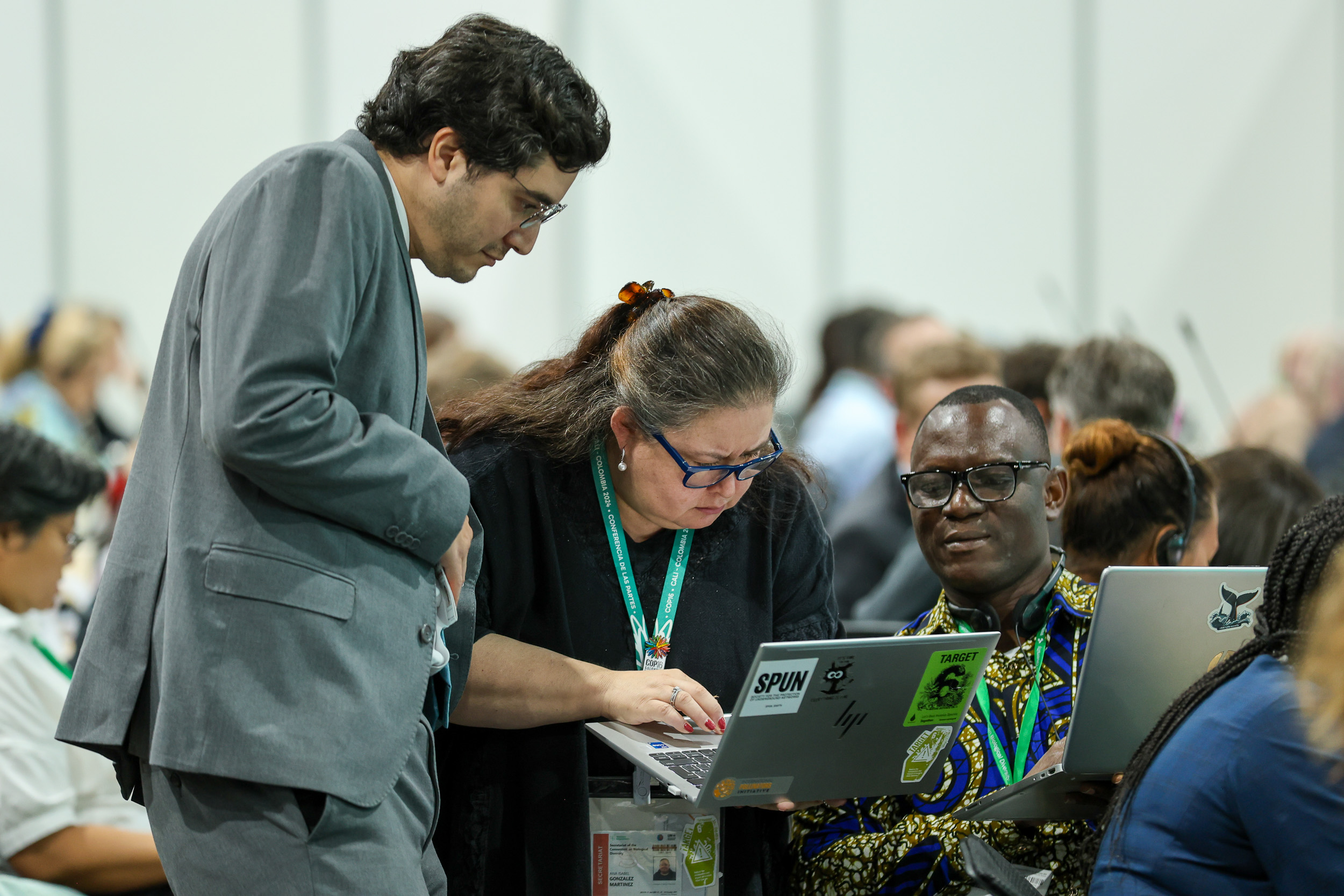
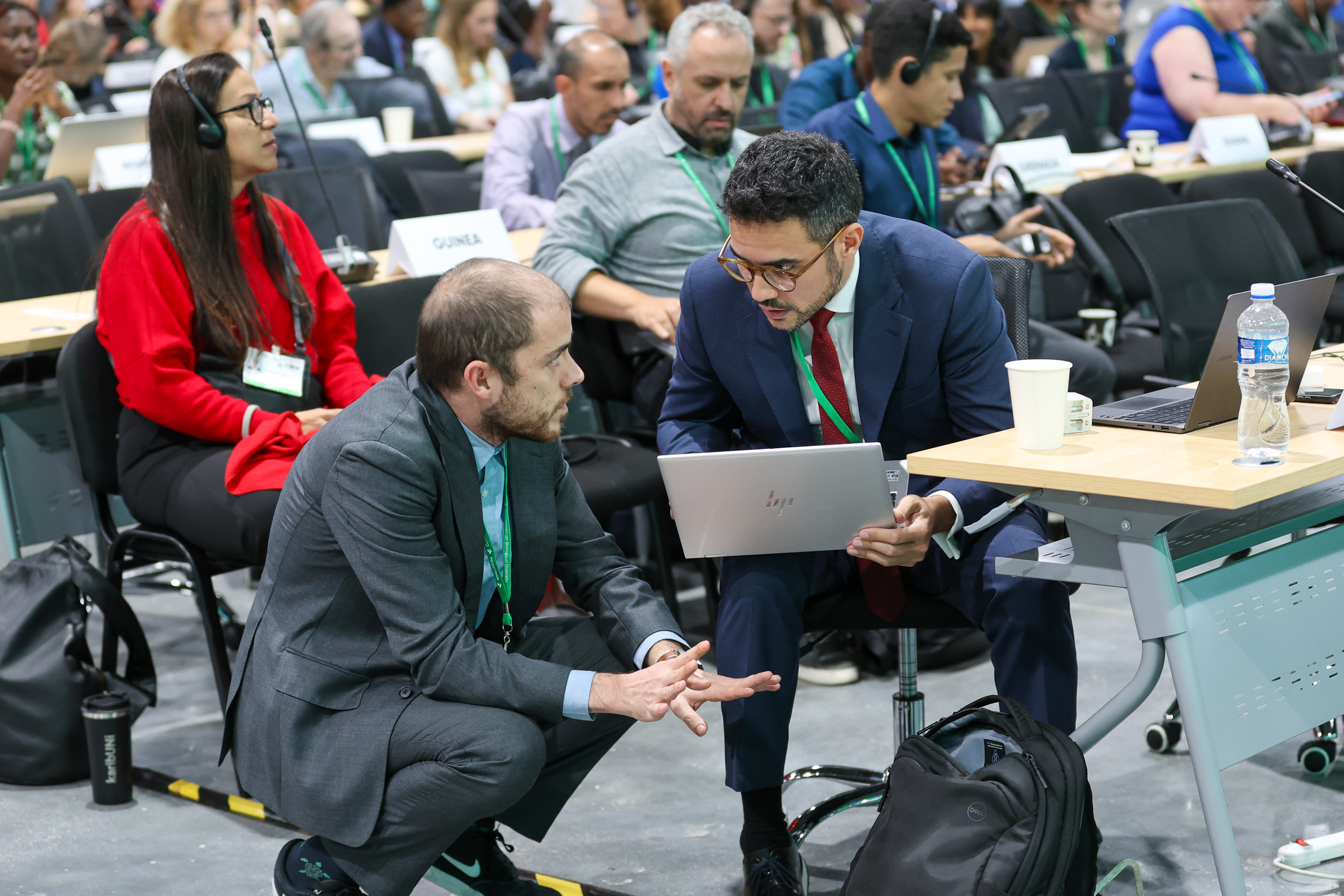
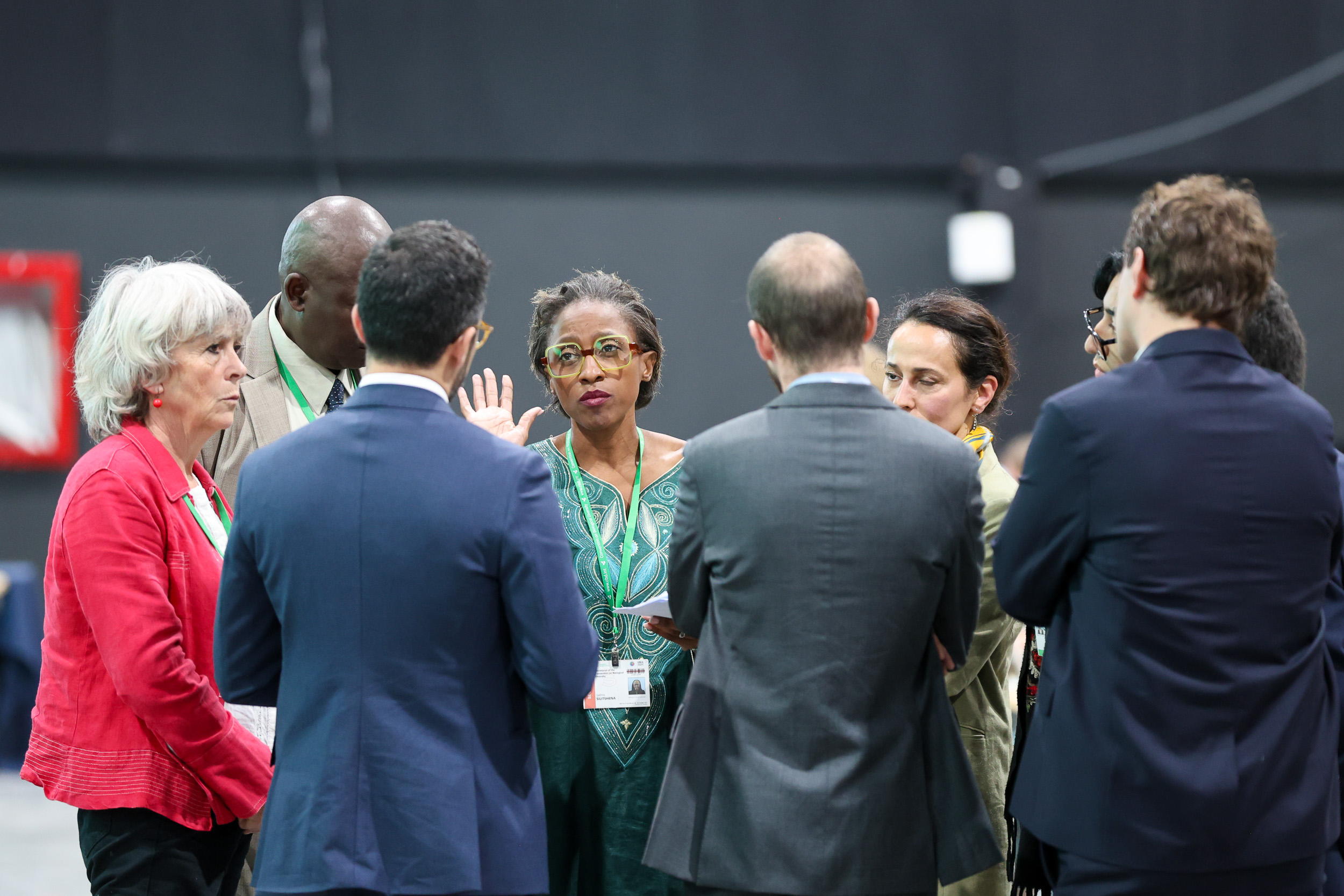
SBSTTA 27 Secretary Sakhile Silitshena, conferring with delegates
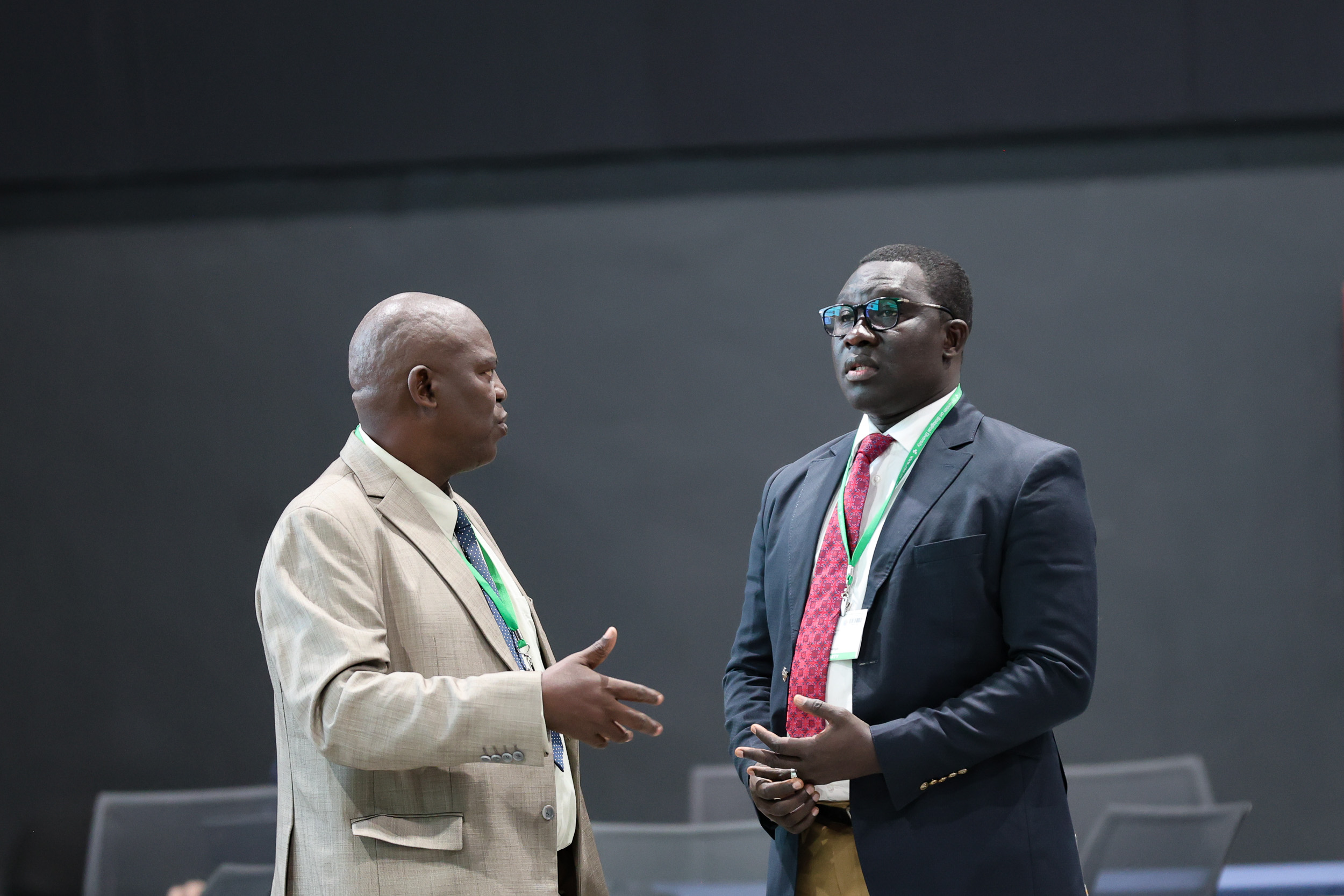
SBSTTA 27 Chair Jean Bruno Mikissa, Gabon, and Ousseynou Kassé, Senegal
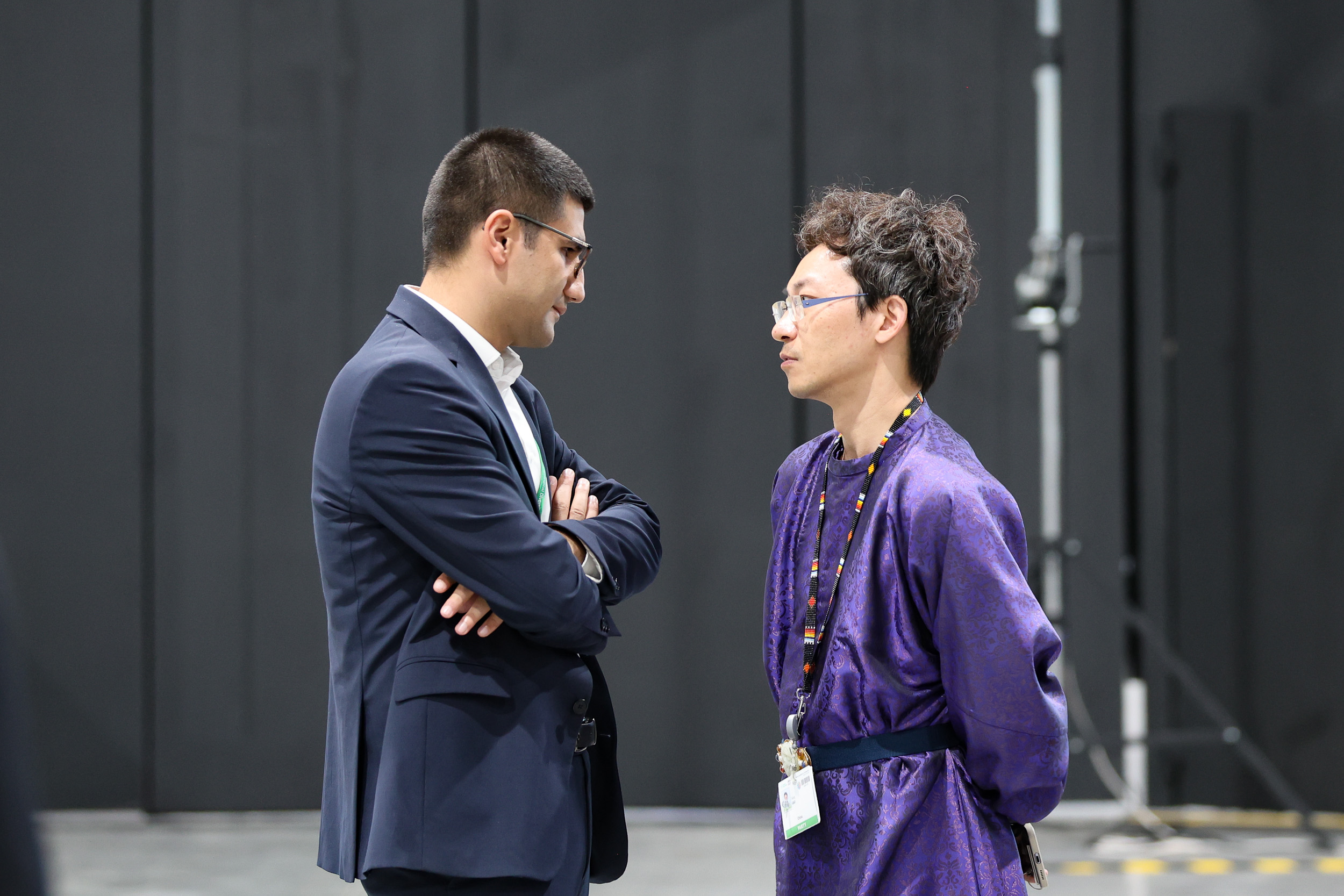
Tigran Zakaryan, Armenia, and Xiang Gao, China
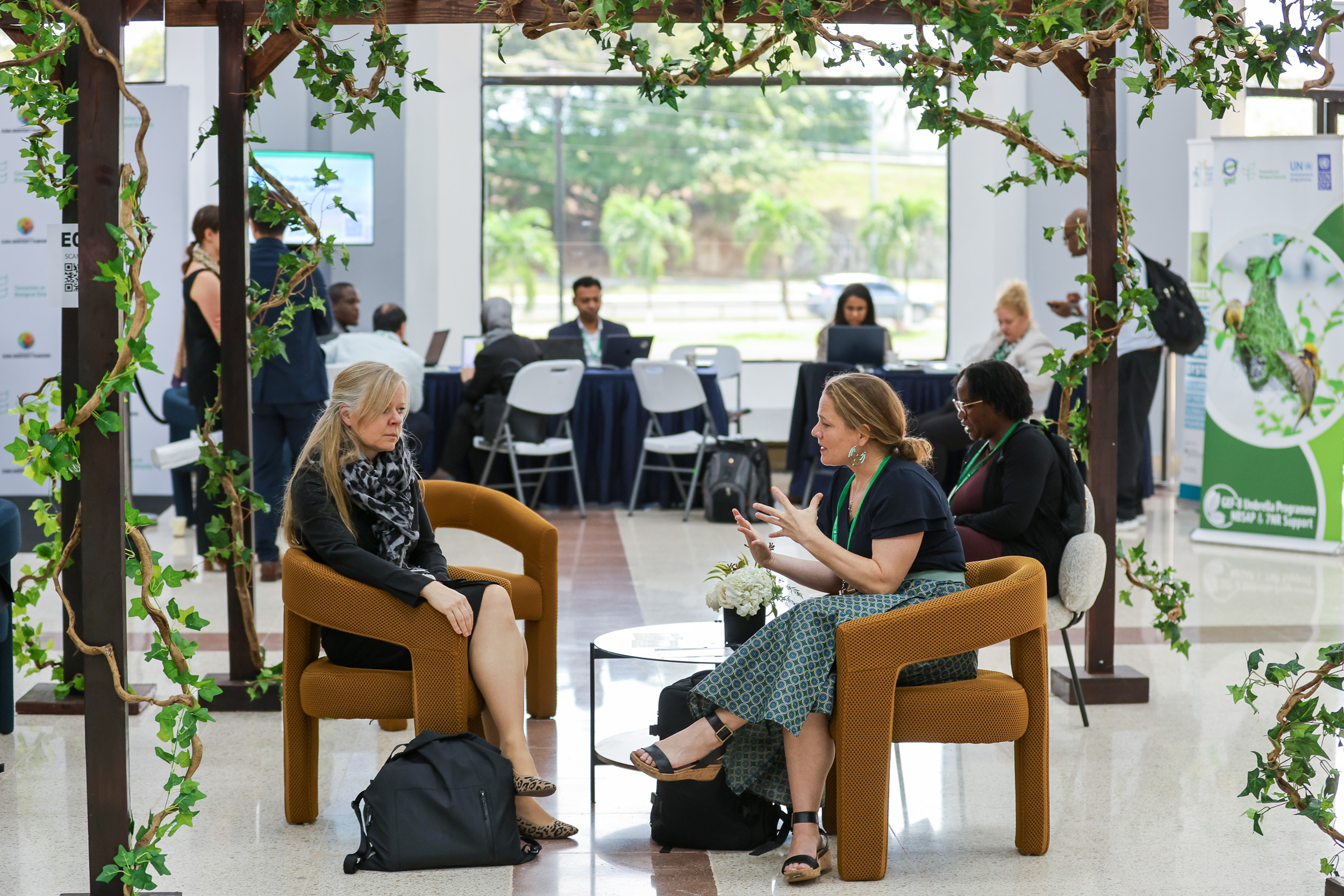
Around the Venue
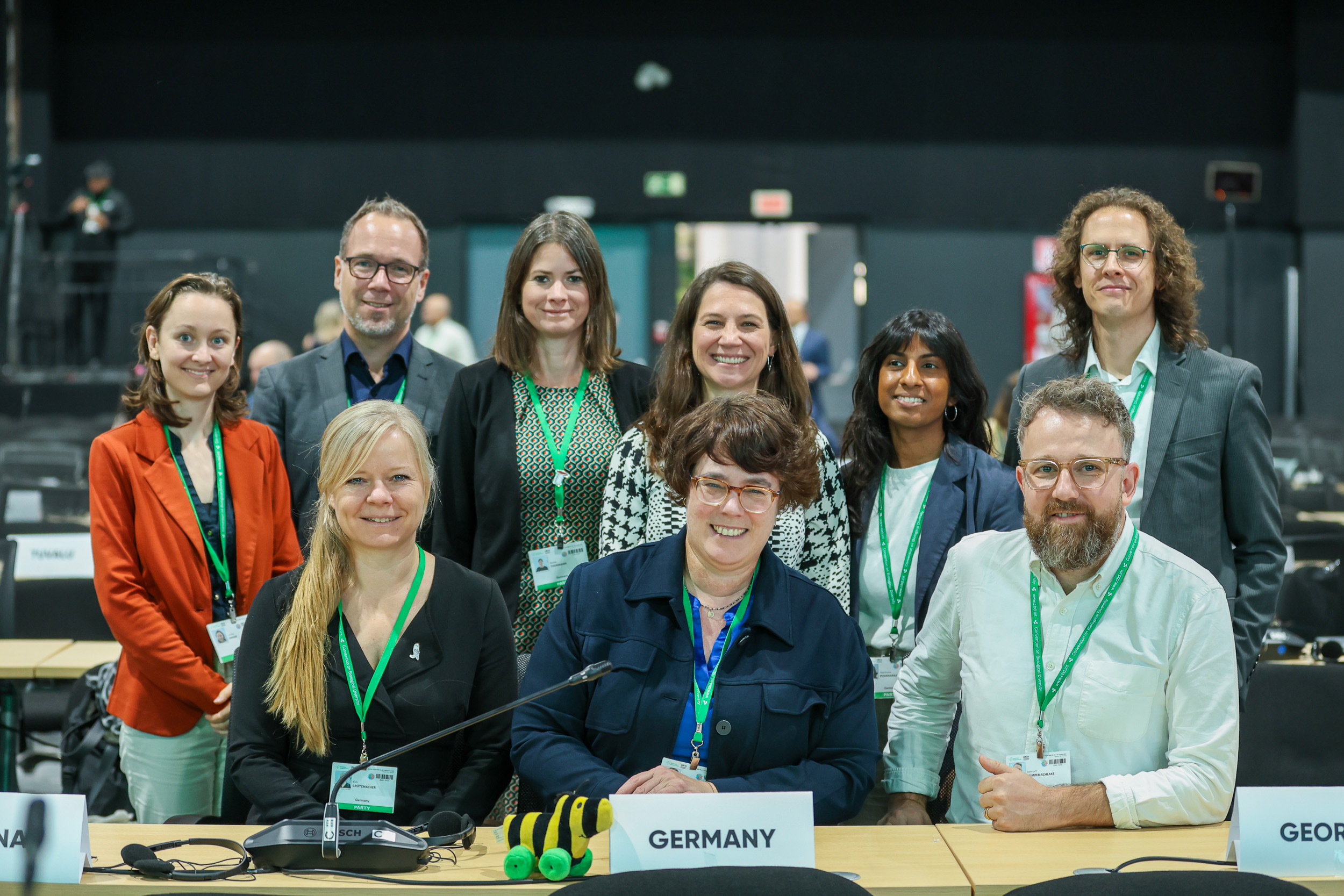
The German delegation
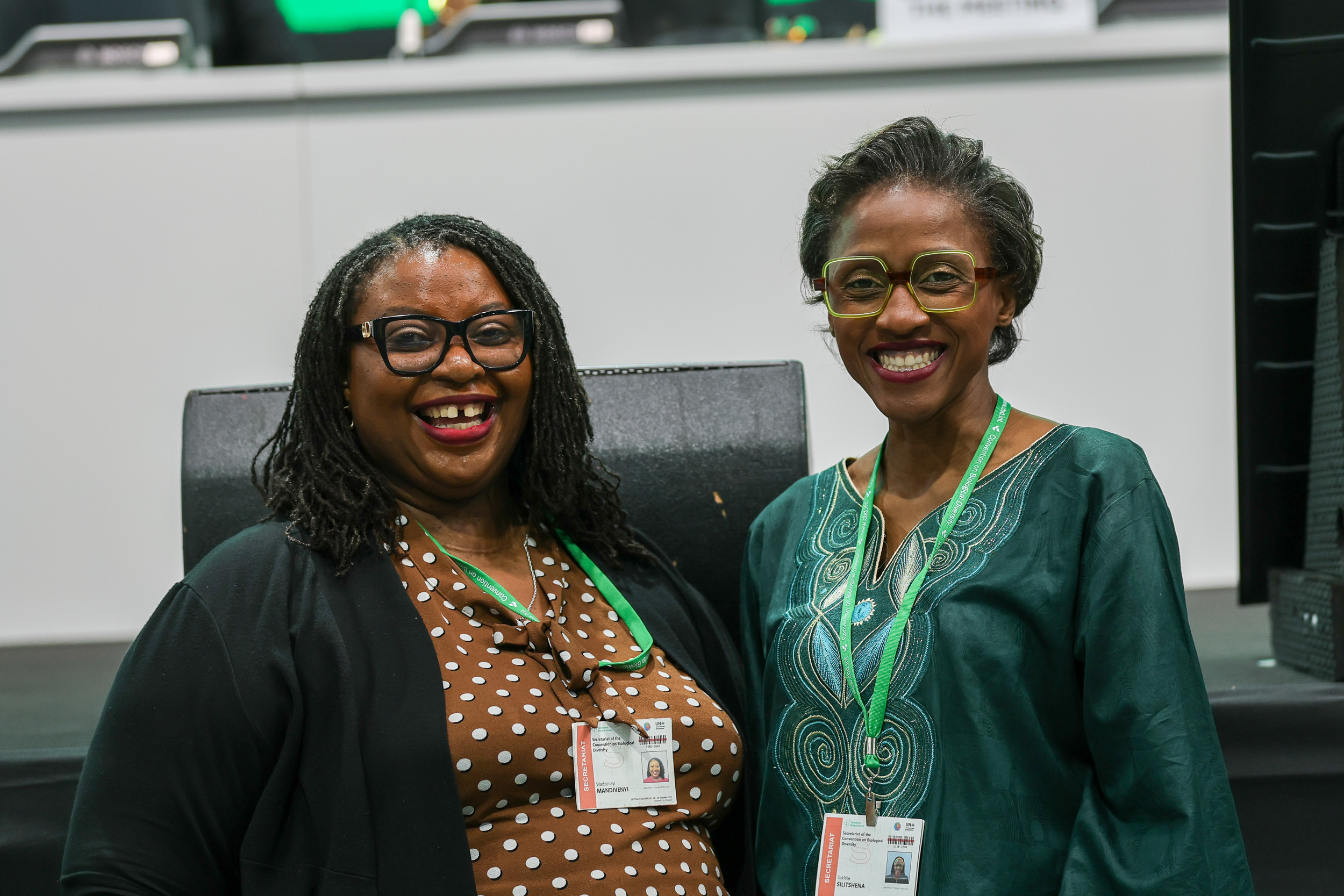
Wadzanayi Goredema-Mandivenyi, CBD Secretariat, and SBSTTA 27 Secretary Sakhile Silitshena
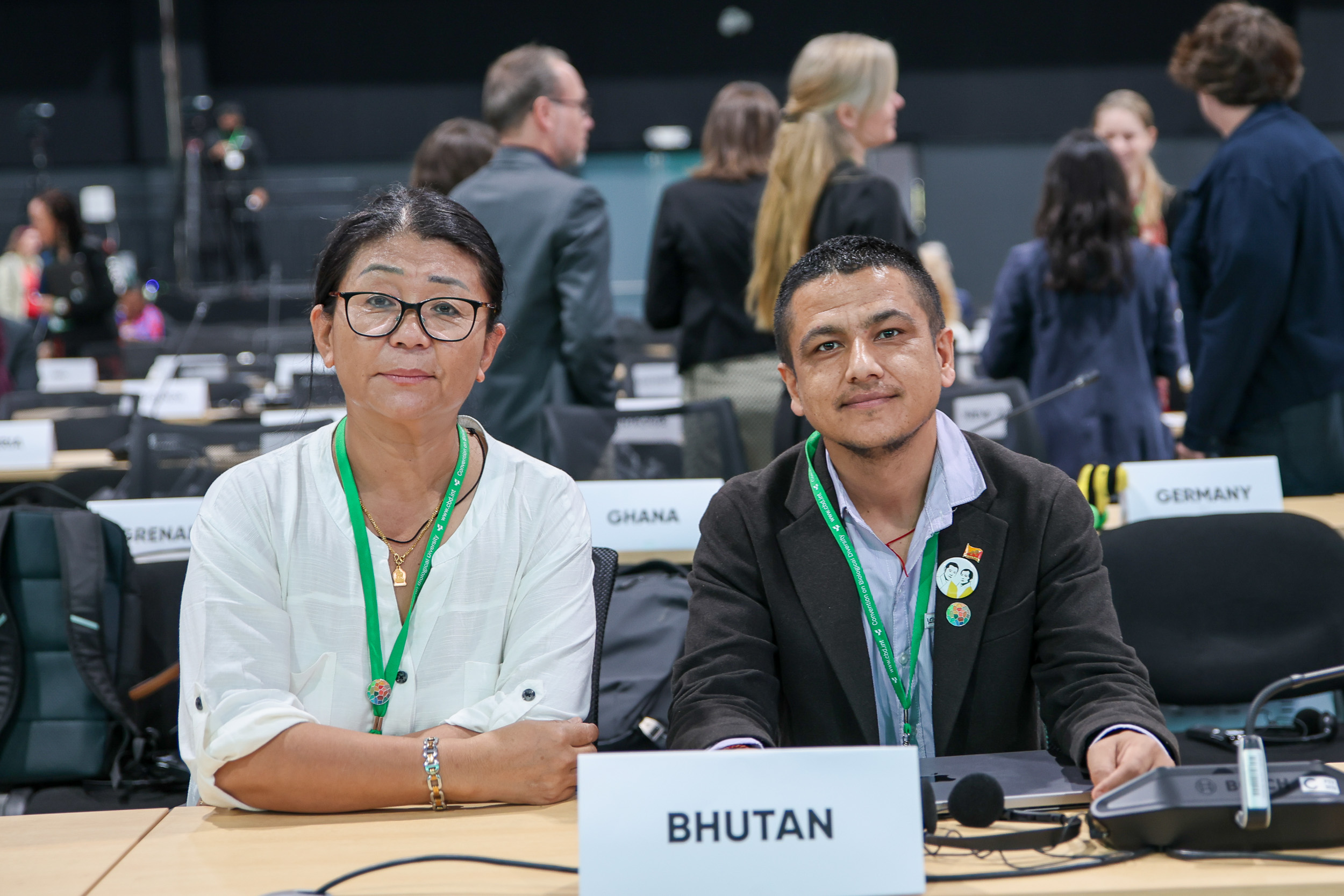
Sangay Dema and Mani Prasad Nirola, Bhutan
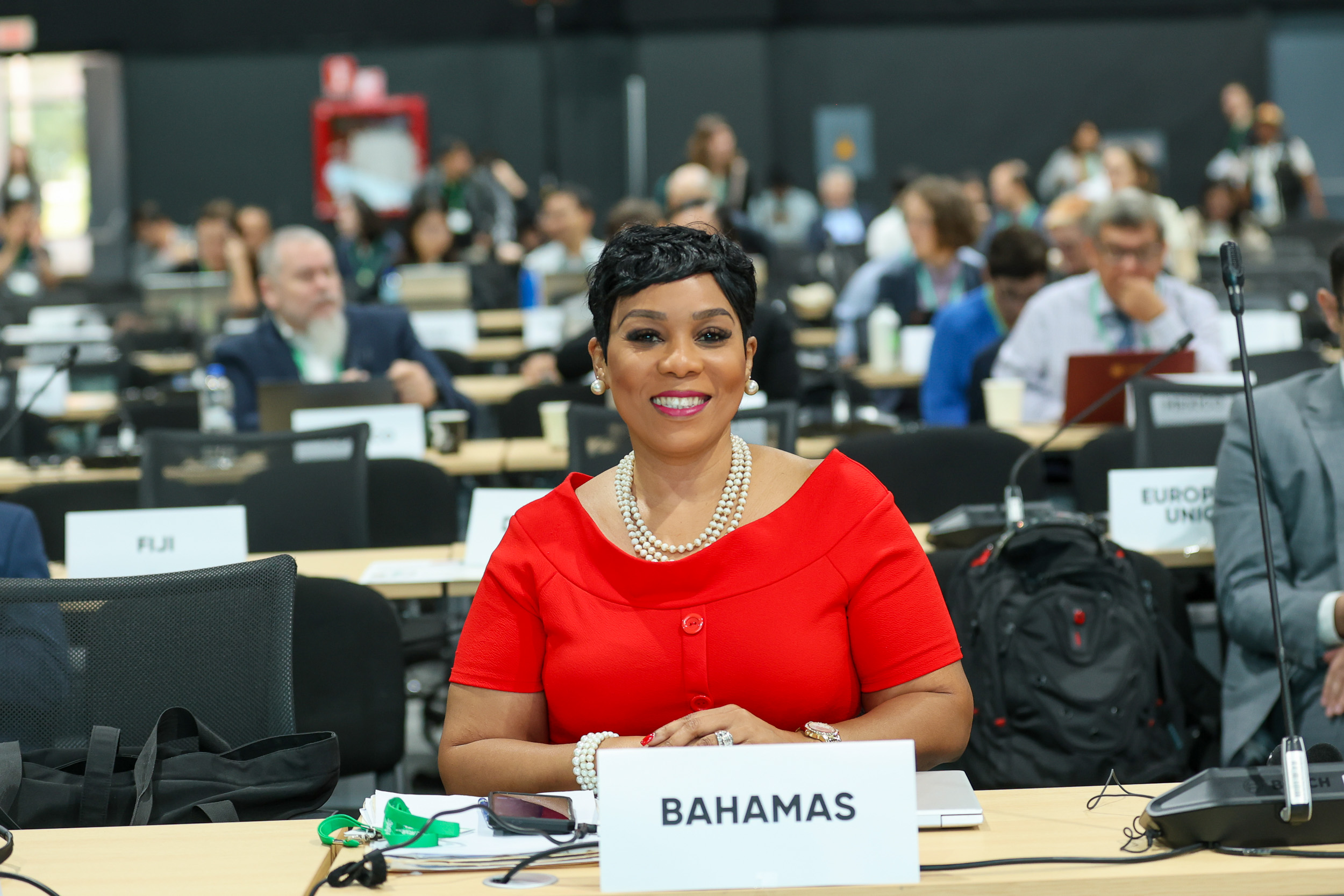
Samantha Miller-Cartwright, The Bahamas
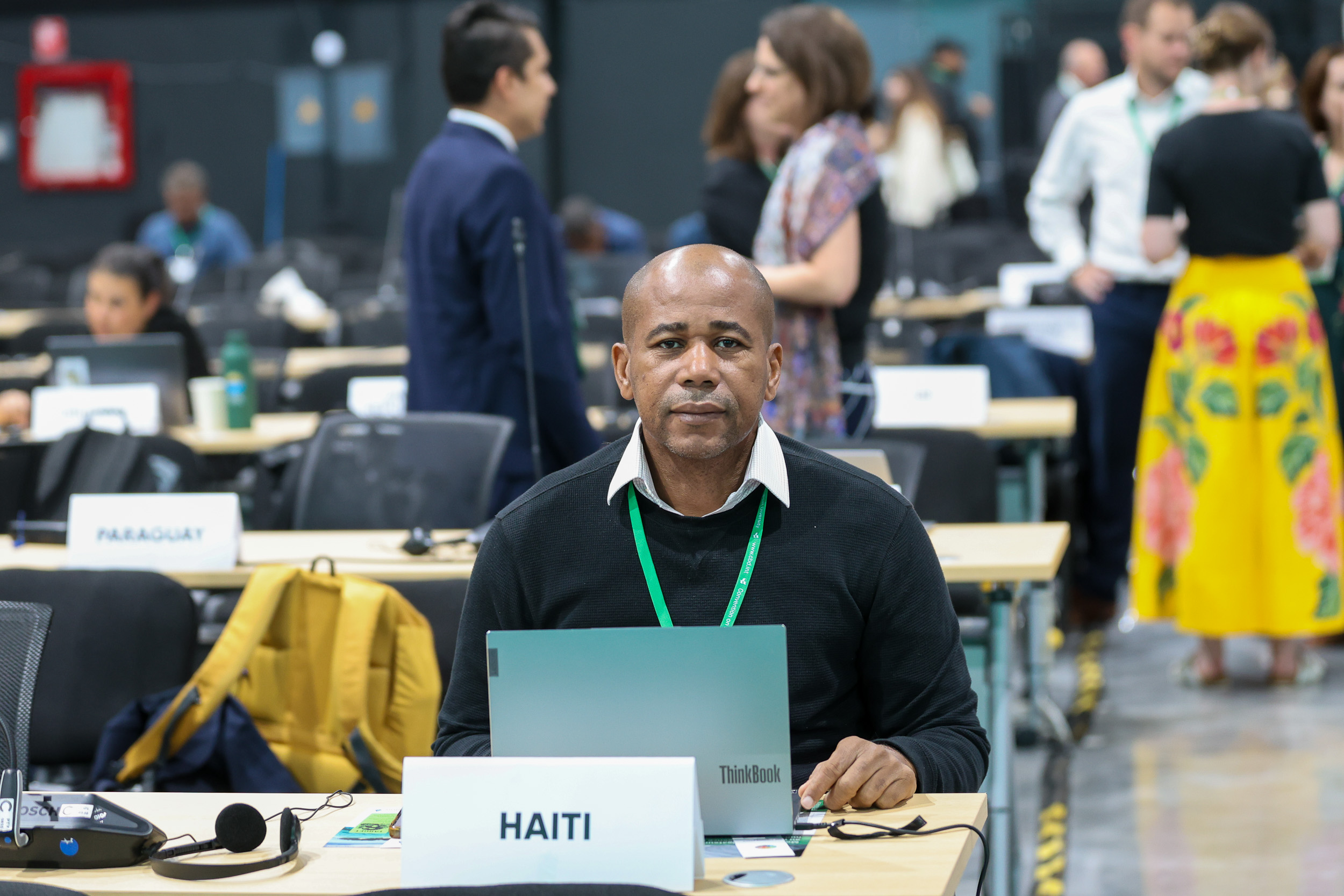
Michelet Louis, Haiti
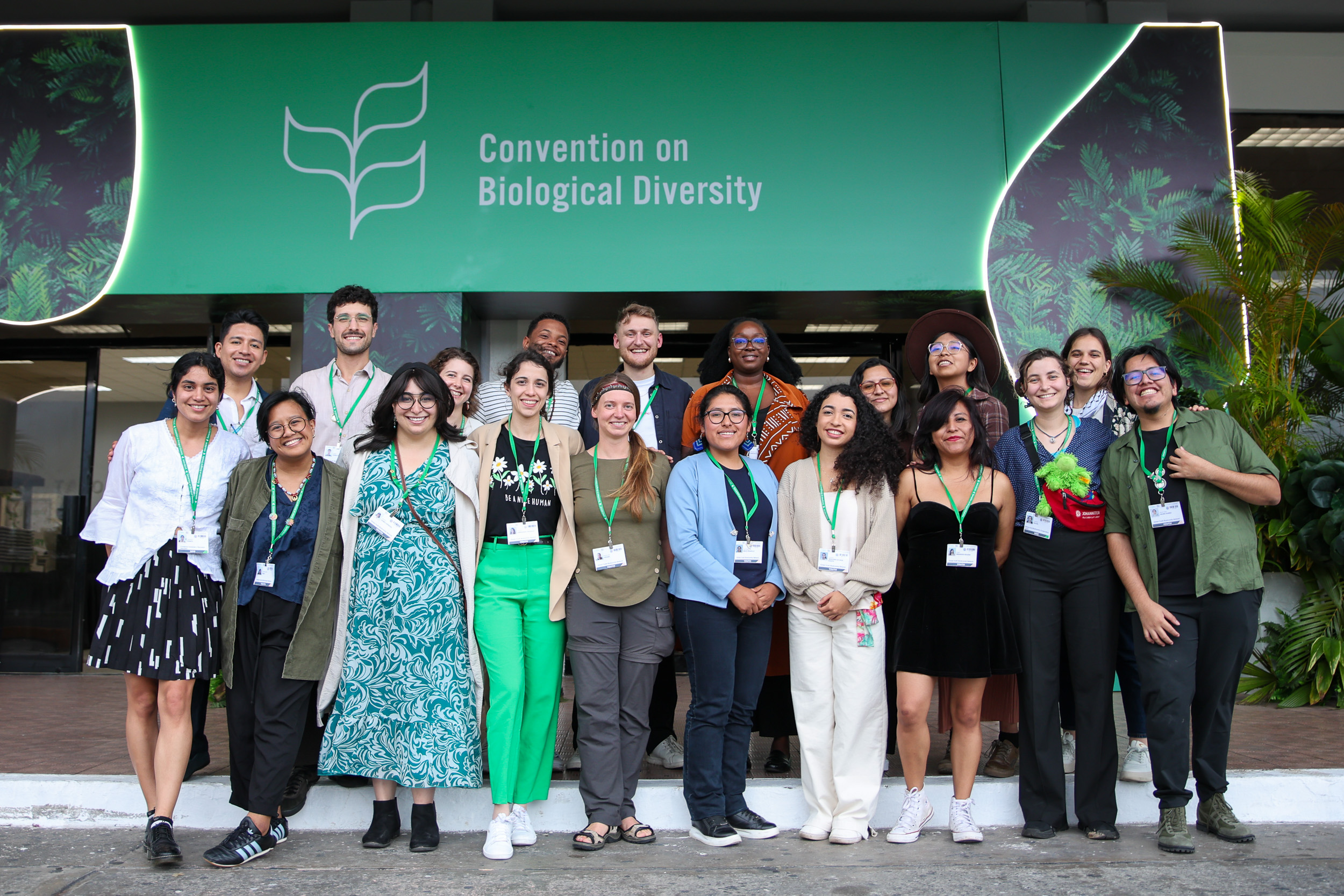
The Global Youth Biodiversity Network delegation