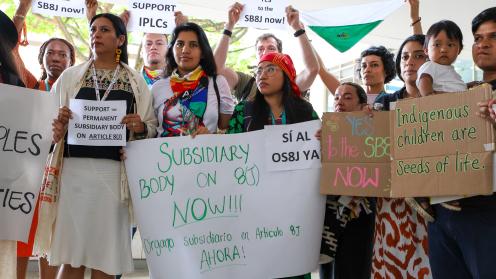

The final day of deliberations at the historic, first meeting of the Subsidiary Body on Article 8(j) and Other Provisions of the Convention on Biological Diversity (CBD) Related to Indigenous Peoples and Local Communities (IPLCs) (SB8j), evoked ambivalent feelings among delegates and IPLC representatives. Many celebrated the smooth procedures and spirit of collaboration that allowed the subsidiary body to successfully conclude its deliberations, avoiding another late night of negotiations. Others expressed concerns over bracketed recommendations to the 17th meeting of the Conference of the Parties (COP 17), and called for a balanced approach going forward, stressing that a few Parties monopolized the discussions.

In the morning, delegates tried to iron out remaining disagreements linked to proposed elements for guidelines related to tasks of the programme of work (PoW) on Article 8(j). They then met in two plenary sessions to approve conference room papers and adopt final recommendations on:
- the process to review and update the Voluntary Glossary of Key Terms and Concepts;
- the provision of advice on traditional knowledge for the global report on collective progress in the implementation of the Kunming-Montreal Global Biodiversity Framework (GBF);
- the recommendations of the UN Permanent Forum on Indigenous Issues (UNPFII);
- the modus operandi of the SB8j; and
- proposed elements for guidelines related to two tasks of the PoW of SB8j: strengthening legal and policy framework for the implementation of GBF Targets 2 (restore 30% of all degraded ecosystems) and 3 (conserve 30% of land, waters, and seas); and the inclusion of traditional lands and resource use in spatial planning processes and environmental impact assessments.

Delegates also adopted a final recommendation on the in-depth dialogue on strategies for mobilizing resources for IPLCs to support GBF implementation and approved the meeting’s report.
Negotiations proved particularly challenging on the modus operandi of the SB8j; the UNPFII recommendations; and the proposed elements for guidelines related to tasks of the PoW on Article 8(j), with delegates unable to reach consensus, resulting in heavily bracketed recommendations forwarded to COP 17.

In closing remarks, the International Indigenous Forum on Biodiversity called for the recognition of IPLCs' organization in seven socio-cultural regions, as well as the Indigenous Traditional Territories as a standalone system contributing to the conservation and sustainable use of biodiversity, distinct from protected areas and other effective area-based conservation measures.
Representatives of regional and other groups stressed, among other things, the importance of adequate, predictable, and accessible financing, capacity-building, and technology cooperation. They further emphasized the right to self-determination, as well as the need for inclusive and gender-responsive participation.

CBD Executive Secretary Astrid Schomaker emphasized that “this is the beginning of the journey,” leading to Yerevan, Armenia, for COP 17, noting that “we still have mountains to climb to make the full promise of SB8j a reality for our Convention.”
Indigenous Co-Chair Gunn-Britt Retter, Arctic region, emphasized that the urgency of the biodiversity crisis underscores the pressing need for resources to sustain and enhance biodiversity actions, in particular led by Indigenous Peoples and local communities.
Acting Co-Chair Daniela Durán González, Colombia, stressed that “we are part of history today”; emphasized the need to keep the momentum and make progress toward COP 17; and gaveled the meeting to a close at 8:28 pm.
To receive free coverage of global environmental events delivered to your inbox, subscribe to the ENB Update newsletter.
All ENB photos are free to use with attribution. For SBSTTA 27 and SB8j 1, please use: Photo by IISD/ENB | Mike Muzurakis
Plenary Sessions

SB8j 1 Secretary Olivier Rukundo, and CBD Executive Secretary Astrid Schomaker

Vienna Pozer, Canada
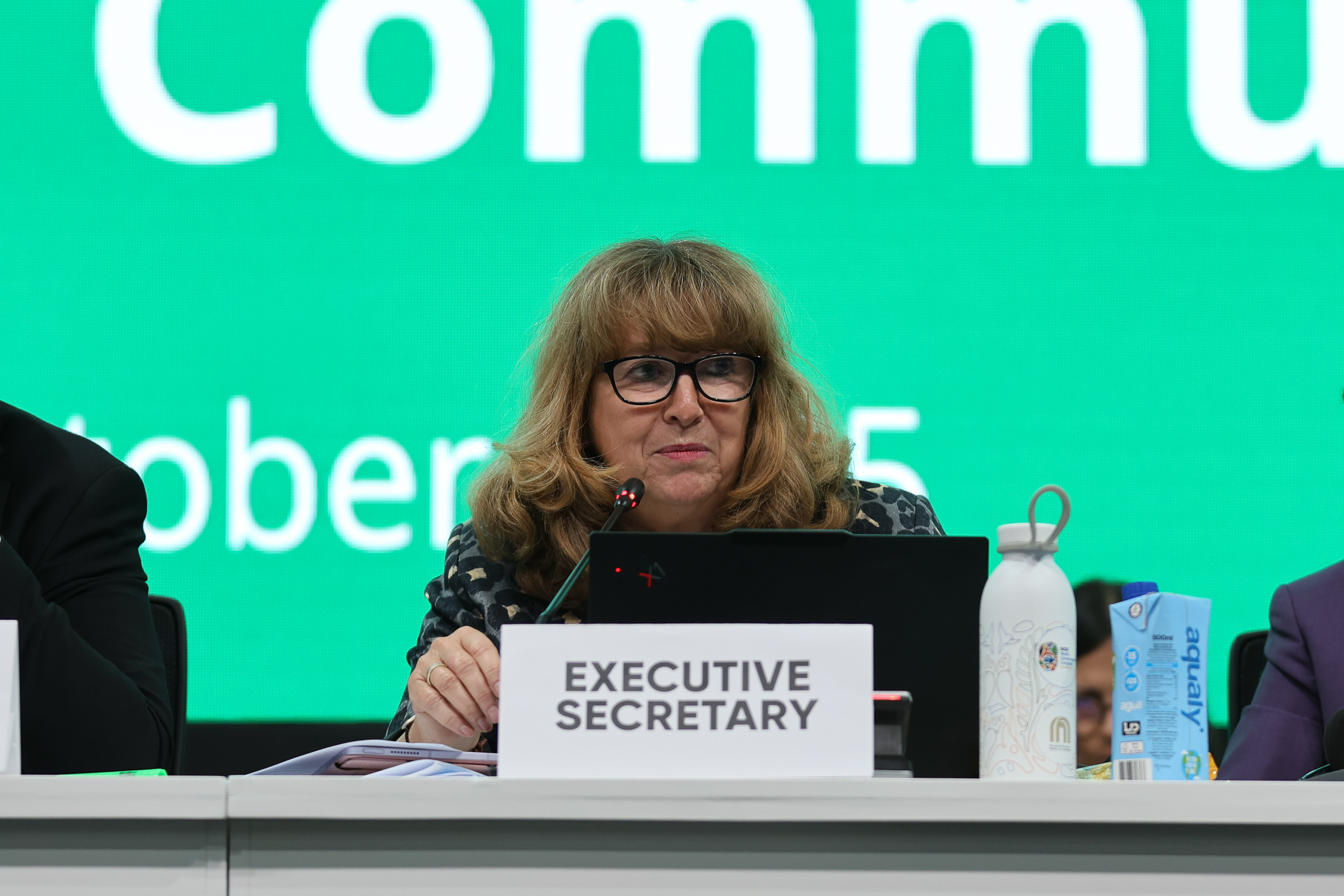
CBD Executive Secretary Astrid Schomaker

Acting Co-Chair Daniela Durán González, Colombia
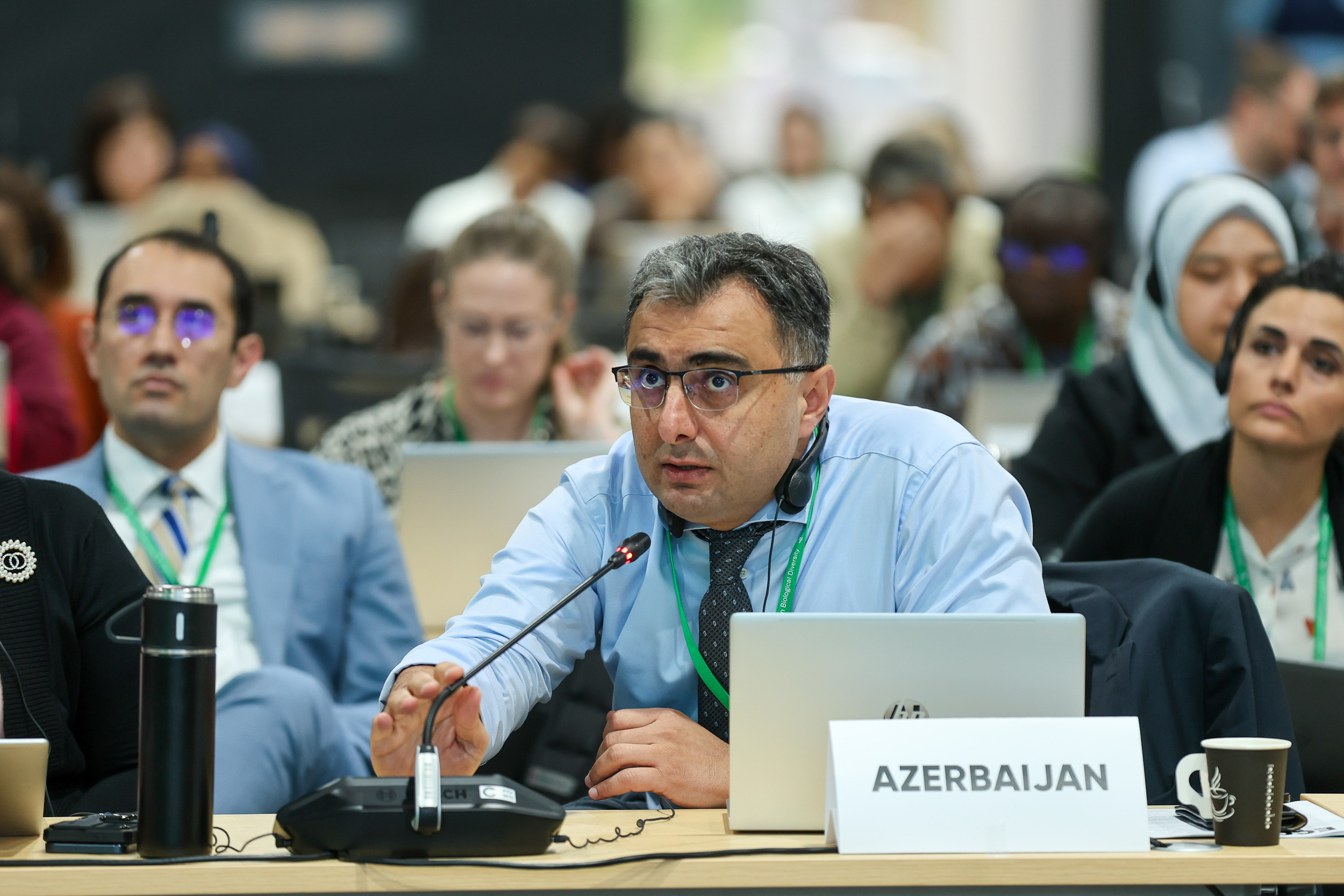
Ulfat Machanov, Azerbaijan
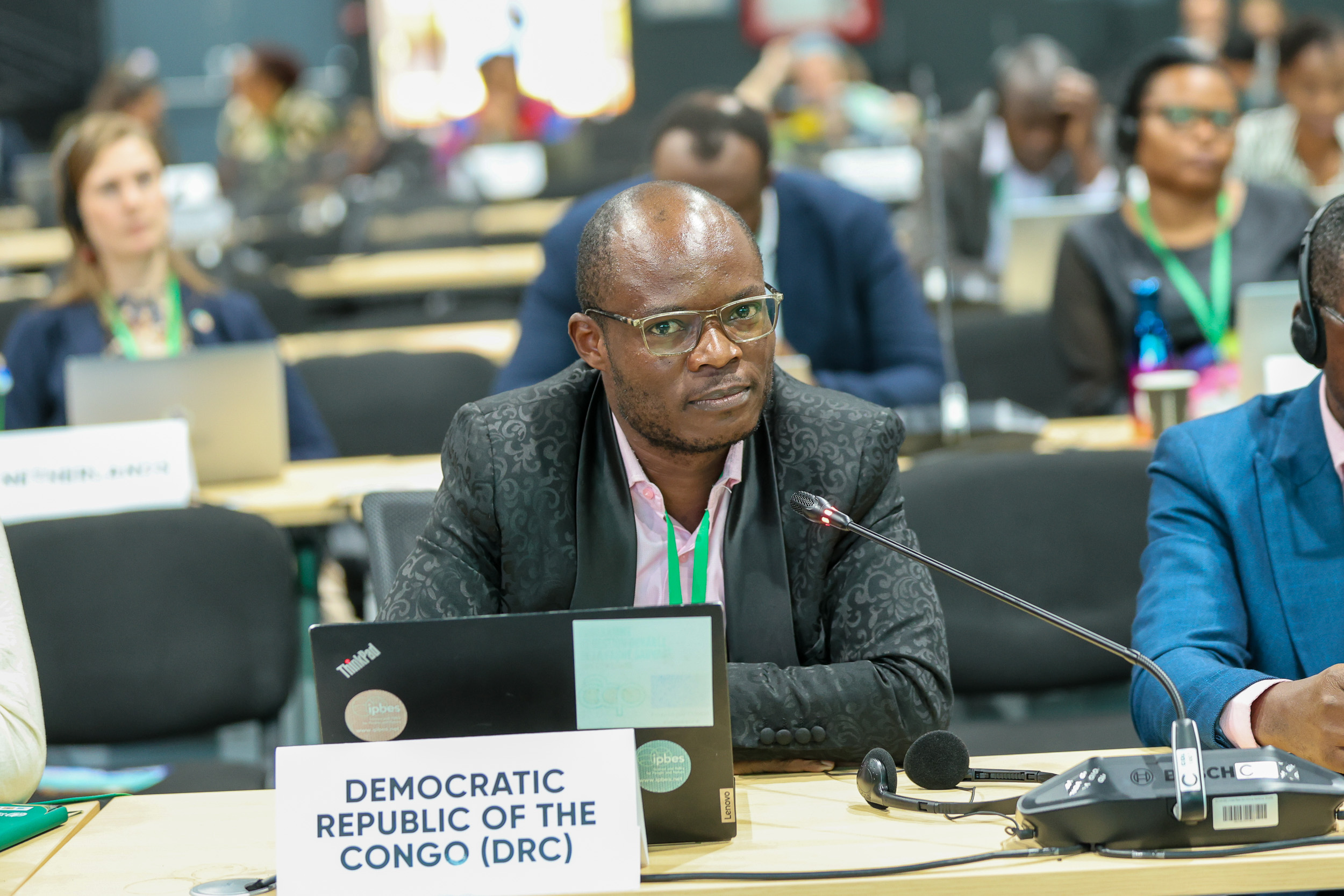
Daniel Mukubi Kikuni, Democratic Republic of the Congo
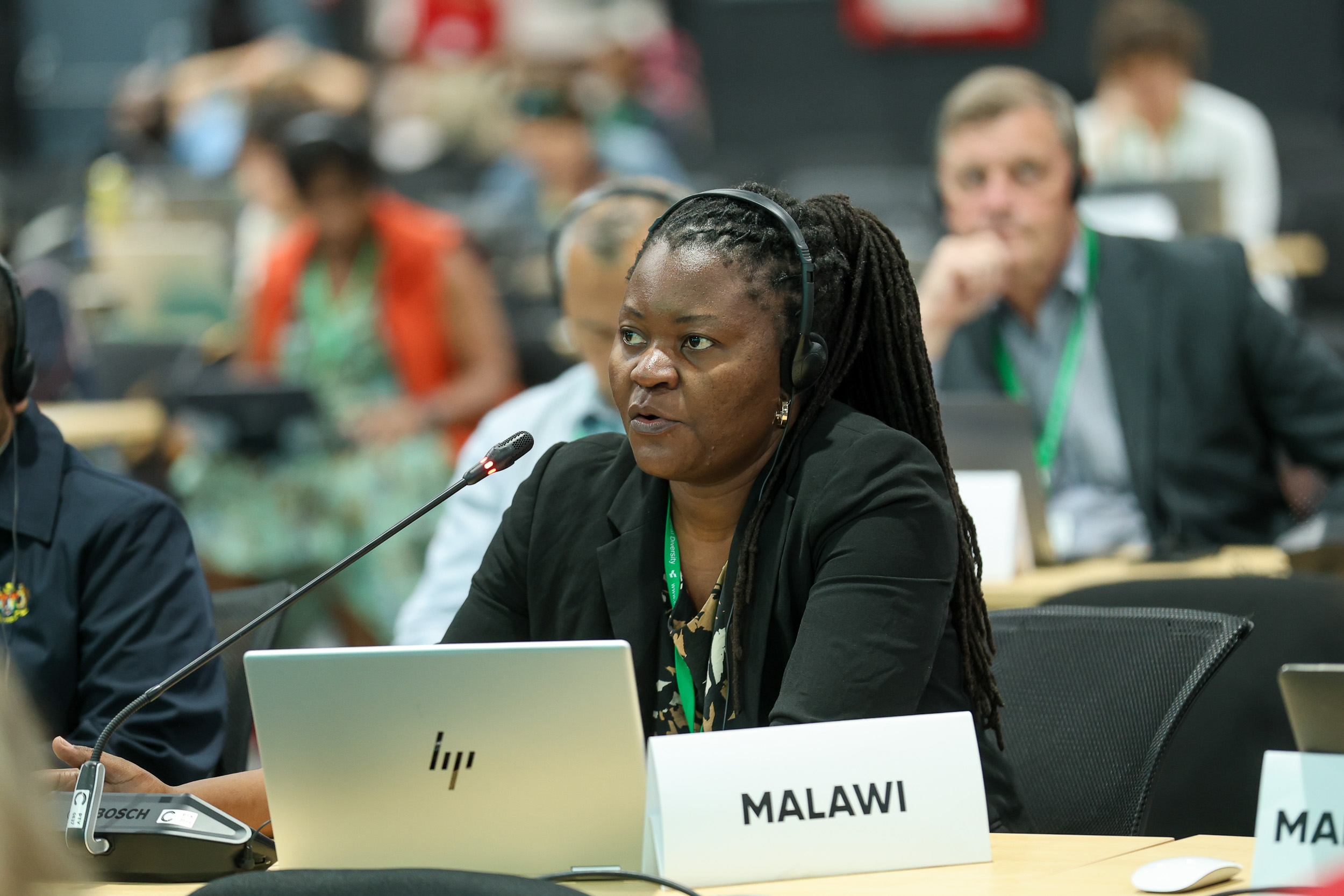
Martha Mphatso Kalemba, Malawi
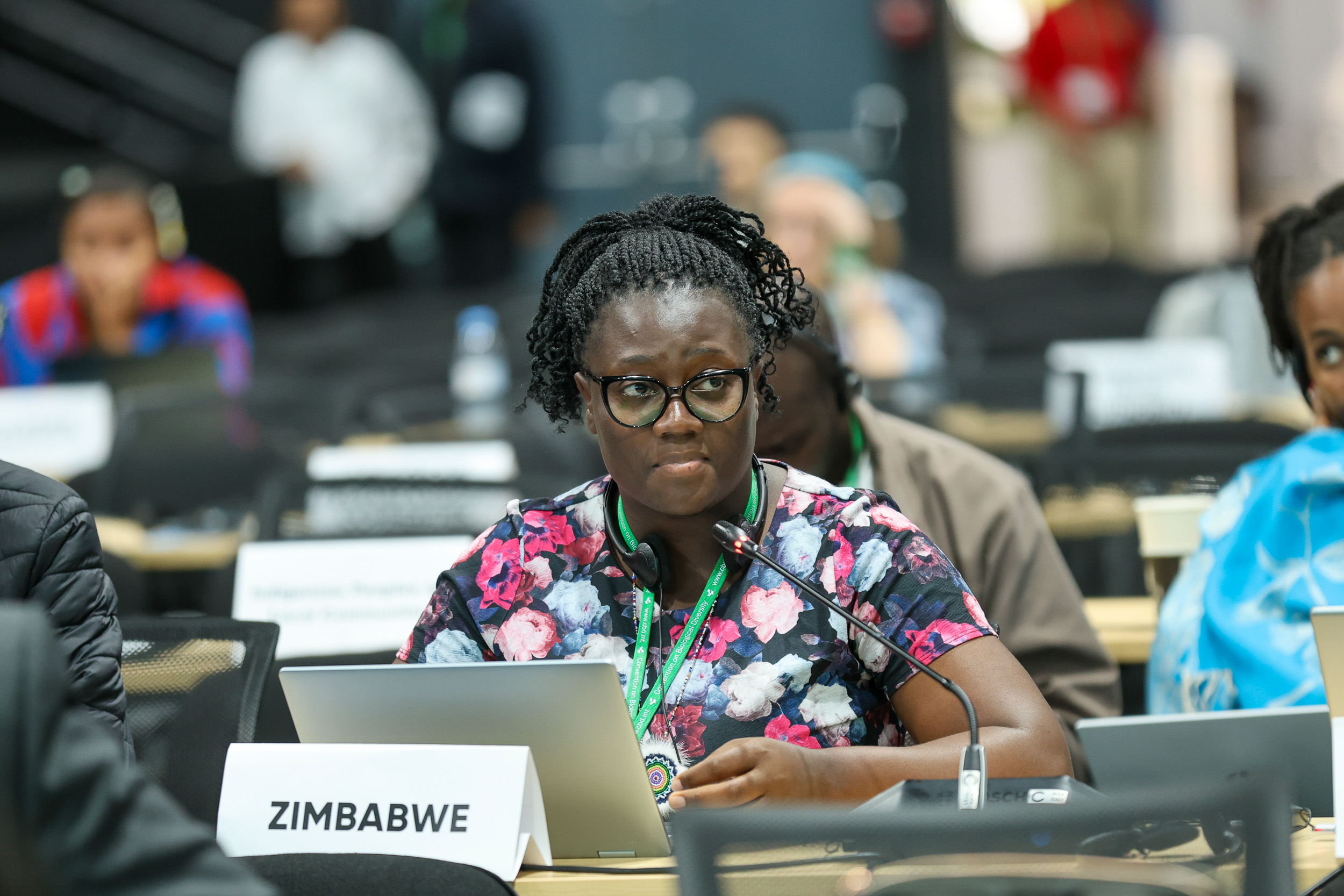
Nobesuthu Adelaide Ngwenya, Zimbabwe
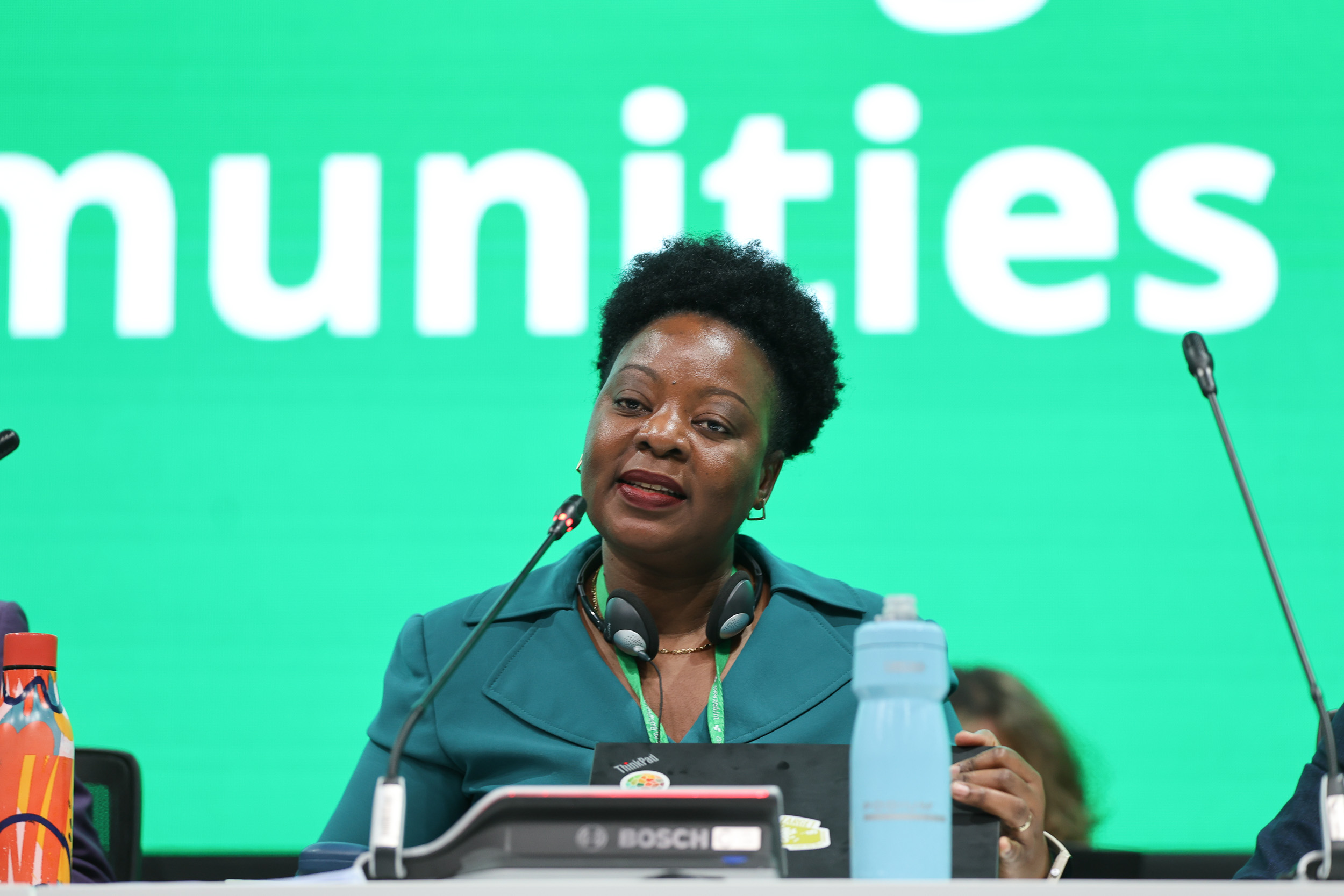
Inonge Kwenda Mweene, CBD Secretariat
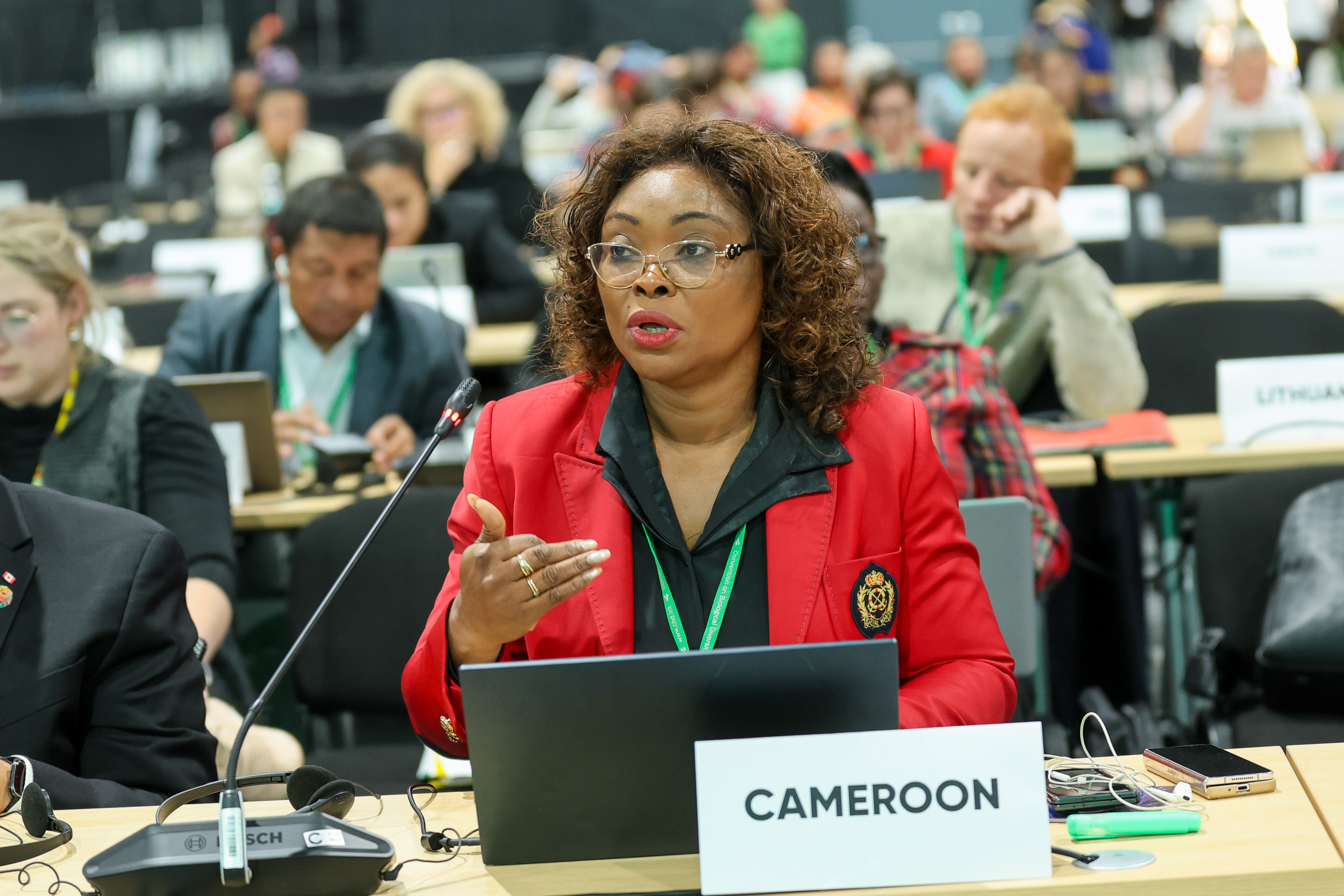
Joséphine Thérèse Eloundou, Cameroon
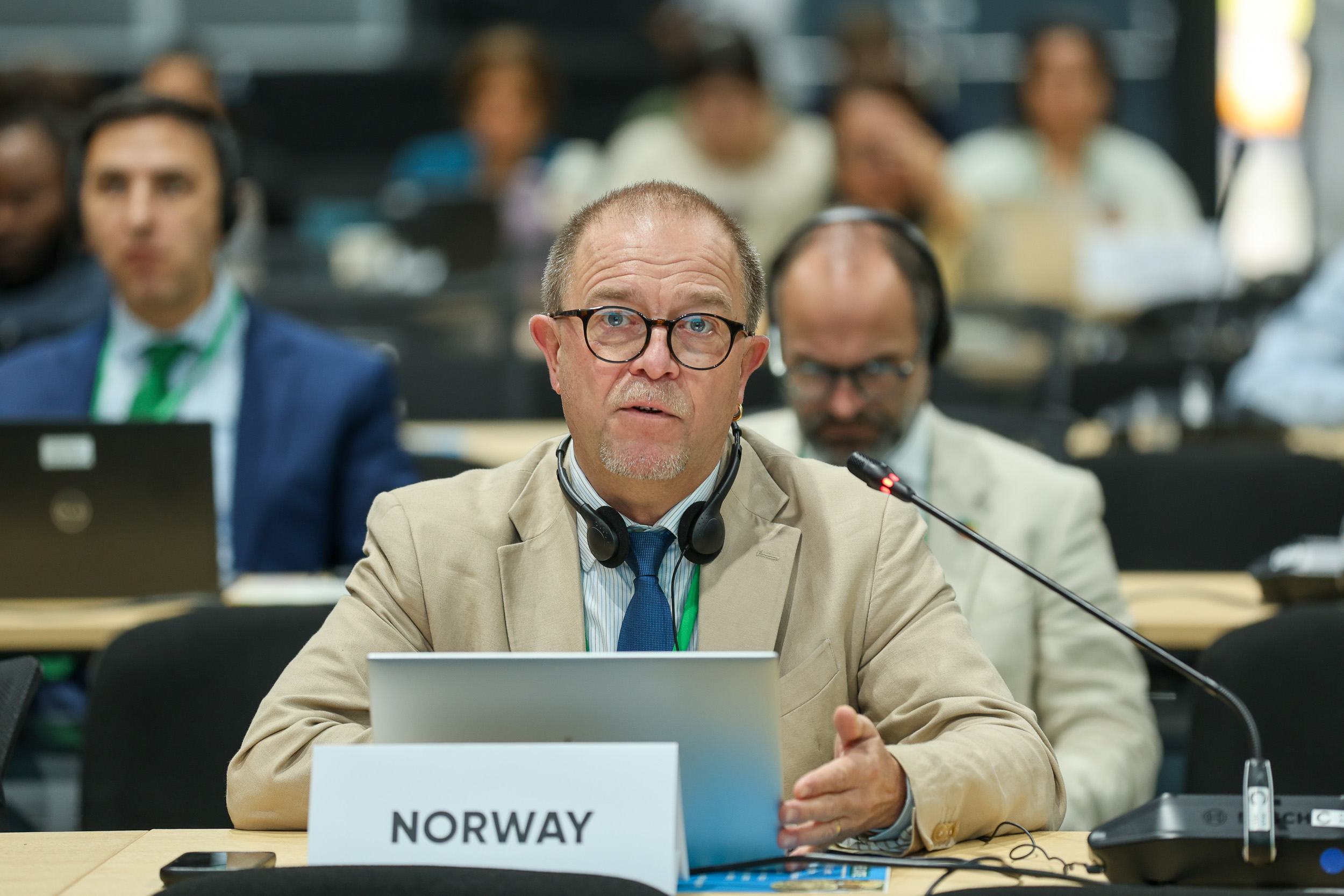
Leif John Fosse, Norway
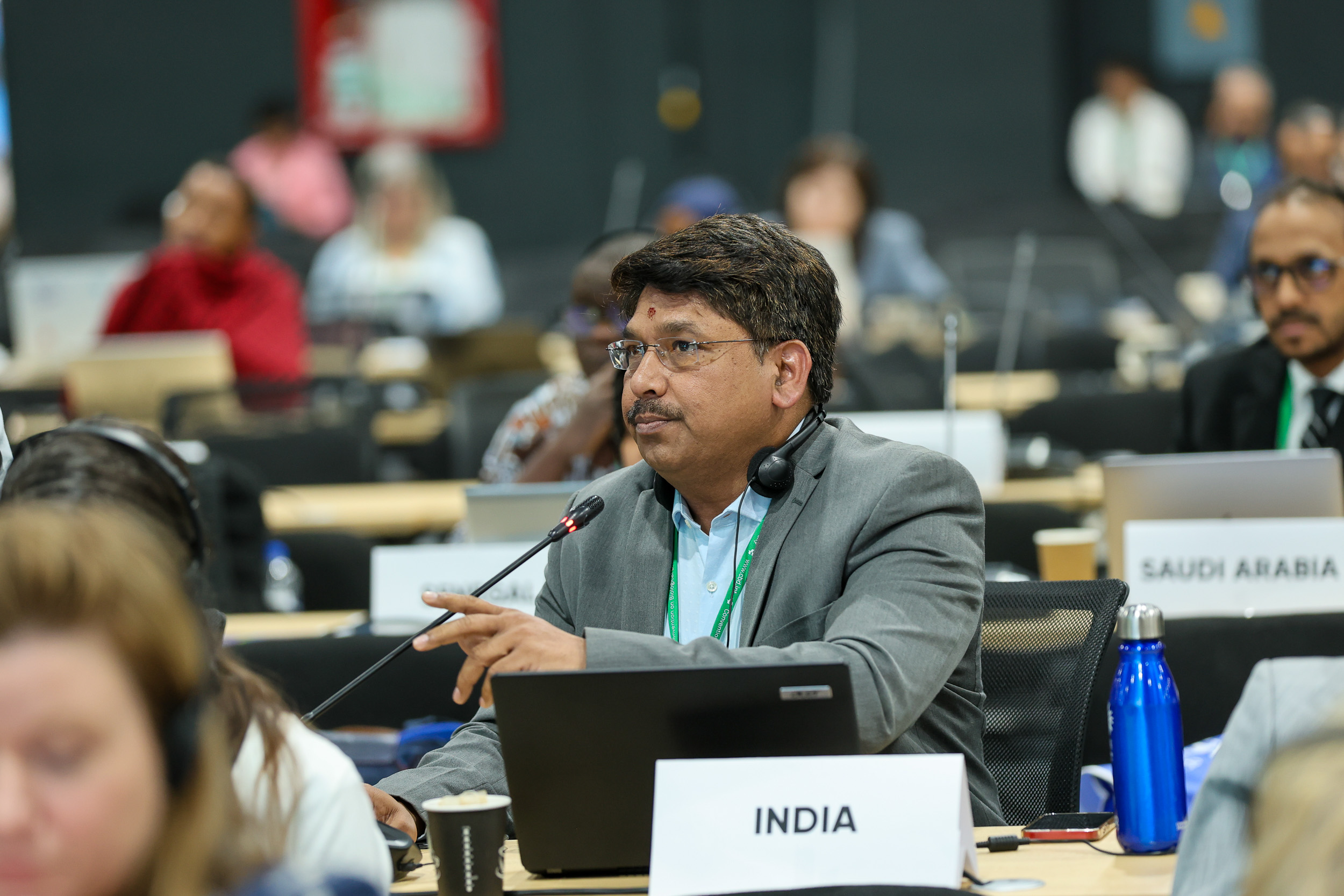
Yedla Umashankar, India
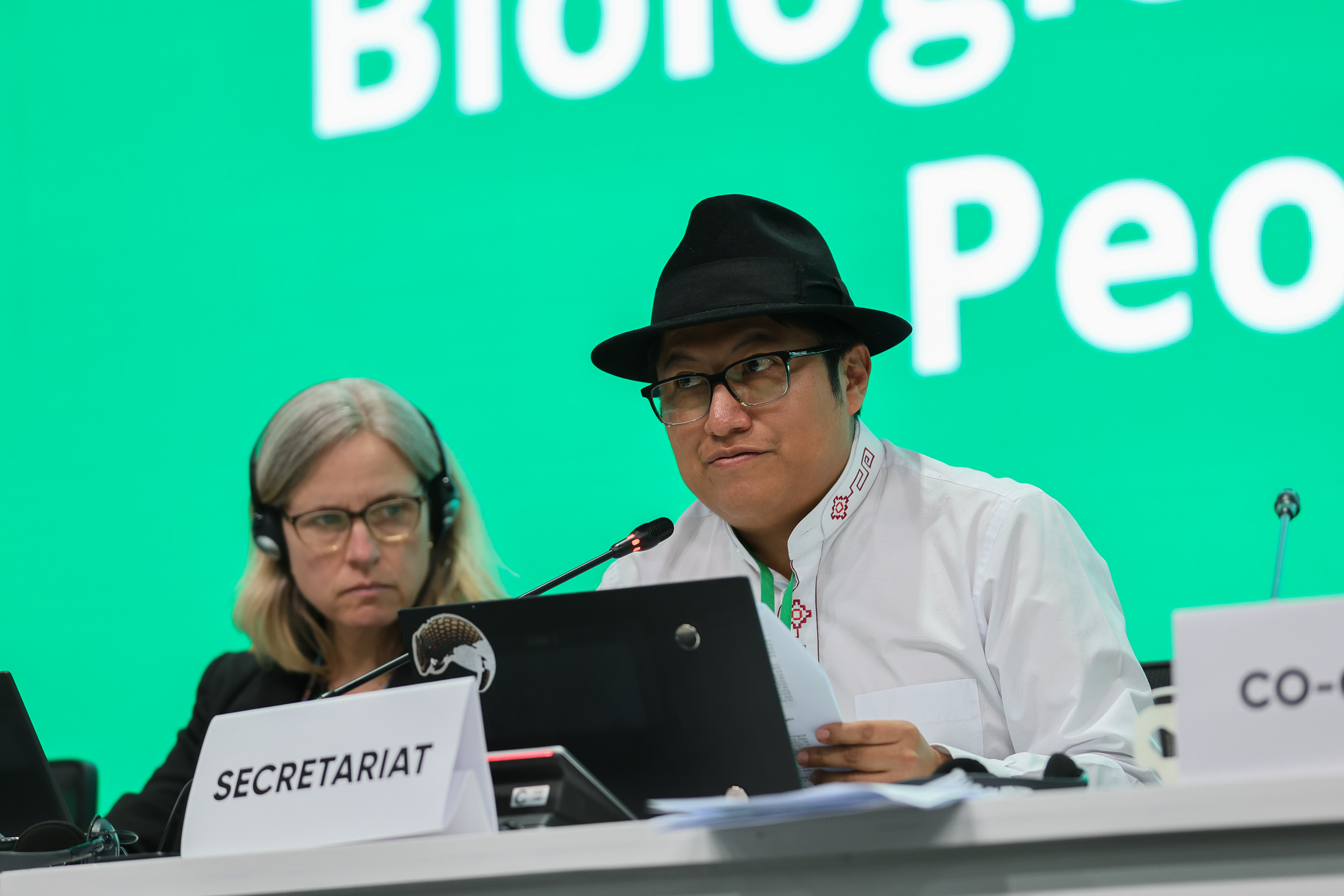
Q”apaj Conde Choque, CBD Secretariat
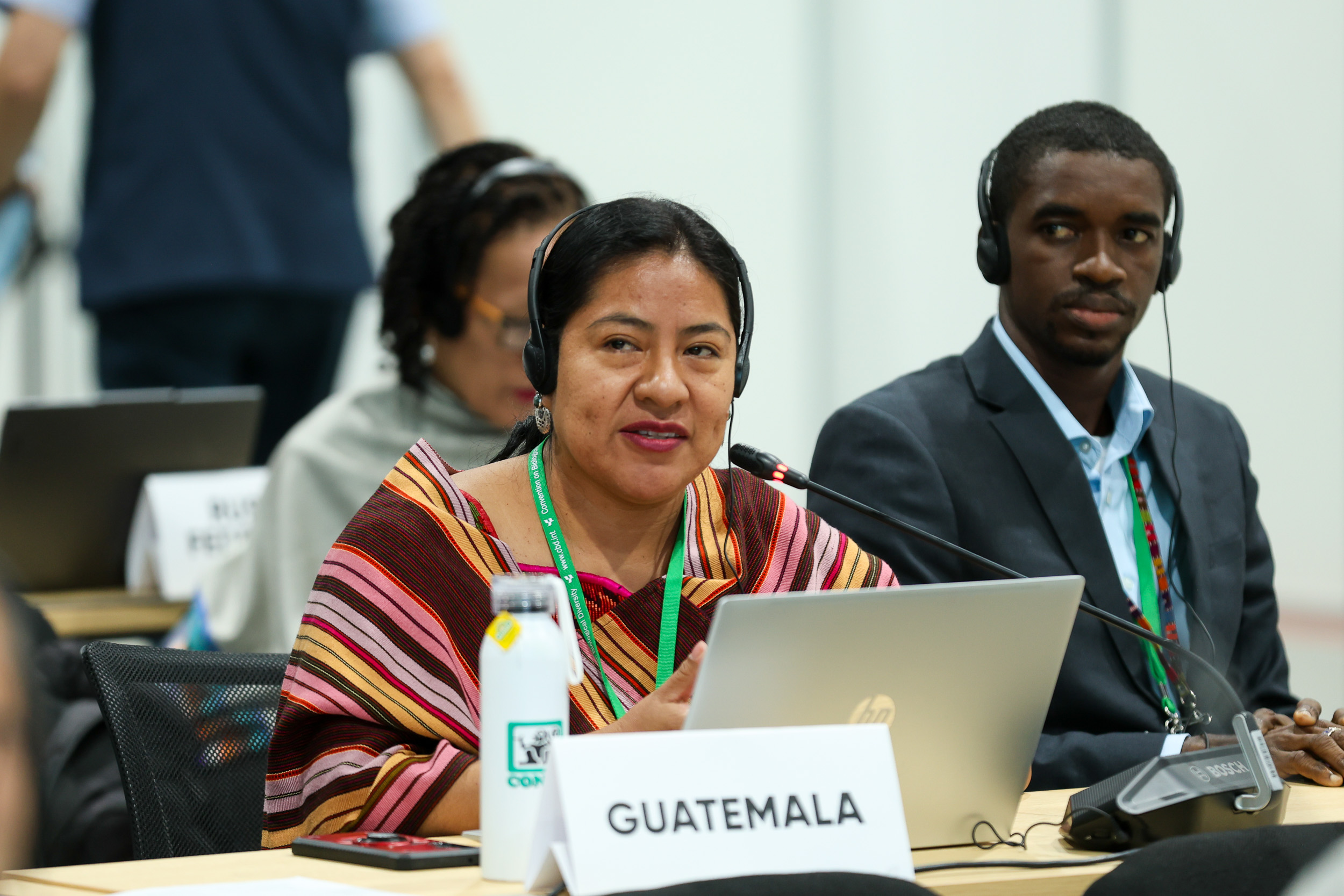
Gloria Marina Apén González, Guatemala
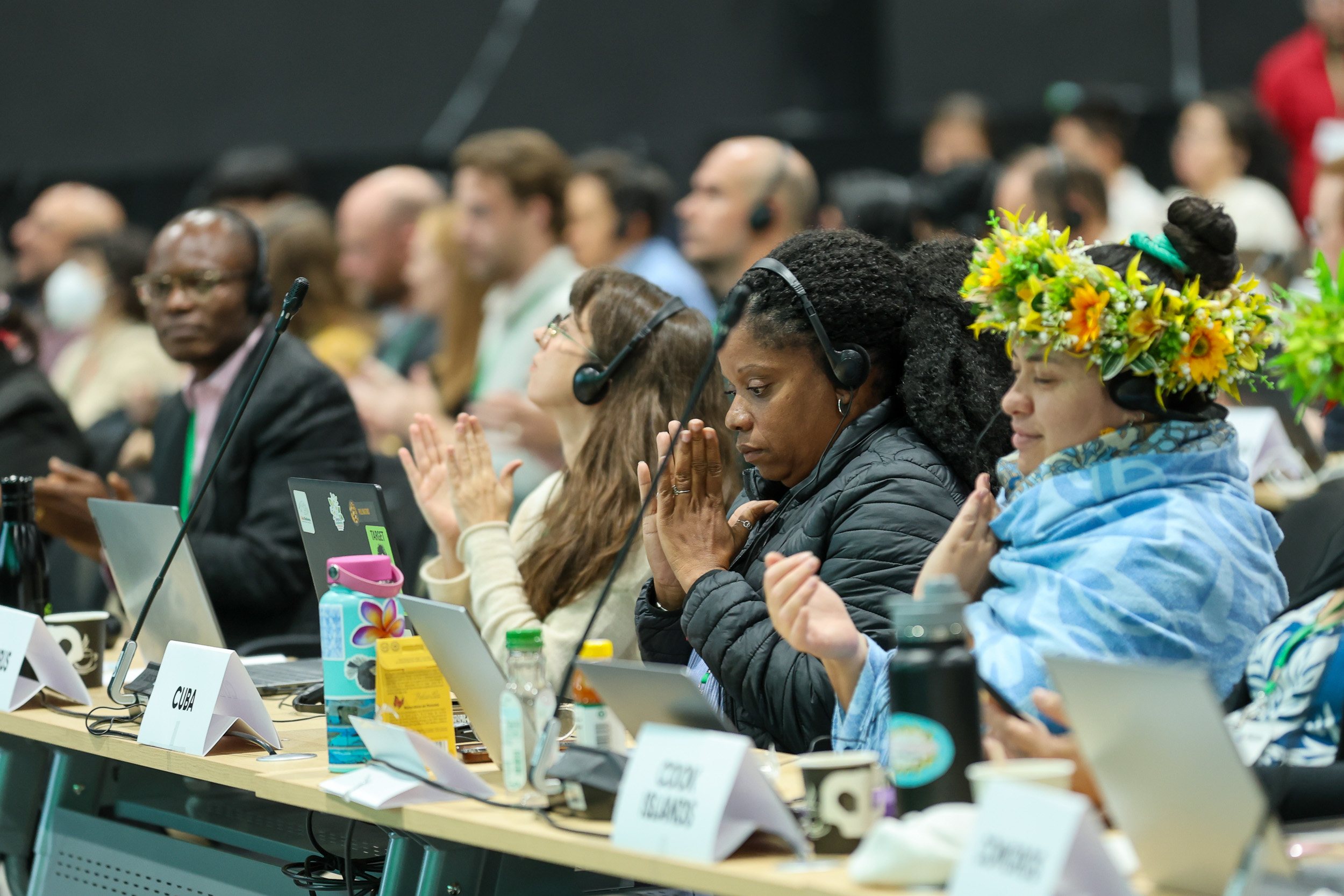
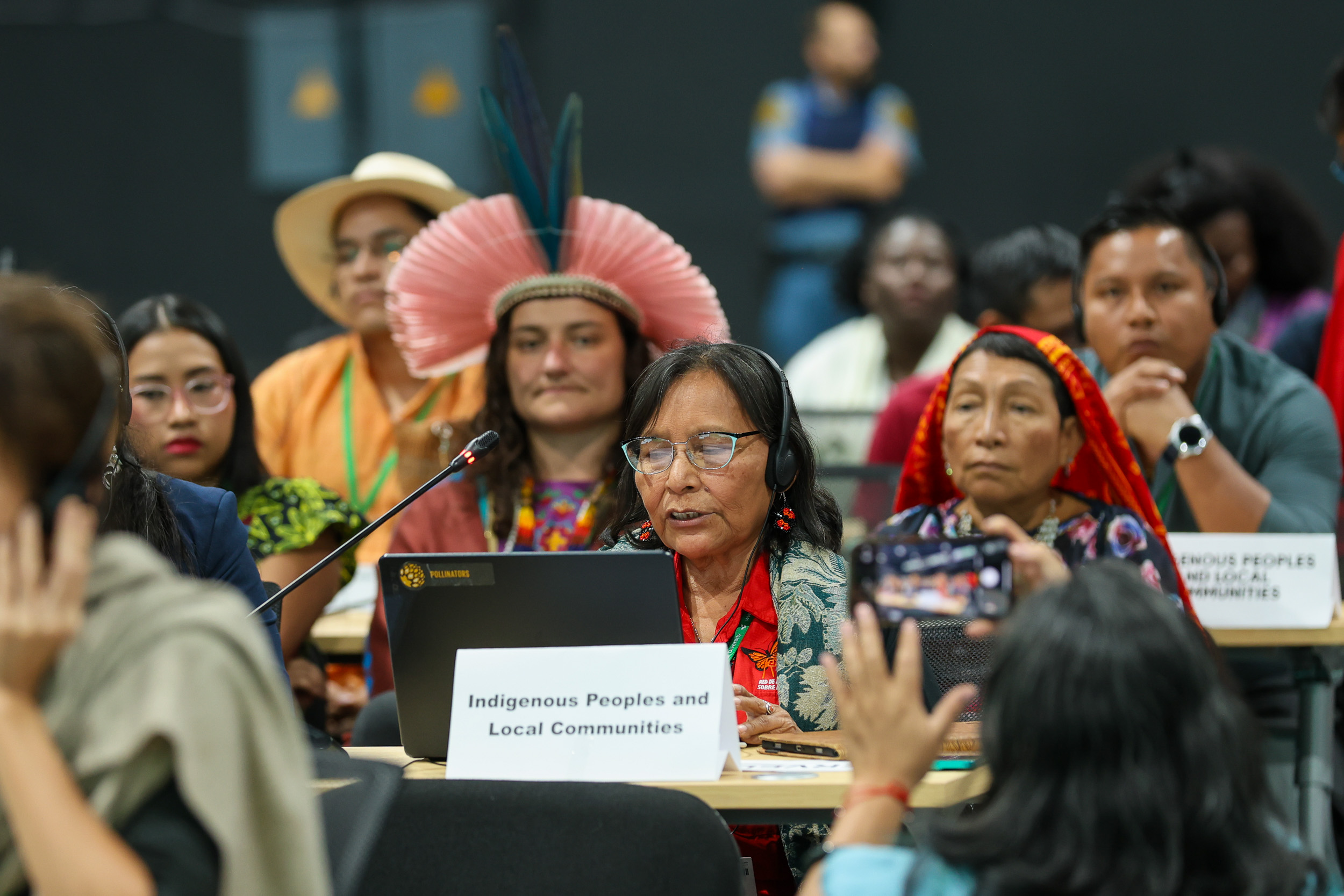
Florina López, International Indigenous Forum on Biodiversity

Nadja Steinfort, EU
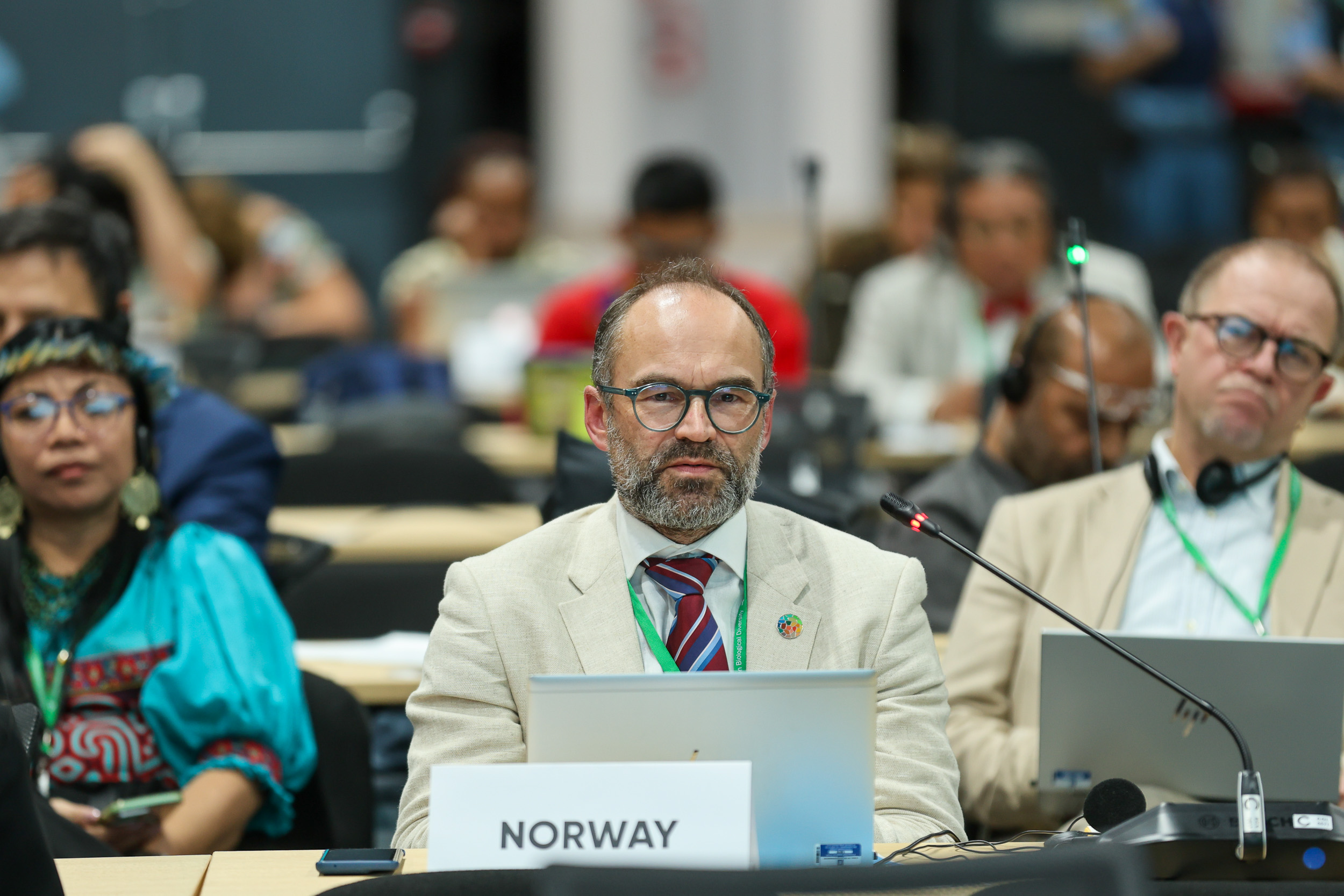
Gaute Hanssen, Norway
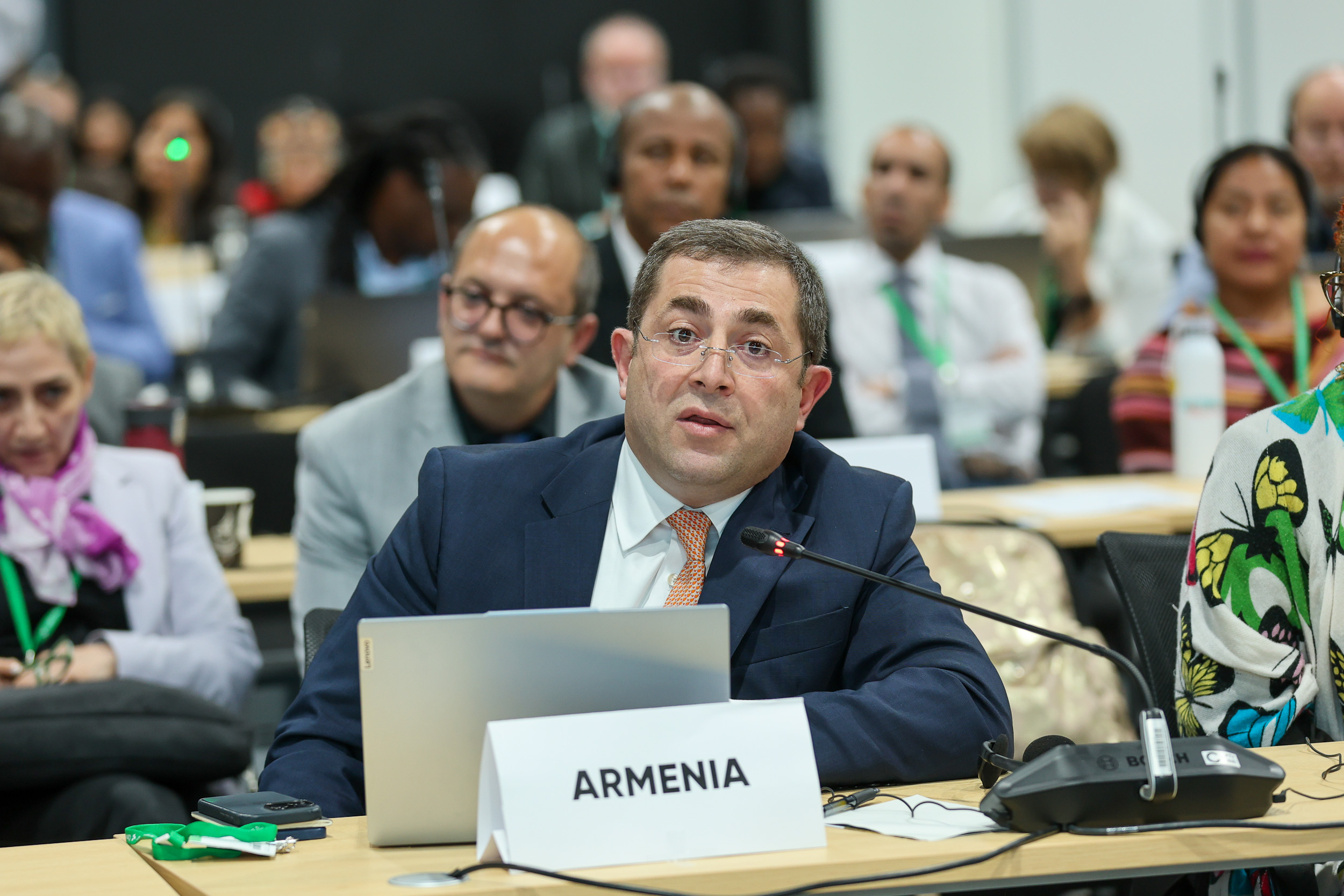
Mher Margaryan, Armenia
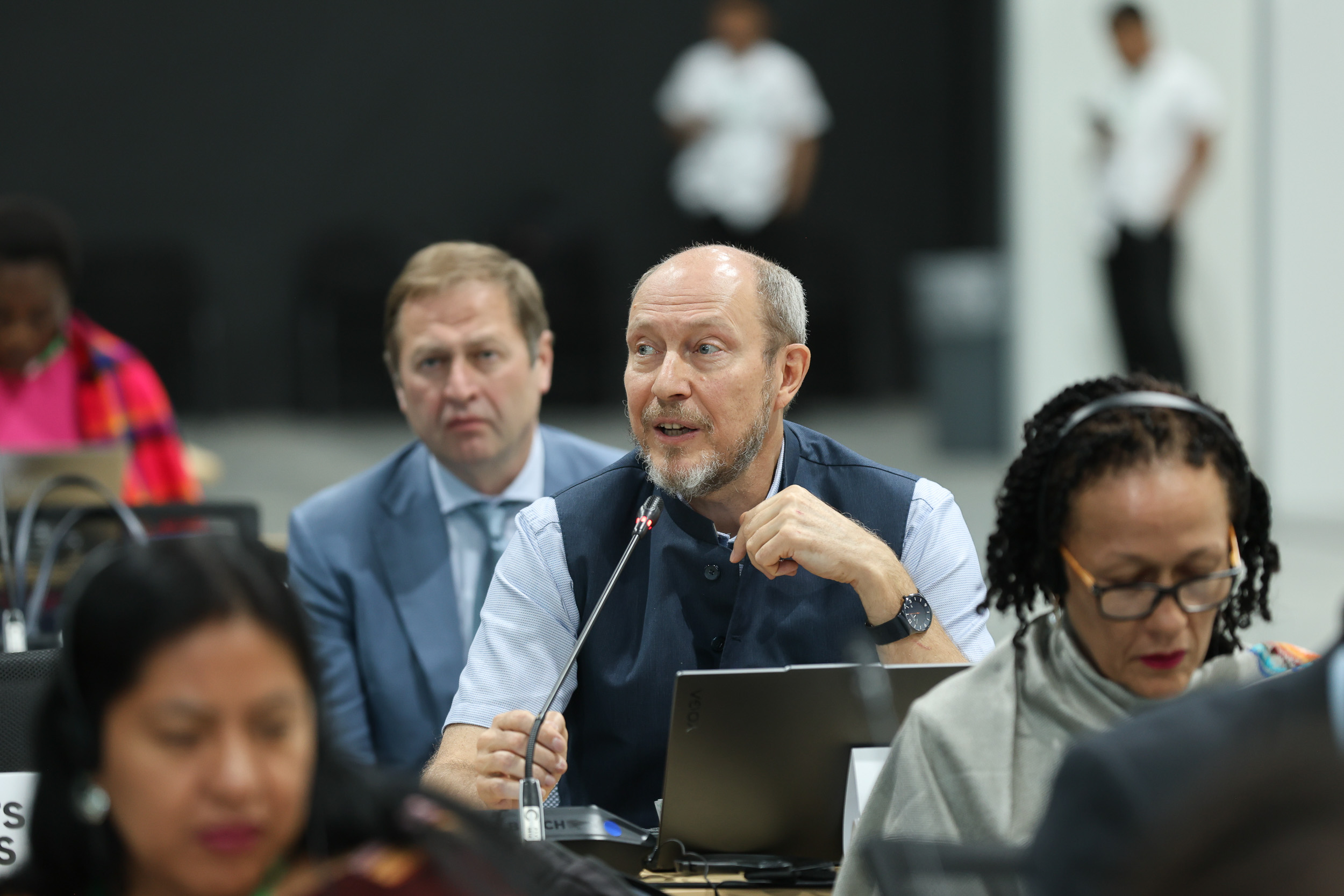
Alexander Shestakov, Russian Federation
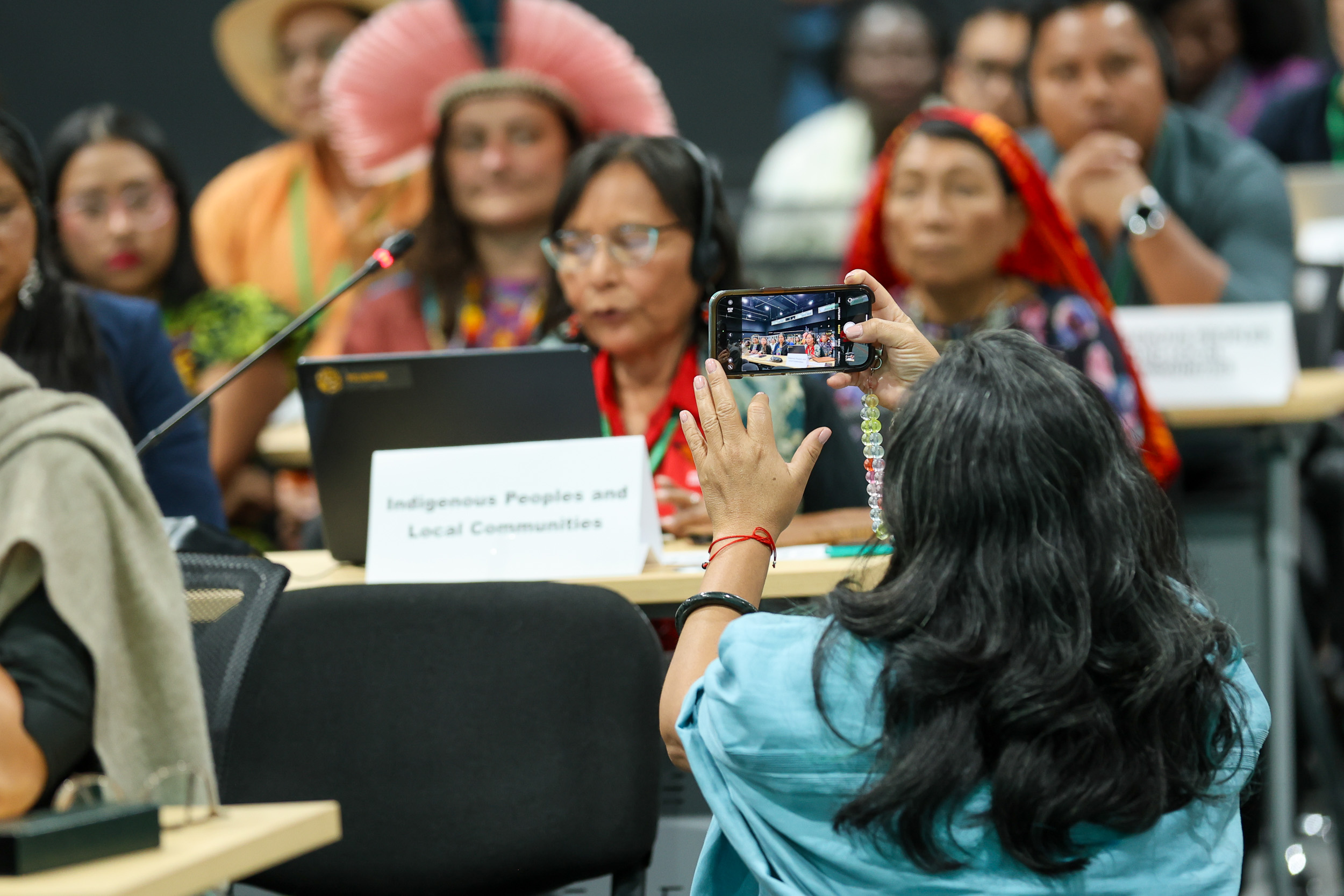
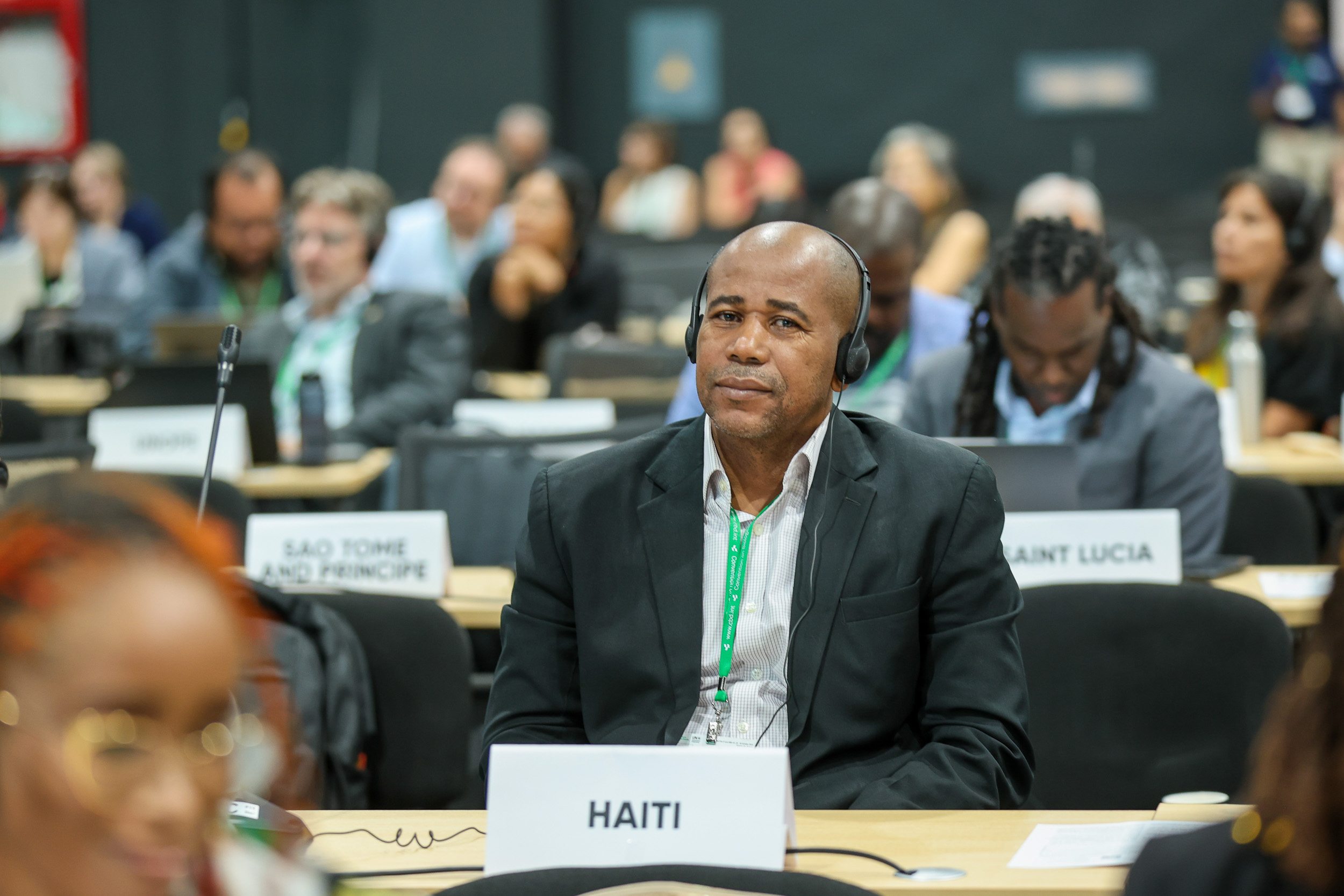
Michelet Louis, Haiti
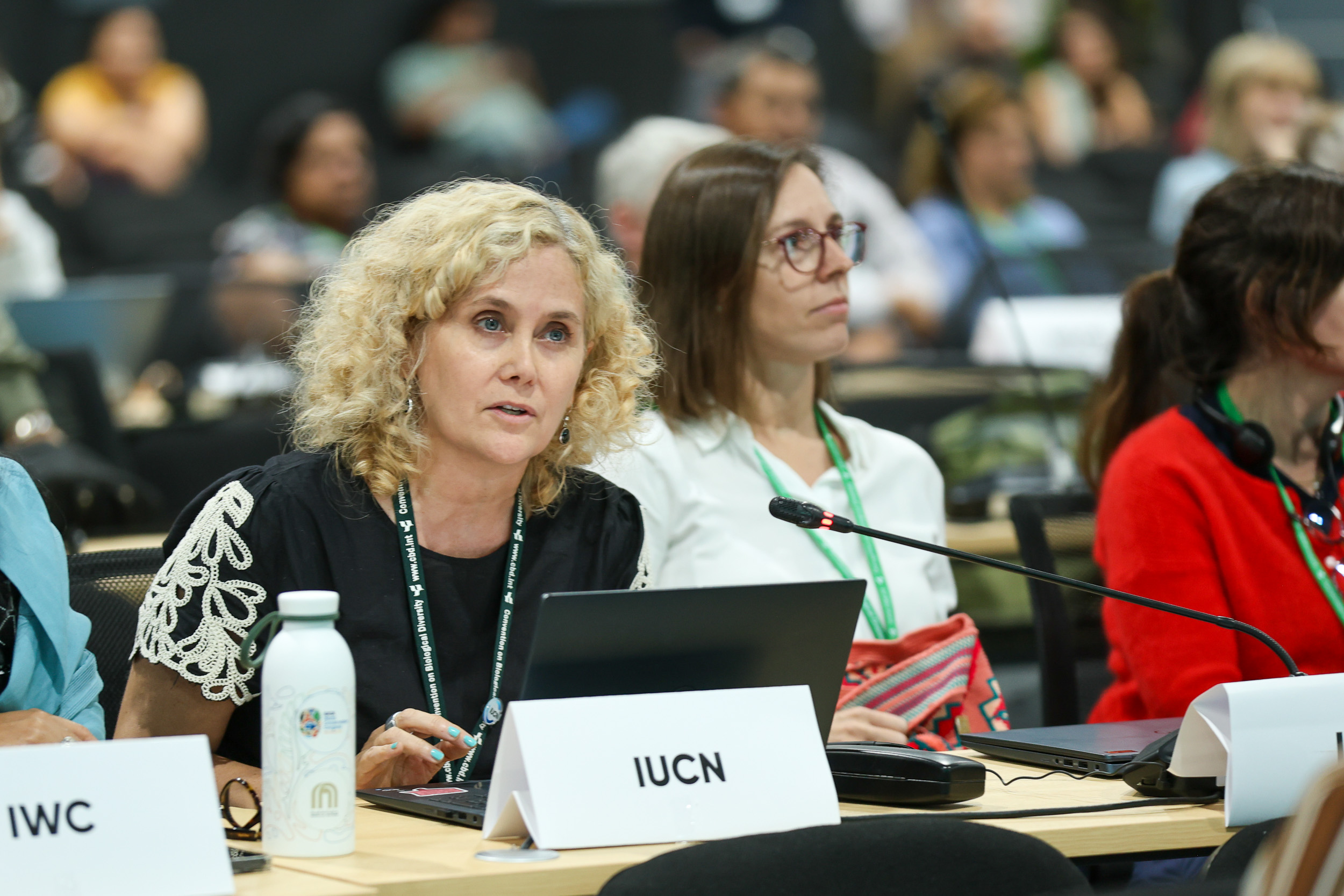
Sonia Peña Moreno, International Union for Conservation of Nature
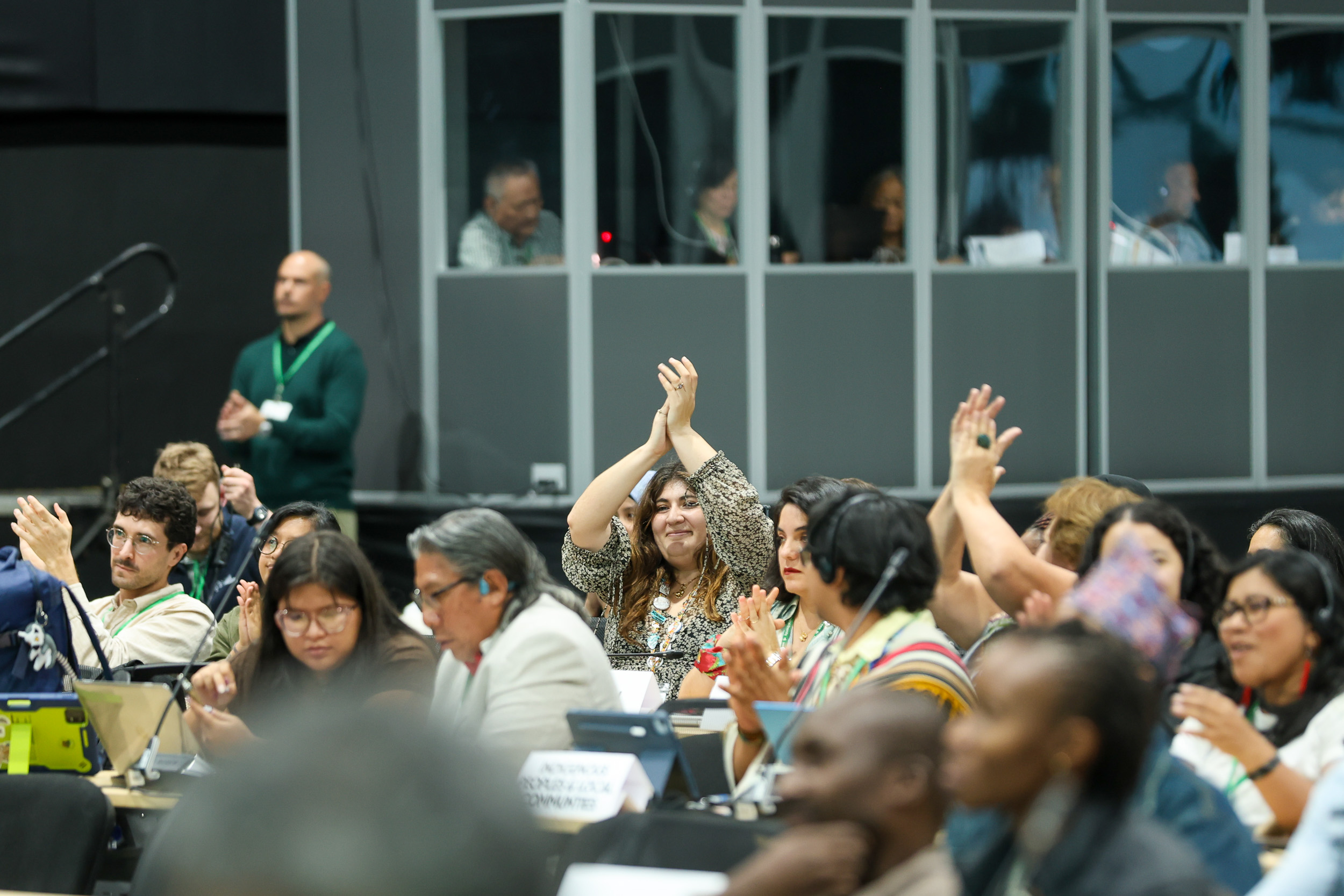
Contact Groups
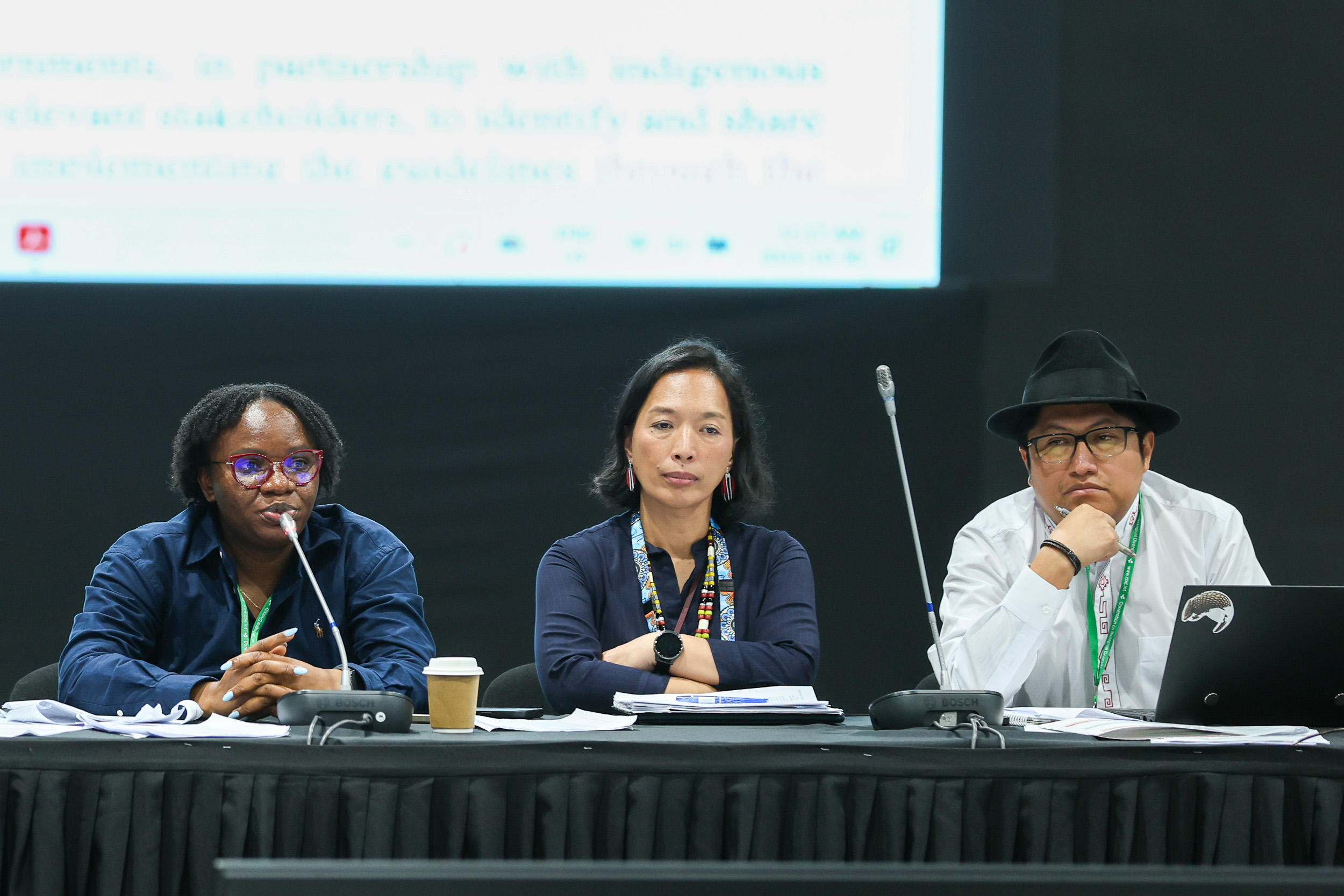
From L-R: Sikeade Egbuwalo and Jennifer Tauli Corpuz, Co-Chairs of the contact group on proposed elements for guidelines related to the PoW on Article 8(j); and Q”apaj Conde Choque, CBD Secretariat
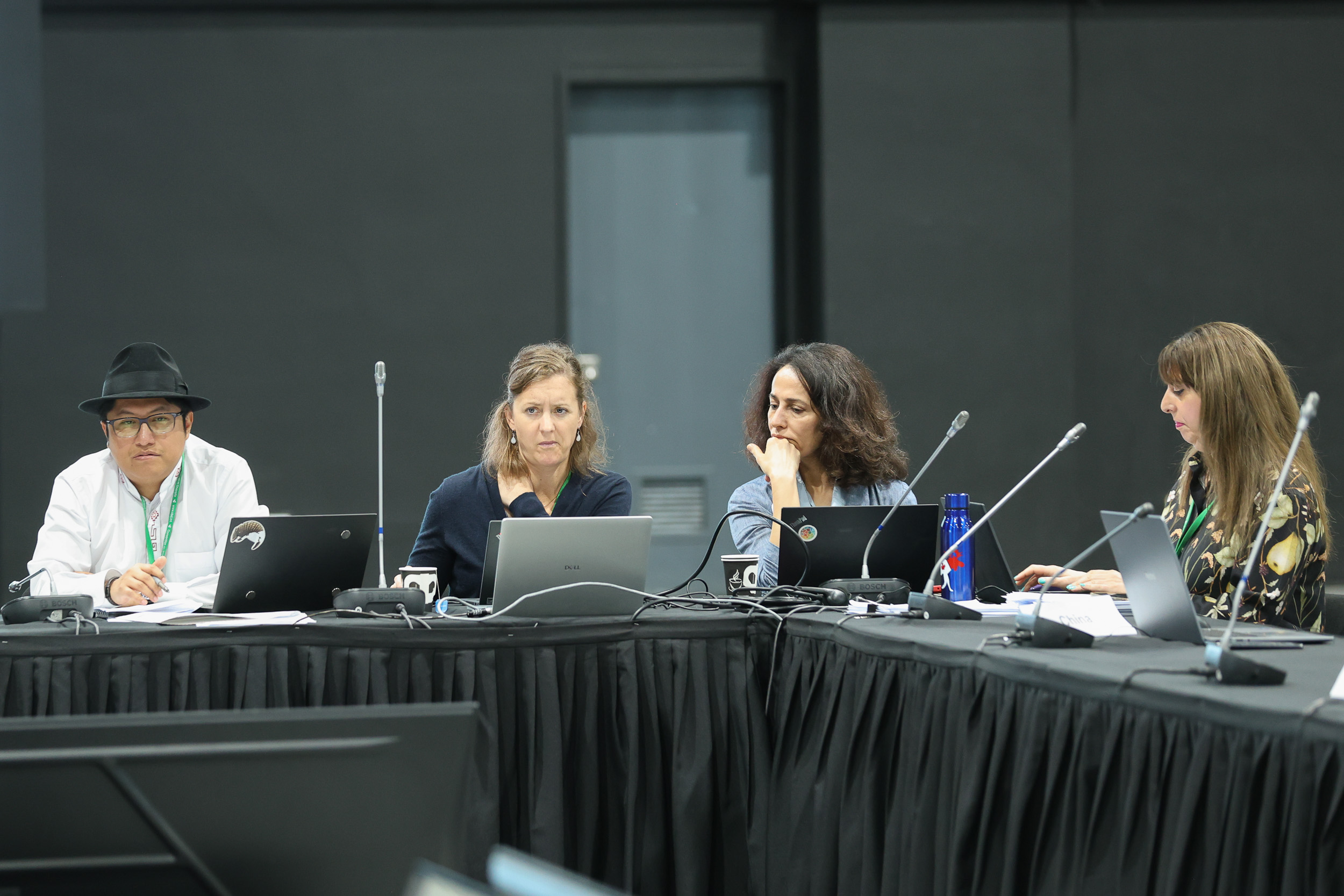
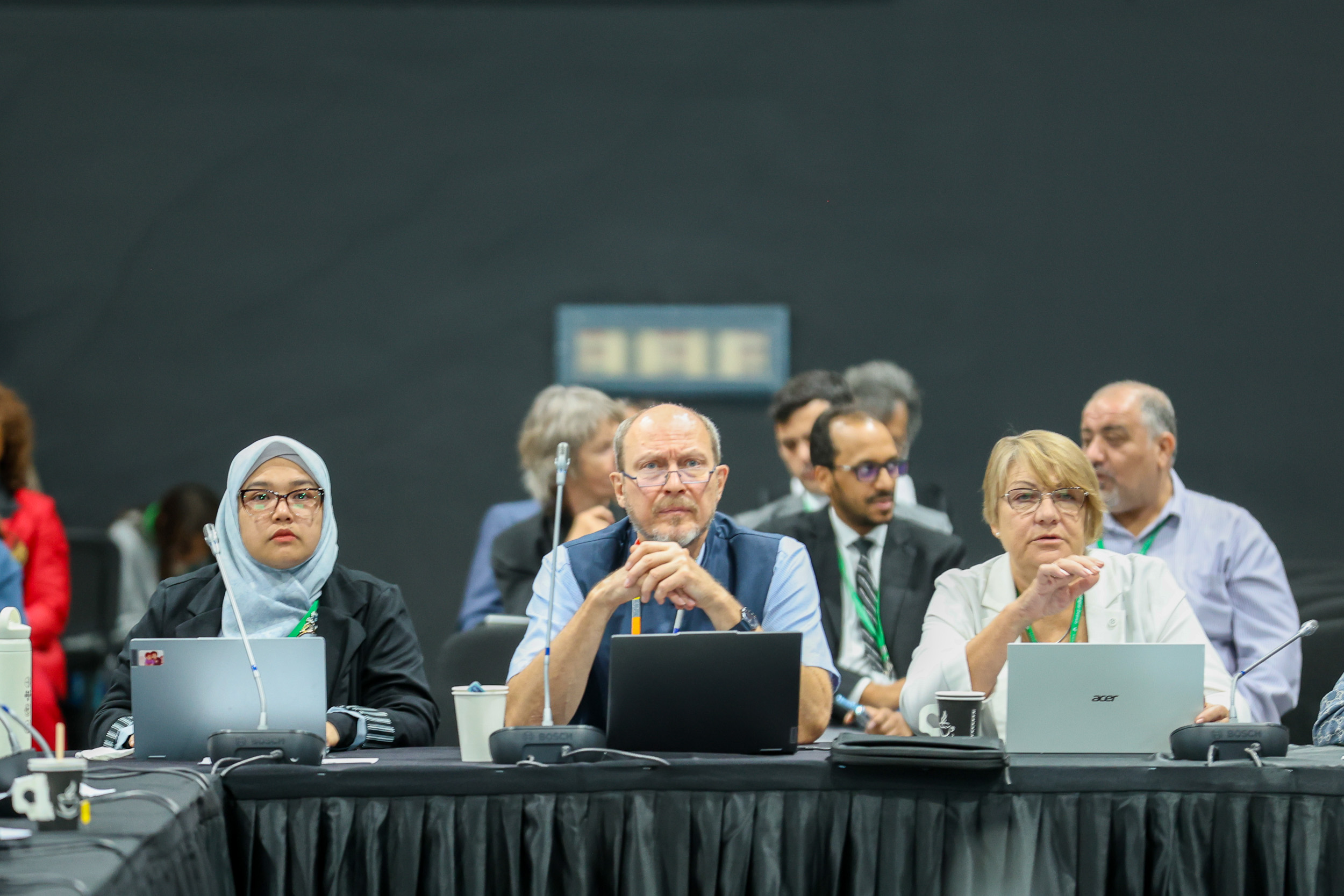
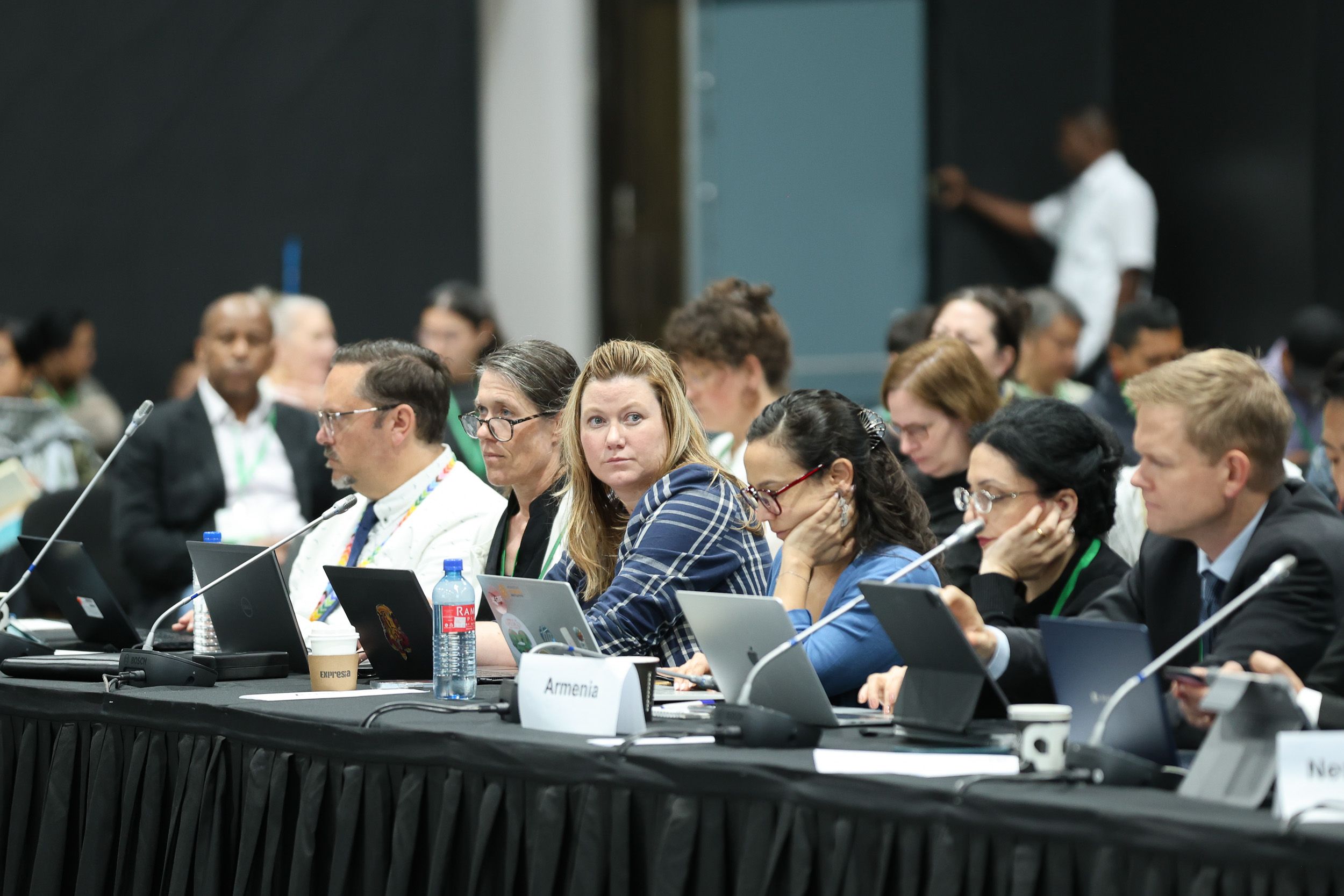
Melissa Cotterill, Australia
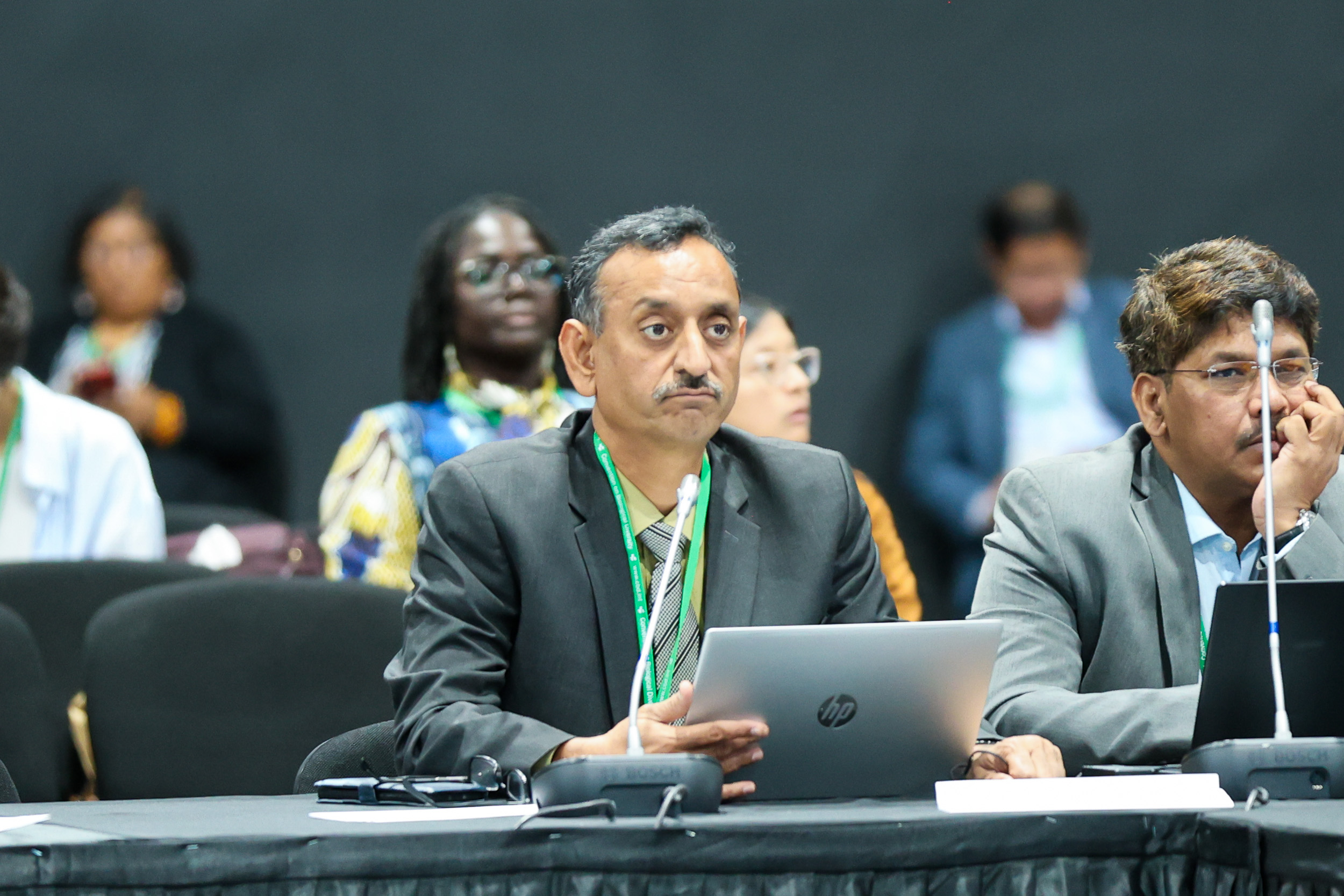
Badrinarayanan Balaji Lnu, India
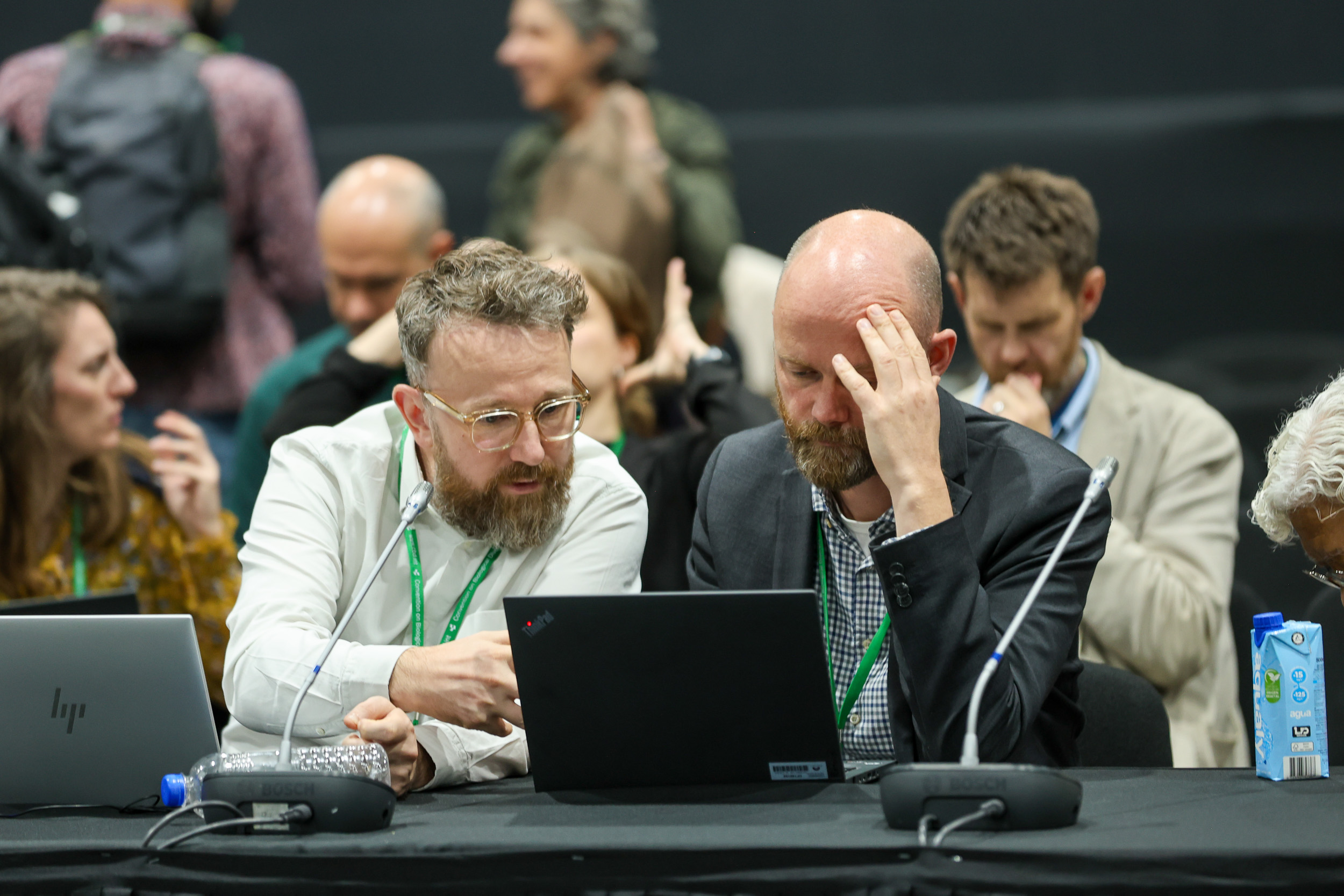
Lennart Kümper-Schlake and Thomas Midtgaard, Denmark
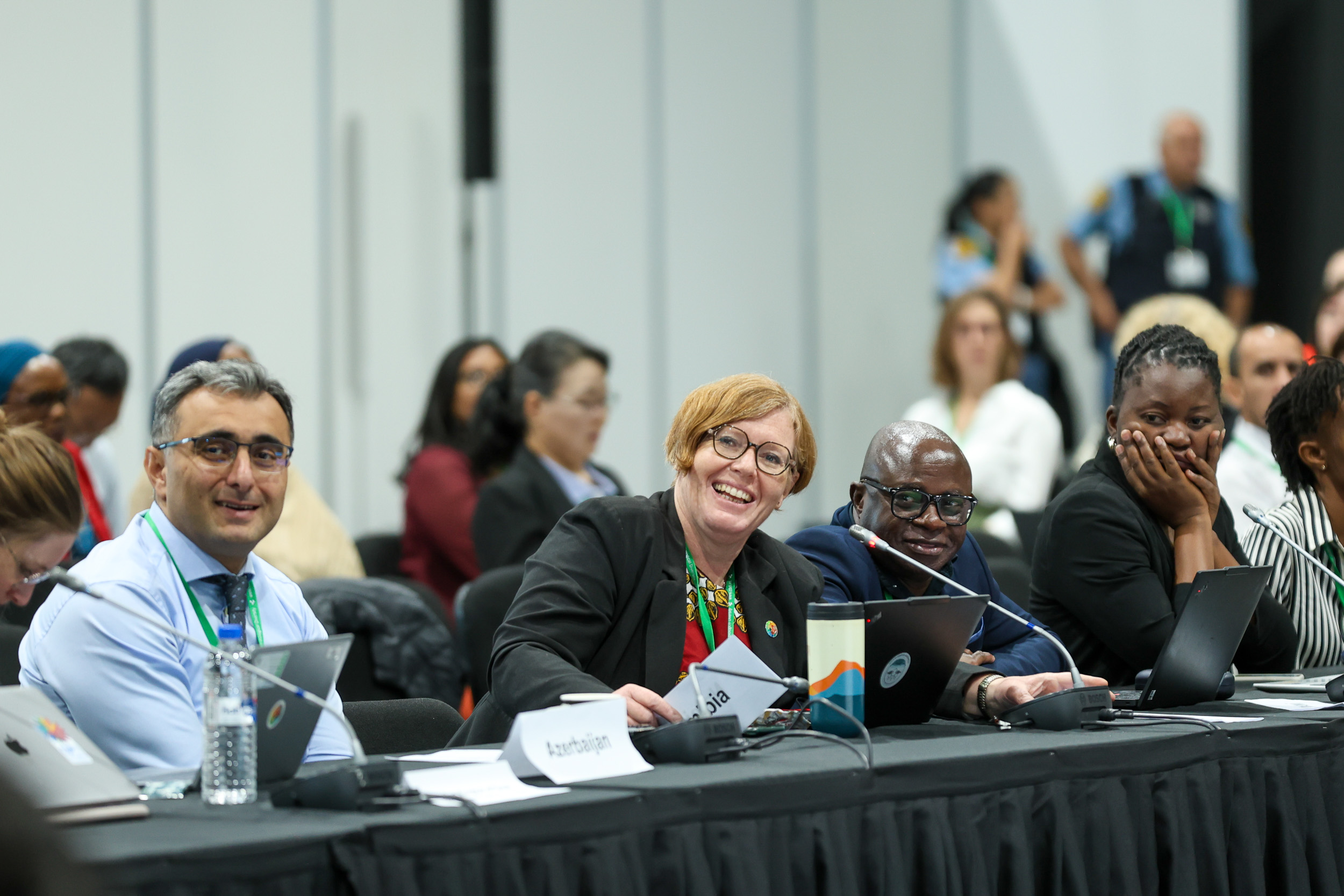
Britta Hackenberg, Namibia
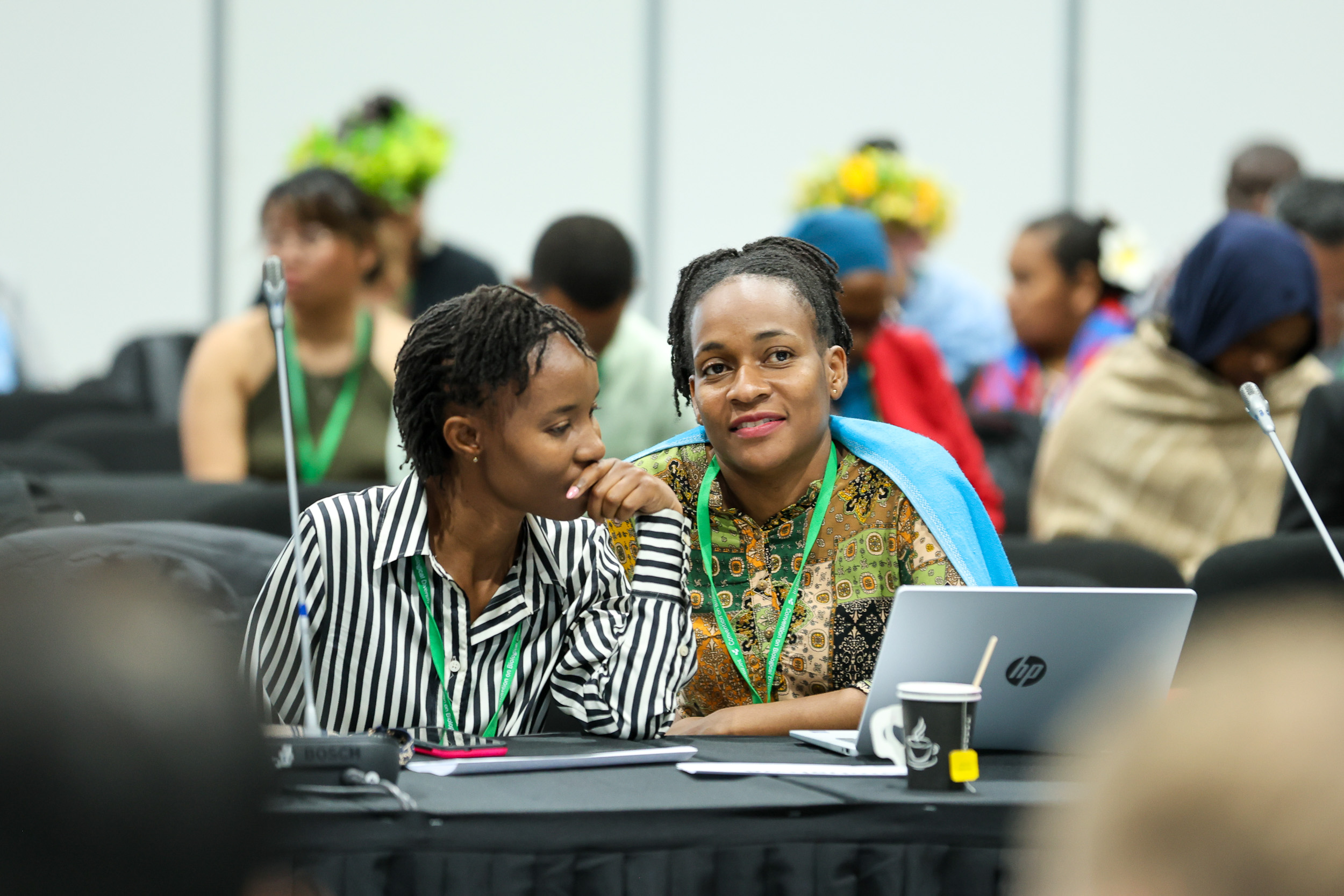
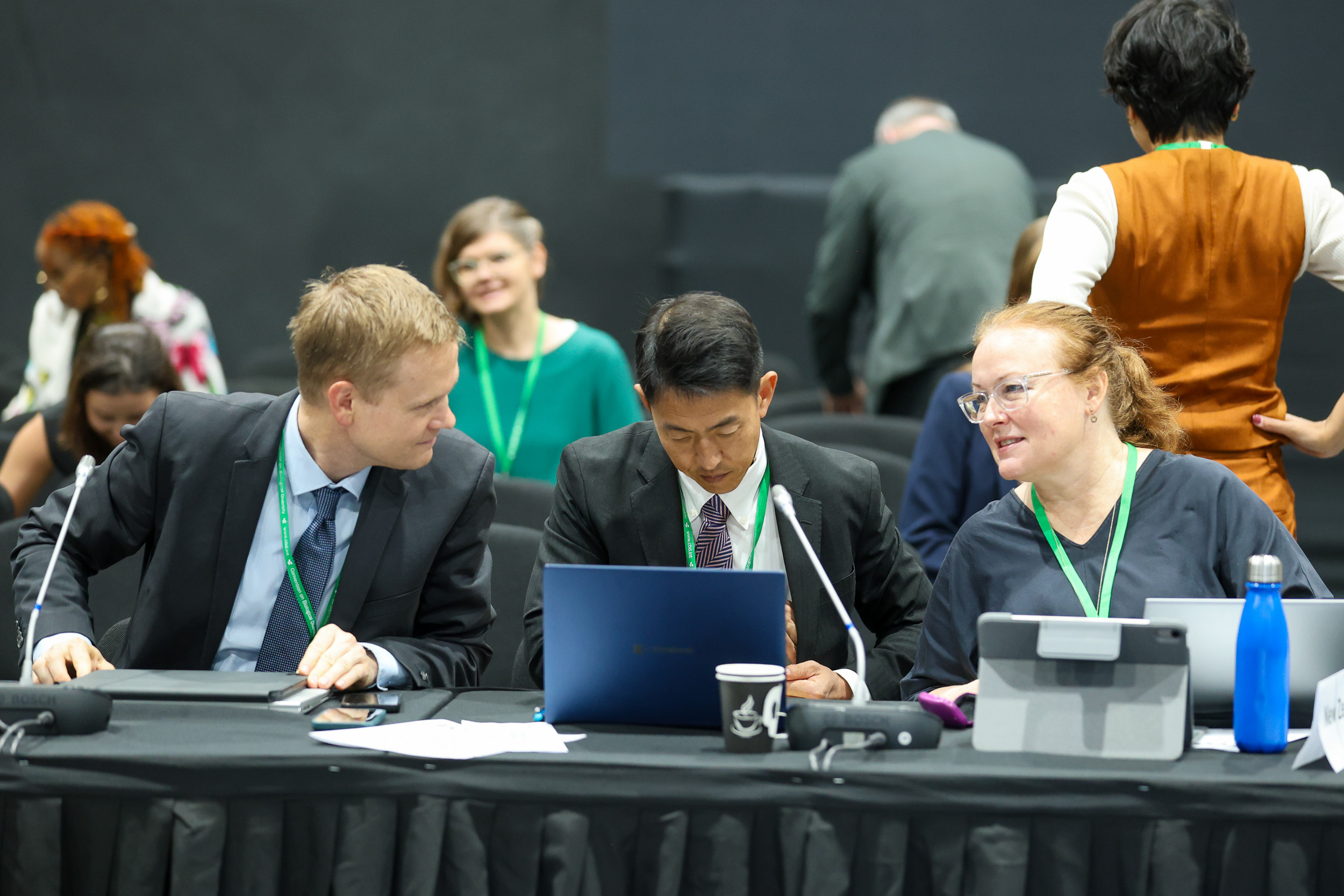
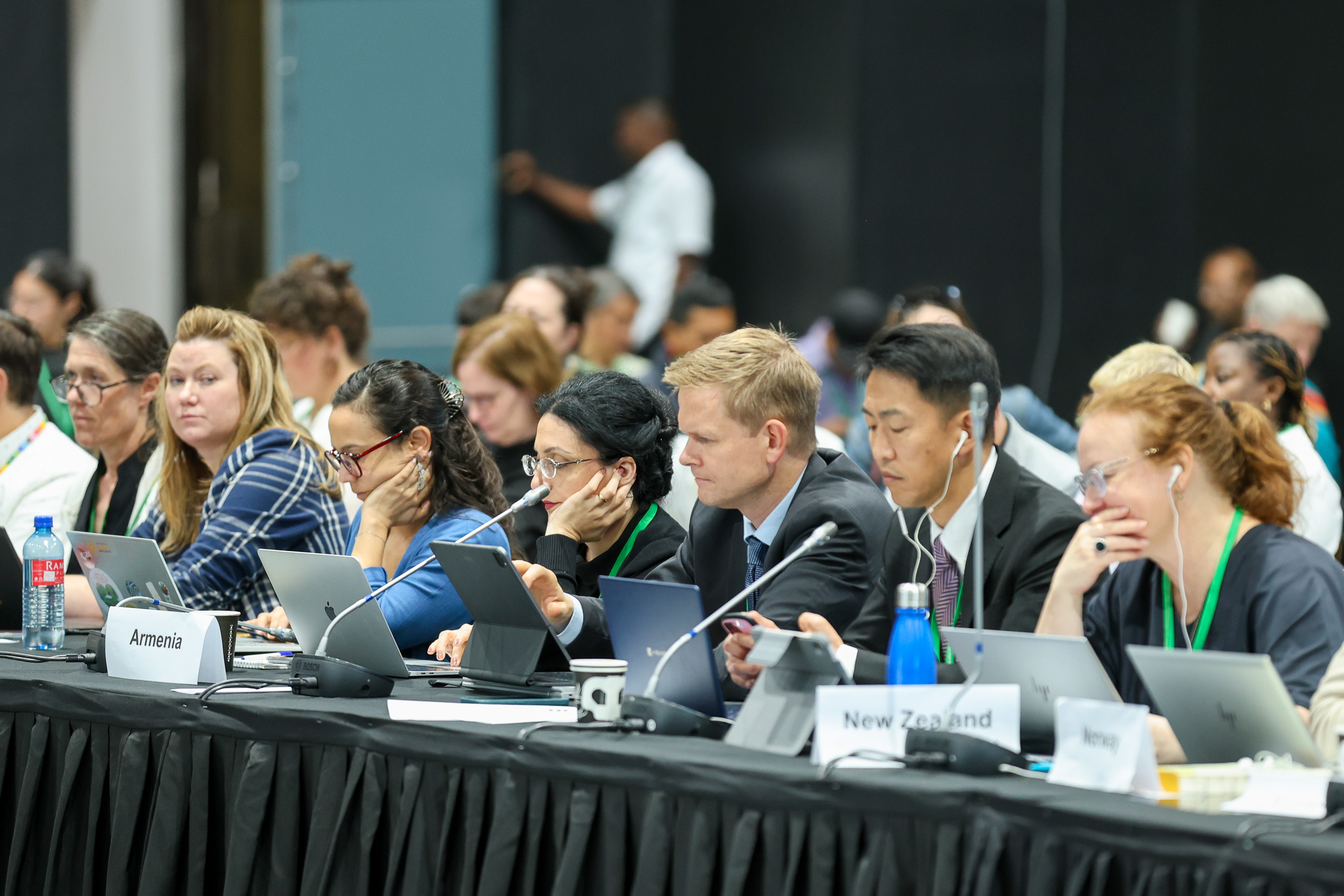
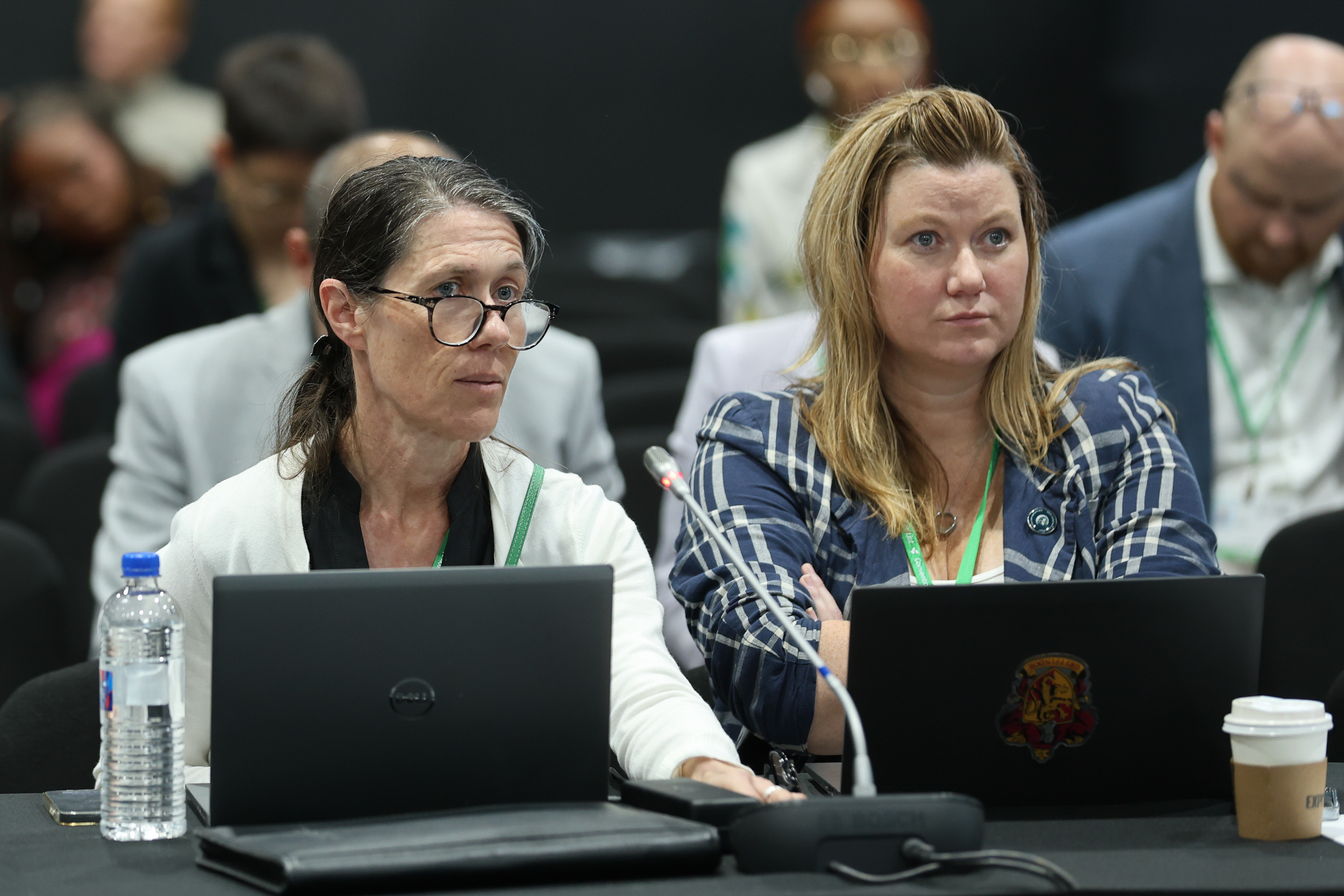
Louisa Longman and Melissa Cotterill, Australia
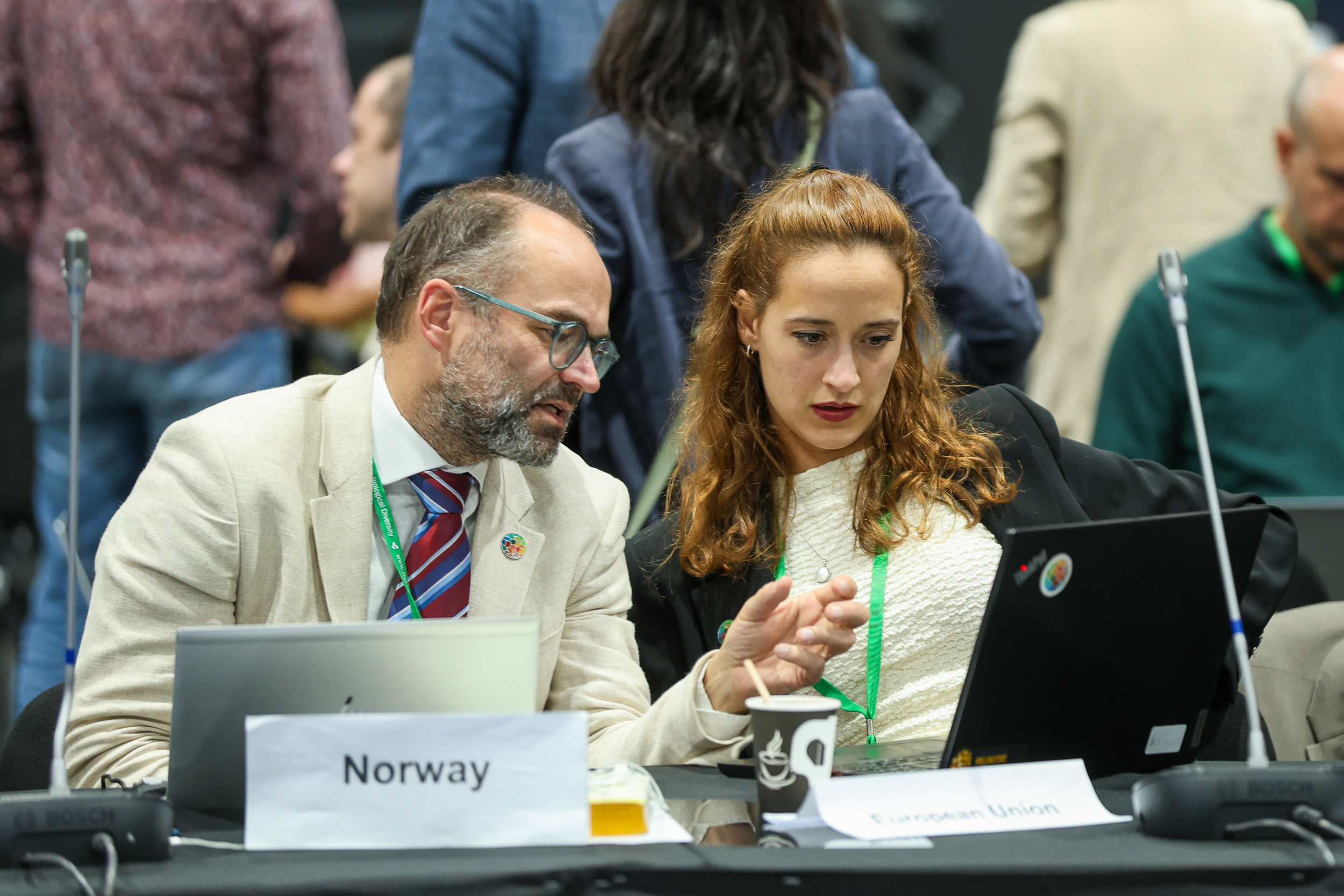
Gaute Hanssen, Norway, and Nadja Steinfort, EU
Between Sessions
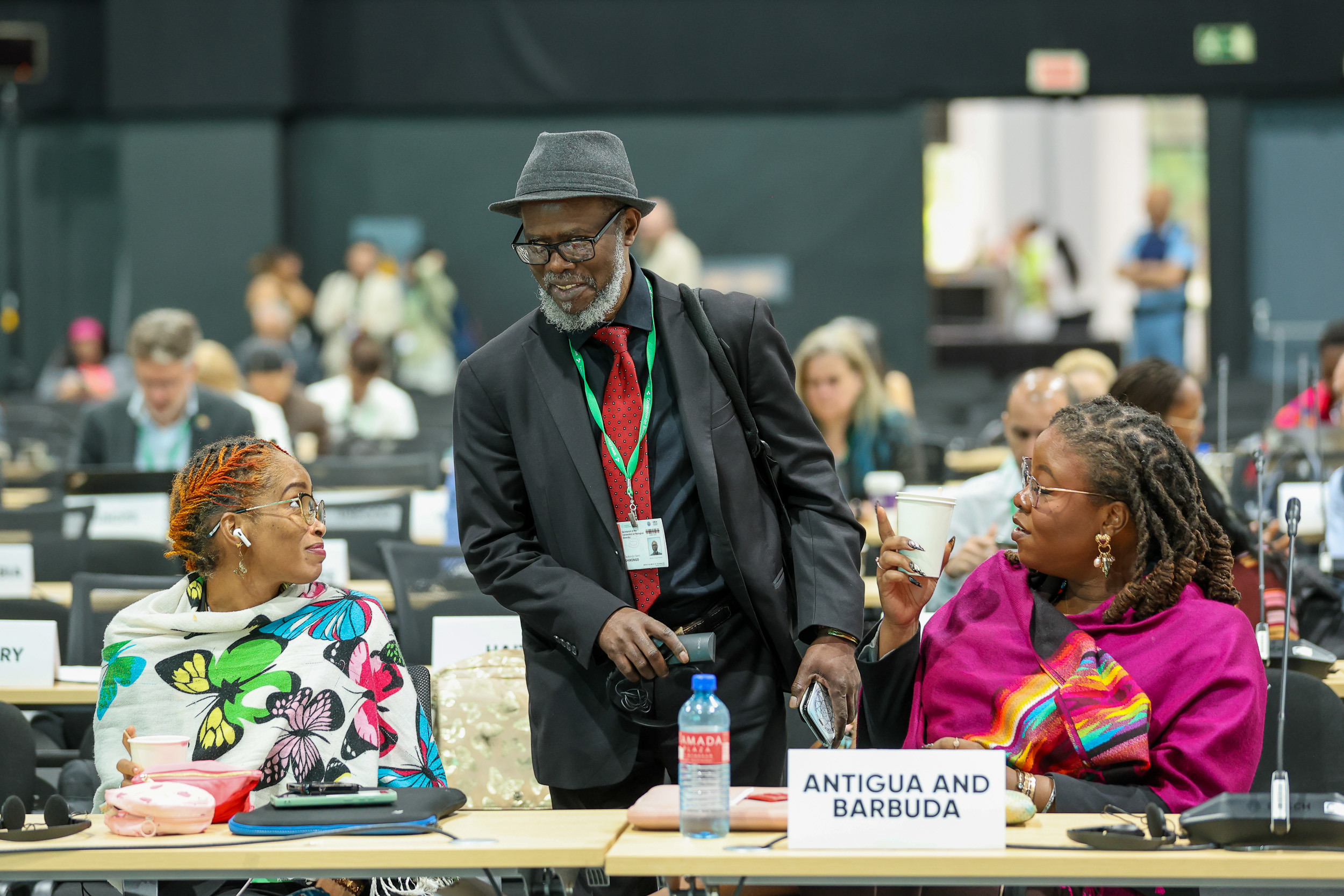
Kishma Primus-Ormond and Nneka Nicholas, Antigua and Barbuda, with Taukondjo Shikongo, CBD Secretariat
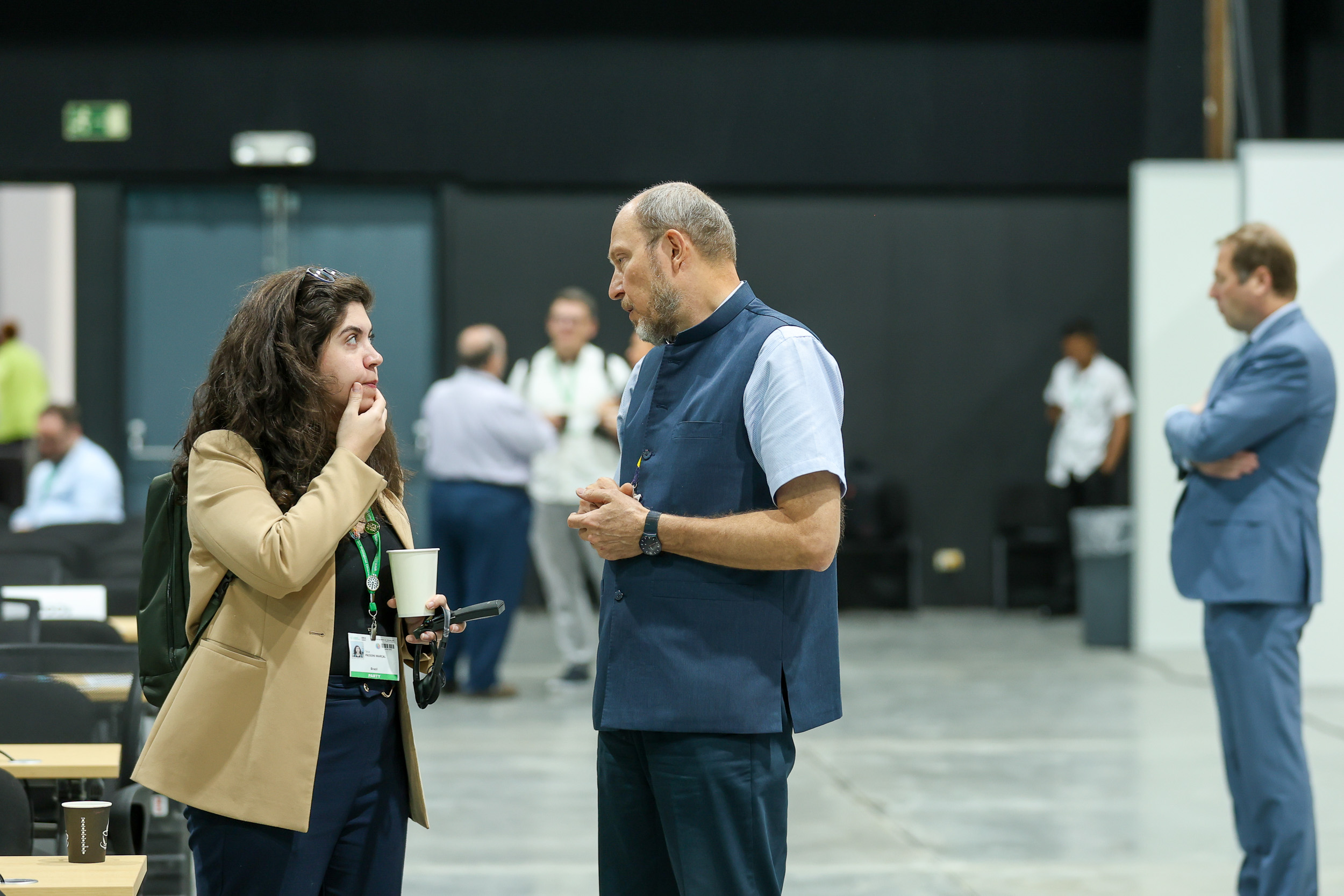
Taísa Passoni Marçal, Brazil, and Alexander Shestakov, Russian Federation
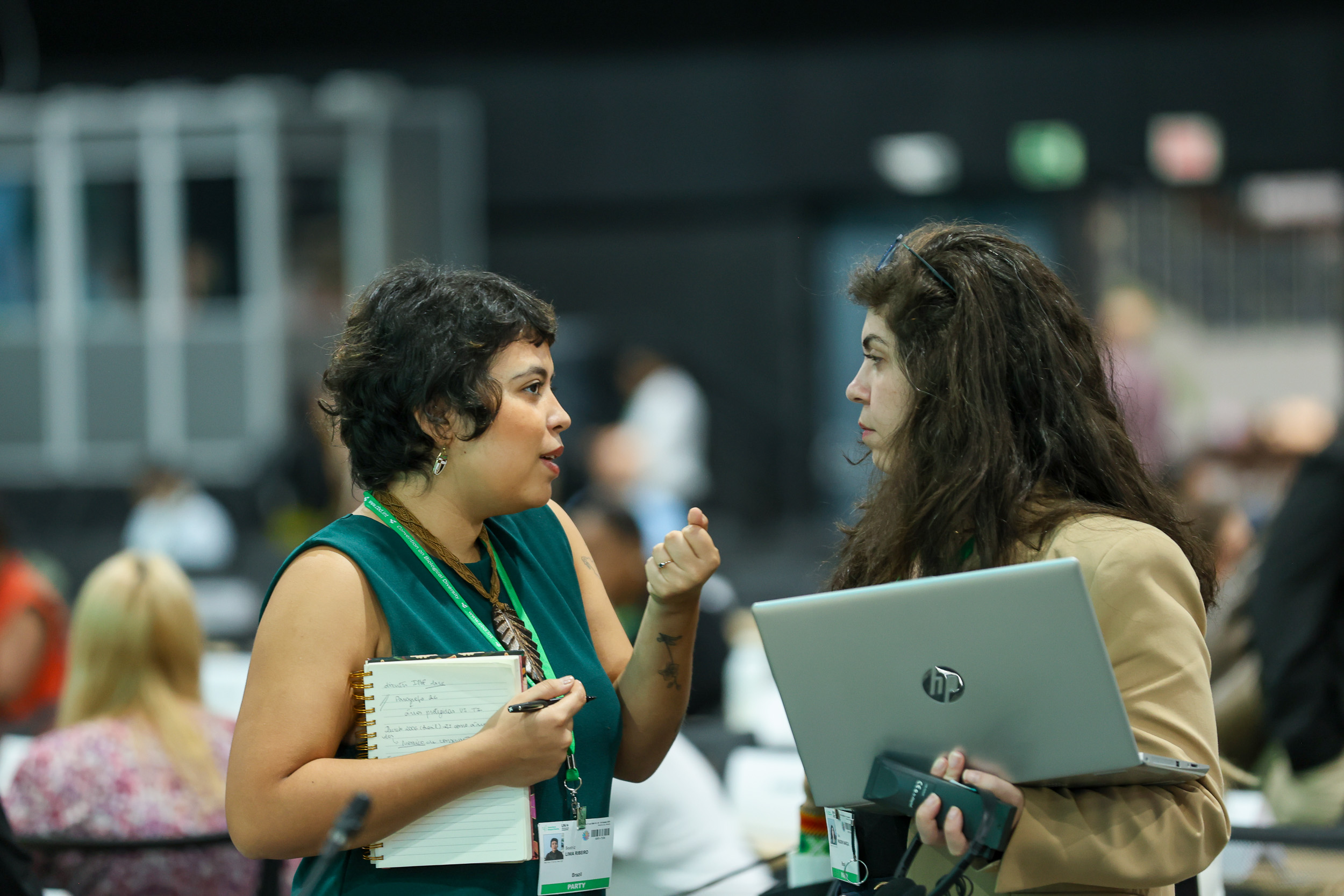
Beatriz Lima Ribeiro and Taísa Passoni Marçal, Brazil
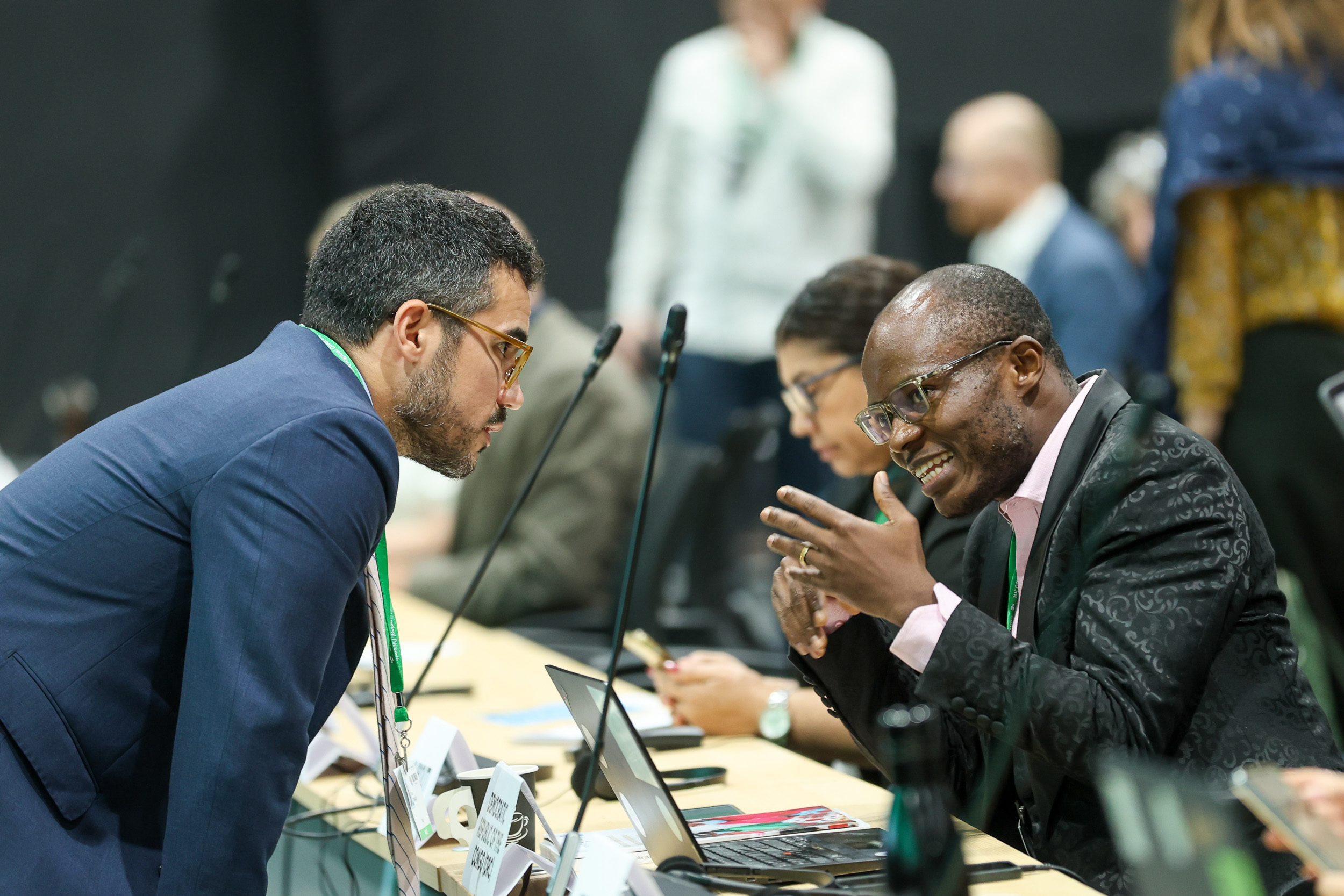
Diogo Gonçalves, Brazil, and Daniel Mukubi Kikuni, Democratic Republic of the Congo
Around the Venue
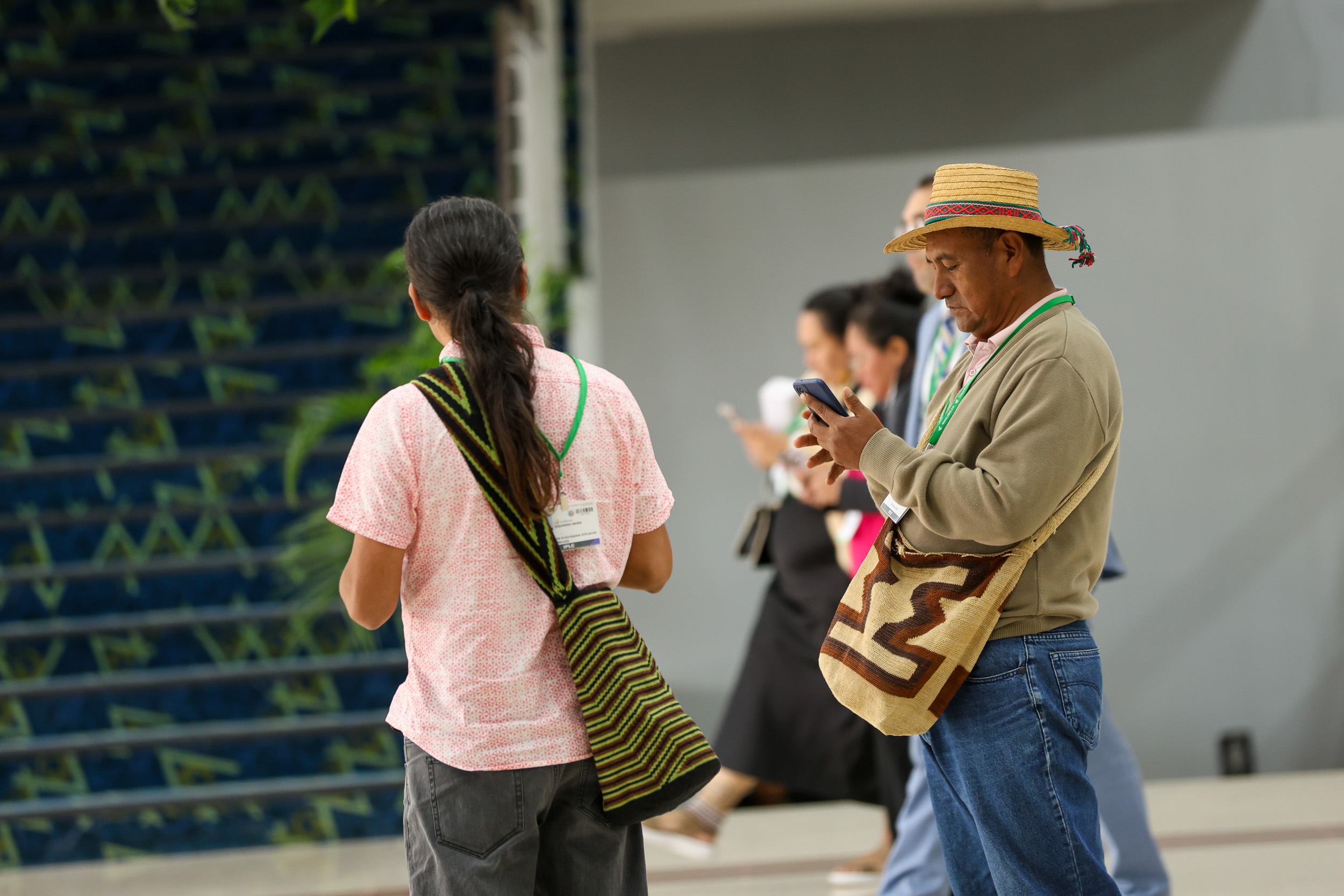
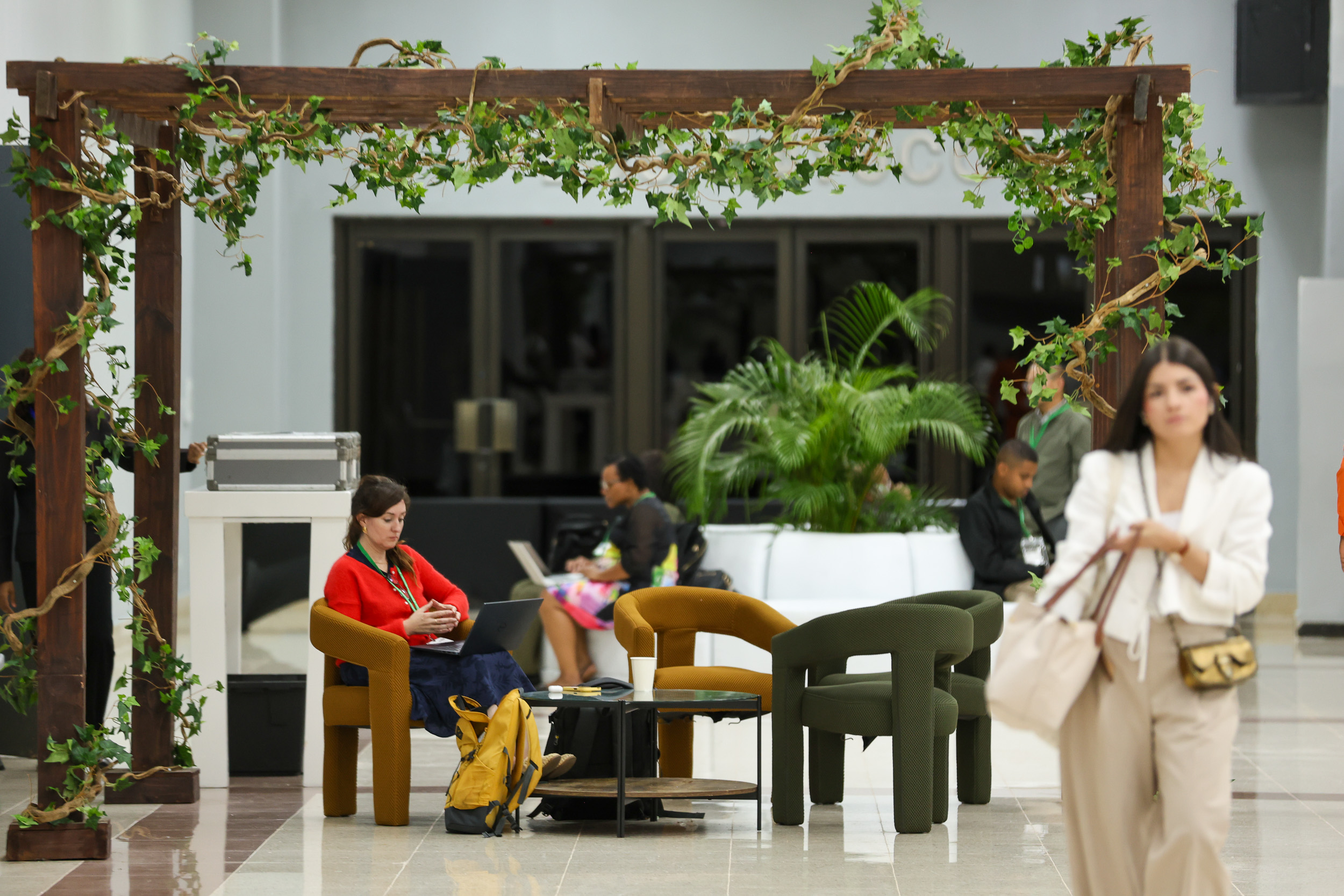
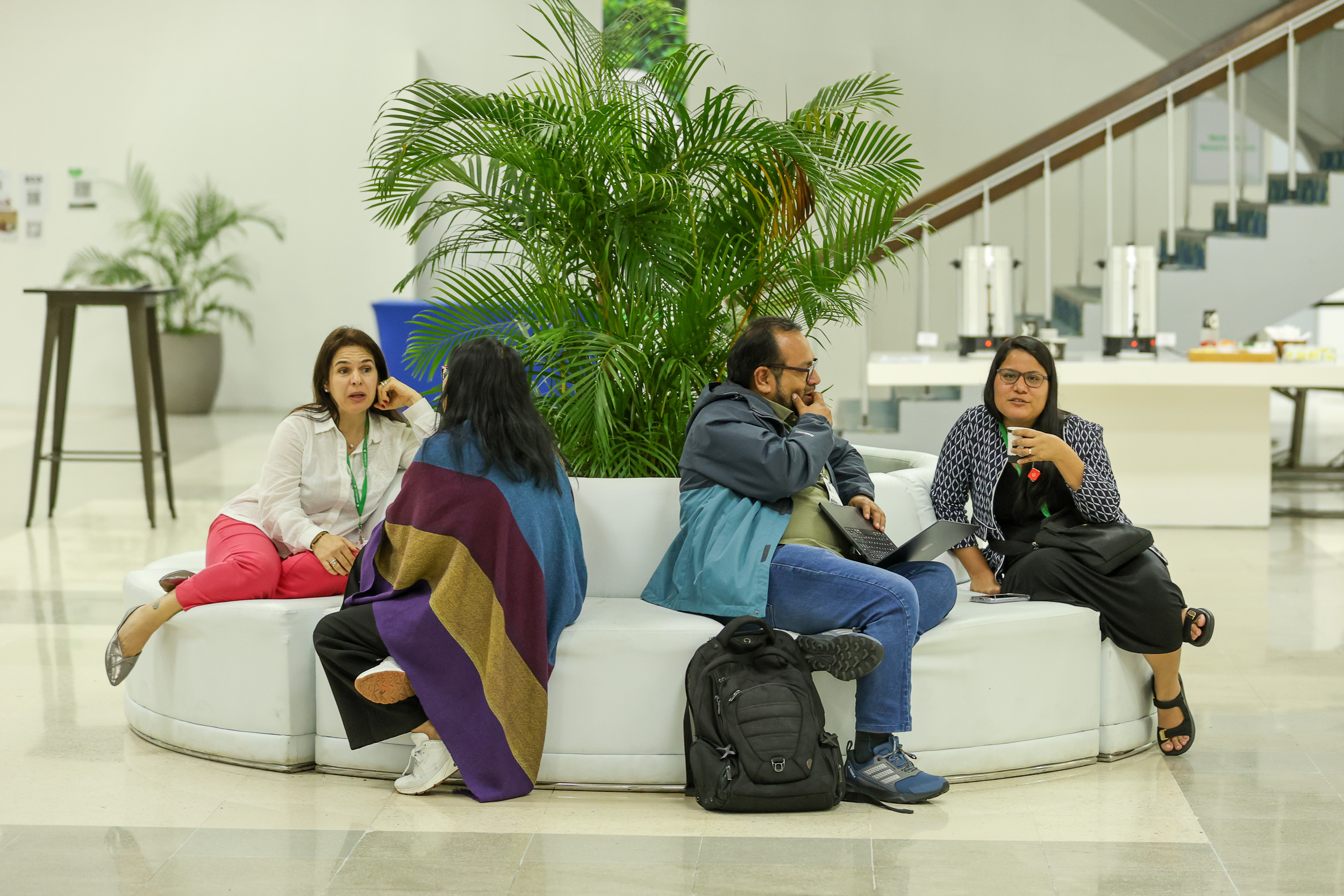
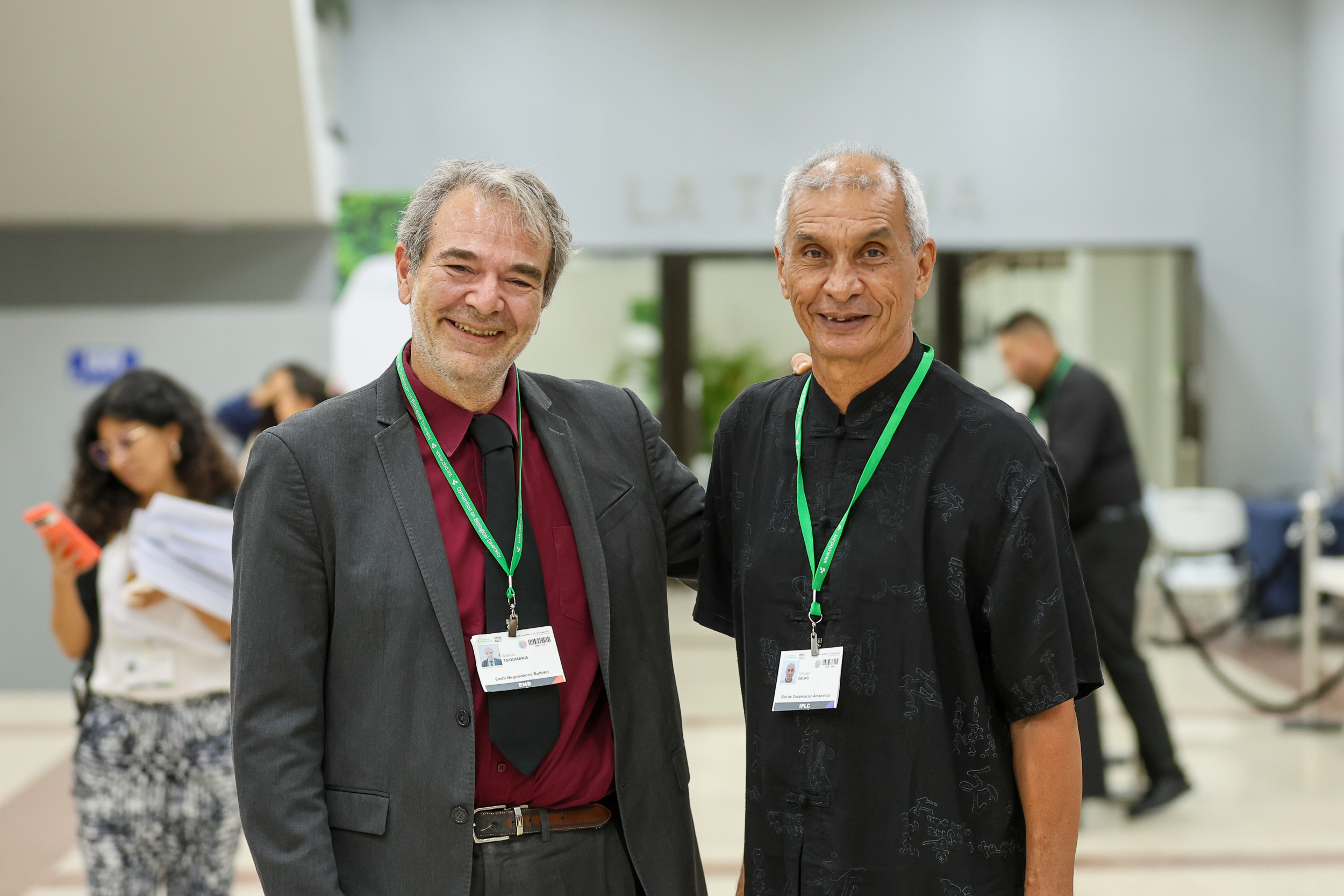
Asterios Tsioumanis, IISD/ENB, with Santiago Obispo, Amazon Cooperation Network
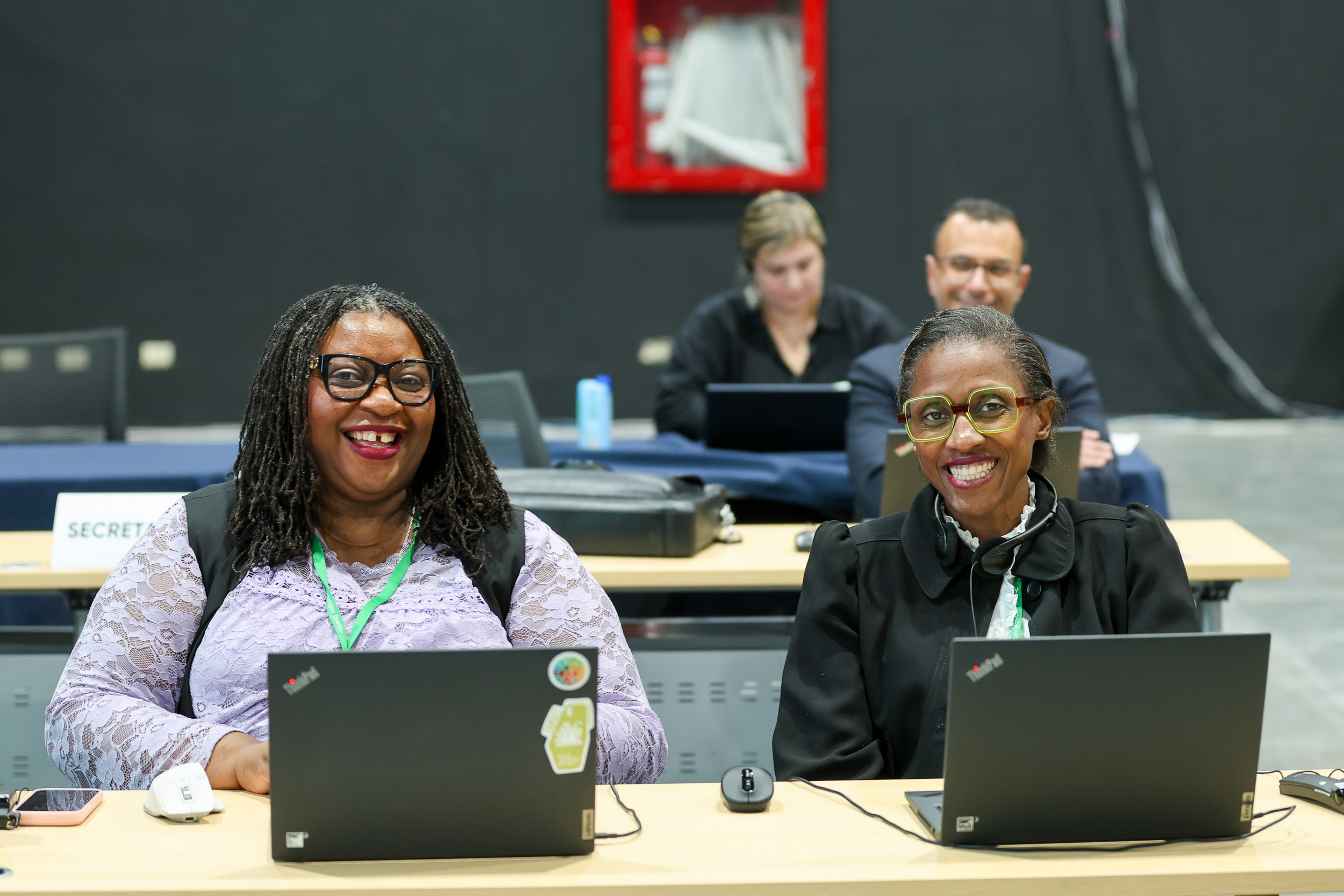
Wadzanayi Goredema-Mandivenyi and Sakhile Silitshena, CBD Secretariat
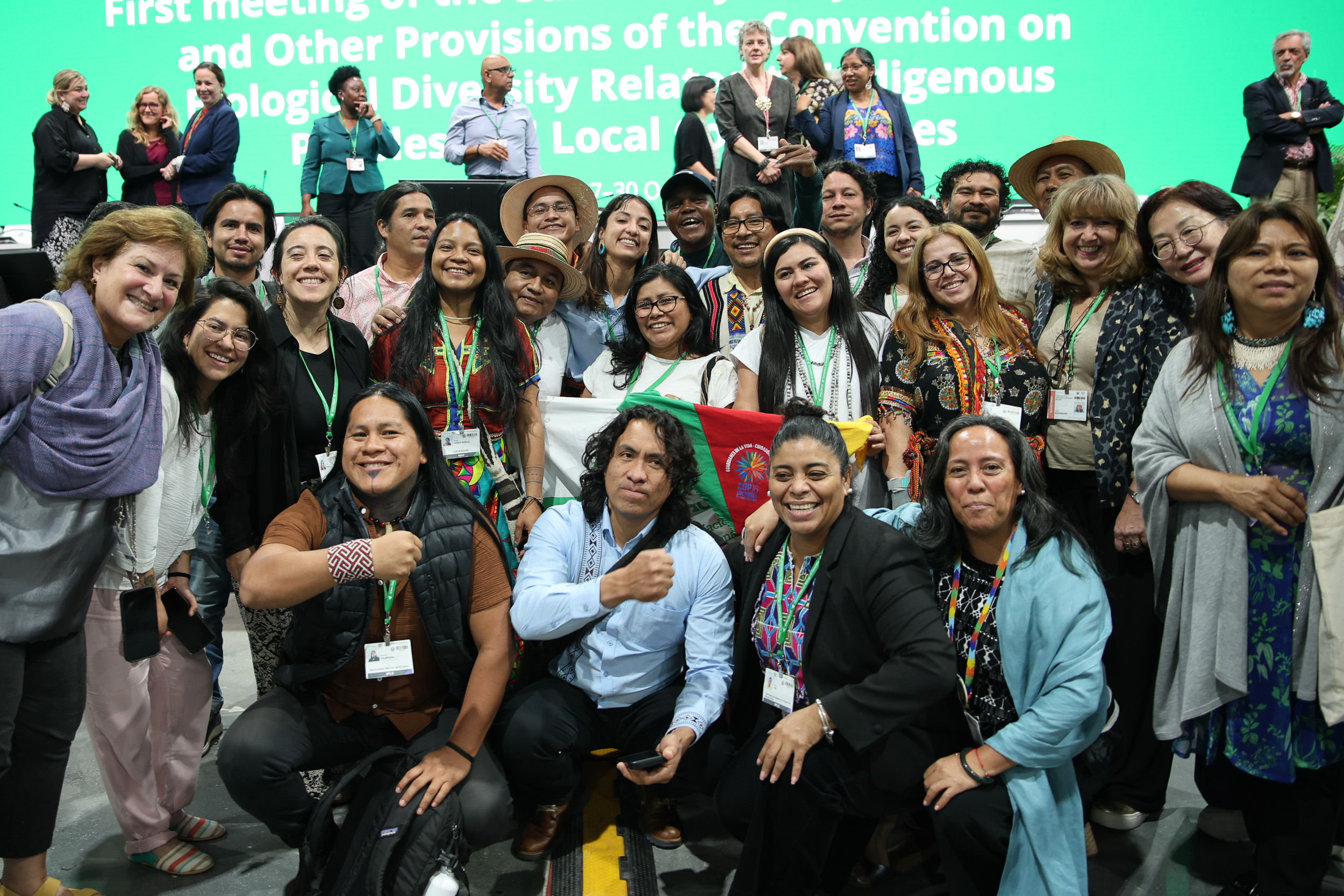
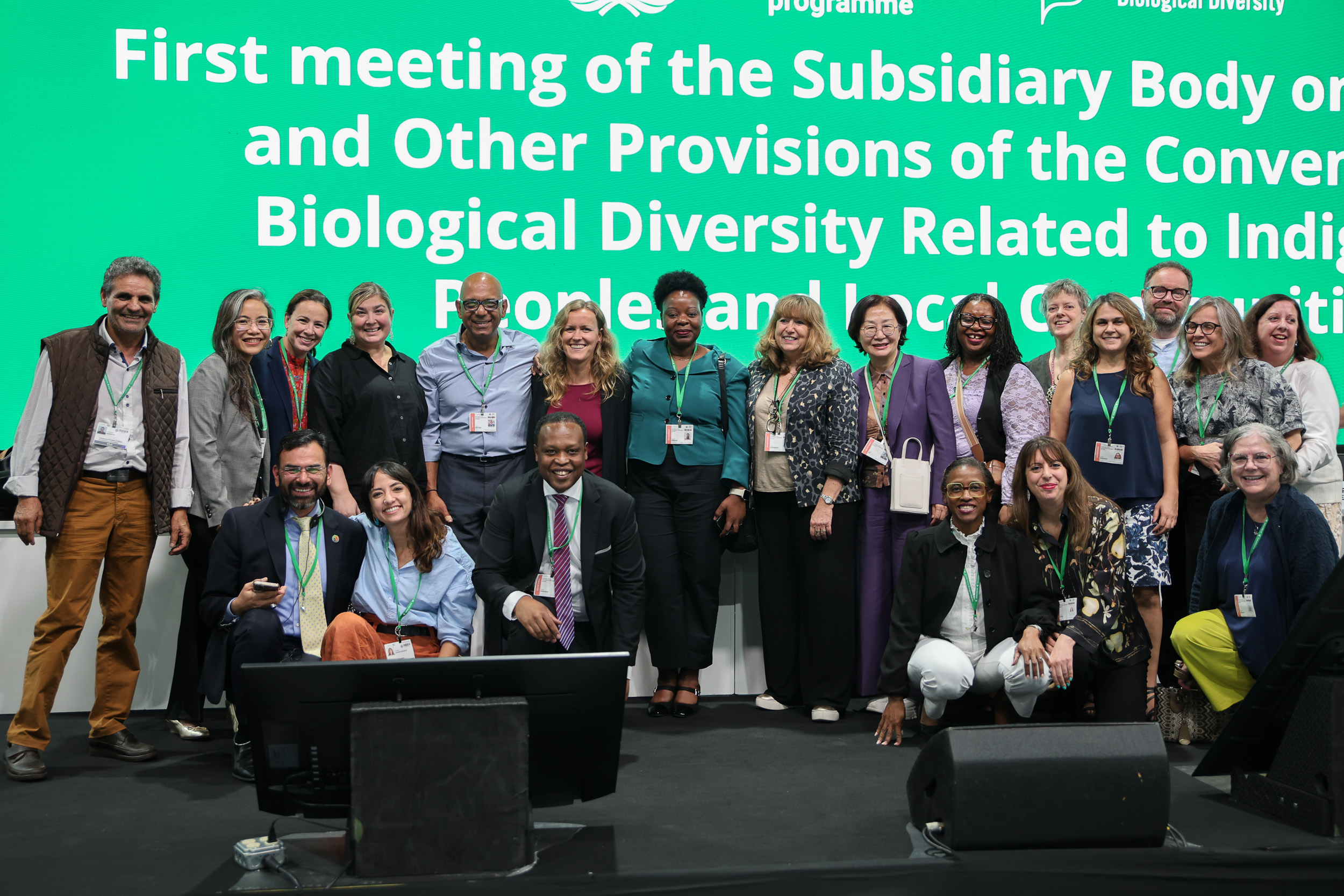
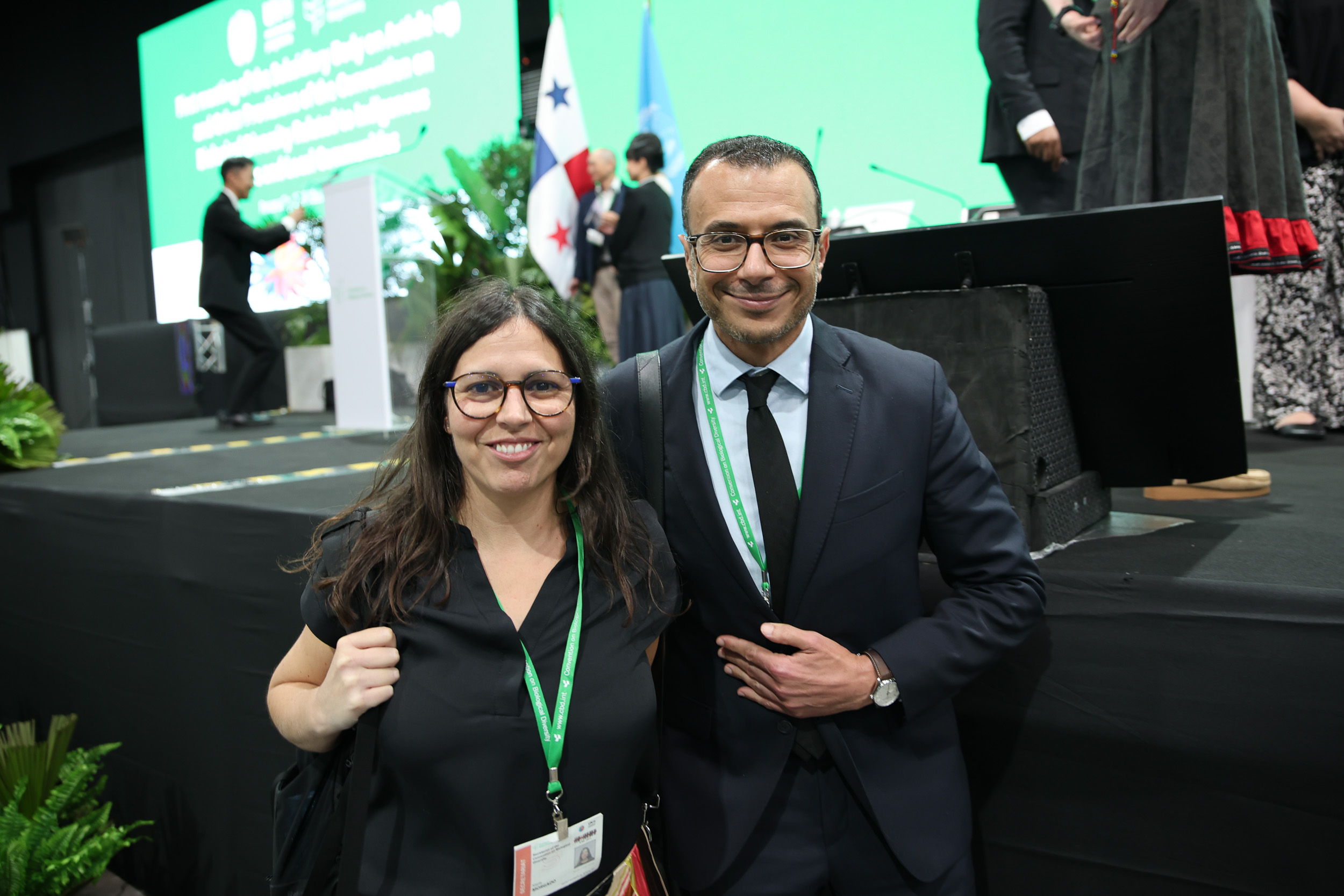
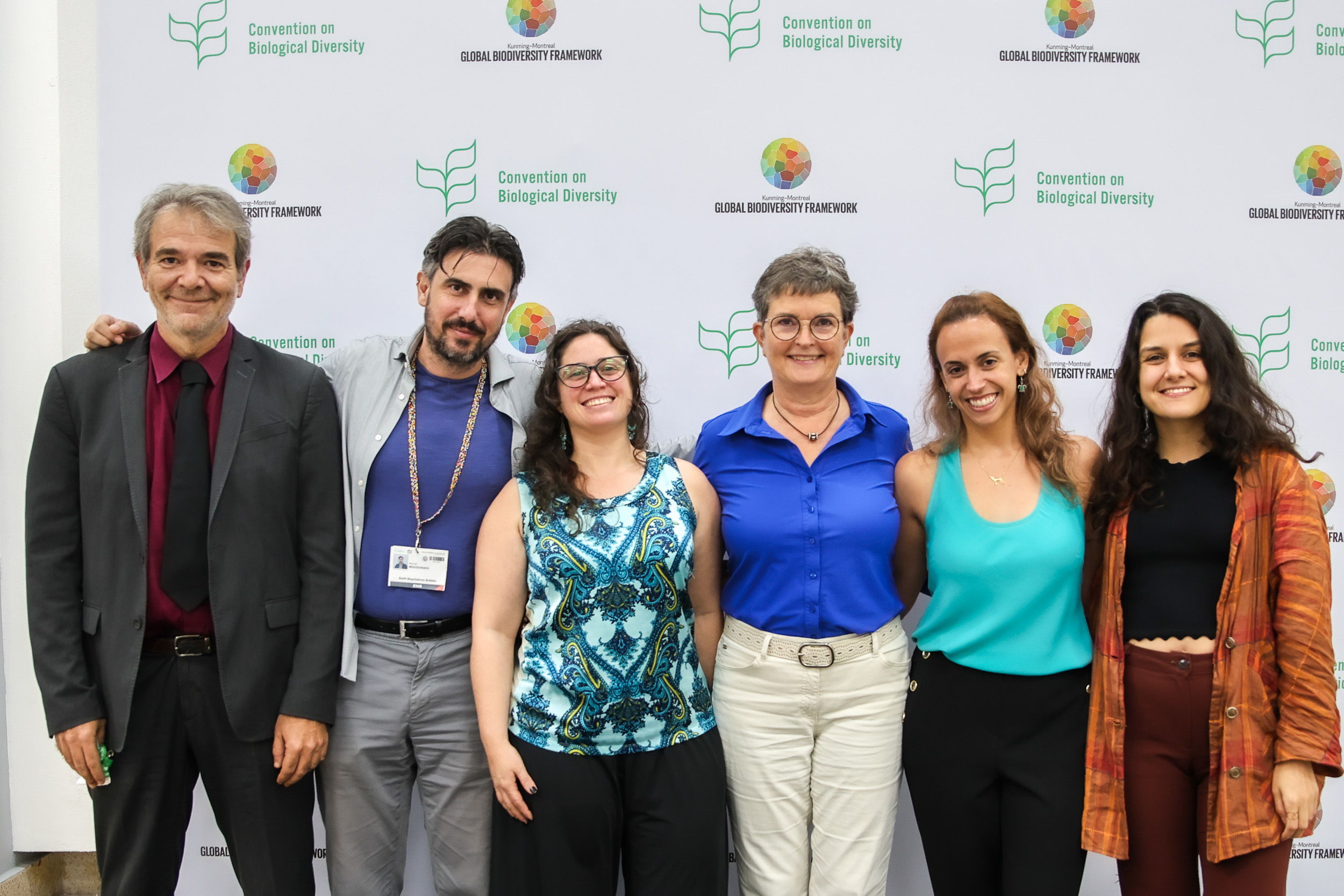
The ENB team. From L-R: Asterios Tsioumanis; Mike Muzurakis; María Ovalle; Annelies van Gaalen; Rafaella Lobo; and Katarina Hovden